WESLEY HEALTH CARE CENTER INC
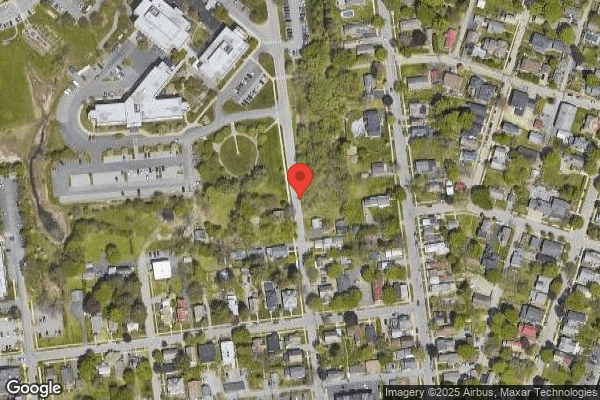
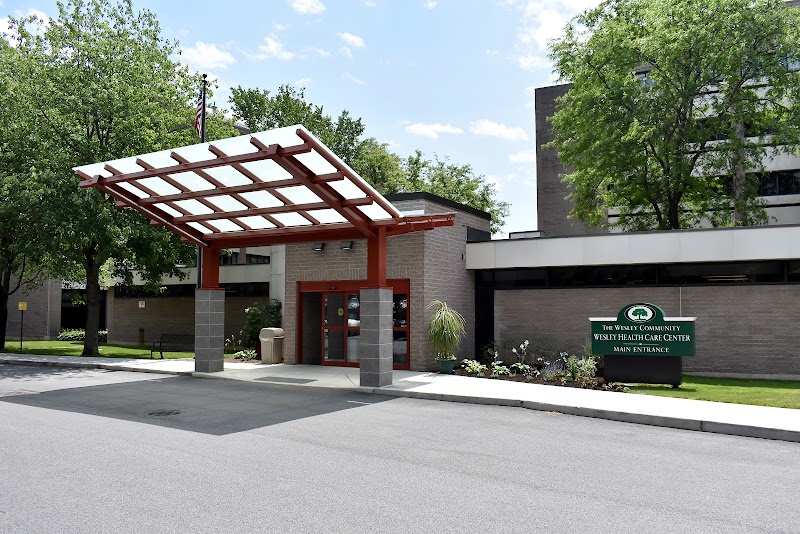
131 LAWRENCE STREET, SARATOGA SPRINGS, NY 12866 (518) 587-3600
Non profit - Corporation 356 Beds Independent Data: November 2025
Trust Grade
55/100
#472 of 594 in NY
Last Inspection: November 2024

Within standard 12-15 month inspection cycle. Federal law requires annual inspections.

Overview

Wesley Health Care Center in Saratoga Springs, New York, has received a Trust Grade of C, which means it is average compared to other facilities. It ranks #472 out of 594 in New York, placing it in the bottom half of nursing homes in the state, but it is the best option in Saratoga County. Unfortunately, the facility's trend is worsening, with issues increasing from 2 in 2023 to 8 in 2024, indicating growing concerns. Staffing is rated average with a turnover of 50%, which is on par with the state average, but the RN coverage is concerning as it is less than 87% of state facilities, potentially affecting the quality of care. Specific incidents raised during inspections include a COVID-19 outbreak where residents were placed in unsafe situations by sharing rooms with positive cases, and reports of residents not being treated with dignity, such as one resident being left to soil themselves due to delayed staff response. Overall, while there are strengths in some areas, significant weaknesses in infection control and resident treatment raise flags for families considering this facility.

Trust Score
C
55/100
In New York
#472/594
Bottom 21%
Safety Record
Low Risk
No red flags
Inspections
Getting Worse
2 → 8 violations
Staff Stability
⚠ Watch
50% turnover. Above average. Higher turnover means staff may not know residents' routines.
Penalties
✓ Good
No fines on record. Clean compliance history, better than most New York facilities.
Skilled Nurses
⚠ Watch
Each resident gets only 25 minutes of Registered Nurse (RN) attention daily — below average for New York. Fewer RN minutes means fewer trained eyes watching for problems.
Violations
⚠ Watch
19 deficiencies on record. Higher than average. Multiple issues found across inspections.
★★☆☆☆
2.0
Overall Rating
★★★☆☆
3.0
Staff Levels
★★★★☆
4.0
Care Quality
★★☆☆☆
2.0
Inspection Score
Stable
2023: 2 issues
2024: 8 issues

The Good

  • 4-Star Quality Measures · Strong clinical quality outcomes
  • Full Sprinkler Coverage · Fire safety systems throughout facility
  • No fines on record

Facility shows strength in quality measures, fire safety.

The Bad

2-Star Overall Rating

Below New York average (3.1)

Below average - review inspection findings carefully

Staff Turnover: 50%

Near New York avg (46%)

Higher turnover may affect care consistency

The Ugly 19 deficiencies on record

Nov 2024 8 deficiencies
CONCERN (D)

Potential for Harm - no one hurt, but risky conditions existed

Resident Rights (Tag F0550)

Could have caused harm · This affected 1 resident

**NOTE- TERMS IN BRACKETS HAVE BEEN EDITED TO PROTECT CONFIDENTIALITY** Based on observation, record review, and interviews during the recertification survey and abbreviated survey (NY00356338), the f...

Read full inspector narrative →
**NOTE- TERMS IN BRACKETS HAVE BEEN EDITED TO PROTECT CONFIDENTIALITY** Based on observation, record review, and interviews during the recertification survey and abbreviated survey (NY00356338), the facility did not ensure each resident was treated with respect and dignity and cared for in a manner and in an environment that promoted maintenance or enhancement of their quality of life, recognizing each resident's individuality for 2 (Resident #s 6 and 33) of 7 residents reviewed for dignity. Specifically, for (a.) Resident #6 was left to soil themselves because staff did not attend to the resident in a timely fashion, leaving the resident feeling humiliated on more than one occasion. Resident #33 was not assisted with the consumption of their observed meal in a dignified manner. This is evidenced by: A facility policy titled Promoting Dignity and a Safe Environment Guidelines, dated 03/12/2024 documented it was designed to provide a safe, respectful, and dignified environment for all residents. A facility policy titled Feeding a Resident, dated 11/12/2024 documented under section 2. Feeding a resident: c. staff should sit not standing over residents. Resident conversation should be engaging and resident-appropriate, keep private staff conversations for break time. A facility policy titled Resident Rights, dated 03/2024, documented that the facility would ensure residents had the right to a dignified existence, self-determination, respect, full recognition of their individuality, consideration and privacy in treatment and care for personal needs, and communication with and access to persons and services inside and outside the facility. Resident #6 Resident #6 was admitted to the facility with diagnoses of chronic kidney disease, dependence on renal dialysis (a treatment that removes waste and excess fluid from the blood when the kidneys are no longer functioning properly), and difficulty walking. The Minimum Data Set (an assessment tool) dated 10/16/2024 documented the resident was able to be understood, understand others, was cognitively intact and required significant assistance with activities of daily living. Resident #6's Comprehensive Care Plan for incontinence, undated, documented the resident's goals included remain free of odor and moisture associated skin damage. Interventions were check for incontinence; clean and dry skin if wet or soiled and dress in clothing that is easily removed for toileting. During an interview on 11/18/2024 at 2:29 PM, Resident #6 stated that the facility was short on staff. They stated few days ago they called for medications and for the restroom around 7:00 PM, staff did not come until 10:00 PM. This happened at least one time per week but usually several times per week. On a good day they answer the call light in 3 hours and on a bad day no one comes after turning their light off. Resident #6 stated several times they were left to the point that they soiled themselves and were embarrassed by this. They stated they were left soiled until the urine was up to the resident's belly area without assistance. During an observation on 11/19/2024 at 9:48 AM, the call light was engaged for room [ROOM NUMBER]; the call light was answered 27 minutes later at 10:15 AM. During an interview on 11/19/2024 at 12:28 PM, Registered Nurse #4 stated they were alone on the unit without other nurses and could not interview at that time. Resident #33 Resident #33 was admitted to the facility with diagnoses of dysphagia (difficulty swallowing), hemiplegia, and hemiparesis (muscle weakness or partial paralysis on one side). The Minimum Data Set, dated [DATE], documented the resident was usually able to make themselves understood, usually able to be understood by others, and severely cognitively impaired. During an observation 11/12/2024 at 12:29 PM, Resident #33 sat in the wheelchair at the dining room table on the third floor of Springs tower. Staff asked and placed a clothing protector. Licensed Practical Nurse #1 assisted Resident #33 with the noon meal, they turned to converse with other staff at the table of six residents with six staff assisting and four staff were engaged in the conversation, not paying attention to the residents they were assisting. Resident #33 was seen during this time chewing/sucking on her clothing protector. One resident was leaning towards the fork the staff was holding out of reach while their head was turned away from the resident. One resident was reaching for the food on the plate while the staff was paying attention to the conversation of other staff. During an observation and interview on 11/12/2024 at 12:29 PM, Certified Nurse Aide #1 stated residents should be assisted at meals when needed and the staff should pay attention and keep their concentration on the resident, they were assisting. This was a dignity issue for the resident. During an interview on 11/12/2024 at 12:29 PM, Licensed Practical Nurse #1 stated they should keep their attention on the resident they were assisting with meals through the entire meal. They apologized for their behavior during the meal. They confirmed it was a dignity issue. During an interview on 11/12/2024 at 12:43 PM, Director of Nursing #1 and Assistant Director of Nursing #1 stated all residents that required assistance with eating should receive it with dignity. This would be the staff assisting them would pay attention to them and not to participate in outside conversations with other staff, in doing this was a resident dignity issue. 10 New York Code Rules and Regulations 415.5(a)
CONCERN (D)

Potential for Harm - no one hurt, but risky conditions existed

Deficiency F0645 (Tag F0645)

Could have caused harm · This affected 1 resident

Based on record review and interviews during the recertification survey, the facility did not ensure that each resident was screened for a mental disorder or intellectual disability prior to admission...

Read full inspector narrative →
Based on record review and interviews during the recertification survey, the facility did not ensure that each resident was screened for a mental disorder or intellectual disability prior to admission for 1 (Resident #243) of 35 residents reviewed. Specifically, there was no documentation that a Preadmission Screening and Resident Review (PASARR, New York State Department of Health form 695) was completed for Resident #243 by a qualified screener prior to admission to the facility. This is evidenced by: Resident #243 was admitted to the facility with diagnoses of malignant neoplasm of prostate (prostate cancer that spread to other parts of the body), secondary malignant neoplasm of bone (cancer that spread to the bone from the prostate), and difficulty walking. The Minimum Data Set (an assessment tool) dated 8/29/2024 documented that the resident was able to be understood, understand others, and was somewhat cognitively impaired. There was no documented evidence that Residents #243 had a Preadmission Screening and Resident Review completed prior to admission to the facility as required. During an interview on 11/19/2024 at 8:54 AM, Admissions Coordinator #1 stated that there was no Preadmission Screening and Resident Review for Resident #243 and that they were not aware there was not one done until the survey team asked for it. Resident #243 was admitted through hospice from home. The Hospice admission person was supposed to send the screen and never did. Admissions Coordinator #1 stated they reached out to the Hospice team to have it sent over upon discovery that it had not been. Hospice was unable to find the Preadmission Screening and Resident Review in question. admission Coordinator #1 stated they would complete the screen as soon as possible. During an interview on 11/19/2024 at 12:54 PM, Administrator #1 stated there would be a Performance Improvement Plan for addressing Resident #243's missing Preadmission Screening and Resident Review. Administrator #1 stated the facility usually did not have an issue with having completed Preadmission Screening and Resident Reviews or making sure they were completed before residents were admitted . Administrator #1 stated that Admissions Coordinator #1 was very stressed at the time Resident #243 was admitted and Resident #243's missing Preadmission Screening and Resident Review was a one-off situation. 10 New York Code of Rules and Regulations 415.11(3)
CONCERN (D)

Potential for Harm - no one hurt, but risky conditions existed

Deficiency F0657 (Tag F0657)

Could have caused harm · This affected 1 resident

Based on observations, record review, and interviews conducted during a recertification survey, the facility did not ensure Comprehensive Care Plans were reviewed after each assessment and revised bas...

Read full inspector narrative →
Based on observations, record review, and interviews conducted during a recertification survey, the facility did not ensure Comprehensive Care Plans were reviewed after each assessment and revised based on changing goals, preferences, and needs of the resident and in response to current interventions for 1 (Resident #68) of 39 residents reviewed. Specifically, for Resident #68, the Comprehensive Care Plan for Respiratory Therapy was not reviewed and revised to include changes in the resident's respiratory status when resident was not using oxygen. This is evidenced by: A review of the facility policy titled Respiratory Therapy Program dated 4/18/2023 documented the facility was to provide respiratory therapy assessment and treatment to those residents with deficiencies or abnormalities of pulmonary function, for whom a provider's order has been written. Resident #68 was admitted to the facility with diagnoses of sepsis (a life-threatening condition that occurs when the body's immune system has an extreme response to an infection that may lead to organ failure or death), rhabdomyolysis (a serious condition when muscle fibers die and release their contents into your bloodstream), and paroxysmal atrial fibrillation (a condition of having an irregular heartbeat). The Minimum Data Set (an assessment tool) dated 10/23/2024 documented that the resident could be understood, and usually understand others, and had intact cognition for daily living decisions. During an observation on 11/12/2024 at 12:49 PM, Resident #68 was not receiving oxygen, and a nasal cannula was connected to an oxygen concentrator as well as one attached to the portable oxygen tank in their wheelchair. During an observation on 11/15/2024 at 10:27 AM, the resident was not receiving oxygen, and a nasal cannula was connected to the portable oxygen tank in their wheelchair. There was no oxygen tubing on the resident concentrator, and it was unplugged. During an observation on 11/18/2024 at 10:12 AM, the resident was not receiving oxygen, and a nasal cannula was connected to the portable oxygen tank in their wheelchair. There was no oxygen tubing on the resident concentrator, and it was unplugged. A review of the Treatment Administration Record on 11/15/2024 for November 2024, documented that Resident #68 was to be on continuous oxygen therapy at 2 liters per minute via a nasal cannula and was to be changed once weekly. The nasal cannula tubing was documented as last being changed on 11/10/2024. The record further documented that staff ensured residents' oxygen was in place and functioning every four hours. The Treatment Administration Record documented that staff was signing off that the resident's oxygen was in place consistently for November 2024 A review of Resident #68 Care Plans dated 10/17/2024 documented resident had the potential for respiratory complications due to prolonged hospitalization, pain, and a new need for oxygen. The care plan further documented the resident was to have oxygen administered per the Medical Director's order. A review of the physician order sheet documented Resident #68 was to be on continuous oxygen at 2 liters per minute via nasal cannula. During an interview on 11/12/2024 at 12:49 AM, Resident 68 stated that they only wore the oxygen at night. They mentioned that they came to the facility with oxygen on and the facility had placed it on them but believed they did not require it as they did not wear it at home and had no issues with breathing. During a follow-up interview on 11/18/2024 at 10:12 AM, Resident #68 stated that they were not on oxygen over the weekend. They stated that they had not been on oxygen in quite some time. They stated they were not sure why there was oxygen as they feel they do not require it. Resident #68 stated that they had never used the portable oxygen tank that was located in their wheelchair. During a subsequent interview on 11/19/2024 at 9:40 AM, Resident #68 stated that they had not been on oxygen much since they had been at the facility. The resident was not on oxygen during their morning physical therapy session. During an interview on 11/19/2024 at 9:50 AM, Registered Nurse #2 stated that Resident #68 had an order for oxygen but stated they hardly wore it. They stated that they have had conversations with the team about discontinuing the oxygen for the resident but had not heard from the physician at all. They stated that the resident had not been on oxygen for approximately 5-6 days and their oxygen saturation was above 95%. Mentioned findings to Registered Nurse #2 and they verified that the staff have been verifying resident was wearing their oxygen and documenting it in the Treatment Administration Record. They stated that staff should be documenting that the resident was not on oxygen. 10 New York Code of Rules and Regulations 483.21 (b)(2)(iii)
CONCERN (D)

Potential for Harm - no one hurt, but risky conditions existed

Deficiency F0679 (Tag F0679)

Could have caused harm · This affected 1 resident

Based on observations, record review, and interviews during a recertification survey, the facility did not ensure that it provided an ongoing program to support residents in their choice of activities...

Read full inspector narrative →
Based on observations, record review, and interviews during a recertification survey, the facility did not ensure that it provided an ongoing program to support residents in their choice of activities, both facility-sponsored group and individual activities and independent activities, designed to meet the interests of and support the physical, mental, and psychosocial well-being of each resident, encouraging both independence and interaction in the community for 1 (Resident # 80) of 2 residents reviewed for activities. Specifically, Resident #80 was not provided with activities that met the residents' preferences and cognitive abilities. This is evidenced by: The Policy titled General Activity/Life Enrichment Program Guidelines dated 03/01/2024 document the facility would provide activities, social events, and schedules that were compatible with the resident's interests, physical and mental assessment, and overall plan of care. The Policy documented activities were offered 7 days a week and should provide ongoing supportive program of the resident's psychosocial needs. Resident #80 was admitted to the facility with diagnoses of dementia, anxiety, and major depressive disorder. The Minimum Data Set (an assessment tool) dated 10/16/2024 documented the resident was severely cognitively impaired, could be sometimes understood, and sometimes understand others. The Comprehensive Care Plan documented that staff were to help Resident #80 with all activities of daily living. Care Plan lacked documentation of any activity preferences for Resident #80. During an observation on 11/15/2024 at 09:14 AM, Resident #80 was tucked under the dining room table, had breakfast in front of them. Received no assistance and had spilled eggs on her lap, bacon directly on the table, and no staff around for assistance. During an observation on 11/18/2024 at 7:54 AM, Resident was tucked under the dining room table facing the corner of the dining room and calling out help me. No staff noted nearby. During an observation on 11/18/2024 at 10:54 AM, Resident #80 was at the dining room table, tucked under the table, was resting with eyes closed. Resident had nothing in front of them. During an observation on 11/19/2024 at 9:46 AM, Resident #80 was sitting in their wheelchair in the hallway. No activity/interaction, tearful, calling out again help me. During an observation on 11/19/2024 at 12:08 PM, Resident #80 was sitting at the dining room table tucked in and calling I want to go home, help me, mother please help. During an interview 11/19/2024 at 12:28 PM, Registered Nurse #4 stated they were alone on the floor so did not have time interview. During an interview 11/19/2024 at 12:29 PM, the Director of Nurses #1 stated that life enrichment should provide activities for all residents. During an interview on 11/19/2024 at 3:20 PM, Life Enrichment director #1 stated the life enrichment staff assigned to Spring tower floor 2, was out sick on this date. The interdisciplinary team meets regularly and discuss each resident. 10 New York Codes, Rules, and Regulations 415.5(f)(1)h
CONCERN (D) 📢 Someone Reported This

A family member, employee, or ombudsman was alarmed enough to file a formal complaint

Potential for Harm - no one hurt, but risky conditions existed

Respiratory Care (Tag F0695)

Could have caused harm · This affected 1 resident

**NOTE- TERMS IN BRACKETS HAVE BEEN EDITED TO PROTECT CONFIDENTIALITY** Based on observations, record review, and interviews conducted during the recertification survey, the facility did not ensure th...

Read full inspector narrative →
**NOTE- TERMS IN BRACKETS HAVE BEEN EDITED TO PROTECT CONFIDENTIALITY** Based on observations, record review, and interviews conducted during the recertification survey, the facility did not ensure that each resident received the necessary respiratory care and services that were following professional standards of practice, for 3 (Residents #'s 49, 53, and 68) of 6 residents reviewed for oxygen administration. Specifically, (a) for Residents #49, 53, and 68, their supplemental oxygen tubing was not dated and labeled to reflect when the tubing was changed; and (b) supplemental oxygen was not provided as ordered by the physician for Resident #68. This is evidenced by: A review of the facility policy titled Respiratory Therapy Program dated 4/18/2023 documented the facility was to provide respiratory therapy assessment and treatment to those residents with deficiencies or abnormalities of pulmonary function, for whom a provider's order had been written. Resident #49 was admitted to the facility with diagnoses of chronic respiratory failure (a condition where you do not have enough in the tissues), dependence on supplemental oxygen, and chronic systolic (congestive) heart failure (a chronic condition in which the heart does not pump blood as well as it should). The Minimum Data Set (an assessment tool) dated 9/06/2024, documented the resident had severe cognitive impairment, could be understood, and understand others. It documented the resident received oxygen therapy while in the facility. During an observation on 11/12/2024 at 11:16 AM, the resident was receiving oxygen at 2 liters via a nasal cannula that was connected to an oxygen concentrator. There was no date on the oxygen tubing when it was changed. During an observation on 11/15/2024 at 3:29 PM, the resident was receiving oxygen at 2 liters via a nasal cannula that was connected to an oxygen concentrator (a device that provides a continuous supply of oxygen). The oxygen tubing was dated 11/12/2024. During an observation on 11/18/2024 at 10:11 AM, the resident was not in their room. The oxygen tubing was connected to the oxygen concentrator and was dated 11/18/2024. The Treatment Administration Record dated November 2024, documented the resident received oxygen at 2 liters per minute via nasal cannula (a device that gives additional oxygen through the nose) for chronic respiratory failure. The oxygen tubing (nasal cannula) was to be changed one time weekly and was documented as being changed on 11/08/2024. The Treatment Administration Record dated November 2024, documented the oxygen tubing was last changed on 11/08/2024. There was no documentation on the record that the tubing was changed on 11/12/2024. The Treatment Administration Record dated November 2024, documented the oxygen tubing was last changed on 11/15/2024. There was no documentation on the record that the tubing was changed on 11/18/2024. During an interview on 11/18/2024 at 10:31 AM, Registered Nurse #1 stated the oxygen tubing change was usually done weekly during the 11 PM - 7 AM shift. The surveyor discussed their findings dated 11/12/2024, 11/15/2024, and 11/18/2024. Registered Nurse #1 stated that on 11/12/2024, they made sure the oxygen tubing was dated. When asked if they personally changed the oxygen tubing on 11/12/2024, they stated no, and said it was done on 11/12/2024 during the night shift. They stated when the tubing was changed, it was documented on the Treatment Administration Record. Resident #53 Resident #53 was admitted to the facility with diagnoses of chronic respiratory failure, essential hypertension (high blood pressure), and heart failure. The Minimum Data Set, dated [DATE] documented that the resident could be understood and understand others and had moderately impaired cognition for daily living decisions. During an observation on 11/12/2024 at 01:38 PM, the resident received oxygen at 3 liters via a nasal cannula connected to an oxygen concentrator. There was no date on the oxygen tubing. During an observation on 11/15/2024 at 10:22 AM, the resident received oxygen at 3 liters via a nasal cannula connected to an oxygen concentrator. There was no date on the oxygen tubing. During an observation on 11/18/2024 at 10:28 AM, the resident was receiving oxygen at 3 liters via a nasal cannula that was connected to an oxygen concentrator and was dated 11/17/2024. A review of the Treatment Administration Record on 11/15/2024 for November 2024, documented that the resident received oxygen at 3 liters per minute via nasal cannula when placed on the oxygen concentrator. The oxygen tubing (nasal cannula) was to be changed once weekly and was documented as last being changed on 11/10/2024. A review of the Treatment Administration Record on 11/18/2024 for November 2024, documented that the oxygen tubing (nasal cannula) was to be changed on 11/17/2024. During an interview on 11/18/2024 at 10:44 AM, Licensed Practical Nurse #2 stated residents' oxygen tubing was to be changed every Sunday during the overnight 11- 7 shift. They stated they were unsure why the tubing was not labeled as they stated it should have been by the nurse changing it. During an interview on 11/18/2024 at 12:03 PM, Licensed Practical Nurse #3 stated residents' oxygen tubing was to be changed every Sunday during the overnight 11- 7 shift. They stated they were unsure why the tubing was not labeled as they stated it should have been by the nurse changing it. During an interview on 11/19/2024 at 9:50 AM, Registered Nurse #2 stated the oxygen tubing change was usually done weekly during the 11 PM - 7 AM shift. The surveyor discussed their findings dated 11/12/2024, 11/15/2024, and 11/18/2024. Registered Nurse #2 stated that the tubing should have been labeled with the last date changed before the 11/18/2024 date. When asked if the oxygen tubing was changed before 11/18/2024, Registered Nurse #2 stated that they would assume that it was but have no proof as it was not labeled, but stated it was documented on the Treatment Administration Record. During an interview on 11/19/2024 at 11:45 AM, the Director of Nursing #1 stated that nursing staff should be changing the oxygen tubing once a week. They stated that staff should be labeling the oxygen tubing as it was the policy of the facility to do so. Mentioned the labeling observations with the Director of Nursing #1 and they stated that the tubing should not be unlabeled. Resident #68 Resident #68 was admitted to the facility with diagnoses of Sepsis (a life-threatening condition that occurs when the body's immune system has an extreme response to an infection that may lead to organ failure or death), Rhabdomyolysis (a serious condition when muscle fibers die and release their contents into your bloodstream), and paroxysmal atrial fibrillation (a condition of having an irregular heartbeat). The Minimum Data Set, dated [DATE] documented that the resident could be understood and usually understand others and had intact cognition for daily living decisions. During an observation on 11/12/2024 at 12:49 PM, the resident was not receiving oxygen, and a nasal cannula was connected to an oxygen concentrator as well as one attached to the portable oxygen tank in their wheelchair. There were no dates on either oxygen tubing. During an observation on 11/15/2024 at 10:27 AM, the resident was not receiving oxygen, and a nasal cannula was connected to the portable oxygen tank in their wheelchair. There were no dates on the oxygen tubing. There was no oxygen tubing on the resident concentrator, and it was unplugged. During an observation on 11/18/2024 at 10:12 AM, the resident was not receiving oxygen, and a nasal cannula was connected to the portable oxygen tank in their wheelchair. There were no dates on the oxygen tubing. There was no oxygen tubing on the resident concentrator, and it was unplugged. A review of the Treatment Administration Record on 11/15/2024 for November 2024, documented that the oxygen tubing (nasal cannula) was to be changed once weekly and was documented as last being changed on 11/10/2024. Staff were to ensure residents' oxygen was in place and functioning every four hours. A review of the Treatment Administration Record on 11/15/2024 for November 2024, documented that Resident #68 was to be on continuous oxygen therapy at 2 liters per minute via a nasal cannula and was to be changed once weekly. The nasal cannula tubing was documented as last being changed on 11/10/2024. The record further documented that staff ensured residents' oxygen was in place and functioning every four hours. The Treatment Administration Record documented that staff was signing off that the resident's oxygen was in place consistently for November 2024 A review of the Treatment Administration Record on 11/18/2024 for November 2024, documented that the oxygen tubing (nasal cannula) was to be changed on 11/17/2024. During an interview on 11/18/2024 at 10:44 AM, Licensed Practical Nurse #2 stated residents' oxygen tubing was to be changed every Sunday during the overnight 11- 7 shift. They stated they were unsure why the tubing was not labeled as they stated it should have been by the nurse changing it. During an interview on 11/18/2024 at 12:03 PM, Licensed Practical Nurse #3 stated residents' oxygen tubing was to be changed every Sunday during the overnight 11- 7 shift. They stated they were unsure why the tubing was not labeled as they stated it should have been by the nurse changing it. During an interview on 11/19/2024 at 09:50 AM, Registered Nurse #2 stated the oxygen tubing change was usually done weekly during the 11 PM - 7 AM shift. The surveyor discussed their findings dated 11/12/2024, 11/15/2024, and 11/18/2024. Registered Nurse #2 stated that the tubing should have been labeled with the last date changed before the 11/18/2024 date. When asked if the oxygen tubing was changed before 11/18/2024, Registered Nurse #2 stated that they would assume that it was but have no proof as it was not labeled, but stated it was documented on the Treatment Administration Record. During an interview on 11/19/2024 at 1145 PM, the Director of Nursing #1 stated that nursing staff should be changing the oxygen tubing once a week. They stated that staff should be labeling the oxygen tubing as it was the policy of the facility to do so. Mentioned the labeling observations with the Director of Nursing #1 and they stated that the tubing should not be unlabeled. During an interview on 11/12/2024 at 12:49 AM Resident 68 stated that they only wear the oxygen at night. They mentioned that they came to the facility with oxygen on and the facility had placed it on them but believed they did not require it as they did not wear it at home and had no issues with breathing. During a follow-up interview on 11/18/2024 at 10:12 AM, Resident #68 stated that they were not on oxygen at all over the weekend. They stated they were not sure why there was oxygen as they felt they did not require it. Resident #68 stated that they has never used the portable oxygen tank that is located in their wheelchair. During a follow-up interview on 11/19/2024 at 9:40 AM, Resident #68 stated that they had not been on oxygen much since they have been at the facility. The resident was not on oxygen during their morning physical therapy session. During an interview on 11/19/2024 at 9:50 AM, Registered Nurse #2 stated Resident #68 had an order for oxygen but stated they hardly wore it. They stated that they have had conversations with the team about discontinuing the oxygen for the resident but have not heard from the physician at all. They stated the resident had not been on oxygen for approximately 5-6 days and their oxygen saturation was above 95%. Mentioned findings to Registered Nurse #2 and they verified that the staff have been verifying resident was wearing their oxygen and documenting it in the Treatment Administration Record. They stated that staff should be documenting that the resident was not on oxygen. 10 New York Code of Rules and Regulations 415.12(k)(6)
CONCERN (D)

Potential for Harm - no one hurt, but risky conditions existed

Medical Records (Tag F0842)

Could have caused harm · This affected 1 resident

Based on observation, record review, and interviews during the recertification survey, the facility did not maintain medical records in accordance with accepted professional standards and practices th...

Read full inspector narrative →
Based on observation, record review, and interviews during the recertification survey, the facility did not maintain medical records in accordance with accepted professional standards and practices that were accurately documented and completed for 1 (Resident #68) of 39 residents reviewed. Specifically, for Resident #68 staff was observing and verifying every four hours that the resident's oxygen nasal canula was in place and the resident was using the oxygen as prescribed by the physician. This is evidenced by: A review of the facility policy titled Respiratory Therapy Program dated 4/18/2023 documented the facility was to provide respiratory therapy assessment and treatment to those residents with deficiencies or abnormalities of pulmonary function, for whom a provider's order has been written. Resident #68 was admitted to the facility with diagnoses of sepsis (a life-threatening condition that occurs when the body's immune system has an extreme response to an infection that may lead to organ failure or death), rhabdomyolysis (a serious condition when muscle fibers die and release their contents into your bloodstream), and paroxysmal atrial fibrillation (a condition of having an irregular heartbeat). The Minimum Data Set (an assessment tool) dated 10/23/2024 documented that the resident could be understood and usually understand others and had intact cognition for daily living decisions. During an observation on 11/12/2024 at 12:49 PM, the resident was not receiving oxygen, and a nasal cannula was connected to an oxygen concentrator as well as one attached to the portable oxygen tank in their wheelchair. During an observation on 11/15/2024 at 10:27 AM, the resident was not receiving oxygen, and a nasal cannula was connected to the portable oxygen tank in their wheelchair. There was no oxygen tubing on the resident concentrator, and it was unplugged. During an observation on 11/18/2024 at 10:12 AM, the resident was not receiving oxygen, and a nasal cannula was connected to the portable oxygen tank in their wheelchair. There was no oxygen tubing on the resident concentrator, and it was unplugged. A review of the Treatment Administration Record on 11/15/2024 for November 2024, documented that Resident #68 was to be on continuous oxygen therapy at 2 liters per minute via a nasal cannula and was to be changed once weekly. The nasal cannula tubing was documented as last being changed on 11/10/2024. The record further documented that staff ensured residents' oxygen was in place and functioning every four hours. The Treatment Administration Record for November 2024 documented from 11/01/2024 through 11/15/2024 that the staff was observing and verifying every four hours that the resident's oxygen nasal canula was in place and the resident was using the oxygen as prescribed by the physician. A review of Resident #68 care plans dated 10/17/2024 documented they had the potential for respiratory complications due to prolonged hospitalization, pain, and a new need for oxygen. The care plan further documented the resident to have oxygen administered per the Medical Director's order. A review of the physician order sheet dated 11/01/2024 documented Resident #68 was to be on continuous oxygen at 2 liters per minute via nasal cannula. During an interview on 11/12/2024 at 12:49 AM, Resident #68 stated that they only wore the oxygen at night. They mentioned that they came to the facility with oxygen on and the facility had placed it on them but believed they did not require it as they did not wear it at home and had no issues with breathing. During a follow-up interview on 11/18/2024 at 10:12 AM, Resident #68 stated that they were not on oxygen over the weekend. They stated that they had not been on oxygen in quite some time. They stated they were not sure why there was oxygen as they feel they did not require it. Resident #68 stated that they had never used the portable oxygen tank that was located in their wheelchair. During a follow-up interview on 11/19/2024 at 9:40 AM, Resident #68 stated that they had not been on oxygen much since they had been at the facility. The resident was not on oxygen during their morning physical therapy session. During an interview on 11/19/2024 at 09:50 AM, Registered Nurse #2 stated that Resident #68 had an order for oxygen but stated they hardly wore it. They stated that they have had conversations with the team about discontinuing the oxygen for the resident but have not heard from the physician at all. They stated that the resident had not been on oxygen for approximately 5-6 days and their oxygen saturation was above 95%. Mentioned findings to Registered Nurse #2 and they verified that the staff have been verifying resident is wearing their oxygen and documenting it in the Treatment Administration Record. They stated that staff should be documenting that the resident is not on oxygen. 10 New York Code of Rules and Regulations 483.70 (h)(2)(ii)
CONCERN (E)

Potential for Harm - no one hurt, but risky conditions existed

Food Safety (Tag F0812)

Could have caused harm · This affected multiple residents

**NOTE- TERMS IN BRACKETS HAVE BEEN EDITED TO PROTECT CONFIDENTIALITY** Based on observation and interviews during the recertification survey, the facility did not ensure that food was stored, prepare...

Read full inspector narrative →
**NOTE- TERMS IN BRACKETS HAVE BEEN EDITED TO PROTECT CONFIDENTIALITY** Based on observation and interviews during the recertification survey, the facility did not ensure that food was stored, prepared, distributed, or served in accordance with professional standards for food service safety in 8 of 8 resident unit kitchenettes. Specifically, the area of the resident kitchenettes was not clean, and open containers were not appropriately labeled when they were opened. This is evidenced by: The facility policy titled Area and Equipment Cleaning revised January 2024 documented that the kitchen staff have procedures in place for daily and weekly cleaning of all areas and equipment and documenting on the equipment cleaning log and master cleaning schedule. During an observation on 11/15/2024 at 10:15 AM, the [NAME] 3 unit resident kitchenette toaster had food particles on the catch tray, the counters had food particles on them, the sink area had substance in the basin of the sink, and the microwave shelving unit had food particles on them. None of the areas were appropriately cleaned. Within the refrigerator, there were containers of milk, cranberry juice, and prune juice that were opened with no open date. During an observation on 11/15/2024 at 10:24 AM, the [NAME] 2 unit resident kitchenette juice and coffee machines were covered with dirt and grime and not appropriately cleaned. Within the refrigerator, there were containers of milk, cranberry juice, prune juice, and three containers of blueberries that were opened with no open date. During an observation on 11/15/2024 at 10:48 AM, the Springs 2 unit resident kitchenette juice machine, coffee machine, top of the resident refrigerator, and seals of the resident refrigerator were covered with dirt and grime and not appropriately cleaned. During an observation on 11/15/2024 at 11:00 AM, the Springs 3 unit resident kitchenette juice and coffee machines were covered with dirt and grime and not appropriately cleaned. The resident freezer had significant ice build-up and was not cleaned appropriately. During an observation on 11/15/2024 at 11:08 AM, the Springs 2 unit resident kitchenette juice and coffee machines were covered with dirt and grime and not appropriately cleaned. The resident freezer had significant ice build-up and was not cleaned appropriately. During an observation on 11/15/2024 at 11:21 AM, the [NAME] 2 unit resident kitchenette juice machine, coffee machine, counters, the top of the resident refrigerator, and seals of the freezer and refrigerator were covered with dirt and grime and not appropriately cleaned. Within the resident's refrigerator, a plate of food was not labeled or covered. During an observation on 11/15/2024 at 11:31 AM, the [NAME] 3 unit resident kitchenette juice machine, coffee machine, counters, the top of the resident refrigerator, and seals of the freezer and refrigerator were covered with dirt and grime and not appropriately cleaned. Within the refrigerator, there was a container of milk that was opened with no open date. During an observation on 11/15/2024 at 11:40 AM, the [NAME] 4 unit resident kitchenette juice machine, coffee machine, counters, the top of the resident refrigerator, and seals of the freezer and refrigerator were covered with dirt and grime and not appropriately cleaned. A review of dining room cleaning logs dated from 11/11/2024 through 11/17/2024 documented that all units were cleaned by staff assigned to that unit. Cleaning logs documented that the inside and tops of juice, ice, and coffee machines were checked off and cleaned by staff. During an interview on 11/15/2024 at 10:10 AM, Nutritional Services Manager #1 stated that the kitchenette food service staff should be cleaning the kitchenettes every day after meal service and signing off when done. They stated that a weekly deep cleaning was performed with audits conducted. In reviewing findings with the Nutritional Services Manager #1 they stated that they were not sure whether it was their responsibility or the housekeeping staff who clean the tops of the machines in the kitchenette areas. They stated that they would have to talk with the Director of Environmental Services and work something out depending on whose responsibility it was. Nutritional Services Manager #1 stated that all items should have an open date on them. They do not necessarily place an expiration date on the fluids as they refer to the best-used date on the packaging. They stated that they do not pour liquids for residents, and it is the nursing staff that performs that task. They stated that they would have to follow up with the nursing department to make sure they place open dates on the items. During an interview on 11/15/2024 at 12:40 PM, Director of Environmental Services #1 stated that they believed it was the Kitchen staff that was responsible for the cleaning of the tops of the machines and refrigerators and not that of the environmental services team. They stated that they did not believe it had been one of the environmental services teams' responsibilities. They stated they would need to have to work out something with the kitchen staff to get them cleaned on a regular basis. 10 New York Codes, Rules, and Regulations 415.14(h)
CONCERN (F)

Potential for Harm - no one hurt, but risky conditions existed

Infection Control (Tag F0880)

Could have caused harm · This affected most or all residents

**NOTE- TERMS IN BRACKETS HAVE BEEN EDITED TO PROTECT CONFIDENTIALITY** Based on observations, record review, and interviews during the Recertification Survey, the facility did not establish and maint...

Read full inspector narrative →
**NOTE- TERMS IN BRACKETS HAVE BEEN EDITED TO PROTECT CONFIDENTIALITY** Based on observations, record review, and interviews during the Recertification Survey, the facility did not establish and maintain an infection prevention and control program designed to prevent the development and transmission of communicable diseases and infections. Specifically, (a) the facility had an outbreak of COVID 19 that started 7/11/2024 and continued through the survey with 174 (6 admitted w/Covid) resident positives and 100 staff positives and positive residents located in all units throughout the facility; during this time the facility kept COVID negative roommates in the same room with COVID positive roommates, specifically Resident #627 was left in the room with Resident #266 when they were COVID positive, Resident #73 was left in the room with Resident #66 when they were COVID positive, and Resident #55 was left in the room with Resident #265 when they were COVID positive. Resident #627, Resident #73, and Resident #55 all became COVID positive after being left in the room with positive roommates. (b) Doors to COVID positive rooms were kept open with a plastic barricade in front of the door to restrict access. In addition, (c) mechanical lifts were contaminated on 2 Springs, 3 Springs, and 5 Springs units. This is evidenced by: The facility policy titled Infection Control Plan, last revised 11/15/2022, documented that all equipment and surfaces are cleaned and decontaminated after contact with blood or potentially infectious material and when surfaces are overtly contaminated. It further documented that Transmission Based Precautions would be initiated when a resident has a communicable infectious disease. Reusable equipment that is visibly contaminated is not used for the care of another resident until it has been cleaned and disinfected properly. Enhanced Droplet Precautions documented that a private room for infected residents if available, if not cohort the resident with another resident with the same single infection. The door is kept closed and the resident remains in the room. Centers for Medicare and Medicaid Services QSO-20-39-NH, revised 5/8/2023 documented that face coverings were to be used in accordance with CDC guidelines, effective appropriate staff use of personal protective equipment per CDC guidelines, and the core principles that are consistent with CDC guidelines should be adhered to at all times (bold/underlined in QSO). CDC's Infection Control Guidance: SARS-CoV-2 website stated, When used solely for source control, any of the options listed above could be used for an entire shift unless they become soiled, damaged, or hard to breathe through. If they are used during the care of patient for which a NIOSH Approved respirator or facemask is indicated for personal protective equipment (PPE) (e.g., NIOSH Approved particulate respirators with N95 filters or higher during the care of a patient with SARS-CoV-2 infection, facemask during a surgical procedure or during care of a patient on Droplet Precautions), they should be removed and discarded after the patient care encounter and a new one should be donned. Found at the following website: https://www.cdc.gov/covid/hcp/infection-control/index.html. State Operations Manual Appendix PP - Guidance to Surveyors for Long Term Care Facilities (Rev. 225; Issued 08-08-2024) documents that the infection prevention and control plan must follow accepted national standards and guidelines; it further documents that facilities must implement appropriate use of transmission-based precautions. It documented that a facility should take the appropriate steps to diagnose and manage cases, implement appropriate precautions, and prevent further transmission of the disease. Mechanisms to prevent and control transmission of infectious organisms through direct and indirect contact include standard and transmission-based precautions; for droplet precautions the resident should be placed in a private room, but if a private room was not available, the resident could be cohorted with a resident with the same infectious agent. Resources are available for current recommendations on standard and transmission-based precautions, such as: Guidelines for Isolation Precautions: Preventing Transmission of Infectious Agents in Healthcare Settings (2007) https://www.cdc.gov/infectioncontrol/guidelines/isolation/index.html . (a) Resident #627 and Resident #266 Resident #266 was admitted with diagnoses of diabetes, high cholesterol and hip fracture; the Minimum Data Set (an assessment tool), dated 10/03/2024, documented that the resident had moderately impaired cognition. Resident #627 was admitted with diagnoses of diabetes, high cholesterol and hip fracture. The Minimum Data Set, dated [DATE], documented that the resident was cognitively intact. According to the facility line list, Resident #266 tested positive for COVID on 10/21/2024. Resident #627 was negative for COVID on 10/21/2024, but remained in the same room with Resident #266 and Resident #627 became COVID positive on 10/28/2024. Resident #73 and Resident #66 Resident #66 was admitted with diagnoses of dementia, anxiety, and depression. The Minimum Data Set, dated [DATE], documented that the resident had severely impaired cognition. Resident #73 was admitted with diagnoses of dementia, depression, and high blood pressure.The Minimum Data Set, dated [DATE], documented that the resident had severely impaired cognition. According to the facility line list, Resident #66 tested positive for COVID on 11/01/2024. Resident #73 was negative for COVID on 11/01/2024, but remained in the same room with Resident #66 and Resident #73 became COVID positive on 11/05/2024. Resident #55 and Resident #265 Resident #265 was admitted with diagnoses of high blood pressure, diabetes, and dementia.The Minimum Data Set, dated [DATE], documented that the resident had moderately impaired cognition. Resident #55 was admitted with diagnosis of high blood pressure, dementia, and depression; the Minimum Data Set, dated [DATE], documented that the resident had severely impaired cognition and could not complete the test. According to the facility line list, Resident #265 tested positive for COVID on 10/30/2024. Resident #55 was negative for COVID on 10/30/2024, but remained in the same room with Resident #265 and Resident #55 became COVID positive on 11/01/2024. During an interview on 11/12/2024 at 3:17 PM, the Infection Preventionist stated that COVID negative roommates were left in the room with COVID positive roommates because they were already exposed to COVID. (b) An observation on 11/13/2024 at 9:39 AM revealed a sign on the ground floor of the Springs Building in front of the elevator that stated masks were required for all staff and visitors. An observation on 3 Springs unit on 11/12/2024 at 11:20 AM revealed that the door to room [ROOM NUMBER] was open and had a COVID sign on a plastic barricade in front of the door, the resident in the room was COVID positive; the door to room [ROOM NUMBER] was open and had a COVID sign on the plastic barricade in front of the door, the resident in the room was COVID positive. An observation on 5 Springs unit on 11/12/2024 at 11:30 AM revealed that the doors to the following rooms with COVID positive residents were open and a plastic barricade was in front of the door: room [ROOM NUMBER], 510, 513, 515, 521, and 523. (c) An observation on 2 Springs unit on 11/12/2024 at 1:47 PM revealed a mechanical lift with a cushion and chunks of unknown brown and yellow material approximately the size of a dime and fluid that appeared sticky and red on the mechanical lift stored between room [ROOM NUMBER] and 206. An observation on 2 Springs unit on 11/13/2024 at 9:41 AM revealed a clean linen storage bin that was uncovered and open. An observation on 2 Springs unit on 11/13/2024 at 10:02 AM revealed a gray mechanical lift observed the prior day in a different position with more chunks of unknown substance on the lift and the top to the cleaning wipes was open to the air. The lift was stored between rooms [ROOM NUMBERS]. An observation on 11/13/2024 at 10:04 AM revealed Certified Nurse Aide #3 walked into a resident room with the surgical mask below the nose; unable to interview the staff member. An observation on 11/13/2024 at 10:19 AM revealed the mechanical lift between room [ROOM NUMBER] and 320 on Springs unit 3 had visible dirt and red sticky substance on the lift and the floor in front of the lift. An observation and interview on 11/15/2024 at 9:54 AM revealed Licensed Practical Nurse #4 donning an N-95 with only 1 strap fastened and a surgical mask on top and entering a COVID isolation room; the nurse said they only had to change the surgical mask and not the N-95. An observation on 11/15/2024 at 10:24 AM revealed a newly placed infection control cart outside of room [ROOM NUMBER] [NAME] without signage to explain which transmission-based precaution. During an interview on 11/19/2024 at 8:15 AM, Infection Preventionist #1 stated that housekeeping was responsible for putting out carts of personal protective equipment and appropriate signage. They also said that staff that used the mechanical lift were responsible for cleaning the lift after each use and when visibly soiled. All staff should ensure the clean linen was covered at all times. Infection Preventionist #1 stated that N-95 masks should only be changed if wet or soiled and not changed after caring for a COVID positive resident, usually they were only changed after each shift, and that they recommended putting a surgical mask over the n-95 and changing that when caring for COVID positive residents. Infection Preventionist #1 stated they were not aware of the CDC guidance requiring removal of the N-95 after caring for a COVID positive resident. The Infection Preventionist stated that roommates of COVID positive residents were already exposed to COVID, so even if they test negative they leave them in the room with the COVID positive roommate and test the negative roommate on days 1, 3 and 5. For staff that test COVID positive at home, the staff member would then drive to the facility to test in the parking lot to confirm the positive result. During an interview on 11/19/2024 at 12:29 PM, Director of Nursing #1 stated that infection control was discussed at all meetings and Infection Preventionist #1 was responsible for following policies and procedures. New York Codes Rules and Regulations 415.19(a)(1-3)
Aug 2023 2 deficiencies
CONCERN (D) 📢 Someone Reported This

A family member, employee, or ombudsman was alarmed enough to file a formal complaint

Potential for Harm - no one hurt, but risky conditions existed

Pressure Ulcer Prevention (Tag F0686)

Could have caused harm · This affected 1 resident

**NOTE- TERMS IN BRACKETS HAVE BEEN EDITED TO PROTECT CONFIDENTIALITY** Based on record review and interviews during an abbreviated survey (Case #NY00241321), the facility did not ensure that a reside...

Read full inspector narrative →
**NOTE- TERMS IN BRACKETS HAVE BEEN EDITED TO PROTECT CONFIDENTIALITY** Based on record review and interviews during an abbreviated survey (Case #NY00241321), the facility did not ensure that a resident with a pressure ulcer received the necessary treatment and services consistent with professional standards of practice for 1 (Resident #1) of 3 residents reviewed. Specifically, for Resident #1, who was assessed with open areas on the right and left coccyx/inner buttock upon admission on [DATE], the facility did not implement their policy and procedure for the prevention and treatment of skin issues that included weekly pressure injury assessment and tracking for a stage 2 pressure ulcer on the residents coccyx/buttocks, as documented on the 48 Baseline Care Plan dated 5/2/2019. The electronic medical record (EMR) did not include documentation of weekly assessments and monitoring the characteristics and measurements of the wound(s) and did not ensure a care plan was developed that included intervention and treatment strategies for the healing of and prevention of infection in the wounds through the resident's date of discharge on [DATE]. This is evidenced by: Resident #1: Resident #1 was admitted to the facility with diagnoses of routine healing of a closed fracture of unspecified part of neck of right femur (hip), chronic lymphocytic leukemia (CLL; cancer of the blood and bone marrow) not in remission, and diabetes with diabetic neuropathy (nerve damage caused by diabetes). The Minimum Data Set (MDS - an assessment tool) dated 5/9/2019, documented the resident was cognitively intact. The Policy and Procedure (P&P) titled Prevention and Treatment of Skin Issues reviewed 1/2018, documented the purpose of the policy was to provide a means to assure that skin issues were prevented when possible and treated if they occur. The facility's system for the prevention of pressure ulcers included the following policy statements: the facility was committed to pressure injury (PI) prevention and management; the facility required that each resident receive a comprehensive skin inspection and risk assessment by a Registered Nurse (RN) at the time of admission or readmission and at set intervals; pressure injuries were tracked weekly with PI characteristics identified by a RN on the wound assessment in the EMR ; residents with PIs identified as non-healing by the interdisciplinary team were assessed by a Certified Wound Nurse or sent to a specialist for further workup as appropriate (ex: vascular, wound clinic). General comments documented the Unit Coordinator directed an interdisciplinary approach towards care planning for the prevention and treatment of skin issues per guidelines; residents who had skin issues were assessed by a RN weekly and per judgment of the RN, tracked on the STCP (short-term care plan) or a wound tracking sheet with input from Therapy and Nutritional Services. The Progress Note dated 5/2/2019 at 10:40 PM by the RN, documented an open area on the right and left coccyx/inner buttock that measured 0.8 x 0.5 cm and 2 x 0.5 cm, respectively. The Skin Inspection report dated 5/2/2019, documented an open area on the right and left coccyx/inner buttock that measured 0.8 x 0.5 cm and 2 x 0.5 cm, respectively. The anatomical drawing included in the report did not document the location of the wounds. The 48 Hour Baseline Care Plan dated 5/2/2019, documented the resident had a current pressure ulcer that was stage 2 (partial thickness skin loss with exposed dermis (middle layer of skin) presenting as a shallow open ulcer) on the coccyx/buttock. The wound's characteristics and measurements were not documented. It was not documented that the resident had two wounds. Review of the MDS Section M; Skin Conditions dated 5/9/2019, documented the resident was at risk of developing pressure ulcers/injuries and had no unhealed pressure ulcers/injuries. Other skin problems included moisture associated skin damage (MASD). The Comprehensive Care Plan (CCP) for At Risk for Skin Breakdown and Pressure Ulcers, created and last revised on 5/10/2019, documented the resident had 2 opens areas on their coccyx/buttocks. CCP interventions did not include treatment strategies for the healing of the wounds and prevention of infection. Review of the Treatment Administration Record (TAR) dated 5/2/2019 through 7/24/2019, documented treatment to the coccyx and inner buttocks was administered as ordered. The EMR did not document weekly assessments of the stage 2 PI on the resident's coccyx that included staging; description of the PIs characteristics; progress toward healing; if infection was present; and a description of the treatments provided through the discharge date [DATE]. The undated report titled Pressure Ulcer Tracking 2019 by the former Director of Nursing (DON) #2, documented Resident #1 had a stage 2 pressure injury (PI) on their coccyx that started in the hospital. It documented the PI had an origin date of 5/2/2019; was measured on 7/3/2019 and was stable; and there was a care plan for the PI. The measurements were not documented on the report or in the EMR. It documented a meeting was held on 7/5/2019. The facility could not provide any prior or additional Pressure Ulcer Tracking records. Review of the Progress Notes for all disciplines, including Medical dated 5/3/2019 through 7/24/2019, did not document the status of the wound. During an interview on 6/29/2023 at 10:10 AM, the Director of Nursing (DON) #1 stated the Nursing assessment note documented there were 2 open areas on the right and left inner buttocks. The DON #1 stated there was a treatment order and it was done as ordered. The DON #1 stated the treatment ordered was typically used for stage 1 and stage 2 pressure ulcers (PUs). The DON #1 stated wound assessments for Resident #1 were not done weekly as they were supposed to be per their policy. The DON #1 stated the RN Unit Coordinator (UC) would have been ultimately responsible for wound assessments. The DON #1 stated that in 2019, the former DON (#2) would hold a meeting and discuss the (PUs) that were on each unit. The DON #1 stated a PU should be on the MDS. The DON #1 stated that currently they have weekly meetings that the ADON was in charge of and tracks the wounds. The DON #1 stated all UCs and Charge nurses attend the meeting. During an interview on 7/5/2023 at 3:05 PM, the MDS Coordinator (MDS) stated they could not recall the resident. The MDS #1 stated the facility's staff had changed since 2019. The MDS #1 stated they did their assessment for skin condition by reviewing the EMR for Nursing progress notes and wound assessments. The MDS #1 stated the facility's system for wound tracking and treatment has changed since 2019. The MDS #1 stated all wounds were currently being monitored daily and a daily skilled note was written. The MDS #1 stated the CWOCN comes once a week, and all wounds were being monitored. The MDS #1 stated the Charge nurse now completes a wound form with the identification of a wound and documents the measurements, treatments, and progression of the wound. The MDS #1 stated the updating of the CCP was a team effort between the MDS Coordinators, Nursing, Nurse Managers, and the Charge Nurse. During an interview on 7/5/2023 at 3:28 PM, the Assistant Director of Nursing (ADON) stated they worked as (UC) in 2019. The ADON stated the facility's system in 2019 was for the RN to do a head-to-toe skin assessment upon admission and then document the findings in a Nursing Note and a wound assessment in the EMR. The ADON stated that after admission, the wound would be assessed weekly by the RN (UC) and documented. The ADON stated the Licensed Practical Nurse (LPN) would provide wound treatments as ordered. The ADON stated that in 2019, the facility had (PU) meetings with the DON #2 and the DON #2 had a paper wound tracker that they would review at the meeting. The ADON stated that they currently run the PU meetings and review all PUs in the facility. The ADON stated they also did audits by looking at the wound documentation, CCP, interventions and the Certified Nurse Aide (CNA) care cards. The ADON stated the facility identified a problem with the management of PUs and the CWCON provided training to all RNs in February 2023 and incorporated it into QAPI. The ADON stated that currently the wound trackers are being sent to the MDS Coordinators. The ADON stated if a wound was identified, a CCP for the actual wound would be developed with interventions for healing of the wound and prevention of new wounds. The ADON stated that the resident's wounds should not have been documented on the risk care plan. In a subsequent interview on 7/5/2023 at 4:02 PM, the DON #1 stated each PU should have its own care plan with its own interventions for healing and should not be on the risk care plan. The DON #1 state the resident did not have a CCP for the PU. During an interview on 7/12/2023 at 11:01 AM, the DON #2 stated they did not recall the resident or their Pressure Ulcer Tracking 2019 report. The DON #2 stated the facility had an EMR and any wound assessments should have been documented in the EMR. The DON #2 could not recall the facility's process for wound tracking and stated the Administrator (ADMIN) #1 should know what the process for wound tracking was back then. During an interview on 7/14/2023 at 1:33 PM, the Medical Director (MD) #3, stated that if the PU was a stage 2 when the resident was first admitted and the wound was being treated, it should have been gone on 7/3/2019, two months later. The MD #3 stated the facility has made improvements with wound management since 2019. Based on the following corrective actions taken, there was sufficient evidence the facility corrected the noncompliance and was in substantial compliance for this specific regulatory requirement at the time of this survey: -In August 2022, the facility identified pressure ulcers as a trigger for quality measures (QM). -On 9/26/2022, the Prevention and Treatment of Skin Issues policy was reviewed and updated. -On 12/7/2022, the Prevention of Skin Issues due to Pressure, Moisture, Shear, Friction, and Trauma policy was reviewed and updated. -In December 2022, the facility met with the Certified Wound Ostomy Continence Nurse (CWOCN) to discuss a pressure ulcer performance improvement plan (PIP) and incorporated into Quality Assurance and Performance Improvement (QAPI). The CWOCN completed a full-house assessment of all current pressure ulcers for prevention measures and treatment recommendations. Plans were developed to initiate training as supported by the CWOCN related to prevention, identification, and treatment. -In January 2023, the facility identified pressure ulcers in QAPI as high priority with steps presented for improvement in the committee meeting. -From 2/6/2023 through 2/27/2023, all RNs were assigned mandatory training for the Annual NDNQI (National Data of Nursing Quality Indicators) pressure injury training. -From 2/28/2023 through 3/16/2023, a mandatory 6-hour live training course titled Wound care Training; Systems in Place for Prevention and Early Detection of Wounds was presented by the CWOCN for all RNs. -From 3/16/2023 through 4/28/2023, a mandatory makeup training course was assigned on the electronic training platform for all remaining RNs. -On 4/28/2023, wound care training was completed by 100% of all RNs. 10 NYCRR 415.12(c)(1)
CONCERN (D) 📢 Someone Reported This

A family member, employee, or ombudsman was alarmed enough to file a formal complaint

Potential for Harm - no one hurt, but risky conditions existed

Deficiency F0777 (Tag F0777)

Could have caused harm · This affected 1 resident

Based on record review and interviews during an abbreviated survey (Case # NY00241321), the facility did not ensure it promptly notified the ordering physician of results that fall outside of clinical...

Read full inspector narrative →
Based on record review and interviews during an abbreviated survey (Case # NY00241321), the facility did not ensure it promptly notified the ordering physician of results that fall outside of clinical reference ranges in accordance with facility policies and procedures for notification of a practitioner for 1 (Resident #1) of 5 residents reviewed. Specifically, for Resident #1 who was admitted for rehabilitation following a fall with a right hip fracture, the facility did not promptly notify the physician (MD) #1 of x-ray results dated 5/21/2019, that documented the possibility of interval development of fracture until 6/6/2019. This is evidenced by: Resident #1: Resident #1 was admitted to the facility with diagnoses of routine healing of a closed fracture of unspecified part of neck of right femur (hip), chronic lymphocytic leukemia (CLL; cancer of the blood and bone marrow) not in remission, and diabetes with diabetic neuropathy (nerve damage caused by diabetes). The Minimum Data Set (MDS - an assessment tool) dated 5/9/2019, documented the resident was cognitively intact. The Policy and Procedure (P&P) titled Physician Visits Policy updated on 5/30/2023, documented residents experiencing an acute change in condition would be communicated to a provider. The P&P documented (Refer to Change in Condition Policy). Upon receiving test results (ex; x-rays/labs), results would be placed in the provider book for review upon daily provider rounds. The provider would review the results and indicate signature directly on the test results. Provider would give order changes as necessary verbally or by entering directly into the EMR (electronic medical record). The results would be scanned into the resident's EMR. During off-hours, test results received that are identified to be abnormal, would be verbally communicated to the on-call provider. The (P&P) titled Nursing Guidelines Communication for Change in Condition initiated 4/2019, documented the objective of the policy was to ensure the facility staff made appropriate notification to the nurse or provider and when there was a change in the resident's condition or an accident that may require provider interventions. A change in condition was defined as the sudden deviation from a resident's baseline in physical, cognitive, behavioral, or functional health, that without intervention may result in resident harm. The nurse would contact the medical provider of a need to alter treatment significantly or to commence a new form of treatment. The nurse would document the notification including those notified, any intervention initiated and the resident's response to those interventions, and any new provider orders received. The Comprehensive Care Plan (CCP) for At Risk for Falls related to status post right hip fracture, last updated on 7/13/2019, documented that on 5/21/2019 the resident was found on the floor and had slid out of the recliner. The Nursing Progress Note dated 5/21/2019 at 8:20 AM, documented the resident complained of 6 of 10 pain to the right hip and had limited range of motion related to pain. The MD #1 was made aware and ordered an x-ray of the right hip to rule out further injury. The Portable Diagnostic Imaging result dated 5/21/2019 at 1:04 PM, documented views of the right hip were done for pain following a fall. The result impression documented clinical correlation and imaging follow-up for the possibility of interval development of fracture in this region recommended as indicated. Review of Progress Notes for all disciplines, including Medical dated 5/21/2019 did not document the MD #1 was notified of the x-ray results. A screenshot (electronic image) of the resident's EMR documented an x-ray of the right hip was captured (scanned) into the EMR on 5/22/2019 at 2:01 PM. Review of Progress Notes for all disciplines, including Medical dated 5/22/2019 through 6/5/2019, did not document the MD #1 was notified of the x-ray results. The MD Visit Note dated 6/6/2019 by the MD #1, documented the resident returned from a visit with the Orthopedist. An x-ray was done in the office to follow up on the device placement from their surgery. A new fracture stemming through the subtrochanteric (below the area of the original hip fracture) hip region was seen, which was not seen on post operative x-rays in the hospital. The MD #1 documented they did a follow up x-ray in the facility on 6/6/2019, which described the stable appearance of the open reduction internal fixation (hip fracture surgery) with incomplete healing. The resident was in no distress. During an interview on 6/29/2023 at 10:10 AM, the DON #1 stated that on 5/21/2019 at 1:50 AM, the resident slid out of the recliner and fell onto the floor. The resident had complained of 2/10 pain in the right hip and was assessed by the Registered Nurse with no injuries. The DON #1 stated there was a note at 8:00 AM on 5/21/2019, that the resident had complaint of 6/10 pain to the right hip. MD #1 was made aware and ordered an x-ray of the right hip. The DON #1 stated there was no documentation in the EMR that MD #1 was made aware of the results that showed a fracture to the right hip that was not previously there. The DON #1 stated MD #1 was informed of the fracture on 6/6/2019. The DON #1 stated MD #1 made a note about the fracture after they read the orthopedic consult report. The DON #1 stated the MD #1 should have been notified on 5/21/2019, when the results were available. During an interview on 7/14/2023 at 1:33 PM, the Medical Director (MD) #3 stated there should have been communication by Nursing staff to MD #1 when the results were made available on 5/21/2019. The MD #3 asked the surveyor to read the results and stated they would not have changed the management of the resident's original fracture. The MD #3 stated the treatment for the original fracture was rehabilitation and it would have remained the same for the new fracture. The MD #3 stated they would have ordered weightbearing as tolerated, follow up with orthopedics, and medication for pain if needed. During an interview on 8/11/2023 at 10:18 AM, the Assistant Director of Nursing (ADON) stated the facility had policies in place for notifying the provider of abnormal x-ray results. The ADON stated a fracture was an acute change in condition and the provider should have been notified on 5/21/2019 when the facility received the results. The ADON stated abnormal test results were to be verbally reported to the provider and then placed in the provider book. The ADON stated there was an in-house provider in the facility Monday through Friday. The ADON stated the results were scanned into the EMR. 10 NYCRR 415.21
Oct 2021 4 deficiencies
CONCERN (D)

Potential for Harm - no one hurt, but risky conditions existed

Drug Regimen Review (Tag F0756)

Could have caused harm · This affected 1 resident

Based on record review and interview during the recertification survey, the facility did not ensure a policy was developed for the monthly medication regimen review (MRR) that included time frames for...

Read full inspector narrative →
Based on record review and interview during the recertification survey, the facility did not ensure a policy was developed for the monthly medication regimen review (MRR) that included time frames for the different steps in the process when an irregularity that requires urgent action to protect the resident is identified. This is evidenced by: On 9/29/2021, the facility Administrator provided a policy titled; Medication Regimen Review, revised on 5/2019 and reviewed on 6/2021. The policy documented; If in the professional judgment of the Pharmacist, there is an irregularity that requires immediate action, the Pharmacist will report the irregularity to the Unit Charge Nurse and Attending Physician immediately. The policy did not include the steps to be taken or timeframes for the Unit Charge Nurse and Attending Physician's response to the reported irregularity requiring immediate action. During an interview on 10/05/21 at 1:59 PM, the Facility Administrator was asked to review the policy for the steps and timeframes. The Administrator was unable to find the information and stated, I don't know how we missed that, but we did. 10 NYCRR415.18(c)(2)
CONCERN (D)

Potential for Harm - no one hurt, but risky conditions existed

Food Safety (Tag F0812)

Could have caused harm · This affected 1 resident

Based on observation, record review, and staff interview during the recertification survey, the facility did not store, prepare, distribute or serve food in accordance with professional standards for ...

Read full inspector narrative →
Based on observation, record review, and staff interview during the recertification survey, the facility did not store, prepare, distribute or serve food in accordance with professional standards for food service safety. A test kit is to be provided that accurately measures the parts per million (ppm) concentration of the chemical solution used to sanitize equipment, and dishwashing machines are to be operated in accordance with the manufactures' instructions. Specifically, an accurate test kit was not provided, and the automatic dishwashing machine was not operating according to the manufacturer's instructions. This is evidenced as follows. The main kitchen was inspected on 09/29/2021 at 9:57 AM. The bottle label of chemical concentrate used to sanitize food equipment in the 3-compartment sink stated the dilution is to be between 200 ppm and 400 ppm; the test kit used to measure the sanitizer did not provide color graduations to indicate if the solution is too concentrated. The automatic dishwashing machine final rinse water pressure was 12 pounds per square inch (psi); the manufacturer's instructions require the final rinse water pressure to be between 15 psi and 25 psi. The Dining Services Director stated in an interview on 09/30/2021 at 1:24 PM, that the dishwashing machine has been adjusted and is now rinsing at 20 psi, the dishwashing machine temperature log now includes the water pressure, and all staff have been in-serviced to record the water pressure and what to do if out of range. The Administrator stated in an interview on 10/01/2021 at 2:35 PM, that the facility will monitor the dishwashing machine water pressure and will contact the chemical manufacturer about the test papers. 10 NYCRR 415.14(h); Chapter 1 State Sanitary Code Subpart 14-1.112(c), 14-113(a)
CONCERN (D)

Potential for Harm - no one hurt, but risky conditions existed

Deficiency F0813 (Tag F0813)

Could have caused harm · This affected 1 resident

**NOTE- TERMS IN BRACKETS HAVE BEEN EDITED TO PROTECT CONFIDENTIALITY** Based on observation, record review, and staff interview during the recertification survey, the facility did not ensure foods br...

Read full inspector narrative →
**NOTE- TERMS IN BRACKETS HAVE BEEN EDITED TO PROTECT CONFIDENTIALITY** Based on observation, record review, and staff interview during the recertification survey, the facility did not ensure foods brought to residents is in accordance with adopted regulations. Specifically, the facility did not adhere to its established policy on food brought to residents and did not provide information for family and other visitors on safe food handling practices of food that they bring to residents. This is evidenced is as follows. The nursing unit kitchenette refrigerators were inspected for food brought in by or to residents on 09/29/2021 at 11:22 AM. On the 2 [NAME] Unit, food for Resident #220 was not dated. On the 3 [NAME] Unit, food had the name of Resident #6 and was dated; and a serving of turkey and rice was not dated and did not have a resident name. On the 4 [NAME] Unit, food for Residents #'s 50 and #156 were not dated. The facility policy Foods from Outside: Dining Services Responsibility was reviewed on 09/29/2021. This policy states that prepackaged foods requiring refrigeration will be labeled with the resident name and room number, date the product was opened, and the discard date; prepared foods requiring refrigeration, such as takeout from a restaurant, will be labeled with the resident name and room number, common name of the food, date the food was prepared, and a 3-day discard date; safe food handling information will be provided to family members and resident friends that bring food to residents. This policy is silent as to who is responsible for labeling resident foods and who will ensure safe food handling information will be provided to resident families and friends. Registered Nurse #1 (RN) stated in an interview on 09/30/2021 at 1:51 PM, that the family members brought the foods to Residents #'s 50 and #156 and likely wrote the resident names on the food, placed it in the refrigerator, and did not notify the facility staff. The food should have been dated by a nursing staff member. RN #2 stated in an interview on 09/30/2021 at 2:11 PM, that the turkey and rice was brought by Resident #185's family member. Usually, the family member writes the name and date on the food, and the information on bringing food is in the resident admissions packet. The Resident #6's family member stated in an interview on 10/01/21 at 2:22 PM, that they occasionally bring food prepared at home to Resident #6, but have not ever been provided information on safe food handling. The Administrator stated in an interview on 10/01/2021 at 2:50 PM, that the Dining Services Department is responsible for writing the name of the resident and dating food brought in, the process for labeling and dating this food will be modified, and the facility will be providing safe food handling information to all that bring food to residents. 10NYCRR 483.60(i)(3)
CONCERN (D)

Potential for Harm - no one hurt, but risky conditions existed

Deficiency F0925 (Tag F0925)

Could have caused harm · This affected 1 resident

Based on observation, record review, and staff interview during the recertification survey, the facility did not maintain a pest-free environment and an effective pest control program. Specifically, t...

Read full inspector narrative →
Based on observation, record review, and staff interview during the recertification survey, the facility did not maintain a pest-free environment and an effective pest control program. Specifically, the facility did not maintain an adequate pest control program as evidenced by sightings of flying insects in the main kitchen. This is evidenced as follows. Observations on 09/29/2021 at 9:57 AM, revealed tiny flies surrounding the ice machine located in the main kitchen. Additionally, the drain servicing the ice machine was soiled with grime. The Dining Services Director stated in an interview on 09/29/2021 at 9:57 AM, that the flies may be coming from the floor drain by the ice machine. Record review of the pest-control service reports on 09/29/2021, revealed that fruit fly activity was noted on 08/24/2021, 09/07/2021, 09/14/2021, and 09/21/2021. The Director of Environmental Services stated in an interview on 09/30/2021 at 1:32 PM, that the Environmental Services Department was not aware there was a fly problem in the kitchen but will make sure the issue is resolved. The Director of Maintenance stated in an interview on 09/30/2021 at 1:39 PM, that the ice machine condensate drain and area will be cleaned. The Administrator stated in an interview on 10/01/2021 at 2:35 PM, that the pest control vendor will be contacted, the kitchen area will be cleaned, and a solution will be found to the fly issue. 10 NYCRR 415.29(j)(5)
Apr 2019 5 deficiencies
CONCERN (D)

Potential for Harm - no one hurt, but risky conditions existed

Deficiency F0655 (Tag F0655)

Could have caused harm · This affected 1 resident

**NOTE- TERMS IN BRACKETS HAVE BEEN EDITED TO PROTECT CONFIDENTIALITY** Based on observation, record review, and interviews during a recertification survey, the facility did not provide the resident a...

Read full inspector narrative →
**NOTE- TERMS IN BRACKETS HAVE BEEN EDITED TO PROTECT CONFIDENTIALITY** Based on observation, record review, and interviews during a recertification survey, the facility did not provide the resident and their representative with a written summary of the baseline care plan for 4 (Resident #'s 42, 65, 132 and #316) of 20 residents reviewed. Specifically, for Resident #'s 42, 65, 132 and #316, the facility did not ensure written summaries of the baseline care plans were provided to the resident and the resident's representative. This is evidenced by: Resident #42: The resident was admitted on [DATE], with the diagnoses of hypertension, arthritis, dementia, and alcohol dependence. The Minimum Data Set (MDS) dated [DATE], assessed that the resident understands, was understood and had a slight cognitive impairment. Review of the resident's medical record did not include documentation that a written summary of the resident's baseline care plan was provided to the resident and their representative. During interview on 4/17/19 at 12:19 PM, the Director of Nursing stated she spoke to the unit manager for Resident #42, and they could not find evidence in the resident's record that a written summary of the baseline care plan was given to the resident or the resident's representative. Resident #65: The resident was admitted to the facility on [DATE], with a diagnosis of hypertension, Parkinson's disease, and traumatic brain injury. The MDS dated [DATE], documented the resident had severe cognitive impairment, and that the resident usually made himself understood and usually understoods others. During a review of the resident's medical record, the 48-hour baseline care plan dated 10/31/18, did not include a documented signature or date the baseline care plan was reviewed, and a copy given to the resident or resident representative. During an interview on 04/16/19 at 02:41 PM, Registered Nurse (RN) #1 stated there are two ways to complete the 48-hour care plan. 1. Complete the form in the electronic health record (EHR), print it out, have resident or resident's representative sign it and then scan it into the EHR. 2. It can be documented on the paper format, reviewed with signatures obtained and then scan it into the EHR. RN #1 stated the resident was admitted to another floor and then transferred to the current floor. Resident #132: The resident was admitted on [DATE], with the diagnoses of rheumatoid vasculitis, peripheral vascular disease, arthritis, osteoporosis, muscle weakness, and chronic venous insufficiency. The MDS dated [DATE], documented the resident had a severe cognitive impairment. Review of the resident's record did not include documentation that a summary of the baseline care plan was provided to the resident or resident representative. During interview on 4/17/19 at 12:19 PM, the Director Nursing stated she spoke to the unit manager for Resident #132, and they could not find evidence in the resident's record that a written summary of the baseline care plan was given to the resident or the resident representative. 10NYCRR 415.11
CONCERN (D)

Potential for Harm - no one hurt, but risky conditions existed

Drug Regimen Review (Tag F0756)

Could have caused harm · This affected 1 resident

Based on record review and interview during the recertification survey, the facility did not ensure a policy was developed for the monthly Medication Regimen Review (MRR) that included time frames for...

Read full inspector narrative →
Based on record review and interview during the recertification survey, the facility did not ensure a policy was developed for the monthly Medication Regimen Review (MRR) that included time frames for the different steps in the process and steps the pharmacist must take when he or she identifies an irregularity that requires urgent action to protect the resident. Specifically, the facility did not ensure that time frames were established for the steps in the MRR process. This is evidenced by: The Policy for Medication Regimen Review (undated) documented: 1. Results of Pharmacy Review findings (which require Physician response) are written on Pharmacy Review Sheet. 2. Physician indicates response to Pharmacist findings then signs and dates the form. 3. If, in the professional judgment of the Pharmacist, there is an irregularity that requires immediate action, the Pharmacist will report the irregularity to the Unit Charge Nurse and Attending Physician. 4. The Pharmacist will not dispense the medication identified in the irregularity until the Attending Physician issues a resolution to the reported irregularity. 5. Once the irregularity has been reviewed and action has been taken to address it, the pharmacist will document the intervention on the Pharmacy Medication Reconciliation Form. 6. A Monthly Drug Utilization review Report summarizing the Medication Regimen Reviews will be sent to the Medical Director, Administrator, Director of Nursing and Medical Staff. During an interview on 4/17/19 at 1:20 PM , the Administrator agreed there were no time frames for every step in the MRR process. During an interview on 4/17/19 at 1:20 PM, the Director of Pharmacy #1 stated all resident charts are reviewed monthly. If a Pharmacy recommendation is not addressed by the Physician within a week to 10 days, another request is sent to the unit. 10NYCRR415.18 (c)(2)
CONCERN (D)

Potential for Harm - no one hurt, but risky conditions existed

Deficiency F0813 (Tag F0813)

Could have caused harm · This affected 1 resident

Based on record review and interview during the recertification survey, the facility did not ensure it had a policy regarding use and storage of foods brought to residents by family and visitors to en...

Read full inspector narrative →
Based on record review and interview during the recertification survey, the facility did not ensure it had a policy regarding use and storage of foods brought to residents by family and visitors to ensure safe and sanitary storage, handling, and consumption. Specifically, the facility did not provide information for family and visitors on safe food preparation and handling practices. This was evidenced as follows: Review of the facility's Policy on Food Brought in from the Outside on 5/15/19 documented that the facility was responsible for providing residents, family, and friends with guidelines for promoting safe food-handling practices for foods brought in from the outside. The resident handbook stated that nonperishable food was allowed in residents' rooms if it was put in a sealed container and labeled with name and date, and that nursing staff was notified. A letter addressed to residents and family members provided the same information. There was no documentation regarding providing instructions for safe food handling and preparation practices for food brought in by family and visitors. During an interview with the Director of Social Services on 04/16/19 at 02:05 PM, she stated that the facility did not have a handout for family and visitors on safe food handling and preparation for foods brought in to the facility. She said she understood what was needed and the facility will follow through. In an interview with the Chief Registered Dietitian (RD) and the Food Service Manager (FSD) on 04/16/19 at 02:11 PM, the RD stated that perishable foods from the outside should be given to nurses to label and date and should be discarded after 3 days. Family and other visitors are encouraged to follow these rules. Neither Nutrition nor Dietary Services provide education on safe food preparation and handling of foods brought into the facility. The FSD said he would have a handout printed up immediately and also have the information displayed on the facility's in-house electronic screen. 10 NYCRR 415.14(h)
CONCERN (D)

Potential for Harm - no one hurt, but risky conditions existed

Garbage Disposal (Tag F0814)

Could have caused harm · This affected 1 resident

Based on observation and staff interview during the recertification survey, the facility did not dispose of garbage and refuse properly. Specifically, the trash compactor was not clean and the area ar...

Read full inspector narrative →
Based on observation and staff interview during the recertification survey, the facility did not dispose of garbage and refuse properly. Specifically, the trash compactor was not clean and the area around the trash compactor was littered with refuse. This is evidenced as follows. The trash compactor area was inspected on 04/10/2019 at 9:15 AM. The trash compactor area was littered with refuse, and the compactor door portal and the trash compactor shuttle room were soiled with a black build-up. The Director of Environmental Services stated in an interview on 04/10/2019 at 9:15 AM, that she will clean the compactor, compactor area, and compactor shuttle room. 10 NYCRR 415.14(h)
CONCERN (D)

Potential for Harm - no one hurt, but risky conditions existed

Infection Control (Tag F0880)

Could have caused harm · This affected 1 resident

Based on observation, record review and interview during the recertification survey, the facility did not maintain an infection prevention and control program (IPCP) to prevent the development and tra...

Read full inspector narrative →
Based on observation, record review and interview during the recertification survey, the facility did not maintain an infection prevention and control program (IPCP) to prevent the development and transmission of disease and infection. Specifically, the facility did not insure the IPCP policies were reviewed annually. This is evidenced by: The following facility Infection Control Policies did not include documentation of an annual review: The Infection Prevention & Control Program Policy documented a review date of 10/18/17; The Antibiotic Stewardship Policy documented a review date of 10/18/17, 10/16/17; The facility Electronic Health Record (EMR) Nursing Guidelines Immunizations Policy did not include a date initiated or a date of review or revision. During an interview on 04/17/19 at 02:17 PM, the Infection Control Preventionist (ICP) stated they have recently reviewed the policies and the dates were not updated to reflect this. 10 NYCRR 415.19
Understanding Severity Codes (click to expand)
Life-Threatening (Immediate Jeopardy)
J - Isolated K - Pattern L - Widespread
Actual Harm
G - Isolated H - Pattern I - Widespread
Potential for Harm
D - Isolated E - Pattern F - Widespread
No Harm (Minor)
A - Isolated B - Pattern C - Widespread

Questions to Ask on Your Visit

  • "Can I speak with families of current residents?"
  • "What's your RN coverage like on weekends and overnight?"

Our Honest Assessment

Strengths
  • • No major safety red flags. No abuse findings, life-threatening violations, or SFF status.
  • • No fines on record. Clean compliance history, better than most New York facilities.
Concerns
  • • 19 deficiencies on record. Higher than average. Multiple issues found across inspections.
  • • Grade C (55/100). Below average facility with significant concerns.
Bottom line: Mixed indicators with Trust Score of 55/100. Visit in person and ask pointed questions.

About This Facility

What is Wesley Health Inc's CMS Rating?

CMS assigns WESLEY HEALTH CARE CENTER INC an overall rating of 2 out of 5 stars, which is considered below average nationally. Within New York, this rating places the facility higher than 0% of the state's 100 nursing homes. A rating at this level reflects concerns identified through health inspections, staffing assessments, or quality measures that families should carefully consider.
How is Wesley Health Inc Staffed?

CMS rates WESLEY HEALTH CARE CENTER INC's staffing level at 3 out of 5 stars, which is average compared to other nursing homes. Staff turnover is 50%, compared to the New York average of 46%.

What Have Inspectors Found at Wesley Health Inc?

State health inspectors documented 19 deficiencies at WESLEY HEALTH CARE CENTER INC during 2019 to 2024. These included: 19 with potential for harm.

Who Owns and Operates Wesley Health Inc?

WESLEY HEALTH CARE CENTER INC is owned by a non-profit organization. Non-profit facilities reinvest revenue into operations rather than distributing to shareholders. The facility operates independently rather than as part of a larger chain. With 356 certified beds and approximately 282 residents (about 79% occupancy), it is a large facility located in SARATOGA SPRINGS, New York.

How Does Wesley Health Inc Compare to Other New York Nursing Homes?

Compared to the 100 nursing homes in New York, WESLEY HEALTH CARE CENTER INC's overall rating (2 stars) is below the state average of 3.1, staff turnover (50%) is near the state average of 46%, and health inspection rating (2 stars) is below the national benchmark.

What Should Families Ask When Visiting Wesley Health Inc?

Based on this facility's data, families visiting should ask: "Can I visit during a mealtime to observe dining assistance and food quality?" "How do you handle medical emergencies, and what is your hospital transfer rate?" "Can I speak with family members of current residents about their experience?"

Is Wesley Health Inc Safe?

Based on CMS inspection data, WESLEY HEALTH CARE CENTER INC has a clean safety record: no substantiated abuse findings (meaning no confirmed cases of resident harm), no Immediate Jeopardy citations (the most serious violation level indicating risk of serious injury or death), and is not on the Special Focus Facility watch list (a federal program monitoring the lowest-performing 1% of nursing homes). The facility has a 2-star overall rating and ranks #100 of 100 nursing homes in New York. While no facility is perfect, families should still ask about staff-to-resident ratios and recent inspection results during their visit.

Do Nurses at Wesley Health Inc Stick Around?

WESLEY HEALTH CARE CENTER INC has a staff turnover rate of 50%, which is about average for New York nursing homes (state average: 46%). Moderate turnover is common in nursing homes, but families should still ask about staff tenure and how the facility maintains care continuity when employees leave.

Was Wesley Health Inc Ever Fined?

WESLEY HEALTH CARE CENTER INC has no federal fines on record. CMS issues fines when nursing homes fail to meet care standards or don't correct problems found during inspections. The absence of fines suggests the facility has either maintained compliance or corrected any issues before penalties were assessed. This is a positive indicator, though families should still review recent inspection reports for the full picture.

Is Wesley Health Inc on Any Federal Watch List?

WESLEY HEALTH CARE CENTER INC is not on any federal watch list. The most significant is the Special Focus Facility (SFF) program, which identifies the bottom 1% of nursing homes nationally based on persistent, serious quality problems. Not being on this list means the facility has avoided the pattern of deficiencies that triggers enhanced federal oversight. This is a positive indicator, though families should still review the facility's inspection history directly.