GOOD SAMARITAN NURSING AND REHABILITATION CARE CTR
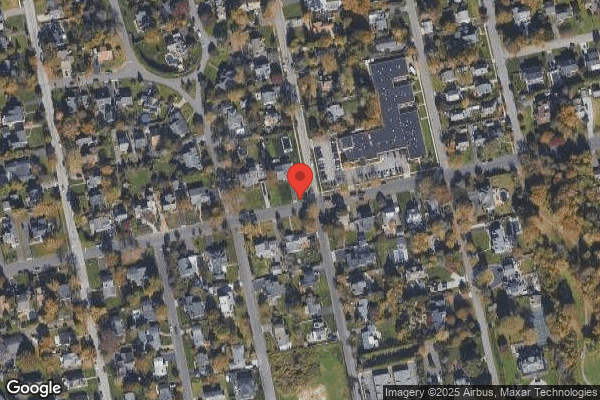
101 ELM ST, SAYVILLE, NY 11782 (631) 244-2400
Non profit - Church related 100 Beds Independent Data: November 2025
Trust Grade
90/100
#42 of 594 in NY
Last Inspection: March 2025

Within standard 12-15 month inspection cycle. Federal law requires annual inspections.

Overview

Good Samaritan Nursing and Rehabilitation Care Center has received an excellent Trust Grade of A, indicating it is highly recommended for families considering care options. Ranking #42 out of 594 facilities in New York places it in the top half, and it is #2 of 41 in Suffolk County, meaning there is only one local facility rated higher. However, the trend is concerning as the number of reported issues has increased from 1 in 2023 to 2 in 2025, showing a worsening situation. While staffing is average with a 3/5 rating and a turnover rate of 44%, the facility has no fines on record, which is a positive sign. Specific incidents noted by inspectors include a failure to properly assess and document a resident’s skin condition, as well as inadequate medication storage practices, highlighting areas that need improvement despite strengths in overall quality and RN coverage.

Trust Score
A
90/100
In New York
#42/594
Top 7%
Safety Record
Low Risk
No red flags
Inspections
Getting Worse
1 → 2 violations
Staff Stability
○ Average
44% turnover. Near New York's 48% average. Typical for the industry.
Penalties
✓ Good
No fines on record. Clean compliance history, better than most New York facilities.
Skilled Nurses
○ Average
Each resident gets 36 minutes of Registered Nurse (RN) attention daily — about average for New York. RNs are the most trained staff who monitor for health changes.
Violations
○ Average
8 deficiencies on record. Average for a facility this size. Mostly minor or procedural issues.
★★★★★
5.0
Overall Rating
★★★☆☆
3.0
Staff Levels
★★★☆☆
3.0
Care Quality
★★★★★
5.0
Inspection Score
Stable
2023: 1 issues
2025: 2 issues

The Good

  • Full Sprinkler Coverage · Fire safety systems throughout facility
  • No fines on record
  • Staff turnover below average (44%)

    4 points below New York average of 48%

Facility shows strength in fire safety.

The Bad

Staff Turnover: 44%

Near New York avg (46%)

Typical for the industry

The Ugly 8 deficiencies on record

Mar 2025 2 deficiencies
CONCERN (D)

Potential for Harm - no one hurt, but risky conditions existed

Quality of Care (Tag F0684)

Could have caused harm · This affected 1 resident

**NOTE- TERMS IN BRACKETS HAVE BEEN EDITED TO PROTECT CONFIDENTIALITY** Based on observations, record review, and interviews during the Recertification Survey initiated on 3/16/2025 and completed on 3...

Read full inspector narrative →
**NOTE- TERMS IN BRACKETS HAVE BEEN EDITED TO PROTECT CONFIDENTIALITY** Based on observations, record review, and interviews during the Recertification Survey initiated on 3/16/2025 and completed on 3/19/2025, the facility did not ensure each resident received treatment and care in accordance with professional standards of practice and the comprehensive person-centered care plan. This was identified for one (Resident # 73) of two residents reviewed for Skin Conditions. Specifically, Resident #73 was observed with a dressing on the left forearm that had dried blood from an open purpura (Purpura happens when small blood vessels burst). There was no documented evidence that a skin assessment was completed, the Physician was not notified of the resident's skin tear, and a treatment order was not obtained before applying the dressing to the resident's left forearm. The finding is: The facility's policy titled Change in Skin Condition dated 3/1/2024 documented the facility will assess and accurately document any skin impairment that occurs and provide the necessary care and treatment indicated. In the event a staff member notices a change in skin integrity such as skin tear, laceration, abrasion, open area, pressure injury, or ecchymosis: immediately notify a registered nurse for an assessment. Notify the attending Physician /designee, notify the designated representative, provide treatment as ordered, and investigate the cause. If the cause cannot be identified, the Registered Nurse is to initiate an accident and incident report, [and obtain] witness statements. Assess skin impairment upon notification, order wound consult if warranted, and administer a review of all documentation to ensure completion, accuracy, and accountability. Resident #73 was admitted with diagnoses including Anxiety Disorder and Atherosclerotic Heart Disease. The Minimum Data Set assessment dated [DATE] documented the resident had a Brief Interview for Mental Status score of seven (7) which indicated the resident had severely impaired cognition. The Minimum Data Set documented the resident was at risk for developing skin pressure ulcers/injuries. The comprehensive care plan dated 10/25/2024 documented that Resident #73 had the potential for skin tears, open purpura, and abrasions related to Antiplatelet (medications that prevent blood clotting) medication use. The interventions included observing skin daily during care and reporting any concerns or changes. The physician's orders dated 3/3/2025 documented Aspirin tablet chewable 81 milligrams, 1 tablet once a day, and Plavix 75 milligrams, 1 tablet once a day for Atherosclerotic Heart Disease. During an observation on 3/16/2025 at 7:39 AM, Resident #73 was observed lying in bed with an undated gauze dressing to the left forearm. There was a moderate amount of dried blood on the dressing. The resident stated they are on blood thinners and often get skin tears. A review of Resident #73's medical record as of 3/16/2025 revealed no skin assessment that addressed the resident's open purpura to the left forearm; no treatment orders for the left forearm; and no documented evidence that the Physician was notified of the open purpura. During an interview on 3/17/2025 at 10:17 AM, Licensed Practical Nurse #3 stated Resident #73 was on Plavix and Aspirin (anticoagulant medications) which causes prolonged bleeding in the event of skin tear. Licensed Practical Nurse #3 stated on 3/15/2025, they were notified by a Certified Nursing Assistant (name not recalled) that Resident #73 had a skin tear on the left forearm. Licensed Practical Nurse #3 stated they applied gauze dressing to stop the bleeding. Licensed Practical Nurse #3 stated they forgot to notify the Registered Nurse Supervisor to assess the skin tear and the Physician about the resident's skin tear. Licensed Practical Nurse #3 stated they should have obtained a physician's order for the skin tear treatment. During a wound care observation with Licensed Practical Nurse #1 on 3/17/2025 at 2:01 PM, Resident #73's left forearm was noted with an open skin purpura that measured 3 centimeters in length by 0.3 centimeters wide with no drainage. During a re-interview on 3/18/2025 at 1:10 PM, Nurse Practitioner #1 stated Licensed Practical Nurse #3 was supposed to call them or the attending Physician to obtain a treatment order for Resident #73's left forearm skin tear on 3/15/2025. Nurse Practitioner #1 stated it was important to treat skin tears promptly to prevent infection or deterioration. Nurse Practitioner #1 further stated if the wrong treatment was applied to the skin tear, the injury may not properly heal. During an interview on 3/18/2025 at 1:21 PM, the Director of Nursing Services stated Licensed Practical Nurse #3 should have informed the Registered Nurse Supervisor to assess the skin tear and should have called the Physician to obtain a treatment order. 10 NYCRR 415.12
CONCERN (D)

Potential for Harm - no one hurt, but risky conditions existed

Deficiency F0761 (Tag F0761)

Could have caused harm · This affected 1 resident

**NOTE- TERMS IN BRACKETS HAVE BEEN EDITED TO PROTECT CONFIDENTIALITY** Based on observations, record review, and staff interviews during the Recertification Survey initiated on 3/16/2025 and complete...

Read full inspector narrative →
**NOTE- TERMS IN BRACKETS HAVE BEEN EDITED TO PROTECT CONFIDENTIALITY** Based on observations, record review, and staff interviews during the Recertification Survey initiated on 3/16/2025 and completed on 3/19/2025, the facility did not ensure all drugs and biologicals were stored in a locked compartment. This was identified for two (Resident #51 and Resident #7) of five residents reviewed for Accident Hazards. Specifically, 1) Resident #51 was observed with a bottle of Hydrocortisone lotion on their nightstand; the resident did not have a Physician's Order for the use of Hydrocortisone lotion. 2) Resident #7 was observed with a medication cup containing four tablets on their overbed table. There were nursing staff in the vicinity. The findings are: The facility's policy titled Medication Administration last revised on 10/2024 documented that only authorized licensed practitioners can administer medication. Nurses may not administer medications to residents during meals unless indicated by a Physician's Order. Nurses must observe the consumption of the medication before leaving the resident and document the administration/consumption of medications immediately. 1) Resident #51 was admitted with diagnoses including Cardiomegaly (enlarged heart), Congestive Heart Failure, and Candidiasis (fungal infection) of skin and nails. The Quarterly Minimum Data Set assessment dated [DATE] documented a Brief Interview for Mental Status score of 15, which indicated that Resident #51 had intact cognition. The Quarterly Minimum Data Set assessment documented Resident #51 did not have any wounds, ulcers, or skin problems. A Comprehensive Care Plan renewed on 12/10/2024 titled Skin: Potential for skin tears, open purpura and abrasions related to fragile skin documented interventions including keeping nails trimmed, checking and filing any rough edges, avoiding friction and sheer during care, repositioning and transfer; observe skin daily during care; and report any concerns or changes. During an observation on 3/16/2025 at 7:39 AM, Resident #51 was sitting in a wheelchair in their room. An unlabeled bottle of Hydrocortisone lotion 1% with an expiration date of 4/2025 was observed on top of the nightstand. Resident #51 stated they use the Hydrocortisone lotion when they have redness on their hands and cheeks. Resident #51 stated they could not recall where the medication bottle came from. A review of Resident #51's electronic medical record revealed there was no Physician's Order for Hydrocortisone lotion 1% as of 3/16/2025. During an interview on 3/16/2025 at 7:57 AM, Licensed Practical Nurse #1 stated Resident #51 did not have a Physician's order for Hydrocortisone use and they had never seen the bottle of Hydrocortisone lotion with Resident #51. Licensed Practical Nurse #1 stated if they had seen the Hydrocortisone lotion, they would have taken the bottle of Hydrocortisone lotion and made the Charge Nurse aware. During an interview on 3/17/2025 at 1:15 PM, Licensed Practical Nurse #2 stated they had never seen Resident #51 use the Hydrocortisone lotion. Licensed Practical Nurse #2 stated if they had seen the lotion, they would have taken it and given the lotion to the supervisor. During an interview on 3/17/2025 at 1:54 PM, Certified Nursing Assistant #1 stated they took care of Resident #51 during the 7:00 AM to 3:00 PM shift. Certified Nursing Assistant #1 stated they had never seen the Hydrocortisone lotion on Resident #51's nightstand. Certified Nursing Assistant #1 stated they would have reported to the Nurse if they had seen the Hydrocortisone lotion in Resident #51's room. During an interview on 3/18/2025 at 8:06 AM, Registered Nurse #1, the Unit Supervisor, stated that residents should not have medications stored in their rooms. Registered Nurse #1 stated they did not know Resident #51 had a bottle of Hydrocortisone lotion. Registered Nurse #1 stated they would have assessed the resident and notified the Physician. During an interview on 3/18/2025 at 11:29 AM, the Director of Nursing Services stated nursing staff should be aware of the environment when taking care of residents. The Director of Nursing Services stated Resident #51 should not have any medications stored in their room. All medications should be locked and stored in the medication carts and only the Nurses can administer medications. 2) Resident #7 was admitted with diagnoses including Malnutrition, Hypertension, and Bradycardia (slow heart rate). The Quarterly Minimum Data Set assessment dated [DATE] documented a Brief Interview for Mental Status score of 15, which indicated Resident #7 had intact cognition. An admission Self-Medication assessment dated [DATE] revealed that Resident #7 did not want to self-medicate. The current Physician's Order documented Multivitamin one tablet orally once a day for Nutritional Deficiency; Preservision AREDS-2 (Vitamin C, E-Zinc-Copper-Lutein-Zeaxan) capsule; 250-90-40-1 milligrams one capsule orally twice a day for Vitamin Deficiency; Loratadine 10 milligrams one tablet orally once a day for Allergic Rhinitis (allergic response causing itchy, watery eyes and sneezing); Calcium 500 milligrams plus D (calcium carbonate-vitamin d3) tablet; 500 milligrams-5 micrograms (200 units) one tablet orally once a day for Nutritional Deficiency; and Sotalol 80 milligrams give 40 milligrams orally once a day. Hold for systolic blood pressure of less than 90 and/or Heart rate of less than 55 for Hypertension. A Comprehensive Care Plan dated 11/7/2022 last revised on 1/24/2025 titled PolyPharmacy documented interventions including administering medications as per Physician's Order; monitoring for side effects of medications, being alert for drug-to-drug interactions; and notifying the Physician for any untoward effects of medications observed. During an observation on 3/16/2025 at 7:57 AM, Resident #7 was sitting in a wheelchair in front of their overbed table. The resident stated they finished their breakfast meal a few minutes ago. A cup of medications containing four tablets (Calcium, Loratadine, Preservision AREDs, and Multivitamins) was observed on the overbed table next to the completed breakfast meal tray. There was no Nurse in the vicinity. Resident #7 stated they requested for the Nurse to leave the medications in their room at 7:35 AM and told the Nurse that they would take the medications after breakfast. During an interview on 3/16/2025 at 8:00 AM, Licensed Practical Nurse #1 stated Resident #7 requested to leave the cup of their medications on their overbed table because Resident #7 was still eating their breakfast. Licensed Practical Nurse #1 stated Resident #7 was alert and oriented and knew their medications. Licensed Practical Nurse #1 stated they went to another resident's room to finish their medication administration after leaving Resident #7's room at 7:35 AM. Licensed Practical Nurse #1 stated they should have waited for Resident #7 to finish breakfast before giving the medications. Licensed Practical Nurse #1 stated they should have never left the medications with Resident #7 unattended. During an interview on 3/17/2025 at 1:40 PM, Resident #7 stated they did not want to be responsible for self-administration of their medications while living at the facility. During an interview on 3/18/2025 at 8:06 AM, Registered Nurse #1, the Unit Supervisor, stated Licensed Practical Nurse #1 should not have left the medications in the resident's room unattended. Registered Nurse #1 stated Nurses should not give medications during mealtimes or when residents are eating. Registered Nurse #1 stated Resident #7 was alert and oriented but did not have an order to self-medicate. Registered Nurse #1 stated the Nurses are still responsible for administering medications to the resident. During an interview on 3/18/2025 at 11:41 AM, the Director of Nursing Services stated that all residents are screened for medication self-administration during admission. The Director of Nursing Services stated Resident #7 was capable but did not want to be responsible for their medications while in the facility. The Director of Nursing Services stated that residents should not have any medications stored in their rooms without the supervision of a licensed nurse. 10NYCRR 415.18(e)(1-4)
Dec 2023 1 deficiency
CONCERN (D)

Potential for Harm - no one hurt, but risky conditions existed

Deficiency F0711 (Tag F0711)

Could have caused harm · This affected 1 resident

**NOTE- TERMS IN BRACKETS HAVE BEEN EDITED TO PROTECT CONFIDENTIALITY** Based on record review and interviews during the Recertification Survey initiated on 11/28/2023 and completed on 12/4/2023, the ...

Read full inspector narrative →
**NOTE- TERMS IN BRACKETS HAVE BEEN EDITED TO PROTECT CONFIDENTIALITY** Based on record review and interviews during the Recertification Survey initiated on 11/28/2023 and completed on 12/4/2023, the facility did not ensure that the resident's Primary Care Physician (PCP) comprehensively reviewed the resident's total program of care including medications and treatments and a decision about the continued appropriateness of the resident's current medical regimen. This was identified for one (Resident #54) of two residents reviewed for Antibiotics. Specifically, Resident #54 had a physician's order to administer Xifaxan (an antibiotic that fights bacterial infection only in the intestines) for a prolonged period from 6/26/2023 until 5/30/2024. The physician's progress notes lacked documentation related to the prolonged use of and reason for the antibiotic. The finding is: The policy and Procedure for Antibiotic Stewardship dated February 2022 documented harm from antibiotic overuse is significant for the frail and elderly, including but not limited to risk of serious events and drug interactions, colonization, diarrhea, infection, Clostridium Difficile, and increased adverse and/or infection with antibiotic-resistant organism. Resident # 54 was admitted with diagnoses that included Unspecified Dementia, mild, with mood disturbance, Irritable Bowel Syndrome without diarrhea, and Dysphagia. The Minimum Data Set (MDS) assessment dated [DATE] documented the resident's Brief Interview for Mental Status (BIMS) was not conducted due to severe cognitive impairment. The resident had a gastric tube and was receiving tube feeding formula. The Physician orders dated 6/26/2023 - 12/1/2023 documented to administer Xifaxan (Rifaximin) tablet; 550 milligrams (mg); 1.5 tabs twice a day via gastric tube. The resident was hospitalized from [DATE] to 7-5-2023. A hospital Infectious Disease Consultant report dated 7-4-2023 recommended to administer Rifaximin with a stop date of 5/30/2024. The reason for the use of Rifaximin was documented as Irritable Bowel Syndrome. A review of Physician progress notes from June 26, 2023, to December 1, 2023 revealed no documentation related to the prolonged use and the indication for the use of Xifaxan antibiotic. The Medical Director, who is the Primary Care Physician for Resident #54, was interviewed on 12/04/2023 at 12:08 PM and stated the resident is on the antibiotics due to an Infection Disease Consult that was completed in the hospital. The Infectious Disease Consultant recommended the medication to be used until May of 2024. The Medical Director stated there should have been documentation for the long-term use of the antibiotic. The infectious Disease Registered Nurse # 2 was interviewed on 12/01/2023 at 2:08 PM and stated the resident is on the antibiotics and as per the antibiotic stewardship program there should have been an evaluation and documentation by the resident's physician for the long term use of the antibiotic. 10 NYCRR 415.15(b)(2)-(iii)
Dec 2021 5 deficiencies
CONCERN (D)

Potential for Harm - no one hurt, but risky conditions existed

Resident Rights (Tag F0550)

Could have caused harm · This affected 1 resident

**NOTE- TERMS IN BRACKETS HAVE BEEN EDITED TO PROTECT CONFIDENTIALITY** Based on observation, record review and staff interviews during the Recertification Survey completed on 12/7/2019, the facility ...

Read full inspector narrative →
**NOTE- TERMS IN BRACKETS HAVE BEEN EDITED TO PROTECT CONFIDENTIALITY** Based on observation, record review and staff interviews during the Recertification Survey completed on 12/7/2019, the facility did not ensure that each resident is treated with respect and dignity in a manner and in an environment that promotes maintenance or enhancement of their quality of life. This was identified for 2 (Resident #72 and Resident #56) of 2 residents reviewed for Dignity. Specifically, during a lunch meal observation on 11/30/2021 at 12:40 PM and on 12/3/2021 at 12:24 PM the Licensed Practical Nurse (LPN) # 1 was observed standing over the resident while feeding the residents. The findings are: The facility undated policy and procedure titled Dining Experience documented staff must sit when feeding a resident (be at eye level) and cannot stand over the resident. 1) Resident #72 was admitted with diagnoses that includes Dementia, Anxiety Disorder, and Major Depressive Disorder. An Annual Minimum Data Set (MDS) assessment dated [DATE] documented the resident had short and long-term memory problems. The resident required extensive assistance of one staff member for eating. The Resident Care Profile, direction provided to the Certified Nursing Assistants (CNA) for resident care, dated 1/21/2021 documented the resident required tray set up with extensive assist hand feeding of all food and liquids and to maintain aspiration precaution. During a lunch meal observation conducted on 11/30/2021 at 12:40 PM in the South Bay Dining room, LPN #1 was observed standing over Resident #72 while feeding the resident. LPN #1 was interviewed on 12/3/21 at 12:48 regarding resident #72. The LPN stated that she was so accustomed to standing for all their task that they forgot to sit and feed the resident. LPN #1 also stated that the resident required extensive of one staff for eating to complete meals and that she should have being siting while feeding the resident. 2) Resident #56 was admitted with diagnoses including Vascular Dementia without Behavioral Disturbances, Dysphagia and Gastrostomy. The Minimum Data Set (MDS) assessment dated [DATE] documented short- and long-term memory problems and required extensive assistance of one staff member for eating. A Physician's order dated 10/18/2021 documented for the resident to receive pleasure feedings at the lunch meal. The resident is to be fed only by a Registered Nurse (RN) or a Licensed Practical Nurse (LPN). The diet order included a regular diet, pureed consistency and honey thickened liquids due to the diagnosis of Aspiration Precautions. The Resident Care Profile, direction provided to the Certified Nursing Assistants (CNA) for resident care, dated 11/21/2021 documented the resident was to be fed only by an RN or an LPN due to Aspiration Precautions. On 12/3/2021 at 12:24 PM LPN #1 was observed standing while feeding Resident #56. After the observation was made by the surveyor LPN #1 sat down in a chair to continue feeding Resident #56. LPN #1 was interviewed 12/3/21 at 12:48 PM regarding Resident #56 and stated at times Resident #56 will attempt to feed self, however, due to spillage the resident requires assistance. LPN #1 stated that when feeding the resident staff should be seated and that they (LPN #1) should have been seated while feeding the resident. The Director of Nursing Services (DNS) was interviewed on 12/7/2021 at 5:42 PM and stated that when feeding a resident, the staff should be at eye level with the resident which requires the staff member to sit and feed the resident. LPN #1 should have been sitting while feeding the residents. 415.3(c)(1)(i)
CONCERN (D)

Potential for Harm - no one hurt, but risky conditions existed

Investigate Abuse (Tag F0610)

Could have caused harm · This affected 1 resident

**NOTE- TERMS IN BRACKETS HAVE BEEN EDITED TO PROTECT CONFIDENTIALITY** Based on observations, record review, and interviews during the Recertification Survey and an Abbreviated Survey (Complaint numb...

Read full inspector narrative →
**NOTE- TERMS IN BRACKETS HAVE BEEN EDITED TO PROTECT CONFIDENTIALITY** Based on observations, record review, and interviews during the Recertification Survey and an Abbreviated Survey (Complaint number NY 00274227), completed on 12/7/2021, the facility did not ensure that all alleged violations of abuse, neglect, exploitation, or mistreatment were thoroughly investigated to prevent further potential abuse, neglect, exploitation, or mistreatment for two (Resident #70 and Resident #14) of two residents reviewed for Accidents. Specifically, Resident #70 and Resident #14 were found on the floor. The Accidents/Incidents (AI) were not thoroughly investigated by the facility. Additionally, an alleged physical abuse allegation against a facility staff member, regarding bruising to both upper extremities for Resident #70, were not investigated. The findings are: The facility's Policy and Procedure (P/P) dated October 2021 titled Abuse Prohibition documented that all accident reports will be screened/investigated for evidence of failure to follow the care plan, delay in assessment/treatment, and injuries of unknown origin. The P/P also documented that all allegations of abuse will be investigated, and monitoring, education, and interventions will be implemented to prevent abuse/neglect. 1) Resident #70 has diagnosis that included Dementia. The Minimum Data Set (MDS) assessment dated [DATE] documented a Brief Interview for Mental Status (BIMS) score of 10, which indicated the resident had moderately impaired cognition. The resident exhibited no behaviors and required extensive assistance of one person for transfers, walking in the room, and toileting. The resident was frequently incontinent of bowel and bladder. The MDS also documented that the resident had a history of falls with injuries. The Comprehensive Care Plan (CCP) for Falls dated 6/4/2021 documented the Resident was at risk for falls with injury secondary to impaired cognition, impaired balance, medications, need for assistance with toileting, incontinence, and history of falls with hip fracture prior to admission. The interventions included to apply an Anti-rollback device to the wheelchair, assist with personal care and Activities of Daily Living (ADLs), and to apply Dycem (anti-slip material) to the wheelchair. The Accident/Incident report dated 4/4/2021 at 7:15 AM documented that the resident was observed falling forward from the wheelchair hitting their forehead on the floor. The resident sustained a laceration to the right side of their forehead that measured 1.5-centimeter (cm) x 2 cm. The forehead was observed with bleeding and a raised hematoma. There were no other injuries documented on the Accident and Incident report. The Accident and Incident report did not include an investigation to determine if the Dycem pad on the wheelchair was in place at the time of the fall. The nursing progress notes dated 4/04/2021 at 8:19 AM documented that the resident fell from the wheelchair hitting their forehead. Resident #70 sustained a hematoma (bruise) and a laceration. The Physician was notified and ordered to transfer Resident #70 to the hospital for evaluation. The Social Worker (SW) progress note dated 4/05/2021 at 3:48 PM documented a meeting held with the Director of Nursing Services (DNS), the SW, and the resident's family member. The resident's fall and recent increased agitation and disorientation were discussed. A Family member was interviewed on 12/6/2021 at 3:30 PM and stated that the resident was found with bruises to bilateral arms when the resident was brought to the hospital. The bruises were to both arms and the family was not made aware of these bruises by the facility. The family member stated they (family member) called the facility to investigate the bruises on the resident's arm. The family member was told by the facility that the bruises were related to the fall and the resident's agitation causing the resident to hit their arms against the side rails. The family member stated that prior to the fall the resident told the family member that the staff were grabbing the resident by the arms and hurting the resident. The Family member also stated there was an evening shift male Licensed Practical Nurse (LPN) that was often quite violent with residents that did not cooperate with the LPN. The family member requested a meeting with the facility and discussed their concerns. The Accident/Incident report dated 4/4/2021 at 7:15 AM did not include bruises to the resident's bilateral arms and there was no investigation initiated by the facility regarding the alleged physical abuse that was reported by a family member including the bruises to bilateral arms. The Registered Nurse (RN) Manager #1 was interviewed on 12/07/2021 at 11:08 AM and stated they (RN #1) could not recall if the resident was observed with bruises to the resident's arms at the time of the incident. RN #1 stated that the resident's family had not reported any bruises to the resident's arms nor did the family ever report a concern about staff members. RN #1 stated they (RN #1) could not recall what devices were in place at the time of the fall. RN #1 further stated the investigation should have included a review of the devices, such as a Dycem pad, to rule out neglect. LPN #1 was interviewed on 12/07/2021 at 12:36 PM and stated they (LPN #1) witnessed the fall out of the wheelchair but could not recall what devices were in place at the time of the fall. LPN #1 could not recall if they (LPN #1) were asked during the investigation whether the Dycem pad was in place at the time of the fall. LPN #1 further stated they (LPN #1) could not recall if the resident had bruises on their arms. The SW was interviewed on 12/07/2021 at 3:15 PM and stated that the resident's family member notified the SW of the resident's arm bruises, and this was brought to the attention of the former DNS. The SW stated the former DNS should have started an investigation to determine if abuse or neglect occurred. The former Director of Nursing Services (DNS) was interviewed on 12/07/2021 at 4:40 PM and stated the resident had very bad behaviors around the time the resident fell in April 2021. The resident was so agitated, that the bruises the family member brought to the former DNS's attention were due to the resident's behaviors. The former DNS further stated that the resident was hitting their arms against the wheelchair which caused the bruising. The bruising was not due to staff abuse and an investigation into the bruising was not initiated. The current Director of Nursing Services (DNS) was interviewed on 12/07/2021 at 4:50 PM and stated any allegations of abuse by a family member should have been thoroughly investigated. The current DNS further stated the investigation should have included reviewing all interventions in the resident's fall CCP to rule out neglect. 2) Resident #14 was admitted with diagnoses that include Cerebral Vascular Accident (CVA) and Bilateral Below Knee Amputee (BKA). The Minimum Data Set (MDS) assessment dated [DATE] documented a Brief Interview for Mental Status (BIMS) score of 13, which indicated the resident had intact cognition. The resident required extensive assistance of two persons for bed mobility, and toilet use; was totally dependent on staff for transfers and was non-ambulatory. The MDS documented the resident had a history of falls. The Comprehensive Care Plan (CCP) dated 8/5/2021 for at risk for falls secondary to medications, bilateral amputee status, impaired balance, hemiplegia, and seizures documented interventions that included use of a Dycem pad on the wheelchair, maintain call bell, and frequently used objects within reach, provide adequate lighting and instruct/reinforce safety measures such as locking the wheelchair, proper transfer techniques and encourage use of a Reacher. The Accident/Incident (A/I) report dated 11/16/2021 documented the resident was found on the floor in their room in the prone (face down) position in front of the wheelchair. The investigation concluded there was no probable evidence of abuse/neglect or mistreatment. The Accident and Incident report did not include an investigation to determine if the Dycem pad on the wheelchair was in place, if the wheelchair was in a locked position, or if the call bell and the resident's Reacher were within reach at the time of the fall. A Nursing Progress Note, written by Registered Nurse (RN) #4, dated 11/17/2021 at 1:19 PM documented Resident #14 was found on the floor in their room on 11/16/2021. The resident was noted with blood on their face, an abrasion, and a hematoma above the right eye. The resident was transferred to the hospital for evaluation. RN #4 was interviewed on 12/03/2021 at 12:44 PM and stated the resident was able to self-propel the wheelchair and was able to unlatch the wheelchair lock. RN #4 stated they (RN#4) responded to the resident's fall on 11/16/2021 and saw the resident on the floor. RN #4 could not recall if the resident's wheelchair had the Dycem pad in place or if the Reacher and the call bell were within the resident's reach. RN #4 stated that the interventions to prevent falls, such as Dycem, Reacher, or the call bell, were not included in the investigation. RN #4 further stated that these interventions should have been documented in the investigation. The Licensed Practical Nurse (LPN) # 3 was interviewed on 12/03/2021 at 12:46 PM and stated they (LPN #3) recalled observing the resident on the floor at the time of the incident. The resident fell face down from the wheelchair. LPN #3 stated they (LPN #3) recalled that the resident's call bell was not activated. LPN #3 could not remember if the call bell or the Reacher were within the resident's reach. LPN #3 stated that they (LPN #3) were not asked what devices were in place at the time of the resident's fall during the resident's fall investigation. Certified Nursing Assistant (CNA) #4 was interviewed on 12/06/2021 at 3:25 PM and stated they called the supervisor when the resident was found on the floor on 11/16/2021. The call bell was within the resident's reach. CNA #4 could not remember if the Reacher was in place. 415.4 (b)(3)
CONCERN (D)

Potential for Harm - no one hurt, but risky conditions existed

Comprehensive Care Plan (Tag F0656)

Could have caused harm · This affected 1 resident

**NOTE- TERMS IN BRACKETS HAVE BEEN EDITED TO PROTECT CONFIDENTIALITY** Based on observation, record review, and interviews during the Recertification Survey completed on 12/7/2021 the facility did no...

Read full inspector narrative →
**NOTE- TERMS IN BRACKETS HAVE BEEN EDITED TO PROTECT CONFIDENTIALITY** Based on observation, record review, and interviews during the Recertification Survey completed on 12/7/2021 the facility did not ensure that care was implemented in accordance with each resident's Comprehensive Care Plan (CCP). This was identified for one (Resident #49 ) of one resident reviewed for Edema. Specifically, Resident #49 was observed on two separate occasions not wearing the Physician-ordered surgical compression stockings (Thrombo-Embolus Deterrent -TED stockings). The finding is: The facility policy and procedure for Application of Thromboembolitic (TED) Hose dated December 4th, 2020 documented application of TED stocking(s) will be applied by the Registered Nurse (RN), Rehabilitation staff, Licensed Practical Nurse (LPN), or the Certified Nursing Assistants (CNA). The purpose is to reduce edema and swelling of the extremities to promote venous return and prevent Thrombophlebitis (Inflammatory process that causes a blood clot to form and block one or more veins) and Pulmonary Embolism (A condition in which one or more arteries in the lungs become blocked by a blood clot). Resident # 49 was admitted with diagnoses including Systolic Heart Failure, Essential Hypertension, and Atherosclerotic Heart Disease. The Minimum Data Set (MDS) assessment dated [DATE] documented the Brief Interview for the Mental Status (BIMS) score of 15 which indicated the resident had intact cognition. The MDS documented the resident did not exhibit the behavior of rejection of care and required extensive assistance of one staff member for dressing and personal hygiene. The Vascular Consult dated 7/21/2021 recommended Bilateral Lower Extremities (BLE) elevation, BLE Knee-high 10-20 millimeters of mercury (mmHg) compression stocking during the daytime due to BLE swelling related to Congestive Heart Failure (CHF) and immobility. The Physician's order dated 7/26/2021 documented to apply surgical compression knee-high stockings (TED) to BLE daily between 7 AM to 3 PM and to remove at bedtime. The Comprehensive Care Plan (CCP) for Cardiovascular dysfunction related to Congestive Heart Failure (CHF), Hypertension (HTN), and Edema dated 6/2/2021 and updated on 7/27/2021 documented interventions including to apply surgical stockings to BLE; apply in morning (AM) and remove at bedtime. The current Certified Nursing Assistant Resident Care Profile, under the Activities of Daily Living (ADL) section, included instructions to apply the surgical stockings to BLE in the morning and remove the surgical stockings at bedtime. Resident #49 was observed in the wheelchair in their room on 11/30/2021 at 11:00 AM and 2 PM without wearing the TED stockings. Resident #49 was interviewed on 11/30/2021 at 11 AM and stated the staff are supposed to put the TED stockings on when Resident #49 is taken out of bed but the staff forgot to put the TED stocking on today. CNA #3 was interviewed on 12/06/2021 at 3:52 PM and stated they (CNA #3) took care of Resident #49 on 11/30/2021. CNA# 3 stated that it was their (CNA #3's) responsibility to put the TED stockings on the resident's BLE. CNA #3 further stated they (CNA #3) forgot to put the TED stockings on because they (CNA #3) were busy and thought that the nurse had placed the stockings on the resident. RN #5 was interviewed on 12/07/2021 at 3:20 PM and stated that CNA #3 should have applied the TED stockings to Resident #49's BLE. The Director of Nursing Services (DNS) was interviewed on 12/07/2021 at 10:39 AM and stated that the nurses or the CNAs can apply the TED stockings for the residents. The CNA should have read the Resident Care Profile and should have followed the directions to apply the TED stockings. 415.11(c)(1)
CONCERN (D)

Potential for Harm - no one hurt, but risky conditions existed

Quality of Care (Tag F0684)

Could have caused harm · This affected 1 resident

**NOTE- TERMS IN BRACKETS HAVE BEEN EDITED TO PROTECT CONFIDENTIALITY** Based on observations, interviews and record review during the Recertification Survey completed on 12/7/2021, the facility did n...

Read full inspector narrative →
**NOTE- TERMS IN BRACKETS HAVE BEEN EDITED TO PROTECT CONFIDENTIALITY** Based on observations, interviews and record review during the Recertification Survey completed on 12/7/2021, the facility did not ensure that all residents received treatment and care in accordance with professional standards of practice. This was identified for one (Resident #21) of one resident reviewed for positioning. Specifically, Resident #21 with a history of poor postural control, was observed leaning in the Geri recliner. The resident did not have proper positioning devices to address the poor posture and maintain proper body alignment. The finding is: Resident #21 was admitted with diagnoses that include Dementia. The Minimum Data Set (MDS) assessment dated [DATE] documented a Brief Interview for Mental Status (BIMS) score of 12, which indicated the resident had moderately impaired cognition. The resident required extensive assistance of two persons for transfers, bed mobility, and toilet use and was non-ambulatory. The MDS documented the resident had no functional limitations in Range of Motion to both upper and lower extremities. Resident #21 was observed sitting in a Geri recliner on 11/30/2021 at 12 PM, the resident was leaning to the right in the Geri recliner in the main dining room with the pillow observed on the floor. The Geri recliner leg rest was in the downward position. During an observation on 12/3/2021 at 9:50 AM Resident #21 was observed sitting in a Geri recliner in the hallway. The resident was awake and was leaning to the right. During a subsequent observation on 12/3/2021 between 11:53 AM-12:28 PM Resident #21 was observed sitting in a Geri recliner in the main dining room. The resident was awake and was leaning to the right side of Geri recliner. The Geri recliner leg rest were in the downward position. The Certified Nurse Accountability Care Plan dated 4/6/2021 documented the resident required one person assistance for wheelchair mobility. The resident prefers to sit in a Geri recliner at times for positioning and comfort. The Comprehensive Care Plan (CCP) for impairment in Activity of Daily Living (ADLs) secondary to impaired cognition, impaired balance, impulse disorder, Dementia, Psychosis dated 10/4/2021 documented interventions including to observe and report changes in the resident's ability to move or perform self-care. A Physical Therapy (PT) evaluation dated 7/12/2021 documented the resident had difficulty transferring with one person and at times required two people for safe transfers. The PT evaluation documented the resident had weakness in both lower extremities and their trunk with postural and balance deficits identified. Resident #21 required increased assistance from caregivers related to decreased strength, balance, and endurance. The resident would benefit from Restorative PT services. The Director of PT services was interviewed on 12/3/2021 at 4:45 PM and stated Resident #21 had utilized a wheelchair in the past when out of bed. The resident was noted by nursing staff to be leaning and the PT department recommended a high back wheelchair. The nurses took the high back wheelchair away and gave the resident a Geri recliner for comfort. Although the PT department was made aware of the change to a Geri recliner, the PT department was not made aware that Resident #21 was leaning. The Director of PT services stated that the PT department should have been made aware of the resident's leaning in the Geri recliner. The Director of PT services further stated that lateral supports in a Geri recliner would help the resident from leaning. Registered Nurse (RN) #1 was interviewed on 12/07/2021 at 11:27 AM and stated that they (RN #1) were aware the resident was leaning and did not notify the PT department for further evaluation. The Certified Nurse Assistant (CNA) #1 was interviewed on 12/07/2021 at 12:30 PM and stated they (CNA #1) have been caring for the resident and reported to RN #1 that the resident leans in the Geri recliner. CNA #1 stated RN #1 told CNA #1 to place a pillow to position the resident and to prevent leaning. 415.12
CONCERN (D)

Potential for Harm - no one hurt, but risky conditions existed

Respiratory Care (Tag F0695)

Could have caused harm · This affected 1 resident

**NOTE- TERMS IN BRACKETS HAVE BEEN EDITED TO PROTECT CONFIDENTIALITY** Based on observation, record review, and interviews during the Recertification Survey completed on 12/7/2021, the facility did n...

Read full inspector narrative →
**NOTE- TERMS IN BRACKETS HAVE BEEN EDITED TO PROTECT CONFIDENTIALITY** Based on observation, record review, and interviews during the Recertification Survey completed on 12/7/2021, the facility did not ensure that each resident who needs respiratory care is provided such care consistent in accordance with professional standards of practice and the comprehensive person-centered care plan. This was identified for one (Resident #6) of one resident reviewed for Respiratory care. Specifically, 1a) Resident #6, with a diagnosis of Chronic Obstructive Pulmonary Disease (COPD), had a Physician's order to administer oxygen at 2 liters per minute via a nasal cannula (tubing used to deliver supplemental oxygen). The resident was observed with an empty oxygen tank and complained of feeling short of breath. Additionally, 1b) Resident #6 complained that the oxygen concentrator utilized by Resident #6 on 11/30/2021 was not functioning. Upon observation on 12/1/2021, the oxygen concentrator was found with a yellow warning light with no oxygen output from the concentrator. The findings are: Resident # 6 was admitted with diagnoses of COPD and Hypertension. The Minimum Data Set (MDS) assessment dated [DATE] documented the Brief Interview for Mental Status (BIMS) score of 15 which indicated the resident had intact cognition. The MDS documented the resident required extensive assistance of one person with dressing and personal hygiene. The MDS documented the resident did not have a behavior of rejection of care and utilized oxygen therapy. The current Physician's orders for oxygen use, originally initiated on 11/30/2020, documented to administer oxygen at 2 liters per minute via nasal cannula for shortness of breath. The Comprehensive Care Plan (CCP) for COPD dated 1/6/2021 documented interventions including but not limited to administering oxygen at 2 liters per minute. 1a) Resident #6 was observed on 11/30/2021 at 12:35 PM sitting in the resident dining room in a wheelchair with an oxygen tank mounted behind the wheelchair. Resident #6 attempted to adjust the nasal cannula and the oxygen tubing multiple times and then verbalized they (Resident #6) were short of breath and needed oxygen. Resident #6's lips were observed to be purple. The oxygen tank gauge needle was observed below the red indicator, revealing the oxygen tank was empty. Resident #6 was interviewed on 11/30/2021 at 12:35 PM and stated that the Certified Nursing Assistant (CNA#2) applied the oxygen to the resident's wheelchair when the resident was transferred from the bed to the wheelchair in the morning. Resident #6 stated that they were short of breath and needed oxygen. Resident #6 further stated they need supplemental oxygen at all times. Registered Nurse (RN) #3, who was in the resident's dining room at the time of the observation, was notified immediately that the resident was having difficulty breathing. RN #3 confirmed that Resident #6's oxygen tank gauge needle was below the red indicator which specified the oxygen tank was empty. RN #3 immediately changed Resident #6's oxygen tank. RN #4 was interviewed on 11/30/2021 at 2:28 PM and stated all Certified Nursing Assistants (CNA) and nurses are responsible to make sure the residents' oxygen tanks have enough oxygen supply at all times. CNA #2 was interviewed on 11/30/2021 at 3:16 PM and stated they (CNA #2) transferred Resident #6 out of bed to the wheelchair in the morning and applied the nasal cannula tubing to Resident #6. CNA #2 further stated they (CNA #2) checked the oxygen tank to make sure the oxygen tank supply was adequate. 1b) Resident #6 was observed on 12/01/2021 at 10:03 AM sitting in a wheelchair in their room receiving oxygen from the oxygen tank that was mounted on the wheelchair. An oxygen concentrator with a humidification chamber was observed in the resident's room. Resident #6 stated that the oxygen concentrator was used by Resident #6 at night on 11/30/2021. Resident #6 stated that the concentrator with the humidification chamber was not working last night. Resident # 6 further stated they reported the oxygen concentrator's malfunctioning to the nursing staff, however, this issue was never addressed. The Oxygen concentrator was observed with a yellow warning light and no air was noted coming out of the oxygen tubing. The humidification chamber was observed without indication of any airflow. RN #1 was immediately made aware by the surveyor and stated they (RN #1) were not aware that Resident #6's oxygen concentrator was not functioning. The Maintenance Supervisor was interviewed on 12/07/2021 at 2:04 PM and stated they (Maintenance Supervisor) were notified of Resident #6's concentrator malfunction on 12/1/2021. The Maintenance Supervisor stated the concentrator was not functioning properly and was replaced on 12/1/2021. The Maintenance Supervisor stated the yellow light on the concentrator indicates that the concentrator is not functioning. The Maintenance Supervisor further stated nurses should notify the Maintenance Department when an oxygen concentrator is not functioning properly. The Director of Nursing Services (DNS) was interviewed on 12/7/2021 at 3 PM and stated nurses are responsible to ensure the portable oxygen tank and oxygen concentrators used by the residents are functioning at all times. If an oxygen tank or an oxygen concentrator is not functioning nurses have to replace them with the new oxygen concentrator or oxygen tanks immediately. The DNS further stated that only nurses are responsible for handling oxygen, not the CNAs. 415.12(k)(6)
Understanding Severity Codes (click to expand)
Life-Threatening (Immediate Jeopardy)
J - Isolated K - Pattern L - Widespread
Actual Harm
G - Isolated H - Pattern I - Widespread
Potential for Harm
D - Isolated E - Pattern F - Widespread
No Harm (Minor)
A - Isolated B - Pattern C - Widespread

Questions to Ask on Your Visit

  • "Can I speak with families of current residents?"
  • "What's your RN coverage like on weekends and overnight?"

Our Honest Assessment

Strengths
  • • Grade A (90/100). Above average facility, better than most options in New York.
  • • No major safety red flags. No abuse findings, life-threatening violations, or SFF status.
  • • No fines on record. Clean compliance history, better than most New York facilities.
  • • 44% turnover. Below New York's 48% average. Good staff retention means consistent care.
Concerns
  • • No significant concerns identified. This facility shows no red flags across CMS ratings, staff turnover, or federal penalties.
Bottom line: Generally positive indicators. Standard due diligence and a personal visit recommended.

About This Facility

What is Good Samaritan Nursing And Rehabilitation Care Ctr's CMS Rating?

CMS assigns GOOD SAMARITAN NURSING AND REHABILITATION CARE CTR an overall rating of 5 out of 5 stars, which is considered much above average nationally. Within New York, this rating places the facility higher than 99% of the state's 100 nursing homes. This rating reflects solid performance across the metrics CMS uses to evaluate nursing home quality.

How is Good Samaritan Nursing And Rehabilitation Care Ctr Staffed?

CMS rates GOOD SAMARITAN NURSING AND REHABILITATION CARE CTR's staffing level at 3 out of 5 stars, which is average compared to other nursing homes. Staff turnover is 44%, compared to the New York average of 46%. This relatively stable workforce can support continuity of care.

What Have Inspectors Found at Good Samaritan Nursing And Rehabilitation Care Ctr?

State health inspectors documented 8 deficiencies at GOOD SAMARITAN NURSING AND REHABILITATION CARE CTR during 2021 to 2025. These included: 8 with potential for harm.

Who Owns and Operates Good Samaritan Nursing And Rehabilitation Care Ctr?

GOOD SAMARITAN NURSING AND REHABILITATION CARE CTR is owned by a non-profit organization. Non-profit facilities reinvest revenue into operations rather than distributing to shareholders. The facility operates independently rather than as part of a larger chain. With 100 certified beds and approximately 76 residents (about 76% occupancy), it is a mid-sized facility located in SAYVILLE, New York.

How Does Good Samaritan Nursing And Rehabilitation Care Ctr Compare to Other New York Nursing Homes?

Compared to the 100 nursing homes in New York, GOOD SAMARITAN NURSING AND REHABILITATION CARE CTR's overall rating (5 stars) is above the state average of 3.1, staff turnover (44%) is near the state average of 46%, and health inspection rating (5 stars) is much above the national benchmark.

What Should Families Ask When Visiting Good Samaritan Nursing And Rehabilitation Care Ctr?

Based on this facility's data, families visiting should ask: "Can I visit during a mealtime to observe dining assistance and food quality?" "How do you handle medical emergencies, and what is your hospital transfer rate?" "Can I speak with family members of current residents about their experience?"

Is Good Samaritan Nursing And Rehabilitation Care Ctr Safe?

Based on CMS inspection data, GOOD SAMARITAN NURSING AND REHABILITATION CARE CTR has a clean safety record: no substantiated abuse findings (meaning no confirmed cases of resident harm), no Immediate Jeopardy citations (the most serious violation level indicating risk of serious injury or death), and is not on the Special Focus Facility watch list (a federal program monitoring the lowest-performing 1% of nursing homes). The facility has a 5-star overall rating and ranks #1 of 100 nursing homes in New York. While no facility is perfect, families should still ask about staff-to-resident ratios and recent inspection results during their visit.

Do Nurses at Good Samaritan Nursing And Rehabilitation Care Ctr Stick Around?

GOOD SAMARITAN NURSING AND REHABILITATION CARE CTR has a staff turnover rate of 44%, which is about average for New York nursing homes (state average: 46%). Moderate turnover is common in nursing homes, but families should still ask about staff tenure and how the facility maintains care continuity when employees leave.

Was Good Samaritan Nursing And Rehabilitation Care Ctr Ever Fined?

GOOD SAMARITAN NURSING AND REHABILITATION CARE CTR has no federal fines on record. CMS issues fines when nursing homes fail to meet care standards or don't correct problems found during inspections. The absence of fines suggests the facility has either maintained compliance or corrected any issues before penalties were assessed. This is a positive indicator, though families should still review recent inspection reports for the full picture.

Is Good Samaritan Nursing And Rehabilitation Care Ctr on Any Federal Watch List?

GOOD SAMARITAN NURSING AND REHABILITATION CARE CTR is not on any federal watch list. The most significant is the Special Focus Facility (SFF) program, which identifies the bottom 1% of nursing homes nationally based on persistent, serious quality problems. Not being on this list means the facility has avoided the pattern of deficiencies that triggers enhanced federal oversight. This is a positive indicator, though families should still review the facility's inspection history directly.