LUXOR NURSING AND REHABILITATION AT SAYVILLE
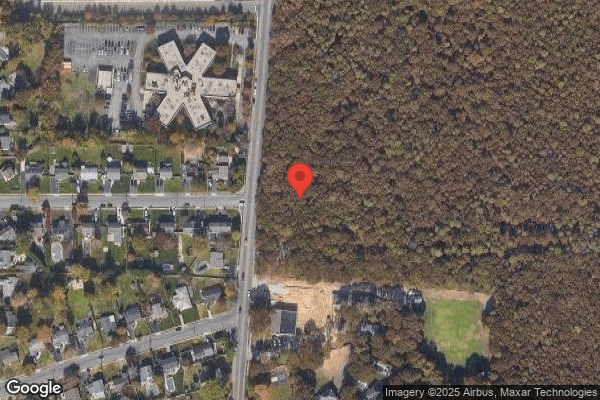
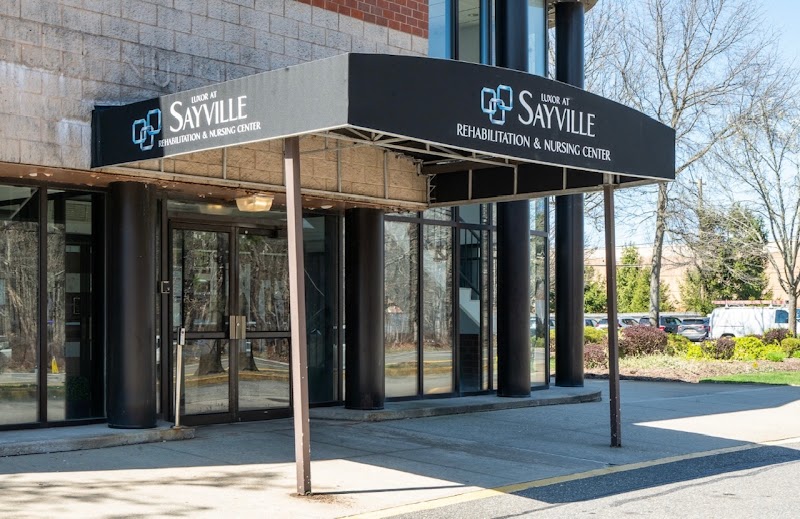
300 BROADWAY AVENUE, SAYVILLE, NY 11782 (631) 567-9300
For profit - Limited Liability company 180 Beds CARERITE CENTERS Data: November 2025
Trust Grade
73/100
#297 of 594 in NY
Last Inspection: October 2024

Within standard 12-15 month inspection cycle. Federal law requires annual inspections.

Overview

Luxor Nursing and Rehabilitation at Sayville has earned a Trust Grade of B, indicating it is a good choice, falling within the 70-79 range. It ranks #297 out of 594 facilities in New York, placing it in the top half, but only #27 out of 41 in Suffolk County, suggesting there are better local options available. The facility is on an improving trend, with issues decreasing from 5 in 2024 to just 1 in 2025. Staffing is a concern, rated at 1 out of 5 stars, with residents reporting insufficient nursing staff, especially on weekends, and a specific incident where a resident was transferred alone despite requiring two-person assistance, leading to a fall and injury. Despite these issues, the facility has no fines on record and has a good staff turnover rate of 30%, which is lower than the state average, suggesting that some staff may have a stable presence and familiarity with residents.

Trust Score
B
73/100
In New York
#297/594
Top 50%
Safety Record
Low Risk
No red flags
Inspections
Getting Better
5 → 1 violations
Staff Stability
✓ Good
30% annual turnover. Excellent stability, 18 points below New York's 48% average. Staff who stay learn residents' needs.
Penalties
✓ Good
No fines on record. Clean compliance history, better than most New York facilities.
Skilled Nurses
○ Average
Each resident gets 34 minutes of Registered Nurse (RN) attention daily — about average for New York. RNs are the most trained staff who monitor for health changes.
Violations
⚠ Watch
12 deficiencies on record. Higher than average. Multiple issues found across inspections.
★★★☆☆
3.0
Overall Rating
★☆☆☆☆
1.0
Staff Levels
★★★★★
5.0
Care Quality
★★★☆☆
3.0
Inspection Score
Stable
2024: 5 issues
2025: 1 issues

The Good

  • 5-Star Quality Measures · Strong clinical quality outcomes
  • Low Staff Turnover (30%) · Staff stability means consistent care
  • Full Sprinkler Coverage · Fire safety systems throughout facility
  • No fines on record
  • Staff turnover is low (30%)

    18 points below New York average of 48%

Facility shows strength in quality measures, staff retention, fire safety.

The Bad

3-Star Overall Rating

Near New York average (3.1)

Meets federal standards, typical of most facilities

Chain: CARERITE CENTERS

Part of a multi-facility chain

Ask about local staffing decisions and management

The Ugly 12 deficiencies on record

May 2025 1 deficiency
CONCERN (D) 📢 Someone Reported This

A family member, employee, or ombudsman was alarmed enough to file a formal complaint

Potential for Harm - no one hurt, but risky conditions existed

Free from Abuse/Neglect (Tag F0600)

Could have caused harm · This affected 1 resident

**NOTE- TERMS IN BRACKETS HAVE BEEN EDITED TO PROTECT CONFIDENTIALITY** Based on interviews and record review during an abbreviated survey (Complaint Number: NY00371931), the facility did not ensure r...

Read full inspector narrative →
**NOTE- TERMS IN BRACKETS HAVE BEEN EDITED TO PROTECT CONFIDENTIALITY** Based on interviews and record review during an abbreviated survey (Complaint Number: NY00371931), the facility did not ensure resident rights to be free from neglect. Specifically, one (Resident #2) of three residents reviewed for neglect, required two-person assistance for mechanical lift (Hoyer) for transfers as documented in the Comprehensive Care Plan (CCP). A Certified Nursing Assistant (CNA #2) neglected to implement the Comprehensive Care Plan. Certified Nursing Assistant #2 placed a Hoyer sling under Resident #2 by themselves and proceeded to transfer Resident #2 alone. This negligence resulted in Resident #2 's being lowered to the floor. Resident #2 was transferred to the hospital and diagnosed with a contusion. The Findings are: The Review of the facility policy dated 8/2029 entitled Lift, Mechanical documented at least two nursing assistants are needed to safely move a resident with a mechanical lift. The policy and procedure titled Resident Abuse, Mistreatment, Neglect and Exploitation revised 12/2022 defined neglect as failing to provide timely, consistent, safe, adequate and appropriate services, treatment and/or care to a resident of a residential care facility while resident is under the supervision of the facility. The policy also documented a federal definition of neglect as the failure of the facility, its employees or service providers to provide goods and services to a resident that are necessary to avoid physical harm, pain, mental anguish or emotional distress. Resident # 2 was admitted to the facility on [DATE] with diagnoses that included, anemia, (low blood count), peripheral vascular disease (circulation problems) and dementia(confusion). The review of the Quarterly Minimum Data Set assessment dated [DATE] documented a Brief Interview for Mental Status (BIMS) score of 99 indicating severe impairment for decision making and is dependent on staff for chair to bed transfer. The review of the Comprehensive Care Plan (CCP) titled Risk for Falls dated 11/24/2024 documented at risk for falls, actual fall, mechanical Hoyer lift, the interventions documented bilateral floor mats at bedside bed. Perimeter mattress, yellow star program identified as frequent faller. The review of the [NAME] dated 4/9/2024 documented interventions including chair/bed chair transfer: 2-person mechanical lift, shower transfer: two-person mechanical lift. The review of the progress notes dated 2/3/2025 at 2:00 PM documented the Registered Nurse was called to resident's room. Resident #2 was observed on floor next to bed lying on right side. Certified Nurse's Aide in room and stated, during transfer from bed to wheelchair via Hoyer Resident started to slide out of Hoyer out of Hoyer pad and slid to floor. The Resident complained severe pain to right shoulder and right hip. Resident maintained in same position and 911 was called. 911 responded and placed resident into stretcher from floor. Resident transferred to the hospital. The facility's Investigative Summary dated 2/3/2025 documented on 2/3/2025, the Registered Nurse was called to evaluate Resident #2. Resident #2 was lowered to the floor. The nurse observed Resident#2 on the floor with the Hoyer pad underneath the Resident, the nurse aid was standing beside the Resident. The Resident #2 was lying on right side, alert and awake. The nursing supervisor conducted a full body assessment. The neurological assessment was at baseline, there was no Loss of consciousness noted by the nurse's aide. Vital signs were stable, the Resident was complaining of right hip and right shoulder pain. The primary care physician ordered to send Resident #2 to the emergency room via 911 to rule out any injury. Emergency Medical Services responded to the facility and transferred the Resident to the hospital. The investigation conclusion documented no cause to believe any abuse, mistreatment or neglect. The Facility Investigative Summary also documented that the Certified Nursing Assistant (CNA)#2 was interviewed and ascertained the resident required an assist of two for transfer per plan of care and resident's [NAME]. The caregiver was suspended pending investigation due to the break in resident's plan of care. The Certified Nurse's Aide was given an in-service on the need to follow the comprehensive care plan and resident [NAME] and need to use an assist of 2 when placing on Hoyer pad to transfer with the Hoyer. The review of the Hospital after visit summary dated 2/3/2025 documented CT Brain dated 2/3/2025 no acute intracranial hemorrhage, no acute fracture; CAT scan of spine dated 2/3/2025 vertebral body heights are maintained, no acute fracture; The x-ray of the right knee dated 2/3/2025 documented no acute fracture with degenerative changes and the resident was returned to the facility with diagnosis of urinary tract infection. During the telephone interview dated 4/29/2025 at 2:20PM, with the unit 7:00 AM -3:00 PM shift Certified Nurse's Aide # 2 who was on duty 2/3/2025 and the Certified Nurse's Aide for Resident #2 they stated they were assigned to Resident #2. Resident #2 was trying to stand up on own and they wanted to put the resident into the wheelchair. The Resident is a Hoyer transfer, supposed to have 2 people. The stated the other Certified Nurse's Assistant were busy, and they started to put resident in sling while still in bed, putting feet on the floor, but while lifting the resident the sling broke. Certified Nurses Aid #2 stated they held the resident and lowered the resident to the floor slowly. They called for the Registered Nurse, all the nurses came in. The nurses called 911 and took the resident out of the facility. During the interview dated 4/15/2025 at 11:37AM, with the unit 7:00 AM -3:00 PM per diem, Registered Nurse Supervisor (Nurse) # 3 who was on duty 2/3/2025 Registered Nurse they stated at about 10:30AM, they were called to Resident #2's room by Certified Nurse's Aide, that Resident # 2 slid out of the Hoyer. They stated they assessed the resident and called 911. They started during an investigation they identified the Hoyer pad loop was broken, and the Certified Nurse's Aide stated resident was slid to floor. Does not recalled if the Certified Nurse's Aide examined the loop prior to using the Hoyer. The telephone interview dated 4/15/2025 at 3:30PM with Director of Nursing, they stated the resident was sent via 911 to the hospital. No fractures were identified for the Resident. An investigation was completed for the Certified Nurse's Aide transferring a resident via Hoyer with only one person present. There should have been two staff present to transfer Resident #2 with the Hoyer. 483.12(a)[1]
Oct 2024 5 deficiencies
CONCERN (D)

Potential for Harm - no one hurt, but risky conditions existed

Deficiency F0692 (Tag F0692)

Could have caused harm · This affected 1 resident

**NOTE- TERMS IN BRACKETS HAVE BEEN EDITED TO PROTECT CONFIDENTIALITY** Based on observations, record review, and interviews during the Recertification Survey initiated on 10/3/2024 and completed on 1...

Read full inspector narrative →
**NOTE- TERMS IN BRACKETS HAVE BEEN EDITED TO PROTECT CONFIDENTIALITY** Based on observations, record review, and interviews during the Recertification Survey initiated on 10/3/2024 and completed on 10/10/2024, the facility did not ensure that each resident was offered sufficient fluid intake to maintain proper hydration and health. This was identified for one (Resident #127) of two residents reviewed for Hydration. Specifically, Resident #127 received intravenous hydration for 72 hours due to an elevated blood urea nitrogen level (an abnormal blood test result that could indicate dehydration). The resident's nutritional assessment indicated the resident needed 1620 milliliters of fluid per day. The meal tray observation indicated the resident was not offered an adequate amount of fluids as indicated in the nutritional assessment. Additionally, there was no documented evidence that the resident's fluid intake was reassessed by the Dietician after the intravenous hydration therapy was completed. The finding is: The facility's policy titled Hydration, dated 1/24/2024, documented that residents will receive sufficient fluid intake that is consistent with their individual needs and preferences to maintain proper hydration and health. Calculation of the resident's fluid needs will follow current standards of practice. Residents will be encouraged and assisted with fluid intake as needed at meals and throughout the day as per an individualized plan for care. If concerns are observed regarding the resident's intake or hydration status, the resident's plan of care may be revised if indicated, and the nurse shall notify the healthcare provider for changes in orders as appropriate. Resident #127 was admitted with diagnoses including Diabetes Mellitus, Malnutrition, and Osteomyelitis (bone infection). The 8/14/2024 Minimum Data Set assessment documented a Brief Interview for Mental Status score of 14, indicating the resident was cognitively intact. The Minimum Data Set assessment documented the resident received intravenous fluids while a resident. A Comprehensive Care Plan effective 8/8/2024 documented the resident has a nutritional problem or potential nutritional problem. The interventions documented were for the Certified Nursing Assistants to document the resident's dining/fluid intake and for the dietician to review meal/ fluid consumption records. There have been no further updates to this care plan since 8/8/2024. A Comprehensive Care Plan effective 8/8/2024 documented the resident has actual/ potential for fluid deficit. The interventions documented were to encourage the resident to drink fluids of choice. There have been no further updates to this care plan since 8/8/2024. A physician's order dated 8/8/2024 documented a consistent carbohydrate diet, puree texture, with thin (regular) liquids consistency, to facilitate oral intake and Boost Glucose Control supplement, 8 ounces, two times a day. A Comprehensive Nutrition assessment dated [DATE] documented Resident #127's Estimated Fluid Needs were 1,620 milliliters per day. A physician's order dated 8/20/2024 documented Aspiration Precautions. A Basic Metabolic Panel (a blood test to measure fluid balances, kidney function, and metabolism) laboratory report dated 9/30/2024 documented a high Blood Urea Nitrogen level of 71 milligrams per deciliter (normal range 9-23). A nursing progress note dated 10/1/2024 documented that Physician Assistant #1 was aware of the elevated Blood Urea Nitrogen level and an order was placed to start peripheral intravenous with Sodium Chloride 0.45% solution at 70 milliliters per hour for three days for hydration. A Physician's order dated 10/1/2024 documented Sodium Chloride Intravenous Solution 0.45%, 70 milliliters per hour intravenously every shift for hydration for three days. On 10/3/2024 at 10:55 AM Resident #127 was observed in their room sitting in their wheelchair. The 0.45% Sodium Chloride Intravenous Solution was currently being administered. The resident stated they did not feel well and appeared sad. There were no drinkable fluids observed that were accessible to the resident. A medical progress note, written by Physician Assistant #1, dated 10/4/2024 documented under Action/Plan: status-post intravenous fluids, monitoring laboratory reports. During an observation on 10/7/2024 at 10:16 AM Resident #127 was observed in bed. There were no drinkable fluids accessible to the resident. On 10/7/2024 at 11:30 AM Resident #127 was observed ambulating in the hallway with a Rehabilitation Department Therapist. The resident's family member was present in the resident's room. There were no drinkable fluids present in the room. The family member stated the resident does not like to drink anything, maybe some milk at breakfast or lunch. The resident does not drink fluids because they are afraid of wetting the bed. During an interview on 10/7/2024 at 12:55 PM, Certified Nursing Assistant #1 stated the fluid intake is documented in the computer as to how much the resident drinks every shift. The resident does not like water and coffee but will only drink juice and a little milk. A review of the Certified Nursing Assistant documentation of fluid intake from 9/24/2024-10/7/2024 in the electronic medical record revealed that the resident was consistently consuming 76%-100% of fluids served on the meal tray each shift. During an observation and interview on 10/7/2024 at 1:02 PM, Resident #127 was in their room sitting in a wheelchair. There was no drinkable fluid present in the room. The resident stated they would drink juice or water; however, they did not want to drink in fear of wetting the bed. During an interview on 10/7/2024 at 1:17 PM, Licensed Practical Nurse #1 (medication nurse) stated they provide Boost supplement 8 ounces twice a day with a medication pass, and the consumption is recorded on the medication administration record. During an observation on 10/8/2024 at 9:48 AM, Resident #127 was observed in their room sitting in a wheelchair. There were no drinkable fluids present and accessible to the resident in the room. During an observation and interview on 10/8/2024 at 12:55 PM, Resident #127 was observed eating lunch in their room. A family member was present. The resident drank 4 ounces of skim milk. The milk was the only liquid present on the resident's meal tray. The family member stated the resident does not drink coffee or tea. A review of the resident's meal tickets for 10/8/2024 revealed the fluids provided include 8-ounce juice (240 milliliters), 8-ounce milk (240 milliliters), and 6-ounce coffee (180 milliliters) for breakfast; 4-ounce milk (120 milliliters) and 6-ounce coffee (180 milliliters) for lunch; and 4-ounce milk (120 milliliters) and 6-ounce coffee (180 milliliters) for dinner. This would indicate that the resident was being offered 1,260 milliliters of fluids with meals. However, the resident does not drink coffee, which would leave only 720 milliliters of fluids being offered. Adding in the 480 milliliters of Boost supplement provides a total of 1,200 milliliters of fluid being offered to the resident, which is 420 milliliters less than the 1,620 milliliters estimated fluid needed as per the nutritional assessment. During an additional interview on 10/08/2024 at 2:16 PM, Licensed Practical Nurse #1 stated the resident sometimes takes sips of water and sometimes refuses to drink the water. Licensed Practical Nurse #1 stated they have never asked the resident the reason for refusal. During an interview on 10/8/2024 at 2:30 PM, Physician Assistant #1 stated they were not aware that the resident was refusing to drink fluid due to fear of wetting themselves. During an interview on 10/9/2024 at 9:54 AM, Certified Nursing Assistant #1 stated Resident #127 does not like coffee, so they do not give the coffee to the resident. Certified Nursing Assistant #1 does not leave water in Resident #127's room because the resident grabs and shakes the table and it could be a mess if the fluids are left on their table. During an interview on 10/9/2024 at 11:08 AM, Dietician #2 (part-time who did the nutrition assessment on 8/8/2024) stated the 1,620 milliliters estimated fluid needed for Resident #127 included the fluids on the meal tray each day plus the supplements provided by the nurse. Dietician #2 stated since they are a part-time Dietician, it would be the full-time Dietician's responsibility to follow up with the resident and conduct meal rounds to ensure the resident is consuming enough fluids. The nurses and Certified Nursing Assistants are also expected to notify the Dietician when a resident is not eating or drinking enough. During an interview on 10/9/2024 at 11:32 AM, Dietician #1 (full-time), stated they did not know Resident #127 received intravenous fluids for hydration and would expect the nursing staff to notify them. If a resident is not consuming enough fluid, the Certified Nursing Assistant or the unit nurses are expected to notify the Dieticians. Dietician #1 stated if they knew Resident #127 was not consuming enough fluid, they would have reviewed the resident's fluid intake sheets, reviewed recent laboratory reports, provided education to the resident about adequate hydration and the risks of dehydration, and offered other fluid choices. During an interview on 10/9/2024 at 11:55 AM, the Director of Nursing Services stated they did not know that Resident #127 was afraid to wet themselves. When a resident's intravenous therapy is completed, the resident is reassessed, and additional laboratory workup is ordered. The resident's care needs would be discussed in the morning report with the whole team, including the Dietician. The Dietician is then expected to follow up with the resident. 10 NYCRR 415.12(j)
CONCERN (D)

Potential for Harm - no one hurt, but risky conditions existed

Respiratory Care (Tag F0695)

Could have caused harm · This affected 1 resident

**NOTE- TERMS IN BRACKETS HAVE BEEN EDITED TO PROTECT CONFIDENTIALITY** Based on observations, record review, and interviews during the Recertification Survey initiated on 10/3/2024 and completed on 1...

Read full inspector narrative →
**NOTE- TERMS IN BRACKETS HAVE BEEN EDITED TO PROTECT CONFIDENTIALITY** Based on observations, record review, and interviews during the Recertification Survey initiated on 10/3/2024 and completed on 10/10/2024, the facility did not provide proper respiratory treatments and care consistent with professional standards of practice. This was identified for one (Resident #38) of three residents reviewed for Respiratory Care. Specifically, Resident #38 was utilizing oxygen therapy for Chronic Obstructive Pulmonary Disease (COPD) and did not have a physician's order for the oxygen therapy. The finding is: The policy and procedure for Oxygen Administration dated January 2020 documented the administration of supplemental oxygen is an essential element of appropriate management for a wide range of clinical conditions. Oxygen should be regarded as a drug and therefore, requires prescribing in all but emergency situations. Failure to administer oxygen appropriately can result in serious harm to the patient. Resident #38 was admitted with diagnoses of Chronic Obstructive Pulmonary Disease and Sleep Apnea. The Minimum Data Set (MDS) assessment dated [DATE] documented a Brief Interview for Mental Status score of 15 indicating the resident was cognitively intact. The Minimum Data Set assessment did not indicate that the resident was receiving oxygen therapy in the facility. The Comprehensive Care Plan dated 2/19/2024 documented alteration in the respiratory system related to Chronic Obstructive Pulmonary Disease and cough. The resident uses oxygen and has acute and chronic Respiratory Failure with Hypoxia (lack of oxygen). Interventions include providing oxygen as per the physician's orders. Maintain/change oxygen tubing as per the facility protocol. Resident #38 was observed on 10/03/2024 at 12:15 PM, in their room and had the oxygen concentrator at the bedside. The oxygen concentrator was on and the oxygen tubing was placed on the resident's bed. The Resident stated they only use oxygen therapy at night. During an observation on 10/7/2024 at 10:30 AM, Resident #38 was observed in their room. The oxygen concentrator was observed at the bedside. The Resident stated, I need the oxygen at night because I have Sleep Apnea. A review of Resident #38's current physician orders on 10/7/2024 revealed there were no physician orders for oxygen therapy. During an interview on 10/07/2024 at 3:47 PM, Registered Nurse # 1 stated they were not aware that Resident #38 did not have physician orders for oxygen therapy. Registered Nurse # 1 stated all residents on oxygen therapy should have physician orders. During an interview on 10/10/2024 at 10:00 AM, the Director of nursing services stated the resident should have had physician's orders for the use of supplemental oxygen therapy. Resident #38 should not be administered supplemental oxygen without physician orders. During an interview on 10/10/2024 at 11:00 AM, Physician #1 stated that the nurses do not need a physician's order to administer oxygen therapy. During an interview on 10/10/2024 at 3:30 PM, the Medical Director stated all supplemental oxygen therapy should be prescribed by the Physician. The nurses may not need a physician's order in an emergency. 10 NYCRR 415.12(k)(6)
CONCERN (D)

Potential for Harm - no one hurt, but risky conditions existed

Infection Control (Tag F0880)

Could have caused harm · This affected 1 resident

**NOTE- TERMS IN BRACKETS HAVE BEEN EDITED TO PROTECT CONFIDENTIALITY** Based on observation, record review, and interviews during the Recertification Survey initiated on 10/03/2024 and completed on 1...

Read full inspector narrative →
**NOTE- TERMS IN BRACKETS HAVE BEEN EDITED TO PROTECT CONFIDENTIALITY** Based on observation, record review, and interviews during the Recertification Survey initiated on 10/03/2024 and completed on 10/10/2024, the facility did not ensure it maintained an infection prevention and control program designed to help prevent the development and transmission of communicable diseases and infections. This was identified for one (Resident #64) of four residents observed for Pressure Ulcers. Specifically, Resident #64, who resided in a two-bedded room with a roommate, had a sign outside the doorway for Enhanced Barrier Precautions. During Resident #64's wound care observation, Licensed Practical Nurse #2 and Charge Nurse Licensed Practical Nurse #3 did not know which resident in the room was on Enhanced Barrier Precautions and started the wound care without utilizing an isolation gown as indicated on the Enhanced Barrier Precaution Signage. The finding is: The facility's policy titled Enhanced Barrier Precautions last reviewed on 5/27/2024 documented that Enhanced Barrier Precautions require wearing disposable gloves and an isolation gown when performing a high-contact activity. The resident's Care Plan should be updated to reflect the implementation of Enhanced Barrier Precautions. Resident #64 was admitted to the facility with diagnoses that included Encephalopathy, Pulmonary Edema, and Vascular Dementia. The admission Minimum Data Set, dated [DATE] documented a Brief Interview for Mental Status score of 3, indicating the resident had severe cognitive impairment. The Minimum Data Set further documented Resident #64 had two unstageable Pressure Ulcers that were present upon admission. A physician's order dated 9/18/2024 documented left heel: paint with Betadine, let dry, apply gauze followed by kling wrap daily and as needed if missing or soiled [for the unstageable pressure ulcer]. During an observation of a double-bedded room and staff interview on 10/09/2024 at 9:33 AM, an Enhanced Barrier Precautions sign was posted outside Resident #64's room door. The sign read: Enhanced Barrier Precautions-Everyone must wear gloves and a gown for high-contact resident care activities including wound care. Licensed Practical Nurse #2 and Charge Nurse #3 were observed in Resident #64's room without wearing a gown and were preparing for Resident #64's wound care. Charge Nurse #3 put on gloves, cleaned the overbed table, washed their hands, put on new gloves, and then lifted the resident's left leg which had a dressing to the heel. Licensed Practical Nurse #2 donned gloves after washing their hands (no gown), and started to unwrap the left-heel dressing. They both stated Resident #64 had a roommate and they did not know which resident in the room was on Enhanced Barrier Precautions. The treatment was stopped. Charge Nurse #3 left the room to check which resident in the room was on isolation precautions. Licensed Practical Nurse #2 stated the residents do not need a physician's order for Enhanced Barrier Precautions, and the Infection Control Nurse provides the unit staff with a list of all residents who are supposed to be on Enhanced Barrier Precautions each day. Charge Nurse #3 came back to Resident #64's room and stated Resident #64 was on the list on 10/9/2024 to be on Enhanced Barrier Precautions for the wounds. Licensed Practical Nurse #2 and Charge Nurse #3 then donned a gown and gloves and re-started the wound care treatment. During an interview on 10/09/2024 at 10:04 AM, Licensed Practical Nurse #2 stated they should have verified if Resident #64 was on the Enhanced Barrier Precautions. Resident #64 has a wound and is on Enhanced Barrier Precautions for that reason. Staff should wear Personal Protective Equipment when providing any hands-on care to Resident #64. Licensed Practical Nurse #2 stated they should have reviewed the Enhanced Barrier Precaution list. On 10/9/2024 at 10:07 AM, Charge Nurse #3 presented an undated list for the second floor, which included residents on isolation precautions for various infections and conditions such as wounds, indicating Resident #64 was on isolation precautions for wounds. During an interview on 10/09/2024 at 10:08 AM, Charge Nurse #3 stated that every day they received a list of residents who were on Enhanced Barrier Precautions and they should have verified if Resident #64 was on that list. Charge Nurse #3 confirmed that the list they received on 10/9/2024 included Resident #64 which meant the resident was on Enhanced Barrier Precautions because of the heel wound. Charge Nurse #3 stated they should have put on a gown and gloves before they started wound care treatment for Resident #64. During an interview on 10/10/2024 at 09:38 AM, the Staff Educator/Infection Prevention Nurse stated Resident #64 was not on Enhanced Barrier Precautions instead the resident's roommate was supposed to be on Enhanced Barrier Precautions and that is why the signage was posted outside the resident's room. The Licensed Practical Nurses should have checked Resident #64's care plan or asked me, the Director of Nursing Services, or the Wound Care Nurse if they were not aware of where to find the Enhanced Barrier Precaution for a resident before performing the wound care. The nurses should not have followed the list because the list was created for their (Staff Educator/Infection Prevention Nurse) personal use to remind them of which residents were on isolation precautions, had a drain, Foley Catheter, or Infection. It was not for staff use. Staff Educator/Infection Prevention Nurse stated that they shredded the list that was observed by the surveyor on 10/9/2024 (which included Resident #64's name for Enhanced Barrier Precautions). During an interview on 10/10/2024 at 10:46 AM, the Director of Nursing Services stated the staff should have checked the resident's Care Plan to see if Resident #64 was on Enhanced Barrier Precautions before going into the resident's room for wound care treatment and should not have used the list made by the Infection Prevention Nurse. 10 NYCRR 415.19(a)(1-3)
CONCERN (E)

Potential for Harm - no one hurt, but risky conditions existed

Deficiency F0725 (Tag F0725)

Could have caused harm · This affected multiple residents

Based on record review and interviews during the Recertification Survey initiated on 10/3/2024 and completed on 10/10/2024, the facility did not ensure sufficient nursing staff were available to provi...

Read full inspector narrative →
Based on record review and interviews during the Recertification Survey initiated on 10/3/2024 and completed on 10/10/2024, the facility did not ensure sufficient nursing staff were available to provide nursing services to attain or maintain the highest practicable physical, mental, and psychosocial well-being of each resident. This was identified for two of the two units reviewed for the Sufficient Nursing Staffing Task. Specifically, 1) a review of the Payroll-Based Journal (PBJ) Staffing Data Report Quarter 2, 2024 (January 1 - March 31) indicated excessively low weekend staffing; 2) a review of the daily staffing sheets revealed the facility did not provide sufficient numbers of Certified Nursing Assistants as indicated in the facility assessment; and 3) during the Resident Council meeting dated 10/4/2024 at 11:00 AM, six of eleven resident attendees verbalized concerns about short staffing on weekends and nights. The finding is: The facility policy titled Staffing Hours, last reviewed 8/2024, documented the facility provides adequate staffing to meet needed care and services for the resident population. Certified Nursing Assistants are available on each shift to provide the needed care and services to each resident as outlined in the resident's comprehensive care plan. The Payroll-Based Journal Staffing Data Report for Fiscal Year Quarter Two 2024 (January 1 - March 31) documented the facility triggered for the metric of excessively low weekend staffing. The Facility Assessment, last updated June 2024, documented the average daily census was 163-173 residents. The Facility Assessment documented the facility required a total of 18-21 Certified Nursing Assistants during the day and evening shifts and a total of 9-12 Certified Nursing Assistants during the night shift. A review of weekend staffing sheets from January 1 - March 31, 2024, revealed the facility had the following number of Certified Nursing Assistants available: During the 7:00 AM-3:00 PM shift: -On 2/3/2024 there were only 16 Certified Nursing Assistants. The Facility Assessment required a total of 18-21 Certified Nursing Assistants. -On 2/11/2024 there were only 15 Certified Nursing Assistants. The Facility Assessment required a total of 18-21 Certified Nursing Assistants. -On 2/25/2024 there were only 14 Certified Nursing Assistants. The Facility Assessment required a total of 18-21 Certified Nursing Assistants. -On 3/9/2024, 3/10/2024, 3/16/2024, and 3/24/2024 there were only 17 Certified Nursing Assistants. The Facility Assessment required a total of 18-21 Certified Nursing Assistants. During the 3:00 PM-11:00 PM shift: -On 1/7/2024, 2/25/2024, 3/3/2024, 3/17/2024, 3/30/2024, and 3/31/2024 there were only 14 Certified Nursing Assistants. The Facility Assessment required a total of 18-21 Certified Nursing Assistants. -On 1/14/2024, 1/21/2024, 2/4/2024, 2/11/2024, and 2/24/2024 there were only 16 Certified Nursing Assistants. The Facility Assessment required a total of 18-21 Certified Nursing Assistants. -On 1/28/2024, 3/2/2024, 3/9/2024, and 3/23/2024 there were only 17 Certified Nursing Assistants. The Facility Assessment required a total of 18-21 Certified Nursing Assistants. -On 2/10/2024, 3/10/2024, and 3/24/2024 there were only 15 Certified Nursing Assistants. The Facility Assessment required a total of 18-21 Certified Nursing Assistants. During the 11:00 PM-7:00 AM shift: -On 1/20/2024, 1/21/2024, and 3/30/2024 there were only eight Certified Nursing Assistants. The Facility Assessment required a total of 9-12 Certified Nursing Assistants. -On 3/24/2024 there were only seven Certified Nursing Assistants. The Facility Assessment required a total of 9-12 Certified Nursing Assistants. Additionally, the weekend staffing sheets for August and September 2024 were reviewed and revealed the facility had the following number of Certified Nursing Assistants available: During the 7:00 AM-3:00 PM shift: -On 8/4/2024, 8/18/2024, 8/25/2024, 9/21/2024, 9/22/2024, and 9/28/2024 there were only 17 Certified Nursing Assistants. The Facility Assessment required a total of 18-21 Certified Nursing Assistants. -On 8/11/2024, 8/17/2024, and 9/15/2024 there were only 16 Certified Nursing Assistants The Facility Assessment required a total of 18-21 Certified Nursing Assistants. During the 3:00 PM-11:00 PM shift: -On 8/3/2024, 8/10/2024, 8/11/2024, 8/24/2024, and 9/29/2024 there were only 16 Certified Nursing Assistants The Facility Assessment required a total of 18-21 Certified Nursing Assistants. -On 8/4/2024, 8/25/2024, 9/1/2024, 9/14/2024, 9/15/2024, and 9/28/2024 there were only 17 Certified Nursing Assistants The Facility Assessment required a total of 18-21 Certified Nursing Assistants. -On 9/22/2024 there were only 14 Certified Nursing Assistants The Facility Assessment required a total of 18-21 Certified Nursing Assistants. During the 11:00 PM-7:00 AM shift: -On 8/3/2024 and 8/11/2024 there were only seven Certified Nursing Assistants. The Facility Assessment required a total of 9-12 Certified Nursing Assistants. -On 8/4/2024 and 8/24/2024 there were only eight Certified Nursing Assistants. The Facility Assessment required a total of 9-12 Certified Nursing Assistants. -On 8/25/2024 there were only six Certified Nursing Assistants. The Facility Assessment required a total of 9-12 Certified Nursing Assistants. In a Resident Council meeting dated 10/4/2024 at 11:00 AM, six of eleven resident attendees verbalized concerns about short staffing on weekends and nights. During an interview on 10/8/2024 at 8:54 AM, the Staffing Coordinator stated the staffing assignments are based on the resident census. They use a staffing generator calculator to determine how many Certified Nursing Assistants are needed per shift. The Staffing Coordinator stated they enter the census number into the calculator and the calculator then determines how many Certified Nursing Assistants are needed per shift. The Staffing Coordinator stated they were not familiar with the Facility Assessment. The Staffing Coordinator stated most of the Certified Nursing Assistants are facility employees; however, the facility also utilizes staffing agencies. The Staffing Coordinator stated that the weekends are generally harder to get the staff. During an interview on 10/8/2024 at 11:14 AM, the Director of Nursing Services stated they were not familiar with the Payroll-Based Journal or staffing generator calculator used by the Staffing Coordinator and were not aware that the facility triggered low weekend staffing. The Director of Nursing Services stated the Facility Assessment is updated by them and the Administrator. The Director of Nursing Services stated the Administrator provides the Staffing Coordinator with the numbers of nursing staff needed. The Director of Nursing Services acknowledged the facility has not hired enough staff for the weekends. During an interview on 10/9/2024 at 1:52 PM, the Administrator and Director of Nursing Services stated the facility utilizes a staffing calculator to generate the number of nursing staff. The Staffing Coordinator enters the census number and the staffing calculator then provides the number of nursing staff needed. The Administrator stated the calculator was designed to meet the New York State minimum nursing staffing standard of 3.5 hours of care per resident per day and the facility is still having a staffing shortage. The Administrator was not sure if the required number of staff estimated in the Facility Assessment was incorporated into the staffing calculator tool. 10 NYCRR 415.13(a)(1)(i-iii)
CONCERN (E)

Potential for Harm - no one hurt, but risky conditions existed

Deficiency F0838 (Tag F0838)

Could have caused harm · This affected multiple residents

Based on record review and staff interviews during the Recertification Survey initiated on 10/3/2024 and completed on 10/10/2024, the facility did not ensure its Facility Assessment considered specifi...

Read full inspector narrative →
Based on record review and staff interviews during the Recertification Survey initiated on 10/3/2024 and completed on 10/10/2024, the facility did not ensure its Facility Assessment considered specific staffing needs for each resident unit (first floor and second floor) in the facility. Specifically, the Facility Assessment, last updated June 2024, did not include a breakdown of staffing needs for each of the facility's two units. The finding is: The facility's policy, titled Facility Assessment, dated 9/26/2024, documented a facility assessment is conducted at least annually and as needed to determine and update the facility's capacity to meet the needs of and competently care for residents during both day-to-day operations (including nights and weekends) and emergencies. The facility assessment includes a detailed review of the resources available and/or necessary to meet the needs of the resident population. Data reviewed includes factors that may affect the overall acuity of the residents, such as the number and percentage of residents with a need for assistance with activities of daily living; mobility impairments; incontinence (bowel or bladder); cognitive or behavioral impairments; and conditions or diseases that require specialized care. A review of the Facility Assessment, last updated June 2024, revealed that it did not include a breakdown of staffing needs for each of the facility's two units. The Facility Assessment documented that the facility required 18-21 Certified Nursing Assistants facility-wide for day and evening shifts each; 9-12 Certified Nursing Assistants facility-wide for the night shift; a total of 16-20 licensed nurses facility-wide providing direct care. During an interview on 10/9/2024 at 8:56 AM, the Director of Nursing Services and the Administrator both stated they had worked on the Facility Assessment. The Director of Nursing Services stated the Facility Assessment did not include the breakdown of staffing needs for each unit (first floor and second floor) because there is no difference in acuity between the two units and they are not specialized units. There are short-term and long-term residents on each unit. The Director of Nursing Services acknowledged that there are 20 extra beds on the second floor, which would add to the workload on the second floor. The Administrator stated the Facility Assessment can be updated to show the breakdown of staffing needs for each unit. 10 NYCRR 415.26
Mar 2023 4 deficiencies
CONCERN (D)

Potential for Harm - no one hurt, but risky conditions existed

Resident Rights (Tag F0550)

Could have caused harm · This affected 1 resident

**NOTE- TERMS IN BRACKETS HAVE BEEN EDITED TO PROTECT CONFIDENTIALITY** Based on observations, record review and interviews during the Recertification Survey initiated on 3/6/2023 and completed on 3/1...

Read full inspector narrative →
**NOTE- TERMS IN BRACKETS HAVE BEEN EDITED TO PROTECT CONFIDENTIALITY** Based on observations, record review and interviews during the Recertification Survey initiated on 3/6/2023 and completed on 3/13/2023, the facility did not ensure that each resident is treated with respect and dignity and cared for in a manner that promotes maintenance or enhancement of their quality of life. This was identified for two (Resident #132 and Resident #85) of four residents reviewed for dignity. Specifically, during a lunch meal observation on date 3/6/2023 two staff members were observed standing over Resident #132 and Resident #85 while feeding the residents their entire lunch meal. The findings are: The facility's Meal Assistance Policy and Procedure dated 7/2019 documented residents who cannot feed themselves will be fed with attention to safety, comfort, and dignity, for example: not standing over the resident while assisting them with meals. 1) Resident#132 was admitted on [DATE] with diagnoses of Parkinson's Disease, Dementia with Behavioral Disturbance, and Hypertension. The Quarterly Minimum Data Set (MDS) assessment dated [DATE] documented the Brief Interview for Mental Status (BIMS) score was 4, which indicated the resident had severely impaired cognition. The resident was totally dependent on one person for feeding. The resident had no swallowing concerns and no weight loss. The MDS documented the resident received a mechanically altered diet. Resident #132 was observed in the 1st floor dining room during a lunch meal observation on 3/6/2023 from 12:45 PM to 1:15 PM. The resident was observed being fed by a recreation staff member who was standing over the resident during the entire meal. The current Physician's orders documented to provide a Ground Soft/ Minced and Moist texture diet and thin regular consistency fluids. A Comprehensive Care Plan (CCP) dated 11/25/2022 documented the resident had actual/potential risk for aspiration related to diagnosis of Dysphagia. Interventions included to reinforce proper positioning for meals example (head, body, seating). 2) Resident #85 was admitted with diagnoses that include Dysphagia, Malnutrition, and Failure to Thrive. A Quarterly Minimum Data Set (MDS) assessment dated [DATE] documented the Brief Interview for Mental Status (BIMS) score was 3, which indicated the resident had severely impaired cognition. The resident had no behavior problems and required extensive assistance of one staff member for eating. The MDS documented the resident had no swallowing concerns and had no weight loss or gain. The MDS documented the resident received a therapeutic mechanically altered diet. Resident #85 was observed in the 1st floor dining room during a lunch meal on 3/6/2023 from 12:45 PM to 1:15 PM. The resident was observed being fed by a Recreation staff member who was standing over the resident during the entire meal. A current Physician's order documented the resident's diet was regular puree texture with thin liquids. The Certified Nursing Assistant (CNA) Accountability Record dated 3/2023 documented the resident required extensive assistance of one staff member to feed the resident. A Comprehensive Care Plan (CCP) dated 6/21/2022 documented the resident had actual/potential risk for aspiration related to a diagnosis of Dysphagia. Interventions included to reinforce proper positioning for meals example (head, body, seating). A CCP for Activities of Daily Living (ADL)s dated 6/20/22 documented the resident required assistance with ADLs related to confusion, Dementia, Limited Mobility, Muscle Weakness, and Impaired Vision. Interventions included extensive assistance of one staff member to physically feed the resident. The Director of Recreation and a Recreation aide, who were observed feeding Resident #132 and Resident #85, were interviewed concurrently on 3/6/2023 at 2:23 PM. The Director of Recreation stated that they were feeding Resident #85 and were trained in 2018 to feed residents and they normally assist with feeding the residents on a daily basis. The Recreation aide stated they were feeding Resident #132. The Director of Recreation stated that Resident#85 required total assist for feeding and that they and the Recreation aide should have been seated while feeding the resident. The Director of Recreation stated that they (Director of Recreation) were standing because it was more comfortable for them to stand and feed the resident. The Director of Recreation stated that they understand that it was a dignity concern to stand and feed the residents. The Director of Recreation further stated that staff should sit while feeding the residents their meal. The Director of Nursing Services (DNS) was interviewed on 3/9/2023 at 3:40 PM. The DNS stated all non-clinical staff that assist with feeding are trained to feed the residents who are on aspiration precautions. The DNS stated that dignity of the resident during feeding was included in the in-service education. The DNS stated during meals all staff should be seated while feeding the residents. The DNS further stated that the Director of Recreation and the Recreation aide should have been seated while feeding the residents. 10 NYCRR 415.3(d)(1)(i)
CONCERN (D)

Potential for Harm - no one hurt, but risky conditions existed

Deficiency F0657 (Tag F0657)

Could have caused harm · This affected 1 resident

**NOTE- TERMS IN BRACKETS HAVE BEEN EDITED TO PROTECT CONFIDENTIALITY** Based on observation, record review and interviews during the Recertification Survey initiated on 3/6/2023 and completed on 3/13...

Read full inspector narrative →
**NOTE- TERMS IN BRACKETS HAVE BEEN EDITED TO PROTECT CONFIDENTIALITY** Based on observation, record review and interviews during the Recertification Survey initiated on 3/6/2023 and completed on 3/13/2023 the facility did not ensure that each resident's comprehensive person-centered Care Plan (CCP) was reviewed and revised by the Interdisciplinary Team after each assessment. This was identified for one (Resident #97) of one resident reviewed for Ventilator and Tracheostomy care. Specifically, Resident #97 had a Physician's order to remove the Laryngectomy tube (a clear flexible tube that is placed in the stoma to keep the stoma open and aides in breathing) and cleanse the site with normal saline (NS) once daily and as needed (PRN). A review of the Respiratory CCP lacked documented evidence that the CCP was updated to include the care of the Laryngectomy tube. The finding is: The facility's Policy and Procedure for Comprehensive Care Plan dated 10/2019 documented the Interdisciplinary Team reviews and updates the care plan when the resident has been readmitted to the facility from a hospital stay; and at least quarterly with scheduled quarterly Minimum Data Set (MDS) assessments. Resident #97 was admitted with diagnoses that include Acute and Chronic Respiratory Failure, Malignant Neoplasm of Laryngeal Cartilage and Chronic Obstructive Pulmonary Disease. A Quarterly Minimum Data Set (MDS) assessment dated [DATE] documented the resident's Brief Interview for Mental Status (BIMS) score was 15, which indicated the resident had intact cognition. The MDS documented the resident had no behavior problems or rejection of care. The resident required extensive assistance of one staff member for personal hygiene and received Tracheostomy care while a resident at the facility. A CCP for Respiratory Care dated 12/9/2020 and last updated 2/16/2023 documented Resident #97 has an alteration in respiratory system related to Laryngectomy tube and Chronic Obstructive Pulmonary Disease. Interventions included but were not limited to observe for signs and symptoms of poor airway clearance and gas exchange. The CCP did not include the care of the Laryngectomy tube or care of the tube site. A Physician's order dated 2/13/2023 and updated on 3/13/2023 documented to remove the Laryngectomy tube and cleanse the site with normal saline once daily and PRN. Registered Nurse (RN #1), who was in charge of the 2nd floor, was interviewed on 3/13/2023 at 9:57 AM. RN #1 stated that the resident was admitted with a Laryngectomy tube and that care of the Laryngectomy tube is completed twice daily. A subsequent interview with RN #1 was conducted on 3/13/2023 at 10:57 AM and they (RN #1) stated that the care of the resident's Laryngectomy tube should be updated on the resident's CCP. RN #1 stated that the RN Managers are responsible for reviewing and revising the CCP. RN #1 stated that the Respiratory Care CCP should have been updated to include the care of the resident's Laryngectomy tube. The Director of Nursing Service (DNS) was interviewed on 3/13/2023 at 3:10 PM and stated on admission the RN that admits the resident would initiate or update the CCP as needed with the resident's current care. The DNS stated on 3/2/2023 a care plan meeting was conducted. The DNS stated that the RN that attended the meeting should have updated the respiratory care plan to include the care of the resident's Laryngectomy tube. The Assistant Director of Nursing Service (ADNS), who attended the care plan meeting on 3/2/2023, was interviewed on 3/13/2023 at 4:14 PM. The ADNS stated when preparing for a care plan meeting the RN that reviews the CCP is responsible to update the CCP as needed. The ADNS stated the RN manager, or the RN Supervisor should have updated the Respiratory Care CCP at the time they completed the Quarterly MDS note. 10 NYCRR 415.11(c)(2)(i-iii)
CONCERN (D) 📢 Someone Reported This

A family member, employee, or ombudsman was alarmed enough to file a formal complaint

Potential for Harm - no one hurt, but risky conditions existed

Deficiency F0660 (Tag F0660)

Could have caused harm · This affected 1 resident

**NOTE- TERMS IN BRACKETS HAVE BEEN EDITED TO PROTECT CONFIDENTIALITY** Based on record review and interviews during the Recertification Survey and Abbreviated Survey (NY00274885) initiated on 3/6/202...

Read full inspector narrative →
**NOTE- TERMS IN BRACKETS HAVE BEEN EDITED TO PROTECT CONFIDENTIALITY** Based on record review and interviews during the Recertification Survey and Abbreviated Survey (NY00274885) initiated on 3/6/2023 and completed on 3/13/2023, the facility did not develop a discharge plan that addressed all of the needs for a resident that was being discharged home. This was identified for one (Resident #249) of one resident reviewed for Discharge Planning. Specifically, Resident #249 had bilateral lower extremity wounds that required wound care. The resident was discharged home on 4/13/2021 and the facility did not confirm that Home Care Services were in place to provide wound care treatments prior to the resident's discharge. Additionally, there was no documented evidence that the resident or their representative were trained to provide wound care prior to the resident's discharge to home The finding is: The facility's Discharge Policy and Procedure updated 6/2022 documented when a resident's discharge is anticipated, a discharge summary and post-discharge plan will be developed to assist the resident to adjust to their new living environment. Every resident will be evaluated for their discharge needs and will have an individualized post discharge plan that includes the resident's diagnoses and special treatments or procedures (treatments and procedures that are not part of basic services provided). The post-discharge plan will be developed by the Care Planning/Interdisciplinary Team with the assistance of the resident and their family and will include referrals that have been made for follow-up care and services. Resident #249 was admitted with diagnoses that included Cellulitis, Venous Insufficiency, and Anxiety Disorder. An admission Minimum Data Set (MDS) assessment dated [DATE] documented the resident's Brief Interview for Mental Status (BIMS) score was 15, which indicated the resident had intact cognition. The resident required extensive assistance of two staff members for bed mobility, transfer, and toileting. The resident required extensive assistance of one staff member for dressing and hygiene. The resident was non-ambulatory. The resident was at risk for developing Pressure Ulcers, had one unhealed unstageable PU, and two Venous ulcers that was present upon admission. A Comprehensive Care Plan (CCP) dated 1/4/2021 documented the resident's placement is short-term. Interventions included to assist the resident with applications for community resources, assist with obtaining Durable Medical Equipment (DME) and medical supplies prior to discharge, and to educate the resident and/or designated representative about community resources. A CCP for Impaired Skin Integrity dated 1/4/2021 documented the resident has impaired skin integrity related to a left anterior Vascular Ulcer. Interventions included to apply treatment per the Physician's. Monitor/document/report to the Physician as needed (PRN) for signs and symptoms of infection: green drainage, foul odor, redness and swelling, red lines coming from the wound, excessive pain, and fever. Refer to appropriate medical specialist as needed for evaluation and treatment. A Social Work (SW) Discharge Summary titled Late Entry Note dated 5/12/2021 for 4/9/2021 documented Resident #249 was being discharged on 4/13/2021 to home. Licensed Practical Nurse (LPN) #1 had reviewed the discharge instructions (medication, disease management, diet and treatment plan) with the resident and their representative. A Review of the nurses notes for the month of April 2021, lacked documented evidence that the resident or the representative were educated regarding wound care prior to the resident's discharge on [DATE]. A Social Work (SW) Late Entry Note dated 4/15/2021 for 4/14/2021 documented the home care nurse called to inform [the SW] that the resident was accepted for home care. The home care agency called to make an appointment with the resident. Resident #249 requested an aide and increase in wound care assistance and then the home care agency denied the resident home care services. The resident was informed prior to discharge that the the family would be trained to do wound care and that home care services would not be available on a daily basis. A SW Note dated 4/15/2021 documented the home care agency declined to provide services to the resident. The SW spoke with the resident, who stated their family member was doing the treatment. The SW encouraged the resident to go to hospital if Resident #249's legs got worse and informed the resident that referrals are still being sent to different home care agencies. A Nursing Late Entry Note, written by Registered Nurse (RN) #3, dated 4/17/2021 for 4/16/2021 documented RN #3 and the SW did a home visit for Resident #249 due to the home care agency denying services for the resident. The resident was educated again on the process of wound care and the signs and symptoms (S/S) of infection. RN #3 educated and supervised the resident's family member performing wound care. The resident's family member performed a return demonstration and verbalized understanding of the S/S of infection. A SW Late Entry note dated 5/5/2021 for 4/19/2021 documented a [new] Home Care Agency accepted the resident's case and the resident was made aware. The Director of Social Services (DSS) was interviewed on 3/9/2023 at 2:19 PM and stated that a home care agency was contacted for wound care for the resident as they had provided services for the resident several times (6) previously; however, the home care agency declined to accept the resident. The DSS stated that another home care agency was contacted after the resident was discharged and accepted the resident for services. The DSS stated that the first home care agency was contacted a week prior to the resident's discharge and that they (DSS) received a verbal acceptance from the first home care agency. The DSS stated that on 4/13/2021 they (DSS) had received a verbal acceptance that the first home care agency would accept the case; but, on 4/14/2021 the home care agency called and declined the case. The DSS stated that they (DSS) and RN #3 who was the Wound Care RN at the time went to the resident's home on 4/14/2021 and trained the resident's family member to provide wound care. The DSS stated that the home care agencies do not provide written acceptance, that they give verbal acceptance only. LPN #1, who completed the nursing section of the Discharge Summary, was interviewed on 3/10/2023 at 1:53 PM. LPN #1 stated that the SW does the referrals for home care services for all residents that were being discharged and required home care. LPN #1 stated after home care services are confirmed the SW should document in the progress note that the home care agency accepted the case. LPN #1 stated that patient teaching was usually completed by either the medication nurse, LPN Manager, or the Wound Care RN. LPN #1 could not recall if wound care training was completed for the resident's family. RN #3, who was the Wound Care RN and visited the resident post-discharge, was interviewed on 3/10/2023 at 2:56 PM. RN #3 stated, to their knowledge, Resident #249 did not perform dressing change or return demonstration prior to the resident's discharge. RN #3 stated that the resident's family member was also a resident at the time; however, was discharged before Resident #249. RN #3 stated that based on the location of the wound they (RN #3) did not believe the resident was able to complete their own wound treatment. RN #3 stated that they visited the resident at home because the resident did not have wound care supplies. An interview was conducted with a home care agency (HCA) staff member on 3/13/2023 at 1:00 PM. The HCA stated that a referral for Resident #249 was received by the home care agency on 4/12/2021 in the afternoon. The HCA stated they spoke to the facility's DSS on 4/13/2021 to inform the nursing facility that they (HCA) were declining to provide services to the resident. The declination was given verbally to the DSS. The HCA stated that the DSS acknowledged the refusal, and that they (HCA) made the facility Administrator aware as well. The agency stated that a referral is not an acceptance and that the facility needed to wait for confirmation from the home care agency that the home care would provide services prior to discharging the resident. A subsequent interview was conducted with the DSS on 3/13/2023 at 2:46 PM. The DSS stated that the agency probably did call on 4/13/2021 but it was probably after the resident had left the facility. The DSS stated that a note is usually written in the progress notes regarding the referral for the home care services and the home care agency's verbal acceptance and confirmation to provide services. The DSS stated there was no note written related to Resident #249's home care service acceptance. The Administrator was interviewed on 3/13/2023 at 4:06 PM. The Administrator stated that they became aware of the delay in providing the home care services to Resident #249 the day after the resident was discharged . The Administrator stated that the SW was responsible for resident discharges and documentation after a verbal confirmation for home care is received. The Medical Director was interviewed on 3/13/2023 at 4:15 PM and stated they (Medical Director) expected that home care services are confirmed prior to the resident's discharge and that the resident or their family member would be educated on wound care. The Medical Director stated that if there was verbal acceptance of the resident by the home care agency the acceptance should be documented. The Medical Director further stated if the resident's family member was trained to administer wound care there should be documentation of the teaching in the medical record. 10 NYCRR 415.11(d)(3)
CONCERN (D)

Potential for Harm - no one hurt, but risky conditions existed

Accident Prevention (Tag F0689)

Could have caused harm · This affected 1 resident

**NOTE- TERMS IN BRACKETS HAVE BEEN EDITED TO PROTECT CONFIDENTIALITY** Based on observation, record review and interviews during the Recertification Survey initiated on 3/6/2023 and completed on 3/13...

Read full inspector narrative →
**NOTE- TERMS IN BRACKETS HAVE BEEN EDITED TO PROTECT CONFIDENTIALITY** Based on observation, record review and interviews during the Recertification Survey initiated on 3/6/2023 and completed on 3/13/2023, the facility did not ensure that each resident's environment remains as free of accident hazard as is possible and was provided assistive devices to prevent accidents. This was identified for one (Resident #134) of three residents reviewed for Accidents. Specifically, Resident #134, who was at risk for falls, was to be out of bed after breakfast as per the resident's plan of care. The resident was observed climbing out of their bed on 3/7/2023 at 12:12 PM. There were no floor mats observed on the floor by the resident's bed. The finding is: The facility's Policy and Procedure for Falls dated 11/2022 documented staff will implement interventions based on the resident's individual needs and communicate interventions to the care givers and resident/family. The facility's Care Plan Policy dated 10/2019 documented that the care plan interventions are derived from a thorough analysis of the information gathered as part of the comprehensive assessment. The comprehensive person-centered care plan will describe the services that are to be furnished to attain or maintain the resident's highest practicable physical, mental, and psychosocial well-being. Resident #134 was admitted with diagnoses of Aphasia, Hemiplegia and Hemiparesis Affecting Right Dominant Side, and Abnormalities of Gait and Mobility. The Minimum Data Set (MDS) assessment dated [DATE] documented the resident had a Brief Interview for Metal Status (BIMS) score of 0 which indicated the resident had severely impaired cognition. The MDS documented the resident required extensive assistance of two persons for bed mobility and personal hygiene. The resident required total assistance of two persons for transfers, dressing, and toileting. The Fall Risk Evaluation dated 11/18/2022 documented the resident has a score of 15 which indicated the resident was at moderate risk for falls. The Comprehensive Care plan for Falls dated 10/24/2022 documented interventions included to use floor mats; assist the resident out of the bed (OOB) after breakfast; and to anticipate and meet the resident needs. The Resident Care Profile (provides direction to the Certified Nursing Assistant (CNA) regarding resident care needs) documented to utilize the floor mats during the evening and nighttime. The record review Accident and Incident (A/I) report dated 2/13/2023 revealed that the resident had one incident on February 13th, 2023, at approximately at 1:15 PM. Staff reported the resident was lying in a prone position (face down) on the floor mat next to the bed. As per the staff, the bilateral floor mats were noted next to the bed and the bed was noted to be in the lowest position. The resident reported they (Resident #134) just rolled out of the bed and were okay. During an observation on 3/07/2023 at 12:12 PM Resident #134 was observed in their (Resident#134) bed. There was no staff present in the resident's room. The resident's legs were hanging off the left side of their bed and the resident's head was on the right side of the bed. There were no floor mats on the floor and one of the floor mats was observed folded and stored behind the head of the resident's bed. The Certified Nursing Assistant (CNA) #3 was interviewed on 3/07/2023 at 12:14 PM and stated they (CNA#3) provided morning care to Resident #134 and did not get the resident out of the bed because the resident's tube feeding was not completed. CNA #3 stated that they (CNA#3) put the floor mats on the floor before they left the room and did not know why one of the floor mats was folded and stored behind the head of the bed and did not know where the other floor mat was. CNA #3 stated that the Resident Care Profile documents to put the floor mats down only during the evening and night shift; however, the CNAs also place the floor mats next to the when the resident is in bed during the day, because the resident attempts to get out of their bed. Licensed Practical Nurse (LPN) #3 was interviewed on 3/07/2023 at 12:19 PM and stated they disconnected the resident's feeding tube around 11:45 AM and did not remove the resident's floor mats. LPN #3 stated it was the CNAs responsibility to place the floor mats on the floor. LPN #3 stated the resident is supposed to have floor mats while the resident was in bed because they (resident) climb out of bed. The Registered Nurse Supervisor (RN) #3 was interviewed on 3/07/2023 at 12:29 PM and stated that the resident should have floor mats in place while in bed to prevent injuries since the resident always tries to get out of bed. The Director of Nursing Services (DNS) was interviewed on 3/13/2023 at 12:30 PM and stated that the CNA instructions for the floor mats was for evening and nights because the resident usually falls during the night. The DNS further stated that the floor mats present during the day would be an accident hazard because the resident does not try to get out of bed during the day. 10 NYCRR 415.12(h)(1)
Sept 2020 2 deficiencies
CONCERN (D)

Potential for Harm - no one hurt, but risky conditions existed

Comprehensive Care Plan (Tag F0656)

Could have caused harm · This affected 1 resident

**NOTE- TERMS IN BRACKETS HAVE BEEN EDITED TO PROTECT CONFIDENTIALITY** Based on record review and staff interviews during the Recertification Survey, the facility did not ensure that the comprehensiv...

Read full inspector narrative →
**NOTE- TERMS IN BRACKETS HAVE BEEN EDITED TO PROTECT CONFIDENTIALITY** Based on record review and staff interviews during the Recertification Survey, the facility did not ensure that the comprehensive person-centered care plan for each resident was implemented to meet the residents' medical needs. This was identified for 1 (Resident #58) of 5 residents reviewed for unnecessary medications. Specifically, Resident #58 had a Physician's order to administer Metoprolol and Taztia Xt for high Blood Pressure (BP). The Physician's order indicated to hold both medications when the heart rate was less than 60 beats per minute (bpm) or the systolic BP was less than 110 millimeters of mercury (mmHg). The facility staff did not obtain Resident #58's heart rate or BP before administering the medication on multiple occasions in July 2020. The finding is: Resident #58 was admitted to the facility with diagnoses of Hypertension (HTN), Chronic Obstructive Pulmonary Disease (COPD), and Diabetes. The Minimum Data Set (MDS) assessment dated [DATE] documented a Brief Interview for Mental Status (BIMS) score of 14 indicating an intact cognitive response. The Comprehensive Care Plan (CCP) dated 1/12/19 documented the resident with alteration in Cardiovascular Function related to Coronary Artery Disease, Heart Disease, HTN/Hypotension. Interventions included to administer medications as prescribed, monitor BP and vital signs. The Physician (MD) Order dated 7/8/20 documented to give Metropolol Extended-Release (ER) 50 milligram (mg) daily and to hold for a heart rate of less than 60 bpm or systolic BP of less than 110 mmHg. The MD Order dated 7/20/20 documented to give Taztia-Xt Capsule 24 hours 240 mg and to hold for heart rate less than 60 bpm or systolic BP less than 110 mmHg. The Medication Administration Record (MAR) for July 2020 documented: On 7/21/20, 7/22/20, 7/24/20, 7/25/20, 7/26/20, Metropolol ER 50mg and Taztia Xt Capsule 240 mg were administered at 9 AM daily. The MAR did not indicate that the heart rate or BP was obtained for the resident before administering these medications. The Physician's Assistant (PA) was interviewed on 9/11/20 at 2:37 PM and stated the heart rate and BP should be checked before administering Metoprolol and Taztia Xt as these medications could cause bradycardia (slower than normal heart rate). PA stated that Resident #58 had a history of bradycardia and needed to be monitored closely for a drop in heart rate or BP as the resident was receiving the above-mentioned medications. The medication nurse, LPN #3, was interviewed on 9/14/20 at 1:33 PM and stated that Residents #58 was on Cardiac medications with a specific physician order to monitor the heart rate and BP before administering Metoprolol and Taztia Xt. LPN #3 stated that the heart rate and BP should have been checked and documented on the MAR as per the MD orders. LPN #3 reviewed the MAR and stated that she administered the above-mentioned medications to Resident #58 and did not document the vital signs and was unable to recall why the heart rate and BP were not documented. The Director of Nursing Services (DNS) was interviewed on 9/15/20 at 10:35 AM and stated that it is necessary to check for vitals before administration the Metoprolol and Taztia as ordered by the physician and should then be documented in either the MAR. DNS stated that she expected the staff to document vital signs prior to administering the above-mentioned medications. 415.11(c)(1)
CONCERN (D)

Potential for Harm - no one hurt, but risky conditions existed

Deficiency F0761 (Tag F0761)

Could have caused harm · This affected 1 resident

Based on observation and staff interviews during the Recertification Survey, the facility did not ensure that drugs and biologicals used in the facility were labeled in accordance with currently accep...

Read full inspector narrative →
Based on observation and staff interviews during the Recertification Survey, the facility did not ensure that drugs and biologicals used in the facility were labeled in accordance with currently accepted professional standards. Specifically, an inspection of one (Unit 1) of two medication rooms revealed an opened multidose vial of Tubersol (Diagnostic Antigen used for detecting Tuberculosis infection), that was undated and not discarded 30 days after opening. The finding is: On 09/10/20 at 3:57 PM, during the Unit 1 medication storage room observation, a multi-dose tuberculosis vaccine vial was opened and undated. The Medication Licensed Practical Nurse (LPN # 1) was interviewed on 9/10/20 at 4:00 PM and stated that she did not know when the multi-dose vial of the Tubersol was opened. LPN #1 further stated that the vial should be dated when opened and discarded 30 days after opening. An interview with the Associate Director of Nursing and the Registered Nurse Risk Manager on 09/10/20 4:45 PM revealed all Tubersol vials should be dated once opened and should be discarded 30 days after opening. 10 NYCRR 415.18(d)
Understanding Severity Codes (click to expand)
Life-Threatening (Immediate Jeopardy)
J - Isolated K - Pattern L - Widespread
Actual Harm
G - Isolated H - Pattern I - Widespread
Potential for Harm
D - Isolated E - Pattern F - Widespread
No Harm (Minor)
A - Isolated B - Pattern C - Widespread

Questions to Ask on Your Visit

  • "Can I speak with families of current residents?"
  • "What's your RN coverage like on weekends and overnight?"

Our Honest Assessment

Strengths
  • • No major safety red flags. No abuse findings, life-threatening violations, or SFF status.
  • • No fines on record. Clean compliance history, better than most New York facilities.
  • • 30% annual turnover. Excellent stability, 18 points below New York's 48% average. Staff who stay learn residents' needs.
Concerns
  • • 12 deficiencies on record. Higher than average. Multiple issues found across inspections.
Bottom line: Mixed indicators with Trust Score of 73/100. Visit in person and ask pointed questions.

About This Facility

What is Luxor Nursing And Rehabilitation At Sayville's CMS Rating?

CMS assigns LUXOR NURSING AND REHABILITATION AT SAYVILLE an overall rating of 3 out of 5 stars, which is considered average nationally. Within New York, this rating places the facility higher than 0% of the state's 100 nursing homes. This mid-range rating indicates the facility meets federal standards but may have areas for improvement.
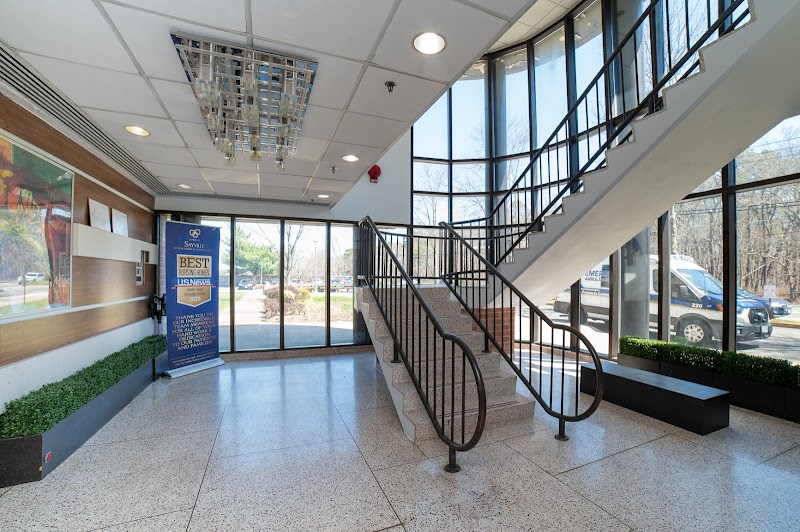
How is Luxor Nursing And Rehabilitation At Sayville Staffed?

CMS rates LUXOR NURSING AND REHABILITATION AT SAYVILLE's staffing level at 1 out of 5 stars, which is much below average compared to other nursing homes. Staff turnover is 30%, compared to the New York average of 46%. This relatively stable workforce can support continuity of care.

What Have Inspectors Found at Luxor Nursing And Rehabilitation At Sayville?

State health inspectors documented 12 deficiencies at LUXOR NURSING AND REHABILITATION AT SAYVILLE during 2020 to 2025. These included: 12 with potential for harm.
Who Owns and Operates Luxor Nursing And Rehabilitation At Sayville?

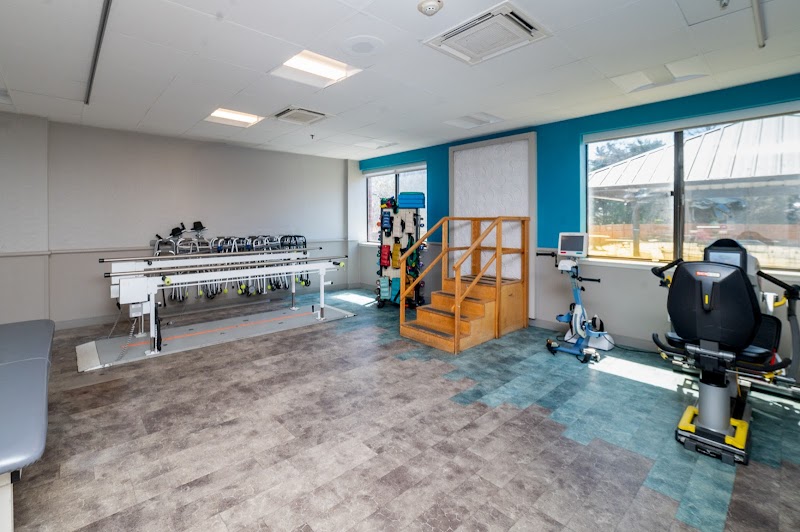
LUXOR NURSING AND REHABILITATION AT SAYVILLE is owned by a for-profit company. For-profit facilities operate as businesses with obligations to shareholders or private owners. The facility is operated by CARERITE CENTERS, a chain that manages multiple nursing homes. With 180 certified beds and approximately 174 residents (about 97% occupancy), it is a mid-sized facility located in SAYVILLE, New York.
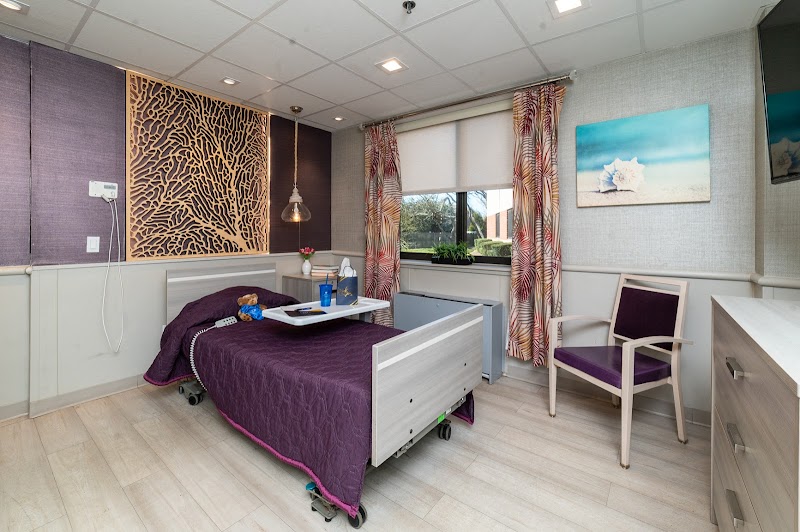
How Does Luxor Nursing And Rehabilitation At Sayville Compare to Other New York Nursing Homes?

Compared to the 100 nursing homes in New York, LUXOR NURSING AND REHABILITATION AT SAYVILLE's overall rating (3 stars) is below the state average of 3.1, staff turnover (30%) is significantly lower than the state average of 46%, and health inspection rating (3 stars) is at the national benchmark.

What Should Families Ask When Visiting Luxor Nursing And Rehabilitation At Sayville?

Based on this facility's data, families visiting should ask: "Can you walk me through typical staffing levels on day, evening, and night shifts?" "Can I visit during a mealtime to observe dining assistance and food quality?" "How do you handle medical emergencies, and what is your hospital transfer rate?" "Can I speak with family members of current residents about their experience?" These questions are particularly relevant given the below-average staffing rating.

Is Luxor Nursing And Rehabilitation At Sayville Safe?

Based on CMS inspection data, LUXOR NURSING AND REHABILITATION AT SAYVILLE has a clean safety record: no substantiated abuse findings (meaning no confirmed cases of resident harm), no Immediate Jeopardy citations (the most serious violation level indicating risk of serious injury or death), and is not on the Special Focus Facility watch list (a federal program monitoring the lowest-performing 1% of nursing homes). The facility has a 3-star overall rating and ranks #100 of 100 nursing homes in New York. While no facility is perfect, families should still ask about staff-to-resident ratios and recent inspection results during their visit.

Do Nurses at Luxor Nursing And Rehabilitation At Sayville Stick Around?

Staff at LUXOR NURSING AND REHABILITATION AT SAYVILLE tend to stick around. With a turnover rate of 30%, the facility is 16 percentage points below the New York average of 46%. Low turnover is a positive sign. It means caregivers have time to learn each resident's needs, medications, and personal preferences. Consistent staff also notice subtle changes in a resident's condition more quickly.

Was Luxor Nursing And Rehabilitation At Sayville Ever Fined?

LUXOR NURSING AND REHABILITATION AT SAYVILLE has no federal fines on record. CMS issues fines when nursing homes fail to meet care standards or don't correct problems found during inspections. The absence of fines suggests the facility has either maintained compliance or corrected any issues before penalties were assessed. This is a positive indicator, though families should still review recent inspection reports for the full picture.

Is Luxor Nursing And Rehabilitation At Sayville on Any Federal Watch List?

LUXOR NURSING AND REHABILITATION AT SAYVILLE is not on any federal watch list. The most significant is the Special Focus Facility (SFF) program, which identifies the bottom 1% of nursing homes nationally based on persistent, serious quality problems. Not being on this list means the facility has avoided the pattern of deficiencies that triggers enhanced federal oversight. This is a positive indicator, though families should still review the facility's inspection history directly.