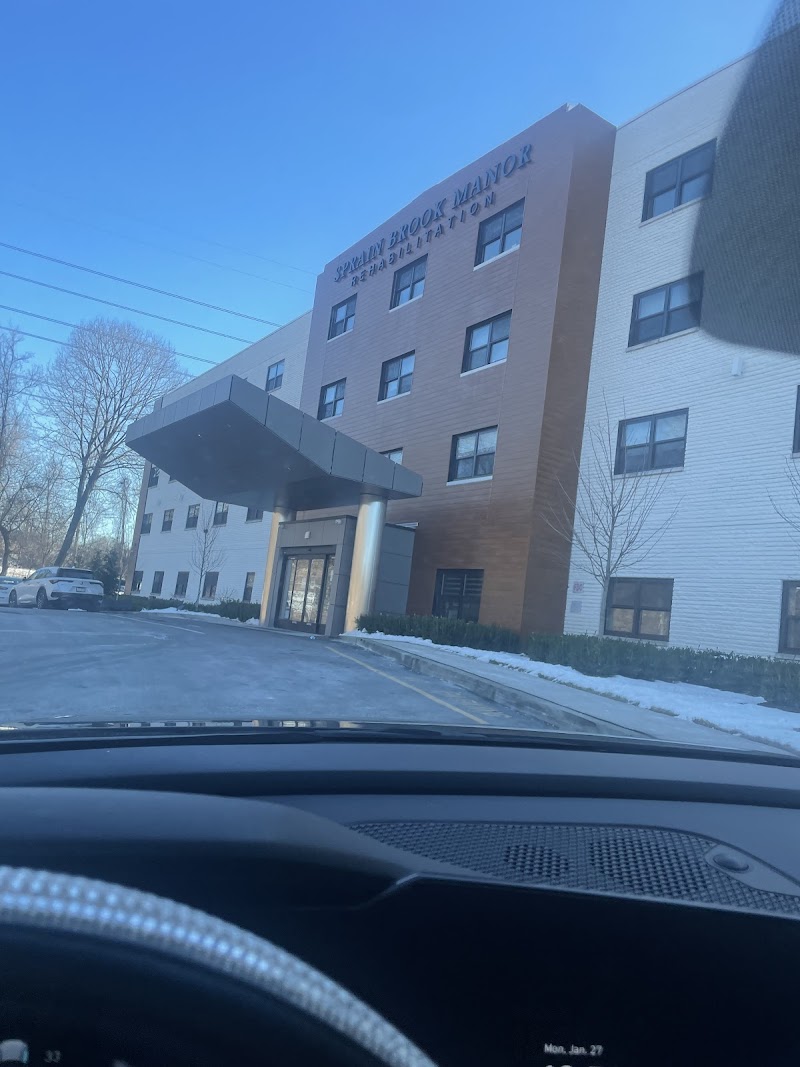
SPRAIN BROOK MANOR REHAB
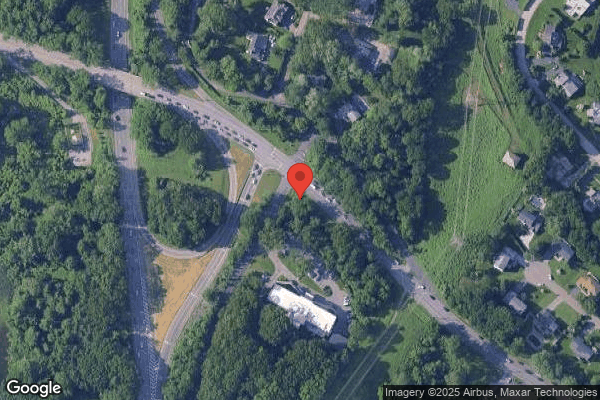
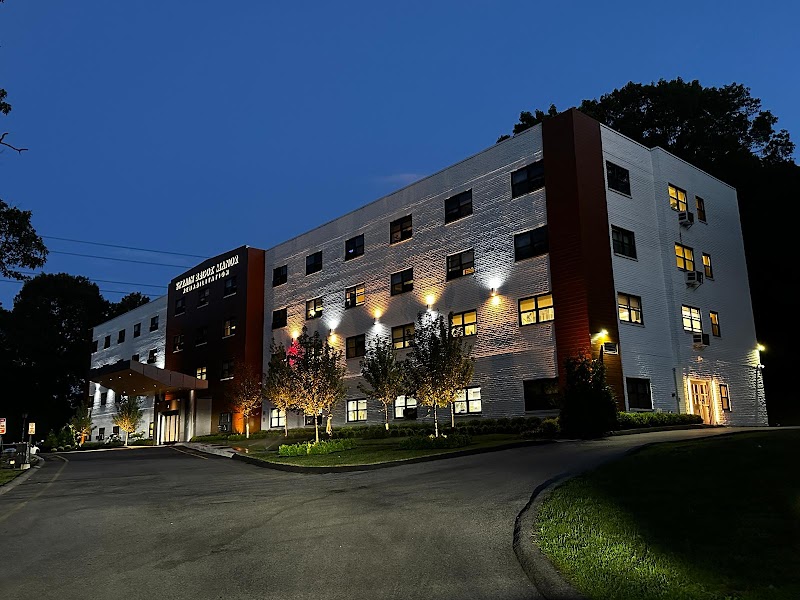
77 JACKSON AVE, SCARSDALE, NY 10583 (914) 472-3200
For profit - Partnership 121 Beds Independent Data: November 2025
Trust Grade
85/100
#230 of 594 in NY
Last Inspection: May 2024

Within standard 12-15 month inspection cycle. Federal law requires annual inspections.

Overview

Sprain Brook Manor Rehab has a Trust Grade of B+, indicating it is above average and recommended for families considering care options. It ranks #230 out of 594 nursing homes in New York, placing it in the top half of facilities in the state, and #13 out of 42 in Westchester County, meaning there are only 12 local options that perform better. However, the facility's trend is worsening, with issues increasing from 1 in 2023 to 5 in 2024. Staffing is a relative strength with a 3/5 star rating and a low turnover rate of 17%, well below the state average, suggesting a stable workforce that knows the residents well. Notably, there have been no fines, indicating good compliance with regulations. On the downside, there have been specific concerns raised, including a failure to maintain food safety standards, such as not labeling perishable items properly, which could lead to health risks. Additionally, a resident's dignity was compromised when their urinary catheter and drainage bag were not concealed, making them visible to others. Lastly, care plans were not updated promptly following falls for two residents, potentially putting them at risk for further accidents. This combination of strengths and weaknesses should be carefully weighed by families considering this facility.

Trust Score
B+
85/100
In New York
#230/594
Top 38%
Safety Record
Low Risk
No red flags
Inspections
Getting Worse
1 → 5 violations
Staff Stability
✓ Good
17% annual turnover. Excellent stability, 31 points below New York's 48% average. Staff who stay learn residents' needs.
Penalties
✓ Good
No fines on record. Clean compliance history, better than most New York facilities.
Skilled Nurses
✓ Good
Each resident gets 84 minutes of Registered Nurse (RN) attention daily — more than 97% of New York nursing homes. RNs are the most trained staff who catch health problems before they become serious.
Violations
○ Average
10 deficiencies on record. Average for a facility this size. Mostly minor or procedural issues.
★★★★☆
4.0
Overall Rating
★★★☆☆
3.0
Staff Levels
★★★★☆
4.0
Care Quality
★★★★☆
4.0
Inspection Score
Stable
2023: 1 issues
2024: 5 issues

The Good

  • 4-Star Quality Measures · Strong clinical quality outcomes
  • Low Staff Turnover (17%) · Staff stability means consistent care
  • Full Sprinkler Coverage · Fire safety systems throughout facility
  • No fines on record
  • Staff turnover is low (17%)

    31 points below New York average of 48%

Facility shows strength in quality measures, staff retention, fire safety.

The Bad

No Significant Concerns Identified

This facility shows no red flags. Among New York's 100 nursing homes, only 1% achieve this.

The Ugly 10 deficiencies on record

May 2024 5 deficiencies
CONCERN (D)

Potential for Harm - no one hurt, but risky conditions existed

Resident Rights (Tag F0550)

Could have caused harm · This affected 1 resident

Based on observation, record review and interview conducted during a recertification survey, the facility did not ensure for 1 of 1 resident (Resident #95) reviewed for dignity that care was provided ...

Read full inspector narrative →
Based on observation, record review and interview conducted during a recertification survey, the facility did not ensure for 1 of 1 resident (Resident #95) reviewed for dignity that care was provided in a manner to maintain dignity. Specifically, Resident #95's urinary (Foley) catheter tubing and drainage collection bag were not concealed to prevent direct observation by other residents and their families to maintain dignity and privacy. The findings are: Resident #95 had diagnoses and conditions including subdural hemorrhage, hemiplegia, and urinary retention. The Significant Change Minimum Data Set (MDS; a resident assessment and screening tool) dated 4/1/24 documented Resident #95 had moderately impaired cognition; and had an indwelling urinary catheter in place. On 5/07/24 at 9:55 AM Resident #95 was observed lying in bed with catheter bag laying in the bed next to him with no privacy bag over it and was visible hallway. On 5/07/24 at 11:58 AM Resident #95 was observed in wheelchair in room waiting for lunch, catheter bag attached to their wheelchair, no privacy bag over it and was visible from hallway. The Urinary Catheter Care Plan last revised 3/23/24 had no documented evidence of any intervention to provide a privacy bag over the catheter bag. When interviewed on 5/10/24 at 1:47 PM, Staff #4 (certified nurse aide) stated they were the resident's assigned certified nurse aide on 5/7/24. Staff #4 acknowledged they did not put the a privacy bag over the catheter bag and stated they were now aware they need to put the privacy bag over the catheter bag. 10 NYCRR 415.5 (a)
CONCERN (D)

Potential for Harm - no one hurt, but risky conditions existed

Deficiency F0657 (Tag F0657)

Could have caused harm · This affected 1 resident

Based on observations, record review and interviews, during the recertification survey conducted from 5/7/24 to 5/14/24, the facility did not ensure that the Comprehensive Care Plans (CCP) were review...

Read full inspector narrative →
Based on observations, record review and interviews, during the recertification survey conducted from 5/7/24 to 5/14/24, the facility did not ensure that the Comprehensive Care Plans (CCP) were reviewed and revised in a timely manner for 2 of 4 residents reviewed for accidents. Specifically, (1) Resident #7 had an unwitnessed fall on 3/9/24 and the Fall Care Plan was not updated to reflect new interventions to prevent a fall; (2) Resident #215 had an unwitnessed fall on 4/18/24 and the Fall Care Plan was not updated to reflect new interventions to prevent a fall. The findings are: 1. Resident #7 was admitted to the facility 11/26/23 with a diagnoses including cancer, congestive heart failure, diabetes and lack of coordination. The Quarterly Minimum Data Set (MDS; a resident assessment tool) dated 3/3/24, documented the resident's cognition was moderately impaired. It further documented the resident was dependent on staff for transfers and the resident had a fall without injury since admission or reentry. The Fall/Injury Care Plan created 11/26/23, documented the resident fell in the last 31-180 days, date: 1/1/24 and 3/9/24. The interventions included the following: Anticipate needs of resident; encourage resident to seek assistance as needed; maintain safe environment free of any hazards; monitor activities of resident; and physical therapy evaluation for transfer/ambulation status as needed. There was no further documented evidence the Fall/Injury Care plan was revised with new interventions after the falls on 1/1/24 and 3/9/24. According to facility Accident/Incident Reports, Resident #7 had an unwitnessed fall with injury on 3/9/24. The corrective action was to monitor resident's activity and visual monitoring every hour. Hospital Discharge Papers dated 3/11/24 documented the resident was admitted for fall and an x-ray showed a left tibia (lower leg) fracture, a splint was placed. When interviewed on 5/13/24 at 2:30 PM, Staff #6 (Registered Nurse) stated they were supervising the night of the incident. Staff #6 stated after a fall they update care plan and do an Accident and Incident Report. Staff #6 stated the interventions on the care plan needed to correlate with the date of the fall when updating. Staff #6 reviewed the care plan with the surveyor and acknowledged there were no new interventions put in place following each fall and had no explanation as to why. When interviewed on 5/13/24 at 2:49 PM, the Director of Nursing stated it was the practice of the facility to just update the monitoring notes and progress notes and have tried to reeducate the nurses on proper way to update the care plans with new interventions following a fall or incident. The Director of Nursing stated they recently provided education to the nurses about updating the interventions on the care plans. 2. Resident #215 admitted to facility 2/25/22 with diagnoses of cerebrovascular accident, diabetes, and other lack of coordination. The admission Minimum Data Set (MDS; a resident assessment tool) dated 2/12/24 noted the resident had a BIMS (Brief Interview for Mental Status; a test used to measure memory, recall and orientation) score of 13 indicating that the resident had modified independence in cognition and it further documented Resident #215 was dependent in transfer and had 1 fall in the last month and had a fall within the last 2-6 months. The Fall/Injury Care Plan created 9/20/23 documented the resident fell in past 30 days (4/18/24); and had a history of falls on 8/8/23 and 10/4/23. The interventions included the following: Anticipate needs of resident; encourage resident to seek assistance as needed; keep personal items within reach; maintain safe environment free of any hazards; make sure assistive devices are in good working condition; monitor activities of resident; and physical therapy evaluation for transfer/ambulation status as needed. There was no further documented evidence the Fall/Injury Care Plan was revised with new interventions following the fall on 4/18/24. When interviewed on 5/13/24 at 3:43 PM, Staff #2 (Registered Nurse) stated they had to update the care plans following a fall. Staff #2 stated the supervisor updated the care plans, and they completed the incident report and assessed the resident. While reviewing the electronic medical record with the surveyor, Staff #2 stated they were the person who updated the monitoring note in the resident's care plan and stated they did not put in any new interventions. When interviewed on 5/13/24 at 4:06 PM, Staff #7 (Registered Nurse) stated after a fall they did an assessment and updated care plans. Staff #7 reviewed the care plan and stated they did not update the care plan with new interventions, and they just wrote a monitoring note. 10 NYCRR 415.11(c)(1)
CONCERN (D)

Potential for Harm - no one hurt, but risky conditions existed

Quality of Care (Tag F0684)

Could have caused harm · This affected 1 resident

**NOTE- TERMS IN BRACKETS HAVE BEEN EDITED TO PROTECT CONFIDENTIALITY** Based on observation record review and interviews during the recertification survey conducted from 5/7/24 to 5/14/24, the facili...

Read full inspector narrative →
**NOTE- TERMS IN BRACKETS HAVE BEEN EDITED TO PROTECT CONFIDENTIALITY** Based on observation record review and interviews during the recertification survey conducted from 5/7/24 to 5/14/24, the facility did not ensure treatment and care were provided in accordance with professional standards to meet the needs of one of three residents (Resident #55) reviewed for skin conditions. Specifically, for Resident #55 skin impairments were not identified or reported. The findings include: The facility policy for Certified Nurse Aide Competency Checklist: Bed Bath policy, effective November 2023, documented Certified Nurse Aides check, clean and clip nails as necessary, and document on Certified Nurse Aide accountability record; and note any reddened or broken skin areas to a nurse. Resident #55 had diagnoses including history of cerebral infarction (stroke), local infection of the skin and subcutaneous tissue, and adult failure to thrive. The Minimum Data Set quarterly assessment dated [DATE] documented the resident had severely impaired cognition and was dependent on staff for all activities of daily living. The Resident Nursing Instructions (instructions for direct care staff), dated 12/8/22, documented weekly skin check every Monday and as needed; and to apply Vitamin A&D ointment to bilateral upper extremities and lower extremities every shift and as needed during care as skin protectant. The comprehensive care plan, updated on 4/8/23, documented Skin Integrity-Impaired related to skin fragility. Interventions included to monitor skin during daily care and provide protective/preventive skin care. The record review of Nursing Progress notes from 01/01/2024 to 05/12/2024 did not document any issues regarding the resident's skin condition. Review of the February 2024 through May 13, 2024 Treatment Administration Record revealed that no skin treatment was administered. The Certified Nurse Aide documentation, dated 3/20/24 to 5/14/24, documented Skin Check/ Care was signed for as performed every shift. During an observation on 05/08/24 at 10:51 AM, Resident #55 was in bed with their legs uncovered. The resident had a dry skin, the left knee had excoriated (scraped) areas and scratch marks, the left anterior foot had dry scabs, the right shin had scratch marks, and the right ankle had dry scabs. During an observation and interview on 05/13/24 at 04:39 PM, the resident was in bed with their legs uncovered. Staff #8 (Register Nurse) looked at the resident's legs and stated they were not aware of the scratch marks and excoriated area. Staff #8 stated the skin looked very dry and it looked as if the resident had long nails and scratched themselves. Staff #8 said that currently they did not have orders to apply anything to the resident's skin. They said the Certified Nurse Aide was responsible for keeping the resident's nails short by filing them and they expected to be informed of skin impairments. Following the interview with the nurse in the resident's room the conversation continued at the nursing station in front of the computer where the nurse was asked to show a record on skin assessment. The only report Staff #8 was able to find was the nursing admission skin assessment dated [DATE]. During an interview on 05/14/24 at 11:36 AM Staff #9 (Certified Nurse Aide) stated that the nurses clipped and filed nails for the residents. Staff #9 stated filing the resident's naifs was not on their task assignment. During an interview on 05/14/24 at 12:47 PM, the Director of Nursing stated that Certified Nurse Aides clipped and filed residents' nails, as well as check the residents skin condition and report to a nurse any abnormal findings. They stated the task was in the policy for Skin Care and on the Resident Nursing Instructions which showed their assignments, and the Certified Nurse Aides documented in the Certified Nurse Aide Documentation. 10 NYCRR 415.12
CONCERN (D) 📢 Someone Reported This

A family member, employee, or ombudsman was alarmed enough to file a formal complaint

Potential for Harm - no one hurt, but risky conditions existed

Dental Services (Tag F0791)

Could have caused harm · This affected 1 resident

**NOTE- TERMS IN BRACKETS HAVE BEEN EDITED TO PROTECT CONFIDENTIALITY** Based on observation, record review and interviews during the recertification and abbreviated surveys (NY00328628) conducted fro...

Read full inspector narrative →
**NOTE- TERMS IN BRACKETS HAVE BEEN EDITED TO PROTECT CONFIDENTIALITY** Based on observation, record review and interviews during the recertification and abbreviated surveys (NY00328628) conducted from 5/7/24 to 5/14/24, the facility did not ensure residents were provided timely dental services for one of one resident (Resident #13) reviewed for dental services. Specifically, Resident #13's dentures were discovered lost on 6/28/2023, and the resident did not get their dentures replaced until 12/6/2023, six months later. The findings include: Resident #13 had diagnoses including diabetes, dysphagia (difficulty swallowing), and hepatocellular carcinoma (liver cancer). The Minimum Data Set (MDS) dated [DATE] documented the resident had moderately impaired cognition, and required minimal assistance with eating and oral hygiene. The Comprehensive Care Plan for Potential Oral Dental Problems, last dated 10/29/2022, documented interventions for a dental consult annually as needed, and ensuring dentures were worn daily. A Complaint Investigation form, dated 6/28/2023, documented Resident #13's family member reported the resident's dentures were missing. A search was conducted and the dentures were not found. The corrective actions was the facility would pay for the resident's dentures and the form was signed off on 7/3/24 A Speech-language pathologist progress note dated 7/6/2023 documented the resident's upper dentures was missing and caused difficulty masticating (chewing). New recommendations were made to change from a regular-consistency solids to a chopped diet. A Registered Dietician progress note dated 9/19/2023 documented the resident had a significant undesirable weight loss possibly secondary to loss of dentures. Replacement dentures were in the works, with food texture modifications in place and tolerating well. Review of dental progress notes documented the resident was seen: - on 10/6/23 for bite registration (taking an impression of the teeth ). - on 10/30/23 for try-on and retook bite. - on 12/6/23 the denture was delivered. There were no dental progress between the date of the complaint, 6/28/23, until the resident was seen on 10/6/23. During observations on 5/7/2024 at noon, 5/9/2024 at 8:00 AM, and 5/9/2024 at 12:15 PM, Resident # 13 had their dentures in place and ate a chopped diet unassisted. During an interview on 5/9/2024 at 9:13 AM, the resident family member stated that the resident's dentures had been lost twice while at the faciity and the last time it took a long time to replace them. During an interview on 5/14/2024 at 9:00 AM, Staff #2 (Registered Nurse Unit Manager) stated they did not remember why it took so long for the resident's dentures to be made. They stated they made a consult sometime in July 2023 and notified the dental office. During an interview on 5/14/2024 at 9:22 AM, the Registered dietician stated that it took about six months for the resident to finally receive the dentures because there were several fittings, and the resident had many complaints. The resident did not lose weight because his diet was downgraded, and supplements were added. During an interview on 5/14/2024 at 9:34 AM, the Director of Nursing stated it took six months because there were many fittings. During an interview on 5/13/2024 at 1:00 PM, the dentist stated this was the second set of dentures, and sometimes they waited for one month to see if the dentures showed up. The dentist stated it usually takes 2-3 months for residents to get dentures and it should not take six months. 10 NYCRR 415.17
CONCERN (D)

Potential for Harm - no one hurt, but risky conditions existed

Food Safety (Tag F0812)

Could have caused harm · This affected 1 resident

**NOTE- TERMS IN BRACKETS HAVE BEEN EDITED TO PROTECT CONFIDENTIALITY** Based on observations and interviews during the recertification survey conducted from 5/7/2024 to 5/14/2024, the facility did no...

Read full inspector narrative →
**NOTE- TERMS IN BRACKETS HAVE BEEN EDITED TO PROTECT CONFIDENTIALITY** Based on observations and interviews during the recertification survey conducted from 5/7/2024 to 5/14/2024, the facility did not ensure food was stored in accordance with professional standards for food safety practice. Specifically, 1) opened perishable food was not covered properly; and 2) expired food was not discarded. The findings are: The facility policy and procedure titled Food Storage Policy, last revised 01/2009, documented that all food will be stored in the refrigeration units either wrapped or in closed storage containers and be clearly dated and labeled. All expired food items will be discarded. The initial tour of the kitchen on 05/07/2024 at 09:21 AM was conducted with the Dietary Supervisor. The following were observed: 1. In the freezer for meat products, there were two cardboard boxes of frozen vegetables on the shelf with inner plastic wrap that was opened and frozen vegetables were exposed to the air, the boxes were dated 4/26/24. 2. In the dry storage room, there was a box of [NAME] Honey Dijon sauce with an expiration date 4/26/24. During an interview on 05/07/2024 at 10:02 AM the Dietary Supervisor stated that all boxes need to be kept closed with inner plastic wrap between uses of the product. The Dietary Supervisor also stated the box of Honey Dijon sauce had small print for the expiration date, and was overlooked. 10 NYCRR 415.14 (h)
Mar 2023 1 deficiency
CONCERN (D) 📢 Someone Reported This

A family member, employee, or ombudsman was alarmed enough to file a formal complaint

Potential for Harm - no one hurt, but risky conditions existed

Quality of Care (Tag F0684)

Could have caused harm · This affected 1 resident

**NOTE- TERMS IN BRACKETS HAVE BEEN EDITED TO PROTECT CONFIDENTIALITY** Based on record reviews and interviews during an abbreviated survey (NY00311874), the facility did not ensure that 1 of 3 reside...

Read full inspector narrative →
**NOTE- TERMS IN BRACKETS HAVE BEEN EDITED TO PROTECT CONFIDENTIALITY** Based on record reviews and interviews during an abbreviated survey (NY00311874), the facility did not ensure that 1 of 3 residents (Resident #1) reviewed for constipation were provided the necessary care to maintain bowel regularity. Specifically, Resident #1's bowel movements were not consistently monitored, and the necessary interventions were not implemented in accordance with the care plan and facility bowel management protocol. The findings are: Resident #1 was admitted to the facility on [DATE] with diagnoses that included Anemia, Hypertension, Chronic Kidney Disease Stage 3, Type 2 Diabetes Mellitus (DM), and Cerebral Ischemia. The resident was discharged to the hospital on [DATE] and returned to the facility on [DATE]. The Facility Policy on Bowel Management created on 10/01/2017, with review date of 10/20/2022, documented to establish/maintain normal patterns of bowel function. To develop bowel management regimen based upon evaluation of resident risk, contributing factors and evidence of a tendency toward constipation. The procedure documented that at the end of each shift, the unit nurse will review all residents accountability logs and note any residents who have not had a bowel movement for nine (9) consecutive shifts. The nurse who takes the 3 days/9th shift of no bowel movement will document residents need for intervention by the next shift nurse on the 24-hour report. The resident is then to be medicated as ordered, or the attending physician is to be notified. The Hospital Discharge Documentation from 02/21/2023 to 02/24/2023 was reviewed. Resident #1 had constipation for which they got enema, manual disimpaction (unsuccessful) moved their bowel after reinforcement of bowel regimen with golytely (electrolyte used to clean out the intestines before certain bowel exam procedures such as colonoscopy or barium enema X-rays). Computed Tomography (CT) of chest, abdomen, and pelvis result documented esophageal thickening, and stool burden with dilation. One of the new medications ordered was Bisacodyl 10 mg rectal suppository every day as needed for Constipation. Review of Resident #1's Alteration in Bowel Elimination Care Plan initiated on 11/03/2022 documented a potential risk for constipation related to decreased mobility, poor oral intake, and psychotropic drug use, as evidenced by bowel incontinence and constipation. The goal documented to have a soft formed stool at least every 3 days for 90 days and have no fecal impaction for 90 days. Interventions included to monitor for bowel movement daily. The Physician Order and the Medication Administration Record (MAR) from 02/01/2023 to 02/20/2023 was reviewed. Resident #1 was administered the following medications as ordered: Increase oral hydration 400 mL QID (9 AM, 1 PM, 5 PM 9 PM) which started on 01/30/2023, the order was changed to 450 mL QID on 02/02/2023; Polyethylene Glycol 3350 17 gm/dose oral powder by oral route daily at 9 AM (Protocol: mix with 8 oz water, juice, soda, coffee, or tea) for Constipation which started on 11/25/2022; Senna 8.6 mg tablet 2 tablets by oral route once daily for Constipation which started on 11/25/2022. Review of the Resident Certified Nursing Assistant (CNA) Documentation Record from 02/01/2023 to 02/21/2023 documented Resident #1 did not have a bowel movement (BM) for all 3 shifts on 14 of 21 days (02/01/2023, 02/02/2023, 02/03/2023, 02/04/2023, 02/07/2023, 02/08/2023, 02/09/2023, 02/11/2023, 02/12/2023, 02/13/2023, 02/14/2023, 02/16/2023, 02/17/2023, 02/18/2023). Resident #1 had a BM on the following days/shift: 02/05/2023 at 10 PM 1 loose medium BM; 02/06/2023 at 12 PM 1 formed large BM; 02/06/2023 at 2 PM 1 formed large BM; 02/10/2023 at 10 AM 1 soft small BM; 02/15/2023 at 12 AM 1 loose small BM; 02/19/2023 at 2 AM 1 loose small BM; 02/19/2023 at 6 PM 1 soft medium BM. There was no documented evidence the resident received any new medication order for constipation, or physician notification, during the days/shifts that the resident did not have a bowel movement. During interviews conducted with CNA's #1, #2 and #3 on 03/06/2023, all revealed they documented in the Electronic Medical Record (EMR) the number of times a resident had a BM and included the type of BM, if it was formed, loose, or soft; and the size of the BM such as small, medium, or large. The CNAs also stated they informed the nurses when a resident did not have a BM during their work shift. During an interview conducted with the Registered Nursing (RN) Supervisor on 03/06/2023 at 11:50 AM, the RN Supervisor stated the nurses called the physician for a new order, like a fleet enema, on the 3rd day (9th shift) without a bowel movement. A follow up interview with the RN Supervisor on 03/06/2023 at 3:15 PM revealed the CNAs had no way of knowing thru the EMR if a resident did not have a BM for 3 days. The CNAs were trained to report to the nurse when a resident did not have a BM during their work shift. The RN Supervisor stated the nurses could look back in the EMR and review the residents BM's. Aside from calling the physician for new order of medication when a resident had no BM for 3 days, the nurse also would report to the RN Supervisor on duty, and the resident would be placed on the 24-hour report (shift to shift communication) until the resident had a BM. The RN Supervisor stated they reviewed the 24-hour report and Resident #1 was not on it for the month of February. During an interview conducted with the RN #2 on 03/06/2023 at 3:20 PM. RN #2 stated the CNAs were trained and very good at reporting to the nurses when a resident did not have a BM. RN #2 stated that nurses could look back and review in the EMR when a resident had no BM. RN #2 stated when a resident had no BM for 3 days, they would do the following: check the MAR to see if the resident had any PRN (as needed) medication order for constipation; if there was no order, they would check the resident's bowel sounds and call the physician for further orders. RN #2 stated the bowel assessment, physician notification and orders would be documented in the progress notes. RN #2 also stated they would report all of this to the RN Supervisor. 415.2
Feb 2019 4 deficiencies
CONCERN (D)

Potential for Harm - no one hurt, but risky conditions existed

Incontinence Care (Tag F0690)

Could have caused harm · This affected 1 resident

**NOTE- TERMS IN BRACKETS HAVE BEEN EDITED TO PROTECT CONFIDENTIALITY** Based on record review and interview conducted during a recertification survey, the facility did not ensure that one resident (R...

Read full inspector narrative →
**NOTE- TERMS IN BRACKETS HAVE BEEN EDITED TO PROTECT CONFIDENTIALITY** Based on record review and interview conducted during a recertification survey, the facility did not ensure that one resident (Resident #72) reviewed for urinary incontinence received the necessary care and services to maintain urinary continence. Specifically, urinary incontinence was not identified and a plan of care was not developed to restore bladder continence. The finding is: Resident # 72 was admitted on [DATE] with diagnoses and conditions including acute embolism and thrombosis of right femoral vein, cerebral infarction and muscle weakness. The admission Minimum Data Set (MDS; a resident assessment and screening tool) dated 1/24/19 documented the resident had moderately impaired cognitive skills for decision making; required extensive assist of two people for transfer and toilet use and was always continent of bowel and bladder. A subsequent MDS dated [DATE] documented the resident required extensive assist of two persons for transfer and toilet use and was always continent of bowel and bladder. The person-centered care plan for continence of bowel and bladder dated 1/17/19 documented the resident was continent of bladder. The goal was to maintain continence of bladder for 90 days and the interventions included encourage independence, instruct resident to call for assistance, report need to use bathroom and to provide appropriate assistance for toileting. The person-centered Activities of Daily Living (ADL)/Rehabilitation Potential care plan dated 1/17/19 documented the resident had a self-care deficit related to diagnoses/condition and weakness from hospitalization; toilet use: extensive assist of one person. Goal: remain clean, neat, odor free and dressed appropriately each day. Interventions documented: assist with ADL as indicated; encourage participation in ADL care; monitor ADL performance. Observe for any deterioration in ability. Refer to Occupational therapy (OT) /Physical Therapy (PT) as needed. The 5-day Review note dated 1/24/19 documented extensive assist of two for transfers and toileting. The 14-day Review note dated 1/31/19 documented extensive assist of two for transfers and toileting. The medical History and Physical dated 1/17/19 documented the resident was continent of bladder. The Nursing admission assessment dated [DATE] documented the resident was continent of bladder. The Certified Nursing Aide (CNA) documentation history for toilet use dated 1/17/19 to 1/31/19 documented toilet type as: pull-ups (1 shift) incontinence brief (19 shifts); and bedpan/incontinence brief (1 shift). The remaining shifts documented toilet type as toilet or not applicable. The initial resident interview was conducted on 2/13/19 at 9:45 AM and revealed the resident asks for the bedpan to urinate but staff leave her on it for 30-45 min and it hurts her bottom, so she asked for a diaper and she urinates in the diaper and then asks to be changed. The resident further revealed that staff toilet her for bowel movement and she is not incontinent of bowel. When asked if she would use the toilet to urinate if offered, the resident responded no because it takes staff too long to get to her and she would urinate in her diaper. The Unit Manager (UM) was interviewed on 2/15/19 at 12:35 PM and reported the resident is continent and asks to be toileted. The staff transfer her to the toilet and the resident does not like the bedpan as it is hard for her and it causes pain related to surgery. She further stated the resident wears a pull up because she did not bring her own underwear when first admitted and further stated she was told by the night shift that the resident prefers to wear a pull up. When asked if she discussed this issue with the resident, the UM responded that she discussed it with the resident and her daughter and they both told her the pull up was adequate. When asked if the resident is ever incontinent of bladder, the UM reported not that she knows of. When asked how she would know if the resident had a decline in bladder continence the UM reported the CNAs would tell her and they have not reported a change in bladder status. CNA #1 responsible for resident care on the day shift was interviewed on 2/15/19 at 1:05 PM and reported the resident uses a pull up because she does not have her own underwear, the resident is continent and will use the toilet when out of bed and in the morning if she is still in bed she sometimes is incontinent of bladder in the pull-up. The MDS coordinator -Registered Nurse (RN) was interviewed on 2/15/19 at 2:06 PM and revealed the CNA would need to report to the charge nurse if there is a change in resident continence. The RN stated she had not seen documentation or been informed that the resident had a change in bladder continence. A follow up interview with the resident was conducted on 2/15/19 in the afternoon with the UM in attendance. At that time the resident reported she wears a diaper because when she rings the call bell at night, the staff answer and tell her they will be back, then do not come back for about an hour and further stated she cannot wait that long so the urine comes down. A follow up interview with the resident was conducted with the Director of Nursing (DON) in attendance on 2/15/19 at about 3:30 PM. At that time, the resident reported that at night when she rings the call bell to go to the bathroom and staff answer, they don't come back until as much as an hour later, and by that time it is too late as she has already urinated in the diaper. The DON was interviewed on 2/19/19 at 10:10 AM and revealed that the current CNA documentation in the Electronic Medical Record (EMR) for resident bowel and bladder care does not indicate if the resident was incontinent of bladder in the incontinence brief. The DON further revealed she has spoken to the provider of the EMR program and has requested a change to the CNA bowel and bladder care documentation to identify and document episodes of incontinence. 415.12(d)(2)
CONCERN (D)

Potential for Harm - no one hurt, but risky conditions existed

Garbage Disposal (Tag F0814)

Could have caused harm · This affected 1 resident

Based on observation, interview and record review conducted during the recertification survey, the facility did not ensure that garbage was contained and disposed of in an appropriate manner. Specific...

Read full inspector narrative →
Based on observation, interview and record review conducted during the recertification survey, the facility did not ensure that garbage was contained and disposed of in an appropriate manner. Specifically, the trash compactor area was not maintained in sanitary condition. The finding is: An inspection of the trash compactor area was conducted on 2/14/19 at approximately 12:00 PM with the Director of Maintenance (DOM) and Food Service Director (FSD) and revealed a visually estimated two (2) yard by three (3) yard area behind the trash compactor littered with debris. This included pieces of various vegetables, paper and plastic food and beverage containers, utensils, plates, cardboard, and disposable gloves. The DOM was interviewed at that time and reported both the dietary and the maintenance departments are responsible to maintain the compactor area and further stated that maintenance checks the compactor area in the morning and in the afternoon. The DOM was asked if the compacter area had been checked this morning and he stated it had not. At that time the FSD was interviewed and asked when the debris behind the trash compactor was disposed of. The FSD stated that the debris appeared to have been disposed of the previous night as the labels on the food containers had yesterday's date on them. A facility policy and procedure for Disposal of Garbage and Refuse dated June 24, 2010 documented: Policy: to properly maintain the garbage and refuse collection area located outside the building in a clean, sanitary and odor free condition. Procedure documented: Any spills on the floor/ground must be immediately swept and properly disposed. 415.14(h)
CONCERN (E)

Potential for Harm - no one hurt, but risky conditions existed

Food Safety (Tag F0812)

Could have caused harm · This affected multiple residents

Based on observation and interview conducted during the recertification survey, the facility did not ensure proper preparation, storage and service of food in accordance with professional standards fo...

Read full inspector narrative →
Based on observation and interview conducted during the recertification survey, the facility did not ensure proper preparation, storage and service of food in accordance with professional standards for food safety. Specifically, perishable foods were not labeled and/or dated, and thermometers used to monitor food temperatures were not properly sanitized. The findings are: 1. Observations and interviews conducted during the initial tour of the kitchen on 2/11/19 at 9:40 AM revealed: The following unlabeled and/or undated foods were stored in the walk-in refrigerator: -Two (2) opened, undated, and partially used loaves of bologna. -One (1) ten-pound, unlabeled, undated, defrosted package (not solid frozen to touch) of ground turkey. -One (1) ten-pound unlabeled, undated, defrosted package (not solid frozen to touch) of ground beef. The Food Service Director (FSD) was interviewed at that time and reported the bologna should have been dated when opened and discarded within 7 days after opening. The FSD further stated the ground beef and ground turkey should have been labeled and dated when pulled from the freezer and that both items should be used within 7 days after being pulled from the freezer. An undated facility policy entitled Thawing Meat and Poultry Safely documented thawed ground meat should be cooked within 1-2 days. The policy did not provide guidance for labeling and dating frozen foods pulled for defrosting. 2. Observation and interview conducted during a follow up tour of the kitchen on 2/14/19 at 11:30 am revealed: During an observation of food temperature monitoring prior to lunch meal service, the cook was observed dipping the thermometer probe into a cup of water, wiping the probe with a disposable paper towel and placing the probe into a cooked, pureed food held for service. The cook proceeded to repeat this action to monitor the temperature of an additional cooked food item held for service. The cook was interviewed at that time and reported he usually uses an alcohol wipe to sanitize the thermometer probe. 415.14(h)
MINOR (B)

Minor Issue - procedural, no safety impact

Transfer Notice (Tag F0623)

Minor procedural issue · This affected multiple residents

**NOTE- TERMS IN BRACKETS HAVE BEEN EDITED TO PROTECT CONFIDENTIALITY** Based on record review and interview conducted during a recertification survey, the facility did not ensure that the Office of t...

Read full inspector narrative →
**NOTE- TERMS IN BRACKETS HAVE BEEN EDITED TO PROTECT CONFIDENTIALITY** Based on record review and interview conducted during a recertification survey, the facility did not ensure that the Office of the Long Term Care Ombudsman (OLTCO) was given written notice of the transfer or discharge of residents. This was evident for 2 of 4 residents ( residents #32, #71) reviewed for hospitalization. The findings are: Resident #32 was admitted to the facility on [DATE] with diagnoses including muscular dystrophy, cerebrovascular accident and gastrointestinal hemorrhage . On 01/19/19 at 10:30 am the resident experienced a change in medical status and the physician ordered that the resident be transferred to the emergency room for evaluation. In an interview with the facility social worker (SW) on 02/19/19 at 3:30pm she was asked to provide evidence that the OLTCO was informed of the transfer. This proof of notification was not provided. Resident #71 was admitted with diagnoses including non-Alzheimer's dementia, COPD and hypothyroidism. On 2/7/19 he experienced a change in mental status and as a result was transferred to the hospital. In an interview with the SW on 02/14/19 at 12:54 pm she stated that the Director of SW or nursing notifies resident's families of hospital transfers. The SW also stated that the ombudsman was updated weekly of all discharge summaries. An interview was conducted on 02/14/19 at 12:59 pm with the facility administrator and he stated that resident's families are notified of the transfer and bed hold policy on admission. The administrator was unable to locate documentation that the ombudsman had been notified of the resident's transfers to the hospital. 415.3(h)(1)(iii)(a-c)
Understanding Severity Codes (click to expand)
Life-Threatening (Immediate Jeopardy)
J - Isolated K - Pattern L - Widespread
Actual Harm
G - Isolated H - Pattern I - Widespread
Potential for Harm
D - Isolated E - Pattern F - Widespread
No Harm (Minor)
A - Isolated B - Pattern C - Widespread

Questions to Ask on Your Visit

  • "Can I speak with families of current residents?"
  • "What's your RN coverage like on weekends and overnight?"

Our Honest Assessment

Strengths
  • • Grade B+ (85/100). Above average facility, better than most options in New York.
  • • No major safety red flags. No abuse findings, life-threatening violations, or SFF status.
  • • No fines on record. Clean compliance history, better than most New York facilities.
  • • 17% annual turnover. Excellent stability, 31 points below New York's 48% average. Staff who stay learn residents' needs.
Concerns
  • • No significant concerns identified. This facility shows no red flags across CMS ratings, staff turnover, or federal penalties.
Bottom line: Generally positive indicators. Standard due diligence and a personal visit recommended.

About This Facility

What is Sprain Brook Manor Rehab's CMS Rating?

CMS assigns SPRAIN BROOK MANOR REHAB an overall rating of 4 out of 5 stars, which is considered above average nationally. Within New York, this rating places the facility higher than 99% of the state's 100 nursing homes. This rating reflects solid performance across the metrics CMS uses to evaluate nursing home quality.
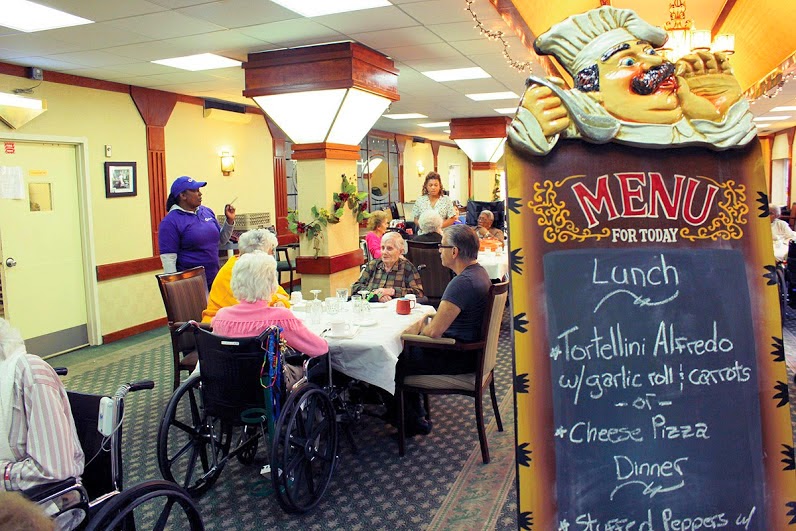
How is Sprain Brook Manor Rehab Staffed?

CMS rates SPRAIN BROOK MANOR REHAB's staffing level at 3 out of 5 stars, which is average compared to other nursing homes. Staff turnover is 17%, compared to the New York average of 46%. This relatively stable workforce can support continuity of care.

What Have Inspectors Found at Sprain Brook Manor Rehab?

State health inspectors documented 10 deficiencies at SPRAIN BROOK MANOR REHAB during 2019 to 2024. These included: 9 with potential for harm and 1 minor or isolated issues.
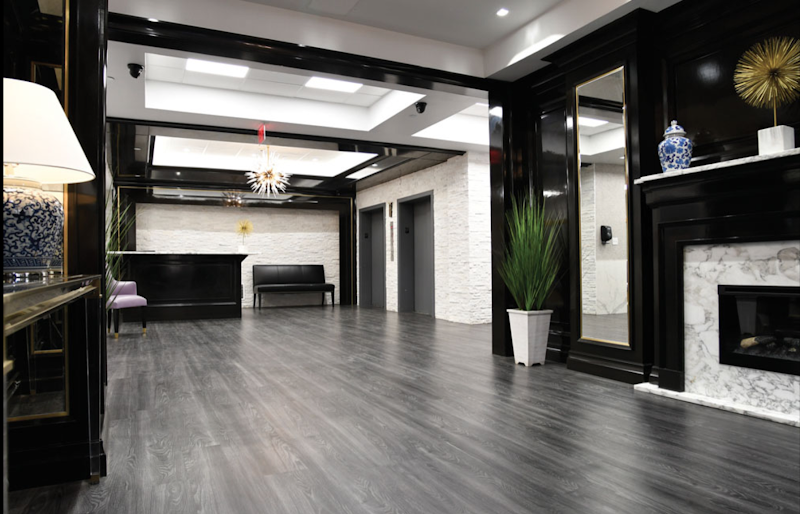
Who Owns and Operates Sprain Brook Manor Rehab?

SPRAIN BROOK MANOR REHAB is owned by a for-profit company. For-profit facilities operate as businesses with obligations to shareholders or private owners. The facility operates independently rather than as part of a larger chain. With 121 certified beds and approximately 112 residents (about 93% occupancy), it is a mid-sized facility located in SCARSDALE, New York.
How Does Sprain Brook Manor Rehab Compare to Other New York Nursing Homes?

Compared to the 100 nursing homes in New York, SPRAIN BROOK MANOR REHAB's overall rating (4 stars) is above the state average of 3.1, staff turnover (17%) is significantly lower than the state average of 46%, and health inspection rating (4 stars) is above the national benchmark.

What Should Families Ask When Visiting Sprain Brook Manor Rehab?

Based on this facility's data, families visiting should ask: "Can I visit during a mealtime to observe dining assistance and food quality?" "How do you handle medical emergencies, and what is your hospital transfer rate?" "Can I speak with family members of current residents about their experience?"

Is Sprain Brook Manor Rehab Safe?

Based on CMS inspection data, SPRAIN BROOK MANOR REHAB has a clean safety record: no substantiated abuse findings (meaning no confirmed cases of resident harm), no Immediate Jeopardy citations (the most serious violation level indicating risk of serious injury or death), and is not on the Special Focus Facility watch list (a federal program monitoring the lowest-performing 1% of nursing homes). The facility has a 4-star overall rating and ranks #1 of 100 nursing homes in New York. While no facility is perfect, families should still ask about staff-to-resident ratios and recent inspection results during their visit.

Do Nurses at Sprain Brook Manor Rehab Stick Around?

Staff at SPRAIN BROOK MANOR REHAB tend to stick around. With a turnover rate of 17%, the facility is 28 percentage points below the New York average of 46%. Low turnover is a positive sign. It means caregivers have time to learn each resident's needs, medications, and personal preferences. Consistent staff also notice subtle changes in a resident's condition more quickly. Registered Nurse turnover is also low at 17%, meaning experienced RNs are available to handle complex medical needs.

Was Sprain Brook Manor Rehab Ever Fined?

SPRAIN BROOK MANOR REHAB has no federal fines on record. CMS issues fines when nursing homes fail to meet care standards or don't correct problems found during inspections. The absence of fines suggests the facility has either maintained compliance or corrected any issues before penalties were assessed. This is a positive indicator, though families should still review recent inspection reports for the full picture.

Is Sprain Brook Manor Rehab on Any Federal Watch List?

SPRAIN BROOK MANOR REHAB is not on any federal watch list. The most significant is the Special Focus Facility (SFF) program, which identifies the bottom 1% of nursing homes nationally based on persistent, serious quality problems. Not being on this list means the facility has avoided the pattern of deficiencies that triggers enhanced federal oversight. This is a positive indicator, though families should still review the facility's inspection history directly.