SCHENECTADY CENTER FOR REHABILITATION AND NURSING
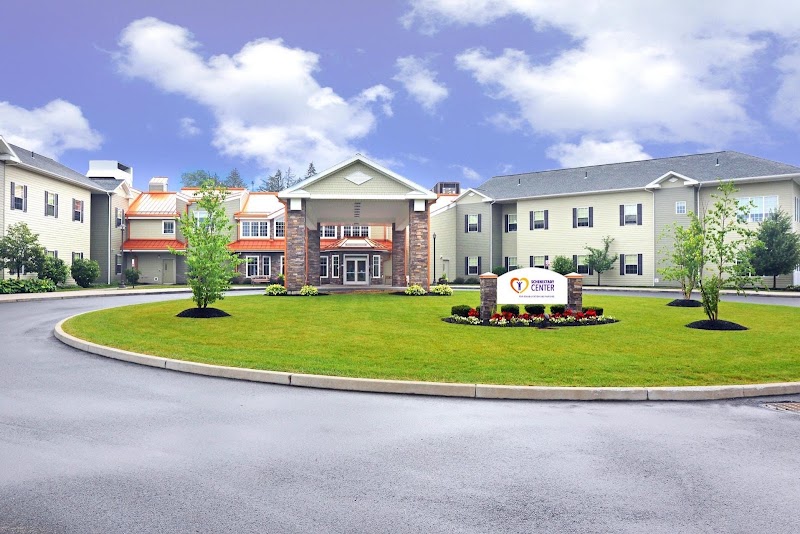
526 ALTAMONT AVE, SCHENECTADY, NY 12303 (518) 346-6121
For profit - Corporation 240 Beds CENTERS HEALTH CARE Data: November 2025
Trust Grade
65/100
#223 of 594 in NY
Last Inspection: April 2023

Over 2 years since last inspection. Current conditions may differ from available data.

Overview

The Schenectady Center for Rehabilitation and Nursing has received a Trust Grade of C+, indicating that it is slightly above average but not exceptional. It ranks #223 out of 594 nursing homes in New York, placing it in the top half of facilities in the state, but only #4 out of 5 in Schenectady County, meaning there is only one local option that is better. The facility is improving, as the number of issues identified has decreased from 5 in 2023 to 3 in 2025. However, staffing is a concern with a rating of 2 out of 5 stars and a turnover rate of 55%, which is significantly higher than the state average of 40%. While the facility has no fines on record, which is a positive sign, there are several specific incidents of concern. For instance, multiple residents did not receive their medications as prescribed, and there were failures in ensuring residents requiring dialysis received appropriate care. Additionally, food safety practices were not adequately followed in the kitchen, raising potential health risks. Overall, while there are some strengths, including a good quality rating, families should weigh these concerns carefully when considering this facility.

Trust Score
C+
65/100
In New York
#223/594
Top 37%
Safety Record
Low Risk
No red flags
Inspections
Getting Better
5 → 3 violations
Staff Stability
⚠ Watch
55% turnover. Above average. Higher turnover means staff may not know residents' routines.
Penalties
✓ Good
No fines on record. Clean compliance history, better than most New York facilities.
Skilled Nurses
⚠ Watch
Each resident gets only 24 minutes of Registered Nurse (RN) attention daily — below average for New York. Fewer RN minutes means fewer trained eyes watching for problems.
Violations
⚠ Watch
26 deficiencies on record. Higher than average. Multiple issues found across inspections.
★★★★☆
4.0
Overall Rating
★★☆☆☆
2.0
Staff Levels
★★★★★
5.0
Care Quality
★★★☆☆
3.0
Inspection Score
Stable
2023: 5 issues
2025: 3 issues

The Good

  • 5-Star Quality Measures · Strong clinical quality outcomes
  • Full Sprinkler Coverage · Fire safety systems throughout facility
  • No fines on record

Facility shows strength in quality measures, fire safety.

The Bad

Staff Turnover: 55%

Near New York avg (46%)

Frequent staff changes - ask about care continuity

Chain: CENTERS HEALTH CARE

Part of a multi-facility chain

Ask about local staffing decisions and management

Staff turnover is elevated (55%)

7 points above New York average of 48%

The Ugly 26 deficiencies on record

Aug 2025 3 deficiencies
CONCERN (D) 📢 Someone Reported This

A family member, employee, or ombudsman was alarmed enough to file a formal complaint

Potential for Harm - no one hurt, but risky conditions existed

Free from Abuse/Neglect (Tag F0600)

Could have caused harm · This affected 1 resident

**NOTE- TERMS IN BRACKETS HAVE BEEN EDITED TO PROTECT CONFIDENTIALITY** Based on record review and interviews conducted during recertification and abbreviated (Case #s: 2578580, 2576246, 596027, 25666...

Read full inspector narrative →
**NOTE- TERMS IN BRACKETS HAVE BEEN EDITED TO PROTECT CONFIDENTIALITY** Based on record review and interviews conducted during recertification and abbreviated (Case #s: 2578580, 2576246, 596027, 2566657, 596028, 594500, 596019, 596018, 596016, 596012, 596015, 596007, 596011, 596005) surveys, the facility did not ensure residents were free from neglect for one (1) (Resident #253) of thirty-five (35) residents reviewed for neglect. Specifically, Resident #253 was admitted to the facility on [DATE] with NPO status (nothing by mouth) and received nutrition/hydration via a gastrostomy tube (G-tube, a feeding tube inserted through the abdomen into the stomach. It is used to deliver nutrition, fluids, and medications when a person is unable to eat or drink adequately on their own.) Tube feedings (a way to provide nutrition and hydration) were not initiated until the following day the resident was admitted to the facility (6/24/2025) at 10:00 AM. This is evidenced by: The facility policy titled, Abuse, created 9/2012, last revised 7/18/2025, documented that the facility prohibits the mistreatment, neglect, and abuse of residents/patients. The policy defined neglect as failure of the facility, its employees, or service providers to provide goods and services necessary to avoid physical harm, pain, mental anguish, or distress. The facility policy titled, Enteral Feedings, created/2015, last revised 2/2023, documented it was the policy of the facility to provide enteral nutrition therapy to residents unable to obtain nutrition orally, when such therapy is ordered by the physician and not clinically contraindicated. The first step in the procedure was to verify the physician's order. Resident #253 was admitted to the facility with diagnoses of pneumonia (infection that inflames air sacs in one or both lungs, which may fill with fluid), dysphagia (difficulty swallowing) following cerebral infarction (a condition where brain tissue dies due to lack of blood flow) and encephalopathy (any diffuse disease of the brain that alters brain function or structure). There was no completed Minimum Data Set (an assessment tool) for this resident as they were discharged to the hospital the day after they were admitted to the facility. The Comprehensive Care Plan with focus, Resident requires tube feeding related to tube feeding with dysphagia and, initiated 6/24/2025, documented as an intervention for Resident #253: Administer tube feeding and water flushes per Registered Dietician/Licensed Dietician and Doctor of Medicine orders. The discharge summary from the hospital documented that Resident #253 was discharged on 6/23/2025. Resident #253 had a PEG-tube (percutaneous endoscopic gastrostomy tube) (a feeding tube placed through the abdominal wall and into the stomach to provide food, water, and medicine) at baseline due to dysphagia. Patient Resident #253 was resumed with PEG-tube feedings, and was tolerating them well. Diet upon discharge from hospital was PEG tube feeding through Vital 1.5 [brand name] nutritional formula, currently at a rate of 65 milliliters an hour. The facility provided documentation that Resident #253 was admitted to the facility on [DATE] at 3:23 PM. Progress note from the provider the facility with Date of Service as 6/23/2025. The resident #253 was transferred from the hospital to the facility on 6/23/2025. They had a G-feeding tube. Were to continue tube feeds. Monitor for aspiration. Nursing Progress Note by Registered Nurse #4 (four)dated 6/23/2025, documented Resident #253 had swallowing problems. The Resident had an enteral tube,. Tthey were not to receive food, water, or medication by mouth, NPO. They had an Enteral Feed Order: (see physician orders),. Rand the resident tolerated the enteral feed well. Review of physician order dated 6/24/2025 documented enteral tube: Vital 1.5, may also use Peptamin 1.5, a different and comparable brand of nutritional feeding formula via enteral tube at a rate of 65 milliliters/hour to begin at 10:00 AM for a total volume of 1560 milliliters to be delivered. There were no physician orders for enteral tube feeding to be administered on 6/23/2025. Review of Medication Administration Record for June, 6/2025 documented Enteral tube (Vital 1.5, may also use Peptamen 1.5) via enteral tube nutritional feeding formula administration at a rate of 65 milliliters to begin at 10:00 AM for a total volume of 1560 milliliters to be delivered one time a day for neurogenic dysphagia, was administered on 6/24/2025 at 10:00 AM. There was no documentation on the Medication Administration Record that tube feedings were completed on 6/23/2025. In reviewing Resident #253's medical record, it was not documented that the provider was notified that Resident #253's tube feeding was not initiated on the date of admission, 6/23/2025. During an interview on 8/18/2025 at 10:38 AM, Nutritionist #1 (one) stated they reviewed the hospital paperwork to see what the hospital provided for a the resident that required tube feeding. They liked to review this information before the resident was admitted to the facility, so they knew what kind of tube feeding to provide and if there were other nutritional findings. They checked to see if they had the kind of tube feeding used for a resident in the facility. If they did not have it, they asked the hospital to send extra tube feeding supplies and they would rush order the supplies that were needed from their supplier. They stated they may switch brands of tube feedings as there may be an equivalent substitute. Nutritionist #1(one) stated if the resident who required tube feeding was admitted when they were not in the building, the nurses knew how to put the orders into the electronic medical record system, and they had access to the supply room so they could get the tube feeding formula. Nutritionist #1(one) stated Resident #253 was admitted on [DATE] and was discharged to the hospital on 6/24/2025. Because of the timing of their admission and discharge, Nutritionist #1one did not get a chance to assess Resident #253. They stated Resident #253 was on a continuous tube feed at a rate of 65 milliliters per hour. They stated it was likely that their tube feeding was stopped at the hospital when Resident #253 was transported to the facility for admission. If a tube feeding was to be continuous, it meant that it was to run continuously until the amount to be delivered was administered to the resident. They stated there was a physician order for Resident #253's tube feeding to begin on 6/24/2025 at 10:00 AM and if someone was admitted to the facility on a continuous tube feeding and they receive most of the tube feeding during the day, they like to start the tube feeding in the morning to get them on a consistent schedule. They stated they may do a one-time order to have the tube feeding running for a shorter period if the resident did not have orders for the tube feeding to begin until the next day, but for Resident #253 there was not a one-time order to provide tube feeding on 6/23/2025. During an interview on 8/18/2025 at 1:53 PM, Registered Nurse #4 (four stated they completed an admission assessment when a resident was first admitted to the facility. They stated they documented in Resident #253's comprehensive care path note that Resident #253 was admitted to the facility with an enteral tube and they tolerated the enteral feed well. They could not remember if the tube feeding was running when they completed the assessment. They stated the first order for the enteral feeding was on 6/24/2025, but there ‘must have been something running because they were not going to not feed Resident #253 for 24 hours.' Registered Nurse #4 (four) stated they did not see an order to provide tube feeding for Resident #253 on the date of admission, 6/23/2025 when they reviewed the resident's orders at the time of this interview. During an interview on 8/18/2025 at 12:23 PM, Director of Nursing #1(one) stated they assumed if a resident that required tube feeding was admitted to the facility in the afternoon, an order for their tube feeding would be put into the electronic medical record and it would be initiated at the time indicated on the order. They stated they would expect to see the tube feeding initiated within an hour of admission. If a resident's continuous tube feed order was not initiated until the next day, they would expect the provider to be notified so the provider could advise them what to do. Director of Nursing #1(one) stated Resident #253 had an order for tube feedings that were initiated on 6/24/2025. They said it should have been started before 6/24/2025. During an interview on 8/18/2025 at 2:31 PM Medical Director #1(one) stated when a resident was on a continuous tube feeding, it was ideal to start the tube feeding when it was due and available. If a tube feeding was not administered until the day after a resident requiring tube feeding was admitted , they would look at what would be the ‘consequences, what would be the ill-effect if it was not available until the morning'. They stated it was not ideal that the tube feeding was not started until 10:00 AM on 6/24/2025, but it was acceptable. They stated they should have been notified the tube feeding was not started on 6/23/2025, but they could not remember if they were notified. During an interview on 8/19/2025 at 11:03 AM, Licensed Practical Nurse # 7(seven) stated newly admitted residents were assessed by a Registered Nurse shortly after they arrived at the facility, not the next day. If a new resident arrived at the facility at 8:00 PM, a Registered Nurse working the overnight shift would complete the assessment. After the assessment, the provider was contacted, and orders were reviewed with them. The diet order, which included tube feedings, was written the day the resident was admitted to the facility. Unless there was an order for the tube feeding to be held, it should be started the same day the resident was admitted to the facility. During an interview on 8/19/2025 at 11:16 AM, Licensed Practical Nurse #1(one) stated when a resident was admitted to the facility, a Registered Nurse completed an admission assessment. The orders for the resident were reviewed with the on-call provider, approved and entered into the electronic medical record. The Registered Nurse should document the orders were reviewed with the provider, and if there were any changes to the orders, they should be put in the note as well. Licensed Practical Nurse #1(one) did not recall Resident #253 and stated they were in a training the day they were admitted to the facility. They did not know why the orders for the tube feeding for Resident #253 were not initiated on 6/23/2025, the date Resident #253 was admitted to the facility.New York Codes, Rules, and Regulations Title 10 S415.4(b)
CONCERN (D) 📢 Someone Reported This

A family member, employee, or ombudsman was alarmed enough to file a formal complaint

Potential for Harm - no one hurt, but risky conditions existed

ADL Care (Tag F0677)

Could have caused harm · This affected 1 resident

Based on observations, record review, and interviews conducted during the recertification and abbreviated surveys (NY00596011; NY00596018; NY00594500), the facility did not ensure residents who were u...

Read full inspector narrative →
Based on observations, record review, and interviews conducted during the recertification and abbreviated surveys (NY00596011; NY00596018; NY00594500), the facility did not ensure residents who were unable to carry out activities of daily living received the necessary services to maintain grooming and personal hygiene for three (3) of nine (9) residents (Resident #100, #218 and #250) reviewed. Specifically, (a.) Resident #100 was not showered per the facility schedule and as requested. (b.) Resident #'s 218 and 250 were not provided toileting checks or care in accordance with their plan of care. This is evidenced by: The facility's Policy and Procedure titled Activities of Daily Living Care and Support, revised 2/28/2025, documented: 1. ADL Activities of Daily Living care and support will be provided for residents who are unable to carry out ADLs independently, with the consent of the resident and in accordance with the resident's assessed needs, personal preferences, and individualized plan of care, that includes but is not limited to supervision and assistance with: a. Hygiene (bathing, dressing, grooming, and oral care); b. Mobility (transfer and ambulation, including walking); c. Elimination (toileting), transfers, and incontinent care. d. Dining (meals and snacks); and e. Communication (speech, language, and any functional communication systems). 2. The resident's bath or shower will be scheduled as per the resident's preference and assessed needs at a minimum of weekly, as needed, and may include a bed bath on non-shower days. Nail care should be provided as needed for the resident. Residents with certain medical conditions may require a licensed nurse to perform. 5. Oral care/denture care and teeth brushing will be provided with care and as needed. 6. Facial hair will be groomed as per the resident's preference and/or assessed needs. 7. Hair care should be provided to the resident as per the resident's preference and/or assessed needs or by appointment at hair hairdresser's or barber;. 8. Toileting/Perineal care/Incontinence care will be provided with care and as needed. Resident #100 Resident #100 was admitted to the facility with a diagnosis of unspecified dementia (a decline in cognitive function, impacting memory, thinking, language, and judgment); cerebral infarction (the death of brain tissue (necrosis) due to insufficient blood supply);, and depression unspecified (significant distress or impairment in daily life). The Minimum Data Set (an assessment tool) dated 7/21/2025 documented the resident's cognition could to be assessed, but they were usually able to be understood and understood by others. Resident #100's Comprehensive Care Plan titled Activities of Daily Living, dated 7/15/2025, documented resident requires assistance with Activities of Daily Living related to Dementia, Fracture, and Limited Mobility. Interventions: Encourage the resident to use the bell to call for assistance. Monitor for changes in status, notify interdisciplinary team as needed. Skin Inspection: monitor for redness, open areas, scratches, cuts, bruises, and report changes to the Nurse. Record Review of Certified Nurse Aide documentation, documented in June of 2025 resident received two (s) showers on 6/26/2025 and 6/29/2025, respectively. In July 2025, documented showers were given on 7/08/2025, 7/24/2025, and for August, on 8/08/2025. Not applicable were documented on 7/17/2025, 7/20/2025, 7/22/2025, 7/29/2025, 7/31/2025, 8/5/2025, and 8/07/2025. During an interview on 08/08/2025 at 10:30 AM, Resident Representative #1(one) stated Resident #100 had not had a shower in a very long time. They could not recall when the last shower was given, and they visit daily. During an interview on 08/08/2025 at 11:00 AM, Registered Nurse #5(five), stated resident #100's shower day is Tuesday. However, they were unable to generate the certified nurse aid documentation on showers for this resident. During an interview on 08/08/2025 at 11:00 AM, Certified Nurse Aide #5 (five) was asked to provide documentation for Resident #100's last shower. They were unable to retrieve or show any documentation for Resident #100's last shower. During an interview on 08/08/2025 at 11:05 AM, Director of Nursing #1(one) provided certified nurse aide documentation for August 2025, for resident #100's shower schedule, which indicated Non-Applicable. Director of Nursing #1(one) stated the entries were erroneous. Director of Nursing #1(one) was asked to provide documentation of the last shower for Resident #100. Director of Nursing #1(one) then retrieved the July dates showing blanks and Non-Applicable for July. Upon request via Health Commerce, Director of Nursing #1(one) submitted documentation as mentioned above for June, July, and August 2025. During an interview on 08/15/2025 at 11:32 AM, Certified Nurse Aide #3 (three) stated that every resident has one shower per week. They have a scheduled shower day. If a resident refuses a shower, they will go back later and offer a shower again. If the resident continues to refuse, the certified nurse aide will notify the nurse. The nurse will also offer a shower and document any refusals. During an interview on 08/15/2025 at 11:37 AM, Registered Nurse #5 (five) stated they cannot say that resident #100 received a shower in between the dates of 07/17/25 and 08/07/2025. If the resident were refusing showers, there should be documentation that the resident refused their showers. There was no documented evidence about resident #100 refusing showers in their progress notes. If the resident were refusing showers, they would attempt a different time, day, and care provider, and try to get the family involved. Resident #218 Resident #218 was admitted to the facility with diagnoses of atrial fibrillation (an irregular, often rapid heart rate that commonly causes poor blood flow), hypertension (a condition where the force of blood against the artery walls is consistently too high), and acute kidney failure (a sudden or rapid decrease in kidney function). The Minimum Data Set (an assessment tool) dated 5/23/2025, documented that the resident was cognitively intact, could be understood, and could understand others. During general observations on 8/08/2025 at 10:00 AM, Resident #218 was noted to be in bed, disheveled, and appeared to be sleeping. A complaint received by the Department of Health on 8/11/2025, documented Resident #218 had to wait over an hour and a half to get changed after they soiled themselves. Resident #218's comprehensive care plan for assistance with self-care and mobility dated 5/28/2024, documented that the resident required a substantial 1 one-assist from staff members to personal care, showering or bathing, a two-assist from staff to roll left to right in bed, and a mechanical lift for transfers. Resident #218 was documented to have Monday as their shower day The Comprehensive Care Plan for Bowel Incontinence dated 5/28/2024, documented: Resident #218 had bowel incontinence related to medication side effects. Resident #218's incontinence would be managed daily in a timely manner. Interventions included checking the resident every 2 to 4 hours as tolerated during waking hours and assisting with toileting as needed. A review of the Documentation Survey Report for July 2025 for Resident #218 documented an intervention/task titled Care Provided. Each day and shift was recorded if care was provided. Care included tasks such as toileting, hygiene, and toilet transfer. During the month of July 2025, there was no documentation to support that care was provided to Resident #218 on 7/12/2025 evening shift (2:30 PM to 10:30 PM), 7/13/2025 night shift (10:30 PM to 6:30 AM), 7/26/2025 evening and night shift, and both 7/27/2025 and 7/28/2025 evening shift. During an interview on 8/18/2025 at 10:46 AM, Licensed Practical Nurse #8(eight) reviewed Resident #218's Documentation Survey Report for July 2025. They stated the dates/times where there was no recorded documentation, that the task was probably done, but the staff forgot to document it. They stated no lack of documentation meant that it was not done. Licensed Practical Nurse #8(eight) stated documentation was reviewed every morning. They were writing up a couple of nurses for missing documentation. Resident #250 Resident #250 was admitted to the facility with diagnoses of cellulitis of the left lower limb (a common bacterial skin infection that causes redness, swelling, and warmth), sepsis (a life-threatening illness caused by the body's extreme response to an infection), and acute kidney failure (a sudden or rapid decrease in kidney function). The Minimum Data Set (an assessment tool) dated 4/03/2025, documented that the resident was cognitively intact, could be understood, and could understand others. A complaint received by the Department of Health on 4/10/2025 documented that Resident #250 was admitted to the facility for rehabilitation after a hospitalization. The complainant stated Resident #250 should have been assisted to the bathroom every 2 to 4 hours, but was not. Resident #250 was not allowed to use the bathroom on their own. The complainant stated it took staff 30 minutes or more to respond to the call bell when the resident had to use the bathroom. The Comprehensive Care Plan for Self-Care and Mobility dated 4/05/2025, documented Resident #250 required assistance with self-care and mobility related to impaired balance and limited mobility. Interventions included toileting hygiene: partial assist of 1 staff (Helper completes less than half the activity. Help uses their own strength to lift or hold the resident's body, arm, or legs. The Comprehensive Care Plan for Bladder Incontinence dated 4/9/2025, documented that Resident #250 was at risk for bladder incontinence related to debility. Interventions included checking and providing toileting care every 2 to 4 hours as tolerated. A review of the Documentation Survey Report for April 2025 for Resident #250 documented an intervention/task with a description of urinary toileting care every 2 to 4 hours as indicated and as tolerated during waking hours and as needed. Each day and shift was recorded if care was provided. During April 2025, there was no documented evidence that Resident #250 received toileting care on 4/01/2025 day shift (6:30 AM to 2:30 PM), 4/09/2025 night shift, 4/10/2025 day shift, 4/11/2025 day and evening shift, 4/13/2025 evening shift, 4/17/2025 day shift, 4/22/2025 day shift, 4/25/2025 evening shift, 4/26/2025 night shift, 4/28/2025 day shift, 4/29/2025 day shift, and 4/30/2025 night shift. During an interview on 8/12/2025 at 3:49 PM, Certified Nurse Aide #5(five) stated that many of the residents on their assignment are on a toileting schedule of every 2 to 4 hours because it is a rehabilitation unit. They assisted one resident at a time, going from one to the next. Certified Nurse Aide #5(five) stated they usually completed their documentation after the first round, after dinner. and then after the last round. When asked if they're ever short-handed, Certified Nurse Aide #5(five) said, We'll, yeah. They stated there was only one occasion where they did not have time to document after a morning when it was really busy. During an interview on 8/14/2025 at 11:48 AM, Certified Nurse Aide #6(six) stated that when they come into work, they assist the residents who get up first. They stated they completed the check and changes after breakfast trays were picked up, and then again after lunch. They provided frequent checks. Certified Nurse Aide #6(six) stated the residents probably did not urinate every 2 hours. They would frequently go around and ask residents if they needed anything. During an interview on 8/18/2025 at 12:25 PM, Director of Nursing #1(one) reviewed Resident #250's Documentation Survey Report for July 2025. For the dates/times where there was no recorded documentation or a blank space, they stated if it was not documented, then it was not done. They stated it was probably done, but was not documented. They have had some issues with documentation, and reviewed documentation every day. New York Codes, Rules, and Regulations Title 10 S415.12(a)(3)
CONCERN (E) 📢 Someone Reported This

A family member, employee, or ombudsman was alarmed enough to file a formal complaint

Potential for Harm - no one hurt, but risky conditions existed

Quality of Care (Tag F0684)

Could have caused harm · This affected multiple residents

**NOTE- TERMS IN BRACKETS HAVE BEEN EDITED TO PROTECT CONFIDENTIALITY** Based on record review and interviews conducted during recertification and abbreviated (Case #s: 2578580, 2576246, 596027, 25666...

Read full inspector narrative →
**NOTE- TERMS IN BRACKETS HAVE BEEN EDITED TO PROTECT CONFIDENTIALITY** Based on record review and interviews conducted during recertification and abbreviated (Case #s: 2578580, 2576246, 596027, 2566657, 596028, 594500, 596019, 596018, 596016, 596012, 596015, 59600, 596011, 596005) surveys, the facility did not ensure residents received treatment and care in accordance with professional standards of practice for (seven) 7 of 35 residents reviewed. Specifically, (a) for Resident #14, medication was not administered per physician orders. Specifically, (b) for Resident #35, medication was not administered per physician orders. Specifically, (c) for Resident #103, medication was not administered per physician orders. Specifically, (d) for Resident #177, medication was not administered per physician orders.Specifically, (e) for Resident #146, weekly weights were not obtained per physician orders. Specifically, (f) for Residents #157 and #199, physician orders were not obtained to check for nor was documentation recorded for skin integrity for residents with hard ridged neck braces. This is evidenced by: Resident #14 Resident #14 was admitted to the facility on [DATE] with diagnoses including unspecified dementia with unspecified severity and with other behavioral disturbance (a degenerative memory loss condition that can cause behavioral disturbances), anxiety disorders (uncontrolled anxiety), and peripheral vascular disease (lack of blood flow to the hands and feet). The Minimum Data Set (an assessment tool) dated 5/02/2025 documented the resident sometimes understood others, sometimes could be understood, and was severely cognitively impaired. A Physician order created 8/22/2024 at 7:01 PM documented an order for Levothyroxine Sodium Oral Tablet 100 micrograms to be given 1 tablet by mouth one time a day for hypothyroidism. The Medication Administration Record for July 2025 documented the medication was scheduled for 9:00 AM and administered at that time. A facility provided document stating meal delivery times to each unit provided evidence that breakfast was scheduled to be delivered to all the units between 7:45 AM and 8:00 AM. The Levothyroxine (thyroid hormone replacement medication) manufacturer's recommendations document to only take the medication with water on an empty stomach and wait at least 30 minutes before consuming food. During an interview on 8/12/2025 at 9:26 AM, Licensed Practical Nurse #3 (three) stated that if they had seen an order for the thyroid hormone replacement medication to be given at 9 AM, they would speak with the medical provider to change the times so it could be given by the night shift as that medication needed to be given on an empty stomach. During an interview on 8/18/2025 at 12:20 PM, Director of Nursing #1(one) stated that when it came to the time of medications being administered, they deferred to the medical provider. During an interview on 8/18/2025 at 2:02 PM, Medical Director #1(one) stated medications like a thyroid hormone replacement medication don't need to be given at(six) 6 AM. There was a false impression as to when those medications need to be taken, and they just need to be given a few hours before a meal. The example given was to administer at (four) 4 PM because that would be a few hours before dinner or at bedtime. Additionally, Medical Director #1(one) stated that a thyroid hormone replacement medication would be taken anytime because the dose could be adjusted if the timing made the medication less effective. The example given was that the Medical Director #1(one) took all their medications at dinner because that was when their spouse gave it to them. Medical Director #1(one) stated that people should not be woken up for medications if it can be helped. It should be by preference, just before a meal.Medical Director #1(one) stated they tried to cater to resident timing not the ideal time and they educated the resident and families about the misconceptions regarding timing of medications to make it easiest for the resident. Resident #146 Policy titled, Physician Orders and created 10/2015 and last revised 02/2020, documented it was the policy of the facility to secure physician orders for care and services for residents as required by state and federal law. Physician orders will be dated and signed according to the state and federal guidelines. Physician orders would include the medication and/or treatment and a correlating medical diagnosis or reason. Policy titled, Food and Nutrition Services and created 11/2017 and last revised 2/19/2025, documented a nutritional assessment, including current nutritional status and risk factors for malnutrition, shall be conducted for each resident. Components of the nutritional assessment included weight status and anthropometric data and current height and weight. Resident #146 was admitted to the facility with diagnoses of type 2 diabetes mellitus (a chronic condition that happens when a person has persistently high blood sugar levels), lymphedema (tissue swelling caused by an accumulation of protein-rich fluid that is usually drained through the body's lymphatic system), and urinary tract infection. The Minimum Data Set (an assessment tool) dated 7/20/2025, documented that the resident could be understood, understood others, and had intact cognition. A review of Resident #146's Comprehensive Care Plan for Nutritional Problem or Potential Nutritional Problem Related to Medical Diagnosis, Medicine Usage, Therapeutic Diet, Skin Alterations, Edema, Obesity, initiated 7/14/2025, documented as a goal that Resident #146 would receive adequate nutrition and hydration without any unplanned significant weight changes by next review. Interventions included the following weights as the physician ordered and report significant weight changes to the medical provider and Interdisciplinary Team for input. Physician order dated 7/13/2025 documented weigh on admission/readmission x1 (one time), then weekly x4 (four times), then monthly. Review of Treatment Administration Record for July and August, 2025 documented Resident #146 was weighed on 7/14/2025, 7/16/2025, 7/23/2025, 7/30/2025 and 8/06/2025. Review of Weight Summary Report in Resident #146's electronic medical record documented a weight for 7/13/2025 only. There were no documented weights for 7/14/2025, 7/16/2025, 7/23/2025, 7/30/2025, or 8/6/2025. During an interview on 8/14/2025 at 11:33AM, Certified Nurse Aide #7 (seven) stated that the nurses told them what residents needed to be weighed on their shift. They were given a sheet of paper with the names of residents who need to be weighed. They weighed the resident and wrote the weight down on that sheet of paper. After they weighed the residents, they gave the paper back to the nurse. They stated they do not enter the weight into the resident's electronic medical record. During an interview on 8/14/2025 at 12:16 PM, Licensed Practical Nurse #2(two) stated the nurse manager sent out a list of residents that needed to be weighed. Licensed Practical Nurse #2 (two) told the Certified Nurse Aides which residents needed to be weighed, and they followed up with them after lunch to see if they were weighed or not. The nurse on the medicine cart was responsible for putting the resident's weight into the resident's electronic medical record. Licensed Practical Nurse #2 (two) stated the Medication Administration Record indicated when the residents were supposed to be weighed. Licensed Practical Nurse # 2(two)stated Resident #146 had a weight entered into their electronic medical record on 7/13/2025, and there were no other documented weights for this resident. During an interview on 8/14/2025 at 12:45, Licensed Practical Nurse # 1(one) stated weights for residents newly admitted to the facility were taken weekly. The Licensed Practical Nurses were notified by the electronic medical record that a weight was needed for a resident. The Licensed Practical Nurses had the Certified Nurse Aides obtain the weights, and the Licensed Practical Nurses entered the weight into the electronic medical record of the resident. They stated there was one weight documented for Resident #146 on 7/13/2025. There were no other documented weights for this resident. They stated they would have expected to have seen three or four more documented weights for this resident, and they did not know why there were not more documented weights for Resident #146. During an interview on 8/15/2025 at 10:01 AM, Nutritionist #1(one) stated the weights for residents newly admitted to the facility are obtained the first four weeks they are in the facility. The nurse on the cart directed the Certified Nurse Aides to obtain the weights and that most of the time, they give the weight to the Nurse Manager to be entered into the electronic medical record. They stated they check every morning to see if weights were done, and if not, they reminded the staff or mentioned it in morning report that weights were needed for residents. They stated weights were not always obtained in a timely fashion and some weeks were better than others. They stated for Resident #146, weekly weights were not completed as ordered by the physician. They stated they spoke with the unit manager about it, and the unit manager thought Resident #146 refused to have their weight taken, but the refusal was not documented. They stated this does not happen often and it was unfortunate timing. During an interview on 8/18/2025, Director of Nursing #1(one) stated weights of residents were obtained upon admission/readmission to facility, weekly, and with dietary recommendations. They stated that weekly weights for Resident #146 as ordered by the physician were not completed. Resident #157 Resident #157 was admitted to the facility with the diagnoses of nondisplaced fracture of first cervical vertebra (a break in a neck bone where the pieces remain in the normal anatomical position), fracture of manubrium (a break in the upper part of the sternum), and fracture of fourth lumbar vertebra (a break in the spine in the lower back). The Minimum Data Set (an assessment tool) dated 8/5/2025 documented the resident could understand others, was understood by others, and was severely cognitively impaired. The policy and procedure titled Appliances - Sprints, Braces, Slings last revised 4/2019, stated skin integrity should be checked. The policy and procedure titled Skin and Pressure Injury Prevention last revised 6/27/2024, stated for residents with a removable medical device, the skin should be monitored for potential pressure injury development. During an observation on 8/7/2025 at 11:43 AM, Resident #157 was noted to be wearing a Miami J collar (a brace used to support neck bones and ligaments and reduce any movement that may cause further damage to the cervical spine). The Physician's Order dated 7/29/2025 documented Miami J collar (a brace used to support neck bones and ligaments and reduce any movement that may cause further damage to the cervical spine) on at all times every shift. A review of the Medication Administration Record and Treatment Administration Record for July 2025 and August 2025 did not show documentation to check the skin integrity under the Miami J collar (a brace used to support neck bones and ligaments and reduce any movement that may cause further damage to the cervical spine). During an interview on 8/18/2025 at 1:17 PM, Director of Nursing #1(one) stated there should be an order to check the skin under the Miami J collar (a brace used to support neck bones and ligaments and reduce any movement that may cause further damage to the cervical spine) and did not know why there was not an order for this before 8/15/2025.
Sept 2023 3 deficiencies
CONCERN (D) 📢 Someone Reported This

A family member, employee, or ombudsman was alarmed enough to file a formal complaint

Potential for Harm - no one hurt, but risky conditions existed

Notification of Changes (Tag F0580)

Could have caused harm · This affected 1 resident

Based on record review and interviews during an abbreviated survey (Case # NY00289779), the facility did not inform the resident representative(s) when accidents occurred for one (1) (Resident #3) out...

Read full inspector narrative →
Based on record review and interviews during an abbreviated survey (Case # NY00289779), the facility did not inform the resident representative(s) when accidents occurred for one (1) (Resident #3) out of sixteen (16) sampled residents. Specifically, the facility did inform Resident #3's representative after the resident had an unwitnessed fall on 3/3/2022. The findings include: The Policy and Procedure (P&P) titled, Change in Condition Notification, dated August 2019, read in pertinent part, It is the policy of this facility to monitor residents for changes in their condition, to respond appropriately to those changes and to notify the physician and responsible party/family member of changes. In the event of a life-threatening change, the facility will initiate emergency care by calling 911 and provide appropriate emergency treatment until they arrive. Unless otherwise instructed by Resident's choice, the licensed nurse will notify the resident's next of kin / responsible person when the Resident is involved in any accident / incident, any accident / incident that results in injury including injuries of unknown origin. If the physician cannot be reached, the resident will be transported immediately to a higher level of care and the physician notified as soon as possible. Resident #3 was admitted to the facility with diagnoses which included extrapyramidal and movements disorders, unspecified protein-calorie malnutrition and altered mental status. The Minimum Data Set (MDS, an assessment tool) dated 1/26/2022, documented the resident could be understood and could understand others with a Brief Interview of Mental Status (BIMS) score assessed to be 5/15 indicative of severe cognitive impairment for decisions of daily living. An Incident Report dated 3/3/2022 documented the resident had an unwitnessed fall. The report documented the resident's family/representative was not notified of the fall. During an interview on 8/17/2023 at 12:03 PM, Licensed Practical Nurse (LPN) #3 said after a resident has a fall or is found on the floor, they are assessed by a Registered Nurse (RN) for any injuries before they are moved and then their physician and family/representative would be notified as soon as possible. During an interview on 9/14/2023 at 11:03 AM, the Director of Nursing (DON) said if a resident had a fall, the resident's family/representative should be notified following the fall. They said they reviewed Resident #3's medical chart and found no record of the resident's family having been notified after they had an unwitnessed fall on 3/3/22. 10NYCRR415.3(e)(2)(ii)(b)
CONCERN (D) 📢 Someone Reported This

A family member, employee, or ombudsman was alarmed enough to file a formal complaint

Potential for Harm - no one hurt, but risky conditions existed

Grievances (Tag F0585)

Could have caused harm · This affected 1 resident

Based on record review and interviews during an abbreviated survey (Case #NY00278031) the facility did not ensure prompt efforts were made to resolve a grievance and keep the resident or resident repr...

Read full inspector narrative →
Based on record review and interviews during an abbreviated survey (Case #NY00278031) the facility did not ensure prompt efforts were made to resolve a grievance and keep the resident or resident representative appropriately apprised of progress towards resolution for one (1) resident (Resident #8) out of sixteen (16) sampled residents. Specifically, when a grievance was filed on behalf of Resident #8 on 6/14/2021, the facility did not complete a thorough investigation of the grievance and did not document that follow-up or resolution was ever provided to the resident and/or resident's spouse who filed the grievance. The findings include: The Policy and Procedure (P&P) titled Grievances, last revised April 2019, read in pertinent part, The facility will assist residents, their representatives, family members or advocates in filling a grievance/concern form when concerns are expressed. The facility will investigate and resolve grievances timely to ensure protection of resident rights. The procedure read in pertinent part, Any resident and/or their representative may file a grievance/complaint concerning their treatment, medical care, the behaviors of other resident(s) or staff member(s), missing property, theft of property, etc. without fear of discrimination, threat, or reprisal in any form. Upon receipt of a complaint/grievance, the corresponding department will investigate the allegation (s) and submit a written report of such findings within seven business days. The administrator will review the findings with the person investigating the grievance/complaint to determine what corrective actions, if any, need to be taken. The resident and/or representative filing the grievance complaint will be informed verbally and in writing of the findings of the investigation and the action(s) taken to correct any identified problems. The facility will maintain evidence demonstrating the results of grievances for a period of no less than three years from the issuance of the grievance decision. Resident #8 was admitted to the facility with diagnoses which included fracture of right clavicle, pressure ulcer of sacral region and malignant neuroendocrine tumors. The Minimum Data Set (MDS, an assessment tool) dated 6/16/2021, documented the resident could be understood and could understand others with a Brief Interview of Mental Status (BIMS) score assessed to be 15/15 with intact cognition for decisions of daily living. Review of the resident record revealed a grievance form dated 6/14/2021. The grievance form documented that the resident's wife expressed concern that the resident was found to have their adult brief not secured and had not been fully cleaned up after an episode of bowel incontinence on 6/12/2021 and they developed a rash. The grievance form also documented concerns that the resident was not being regularly repositioned and had to wait two hours after they had requested a sandwich. The grievance form/ investigation was not signed off as having been completed and review of the facility record revealed no documentation of communication or follow up with the resident's spouse who had filed the grievance or the resident. Page one of the grievance form included the following question, to ensure abuse and neglect are ruled out promptly, does this grievance require further investigation?; the response no was checked off on the form. Page two of the grievance investigation form included that the following information should be documented on the form: investigation/ follow up to the complaint grievance, actions taken in response to the complaint/grievance and the name and signature of the person responding to the grievance. The following questions were on the form to complete: was there was evidence of abuse or neglect found upon investigation? Was the Department of Health and/or local police notified? Was the resident and/or person filing complaint/grievance notified of actions taken? Was the resident and/or person filing the complaint/grievance satisfied with actions taken? The form included a space to document further concerns or comments and then for the name and signature of the staff member responsible for the resident/family follow-up. The second page of the grievance form was left blank and provided no information. The facility conducted interviews with three staff members who reported no issues with the resident during their shifts, however, no further investigation was conducted. Resident #8, who was cognitively intact, was not interviewed or assessed and no review of the care record was documented as part of the investigation. During an interview on 8/24/2023 at 1:52 PM, The Director of Social Services (DSS) said they were the grievance officer for the facility. They said they were not acting as grievance officer during the time Resident #8 was admitted at the facility. They said they reviewed the grievance filed 6/14/21 by Resident #8's spouse and the associated investigation. They said the investigation was not completed as it was not signed as being completed and there was no documented follow- up with resident or the resident's spouse who filed the grievance. They said when a grievance investigation is completed, the findings should be reviewed with the administrator and both parties signed off as completed. During an interview on 8/25/2023 at 12:51 PM, the Nursing Home Administrator (NHA) said they deferred to the facility policy for the handling of grievances. They said Resident #8's grievance was filed prior their employment at the facility. The said grievance investigations are finalized once the investigation has been completed, follow-up/resolve provided to the person making the grievance and then signed off by the administrator and grievance officer. They said is it the responsibility of the facility to perform due diligence and thoroughly investigate any grievance brought forth by or on behalf of a resident. They said the facility may implement new interventions or staff education based on the findings of the investigation. They said allegations involving care not being provided should be thoroughly investigated and involve the provider to assess the resident. During an interview on 9/14/2023 at 11:03 PM, the Director of Nursing (DON) said they were the were DON at the facility during the time Resident #8 was admitted and should have been involved in any grievance relating to care. They said when a grievance is made, the facility should conduct an investigation and provide follow-up and some sort of resolution to the person who filed the grievance within five days. They said if the resident did not file the grievance but was cognitively able to provide statements, they should be interviewed. They said they had no recollection of having been informed or involved in the grievance that was filed on behalf of Resident #8. 10NYCRR 415.39(c)(1)(ii)
CONCERN (D) 📢 Someone Reported This

A family member, employee, or ombudsman was alarmed enough to file a formal complaint

Potential for Harm - no one hurt, but risky conditions existed

Accident Prevention (Tag F0689)

Could have caused harm · This affected 1 resident

Based on observations, record review and interviews during an abbreviated survey (Case #NY00276279), the facility did not ensure the resident environment remained as free of accident hazards as is pos...

Read full inspector narrative →
Based on observations, record review and interviews during an abbreviated survey (Case #NY00276279), the facility did not ensure the resident environment remained as free of accident hazards as is possible for one (1) (Resident #7) out of sixteen (16) residents reviewed. Specifically, the facility did not ensure that Resident #7, a resident at risk for wandering and elopement, did not leave the facility. This is evidenced by: The Policy and Procedure (P&P) titled, Elopement Prevention, last revised June 2023, read in pertinent part, The facility strives to promote resident safety and protect the rights and dignity of the residents. The facility maintains a process to assess all residents for risk for elopement, implement prevention strategies for those identified as an elopement risk, institute measures for resident identification at the time of admission, and conduct a missing resident procedure. An elopement risk evaluation would be completed by the nursing staff on all residents on admission, readmission, quarterly, and upon change of condition. The initial resident assessment should be conducted on admission. A facility-approved risk evaluation scoring tool would be utilized. Those with the scoring tool in their Electronic Health Record (EHR) will use the electronic tool. Those without an EHR, will use paper version. The risk evaluation tool addresses the resident's mobility and psychological, behavioral, physical, and cognitive functions. Resident #7: Resident #7 was admitted to the facility with diagnoses which included repeated falls, dementia and generalized anxiety disorder. The Minimum Data Set (MDS, an assessment tool) dated 5/21/2021, documented the resident could usually be understood and could usually understand others with a Brief Interview of Mental Status (BIMS) score assessed to be 3/15 indicative of severe impairment for decisions of daily living. The Care Plan, dated 5/14/2021, documented that Resident #7 was at risk for elopement from the facility due to a diagnosis of dementia with associated features of memory impairment and the resident had verbalized intent to leave the facility. A Facility Incident, report dated 5/17/2021, documented Resident # 7 was found near the parking of the facility at 10:25 PM by Licensed Practical Nurse (LPN) #4. The incident report documented, A Comprehensive investigation was conducted that included interviews of staff and statement collection, review of medical record, environment/equipment check completed and all in working function. At the close of the investigation, it was determined that while exiting elopement prevention equipment systems functioned as expected, resident exited facility at some point between 10:00 PM when (they) were last seen and10:25 PM when (they) were found on sidewalk in front of building. Upon reentry to the building (their) wander guard did not alarm but did upon entering the unit. It is undetermined how the resident had exited the building, however due to the placement of the alarm on (their) left ankle could have been a contributing factor. This area was furthest from alarm system. (The resident's) wander guard was placed on (their) right wrist, and all residents were reviewed for placement to the right side of the body to ensure alarm is triggered. According to the incident report, the facility implemented an additional alarm to be added to exit doors on the unit to ensure staff were alerted if these doors were opened for any reason. The facility provided education on elopement to all staff. During an interview on 8/25/2023 at 10:43 AM, Licensed Practical Nurse (LPN) #4 said they found the resident outside at 10:25 PM when they arrived for their shift. They said the resident was speaking with a taxi driver that was pulled up outside of the facility. They said they called the main phone as soon as they saw the resident and the nurse supervisor came out and escorted the resident back inside the building. They said the resident was newly admitted to the unit they were working on. They said the resident had a wander guard. They said all the back doors to the unit had alarm system that would go off if pushed on or if a wander guard came close to the door. They said louder alarms and stop signs (mesh signs that read STOP which could be placed across a doorway) were implemented after the resident was found outside. During an interview on 9/14/2023 at 11:03 PM, the Director of Nursing (DON) said Resident #7 had recently admitted to the facility's secured memory unit days prior to them eloping from the facility. They said the facility investigated the incident, however, was not able to determine which door the resident had exited from. They said Resident #7 had been observed outside the building by LPN #4 when they were coming into work during a shift change. They said the resident was escorted back into the building, immediately assessed and a code grey (elopement) was called. They said the facility had alarmed fire doors that could be opened after being pressed, however, no staff ever heard an alarm. They said, following the incident, the facility replaced the alarms on all exit doors so that a very loud alarm could be heard throughout the building. They said all residents who had a wander guard in place had their wander guards moved to the right side of their body which would make it closer to the wander guard alarm sensor as residents passed by. They said Resident #7's wander guard was moved from their left ankle to their right wrist, and they were placed on one-to-one staff supervision. They said they had tested Resident's #7's wander guard and it was found to be functioning. They said they suspected that either the wander guard alarm sensor did not pick up the wander guard from the left side of the resident's body or that it was possible that the resident had left by pressing on exit door and the alarm was not loud enough to be heard by staff. They said a new alarm system was ordered right away and that was extremely loud and could not be missed. They said no elopements had occurred at the facility since the new alarm system was implemented. F689 Past noncompliance: Based on the following corrective actions taken, there was sufficient evidence the facility corrected the noncompliance and was in substantial compliance for this specific regulatory requirement at the time of this survey: -Resident #7 was immediately placed on one-to-one staff supervision from the time of the incident on 5/17/2021 until 6/25/2021. -The wander guard system was tested for function. -Reeducation on the elopement procedure was provided to all facility staff. -The alarm system was replaced throughout the building at every exit with a louder alarmed system om 5/20/2021. -All wander guards were moved to be located on the right of residents' bodies to be closer to the wander guard sensor as the resident approached the exit. -At the time of the onsite investigational survey, no elopements had occurred since the new alarm system was implemented on 5/20/2021. 10 NYCRR 415.12(h)(2)
Apr 2023 2 deficiencies
CONCERN (E)

Potential for Harm - no one hurt, but risky conditions existed

Deficiency F0698 (Tag F0698)

Could have caused harm · This affected multiple residents

**NOTE- TERMS IN BRACKETS HAVE BEEN EDITED TO PROTECT CONFIDENTIALITY** Based on record review and interview during a recertification survey, the facility did not ensure a resident requiring dialysis ...

Read full inspector narrative →
**NOTE- TERMS IN BRACKETS HAVE BEEN EDITED TO PROTECT CONFIDENTIALITY** Based on record review and interview during a recertification survey, the facility did not ensure a resident requiring dialysis services received such services consistent with professional standards of practice for three (3) (Residents #73. #105, and #168) of three (3) residents reviewed. Specifically: for Resident #'s 73, the facility did not consistently provide an ongoing documented assessment of the resident's condition and monitoring for complications before and after dialysis treatments received at a certified dialysis facility. Specifically, for Resident #105, the facility did not ensure the resident received ongoing assessments and monitoring for complications before and after dialysis treatments and did not ensure there was ongoing communication and collaboration with the dialysis facility regarding dialysis care and services; for Resident #168, the facility did not ensure there was ongoing communication and collaboration with the dialysis facility regarding dialysis care and services and the facility did not ensure the resident received ongoing assessments and monitoring for complications before and after dialysis treatments. This is evidenced by: The Policy and Procedure (P&P) titled Dialysis Management dated 5/2019, documented residents receiving Hemodialysis treatments will be assessed and monitored to ensure quality of life and well-being. The facility will establish open communication with the Resident's Dialysis Center utilizing a Dialysis Communication Book completing the Dialysis Communication Form. The nurse will establish pre-dialysis vital signs (B/P, pulse, temp, respirations), Advanced Directive Status, and any pertinent resident information. On return from the Dialysis Center the nurse will review the communication returning from Dialysis Center. The nurse should review specifically, pre and post vital signs, treatment tolerance, any meds giving and any new orders for resident care. The nurse will evaluate the resident post dialysis for mental status, pain, access site condition and response to treatment. After evaluating the resident and reviewing the Dialysis Communication form, the nurse will notify Resident's MD as needed. Nursing will document findings in nurses' notes. Resident #73 Resident #73 was admitted to the facility with diagnoses of End Stage Renal Disease (ESRD), Diabetes Mellitus, and anxiety. The Minimum Data Set (MDS - an assessment tool) dated 2/24/2023 documented the resident was understood and could understand others with intact cognition for daily decision making. The comprehensive care plan (CCP) for ESRD dated 10/20/2022, documented the resident currently receives dialysis 3 times a week on Tuesdays, Thursdays, and Saturdays with interventions stated to obtain vital signs and weights per protocol. A physician order dated 10/20/2022 documented, the resident was to attend dialysis 3 times a week on Tuesday, Thursday, and Saturday. Pre dialysis vital signs were to be documented in Resident #73's dialysis book. Post-dialysis vital signs and weights were to be monitored after dialysis. The order was discontinued on 3/21/2023 due to a schedule change. The Electronic Treatment Administration Record (eTAR) dated 2/1/2023 to 3/20/2023, documented: resident to attend dialysis 3 times a week on Tuesday, Thursday. Saturday. The record indicated Resident #73 attended all scheduled days. The eTAR dated 2/1/23 through 3/28/23, documented the following: Pre-dialysis vital signs every Tuesday, Thursday, and Saturday, document in the resident's dialysis book before dialysis. Document in the pre-dialysis UDA (User Defined Assessment). - February 2023 eTAR (2/1/23 to 2/28/23) did not include documentation of Resident #73 pre-dialysis vital signs for the following dates: 2/4/2023, 2/7/2023, 2/11/2023, 2/16/2023, and 2/25/2023. - March 2023 eTAR (3/1/23 to 3/28/23) did not include documentation of Resident #73 pre-dialysis vital signs for the following dates: 3/2/2023, 3/4/2023, 3/7/2023, 3/11/2023, 3/14/2023, 3/21/2023, 3/23/2023, 3/25/2023, and 3/28/2023. The eTAR dated 2/1/23 through 3/28/23, documented the following: Post-dialysis vital signs every evening on Tuesday, Thursday, and Saturday, take vital signs and weight after dialysis, document in dialysis book after dialysis. Report any recommendations to MD after dialysis and document in the post-dialysis UDA. -February 2023 eTAR (2/01/23 to 2/28/23) did not include documentation of Resident #73 post-dialysis vital signs for the following dates: 2/4/2023, 2/7/2023, 2/11/2023, 2/14/2023, 2/16/2023, 2/18/2023, 2/21/2023, 2/25/2023, and 2/28/2023. No weights were documented. - March 2023 eTAR (3/1/23 to 3/20/23) did not include documentation of Resident #73 post-dialysis vital signs for the following dates: 3/2/23, 3/4/2023, 3/7/2023, 3/9/23, 3/11/2023, 3/14/2023, 3/16/2023, 3/18/2023, 3/21/2023, 3/23/23, 3/25/2023, and 3/28/2023. No weights were documented. A physician order dated 3/21/2023 documented, the resident was to attend dialysis 3 times a week on Monday, Wednesday, and Friday. Pre dialysis weight and vital signs were to be documented in Resident #73 dialysis book. During record review from 3/21/2023 through 3/31/2023 the medical record did not include documentation that pre and post dialysis assessments were completed for 5 out of 5 scheduled dialysis days. The Dialysis Communication Book, reviewed on 4/4/2023 did not included the completed vital signs and weights for Resident #73 dialysis visits from 2/1/2023 to 3/30/2023. There was one completed form dated 3/3/2023 found in the resident's dialysis book. During an interview on 4/03/2023 at 9:00 AM, the Licensed Practical Nurse (LPN) #13 stated the residents who receive dialysis take their dialysis book with them. The nurses at dialysis document in them but wasn't sure what needed to be done with them. If there is anything wrong with the resident on return the LPNs can't assess the resident so the RN follows up. Vital signs (VS) are done before the resident leaves and when the resident comes back and put on the eTAR. During an interview on 04/04/23 at 1:29 PM, the Registered Nurse Unit Manager (RNUM) stated nursing was responsible for completing the resident's dialysis communication log. Pre and post-dialysis notes are documented in the electronic Medical Record (EMR) with each resident's current VS information, and other pertinent data each time the resident goes to dialysis. The communication logs are typically kept by the residents. The nurse managers were responsible for monitoring the logs and pre/post notes in the EMR to ensure that they were being completed consistently. The RNUM wasn't sure why the resident's information had not been documented in the dialysis book. During an interview on 4/4/23 at 1:57 PM, the DON stated reeducation was needed on the importance of documenting the pre and post vital signs for the dialysis residents. The facility was aware this was a problem. Resident #105: Resident #105 was admitted with the diagnoses of end stage renal disease (ESRD), diabetes mellitus, and hypertension. The MDS dated [DATE], documented the resident had mild cognitive impairment, could understand, and could make self-understood. The comprehensive care plan (CCP) for ESRD dated 11/28/2022, documented the resident currently receives dialysis 3 times a week on Tuesdays, Thursdays, and Saturdays at 12:00 with interventions to encourage resident to attend scheduled dialysis appointments, and to maintain communication with dialysis center. A physician order dated 11/28/2022 documented, resident to attend dialysis 3 times a week on Tuesday, Thursday, and Saturday. Pick up time 11:00 AM for a chair time of 12:00 PM. During a record review from 2/1/2023 through 3/30/2023 the medical record did not include documentation that pre and post dialysis assessments were completed for 24 out of 25 scheduled dialysis days and the Dialysis Communication Book did not document that pre and post dialysis monitoring was completed for 21 out of 25 scheduled dialysis days. During an interview on 4/4/2023 at 9:35 AM, Licensed Practical Nurse (LPN) #4 said residents who receive dialysis treatments have a dialysis communication book which is sent with them to the dialysis each day. Nursing completes the top portion of the form, documents pre-dialysis vital signs, and documents a pre-dialysis note in the electronic medical record (EMR). The dialysis staff completes the bottom portion of the form, which includes post dialysis vital signs, weight, how the resident tolerated the procedure, and any recommendations. When the resident returns from dialysis nursing reviews the communication book, notifies the physician of any changes or recommendations, and then documents a post- dialysis note in the EMR. Upon review of resident #105's communication book, LPN #4 said a dialysis communication form was not completed for each day of dialysis, there should be documented communication between nursing and dialysis every day the resident received dialysis. During an interview on 4/4/2023 at 10:00 AM, Resident #105 said the nurses only fill out the dialysis communication form once in a blue moon, dialysis staff ask them why they do not fill out the form and they told them they did not know. During an interview on 4/4/2023 at 10:18 AM, Licensed Practical Nurse Unit Manager (LPNUM) #5 said nursing should be completing and reviewing the dialysis communication forms each time a resident has dialysis and should also document a pre and post dialysis notes in the EMR. LPN #5 said they were not aware that the dialysis communication forms were not completed or that pre and post dialysis notes were not consistently documented in the EMR. LPNUM #5 said as Unit Manager they should have been reviewing the dialysis communication books to ensure that communication was accurately documented. During an interview on 4/4/2023 at 12:15 PM, the Director of Nursing (DON) said the nursing staff on the units were responsible to complete the dialysis communication form before the resident goes to dialysis, and to review the form upon return, and they were also responsible to complete the pre and post dialysis notes in the EMR. The Unit Managers were responsible to monitor this and if non-compliance was identified the Unit Manager should have reeducated staff at that time or notified management or the nurse educator. Resident #168: Resident #168 was admitted to the facility with diagnoses of chronic kidney disease, obstructive and reflux uropathy, and sepsis. The Minimum Data Set (MDS - an assessment tool) dated 2/28/2023, documented the resident was usually able to make themselves understood, usually able to understand others, and severely cognitively impaired. The Policy and Procedure (P&P) titled Dialysis Management, revised 5/2019, documented the facility would establish open communication with the resident's Dialysis Center, utilizing a Dialysis Communication Book. Prior to dialysis, the nurse would establish pre-dialysis vital signs, advance directive status, and any pertinent resident information. On return from dialysis the nurse would review the Dialysis Center communication, specifically, pre and post dialysis vital signs, treatment tolerance, any medications given, any new orders for resident care, and evaluate the resident post dialysis for mental status, pain, access site condition, response to treatment, and notify the physician (MD) as needed. The nurse's findings would be documented in a nurses' note. A physician order, dated 2/21/2023, documented for Resident #168 to attend dialysis three times a week, every Tuesday, Thursday, and Saturday. The Medication Administration Record (MAR), documented: - Resident #168 attended dialysis on all their scheduled dialysis days in February, except 2/16/2023 (On hold by the MD). - Resident #168 attended dialysis on all their scheduled dialysis days in March, except 3/28/2023 (the resident was documented as out of the facility on this date). The Dialysis Communication Book, dated 2/1/2023 - 3/31/2023: - Did not include documentation from the facility staff to the Dialysis Center on 2/2/2023, 2/7/2023, 2/11/2023, 2/14/2023, 2/18/2023, 2/21/2023, 2/28/2023. - Did not include documentation from the facility staff to the Dialysis Center on 3/9/2023, 3/14/2023, 3/28/2023, & 3/30/2023. - On 3/18/2023 facility staff documented the resident's pre-dialysis vital signs only. - On 3/23/2023, facility staff documented the resident's pre-dialysis vital signs and fluid restriction status only. Pre-dialysis notes in the Electronic Medical Record (EMR), dated 2/1/2023 - 3/31/2023: - February 2023: did not include documentation from the resident's dialysis dates on 2/2/2023, 2/7/2023, 2/14/2023, 2/18/2023, 2/2/20231, 2/23/2023, and 2/28/2023. - March 2023: did not include documentation from the resident's dialysis dates on 3/2/2023, 3/7/2023, 3/9/2023, 3/14/2023, 3/16/2023, 3/18/2023, 3/21/2023, and 3/23/2023. Pre-dialysis notes in the EMR, dated 2/1/2023 - 3/31/2023: - February 2023: did not include documentation from the resident's dialysis dates on 2/2/2023, 2/4/2023, 2/7/2023, 2/9/2023, 2/14/2023, 2/18/2023, 2/21/2023, 2/23/2023, 2/28/2023 - March 2023: did not include documentation from the resident's dialysis dates on 3/2/2023, 3/7/2023, 3/9/2023, 3/14/2023, 3/16/2023, 3/18/2023, 3/21/2023, 3/23/2023 During an interview on 4/3/23 at 11:58 AM, Licensed Practical Nurse (LPN) #3 stated facility policy regarding communication with the Dialysis Center, was that staff needed to document in the resident's Dialysis Communication Book prior to them leaving for dialysis, and they needed to complete pre-dialysis and post-dialysis notes in the EMR. Information documented in the Dialysis Communication Book and in the pre-dialysis and post-dialysis notes, included resident Vital Signs (VS), medications given, and other pertinent information. The Dialysis Center documented in the Dialysis Communication Book. During an interview on 4/4/23 at 10:56 AM, Registered Nurse Unit Manager (RNUM) #3, stated communication with the Dialysis Center involved facility staff documenting in the resident's Dialysis Communication Book, as well as pre-dialysis and post-dialysis notes in the EMR. This documentation included things like VS, medications received, and any resident changes in condition. Additionally, the nurses documented that they reviewed the documentation from the Dialysis Center in the Dialysis Communication Book in the post-dialysis note. Nursing staff should have documented pre-dialysis notes, and post-dialysis notes, and in the Dialysis Communication Book every day the resident received dialysis in February 2023 and March 2023. They were supposed to be following up on the staff to ensure this documentation was being completed consistently, but they did not; they took it for granted that it was being completed consistently and correctly. During an interview on 4/4/23 at 12:17 PM, the Director of Nursing (DON) stated the Dialysis Communication Book, pre-dialysis notes, and post-dialysis notes should be completed consistently, and completely each time the resident has dialysis; staff should not leave blank spaces on the form in the Dialysis Communication Book. The Unit Managers were responsible for ensuring the Dialysis Communication Book, pre-dialysis notes, and post-dialysis notes were completed. 10NYCRR 415.12
CONCERN (E)

Potential for Harm - no one hurt, but risky conditions existed

Food Safety (Tag F0812)

Could have caused harm · This affected multiple residents

Based on observation, record review, and interviews during the recertification survey dated 03/27/23 through 04/05/23, the facility did not ensure food was stored, prepared, distributed, or served foo...

Read full inspector narrative →
Based on observation, record review, and interviews during the recertification survey dated 03/27/23 through 04/05/23, the facility did not ensure food was stored, prepared, distributed, or served food in accordance with professional standards for food service safety in the main kitchen and six (6) of 6 kitchenettes. Specifically, in the main kitchen the automatic dishwashing machine was being utilized to wash dishes while the LED (liquid crystal display) thermometer on the dishwashing machine was not functioning, a test kit to measure the concentration of chemical sanitizer was not available, the gaskets on the 3 walk-in refrigerator doors had splits, the 2-bay sink faucet leaked, 2 fire extinguishers were soiled with food particles, and a pocketbook and sandals were stored with food (thickener). On the unit kitchenettes, ice machines, refrigerator door gaskets, and/or walls were soiled with food particles on the Birch (B) Unit, Cedar (C) Unit, Elm (E) Unit, Maple (M) Unit, Oak (O) Unit, and [NAME] (W) Unit; laminate was peeling on cabinetry exposing unsealed fiber board backing in the kitchenettes on the B, C, M, O and W Units; one drawer was missing on the E and W Units; the counter under the sink on the O Unit was peeling; seal caulking was peeling on the B Unit; the counter and cabinets were warped below the ice machines on the C and E Units; walls and counters were chipped or scraped on the M, O, and W Units; and refrigerator door gaskets were split on the C and E Units. This is evidenced as follows: During observations on 03/27/23 at 6:53 PM, in the main kitchen, the automatic dishwashing machine was being utilized to wash dishes while the LED (liquid crystal display) thermometer on the dishwashing machine was not functioning, a test kit to measure the concentration of chemical sanitizer was not available, the gaskets on the 3 walk-in refrigerator doors had splits, the 2-bay sink faucet leaked, 2 fire extinguishers were soiled with food particles, and a pocketbook and sandals were stored with food (thickener). During an interview on 03/27/23 at 6:53 PM, Food Service Supervisor #1 presented the test kit the facility utilizes to measure the parts per million (ppm) concentration of the solution used to sanitize equipment. The test kit label titled QT-10 Hydrion was printed with an expiration date of 3/31/22; Eleven months and 4 days from survey review. During an interview on 03/31/23 at 11:21 AM, the Food Service Director stated that the LED display on the automatic dishwashing machine stopped functioning properly several days ago. During observations on 03/27/23 at 8:11 PM, ice machines, refrigerator door gaskets, and/or walls were soiled with food particles on the B, C, E, M, O and W Units; laminate was peeling on cabinetry exposing unsealed fiber board backing in the kitchenettes on the B, C, M, O and W Units; one drawer was missing on the E and W Units; the counter under the sink on the O Unit was peeling; seal caulking was peeling on the B Unit; the counter and cabinets were warped below the ice machine on the C and E Units; walls and counters were chipped or scraped on the M, O, and W Units; and refrigerator door gaskets were split on the C and E Units. During interviews on 04/03/23 at 12:40 PM, the Administrator and Food Service Director stated that the LED thermometer on the dishwashing machine has been repaired, new test papers have been purchased, the fire extinguishers have been cleaned, new walk-in gaskets have been ordered, and staff will be educated not to keep personal items in the kitchen. The Administrator stated that the items found in the kitchenettes will be addressed. 10 NYCRR 415.14(h)
Nov 2020 9 deficiencies
CONCERN (D)

Potential for Harm - no one hurt, but risky conditions existed

Notification of Changes (Tag F0580)

Could have caused harm · This affected 1 resident

Based on record review and interviews during the recertification survey, the facility did not ensure to immediately inform the resident; consult with the resident's physician; and notify, consistent w...

Read full inspector narrative →
Based on record review and interviews during the recertification survey, the facility did not ensure to immediately inform the resident; consult with the resident's physician; and notify, consistent with his or her authority, the resident representative for 1 (Resident #117) of 6 residents reviewed for unnecessary medications. Specifically, the facility did not notify the Medical Doctor (MD) when the resident missed multiple doses of insulin. This is evidenced by: Resident #117: Resident #117 was admitted with diagnoses of diabetes with diabetic neuropathy, end-stage renal disease (ESRD) on dialysis, and congestive heart failure (CHF). The Minimum Data Set (MDS - an assessment tool) dated 9/25/20 documented the resident was cognitively intact. Medical Doctor orders documented Admelog Insulin 100Units /milliliter: inject 3 units by subcutaneous route 3 times daily at 7:30 AM, 11:30 AM and 5:00 PM. A HbA1c (a blood test that measures the average level of glucose in the blood for the past 3 months) dated 6/3/20, was 10.7 indicates that blood sugar is not well controlled and can lead to diabetic complications. Medication Administration Records (MARS) from 9/12/20 - 10/26/20 documented the resident's insulin was not administered at 11:30 AM on 12 occasions (9/12, 9/15, 9/17, 9/19, 9/22, 9/29, 10/2, 10/8, 10/13, 10/15, 10/22, and 10/26/20). The MARs documented the reason the insulin was not administered was the resident was in dialysis, out of room/off unit, or LOA (leave of absence). The Medical Record did not include any documented evidence that the MD was notified of the missed doses. The Medical Provider Communication Book did not include any evidence that the MD was notified of the missed doses. During an interview on 10/30/20 at 11:32 AM, Licensed Practical Nurse (LPN) #6 stated the resident got his insulin before dialysis. He/she went to dialysis after lunch and got an early tray. During an interview on 10/30/20 at 11:35 AM, the resident stated he/she got his/her insulin here before dialysis but did not always get it before he/she left. During an interview on 10/30/20 at 11:38 AM, Licensed Practical Nurse Manager (LPNM) #1 stated she was not aware that the resident had missed doses of insulin. LPNM #1 stated she would expect the nurses to report this to the MD. During an interview on 10/30/20 at 11:49 AM, the Director of Nursing (DON) stated that staff should have notified the MD when the resident missed doses of insulin and there was nothing written in the communication book to provider that the resident missed any insulin. During an interview on 10/30/20 at 12:38 PM, the MD stated the medical provider should have been notified with any missed doses of insulin. 10 NYCRR 415.3
CONCERN (D)

Potential for Harm - no one hurt, but risky conditions existed

Deficiency F0655 (Tag F0655)

Could have caused harm · This affected 1 resident

Based on observations, interviews and record reviews during a recertification survey the facility did not ensure summaries of the baseline care plans were provided to the resident and the residents re...

Read full inspector narrative →
Based on observations, interviews and record reviews during a recertification survey the facility did not ensure summaries of the baseline care plans were provided to the resident and the residents representative for 4 (Residents #'s 12, 66, 113, and #407) of 21 residents reviewed. Specifically, the medical record did not contain evidence that the summary was given to the resident and resident representative, if applicable. This is evidenced by: A facility policy titled Care Plans - Baseline last reviewed 1/2020 documented; the facility will provide the resident and representative if applicable with a written summary of the baseline care plan by completion of the comprehensive care plan. Facility will document and record receipt of information by family, whether in the form of a copy of signed acknowledgement or note within resident's clinical record. Resident #66: Resident #66 was admitted with diagnosis of vascular dementia and protein-calorie malnutrition. The Minimum Data Set (MDS- an assessment tool) dated 9/9/20 documented the resident was moderately cognitively impaired. The Baseline Care Plan was completed in the electronic medical record. The section for signatures of the resident and representative were blank. The resident's medical record did not contain documented evidence that a summary of the baseline care plan was provided to the resident and/or representative. Resident #113: Resident #113 was admitted with diagnosis of syncope, frontotemporal dementia, and atrial fibrillation. The Minimum Data Set (MDS- an assessment tool) dated 9/16/20 documented the resident was severely cognitively impaired. The Baseline Care Plan was completed in the electronic medical record. The section for signatures of the resident and representative were blank. The resident's medical record did not contain documented evidence that a summary of the baseline care plan was provided to the resident and/or representative. Resident #407: Resident #407 was admitted to the facility with the diagnoses of hypertension, heart disease, and chronic pain. The Minimum Data Set (MDS - an assessment tool) dated 6/3/20 documented the resident was cognitively intact, could understand others and could make self understood. The Baseline Care Plan was completed in the electronic medical record. The section for signatures of the resident and representative were blank. A review of the resident's medical record did not include documentation that a written summary of the baseline care plan was provide to the resident and resident representative. Interviews: During an interview on 11/2/20 at 11:50 AM, Licensed Practical Nurse (LPN) #4, the Unit Manager stated the Baseline Care Plans are in the electronic medical record, not in the paper chart. LPN #4 did not know if the resident and family were given a copy because LPNs do not do care plans and all admissions are coming into another unit for isolation so the Baseline Care Plans are completed on that unit. During an interview on 11/2/20 at 10:45 AM, the Director of Nursing stated the baseline care plans were reviewed with the families over the phone and the staff should document in the progress notes that the baseline care plan was reviewed by phone. The DON stated a written summary of the baseline care plan was not being mailed to the families. 10NYCRR415.11
CONCERN (D)

Potential for Harm - no one hurt, but risky conditions existed

Comprehensive Care Plan (Tag F0656)

Could have caused harm · This affected 1 resident

**NOTE- TERMS IN BRACKETS HAVE BEEN EDITED TO PROTECT CONFIDENTIALITY** Based on observation, record review and interviews during the recertification survey the facility did not develop and implement ...

Read full inspector narrative →
**NOTE- TERMS IN BRACKETS HAVE BEEN EDITED TO PROTECT CONFIDENTIALITY** Based on observation, record review and interviews during the recertification survey the facility did not develop and implement a comprehensive person-centered care plan for each resident, consistent with the residents rights, that included measurable objectives and timeframes to meet a resident's medical, nursing, and mental and psychosocial needs that are identified in the comprehensive assessment for 4 (Resident #'s 12, 53, 87, and 117) of 35 residents reviewed for comprehensive care plans (CCPs). Specifically, for Resident #12, the facility did not ensure the CCP for mood state and psychotropic drug use was person centered and included non-pharmacological interventions, for Resident #53, the facility did not ensure that the residents CCP reflected that she was to be ambulated on the unit, for Resident #87, the facility did not ensure the CCP for position/mobility's intervention for a multipodus splint to the left ankle/foot was applied while in bed, and for Resident #117, the facility did not develop a CCP for the resident's diabetes. This is evidenced by: Resident #117: Resident #117 was admitted with diagnoses of diabetes with diabetic neuropathy, end-stage renal disease (ESRD) on dialysis, and congestive heart failure (CHF). The Minimum Data Set (MDS - an assessment tool) dated 9/25/20 documented the resident was cognitively intact. Medical Doctor (MD) orders documented Admelog Insulin 100Units /milliliter: inject 3 units by subcutaneous route 3 times daily at 7:30 AM, 11:30 AM and 5:00 PM. The Comprehensive Care did not include diabetes. During an interview on 10/30/20 at 11:38 AM, Registered Nurse Manager (RNUM) #1 stated she was responsible for care planning and there should have been one in place to address the resident's diabetes. During an interview on 10/30/20 at 11:49 AM, the Director of Nursing (DON) stated the resident should have had a CCP for diabetes. Resident #53: Resident #53 was admitted to the facility with diagnoses of Alzheimers disease, depression hip fracture. The Minimum Data Set (MDS-an assessment tool) dated 9/5/20, documented the resident had severe cognitive impairment and had a functional limitation in range of motion to one lower limb and ambulated with assistance of one person. A CCP for ADL/mobility dated 8/20/20, documented the resident would be ambulated by nursing 100 feet with extensive assistance one to two times daily as tolerated. A Physical Therapy (PT) functional mobility assessment dated [DATE], documented the resident would be ambulated 100 feet with extensive assistance with a rollator walker and wheelchair to follow. The Discharge summary dated [DATE] documented for nursing staff to ambulate the resident 400 feet with w/w (wheeled walker) and w/c (wheelchair) to follow. A Certified Nursing Assistant (CNA) Accountability Sheet dated from 10/23/20 - 11/2/20, documented that the resident was not walked in the corridor or in the room. The Progress Notes did not include documention regarding ambulation. During an interview on 10/30/20 at 12:07 PM, Ceritified Nurse Assistant (CNA) #6 stated she did not ambulate the resident because the Care Card stated DNP (do not perform) for ambulation. CNA #6 stated the resident used to walk, but only does so now with therapy. During an interview on 10/30/20 at 12:44 PM, Physical Therapist #10 stated that upon discharge from therapy the recommendation was for the resident to be ambulated one to two times daily by the nursing staff. During an interview on 11/02/20 at 1:43 PM, the DON stated she would expect the resident to be ambulated per therapy recommendations and an ambulation care plan to be followed. Resident #12: The resident was admitted to the facility with the diagnoses of anxiety disorder, insomnia due to other mental disorder, and end stage renal disease. The Minimum Data Set (MDS - an assessment tool) dated 8/5/20 documented the resident was cognitively intact, could understand others and could make self understood. The CCP for Mood State, last revised 8/3/20, did not include documentation of an identified mood state concern or problem in the Focus Section of the care plan and did not include person centered, non-pharmacological interventions to address the resident's mood state. The CCP for Psychotropic Drug Use, last revised 10/11/20, did not include documentation of the resident's medical diagnoses to support the use of psychotropic drugs and did not include documentation the resident was receiving Trazodone (antidepressant medication), in addition to receiving Klonopin (antianxiety medication). The care plan did not include person centered, non-pharmacological interventions related to the resident's psychotropic drug use. During an interview on 10/30/20 at 3:47 PM, Registered Nurse (RN) #1 stated the resident's care plans should be more person centered and should include non-pharmacological interventions. She stated the care plans should also be complete and should not have blanks in the focus section of the care plan (where an identified problem or concern would be documented). She stated nursing was responsible for developing and revising the psychotropic drug use care plan and social work was responsible for developing and revising the mood state care plan. During an interview on 11/2/20 at 9:32 AM, Social Worker (SW) #4 stated the mood care plan should be person centered and whatever was pertinent to the resident should have been checked off in the focus section of the care plan and should not have been left blank. She stated care plans were reviewed at least every 3 months and usually more frequent than that. During an interview on 11/02/20 09:42 AM, the Director of SW #5 stated education was on- going for care plans to make them more person centered. She stated the majority of the care plans were not person centered and it was a facility initiative to make sure all resident care plans were more person centered. During an interview on 11/2/20 at 10:45 AM, the Director of Nursing (DON) stated the electronic medical record system allowed staff to edit or revise care plans to make the care plans person centered. She stated the care plans should not have blank areas. The DON stated the interventions on the psychotropic drug use care plan were not person centered. She stated the care plans were built on over time by the interdisciplinary team (IDT) and the IDT was responsible for updating care plans to ensure they were person centered. The DON stated in order to make the care plans person centered, the resident would need to be reviewed and the care plans should reflect, as appropriate, the resident's diagnoses, medications, and overall status. 10 NYCRR 415.11(c)(1)
CONCERN (D)

Potential for Harm - no one hurt, but risky conditions existed

Deficiency F0676 (Tag F0676)

Could have caused harm · This affected 1 resident

Based on observations, record review and interviews during the recertification survey, the facility did not ensure residents were given the appropriate treatment and services to maintain or improve hi...

Read full inspector narrative →
Based on observations, record review and interviews during the recertification survey, the facility did not ensure residents were given the appropriate treatment and services to maintain or improve his or her ability to carry out the activities of daily living including functional communication systems for 2 (Resident #'s 58 and 190) of 2 residents reviewed for communication. Specifically, for Resident #58, the facility did not ensure the resident, whose primary language was not English, was consistently provided a functional communication system to independently and effectively communicate his/her needs and for Resident #190, the facility did not ensure the resident's hearing aids and glasses were applied daily. This is evidenced by: Resident #58: Resident #58 was admitted to the facility with the diagnoses of cerebral infarction, hypertension, and diabetes. The Minimum Data Set (MDS - an assessment tool) dated 8/29/20, documented the resident had moderately impaired cognition and could rarely/never understand other and could rarely/never make self understood. The policy and procedure (P&P) titled Translation Services, last revised on 7/2019, documented it was understood that providing meaningful access to services provided by this facility required that the LEP (limited English proficiency) resident's needs and questions were accurately communicated to the staff. Oral interpretation services therefore include interpretation from the LEP resident's primary language back to English. The P&P documented family members and friends shall not be relied upon to provide interpretation services for the resident unless explicitly requested by the resident. Staff shall be trained upon hire and at least annually on how to provide language access services to LEP residents. The baseline care plan dated 12/17/20, documented the resident's primary language was Urdu and the resident required visual aids, a translation phone and family also translated. The Comprehensive Care Plan for Primary Language other than English, last revised 12/18/19 documented the resident's primary language was Urdu. The goal was that the resident's needs would be anticipated and met daily. The care plan interventions included the use of gestures and visual cues as appropriate, to provide a communication tool in the resident's room and at the nurses station for staff to use, and to explore past preferences and routine care with family. The care plan interventions did not include the use of a telephone translation line for the resident to speak with staff in his/her primary language. A progress note dated 9/8/2020, documented staff assessments were conducted for the resident's mental status and mood due to difficulty communicating. The note documented the resident was alert and oriented to him/herself and the resident's family assisted with communication. During a confidential interview on 10/28/29 at 1:20 PM, it was stated the resident's biggest concern in the facility was that there was nothing used to assist the resident with daily communication. The resident spoke Urdu and the staff did not understand the resident when he/she tried to make his/her needs known. The resident did not feel he/she was being heard. It was stated staff did not use the translation line and were not trained to use the translation line with the resident. The resident's family was very involved but was often used for translating the resident's needs rather than the facility providing the resident with a system to be able to independently and effectively communicate his/her own needs, so the resident felt heard by staff. During an interview and observation on 10/30/20 at 9:27 AM, the resident was able to answer basic yes/no questions with the Surveyor in English. It appeared the resident was able to understand yes/no questions in English more than he/she was able to make him/herself understood in English. The resident had difficulty answering questions in English that were open ended and required an explanation. When asked, the resident stated yes, there was a language barrier with staff and stated no when asked if an interrupter, other than family, or a translation line was used by the staff to help with the language barrier. During an observation on 10/30/20 at 10:14 AM, the resident was in his/her wheelchair in the doorway of his/her room facing out into the hallway. Transportation Aide #6 was standing in the hallway in front of the resident. The resident was trying to verbally communicate with the staff member. The resident was not speaking English. The Transportation Aide stated to Certified Nursing Assistant (CNA) #2, who was exiting another resident's room, I don't know what he/she wants. I don't even know what he/she is saying. The CNA responded, I don't either. The 2 staff members did not utilize the translation line or the communication tool hanging in the resident's closet. During an interview on 10/30/20 at 10:19 AM, CNA #2 stated she was not understanding what the resident wanted when the resident was trying to communicate in his/her primary language. CNA #2 stated she was not sure if the facility had a translation line to use to assist with communication. She stated she was not aware a communication tool and instructions for the translation line was hanging in the resident's closet. During an interview on 10/30/20 at 10:27 AM, CNA #3 stated the resident spoke to his/her daughter on the phone a lot and the daughter often translated for staff. She stated the resident spoke a different language and could understand the staff more than the staff could understand him/her. The CNA stated the resident was able to answer basic questions and used nonverbal cues, like hand motions, to communicate his/her basic needs. She stated she was aware the translation line was available and the instructions were in the resident's closet but had never used the translation line because the resident's daughter translated and when the daughter did not translate, the CNA stated she could usually make out what the resident needed. She stated communication with the resident was limited and very basic. During an interview on 10/30/20 at 3:24 PM, Registered Nurse (RN) #1 stated the translation line was available to be used by staff and staff were aware the number was hanging in the resident's closet. The RN stated she thought the translation line could be utilized more by all disciplines to assist the resident with communicating his/her needs to staff. She stated the family was very involved and staff utilized the family more than the other methods of communication that the facility had available. The RN stated she had not used the translation line to communicate with the resident but frequently spoke with the daughter regarding the resident's care needs. The RN stated she was not sure why the resident would have coded as rarely/never understood on the MDS as she believed the resident's cognition was pretty good. The RN stated she would expect that resident assessments would be completed with translation services and translations services would be more appropriate in those situations to assess the resident rather than relying on family or staff assessments. The RN stated the resident could typically answer yes and no questions, but if an explanation was needed, it was more appropriate to use translation services for the resident to express him/herself. She stated translation services should be documented as an intervention on the resident's care plan. During an interview on 11/2/20 at 9:28 AM, Social Worker (SW) #4 stated she had not personally used the translation line to communicate with the resident in the resident's primary language. She stated she knew the translation line existed but was never trained to use it. She stated the resident's daughter was big advocate for the resident and the daughter would let her know if there were any concerns that needed to be addressed for the resident. She stated the daughter liked to be the main point of contact but had not addressed this directly with the resident. SW #4 stated the resident was able to make his/her needs known through his/her daughter and stated she understood the daughter should not be relied on for translating the resident's needs to staff. She stated the daughter had said that if staff was having a hard time communicating with the resident, the translation line should be used. SW #4 stated she was told by her previous supervisor to use staff interviews to complete the resident assessments but stated she needed to start using the translation line to complete the assessments with the resident. She stated the translation line should have been used to accurately assess the resident. SW #4 stated the MDS was coded that the resident rarely/never understood because the resident had a difficult time making his/her needs known due to the language barrier and it was hard to assess the resident's cognition in English. She stated the care plan could include more information specific to the resident and should also include the intervention that the resident needs the assistance of a translator. During an interview on 11/2/20 at 9:35 AM, Director of SW #5 stated she was not aware the translation line was not being used and the translation line should have been used right along to assess the resident's mood state and cognitive status. During an interview on 11/2/20 at 10:45 AM, the Director of Nursing stated the staff were trained to use the translation line and staff used the daughter at times for translation but also utilized the translation line provided by the facility. The DON stated when assessing the resident for anything, staff should utilize the translation line and the use of the translation line should be on the care plan as an intervention. Resident #190: Resident #190 was admitted to the facility with the diagnoses of Alzheimer's, dementia with behavioral disturbance, and chronic systolic heart failure. The Minimum Data Set (MDS - an assessment tool) dated 10/13/20, documented the resident had severly impaired cognition and wore hearing aids and corrective lenses. A physician's order dated 8/30/20 and renewed on 11/2/20 documented to apply hearing aids every morning at 8:00 AM and remove and lock up hearing aids every evening at 9:00 PM. A physician's order dated 8/30/20 and renewed on 11/2/20 documented to apply glasses every morning at 8:00 AM and remove and remove every evening at 9:00 PM. It documented glasses were to be locked up when removed. The Medication Administration Record dated October 2020, documented the resident had hearing aides applied at 8:00 AM on 10/27/20, 10/28/20, 10/29/20 and 10/30/20. The Medication Administration Record dated October 2020, documented the resident had glasses applied at 8:00 AM on 10/27/20, 10/28/20, 10/29/20 and 10/30/20. Progress notes dated 10/20/20 through 10/30/20 did not reflect the resident's refusal, or removal of hearing aids or glasses. The resident was observed without glasses or hearing aids in place or around him on: 10/27/20 at 10:42 AM, 10/28/20 at 2:34 PM, 10/29/20 at 2:40 PM or 10/30/20 at 10:10 AM. During an interview on 10/27/20 at 10:42 AM the resident was asked to state his/her name and he/she began telling the surveyor about his knees. During an interview on 10/30/20 at 10:26 AM, Licensed Practical Nurse (LPN) #13 stated the resident's hearing aids and glasses were not routinely applied and were kept locked in the medication cart. LPN #13 stated she documented the resident's glasses and hearing aides were applied on 10/28/20 at 8:00 AM and was unsure why the resident did not have them on or near him during observations that day. LPN #13 stated she documented on 10/30/20 at 8:00 AM Resident #190's glasses and hearing aids were applied this AM; however, she did not have a chance to apply them yet. During an interview on 10/30/20 at 4:15 PM, Registered Nurse Unit Manager (RNUM) #2 stated she could not recall Resident #190 wearing glasses. RNUM #2 stated she expected the staff to document once care has been provided and only if provided. The RNUM #2 would expect the staff to document only the care and services provided. During an interview on 11/2/20 at 1:31 PM, the Director of Nursing stated she would expect physician's orders to be followed, and that the medication administration record accurately reflected care and services provided. 10NYCRR415.12(a)(2)
CONCERN (D)

Potential for Harm - no one hurt, but risky conditions existed

ADL Care (Tag F0677)

Could have caused harm · This affected 1 resident

**NOTE- TERMS IN BRACKETS HAVE BEEN EDITED TO PROTECT CONFIDENTIALITY** Based on observation, record review and staff interviews during a recertification survey, the facility did not ensure residents ...

Read full inspector narrative →
**NOTE- TERMS IN BRACKETS HAVE BEEN EDITED TO PROTECT CONFIDENTIALITY** Based on observation, record review and staff interviews during a recertification survey, the facility did not ensure residents who were unable to carry out activities of daily living received the necessary services to maintain personal hygiene for one (Resident #103) of three residents reviewed for Activities of Daily Living. Specifically, for Resident #103, the facility did not ensure the resident, who was unable to carry out activities of daily living, received hair/scalp care to maintain good personal hygiene. This is evidenced by: The Policy and Procedure titled ADL- Bath (Shower) last revised 7/2019, documented it was the policy of the facility to shower the resident to cleanse and refresh the resident, observe the skin, and to provide increased circulation. Resident #103: The resident was admitted to the facility with the diagnoses of dementia, heart disease with heart failure, and chronic obstructive pulmonary disease. The Minimum Data Set (MDS - an assessment tool) dated 9/23/20, documented the resident had severely impaired cognition and required limited assistance with personal hygiene. During observations on 10/28/20 at 9:01 AM, 10/29/20 at 10:18 AM, 10/30/20 at 2:21 PM, the resident's scalp was noted to have a thick layer of yellow tinged skin peeling from scalp and large pieces of skin were within her hair. The Comprehensive Care Plan for Activity of Daily Living Function last revised 5/16/17, documented the resident had an alteration in mobility and required limited assistance for personal hygiene. A document titled CNA (Certified Nurse Assistant) Assignments Summary documented Resident #103 was to receive a bed bath on Friday evening and required limited assistance for upper body bathing and extensive assistance for lower body bathing. During an interview on 10/30/20 at 2:32 PM, Certified Nurse Assistant (CNA) #5, stated a bed bath does not include hair washing or scalp care. CNA #5 stated hair washing, or scalp cleansing is not part of a bed bath, and a resident would receive this on shower days only. CNA #5 documented a bed bath was provided to Resident #103 today. CNA #5 stated she did not care for Resident #103 today but mistakenly documented that she did. During an interview on 10/30/20 at 2:59 PM, Licensed Practical Nurse (LPN) #8 stated the resident does his/her own thing and wants to be independent. LPN #8 stated Resident #103 does not like to be touched and does not have a shower day assigned. LPN #8 stated he has not attempted to wash Resident #103's hair or scalp since her transfer to this unit approximately four to five months ago. LPN #8 stated he was aware of the thick dry peeling skin on Resident #103's scalp and did not document this or report this to the Registered Nurse Unit Manager (RNUM) or to the physician. During an interview on 10/30/20 at 3:08 PM, Registered Nurse Unit Manager (RNUM) #2 stated Resident #103 was not care planned for a shower day as the resident had reported a fear of water and would not tolerate a shower. RNUM #2 stated she was not aware that the resident's hair had not been washed or that the resident's scalp and hair had thick dry flaking skin on the resident's scalp and hair. RNUM #2 stated she would expect when a resident did not receive a shower, a task for hair washing would be added to the CNA [NAME]. RNUM #2 stated she was new to the unit and did not realize the resident did not have a specific task to have his/her hair or scalp washed. During an interview on 11/2/20 at 12:38 PM, the Director of Nursing (DON) stated the staff are expected to provide assistance with personal hygiene to all residents. The DON stated staff should provide a complete bed bath including hair/scalp care for Resident #103, as the resident had a known fear of water and refused showers. 10 NYCRR 415.12(a)(3)
CONCERN (D)

Potential for Harm - no one hurt, but risky conditions existed

Deficiency F0698 (Tag F0698)

Could have caused harm · This affected 1 resident

Based on observations, record review and interviews during the recertification survey, the facility did not ensure that residents who require dialysis receive such services, consistent with profession...

Read full inspector narrative →
Based on observations, record review and interviews during the recertification survey, the facility did not ensure that residents who require dialysis receive such services, consistent with professional standards of practice, the comprehensive person-centered care plan, and the residents' goals and preferences for 2 of two (Resident's #58 & 192) reviewed. Specifically for Resident #192, the facility did not ensure accurate monitoring of the residents fluid intake per the Medical Doctor (MD) ordered fluid restriction and for Resident #58, the facility did not ensure there was documentation of ongoing communication and collaboration with the dialysis facility regarding dialysis care and services. This is evidenced by: Resident #192: Resident #192 was admitted with diagnoses of End-Stage Renal Disease on dialysis and hypertension. The Minimum Data Set (MDS - an assessment tool) dated 10/13/20 documented the resident had intact cognitive skills. Comprehensive Care Plans (CCPs) documented the following; - Dialysis dated 3/7/19, documented the resident was on strict intake and output (I&O). - Fluid Restriction dated 9/5/19, documented the resident was on a 1500 mililiter (ml)/day fluid restriction. Physician (MD) Orders documented the following - 6/4/20, document the resident's fluid intake administered during the medication pass every shift. The resident is on 1500 ml/day fluid restriction (dietary gives 600 mls, nursing gives 225 ml/shift). - 12/31/19, Nephro Carb (liquid supplement source used for persons on dialysis) 237 ml once daily on Sunday-Tuesday-Thursday-Saturday The Comprehensive Dietary Assesssment dated 10/4/20, documented the resident was on a 1500 ml Fluid restriction; 600 ml with meals and 900 ml from nursing including the Nephro Carb. During an interview on 10/30/20 at 04:21 PM, Licensed Practical Nurse (LPN) #6 stated when a fluid restriction order is clicked in the Medication Administration Record (MAR) it usually opened a box to put the actual amount of fluid the resident took in. The resident's MAR did not open to an area to input the amount of fluid taken in. It had to be set up that way when the order was transcribed. During an interview on 10/30/20 at 04:24 PM, Registered Dietitian (RD) #9 stated that when she ran fluid intake reports that were pulled from documentation in the facilities computerized medical record it would give the total fluid intake for 24 hours. Dialysis residents were on strict I&O. She was not aware that fluids given with the medication pass were not being documented and when she pulled a fluid report she assumed it was an accurate account of what the resident was taking in. During an interview on 10/30/20 at 05:00 PM, Licensed Practical Nurse Manager (LPNM) #1 stated she was not aware that the amount the resident was receiving with the medication pass was not being documented. She would expect that they are documenting the amount and if there was an issue it would be brought to her attention. During an interview on 10/30/20 at 05:31 PM, the Director of Nursing (DON) stated she was not able to determine how much fluid the resident took in during the medication pass if the nurses did not document it in the MAR. She would expect the nurse to report that the computer was not allowing them to enter the amount of fluid given. This could be detrimental to the resident on a fluid restriction. Resident #58: Resident #58 was admitted to the facility with the diagnoses of cerebral infarction, hypertension, and renal osteodystrophy. The Minimum Data Set (MDS - an assessment tool) dated 8/29/20, documented the resident had moderately impaired cognition and could rarely/never understand other and could rarely/never make self understood. The Policy and Procedure (P&P) titled Dialysis Management, last revised 5/2019, documented the facility would establish open communication with the resident's dialysis center utilizing a Dialysis Communication Book completing the Dialysis Communication form. On return from the dialysis center the nurse would review the communication returning from the dialysis center. The nurse should review specifically, pre and post vital signs, treatment tolerance, any medications given and any new order for resident care. After evaluating the resident and reviewing the Dialysis Communication form, the nurse would notify the resident's physician as need and the nurse would document findings in the nurses' note. The Comprehensive Care Plan for Dialysis, last revised 12/28/29, documented the resident received dialysis related to renal osteodystrophy and went to the dialysis center Tuesday, Thursday, and Saturday. The care plan interventions included; Send Communication Book with resident to dialysis and to obtain weights as ordered, if done at dialysis, assure it was noted in the Communication Book. A physician order dated 8/18/20 documented every Tuesday, Thursday, and Saturday to take vital signs (VS) and weight before and after dialysis and to document in dialysis book before and after dialysis. The order documented to report any recommendations to the physician (MD) after dialysis and document in the progress notes. During a record review on 10/29/20, nursing progress notes were reviewed from 10/1/20-10/28/20. There was no documentation in the nursing notes of dialysis communication, that the dialysis communication book was reviewed or that the resident's communication book was missing. On 10/30/20 at 9:30 AM, the resident's dialysis communication book (binder) was reviewed. The communication book included one dialysis communication form dated 10/29/20. There were no other communication forms or documentation in the dialysis book of ongoing communication and collaboration with the dialysis facility regarding dialysis care and services. During an interview on 10/30/20 at 9:31 AM, Unit Secretary #1 stated she had just made the resident another dialysis book this week when a Certified Nursing Assistant (CNA) told her the resident did not have one. She stated the CNA who reported it to her stated the resident had not had a communication book in a while so she made him/her a new book on 10/27/20 or 10/28/20. During an interview on 10/30/20 at 3:24 PM, Registered Nurse (RN) Unit Manager #1 stated she did not know communication forms or communication book were missing or for how long. She stated staff made the Unit Secretary aware, but she was not made aware the book had been missing. She stated the LPNs should be reviewing the book, documenting vital signs and weights before and after dialysis. She stated she should have been made aware that the dialysis book with the communication forms were missing. She stated the Licensed Practical Nurses (LPNs) should have realized the book was missing when they went to review it because they were supposed to document in the book and review the book for communication forms from the dialysis center. She stated she called the dialysis center on 10/30/20 and the dialysis did not have the missing communication book or copies of the communication sheets. During a subsequent interview on 11/02/20 at 10:20 AM, Unit Secretary #1 stated she had heard the communication book was missing a while ago, but then did not hear anything again. She stated a LPN had called the dialysis center looking for the communication book a couple weeks ago and thought the issue had been resolved since she did not hear about more about the missing book until this week. She stated she made a new communication book for the resident since the other one could not be located. She stated she did not inform the RN Unit Manager that the dialysis communication was missing or that a new one had to be made. During an interview on 11/02/20 at 11/02/20 at 10:23 AM, LPN #2 stated the last time she saw the communication book was in July 2020 when the resident was residing on her assigned side of the unit. She stated then the resident went out to the hospital and was re-admitted to the rehabilitation (rehab) unit. The resident was then moved from the rehab unit back to this unit but was moved to a room on the other side of the unit. She stated prior to a resident going to dialysis, LPNs documented vital signs, weights, and medication given on the communication form in the book and when the resident returned on evenings, the LPN was supposed to review the communication book for any notes or new orders from the dialysis center and follow through on them. She stated the dialysis book should have been reviewed on evenings upon the resident's return to the unit. During an interview on 11/02/20 at 10:28 AM, LPN #3 stated she made the dialysis center aware the communication book was missing when she called them a few weeks back looking for it. The dialysis center said they would look for it, but the communication book had not shown back up at the facility. She stated the resident's missing communication book had been an ongoing process. The LPN stated prior to the resident going to dialysis, she would give the resident individual dialysis communication forms where she documented the resident's weight, vital signs and what medication the resident had taken. She stated she hoped the resident was returning with the dialysis communication sheets on evenings for the LPN to review but did not know if the resident was returning with them. She stated the facility did not have a permanent LPN on that unit on the evening shift and that was part of the problem. The evening LPNs should have known the book was missing when they went to review it. During an interview on 11/02/20 at10:45 AM, the Director of Nursing (DON) stated she was not aware the resident's dialysis communication book was missing. She stated the process was that the LPN should be review the book when resident came back from dialysis and should have reached out to dialysis or let the supervisor know if the book did not return with the resident. She stated the RN unit manager should have been made aware it was missing. She stated before the resident went to dialysis the LPNs collect their data and document it in the communication book and upon the resident's return, the LPNs should be reviewing the book for anything pertinent and informing the facility providers as needed. The DON stated the information that the communication book was missing never got to her and she did not know how long it had been missing but should have been addressed on evenings when the resident returned from the dialysis. 10 NYCRR 415.12(h)(i)
CONCERN (D)

Potential for Harm - no one hurt, but risky conditions existed

Unnecessary Medications (Tag F0759)

Could have caused harm · This affected 1 resident

Based on observations, record review, and interviews during a recertification survey the facility did not ensure that its medication error rates were not 5 percent or greater. Specifically, for 30 med...

Read full inspector narrative →
Based on observations, record review, and interviews during a recertification survey the facility did not ensure that its medication error rates were not 5 percent or greater. Specifically, for 30 medication administration opportunities there were 12 errors resulting in a medication error rate of 40%. This is evidenced by: A Policy and Procedure titled Medication Administration with a date last revised of 12/2019, documented medications are to be administered within one hour of their prescribed time. It documented, if a drug is withheld, refused, or given at a time other than the scheduled time, the individual administering the medication shall initial and circle the Medication Administration Record (MAR) space provided for that drug and dose and the individual administering the medication will record the date and time the medication was administered. Finding #1: During a medication pass observation on 10/28/20 at 9:53 AM, Resident #75 had a Physician's (MD) order to administer potassium chloride (a potassium supplement) 10 miliquivilent once daily with food. Licensed Practical Nurse (LPN) #9 administered potassium chloride to the resident with a glass of water and no food. During an interview on 10/28/20 at 09:58 AM, LPN #9 looked at the order again and stated she should have given it with food. During an interview on 11/02/20 at 12:38 PM, the Director of Nursing (DON) stated the potassium should have been administered with food per the Medical Doctor (MD) Orders. Finding #2: The following observations were made during a medication pass observation on 11/2/20; - LPN #3 administered six 8:00 AM medications to Resident #130 at 9:51 AM. - LPN #3 administered five 8:00 AM medications to Resident #17 at 10:04 AM. During an interview on 11/02/20 at 10:00 AM, LPN #3 stated that it was difficult to get medications out in the proper time frame because staff were not consistent. Often nurses were only on the unit for 1 day so medications were not always in the cart, and were not sorted in the medication room. During an interview on 11/02/20 at 12:38 PM, the Director of Nursing (DON) stated medications could be administered 1 hour before or 1 hour after they are due. The late medications would be considered medication errors. 10 NYCRR 415.12(m)(2)
CONCERN (D)

Potential for Harm - no one hurt, but risky conditions existed

Infection Control (Tag F0880)

Could have caused harm · This affected 1 resident

Based on observations, record review and interviews during the recertification survey, the facility did not ensure it established and maintained an infection prevention and control program designed to...

Read full inspector narrative →
Based on observations, record review and interviews during the recertification survey, the facility did not ensure it established and maintained an infection prevention and control program designed to provide a safe, sanitary and comfortable environment and to help prevent the development and transmission of communicable diseases and infections for 2 (Resident #'s 42 &165) of 4 wound dressings observed, and for 2 of 4 units. Specifically, for Resident #42, the facility did not ensure that infection control measures and hand hygiene were used during a dressing change, that medications were handled with gloves, and that ointments stored in the multi resident use medication cart were stored in a manner that prevented cross contamination, for Resident #165, the facility did note ensure a bedside table was sanitized after contaminated items were placed on it. This is evidenced by: Resident #42: Resident #42 was admitted with diagnoses of a right heel pressure ulcer, peripheral vascular disease, and Parkinson's Disease. The Minimum Data Set (MDS - an assessment tool) dated 7/31/20 documented the resident had severe cognitive impairment. A Physicians (MD) Orders documented the following: - 05/06/20, Hibiclens 4% topical liquid; cleanse right heel with Hibiclens topical liquid as directed. - 10/16/20, Dakin's solution 0.25%; cleanse right heel with Dakin's solution, apply silver alginate cut to fit to the wound bed and cover with a heel shaped foam and kling. During an observation on 10/29/20 at 09:26 AM, of a dressing change to the resident's right heel stage 3 pressure sore, Licensed Practical Nurse (LPN) #5 set packages of kling, silver alginate, a foam heel dressing and bottles of Hibiclens and Dakin's solution on the sink in the bathroom. The nurse came from the bathroom with a wet washcloth, applied Hibiclens to it, and wiped the right heel wound with it. The LPN removed her gloves and brought the contaminated washcloth into the bathroom. LPN #5 opened the bathroom door with the hand that had the soiled washcloth in it and touched the door and door handle with the cloth in the process. The LPN then brought out the Dakin's, put it on a towel and dabbed the wound with it. She brought the Hibiclens and Dakins solution back in the bathroom and washed her hands. She returned to the resident's bed, pulled scissors out of her pocket, opened and pulled the silver alginate out and cut it to size. While holding the silver alginate in her left palm, she used the scissors to open 3 rolls of kling and placed the scissors back in her pocket. The LPN donned gloves and applyied the dressing while the CNA who was holding up the resident's leg with gloved hands was helping to position the silver alginate on the wound. The LPN came out of the bathroom with the Hibiclens and Dakin's bottles and with the same hand attempted to pull the garbage bag out of the garbage can. She could not maneuver it with the bottles in her hand, so she set the bottles on sink, grabbed the garbage and the bottles and entered the soiled utility room to discard the garbage. The LPN then placed the Hibiclens and Dakin's Solution bottles back in the medication cart. During an interview on 10/29/20 at 09:39 AM, LPN #5 stated she did not bring gauze dressings for cleaning the wound, so she used the washcloth and towel. She should have cleaned the scissors, and not touched the dressings with bare hands. She contaminated the Hibiclens and Dakin's and should not have placed them back on the cart. During an interview on 10/30/20 at 12:00 PM, the Director of Nursing (DON) stated the LPN should not have touched supplies with bare hands, used a washcloth and towel for cleaning the wound, and placed contaminated bottles of Hibiclens and Dakin's solution back in the cart. Resident #165: Resident #165 was admitted to the facility with diagnosis of dementia, stage 2 pressure ulcer of the sacral region and chronic pain. The Minimum Data Set (MDS-as assessment tool) dated 10/3/20 documented the resident had severe cognitive impairment. During an observation on 10/29/20 at 11:51 AM, Licensed Practical Nurse (LPN) #12 provided wound care to Resident #165's sacrum. LPN #12 cleansed the resident's peri-area with a washcloth and towel, cleansed the wound with wound cleanser and gauze and placed the contaminated gauze on the resident's bedside table. The LPN #12 placed the soiled towel and washcloth on the resident's bedside table. LPN #12 picked up the soiled linen and gauze, disposed of items and exited the resident's room. She did not washher hands or clean the table. During an interview on 10/29/20 at 12:10 PM, LPN #12 stated she should not have placed the soiled items on the bedside table and should have cleansed the bedside table after doing so. During an interview on 10/30/20 at 4:40 PM, Registered Nurse Unit Manager (RNUM) #2 stated she would expect the staff cleansed the bedside table when contaminated. During an interview on 11/2/20 at 1:03 PM, the Director of Nursing (DON) stated she would expect the staff to clean the bedside table after use to ensure infection control was maintained. Findings: Finding #1: During a medication storage observation on the Elm Unit on 10/27/20 at 3:03 PM, the following items were observed together in a small cardboard box in the medication cart; - a partially used uncapped tube of Diclofenac cream. - a tube of antimicrobial wound gel that had the resident's last name ripped off the tube. - a tube of Bengay belonging to Resident #3. During an interview on 10/27/20 at 3:19 PM, LPN #11 stated items should be in bags and the partially used un-capped tube of Diclofenac was contaminated and should have been discarded. During an interview on 10/30/20 at 2:29 PM, the DON stated the above items should be stored in separate bags and the Diclofenac should be discarded. Finding #2: During a medication administration observation on 10/28/20 at 8:59 PM, the nurse dispensed all of Resident #202's medications into a medication cup. The nurse removed the medication Metoprolol, cut it, placed it back in the medication cup and administered the medications in the cup to the resident During an interview on 10/28/20 at 09:02 AM, Licensed Practical Nurse #8 stated he should not have removed the pill from the cup without gloves on. During an interview on 10/30/20 at 12:01 PM, the Director of Nursing stated the nurse should not have touched the pill with bare hands. 10 NYCRR 415.19
CONCERN (E)

Potential for Harm - no one hurt, but risky conditions existed

Food Safety (Tag F0812)

Could have caused harm · This affected multiple residents

Based on observation, manufacturer's directions review, and staff interview during the recertification survey, the facility did not prepare food in accordance with professional standards for food serv...

Read full inspector narrative →
Based on observation, manufacturer's directions review, and staff interview during the recertification survey, the facility did not prepare food in accordance with professional standards for food service safety. The safe and sanitary operation of a professional kitchen is to include particular methods of operation. Specifically, the concentration of quaternary ammonium compound chemical sanitizing rinse (QAC) was less than that required by the manufacturer, and food temperature thermometers were not in calibration. This is evidenced as follows. The kitchen was inspected on 10/27/2020 at 10:19 AM. The concentration of QAC used in the sanitizing rinse sink, and the third sink, was found to be between 0 and 150 parts per million (ppm) when measured at 66 degrees Fahrenheit (F). The manufacturer's label directions stated the concentration is to be between 150 ppm and 400 ppm when the solution is measured between 65 F and 75 F. One of 2 food temperature thermometers, the thermometer used in checking the temperature of the sample of QAC, was found not in calibration when tested in a standard ice-bath method as follows: 20 F. The Food Service Director stated in an interview on 10/27/2020 at 10:45 AM, that he will contact the vendor to adjust the QAC concentration used to manually sanitize in the 3-bay sink and will calibrate the thermometer used to check the sample of sanitizing solution. 10 NYCRR 415.14(h); Chapter 1 State Sanitary Code Subpart 14-1.85, 14-1.112
Mar 2019 9 deficiencies
CONCERN (D)

Potential for Harm - no one hurt, but risky conditions existed

Quality of Care (Tag F0684)

Could have caused harm · This affected 1 resident

**NOTE- TERMS IN BRACKETS HAVE BEEN EDITED TO PROTECT CONFIDENTIALITY** Based on observations, record review, and interviews during a recertification survey the facility did not ensure that residents ...

Read full inspector narrative →
**NOTE- TERMS IN BRACKETS HAVE BEEN EDITED TO PROTECT CONFIDENTIALITY** Based on observations, record review, and interviews during a recertification survey the facility did not ensure that residents receive treatment and care in accordance with professional standards of practice, the comprehensive person-centered care plan, and the residents' choices, for one (Resident #167) of 4 residents reviewed for skin issues. Specifically, the facility did not ensure that wounds were accurately assessed, that open areas on the residents feet had dressings on them and were offloaded (reducing the pressure to an area of injury), and that the documentation regarding the wound and podiatry notes were accurate. This is evidenced by: Resident #167: The resident was admitted to the nursing home on [DATE] with diagnoses of peripheral vascular diseade (PVD), chronic obstructive pulmonary disease (COPD), and diabetes. The Minimum Data Set (MDS) dated [DATE], assessed the resident as having moderately impaired cognitive skills for daily decision making. It documented that the resident understood and was understood by others. A Policy for Pressure Injury and Non-Pressure Injury Treatment last revised in 4/2017, documented under Diabetic/Neuropathic that the combined effects of PVD and peripheral neuropathy could cause neuropathic ulcers on weight bearing aspect of the foot or result from ill-fitting footwear. It documented treatment of hydrogel with silver and non-adherent dressing or a super absorbent foam bordered dressing for dry to minimally dry wounds. It documented that all assessment data i.e. color, size, pain, drainage should be recorded weekly. Finding #1: During a wound care observation on 3/12/19 at 9:34 AM, by Licensed Practical Nurse (LPN) #1, the resident was sitting in his wheel chair with no dressing on his feet, with an approximately 0.75 centimeter (cm) open area on right mid shin. The open area was dry without drainage, the wound bed was red, the periwound skin was without redness or swelling. The left foot was swollen and red with an approximately 1 cm open area to the dorsal foot, the wound base was red and dry, there was no drainage and the periwound area was red and swollen. The left 2nd toe had an open area approximately the entire length of the toe approximately 0.5 cm wide x 0.1 cm depth and the base had 60 % yellow slough. The area was very red and swollen. A Dermal Tracker Sheet for Lesions dated 3/12/19, documented that the left 2nd toe wound measured 0.4 cm x 0.4 cm x 0.1 cm; the base of the wound was 100 % covered, there was no signs of infection, no drainage induration or edema; the periwound skin was flesh colored and the wound was improving. There was no documentation of the wound on the right mid shin or the left dorsal foot. During an interview on 3/12/19 at 7:56 AM, the Nurse Practitioner (NP), who was doing wound rounds with the Registered Nurse Manager (RNM), stated that they took the resident's dressings down, measured the wounds, and would let the LPN know so she could re-dress them. During an interview on 3/12/19 at 9:34 AM, LPN #1 stated during the dressing change observation, that the redness and swelling noted on the residents left foot, was not new. They put Aquafor on his shins and painted the other open areas with Betadine. During an interview on 3/12/19 at 1:47 PM, RN #1 stated he went on wound rounds with the NP that morning and at that time, noted the left foot and toes to be red and swollen and an area on the left 2nd toe that was about the size of the toe. Additionally, he noted the wound on the left dorsal foot. He asked the NP what the left 2nd toe was, and was told it was scabbed over. He stated he was not going to question the findings because she was the professional. During an observation on 3/12/19 at 1:52 PM, at the request of the surveyor, the RNM re-measured the resident's left foot wounds due to the discrepancy between what was observed by the surveyor and what was documented from wound rounds. The left second toe wound measured 2.2 cm x 1 cm x 0.1 cm; there was redness swelling and a scant amount of serosanguinous drainage. The wound on the dorsal (top) foot that measured 1 cm x 1.1 cm, and the right shin, that measured 1 cm x 1 cm, were not identified during wound rounds earlier that day. During an interview on 3/13/19 at 12:13 PM, the Medical Director stated if there was any redness or swelling it needed to be documented and if the wound was open it should have had a dressing on it. Finding #2: During a wound care observation on 3/12/19 at 9:34 AM, LPN #1 folded 2 cm x 2 cm gauzes in half and placed between the resident's toes, leaving the open areas on the top of the great and 2nd toes exposed. LPN #2 then applied a pair of socks over the wounds and put the residents shoes on. The Medical Progress Notes dated 2/5/19, 2/19/19, 2/26/19, and 3/12/19 documented to offload the area. There was no documentation of how this would be accomplished or that the resident's shoes were checked to ensure they were not causing pressure on the areas. An order by the Nurse Practitioner dated 3/2/19, documented to cleanse the areas on the left great toe and 2nd toe along with right foot 2nd toe with normal saline and paint with Betadine daily; apply gauze between the toes. During an interview on 3/12/19 at 9:34 AM, LPN #1 stated they put gauze between his toes, so his toes did not stick together; they used to have a dressing on his foot but not anymore, not having a dressing made it easier to put his shoe on. During an interview on 3/13/19 at 10:32 AM, the NP stated the area on the top of the foot and right shin were not there at 7:00 AM when she did rounds and the wound was swollen and red in the past but was getting much better. The area on the left 2nd toe looked like a scab to her. She stated the gauze would lay over onto the wounds when it is between the toes, so it was covered. During an interview on 3/13/19 at 12:13 PM, the Medical Director stated if the wound was open it should have had a dressing on it. Finding #3: A Dermal Tracking Sheet dated 2/5/19, documented wound locations as left great and 2nd toe; under size and wound base, multiple red areas over both toes, there were signs of infection and a moderate amount of drainage. Use Medihoney on open areas and gauze between toes. Podiatry notes dated 2/8/19, documented the resident, (wife is also a resident at the facility) was being seen because he had painful thick, elongated toenails and could not cut them himself and they were painful in foot gear. It documented the resident was not a diabetic and did not documented any areas on the toes. Podiatry notes dated 2/16/18, documented that foot care was requested for painful mycotic (infected with fungus) toenails on a white female. During an interview on 3/13/19 at 10:29 AM, the Nurse Practitioner stated the resident saw podiatry on a regular basis and she read all the podiatry notes, but did not notice the discrepancies in the sex of the resident identified as a woman or that the last note documented the resident was not a diabetic. During an interview on 3/13/19 at 12:13 PM, the Medical Director stated that the podiatrist's documentation was not accurate, but he could see how it could have been missed. If the wound is open it should have a dressing on it. If there is redness or swelling it needs to be documented 10NYCRR 514.12
CONCERN (D)

Potential for Harm - no one hurt, but risky conditions existed

Deficiency F0698 (Tag F0698)

Could have caused harm · This affected 1 resident

**NOTE- TERMS IN BRACKETS HAVE BEEN EDITED TO PROTECT CONFIDENTIALITY** Based on record review, and interviews during a recertification survey the facility did not ensure that residents who require di...

Read full inspector narrative →
**NOTE- TERMS IN BRACKETS HAVE BEEN EDITED TO PROTECT CONFIDENTIALITY** Based on record review, and interviews during a recertification survey the facility did not ensure that residents who require dialysis receive such services, consistent with professional standards of practice, the comprehensive person-centered care plan, and the residents' goals and preferences, for one (Resident #124) of one resident reviewed for dialysis. Specifically, the facility did not ensure that it provided ongoing assessment of the resident's condition and monitoring for complications before and after dialysis treatments. This is evidenced by: Resident #124: The resident was admitted to the nursing home on 3/2/17 with diagnoses of end stage renal disease on dialysis, mild cognitive impairment, and diabetes. The Minimum Data Set (MDS) dated [DATE], assessed the resident as having intact cognitive skills for daily decision making. It documented that the resident understood and was understood by others A facility policy titled, Hemodialysis Care dated 10/2014, documented that residents receiving hemodialysis treatments would be assessed and monitored to ensue quality of life and well-being. The nurse would establish open communications with the dialysis center via the communication book. The nurse would establish the dialysis vital signs (VS) - Blood Pressure (BP), pulse, respirations, and temperature, the advanced directive status and any pertinent facility communication A Comprehensive Care Plan for Dialysis dated 3/7/17, documented to send the Communication Book with the resident to dialysis and obtain weights as ordered; if the weights were to be done at dialysis, assure that it was noted in the communication book. It did not include monitoring pre and post dialysis, and to check the communication book on return. The resident's Dialysis Communication Book dated from 1/25/19 - 3/6/19, contained 17 dialysis communication forms (sheet divided in 2 parts, one part for dialysis center to fill out and one part for the facility to fill out; the facility portion consists of vital signs, diet, last meal, fluid restriction, and medications administered prior to dialysis). Of the 17 forms, 17 were filled out by the dialysis center, and none were filled out by the facility. It did not document who was to obtain the weights, and pre-dialysis vital signs. A unit Vital Sign book dated from 1/25/19 - 3/6/19, did not have documented VS for this resident. A electronic Clinical Monitoring Sheet dated from 1/25/19 - 3/7/19, documented VS were done once. During an interview on 3/11/19 at 11:33 AM, Licensed Practical Nurse (LPN) #1 stated there was nothing special that they had to do for the resident when he returned from dialysis. During an interview on 03/11/19 at 11:36 AM, LPN #3 stated What ever nurse was on when the resident returned, was supposed to check the dialysis book. She did not always check the book when he returned, and prior to today VS were not being done. A new order was just written to check the resident's vital signs and the dialysis book when he returned from dialysis. During an interview on 3/11/19 at 1:49 PM, Certified Nursing Assistant (CNA) #4 stated there was nothing special they have to do for the resident when he returned from dialysis. The resident would usually come up to her and ask her to put his communication book back on the shelf in the nursing station when he returned and she does it. During an interview on 3/11/19 at 2:53 PM, Registered Nurse #1 stated before 3/8/19 there was no formal monitoring of the resident in place before and after dialysis. The facility policy says to monitor VS before and after dialysis. He stated that the monitoring should have been taking place prior to 3/8/19, and the interventions should also have been on the CCP. 10NYCRR 415.12(h)(1)
CONCERN (D)

Potential for Harm - no one hurt, but risky conditions existed

Deficiency F0813 (Tag F0813)

Could have caused harm · This affected 1 resident

Based on record review and interview during the recertification survey, the facility did not ensure their policy regarding foods brought to residents by family and other visitors included information ...

Read full inspector narrative →
Based on record review and interview during the recertification survey, the facility did not ensure their policy regarding foods brought to residents by family and other visitors included information on the safe and sanitary storage, handling and consumption of food. Specifically, the facility does not provide information for family and other visitors on safe food handling practices or safe reheating of food that is brought in to residents. This is evidenced is as follows. The policy for foods brought in by visitors was reviewed on 03/07/2019. This policy does not include a process to ensure family and other visitors are provided information on safe food handling practices. The Administrator and Registered Dietician stated in an interview conducted on 03/07/2019 at 11:17 AM, that the policy regarding bringing food to residents is discussed with family but does not include information on safe food handling.
CONCERN (D)

Potential for Harm - no one hurt, but risky conditions existed

Garbage Disposal (Tag F0814)

Could have caused harm · This affected 1 resident

Based on observation and staff interview during the recertification survey, the facility did not dispose of garbage and refuse properly. Specifically, the trash compactor was not clean and the area ar...

Read full inspector narrative →
Based on observation and staff interview during the recertification survey, the facility did not dispose of garbage and refuse properly. Specifically, the trash compactor was not clean and the area around was littered with refuse. This is evidenced as follows. The trash compactor area was inspected on 03/07/2019 at 10:29 AM. The compactor door portal was soiled with a black build-up and the area blow was littered with refuse. The Director of Food Service stated in an interview conducted on 03/07/2019 at 10:29 AM, that he will have the door portal and area below cleaned. 10 NYCRR 415.14(h)
CONCERN (D)

Potential for Harm - no one hurt, but risky conditions existed

Deficiency F0836 (Tag F0836)

Could have caused harm · This affected 1 resident

Based on observation and staff interview during the recertification survey, carbon monoxide detection was not provided in accordance with adopted regulation. The International Fire Code, 2015 Edition ...

Read full inspector narrative →
Based on observation and staff interview during the recertification survey, carbon monoxide detection was not provided in accordance with adopted regulation. The International Fire Code, 2015 Edition Section 915 Carbon Monoxide Detection, requires carbon monoxide detection in all areas with gas operated equipment. Specifically, carbon monoxide detection was not installed in areas with gas fuel fired equipment. This is evidenced as follows. Observations on 03/07/2019 at 12:45 PM, revealed fuel burning appliances in the resident lobby, main kitchen, the boiler room, and laundry. Carbon monoxide detection was not provided in these areas. The Maintenance Manager stated in an interview on 03/07/2019 at 12:45 PM, that the facility does not yet have carbon monoxide detection in the resident lobby, main kitchen, the boiler room, and laundry. 483.70 (b); 2015 International Fire Code, Section 915
CONCERN (D)

Potential for Harm - no one hurt, but risky conditions existed

Infection Control (Tag F0880)

Could have caused harm · This affected 1 resident

Based on observations, record review, and interviews during a recertification survey the facility did not ensure that it established and maintained an infection prevention and control program designed...

Read full inspector narrative →
Based on observations, record review, and interviews during a recertification survey the facility did not ensure that it established and maintained an infection prevention and control program designed to provide a safe, sanitary and comfortable environment and to help prevent the development and transmission of communicable diseases and infections, for two of six units. Specifically: the facility did not ensure that wound care dressings were done in a manner to prevent the spread of infection, and that oxygen equipment was labeled when used. This is evidenced by: Finding #1: During a wound care observation 3/12/19 at 9:34 AM, on Unit 5, the resident was noted with wounds to his bilateral feet and the resident's left foot was swollen and red; The LPN cleansed each of the wounds on both feet with the same gloves, then used the soiled gloves to move the bottle of Betadine that was on the overbed table. With clean gloves, the LPN, touched the resident's left leg and foot to move his leg forward, and readjusted the barrier on the floor that was wet from cleansing the wounds. She then used the same gloves, to picked up the bottle of Betadine, folded a 2-centimeter (cm) x 2 cm gauze and placed it in contact with the opening of the Betadine bottle to pour it on the gauze, then used the gauze to wipe the open areas. The LPN repeated this with each wound with the same gloves. LPN #1 placed the scissors that were used to cut items during the dressing change, in her pocket and put the Betadine in treatment portion of the cart. LPM #1 removed the scissors from her pocket, cleansed them and placed them back in her pocket. During an wound care observation on 3/12/19 at 10:31 AM on Unit 5, the nurse cut approximately a 5 cm strip of packing material with scissors she removed from her pocket, and packed the material into the residents tunneled left ischeal wound. During an interview on 3/12/19 09:53 AM, Licensed Practical Nurse (LPN) #1 stated she has a habit of putting scissors in her pocket before cleaning then cleaning them and putting them back, and now realized her pocket was dirty. Additionally, she should not have touched Betadine with soiled gloves, and should not have touched the opening of the Betadine to the contaminated gauze. Finding #2: During an observation on 3/07/19 at 2:42 PM, Resident #193 on Unit 5, was noted with oxygen on via concentrator. The bottle of sterile water attached to the concentrator was not labeled with a date that it was applied. During an interview on 3/07/19 at 3:10 PM, LPN 1 stated that the humidifier bottles were supposed to be labeled. 10NYCRR 415.19 (a)(1-3)
CONCERN (E)

Potential for Harm - no one hurt, but risky conditions existed

Deficiency F0655 (Tag F0655)

Could have caused harm · This affected multiple residents

**NOTE- TERMS IN BRACKETS HAVE BEEN EDITED TO PROTECT CONFIDENTIALITY** Based on record review, and interviews during the recertification survey, the facility did not provide the resident and/or the r...

Read full inspector narrative →
**NOTE- TERMS IN BRACKETS HAVE BEEN EDITED TO PROTECT CONFIDENTIALITY** Based on record review, and interviews during the recertification survey, the facility did not provide the resident and/or the residents representative with a written summary of the baseline care plan for 6 (Resident #'s 85, 174, 176, 193, 320 and #520) of 26 residents reviewed. Specifically, for Resident #'s 85, 174, 176, 193, 320 and #520, the facility did not ensure written summaries of the baseline care plan were provided to the resident and/or the resident's representative. This is evidenced by: Review of the facility policy titled Care Plans - Baseline, dated 11/2017, documented the facility was to provide the resident and the resident's representative, if applicable, with a written summary of the baseline care plan by completion of the comprehensive care plan. Resident #520: The resident was admitted to the facility on [DATE], with diagnoses of hypertension, chronic obstructive pulmonary disease and congestive heart failure. During record review, the electronic and paper medical record did not include documentation of a written summary of the baseline care plan, and did not include documentation that a written summary was provided in writing to the resident and/or their representative. During an interview on 03/11/19 at 08:31 AM, the Assistant Director of Nursing (ADON) stated the baseline care plans were completed in the computer, printed out, reviewed with the family or resident and placed in the paper chart. During an interview on 03/11/19 at 11:41 AM, Unit Secretary #7 looked in the resident's paper medical record and could not find the 48 hour and/or the comprehensive care plan summary. She stated she usually placed it in front of the paper chart. During an interview on 3/11/19 3:00 PM, Registered Nurse #1 stated the admitting nurse completed the baseline care plan and generated a paper copy for the resident or their representative to sign. During an interview on 03/12/19 at 9:00 AM, the Assistant Director of Nursing (ADON) stated they do not do a separate 48-hour care plan. The 48-hour care plan is incorporated in the comprehensive care plan and they did not give a written summary in writing to the resident or resident representative. Resident #176: The resident was admitted to the facility on [DATE], with diagnoses of anoxic brain injury, major depression with severe psychotic symptoms, anxiety, dementia, and epilepsy. The Minimum Data Set, dated [DATE], documented the resident had a severe cognitive impairment, usually understood and was understood by others. During an interview on 3/13/19 at 11:08 AM, Registered Nurse Unit Manager (RNUM) #5, stated the 48-hour care plan was not provided in writing to the family or the resident. RNUM #5 stated the facility did not have a process in place for this. Resident #85: The resident was admitted to the facility on [DATE], with diagnosis of dementia with behavioral disturbance, bipolar disorder and diabetes mellitus. The Minimum Data Set (MDS) dated [DATE], documented the resident usually understands and was usually understood by others, with severe cognitive impairments. During record review on 03/12/19 at 01:35 PM, the medical record did not include documentation that the baseline care plan summary was provided to the resident and/or the residents representative. During an interview on 03/13/19 at 08:58 AM, RNUM #5 reported the baseline care plan was completed in the electronic medical record, but a summary of the baseline care plan was not provided to the resident and/or their representative within 48 hours of admission and it should have been. During an interview on 03/13/19 at 10:43 AM, the Director of Nursing (DON) reported a summary of the baseline care plan should have been provided to the resident and/or their representative with in 48 hours of admission. 10NYCRR415.11
CONCERN (E)

Potential for Harm - no one hurt, but risky conditions existed

Comprehensive Care Plan (Tag F0656)

Could have caused harm · This affected multiple residents

**NOTE- TERMS IN BRACKETS HAVE BEEN EDITED TO PROTECT CONFIDENTIALITY** Based on observation, record reviews and interviews during the recertification survey, the facility did not ensure the developme...

Read full inspector narrative →
**NOTE- TERMS IN BRACKETS HAVE BEEN EDITED TO PROTECT CONFIDENTIALITY** Based on observation, record reviews and interviews during the recertification survey, the facility did not ensure the development and implementation of comprehensive person-centered care plans, that included measurable objectives and timeframes to meet the resident's medical, nursing, and mental and psychosocial needs, for 4 (Resident #'s 66, 116, 140 and #201) of 35 residents reviewed. Specifically, for Resident #66, the facility did not ensure that a care plan was developed to address the resident's risk for bleeding, for Resident #116 the pressure ulcer care plan had no goals documented, for Resident #140 there was no care plan to address edema and the pressure ulcer care plan was not resident specific, and for Resident #201 the facility did not ensure that care planned interventions were consistently implemented for the resident to be out of bed and for the use of adaptive equipment for meals. This was evidenced by: Resident #66: The resident was admitted to the facility on [DATE], with diagnoses of chronic obstructive pulmonary disease, thrombocytopenia, and hydrocephalus. The Minimum Data Set, dated [DATE] assessed the resident could sometimes be understood, was sometimes able to understand and had severely impaired cognitive skills. A Medical Note dated 2/11/19, documented, the resident was seen for follow-up for thrombocytopenia. The resident had bruising and swelling of the face. On 2/8/19 and hematology ordered high dose steroids and antiplatelet antibodies. During an interview on 3/13/19 at 10:00 AM, Licensed Practical Nurse Manager (LPNM) #9 stated a potential for bleeding due to thrombocytopenia should be adressed in this resident's care planbut was not. Resident #201: The resident was admitted to the nursing home on 5/8/13, with diagnoses of dementia with delusions, psychosis, and atrial fibrillation. The Minimum Data Set (MDS) dated [DATE], assessed the resident as having severely cognitive skills for daily decision making. It documented that the resident understood and was understood by others. The Comprehensive Care Plan (CCP) for Activities of Daily Living dated 2/15/17, documented the resident was to be out of bed for all meals and was to use an inner lip dish, sure grip fork and spoon, a non slip mat, and cups with lids and straws. During observations on: 3/11/19 at 8:50 AM, the resident was in bed with breakfast in front of him; he did not touch the cereal or juice. There was no adaptive equipment. 3/11/19 12:02 PM, the resident was in the dining room with a cup of liquid and a carton of milk and he was drinking another fluid out of a glass without a top or straw. Staff placed a plate of food in front of him on a regular plate and there was no non slip mat underneath. 3/13/19 8:23 AM, the resident was in bed with his breakfast; there were no lids or straws with his drinks and no antislip mat under his plate. During an interview on 03/13/19 09:53 AM, the Rehabilitation Director stated the resident was supposed to be out of bed for meals because of a risk for aspiration and the adaptive equipment was to increase the resident's independence. Therapy puts the equipment and out of bed instructions on the care plan and then delivers the equipment to the unit. If the instructions for being out of bed for meals and adaptive equipment were on the CCP, the resident should be out of bed and have the equipment. Resident #116: Resident #116 was admitted to the facility on [DATE] with diagnoses of Parkinson's disease, congestive heart failure, dementia, and incontinence. The Minimum Data Set, dated [DATE], documented the resident had severely impaired cognition, and was usually understood and understood others. The Comprehensive Care Plan for Pressure Ulcer, last updated 1/10/19, documented an incomplete goal, and incomplete interventions for the need for an out of bed schedule or pressure relieving devices when out of bed. During an interview on 3/13/19 at 11:05 AM, RNUM #5 stated the CCP for an actual pressure ulcer was not completed - the template was utilized but not completed to include a resident specific goal, or resident specific interventions for the assessment of a need for an out of bed schedule, or special positioning devices to treat the pressure ulcer. RNUM #5 stated the care plan should have been completed and made resident specific. During an interview on 3/13/19 at 11:59 AM, the DON stated the CCP should be completed to include a goal without a blank line, as well as all interventions should be completed and not left blank. 10NYCRR415.11(c)(1)
CONCERN (E)

Potential for Harm - no one hurt, but risky conditions existed

Food Safety (Tag F0812)

Could have caused harm · This affected multiple residents

Based on observation and staff interview during the recertification survey, the facility did not store, prepare, distribute or serve food in accordance with professional standards for food service saf...

Read full inspector narrative →
Based on observation and staff interview during the recertification survey, the facility did not store, prepare, distribute or serve food in accordance with professional standards for food service safety. Food preparation and serving areas and equipment are to be kept clean. Specifically, food contact equipment in the main kitchen, and 6 of 6 resident unit satellite kitchens were not clean and in good repair. This is evidenced as follows. The main kitchen was inspected on 03/07/2019 at 9:59 AM. In the main kitchen, the slicer, microwave oven, floor below cooking line, mop bucket, stove drip pans, and cafeteria doors were soiled with food particles or grime. Splash guards were not provided between handwashing sinks and food preparation work tables. The unit kitchens were inspected on 03/07/2019 at 10:31 AM. The freezers and freezer door gaskets, walls, drawers, cabinets, and fire extinguishers were soiled with food particles, splashes, or food drippings. Cabinetry drawers and doors were missing the laminate on the edges exposing unsealed wood. The Food Service Director stated in an interview conducted on 03/07/2019 at 10:18 AM and again at 10:49 AM that he will update cleaning schedules to ensure the areas found will be kept clean, and he will submit a work order to have splash guards installed between the handwashing sinks and food preparation tables and to have the unit kitchen cabinetry repaired. 10 NYCRR 415.14(h); Chapter 1 State Sanitary Code Subpart 14-1.90, 14-1.110, 14-1.170
Understanding Severity Codes (click to expand)
Life-Threatening (Immediate Jeopardy)
J - Isolated K - Pattern L - Widespread
Actual Harm
G - Isolated H - Pattern I - Widespread
Potential for Harm
D - Isolated E - Pattern F - Widespread
No Harm (Minor)
A - Isolated B - Pattern C - Widespread

Questions to Ask on Your Visit

  • "Why is there high staff turnover? How do you retain staff?"
  • "Can I speak with families of current residents?"
  • "What's your RN coverage like on weekends and overnight?"

Our Honest Assessment

Strengths
  • • No major safety red flags. No abuse findings, life-threatening violations, or SFF status.
  • • No fines on record. Clean compliance history, better than most New York facilities.
Concerns
  • • 26 deficiencies on record. Higher than average. Multiple issues found across inspections.
  • • 55% turnover. Above average. Higher turnover means staff may not know residents' routines.
Bottom line: Mixed indicators with Trust Score of 65/100. Visit in person and ask pointed questions.

About This Facility

What is Schenectady Center For Rehabilitation And Nursing's CMS Rating?

CMS assigns SCHENECTADY CENTER FOR REHABILITATION AND NURSING an overall rating of 4 out of 5 stars, which is considered above average nationally. Within New York, this rating places the facility higher than 99% of the state's 100 nursing homes. This rating reflects solid performance across the metrics CMS uses to evaluate nursing home quality.

How is Schenectady Center For Rehabilitation And Nursing Staffed?

CMS rates SCHENECTADY CENTER FOR REHABILITATION AND NURSING's staffing level at 2 out of 5 stars, which is below average compared to other nursing homes. Staff turnover is 55%, which is 9 percentage points above the New York average of 46%. High turnover can affect care consistency as new staff learn residents' individual needs.

What Have Inspectors Found at Schenectady Center For Rehabilitation And Nursing?

State health inspectors documented 26 deficiencies at SCHENECTADY CENTER FOR REHABILITATION AND NURSING during 2019 to 2025. These included: 26 with potential for harm.
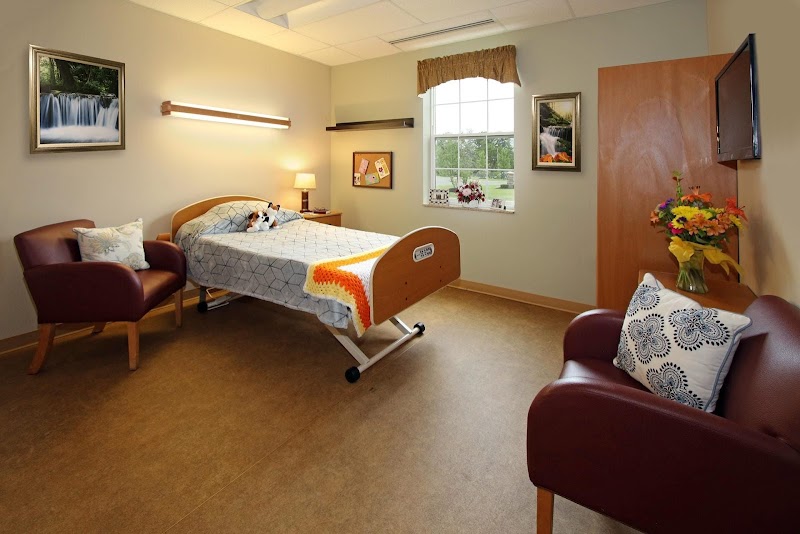
Who Owns and Operates Schenectady Center For Rehabilitation And Nursing?

SCHENECTADY CENTER FOR REHABILITATION AND NURSING is owned by a for-profit company. For-profit facilities operate as businesses with obligations to shareholders or private owners. The facility is operated by CENTERS HEALTH CARE, a chain that manages multiple nursing homes. With 240 certified beds and approximately 231 residents (about 96% occupancy), it is a large facility located in SCHENECTADY, New York.
How Does Schenectady Center For Rehabilitation And Nursing Compare to Other New York Nursing Homes?

Compared to the 100 nursing homes in New York, SCHENECTADY CENTER FOR REHABILITATION AND NURSING's overall rating (4 stars) is above the state average of 3.1, staff turnover (55%) is near the state average of 46%, and health inspection rating (3 stars) is at the national benchmark.

What Should Families Ask When Visiting Schenectady Center For Rehabilitation And Nursing?

Based on this facility's data, families visiting should ask: "How do you ensure continuity of care given staff turnover, and what is your staff retention strategy?" "Can you walk me through typical staffing levels on day, evening, and night shifts?" "Can I visit during a mealtime to observe dining assistance and food quality?" "How do you handle medical emergencies, and what is your hospital transfer rate?" These questions are particularly relevant given the facility's high staff turnover rate and the below-average staffing rating.

Is Schenectady Center For Rehabilitation And Nursing Safe?

Based on CMS inspection data, SCHENECTADY CENTER FOR REHABILITATION AND NURSING has a clean safety record: no substantiated abuse findings (meaning no confirmed cases of resident harm), no Immediate Jeopardy citations (the most serious violation level indicating risk of serious injury or death), and is not on the Special Focus Facility watch list (a federal program monitoring the lowest-performing 1% of nursing homes). The facility has a 4-star overall rating and ranks #1 of 100 nursing homes in New York. While no facility is perfect, families should still ask about staff-to-resident ratios and recent inspection results during their visit.

Do Nurses at Schenectady Center For Rehabilitation And Nursing Stick Around?

Staff turnover at SCHENECTADY CENTER FOR REHABILITATION AND NURSING is high. At 55%, the facility is 9 percentage points above the New York average of 46%. High turnover means new staff may not know residents' individual needs, medications, or preferences. It can also be disorienting for residents, especially those with dementia who rely on familiar faces. Families should ask: What is causing the turnover? What retention programs are in place? How do you ensure care continuity during staff transitions?

Was Schenectady Center For Rehabilitation And Nursing Ever Fined?

SCHENECTADY CENTER FOR REHABILITATION AND NURSING has no federal fines on record. CMS issues fines when nursing homes fail to meet care standards or don't correct problems found during inspections. The absence of fines suggests the facility has either maintained compliance or corrected any issues before penalties were assessed. This is a positive indicator, though families should still review recent inspection reports for the full picture.

Is Schenectady Center For Rehabilitation And Nursing on Any Federal Watch List?

SCHENECTADY CENTER FOR REHABILITATION AND NURSING is not on any federal watch list. The most significant is the Special Focus Facility (SFF) program, which identifies the bottom 1% of nursing homes nationally based on persistent, serious quality problems. Not being on this list means the facility has avoided the pattern of deficiencies that triggers enhanced federal oversight. This is a positive indicator, though families should still review the facility's inspection history directly.