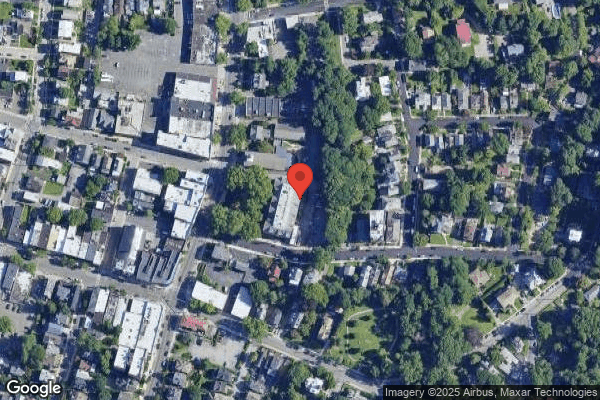
KENDAL ON HUDSON

ONE KENDAL WAY, SLEEPY HOLLOW, NY 10591 (914) 922-1000
Non profit - Corporation 26 Beds KENDAL Data: November 2025
Trust Grade
95/100
#56 of 594 in NY
Last Inspection: May 2024

Within standard 12-15 month inspection cycle. Federal law requires annual inspections.

Overview

Kendal on Hudson in Sleepy Hollow, New York, has received a Trust Grade of A+, indicating it is an elite facility with excellent reputation and quality of care. It ranks #56 out of 594 nursing homes in New York, placing it in the top half, and #5 out of 42 in Westchester County, meaning only four local options are better. However, the facility has seen a concerning trend, with issues increasing from 1 in 2022 to 6 in 2024, raising questions about consistent care. Staffing is a strength, with a 5/5 star rating and a turnover rate of 23%, which is well below the state average, and they provide more RN coverage than 97% of other facilities, ensuring thorough oversight of resident care. Specific incidents of concern include failures to properly honor Do Not Resuscitate orders for three residents, and issues with expired medications and food safety practices in the kitchen. While the facility has many strengths, these deficiencies highlight important areas for improvement.

Trust Score
A+
95/100
In New York
#56/594
Top 9%
Safety Record
Low Risk
No red flags
Inspections
Getting Worse
1 → 6 violations
Staff Stability
✓ Good
23% annual turnover. Excellent stability, 25 points below New York's 48% average. Staff who stay learn residents' needs.
Penalties
✓ Good
No fines on record. Clean compliance history, better than most New York facilities.
Skilled Nurses
✓ Good
Each resident gets 134 minutes of Registered Nurse (RN) attention daily — more than 97% of New York nursing homes. RNs are the most trained staff who catch health problems before they become serious.
Violations
○ Average
9 deficiencies on record. Average for a facility this size. Mostly minor or procedural issues.
★★★★★
5.0
Overall Rating
★★★★★
5.0
Staff Levels
★★★★☆
4.0
Care Quality
★★★★☆
4.0
Inspection Score
Stable
2022: 1 issues
2024: 6 issues

The Good

  • 5-Star Staffing Rating · Excellent nurse staffing levels
  • 4-Star Quality Measures · Strong clinical quality outcomes
  • Low Staff Turnover (23%) · Staff stability means consistent care
  • Full Sprinkler Coverage · Fire safety systems throughout facility
  • No fines on record
  • Staff turnover is low (23%)

    25 points below New York average of 48%

Facility shows strength in staffing levels, quality measures, staff retention, fire safety.

The Bad

Chain: KENDAL

Part of a multi-facility chain

Ask about local staffing decisions and management

The Ugly 9 deficiencies on record

May 2024 6 deficiencies
CONCERN (D)

Potential for Harm - no one hurt, but risky conditions existed

Deficiency F0645 (Tag F0645)

Could have caused harm · This affected 1 resident

**NOTE- TERMS IN BRACKETS HAVE BEEN EDITED TO PROTECT CONFIDENTIALITY** Based on interviews and record reviews conducted during a Recertification Survey from 04/30/2024 to 5/06/24, it was determined t...

Read full inspector narrative →
**NOTE- TERMS IN BRACKETS HAVE BEEN EDITED TO PROTECT CONFIDENTIALITY** Based on interviews and record reviews conducted during a Recertification Survey from 04/30/2024 to 5/06/24, it was determined that for 2 of 16 residents (Residents #5 and #14), the facility did not ensure that preadmission screening for individuals identified with an intellectual disability (ID) was fully completed prior to admission, in order to receive care and services in the most integrated setting appropriate to their needs. Specifically, the Pre-admission Screen Resident Review (PASRR) for Resident #5 and #14, dated 02/29/2024 and 02/23/24 respectively, lacked a screener identification number. Findings include: Resident #5 was admitted on [DATE] with a diagnosis of Alzheimer's/dementia and depression. The Minimum Data Set (a resident assessment and screening tool), dated 03/07/2024, documented the resident had moderately impaired cognition. Resident #14 was admitted to the facility on [DATE] with a diagnosis of Conversion Disorder with seizures, dementia, and delusional disorder. The Minimum Data Set, dated [DATE], documented the resident had severely impaired cognition. On 05/06/2024, Preadmission Screening and Resident Review forms were reviewed for 16 residents, revealing that 2 of them were missing the screener's identification number on item 38. The facility policy titled Pre-admission Screen/Annual PASARR, with a revised date of 2023 documented that all residents must have PASARR screen prior to admission to the facility and thereafter when there is a significant change that has a bearing on the residents will be reviewed thoroughly prior to admission. During an interview on 05/06/2024 at 2:20 pm, the social worker acknowledged the issue concerning the two PASARRs lacking the required ten/twelve-digit ID. NYCRR 415.11 (e)
CONCERN (D)

Potential for Harm - no one hurt, but risky conditions existed

ADL Care (Tag F0677)

Could have caused harm · This affected 1 resident

Based on record review, interview and observation during the recertification survey conducted from 4/30/24 through 5/6/24 the facility did not ensure that a resident who was unable to carry out activi...

Read full inspector narrative →
Based on record review, interview and observation during the recertification survey conducted from 4/30/24 through 5/6/24 the facility did not ensure that a resident who was unable to carry out activities of daily living received the necessary services to maintain good nutrition for 1 of 2 residents (Resident #1) reviewed for activities of daily living. Specifically, Resident #1 who required staff assistance for eating was observed on 2 occasions being fed by a companion (no hands on care). The findings are: The policy and procedure titled Private Companion in the Health Center with a revision date of March 2023 documented the role of the companion included assisting at mealtimes with menu selection, setting up utensils, opening containers. No personal hands on care shall be provided by the companions without proper level of certification/licensure. Resident #1 was admitted with diagnoses including but not limited to osteoporosis, non alzheimer dementia, and anxiety. The 3/1/21 Certified Nurse Assistant Activity of Daily Living Tasks documented Resident #1 required assistance for eating. The 4/1/22 Certified Nurse Assistant/Companion Plan of Care Record documented certified nurse assistant/companion diet soft, encourage fluids/food was checked off daily and the certified nurse assistant section for eating did not give directives for feeding the resident/was not checked off daily. The 3/22/23 physician order documented may have meals in bed. The 5/26/23 physician order documented soft diet/bite sized. The 12/5/23 Quarterly Minimum Data Set and 3/4/24 Comprehensive Minimum Data Set documented Resident #1 had moderate cognitive impairment, was dependent with eating, and received a mechanically altered diet. The 3/12/24 care plan titled Risk for Weight Loss/Dementia documented mechanically altered diet. Interventions included team members to encourage completion of foods/fluids/supplements and to monitor meal intakes and offer alternatives. The 3/12/24 care plan titled Activities of Daily Living Self Care documented interventions including, resident will be assisted to perform eating swallowing with close supervision. Observe for decline in the activity of eating and the ability to feed self with no assistance. During observation on 4/30/24 at 12:09 PM Resident #1 was in bed with the head of the bed up. Staff #1 (Companion) was feeding Resident #1 their lunch meal which consisted of a shake, chocolate cake, pureed soup, mixed vegetables, chopped spaghetti and a protein. Facility staff were not present at the time of observation. During observation on 5/1/24 at 8:33 AM Resident #1 was in bed with the head of the bed up. Staff #1 was feeding Resident #1 their breakfast. Facility staff were not present at the time of observation. The 5/2/24 facility companion/certified nurse assistant list documented that Resident #1 had a companion. During an interview on 5/3/24 at 9:42 AM Staff #1 stated they were a companion. Staff #1 stated at times, after facility staff delivered the resident meals they fed Resident #1 because the resident liked that. Staff #1 stated that they reported resident meal intake to the facility registered nurses. Staff #1 stated they had not received training/in-service from the facility but did receive annual in-service through the home care agency. Staff #1 stated they should not feed Resident #1 but if the facility staff were busy and the resident was requesting their food, rather then having the food sit there, they fed the resident. During an interview on 5/3/24 at 11:02 Staff #2 (Registered Nurse Manager) stated Staff #1 was not supposed to feed Resident #1 because Staff #1 was a companion and not a certified nurse assistant. Staff #2 stated they and/or the certified nurse assistants were responsible for supervising Staff # 1. Staff #2 stated they were not aware that Staff #1 had been feeding Resident #1. During an interview on 5/3/24 at 12:23 PM the former Director of Nursing stated companions were to provide comfort/company and were not allowed to feed residents, as they were not trained. The former Director of Nursing stated that facility certified nurse assistants delivered meal trays to resident rooms, and the licensed practical nurse was responsible for oversight of lunchtime trays in resident rooms and ensuring appropriate staff were feeding the residents. The former Director of Nursing stated that registered nurses were responsible for oversight of the dining room and overseeing the licensed practical nurses. The former Director of Nursing stated there appeared to be a system problem in identifying the credentials of agency staff. 10 NYCRR 415.12
CONCERN (D)

Potential for Harm - no one hurt, but risky conditions existed

Quality of Care (Tag F0684)

Could have caused harm · This affected 1 resident

Based on observations, record review and interviews conducted during the Recertification Survey from 4/30/24-5/6/24, the facility did not ensure 1 of 2 residents (Resident #19), reviewed for positioni...

Read full inspector narrative →
Based on observations, record review and interviews conducted during the Recertification Survey from 4/30/24-5/6/24, the facility did not ensure 1 of 2 residents (Resident #19), reviewed for positioning, received treatment and care in accordance with professional standards of practice. Specifically, Resident #19 was observed on multiple occasions sitting in their wheelchair without footrests, legs were dangling, and feet were not touching the floor. The findings are: The facility policy titled Wheelchair Positioning dated 12/2004 and updated in 2023 documented it is the policy of the Rehabilitation Department to provide functional, safe, and comfortable wheelchair positioning to all residents at the time of admission or as identified at any time the need for a new evaluation. Resident #19 was admitted to facility on 04/04/24 with diagnoses including but not limited to Alzheimer's disease, anxiety disorder, hypothyroidism, and muscle weakness. The Comprehensive Minimum Data Set, an assessment tool, dated 4/10/24 documented the resident had severely impaired cognition, required total assistance with eating and toileting and extensive assist with bed mobility and transfers. Furthermore, the Minimum Data Set documented that Resident #19 required a wheelchair. The Adaptive/Safety Equipment/Repositioning Care Plan dated 4/23/24 documented the resident will utilize assistive devices properly with teaching and appropriate selection of equipment. Interventions included that resident is currently using a reclining wheelchair. On 04/30/24 at 10:52 AM, Resident #19 was observed sitting in high back wheelchair in the dayroom asleep at the table. There were no footrests in place and feet were dangling. On 04/30/24 at 12:25 PM, Resident #19 was observed in the dining sitting in their wheelchair with both legs elevated and dangling above the ground. There were no leg/footrests in place. On 04/30/24 at 12:45 PM, Resident #19 was observed being wheeled in their wheelchair to the dayroom with both legs elevated and dangling above the ground. There were no leg/footrests in place. On 05/03/24 at 9:05 AM, Resident #19 was observed sitting at the table eating breakfast and legs were dangling and footrests were not in place. On 05/03/24 at 09:25 PM, Resident #19 footrests were observed in their bathroom underneath the sink and the resident was in the dayroom. During an interview on 05/03/24 at 9:27 AM, Staff #6 (certified nurse aide) stated that they were aware that Resident #19 was supposed to have footrests on their wheelchair and that they were rushing and unable to put them on. During an interview on 05/03/24 at 09:27 AM, Staff #7 stated that Resident #19 was supposed to have footrests on the wheelchair for safety and comfort and was not sure as to why the certified nurse aide did not put them on. During an interview on 05/03/24 at 01:40 PM, Staff #2 (registered nurse unit manager) stated that Resident #19 should have footrests on their wheelchair and that their legs should not be dangling. During an interview on 05/03/24 at 03:13 PM, Staff #8 (occupational therapist) stated that on admission the resident was received in the chair with footrests and that all wheelchairs had leg rests. They stated the leg/footrests should be used unless an evaluation was done and it was determined that there was no need for the use of footrests. During an interview on 05/03/24 at 03:56 PM, the Director of Rehabilitation stated that it was expected that any changes with resident's activities of a daily living, the therapy department should be documenting and communicating with nursing. 10NYCRR 415.12
CONCERN (D)

Potential for Harm - no one hurt, but risky conditions existed

Accident Prevention (Tag F0689)

Could have caused harm · This affected 1 resident

**NOTE- TERMS IN BRACKETS HAVE BEEN EDITED TO PROTECT CONFIDENTIALITY** 2. Resident #74 had diagnoses of dementia, depression, and delusional disorder. The Minimum Data Set (a resident assessment and ...

Read full inspector narrative →
**NOTE- TERMS IN BRACKETS HAVE BEEN EDITED TO PROTECT CONFIDENTIALITY** 2. Resident #74 had diagnoses of dementia, depression, and delusional disorder. The Minimum Data Set (a resident assessment and screening tool) dated 07/14/2023 revealed the resident was severely cognitively impaired. The MDS documented the resident needed limited assistance on transfer, walk in room, walk in corridor with which occurred once or twice with one person. A wander alarm to be used daily. The undated facility policy titled Elopement Prevention documented that residents who were identified at risk for elopement would have individualized interventions implemented to decrease the risk of elopement and to keep the resident safe. The comprehensive care plan, titled Potential for Wandering/Elopement, initiated on 06/21/2023, outlined interventions to assess Resident #74 for wandering/elopement tendencies. It included the initiation of a wander guard system and ongoing evaluation of its necessity based on the resident's pattern of wandering. The plan specified ensuring the resident wears an ID band and that the wander guard is properly placed on the left ankle and checked for functionality during every shift. Staff were instructed to monitor the resident for any attempts to exit the building, document circumstances, employ redirection interventions, and record outcomes. Additionally, caregivers were tasked with providing structured and supervised walking activities, reorientation, scheduled opportunities, and pleasant diversions to distract the resident from wandering, such as engaging in activities of interest, watching television, or reading. The care plan updated 07/26/2023, documented Resident #74 continued to benefit from the wander guard on their ankle. The resident was exit seeking and looked for their spouse. The care plan goal was the resident would not be exit seeking or leave the facility unattended. The nursing progress note by Staff #15 (licensed practical nurse) dated 08/02/2024 at 5:59 PM documented Resident #74 was redirected throughout the day, with frequent monitoring for safety due to frequent attempts to leave the unit. The wander guard (electronic monitoring device) was in place and functioning. Resident #74 continued to be pleasantly upset as they were unable to leave the unit. The resident was observed wandering on the unit in a wheelchair throughout the day, self-propelling and transferring independently. The nursing progress note by Staff #15 dated 8/3/2024 at 4:19 PM documented at 2:15 PM the resident was self-propelling their wheel chair with their feet on the unit. At 2:30 they were unable to locate the resident and at 2:45 PM the resident was located and assisted back to the unit. The accident/incident report dated 08/03/2023 at 2:30 PM, documented the resident was not found during medication pass, prompting notification of the family, who denied having taken the resident with them from the unit. Between 2:35 and 2:40 PM, the Director of Nursing and Director of Social Work initiated a search for the resident, activating a missing resident (code Green). The Director of Resident Services reported that they saw the resident on the unit between 2:10 and 2:15 PM. At 2:43 PM, a former employee, now working at the hospital, called the Director of Resident Services to inform them that the resident was in the hospital parking lot. Resident #74 was then escorted back to the facility and physically returned to the facility at 2:45 PM. The report documented that the wander guard bracelet placed on the resident's ankle was tested, and its proper function was verified. During an interview on 05/03/2024 at 11:00 AM, the Director of Nursing stated that the resident followed two visitors who were exiting the building. The Director of Nursing stated the resident was on 15-minute checks before the incident occurred, and although the wander guard was functional, it did not have an alarm activated at the time. During an interview on 5/6/2023 at 4:30 PM, Staff #15 stated that on the day of the elopement, they had seen Resident #74 around 2:15 PM. Staff #15 stated that the resident was on 15-minute checks prior to the elopement incident on 08/03/2023 and the Certified Nurse Aides were responsible for completing the forms but did not know where the forms were. Staff #15 stated they could not recall when the 15-minute checks were implemented and had seen the resident wandering throughout the day. Further review of the written statements dated 8/3/24, by Staff #13, Staff #16 and Staff #17 (all Certified Nurse Aides) documented the last time any of them saw the resident was at 1:40 PM. During an interview on 5/6/2024 at 5:17 PM, Staff #13 stated that on 08/03/2023, Resident #74 was not on their assignment. Staff #13 remembered seeing the resident outside room [ROOM NUMBER] and instructed them to return to their room. However, when returning from assisting another resident, Resident #74 was no longer present. Staff #13 stated they had not been informed of any increase in exit-seeking behavior exhibited by Resident #74 that day. 10NYCRR 415.12(h)(1) Based on observations, record review, and interviews conducted during the recertification and abbreviated surveys (NY00321462) from 4/30/24 to 5/06/24, the facility did not ensure adequate supervision was provided and that the residents environment remained as free of accidents hazards as possible for 2 of 4 residents (Residents #18 and #74) reviewed for accidents. Specifically, (1) Resident #18 whom has a history of falls with major injuries, was observed on multiple occasions without their floor mats in place to the sides of their bed. (2) Resident #74 who had exit seeking behavior, was not provided adequate supervision and was able to exit the facility undetected by staff. Resident #74 followed visitors out of the facility and was found in the hospital parking lot by hospital staff. The findings are: 1. Resident #18 was admitted to the facility with diagnoses including but not limited to a right hip fracture, intertrochanteric fracture of the right femur, and rhabdomyolysis. The 04/24/2024 Quarterly Minimum Data Set (assessment tool) documented that Resident #18 had severely impaired cognition, and required total assistance with toileting and, extensive assistance with bed mobility, set up with eating, and transfers did not happen. Furthermore, the 04/24/2024 Quarterly Minimum Data Set Documented Resident #18 had recent surgery due to fracture requiring a skilled nursing facility. The facility policy titled Floor Mats/Safety dated 2017 documented facility will utilize a floor mat/s to prevent injury to a resident from fall out of bed onto the floor. Care plan will reflect the need for Floor mat/s based on the resident's cognitive ability and assessed by the interdisciplinary team for use. Resident who has a history of attempting to exit the bed without assist may be a candidate. The At risk for accidents/falls/injury Care Plan dated 1/30/24 documented diagnosis of left hip fracture status post left hip fixation on 10/15/23. Goals included Resident #18 will have safety measures maintained to lessen any injury from a fall. Interventions included floor mats is to be on both sides of the bed. On 04/30/24 at 11:04 AM, Resident #18 was observed in their room lying in bed. There were no floor mats in place to either side of the bed. The floor mats were observed folded up behind a chair. On 05/01/24 at 11:50 AM, Resident #18 was observed awake lying in bed. There were no floor mats in place to either side of the bed. Floor mats were folded up behind a chair. On 05/03/24 at 09:15 AM and 10:17 AM, Resident #18 was observed lying in bed. The bed was in highest position and the right floor mat was observed on the wall, and not in place on the side of the bed. During an interview on 05/03/24 at 10:18 AM, Staff #2 (registered nurse unit manager) and Staff #9 (registered nurse) stated the resident should have had floor mats on both sides of the bed and the bed should have been in the lowest position. During an interview on 05/03/24 at 10:20 AM, Resident #18's son stated that six weeks after admission for a left hip fracture, the resident fell out of bed resulting in a fracture of the right hip and stated the resident should have their floor mats in place. During an interview on 05/03/24 at 10:41 AM, Staff #10(certified nurse aide) stated that they were aware Resident #18 was supposed to have floor mats on both sides of the bed for safety due to history of falls.
CONCERN (D)

Potential for Harm - no one hurt, but risky conditions existed

Deficiency F0810 (Tag F0810)

Could have caused harm · This affected 1 resident

Based on observations, interviews, and record review conducted during the recertification survey, 4/30/2024-5/6/32024 the facility did not ensure that special eating equipment and utensils for a resid...

Read full inspector narrative →
Based on observations, interviews, and record review conducted during the recertification survey, 4/30/2024-5/6/32024 the facility did not ensure that special eating equipment and utensils for a resident who need them was provided for 1 of 1 resident (Resident #9) reviewed for adaptive equipment. Specifically, built up (red foam) utensils were not provided for Resident #9 as per physician order. The findings are: A policy and procedure titled Adaptive Devices dated June 2005 last revised 2023 documented the purpose was to provide residents with device/s to ensure eating independence. Resident #9 had diagnoses including chronic obstructive pulmonary disease, lymphedema, and unspecified hearing loss. The physician order dated 11/13/2023 documented a 3-compartment plate, a regular diet, and (red foam) built up utensils with all meals. The Quarterly Minimum Data Set (an assessment tool) dated 3/9/2024 documented the resident's cognition was moderately impaired. The resident required set up assistance, for eating and all other activities of daily living required substantial to maximal assistance. During observations on 04/30/24 and 5/1/2024, lunch was served in the resident's room, no built-up utensils were noted on the tray. During an observation on 05/01/24 at 09:38 AM breakfast was served while the resident was in bed. The resident's tray was noted to have a 3-section plate, and no built-up utensils had been provided. During an observation on 05/02/24 at 12:18 PM during lunch there were no built-up utensils on the tray. The resident had difficulty holding the fork and spilled food down the front of their clothes when attempting to eat coleslaw. During an observation on 05/03/24 at 09:12 AM the resident was in bed with breakfast tray. Built-up (red Foam) utensils were present on the tray and the resident was using them. The resident ate 100% of her meal. During an interview on 5/2/24 at 1:32 PM Staff #3 (Certified Nurse Aide) stated the resident received set up assistance with meals, they gave the resident finger food, and the resident had built up utensils in the past, but not recently. They thought the utensils should come from the kitchen. During an interview on 5/2/24 at 1:32 PM Staff #4 (Certified Occupational Therapy Assistant) stated they had recommended a 3-section plate and built-up utensils. Therapy provided them to the kitchen for Resident #9 and they had even left one in the resident's room for the resident to use. Staff #4 stated they did not know what happened to the utensils. During an interview on 5/2/24 at 2:22 PM the Director of Nursing stated they communicated with the Interdisciplinary Team, when a physician wrote an order, to ensure all orders were carried out. The built- up utensils would come from the kitchen and should be listed on the resident's menu. During an interview on 5/2/24 at 2:33 PM Staff #5 (Certified Dietary Manager) stated they did not receive the order for the built-up utensils. The process would be for therapy to make a recommendation, an order placed by the physician, and the nurse would provide the dietitian with a slip indicating the changes. The dietitian would care plan and update the roster to include the changes, and adaptive equipment would be listed on the resident's menu. During an interview on 05/03/24 at 09:14 AM, Resident #9 stated the special utensils did help them a little to eat. Resident #9 stated they would use them if they were available. 10 NYCRR 415.14 (g)
CONCERN (D)

Potential for Harm - no one hurt, but risky conditions existed

Food Safety (Tag F0812)

Could have caused harm · This affected 1 resident

Based on observation and interview conducted during a recertification survey from 4/30/24 to 5/06/24, the facility did not ensure that food was stored in accordance with professional standards for foo...

Read full inspector narrative →
Based on observation and interview conducted during a recertification survey from 4/30/24 to 5/06/24, the facility did not ensure that food was stored in accordance with professional standards for food safety practice, Specifically, multiple food items were found with expired dates, leftover foods were unlabeled, and dented cans were found. The findings include: Observation and interviews from the kitchen initial tour conducted on 04/30/2024 at 9:45AM with the sous-chef revealed: - a half used country mustard with an expiration date of 12/16/2023; - a dill weed container with the expiration date of 4/16/2021; - a white pepper container half used without the opened date and expiration date; - 2 unopened Coleman's mustard containers had expiration dates of 3/27/2018 and 04/06/2021; - 2 dented cans of black beans; - arrowroot used approximately 80% without an opened date or expiration date; - sliced cake in the freezer without proper label, labeled 04/12 - 04/14; and - a dirty smoke liquid bottle with date barely visible. During an interview on 04/30/2024 at 9:50 AM, the sous-chef stated all of the expired goods should have been not been left in stock and should have been thrown out. They stated the sliced cake in the freezer could be kept for a week and that it was incorrectly labeled. During an interview on 04/30/2024 at 10:05 AM, the Dining Service Director stated the expired dill weed, white pepper, and other expired products should have been removed from circulation. They also stated the dented cans should have been removed from inventory to ensure food safety. 10NYCRR 415.14 (h)
May 2022 1 deficiency
CONCERN (E)

Potential for Harm - no one hurt, but risky conditions existed

Deficiency F0578 (Tag F0578)

Could have caused harm · This affected multiple residents

**NOTE- TERMS IN BRACKETS HAVE BEEN EDITED TO PROTECT CONFIDENTIALITY** Based on observations, interviews and record review conducted during a recertification survey, the facility did not ensure that ...

Read full inspector narrative →
**NOTE- TERMS IN BRACKETS HAVE BEEN EDITED TO PROTECT CONFIDENTIALITY** Based on observations, interviews and record review conducted during a recertification survey, the facility did not ensure that the advance directives formulated for 3 of 3 residents (#5, #7, and #17) regarding Do Not Resuscitate (DNR) would be honored. Specifically, the facility did not effectively implement a system to carry out Do not Resuscitate (DNR) orders for residents who have been identified to have written consents for DNR (Do Not Resuscitate) that they would not be resuscitated when indicated. The facility's policy dated [DATE] last revised documents the policy's purpose is to assure the resident and/or family the opportunity to choose his/her own course of treatment with his/her attending physician.residents of [NAME] on [NAME] have the right to consent or refuse to consent to cardiopulmonary resuscitation (CPR) measures in the event of respiratory or cardiac arrest. MD order must be obtained prior to the DNR being in effect. Nursing staff is to notify Social Services once MD order is written. The findings are: 1.Resident # 5 was admitted to the facility on [DATE] with diagnoses including but not limited to Unspecified Dementia with behavioral disturbance. The [DATE] Quarterly Minimum Data Set (MDS) documented the resident had a Brief Interview of Mental Status (BIMS) of 8 (moderately cognitively impaired) Review of the Physician orders dated [DATE] revealed there were no orders in place to address Resident #5's DNR status since the resident was admitted to the facility on [DATE]. Review of the Electronic Medical Record (EMR) documented Resident #5 had a written consent for DNR in place dating back to [DATE]. 2.Resident #7 was admitted to the facility on [DATE] with diagnoses including but not limited to Major Depression, Parkinson Disease and Bipolar Disorder The Quarterly MDS dated [DATE] documented the resident had a BIMS of 15 (cognitively intact). Review of the Physician orders dated [DATE] documented an admission order for DNR which subsequently had a stop date of [DATE]. The [DATE] Physician orders documented there were no orders in place to address Resident #7's DNR status. Review of the Electronic Medical Record (EMR) documented Resident #7 had a written consent for DNR in place dating back to [DATE]. 3. Resident # 17 was admitted to the facility on [DATE] with diagnoses including but not limited to Congestive Heart Failure, Peripheral Vascular Disease The [DATE] Quarterly Minimum Data Set (MDS) documented the resident had a Brief Interview of Mental Status (BIMS) of 12 (cognitively intact) Review of the Physician orders dated [DATE] revealed there were no orders in place to address Resident #17's DNR status since the resident was admitted to the facility on [DATE] The Director of Nursing (DON) was interviewed on [DATE] at 04:11 PM and DON stated the RN who is assigned to do the admission to facility writes out on paper a list of orders then they call the doctor and run it by the doctor and if the doctor wants a change, they can easily write it on the paper. Once orders are clarified then the order is entered in the EMR. DON stated LPN #3 was responsible for reviewing monthly order renewals and updating the Medical Doctor when a change is needed. The Licensed Practical Nurse (LPN #3) was interviewed on [DATE] at 04:22 PM and LPN #3 stated one of her responsibilities is to go in the EMR and review orders on a monthly basis. LPN #3 stated they review the Physician orders for accuracy, making sure the dates/orders are correct, they then create the review for the doctor to look at. LPN #3 stated they must have overlooked the DNR orders and stated because the residents' charts were all flagged as DNR it just didn't register with them. The Medical Director (MD) was interviewed on [DATE] at 4:48 PM and the MD stated that when they are given the monthly review they usually focus on the medications and not other orders, such as a DNR from admission. MD stated they are surprised the residents did not have DNR orders as they are not newly admitted and it was believed the residents had DNR orders in place on admission. 483.10(c)(6), (c)(8), (g)(12)
Dec 2019 2 deficiencies
CONCERN (E)

Potential for Harm - no one hurt, but risky conditions existed

Deficiency F0761 (Tag F0761)

Could have caused harm · This affected multiple residents

Based on observation, record review and interview conducted during the recent recertification survey, the facility did not ensure that medications held in the emergency box had been removed when they ...

Read full inspector narrative →
Based on observation, record review and interview conducted during the recent recertification survey, the facility did not ensure that medications held in the emergency box had been removed when they reached the manufacturer's expiration date. The findings are: The medication storage room was observed on 12/16/19 at approximately 11:00 AM. The Omnicare medication dispensing system for emergency medications was observed and attached to it was a list of medications contained within the box. Review of the list indicated multiple expiration dates that had passed (e.g. Albuterol exp. 4/30/19). The Licensed Practical Nurse (LPN) present at the time of the review stated that the list was an old one and the pharmacy account manager was there recently replacing medications. In an interview with the Director of Nursing at that time regarding the expired medication list, she stated she would call the Omnicare account manager to obtain a more current list. Review of the updated Omnicare medication list indicated there were medications on the list with expiration dates of 11/30/19. In an interview with the Pharmacy Account Manager on 12/17/19 at 10:30 AM she stated the 11/30/19 expiration dates on the list were predated by one month. The manufacturer's expiration date on the medications was 12/30/19. She stated she predates the expiration dates on the list in the event that she cannot get to the facility in time to remove the expired medications. The Omnicare dispensing system was opened by the Account Manager at 10:45 AM. The 16 medications with expiration dates of 11/30/19 that appeared on the list were all checked. 14 of the 16 medications had expiration dates of 12/11/19. The Account Manager stated at that time she would discard all those medications and replace with new ones. She could not explain what caused the problem. The following is a list of medications that had expired on 12/11/19. 1. Carbamazepine 200 mg - anticonvulsant 2. Cefpoxodine 100 mg - antibiotic 3. Cefuroxime 250 mg - antibiotic 3. Cefuroxime Axetil 250 mg - antibiotic 4. Clopidogrel 75 mg - antiplatelet/blood thinner 5. Digoxin - antiarrhythmic (for treatment of atrial fibrillation) 6. Gabapentin 100 mg - nerve pain medication/anticonvulsant 7. Hydrochlorothiazide 25 mg - diuretic/antihypertensive 8. Levetiracetam 250 mg - anticonvulsant 9. Levofloxacin 250 mg - antibiotic 10. Ondansetron 4 mg - antiemetic (for nausea) 11. Phenazopyridine 100 mg - analgesic pain reliever (urinary pain) 12. Warfarin 1mg - anticoagulant/blood thinner 13. Xarelto 10mg - anticoagulant/blood thinner 14. Prednisone 5 mg - steroid 415.18(e)(1-4)
CONCERN (E)

Potential for Harm - no one hurt, but risky conditions existed

Food Safety (Tag F0812)

Could have caused harm · This affected multiple residents

Based on observation, interview and record review the facility did not ensure that food was prepared and stored according to professional standards for food safety. Specifically, 1) cooling temperatur...

Read full inspector narrative →
Based on observation, interview and record review the facility did not ensure that food was prepared and stored according to professional standards for food safety. Specifically, 1) cooling temperatures and timeframes were not recorded for food that had been cooked and cooled to be used at a later time and 2) hot food was not held at a safe holding temperature, prior to service, to prevent bacterial contamination. The findings are: 1) During the initial tour of the kitchen on 12/16/19 at 9:30 AM a pan of cooked ground beef was observed in the walk-in refrigerator. The Executive Chef who was present at the time stated the ground beef will be used for empanadas the next day. When asked if cooling logs had been completed, he stated they had. Review of the cooling log for the ground beef revealed no time frames with corresponding temperature recordings to ensure cooling of the ground beef was done according to professional standards for food safety. The Executive Chef was interviewed on 12/17/19 at 2:10 PM and was able to verbalize the proper cooling procedures. 2) Temperatures were checked for hot food lunch items on 12/16/19 at 12:00 PM. Two of the three items were being held at a safe temperature (above 135 degrees F.) The third item was chicken quesadillas and the holding temperature was 114 degrees F. The Food Service Worker stated he would put the quesadillas back in the oven. A second temperature check at 12:20 PM revealed the temperature had reached 126 degrees. The Executive Chef was interviewed on 12/19/19 at 12:13 PM. When asked what the procedure was for making and holding the temperature of the quesadilla, he stated the chicken is cooked and cooled. Once it cools down completely the chicken is placed on the flat top grill with the tortilla where the quesadilla is assembled. It is then further grilled in a panini press. Once made it is placed in the hot box for transport down to the unit kitchen where it is kept warm until service. He was unaware that the quesadilla holding temperature was not adequate. He also stated he did not have cooling logs for the chicken to ensure safe cooling procedures. 415.14(h)
Understanding Severity Codes (click to expand)
Life-Threatening (Immediate Jeopardy)
J - Isolated K - Pattern L - Widespread
Actual Harm
G - Isolated H - Pattern I - Widespread
Potential for Harm
D - Isolated E - Pattern F - Widespread
No Harm (Minor)
A - Isolated B - Pattern C - Widespread

Questions to Ask on Your Visit

  • "Can I speak with families of current residents?"
  • "What's your RN coverage like on weekends and overnight?"

Our Honest Assessment

Strengths
  • • Grade A+ (95/100). Above average facility, better than most options in New York.
  • • No major safety red flags. No abuse findings, life-threatening violations, or SFF status.
  • • No fines on record. Clean compliance history, better than most New York facilities.
  • • 23% annual turnover. Excellent stability, 25 points below New York's 48% average. Staff who stay learn residents' needs.
Concerns
  • • No significant concerns identified. This facility shows no red flags across CMS ratings, staff turnover, or federal penalties.
Bottom line: Generally positive indicators. Standard due diligence and a personal visit recommended.

About This Facility

What is Kendal On Hudson's CMS Rating?

CMS assigns KENDAL ON HUDSON an overall rating of 5 out of 5 stars, which is considered much above average nationally. Within New York, this rating places the facility higher than 99% of the state's 100 nursing homes. This rating reflects solid performance across the metrics CMS uses to evaluate nursing home quality.

How is Kendal On Hudson Staffed?

CMS rates KENDAL ON HUDSON's staffing level at 5 out of 5 stars, which is much above average compared to other nursing homes. Staff turnover is 23%, compared to the New York average of 46%. This relatively stable workforce can support continuity of care.

What Have Inspectors Found at Kendal On Hudson?

State health inspectors documented 9 deficiencies at KENDAL ON HUDSON during 2019 to 2024. These included: 9 with potential for harm.

Who Owns and Operates Kendal On Hudson?

KENDAL ON HUDSON is owned by a non-profit organization. Non-profit facilities reinvest revenue into operations rather than distributing to shareholders. The facility is operated by KENDAL, a chain that manages multiple nursing homes. With 26 certified beds and approximately 19 residents (about 73% occupancy), it is a smaller facility located in SLEEPY HOLLOW, New York.

How Does Kendal On Hudson Compare to Other New York Nursing Homes?

Compared to the 100 nursing homes in New York, KENDAL ON HUDSON's overall rating (5 stars) is above the state average of 3.1, staff turnover (23%) is significantly lower than the state average of 46%, and health inspection rating (4 stars) is above the national benchmark.

What Should Families Ask When Visiting Kendal On Hudson?

Based on this facility's data, families visiting should ask: "Can I visit during a mealtime to observe dining assistance and food quality?" "How do you handle medical emergencies, and what is your hospital transfer rate?" "Can I speak with family members of current residents about their experience?"

Is Kendal On Hudson Safe?

Based on CMS inspection data, KENDAL ON HUDSON has a clean safety record: no substantiated abuse findings (meaning no confirmed cases of resident harm), no Immediate Jeopardy citations (the most serious violation level indicating risk of serious injury or death), and is not on the Special Focus Facility watch list (a federal program monitoring the lowest-performing 1% of nursing homes). The facility has a 5-star overall rating and ranks #1 of 100 nursing homes in New York. While no facility is perfect, families should still ask about staff-to-resident ratios and recent inspection results during their visit.

Do Nurses at Kendal On Hudson Stick Around?

Staff at KENDAL ON HUDSON tend to stick around. With a turnover rate of 23%, the facility is 22 percentage points below the New York average of 46%. Low turnover is a positive sign. It means caregivers have time to learn each resident's needs, medications, and personal preferences. Consistent staff also notice subtle changes in a resident's condition more quickly. Registered Nurse turnover is also low at 20%, meaning experienced RNs are available to handle complex medical needs.

Was Kendal On Hudson Ever Fined?

KENDAL ON HUDSON has no federal fines on record. CMS issues fines when nursing homes fail to meet care standards or don't correct problems found during inspections. The absence of fines suggests the facility has either maintained compliance or corrected any issues before penalties were assessed. This is a positive indicator, though families should still review recent inspection reports for the full picture.

Is Kendal On Hudson on Any Federal Watch List?

KENDAL ON HUDSON is not on any federal watch list. The most significant is the Special Focus Facility (SFF) program, which identifies the bottom 1% of nursing homes nationally based on persistent, serious quality problems. Not being on this list means the facility has avoided the pattern of deficiencies that triggers enhanced federal oversight. This is a positive indicator, though families should still review the facility's inspection history directly.