THE PARAMOUNT AT SOMERS REHAB AND NURSING CENTER
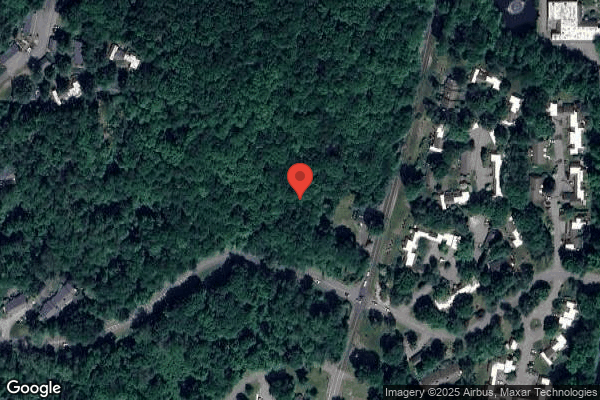
ROUTE 100, SOMERS, NY 10589 (914) 232-5101
For profit - Limited Liability company 300 Beds CARERITE CENTERS Data: November 2025
Trust Grade
70/100
#241 of 594 in NY
Last Inspection: November 2024

Within standard 12-15 month inspection cycle. Federal law requires annual inspections.

Overview

The Paramount at Somers Rehab and Nursing Center has a Trust Grade of B, indicating it is a good but not exceptional choice for care. It ranks #241 out of 594 facilities in New York, placing it in the top half, and #15 out of 42 in Westchester County, meaning there are only a few local options that are better. However, the facility's trend is worsening, with issues increasing from 2 in 2023 to 9 in 2024. Staffing is rated below average with a 2/5 star rating and a turnover rate of 43%, which is similar to the state average but still concerning. The facility has incurred $46,079 in fines, higher than 82% of New York facilities, which raises questions about compliance. While the RN coverage is average, there have been specific incidents of concern, such as a resident requiring total assistance being left without the proper equipment for care, and failure to obtain informed consent for the use of bed rails for numerous residents. Overall, while there are strengths in certain areas, the increase in deficiencies and issues with compliance should be carefully considered by families looking for care.

Trust Score
B
70/100
In New York
#241/594
Top 40%
Safety Record
Low Risk
No red flags
Inspections
Getting Worse
2 → 9 violations
Staff Stability
○ Average
43% turnover. Near New York's 48% average. Typical for the industry.
Penalties
✓ Good
$46,079 in fines. Lower than most New York facilities. Relatively clean record.
Skilled Nurses
⚠ Watch
Each resident gets only 28 minutes of Registered Nurse (RN) attention daily — below average for New York. Fewer RN minutes means fewer trained eyes watching for problems.
Violations
⚠ Watch
18 deficiencies on record. Higher than average. Multiple issues found across inspections.
★★★★☆
4.0
Overall Rating
★★☆☆☆
2.0
Staff Levels
★★★★★
5.0
Care Quality
★★★☆☆
3.0
Inspection Score
Stable
2023: 2 issues
2024: 9 issues

The Good

  • 5-Star Quality Measures · Strong clinical quality outcomes
  • Full Sprinkler Coverage · Fire safety systems throughout facility
  • No fines on record
  • Staff turnover below average (43%)

    5 points below New York average of 48%

Facility shows strength in quality measures, fire safety.

The Bad

Staff Turnover: 43%

Near New York avg (46%)

Typical for the industry

Federal Fines: $46,079

Above median ($33,413)

Moderate penalties - review what triggered them

Chain: CARERITE CENTERS

Part of a multi-facility chain

Ask about local staffing decisions and management

The Ugly 18 deficiencies on record

Nov 2024 9 deficiencies
CONCERN (D)

Potential for Harm - no one hurt, but risky conditions existed

Resident Rights (Tag F0550)

Could have caused harm · This affected 1 resident

Based on observation, record review, and interviews conducted during the recertification survey from 10/31/24 to 11/07/24, the facility did not ensure that they treated each resident with respect and ...

Read full inspector narrative →
Based on observation, record review, and interviews conducted during the recertification survey from 10/31/24 to 11/07/24, the facility did not ensure that they treated each resident with respect and dignity and care for each resident in a manner and in an environment that promotes maintenance or enhancement of his or her quality of life, recognizing each resident's individuality for one (Resident #66) of two residents reviewed for dignity. Specifically, Resident #66's room was located on the first floor and looked out to the staff parking lot. The window had a broken screen and a broken window shade that was fully up and could not be pulled down to provide the resident with privacy. The findings are: The facility policy titled Window safety Policy dated 7/20/21 and revised on 06/2023 documented that is the facility policy that all facility windows be maintained in a safe and functional order, and the windows will be provided with blinds and insect screens. If a blind or screen needs repair, the facility will utilize and third-party vendor to repair/replace blind or screen. Resident #66 was admitted with diagnoses including diabetes mellitus, insomnia, and major depressive disorder. The 9/29/24 Quarterly Minimum Data Set documented Resident #66 had moderately impaired cognition and was dependent on staff for bed mobility and toileting. On 10/31/24 at 10:32 AM, Resident #66 was observed in bed awake. The window shade was observed broken and fully raised and the insect screen was completely torn from the window parameter. Resident #66 stated that they were upset about their window, and that they wanted the shade down, but it was broken and that it had been like that for over a week. They stated the screen had been torn since they came to the facility. During an interview on 10/31/24 at 10:32 AM, Resident #213, roommate of Resident #66 stated that the window shade was broken, and they had to keep the curtain between the beds closed all the time because the light shines through the room all day and night. On 11/04/24 at 12:09 PM, Resident #66 was observed in bed. The window shade and screen was still broken and had not been repaired. Resident #66 stated that no one came into their room to address it. During an interview on 11/05/24 at 11:32 AM, Certified Nurse Aide #21 stated that they were aware that Resident #66's window shade was broken, and they should have reported it to the unit clerk or the charge nurse so that a work order could have been initiated. Certified Nurse Aide #21 stated Resident #66's room was located near the staff parking lot and when they provided cares, the shade should be down to give the resident privacy. During an interview on 11/06/24 at 09:32 AM, the Director of Maintenance stated that they were not aware that Resident #66's window shade or screen was broken until 11/5/24 and that they repaired the shade because it was fully up and unable to come down. During an interview on 11/06/24 at 04:58 PM, the Director of Nursing stated residents should be provided privacy upon request, including having their window shades closed when being provided cares. 10 NYCRR 415.5(a)
CONCERN (D) 📢 Someone Reported This

A family member, employee, or ombudsman was alarmed enough to file a formal complaint

Potential for Harm - no one hurt, but risky conditions existed

Deficiency F0558 (Tag F0558)

Could have caused harm · This affected 1 resident

Based on observation, record review and interview during the recertification and abbreviated surveys (NY00346322), the facility did not ensure the right to receive services with reasonable accommodati...

Read full inspector narrative →
Based on observation, record review and interview during the recertification and abbreviated surveys (NY00346322), the facility did not ensure the right to receive services with reasonable accommodation of needs and preferences for 1 of 2 residents (Resident #212) reviewed for choices. Specifically, Resident #212 requested to use an electric wheelchair while at facility and was not assessed for ability to use an electric wheelchair. The findings are: Resident #212 had diagnoses including to Heart Failure, Arthritis, and Anxiety. The 9/16/24 Annual Minimum Data Set assessment documented Resident #212 was cognitively intact and required assistance with most activities of daily living. Resident has used a manual wheelchair and was dependent upon staff to be wheeled in the wheelchair. The facility Motorized Wheelchair Policy, dated 8/6/2019, documented motorized wheelchairs are designed for people who lack the motor function or cardiovascular strength to operate a manual wheelchair. This includes people with mobility issues. It is important to assess the resident's ability to utilize power wheelchair appropriately to ensure safety of the resident and other residents. There was no documented evidence in the electronic medical record that Resident #212 was assessed by the rehabilitation department and/or nursing to determine if Resident #212 could safely use an electric wheelchair. The facility admission Agreement included no documented evidence that electric wheelchairs were not allowed. The 10/21/23 Care Plan titled Activities of Daily Living documented Resident #212 required assistance with activities of daily living related to osteoarthritis, muscle weakness, and depression. Interventions included to monitor for changes in status, notify interdisciplinary team as needed; bed to chair transfer required substantial to maximal assist with 2 staff. The 7/16/24 Letter to the Facility Administrator documented a request to consider allowing Resident #212 to be able to use an electric wheelchair while residing at the facility. The 9/1/24 Email/Letter from the Ombudsman to the Facility Administrator documented a request for the use of a power wheelchair. The 9/6/24 Grievance Form initiated by the facility Administrator in response from emails from the ombudsman, documented Resident #212 desired to have a power wheelchair to attend programs independently. The conclusion documented Resident #212 was to be provided with staff to accommodate the resident getting to activity programs. The 9/8/24 Email/Letter from Ombudsman to Health Care Proxy documented the facility would not allow the use of the power wheelchair and provided the following reasons: danger to others, storage, damage to community, servicing and repair and charging the battery. During an interview on 11/01/24 at 9:55 AM, Resident #212 stated they had not been able to get an electric wheelchair and tried to get help from the ombudsman. They stated they had been told the reasons they could not have the electric wheelchair were because of safety, storage, service, and battery charging. Resident #212 stated they had become very depressed because of the lack of independence and had changed advance directives to comfort care. They stated they stayed in their room as it took about 30-40 minutes to be transported to any activities program. They stated they enjoyed being independent and would like to just have some sense of independence. During an interview on 11/07/24 at 9:47 AM, the admission Director stated the facility did not accept electric wheelchairs. They stated this information was not included in the Facility admission Agreement. During an interview on 11/07/24 at 9:57 AM the Rehabilitation Director stated they did not know if the policy for not accepting electric/power wheelchairs came from the facility or the corporate office. Rehabilitation Director stated Resident #212 was denied a rehab assessment due to a long list of safety reasons including: speed control, damage and safety to other residents and property. The Rehabilitation Director was informed by the Administrator that the facility did not allow electric/power wheelchairs. The Rehabilitation Director stated there were currently 2 residents in the building with electric wheelchairs and they were grandfathered in. They stated they did not know when the facility stopped allowing powerchairs and they were unsure of a written policy. Rehabilitation Director stated the resident was informed that they would not be allowed to have wheelchair., The Rehabilitation Director stated the recreation staff were assigned to transport the resident to and from programs and stated the resident had refused to go to programs despite their efforts. During an interview on 11/07/24 at 10:33 AM, Administrator stated Resident #212 never asked the administration about possibility of getting assessed for power/electric wheelchair, it was the Ombudsman that reached out via email. The Administrator stated they did not want electric wheelchairs in the facility as they were dangerous to the resident in the wheelchair and other residents. The Administrator stated they arranged activity programs near Resident #212 room and staff was designated to get them to the programs. They came up program the resident liked to go to and had a schedule. The resident refused the very next day after this was set up and has continued to refuse. In addition, right behind her room is a large day room, and they set up an afterhours programs there so other residents could come up and enjoy a social activity. Administrator stated they made an attempt and Resident #212 was not interested. During an interview on 11/07/24 at 12:07 PM, Resident #212 stated the Administrator came and had a conversation about programs. Resident #212 stated they enjoy the art program. Resident #212 stated refused to go to activities when staff arrived 10 minutes before program began and they were not ready to go to programs. Resident #212 stated they were the last person to be cleaned up every day and was unable to go to the activities as a result of not being ready. Resident #212 stated they talked about doing a social program in sunroom but never saw or heard from Administrator and was never approached again to discuss it. 10NYCRR 415.5(e)(1)
CONCERN (D)

Potential for Harm - no one hurt, but risky conditions existed

ADL Care (Tag F0677)

Could have caused harm · This affected 1 resident

Based on observation, record review, and interviews conducted during the recertification survey from 10/31/24 to 11/07/24, the facility did not ensure that each resident who was unable to carry out ac...

Read full inspector narrative →
Based on observation, record review, and interviews conducted during the recertification survey from 10/31/24 to 11/07/24, the facility did not ensure that each resident who was unable to carry out activities of daily living (ADL) received the necessary care and services to maintain good personal hygiene for one (Resident #226) of six residents reviewed for Activities of a Daily Living. Specifically, Resident #226 required total assistance with Activities of a Daily Living cares by facility staff, did not receive Activities of a Daily Living cares on multiple shifts, according to the October 2024 Certified Nurse Aide documentation. A private duty aide stated they provided all the cares for the resident 8 hours a day, 7 days a week. The findings are: The Private Duty/Companion Education Guidelines for Facility Entry, Exit and Visit documented that private duty/companions are not permitted to provide resident care at any time during their visit. Resident #226 was admitted with diagnoses including but not limited to dementia, Parkinson's disease, and seizures/epilepsy. The 10/05/24 Significant Change Minimum Data Set documented Resident #226 had severely impaired cognition, required total assistance with eating, toileting, and personal hygiene, and required supervision with bed mobility. The 4/30/24 Activities of a Daily Living Care Plan documented Resident #226 required assistance with activities of daily living related to dementia and impaired balance. Interventions included Resident #226 was to receive substantial/maximal assistance from one staff with bed mobility, transfers, toileting, and bathing as required. Review of the October 2024 Certified Nurse Aide Documentation Survey Report revealed on 10/4/24(3 PM-11 PM and 11 PM-7 AM shifts), 10/6/24(11 PM-7 AM shift), 10/11/24(11 PM-7 AM shift), 10/12/24(7 AM- 3 PM shift), 10/14/24(11 PM-7 AM shift), 10/17/24(7 AM- 3 PM and 11 PM-7 AM shifts), 10/18/24(7 AM-3 PM shift), 10/25/24-10/28/24(11 PM-7 AM shift), and 10/26/24(7 AM-PM shift), there was no documented evidence tasks including but not limited to applying barrier cream for incontinent episodes, bladder/bowel, chair / bed to chair transfer incontinence care, eating, oral hygiene, toileting, personal hygiene, and showering/bathing were performed. Staff signatures were lacking for multiple tasks. On 10/31/24 at 10:01 AM, Resident #226 was observed lying in their bed while being assisted with their breakfast by a private duty aide. Then the private duty aide proceeded to wash Resident #226's face and stated that they were going to wash them up. The private duty aide was interviewed during the observation and stated they were at the facility 7 days a week for approximately 8 hours, and they did all of Resident #226's cares, and assisted them with their meals while they were there. During an interview on 11/05/24 at 11:22 AM, Certified Nurse Aide #27 stated they usually assisted Resident #226 with activities of a daily living in the morning before the private aide arrived and after lunch. They stated when the private duty aide was at the facility, the private duty aide provided cares. Certified Nurse Aide #27 stated the private duty aide was overbearing, and that they should be reporting to the nurses when the private duty aide was providing cares, as they were not allowed to provide cares. Certified Nurse Aide #27 stated that when they document in the certified nurse aide documentation, it was indicating that they provided the care and that if they did not provide care, they should not document that they did. During an interview on 11/06/24 at 12:54 PM, the private duty aide stated that prior to 11/5/24 they did everything for Resident #226, like feeding and bathing them. The private duty aide stated that on 11/5/24 they were given a document by Licensed Practical Nurse Manager #22, that they were not to provide any cares to Resident #226. The private duty aide stated they were very upset because Resident #226 only knew them. The private duty aide stated that they fed Resident #226 as the resident would only open their mouth for them. The private duty aide also stated they provided toileting every two hours and transferred Resident #226 to their wheelchair. During an interview on 11/06/24 at 1:09 PM, Resident #47 (spouse/roommate of Resident #226) stated that the private duty aide did a good job with Resident #226 and that the private aide put protective cream on Resident #226's bottom to protect their bottom from sores and Resident #226 had no sores because of the private duty aide. During an interview on 11/06/24 at 4:43 PM, the Director of Nursing stated that private duty aides should not be providing cares to residents. They stated the private duty aide had been non-compliant with the facility policy on private duty aides. Licensed Practical Nurse Manager #22 had numerous conversations with Resident #226's family about the private duty aide providing cares despite knowing that they were not allowed to. The Director of Nursing stated that there should be nursing documentation on communication and non-compliance with the private duty aides. The Director of Nursing stated that the certified nurse aides must provide all cares to Resident #226 and if they could not provide cares due to interference from the private duty aide, they should have reported to the nurse. During an interview on 11/07/24 at 01:49 PM, Licensed Practical Nurse Manager #22 stated that private duty aides should not be providing cares to residents and that they spoke to staff and told them to report to nurses if the private duty aides were noncompliant. Licensed Practical Nurse Manager #22 stated that the certified nurse aides should be following the plan of care and documenting in the certified nurse aide documentation. If the documentation was not signed off on, then it was not done. 10 NYCRR 415.12(a)(2)
CONCERN (D) 📢 Someone Reported This

A family member, employee, or ombudsman was alarmed enough to file a formal complaint

Potential for Harm - no one hurt, but risky conditions existed

Quality of Care (Tag F0684)

Could have caused harm · This affected 1 resident

**NOTE- TERMS IN BRACKETS HAVE BEEN EDITED TO PROTECT CONFIDENTIALITY** Based on record review and interview during the Recertification survey 10/31/24- 11/7/24 and abbreviated survey (NY00338981) the...

Read full inspector narrative →
**NOTE- TERMS IN BRACKETS HAVE BEEN EDITED TO PROTECT CONFIDENTIALITY** Based on record review and interview during the Recertification survey 10/31/24- 11/7/24 and abbreviated survey (NY00338981) the facility did not ensure residents received treatment and care in accordance with professional standards of quality for 1 of 4 (Resident # 631) residents reviewed for accidents. Specifically, for Resident # 631 there was no documented evidence of a Registered Nurse assessment of breath sounds or pulse oximetry after a resident received a food not on their diet plan and began coughing requiring oral suctioning. The findings are: Resident #631 was admitted with diagnoses of chronic obstructive pulmonary disease, dementia, and dysphagia. The Minimum Data Set (an assessment tool) dated 3/8/24 documented the resident had impaired cognition, required supervision for eating and was totally dependent on staff for activities of daily living. The Speech Pathologist assessment dated [DATE] documented the resident exhibited mild prolonged mastication, holding of food and frequent throat clearing after swallow. They recommended to continue with pureed diet and nectar thick liquids with close supervision. The care plan for dysphagia dated 3/5/24 documented the goal was the resident would tolerate the least restrictive diet consistency with no aspiration to maximize nutrition and improve quality of life. There were no interventions documented for this care plan. The accident and incident report dated 3/9/24 documented the resident was sitting at the table in the common area with their family. The family fed the resident their meal at the table. Cookies from another resident were on the table at this time. The family finished feeding the resident, removed the tray and left the cookies in the resident's reach. At 4:30 PM, the resident ate the cookies and staff moved the resident into their room and performed oral suctioning. During a review of nursing progress notes dated 3/9/24 there was no documented evidence of a Registered Nurse assessment after the incident occurred. During an interview on 10/31/24 at 04:25 PM, Registered Nurse Supervisor#2, stated they were aware of the incident when they saw the resident being orally suctioned upon entering the unit. They stated the resident recovered from the incident and they should have written an assessment note in the record but did not. During an interview on 11/1/24 at 11:41 AM, the Director of Nursing stated there should have been a post incident assessment. The nursing supervisor should have written a formal note with details about the incident and the immediate actions from staff during the incident. The note would include what monitoring would be done. The Director of Nursing stated they were not sure why this was not documented. 10 NYCRR 415.12
CONCERN (D) 📢 Someone Reported This

A family member, employee, or ombudsman was alarmed enough to file a formal complaint

Potential for Harm - no one hurt, but risky conditions existed

Tube Feeding (Tag F0693)

Could have caused harm · This affected 1 resident

Based on record review and interviews conducted during the recertification and abbreviated (NY00349833) surveys from 10/31/24 to 11/7/24, the facility did not ensure a resident who was fed by enteral ...

Read full inspector narrative →
Based on record review and interviews conducted during the recertification and abbreviated (NY00349833) surveys from 10/31/24 to 11/7/24, the facility did not ensure a resident who was fed by enteral means (delivery of nutrients through a feeding tube directly into the stomach) received the appropriate treatment and services to prevent complications for 1 of 1 resident (Resident #182) reviewed for tube feeding. Specifically, the facility did not have the physician prescribed gastrostomy tube size available. The findings are: The facility November 2018 policy titled Changing a Percutaneous Endoscopic Gastrostomy Tube, documented assemble equipment and supplies needed, and gastrostomy tube (size ordered by physician). Resident #182 was admitted with diagnoses which included aphasia, respiratory failure, and gastrostomy status. The 6/7/24 Quarterly Minimum Data Set (resident assessment) documented Resident # 182 had severely impaired cognition, and received feeding via a feeding tube 51% or more. The Physician's Dietary Orders documented 3/27/24 NPO (nothing by mouth). 4/6/24 Enteral feed 2 times a day auto water flush 640 mls/day (80 mls/hr X 8 hours) hang at 10 pm, down at 6 am. 5/7/24 Enteral Feed 3 times a day Jevity 1.5 1659 ml via PEG. 237 ml bolus feed 7X day (6 am, 8am, 11 am, 2 pm, 430 pm, 630 pm, 930 pm. 50 ml water flush after/prior to meals 700 ml/day) 80 ml water flush X 8 hours overnight. Tube feed provides 2489 kcals, 106 gm protein, 2601 ml free water, 2999 ml total fluid. The Care Plan titled Resident requires tube feeding for nutritional support, dysphagia, inability to consume adequate food, updated 6/14/24, documented provide tube feeding as ordered 237 mls bolus feed 7X/day (6 am, 8 am, 11 am, 2 pm, 430 pm, 630 pm, 930 pm) after/prior to meals flush 50 mls, 80 ml water flush X 8 hours overnight. Tube feed 2489 kcals 106 gm protein, 2600 ml free water, 2999 ml total fluid volume, provide water flush as ordered, provide water flush with medications per nursing policy. The 7/20/24 at 14:16 Nursing Progress Note by Licensed Practical Nurse Unit Manager #8 documented resident's g-tube balloon broke and g-tube came out. The Nurse Practitioner was made aware and ordered to put in a 20 French. Does not fit. The Nurse Practitioner was made aware and ordered to send resident to hospital. 18 French Foley inserted to keep open. Resident's sister made aware. The 7/22/24 at 10:15 Nursing Progress Note by the Assistant Director of Nursing documented they were called to the unit to assess resident's g-tube, as the nurse was unable to flush. Attempts to flush tube and de-clog were unsuccessful. Resident showing no signs of pain or discomfort. Current g-tube size is 18 French placed in emergency room on 7/20/24. Upon attempt to remove 18 French g-tube resident showed minor discomfort and tube resisted being removed from site. New g-tube placed 14 French without issue. G-tube flushed without issue. The Nurse Practitioner was informed of g-tube placement and new size. New order: abdominal ultrasound to check placement. The 7/22/24 at 20:46 Nursing Progress Note by Registered Nurse Supervisor #9 documented Resident 14's French g-tube clogged and was unable to be cleared on this shift. Prescribed size 18 French catheter insertion attempted and failed. G-tube replaced with 14 French catheter. Resident tolerated the procedure well. Confirmed audible, no residual noted. The 7/23/24 at 16:06 Nurse Practitioner Note by Nurse Practitioner #2 documented an 18 French g-tube was successfully placed by the writer. During the tube placement, the resident's sister was present at the bedside and expressed gratitude. Gastrointestinal: no abdominal pain, nausea, vomiting, or diarrhea. No distress. Abdomen soft, positive bowel sounds, non-tender, no palpable masses. Continue Jevity 1.5 (1659 ml/d) bolus feed, 7 times per day with water flushes. The Medline Purchase Order dated 7/20/24 documented one 18-gauge gastrostomy tube with a delivery date of 7/25/24. The Medline Packing List with an order date of 7/22/24 documented a ship date of 7/22/24 documented one 18-gauge gastrostomy tube. The Master Packing Slip dated 7/30/24 documented one 18-gauge gastrostomy tube was shipped, ship date 7/30/24. The 7/22/24 at 8:42 AM email from the Director of Housekeeping and Central Supply to the Purchasing Manager documented they placed an order for an 18-gauge gastrostomy tube which is urgently needed. The Medline Purchase Order dated 7/20/24 documented one 18-gauge gastrostomy tube was ordered and was approved by the Purchasing Manager on 7/22/24 at 11:32 AM. On 11/1/24 at 11:45 AM during an interview, the Director of Housekeeping and Central Supply stated their inventory should always be two 18-gauge gastrostomy tubes. They stated they ran out of stock of 18-gauge gastrostomy tubes on Saturday, 7/20/24. They stated Licensed Practical Nurse Unit Manager #8 called them on 7/20/24, asking for an 18-gauge gastrostomy tube, and they did not have one. The Director of Housekeeping and Central Supply stated that also on Monday 7/22/24, Licensed Practical Nurse Unit Manager #8 called them and asked for another 18-gauge gastrostomy tube, and they did not have one. The Director of Housekeeping and Central Supply stated they believe they ran out of the 18-gauge gastrostomy tubes because staff might not have signed out on the Supply Take Out Sheet when they removed them from stock. They stated they check their inventory every Monday but do not keep records of their inventory. They further stated they do not know how long their stock was at zero 18-gauge gastrostomy tubes. On 11/4/24 at 2:51 PM during an interview, Licensed Practical Nurse Unit Manager #8 stated that on 7/20/24 there was no 18-gauge gastrostomy tube in the facility, they stated they called the Director of Housekeeping and Central Supply for assistance in finding the 18-gauge gastrostomy tube but could not one, then they called Nurse Practitioner #2 to tell them they did not have an 18-gauge gastrostomy tube, and Nurse Practitioner #2 ordered to insert a 20 gauge gastrostomy tube but that did not fit. They stated Nurse Practitioner #2 then ordered to insert an 18-French Foley catheter and send the resident to the emergency room for a new 18-gauge gastrostomy tube to be inserted. Licensed Practical Nurse Unit Manager #8 stated that when they run out of a supply on the unit, they notify the Director of Housekeeping and Central Supply or the Nursing Supervisor. On 11/4/24 at 5:16 PM during an interview, the Assistant Director of Nursing stated that on 7/22/24 a 14-gauge gastrostomy tube was inserted because the facility did not have an 18-gauge gastrostomy tube. They stated the Director of Housekeeping and Central Supply is responsible to stock all necessary items. On 11/4/24 at 5:51 PM during an interview, Registered Nurse Supervisor #9 stated that on 7/22/24 a 14 French catheter was inserted because the 18-gauge gastrostomy tube would not fit, and they informed Nurse Practitioner #2 that the 18-gauge gastrostomy tube would not fit. On 11/4/24 at 6:08 PM during an interview, Nurse Practitioner #2 stated the resident was sent to the emergency room on 7/20/24 to replace the gastrostomy tube because the facility did not have an 18-gauge gastrostomy tube. Nurse Practitioner #2 stated that on the evening of 7/22/24, a 14-gauge gastrostomy tube was inserted because an 18-gauge gastrostomy tube would not fit which might have been due to the Resident's abdominal opening becoming smaller from having the smaller (14-gauge) tube in the opening. On 11/5/24 at 10:08 AM during an interview, the Director of Nursing stated the facility should keep a stock of appropriately sized gastrostomy tubes for residents in the facility. They stated that a gastrostomy tube replacement should be replaced with the same size gastrostomy tube. On 11/5/24 at 10:53 AM, during a follow up interview with the Director of Housekeeping and Central Supply, they provided a Medline Purchase Order dated 2/18/24 which documented one 18-gauge gastrostomy tube was ordered in February 2024, and stated that no other purchase order was documented. The Medline Purchase Order dated 7/20/24 documented one 18-gauge gastrostomy tube was not approved on 7/22/24 until 11:32 AM. 10 NYCRR 415.12(g)(2)
CONCERN (D) 📢 Someone Reported This

A family member, employee, or ombudsman was alarmed enough to file a formal complaint

Potential for Harm - no one hurt, but risky conditions existed

Deficiency F0725 (Tag F0725)

Could have caused harm · This affected 1 resident

Based on observation, interview and record review conducted during the recertification and abbreviated surveys (NY00351352) from 10/31/24- 11/7/24, the facility did not ensure that sufficient nursing ...

Read full inspector narrative →
Based on observation, interview and record review conducted during the recertification and abbreviated surveys (NY00351352) from 10/31/24- 11/7/24, the facility did not ensure that sufficient nursing staff was consistently provided to meet the needs of residents on all shifts. Specifically, 1) Multiple residents reported during interviews and the Resident Council Group meeting that the facility was short staffed at times, 2) Several nursing staff members reported lack of sufficient staffing to provide care to the residents, and 3) a review of the actual staffing sheets from 10/1/24 to 10/31/24 showed that on multiple occasions the facility was below the minimum levels documented on the Facility Assessment. Findings include: The Payroll Base Journal, Quarter 1 2024 (October 1 - December 31), documented a one star staffing rating and excessively low weekend staffing. The facility staffing sheets from 10/1/24-10/31/24 and the Facility Assessment, for residents to direct care nursing staff ratios, documented the facility was understaffed 19 days of 31 days covering various shifts as reviewed for direct care nursing staff. In addition, on 10/1, 10/2, 10/3, 10/5, 10/6, 10/7, 10/10, 10/12,10/13, 10/15, 10/16 10/19, 10/20, 10/21, 10/23, 10/24, 10/27 and 10/31 there was only one Certified Nurse Aide scheduled to work on the night shift on various units. During a Resident Council meeting on 11/1/24 at 11:28 AM, Resident #31 stated they had experienced falls because when they rang the call bell, response time was lengthy, and lead to them to try to manage on their own. During an interview with Resident #381 on 11/6/2024 at 9:50 AM, they stated the facility was always short staff especially on the night shift and on the weekend. They stated when they rang the call bell it took the staff about 15 minutes to answer, and they always seemed rushed. During an interview with the Staffing Coordinator on 11/6/24 at 9:55 AM, they stated they utilized agencies to help with staffing, offered incentives and bonuses, had eight-hour shifts and staff worked every other weekend. However, they continued to struggle to staff the facility especially on the night shift and the weekends. During an interview with Certified Nurse Aide #21 on 11/6/2024 at 10:00 AM (West Unit), they stated staffing was awful. They stated the unit census was 50 residents, and on some days they work with two aides and that affected the quality of care they provided to the residents. During an interview with Certified Nurse Aide #20 on 11/6/2024 at 10:15 AM (West unit), they stated the unit was short staffed most of the time especially at night when the unit was staffed with only one aide. They stated the residents did not get the care they needed. They further stated they did a double shift for the facility at least four times per week. During an interview with Licensed Practical Nurse #18 on 11/6/2024 at 10:45 AM (Berkshire Unit), they stated staffing was short. They stated the unit census was 39 residents. They stated on the night shift and on weekends the facility did not have enough aides and it affected resident care resulting in skin issues and longer wait time to answer call bells. During an interview with the Director of Nursing on 11/6/2024 at 11:00 AM, they stated staffing could be better. They stated they were struggling with staffing and offered a Certified Nurse Aide Training Program, incentives program, and bonus programs. During an interview with the Administrator on 11/6/2024 at 11:15 AM, they stated the facility assessment reflected the best numbers and the minimum numbers. They stated they were trying to get more staff. They stated they had a Certified Nurse Aide Training Program that ran monthly, and some aides remained at the facility as hired staff. 10NYCRR 415.13(A)(1) (i-iii)
CONCERN (D)

Potential for Harm - no one hurt, but risky conditions existed

Deficiency F0761 (Tag F0761)

Could have caused harm · This affected 1 resident

**NOTE- TERMS IN BRACKETS HAVE BEEN EDITED TO PROTECT CONFIDENTIALITY** Based on observation and interview conducted during a recertification survey from 10/31/24-11/7/21, the facility did not ensure ...

Read full inspector narrative →
**NOTE- TERMS IN BRACKETS HAVE BEEN EDITED TO PROTECT CONFIDENTIALITY** Based on observation and interview conducted during a recertification survey from 10/31/24-11/7/21, the facility did not ensure drugs and biologicals were maintained in accordance with currently accepted professional standards, labeling and the expiration date. Specifically, expired medications were found in the medication cart on one of five units (Westminister Unit) and unlabeled medication was found in the medication storage refrigerator on one of four units ([NAME] Unit) observed for medication storage. The findings are: During observation on 11/6/24 at 4:50 pm of the medication storage room refrigerator #3 on the [NAME] Unit, two boxes of Ascor were found in a plastic bag. The two boxes of Ascor and the plastic bag did not contain a resident name and pharmacy label. There was one bag containing three boxes of Ascor that had the resident name and pharmacy label. During an interview on 11/6/24 at 4:50 pm Licensed Practical Charge Nurse #16 stated all Ascor was ordered for the same resident and should be in the bag that was labeled with the resident name and pharmacy label. During observation on 11/6/24 at 4:54PM of one medication cart on the Westminister Unit, 1 blister pack containing 27 capsules of Nexium DR 40 mg were found. The blister pack pharmacy label documented the name of Resident # 224, give 1 capsule via peg one time daily. The blister pack was dated 6/6/23. The blister pack documented a 6/6/24 expiration date. The left top corner of the blister pack had a documented hand written date of 10/28/24. During an interview on 11/6/24 at 5:00 pm Registered Nurse #17 stated the resident was no longer receiving the Nexium. They stated the medication had been discontinued, but they were uncertain when it was discontinued. They stated medication that is discontinued and/or expired should be pulled from the medication cart, brought to the Director of Nursing to be scanned (barcode), and returned to the pharmacy by way of pick up. They stated the Unit Manager was responsible for going through the medication cart and removing expired or discontinued medications. They stated medications pulled out of carts during off hours should be brought to the nursing office. During an interview on 11/7/24 at 3:35 pm the Director of Nursing stated the Pharmacy Consultant checks the medication carts monthly (medications/contents). The Director of Nursing stated the Unit Managers and Charge Nurses do weekly checks of the medication cart/s. They stated medications that had been discontinued and expired should go back to the nursing office, scanned into the portal and sent back to the pharmacy. 10 NYCRR 415.18
CONCERN (D)

Potential for Harm - no one hurt, but risky conditions existed

Food Safety (Tag F0812)

Could have caused harm · This affected 1 resident

Based on observations and interviews conducted during the recertification survey from 10/31/24 to 11/7/24, the facility did not ensure storage of food in accordance with professional standards for foo...

Read full inspector narrative →
Based on observations and interviews conducted during the recertification survey from 10/31/24 to 11/7/24, the facility did not ensure storage of food in accordance with professional standards for food service safety for 1 of 1 kitchen (the main kitchen) reviewed. Specifically, the kitchen walk-in freezer insulation door seals were not attaching properly causing formation of ice on the freezer's floor, the freezer's door, and plastic curtain inside the freezer. Finding include: The facility policy Walk-in freezer/refrigerator dated 8/21/20 documented proper maintenance of the walk-in freezer is crucial for food safety, energy efficiency, and the longevity of the facility's equipment. Daily maintenance tasks included but not limited for door seal inspection to ensure door seals and gaskets are functioning properly. Monthly Maintenance Tasks included insulation inspection to check insulation and make necessary repairs. During an initial tour of the kitchen on 10/31/24 at 9:53 AM, conducted with Food Service Director, the walk-in freezer was observed with ice accumulation on inside door surface, the freezer's floor, and the inner plastic curtain. During an interview on 10/31/24 at 10:17 AM, the Food Services Director stated the insulation seals were not attaching properly to the door, leaving a gap between the door and door's frame, and causing formation of ice inside the freezer. They stated they placed a request to the contractor to fix the door seals. 10NYCRR 415.14(h)
CONCERN (E) 📢 Someone Reported This

A family member, employee, or ombudsman was alarmed enough to file a formal complaint

Potential for Harm - no one hurt, but risky conditions existed

Accident Prevention (Tag F0689)

Could have caused harm · This affected multiple residents

**NOTE- TERMS IN BRACKETS HAVE BEEN EDITED TO PROTECT CONFIDENTIALITY** 2) Resident #226 was admitted with diagnoses including dementia, Parkinson's disease, and seizures/epilepsy. The 10/05/24 Sign...

Read full inspector narrative →
**NOTE- TERMS IN BRACKETS HAVE BEEN EDITED TO PROTECT CONFIDENTIALITY** 2) Resident #226 was admitted with diagnoses including dementia, Parkinson's disease, and seizures/epilepsy. The 10/05/24 Significant Change Minimum Data Set (assessment tool) documented Resident #226 had severely impaired cognition, required total assistance with eating, toileting, and personal hygiene, and required supervision with bed mobility. During an observation on 10/31/24 at 10:01 AM, Resident #226 was lying in bed on top of an electric air mattress overlay, that was on top of their mattress. The air mattress overlay was plugged in to the electrical outlet and there was not a maintenance sticker on the equipment. The private duty aide, who was at Resident #226's bedside, was interviewed during the observation and stated that they brought the air mattress overlay in from home. They stated they asked the facility to provide the resident with an air mattress and the facility refused. The private duty aide stated they brought the air mattress overlay in a few weeks ago, they were unsure of the exact date, and staff were aware they brought it in. The 11/1/24 Physician order documented Resident #226 was to receive an air mattress. During an interview on 11/05/24 at 11:22 AM, Certified Nurse Aide #27 stated that they were aware that Resident #226 had an air mattress overlay from the private duty aide and they assumed that facility knew about it. Certified Nurse Aide #27 stated that if they knew the air mattress overlay was not allowed, they would have reported it immediately to their supervisor. During an interview on 11/06/24 at 4:43 PM, the Director of Nursing stated they were aware Resident #226 had an air mattress on their bed and they thought the air mattress was provided by the facility. They stated they were unaware, until today, that the air mattress overlay was brought in by the private duty aide. The Director of Nursing stated any electrical equipment including air mattress overlays, brought into the facility, should be checked by maintenance. During an interview on 11/07/24 at 9:21 AM, the Director of Maintenance stated that they were first made aware on 11/1/24 that Resident #226 had an air mattress overlay on their bed. They stated when visitors brought in electrical equipment for residents, the visitors were supposed to check in with the receptionist. The maintenance department would be notified and would assess the equipment for safety and put a sticker on it. They stated until the electrical equipment was evaluated and approved by the maintenance department, it was considered unsafe for the resident to use. During an interview on 11/07/24 at 1:49 PM, Licensed Practical Nurse Unit Nurse Manager #22 stated that they received a verbal order from the physician to put the order in for the air mattress on 11/1/24. They stated that Resident #226's private duty aide had requested an air mattress for Resident #226 on multiple occasions. Licensed Practical Nurse Unit Nurse Manager #22 stated that they were not aware the resident had the air mattress overlay until the private duty aide told them that the surveyor asked about it. 10 NYCRR 415.12 (h)(1) Based on observation, record review, and interview conducted during the recertification and abbreviated surveys (NY00338981) from 10/31/24 to 11/07/24, the facility did not ensure the residents' environment remained as free of accidents hazards as possible for 2 (Residents #631 and #226) of 10 residents reviewed for accidents. Specifically, 1) Resident #631 had a physician order for a pureed diet with nectar thick liquids, and was able to consume thin liquids and a cookie while in a supervised area, and required oral suctioning to clear their throat. 2) Resident #226 had an electric air mattress overlay, on top of their mattress, that was not inspected by the maintenance department for safety until after the start of survey. The findings are: 1) Resident #631 was admitted on [DATE] with diagnoses including chronic obstructive pulmonary disease, dementia, and dysphagia (difficulty swallowing). The Minimum Data Set (an assessment tool) dated 3/8/24 documented the resident had impaired cognition, required supervision for eating and was totally dependent on staff for activities of daily living. The physician orders dated 3/4/24 documented pureed diet with nectar thick liquids. The Speech Pathologist assessment dated [DATE] documented the resident exhibited mild prolonged mastication, holding of food and frequent throat clearing after swallow. They recommended to continue with pureed diet and nectar thick liquids with close supervision. The care plan for dysphagia dated 3/5/24 documented the goal was the resident would tolerate the least restrictive diet consistency with no aspiration to maximize nutrition and improve quality of life. There were no interventions documented for this care plan. An accident and incident report dated 3/9/24 documented the resident was sitting at the table in the common area with their family. The family fed the resident their meal at the table. Cookies from another resident were on the table at this time. The family finished feeding the resident, removed the tray, and left the cookies in the resident's reach. At 4:30PM, the resident ate the cookies and staff moved the resident into their room and performed oral suctioning. Certified Nurse Aide #4's written statement dated 3/10/24 documented on 3/9/24 at 4:00 PM, they walked by a table in the common area and saw another resident give Resident #631 thin liquids. They (Certified Nurse Aide #4) immediately took it away, saw the resident was aspirating and yelled to the other Certified Nurse Aide for the nurse. After they (nurse) suctioned, Certified Nurse Aide #4 kept the resident upright in their chair. Licensed Practical Nurse #3's progress note dated 3/10/24 at 12:10 AM, documented another staff member informed them Resident #631 was choking. The resident was seated in the common area by the nurses' station and had a half-eaten solid cookie with nuts on the table in front of them. Cookie crumbs and nuts were scattered on her lap and the resident was holding her dentures. With the assistance of another nurse, the resident was taken to their room and suctioned. Nuts and a large amount of mucus was extricated from her oral cavity and esophagus; the resident was able to clear their throat. During an interview on 10/31/24 at 3:30PM, Certified Nurse Aide #4 stated the resident on their assignment the evening of 3/9/24. At 4:30 PM the resident was in the Common Area as they were new to the facility and staff observed this area. Certified Nurse Aide #4 stated while in the Common Area they saw Resident #631 having trouble and coughing and called out loud for a nurse. Licensed Practical Nurse #3 and Licensed Practical Nurse #7 came over and assisted. The two nurses took the resident into their room and did oral suctioning. They stated they were not aware of any staff assigned to supervise the area; everyone was supposed to supervise the area. During an interview on 10/31/24 at 4:50PM, Registered Nurse Unit Manager #1 stated the residents in the Common Area were never left unsupervised. There was always one staff member in the area and did not know how the resident was able to eat a cookie in this area. They stated someone should have been there watching the residents.
Sept 2023 1 deficiency
CONCERN (D) 📢 Someone Reported This

A family member, employee, or ombudsman was alarmed enough to file a formal complaint

Potential for Harm - no one hurt, but risky conditions existed

Deficiency F0730 (Tag F0730)

Could have caused harm · This affected 1 resident

Based on record reviews and interviews during an abbreviated survey (NY00301968, NY00314825), the facility did not ensure that Certified Nursing Assistant (CNA) performance reviews were completed at l...

Read full inspector narrative →
Based on record reviews and interviews during an abbreviated survey (NY00301968, NY00314825), the facility did not ensure that Certified Nursing Assistant (CNA) performance reviews were completed at least once every 12 months for seven (CNA's # 4,5,6,7,8,9 and 10) of nine CNA's reviewed. The findings are: A facility policy titled 'In-Service Training, Nurse Aide' dated 5/19/23 documented that the facility completes a performance review of nurse aides at least every 12 months. In-service training is based on the outcome of the annual performance reviews. The facility was unable to provide documented evidence that the CNA's (CNA #'s 4,5,6,7,8,9, and 10) had performance reviews completed at least once every 12 months. A facility document titled 'Copy of CNA's + Hire Dates' documented CNA #'s 4,5,6,7,8,9, and 10 have been employed by the facility for greater than one year. During an interview conducted with the Director of Nursing (DON) on 8/30/23 at 3:20 PM, the DON stated that the facility does not perform annual performance evaluations on their CNA's. During an interview conducted with the Administrator on 8/31/23 at 9:34 AM, the Administrator stated that the facility does not perform annual performance evaluations on their CNA's. 415.26
Mar 2023 1 deficiency
CONCERN (E) 📢 Someone Reported This

A family member, employee, or ombudsman was alarmed enough to file a formal complaint

Potential for Harm - no one hurt, but risky conditions existed

Deficiency F0700 (Tag F0700)

Could have caused harm · This affected multiple residents

**NOTE- TERMS IN BRACKETS HAVE BEEN EDITED TO PROTECT CONFIDENTIALITY** Rewrite IDR 5/4/23 Based on observations, record reviews, and staff interviews conducted during an Abbreviated Survey (NY0031224...

Read full inspector narrative →
**NOTE- TERMS IN BRACKETS HAVE BEEN EDITED TO PROTECT CONFIDENTIALITY** Rewrite IDR 5/4/23 Based on observations, record reviews, and staff interviews conducted during an Abbreviated Survey (NY00312242), the facility did not ensure that they informed the resident or resident representative of the risks and benefits of bed rails or that they obtained informed consent prior to installation of ¼ SR for 65 of 242 residents reviewed for side rails (SR). Specifically, there was no documented evidence that 65 residents with bilateral ¼ SR and/or their representatives were informed of the risks and benefits of bed rails or that informed consent was obtained prior to installation of the SR, there was no documented evidence for R # 4 that a SR/Grab Bar review and/or a care plan to address the use of SR's was completed accurately/timely, and there was no documented evidence for R #20 and #27 indicating the number of SR to be used. The findings include but are not limited to: The facility undated policy entitled Side Rails Final Format documented that SR are only permissible if they are used to treat a resident's medical symptoms or to assist with mobility and transfer of residents. An assessment will be made on admission and periodically throughout their stay, to determine the resident's symptoms or reason for using side rails. When used for mobility or transfer, an assessment will include a review of the resident's: bed mobility; and ability to change positions, transfer to and from bed or chair, and to stand and toilet. The use of SR as an assistive device will be addressed in the resident care plan. Consent for using restrictive devices will be obtained from the resident/representative per facility protocol. Resident #4 was admitted on [DATE] with diagnoses that included Metabolic Encephalopathy, Alzheimer's Disease, and Anxiety. The 2/11/2023 Minimum Data Set documented that the resident had severe cognition impairment. The resident required supervision with set up help for bed mobility and limited 1-person physical assistance for transfer. During an observation conducted on 03/10/2023 at approximately 12:45 PM Resident #4 was observed in bed with ¼ bilateral SRs in the up position. The SR/Grab Bar Review dated 02/12/2023 documented that the resident had recommendation for bilateral 1/4 SR. The Review was not signed as completed by the nursing staff prior to 3/13/2023. There was no care plan for the use of SR prior to 3/13/23. There was no evidence that the resident's designated representative was educated about the risks and benefits of SR use or informed consent was obtained for SR use prior to 3/12/2023. Resident #20 was admitted on [DATE] with diagnoses that included Cellulitis of Right Lower Limb, Hypertension, and Morbid Obesity. The MDS dated [DATE] documented R #20 was cognitively intact. The resident required extensive 2-person physical assistance for bed mobility and transfers. During multiple observations conducted on 03/09/2023 between 8:50 AM to 9:30 AM, Resident #20 was observed in bed with ¼ bilateral SR in the up position. The Admission/readmission Evaluation dated 1/4/23 documented ½ side rail but did not address the number of SR to be used (left/right or bilateral). Resident #27 was admitted to the facility on [DATE] with diagnoses that included Cerebral Infarction, Hemiplegia/Hemiparesis and Dementia. The 3/4/2023 MDS documented that Resident #27 had moderate cognitive impairment. The resident required limited 1-person physical assistance for bed mobility, and extensive 2-person physical assistance. During observations conducted on 03/09/2023 between 8:50 AM to 9:30 AM, Resident #27 was observed in bed with ¼ bilateral SR in the up position. The 3/3/23 Side Rail/Grab Bar Review did not address the number of SR to be used (left/right or bilateral). During an interview conducted on 03/09/2023 at 6 PM, Certified Nursing Assistant (CNA #1) stated that all SR should be up and when down then they must put it up. When a resident asks for the SR to be down then they need to ask the nurse if it is okay to put it down. During an interview conducted on 03/09/2023 at 6:15 PM, CNA #3 stated that most residents are at risk for falls. If a SR is down, they go to the nursing supervisor for confirmation if the SR are required to be up. If a resident has a SR down when the CNA enters the room, then after care the SR are placed in the up position. If the resident requests the SR to be placed down, they go to the nursing supervisor for confirmation. During an interview conducted on 03/10/2023 at 3:13 PM, The Director of Nursing (DON) stated that the admission nurse or nurse managers complete the SR evaluation which is part of the nursing assessment. The nurse manager, supervisor, DON, or Assistant DON (ADON) completes the quarterly assessment. The admission nurse or nurse managers who are Licensed Practical Nurses (LPN) are allowed to complete the SR evaluation; the evaluation is not an assessment. Bed rail evaluation information is based on what the resident reports. During an interview on 03/10/23 at 3:18 PM, the Administrator stated that all the residents need enablers (insisting that SRs are enablers) and all residents have been triggered to have a SR. . During an interview on 03/13/2023 at 2:33 PM, the Licensed Practical Nurse Manager (LPNM) stated that SR evaluations are done during resident admission. The LPNM stated that they trigger in the Electronic Medical Record (EMR), when the resident requests, and if the resident can use it to help during cares; it all depends on the resident's preference. The LPNM stated that they get resident family consent if the residents BIMS score is below 12, they have a paper form for the consent. The LPNM stated that LPNs do not do the care plans. 415.12(h)(1)
Feb 2019 7 deficiencies
CONCERN (D)

Potential for Harm - no one hurt, but risky conditions existed

Deficiency F0578 (Tag F0578)

Could have caused harm · This affected 1 resident

**NOTE- TERMS IN BRACKETS HAVE BEEN EDITED TO PROTECT CONFIDENTIALITY** Based on observations, interviews and record review conducted during the most recent recertification survey, the facility did no...

Read full inspector narrative →
**NOTE- TERMS IN BRACKETS HAVE BEEN EDITED TO PROTECT CONFIDENTIALITY** Based on observations, interviews and record review conducted during the most recent recertification survey, the facility did not ensure that advance directives would be implemented according to residents' wishes. This was evident for 3 of 5 residents reviewed for advanced directives who had Do Not Resuscitate (DNR) orders (Residents #271, 183 and 224). The findings are: According to the facility's policy on Advanced Directives, if a resident does not want cardiopulmonary resuscitation (CPR) or has an order indicating do not resuscitate (DNR), a yellow dot will be placed on the wrist band (identification band) and on the spine of the chart to indicate the resident's wishes not to be resuscitated. Observations revealed that this policy was not implemented for the following residents: 1. Resident #271 is an [AGE] year old male who was admitted to the facility on [DATE] with a diagnosis of Dementia. An advanced directive was formulated for the resident on [DATE], which stated that the resident did not want to be resuscitated. The resident's current physician's orders included a DNR order. On [DATE] at 1:40 PM the resident was observed with a wrist band that did not contain a yellow dot or any other yellow symbol. This was immediately brought to the attention of one of the licensed practical nurses (LPN #1) on the unit who confirmed that the facility's policy on DNR is to have a yellow dot on the identification band. 2. Resident #183 was admitted to the facility [DATE] with a diagnoses of Multiple Sclerosis. A Medical Order for Life Sustaining Treatment (MOLST) revealed a request for DNR. The current physician's orders included a DNR order. On [DATE] at 12:30 PM the resident was observed in the dining room ([NAME]) with a wristband that did not contain a yellow dot or any other yellow symbol. The acting unit Manager #1 was asked why the yellow identification was not present on the resident's ID bracelet stated that he would have to check the chart . At 1:41 PM on [DATE] LPN #1 stated that the problem was corrected. 3. Resident #224 was admitted to the facility on [DATE] with a diagnosis of Dementia. The resident's advance directives included the request for a DNR. The resident's current physician's orders included a DNR order. On [DATE] at 01:46 PM Resident #224 was observed in her geri chair. She was not wearing an ID bracelet. The resident had a MOLST in place which reflected the request for a DNR. There was a yellow dot on the spine of her chart. An interview was conducted on [DATE] at 1:50 PM with RN #3. When asked to check for the resident's ID bracelet she stated that none was present. 415.3(e)(1)(ii)
CONCERN (D)

Potential for Harm - no one hurt, but risky conditions existed

Deficiency F0637 (Tag F0637)

Could have caused harm · This affected 1 resident

**NOTE- TERMS IN BRACKETS HAVE BEEN EDITED TO PROTECT CONFIDENTIALITY** Based on interviews and record reviews conducted during the Recertification Survey, the facility did not ensure that a significa...

Read full inspector narrative →
**NOTE- TERMS IN BRACKETS HAVE BEEN EDITED TO PROTECT CONFIDENTIALITY** Based on interviews and record reviews conducted during the Recertification Survey, the facility did not ensure that a significant change Minimum Data Set (MDS) Assessment (a tool to assess a resident's care needs) was completed within the 14 day requirement. This was evident for a resident with two Stage 3 pressure ulcers (Resident #224). The findings are: Resident #224 was admitted to the facility on [DATE] with a diagnosis of Non Alzheimers Dementia. A Significant Change MDS assessment dated [DATE] indicated the resident had a stage 3 pressure ulcer which was not present on admission. The wound notes were reviewed and indicated the following: 11/27/18 stage 3 pressure ulcer on the left buttock, 2cm x 4cm x 0cm. 12/4/18 stage 3 pressure ulcer on the left buttock, 1cm x 1cm x 2.5cm. 12/10/18 stage 3 pressure ulcer on the left buttock, 2cm x 1.5cm x 0.2cm and stage 3 on the right sacrum, 1.5cm x 1.5cm x 0cm. 12/17/18 stage 3 on the left buttock, 2cm x 1cm x 0.1cm, stage 3 on the right sacrum, 1cm x 8cm x 0.1cm. 12/26/18 stage 3 pressure ulcer on the left buttock 5cm x 1.5cm x 0cm and Stage 3 on the right sacrum 2cm x 1.5cm x 0cm. An interview was conducted on 2/11/19 at 11:19AM with the MDS Coordinator. She stated the wound notes indicated two stage 3 pressure ulcers were present on 12/10/18 and that the facility should have completed a significant change MDS if they had not healed within 14 days. The significant change assessment had been completed on 1/12/19, more than 30 days after the pressure ulcers had developed. 415.11(a)(3)(ii)
CONCERN (D)

Potential for Harm - no one hurt, but risky conditions existed

Comprehensive Care Plan (Tag F0656)

Could have caused harm · This affected 1 resident

**NOTE- TERMS IN BRACKETS HAVE BEEN EDITED TO PROTECT CONFIDENTIALITY** 3. Resident #141 was admitted to the facility on [DATE] with diagnoses including Dementia with Behavioral Disturbance, Osteoarth...

Read full inspector narrative →
**NOTE- TERMS IN BRACKETS HAVE BEEN EDITED TO PROTECT CONFIDENTIALITY** 3. Resident #141 was admitted to the facility on [DATE] with diagnoses including Dementia with Behavioral Disturbance, Osteoarthritis and Major Depressive Disorder. The Quarterly Minimum Data Set (MDS; a resident assessment and screening tool) dated 12/20/18 indicated that the resident had a Brief Interview for Mental Status (BIMS) score of 01 out of 15 which suggested severe cognitive impairment with daily decision making; required extensive assist of one person with transferring, walking in the room and corridor, and locomotion on and off the unit. The mobility device used was a wheelchair. The MDS also documented that the resident felt down, depressed or hopeless, had little interest or pleasure doing things and felt tired or having little energy for 2-6 days. The resident also had difficulty concentrating. There were no behavioral issues documented. Multiple observations were made during the survey, and the following was observed. Resident #141 was observed on 2/5/19 at 11:45 AM-12:15 PM. She was awake, disoriented to place and time. She was seated in her wheelchair positioned in front of an overbed table outside of the dayroom room for lunch. She spat on the carpet one time before her meal was served and after she ate her meal. A napkin was observed on her tray which she did not use and there was no receptacle in which to spit. Resident was observed at 2/6/18 at 9:39 AM-10:45 AM. She was awake, disoriented to place and time. She was sitting in her wheelchair in various areas of the corridor on the unit. She spat six times in numerous areas of the unit on the carpet. The resident did not have a napkin or a receptacle in which to spit. Resident #141 was observed at 2/13/19 at 12:35 PM She was awake, disoriented to place and time. She was sitting in her wheelchair, across from the nurses' station. She spat once on the carpet and did not have a napkin or a receptacle in which to spit. The care plan for Behavior, initiated on 4/26/17, documented that the resident spits her food/saliva on the table or immediate surrounding area. Included in the care plan was a goal for the resident's attention to her food intake to increase; be less distracted by her peers; decrease negative outbursts and name calling and the environment will be clean. The care plan interventions to address the behaviors included providing the resident with a quiet space to have a meal and to attend unit dining. The Nurse Manager (NM#1) was interviewed on 2/08/19 at 11:41 AM and stated that the resident had a history of a respiratory problem and later developed spitting as a habit. The care plan notes for the dates of 2/27/18, 7/3/18 and 8/22/18 revealed that the resident spat. The care plan note for 10/02/18 documented that the resident's behaviors continued with no change. There were no interventions to address the spitting behavior and the potential for the spread of infections related to others coming in contact with the resident's secretions in the event that she becomes ill. 415.11(c)(1) 2. Resident # 12 was admitted to the facility on [DATE]. Current diagnoses included Hypertension, Diabetes Mellitus, Hyperlipidemia, Anxiety and Chronic Obstructive Pulmonary Disease (COPD). The 11/2/18 Minimum Data Set (an assessment tool) annual assessment was reviewed. The resident was assessed to be cognitively intact and required extensive assistance of one-two people for all activities of daily living. Review of the medication administration for February indicated the resident was receiving the following medications to address respiratory issues: 1) Advair Diskus 250mcg/50mcg dose powder for inhalation. Inhale 1 puff every 12 hours for COPD. 2) Ipratropium-Albuterol 0.5mg-3mg/3ml. Inhale 3ml by nebulizer route every 6 hours for Wheezing. The comprehensive care plan was reviewed. There was no evidence that a care plan had been developed to address care issues related to a diagnosis of COPD with wheezing. The RN unit manager was interviewed on 02/11/19 09:30 AM. She stated that the resident has COPD and requires oxygen on an as needed basis. She stated there was no care plan and there should be. She stated she would create a care plan to address this issue. Following surveyor intervention the following orders were included on the Medication Administration Record to address the care of respiratory issues: 1) Pulse Ox Frequency: Monitoring oxygen saturation on the 7am-3pm shift. 2) Oxygen Device - cannula 2 liters/minute as needed. Based on observation, interviews and record review conducted during the most recent recertification survey, the facility did not ensure that a person-centered care plan was developed with measurable goals and/or interventions to address renal needs, respiratory care and behavior issues. Specifically; 1) the care plan for Resident # 128 did not address pre and post dialysis evaluations; 2) Resident #12 did not have a plan of care with measurable goals and interventions to address a respiratory problem requiring medical treatments; and 3) the care plan for resident #141 did not include measurable goals and interventions to address an inappropriate behavior that puts others at risk for the development of infections. The findings are: 1. Resident #128 is a [AGE] year-old male with the diagnoses of Sickle Cell Anemia, Hypertension, Cerebrovascular Accident, and End Stage Renal Disease requiring hemodialysis two days weekly on Mondays and Fridays. A review of the plan of care for dialysis included a goal for the resident to tolerate dialysis with no complications. This plan did not make reference to pre and post dialysis monitoring of the resident. The nursing notes between December 2018 and February 2019 were reviewed. The notes showed inconsistent reference to post dialysis assessments. The resident was hospitalized multiple times for sickle cell crisis during the 3 month period reviewed. He was in the facility on the following dialysis days and there was no evidence of any pre and/or post dialysis monitoring/assessments: 1/28/19, 1/25/19, 1/7/19, 12/10/18 and 12/7/18. On 2/13/19 in the afternoon one of the Registered Nurses (RN #2) assigned to the resident on the evening shift was interviewed. RN #2 stated that the resident returns from dialysis to the facility on the evening shift and that she has not been doing any post dialysis assessments. RN #2 further stated that this should be done.
CONCERN (D)

Potential for Harm - no one hurt, but risky conditions existed

Deficiency F0698 (Tag F0698)

Could have caused harm · This affected 1 resident

**NOTE- TERMS IN BRACKETS HAVE BEEN EDITED TO PROTECT CONFIDENTIALITY** Based on interviews and record review conducted during the most recent recertification survey, the facility did not ensure that ...

Read full inspector narrative →
**NOTE- TERMS IN BRACKETS HAVE BEEN EDITED TO PROTECT CONFIDENTIALITY** Based on interviews and record review conducted during the most recent recertification survey, the facility did not ensure that the necessary care was provided to prevent complications related to hemodialysis for one resident reviewed for dialysis (Resident#128). Specifically, 1) daily assessment of the dialysis access for a bruit and a thrill to ensure adequate blood flow was not being done; and 2) the resident's care did not routinely include pre and post dialysis assessments. The findings are: Resident #128 is a [AGE] year-old male with diagnoses including Sickle Cell Anemia, Hypertension, Cerebrovascular Disease, and End Stage Renal Disease requiring hemodialysis two days weekly on Mondays and Fridays. A review of the current plan of care for dialysis in effect in February 2019 included a goal for the resident to tolerate dialysis with no complications. Good AVF (arteriovenus fistula) care will help maintain the patency (open and unobstructed) of the vascular access. Patency can be assessed by feeling 'thrill' vibration of blood through the access, or using a stethoscope to listen to the 'bruit' or 'whoosh' of blood through the access. The access should be assessed daily for signs of infection, including pain, tenderness, drainage, swelling and redness to the area. (American Nephrology Nurses' Association - Vascular Access Fact Sheet). The nursing notes for the months of December 2018 to February 2019 and the Medication Administration Record and Treatment Administration Record for the month of February 2019 were reviewed. None of these records showed any evidence that the resident's dialysis access site was being monitored for thrill and bruit. The nurses notes showed inconsistent reference to post dialysis assessments. The resident was hospitalized multiple times for sickle cell crisis during the 3 month period reviewed. He was in the facility on the following dialysis days and there was no evidence of any pre and/or post dialysis monitoring/assessments: 1/28/19, 1/25/19, 1/7/19, 12/10/18 and 12/7/18. The lack of the above-mentioned assessments was reviewed with the Registered Nurse/Unit Manager (RN#1) on 2/13/19 in the morning. He provided no evidence that thrill and bruit assessments were being done. On 2/13/19 in the afternoon one of the Registered Nurses (RN #2) assigned to the resident on the evening shift was interviewed. RN #2 stated that the resident returns from dialysis to the facility on the evening shift. She further stated she has not been doing any post dialysis assessments and assessing for thrill and bruit at the dialysis access site. RN #2 further stated that this should be done. 415.12
CONCERN (D)

Potential for Harm - no one hurt, but risky conditions existed

Drug Regimen Review (Tag F0756)

Could have caused harm · This affected 1 resident

**NOTE- TERMS IN BRACKETS HAVE BEEN EDITED TO PROTECT CONFIDENTIALITY** Based on record review and interview during the recent recertification survey, the facility did not ensure that the pharmacy con...

Read full inspector narrative →
**NOTE- TERMS IN BRACKETS HAVE BEEN EDITED TO PROTECT CONFIDENTIALITY** Based on record review and interview during the recent recertification survey, the facility did not ensure that the pharmacy consultant's recommendation was implemented. Specifically the consultant pharmacist recommended that parameters be included for blood sugar levels that would indicate the need to call the physician. This was evident for one of five residents reviewed for unnecessary medications (Resident #12) The findings are: Resident # 12 was admitted to the facility on [DATE]. Current diagnoses included Chronic Obstructive Pulmonary Disease (COPD), Hypertension, , Hyperlipidemia, Anxiety and Diabetes Mellitus. The Minimum Data Set (an assessment tool) annual assessment dated [DATE] was reviewed. Medications received included insulin injections on all 7 days of the assessment period. The monthly medication regimen review completed by the consultant pharmacist for the month of November included the following recommendation, Resident has an order for fingerstick without insulin coverage. Please clarify order to say when MD should be contacted (i.e. if FSBS (fingerstick blood sugar) is <60 or > 250 contact MD). The Physician response was agree. A comment was included with the response as follows: New orders: parameters clarified. Review of the Medication Administration Record for February 2019 included the following orders: 1) Levemir Insulin: Inject 20 units once daily at bedtime. A second order indicated inject 10 units once daily (9AM) Protocol: Blood sugar monitoring (i.e. fingerstick blood sugars were done prior to giving the insulin injection). 2) Humalog Insulin: Inject 5 units 2 times per day. Protocol: give within fifteen minutes of a meal. (There was no order to obtain fingerstick values with the Humalog). 3) Metformin (an anti-diabetic medication) 850mg three times per day with meals. Monitoring: Blood Sugar (i.e. fingerstick blood sugar values were obtained three times per day prior to giving the Metformin) There were no parameters included with the orders for fingersticks that would indicate when the nurse should inform the resident's physician. The RN unit manager was interviewed on 02/11/19 at 10:13 AM and stated, fingerstick blood sugar monitoring is not necessary for Metformin. The Nurse Practitioner was present at the time of the interview. She stated that, in the case of this resident, the parameters should indicate the following: If FSBS <100 or >300 call the physician. The resident was getting fingersticks 4 times per day unnecessarily. None of the orders for fingersticks included parameters as was recommended by the consultant pharmacist in November. The nurse stated that performing fingersticks with the Levemir and Metformin is inappropriate. The fingersticks should be included with the Humalog which is a short acting insulin where the dose can be adjusted based on the fingerstick values. 415.18(c)(2)
CONCERN (D)

Potential for Harm - no one hurt, but risky conditions existed

Room Equipment (Tag F0908)

Could have caused harm · This affected 1 resident

**NOTE- TERMS IN BRACKETS HAVE BEEN EDITED TO PROTECT CONFIDENTIALITY** 483.90(d)(2) Maintain all mechanical, electrical, and patient care equipment in safe operating condition. Based on observation, ...

Read full inspector narrative →
**NOTE- TERMS IN BRACKETS HAVE BEEN EDITED TO PROTECT CONFIDENTIALITY** 483.90(d)(2) Maintain all mechanical, electrical, and patient care equipment in safe operating condition. Based on observation, interview and documentation review, the facility did not ensure that all mechanical equipment was maintained in safe operating condition. Reference is made to diesel exhaust odors noted on the Berkshire unit (2nd floor, and Stairwell # 4) originating from one of two boilers (boiler no. 1) located in the basement of that building. The findings are: On 2/13/2019 at 9:45 AM during the recertification survey, a tour of the 2nd floor of the Berkshire nursing unit was conducted. At that time, an odor of diesel exhaust was noted in the corridor between resident rooms B217, B219 and B221 and stairwell #4. The Berkshire unit and basement had been toured between 9:00 AM - 12:00 PM on 2/8/19 and there had been no diesel exhaust odors noted at that time. In an interview at 9:45 AM on 2/13/19, The Director of Building Services stated that the boiler room was located directly under the Berskshire unit, and that the odor may be coming from a boiler. A strong diesel exhaust odor was also noted in stairwell #4. The boiler room was visited at 10:00 AM the same day and there was a diesel exhaust odor noted in the room. As per the Director of Building Services, the boilers switch on automatically from one to the other, i.e. only one is in use at any time, and can be switched on manually. These two boilers serve the [NAME], [NAME], [NAME], and Berkshire units. At the time of the tour, boiler #1 was operating and boiler #2 was off. The Director of Building Services also stated that boiler #1 was a newer boiler and had been installed approximately 1 year ago. He further stated that an alarm had not been triggered on the carbon monoxide monitor that was installed in the room. According to him, maintenance staff members conduct rounds daily (twice per shift), starting at approximately 7 AM, but do not document these rounds. No problems had been discovered that morning, and he was not aware of any complaints of odors. The Director of Building Services stated said that he will switch to boiler #2 and call the boiler vendor immediately. Another member of the Building Services Department checked the roof top exhaust stacks at approximately 10:05 AM on 2/13/2019 and did not note anything unusual. Review of boiler maintenance documentation confirmed that boiler # 1 had been installed in December 2017 and a Certificate of Compliance had been issued by the local building inspector on 2/12/18. At 1:00 PM on 2/13/2019, the Director of Building Services was interviewed again and stated that a boiler repairman had been on site and determined that some maintainenance was needed, i.e. chamber cleaning, nozzles and filter changes, etc. for the boiler in question and that he would return later that day with the necessary parts. Boiler # 2 was also checked at that time and there were no issues noted. The Berkshire unit was visited again at approximately 1:15 PM on 2/13/2019. A slight exhaust odor was noted in the corridor outside of stairwell #4, with a stronger odor still noted in the stairwell. 10NYCRR 711.2(a)
CONCERN (E)

Potential for Harm - no one hurt, but risky conditions existed

Infection Control (Tag F0880)

Could have caused harm · This affected multiple residents

**NOTE- TERMS IN BRACKETS HAVE BEEN EDITED TO PROTECT CONFIDENTIALITY** 2) Resident # 261 was admitted to the facility on [DATE]. Current diagnoses documented in the Minimum Data Set (an assessment to...

Read full inspector narrative →
**NOTE- TERMS IN BRACKETS HAVE BEEN EDITED TO PROTECT CONFIDENTIALITY** 2) Resident # 261 was admitted to the facility on [DATE]. Current diagnoses documented in the Minimum Data Set (an assessment tool) dated 1/21/19 included Peripheral Vascular Disease, Paraplegia, Multiple Sclerosis, Anxiety and Depression. Review of the current physician orders included an order dated 2/11/19 for an unstageable pressure ulcer to right buttock to be irrigated with acetic acid 0.25% irrigation solution, pat area dry, then pack the wound with a honey hydro gel saturated gauze and cover with 6 x 6 comfort foam dressing daily. On 2/12/19 at 9:50 AM on the Berkshire unit, LPN #3, assisted by the Register Nurse/Unit Manger (RN #4), was observed performing a dressing change of the resident's wound. The soiled dressing was removed. Without changing gloves and washing her hands, LPN #3 proceeded to pick up the sterile dressing instrument package. The surveyor brought this to the attention of LPN #3. She then discarded the soiled gloves, washed her hands and left the resident's room to obtain a new sterile dressing. Upon returning, LPN #3 proceeded to cleanse the wound with the acetic acid solution by dabbing the wound, which was not in accordance with the physician's order for the wound to be irrigated. Additionally, LPN #3 covered the wound with the 6 x 6 comfort foam dressing without cleansing the skin around the wound. Following the completion of the dressing change, the surveyor interviewed LPN #3 and the Unit Manger. When asked why she did not follow the physician's order to irrigate the wound, LPN #3 stated that she was nervous about being observed. 415.19(b)(4) Based on observations, interviews and record review conducted during a recertification survey, the facility did not ensure that proper hand hygiene to prevent cross contamination and the spread of infection was followed during a lunch meal observation on 1 of 5 facility units ([NAME] Unit) for residents #140, #149, #257 and #260. Additionally, proper hand hygiene was not followed during a wound care treatment for 1 of 5 residents (#261) reviewed for pressure ulcers. The findings are: 1) During a dining observation on 2/8/19 at 12:30 PM a Certified Nursing Assistant (CNA #8) picked up a piece of paper from the floor in the dining room and proceeded to feed Resident #149 without first washing her hands. During a dining observation on 2/8/19 at 12:35 PM the following was observed: 1) CNA #9 touched the arm of resident #257, then proceeded to feed resident #140. 2) CNA #9 lifted the arm of resident #257 placing a blanket under her arm and then continued to feed resident #140. 3) CNA #9 then opened a container of yogurt for resident #260. CNA #9 did not wash her hands at any time during this observation. During a dining observation on 2/8/19 at 12:45 PM Licensed Practical Nurse (LPN #2) picked up a pillow that had fallen on the floor from the geri chair of Resident #149 and placed the pillow back on the geri chair below the lower legs of the resident. During an interview conducted on 2/8/19 at 1:15 PM with CNA #8, she stated she should have washed her hands after picking up the paper from the floor and before feeding resident #140. During an interview conducted on 2/8/19 at 1:20 PM with CNA #9 she stated she should have washed her hands. During an interview conducted on 2/8/19 at 1:00 PM with LPN #2 she stated that prior to putting the pillow below the legs of the resident she should have removed the dirty pillow case, placed it in the dirty laundry and applied a clean pillow case.
Understanding Severity Codes (click to expand)
Life-Threatening (Immediate Jeopardy)
J - Isolated K - Pattern L - Widespread
Actual Harm
G - Isolated H - Pattern I - Widespread
Potential for Harm
D - Isolated E - Pattern F - Widespread
No Harm (Minor)
A - Isolated B - Pattern C - Widespread

Questions to Ask on Your Visit

  • "Can I speak with families of current residents?"
  • "What's your RN coverage like on weekends and overnight?"

Our Honest Assessment

Strengths
  • • No major safety red flags. No abuse findings, life-threatening violations, or SFF status.
  • • 43% turnover. Below New York's 48% average. Good staff retention means consistent care.
Concerns
  • • 18 deficiencies on record. Higher than average. Multiple issues found across inspections.
  • • $46,079 in fines. Higher than 94% of New York facilities, suggesting repeated compliance issues.
Bottom line: Mixed indicators with Trust Score of 70/100. Visit in person and ask pointed questions.

About This Facility

What is The Paramount At Somers Rehab And Nursing Center's CMS Rating?

CMS assigns THE PARAMOUNT AT SOMERS REHAB AND NURSING CENTER an overall rating of 4 out of 5 stars, which is considered above average nationally. Within New York, this rating places the facility higher than 99% of the state's 100 nursing homes. This rating reflects solid performance across the metrics CMS uses to evaluate nursing home quality.

How is The Paramount At Somers Rehab And Nursing Center Staffed?

CMS rates THE PARAMOUNT AT SOMERS REHAB AND NURSING CENTER's staffing level at 2 out of 5 stars, which is below average compared to other nursing homes. Staff turnover is 43%, compared to the New York average of 46%. This relatively stable workforce can support continuity of care.

What Have Inspectors Found at The Paramount At Somers Rehab And Nursing Center?

State health inspectors documented 18 deficiencies at THE PARAMOUNT AT SOMERS REHAB AND NURSING CENTER during 2019 to 2024. These included: 18 with potential for harm.

Who Owns and Operates The Paramount At Somers Rehab And Nursing Center?

THE PARAMOUNT AT SOMERS REHAB AND NURSING CENTER is owned by a for-profit company. For-profit facilities operate as businesses with obligations to shareholders or private owners. The facility is operated by CARERITE CENTERS, a chain that manages multiple nursing homes. With 300 certified beds and approximately 276 residents (about 92% occupancy), it is a large facility located in SOMERS, New York.

How Does The Paramount At Somers Rehab And Nursing Center Compare to Other New York Nursing Homes?

Compared to the 100 nursing homes in New York, THE PARAMOUNT AT SOMERS REHAB AND NURSING CENTER's overall rating (4 stars) is above the state average of 3.1, staff turnover (43%) is near the state average of 46%, and health inspection rating (3 stars) is at the national benchmark.

What Should Families Ask When Visiting The Paramount At Somers Rehab And Nursing Center?

Based on this facility's data, families visiting should ask: "Can you walk me through typical staffing levels on day, evening, and night shifts?" "Can I visit during a mealtime to observe dining assistance and food quality?" "How do you handle medical emergencies, and what is your hospital transfer rate?" "Can I speak with family members of current residents about their experience?" These questions are particularly relevant given the below-average staffing rating.

Is The Paramount At Somers Rehab And Nursing Center Safe?

Based on CMS inspection data, THE PARAMOUNT AT SOMERS REHAB AND NURSING CENTER has a clean safety record: no substantiated abuse findings (meaning no confirmed cases of resident harm), no Immediate Jeopardy citations (the most serious violation level indicating risk of serious injury or death), and is not on the Special Focus Facility watch list (a federal program monitoring the lowest-performing 1% of nursing homes). The facility has a 4-star overall rating and ranks #1 of 100 nursing homes in New York. While no facility is perfect, families should still ask about staff-to-resident ratios and recent inspection results during their visit.

Do Nurses at The Paramount At Somers Rehab And Nursing Center Stick Around?

THE PARAMOUNT AT SOMERS REHAB AND NURSING CENTER has a staff turnover rate of 43%, which is about average for New York nursing homes (state average: 46%). Moderate turnover is common in nursing homes, but families should still ask about staff tenure and how the facility maintains care continuity when employees leave.

Was The Paramount At Somers Rehab And Nursing Center Ever Fined?

THE PARAMOUNT AT SOMERS REHAB AND NURSING CENTER has been fined $46,079 across 1 penalty action. The New York average is $33,540. While any fine indicates a compliance issue, fines under $50,000 are relatively common and typically reflect isolated problems that were subsequently corrected. Families should ask what specific issues led to these fines and confirm they've been resolved.

Is The Paramount At Somers Rehab And Nursing Center on Any Federal Watch List?

THE PARAMOUNT AT SOMERS REHAB AND NURSING CENTER is not on any federal watch list. The most significant is the Special Focus Facility (SFF) program, which identifies the bottom 1% of nursing homes nationally based on persistent, serious quality problems. Not being on this list means the facility has avoided the pattern of deficiencies that triggers enhanced federal oversight. This is a positive indicator, though families should still review the facility's inspection history directly.