THE HAMPTONS CENTER FOR REHABILITATION AND NURSING

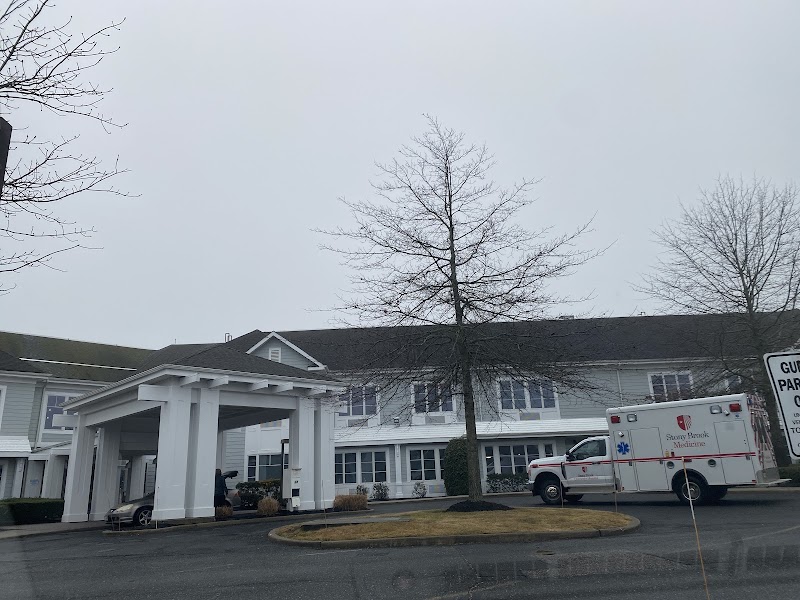
64 COUNTY ROAD 39, SOUTH HAMPTON, NY 11968 (631) 702-1000
For profit - Limited Liability company 280 Beds PHILOSOPHY CARE CENTERS Data: November 2025
Trust Grade
65/100
#350 of 594 in NY
Last Inspection: September 2024

Within standard 12-15 month inspection cycle. Federal law requires annual inspections.

Overview

The Hamptons Center for Rehabilitation and Nursing has a Trust Grade of C+, indicating it is slightly above average but not particularly strong. It ranks #350 out of 594 facilities in New York, placing it in the bottom half, and #31 out of 41 in Suffolk County, suggesting limited local options that are better. The facility is improving, with issues decreasing from 10 in 2024 to just 2 in 2025. Staffing is a concern, rated at 2 out of 5 stars, but with a turnover rate of 34%, which is lower than the state average, indicating some stability among staff. While there have been no fines, which is a positive sign, there were concerning findings such as residents being physically restrained without proper justification and lacking access to call systems for assistance, highlighting areas that need attention.

Trust Score
C+
65/100
In New York
#350/594
Bottom 42%
Safety Record
Low Risk
No red flags
Inspections
Getting Better
10 → 2 violations
Staff Stability
○ Average
34% turnover. Near New York's 48% average. Typical for the industry.
Penalties
✓ Good
No fines on record. Clean compliance history, better than most New York facilities.
Skilled Nurses
⚠ Watch
Each resident gets only 25 minutes of Registered Nurse (RN) attention daily — below average for New York. Fewer RN minutes means fewer trained eyes watching for problems.
Violations
⚠ Watch
17 deficiencies on record. Higher than average. Multiple issues found across inspections.
★★★☆☆
3.0
Overall Rating
★★☆☆☆
2.0
Staff Levels
★★★★☆
4.0
Care Quality
★★★☆☆
3.0
Inspection Score
Stable
2024: 10 issues
2025: 2 issues

The Good

  • 4-Star Quality Measures · Strong clinical quality outcomes
  • Full Sprinkler Coverage · Fire safety systems throughout facility
  • No fines on record
  • Staff turnover below average (34%)

    14 points below New York average of 48%

Facility shows strength in quality measures, fire safety.

The Bad

3-Star Overall Rating

Near New York average (3.1)

Meets federal standards, typical of most facilities

Staff Turnover: 34%

11pts below New York avg (46%)

Typical for the industry

Chain: PHILOSOPHY CARE CENTERS

Part of a multi-facility chain

Ask about local staffing decisions and management

The Ugly 17 deficiencies on record

Feb 2025 2 deficiencies
CONCERN (D) 📢 Someone Reported This

A family member, employee, or ombudsman was alarmed enough to file a formal complaint

Potential for Harm - no one hurt, but risky conditions existed

Deficiency F0604 (Tag F0604)

Could have caused harm · This affected 1 resident

**NOTE- TERMS IN BRACKETS HAVE BEEN EDITED TO PROTECT CONFIDENTIALITY** Based on observation, record review, and interviews during an abbreviated survey (NY00368741) on 2/26/2025 the facility did not ...

Read full inspector narrative →
**NOTE- TERMS IN BRACKETS HAVE BEEN EDITED TO PROTECT CONFIDENTIALITY** Based on observation, record review, and interviews during an abbreviated survey (NY00368741) on 2/26/2025 the facility did not ensure that all residents were free from physical restraints imposed for the purpose of discipline or convenience and are not required to treat the resident's medical symptoms. This was identified for three residents (Resident #1, Resident #2, and Resident #3) of three residents reviewed for restraints. Specifically, Resident #1, Resident #2 and Resident #3 were observed in their beds with the bed in the lowest position with thick fall prevention mats observed on their side (length wise), pushed up against both sides of the bed restricting the resident's freedom of movement. The findings are: The facility's policy titled, Physical Restraints effective September 2018 and reviewed June 2024 documented it was the policy of the facility to promote and maintain the residents' highest practicable well-being in a restraint free environment and only utilize a physical restraint in a circumstance in which the resident had a medical symptom that may warrant the use of a restraint. The policy defined a physical restraint as any manual method, physical or mechanical device, equipment, or material that meets all of the following criteria: is attached or adjacent to the resident's body; cannot be removed easily by the resident and restricts the resident's freedom of movement or normal access to their body. 1) Resident #1 had diagnoses that included Parkinson's Disease, Dementia, and Dysphagia. Resident #1's Annual Minimum Data Set assessment dated [DATE] documented Resident #1's Brief Interview for Mental Status was not conducted because Resident #1 was rarely understood and rarely understands. Resident #1's Comprehensive Care Plan titled, Falls/Potential for Falls, effective 3/26/2017 and reviewed on 1/4/2025 documented interventions that included but were not limited to keep the bed low with the wheels in a locked position and bilateral floor mats. Resident #1's Certified Nursing Accountability Record dated February 2025 documented the following protective measures were in place, floor mats and low bed. The Certificated Nursing Accountably record was signed by the assigned Certified Nursing Assistant. During four observations on 2/26/2025 at 8:45 AM, 9:03 AM, 9:36 AM and 9:45 AM, Resident #1 was observed in bed with their bed in the lowest position and thick fall prevention mats were observed on their side, pushed up against both sides of the bed, and nightstands were observed pushed up against the fall prevention mats thereby restricting Resident #1's freedom of movement. During an interview on 2/26/2025 at 9:45 AM, Certified Nursing Assistant #1 who was assigned to Resident #1 stated they did not see Resident #1 today. Certified Nursing Assistant #1 stated they did not place the fall prevention mats on their side, against both sides of the bed with the nightstands pressed up against the mats. Certified Nursing Assistant #1 stated the instruction for the fall prevention mats are they should be placed flat to the floor and next to the bed and are used for fall prevention. Certified Nursing Assistant #1 stated a resident would not to be able to get out of bed if the mats were placed on their side, against the bed with the nightstands against the mats. During an interview on 2/26/2025 at 10:09 AM, Licensed Practical Nurse Manager #1 they stated the fall prevention mats are put in place when a resident is a high fall risk because they widen the surface area of the mattress should the resident fall/roll off the bed. Licensed Practical Nurse Manager #1 stated the fall prevention mats should be laid flat to floor and next to the bed so that if the resident rolled off the bed, they would not fall directly to the floor which can help decrease injuries related to falls. During an interview on 2/26/2025 at 2:41 PM, the Director of Nursing Services stated the correct position for the floor mats is to be laid flat on the floor next to the resident's bed and if they were higher than the bed it could restrict the resident's freedom of movement. The Director of Nursing Services stated the fall prevention mats should not be placed on their side and against the bed and to be an effective fall prevention intervention the mats had to be laid flat and next to the bed. 2) Resident #2 had diagnoses that included Cerebral Infarction (ischemic stroke), Hemiplegia (paralysis that affects only one side of your body), and Dementia. Resident #2's Minimum Data Set assessment dated [DATE] documented Resident #2's Brief Interview for Mental Status was not conducted because Resident #2 was rarely/never understood. Resident #2's Comprehensive Care Plan titled, Falls/Potential for Falls, effective 2/16/2024 and reviewed on 11/24/2024 documented an intervention to keep the bed in the lowest position. Resident #2's Certified Nursing Accountability Record dated February 2025 documented the following protective measures were in place, floor mats and low bed. The Certificated Nursing Accountably record was signed by the assigned Certified Nursing Assistant. During three observations on 2/26/2025 at 8:47 AM, 9:05 AM, and 9:37 AM, Resident #2 was observed in bed with their bed in the lowest position and thick fall prevention mats were observed on their side pushed up against both sides of the bed. Additionally, one nightstand was observed pushed up against the fall prevention mat on the right side of the bed thereby restricting Resident #2's freedom of movement. During an interview on 2/26/2025 at 9:37 AM, Certified Nursing Assistant #2, who was Resident #2's assigned Certified Nursing Assistant stated they checked in on Resident #2 this morning but had not provided care yet. Certified Nursing Assistant #2 stated they could not recall what position the fall prevention mats were in when they looked in on Resident #2. Certified Nursing Assistant #2 stated the fall prevention mat should be placed flat on the floor and next to Resident #2's bed as they are used to prevent the resident from hurting themselves if they fell out of bed. Certified Nursing Assistant #2 stated if the mats are on their side the resident would not be able to get out of bed. During an interview on 2/26/2025 at 1:24 PM, Certified Nursing Assistant #3 stated they were the assigned Certified Nursing Assistant for Resident #2 on the 11:00 PM to 7:00 AM shift. They stated when their shift ended at 7:00 AM the fall prevention mats were laid flat to the floor and next to Resident #2's bed. During an interview on 2/26/2025 at 2:27 PM, Licensed Practical Nurse #2 stated they gave Resident #2 medication at about 5:00 AM and observed Resident #2 in bed but did not observe the floor mats on their side and up against Resident #2's bed. Licensed Practical Nurse #2 stated a restraint would be anything that prevents a resident from moving freely. Additionally, the floor mats on their side and up against Resident #2's bed would be considered a restraint and should not be placed that way. During an interview on 2/26/2025 at 2:41 PM, the Director of Nursing Services stated the correct position for the floors mats is to be laid flat on the floor next to the resident's bed. The Director of Nursing Services stated if the mats are placed on their sides, and they were higher than the bed and items were placed up against mats then it could restrict the resident's freedom of movement. The Director of Nursing Services stated the fall prevention mats should not be placed on their side and against the bed and to be an effective fall prevention intervention the mats had to be laid flat and next to the bed. 3) Resident #3 had diagnoses including Dementia, Alzheimer's Disease, and Aphasia (a language disorder that affects a person's ability to communicate effectively.) Resident #3's Annual Minimum Data Set assessment dated [DATE] documented Resident #3's Brief Interview for Mental Status was not conducted because Resident #3 was rarely understood and rarely understands. Resident #3's Comprehensive Care Plan titled, Falls/Potential for Falls, effective 11/7/2017 and reviewed on 2/1/2025 documented interventions including but were not limited to placing bed in lowest position and high floor mats. Resident #3's Certified Nursing Accountability Record dated February 2025 documented the following protective measures were in place, floor mats and low bed. The Certificated Nursing Accountably record was endorsed by the assigned Certified Nursing Assistant. During an observation on 2/26/2025 at 8:49 AM Resident #3 was observed in bed with their bed in the lowest position and thick fall prevention mats were observed on their side, pushed up against both sides of the bed, with both nightstands pushed up against the fall prevention mats. Additionally, a Broda chair (a supportive positioning device) was pushed up against the fall prevention mat on the left side of the bed thereby restricting Resident #3's freedom of movement. During an observation on 2/26/2025 at 9:08 AM Resident #3 was observed in an elevated bed receiving assistance with breakfast by Certified Nursing Assistant #1 who was on the left side of the bed. The fall prevention mat on the left side of the bed was removed and the nightstand on the left side was pushed off to the side. The Broda chair was positioned at the end of the bed. The fall prevention mat on the right side of the bed was on its side and pushed up against the bed with a nightstand pressed up against the fall prevention mat. During an observation and interview on 2/26/2025 at 9:21 AM with Certified Nursing Assistant #1, Resident #3 was observed in bed with their bed in the lowest position and thick fall prevention mats were observed on their side, pushed up against both sides of the bed, nightstands were observed pushed up against the fall prevention mats. Certified Nursing Assistant #1 stated they assisted Resident #3 with breakfast this morning and the fall prevention mats were on their sides against both sides of the bed with nightstands up against them. A Broda chair was also against the left fall prevention mat. Certified Nursing Assistant #1 stated they moved the items away from the left side of the bed so they could assist Resident #3 but did not place the left fall prevention mat on its side against the bed with the nightstand against it. They stated they do not know who placed the fall prevent mats in that way but should be flat on the floor. During an interview on 2/26/2025 at 10:09 AM, Licensed Practical Nurse Manager #1 stated the fall prevention mats are put in place when a resident is a high fall risk because they widen the surface area of the mattress should the resident fall/roll off the bed. Licensed Practical Nurse Manager #1 stated the fall prevention mats should be laid flat to floor and next to the bed so that if the resident rolled off the bed, they would not fall directly to the floor which can help decrease injuries related to falls. During an interview on 2/26/2025 at 1:24 PM, Certified Nursing Assistant #3 stated when their shift ended at 7:00 AM the fall prevention mats were laid flat to the floor and next to Resident #3's bed. Certified Nursing Assistant #3 stated the fall prevention mats are used for safety because if a resident fell out of bed the fall prevention mats would stop the resident from falling to the floor. During an interview on 2/26/2025 at 2:41 PM, the Director of Nursing Services stated the correct position for the floors mats is to be laid flat on the floor next to the resident's bed. The Director of Nursing Services stated if the mats are placed on their sides, and they were higher than the bed and items were placed up against mats then it could restrict the resident's freedom of movement. The Director of Nursing Services stated the fall prevention mats should not be placed on their side and against the bed and to be an effective fall prevention intervention the mats had to be laid flat and next to the bed. 483.10(e)(1)
CONCERN (D) 📢 Someone Reported This

A family member, employee, or ombudsman was alarmed enough to file a formal complaint

Potential for Harm - no one hurt, but risky conditions existed

Deficiency F0919 (Tag F0919)

Could have caused harm · This affected 1 resident

**NOTE- TERMS IN BRACKETS HAVE BEEN EDITED TO PROTECT CONFIDENTIALITY** Based on observations, record reviews, and interviews conducted during an abbreviated survey (NY00368741) on 2/26/2025 the facil...

Read full inspector narrative →
**NOTE- TERMS IN BRACKETS HAVE BEEN EDITED TO PROTECT CONFIDENTIALITY** Based on observations, record reviews, and interviews conducted during an abbreviated survey (NY00368741) on 2/26/2025 the facility did not ensure call systems were accessible to each resident while the resident were in their rooms. This was identified for three residents (Resident #1, Resident #2, and Resident #3) of three residents reviewed for call systems. Specifically, Resident #1, Resident #2 and Resident #3 were observed, multiple times in their beds, with no access to use their call bells preventing them to be able to call for assistance. The findings are: The facility's policy titled, Call Bell and Alarm Response effective October 2019 and reviewed September 2024 documented call bells and alarms will be answered promptly by all staff and to ensure the call bell has a clip for placement. The policy did not include where the resident's call bell should be placed. 1) Resident #1 had diagnoses that included Parkinson's Disease, Dementia, and Dysphagia. Resident #1's Annual Minimum Data Set assessment dated [DATE] documented Resident #1's Brief Interview for Mental Status was not conducted because Resident #1 was rarely understood and rarely understands. Resident #1's Comprehensive Care Plan titled, Falls/Potential for Falls, effective 3/26/2017 and reviewed on 1/4/2025 documented an intervention to keep the call bell within reach. During four observations on 2/26/2025 at 8:45 AM, 9:03 AM, 9:36 and 9:45 AM Resident #1 was observed in bed and the resident's call bell was observed hanging on the knob of the nightstand to the right of Resident #1's bed. The call bell was out of reach of Resident #1. The final observation at 9:45 AM was conducted with Certified Nursing Assistant #1. Certified Nursing Assistant #1 observed the call bell positioned hanging on the knob of the nightstand, and then left the room without placing the call bell within reach of Resident #1. During an interview on 2/26/2025 at 9:45 AM, Certified Nursing Assistant #1, who was assigned to Resident #1, stated they did not see Resident #1 today and they were not aware that the call bell was out of reach of Resident #1 but that the call bell should be where the resident can reach it. During an interview on 2/26/2025 at 2:41 PM, with the Director of Nursing Services they stated they didn't know why the call bell for Resident #1 was behind the residents headboard but they (the call bells) should be clipped to the bed sheet and with-in reach of the resident. 2) Resident #2 had diagnoses that included Cerebral Infarction (ischemic stroke), Hemiplegia (paralysis that affects only one side of your body), and Dementia. Resident #2's Minimum Data Set assessment dated [DATE] documented Resident #2's Brief Interview for Mental Status was not conducted because Resident #2 was rarely/never understood. Resident #2's Comprehensive Care Plan titled: Falls/Potential for Falls, effective 2/16/2024 documented an intervention for the call bell to be within reach. During three observations on 2/26/2025 at 8:47 AM, 9:05 AM, and 9:37 AM Resident #2 was observed in bed and Resident #2's call bell was observed hanging from the call bell jack in the wall, down behind the headboard and on the floor and out of the resident's reach restricting the resident from calling for assistance During an observation and interview on 2/26/2025 at 9:37 AM, with Certified Nursing Assistant #2 they stated they checked in on Resident #2 this morning but had not provided care yet. Certified Nursing Assistant #2 stated they could not recall where the call bell was when they checked on Resident #2. During this observation with the surveyor and Certified Nursing Assistant #2 stated they observed the call bell on the floor behind Resident #2, s headboard. They stated the call bell was not in reach of the resident and should always be. During an interview on 2/26/2025 at 9:54 AM, Licensed Practical Nurse #1, they stated they saw Resident #2 this morning but could not recall the location of the call bell. Licensed Practical Nurse #1 stated the call bell should be within arm's reach of the resident and not have been on the floor behind the headboard. Licensed Practical Nurse #1 stated that the call bell accessibility was the responsibility of all staff to check. During an interview on 2/26/2025 at 1:24 PM, Certified Nursing Assistant #3 stated they worked the overnight shift that ended at 7:00 AM. Certified Nursing Assistant #3 stated they provided care for Resident #2 at about 5:00 AM and they could not recall where the call bell was. Certified Nursing Assistant #3 stated the call bell should always be within the reach of a resident. During an interview on 2/26/2025 at 2:27 PM, Licensed Practical Nurse #3 stated they gave Resident #3 medication at about 5:00 AM and observed Resident #3's call bell on the resident's bed, within reach of the resident. During an interview on 2/26/2025 at 2:41 PM, with the Director of Nursing Services they stated they didn't know why the call bell for Resident #2 was behind the residents headboard but they (the call bells) should be clipped to the bed sheet and with-in reach of the resident 3) Resident #3 had diagnoses including Dementia, Alzheimer's Disease, and Aphasia. Resident #3's Annual Minimum Data Set assessment dated [DATE] documented Resident #3's Brief Interview for Mental Status was not conducted because Resident #3 was rarely understood and rarely understands. Resident #3's Comprehensive Care Plan titled, Falls/Potential for Falls, effective 11/7/2017 and reviewed on 2/1/2025 documented an intervention for the call bell to be within reach. During three observations on 2/26/2025 at 8:49 AM, 9:08 AM, and 9:21 AM Resident #2 was observed in bed and their call bell was observed hanging from the call bell jack in the wall, down behind the headboard and on the floor and out of the resident's reach. During the 9:08 AM observation Certified Nursing Assistant #1 was bedside assisting Resident #3 with breakfast. During an interview on 2/26/2025 at 9:21 AM Certified Nursing Assistant #1, stated they checked on Resident #3 before breakfast and then returned to assist Resident #3 with their meal. Certified Nursing Assistant #1 stated they could not recall where the call bell was at those two times or that the call bell was out of reach. Certified Nursing Assistant #1 stated the call bell should always be where the resident could reach it. During an interview on 2/26/2025 at 1:24 PM, Certified Nursing Assistant #3 they stated they worked the overnight from 11:00 PM to & 7:00 AM. Certified Nursing Assistant #3 stated they provided care for Resident #3 at about 5:30 AM and they placed the call bell across the chest of Resident #3. During an interview on 2/26/2025 at 2:41 PM, with the Director of Nursing Services they stated they didn't know why the call bell for Resident #1 was behind the residents headboard but they (the call bells) should be clipped to the bed sheet and with-in reach of the resident. 10NYCRR 415.29
Sept 2024 10 deficiencies
CONCERN (D)

Potential for Harm - no one hurt, but risky conditions existed

Resident Rights (Tag F0550)

Could have caused harm · This affected 1 resident

Based on observation, record review, and interviews during the Recertification Survey initiated on 9/23/2024 and completed on 9/30/2024, the facility did not ensure that each resident was treated with...

Read full inspector narrative →
Based on observation, record review, and interviews during the Recertification Survey initiated on 9/23/2024 and completed on 9/30/2024, the facility did not ensure that each resident was treated with respect and dignity and in a manner and in an environment that promotes maintenance or enhancement of his or her quality of life. This was identified for one (Resident #5) of three residents reviewed for Dignity. Specifically, on 9/23/2024 Resident #5's room was observed with a strong urine odor. A disposable bed pad with a large urine stain was observed on the floor adjacent to the resident's bed with three urinals one of which was full. Resident #5 stated they wanted the area to be clean. The finding is: The facility's policy titled Dignity, last reviewed May 2024, documented it is the policy of the facility to promote an environment in which the resident's dignity is evident in all interactions between caregivers and residents. Dignity means staff carry out activities that assist the resident to maintain and enhance their self-esteem and self-worth. Resident #5 was admitted with diagnoses including Asperger's Syndrome, Depression, and Cerebrovascular Accident. The 9/19/2024 Quarterly Minimum Data Set assessment documented a Brief Interview for Mental Status score of 15, indicating the resident was cognitively intact. The Minimum Data Set assessment documented the resident required substantial/maximal assistance for toileting and had functional limitation in range of motion to the upper and lower extremities. On 9/23/2024 at 11:43 AM, Resident #5 was observed in bed. The resident appeared to be sleeping but was easily arousable. There was a disposable bed mat on the floor with three urine bottles on it. One of the urine bottles was full and the other two were empty. The bed mat on the floor was soiled with a large urine stain and there was a strong urine odor in the room. The resident stated the staff needed to empty the full urine bottle. Certified Nursing Assistant #1 was notified of the observation on 9/23/2024 at 11:45 AM. Certified Nursing Assistant #1 observed the soiled bed mat on the floor and the full bottle of urine and stated the resident does not like to get out of bed until after lunch. Certified Nursing Assistant #1 stated it is difficult for the resident to use the bathroom because the resident has to wear braces on their legs, and having the urine bottles on the floor next to the bed is the resident's preference. Certified Nursing Assistant #1 stated they would get the resident out of bed after lunch and then they left the room without emptying the urine bottle or removing the soiled bed mat. During an observation on 9/23/2024 at 12:45 PM, Resident ##5's room was observed with a soiled bed mat that was placed on the floor. A full urinal was still present next to the resident's bed. The resident was sitting up in their bed and had just finished their lunch meal. This observation was brought to the attention of Licensed Practical Nurse #1 (unit manager). Licensed Practical Nurse #1 stated the urinal should have been emptied when the full urinal was observed by Certified Nursing Assistant #1 an hour ago and the disposable bed mat should have been removed. The Director of Nursing Services was interviewed on 9/26/2024 at 1:46 PM and stated having the urinals on the floor is the resident's preference and we have to honor their wishes, but the resident area should be kept clean and odor-free. Resident #5 was interviewed On 9/26/2024 at 2:26 PM and stated the urinals are kept on the floor because they are easy to reach that way and they urinate a lot. The resident stated it is difficult for them to get out of bed and the aides are too busy to get them up. The resident stated, I want the area to be clean. 10NYCRR 415.3(d)(1)(i)
CONCERN (D) 📢 Someone Reported This

A family member, employee, or ombudsman was alarmed enough to file a formal complaint

Potential for Harm - no one hurt, but risky conditions existed

Notification of Changes (Tag F0580)

Could have caused harm · This affected 1 resident

Based on record review and interviews during the Recertification Survey and Abbreviated Survey (NY 00354353) initiated on 9/23/2024 and completed on 9/30/2024, the facility did not ensure that each re...

Read full inspector narrative →
Based on record review and interviews during the Recertification Survey and Abbreviated Survey (NY 00354353) initiated on 9/23/2024 and completed on 9/30/2024, the facility did not ensure that each resident's primary representative was immediately informed when a resident had an accident resulting in injury that had the potential for requiring Physician intervention. This was identified for one (Resident #230) of four residents reviewed for Accidents. Specifically, on 9/17/2024 Resident #230 fell from the bed and sustained bruising to their face. The resident's representative was not informed of the fall. The finding is: The facility's policy titled Change in Condition, last reviewed 10/2023, documented any deterioration in health, mental, or psychosocial status causing either life-threatening conditions or clinical complications, as well as any deviation from the resident's baseline medical condition, which constitutes an abnormal condition, will be reported to the Nursing Supervisor and Physician. Criteria for reporting a change in condition include incident/accident with or without injury. At the time the change in condition is identified, the nurse will notify families/next of kin. Resident #230 was admitted with diagnoses including Cerebral Palsy, Quadriplegia, and Seizure Disorder. The 9/3/2024 admission Minimum Data Set assessment documented no Brief Interview for Mental Status score because the resident had severely impaired cognitive skills for daily decision-making. An Accident and Incident report dated 9/17/2024 at 1:00 PM documented the resident fell from the bed and was found on the floor adjacent to their bed by a housekeeper. The resident was non-verbal and could not explain what happened. The resident sustained a 3-centimeter round ecchymotic (bruise) abrasion to the right forehead and an abrasion to the right cheek. The Physician and the resident's group home manager were notified. A review of the electronic medical record revealed that the resident's family member was listed as the primary contact and the group home was listed as the secondary contact. The resident's family member (primary contact) was interviewed on 9/27/2024 at 12:32 PM and stated the facility did not notify them when the resident fell from the bed on 9/17/2024. The family member stated they found out about the fall the next day when they were notified by another organization that supports the group home. On 9/27/2024 and 9/30/2024 multiple calls were made to Registered Nurse #1 (nursing supervisor) who prepared the accident and investigation report. Calls were not returned. During an interview on 9/30/2024 at 9:37 AM, Assistant Director of Nursing Services #1 (Risk Manager) stated the group home was providing care to the resident before the resident was admitted to the facility for short-term treatment. The facility staff did not call or notify the family member who was listed as the primary contact instead, they called the group home regarding the resident's fall. Assistant Director of Nursing Services #1 stated that the facility should have notified the family member of the resident's fall on 9/17/2023. During an interview on 9/30/2024 at 10:14 AM, Licensed Practical Nurse #2 (unit nurse) stated they did not notify the resident's family to inform them of the resident's fall on 9/17/2024. Licensed Practical Nurse #2 stated when the resident fell, they contacted the group home staff because the group home staff were the ones who were visiting the resident. During an interview on 9/30/2024 at 10:22 AM, the Director of Nursing Services stated that the facility staff should have called the resident's family member first because the resident's medical record contact list documented the family member as the first contact. 10 NYCRR 415.3(f)(2)(ii)(a)
CONCERN (D)

Potential for Harm - no one hurt, but risky conditions existed

Safe Environment (Tag F0584)

Could have caused harm · This affected 1 resident

**NOTE- TERMS IN BRACKETS HAVE BEEN EDITED TO PROTECT CONFIDENTIALITY** Based on observations, record review, and interviews during the Recertification Survey initiated on 9/23/2024 and completed on 9...

Read full inspector narrative →
**NOTE- TERMS IN BRACKETS HAVE BEEN EDITED TO PROTECT CONFIDENTIALITY** Based on observations, record review, and interviews during the Recertification Survey initiated on 9/23/2024 and completed on 9/30/2024, the facility did not ensure that each resident was provided a safe, clean, comfortable, and homelike environment. This was identified for one (Unit E) of four units observed during the environmental task. Specifically, during an environmental tour of Unit E, Resident#144's bathroom door was observed with broken hinges and was not able to be closed; Resident#56's privacy curtains were observed with dark brown and yellow stains, and the bathroom floor was soiled with dark grayish stains. The findings are: The facility's policy for Cleaning Resident Bathrooms and Public Bathrooms, dated February 2024, documented that daily cleaning will ensure optimum levels of cleanliness and sanitation, prohibit the spread of infection, and maintain the outward appearance of the facility. The facility's policy for Cleaning Resident Rooms, dated March 2024, documented the purpose of this policy was to provide a detailed description of the steps that are to be completed daily in the cleaning of a resident room. The steps included cleaning and dusting all vertical surfaces including doors, door trim, molding, walls, light switch plates, and curtains using a clean cloth soaked in or sprayed with disinfectant cleaner. -Resident#144 had diagnoses that included Dementia, Arthritis, and Depression. The Quarterly Minimum Data Set assessment dated [DATE] documented a Brief Interview for Mental Status score of 12, which indicated the resident had moderately impaired cognition. The resident utilized a walker and wheelchair as a mobility device. During an environmental tour of Unit E on 9/23/2024 at 12:41 PM, Resident #144's bathroom door was observed with a loose upper hinge and was unable to be closed. During an observation on 9/30/2024 at 10:00 AM, Resident #144's bathroom door was observed with a loose upper hinge and was unable to be closed. During an interview on 9/30/2024 at 10:42 AM, Certified Nursing Assistant #9 stated Resident #144's bathroom door had been broken for months and the broken door concern was reported by them in the maintenance log book approximately seven months ago. During an interview on 9/30/2024 at 11:37 AM, Maintenance Worker#1 stated they always check the resident rooms after the resident gets discharged and before a new resident gets admitted to make sure that all maintenance concerns are addressed. Maintenance Worker#1 observed Resident#144's bathroom door and stated the door hinge was broken and needed to be fixed. Maintenance Worker#1 stated that according to the maintenance book Resident#144's bathroom door was fixed on 9/11/2024 and the door hinges must have broken again after it got fixed on 9/11/2024. During an interview on 9/30/2024 at 2:40 PM, Unit Manager #3 stated Resident#144's bathroom door had been broken for a while and the concern was documented in the maintenance log book. -Resident#56 had diagnoses including Cardiomegaly, Major Depression, and Type 2 Diabetes Mellitus. The Quarterly Minimum Data Set assessment dated [DATE] documented a Brief Interview for Mental Status score of 15, which indicated the resident was cognitively intact. The resident required supervision and contact guard assistance with toileting and was frequently incontinent of bowel and bladder. During an observation on 9/23/2024 at 12:19 PM, Resident #56's privacy curtain was observed to have multiple yellowish-brown stains all over the curtain, and the bathroom floor was observed with grayish-brown stains. Resident #56 was interviewed immediately after the observation on 9/23/2024 and stated It would be nice to have clean curtains. During an observation on 9/30/2024 at 3:08 PM, Resident #56's privacy curtain was observed with multiple yellowish-brown stains all over the curtain, and the bathroom floor was observed with grayish-brown stains. During an interview on 9/30/2024 at 11:07 AM, Certified Nursing Assistant #10 stated the housekeepers were responsible for cleaning the bathroom floors and the privacy curtains. The housekeepers were cleaning the bathrooms every day and they did not know why there were stains on the curtains. During an interview on 9/30/2024 at 11:45 AM, Housekeeper #1 stated the privacy curtain in Resident #56's room was changed last week, the curtain is not dirty it is just stained. Housekeeper #1 stated Resident #56's bathroom floors needed cleaning. During an interview on 9/30/2024 at 4:17 PM, the Director of Housekeeping stated the residents should not have stained privacy curtains and dirty bathroom floors and they will make sure that Resident #56's privacy curtain is changed and the bathroom floors are cleaned. During an interview on 9/30/2024 at 4:35 PM, the Director Of Nursing Services stated it was not acceptable to have dirty, stained bathroom floors, broken bathroom doors, and or stained privacy curtains in any resident room. 10 NYCRR 415.5(h)(2)
CONCERN (D) 📢 Someone Reported This

A family member, employee, or ombudsman was alarmed enough to file a formal complaint

Potential for Harm - no one hurt, but risky conditions existed

Investigate Abuse (Tag F0610)

Could have caused harm · This affected 1 resident

**NOTE- TERMS IN BRACKETS HAVE BEEN EDITED TO PROTECT CONFIDENTIALITY** Based on record review, and interviews during the Recertification Survey and Abbreviated Survey (NY 00351219) initiated on 9/23/...

Read full inspector narrative →
**NOTE- TERMS IN BRACKETS HAVE BEEN EDITED TO PROTECT CONFIDENTIALITY** Based on record review, and interviews during the Recertification Survey and Abbreviated Survey (NY 00351219) initiated on 9/23/2024 and completed on 9/30/2024, the facility did not ensure that accidents were thoroughly investigated to rule out abuse, neglect, or mistreatment. This was identified for one (Resident #161) of four residents reviewed for Accidents. Specifically, Resident #161 was found on the floor in their room near the bed on 7/28/2024 and sustained a six-centimeter laceration (cut or tear) with bruising to the left side of their face. The facility did not obtain statements from each staff member involved with the resident to identify the root cause of the accident. The finding is: The facility's Accident and Incident policy and procedure reviewed on 8/2024 documented that the charge nurse or supervisor will initiate the collection of statements from staff. The statement will be collected from Certified Nursing Assistants, caregivers, Licensed nurses working that shift, and all others assigned to the unit that day, including other departments. The resident's roommate, other residents, or visitor's statements should be obtained as applicable. As necessary, statements are obtained from staff involved with the resident in the last 24 hours. The statements should be obtained from necessary personnel prior to the end of the shift on which the accident was first noted. Resident #161 was admitted with diagnoses that included Dementia, Difficulty walking, and Left Femur (leg bone) Fracture. The Minimum Data Set assessment dated [DATE] documented a Brief Interview for Mental Status score of 5, which indicated the resident had severe cognitive impairment. The resident required moderate assistance from staff for transfers, and ambulation and had one fall with injury prior to this assessment. A Comprehensive Care Plan for falls dated 7/15/2023 and last updated on 7/28/2024 documented the resident was at risk for falls related to falls in the last six months. Since admission, the resident has fallen on 2/17/2024, 4/3/2024, 6/20/2024, and 7/28/2024. The resident with impaired balance, impaired gait, muscle weakness, impulsiveness, and poor safety awareness. The interventions included keeping the call bell and personal items within reach, encouraging the use of proper footwear, and reminding the resident to ask for assistance for difficult maneuvers. An Accident and Incident Report dated 7/28/2024 documented that at 7:15 PM the Certified Nursing Assistant #6 checked on the resident and observed the resident sitting upright on the floor next to their bed. The resident was unable to recall how the incident happened due to baseline confusion. The resident sustained a 6-centimeter laceration with bruising on the left side of their face and bleeding was noted. A nursing progress note dated 7/28/2024 documented the resident was found on the floor near the bedside, physical assessment revealed a 6-centimeter laceration with bruising to the left side of the resident's face. During an interview on 9/30/2024 at 10:21 AM, Certified Nursing Assistant #6 stated they were assigned to care for Resident #161 on 7/28/2024. Certified Nursing Assistant #6 stated the Kitchen transporter first observed the resident on the floor and called them. Certified Nursing Assistant #6 stated when they went to the resident's room, the resident was sitting on the floor in an upright position next to the bed. Certified Nursing Assistant #6 stated when they provided a statement regarding the accident, they did not tell the Nursing Supervisor that the Kitchen transporter was the one who found the resident on the floor. During an interview on 9/30/2024 at 10:55 AM, the Risk Manager stated the Registered Nurse Supervisor was responsible for interviewing the staff and obtaining statements that included all relevant information regarding the fall. The Risk Manager stated that Certified Nursing Assistant #6 should have reported to the Supervisor that the Kitchen transporter identified the resident on the floor. The Risk Manager stated that the Kitchen transporter's statement should have been obtained and included in the Accident and Incident Report. During an interview on 9/30/2024 at 11:15 AM, Registered Nurse #2 stated they were responsible for obtaining statements from all staff that were involved with the care of the resident. Registered Nurse #2 stated Resident #161 was found on the floor on 7/28/2024; however, they did not recall obtaining a statement from the Kitchen transporter and did not recall that it was the Kitchen transporter that first identified the resident on the floor. Registered Nurse #2 stated that if they knew they would have obtained a statement and included it in the Accident and Incident Report. During an interview on 9/30/2024 at 1:22 PM, the Director of Nursing Services stated that the Registered Nurse Supervisors were responsible for starting the Accident Incident Report and following up with obtaining statements from all involved staff. The Director of Nursing Services stated that if the Kitchen transporter identified the resident on the floor and brought it to the nursing staff's attention, a statement should have been obtained from the Kitchen transporter. 10 NYCRR 415.4 (b) (3)
CONCERN (D)

Potential for Harm - no one hurt, but risky conditions existed

Comprehensive Assessments (Tag F0636)

Could have caused harm · This affected 1 resident

**NOTE- TERMS IN BRACKETS HAVE BEEN EDITED TO PROTECT CONFIDENTIALITY** Based on record review and interview during the recertification survey initiated on 9/23/2024 and completed on 9/30/2024, the fa...

Read full inspector narrative →
**NOTE- TERMS IN BRACKETS HAVE BEEN EDITED TO PROTECT CONFIDENTIALITY** Based on record review and interview during the recertification survey initiated on 9/23/2024 and completed on 9/30/2024, the facility failed to ensure that a Minimum Data Set Assessment was completed within the prescribed time frames. This was evident during the Resident Assessment task. Specifically, Resident #486 was admitted to the facility on [DATE]. The admission Minimum Data Set Assessment was completed on date 7/25/2024. The Minimum Data Set assessment was completed six days beyond the required timeframe. The finding is: The facility policy titled Minimum Data Set Version 3.0, last reviewed March 2024, documented the facility will conduct initially and periodically a comprehensive, accurate, standardized reproducible assessment of each resident's functional capacity. Resident #486 was admitted on [DATE] with diagnoses of Congestive Heart Failure and Diabetes Mellitus. An admission Minimum Data Set assessment was initiated on 7/7/2024 and was completed on 7/25/2024. The Minimum Data Set Coordinator was interviewed on 9/30/2024 at 9:44 AM and stated the Minimum Data Set assessment for each resident should be completed within 14 days after the resident's admission to the facility. The Minimum Data Set Coordinator stated that Resident #486's assessment was not completed on time and was six days late. The Minimum Data Set Coordinator stated they were responsible for ensuring the timely completion of each Minimum Data Set assessment and were not sure why the admission assessment for Resident #486 was late. During an interview on 9/30/2024 at 3:27 PM, the Administrator stated the Minimum Data Set Coordinator is responsible for ensuring the Minimum Data Set assessments are completed on time. The Administrator stated they were not aware that the Minimum Data Set assessments were not being completed timely. 10 NYCRR 415.11
CONCERN (D) 📢 Someone Reported This

A family member, employee, or ombudsman was alarmed enough to file a formal complaint

Potential for Harm - no one hurt, but risky conditions existed

Respiratory Care (Tag F0695)

Could have caused harm · This affected 1 resident

**NOTE- TERMS IN BRACKETS HAVE BEEN EDITED TO PROTECT CONFIDENTIALITY** Based on observation, record review, and interviews conducted during a Recertification and Abbreviated survey (NY 00326995) comp...

Read full inspector narrative →
**NOTE- TERMS IN BRACKETS HAVE BEEN EDITED TO PROTECT CONFIDENTIALITY** Based on observation, record review, and interviews conducted during a Recertification and Abbreviated survey (NY 00326995) completed on 9/30/24, the facility did not ensure a resident who required respiratory care, including tracheostomy (an opening into the windpipe to help air reach the lungs) care, provided such care consistent with professional standards of practice. This was identified for one (Resident #129) of one resident reviewed for respiratory care. Specifically, 1) during observation of Resident #129's tracheostomy care on 9/27/2024, Registered Nurse #6 did not change the inner tracheostomy tube (cannula) as ordered by the Physician and 2) there was no documented evidence the resident's tracheostomy outer cannula was routinely being changed as per the manufacturer's specifications from March 2023 to October 2023. The finding is: The policy and procedure titled Tracheostomy Care, revised May 2023, documented that the tracheostomy cannula, stomas, and surrounding areas shall be aseptically cleaned. Nurses may change the inner cannula. Only physicians may change/replace the outer cannula. Universal precautions are indicated with all tracheotomy procedures. The facility policy did not indicate a timeframe for changing the outer tracheostomy cannula. Resident #129 was admitted with a tracheostomy and Anoxic Brain Damage (a disorder of the brain caused by decreased oxygen). The Quarterly Minimum Data Set assessment dated [DATE], documented that the resident had severe cognitive impairment and was dependent on staff for all care. The Minimum Data Set assessment documented the resident required tracheostomy care. The Comprehensive Care Plan titled Respiratory: Tracheostomy, revised on 8/24/2024, documented Resident #129 was to receive tracheostomy care every shift and as needed. The Comprehensive Care Plan did not include directions related to changing the inner or outer cannula for the tracheostomy tube. The tracheostomy tube (utilized by Resident #129) manufacturer brochure documented under the warning section: The disposable inner cannula is designed for single use and should not be cleaned or reused and the outer cannula should be changed every 28 days. Under the cautions section: The tracheostomy tube and obturator are single patient-use medical devices. Duration of single-patient use should not exceed 29 days. The manufacturer does not recommend and has not substantiated the use of these devices beyond the 29-day time frame. Decisions about tracheostomy tube changes should be made by the responsible physician or designate using accepted medical techniques and judgment. A review of the resident's medical records indicated there were no physician orders to change the outer cannula from March 2023 to October 2023. A Nursing progress note dated 10/27/2023 documented the resident was seen on 10/25/2023 by the Ear Nose and Throat Specialist and the outer cannula was changed. A Physician's order dated 2/18/2024 (original order date 1/26/2024) documented to schedule an appointment with the Ear Nose and Throat consult for a tracheostomy change on 04/10/2024 at 10:00 AM. The physician's orders dated 9/25/2024 documented Resident #129 had a tracheostomy tube; and to change the disposable tracheostomy inner cannula daily and as needed for secretion maintenance. During an observation on 9/27/2024 at 10:20 AM, Registered Nurse #6 performed tracheostomy care for Resident #129 with the assistance of Registered Nurse #5. Registered Nurse #6 performed hand hygiene and gathered supplies. Registered Nurse #6 did not include a new disposable inner cannula while gathering the supplies. Registered Nurse #6 removed the dirty inner cannula and placed the dirty inner cannula in a tray to rinse with sterile saline. Registered Nurse #6 stated they would reuse the rinsed inner cannula and would place it back into the resident's tracheostomy. Registered Nurse #6 stated they did not know that there was a physician's order to change the inner cannula daily. During an interview on 9/27/2024 at 11:34 AM, Nurse Practitioner # 1 stated the tracheostomy inner cannula is disposable and should not have been washed and re-used. The disposable inner cannula should have been replaced. The resident can develop respiratory infections if the inner cannula is not replaced daily. The outer tracheostomy tube should also be changed every three months and there should have been a physician's order in 2023. The Respiratory Therapist is now responsible for tracheostomy tube changes every 3 months since January 2024. Nurse Practitioner #1 stated when the resident returned from the hospital in December 2023, we ensured the outer tracheostomy tube was changed as per protocol. During an interview on 9/30/2024 at 11:26 AM, the Medical stated Registered Nurse #6 should have changed the inner cannula as per the physician's orders. The resident is at risk for infections if the inner cannula is not changed daily or if the tracheostomy tube is not changed every 3 months. The tracheostomy tube should have been changed every 3 months. The attending physician should have ordered the tracheostomy tube replacement every 3 months. During an interview on 9/30/24 at 1:41 PM, the Director of Nursing Services stated cleaning the inner cannula and reinserting it back into the tracheostomy tube is not acceptable. The Director of Nursing Services stated that reusing the disposable inner cannula would increase the risk of infection. Resident #129's tracheostomy was not being changed on a routine basis in 2023 and this was identified when the resident went out to the Ear Nose and Throat Specialist in October 2023. The Director of Nursing Services stated the tracheostomy tube should have been changed on a routine basis. During a telephone interview with the Respiratory Therapist on 9/27/2024 at 1:20 PM, they stated Registered Nurse # 6 should have removed the disposable inner cannula and replaced it with a new inner cannula as per physician orders. The Respiratory Therapist stated reusing the disposable inner cannula places the resident at high risk for infection. The Respiratory Therapist stated they have been taking care of Resident #129 since January 2024 and have been changing their tracheostomy tube every 90 days. The Respiratory therapist stated they did not care for the resident before January 2024 and that the tracheostomy tube should have been changed every three months. 10NYCRR 415.12(k)(4)
CONCERN (D)

Potential for Harm - no one hurt, but risky conditions existed

Deficiency F0760 (Tag F0760)

Could have caused harm · This affected 1 resident

**NOTE- TERMS IN BRACKETS HAVE BEEN EDITED TO PROTECT CONFIDENTIALITY** Based on observation, record review, and interviews during the Recertification Survey initiated on 9/23/2024 and completed on 9/...

Read full inspector narrative →
**NOTE- TERMS IN BRACKETS HAVE BEEN EDITED TO PROTECT CONFIDENTIALITY** Based on observation, record review, and interviews during the Recertification Survey initiated on 9/23/2024 and completed on 9/30/2024, the facility did not ensure that all residents were free of significant medication errors. This was identified for one (Resident #106) of 25 residents reviewed during medication pass observation. Specifically, Resident #106 had a physician's order for Ampicillin 1 Gram (antibiotic) Intravenous solution every 6 hours at 12:00 AM; 6:00 AM; 12:00 PM; and 6:00 PM for Cellulitis (skin infection). The Medication Administration Record lacked documented evidence that Resident #106 received their 12:00 AM and 6:00 AM dosage of the Physician-ordered antibiotic on 9/23/2024. The finding is: The facility's policy for Medication Administration and Documentation, last reviewed 10/2023, documented administering medication at the time it is prepared. If there are any missed doses, notify the Physician and or the Nurse Practitioner immediately and follow the recommendations/orders. Upon completion of the medication pass and before the end of the shift, the medication nurse will check the electronic medical record dashboard to ensure all medications and monitoring are completed. Resident #106 was admitted with diagnoses of Acute Osteomyelitis (bone infection) of the left ankle and foot and Cellulitis (skin infection). The Minimum Data Set assessment dated [DATE] documented that Resident #106 had severely impaired cognitive skills for daily decision-making. The Minimum Data Set documented the resident received antibiotic therapy during the assessment look-back period. The Comprehensive Care Plan for Antibiotic Therapy dated 8/21/2024 documented the resident needs intravenous antibiotics therapy due to Cellulitis. The interventions included administering intravenous medication via a pump as per the physician's orders and documenting the administration on the resident's Medical Administration Record. The physician's order dated 8/22/2024 documented to administer Ampicillin 1 Gram solution with Sodium Chloride 0.9 % (flush). Infuse 1 Gram by injection route every 6 hours for 6 weeks every day at 12:00 AM; 6:00 AM; 12:00 PM; and 6:00 PM for 6 Weeks for Cellulitis. During a medication pass observation on 9/23/2024 at 11:20 AM, Resident #106 was observed lying in their bed. An intravenous pole was observed by the resident's bedside with an empty Ampicillin 1 Gram vial attached to an intravenous solution bag containing 50 milligrams of normal saline. The Ampicillin vial or the normal saline intravenous bag did not include a label indicating when the medication was reconstituted (mixed with normal saline) and the time the medication was supposed to be administered. A review of the Medication Administration Record dated 9/23/2024 indicated Ampicillin 1 Gram intravenous medication was not signed for as administered at 12:00 AM and at 6:00 AM. During an interview on 9/23/2024 at 11:22 AM, Nurse Manager #3 stated they work on another unit and came to Resident #106's unit to administer the 12:00 PM intravenous antibiotic dose for the resident. Nurse Manager #3 confirmed an empty Ampicillin 1 Gram vial was attached to the 50 milligrams normal saline intravenous bag and the Ampicillin vial or the normal saline intravenous bag had no label that indicated when the medication was reconstituted and the time the medication was supposed to be administered. Nurse Manager #3 stated that the observed medication was most likely the 6:00 AM Ampicillin antibiotic dose not administered to the resident and did not know why. During an interview on 9/30/2024 at 10:13 AM, Registered Nurse Supervisor#1 stated they worked during the 9/22/2024 to 9/23/2024 night shift. They prepared the antibiotic medication for Resident #106 on 9/23/2024 at 6:00 AM; however, they forgot to administer the medication to Resident#106. Registered Nurse Supervisor#1 stated they administered the 12:00 AM intravenous antibiotic to Resident #106 and forgot to sign the Medication Administration Record. During an interview on 9/30/2024 at 11:57 AM, the Director of Nursing Services stated Nurse Manager #3 informed them that the 6:00 AM antibiotic medication dose was not administered to Resident #106 and that the 12:00 AM and 6:00 AM doses were not signed for as administered on the Medication Administration Record. The Director of Nursing Services stated that it is extremely important that antibiotics are administered as per the physician's orders. During an interview on 9/30/2024 at 1:00 PM, Medical Doctor#1 stated that residents should not miss any antibiotic doses to maintain the effectiveness of the medication and the staff must sign for the medication administration. 10 NYCRR 415.12(m)(2)
CONCERN (D)

Potential for Harm - no one hurt, but risky conditions existed

Food Safety (Tag F0812)

Could have caused harm · This affected 1 resident

Based on observations, interviews, and record review during the Recertification Survey initiated on 9/23/2024 and completed on 9/30/2024, the facility did not ensure that food was prepared and served ...

Read full inspector narrative →
Based on observations, interviews, and record review during the Recertification Survey initiated on 9/23/2024 and completed on 9/30/2024, the facility did not ensure that food was prepared and served in accordance with professional standards for food service safety. This was identified during the Kitchen observation task. Specifically, Dietary Aide #1 was observed handling peeled, hard-cooked eggs wearing the same gloves that were used while entering and exiting the walk-in refrigerator; and the cold food temperatures were above the safety zone. The finding is: The undated facility policy and procedure for Food Service Hand Washing, documented that hands are frequently and properly washed throughout the day. The purpose is to remove bacteria that may cause infection. Employees must always wash their hands before starting work in the kitchen, after handling soiled dishes and utensils, before and after performing cleaning procedures, and before and after handling food. The facility's policy and procedure for Food Service Department Infection Control Procedures, last reviewed February 2024, documented the facility maintains strict sanitary conditions in the food service department to eliminate food contamination and prevent the growth of disease-producing organisms and the production of bacterial toxins. All employees are required to wash their hands for the following: start of a new work assignment or procedure and when come into contact with any soiled object or matter. For glove use, if preparation requires direct food contact, put gloves on after hand washing. Change gloves as necessary such as if the employee is interrupted and required to perform another task. The facility's policy and procedure for Food temperatures, last reviewed in March 2024, documented that foods will be maintained at temperatures sufficient to preserve nutritive value and avoid bacterial growth before and during meal service. All foods, being held for any length of time, will be kept above 135 degrees Fahrenheit or below 41 degrees Fahrenheit. During a Kitchen observation on 9/23/2024 at 10:02 AM, with the Food Service Director, Dietary Aide #1 was observed entering a walk-in refrigerator wearing a pair of gloves. Dietary Aide #1 was observed exiting the refrigerator with the same gloves and then handling peeled, hard-cooked eggs. Dietary Aide #1 was immediately interviewed and stated they should have washed their hands and put on new gloves before handling any food. Dietary Aide #1 stated there was an increased risk of food contamination since they did not change their gloves. During a lunch meal tray line observation on 9/23/2024 at 11:21 AM with the Food Service Director, food temperatures were taken by the Food Service Supervisor. The egg salad sandwich temperature measured 60 degrees Fahrenheit, and the health shake temperature measured 45 degrees Fahrenheit. The Food Service Supervisor was interviewed immediately after the observation on 9/23/2024 and stated the temperature of cold food items should be at or below 40 degrees Fahrenheit. The Food Service Supervisor stated that food temperatures over 40 degrees Fahrenheit have increased potential for bacterial growth and the residents could potentially get sick. The Food Service Supervisor stated they do not take the temperature of the cold food items before meal services. The facility tray line temperature log reflected only hot food temperatures. The Food Service Director was interviewed on 9/30/2024 at 9:37 AM and stated Dietary Aide #1 was in training on 9/23/2024 and was not supposed to be handling food. The Food Service Director stated if the food got contaminated, it potentially could spread illness to the residents. The Food Service Director further stated that they were not taking the temperatures of the cold food items on the tray line as they were using the temperature of the refrigerator as the basis for the food temperature, assuming that the cold food would remain as cold as the refrigerator temperature. 10 NYCRR 415.14(h)
CONCERN (D) 📢 Someone Reported This

A family member, employee, or ombudsman was alarmed enough to file a formal complaint

Potential for Harm - no one hurt, but risky conditions existed

Deficiency F0840 (Tag F0840)

Could have caused harm · This affected 1 resident

Based on record review and interviews during the Recertification Survey and Abbreviated Survey (NY 00354353) initiated on 9/23/2024 and completed on 9/30/2024, the facility did not ensure that timely ...

Read full inspector narrative →
Based on record review and interviews during the Recertification Survey and Abbreviated Survey (NY 00354353) initiated on 9/23/2024 and completed on 9/30/2024, the facility did not ensure that timely arrangements were made for outside services that met professional standards. This was identified for one (Resident #230) of four residents reviewed for Accidents. Specifically, Resident #230 with severely impaired communication was transferred to the Neurologist's office for a medical appointment on 9/11/2024. The resident was not accompanied by the facility staff or the resident representative who could speak on behalf of the resident; therefore, the appointment was canceled and the resident was returned to the facility. There was no documentation in the resident's medical record that the appointment was canceled; no documentation regarding how to coordinate future medical appointments; and no documentation from the resident's primary care provider regarding the missed medical appointment. The finding is: The facility policy titled Transport Policy for Medical Appointments, last reviewed March 2024, documented a qualified staff member or family member/designated representative will accompany residents during transport to provide assistance if needed and ensure comfort and safety; all transport requests, confirmations, and incidents must be documented in the resident's medical record; staff will record details of each transport, including date, time, destination, and any issues encountered during the transport; compliance with state and federal regulations regarding resident transport must be maintained at all times. Resident #230 was admitted with diagnoses including Cerebral Palsy, Quadriplegia, and Seizure Disorder. The 9/3/2024 admission Minimum Data Set assessment documented no Brief Interview for Mental Status score because the resident had severely impaired cognitive skills for daily decision-making. A Social Work progress note dated 9/2/2024 documented that Resident #230 was non-verbal and was admitted to the facility for short-term intravenous antibiotic treatment. The discharge plan was for the resident to return to the group home setting. A physician's order dated 8/30/2024 documented Phenytoin (antiseizure medication) 50-milligram tablet, one tablet by oral route once daily for unspecified convulsions. A nursing progress note, written by Licensed Practical Nurse #1 (unit manager), dated 9/11/2024 at 9:14 AM documented the resident left the unit in stable condition via stretcher to a Neurology appointment. There was no further documentation in the medical record regarding the Neurology appointment. During an interview on 9/25/2024 at 11:01 AM, Receptionist #1 from the Neurologist's office stated Resident #230 came to the office for a Neurology consult on 9/11/2024. The resident was nonverbal and was not accompanied by the facility staff or a family member; therefore, the appointment was canceled. During an interview on 9/25/2024 at 11:50 AM, Resident #230's group home representatives including the house manager, the Director of Nursing, and the Assistant Director of Nursing, stated the resident's family member did not want the group home staff to accompany the resident for any outside consultant appointments. The group home house manager stated they told the resident's family member that the group home staff was not going to accompany the resident on 9/11/2024 for the Neurology appointment. During an interview on 9/25/2024 at 12:17 PM, Licensed Practical Nurse #1 (unit manager) stated the hospital recommended a Neurology consult for Resident #230 for seizure management. Licensed Practical Nurse #1 made an appointment for 9/11/2024. Licensed Practical Nurse #1 stated they spoke to the resident's group home manager on 9/10/2024, who said that the group home staff would not accompany the resident to the appointment as per the resident's family's direction. Licensed Practical Nurse #1 stated they had also told the resident's family member about the appointment; however, they could not recall when. Licensed Practical Nurse #1 stated to their knowledge, the family member was going to be at the appointment on 9/11/2024. Licensed Practical Nurse #1 stated they did not document their discussion with the resident's family member or the group home in the resident's medical record. Licensed Practical Nurse #1 stated they did not know the facility's policy for sending a non-verbal resident out for an appointment. During an additional interview on 9/26/2024 at 11:03 AM, Licensed Practical Nurse #1 stated when Resident #230 returned from the Neurologist's office on 9/11/2024, they (Licensed Practical Nurse #1) did not document in the resident's medical record and did not inform the resident's family of the appointment cancellation. Licensed Practical Nurse #1 stated they did not reschedule the appointment. Licensed Practical Nurse #1 stated the Nurse Practitioner was aware of the appointment cancellation. During an interview on 9/26/2024 at 1:50 PM, the Director of Nursing Services stated all conversations with the group home and the resident's family should have been documented including the appointment cancellation. The Director of Nursing Services stated that they expected staff to follow up regarding rescheduling the Neurology consult. During an interview on 9/27/2024 at 12:32 PM, the resident's family member stated they were not informed of the resident's 9/11/2024 Neurology appointment. They became aware of the appointment when they got a call from the Neurologist's office that the resident was brought in and was alone. The resident's family member stated they would have never agreed to the Neurology appointment because the transport would have been painful and distressing for the resident. During an interview on 9/30/2024 at 9:03 AM, Nurse Practitioner #1 stated they knew that Resident #230's Neurology appointment was canceled and the resident's family member did not want to reschedule the appointment. Nurse Practitioner #1 stated they could not recall if they documented their communication with the resident's family member in the resident's medical record. 10 NYCRR 415.26(e)(1)(i-iv)
MINOR (B)

Minor Issue - procedural, no safety impact

MDS Data Transmission (Tag F0640)

Minor procedural issue · This affected multiple residents

Based on interviews and record review during the Recertification Survey initiated on 9/23/2024 and completed on 9/30/2024, the facility did not ensure that all completed Minimum Data Set assessments w...

Read full inspector narrative →
Based on interviews and record review during the Recertification Survey initiated on 9/23/2024 and completed on 9/30/2024, the facility did not ensure that all completed Minimum Data Set assessments were electronically transmitted to the Centers for Medicare and Medicaid Services within the required timeframe. This was identified for six (Residents #52, #148, #13, #105, #206, and 486) of 12 residents reviewed for the Resident Assessment Facility Task. Specifically, the Minimum Data Set assessment for Residents #52, #148, #13, #105, #206, and #486 were not transmitted to the Centers for Medicare and Medicaid Services within 14 days of the assessment completion date. The finding is: The facility's policy titled Minimum Data Set Version 3.0, last reviewed March 2024, documented the facility will conduct initially and periodically a comprehensive, accurate, standardized reproducible assessment of each resident's functional capacity. A review of the Minimum Data Set (MDS) 3.0 Nursing Home Validation Report dated 9/26/2024 documented the following Minimum Data Set assessments were transmitted to Centers for Medicare and Medicaid Services on 9/26/2024: -Resident #52's quarterly Minimum Data Set assessment, with an assessment reference date of 7/17/24, was completed on 7/25/2024. The assessment was transmitted and accepted on 9/26/2024. Resident #52's Minimum Data Set assessment was transmitted 63 days late. -Resident #148's quarterly Minimum Data Set assessment, with an assessment reference date of 7/17/24, was completed on 7/23/2024. The assessment was transmitted and accepted on 9/26/2024. Resident # 148's Minimum Data Set assessment was transmitted 65 days late. -Resident #13's quarterly Minimum Data Set assessment, with an assessment reference date of 7/17/24, was completed on 7/23/2024. The assessment was transmitted and accepted on 9/26/2024. Resident #13's Minimum Data Set assessment was transmitted 65 days late. -Resident #105's quarterly Minimum Data Set assessment, with an assessment reference date of 8/1/24, was completed on 8/11/2024. The assessment was transmitted and accepted on 9/26/2024. Resident #105's Minimum Data Set assessment was transmitted 46 days late. -Resident #206's quarterly Minimum Data Set assessment, with an assessment reference date of 7/26/24, was completed on 8/3/2024. The assessment was transmitted and accepted on 9/26/2024. Resident #206's Minimum Data Set assessment was transmitted 54 days late. -Resident #486's admission Minimum Data Set Assessment, with an assessment reference date of 7/7/2024, was completed on 7/25/2024. The assessment was transmitted and accepted on 9/26/2024. Resident #486's Minimum Data set assessment was transmitted 63 days late. The Minimum Data Set Coordinator was interviewed on 9/30/2024 at 1:28 PM and stated the Minimum Data Set assessment for each resident should be transmitted to the Centers for Medicare and Medicaid Services within 14 days of the assessment completion. The Minimum Data Set Coordinator stated they thought had previously submitted the Minimum Data Set assessment for all six residents; however, they did not receive the validation report. The Minimum Data Set Coordinator stated that based on not having the validation report, the assessments had not been previously submitted. The Minimum Data Set Coordinator stated they then resubmitted the Minimum Data Set assessments again on 9/26/2024. During an interview on 9/30/2024 at 3:27 PM, the Administrator stated the Minimum Data Set Coordinator is responsible for ensuring the Minimum Data Set assessments are completed and transmitted to the Centers for Medicare and Medicaid Services on a timely basis. The Administrator stated they were not aware that the Minimum Data Set assessments were not being transmitted timely. 10 NYCRR 415.11
Mar 2023 4 deficiencies
CONCERN (D)

Potential for Harm - no one hurt, but risky conditions existed

Assessment Accuracy (Tag F0641)

Could have caused harm · This affected 1 resident

**NOTE- TERMS IN BRACKETS HAVE BEEN EDITED TO PROTECT CONFIDENTIALITY** 2) Resident #145 was admitted on [DATE] with diagnoses that include Anoxic brain damage, Hemiplegia and Hemiparesis following Ce...

Read full inspector narrative →
**NOTE- TERMS IN BRACKETS HAVE BEEN EDITED TO PROTECT CONFIDENTIALITY** 2) Resident #145 was admitted on [DATE] with diagnoses that include Anoxic brain damage, Hemiplegia and Hemiparesis following Cerebral Infarction and Essential (primary) Hypertension. The Minimum Data Set (MDS) assessment dated [DATE] documented that a Brief Interview for Mental Status (BIMS) was not performed because the resident had severely impaired cognition. The MDS assessment did not include that the resident had a Pacemaker and an Automatic Implantable Cardioverter Defibrillator (AICD) device under Section I for active diagnosis. The MDS coordinator #1 was interviewed on [DATE] at 2:04 PM and stated that the permanent pacemaker and AICD should have been documented on the MDS under active diagnosis section. The Director of Nursing Services (DNS) was interviewed on [DATE] at 11:24 AM and stated that the diagnoses of Permanent Pacemaker and AICD should have been captured on the MDS assessment. 10 NYCRR 415.11(b) Based on record review and interviews during the Recertification Survey initiated on [DATE] and completed on [DATE], the facility did not ensure that the Minimum Data Set (MDS) assessments accurately reflected each resident's current status. This was identified for one (Resident #115) of two residents reviewed for Resident Assessment and one (Resident #145) of one resident reviewed for Physician's Services. Specifically, 1) Resident #115 expired on [DATE] while out of the facility and a Discharge MDS assessment was not completed. 2) Resident #145's admission MDS assessment did not include that the resident had a Pacemaker and an Automatic Implantable Cardioverter Defibrillator (AICD) device under Section I for active diagnosis. The finding is: The facility undated policy for Completion of the Resident Assessment Instrument (RAI) Process documented that the assessments will be completed within the guidelines outlined in the RAI manual and to track changes in the resident's status. 1) Resident #115 was admitted to the facility with the diagnoses of Malignant Neoplasm of Prostate, Hepatic Failure, and Malnutrition. The admission MDS assessment dated [DATE] documented Resident #115 had a Brief Interview for Mental Status (BIMS) score of 15, indicating the resident had intact cognition. The Nursing Note dated [DATE] documented that Resident #115 was on the way to a transplant team appointment with family members and collapsed while in the car. Resident #115 was taken to the emergency room, intubated and expired shortly afterwards. Review of the electronic medical record system revealed that the facility initiated a Death in facility tracking record and had suspended the Death in facility tracking record on [DATE] at 2:00 PM. There were no subsequent MDS entries for Resident #115. MDS Coordinator #2 was interviewed on [DATE] at 1:17 PM. MDS Coordinator #2 stated that the Death in Facility MDS was done in error and was suspended because Resident #115 died outside of the facility. MDS Coordinator #2 was not aware of who had completed the Death in facility MDS tracking record, it may have been MDS Coordinator #1. MDS Coordinator #2 stated that the facility should have completed a Discharge MDS instead a Death in facility tracking log. MDS Coordinator #1 was interviewed on [DATE] at 2:00 PM. MDS Coordinator #1 stated that the death in facility record was automatically generated in the system when Resident #115 was discharged from the electronic medical record. MDS Coordinator #1 stated that MDS Coordinator #2 was on vacation on [DATE] and that they (MDS Coordinator #1) just suspended the Death in Facility MDS because Resident #115 did not die in the facility. MDS Coordinator #1 stated that it was a mistake not to do the Discharge MDS at that time and they should have done one when they suspended the Death in Facility MDS. The Director of Nursing Services (DNS) was interviewed on [DATE] at 2:15 PM. The DNS stated that they (DNS) were not familiar with the MDS protocol when a resident expires less than 24 hours at the hospital. The DNS stated that they (DNS) were not sure if Resident #115's MDS should have been completed as a discharge MDS or as a Death in Facility MDS since Resident #115 was not discharged or transferred to the hospital.
CONCERN (D)

Potential for Harm - no one hurt, but risky conditions existed

Comprehensive Care Plan (Tag F0656)

Could have caused harm · This affected 1 resident

**NOTE- TERMS IN BRACKETS HAVE BEEN EDITED TO PROTECT CONFIDENTIALITY** Based on observation, record review, and interviews during the Recertification Survey initiated on [DATE] and completed on [DATE...

Read full inspector narrative →
**NOTE- TERMS IN BRACKETS HAVE BEEN EDITED TO PROTECT CONFIDENTIALITY** Based on observation, record review, and interviews during the Recertification Survey initiated on [DATE] and completed on [DATE], the facility did not ensure that a comprehensive patient-centered care plan was implemented to include measurable objectives and timeframes to meet a resident's medical and nursing needs. Specifically, Resident #145 was admitted with a diagnosis of status post Permanent Pacemaker insertion. The Comprehensive Care Plan (CCP) documented to conduct Pacemaker checks as per the facility's protocol. There was no documented evidence that the resident's Pacemaker/ Automatic Implantable Cardiac Defibrillator (AICD) was checked. The finding is: The facility's Policy and Procedure dated 1/2022 for Pacemaker/ AICD included to ensure that Pacemaker/AICD checks are conducted and reported in compliance with the physician's orders every 3-6 months. The facility's Policy and Procedure for Comprehensive Care Plan dated 11/2017 documented a CCP for each resident shall be developed and initiated on admission utilizing an interdisciplinary team approach. The comprehensive care plan will be individualized, defining the problems/needs identified from each discipline's assessment with attainable goals and interventions. Resident #145 was admitted on [DATE] with diagnoses that include Anoxic brain damage, Hemiplegia and Hemiparesis following Cerebral Infarction and Essential (primary) Hypertension. The Minimum Data Set (MDS) assessment dated [DATE] documented that a Brief Interview for Mental Status (BIMS) was not performed because the resident had severely impaired cognition. The MDS assessment did not include that the resident had a Pacemaker and an Automatic Implantable Cardioverter Defibrillator (AICD) device under Section I for active diagnosis. Resident #145 was observed on [DATE] at 3:46 PM in their (Resident#145) bed with a family member at the bed side. The resident was not interviewable. The Patient Review Instrument (PRI-a discharge assessment from the hospital) dated [DATE], completed at the hospital prior to the resident's admission to the facility, documented the resident had a diagnosis of Heart Block and was status post Permanent Pacemaker insertion. The initial Physician's admission orders dated [DATE]th, 2021, had not include orders for the PPM/AICD checks. The Comprehensive Care Plan (CCP) dated [DATE] for at risk for Cardiovascular Dysfunction related to HTN, Angina Myocardial Infarction (MI), Pacemaker, AICD, Hyperlipidemia, diagnosis of 3rd degree heart block and dilated cardiomyopathy documented the resident is at risk for alteration in rate and heart rhythm due to malfunction of Pacemaker. Goals included Resident will be free of Cardiovascular Dysfunction, Resident's pacemaker will maintain at set cardiac rate. Interventions in place on [DATE] included to Monitor for signs and symptoms (S/S) of Cardiovascular Dysfunction, dyspnea (difficulty breathing), chest/jaw/arm pain, edema, headache, fatigue, weakness, palpitation, bradycardia (slow heart rate), tachycardia (fast heart rate), monitor for signs of respiratory distress or shortness of breath; Administer medications as prescribed by the Physician (MD) and Pacemaker checks per protocol. A family member of Resident #145 was interviewed on [DATE] at 3:46 PM. The resident's family member stated Resident #145's Pacemaker/AICD battery died in [DATE]. The resident's family member stated the resident's Pacemaker/AICD battery was not checked by the facility prior to the battery dying. The family member stated when they attended the Cardiology appointment with the resident, the resident was transferred to hospital from the Cardiologist's office due to battery failure. The family member stated that it was not until after the hospitalization for the battery replacement that the facility had orders in place to check the Pacemaker/internal defibrillator for proper function. The nursing progress note dated [DATE] documented that as per the resident's family, the Cardiologist was rushing the resident to the hospital as the resident's pacemaker battery needed to be replaced. The Director of Nursing Services (DNS) was interviewed on [DATE] at 11:24 AM and stated the admission nurse who initiated the care plan for Resident #145 should have contacted the Physician for orders to follow up and monitor the Pacemaker/AICD functioning. The admission Nurse that generated the CCP for the resident's PPM/AICD was not available for interview. The Nurse Practitioner (NP) was interviewed on [DATE] at 2:32 PM and stated standard orders for Pacemaker/AICD checks should have been initiated upon admission. The Medical Director was interviewed on [DATE] at 3:32 PM and stated that the NP and the resident's Physician should have put an order in place to check Resident #145's Pacemaker/AICD every 3 to 6 months as per the facility policy. 10NYCRR 415.11(c)(1)
CONCERN (D)

Potential for Harm - no one hurt, but risky conditions existed

Deficiency F0657 (Tag F0657)

Could have caused harm · This affected 1 resident

**NOTE- TERMS IN BRACKETS HAVE BEEN EDITED TO PROTECT CONFIDENTIALITY** Based on observation, record review, and interviews during the Recertification Survey initiated on 2/23/2023 and completed on 3/...

Read full inspector narrative →
**NOTE- TERMS IN BRACKETS HAVE BEEN EDITED TO PROTECT CONFIDENTIALITY** Based on observation, record review, and interviews during the Recertification Survey initiated on 2/23/2023 and completed on 3/2/2023 the facility did not ensure that each resident's comprehensive person-centered Care Plan (CCP) was reviewed and revised by the Interdisciplinary Team after each assessment. This was identified for one (Resident #146) of three residents reviewed for positioning and mobility. Specifically, Resident #146 had a Physician's order for a left-hand resting splint to be worn as tolerated. There was no documented evidence that the resident's care plan was updated to include the use of the left-hand resting splint. The finding is: The facility Comprehensive Care Plan Policy and Procedure dated 11/2017 documented each resident's comprehensive care plan shall be reviewed and updated by the interdisciplinary team as per the MDS 3.0 schedule: quarterly, annually, significant change and if the resident's condition warrants it. The facility Policy and Procedure for Splint use dated 2/14/2011 documented all splints are to be ordered by a Physician and staff are to monitor the resident's tolerance of the device. Resident # 146 was admitted with diagnoses that include Left Hemiplegia and Cerebral Vascular Accident. A Quarterly Minimum Data Set (MDS) assessment dated [DATE] documented the resident had short and long-term memory problems, had no behavior problems, and required total assistance of one staff for dressing. The resident had limitation in range of motion (ROM) to one side of the upper extremities. A Physician's order dated 1/6/2023 documented to apply a Left-Resting hand splint; to wear the splint as tolerated except for care, range of motion (ROM); and to assess the resident's skin every shift. The Activities of Daily Living (ADL) CCP dated 12/15/2022 documented the resident required assistance with personal care and ADLs related to Left Hemiplegia and Muscle weakness. The CCP interventions were not updated to reflect the use of the left-hand resting splint. A CCP for Skilled Occupational Therapy (OT) dated 12/15/2022 documented the resident required Restorative OT. The CCP was not updated to include the use of the left-hand resting splint. Resident #146 was observed on 2/23/2023 at 11:22 AM out of bed in a high-back wheelchair. The resident's left-hand splint was observed on the windowsill. Resident #146 was observed in bed on 3/1/2023 at 11:00 AM and on 3/2/2023 at 11:45 AM wearing the left-hand splint. The Certified Nursing Assistant (CNA) Accountability Task Record (document that provides direction for resident care needs) was reviewed on 3/2/2023 at 1:21 PM. The Certified Nursing Assistant (CNA) Accountability Task Record documented to apply the resting hand splint to the left hand as tolerated, with skin checks every shift and to remove for hygiene. Registered Nurse (RN) #1 was interviewed on 3/2/2023 at 1:12 PM. RN #1 stated that the RNs were responsible for initiating and updating the CCPs. RN #1 stated that the CCPs are updated as needed when there was a change in the resident's condition or plan of care. RN #1 stated that the use of the resident's splint should have been included on the Occupational Therapy care plan and that they (RN #1) were responsible for ensuring the use of the splint was updated on the CCP. Certified Nursing Assistant (CNA) #1, who was assigned to the resident on the 7:00 AM-3:00 PM shift, was interviewed on 3/2/2023 at 1:46 PM. CNA #1 stated that the resident wore a left-hand splint. CNA #1 stated after they administer morning care to the resident, they (CNA #1) place the splint on the resident's left hand. CNA #1 stated that the splint is taken off on 3:00 PM - 11:00 PM shift and is put on during the 7:00 AM - 3:00 PM shift after morning care. CNA #1 stated at times the resident does not want to wear the splint, however, they (CNA #1) would encourage the resident to wear the splint. CNA #1 stated that most times the resident tolerated wearing the splint. CNA #1 further stated that they did not know why the resident's splint was on the windowsill on 2/23/2023. The Director of Nursing Services (DNS) was interviewed on 3/2/2023 at 1:32 PM. The DNS stated that on admission the MDS RN initiates the CCP, and that the RN Managers, the Assistant DNS, or the DNS updates the CCPs as needed. The DNS stated that the resident's left-hand resting splint should have been updated on the CCP by the RN Manager. 10NYCRR 415.11(c)(2)(i-iii)
CONCERN (D)

Potential for Harm - no one hurt, but risky conditions existed

Deficiency F0710 (Tag F0710)

Could have caused harm · This affected 1 resident

**NOTE- TERMS IN BRACKETS HAVE BEEN EDITED TO PROTECT CONFIDENTIALITY** Based on record review and staff interviews during the Recertification Survey initiated on [DATE] and completed on [DATE], the f...

Read full inspector narrative →
**NOTE- TERMS IN BRACKETS HAVE BEEN EDITED TO PROTECT CONFIDENTIALITY** Based on record review and staff interviews during the Recertification Survey initiated on [DATE] and completed on [DATE], the facility did not ensure that each resident's medical care was supervised by a physician throughout the resident's stay for one (Resident #145) of three residents reviewed for Permanent Pacemaker (PPM- a cardiac implanted device). Specifically, Resident #145, with diagnoses of status post (s/p) Myocardial Infarction, Hemiplegia and Hemiparesis following Cerebral Infarction, was admitted in [DATE]. The Physician did not address the resident's PPM upon admission. Additionally, there were no physician orders instructing staff to monitor the PPM. The finding is: The Policy/Procedure for Pacemaker/Automatic Implantable Cardiac Defibrillator (AICD) dated 1/2022 included: Upon admission the resident with an implemented Pacemaker /AICD will have their Pacemaker/AICD checked in compliance with physician orders. A general order will be initiated to reflect the PPM/AICD make, model and serial number. Nursing is to monitor and record the pulse of all Pacemaker/AICD dependent residence as deemed necessary and prescribed by the medical doctor. At such time observation for complications are to be made, such as arrhythmias, pacemaker malfunction, assess for dizziness, Lightheadedness, chest pain and short of breath. Ensure that Pacemaker/AICD checks error are conducted and reported in compliance with physician orders every 3 to 6 months. Notify the physician of any communication from the Pacemaker/AICD. Resident #145 was admitted on [DATE] with diagnoses that include Anoxic brain damage, Hemiplegia and Hemiparesis following Cerebral Infarction and Essential (primary) Hypertension. The Minimum Data Set (MDS) assessment dated [DATE] documented that a Brief Interview for Mental Status (BIMS) was not performed because the resident had severely impaired cognition. The MDS assessment did not include that the resident had a Pacemaker and an Automatic Implantable Cardioverter Defibrillator (AICD) device under Section I for active diagnosis. The Patient Review Instrument (PRI-a discharge assessment from the hospital) dated [DATE], completed at the hospital prior to the resident's admission to the facility, documented the resident had a diagnosis of Heart Block and was status post Permanent Pacemaker insertion. The initial Physician's admission orders dated [DATE]th, 2021, had not include orders for the PPM/AICD checks. The Comprehensive Care Plan (CCP) dated [DATE] for at risk for Cardiovascular Dysfunction related to HTN, Angina Myocardial Infarction (MI), Pacemaker, AICD, Hyperlipidemia, diagnosis of 3rd degree heart block and dilated cardiomyopathy documented the resident is at risk for alteration in rate and heart rhythm due to malfunction of Pacemaker. Goals included Resident will be free of Cardiovascular Dysfunction, Resident's pacemaker will maintain at set cardiac rate. Interventions in place on [DATE] included to Monitor for signs and symptoms (S/S) of Cardiovascular Dysfunction, dyspnea (difficulty breathing), chest/jaw/arm pain, edema, headache, fatigue, weakness, palpitation, bradycardia (slow heart rate), tachycardia (fast heart rate), monitor for signs of respiratory distress or shortness of breath; Administer medications as prescribed by the Physician (MD) and Pacemaker checks per protocol. The Nurse Practitioner (NP) note dated [DATE] documented the resident had a medical history of having a permanent pacemaker (PPM) to the left chest wall. The NP note did not address monitoring of the resident's permanent pacemaker. The physician's admission History and Physical dated [DATE] did not address the PPM/AICD. The cardiology consult dated [DATE] documented Resident #145's Biventricular pacemaker (BIV) and AICD is at End of Life (EOL)/ Recommended Replacement Time (RRT) since February 2022. Resident #145 is pacemaker dependent. The device was last checked in February 2022. The Cardiologist recommended to send the resident to the hospital emergency room for pulse generator change as soon as possible. A family member of Resident #145 was interviewed on [DATE] at 3:46 PM. The resident's family member stated Resident #145's Pacemaker/AICD battery died in [DATE]. The resident's family member stated the resident's Pacemaker/AICD battery was not checked by the facility prior to the battery dying. The family member stated when they attended the Cardiology appointment with the resident, the resident was transferred to hospital from the Cardiologist's office due to battery failure. The family member stated that it was not until after the hospitalization for the battery replacement that the facility had orders in place to check the Pacemaker/AICD for proper function. The nursing progress note dated [DATE] documented that as per the resident's family, the Cardiologist was rushing the resident to the hospital as the resident's pacemaker battery needed to be replaced. As per the resident's family member, the Cardiologist stated the AICD battery expired in February 2022. The Director of Nursing Services (DNS) was interviewed on [DATE] at 11:24 AM and stated that the Physician should have included the Pacemaker/AICD in the initial assessment and should have provided orders to monitor the PPM/AICD. The DNS stated the admission note by the Physician did not address the Pacemaker/AICD and should have. The admission nurse who initiated the care plan should have contacted the Physician for orders to follow up and monitor the Pacemaker/AICD functioning The Assistant Director of Nursing (ADNS) was interviewed on [DATE] at 1:09 PM and stated that Resident #145 was scheduled for a Magnetic Resonance Imaging (MRI) test for brain function in [DATE]. The ADNS stated the hospital informed the nursing home staff that Resident#145 could not receive the MRI test because of the presence of their Pacemaker/AICD device. The ADNS stated the resident's Physician was informed of the resident's Pacemaker/AICD when the radiology office called the facility in [DATE]. The ADNS stated that is when the Physician was first made aware of the PPM/AICD. The Nurse Practitioner (NP) was interviewed on [DATE] at 2:32 PM and stated standard orders for Pacemaker/AICD checks should have been initiated upon admission. The Medical Director was interviewed on [DATE] at 3:32 PM and stated that the NP and the resident's Physician should have put an order in place to check Resident #145's Pacemaker/AICD every 3 to 6 months as per the facility policy. The Resident's Primary Care Physician was not available for interview 10 NYCRR 415.15(b)(1)(i)(ii)
Mar 2020 1 deficiency
CONCERN (D)

Potential for Harm - no one hurt, but risky conditions existed

Comprehensive Care Plan (Tag F0656)

Could have caused harm · This affected 1 resident

**NOTE- TERMS IN BRACKETS HAVE BEEN EDITED TO PROTECT CONFIDENTIALITY** Based on record review and staff interviews during the Recertification Survey, the facility did not develop and implement a comp...

Read full inspector narrative →
**NOTE- TERMS IN BRACKETS HAVE BEEN EDITED TO PROTECT CONFIDENTIALITY** Based on record review and staff interviews during the Recertification Survey, the facility did not develop and implement a comprehensive care plan (CCP) for each resident to meet each resident's medical and nursing needs that were identified in the comprehensive assessment. This was noted for one (Resident #238) of 2 residents reviewed for urinary catheter/urinary tract infection UTI). Specifically, a CCP was not developed for bilateral Nephrostomy tubes since readmission on [DATE]. The finding is: Resident #238 was readmitted to the facility on [DATE] with diagnoses including Pyelonephritis, Obstructive Uropathy, Septic Shock and Acute Renal Failure. A Physician's order dated 2/3/20 documented to monitor Bilateral Nephrostomy for signs and symptoms of infection every shift for acute kidney infection. The order also documented to change bilateral Nephrostomy tube dressing every 3 days, sterile procedure, cleanse with normal saline, apply gauze and cover with Tegaderm (a transparent film dressing). A review of the CCPs which were initiated on 2/3/20 and updated on 2/18/20 and 2/25/20 revealed that a CCP was not developed for the bilateral Nephrostomy tubes. The Minimum Data Set Assessment (MDS) Registered Nurse (RN) was interviewed on 3/6/20 at 1:35 PM. The RN stated that the MDS RN, unit RN Manager, or the Assistant Director of Nursing Services (ADNS) should have initiated the CCP. She stated that she reviewed the CCPs on 2/18/20 and 2/25/20 but did not realize that no CCP was documented for the bilateral Nephrostomy tubes. The ADNS was interviewed on 3/6/20 at 2:08 PM and stated that the MDS RN is ultimately responsible for ensuring that all the required CCPs are developed. The ADNS also stated that the current unit RN Manager, who attended the CCP meeting, on 2/27/20, was new and was still learning and would not have been able to identify that a CCP had not been developed for the Nephrostomy tubes. The RN Manager was interviewed on 3/6/20 at 2:22 PM and stated that she was new and was relying heavily on the MDS Nurse for CCP development and the updating process. 415.11(c)(1)
Understanding Severity Codes (click to expand)
Life-Threatening (Immediate Jeopardy)
J - Isolated K - Pattern L - Widespread
Actual Harm
G - Isolated H - Pattern I - Widespread
Potential for Harm
D - Isolated E - Pattern F - Widespread
No Harm (Minor)
A - Isolated B - Pattern C - Widespread

Questions to Ask on Your Visit

  • "Can I speak with families of current residents?"
  • "What's your RN coverage like on weekends and overnight?"

Our Honest Assessment

Strengths
  • • No major safety red flags. No abuse findings, life-threatening violations, or SFF status.
  • • No fines on record. Clean compliance history, better than most New York facilities.
  • • 34% turnover. Below New York's 48% average. Good staff retention means consistent care.
Concerns
  • • 17 deficiencies on record. Higher than average. Multiple issues found across inspections.
Bottom line: Mixed indicators with Trust Score of 65/100. Visit in person and ask pointed questions.

About This Facility

What is The Hamptons Center For Rehabilitation And Nursing's CMS Rating?

CMS assigns THE HAMPTONS CENTER FOR REHABILITATION AND NURSING an overall rating of 3 out of 5 stars, which is considered average nationally. Within New York, this rating places the facility higher than 0% of the state's 100 nursing homes. This mid-range rating indicates the facility meets federal standards but may have areas for improvement.
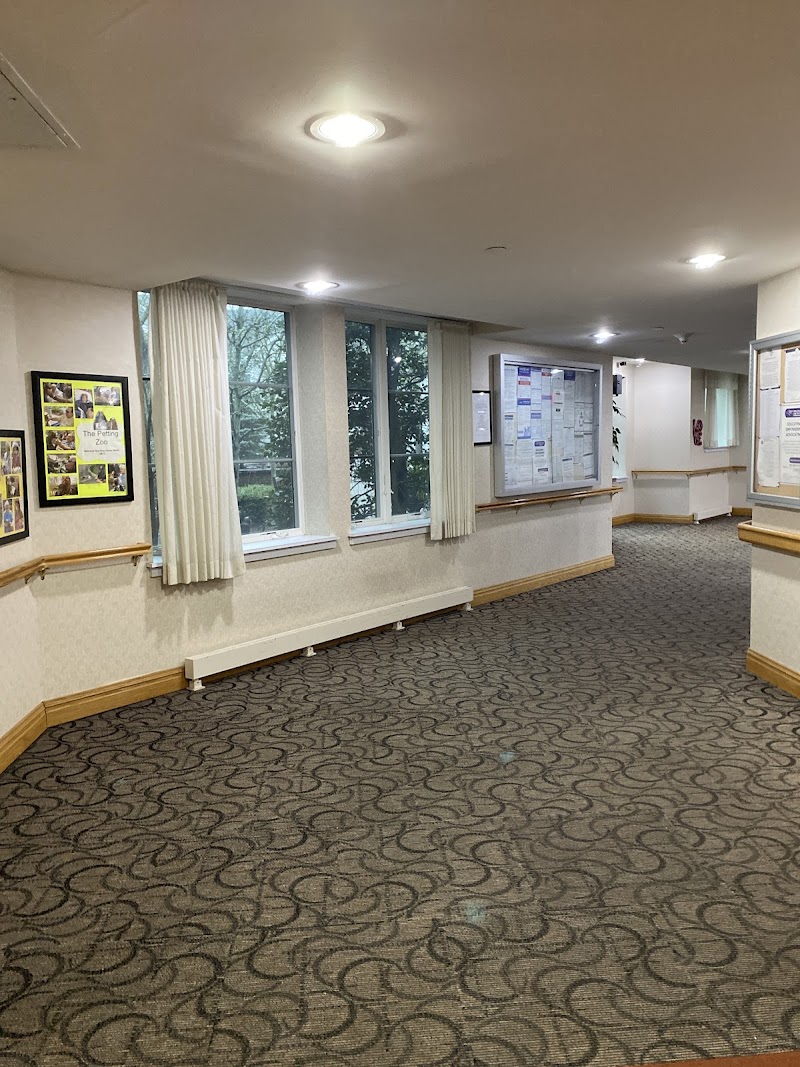
How is The Hamptons Center For Rehabilitation And Nursing Staffed?

CMS rates THE HAMPTONS CENTER FOR REHABILITATION AND NURSING's staffing level at 2 out of 5 stars, which is below average compared to other nursing homes. Staff turnover is 34%, compared to the New York average of 46%. This relatively stable workforce can support continuity of care.

What Have Inspectors Found at The Hamptons Center For Rehabilitation And Nursing?

State health inspectors documented 17 deficiencies at THE HAMPTONS CENTER FOR REHABILITATION AND NURSING during 2020 to 2025. These included: 16 with potential for harm and 1 minor or isolated issues.
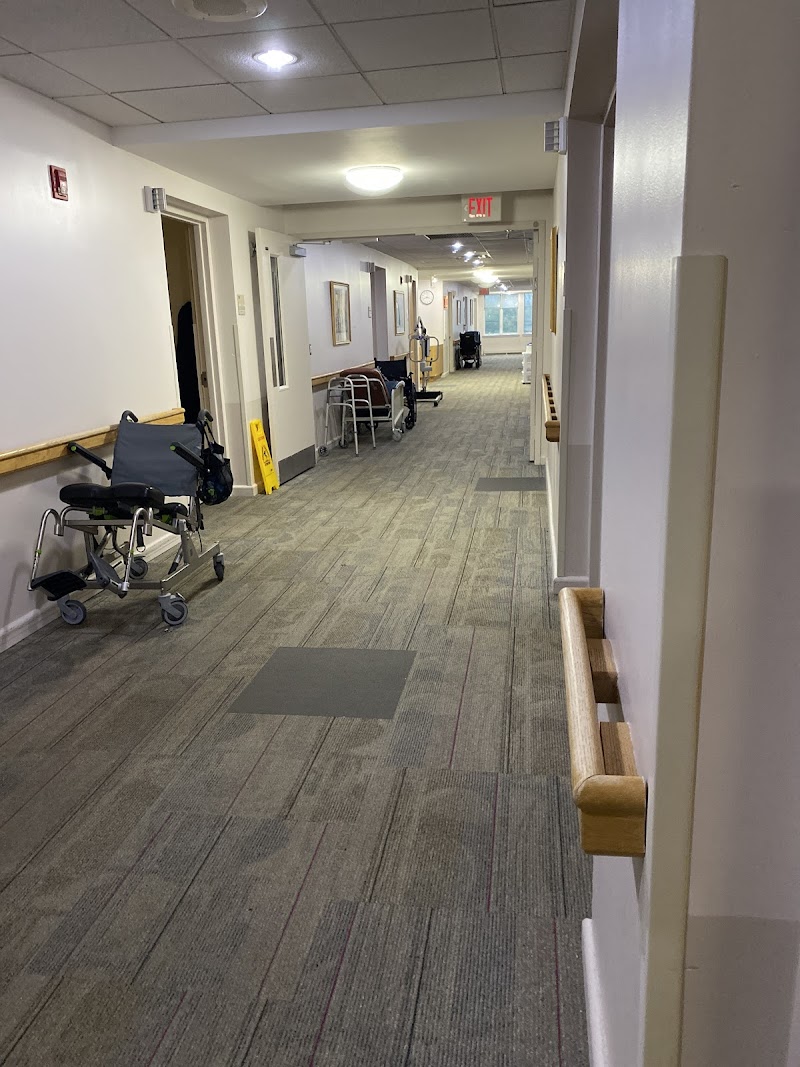
Who Owns and Operates The Hamptons Center For Rehabilitation And Nursing?

THE HAMPTONS CENTER FOR REHABILITATION AND NURSING is owned by a for-profit company. For-profit facilities operate as businesses with obligations to shareholders or private owners. The facility is operated by PHILOSOPHY CARE CENTERS, a chain that manages multiple nursing homes. With 280 certified beds and approximately 246 residents (about 88% occupancy), it is a large facility located in SOUTH HAMPTON, New York.
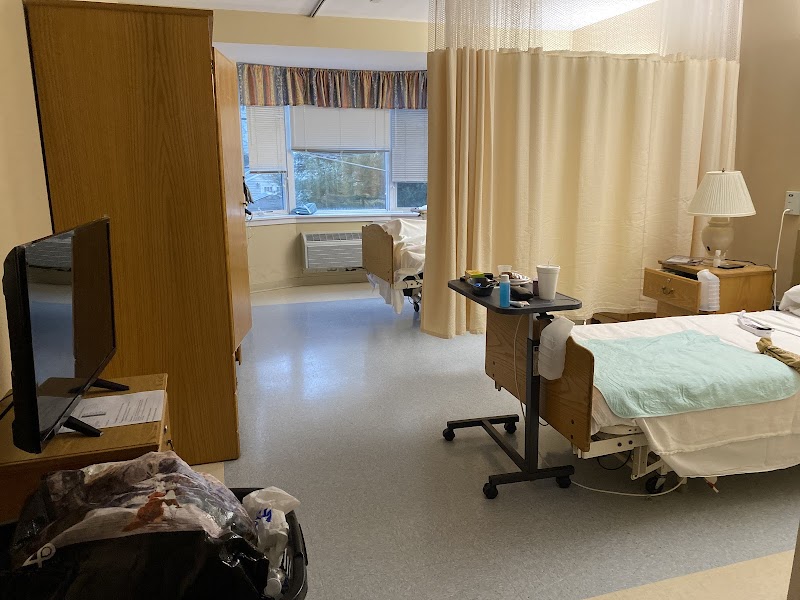
How Does The Hamptons Center For Rehabilitation And Nursing Compare to Other New York Nursing Homes?

Compared to the 100 nursing homes in New York, THE HAMPTONS CENTER FOR REHABILITATION AND NURSING's overall rating (3 stars) is below the state average of 3.1, staff turnover (34%) is significantly lower than the state average of 46%, and health inspection rating (3 stars) is at the national benchmark.

What Should Families Ask When Visiting The Hamptons Center For Rehabilitation And Nursing?

Based on this facility's data, families visiting should ask: "Can you walk me through typical staffing levels on day, evening, and night shifts?" "Can I visit during a mealtime to observe dining assistance and food quality?" "How do you handle medical emergencies, and what is your hospital transfer rate?" "Can I speak with family members of current residents about their experience?" These questions are particularly relevant given the below-average staffing rating.

Is The Hamptons Center For Rehabilitation And Nursing Safe?

Based on CMS inspection data, THE HAMPTONS CENTER FOR REHABILITATION AND NURSING has a clean safety record: no substantiated abuse findings (meaning no confirmed cases of resident harm), no Immediate Jeopardy citations (the most serious violation level indicating risk of serious injury or death), and is not on the Special Focus Facility watch list (a federal program monitoring the lowest-performing 1% of nursing homes). The facility has a 3-star overall rating and ranks #100 of 100 nursing homes in New York. While no facility is perfect, families should still ask about staff-to-resident ratios and recent inspection results during their visit.

Do Nurses at The Hamptons Center For Rehabilitation And Nursing Stick Around?

THE HAMPTONS CENTER FOR REHABILITATION AND NURSING has a staff turnover rate of 34%, which is about average for New York nursing homes (state average: 46%). Moderate turnover is common in nursing homes, but families should still ask about staff tenure and how the facility maintains care continuity when employees leave.

Was The Hamptons Center For Rehabilitation And Nursing Ever Fined?

THE HAMPTONS CENTER FOR REHABILITATION AND NURSING has no federal fines on record. CMS issues fines when nursing homes fail to meet care standards or don't correct problems found during inspections. The absence of fines suggests the facility has either maintained compliance or corrected any issues before penalties were assessed. This is a positive indicator, though families should still review recent inspection reports for the full picture.

Is The Hamptons Center For Rehabilitation And Nursing on Any Federal Watch List?

THE HAMPTONS CENTER FOR REHABILITATION AND NURSING is not on any federal watch list. The most significant is the Special Focus Facility (SFF) program, which identifies the bottom 1% of nursing homes nationally based on persistent, serious quality problems. Not being on this list means the facility has avoided the pattern of deficiencies that triggers enhanced federal oversight. This is a positive indicator, though families should still review the facility's inspection history directly.