Wedgewood Nursing and Rehabilitation Center
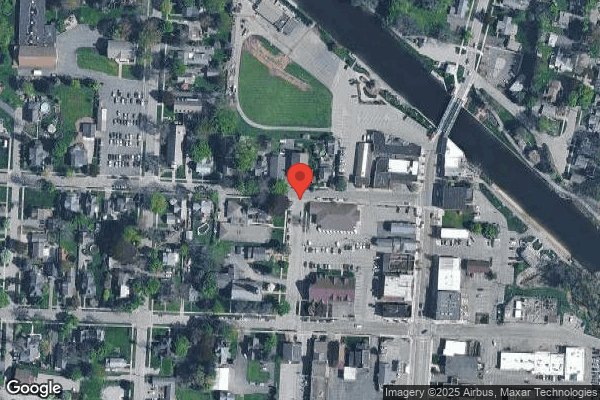
5 Church Street, Spencerport, NY 14559 (585) 352-4810
For profit - Partnership 29 Beds Independent Data: November 2025
Trust Grade
85/100
#133 of 594 in NY
Last Inspection: March 2024

Within standard 12-15 month inspection cycle. Federal law requires annual inspections.

Overview

Wedgewood Nursing and Rehabilitation Center has a Trust Grade of B+, indicating it is above average and recommended for families considering care options. With a state rank of #133 out of 594 facilities in New York, they are in the top half, while ranking #8 out of 31 in Monroe County means only seven facilities in the area are rated higher. Unfortunately, the facility's trend is worsening, with the number of issues increasing from 2 in 2023 to 3 in 2024. Staffing is a concern, with a 60% turnover rate that is significantly higher than the state average of 40%, which may affect care continuity. On a positive note, there are no fines on record, and the facility boasts excellent RN coverage, which is crucial for addressing potential health problems. However, there have been specific incidents noted in inspections. For example, the facility has not maintained safe water temperatures, with hot water exceeding acceptable limits and posing a burn risk for residents. Additionally, maintenance issues have been reported, including cracked floor tiles and inadequate heating during colder weather, which could compromise resident comfort and safety. Overall, while Wedgewood has some strengths, these maintenance and staffing concerns should be carefully considered by families researching care options.

Trust Score
B+
85/100
In New York
#133/594
Top 22%
Safety Record
Low Risk
No red flags
Inspections
Getting Worse
2 → 3 violations
Staff Stability
⚠ Watch
60% turnover. Above average. Higher turnover means staff may not know residents' routines.
Penalties
✓ Good
No fines on record. Clean compliance history, better than most New York facilities.
Skilled Nurses
○ Average
Each resident gets 39 minutes of Registered Nurse (RN) attention daily — about average for New York. RNs are the most trained staff who monitor for health changes.
Violations
○ Average
10 deficiencies on record. Average for a facility this size. Mostly minor or procedural issues.
★★★★★
5.0
Overall Rating
★★★☆☆
3.0
Staff Levels
★★★★★
5.0
Care Quality
★★★★☆
4.0
Inspection Score
Stable
2023: 2 issues
2024: 3 issues

The Good

  • 5-Star Quality Measures · Strong clinical quality outcomes
  • Full Sprinkler Coverage · Fire safety systems throughout facility
  • No fines on record

Facility shows strength in quality measures, fire safety.

The Bad

Staff Turnover: 60%

14pts above New York avg (46%)

Frequent staff changes - ask about care continuity

Staff turnover is elevated (60%)

12 points above New York average of 48%

The Ugly 10 deficiencies on record

Mar 2024 3 deficiencies
CONCERN (D)

Potential for Harm - no one hurt, but risky conditions existed

Incontinence Care (Tag F0690)

Could have caused harm · This affected 1 resident

Based on observation, interview, and record review conducted during the Recertification Survey the facility did not ensure that appropriate treatment and services were provided to prevent urinary trac...

Read full inspector narrative →
Based on observation, interview, and record review conducted during the Recertification Survey the facility did not ensure that appropriate treatment and services were provided to prevent urinary tract infections for a resident with an indwelling urinary catheter (tube inserted into the bladder to drain urine into a drainage bag) for one (Resident #10) of one resident reviewed. Specifically, Resident #10 had a history of urinary tract infections and was observed on multiple occasions with the urinary catheter drainage bag, catheter drainage port, and catheter tubing lying directly on the floor in the resident's room and in the therapy room. The finding is: The policy and procedure, Foley Catheter Care/Suprapubic Catheter Care, dated 11/7/18 documented the purpose of the procedure was to prevent catheter associated urinary tract infections. Additionally, the urinary drainage bag must be held or positioned lower than the bladder at all times to prevent the urine in the tubing and drainage bag from flowing back into the bladder, use standard precautions (infection prevention practices for all patient care, regardless of infection status) when handling or manipulating the drainage system and be sure the catheter tubing and drainage bag are kept off the floor. Resident #10 had diagnoses which included neuromuscular dysfunction of the bladder (bladder with diminished sensation), urinary retention (inability to voluntarily empty the bladder completely or partially), and a history of urinary tract infections. The Minimum Data Set (MDS - a resident assessment tool) dated 2/11/24 documented Resident #10 was cognitively intact and had an indwelling urinary catheter. The Comprehensive Care Plan documented that Resident #10 had an indwelling urinary catheter (date initiated 11/10/23), staff were to check the tubing for kinks every shift and monitor/record/report signs and symptoms of urinary tract infection. The undated Certified Nurse Assistant (CNA) care plan did not include any interventions for catheter care. The Physician Order, dated 3/14/24, included to change the urinary catheter drainage bag to gravity (maintain below level of bladder) as needed for urine collection and infection control. The Physician Progress Note, dated and signed by Medical Doctor (MD) #1 on 2/29/24, documented frequent urinary tract infections in setting of an indwelling catheter - recently treated for urinary tract infection. During observations on 3/12/24 at 9:10 AM, 11:53 AM, 12:42 PM, and 1:56 PM. Resident #10's urinary catheter drainage bag, catheter drainage port, and catheter tubing were observed lying directly on the floor of the resident's room. During an observation on 3/12/24 at 1:35 PM the catheter tubing was observed lying directly on the floor of the therapy room. During observations on 3/13/24 at 11:27 AM, on 3/14/24 at 9:30 AM and 11:27 AM, and on 3/15/24 at 7:30 AM, Resident #10's urinary catheter drainage bag, catheter drainage port and/or catheter tubing were observed lying directly on the floor of the resident's room. During an interview on 3/24/24 at 9:33 AM Certified Nurse Assistant (CNA) #3 stated the urinary catheter bag, port, and tubing should not directly touch the floor secondary to it increases the risk of infections. During an interview on 3/14/24 at 9:37 AM Licensed Practical Nurse (LPN) #1 stated the floor is considered dirty and the urinary catheter bag, port, and tubing should not directly touch the floor secondary to the increased risk of infections. During an interview on 3/14/24 at 9:42 AM the Registered Nurse (RN) Director of Nursing (DON) stated the floor is considered dirty and the urinary catheter bag, port, and tubing should not directly touch the floor secondary to the increased risk of infections. 10 NYCRR 415.12(d)(1)
CONCERN (E) 📢 Someone Reported This

A family member, employee, or ombudsman was alarmed enough to file a formal complaint

Potential for Harm - no one hurt, but risky conditions existed

Safe Environment (Tag F0584)

Could have caused harm · This affected multiple residents

**NOTE- TERMS IN BRACKETS HAVE BEEN EDITED TO PROTECT CONFIDENTIALITY** Based on observations, interviews, and record review conducted during a Recertification Survey it was determined that for five (...

Read full inspector narrative →
**NOTE- TERMS IN BRACKETS HAVE BEEN EDITED TO PROTECT CONFIDENTIALITY** Based on observations, interviews, and record review conducted during a Recertification Survey it was determined that for five (rooms # 11, 12, 15, 18, and 19) of 15 resident rooms and one of one shower room, the facility did not provide housekeeping and maintenance services necessary to maintain a safe, clean, comfortable, and homelike environment. Specifically, floor tiles were cracked and damaged, and hot water in a shower room was not maintained above 90 degrees Fahrenheit (°F). The findings are: The facility policy titled: 'Water Temperatures, Safety of' included that water heaters that service resident rooms, bathrooms, common areas, and tub/shower areas shall be set to temperatures of no more than 90°F (120 °C), or the maximum allowable temperature per state regulation. Observations on 3/11/24 at 9:32 AM included the floor tiles in resident rooms #12 and #15 had multiple chips and cracks throughout the room and at the door thresholds. In resident room [ROOM NUMBER] there were two approximately 12-inch by two-inch sections of the floor tile missing near the door. During an interview at this time the Director of Environmental Services stated that they believed that the flooring was going to be replaced. Observations on 3/11/24 from 10:30 AM to 11:52 AM included the floor tiles in resident rooms #11, #18, and #19 had multiple chips and cracks throughout the rooms and at the door thresholds. During a telephone interview on 3/11/24 at 11:11 AM, the Ombudsman (person who investigates, reports on, and helps resolve complaints usually through recommendations or mediation) stated they have received multiple resident complaints of the lack of hot water during showers and residents not receiving their showers due to the lack of hot water. Observations on 3/12/24 from 9:45 AM to 9:52 AM included the temperature of the hot water coming from the shower in the main bathing/shower room rapidly moved up and down from 66.3°F to 84.8 °F to 68.4 °F to 78.7 °F, and then stabilized at 78°F. A similar observation was made at this time in the hand washing sink in the shower room. Observations on 3/12/24 at 10:01 AM included the in-line temperature gauge at the mixing valve in the basement boiler room displayed temperatures ranging from 62°F to 80°F to 100°F and back down to 85°F over the span of less than a minute. During an interview at this time, a maintenance staff member stated that the laundry, kitchen, and water to resident rooms all come from the one hot water tank. The maintenance staff member also stated that they were not sure the last time the mixing valve was replaced and a vendor was coming in to replace it. During an interview on 3/12/24 at 10:40 AM, CNA #1 stated that sometimes the water in the shower room is too cold so they cannot give the shower. CNA #1 also stated that they would like to give showers when needed, but have to wait. During an interview on 3/12/24 at 1:48 PM, Resident #13 stated they had just received their shower, and the temperature of the water was cold during half of their shower. Additionally, Resident #13 stated that they (facility) said they (facility) had fixed the water temperatures, but they (facility) had not fixed the temperatures that well. 10NYCRR: 415.29, 415.29(f)(6), 415.29(j)(1)
CONCERN (E) 📢 Someone Reported This

A family member, employee, or ombudsman was alarmed enough to file a formal complaint

Potential for Harm - no one hurt, but risky conditions existed

Accident Prevention (Tag F0689)

Could have caused harm · This affected multiple residents

Based on observations, interviews, and record review conducted during the Recertification Survey, it was determined that for six (rooms #10, 12, 14, 16, 18, and 19) of 15 resident rooms, the facility ...

Read full inspector narrative →
Based on observations, interviews, and record review conducted during the Recertification Survey, it was determined that for six (rooms #10, 12, 14, 16, 18, and 19) of 15 resident rooms, the facility did not ensure that the resident environment remained free of accident hazards. Specifically, hot water temperatures exceeding 120 degrees Fahrenheit (°F) were accessible to residents at point of use locations. The findings are: The facility policy titled: 'Water Temperatures, Safety of' included that water heaters that service resident rooms, bathrooms, common areas, and tub/shower areas shall be set to temperatures of no more than 90°F (120 °C), or the maximum allowable temperature per state regulation. Observations on 3/11/24 at 9:44 AM included the in-line temperature gauge for outgoing water from the mixing valve located in the basement boiler room displayed a temperature of 130°F. During an interview at this time, the Director of Environmental Services stated that the hot water temperature should be 120°F or less, and that by the time the water gets to the unit it's usually lower. On 3/11/24 from 10:20 AM to 10:35 AM the following water temperatures were observed from handwashing sinks using an ExTech digital thermometer: 127.1°F in the shared bathroom between resident rooms #10 and# 12, 126.4°F in the shared bathroom between resident rooms #14 and #16, and 132.1°F in the shared bathroom between resident rooms #18 and #19. On 3/11/24 at 10:40 AM the surveyor verified that the ExTech digital thermometer was accurate using the ice-point method. The thermometer read 32.2°F after being placed in a cup of ice water. During an interview on 3/12/24 at 10:01 AM a maintenance staff member stated that the laundry, kitchen, and water to resident rooms all come from the one hot water tank. The maintenance staff member also stated that they were not sure the last time the mixing valve was replaced and a vendor was coming in to replace it. 10NYCRR: 415.12(h)(1), 415.29, 415.29(a), 415.29(f)(6)
Mar 2023 2 deficiencies
CONCERN (E) 📢 Someone Reported This

A family member, employee, or ombudsman was alarmed enough to file a formal complaint

Potential for Harm - no one hurt, but risky conditions existed

Safe Environment (Tag F0584)

Could have caused harm · This affected multiple residents

**NOTE- TERMS IN BRACKETS HAVE BEEN EDITED TO PROTECT CONFIDENTIALITY** Based on interviews and record review conducted during an Abbreviated Survey (#NY00310253 and #NY00311606) completed on 3/27/23,...

Read full inspector narrative →
**NOTE- TERMS IN BRACKETS HAVE BEEN EDITED TO PROTECT CONFIDENTIALITY** Based on interviews and record review conducted during an Abbreviated Survey (#NY00310253 and #NY00311606) completed on 3/27/23, it was determined that for one (first floor) of one resident use floor, the facility did not provide maintenance services necessary to maintain a comfortable interior. Specifically, ambient air temperatures in occupied areas of the facility were below 71 degrees (°) Fahrenheit (F), the heating system was impaired, and the facility lacked a back-up boiler or secondary heating source. The findings are: 1. Interviews and record review on 2/8/23 from 11:06 a.m. to 2:42 p.m. included the following: a) The Administrator stated that they had not had issues with cold temperatures at the facility until last Friday and Saturday (2/3/23 and 2/4/23) when the artic blast came. The Administrator stated that on Friday (2/3/23) temperatures in the facility were ranging from 63°F-72°F and from 68°F-73°F on Saturday (2/4/23). The Administrator stated that they were aware of the cold temperatures as they were in the building all day Friday when the cold temperatures were happening, that air temperatures in a nursing home should be between 71°F and 82°F, and that when it is windy outside there is issues with temperatures in the building. b) Review of facility log Air Temperatures provided by the Administrator via email included that temperatures were documented to be below 71°F in the locations described as either Thermostat #1, Thermostat #2, Dining Room or room [ROOM NUMBER] in the facility on 1/14/23 (lowest recorded 68°F), 1/26/23 (lowest recorded 68°F), 1/27/23 (lowest recorded 65°F), 1/28/23 (lowest recorded 68°F), 1/29/23 (lowest recorded 68°F), 1/31/23 (lowest recorded 68°F), 2/1/23 (lowest recorded 68°F), 2/2/23 (lowest recorded 68°F), 2/3/23 (lowest recorded 59°F), 2/4/23 (lowest recorded 48°F), 2/5/23 (lowest recorded 68°F), and 2/7/23 (lowest recorded 68°F). Further review of temperature logs included additional temperature recordings listing temperatures were documented to be below 71°F in the facility on 1/24/23 every hour from 6:00 a.m. to 2:00 p.m. (lowest recorded 63°F), on 1/25/23 every hour from 6:00 a.m. to 2:00 p.m. (lowest recorded 59°F), and on 1/27/23 every hour from 10:00 a.m. to 2:00 p.m. (lowest recorded 66°F). Additionally, there was a notation that on 1/24/23 and 1/25/23 that the boiler needed to be reset and on 2/4/23 that a vendor came to fix the pump. c) Review of the facility's Emergency Preparedness procedure for cold emergencies provided by the Administrator via email included that when the temperature goes below 71° F in house, they are to notify the Health Department if it is expected to last more than three hours. d) The Director of Maintenance and Environmental Services (DMES) stated that the regular air temperature logs are readings taken from thermostats in the facility with thermostat #1 located by the nurse's station and thermostat #2 located by the front entrance. The DMES stated that one boiler serves the entire facility, the boiler needs a bladder replaced and there is an issue with the transmitter and the solenoid, but they have not had the issues repaired because in order to fix them they would need to take the boiler off-line, and they wanted to wait for warmer temperatures outside. The DMES stated that when there is a concerning temperature which is below 70°F on the thermostats, they take more detailed room temperatures in occupied areas with an infrared gun and that if the temperature log notates boiler needs to be reset that it is related to the solenoid issue. The DMES stated that the issues with their boiler started either in the beginning of January or end of December and that there is no back-up boiler for the facility. e) The Administrator stated that they believed there was an issue with the solenoid for the boiler and they plan to shut down the boiler in late spring/summer as it needs to be shut off for repair and the facility does not have a back-up boiler. 2. Interviews and record review on 2/9/23 from 9:10 a.m. to 2:26 p.m. included the following: a) Review of facility log Air Temperatures provided by the DMES via email included that temperatures were documented below 71°F in the locations described as either Thermostat #1, Thermostat #2, Dining Room or room [ROOM NUMBER] in the facility on 12/15/22 (lowest recorded 65°F), 12/28/22 (lowest recorded 67°F), 1/7/23 (lowest recorded 68°F), 1/10/23 (lowest recorded 68°F), and 1/11/23 (lowest recorded 67°F). b) The DMES stated that on 12/15/22 they had to reset the boiler and believed that the reset had to do with the solenoid. c) A vendor service report dated 2/4/23 provided by the DMES via email included that the boiler's heating pump #1 was not working and that a new pump and motor assembly with new impeller was installed. 3. Review of an email from a facility vendor dated 2/10/23 included that the crane heating boiler needs to be updated, that the gas valve is obsolete and unreliable, the existing programmer is outdated and has original equipment which could possibly fail, and that they suggest installing updated programmer with diagnostics. 4. During an email interview on 2/10/23 at 1:51 p.m. the surveyor asked the DMES if they had any staff or residents complain about cold temperatures in the building the last couple months. The DMES replied yes and that they address the issue when it arises. 5. During a telephone interview on 3/29/23 at 12:05 p.m. the DMES stated that temperatures were 68°F at 7 a.m. on 2/26/23 and that they reset the boiler and temperatures returned to normal. 6. Review of facility log Air Temperatures provided by the DMES via email on 3/29/23 at 12:22 p.m. included that temperatures were documented to be below 71°F in the locations described as Thermostat #1, Thermostat #2, Dining Room and room [ROOM NUMBER] in the facility on 2/25/23 (lowest recorded 67°F) and 2/26/23 (lowest recorded 66°F). Further review of the log included that on 2/25/23 and 2/26/23 the boiler was reset. 10NYCRR: 415.29, 415.29(b), 415.29(h)1), 415.5(h)(4), 713-1.9(a), 713-1.9(b)
CONCERN (E) 📢 Someone Reported This

A family member, employee, or ombudsman was alarmed enough to file a formal complaint

Potential for Harm - no one hurt, but risky conditions existed

Deficiency F0836 (Tag F0836)

Could have caused harm · This affected multiple residents

**NOTE- TERMS IN BRACKETS HAVE BEEN EDITED TO PROTECT CONFIDENTIALITY** Based on interviews and record review conducted during an Abbreviated Survey (#NY00310253) completed on 3/27/23, it was determin...

Read full inspector narrative →
**NOTE- TERMS IN BRACKETS HAVE BEEN EDITED TO PROTECT CONFIDENTIALITY** Based on interviews and record review conducted during an Abbreviated Survey (#NY00310253) completed on 3/27/23, it was determined that for one (first floor) of one resident use floor, the facility did not operate in compliance with all applicable State regulations and codes. Specifically, the facility did not report to the New York State Department of Health (NYSDOH) an unintentional loss of heat occurring on five separate days with potential to affect resident care with no back-up system in place. The findings are: Interviews and record review on 2/8/23 from 11:06 a.m. to 2:42 p.m. included the following: a) The Administrator stated that they had not had issues with cold temperatures at the facility until last Friday and Saturday (2/3/23 and 2/4/23) when the arctic blast came. The Administrator further stated that on Friday (2/3/23) temperatures in the facility were ranging from 63°F-72°F and from 68°F-73°F on Saturday (2/4/23). Additionally, the Administrator stated: they were aware of the cold temperatures as they were in the building all day Friday when the cold temperatures were happening but did not report the issue to NYSDOH because they were new in their role and assumed that either their Corporate Maintenance Crew would report it or would tell them to report the situation. The Administrator stated that air temperatures in a nursing home should be between 71°F and 82°F and that when it is windy outside there are issues with temperatures in the building. The Administrator stated that they had gone through the facility in the days leading up to Friday (2/3/23) in preparation for the cold putting plastic up over areas where the cold could come in the building and that staff at the facility were passing out extra blankets and hot soup to residents on Friday (2/4/23). b) Review of facility log titled Air Temperatures provided by the Administrator via email included that temperatures were documented to be below 71°F in the locations described as either Thermostat #1, Thermostat #2, Dining Room or room [ROOM NUMBER] in the facility on 1/27/23 (lowest recorded 65°F), 2/3/23 (lowest recorded 59°F in the a.m. and 61° in the p.m.), and 2/4/23 (lowest recorded 48°F in the a.m. and 54°F in the p.m.). Further review of the log included additional temperature recordings on lined paper showing temperatures were documented to be below 71°F in the facility on 1/24/23 every hour from 6:00 a.m. to 2:00 p.m. (lowest recorded 63°F), on 1/25/23 every hour from 6:00 a.m. to 2:00 p.m. (lowest recorded 59°F), and on 1/27/23 every hour from 10:00 a.m. to 2:00 p.m. (lowest recorded 66°F). Additionally, there was a notation that on 1/24 and 1/25 that the boiler needed to be reset and on 2/4/23 that a vendor came to fix the pump. c) Review of the facility's Emergency Preparedness procedure for cold emergencies provided by the Administrator via email included that when the temperature goes below 71° F in house, they are to serve hot drinks and soups if feasible and they are to notify the Health Department if it is expected to last more than three hours. d) Review of facility form Disaster Drill for Cold Emergency dated 2/2/23 included the scenario that temperatures in the immediate area were going to be below zero for a couple days and that even with a functioning boiler, temperatures may get low inside while trying to meet the demand for heat. The action plan for this event included that staff will continue to dress residents warmly and with layers, will push hot beverages and warm blankets to residents, and that the plan will stay in place until temperatures return to normal. The conclusion for this event was that the action plan was kept in place until temperatures returned to normal 2/5/23. e) The Director of Maintenance and Environmental Services (DMES) stated that the regular air temperature logs are readings taken from thermostats in the facility with thermostat #1 located by the nurse's station and thermostat #2 located by the front entrance. The DMES stated that one boiler serves the entire facility, the boiler needs a bladder replaced and there is an issue with the transmitter and the solenoid, but they have not had the issues repaired because in order to fix them they would need to take the boiler off-line, and they wanted to wait for warmer temperatures outside. The DMES stated that when there is a concerning temperature which is below 70° on the thermostats, they take more detailed room temperatures in occupied areas with an infrared gun and that if the temperature log notates boiler needs to be reset that it is related to the solenoid issue. The DMES stated that the issues with their boiler started either in the beginning of January or end of December and that there is no back-up boiler for the facility. f) The Administrator stated that they believed there was an issue with the solenoid for the boiler and that they did not report the cold temperatures on 1/24/23, 1/25/23, and 1/27/23 to the NYSDOH because they are new and trying to wrap their head around everything. The New York State Incident Reporting Manual includes a Physical Environment section related to physical plant issues/loss of service and that the facility must report planned or unintentional loss of heat lasting or expecting to last more than 4-hours or when there is no back-up system in place. 10NYCRR: 415.29, 415.5(h)(4), 713-1.9(b), NYS Incident Reporting Manual pages 25-26
Jun 2022 2 deficiencies
CONCERN (E)

Potential for Harm - no one hurt, but risky conditions existed

Food Safety (Tag F0812)

Could have caused harm · This affected multiple residents

**NOTE- TERMS IN BRACKETS HAVE BEEN EDITED TO PROTECT CONFIDENTIALITY** Based on observations and interviews conducted during the Standard Recertification Survey completed on 6/17/22, it was determine...

Read full inspector narrative →
**NOTE- TERMS IN BRACKETS HAVE BEEN EDITED TO PROTECT CONFIDENTIALITY** Based on observations and interviews conducted during the Standard Recertification Survey completed on 6/17/22, it was determined that for one of one main kitchen, the facility did not store, prepare and distribute food in accordance with professional standards for food service safety. Specifically, there was a significant build-up of ice in a reach in freezer, sink plumbing was leaking, a freezer had a torn gasket, and a sink without an indirect drain was being used for food preparation. This is evidenced by the following: 1. Observations during the initial brief tour of the kitchen on 6/14/22 from 8:22 a.m. to approximately 9:22 a.m. revealed the following: a. A 'True' brand 2-door stand-up freezer had a significant accumulation of ice under the evaporator fans. b. The cold-water pipe for the single bay stainless steel prep sink was leaking, and this prep sink was covered with a metal plate. During an interview at this time the Food Service Director stated that they do not use the prep sink and acknowledged the leak dripping from the cold-water pipe. c. There was a small chest freezer with a torn gasket across the front lid of the unit. 2. On 6/15/22 from 9:07 a.m. to 10:25 a.m. the following was observed during a follow-up visit to the kitchen: a. The 2-door 'True' brand freezer had a significant accumulation of ice on the top shelf below the evaporator fans. Icicles were hanging from the top grate and extending down the shelves with ice down the back wall of the freezer. Ice was observed on multiple boxes and plastic packaging of frozen food items. An open box with open packaging of Breaded [NAME] rectangles had ice in the box. A bag of French fries and breaded chicken patties was also opened beneath the icicles under the evaporator fans. The food items were voluntarily discarded by a kitchen worker. Also observed below the ice build-up were two large tubes of ground beef frozen to the bottom of the freezer in about ½-inch of clear ice. b. During an interview, the food service director (FSD) stated that the maintenance director was contacted about the freezer, and they would assess it. The FSD also stated that the leak from the stainless-steel food prep sink was turned off by maintenance. When asked where food was defrosted the FSD stated they use the right bay of the 2- bay sink. The 2-bay sink was observed to be labeled as 'wash', and was not equipped with an indirect drain. 10NYCRR: 415.14(h), 10NYCRR: 14-1.10(1), 14-1.31(a), 14-1.95, 14-1.140(a), 14-1.141, U.S. Food and Drug Administration's (FDA) Food Code, Centers for Disease Control and Prevention's (CDC) food safety guidance
MINOR (B)

Minor Issue - procedural, no safety impact

Deficiency F0625 (Tag F0625)

Minor procedural issue · This affected multiple residents

**NOTE- TERMS IN BRACKETS HAVE BEEN EDITED TO PROTECT CONFIDENTIALITY** Based on interviews and record reviews conducted during the Recertification Survey completed on 6/17/22, it was determined that ...

Read full inspector narrative →
**NOTE- TERMS IN BRACKETS HAVE BEEN EDITED TO PROTECT CONFIDENTIALITY** Based on interviews and record reviews conducted during the Recertification Survey completed on 6/17/22, it was determined that the facility did not ensure a written notification, which specifies the duration of the bed-hold policy, was provided to the resident and/or the resident representative at the time of transfer to the hospital. This is evidenced by the following: Resident #123 was admitted to the facility on [DATE] and had diagnoses including diabetes, hypertension and chronic pain. In a nursing progress note dated 4/29/22, the Registered Nurse documented that Resident #123 was confused and alert and oriented to name only. In a nursing progress note, dated 4/29/22 at 10:39 a.m., the Director of Nursing documented that Resident #123's blood glucose (bg) was consistently recording as high, that the Nurse Practitioner was notified and instructed to send Resident #123 to the hospital as the facility was unable to control the resident's bg. The resident was transferred to the hospital and did not return to the facility. During an interview on 6/17/22 at 1:05 p.m., the Social Worker (SW) stated that the facility does not provide bed-holds for Medicaid recipients and that only private pay individuals receive a bed-hold notice. The SW stated that admissions staff is responsible for issuing the bed-hold notifications and that Resident #123 was not offered a bed-hold because the resident's family had said they did not want to return. During a combined interview on 6/17/22 at 2:01 p.m., with the Administrator and [NAME] President of Clinical Operations, the Administrator stated if a resident is a Medicaid recipient, they would not be issued the bed-hold notification. The [NAME] President of Clinical Operations stated that Medicare and private pay residents are issued the bed-hold policy upon admission and if they are transferred to the hospital then the facility's admission staff would call the resident representative to inquire if they want a bed-hold. The facility was unable to provide documentation that the bed hold policy was provided in writing or verbally to the resident or resident representative. The Admissions representative was not available for an interview. [10 NYCRR 415.3(h)(4)(i)(a)]
Mar 2020 3 deficiencies
CONCERN (D)

Potential for Harm - no one hurt, but risky conditions existed

Deficiency F0804 (Tag F0804)

Could have caused harm · This affected 1 resident

Based on observations and interviews conducted during the Recertification Survey, it was determined that for one of one main kitchen, the facility did not provide food that was palatable, attractive, ...

Read full inspector narrative →
Based on observations and interviews conducted during the Recertification Survey, it was determined that for one of one main kitchen, the facility did not provide food that was palatable, attractive, or at an appetizing temperature. Specifically, the [NAME] did not follow the menu or the recipe for the main entrée of chicken and biscuits. This is evidenced by the following: The facility provided the lunch menu and recipe for the chicken and biscuits for lunch on 3/1/20. Make one pouch of chicken gravy, add one bag of cooked, diced chicken, and three cups of mixed vegetables and heat until 165 degrees Fahrenheit. Serve over a warm biscuit, split in half. The remaining items for the meal were capri blend vegetables, fruit cocktail, and banana cream pie for dessert. During an observation of the lunch meal on 3/1/20 at 12:34 p.m. and 1:05 p.m. in the main dining room, the residents had been served biscuits and diced chicken with no gravy or vegetables in the chicken and biscuit entrée. Seven of ten residents did not eat the chicken, and three residents said that the chicken was not good. When interviewed at that time, the Licensed Practical Nurse said that she was not sure what was on the plate and proceeded to cut into the food item. She said that was a biscuit, but she had never seen a biscuit look that way. She said there was no gravy over the chicken and biscuits. During an interview on 3/1/20 at 1:00 p.m., with the [NAME] and Food Service Director, the [NAME] said that he chopped up the chicken from the freezer, cooked it in oil, and added a little seasoning. The [NAME] said that he did not use gravy because sometimes the residents complain about it being lumpy. He said he made the biscuits from buttermilk biscuit mix, and maybe he should have added baking powder because the biscuits came out like pancakes. He said that he did not use mixed vegetables in the chicken and biscuit recipe because there were capri blend vegetables on the plate. He said instead of fruit cocktail the residents received chocolate cake. The Food Service Director said that there were biscuits in the freezer to bake and that banana cream pie was supposed to be the dessert. She said that the [NAME] made a mistake in the scheduled meals and should have followed the recipe. [10 NYCRR 415.14(d)(1)(2)]
CONCERN (D)

Potential for Harm - no one hurt, but risky conditions existed

Food Safety (Tag F0812)

Could have caused harm · This affected 1 resident

Based on observations and interviews conducted during the Recertification Survey, it was determined for one of one main kitchen the facility did not store, distribute, or serve food under sanitary con...

Read full inspector narrative →
Based on observations and interviews conducted during the Recertification Survey, it was determined for one of one main kitchen the facility did not store, distribute, or serve food under sanitary conditions. The issues included a defective rinse temperature gauge on the dish washing machine, frozen packages opened and undated, and items stored on the floor in the dry storage room. This is evidenced by the following: During the initial tour of the kitchen on 3/1/20 at 9:20 a.m., there were three racks of bread, three cases of paper and plastic plates, and two cases of V-8 juice stored on the floor in the dried storage room. There were opened and undated frozen items in the freezer including cubed chicken meat patties, hotdogs, cheese raviolis, and undated cooked bacon. In an observation at 12:00 p.m., the rinse temperature gauge was not working. The vendor work order, dated 10/18/19, revealed that the dish washing machine rinse temperature gauge was defective and needed to be replaced. The facility did not have a log that recorded the dish washing machine rinse temperatures. When interviewed on 3/2/20 at 3:36 p.m., the Food Service Director said that items should not be stored on the floor, and opened packages and cooked food should be dated. She said the [NAME] was responsible for proper food storage. She said the dish washing machine was not functioning correctly. She said the rinse temperature gauge on the dish washing machine was broken. She said the staff did not know if the dish washing machine rinse temperatures were adequate. She said the Dietary Aide reported that the dish washing machine used to register 190 degrees Fahrenheit. She said the last time the vendor came in (10/18/19), the facility knew the gauge was broken, but it was not replaced because it had not been authorized to be fixed. [10 NYCRR 415.14 (h), Subpart 14-1.43(a), 14-1.110, 14-1.113]
CONCERN (D)

Potential for Harm - no one hurt, but risky conditions existed

Medical Records (Tag F0842)

Could have caused harm · This affected 1 resident

Based on observations and interviews conducted during the Recertification Survey, it was determined that the facility did not safeguard medical record information against loss, destruction or unauthor...

Read full inspector narrative →
Based on observations and interviews conducted during the Recertification Survey, it was determined that the facility did not safeguard medical record information against loss, destruction or unauthorized use. Specifically, medical records were not secured. This is evidenced by the following: In observations throughout the day on 3/1/20 and 3/2/20, there were three unlocked file cabinets that contained medical records located in an area near the main entrance of the facility that was accessible to anyone. There were also medical records on top of the file cabinets and on the floor near the cabinets. Interviews conducted on 3/2/20 included the following: a. At 8:50 a.m., the Licensed Practical Nurse stated the filing cabinets have been stored in that entry way area for several months. She said the fire panel was alarming one day and several medical records were knocked all over the floor. b. At 8:53 a.m., the Administrator said the receptionist was responsible for the storage and maintenance of the medical records. He observed the stacks of medical records and unlocked file cabinets, and stated it was on his to do list. The Administrator said the medical records should be organized and the file cabinets should be locked. The Administrator stated that anyone could have access to the medical records. c. At 9:32 a.m., the receptionist stated she did not know that the medical records needed to be secured. She said the discharged resident medical records have always been stored in that entry way area by the door. She said there was nowhere else to store the medical records. [10 NYCRR 415.22(c)]
Understanding Severity Codes (click to expand)
Life-Threatening (Immediate Jeopardy)
J - Isolated K - Pattern L - Widespread
Actual Harm
G - Isolated H - Pattern I - Widespread
Potential for Harm
D - Isolated E - Pattern F - Widespread
No Harm (Minor)
A - Isolated B - Pattern C - Widespread

Questions to Ask on Your Visit

  • "Why is there high staff turnover? How do you retain staff?"
  • "Can I speak with families of current residents?"
  • "What's your RN coverage like on weekends and overnight?"

Our Honest Assessment

Strengths
  • • Grade B+ (85/100). Above average facility, better than most options in New York.
  • • No major safety red flags. No abuse findings, life-threatening violations, or SFF status.
  • • No fines on record. Clean compliance history, better than most New York facilities.
Concerns
  • • 60% turnover. Above average. Higher turnover means staff may not know residents' routines.
Bottom line: Generally positive indicators. Standard due diligence and a personal visit recommended.

About This Facility

What is Wedgewood Nursing And Rehabilitation Center's CMS Rating?

CMS assigns Wedgewood Nursing and Rehabilitation Center an overall rating of 5 out of 5 stars, which is considered much above average nationally. Within New York, this rating places the facility higher than 99% of the state's 100 nursing homes. This rating reflects solid performance across the metrics CMS uses to evaluate nursing home quality.

How is Wedgewood Nursing And Rehabilitation Center Staffed?

CMS rates Wedgewood Nursing and Rehabilitation Center's staffing level at 3 out of 5 stars, which is average compared to other nursing homes. Staff turnover is 60%, which is 14 percentage points above the New York average of 46%. High turnover can affect care consistency as new staff learn residents' individual needs.

What Have Inspectors Found at Wedgewood Nursing And Rehabilitation Center?

State health inspectors documented 10 deficiencies at Wedgewood Nursing and Rehabilitation Center during 2020 to 2024. These included: 9 with potential for harm and 1 minor or isolated issues.

Who Owns and Operates Wedgewood Nursing And Rehabilitation Center?

Wedgewood Nursing and Rehabilitation Center is owned by a for-profit company. For-profit facilities operate as businesses with obligations to shareholders or private owners. The facility operates independently rather than as part of a larger chain. With 29 certified beds and approximately 27 residents (about 93% occupancy), it is a smaller facility located in Spencerport, New York.

How Does Wedgewood Nursing And Rehabilitation Center Compare to Other New York Nursing Homes?

Compared to the 100 nursing homes in New York, Wedgewood Nursing and Rehabilitation Center's overall rating (5 stars) is above the state average of 3.1, staff turnover (60%) is significantly higher than the state average of 46%, and health inspection rating (4 stars) is above the national benchmark.

What Should Families Ask When Visiting Wedgewood Nursing And Rehabilitation Center?

Based on this facility's data, families visiting should ask: "How do you ensure continuity of care given staff turnover, and what is your staff retention strategy?" "Can I visit during a mealtime to observe dining assistance and food quality?" "How do you handle medical emergencies, and what is your hospital transfer rate?" "Can I speak with family members of current residents about their experience?" These questions are particularly relevant given the facility's high staff turnover rate.

Is Wedgewood Nursing And Rehabilitation Center Safe?

Based on CMS inspection data, Wedgewood Nursing and Rehabilitation Center has a clean safety record: no substantiated abuse findings (meaning no confirmed cases of resident harm), no Immediate Jeopardy citations (the most serious violation level indicating risk of serious injury or death), and is not on the Special Focus Facility watch list (a federal program monitoring the lowest-performing 1% of nursing homes). The facility has a 5-star overall rating and ranks #1 of 100 nursing homes in New York. While no facility is perfect, families should still ask about staff-to-resident ratios and recent inspection results during their visit.

Do Nurses at Wedgewood Nursing And Rehabilitation Center Stick Around?

Staff turnover at Wedgewood Nursing and Rehabilitation Center is high. At 60%, the facility is 14 percentage points above the New York average of 46%. High turnover means new staff may not know residents' individual needs, medications, or preferences. It can also be disorienting for residents, especially those with dementia who rely on familiar faces. Families should ask: What is causing the turnover? What retention programs are in place? How do you ensure care continuity during staff transitions?

Was Wedgewood Nursing And Rehabilitation Center Ever Fined?

Wedgewood Nursing and Rehabilitation Center has no federal fines on record. CMS issues fines when nursing homes fail to meet care standards or don't correct problems found during inspections. The absence of fines suggests the facility has either maintained compliance or corrected any issues before penalties were assessed. This is a positive indicator, though families should still review recent inspection reports for the full picture.

Is Wedgewood Nursing And Rehabilitation Center on Any Federal Watch List?

Wedgewood Nursing and Rehabilitation Center is not on any federal watch list. The most significant is the Special Focus Facility (SFF) program, which identifies the bottom 1% of nursing homes nationally based on persistent, serious quality problems. Not being on this list means the facility has avoided the pattern of deficiencies that triggers enhanced federal oversight. This is a positive indicator, though families should still review the facility's inspection history directly.