FIDDLERS GREEN MANOR REHAB AND NURSING CENTER
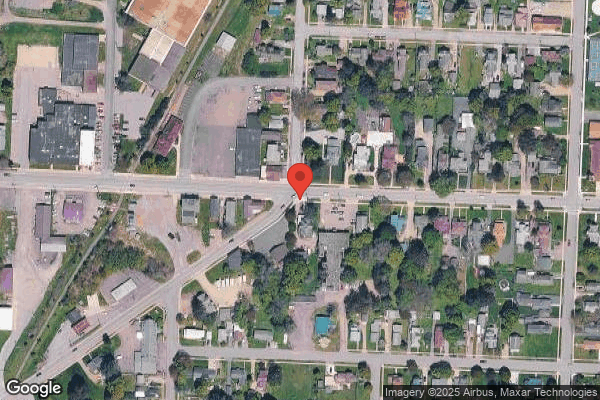
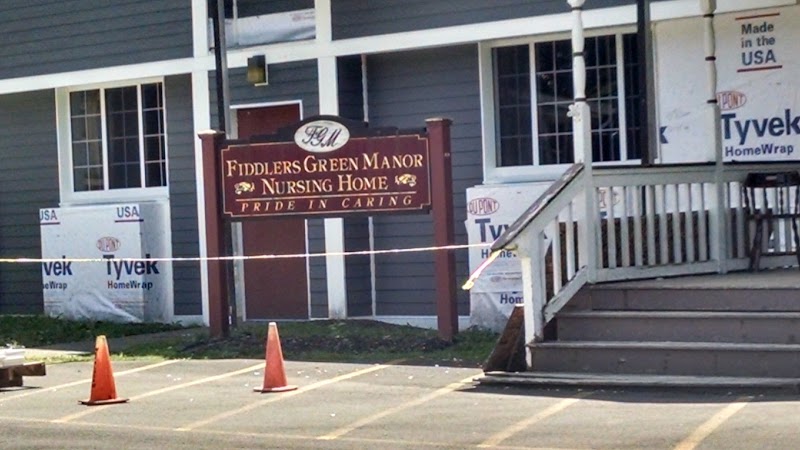
168 WEST MAIN STREET, SPRINGVILLE, NY 14141 (716) 592-4781
For profit - Corporation 82 Beds THE SHERMAN FAMILY Data: November 2025
Trust Grade
90/100
#36 of 594 in NY
Last Inspection: April 2024

Within standard 12-15 month inspection cycle. Federal law requires annual inspections.

Overview

Fiddlers Green Manor Rehab and Nursing Center in Springville, New York, has received a Trust Grade of A, which indicates an excellent reputation and high recommendation among similar facilities. It ranks #36 out of 594 nursing homes in New York, placing it in the top half of the state, and #6 out of 35 in Erie County, meaning only five local options are better. The facility is improving, with the number of identified issues decreasing from two in 2022 to one in 2024. However, staffing is a concern, with a rating of 2 out of 5 stars and a turnover rate of 49%, which is average for the state. Notably, there have been serious incidents, including a failure to protect residents from sexual abuse and issues with personal hygiene care, indicating that while the facility has strengths, there are significant areas that need attention.

Trust Score
A
90/100
In New York
#36/594
Top 6%
Safety Record
Low Risk
No red flags
Inspections
Getting Better
2 → 1 violations
Staff Stability
⚠ Watch
49% turnover. Above average. Higher turnover means staff may not know residents' routines.
Penalties
✓ Good
No fines on record. Clean compliance history, better than most New York facilities.
Skilled Nurses
⚠ Watch
Each resident gets only 25 minutes of Registered Nurse (RN) attention daily — below average for New York. Fewer RN minutes means fewer trained eyes watching for problems.
Violations
✓ Good
Only 5 deficiencies on record. Cleaner than most facilities. Minor issues only.
★★★★★
5.0
Overall Rating
★★☆☆☆
2.0
Staff Levels
★★★★☆
4.0
Care Quality
★★★★★
5.0
Inspection Score
Stable
2022: 2 issues
2024: 1 issues

The Good

  • 4-Star Quality Measures · Strong clinical quality outcomes
  • Full Sprinkler Coverage · Fire safety systems throughout facility
  • No fines on record

Facility shows strength in quality measures, fire safety.

The Bad

Staff Turnover: 49%

Near New York avg (46%)

Higher turnover may affect care consistency

Chain: THE SHERMAN FAMILY

Part of a multi-facility chain

Ask about local staffing decisions and management

The Ugly 5 deficiencies on record

Apr 2024 1 deficiency
CONCERN (D) 📢 Someone Reported This

A family member, employee, or ombudsman was alarmed enough to file a formal complaint

Potential for Harm - no one hurt, but risky conditions existed

Free from Abuse/Neglect (Tag F0600)

Could have caused harm · This affected 1 resident

**NOTE- TERMS IN BRACKETS HAVE BEEN EDITED TO PROTECT CONFIDENTIALITY** Based on observation, interview, and record review conducted during a Complaint investigation (Complaint #NY00307069) during the...

Read full inspector narrative →
**NOTE- TERMS IN BRACKETS HAVE BEEN EDITED TO PROTECT CONFIDENTIALITY** Based on observation, interview, and record review conducted during a Complaint investigation (Complaint #NY00307069) during the Standard survey completed on 4/16/24, the facility did not protect the resident's right to be free from sexual abuse for two (Resident's #22 &53) of three residents reviewed. Specifically, Resident #53 was observed by staff engaged in non-consensual sexual contact with Resident #22. The finding is: The policy and procedure titled Abuse Prevention Program revised 12/16 documented our residents have the right to be free from abuse. This includes but was not limited sexual abuse. As part of the resident abuse prevention, the administration will: protect our residents from abuse from facility staff, other residents, consultants, volunteers, staff from other agencies, family members, legal representatives, friends, visitors, or any other individual. The policy and procedure titled Abuse and Neglect-Clinical Protocol revised 3/18 documented that sexual abuse was defined as non-consensual sexual contact of any type with a resident. Resident #53 had diagnoses that included Parkinson's Disease (brain disorder that cause unintended and uncontrollable movements), sleep disorder, and mood disorder. The Minimum Data Set, dated [DATE], documented Resident #53 was understood, understands, and was cognitively intact. The comprehensive care plan revised 8/22/22 (current at the time of alleged abuse) documented Resident #53 ambulated independently with a rollator walker, and was independent for meeting their emotional, physical, and social needs. Interventions included supervision during activity programs due to prior legal convictions; staff to monitor for any behavior problems related to history of prior convictions and no unsupervised outside appointments. The [NAME] (guide used by staff to provide care) with an as of date of 12/16/22 documented Resident #53 was independent with transfers and ambulation using a rolling walker. Resident #22 had diagnoses that included schizophrenia, bipolar, and dementia. The Minimum Data Set (MDS- a resident assessment tool) dated 10/10/22, documented Resident #1 was understood, usually understands, and had severe cognitive impairment. The comprehensive care plan dated 8/21/18 documented Resident #22 had impaired thought processes due to dementia. Resident #22 was dependent on staff for meeting emotional, intellectual, physical, and social needs. Review of the nursing progress notes dated 12/15/22 at 5:00 PM, Licensed Practical Nurse #1 documented that Certified Nurse Aide #1 observed Resident #53 with their hands under Resident #22's gown near their chest area. Residents #22 and #53 were immediately separated. Resident #53 denied that they had their hands in Resident #22's gown to Licensed Practical Nurse #1. Review of the investigation summary dated 12/15/22 documented Resident #53 was witnessed by Certified Nurse Aide #1 with their hands under Resident #22's shirt. Resident #22 stated Resident #53 was playing with my breasts. Resident #53 denied touching Resident #22 at the time of the incident and later stated they did touch Resident #22 inappropriately. Review of the Police Report Sex Offense Investigation dated 12/15/22 documented at 6:03 PM a forcible touching incident occurred between Resident's #22 and #53. Certified Nurse Aide #1 witnessed the incident. Resident #22 was moved from the 2nd floor to the 1st floor to keep them away from Resident #53. Certified Nurse Aide #1 stated they went to a common room on the 2nd floor where they saw Resident #53 behind Resident #22 (who was in a wheelchair), reaching into Resident #22's hospital gown up to Resident #53's shoulders with their hands over Resident #22's breast area. Resident #22 was interviewed and had to be brought back continually to the subject matter and relayed they were sexually abused throughout their childhood. Resident #22 stated they did not ask Resident #53 to touch them. Resident #53 squeezed Resident #22's breasts. Resident #53 stated they were giving Resident #22 a massage and may have touched the breast by accident. During an observation and interview on 4/9/24 at 10:22 AM, Resident #22 self-propelled their wheelchair to their room. Resident #22 had no recall of the incident and stated they had no inappropriate contact with other residents at the facility. During observation and interview on 4/10/24 at 11:45 AM, Resident #53 was sitting at the bedside and stated they were never involved with inappropriate contact with other residents. Resident #53 was also observed walking with staff. During a telephone interview on 4/12/24 at 9:37 AM, Licensed Practical Nurse #1 stated Certified Nurse Aide #1 reported they had witnessed Resident #53's hands under Resident #22's hospital gown at 5:00 PM in the resident dining room. There were no other residents in the dining room at the time of the incident. Supper was delivered to resident rooms which left the dining room unattended by staff. Licensed Practical Nurse #1 reported the incident to the Director of Nursing. During a telephone interview on 4/15/24 at 11:23 AM, (the former) Social Worker #2 stated at the time of the incident (12/15/22) Resident #53 ambulated independently with a rollator walker and was cognitively intact. Resident #22 lacked capacity and did not know right from wrong. Resident #22 couldn't consent. Social worker #2 stated, Resident #53 was witnessed to touch Resident #22's breasts and that was considered sexual abuse. During a telephone interview on 4/15/24 at 10:48 AM, Certified Nurse Aide #2 stated Resident #53 was out of their room on 12/15/22 more than usual, however, they did not think much of it at that time. During a telephone interview on 4/15/24 at 12:20 PM, Certified Nurse Aide #1 stated on 12/15/22 between the hours of 2:00 PM - 5:00 PM they noticed Resident #53 was acting strange and was seeking out Resident #22. Certified Nurse Aide #1 stated Resident #53 was out of their room more than usual that day. Certified Nurse Aide #1 stated they came out of another resident's room and noticed Resident #53 pacing back and forth with a smirk on their face. Certified Nurse Aide #1 didn't think anything of it. Certified Nurse Aide #1 stated they saw Resident #53 walk into the dining room. A few minutes later they went to check and that was when they saw Resident #53 standing behind Resident #22 who was seated in wheelchair at the table with their hands through arm holes of Resident #22's gown. Resident #53 was touching Resident #22's chest area. Resident #53 had a weird look on their face as if they knew I saw something that I shouldn't have seen. Certified Nurse Aide #1 intervened and informed Licensed Practical Nurse #1. Certified Nurse Aide #1 stated something was odd and they should have provided more supervision and deterred Resident #53 from entering the dining room sooner but did not. Resident #22 had dementia, could not consent to being touched, therefore was sexual abuse. During an interview on 4/15/24 at 1:44 PM, Certified Nurse Aide #3 stated Resident #53 spent time in their room and attended activities. Increased supervision was provided during activities. When Resident #53 was not attending activities, staff just kept eyes on them. Certified Nurse Aide #3 stated there was no specific monitoring system in place for certified nurse aides to document Resident #53's location. Resident #53 ambulated independently with a rollator walker and could enter other resident rooms on the unit. During an interview on 4/16/24 at 8:53 AM, the (current) Social Worker #1 stated they knew of Resident #53's past legal convictions and would have expected to have been made aware of the sexual abuse history that had occurred between Resident #53 and Resident #22. Social Worker #1 stated Licensed Practical Nurse #4 kept an eye on Resident #53 during the day. In the absence of Licensed Practical Nurse #4, nursing staff monitored Resident #53's where abouts. Social Worker #1 stated they would have expected a more person-centered plan and specific interventions to monitor Resident #53's interactions with other residents more closely. During an interview on 4/16/24 at 9:13 AM, the Director of Nursing stated staff were educated and empowered with awareness on Resident #53's behaviors. The facility had vulnerable residents and was incapable for providing direct supervision for Resident #53. If there was a situation on the unit and staff were attending other residents there was the potential Resident #53, could get into another resident's room without staff's knowledge. The process for monitoring was not good, Resident #22 was moved to another unit. There was no system in place which prevented other vulnerable residents from being at risk. The Director of Nursing stated the facilities investigation into the 12/15/22 incident on between Resident #53 and #22 had concluded sexual abuse occurred. During an interview on 4/16/24 at 10:22 AM, Licensed Practical Nurse #2 stated they redirected Resident #53 when they ambulated in the wrong direction and entered other resident rooms. Staff on the unit were responsible to monitor Resident #53's location. There was no specific system in place for accountability or place to documented Resident 53's whereabouts on a consistent basis. During an interview on 4/16/24 at 10:24 AM, Licensed Practical Nurse #4 Unit Manager stated Resident #53 could potentially enter other resident's rooms, on the unit. Licensed Practical Nurse #4, Unit Manager stated there were no other means of providing increased supervision towards preventing further occurrence other than redirection and there was no documented evidence of ongoing monitoring to prevent reoccurrence. During an interview on 4/16/24 at 10:59 AM, the Administrator stated there was no video surveillance from the incident on 12/15/22. The incident that occurred between Resident #53 and Resident #22 was determined to be sexual abuse. During a telephone interview on 4/16/24 at 12:05 PM, the Medical Director stated Resident # 22 lacked capacity, was unable to consent, therefore the incident on 12/15/22 was sexual abuse. 10 NYCRR 415.3(d)(1)(vii)
Aug 2022 2 deficiencies
CONCERN (D)

Potential for Harm - no one hurt, but risky conditions existed

ADL Care (Tag F0677)

Could have caused harm · This affected 1 resident

Based on observation, interview, and record review conducted during a Standard survey started on 8/4/22 and completed on 8/11/22, the facility did not ensure that each resident who was unable to carry...

Read full inspector narrative →
Based on observation, interview, and record review conducted during a Standard survey started on 8/4/22 and completed on 8/11/22, the facility did not ensure that each resident who was unable to carry out Activities of Daily Living (ADL's) received the necessary services to maintain grooming and personal hygiene. Specifically, two (Residents #40 and #4) of two residents reviewed for ADL's had long, jagged, and dirty fingernails. The finding is: The facility policy and procedure (P&P) titled Care of Fingernails/Toenails revised October 2010 documented the purpose of this procedure are to clean the nail bed, to keep nails trimmed, and to prevent infections. Nail care included daily cleaning and regular trimming. Proper nail care can aid in the prevention of skin problems around the nail bed. Trimmed and smooth nails prevent the resident from accidentally scratching and injuring his or her skin. 1. Resident #40 had diagnoses that included cerebral infarction (stroke), hemiplegia (paralysis on one side of body) affecting left dominant side, and contracture (loss of joint mobility) of muscle to left upper arm. The Minimum Data Set (MDS-a resident assessment tool) dated 6/2/22 documented Resident #40 had moderate cognitive impairment, was understood, and understands. In addition, Resident #40 required extensive assistance for personal hygiene. During intermittent observations on 8/4/22 at 9:55 AM, 8/8/22 at 8:04 AM and 1:40 PM, and 8/9/22 at 11:41 AM and 3:30 PM, revealed Resident #40's fingernails on both hands were long (over the tips of the fingers), fingernails on the right hand were dirty with brown debris, and jagged. During an interview on 8/4/22 at 9:55 AM, Resident #40 stated they did not like their nails long and was unable to trim them by themselves. During an interview on 8/9/22 at 3:30 PM, Certified Nurse Aide (CNA) #1 stated Resident #40 required assistance with ADL's (activities of daily living) and nail care would need to be provided to Resident #40. CNA #1 stated nail care was done on shower days or upon resident request by the CNAs, if the resident was not a diabetic. Additionally, during observation of the residents fingernails at this time, CNA #1 stated that Resident #40s fingernails were long, some were soiled and needed to be cut for hygiene purposes, to prevent break in skin, and to prevent infection. During an interview on 8/9/22 at 3:35 PM, Licensed Practical Nurse (LPN) #1 stated Resident #40 was a total assist of one for nailcare and that CNAs perform Resident #40's nailcare, trimming of nails and filing rough edges, usually on shower days. Resident #40 received showers on Tuesday and Friday evenings. Additionally, upon observation at this time, LPN #1 stated resident #40's fingernails were jagged and needed to be cut on the right hand and the left-hand fingernails were long and sharp. 2. Resident #4 had diagnoses that included dementia, major depressive disorder (MDD), and encephalopathy (brain disease). The Minimum Data Set (MDS-a resident assessment tool) dated 7/15/22 documented Resident #4 was severely cognitively impaired, was rarely/never understood, and rarely/never understands. In addition, Resident #4 required extensive assistance of two for personal hygiene. Review of the Progress Notes dated 7/10/22 through 8/5/22 for Resident #4 revealed there was no documented evidence nail care was provided or that Resident #4 refused care. Review of the annual history and physical dated 10/21/21 documented staff provided all aspects of care and anticipated Resident #4's needs. During intermittent observation on 8/5/22 at 9:00 AM, 8/8/22 at 8:14 AM, 8:41 AM, 9:23 AM and 1:50 PM, and 8/9/22 at 8:19 AM, 9:56 AM and 3:46 PM revealed Resident #4's fingernails on both hands were long (extended over the tips of the fingers), dirty with dark debris and some with jagged edges. Additionally, Resident #4 was noted to place the fingers of right hand in their mouth and rub the top of their head with right hand fingernails during observations. During an interview on 8/9/22 at 3:53 PM, CNA #2 stated that Resident #4 was completely dependent on staff and has had no refusals of care to their knowledge. Additionally, at 3:58 PM, CNA #2 observed Resident #4's fingernails and stated that they were very long, and dirty. CNA #2 stated that Resident #4 puts their fingers in their mouth a lot and nailcare should be provided so Resident #4 doesn't cut themselves as this could cause concern for infection. During an interview and observation on 8/9/22 at 4:02 PM, LPN #2 stated Resident #4 placed fingers in their mouth when they were hungry. LPN #2 stated Resident #4's right hand middle fingernail was jagged, very long and left-hand fingernails were dirty, long, and sharp. LPN #2 stated Resident #4 usually had their hands by their face and wouldn't want them to put their fingers in their mouth, it was not good hygiene. During an interview on 8/9/22 at 4:10 PM, the Director Of Nursing (DON) stated their expectation is that if resident nails are dirty, staff (CNAs or nurses) were to clean them. On shower days nails should be trimmed and cleaned, this was important for infection control, hygiene, and dignity. The DON stated that if a resident was refusing nail care, the CNA should report it to the nurse, and the refusal of care should be documented. 415.12 (a)(3)
CONCERN (D)

Potential for Harm - no one hurt, but risky conditions existed

Deficiency F0886 (Tag F0886)

Could have caused harm · This affected 1 resident

**NOTE- TERMS IN BRACKETS HAVE BEEN EDITED TO PROTECT CONFIDENTIALITY** Based on interview and record review completed during the Standard survey conducted 8/4/22 through 8/11/22, the facility did not...

Read full inspector narrative →
**NOTE- TERMS IN BRACKETS HAVE BEEN EDITED TO PROTECT CONFIDENTIALITY** Based on interview and record review completed during the Standard survey conducted 8/4/22 through 8/11/22, the facility did not maintain an infection prevention and control program to ensure the health and safety of residents to help prevent the transmission of COVID-19. Specifically, the facility had no documented evidence three (Certified Nurse Aides (CNA) #3, 4, 5) of three direct care contract staff, not up to date with their COVID-19 vaccination, were tested for COVID-19 as required. The finding is: The Centers for Medicare and Medicaid Services (CMS) QSO 20-38-NH revised 3/10/22 documented that staff who are not up to date with their COVID-19 vaccinations needed to be tested at minimum twice a week when the COVID-19 community transmission level is at high (red). The QSO documented up to date meant a person had received all recommended COVID-19 vaccines, including any booster doses when eligible. The facility policy and procedure (P&P) titled Coronavirus (COVID-19) revised 6/10/22, documented routine testing of staff, who are not up to date, is conducted based on the extent of the virus in the community. While the level of community transmission is identified as substantial or high, twice weekly testing will be conducted for staff that work four or more days per week. Once weekly testing will be conducted for staff that work less than four days per week. Reports of COVID-19 level of community transmission are available on the CDC (Centers for Disease Control and Prevention) COVID-19 Integrated County View site. The facility should test staff, who are not up to date, at the frequency prescribed in the Routine Testing table based on the level of community transmission reported in the past week. Facilities must demonstrate compliance with testing requirements. To do so facilities will do the following: -For routine staff testing, document the date(s) that testing was performed for staff, who are not up to date, and the results of each test. The County Level Timeseries Data for New York report documented [NAME] County had a high level of community transmission of COVID-19 from 7/10/22 through 8/13/22. An undated, untitled facility document identified by the Administrator as the facility COVID-19 vaccine line list did not include contracted staff. During an interview on 8/9/22 at 12:41 PM, the Administrator stated there was no COVID-19 vaccine line list for contracted (agency) staff. The Administrative Assistant (AA) kept track, and gets a copy of agency staff COVID-19 vaccine status/cards and any booster doses upon hire, but if they get any additional doses staff were expected to provide a copy to update their records. The Administrator stated contract staff were expected to test, as required, if their COVID-19 vaccination status was not up to date. Review of facility file folder titled Agency Covid Cards contained documentation of CDC COVID-19 Vaccination Record Cards as follows: -CNA #3 received dose 1 and dose 2 of a brand name COVID-19 vaccine and was eligible to receive their booster. A facility Refusal to Receive Vaccination signed by CNA #3, dated 6/28/22, documented CNA #3 was educated and declined the brand name COVID-19 booster vaccine. -CNA #4 received dose 1 and dose 2 of a brand name COVID-19 vaccine and was eligible to receive their booster. A facility Refusal to Receive Vaccination signed by CNA #4, dated 6/30/22, documented CNA #4 was educated and declined the pneumonia vaccine. There was no documented evidence of education/declination of the COVID-19 booster vaccine. -CNA #5 received dose 1 and dose 2 of a brand name COVID-19 vaccine and was eligible to receive their booster. A facility Refusal to Receive Vaccination signed by CNA #5, dated 4/28/22, documented CNA #5 was educated and declined the brand name COVID-19 booster vaccine. Review of facility Daily Time Cards documented the following: -CNA #3 worked in the facility on 7/12/22, 7/13/22, 7/15/22, 7/16/22, 7/17/22, 7/18/22, 7/19/22, 7/20/22, 7/22/22, 7/25/22, 7/26/22, 7/28/22, 7/29/22, 7/30/22, 7/31/22, 8/1/22, 8/2/22, 8/3/22, 8/4/22, 8/5/22, 8/7/22, and 8/8/22. -CNA #4 worked in the facility on 7/12/22, 7/22/22, 7/23/22, 7/25/22, 7/28/22, and 8/10/22. -CNA #5 worked in the facility on 7/10/22, 7/11/22, 7/12/22, 7/13/22, 7/14/22, 7/17/22, 7/21/22, 7/22/22, 7/25/22, 7/27/22, 7/28/22, 7/29/22, 7/30/22, 8/1/22, 8/4/22, 8/5/22, and 8/8/22. Review of an untitled facility document(s) identified by the Director of Nurses (DON) as the weekly COVID-19 testing sheets dated: -07/10/22 through 7/16/22 -07/17/22 through 7/23/22 -07/24/22 through 7/31/22 -07/31/22 through 8/06/22 -08/07/22 through 8/13/22 had no documented evidence of CNA #3, 4 or 5 COVID-19 testing as required. During an interview on 8/10/22 at 7:37 AM, Registered Nurse (RN) #1 Resident Care Coordinator (RCC) Infection Preventionist (IP) stated if staff, including agency staff, were not COVID-19 boosted, when eligible, or not up to date they had to be COVID-19 tested weekly, as required. RN#1 RCC IP stated the AA kept track of staff that needed to test weekly. The AA and DON track to make sure all staff that were required to be tested, were tested as required. During an interview on 8/10/22 at 11:30 AM, CNA #3 stated they worked at the facility for about a month and a half and declined the COVID-19 booster vaccination. CNA #3 stated they were never told they were required to be COVID-19 tested weekly. CNA #3 stated I had no idea, but would have if they told me I needed to. I saw the self-swabbing, rapid test, table set up, but I thought that was for in house staff. CNA #3 stated they had not received weekly COVID-19 testing through the contracted agency. During interview on 8/10/22 at 11:39 AM, CNA #5 stated they had worked at the facility a couple of months and had declined the COVID-19 booster vaccine. CNA #5 stated they never knew anything about being tested at the facility. CNA #5 stated it was required at the last facility I worked, it was mandated, they kept a record and I made sure I got it done. CNA #5 stated they had not received weekly COVID-19 testing through the contracted agency. During a telephone interview on 8/11/22 at 5:22 AM, CNA #4 stated they had not worked at the facility for that long. CNA #4 stated they had a COVID-19 booster vaccine but was not sure why the facility did not have a record of it. CNA #4 stated I thought the other facility I worked at faxed a copy to the facility. CNA #4 stated they had not been COVID-19 tested at the facility since they worked there, nor through the contracted agency. During an interview on 8/11/22 at 9:49 AM, the DON stated the AA assisted with COVID-19 vaccine record keeping of staff and that the former Assistant Director of Nursing (ADON) and AA worked on it together. The AA kept a line list of all staff and agency/contract staff when they came into the building. They were kept in separate folders and the AA would let the DON know who was not up to date and was required to have weekly testing. Any new agency staff should be added to the line list COVID-19 testing sheet if they were not up to date on their vaccines. The DON stated their corporate staff checked the CDC COVID-19 data tracker and sent it to them, their community transmission level was high and it had been high for a long time. Staff that were not up to date on their vaccines, should be tested, as required, based on community transmission level depending on how many days they worked per week. The DON stated it's a shared responsibility between me, the AA, and the staffing coordinator, who does the payroll. They (CNAs #3, 4, and 5) should be added to the line list of staff that need to be tested. The DON stated they had told staff about the testing requirement and about the self swabbing log book, but if it wasn't recorded, then there is no documentation that they were tested. During an interview on 8/11/22 at 10:16 AM, the AA stated they, the DON and staffing coordinator worked on staff COVID-19 vaccine status and testing together. The AA stated there was no line list of agency staff vaccine status and that it was kept on a separate spread sheet. The AA stated if new staff came in and were not up to date on their COVID-19 vaccinations, they would be told they needed to test 1-2 times per week, as required. The AA stated the prior ADON used to do this when new staff or agency staff were on orientation. The AA stated they made the line list for staff that required COVID-19 testing and the sheet hadn't been updated with the current agency staff who were not up to date on their COVID-19 vaccinations. The AA stated they thought a nurse would be responsible to review the testing book to make sure everyone that was required to test, got tested. During an interview on 8/11/22 at 10:42 AM, the Administrator stated the facility no longer had an ADON and the AA had been out on leave recently. Those were the staff members who tracked staff COVID-19 testing and that was why they may have fallen off on tracking. The ADON used to keep the COVID-19 testing line list updated. There was no line list for vaccine status of contract staff. The expectation would be agency staff keep them updated of their vaccine status or take the booster dose from the facility. The Administrator stated we just assumed that they knew what they should be doing, for testing, if they are not boosted/up to date. 415.19 (a)(5)
Oct 2019 2 deficiencies
CONCERN (D)

Potential for Harm - no one hurt, but risky conditions existed

Report Alleged Abuse (Tag F0609)

Could have caused harm · This affected 1 resident

**NOTE- TERMS IN BRACKETS HAVE BEEN EDITED TO PROTECT CONFIDENTIALITY** Based on interview and record review conducted during an Abbreviated survey (Complaint #NY00232320) completed on 10/7/19, the fa...

Read full inspector narrative →
**NOTE- TERMS IN BRACKETS HAVE BEEN EDITED TO PROTECT CONFIDENTIALITY** Based on interview and record review conducted during an Abbreviated survey (Complaint #NY00232320) completed on 10/7/19, the facility did not ensure that all alleged violations including abuse, neglect, exploitation or mistreatment including injuries of unknown origin source, are reported immediately, but not later than two hours later after the allegation is made, if the events that cause the allegation involve abuse or result in serious bodily injury, or not later than 24 hours if the events that cause the allegation do not involve abuse and do not result in serious bodily injury, or not later than 24 hours if the events that cause the allegation do not involve abuse and do not result in serious bodily injury, to the Administrator of the facility and to other officials (including to the State Survey Agency and the Adult Protective Services where state law provides for jurisdiction in long-term care facilities) in accordance with State Law through established procedures. Four (Residents #6, 20, 22, and 33) of four residents reviewed for reporting of alleged violations of abuse were involved in incidents not reported timely to the New York State Department of Health (NYSDOH) as required. Specifically, resident to resident altercations. The finding is: A facility policy titled Residents Rights to Freedom from Abuse, Neglect, and Exploitation dated 2017 documented residents have the right to be free from abuse, neglect, misappropriation of their property, and exploitation. This includes, but is not limited to, freedom from corpal punishment, involuntary seclusion, and any. In response to allegations of abuse, neglect, exploitation or mistreatment, including injuries of unknown source and misappropriation of resident property, are reported in the proper timeframe. Report the results of all investigations to the Administrator and to other officials in accordance with the State law, including to the State Agency, within 5 working days of the incident, and if the alleged violation is verified appropriate corrective action must be taken. A facility policy titled Resident-to-Resident Altercations dated 2007 documented all altercations, including those that may represent resident-to-resident abuse, shall be investigated and reported to the Nursing Supervisor, the Director of Nursing Services and to the Administrator. Report incidents, findings, and corrective measures to appropriate agencies as outlined the facility's abuse reporting policy. 1. Resident #20 was admitted to the facility on [DATE] with diagnoses including traumatic brain injury (TBI), dementia, and cerebral vascular accident (CVA- stroke). The Minimum Data Set (MDS- a resident assessment tool) dated 6/23/19 documented the resident had severe cognitive impairments and required limited assistance of one staff member for ambulation. The MDS further documented verbal behavioral symptoms directed towards others (e.g., threatening others, screaming at others, cursing at others). The CCP dated 9/30/19 documented Behavioral Problem related to TBI. The following plan included attempt to determine underlying cause and document potential causes, move to a less stimulating environment: Provide activities of interest; engage in conversation; anticipate needs; intervene before agitation escalates; guide away from source of distress, and approach later. The CCP further documented altercations' involving other residents. The undated certified nurse aide (CNA) care guide documented to keep distant from Resident #33, provide increased supervision when around Resident #6 and provide increased supervision when in group activities with Resident's #33 and 22. Resident #6 was admitted to the facility on [DATE] with diagnoses including schizophrenia, anxiety, and depression. The MDS dated [DATE] documented the resident had intact cognition and required supervision for transfers and ambulation. The Comprehensive Care Plan (CCP) dated 10/7/17 documented a history of altercations involving other residents. The undated CNA care guide (a guide used by staff to provide care) documented instructions to intervene before agitation escalates, guide away from source of distress, re-approach and keep away from Resident #20. Review of the Facility Investigation Summary dated 1/7/19 documented at 9:30 PM Resident #20 was found on the floor. Resident #20 attempted to maneuver Resident #6's television. Resident #6 walked toward Resident #20 pushed foot out, causing Resident #6 to fall onto the floor. The Director of Nurses (DON) was notified on 1/7/19 at 10:00 PM. A complete and thorough investigation was conducted, and residents were immediately separated, and a room change implemented for Resident #20. Review of the Health Electronic Response Data System Nursing Home Incident Form dated 1/10/19 the incident was reported to the NYSDOH on 1/10/19 at 5:47 PM. Further review of the Nursing Home Incident Form documented there was no reasonable cause to believe that abuse, neglect or mistreatment occurred. 2. Resident #22 was admitted to the facility on [DATE] with diagnoses including chronic obstructive pulmonary disease (COPD), congestive heart failure (CHF), and hypertension (HTN- high blood pressure). The MDS dated [DATE] documented intact cognition and transferred with staff supervision. The CCP dated 8/27/19 documented Behavior Problem- argumentative with other residents. Interventions included to intervene as necessary to protect the rights and safety of others; determine cause of underlying behavior; keep distant from resident #20. The CCP further documented potential to be verbally aggressive and history of altercation involving Resident #20. Review of the Facility Investigation Summary dated 5/6/19 documented at 8:00 AM staff over heard a verbal altercation between Residents #22 and 20. Resident #20 hit Resident #22 in his left shoulder. The DON was notified of the incident at 8:30 AM. An investigation was conducted. Review of the Health Electronic Response Data System Nursing Home Incident Form dated 5/11/19 the incident was reported to the NYSDOH on 5/11/19 at 12:00 AM. Further review of the Nursing Home Incident Form documented there was reasonable cause to believe that abuse, neglect or mistreatment occurred. 3. Resident #33 was admitted to the facility on [DATE] with diagnoses including dementia, hypertension (HTN-high blood pressure), and chronic kidney disease. The MDS dated [DATE] documented intact cognition and transferred with limited assistance of one staff member. The CCP dated 8/13/19 documented Resident #33 had the potential to be physically aggressive. Interventions included to move to a less stimulating environment, intervene before agitation escalates and guide away from source of distress. The CCP further documented an alteration in Safety related to an altercation with Resident #20. The plan involved to provide increased supervision during group activities with Resident #20. Review of the Investigation Summary dated 6/25/19 documented at 3:52 PM a resident to resident physical altercation between Resident #20 and Resident #33 after Resident #20 called Resident #33 a racial slur. Resident #33 then stood up out of the chair and began striking Resident #20. Resident #20 proceeded to stand up to strike Resident #33 and Resident #20 fell to the ground. The CNA intervened immediately and separated the two residents. Further review of the Investigation Summary documented the DON was notified at 4:05 PM. An investigation was conducted. Review of the Health Electronic Response Data System Nursing Home Incident Form dated 6/26/19 the incident was reported to the NYSDOH on 6/26/19 at 1:50 PM. Further review of the Nursing Home Incident Form documented there was no reasonable cause to believe that abuse, neglect or mistreatment occurred. During an interview on 10/1/019 at 10:05 AM, Resident #22 stated, a resident here calls me the 'N' word and I'm sick of it. I was helping a lady into the dining room and he threw a punch at me. During an interview on 10/7/19 at 9:45 AM, the DON stated the Nursing Home Reporting Incident Manual was followed for reporting guidelines. Then stated it was her responsibility to report to the NYSDOH within 2 hours if there was serious bodily injury and within 24 hours for all other allegations. During interview on 10/7/19 at 10:19 AM the Administrator stated the Nursing staff are expected to contact her immediately and start an investigation. The Administrator then stated, If it rises to mistreatment and abuse, that is different from neglect and if there was any doubt would call the NYSDOH. 415.4 (b)(2)
CONCERN (D)

Potential for Harm - no one hurt, but risky conditions existed

ADL Care (Tag F0677)

Could have caused harm · This affected 1 resident

**NOTE- TERMS IN BRACKETS HAVE BEEN EDITED TO PROTECT CONFIDENTIALITY** Based on observation, interview, and record review conducted during a Standard survey completed on 10/7/19, it was determined th...

Read full inspector narrative →
**NOTE- TERMS IN BRACKETS HAVE BEEN EDITED TO PROTECT CONFIDENTIALITY** Based on observation, interview, and record review conducted during a Standard survey completed on 10/7/19, it was determined that the facility did not ensure that a resident who was unable to carry out activities of daily living receives the necessary services to maintain good grooming, and personal hygiene. Specifically, one (Resident #37) of three residents reviewed for activities of daily living had issues with multiple approximately one- inch long whiskers on her chin. The finding is: The facility policy and procedure titled Shaving the Resident dated October 2010 documented the purpose of shaving was to promote cleanliness and to provide skin care. 1. Resident #37 was admitted to the facility on [DATE] with diagnoses of schizophrenia and dementia. The Minimum Data Set (MDS - a resident assessment tool) dated 8/4/19 documented the resident was cognitively intact, understands others, and was understood by others. The MDS documented the resident is an extensive assist of one person for personal hygiene which includes shaving. During an observation and interview on 10/1/19 at 2:01 PM, the resident had multiple approximately one- inch long chin hairs. When asked if she wanted them shaved the resident stated shave repeatedly while rubbing the whiskers on her chin. During an observation and interview on 10/2/19 at 7:47 AM, the resident had the same whiskers on her chin. When asked if she wanted them to be shaved, she stated yes. When asked if she told anyone she wanted them shaved she nodded her head yes. During an observation and interview on 10/3/19 at 8:00 AM, the resident still had the same whiskers on her chin. When asked if they shaved her this morning, she shook her head no. The resident's Comprehensive Care Plan (CCP) dated 11/21/16 (identified as current) documented the resident was an extensive assist of one person for personal hygiene. An undated Certified Nurse Aide (CNA) Bedside [NAME] Report (guide used by staff to provide care) documented the resident was an extensive assist of one person for personal hygiene. A review of the Point of Care (POC) Legend Report dated 9/5/19 to 10/3/19 revealed that staff documented that the resident received personal hygiene care on those dates. A review of the facility CNA assignment sheet revealed the resident was a 10:00 PM to 6:00 AM daily get up out of bed. On the bottom of the assignment sheet it stated 10 - 6 residents should be washed, dressed, shaved, and ready for the day. During an interview on 10/3/19 at 8:21 AM, CNA #1 stated that CNA's are supposed to shave a resident's chin especially if they request it. She also stated the resident needed to be shaved and that we will go shave her right now. During an interview on 10/3/19 at 8:24 AM, Registered Nurse (RN) Unit Manager #1 stated that she expected her staff to shave a resident if they want to be shaved. During an interview on 10/7/19 at 9:56 AM, the Director of Nursing (DON) stated that she expected her staff to shave a resident as long as the resident was agreeable to shaving. 415.12 (a)(3)
Understanding Severity Codes (click to expand)
Life-Threatening (Immediate Jeopardy)
J - Isolated K - Pattern L - Widespread
Actual Harm
G - Isolated H - Pattern I - Widespread
Potential for Harm
D - Isolated E - Pattern F - Widespread
No Harm (Minor)
A - Isolated B - Pattern C - Widespread

Questions to Ask on Your Visit

  • "Can I speak with families of current residents?"
  • "What's your RN coverage like on weekends and overnight?"

Our Honest Assessment

Strengths
  • • Grade A (90/100). Above average facility, better than most options in New York.
  • • No major safety red flags. No abuse findings, life-threatening violations, or SFF status.
  • • No fines on record. Clean compliance history, better than most New York facilities.
  • • Only 5 deficiencies on record. Cleaner than most facilities. Minor issues only.
Concerns
  • • No significant concerns identified. This facility shows no red flags across CMS ratings, staff turnover, or federal penalties.
Bottom line: Generally positive indicators. Standard due diligence and a personal visit recommended.

About This Facility

What is Fiddlers Green Manor Rehab And Nursing Center's CMS Rating?

CMS assigns FIDDLERS GREEN MANOR REHAB AND NURSING CENTER an overall rating of 5 out of 5 stars, which is considered much above average nationally. Within New York, this rating places the facility higher than 99% of the state's 100 nursing homes. This rating reflects solid performance across the metrics CMS uses to evaluate nursing home quality.

How is Fiddlers Green Manor Rehab And Nursing Center Staffed?

CMS rates FIDDLERS GREEN MANOR REHAB AND NURSING CENTER's staffing level at 2 out of 5 stars, which is below average compared to other nursing homes. Staff turnover is 49%, compared to the New York average of 46%.

What Have Inspectors Found at Fiddlers Green Manor Rehab And Nursing Center?

State health inspectors documented 5 deficiencies at FIDDLERS GREEN MANOR REHAB AND NURSING CENTER during 2019 to 2024. These included: 5 with potential for harm.

Who Owns and Operates Fiddlers Green Manor Rehab And Nursing Center?

FIDDLERS GREEN MANOR REHAB AND NURSING CENTER is owned by a for-profit company. For-profit facilities operate as businesses with obligations to shareholders or private owners. The facility is operated by THE SHERMAN FAMILY, a chain that manages multiple nursing homes. With 82 certified beds and approximately 72 residents (about 88% occupancy), it is a smaller facility located in SPRINGVILLE, New York.

How Does Fiddlers Green Manor Rehab And Nursing Center Compare to Other New York Nursing Homes?

Compared to the 100 nursing homes in New York, FIDDLERS GREEN MANOR REHAB AND NURSING CENTER's overall rating (5 stars) is above the state average of 3.1, staff turnover (49%) is near the state average of 46%, and health inspection rating (5 stars) is much above the national benchmark.

What Should Families Ask When Visiting Fiddlers Green Manor Rehab And Nursing Center?

Based on this facility's data, families visiting should ask: "Can you walk me through typical staffing levels on day, evening, and night shifts?" "Can I visit during a mealtime to observe dining assistance and food quality?" "How do you handle medical emergencies, and what is your hospital transfer rate?" "Can I speak with family members of current residents about their experience?" These questions are particularly relevant given the below-average staffing rating.

Is Fiddlers Green Manor Rehab And Nursing Center Safe?

Based on CMS inspection data, FIDDLERS GREEN MANOR REHAB AND NURSING CENTER has a clean safety record: no substantiated abuse findings (meaning no confirmed cases of resident harm), no Immediate Jeopardy citations (the most serious violation level indicating risk of serious injury or death), and is not on the Special Focus Facility watch list (a federal program monitoring the lowest-performing 1% of nursing homes). The facility has a 5-star overall rating and ranks #1 of 100 nursing homes in New York. While no facility is perfect, families should still ask about staff-to-resident ratios and recent inspection results during their visit.

Do Nurses at Fiddlers Green Manor Rehab And Nursing Center Stick Around?

FIDDLERS GREEN MANOR REHAB AND NURSING CENTER has a staff turnover rate of 49%, which is about average for New York nursing homes (state average: 46%). Moderate turnover is common in nursing homes, but families should still ask about staff tenure and how the facility maintains care continuity when employees leave.

Was Fiddlers Green Manor Rehab And Nursing Center Ever Fined?

FIDDLERS GREEN MANOR REHAB AND NURSING CENTER has no federal fines on record. CMS issues fines when nursing homes fail to meet care standards or don't correct problems found during inspections. The absence of fines suggests the facility has either maintained compliance or corrected any issues before penalties were assessed. This is a positive indicator, though families should still review recent inspection reports for the full picture.

Is Fiddlers Green Manor Rehab And Nursing Center on Any Federal Watch List?

FIDDLERS GREEN MANOR REHAB AND NURSING CENTER is not on any federal watch list. The most significant is the Special Focus Facility (SFF) program, which identifies the bottom 1% of nursing homes nationally based on persistent, serious quality problems. Not being on this list means the facility has avoided the pattern of deficiencies that triggers enhanced federal oversight. This is a positive indicator, though families should still review the facility's inspection history directly.