LUXOR NURSING AND REHABILITATION AT MILLS POND
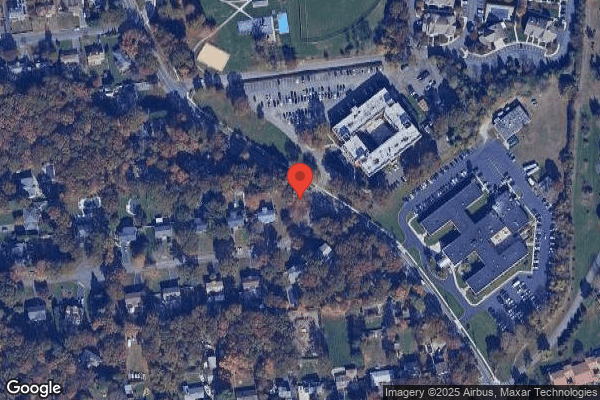
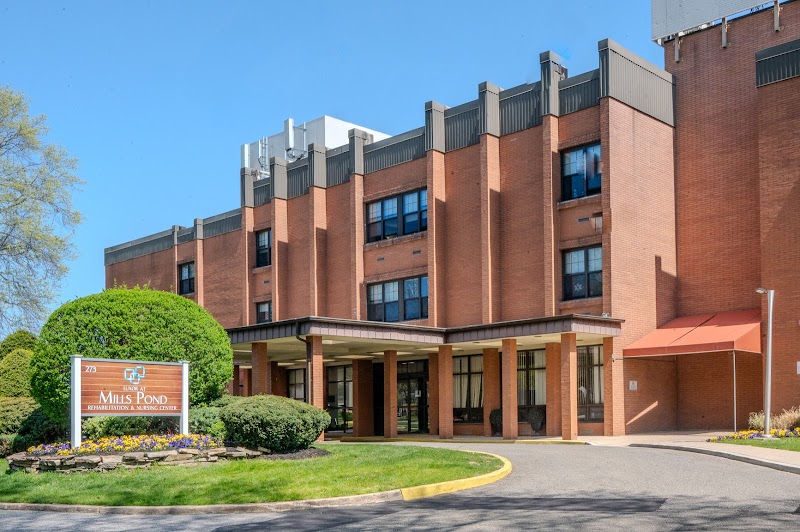
273 MORICHES ROAD, ST JAMES, NY 11780 (631) 862-8990
For profit - Limited Liability company 252 Beds CARERITE CENTERS Data: November 2025
Trust Grade
95/100
#61 of 594 in NY
Last Inspection: January 2025

Within standard 12-15 month inspection cycle. Federal law requires annual inspections.

Overview

Luxor Nursing and Rehabilitation at Mills Pond has received a Trust Grade of A+, indicating it is an elite facility at the top tier of care. It ranks #61 out of 594 nursing homes in New York, placing it in the top half, and #6 out of 41 in Suffolk County, meaning there are only five better local options. The facility's trend is improving, having reduced the number of issues from four in 2023 to three in 2025. Staffing is a mixed bag; while the turnover rate is a low 22%, indicating staff stability, the facility has less RN coverage than 93% of New York facilities, which raises concerns about oversight. While the absence of fines is a positive sign, there were notable issues identified during inspections, such as serving food at unsafe temperatures and failing to follow infection control protocols for a resident with an eye infection, which could pose risks to residents' health. Overall, families should weigh the strengths of quality care and staffing stability against the weaknesses in food service and infection control practices.

Trust Score
A+
95/100
In New York
#61/594
Top 10%
Safety Record
Low Risk
No red flags
Inspections
Getting Better
4 → 3 violations
Staff Stability
✓ Good
22% annual turnover. Excellent stability, 26 points below New York's 48% average. Staff who stay learn residents' needs.
Penalties
✓ Good
No fines on record. Clean compliance history, better than most New York facilities.
Skilled Nurses
⚠ Watch
Each resident gets only 19 minutes of Registered Nurse (RN) attention daily — below average for New York. Fewer RN minutes means fewer trained eyes watching for problems.
Violations
⚠ Watch
11 deficiencies on record. Higher than average. Multiple issues found across inspections.
★★★★★
5.0
Overall Rating
★★☆☆☆
2.0
Staff Levels
★★★★★
5.0
Care Quality
★★★★☆
4.0
Inspection Score
Stable
2023: 4 issues
2025: 3 issues

The Good

  • 5-Star Quality Measures · Strong clinical quality outcomes
  • Low Staff Turnover (22%) · Staff stability means consistent care
  • Full Sprinkler Coverage · Fire safety systems throughout facility
  • No fines on record
  • Staff turnover is low (22%)

    26 points below New York average of 48%

Facility shows strength in quality measures, staff retention, fire safety.

The Bad

Chain: CARERITE CENTERS

Part of a multi-facility chain

Ask about local staffing decisions and management

The Ugly 11 deficiencies on record

Jan 2025 3 deficiencies
CONCERN (D)

Potential for Harm - no one hurt, but risky conditions existed

Infection Control (Tag F0880)

Could have caused harm · This affected 1 resident

**NOTE- TERMS IN BRACKETS HAVE BEEN EDITED TO PROTECT CONFIDENTIALITY** Based on observation, record review, and interviews during the Recertification Survey initiated on 1/7/2025 and completed on 1/1...

Read full inspector narrative →
**NOTE- TERMS IN BRACKETS HAVE BEEN EDITED TO PROTECT CONFIDENTIALITY** Based on observation, record review, and interviews during the Recertification Survey initiated on 1/7/2025 and completed on 1/14/2025, the facility did not ensure that an infection prevention and control program designed to help prevent the development and transmission of communicable disease and infection was implemented. This was identified for one (Resident #208) of six residents reviewed for Infection Control. Specifically, Resident #208 had a physician's order for contact precautions secondary to Conjunctivitis (eye infection). On 1/13/2025, Occupational Therapist #1 and Physical Therapy Assistant #1 were observed ambulating the resident without proper Personal Protective Equipment. The finding is: The facility's Transmission Based Precautions policy and procedure last revised on 4/25/2024 documented contact precautions are implemented to prevent transmission of pathogens that are spread by direct or indirect contact with the resident or the environment. Upon entering the room of a resident on contact precautions, healthcare personnel and visitors should don (put on) a gown and gloves, and should doff (remove) Personal Protective Equipment prior to leaving the room. Resident #208 had diagnoses that included Hypertension and Conjunctivitis. The admission Minimum Data Set assessment dated [DATE] documented a Brief Interview for Mental Status score of 15, which indicated the resident had intact cognition. The Minimum Data Set assessment documented the resident's vision was adequate. The resident utilized a wheelchair for mobility and required supervision/touching assistance with wheeling. The resident was not ambulated during the assessment look-back period. A physician's order dated 1/12/2025 documented Tobramycin Ophthalmic Solution 0.3 % (antibiotic for eye infection). Instill 1 drop in each eye every 8 hours for Conjunctivitis for 5 days. A physician's order documented an order to place the resident on Contact precautions for Conjunctivitis until 1/16/2025. A Comprehensive Care Plan dated 1/12/2025 documented the resident had suspected/actual infection related to Conjunctivitis. Interventions included to administer antimicrobial medication as ordered, to administer medication and treatment as ordered, educate the resident/family/visitors on precautions, and Personal Protective Equipment to be worn by staff, providers, family, and visitors related to an active infection. During an observation on 1/13/2025 at 11:30 AM, Occupational Therapist #1 and Physical Therapy Assistant #1 were observed ambulating Resident #208 in the hallway towards the resident's room without the use of Personal Protective Equipment. A precautions sign was observed outside Resident #208 door that documented Contact Precautions, put on gloves and a gown before entry. Occupational Therapist #1 and Physical Therapy Assistant #1 ambulated the resident into the room and assisted the resident into a wheelchair. Occupational Therapist #1 and Physical Therapist Assistant #1 were interviewed immediately on 1/13/2025 at 11:38 AM. Occupational Therapist #1 stated they were walking the resident from the Rehabilitation Therapy gym to their room and were not allowed to wear gowns in the hallway. Physical Therapy Assistant #1 stated they knew to wear Personal Protective Equipment when entering a resident's room on Contact Precaution; however, they were only going into Resident #208's room to assist the resident back into their wheelchair. During a subsequent interview on 1/13/2025 at 11:57 AM, Occupational Therapist #1 stated Resident #208 wheeled themselves to the Rehabilitation Therapy gym and told them that something was wrong with their eyes. Occupational Therapist #1 stated soon after the resident came down, the nursing staff called them and told them to return the resident to their room because the resident was on Contact Precaution for Pink Eye. Occupational Therapist #1 stated they and Physical Therapist Assistant #1 decided to walk the resident to their room to get the ambulation session completed. Occupational Therapist #1 stated they thought they did not have to put on Personal Protective Equipment as they were only returning the resident back to their room. Occupational Therapist #1 stated they should have put on a gown and gloves before they entered the resident's room. During a subsequent interview on 1/13/2025 at 11:59 AM, Physical Therapist Assistant #1 stated they and Occupational Therapist #1 decided to walk the resident from the Rehabilitation Department gym to their room to get the ambulation session completed. Physical Therapist Assistant #1 stated they did not have to put on Personal Protective Equipment as they were only returning the resident to their room. During an interview on 1/14/2025 at 3:55 PM, the Director of Nursing Service stated that both Occupational Therapist #1 and Physical Therapy Assistant #1 should not have ambulated the resident in the hallway after they were notified of the resident's Contact Precautions status. During an interview on 1/13/2025 at 4:10 PM, the Infection Control Preventionist stated that Occupational Therapist #1 and Physical Therapy Assistant #1 should not have walked the resident in the hallway after being informed that the resident was on Contact Precaution and should have followed the facility's policy and utilized appropriate Personal Protective Equipment including a gown and gloves. 10 NYCRR 415.19(a)(1-3)
CONCERN (E)

Potential for Harm - no one hurt, but risky conditions existed

Deficiency F0804 (Tag F0804)

Could have caused harm · This affected multiple residents

**NOTE- TERMS IN BRACKETS HAVE BEEN EDITED TO PROTECT CONFIDENTIALITY** Based on observations, record review, and interviews during the Recertification Survey initiated on 1/7/2025 and completed on 1/...

Read full inspector narrative →
**NOTE- TERMS IN BRACKETS HAVE BEEN EDITED TO PROTECT CONFIDENTIALITY** Based on observations, record review, and interviews during the Recertification Survey initiated on 1/7/2025 and completed on 1/14/2025, the facility did not ensure each resident was served food and drinks that were palatable, attractive, and at a safe and appetizing temperature. This was identified for ten (Resident #186, Resident #197, Resident # 52, Resident # 16, Resident #142, Resident #200, Resident #50, Resident #12, Resident #128, and Resident #164) of ten residents during the Resident Council meeting. Specifically, during the Resident Council meeting held on 1/8/2025, ten of the ten residents in attendance complained of hot food being served at cold temperatures. On 1/13/2025, during the lunch meal service, three (Unit 1 North, Unit 2 North, and Unit 3 South) of three units' meals temperatures for the hot food items were recorded below 135 degrees Fahrenheit. The finding is: The facility's policy titled Food Preparation and Service last revised March 2023, documented that potentially hazardous foods including meats, poultry, seafood, cut melon, eggs, milk, yogurt, and cottage cheese must be maintained below 41 degrees Fahrenheit and above 135 degrees Fahrenheit. Previously cooked food must be reheated to an internal temperature of 165 degrees Fahrenheit for at least 15 seconds. The temperature of foods held in steam tables will be monitored by food and nutrition service staff. The Resident Council meeting was conducted on 1/8/2025 at 11:55 AM. Ten of the ten residents in attendance unanimously complained of hot food being served at cold temperatures. Resident #142, the Resident Council President, was admitted with diagnoses that included Diabetes Mellitus, Emphysema ( chronic lung disease that damages the air sacs in the lungs, making it difficult to breathe), and Hyperlipidemia (high cholesterol). The Quarterly Minimum Data Set assessment dated [DATE] documented a Brief Interview for Mental Status (BIMS) score of 14, which indicated the resident had intact cognition. Resident #200 was admitted with diagnoses that included Gout, Hypertension, and Depression. The Quarterly Minimum Data Set assessment dated [DATE] documented a Brief Interview for Mental Status score of 15, indicating the resident was cognitively intact. Resident #50 was admitted with diagnoses that included Acute Respiratory Failure and Obesity. The 5-day Minimum Data Set assessment dated [DATE] documented a Brief Interview for Mental Status score of 15, indicating the resident was cognitively intact. Resident #164 was admitted with diagnoses that included Parkinson's Disease, Lymphoma, and Anemia. The Quarterly Minimum Data Set assessment dated [DATE] documented a Brief Interview for Mental Status score of 13, indicating the resident was cognitively intact. A review of the Resident Council minutes from 10/2024 to 12/2024 was conducted and no concerns were documented in the Resident Council minutes regarding hot foods that were served cold during meals. On 1/13/2025 during the lunch meal service, three test trays were requested for three (Unit 3 South, Unit 1 North, Unit 2 North) of the three units. Two meal racks for Unit 3 South departed the kitchen at 12:39 PM and arrived at the unit at 12:40 PM. The racks were not covered. The last meal tray was served at 12:58 PM. The test tray temperatures were taken at 12:58 PM in the presence of the Assistant Director of Nursing Services. The temperature reading for the protein entrée, the roasted chicken, was 128.5 degrees Fahrenheit. The temperature readings for the vegetables (diced potatoes and sliced carrot) were 124 degrees Fahrenheit and 108.1 degrees Fahrenheit respectively. Two meal racks for Unit 1 North departed the kitchen at 12:57 PM and arrived at the unit at 12:58 PM. The racks were not covered. The last meal tray was served at 1:03 PM. The test tray temperatures were taken at 1:03 PM in the presence of the Dietary Supervisor. The temperature readings for the vegetables (diced potatoes and sliced carrot) were 131 degrees Fahrenheit and 120 degrees Fahrenheit respectively. One meal rack for Unit 2 North departed the kitchen at 1:09 PM and arrived at the unit at 1:13 PM. The rack was not covered. The last meal tray was served at 1:25 PM. The test tray temperatures were taken at 1:25 PM in the presence of the Director of Finance. The temperature reading for the protein entrée, the roasted chicken, was 120 degrees Fahrenheit. The temperature readings for the vegetables (diced potatoes and sliced carrot) were 100 degrees Fahrenheit and 110 degrees Fahrenheit respectively. During an interview on 1/13/2025 at 1:14 PM, the Food Service Director stated they knew there were concerns about hot meals being served cold from Resident Council and Food Committee meetings. The Food Service Director stated that the kitchen continued to utilize an old pellet heating system which was not distributing heat evenly to warm all the pellets at equal temperatures therefore, the food was not preserved to the desired temperature. The Food Service Director stated an outdated steamer used to cook vegetables was also inefficient. The Food Service Director stated the administration was aware of the concerns and they continued to explore different solutions such as a new steamer, enclosed racks, and a new pellet heating system. The Food Service Director stated nothing had been finalized at this time. During an interview on 1/14/2025 at 12:55 AM, the Administrator stated they were aware of residents' complaints about food temperature since 2023. The Administrator stated they thought the issue was related to staff not distributing the meals timely and they implemented an all hands on deck approach and instructed all staff to take part in the meal distribution. The Administrator stated a few months ago they started looking into replacing kitchen equipment because the pellet warmer system was old and did not evenly heat all the pellets. The Administrator stated there is currently an ongoing discussion to purchase new equipment; however, no orders have been placed at this time. The Administrator stated they were not aware of the insufficient amount of metal pellets. 10 NYCRR415.14(d)(1)(2)
CONCERN (E)

Potential for Harm - no one hurt, but risky conditions existed

Food Safety (Tag F0812)

Could have caused harm · This affected multiple residents

Based on observations, record review, and interviews during the Recertification Survey initiated on 1/7/2025 and completed on 1/14/2025, the facility did not distribute and serve food in accordance wi...

Read full inspector narrative →
Based on observations, record review, and interviews during the Recertification Survey initiated on 1/7/2025 and completed on 1/14/2025, the facility did not distribute and serve food in accordance with professional standards for food service safety. This was identified during the dining facility task and for ten (Resident #186, Resident #197, Resident # 52, Resident # 16, Resident #142, Resident #200, Resident #50, Resident #12, Resident #128, and Resident #164) of ten residents during the Resident Council meeting. Specifically, on 1/13/2025 during the lunch meal service, three (Unit 1 North, Unit 2 North, Unit 3 South) of three units meals temperatures for the hot food items were below 135 degrees Fahrenheit. The finding is: The facility's policy titled Food Preparation and Service last revised March 2023, documented that potentially hazardous foods including meats, poultry, seafood, cut melon, eggs, milk, yogurt, and cottage cheese must be maintained below 41 degrees Fahrenheit and above 135 degrees Fahrenheit. Previously cooked food must be reheated to an internal temperature of 165 degrees Fahrenheit for at least 15 seconds. The temperature of foods held in steam tables will be monitored by food and nutrition service staff. The facility's policy titled Food Safety - Food Handling last revised in September 2021 documented that the facility recognized inadequate cooking and improper holding temperatures are critical factors implicated in foodborne illness. Potentially hazardous foods will be cooked to the appropriate internal temperatures and held at those temperatures for the appropriate length of time to destroy pathogenic microorganisms. Potential hazardous foods that were prepared from ingredients and were held in the danger zone (41 degrees Fahrenheit to 135 degrees Fahrenheit) for more than 4 hours will be discarded. The Resident Council meeting was conducted on 1/8/2025 at 11:55 AM. Ten of the ten residents in attendance unanimously complained of hot food being served at cold temperatures. On 1/13/2025 during the lunch meal service, three test trays were requested for three (Unit 3 South, Unit 1 North, Unit 2 North) of the three units. Two meal racks for Unit 3 South departed the kitchen at 12:39 PM and arrived at the unit at 12:40 PM. The racks were not covered. The last meal tray was served at 12:58 PM. The test tray temperatures were taken at 12:58 PM in the presence of the Assistant Director of Nursing Services. The temperature reading for the protein entrée, the roasted chicken, was 128.5 degrees Fahrenheit. The temperature readings for the vegetables (diced potatoes and sliced carrot) were 124 degrees Fahrenheit and 108.1 degrees Fahrenheit respectively. Two meal racks for Unit 1 North departed the kitchen at 12:57 PM and arrived at the unit at 12:58 PM. The racks were not covered. The last meal tray was served at 1:03 PM. The test tray temperatures were taken at 1:03 PM in the presence of the Dietary Supervisor. The temperature readings for the vegetables (diced potatoes and sliced carrot) were 131 degrees Fahrenheit and 120 degrees Fahrenheit respectively. One meal rack for Unit 2 North departed the kitchen at 1:09 PM and arrived at the unit at 1:13 PM. The rack was not covered. The last meal tray was served at 1:25 PM. The test tray temperatures were taken at 1:25 PM in the presence of the Director of Finance. The temperature reading for the protein entrée, the roasted chicken, was 120 degrees Fahrenheit. The temperature readings for the vegetables (diced potatoes and sliced carrot) were 100 degrees Fahrenheit and 110 degrees Fahrenheit respectively. During an interview on 1/13/2025 at 1:14 PM, the Food Service Director stated they knew there were concerns about hot meals being served cold from Resident Council and Food Committee meetings. The Food Service Director stated prior to the start of every meal, hot food temperatures were checked in the kitchen. The Food Service Director stated that the kitchen continued to utilize an old pellet heating system which was not distributing heat evenly to warm all the pellets at equal temperatures therefore, the food was not maintained to the desired temperature. The Food Service Director stated steamer used to cook vegetables is outdated and inefficient. They would also like to replace the open rack with an enclosed rack to maintain the food temperature during delivery. The Food Service Director stated that the administration was aware of the concerns and the facility continued to explore solutions such as a new steamer, enclosed racks, and a new pellet heating system; however, nothing has been finalized at this time. During a re-interview on 1/13/2025 at 3:54 PM, the Food Service Director stated the kitchen currently did not have enough metal pellets to maintain the temperature for each meal plate. There should ideally be 250 pellets; however, the facility currently has approximately 200 pellets on rotation. The Food Service Director stated meal trays prepared last, may not maintain appropriate food temperatures because the pellets would run out. The Food Service Director stated each resident who received a hot meal should have an insulated dome cover and a metal pellet to keep the hot food temperatures above 135 degrees Fahrenheit. During an interview on 1/14/2025 at 12:55 AM, the Administrator stated that they were aware of residents' complaints of food temperature since 2023. The Administrator believed timeliness was a responsible factor for low food temperatures. The Administrator stated that they implemented All Hands on Deck and expected non-nursing staff members to assist during meal services to improve the timeliness of meal delivery. The Administrator stated that they started looking into replacing kitchen equipment a few months ago and were aware that the Food Service Director addressed a mechanical issue with the pellet warmer system. The Administrator stated that there is an ongoing discussion of other purchases and no order had been made at this time. The Administrator stated that they were not aware that there were not enough metal pellets to circulate during mealtime. The Administrator stated that the Food Service Director should replace the damaged pellet and ensure that each resident has a pellet to keep their plate warm. The Administrator stated that The Administrator stated that all residents should receive a hot meal that was not cold. During an interview on 1/14/2025 at 12:55 AM, the Administrator stated they were aware of residents' complaints about food temperature since 2023. The Administrator stated they thought the issue was related to staff not distributing the meals timely and they implemented an all hands on deck approach and instructed all staff to take part in the meal distribution. The Administrator stated a few months ago they started looking into replacing kitchen equipment because the pellet warmer system was old and did not evenly heat all the pellets. The Administrator stated there is currently an ongoing discussion to purchase new equipment; however, no orders have been placed at this time. The Administrator stated they were not aware of the insufficient amount of metal pellets. 10 NYCRR 415.14(h)
Jul 2023 4 deficiencies
CONCERN (D)

Potential for Harm - no one hurt, but risky conditions existed

Resident Rights (Tag F0550)

Could have caused harm · This affected 1 resident

**NOTE- TERMS IN BRACKETS HAVE BEEN EDITED TO PROTECT CONFIDENTIALITY** Based on observation, record review and interviews during the Recertification Survey initiated on 7/5/2023 and completed on 7/13...

Read full inspector narrative →
**NOTE- TERMS IN BRACKETS HAVE BEEN EDITED TO PROTECT CONFIDENTIALITY** Based on observation, record review and interviews during the Recertification Survey initiated on 7/5/2023 and completed on 7/13/2023 the facility did not ensure that each resident is treated with respect and dignity and is cared for in a manner that promotes maintenance or enhancement of his or her quality of life. This was identified for two (Resident #129 and Resident #95) of two residents reviewed for dignity. Specifically, 1) Certified Nursing Assistant (CNA) #3 was observed abruptly wheeling Resident #129 into the bathroom without informing the resident before moving their wheelchair. Resident #129 was startled. 2) CNA #3 was again observed to abruptly move another resident (Resident #95) in bed onto their left side to position the resident for wound care. CNA #3 did not explain or alert the resident before moving the resident. The sudden movement surprised and startled the resident. The findings are: The facility's Quality of Life/Dignity policy revised 10/2021 documented that residents shall be treated with dignity and respect at all times. The policy documented, Treat with Dignity means the resident will be assisted with maintaining and enhancing his or her self-esteem and self-worth. 1)Resident #129 was admitted with diagnoses that include Non-Alzheimer's Dementia and Depression. The Quarterly Minimum Data Set (MDS) assessment dated [DATE] documented the resident's Brief Interview for Mental Status (BIMS) score was 4 which indicated the resident had severely impaired cognition. The resident required extensive assistance of one staff for transfers, toileting, and dressing, and required supervision with one-person physical assistance for locomotion on and off the unit. Prior to the start of a wound care observation conducted on 7/12/2023 at 9:57 AM, Resident #129 was seated in a wheelchair at the foot of the bed. The resident was holding their pants over their knees. CNA #3 was already in the resident's room and abruptly wheeled Resident #129's wheelchair without saying anything to the resident. The resident was startled. CNA #3 then continued to wheel the resident into the bathroom and did not explain to the resident why they (CNA #3) were taking them (Resident #129) into the bathroom. CNA #3 was interviewed on 7/12/2023 at 10:45 AM and stated they received in-service education to explain all tasks to the resident prior to performing the task. CNA #3 stated that they should have explained that they (CNA#3) were going to transport the resident into the bathroom to perform morning care before moving the wheelchair. The Director of Nursing Services (DNS) was interviewed on 7/12/2023 at 1:22 PM. The DNS stated CNA #3 should have explained that they were going to transport the resident into the bathroom prior to moving the wheelchair. The DNS stated all staff were educated to explain all tasks to be completed prior to performing the task. 2) Resident #95 was admitted with diagnoses that include Dementia without Behavioral Disturbance and Anxiety Disorder. A Quarterly Minimum Data Set (MDS) assessment dated [DATE] documented the resident had both short and long term memory problems. The resident had no behavior problems and did not reject care. The resident required extensive assistance of one staff member for bed mobility and was frequently incontinent of bowel and bladder. The resident was at risk for developing pressure ulcers and had one or more unhealed two Stage IV pressure ulcers that were present on admission. During a wound care observation conducted on 7/12/2023 at 10:30 AM Licensed Practical Nurse (LPN) #5 was observed preparing for the sacral wound dressing change at the treatment cart in the hallway at the entrance of the resident's room. Resident # 95 was observed lying in bed on their back. CNA #3 was in the room and was observed to abruptly turn the resident onto their left side, facing the wall, causing the resident to be startled. The resident was observed to outstretch both arms and placed their right hand against the wall. Prior to turning the resident to their left side, CNA #3 did not inform the resident that they were going to turn them (Resident #95). CNA #3 was interviewed on 7/12/23 at 10:45 AM and stated they received in-service education to explain all tasks to the resident before performing the tasks. CNA #3 stated that they should have explained they were going to turn the resident onto their left side before performing the task. The Assistant Director of Nursing Services (ADNS)/Staff Educator was interviewed on 7/12/2023 at 1:10 PM. The ADNS stated that staff receive in-service education to explain any tasks that have to be completed prior to performing the task. The ADNS stated in July 2023 they (ADNS) initiated in-service education with all staff including CNA #3, regarding quality of life, dignity, and effective communication. The ADNS stated CNA #3 should have explained to the resident that they (CNA #3) were going to turn the resident before moving or turning the resident. The Director of Nursing Services (DNS) was interviewed on 7/12/2023 at 1:22 PM. The DNS stated that CNA #3 should have explained that they (CNA #3) were going to turn the resident prior to turning the resident on their left side. The DNS stated all staff were educated to explain all tasks to be completed prior to performing the task. 10 NYCRR 415.3(d)(1)(i)
CONCERN (D)

Potential for Harm - no one hurt, but risky conditions existed

Comprehensive Care Plan (Tag F0656)

Could have caused harm · This affected 1 resident

**NOTE- TERMS IN BRACKETS HAVE BEEN EDITED TO PROTECT CONFIDENTIALITY** Based on observation, record review, and interviews during the Recertification Survey initiated on 7/05/2023 and completed on 7/...

Read full inspector narrative →
**NOTE- TERMS IN BRACKETS HAVE BEEN EDITED TO PROTECT CONFIDENTIALITY** Based on observation, record review, and interviews during the Recertification Survey initiated on 7/05/2023 and completed on 7/13/2023, the facility did not develop and implement a Comprehensive Person- Centered Care Plan (CCP) for each resident that includes measurable objectives and time frames to meet a resident's nursing needs. This was identified for one (Resident #136) of two residents reviewed for Accident Hazards. Specifically, Resident #136 had no CCP developed for the independent use and storage of large nail clippers. The finding is: The Care Plans-Comprehensive Policy, revised 10/2019 documented that a comprehensive, person-centered care plan (CCP) is developed within seven days of the completion of the required comprehensive assessment. Assessment of residents are ongoing and care plans are revised as information about the residents and the resident's conditions change. The Activities of Daily Living (ADL)- Personal Hygiene Policy, revised 10/2021 documented that residents deemed appropriate by the Interdisciplinary Team (IDT) will be encouraged and permitted to perform their own nail care and maintain personal hygiene products. The resident's care plan and [NAME] (a document that is utilized for resident care instructions provided to Certified Nursing Assistants) for any special care or needs of the individual are to be reviewed. Resident #136 was admitted with diagnoses including Anxiety Disorder, Schizophrenia, and Psychotic Disorder. The Minimum Data Set (MDS) assessment dated [DATE] documented a Brief Interview for Mental Status (BIMS) score of 15 which indicated the resident was cognitively intact. The resident required supervision and set up help for personal hygiene. Resident #136, who resides on the Dementia Care Unit 3 South, was observed on 7/05/2023 at 3:53 PM with large nail clippers in their opened dresser drawer. Resident # 136 was interviewed immediately after the observation on 7/05/2023. Resident # 136 stated that they cut their own nails and have kept the nail chippers in their drawer since admission in March of 2021. Resident # 136's entire CCP was reviewed on 7/10/2023. There was no CCP developed for the resident's independent use and storage of the nail clippers. The Director of Social Services (DSS) #1 was interviewed on 7/11/2023 at 1:04 PM and stated that Resident# 136 informed the DSS #1 that they clip their own nails. The DSS #1 stated that the resident having the nail clippers in their room was not a concern. The care plan entitled Resident is Competent to Safely Use a Nail Clipper and Clip his Nails Independently was developed and implemented on 7/11/2023 by Nursing. Licensed Practical Nurse (LPN) #6 was interviewed on 7/12/2023 at 9:55 AM and stated that a CCP dated 7/11/2023 was implemented for the resident on their use of nail clippers. Resident #136 was interviewed on 7/12/2023 at 10:00 AM and stated that they keep their nail clippers in their room and leave them in their top dresser drawer. The resident stated that they are allowed to clip their own nails. Resident # 136 stated DSS #1 spoke to the resident about their nail clippers on 7/11/2023 and DSS#1 observed them in the top dresser drawer. The resident's [NAME] was reviewed on 7/12/2023 and documented the use of nail clippers initiated on 7/11/2023. The Physician's order dated 7/12/2023 documented that the resident may keep their own nail clippers. The Director of Nursing (DNS) #1 was interviewed on 7/12/2023 at 1:20 PM and stated that the permission to possess personal hygiene items like nail clippers are dependent on the type of resident. The IDT will look at the resident's cognitive status, will assess the resident for safe use of nail clippers, and a care plan will be implemented if the resident is assessed as safe for independent use and storage of nail clippers. The DNS stated that a CCP relating to the use of nail clippers was initiated on 7/11/2023 and a Physician's order was placed on 7/12/2023. The CCP and Physician's order should have been implemented upon admission. 10 NYCRR 415.11(c)(1)
CONCERN (D)

Potential for Harm - no one hurt, but risky conditions existed

Food Safety (Tag F0812)

Could have caused harm · This affected 1 resident

Based on observation, record review, and interviews during the Recertification Survey initiated on 7/5/2023 and completed on 7/13/2023, the facility did not ensure that food was stored, prepared, dist...

Read full inspector narrative →
Based on observation, record review, and interviews during the Recertification Survey initiated on 7/5/2023 and completed on 7/13/2023, the facility did not ensure that food was stored, prepared, distributed, and served in accordance with professional standards for food service safety. This was identified during the initial tour of the kitchen on 7/5/2023. Specifically, emergency dry food and food products delivered to the facility without expiration dates were not tracked. The safety of consumption and discard dates of these food products were not determined as per the manufacturer's recommendations. The finding is: The facility's policy titled Food Safety - Food Handling dated 4/2017 documented that the facility only accepts prepared foods from suppliers subject to federal, state, or local food service inspections and who remain in good standing with such agencies. All kitchen staff will be in-serviced on labeling procedures. All prepared items stored in cooling units will be labeled and dated. The facility's policy titled Food Storage last revised 3/9/2022 documented that all stock must be rotated with each new order received. Rotating stock is essential to assure the freshness and highest quality of all foods. Old stock is always used first (first in- first out method). The policy documented to supervise the person designated to put stock away to make sure it is rotated properly. Food should be dated as it is placed on the shelves if required by state regulation. Date marking to indicate the date or day by which a ready-to-eat, Time/Temperature Control for Safety Food (formerly known as PHF) should be consumed, sold, or discarded will be visible on all high-risk food. Canned goods should be used and rotated within 6 months. The policy did not specify what date the 6-month perimeter was determined from. During an initial tour of the kitchen on 7/5/2023 at 11:42 AM, an inspection of the emergency dry storage room was conducted. Three cases of canned chili con carne with beans were observed with hand-written expiration dates dated 11/23 while the best by dates printed on the cans indicated 11/22. Six loose cans of three bean salad were observed sitting on top of a sealed case of canned chili. All six cans of three bean salad did not have delivery dates nor comprehensible expiration dates printed on the cans. The Food Services Director (FSD) was interviewed on 7/5/2023 immediately following the observation and stated that they (Food Service Director) had a tracking system to remind them when the emergency food stock must be rotated or discarded. The FSD stated that the identified items were ordered before they were employed. The FSD stated that they did not know why the expiration dates of the canned chili con carne with beans were written as 11/2023 instead of 11/2022. The FSD stated that the best by date should have been 11/2022, and the items should have been discarded. The FSD stated that they did not know when the cans of three bean salad were delivered and how long the cans were stored in the emergency room. The FSD stated that they did not know how to interpret the expiration date of the canned three bean salad and there was no way to determine the expiration date at this time. The FSD stated that they do not retain invoices for more than a few days after shipment. The FSD was re-interviewed on 7/5/2023 at 12:37 PM and stated that the three bean salad cans were discarded after the observation. The FSD stated that the facility currently has no system of checking expiration dates of canned food upon delivery. The FSD stated that they did not educate nor expect kitchen staff to check for expiration dates of any canned foods at the time of delivery. The FSD stated that they trusted food vendors to deliver non-perishable food items that were not expired. The FSD stated that they only expect the stock person to use a date gun to label all canned items with the delivery date. The FSD stated that they will reach out to the manufacturer to obtain the manufacturer's recommendations for foods with best by date to determine how long those foods will be safe to consume beyond best by date. The FSD further stated that they will in-service all kitchen staff on reading the dates on the food packaging and reporting any concerns related to expiration dates of the foods to the FSD. Dietary Aide (DA) #1 was interviewed on 07/12/2023 at 12:37 PM and stated they (DA#1) were responsible for receiving and stocking the food delivery. DA #1 stated that when they stock new items, they rotate the old items in the front and place the new items in the back. DA#1 stated that they dated all items on the day they were delivered. DA#1 stated that the expired chili was in the emergency supply section and the FSD was responsible for ensuring the expiration dates of the emergency supplies and rotating out expired items. DA #1 stated that the expired chili should have been pulled from the shelf. The Administrator was interviewed on 7/13/2023 at 4:41 PM and stated that there was a clerical error where an incorrect expiration date was indicated on the outside of the box of the canned chili con carne with beans. The Administrator stated that the expired items were removed and replaced. The Administrator stated that the facility should not have expired food items and they (Administrator) would conduct an audit to ensure the facility did not keep other expired food items. 10 NYCRR 415.14(h)
CONCERN (D)

Potential for Harm - no one hurt, but risky conditions existed

Infection Control (Tag F0880)

Could have caused harm · This affected 1 resident

**NOTE- TERMS IN BRACKETS HAVE BEEN EDITED TO PROTECT CONFIDENTIALITY** Based on observation, record review and interviews during the Recertification Survey initiated on 7/5/2023 and completed on 7/13...

Read full inspector narrative →
**NOTE- TERMS IN BRACKETS HAVE BEEN EDITED TO PROTECT CONFIDENTIALITY** Based on observation, record review and interviews during the Recertification Survey initiated on 7/5/2023 and completed on 7/13/2023, the facility did not ensure that an infection prevention and control program (IPCP) designed to help prevent the development and transmission of communicable disease and infection was maintained. This was identified for one (Resident #95) of two residents reviewed for Pressure Ulcers. Specifically, during a wound care observation conducted on 7/12/2023 with Licensed Practical Nurse (LPN) #5, the LPN did not follow proper technique during cleansing of the wounds. LPN #5 did not clean each wound from the inner aspect towards the outer aspect of the wound and did not use new gauze for each cleansing of the wounds. The finding is: The facility's Pressure Injury policy revised 4/2017 documented to clean the area with normal saline (unless otherwise specified by the physician) and pat dry. The policy did not address the technique the staff should follow when cleansing a wound. Resident #95 was admitted with diagnoses that include Left Hip Stage IV Pressure Ulcer (PU) and Sacrum IV PU. A Quarterly Minimum Data Set (MDS) assessment dated [DATE] documented the resident had short and long term memory problems. The resident was frequently incontinent of bowel and bladder. The resident was at risk for developing PU and had one or more unhealed Stage IV PU that were present on admission. A Physician order dated 6/14/2023 documented to treat the Sacral PU by applying Dakin's Cleanse (a wound cleanse) topically, followed by Iodoform strip packing to the wound bed and cover with a foam dressing everyday shift (7 AM - 3 PM). A Physician order dated 6/14/2023 documented to treat the Left Hip PU by applying Dakin's Cleanse topically, followed by Iodoform strip packing to the wound bed and cover with a foam dressing everyday shift (7 AM - 3 PM). A Comprehensive Care Plan (CCP) for PU Alteration in Skin Integrity dated 6/25/2021 and last updated 6/1/2023 documented the resident has an actual Stage IV Pressure Injury to the Left Hip. Interventions included but were not limited to refer to wound care specialist as needed; monitor wound daily for signs and symptoms of infection; and to report to the Physician as needed. A CCP for PU Alteration in Skin Integrity dated 6/25/2021 and last updated 6/1/2023 documented the resident had an actual Stage IV PU to the Sacrum. Interventions included but were not limited to refer to wound care specialist as needed; monitor wound daily for signs and symptoms of infection; and to report to the Physician as needed. A wound care observation was conducted on 7/12/2023 at 9:57 AM with LPN #5. LPN #5 was observed to remove the soiled dressing and packing from the left hip wound, then changed their gloves and washed their hands. After donning clean gloves, LPN #5 was observed to spray dermal wound cleanser to the left hip wound, then using a gauze LPN #5 cleansed the center of the wound using multiple circular motions. Without changing the gauze, LPN #5 used the same gauze to clean the center of the wound and the surrounding area of the wound a second time. LPN #5 was observed to use the same technique when cleansing the Sacrum Stage IV PU. LPN #5 was interviewed on 7/12/2023 at 10:45 AM regarding the cleansing of the wounds. LPN #5 stated that they receive frequent in-service education on wound care and that they were in-service to clean the wound using one single motion from the inner aspect of the wound to the outer aspect of the wound and to change the gauze with each cleanse. LPN #5 stated they were nervous and they should not have used the same gauze to cleanse the wound multiple times. LPN #5 further stated they should have performed a single motion each time they cleansed each wound and then used a new gauze each time they cleansed the wound. Wound Care Registered Nurse (RN) #2 was interviewed on 7/12/2023 at 12:01 PM. RN #2 stated they were responsible for yearly competency evaluations for each nurse who performs wound care. RN #2 stated that the nurses are taught to use one motion from the inner wound to the outer wound and to change the gauze each time they cleanse the wound. The Director of Nursing Services (DNS) was interviewed on 7/12/2023 at 1:12 PM. The DNS stated the nurses are educated to use one motion from the inner to the outer aspect of the wound using one gauze and to use a fresh gauze with each cleanse. The DNS stated LPN #5 should have changed the gauze each time they cleansed the wound. 10 NYCRR 415.19(a)(1-3)
May 2021 4 deficiencies
CONCERN (D)

Potential for Harm - no one hurt, but risky conditions existed

Comprehensive Care Plan (Tag F0656)

Could have caused harm · This affected 1 resident

**NOTE- TERMS IN BRACKETS HAVE BEEN EDITED TO PROTECT CONFIDENTIALITY** Based on observation, record review, and staff interviews during the Recertification Survey completed on 5/13/2021, the facility...

Read full inspector narrative →
**NOTE- TERMS IN BRACKETS HAVE BEEN EDITED TO PROTECT CONFIDENTIALITY** Based on observation, record review, and staff interviews during the Recertification Survey completed on 5/13/2021, the facility did not ensure that residents were receiving care and services in accordance with each resident's plan of care. This was identified for one (Resident #158) of two residents reviewed for Quality of Care concerns. Specifically, Resident #158 had a Physician's order for an ACE wrap to be applied on the 11 PM-7 AM shift. However, on two separate observations the ACE wraps were not in place to the resident lower extremities, and The finding is: Resident #158 was admitted to the facility with diagnoses that include Congestive Heart Failure and Renal Insufficiency. A Minimum Data Set (MDS) assessment dated [DATE] documented the resident's Brief Interview for Mental Status (BIMS) Score as 9, which indicated moderate cognitive impairment. The resident had no behavioral symptoms and required extensive of one staff members for all Activities of Daily Living (ADL)s A Physician's order dated 1/15/2021 documented to apply ACE wraps to bilateral lower extremities from the toes to below the knees. The order included making sure to use two ACE wraps on each lower extremity and to remove at hour of sleep (HS) for diagnoses of increased Edema to bilateral lower extremities. A Treatment Administration Record (TAR) dated 5/1/2021 to 5/31/2021 documented ACE wraps to be applied from the toes to below the knees. Apply on the 11:00 PM- 7:00 AM and remove on the 3:00 PM-11:00 PM. A Comprehensive Care Plan (CCP) dated 3/23/21 for Fluid Deficit documented the resident had actual and potential for fluid deficit related to diagnoses of Pneumonia, Hypertension, and Edema. The resident has a history of Edema and use of Diuretics. Interventions included monitoring laboratory work, weight, and edema. There was no documentation for the use of the ACE wraps for the resident's lower extremities. During an observation on 5/7/2021 at 11:40 AM Resident #158 was observed sitting in the bedroom in a wheelchair. The resident was observed with bilateral lower extremity edema (swelling) and was wearing gray non-skid socks. During a subsequent observation on 5/7/2021 at 1:30 PM, the resident was in the bedroom sitting in a wheelchair being fed by the assigned Certified Nursing Assistant (CNA #1). There were no ACE wraps observed on the resident's lower extremities. The assigned 7:00 AM-3:00 PM shift CNA#1 was interviewed on 5/7/2021 at 1:35 PM. CNA#1 stated that CNA#1 was floated to the resident's Unit and was not aware of the resident's need for the ACE wraps. CNA #1 further stated the ACE wraps were not on the resident's legs at the start of the 7:00 AM-3:00 PM shift. The 7:00 AM-3:00 PM Licensed Practical Nurse (LPN#2) was interviewed on 5/7/2021 at 1:40 PM and stated that only the treatments that are ordered for the 7:00 AM-3:00 PM shift appear on the computer screen and that the ACE wrap was to be applied to the resident's legs on the night shift. LPN #2 further stated if the ACE wrap treatment order had appeared on the computer screen then LPN #2 would have applied the ACE wraps to the resident's lower extremities. In a subsequent interview with the 7:00 AM-3:00 PM LPN #2 on 5/7/21 at 2:15 PM, LPN #2 stated at the start of the 7:00 AM-3:00 PM shift, the ACE wraps were on the nightstand because they were soiled. The resident did not have the ACE wraps on. An interview was conducted on 5/7/21 at 2:30 PM with the 11:00 PM - 7:00 AM LPN#3, who worked on 5/6/2021-5/7/2021 night shift, stated that the ACE wraps were applied by the LPN #3 at 5:00 AM. When the LPN went to administer the morning medications, the juice spilled on the ACE wraps. LPN #3 took the ACE wrap off and placed them on the resident's dresser. LPN#3 further stated an emergency occurred and LPN #3 had to leave at 7:00 AM and did not inform the day shift nurse. the Director of Nursing Service (DNS) was interviewed on 5/12/2021 at 4:23 PM and stated that the ACE wraps should have been in place on the resident's lower extremities as per the Physician's orders. 415.11(c)(1)
CONCERN (D)

Potential for Harm - no one hurt, but risky conditions existed

Deficiency F0657 (Tag F0657)

Could have caused harm · This affected 1 resident

**NOTE- TERMS IN BRACKETS HAVE BEEN EDITED TO PROTECT CONFIDENTIALITY** Based on record review, and staff interviews during the Recertification Survey completed on 5/13/2021, the facility did not ensu...

Read full inspector narrative →
**NOTE- TERMS IN BRACKETS HAVE BEEN EDITED TO PROTECT CONFIDENTIALITY** Based on record review, and staff interviews during the Recertification Survey completed on 5/13/2021, the facility did not ensure that each residents' Comprehensive Care Plan was updated to reflect the residents' current status for one (Resident #193) of two residents reviewed for Activities of Daily Living (ADL). Specifically, Resident #193 had a Physician's order to be transferred out of bed with a Hoyer Lift (Mechanical Lift) and 2 staff members assistance. The Comprehensive Care Plan (CCP) and the Certified Nursing Assistant (CNA) Task record (directions for the CNAs to provide care to the resident) were not updated with the resident's current Physician orders. The finding is: Resident #193 was admitted to the facility with diagnoses that include Abnormalities of Gait and Mobility, Peripheral Vascular Disease, and Right Bundle Branch Block. A Quarterly Minimum Data Set (MDS) assessment dated [DATE] documented a Brief Interview for Mental Status (BIMS) Score of 9 which indicated the resident had moderate cognitive impairment. The resident had no behavioral symptoms and required total assistance of two staff members for transfer. A Physician's order dated 4/7/2021 documented to transfer the resident with a Hoyer Lift and 2 staff member assistance. Nursing may provide more assistance if necessary. A CCP dated 10/21/2020 and last updated 4/7/21 documented the resident required assistance with ADLs related to Fatigue, Impaired Balance, Limited Mobility, and Limited Range of Motion. The CCP documented the resident required limited assistance of one staff member for transfer. There was no documented evidence the CCP was updated with the current transfer order for Hoyer Lift and two staff assistance. A Rehabilitation Intervention Note dated 4/7/2021 documented the resident was evaluated and treated as per the Physician's (MD) orders, status post (s/p) Hospitalization. The resident required increased assistance with functional transfers, mobility, and ADLs. A Nurse's note dated 4/7/2021 documented the resident was presently receiving Occupational Therapy and transfers with a Hoyer Lift. An ADL Change in Status Form dated 4/7/2021 documented a Hoyer Lift with assistance of two staff members for transfer. A Review of the CNA task record documented the resident required limited assistance of one staff member for transfer. The 7:00 AM - 3:00 PM CNA #6 was interviewed on 5/13/21 at 11:36 AM and stated that prior to hospitalization the resident required supervision to extensive assistance of one to two staff members for ADLs. CNA #6 stated after the resident was readmitted from the hospital the resident required Hoyer Lift for transfer for a short time, and was then upgraded back to two persons assistance for transfer. CNA #7 was interviewed on 5/13/2021 at 11:42 AM and stated that the resident required assistance of one staff member for transfers. CNA #7 stated during toileting in the bathroom the resident would stand up and sit on the toilet when cued. The Physical Therapy Assistant (PTA) and the Certified Occupational Therapy Assistant (COTA) were interviewed concurrently on 5/13/2021 at 12:20 PM with. Both the PTA and the COTA stated when the resident first came back from the hospital the resident was not motivated, was resistant, and was not safe which led to the resident being assessed for a Hoyer Lift transfer. The COTA stated that since this recent readmission the resident was made a Hoyer lift for transfer for safety because of the resident's behavior. The PTA and the COTA stated during therapy sessions when an attempt was made to work with the resident, the resident did not follow directions. The resident should remain a Hoyer transfer because of the resident's fluctuating behaviors. Additionally, both the PTA and COTA stated the expectation is that the staff transfer the resident with a Hoyer Lift as ordered. The Physical Therapist (PT) was interviewed on 5/13/2021 at 1:35 PM and stated the PT assessed the resident upon readmission on [DATE]. The PT stated the resident was unable to perform sit to stand transfer and was unable to get into the chair. The PT stated because the resident was not able to transfer into the chair the safest transfer for the resident was a Hoyer Lift transfer. The Director of Nursing Services (DNS) was interviewed on 5/13/2021 at 4:25 PM and stated that the CCP and the CNA Task records should have been updated to reflect the current transfer order for the resident. 415.11(c)(2)(i-iii)
CONCERN (D)

Potential for Harm - no one hurt, but risky conditions existed

Drug Regimen Review (Tag F0756)

Could have caused harm · This affected 1 resident

**NOTE- TERMS IN BRACKETS HAVE BEEN EDITED TO PROTECT CONFIDENTIALITY** 2) Resident #163 was admitted with diagnoses that include Basel Cell Carcinoma, Major Depressive Disorder (MDD) and Gastroesopha...

Read full inspector narrative →
**NOTE- TERMS IN BRACKETS HAVE BEEN EDITED TO PROTECT CONFIDENTIALITY** 2) Resident #163 was admitted with diagnoses that include Basel Cell Carcinoma, Major Depressive Disorder (MDD) and Gastroesophageal Reflux Disease (GERD). The Minimum Data Set (MDS) assessment dated [DATE] documented the resident's Brief Interview for Mental Status (BIMS) score as 9 which indicated the resident had moderately impaired cognition. The resident had no documented behaviors and was on antidepressant medications. The resident's face sheet documented allergies to Ultracet (pain medication) and Tramadol (pain medication). On 3/29/2021, the Pharmacy Consultant note documented: 1. Resident has allergy to Ultracet but can tolerate Tylenol component? 2. Proton Pump Inhibitors is Beer's list drug secondary to potential risk of bone loss, fracture or Clostridium Difficile with chronic use. Still necessary? 3. Caution Zoloft may increase International Normalized Ratio (INR)- of Coumadin. Benefit greater than risk? An undated response to the Pharmacist's review was documented by the Director of Nursing Services (DNS) as follows: 1- Despite allergy, tolerating. 2- Yes 3. The word Benefit was circled. The words Reviewed with MD A review of the medical record from March 2021through May 2021 revealed no documentation by the attending Physician regarding the 3/29/2021 Pharmacy Consultant note. The Physician's orders dated 5/12/21 included: 1. 3/16/21 Tylenol 325 milligrams (mg), Give 2 tablets by mouth every 6 hours as needed (PRN) for Pain until 04/10/2021. 2. Pantoprazole Sodium (antiacid) 40 mg Tablet delayed release. Give 1 tablet by mouth one time a day for GERD. 3. Sertraline HCl (Zoloft- an Antidepressant medication) Tablet 25 mg. Give 1 tablet by mouth, one time a day for Depression. 4. Coumadin Tablet 3 MG (Warfarin Sodium- Anticoagulant) Give 3 mg by mouth at bedtime. The DNS was interviewed on 05/12/2021 at 11:55 AM and stated that the Pharmacy consultant reviews were discussed with the attending Physician via telephone with responses documented on behalf of the Physician. The DNS stated that the attending Physician was expected to sign the consult once in the building, however the consult dated 3/29/2021 was never signed. The DNS stated that the attending Physician reviewed the Pharmacy consultant recommendations prior to COVID-19 outbreak but has not done so since that time. The resident's attending Physician was interviewed on 05/12/2021 at 12:55 PM and stated that the discussions with the DNS of the pharmacy consultant's recommendations were not documented in the medical records. The attending Physician stated that the doctors usually signed the Pharmacy Consultant recommendations following discussion with the DNS, but did not recall signing the Pharmacy Consultant note dated 3/29/2021. 415.18(c)(2) Based on record review and staff interviews during the Recertification Survey completed on 05/13/2021 the facility did not ensure that medication irregularities reported by the Consultant Pharmacist were reviewed and acted upon by the Physician for 2 (Resident #47 and #163) of 5 residents reviewed for unnecessary medications. Specifically, the Consultant Pharmacist made recommendations to the Physician and a decision to agree or disagree to the recommendation was not documented by the Physician. The findings are: 1) Resident #47 was admitted with diagnoses that include Diabetes Mellitus (DM), Depression and Hypertension (HTN). The Minimum Data Set (MDS) assessment dated [DATE] documented the resident's Brief Interview for Mental Status (BIMS) score of 14 that indicated the resident was cognitively intact. The resident had no behaviors and was on antidepressant and antipsychotic medications. On 4/9/2021, the Pharmacy Consultant Note documented: 1. Caution: Procardia and Zoloft use with Eliquis 5 mg twice daily (bid) may have potential risk of bleed/bruise risk. Benefit>Risk. 2. Caution: Seroquel and Risperdal use with diagnosis of DM may increase glucose levels. Benefit>Risk. 3. Can Seroquel 50 mg HS (at bed time) be Gradual Dose Reduction (G.D.R.) attempted? The Physician's orders dated 5/12/2021 included: 1- Nifedipine (Procardia-an antihypertensive medication) ER (extended release) Tablet 60 milligrams (mg) 1 tablet by mouth one time a day for HTN 2- Eliquis (an anticoagulant) 5 mg Tablet for Atrial Fibrillation bid. 3- Sertraline (Zoloft-an Antidepressant medication) HCl 75 mg Tablet by mouth one time a day for Depression. 4- Quetiapine Fumarate (Seroquel-Antipsychotic medication) 50 mg Tablet by mouth at bedtime for MDD (Major Depressive Disorder). 5- Risperidone (Risperdal-Antipsychotic medication) 0.5 mg Tablet by mouth every 12 hours for MDD The physician did not address any of the Pharmacist consult recommendations dated 4/9/2021. The Director of Nursing Services (DNS) was interviewed on 5/12/2021 at 11:45 AM and stated there was an oversight and the Physician was not notified of the Pharmacist's recommendations until yesterday (5/11/2021). The Physician should have been notified on 4/9/2021 when the Pharmacy Consultant completed the Medication Regimen Review (MRR). The Physician was interviewed on 5/12/2021 at 12:53 PM and stated this Pharmacy consult was just brought to the Physician's attention on 5/11/2021. The Physician stated that the Pharmacist's recommendations should have been brought to the Physician's attention within 2-3 days of the consult. The Physician stated that the physician used to check the Electronic Medical Record (EMR) for Pharmacy consult recommendations, however, it was too time consuming. I may have to check the EMR for consult recommendations and address them in a more timely manner.
CONCERN (D)

Potential for Harm - no one hurt, but risky conditions existed

Infection Control (Tag F0880)

Could have caused harm · This affected 1 resident

Based on observation, interview, and record review during the recertification survey completed on 05/13/2021, the facility failed to establish and maintain an Infection Control Program to ensure the h...

Read full inspector narrative →
Based on observation, interview, and record review during the recertification survey completed on 05/13/2021, the facility failed to establish and maintain an Infection Control Program to ensure the health and safety of residents to help prevent the transmission of COVID-19 for 1 out of 5 residents. Specifically, the facility did not have appropriate signage for a resident (#406) who was on Transmission-Based Precautions. Additionally, the facility staff did not wear required Personal Protective Equipment (PPE) while applying a pain patch to Resident #406's back. The finding is: The Centers for Disease Control and Prevention (CDC) guidance titled Transmission-Based Precautions (undated), provides: Use personal protective equipment (PPE) appropriately, including gloves and gown. Wear a gown and gloves for all interactions that may involve contact with the patient or the patient's environment. Donning Personal Protective Equipment (PPE) upon room entry and properly discarding before exiting the patient room is done to contain pathogens. The Centers for Disease Control and Prevention (CDC) guidance entitled Preparing for COVID-19 in Nursing Homes dated 11/20/20 documented that universal use of all recommended PPE for the care of all residents on the affected unit (or facility-wide depending on the situation) is recommended when even a single case among residents or HCP is newly identified in the facility; this could also be considered when there is sustained transmission in the community. The Health Advisory: COVID-19 Cases in Nursing Homes (NH) and Adult Care Facilities, dated 3/13/20 and revised 7/10/2020, documented there are confirmed cases of COVID-19 in a NH, all residents on affected units should be placed on droplet and contact precautions, regardless of the presence of symptoms and regardless of COVID-19 status. Health Care Providers (HCPs) and other direct care providers should wear gown, gloves, eye protection (goggles or a face shield), and N95 respirators (or equivalent) if the facility has a respiratory program with fit tested staff and N95. Otherwise, HCP and other direct care providers should wear gown, gloves, eye protection, and face masks. Facilities may implement extended use of eye protection and facemasks/N95s when moving from resident to resident (i.e. do not change between residents) unless other medical conditions which necessitate droplet precautions are present. However, gloves and gowns must be changed, and hand hygiene must be performed. The facility's policy titled Isolation-Room Placement, last revised 11/5/2020, documented that employees and other direct care providers should wear gown, gloves, eye protection (goggles or a face shield) and an N95 mask when caring for new admissions in the isolation period. The policy also documented that a Yellow Sign indicates a resident identified as exposed or potentially exposed to an active positive COVID-19 person and full Personal Protective Equipment (PPE) should be worn-mask, gown, goggles or face shield, and gloves. During an interview on 5/06/2021 at 10:52 AM the Director of Nursing Services (DNS) stated there were no positive COVID-19 residents in the facility, however there was a housekeeper currently on furlough who tested positive for COVID-19 with the results received by the facility on 5/3/2021. The DNS stated the housekeeper worked exclusively on unit 1 South. This unit is designated for new admissions and residents receiving sub-acute care who are on Transmission Based Precautions. Resident #406 was admitted to the facility on Unit 1 South with diagnoses including Dorsopathy (low back pain), Diabetes Mellitus, and Spinal Stenosis (narrowing of the spine). The 5/7/2021 admission Minimum Data Set (MDS) assessment documented a Brief Interview for Mental Status (BIMS) score of 15, indicating the resident was cognitively intact. A physician's order dated 5/4/2021 ordered contact and droplet precautions for 14 days secondary to being a new admission, then to maintain droplet precautions secondary to COVID-19 precautions. During an observation made on 5/7/2021 at 8:13 AM on Unit 1 South, the Licensed Practical Nurse medication nurse (LPN) was observed administering a Flector Patch (pain patch) to resident #406. The LPN was wearing gloves, a face shield and an N95 mask, but no gown. The LPN leaned over and came in contact with the resident's bed. The LPN applied the Flector patch to the resident's lower back. During an interview on 5/7/2021 at 8:13 am and 8:20AM, the LPN medication nurse stated that the yellow stop signs outside the rooms were for COVID-19 precautions. There was no stop sign outside Resident #406's room, but the nurse stated there is supposed to be. Additionally, the LPN stated that they were not sure if a gown was needed for placing a patch on the resident's back and would have to check. The DNS was interviewed on 5/7/2021 at 10:00 AM. The DNS stated that the nurse should have had a gown on when applying the patch to Resident #406's lower back. On 5/7/2021 at 12:00 PM a yellow stop sign was observed outside Resident #406's room. The Registered Nurse (RN) Infection Preventionist (IP) was interviewed on 5/11/2021 at 2:35 PM. The IP stated that if contact with the resident is expected then a gown should be worn when a resident is on Transmission-Based Precautions on unit 1 South. The RN Staff Educator was interviewed on 5/12/2021 at 10:18 AM. The Staff Educator stated that the yellow stop sign is for COVID-19 precautions and suspicion of COVID-19 for a newly admitted resident. The Staff Educator stated that the staff has been verbally told that full PPE must be worn when entering a resident room, which means wearing a gown, eye protection, gloves and an N95 mask for residents who are on Transmission Based Precaution. 415.19(a)(1-2); 400.2
Understanding Severity Codes (click to expand)
Life-Threatening (Immediate Jeopardy)
J - Isolated K - Pattern L - Widespread
Actual Harm
G - Isolated H - Pattern I - Widespread
Potential for Harm
D - Isolated E - Pattern F - Widespread
No Harm (Minor)
A - Isolated B - Pattern C - Widespread

Questions to Ask on Your Visit

  • "Can I speak with families of current residents?"
  • "What's your RN coverage like on weekends and overnight?"

Our Honest Assessment

Strengths
  • • Grade A+ (95/100). Above average facility, better than most options in New York.
  • • No major safety red flags. No abuse findings, life-threatening violations, or SFF status.
  • • No fines on record. Clean compliance history, better than most New York facilities.
  • • 22% annual turnover. Excellent stability, 26 points below New York's 48% average. Staff who stay learn residents' needs.
Concerns
  • • 11 deficiencies on record. Higher than average. Multiple issues found across inspections.
Bottom line: Generally positive indicators. Standard due diligence and a personal visit recommended.

About This Facility

What is Luxor Nursing And Rehabilitation At Mills Pond's CMS Rating?

CMS assigns LUXOR NURSING AND REHABILITATION AT MILLS POND an overall rating of 5 out of 5 stars, which is considered much above average nationally. Within New York, this rating places the facility higher than 99% of the state's 100 nursing homes. This rating reflects solid performance across the metrics CMS uses to evaluate nursing home quality.
How is Luxor Nursing And Rehabilitation At Mills Pond Staffed?

CMS rates LUXOR NURSING AND REHABILITATION AT MILLS POND's staffing level at 2 out of 5 stars, which is below average compared to other nursing homes. Staff turnover is 22%, compared to the New York average of 46%. This relatively stable workforce can support continuity of care.

What Have Inspectors Found at Luxor Nursing And Rehabilitation At Mills Pond?

State health inspectors documented 11 deficiencies at LUXOR NURSING AND REHABILITATION AT MILLS POND during 2021 to 2025. These included: 11 with potential for harm.

Who Owns and Operates Luxor Nursing And Rehabilitation At Mills Pond?

LUXOR NURSING AND REHABILITATION AT MILLS POND is owned by a for-profit company. For-profit facilities operate as businesses with obligations to shareholders or private owners. The facility is operated by CARERITE CENTERS, a chain that manages multiple nursing homes. With 252 certified beds and approximately 237 residents (about 94% occupancy), it is a large facility located in ST JAMES, New York.
How Does Luxor Nursing And Rehabilitation At Mills Pond Compare to Other New York Nursing Homes?

Compared to the 100 nursing homes in New York, LUXOR NURSING AND REHABILITATION AT MILLS POND's overall rating (5 stars) is above the state average of 3.1, staff turnover (22%) is significantly lower than the state average of 46%, and health inspection rating (4 stars) is above the national benchmark.

What Should Families Ask When Visiting Luxor Nursing And Rehabilitation At Mills Pond?

Based on this facility's data, families visiting should ask: "Can you walk me through typical staffing levels on day, evening, and night shifts?" "Can I visit during a mealtime to observe dining assistance and food quality?" "How do you handle medical emergencies, and what is your hospital transfer rate?" "Can I speak with family members of current residents about their experience?" These questions are particularly relevant given the below-average staffing rating.

Is Luxor Nursing And Rehabilitation At Mills Pond Safe?

Based on CMS inspection data, LUXOR NURSING AND REHABILITATION AT MILLS POND has a clean safety record: no substantiated abuse findings (meaning no confirmed cases of resident harm), no Immediate Jeopardy citations (the most serious violation level indicating risk of serious injury or death), and is not on the Special Focus Facility watch list (a federal program monitoring the lowest-performing 1% of nursing homes). The facility has a 5-star overall rating and ranks #1 of 100 nursing homes in New York. While no facility is perfect, families should still ask about staff-to-resident ratios and recent inspection results during their visit.

Do Nurses at Luxor Nursing And Rehabilitation At Mills Pond Stick Around?

Staff at LUXOR NURSING AND REHABILITATION AT MILLS POND tend to stick around. With a turnover rate of 22%, the facility is 24 percentage points below the New York average of 46%. Low turnover is a positive sign. It means caregivers have time to learn each resident's needs, medications, and personal preferences. Consistent staff also notice subtle changes in a resident's condition more quickly. Registered Nurse turnover is also low at 14%, meaning experienced RNs are available to handle complex medical needs.

Was Luxor Nursing And Rehabilitation At Mills Pond Ever Fined?

LUXOR NURSING AND REHABILITATION AT MILLS POND has no federal fines on record. CMS issues fines when nursing homes fail to meet care standards or don't correct problems found during inspections. The absence of fines suggests the facility has either maintained compliance or corrected any issues before penalties were assessed. This is a positive indicator, though families should still review recent inspection reports for the full picture.

Is Luxor Nursing And Rehabilitation At Mills Pond on Any Federal Watch List?

LUXOR NURSING AND REHABILITATION AT MILLS POND is not on any federal watch list. The most significant is the Special Focus Facility (SFF) program, which identifies the bottom 1% of nursing homes nationally based on persistent, serious quality problems. Not being on this list means the facility has avoided the pattern of deficiencies that triggers enhanced federal oversight. This is a positive indicator, though families should still review the facility's inspection history directly.