ST JAMES REHABILITATION & HEALTHCARE CENTER
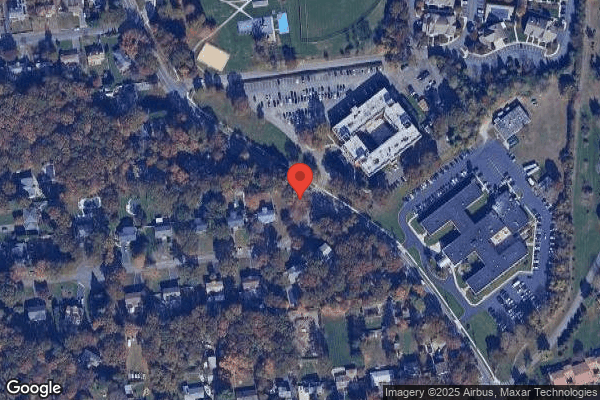
275 MORICHES ROAD, ST JAMES, NY 11780 (631) 862-8000
For profit - Limited Liability company 230 Beds CARERITE CENTERS Data: November 2025
Trust Grade
95/100
#101 of 594 in NY
Last Inspection: May 2024

Within standard 12-15 month inspection cycle. Federal law requires annual inspections.

Overview

St James Rehabilitation & Healthcare Center has an excellent Trust Grade of A+, indicating it is a top-tier facility. It ranks #101 out of 594 nursing homes in New York, placing it in the top half overall, and #12 out of 41 in Suffolk County, meaning there are only a few local options that perform better. However, the facility is experiencing a worsening trend, with issues increasing from 2 in 2022 to 4 in 2024. Staffing is a mixed bag; while the turnover rate of 24% is below the state average, the staffing rating is only 2 out of 5 stars, suggesting potential challenges in staff availability or consistency. Fortunately, there have been no fines, which is a positive sign, and the facility has average RN coverage, indicating that registered nurses are present to address health concerns. However, there are some notable incidents of concern, including problems with food safety in the kitchen, where opened and undated food was found, and a staff member failed to perform hand hygiene after handling the garbage. Additionally, a resident was not allowed to access outside food, limiting their personal choices, and there were issues with medication administration that could pose risks to residents. Overall, while there are strengths in the facility, families should be aware of these significant weaknesses as they consider care options.

Trust Score
A+
95/100
In New York
#101/594
Top 17%
Safety Record
Low Risk
No red flags
Inspections
Getting Worse
2 → 4 violations
Staff Stability
✓ Good
24% annual turnover. Excellent stability, 24 points below New York's 48% average. Staff who stay learn residents' needs.
Penalties
✓ Good
No fines on record. Clean compliance history, better than most New York facilities.
Skilled Nurses
○ Average
Each resident gets 30 minutes of Registered Nurse (RN) attention daily — about average for New York. RNs are the most trained staff who monitor for health changes.
Violations
○ Average
10 deficiencies on record. Average for a facility this size. Mostly minor or procedural issues.
★★★★★
5.0
Overall Rating
★★☆☆☆
2.0
Staff Levels
★★★★★
5.0
Care Quality
★★★★☆
4.0
Inspection Score
Stable
2022: 2 issues
2024: 4 issues

The Good

  • 5-Star Quality Measures · Strong clinical quality outcomes
  • Low Staff Turnover (24%) · Staff stability means consistent care
  • Full Sprinkler Coverage · Fire safety systems throughout facility
  • No fines on record
  • Staff turnover is low (24%)

    24 points below New York average of 48%

Facility shows strength in quality measures, staff retention, fire safety.

The Bad

Chain: CARERITE CENTERS

Part of a multi-facility chain

Ask about local staffing decisions and management

The Ugly 10 deficiencies on record

May 2024 4 deficiencies
CONCERN (D)

Potential for Harm - no one hurt, but risky conditions existed

Deficiency F0561 (Tag F0561)

Could have caused harm · This affected 1 resident

**NOTE- TERMS IN BRACKETS HAVE BEEN EDITED TO PROTECT CONFIDENTIALITY** Based on record review, and interviews conducted during the Recertification Survey initiated on 5/1/2024 and completed on 5/09/2...

Read full inspector narrative →
**NOTE- TERMS IN BRACKETS HAVE BEEN EDITED TO PROTECT CONFIDENTIALITY** Based on record review, and interviews conducted during the Recertification Survey initiated on 5/1/2024 and completed on 5/09/2024, the facility did not ensure each resident has the right to make choices about aspects of his or her life in the facility that are significant to the resident. This was identified for one (Resident #82) of one resident reviewed for choices. Specifically, the facility did not allow Resident # 82 to have access to outside food brought in by their family member. The finding is: The facility's Policy and Procedure for Food Brought in by Family last revised in July 2019 documented that if a resident is found eating/being assisted to eat foods/liquids brought from visitors that are not of the proper consistency (per diet order), the resident/visitor will be educated regarding proper food/ drink safety. Staff will offer to modify the food/drink consistency to comply with the diet order. Any non-compliance by the visitor/resident will be brought to the attention of the nursing supervisor/administrator immediately. Resident # 82 has diagnoses that include Diabetes Mellitus and Morbid Obesity. The Minimum Data Set assessment dated [DATE] documented Resident #82 had a Brief Interview for Mental Status score of 11 which indicated the resident's cognitive function was moderately impaired. The Minimum Data Set further documented that the Resident had no behaviors. The Comprehensive Care Plan (CCP) for nutrition last revised on 2/14/2024 documented that Resident # 82 had diet restrictions and required fine-chopped texture and thin liquids; the resident was on a planned weight loss diet; and had a behavior problem related to noncompliance with eating with supervision in the dining room despite continuous education and encouragement; noncompliance with diet texture, was on aspiration precautions, and high choking risk; resident preferred ordering takeout from pizzeria and fast food restaurants. Interventions included explaining and reinforcing to the resident the importance of maintaining the diet ordered; encourage the resident to comply; explain the consequences of refusal and obesity/malnutrition risk factors; The resident preferred to eat in their room. The physician orders dated 2/27/2024 included Insulin Lispro (1 Unit Dial) Subcutaneous Solution Pen-injector 100 unit per milliliter (Insulin Lispro) with instructions to Inject 20 units subcutaneously before meals for Diabetes. Additionally, the physician's orders included a heart-healthy, Mechanically Altered Chopped texture diet, and Thin Liquids consistency. The physician's evaluation dated 4/18/2024 indicated that Resident #82 was competent to make informed medical decisions. The Progress Note, written by Registered Dietician # 6, dated 4/20/2024 at 12:47 documented Resident #82 was not interested in diet instructions. The resident acquires food and snacks from the family member who would bring [NAME]-Hoo drinks, Hawaiian Punch, family-sized Potato chip bags, and other High-salt snack foods. The current diet may promote slow weight loss, aid in better management of Diabetes Mellitus, and improve ambulation. The Resident has refused any type of diet instructions. The Social Services Note dated 5/1/2024 documented the Social Worker spoke with the family member, via telephone regarding sending healthy food items that are compliant with the resident's dietary restrictions. Educated the family member about the resident's diet. The family member was appreciative of the call and stated they did not want to go against dietary restrictions and would be picking up the items left at the front desk. The Physician's Progress Note dated 5/2/2024 documented Resident # 82 was seen today for noncompliance with their Diabetic diet. Cookies, soda, etc. were found in the resident's room. This has been an ongoing issue and the resident has been counseled numerous times. The resident also has presented as a choking hazard and has required observation. Resident # 82 was interviewed on 5/02/2024 at 1:48 PM and stated they were very upset because they were told by the Social Worker that they were not allowed to have food that was brought in by their family member. The food was confiscated by the facility and sent back to the family member a few days later. Registered Dietician # 6 was interviewed on 5/06/2024 at 2:04 PM and stated Resident # 82 was not allowed to eat certain foods because of Diabetes and Aspiration Precautions. Registered Dietician # 6 stated they sent the food back with the resident's family member. Registered Dietician # 6 further stated despite the education, the resident continues to be non-compliant and the facility has to ensure the resident does not eat food that is prohibited. Social Worker # 7 was interviewed on 5/07/2024 at 12:27 PM and stated they spoke to Resident # 82's family member who agreed the food that was brought in was not healthy for the resident. Social Worker #7 stated that the resident does have capacity based on the Physician evaluation; however, they did not feel the facility violated the resident's rights. The Director of Nursing Services (DNS) was interviewed on 5/06/2024 at 2:05 PM and stated We educated the family and the resident multiple times and the family continues to bring in food that is not allowed to the resident. The food was sent back with the family member last week. The Director of Nursing Services (DNS) further stated that despite the education, the resident continues to be non-compliant and the facility has to ensure the resident does not eat food that is prohibited. 10 NYCRR 415.5(b)(1-3)
CONCERN (D)

Potential for Harm - no one hurt, but risky conditions existed

Deficiency F0760 (Tag F0760)

Could have caused harm · This affected 1 resident

**NOTE- TERMS IN BRACKETS HAVE BEEN EDITED TO PROTECT CONFIDENTIALITY** Based on observation, record review, and interviews conducted during the Recertification Survey initiated on 5/1/2024 and comple...

Read full inspector narrative →
**NOTE- TERMS IN BRACKETS HAVE BEEN EDITED TO PROTECT CONFIDENTIALITY** Based on observation, record review, and interviews conducted during the Recertification Survey initiated on 5/1/2024 and completed on 5/9/2024, the facility did not ensure that residents were free of any significant medication errors. This was identified for one (Resident #122), of five residents observed during the medication administration task. Specifically, the Physician's order for Resident #122 documented to hold Admelog insulin (a fast-acting insulin that starts to work about 15 minutes after injection, and peaks in about 1 hour) if the resident's blood sugar level was below 300 milligrams per deciliter. Resident #122's blood sugar level was documented as 137 milligrams per deciliter on 5/8/2024 at 6:00 AM. During a medication pass observation for Resident #122, on 5/8/2024 at 7:28 AM, Licensed Practical Nurse #4 intended to administer the physician-ordered Semglee-insulin Glargine (a long-acting insulin injected once daily and provides a steady insulin level throughout the day) 10 units of insulin; however, in error, they administered 10 units of the Admelog insulin. The findings are: The Facility Policy for Insulin Administration last revised on 1/14/2024 documented that for the safe administration of insulin; the type of insulin, strength, and method of administration must be verified with the physician's order before administration. Resident # 122 was admitted with diagnoses that include Type 2 Diabetes Mellitus without complications. The Minimum Data Set (MDS) assessment dated [DATE] documented the resident's Brief Interview for Mental Status (BIMS) score was 2, which indicated severely impaired cognition. The Minimum Data Set documented the resident was receiving insulin treatments. The Diabetes Mellitus comprehensive care plan initiated on 8/24/2018 documented the resident will receive Diabetes medications as ordered by the Physician. On 5/8/2024 at 7:24 AM, Licensed Practical Nurse #4 was observed administering 10 units of Admelog SoloStar Solution Pen-injector 100 Units/milliliters Insulin Lispro to the resident's lower left abdomen. Licensed Practical Nurse #4 stated before administering the insulin, they had checked the resident's blood glucose level, which was 147 milligrams per deciliter. Licensed Practical Nurse #4 stated that they were supposed to administer the insulin to Resident #122 at 6:00 AM and they were late because they were providing care to other residents. The Medication Administration Record for 5/8/2024 indicated Resident #122's blood glucose level was 137 milligrams per deciliter at 6:00 AM. A review of the Physician Orders dated 4/12/2024 was conducted after the medication administration observation. The physician's orders indicated the following: -Semglee Solution Pen-injector 100 Units/milliliters Insulin Glargine Inject 10 units subcutaneously one time a day for Diabetes to be given daily at 6:00 AM; and -Administer Admelog SoloStar Solution Pen-injector 100 Unit/milliliters Insulin Lispro (1 Unit Dial), Inject 20 units subcutaneously at 8:00 AM daily for Diabetes. Hold for blood sugar level below 300 milligrams per deciliter or if breakfast is refused Upon reconciliation of physician orders on 5/8/2024 at 11:30 AM, it was determined that Licensed Practical Nurse #4 provided the incorrect type of Insulin and the incorrect dose to Resident #122. Registered Nurse Supervisor #1 was interviewed on 5/8/2024 at 12:51 PM and stated Resident #122 should receive all prescribed medications as ordered. Registered Nurse Supervisor #1 stated they would educate Licensed Practical Nurse #4 regarding insulin administration. Licensed Practical Nurse #4 was re-interviewed on 5/9/2024 at 7:00 AM and stated on 5/8/2024 they administered 10 units of Admelog insulin to Resident #122 instead of the Semglee long-acting insulin, in error. Licensed Practical Nurse #4 stated the resident should not have received the Admelog insulin because the resident's blood glucose was lower than 300 (milligrams per deciliter). The Director of Nursing Services was interviewed on 5/9/2024 at 12:28 PM and stated Resident #122 received the wrong type of insulin on 5/8/2024. The Director of Nursing Services stated that they spoke with Licensed Practical Nurse #4 who acknowledged that Resident #122 accidentally received 10 units of Admelog instead of Semglee, the long-acting insulin. The Director of Nursing Services stated that they expected Licensed Practical Nurse #4 to administer medications as per the Physician's orders. The Medical Doctor was interviewed on 5/9/2024 at 12:52 PM and stated Resident #122 received the short-acting insulin instead of the long-acting insulin. The Medical Doctor stated the Physician's order specifically indicated to not administer Admelog insulin when the resident's blood glucose level was lower than 300 milligrams per deciliter. The Medical Doctor stated when a wrong type or wrong dose of insulin is administered, the resident's blood glucose could drop significantly and could potentially harm the resident. 10 NYCRR 415.12(m)(2)
CONCERN (D)

Potential for Harm - no one hurt, but risky conditions existed

Safe Environment (Tag F0921)

Could have caused harm · This affected 1 resident

Based on observation, record review, and interviews during the Recertification Survey initiated on 5/1/2024 and completed on 5/9/2024 the facility did not provide a sanitary and comfortable environmen...

Read full inspector narrative →
Based on observation, record review, and interviews during the Recertification Survey initiated on 5/1/2024 and completed on 5/9/2024 the facility did not provide a sanitary and comfortable environment for residents, staff, and the public. Specifically, four live roaches, one dead roach, and one unidentified crushed insect were observed in the first-floor conference room. Additionally, the kitchen shelf, where the Styrofoam cups were stored, was observed to have a heavy accumulation of dust and debris beneath it. The finding is: The facility policy titled Pest Control dated 10/18/2022 documented the facility has an ongoing pest management program that includes prevention, control of pest activity, and infestation, and ensures that proper handling of all pesticides is in place. On 5/1/2024 at 9:45 AM, two one-gallon beverage urns containing both coffee and hot water were served to the survey team along with a sleeve of Styrofoam coffee cups and individual creamers. Upon preparing one cup with coffee and creamer, 4 small live roaches were observed floating on the coffee surface. The facility Administrator was interviewed on 5/1/2024 immediately after the observations and stated that they believed that the insects may have originated from the cups which were supplied by the facility kitchen. The Pest Management Service Inspection Report Records dated 5/3/2023 through 4/28/2024 were reviewed. Roach activity was reported on 5/31/2023, 7/18/2023 and 8/1/2023. Reports documented observations of crawling bugs on 8/22/2023 at the 1st-floor nursing station on 2/12/2024. Multiple recommendations were made in the reports to the facility for better sanitation practices in the kitchen to prevent insect intrusion. On 5/1/2024 at 11:30 AM, the facility's coffee / hot water urns which supply resident coffee and hot water were inspected in the kitchen while accompanied by the Food Service Director. The coffee/hot water urns showed no evidence of insects; however, appeared to have an accumulation of dust on the surface of the machine. The Food Service Director stated that the coffee / hot water urns should have been cleaned every morning by the incoming shift but did not appear to have been cleaned at that time. Dietary Aide #1 was interviewed and stated that they were responsible for cleaning the coffee and hot water urns but did not conduct a thorough job of cleaning them that morning. The dry storage area where the Styrofoam cups originated from was inspected. The area beneath the shelf where the cups were stored was observed to have a heavy accumulation of dust and debris beneath it. On 5/1/2024 at 12:42 PM, the cabinet immediately below the coffee urns in the facility's conference room was inspected; one unidentified crushed insect within the cabinet and one dead roach in a glue trap behind the cabinet were found. This was immediately reported to the Administrator. The Administrator stated that the glue trap behind the cabinet was placed by the pest control company and denied any previous observations of roaches. 10 NYCRR 415.29
CONCERN (E)

Potential for Harm - no one hurt, but risky conditions existed

Food Safety (Tag F0812)

Could have caused harm · This affected multiple residents

Based on observation, record review, and interviews during the Recertification survey, initiated on 5/1/2024 and completed on 5/9/2024, the facility did not ensure that food was stored, prepared, dist...

Read full inspector narrative →
Based on observation, record review, and interviews during the Recertification survey, initiated on 5/1/2024 and completed on 5/9/2024, the facility did not ensure that food was stored, prepared, distributed, and served in accordance with professional standards for food service safety. This was identified during the Dining and Kitchen Tasks. Specifically, 1) During the initial tour of the kitchen, opened and undated packages of food were observed in the walk-in freezer and the refrigerator; the walk-in refrigerators and freezer were noted with debris and food spills; and multiple food preparation surfaces in the kitchen were observed with built-up food residue, racks for can storage had a layer of dust; 2) Therapeutic Recreation Aide #1 did not perform hand hygiene after touching the garbage can and proceeded to open food container on a residents' meal trays. The findings are: 1) The facility policy and procedure titled, Cleaning Instructions Food Carts dated 1/1/2024, documented that food carts will be cleaned and sanitized immediately after each use; the refrigerators will be cleaned thoroughly inside and outside with a detergent and followed by a sanitizer at least once every month, or as needed. Spills and leaks will be cleaned up as they occur; the slicer will be cleaned and sanitized before and after each use, and clean and sanitize the countertop on which the slicer is located; the counter space will be cleaned and sanitized prior to and following food preparation and meal service, and as needed; small appliances (such as mixers and food processors) will be cleaned and sanitized before and after each use. The facility policy titled, Food Storage dated 2021 and last revised 1/2024, documented that food is stored in an area that is clean, dry, and free from contaminants. Food is stored, prepared, and transported at appropriate temperatures and by methods designed to prevent contamination or cross-contamination. All foods that are removed from the original packaging must be labeled and dated with receiving date and expiration dates. Foods will be stored and handled to maintain the integrity of the packaging until ready to use. Refrigerated Storage: all refrigerator units are always kept clean. All foods should be covered, labeled, and dated. An initial tour of the kitchen was completed on 5/1/2024 at 9:59 AM with the Food Service Director and the Assistant Food Service Director. The following was observed: the walk-in combination refrigerator/freezer unit was observed with an open undated package of American cheese slices in the refrigerator; and an open undated package of hash browns in the freezer. The refrigerator floor was noted with black spots, which appeared like meat blood drippings,e, and other food and paper particles. In the dry storage area, the rack for storing canned foods was dusty. Multiple pieces of equipment not currently in use were noted to be dirty including the side of the steamer was splattered with food residue, the pellet system table and machine were left with food residue, the floor mat at the steam table was covered with egg and other food particles, the ice cream chest gaskets had a black residue all around the unit, an open, and the actively in-use garbage can was stored next to a clean stack of soup/salad bowls. A follow-up tour of the kitchen was completed on 5/3/2024 at 11:10 AM with the Food Service Director. The base of the food slicer and its worktable were observed to have brown drips. The lip of the work table had a layer of built-up grease and food. A follow-up tour of the kitchen was completed on 5/9/2024 at 9:52 AM with the Assistant Food Service Director. A rack of uncovered and undated raw burger patties was observed in the walk-in combination refrigerator/freezer. The rack containing three pans of Jello was dirty with residual food. The freezer floor was covered with debris, and the freezer had an open, undated package of hash browns and an open, undated package of perogies, with ice build-up inside of the bag. Cook #1 was interviewed on 5/9/2024 at 9:59 AM and stated that they had panned out the burger patties and put them in the refrigerator. [NAME] #1 stated they should have covered the patties. The Assistant Food Service Director was interviewed on 5/9/2024 at 10:17 AM and stated they check the walk-in refrigerators twice a day for cleanliness. The Assistant Food Service Director stated that they make a list of what needs to be cleaned. A cleaning person comes in three times per week; however, everyone should be cleaning up after themselves. The Assistant Food Service Director stated that the walk-in refrigerators are swept and mopped every night. The Assistant Food Service Director stated that the cooks are responsible for sealing any open packages, dating, and properly storing the food packages. Each person is responsible for cleaning their workstation, including the top and bottom of the counters. At the time of the interview, the Surveyor and the Assistant Food Service Director toured the kitchen and noted that underneath the cook's table and the coffee urn table, there was food residue and grease buildup present. The Food Service Director was interviewed on 5/9/2024 at 10:38 AM and stated a cleaning person is assigned to perform special cleaning assignments three times a week, such as cleaning the mixer machine and food racks. The Food Service Director stated that daily cleaning is also done; however, there is no cleaning schedule. The food service director stated that the open packages of food in the freezer should have been sealed and dated. The rack of raw beef patties should have been covered and dated and the Jello should not have been placed on a dirty rack. The Food Service Director stated that each person is responsible for cleaning their workstation and acknowledged that the areas underneath the worktables are not being cleaned. 2). The facility policy and procedure titled, Meal Service dated 1/1/2024, documents the facility staff will serve resident trays and will help residents who require assistance with eating. All employees who provide resident assistance with meals will be trained and shall demonstrate competency in the prevention of foodborne illness, including personal hygiene practices and safe food handling. A facility policy and procedure titled, Hand Washing/Hand Hygiene created in 4/2024 documents the facility considers hand hygiene the primary means to prevent the spread of health-care-associated infections. Hand hygiene is indicated immediately before touching a resident, after touching a resident, and after touching the resident's environment. A Dining observation was completed on 5/1/2024 at 11:24 AM in the first-floor main dining room. Therapeutic Recreation Aide #1 was observed touching a garbage can and then opening food containers on a resident's tray without performing hand hygiene. Therapeutic Recreation #1 then proceeded to serve another meal tray without performing hand hygiene. During the Dining observation on 5/1/2024 at 11:30 AM in the first-floor main dining room the Registered Nurse Education Coordinator was observed fixing their hair and then setting up a resident meal tray without performing hand hygiene. The Registered Nurse Education Coordinator was immediately interviewed on 5/1/2024 after the observation and stated they should have performed hand hygiene prior to preparing the meal tray. Therapeutic Recreation Aide #1 was interviewed on 5/1/2024 at 11:31 AM and stated that they did receive education on infection control protocols and hand hygiene. Therapeutic Recreation Aide #1 acknowledged that they should have performed hand hygiene before serving meals to the residents. 10 NYCRR 415.14(h)
Jun 2022 2 deficiencies
CONCERN (D)

Potential for Harm - no one hurt, but risky conditions existed

Comprehensive Care Plan (Tag F0656)

Could have caused harm · This affected 1 resident

**NOTE- TERMS IN BRACKETS HAVE BEEN EDITED TO PROTECT CONFIDENTIALITY** Based on observation, record review and staff interviews during the Recertification Survey initiated on 6/15/2022 and completed ...

Read full inspector narrative →
**NOTE- TERMS IN BRACKETS HAVE BEEN EDITED TO PROTECT CONFIDENTIALITY** Based on observation, record review and staff interviews during the Recertification Survey initiated on 6/15/2022 and completed on 6/27/2022, the facility did not ensure that each resident had a comprehensive person-centered care plan developed and implemented, that included measurable objectives and timeframes to meet the resident's medical and nursing needs. This was identified for one (Resident #33) of one resident reviewed for abuse. Specifically, Resident #33 had a Physician's order for a Peripheral intravenous (PIV) line for Hydration due to an Hypotensive episode and an order for Levaquin (antibiotic) for Pneumonia. There was no documented evidence that a care plan with measurable goals and interventions was developed for the use of the PIV line or antibiotic. The finding is: Resident #33 was admitted with diagnoses that included Hypertension, Pleural Effusion and Pulmonary Edema. A Quarterly Minimum Data Set (MDS) assessment dated [DATE] documented the resident's Brief Interview for Mental Status (BIMS) score was 12 which indicated the resident had moderately impaired cognition. The MDS documented the resident had Pleural Effusion. During an observation conducted on 6/15/2022 at 11:30 AM Resident #33 was observed lying in bed. Resident # 33 was awake, alert and responded appropriately to greetings. The resident was observed with a PIV line to the left hand. A Physicians order dated 6/11/22 documented to place a peripheral intravenous (PIV) line, flush PIV line every shift for one day, and Sodium Chloride Solution 0.9% at 60 milliliters (ml) an hour intravenously one time only for Hypotensive episode. A Nursing note dated 6/12/2022 documented that a Peripheral 22 gauge [needle] IV was placed in the resident's left forearm. Normal saline fluid was to be administered at 60 ml/hour for 24 hours as ordered. A Physician's order dated 6/15/22 documented to administer Levaquin tablet 500 milligram (mg), give 1 tablet by mouth in the evening for Pneumonia for 7 days. A Medication Administration Record (MAR) dated 6/1/2022 to 6/30/2022 documented Levaquin 500 mg was administered on (dates 6/15/22 - 6/22/22??). The resident's Electronic Medical Record (EMR) was reviewed on 6/27/22. The EMR lacked documented evidence of that a Comprehensive Care Plan (CCP) was developed for the initiation of IV fluids due to an Hypotensive episode and for the use of Levaquin due to Pneumonia. Registered Nurse (RN #2) Manager was interviewed on 6/27/22 at 3:24 PM and stated that they (RN #2) were responsible for updating the CCP to include that the resident had a peripheral IV line and was receiving IV Hydration and oral Antibiotic therapy. RN #2 stated that it was an oversight and that they (RN #2) usually initiates a CCP for infection and incorporates the antibiotic and IV in the CCP. RN #2 stated that a CCP should have been developed that included appropriate goals and interventions to reflect that the resident had a PIV line for Hydration and was receiving antibiotic therapy. The Director of Nursing Services (DNS) was interviewed on 6/27/22 at 3:40 PM and stated that the RN Managers, RN Supervisors or the RN in charge on the day the PIV was placed and when the antibiotic was ordered was responsible for initiating the CCPs. The DNS further stated a CCP should have been initiated for the PIV and for the antibiotic therapy. 415.11(c)(1)
CONCERN (D)

Potential for Harm - no one hurt, but risky conditions existed

Medication Errors (Tag F0758)

Could have caused harm · This affected 1 resident

**NOTE- TERMS IN BRACKETS HAVE BEEN EDITED TO PROTECT CONFIDENTIALITY** Based on observation, record review and interviews and during the Recertification Survey initiated on 6/15/2022 and completed on...

Read full inspector narrative →
**NOTE- TERMS IN BRACKETS HAVE BEEN EDITED TO PROTECT CONFIDENTIALITY** Based on observation, record review and interviews and during the Recertification Survey initiated on 6/15/2022 and completed on 6/27/2022, the facility did not ensure that residents who use Psychotropic drugs received Behavioral Interventions in an effort to discontinue these drugs prior to the administration of the as-needed (PRN) Psychotropic medication. This was identified for one (Resident #99) of six residents reviewed for Unnecessary Medications. Specifically, Resident #99 received Alprazolam (Xanax-an antianxiety medication) PRN with no documented evidence that non-pharmacological interventions were attempted prior to the administration of the antianxiety medication. The finding is: The Psychotropic medication policy dated 6/24/2019 documented that orders for psychotropic medications are only for the treatment of specific medical and /or psychiatric conditions or when the medication meet the needs of the patient to alleviate significant distress that are not met by the use of non-pharmacologic approaches/interventions. Non-Pharmacological interventions will be attempted and documented prior to the use of psychotropic medications. Resident #99 was admitted with diagnoses including Dementia, Major Depressive Disorder, and Anxiety Disorder. The Minimum Data Set (MDS) assessment dated [DATE] documented the resident had a Brief Interview for Mental Status (BIMS) score of 4 indicating severely impaired cognition. The MDS indicated the resident did not exhibit behavioral symptoms in the MDS look-back period. The Physician's order dated 2/18/2022 and last renewed on 6/19/2022 documented Alprazolam(Xanax), 0.5 milligrams (mg) one tablet by mouth every 12 hours as needed for Anxiety. The Comprehensive Care Plan (CCP) dated 2/23/2022 titled the resident uses anti-anxiety medications (Xanax) included interventions to offer non-pharmacologic interventions such as conversation, hand massage, diversional activities, music therapy, redirection, reassurance, education on deep breathing and relaxation techniques, or to provide a quieter environment. The Medication Administration Record (MAR) revealed that Resident #99 received Xanax 0.5 mg one tablet as follows: 10 occasions in February 2022; 42 occasions in March 2022; 35 occasions in April 2022, 21 occasions in May 2022, and 11 occasions in June 2022. The Psychiatry Physician Assistant (PA) progress note dated 6/15/2022 documented to continue the current psych medication regimen as prescribed. The progress note further documented that Resident #99 will not benefit from a Gradually Dose Reduction (GDR) at this time as it may affect their ability to function and could lead to cognitive decline. The progress note further documented that the Psychiatry follow-up would be in 3 months, and then as needed. Certified Nursing Assistant (CNA) #11 was observed on 6/27/2022 at 10:56 AM sitting next to Resident #99 in their (Resident #99's) room, drawing with Resident #99. Resident #99 was observed trying to throw the art supplies from the table. CNA #11 was interviewed on 6/27/2022 at 10:58 AM and stated they (CNA #11) were assigned to Resident #99's room which has a total of four residents. Resident #99's room has a CNA assigned daily 24 hours a day. CNA #11 stated that their job was to make sure the residents in this room were being occupied with drawing, listening to music, and reading books. CNA#11 stated Resident #99 gets very anxious at times. CNA #11 stated they (CNA #11 ) call the nurse when Resident #99 gets anxious, is crying aloud, and tries to swing their arms. CNA #11 stated that nurses administer medications to Resident #99 for Anxiety. CNA #11 stated they (CNA #11) do not document the interventions they attempt anywhere, they just call the nurse. The License Practical Nurse(LPN)#1 was interviewed on 6/27/2022 at 11:10 AM and stated that they (LPN #1) administer Xanax 0.5 mg one tablet every 12 hours as needed to Resident #99. LPN #1 stated they documented in the MAR that the antianxiety medication was administered however, they (LPN #1) did not document what non-Pharmacological interventions were attempted. LPN #1 stated there is one CNA dedicated to Resident #99's room twenty-four hours, every day to monitor and help the residents with their Anxiety and to make sure they (residents) were safe. LPN #1 stated Resident #99 could verbalize that they are anxious. LPN #1 stated that Resident #99 gets agitated, yells, screams, and throws things. LPN #1 stated they (LPN #1) did not attempt any non-pharmacological interventions for Resident #99 because there is a CNA assigned to the resident's room all day. The Registered Nurse (RN) #2 was interviewed on 06/27/2022 at 11:05 AM and stated they (RN#2 ) were the unit manager. RN #2 stated Resident #99 was impulsive and very anxious at times. RN #2 stated there was one CNA dedicated to Resident #99's room around the clock twenty-four hours, every day to help Resident #99 with their anxiety and to make sure they (Resident #99) were safe. RN #2 stated that the nurses are supposed to document the non-pharmacological interventions attempted before each use of the PRN antianxiety medications. The Primary Medical Doctor (MD) #1 was interviewed on 06/27/22 at 12:47 PM and stated that Resident #99 was receiving Xanax 0.5 mg while they were in the hospital. MD #1 stated that Xanax 0.5 mg was on the hospital discharge medication list for Resident #99's anxiety disorder. MD #1 stated that Resident #99's family member was in the facility every day to visit Resident#99. They further stated that Resident #99's family member was in agreement to use Xanax for anxiety. MD #1 stated that they (MD #1) attempted a Gradual Dose Reduction (GDR) on 6/1/2022 from 0.5 mg every 8 hours to every 12 hours PRN. MD #1 stated that they knew the facility was implementing the non-pharmacological interventions, but they did not know the staff was not documenting those interventions. The Director of Nursing Services (DNS) was interviewed on 6/27/22 at 3:04 PM and stated that there was one CNA dedicated to Resident #99's room for implementing the non-pharmacological interventions and to make sure the residents were safe in that room. The DNS stated that there was a form entitled Behavior Monthly Flow Sheet'' for the nurses to use each time before administering PRN antipsychotic medications, however, the Behavior Monthly Flow Sheet was not initiated and completed for Resident #99. The DNS stated they (DNS) do not know why the nurses were not using this form for Resident #99. The DNS further stated that they (DNS) will educate the nurses to use this form to document the non-pharmacological interventions. 415.12(I)(2)(ii)
Oct 2019 4 deficiencies
CONCERN (D)

Potential for Harm - no one hurt, but risky conditions existed

Deficiency F0638 (Tag F0638)

Could have caused harm · This affected 1 resident

**NOTE- TERMS IN BRACKETS HAVE BEEN EDITED TO PROTECT CONFIDENTIALITY** Based on record review and staff interview during the recertification survey the facility did not ensure that each resident was ...

Read full inspector narrative →
**NOTE- TERMS IN BRACKETS HAVE BEEN EDITED TO PROTECT CONFIDENTIALITY** Based on record review and staff interview during the recertification survey the facility did not ensure that each resident was assessed using the quarterly review assessment tool specified by the State and approved by CMS not less frequently than once every 3 months. This was evident for one quarterly MDS assessment review identified for 1 (Resident #3) of 38 sampled residents. Specifically, Resident # 3's Quarterly Minimum Data Set (MDS) Assessment was due 9/1/19 but was not completed within the 3 month required time frame. The previous quarterly MDS completion date was 6/1/19. The finding is: Resident #3 was admitted to the facility on [DATE] with diagnoses including Chronic Obstructive Pulmonary Disease, Hypertension and Dementia. The Quarterly MDS assessment dated [DATE] documented the resident had long and short term memory loss and modified independence in making decisions. Review of the medical record revealed there was no documented evidence the quarterly MDS assessment due by 9/1/19 was completed timely. An interview was held with the Registered Nurse (RN) MDS Coordinator on 10/8/19 at 9:42 AM. The RN reviewed the medical record and stated there was no documented evidence the Quarterly MDS that was due 9/1/19 was completed. The RN stated the last documented quarterly MDS was dated 6/1/19 and a quarterly MDS should have been completed by 9/1/19 and could not explain why it was not. 415.11(a)(4)
CONCERN (D)

Potential for Harm - no one hurt, but risky conditions existed

Comprehensive Care Plan (Tag F0656)

Could have caused harm · This affected 1 resident

**NOTE- TERMS IN BRACKETS HAVE BEEN EDITED TO PROTECT CONFIDENTIALITY** Based on record review and interviews during the recertification survey, the facility did not ensure each resident had a person-...

Read full inspector narrative →
**NOTE- TERMS IN BRACKETS HAVE BEEN EDITED TO PROTECT CONFIDENTIALITY** Based on record review and interviews during the recertification survey, the facility did not ensure each resident had a person-centered Comprehensive Care Plan (CCP) developed and implemented to meet preferences and goals, and address the resident's medical, physical, mental and psychosocial needs to attain or maintain the resident's highest practicable physical, mental, and psychosocial well-being. This was identified for 2 (Residents #222 and #18) of 7 residents reviewed for Cognition out of a total sample of 38 residents. Specifically, Resident # 222 and # 18 did not have a CCP developed for Cognition. The findings are: 1) Resident #222 was admitted to the facility on [DATE] with Diagnosis which includes Non-Alzheimer's Dementia. The Minimum Data Set (MDS) 3.0 assessment dated [DATE] documented the Brief Interview for Mental Status was not completed. The directions under C0500 documented enter 99 if resident was unable to complete interview. No code was documented. The resident was assessed under section c1000 with Severely Impaired Cognition. There was no CCP to address the resident's impaired cognition. 2) Resident # 18 was admitted to the facility on [DATE] with Diagnosis which includes Depression. The MDS assessment dated [DATE] documented the Brief Interview for Mental Status was not completed. The directions under C0500 documented enter 99 if resident was unable to complete interview. No code was documented. The resident was assessed under section c1000 with Severely Impaired Cognition. There was no CCP to address the resident's impaired cognition. The Social Worker who had completed the cognition MDS section was interviewed on 10/07/19 at 2:38 PM and stated residents with cognitive impairment should have had a CCP developed and could not comment why the CCP was not in the resident's medical record. The MDS Coordinator was interviewed on 10/08/19 at 9:42 AM and stated that the social workers were coding the MDS incorrectly and this may not have triggered a Cognition CCP. The MDS Coordinator stated a Cognition CCP should be in the medical record. 415.11(c)(1)
CONCERN (D)

Potential for Harm - no one hurt, but risky conditions existed

ADL Care (Tag F0677)

Could have caused harm · This affected 1 resident

**NOTE- TERMS IN BRACKETS HAVE BEEN EDITED TO PROTECT CONFIDENTIALITY** Based on observation, record review and interviews during the recertification survey, the facility did not ensure that a residen...

Read full inspector narrative →
**NOTE- TERMS IN BRACKETS HAVE BEEN EDITED TO PROTECT CONFIDENTIALITY** Based on observation, record review and interviews during the recertification survey, the facility did not ensure that a resident who required assistance with Activities of Daily Living (ADL) received the necessary services for Toileting and Bladder Incontinence. This was identified for one (Resident # 171) of one resident reviewed for ADLs. Specifically, Resident # 171 stated on 10/03/19 that incontinent care had not been completed from the 11:00 PM - 7:00 AM night shift (starting on 10/02/19). The resident was observed on 10/03/19 at 10:30 AM in bed in a urine soaked diaper despite the call bell being initiated. The finding is: Resident # 171 was admitted to the facility on [DATE] for short term rehabilitation with diagnoses that include Diabetes Mellitus (DM) and Cerebral Vascular Accident (CVA). The Minimum Data Set (MDS) assessment dated [DATE] documented the resident was independent in decision making with no memory problems. The resident required extensive assistance of one staff member for toilet use, and limited assist of one staff member for personal hygiene. The MDS documented the resident was frequently incontinent of urine and occasionally incontinent of bowel. The resident was not on a toileting schedule. The Comprehensive Care Plan (CCP) for ADLs, initiated on 7/22/19 and updated 8/7/19, documented the resident required limited assist of one staff member for toileting and personal hygiene. The CCP for Bladder Incontinence, initiated on 7/30/19, documented the resident was incontinent of bladder and was to be checked for incontinent care as needed. The CCP did not address that the resident was toileted on request. On 10/03/19 at 10:30 AM the resident's call bell was observed lit. The resident was in bed and the resident's diaper was observed by the surveyor to be heavily soaked with urine. There was a strong urine odor in the room. The resident stated at that time (10:30 AM) that she was wet and had not been changed since the 11:00 PM-7:00 AM shift that day. The Certified Nursing Assistant (CNA) Accountability Record documented on 10/03/19 that the resident had incontinent care by the 11:00 PM-7:00 AM shift at 5:10 AM. The 7:00 AM-3:00 PM CNA documented the resident had incontinent care at 1:03 PM (13:03). There was no documentation that the resident was toileted or received incontinence care between the night shift at 5:10 AM and the day shift at 1:03 PM. The Licensed Practical Nurse (LPN)/Charge Nurse on the resident's unit was interviewed on 10/08/19 at 11:01 AM. The LPN stated that Resident # 171 is toileted on request and is incontinent overnight. On that day (10/03/19) the resident was scheduled for a shower and that is why she was in bed. The LPN stated that care would not have been rendered unless the resident had used the call bell. The LPN further stated that the breakfast trays are served on the unit at 7:00 AM and that unless a resident needs care and the call bell is ringing, the morning care starts after breakfast. The LPN did not recall if the call bell was on for the resident's room. CNA # 1 was interviewed on 10/08/19 at 12:45 PM. The CNA stated that she was not the regular CNA for Resident # 171. The CNA stated that when the staff comes in on the day shift at 7:00 AM, the breakfast trays are up and staff immediately start handing out the trays. The CNA stated that if the resident is ringing the call bell the care will be rendered, otherwise, care does not start until after breakfast. CNA #2, who showered the resident on 10/03/19 was interviewed on 10/08/19 at 1:00 PM. The CNA stated that her assignment was to shower the resident and the CNA did not administer any morning care. The CNA stated that the resident had been toileted prior to the shower. The shower was documented to have been completed at 1:03 PM. The CNA #3 who was responsible for the resident's care that day was interviewed on 10/08/19 at 1:11 PM. The CNA stated that she was not the resident's regular aide. The CNA stated that she was assigned to the resident on 10/03/19, day shift. The CNA stated that if the resident had not used the call bell prior to breakfast there would not have been any care administered. The CNA stated that rounds and care are not started until after breakfast and that the resident was changed when the call bell was initiated, around 10:30 AM. The CNA further stated that she had not served the resident her breakfast tray that morning and did not know who had. 415.12(a)(3)
MINOR (B)

Minor Issue - procedural, no safety impact

Assessment Accuracy (Tag F0641)

Minor procedural issue · This affected multiple residents

**NOTE- TERMS IN BRACKETS HAVE BEEN EDITED TO PROTECT CONFIDENTIALITY** Based on record review and interview during the recertification survey, the facility did not ensure that the Minimum Data Set (M...

Read full inspector narrative →
**NOTE- TERMS IN BRACKETS HAVE BEEN EDITED TO PROTECT CONFIDENTIALITY** Based on record review and interview during the recertification survey, the facility did not ensure that the Minimum Data Set (MDS)3.0 accurately reflected each resident's current status. Specifically, the Brief Interview for Mental Status (BIMS) was not coded correctly on the MDS assessments. This was identified for 7 of 7 residents reviewed for Cognition from a sample of 38 residents (Resident #222, #18, #50, #80, #157, #179, and #223). The findings include but are not limited to: 1) Resident #222 was admitted to the facility on [DATE] with Diagnosis which includes Non-Alzheimer's Dementia. The MDS assessment dated [DATE] documented the BIMS score was not completed. The directions under C0500 documented enter 99 if resident was unable to complete interview. No code was documented. The resident was assessed under section c1000 with Severely Impaired cognition. 2) Resident #18 was admitted to the facility on [DATE] with Diagnosis which includes Depression. The MDS assessment dated [DATE] documented the BIMS score was not completed. The directions under C0500 documented enter 99 if resident was unable to complete interview. No code was documented. The resident was assessed under section c1000 with Severely Impaired cognition. 3) Resident #50 was admitted on [DATE] and has diagnosis which include Major Depression Disorder. The MDS dated [DATE] documented the BIMS score was not completed. The MDS further documented the resident had no short term or long term memory problems and was independent in cognitive skills for decision making. The Social Worker who is responsible to complete the cognition section was interviewed on 10/07/19 at 2:38 PM and stated she did not know to code a 99 in C0500 for the residents who refused to be interviewed or for residents with cognitive impairment. The MDS Coordinator stated on 10/08/19 at 9:42 AM, that the social workers were coding the MDS wrong and should have properly coded the MDS. She had not identified this error when she signed that the MDS assessments were completed. 415.11(b)
Understanding Severity Codes (click to expand)
Life-Threatening (Immediate Jeopardy)
J - Isolated K - Pattern L - Widespread
Actual Harm
G - Isolated H - Pattern I - Widespread
Potential for Harm
D - Isolated E - Pattern F - Widespread
No Harm (Minor)
A - Isolated B - Pattern C - Widespread

Questions to Ask on Your Visit

  • "Can I speak with families of current residents?"
  • "What's your RN coverage like on weekends and overnight?"

Our Honest Assessment

Strengths
  • • Grade A+ (95/100). Above average facility, better than most options in New York.
  • • No major safety red flags. No abuse findings, life-threatening violations, or SFF status.
  • • No fines on record. Clean compliance history, better than most New York facilities.
  • • 24% annual turnover. Excellent stability, 24 points below New York's 48% average. Staff who stay learn residents' needs.
Concerns
  • • No significant concerns identified. This facility shows no red flags across CMS ratings, staff turnover, or federal penalties.
Bottom line: Generally positive indicators. Standard due diligence and a personal visit recommended.

About This Facility

What is St James Rehabilitation & Healthcare Center's CMS Rating?

CMS assigns ST JAMES REHABILITATION & HEALTHCARE CENTER an overall rating of 5 out of 5 stars, which is considered much above average nationally. Within New York, this rating places the facility higher than 99% of the state's 100 nursing homes. This rating reflects solid performance across the metrics CMS uses to evaluate nursing home quality.
How is St James Rehabilitation & Healthcare Center Staffed?

CMS rates ST JAMES REHABILITATION & HEALTHCARE CENTER's staffing level at 2 out of 5 stars, which is below average compared to other nursing homes. Staff turnover is 24%, compared to the New York average of 46%. This relatively stable workforce can support continuity of care.

What Have Inspectors Found at St James Rehabilitation & Healthcare Center?

State health inspectors documented 10 deficiencies at ST JAMES REHABILITATION & HEALTHCARE CENTER during 2019 to 2024. These included: 9 with potential for harm and 1 minor or isolated issues.
Who Owns and Operates St James Rehabilitation & Healthcare Center?

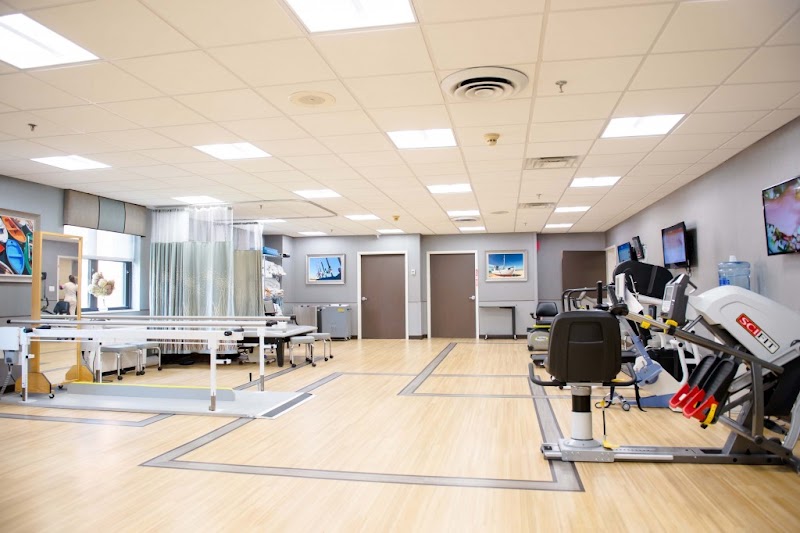
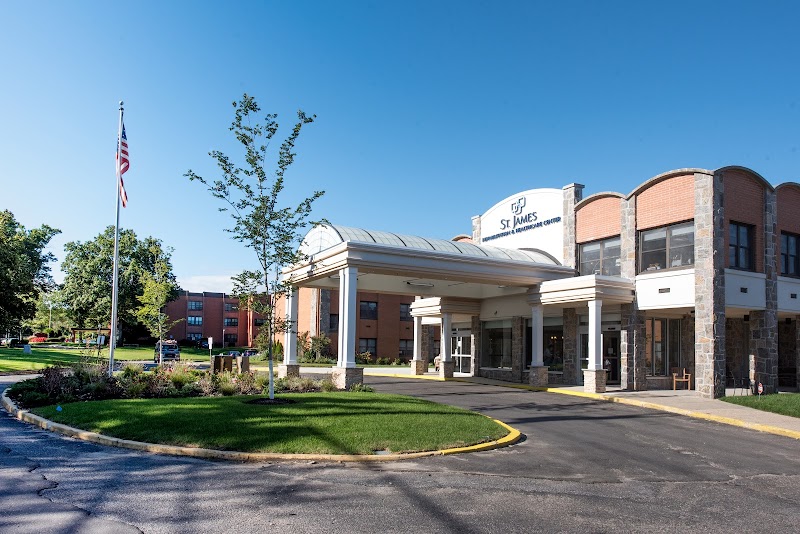
ST JAMES REHABILITATION & HEALTHCARE CENTER is owned by a for-profit company. For-profit facilities operate as businesses with obligations to shareholders or private owners. The facility is operated by CARERITE CENTERS, a chain that manages multiple nursing homes. With 230 certified beds and approximately 220 residents (about 96% occupancy), it is a large facility located in ST JAMES, New York.
How Does St James Rehabilitation & Healthcare Center Compare to Other New York Nursing Homes?

Compared to the 100 nursing homes in New York, ST JAMES REHABILITATION & HEALTHCARE CENTER's overall rating (5 stars) is above the state average of 3.1, staff turnover (24%) is significantly lower than the state average of 46%, and health inspection rating (4 stars) is above the national benchmark.

What Should Families Ask When Visiting St James Rehabilitation & Healthcare Center?

Based on this facility's data, families visiting should ask: "Can you walk me through typical staffing levels on day, evening, and night shifts?" "Can I visit during a mealtime to observe dining assistance and food quality?" "How do you handle medical emergencies, and what is your hospital transfer rate?" "Can I speak with family members of current residents about their experience?" These questions are particularly relevant given the below-average staffing rating.

Is St James Rehabilitation & Healthcare Center Safe?

Based on CMS inspection data, ST JAMES REHABILITATION & HEALTHCARE CENTER has a clean safety record: no substantiated abuse findings (meaning no confirmed cases of resident harm), no Immediate Jeopardy citations (the most serious violation level indicating risk of serious injury or death), and is not on the Special Focus Facility watch list (a federal program monitoring the lowest-performing 1% of nursing homes). The facility has a 5-star overall rating and ranks #1 of 100 nursing homes in New York. While no facility is perfect, families should still ask about staff-to-resident ratios and recent inspection results during their visit.

Do Nurses at St James Rehabilitation & Healthcare Center Stick Around?

Staff at ST JAMES REHABILITATION & HEALTHCARE CENTER tend to stick around. With a turnover rate of 24%, the facility is 22 percentage points below the New York average of 46%. Low turnover is a positive sign. It means caregivers have time to learn each resident's needs, medications, and personal preferences. Consistent staff also notice subtle changes in a resident's condition more quickly.

Was St James Rehabilitation & Healthcare Center Ever Fined?

ST JAMES REHABILITATION & HEALTHCARE CENTER has no federal fines on record. CMS issues fines when nursing homes fail to meet care standards or don't correct problems found during inspections. The absence of fines suggests the facility has either maintained compliance or corrected any issues before penalties were assessed. This is a positive indicator, though families should still review recent inspection reports for the full picture.

Is St James Rehabilitation & Healthcare Center on Any Federal Watch List?

ST JAMES REHABILITATION & HEALTHCARE CENTER is not on any federal watch list. The most significant is the Special Focus Facility (SFF) program, which identifies the bottom 1% of nursing homes nationally based on persistent, serious quality problems. Not being on this list means the facility has avoided the pattern of deficiencies that triggers enhanced federal oversight. This is a positive indicator, though families should still review the facility's inspection history directly.