TARRYTOWN HALL CARE CENTER
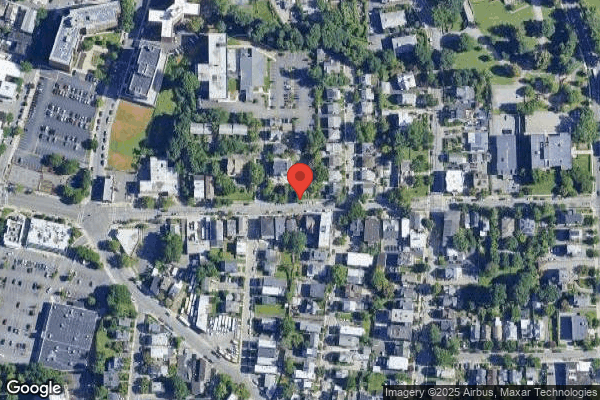
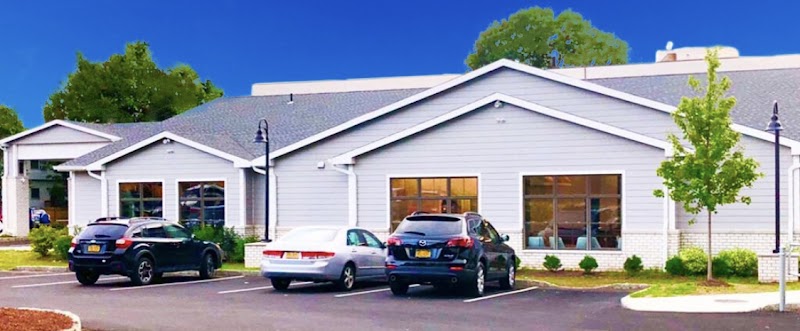
20 WOOD COURT, TARRYTOWN, NY 10591 (914) 631-2600
For profit - Limited Liability company 120 Beds PERSONAL HEALTHCARE, LLC Data: November 2025
Trust Grade
70/100
#341 of 594 in NY
Last Inspection: September 2024

Within standard 12-15 month inspection cycle. Federal law requires annual inspections.

Overview

Tarrytown Hall Care Center has a Trust Grade of B, which indicates it is a good option for families, though not the top choice available. It ranks #341 out of 594 facilities in New York, placing it in the bottom half of the state, and #23 out of 42 in Westchester County, suggesting there are better local alternatives. The facility's trend is concerning, as the number of issues has increased from 2 in 2019 to 7 in 2024. Staffing is average with a turnover rate of 40%, which is on par with the state average, and although there are no fines on record, there are notable concerns regarding staffing adequacy and training for staff assisting residents with eating, which could impact care quality. Families should weigh these strengths against the weaknesses when considering this nursing home for their loved ones.

Trust Score
B
70/100
In New York
#341/594
Bottom 43%
Safety Record
Low Risk
No red flags
Inspections
Getting Worse
2 → 7 violations
Staff Stability
○ Average
40% turnover. Near New York's 48% average. Typical for the industry.
Penalties
✓ Good
No fines on record. Clean compliance history, better than most New York facilities.
Skilled Nurses
○ Average
Each resident gets 37 minutes of Registered Nurse (RN) attention daily — about average for New York. RNs are the most trained staff who monitor for health changes.
Violations
○ Average
9 deficiencies on record. Average for a facility this size. Mostly minor or procedural issues.
★★★☆☆
3.0
Overall Rating
★★★☆☆
3.0
Staff Levels
★★★★☆
4.0
Care Quality
★★★☆☆
3.0
Inspection Score
Stable
2019: 2 issues
2024: 7 issues

The Good

  • 4-Star Quality Measures · Strong clinical quality outcomes
  • Full Sprinkler Coverage · Fire safety systems throughout facility
  • No fines on record
  • Staff turnover below average (40%)

    8 points below New York average of 48%

Facility shows strength in quality measures, fire safety.

The Bad

3-Star Overall Rating

Near New York average (3.1)

Meets federal standards, typical of most facilities

Staff Turnover: 40%

Near New York avg (46%)

Typical for the industry

Chain: PERSONAL HEALTHCARE, LLC

Part of a multi-facility chain

Ask about local staffing decisions and management

The Ugly 9 deficiencies on record

Sept 2024 7 deficiencies
CONCERN (D) 📢 Someone Reported This

A family member, employee, or ombudsman was alarmed enough to file a formal complaint

Potential for Harm - no one hurt, but risky conditions existed

Resident Rights (Tag F0550)

Could have caused harm · This affected 1 resident

**NOTE- TERMS IN BRACKETS HAVE BEEN EDITED TO PROTECT CONFIDENTIALITY** Based on observation, record review, and interview conducted during the recertification and abbreviated surveys (NY 00342701) fr...

Read full inspector narrative →
**NOTE- TERMS IN BRACKETS HAVE BEEN EDITED TO PROTECT CONFIDENTIALITY** Based on observation, record review, and interview conducted during the recertification and abbreviated surveys (NY 00342701) from 9/24/24 to 9/28/24, the facility did not ensure that a resident's right to privacy was respected for 1 of 3 (Resident #80) residents reviewed for Dignity. Specifically, Resident #80's bathroom light was not working and they were told to leave the door open to create light while using the bathroom. The findings are: Resident #80 was admitted to the facility on [DATE] with diagnoses of hyperlipidemia, Alzheimer's Disease, and Non-Alzheimer's Dementia. The Quarterly Minimum Data Set assessment dated [DATE] documented the resident had severe cognitive deficits and needed partial to moderate assist for toileting and showering, and supervision for transfers. When interviewed on 9/24/24 at 1:51 PM, Resident #80's family member stated Resident #80 was told about 2 months ago to leave the door open for light while using the bathroom because the bathroom light was not working. The family member stated they had to call maintenance and, because they were not available over the weekend, it did not get fixed until Monday. There was no documented evidence in the 1/3/24 through 9/25/24 work order logbook of a request for the bathroom light to be fixed in Resident #80's room. When interviewed on 9/27/24 at 9:28 AM, Certified Nurse Aide #21 stated whenever anything was broken they would tell maintenance to fix it. They did not recall the light being broken in Resident #80's bathroom. When interviewed on 9/27/24 at 9:47 AM, the Director of Maintenance stated they were unsure why the facility did not call to make them aware the residents bathroom light was not working, since the family made the facilty aware in the middle of the day on Friday. The Director of Maintenance stated nobody called them over the weekend to inform them the light in Resident #80's bathroom was not working. The Director of Maintenance stated they could come in on weekends to fix things, as long as they were made aware. They further stated they should have been called or staff should have brought Resident #80 to another bathroom. NY CRR 415.3(d)(1)
CONCERN (D)

Potential for Harm - no one hurt, but risky conditions existed

Deficiency F0645 (Tag F0645)

Could have caused harm · This affected 1 resident

Based on record review and interviews conducted during the recertification survey from 9/24/24 to 9/28/24, the facility did not ensure that each resident's screen for a mental disorder or intellectual...

Read full inspector narrative →
Based on record review and interviews conducted during the recertification survey from 9/24/24 to 9/28/24, the facility did not ensure that each resident's screen for a mental disorder or intellectual disability was completed for 2 of 24 (Residents #31 and #48) residents reviewed for Pre admission Screening and Resident Review. Specially, there was no documented evidence of pre-admission screening and resident review assessments for Residents #31 and #48. The findings are: The facility policy, Pre-admission Screening and Resident Review dated 11/25/23 documented all residents have the required pre-admission screen prior to admission to the facility, and any time there is a significant change that has a bearing on the resident's specialized service needs. 1. Resident #31 had diagnoses which included mild cognitive impairment, depression, and seizure disorder. Resident #31's electronic medical record revealed there was no documented evidence that a pre-admission screen and resident review assessment was completed. On 9/26/24 at 3:05 PM during an interview with the Director of Social Work and the Administrator, they stated Resident #31 was admitted in 2016, and Resident #31's pre-admission screen and resident review assessment from that time must not have been scanned into Resident #31's electronic medical record, and the original document was not in the facility. They stated they were responsible to check if all residents in the building had pre-admission screen and resident review assessments on file. 2. Resident #48 with Diagnosis of unspecified sequelae of cerebral vascular accident, Hemiplegia, and hypertension Resident #48's electronic medical record revealed there was no documented evidence that a pre admission screen and resident review assessment was completed. On 9/27/24 at 3:05 PM during an interview with the Director of Social Work stated Resident #48's pre-admission screen and resident review assessment must not have been scanned into Resident #48's electronic medical record, and the original document was not in the facility. They stated they were responsible to check if all residents in the building had pre-admission screen and resident review assessments on file. 10NYCRR 415.11 (e)
CONCERN (D)

Potential for Harm - no one hurt, but risky conditions existed

Pressure Ulcer Prevention (Tag F0686)

Could have caused harm · This affected 1 resident

**NOTE- TERMS IN BRACKETS HAVE BEEN EDITED TO PROTECT CONFIDENTIALITY** Based on observation, record review, and interview during the recertification survey from 9/24/2024 to 9/28/2024, the facility d...

Read full inspector narrative →
**NOTE- TERMS IN BRACKETS HAVE BEEN EDITED TO PROTECT CONFIDENTIALITY** Based on observation, record review, and interview during the recertification survey from 9/24/2024 to 9/28/2024, the facility did not ensure residents at risk for pressure ulcers received necessary treatment and services, consistent with professional standards of practice, to promote wound healing, prevent infection, and prevent new ulcers from developing for 1 of 2 residents (Residents #48) reviewed for Pressure Ulcers. Specifically, for Resident #48's bilateral heel floats while in bed for pressure reduction were not provided as per physician order and/or care plan. Findings include: The Policy and Procedure titled Pressure Injury Prevention and Management dated 3/2021 documented It is the policy of the facility to have appropriate interdisciplinary preventative care plan implemented when indicated. Purpose to prevent avoidable pressure injuries. Resident #48 had diagnoses of of cerebral vascular accident, hemiplegia, and hypertension. The Quarterly Minimum Data Set (an assessment tool) dated 7/26/2024, documented the resident's cognition was moderately impaired. The resident required set up assistance with eating and partial to moderate assistance for all other activities of daily living. The resident was assessed as being at risk for pressure ulcers, had an open lesion on the foot and had pressure relieving device/s to the bed and the wheelchair. The Care Plan titled Self-Care Deficit dated 3/29/24 and revised on 5/15/24 documented proper positioning, Heel Floats to both feet when in bed for pressure reduction and proper positioning. Physician orders dated 7/19/2024 documented Heel Floats to both feet when in bed, for pressure reduction and proper positioning . The 9/2024 [NAME] directions documented Heel Floats to both feet when in bed, for pressure reduction and proper positioning; perform skin check when removed. There was no sign-off required for the CNAs. There was no documented evidence that heel floats were applied. There was no documented evidence in the September 2024 Medication Administration Record and/or Treatment Administration Record for the use of heel floats. There was no documented evidence that heel floats were applied. During observations on 09/24/24 at 6:51 AM, 10:10 AM, and 12:09 PM the resident was in bed, and their heels were positioned on the mattress. The black heel floats were not on the resident and were observed on the floor in the corner of the room. During observations on 9/25/24 at 8:58 AM, 12:19 PM and 3:38 PM, the resident was in bed with no heel floats on and their heels were positioned on the mattress. During an interview on 09/26/24 at 7:25 AM, Certified Nurse Aide #2 stated they knew how to take care of the resident as the nurse gave report. They stated they could look in the kiosk for directions. They stated they were unaware of any positioning devices for Resident #48. During an interview on 09/26/24 at 07:30 AM, Licensed Practical Nurse #3 stated the resident should have offloading booties and did not know why the resident did not have them on. If the resident refused the heel floats the Certified Nurse Aide should have notified the nurse and the nurse should write a progress note and notify the doctor. During an interview on 09/26/24 at 7:54 AM, Registered Nurse Manager #4 stated either the Certified Nurse Aide or the nurse should have applied the offloading device per the physician's order. If the resident refused the heel floats, the nurse should have notified the physician and written a note. During an interview 09/26/24 at 03:56 PM, Director of Nursing stated if a resident had an order and a care plan to off load their heels, they would expect the staff to apply the offloading device. If the resident refused it should have been documented and the medical provider should have been notified. 10NYCRR 415.12(c)(1)
CONCERN (E) 📢 Someone Reported This

A family member, employee, or ombudsman was alarmed enough to file a formal complaint

Potential for Harm - no one hurt, but risky conditions existed

Deficiency F0725 (Tag F0725)

Could have caused harm · This affected multiple residents

Based on record review and interview conducted during the recertification and abbreviated surveys (NY00352594, NY00352648, NY00348708) from 9/24/24 to 9/28/24, the facility did not ensure there was su...

Read full inspector narrative →
Based on record review and interview conducted during the recertification and abbreviated surveys (NY00352594, NY00352648, NY00348708) from 9/24/24 to 9/28/24, the facility did not ensure there was sufficient nursing staff to attain or maintain the highest practicable physical, mental, and psychosocial well-being of each resident. Specifically, upon review of the staffing schedule from August 22, 2024 through September 25, 2024 the facility did not consistently provide adequate staffing on all units/shifts, to meet the needs of the resident/s. The findings are: During an interview on 09/25/24 at 11:20 AM, with the Administrator, the Facility Wide Assessment was reviewed and daily resident census information was requested. The Administrator stated they would provide clarification of minimum staffing requirements per shift, per title and per census. The following data was provided by Administrator: Certified Nurse Aides: 13-15 day shift, 10-13 evening shift, 6 night shift. Licensed Practical Nurses: 5-6 day shift, 4-5 evening shift, 3 night shift. Registered Nurses: 3-4 day shift, 1 evening shift, 1 night shift. A review of the facility staffing sheets from August 22, 2024 through September 25, 2024 and the minimum staffing provided by the Administrator based on Facility Wide Assessment and facility census, documented the facility was understaffed 35/35 days for Certified Nurse Aides and 24/35 days for Nurses. During Resident Council meeting on 9/25/24 at 2:06 PM, the [NAME] President stated there were not enough staff to provide resident cares. Sometimes residents could wait 3 hours to be changed, and there were only two Certified Nurse Aide on duty. During an interview on 09/27/24 at 03:53 PM Certified Nurse Aide #2 stated the facility is always understaffed and they routinely work double shifts and work extra shifts weekly. They stated they sometimes feel they have to accept overtime because there is not enough staff, and it is impossible to complete all tasks for all residents when staff is low. NY CRR 415.13(a)(1)(i-iii)
CONCERN (E) 📢 Someone Reported This

A family member, employee, or ombudsman was alarmed enough to file a formal complaint

Potential for Harm - no one hurt, but risky conditions existed

Deficiency F0730 (Tag F0730)

Could have caused harm · This affected multiple residents

Based on record reviews and interviews conducted during the recertification and abbreviated surveys (NY00352594, NY00352648) from 9/24/24 to 9/28/24, the facility did not ensure that annual performanc...

Read full inspector narrative →
Based on record reviews and interviews conducted during the recertification and abbreviated surveys (NY00352594, NY00352648) from 9/24/24 to 9/28/24, the facility did not ensure that annual performance appraisals were performed for Certified Nurse Aides staff. Specifically, the facility was unable to provide evidence that 5 of 5 Certified Nurse Aides (Staff #14, Staff #15, Staff #16, Staff #17 and Staff #18), received an annual performance appraisal. The Facility Policy titled Staff Development Program (dated 11/8/23) documented: Nurses aides (Certified Nurse Assistants) are required to complete no less than 12 hours annually of in-service training that is sufficient to ensure the continuing competency of nurse aides and address any specific areas of weakness identified in performance evaluations and through the facility assessment. The findings are: During an observation and interview on 09/25/24 at 03:10 PM with Director of Nursing and Human Resources Director, the Director of Nursing was provided a random sample of five staff members to provide documentation of annual performance appraisals (Staff #14, #15, #16, #17 and #18). The Director of Nursing and Human Resources Director were unable to provide documentation reflecting an annual performance appraisal for 5/5 staff members randomly sampled. The Director of Nursing stated they were not able to provide proof of annual performance appraisals. The Director of Nursing stated they were responsible for ensuring staff received annual performance appraisals. 10 NYCRR 415.26
CONCERN (E) 📢 Someone Reported This

A family member, employee, or ombudsman was alarmed enough to file a formal complaint

Potential for Harm - no one hurt, but risky conditions existed

Deficiency F0811 (Tag F0811)

Could have caused harm · This affected multiple residents

Based on observation, interview and record review conducted during the Recertification Survey and Abbreviated Surveys (NY 00352594, NY 00352648) from 9/24/24-9/28/24, the facility did not ensure two r...

Read full inspector narrative →
Based on observation, interview and record review conducted during the Recertification Survey and Abbreviated Surveys (NY 00352594, NY 00352648) from 9/24/24-9/28/24, the facility did not ensure two residents (Resident #52 and #22) were fed by staff members who completed a State-approved training course to assist residents in eating or drinking as required by regulations. Specifically, the facility was not able to provide documentation that Resident Assistants successfully completed a State approved training course for two Resident Assistants (Staff #6 and Staff #10) observed feeding Resident # 52 with a diagnosis of dysphagia/receiving a pureed diet and Resident #22 assessed to hold food in the mouth/cheeks or residual food in the mouth after meals and receiving a mechanically altered diet. The findings are: 1. Resident #52 diagnoses included dementia, dysphagia, and significant weight change. The 5/14/24 Physician Order documented regular diet, pureed texture, thin liquids consistency. The 7/12/24 Quarterly Minimum Data Set documented Resident # 52 had severe cognitive impairment, received substantial/maximal assistance for eating and was on a mechanically altered diet (requiring change in texture of food/liquids). The 7/31/24 revised Activities Daily Living Care Plan documented extensive assist of 1 staff for eating. 2. Resident #22 diagnoses included dementia, Type I Diabetes Mellitus, and schizoaffective disorder. The 5/16/24 Physician Order documented low concentrated sweets diet, mechanical soft texture, thin liquids consistency. The Nutrition Care Plan (revised 5/17/24) documented: the resident had a nutritional problem or potential nutritional problem related to the need for a dysphagia diet, dementia. Monitor/document/report any signs or symptoms of dysphagia: Pocketing, choking, coughing, drooling, holding food in mouth. Several attempts at swallowing. Provide a soft diet as ordered. The Activities of Daily Living Care Plan with a revision date of 7/31/24 documented the resident required supervision for eating. The 9/13/24 Annual Minimum Data Set documented Resident #22 had severe cognitive impairment, received supervision or touching assistance for eating, held food in the mouth/cheeks or residual food in the mouth after meals and received a mechanically altered diet/therapeutic diet altered (requiring change in texture of food/liquids). During a brief interview on 9/24/24 at 12:23 PM the Director of Nursing stated the Speech Language Pathologist provided in-service for Resident Assistants upon hire. A thickened liquids competency was reviewed and after the in-service, resident assistants were able to feed residents. During observation/interview on 9/24/24 at 12:51 PM Resident Assistant #5 was observed handing out lunch trays on the second floor. They stated they frequently feed Residents and receive annual training from the facility Speech Pathologist. During an observation and brief interview on 9/24/24 at 12:54 PM, Resident Assistant #6 was observed feeding Resident #52. They stated they had worked for facility for about 4 weeks and they received an in-service on feeding the residents by Speech Pathologist on their first date of employment. During an interview on 9/26/24 at 10:30 AM the Speech Language Pathologist stated they were responsible for ensuring Resident Assistants received on their date of hire, an approximate one-hour training in-service/competency on feeding residents. They stated they had not completed and were not aware of a requirement for State approved training course. The Speech Language Pathologist stated the one hour competency documented the training provided: diet consistencies (regular, mechanical soft, ground, and pureed), fluid consistencies (regular thin, nectar, thick and honey) and positioning residents while feeding. They stated that upon completion of in-service/competency class, the facility considered Resident Assistants trained to feed residents. The Speech Language Pathologist stated Resident Assistants were informed to reach out to Unit Managers or them with any questions. The Speech Language Pathologist further explained that they believe feeding residents was allowed under the Certified Nurse Assistant or higher level of licensure scope of practice and not under the unlicensed Resident Assistant duties. They stated they had not discussed concerns about Resident Assistants feeding residents with Administration or Managers at the facility. During an observation on 9/26/24 at 12:33 PM, Resident Assistant #10 was observed feeding Resident #22 in the dining room on second floor of facility. During an interview on 9/26/24 at 2:18 Resident Assistant #10 stated they had been employed by the facility for about three weeks. They stated they had only received feeding assistance training at the facility on their date of hire and that the class was about 45 minutes and taught by the Speech and Language Pathologist. They stated the training covered resident swallowing problems, how to feed a resident, offering fluids, and food consistencies such as pureed and chopped. Resident Assistant #10 stated the Speech and Language Pathologist observed them feeding a resident on the 2nd floor about a week after their feeding assistance training date. They stated they were informed that feeding residents would be part of their duties when they interviewed with the Director of Human Resources. Resident Assistant #10 stated they had worked on different units in the building since their date of hire and feeding residents was frequently a part of shift duties. During an interview on 9/26/24 at 4:33 PM the Administrator stated Resident Assistants were provided with training from the Speech Language Pathologist and therefore they were allowed to feed the residents and that Nurses were responsible for supervising Resident Assistants. During a follow-up interview on 9/26/24 at 4:48 PM the Regional Director of Quality Assurance and Performance Improvement, the Administrator, and the Director of Nursing regarding Resident Assistants, the Regional Director of Quality Assurance and Performance Improvement stated that the Resident Assistants were allowed to feed residents after they took a one-hour competency in-service with the facility Speech Language Pathologist and demonstrated competency. The Regional Director of Quality Assurance and Performance Improvement stated they were not aware of any problem with Resident Assistants feeding residents with only a one-hour in-service/competency. The Regional Director of Quality Assurance and Performance Improvement stated that effective immediately, until they further investigate, they will allow only Certified Nurse Aidess and Licensed Nurses to feed residents. 10 NY CRR415.14
CONCERN (E) 📢 Someone Reported This

A family member, employee, or ombudsman was alarmed enough to file a formal complaint

Potential for Harm - no one hurt, but risky conditions existed

Deficiency F0947 (Tag F0947)

Could have caused harm · This affected multiple residents

Based on record review and interview conducted during the recertification and abbreviated surveys (NY 00352594, NY 00352648) from 9/24/24 to 9/28/24, the facility did not ensure that Certified Nurse A...

Read full inspector narrative →
Based on record review and interview conducted during the recertification and abbreviated surveys (NY 00352594, NY 00352648) from 9/24/24 to 9/28/24, the facility did not ensure that Certified Nurse Aides were provided the required 12 hours of training to ensure safe delivery of care. Specifically, the facility was unable to provide evidence that 5 of 5 Certified Nurse Aide #14, #15, #16, #17 and #18), reviewed for Nurse Aide training, were provided 12 hours of mandatory training. The findings are: The Facility Policy titled Staff Development Program (dated 11/8/23) documented: Nurses Aides are required to complete no less than 12 hours annually of in-service training that is sufficient to ensure the continuing competency of Nurse Aides and address any specific areas of weakness identified in performance evaluations and through the facility assessment. During an observation and interview on 09/25/24 at 03:10 PM the Director of Nursing and Human Resources Director provided documentation of 7.0 hours of in-service training for Certified Nurse Aide #14, #15, #16 and #17. The Director of Nursing stated they were not able to provide a full 12 hours of in-service training for Certified Nurse Aide # 14, #15, #16, and #17 and they did not have any in-service hours for Certified Nurse Aide #18. The Director of Nursing stated they did not perform staff competencies in 2024 and were not able to provide documentation of staff competencies after 4/2023 for Certified Nurse Aide #14, #15, #16, #17 and #18. The Director of Nursing stated they were responsible for ensuring staff received the required 12 hours of annual in-service. During an interview on 09/26/24 at 11:22 AM the Regional Director of Quality Assurance and Performance Improvement stated proof of in-services provided by the Director of Nursing and Human Resources Director on 9/25/24 had clerical errors documented for the length of time of each in-service. They stated they were not aware who documented the times on the in-service attendance sheets, but they were wrong. The Regional Director of Quality Assurance and Performance Improvement stated they did not know why four different staff members on two different dates would log incorrect times for the in-service training. They stated Certified Nurse Aide #18, who was missing documentation may have in-service documentation in the Human Resources office waiting to be scanned electronically. No further documentation was provided. 10NYCRR 415.26
Mar 2019 2 deficiencies
CONCERN (D)

Potential for Harm - no one hurt, but risky conditions existed

Resident Rights (Tag F0550)

Could have caused harm · This affected 1 resident

Based on observation, interview and record review conducted during the recertification survey the facility did not ensure that residents were treated with dignity and respect. This was evident for 1 o...

Read full inspector narrative →
Based on observation, interview and record review conducted during the recertification survey the facility did not ensure that residents were treated with dignity and respect. This was evident for 1 of 5 residents reviewed for dignity.(Resident #28). Findings include: Resident #28 was admitted with diagnoses including; hypertension, cerebrovascular accident and osteoporosis. Review of the most recent MDS (Minimum Data Set- a resident assessment tool) dated 12/21/2018 revealed the resident to be cognitively intact with a BIMS (Brief Interview for Mental Status) score of 13 out of a possible 15. During the initial screening process on 03/14/19 at 09:58 AM the resident stated that staff enter her room without knocking and requesting permission to enter. An observation performed on 03/14/19 at 10:25 AM revealed CNA #1 entering her room without knocking. On 03/15/19 at 09:25 AM Supply Manager #1 (SM#1) was observed on the 2nd floor entering resident rooms without knocking and waiting for permission to enter. On 03/19/19 at 09:45 AM, SM#1 was observed on the 1st floor entering resident rooms without knocking and waiting for permission to enter. In an interview with the resident on 3/19/19 at 12:15 PM she stated that her privacy is very important to her and that nothing ever changes at this facility. In an interview with SM#1 on 03/20/19 at 08:55 AM he stated he knocks when a resident's door is closed but not when the door is open. In an interview with the Director of Nursing on 3/20/19 at 9:55 AM she stated she will be in-servicing the staff today regarding the treatment of residents with dignity and respect. 415.3(c)(l)(i)
CONCERN (D)

Potential for Harm - no one hurt, but risky conditions existed

Deficiency F0676 (Tag F0676)

Could have caused harm · This affected 1 resident

**NOTE- TERMS IN BRACKETS HAVE BEEN EDITED TO PROTECT CONFIDENTIALITY** Based on record review and interview conducted during the recertification survey, the facility did not ensure that each resident...

Read full inspector narrative →
**NOTE- TERMS IN BRACKETS HAVE BEEN EDITED TO PROTECT CONFIDENTIALITY** Based on record review and interview conducted during the recertification survey, the facility did not ensure that each resident is given the appropriate treatment and services to maintain or improve his or her ability to carry out the activities of daily living, including bed mobility, eating, personal hygiene, and dressing. Specifically, the facility did not evaluate and respond to a progressive decline in function as identified on the Resident Assessment. This was evident for 1 resident (#71) reviewed for activities of daily living. The findings are: Resident # 71 was admitted on [DATE] with diagnoses including: Cardiovascular Accident, Non-Alzheimer's Dementia and Parkinson's disease. The annual Minimum Data Set (MDS: an assessment tool) dated 7/31/18 documented the resident had severely impaired cognitive skills for decision making. It further documented the following; functional status and activities of daily living (ADLs) assistance was documented as: bed mobility: extensive assistance-one person physical assist, transfer: extensive assistance-two+ persons physical assist, dressing: extensive assistance-one person physical assist, eating: supervision-set up help only, toilet use: extensive assistance-one person physical assist, personal hygiene- extensive assist of one person. Further review revealed no nursing restorative programs in place and no physical therapy (PT) or occupational therapy (OT) being provided. The quarterly MDS dated [DATE] documented declines in bed mobility: extensive assist of 2+ persons, eating: extensive assistance-one person, no nursing restorative programs in place and no physical or occupational therapies were being provided. The quarterly MDS dated [DATE] documented further declines in dressing: total dependence-one person, personal hygiene-total dependence, decline in bed mobility as previously identified on the MDS of 10/25/18 remained the same. No nursing restorative programs and no physical or occupational therapies were being provided. The ADL function/Rehab potential care plan dated 8/10/18 and updated 1/21/19 documented: toilet use: extensive assist 1; personal hygiene: extensive assist 1; dressing: extensive assist (number of persons for assist not specified); eating: varied as limited assist/supervision; bed mobility: extensive assist 1; transfer: extensive assist 1. The goal for all care areas was to maintain current ADL functioning through the next review. The care plan progress note dated 1/21/19 documented: continue ADL. This care plan does not reflect the resident's current ADL status as identified on the MDS. The Activities of Daily Living, Range of Motion and Mobility policy and procedure dated 9/2017 revealed: A resident's ADL status is assessed on admission, quarterly, annually and as needed based on clinical observation. If a resident's ADL status is noted to have a decline, nursing will monitor the resident's status and send a referral to the appropriate department; the appropriate department is determined by how the resident is presenting clinically (i.e. if eating difficulty is noted a referral would be made to Speech Therapy). Review of the physician's order dated 10/12/18 revealed; Therapy screen/evaluation and treatment as indicated: for divider dish plate. Review of the Occupational therapist note dated 10/16/18 documented the patient was seen for assessment of divider dish but the divider dish was unavailable. Review of the Rehab. intervention note completed by the Director of Rehabilitation (DR) and dated 10/17/18 documented the resident received a divider plate on that date, the order was put in place and no further follow up needed; no further rehab services required. Review of the medical record revealed no documented evidence that declines in ADLs identified on the resident's MDS assessments, including bed mobility, personal hygiene and dressing were communicated to the physician and no orders were placed for screening, evaluation and treatment of these declines. Additionally, although the resident was provided with a divider plate per physician's order dated 10/12/18, there was no documented evidence in the record that the resident was screened, evaluated or treated for a decline in eating. The DR was interviewed on 03/20/19 at 9:21 AM and stated he reviewed the therapy record and reported the resident was last seen for OT on 6/8/18. When asked how declines in ADL status are communicated to rehab, the DR stated it would be based upon nursing documentation and a pattern of decline in function and increased assistance provided. The unit Nurse would obtain an order from the physician and it would be discussed in morning report. The rehab. staff would then evaluate. When asked if rehab. was made aware of the resident's decline noted between the MDS evaluations of 7/18 and 1/19, the DR revealed he was not notified and stated rehab. should have been notified to assess the resident. The MDS Registered Nurse (RN) was interviewed on 3/20/19 at 9:37 AM and revealed nursing is responsible for identifying declines in ADLs and referring residents to rehab. When asked if a change in ADLs for 2 or more areas would be identified as a significant change, the MDS RN stated if she thought the declines would resolve she would not do a significant change. When asked who completes the MDS section regarding ADLs, the MDS RN stated she completes this section. When asked if she would take any action regarding ADL declines identified on the MDS for ADLs, the MDS RN stated no, she does not make referrals as the unit Nurses are responsible for that. A follow up interview was conducted with the MDS RN on 3/20/19 at 12:09 PM. At that time the MDS RN reported that the MDS assessments dated 10/25/18 and 1/21/19, she had miscoded resident bed mobility as extensive assist of 2 whereas, the resident was extensive assist of 1 and she is submitting a correction as of today. When asked how she came to this conclusion, she replied through chart review. An interview with the Licensed Practical Nurse (LPN) responsible for resident care was conducted on 3/20/19 at 2:21 PM and revealed the certified nursing assistants (CNAs) would report declines in ADLs to the nurse. At that time the LPN reviewed the record and reported she did not see any decline in ADLs documented in the record. An interview with the RN responsible for corporate oversight of the facility was conducted on 3/20/19 at 2:50 PM. She revealed that she had spoken with the DR and she is aware the resident did not receive a therapy screen or services at the time of the order for the OT screen. She further stated she will be educating the DR on follow through for orders for rehab screens. 415.12(a)(1)(i-v) 415.12(a)(2)
Understanding Severity Codes (click to expand)
Life-Threatening (Immediate Jeopardy)
J - Isolated K - Pattern L - Widespread
Actual Harm
G - Isolated H - Pattern I - Widespread
Potential for Harm
D - Isolated E - Pattern F - Widespread
No Harm (Minor)
A - Isolated B - Pattern C - Widespread

Questions to Ask on Your Visit

  • "Can I speak with families of current residents?"
  • "What's your RN coverage like on weekends and overnight?"

Our Honest Assessment

Strengths
  • • No major safety red flags. No abuse findings, life-threatening violations, or SFF status.
  • • No fines on record. Clean compliance history, better than most New York facilities.
  • • 40% turnover. Below New York's 48% average. Good staff retention means consistent care.
Concerns
  • • No major red flags. Standard due diligence and a personal visit recommended.
Bottom line: Mixed indicators with Trust Score of 70/100. Visit in person and ask pointed questions.

About This Facility

What is Tarrytown Hall's CMS Rating?

CMS assigns TARRYTOWN HALL CARE CENTER an overall rating of 3 out of 5 stars, which is considered average nationally. Within New York, this rating places the facility higher than 0% of the state's 100 nursing homes. This mid-range rating indicates the facility meets federal standards but may have areas for improvement.
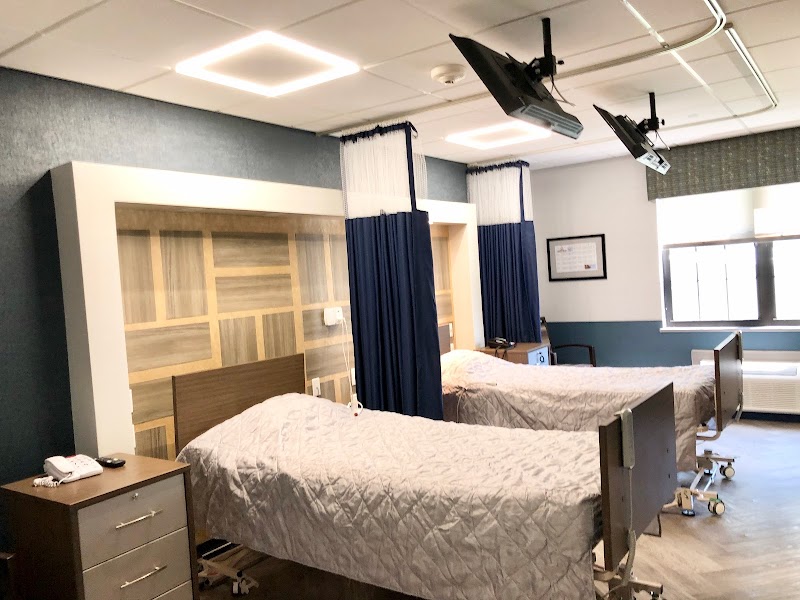
How is Tarrytown Hall Staffed?

CMS rates TARRYTOWN HALL CARE CENTER's staffing level at 3 out of 5 stars, which is average compared to other nursing homes. Staff turnover is 40%, compared to the New York average of 46%. This relatively stable workforce can support continuity of care.

What Have Inspectors Found at Tarrytown Hall?

State health inspectors documented 9 deficiencies at TARRYTOWN HALL CARE CENTER during 2019 to 2024. These included: 9 with potential for harm.
Who Owns and Operates Tarrytown Hall?

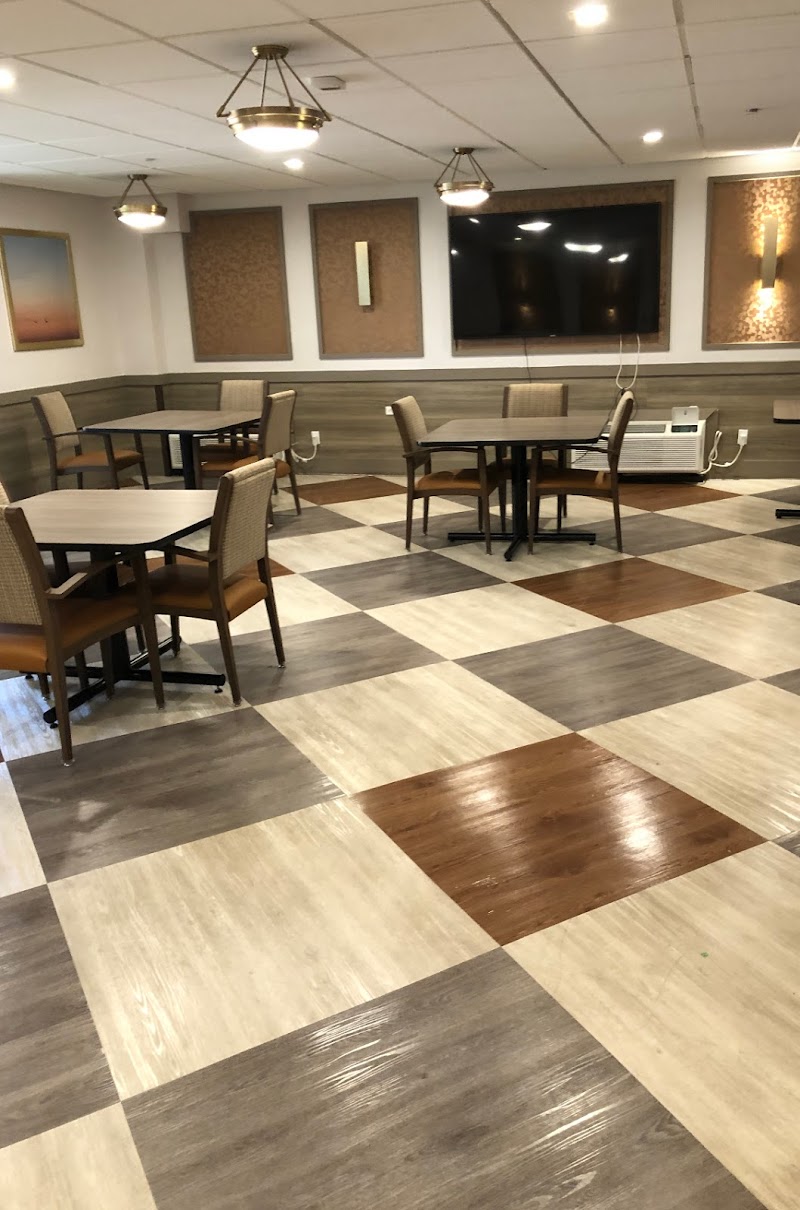
TARRYTOWN HALL CARE CENTER is owned by a for-profit company. For-profit facilities operate as businesses with obligations to shareholders or private owners. The facility is operated by PERSONAL HEALTHCARE, LLC, a chain that manages multiple nursing homes. With 120 certified beds and approximately 110 residents (about 92% occupancy), it is a mid-sized facility located in TARRYTOWN, New York.
How Does Tarrytown Hall Compare to Other New York Nursing Homes?

Compared to the 100 nursing homes in New York, TARRYTOWN HALL CARE CENTER's overall rating (3 stars) is below the state average of 3.1, staff turnover (40%) is near the state average of 46%, and health inspection rating (3 stars) is at the national benchmark.

What Should Families Ask When Visiting Tarrytown Hall?

Based on this facility's data, families visiting should ask: "Can I visit during a mealtime to observe dining assistance and food quality?" "How do you handle medical emergencies, and what is your hospital transfer rate?" "Can I speak with family members of current residents about their experience?"

Is Tarrytown Hall Safe?

Based on CMS inspection data, TARRYTOWN HALL CARE CENTER has a clean safety record: no substantiated abuse findings (meaning no confirmed cases of resident harm), no Immediate Jeopardy citations (the most serious violation level indicating risk of serious injury or death), and is not on the Special Focus Facility watch list (a federal program monitoring the lowest-performing 1% of nursing homes). The facility has a 3-star overall rating and ranks #100 of 100 nursing homes in New York. While no facility is perfect, families should still ask about staff-to-resident ratios and recent inspection results during their visit.

Do Nurses at Tarrytown Hall Stick Around?

TARRYTOWN HALL CARE CENTER has a staff turnover rate of 40%, which is about average for New York nursing homes (state average: 46%). Moderate turnover is common in nursing homes, but families should still ask about staff tenure and how the facility maintains care continuity when employees leave.

Was Tarrytown Hall Ever Fined?

TARRYTOWN HALL CARE CENTER has no federal fines on record. CMS issues fines when nursing homes fail to meet care standards or don't correct problems found during inspections. The absence of fines suggests the facility has either maintained compliance or corrected any issues before penalties were assessed. This is a positive indicator, though families should still review recent inspection reports for the full picture.

Is Tarrytown Hall on Any Federal Watch List?

TARRYTOWN HALL CARE CENTER is not on any federal watch list. The most significant is the Special Focus Facility (SFF) program, which identifies the bottom 1% of nursing homes nationally based on persistent, serious quality problems. Not being on this list means the facility has avoided the pattern of deficiencies that triggers enhanced federal oversight. This is a positive indicator, though families should still review the facility's inspection history directly.