THE GROVE AT VALHALLA REHAB AND NURSING CENTER
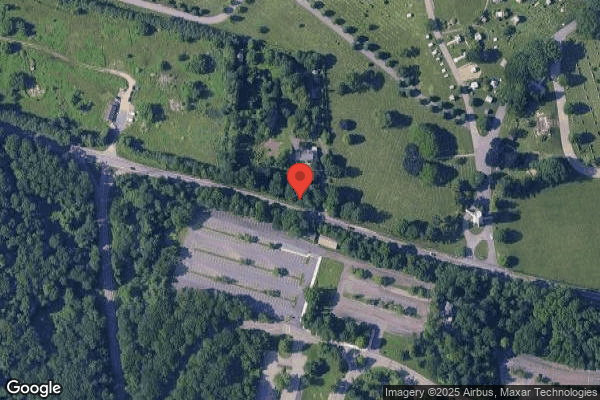
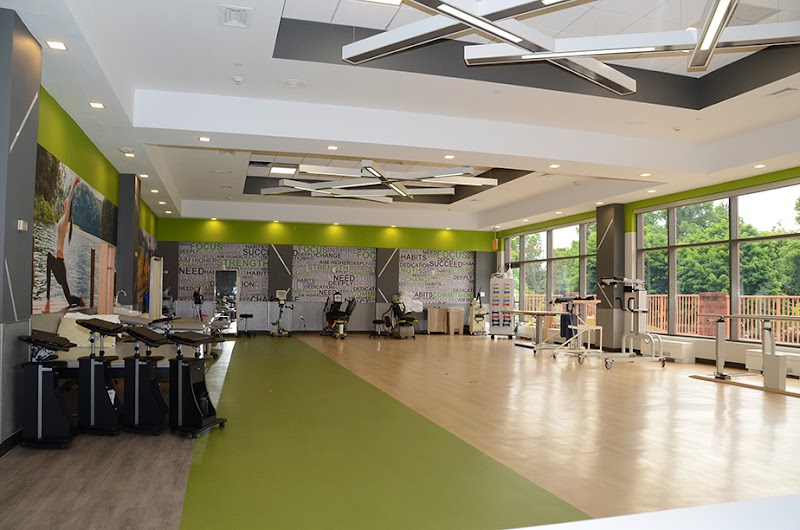
61 GRASSLANDS ROAD, VALHALLA, NY 10595 (914) 681-8400
For profit - Limited Liability company 160 Beds CARERITE CENTERS Data: November 2025
Trust Grade
45/100
#349 of 594 in NY
Last Inspection: March 2023

Over 2 years since last inspection. Current conditions may differ from available data.

Overview

The Grove at Valhalla Rehab and Nursing Center has a Trust Grade of D, indicating below average performance with some significant concerns. It ranks #349 out of 594 facilities in New York, placing it in the bottom half, and #25 out of 42 in Westchester County, meaning only 16 local options are better. The facility is improving, having reduced issues from 12 in 2023 to 2 in 2024, which is a positive sign. However, it has received $76,339 in fines, which is higher than 91% of New York facilities, suggesting ongoing compliance problems. Staffing is rated 2 out of 5 stars, indicating below average support, but the turnover is at 40%, which is stable compared to the state average. Specific incidents include a resident developing an unstageable pressure ulcer after a wound consult was delayed for weeks, and food safety concerns were raised when potentially hazardous items were found in the kitchen without proper storage guidelines. Additionally, emergency call systems in several resident bathrooms were not functioning, which could hinder residents' ability to seek help when needed. Overall, while there are strengths to note, such as improving trends and stable staffing, families should weigh these against the facility's concerns before making a decision.

Trust Score
D
45/100
In New York
#349/594
Bottom 42%
Safety Record
Moderate
Needs review
Inspections
Getting Better
12 → 2 violations
Staff Stability
○ Average
40% turnover. Near New York's 48% average. Typical for the industry.
Penalties
⚠ Watch
$76,339 in fines. Higher than 91% of New York facilities. Major compliance failures.
Skilled Nurses
○ Average
Each resident gets 35 minutes of Registered Nurse (RN) attention daily — about average for New York. RNs are the most trained staff who monitor for health changes.
Violations
⚠ Watch
22 deficiencies on record. Higher than average. Multiple issues found across inspections.
★★★☆☆
3.0
Overall Rating
★★☆☆☆
2.0
Staff Levels
★★★★★
5.0
Care Quality
★★☆☆☆
2.0
Inspection Score
Stable
2023: 12 issues
2024: 2 issues

The Good

  • 5-Star Quality Measures · Strong clinical quality outcomes
  • Full Sprinkler Coverage · Fire safety systems throughout facility
  • No fines on record
  • Staff turnover below average (40%)

    8 points below New York average of 48%

Facility shows strength in quality measures, fire safety.

The Bad

3-Star Overall Rating

Near New York average (3.1)

Meets federal standards, typical of most facilities

Staff Turnover: 40%

Near New York avg (46%)

Typical for the industry

Federal Fines: $76,339

Well above median ($33,413)

Moderate penalties - review what triggered them

Chain: CARERITE CENTERS

Part of a multi-facility chain

Ask about local staffing decisions and management

The Ugly 22 deficiencies on record

1 actual harm
Feb 2024 2 deficiencies
CONCERN (D) 📢 Someone Reported This

A family member, employee, or ombudsman was alarmed enough to file a formal complaint

Potential for Harm - no one hurt, but risky conditions existed

Deficiency F0657 (Tag F0657)

Could have caused harm · This affected 1 resident

**NOTE- TERMS IN BRACKETS HAVE BEEN EDITED TO PROTECT CONFIDENTIALITY** Based on record review and interviews conducted during an Abbreviated Survey (NY00332525), the facility did not ensure that a re...

Read full inspector narrative →
**NOTE- TERMS IN BRACKETS HAVE BEEN EDITED TO PROTECT CONFIDENTIALITY** Based on record review and interviews conducted during an Abbreviated Survey (NY00332525), the facility did not ensure that a resident's Care Plan was reviewed and revised to reflect the resident's changing needs and current status as evidenced by 1 of 3 residents reviewed for skin impairment. Specifically, Resident #1 acquired two pressure injuries on the buttocks and the care plan was not updated to reflect the goals and interventions to promote wound healing. The findings are: The facility's policy and procedure entitled Care Plans, Comprehensive Person-Centered revision date March 2022 documented 11. Assessments of residents are ongoing and care plans are revised as information about the residents and the residents' condition change. Resident #1 had diagnoses that included Fracture of unspecified part of neck left femur, malignant neoplasm of prostate, Parkinson w/o dyskinesia and cognitive communication deficit. The Minimum Data Set (MDS, an assessment tool) dated 12/18/2023 documented that the resident had a Brief Interview for Mental Status (BIMS, used to determine attention, orientation, and ability to recall information) score of 12/15, associated with intact cognition (00-7 severe impairment, 08-12 moderate impairment and 13-15 cognitively intact). Review of Resident #1's Comprehensive Care Plan dated 12/26/2023 documented that Resident #1 had an actual skin impairment 5cm x 5cm x 0cm Deep Tissue Injury (DTI) left heel status unchanged as of 12/30/2023. There was no documentation of any other skin impairment. Review of Resident #1 initial wound assessments dated 12/14/2023 revealed Resident #1 was admitted with Wound #1 located on left heel stable, size 5x5 and 25cm, Dressing/Treatment plan cleanse all wounds with normal saline and as needed if soiled. Dressing New Betadine and Dry ProtectiveDressing. Wound #2 located on left hip post-surgery, size 15 x1 and 15CM, Dressing/Treatment New Betadine and Dry ProtectiveDressing. Evaluation by wound care specialist in 7-14 days with further intervention as indicated. Review of Resident #1 Wound follow up assessment dated [DATE] documented Resident #1 had Wound #1 Deep Tissue located on left heel new, size 5x5 and 25cm, Dressing/Treatment plan cleanse all wounds with normal saline and as needed if soiled. Dressing New Betadine and Dry ProtectiveDressing. Wound #2 Moisture Associated Skin Damage (MASD) New to left buttock size 2 x 2.5 x 1 with surface area 25 CM. wound bed 100% granulation. Dressing/Treatment cleanse all wounds with normal saline and as needed if soiled. New medihoney, Dry ProtectiveDressing and antifungal. Wound #3 Moisture Associated Skin Damage (MASD) New to right buttock size 1.5 x 1 x 0.1 with surface area 1.5 CM. wound bed 100% granulation. Dressing/Treatment cleanse all wounds with normal saline and as needed if soiled. New medihoney, Dry ProtectiveDressing and antifungal Review of Resident #1 Wound follow up assessment dated [DATE] documented Resident #1 had Wound #1 Deep Tissue located on left heel stable, size 5x5 and 25cm, Dressing/Treatment plan cleanse all wounds with normal saline and as needed if soiled. Dressing New Betadine and Dry ProtectiveDressing. Wound #2 Moisture Associated Skin Damage (MASD) improving based on decreased surface area to left buttock size 1 x 2 x 0.1 with surface area 2 CM. wound bed 100% granulation. Dressing/Treatment cleanse all wounds with normal saline and as needed if soiled. New medihoney, Dry Protective Dressing and antifungal. Wound #3 Moisture Associated Skin Damage (MASD) improving based on decreased surface area to right buttock size 1 x 1 x 0.1 with surface area 1 CM. wound bed 100% granulation. Dressing/Treatment cleanse all wounds with normal saline and as needed if soiled. New medihoney, Dry Protective Dressing and antifungal. Wound #4 located on left medial heel improving based on decreased surface area, size 6 x 6 x 0.1 and 36 cm, Dressing/Treatment plan cleanse all wounds with normal saline and as needed if soiled. Dressing New Betadine and Dry ProtectiveDressing. Care plans were not updated timely. Diring an Interview on 02/14/2024 at 2:01 pm with Licensed Practical Nurse (LPN) #1 (Staff #1), Staff #1 stated Registered Nursing staff are responsible for updating and completing care plans. Staff #1 stated the Licensed Practical Nurses did not handle care plans. During an Interview on 02/14/2024 at 2:15 PM with Registered Nurse (RN) #1(Staff #2), Staff #2 stated care plans are updated by the unit manager and/or supervisor. Staff #2 stated the unit manager and/or supervisor update the care plan at the time of admission and if any updates the care plans when changes occur or are needed. During an Interview on 02/14/2024 at 3:13 PM with Director of Nursing Services (DNS) they stated they'd been employed with the facility since October 2023, and they completed an audit and identified care plans were not being updated as needed. Director of Nursing Services stated the prior practice was that one person was assigned to completing and updating care plans. Director of Nursing Services stated they have instituted a new plan and the expectation is that the Registered Nurses will initiate all care plans and the Licensed Practical Nurses will update the care plans as changes occur or as needed. Director of Nursing Services stated they had not gotten around to in service all staff on the new process and expectations. 415.11(d)(3)
CONCERN (D) 📢 Someone Reported This

A family member, employee, or ombudsman was alarmed enough to file a formal complaint

Potential for Harm - no one hurt, but risky conditions existed

Accident Prevention (Tag F0689)

Could have caused harm · This affected 1 resident

Based on record review and interviews conducted during an abbreviated survey (NY00320442), the facility did not ensure adequate supervision was provided and that the residents environment remained as ...

Read full inspector narrative →
Based on record review and interviews conducted during an abbreviated survey (NY00320442), the facility did not ensure adequate supervision was provided and that the residents environment remained as free of accident hazards for 1 of 8 residents (Resident #1) reviewed. Specifically, on 07/19/2023 Certified Nursing Assistant (Staff #1) served Resident #1 (who required 1-person assistance for eating) rewarmed coffee from the microwave without assistance/setup. Resident #1 poured milk into the coffee and the coffee spilled onto their skin causing a blistering burn, measuring 3x3 inches to the right thigh. The findings are: Resident #1 had diagnoses that included Fracture of Second Thoracic Vertebra, Wedge Compression Fracture and Malignant Neoplasm of Colon. The Quarterly Minimum Data Set (MDS, an assessment tool) dated 07/12/2023 documented that Resident #1 had a Brief Interview for Mental Status (BIMS, used to determine attention, orientation, and ability to recall information) score of 14/15, associated with intact cognitive. Resident #1 required supervision and setup help only with eating. Resident #1's Nursing Instructions dated 07/01/2023 to 07/31/2023 documented that Resident #1 required supervision and setup help only with eating. Review of the Activities of Daily Living (ADL) Care Plan initiated on 07/06/2023 and revised on 07/25/2023 documented that the resident required assistance with Activities of Daily Living (ADL) care related to limited mobility. The resident required setup up help with eating. Review of the Facility Accident/Incident (A/I) Report dated 07/19/2023 documented that the nurse responded to a call from the unit charge nurse that Resident #1 had an incident. Resident #1's warm coffee accidentally overflowed on to the dining table in the dining area. Upon assessment, Resident #1 was in stable condition, redness was noted on left thigh and right thumb with no open wound and no blister and no drainage initially. Resident #1 complained of discomfort on the affected site when touched. Nurse Practitioner aware and responded immediately and gave new orders. Re-assessment was done, Resident #1 developed a blister on the right thigh approximately 3x3 inch. Resident#1 stated they requested their coffee to be reheated up in the microwave by staff #1. Staff #1 placed the cup within their reach and advised them to cool it down. Resident #1 stated they added milk to the cup and the coffee overflowed onto the table which spilled onto their skin. Nurse Practitioner made aware and orders to start zinc oxide and cover with dry protective dressing daily and ice packs to the affected site ordered. Intervention added for Resident #1 to allow staff to pour milk in coffee to prevent any future incidents. Reassessment done with new order for silver sulfadiazine cream 1% apply to left thigh topically every shift. During an interview on 01/04/2024 at 11:48 AM, Staff #1 stated they've been worked in the facility for 14 years. Staff #1 stated they were asked by Resident #1 one morning to warm their coffee. Staff #1 stated after rewarming the coffee in the microwave they placed the coffee on the table away from Resident #1 and instructed them that the liquid was hot and not to touch it. Staff #1 stated Resident #1 was alert and oriented and attempted to pour milk into the coffee and it overflowed. Staff #1 stated they notified the Nurse on duty, and they came to assist. Staff #1 stated there is a coffee canister that had hot coffee on the unit and that they could have retrieved Resident #1 a new cup of coffee from the cannister, but they just rewarmed Resident #1's coffee. Staff #1 stated after the coffee incident they were re-in serviced on ensuring appropriate food safety/temperature and rewarming items. Staff #1 stated they were instructed to get fresh cup of coffee verses rewarming the coffee. Staff #1 stated they did not proceed with putting milk into Resident #1's coffee because Resident #1 was alert and oriented and normally did that themselves. During an interview on 01/10/2024 at 3:17 PM, the Director of Nursing Services, they stated staff have been instructed to alert the kitchen if a resident request an alternative meal or wants their meal reheated. The Director of Nursing Services stated they would prefer staff request a new tray from the kitchen instead of reheating the food themselves. The Director of Nursing Services stated their expectation is that staff do not rewarm anything and that the facility was working on getting a machine to assist with reheating food items. The Director of Nursing Services stated the microwave is unable to determine real time temperatures, but the new machine will be able to do so. The Director of Nursing Services stated they also expect the staff to follow residents plan of care and nursing instructions. The Director of Nursing Services stated they were not employed until after incident with Resident #1. During a follow up interview on 02/14/2024 at 1:14 PM, the Director of Nursing Services they stated all staff were in serviced on not rewarming items. The Director of Nursing Services stated staff have been trained to request a new item from the kitchen rather than rewarm food items. 483.12(a)(1)
Mar 2023 12 deficiencies 1 Harm
SERIOUS (G) 📢 Someone Reported This

A family member, employee, or ombudsman was alarmed enough to file a formal complaint

Actual Harm - a resident was hurt due to facility failures

Pressure Ulcer Prevention (Tag F0686)

A resident was harmed · This affected 1 resident

**NOTE- TERMS IN BRACKETS HAVE BEEN EDITED TO PROTECT CONFIDENTIALITY** Based on interview and record review completed during the Recertification Survey and Abbreviated Survey NY00307253 conducted 3/2...

Read full inspector narrative →
**NOTE- TERMS IN BRACKETS HAVE BEEN EDITED TO PROTECT CONFIDENTIALITY** Based on interview and record review completed during the Recertification Survey and Abbreviated Survey NY00307253 conducted 3/22/2023- 3/30 /2023 the facility did not ensure that residents received necessary treatment and services, consistent with professional standards of practice, to prevent new ulcers from developing and to promote healing of a facility acquired unstageable ulcer for one of four residents (Resident # 344) reviewed for pressure ulcers. Specifically, on 9/25/2022 a physician ordered a wound consult, and it was not conducted until 10/12/2022, subsequently Resident #344 developed a facility acquired unstageable ulcer. This resulted in actual harm that is not immediate jeopardy for Resident #344. The findings are: The 11/30/2022 facility policy and procedure titled Pressure Ulcer Risk Skin Breakdown- Clinical Protocol documented the nursing staff, physician, nurse practitioner and dietician would assess and document an individual's significant risk factors for developing pressure ulcers. The purpose of the policy was that the resident would not develop a pressure ulcer while in the facility unless clinically unavoidable. The policy also specified that documentation should occur with each dressing change, and a prevention plan would be developed and implemented when residents were identified as being at high risk for developing pressure ulcers. Resident #344 was admitted on [DATE] with diagnoses including Chronic Kidney Disease, Type 2 Diabetes and Bladder Cancer. The 9/29/2022 admission Minimum Data Set (MDS, assessment tool) documented Resident #344 had intact cognition, required extensive assistance of 2 staff for bed mobility and toileting; was frequently incontinent of bladder and bowel and was at risk for developing pressure ulcers. The resident had no pressure ulcers, or other ulcers, wounds or skin problems, and the resident had a pressure relieving device for the bed and received no nutrition/hydration to manage skin problems. The 9/22/2022 Comprehensive Care Plan Titled Potential for Pressure Ulcer Development documented the goal was the resident would have intact skin, free of redness, blisters, or discoloration. Interventions included monitoring, documenting, and reporting to the physician changes in skin status, appearance, color, wound healing, signs and symptoms of infection, wound size, and stage. The 9/22/2022 admission Body Assessment documented there were no wounds. The 9/24/2022-Nurse Practitioner (NP) #3 Progress Note documented the resident was evaluated for a pressure ulcer. A longitude fissure (crack in the skin) was noted on the sacrum (bottom of the spine), approximately 2 centimeters (cm) long with a scant amount of serosanguinous (blood tinged) drainage. The area overlying the sacrum appeared with scattered pink and healed. The plan was to start zinc oxide cream (medicated cream for skin irritation) twice daily (BID) and as needed (PRN), and to change briefs and keep the area clean and dry. The 9/24/2022 Physician Order (written by NP #3) documented zinc oxide ointment 10% apply to sacrum topically as needed for soiling and brief changes apply a thin layer and apply to the sacrum topically two times a day for sacral IAD (incontinence associated dermatitis) and fissure. The 9/25/2022 NP #2 Progress Note documented the NP was called by staff to see the resident's buttocks with multiple rashes with abrasion and maceration (soggy skin, lighter in color and wrinkly from moisture) possibly due to bowel and bladder incontinence, more likely fungal infection. The resident complained of mild burning, and scant serosanguinous drainage. Burning on both buttocks with rashes. The plan was to use Miconazole Cream 2% (antifungal) and use Silvadene (topical antimicrobial drug) until the Miconazole cream was obtained and order a wound consult. The 9/25/2022 Physician Order (written by NP #2) documented there was a wound nurse consult ordered for worsening bilateral buttock wounds. Miconazole Cream 2% was ordered three times a day for fungal dermatitis. The 9/26/2022- 9/30/2022 Medication Administration Record (MAR) documented the Miconazole cream was applied three times a day for dermatitis as ordered. The 9/26/2022 Physician Orders (written by NP#1) documented Silvadene Cream 1% apply to sacrum/buttocks topically two times a day for wound care, clean with normal saline and cover. The 9/26/2022-10/15/2022 Treatment Administration Record (TAR) documented the Silvadene Cream was applied to the sacrum/buttocks two times daily as ordered. The 9/27/2022, 9/28/2022, 9/29/2022 and 9/30/2022 Medical Director's Progress Notes documented the skin was dry and intact, no rashes, no itching. The 10/7/2022 NP #1 Progress Note documented that the resident was seen for a physical exam and the skin was dry, intact, no rashes, or tenderness. The Electronic Medical Record (EMR) from 9/26/2022-10/12/2022 revealed no documented evidence that the resident had a sacrum wound or that the wound was assessed. There was no documentation that the physician-ordered a wound consult dated 9/25/2022 was conducted prior to 10/12/2022. The 10/12/2022 wound care physician's #1consultation documented an unstageable wound (full thickness tissue loss in which actual depth of the ulcer is completely obscured by dead tissue) on the sacrum measuring 12 centimeters (cm) x 17 cm x 0.2 cm. The wound bed was 80% necrosis (dead tissue) and 20% granulation (new connective tissue). The wound was cleansed, topical anesthesia was applied, and the wound was debrided (surgical removal of dead tissue). The treatment plan was to cleanse the wound with Dakin's Solution (wound cleanser), apply Hydrogel (wound dressing designed to hydrate wounds) and a dry dressing twice a day to the sacral wound, and to apply zinc oxide to the surrounding area. The 10/14/2022 Medical Director's Progress Note documented the Resident #344 was evaluated for a sacral wound with pus drainage. The Medical Director documented that possible debridement and topical medications, or antibiotics might not be sufficient for managing the wound. The Medical Director recommended to transfer the resident to the emergency room for a higher level of care, and that the resident might need imaging to rule out osteomyelitis (infection in the bone). During an interview on 3/28/2023 at 10:00 AM, Certified Nursing Assistant (CNA) #1 stated they were not the regular assigned CNA. When they floated to care for the resident, they noticed the resident had scratches on their coccyx. They reported it to the nurse but could not remember the date. During an interview on 3/28/2023 at 10:10AM, NP #1 stated that Resident #344 was referred to the wound team on 9/25/2022. NP #1 stated they never assessed the resident's sacrum as they were away when the resident was admitted . NP #1 further stated that there were orders for Miconazole Cream, and Silvadene Cream ordered by the covering NPs. NP #1 stated that facility staff followed the recommendations of the wound team regarding treatments. NP #1 stated the EMR documentation for their notes was on a template and they did not assess the resident's skin. The template populated skin dry, intact, no rashes, no tenderness. During an interview on 3/28/2023 at 10:30 AM, the wound care physician #1 stated they did not know if the resident had wounds when they were admitted . They assessed the resident on 10/12/2022 for an unstageable sacral wound. The wound care physician stated they debrided the wound on that date and made a change to the previously ordered treatment. The wound care physician also stated an unstageable wound does not happen overnight. During an interview on 3/28/2023 at 11:00 AM, the Medical Director stated on admission the resident had no wounds and they were not aware that a wound consult was ordered on 9/25/2022. When asked if they had assessed the resident's sacral wound at any time the Medical Director stated if it was not documented in the notes then they did not do it. During interviews on 3/28/2023 at 1:00 PM and 3/29/2022 at 4:00 PM, Licensed Practical Nurse (LPN#1) stated they administered the treatments to the resident's sacrum. The wound was initially getting better but then it became worse and got bigger with some drainage. It was hard to determine if it had an odor because the resident was frequently incontinent. LPN #1 stated they did not report the worsening wound because they thought the wound was getting worse due to the resident being non-compliant with turning and positioning. LPN #1 also stated they did not document on the wound. During an interview on 3/28/2023 at 1:10PM, the Director of Nursing (DON) stated that the resident was seen by the wound care physician #1 and was assessed on 10/12/2022 with an unstageable pressure ulcer to the sacrum. The DON stated they were not aware the resident had wounds until after the fact as there was no documented evidence in the medical record. During an interview on 3/28/2023 at 1:15PM, RN #2 (Wound Nurse) stated when Resident # 344 was admitted to the facility they did not have wounds. RN #2 further stated that the resident was not seen during weekly wound rounds because they were out of bed. During an interview on 3/28/2022 at 1:20 PM, Registered Nurse (RN#3) stated the resident did have a wound consult ordered on 9/25/2022 but was not seen by the wound care physician until 10/12/2022. RN #3 stated they did not know what caused the delay and was not aware the resident had a sacrum wound prior to 10/12/2022. During an interview on 3/30/23 at 10:15 AM, CNA # 9 stated they were responsible for providing cares for the resident in September 2022. CNA # 9 stated the resident had redness and a rash to the sacrum when they were admitted from the hospital and sometimes the resident's brief had blood stains on it. The resident told them it was from scratching. CNA # 9 stated the nurse administered a cream and applied bordered gauze to the resident's sacrum when they had finished washing the resident. During an interview on 3/30/23 at 12:45 PM, CNA #10 stated during 9/2022-10/2022 they provided care to the resident three days a week on the evening shift. CNA #10 stated the resident had a visible open bed sore on the sacrum which was not very deep on admission. CNA #10 stated that when the resident was soiled, they cleaned the resident and called LPN #1 to apply the treatment. 10 NYCRR 415.12(c)(2)
CONCERN (D)

Potential for Harm - no one hurt, but risky conditions existed

Resident Rights (Tag F0550)

Could have caused harm · This affected 1 resident

Based on observations, interviews, and record review during a recertification survey 3/22/2023-03/30/2023, the facility did not ensure residents had the right to a dignified existence for one of two r...

Read full inspector narrative →
Based on observations, interviews, and record review during a recertification survey 3/22/2023-03/30/2023, the facility did not ensure residents had the right to a dignified existence for one of two residents screened for dignity. Specifically, Resident #66 was observed their Foley catheter (tube draining urine from the bladder) bag uncovered with urine visible to staff, residents, and visitors. The findings are: Resident #66 was admitted with diagnoses including Thrombocytopenia, repeated falls, Hyperlipidemia, Benign Prostatic Hyperplasia (BPH) and on 3/21/2023 was readmitted after a fracture of right femur. The admission Minimum Data Set (MDS, a resident assessment tool) dated 03/07/2023 revealed the resident was cognitively intact and needed extensive assist of one person with bed mobility, transfer, dressing and toileting. Resident #66 was observed from the hallway on 3/22/23 at 10:47 AM, 12:46PM and 03:11PM, and on 03/23/2023 at 09:40 AM, in bed with the Foley bag positioned on the bed hanging near the lower edge of bed with urine in the tubing and bag, visible to passers by. Certified Nursing Assistant (CNA#1) was interviewed on 03/23/2023 at 04:11 PM and stated there should be dignity bags on all Foley bags and did not know why it was not covered. RN#5 was interviewed on 3/23/2023 at 04:14 PM and stated they saw it needed to be covered but ran out of time to get a bag. §483.10(a)(1)
CONCERN (D)

Potential for Harm - no one hurt, but risky conditions existed

Safe Environment (Tag F0584)

Could have caused harm · This affected 1 resident

Based on observation, interview, and record review conducted during the recertification survey from 3/22/23 to 3/30/23, the facility failed to ensure that housekeeping and maintenance services provide...

Read full inspector narrative →
Based on observation, interview, and record review conducted during the recertification survey from 3/22/23 to 3/30/23, the facility failed to ensure that housekeeping and maintenance services provided a safe, clean, comfortable, and home-like environment for 1 of 1 residents reviewed for Environment (Resident #2). Specifically, a window unit AC (air conditioner) was observed to be in disrepair in the room of Resident #2. An observation was made on 03/22/23 at 10:00 AM, in Resident #2's room, of a window unit AC with visible gaps of approximately 1 centimeter to the outdoors on both sides of the unit. The gaps appeared to have been previously covered with duct tape, which was hanging off the bottom of both sides of the AC, and cold air was noted to be blowing through the gaps. A facility inspection sticker was observed on the left side of the AC unit with no date or initials to indicate that it had been inspected prior to use in a resident room. A facility policy titled 'Nonpatient Electrical Appliances and Equipment', last reviewed 10/2022, stated any equipment that appeared to not be in proper working order or in a worn condition should be removed from service, and all nonpatient care related equipment should receive a safety inspection label confirming compliance. During an interview on 3/22/23 at 10:00 AM, Resident #2 stated that there were issues with the air conditioning last summer and the window unit AC had been in the window ever since. Resident #2 stated that the room was often cold at night because of the gaps to the outside on either side of the air conditioner. During an interview on 3/24/23 at 1:22 PM, CNA#5 (Certified Nursing Assistant) stated the air conditioner had gaps to the outside for quite a while and attempts were made to fix it a few times. CNA#5 stated the other day, Resident #2's room was very cold, however, CNA #5 stated they did not report the cold room to maintenance. During an interview on 3/24/23 at 2:56PM, the Director of Building Services stated they were in Resident #2's room a couple of weeks ago and did not notice the window unit AC. The Director of Building Services stated it was not safe or acceptable to have visible gaps to the outdoors on window unit AC's, and stated the unit was inspected by maintenance. When asked why there was no signature or date on the window AC unit maintenance inspection sticker, the Director of Building Services stated there was no way of knowing if the AC unit was inspected and it should be removed immediately from Resident #2's room. 415.5 (h) (2)
CONCERN (D)

Potential for Harm - no one hurt, but risky conditions existed

Transfer Notice (Tag F0623)

Could have caused harm · This affected 1 resident

**NOTE- TERMS IN BRACKETS HAVE BEEN EDITED TO PROTECT CONFIDENTIALITY** Based on record review and interview conducted during the recertification survey from 3/22/23 to 3/30/23, the facility failed to...

Read full inspector narrative →
**NOTE- TERMS IN BRACKETS HAVE BEEN EDITED TO PROTECT CONFIDENTIALITY** Based on record review and interview conducted during the recertification survey from 3/22/23 to 3/30/23, the facility failed to ensure the resident or the resident's representative were notified in writing of the reason for transfer/discharge to the hospital in a language they understood and failed to notify the Ombudsman for 1 of 3 residents (Resident #2) reviewed for hospitalizations. Specifically, Resident #2 was transferred to the hospital on [DATE] and the facility could not provide evidence a written notice of transfer/discharge was provided to the resident or the resident's representatives, or that notification was sent to the Ombudsman. The Findings Include: A review of the facility policy, 'Transfer or Discharge Notice', last reviewed 11/30/22 documented the residents and/or representatives were notified in writing, in a language and format they understand, at least thirty (30) days prior to a transfer or discharge and in the event of an immediate transfer or discharge for urgent medical needs, notice was given as soon as it is practicable, but before transfer or discharge from the facility. The issued transfer notice would include the reason for transfer/discharge, the effective date of the transfer discharge, the location to which the resident was being transferred or discharged , the resident's rights to appeal the transfer or discharge, and the Ombudsman's contact information. The policy additionally stated that a copy of the notice was sent to the Office of the State Long-Term Care Ombudsman at the same time the notice of transfer or discharge was provided to the resident/resident representative. Resident #2 was admitted to the facility on [DATE] with diagnoses including but not limited to lumbar spina bifida with hydrocephalus, paraplegia, and major depressive disorder. The Minimum Data Set (MDS- A resident assessment tool), dated 1/28/2023 documented Resident #1 had a Brief Interview of Mental Status (BIMS) score of 15 (cognitively intact). A review of the electronic medical record documented Resident #1 was transferred to the hospital on [DATE] for abnormal labs. The facility was unable to provide documented evidence that Resident #2 or their representative had been notified in writing of the resident's transfer/discharge from the facility, or that notification was sent to the Ombudsman. During an interview on 3/22/23 at 10:00 AM, Resident #2 stated they did not remember receiving a transfer notice from the facility when sent to the hospital in December 2022. During an interview on 3/27/23 at 4:35PM, the Director of Nursing (DON) stated that transfer notifications were the responsibility of whoever was sending the resident out and stated Resident #2 did not receive a notification of transfer/discharge when they were sent to the hospital in December 2022. During an interview on 3/27/23 at 4:52 PM, the Administrator stated Resident #2 or their representative did not receive a notification or transfer or discharge for their hospitalization in December 2022, and the facility did not notify the Ombudsman of Resident #2's transfer to the hospital. §483.15(c)(3)
CONCERN (D) 📢 Someone Reported This

A family member, employee, or ombudsman was alarmed enough to file a formal complaint

Potential for Harm - no one hurt, but risky conditions existed

Deficiency F0625 (Tag F0625)

Could have caused harm · This affected 1 resident

**NOTE- TERMS IN BRACKETS HAVE BEEN EDITED TO PROTECT CONFIDENTIALITY** Based on interview and record review conducted during the recertification survey from 3/22/23 through 3/30/23 and an abbreviated...

Read full inspector narrative →
**NOTE- TERMS IN BRACKETS HAVE BEEN EDITED TO PROTECT CONFIDENTIALITY** Based on interview and record review conducted during the recertification survey from 3/22/23 through 3/30/23 and an abbreviated survey (#NY00296823), it was determined that for 2 of 2 residents (#2 and #494) reviewed for hospitalizations, the facility failed to ensure that the resident or the resident's representatives were notified in writing of the facility's Bed Hold Policy. Specifically, Resident #2 and Resident #494 were transferred to the hospital and the facility could not provide evidence that a written notice of the facility's Bed Hold Policy was provided to the residents or the resident's representatives. The findings include: A review of the undated facility policy 'Bed-Holds and Returns', documented that the facility would provide information about the bed hold and payment amount to the resident or resident's representative before transfer to the hospital. 1. Resident #2 was admitted to the facility on [DATE] with diagnoses including but not limited to lumbar spina bifida with hydrocephalus, paraplegia, and major depressive disorder. The Minimum Data Set (MDS- A resident assessment tool), dated 1/28/2023 documented the resident had a Brief Interview of Mental Status (BIMS) score of 15 (cognitively intact). A review of the electronic medical record documented the resident was transferred to the hospital on [DATE] for abnormal labs. The facility was unable to provide documented evidence that Resident #2 or their representative had been provided a written Notice of their Bed Hold Policy. 2. Resident #494 was admitted to the facility on [DATE] with diagnoses including but not limited to cerebral infarction, hemiplegia, and systemic lupus erythematosus. The Minimum Data Set (MDS- a resident assessment tool), dated 3/11/2023 documented the resident had a Brief Interview of Mental Status (BIMS) score of 3 (severe cognitive impairment). A review of the electronic medical record documented the resident was transferred to the hospital on 5/29/2022 for shortness of breath and 8/15/2022 for altered mental status. The facility was unable to provide documented evidence that Resident #494 or their representative had been provided a written Notice of Bed Hold Policy for either of Resident #494's hospitalizations. During an interview on 3/27/2023 at 4:35PM, the Director of Nursing (DON #1) stated that every resident who is transferred to the hospital should have received a notification of the facility's bed hold policy, and bed hold notifications are the responsibility of whoever is sending the resident out. DON #1 stated Resident #2 or their representative did not receive the facility's Bed-Hold Policy for their hospitalization on 12/7/2022, and Resident #494 or their representative did not receive the facility's bed hold policy for their hospitalization on either 5/29/2022 or 8/15/2022. During an interview on 3/27/2023 at 4:52 PM, the facility's Administrator stated that every resident who is transferred to the hospital should have received a notification if the facility's bed hold policy. The Administrator stated Resident #2 or their representative did not receive the facility's bed hold policy for their hospitalization on 12/7/2022, and Resident #494 or their representative did not receive the facility's bed hold policy for their hospitalization on 5/29/2022 or 8/15/2022. §483.15(d)
CONCERN (D)

Potential for Harm - no one hurt, but risky conditions existed

Deficiency F0638 (Tag F0638)

Could have caused harm · This affected 1 resident

Based on record review and interview conducted during the recertification survey from 3/22/23 through 3/30/23, the facility failed to ensure the required Quarterly Minimum Data Set (MDS; a resident as...

Read full inspector narrative →
Based on record review and interview conducted during the recertification survey from 3/22/23 through 3/30/23, the facility failed to ensure the required Quarterly Minimum Data Set (MDS; a resident assessment and screening tool) was conducted within the regulatory time frames using the CMS-specified (Centers for Medicare and Medicaid Services) resident assessment instrument process. This was evident for 1 of 1 residents reviewed for Resident Assessment (Resident #86). The findings are: The MDS records of the following resident were reviewed and revealed that Quarterly assessments were not completed within the ARD (Assessment Reference Date) plus 14 days or 92 days from the last Quarterly Assessment. Resident #86's most recent Quarterly MDS assessment was last completed on 11/11/22 with an ARD date of 2/11/23. Resident #86's Quarterly MDS was not submitted until 3/24/23. During an interview on 3/24/23 at 1:08 PM, RN #1 (The Registered Nurse MDS Coordinator) stated quarterly MDS assessments should be completed and submitted for residents every 90 days. RN #1 stated the quarterly MDS submission for Resident #86 should have been submitted on 2/11/23 and was missed because one of the facility's MDS coordinators had been on vacation. §415.11(a)(4)
CONCERN (D) 📢 Someone Reported This

A family member, employee, or ombudsman was alarmed enough to file a formal complaint

Potential for Harm - no one hurt, but risky conditions existed

Comprehensive Care Plan (Tag F0656)

Could have caused harm · This affected 1 resident

**NOTE- TERMS IN BRACKETS HAVE BEEN EDITED TO PROTECT CONFIDENTIALITY** Based on observation, interview, and record review conducted during the recertification and abbreviated surveys (NY00296823, NY0...

Read full inspector narrative →
**NOTE- TERMS IN BRACKETS HAVE BEEN EDITED TO PROTECT CONFIDENTIALITY** Based on observation, interview, and record review conducted during the recertification and abbreviated surveys (NY00296823, NY00307253) from 3/22/2023 to 3/30/2023, the facility did not develop and/or implement comprehensive person-centered care plans to ensure the services were provided to maintain the resident's highest practicable physical well-being for 5 of 7 residents (#38, #66, #114, #344, #494) reviewed for Care Plans. Specifically, Resident #38's plan for weekly weights was not implemented;Resident #23 had diagnosis of thyroid disorder and no care plan to address the thyroid disorder; Resident #114 was not provided assistance with eating as planned, Resident #344 did not have a care plan for the presence of actual pressure ulcers, and Resident # 494 did not have a care plan for risk for pressure ulcers. The findings are: The policy and procedure titled, Care Plans dated 11/30/2022, documented the interdisciplinary team was responsible for the development of resident care plans. Resident's Care Plan should be developed according to specific timeframe's. Comprehensive person-centered care plans are based on resident assessment and development by an interdisciplinary team. 1. Resident #344 was admitted with diagnoses including, but not limited to Chronic Kidney Disease, Type 2 Diabetes, and Bladder Cancer. The admission MDS dated [DATE] documented Resident #344 had intact cognition, required extensive assist of two staff for bed mobility, transfers and for toileting. The resident was frequently incontinent of bladder and bowel, and was at risk for developing pressure ulcers. Additionally, the MDS documented the resident had no pressure ulcers, or other ulcers, wounds or skin conditions. The MDS documented interventions in place included a pressure relieving device for bed, and no nutrition/hydration interventions to manage skin problems. A Comprehensive Care Plan titled, Potential for Pressure Ulcer Development initiated on 9/22/2022 documented the goal was the resident would have intact skin, free of redness, blisters or discoloration through the next review date. Interventions included to educate the resident family caregivers as to the cause of skin breakdown; monitor, document and report to physician changes in skin status, appearance, color, wound healing, signs and symptoms of infection, wound size and stage. The 9/26/2022 Physician's Orders documented Silver Sulfadiazine Cream 1% apply to sacrum /buttocks topically two times a day for wound. The 10/12/2022 Wound MD #1 Wound Assessment documented a new unstageable pressure injury on the sacrum measuring 12 centimeters (cm) x 17 cm x 0.2 cm. During an interview on 3/28/2023 at 1:00 PM, the Director of Nursing (DON) stated that the resident was seen by the wound MD and was assessed as having an unstageable pressure ulcer to the Sacrum. The DON further stated that the RN was responsible for the care plan and the resident should have had a Care Plan in place for an actual wound. During an interview on 3/28/2023 at 1:15pm, RN#2 Wound Nurse stated when Resident #344 was admitted to the facility the resident did not have wounds but developed a wound at the facility. RN #2 further stated they and the Registered Nurses on the unit were responsible for updating the Care Plan. During an interview on 3/28/2022 at 1:20 pm, RN#3 stated the resident did have wounds and the RN on the unit was responsible for initiating and updating the Care Plan. 2. Resident #494 was admitted to the facility on [DATE] with diagnoses including but not limited to cerebral infarction, hemiplegia, systemic lupus erythematosus, and history of pressure injury. The MDS quarterly assessment dated [DATE] documented the resident had a BIMS score of 3 which indicated severe cognitive impairment. The resident was frequently incontinent of urine, at risk for pressure ulcers, and required the extensive assistance of two or more persons for mobility in bed. A review of the electronic medical record revealed Resident #494 was readmitted from the hospital on 8/18/2022 with a stage 3 pressure injury to the sacrum. A review of the Resident #494's current comprehensive care plan dated 1/18/23 documented no evidence of pressure injury prevention interventions. During an interview on 3/29/23 at 10:55 AM, RN #6 stated that nursing was responsible for resident care plans. The RN stated Resident #494 previously had a care plan for pressure ulcer prevention, but it was resolved and removed from the care plan. The RN stated Resident #494 was currently at risk for pressure ulcer development and should have a care plan in place for prevention. 3. Resident # 23 was admitted on [DATE] with diagnoses including a Thyroid Disorder. Review of the comprehensive care plan (CCP) updated 1/3/2023 did not include a care plan for the thyroid disorder. The Medication Administration Record (MAR) for March 2023 revealed Resident #23 was prescribed Synthroid 50 mcg one time a day for thyroid. When interviewed on 3/29/2023 the Director of Nursing (DON) reviewed Resident #23's care plan and reported that there was no plan of care to address the Residents' diagnosis of Hypothyroid and Synthroid medication. 483.21(b)(1)
CONCERN (D)

Potential for Harm - no one hurt, but risky conditions existed

ADL Care (Tag F0677)

Could have caused harm · This affected 1 resident

**NOTE- TERMS IN BRACKETS HAVE BEEN EDITED TO PROTECT CONFIDENTIALITY** Based on observation, interview, and record review during the recertification survey, dated 3/22/2023-3/30/2023, the facility di...

Read full inspector narrative →
**NOTE- TERMS IN BRACKETS HAVE BEEN EDITED TO PROTECT CONFIDENTIALITY** Based on observation, interview, and record review during the recertification survey, dated 3/22/2023-3/30/2023, the facility did not ensure that each resident received the necessary assistance to maintain good nutrition for one (Resident #114) of one resident reviewed for activities of daily living (ADL). Specifically, Resident # 114 was not provided assistance with meals as planned. The findings are: Review of the 11/30/2022 Policy and Procedure for Activities of Daily Living documented residents would be provided with care, treatment and services as appropriate to maintain or improve their ability to carry out ADLs. Residents who were unable to carry out ADLs independently would receive the services necessary to maintain good nutrition, grooming and personal and oral hygiene. Resident #114 was admitted to the facility on [DATE] with diagnoses including cerebral vascular accident (CVA, stroke) with right sided hemiplegia (paralysis), and a history of hypertension. Review of the Minimum Data Set (MDS, a resident assessment tool) Quarterly Assessment, dated 3/3/2023, documented the resident's cognition was severely impaired; and the resident required extensive assistance with eating. Review of the ADL Care Plan documented the resident required extensive assistance of 1 staff for eating. Review of March 2023 Certified Nurse Aide (CNA) Documentation in Resident Tasks, documented the resident required extensive assistance of 1 person for eating. During an observation on 03/24/23 at 12:27 PM, a bowl of soup was placed in front of Resident #114 and at 12:38 PM the resident had not touched the food. During this time, staff did not intervene or offer assistance. At 12:54 PM, pudding was placed in front of the resident, which remained untouched. At 12:56PM the CNA removed the food from the table without offering assistance or offering alternatives. At 12:58 PM the resident was removed from the dining room by the CNA. During an observation on 03/24/2023 at 05:51 PM until 6:00 PM, Resident #114 was in dining room with her meal in front of her untouched. At 5:57 PM, CNA #6 was interviewed and stated the resident preferred to feed self. CNA #6 also stated we ask the resident if they want to eat, and if they do not want to eat, we cannot make them eat. During this observation period, the staff, including CNA #6, did not offer assistance or encouragement to Resident #114. During an interview on 03/27/2023 at 09:23 AM, Registered Nurse (RN #2) stated the resident could eat independently at times and at times they needed encouragement. RN #2 also stated they fed the resident if needed. During an interview on 03/27/2023 at 10:54 AM, CNA #7 stated Resident #114 seemed depressed, cried a lot, and ate very slow so staff normally did assist the resident with eating. CNA #7 stated they tried to motivate the resident to eat and fed the resident if needed. If the resident did not eat, they reported it to the nurse. During an interview on 03/27/2023 at 09:40 AM, Dietitian #2 stated Resident #114 required extensive assistance for eating and had a varied intake of both food and liquids. During an interview on 03/27/2023 at 11:09 AM, the Director of Nursing (DON) stated the expectation was the resident would be provided feeding assistance and how much the resident had eaten should be reported to the nurses. 415.12(a)(3)
CONCERN (D)

Potential for Harm - no one hurt, but risky conditions existed

Quality of Care (Tag F0684)

Could have caused harm · This affected 1 resident

**NOTE- TERMS IN BRACKETS HAVE BEEN EDITED TO PROTECT CONFIDENTIALITY** Based on observation, interview, and record review during the recertification survey initiated on 3/22/2023 and completed on 3/3...

Read full inspector narrative →
**NOTE- TERMS IN BRACKETS HAVE BEEN EDITED TO PROTECT CONFIDENTIALITY** Based on observation, interview, and record review during the recertification survey initiated on 3/22/2023 and completed on 3/30/2023, the facility did not ensure that each resident received treatment and care in accordance with professional standards of practice for one (Resident #23) of five residents reviewed for Unnecessary Medications. Specifically, Resident #23's Medication Administration Record (MAR) revealed 13 administration omissions within 14 days. The findings are: Resident # 23 was admitted on [DATE] with diagnoses including Hypertension, Congestive Heart Failure, Major Depressive Disorder, Anxiety Disorder, Atrial Fibrillation, and Thyroid Disorder. The Quarterly Minimum Data Set (MDS: a resident assessment tool) dated 3/8/2023 documented: A Brief Interview for Mental Status (BIMs) score of 6 which indicated severe impairment of cognitive abilities, and a Mood severity score of 00 which indicated no symptom presence. Received antianxiety medication, a diuretic, an antidepressant and an anticoagulant. A facility Policy and Procedure dated 3/8/2023 and titled Administering Medications documented: Medications are administered in a safe and timely manner, and as prescribed. The individual administering the medication initials the resident's MAR on the appropriate line after giving each medication and before administering the next ones. Physicians' orders dated 3/15/2023 included: Doxepin HL Oral Capsule 10 mg, 2 capsules by mouth at bedtime for Anxiety, Depression. Zoloft oral tablet 50 mg (Sertraline). Give one tab by mouth one time a day for Depression/Anxiety. Eliquis Oral tablet 2.5 mg (Apixaban) Give one tablet by mouth two times a day for Atrial Fibrillation. Torsemide 20 mg give one tablet by mouth one time a day for pulmonary edema per cardiology. Synthroid (Levothyroxine Sodium) 50 mcg give one tablet by mouth one time a day for thyroid. Review of the Medication Administration Record (MAR) for March 2023 revealed the following medications were not signed for as given: Doxepin on 3/14, 3/16, 3/17, and 3/21/2023 for 10PM dose. Zoloft on 3/16/2023 for 5PM dose. Eliquis on 3/16/23 for 6PMpm dose Torsemide on 3/13/23 for 6PM dose Synthroid on 3/15, 3/17, 3/18, 3/22, 3/24, and 3/27/2023 for 6AM dose. An interview was conducted with the Director of Nursing (DON) on 3/29/2023 in the afternoon. The DON stated the supervisory nurse was responsible for auditing the Medication Administration Record. An interview was conducted on 03/29/23 at 04:59 PM with the Registered Nurse Supervisor (RN #7), reported they were responsible for the medication administration omissions for 6 of the 13 omissions and RN #7 could not remember exactly what happened on those days An interview was conducted with Registered Nurse (RN #2) on 03/29/23 at 05:33 PM. They reported that they were responsible for 1 of the 13 medication administration omissions and did administer the medication and they made sure that Resident #23 swallowed the medication. An interview was conducted with the 11pm-7am Nursing Supervisor/Registered Nurse (RN #8) on 03/30/23 at 07:27 AM. They stated they were not aware of the 6 omissions of the 6:00 am Synthroid dose from 3/14/23-3/27/23. RN #8 reported they monitor for medication administration errors by checking the Dashboard of the EMR and they did not notice the omissions.
CONCERN (D)

Potential for Harm - no one hurt, but risky conditions existed

Accident Prevention (Tag F0689)

Could have caused harm · This affected 1 resident

**NOTE- TERMS IN BRACKETS HAVE BEEN EDITED TO PROTECT CONFIDENTIALITY** Based on observation, interview, and record review conducted during the recertification survey 3/22/2023-3/30/2023, it was deter...

Read full inspector narrative →
**NOTE- TERMS IN BRACKETS HAVE BEEN EDITED TO PROTECT CONFIDENTIALITY** Based on observation, interview, and record review conducted during the recertification survey 3/22/2023-3/30/2023, it was determined that the facility did not ensure the environment remained as free of accident hazards as possible for 2 of 7 residents reviewed for accidents and hazards. Specifically, space heaters were observed in resident rooms #270 and #271. Findings include: A review of the policy and procedure dated 1/18/2022, Use of Portable Space-Heating Devices documented portable space-heating devices shall only be used in-accordance with regulations and only temporarily. During observations on 03/22/2023 at 9:31 AM and 3/23/2023 at 9:00 AM, portable electric space heaters were observed in rooms [ROOM NUMBERS] on the floor with no visible sticker to demonstrate that they were checked by maintenance. During an interviews with the resident in room [ROOM NUMBER] on 03/24/2023 at 10:10 AM and 03/28/2023 at 10:10 AM, the resident stated they reported being cold and the facility provided the heater. During an interview with the Director of Building Services (DBS) on 03/27/2023 at 4:17 PM, the DBS stated they had been working at the facility for a month and was unaware of any space heaters in resident rooms. The DBS stated portable heating units should only be used during an emergency and removed when the emergency was over. The DBS stated they were unaware of any emergency that would have required the use of space heaters, and if they had seen the space heaters in the rooms, they would have removed them. During an interview on 03/28/2023 at 09:12 AM, the Administrator stated they were unaware of the 2 rooms having portable electric space heaters; and if they had been aware they would have removed them immediately. 10NYCRR 415.12(h)(1)
CONCERN (D)

Potential for Harm - no one hurt, but risky conditions existed

Deficiency F0692 (Tag F0692)

Could have caused harm · This affected 1 resident

**NOTE- TERMS IN BRACKETS HAVE BEEN EDITED TO PROTECT CONFIDENTIALITY** Based on observation, interview and record review conducted during the recertification survey 3/22/23-3/30/23, it was determined...

Read full inspector narrative →
**NOTE- TERMS IN BRACKETS HAVE BEEN EDITED TO PROTECT CONFIDENTIALITY** Based on observation, interview and record review conducted during the recertification survey 3/22/23-3/30/23, it was determined for 1 of 7 residents (Resident # 38) reviewed for Nutrition and Hydration, the facility did not ensure the resident was provided the necessary care to maintain, to the extent possible, acceptable body weight. Specifically, for Resident #38 weekly weight monitoring was not implemented as ordered. The findings are: The facility policy for Management and Prevention of Significant Weight Loss, dated 9/20/22, documented there was a systematic and interdisciplinary approach to monitoring resident weights in the facility. The nursing staff would weigh all residents on weekly upon admission for 4 weeks, then monthly unless a physician's order stated otherwise. Resident #38 was admitted to the facility on [DATE] with diagnoses that included Hypertension, Dementia, Psychotic disturbance, Mood disorder, Anxiety, and was out of the facility 12/15/22-12/20/22 for repair of left hip fracture. The admission Minimum Data Set (MDS, a resident assessment tool) completed on 12/28/2022 showed that the resident had a Brief Interview for Mental Status (BIMS) score of 1 out of a possible 15, which indicated severely impaired cognitive status; and the resident ate with supervision and tray set up. The resident's weight chart revealed on 12/13/22 Resident #38 weighed 164.2 pounds, on 1/10/23 145.8 pounds and on 2/8/23 134.8 pounds. Physician order dated 3/1/23 documented weekly weights every Wednesday for 4 weeks. Resident # 38's Medication Administration Record (MAR) and weigh chart was reviewed and documented weights on 3/1/23 of 132 pound and on 3/08/23 of 134.5 pounds. There were no weights documented for 3/15/23 or 3/22/23. On 3/24/2023 at 9:47 AM, Resident #38 was observed sitting at a bedside table with a full meal tray opened, staring at the food. The resident stated they felt tired and did not feel like eating. When interviewed on 3/24/2034 01:33 PM, Certified Nursing Assistant (CNA# 1) stated there was a weight book that was reviewed daily by nursing and CNAs, so the CNAs would know who needed to be weighed. CAN #1 stated if the CNA was not able to weigh the resident, they asked for help. CAN#1 did not know why the weights were not done. When interviewed on 03/24/23 02:48 PM, Registered Nurse (RN#5) stated they were aware the resident had weight loss and saw the reminders on the electronic medical record (EMR) to perform a weight check weekly. RN#5 stated the CNAs were asked and reminded to get weights but were too busy or lazy, and the Unit Manager had been notified. When interviewed on 3/24/23 at 03:21 PM, RN #3 stated the CNAs were asked to get weights but did not cooperate. RN#3 stated Administration was aware, but nothing was done. When interviewed on 03/24/23 at 01:10 PM, the Registered Dietitian (RD#1) stated the weekly weights should have been done, but had not been done since 3/8/23 so they could not accurately assess interventions. When interviewed on 03/27/23 at 10:21 AM, the Director of Nursing (DON) stated they were not aware weights were not being done. There was a weekly (Friday) weight meeting with the dietitian and Unit Managers and weight loss was discussed. §483.25(g)(1)
CONCERN (D)

Potential for Harm - no one hurt, but risky conditions existed

Infection Control (Tag F0880)

Could have caused harm · This affected 1 resident

**NOTE- TERMS IN BRACKETS HAVE BEEN EDITED TO PROTECT CONFIDENTIALITY** Based on observations, record review and interviews, the facility failed to ensure that personnel handled, stored, processed, an...

Read full inspector narrative →
**NOTE- TERMS IN BRACKETS HAVE BEEN EDITED TO PROTECT CONFIDENTIALITY** Based on observations, record review and interviews, the facility failed to ensure that personnel handled, stored, processed, and transported linens in a manner to prevent the spread of infection. Specifically, a housekeeper was observed distributing linens in an unclean manner and from an uncovered linen cart. The findings are: The undated facility policy for Linen and Personal Clothing Handling and Storage documented clean linen and personal clothing for distribution should always be placed on a clean cart and kept covered during transit. Personnel were to avoid all unnecessary contact with clean linen and personal clothing. On 3/22/23 11:19 AM an observation was made of Housekeeper #1 distributing clothing on the 2 North unit. Housekeeper #1 collected clean clothing from the linen cart, held linen pressed against their abdomen and brought articles of clothing into room [ROOM NUMBER]B. Housekeeper #1 continued to distribute clean linen from an uncovered linen cart to rooms [ROOM NUMBERS]. Housekeeper #1 then pushed the uncovered linen cart to an adjacent hallway and proceed to distribute clean clothing from the uncovered cart to resident room [ROOM NUMBER]A. During an interview on 3/22/23 at 11:19 AM, Housekeeper #1 stated linen was delivered on large carts from an outside company with large plastic covers. Plastic covers were taken off before linen distribution. Housekeeper #1 stated they did not receive training or education that linens needed to be covered and stated this was how it had always been done. During an interview on 03/29/23 at 08:13 AM, the Housekeeping Supervisor/Director of Building Services stated clean laundry needed to be covered when being distributed and stated they had only been at the facility for a month and was not sure if there was a policy or if staff had any training or education on the proper transportation of clean linens. §483.80(e)
Aug 2019 6 deficiencies
CONCERN (D)

Potential for Harm - no one hurt, but risky conditions existed

Comprehensive Care Plan (Tag F0656)

Could have caused harm · This affected 1 resident

**NOTE- TERMS IN BRACKETS HAVE BEEN EDITED TO PROTECT CONFIDENTIALITY** Based on record review and interviews conducted during the recertification survey, the facility did not ensure that the comprehe...

Read full inspector narrative →
**NOTE- TERMS IN BRACKETS HAVE BEEN EDITED TO PROTECT CONFIDENTIALITY** Based on record review and interviews conducted during the recertification survey, the facility did not ensure that the comprehensive person-centered care plan for each resident was implemented. This was evident for 1 of 4 residents reviewed for nutrition. Specifically, Resident #47 had a Physician's (MD) order for a 1000 cc fluid restriction in 24 hours which was not consistently implemented. The findings are: Resident #47 was admitted with diagnoses including chronic kidney disease, renal dialysis and hypertension. The 5-day Minimum Data Set (MDS: an assessment tool) dated 8/8/19 documented the resident was cognitively intact for decision making, received a therapeutic diet, and received dialysis. The MD order dated 7/5/19 documented a fluid restriction of 1000 cc in 24 hrs. distributed at: 1. Dietary : 600 cc/day 2. Nursing 400 cc/day. On 7 AM-3 PM shift medication pass: 160 cc/day. On 3 PM-11PM shift medication pass: 120 cc/day. On 11 PM -7 AM shift medication pass: 120 cc/day. The Comprehensive Care Plan (CCP) developed for Nutrition dated 5/27/18 and revised 3/30/19 and 7/21/19 documented to provide diet and supplements as ordered, monitor intake and record q meal, and Registered Dietitian (RD) to evaluate and make diet change recommendations as needed. The CCP developed for potential fluid volume overload dated 9/19/18 and updated 7/21/19 documented the resident will comply with fluid restriction. The Certified Nurses Aide (CNA) [NAME] report dated 8/1/19 documented supervision and set up help for eating, amount eaten, fluids consumed in cc's and % (breakfast/lunch/dinner); serve diet as ordered and monitor intake and record. Review of fluid intake monitoring revealed: 1. a. The July 2019 CNA record for fluid consumed with meals in cc revealed: - 27/28 days completed; (resident in hospital from [DATE]- 7/31/19). - An average daily fluid intake with meals of 1110 cc, which was 510 cc in excess of the 600 cc/day fluid restriction with meals as ordered. b. The Medication Administration Record (MAR) for July 2019 revealed: no fluid intake was recorded for 7/1-7/4/19 and incomplete documentation of fluid intake was noted on 7/5 and 7/16/19. -The completed 22 days of fluid intake documented an average intake of 440 cc/day consumed with medication pass. c. Total July 2019 average daily fluid intake from meals and medication pass was 1550 cc/24 hrs; 540 cc in excess of total daily fluid allowance of 1000 cc/24 hr. 2. a. The August 1-20 2019 CNA record for fluid consumed with meals revealed: - For 7/20 days the record was incomplete, and on 8/1/19 resident was re-admitted from the hospital. - Average daily fluid intake with meals for the remaining 12 days was 670 cc/day, 70 cc in excess of 600 cc fluid allowance with meals. b. The MAR for August 2019 for 8/2-8/20/19 documented an average daily fluid intake with medications was 342 cc/day. c. Total August 2019 average daily intake from meals and medication pass was 1012 cc/day. The Nutrition assessment dated 8/2019 was reviewed and no documented evidence was found to address inconsistent CNA and Nursing documentation of resident fluid intake and/or fluid intake in excess of 600 cc fluid restriction in 24 hrs. Additionally, there was no documented evidence in the Nutrition care plan to address these issues. The potential for fluid overload care plan was reviewed and no documented evidence was found to address inconsistent CNA and Nursing documentation of resident fluid intake and/or fluid intake in excess of 600 cc fluid restriction in 24 hrs. The RD (RD #1) was interviewed on 8/21/19 at 9:00 AM and reported there is an MD order with a breakdown of the fluid restriction, and it is also on the meal ticket. The RD further reported the resident is compliant with diet and fluid restriction. CNA #1 was interviewed on 8/21/19 at 11:32 AM and reported the resident eats well and does not ask for extra fluids. The Registered Nurse Manager (Unit 1 North RNM) was interviewed on 8/21/19 at 2:40 PM and reported she is responsible to monitor CNA fluid documentation and further stated she was not aware CNA documentation of fluid intake for July and August 2019 was inconsistent or indicating fluid intake greater than 600 cc with meals in 24 hours. 415.11(c)(1)
CONCERN (D)

Potential for Harm - no one hurt, but risky conditions existed

ADL Care (Tag F0677)

Could have caused harm · This affected 1 resident

Based on observation, record review and interview conducted during the recertification survey the facility did not ensure that necessary assistance and care were provided to carry out activities of da...

Read full inspector narrative →
Based on observation, record review and interview conducted during the recertification survey the facility did not ensure that necessary assistance and care were provided to carry out activities of daily living (ADLs). This was evident for 1 of 6 residents (Resident # 48). The findings are: Resident #48 was admitted with diagnoses including; Heart Failure, Cerebrovascular Accident and Huntington's Disease. The Annual Minimum Data Set (MDS-a resident assessment and screening tool) of 3/24/19 documented that the resident had severely impaired cognition, required extensive assistance for bed mobility, transfers, toilet use, personal hygiene and dressing. The ADL Care Plan initiated on 3/16/18 and updated on 8/2/19 had interventions that included but were not limited to; monitor for changes in status, notify interdisciplinary team as needed, therapy per orders. Multiple resident observations were made throughout the survey and the following were observed: 08/15/19 09:33 AM resident was observed in bed with untrimmed nails. 08/19/19 02:10 PM resident was observed in her wheelchair and her nails were not trimmed. 08/20/19 11:48 AM resident was observed in her wheelchair and her nails were noted to be very long. The following interviews were conducted with staff during the survey: An interview was conducted on 08/20/19 at 12:39 PM with the Registered Nurse- Unit Manager (RN#1) regarding personal care. She stated that the Certified Nurse Aides (CNAs) will usually trim and file nails when performing personal hygiene. An interview was conducted on 08/20/19 at 12:53 PM with LPN #1 regarding personal care. She stated that if nail care needed to be done she would notify the assigned CNA. 415.12(a)(3)
CONCERN (D)

Potential for Harm - no one hurt, but risky conditions existed

Quality of Care (Tag F0684)

Could have caused harm · This affected 1 resident

**NOTE- TERMS IN BRACKETS HAVE BEEN EDITED TO PROTECT CONFIDENTIALITY** Based on observation, interview, and record review conducted during the recertification survey, the facility did not ensure that...

Read full inspector narrative →
**NOTE- TERMS IN BRACKETS HAVE BEEN EDITED TO PROTECT CONFIDENTIALITY** Based on observation, interview, and record review conducted during the recertification survey, the facility did not ensure that a resident received the necessary treatment to meet skin care needs. Specifically, 1 resident (Resident # 39) reviewed for non-pressure-related skin issues did not receive the treatment prescribed by a Dermatologist. The findings are: Resident #39 had diagnoses and conditions including; Diabetes Mellitus, Xerosis and Pruritis. According to the 4/19/19 Annual Minimum Data Set (MDS; an assessment tool) the resident had a Brief Interview for Mental Status ( BIMS; a test for cognitive functioning) score of 12 out of 15 which indicated mild cognitive impairment. Physician's Orders dated 8/13/19 had instructions for Eucerin Cream (skin protectant) to be applied to both arms two times a day for Xerosis and Pruritis for 6 weeks. [NAME] Sensitive Lotion 1 % to be applied to both arms topically two times a day for Xerosis and Pruritis for 6 weeks. Physician's Orders revealed both treatments were originally ordered on 8/2/19. During an interview with the resident on 8/13/19 at 11:45 AM she stated that she was seen by the Dermatologist approximately 2-3 weeks prior for multiple dark spots and itching on both arms. The resident stated she never received the creams that were prescribed. The 7/29/19 Dermatology Consultation documented the resident was evaluated for thin, scaly papules to her right forearm and rashes on both arms, in addition to other skin issues . The resident was diagnosed with Actinic Keratosis, Pruritis and Xerosis. Recommendations included; Eucerin twice a day to both arms for four to six weeks. [NAME] Sensitive Lotion twice a day to both arms, both lower legs and trunk for four weeks. The current August 2019 Treatment Administration Record (TAR) had signatures indicating that the creams were applied. Upon request the facility provided no evidence that the ordered items were received from the vending pharmacy or stock pharmacy prior to 8/19/19. Certified Nursing Assistant (CNA #5) was interviewed on 8/19/19 at 1:39 PM and stated that she was assigned to the resident last month July 2019 and August 2019 and the resident did not have Eucerin or [NAME] Sensitive Lotion. The assigned Licensed Practical Nurse (LPN #2) was interviewed on 8/19/19 at 2:01 PM and stated that the resident had dark spots and itching to both arms, but she was not aware the resident did not receive the creams prescribed by the Dermatologist on 7/29/19. LPN #2 stated that both items were ordered on 8/2/19 and she checked the treatment cart and could not find either of the above items. The Registered Nurse Manager (RN #3) was interviewed on 8/20/19 at 11:28 AM and stated that she was not aware the resident did not receive the treatment prescribed by the dermatologist. LPN #3 whose initials were confirmed on the August 2018 TAR was interviewed on 8/20/19 at 11:41 AM and stated that she received the Eucerin Cream and [NAME] lotion from the vending pharmacy this month (August 2019). When asked who is responsible to apply the creams to the resident's skin, LPN # 3 stated that the CNAs apply them. The Vending Pharmacist (VP) was interviewed on 8/20/19 at 11:48 AM via telephone. The VP stated an order for Eucerin and [NAME] Lotion was received from the facility on 8/19/19 and both were sent. On 8/20/19 at 12:23 PM RN #3 presented a bottle of [NAME] Sensitive Anti Itch lotion inscribed with the vending pharmacy label dispense date of 8/19/19. RN #3 stated it was delivered on 8/19/19. 415.12
CONCERN (D)

Potential for Harm - no one hurt, but risky conditions existed

Infection Control (Tag F0880)

Could have caused harm · This affected 1 resident

Based on observation, interview, and record review conducted during a recertified survey, the facility did not ensure that facility staff followed proper hand hygiene to prevent cross contamination an...

Read full inspector narrative →
Based on observation, interview, and record review conducted during a recertified survey, the facility did not ensure that facility staff followed proper hand hygiene to prevent cross contamination and the spread of infection for 1 of 5 residents (Resident # 99) reviewed for pressure ulcer, and during a random room observation on 1 North and 2 North units. The findings are: 1. Resident # 99 has diagnoses and condition not limited to Hypertension, Chronic Kidney failure, and Pressure Ulcer. According to the 7/23/19 60-day Minimum Data Set ( MDS; an assessment instrument), the resident was at risk for developing pressure ulcer. An 8/15/19 Pressure Ulcer/Potential for Pressure Ulcer Care Plan documented the resident has a stage 3 coccyx wound. Interventions included wound consult, air mattress, and documentation of wound assessment. The Physician Orders dated 8/13/19 had an order to apply Silver Sulfadiazine 1 % cream to coccyx wound twice a day. A wound observation was conducted on 8/16/19 at 11:40AM on the 1 North Unit and the following was observed: 1) The Licensed Practical Nurse (LPN# 4 ) used his bare hands to reposition the resident in bed, in addition to pulling the bedside curtain to maintain privacy. Without washing or sanitizing his hands, LPN #4 donned a pair of gloves to open a small bottle of Sterile Normal Saline, then poured the solution on 4x4 gauze pads, and cleansed the resident's coccyx wound. Without removing the soiled gloves, LPN #4 removed a container of 1 % Silvadene Cream from a plastic bag, then applied the cream to the resident's wound. With the soiled gloves, LPN # 4 reached into his left top uniform pocket to remove a marker to date the wound cover dressing, applied to the wound. LPN #4 used the soiled gloves to reposition the resident in bed. 2) Following the completion of wound care procedure, as indicated above, LPN # 4 removed the soiled gloves, picked up the bottle of normal saline, an extra 4x4 gauze, a dressing pad, and the plastic bag with the container of Silvadene Cream from the dressing field, and placed them directly on the resident's bed. LPN #4 proceeded to wash his hands, then returned the potentially contaminated extra supplies to the treatment cart minus the gauze and dressing pad. 415.19 (a) (1-3)
CONCERN (E)

Potential for Harm - no one hurt, but risky conditions existed

Food Safety (Tag F0812)

Could have caused harm · This affected multiple residents

Based on observation and interview conducted during a recertification survey, the facility did not ensure specicific food items were maintained in accordance with professional standards for food safet...

Read full inspector narrative →
Based on observation and interview conducted during a recertification survey, the facility did not ensure specicific food items were maintained in accordance with professional standards for food safety. Specifically, opened and outdated potentially hazardous foods (meat, fish, eggs and dairy products) were observed in one of the refrigerators. The findings are: The initial tour of the kitchen was conducted on 8/13/19 at 9:40 AM. The following items were observed in a refrigerated unit: -An opened box of defrosted bay flounder fillets with 2 dates on the packaging, 8/7/19 and 8/9/19 (4 or 6 days since being opened). -An opened package containing approximately two and a half pounds of uncooked ground beef, dated 8/10/19 (3 days since being opened). The Food Service Director (FSD) was interviewed at that time and could not say which date the flounder had been opened or when it should be used. The FSD then proceeded to check the facility guidance chart for storage of defrosted/opened fish and opened uncooked ground beef and could not find any guidance. In a follow up interview conducted on 8/21/19 at 1:38 PM the FSD stated the opened ground beef should have been used within 24-hours, and the opened, defrosted flounder fillets should have been used within 1-2 days. 415.15(h)
CONCERN (E)

Potential for Harm - no one hurt, but risky conditions existed

Deficiency F0919 (Tag F0919)

Could have caused harm · This affected multiple residents

Based on observation, interview and record review conducted during a recent recertification survey, it cannot be ensured that the facility is adequately equipped to allow residents to call for staff t...

Read full inspector narrative →
Based on observation, interview and record review conducted during a recent recertification survey, it cannot be ensured that the facility is adequately equipped to allow residents to call for staff through a communication system which relays the call directly to a staff member or to a centralized work area for 3 of 3 occupied resident bathrooms, 211, 234, and 240. The findings are: Observation on 8/15/19 from 11:29am through 1:28pm of residents' rooms 211, 234 and 240 was conducted and it was noted that the emergency call balls in the bathrooms were not functioning upon testing. Certified Nursing Assistant (CNA) #4 was interviewed on 8/15/19 during the time of the above observation and stated that she was not aware of the bells malfunctioning. CNA #4 then reported that malfunctioning call bells are verbally reported to a nurse who would in turn document the information in the computer or report it to the maintenance worker directly. Additional observation was conducted of rooms 211, 234 and 240 on 8/19/19 between 11:39AM and 12PM, in the presence of Certified Nursing Assistant (CNA #4) and revealed all three bathroom emergency call bells remained inoperable. The facility provided no evidence that the malfunction of the call bells was reported and/or corrected. The Administrator was interviewed on 8/19/19 at 12:48 PM and stated that facility staff can communicate with maintenance workers via computer, email and telephone. The Corporate Maintenance Worker (CMW) was interviewed on 8/19/19 at 1:11 PM and stated that the call bell issues in rooms 211, 234 and 240 were not reported prior to today. The CM subsequently provided a detailed record of work performed, which did not indicate specific room serviced. The Registered Nurse Unit Manager (RNUM) was interviewed on 8/20/19 at 2PM stated that she was not aware the call bells were not working. 415.29
Nov 2017 2 deficiencies
CONCERN (D)

Potential for Harm - no one hurt, but risky conditions existed

Deficiency F0226 (Tag F0226)

Could have caused harm · This affected 1 resident

Based on record review and interview, the facility did not implement the protection component of its abuse prohibition protocol for 1 of 1 resident (#45) who reported an allegation of abuse. Following...

Read full inspector narrative →
Based on record review and interview, the facility did not implement the protection component of its abuse prohibition protocol for 1 of 1 resident (#45) who reported an allegation of abuse. Following investigation of an alleged verbal altercation between a Licensed Practical Nurse (alleged perpetrator) and the resident, the facility did not ensure that the alleged perpetrator was prevented from having any contact with the resident to avoid further altercation. The findings are: The facility policy titled Abuse, Neglect, and Exploitation of Residents dated 7/1/2017 stated that the facility will protect residents from harm during the investigation of any allegations of abuse or neglect. Resident #45 has diagnoses and conditions including Hypertension, End Stage Renal Disease, and Bilateral Below the Knee Amputation. The Quarterly Minimum Data Set of 9/22/18 indicated that the resident had a BIMS score of 15 out of 15 (Brief Interview for Mental Status; used to measure a resident's memory recall and orientation) which suggested that the resident had no cognitive impairment. The resident approached the surveyors on the afternoon of 11/7/17 regarding an incident that occurred on 9/28/17 between him and an evening shift Licensed Practical Nurse (LPN). During this interview, the resident stated that he was sitting in the second floor dining area, which is not located near the resident rooms, and was listening to the radio. The resident stated that the LPN requested the radio be turned off because it was late, and the LPN did not want the radio to disturb the sleeping residents on the unit. He further stated that the LPN pulled the cord of the radio from his hand and she put her hands on him. The resident further stated that he almost toppled over. He stated that he started shouting at the nurse saying, Who do you think you are putting your hands on me. The resident further stated that he didn't want the LPN taking care of him but she continued to give him his medications. He stated that he yelled at her and wanted her out of his room. The facility submitted an investigation conducted on 10/5/17. According to this investigation, the LPN turned the radio down or off around 10:30 PM on 9/28/17. The resident became verbally abusive towards the nurse for attempting to turn the radio off. The investigation further stated that the resident was moved away from the dining room area after a loud tirade which included name calling and swearing. The facility concluded that there was no evidence to support that any abuse occurred either verbally or physically. The plan of action taken was to provide inservice education of the nurse regarding abuse definition and protocol, customer service and seeking the assistance of the supervisor when situations become intense. The nurse will also be relocated to a different unit so as to avoid further issues. The 2017 Medication Administration Record (MAR) of 10/22, 10/29, 11/1, and 11/4, revealed that the LPN continued to administer the medications to the resident after the incident on 9/28/17. The documentation from the MAR on 11/4/17 revealed the resident refused all his medications. The documentation indicated that the LPN was still assigned to the resident. The LPN involved in the incident was on medical leave since 11/6/17 and was not available for interview. The Director of Nursing (DON) and the Assistant DON were interviewed on 11/7/17 at 10:00 AM. They both stated that the procedure during an abuse investigation is to make sure the resident was no longer receiving care from the accused LPN or if no other nurse is available to administer medications or provide care, the accused LPN should contact a Nursing Supervisor. The ADON stated that the LPN was assigned on both wings of the resident's unit and that she should have called the nursing supervisor to assign another nurse to administer the resident's medications. Both the DON and the ADON stated that they were unaware that the LPN was still on the same unit as the resident and was administering his medications to the resident. 415.4(b)
CONCERN (D)

Potential for Harm - no one hurt, but risky conditions existed

Deficiency F0253 (Tag F0253)

Could have caused harm · This affected 1 resident

Based on observation, record review and interview conducted during a recertification survey, the facility did not provide services to maintain a clean, sanitary and comfortable environment. Specifical...

Read full inspector narrative →
Based on observation, record review and interview conducted during a recertification survey, the facility did not provide services to maintain a clean, sanitary and comfortable environment. Specifically, the carpeting on 3 of 4 nursing units (1 North, 2 South and 2 North) were deeply soiled, discolored, worn and stained throughout each of these units. The findings are: During the initial facility tour on 11/6/17 from 9:30 AM to 10:30 AM, the 1 North, 2 North and 2 South nursing units were noted with wall to wall carpeting that was stained, worn, discolored and deeply soiled. The Resident Council minutes from the meetings that took place in August, September and October 2017, were reviewed and revealed that several residents had complained that the carpeting was deeply soiled. In a confidential interview with two family members on 11/9/17 at 3:00 PM, they stated they were concerned about the condition of the carpeting and that it was soiled and stained. The facility administrator was interviewed on 11/9/17 at 4:00 PM and stated that the existing carpeting was scheduled to be replaced after the renovations of all resident rooms was completed. The administrator provided a timeframe for all scheduled renovations to start next year in November 2018. 415.5(h)(2)
Understanding Severity Codes (click to expand)
Life-Threatening (Immediate Jeopardy)
J - Isolated K - Pattern L - Widespread
Actual Harm
G - Isolated H - Pattern I - Widespread
Potential for Harm
D - Isolated E - Pattern F - Widespread
No Harm (Minor)
A - Isolated B - Pattern C - Widespread

Questions to Ask on Your Visit

  • "Can I speak with families of current residents?"
  • "What's your RN coverage like on weekends and overnight?"

Our Honest Assessment

Strengths
  • • 40% turnover. Below New York's 48% average. Good staff retention means consistent care.
Concerns
  • • 22 deficiencies on record, including 1 serious (caused harm) violation. Ask about corrective actions taken.
  • • $76,339 in fines. Extremely high, among the most fined facilities in New York. Major compliance failures.
  • • Grade D (45/100). Below average facility with significant concerns.
Bottom line: Trust Score of 45/100 indicates significant concerns. Thoroughly evaluate alternatives.

About This Facility

What is The Grove At Valhalla Rehab And Nursing Center's CMS Rating?

CMS assigns THE GROVE AT VALHALLA REHAB AND NURSING CENTER an overall rating of 3 out of 5 stars, which is considered average nationally. Within New York, this rating places the facility higher than 0% of the state's 100 nursing homes. This mid-range rating indicates the facility meets federal standards but may have areas for improvement.

How is The Grove At Valhalla Rehab And Nursing Center Staffed?

CMS rates THE GROVE AT VALHALLA REHAB AND NURSING CENTER's staffing level at 2 out of 5 stars, which is below average compared to other nursing homes. Staff turnover is 40%, compared to the New York average of 46%. This relatively stable workforce can support continuity of care. RN turnover specifically is 59%, which is notably high. RNs provide skilled clinical oversight, so turnover in this role can affect medical care quality.

What Have Inspectors Found at The Grove At Valhalla Rehab And Nursing Center?

State health inspectors documented 22 deficiencies at THE GROVE AT VALHALLA REHAB AND NURSING CENTER during 2017 to 2024. These included: 1 that caused actual resident harm and 21 with potential for harm. Deficiencies causing actual harm indicate documented cases where residents experienced negative health consequences.
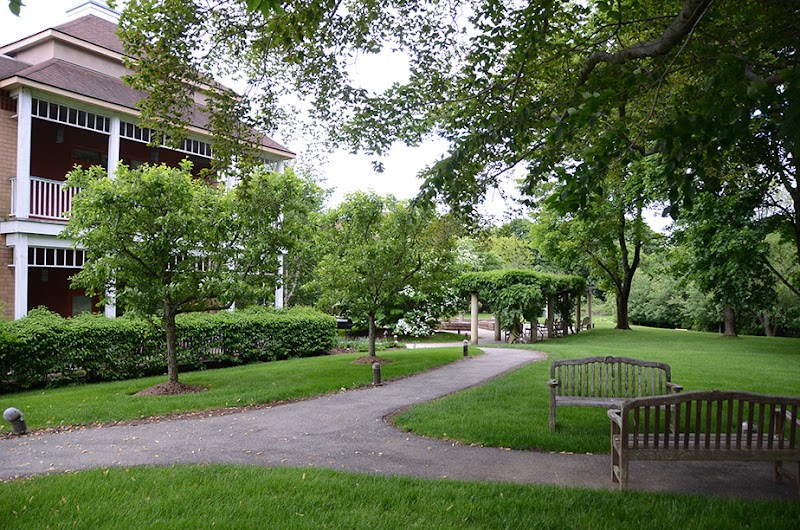
Who Owns and Operates The Grove At Valhalla Rehab And Nursing Center?

THE GROVE AT VALHALLA REHAB AND NURSING CENTER is owned by a for-profit company. For-profit facilities operate as businesses with obligations to shareholders or private owners. The facility is operated by CARERITE CENTERS, a chain that manages multiple nursing homes. With 160 certified beds and approximately 154 residents (about 96% occupancy), it is a mid-sized facility located in VALHALLA, New York.

How Does The Grove At Valhalla Rehab And Nursing Center Compare to Other New York Nursing Homes?

Compared to the 100 nursing homes in New York, THE GROVE AT VALHALLA REHAB AND NURSING CENTER's overall rating (3 stars) is below the state average of 3.1, staff turnover (40%) is near the state average of 46%, and health inspection rating (2 stars) is below the national benchmark.

What Should Families Ask When Visiting The Grove At Valhalla Rehab And Nursing Center?

Based on this facility's data, families visiting should ask: "Can you walk me through typical staffing levels on day, evening, and night shifts?" "Can I visit during a mealtime to observe dining assistance and food quality?" "How do you handle medical emergencies, and what is your hospital transfer rate?" "Can I speak with family members of current residents about their experience?" These questions are particularly relevant given the below-average staffing rating.

Is The Grove At Valhalla Rehab And Nursing Center Safe?

Based on CMS inspection data, THE GROVE AT VALHALLA REHAB AND NURSING CENTER has a clean safety record: no substantiated abuse findings (meaning no confirmed cases of resident harm), no Immediate Jeopardy citations (the most serious violation level indicating risk of serious injury or death), and is not on the Special Focus Facility watch list (a federal program monitoring the lowest-performing 1% of nursing homes). The facility has a 3-star overall rating and ranks #100 of 100 nursing homes in New York. While no facility is perfect, families should still ask about staff-to-resident ratios and recent inspection results during their visit.

Do Nurses at The Grove At Valhalla Rehab And Nursing Center Stick Around?

THE GROVE AT VALHALLA REHAB AND NURSING CENTER has a staff turnover rate of 40%, which is about average for New York nursing homes (state average: 46%). Moderate turnover is common in nursing homes, but families should still ask about staff tenure and how the facility maintains care continuity when employees leave.

Was The Grove At Valhalla Rehab And Nursing Center Ever Fined?

THE GROVE AT VALHALLA REHAB AND NURSING CENTER has been fined $76,339 across 1 penalty action. This is above the New York average of $33,842. Fines in this range indicate compliance issues significant enough for CMS to impose meaningful financial consequences. Common causes include delayed correction of deficiencies, repeat violations, or care failures affecting resident safety. Families should ask facility leadership what changes have been made since these penalties.

Is The Grove At Valhalla Rehab And Nursing Center on Any Federal Watch List?

THE GROVE AT VALHALLA REHAB AND NURSING CENTER is not on any federal watch list. The most significant is the Special Focus Facility (SFF) program, which identifies the bottom 1% of nursing homes nationally based on persistent, serious quality problems. Not being on this list means the facility has avoided the pattern of deficiencies that triggers enhanced federal oversight. This is a positive indicator, though families should still review the facility's inspection history directly.