Seneca Nursing & Rehabilitation Center, LLC
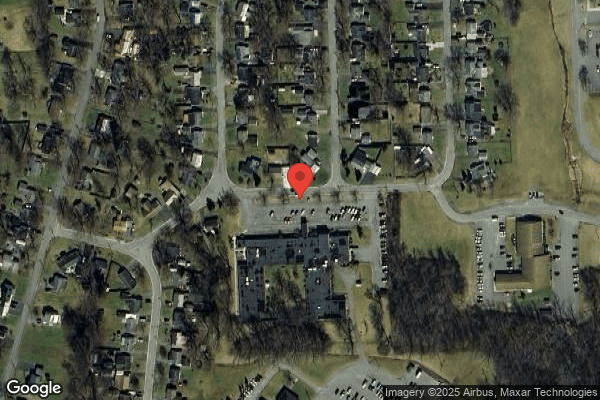
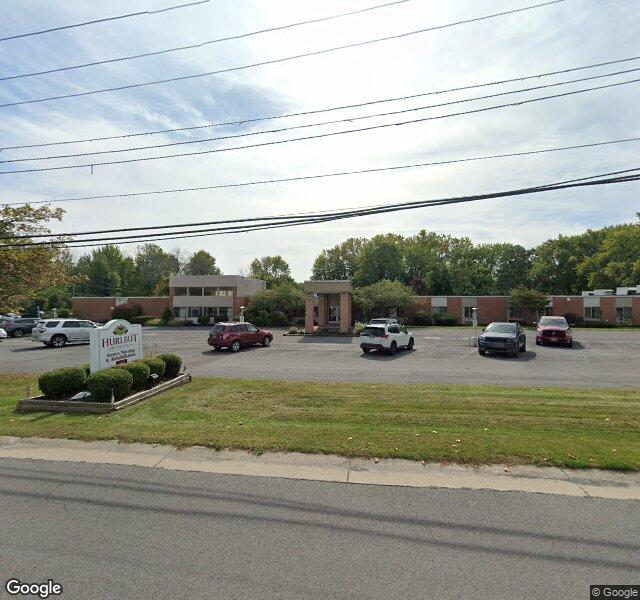
200 Douglas Drive, Waterloo, NY 13165 (315) 539-9202
For profit - Limited Liability company 120 Beds HURLBUT CARE Data: November 2025
Trust Grade
50/100
#456 of 594 in NY
Last Inspection: June 2023

Over 2 years since last inspection. Current conditions may differ from available data.

Overview

Seneca Nursing & Rehabilitation Center has a Trust Grade of C, indicating that it is average compared to other facilities, meaning it is in the middle of the pack but not necessarily the best option. It ranks #456 out of 594 facilities in New York, placing it in the bottom half, but it is the only nursing home in Seneca County, so it is the sole local option. The facility's trend is improving, with issues decreasing from three in 2023 to one in 2025, which is a positive sign. However, staffing is a concern, with a poor rating of 1 out of 5 stars and a high turnover rate of 56%, well above the state's average of 40%. On the positive side, there have been no fines reported, which is a good indicator of compliance, but the RN coverage is below average, being less than that of 78% of other facilities in New York. Specific incidents noted during inspections include staff assisting residents during meals in a way that was deemed undignified, such as residents eating with their hands and dropping food debris without staff assistance. Additionally, there were failures in ensuring proper screening of new employees for potential abuse or neglect, which raises concerns about resident safety. Lastly, a care plan for a resident involving leg splints was not followed, potentially impacting their health and mobility. Overall, while there are positive aspects like no fines, the facility has significant weaknesses in staffing and some concerning incidents that families should consider carefully.

Trust Score
C
50/100
In New York
#456/594
Bottom 24%
Safety Record
Low Risk
No red flags
Inspections
Getting Better
3 → 1 violations
Staff Stability
⚠ Watch
56% turnover. Above average. Higher turnover means staff may not know residents' routines.
Penalties
✓ Good
No fines on record. Clean compliance history, better than most New York facilities.
Skilled Nurses
⚠ Watch
Each resident gets only 24 minutes of Registered Nurse (RN) attention daily — below average for New York. Fewer RN minutes means fewer trained eyes watching for problems.
Violations
⚠ Watch
13 deficiencies on record. Higher than average. Multiple issues found across inspections.
★★☆☆☆
2.0
Overall Rating
★☆☆☆☆
1.0
Staff Levels
★★★★☆
4.0
Care Quality
★★★☆☆
3.0
Inspection Score
Stable
2023: 3 issues
2025: 1 issues

The Good

  • 4-Star Quality Measures · Strong clinical quality outcomes
  • Full Sprinkler Coverage · Fire safety systems throughout facility
  • No fines on record

Facility shows strength in quality measures, fire safety.

The Bad

2-Star Overall Rating

Below New York average (3.1)

Below average - review inspection findings carefully

Staff Turnover: 56%

Near New York avg (46%)

Frequent staff changes - ask about care continuity

Chain: HURLBUT CARE

Part of a multi-facility chain

Ask about local staffing decisions and management

Staff turnover is elevated (56%)

8 points above New York average of 48%

The Ugly 13 deficiencies on record

Jun 2025 1 deficiency
CONCERN (E) 📢 Someone Reported This

A family member, employee, or ombudsman was alarmed enough to file a formal complaint

Potential for Harm - no one hurt, but risky conditions existed

Resident Rights (Tag F0550)

Could have caused harm · This affected multiple residents

**NOTE- TERMS IN BRACKETS HAVE BEEN EDITED TO PROTECT CONFIDENTIALITY** Based on observations, interviews, and record review conducted during the Recertification Survey and complaint investigation (NY...

Read full inspector narrative →
**NOTE- TERMS IN BRACKETS HAVE BEEN EDITED TO PROTECT CONFIDENTIALITY** Based on observations, interviews, and record review conducted during the Recertification Survey and complaint investigation (NY00371778) from 06/23/2025 to 06/27/2025, for six (6) (Residents #1, #2, #27, #35, #37 and #46) of 20 residents reviewed, the facility did not promote and treat each resident with respect and dignity in a manner and an environment that promotes maintenance or enhancement of their quality of life. Specifically, for Residents #2, #35, and #46 staff were observed assisting residents during meals in an undignified manner. Residents #1, #27, #37 and #46 were observed eating with their hands/fingers while dropping food debris on themselves and no staff assist observed. The findings include but not limited to: The facility policy Dignity, dated February 2021, included each resident shall be cared for in a manner that promotes and enhances quality of life, dignity, respect, and individuality. Residents shall be treated with respect and dignity at all times and provided with a dignified dining experience. The facility policy Assistance with Meals, dated March 2022, included residents who could not feed themselves would be fed with attention to safety, comfort and dignity and included not standing over residents while assisting them with meals. 1. Resident #46 had diagnoses including dementia, failure to thrive, and anxiety. The Minimum Data Set (a resident assessment tool), dated 03/21/2025, documented the resident had severe impairment of cognitive function and required partial/moderate assistance with eating (helper lifts, holds, or supports trunk or limbs, but provides less than half the effort). The Comprehensive Care Plan, revised on 02/27/2025, documented Resident #46 required one (1) staff assistance for all meals. During an observation on 06/23/2025 at 12:45 PM, Certified Nursing Assistant #1 was assisting Resident #46 with their meal (cueing, handing the silverware, and at times feeding the resident), all while standing over the resident instead of sitting next to them. During observation on 06/25/2025 at 12:47 PM, the Administrator (identified as a paid feeding assistant [auxilliary stff that have completed specialized training in assisting/feeding residents who require assist]) entered the dining room and stated to Resident #46 (who was not eating) that they knew that they were hungrier than that, handed them a spoon, pointed to a piece of pie, and walked away from the table without assisting the resident. Resident #46 attempted to feed themselves but dropped their pie and their sandwich onto their lap and the floor. No further assist was offered. During an observation on 06/26/2025 at 8:15 AM, Certified Nursing Assistant #6 was feeding Resident #46 bites of food from a fork while standing over them instead of sitting next to them. During an observation on 06/26/2025 at 12:30 PM, Certified Nursing Assistant #5 was feeding Resident #46 while standing over the resident instead of sitting next to them. 2. Resident #1 had diagnoses including dementia, dysphagia (difficulty swallowing), and adult failure to thrive. The Minimum Data Set, dated [DATE], documented Resident #1 was severely impaired cognitively and required set-up/clean-up assistance with eating. Review of Resident #1's Comprehensive Care Plan, dated 12/13/2024, revealed the resident should eat in the main dining room for all meals and the resident may be fed by a trained feeding assistant if needed. During an observation on 06/25/2025 at 12:32 PM, Resident #1 was in the unit dining room with their lunch tray, eating independently. Food items were observed falling off the resident's plate and onto the tray and Resident #1 was observed spooning the food items off the tray into their mouth. There was no staff assisting the resident with their meal. During an observation on 06/26/2025 at 12:20 PM, Resident #1 was in the unit dining room and was observed eating their lunch meal with their fingers which consisted of cut up pork and cooked carrots. There was no staff assisting the resident with the meal. 3. Resident #35 had diagnoses including dementia, dysphagia, and adult failure to thrive. The Minimum Data Set, dated [DATE], documented Resident #35 was severely impaired cognitively and was dependent on staff for eating. Review of Resident #35's Comprehensive Care plan, dated 12/02/2024, included the resident required one (1) staff assist for all meals and required being fed one item at a time with verbal prompts required for intake of drinks. During an observation on 06/23/2025 at 12:32 PM, Certified Nursing Assistant #1 was standing in the dining room going from table to table assisting Residents #35, #46, and two (2) other residents with eating (feeding the residents a bite or two and moving on to another resident and back again) throughout the meal. Residents #35 and #46, when not being assisted, were not eating independently. During an observation on 06/26/2025 at 8:17 AM, Certified Nursing Assistant #1 was feeding Resident #35 their meal while standing over the resident instead of sitting next to them. During an interview on 06/27/2025 at 9:39 AM, Certified Nursing Assistant #1 stated there were about seven (7) residents on the unit that needed assistance with eating and they were standing to assist multiple residents with eating because they were the only staff member in the dining room. Certified Nursing Assistant #1 stated the residents were at different tables and they should have finished with one resident and then gone onto the next. During an interview on 06/27/2025 at 10:43 AM, Licensed Practical Nurse Manager #1 stated staff should be sitting when assisting a resident with eating. Staffing is an issue (not enough staff), but staff are aware that if the residents require feeding assistance they should sit with the resident and never be standing. During an interview on 06/27/2025 at 11:50 AM, Registered Nurse Quality Care Coordinator stated staff should have been seated when assisting residents with eating their meals and that standing while assisting residents with eating was a dignity concern. 10 NYCRR 415.3(d)(2)(i)
Jun 2023 3 deficiencies
CONCERN (D)

Potential for Harm - no one hurt, but risky conditions existed

ADL Care (Tag F0677)

Could have caused harm · This affected 1 resident

**NOTE- TERMS IN BRACKETS HAVE BEEN EDITED TO PROTECT CONFIDENTIALITY** Based on observations, interviews and record reviews conducted during the Recertification Survey 6/22/23 to 6/28/23, it was dete...

Read full inspector narrative →
**NOTE- TERMS IN BRACKETS HAVE BEEN EDITED TO PROTECT CONFIDENTIALITY** Based on observations, interviews and record reviews conducted during the Recertification Survey 6/22/23 to 6/28/23, it was determined that for one (Resident #40) of three residents reviewed for activities of daily living (ADLs), the facility did not ensure the residents received the necessary services to maintain good grooming and personal hygiene. Specifically, Resident #40 was observed with dirty and long nails over several days. This is evidenced by the following: The facility policy Care of Fingernails/Toenails, dated September 2011, included that the purpose of the procedure is to keep nails trimmed and cleaned, and to prevent infections. The policy included that nail care includes cleaning and trimming. Resident #40 was admitted to the facility with diagnoses that included chronic obstructive pulmonary disease (COPD), pulmonary hypertension (a form of high blood pressure that affects the heart and lungs), and aortic valve dysfunction (heart dysfunction). The Minimum Data Set assessment dated [DATE], included that Resident #40 was cognitively intact, and required the assistance of staff with personal hygiene. Review of current medical orders included weekly skin observations with documentation on Thursday day shift. Review of the Comprehensive Care Plan included that Resident #40 required supervision with grooming, and that the resident should be encouraged to allow staff to trim fingernails regularly. During observations on 6/22/23 at 9:31 AM Resident # 40 had several fingernails on both hands that were dirty with brown debris. At 10:22 AM, Resident #40 went into a room labeled bath with a staff member. During an observation and interview on 6/23/23 (one day after their shower) at 8:32 AM, Resident #40 continued to have brown debris under their fingernails. Resident #40 stated that it is hard to get someone (staff) to help with their nail care. During an observation on 6/26/23 at 10:38 AM, Resident #40 continued to have brown debris under several nails. Review of Weekly Skin Observation notes authored by several Licensed Practical Nurses (LPNs) between 5/11/23 and 6/22/23, included that Resident #40 was provided a shower and that the resident's fingernails were observed to be clean and trim. In all notes, the box labeled Fingernails cleaned or trimmed, were all unchecked. During an interview on 6/26/23 at 1:51 PM, Certified Nurse Aide (CNA) #1 stated that CNAs provide nail care usually on shower days, or if are chipped, polish falling off or if dirty. During an observation and interview on 6/27/23 at 10:37 AM, Resident #40 continued to have dirty fingernails and was independently attempting to clean their nails with their hands. Resident #40 stated at the time that facility staff had not cleaned their nails recently, and that their right thumb nail was too long and needed to be trimmed. Resident #40 stated that they can clean their nails, but they do not have anything to clean them with. During an interview on 6/27/23 at 12:02 PM, CNA #2 stated that nail care consists of trimming, filing, and cleaning underneath the fingernails and that they usually ask residents at least weekly if they need their nails done. CNA #2 stated that if they do nail care they do not document because they do not have access to the electronic medical record (EMR), so they tell the nurse. During an observation and interview on 6/28/23 at 8:41 AM, Licensed Practical Nurse (LPN) #1 observed Resident #40's fingernails and stated that they were dirty and that the right thumb nail was long. During an interview on 6/28/23 at 9:00 AM, LPN #2 stated that the nurses should be checking all residents' nails during the weekly skin check or whenever dirty. LPN #2 said that the CNAs will tell the nurses if they do nail care because they are unsure if the CNAs can document nail care in the EMR. During an interview on 6/28/23 at 9:36 AM, the Director of Nursing (DON) stated that residents' nails should be checked during the weekly skin checks and include clipping, trimming, and cleaning. The DON stated that when staff get residents up in the morning, they should be observing their nails and addressing any nail issues then. 10 NYCRR 415.12(a)(3)
CONCERN (D)

Potential for Harm - no one hurt, but risky conditions existed

Deficiency F0679 (Tag F0679)

Could have caused harm · This affected 1 resident

**NOTE- TERMS IN BRACKETS HAVE BEEN EDITED TO PROTECT CONFIDENTIALITY** Based on observations, interviews, and record review conducted during the Recertification Survey 6/22/23-6/28/23, it was determi...

Read full inspector narrative →
**NOTE- TERMS IN BRACKETS HAVE BEEN EDITED TO PROTECT CONFIDENTIALITY** Based on observations, interviews, and record review conducted during the Recertification Survey 6/22/23-6/28/23, it was determined that for one (Resident #33 of three residents reviewed for activities, the facility did not provide an ongoing program of activities designed to meet, in accordance with the comprehensive assessment, the interests and the physical, mental, and psychosocial well-being of the resident. Specifically, the resident was observed on multiple occasions sitting alone, not invited to participate in current activities and not provided with sunglasses as requested due to vision concerns. This is evidenced by the following: Resident #33 had diagnoses of dementia with severe agitation, glaucoma and hearing loss. The Minimum Data Set (MDS) assessment dated [DATE], documented that the resident had severely impaired cognitive skills and required extensive assist of staff for locomotion on and off the unit. The MDS Assessment also included that participating in their favorite activities was very important to the resident and included getting outdoors, keeping up with the news and participating in religious activities. Resident #33's current Comprehensive Care Plan and the Certified Nursing Assistant (CNA) Care Card (care plan used by the aides to provide daily care) documented that staff are to remind the resident of upcoming activities of interest, modify the environment to accommodate the resident's limitations, provide individual activities as able, and provide adaptive equipment to facilitate the resident's participation in activities. In an observation on 6/22/23 at 10:59 AM, Resident #33 was sitting in the hall at the nurse's station yelling out, swearing, calling staff members inappropriate names, and mimicking the sound of a call bell. After approximately five to seven minutes, a staff member from the therapy department approached the resident, moving them to a quiet location and the resident's behaviors stopped. In an observation and interview on 6/26/23 at 11:01 AM, Resident #33 was sitting in their room falling asleep in their wheelchair. The curtains were closed, the TV was off, and the room was dark. Activities were going on in the activity room and residents were seen in the dining area interacting with staff. When interviewed at is time Resident #33 said they never go to any activities because they do not know what activities are offered or when. When Resident #33 was informed that BINGO was being offered later in the afternoon, the resident said they love BINGO, but had never been invited to go. In an observation on 6/26/23 at 1:07 PM Resident #33 was sitting in their wheelchair in their room alone and eating lunch. When asked if they prefer to eat in their room alone, Resident #33 stated they would like some company. The resident said they never have anyone to talk to and that they sit in their room alone talking to themself like a nutty person. Resident #33 stated that they were not aware that there was an activity calendar on their bathroom door but due to having sensitive eyes, they would prefer the activity calendar in a place where they could see it better. In an observation on 6/27/23 at 12:03 PM, Resident #33 was in the facility activity room with several staff members present. The resident complained that the room was too bright and asked twice for a staff person to go get their sunglasses from their room becoming agitated after asking the second time. A staff member left the room to get the resident's sunglasses, but never returned and was observed passing out passing out lunch trays soon after. Resident #33 continued to complain about their eyes and a newly arrived family member retrieved them. During an interview on 6/23/23 at 1:33 PM Care Assistant (an assistant to the aides that does not do any direct care) #1 said that Resident #33 likes to talk about their family with staff and also enjoys doing laps around the unit in their wheelchair but does need their sunglasses on for that. Care Assistant #1 said that Resident #33 does have behaviors such as yelling out with staff but not with other residents. During an interview on 6/23/23 at 1:37 PM, Licensed Practical Nurse (LPN) #2 said that activities are offered in Resident #33's room because even though the resident likes social interaction, some staff are nervous and afraid of the resident because the resident yells at times. During an interview on 6/26/23 at 1:37 PM and again on 6/27/23 at 12:25 PM the Director of Activities (DOA) said that Resident #33 had only been offered one on one activities in their room due to their anxiety and sometimes gets angry and yells. The DOA stated that they usually keep a record of each resident activities but that they had fallen behind with documenting attendance and was unable to provide any evidence of Resident #33 attending any activities since admission (approximately a month ago) either one to one or group activities. 10 NYCRR 415.11(c)(1)
CONCERN (D)

Potential for Harm - no one hurt, but risky conditions existed

Respiratory Care (Tag F0695)

Could have caused harm · This affected 1 resident

**NOTE- TERMS IN BRACKETS HAVE BEEN EDITED TO PROTECT CONFIDENTIALITY** Based on observations, interviews, and record review conducted during the Recertification Survey 6/22/23 to 6/28/23, it was dete...

Read full inspector narrative →
**NOTE- TERMS IN BRACKETS HAVE BEEN EDITED TO PROTECT CONFIDENTIALITY** Based on observations, interviews, and record review conducted during the Recertification Survey 6/22/23 to 6/28/23, it was determined that for one (Resident #40) of two residents reviewed for respiratory care, the facility did not provide specialized care needs for the provision of respiratory care in accordance with professional standard of practice, and the resident's care plan, goals, and preferences. Specifically, Resident #40 did not receive oxygen (O2) as ordered. This is evidenced by the following: Review of the undated facility policy Respiratory Therapy - Prevention of Infection Procedure, included that distilled water is to be used for humidification, and that the refillable humidifier unit water levels are to be checked daily. The humidifier container is to be changed at least weekly. Review of the facility policy Changing Oxygen Tubing, dated August 2020, included that O2 tubing connects the O2 source (oxygen concentrator or oxygen tank) to the resident and has a delivery method (nasal cannula, mask), on the other end. If the resident had several ancillary oxygen items such as a humidification bottle, oxygen tubing, and/or nebulizer set-up, they should be changed at the same time. Resident #40 was admitted to the facility with diagnoses that included chronic obstructive pulmonary disease (COPD), pulmonary hypertension (a form of high blood pressure that affects the heart and lungs), and aortic valve dysfunction (heart dysfunction). The Minimum Data Set assessment dated [DATE], included that Resident #40 was cognitively intact, had shortness of breath with exertion and when lying flat, and received O2 therapy. Review of current Physician orders included: a. O2 per nasal cannula at two liters (L) for shortness of breath b. change and date oxygen tubing and humidifier bottle every week. The Comprehensive Care Plan included that Resident #40 received O2 per Physician orders and to clean and care for the O2 equipment per the manufacturer. During an observation and interview on 6/23/23 at 8:31 AM, Resident #40 was observed in their room wearing a nasal cannula connected to an O2 concentrator. There was no humidification attached to the O2. A partially filled humidification bottle, dated 6/22/23 was sitting on the resident's bedside stand. Resident #40 stated their previous O2 concentrator had allowed humidification, but it broke and that their current O2 concentrator did not allow for a humidification bottle attachment. During an observation on 6/26/23 at 10:38 AM, Resident #40 was observed wearing O2 via a nasal cannula, and the humidification bottle dated 6/22/23 remained on the bedside stand. During an observation and interview on 6/27/23 at 10:37 AM, Resident #40 was observed wearing two liters of O2 via nasal cannula and the humidification bottle dated 6/22/23 remained on the resident's bedside stand. Resident #40 stated that their previous O2 concentrator, which allowed humidification, broke about a week prior (and the resident was provided with the current concentrator). Resident #40 stated that staff brought the humidification bottle (pointed to bottle dated 6/22/23) and saw that the concentrator did not have the proper hookup for it but that they would get a machine that allowed humidification, but Resident #40 had not heard anything more about it since then (5 days ago). Resident #40 stated that they prefer oxygen with humidification because it helps them breathe better. Review of interdisciplinary progress notes written by numerous Licensed Practical Nurses (LPNs) and Registered Nurses (RNs), dated 6/2/23 through 6/27/23, did not include any documentation related to issues with Resident #40's oxygen concentrator, the inability to provide humidification as ordered, or that the medical team had notified. During an observation and interview on 6/28/23 at 8:24 AM, Resident #40, now with a new O2 concentrator with a humidification bottle connected to it, stated they were breathing better with the new machine (with humidification). During an interview on 6/28/23 at 8:42 AM, Licensed Practical Nurse (LPN) #1 stated that bubblers (humidification bottles) are used for residents with O2 to provide humidity (moisture), so their noses do not dry out. LPN #1 stated that distilled water is used to fill the bottle which are changed weekly. LPN #1 stated that Resident #40 wears O2 all the time and requests the humidification. LPN #1 stated that they do not check oxygen concentrators daily. During an interview on 6/28/23 at 9:36 AM, the Director of Nursing (DON) stated that O2 tubing, and humidifiers (humidification bottles) should be changed weekly. The DON stated that if a resident is ordered to receive humidification with oxygen, they should be on a machine that allows for humidification or have oxygen tubing that has a connector to the humidification bottle. The DON stated that nurses should visualize the machine, tubing, and humidification bottle sometime during their shift. The DON stated that if staff were unable to provide humidification for oxygen as ordered, staff should contact the medical provider. 10 NYCRR 415.12(k)(6)
Sept 2021 6 deficiencies
CONCERN (D)

Potential for Harm - no one hurt, but risky conditions existed

Report Alleged Abuse (Tag F0609)

Could have caused harm · This affected 1 resident

Based on interview and record reviews conducted during the Recertification Survey and complaint investigation (#NY00266031) completed on 9/10/21, it was determined that for two (Resident #38 and #3) o...

Read full inspector narrative →
Based on interview and record reviews conducted during the Recertification Survey and complaint investigation (#NY00266031) completed on 9/10/21, it was determined that for two (Resident #38 and #3) of three residents reviewed for abuse, the facility did not report an incident of resident-to-resident sexual abuse to the New York State Department of Health (NYSDOH) per the regulation. This is evidenced by the following: Review of the policy and procedure, Abuse, Neglect, and Exploitation, Prohibition, Training, Investigation, and Reporting dated December 2016, revealed that alleged violations involving sexual abuse, neglect, exploitation, or mistreatment are reported immediately to the Facility Administrator and to other officials, including the New York State Department of Health, within five working days of the incident. Resident #3 had diagnoses including dementia, inappropriate sexual behaviors, and a history of alcohol abuse. The Minimum Data Set (MDS) Assessment, dated 8/29/21, revealed the resident was cognitively intact and had displayed behaviors on one to three days during the assessment period. Resident #38 had diagnoses including: dementia with behavioral disturbance, abnormal weight loss and depression. The MDS Assessment, dated 8/3/21, revealed the resident had severely impaired cognition. Review of an Incident/Accident (I/A) Report and a nursing progress note, dated 8/15/21, at 11:15 a.m., revealed Resident #38 was found in Resident #3's room sitting next to their bed. Both residents had bare skin and both their private parts exposed with Resident #3's hand on Resident #38's abdomen. The facility was unable to provide any evidence indicating that the New York State Department of Health had been notified of the incident. During an interview with the Administrator on 9/10/21 at 10:41 a.m., the Administrator stated that either the Nurse Manager or the Administrator is responsible for contacting the New York State Department of Health regarding the incident. The Administrator shared that the Nurse Manager had reported to them that because Resident #38 went into Resident #3's room and there were no injuries that the incident did not need to be reported. The Administrator shared that they later realized the incident was reportable but due to a miscommunication it did not get reported. [10NYCRR415.4(b)(4)]
CONCERN (D)

Potential for Harm - no one hurt, but risky conditions existed

Food Safety (Tag F0812)

Could have caused harm · This affected 1 resident

Based on observations, interviews, and record reviews conducted during a Recertification Survey completed on 9/10/21, it was determined that for one of one main kitchen, one (B-unit) of two nourishmen...

Read full inspector narrative →
Based on observations, interviews, and record reviews conducted during a Recertification Survey completed on 9/10/21, it was determined that for one of one main kitchen, one (B-unit) of two nourishment refrigerators, and one (B-unit) of two ice dispensing machines, the facility did not store, prepare, distribute and serve food in accordance with professional standards for food service safety. Specifically, an ice machine was dirty, walls and ceilings were in disrepair, and a refrigerator was not maintained to keep 'temperature controlled for safety' (TCS) foods at or below 45 degrees (°) Fahrenheit (F). The findings are: 1. Observations during the initial tour of the facility on 9/7/21 at 10:30 a.m. revealed the door to the refrigerator in the B-unit nourishment station was not fully closed and a dial type thermometer within the refrigerator showed 50 °F. Further observations within this refrigerator on 9/7/21 at 1:59 p.m. revealed two 8-ounce Cal HN liquid supplements were measured to be 49.6°F using an AquaTuf 351 digital thermocouple. The refrigerator was also observed to contain TCS foods including milk, milkshakes, high calorie protein liquid supplement, pudding and yogurt. In an interview at this time the Director of Food Service (DFS) said she would discard these products and did not know if anyone had reported to maintenance that the door to the refrigerator did not seal tightly. The DFS also stated that if anyone is keeping track of refrigerator temperatures that it would be nursing. Interview at this time, with 2 certified nursing assistants on the B-unit revealed that they do not take temperatures of the refrigerator or freezer 2. Observations on 9/7/21 at 11:05 a.m. revealed multiple missing ceiling tiles and approximately 14 square ceramic wall tiles were missing directly over and adjacent to the clean end of the dish machine (dish and utensil drying area). Interview with the DFS on 9/9/21 at 11:54 a.m. revealed the ceramic tiles have been falling off slowly for over a couple of months, and the ceiling tiles have been out for about the same length of time. The DFS further stated that there is moisture from the dish machine steam and that warps the ceiling tiles and probably the walls too. The DFS said that there is no leaking water now but it was previously from the roof above the door near the entrance to dish room. 3. Observations on 9/7/21 at 12:28 p.m. revealed the B-unit ice machine had a dark brown/black buildup of material inside the dispensing chute and reservoir where ice dumps out. Additionally, the wall behind the ice machine was saturated and there was paper debris, a plastic pitcher and food debris on the floor. Further observations between the ice machine and the cabinet revealed broken floor tiles and dark colored debris in this gap. When interviewed on 9/7/21 at 1:59 p.m., the Director of Food Service (DFS) stated the ice machine had not been serviced in a couple of years, and it needed to be cleaned including the surrounding debris on the floor. 10NYCRR: 415.14(h)
CONCERN (E)

Potential for Harm - no one hurt, but risky conditions existed

Abuse Prevention Policies (Tag F0607)

Could have caused harm · This affected multiple residents

Based on interview and record reviews conducted during a Recertification Survey completed on 9/10/21, it was determined that the facility did not implement written policies and procedures to prevent a...

Read full inspector narrative →
Based on interview and record reviews conducted during a Recertification Survey completed on 9/10/21, it was determined that the facility did not implement written policies and procedures to prevent abuse, neglect, exploitation and misappropriation of resident property related to screening prospective employees. Specifically, a nurse aide registry abuse screening was not completed prior to hire for three (Employees #3, #5, and #6) of six employee files reviewed. The findings are: On 9/7/21 the Administrator provided the surveyor with a facility policy titled: Abuse, Neglect, And Exploitation, Prohibition, Training, Investigation, And Reporting. The policy included: Screening/Prevention-Registry: All staff that are being considered for hire must also be checked with the New York State Nurse Aide Registry (https://registry.prometric.com/registry/public) for a history of findings. Licensed personnel that are being considered for hire must be checked with approved boards as well. The printed web screen with verification of date checked will satisfy the State and Federal requirements. 2. On 9/8/21 from 10:34 a.m. to 10:48 a.m. the Surveyor was provided documentation related to six newly hired employees. The files included that employees #3, #5, and #6 were hired as: Housekeeper, Unit Clerk, and Dietary worker respectively. The files also showed that employees #3, #5, and #6 were hired on 8/26/21, 8/16/21, and 11/24/20 respectively. The documentation provided did not include a nurse aide registry (NAR) check for employees #3 and #5, and the NAR check for employee #6 was completed on 3/17/21 (after hire). 3. During an interview with the Business Office Manager on 9/8/21 at 11:50 a.m. it was revealed that they were not aware that the non-Certified Nursing Assistants had to be run through the NAR. 10 NYCRR: 415.4(b)
CONCERN (E)

Potential for Harm - no one hurt, but risky conditions existed

Comprehensive Care Plan (Tag F0656)

Could have caused harm · This affected multiple residents

Based on observations, interviews and record reviews conducted during the Recertification Survey, completed on 9/10/21, for 1 (Resident #56) of 20 residents reviewed, the facility did not ensure the r...

Read full inspector narrative →
Based on observations, interviews and record reviews conducted during the Recertification Survey, completed on 9/10/21, for 1 (Resident #56) of 20 residents reviewed, the facility did not ensure the resident's care plan was implemented regarding leg splints. Specifically, therapy recommendations on the use of bilateral leg splints daily following a hospital stay were not implemented as recommended with no explanation. This is evidenced by the following: Resident #56 had diagnoses including severe intellectual disabilities, adult failure to thrive and contractures of the right and left knees. The Minimum Data Set Assessment, dated 8/23/21, revealed the resident was severely impaired cognitively, had functional limitation in range of motion (ROM) of both lower extremities (hip, knee, ankle, foot), required extensive assistance of two staff for dressing and did not ambulate. The current Comprehensive Care Plan and the Certified Nursing Assistant (CNA) Resident Profile Sheet (directs daily care) directed bilateral knee extension splints to be worn daily when out of bed in wheelchair, to do passive ROM prior to splint application and for wear time not to exceed six hours. During observations on 9/8/21 at 9:12 a.m. and 2:48 p.m., and again on 9/9/21 at 11:08 a.m. and 2:57 p.m., Resident #56 was in their wheelchair and was not wearing leg splints. In an interview on 9/8/21 at 2:57 p.m., CNA #1 and CNA #2 both said the resident used to wear leg splints on both legs at night. They said they were not sure what was in use at this time and did not know where the CNA care cards were kept. In an interview on 9/10/21 at 9:52 a.m., Licensed Practical Nurse (LPN)#1 (Resident #56 primary nurse) said the resident has leg splints and wears them when in bed. Both leg splints were observed stored in the residents' bedside stand at this time. In an interview on 9/10/21 at 9:59 a.m., the Director of Therapy said Resident #56 had previously worn leg splints at night but upon return from the hospital on 5/17/21, splint use had changed to during the day as the resident was tolerating them. Current medical orders reviewed at this time revealed no orders for the splint use and the Director of Therapy said that there should have been. In an interview on 9/10/21 at 10:03 a.m., CNA#3 said they came in early and got Resident #56 out of bed for a shower and that the splints were not on. CNA#3 said the resident wore the splints overnight at one point but was not sure anymore when they were to be worn. In an interview on 9/10/21 at 10:57 a.m., The Physical Therapist (PT) stated that Resident #56 had been discharged from therapy at the end of June (2021) with a therapy recommendation for bilateral knee splints when out of bed for six hours a day which was put in the medical provider book for approval and written orders. The PT said the recommendation form does not return to therapy after medical approval but goes into the Resident Profile binder (for daily care updates). The PT said the fact that it was in the Resident Profile binder indicated that it had been approved. In an interview on 9/10/21 at 11:17 a.m., LPN#1 said therapy places their recommendations in the medical provider book, medical reviews the form for approval and if approved, nursing will enter the order and place the form in Resident Profile book. LPN #1 said she did not see the change. In an interview on 9/10/21 at 11:50 a.m., the Nursing Supervisor/LPN#2 said nursing is supposed to bring any recommendation from therapy regarding any new splint or brace to the provider to discuss, get approved and enter the order. The Nursing Supervisor/LPN#2 said she used to be the nurse manager on that unit and it may have been their fault but was unsure of what happened in this case. 10 NYCRR415.11(c)(1)
CONCERN (E)

Potential for Harm - no one hurt, but risky conditions existed

Drug Regimen Review (Tag F0756)

Could have caused harm · This affected multiple residents

Based on interviews and record reviews conducted during the Recertification Survey, completed on 9/10/21, it was determined for one (Resident #28) of six residents reviewed, the facility did not ensur...

Read full inspector narrative →
Based on interviews and record reviews conducted during the Recertification Survey, completed on 9/10/21, it was determined for one (Resident #28) of six residents reviewed, the facility did not ensure the medical team provided a rationale for action taken or not taken regarding a pharmacy recommendation for a medication dose reduction. Specifically, there was no documented evidence that the physician addressed a pharmacy recommendation to decrease a cholesterol medication from daily to every other day for over four months. This is evidenced by the following: Resident #28 had diagnoses including hyperlipidemia, hypertension and type 2 diabetes. A Minimum Data Set Assessment, dated 7/22/21, revealed modified independence in decision making skills. Review of current physician orders revealed atorvastatin (used to treat high cholesterol) 20 milligrams (mgs) daily was initiated on 2/1/21. Review of the Medication Regimen Review (MRR), dated 4/21/21, revealed a pharmacy recommendation to the physician to evaluate atorvastatin for a change from daily use to every other day use. The recommendation was signed by the Nurse Practitioner (NP) with a note that labs would be ordered. In a progress note, dated 4/22/21, the NP documented that the MRR was reviewed and a lipid profile (blood work) will be checked before any changes are made. Review of lab results dated 4/22/21 revealed the lab work was done as ordered and initialed as reviewed. A review of seven medical provider notes, dated 5/3/21 to 9/1/21, did not reveal any response to the April 2021 pharmacy recommendation, any action taken or not taken with a rationale regarding the dose reduction of atorvastin. In an interview on 9/10/21 at 8:55 a.m., the Director of Nursing (DON) said the pharmacist completes their MRR and sends those reports to the DON. The DON said the reports are then emailed to the unit clerks who print them out and place them in the Physician Book. The nurse manager (NM) then reviews the forms with a medical provider and the NM is then responsible to document the provider response and return the completed forms to the DON. The DON said that there was a change in DONs where some of the MRR forms had been misplaced. During an interview on 9/10/21 at 10:27 a.m., the Registered Pharmacist said they had not received any documentation from a medical provider regarding the 4/21/21 recommendation. In an interview on 9/10/21 at 1:07 p.m., the current Medical Director said pharmacy reviews are sent to the facility and reviewed by the NP. If the NP has any concerns or issues, they are to discuss their concerns directly with the Medical Director and this had not been done in this instance (with the prior Medical Director). 415.18(c)(2)
CONCERN (E)

Potential for Harm - no one hurt, but risky conditions existed

Medication Errors (Tag F0758)

Could have caused harm · This affected multiple residents

Based on interviews and record review conducted during the Recertification Survey, completed 9/10/21, it was determined that for one of seven residents reviewed, the facility did not ensure that medic...

Read full inspector narrative →
Based on interviews and record review conducted during the Recertification Survey, completed 9/10/21, it was determined that for one of seven residents reviewed, the facility did not ensure that medical orders for psychotropic medications, which were not antipsychotic medications, were limited to 14 days, unless the attending physician/prescribing practitioner documented a rationale to extend the medication. Specifically, Resident #61 had an order for lorazepam (an antianxiety psychotropic medication) ordered as needed (PRN) for an extended use of time without a duration for use or a rationale to extend the medication. This is evidenced by the following: Resident #61 had diagnoses including epilepsy, dementia with behavioral disturbance and recent right hip fracture. The Minimum Data Set Assessment, dated 8/17/21, revealed the resident was severely impaired cognitively. The Comprehensive Care Plan, dated 8/26/21, for antianxiety medication PRN related to history of seizures included interventions to give the medication per medical orders and a psychotropic medication review to be done quarterly and PRN. Review of physician orders dated 2/10/21 and 8/10/21 included lorazepam two milligram/milliliter (mg/ml); give one mg (0.5ml) injection daily PRN for seizures. The orders were both identified as open ended (no end date). In a Medication Regimen Review (MRR), dated 2/19/21, the pharmacist recommended to assign a duration to the current PRN order for lorazepam per the regulations related to psychotropic medications and that duration of use must be assigned and the resident evaluated each time the order is renewed to remain compliant. The Pharmacist wrote that the clinical rationale for extending the orders must also be documented. Review of Resident #61 medical record from 2/10/21 through 9/9/21 did not reveal any documented response to the pharmacist recommendation, the rational for an extended use of the psychotropic medication or the duration of use. During an interview on 9/10/21 at 9:17 a.m., the Licensed Practical Nurse stated that they have been at the facility for at least two years and Resident #61 had not had any seizures. During an interview on 9/10/21 at 10:07 a.m., the Pharmacist said the MRR recommendation is sent to the DON and a Nurse Practitioner and that they look for a response to the MRR at the next visit. The Pharmacist said a request for a medication end date was made in February 2021 and again in July 2021. The Pharmacist said that the medication was discontinued 8/7/21 but soon after reordered 8/10/21, again without a duration for use or end date. The Pharmacist said there is no documented provider note regarding a rationale for the extended use of lorazepam and that there was no response to the recommendations. In an interview on 9/10/21 at 1:07 p.m., the Medical Director said the lorazepam is being used for breakthrough seizures, as a neurological medication. The Medical Director said that the regulation does not separate neurological versus psychotropic medications, so the medication needs to be reviewed every fourteen days. 415.12(l)(2)(ii)
Feb 2019 3 deficiencies
CONCERN (D)

Potential for Harm - no one hurt, but risky conditions existed

Deficiency F0553 (Tag F0553)

Could have caused harm · This affected 1 resident

**NOTE- TERMS IN BRACKETS HAVE BEEN EDITED TO PROTECT CONFIDENTIALITY** Based on observations, interviews, and record reviews conducted during the Recertification Survey, it was determined that for on...

Read full inspector narrative →
**NOTE- TERMS IN BRACKETS HAVE BEEN EDITED TO PROTECT CONFIDENTIALITY** Based on observations, interviews, and record reviews conducted during the Recertification Survey, it was determined that for one (Resident #22) of one resident reviewed for care planning, the facility did not ensure that each resident was given the right, along with their representative, to participate in the care planning process with their interdisciplinary team members. Specifically, the resident's representative was unable to attend an annual care plan meeting and the meeting was never held. This is evidenced by the following: Resident #22 was admitted to the facility on [DATE] and has current diagnoses including severe reflex sympathetic dystrophy syndrome (RSD- a rare condition that affects the sympathetic nervous system and is characterized by chronic, severe pain that generally affects the extremities and may include pathological changes of the bones, joints and skin), depression, and a Stage III pressure ulcer necessitating attachment of a wound vacuum and a urinary catheter. The Minimum Data Set Assessment, dated 11/30/18, revealed that the resident was cognitively intact, had functional impairment in Range of Motion to all extremities, was non-ambulatory, and was totally dependent on staff for activities of daily living. In an interview on 2/4/19 at 2:09 p.m., when asked if the resident was invited to participate in the care planning process, the resident stated that her Health Care Proxy (HCP) was out of town several months ago when her care plan meeting was due and was unable to participate at that time. The resident said the meeting was never held. On 2/6/19 at 2:06 p.m., the resident said that she really wanted her HCP to attend the meeting due to her disease that sometimes limits her understanding, but the HCP travels a lot, and when she requested her back up HCP to attend, she was told that the facility only sends one letter to invite the representative, not two. Daily observations of the resident, from 2/4/19 day shift through 2/8/19 day shift, revealed the resident was basically confined to her bed except for a bath three times a week. Review of the medical record revealed the last Interdisciplinary Care Plan Meeting was dated 12/15/17 and did include the resident and her representative. The medical record revealed that since the last care plan meeting, the resident has had multiple changes that included but was not limited to, several hospital admissions for infections related to a urinary catheter, and one for a severe head injury following a fall, a new onset Stage III pressure ulcer, a decline in functional status, and increased signs of depression as evidenced by the PHQ (assessment used to determine signs of depression) score. A resident interview with the Activities Director regarding resident preferences, dated 9/5/18, included that the resident stated having family involved in her care was very important to her. In an interview on 2/6/19 at 11:24 a.m. and again on 2/8/19 at 11:50 a.m., the Social Worker (SW) stated that the resident's HCP was invited in September to the annual meeting but could not come. The SW said that it is difficult to schedule due to the HCP's work schedule. The SW said she did not follow-up with the HCP but should have, and the interdisciplinary conference was never held. The SW said that the resident's second HCP was not invited but she could be. The SW said that she met with the resident and her HCP approximately six months ago to change the resident's MOLST (Medical Orders for Life Saving Treatments) but the rest of the Interdisciplinary Team was not present. When interviewed on 2/7/19 at 11:35 a.m., the Registered Nurse Manager (RNM) stated that the last care plan meeting that she could find was December 2017. The RNM said that she was not currently aware of a scheduled care plan meeting. She said that the SW schedules the meetings. The RNM stated that the resident has declined quite a bit since the last care plan meeting. In an interview on 2/8/19 at approximately 10:00 a.m., the Administrator stated that she met with the resident and the ombudsman in July 2018 to discuss several complaints the resident had regarding staff but the interdisciplinary team was not present. [10 NYCRR 415.3(e)(v)]
CONCERN (D)

Potential for Harm - no one hurt, but risky conditions existed

Deficiency F0604 (Tag F0604)

Could have caused harm · This affected 1 resident

**NOTE- TERMS IN BRACKETS HAVE BEEN EDITED TO PROTECT CONFIDENTIALITY** Based on observations, interviews, and record reviews conducted during the Recertification Survey, it was determined that for on...

Read full inspector narrative →
**NOTE- TERMS IN BRACKETS HAVE BEEN EDITED TO PROTECT CONFIDENTIALITY** Based on observations, interviews, and record reviews conducted during the Recertification Survey, it was determined that for one (Resident #9) of one resident reviewed for restraints, the facility did not ensure that the resident was free from physical restraints. Specifically, there was lack of an appropriate assessment identifying a chair that prevents rising, and a lack of a care plan and education about the risks and benefits for the use of a restraint. This is evidenced by the following: Resident #9 was admitted to the facility on [DATE] and had diagnoses including dementia with behaviors, depression, and a history of falls. The Minimum Data Set Assessment, dated 11/15/18, revealed that the resident had severely impaired cognition, was incontinent of bowel and bladder, had no functional limitation in Range of Motion, required extensive assist of staff for transfers and toileting, and did not use a chair that prevents rising. Review of the facility policy, Device and Restraint Evaluation, dated as last revised February 2017, revealed that interdisciplinary team members would evaluate devices used to determine if that device restricts the resident's voluntary movement. The evaluation form is utilized to guide the process of a resident centered care plan. Risks and benefits will be discussed with the resident/designated representative and care planning will include information on use and duration of the device. If a new or different device is utilized, a new evaluation form will be completed. Review of the most recent Physical Therapy Screen, dated 5/18/18, revealed the resident was screened secondary to a fall and that the resident transferred with the handheld assist of two staff per baseline without difficulty. The screen did not include the use of any alarms or chairs that prevent rising. Review of the Resident Device/Restraint Evaluation form, dated as last reviewed on 7/6/18, revealed that the resident had a pressure sensor floor mat and a bed clip alarm to reduce fall related injuries. The evaluation included that the alarms did not limit the resident's voluntary function and access to their body and were therefore not considered a restraint. Under chair that prevents rising, the form is blank. Review of the Comprehensive Care Plan (CCP), dated 12/6/18, revealed that the resident had a history of falling due to poor safety awareness and assistance was required for all transitions. Approaches included, but were not limited to, verbal reminders to call for assist and to orient the resident regarding new furniture placement or changes in room environment. The CCP did not include the use of any chair that prevents the resident from rising. The current Certified Nursing Assistant (CNA) Care Plan included that the resident was able to stand pivot transfer, directed staff not to leave the resident unattended in a wheelchair, lay the resident down after meals or sit the resident in a recliner, and toilet the resident every three hours. Observations and interviews included the following: a. On 2/4/19 at 10:36 a.m., the resident was sitting in a chair with the footrest elevated. The Licensed Practical Nurse (LPN) stated at that time that the resident attempts to get up on her own and an alarmed mat was under the raised footrest. The LPN said she was not sure if the resident could put the footrest down on her own. b. On 2/5/19 at 2:30 p.m., the CNA #1 stated the resident can put the footrest down without assist and will attempt to stand. She said the resident is toileted after each meal. c. On 2/6/19 at 9:40 a.m. and again at 11:01 a.m., the resident was in the chair, the footrest was raised, and the resident had two legs over the side of the chair in an attempt to get out and staff were notified. d. On 2/7/19 at 9:22 a.m., the resident was in the chair with the footrest elevated and yelling loudly for help, banging both feet on the footrest yelling down repeatedly. The resident's call bell was lying on the bed several feet away. Staff were alerted by the surveyor, and when staff questioned the resident, she stated she needed to go to the bathroom. When asked if she could lower her feet, the resident attempted several times by pushing both feet against the footrest but was physically unable to lower the footrest. The resident was transferred to the bathroom and did have a bowel movement. CNA #2 stated that the resident uses the call bell. e. On 2/7/19 at 11:28 a.m., the Registered Nurse Manager stated that she was not aware the resident was unable to push the footrest down, and that it would be considered a restraint if she was unable to do so. She said that the resident does get restless and could climb out of the chair. f. On 2/7/19 at 12:07 p.m., the Physical Therapist (PT) stated that a chair can be a restraint and it should be evaluated for safety. The PT said the resident does not walk but she can stand and does attempt to. g. On 2/8/19 at 9:36 a.m., the resident was in the chair with the footrest raised. The alarmed floor mat was not hooked up, and the call bell was out of reach several feet away on the bedside table. The LPN was alerted by the surveyor and stated the call bell should be in reach and the floor mat hooked up. The resident was again asked to put her footrest down but was not able to do so. h. On 2/8/19 at approximately 10:00 a.m., the Director of Rehabilitation stated that they had not considered the chair a restraint but it could possibly be one. She said that a fall risk and an evaluation should be done for the resident. [10 NYCRR 415.4(a)(2-7)]
CONCERN (D)

Potential for Harm - no one hurt, but risky conditions existed

Deficiency F0679 (Tag F0679)

Could have caused harm · This affected 1 resident

**NOTE- TERMS IN BRACKETS HAVE BEEN EDITED TO PROTECT CONFIDENTIALITY** Based on observations, interviews, and record reviews conducted during the Recertification Survey, it was determined that for on...

Read full inspector narrative →
**NOTE- TERMS IN BRACKETS HAVE BEEN EDITED TO PROTECT CONFIDENTIALITY** Based on observations, interviews, and record reviews conducted during the Recertification Survey, it was determined that for one (Resident #22) of three residents reviewed for activities, the facility did not provide an ongoing program to support the resident in their choice of activities based on the comprehensive assessment, care plan, and preferences of each resident. Specifically, a resident who is essentially bedbound did not receive activities of choice. This is evidenced by the following: Resident #22 was admitted to the facility on [DATE] and has current diagnoses including severe reflex sympathetic systrophy syndrome (RSD, a rare condition that affects the sympathetic nervous system and is characterized by chronic, severe pain that generally affects the extremities and may include pathological changes of the bones, joints and skin) depression, and a Stage III pressure ulcer necessitating attachment of a wound vacuum and a urinary catheter. The Minimum Data Set Assessment, dated 11/30/18, revealed that the resident was cognitively intact, had functional impairment in Range of Motion to all extremities, was non-ambulatory, and was totally dependent on staff for transfers, bed mobility and locomotion. The most recent staff interview with the resident regarding the resident's preferences for activities of interest, dated 9/6/18, included, but was not limited to, one to one talking, reading, plants/gardening, and keeping up with the news. It was documented that keeping up with the news was very important to the resident and that having books, magazines and newspapers available was somewhat important with newspapers being circled. The form also included that participating in religious services was very important to the resident. The resident's current Comprehensive Care Plan and Certified Nursing Assistant (CNA) Care Plan included that the resident was independent in choosing activities, has the potential for social isolation due to preference to remain in bed, and that physical status limits socialization. The care plan included that the resident gets regular family visits. Approaches included, but were not limited to, one to one visits, provide independent recreation materials, and provide opportunities related to spiritual needs and beliefs. The CNA Care Plan revealed that the resident likes plants, TV, laptop computer and catholic services. Review of the Activities Record for the past three months revealed that the resident actively participated in a total of six activities which included 1:1 visits on four occasions and religious activities on two occasions. The resident refused an activity on three occasions but was listed as unavailable numerous times over the three-month period. Activities of reading, plants/gardening, computers and/or family visits were all blank. Daily observations of the resident, from 2/4/19 day shift through 2/8/19 day shift, revealed the resident basically confined to her bed except for a bath three times a week. In interviews on 2/4/19 at 12:19 p.m. and on 2/6/19 at 2:06 p.m., the resident stated that due to her advanced disease and severe pain level, she does not leave her room very much and prefers activities of choice in her room such as TV, talking with staff, reading the newspaper and having someone water the plants in her room but none of those activities are occurring anymore. The resident stated that she used to get a newspaper, but it stopped quite a while ago. The resident said she has to catch people to water the plants in her room. The resident said that the CNAs are too busy and she hates to bother them. The resident stated that she was unable to afford a daily newspaper but would be happy if she could read the facility newspaper on the next day. When interviewed on 2/6/19 at 1:42 p.m., the Director of Activities stated that she showed the resident how to read the paper on her laptop last summer but was not sure if the resident could still physically do that. She said the resident could get her own newspaper subscription, but she has never reviewed the rates with the resident. She said the newspaper was expensive. The Director said that she thought the other activity staff member was going down weekly to water the resident's plants and spend one to one time, but it did not appear it was being done according to the logs. She said that the daily newspaper was left in the activity room at the end of the day and could be dropped off in the resident's room. In an interview on 2/8/19 at 11:50 a.m., the Social Worker (SW) stated that family used to be very supportive but not so much anymore. The SW said she was having a hard time getting them to come in much. The SW said that the resident does not leave her room, so she is never 'unavailable' and that she really needs 1:1 time. She said the resident has not been able to use her laptop for quite some time due to her disease progression. [10 NYCRR 415.5(f)(1)]
Understanding Severity Codes (click to expand)
Life-Threatening (Immediate Jeopardy)
J - Isolated K - Pattern L - Widespread
Actual Harm
G - Isolated H - Pattern I - Widespread
Potential for Harm
D - Isolated E - Pattern F - Widespread
No Harm (Minor)
A - Isolated B - Pattern C - Widespread

Questions to Ask on Your Visit

  • "Why is there high staff turnover? How do you retain staff?"
  • "Can I speak with families of current residents?"
  • "What's your RN coverage like on weekends and overnight?"

Our Honest Assessment

Strengths
  • • No major safety red flags. No abuse findings, life-threatening violations, or SFF status.
  • • No fines on record. Clean compliance history, better than most New York facilities.
Concerns
  • • 13 deficiencies on record. Higher than average. Multiple issues found across inspections.
  • • Grade C (50/100). Below average facility with significant concerns.
  • • 56% turnover. Above average. Higher turnover means staff may not know residents' routines.
Bottom line: Mixed indicators with Trust Score of 50/100. Visit in person and ask pointed questions.

About This Facility

What is Seneca Nursing & Rehabilitation Center, Llc's CMS Rating?

CMS assigns Seneca Nursing & Rehabilitation Center, LLC an overall rating of 2 out of 5 stars, which is considered below average nationally. Within New York, this rating places the facility higher than 0% of the state's 100 nursing homes. A rating at this level reflects concerns identified through health inspections, staffing assessments, or quality measures that families should carefully consider.

How is Seneca Nursing & Rehabilitation Center, Llc Staffed?

CMS rates Seneca Nursing & Rehabilitation Center, LLC's staffing level at 1 out of 5 stars, which is much below average compared to other nursing homes. Staff turnover is 56%, which is 10 percentage points above the New York average of 46%. High turnover can affect care consistency as new staff learn residents' individual needs. RN turnover specifically is 62%, which is notably high. RNs provide skilled clinical oversight, so turnover in this role can affect medical care quality.

What Have Inspectors Found at Seneca Nursing & Rehabilitation Center, Llc?

State health inspectors documented 13 deficiencies at Seneca Nursing & Rehabilitation Center, LLC during 2019 to 2025. These included: 13 with potential for harm.

Who Owns and Operates Seneca Nursing & Rehabilitation Center, Llc?

Seneca Nursing & Rehabilitation Center, LLC is owned by a for-profit company. For-profit facilities operate as businesses with obligations to shareholders or private owners. The facility is operated by HURLBUT CARE, a chain that manages multiple nursing homes. With 120 certified beds and approximately 57 residents (about 48% occupancy), it is a mid-sized facility located in Waterloo, New York.

How Does Seneca Nursing & Rehabilitation Center, Llc Compare to Other New York Nursing Homes?

Compared to the 100 nursing homes in New York, Seneca Nursing & Rehabilitation Center, LLC's overall rating (2 stars) is below the state average of 3.1, staff turnover (56%) is near the state average of 46%, and health inspection rating (3 stars) is at the national benchmark.

What Should Families Ask When Visiting Seneca Nursing & Rehabilitation Center, Llc?

Based on this facility's data, families visiting should ask: "How do you ensure continuity of care given staff turnover, and what is your staff retention strategy?" "Can you walk me through typical staffing levels on day, evening, and night shifts?" "Can I visit during a mealtime to observe dining assistance and food quality?" "How do you handle medical emergencies, and what is your hospital transfer rate?" These questions are particularly relevant given the facility's high staff turnover rate and the below-average staffing rating.

Is Seneca Nursing & Rehabilitation Center, Llc Safe?

Based on CMS inspection data, Seneca Nursing & Rehabilitation Center, LLC has a clean safety record: no substantiated abuse findings (meaning no confirmed cases of resident harm), no Immediate Jeopardy citations (the most serious violation level indicating risk of serious injury or death), and is not on the Special Focus Facility watch list (a federal program monitoring the lowest-performing 1% of nursing homes). The facility has a 2-star overall rating and ranks #100 of 100 nursing homes in New York. While no facility is perfect, families should still ask about staff-to-resident ratios and recent inspection results during their visit.

Do Nurses at Seneca Nursing & Rehabilitation Center, Llc Stick Around?

Staff turnover at Seneca Nursing & Rehabilitation Center, LLC is high. At 56%, the facility is 10 percentage points above the New York average of 46%. Registered Nurse turnover is particularly concerning at 62%. RNs handle complex medical decisions and coordinate care — frequent RN changes can directly impact care quality. High turnover means new staff may not know residents' individual needs, medications, or preferences. It can also be disorienting for residents, especially those with dementia who rely on familiar faces. Families should ask: What is causing the turnover? What retention programs are in place? How do you ensure care continuity during staff transitions?

Was Seneca Nursing & Rehabilitation Center, Llc Ever Fined?

Seneca Nursing & Rehabilitation Center, LLC has no federal fines on record. CMS issues fines when nursing homes fail to meet care standards or don't correct problems found during inspections. The absence of fines suggests the facility has either maintained compliance or corrected any issues before penalties were assessed. This is a positive indicator, though families should still review recent inspection reports for the full picture.

Is Seneca Nursing & Rehabilitation Center, Llc on Any Federal Watch List?

Seneca Nursing & Rehabilitation Center, LLC is not on any federal watch list. The most significant is the Special Focus Facility (SFF) program, which identifies the bottom 1% of nursing homes nationally based on persistent, serious quality problems. Not being on this list means the facility has avoided the pattern of deficiencies that triggers enhanced federal oversight. This is a positive indicator, though families should still review the facility's inspection history directly.