WATERVILLE RESIDENTIAL CARE CENTER
220 TOWER STREET, WATERVILLE, NY 13480 (315) 841-4156
For profit - Partnership 92 Beds Independent Data: November 2025
Trust Grade
65/100
#364 of 594 in NY
Last Inspection: October 2024

Within standard 12-15 month inspection cycle. Federal law requires annual inspections.

Overview

Waterville Residential Care Center has a Trust Grade of C+, indicating it is slightly above average but still has room for improvement. It ranks #364 out of 594 facilities in New York, placing it in the bottom half of state nursing homes, and #6 out of 17 in Oneida County, meaning there are only five local options that rank higher. The facility is trending positively, as it has reduced its number of issues from 6 in 2024 to just 2 in 2025. Staffing is relatively stable with a 35% turnover rate, which is below the state average, but there is concerning RN coverage that is lower than 78% of New York facilities. While the center has no fines on record, which is a positive sign, there have been issues such as expired medications in storage and food served at unappetizing temperatures, indicating areas needing attention.

Trust Score
C+
65/100
In New York
#364/594
Bottom 39%
Safety Record
Low Risk
No red flags
Inspections
Getting Better
6 → 2 violations
Staff Stability
○ Average
35% turnover. Near New York's 48% average. Typical for the industry.
Penalties
✓ Good
No fines on record. Clean compliance history, better than most New York facilities.
Skilled Nurses
⚠ Watch
Each resident gets only 26 minutes of Registered Nurse (RN) attention daily — below average for New York. Fewer RN minutes means fewer trained eyes watching for problems.
Violations
⚠ Watch
17 deficiencies on record. Higher than average. Multiple issues found across inspections.
★★★☆☆
3.0
Overall Rating
★★★☆☆
3.0
Staff Levels
★★★★☆
4.0
Care Quality
★★★☆☆
3.0
Inspection Score
Stable
2024: 6 issues
2025: 2 issues

The Good

  • 4-Star Quality Measures · Strong clinical quality outcomes
  • Full Sprinkler Coverage · Fire safety systems throughout facility
  • No fines on record
  • Staff turnover below average (35%)

    13 points below New York average of 48%

Facility shows strength in quality measures, fire safety.

The Bad

3-Star Overall Rating

Near New York average (3.1)

Meets federal standards, typical of most facilities

Staff Turnover: 35%

11pts below New York avg (46%)

Typical for the industry

The Ugly 17 deficiencies on record

Aug 2025 2 deficiencies
CONCERN (D) 📢 Someone Reported This

A family member, employee, or ombudsman was alarmed enough to file a formal complaint

Potential for Harm - no one hurt, but risky conditions existed

Quality of Care (Tag F0684)

Could have caused harm · This affected 1 resident

**NOTE- TERMS IN BRACKETS HAVE BEEN EDITED TO PROTECT CONFIDENTIALITY** Based on record review and interviews during the abbreviated survey (IQIES #2576672) the facility did not ensure residents recei...

Read full inspector narrative →
**NOTE- TERMS IN BRACKETS HAVE BEEN EDITED TO PROTECT CONFIDENTIALITY** Based on record review and interviews during the abbreviated survey (IQIES #2576672) the facility did not ensure residents received treatment and care in accordance with professional standards of practice for one (1) of three (3) residents (Resident #1) reviewed. Specifically, Resident #1 exhibited a change in condition on the morning of [DATE] and was sent to a scheduled pulmonology appointment where they expired during transport. There was no documented evidence of the resident's change of condition and staff provided conflicting versions of what the resident's condition was on the morning of [DATE]. Findings include: The facility policy Notification of Changes, revised [DATE], documented the care center shall immediately inform the resident and consult with the resident's physician when a significant change in the resident's physical, mental, or psychosocial status changed. All notifications were documented.Resident #1 had diagnoses including dementia, sarcoidosis (organ inflammation throughout the body), and diabetes. The [DATE] Minimum Data Set assessment documented the resident's cognition was severely impaired, required supervision or touch assistance with toileting, and moderate assistance for dressing and bathing. The Comprehensive Care Plan, initiated on [DATE], documented the resident had an activity of daily living self-care performance deficit related to activity intolerance and limited mobility. Interventions included physical therapy and occupational therapy per provider orders. The resident was usually understood and sometimes understanded. Interventions included monitoring for any changes in communication and report, and monitor/document/report to provider change in ability to perform activities of daily living and decline in mobility. A [DATE] at 11:30 PM Licensed Practical Nurse #13 progress note documented the resident was lethargic all shift and refused dinner. They took their medication without difficulty, and the nursing supervisor was made aware.There was no documented evidence Resident #1 was assessed by the Nursing Supervisor. On [DATE] at 11:05 AM, Certified Nurse Aid #9 documented they provided the resident with a shower. They required substantial to maximal assistance throughout the shower.A [DATE] at 8:48 AM Licensed Practical Nurse Unit Manager #5 progress note documented the resident was very lethargic and took three staff members to transfer.A [DATE] at 11:15 AM Licensed Practical Nurse Unit Manager #5 progress note documented at 9:10 AM the resident was assisted to their wheelchair by three staff. The resident's eyes were open; they were awake and was able to raise their right arm. The family member was made aware of condition.The Medication Administration Record documented Licensed Practical Nurse #10 administered the resident their day shift oral medications (no administration time documented). There was no documented evidence the resident was assessed by a registered nurse or medical provider or whether vital signs were obtained on [DATE] when the resident had a change in transfer status and responsiveness. The [DATE] Investigative Report labeled, Death Critical Element Pathway, completed by the Director of Nursing, documented during the morning of [DATE], prior to the resident's scheduled appointment, the resident was noted to be very lethargic and required assistance from three staff members for all care tasks; their spouse was made aware. The resident was transferred to a wheelchair where they briefly opened their eyes and raised an arm to their face. The family member was made aware of the resident's condition. The resident passed away on their way to the appointment.During an interview on [DATE] at 10:00 AM, Certified Nurse Aide #4 stated on [DATE], they were scheduled to accompany Resident #1 to their pulmonology appointment. When they arrived on the unit to pick up the resident the resident was in their wheelchair and appeared sleepy and non-verbal. They were not familiar with the resident and nurses informed them the resident was usually non-verbal. They carried an envelope with the resident's face sheet, orders, medications, the primary provider, and their code status. The Resident was awake when they left the facility but immediately fell asleep when placed in the transport van. They assumed the resident remained sleeping during the hour drive to their appointment. When they arrived at the appointment the resident's family was waiting for them. They told the family the ride went fine, and the resident slept the entire ride. The driver took the resident out of the van and handed the wheelchair to the family. At that time the resident's family member screamed the resident was dead. They ran into the facility to get help, and someone called 911. A nurse from the office went outside to bring the family and the resident into the building and into a room. They did not notice any signs of distress from the resident while driving in the van.During an interview on [DATE] at 10:20 AM, Licensed Practical Nurse Unit Manager #5 stated if a resident had a change in condition they called a registered nurse. If the resident did not appear the same to them, they called the physician and then called a registered nurse to assess the resident. They knew the resident had an appointment on [DATE] the family said was important for the resident to go to. The morning of [DATE] they went into the resident's room to assist with getting the resident ready for the appointment and they noticed the resident appeared lethargic. They took vital signs and blood sugar, which were within normal limits. They assisted Certified Nurse Aide #6 and Licensed Practical Nurse #10 transfer the resident to the wheelchair while an occupational therapist held the wheelchair steady. The resident was nonverbal at that time, but they did not believe there was a serous change in the resident's condition, and the resident did not require a registered nurse assessment. They were not sure if they documented the resident's condition that morning, but they should have.During an interview on [DATE] at 11:00 AM, Licensed Practical Nurse #10 stated they were assigned to administer medications to the resident before. The resident was lethargic some days and others they wandered. On [DATE] the resident needed additional help getting ready for their appointment. The resident was lethargic that morning and because the resident was more lethargic, they decided it was not safe to give them medication. Licensed Practical Nurse #10 reviewed Resident #1's Medication Administration Record for [DATE] and stated they did not know why they signed as administering the medication because they did not administer them as the resident was too lethargic. At first the resident did not seem safe to go to the appointment, after they got in the wheelchair, the resident did wake up a little more.During an interview on [DATE] at 11:53 AM, Certified Nurse Aid #6 stated on the morning of [DATE], they assisted the resident with getting ready for their appointment and the resident was not responding. They lifted the resident's arm up and it dropped to the bed. They told Licensed Practical Nurse Unit Manager #5 they were not comfortable getting the resident ready and sending them off because the resident was not acting like themselves. The resident was not moving, their eyes were not moving, and Licensed Practical Nurse #10 firmly rubbed on the resident's chest to get the resident to respond. The resident responded a little, then went back to sleep. They verbalized again they were not comfortable sending the resident out. They thought the resident looked like they were dying. Licensed Practical Nurse #10 and Occupational Therapist #7 assisted getting the resident ready and in the wheelchair. The resident did not wake up at all when they were put in the wheelchair. Before they left the room, the resident did not look good, and their hand was cold and yellow.During an interview on [DATE] at 12:30 PM, the Director of Nursing stated they were not made aware Resident #1 had a change of condition on [DATE]. They received a phone call on [DATE] asking about Resident #1's code status, as they were in the process of giving the resident cardiopulmonary resuscitation. They informed them resident was a full code and wanted everything done. They heard someone on the other side of the phone pronounce the resident's death. During an interview on [DATE] at 1:05 PM, Occupational Therapist #7 stated the resident was on their list to provide therapy to on [DATE]. When they visited the resident's room, the resident did not look medically stable, and they decided not to treat them. The resident looked exhausted or was in a medical event. Later that morning, nursing requested help getting Resident #1 out of bed to the wheelchair. The transfer did not go well. They attempted to wake the resident, but they continued to not be alert. They asked if someone should perform a sternal rub and was told by Licensed Practical Nurse #10, they already had multiple times. The resident was in an upright slumped position with their head against the wall and their feet on the floor. They told staff multiple times the resident did not look very good but was told they had to go for their appointment. They reported the situation to their supervisor after the incident. They stated to nursing the resident should not go to the appointment. They saw the resident raise their hand to their head but noted it as a non-purposeful movement.10 NYCRR 415.12
CONCERN (D) 📢 Someone Reported This

A family member, employee, or ombudsman was alarmed enough to file a formal complaint

Potential for Harm - no one hurt, but risky conditions existed

Accident Prevention (Tag F0689)

Could have caused harm · This affected 1 resident

Based on observations, record review, and interviews during the abbreviated survey (IQIES 2576672), the facility did not ensure residents received adequate supervision and assistive devices to prevent...

Read full inspector narrative →
Based on observations, record review, and interviews during the abbreviated survey (IQIES 2576672), the facility did not ensure residents received adequate supervision and assistive devices to prevent accidents for two (2) of three (3) residents (Residents #1 and #2) reviewed. Specifically, Resident #1 had multiple falls, and the facility investigation did not identify the root cause of the fall and establish person-centered interventions to prevent further falls; and Resident #2's interventions to prevent falls were not implemented as planned. Findings include:The facility policy Resident Incident/Accident Documentation within Electronic Medical Record, revised 7/25/2024, documented all incidents involving resident care would be investigated and documented to evaluate care given to residents, to assist in prevention of incidents, and evaluate interventions given in the event of an incident. Incident/accident reports included a detailed description of the incident, a statement from the resident of what occurred, statements from staff at time of incident, and the root cause of the incident.1) Resident #1 had diagnoses including dementia, muscle weakness, and repeated falls. The 06/02/2025 Minimum Data Set assessment documented the resident's cognition was severely impaired, required supervision or touch assistance with toileting, was frequently incontinent of urine and continent of bowel. The Comprehensive Care Plan initiated 06/03/2025 documented the resident was incontinent of bladder and continent of bowel and was at risk for falls. Interventions included toilet every 2-4 hours and as needed, perform 30-minute safety checks, fall matts on floor, and bed in lowest position. The 06/12/2025 Kardex (care instructions) documented toilet and incontinent care every 2-4 hours and as needed, fall matts on bed and non-skid socks on when out of bed. Resident #1 Fall Incident Reports documented:-on 6/4/2025 at 3:00 AM: resident was found on floor. They were an active exit seeker and ambulated without assistance. Care plan interventions were updated to include fall mats on floor and 30-minute safety checks.-on 6/7/2025 at 4:50 PM: resident was found on the floor in another resident's room. The cause identified was poor safety awareness. Care plan interventions were updated to continue therapy. No staff statements were included in the report. -on 6/8/2025 at 6:00 AM: resident was found lying on the bedside mat next to their bed. The resident stated they had to go to the bathroom. Identified cause was resident had to use the restroom. There was no documented registered nurse assessment or updated care plan interventions. -on 6/8/2025 at 11:20 PM: resident was found lying on their stomach on their bedside mat. The resident stated they had to go to the bathroom. Resident #1 was assisted back to bed. The identified cause was poor safety awareness, non-compliance, and the resident did not use the call bell to ask for help related to their cognition. There was no documented registered nurse assessment, care plan update, or call bell evaluation.-on 6/10/2025 at 1:45 PM: the resident stood up from their wheelchair and fell on their right hip, hitting their left hip on the arm of the wheelchair. The resident stated ow. Vital signs were taken, and the resident's blood pressure was found to be low. The provider was notified and ordered vitals every shift and medication for hypotension (low blood pressure). There was no documented registered nurse assessment.-on 6/10/2025 at 11:00 PM: resident was found on the floor mat next to their bed and was unable to state what happened. Vitals signs were taken and resident assessed for injury. Care plan reviewed and revised to include left side of bed against wall. -on 6/11/2025 at 3:00 AM: resident stood and fell from their easy chair and could not state what happened. No staff statements, care plan revisions, or registered nurse evaluation was documented.-on 6/11/2025 at 3:30 AM: resident was on a one to one observation (constant staff observation). The certified nurse aide who was watching the resident turned to help another resident, Resident #1 stood up and fell out of the wheelchair. Vital signs were taken, and resident was assessed. There were no staff statements, care plan revisions, immediate interventions, or registered nurse assessment documented. -on 6/11/2025 at 6:50 AM: resident was found on the floor mat next to their bed and was unable to state what happened. The resident had unsteady gait and was impulsive. Vitals signs were taken. There were no care plan revisions, immediate interventions, or a registered nurse evaluation.-on 6/11/2025 at 3:45 PM: resident fell in the hallway, lost balance their balance landing on their back. The resident was placed at the nurse's station where there was high visibility to be monitored. Vital signs were taken. There was no documented registered nurse assessment, care plan review or revision, or staff statements.-on 6/12/2025 at 3:55 PM: resident stood up from their wheelchair, lost their balance, and fell on their bottom. The resident was placed in their wheelchair and in a high traffic area. The resident's family member, provider, and the Director of Nursing was notified. A new blood pressure medication was ordered at the time. There was no documented registered nurse assessment, care plan review or revision, or staff statements.During an interview on 8/6/2025 at 10:20 AM, Licensed Practical Nurse Unit Manager #5 stated that accident and incident reports were reviewed every morning with the team. The care plan was reviewed to see what interventions were already in place. If a resident fell, staff would get the unit manager or supervisor, get vital signs and if the resident was moving, they would get them up. The team would use a mechanical lifting device if a resident allowed. A registered nurse would be notified immediately. There was not always a registered nurse assessment prior to getting a resident up off the floor. If they thought the resident had an injury, they would call the provider first. They thought Resident #1 was on a toileting program, so staff would change them and then bring them out to the hallway. Other fall interventions for Resident #1 included 15-minute checks, low bed, bed against the wall, and floor mat. The resident liked to walk around. After every fall the care plan should be reviewed and something should be added, statements from staff should be taken, and if interventions were not followed, they would be placed. They were not sure why there were not interventions documented for the fall incidents for Resident #1. During an interview on 8/6/2025 at 11:00 AM, Licensed Practical Nurse #10 stated Resident #1 was a high fall risk, and staff would often try to do a one-to-one supervision with them. They would also try to take them for walks. The resident had a low bed, floor mats, and was kept in a common area to keep eyes on them. During an interview on 8/6/2025 at 11:53 AM, Certified Nurses Aid #6 stated Resident #1 was a high risk to fall. The resident could communicate a little. Staff should look in the Kardex to see if there were any special interventions for falls, or they would go to a therapist who had them and ask about fall interventions. During an interview on 8/6/25 at 12:30 PM, the Director of Nursing stated anytime a resident fell, staff should notify a supervisor or a registered nurse in the building, themselves, and the provider. The nurses moved the resident. A registered nurse did not always assess the resident prior to being moved but staff did not move residents until a direction from a registered nurse or provider was given. Nurses filled out the incident report. Reports were reviewed every morning with the interdisciplinary team. The root cause and interventions were reviewed. If an intervention was not followed, and was not the root cause, they did not focus on that. The team updated the care plan and care card at the time of the meeting. Nurse Managers updated the care plans. It was a work in progress to determine the cause of falls. Staff statements needed to be taken at the time of the incident, but this had not happened every time and they were concerned with the lack of documentation.2) Resident #2 had diagnoses including dementia, muscle weakness, and repeated falls. The 6/18/2025 Minimum Data Set assessment documented the resident's cognition was severely impaired, was independent or required touching assistance for most transfers and mobility and was dependent to requiring maximal assistance for activities of daily living. The resident had two or more falls without injury and two or more falls with injury since the last assessment. The Comprehensive Care Plan, revised on 07/03/2025, documented the resident was at risk for falls related to confusion, gait/balance problems, and had a history of falls prior to admission. Interventions included to meet their needs, ensure call light was within reach, slipper socks on feet, Velcro bed control to head of bed, and safety checks every hour.Resident #2 Fall Incident Reports documented:-on 6/13/2025 at 8:00 PM: resident was lying on the floor on right side at the foot of their roommate's bed. Vitals signs were taken, and the resident was assessed by a registered nurse. The resident was unable to state if they were in pain or if they hit their head. The resident was assisted back to bed. Interventions added to the care plan included to attach remote to the head of the bed.-on 6/14/2025 at 11:45 PM: resident found sitting upright on the floor to the right of their bed, disrobing. They were unable to state what happened and appeared to wince when their right shoulder was palpated. There was no documented assessment by a registered nurse.-on 6/14/2025 at 1:45 AM: resident found lying half out of bed with upper part of body on the floor to the left of their bed. Scattered bruising from previous falls were noted. The resident was unable to state what happened and was put back into bed.-on 6/16/2025 at 9:55 PM: resident was found scooting on the floor down the hallway away from their wheelchair. The resident was lifted from the floor and put back in their wheelchair. There was no documentation of care plan review or revision.The following observations of Resident #2 were made:-on 8/5/2025 at 11:21 AM: Resident #2 was lying on their left side with both feet hanging off the bed, with their head at the foot of the bed. The call bell was on the floor under the head of the bed, the bed controls were under the middle of the bed, and non-skid socks were under the middle of the bed. The resident was wearing regular socks.-on 8/6/2025 at 12:11 PM: the resident's call bell, bed remote and slipper socks remained under the bed. -on 8/6/2025 at 4:00 PM: Resident #1 was in the hallway in their wheelchair. The resident was not wearing non-skid socks and was wearing regular fuzzy socks.During an interview on 8/6/2025 at 10:20 AM, Licensed Practical Nurse Unit Manager #5 stated Resident #2 was a high fall risk. They would get up and start walking and often would forget their walker or wheelchair. They previously ambulated independently and did transfer out of bed but now they required supervision/touch assistance.During an interview on 8/6/2025 at 11:00 AM, Licensed Practical Nurse #10 stated Resident #2's fall interventions included low bed, safety checks, and physical therapy/occupational therapy referrals. After their falls, the team tried to figure out why they fell, included medical work ups, labs, any medication changes, and included any needed interventions.During an interview on 8/6/2025 at 11:53 AM, Certified Nurses Aid #6 stated Resident #2 liked to stand up and walk on their own. They had a low bed and floor mats. They did not know why their call bell was on the floor or why non-skid socks were not on.During an interview on 8/6/25 at 12:30 PM, the Director of Nursing stated anytime a resident fell, staff should notify a supervisor or a registered nurse in the building, themselves, and the provider. The nurses moved the resident. A registered nurse did not always assess the resident prior to being moved but staff should not move residents until a direction from a registered nurse or provider was given. Nurses filled out the incident report. Reports were reviewed every morning with the interdisciplinary team. The root cause and interventions were reviewed. If an intervention was not followed, and was not the root cause, they did not focus on that. The team updated the care plan and care card at the time of the meeting. Nurse Managers updated the care plans. It was a work in progress to determine the cause of calls. Staff statements needed to be taken at the time of the incident, but this had not happened every time and they were concerned with the lack of documentation.10NYCRR 415.12 (h)(1)
Oct 2024 6 deficiencies
CONCERN (D)

Potential for Harm - no one hurt, but risky conditions existed

Safe Environment (Tag F0584)

Could have caused harm · This affected 1 resident

**NOTE- TERMS IN BRACKETS HAVE BEEN EDITED TO PROTECT CONFIDENTIALITY** Based on record review, observations, and interviews during the recertification survey conducted 10/7/2024-10/10/2024, the facil...

Read full inspector narrative →
**NOTE- TERMS IN BRACKETS HAVE BEEN EDITED TO PROTECT CONFIDENTIALITY** Based on record review, observations, and interviews during the recertification survey conducted 10/7/2024-10/10/2024, the facility did not ensure residents had a safe, clean, comfortable, and homelike environment for 3 of 5 nursing units on the Second floor (all resident units were located on the Second floor), the middle dining room, the first floor hair salon area, and the staff hallway near the timeclock Specifically, room [ROOM NUMBER] had a strong smell of urine; the floors in the 2nd floor middle dining room were dirty and sticky; the staff hallway near the timeclock had a section of plywood that was unclean and not flush with the wall; the East 100's unit shower room toilet was not attached to the floor and the radiator was rusty and had sharp edges; the East 200's unit shower room had chipped wall tiles near the floor; and the hair salon on the first floor was missing a ceiling tile and on the floor below the tile there was a bucket to collect drippping water. Findings include: The facility Infection Control Manual documented soiled and damp linen was to be placed in a plastic bag and removed from resident rooms and a routine cleaning of the residents surroundings was completed daily. The following observations were made: - on 10/7/2024 at 9:52 AM, there was a strong smell of urine in resident room [ROOM NUMBER]. - on 10/7/2024 at 11:10 AM a 3 foot by 2 foot section of plywood within a corridor wall in the staff back hallway located near the timeclock was not clean and and not flush with the wall. - on 10/7/2024 at 11:35 AM the 100 Unit shower room's toilet was loose/not attached to the floor and in disrepair. The radiator in the room was rusty and had sharp edges. - on 10/7/2024 at 11:42 AM, the 200 Unit shower room had chipped wall tiles near the floor. - on 10/7/2024 at 2:00 PM, the hair salon had a missing 2 by 2 ceiling tile with a 5 gallon bucket on the floor underneath collecting water. - on 10/7/2024 at 2:17 PM, the Center dining room floors were dirty and sticky during a Resident Council meeting. There was a strong smell of urine in the hallway near room [ROOM NUMBER] which was passed to enter the Center dining room. - on 10/8/2024 at 8:16 AM, the Center dining room had dirty floors. There was a brown liquid stain the size of an orange on the round table closest to the bookshelf. There were four brown spots on the floor in the same area. - on 10/9/2024 at 8:09 AM, there was a strong smell of urine in resident room [ROOM NUMBER]. During an interview on 10/9/2024 at 10:33 AM, Certified Nurse Aide #7 stated they had noted a strong smell of urine especially in room [ROOM NUMBER]. A fabric chair was removed fromt he room. They were not sure where the smell had originated and sometimes the smell was coming from a mattress. They did not know what to do when the mattress smelled of urine. They stated they had seen both the Center and the Main dining room with dirty tables and floors before breakfast was served. During an interview at 10/9/2024 at 10:49 AM Licensed Practical Nurse #8 stated they had noticed a strong smell of urine in resident room [ROOM NUMBER] and they called housekeeping. If the smell was present after housekeeping cleaned the room they believed it was from the mattress. They called maintenance for a new mattress which was brought up the same day. They noticed the dining rooms with spills that were not cleaned after housekeeping left for the day. During an interview on 10/9/2024 at 1:27 PM, Licensed Practical Nurse Unit Manager #9 stated they had seen dirty and sticky floors when they came in the morning because there were no housekeeping services provided after the dinner meal. They stated nursing staff was responsible for cleaning the dining rooms after the dinner meal and they did not always have the time because families were visiting and call bells were more frequent at those times. They had smelled urine coming from resident rooms and would look to see if a toilet was left unflushed, linens were soiled, or if there was a dirty incontinent brief in the trash can. It was important to keep the resident areas clean and homelike because it could be embarrassing for both the resident and family and was a dignity issue. During an interview on 10/10/2024 at 7:38 AM, Housekeeper #10 stated housekeeping services were offered every day from 7:00 AM to 3:00 PM and each housekeeper was responsible for cleaning a wing. They stated all resident rooms were cleaned daily and included dusting, sweeping, mopping, cleaning sinks and toilets, and emptying trash. The dining rooms were cleaned after breakfast and lunch. They had noted a strong smell of urine especially in room [ROOM NUMBER] and if the resident was out of bed they cleaned the mattress with bleach. If the resident was in bed they asked the certified nurse aide to notify them when the resident was out of bed. There were no check off sheets completed after cleaning resident rooms or the dining rooms. There was no housekeeping services after 3:00 PM and nursing or the kitchen should clean the dining rooms after the dinner meals. They stated it was not always done and they had seen spills on the tables and floors when they started their shift in the morning. They stated it was important for resident areas to be clean because it could make residents feel embarrassed especially if they had family members visiting. They stated there were only 2 housekeepers on 10/7/2024 which is why everything did not get cleaned properly. During an interview on 10/10/2024 at 7:55 AM, Housekeeping Supervisor #11 stated they expected staff to clean sinks, toilets, walls, baseboards, bed frames, dust furniture, bedframes, handrails, door knobs, sweep, and mop every room daily. Additionally, staff was responsible for cleaning the West, Center, and Main dining rooms which included wiping tables, sweeping, and mopping after breakfast and lunch meals every day. They stated normal staffing was four housekeepers and a supervisor. On 10/7/2024 there were two housekeepers and one housekeeper in training that already resigned after only a few days. The supervisor was also off on 10/7/2024. They did not expect floors to be dirty or sticky, or rooms to smell of urine. They stated the floors needed to be stripped and waxed and was working on getting that scheduled for the next month or two. It was important to have rooms clean and homelike because residents could feel dirty and embarrassed. During an interview on 10/10/2024 at 9:45 AM, the Director of Maintenance #12 stated they were aware of a section of plywood that was dirty and warped and was in the process of replacing it. They stated it was important to make sure tiles and toilets were in good working order and not chipped. The ceiling tile was missing from the hair salon for approximately one month due to a leak. They placed a bucket under the missing tile while they were trying to determine the cause of the leak. They should have fixed the leak and replaced broken tiles immediately as it did not look good and was not homelike for residents. During an interview on 10/10/2024 at 10:55 AM, the Administrator stated they did not expect floors to be sticky, smells of urine, tiles chipped or missing, or ceiling tiles missing. They were in the process of repainting the entire building and redoing the floors as the floors were old and urine had soaked into them. 10 NYCRR 415.29 (f)(6), (j)(1)
CONCERN (D)

Potential for Harm - no one hurt, but risky conditions existed

Deficiency F0679 (Tag F0679)

Could have caused harm · This affected 1 resident

Based on observation, record review, and interviews during the recertification survey conducted 10/7/2024-10/10/2024, the facility did not ensure residents were provided an ongoing program to support ...

Read full inspector narrative →
Based on observation, record review, and interviews during the recertification survey conducted 10/7/2024-10/10/2024, the facility did not ensure residents were provided an ongoing program to support their choice of activities, designed to meet their interests and support their physical, mental, and psychosocial well-being for 1 of 1 resident (Resident #28) reviewed. Specifically, Resident #28 was not included in or provided activities to meet their interests and preferences. Findings include: The facility policy, Types of Activity Programs, dated 7/25/2025, documented activity programs were unique and reflected the current resident population as well as the strengths of the activity staff to implement the program. Activities were available to meet the current needs and interest of the resident population. Resident #28 had diagnoses including right sided hemiplegia (paralysis or weakness to one side of the body), dementia, and aphasia (difficulty speaking). The 8/7/2024 Minimum Data Set assessment documented the resident had severely impaired cognition, unclear speech, was rarely understood, did not reject care, and was dependent on staff for all activities of daily living. The Comprehensive Care Plan documented the following: - initiated 11/21/2023 and revised 8/12/2024 the resident was rarely understood and required time to communicate their needs. At times they were able to communicate by using a thumbs up response. - initiated 11/22/2023 the resident was provided assistance to activity functions and enjoyed the outdoors, hunting, and fishing. - initiated 5/6/2024 when the resident chose not to participate in activities, they were provided music or television (usually in the west day room) for sensory stimulation. - initiated 5/20/24 the resident was to be invited to recreational activities - initiated 5/22/2024 the resident was provided with 1:1 activities The 5/6/2024 activities quarterly assessment completed by Activities Director #6 documented the resident preferred both independent and group activities and was interested in activities, however sometimes needed encouragement and was willing to try. The goal was the resident would attend 1-3 plus activities a week to improve overall quality of life. The 9/2024 activities log documented Resident #28 attended 5 activities during the entire month. Two activities were outdoor activities, two were music, movie, or television, and one was domestic (cooking, sewing, knitting). The daily activity sheets for the morning of 10/7/24 did not document Resident #28 attended manicures or crafts provided that day. The 10/8/2024 daily activities attendance sheets did not document Resident #28 attended BINGO, or games; two of the three activities for the day. Resident #28 participated in the group activity Reminiscence. Resident #28 was observed sitting facing the window in the main dining room: - on 10/7/2024 at 11:06 AM - on 10/8/2024 at 9:58 AM - on 10/8/2024 at 10:33 AM - on 10/8/2024 from11:23 AM until 11:56 AM no staff was observed speaking to the resident. At 11:56 AM a certified nurse aide wheeled the resident to their room. During an observation on 10/8/2024 at 2:46 PM, Resident #28 was sitting across from the [NAME] nursing station facing the opposite wall. The day room with a television was only a few feet away. During an interview on 10/9/2024 at 10:33 AM, Certified Nurse Aide #7 stated not every resident was asked if they wanted to attend activities. They had never seen activities staff ask Resident #28 if they wanted to attend an activity or doing a 1:1 activity with Resident #28. They stated not being asked to attend an activity could make a resident feel isolated and impact their emotional well-being. During an interview on 10/9/2024 at 10:49 AM, Licensed Practical Nurse #8 stated residents with dementia needed to be encouraged to participate in activities. They stated Resident #28 did not refuse to attend activities and enjoyed 1:1 activities. They had never seen activities staff do a 1:1 visit with Resident #28. They stated sometimes activities left out residents because they were disruptive. They had never seen Resident #28 be disruptive. During an interview on 10/9/2024 at 11:06 AM, the Activities Director stated they planned a variety of activities every month and asked for resident input on what activities they wanted added. They stated activities were important especially for residents with dementia for socialization and so residents did not feel left out. If a resident was in their room and refused to attend an activity, they would do a 1:1 activity with the resident and expected every resident to participate in at least three activities a week. Every day they logged residents that attended activities and what activities they attended. They stated residents that were not able to communicate could come to BINGO and reminisce and just being with others was what residents enjoyed. They stated they did not ask every resident if they wanted to attend an activity. Resident #28 did not attend any activities on 10/7/2024 or 10/8/202, and 10/9/2024 was marked as attending an activity when they were left at the window where they spent most of their day. They stated Resident #28 should have been brought to the reminisce activity to be with others since they spent so much time looking out the window. During an interview on 10/9/2024 at 1:27 PM, Licensed Practical Nurse Unit Manager #9 stated activities were important for stimulation, social interaction, to make new friends, feel better, and improve mood. They stated all residents should be asked to attend activities. They saw Resident #28 sitting at the window for extended periods of time. 10 NYCRR 415.5(f)(1)
CONCERN (D)

Potential for Harm - no one hurt, but risky conditions existed

Pressure Ulcer Prevention (Tag F0686)

Could have caused harm · This affected 1 resident

**NOTE- TERMS IN BRACKETS HAVE BEEN EDITED TO PROTECT CONFIDENTIALITY** Based on observation, record review, and interviews during the recertification survey conducted 10/7/2024-10/10/2024, the facili...

Read full inspector narrative →
**NOTE- TERMS IN BRACKETS HAVE BEEN EDITED TO PROTECT CONFIDENTIALITY** Based on observation, record review, and interviews during the recertification survey conducted 10/7/2024-10/10/2024, the facility did not ensure residents with pressure ulcers received necessary treatment and services, consistent with professional standards of practice, to promote wound healing, prevent infection, and prevent new ulcers from developing for 1 of 2 residents (Resident #30) reviewed. Specifically, Resident #30's pressure relieving heel boots were not in place while in bed as planned. Findings include: The facility policy, Pressure Relieving Devices, revised 3/30/2024, documented pressure relieving devices were used to reduce pressure on specific parts of the body to prevent tissue damage. Nursing, along with therapy, selected appropriate pressure relieving devices based on individual assessments and specific risk factors. All individuals identified at risk were provided with appropriate pressure devices as part of their care plan. Resident #30 had diagnoses including a Stage 3 (full thickness tissue loss) pressure ulcer of the sacral region (lower back and tailbone), diabetes, and morbid obesity. The 7/9/2024 Minimum Data Set assessment documented the resident had moderately impaired cognition, did not reject care, required substantial/maximal assistance with bed mobility, was at risk for pressure ulcers, had one Stage 3 pressure ulcer that was not present upon admission, was on a turning and repositioning program, and had a pressure reducing device for their chair and bed. The Comprehensive Care Plan initiated 12/20/2022 and revised 10/3/2024 documented the resident had a Stage 3 pressure ulcer to their coccyx (tailbone). Interventions included administer wound treatments as ordered, assess/monitor wound healing weekly, skin team to monitor weekly and document, pressure relieving devices on bed/chair, and application of blue boots (pressure relieving heel boots) on bilateral feet while in bed. The 3/7/2024 physician order documented apply skin prep (skin protectant) to bilateral heels every shift for skin care. The 9/20/2024 at 3:24 PM Licensed Practical Nurse Manager #13 progress note documented pressure points were assessed. A skin impairment was noted, and the resident's heels were boggy (spongy texture). The undated care instructions ([NAME]) documented blue boots on bilateral feet when in bed. Resident #30 was observed: - on 10/7/2024 at 10:11 AM and at 1:15 PM, lying in bed with their bare heels resting directly on the bed. They were not wearing blue boots. The blue boots were at the end of the bed pushed down between the footboard and the mattress. - on 10/8/2024 at 8:58 AM, lying in bed with no socks on. Their left heel was resting directly on the mattress and the right blue heel boot was in place. The left pressure relieving heel boot was at the end of the bed pushed down between the footboard and the mattress. The resident stated they just received personal care, they were unsure the last time their left pressure relieving heel boot was put in place, and they were supposed to always wear both boots. At 11:04 AM, lying in bed with no socks on. Their left heel was resting directly on the mattress and the right blue heel boot was in place. The left blue heel boot was at the end of the bed pushed down between the footboard and the mattress. - on 10/9/2024 at 9:00 AM, 9:45 AM, 10:40 AM, 12:04 PM, and 12:50 PM, lying in bed with no socks on. Both heels were resting directly on the mattress and the blue heel boots were at the end of the bed by the footboard. The 10/2024 Certified Nurse Aide Task Documentation included blue boots on bilateral feet when in bed and was documented as completed 10/7/2024-10/9/2024 on the day and night shifts. The 10/8/2024 and 10/9/2024 evening shift was blank. During an interview on 10/9/2024 at 1:35 PM, Certified Nurse Aide #16 stated they cared for Resident #30 during the day shift. Resident care information was found in the care instructions, and it included pressure relieving devices. The resident had pressure relieving heel boots that were to be worn while they were in bed. They thought they checked to ensure the heel boots were on when they provided care, but they could not recall everything they did because they had a lot of residents to care for. It was important for the resident to always wear the pressure relieving heel boots in bed to protect their heels from rubbing and to prevent skin breakdown. During an interview on 10/9/2024 at 1:50 PM, Licensed Practical Nurse #17 stated the skin on Resident #30's heels was intact, but they had an order to apply skin prep every shift. Pressure relieving devices would be in the resident's care plan and on their care instructions. Resident #30 was supposed to be repositioned every 2-4 hours and have pressure relieving heel boots on while in bed. They could not recall if the resident had their pressure relieving heel boots in place during their med pass. If the certified nurse aides documented the boots were in place during their shift they should have been checking every time they entered the resident's room or walked by their room. It was important for Resident #30 to have their pressure relieving heel boots in place to prevent skin breakdown and direct heel contact on the mattress. During an interview on 10/10/2024 at 9:15 AM, Certified Nurse Aide #15 stated they cared for Resident #30 on 10/7/2024 and 10/8/2024 during the day shift. Resident #30 had a pressure ulcer on their coccyx, had to be turned and repositioned every 2-4 hours, and should wear pressure relieving heel boots while in bed. They stated the resident usually had their heel boots in place when they arrived in the morning, and they could not recall if they put them on the resident on 10/7/20204 or 10/8/2024. It was important for the resident to wear the pressure relieving heel boots at all times to prevent pressure sores from developing. During an interview on 9/10/2024 at 9:20 AM, Licensed Practical Nurse Manager #13 stated Resident #30 used to have a deep tissue injury (purple or maroon discoloration to intact skin due to underlying tissue damage) on their heel. They had a gel overlay mattress and heel boots for pressure relief. The resident would slide the pressure relieving heel boots off at times. They stated the certified nurse aides had to turn and reposition the resident every 2-3 hours so they would expect them to check the resident and ensure the pressure relieving heel boots were in place. The certified nurse aides had to document the pressure relieving boots were in place every shift. If the documentation section was left blank, that meant they did not get the chance to check or they forgot to sign for it. They stated it was important for Resident #30 to wear the pressure relieving heel boots in bed to prevent their heels from rubbing on the mattress causing skin breakdown. During an interview on 9/10/2024 at 10:09 AM, Registered Nurse #14 stated Resident #30 was care planned to be turned and repositioned every 2-4 hours and have pressure relieving heel boots on while in bed. They expected the nurse or certified nurse aide to ensure the boots were in place every time they entered the resident's room. If the certified nurse aide documentation section was left blank, that meant they did not check to ensure they were in place or they forgot to sign for it. They stated it was important for Resident #30 to wear the pressure relieving heel boots in bed to reduce the pressure on their heels and prevent a pressure ulcer from developing. 10NYCRR 415.12(c)(1)
CONCERN (E)

Potential for Harm - no one hurt, but risky conditions existed

Deficiency F0761 (Tag F0761)

Could have caused harm · This affected multiple residents

**NOTE- TERMS IN BRACKETS HAVE BEEN EDITED TO PROTECT CONFIDENTIALITY** Based on observation, record review, and interviews during the recertification survey conducted [DATE]-[DATE], the facility did ...

Read full inspector narrative →
**NOTE- TERMS IN BRACKETS HAVE BEEN EDITED TO PROTECT CONFIDENTIALITY** Based on observation, record review, and interviews during the recertification survey conducted [DATE]-[DATE], the facility did not ensure drugs and biologicals were labeled and stored in accordance with currently accepted professional principles and include the expiration date when applicable for 2 of 6 medication carts (East and Center medications carts), and for 2 of 2 treatment carts (East and [NAME] treatment carts) reviewed. Specifically, - The East and Center medication carts contained multiple packaged 3 milliliter syringes that expired on [DATE]. - The Center medication cart contained one insulin pen that was opened and did not have an expiration date. - The East and [NAME] treatment carts were left unlocked and unattended. Findings include: The facility policy, Drug Procurement, Storage, and Inspection, revised 11/2023 documented medications were stored in a secure manner and locked when not in use. All medications and chemicals used to prepare medications were accurately labeled with contents, expiration date, and appropriate warnings. Expired, damaged, and/or contaminated medications were removed from drug storage facilities. During an observation on [DATE] at 1:28 PM, the East treatment cart was in the hall outside the nursing station unlocked and unattended. There were 2 residents sitting in the day room and 4 other residents sitting across from the treatment cart. The treatment cart's contents included: triamcinolone cream (used to treat skin conditions); antibiotic ointment; vitamin A; sunscreen lotion; skin prep skin barrier; Volteran gel (pain relief); miconazole 2% antifungal cream; and Calmoseptine ointment (skin protectant). At 3:10 PM the treatment cart was unlocked and unattended. During an observation on [DATE] at 9:09 AM the unlocked East treatment cart was unlocked and unattended. During an observation on [DATE] at 9:16 AM, the East medication cart contained several 3 milliliter packaged syringes that expired on [DATE]. During an observation and interview on [DATE] at 9:26 AM, the Center medication cart contained several 3 milliliter syringes that expired on [DATE]. There was an opened and unlabeled Lantus insulin pen for Resident #24. Licensed Practical Nurse #18 stated it was the facility's policy to label all insulin pens with an expiration date when they were opened because insulin was only good for a short number of days. They stated Resident #24 got insulin on the evening shift and since it was in the cart, they believed it had been used the night before since it was in the drawer. If a resident got insulin that was expired it may not be as effective. They stated medication carts and treatment carts should be always locked for safety, because there were residents that wandered. During observations on [DATE] at 1:12 PM and 2:42 PM, and on [DATE] at 7:32 AM, the [NAME] treatment cart was across from the nursing station unlocked and unattended. The treatment cart's content included: scissors; antibiotic ointment; body cream; A & D ointment; anti-fungal powder; zinc oxide cream; dandruff shampoo; and ammonium lactate cream. During an interview on [DATE] at 9:10 AM, the Assistant Director of Nursing stated the facility had six medication carts and two treatment carts. They stated the treatment carts contained dressing supplies, creams, A & D ointment, bacitracin, antifungals, and they were kept locked for the safety of the residents. They stated many of the residents wandered and if the contents of the treatment cart were ingested it could cause harm to the residents. During an interview on [DATE] at 10:55 AM, the Administrator stated the facility had many wandering residents and they expected treatment carts to be always locked when they were not in use. They stated the treatment carts contained dressing supplies, creams, and ointments and they were unaware they contained scissors. They stated it was a safety concern if the treatment carts were not locked. 10NYCRR 415.18(d)
CONCERN (E)

Potential for Harm - no one hurt, but risky conditions existed

Deficiency F0804 (Tag F0804)

Could have caused harm · This affected multiple residents

Based on observation and interviews during the recertification survey conducted 10/7/2024-10/10/2024, the facility did not ensure each resident received food and drink that was palatable, flavorful, a...

Read full inspector narrative →
Based on observation and interviews during the recertification survey conducted 10/7/2024-10/10/2024, the facility did not ensure each resident received food and drink that was palatable, flavorful, and at an appetizing temperature for 2 of 2 meal test tray reviewed (the 10/8/2024 lunch meal and the 10/9/2024 breakfast meal). Specifically, food was not served at palatable and appetizing temperatures during the lunch meal on 10/8/2024 and the breakfast meal on 10/9/2024. Additionally, Residents #11, #16, #22, #27, #29, #44, #48, #51, and #84 stated the food did not taste good and was cold. Findings include: The Daily Temperature Log for facility food documented recommended serving temperatures as follows: - Cold foods below 40 degrees Fahrenheit. - Soups 160-180 degrees Fahrenheit. - Meat/poultry/seafood/eggs 145-165 degrees Fahrenheit. - Sauces and Gravies 160-180 degrees Fahrenheit; and - Vegetables 160-180 degrees Fahrenheit. Resident interviews included: - on 10/7/2024 at 10:13 AM, Resident #16 was sitting on the edge of their bed with a meal tray on the bedside table in front of them. The resident stated the food was not good and usually cold. - on 10/7/2024 at 10:24 AM, Resident #46 stated the food had gotten worse, the food came to their room cold, lacked flavor, and the tray was commonly missing items. - on 10/7/2024 at 10:42 AM, Resident #48 stated the food was not good and the meat was usually undercooked. - on 10/7/2024 at 10:47 AM, Resident #22 stated the food had no flavor and the hot food was only lukewarm. - on 10/7/24 at 2:07 PM, Resident #11 stated the hot food was normally cold. Many times, items were missing on the tray and the food got colder as they waited for dietary to bring what was missing. - on 10/7/2024 at 3:05 PM, Resident #29 stated the food was not good and had no flavor. - on 10/8/2024 at 8:39 AM, Resident #51stated there was not enough food on their tray and the food did not taste good. - on 10/8/2024 at 12:20 PM, Resident #27 stated the food was not good. During an observation on 10/8/2024 at 12:52 PM, Resident #11's meal was delivered and was used as a test tray and a replacement was ordered. The meatloaf was measured at 124 degrees Fahrenheit, the scalloped potatoes were 124 degrees Fahrenheit, and the broccoli was 117 degrees Fahrenheit. There were no drinks on the tray. During an observation on 10/9/2024 at 8:25 AM, Resident #84's breakfast tray was used as a test tray and a replacement was ordered. The scrambled eggs were measured at 120 degrees Fahrenheit, the toast was 110 degrees Fahrenheit, the coffee was 133 degrees Fahrenheit, and the orange juice was 58 degrees Fahrenheit. During an interview on 10/10/2024 at 11:21 AM, the Food Service Director stated cold foods should be served at 45 degrees Fahrenheit or lower, and hot foods should be at 130 degrees Fahrenheit or higher. The meatloaf, the broccoli, the eggs, and the toast hot food temperatures were not palatable or within range. The orange juice was also not palatable or within range with a measured temperature of 58 degrees Fahrenheit. Orange juice was taken from the dispenser and placed into a cooler. The orange juice should be placed in the tray at the same time as the hot food and then served to the resident. During an interview on 10/8/2024 12:23 PM, Certified Nurse Aide #26 stated residents complained about the taste of the food, the food not having any flavor, it was not hot, the ice cream was mushy, and there were items missing from their trays. During an interview on 10/8/2024 at 12:54 PM, Licensed Practical Nurse #14 stated residents had complained in the past about the food being bland, not hot enough, and the ice cream being melted. During an interview on 10/9/2024 at 9:08 AM, Dietary Aide #27 stated eggs should be served at 170 degrees Fahrenheit, and juice served at 40 degrees Fahrenheit. Scrambled eggs at 120 degrees Fahrenheit was considered cold and should not be served. Toast at 110 degrees Fahrenheit should also not be served. Coffee at 133 degrees Fahrenheit was cold and orange juice at 58 degrees Fahrenheit was warm. If a resident ate food outside the required temperatures, there was a chance they could get sick. If they did not eat the food, they could lose weight over time. Kitchen staff did test tray audits, but they were unsure how often. They heard residents complaining in the past about the food being cold, ice cream being melted, and items missing from their trays. 10NYCRR 415.14(d)(1)(2)
CONCERN (E)

Potential for Harm - no one hurt, but risky conditions existed

Food Safety (Tag F0812)

Could have caused harm · This affected multiple residents

Based on observation, record review, and interviews during the recertification survey conducted 10/7/2024 - 10/10/2024, the facility did not ensure food was stored, prepared, distributed, and served i...

Read full inspector narrative →
Based on observation, record review, and interviews during the recertification survey conducted 10/7/2024 - 10/10/2024, the facility did not ensure food was stored, prepared, distributed, and served in accordance with professional standards for food service safety in the main kitchen and in 1 of 3 nursing unit kitchenettes (West Unit) reviewed. Specifically, in the main kitchen the hot water boost pump was turned off on the dishwasher and was not heating properly; there were outdated, expired, moldy food items, and dented cans; and the sanitizer at the three bay sink registered as empty. The [NAME] Unit dining room refrigerator contained undated, outdated, and moldy food items. Findings include: The facility policy, Food Storage, revised 7/6/2023, documented food was stored in a manner that maintained high quality, avoided spoilage, and prevented contamination. The dish machine temperature log documented temperatures were checked for breakfast, lunch, and dinner dishes and the high temperature wash ranged from 150-160 degrees Fahrenheit, and the rinse was 180 degrees Fahrenheit. The July 2024 log documented 7 breakfast temperatures that were over 150 degrees Fahrenheit, 10 lunch temperatures over 150 degrees Fahrenheit, and 23 dinner temperatures over 150 degrees Fahrenheit. The remainder of the July 2024 temperatures were either not recorded or under the required 150 degrees Fahrenheit. The August 2023 log documented 5 breakfast temperatures over 150 degrees Fahrenheit, 8 lunch temperatures over 150 degrees Fahrenheit, and 21 dinner temperatures over 150 degrees Fahrenheit. The remainder of the August 2024 temperatures were either not recorded or under the required 150 degrees Fahrenheit. The September 2024 log documented 5 breakfast temperatures that were over 150 degrees Fahrenheit, 4 lunch temperatures over 150 degrees Fahrenheit, and 18 dinner temperatures over 150 degrees Fahrenheit. The remainder of the September 2024 temperatures were either not recorded or under the required 150 degrees Fahrenheit. The Sanitation log documented the acceptable sanitation solution paper test was 150-400 parts per million and completed twice a day. The log for September 2024 was missing 8 tests in the morning and 17 tests in the evening. The documented tests were within acceptable range. Main Kitchen: During an observation on 10/7/2024 at 10:00 AM the lunch and dinner drinks refrigerator contained 7 thickened apple juice concentrate (46 ounce) containers that had a use by date of 8/20/2024 and 1 with a use by date of 5/31/2024. The following observations were made on 10/7/2024 at 10:05 AM with the Food Service Director present: - crab cake in a bag dated 7/9/2024. - undated juice in an unmarked plastic container. - two containers of unmarked rice dishes and eggrolls in a bag were moldy. - a container of unopened hot dog rolls that expired 8/28/2024. - an opened container of chicken salad with a preparation date of 8/12/2024. - an opened container of broccoli salad with a preparation date of 8/12/2024. - three moldy and slimy hot dogs in an undated bag. During an observation on 10/7/2024 at 10:15 AM with the Food Service Director, the main kitchen dry storage rack had three 64 ounce cans of peanut butter that expired on 8/25/2024. The following observations were made in the walk in cooler on 10/7/2024 at 10:20 AM with the Food Service Director: - one bowl of pasta salad dated 9/28/2024. - 8 stacks of American cheese wrapped in plastic and not dated. - 1 stack of Swiss cheese wrapped in plastic and not dated. - 1 stack of provolone cheese wrapped in plastic and not dated. - 1 buttermilk container (32 ounces) expired 9/20/2024. - 1 mustard container (32 ounces) expired 10/1/2024. - sour cream (5 pounds) opened on 9/27/2024. During an observation on 10/7/2024 at 10:37 AM with the Food Service Director, the bread table station contained undated packages of bagels, dinner rolls, and marble rye bread (1/3 of a loaf). During an observation on 10/8/2024 at 1:30 PM, the hot water booster pump for the dish machine was turned off. The rinse temperature was 150 Fahrenheit. After it was turned on the rinse water was 180 degrees Fahrenheit at 1:40 PM. During an observation on 10/8/2024 at 1:35 PM, the three bay sink sanitizer was tested with a strip and it read 0 parts per million showing there was no sanitizer available. During an observation on 10/8/2024 at 1:45 PM, the monthly log for the dish machine water temperatures had wrong values documented. During an observation on 10/8/2024 at 1:55 PM the lunch and dinner drinks refrigerator contained 7 thickened apple juice concentrate (46 ounce) containers that had a used by date of 8/20/2024 and 1 with a use by dated of 5/31/2024. Dry Storage Room: The following observation were made on 10/7/2024 at 10:48 AM in the dry storage room with the Food Service Director: - two (32 ounce) mustard containers expired 10/1/2024 - two dented cans of 6 pound diced tomatoes. - 1 dented can of 6 pound marinara sauce. - 1 dented can of 6 pound sausage gravy. - 1 dented can of 4 pound tuna. West Dining Room: The following observations were made on 10/7/2024 at 12:50 PM in the [NAME] Dining Room refrigerator: - Macaroni and cheese in a plastic container dated 9/20/2024 - moldy shredded cheese in an unmarked and undated container - an opened cream cheese container was undated During an interview on 10/10/2024 at 10:38 AM, the Food Service Director stated the [NAME] dining room refrigerator was supposed to be checked every day by the food service worker and documented on a log. They did not check to confirm this was being completed daily. There was no one assigned to check the lunch/dinner refrigerator to make sure there was no expired or moldy food. The food service worker was responsible for adding new juice containers into the refrigerator when needed. The moldy and outdated food, other than juice, had been in the refrigerator for about one month, was resident owned, and reported missing by residents and the Director of Nursing was never notified. They were responsible for checking the dry storage and did not which was why the expired peanut butter was missed. The undated cheese in the walk in cooler should have been dated when opened and was good for three days before being discarded. The bowl of pasta salad dated 9/28/2024 should have been discarded immediately after that meal. The Food Service Director stated they were responsible for checking the walk in cooler for expired items and the expired buttermilk and expired mustard should have been discarded. The sour cream should have been discarded 3 days after opening. The day cook was responsible for ensuring bread was dated and they had not been checking behind them to verify this. The dented cans in dry storage room observed on 10/7/2024 were not observed 10/8/2024 as they had been discarded. They were not aware that the hot water booster for the dish machine had not been turned on at the start of day on 10/8/2024 and should have been turned on by the morning kitchen staff prior to running the dish machine in order for water rinse temperature to be maintained at 180 degrees Fahrenheit. They stated temperatures were recorded every day and were not. The sanitizer test strips for the three bay sink were the wrong type of test strip and is why they registered as 0 parts per milliliter. They stated the sanitizer log was not completed properly. It was important that the main kitchen and ancillary refrigerators were maintained in a clean and functional manner so there was no cross contamination and for the safety of the residents. 10NYCRR 415.14(h)
Mar 2023 1 deficiency
CONCERN (E)

Potential for Harm - no one hurt, but risky conditions existed

Food Safety (Tag F0812)

Could have caused harm · This affected multiple residents

Based on observation, interview and record review during the recertification survey conducted 3/1/23-3/7/23, the facility failed to ensure food was stored, prepared, and served in accordance with prof...

Read full inspector narrative →
Based on observation, interview and record review during the recertification survey conducted 3/1/23-3/7/23, the facility failed to ensure food was stored, prepared, and served in accordance with professional standards for food service safety for two isolated areas (the dry food storage room and the main kitchen). Specifically, shelving units with boxes of disposable dinnerware and kitchen equipment were stored directly under a sewage drain line in the dry food storage room; a 10 pound box of raw hamburger patties was stored directly above a box of ice cream cups in the reach in freezer; the floors under and behind the cookline equipment and the #10 can opener (commercial grade heavy duty can opener) were soiled and unclean with food debris; the high temperature commercial dishwasher was not operating at proper rinse temperatures for sanitizing; and garbage was not disposed of properly. Findings include: The facility policy Food Storage revised 9/5/22, documented dry food supplies would be stored at least six inches above the floor in a clean, dry, ventilated room that was not subject to wastewater back flow and 18 inches from the sprinkler heads. All raw food protein items must be stored below ready to eat and or cooked foods. Raw foods were to be stored on separate sheet pans or storage bins. Different raw foods could never be stored on the same sheet pan or storage bin. Unclean floors and equipment: During an observation on 3/1/23 at 9:43 AM, the floors under and behind the cookline equipment were soiled and unclean with food debris buildup. The #10 can opener was unclean with food debris buildup on the blade and inside the square holder mounted on the counter. The undated daily kitchen cleaning assignment logs documented that sweeping and deep cleaning of floors was performed on Saturdays. Garbage disposal: During an observation on 3/1/23 at 9:54 AM, there were multiple broken down cardboard boxes and bags of garbage stacked up in the air handler closet within the kitchen. During an interview on 3/1/23 at 9:54 AM, the Food Service Director stated there was no room at the recycling area and dumpsters outside so they thought it would be better to keep all the trash and recycling in the closet until there was room. The Food Service Director stated the #10 can opener needed to be cleaned and should not be left with debris. The can opener should be wiped down each day. Food storage: During a kitchen observation on 3/1/23 at 12:20 PM, there were shelving units with boxes of disposable dinnerware and kitchen equipment stored directly under a 12 foot run of 3 inch sewage/drain line in the dry food storage room. At 12:43 PM, there was a 10 pound box of raw frozen hamburger patties stored on a middle shelf directly above a box of ice cream cups within the reach in freezer. During an interview on 3/3/23 at 12:43 PM, the Food Service Director stated meat should not be stored above other foods. That was not proper food storage as the box of hamburgers should be stored on the bottom of prepared food. Whatever food item needed to be cooked the most should be stored on the bottom. The Food Service Director stated the utensils and equipment should not be stored under the drain line as it could cause cross contamination. Dishwasher temperatures: The monthly dishwasher temperature logs dated 10/2022-3/2023 documented daily temperature recordings. The temperatures recorded on 10/1/22, 10/2/22, and 10/3/22 were the only days the rinse cycle achieved 180 Fahrenheit (F). The bottom of the log documented Standards: High Temp: Wash 150-160 F. Rinse 180+ F. During an observation on 3/3/23 at 12:45 PM, the commercial dishwasher label documented it was a high temperature machine with a wash temperature of 150 F and a rinse temperature of 180 F. The dishwasher was operating, and the wash cycle measured 150 F and the rinse cycle measured 160 F. During an interview on 3/3/23 at 12:45 PM, the Food Service Director stated the dishwasher did not always get to 180 F for the rinse cycle. Staff should be logging the temperatures daily. The Food Service Director reviewed the dishwasher temperature logs for the last 2 days and the wash temperatures documented were 150 F and the rinse temperatures were 160 F. They were not aware the dishwasher was not achieving required temperatures and they should use the 3 bay sink to wash and sanitize dishes. During the interview the Food Service Director observed the booster on the commercial dishwasher was turned off. The Food Service Director turned the booster back on and the dishwasher was run for 45 minutes. At 1:34 PM the temperature of the dishwasher was rechecked and continued to measure 150 F for the wash cycle and 160 F for the rinse cycle. During an interview on 3/3/23 at 1:34 PM, dietary staff #11, #12, and #13 stated they worked in the dish area, and they documented dishwasher temperatures on the log sheet. If the temperatures were not at least 150 F for the wash and 180 F for the rinse the Food Service Director should be notified. They should then use the three bay sink for dish washing. They stated the Food Service Director collected the temperature logs each month. During a follow up interview on 3/3/23 at 1:44 PM, the Food Service Director stated it appeared the log sheet for the first two days of the month was filled out by the night dishwasher. The dishwasher should have notified them of the rinse temperatures not getting high enough. The Food Service Director stated they would have called the dishwasher vendor for repair. They stated they collected the temperature logs when completed. The logs were used for QA (Quality Assurance) reports. No changes were instituted over the previous months when the dishwasher rinse did not measure 180 F and should have been. 10NYCRR 415.14(h)
Dec 2022 2 deficiencies
CONCERN (D) 📢 Someone Reported This

A family member, employee, or ombudsman was alarmed enough to file a formal complaint

Potential for Harm - no one hurt, but risky conditions existed

Notification of Changes (Tag F0580)

Could have caused harm · This affected 1 resident

Based on record review and interviews during the abbreviated survey (NY00292036) the facility failed to inform the resident's representative when there was a decision to transfer the resident for 1 of...

Read full inspector narrative →
Based on record review and interviews during the abbreviated survey (NY00292036) the facility failed to inform the resident's representative when there was a decision to transfer the resident for 1 of 4 residents (Resident #6) reviewed. Specifically, Resident #6 was transferred to the hospital and the resident representative was not informed of the transfer for over 6 hours. Findings include: The facility policy Notification of Changes revised 11/2019 documented the facility would notify the resident's legal representative or interested family member when there was a significant change in the resident's physical status and/or when there was a transfer of the resident from the facility. Resident #6 had diagnoses including stage 3 chronic kidney disease, uropathy (blockage of the urinary tract), and dementia. The 1/11/22 Minimum Data Set (MDS) assessment documented the resident had severe cognitive impairment and had an indwelling catheter (used to drain urine from the bladder). The resident's face sheet listed emergency contact #1 and emergency contact #2 which included cell phone numbers and email addresses. Nursing progress notes documented: - on 2/18/22 at 4:13 AM by registered nurse (RN) #19 the resident was not draining urine and had approximately 25 milliliters (ml) in output since 10:00 PM. The bladder was scanned and there was 303 ml urine in the bladder. They would try to irrigate the line. - on 2/18/22 at 5:45 AM by RN #19 bladder irrigation was not successful. A call was placed to the doctor who ordered the resident be sent back to the hospital for a urology consult. A call was placed to 911 for transport and the ambulance left with the resident at 5:30 AM. - on 2/18/22 at 11:48 AM by licensed practical nurse (LPN) Unit Manager #8 the family member was called to update on the resident's admission to the hospital and diagnosis. The family member was thankful for the call. The Transfer/Discharge Report dated 2/18/22 at 5:39 AM listed a primary contact with a phone number. The box indicating if the primary contact was notified documented both yes and no. During a telephone interview on 11/8/22 at 11:10 AM RN #19 stated that the policy of the facility was to notify the family as soon as a resident was sent out. The morning that Resident #6 went to the hospital, they notified the physician and called the ambulance. They did not call the family. They stated that around the time the resident went to the hospital it was time for morning medication pass and they probably got busy and forgot. RN #19 stated that they knew the policy was to notify the family as soon the resident was sent out or transferred. They said that it was important to notify the family so they knew what was going on or so they could go to the hospital and be with the resident. During an interview with LPN Unit Manager #8 on 11/4/22 at 12:29 PM, they stated that when a resident went to the hospital, the family should be notified immediately. In the case of Resident #6, who left at 5:30 AM, the family should have been notified when they left. They stated that the nurse on shift did not follow the policy. LPN Unit Manager #8 stated that they waited until they heard from the hospital that the resident was being admitted before contacting the family later that day. During a telephone interview on 12/7/22 at 1:30 PM, the Director of Nursing (DON) stated the family should be notified when the resident was sent out. When Resident #6 was transferred they believed the nurse got busy giving morning medications and did not inform Resident #6's family right away like they should have. It was important to call the family so that they remained informed and to make sure that they wanted the resident to go to the hospital. 10 NYCRR 415.3(2)(ii)(a)
CONCERN (D) 📢 Someone Reported This

A family member, employee, or ombudsman was alarmed enough to file a formal complaint

Potential for Harm - no one hurt, but risky conditions existed

Quality of Care (Tag F0684)

Could have caused harm · This affected 1 resident

**NOTE- TERMS IN BRACKETS HAVE BEEN EDITED TO PROTECT CONFIDENTIALITY** Based on record review and interviews during the abbreviated survey (NY00292036) the facility failed to ensure that residents re...

Read full inspector narrative →
**NOTE- TERMS IN BRACKETS HAVE BEEN EDITED TO PROTECT CONFIDENTIALITY** Based on record review and interviews during the abbreviated survey (NY00292036) the facility failed to ensure that residents received treatment and care in accordance with professional standards of practice, the comprehensive person-centered care plan, and the residents' choices for 1 of 4 residents (Resident #6) reviewed. Specifically, Resident #6 had a Foley catheter (used to drain urine from the bladder) with low output for over 8 hours, was not monitored or treated timely and required hospitalization for urinary retention. Findings include: The facility policy Catheter Care revised 1/22/21 documented that it is the certified nurse aide's (CNA)responsibility to empty the drainage bag of the catheter at least once every 8 hours and record the amount of drainage as output. The CNA was also to report to the nurse the absence of urine in the drainage bag, the presence of sediment, mucous, blood, or other abnormalities. The facility policy Bladder Scanner effective 10/1/19, documented a bladder scan should be considered for use with residents exhibiting acute or chronic urinary dysfunction. Resident #6 had diagnoses including bacteremia (bacteria in the blood), dementia, and uropathy (blockage of the urinary tract). The 1/11/22 Minimum Data Set (MDS) assessment documented the resident had severe cognitive impairment and had an indwelling catheter. The 11/2/21 order by physician #18 documented Foley catheter as needed for care, change Foley catheter bag as needed every Monday on night shift, catheter care every shift and every day shift, and change Foley catheter monthly. The care instructions ([NAME]) documented monitor urine and document output as per facility policy. Monitor for any changes in output, color, consistency, and odor. The CNA catheter care/output documented: - on 1/24/22 at 9:44 PM: 400 cubic centimeters (cc) by certified nurse aide (CNA) #21 - on 1/25/22 at 4:09 AM: 50 cc by CNA #23. - on 1/25/22 at 12:30 PM: 50 cc by CNA #20 - on 1/25/22 at 9:44 PM: 0 cc by CNA #21 There was no documented evidence the resident's low urinary output was assessed timely after the 1/25/22 at 4:09 AM and 1/25/22 at 12:30 PM results. A nursing note on 1/25/22 at 8:38 PM by the Assistant Director of Nursing (ADON) documented staff reported that the resident had minimal output in their Foley catheter. Approximately 50 cc of bloody output was noted in the Foley bag. The Foley catheter was irrigated with no return. Physician #18 was called and ordered to send the resident to the hospital for evaluation. The health care proxy was notified of the transfer. 911 and the Director of Nursing (DON) were called. The physician order dated 1/25/22 documented send to ER (emergency room) for evaluation of inability to void. The hospital inpatient discharge summary documented the resident was admitted on [DATE] and discharged on 2/2/22 with a diagnoses including misplacement of Foley catheter with the balloon in the prostatic urethra, severe bladder outlet obstruction due to misplacement of the Foley catheter, and enterococcus faecalis bacteremia (infection) due to bladder outlet obstruction. The resident's family member had seen the resident earlier in the day on 1/25/22 at the facility and noticed the Foley catheter was not draining and had let the nurse know. Very late in the evening the resident was sent to the ER. During a telephone interview on 11/8/22 at 8:28 AM CNA #20 stated that they measured the amount of urine from a Foley catheter once per shift. If there was a problem, they would pass it on to the next shift or tell the supervisor. If there was 100 cc or less of output, they would notify their charge nurse. They stated that Resident #6 was having ongoing trouble with their catheter and the nurses would have to irrigate the Foley catheter. CNA #20 thought that they notified someone that Resident #6 had low output on the day shift on 1/25/22 and thought the nurse irrigated the Foley or put a brand new one in. CNA #20 stated that it was important to make sure a resident has enough urine output because they could be backed up or need a new catheter placed. During an interview on 11/4/22 at 11:35 AM Assistant Director of Nursing (ADON) stated that a catheter should be emptied every shift and about 250 cc would be a normal amount of output. They stated that CNAs emptied catheters. If the Foley catheter put out less than 250 cc, they would expect the CNA to notify the nurse who should follow up to address and solve the issue. The ADON stated that 50 cc was too little output for a shift. The CNA working should have notified the nurse. The ADON stated when they were notified of the low output on evening shift, they contacted the physician. They did not perform a bladder scan because the physician did not order one. Resident #6 had a lot of urinary system issues and the output in the bag was bloody, so the physician ordered a hospital evaluation. They stated the CNA who documented 50 cc of output at 12:30 PM should have told someone because that was not enough output. Low urinary output could indicate infection or eventually a rupture of the bladder, so it needed to be addressed timely. During an interview with licensed practical nurse (LPN) Unit Manager #8 on 11/4/22 at 12:29 PM, they stated if there was a problem with the catheter, the nurse should be told. The nurse should check the catheter or irrigate the Foley and call the doctor if they could not fix it. They stated the CNA should have notified someone of the 50 cc output on the day shift. Low output could indicate a blockage, the Foley catheter was not in place, or that the resident was not drinking enough. It could lead to urinary tract infections, sepsis, or cause pain for the resident. During a telephone interview on 12/7/22 at 1:30 PM, the Director of Nursing (DON) stated that catheters should be emptied every shift or as needed. They said the CNA usually emptied them. The DON would expect the CNA to inform the nurse if there was a change in the urine or the amount of output was small. If the output was 50 cc, the DON stated they would expect it would be reported to the nurse. They would expect the nurse to check the catheter, including the placement, flush it, if possible, check the intake and output history, and contact the medical provider. The DON stated that it was important to make sure that catheters were emptied, and nurses were notified of changes or low output so that residents did not end up requiring hospitalization. 10 NYCRR 415.12
Sept 2020 6 deficiencies
CONCERN (D)

Potential for Harm - no one hurt, but risky conditions existed

Safe Environment (Tag F0584)

Could have caused harm · This affected 1 resident

**NOTE- TERMS IN BRACKETS HAVE BEEN EDITED TO PROTECT CONFIDENTIALITY** Based on observation and interview during the recertification survey, the facility did not ensure a safe, clean, comfortable, an...

Read full inspector narrative →
**NOTE- TERMS IN BRACKETS HAVE BEEN EDITED TO PROTECT CONFIDENTIALITY** Based on observation and interview during the recertification survey, the facility did not ensure a safe, clean, comfortable, and homelike environment for 1 of 2 units (West Unit). Specifically, multiple resident areas on the [NAME] Unit were in disrepair (ice machine, walls, base molding, a toilet seat, a toilet paper roll holder and a countertop). Findings include: The 7/6/20 Preventative Maintenance Policy documents the preventative maintenance is the care and servicing by personnel for purposes of maintaining equipment and facilities in a satisfactory operating condition. The following was observed: -On 9/8/20 at 12:56 PM and on 9/10/20 at 2:35 PM, the [NAME] Unit dining room ice machine tray had a rusty and discolored metal grate; -On 9/9/20 at 9:35 AM, the [NAME] Unit dining room had one drawer that could not close due to a damaged countertop. The countertop around the ice machine was water damaged; -On 9/9/20 at 9:55 AM, the bathroom for rooms [ROOM NUMBERS] had two parts of a toilet paper holder that were loose from the wall; -On 9/9/20 at 11:45 AM, the bathroom for rooms [ROOM NUMBERS] had base molding missing at the base of the walls around the toilet, and the toilet seat was damaged. The base molding was missing along the bottom of the wall under the sink in room [ROOM NUMBER]; -On 9/9/20 at 5:05 PM, the wall behind a bed in room [ROOM NUMBER] was gouged and damaged; -On 9/10/20 at 2:30 PM, the wall behind a bed in room [ROOM NUMBER] was scratched and damaged. There were numerous unpatched spots up to 4 feet high on wall; and -On 9/10/20 at 2:35 PM, the [NAME] Unit dining room ice machine tray had a metal grate that was rusty and stained. During an interview on 9/10/20 at 2:50 PM, the Plant Operations Director stated she was not aware of the issues identified during survey. During an interview on 9/11/20, between 9:42 AM and 11:09 AM, the Plant Operations Director stated she could not find work orders for the issues identified during survey. 10NYCRR 415.29(j)(1)
CONCERN (D)

Potential for Harm - no one hurt, but risky conditions existed

Comprehensive Care Plan (Tag F0656)

Could have caused harm · This affected 1 resident

**NOTE- TERMS IN BRACKETS HAVE BEEN EDITED TO PROTECT CONFIDENTIALITY** Based on observation, record review and interview during the recertification survey, the facility did not ensure the development...

Read full inspector narrative →
**NOTE- TERMS IN BRACKETS HAVE BEEN EDITED TO PROTECT CONFIDENTIALITY** Based on observation, record review and interview during the recertification survey, the facility did not ensure the development and implementation of comprehensive person-centered care plans for 1 of 2 residents (Resident #48) reviewed. Specifically, Resident #48 did not have skin breakdown prevention boots in place as planned. Findings include: Resident #48 had diagnoses including dementia, Parkinson's disease, and a Stage 3 (full-thickness skin loss) pressure ulcer of the sacrum. The 7/15/20 Minimum Data Set (MDS) assessment documented the resident was severely cognitively impaired, totally dependent for all activities of daily living (ADLs), had one Stage 3 and one Unstageable (obscured full-thickness skin and tissue loss) pressure ulcer and had a pressure relieving device for bed and chair. The comprehensive care plan (CCP) initiated 1/8/20 documented the resident had a Stage 3 left foot bunion and was to wear Z-Flex fluidized heel boots to bilateral feet when in bed. The 1/13/20 physician order documented the resident was to wear Z-Flex fluidized heel boots (pressure relieving boots) to bilateral feet and lower legs to relieve pressure to heels while in bed. An 8/10/20 nursing progress note documented staff were unable to locate heel boots. An 8/27/20 nursing progress note documented the resident only had the left boot and staff were unable to locate the second boot. Nursing would follow up with physical therapy when they arrived on that date to obtain another boot. A 9/9/20 nursing progress note documented staff were unable to locate boots and the resident's feet were elevated off of the bed. The 9/2020 [NAME] (care instructions) documented the resident was to wear Z-Flex fluid heel boots to bilateral feet when in bed. The 9/2020 treatment administration record (TAR) documented the resident was to wear Z-Flex fluidized heel boots to bilateral feet and lower legs to relieve pressure to the heels while in bed every evening and nightshift for pressure relief. Staff signed the treatment as completed. The resident was observed in bed on 9/9/20 at 1:51 PM and on 9/10/20 at 1:51 PM with no heel boots or supportive devices to the heels. The resident's feet were resting directly on the mattress. During an interview with CNA #6 on 9/10/20 at 2:08 PM, he stated the resident had boots for their feet when in bed. The boots would go on at nighttime. The boots were wet that morning, so they were currently in the laundry. During an interview with licensed practical nurse (LPN) Unit Manager #5 on 9/11/20 at 8:42 AM, she stated the resident was to have Z-Flex boots on anytime while in bed. If the boots were not located, staff were supposed to contact laundry or therapy right away. If interventions were not in place the resident could have skin breakdown. During an interview with physical therapy assistant (PTA) #7 on 9/11/20 at 9:28 AM, he stated the therapy department would supply the Z-Flex boots to the resident. He stated staff did call that morning and the therapy department supplied the boots to the unit. Typically, when the boots were washed, they were brought back to therapy and therapy would send them back to the resident. The boots should be brought back to the resident by the next day. This resident was to wear them whenever they were in bed. This boot would cushion the resident's lower extremity up to the high ankle. If the resident did not wear them, it could cause pressure and the resident had a history of breakdown on their heels. 10NYCRR 415.22(c)(1)
CONCERN (D)

Potential for Harm - no one hurt, but risky conditions existed

Deficiency F0688 (Tag F0688)

Could have caused harm · This affected 1 resident

**NOTE- TERMS IN BRACKETS HAVE BEEN EDITED TO PROTECT CONFIDENTIALITY** Based on observation, record review and interview during the recertification survey the facility did not ensure that residents w...

Read full inspector narrative →
**NOTE- TERMS IN BRACKETS HAVE BEEN EDITED TO PROTECT CONFIDENTIALITY** Based on observation, record review and interview during the recertification survey the facility did not ensure that residents with limited range of motion (ROM) received appropriate treatment and services to prevent further decrease in ROM for 2 of 2 residents (Residents #31 and 48) reviewed. Specifically, Residents #31 and 48 did not have hand contracture devices in place as care planned. Findings include: The 11/2014 Contracture policy documented residents would be given care to prevent formation and progression of contractures and deformities. 1) Resident #48 had diagnoses including dementia and Parkinson's disease. The 7/15/20 Minimum Data Set (MDS) assessment documented the resident was severely cognitively impaired, totally dependent on staff for all activities of daily living (ADLs) and had functional limitation of both arms. The 7/27/20 comprehensive care plan (CCP) documented the resident was to wear a Posey hand orthotic (palm device used for hand contractures) to the left upper extremity. An 8/12/20 nursing progress note documented the resident was using a washcloth in their hand and physical therapy was asked about obtaining a new orthotic for the resident. The 9/2020 [NAME] (care instructions) documented the resident had a Posey hand orthotic that was to be applied to the resident's left upper extremity under their shirt/cameo every day shift. The 9/2020 treatment administration record (TAR) documented a licensed nurse was to check for a hand Posey orthotic every shift on the resident's left hand and was signed as completed for 9/8, 9/9 and 9/10/20. The resident was observed in her geriatric chair and/or bed without a hand orthotic device in place to the contracted left hand on 9/8/20 at 3:32 PM; on 9/9/20 at 1:51 PM; and on 9/10/20 at 12:58 PM and 1:51 PM. During an interview with certified nurse aide (CNA) #6 on 9/10/20 at 2:08 PM, he stated the staff put rolled up wash clothes in the resident's hands in the morning after care. He took the washcloths out when he did ADL care and the nurse would replace them. He had not seen the Posey orthotic in a long time. He did not know if the plan changed for the resident as the nurses signed off on that device. The device was used so the resident's hands did not dig into their palms and the contractures did not get worse. During an interview with licensed practical nurse (LPN) Unit Manager #5 on 9/11/20 at 8:42 AM, she stated therapy was responsible for issuing the palm protectors. She had called therapy and they said a washcloth would be fine until they got new devices in. Therapy was responsible for updating the care plan and then notifying nursing with any changes. The resident was to have a palm guard on the left hand. She stated if a device was not in place her contracture could get worse. During an interview with physical therapy assistant (PTA) #7 on 9/11/20 at 9:28 AM he stated the care plan documented a Posey hand orthotic was to be used to the left hand. Wash cloths would be an acceptable alternative for one day as a washcloth was not designed for a hand, where a Posey was. The resident should have had a Posey in place to the left hand. He did not have any ordered and did not recall being notified the resident needed a replacement. 2) Resident #31 had diagnoses including dementia, muscle weakness, and age-related physical debility. The 7/1/20 Minimum Data Set (MDS) assessment documented the resident was severely cognitively impaired, had impairment to both sides of her upper body and was totally dependent on staff for activities of daily living (ADLs). The 6/25/20 comprehensive care plan (CCP) documented bilateral hand Poseys (palm device used for hand contractures) were to be worn at all times except when completing hygiene/bathing tasks. The 7/24/20 occupational therapy (OT) discharge summary documented staff were educated on proper use of the orthotic device. The resident had bilateral contractures to the hands and a hand Posey was to be applied daily. The 9/2020 [NAME] (care instructions) documented staff were to apply bilateral hand Posey and it was to be worn at all times except when completing hygiene/bathing tasks. The resident was observed seated in a geriatric chair with both hands and fingers tightly closed without contracture devices in place on 9/8/20 at 10:58 AM and 3:29 PM; on 9/9/20 at 9:55 AM; and on 9/10/20 at 10:29 AM. During an interview with certified nurse aide (CNA) #3 on 9/10/20 at 1:34 PM, she stated the resident was to have hand rolls (hand Poseys) in each hand at all times. They would be taken off for showers only. She could not remember if she had put them on the resident in the last couple of days. She stated the hand rolls were not hard to put on the resident and they had a strap that went over the back of the hand. The surveyor and CNA observed the resident who was seated in the main dining and the CNA stated the resident did not have their hand rolls in place and they should have. She walked to the resident's room and the hand rolls were on the nightstand. During an interview with occupational therapist #4 on 9/10/20 at 1:41 PM, she stated the resident had been in program for contracture of their hands. Therapy had tried several devices and they found the palm guards worked best. The resident had been having some hygiene concerns with the contracted hands and it was important for the resident to have the palm guards in place at all times. She stated it was the therapist's responsibility to update the CCP with contracture interventions. 10NYCRR 415.12(e)(2)
CONCERN (D)

Potential for Harm - no one hurt, but risky conditions existed

Food Safety (Tag F0812)

Could have caused harm · This affected 1 resident

Based on observation, interview, and record review during the recertification survey, the facility did not store food in accordance with professional standards for food service safety in 1 of 3 cooler...

Read full inspector narrative →
Based on observation, interview, and record review during the recertification survey, the facility did not store food in accordance with professional standards for food service safety in 1 of 3 coolers (three-door nourishment cooler). Specifically, the air temperature within the three-door nourishment cooler was not maintained at 41 degrees Fahrenheit (F) or less. The cooler contained glasses of milk that had temperatures higher than 41 degrees F. Findings included: Record review of the Refrigeration Temperature policy, date 12/13/14, documented Refrigerator units will Hot and Cold temperatures will be monitored and recorded twice daily. On 9/10/20 at 3:23 PM, with Temporary Co-Food Service Supervisor #9 present, the air temperature in the three-door nourishment cooler was measured at 50 degrees F using both the state thermometer and the facility stick-type thermometer. The two thermometers within the refrigerator were observed at 50 degrees F. A glass of honey-thick milk, in the back of the refrigerator, was measured at 54 degrees F with both the state thermometer and the facility stick-type thermometer. A glass of milk in the front of the refrigerator was measured at 56 degrees F with both the state thermometer and the facility stick-type thermometer. During an interview on 9/10/20 at 3:23 PM, Temporary Co-Food Service Supervisor #9 stated she was not aware that the three-door nourishment cooler was not holding proper temperature of 40 degrees F or less. During an interview on 9/10/20 at 5:00 PM, the Administrator, covering as interim Food Service Director, stated she was on the kitchen tray line for lunch the day before, and all the glasses of milk within the nourishment refrigerator were transferred to another tray line refrigerator when the tray line started. The three-door nourishment cooler was used for holding backup milk for each meal, and the milk was placed in that cooler for a couple of hours prior to the meal and then moved to the tray line refrigerator. After each meal all items within the nourishment refrigerator were placed back into the walk-in cooler, until preparation time for the next meal. She stated that when she was covering the kitchen for breakfast, she would check the air temperature inside the cooler, and that it was always below 40 degrees F. During an interview on 9/11/20 at 9:00 AM, Temporary Co-Food Service Supervisor #11, stated drinks (milk and juice), and Jello were usually the only items located in the three-door nourishment cooler. 10NYCRR 415.14(h)
CONCERN (E)

Potential for Harm - no one hurt, but risky conditions existed

Deficiency F0761 (Tag F0761)

Could have caused harm · This affected multiple residents

Based on observation, record review and interview during the recertification survey the facility did not ensure drugs and biologicals were labeled in accordance with currently accepted professional pr...

Read full inspector narrative →
Based on observation, record review and interview during the recertification survey the facility did not ensure drugs and biologicals were labeled in accordance with currently accepted professional principles, and include the appropriate accessory and cautionary instructions, and the expiration date when applicable for 2 of 2 medication rooms (East and West) and 2 of 3 medication carts (East and West) observed. Specifically, multiple expired medications were found in 2 medication rooms and 2 medication carts. Findings include: The 2/2020 facility Medication Policy documented multi-dose vials which have not been opened or accessed should be discarded according to the manufacturer expiration date. Multi-dose vials that have been opened or accessed should be dated and discarded within 28 days unless manufacturer specifies a different date for that opened vial. During an observation on 9/10/20 at 10:39 AM, the [NAME] Unit medication storage room contained liquid acetaminophen (pain medication) with an expiration date of 4/2020. Licensed practical nurse (LPN) #12 stated the acetaminophen was expired, and all expired medications were counted until the Director of Nursing (DON) picked them up. During an observation on 9/10/20 at 10:39 AM, 1 [NAME] Unit medication cart contained: - An open fluticasone propriate nasal spray (steroid) that did not have an opened date; - an open azelstine spray solution (antihistamine) that did not have an opened date; - An opened and undated bottle of sorbitol (laxative) with an expiration date of 5/20/20; and - an opened and undated bottle of antacid with manufacturer expiration of 4/2020. On 9/10/20 at 10:39 AM, LPN #12 stated typically drugs were to be disposed of within 30 days and should not be in the cart. On 9/10/20 at 11:06 AM, the East Unit medication storage room contained an opened bottle of milk of magnesia (laxative) that did not have an opened date. On 9/10/20 at 11:06 AM, 1 East Unit medication contained an opened nasal spray with no opened date and an expiration date of 4/20/20. 10NYCRR 415.18(d)(e)(1-4)
CONCERN (E)

Potential for Harm - no one hurt, but risky conditions existed

Deficiency F0804 (Tag F0804)

Could have caused harm · This affected multiple residents

Based on observation, record review, and interview during the recertification survey, the facility did not ensure food and drinks were palatable, attractive, and at a safe and appetizing temperature f...

Read full inspector narrative →
Based on observation, record review, and interview during the recertification survey, the facility did not ensure food and drinks were palatable, attractive, and at a safe and appetizing temperature for 3 of 3 meals (breakfast, lunch, and dinner) reviewed. Specifically, food and drinks were not served at palatable temperatures for 3 meals (chipped beef, ham and cheese sandwich, pancakes, milk). Findings include: The 9/4/18 facility Food Temperature Checks Policy documented hot and food temperatures will be monitored. Temperatures would be recorded at each meal served to the residents within the proper temperature range (<41 F to >140 F). The Resident Council Meeting Minutes documented: - On 6/4/20, passing of resident trays was taking 20-30 minutes. - On 7/9/20, food would sit at the nursing station for some time and by the time resident received their trays the food was cold. - On 8/6/20, cold food continued to be an issue, temperatures were worse in the morning. - On 9/3/20, cold food remained an issue. The Food Council Minutes/Resident Receipt Planning documented on 7/15/20, meals were served late; and breakfast and supper were cold. On 8/12/20, food was going to the resident unit halls late and was usually cold. During a resident council meeting on 9/8/20 at 2:15 PM, 3 anonymous residents stated that hot items were served cold and cold items were served warm. During an interview on 9/9/20 at 9:47 AM, Resident #285 stated the hot food items were served cold. On 9/9/20 at 12:20 PM, the meal tray for Resident #285 was delivered at 12:20 PM, fifteen minutes after the food cart where the tray had been sitting, came onto the floor. Temperatures and a taste test were conducted on the tray and the resident received a replacement. At 12:23 PM the chipped beef had a temperature of 118 degrees Fahrenheit (F) and was lukewarm. The milk had a temperature of 51 degrees F. On 9/9/20 at 6:03 PM, a meal tray was delivered to Resident #72. Temperatures and a taste test were conducted on the tray and the resident received a replacement. Between 6:03 PM and 6:10 PM, the ham within the ham and cheese sandwich had a temperature of 81 degrees F. The cheese within the ham and cheese sandwich was temped at 78 degrees F, was sweating and discolored and was not palatable. On 9/10/20 at 9:00 AM a meal tray was delivered to Resident #70 who was set up to eat in the hallway. Temperatures and a taste test were conducted on the tray and the resident received a replacement. Between 9:02 AM and 9:04 AM, the two pancakes were had a temperature of 95 degrees F and the milk was 61 degrees F. The pancakes were lukewarm, not flavorful and hard in spots. The milk was lukewarm and not palatable. On 9/10/20 at 9:09 AM, food temperatures were measured with Temporary Co-Food Service Supervisor #9 present. The milk was 63 degrees F using both the state thermometer and the facility stick-type thermometer. A pancake was 87 degrees F using the state thermometer and 89 F using the facility thermometer. During an interview on 9/10/20 at 9:25 AM, Temporary Co-Food Service Supervisor #9, stated when the facility had a permanent Food Service Director, test trays were done more frequently by staff. Currently test trays were being completed approximately 1 to 3 times a month and were documented in test tray logs. She stated milk should be served to residents at 40 degrees F or less, and milk being served at 51 or 61 degrees F was not acceptable. Pancakes were hard to maintain a higher temperature range because the facility had not wanted to over cook them. Chipped beef should be served 140-160 degrees F, and 118 F was not acceptable. The ham and cheese sandwich was a cold meal and she was not sure why it was served on a hot plate. The 78 degree F cheese and the 81 degree F ham was not acceptable and should have been served between 40-60 degrees F. During an interview on 9/10/20 at 3:05 PM, Temporary Co-Food Service Supervisor #9, stated that the temperatures of the food for the 9/9/20 dinner meal prior to serving were not documented on the temperature log sheet in the kitchen. During an interview on 9/10/20, between 4:45 PM and 5:00 PM, food service worker #10 stated that he did not record the temperature of the food on the steam tables prior to serving the 9/9/2020 dinner meal. 10NYCRR 415.14(d)(1)(2)
Understanding Severity Codes (click to expand)
Life-Threatening (Immediate Jeopardy)
J - Isolated K - Pattern L - Widespread
Actual Harm
G - Isolated H - Pattern I - Widespread
Potential for Harm
D - Isolated E - Pattern F - Widespread
No Harm (Minor)
A - Isolated B - Pattern C - Widespread

Questions to Ask on Your Visit

  • "Can I speak with families of current residents?"
  • "What's your RN coverage like on weekends and overnight?"

Our Honest Assessment

Strengths
  • • No major safety red flags. No abuse findings, life-threatening violations, or SFF status.
  • • No fines on record. Clean compliance history, better than most New York facilities.
  • • 35% turnover. Below New York's 48% average. Good staff retention means consistent care.
Concerns
  • • 17 deficiencies on record. Higher than average. Multiple issues found across inspections.
Bottom line: Mixed indicators with Trust Score of 65/100. Visit in person and ask pointed questions.

About This Facility

What is Waterville Residential's CMS Rating?

CMS assigns WATERVILLE RESIDENTIAL CARE CENTER an overall rating of 3 out of 5 stars, which is considered average nationally. Within New York, this rating places the facility higher than 0% of the state's 100 nursing homes. This mid-range rating indicates the facility meets federal standards but may have areas for improvement.
How is Waterville Residential Staffed?

CMS rates WATERVILLE RESIDENTIAL CARE CENTER's staffing level at 3 out of 5 stars, which is average compared to other nursing homes. Staff turnover is 35%, compared to the New York average of 46%. This relatively stable workforce can support continuity of care.

What Have Inspectors Found at Waterville Residential?

State health inspectors documented 17 deficiencies at WATERVILLE RESIDENTIAL CARE CENTER during 2020 to 2025. These included: 17 with potential for harm.
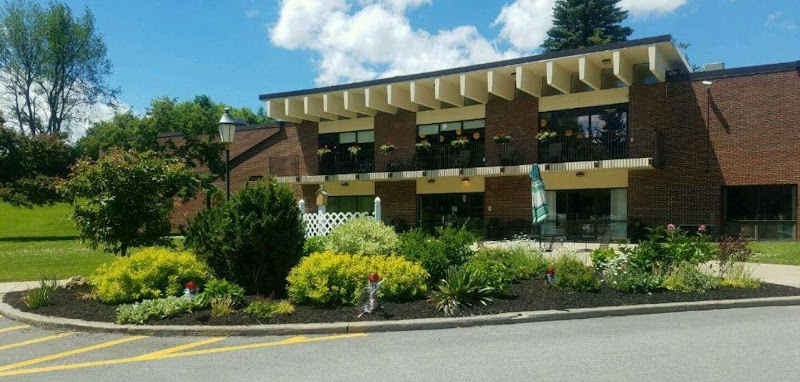
Who Owns and Operates Waterville Residential?

WATERVILLE RESIDENTIAL CARE CENTER is owned by a for-profit company. For-profit facilities operate as businesses with obligations to shareholders or private owners. The facility operates independently rather than as part of a larger chain. With 92 certified beds and approximately 86 residents (about 93% occupancy), it is a smaller facility located in WATERVILLE, New York.

How Does Waterville Residential Compare to Other New York Nursing Homes?

Compared to the 100 nursing homes in New York, WATERVILLE RESIDENTIAL CARE CENTER's overall rating (3 stars) is below the state average of 3.1, staff turnover (35%) is significantly lower than the state average of 46%, and health inspection rating (3 stars) is at the national benchmark.

What Should Families Ask When Visiting Waterville Residential?

Based on this facility's data, families visiting should ask: "Can I visit during a mealtime to observe dining assistance and food quality?" "How do you handle medical emergencies, and what is your hospital transfer rate?" "Can I speak with family members of current residents about their experience?"

Is Waterville Residential Safe?

Based on CMS inspection data, WATERVILLE RESIDENTIAL CARE CENTER has a clean safety record: no substantiated abuse findings (meaning no confirmed cases of resident harm), no Immediate Jeopardy citations (the most serious violation level indicating risk of serious injury or death), and is not on the Special Focus Facility watch list (a federal program monitoring the lowest-performing 1% of nursing homes). The facility has a 3-star overall rating and ranks #100 of 100 nursing homes in New York. While no facility is perfect, families should still ask about staff-to-resident ratios and recent inspection results during their visit.

Do Nurses at Waterville Residential Stick Around?

WATERVILLE RESIDENTIAL CARE CENTER has a staff turnover rate of 35%, which is about average for New York nursing homes (state average: 46%). Moderate turnover is common in nursing homes, but families should still ask about staff tenure and how the facility maintains care continuity when employees leave.

Was Waterville Residential Ever Fined?

WATERVILLE RESIDENTIAL CARE CENTER has no federal fines on record. CMS issues fines when nursing homes fail to meet care standards or don't correct problems found during inspections. The absence of fines suggests the facility has either maintained compliance or corrected any issues before penalties were assessed. This is a positive indicator, though families should still review recent inspection reports for the full picture.

Is Waterville Residential on Any Federal Watch List?

WATERVILLE RESIDENTIAL CARE CENTER is not on any federal watch list. The most significant is the Special Focus Facility (SFF) program, which identifies the bottom 1% of nursing homes nationally based on persistent, serious quality problems. Not being on this list means the facility has avoided the pattern of deficiencies that triggers enhanced federal oversight. This is a positive indicator, though families should still review the facility's inspection history directly.