Maplewood Nursing Home Inc
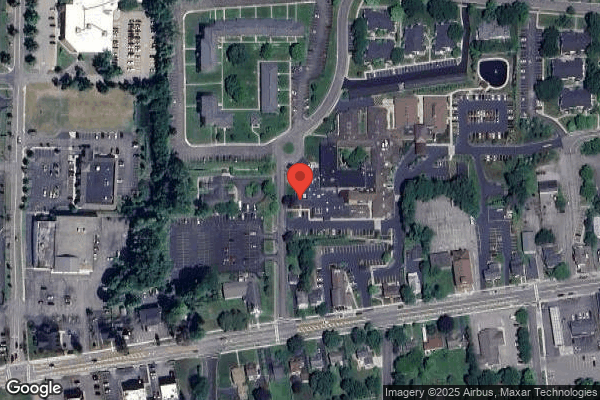

100 Daniel Drive, Webster, NY 14580 (585) 872-1800
For profit - Corporation 74 Beds Independent Data: November 2025
Trust Grade
90/100
#74 of 594 in NY
Last Inspection: May 2025

Inspected within the last 6 months. Data reflects current conditions.

Overview

Maplewood Nursing Home Inc has received a Trust Grade of A, indicating an excellent level of care that is highly recommended. They rank #74 out of 594 facilities in New York, placing them in the top half, and #4 out of 31 in Monroe County, meaning only three local options are better. However, the facility is facing some challenges, as their trend is worsening, increasing from 3 issues in 2024 to 4 in 2025. Staffing is a concern, with a turnover rate of 51%, which is higher than the state average, but they have no fines on record, showing a commitment to compliance. Specific incidents noted by inspectors include improper food storage practices in the kitchen and medication management issues, such as expired medications not being discarded and a feeding assistant providing assistance to a resident with swallowing difficulties, which is against regulations. Overall, while Maplewood has strengths in overall and health inspection ratings, families should be aware of these weaknesses when considering care for their loved ones.

Trust Score
A
90/100
In New York
#74/594
Top 12%
Safety Record
Low Risk
No red flags
Inspections
Getting Worse
3 → 4 violations
Staff Stability
⚠ Watch
51% turnover. Above average. Higher turnover means staff may not know residents' routines.
Penalties
✓ Good
No fines on record. Clean compliance history, better than most New York facilities.
Skilled Nurses
✓ Good
Each resident gets 50 minutes of Registered Nurse (RN) attention daily — more than average for New York. RNs are trained to catch health problems early.
Violations
○ Average
8 deficiencies on record. Average for a facility this size. Mostly minor or procedural issues.
★★★★★
5.0
Overall Rating
★★★★★
5.0
Staff Levels
★★★☆☆
3.0
Care Quality
★★★★★
5.0
Inspection Score
Stable
2024: 3 issues
2025: 4 issues

The Good

  • 5-Star Staffing Rating · Excellent nurse staffing levels
  • Full Sprinkler Coverage · Fire safety systems throughout facility
  • No fines on record

Facility shows strength in staffing levels, fire safety.

The Bad

Staff Turnover: 51%

Near New York avg (46%)

Higher turnover may affect care consistency

The Ugly 8 deficiencies on record

May 2025 4 deficiencies
CONCERN (D)

Potential for Harm - no one hurt, but risky conditions existed

Deficiency F0761 (Tag F0761)

Could have caused harm · This affected 1 resident

**NOTE- TERMS IN BRACKETS HAVE BEEN EDITED TO PROTECT CONFIDENTIALITY** Based on observations, interviews, and record review conducted during the Recertification Survey from 05/19/2025 to 05/23/2025, ...

Read full inspector narrative →
**NOTE- TERMS IN BRACKETS HAVE BEEN EDITED TO PROTECT CONFIDENTIALITY** Based on observations, interviews, and record review conducted during the Recertification Survey from 05/19/2025 to 05/23/2025, the facility did not ensure that all drugs and biologicals used in the facility were labeled in accordance with currently accepted professional principles, and all drugs and biologicals were stored in locked compartments with access limited to authorized personnel for two (2) (Elmgrove and [NAME] East Hall) of four (4) medication carts and one (1) (Elmgrove) of two (2) medication rooms reviewed. Specifically, medications were left unattended by staff, +expired medications were stored in medication carts and medication rooms, and an unlabeled and undated tube of Medihoney (a treatment used for wounds) was stored in a medication cart. The findings include: Review of the undated facility policy Medication Storage revealed medications would be stored in their original packaging. Antiseptics, disinfectants, and germicides used in any aspect of a resident's care must have legible, distinctive labels that identify the contents and the directions for use. The facility would not use discontinued, outdated, or deteriorated medication and those medications would be returned to the dispensing pharmacy or destroyed. Review of the facility policy Administration of Medication, dated March 2018, documented during administration of medications no medications are kept on top of the cart. 1. During an observation on 05/22/2025 at 11:28 AM, a medication cart sitting outside resident room [ROOM NUMBER] had a medicine cup on top of the cart that contained two (2) unidentified medications. There was no staff in sight. During an interview on 05/23/2025 at 9:07 AM, the Director of Nursing stated the medication cup should have been secured in the medication cart. 2. During an observation and interview on 05/22/2025 at 11:05 AM on [NAME] East Hall, a medication cart contained four (4) amoxicillin capsules (an antibiotic) with an expiration date of 04/10/2025 and a 15 milliliter tube of Medihoney (wound treatment) that was unlabled with resident identifyers or open date on it. During an immediate interview with Licensed Practical Nurse #4 and Licensed Practical Nurse #1, Licensed Practical Nurse #4 stated they were unsure who was responsible for checking expiration dates on medications. Licensed Practical Nurse #1 stated all nurses should be checking for expiration dates when giving medications. During an interview on 05/23/2025 at 9:07 AM, the Director of Nursing stated the safest practice for a house stock (items which a facility routinely keeps on hand) treatment stored in a common area would be to label it with a resident's name (who the treatment was prescribed for). 3. During an observation on 05/22/2025 at 10:44 AM in the Elmgrove Unit medication room there were three (3) boxes of Fast Acting Dairy Aid (used to treat lactose intolerance), two (2) boxes were unopened (32 capsules each) with an expiration date of March 2025 and one (1) box was opened (number of capsules unknown) with an expiration date of February 2025. During an interview on 05/23/2025 at 9:07 AM, the Director of Nursing stated night shift nurses are responsible for monthly audits of medication rooms and carts. Night shift nurses should pull all expired medications and send them back to pharmacy for disposal. The expired medications should have been caught on a monthly audit. 10 NYCRR 415.18(d) 10 NYCRR 415.18(e)(1-4)
CONCERN (D)

Potential for Harm - no one hurt, but risky conditions existed

Deficiency F0811 (Tag F0811)

Could have caused harm · This affected 1 resident

Based on observations, interviews, and record review conducted during the Recertification Survey from 05/19/2025 to 5/23/2025, for one (1) (Resident #17) of three (3) residents reviewed, the facility ...

Read full inspector narrative →
Based on observations, interviews, and record review conducted during the Recertification Survey from 05/19/2025 to 5/23/2025, for one (1) (Resident #17) of three (3) residents reviewed, the facility did not ensure a paid feeding assistant provided dining assistance only for residents who have no complicated feeding problems. Specifically, Unit Assistant #2 provided eating assistance to Resident #17, who was diagnosed with dysphagia (difficulty swallowing). The findings includes: Review of the facility's training manual Assisting with Nutrition and Hydration in Long-Term Care (used for paid feeding assistant training), dated 2004, included federal regulations prohibited paid feeding assistants from assisting residents who have more complicated problems, such as lung aspirations (accidental inhalation of food into the respiratory tract), difficulty swallowing, residents with feeding tubes or intravenous feedings. Dysphagia which means difficulty swallowing and paid feeding assistants would not be assigned to feed residents who had dysphagia. Resident #17 had diagnoses including dysphagia, vascular dementia, and dyskinesia of the esophagus (muscles in the esophagus do not function properly leading to difficulty in moving food and liquids from the throat to the stomach). The Minimum Data Set (a resident assessment tool), dated 02/12/2025, documented Resident #17 had severe cognitive impairment, was dependent on staff for eating, and was on a mechanically altered diet. During an observation and interview on 05/21/2025 at 12:19 PM, Unit Assistant #2 was assisting Resident #17 with lunch in the main dining room. The resident had a divided plate that contained pureed food items (veggie burger, tomato soup, and broccoli). Resident #17 coughed occasionally throughout the meal. During an interview at this time, Unit Assistant #2 stated the food was thickened (thickened consistency to prevent choking). Review of Resident #17's lunch meal ticket (ticket that comes with the meal that includes what is being served and assistance required) revealed the resident was a feed (required assistance from staff to complete the meal), received a pureed vegan diet, and nectar thickened fluids. Review of the resident's current Comprehensive Care Plan (last revised 11/12/2024) included interventions for staff to supervise and assist Resident #17 as needed for meal consumption. Review of current physician's orders, dated 02/07/2025, included a regular diet, pureed texture, and nectar (thickened liquid) consistency. Review of the facility document List of residents eligible for assistance and who are currently receiving assistance from paid feeding assistants, received on 05/19/2025, included Resident #17. Review of the facility document Name of staff who have successfully completed training for paid feeding assistants and who are currently assisting selected residents with eating meals and/or snacks, received on 05/19/2025, included Unit Assistant #2. Review of Unit Assistant #2's employee file revealed a completed Nursing Home Training Program for Paid Feeding Assistant Skills and Knowledge Checklist dated 06/29/2022. In a nursing progress note, dated 02/06/2025, Licensed Practical Nurse #2 documented Resident #17 was fed by staff, used straws with thin liquids, had a pureed diet, staff must be aware to cue the resident not to talk while drinking or eating, and the resident often coughed with liquids during the day's meal. In a nursing progress note, dated 02/06/2025, Licensed Practical Nurse #6 documented Resident #17 had difficulty with swallowing medications and during dinner. The Unit Assistants were reminded to use a spoon for safer results and to let the writer know if there were continued issues. During an interview on 05/22/2025 at 11:42 AM, Unit Assistant #2 stated in their role (as feeding assitant), they guide or assist residents with their meals and their training included assisting residents with eating. Unit Assistant #2 stated they could assist residents with pureed or mechanically soft diets and there were not any residents they could not assist. They stated Resident #17 received thickened liquids and if the resident were to cough or choke, they would back off (on giving more food or drink). During an observation on 05/22/2025 at 12:20 PM, Unit Assistant #2 was assisting Resident #17 with their lunch meal in the dining room. There was a divided plate that contained pureed food items (veggie burger, tomato soup, and green beans). During an interview on 05/22/2025 at 12:54 PM, Licensed Practical Nurse #2 stated the nurses, Certified Nursing Assistants, and trained Unit Assistants could assist residents with meals. For the staff that had undergone the feeding assistant training, there were no restrictions on residents that they could assist including residents that had swallowing difficulties and mechanically altered diets or fluids. During an interview on 05/22/2025 at 3:40 PM, the Nurse Educator stated the Unit Assistants undergo feeding assistant training with their orientation. The state requirement included feeding assistants should not be assisting residents with swallowing difficulties, and they told the feeding assistants this during their training. The Nurse Educator stated the feeding assistants should not be assisting residents who had mechanically altered diets or altered liquid consistencies. During an interview on 05/23/2025 at 9:22 AM, the Director of Nursing stated most of the feeding assistants were unit assistants that had gone through the training, along with some other non-clinical staff. The Director of Nursing stated they would look to the nurses and the nurse managers to guide which staff (including feeding assistants) should assist which residents with their meals. The Director of Nursing stated they believed the feeding assistants could assist residents with swallowing difficulties since there are varying levels. When asked if they were aware the regulation included paid feeding assistants could not assist residents with difficulty swallowing, the Director of Nursing stated they may have known but it had been a while. 10 NYCRR 415.14
CONCERN (D)

Potential for Harm - no one hurt, but risky conditions existed

Deficiency F0868 (Tag F0868)

Could have caused harm · This affected 1 resident

Based on interviews and record review conducted during the Recertification Survey from 05/19/2025 to 05/23/2025, the facility did not maintain a quality assessment and assurance committee that consist...

Read full inspector narrative →
Based on interviews and record review conducted during the Recertification Survey from 05/19/2025 to 05/23/2025, the facility did not maintain a quality assessment and assurance committee that consisted of, but not limited to, the Medical Director or their designee. Specifically, the facility could not provide documented evidence the Medical Director or their designee attended the Quality Assurance and Performance Improvement (QAPI) meetings on a regular basis. The finding includes: Review of the facility's undated Quality Assurance and Performance Improvement Program Overview revealed a list of members who attend the Quality Assurance Meeting and did not include the Medial Director or their designee. Review of the facility document Quality Assurance Members 2025 revealed members included, but were not limited to, the Medical Director. Review of the facility's Quality Assurance Attendance Log from May 2024 to May 2025 revealed the Medical Director and/or their designee did not attend three (3) of the five (5) meetings held. During an interview on 05/22/2025 at 4:19 PM, the Assistant Administrator stated they did not know that either the Medical Director or a designee was required to attend the meetings. 10 NYCRR: 415.27(a-c)
MINOR (B)

Minor Issue - procedural, no safety impact

Deficiency F0655 (Tag F0655)

Minor procedural issue · This affected multiple residents

**NOTE- TERMS IN BRACKETS HAVE BEEN EDITED TO PROTECT CONFIDENTIALITY** Based on interviews and record review conducted during a Recertification Survey from 05/19/2025 to 05/23/2025, for four (4) (Res...

Read full inspector narrative →
**NOTE- TERMS IN BRACKETS HAVE BEEN EDITED TO PROTECT CONFIDENTIALITY** Based on interviews and record review conducted during a Recertification Survey from 05/19/2025 to 05/23/2025, for four (4) (Residents #1, #30, #70, and #73) of ten (10) residents reviewed, the facility did not develop and implement a baseline care plan that included the minimum healthcare information necessary to properly care for a resident within 48 hours of their admission and provide a summary of the baseline care plan to the resident and their representative. Specifically, for Residents #30, #70, and #73, there was no documented evidence a baseline care plan was developed, and a summary of the baseline care plan provided to the resident and/or their representative. For Resident #1, a comprehensive care plan was developed within 48 hours of admission, however, there was no documented evidence a summary of the care plan was provided to the resident or their representative prior to the admission care plan meeting. The findings include: The facility policy Baseline Care Plan, dated May 2018, included baseline care plans would be developed within 48 hours of the resident's admission to address initial care goals of the resident, a list of medical provider orders and dietary orders, and services and treatments to be administered by the facility. The facility would provide the resident and the resident's representative with a written summary of the baseline care plan and list of medications within 48 hours. 1. Resident #30 had diagnoses that included congestive heart failure (a condition where the heart cannot pump blood efficiently), chronic respiratory failure with hypoxia (low supply of oxygen in the blood), and chronic obstructive pulmonary disease (a condition that restricts the flow of air into and out of the lungs). The Minimum Data Set (a resident assessment tool), dated 03/19/2025, documented Resident #30 was cognitively intact. Review of Resident #30's Comprehensive Care Plan revealed it was dated as initiated more than 48 hours after the resident's admission. There was no documented evidence that a baseline care plan had been completed or a summary of either care plan had been provided to the resident and/or their representative prior to their admission care plan meeting held. 2. Resident #1 had diagnoses including hypertension (high blood pressure), atrial fibrillation (an irregular heartbeat), and diabetes. The Minimum Data Set, dated [DATE], documented Resident #1 had moderate cognitive impairment. Review of Resident #1's Comprehensive Care Plan revealed it was initiated within 48 hours of the resident's admission. There was no documented evidence that a summary of the Comprehensive Care Plan or a baseline care plan had been provided to the resident and/or their representative prior to their admission care plan meeting. 3. Resident #73 had diagnoses including Alzheimer's disease, aphasia (impaired ability to communicate), and hypertension (high blood pressure). The Minimum Data Set, dated [DATE], documented Resident #73 had severely impaired cognition. Review of Resident #73's electronic health record revealed no documented evidence a baseline care plan had been developed within 48 hours of the resident's admission or a summary of the baseline care plan provided to the resident and/or their representative prior to their admission care plan meeting. During an interview on 05/22/2025 at 3:46 PM, Licensed Practical Nurse Manager #3 stated the day shift nurse managers and therapy staff usually develop and implement the baseline care plans within 6 to 12 hours of the resident's admission. The baseline care plan includes resident-specific information such as advance directives, transfer status, dietary information, and nursing diagnoses, and is documented on the Therapy/Rehabilitation Care Plan form. Licensed Practical Nurse Manager #3 stated the nurse manager transcribes the information from the form into the electronic health record and a copy posted in the resident's room. The resident or their representative should be provided with a copy of the form, and it should be documented in the admission note. During an interview on 05/23/2025 at 8:49 AM, the Director of Nursing stated the baseline care plans are automatically generated in the electronic health record based on information documented by the different departments and should be completed within 48 hours of the resident's admission. The nurse manager should provide a copy of baseline care plan to the resident or their representative, and it should be documented in the electronic health record. The Director of Nursing stated there is no training for the baseline care plan process in place for new nurse managers. 10 NYCRR 415.11(c)
Mar 2024 3 deficiencies
CONCERN (D) 📢 Someone Reported This

A family member, employee, or ombudsman was alarmed enough to file a formal complaint

Potential for Harm - no one hurt, but risky conditions existed

Deficiency F0883 (Tag F0883)

Could have caused harm · This affected 1 resident

**NOTE- TERMS IN BRACKETS HAVE BEEN EDITED TO PROTECT CONFIDENTIALITY** Based on interviews and record review conducted during the Recertification Survey, the facility did not provide influenza and/or...

Read full inspector narrative →
**NOTE- TERMS IN BRACKETS HAVE BEEN EDITED TO PROTECT CONFIDENTIALITY** Based on interviews and record review conducted during the Recertification Survey, the facility did not provide influenza and/or pneumococcal immunizations as required or appropriate for one of five residents reviewed. Specifically, the facility was unable to provide evidence that Resident #44, who was eligible for the vaccine, had been offered, declined and/or educated regarding Pneumococcal immunization during their admission. This is evidenced by the following: The undated facility policy, Pneumococcal Immunization included that unless contraindicated, pneumococcal immunizations are highly recommended for all residents of the facility per the facility's protocol. The policy included that all new resident admissions would have their vaccine history checked with their community medical provider prior to admission to the nursing home. Routine physician admission orders would include the pneumococcal vaccine on admission if they (resident) had not had it or were out of the recommended window of being immunized, unless contraindicated by a medical provider. The policy included that the resident and/or representative would be provided a current Vaccine Information Statement (VIS- a document providing information about the pneumococcal vaccine), and the nurse would document in the medical record the date the information was provided to the resident and/or representative. The signed immunization consent or declination forms would be filed in the resident's medical record. A resident's immunization record should be documented in the 'Immunization' section of the electronic medical record and would be reviewed periodically to ensure that vaccination(s) were current. Resident #44 is a [AGE] year-old resident of the facility admitted in 2022, with diagnoses that included vascular dementia, macular degeneration, and anxiety. The Minimum Data Set Resident Assessment that was provided by the facility and dated 2/14/24, revealed Resident #44 was severely impaired cognitively and that their pneumococcal vaccine was not up to date. The question asking the reason why the vaccine had not been received was left blank. Review of Resident #44's immunizations in the electronic health record revealed Resident #44 received a Pneumococcal Polysaccharide vaccine (PPSV23) on 5/22/2002. Review of physician orders since the resident's admission did not reveal any evidence that a pneumococcal vaccine had been administered since the 2002 vaccine. Review of the facility's 'Immunization Worksheet,' on 3/13/24 revealed Resident #44 had received a Pneumococcal Polysaccharide vaccine 23 (PPSV23) on 5/22/2002. On 3/12/24 Resident #44 received the Pneumococcal Conjugate vaccine (PCV) 13 or 20 vaccine (after surveyor intervention and resident representative consent). Additionally, seven residents were highlighted on the spreadsheet that indicated the residents were eligible for a pneumococcal vaccination. The facility could not provide evidence that Resident #44 or their representative were offered, accepted, or declined the pneumococcal vaccine since the resident's admission to the facility prior to the survey. During an interview with the Director of Nursing/Infection Preventionist and the Director of Staff Education (previous Infection Preventionist until January 2024) on 3/12/24 at 1:03 PM, the Director of Staff Education stated that residents' immunizations are reviewed on admission and if eligible the vaccine is offered. The Director of Staff Education said a spreadsheet is used to keep track of residents' immunizations and due dates for revaccinations, dependent on which vaccine they were previously administered and when. The Director of Nursing/Infection Preventionist stated they could not find any evidence that Resident #44 (including information from their representative) had been offered the pneumococcal vaccine since their admission in 2022. The Director of Staff Education said that during the COVID-19, there was changing guidance on not administering different immunizations too closely (timeframe) together and more spaced out and that there had also been issues with obtaining the vaccines. The Director of Nursing/Infection Preventionist stated (after review of the immunization worksheet) they identified additional eligible residents with outdated pneumococcal immunizations. During an interview on 3/13/24 at 8:54 AM, the Medical Director stated the Infection Control Officer (Infection Preventionist) was responsible for auditing residents' immunization records ensuring that all residents' immunizations are up to date and inform them if not. The Medical Director stated if a resident had received the Pneumococcal Polysaccharide Vaccine 23 prior, they would encourage the resident to be re-vaccinated, but that the resident (or their representative) did have the right to refuse. The Medical Director stated that based on their previous pneumococcal immunization in 2002, Resident #44 could have received the pneumococcal vaccine when admitted to the facility in 2022. The Medical Director stated they had not been aware of any supply issues obtaining the vaccines in 2022 or 2023. 10 NYCRR 415.19 (a)(3)
MINOR (B) 📢 Someone Reported This

A family member, employee, or ombudsman was alarmed enough to file a formal complaint

Minor Issue - procedural, no safety impact

Transfer Notice (Tag F0623)

Minor procedural issue · This affected multiple residents

Based on interviews and record review during the Recertification Survey the facility did not ensure that for one (Resident #73) of two residents reviewed, the resident, the resident's representative, ...

Read full inspector narrative →
Based on interviews and record review during the Recertification Survey the facility did not ensure that for one (Resident #73) of two residents reviewed, the resident, the resident's representative, and/or the State Ombudsman had been notified of the transfer and/or discharge from the facility and the reasons for the transfer and/or discharge in writing in a language and manner that they understood. Specifically, Resident #73 was transferred to the hospital and there was no evidence that a notification of the transfer and the reasons for the move had been provided to the resident, the resident's representative, or the State Ombudsman per the regulations. Additionally, there was not documented evidence that the facility was notifying the State Ombudsman program of any hospital transfers/discharges. This is evidenced by the following: The current facility policy, Maplewood Discharge Policy and Procedure, included that the Director of Social Work is the discharge coordinator and responsible to review with the resident or resident representative the Resident Notification of Transfer/Discharge Form and provide a copy of the form at time of discharge. If the discharge meets the criteria for a facility-initiated transfer (a transfer or discharge which the resident objects to, did not originate through a resident's verbal or written request , and/or is not in alignment with the resident's stated goals for care or preferences) then the facility will send the Resident Notification of Transfer/Discharge to the resident, the resident's representative and to the Office of the State Long-term Care Ombudsman. Resident #73 was recently admitted for short term rehabilitation following a surgical procedure and with diagnoses that included high blood pressure and heart failure. In a medical provider note, dated 1/4/24 the Physician documented that the resident was alert and oriented. Review of nursing progress notes, dated 1/4/24 revealed Resident #73 was sent to the Emergency Department, was admitted to the hospital, and did not return to the facility. There was no documented evidence that a written notification and reason for the transfer had been provided to the resident, their representative, or to the State Ombudsman Office per the regulations. During an interview on 3/7/24 at 10:55 AM the Ombudsman stated the facility had not been sending resident's transfer/discharge notices. The Ombudsman stated they had spoken with the facility staff previously and additionally had sent a letter to the facility in February of 2024 regarding not receiving copies of the transfer/discharge notices. During an interview on 3/12/24 at 4:08 PM and again at 4:32 PM the Assistant Administrator stated there was no evidence a Resident Notification of Transfer/Discharge Form for Resident #73 had been sent to the Ombudsman Office and that the facility did not have a process for notifying the Ombudsman office of facility discharges. The Assistant Administrator stated the facility had a change in the Ombudsman in early 2023 and have not had a process for communicating notice of transfer/discharges to the Ombudsman Office since then. The Assistant Administrator stated that a resident who was admitted and then went to the hospital would be considered discharged , but that they do not complete Resident Notification of Transfer/Discharge Forms for these residents. When asked why not, the Assistant Administrator stated Social Work was responsible for the discharge notices. During an interview on 3/12/24 at 4:55 PM the Director of Social Work stated that the Resident Notification of Transfer/Discharge Form is not completed for residents who go to the hospital and do not return to the facility. Social Worker #1 stated that the facility only sends a Resident Notification of Transfer/Discharge Form for facility-initiated discharge which the Director of Social Work stated were discharges that the facility had to initiate that the resident or their representative did not agree with. State Operations Manual, Appendix PP Rev.211,02-03-23 includes that an Emergency Transfer is identified as when a resident is temporarily transferred on an emergency basis to an acute care facility, this type of transfer is considered to be a facility-initiated transfer and a notice of transfer must be provided to the resident and resident representative as soon as practicable before the transfer, according to 42 CFR §483.15(c)(4)(ii)(D). Copies of notices for emergency transfers must also still be sent to the ombudsman, but they may be sent when practicable, such as in a list of residents on a monthly basis, as long as the list meets all requirements for content of such notices at §483.15(c)(5). 10 NYCRR 415.3(i)(1)(iii)(a-c)
MINOR (B) 📢 Someone Reported This

A family member, employee, or ombudsman was alarmed enough to file a formal complaint

Minor Issue - procedural, no safety impact

Staffing Information (Tag F0732)

Minor procedural issue · This affected multiple residents

Based on observations, interviews, and record reviews conducted during a Recertification Survey the facility did not consistently post the daily nurse staffing information to include the daily residen...

Read full inspector narrative →
Based on observations, interviews, and record reviews conducted during a Recertification Survey the facility did not consistently post the daily nurse staffing information to include the daily resident census, the total number and actual hours worked by the licensed and certified nurses and post the correct data daily at the beginning of each shift and be readily accessible to residents and visitors. Specifically, the nursing staff information was not updated to reflect any staffing changes throughout the day per the regulations. This is evidenced by the following: During observations on 3/7/24, 3/8/24, 3/11/24, 3/12/24 and 3/13/24 at various times from 8:30 AM to 4:30 PM the posted daily nurse staffing forms revealed the resident census and the number and hours of the licensed and certified nursing staff on for each shift. None of the posted staffing forms contained any changes (including call-ins) for the posted nurse staffing for any shifts on any of the days. Review of the nursing staffing schedules provided by the facility for 3/7/24, 3/8/24, 3/11/24, 3/12/24 and 3/13/24 revealed staffing changes that had not been identified on the posted forms for resident and/or representatives information. Review of the printed daily nurse staffing postings dated 2/1/24 through 3/13/24, revealed there was no evidence that any changes had been made to the postings to reflect any updated staffing changes throughout each day (each shift), if applicable. During an interview on 3/12/24 at 8:11 AM, the Nursing Staff Manager stated that they are responsible for posting the daily nursing staffing information and that they post it every morning between 8:00 AM and 10:00 AM. The Nursing Staff Manager said they make changes (if needed) to the daily nursing staffing forms in the morning and then post it. The Nursing Staff Manager said for the weekends (Saturdays and Sundays), they post the daily nursing staffing postings on Friday before they leave for the day. The Nursing Staff Manager stated any staffing changes (changes to staffing levels via call-ins, etc.) are updated in the electronic scheduling program for staff access but that the posted daily nursing staff forms are not updated (with handwritten changes) to reflect any staffing changes, nor are they printed from the computer program and then posted with the updated staffing levels. Additionally, the Nursing Staff Manager said no one else in the facility updates the posted staffing forms after they leave for the day. During an interview on 3/13/24 at 12:47 PM, the Director of Nursing stated that the Nursing Staff Manger generated the daily nursing staffing forms, including any call-ins at that time and posts it by midmorning for the day. The Director of Nursing said on weekends the staffing is posted on Friday afternoon for Saturday and Sunday and then checked on Monday for any changes but that the posted forms do not get updated. 10 NYCRR 415.13
Jun 2022 1 deficiency
CONCERN (F)

Potential for Harm - no one hurt, but risky conditions existed

Food Safety (Tag F0812)

Could have caused harm · This affected most or all residents

Based on observations, interviews, and record reviews, conducted during the Recertification Survey completed on 6/3/22, it was determined that for one of one main kitchen, the facility did not store, ...

Read full inspector narrative →
Based on observations, interviews, and record reviews, conducted during the Recertification Survey completed on 6/3/22, it was determined that for one of one main kitchen, the facility did not store, prepare, distribute, and serve food in accordance with professional standards (U.S. Food and Drug Administration's Food Code) for food service safety. Specifically, there were cold foods prepared on-site and held for greater than seven days, expired/outdated food products not discarded, food items undated, unlabeled and/or stored uncovered, lack of hair restraints in food preparation areas, and cleaning tools were not stored in a manner to prevent contamination of food, utensils, or equipment. This is evidenced by the following: 1. Observations in the presence of the Dining Manager during the initial brief tour of the main kitchen on 5/31/22 from approximately 8:48 a.m. to 9:30 a.m., included the following: a) Three 3-gallon tubs of ice cream were stored uncovered, in the ice cream freezer. b) Hair restraints were not available for use and one staff member working in the kitchen was observed not wearing a hair restraint. c) One-gallon containers of Caesar dressing, Catalina dressing and barbeque sauce, a five-gallon container of sour cream, and a half-gallon container of fat free milk were open and undated in the double glass-door cooler. d) A container of sauce prepared on-site and located in double glass-door cooler was dated 44 days prior. e) An open container of coconut milk located in the double-glass door cooler was marked with an expiration date of November 2021. f) A container of cheese sauce was uncovered in the walk-in refrigerator. g) A container of what was identified by the Dining Manager as meatballs was unlabeled, undated, and uncovered. h) A partial block of what was identified by the Dining Manager as deli turkey was open, undated, and unlabeled in the walk-in refrigerator. i) A large tray of chicken chowder and a small container of chicken sauce in the walk-in refrigerator were marked as prepared 9 days earlier. j) A large tray of what was identified by the Dining Manager as Swedish meatballs in sauce and another large tray pan of what was identified by the Dining Manager as meat sauce were unlabeled and undated in the walk-in refrigerator. k) A clear bag of what was identified by the Dining Manager as pastry dough was unlabeled and undated in the walk-in freezer. Additionally, a large box of single serve cheese pizzas, beef patties, tater tots, veggie burgers, pizza dough and frozen penne were open and undated in the walk-in freezer. l) Bags of elbows, bow-tie pasta, spaghetti, couscous, and rice were open and undated in the dry storage area. m) Brooms and upright dustpans were stored abutting an open rack of clean dishes and equipment that included an immersion blender. 2. Observations in the presence of the Executive Chef during a follow-up visit to the main kitchen on 6/2/22 from approximately 11:02 a.m. to 12:10 p.m. included the following: a) Hair restraints were not available for use and a kitchen staff member was observed without a hair restraint. b) Three 3-gallon tubs of ice cream were uncovered, in the ice cream freezer. c) Two small containers of sausage were uncovered in the double glass-door cooler. d) Nine bags, each containing eight bread rolls, located on the bread rack were marked with a 'best by' date 10 days prior. e) A small container of meatballs marked as being prepared 9 days earlier, was located in the walk-in refrigerator. f) The container of cheese sauce was uncovered in the walk-in refrigerator. g) The large tray of what was previously identified by the Dining Manager as Swedish meatballs in sauce and another large tray pan of what was previously identified by the Dining Manager as meat sauce, which were previously unlabeled and undated remained in the walk-in refrigerator unlabled and undated. h) Large bags of ravioli and fish patties were open, unlabeled, and undated in the walk-in freezer. The previously identified pastry dough, large box of single serve cheese pizzas, tater tots, pizza dough and frozen penne remained in the walk-in freezer open and undated. i) A small container of cooked rice was marked as being prepared 20 days earlier and located in the cooler under the cooks' prep area. j) Small containers of what were identified by the Executive Chef as tofu and barbeque sauce were outside of their original packaging, unlabeled and undated, in the cooler under the cooks' prep area. k) Brooms and upright dustpans were stored abutting an open rack of clean dishes and equipment that included an immersion blender. 3. During an interview on 6/2/22 at 11:15 a.m., the Executive Chef stated that the foods should have been covered, labeled, and dated on the day the food was made and that there was a five-day rotation on prepared foods. The Executive Chef stated that foods older than that should have been thrown out. The Executive Chef stated there was a lot of new staff that probably didn't understand the process. The Registered Dietitian and Director of Food Service were not available for interview. No written policies were provided for review with regard to holding, storage, labeling, or discarding food items. 10NYCRR: 14-1.31(a), 14-1.42, 14-1.43(e), 14-1.72(c), 14-1.172 U.S. Food and Drug Administration's (FDA) Food Code Centers for Disease Control and Prevention's (CDC) food safety guidance
Understanding Severity Codes (click to expand)
Life-Threatening (Immediate Jeopardy)
J - Isolated K - Pattern L - Widespread
Actual Harm
G - Isolated H - Pattern I - Widespread
Potential for Harm
D - Isolated E - Pattern F - Widespread
No Harm (Minor)
A - Isolated B - Pattern C - Widespread

Questions to Ask on Your Visit

  • "Can I speak with families of current residents?"
  • "What's your RN coverage like on weekends and overnight?"

Our Honest Assessment

Strengths
  • • Grade A (90/100). Above average facility, better than most options in New York.
  • • No major safety red flags. No abuse findings, life-threatening violations, or SFF status.
  • • No fines on record. Clean compliance history, better than most New York facilities.
Concerns
  • • No significant concerns identified. This facility shows no red flags across CMS ratings, staff turnover, or federal penalties.
Bottom line: Generally positive indicators. Standard due diligence and a personal visit recommended.

About This Facility

What is Maplewood Nursing Home Inc's CMS Rating?

CMS assigns Maplewood Nursing Home Inc an overall rating of 5 out of 5 stars, which is considered much above average nationally. Within New York, this rating places the facility higher than 99% of the state's 100 nursing homes. This rating reflects solid performance across the metrics CMS uses to evaluate nursing home quality.

How is Maplewood Nursing Home Inc Staffed?

CMS rates Maplewood Nursing Home Inc's staffing level at 5 out of 5 stars, which is much above average compared to other nursing homes. Staff turnover is 51%, compared to the New York average of 46%.

What Have Inspectors Found at Maplewood Nursing Home Inc?

State health inspectors documented 8 deficiencies at Maplewood Nursing Home Inc during 2022 to 2025. These included: 5 with potential for harm and 3 minor or isolated issues.

Who Owns and Operates Maplewood Nursing Home Inc?

Maplewood Nursing Home Inc is owned by a for-profit company. For-profit facilities operate as businesses with obligations to shareholders or private owners. The facility operates independently rather than as part of a larger chain. With 74 certified beds and approximately 72 residents (about 97% occupancy), it is a smaller facility located in Webster, New York.

How Does Maplewood Nursing Home Inc Compare to Other New York Nursing Homes?

Compared to the 100 nursing homes in New York, Maplewood Nursing Home Inc's overall rating (5 stars) is above the state average of 3.1, staff turnover (51%) is near the state average of 46%, and health inspection rating (5 stars) is much above the national benchmark.

What Should Families Ask When Visiting Maplewood Nursing Home Inc?

Based on this facility's data, families visiting should ask: "Can I visit during a mealtime to observe dining assistance and food quality?" "How do you handle medical emergencies, and what is your hospital transfer rate?" "Can I speak with family members of current residents about their experience?"

Is Maplewood Nursing Home Inc Safe?

Based on CMS inspection data, Maplewood Nursing Home Inc has a clean safety record: no substantiated abuse findings (meaning no confirmed cases of resident harm), no Immediate Jeopardy citations (the most serious violation level indicating risk of serious injury or death), and is not on the Special Focus Facility watch list (a federal program monitoring the lowest-performing 1% of nursing homes). The facility has a 5-star overall rating and ranks #1 of 100 nursing homes in New York. While no facility is perfect, families should still ask about staff-to-resident ratios and recent inspection results during their visit.

Do Nurses at Maplewood Nursing Home Inc Stick Around?

Maplewood Nursing Home Inc has a staff turnover rate of 51%, which is 5 percentage points above the New York average of 46%. Moderate turnover is common in nursing homes, but families should still ask about staff tenure and how the facility maintains care continuity when employees leave.

Was Maplewood Nursing Home Inc Ever Fined?

Maplewood Nursing Home Inc has no federal fines on record. CMS issues fines when nursing homes fail to meet care standards or don't correct problems found during inspections. The absence of fines suggests the facility has either maintained compliance or corrected any issues before penalties were assessed. This is a positive indicator, though families should still review recent inspection reports for the full picture.

Is Maplewood Nursing Home Inc on Any Federal Watch List?

Maplewood Nursing Home Inc is not on any federal watch list. The most significant is the Special Focus Facility (SFF) program, which identifies the bottom 1% of nursing homes nationally based on persistent, serious quality problems. Not being on this list means the facility has avoided the pattern of deficiencies that triggers enhanced federal oversight. This is a positive indicator, though families should still review the facility's inspection history directly.