MARTINE CENTER FOR REHABILITATION AND NURSING
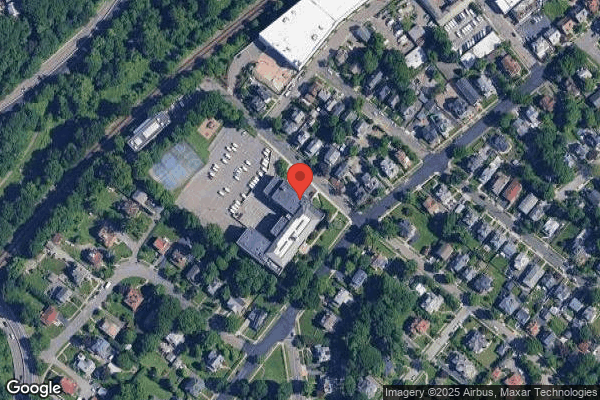
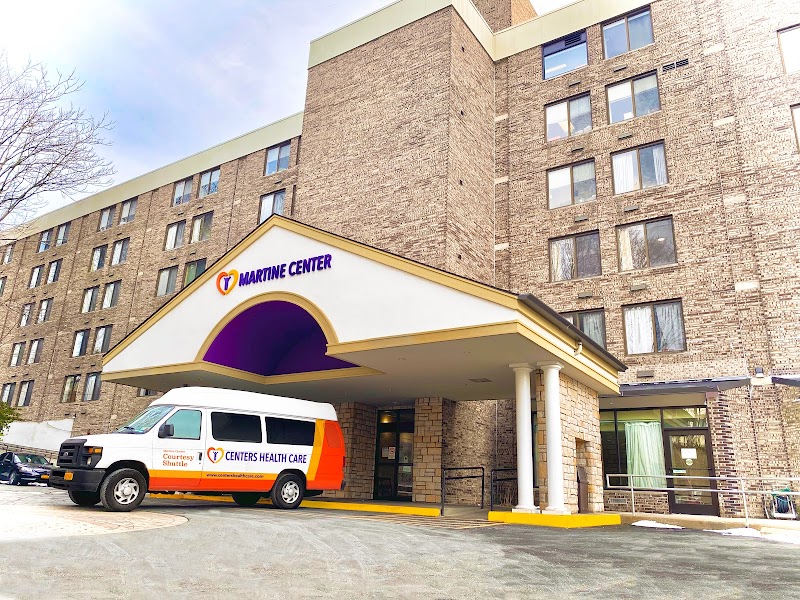
12 TIBBITS AVENUE, WHITE PLAINS, NY 10606 (914) 287-7200
For profit - Limited Liability company 225 Beds CENTERS HEALTH CARE Data: November 2025
Trust Grade
40/100
#527 of 594 in NY
Last Inspection: December 2023

Within standard 12-15 month inspection cycle. Federal law requires annual inspections.

Overview

Martine Center for Rehabilitation and Nursing has received a Trust Grade of D, indicating below-average performance with some notable concerns. In New York, it ranks #527 out of 594 facilities, placing it in the bottom half, and #39 out of 42 in Westchester County, meaning there are very few local options that perform better. The facility is showing an improving trend, with the number of issues decreasing from four in 2024 to three in 2025. Staffing is rated 4 out of 5 stars, which is a strength, as the turnover rate is average at 41%, suggesting that staff are generally stable and familiar with the residents' needs. Although there are no fines on record, there have been significant concerns regarding cleanliness and maintenance, such as chipped paint, unpleasant odors, and soiled bedding in multiple rooms. Additionally, there were issues with the accuracy of resident assessments, which could impact care planning. Overall, while staffing appears strong, the facility has serious weaknesses in maintaining a clean and safe environment.

Trust Score
D
40/100
In New York
#527/594
Bottom 12%
Safety Record
Low Risk
No red flags
Inspections
Getting Better
4 → 3 violations
Staff Stability
○ Average
41% turnover. Near New York's 48% average. Typical for the industry.
Penalties
✓ Good
No fines on record. Clean compliance history, better than most New York facilities.
Skilled Nurses
○ Average
Each resident gets 34 minutes of Registered Nurse (RN) attention daily — about average for New York. RNs are the most trained staff who monitor for health changes.
Violations
⚠ Watch
37 deficiencies on record. Higher than average. Multiple issues found across inspections.
★☆☆☆☆
1.0
Overall Rating
★★★★☆
4.0
Staff Levels
★★★☆☆
3.0
Care Quality
★☆☆☆☆
1.0
Inspection Score
Stable
2024: 4 issues
2025: 3 issues

The Good

  • 4-Star Staffing Rating · Above-average nurse staffing levels
  • Full Sprinkler Coverage · Fire safety systems throughout facility
  • No fines on record
  • Staff turnover below average (41%)

    7 points below New York average of 48%

Facility shows strength in staffing levels, fire safety.

The Bad

1-Star Overall Rating

Below New York average (3.0)

Significant quality concerns identified by CMS

Staff Turnover: 41%

Near New York avg (46%)

Typical for the industry

Chain: CENTERS HEALTH CARE

Part of a multi-facility chain

Ask about local staffing decisions and management

The Ugly 37 deficiencies on record

Aug 2025 3 deficiencies
CONCERN (D) 📢 Someone Reported This

A family member, employee, or ombudsman was alarmed enough to file a formal complaint

Potential for Harm - no one hurt, but risky conditions existed

Comprehensive Care Plan (Tag F0656)

Could have caused harm · This affected 1 resident

**NOTE- TERMS IN BRACKETS HAVE BEEN EDITED TO PROTECT CONFIDENTIALITY** Based on record review and interview during an abbreviated survey (NY00367889/591527, NY00333553/591524, NY00349962/591497) the ...

Read full inspector narrative →
**NOTE- TERMS IN BRACKETS HAVE BEEN EDITED TO PROTECT CONFIDENTIALITY** Based on record review and interview during an abbreviated survey (NY00367889/591527, NY00333553/591524, NY00349962/591497) the facility did not ensure that a comprehensive person-centered care plan was developed and implemented to ensure services were provided to maintain the residents' highest practicable physical, mental, and psychosocial well-being for 3 of 5 residents (Resident #1, #2, #5) reviewed for care planning. Specifically, 1) Resident #1 had an unwitnessed fall on 01/1/2025 and sustained skin tears to both arms. Resident #1 had no documented fall risk or actual fall care plan initiated before or after the incident. 2) Resident #2 was noted to have eschar to their left heel on 02/11/2024. Resident #2's pressure injury care plan had not updated with the presence of the left heel eschar, measurements and/or tracking. 3)After a meeting with Resident #5's representatives on 04/18/2025, it was determined the resident would have a two person assist for all cares. Review of Resident #5's self-care care plan revealed it was not updated to reflect the two-person assistance for all cares. The findings are:The facility Care Plan Comprehensive policy last reviewed 08/2/2024 documented a comprehensive person-centered care plan that includes measurable objectives and timetables to meet the resident's physical, psychosocial and functional needs is developed and implemented for each resident. The comprehensive, person-centered care plan will incorporate identified problem areas, and the risk factor associated with them.1) Resident #1 was admitted with diagnoses including but not limited to Polymyalgia Rheumatica, Asthma and Depression.An admission Minimum Data Set, dated [DATE] documented the resident had moderate cognitive impairment. The resident required a walker or a wheelchair for locomotion. The resident required set-up assistance with meals, moderate assistance with bed mobility and dependent for toileting, upper and lower body dressing and transfers.Review of an accident/incident report dated 01/01/2025 documented Resident #1 had an unwitnessed fall in their room. 0n 01/01/2025. The report documented the resident's bed was in the lowest position and the call bell was within reach.There was documented evidence of an actual fall care plan or risk for fall care plan initiated before and after the fall on 01/01/2025. There was no safety measures to prevent falls in place for the resident. During a telephone interview on 08/15/2025 at 11:50 AM, Registered Nurse #1 stated the nursing supervisor who responded to the incident is responsible to complete the incident report and update the fall care plans with interventions. Registered Nurse #1 stated the fall care plan should be updated with fall incident and should document a goal, intervention, and if any injuries were sustained it should be documented. Any orders obtained from the physician for treatment should also be documented.During a telephone interview on 08/15/2025 at 1: 50 PM The Director of Nursing #2 stated whoever completes the incident report is responsible to update the care plans. The risk for falls or actual fall care plans should be updated. The Director of Nursing #2 stated all residents should have a risk for fall care plan in place and then if they have a fall then it gets changed to actual fall care plan. All residents are at risk for fall so they should at a minimum have a risk for fall care plan in place on admission. The Director of Nursing #2 stated they and the Assistant Director of Nursing also go behind the staff to be sure the care plans are updated, and interventions are listed and implemented. it is weird that Resident #1 does not have a fall care plan. 2) Resident #2 admitted to the facility 01/29/2024 with diagnoses including but not limited to COVID-19, Dementia and Cerebral Infarction. A Modification of Admission/Medicare- 5-Day Minimum Data Set, dated [DATE] documented Resident #2 had a BIMS score of 11. The resident had impairment to their lower extremity on one side and used a wheelchair for locomotion. The resident required supervision for eating, moderate assistance for toileting, bed mobility and transfers. Resident #2 was at risk for pressure injuries but had no pressure injuries on admission. Review of a risk for pressure injury care plan initiated 02/9/2024 documented Resident #2 was at risk related to impaired mobility. Interventions listed included to inform the resident/family of any new areas of skin breakdown and monitor/document/report to Physician any changes in skin status.On Resident #2's risk for pressure injury there was no documented evidence of the presence of that Resident #2's of Resident #2's risk for pressure injury care plan was updated with the left heel eschar area identified on 02/11/2025. There was also no documented evidence of a actual pressure injury care plan being initiated.Review of Registered Nurse #3's progress note dated 02/11/2024 at 1:53 PM documented follow up for hard skin eschar to left heel, with staff nurse witness, Resident #2 was seen and assessed due to a history of eschar to the left heel, prior to assessment noted Resident #2 pointing to their heel float on top of the bed, gesture acknowledged. During the assessment Resident #2 was calm, no signs and symptoms of pain upon gentle touch to skin, noted left heel with old black eschar, wound bed was hard, no discharge, no erythema to wound edges, no warmth to touch of peri-wound, the eschar measures 3.5 cm x 5.5 cm. Noted hard callous to left bunion. Right foot clean, scaly and dry, as per nurse podiatry consult was already in place, nursing will follow up.During a telephone interview on 08/21/2025 at 1:20 PM Registered Nurse #3 stated they would have been responsible for updating Resident #2's pressure injury care plan with their findings on 2/11/2024. Registered Nurse #3 stated there are only two nursing supervisors on the unit and they believe they did not update Resident #2's care plans. 3) Resident #5 admitted to the facility on [DATE] with diagnoses including but not limited to Type 2 Diabetes Mellitus, Anemia and Essential Hypertension.A Quarterly Minimum Data Set date 02/10/2025 documented Resident #5 had a BIMS score of 13 with no behaviors noted. The resident had impairment to their lower extremity on one side. The resident used a wheelchair for locomotion and had a limb prosthesis. The resident required set up assistance with eating, maximal assistance with toileting, bed mobility and transfers.Review of a self-care care plan last reviewed 07/4/2024 documented Resident #5 required assistance due to bilateral lower extremity impairment and weakness. Interventions listed included encourage resident to participate to fullest extent possible on each interaction.There was no documented evidence of Resident #5's care plan being updated to reflect their two person assist for all cares status.During an interview on 08/1/2025 at 2:21 PM the Administrator stated Resident #5's representatives stated that the resident was being abused in the facility, so they completed an investigation and submitted it to the New York State Department of Health, in April. The Administrator stated Resident #5 was changed to a 2 person assist for all cares to ensure their safety at that time.During a telephone interview on 08/25/2025 at 2:44 PM the Director of Nursing #1 stated Resident #5 required a two person assist for bed mobility, toilet hygiene and transferring. The Director of Nursing #1 stated they reviewed Resident #5's care plans and they do not see the two persons assist for cares documented in the resident's care plan. The Director of Nursing #1 stated the care plan should have updated when the task was updated, and the nursing supervisor or the Registered Nurse is responsible for updating this. The Director of Nursing #1 stated they are going to get up from rehabilitation and update the resident care plan.10 NYCRR 415.11(c)(1)
CONCERN (D) 📢 Someone Reported This

A family member, employee, or ombudsman was alarmed enough to file a formal complaint

Potential for Harm - no one hurt, but risky conditions existed

Accident Prevention (Tag F0689)

Could have caused harm · This affected 1 resident

**NOTE- TERMS IN BRACKETS HAVE BEEN EDITED TO PROTECT CONFIDENTIALITY** Based on record review and interviews during an abbreviated survey (NY00367889-591527, NY00367906-591522), the facility did not ...

Read full inspector narrative →
**NOTE- TERMS IN BRACKETS HAVE BEEN EDITED TO PROTECT CONFIDENTIALITY** Based on record review and interviews during an abbreviated survey (NY00367889-591527, NY00367906-591522), the facility did not ensure the resident environment remained as free of accident hazards as is possible; and that each resident received adequate supervision and assistance devices to prevent accidents for 1 of 3 residents (Resident #1) reviewed for safety and supervision. Specifically, on 01/01/2025 Resident #1 told Certified Nurse Aide #1 that they needed to get out of bed otherwise they were going to jump out. Certified Nurse Aide #1 left the resident alone in their room after the resident made the statement. When Certified Nurse Aide #1 returned to Resident #1's room, the resident was on the floor. Resident #1 sustained skin tears to both upper extremities.The findings are:The facility Safety and Supervision of Residents policy last reviewed 01/2024 documented the facility-oriented and resident-oriented approaches to safety are used together to implement a systems approach to safety, which considers the hazards identified in the environment and individual resident risk factors. This facility follows current standards of practice to provide care and services designed to promote resident safety and minimize the risks of accidents.Resident #1 had diagnoses including but not limited to Polymyalgia Rheumatica, Asthma and Depression.An admission Minimum Data Set, dated [DATE] documented the resident had moderate cognitive impairment. The resident required a walker or a wheelchair for locomotion. The resident required set-up assistance with meals, moderate assistance with bed mobility and dependent for toileting, dressing and transfers.Review of a self-care care plan initiated 11/5/2024 documented Resident #1 required assistance with self-care and mobility related to limited mobility. Interventions listed included to encourage to participate to the fullest extent possible with each interaction, encourage to use bell to call for assistance, monitor skin for redness, open areas and cuts and report changes to the nurse.Review of a cognition care plan initiated 11/19/2024 documented Resident #1 had impaired cognition which might be impacted by their depression diagnosis. Interventions listed included monitor/document/report to nurse and medical provider any changes in cognitive function.Review of an accident/incident report dated 1/1/2025 documented Resident #1 had an unwitnessed fall, while caring for the resident Certified Nurse Aide #1 had to stop to respond to a code called in the facility. Certified Nurse Aide #1 lowered the bed and informed Resident #1 why they needed to leave. The resident threatened to jump out of the bed. Certified Nurse Aide #1 left the room to get assistance and upon return Resident #1 was observed on the floor of the room and sustained skin tears over their senile purpura as a result. Certified Nurse Aide #1 was educated to call for help by using the call bell or verbally calling out for help instead of leaving the room, especially if Resident #1 voiced that they will come out of the bed. The investigative summary concluded there was no evidence of intent or actual abuse, neglect, mistreatment towards the Resident.Review of Certified Nurse Aide #1's personnel file revealed they received individual education on fall safety precautions on 01/02/2025. The education documented when needing assistance from staff in cases of potential incidents or actual incidents do not leave the resident unattended use the call bell/or yell out for help.Attempt to reach Certified Nurse Aide #1 on 8/12/2025 and 8/15/2025 was unsuccessful.During a telephone interview on 08/15/2025 at 1: 50 PM, the Director of Nursing #2 stated they recall Resident #1 and some of the details from the incident that occurred on 01/01/2025 with Certified Nurse Aide #1.They stated Certified Nurse Aide #1 when interviewed, stated Resident #1 voiced to them that they were going to jump from the bed if left alone. The Director of Nursing #2 stated Certified Nurse Aide #1 left Resident #1's room and should not have left Resident #. They should have used the call bell to get help, especially if the resident threatened to jump out of the bed. 10 NYCFRR 415.12(h)(1)
CONCERN (E) 📢 Someone Reported This

A family member, employee, or ombudsman was alarmed enough to file a formal complaint

Potential for Harm - no one hurt, but risky conditions existed

Safe Environment (Tag F0921)

Could have caused harm · This affected multiple residents

**NOTE- TERMS IN BRACKETS HAVE BEEN EDITED TO PROTECT CONFIDENTIALITY** Based on observations and interviews during an abbreviated survey (NY00338612/591526, NY00355525/591523) the facility did not en...

Read full inspector narrative →
**NOTE- TERMS IN BRACKETS HAVE BEEN EDITED TO PROTECT CONFIDENTIALITY** Based on observations and interviews during an abbreviated survey (NY00338612/591526, NY00355525/591523) the facility did not ensure the environment was functional, sanitary, and comfortable for residents, staff, and the public. Specifically, on every unit in the facility there were multiple areas of chipped paint, scuff marks, visible dirt and stains on the walls and floors, base boards coming off the wall, wallpaper bubbling up and foul odors noted. The findings are:The facility Maintenance-Preventative policy last reviewed 5/2025 documented the facility provides preventative maintenance services to the facility, grounds, and equipment in accordance with current standards of practice and State and Federal Regulations. The Maintenance Director/designee will provide education to the maintenance staff upon hire and as needed regarding the provision of preventative maintenance tasks.During an interview on 6/13/2025 at 11:16 AM the Administrator stated they do environmental rounds two times daily with the Assistant Administrator in the morning and they also round in the afternoon. The Administrator stated if they see something that needs to be addressed, they inform the Director of Environmental/Housekeeping.During environmental rounds in the facility, with the Administrator and the Director of Environmental/Housekeeping, on 6/13/2025 from 11:40 AM to 12:34 PM the following were observed:6th floor Observation from 11:40 AM to 11:45 PM: Scuff marks were noted along the walls with visible dirt and debris. The plaster on the wall was chipped5th floor observation from 11:50 AM to 12 PM: Room # 504 was noted with chipped paint on the walls; Room # 521 noted with chipped paint on the door; Rm #526 noted with books and other materials all over the resident's room. There were crumbs noted all over the floor. There was mouse traps observed in the corners of the room. In Rm # 529- there was no shower head in the bathroom. Radiator covers were missing in the dining room.4th floor observation from12:02 PM to 12:08 PM the hallway floor and shower room had visible dirt and debris, the dining room and hallway floors were sticky; baseboards along the hallway were peeling off the wall and the wallpaper was bubbling up.3rd floor observation from 12:10 PM to 12:15: Metal panel along the hallway was missing screws.2nd floor observation from12:16 PM to 12:34 PM: foul odor noted at the end of the hallway by room [ROOM NUMBER]; a hole noted at the bottom of the wall in the bathroom.All areas observed discussed with the Administrator and the Director of Environmental/Housekeeping while rounding and they stated all areas would be addressed. During rounds, the Director of Environmental/Housekeeping stated the higher side rooms have not been renovated yet, but they will be completed soon. The Director of Environmental/Housekeeping stated that the scuff marks on the floors can be buffed out and they would assign staff to do this. The Director of Environmental/Housekeeping stated they think the stickiness on the floors is from the wax that they currently use, so they will investigate the product and possibly change products. During an interview on 6/13/2025 at 12:41 PM the Director of Environmental/Housekeeping stated they provide oversight to 15 housekeeping staff and 2 maintenance staff. The Director of Environmental/Housekeeping stated the housekeepers are given a daily cleaning list which includes deep cleaning of certain rooms. Deep cleanings are done one daily for a total of 5 rooms weekly. Deep cleaning also includes waxing and waxing is done in 3 rooms daily, 3 times a week until every room on the unit is done. The Director of Environmental/Housekeeping stated there is a maintenance book on each unit at the nurses' station where tasks can be requested. Staff can also text, call or inform the department by word of mouth if something is needed on a unit. Once a request is received, they report to the area to evaluate the job and the required equipment to complete the request. Time of completion is determined by the degree of repair needed. The Director of Environmental/Housekeeping stated they do have mice in the facility, but it is not a big issue and there are very few sightings, but enough to worry people. The Director of Environmental/Housekeeping stated the second floor, and the third floor are usually where the sightings are seen. The facility uses Allstate for pest control company, and they come to the facility every Tuesday and Thursday for service. The pest company is very diligent and once there is a reported sighting, and the company comes out there is very rarely a sighting after in the same area. Any issues reported are logged in a book, kept at the front desk. the pest company addresses issues the logbook first, then they make rounds in the kitchen, basement, outside the permitter and dining rooms. 10 NYCRR 415.29
Oct 2024 4 deficiencies
CONCERN (D) 📢 Someone Reported This

A family member, employee, or ombudsman was alarmed enough to file a formal complaint

Potential for Harm - no one hurt, but risky conditions existed

Assessment Accuracy (Tag F0641)

Could have caused harm · This affected 1 resident

**NOTE- TERMS IN BRACKETS HAVE BEEN EDITED TO PROTECT CONFIDENTIALITY** Based on record review and interviews during an abbreviated survey (NY00352478), the facility did not ensure the Minimum Data Se...

Read full inspector narrative →
**NOTE- TERMS IN BRACKETS HAVE BEEN EDITED TO PROTECT CONFIDENTIALITY** Based on record review and interviews during an abbreviated survey (NY00352478), the facility did not ensure the Minimum Data Set assessment accurately reflected the resident's status for 1 out of 3 residents reviewed for assessments. Specifically, Resident #1's Quarterly Minimum Data Set assessment dated [DATE] coded the resident as dependent for all cares with 2-person assistance. The Quarterly Minimum Data Set, dated [DATE] coded the resident as dependent but requiring a 1 person assist which is not indicative of dependence for care. In addition, staff interview revealed a discrepancy on Resident #1's required assistance with bed mobility and the Certified Nurse Assistant Task Instructions/Accountability did not accurately reflect required assistance for Resident#1. Findings include: The facility Minimum Data Set 3.0 policy dated 5/2017 documented the Resident Assessment Instrument process and requirement procedure are as follows: the assessment accurately reflects the resident's status, the assessment process includes direct observation, as well as communication with the resident and direct care staff. Resident #1 was initially admitted to the facility on [DATE] and last readmitted on [DATE] with diagnosis including but not limited to Parkinson's disease, Schizophrenia and Dementia. A Quarterly Minimum Data Set, dated [DATE] documented the resident had impairment on both sides to upper and lower extremities. The resident was dependent for eating, toileting, bed mobility and transfers. No bed rails in use. The Minimum Data Set coding documented dependent for tasks signifies helper does all the effort. Resident does none of the effort to complete the activity or, the assistance of 2 or more helpers is required for the resident to complete the activity. A Quarterly Minimum Data Set, dated [DATE] documented the resident had impairment of their upper extremity on one side and impairment to both lower extremities. The resident was dependent for bed mobility, toileting, and transfers with 2-person assistance. Review of the Minimum Dat Set dated 11/6/2023, 02/04/2024, 05/06/2024 revealed the resident had impairment to both upper extremities and one lower extremity. The resident was dependent for eating, bed mobility and transfers. Documented no bed rail in use. Review of a nursing quarterly evaluation dated 02/04/2024, 05/06/2024, 08/06/2024 revealed the resident was dependent for bed mobility with 1-person physical assist. The mobility section documented the resident was bedfast and had very limited mobility with changing and controlling body position. Review of a quarterly assessment dated [DATE] documented that for activities of daily living the resident required x 2 staff total dependence, resident does not participate in activity at all for bed mobility. The mobility section documented the resident was dependent for bed mobility with a 1-person physical assist. The skin section documented the resident was completely immobile, does not make even slight changes in body or extremity position without assistance. Review of a quarterly evaluation dated 07/31/2023 documented the resident was completely immobile, does not make even slight changes in body or extremity position without assistance, and required x 2 staff total dependence, resident does not participate in activity at all for bed mobility. The Care Plan and the Certified Nurse Assistant accountability/task instruction did not accurately reflect the required assistance for a resident dependent for all cares as indicated. During an interview on 09/19/2024 at 1:25 PM, Certified Nurse Assistant #2 stated they recall Resident #1 required assist of 1 person for tasks in the computer. Certified Nurse Assistant #2 stated whenever they provided cares to Resident #, they would always get another certified nurse assistant to help them because the resident was heavy. During an interview on 09/19/2024 at 1:49 PM, Certified Nurse Assistant #4 stated they had worked with Resident #1 before and they needed 2 people assist, especially without the side rails. Certified Nurse Assistant #4 stated Resident #1 was stiff, and their leg stuck out and if you are not familiar with them and turn them, they can fall right off the bed. During an interview on 09/19/2024 at 3:38 PM, Certified Nurse Assistant #1 stated they were familiar with Resident #1 and had worked with them before the incident. Certified Nurse Assistant #1 stated that Resident #1 was a 1 person assist for bed mobility and cares. Certified Nurse Assistant #1 stated they feel Resident #1 needed to be cared for by 2 people, and they could have told the nurse or the supervisor, but they did not. During an interview on 09/20/2024 at 1:38 PM, the Physical Therapist stated when they receive a referral from nursing for a long-term resident, they would evaluate the resident and inform nursing of any recommendations and nursing then updates the computer with the recommendations from the rehabilitation department. The Physical Therapist stated to determine if a dependent resident needs a 1 to 2 person assist depends on the therapist's judgement and if they did an evaluation and they were able to complete the evaluation independently on the unit without the assistance of another staff member or therapist, then the resident may require a 1 person assist. The Physical Therapist stated if they had trouble and needed another therapist or staff member to assist them with the resident's evaluation, then they would recommend a 2 person assist. During an interview on 9/20/2024 at 1:38 PM the Physical Therapist stated when they receive a referral from nursing for a long-term resident, they would evaluate the resident and inform nursing of any recommendations and nursing then updates the computer with the recommendations from the rehabilitation department. The Physical Therapist stated to determine if a dependent resident needs a 1 to 2 person assist depends on the therapist's judgement and if they did an evaluation and they were able to complete the evaluation independently on the unit without the assistance of another staff member or therapist, then the resident may require a 1 person assist. Stated if they had trouble and needed another therapist or staff member to assist them with the resident's evaluation, then they would recommend a 2 person assist. During a telephone interview on 9/20/2024 at 2:09 PM, the Registered Nurse Minimum Data Set Coordinator stated they have been working in the facility for 4 years. The Registered Nurse Minimum Data Set Coordinator stated they sometimes residents' assessments are done in the facility in person, but other times they do not have an assessor, so the bulk of the Minimum Data Set books are done offsite. The Registered Nurse Minimum Data Set coordinator stated they use the assessments completed by the nurses on the unit to complete their Minimum Data Set and if something does not add up in the documentation, they will then go back and check on the information themself. The Registered Nurse Minimum Data Set Coordinator stated they also review the previous books to make sure that nothing has changed from the last assessment. 10 NYCRR 415.11(b)
CONCERN (D) 📢 Someone Reported This

A family member, employee, or ombudsman was alarmed enough to file a formal complaint

Potential for Harm - no one hurt, but risky conditions existed

Comprehensive Care Plan (Tag F0656)

Could have caused harm · This affected 1 resident

**NOTE- TERMS IN BRACKETS HAVE BEEN EDITED TO PROTECT CONFIDENTIALITY** Based on record review and interview during an abbreviated survey (NY00352478, NY00350699), the facility did not ensure that a c...

Read full inspector narrative →
**NOTE- TERMS IN BRACKETS HAVE BEEN EDITED TO PROTECT CONFIDENTIALITY** Based on record review and interview during an abbreviated survey (NY00352478, NY00350699), the facility did not ensure that a comprehensive person-centered care plan was developed and implemented to ensure services were provided to maintain the residents' highest practicable physical, mental, and psychosocial well-being for 1 out of 3 residents reviewed for activities of daily living. Specifically, there was no documented evidence that a comprehensive care plan was initiated after the Quarterly Minimum Data Set assessment dated [DATE], that documented that the resident was dependent for all cares. In addition, the care plan did not accurately reflect the required assistance for a resident dependent for all cares on the Certified Nurse Assistant Task Instructions/Accountability. Resident #1 fell out of bed while Certified Assistant #1 was providing cares alone without rails and sustained lacerations to the forehead, and right nares and possible cervical fracture. The findings are: The facility Care Plan Comprehensive policy dated 10/2015 and last revised 10/2019 documented the care plan interventions are derived from a thorough analysis of the information gathered as part of the comprehensive assessment. Assessments of the resident are ongoing and care plans are revised as information about the residents and resident's condition change, when the resident has been readmitted to the facility from the hospital and at least quarterly with scheduled Minimum Data Sets. Resident #1 was last readmitted to the facility on [DATE] with diagnosis including but not limited to Parkinson's disease, Schizophrenia and Dementia. A Quarterly Minimum Data Set, dated [DATE] documented the resident had severe cognitive impairment with daily decision making. No behaviors documented. The resident had impairment on both sides to upper and lower extremities. The resident was dependent for eating, toileting, bed mobility and transfers. No bed rails in use. There was no documented evidence that a comprehensive care plan was initiated after the Quarterly Minimum Data Set assessment dated [DATE] that documented that the resident was dependent for all cares. During an interview on 09/19/2024 at 1:25 PM, Certified Nurse Assistant #2 stated they recall Resident #1 required assist of 1 person for tasks in the computer. Certified Nurse Assistant #2 stated whenever they provided cares to Resident #, they would always get another certified nurse assistant to help them because the resident was heavy. During an interview on 09/19/2024 at 1:49 PM, Certified Nurse Assistant #4 stated they had worked with Resident #1 before and they needed 2 people assist, especially without the side rails. Certified Nurse Assistant #4 stated Resident #1 was stiff, and their leg stuck out and if you are not familiar with them and turn them, they can fall right off the bed. During an interview on 09/19/2024 at 3:38 PM, Certified Nurse Assistant #1 stated they were familiar with Resident #1 and had worked with them before the incident. Certified Nurse Assistant #1 stated that Resident #1 was a 1 person assist for bed mobility and cares. Certified Nurse Assistant #1 stated they feel Resident #1 needed to be cared for by 2 people, and they could have told the nurse or the supervisor, but they did not. During a telephone interview on 9/20/2024 at 2:09 PM, the Registered Nurse Minimum Data Set Coordinator stated they have been working in the facility for 4 years now. The Registered Nurse Minimum Data Set Coordinator stated they sometimes do assess the residents in the facility in person, but at this time they do not have an assessor, so the bulk of the Minimum Data Set books are done offsite. The Registered Nurse Minimum Data Set coordinator stated they use the assessments completed by the nurses on the unit to complete their Minimum Data Set and if something does not add up in the documentation they will then go back and check on the information themself. The Registered Nurse Minimum Data Set Coordinator stated they also review the previous books to make sure that nothing has changed from the last assessment. During an interview on 9/20/2024 at 2:30 PM, the Medical Director stated Resident #1 was a one person assist and they were care planned for that. The Medical Director stated the facility followed protocol, there was no change in Resident #1's need for care. The Medical Director stated Resident #1 had not experienced any falls and nothing had changed in the resident's physicality or contractures for the plan of care to be changed. The Medical Director stated the staff in the facility felt it was appropriate for the resident to have a 1 person assist for cares. During an interview on 9/20/2024 at 3:32 PM, the Director of Nursing stated residents should be evaluated by the rehabilitation department to determine if they are a 1 person or 2 person assist and the resident's [NAME] is updated to ensure that everyone is aware of how to care for the resident. The Director of Nursing stated if there is a change in a resident's status, the staff should inform the nurse so the resident can be reevaluated. During an interview on 9/20/2024 at 4:03 PM, the Administrator stated they found out the resident had a fall from the Director of Nursing, and the case was clinically reviewed in morning report on 08/21/2024. The Administrator stated they asked if the incident resulted from a break in the care plan, because if this was a break in the care plan then they need to report the incident to the State. The Director of Nursing informed the Administrator that there was no need for an immediate report because there was no breech in the care plan. The Administrator stated they reviewed their processes and there was no break in the process. The Administrator stated that staff should tell the nurse or the nurse manager if there is a change in the resident's status, so that the resident can be reviewed by the interdisciplinary team and an order can be obtained for the rehabilitation department to evaluate them. The Administrator stated once the status of the resident is determined to need an update or a change, then the unit manager or head nurse would then update the task in the system. The Administrator stated the rehabilitation department would determine if the resident were a 1 person or a 2 person assist with cares. The Administrator stated the nurse manager updates the care plans. 10 NYCRR 415.11(c)(1)
CONCERN (D) 📢 Someone Reported This

A family member, employee, or ombudsman was alarmed enough to file a formal complaint

Potential for Harm - no one hurt, but risky conditions existed

Deficiency F0657 (Tag F0657)

Could have caused harm · This affected 1 resident

**NOTE- TERMS IN BRACKETS HAVE BEEN EDITED TO PROTECT CONFIDENTIALITY** Based on record review and interview during an abbreviated survey ( NY00350699), the facility did not ensure that a comprehensiv...

Read full inspector narrative →
**NOTE- TERMS IN BRACKETS HAVE BEEN EDITED TO PROTECT CONFIDENTIALITY** Based on record review and interview during an abbreviated survey ( NY00350699), the facility did not ensure that a comprehensive person-centered care plan was reviewed and revised for 1 out of 3 residents (Resident #2) reviewed for care planning. Specifically, Resident #2 had a self-reported fall on 7/24/2024 and their actual fall care plan was not updated to reflect it. Findings include: The facility Care Plan Comprehensive policy dated 10/2015 and last revised 10/2019 documented the care plan interventions are derived from a thorough analysis of the information gathered as part of the comprehensive assessment. Assessments of the resident are ongoing and care plans are revised as information about the residents and resident's condition change, when the resident has been readmitted to the facility from the hospital and at least quarterly with scheduled Minimum Data Sets. Resident #2 initially admitted to the facility on [DATE] and last readmitted on [DATE] with diagnosis including but not limited to Metabolic Encephalopathy, Hemiplegia affecting Left Dominant Side and Dysphagia Oropharyngeal Phase. A Quarterly Minimum Data Set, dated [DATE] documented the resident was rarely/never understood and had severe cognitive impairment with daily decision making. No behaviors documented. The resident had impairment on both sides of their lower extremities. The resident was dependent for toileting and required maximal assistance with bed mobility and transferring was not attempted. The resident was always incontinent of urine and bowel. No documented swallowing disorders and had a feeding tube. No restraints or alarms in use. Review of an accident/incident report dated 07/24/2024 at 2:00 AM documented Resident #2 reported they fell. The resident was found in left lateral position close to the side table. The bed was in the lowest position, left and right-side rails were down, and floor mat in place. The resident had a bump with redness to the back of their head. Actions documented assessment/documentation, call bell within reach with instructions, care plan updated, diagnostic studies, fall assessment completed, first aid initiated, floor mat, low bed, neuro checks initiated, pain assessment, refer to therapy and skin assessment completed. Resident #2 was transferred to the hospital for evaluation and their wife was at the bedside. Further review of the at risk for fall/ actual fall care plan revealed it was not updated to reflect the fall that occurred on 07/24/2024. During an interview on 09/20/2024 at 4:03 PM, the Administrator stated the nurse manager updates the care plans for the residents on the unit. During a telephone interview on 10/1/2024 at 12:50 PM, the Registered Nurse Unit Manager 4th floor stated they were covering Resident #2's unit in July of 2024. Registered Nurse Unit Manager 4th floor stated they were told by staff that Resident #2's wife reported the resident had fallen out of bed at approximately 2:00 AM. Registered Nurse Unit Manager 4th floor stated they were informed about the incident late the next day and they did their initial assessment and reported the fall to the Director of Nursing. Registered Nurse Unit Manager 4th floor stated they would be the one responsible for updating the care plan for Resident #2's fall and that they did not document in the fall plan exactly, but they did do the enabler section. 10 NYCRR 415.11 (c)(2)(i-iii)
CONCERN (D) 📢 Someone Reported This

A family member, employee, or ombudsman was alarmed enough to file a formal complaint

Potential for Harm - no one hurt, but risky conditions existed

Accident Prevention (Tag F0689)

Could have caused harm · This affected 1 resident

**NOTE- TERMS IN BRACKETS HAVE BEEN EDITED TO PROTECT CONFIDENTIALITY** Based on record review and interview during an abbreviated survey (NY00352478, NY00350699), the facility did not ensure the resi...

Read full inspector narrative →
**NOTE- TERMS IN BRACKETS HAVE BEEN EDITED TO PROTECT CONFIDENTIALITY** Based on record review and interview during an abbreviated survey (NY00352478, NY00350699), the facility did not ensure the resident environment remained as free of accident hazards as is possible; and that each resident received adequate supervision and assistance to prevent accidents for 1 out of 3 residents reviewed for accidents. Specifically, on 8/21/2024, Resident #1 who had been identified as totally dependent with cares (helper completes all activities for the resident, resident does not use any of their own strength for any part of the activity), fell off the bed when Certified Nursing Assistant #1 was providing care by themself. Resident #1 sustained an unstable cervical spine C4-C5 fracture and possible left femoral neck fracture with deep forehead lacerations 4.5cm long and 0.1cm depth across forehead, swollen upper lip and gums and right nares. Resident #1's care plan documented resident required 1 person assist. Resident was transferred to the hospital for further medical evaluation. Findings include: The facility Safety and Supervision policy dated 11/2017 and last revised 02/01/2024 documented facility-oriented and resident-oriented approaches to safety are used together to implement a systems approach to safety, which considers the hazards identified in the environment and individual risk factors. The facility-oriented approach included identifying residents risk factors based on environmental hazards, developing action plans and interventions that are resident specific, supervision or assistive device use and temporary or permanent modification of the environment. The facility Minimum Data Set 3.0 policy dated 5/2017 documented the Resident Assessment Instrument process and requirement procedure are as follows: the assessment accurately reflects the resident's status, the assessment process includes direct observation, as well as communication with the resident and direct care staff. Resident #1 was initially admitted to the facility on [DATE] and last readmitted on [DATE] with diagnosis including but not limited to Parkinson's disease, Schizophrenia and Dementia. A Quarterly Minimum Data Set, dated [DATE] documented the resident had severe cognitive impairment with daily decision making. No behaviors documented. The resident had impairment on both sides to upper and lower extremities. The resident was dependent for eating, toileting, bed mobility and transfers. No bed rails were in use. Review of the incident report dated 8/21/2024 documented Resident #1 fell off the bed while a staff member turned them over. The Incident Report documented no signs of pain observed, but Resident #1 sustained a cut to their forehead which seems painful. There were no preventive measures in place. The resident sustained 2 lacerations, one to their forehead and under their right nares. The investigative report conclusion documented Resident #1 is a one person assist with bed mobility. Return demonstration performed by Certified Nurse Assistant #1 with no negative findings. The resident had a severe contracture of their right leg; outward flexed from the hip, turning inward from the knee and the foot flexed pointing upward. The resident was also laying on an alternating air mattress. The resident will be re-evaluated by rehabilitation for bed mobility status and contracture maintenance upon return to the facility. This isolated incident, no abuse, mistreatment, neglect identified. Plan of care was followed. Review of Resident #1's hospital Discharge summary dated [DATE] documented Resident #1 was admitted for a fall off their bed while they were receiving care at the facility. The Discharge summary documented the presenting history as, Resident #1 showed an unstable cervical spine C4-C5 fracture and possible left femoral neck fracture. The resident is immobile and a functional quadriplegic and documented the principal diagnosis as neck fracture, cervical transverse process fracture. Review of a quarterly evaluation dated 02/17/2023, 05/17/2023 and 07/31/2023 documented the resident was completely immobile, does not make any slight changes in body or extremity position without assistance, and required x 2 staff total dependence, resident does not participate in activity at all for bed mobility. During an interview on 09/19/2024 at 1:30 PM, Licensed Practical Nurse #1 stated they have been working in the facility since 2017. Licensed Practical Nurse #1 stated they were Resident #1's primary nurse on 08/21/2024. Licensed Practical Nurse #1 stated Certified Nurse Assistant #1 came and told them that Resident #1 fell off the bed. Licensed Practical Nurse #1 stated they saw Resident #1 on the floor, the nursing supervisor assessed the resident, and they called 911. Licensed Practical Nurse #1 stated they applied a cold compress to Resident #1's forehead and their nose because they were bleeding then applied a dressing to the areas. Licensed Practical Nurse #1 stated Resident #1 was on the floor on their left side. Licensed Practical Nurse #1 stated there were no side rails on Resident #1's bed and that side rails are not used in the facility. Licensed Practical Nurse #1 stated Resident #1 was a 1 person assist with cares, but Resident #1 could not assist with their transferring or turning in bed. During an interview on 09/19/2024 at 1:25 PM, Certified Nurse Assistant #2 stated they recall Resident #1 required assist of 1 person for tasks in the computer. Certified Nurse Assistant #2 stated whenever they provided cares to Resident #, they would always get another certified nurse assistant to help them because the resident was heavy. During an interview on 09/19/2024 at 1:49 PM, Certified Nurse Assistant #4 stated they had worked with Resident #1 before and they needed 2 people assist, especially without the side rails. Certified Nurse Assistant #4 stated Resident #1 was stiff, and their leg stuck out and if you are not familiar with them and turn them, they can fall right off the bed. During an interview on 09/19/2024 at 3:38 PM, Certified Nurse Assistant #1 stated they have been working in the facility for 5 months. Certified Nurse Assistant #1 stated they were the certified nurse assistant assigned to Resident #1 on 08/21/2024 on the 11 PM to 7 AM shift. They went into Resident #1's room at 6:00 AM to provide care. They turned Resident #1 to the left side towards the door. Certified Nurse Assistant #1 stated one of the resident's feet is contracted and turned upward, so when their foot hit the mattress, their entire body went over the edge of the bed. Certified Nurse Assistant #1 stated they tried to grab Resident #1 and could not catch them, and they fell on their face to the floor. Certified Nurse Assistant #1 stated Resident #1 did not have a side rail in place to the bed and they feel Resident #1 needed to be cared for by 2 people, however they did not inform the nurse or the supervisor. Certified Nurse Assistant #1 stated they did not ask for assistance from the other staff because the other staff were busy doing their own residents cares. During an interview on 09/20/2024 at 12:55 PM, the Registered Nurse Unit Manager of the 4th floor stated the resident could not hold onto the siderails with their hands. Registered Nurse Unit Manager of the 4th floor stated they answered the question wrong. Registered Nurse Unit Manager of the 4th floor stated based on the CMS guidelines and the audit that they completed the resident still would not have been a candidate for the siderails. Registered Nurse Unit Manager of the 4th floor stated according to the guidelines the side rails were more of a safety hazard if the resident's arm would have gotten caught in the rail they would not have been able to remove it. During an interview on 09/20/2024 at 2:30 PM, the Medical Director stated Resident #1 was a one person assist and they were care planned for this. The Medical Director stated the facility followed protocol and there was no change in Resident #1's need for care. The Medical Director stated Resident #1 had not experienced any falls and nothing had changed in the resident's physicality or contractures for the plan of care to be changed. The Medical Director stated the staff in the facility felt it was appropriate for the resident to have a 1 person assist for cares. During a telephone interview on 09/26/2024 at 1:03 PM, Registered Nurse Supervisor #1 stated they have been working in the facility since March 2021. Registered Nurse Supervisor #1 stated they were the night shift supervisor on duty on 08/21/2024 and at 6:00 AM Licensed Practical Nurse #1 called and told them that Resident #1 was on the floor. Registered Nurse Supervisor #1 stated they went to the unit and saw Resident #1 on the floor, laying between the 2 beds. Registered Nurse Supervisor #1 stated Resident #1 was laying on their right side almost face down and they could not see their face, so they approached them and bent down to touch them and turn the resident slightly so they could see their face. Registered Nurse Supervisor #1 stated when they moved Resident #1 over, they saw a small pool of blood on the floor and the resident had a little bit of blood on their forehead and their nose. Registered Nurse Supervisor #1 stated Licensed Practical Nurse #1 and Certified Nurse Assistant #1 were in the room with them, and they told them to call 911, because this was a major fall with injury. Registered Nurse Supervisor #1 stated they became anxious and upset because Resident #1 cannot walk or move, so they could not understand how this fall happened. During an interview on 09/20/2024 at 4:03 PM, the Administrator stated that staff should tell the nurse or the nurse manager if there is a change in the resident's status, so that the resident can be reviewed by the interdisciplinary team and an order can be obtained for the rehabilitation department to evaluate them. The Administrator stated once the status of the resident is determined to need an update or a change, then the unit manager or head nurse would then update the task in the system. The Administrator stated the rehabilitation department would determine if the resident were a 1 person or a 2 person assist with cares. The Administrator stated Resident #1 as per the CMS guideline was not appropriate for side rails and that this was discussed in an interdisciplinary team meeting as well. The Administrator stated their policy is based on the state regulations and the side rail assessments are completed quarterly. 10 NYCRR 415.12(h)(1)
Dec 2023 12 deficiencies
CONCERN (D)

Potential for Harm - no one hurt, but risky conditions existed

Deficiency F0554 (Tag F0554)

Could have caused harm · This affected 1 resident

Based on observations, record review and interview conducted during the Recertification Survey from 11/27/2023 to 12/5/2023, the facility did not ensure a resident was assessed by the interdisciplinar...

Read full inspector narrative →
Based on observations, record review and interview conducted during the Recertification Survey from 11/27/2023 to 12/5/2023, the facility did not ensure a resident was assessed by the interdisciplinary team to determine the resident's ability to safely administer their own medications if clinically appropriate for 1 of 1 resident (Resident #78) reviewed for self-administration of medications. Specifically, Deep Sea/Fluticasone Propionate nasal sprays and Ventolin/Symbicort inhalers were stored at the resident's bedside intended for the resident to self administer their own medications. Findings include: The facility Policy and Procedure, 'Medication-Self Administration' revised 7/2023, documented residents may request to keep medications at the bedside for self-administration in accordance with resident rights. Criteria must be met to determine if a resident is both mentally and physically capable of self-administering medication/s and to keep accurate documentation of these actions. Resident #78 had diagnoses which included Chronic Obstructive Pulmonary Disorder (COPD), Obstructive Sleep Apnea, and Hypertension. The Minimum Data Set (MDS- an assessment tool) quarterly assessment, dated 11/5/2023, documented Resident #78 had intact cognition. During observation on 11/27/23 at 11:54 AM, and 11/28/23 at 8:20 AM, Deep Sea/Fluticasone Propionate nasal sprays, and Ventolin/Symbicort inhalers were observed on the resident's bedside table, labeled with the resident's name and administration directions. There was no documented evidence in the current physician's orders that the resident may self-administer medication/s. There was no documented evidence that a self medication administration assessment was conducted by the interdisciplinary team to determine if the resident could safely administer the Deep Sea/Fluticasone nasal sprays, and Ventolin/Symbicort inhalers. The Medication Administration Records (MARs) dated April through November 2023 documented that the Symbicort inhaler and Fluticasone Nasal Spray were signed off as administered by the nursing staff. Review of the resident's comprehensive care plan revealed no documented evidence that a care plan with measurable objectives, time frames and interventions was initiated for self-administration of Deep Sea/Fluticasone Propionate nasal sprays, and Ventolin/Symbicort inhalers. During an interview on11/27/23 at 11:54 AM, Resident #78 stated that they always self-administered the nasal sprays and inhalers. Resident #78 stated that they used the Symbicort whenever they needed it. During an interview on 11/28/23 at 8:30 AM, Licensed Practical Nurse (LPN) #1 stated the resident kept Deep Sea/Fluticasone nasal sprays and Ventolin/Symbicort inhalers at the bedside for as long as they could remember. LPN #1 stated they thought the nurse manager was aware that the resident self-administered the nasal sprays and inhalers, since the resident had been doing so for about one year. LPN #1 stated the process for signing off the Medication Administration Record (MAR) for the medications observed at the resident's bedside was that when LPN#1 brought additional medications to the resident's room in the morning, LPN#1 asked the resident if the resident wanted to take their Symbicort and Fluticasone, and the resident did so while LPN#1 was there. LPN#1 stated they would sign off the administration in the MAR. LPN #1 stated they did not observe the resident using the Ventolin or Deep Sea Nasal Spray, which were both to be taken as needed. During an interview on 11/28/23 at 8:45 AM, the Registered Nurse Unit Manager (RNUM) #1 stated they were not aware the resident self-administered nasal sprays and inhalers. RNUM #1 stated that if a resident wished to self-administer medications, the Nurse Practitioner (NP) or physician would assess the resident and place an order for the resident to be cleared to self-administer medications. RNUM #1 stated that if a resident was assessed as able to self-administer medications, a care plan would be written for self-administration of medications. During an interview on 11/28/23 at 10:30 AM, the Director of Nursing (DON) stated if a resident requested to self-administer their medications, the nurse should notify the physician. The DON stated that the resident would need to be assessed to determine if they were capable of self-administering their own medications. The DON stated that if the resident was approved for self-administration of medication/s, the physician would place an order. The DON stated that each order would indicate whether the resident may self-administer their medication supervised or unsupervised. The DON stated that a care plan would be written by a Registered Nurse for self-administration of medications. The DON stated that assessments would be completed to determine the resident's continued competence to self-administer medications annually, quarterly, and episodically. During an interview on 12/5/23 at 4:08 PM, the Nurse Practitioner (NP) #1 stated they were unaware that the resident wanted to self-administer the Deep Sea Nasal Spray and Ventolin inhaler/Symbicort inhalers. During an interview on 12/5/23 at 4:35 PM, Physician #2 stated they were not aware that nursing had not completed the necessary assessments. 10 NYCRR415.3
CONCERN (D)

Potential for Harm - no one hurt, but risky conditions existed

Deficiency F0561 (Tag F0561)

Could have caused harm · This affected 1 resident

Based on interview and record review during the Recertification Survey from 11/27/23 to 12/5/23 it was determined that for one of 2 residents (Resident #129) reviewed for choices, the facility did not...

Read full inspector narrative →
Based on interview and record review during the Recertification Survey from 11/27/23 to 12/5/23 it was determined that for one of 2 residents (Resident #129) reviewed for choices, the facility did not ensure that each resident had the right to make choices about aspects of life that were significant to them. Specifically, Resident #129's choice of when to get out of bed in the morning was not consistently honored. Findings include: Resident #129 had diagnoses including Dementia, Schizophrenia, and Mood Disturbance. The 8/21/23 annual Minimum Data Set (MDS-an assessment tool) documented Resident #129 had moderately impaired cognition, customary routine and activities including choosing clothing were very important to the resident, and the resident required limited assistance of one person for dressing and transfer. The November 2023 Comprehensive Care Plan (CCP) initiated 3/3/22 for resident preferences directed staff to respect and encourage the resident's preferences and choices. During an interview on 11/28/23 at 9:47 AM, Resident #129 stated they would like to remain in bed later in the morning instead of being awakened at 5 AM, gotten out of bed, dressed and then, sit around until someone brings me medication, insulin and some pills. During an interview on 11/30/23 at 11:10 AM, Certified Nurse Aide (CNA) #17 stated they provided care for Resident #129 two to three times weekly and Resident #129 was taken out of bed and dressed by the night shift. CNA #17 stated they did not know the wake-up time for this task during the overnight shift (11 PM - 7 AM). During an interview on 11/30/23 at 12:26 PM, Registered Nurse (RN) #3 stated Resident #129 was awakened between 5 AM-7 AM and the resident was care planned for this task because the resident previously experienced frequent falls. RN #3 reviewed the care plan during this interview and was not able to locate a plan for early wake up on resident's problem list or interventions and could not state when this plan for early wake up was put in place. During an interview on 11/30/23 at 12:38 PM, Licensed Practical Nurse (LPN) #7 stated that Resident #129 had been an early morning wake up for approximately 6 months because they attempted to get out of the bed by themselves. 10 NYCRR 415.5
CONCERN (D)

Potential for Harm - no one hurt, but risky conditions existed

Deficiency F0582 (Tag F0582)

Could have caused harm · This affected 1 resident

Based on record review and interview during the Recertification Survey conducted from 11/27/23 to 12/5/23, the facility did not ensure that they provided the appropriate liability and appeal notices t...

Read full inspector narrative →
Based on record review and interview during the Recertification Survey conducted from 11/27/23 to 12/5/23, the facility did not ensure that they provided the appropriate liability and appeal notices to Medicare beneficiaries for 2 of 3 residents (Residents #278 and #600) reviewed for Beneficiary Notification. Specifically, the facility was unable to provide documented evidence that Residents #278, and #600 or their representatives received the Notice of Medicare Non-Coverage (NOMNC) for Medicare Part A at least two calendar days before Medicare covered services ended as required. Findings include: The CMS form instructions for the Notice of Medicare Non-Coverage (NOMNC) CMS-10123 (expiration date 8/31/23) documented the NOMNC must be delivered at least two calendar days before Medicare covered services end or the second to last day of service if care is not being provided daily. Resident # 278's Medicare Part A skilled services began on 10/17/23 with a last covered day of 11/5/23. A CMS 10123 - NOMNC form dated 11/5/23 documented Resident #278 was notified that their last covered day was 11/5/23. The form was signed by a family member dated 11/5/23. There was no documented evidence that Resident #278 was provided with the NOMNC CMS-10123 at least two calendar days before Medicare covered services ended. Resident #600 Medicare Part A skilled services began on 8/6/2023 with a last covered day of 8/29/23. A CMS 10123 - NOMNC form dated 8/29/23 documented Resident #600 was notified that their last covered day was 8/29/23. The form was signed by the MDS coordinator and undated. Resident #600 neither signed nor dated the form. There was no documented evidence that Resident #600 was provided with the NOMNC CMS-10123 at least two calendar days before Medicare covered services ended. During an interview on 11/30/23 at 10:29 AM, the Minimum Data Set (MDS) Coordinator stated they were aware that notices should be provided 2 days prior to the last covered day. The MDS Coordinator stated they did not notice the dates did not reflect that time frame. The MDS Coordinator stated they did not realize that the resident did not fill in the date. During an interview on 11/30/23 at 11:32 AM, the Administrator stated they did not realize the notices were not being given timely. 10 NYCRR 415.3(g)(2)(iii)
CONCERN (D)

Potential for Harm - no one hurt, but risky conditions existed

Deficiency F0625 (Tag F0625)

Could have caused harm · This affected 1 resident

**NOTE- TERMS IN BRACKETS HAVE BEEN EDITED TO PROTECT CONFIDENTIALITY** Based on record review and interview conducted during the Recertification Survey from 11/27/23 to 12/05/23, the facility did not...

Read full inspector narrative →
**NOTE- TERMS IN BRACKETS HAVE BEEN EDITED TO PROTECT CONFIDENTIALITY** Based on record review and interview conducted during the Recertification Survey from 11/27/23 to 12/05/23, the facility did not ensure that the resident or the resident's representative was given a timely written notice of the facility's bed hold policy upon transfer to the hospital for 2 of 2 residents reviewed for hospitalization. Specifically, there was no documented evidence that Residents #144 and #125 and/or their representatives were given a timely written notice of the facility's bed hold policy upon transfer to the hospital. Findings include: The Bed Hold policy dated 12/22 documented the facility would provide to residents and/or their representatives written information regarding the bed hold and return policy of the facility on admission and prior to /at the time of hospitalizations and therapeutic leaves. 1) Resident #144 was admitted with diagnoses including major depressive disorder, esophageal stricture and gastro esophageal reflux. The Quarterly Minimum Data Set (MDS; a resident assessment and screening tool) dated 9/14/23 documented that Resident #144 had intact cognitive skills for daily decision making. The nurses' progress notes dated 10/12/23 documented that Resident #144 informed staff their gastrostomy tube (GT)( a tube external to the abdomen which provides liquid supplements) became dislodged. The Nurse Practitioner (NP) was notified, and the resident was transferred to the hospital for insertion of a new GT tube. There was no documented evidence in the Electronic Medical Record (EMR) that the resident or the resident's representative was provided a written notice which specifies the duration of the facility bed hold policy prior to the resident's transfer to the hospital. 2) Resident #125 was admitted with diagnoses including intractable seizures, depression and hypothyroidism. The MDS dated [DATE] documented Resident #125 had mild cognitive impairment. The nurses note dated 7/9/23 documented that Resident #125 was found on the floor after a fall. The resident verbalized hitting their head and had a small bump on their head. The NP was notified and the resident was transferred to the hospital for evaluation and treatment. There was no documented evidence in the EMR that the resident or the resident's representative was provided a written notice which specifies the duration of the facility bed hold policy prior to the resident's transfer to the hospital. During an interview on 12/01/23 at 01:49 PM the Director of Social Work (DSW) stated the facility was obligated to provide bed hold information and as far as they knew, bed hold was not done by the facility because it was discontinued years ago. The DSW stated that it was not their responsibility to notify any resident or resident representative prior to the transfers of residents to the hospital. During an interview on 12/5/23 at 11:44 AM the Administrator stated they were unaware that the bed hold policy was not given to residents at the time of transfer but should have been done. 10 NYCRR415.3(h)(4)(i)(a)
CONCERN (D)

Potential for Harm - no one hurt, but risky conditions existed

Comprehensive Care Plan (Tag F0656)

Could have caused harm · This affected 1 resident

Based on record review and interviews conducted during the Recertification Survey from 11/27/23 to 12/5/23, the facility did not ensure each resident had a person-centered comprehensive care plan impl...

Read full inspector narrative →
Based on record review and interviews conducted during the Recertification Survey from 11/27/23 to 12/5/23, the facility did not ensure each resident had a person-centered comprehensive care plan implemented to addresses the resident's medical and physical needs for 1 (Resident #60) of 4 residents reviewed for care plan implementation. Specifically, for Resident #60 the facility did not implement proper footwear as planned. Findings include: Resident # 60 was admitted with diagnoses including Dementia, Peripheral Vascular disease, and schizoaffective disorder. The 11/2/23 Minimum Data Set (MDS) documented the resident was moderately cognitively impaired and required set up to partial assistance for all activities of daily living (ADLs). The comprehensive care plan (CCP), updated 11/26/23, documented the resident was care planned at risk for falls, had peripheral vascular disease and needed assistance with ADLs. Interventions included wearing appropriate footwear for movement and to provide constant safety reminders for the risk of falling; to educate the resident on the importance of proper footcare to include proper fitting shoes, and to change socks daily for peripheral vascular disease care; and to assist the resident with putting on/taking off footwear via supervision, verbal cues, or touch assistance by 1 staff member for ADLs. During observations on 11/27/23 at: - 11:37 AM, Resident #60 walked out of their room without socks or shoes on their feet, walked down the hallway and entered the dining room. - 11:39 AM, they walked out of the dining room and attempted to enter a room that was not theirs. - 12:21 PM and 12:51 PM Resident #60 was sitting at a table in the dining room without shoes or socks on their feet and had a lunch tray in front of them. During an observation on 11/28/23 at 10:07 AM, Resident #60 was sitting at a table in the dining room with white socks on their feet and no shoes. The socks were plain and were not the non-skid type socks. The CNA task accountability sheet for the 7 AM to 3 PM shift documented the resident was assisted with dressing on 11/27/23 and 11/28/23. During an interview on 11/30/23 at 12:11 PM, certified nurse aide (CNA) #13 stated she was aware the resident needed to have shoes and socks on their feet if they came out of their room, and staff needed to assist them with putting them on. CNA #13 further stated Resident #60 did not like shoes or socks on their feet and the staff had to remind them to keep them on. During an interview on 12/5/23 at 8:32 AM, registered nurse unit manager (RNUM) #3 stated the resident had interventions in place to prevent falls and foot injuries and the interventions included reminders to wear shoes or non-skid socks. 10NYCRR 415.11(c)(1)
CONCERN (D)

Potential for Harm - no one hurt, but risky conditions existed

Deficiency F0657 (Tag F0657)

Could have caused harm · This affected 1 resident

**NOTE- TERMS IN BRACKETS HAVE BEEN EDITED TO PROTECT CONFIDENTIALITY** Based on observation, record review and interviews conducted during the Recertification Survey from 11/27/23 to 12/5/23, the fac...

Read full inspector narrative →
**NOTE- TERMS IN BRACKETS HAVE BEEN EDITED TO PROTECT CONFIDENTIALITY** Based on observation, record review and interviews conducted during the Recertification Survey from 11/27/23 to 12/5/23, the facility did not ensure they reviewed and revised the comprehensive care plan with measurable objectives, time frames and appropriate interventions for 1 of 1 resident (Resident #11) reviewed for communication. Specifically, Resident #11 communication care plan did not reflect their current communication status. Findings include: The facility comprehensive care plan policy that was last revised 2/2023, Assessments of residents are ongoing and care plans are revised as information about the residents and the residents' conditions change. Resident #11 was admitted with diagnoses which included dysarthria (difficulty speaking), hemiplegia and hemiparesis following a cerebrovascular disease (stroke) affecting the right dominant side. The Annual Minimum Data Set (MDS-an assessment tool) dated 8/25/23 documented the resident's cognition was intact; the resident had unclear speech but was usually understood and could understand others. At the time of the assessment Resident #11 was receiving speech therapy services. The Speech Therapy (ST) Discharge summary dated [DATE], documented the resident received ST from 8/16/23 to 11/21/23 and the recommendation on discharge was to encourage use of an iPad and utilize stylus with iPad. During an observation conducted on 11/27/23 at 11:13 AM, Resident #11 was observed in bed, dressed in gowns, and was having difficulty expressing himself. No communication board or pen/ pad was observed in the resident's room. The resident was observed to become frustrated. The surveyor offered a pen and piece of paper for the Resident to communicate. During an observation on 11/28/23 at 10:35 AM, Resident #11 was observed in bed, and appeared to be in a good mood, appeared able to better understand when conversation was conducted with short sentences. No communication board or no pen/ paper was observed. Review of the current comprehensive care plan (CCP) on 11/28/23, documented a communication care plan was initiated 5/11/22 and that Resident #11 had difficulty communicating with others. The CCP documented the resident had refused a communication board; there was no documentation about the use of pen/paper. The plan had no updated goals or interventions since 5/11/22. During an interview on 12/01/23 at 11:06 AM, Certified Nurse Aide (CNA) #7 stated for residents who have had strokes, they give them a pen and paper to help them express themselves. CNA #7 stated that if the resident got upset or frustrated, staff would try to calm them down and allow them to take their time talking. CNA #7 stated that there was also a speech therapist that worked with the residents. During an interview on 12/01/23 at 11:08 AM, Licensed Practical Nurse (LPN) #9 stated if the resident has a communication issue, they give them a pad and paper and get speech therapy involved. During an interview on 12/01/23 at 11:17 AM, Registered Nurse (RN) #5 stated that evening supervisors, RN managers, and any RN on duty can update a care plan. RN#5 stated that Resident #11 was using an iPad to communicate but got locked out of it. RN#5 stated that social work was working to get it fixed. RN#5 stated that Social Work offered a facility iPad and Resident #11 refused. 415.11(c)(2)(i-iii)
CONCERN (D) 📢 Someone Reported This

A family member, employee, or ombudsman was alarmed enough to file a formal complaint

Potential for Harm - no one hurt, but risky conditions existed

Quality of Care (Tag F0684)

Could have caused harm · This affected 1 resident

**NOTE- TERMS IN BRACKETS HAVE BEEN EDITED TO PROTECT CONFIDENTIALITY** Based on observation, record review, and interviews conducted during the Recertification and Abbreviated surveys (NY00314899 and...

Read full inspector narrative →
**NOTE- TERMS IN BRACKETS HAVE BEEN EDITED TO PROTECT CONFIDENTIALITY** Based on observation, record review, and interviews conducted during the Recertification and Abbreviated surveys (NY00314899 and NY311919) from 11/27/23 to 12/5/23, the facility did not ensure residents received treatment and care in accordance with professional standards of practice for 4 of 4 residents (Resident #578, reviewed for quality of care. Specifically, 1) Resident #578 refused medications and treatments, and the facility did not inform the health care provider or document in the resident's electronic medical record (EMR); 2) Resident #87's behavior (spitting) was not evaluated to determine if it was contributing to weight loss. 3) Resident #125 was not provided seizure medications as ordered for a total of 34 omissions in March 2023. 4) Resident #329 did not receive Dilaudid as ordered by the medical provider on 5/28/2023 and 5/30/2023 and the medical provider was not notified. Findings include: Policy and Procedure dated 12/20/2019 titled, 'Medication Administration' documented that if a drug is withheld, refused, or given at a time other than the scheduled, the individual administering the medication shall document as such in the designated format (hard copy or electronic) space provided for that drug and dose. Policy and Procedure dated 5/2019, titled, 'If changes in the resident's Condition,' documented the nurse will notify the resident's attending physician or physician on call when there has been a refusal of treatment or medication. 1. Resident #578 was admitted with diagnoses including hypertension, depression, and various pressure ulcers. The Minimum Data Set (MDS-an assessment tool) Quarterly assessment dated [DATE] documented the resident had a severe cognitive impairment and required one-to-two-person physical assist for most activities of daily living (ADL). The physician order dated 12/6/2022 documented Spironolactone tablet 25 milligrams (mg) one table every Monday, Tuesday, Wednesday, Thursday, Saturday, and Sunday for hypertension; Bupropion 150 mg extended release every 12 hours for depression; Donepezil 5 mg one tablet by mouth at bedtime for dementia; and a weekly skin evaluation done on Tuesday-Saturday during the (3-11PM) shift. Review of the medication administration record (MAR) and treatment administration record (TAR), dated February 2023 to April 2023, the following were documented as refused or not documented: -Spironolactone tablet 25 mg, one table every Monday, Tuesday, Wednesday, Thursday, Friday, Saturday, and Sunday for hypertension: 2/13 to 2/24/23, 2/26, 3/22 to 3/30/23, and 4/1 to 4/6/23, for a total of 28 missed doses in 3 months. -Bupropion HCl ER (SR) Oral Tablet Extended Release 12 Hour 150 MG (Bupropion HCl) daily, documented as refused on 2/13 to 2/24/23, 3/10 to 3/14/23, and 4/10 to 4/17/23, for a total of 25 missed doses. -Donepezil HCl Oral Tablet 5 MG (Donepezil Hydrochloride) at bedtime was documented as refused on 2/10, 2/26, 3/10 to 3/14, and 4/12 to 4/17/23, for a total of 13 missed doses. The weekly skin evaluation done on Tuesday-Saturday during the (3-11PM) shift, one time a day for weekly skin monitoring, was documented as refused on 2/17 to 2/20, 3/25 to 3/29, and 4/1 to 4/6, and left blank on 2/7, 2/8, 3/17, 3/24, and 4/28/23, for a total of 20 omissions. During an interview on 12/04/23 at 09:35 AM, Licensed Practical Nurse (LPN) #11 stated that if a resident refused their medication, they would educate the resident, come back later, and if they still refused, tell the nurse manager and document. During an interview on 12/04/23 at 09:39 AM, Registered Nurse Unit Manager (RNUM) #1 stated if the resident refuses medication they would educate the resident of the risk verses benefits, try later, call the family, call the NP, and write in the care plan. During an interview on 12/5/2023 at 3:00 PM, the Director of Nursing (DON) stated they were doing audits now and if medications were refused, it would be noted on the weekly audits and discussed in morning meeting. 2) Resident #87 was admitted with diagnoses including Dementia, Depression, and Dysphagia (difficulty swallowing foods or liquids). The 5/17/23 annual and 8/17/23 quarterly Minimum Data Set (MDS) assessments revealed Resident #87 was severely cognitively impaired and required extensive assistance with all activities of daily living (ADL) including eating. The November 2023 Physician's order documented a regular diet, with regular texture and thin liquids and to monitor the resident's behaviors, record the number of episodes, and to document the outcome of interventions. Resident #87's comprehensive care plan (CCP) documented focus areas for; - Behavior symptoms, updated 6/29/23, the resident spits on floor, and had a decreased appetite; interventions included determining the cause of behavior, and remove the resident, and notify physician of new or escalating behavior, initiate psychiatric evaluation as needed. - Nutrition, updated 8/18/23, the resident had potential for nutritional problem and interventions included evaluating the resident's needs, eating habits and food preferences; assist with feeding via supervision, and the diet order was regular diet, advanced mechanical soft texture, thin (regular) consistency. - Psychotropic medications, updated 9/12/23, interventions included to monitor, record and report to physician side effects or adverse reactions to psychoactive medications such as difficulty swallowing, loss of appetite, dry mouth, refusal to eat, psychiatry consult as needed, psychology consult as needed. The resident's weekly behavior reports documented a behavior of spitting and no notification to physician or other interdisciplinary team member on the following dates: 9/17/23, 9/19/23, 9/20/23, 10/4/23, 10/11/23, 10/18/23, 11/1/23, 11/8/23, 11/15/23, 11/29/23. The resident's weights documented on 4/1/23 the resident weighed 129 pounds and on 11/7/23 the resident weighed 111 pounds. The Quarterly Dietary Assessment documented: -On 8/18/23 a significant weight loss of 15 pounds over the past 6 months; the resident required extensive assistance with eating; the resident's diet was regular, with regular texture. -On 11/16/23, a 16-pound significant gradual weight loss that was non-desirable, and that weight continued to decline month to month. The resident required extensive assistance with eating and remained on regular diet, with regular texture. There was no documentation of the resident spitting or removing food from their mouth in the dietary assessments. During observation on 11/28/23 at 10:39 AM, the resident was sitting alone in room with a breakfast tray in front of them; the resident spit four times and removed food from their mouth one time. During observation on 11/29/23 at 12:52 PM, the resident spit multiple times onto floor and into their hand just after the lunch tray was removed from room. During an interview on 11/29/23 at 12:52 PM, CNA #15 stated the resident had a behavior of spitting and on 12/01/23 at 2:55 with CNA #16 who stated resident spits on floor and that now the behavior is constant. CNA #16 stated resident eats in her room because she spits and that they had never observed resident remove food from their mouth and that they were aware of resident's weight loss and that resident is encouraged and offered alternatives as well as prompts to eat. During an interview on 12/1/23 at 3:13 PM, RN #3 stated: - the resident required prompting and supervision with eating and was unaware the CNA task list documented extensive physical assist to resident. - they were aware of resident's weight loss and stated the resident ate in their room due to spitting and smearing feces. - they did not know if the physician or NP (nurse practitioner) had evaluated resident for these symptoms. - there was no documentation of spitting or interventions for spitting. - the resident had not been referred to speech therapy and stated there was not a care plan in place for residents spitting behavior. During an interview on 12/4/23 at 9:49 AM, the registered dietitian (RD) stated the resident required extensive assistance with their meal and that they were not aware of resident's spitting behavior. The RD stated the resident might have difficulty chewing the food. During an interview 12/4/23 at 10:32 AM, Speech Language Pathologist (SLP) stated the resident had not been evaluated by speech therapy for swallowing. The SLP stated spitting behavior could indicate an oral or swallowing problem. During an interview 12/04/23 at 12:33 PM, psychiatrist #1 stated he was not aware of resident's spitting behavior and did not feel this behavior was a result of dementia but rather more related to a mechanical problem and dysphagia. 3) Resident #125 was admitted with diagnoses including presence of neurostimulator, epilepsy (a seizure disorder) and anemia. The Minimum Data Set (MDS) annual assessment dated [DATE] documented the resident was cognitively impaired and required minimal assistance with activities of daily living (ADL). The nursing care plan for seizure disorder dated 12/30/21 documented a goal for the resident to be free from injury related to seizures. Interventions included giving seizure medications as ordered by physician. The Physicians orders dated 1/29/23 documented Phenobarbital oral tablet 16.2 mg one tab by mouth at bedtime for seizures, Phenobarbital 64.8 mg oral tablet; give one tab at bedtime for seizures. Phenobarbital 97.2 mg; give one tab by mouth at bedtime for seizures. The Physicians orders dated 2/28/23 documented to administer Vimpat oral tab 200 mg ;give one tab by mouth two times a day for seizures. The Physicians orders dated 2/4/23 documented to administer Vimpat 50 mg tab; give one tab two times a day for seizures. Keppra oral tablet 750 mg, give one tablet by mouth two times a day for seizures. Depakote delayed release 500 mg, give two tablets by mouth at bedtime for seizures. Review of the Medication Administration Record (MAR) for the month of March 2023 revealed the following medications not given: Depakote 500 mg at 7 PM on 3/1/23, 3/6/23, 3/7/23, 3/10/23, 3/26/23. Phenobarbital 16.2 mg at 9 PM on 3/1/23, 3/2/23, 3/7/23, 3/14/23, 3/22/23, 3/26/23. Phenobarbital 64.8 mg at 9 PM on 3/1/23, 3/2/23, 3/7/23, 3/14/23, 3/22/23, 3/26/23. Phenobarbital 97.2 mg at 9 PM on 3/1/23, 3/2/23, 3/7/23, 3/14/23, 3/22/23, 3/26/23. Keppra 750 mg at 9 PM on 3/2/23, 3/7/23. Vimpat 200 mg at 7 PM on 3/2/23, 3/7/23, 3/16/23, 3/26/23. Vimpat 50 mg at 7 PM on 3/2/23, 3/5/23, 3/7/23, 3/16/23, 3/26/23. There was no documented evidence on the MAR or in a nursing note as to why the medications were not signed for and given as ordered. During an interview on 11/29/23 at 08:56 AM with LPN #6, they stated there was no issue with medication supply. If the resident was on Phenobarbital there might be a need to combine more than one dose, and different doses were used to make the dose ordered. The LPN reordered if there were less than 10 pills left. If they were short in supply or just started on a new medication they would get it from Pyxis until meds came from pharmacy. If a medication was unavailable the supervisor and would be notified and there would be documentation in eMAR as for the reason the medication could not be given. During an interview on 11/30/23 at 12:32 PM with RNUM#1 they stated if there was a medication the nurse did not have in their drawer, nurses can use Pyxis, an emergency medication box, and if not available would call the Nurse Practitioner to get a similar medication. RNUM #1 did not recall there being a problem of missing meds and no one brought it to their attention. RNUM #1 could not explain why medications were not given as ordered and did not know why there were no notes, but stated there should have been notes. 10NYCRR 415.12
CONCERN (D)

Potential for Harm - no one hurt, but risky conditions existed

Deficiency F0730 (Tag F0730)

Could have caused harm · This affected 1 resident

Based on record reviews and interviews during the Recertification Survey from 11/27/23 to 12/5/23, the facility did not ensure that Certified Nurse Aide (CNA) performance reviews were completed at lea...

Read full inspector narrative →
Based on record reviews and interviews during the Recertification Survey from 11/27/23 to 12/5/23, the facility did not ensure that Certified Nurse Aide (CNA) performance reviews were completed at least once every 12 months. Specifically, performance evaluations were not conducted every 12 months for four of five (CNA #11, #10, #2, and #9) records reviewed. The findings are: There was no documented evidence to indicate that CNA #2, #9, #10, and #11 had performance reviews completed at least once every 12 months. The facility provided documentation that CNA #11 was hired 2/24/88, CNA #10 was hired 11/12/12, CNA #2 was hired 10/20/20, and CNA #9 was hired 7/22/21 During an interview on 12/5/23 at 12:27 PM CNA #9 stated about five years ago the facility stopped conducting performance evaluations. During an interview on12/4/23 at 03:56 PM, the Director of Nursing (DON) stated that the facility did not conduct CNA annual performance evaluations, but they do conduct competencies with their CNAS. During an interview on 12/5/23 at 12:14 PM, the Administrator stated that the facility does not perform annual performance evaluations on their CNA's. The Administrator stated that there should be evaluations so the facility can see where the CNA stands and the CNA can get feedback on their performance. 10 NYCRR415.26
CONCERN (D)

Potential for Harm - no one hurt, but risky conditions existed

Deficiency F0761 (Tag F0761)

Could have caused harm · This affected 1 resident

**NOTE- TERMS IN BRACKETS HAVE BEEN EDITED TO PROTECT CONFIDENTIALITY** Based on observation, record review and interview conducted during a Recertification Survey from 11/27/23 to 12/5/23, the facili...

Read full inspector narrative →
**NOTE- TERMS IN BRACKETS HAVE BEEN EDITED TO PROTECT CONFIDENTIALITY** Based on observation, record review and interview conducted during a Recertification Survey from 11/27/23 to 12/5/23, the facility did not ensure that all drugs and biologicals used were stored in accordance with professional standards for 2 of 2 residents reviewed for Medication Storage. Specifically, 1. Resident #78 was observed with medications unsecured and unsupervised, on their bedside table and 2. Resident #174 was observed unsupervised, with medications on their meal tray. Findings include: The Policy and Procedure, 'Medication -Storage' revised 1/2023 documented medications will be stored in a manner that maintains the integrity of the product, ensures safety of the residents, and is in accordance with Department of Health guidelines. The findings are: 1. Resident # 78 was admitted with diagnoses including Chronic Obstructive Pulmonary Disorder (COPD), Obstructive Sleep Apnea, and Hypertension. The Minimum Data Set (MDS-an assessment tool) quarterly assessment dated [DATE] documented the resident had intact cognition. On 11/27/23 at 11:54 AM, during an interview with the resident at the bedside, the resident stated that they always self administered their nasal sprays and inhalers. On 11/27/23 at 11:54 AM, and 11/28/23 at 8:20 AM Deep Sea/Fluticasone Propionate Nasal Sprays and Ventolin/Symbicort inhalers were observed on the resident's bedside table, labeled with the resident's name and administration directions. There was no documented evidence in the Electronic Medical Record (EMR) indicating that the resident may self administer and/or keep the Deep Sea/Fluticasone Propionate Nasal Sprays, and Ventolin/Symbicort inhalers at the bedside. During an interview on 11/28/23 at 8:30 AM, Licensed Practical Nurse (LPN) #1 stated the resident has had nasal sprays and inhalers at the bedside for as long as they can remember, at least a year. During an interview on 12/4/23 at 8:45 AM, Certified Nurse Aide (CNA) #4 stated they would tell the nurse if they observed any medications in a resident room, they would report to the nurse. CNA #4 stated they did not notice the medications at Resident #78's bedside. 2. Resident #174 was admitted with diagnoses including Hypertension, Hypothyroidism, and a [NAME] tear. On 11/28/2323 at 11:24 AM Resident # 174 was observed in their room without nursing staff present, lining up their morning medications (pills) on the bedside meal tray. Resident # 174 stated they took one pill at a time. The resident stated the medications were Carafate, B12, Amoxicillin, Flax Seed Oil, 2 Stool Softeners, Biotin, Iron, Metoprolol, and Protonix. The resident stated they received the medications from Licensed Practical Nurse (LPN) #10. On 11/28/23 at 11:24 AM, LPN #10 stated they should have waited for the resident to swallow all the medications before leaving the room. LPN #10 stated they had a lot of other medications to give out to other residents. 10 NYCRR415.18
CONCERN (D)

Potential for Harm - no one hurt, but risky conditions existed

Infection Control (Tag F0880)

Could have caused harm · This affected 1 resident

**NOTE- TERMS IN BRACKETS HAVE BEEN EDITED TO PROTECT CONFIDENTIALITY** Based on observation, record review and interview during the Recertification Survey from 11/29/23 to 12/5/23, the facility did n...

Read full inspector narrative →
**NOTE- TERMS IN BRACKETS HAVE BEEN EDITED TO PROTECT CONFIDENTIALITY** Based on observation, record review and interview during the Recertification Survey from 11/29/23 to 12/5/23, the facility did not ensure that staff maintained an infection prevention and control program designed to provide a safe, sanitary, and comfortable environment and to help prevent the development and transmission of communicable diseases and infections. Specifically, 1. A Certified Nurse Aide (CNA) #1 was observed not using Personal Protective Equipment (PPE) or washing their hands appropriately while assisting Resident (# 59) who was on contact precautions. 2. A CNA did not use a barrier when assisting Resident # 131 with eating a sandwich. The findings are: 1. Resident # 59 had diagnosis which included sepsis, atrial fibrillation, and Clostridium Difficile (C- Diff). The quarterly Minimum Data Set (MDS-an assessment tool) date 11/16/23 Resident # 59 had severe cognitive impairment. The Physician order dated 11/22/23 documented Resident # 59 was on contact precautions for C-Diff. During an observation on 11/29/23 at 12:34 PM, Certified Nurse Aide (CNA) #1 entered the room to bring Resident #59 their lunch tray. CNA #1 did not use Personal Protective Equipment (PPE) for contact isolation as directed by the sign on the door. CNA #1 placed the tray on the bedside table and moved the bedside table closer to the bed. CNA #1 left the room and used hand sanitizer to wash their hands. CNA #1 did not wash their hands with soap and water. During an interview on 11/29/23 at 12:35 PM, CNA #1 stated they did not realize that Resident # 59 was on precautions and did not notice the sign on the door. CNA #1 stated that when they left the residents room, they cleaned their hands with hand sanitizer. During an interview on 11/29/23 at 12:38 PM, Licensed Practical Nurse (LPN) #3 stated that staff should put on PPE prior to entering Resident #59's room and should have used soap and water for handwashing. During an interview on 11/29/23 at 02:27 PM, the Infection Control Practitioner (ICP) stated that if a resident was on precautions for C-Diff the staff should be use gowns and gloves if they were going to have contact with the resident's environment, including the delivery and set up of the resident meal tray. ICP stated the staff should have used soap and water after they delivered and set up the residents meal tray. During an interview on 11/30/2023 at 9:30 AM, the Director of Nursing (DON) stated C-Diff spores are everywhere in a resident's room, so staff needed to use PPE. DON stated they thought all staff knew the precautions. 2. Resident #131 was admitted with diagnoses including respiratory failure, hypertension, and Atherosclerotic Heart Disease (ASHD). The admission MDS dated [DATE] documented the resident needed supervision for meals. During observation on 11/27/23 at 12:05 PM Certified Nurse Aide (CNA) #10 assisted Resident #131 with eating a sandwich. CNA #10 was holding the sandwich while the resident took bites. CNA #10 used a bare hand without a barrier between the food and their hand. During an interview on 11/27/23 at 12:45 PM, CNA #10 stated they did not receive a lot of training about feeding residents and did not know they were not supposed to touch the resident's food. During an interview on 12/4/23 at 03:56 PM, the Director of Nursing (DON) stated that the CNAs did receive training regarding resident care, which was included in their competency trainings. 10 NYCRR415.19
CONCERN (E)

Potential for Harm - no one hurt, but risky conditions existed

Safe Environment (Tag F0584)

Could have caused harm · This affected multiple residents

**NOTE- TERMS IN BRACKETS HAVE BEEN EDITED TO PROTECT CONFIDENTIALITY** Based on observation and interview conducted during the Recertification Survey from 11/27/23 to 12/5/23, the facility did not en...

Read full inspector narrative →
**NOTE- TERMS IN BRACKETS HAVE BEEN EDITED TO PROTECT CONFIDENTIALITY** Based on observation and interview conducted during the Recertification Survey from 11/27/23 to 12/5/23, the facility did not ensure housekeeping and maintenance services were provided to maintain a clean, comfortable, and homelike environment on 3 of 6 units. Specifically, observations included loose toilet seat/commode, spackled walls in halls and rooms in need of paint, broken handrails fixed with tape, walls adorned with various sections displaying black streaks and chipped paint, a hole in a wall, and the pungent smell of urine in multiple rooms. Findings include: 1) Unit 2: During an observation on 11/27/23 at 11:25 AM, on 11/28/2023 at 9:41 AM and 3:00 PM, and on 11/30/2023 at 9:05 AM, Rooms #201 and #218 had an unpleasant smell and the bedsheets were soiled with urine. During an interview on 11/30/23 at 10:05 AM, the Licensed Practical Nurse Unit Manager (LPNUM) #1 stated, there were a lot of residents who required a hoyer lift to get out of bed and it took time to clean their beds. LPNUM #1 stated the CNAs get the residents ready for breakfast by getting them out of bed first then later go to the room to change the bed sheets. During an interview on 12/4/23 at 9:35 AM, Certified Nurse Aide (CNA) #14 stated that the smell in room [ROOM NUMBER] has been brought to the attention of the unit manager but nothing has been done yet. CNA #14 stated that one of the residents in room [ROOM NUMBER] doesn't like to get out of bed and doesn't want to take a shower. CNA #14 stated the other resident has a sore on both legs and that smells most of the time. It has been brought to the attention of the unit manager but do not know what they are doing about it. During an interview on 12/4/23 at 12:45 PM, the Director of Housekeeping stated they were informed on Friday 12/01/2023 about the smell in Rooms #201 and #218. They stated in the past, they have been cleaning and deodorizing other rooms with smells. 3) Unit 4: During observations on 11/27/23 from 10:54 AM to 12:15 PM, the following was observed: - room [ROOM NUMBER], wall behind headboard of resident's bed had a hole extending approximate 1 foot length by approximately 3 inches in width at widest point; this area was partially covered by a large square piece of wood or particle board. - room [ROOM NUMBER] D, and room [ROOM NUMBER], multiple areas on walls with spackling and blacks streaks and marks; there were also bare walls without decorations or pictures. - The last room in the corridor, on the right side, heading away from nurse's station, did not have a room number plaque outside the resident room identifying the room number and did not have the name of resident residing in this room. A resident was present in room at the time of the observation. Review of the Equipment Repair Log, located on 4th floor in the Nurses' station, revealed a notation on 5/16/23 of crack on wall in room [ROOM NUMBER] W and documented as Done without a date of completion. A second entry for room [ROOM NUMBER] dated 11/29, no year listed, documented Patch hole in wall, and done for date of repair. During an interview on 12/04/23 at 11:00 AM, the Director of Maintenance stated the facility recently renovated the corridor and the dining room on the 4th floor and they were beginning to work on the resident rooms. The Director stated they were not aware of the hole in room [ROOM NUMBER] W but did note the hole during his daily rounds and instructed his team to repair the wall. An interview conducted 12/04/23 at 11:22 AM with LPN #7 revealed that any repairs needed on 4th floor were written in the Equipment Repair Log or called into the maintenance department. 2) Unit 3: During an observation conducted on 11/30/23 at 12:28 PM, the 3rd floor hallway was observed with multiple areas of unpainted spackle. Rooms #336 and #337 were observed with spackled walls needing paint. A broken hand rail fixed with tape was observed outside room [ROOM NUMBER]. During an interview on 12/04/23 at 12:58 PM, the Maintenance Director stated there was a log book on every unit, and the log books were checked daily, but concerns were mostly communicated verbally. The Maintenance Director stated they did not currently have a schedule for maintenance for the unit. The Maintenance Director stated when they did their rounds, they fixed issues as they saw them. The Maintenance Director stated they were aware of Unit 3 having many rooms requiring painting, but had not gotten to them yet. During an interview on 12/04/23 at 3:22 PM, the Administrator stated they had 3 ways to communicate with maintenance; the Maintenance Director attended morning report, there were books on every unit, and they utilized google documents. The Administrator stated the Maintenance Director was responsible for fixing issues in the building. 4) Resident #111 had diagnoses of Type II Diabetes Mellitus, depression and bilateral below the knee amputations. The re-admission Minimum data set (MDS) dated [DATE] documented the resident was cognitively intact and required supervision for toilet transfer. The resident was continent of bladder and bowel. Observations were conducted on 11/28/23 at 10:54 AM and on 11/29/23 at 09:18 AM of the raised toilet seat in the resident's bathroom. The seat was easily moved side to side with minimal effort. Duct tape was observed securing the top seat to the raised portion of the seat. The seat was not firm against the porcelain fixture. The facility policy dated 2/1/23 documents: The facility staff are required to follow established energy control procedures to ensure that operable and/or malfunctioning equipment/machinery is shut down and inoperable until maintenance or repair work is completed. During an interview with Resident #111 on 11/28/23 at 10:54 AM they stated they use the bathroom mostly for bowel movements and was able to pull themselves over to the toilet seat with use of the rail on the wall. The resident stated when they pulled toward the seat the resident's weight moved the seat because it was not secured to the toilet. Resident #111 stated they told the nursing staff and the maintenance staff it needed to be fixed. The resident stated no one fixed it so they used duct tape in an attempt to secure the seat but it remained loose and was an accident hazard. During an interview on 11/29/23 at 11:35 AM, the Director of Maintenance stated they could not remember when they first heard of the broken toilet seat but thought it was a week ago. They looked at the toilet seat and determined it was broken and needed parts. They did not inform nursing or the resident not to use the toilet. 10NYCRR 415.3
CONCERN (E)

Potential for Harm - no one hurt, but risky conditions existed

Assessment Accuracy (Tag F0641)

Could have caused harm · This affected multiple residents

**NOTE- TERMS IN BRACKETS HAVE BEEN EDITED TO PROTECT CONFIDENTIALITY** Based on observation, record review, and interviews conducted during the Recertification Survey from 11/27/23 to 12/5/23, the f...

Read full inspector narrative →
**NOTE- TERMS IN BRACKETS HAVE BEEN EDITED TO PROTECT CONFIDENTIALITY** Based on observation, record review, and interviews conducted during the Recertification Survey from 11/27/23 to 12/5/23, the facility did not ensure that resident Minimum Data Set assessments (MDS-an assessment tool) accurately reflected the resident's status. This was evident for 4 of 5 residents (Residents # 138, #5, #77, and #1) reviewed for MDS accuracy. Specifically, 1) the significant change MDS for Resident # 138 did not address that a stage 3 pressure ulcer was present on admission; 2) the MDS for Resident # 5 did not address administration of insulin or antidepressants; 3) the MDS for Resident #77 documented other restraints not used daily, but the resident did not have any documented or observed restraints; and 4) the MDS for Resident #1 documented, 'other restraints not used every day', but the resident did not have any documented or observed restraints. The findings are: A review of the Policy and Procedure, 'MDS 3.0' dated 5/17 documented it is the policy of the facility to follow the guidelines of the most current states specified Resident Assessment Instrument manual correctly and effectively according to Centers for Medicare and Medicaid. The procedure documented included that the assessment accurately reflects the resident's status., is conducted or coordinated with appropriate participation of health professionals, and the assessment includes direct observation as well as communication with the resident and direct care staff on all shifts. 1. Resident #138 was admitted with diagnoses which included renal failure, acute cystitis, and diabetes mellitus. The Weekly Nurse's Skin Monitoring dated 10/8/23 documented Resident #138 had a stage 3 coccyx pressure ulcer. The Pressure Ulcer Care Plan dated 10/8/23 documented stage 3 pressure ulcer to coccyx. Interventions included evaluate wound weekly, labs, monitor wound and dressing daily, monitor for infection daily, dietary consult, PT/OT eval, wound care, specialty mattress, supplements as ordered. The MDS Significant Change assessment 10/16/23 documented 1 stage 3 pressure ulcer that was present on admission. On 11/29/23 at 3:54 PM, the MDS Coordinator stated that Resident #138 was re-admitted on [DATE] with a stage 3 pressure ulcer to the sacrum. The MDS Coordinator stated that the MDS Assessor who did the significant change MDS did not indicate that the stage 3 pressure ulcer was present at the time of admission. The MDS Coordinator stated the MDS Coordinator runs the scrubber which checks the MDS scores, but they cannot check every step or every question of every MDS assessment completed by the MDS Assessor. On 11/30/23 at 11:00 AM, the MDS Assessor stated they look at the admission skin assessment to verify if a wound was present on admission. The MDS assessor stated they might have missed that the sacral pressure ulcer was present on admission. 2. Resident #5 was admitted to the facility with diagnoses including diabetes mellitus, major depressive disorder, and hyperglycemia. The physician orders documented 9/12/21 Victoza Pen Solution 1.2 mg subcutaneously once daily for Diabetes Mellitus and 9/15/22 Remeron 15 mg at bedtime for Depression The Quarterly MDS dated [DATE] documented Resident #5 received injectable medication 0 out of 7 days and that antidepressants were received 0 out of 7 days. 3. Resident #77 was admitted to the facility with diagnoses including major depressive disorder, anxiety disorder, and peripheral vascular disease. The Quarterly MDS dated [DATE], indicated use of other chair or out of bed restraint. During observation on 11/27/23 at 11:13 AM and 11/28/23 at 10:35 AM Resident #77 was noted in their room without the use of restraints and/or barriers. There was no documented evidence in the current care plan to indicating the use of restraints and/or barriers. There was no documented evidence in the 5/1/23 through 11/30/23 progress notes for the use of restraints. During an interview on 11/29/23 at 09:26 AM, the MDS Coordinator stated that the facility is restraint free and no residents should trigger in the MDS for restraints. The MDS Coordinator stated the above was a coding error. 10 NYCRR 415.11(b)]
Sept 2020 7 deficiencies
CONCERN (D)

Potential for Harm - no one hurt, but risky conditions existed

Deficiency F0553 (Tag F0553)

Could have caused harm · This affected 1 resident

**NOTE- TERMS IN BRACKETS HAVE BEEN EDITED TO PROTECT CONFIDENTIALITY** 2) Resident #155 admitted [DATE] with diagnoses of Diabetes Mellitus, spinal cord injury, sacral and bilateral buttock pressure ...

Read full inspector narrative →
**NOTE- TERMS IN BRACKETS HAVE BEEN EDITED TO PROTECT CONFIDENTIALITY** 2) Resident #155 admitted [DATE] with diagnoses of Diabetes Mellitus, spinal cord injury, sacral and bilateral buttock pressure ulcers, osteomyelitis. MDS quarterly assessment 7/28/20 indicates the resident is cognitively intact and is totally dependent on staff for all cares but can feed himself. He is paralyzed and has a diverting colostomy and Foley catheter in place. During an interview on 9/17/20 at 12:15 PM Resident#155 stated he has never been to any of his care plan meeting since his admission in March. He would like to attend a meeting since he plans on going home. There were no Social Worker notes in the resident chart. During an interview on 09/22/20 at 09:39 AM, SW#1 statedthat she could not find documentation the resident was invited to any care plan meetings except for 9/18/20. She stated Care Plan meeting should be held every three months and within 2 weeks of readmission (resident was hospitalized twice since his admission to the facility). She and SW #2 are both new and are not familiar with the case. The interdisciplinary care plan meeting attendance sheet documents a meeting 4/8/20 and 6/24/20 but the residents name was not included as an attendee. 415. Based on record review and interview during a recertification survey, the facility did not ensure the right to participate in the development and implementation of person-centered plans of care, including but not limited to the right to participate in the planning process and attend care planning meetings. This was evident for 2 of 2 residents (Residents #113 and #55) reviewed for care planning. Specifically, resident # 113 has not participated in the planning process and has not participated in a care planning meeting, and resident #55 also has not participated in a care plan meeting. The findings are: Review of the Clinical Operations policy and procedure for comprehensive, person-centered care plans dated 10/2015 and revised 10/2019 documented that each resident's care plan will be consistent with the resident's rights to participate in the development and implementation of his or her care plan, including the right to participate in the planning process. Resident #113 was admitted on [DATE] with diagnoses including Anemia, Diabetes Mellites, Malnutrition, and acquired absence of left leg below knee; and subsequently was hospitalized 4/13-4/27/2020 with new diagnoses Covid-19, Pneumonia and Sepsis. The admission Minimum Data Set (MDS: a resident assessment tool) dated 03/31/2020 documented a Brief Interview for Mental Status score of 15 which indicated intact cognition for decision making. A subsequent significant change MDS dated [DATE] also revealed a BIMs score of 15. During the interview on 09/16/2020 at 03:31 PM Resident #113 reported there was supposed to be a care planning meeting on Tuesday, but no one came to get her. A subsequent interview of the resident 09/22/2020 at 10:02 AM revealed that she had concerns about her discharge planning and her health care proxy which had not been addressed. Review of the Social Worker notes from 03/25/2020 to 09/22/2020 revealed no documented evidence that the resident had been invited to or has participated in any care planning meetings. An interview conducted with the Social Worker (SW) and the Director of Social Work (DSW) on 09/17/2020 revealed that they commenced employment with the facility on 06/29/2020 and 08/24/2020 respectively. SW began participating in comprehensive care planning (CCP) meetings on 07/02/2020. At that time the SW checked the CCP lists and reported that the resident was not on them. The DSW then reported that she can put the resident on the schedule for a care planning meeting and will go to see the resident to offer the meeting that day. 415.11(c)(2)(i-iii)
CONCERN (D)

Potential for Harm - no one hurt, but risky conditions existed

Report Alleged Abuse (Tag F0609)

Could have caused harm · This affected 1 resident

**NOTE- TERMS IN BRACKETS HAVE BEEN EDITED TO PROTECT CONFIDENTIALITY** [NAME], [NAME] A. (41666) Based on interview and record review conducted during the most recent recertification survey, the faci...

Read full inspector narrative →
**NOTE- TERMS IN BRACKETS HAVE BEEN EDITED TO PROTECT CONFIDENTIALITY** [NAME], [NAME] A. (41666) Based on interview and record review conducted during the most recent recertification survey, the facility did not report to the New York State Department of Health (NYS DOH) an unwitnessed fall incident that resulted in a major injury to resident (#158). This was evident for 1 out of 1 resident reviewed for accidents. The findings are: Resident #158 is a [AGE] year-old resident who was admitted to the facility with diagnoses of Hypertension, Schizophrenia Hypothyroidism, and dementia on 10/06/2016. A Quarterly Minimum Data Set (MDS, an assessment tool) dated 07/13/2019 documented a BIMS Score of 7 indicating severe cognitive impairment. The resident did not have a fall history, was ambulatory and required supervision for bed mobility, transfer and eating. A Potential for Fall Care Plan initiated on 10/07/2016 documented a goal that the resident will be free of accidents / injury with the following interventions: bed in lowest position, ensure proper footwear and encourage resident to use call bell for assistance. Review of the Accident/Incident (A/I) Report dated 08/28/2020 at 09:30 PM documented that Certified Nursing Assistant (CNA #1) was passing by the resident's room, heard her call for help and found her sitting on the floor next to the bed. The Licensed Practical Nurse (LPN #1) documented she entered the room after being told the resident had fallen and found the resident sitting on the floor with her back against the bed and legs were extended. She complained of pain on the left leg. The Registered Nurse (RN #1) who was on duty at the time and completed the report, documented the resident verbalized she was in excruciating pain. According to the report, the Nurse Practitioner (NP) was notified, and the resident was transferred to the hospital for evaluation of the leg pain. The family was also aware of the fall and transfer to the hospital. Review of the pain assessment document dated 08/28/2020 reports the resident is alert, confused and oriented to person. The resident made vocal complaint of pain and facial grimaces. The resident's pain scale was at a 7 out of 10 and was observed to have facial grimaces, guarding, rubbing of the left leg and moaning. Review of the hospital orthopedic note documented that the resident sustained an unwitnessed fall at the skilled nursing facility and that the resident fell a second time while in the emergency room (ER). Repeat head imaging was negative and x-ray of the pelvis showed a left intertrochanteric fracture. An open reduction internal fixation of the left hip was performed. The Director of Nursing (DON) was interviewed on 09/22/2020 at 12:03 PM and stated that the incident was not reported to the DOH because the resident fell at the facility and was unwitnessed. She was sent to the hospital where she again fell from the stretcher on to the floor. She stated that the medical director gave direction that there was no way to tell if the resident fractured her hip at the facility or the emergency room (ER) of the hospital so the incident was not reported. The Medical Director was unavailable at the time of exit but provided a statement dated 09/23/2020 and stated that the case was thoroughly reviewed and discussed with the DON on 08/28/2020. Based on the findings status post fall at the facility such as lack of shortening, presence of protrusion and falling in the ER that the fracture was a result of the fall in the ER. 415.4(b)(1)(i)
CONCERN (D)

Potential for Harm - no one hurt, but risky conditions existed

Comprehensive Care Plan (Tag F0656)

Could have caused harm · This affected 1 resident

**NOTE- TERMS IN BRACKETS HAVE BEEN EDITED TO PROTECT CONFIDENTIALITY** Based on observation, interview and record review during a recertification survey the facility did not ensure that the facility ...

Read full inspector narrative →
**NOTE- TERMS IN BRACKETS HAVE BEEN EDITED TO PROTECT CONFIDENTIALITY** Based on observation, interview and record review during a recertification survey the facility did not ensure that the facility developed and implement a resident centered care plan with measurable objectives for residents in need of positioning devices. Specifically, (1) resident #93 and (2) resident #162 were observed during the initial screening process with bilateral hand contractures with no devices in place. The findings are: (1) Resident #93 is a [AGE] year-old admitted from the hospital on [DATE] with diagnoses of Hypertension (HTN), Diabetes Mellitus and Functional Quadriplegia. The Quarterly MDS dated [DATE] documented short term and long-term memory problem. The resident required two-person total dependence for bed mobility, transfer, dressing toilet use and personal hygiene. There were no documented services provided in Section O (no rehab and no restorative services). The resident was observed on 09/17/20 at 02:28 PM with limited range of motion and contractures of the upper extremities with no devices in place. Review of the Physician Order, Care Plan and Progress Notes from 03/13/2020 to 09/21/2020 revealed no documented evidence to prevent the resident's further contracture and no restorative services provided. (2) Resident #162 is a [AGE] year-old admitted to the facility on [DATE] with diagnoses of Huntington's Disease, Obstructive Hydrocephalus and HTN. The Quarterly MDS dated [DATE] documented a Brief Interview for Mental Status (BIMS, used to determine attention, orientation and ability to recall information) score of 8/15, associated with intact cognition (00-7 severe impairment, 08-12 moderate impairment and 13-15 cognitively intact). The resident required two-person extensive assistance for bed mobility, transfer, toilet use and personal hygiene. Section O documented no services provided except for passive and active range of motion. Observation conducted during the initial screening process on 09/16/2020 revealed that the residents left and right hand was very contracted with no hand rolls in place. Review of the Physician Order, Care Plan and Progress Notes from 07/23/2020 to 09/21/2020 revealed no documented evidence to prevent the resident's further contracture. An interview conducted with the Director of Nursing on 09/23/2020 at 12 PM revealed that after surveyor intervention the Registered Nurse (RN) on duty on 09/22/2020 has initiated a Contracture Care Plan related to decline in mobility and actual contractures to the upper and lower extremities for resident #93 and #162. 415.12
CONCERN (D)

Potential for Harm - no one hurt, but risky conditions existed

Deficiency F0678 (Tag F0678)

Could have caused harm · This affected 1 resident

**NOTE- TERMS IN BRACKETS HAVE BEEN EDITED TO PROTECT CONFIDENTIALITY** Based on observations, interviews and record review conducted during a Recertification and Abbreviated survey (Complaint # NY002...

Read full inspector narrative →
**NOTE- TERMS IN BRACKETS HAVE BEEN EDITED TO PROTECT CONFIDENTIALITY** Based on observations, interviews and record review conducted during a Recertification and Abbreviated survey (Complaint # NY00249941) the facility did not ensure that physician's orders and resident's advance directives were reviewed prior to initiating CPR (Cardio Pulimonary Resuscitation). Specifically, the ADN (Assistant Director of Nursing) initiated CPR on Resident #1 who had a MOLST (Medical Orders for Life Sustaining Treatment) form and Physician's Orders that identified the resident's choice for DNR (Do Not Resuscitated). This was evident for 1 out 3 residents reviewed for advance directives. The findings are: The Facility Policy on Emergency Procedure on Cardiopulmonary Resuscitation dated 12/2017 documented that if a resident is found unresponsive and not breathing normally, a licensed staff member who is certified in CPR shall initiate CPR unless it is known and verified that a DNR order exist. A Facility Policy on Advance Directives and MOLST NY dated 03/2019 documented that all residents have the right to formulate an advance directive and to request, refuse and discontinue treatments. A Facility Policy on Resident Identifiers - Sigma Care dated 08/2016 documented that to maintain a current and accurate Electronic Health Record (EHR) for all residents, sigma care utilizes a series of Resident Identifiers (that included DNR) to assist staff in a resident's status in an organized and efficient manner. Resident #1 was admitted to the facility on [DATE] with diagnoses that included Benign Neoplasm of Prostate, Type 2 Diabetes Mellitus with Diabetic Retinopathy, Kidney Transplant Status, Dysphagia and Congestive Heart Failure. The Minimum Data Set (MDS, an assessment tool) dated [DATE], documented that the resident had a Brief Interview for Mental Status (BIMS, used to determine attention, orientation and ability to recall information) score of 15/15, associated with intact cognition. The resident participated in the assessment and the resident's advance directive documented do not resuscitate and do not Intubate. Review of the resident's MOLST dated [DATE] documented a DNR and DNI order. Review of the resident's Advanced Directives Care Plan initiated on [DATE] and updated on [DATE] documented that the resident is DNR and DNI. The goal was that the resident will have a representative who will make informed decisions regarding the resident's wishes for DNR and DNI. Interventions included to ensure all advanced directives are placed in the advanced directive section of the resident's chart, ensure physician order is written and reviewed monthly, ensure resident has appropriate color-coded chart and door, review advance directives annual and as needed with the resident and representative. Review of the Physician Order initiated on [DATE] and renewed on [DATE] documented a DNR and DNI advanced directive. A Facility Accident / Incident (AI) Report dated [DATE] documented that resident was found unresponsive at 3:40 PM, a code blue was announced, and CPR was initiated. An interview was conducted with the CNA on [DATE] at 3:11 PM who stated that he was the one who saw the resident on distress, so he called the LPN right away. The CNA stated that everybody came and responded so he went back to work. He stated that after the incident they were inserviced to check on the resident's ID bands, like if it is faded or missing, they are supposed to inform the nurse. A follow up interview was conducted with the CNA on [DATE] at 3:16 PM. The CNA stated that aside from checking if the ID bands are intact, they were also trained to help the nurse find the DNR order like the DNR list on top of the crash cart and in the resident's chart. During an interview on [DATE] at 3:23 PM, LPN#4 who stated that he was the LPN on duty when he heard the CNA call for help. He stated that he ran and helped the resident to bed and noticed that the resident had no purple dot on his name band, so he thought that the resident was full code. He stated that he did not do compressions, but he was the one who helped oxygenate (ambubag) the resident. The LPN stated that after the incident they had an inservice on how to locate the residents advance directive status. A follow up interview was conducted with on [DATE] at 3 PM, LPN #4 stated that the residents with DNR status have a purple band, a MOLST on the chart and their name on the DNR list on top of the crash cart. A DNR order is also in the care plan for advance directives. The LPN also stated that two nurses verify the advance directive status before initiating any rescue efforts. During an interview on [DATE] at 1:42 PM, the NP(Nurse Practitioner) revealed that when she entered the resident's room after she heard the code the ADON was already doing compressions, somebody was already ambu bagging and the AED was already attached to the resident. The NP stated that they followed the AED, maybe fifteen minutes later somebody shouted that the resident was DNR so everyone stopped and she left the room. She stated that she also checked the ID band but there was no DNR identifier and after the incident they know they cannot rely on it. The NP stated that somebody should have checked the MOLST on the chart and the order in the EMR. During an interview conducted on [DATE] at 2:51 PM, the ADN revealed that she initiated CPR on the resident. She stated that the residents ID band did not have a purple D which is the identifier for DNR and they assumed the resident was full code. She stated that she has been doing compressions already when it was verified that the resident had a MOLST indicating a DNR and DNI order. The ADON stated she immediately stopped compressions. She stated that the ID bands with the purple D for residents who are DNR will continue but they will add purple bracelets as an identifier. Resident charts who are DNR will still have a purple dot on the spine of the chart and MOLST order will remain behind the advance directive tab. The new procedure they added is that if a code is called where all staff respond, a nurse will grab a hard copy chart to the resident's room and 2 clinical or medical staff will confirm the code status before CPR is initiated. The DNR order will also in their EMR aside from being on the residents dashboard, the physician order and care plan, the DNR order will be included on the Medication Administration Record (MAR) so the nurses can check the DNR purple bracelet and on the CNA Care Guide so the CNAs can check also for the DNR purple bracelet. The ADON also stated that they have added a DNR binder on top of every crash cart in the unit, the master list will be on a shared drive but the Social Worker is responsible in updating the MOLST and updating the DNR list and communicated to the nurses on the floor. The ADON stated that they have been in servicing the staff immediately after the incident. Based on the following corrective actions taken, there was sufficient evidence the facility corrected the noncompliance and was in substantial compliance for this specific regulatory requirement at the time of this survey: -A facility-wide (all staff) in-service completed [DATE] (initiated on [DATE]) on the topic of Verifying Resident's Code Status / Emergency Response was reviewed. This included checking a solid purple bracelet placed on the wrist of residents with Do Not Resuscitate (DNR) status (instead of a letter D on the ID band which will no longer be used as an identifier for DNR), checking the physician order and advance directive care plan on Sigma (Electronic Medical Record), checking a DNR list placed on a binder on top of the crash cart on all the units (a copy was also be provided to the front desk security and recreation department), checking the Medical Orders for Life-Sustaining Treatment (MOLST) in the resident's chart, the resident's hard chart will be brought to the place of emergency at the residents bedside and two Nursing / Medical Staff will concur the residents code status before providing Cardio Pulmonary Resuscitation (CPR). - Review of DNR binder on top of the front desk and crash carts on the 2nd, 3rd, 4th, 5th and 6th floor on [DATE] revealed documentation of all residents on DNR status in the facility. -Interviews conducted on [DATE] revealed staff was knowledgeable on how to verify a resident's code status during an emergency response. 415.3 (e) (1) (ii)
CONCERN (D)

Potential for Harm - no one hurt, but risky conditions existed

Social Worker (Tag F0850)

Could have caused harm · This affected 1 resident

Based on observation, interview and record review during a recertification survey, the facility failed to employ a qualified social worker on a full time basis. Specifically, this facility has a licen...

Read full inspector narrative →
Based on observation, interview and record review during a recertification survey, the facility failed to employ a qualified social worker on a full time basis. Specifically, this facility has a licensed bed capacity of 200. From 04/15/20-08/24/20 it operated without a qualified full time Social Worker (SW) in its employ. The findings are: The Facility Survey Report (FSR) dated 09/16/20 under the heading Social Worker indicates that the facility should have a full-time SW with a master's degree qualification. Review of SW #1's Employee Profile and Time Sheet from 01/18/20 to 08/16/20 revealed a bachelor's degree and documentation of part time employment in the facility. SW#1 resigned effective 09/08/20 documenting resignation from her position as a part time SW in the facility. There was no documented evidence that SW#1 became a full-time employee from 04/15/20 to 09/08/20. Review of SW #2's Employee Profile and Time Sheet from 01/18/2019 to 04/03/20 revealed a master's degree and documentation of full-time employment in the facility. SW#2 resigned effective 04/03/20. Review of SW #3's Employee Profile and Time Sheet from 05/13/2019 to 04/14/20 revealed a master's degree and documentation of full-time employment in the facility. SW#3 resigned effective 04/14/20. SW #4's Employee Profile was not provided by the facility. There was no evidence presented that SW #4 had the required education and experience to be employed as full time Social Worker in a longterm care facility. An interview was conducted with the Administrator on 09/22/20 at 1 PM. He stated that the facility was supposed to have one full time Director of Social Services (DSS), one full time SW and one part time SW. He stated that when the two full time SW resigned in April '20 the part time SW (SW#1) became the full time SW but there was no documented evidence. He also stated that they made multiple efforts to hire a DSS and a SW, but was unsuccessful until SW#4 was hired on 06/30/20 and the current DSS was hired on 08/24/20. The facility's Survey Report (NYS Form) documented that the Director of Social Services has a Masters of Social Work Degree. An interview was conducted with the Human Resources (HR) Coordinator on 09/22/20 at 9:15 AM. She stated that the facility has one part time SW (SW#1) working from 04/15/20 to 06/30/20. A full time SW#4 was hired on 06/30/20 then the DSS was hired on 08/24/20. 415.5(g)(2)
CONCERN (E)

Potential for Harm - no one hurt, but risky conditions existed

Quality of Care (Tag F0684)

Could have caused harm · This affected multiple residents

**NOTE- TERMS IN BRACKETS HAVE BEEN EDITED TO PROTECT CONFIDENTIALITY** Based on observations record reviews and interviews during the Recertification Survey it was determined that the facility did no...

Read full inspector narrative →
**NOTE- TERMS IN BRACKETS HAVE BEEN EDITED TO PROTECT CONFIDENTIALITY** Based on observations record reviews and interviews during the Recertification Survey it was determined that the facility did not ensure that based on the comprehensive assessment a resident received treatment and care in accordance with professional standards of practice, the comprehensive person-centered care plan. Specifically, the clinical staff did not provide post operative assessment, care planning and treatment for Resident #72, who returned to the facility after multiple surgeries. (5) Resident #72 is a [AGE] year-old male with admitting diagnoses of schizophrenia, end stage renal disease status post AV graft formation (a surgical procedure to form an access for hemodialysis) and left kidney removal, hypertension, and diabetes. The MDS 9/4/20 indicated the resident is cognitively intact and requires extensive/1-person assist with bed mobility, toileting and dressing. The resident ambulates with a walker. The resident returned from acute care facility on 8/29/20 after having the following surgeries: 1) On 8/14/20 formation of AV graft to left arm; 2) on 8/20/20 for left nephrectomy (removal of kidney); 3) on 8/24/20 revision of the AV graft to the left arm due to thrombosis (blood clot). On the 9/18/20 at 10:16 AM the resident was observed with swelling from the elbow to the fingers of left arm and sutures on left wrist and left forearm were exposed. The resident complained of some discomfort to the left arm. A review of resident's care plan showed no post-op plan to check for swelling/thrill/bleeding/bruit or s/s of infection for AV graft as was indicated by the resident's care plan. There were no MD orders for post op care of incision on abdomen from kidney removal or for care of left arm AV graft site. There was no nursing care plan to address post op care of surgical wounds in the resident's record. During an interview on 9/22/20 at 11:43 AM, the Unit Manager RN#1 the post-op care for the resident was discussed. RN #1 was asked to provide a record of post-op incision site care. RN #1 stated that the resident had no abdominal incision and was not aware that the resident had a recent nephrectomy. RN #1 stated the readmission assessment paperwork is completed by the supervisor. The admission assessment form dated 8/29/20, was reviewed with RN #1 and revealed the abdominal incision was not identified by the RN supervisor on the form. On 9/22/20 at approximately 11:45 AM-11:50AM an observation was made with the RN #1 of the resident in the shower. The Manager asked the resident's permission to inspect the site of the kidney removal, the resident agreed, stood up and a six-inch incision was revealed on the left lower abdomen. RN #1 stated that the resident should have been monitored and sites checked for infection since admission. RN#1 stated the process for readmissions is to check the facility discharge instructions and transcribe them into the resident record. If there are questions, the physician should be called for additional orders for care. On 9/22/2020 the Nurse Practitioner was interviewed stated the incision sites should have been monitored daily. NP proceeded to place post op care orders on resident' record. 415.12
CONCERN (E)

Potential for Harm - no one hurt, but risky conditions existed

Deficiency F0688 (Tag F0688)

Could have caused harm · This affected multiple residents

**NOTE- TERMS IN BRACKETS HAVE BEEN EDITED TO PROTECT CONFIDENTIALITY** (3) Resident #59 is a [AGE] year-old admitted from the hospital on [DATE] with diagnoses of End Stage Renal Disease status post ...

Read full inspector narrative →
**NOTE- TERMS IN BRACKETS HAVE BEEN EDITED TO PROTECT CONFIDENTIALITY** (3) Resident #59 is a [AGE] year-old admitted from the hospital on [DATE] with diagnoses of End Stage Renal Disease status post kidney transplant 05/01/2019 with cardiac arrest post op resulting in brain injury, Hypertension, seizures and contractures. The annual MDS (minimum data set), an assessment tool dated 07/13/20, indicated the resident had severe cognitive impairment, was totally dependent for all care, was incontinent of bowel and bladder and had impairment of range of motion to upper extremities and lower extremities. The resident was observed on 09/17/20 at 11:50 AM and 09/21/20 at 10:43 AM with clenched fist without hand rolls or splints to prevent contractures. Review of the Nurse Practitioner (NP) and Medical Doctor (MD) notes from 06/02/20 to 09/22/20 documented the resident's upper and lower body contractures. There was no documented evidence of any physician orders for preventative devices for upper extremity. Review of the Occupational Therapy (OT) long term goal Discharge summary dated [DATE] recommended that the patient will safely wear a resting hand splint to both hands. Splints will limit flexion of both hands/wrists. An interview conducted with OT on 09/22/20 at 2:19 PM revealed that when a resident is being discharged from service, the discharge summary is signed off to nursing and nursing is required to review recommendations for continuation of care. An interview was conducted with the Unit Manager on the Rehab unit on 9/22/20 at 10:56AM, and she stated that she does not always review the discharge summary and stated there was a lapse in communication between the Occupational Therapy dept and Nursing. The CNA assignment from 9/1-9/22/20 was reviewed and there was no documentation the resident had hand splints in place during this period. An Interview was conducted on 09/22/20 11:19 AM with the Nurse Practitioner (NP) who stated that resident # 59 had no hand rolls. (4) Resident #159 is a [AGE] year-old admitted [DATE] with diagnoses of status asthmaticus (a respiratory condition), seizures, contractures, post cardiac arrest brain injury. The MDS (minimum data set), an assessment tool performed 9/6/20 revealed the resident had severe cognitive impairment, was dependent on staff for all care and had upper and lower extremity limitations. On 9/16/20 9:07 AM and 9/21/20 10:39 AM the resident was observed in bed with arms and hands flexed. There was no hand roll in place to prevent over flexion. Review of MD orders for 9/20/20 revealed no documented order for hand rolls or any other preventative devices. On 09/22/20 at 10:56 AM an interview was conducted with Rehab Unit Manager. The Unit Manager stated that she was aware of the recommendation from OT that the resident needed hand splints to prevent further contractures. The Medical progress notes reviewed from 3/1/20- 9/1/20 revealed documentation by the Nurse Practitioner noting the contractures but no new orders for therapy or devices for the prevention of contractures was ordered. An Interview was conducted with the Nurse Practitioner on 09/22/20 at 11:15 AM and she stated the resident has had contractures that were present on admission. When asked about the absence of any orders for devices to prevent further contraction since March the NP responded she thought the resident was being followed up by Occupational Therapy. Nursing Care Plan for Contractures initiated 1/25/20, with the goal for resident to remain free from further contractures. Interventions included monitoring for increased limitations, proper positioning, PT/OT follow up as needed and use of positioning hand rolls. Review of MD orders and CNA accountability records revealed no order for handrolls to prevent further over flexion or specified device for prevention of contractures. 415.12 Based on observation, interview, and record review during a recertification survey, the facility did not ensure that appropriate care and services were provided according to professional standards to promote the practicable wellbeing for 4 of 4 residents ((1) #93, (2) #162, (3) #59, (4) #159 reviewed for positioning and mobility. Specifically, residents #59, #93, #159 and #162 were observed with clenched fist without hand rolls or splints in place to prevent contractures. The findings are: (1) Resident #93 is a [AGE] year-old admitted from the hospital on [DATE] with diagnoses of Hypertension, Diabetes Mellitus and Functional Quadriplegia. The Quarterly MDS dated [DATE] documented short term and long-term memory problems. The resident required two-person total dependence for bed mobility, transfer, dressing toilet use and personal hygiene. There was no documented rehab and restorative services. The resident was observed on 09/17/20 at 02:28 PM with limited range of motion and contractures of the upper extremities with no devices in place. Review of the Physician Order, Care Plan and Progress Notes from 03/13/2020 to 09/21/2020 revealed no documented evidence of preventative or restorative services, to prevent further contractures. Review of the Occupational Therapy (OT) Discharge summary dated [DATE] revealed no recommendations for restorative programs and functional maintenance. An interview conducted with OT on 09/23/2020 at 11:43 AM revealed that resident was not evaluated for management of contractures until 9/21/20. The OT recommended bilateral hand rolls and range of motion during care. (2) Resident #162 is a [AGE] year-old admitted to the facility on [DATE] with diagnoses of Huntington's Disease, Obstructive Hydrocephalus and hypertension. The Quarterly MDS dated [DATE] documented a Brief Interview for Mental Status (BIMS, used to determine attention, orientation and ability to recall information) score of 8/15, associated with moderately impaired cognition (00-07: severe impairment; 08-12: moderate impairment; and 13-15: cognitively intact). The resident required two-person extensive assistance for bed mobility, transfer, toilet use and personal hygiene. There is no documented rehab services provided except for passive and active range of motion. Observation conducted during the initial screening process on 09/16/2020 revealed that the residents' left and right hand was very contracted with no hand rolls in place. Review of the Physician Order, Care Plan and Progress Notes from 07/23/2020 to 09/21/2020 revealed no documented evidence of devices to prevent the resident from further contracture. Review of the OT Discharge summary dated [DATE] revealed no recommendations for restorative programs and functional maintenance. An interview conducted with the OT on 09/23/2020 at 11:00 AM revealed that the resident was not evaluated until 9/21/20. The OT stated that the recommendation for this resident will include hand rolls to right hand and left hand for up to 2 hours daily, increase passive range of motion to right shoulder and the resident will be provided with an adaptive call bell to help communicate needs to nursing staff.
Jun 2018 11 deficiencies
CONCERN (D)

Potential for Harm - no one hurt, but risky conditions existed

Deficiency F0625 (Tag F0625)

Could have caused harm · This affected 1 resident

**NOTE- TERMS IN BRACKETS HAVE BEEN EDITED TO PROTECT CONFIDENTIALITY** Based on record review and interview conducted during a recertification survey, the facility did not ensure for 1 of 2 residents...

Read full inspector narrative →
**NOTE- TERMS IN BRACKETS HAVE BEEN EDITED TO PROTECT CONFIDENTIALITY** Based on record review and interview conducted during a recertification survey, the facility did not ensure for 1 of 2 residents reviewed for hospitalization (Resident #89) that the resident or the resident's representative was given a timely written notice of the facility's bed hold policy upon transfer to the hospital. The finding is: Resident #89 is a [AGE] year old female and was admitted to the facility on [DATE] with diagnoses and conditions including Major Depressive Disorder, Diabetes Mellitus and Hypertension. The Quarterly Minimum Data Set (MDS; a resident assessment and screening tool) 3/30/18 indicated that the resident has intact cognitive skills for daily decision making. The nurses' progress notes documented that the resident was found by a Certified Nursing Aide (CNA) sitting on the floor on the right side of her bed in her room on 4/8/18 at 3:30 AM. The resident reported that she was trying to go to the bathroom and slipped on the floor. The facility Nurse Practitioner was notified and ordered an x-ray which revealed a fracture of the right femur. At 1:51 PM on 4/9/18 the resident was transferred to the hospital, accompanied by her son, and was subsequently admitted with diagnosis of fracture of the right femur. Review of clinical record, including the transfer records, revealed no documented evidence that the resident or the resident's representative was provided a written notice which specifies the duration of the facility bed hold policy prior to the resident's transfer to the hospital. The director of Social Work (DSW) was interviewed on 6/28/18 at 2:38 PM and was asked if the resident or family representative was given information regarding the facility bed hold policy upon the resident's transfer to the hospital. The DSW stated that it was not her responsibility to notify any resident or resident representative prior to the transfers of residents to the hospital. The DSW stated she would attempt to clarify who was responsible for completing this task. The facility did not provide further information regarding notification of residents or resident representatives of the facility's bed hold policy for residents who are transferred to the hospital. 415.3(h)(4)(i)(a)
CONCERN (D)

Potential for Harm - no one hurt, but risky conditions existed

Deficiency F0637 (Tag F0637)

Could have caused harm · This affected 1 resident

**NOTE- TERMS IN BRACKETS HAVE BEEN EDITED TO PROTECT CONFIDENTIALITY** Based on observation, interview and record review conducted during a recertification survey, the facility did not ensure, when i...

Read full inspector narrative →
**NOTE- TERMS IN BRACKETS HAVE BEEN EDITED TO PROTECT CONFIDENTIALITY** Based on observation, interview and record review conducted during a recertification survey, the facility did not ensure, when indicated, that a Significant Change MDS (Minimum Data Set; a comprehensive resident assessment and screening tool) was conducted for 1 of 5 residents reviewed for pressure ulcers (Resident #163). Specifically, the resident who was admitted without any pressure ulcers, developed three pressure ulcers including a Stage 3 pressure ulcer. No significant change assessment was conducted for this resident necessary to implement appropriate interventions in order to resolve the resident's newly identified condition. The findings are: Resident #163 was admitted to the facility on [DATE]. The resident's admitting diagnoses included Alzheimer's Disease, Hypertension, and Anemia. The admission MDS (a comprehensive resident assessment and screening tool) dated 11/10/17 documented that the resident is at risk for developing pressure ulcers and had no pressure sore. The risk factors identified and documented on the prevention care plan for pressure ulcers dated 11/4/17 included limited mobility, incontinence, and fragile skin. Subsequent to this MDS assessment, the resident's plan of care and wound care notes showed that the resident developed pressure ulcers as follows: - 1/1/18 documented on the pressure sore prevention care plan evaluation note that a Certified Nursing Aide (CNA) observed a blister on the resident's right heel. A wound rounds note dated 1/4/17 described this wound as a DTI (deep tissue injury) to the right heel measuring 3.5 cm x 3.0 cm. Another wound rounds note dated 4/5/18 revealed that the same wound had deteriorated to a Stage 3 pressure ulcer measuring 2.0 cm x 1.5 cm x 0.2 cm. A 6/20/18 wound rounds note revealed that the wound remained a Stage 3 pressure ulcer; - 5/3/18 , presence of a Stage 2 pressure sore on the left great toe (bunion area) measuring 1.3 cm x 0.8 cm x 0.0 cm.; and on - 6/15/18, a wound measuring 1.2 cm x 1.0 cm x 0.0 cm. was found on the left lateral distal foot. The wound extended to the level of subcutaneous tissues, making it unstageable ulcer due to slough/eschar. A review of the resident's weigh chart showed that the resident's weight had declined from 160 lbs. in November 2017 to 137 lbs. (a loss of 23 lbs) in May 2018. This represented a significant unplanned loss of 14% in 6 months. A review of the resident's clinical record showed that no significant change assessment was done since the development of the initial pressure ulcer on the heel, which had deteriorated to a Stage 3 pressure ulcer on 4/5/18. The dressing change of each pressure sore was observed on 6/27/18 beginning at 10:50 AM. All 3 pressure ulcers were still present. The Nurse practitioner (NP) was interviewed at that time. In light of the fact that the resident does not have a diagnosis of diabetes mellitus or peripheral vascular disease and his feet are being off loaded, the NP was asked for an explanation as to what specific condition(s) contributed to the development of the multiple pressure ulcers. The NP did not identify any specific medical problem. The Registered Nurse (RN) MDS coordinator was interviewed on 6/28/18 at 2:50 PM and she stated that if a Stage 2 pressure ulcer does not heal within 14 days a significant change assessment must be done. She added that the presence of a Stage 3 pressure ulcer automatically triggers the need for a significant change assessment. This nurse further stated that no MDS coordinator was available for 2 months which included the time the Stage 3 pressure ulcer was identified. 415.11(a)(3)(ii)
CONCERN (D)

Potential for Harm - no one hurt, but risky conditions existed

Comprehensive Care Plan (Tag F0656)

Could have caused harm · This affected 1 resident

**NOTE- TERMS IN BRACKETS HAVE BEEN EDITED TO PROTECT CONFIDENTIALITY** Based on record review and interview conducted during a recertification survey, the facility did not develop a comprehensive, pe...

Read full inspector narrative →
**NOTE- TERMS IN BRACKETS HAVE BEEN EDITED TO PROTECT CONFIDENTIALITY** Based on record review and interview conducted during a recertification survey, the facility did not develop a comprehensive, person-centered care plan with measurable objectives, time frames and interventions for 1 of 2 residents reviewed for bladder and bowel incontinence (Resident #165). The finding is: Resident #165 was admitted to the facility on [DATE] with diagnoses and conditions including history of chronic use of Foley (an indwelling urinary catheter), history of recurrent urinary tract infection (UTI), and post prostate surgery two weeks prior to admission to the facility. The admission Minimum Data Set (MDS; a comprehensive resident assessment and screening tool) of 5/21/18 documented that the resident was cognitively intact; required extensive assistance of two persons for transfer and limited assistance of one person for toilet use; was always incontinent of bladder and bowel; and a urinary and/or bowel toileting program had not been used to manage the residents' bladder and bowel incontinence. The ADL (Activities of Daily Living) Self-Care Deficit care plan dated 5/15/18 documented problems/needs related to dementia. This care plan indicated that the resident required extensive assistance of one person with transfer and toileting. The resident's strengths were noted as being able to communicate needs and able to follow directions. Interventions included to assess/monitor/document report to the Registered Nurse (RN) / Physician (MD) reasons for self-care deficit, potential for improvement, and changes in functional status. There was no documented evidence that a person-centered care plan to address the care of this resident for bowel and bladder incontinence was initiated. The resident was interviewed on 6/19/18 at 4:18 PM and he stated that he uses the bathroom to move his bowels and that he wears incontinence briefs for bladder as urgency comes on quickly and he cannot wait to get to bathroom. The resident further stated that this has been going on for about a year now and he does not know what causes it. The Certified Nursing Aide (CNA) responsible for the resident's care was interviewed on 6/28/18 at 10:00 AM and she stated that the resident asks to be toileted. The CNA stated the resident is continent of bowel on the day shift but has been incontinent of bladder, all the time, since admission. The CNA stated the resident requires frequent changes as he does not call the staff when he needs to urinate and that the resident has never asked for a urinal. The unit Registered Nurse (RN) manager was interviewed on 6/28/18 at 10:38 AM, and at that time, she reviewed the clinical record and revealed that no person-centered care plan was developed to address the resident's bowel and bladder incontinence. The unit RN manager further stated that the facility uses a toileting schedule to decrease incontinence episodes but it was not implemented for this resident. Following surveyor inquiry, a follow up interview of the unit RN manager was conducted on 6/28/18 at 1:48 PM and revealed that a toileting schedule every 2 hours was initiated for the resident starting this day. 415.11(c)(1)
CONCERN (D)

Potential for Harm - no one hurt, but risky conditions existed

Quality of Care (Tag F0684)

Could have caused harm · This affected 1 resident

**NOTE- TERMS IN BRACKETS HAVE BEEN EDITED TO PROTECT CONFIDENTIALITY** Based on interview and record review conducted during a recertification and abbreviated survey (NY00206755), the facility did no...

Read full inspector narrative →
**NOTE- TERMS IN BRACKETS HAVE BEEN EDITED TO PROTECT CONFIDENTIALITY** Based on interview and record review conducted during a recertification and abbreviated survey (NY00206755), the facility did not ensure for 1 of 3 residents reviewed for diabetes management (Resident #9) that the necessary care and treatment was provided to prevent complications associated with hypo (low)/ hyperglycemia (high blood sugar level). Specifically, the physician's orders for the administration of medications when the resident is out on pass and for blood sugar levels above 400 were not being consistently implemented. The findings are: Resident #9 is a [AGE] year old female with diagnoses and conditions that include Type II Diabetes Mellitus, Malignant Neoplasm of right breast, and Hypertension. The care plan addressing the management of the resident's diabetes mellitus in effect since August 2017 stated that the goal for the resident was to maintain stability as evidenced by having no signs or symptoms of hypo- and hyperglycemic episodes. The interventions to achieve this goal included to monitor for signs and symptoms of adverse reactions to anti-diabetic medications and report to the physician, and to administer anti-diabetic medications as ordered. A nurse's note written on 8/31/17 showed that the resident went out on pass (OOP) to the community with two family members. While OOP, the resident's son (who had not accompanied the resident) called the facility to report that the resident had become unresponsive on their way back to the facility, which was close by, and immediately returned the resident to the facility. Upon return to the facility, the resident's blood sugar level was checked and was noted to be 54 (normal range is 80-100). Glucagon (a protein hormone that raises the level of glucose in the blood) was immediately administered and the resident improved. There was no documented evidence that other family members to include those who had taken the resident OOP on 8/31/17, were educated on the management of the resident's diabetes mellitus or hyperglycemia when the resident is OOP. A note dated 9/1/17 written by the social worker stated that the plan for the resident when out on pass will be that the family members taking the resident out will be trained on administering glucagon. A physician order was written on 9/6/17 stating that the resident may go OOP with a responsible party and for Glucagon/Glucagel to go with the resident. The order also stated that Glucagon is to be administered 1 mg intramuscularly as needed for blood sugar less than 60. (The Glucagel would be administered orally.) This order was still in effect in June 2018. A nursing note dated 9/7/17 showed that the resident's son was called and instructed to ask for glucagon if not given by nurses when the resident is taken OOP. Review of the physician's orders for June 2018 included other orders for insulin coverage for blood sugar levels of 151 and above. The order also stated that for blood sugar greater than 400, 8 units of Novolog (a type of insulin) should be administered and the physician should be called. 1. Out on Pass (OOP) Care: Multiple OOP's were noted in the resident's clinical record from March 2018 to June 2018 as follows: 3/31/18 - an out of facility Pass Request form was completed for the resident to go to a local place of worship. The form indicated that glucagon/glucagel should accompany the resident; 4/3/18 - noted that resident went out with one of the family members mentioned in the complaint. There was no evidence noted on the form or in the nurse's note that glucagon/glucagel have accompanied the resident; 4/6/18 - resident went out for an MRI; 5/29/19 - resident went out for an EEG; and 6/7/18 - the resident had an endocrinology appointment. There was no documented evidence in the nursing notes that the responsible person who accompanied the resident on the medical appointments on 4/6/18, 5/29/18, and 6/7/18 was provided glucagon/glucagel and was trained to administer these medications if needed. The resident's son was interviewed on 6/25/18 at 4:53 PM and the family members who had accompanied the resident on 8/31/17 were interviewed on 6/28/18, one at 11:55 AM and one later in the afternoon. The son stated that his concern about the resident's care on 8/31/17 was that the family members who took the resident out were not familiar with what to do when the resident's blood sugar dropped low. The interviews with the other two family members revealed that they were not given any training or instructions about the management of the resident's diabetes and how to implement the physician's order when the resident is OOP with them. One of these family members stated that the resident was OOP with them about a month ago. This was actually on 4/3/18 as noted above. The unit Registered Nurse Manager (RNM #2) was interviewed on 6/28/18 at 2:27 PM and she stated that if the resident is taken out by the family, they would be the one responsible to administer the glutose gel and that they should been educated. In the afternoon of 6/28/18, the nurse aide (CNA #1) who accompanied the resident out on one of the above medical appointments on 5/29/18 was interviewed. This CNA stated that she is a float and that she was not aware that the resident is a diabetic. CNA #1 also stated that she was not given any instructions or medications to administer to the resident in the event it was necessary. 2. Care Related to Elevated Blood Sugar Levels: A review of the Medication Administration Record for June 2018 showed the results of the finger stick monitoring of the resident's blood sugar levels as follows: 6/01 - 486 at 11:30 PM 6/10 - 459 at 07:30 PM 6/12 - 402 at 04:30 PM 6/15 - 404 at 11:30 AM 6/16 - 408 at 04:30 PM 6/17 - 456 at 04:30 PM 6/20 - 438 at 07:30 AM There was no documented evidence that the physician was notified of these results above 400 as ordered (excluding on 6/15/18 on which date, a nurse's note showed that the physician was contacted). The unit medication Licensed Practical Nurse (LPN #2) was interviewed on 6/22/18 at 2:44 PM and she stated that if the physician was called regarding an elevated blood sugar level, a note would be documented in the nurses' notes. The physician was interviewed in the morning of 6/28/18 regarding the importance of being notified regarding blood sugar levels above 400. The physician stated that it is according to protocol which is necessary for the physician to determine if more insulin should be given and/or to determine the need for further evaluation and treatment. 415.12
CONCERN (D)

Potential for Harm - no one hurt, but risky conditions existed

Deficiency F0688 (Tag F0688)

Could have caused harm · This affected 1 resident

**NOTE- TERMS IN BRACKETS HAVE BEEN EDITED TO PROTECT CONFIDENTIALITY** Based on observations, record review and interview conducted during a recertification survey, the facility did not ensure that a...

Read full inspector narrative →
**NOTE- TERMS IN BRACKETS HAVE BEEN EDITED TO PROTECT CONFIDENTIALITY** Based on observations, record review and interview conducted during a recertification survey, the facility did not ensure that appropriate care and treatment was provided to 1 of 3 residents reviewed for range of motion (Resident #134). Specifically, the left hand roll used to prevent further contractures was not applied in accordance with the person-centered care plan. The finding is: Resident #134 is an [AGE] year old male who was admitted to the facility on [DATE] with diagnoses and conditions including Dementia, Left Hemiplegia, and left hand contracture. The Annual Minimum Data Set (MDS; a resident assessment and screening tool) dated 8/5/17 revealed the resident has a moderately-impaired cognitive skills for daily decision making and had functional limitation in range of motion (ROM) on one side of the body. The care plan for Activity of Daily Living (ADL) initiated on 5/24/14, and updated on 6/11/18, documented that the resident has an ADL deficit secondary to his cognitive deficit, hemiparesis and contractures as evidenced by his need for total assist for all ADLs. The goal for the resident was to have all his ADL needs met on a daily basis. The interventions included to continue wearing left hand roll as tolerated except during hygiene and ROM exercises to extremities. The resident was observed on two occasions, on 6/19/18 at 11:00 AM and on 6/26/18 at 2:15 PM. On both occasions, the resident was not observed to be wearing any hand rolls. There were no activities or exercises going on at that time. The unit Registered Nurse (RN) manager was interviewed on 6/26/18 at 2:20 PM regarding the resident's left hand roll. The unit RN manager stated that she was unaware that the resident did not have his left hand roll in place. She then reviewed the Certified Nurse Aide care guide and stated that the resident should have a left hand roll in place. CNA #4 who was responsible for care of the resident was interviewed on 6/26/18 at 2:40 PM and stated that the resident's left hand roll was not available to be applied on the resident. CNA #4 further stated that the resident's left hand roll was not used this week and the two days that she worked the previous week, the hand roll was not available. The Director of Physical Therapy (DPT) was interviewed on 6/27/18 at 1:55 PM and stated that he was unaware that the resident had not been wearing the left hand roll. 415.12(e)(2)
CONCERN (D)

Potential for Harm - no one hurt, but risky conditions existed

Accident Prevention (Tag F0689)

Could have caused harm · This affected 1 resident

**NOTE- TERMS IN BRACKETS HAVE BEEN EDITED TO PROTECT CONFIDENTIALITY** Based on record review and interview conducted during a recertification survey, the facility did not ensure that a thorough inve...

Read full inspector narrative →
**NOTE- TERMS IN BRACKETS HAVE BEEN EDITED TO PROTECT CONFIDENTIALITY** Based on record review and interview conducted during a recertification survey, the facility did not ensure that a thorough investigation of a fall that resulted in an injury was conducted for 1 of 5 residents (Resident #89) reviewed for falls to determine if the proper assistive devices were provided to prevent that fall. Specifically, the resident's plan of care noted that the resident was to be provided non-skid socks at all times. The investigation did not address the use of this foot wear at the time of the fall. The findings are: Resident #89 is a [AGE] year old female with the diagnoses and conditions including Diabetes Mellitus and amputation of the right great toe. The Minimum Data Set (a resident assessment and screening tool) dated 7/27/17 revealed that the resident was at risk for falls secondary to impaired mobility and functional status. The care plan addressing falls showed that on 11/24/17 the resident had an actual fall on 11/23/17. The investigation report revealed that the resident wanted to sit on the chair (in her room), missed it and fell on the floor. The resident was reminded to use the call bell for assistance as needed and for staff members to ensure the resident had non-skid socks on at all times. On 4/8/18, the care plan revealed that one of the Certified Nursing Aides (CNA) assigned on the unit responded to a sound coming from the resident's room and found the resident sitting on the floor on the right side of the bed. The Accident/Incident report documented in the resident's clinical record and dated 4/8/18 revealed that the resident reported that she tried to go to the bathroom and slipped on the floor. The environmental factors indicated that the call bell was within reach, floor wet, poor footwear, needed to use toilet, became weak in lower extremities, tripped or slipped. The resident was seen sitting on floor beside bed. The call bell was within reach and the bed was in the lowest position. The incident occurred 3:30 AM. Resident stated that she was trying to go to the bathroom and slipped. A handwritten Accident/Incident Report dated 4/8/18 and attached to the investigation record of this fall showed that the steps to prevent recurrence were to encourage the resident to use the call bell for assistance, for staff to make frequent rounds and for the resident to wear non-skid socks. This report further showed that an x-ray of the right hip on 4/8/18 showed a mildly displaced fracture of the proximal right femur. The care plan attached to the investigation report was noted above to include the use of non-skid socks at all times. The conclusion of the investigation report documented that the facts in this investigation support that no abuse, neglect, mistreatment or quality of care concerns has occurred. This investigation was reviewed and signed by the Director of Nursing (DON). The Director of Nursing was interviewed on the afternoon of 6/28/18 and stated that the investigation did not address whether the resident was wearing the appropriate footwear or if the plan of care regarding the wearing of the non-skid socks was not implemented. 415.12(h)(2)
CONCERN (D)

Potential for Harm - no one hurt, but risky conditions existed

Deficiency F0697 (Tag F0697)

Could have caused harm · This affected 1 resident

**NOTE- TERMS IN BRACKETS HAVE BEEN EDITED TO PROTECT CONFIDENTIALITY** Based on observation, record review and interview conducted during a recertification survey, the facility did not consistently p...

Read full inspector narrative →
**NOTE- TERMS IN BRACKETS HAVE BEEN EDITED TO PROTECT CONFIDENTIALITY** Based on observation, record review and interview conducted during a recertification survey, the facility did not consistently provide the care and services to address pain for 1 of 1 resident reviewed for pain management (Resident #143). Specifically, the resident did not receive multiple dosages of prescribed pain medication (Morphine Sulfate) over a two-day period as ordered by the physician. The Finding is: Resident #143 is a [AGE] year old female with diagnoses and conditions including hemiplegia following an unspecified vascular disorder, dementia and major depressive disorder. The resident had the advance directives in place including do not intubate, do not hospitalize and do not resuscitate. The resident was placed on hospice care as of 2/7/18. The Quarterly Minimum Data Set (a resident assessment and screening tool) of 5/9/18 indicated that the resident has severely impaired cognitive skills for daily decision making. The Nurse Practitioner (NP) prescribed on the current order sheets pain medication for unspecified pain and that the resident should be assessed for pain on each shift. On 6/20/18 the resident was assessed for pain level of 0 on a pain scale of 0 to 10 on each shift. On 6/21/18, during the 7:00am to 3:00am shift, the resident's pain level was assessed to be mid-level of 5 on a pain scale of 0 to 10. On the evening and night shifts of 6/21/18, the resident's pain level was assessed at 0. The resident was observed on 6/28/18 at 2:00 PM to be resting comfortably in bed. The resident's daughter and the hospice aide were in attendance at that time. The resident's daughter stated that the resident had received satisfactory care by the facility. She stated that she became aware that her mother had missed several dosages of her pain medication (Morphine) on 6/20/18. The resident's Medication Administration Record (MAR) was reviewed on 6/28/18 at 3:00 PM. The MAR revealed that the resident was prescribed the pain medication morphine sulfate 5 mg by mouth every 4 hours. The MAR indicated that the resident had missed dosages of morphine sulfate on 6/20/18 at 6:00am, 10:00am, 2:00pm, 6:00pm and 10:00pm. The pain medication Percocet 10 mg 1 tab was ordered and given to the resident by mouth on 6/20/18 at 3:45 pm in place of the missed dosages of morphine sulfate. In addition, 2 dosages of morphine sulfate were not administered to the resident on 6/21/18 at 2:00am and 6:00am. The resident was not administered her prescribed dosage of morphine sulfate until 10:00am on 6/21/18. This was a total of 7 dosages of morphine sulfate that were not administered to the resident on 6/20/18 and 6/21/18. The unit Registered Nurse manager (RNM #2) was interviewed on 6/26/18 at 2:25 PM and was asked why the resident's morphine sulfate was not administered on 6/20/18 and on 6/21/18. RNM #2 stated that the nursing staff had not ordered the correct amount/dosage of morphine sulfate for the resident and they ran out of the medication. RNM #2 stated that the pharmacy was called on 6/20/18 and the pharmacy promised a delivery of the medication but it was not delivered. RNM #2 further stated that she called the NP and the NP ordered that the resident be given Percocet at 3:45 pm on 6/20/18 immediately. The NP was interviewed on 6/28/18 at 10:10 AM regarding the missed dosages of morphine sulfate for the resident. The NP stated that when she was informed by the nursing staff that the resident had missed dosages of pain medication, she ordered the nursing staff to give the resident Percocet 10mg 1 tab by mouth immediately. The NP stated that she called the pharmacy twice at that time in an attempt to have the pharmacy deliver the morphine sulfate. The NP stated that she was not aware of why the medication was not delivered. The June 2018 MAR further indicated that for the dates starting on 6/20/18 at 2:00am and every 4 hours thereafter, ending on 6/21/18 at 6:00am, the unit nurses documented that the morphine sulphate for the resident was held per physician order. No documentation could be found in the medical record or in the physician orders that the pain medication was to be held per physician order. In reference to the above order, the NP was interviewed further in the morning of 6/28/18 as to why the facility nurses had documented in the MAR that the morphine sulfate was to be held per physician order. The NP stated that they perhaps were confused. 415.12
CONCERN (D)

Potential for Harm - no one hurt, but risky conditions existed

Pharmacy Services (Tag F0755)

Could have caused harm · This affected 1 resident

**NOTE- TERMS IN BRACKETS HAVE BEEN EDITED TO PROTECT CONFIDENTIALITY** Based on record review and interview, the facility did not ensure that medications were available and provided to meet the needs...

Read full inspector narrative →
**NOTE- TERMS IN BRACKETS HAVE BEEN EDITED TO PROTECT CONFIDENTIALITY** Based on record review and interview, the facility did not ensure that medications were available and provided to meet the needs of each resident. This was evident for 1 of 1 resident reviewed for pain management (Resident #143). Specifically, the resident did not receive seven doses of medication (Morphine Sulfate) prescribed for pain. The finding is: Resident #143 is a [AGE] year old female with diagnoses and conditions including hemiplegia following an unspecified vascular disorder, dementia and major depressive disorder. The resident had the advance directives in place including do not intubate, do not hospitalize and do not resuscitate. The resident was placed on hospice care as of 2/7/18. The Quarterly Minimum Data Set (a resident assessment and screening tool) of 5/9/18 indicated that the resident has severely impaired cognitive skills for daily decision making. The Nurse Practitioner (NP) prescribed on the current order sheets pain medication for unspecified pain and that the resident should be assessed for pain on each shift. On 6/20/18 the resident was assessed for pain level of 0 on a pain scale of 0 to 10 on each shift. On 6/21/18, during the 7:00am to 3:00am shift, the resident's pain level was assessed to be 5 on a pain scale of 0 to 10. On the evening and night shifts of 6/21/18, the resident's pain level was assessed at 0. The resident was observed on 6/28/18 at 2:00 PM to be resting comfortably in bed. The resident's daughter and the hospice aide were in attendance at that time. She stated that she became aware that her mother had missed several dosages of her pain medication (Morphine) on 6/20/18. The resident's Medication Administration Record (MAR) was reviewed on 6/28/18 at 3:00 PM. The June 2018 MAR revealed that the resident was prescribed morphine sulfate 5 mg by mouth every 4 hours. The MAR indicated that the resident had missed dosages of morphine sulfate on 6/20/18 at 6:00am, 10:00am, 2:00pm, 6:00pm and 10:00pm. The pain medication Percocet 10 mg 1 tab was ordered in place of the morphine sulfate and was given to the resident by mouth on 6/20/18 at 3:45 pm. In addition, 2 dosages of morphine sulfate were not administered to the resident on 6/21/18 at 2:00am and 6:00am. The resident was not administered her prescribed dosage of morphine sulfate until 10:00am on 6/21/18. This was a total of 7 dosages of morphine sulfate that were not administered to the resident on 6/20/18 and 6/21/18. The unit Registered Nurse manager (RNM #2) was interviewed on 6/26/18 at 2:25 PM and was asked why the resident's morphine sulfate was not administered to the resident on 6/20/18 and 6/21/18. RNM #2 stated that the nursing staff had not ordered the correct dosage/amount of morphine sulfate for the resident and they ran out of the medication. RNM #2 stated that the pharmacy was called on 6/20/18 and the pharmacy promised a delivery of the medication but it was not delivered. The NP was interviewed on 6/28/18 at 10:10 AM regarding the missed dosages of morphine sulfate for the resident. The NP stated that she called the pharmacy twice at that time in an attempt to have the pharmacy deliver the morphine sulfate. The NP stated that she was not aware of why the medication was not delivered. 415.18(a)
CONCERN (D)

Potential for Harm - no one hurt, but risky conditions existed

Unnecessary Medications (Tag F0759)

Could have caused harm · This affected 1 resident

Based on observation, interview and record review conducted during a recent recertification survey, the facility did not ensure that its medication error rate did not exceed 5%. This was evident for 2...

Read full inspector narrative →
Based on observation, interview and record review conducted during a recent recertification survey, the facility did not ensure that its medication error rate did not exceed 5%. This was evident for 2 of 6 residents (Resident # 185 and # 95) observed during a medication pass for a total of 27 opportunities for observation resulting in a medication rate of 11%. The findings are: 1. Resident #185 has diagnoses including Diabetes Mellitus and Hypertension. A medication observation was conducted on 6/26/18 at 9:32 AM on the 4th Floor Unit. Licensed Practical Nurse (LPN #1) was observed to check the resident's blood sugar level. The result revealed 178 mg/dl. LPN #1 then administered Humalog Kwik Pen Insulin 2 units subcutaneously, along with the resident's other morning medications. Review of the 6/13/18 Physician Orders form revealed orders to administer 2-10 units of Humalog Kwik Pen Insulin sliding scale based on the blood sugar level parameter, not limited to, 2 units between 150-200mg before meals. The order further instructed that the morning insulin should be given at 7:30 AM before breakfast. The resident stated that he ate breakfast at 8 AM. LPN #1 was unaware what time the resident ate breakfast. LPN #1was interview on 6/26/18 immediately following review of the Physician's Orders and stated that she did not perform the blood sugar check at 7:30 AM. LPN #1 stated that it was done at the time of the medication pass observation. LPN #1 stated it should have done at the ordered time. LPN #1 stated she was unsure what time the resident ate her breakfast. 2. Resident #95 has diagnoses and conditions including Diabetes Mellitus and Hypertension. A medication observation was conducted on 6/26/18 at 10:39 AM on the 5th Floor Unit. LPN #2 was observed to administer Prandin 0.5mg tablet oral and Glipizide 1 and half tablet totaling 15mg orally to the resident along with other morning medications. The Physician's Orders had instructions to administer Prandin 0.5mg tablet oral daily pre-breakfast at 7:30AM and Glipizide 10mg tablet, give 1 and a half tablet (15mg) orally 2 times a day before meals at 7:30AM and 4:30PM. Review of the orders revealed the medications were not given before breakfast as ordered. The resident stated that she ate breakfast at 9AM. LPN #2 was interviewed on 6/26/18 immediately following review of the physician orders and stated that she did not get to the medications at that time. 425.12 (m) (1)
CONCERN (D)

Potential for Harm - no one hurt, but risky conditions existed

Food Safety (Tag F0812)

Could have caused harm · This affected 1 resident

Based on observation, record review and interview conducted during a recertification survey, the facility did not ensure that foods were stored and handled in accordance with standards of food safety ...

Read full inspector narrative →
Based on observation, record review and interview conducted during a recertification survey, the facility did not ensure that foods were stored and handled in accordance with standards of food safety practice on 1 of 5 facility units (5th Floor). Specifically, multiple food items, including those brought in family members, were not labeled, dated or used by the expiration dates indicated and that the refrigerator was not being maintained in a clean condition. The findings are: According to the facility's policy on Food from Outside Food Sources, (a.) foods brought in from the outside will be labeled with the resident's name and dated by nursing with the current date that the items were brought to the facility; (b.) food in the original container that is past the manufacturer's expiration date will be discarded by nursing staff; and (c.) when food is accepted for storage, it will be discarded within 24 hours. 1. The unit refrigerator on the 5th floor was inspected on 6/21/18 at 11:52 AM, in the presence of unit Registered Nurse manager (RN #2). It was observed that multiple food items belonging to residents were were not dated. This included unidentified foods and a turkey sandwich. Additionally, a cheese sandwich dated 5/8/18 and a package of commercially-prepared turkey bacon with a used-by-date of 5/30/18 were present. The turkey bacon was dated 4/30 and indicated that it was placed in the refrigerator on the same date. 2. A black liquid substance from one of the containers with food had spilled in the refrigerator. The Unit Manager was interviewed at that time and she stated that she did not know as to who was was responsible for the cleaning of the refrigerator. 3. A package of uncooked fish fillet was observed in the freezer compartment of the refrigerator. At the time of this observation, the unit RNM #2 stated that this item, purchased from the outside, belonged to a resident and would be prepared in the microwave on the unit. The facility's policy referenced above does not address the handling and preparation of uncooked food. The Food Service Director was interviewed on 6/28/18 at 10:40 AM and she stated that the dietary staff was responsible for cleaning the refrigerators on the units. He added that the administration would not allow food purchased by residents to be prepared by the dietary staff. 415.14(h)
CONCERN (D)

Potential for Harm - no one hurt, but risky conditions existed

Infection Control (Tag F0880)

Could have caused harm · This affected 1 resident

**NOTE- TERMS IN BRACKETS HAVE BEEN EDITED TO PROTECT CONFIDENTIALITY** 2. Resident #155 was admitted to the facility on [DATE] and had diagnoses and conditions including anoxic brain injury, persiste...

Read full inspector narrative →
**NOTE- TERMS IN BRACKETS HAVE BEEN EDITED TO PROTECT CONFIDENTIALITY** 2. Resident #155 was admitted to the facility on [DATE] and had diagnoses and conditions including anoxic brain injury, persistent vegetative state and status post tracheostomy and gastrostomy. The Annual Minimum Data Set (MDS, an assessment tool) dated 5/16/18 documented the resident was severely cognitively impaired, totally dependent for all activities of daily living, and received respiratory treatments including suctioning and tracheostomy (trach) care. The 6/8/18 Physician's Orders form documented the resident was to have tracheostomy tube: Shiley #6 with disposable inner cannula; oral suction every shift and as needed; suction via trach every 4 hours and as needed; administer oxygen at 35% via trach collar continuously; change trach ties weekly on Sunday. Orders for GT included gastrostomy tube 20 French; GT tube care daily; flush with 50 cc water bolus before and after each feeding; and free water 150 cc via GT every 6 hours. An observation was conducted on 6/20/18 at 8:57 AM and revealed the oxygen concentrator was heavily soiled with dust, many brownish colored, dry, raised areas of dirt, and the face of the machine was heavily soiled with dried grayish colored dirt. Further observation was made on 6/28/18 at 9:00 am and revealed the following. a. An unlabeled container of clear fluid holding a bulb syringe was stored on an overbed table. The bulb syringe was soiled with residual tube feeding formula. The unit Nurse Manager Registered Nurse (RN #1) was interviewed at that time and stated that the container should have been labeled and dated and that it contained tap water, the bulb syringe and water are used for gastrostomy cares including feeding, medication administration, and to check for proper placement of the tube. for correct placement. RN #1 stated that the bulb syringe should have been washed with water and kept in a plastic bag labeled with resident's name and room number, and kept at the bedside or on the tube feeding pole. At that time RN #1 disposed the container and bulb syringe. b. A suction machine was found stored on a bedside table and held an unlabeled canister containing 600 cc of clear secretions and tubing dated 6/28/18. RN #1 was interviewed at that time and stated that the canister should have been labeled with the time and date it was changed and the resident's name and room number and that the tubing should have been labeled with the time it was changed. RN #1 further stated that the canister should be changed every 24 hours or as needed. c. A Yankauer suction catheter was observed stored on an overbed table in an opened packaging with the tip exposed to air. RN #1 was interviewed at that time and stated that the catheter appeared to have been had been used and not cleaned. RN #1 further stated that a Yankauer catheter can be used again but it should be wiped down, rinsed and stored in a bag. d. The trach inner cannula (green tip) was moderately soiled with dried white secretions and minimal moist secretions. A At that time RN #1 was interviewed and stated that the inner cannula is changed every shift and she could not determine if the inner cannula had been charged on the previous shift by looking at it. e. A disposable nebulizer mask and tubing was observed stored on an overbed table in an opened plastic bag and the tubing that connects to the nebulizer machine was exposed to the air. At that time RN #1 discarded the nebulizer mask and tubing. f. An oxygen concentrator in use for resident was heavily soiled with dust, many brownish colored, dry, raised areas of dirt, and the face of the machine was heavily soiled with dried grayish colored dirt. RN #1 was interviewed at that time and stated that the concentrator needed to be cleaned. 415.19(b)(4) Based on observation, interview, and record review conducted during a recertification survey, the facility did not ensure that the facility staff followed proper hand hygiene technique to prevent the spread of infection and cross contamination of wounds and wound supplies. Specifically, (1.) proper gloving and handwashing were not observed during a wound care treatment for 1 of 5 residents Resident #181) on the 4th Floor Unit reviewed for pressure ulcers and (2.) infection control measures during handling, cleaning, storage and disposal of equipment and supplies for tracheostomy (trach) and gastrostomy (GT) care were not followed for 1 of 1 resident (Resident #155) reviewed for respiratory care The findings are: 1. Resident #181 has diagnoses including Hypertension, Diabetes Mellitus and Pressure Ulcer. The Physician Orders dated 6/26/18 had instructions to cleanse the sacral wound with normal saline, apply Hydrogel, and cover with dry protective dressing. A wound observation was conducted on 6/26/18 at 9:04 AM and the following were observed: Licensed Practical Nurse (LPN #1) applied an alcohol-based sanitizer on her hands and donned a pair of gloves. With her gloved hands, LPN #1 opened the cover dressing, 4x4 gauzes sponges, poured a small amount of normal saline on the gauze sponges, picked up the wet sponges and began cleansing the sacral wounds. Without changing her gloves and sanitizing her hands, LPN #1 then picked up the tube of Hydrogel wound treatment with the soiled gloves and squeezed a portion of it on the cover dressing, and applied it to the wound. Following the completion of the wound care, LPN #1 removed and discarded the soiled gloves. Without sanitizing her hands, LPN #1 tied the soiled garbage bag, picked up the tube of Hydrogel, and placed it in her hand with the soiled bag and disposed of the bag in the resident's bathroom. LPN #1 then returned the potentially contaminated tube of Hydrogel in the treatment cart without cleansing it. LPN #1 was interviewed on 6/26/18 immediately following the wound observation and stated that she was nervous. LPN #1 stated that she should have changed her gloves and sanitized her hands. LPN #1 stated that she should not have carried the tube of Hydrogel with the garbage bag. LPN #1 further stated that she did not clean the tube of Hydrogel prior to placing it in the treatment cart.
Understanding Severity Codes (click to expand)
Life-Threatening (Immediate Jeopardy)
J - Isolated K - Pattern L - Widespread
Actual Harm
G - Isolated H - Pattern I - Widespread
Potential for Harm
D - Isolated E - Pattern F - Widespread
No Harm (Minor)
A - Isolated B - Pattern C - Widespread

Questions to Ask on Your Visit

  • "Can I speak with families of current residents?"
  • "What's your RN coverage like on weekends and overnight?"

Our Honest Assessment

Strengths
  • • No major safety red flags. No abuse findings, life-threatening violations, or SFF status.
  • • No fines on record. Clean compliance history, better than most New York facilities.
  • • 41% turnover. Below New York's 48% average. Good staff retention means consistent care.
Concerns
  • • 37 deficiencies on record. Higher than average. Multiple issues found across inspections.
  • • Grade D (40/100). Below average facility with significant concerns.
Bottom line: Trust Score of 40/100 indicates significant concerns. Thoroughly evaluate alternatives.

About This Facility

What is Martine Center For Rehabilitation And Nursing's CMS Rating?

CMS assigns MARTINE CENTER FOR REHABILITATION AND NURSING an overall rating of 1 out of 5 stars, which is considered much below average nationally. Within New York, this rating places the facility higher than 0% of the state's 100 nursing homes. A rating at this level reflects concerns identified through health inspections, staffing assessments, or quality measures that families should carefully consider.
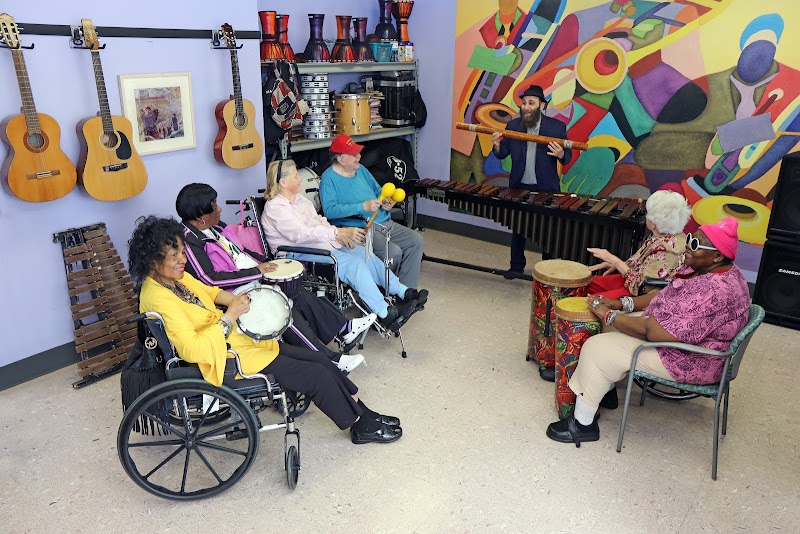
How is Martine Center For Rehabilitation And Nursing Staffed?

CMS rates MARTINE CENTER FOR REHABILITATION AND NURSING's staffing level at 4 out of 5 stars, which is above average compared to other nursing homes. Staff turnover is 41%, compared to the New York average of 46%. This relatively stable workforce can support continuity of care. RN turnover specifically is 61%, which is notably high. RNs provide skilled clinical oversight, so turnover in this role can affect medical care quality.

What Have Inspectors Found at Martine Center For Rehabilitation And Nursing?

State health inspectors documented 37 deficiencies at MARTINE CENTER FOR REHABILITATION AND NURSING during 2018 to 2025. These included: 37 with potential for harm.
Who Owns and Operates Martine Center For Rehabilitation And Nursing?

MARTINE CENTER FOR REHABILITATION AND NURSING is owned by a for-profit company. For-profit facilities operate as businesses with obligations to shareholders or private owners. The facility is operated by CENTERS HEALTH CARE, a chain that manages multiple nursing homes. With 225 certified beds and approximately 193 residents (about 86% occupancy), it is a large facility located in WHITE PLAINS, New York.

How Does Martine Center For Rehabilitation And Nursing Compare to Other New York Nursing Homes?

Compared to the 100 nursing homes in New York, MARTINE CENTER FOR REHABILITATION AND NURSING's overall rating (1 stars) is below the state average of 3.0, staff turnover (41%) is near the state average of 46%, and health inspection rating (1 stars) is much below the national benchmark.

What Should Families Ask When Visiting Martine Center For Rehabilitation And Nursing?

Based on this facility's data, families visiting should ask: "Can I visit during a mealtime to observe dining assistance and food quality?" "How do you handle medical emergencies, and what is your hospital transfer rate?" "Can I speak with family members of current residents about their experience?"

Is Martine Center For Rehabilitation And Nursing Safe?

Based on CMS inspection data, MARTINE CENTER FOR REHABILITATION AND NURSING has a clean safety record: no substantiated abuse findings (meaning no confirmed cases of resident harm), no Immediate Jeopardy citations (the most serious violation level indicating risk of serious injury or death), and is not on the Special Focus Facility watch list (a federal program monitoring the lowest-performing 1% of nursing homes). The facility has a 1-star overall rating and ranks #100 of 100 nursing homes in New York. While no facility is perfect, families should still ask about staff-to-resident ratios and recent inspection results during their visit.

Do Nurses at Martine Center For Rehabilitation And Nursing Stick Around?

MARTINE CENTER FOR REHABILITATION AND NURSING has a staff turnover rate of 41%, which is about average for New York nursing homes (state average: 46%). Moderate turnover is common in nursing homes, but families should still ask about staff tenure and how the facility maintains care continuity when employees leave.

Was Martine Center For Rehabilitation And Nursing Ever Fined?

MARTINE CENTER FOR REHABILITATION AND NURSING has no federal fines on record. CMS issues fines when nursing homes fail to meet care standards or don't correct problems found during inspections. The absence of fines suggests the facility has either maintained compliance or corrected any issues before penalties were assessed. This is a positive indicator, though families should still review recent inspection reports for the full picture.

Is Martine Center For Rehabilitation And Nursing on Any Federal Watch List?

MARTINE CENTER FOR REHABILITATION AND NURSING is not on any federal watch list. The most significant is the Special Focus Facility (SFF) program, which identifies the bottom 1% of nursing homes nationally based on persistent, serious quality problems. Not being on this list means the facility has avoided the pattern of deficiencies that triggers enhanced federal oversight. This is a positive indicator, though families should still review the facility's inspection history directly.