WHITE PLAINS CENTER FOR NURSING CARE, L L C
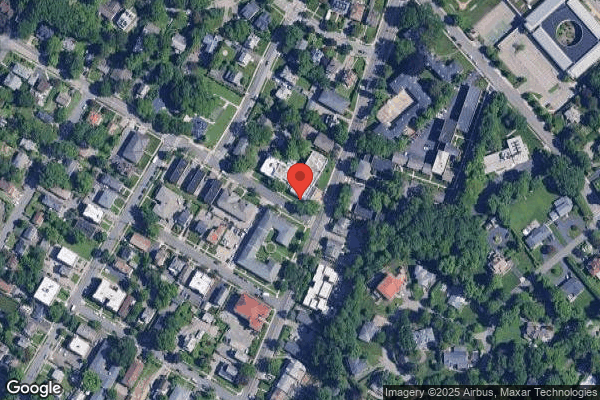
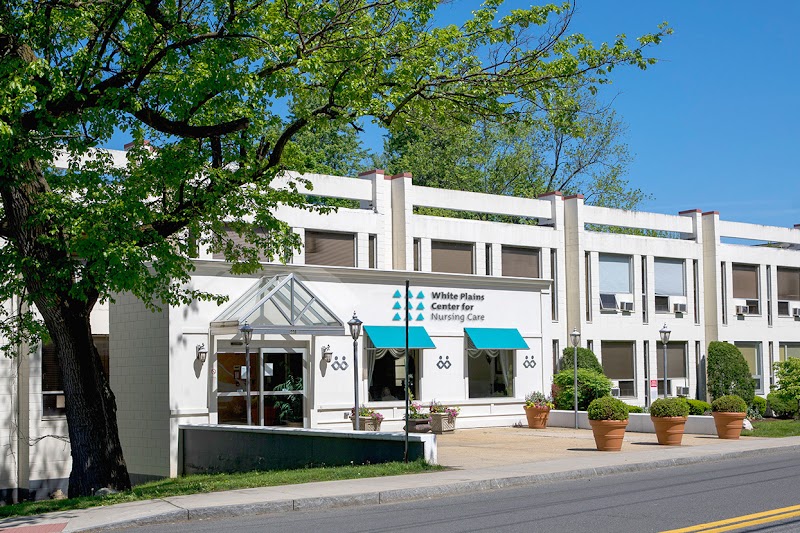
220 WEST POST ROAD, WHITE PLAINS, NY 10606 (914) 686-8880
For profit - Corporation 88 Beds OPTIMA CARE Data: November 2025
Trust Grade
85/100
#130 of 594 in NY
Last Inspection: December 2023

Within standard 12-15 month inspection cycle. Federal law requires annual inspections.

Overview

White Plains Center for Nursing Care, LLC has a Trust Grade of B+, indicating it is above average and recommended for prospective residents. It ranks #130 out of 594 nursing homes in New York, placing it in the top half of facilities in the state, and #11 out of 42 in Westchester County, meaning only ten local options are better. However, the facility's trend is worsening, with the number of issues found increasing from 1 in 2020 to 4 in 2023. Staffing is a relative strength, rated 4 out of 5 stars, but the turnover rate is at 44%, which is slightly above average for New York. Notably, there have been no fines, which is a positive sign. However, there are significant concerns regarding food safety practices. For example, staff failed to ensure that food was stored properly, with one instance involving a staff member using bare hands to retrieve food items, which violates safe food handling protocols. Additionally, expired food was found in the refrigerator, and there were issues with the cleanliness of food preparation equipment. While the facility has strengths in staffing and overall ratings, these food safety violations raise important red flags for families considering this nursing home for their loved ones.

Trust Score
B+
85/100
In New York
#130/594
Top 21%
Safety Record
Low Risk
No red flags
Inspections
Getting Worse
1 → 4 violations
Staff Stability
○ Average
44% turnover. Near New York's 48% average. Typical for the industry.
Penalties
✓ Good
No fines on record. Clean compliance history, better than most New York facilities.
Skilled Nurses
✓ Good
Each resident gets 57 minutes of Registered Nurse (RN) attention daily — more than average for New York. RNs are trained to catch health problems early.
Violations
⚠ Watch
18 deficiencies on record. Higher than average. Multiple issues found across inspections.
★★★★★
5.0
Overall Rating
★★★★☆
4.0
Staff Levels
★★★★★
5.0
Care Quality
★★★★☆
4.0
Inspection Score
Stable
2020: 1 issues
2023: 4 issues

The Good

  • 4-Star Staffing Rating · Above-average nurse staffing levels
  • 5-Star Quality Measures · Strong clinical quality outcomes
  • Full Sprinkler Coverage · Fire safety systems throughout facility
  • No fines on record
  • Staff turnover below average (44%)

    4 points below New York average of 48%

Facility shows strength in staffing levels, quality measures, fire safety.

The Bad

Staff Turnover: 44%

Near New York avg (46%)

Typical for the industry

Chain: OPTIMA CARE

Part of a multi-facility chain

Ask about local staffing decisions and management

The Ugly 18 deficiencies on record

Dec 2023 4 deficiencies
CONCERN (D)

Potential for Harm - no one hurt, but risky conditions existed

Resident Rights (Tag F0550)

Could have caused harm · This affected 1 resident

**NOTE- TERMS IN BRACKETS HAVE BEEN EDITED TO PROTECT CONFIDENTIALITY** Based on observation, record review and interview during the recertification survey from 11/28/23 to 12/4/23, the facility did n...

Read full inspector narrative →
**NOTE- TERMS IN BRACKETS HAVE BEEN EDITED TO PROTECT CONFIDENTIALITY** Based on observation, record review and interview during the recertification survey from 11/28/23 to 12/4/23, the facility did not ensure residents had the right to a dignified existence in a manner and in an environment that promoted maintenance or enhancement of quality of life for 1 of 5 residents (Resident #46) reviewed for dignity. Specifically, Resident #46 had a sign next to their bed stating walk me every day. Findings include: Resident #46 was admitted with diagnoses including but not limited to malignant neoplasm of the lung and acquired absences of the larynx. The annual Minimum Data Set (MDS) dated [DATE] documented Resident #46 had moderately impaired cognition and required limited assistance of one staff for ambulation. During observations on 11/28/23 at 3:09 PM, 11/30/23 at 1:00 PM and 12/1/2023 at 10:56 AM, the wall next to near the bed of Resident #46 had a sign which documented walk me every day and included a picture of staff assisting with ambulation. During an interview on 12/1/2023 at 3:28 PM the resident's family stated they did not put signup or give permission for staff to hang signs in Resident #46's room. During an interview on 12/1/2023 at 3:00 PM, Certified Nurse Aide (CNA) #1 stated the signs were there to alert staff to walk Resident #46. CNA #1 stated directions for resident care were also in the care card. During an interview on 12/1/2023 at 3:15 PM Licensed Practical Nurse (LPN) #1 stated the sign was placed in the resident room to remind the rehabilitation staff and the nursing staff to ambulate Resident #46. During an interview on 12/1/2023 at 3:39 PM, the Rehabilitation Director stated the signs were placed to remind Resident #46 that they should walk with staff. 10NYCRR 415.5 (a)
CONCERN (D)

Potential for Harm - no one hurt, but risky conditions existed

Safe Environment (Tag F0584)

Could have caused harm · This affected 1 resident

**NOTE- TERMS IN BRACKETS HAVE BEEN EDITED TO PROTECT CONFIDENTIALITY** Based on observations, interviews, and record review conducted during the recertification survey from 11/28/23 to 12/4/23, it wa...

Read full inspector narrative →
**NOTE- TERMS IN BRACKETS HAVE BEEN EDITED TO PROTECT CONFIDENTIALITY** Based on observations, interviews, and record review conducted during the recertification survey from 11/28/23 to 12/4/23, it was determined the facility did not ensure maintenance services necessary to maintain a safe, clean, comfortable and homelike environment were provided for 1 of 1 resident (Resident #40) reviewed for environment. Specifically, Resident #40's room had an accordion style bathroom door that was falling off the track. The findings are: The policy titled Maintenance effective 10/2017, documented to ensure that necessary work was completed on a timely basis and that appropriate records of all work were maintained. The maintenance logbook dated 7/10/2022, documented room [ROOM NUMBER]/216 toilet door was still broken. The maintenance logbook dated 3/17/2023, documented room [ROOM NUMBER]-bathroom door was broken and falling down. During observations on 11/28/2023 at 12:55 PM and 11/30/2023 at 12:51 PM, the bathroom door on the side of room [ROOM NUMBER] was broken and hanging off the track. During an interview on 11/28/2023 at 12:58 PM, Resident #40 stated the accordion style bathroom door had been broken for at least a year. During an interview on 12/04/2023 at 10:57 AM, Licensed Practical Nurse (LPN) #2 stated they never noticed the bathroom door in room [ROOM NUMBER] was broken. During an interview on 12/04/2023 at 11:33 AM, Registered Nurse (RN) #1 stated they knew the bathroom door in room [ROOM NUMBER] was broken. RN #1 stated information regarding the broken accordion style bathroom door was entered in the maintenance logbook. During an interview on 12/01/2023 at 12:34 PM, the Environmental Services Director stated they were unsure why the bathroom door in room [ROOM NUMBER] was not fixed. 10NYCRR415.11(c)(1)
CONCERN (D)

Potential for Harm - no one hurt, but risky conditions existed

Deficiency F0676 (Tag F0676)

Could have caused harm · This affected 1 resident

**NOTE- TERMS IN BRACKETS HAVE BEEN EDITED TO PROTECT CONFIDENTIALITY** Based on observations, interviews, and record review during the recertification survey from 11/28/23 to 12/4/23, the facility di...

Read full inspector narrative →
**NOTE- TERMS IN BRACKETS HAVE BEEN EDITED TO PROTECT CONFIDENTIALITY** Based on observations, interviews, and record review during the recertification survey from 11/28/23 to 12/4/23, the facility did not ensure a dependent resident was provided with appropriate treatment and services to maintain or improve their mobility for 1 of 1 resident (Resident #65) reviewed for Activities of Daily Living (ADLs). Specifically, nursing staff did not ensure Resident #65's progressive mobility was maintained in accordance with the providers orders and professional standards. The findings are: Resident #65 was admitted to the facility with diagnoses including but not limited to intracerebral hemorrhage, epilepsy, and chronic obstructive pulmonary disease. A review of the quarterly Minimum Data Set (MDS- a resident assessment tool), dated 10/1/23, documented Resident #65 was severely cognitively impaired, had impairment of both upper and both lower extremities, and required assistance for mobility and transferring. A current provider order initiated 3/1/23 document Resident #65 was to be out of bed to their geri-chair, and out of bed with the assistance of two persons and a mechanical lift. A physical therapy assessment dated [DATE], documented Resident #65 was to be out of bed to their geri chair with the assistance of two staff and a mechanical lift. During observations on 11/28/23 at 10:09 AM and 12:16 PM, 11/29/23 at 11:51 AM, 11/30/23 at 2:59 PM, and 12/01/23 at 9:16 AM, Resident #65 was in their bed in a hospital gown. During an interview on 11/30/23 at 3:08 PM, Certified Nurse Aide (CNA) #2 stated Resident #65 had not been out of bed this week. CNA #2 stated the facility did not have a schedule to get residents out of bed and the last time they remembered Resident #65 being out of bed was a week ago. During an interview on 12/1/23 at 12:28 PM, the Director of Nursing (DON) stated Resident #65 should be out of bed daily and stated there was no formal system in place to ensure staff were getting residents out of bed. 10NYCRR 415.12(a)(2)
CONCERN (E)

Potential for Harm - no one hurt, but risky conditions existed

Food Safety (Tag F0812)

Could have caused harm · This affected multiple residents

**NOTE- TERMS IN BRACKETS HAVE BEEN EDITED TO PROTECT CONFIDENTIALITY** Based on observations, interview, and record review, the facility did not ensure that food was stored, prepared, distributed, an...

Read full inspector narrative →
**NOTE- TERMS IN BRACKETS HAVE BEEN EDITED TO PROTECT CONFIDENTIALITY** Based on observations, interview, and record review, the facility did not ensure that food was stored, prepared, distributed, and served in accordance with professional standards for food service safety. Specifically, 1. Two heavily soiled circulation fans were in use, one in a food production area and one at the clean side of the dishwasher, 2. a. kitchen staff used their bare hand to retrieve a piece of aluminum foil that had fallen into a pan of chicken and gravy, and b. a soiled and peeling food cart was in use for holding cooked foods, 3. 1 of 3 nourishment refrigerators contained multiple unlabeled and expired food items, 4. a. For 2 of 2 microwaves for use on the resident units ([NAME] and Maple Avenue), there were no thermometers available to check food temperatures and b. for 1 of 2 microwaves (Maple Avenue) there were no procedures/guidance posted and no thermometer available to ensure monitoring for safe food temperatures, and 5. Dietary staff did not follow safe food handling procedures while recording food temperatures. The findings are: During the initial tour of the kitchen on 11/28/23 at 10:24 AM and follow up kitchen and pantry observations, the following were observed: 1) On 11/28/2023 at 11:04 AM a food preparation (prep) table was observed in a storage room containing dry goods, frozen foods/freezer, and refrigerated food/refrigerators. A large fan was observed on the wall directly above the prep table, the fan was in use, and the fan grill and blades were observed to be heavily soiled with an accumulation of dust. During a follow up observation conducted on 12/01/23 at 12:14 PM, Dietary Aide #1 was observed working on the storage room prep table portioning a fruit dessert for the residents. The large black fan was in use and remained heavily soiled with an accumulation of dust on the fan grill, and the fan blades were soiled a black-ish colored grime. In an interview at that time, Dietary Aide #1 stated they did not check the cleanliness of the fan. In an interview on 12/01/23 at 12:20 PM, the Food Service Director stated the fan was dusty, they should not prepare food under the dusty fan, and the dust could get in the food and contaminate the residents' food. The Food Service Director stated that maintenance was responsible for cleaning the fan. During an observation and interview on 12/01/23 at 12:38 PM, maintenance worker #1 (MW #1) and surveyor observed the soiled storeroom fan. MW #1 stated their procedure was to check the fan monthly and clean if dirty. At that time, surveyor and MW #1 walked the kitchen and observed an additional large circulation fan in use which was blowing air on the cleaned and sanitized equipment side of the dishwasher. The dishwasher fan's grill was heavily soiled with an accumulation of dust, and the fan blades were soiled with black-ish colored grime. MW #1 stated they were responsible to check the fan monthly and clean if dirty. MW #1 offered no explanation as to why the fans had not been cleaned timely. In an interview on 12/01/23 at 12:48 PM, The Director of Environmental Services stated that the fans were last cleaned on 11/9/2023. The Director of Environmental Services produced a weekly log titled Kitchen/Dining Room - Exhaust Fan, Vents, and Fans dated November. The weekly log documented that the dishwashing area and back storage room fans had been cleaned and were working properly for the first two weekly audits of November dated 11/3/2023 and 11/9/2023. The third week audit was completed and undated, and the fourth week audit was not completed. An undated policy titled Kitchen/Dining Room Exhaust Fans which documented that the dietary department must inspect and document daily that the fan is cleaned, and that the Director of Environmental Services and/or designee would document and monitor the exhaust fan monthly and/or as needed. 2. (a) On 11/28/2023 at 11:21 AM a food prep cart was observed in the cook's area holding pan #6 was covered with aluminum foil and contained chicken and gravy pan. [NAME] #1 opened the foil on pan #6 and a small piece of aluminum foil fell into the pan. [NAME] #1 reached their bare hand into pan #6 to remove the piece of aluminum foil. In an interview at that time, [NAME] #1 stated that they should have put on a glove before removing the foil to prevent the risk of food contamination. (b) The food prep cart was observed with peeling, plastic surfaces. In an interview at that time [NAME] #1 stated they did not know if the peeling plastic surfaces were safe to hold/serve food from. In an interview on 11/28/23 at 11:33 AM, the Food Service Director stated that once the cart surfaces start losing their glaze and stuff starts coming up, it was not good. The Food Service Director stated that anything that was peeling or loose could get into the food. 3. During observations of the nourishment pantries and refrigerators on 12/1/2023 between 11:15 AM - 12:01 PM the following were identified: The 1st floor Post Road unit nourishment refrigerator contained multiple expired items including: - An opened, undated, and unlabeled 8.5 oz. bottle of Deli dressing with a use by date of 7/23/2023. - An opened 12 oz. bottle of Honey Mustard with a use by date of November 15, 2023. - An opened, undated, and unlabeled 15 oz. bottle of Mayonnaise with a best by date of 8/21/2023. - An unopened, undated, and unlabeled 5.5 oz. bottle of Mayonnaise with a best used by date of July 26, 2023. - An opened, undated, and unlabeled 24 oz. bottle Pancake syrup with no manufacturers expiration date or use by date on the label. In an interview on 12/01/23 at 11:31 AM, the Licensed Practical Nurse (LPN #3) stated they did not know who the items belonged to. In an interview on 12/01/23 at 11:33 AM, the Food Service Director stated that the dietary department is responsible for discarding expired food items, and they would discard the items. 4. (a) During an observation of the 2nd floor (Maple Avenue) pantry on 12/1/2023 at 11:40 AM a microwave was observed. A policy dated 3/2022 and titled Microwave Reheating was posted in the pantry and documented that foods reheated in a microwave were to be reheated to 165 degrees, stirred, covered, and allowed to stand for 2 minutes as a safeguard against foodborne illness, and a thermometer should be used to verify final reheated temperatures. No thermometer was found in the pantry. In an interview on 12/01/23 at 11:47 AM, LPN #4 stated there was no thermometer for checking the microwaved foods, and they knew the warmed food was a safe temperature for the resident by touching the top of the plate cover. (b) During an observation of the first floor [NAME] unit nourishment pantry on 12/1/2023 at 11:53 AM a microwave was observed. There was no written guidance found for use of the microwave. No thermometer was found in the pantry. In an interview on 12/01/23 at 11:55 AM, LPN #3 stated that they did not see a thermometer to use after microwaving food. When asked how they determine a safe food temperature for the residents' reheated food, LPN #3 stated they would heat the food on a low time, about 15 seconds. 5. On 12/1/2023 at 12:08 PM during an observation of food temperature monitoring the Food Service Director wiped a thermometer probe with a pink cloth, then placed the thermometer probe into a pan of chopped broccoli. The Food Service Director then proceeded to wipe the thermometer probe with the pink cloth and place the thermometer probe into a pan of yellow rice. The Food Service Director continued to repeat this procedure for chicken, mashed potato, pureed broccoli, and chopped fish. In an interview at that time, the Food Service Director stated they knew they should have used alcohol wipes to sanitize the thermometer probe. 10NYCRR 415.14 (h)
Oct 2020 1 deficiency
CONCERN (D)

Potential for Harm - no one hurt, but risky conditions existed

Food Safety (Tag F0812)

Could have caused harm · This affected 1 resident

**NOTE- TERMS IN BRACKETS HAVE BEEN EDITED TO PROTECT CONFIDENTIALITY** Based on observations, interviews and record review conducted during a recertification survey, it cannot be ensured that the fac...

Read full inspector narrative →
**NOTE- TERMS IN BRACKETS HAVE BEEN EDITED TO PROTECT CONFIDENTIALITY** Based on observations, interviews and record review conducted during a recertification survey, it cannot be ensured that the facility stored food in resident refrigerators according to professional standards for food safety to prevent foodborne illness. Specifically, foods stored in 2 of 3 unit refrigerators (First and Second Floors) were not labeled with the resident's name or the date the item was brought to the facility. The findings are: Review of the facility policy titled, Use and Storage of Food Brought to Residents by Visitors, dated 8/2019 showed that food brought in for a resident is to be labeled by nursing staff with the resident's name, room number, and date the item was brought to the facility. Furthermore, cooked or prepared food brought to the facility is to be discarded after 72 hours by the nursing staff. 1. The first-floor resident pantry refrigerator on the [NAME] Unit was observed with RN #1 on 10/8/2020 at 12:05PM and contained several items brought in from outside the facility. Three leftover meal containers had no date that indicated when the food was first placed in the refrigerator. RN#1 stated that all food brought in by family members needs to be dated and labeled with the resident name and room number by the nursing staff. When asked how long the food was kept in the refrigerator, he stated there was no way to tell. 2. The second-floor resident pantry refrigerator was observed with the Unit Manager LPN #1 on 10/13/2020 at 9:58AM. The refrigerator contained food items in containers placed in plastic bags. Two of the bags had no date as to when the food was brought in from outside the facility. Of note, one plastic bag with food in containers was labeled with the date 10/5/2020 indicating the food should have been discarded five days prior to the observation date. LPN #1 stated that nursing is supposed to examine the food items in the refrigerator each shift and discard food items after 72 hours. The Food Service Director was interviewed on 10/8/2020 at 2:26PM regarding the policy for food stored in residents' refrigerators. He stated that the nursing department is responsible for labeling and dating foods prior to placing them into the refrigerator. He added that items brought in from outside must be held no more than 3 days. 415.14(h)
Mar 2019 13 deficiencies
CONCERN (D)

Potential for Harm - no one hurt, but risky conditions existed

Comprehensive Care Plan (Tag F0656)

Could have caused harm · This affected 1 resident

**NOTE- TERMS IN BRACKETS HAVE BEEN EDITED TO PROTECT CONFIDENTIALITY** Based on record review and interview the facility did not ensure that care plans were developed to address issues related to pai...

Read full inspector narrative →
**NOTE- TERMS IN BRACKETS HAVE BEEN EDITED TO PROTECT CONFIDENTIALITY** Based on record review and interview the facility did not ensure that care plans were developed to address issues related to pain and depression. This was evident for 1 resident reviewed for pain (Resident #65) and 1 of 5 residents reviewed for unnecessary medications (Resident #60). The findings are: 1) Resident #65 was admitted with diagnoses including Peripheral Vascular Disease, Pain Disorder and Diabetic Neuropathy. The Minimum Data Set (MDS - a resident assessment tool) 60 day assessment dated [DATE] indicated the resident had occasional pain at a level 2, that does not interfere with sleep or activities. During the resident interview on 3/7/19 at 3:55 PM the resident complained of pain. The following pain medications were included in the physician's orders: Tylenol 650 mg every 6 hours as needed, Neurontin (a medication for nerve pain) 100mg three times per day for Peripheral Vascular Disease and Diabetic Neuropathy. There was an additional order to monitor and record pain every shift. The MAR (Medication Administration Record) was reviewed and the pain scale was documented as 0 (having no pain) on all shifts during February 2019 and March 2019. The assigned CNA (certified nursing assistant) was interviewed on 3/08/19 at 9:15 AM. When asked if the resident complains of pain she stated sometimes he complains of pain in his knee. In an interview with the resident on 3/08/19 at 10:09 AM regarding pain he stated he has a lot of burning pain in his right leg. He stated he can't really feel his foot. When asked if he told anyone he stated he tells everyone. In an interview with the RN (registered nurse) supervisor at that time he stated he just moved the resident to a new room and spent a lot of time with him and he did not complain of any pain. In an interview with the Nurse Practitioner at that time she stated she saw the resident on the previous day and he stated he has some pain in his throat but did not express pain in his leg. She stated she would increase his Neurontin dose as he is on a very low dose. Review of the comprehensive care plan indicated the resident did not have a care plan to address pain. The RN supervisor was interviewed on 3/08/19 at 11:16 AM. When asked about a care plan to address the resident's complaints of pain he stated he was not present when the resident was admitted . He stated with a new admission he would review the medications the resident is prescibed and create care plans related to that. He stated he would also look at diagnoses and create a care plan based on them and that a pain care plan should have been developed. 2) Resident #60 was admitted to the facility on [DATE] with diagnoses including Diabetes Mellitus and Depression. Review of the MDS dated [DATE] indicated the resident was receiving antidepressant medication during all 7 days of the assessment period. Review of the January 2019 MAR indicated the resident was receiving Sertraline (an antidepressant) 50mg. daily for depression until 1/4/19. The order was changed to Trazadone 25mg. three times daily at that time. Review of the March 2019 physician's orders indicated the resident is receiving Trazadone 50mg. at bed time for depression. The comprehensive care plan was reviewed and there was no documented evidence that a care plan had been developed to address the resident's depression. The RN supervisor was interviewed on 3/08/19 at 11:16AM. He stated he was not present when the resident was admitted and for a new admission he would review the medications the resident is prescribed and create care plans related to them. 415.11(c)(1)
CONCERN (D)

Potential for Harm - no one hurt, but risky conditions existed

Deficiency F0657 (Tag F0657)

Could have caused harm · This affected 1 resident

Based on record review and interview conducted during the recertification survey, the facility did not ensure that 1 of 2 residents (Resident #74) was given the opportunity to participate in the devel...

Read full inspector narrative →
Based on record review and interview conducted during the recertification survey, the facility did not ensure that 1 of 2 residents (Resident #74) was given the opportunity to participate in the development, review and revision of his care plan. Specifically, Resident #74 was not invited or included in his latest quarterly or annual care plan meetings. The finding is: Resident #74 has diagnoses and conditions including Diabetes Mellitus, Seizures Disorder and Schizophrenia. The Annual Minimum Data Set (MDS; a resident assessment and screening tool) dated 8/3/18 indicated that the resident scored 15 out of 15 on the BIMS (Brief Interview for Mental Status; used to measure memory, recall and orientation) and suggested the resident was cognitively intact and able to participate in his assessment. Resident #74 was interviewed on 3/5/19 at 2:30 PM and stated that he did not recall being invited or attending a care plan meeting within the past year. There was no documented evidence in resident's clinical record that a quarterly or annual care plan meeting was held, or that the resident and his representative had been invited to attend. The Director of Social Work (DSW) was interviewed on 3/7/19 at 12:35 PM. The DSW stated that he was employed at the facility for a month and could not take responsibility. The MDS Coordinator was interviewed on 3/8/19 at 12:30 PM and stated that the social worker was responsible for care planning. She also stated that the DSW was new to the facility, he was not trained, and she had assumed the role of care planning. When requested, the MDS Coordinator was unable to locate any progress notes or signature attendance sheets for the resident's latest quarterly or annual care plan meetings. The Director of Nursing (DON) was interviewed on 3/8/19 at 1:30 PM. The DON was unable to provide any documented evidence that the resident or his representative was invited to or attended his latest quarterly or annual care plan meetings. 415.11(c)(2)(i-iii)
CONCERN (D)

Potential for Harm - no one hurt, but risky conditions existed

Quality of Care (Tag F0684)

Could have caused harm · This affected 1 resident

Based on observation, record review and interview conducted during the re-certification survey, it was determined that treatment and care was not provided in accordance with professional standards in ...

Read full inspector narrative →
Based on observation, record review and interview conducted during the re-certification survey, it was determined that treatment and care was not provided in accordance with professional standards in order to meet the resident's physical needs. Specifically, 1 of 2 residents (Resident #8) reviewed for positioning and mobility was observed on multiple occasions without a positioning device as ordered by the physician. The findings are: Resident #8 had diagnoses including cerebral palsy, seizure disorder and hypertension. The Annual MDS (Minimum Data Set; an assessment tool) indicated the resident had severe cognitive impairment and functional limitation to both upper and lower extremities. Review of the physician's orders dated 12/26/18 revealed the following; right elbow splint 8 AM-12PM daily with skin check upon removal and right wrist/hand splint 1PM -5PM daily with skin check upon removal. Review of the comprehensive care plan dated 2/7/18 revealed the following; actual contracture to both upper and lower extremities; functional versus non-functional with interventions to apply the right elbow and wrist/ hand splint as per the physician's order. An observation on 03/06/19 at 11:43 AM revealed the resident sitting in a geri chair without the use of the right elbow or wrist splint as per the physician's order. Multiple observations on 3/7/19 at 10:30 AM, 11:45 AM and 1:54 PM revealed the resident lying in bed without the right elbow or wrist splints in place as per the physician's order. An interview was conducted on 3/7/19 at 1:56 PM with Licensed Practical Nurse (LPN #2) and she stated she was not sure who was responsible for applying the resident's splints. An interview was conducted on 3/7/19 at 2:03 PM with LPN #1 and she stated the CNAs ( certified nursing assistants) were responsible for applying the splints. An interview was conducted on 3/7/19 at 2:15 PM with CNA #1 and she stated the resident did not use positioning splints and she did not apply them. She then checked the CNA care guide which contained directives for the use of the splints and stated the resident was supposed to wear splints but she did not know what they were. 415.12
CONCERN (D)

Potential for Harm - no one hurt, but risky conditions existed

Deficiency F0685 (Tag F0685)

Could have caused harm · This affected 1 resident

Based on observation, record review and interview conducted during the re-certification survey, it was determined for 1 of 1 residents (Resident #76) reviewed for communication/sensory status that tre...

Read full inspector narrative →
Based on observation, record review and interview conducted during the re-certification survey, it was determined for 1 of 1 residents (Resident #76) reviewed for communication/sensory status that treatment and care was not provided in order to meet the resident's physical, mental, and psychological needs. Specifically, the resident was not provided optometry services per physician's order. The findings are: Resident #76 had diagnoses which included Multiple Sclerosis, Paraplegia, and Depression. Review of the Annual MDS (Minimum Data Set; an assessment tool) dated 2/3/19 indicated the resident was cognitively intact and had adequate vision with the use of glasses. Review of the physician's orders dated 11/1/18 revealed an order for an ophthalmology consult. Review of the comprehensive care plan revealed the following; 7/21/18- visual deficit as evidenced by use of glasses, interventions; eye drops as needed, maintain eye glasses, ophthalmology and optometry consults as appropriate. Review of the nurses' progress notes dated 11/4/18 indicated the resident requested to see the eye doctor as she had difficulty reading with her current eyeglasses. The resident was placed on a list for the optometrist to follow up. An interview was conducted with Resident #76 on 3/5/19 at 1:58 PM and she stated she had glasses but she had been having difficulty reading with her eye glasses. She further stated she had been asking for a long time to be seen by the eye doctor. An interview was conducted on 3/7/19 at 11:47 AM with the Registered Nurse (RN #1) and she stated she checked the electronic medical record and was unable to find documentation that the resident had been seen by the optometrist. She stated the optometrist was scheduled for March 20, 2019 and added she did not know why the resident had not seen earlier 415.12(3)(b)
CONCERN (D)

Potential for Harm - no one hurt, but risky conditions existed

Deficiency F0757 (Tag F0757)

Could have caused harm · This affected 1 resident

Based on record review and interview the facility did not ensure that monitoring for pain and the effectiveness of pain medication was performed for a resident receiving pain medication on an as neede...

Read full inspector narrative →
Based on record review and interview the facility did not ensure that monitoring for pain and the effectiveness of pain medication was performed for a resident receiving pain medication on an as needed basis. This was evident for 1 of 5 residents reviewed for unnecessary medications. The findings are: Resident #60 was admitted with diagnoses including Diabetic Neuropathy, Peripheral Vascular Disease and Depression. The Minimum Data Set (MDS - a resident assessment tool) dated 12/8/18 indicated the resident was receiving Opioid medication on 5 out of 7 days during the assessment period. The resident was assessed to have occasional pain at a level 4 that does not interfere with sleep or activities. Review of the current MD orders indicated the resident was receiving the following medications for pain: Tylenol 650 mg every 6 hours as needed (PRN), Aspirin 325mg daily, Gabapentin (to address nerve pain) 300MG twice daily and Tramadol 50mg every 8 hours as needed (PRN) for a pain level of 4 - 7. Review of the Medication Administration Record (MAR) for January, February and March 2019 indicated PRN Tramadol was administered on 1/14, 1/18, 1/29, 2/14, 2/16 2/20, 2/22, 3/2 and 3/6. There was no evidence that the resident's pain level was assessed prior to giving the medication and that the effectiveness of the medication was assessed. The LPN (licensed practical nurse) medication nurse was interviewed on 3/7/19 at 10:21 AM and stated that she was not the nurse who gave the medication and stated the nurse who gave it was a per diem nurse. She stated that the pain level and its effectiveness should be documented. Review of the EMR (electronic medical record) revealed nursing staff were not prompted to document pain levels. The LPN stated the order probably wasn't entered correctly. In an interview with the Nurse Practitioner on 3/07/19 at 10:37 AM she stated that when entering that type of order, monitoring has to be included. If the person entering the order in the EMR doesn't do so it will not prompt the nurse to document the pain level and the effectiveness of the medication. 415.12(l)(1)
CONCERN (D)

Potential for Harm - no one hurt, but risky conditions existed

Deficiency F0761 (Tag F0761)

Could have caused harm · This affected 1 resident

Based on observation and interview conducted during the recertification survey, the facility did not ensure that all drugs and biologicals were stored in accordance with professional standards. Specif...

Read full inspector narrative →
Based on observation and interview conducted during the recertification survey, the facility did not ensure that all drugs and biologicals were stored in accordance with professional standards. Specifically, multiple medications were found to be expired in one of two medication storage rooms (Post Road Unit). The findings are: On 03/07/19 at 11:40 AM the following observations were made in the Post Road unit medication room; 1) One box of Albuterol Inhalant with expiration date of 12/2018 was found in the bottom cabinet. 2) The refrigerator contained one vial of Humulin R insulin with an expiration date of 8/2018 and 2 vials of Procrit injection with an expiration date of 10/2017. The Nursing Supervisor and LPN #3 were interviewed at that time to determine why the expired medications were still in the refrigerator. The supervisor confirmed the medications had expired. LPN #3 stated she was not employed at the facility when those medications were placed in the refrigerator. 415.18(e)(1-4)
CONCERN (D)

Potential for Harm - no one hurt, but risky conditions existed

Infection Control (Tag F0880)

Could have caused harm · This affected 1 resident

Based on observation, interview and record review conducted during the recertification survey, the facility did not properly establish and/or maintain an Infection Prevention and Control Program desig...

Read full inspector narrative →
Based on observation, interview and record review conducted during the recertification survey, the facility did not properly establish and/or maintain an Infection Prevention and Control Program designed to provide a safe, sanitary and comfortable environment. Specifically, 1. Staff did not follow proper hand hygiene to prevent cross contamination and infection during a lunch meal observation in 1 of 3 dining rooms (2nd Floor) and 2. It was determined the facility did not develop a site-specific water management plan for Legionella. The findings are: 1. During the 2nd floor meal observation on 3/5/19 at 12:45 PM Registered Nurse (RN#1) was observed feeding Resident #48, she placed her hands on the wheel chair of Resident #31 moving her closer to the table, and continued feeding Resident #48 without first washing her hands. During 2nd floor meal observation on 3/5/19 at 12:50 PM Certified Nursing Assistant (CNA#1) was observed touching the wheel chair of Resident #2, and then began feeding Resident #26 without first washing her hands. During 2nd floor meal observation on 3/5/19 at 12:50 PM RN #1 wheeled a chair from the nursing station and then began feeding Resident #48 without first washing her hands. During 2nd floor meal observation on 3/5/19 at 1:00 PM RN #1 left the dining room, used the phone at the nurses station and returned to the dining room to feed Resident #24 without first washing her hands. During an interview conducted on 3/8/19 at 2:07 PM with RN #1 she stated she was running around like crazy and she did not wash her hands. During an interview conducted on 3/8/19 at 2:20 PM with CNA #1 she stated she should have washed her hands. 2. A review of the policy and procedure, revised 9/2018, indicated the Director of Environmental Services and or Maintenance designee will ensure that the water inlets/outlets are tested and documented according to the state and federal guidelines. The sample reports showed the facility submitted only 1 sample test which was dated November 30, 2018. During an interview conducted on 3/8/19 at 3:43 PM with the Maintenance Director, he stated he was not informed the facility was required to obtain quarterly water samples when the new regulation went into effect. He further stated that the water sample report dated 11/30/18 was the only sample the facility had sent out for testing to date. He added that the facility did not have a site specific facility management plan in place and that currently the company had an outside consulting company putting one together. 415.19(b)(4)
CONCERN (E)

Potential for Harm - no one hurt, but risky conditions existed

Menu Adequacy (Tag F0803)

Could have caused harm · This affected multiple residents

2) An interview was conducted on 03/05/19 at 03:21 PM with Resident #16 and she stated she did not receive fresh fruits (especially grapes and bananas) on her meal tray and that she had spoken with di...

Read full inspector narrative →
2) An interview was conducted on 03/05/19 at 03:21 PM with Resident #16 and she stated she did not receive fresh fruits (especially grapes and bananas) on her meal tray and that she had spoken with dietary multiple times, but nothing changed. According to the menu fresh fruit was to be served at the breakfast meal on 3/8/19. Observation of the breakfast meal revealed that canned pears were served as a substitute. An interview was conducted on 3/8/19 at 11:44 AM with the FSD. He stated the facility provided the residents with fresh fruit two times weekly. He further stated the facility received a fruit delivery weekly but had been out of bananas for a few days. 415.14(c)(1-3) Based on observation, interview and record review conducted during the most recent recertification survey, the facility did not ensure that written menus were followed as planned. Specifically, the dietary staff did not ensure that adequate amounts of fresh fruits were available for service for 2 of 2 residents (#57 and #16) when indicated on the menu. The findings are: 1) On 3/5/19 at 4:04 PM during an interview, Resident #57 stated that fresh fruit was not being served. According to the menu fresh fruit was to be served at the breakfast meal on 3/8/19. Observation of this meal revealed that canned pears were served as a substitute. A review of the three-week cycle menu revealed that fresh fruits were planned to be served at least two times weekly. On 3/8/19 at 11:40 AM the Food Service Director (FSD) was interviewed. He stated that the fresh fruits served during the winter months were apples, bananas, cantaloupe and grapes. When a purchase order is submitted, if the cost of the the fresh fruits were too high the item(s) would not be purchased. Another fresh fruit was not substituted for an item that was not purchased. Observation of the fruit and vegetable reach-in refrigerator on 3/8/19 at 3:30 PM revealed no fresh fruits. Immediately following this observation the FSD was interviewed. He stated that fresh fruits were not available for the week of 3/3/19. Deliveries are made once weekly to the facility, which had an impact on the availability of certain fresh fruits such as bananas.
CONCERN (E)

Potential for Harm - no one hurt, but risky conditions existed

Food Safety (Tag F0812)

Could have caused harm · This affected multiple residents

Based on observation and interview conducted during the most recent recertification survey, the facility did not ensure that refrigerated food items were safe for consumption and that food service equ...

Read full inspector narrative →
Based on observation and interview conducted during the most recent recertification survey, the facility did not ensure that refrigerated food items were safe for consumption and that food service equipment was maintained free of debris to prevent contamination. Specifically, 1) deli meat (salami) over 6 weeks past the sell by date was being stored in the refrigerator for later use; 2) refrigerated perishable food items were not dated; and 3) food service equipment was not being maintained free of dust, debris and built-up grease. The findings are: During the initial tour of the kitchen on 3/5/19 at 9:50 AM the following was observed: 1. A roll of salami sealed in plastic and weighing 7.5 pounds was stored in one of the reach-in refrigerators. A follow-up visit to the kitchen on 3/5/19 at 2:30 PM revealed that the sell by date on this item was 1/19/19. There was no date on the salami to indicate when it was delivered to the facility. At that time the Food Service Director (FSD) discarded the salami. On 3/8/19 at 3:15 PM the FSD was interviewed to determine if the facility had a system in place to ensure that foods are rotated in accordance with professional standards for food service safety. He stated that he was new to the facility and that they do follow the first in first out method of rotating food items. 2. A plastic container with what appeared to be tuna fish was opened and undated in another reach-in refrigerator. Additionally, three wrapped sandwiches containing deli meat (possibly bologna) and processed cheese not labeled and dated were being stored in this reach-in refrigerator. The FSD discarded these items. 3. A fan containing dust was noted near the rack on which pots and pans were stored. The top shelf of this rack was covered with a layer of dust. Another dusty fan was noted next to the clean receiving end of the dishwasher. The fan was blowing on items as they came out of the dishwasher. 4. The interior and exterior surfaces of the oven, the top of the stove and a table on which the steamer was placed exhibited dust, grime and/or debris. The FSD and one of the cooks stated that they did not have sufficient staff to clean the equipment in the kitchen because they were short three dietary workers. 415.14(h)
CONCERN (E)

Potential for Harm - no one hurt, but risky conditions existed

Deficiency F0836 (Tag F0836)

Could have caused harm · This affected multiple residents

**NOTE- TERMS IN BRACKETS HAVE BEEN EDITED TO PROTECT CONFIDENTIALITY** 483.70 (b) Compliance with Federal, State, and Local laws and Professional Standards. The facility must operate and provide ser...

Read full inspector narrative →
**NOTE- TERMS IN BRACKETS HAVE BEEN EDITED TO PROTECT CONFIDENTIALITY** 483.70 (b) Compliance with Federal, State, and Local laws and Professional Standards. The facility must operate and provide services in compliance with all applicable Federal, State, and local laws, regulations, and codes, and with accepted professional standards and principles that apply to professionals providing services in such a facility. Based on observation and interview during the recertification survey, the facility was not in compliance with Section 915 of the 2015 edition of the International Fire Code as adopted by New York State, which requires the installation of carbon monoxide detectors in buildings with fuel-fired appliances. Carbon monoxide detectors were not installed in mechanical rooms in the basement containing fuel fired equipment (laundry room, boiler room, generator room, etc). The findings are: On 3/8/19 at approximately 9:30 AM during a tour of the 2nd floor nursing unit conducted during the recertification survey, a maintenance department staff member was asked whether carbon monoxide (CO) detectors had been installed in the facility. He said that battery powered combination smoke/carbon monoxide detectors were installed at each nurse's station and that they cover a large area. A detector was observed on the ceiling in front of the 2nd floor nurse's station. Both modes (smoke and CO) were tested and functioned. Two additional detectors were observed installed on the first floor units ([NAME] and Post Road) during a tour conducted between 10:20 AM - 11:00 AM that same day. According to the maintenance staff member, these detectors sound a local alarm only, and are supplemental to the facility's hard-wired smoke detectors that are tied into the fire alarm panel. On 3/08/19 at 8:00 AM, a tour of the basement was conducted and carbon monoxide detectors were observed to be lacking in the following areas housing natural gas-powered equipment: -boiler room (2 boilers) -generator room (1 generator) -laundry room (2 dryers) -kitchen (stove) In an interview at that time, the Director of Environmental Services stated that he had contacted a vendor to install additional hard-wired carbon monoxide detectors in the required mechanical areas and on the nursing units if needed. 483.70 (b)
CONCERN (E)

Potential for Harm - no one hurt, but risky conditions existed

Room Equipment (Tag F0908)

Could have caused harm · This affected multiple residents

Based on observation and interview during the recertification survey, the facility did not maintain all mechanical equipment in safe operating condition. This was evidenced by: 1. The roof was not mai...

Read full inspector narrative →
Based on observation and interview during the recertification survey, the facility did not maintain all mechanical equipment in safe operating condition. This was evidenced by: 1. The roof was not maintained in a manner necessary to prevent leaks in exit corridors and stairs. Specifically, water was observed dripping from a ceiling mounted air conditioning unit near the 2D stairwell exit and collecting in a trash trash can, and a bucket had been placed above the ceiling tiles to capture water in the same stairwell. These conditions would not ensure that the exit corridor and stairwell would be safe and readily available at all times in the event of an emergency. 2. Sufficient air circulation was not provided for the employee dining room, and an exhaust fan in the adjacent main kitchen was broken, resulting in excessive moisture and condensation in the employee dining room. The findings are: During the recertification survey conducted on 3/7/19, 3/8/19 and 3/11/19 between 8:00 AM - 3:00 PM, the following issues with ventilation in the staff dining room and the condition of the roof were noted: 1. At 11:30 AM on 3/7/19, during a tour of the basement, the employee dining room was visited and it was noted that one wall of the room is almost completely glass. The glass was covered in condensation and the small windows located along the bottom of the glass panel were closed. There was no mechanical exhaust provided in this room. A steam table was located across the space between the employee dining room and the adjacent main kitchen. A fan in the exterior wall of the kitchen nearest the employee dining room was off and its baffles were coated with dirt and dust. In an interview at that time, the Director of Environmental Services confirmed that a heat detector in the employee dining room had gone off due to the steam from the steam table. He added that the door to the employee dining room is usually kept open, but it had been closed the previous day due to the cold weather. (This room is located adjacent to a parking lot exit). A technician was scheduled to come on site on 3/7/19 or 3/8/19 to replace the smoke detector if necessary and reset the fire alarm panel. In a concurrent interview at 9:50 AM the same day, a Maintenance Department staff member stated that a new fan had been ordered approximately 2 weeks ago. At 12:00 PM on 3/8/19, a technician stated that he had adjusted the existing heat detector and reset the fire alarm panel. According to the technician, the employee dining room is not provided with enough ventilation. The dining room was re-visited at that time and the glass panel was free of condensation. In a separate interview at 12:10 PM on 3/8/19, the Maintenance Department staff member stated that the existing fan will be cleaned and that he will try to repair the exhaust fan while waiting for the new fan to be delivered. 2. At 8:25 AM on 3/8/19, a tour of the 2nd floor unit was conducted and water was noted to be dripping from a large ceiling mounted air conditioning unit directly in front of stairwell exit D2 into two small trash cans. The stairwell was examined and two ceiling tiles were noted to be missing. A plastic bucket on a plywood base was visible above the ceiling. In an interview at 8:30 AM on 3/8/19, the Director of Environmental Services stated that when it rains heavily or there is melting snow on the roof, water enters in the areas noted. The roof was visited at approximately 8:35 AM on 3/8/19. There were areas noted to be covered with snow, but the 4 drains were free of leaves and snow. In an interview at that time, the Director of Environmental Services stated water and snow are regularly swept off the roof by a member of the Maintenance Department. He further stated that he will ensure that the emergency exit Stair D2 is accessible at all times is maintained in a safe manner. In an interview conducted at 9:35 AM on 3/8/19, the Administrator stated that ownership is aware of the issues with the roof, and that 4 or 5 proposals to replace the roof have been received and are being reviewed. The Administrator was instructed to submit a construction notice application with a safety plan for this anticipated project. 483.90(d)(2)
MINOR (B)

Minor Issue - procedural, no safety impact

Transfer Notice (Tag F0623)

Minor procedural issue · This affected multiple residents

**NOTE- TERMS IN BRACKETS HAVE BEEN EDITED TO PROTECT CONFIDENTIALITY** Based on record review and interview, the facility did not ensure for 3 of 3 residents (#3, #8, and #60) reviewed for hospitaliz...

Read full inspector narrative →
**NOTE- TERMS IN BRACKETS HAVE BEEN EDITED TO PROTECT CONFIDENTIALITY** Based on record review and interview, the facility did not ensure for 3 of 3 residents (#3, #8, and #60) reviewed for hospitalization that the residents' representatives and the Ombudsman were notified in writing of the residents' transfer to the hospital. The findings are: 1. Resident #3 had diagnoses including Hypertension, Alzheimer's Disease, and Parkinson Disease. Review of the nursing progress note dated 1/12/19 indicated the resident had a change in her medical status. The physician was made aware and ordered a transfer to the hospital. Further review of the medical record revealed no documented evidence that the resident representative had been notified of the hospital transfer/discharge in writing or that the Ombudsman had been notified of the hospital transfer/discharge. An interview was conducted on 3/7/19 at 12:45 PM with the Social Worker and he stated at the time of the transfer/discharge the nurse on the unit was responsible for informing the resident representative via telephone. He stated nursing was responsible for notifying the family and the Ombudsman when a resident was transferred/discharged to the hospital. He further stated he did not notify the family and the Ombudsman in writing when a resident was transferred/discharged to the hospital. An interview was conducted on 3/7/19 at 1:48 PM with Registered Nurse (RN#1) and she stated the nurse on duty notified the family by telephone when a resident was transferred/discharged to the hospital and did not follow up in writing. She further stated nursing did not notify the ombudsman when a resident was transferred/discharged to the hospital. 2. Resident #8 had diagnoses including Cerebral palsy, Seizure Disorder, and Hypertension. Review of the physician's progress note dated 11/23/18 revealed the resident had a change in her medical status and was to be transferred to emergency room for evaluation. Further review of the medical record revealed no documented evidence that the resident representative had been notified of the hospital transfer/discharge in writing or that the Ombudsman had been notified of the hospital transfer/discharge. An interview was conducted on 3/7/19 at 12:45 PM with the Social Worker and he stated at the time of a hospital transfer/discharge the nurse on the unit was responsible for informing the resident representative by telephone. He stated nursing was responsible for notifying the family and the Ombudsman when a resident was transferred/discharged to the hospital and he did not notify the family/Ombudsman in writing when a resident was transferred/discharged to the hospital. 3. Resident #60 was admitted with diagnoses including Diabetes Mellitus, Osteomyelitis of the foot, and Depression. Review of the nursing progress note dated 1/3/19 indicated the resident was sent out to the hospital for evaluation after being extremely agitated, aggressive and combative to staff during cares. The resident was re-admitted to the facility on [DATE]. Review of the nursing progress note dated 2/23/19 indicated the resident experienced a change in medical status. The physician was made aware and ordered the resident be sent out to the hospital. The resident was re-admitted to the facility on [DATE]. Review of the medical record revealed no evidence that the ombudsman or the family were notified in writing of the hospital transfer. The social worker was interviewed on 3/7/19 at 12:45 PM and stated that there was no system in place to notify families or the ombudsman in writing of the transfers from the facility. 415.3(h)(1)(iv)(a-e)
MINOR (C)

Minor Issue - procedural, no safety impact

Staffing Information (Tag F0732)

Minor procedural issue · This affected most or all residents

Based on observation, interview and record review conducted during the most recent recertification survey, the facility did not ensure that nurse staffing information was posted daily and when posted ...

Read full inspector narrative →
Based on observation, interview and record review conducted during the most recent recertification survey, the facility did not ensure that nurse staffing information was posted daily and when posted included the resident census. The findings are: On 3/8/19 in the afternoon the surveyor asked the Director of Nursing (DON) for the location of the daily posting of information about nurse staffing. The DON directed the surveyor to the receptionist at the lobby area of the facility. The receptionist stated that this information was kept on the second floor. A nurse on the second floor handed the surveyor a schedule that was posted at the nurses' station. This document was the actual schedule for the unit and did not reflect information regarding the other two units in the facility. This was brought to the attention of the DON. The DON then directed the surveyor to the staff member who was responsible for making up the daily nursing schedule. This staff member handed the surveyor a binder with the schedules for 3/6/19 and 3/8/19. The posting for 3/6/19 was limited to information for the day shift. Nothing was available for 3/7/19. The surveyor then asked the staff member to provide the surveyor with the daily nurse staffing information posted from the beginning of February 2019. The documents provided showed that daily information on nurse staffing was posted from 2/1/19 to 2/10/19. These daily postings did not reflect the resident census. There was no posting from 2/11/19 to 3/5/19. The DON stated that the posting resumed on 3/6/19 after the surveyor had asked for copies of the actual nursing schedule on a previous day. 10 NYCRR 415.13
Understanding Severity Codes (click to expand)
Life-Threatening (Immediate Jeopardy)
J - Isolated K - Pattern L - Widespread
Actual Harm
G - Isolated H - Pattern I - Widespread
Potential for Harm
D - Isolated E - Pattern F - Widespread
No Harm (Minor)
A - Isolated B - Pattern C - Widespread

Questions to Ask on Your Visit

  • "Can I speak with families of current residents?"
  • "What's your RN coverage like on weekends and overnight?"

Our Honest Assessment

Strengths
  • • Grade B+ (85/100). Above average facility, better than most options in New York.
  • • No major safety red flags. No abuse findings, life-threatening violations, or SFF status.
  • • No fines on record. Clean compliance history, better than most New York facilities.
  • • 44% turnover. Below New York's 48% average. Good staff retention means consistent care.
Concerns
  • • 18 deficiencies on record. Higher than average. Multiple issues found across inspections.
Bottom line: Generally positive indicators. Standard due diligence and a personal visit recommended.

About This Facility

What is White Plains Center For Nursing Care, L L C's CMS Rating?

CMS assigns WHITE PLAINS CENTER FOR NURSING CARE, L L C an overall rating of 5 out of 5 stars, which is considered much above average nationally. Within New York, this rating places the facility higher than 99% of the state's 100 nursing homes. This rating reflects solid performance across the metrics CMS uses to evaluate nursing home quality.
How is White Plains Center For Nursing Care, L L C Staffed?

CMS rates WHITE PLAINS CENTER FOR NURSING CARE, L L C's staffing level at 4 out of 5 stars, which is above average compared to other nursing homes. Staff turnover is 44%, compared to the New York average of 46%. This relatively stable workforce can support continuity of care.

What Have Inspectors Found at White Plains Center For Nursing Care, L L C?

State health inspectors documented 18 deficiencies at WHITE PLAINS CENTER FOR NURSING CARE, L L C during 2019 to 2023. These included: 16 with potential for harm and 2 minor or isolated issues.

Who Owns and Operates White Plains Center For Nursing Care, L L C?

WHITE PLAINS CENTER FOR NURSING CARE, L L C is owned by a for-profit company. For-profit facilities operate as businesses with obligations to shareholders or private owners. The facility is operated by OPTIMA CARE, a chain that manages multiple nursing homes. With 88 certified beds and approximately 82 residents (about 93% occupancy), it is a smaller facility located in WHITE PLAINS, New York.
How Does White Plains Center For Nursing Care, L L C Compare to Other New York Nursing Homes?

Compared to the 100 nursing homes in New York, WHITE PLAINS CENTER FOR NURSING CARE, L L C's overall rating (5 stars) is above the state average of 3.1, staff turnover (44%) is near the state average of 46%, and health inspection rating (4 stars) is above the national benchmark.

What Should Families Ask When Visiting White Plains Center For Nursing Care, L L C?

Based on this facility's data, families visiting should ask: "Can I visit during a mealtime to observe dining assistance and food quality?" "How do you handle medical emergencies, and what is your hospital transfer rate?" "Can I speak with family members of current residents about their experience?"

Is White Plains Center For Nursing Care, L L C Safe?

Based on CMS inspection data, WHITE PLAINS CENTER FOR NURSING CARE, L L C has a clean safety record: no substantiated abuse findings (meaning no confirmed cases of resident harm), no Immediate Jeopardy citations (the most serious violation level indicating risk of serious injury or death), and is not on the Special Focus Facility watch list (a federal program monitoring the lowest-performing 1% of nursing homes). The facility has a 5-star overall rating and ranks #1 of 100 nursing homes in New York. While no facility is perfect, families should still ask about staff-to-resident ratios and recent inspection results during their visit.

Do Nurses at White Plains Center For Nursing Care, L L C Stick Around?

WHITE PLAINS CENTER FOR NURSING CARE, L L C has a staff turnover rate of 44%, which is about average for New York nursing homes (state average: 46%). Moderate turnover is common in nursing homes, but families should still ask about staff tenure and how the facility maintains care continuity when employees leave.

Was White Plains Center For Nursing Care, L L C Ever Fined?

WHITE PLAINS CENTER FOR NURSING CARE, L L C has no federal fines on record. CMS issues fines when nursing homes fail to meet care standards or don't correct problems found during inspections. The absence of fines suggests the facility has either maintained compliance or corrected any issues before penalties were assessed. This is a positive indicator, though families should still review recent inspection reports for the full picture.

Is White Plains Center For Nursing Care, L L C on Any Federal Watch List?

WHITE PLAINS CENTER FOR NURSING CARE, L L C is not on any federal watch list. The most significant is the Special Focus Facility (SFF) program, which identifies the bottom 1% of nursing homes nationally based on persistent, serious quality problems. Not being on this list means the facility has avoided the pattern of deficiencies that triggers enhanced federal oversight. This is a positive indicator, though families should still review the facility's inspection history directly.