CONCERN
(D)
📢 Someone Reported This
A family member, employee, or ombudsman was alarmed enough to file a formal complaint
Potential for Harm - no one hurt, but risky conditions existed
Safe Environment
(Tag F0584)
Could have caused harm · This affected 1 resident
**NOTE- TERMS IN BRACKETS HAVE BEEN EDITED TO PROTECT CONFIDENTIALITY** Based on observation, record review, and interview conducted during complaint investigations (Complaint NY00314500 and NY0030865...
Read full inspector narrative →
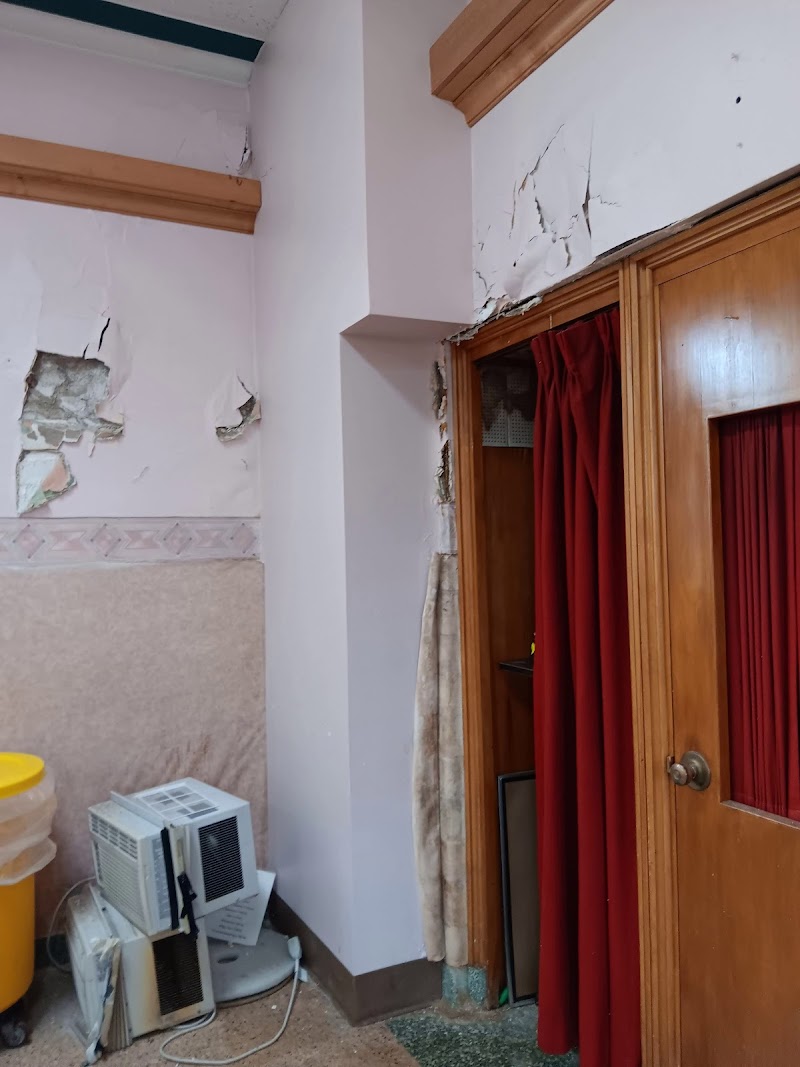
**NOTE- TERMS IN BRACKETS HAVE BEEN EDITED TO PROTECT CONFIDENTIALITY** Based on observation, record review, and interview conducted during complaint investigations (Complaint NY00314500 and NY00308655) during the Standard survey completed on 4/21/23,the facility did provide a safe, clean, comfortable, and homelike environment. The facility did not ensure that housekeeping and maintenance services were adequate, to maintain a sanitary, orderly, and comfortable interior. Specifically, two (Units 5 and 6) of four resident units reviewed for the environment had issues as follows; unlabeled resident urinals and graduated cylinders in shared bathrooms; fall mat in disrepair; brown liquid splatters with drips on a wall; hand rail in resident shower room loose and broken; a rusty commode; a fly paper strips (fly-killing device made of paper coated with a sweetly fragrant, but extremely sticky and sometimes poisonous substance that traps flies and other flying insects when they land upon it) in resident rooms and in a nourishment room; a shower chair in disrepair; and dried brown stains on a resident's closet, wall, and door, and a missing ceiling tile in a resident room.
The findings are:
A policy and procedure titled Safe, Homelike Environment dated 1/1/2018 documented that the resident has a right to safe, clean, and homelike environment.
1) Intermittent observations on 4/17/23 between 9:00 AM to 4:00 PM on Unit 5 revealed:
Resident room [ROOM NUMBER] - unlabeled urinals were stored in the shared bathroom, on a towel bar by the door.
Resident room [ROOM NUMBER] - unlabeled urinals and an unlabeled graduated measuring cylinder was stored in a shared bathroom, on a towel bar by the door. Additional intermittent observations on 4/18/23 between 8:00 AM to 12:00 PM on Unit revealed room [ROOM NUMBER] had unlabeled urinals and an unlabeled graduated measuring cylinder in a shared bathroom on a towel bar by the door
During an interview on 4/20/23 at 9:02 AM Certified Nurse Aide (CNA) #1, t stated that resident use equipment should be labeled with the resident's name and room number.
During an interview on 4/20/23 at 9:08 AM, Licensed Practical Nurse (LPN) #1, stated that resident care equipment should be labeled with the resident's name and room number. LPN #1 stated that the unlabeled equipment should be thrown away.
During an interview on 4/21/23 at 11:24 AM with the Director of Nursing (DON), they stated that all resident equipment should be labeled and stored in the residents' area, like a nightstand.
During an interview on 4/21/23 at 10:42AM with the per diem Infection Preventionist (IP), the IP stated that resident care equipment should be labeled with the resident's name, room number and put away in the resident's nightstand again to prevent cross contamination.
2) During intermittent observations from 4/17/23 through 4/19/23 between 9:00 AM and 1:30PM, on Unit 6 revealed:
Resident room [ROOM NUMBER] - sticky fly paper secured to wall by flat headed pin between dressers in room, above trash can with multiple small dead flying insects. Additionally, on 4/18/23 at 9:37 AM and 2:43 PM an insect trap was observed hanging from privacy curtain track between beds in Resident room [ROOM NUMBER] with appearance of small dead insects present.
Resident room [ROOM NUMBER]W - a fly strip hanging from the ceiling sprinkler with approximately 13 black insects stuck to it.
Unit 6 Nourishment Room - a fly strip with approximately 30 black insects stuck to it hanging on the wall. Observed on the wall, five inches away from the fly strip, was a sticky, amber colored substance approximately 12 inches long with black debris on it. This substance was 18 inches from the nourishment refrigerator. Further observations on 4/19/23 between 12:00 PM and 2:00 PM revealed the Unit 6 Nourishment Room fly strip had been removed, but the sticky, amber colored substance with the black debris was still on the wall.
During an interview on 4/19/23 at 12:15PM, Resident #5, stated that the fly strip in the resident room was gross, and they try not to look at that side of the residents' room, so they don't see it.
During an interview on 4/20/23 at 9:31 AM the Director of Housekeeping and Laundry, stated that there should no fly paper strips in the building, and they need to be removed.
During an additional interview on 4/21/23 at 8:28 AM, the Director of Housekeeping and Laundry stated resident rooms should not contain fly paper/traps. They were not sure where they came from, when they were put up or by whom. Their expectation would be for staff to inform them if found and remove them because they shouldn't be up. Director of Housekeeping and Laundry stated fly paper, traps are nasty, contaminated with bugs and are not homelike.
During an interview on 4/21/23 at 10:42 with the per diem Infection Preventionist (IP), the IP stated that the fly paper strips hanging from walls or ceilings could cause cross contamination especially in a nourishment room.
During an interview on 4/21/23 at 11:24 AM, the Director of Nursing (DON), they stated that there should be no fly strips in any area of the facility. The DON stated, that's what we have an exterminator for.
3) Intermittent observations on 4/17/23 between 9:00 AM to 4:00 PM on Unit 5 revealed:
Resident room [ROOM NUMBER] had a fall floor mat with tears approximately six to eight inches long, along the corners of the mat.
During an interview on 4/20/23 at 9:02 AM CNA #1 stated that resident floor mats that have tears in them should be replaced.
During an interview on 4/20/23 at 9:08 AM Licensed Practical Nurse (LPN) #1 stated a fall mat with exposed foam should be replaced.
During an interview on 4/20/23 at 9:31 AM with the Director of Housekeeping and Laundry, they stated that they did an audit of fall mats and removed all the ones in disrepair. They stated that they must have missed that fall mat, but they will replace it immediately.
4) During an interview on 4/17/23 at 8:59 AM Resident #65 stated they refuse to take a shower because the shower chair is wobbly and unsafe and had reported it to the nursing staff.
During an interview on 4/17/23 at 12:07 PM CNA # 5 stated they were aware Resident #65 expressed they were afraid of the shower chair tipping over and reported it to a nurse but was unable to recall whom they reported it too.
During an interview on 4/17/23 at 12:17 PM LPN #6 stated they were aware Resident #65 was afraid the shower chair would tip over and reported it to the Unit Manager (UM) RN #2. Additionally, LPN #6 stated the shower chair looks like it functions, but it does wobble when residents are in it.
During an interview on 4/19/23 at 12:24 PM UM RN # 2 stated they do not recall any concerns with the shower chair.
During an observation on 4/19/23 at 12:37 PM of Unit 5 shower chair all four wheels do not swivel while maneuvering the chair, three of the wheels are locked in a forward rolling position and the left back wheel is locked in an angled position preventing chair from rolling forward and turning smoothly.
During an interview and observation on 4/19/23 at 2:10 PM Maintenance #2 stated the Unit 5 shower chair's wheels are frozen in place not allowing any of the wheels to swivel and the left back is frozen in an angled position. Additionally, Maintenance #2 stated it would be very difficult for staff to push or pull a resident in this shower chair and it needs to be taken out of service and repaired or replaced because it is unsafe.
During an interview on 4/20/23 at 1:28 PM the DON stated they would have expected the shower chair to have been reported that it was not working properly and fixed or replaced for resident use and safety.
5) Intermittent observations on 4/18/23 between 8:00 AM to 12:00 PM on Unit 5 and Unit 6 revealed:
Resident room [ROOM NUMBER] - three brown liquid, circular shaped splatters approximately two inches in diameter, with 14 drips on the wall approximately ½ inch to eight inches long underneath the splatters; privacy curtain with approximately eight white debris spots approximately ½ inch in diameter.
Resident room [ROOM NUMBER] - floor sticky with footprints leading to the resident's bed.
Resident room [ROOM NUMBER] - floor had multiple amounts of debris and dust on it; edges and corners had black debris build-up; cobwebs hanging from the ceiling behind the door, by the window and in the corners; a dead spider hanging from the cobweb behind the door; and blackish/ brown color splatters on the wall across from the bed and on the wall next to the bed by the door, and the commode in room [ROOM NUMBER] was rusted. During an interview on 4/20/23 at 1:24 PM Registered Nurse (RN) #2, Charge Nurse acknowledge the commode in
room [ROOM NUMBER] was rusted. They stated they will need to get a new commode for room [ROOM NUMBER] as it should not be rusted and if the resident were to scratch themselves on it, they could get injured
Resident room [ROOM NUMBER] - no paper towel dispenser in the bathroom. Above the toilet there were small holes in the wall which appeared to have been where a paper towel dispenser used to be. During an interview on 4/20/23 at 1:24 PM Registered Nurse (RN) #2, Charge Nurse stated maintenance will need to replace the paper towel dispenser because if the resident is unable to wash their hands it could be an infection control issue.
During an interview on 4/20/23 at 9:31 AM with the Director of Housekeeping and Laundry, stated that any wall splatters and the cleanliness of the rooms are the responsibility of the housekeeper. If the housekeepers cannot remove a stain or debris in a resident's room, they need to report to them.
6) Observations made in Resident room [ROOM NUMBER] on 4/19/23 at 12:26 PM, 4/20/23 at 8:39 AM, 4/20/23 at 4:49 PM, and on 4/21/23 at 8:16 AM revealed, #628W's closet doors and closet door handles had dried, brown debris splattered on them, approximately two feet wide by four feet high. The bed closest to the door had issues with the wall and bathroom covered in brown debris approximately ¼ inch to one inch in diameter with oval shaped areas that were ¼ inch to three inches long from the floor to approximately three feet up the wall.
During an interview on 4/20/23 at 8:52AM, Housekeeper #1 stated that daily cleaning of resident rooms involved sweeping the room, emptying the trash, mopping the floor, pulling the dressers away from the wall and cleaning behind them, wiping walls and doorknobs, and adding extra bags to the trash cans for the day. Housekeeper #1 also stated that tray tables and dresser tops were to be wiped daily. Housekeeper #1 accompanied the surveyors to the resident's room to look at the closet. Housekeeper #1 stated the closet door, sides, and handled were unclean and had been like that before they came to work at this facility. They stated they did not have the proper utensils to clean the closet and this job required a scraper. Housekeeper #1 then stated they had not noticed the state of the closet doors, handles and sides before, but should have noticed. Housekeeper #1 stated that they were not able to remove any debris from the wall or bathroom door. Housekeeper #1 then stated they should be reporting any areas they are not able to clean to the Director of Housekeeping and Laundry.
During an interview on 4/21/23 at 8:28 AM, the Director of Housekeeping and Laundry, stated the closet doors, sides, and handles in Resident room [ROOM NUMBER] needed to be wiped down. They stated the brown debris on the walls required a wipe down to be clean. The Director of Housekeeping and Laundry stated that they expected housekeeping staff to see them if they are unable to clean a certain area. They stated that the brown debris issues were not reported to them.
7) Intermittent observations on 4/18/23 between 8:00 AM to 12:00 PM on Unit 5 revealed:
The Unit 5 Spa Room - the third shower stall had a loose and broken handrail. During an interview on 4/20/23 at 1:24 PM Registered Nurse (RN) #2, Charge Nurse acknowledge the broken handrail in the spa room on Unit 5and stated maintenance will need to fix the hand bar in the shower room because if it were to break off a resident could injure themselves.
8) Intermittent observations from 4/17/23 through 4/21/23 between 7:54 AM and 5:04 PM revealed a missing ceiling tile in Resident room [ROOM NUMBER]W (window). During an interview on 4/21/23 at 7:54 AM, the Resident in the room stated the ceiling tile has been missing for a while.
During an interview on 4/21/23 at 7:56 AM, CNA (certified nursing assistant) #8 stated they did not know why there was a missing ceiling tile and wasn't sure if maintenance was aware. CNA #8 stated something could drop down onto the resident and that ceiling tiles shouldn't be missing.
During an interview on 4/21/23 at 9:09 AM, LPN (Licensed Practical Nurse) #10 stated Resident room [ROOM NUMBER]W should not be missing ceiling tile as it was a safety concern and did not make the room homelike. LPN #10 stated if maintenance wasn't aware they would put in a request to have it replaced.
10 NYCRR 415.5(h)(2)
CONCERN
(D)
📢 Someone Reported This
A family member, employee, or ombudsman was alarmed enough to file a formal complaint
Potential for Harm - no one hurt, but risky conditions existed
Comprehensive Care Plan
(Tag F0656)
Could have caused harm · This affected 1 resident
Based on observation, interview, and record review conducted during a Complaint investigation (Complaint # NY00314500) during the Standard survey completed on 4/21/23, the facility did not ensure comp...
Read full inspector narrative →
Based on observation, interview, and record review conducted during a Complaint investigation (Complaint # NY00314500) during the Standard survey completed on 4/21/23, the facility did not ensure comprehensive care plans (CCP) were developed and implemented for each resident consistent with the resident rights and that included measurable objectives and timeframes to meet a resident's medical, nursing, and mental and psychosocial needs. Specifically, one (Resident #46) of four residents reviewed for pressure ulcers did not have a comprehensive care plan developed for a resident with multiple pressure ulcers with measurable goals and interventions.
The finding is:
1. Resident #46 had diagnoses included type 2 diabetes mellitus with diabetic neuropathy (disorder affecting nervous system), unspecified open wound left foot, and anemia due to stage 4 chronic kidney disease. The Minimum Data Set (MDS- a resident assessment tool) dated 2/10/23 documented Resident #46 had moderate cognitive impairment. The resident was a risk for developing pressure ulcers and had one unhealed pressure ulcer (PU) stage 3 present on admission.
The Comprehensive Care Plan (CCP) identified as current last revised 4/5/23 revealed there was no documented evidence a comprehensive care plan was developed with measurable goals and interventions to address Resident #46 pressure ulcers.
Resident #46's Comprehensive Closet Care Plan (used by staff to provide care) dated 8/9/22 and last updated on 4/5/23, did not document interventions for skin care and positioning devices. The resident was non ambulatory and required 2 extensive assist for transfers and positioning in bed.
Review of a hospital Wound & Skin Nurse Clinical Note-Initial Consult dated 2/3/23 documented a Stage 3 (full thickness skin loss potentially extending into the subcutaneous tissue layer) sacral pressure ulcer that was present on admission, a left foot diabetic ulcer to the left ankle and a hard dry callous to left planter (bottom) heel.
Review of a progress note dated 2/7/23 by the facility Nurse Practitioner #1 documented, left foot wound: will consult wound care specialist for further evaluation and continue treatment per recommendations by hospital.
Review of a Wound Evaluation & Management Summary dated 2/20/23 documented Resident #46 had a Stage 3 pressure ulcer of the left, lateral ankle that measured 0.5 x 0.9 x 0.2 cm (centimeters) and a Stage 4 (full thickness skin loss potentially exposing muscle, tendon and even bone) pressure ulcer to the sacrum with a duration greater than 221days.
Review of a Wound Evaluation & Management Summary dated 4/10/23, documented the resident's Stage 4 sacral pressure ulcer had improved and the documented duration of the ulcer was greater than 268 days.
During an observation on 4/17/23 at 1:09 PM, 4/18/23 at 3:21 PM and 4/19/23 at 9:07 AM, Resident #46 was lying in bed and had a white gauze wrap around left ankle and heel. Additionally, Resident #46 was wearing a pressure relieving soft bootie on left their heel.
During an observation on 4/20/23 at 11:03 AM, Resident #46 was out of bed sitting in wheelchair wearing a yellow non-skid sock over gauze bandage on left foot. The resident did not have on a pressure relieving soft bootie.
During an observation of treatment to left ankle on 4/20/23 at 12:40 PM, LPN #7 removed wrapped white gauze dressing and large gauze pad covering from Resident #46's left ankle and heel. The gauze pad covering ulcer had a small amount of tannish drainage from medial aspect of left foot/heel. A Stage 2 (partial-thickness skin loss) pressure ulcer approximately the size of a quarter was observed with macerated (wet, moist wrinkly) skin to medial (inside) aspect of left foot/heel. Left lateral (outer) ankle was observed with an unstageable (unable to stage) dime sized raised soft dark tan scab, with surrounding erythema (redness).
During an interview on 4/20/23 at 1:07 PM, Certified Nursing Assistant (CNA) #8 stated they believed Resident #46 was supposed to wear a boot to their left leg and it would be on the resident's closet care plan (CP). CNA #8 viewed Resident #46 closet care plan posted on the resident's closet and stated the bootie wasn't on there. CNA #8 stated staff wouldn't know Resident #46 was to wear a boot on their left leg if it wasn't on the closet CP.
During an interview on 4/21/23 at 8:39 AM, Registered Nurse Supervisor (RN) #1 stated the unit managers initiate and update the resident care plans for pressure ulcers.
During an observation and interview with the Assistant Director of Nursing (ADON) of a treatment to Resident #46's left ankle on 4/21/23 at 8:47 AM, revealed a Stage 2 pressure ulcer to the medial aspect of left foot/heel with skin maceration and surrounding erythema (redness). The left lateral ankle with dime size dark tan scab present with erythema surrounding scab. ADON stated when there was a scab like that it is considered an unstageable pressure ulcer.
During an interview on 4/21/23 at 10:19 AM, the Director of Nursing (DON) stated the team, all disciplines, were responsible to ensure resident comprehensive care plans (CCP) were completed. DON stated it was important for residents to have a CCP to show specific clinical pathways, individual needs of the residents. After review of Resident #46 CCP in electronic record, DON stated their CCP was not done, and it should've been.
10NYCRR 415.11(c)(1)
CONCERN
(D)
Potential for Harm - no one hurt, but risky conditions existed
ADL Care
(Tag F0677)
Could have caused harm · This affected 1 resident
**NOTE- TERMS IN BRACKETS HAVE BEEN EDITED TO PROTECT CONFIDENTIALITY** Based on observation, interview and record review conducted during a Standard survey completed on 4/21/23, the facility did not ...
Read full inspector narrative →
**NOTE- TERMS IN BRACKETS HAVE BEEN EDITED TO PROTECT CONFIDENTIALITY** Based on observation, interview and record review conducted during a Standard survey completed on 4/21/23, the facility did not ensure that each resident who was unable to carry out Activities of Daily Living (ADL's) received the necessary services to maintain grooming and personal hygiene for three (Residents #63, #65 and #78) of eleven residents reviewed. Specifically, Resident #63 had multiple long ¼ inch whiskers on their chin, Resident #65 had unkempt, oily disheveled hair, had not received hair washing for greater than 2 months and wanted their hair washed; and Resident #78 had long fingernails greater than ¼ inch beyond their fingertips.
The findings are:
The facility policy and procedure (P&P) titled Routine Care (AM/PM) dated 2/2015, documented routine care rendered by the nursing staff included attention to the physical preference to the patient/resident in the assessment, planning and provision of care. Total bath (bed, shower or tub) washes the resident in sequence (face, chest, abdomen, arms, hands, anterior perineum (area between anus and genitalia), change water, back, legs feet, posterior perineum). In addition, the policy documented, assess facial hair and remove; assess nails and clean, clip or trim.
The P&P titled Fingernail and Toenail Care dated 7/3/12 documented, Residents hands and fingernails will be monitored during weekly skin assessments or on resident's bath days.
1. Resident #63 had diagnoses which included dementia, anorexia (an eating disorder characterized by restriction of food intake leading to low body weight) and malaise (a general feeling of discomfort, illness or uneasiness). Review of a Minimum Data Set (MDS - a resident assessment tool) dated 4/3/23 documented the resident had severe cognitive impairment and required extensive assistance of one for personal hygiene.
Review of Resident #63's comprehensive care plan (CCP) with initiated date of 4/18/22 documented resident had an ADL self-care performance deficit, interventions included extensive assistance was required for grooming.
Review of Resident #63's undated Closet Care Plan (a guide for staff to provide care) identified as current by the Director of Nursing (DON), documented the resident required extensive assistance for personal care including grooming.
Review of Resident #63's Progress Notes dated 1/6/23 - 4/19/23 revealed no evidence that the resident refused to have the whiskers shaved from their chin.
During intermittent observations on 4/17/23 at 12:12 PM, 4/18/23 at 3:59 PM, 4/19/23 at 10:18 AM, and 4/20/23 at 7:47 AM and 10:15 AM with multiple ¼ long whiskers on their chin.
During an interview on 4/20/23 at 11:34 AM, Certified Nurse Aide (CNA) #6 stated they were familiar with Resident #63 and was responsible for their care and did not offer to shave the resident's whiskers from their chin this morning and should have. During another interview and observation on 4/20/23 at 11:42 AM, CNA #6 provided facial hair removal from Resident #63's chin, and Resident #63 was observed to be sitting calmly in their wheelchair (w/c) and positioned their chin in a manner for CNA #6 to easily shave their whiskers from their chin. CNA #6 stated the resident should have been shaved this morning during care.
During an interview on 4/20/23 at 1:13 PM, the DON stated they would have expected the CNAs to have shaved Resident #63's chin whiskers on their shower day or as needed for dignity.
2. Resident #65 had diagnoses which included anxiety, major depressive disorder and cerebral infarction (a stroke). Review of a MDS dated [DATE] documented the resident was cognitively intact and required extensive assistance of 2 for personal hygiene.
Review of Resident #65's CCP with initiated date of 12/15/21 documented the resident was supposed to have a shower/bed bath twice weekly and as needed. The resident had an ADL self-care performance deficit related to generalized weakness; interventions included extensive assistance with bathing.
Review of Resident #65's undated Closet Care Plan (identified as current by the Director of Nursing (DON)) documented the resident required extensive assistance of one with bathing.
During an observation and interview on 4/17/23 at 9:07 AM, Resident #65 stated it's been months since they had their hair washed because they are provided a bed bath and the staff don't offer to wash their hair while in bed and they want their hair washed. The resident's hair was oily and unkempt.
During intermittent observations on 4/18/23 at 3:26 PM and 4/19/23 at 8:49 AM Resident #65's hair was oily and unkempt.
During an interview on 4/19/23 at 12:01 PM, CNA #7 stated they were familiar with Resident #65 and had provided care to the resident but had not provided hair washing because the resident was provided a bed bath and the facility did not have any equipment to wash a resident's hair while in bed; such as dry shampoo, hair washing cap or bed hair washing trays. CNA #7 stated they had not told the nurses that the resident needed their hair washed and should have.
During an interview on 4/19/23 at 12:07 PM, CNA # 5 stated they were familiar with Resident #65 and had provided care to them in the past and the resident needed their hair washed because it was oily, and all knotted up in the back of their head and probably needed to be cut. CNA #5 stated the resident received a bed bath and the facility did not have any equipment to wash a resident's hair in bed.
During an interview on 4/19/23 at 12:17 PM, Licensed Practical Nurse (LPN) #6 stated they were familiar with Resident #65 and stated the resident was provided bed baths and they didn't think the facility had any equipment such as dry shampoo, shower caps or bed hair washing trays to wash the resident's hair.
During an interview on 4/19/23 at 12:24 PM, Unit Manager (UM) Registered Nurse (RN) #2 stated Resident #65 was provided a bed bath and was unable to have their hair washed unless the resident was provided a shower because the facility did not have any equipment to wash the resident's hair while in bed.
During an interview on 4/20/23 at 1:28 PM, the DON stated Resident #65 should have had their hair washed even if they were in bed, during their bed bath on the scheduled shower day. The DON stated they believed the facility had dry shampoo and shower caps available but was not certain and would have expected the nursing staff to have notified them if they did not have equipment to wash the resident's hair. The DON stated they expected the nursing staff to ensure the resident's hair was washed for cleanliness and dignity.
3. Resident #78 had diagnoses which included right side hemiplegia (paralysis of one side of the body), Parkinson's Disease (a disorder of the central nervous system that affects movement) and gastro-esophageal reflux disease. Review of the MDS dated [DATE] documented the resident usually understands and sometimes is understood and was unable to complete a cognitive interview. The MDS further documented the resident required extensive assistance of one person for personal hygiene.
Review of Resident #78's CCP dated 12/23/21, documented the resident had decreased self-care skills, interventions included extensive assist was required for grooming, and shower/bed bath twice weekly and as needed.
Review of Resident #78's undated Closet Care Plan (identified as current by the DON) documented the resident required extensive assistance of one with grooming.
During intermittent observations on 4/18/23 at 9:07 AM and 3:48 PM, on 4/19/23 at 10:38 AM and 12:58 PM, Resident #78's fingernails on their left hand (thumb, index finger and fifth finger) were long-greater than a ¼ inch beyond the fingertip pad and on their right hand all fingernails were long- greater than a ¼ inch beyond the fingertip and curving downward towards the palm of the hand.
During an interview and observation on 4/19/23 at 1:11 PM, CNA #4 stated they had provided care to Resident #78 today and they were responsible to trim resident's fingernails and did not notice the length of the resident's fingernails today. CNA #4 observed Resident #78's fingers and stated the resident's left-hand thumb, index and fifth fingernails were very long and the resident's right hand all fingernails were very long and curving downward toward the palm of the hand and they all need to be trimmed. CNA #4 stated the resident's fingernails should be trimmed during shower day and as needed and she should have noticed the length of the resident's fingernails this morning during care and trimmed them.
During an interview on 4/19/23 at 1:25 PM, LPN #5 stated resident's receive fingernail care weekly on shower days and is documented on the Shower/Skin Check form. LPN #5 reviewed the electronic medical record (EMR) for Resident #78 and stated the last documented weekly skin check was on 8/2/22.
During an observation and interview on 4/19/23 at 1:46 PM, LPN #5 stated Resident #78's fingernails were very long and should have been trimmed. LPN #5 stated the fingernails were approximately 1 inch in length on the left-hand thumb, index and 5th finger and all fingernails on the right hand. LPN #5 stated Resident #78 did not have a diagnosis of diabetes therefore it was the CNAs responsibility to trim the resident's fingernails.
During an interview on 4/19/23 at 1:46 PM, Assistant Director of Nursing (ADON) RN #3 stated the CNAs were responsible to trim resident's fingernails on shower days and as needed unless the resident had a diagnosis of diabetes, and the nurses should be documenting if nails were trimmed on the Shower/Skin Check weekly. ADON RN # 3 reviewed the EMR and stated the last documented Shower/Skin Check form was completed on 8/2/22 and documented nails trimmed - yes. The ADON RN #3 stated they believed the Shower/Skin Check form should have been completed twice weekly indicating if nail care was provided and it wasn't.
During an interview on 4/20/23 at 1:19 PM, the DON stated they would have expected the CNAs to have trimmed the resident's fingernails on shower days and as needed and the nurses should be ensuring the fingernails were trimmed, there is not a regularly scheduled unit manager on the unit at this time. Fingernails were to be trimmed for hygiene, skin integrity, comfort, and infection control purposes. The DON further stated the facility did not enforce the use of the Shower/Skin Check form and expected the CNAs and nurses to be aware of the length of resident's fingernails and trim them as needed during daily care.
10NYCRR 415.12 (a)(3)
CONCERN
(D)
Potential for Harm - no one hurt, but risky conditions existed
Deficiency F0679
(Tag F0679)
Could have caused harm · This affected 1 resident
**NOTE- TERMS IN BRACKETS HAVE BEEN EDITED TO PROTECT CONFIDENTIALITY** Based on observation, interview, and record review conducted during a Standard survey completed on 4/21/23, the facility did not...
Read full inspector narrative →
**NOTE- TERMS IN BRACKETS HAVE BEEN EDITED TO PROTECT CONFIDENTIALITY** Based on observation, interview, and record review conducted during a Standard survey completed on 4/21/23, the facility did not provide, based on the comprehensive assessment and care plan and the preferences of each resident, an ongoing program to support residents in their choice of activities, both facility-sponsored group and individual activities and independent activities, designed to meet the interests of and support the physical, mental, and psychosocial well-being of each resident encouraging both independence and interaction in the community for one (Resident #78) of one resident reviewed for activities. Specifically, Resident #78 was not in attendance of activities according to their preference and comprehensive assessment due to the lack of being not gotten up and out of bed and not being asked if they wanted to attend activities.
The finding is:
The facility undated policy and procedure (P/P) titled Activities Protocol identified as current by the Administrator, documented the facility will provide an ongoing program of activities to meet in accordance with the resident assessment, the interests and physical, mental and psychosocial well -being of each resident. To promote and maintain the resident's sense of usefulness to self and others, make his or her life more meaningful, stimulate and support the desire to use his or her physical and mental capabilities to the fullest extent and enable the resident to maintain a sense of usefulness and self-respect. To provide an ongoing program of activities to meet the interests, physical, mental, and psychological needs of each resident.
The P/P titled Resident Rights Policy dated 10/2016 documented the Resident Rights were developed to ensure that each resident's rights were protected and promoted. That each resident be encouraged and assisted in the fullest exercise of these rights and are afforded their right to a dignified existence, self-determination, respect, full recognition of their individuality, consideration and privacy.
Review of the document Your Rights as a Nursing Home Resident in New York State provided by the Administrator of the facility dated 2022 revealed Self-Determination is having the right to be offered choices and allowed to make decisions important to you and receive services with reasonable accommodations for individual needs and preferences.
Resident #78 had diagnoses including right side hemiplegia (paralysis of one side of the body), Parkinson's Disease (a disorder of the central nervous system that affects movement) and gastro-esophageal reflux disease. The Minimum Data Set (MDS - a resident assessment tool) dated 2/1/2023 documented Resident #78 usually understands, sometimes understood and was unable to complete a cognitive interview. In addition, the resident did not exhibit rejection of care. The MDS dated [DATE] documented the Activity Preferences for Resident #78 were somewhat important to do things with groups of people, to do favorite activities, and go outside.
Review of the untitled comprehensive care plan (CCP) identified as current by the Director of Nursing (DON) with initiated date 12/23/21 revealed Resident #78 was dependent on staff etc., for meeting emotional, intellectual, physical and social needs, resident will maintain involvement in cognitive stimulation, social activities as desired. Interventions included: invite resident to scheduled activities, provide activities calendar, notify resident of any changes to the calendar of activities. The resident's preferred activities are BINGO, jeopardy, uno, and word search.
Review of the Closet Care Plan revealed Resident #78's Activities was blank with no documented interventions.
Review of the Progress Notes dated 3/2/23 through 4/19/23 revealed there was no documented evidence Resident #78 was offered to attend activity programs and refused. In addition, there was no documented evidence resident refused to get out of bed.
During intermittent observations on 4/18/23 at 8:49 AM and 3:48 PM and 4/19/23 at 10:38 AM, 12:58 PM and 1:40 PM Resident #78 was in the bed with facility gown on. No activities provided in the room noted. Television noted to be on.
During an interview and observation on 4/18/23 at 3:48 PM and 4/19/23 at 10:38 AM Resident #78 stated Yes when asked if they would like to go to an activity and stated No when asked if staff had asked them to attend activity programs. Observation of Resident #78's room revealed no Activity Calendar present.
Review of the April 2023 Activities Calendar revealed BINGO and games were offered on April 17 and April 18. In addition, various other activities were offered such as make overs, movie, arts and crafts on April 17, 18, and 19 with no specific times.
During an interview on 4/19/23 at 2:19 PM the Activities Director (AD) stated Resident #78 wants to attend activities and they have informed the nursing staff when the resident indicates they want to attend, but often the resident is not out of bed in time for the activity. The AD stated they had not reported the resident was not able to attend and should have reported it to the Assistant Director of Nursing (ADON) or Director of Nursing (DON) because there is no Unit Manager (UM) on the resident's unit. They stated Resident #78's son always tells them the resident wants to attend and when the resident does come to the activity, they stay approximately 30 minutes. The last time the resident attended an activity program was approximately 4 weeks ago because the resident was out of bed in time. The AD stated they do not provide an Activity Calendar to each resident as indicated on the CCP. They had not developed an Activity Calendar in January 2023, February 2023 and has no evidence a calendar was developed for March 2023, as they believe they had thrown out the calendar for March. Additionally, the AD stated the April Activity Calendar does not indicate the times of the activities because they have activities all day long. Upon request to review the attendance records the AD stated they do not document resident attendance to activities. The AD stated they have not asked Resident #78 to attend any activities this week because they were too busy.
During an interview on 4/20/23 at 10:12 AM Certified Nursing Assistant (CNA) #6 stated the resident was pleased to be out of bed and had fun in BINGO today. CNA #6 stated they do not know if the resident had been offered activity programs in the past but believe activities are important to promote a quality of life, and physical and mental exercise to the residents.
During an interview on 4/20/23 at 1:14 PM the DON stated activities are important and would expect the resident to attend activities per their preferences.
10 NYCRR 415.5(f)(1)
CONCERN
(D)
Potential for Harm - no one hurt, but risky conditions existed
Accident Prevention
(Tag F0689)
Could have caused harm · This affected 1 resident
Based on observation, interview, and record review conducted during a Standard survey completed on 4/21/23, the facility did not ensure that the residents' environment remained as free from accident h...
Read full inspector narrative →
Based on observation, interview, and record review conducted during a Standard survey completed on 4/21/23, the facility did not ensure that the residents' environment remained as free from accident hazards as possible, and each resident receives adequate supervision and assistance devices to prevent accidents for one (Resident #404) of two residents reviewed. Specifically, the facility did not ensure Resident #404 had a call device to request assistance and the resident fell on the floor in their room which resulted in bruising to their left forehead.
The finding is:
1. Resident #404 had diagnoses including anxiety disorder, Parkinson's Disease, and chronic obstructive pulmonary disease (COPD). The Minimum Data Set (MDS, a resident assessment tool) dated 3/24/23 documented Resident #404 was cognitively intact, understood, and understands. The resident required extensive assist of one with bed mobility and supervision of one assist for transfers.
The Comprehensive Care Plan (CCP) initiated on 3/31/23 documented Resident #404 is at risk for falls related to deconditioning, gait/balance problems. Interventions included: anticipate and meet resident needs, be sure the resident's call light was within reach and encouraged the resident to use it for assistance as needed; the resident needed prompt response to all requests for assistance, and the resident needed a safe environment with a working and reachable call light.
Review of the un-witnessed incident report dated 4/16/23 at 1:49 AM, documented Resident #404 complained of transferring themselves without assist. Resident #404 obtained a bruise post fall to their forehead measuring 2 centimeters by 1 centimeter. Immediate action taken included a PT (physical therapy) referral and encouraged to call staff for assist.
During an observation and interview on 4/17/23 at 9:24 AM, Resident #404 stated they currently don't have a call bell and haven't had one since they moved into this room three days ago. The resident stated they had no means to call for help when they fell the other day trying to stand up to go to the bathroom from their bed. Resident #404 stated they had to physically get themselves up off the floor, get in their wheelchair and go get help. Resident #404 stated they hit their head on the metal frame of the tray table. The resident's left upper forehead above their left eye was observed with a raised area and fading bruise. Additionally, Resident #404 stated they absolutely would have used a call device if they had one. The resident had no functional call bell or tap bell in their room at this time.
Observation on 4/18/23 at 9:02 AM, revealed the resident had no functional nurse call bell or tap bell in their room. The call bell cord and call bell station cover were observed unattached from the wall, sitting at the foot of the bed.
During a telephone interview on 4/19/23 at 1:39 PM, Licensed Practical Nurse (LPN) #11 stated they didn't pay any attention to whether Resident #404 had a call bell on the night of their reported fall. LPN #11 stated they observed last night that resident #404 did not have a call bell and but had a tap bell. Additionally, LPN #10 stated all residents should have a call bell so they can get help when they need it.
During a telephone interview on 4/19/23 at 1:52 PM, Registered Nurse Supervisor (RN) #6 stated staff had reported to them that Resident #404 fell out of bed on 4/16/23. RN #6 stated resident #404 stated they called out but didn't mention anything about their call bell not working to them. RN #6 stated they did not check the resident's call bell because Resident #404 was brought down to see them. RN #6 stated they weren't aware of any missing call bells and didn't know why they didn't check for one when completing the incident report. RN #6 stated Resident #404 should have had a call bell so they could get in touch with the staff.
During an interview on 4/20/23 at 5:39 PM, the Director of Nursing (DON), stated they were not aware Resident #404 had gotten themselves up off the floor on 4/16/23. The DON stated if a resident's call bell was not working, a tap bell can be given, and if they were unable to use a tap bell the resident should be placed on 30-minute checks. The DON stated resident #404 should have had a call bell.
10 NYCRR 415.12(h)(2)
CONCERN
(D)
Potential for Harm - no one hurt, but risky conditions existed
Drug Regimen Review
(Tag F0756)
Could have caused harm · This affected 1 resident
Based on interview and record review conducted during the Standard survey completed on 4/21/23, the facility did not ensure that the pharmacist reported irregularities to the attending physician, the ...
Read full inspector narrative →
Based on interview and record review conducted during the Standard survey completed on 4/21/23, the facility did not ensure that the pharmacist reported irregularities to the attending physician, the facility's Medical Director and the Director of Nursing (DON), and these reports must be acted upon for one (Resident #34) of five residents reviewed for drug regimen reviews. Specifically, Resident #34 was ordered Haldol (antipsychotic medication) prn (as needed) for agitation from 1/30/23 to 2/28/23. The Consultant Pharmacist did not identify and recommend the discontinuation of the prn antipsychotic medication after 14 days.
The finding is:
1.Resident #34 had diagnoses including bipolar disorder, major depressive disorder, and schizophrenia. The Minimum Data Set (MDS- a resident assessment tool) dated 1/8/23 documented Resident #34 was understood, understands and cognitively intact. Antipsychotic medication was being used over the past seven days.
The untitled comprehensive care plan dated 7/2/19, documented Resident #34 used psychotropic medications related to behavior management for diagnoses of bipolar disorder and schizophrenia.
The Order Recap Report dated 1/1/23- 4/20/23 documented an order for Haldol Injection Solution (Haloperidol Lactate) inject 2 mg intramuscularly every 24 hours as needed for agitation with start date of 1/30/23 and end date of 2/28/23.
The Medication Regimen Review (MRR) dated February 2023 and completed by the Consultant Pharmacist documented Resident #34 was reviewed on 2/15/23 with No Irregularities Noted.
The Physician Progress Note dated 1/30/23 documented Resident #34 would be started on Haldol 2 mg IM as needed once a day due to bipolar and manic episodes and paranoid behavior and recurrent ER (emergency room) visits.
The Physician Progress Note dated 3/2/23 documented Resident #34 was on Haldol 2 mg IM as needed once a day. Staff reported Haldol had not been utilized. Will discontinue Haldol for now.
During a telephone interview on 4/20/23 at 9:14 AM, the Medical Director stated Resident #34 was having bad behaviors since Christmas time and felt they needed a prn antipsychotic medication. The Medical Director stated, I was not aware that a prn antipsychotic medication needed to be reordered after 14 days and documentation for justification for the use of the antipsychotic medication. They stated they stopped the medication because the resident was not using it.
During a telephone interview on 4/20/23 at 9:26 AM, the Consultant Pharmacist stated prn antipsychotic medications should not be ordered more than 14 days. After 14 days the medication needs to be re-ordered and the physician needs to document the reason for the need of the medication and how this medication will benefit the resident. The Consultant Pharmacist stated, they should have caught the order for Haldol 2 mg IM as needed once a day during their MRR review on 2/15/23 and should have written a note to the physician regarding this. The Consultant Pharmacist stated, I do not know how or why I missed this order.
During an interview on 4/20/23 at 10:06 AM, the Director of Nursing (DON) stated the prn orders for antipsychotic medications needed to be stopped after 14 days at which time they need to be re-ordered with a documented justification for the continued use. The DON stated, they would have expected the Consultant Pharmacist to have caught this order as they are better at the medication regulations than anyone else.
A policy and procedure for Medication Regime Review and Consultant Pharmacist were requested on 4/20/23. The facility did not provide any policy and procedure regarding this.
10 NYCRR 415.18(c)(2)
CONCERN
(D)
Potential for Harm - no one hurt, but risky conditions existed
Deficiency F0761
(Tag F0761)
Could have caused harm · This affected 1 resident
**NOTE- TERMS IN BRACKETS HAVE BEEN EDITED TO PROTECT CONFIDENTIALITY** Based on observation, interview, and record review conducted during a Standard survey completed 4/21/23, the facility did not st...
Read full inspector narrative →
**NOTE- TERMS IN BRACKETS HAVE BEEN EDITED TO PROTECT CONFIDENTIALITY** Based on observation, interview, and record review conducted during a Standard survey completed 4/21/23, the facility did not store all drugs and biologicals in locked compartments and under proper temperature for one of one floor used by residents and one (Unit 6) of two medication storage rooms. Specifically, a box of medications that contained 61 medications for 20 residents was left unattended, unsecured on the floor outside an office in the hallway where residents, staff and visitors had access. This involved Resident #'s 7, 16, 62, 82, 84, 88, 92, 104, 205, 206, 207, 208, 209, 210, 211, 212, 213, 214, 215, and 216. In addition, the medication Retacrit (epoetin, injectable medication used to treat anemia) was not stored in the refrigerator as required upon receiving from the pharmacy (#405).
The findings are:
The policy and procedure (P/P) titled Medication Storage dated 2/2015 documented medications are stored safely, securely, and properly, following manufacturer's recommendations or those of the supplier. The medication supply is assessable only to licensed nursing personnel, pharmacy personnel, or staff members lawfully authorized to administer medications. Medications requiring refrigeration or temperatures between 2°C (36°F) (degrees Celsius/ Fahrenheit) and 8°C (46°F) are kept in a refrigerator with a thermometer to allow temperature monitoring.
1. During an observation on 4/18/23 at approximately 7:50 AM revealed a large box of medications sitting with 3 clear plastic bags of garbage on the floor in the hallway between the nursing supervisor's office and the elevator on the first floor of the facility. At that time the Director of Nursing (DON) walked over and glanced towards the box of medications and bags of garbage and walked into the opened nursing supervisor's office. At approximately 8:10 AM the box of medication and garbage bags were still sitting in the same area. At this time the door to the supervisor's office was closed shut. At approximately 8:15 AM Registered Nurse (RN) #1, Supervisor went to the office door to unlock it and stated they had no idea why the medications in the box were sitting there. They stated they shouldn't be and should be locked up. At that time the box of medications was brought into the supervisor's office. The box contained the following medications for Resident #'s 7, 16, 62, 82, 84, 88, 92, 104, 205, 206, 207, 208, 209, 210, 211, 212, 213, 214, 215, and 216:
- 27 tablets of Buspirone (use to treat anxiety) 15 mg (milligrams)
- 2 tablets of Jardiance (used to treat diabetes)10 mg
- 6 tablets of Rosuvastatin (used to treat high cholesterol) 10 mg
- 26 capsules of Tamsulosin (used to treat enlarged prostate) 0.4 mg
- 56 tablets of Allopurinol (used to treat gout) 100 mg
- 9 tablets of Carvedilol (used to treat heart failure) 25 mg
- 4 tablets of Levothyroxine (used to treat thyroid disease)112 mcg (microgram)
- 65 tablets of Metformin (used to treat diabetes)1000 mg
- 6 tablets of Entresto (used to treat heart failure) 24-26 mg
- 8 tablets of Jardiance 10 mg
- 27 capsules of Vancomycin (antibiotic) 125 mg
- 30 tablets of Ondansetron (used to prevent nausea) 4 mg
- 8 tablets of Buspirone 30 mg
- 30 tablets of Prednisone (steroid)10 mg
- 88 tablets of Diltiazem (used to treat high blood pressure) 30 mg
- 10 capsules of Hydroxyz [NAME] (used to treat allergies) 25 mg
- 110 tablets of Buspirone 10 mg
- 2 tablets of Prednisone 20 mg
- 48 tablets of Acetazolamide (diuretic) 250 mg
- 18 tablets of Midodrine (used to treat low blood pressure) 5 mg
- 25 tablets of Colchicine (used to treat gout) 0.6 mg
- 4.5 tablets of Metoprolol Succinate (used to treat heart disease) 25 mg
- 46 tablets of Vitamin D3 (supplement) 25 mcg
- 3 tablets of Prednisone 5 mg
- 1 capsule of Gabapentin (anticonvulsant) 100 mg
- 24 tablets of Famotidine (used to treat gastritis) 20 mg
- 7 tablets of Vitamin A 300 mcg
- 8 tablets of Naproxen (used to treat pain) 250 mg
- 15 tablets of Pantoprazole (used to treat heartburn) 40 mg
- 32 tablets of Amiodarone (used to treat irregular heartbeat) 200 mg
- 6 tablets of Furosemide (diuretic) 20mg
- 91 tablets of Metoprolol Tartrate 25 mg
- 2 tablets of Sertraline (anti-depressant) 50 mg
- 20 tablets of Mirtazapine (anti-depressant) 15 mg
- 6.4 of Enoxaparin Injection (prevent blood clots) 80/0.8 ml (milliliter)
- 3 tablets of Atorvastatin (used to treat high cholesterol)10 mg
- 50 tablets of Cyclobenzaprine (muscle relaxant) 5 mg
- 7 tablets of Levothyroxine 200 mcg
- 14 tablets of Venlafaxine (used to treat depression)150 mcg
- 18 capsules of Diltiazem 240 mg
- 40 ml of Enoxaparin Injection 120/0.8 ml
- 60 capsule of Gabapentin 400 mg
- 16 tablets of Eliquis (used to prevent blood clots) 5 mg
- 400 ml of Sucralfate [NAME] (anti-ulcer drug)1 gm (gram)/ 10 ml
- 1 Atropine Sul Solution (treat multiple problems) 1% OP
- 3 Insulin Lispro Injection (treat diabetes) 100/ml
- 16 tablets of Molnupiravir (anti-viral) 200 mg
- 75 ml of Ipratropium/ Albuterol (help control symptoms of lung disease) Solution 0.5/2.5 ml
- 60 tablets of Budesonide (steroid) [NAME] 0.5mg/2 mg
- 2.5 Latanoprost Solution (used to treat glaucoma) 0.005%
- 90 tablets of Bumetanide (diuretic)0.5 mg
- 2 Albuterol AER HFA (help control symptoms of lung disease)
- 3 Insulin Glargine Injection (used to treat diabetes) Solution 100
- 60 tablets of Methocarbamol (muscle relaxant) 500 mg
- 30 tablets of Clopidogrel (anti-platelet medication)75 mg
- 30 tablets of Rosuvastatin 10 mg
- 60 tablets Xarelto (used to treat blood clots) 2.5 mg
- 60 tablets of Oxybutynin (used to treat overactive bladder) 5 mg
- 120 tablets of Hydralazine (used to treat high blood pressure)100 mg
Review of the pharmacy Return Receipt dated 4/18/23 and 4/20/23 verified the medications listed above were in the box returned to the pharmacy.
During an interview on 4/18/23 at approximately 8:35 AM, the DON stated When I came in today, I saw the box sitting there, but I thought it was garbage and did not realize there were medications in the box. I am not sure why they were put there but they should have been locked up in the supervisor's office. They were the medications that needed to be returned to the pharmacy. The medications should have not been in an open area like they were because everyone had access to them including the residents.
During a telephone interview on 4/19/23 at approximately 3:45 PM Pharmacist #1 stated medications should be locked up, like in a medication room because a resident could walk up and take them or get into them if they were left in an open area.
2. During an observation of Unit 6 medication storage room on 4/20/23 at 5:08 PM, revealed on top of the medication refrigerator there was a bubble wrapped package with a bright florescent green label that documented refrigerate upon arrival. The package contained a warm ice pack and a small clear plastic bag that contained two unopened vials of Retacrit. The label on clear plastic bag documented it was dispensed from pharmacy on 4/5/23 for Resident #405.
During an interview on 4/20/23 at 5:08 PM, Licensed Practical Nurse (LPN) #12 stated Resident #405 had an order to receive Retacrit three times a week, and they would notify the supervisor of medication not being stored in refrigerator as indicated.
During an interview on 4/21/23 at 9:25 AM, the Pharmacist Consultant stated the Retacrit should have been refrigerated until use per the manufacture's recommendations. The medication can lose potency and wouldn't work as well if it was not refrigerated.
During an interview on 4/21/23 at 10:19 AM, the Director of Nursing (DON) stated they expected that when a nurse received a medication requiring refrigeration, they would place the medication in the refrigerator, to maintain the effectiveness of the medication.
10 NYCRR 415.18(e)(1-4)
CONCERN
(D)
Potential for Harm - no one hurt, but risky conditions existed
Garbage Disposal
(Tag F0814)
Could have caused harm · This affected 1 resident
Based on observation, interview and record review conducted during the Standard survey completed on 4/21/23 the facility did not dispose of garbage and refuse properly for two of two dumpsters. Specif...
Read full inspector narrative →
Based on observation, interview and record review conducted during the Standard survey completed on 4/21/23 the facility did not dispose of garbage and refuse properly for two of two dumpsters. Specifically, waste was not properly contained within dumpsters and the lids on the top were not closed shut. There were open bags of garbage and debris on the ground surrounding the dumpster with birds and squirrels picking at the garbage.
The finding is:
The policy and procedure (P/P) titled Sewage disposal- Medical Waste Disposal- Dumpster Maintenance and Holding of Waste last revised 12/1/2019 documented the dumpster and surrounding area shall be clear and free of debris. Individuals disposing of refuse will ensure all refuse ends inside the dumpster, the dumpster lids are properly closed and the dumpster sliding doors are properly closed. The environmental team shall be responsible for ensuring the surrounding area is clear from debris-in the event the items are too large the maintenance team shall assist in removing items properly.
Observation on the exterior of the building on 4/17/23 at 8:15 AM revealed the facility had two trash dumpsters located in the parking lot and the covers were not closed. There were two crows were picking at an open white colored plastic bag of trash that was lying on the ground next to one of the facility's two trash dumpsters on the right side.
Observation on the exterior of the building on 4/18/23 at 7:30 AM revealed the covers on the facility's two trash dumpsters were not closed. A crow was picking at an open white colored plastic bag of trash that was lying on the ground next to one of the facility's two trash dumpsters on the right side.
Observation on the exterior of the building on 4/18/23 at 3:50 PM revealed the covers on the facility's two trash dumpsters were not closed. There were three white colored plastic bags of trash lying on the ground near the two dumpsters. One bag was between the dumpsters and two bags were on the outside of the dumpsters. All three bags were ripped open. There was a substantial amount of debris and garbage spread approximately 200 to 300 feet on the grass and in the trees directly behind the two dumpsters. There were three white plastic bags hanging in the tree branches.
Observation on the exterior of the building on 4/19/23 at 10:16 AM revealed the covers on the facility's two trash dumpsters were not closed. There were two broken over the bed tray tables and an office style type chair lying on the ground next to one of the dumpsters. There were multiple open white plastic bags of garbage lying between and next to the two dumpsters. There was a significant amount of debris still spread across the approximate 200 to 300 feet of grass and tree area behind the dumpsters. The three white plastic trash bags were hanging in the trees. Several small birds were flying into the dumpsters and landing on the trash on the ground, picking at the trash and flying away.
During an interview on 4/19/23 at 10:16 AM, the Food Service Director (FSD) stated the dumpsters were being used by multiple departments. Housekeeping tosses the trash they gather throughout the day on the units into these dumpsters. Dietary after collecting their trash from the kitchen, gets tossed in the dumpsters. The FSD stated the trash should be placed through the sliding doors on the side and the doors and the lids should always remain closed. The FSD was not sure how the lids on the top get open. The FSD stated the trash that is lying around the dumpster and the area behind the dumpster should not be there as this can be an infection control issue. Animals could come and get in the garbage and spread it. The FSD stated, I have seen birds sitting on top of the dumpsters. The FSD stated, We think that the company that picks up the trash, when dumping it into their truck, does not all fall into the truck but falls on the ground. We did talk to the garbage company about this issue as this has been on-going. The Director of Housekeeping and I come out here with our staff often to try to keep the area clean.
During an interview on 4/19/23 at 11:53 AM, the Director of Housekeeping stated, the dumpster area to my knowledge is to be taken care of by maintenance, but because they have been short staffed, housekeeping has been taking care of it. They stated the housekeeping staff is out there around the clock. They believe the garbage that is being left outside the dumpsters is from the company that comes and picks up the garbage as the staff is pretty good with getting the trash in the dumpster. They stated they did not know why the top covers to the dumpsters are open as they do not throw the garbage in that way. They stated the lids and doors to the dumpsters should always be closed. The Director of Housekeeping stated the garbage that was spread out behind the dumpsters was not there yesterday and they believe the wind blew the garbage out there that morning as their staff is out there all the time cleaning the area up.
Observation on the exterior of the building on 4/20/23 at 7:32 AM revealed the covers on the two dumpsters were not closed. [NAME] plastic bags of garbage were still lying next to the dumpsters. The approximate 200 to 300 feet grass area and trees behind the dumpster still had a significant amount of debris and garbage spread out. Three white plastic bags were still hanging in the trees.
Observation on the exterior of the building on 4/21/23 at 8:31 AM revealed the covers on the two dumpsters were not closed. There were two squirrels running around and crawling in and out of the facility's two trash dumpsters. At this time revealed two squirrels crawled down the right dumpster and began gnawing at an open white colored plastic bag of trash that was lying on the ground next to the right side of this dumpster.
10 NYCRR 415.14(h)
14-1.150(c)
CONCERN
(D)
Potential for Harm - no one hurt, but risky conditions existed
QAPI Program
(Tag F0867)
Could have caused harm · This affected 1 resident
**NOTE- TERMS IN BRACKETS HAVE BEEN EDITED TO PROTECT CONFIDENTIALITY** Based on interview and record review conducted during the Onsite Post Survey Revisit completed on 7/12/23, the facility did not ...
Read full inspector narrative →
**NOTE- TERMS IN BRACKETS HAVE BEEN EDITED TO PROTECT CONFIDENTIALITY** Based on interview and record review conducted during the Onsite Post Survey Revisit completed on 7/12/23, the facility did not ensure that the Quality Assurance Performance Improvement Program (QAPI) Committee developed and implemented appropriate plans of action to correct identified quality deficiencies and regularly reviewed, analyzed, and acted on available data to make improvements. Specifically, the QAPI Committee did not have documentation of audits or documentation of review of audits to ensure deficiencies identified during the Recertification Survey completed on 4/21/23, were corrected, and the facility did not institute and follow corrective actions that were to put in place to ensure that the following deficiencies would not reoccur.
The findings are:
Refer to:
F 812- Food Procurement, Store/Prepare/Serve - Sanitary - Scope and Severity D
F 908- Essential Equipment, Safe Operating Condition - Scope and Severity D
K 200- Means of Egress Requirements - Other - Scope and Severity D
K 222- Egress Doors - Scope and Severity E
K 225- Stairways and Smokeproof Enclosures - Scope and Severity E
K 281- Illumination of Means of Egress - Scope and Severity E
K 293- Exit Signage - Scope and Severity E
K 321- Hazardous Areas - Enclosure - Scope and Severity E
K 324- Cooking Facilities - Scope and Severity E
K 345- Fire Alarm System - Testing and Maintenance - Scope and Severity E
K 353- Sprinkler System - Maintenance and Testing - Scope and Severity E
K 362- Corridors - Construction of Walls - Scope and Severity E
K 363- Corridor - Doors - Scope and Severity E
K 911- Electrical Systems - Other - Scope and Severity E
K 918- Electrical Systems - Essential Electric System Maintenance and Testing - Scope and Severity E
K 920- Electrical Equipment - Power Cords and Extension Cords - Scope and Severity E
K 921- Electrical Equipment - Testing and Maintenance Requirements - Scope and Severity E
K 923- Gas Equipment - Cylinder and Container Storage - Scope and Severity E
The facility's policy and procedure (P&P) titled Quality Assurance/Performance Improvement dated 8/2016 documented the facility will develop and implement plans for improvement to address deficiencies identified and will document the outcome of the remedial action.
Review of the approved POC for the Recertification Survey completed on 4/21/23, documented the facility identified a correction date of 6/20/23 for the deficient practices cited under F Tag 812, F Tag 908; and K Tags 200, 222, 225, 281, 293, 321, 324, 345, 353, 362, 363, 911, 918, 920, 921, and 923. The following corrective actions were identified by the facility in their Plan of Correction, for the Recertification Survey completed on 4/21/23:
-For F 812, the hand sinks and towel dispensers in the dietary department will be repaired by 6/20/23. FSD will submit weekly findings in a monthly summary for 3-months or until problems are resolved. QAPI Committee will assist FSD to ensure timely compliance.
-For F 908, the ten-inch-wide section of the sewer pipe was to be sealed and the dark standing liquid in the pit was flushed by 5/31/23. Audit results will be reported to the QA&A Committee monthly for three months. Frequency of on-going audits will be determined by the Committee based on audit results.
-For K 200, the Maintenance Shop's door lock requiring more than one releasing operation will be replaced by 6/20/23. The Maintenance Director/Tech will report completion of lock changes to the QAPI Committee to ensure compliance with K 200. An audit will be completed monthly by the Maintenance Director/Tech to ensure this issue is no longer present in the facility. The QAPI Committee will review completion and determine any further changes needed.
-For K 222, all exit doors with delayed egress features will be audited to ensure proper operation by 6/20/23. The Maintenance Director/Tech will submit this audit monthly to the QAPI Committee. The QAPI Committee will determine additional process change needed based on findings.
-For K 225, First Floor Rectory Door: self-closing mechanism was installed, door adjusted to latch into frame and fire resistance label was affixed, Chapel door to the Rear Chapel Stairway: latch was installed, and fire resistance label was affixed, Door separating center stairway and basement corridor: latch was attached. Door to rear kitchen stairway: fire resistance label was affixed, Basement exterior door (#14) in rear laundry stairwell - fire resistance label was replaced, Door separating rear laundry stairwell from attached garage: Gap at bottom was repaired. All to be completed by 6/20/23. Audit results will be reported to the QA&A Committee monthly for three months. Frequency of on-going audits will be determined by the Committee based on audit results
-For K 281, Light fixtures will be installed at exit doors #14, #15(double bulb), #19 and #24 by 6/20/23. Maintenance Director will report when audits are completed to QAPI Committee for review. The Committee will monitor for compliance.
-For K 293, A full audit of exits signs will be completed to ensure proper illumination and legibility. The lightbulbs will be changed on the exit signs located at exit door #24 and resident room [ROOM NUMBER]. The exit sign located at door #5 in the chapel was replace. All corrective measures by 6/20/23. The Maintenance Director will complete the audit tool called Monthly Emergency Exit Doors and Signs and submit to QAPI Committee for review. The QAPI Committee will make additional process changes as required based on compliance.
-For K 321, Gap at top of chemical room storage door frame was repaired, Basement Loading dock: supplies were removed and stored. Latch mechanism was repaired, 2nd floor kitchenette door: Latch was repaired all by 6/20/23 .The director of maintenance will provide quarterly reports on any contracted work, cable installation, areas of penetrations, and subsequent inspections to the QAPI committee for the next 12 months. Audit results will be reported to the QA&A Committee monthly for three months. Frequency of on-going audits will be determined by the Committee based on audit results
-For K 324, The manual pull station in the kitchen was inspected by the Maintenance Director/Tech on 5/15/2023 and will be inspected monthly hereafter. The deep fryer was moved 5/15/2023. The drop down nozzles were repositioned to point at the cooking equipment. All corrective measured to be completed by 6/20/23. FSD will report audit results to QAPI Committee to ensure successful POC. QAPI Committee will ensure POC is complete.
-For K 345, The facility's fire inspection vendor will will audit the entire building and the fire alarm system to ensure there are no other issues as those cited in the building. Unit 5 and 6 smoke hatches will be inspected. The electrical wiring for the Fire Alarm Control Panel (FACP) in the Maintenance Shop will be installed in conduit. Smoke detectors that failed sensitivity testing will be replaced at the following locations; Stairwell to Apartment, C Wing Diet Storage room, C Wing Med Storage room. All corrective measures completed by 6/20/23. The Maintenance Director/Designee will report to QAPI Committee when all items herein are completed. The Committee will monitor for completion and take corrective action as needed.
Administrator.
-For K 353, Sprinkler pipes that are in disrepair will be evaluated and replaced as needed. The sidewall sprinkler head in the elevator shaft will have the hand towel removed. The wire will be removed from the two inch diameter sprinkler piping in the maintenance shop. All corrective measure s by 6/20/2023. The Maintenance Director will also report when all jobs herein are complete to the QAPI Committee. The Committee will ensure compliance.
-For K 362, missing lay-in ceiling tiles will be replaced at the following locations; the Basement, Unit 1 corridor, Unit 2 Soiled Utility room, Kitchen, C13 Dietary Storage room, A3 Wheelchair storage room, A5/A7 Therapy Storage room and A10 Storage room. All corrective measures by 6/20/23. They will also report when all the lay-in ceiling tiles are replaced and all other jobs are completed to the QAPI Committee. The Committee will ensure ongoing compliance.
- For K 363, Unit 1 corridor door/Housekeeping room - penetration around door knob will be sealed, Unit 2 corridor door/Housekeeping room- penetration around door knob will be sealed, Food Service Director's office door- gaps at the top and length of doors will be repaired, First Floor Dining room double doors gap was repaired. All corrective measures by 6/20/23. Audit results will be reported to the QA&A Committee monthly for three months. Frequency of on-going audits will be determined by the Committee based on audit results.
- For K 911, duplex outlet will be repaired outside of room [ROOM NUMBER], cover plates will be replaced at; Unit 5 Nurses' Station, Unit 6 Resident Lounge, C13 Dietary Storage Room, Second Floor Minimum Data Set (MDS) Office. Electric panel doors on Unit 1, 2, 4, 5 and 6 will be locked. GFCI outlet will be installed in pit room. All corrective measure s by 6/20/2023. The Maintenance Director/tech will audit monthly for 3-months on related issues cited herein. The Maintenance Director will then inform the QAPI Committee when all items are completed and the Committee will ensure compliance.
- For K 918, The facility's emergency generator will be equipped with an emergency manual stop station in an area located remotely from the generator by 6/20/23. The results of audits, inspections and tests will be discussed at QAPI monthly for 3 months to ensure corrective measures are properly implemented. Process changes will be made as needed based on findings.
- For K 920, A facility-wide audit for improper electrical adapters, power strips and extension cords will be completed. Extension cords will be removed from the therapy area, the kitchen in 1b herein, the chest freezer inside room C11 and the Medical Records Storage Room. The six-outlet electrical adapter will be removed from the chapel. All corrective measures by 6/20/23. The Maintenance Director/designee will ensure completion of all items herein and will report completion to the QAPI Committee. The Committee will ensure compliance.
- For K 921, an audit of all lifts and beds will be conducted by the maintenance director/designee. Lifts will be audited preventatively per the user manual and its preventative maintenance schedule. Resident beds will be inspected by maintenance every six months. All corrective measures by 6/20/23. The maintenance director will share his findings with the QAPI Committee monthly. The Committee will ensure ongoing compliance with both lifts and beds.
- For K 923, An oxygen storage audit tool will be developed to ensure oxygen is properly stored by 6/20/2023. Audit results will be reported to the QA&A Committee monthly for three months. Frequency of on-going audits will be determined by the Committee based on audit results.
During an interview on 7/12/23 at 10:30 AM the Maintenance Director stated they met daily with the Administrator and discussed the outstanding deficiencies. They planned to have the Maintenance Assistant correct more of the outstanding deficiencies, so the Maintenance Director could complete audits of the corrected deficiencies. The Administrator and the Maintenance Director met with the Maintenance Assistant about the plan and corrective measures were not getting completed. The Maintenance Director stated they were aware of the outstanding deficiencies. The Maintenance Director stated both the Administrator and the Regional Director of Maintenance (corporate), were aware of the outstanding deficiencies.
During an interview on 7/12/23 at 11:20 AM, the Administrator stated they had meetings prior to their corrective date with the Maintenance Director, Director Of Nursing, and Food Service Director to discuss their Plan Of Correction (POC). The Administrator stated they thought they had more deficiencies from the POC addressed than what was completed. The Administrator stated they talked about the outstanding items with the Maintenance Director daily and their plan for the outstanding items was to sit down with the Maintenance Assistant to get them on task, then have the Maintenance Director complete the audits. The Administrator stated they didn't think having a full QAPI committee meeting would have helped them to get their outstanding POC items completed by their correction date.
During an interview on 7/11/23 at 2:08 PM, the Administrator stated their QAPI team meets monthly and includes: the Administrator, the Director of Nursing (DON), all Managers, the Medical Director attended quarterly, and the Regional Director of Operations attended via telephone. The Administrator stated the QAPI meeting was conducted on 6/28/23, not before their correction date. The Administrator stated they were focused on deficiencies from their survey. The Administrator stated they went down the list of their POC during this QAPI meeting and identified what everyone had to do. Prior to their correction date they had small group meetings, 1:1 meetings, and in morning report they would discuss items in their POC. The Administrator stated they were aware some items weren't fixed yet and the plan was for their maintenance assistant to complete the kitchen sink items, but had trouble with them getting things done. The Administrator stated they sat down with the Maintenance Assistant to discuss what needed to be done, but things weren't getting done. The Administrator stated they contacted their Regional Director of Maintenance, but the Regional Director had not been out to the facility.
10NYCRR 415.27(c)(3)(iv)(v)
CONCERN
(D)
Potential for Harm - no one hurt, but risky conditions existed
Infection Control
(Tag F0880)
Could have caused harm · This affected 1 resident
**NOTE- TERMS IN BRACKETS HAVE BEEN EDITED TO PROTECT CONFIDENTIALITY** Based on observation, interview and record review during the Standard survey completed on 4/21/23, the facility did not maintain...
Read full inspector narrative →
**NOTE- TERMS IN BRACKETS HAVE BEEN EDITED TO PROTECT CONFIDENTIALITY** Based on observation, interview and record review during the Standard survey completed on 4/21/23, the facility did not maintain an infection prevention and control program designed to provide a safe, sanitary, and comfortable environment and to help prevent the development and transmission of communicable diseases and infection for two (Residents #78 and 82) of three residents reviewed for transmission-based precautions and incontinence care. Specifically, transmission-based precautions were not implemented for an active infection or reflected on the care plan (Resident #82) and staff did not perform adequate hand hygiene while providing fecal incontinence care (Resident #78).
The findings are:
The facility policy and procedure (P&P) titled Contact Precautions revised 2/16, documented contact precautions shall be observed by all personnel to prevent transmission of infectious agents, including epidemiologically important organisms, which are spread by direct or indirect contact with the resident or the resident's environment. Contact precautions also apply where the presence of excessive wound drainage, fecal incontinence, or other discharges from the body suggest an increase potential for extensive environmental contamination and risk of transmission. Personal protective equipment (PPE) will be available to all potentially exposed workers. Resident's requiring contact precautions will be prioritized for private room placement. Common infections included Clostridium difficile (C-diff- bacteria in the bowel that may cause diarrhea). Requirements included a sign stating STOP, please check with the nurse's station before entering this room, acute temporary care plan, and isolation supplies for contact precautions (gloves, gown). Resident rooms will be cleaned and disinfected at least daily with a focus on frequently touched surfaces.
The P&P titled Hand Hygiene revised 3/10, documented handwashing was regarded as the single most important means of preventing the spread of infection. All personnel shall wash their hands to prevent the spread of infection and disease to other residents. Handwashing must be performed when hands have been soiled, after having direct contact with resident's skin, after handling linens, after giving incontinence care, and having contact with urine and feces.
1. Resident #78 had diagnoses which included right side hemiplegia (paralysis of one side of the body), Parkinson's Disease (a disorder of the central nervous system that affects movement) and gastro-esophageal reflux disease. Review of a Minimum Data Set (MDS - a resident assessment tool) dated 2/1/23 documented the resident usually understands and sometimes was understood and was unable to complete the cognitive interview. The MDS documented the resident required extensive assistance for personal hygiene, was frequently incontinent of urine, and always incontinent of bowel.
The comprehensive care plan (CCP) dated 12/23/21 documented Resident #78 had decreased self-care skills and required extensive assistance with toileting.
The undated Closet Care Plan (a tool used by staff to guide care), identified as current by the Director of Nursing (DON), documented the resident was incontinent and required extensive assistance of one for toileting.
During an observation on 4/19/23 at 12:58 PM, certified nurse aide (CNA) #4 applied gloves, provided incontinent care to resident and removed a large amount of feces. CNA #4 did not remove gloves and wash their hands prior to applying a clean brief, adjusting clean bed linen, adjusting call light cord and bed control. CNA #4 removed one glove from one hand, gathered the soiled linen and the soiled disposable brief in their gloved hand, removed the items from the resident's room without removing both gloves and washing their hands. CNA #4 entered the soiled work room, applied a glove to the ungloved hand, sorted the soiled disposable items from the soiled linen items, then removed their gloves from both hands and exited the soiled work room without washing their hands.
During an interview on 4/19/23 at 1:08 PM, CNA #4 stated they should have removed both gloves and washed their hands after providing incontinence care and before touching clean items, the clean brief, clean linens, call light cord and bed control because of infection control and potentially cross contaminated to the clean items. CNA #4 stated they should have removed both their gloves washed hands and applied a new glove prior to leaving the resident's room with the soiled items and should have washed their hands again prior to leaving the soiled work room after disposing the soiled linens and disposable items.
During an interview on 4/19/23 at 1:25 PM, Licensed Practical Nurse (LPN) #5 stated they would have expected the CNA to remove their gloves and wash their hands after providing incontinence care and before touching anything clean in the resident's room, such as the brief, bed linens, call light and bed control to prevent cross contamination to clean items and prior to leaving the resident's room. LPN #5 stated they would have expected the CNA to wash their hands after disposing of items in the soiled work room.
During an interview on 4/20/23 at 1:24 PM, the DON stated they expected the CNA to remove their gloves and wash their hands after providing incontinence care, especially incontinence care with feces, and prior to touching any clean items such as bed linen, call light and bed control; and removed their gloves, wash their hands, and apply a clean glove to gather all soiled linens and disposable items prior to exiting the resident's room. The DON stated they expected the CNA to wash their hands prior to exiting the soiled work room because they sorted the soiled items. The DON stated this was a breach of infection control practices.
2. Resident #82 had diagnoses which included C-diff colitis, diabetes, and anemia. The MDS dated [DATE], documented the resident was cognitively intact and frequently incontinent of bowel.
Review of Resident #82's Hospital Discharge summary dated [DATE] revealed a discharge diagnosis of C-diff colitis and they had diarrhea for several days. Despite having a seven-day course of oral vancomycin (antibiotic) they continued to have diarrhea and stool incontinence. Discharge medications included fidamoxocin (Dificid) 200 mgs (milligrams) one tablet twice daily for two more days, then take one tablet by mouth every other day for 10 doses, starting on 4/16/23.
The admission and readmission Care Plan Checklist dated 4/13/23, documented Resident #82 was incontinent of stools and did not document the C-diff infection.
The CCP revised 4/13/23 did not document the resident had an active C-diff infection.
The Closet Care Plan revised 4/14/23, documented the resident required extensive assistance from one staff member for toileting. The Closet Care Plan did not document the resident was on contact precautions.
Review of the facility's Resident Matrix (used to identify pertinent care categories for residents) provided on 4/17/23, revealed there were currently no residents on transmission-based precautions or that Resident #82 had an infection.
Review of the Medication Review Report dated 4/20/23 revealed a physician's order for fidaxomicin 200mg one tablet by mouth one time a day in the morning and at bedtime with a start date of 4/13/23 until 4/15/23, then on 4/16/23 take one tablet by mouth every other morning for C-diff for 10 administrations.
The nursing Progress Notes from 4/13/23 through 4/20/23 revealed no documented evidence Resident #82 was on contact precautions, had C-diff, or was monitored for bowel movements.
The bowel and bladder elimination POC Response History dated 4/13/23 through 4/20/23 revealed Resident #82 was incontinent of stool on 4/14/23.
Review of the facility documentation identified by Registered Nurse (RN) Assistant Director of Nursing (ADON) as the twenty-four-hour reports for Units one and two dated 4/13/23 to 4/20/23, revealed no documentation that Resident #82 had C-diff, received fidaxomicin, or was on contact precautions.
The Physician's Progress Notes dated 4/17/23, documented Resident #82 had C. difficile colitis and was started on vancomycin and discharged on fidaxomicin every other day for ten days due to unresponsiveness to vancomycin. There was no documentation the resident was on contact precautions.
During intermittent observations from 4/17/23 to 4/20/23 between 8:00 AM and 3:00 PM, revealed Resident #82 was in a semi-private room and had a roommate. Staff entered and exited Resident #82's room without any gowns or gloves. There were no signs posted, PPE, or disposal receptacles for soiled linens and trash upon entering Resident #82's room.
During an interview on 4/19/23 at 10:06 AM, LPN #2 stated no residents were currently on precautions. LPN #2 stated precautions would be implemented for MRSA (Methicillin-resistant Staphylococcus aureus - bacteria infection), VRE (Vancomycin resistant enterococci-bacterial infection), and C-diff. LPN #2 stated there were no infections on Unit one or Unit two.
During an observation and interview on 4/19/23 at 10:34 AM, CNA # 2 stated when a resident was on precautions there would be a sign on the door indicating what type of PPE was required to enter the room and no one was currently on precautions. CNA # 2 observed Resident #82's room and verified that no signs, PPE, or receptacles were present.
During an interview on 4/20/23 at 10:41 AM, the Medical Director stated fidaxomicin was used to treat C-diff. C-diff was a bacteria that produced spores that landed on surfaces and could be directly touched by staff members and if they were not properly protected with PPE, may spread the infection to other residents. The Medical Director was aware of the C-diff infection and saw Resident #82 on 4/17/23 in which loose stools were reported. The Medical Director didn't realize contact precautions were not implemented.
During an interview on 4/20/23 at 10:45 AM, CNA #3 stated they set up Resident #82 with the wash basin in the bathroom and collected the soiled linens. CNA #3 stated they did not wear gloves and disposed of the soiled linens into the soiled utility room receptacles. CNA #3 reviewed Resident #82's closet care plan and stated C-diff was not listed.
During observation and interview on 4/20/23 at 10:46 AM, the RN ADON stated the hospital Discharge summary dated [DATE] documented C-diff was listed as a discharge diagnoses. Resident #82 should have been on contact precautions since admission and was not. LPN #3 was responsible and should have implemented contact precautions. Contact precautions included a private room, a posted sign on the door, a yellow precaution packet which included sleeves where gloves, gowns and goggles were stored on the door, and trash and linen receptacles. LPN #3 should have documented on the twenty-four-hour report for oncoming staff.
During a medication administration observation on 4/20/23 at 11:54 AM, LPN #4 entered Resident #82's room and administered medications. LPN # 4 did not wear PPE. LPN #4 was unaware Resident #82 had C-diff and stated there was no sign on the door or contact precautions in place. Resident # 82 should have been in a private room to reduce the risk of infecting the roommate. LPN #4 stated precautions protected staff and other residents from the spread of infection.
A telephone interview on 4/20/23 at 4:08 PM, with RN #4 revealed LPN #3 completed the admission and RN #4 co-signed the admission paperwork. RN #4 verified the paperwork had been completed and never reviewed the medications or hospital discharge summary.
During an interview on 4/21/23 at 10:13 AM, LPN #3 stated contact precautions were not implemented upon admission for Resident #82. Yellow precaution packets were available and kept in the clean utility room to stock with PPE and hung on the resident's door with a sign to report to the nurse's station prior to entering the room. Linen and trash receptacles should have been placed in the room for contaminated linens and trash. Resident #82's clothing should have been washed separately for the protection of other residents. LPN #3 stated, I dropped the ball on this one.
During a telephone interview on 4/21/23 at 11:02 AM, the RN Infection Preventionist (IP) stated Unit Managers were responsible for tracking infections. The RN IP reviewed the infections monthly and was unaware of the C-diff. Resident #82 should have been in a private room, and contact precautions implemented. Exposure to the roommate and unprotected staff could have caused the infection to spread.
During an interview on 4/21/23 at 11:15 AM, the DON stated LPN #3 or RN #4 should have identified the infection and contact precautions should have been in place and addressed on the plan of care, so staff were able to properly take care of the resident. LPN #3 and RN #4 should have read the hospital discharge summary. Resident #82 should have been in a private room to prevent cross contamination to other residents and staff. PPE should have been worn before entering the room.
10 NYCCR 415.19(a)(1)
CONCERN
(E)
Potential for Harm - no one hurt, but risky conditions existed
Food Safety
(Tag F0812)
Could have caused harm · This affected multiple residents
**NOTE- TERMS IN BRACKETS HAVE BEEN EDITED TO PROTECT CONFIDENTIALITY** Based on observation, interview, and record review conducted during a Standard survey completed 4/21/23, the facility did not st...
Read full inspector narrative →
**NOTE- TERMS IN BRACKETS HAVE BEEN EDITED TO PROTECT CONFIDENTIALITY** Based on observation, interview, and record review conducted during a Standard survey completed 4/21/23, the facility did not store, prepare, distribute, and serve food in accordance with professional standards for food service safety. Specifically, one of one Kitchen had issues: metal frame holding ceiling tiles were curling/ peeling white paint, hoods over the ovens had a copious amount of grease stains flowing down the back of hood and wall, hand washing sinks had no soap and paper towel dispensers, one hand sink was broken with water not draining, chest freezer in basement had broken seal with ice build-up inside around the seal area, reach in refrigerator in basement was freezing items, sticky fly tape hanging from pipe in dry storage with dead flies on it, and foods either unlabeled or outdated in the refrigerators
In addition, two (Unit 1/2 and Unit 5) of three unit nourishment kitchen refrigerators contained unlabeled, undated, and outdated foods. Unit 5 freezer had a 1 to 2-inch ice build-up, outside of refrigerator had a greasy substance build-up, and paper towel dispenser was broken.
The findings are:
The policy and procedure (P/P) titled Food Storage Refrigerator/ Freezer dated 1/2022 documented purpose is to ensure foods are stored properly to minimize spoilage and contamination, and to ensure taste and quality of food. All refrigerated foods should be labeled/ dated and discarded after three (3) days. Reach-in freezers should be defrosted as frequently as necessary to maintain efficiency according to the manufacturer's recommendations.
The undated P/P titled Cleaning of Food Storage Areas documented the purpose is to ensure proper maintenance and cleanliness to storage areas. All kitchens, kitchens areas, and dining areas shall be kept clean, free from litter, rubbish, rodents, and insects. All utensils, counters, shelves, and equipment shall be kept clean, maintained in good repair
1. During an observation of the main kitchen on 4/17/23 between 8:40 AM and 9:25 AM and 4/19/23 at 8:10 AM revealed the following:
-The hoods over the ovens/ stoves had a copious amount of grease flowing down the back of the hood.
-The two hand washing stations had no soap/ soap dispenser and no paper towels/ paper towel dispensers. One hand sink was broken as the water would not drain down leaving standing water in the sink.
-The reach in chest freezer in the basement had a broken seal. There was a thick buildup of ice in the freezer.
-The dry storage area in the basement had a sticky fly tape hanging from the ceiling with a multiple number of dead insects attached.
-The reach in refrigerator in the basement was freezing foods close to the top of the unit.
-The reach in refrigerator across from the walk-in refrigerators had three plastic containers one labeled egg salad dated 4/12/23, one unlabeled with a creamy like substance dated 4/12/23 and one labeled deli ham dated 4/12/23.
-The paint of the metal frames holding the ceiling tiles in place was peeling/ curling off through the entire ceiling in the kitchen. This included the area above where food was being prepped and served.
During an interview on 4/17/23 at 9:30 AM, the Food Service Director (FSD) stated the hoods over the stoves/ ovens had recently been cleaned. The FSD stated they are supposed to be getting new soap and paper dispensers in the kitchen as they have been ordered. They stated the hand sink that was backing up has been looked at by maintenance and needs to be fixed. They stated they have been using the two-compartment sink near the food prep area to wash their hands. The FSD stated the chest freezer in the basement needs to be defrosted about once a month or as needed and stated it needed to be defrosted. They stated they know the seal was broken but still feels they can use it as long as they defrost it often. They stated they do have a new chest freezer in the kitchen. The FSD stated they needed to take the fly strip down and at times had flying insects down in the basement because the delivery door gets opened a lot. They stated they know the refrigerator freezes at the top and they tend to like it that way but knows the dial needs to be turned down and will get maintenance to fix. The FSD stated protein like foods in the refrigerator should be thrown away after three days. The FSD stated they know about the paint peeling from the metal frame on the ceiling and with maintenance, they are planning on scraping the paint off the metal frames in the kitchen once maintenance was available. The FSD stated the paint could potentially fall in the food either while being prepped and served which is definitely an infection control issue.
2. Observation in the Unit 1/ 2 Nourishment Room on 4/17/23 at 9:32 AM revealed the refrigerator contained the following items:
-A container of store-prepared rosemary chicken, four pieces, with no resident name or date opened, but store label stated, sell by 4/15.
-A container of store-prepared pineapple chunks, about one pint, a hand-written label stated a resident room number and 4/1.
-A box of commercially prepared mini tacos labeled with a resident name, box instructions include keep frozen, food was thawed.
Observation in the Unit 5 Nourishment Room on 4/17/23 at 10:40 AM revealed the refrigerator contained the following items:
-An opened bag of potato chips with no resident name.
-An opened eight-ounce bag of sliced Swiss cheese, with no resident name or date opened, but manufacturer stamp stated, [DATE].
-An opened twelve-ounce container of French onion dip, with no resident name or date opened, but manufacturer stamp stated, sell by May 28 23.
-Two opened 46-ounce containers of thickened juices with no date opened.
-A commercially prepared frozen dinner, no resident name, box instructions include keep frozen, food was thawed.
-Freezer had ice build- up around it 1 to 2 thick.
-Paper towel dispenser was not working.
During an interview on 4/17/23 at 10:50 AM, the FSD stated the dietary department was responsible for the maintenance of Nourishment Room refrigerators and a Dietary Aide checked them three times per day. They further stated Nourishment Room refrigerators were for resident food only and resident names must be on all items and items must be discarded three days after opening. At this time, the FSD was pushing a cart that contained the rosemary chicken and pineapple from the Unit 1/ 2 Nourishment Room refrigerator and stated these items, along with the Swiss cheese, French onion dip, and thickened juices from the Unit 5 Nourishment Room refrigerator must be discarded because they were not labeled with a resident's name, or a date opened. The FSD also stated they were personally doing the Nourishment Room refrigerator checks at this time because the dietary department was staff-challenged, and the unlabeled and undated items should have been caught and removed.
10 NYCRR 415.14(h)
14-1.43(e), 14-1.171(a), 14-1.143(c)
CONCERN
(E)
Potential for Harm - no one hurt, but risky conditions existed
Room Equipment
(Tag F0908)
Could have caused harm · This affected multiple residents
Based on observation and interview during the Standard survey started on 4/17/23 and completed on 4/21/23, the facility did not maintain all essential mechanical, electrical and patient care equipment...
Read full inspector narrative →
Based on observation and interview during the Standard survey started on 4/17/23 and completed on 4/21/23, the facility did not maintain all essential mechanical, electrical and patient care equipment in safe operating condition. Issues included a sewer pipe was open and unsealed, a pit containing a sewer pipe was partially full of standing water, a toilet waste line was open and unsealed, and drains leaked from First Floor into the Basement. This affected one (First Floor) of one resident use floor and one of one Basement.
The findings are:
1. Observation in the Basement A Wing on 4/18/23 at 12:25 PM revealed the building's main sewer pipe ran horizontally below Storage Room #A11 inside of a four-foot-long by four-foot-wide by five-foot-deep concrete pit. A ten-inch-wide section of the sewer pipe was open and unsealed. Continued observation through the open, unsealed section of the pipe revealed liquid was flowing through the pipe. The pit contained dark standing liquid of unknown depth. Additional observation revealed the vertical four-inch diameter PVC (polyvinyl chloride - a type of plastic) pipe and the four-inch diameter opening on the floor adjacent to the pit were also open and unsealed.
2. Observation on 4/17/23 at 11:12 AM in the First Floor unoccupied apartment at the end of the Unit 5 on 4/17/23 at 11:12 AM revealed an open and unsealed four-inch diameter toilet waste line. During an interview at the time of this observation, the Therapy Assistant stated this drain line was clogged and was successfully snaked and cleared less than one year ago, and the toilet should be put back on.
3. Observation in the Basement on 4/18/23 at 1:35 PM revealed the unnumbered room across from room #A1 measured approximately twelve feet long by six feet wide and had standing liquid covering approximately 75 percent of the floor. Further observation revealed liquid was leaking from the ceiling onto the floor and the standing liquid appeared to be one and a half inches deep at the center of the room. During an interview at the time of the observation, the Therapy Assistant stated they were not aware of this leak and they were not sure of the origin of this leak. Additionally, at this time, the Director of Maintenance from a Related Sister Facility stated either the toilet or sink drain line form above, was leaking into this room. At this time, both the Therapy Assistant and the Director of Maintenance at a Related Facility stated the room had a mildew odor.
4. Observation in the Basement on 4/18/23 at 12:15 PM revealed liquid was leaking from the ceiling area onto a wheelchair in Storage Room #A5/ A7. Continued observation revealed one ceiling tile was water-damaged and partially broken off at the location of the leak. During an interview at the time of the observation, the Therapy Assistant stated they were not aware of the leak. Additionally, at this time, the Director of Maintenance from a Related Sister Facility stated the leak appeared to be coming from a four-inch diameter toilet drain line, which was likely from a resident's bathroom above.
10NYCRR: 415.29(b)(d)(g)
CONCERN
(E)
📢 Someone Reported This
A family member, employee, or ombudsman was alarmed enough to file a formal complaint
Potential for Harm - no one hurt, but risky conditions existed
Deficiency F0919
(Tag F0919)
Could have caused harm · This affected multiple residents
**NOTE- TERMS IN BRACKETS HAVE BEEN EDITED TO PROTECT CONFIDENTIALITY** Based on observation, interview, and record review conducted during a Complaint investigation (#NY00314500) during the Standard ...
Read full inspector narrative →
**NOTE- TERMS IN BRACKETS HAVE BEEN EDITED TO PROTECT CONFIDENTIALITY** Based on observation, interview, and record review conducted during a Complaint investigation (#NY00314500) during the Standard survey completed 4/21/23, the facility was not adequately equipped to allow residents to call for staff assistance through a communication system which relays the call directly to a staff member or to a centralized staff work area. Specifically, the facility did not maintain the resident call bell system in working order for three (Unit 2, Unit 5, Unit 6) of three resident care units.
The findings are but not limited to:
1. The following observations and interviews were made on Unit 2:
During an interview on 4/18/23 at 8:40 AM, the resident residing in #210D (door) stated the call bell had stopped working yesterday or the day before, and they can't call to get their oxygen tank replaced. The surveyor reported the non- functioning call bell concern to the floor nurse, who was not aware, and stated they would get a tap bell for the resident.
4/19/23 at 9:57 AM the call bell in room [ROOM NUMBER]D was still non- functioning.
2. The following observations and interviews were made on Unit 5:
4/17/23 at 12:34 PM in Resident room [ROOM NUMBER] (window) revealed the nurse call light cover was off the wall hanging by the wires and was continuously lit outside above the door and was continuously lit and ringing up at the nurse's station. This was observed throughout the survey on 4/18/23, 4/19/23 and 4/20/23 between 8:00 AM and 3:00 PM.
During an interview on 4/18/23 at 10:30 AM, the Unit Clerk on Unit 5 stated the call light in Resident room [ROOM NUMBER] had been broken for a few weeks and it constantly rings. They stated if another call bell goes off it makes the same sound, but a different light was lit on the master board.
4/17/23 at 10:36 AM in Resident room [ROOM NUMBER]D revealed the nurse call bell cover was missing and the call light was unable to be used. A tap bell was on the over the bed tray table.
During an interview on 4/17/23 at 10:28 AM, the resident that resided in #520D stated the call bell on the wall was broken for about 4 months. They stated they were given a tap bell to use but felt it was not very loud and the staff would not be able to hear it.
4/18/23 at 9:41 AM Resident room [ROOM NUMBER]W revealed the nurse call bell station cover was off the wall and wires were hanging. There was no tap bell in the room.
During an interview on 4/18/23 at 9:44 AM, Registered Nurse (RN) #2 went into room [ROOM NUMBER]W and stated, you are correct the call light system is not working and that they will get them a tap bell. At 10:00 AM RN #2, stated they did not have any more tap bells.
4/17/23 at 10:49 AM Resident room [ROOM NUMBER] the call bell was non -functioning and there was a tap bell noted in the room.
During an interview on 4/17/23 at 10:49 AM, the resident that resided in room [ROOM NUMBER] stated they have to use a tap bell to call for staff assist.
In addition, Resident Room #s 508W, 514D and 514W had not functioning call bells.
3. The following observations and interviews were made on Unit 6:
4/19/23 at 11:30 AM the nurse call bell station for Resident room [ROOM NUMBER]W was non- functioning and no longer attached to the wall, leaving wires exposed.
4/19/23 at 11:50 AM the nurse call bell stations for Resident room [ROOM NUMBER] W and 613 D were non-functioning and no longer attached to the wall leaving exposed wires.
4/17/23 at 3:27 PM revealed the nurse call bell station in Resident room [ROOM NUMBER] was non- functioning with exposed wires and no available call cord.
4/17/23 at 3:33 PM Licensed Practical Nurse (LPN) #5 stated they have reported to maintenance the call bell in Resident room [ROOM NUMBER] was non-functioning as well as others and was told the parts were on order.
4/17/23 at 9:14 AM Resident room [ROOM NUMBER]W revealed the nurse call bell station was missing and a hole was present in the wall with exposed wires. There was no tap bell. During an observation on 4/17/23 at 12:31 PM, the call bell station cover, and call bell cord were observed on the floor behind the head of bed.
During an interview on 4/17/23 at 9:14 AM, the resident who resided in room [ROOM NUMBER]W stated they call out excuse me to staff walking by to get help. Additionally, at 12:31 PM the resident stated they have reported to staff that their call bell was missing.
4/17/23 at 9:58 AM revealed the nurse call bell stations in Resident room [ROOM NUMBER]D, door side and window side, were not attached to the wall and wires were exposed. There was no tap bell noted.
During an interview on 4/17/23 at 9:24 AM, the resident who resided in room [ROOM NUMBER]D stated they have not had a call light or tap bell since they were moved into the room three days ago.
4/17/23 at 12:54 PM in Resident room [ROOM NUMBER]W the nurse call bell cover was off the wall and wires were exposed coming out of wall. The cover to call bell station was observed in top drawer of nightstand. There was no tap bell available.
During an interview on 4/17/23 at 12:56 PM, the resident that resided in room [ROOM NUMBER]W stated it had been a while, at least two months, since they have had a functioning call bell.
During an interview on 4/17/23 at 1:40 PM, LPN #8 stated maintenance was aware of the broken call bells and were told parts were on order. Surveyor notified LPN #8 of Resident Room #s: 619W, 626W, and 628D/W, were without functioning call bells and/or tap bells.
4/18/23 at 8:43 AM and 2:42 PM, revealed Resident room [ROOM NUMBER]W remained without nurse call bell or tap bell.
During an interview on 4/18/23 at 8:49 AM, Certified Nursing Assistant (CNA) #6 stated the call bell for #619W hasn't worked since they started working at the facility in March 2023. CNA #6 stated it was important for residents to have a call bell to make their needs known and for emergencies.
4/18/23 at 9:02 AM, revealed Resident room [ROOM NUMBER]D remained without a nurse call bell or tap bell. The call bell cord and call bell station cover were observed unattached from wall sitting, amongst personal belongings, at foot of the resident's bed.
During an interview on 4/18/23 at 2:56 PM, LPN #5 stated they were informed by the Director of Nursing to initiate thirty-minute checks on residents without call bells at 9:00 AM today. LPN #5 stated the call bell was used by residents to communicate their needs and that all residents should have access to a call bell or tap bell. LPN #5 stated tap bells were usually available, but currently they were out of them in central supply.
During an interview on 4/18/23 at 3:21 PM, CNA #10 stated the resident in #619W will use their grabber to tap on the tray table to call for assistance because they don't have a functioning call bell.
During an interview on 4/18/23 at 3:29 PM, Registered Nurse Supervisor (RNS) #1 RNS #1 stated call bells were necessary for resident safety, and so prompt care can be provided. RNS #1 stated they were not aware Room #s 626W, 628 D and W call bells were not functioning and did not have a tap bell.
During an interview on 4/21/23 at 11:29 AM, The Maintenance assistant stated there was no tracking system in place for routine maintenance of the call system. Mounting plates were ordered last month. When call lights weren't functioning, nursing staff verbally communicated to the maintenance department. When maintenance was unavailable or it was over the weekend, the receptionist was notified.
During an interview on 4/21/23 at 11:54 AM, the Administrator stated multiple call lights were identified on Unit 5 and Unit 6 as nonfunctioning on 3/3/23. Mounting plates were ordered and they were still waiting on additional parts. Residents with nonfunctioning call lights were supplied with tap bells. The Administrator expected the CNA to report a broken call light to the nurse. The nurse verbally reported the broken call light to maintenance. When maintenance was unavailable the receptionist was notified and notified the maintenance assistant would be notified. There was no written means of communication between the nursing staff and maintenance. The Administrator stated there was no policy and procedure for maintaining the call bell system.
10 NYCRR 415.29
MINOR
(B)
Minor Issue - procedural, no safety impact
Deficiency F0582
(Tag F0582)
Minor procedural issue · This affected multiple residents
**NOTE- TERMS IN BRACKETS HAVE BEEN EDITED TO PROTECT CONFIDENTIALITY** Based on interview and record review conducted during the Standard survey completed on 4/21/23, the facility did not provide the...
Read full inspector narrative →
**NOTE- TERMS IN BRACKETS HAVE BEEN EDITED TO PROTECT CONFIDENTIALITY** Based on interview and record review conducted during the Standard survey completed on 4/21/23, the facility did not provide the appropriate liability and appeal notices to Medicare beneficiaries at the termination of Medicare coverage for three (Residents #82, 454, and 455) of three residents reviewed. Specifically, the facility did not provide a Notice of Medicare Non-Coverage (NOMNC) to the residents and/or their responsible party (RP).
The findings are:
1.Resident #82 was admitted to the facility under Medicare Part A services with diagnoses including diabetes mellitus (DM), syncope (sensation of light-headedness), and right knee effusion (swelling). The Minimum Data Set (MDS, a resident assessment tool) dated 3/24/23 documented Resident #82 had a planned discharge.
The Skilled Nursing Facility (SNF) Beneficiary Protection Notification Review worksheet documented Medicare Part A Skilled Services Episode Start Date: 2/23/23 and Last covered day of Part A Service: 3/24/23. There was no evidence that the facility provided a copy of the NOMNC for Resident #82 or their RP.
During an interview on 4/20/23 at 10:40 AM, the MDS Coordinator stated they were responsible for issuing the NOMNC and it should have been given two days prior to the last covered date. The MDS Coordinator stated they did not give a NOMNC to Resident #82 because they did not write the correct planned discharge date in their notes.
2.Resident #454 was admitted to the facility under Medicare Part A services with diagnoses including hemiplegia (paralysis on one side of the body), fall, and pain. The MDS dated [DATE] documented Resident #454 had a planned discharge.
The Skilled Nursing Facility (SNF) Beneficiary Protection Notification Review worksheet documented Medicare Part A Skilled Services Episode Start Date: 1/6/23 and Last covered day of Part A Service: 2/24/23. There was no evidence that the facility provided a copy of the NOMNC for Resident #454 or their RP.
During an interview on 4/20/23 at 10:40 AM, the MDS Coordinator stated Resident #454 had a planned discharge but did not write down the date of the planned discharge. MDS Coordinator stated the NOMNC should have been issued two days before the last covered day.
3.Resident #455 was admitted to the facility under Medicare Part A services with diagnoses including non-Hodgkin lymphoma (a type of cancer), chronic obstructive pulmonary disease (COPD), and heart failure. The MDS dated [DATE] documented Resident #455 had a planned discharge.
The Skilled Nursing Facility (SNF) Beneficiary Protection Notification Review worksheet documented Medicare Part A Skilled Services Episode Start Date: 11/22/22 and Last covered day of Part A Service: 12/13/22. There was no evidence that the facility provided a copy of the NOMNC for Resident #455 or their RP.
During an interview on 4/20/23 at 10:40 AM, the MDS Coordinator stated there was a planned discharge date for Resident #455. The MDS Coordinator stated family training was completed in therapy and the discharge date was changed. The NOMNC was not issued because the date was changed.
During an interview on 4/21/23 at 11:38 AM, the Administrator stated the MDS Coordinator was responsible to issue the NOMNC. It was expected the NOMNC be issued two days prior to the last covered day. The Administrator stated, even if the discharge date was changed, the NOMNC should have been issued.
10 NYCRR 415.3(h)(2)(iv)
MINOR
(C)
Minor Issue - procedural, no safety impact
Deficiency F0836
(Tag F0836)
Minor procedural issue · This affected most or all residents
Based on observation, interview, and record review during the Standard survey started on 4/17/23 and completed on 4/21/23, the facility did not operate and provide services in compliance with all appl...
Read full inspector narrative →
Based on observation, interview, and record review during the Standard survey started on 4/17/23 and completed on 4/21/23, the facility did not operate and provide services in compliance with all applicable Federal, State, and local laws, regulations, and codes. Specifically, the facility was not in compliance with Section 915 of the 2020 Fire Code of New York State, which requires carbon monoxide detection in buildings with fuel-burning appliances and on-going preventative maintenance of carbon monoxide detectors. This affected one (First Floor) of one resident use floor and one of one Basement.
The findings are:
Review of the facility's Emergency Preparedness Plan, revised 5/2022, revealed it contained a document called, Carbon Monoxide Alarms Policy and Procedure. This policy and procedure included a list of carbon monoxide detector locations that stated carbon monoxide detectors were located in the Maintenance Shop by Boiler Room door, by Laundry Room door on hall side, and by Kitchen on Dining Room side. The policy and procedure also documented to keep the alarm unit in good working order, test it every week using the test/ reset button, vacuum the unit cover once a month, replace the batteries when the unit chirps, and replace batteries once per year.
1. Observations during the building tour on 4/17/23 and 4/18/23 revealed fuel-burning appliances were located in the First Floor Kitchen, and in the Basement Boiler Room and Laundry Room. Further observation revealed single-station carbon monoxide detectors were located in the Basement Maintenance Shop and in the First Floor Dining Room at the Kitchen entrance. Additional observation on 4/21/23 at 11:49 AM revealed there was no carbon monoxide detector by the Laundry Room door on the hall side, as described in the policy and procedure. At this location, a piece of tape and three plastic hanger bolts were attached to the wall.
During an interview on 4/21/23 at 12:00 PM, the Administrator stated the locations of the carbon monoxide detectors were decided before they started working at this facility about one year ago. The Administrator stated they were not sure how the locations were chosen and they were not aware that the carbon monoxide detector outside of the Laundry Room was missing.
2. During an interview on 4/21/23 at 9:35 AM, the Administrator stated they did not have the owner's manual for the carbon monoxide detectors that were installed in the facility. Additionally, on 4/21/23 at 3:30 PM, the Administrator stated they did not have any documentation of maintenance or testing of carbon monoxide detectors at this time.
42 CFR 483.70(b)
10NYCRR: 415.29(a)(2), 711.2(a)(1)
2020 Fire Code of New York State, Section 915: 915.3.1, 915.6