HARRIS HILL NURSING FACILITY, L L C
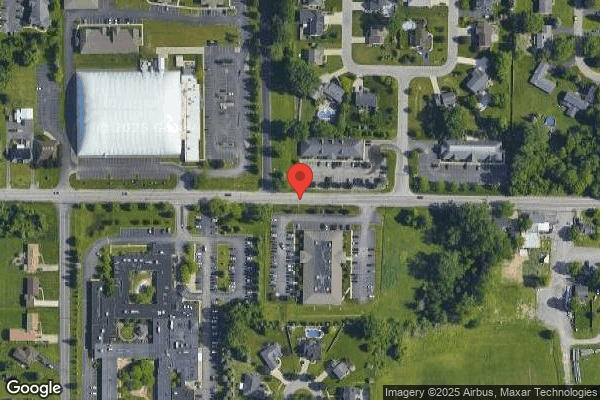
2699 WEHRLE DRIVE, WILLIAMSVILLE, NY 14221 (716) 632-3700
For profit - Limited Liability company 192 Beds THE MCGUIRE GROUP Data: November 2025
Trust Grade
90/100
#44 of 594 in NY
Last Inspection: June 2024

Within standard 12-15 month inspection cycle. Federal law requires annual inspections.

Overview

Harris Hill Nursing Facility in Williamsville, New York, has earned a Trust Grade of A, indicating it is an excellent choice for care. It ranks #44 out of 594 nursing homes statewide, placing it in the top half of facilities in New York, and #8 out of 35 in Erie County, meaning only seven local options are better. The facility is improving, having reduced its number of issues from 6 in 2022 to 3 in 2024. However, staffing is a concern with a turnover rate of 54%, which is above the state average of 40%. While there have been no fines, indicating good compliance, there were some areas of concern found in recent inspections. For example, a resident self-administered medications without proper assessment, and another resident was transferred incorrectly, leading to an injury. Additionally, the facility did not adequately monitor antibiotic use for a resident, which could pose infection risks. Overall, while there are strengths in care quality and no fines, families should be aware of these specific incidents and staffing challenges.

Trust Score
A
90/100
In New York
#44/594
Top 7%
Safety Record
Low Risk
No red flags
Inspections
Getting Better
6 → 3 violations
Staff Stability
⚠ Watch
54% turnover. Above average. Higher turnover means staff may not know residents' routines.
Penalties
✓ Good
No fines on record. Clean compliance history, better than most New York facilities.
Skilled Nurses
⚠ Watch
Each resident gets only 29 minutes of Registered Nurse (RN) attention daily — below average for New York. Fewer RN minutes means fewer trained eyes watching for problems.
Violations
○ Average
9 deficiencies on record. Average for a facility this size. Mostly minor or procedural issues.
★★★★★
5.0
Overall Rating
★★★☆☆
3.0
Staff Levels
★★★★★
5.0
Care Quality
★★★★☆
4.0
Inspection Score
Stable
2022: 6 issues
2024: 3 issues

The Good

  • 5-Star Quality Measures · Strong clinical quality outcomes
  • Full Sprinkler Coverage · Fire safety systems throughout facility
  • No fines on record

Facility shows strength in quality measures, fire safety.

The Bad

Staff Turnover: 54%

Near New York avg (46%)

Higher turnover may affect care consistency

Chain: THE MCGUIRE GROUP

Part of a multi-facility chain

Ask about local staffing decisions and management

The Ugly 9 deficiencies on record

Jun 2024 3 deficiencies
CONCERN (D)

Potential for Harm - no one hurt, but risky conditions existed

Deficiency F0554 (Tag F0554)

Could have caused harm · This affected 1 resident

**NOTE- TERMS IN BRACKETS HAVE BEEN EDITED TO PROTECT CONFIDENTIALITY** Based on observation, interview, and record review conducted during a Standard survey completed on 6/28/24, the facility did not...

Read full inspector narrative →
**NOTE- TERMS IN BRACKETS HAVE BEEN EDITED TO PROTECT CONFIDENTIALITY** Based on observation, interview, and record review conducted during a Standard survey completed on 6/28/24, the facility did not ensure a resident was assessed by the interdisciplinary team to determine a resident's ability to safely administer their own medications if clinically appropriate for one (Resident #12) of one resident reviewed. Specifically, Resident #12 was observed with medications in their room and self-administered those medications without being evaluated as to whether they could safely do so. The findings are: The policy and procedure titled Self-Administration of Medications revised on 11/23/21 documented that each resident is given a detailed explanation of the medications that they may self-administer, the reason for the medication, what to expect, and the possible side effects within their cognitive ability to understand. Staff re-evaluates the resident's knowledge by having the resident report their understanding of the information presented to them. The self-administration of medication is monitored by the Team Leader. Continued approval of the self -administration of medication by the resident is dependent on the resident's compliance with physician orders and facility procedures. Resident #12 diagnoses which included peripheral neuropathy (disorder affecting the nervous system), intraspinal abscess (swelling, inflammation, and collection of infected material in or around the spinal cord), and glaucoma (progressive eye disease that can cause vision loss). The Minimum Data Set (MDS- a resident assessment) dated 4/16/24 documented Resident #12 was understood, understands and was cognitively intact. The Comprehensive Care Plan with last review date of 4/23/24, documented for nursing to administer ophthalmic (having to do with the eye) medication per physician's order. Documented in the section titled decision making stated to store medications at bedside for self-administration. During an interview on 6/24/24 at 11:11 AM, Resident #12 stated they self-administered their own eye drops for glaucoma. During observation of Resident #12's room and interview on 6/26/24 at 10:52 AM, revealed one bottle of Latanoprost 0.005% (used to treat glaucoma), one bottle of Dorzolamide HCL 2% (used to treat glaucoma), and one bottle of Refresh Tears 0.5% (used to treat dry eyes) stored in a clear zip lock bag taped onto the over the bed table. Resident #12 stated they administered their own eyedrops daily. Review of the physician Order Review Report dated 6/27/24, documented Latanoprost Ophthalmic Solution 0.005% instill 1 drop in both eyes at bedtime for Glaucoma, Dorzolamide HCL Ophthalmic Solution 2% instill 1 drop in both eyes three times a day and Refresh Tears Ophthalmic Solution 0.5% instill 1 drop both eyes as needed for dry eyes every day. There was no active physician's order for Resident #12 to self-administer medications and that medications were to be left at the bedside. The Medication Administration Record dated 6/2024 documented Resident #12 had received Latanoprost Ophthalmic Solution 0.005%, Dorzolamide HCL Ophthalmic Solution 2%, and Refresh Tears Ophthalmic Solution 0.5%. Medications were initialed as being administered by nursing staff. There was no documented evidence that Resident #12 could self-administer their eye drops. Review of the electronic medical record (EMR) dated 6/1/24 through 6/26/24 revealed there was no documented evidence Resident #12 was assessed by the interdisciplinary team to self-administer medications. There was no documented evidence there was a Self-Medication Administration Data Collection Tool completed per the facility process. During medication observation and interview on 6/27/24 at 9:45 AM, Licensed Practical Nurse #4 offered Resident #12 their eye drops. Resident #12 stated they administered their own eyedrops and had not taken them yet. Licensed Practical Nurse #4 stated there should have been a physician's order in the electronic medication administration record for self-administration. During an interview on 6/27/24 at 11:20 AM, Licensed Practical Nurse Unit Manager #3 stated there was no assessment tool completed for Resident #12 to self-administer the eyedrops and there should have been. Licensed Practical Nurse Unit Manager #3 stated self-administration should be documented on the comprehensive care plan and there should be a physician's order in place. During an interview on 6/27/24 at 4:16 PM, Pharmacy Consultant stated there was a policy and procedure for self-administration of medications. An evaluation was expected and would determine if the resident had the ability to self-administer medications. During an interview on 6/28/24 at 12:49 PM, the Director of Nursing stated Resident #12 should not have been administering the eyedrops without a Self-Medication Administration Data Collection Tool and without a physician's order. When a resident expressed the desire to self-administer medication including eye drops, the nurse, or unit manager should complete a [NAME] (user defined evaluation) which was then signed by a registered nurse. The assessment would be shared with the provider and a physician's order would be written. The Director of Nursing stated self-administration assessments were reviewed during the quarterly care plan meetings with the interdisciplinary team and as needed if there was a change in condition with the resident. 415.3 (e)(1)(vi)
CONCERN (D)

Potential for Harm - no one hurt, but risky conditions existed

Free from Abuse/Neglect (Tag F0600)

Could have caused harm · This affected 1 resident

**NOTE- TERMS IN BRACKETS HAVE BEEN EDITED TO PROTECT CONFIDENTIALITY** Based on observation, interview and record review conducted during a Standard survey completed on 6/28/24, the facility did not ...

Read full inspector narrative →
**NOTE- TERMS IN BRACKETS HAVE BEEN EDITED TO PROTECT CONFIDENTIALITY** Based on observation, interview and record review conducted during a Standard survey completed on 6/28/24, the facility did not ensure that a resident is free from abuse, neglect or exploitation for one (Resident #71) of five residents reviewed for abuse and neglect. Specifically, a Certified Nurse Aide did not follow Resident #71's care plan when they transferred the resident using a mechanical lift by themselves and the resident sustained an injury to their left lower leg. The finding is: The policy and procedure titled Abuse Prohibition revised on 2/2023, documented that residents have the right to be free from verbal, sexual, physical, mental abuse, mistreatment, neglect, involuntary seclusion, misappropriation of property, and exploitation. The policy and procedure titled Facility Incident, Abuse Investigation and Reporting dated 6/7/23 documented neglect was defined as the failure of the facility or its employees to provide goods and services to a resident that are necessary to avoid physical harm or pain. Resident #71 was admitted to the facility with diagnoses of stroke and hemiplegia (one sided paralysis caused by a brain or spinal cord injury). Review of the Minimum Data Set (a resident assessment tool) dated 4/9/24 documented that the resident was cognitively intact, understood by others, understands others, and was dependent on others for transfers. Review of Resident #71's comprehensive care plan dated 4/16/24 documented that the resident had issues related to transfer due to limited mobility, activity intolerance, limited range of motion, and cerebrovascular accident (stroke). The comprehensive care plan documented that Resident #71 required an assist of two staff members using a sit to stand lift (allows resident to go from a seated position to a standing position during transfers). Review of a Physical Therapy evaluation dated 4/3/24 documented that Resident #71 required a minimum assistance of two staff members with a manual sit to stand lift for transfers between their wheelchair and their bed. Review of a visual/beside [NAME] report (a tool used by staff to guide care) dated 4/15/24 for Resident #71 documented that the resident required an assist of two staff members for transfers between the resident's wheelchair and the resident's bed. Review of a nursing progress note dated 5/13/24 at 9:37 PM, documented that a Certified Nurse Aide noticed an area on the back of Resident #71's left calf. The resident stated that Certified Nurse Aide #1 bumped their leg on the bed and that was the cause. The area was assessed and found to be painful to the touch. Review of an incident report dated 5/14/24 at 10:38 AM, documented that the resident received an injury to their lower left leg while they were transferred into bed. The resident description included that the back of their leg hit the bed rail and at first it didn't hurt but the next night it was killing me. Review of a radiology report dated 5/14/24 at 5:47 PM, revealed a vein scan was done due to swelling and pain, findings included a left lower extremity (leg) hematoma (collection of blood under the skin). Review of a Coach and Counseling session dated 5/14/24, signed by Certified Nurse Aide #1, documented that Certified Nurse Aide #1 did not follow the care plan for Resident #71 and used the lift to transfer the resident with one assist. Certified Nurse Aide #1 documented that they were one of the Certified Nurse Aides on the unit and going forward they would get someone to help them with transfers to avoid anything going wrong. During an interview on 6/24/24 at 11:53 AM, Resident #71 stated that they were transferred from their wheelchair to bed and the Certified Nurse Aide hit the back of their leg on the bed. They stated that Certified Nurse Aide #1 was by themselves when they were transferred with the manual sit to stand lift. Resident #71 stated that they had to have Dopplers (a diagnostic test used to check the circulation of the large veins of the leg) to make sure they didn't have a blood clot. An observation during this interview revealed the resident had a slight discoloration on the back of their left calf. During an interview on 6/26/24 at 8:43 AM, Certified Nurse Aide #1 stated that they put the resident to bed by themselves and knew the resident needed a two assist. They stated that there was no one else to help them to put Resident #71 to bed. They stated putting the resident to bed by themselves that it was not following the care plan. During an interview on 6/26/24 at 10:01 AM, Licensed Practical Nurse #1 stated that Certified Nurse Aide #1 broke the care plan by transferring the resident by themselves. Licensed Practical Nurse #1 stated that if the care plan says there needed to be two people to assist a transfer, then there should be two people to assist in the transfer. They stated that they do not recall anyone asking them to help transfer Resident #71 on that night. Licensed Practical Nurse #1 stated that if the care plan wasn't followed then that would be neglect. During an interview on 6/26/24 at 11:28 AM, Licensed Practical Nurse Unit Manager #2 stated that staff not following the care plan and the resident was hurt, would be considered neglect. During an interview on 6/26/24 at 12:38 PM, Director of Nursing stated that they expected their staff to follow the care plan of a resident. They stated that they expected their staff to use ask for help when using a manual sit to stand lift for a resident. The Director of Nursing stated that it would be neglect if the staff member didn't ask for help with a transfer if the care plan required two staff members for a transfer. During an interview on 6/26/24 at 12:49 PM, the Administrator stated that they expected the Certified Nurse Aide to follow the care plan. 10NYCRR 415.4(b)(1)(i)
CONCERN (D)

Potential for Harm - no one hurt, but risky conditions existed

Antibiotic Stewardship (Tag F0881)

Could have caused harm · This affected 1 resident

Based on record review and interviews conducted during the Standard survey completed on 6/28/24, the facility did not ensure that the facility's infection prevention and control program included antib...

Read full inspector narrative →
Based on record review and interviews conducted during the Standard survey completed on 6/28/24, the facility did not ensure that the facility's infection prevention and control program included antibiotic use protocols and a system to monitor antibiotic use for one (Resident #12) of one resident reviewed. Specifically, Resident #12 received prophylactic Rifampin and Bactrim (antibiotics) since 10/18/22 and there was no ongoing monitoring by the Antibiotic Stewardship Program including laboratory tests, communication, or appointments with the Infectious Disease Physician. The finding is: Review of the policy and procedure titled Antibiotic Stewardship Program dated 5/2017, documented that the antibiotic stewardship program promotes the appropriate use of antimicrobials, improves patient outcomes, reduces microbial resistance, and decrease the spread of infections caused by multidrug-resistant organisms. The goal of antibiotic stewardship is to optimize the treatment of infections and clinical outcomes while minimizing unintended consequences of antibiotic use. The facility has a quality assessment and assurance committee that will review the antibiotic and resistance data. The Administrator, Medical Director, Director of Nursing Services, and Consultant Pharmacist are responsible for antibiotic stewardship in the facility. The Consultant Pharmacist reviews every antibiotic that is prescribed in the facility under the Drug Regimen Review and will report to the quality assessment and assurance committee on antibiotic use, agents, dose, and duration of use. Resident #12 was admitted with diagnoses including peripheral neuropathy (disorder affecting the nervous system), intraspinal abscess (swelling, inflammation, and collection of infected material in or around the spinal cord), and glaucoma (progressive eye disease that can cause vision loss). Review of the Minimum Data Set (a resident assessment tool) dated 4/16/24 documented Resident #12 was cognitively intact and received antibiotics. The comprehensive care plan dated 4/23/24 documented Resident #12 had a risk for infection related to long term prophylactic antibiotic use for a history of a paraspinal abscess (infection around the spinal cord). Interventions included to monitor for signs and symptoms of infection and administer antibiotics per physician orders. Infectious disease consults and recommendations were not included in the planned interventions. Review of the infectious disease consult dated 5/18/23 documented that Resident #12 had been tolerating chronic suppressive antibiotics since 4/2022 for an abscess in the epidural space of thoracic (middle section of spine) spine. The Infectious Disease Physician recommended continued treatment with Bactrim and Rifampin for indefinite therapy. Blood work that was requested to be done at three-month intervals was not done and was reinforced to be done as soon as possible. It would not be unreasonable to stop the Rifampin after 18-24 month use if no toxicity was noted on blood work. The plan was discussed with Licensed Practical Nurse #3, Unit Manager. Review of a handwritten Physician Verbal Telephone Orders dated 5/18/23 at 3:00 PM, documented by Licensed Practical Nurse #3, Unit Manager, revealed a physician's order for an erythrocyte sedimentation rate (blood test to measure inflammation in the body), c-reactive protein (blood test to identify inflammation), complete blood count (blood test to diagnose and monitor diseases), basic metabolic panel (blood test to monitor chemical balance and metabolism) in the morning, and every 3 months. Review of the infectious disease consult dated 7/20/23 documented continued surveillance of laboratory tests specifically, complete blood count, comprehensive metabolic panel, sedimentation rate, and c-reactive protein were to be obtained every 3 months. The infectious disease consult documented that the plan was discussed with Licensed Practical Nurse #3, Unit Manager. The next follow up appointment would be in 6 months. There were no additional infectious disease consults after 7/20/23. Review of the Order Review Report printed by the facility on 6/27/24, documented a physician's order with start date of 10/18/22 for Rifampin Capsule 300 milligrams give one capsule by mouth every twelve hours and Sulfamethoxazole-Trimethoprim (Bactrim) tablet 800-160 milligrams give one tablet by mouth every twelve hours for an intraspinal abscess. There was no documented physician's order for the six month follow up appointment with the infectious disease provider, erythrocyte sedimentation rate, c-reactive protein, complete blood count, basic metabolic panel every 3 months. Review of the provider's Medical Visit Notes from 7/21/23 through 6/18/24 documented Resident #12 continued Rifampin and Bactrim prophylaxis per infectious disease recommendations. There was no documentation for lab monitoring related to antibiotic use. Review of Resident #12's medical record including laboratory reports and nursing progress notes from 11/1/23 through 6/19/24 revealed no documentation that the recommended labs including a c-reactive protein, and erythrocyte sedimentation rate were drawn every three months and communicated to the infectious disease provider or that the resident was seen by the Infectious Disease Physician. Review of the monthly Pharmacy Drug Regimen Review dated 7/2023 through 6/2024 documented no irregularities or recommendations made for continued antibiotic therapy. Review of the Infection and Antibiotic Tracking Tool dated April 2024 to June 2024 provided by the facility, documented Resident #12 was on prophylactic antibiotics per infectious disease with an onset date of 10/18/22 for a skin and soft tissue infection. The white blood cell count column was blank and there were no documentation labs were monitored or communicated with the infectious disease provider. During a telephone interview on 6/26/24 at 3:24 PM, the Medical Assistant for the Infectious Disease Physician stated Resident #12 was seen last on 7/20/23. The last documented complete blood count, comprehensive metabolic profile, c-reactive protein, erythrocyte sedimentation rate results received from the facility were from 8/25/23. There were no further lab results communicated to their office as recommended. Resident #12 had an upcoming appointment in July 2024 and should have been seen in January 2024 for a six month follow up and was unaware why the appointment never occurred. During a telephone interview on 6/26/24 at 3:46 PM, the Infectious Disease Physician stated Resident #12 received Bactrim and Rifampin for history of methicillin-resistant staphylococcus aureus, bacteremia, discitis (inflammation between the discs of the spine), and osteomyelitis (bone infection). Frequent blood chemistries and infection markers monitored for presence of infection and antibiotic resistance. Follow up appointments were to be scheduled by the facility every 6 months to re-evaluate the need of the continued long-term use of the medications. Lab tests were not completed every three months as they recommended. During an interview on 6/27/24 at 12:55 PM, Licensed Practical Nurse #3, Unit Manager stated they reviewed the infectious disease consults and attended tele med visits with Resident #12 and should have informed the Infection Preventionist of the recommendations for tracking purposes. They were responsible to ensure labs and appointments were completed, documented, and communicated to infectious disease. The recommended labs were not completed since August 2023. Resident #12 should have had a complete blood count, comprehensive metabolic panel, c-reactive protein, and erythrocyte sedimentation rate drawn in November 2023, February 2024, and April 2024. There was no documented evidence the blood work was completed and faxed to infectious disease. Licensed Practical Nurse #3, Unit Manager stated they were not involved in the facility antibiotic stewardship program and that was something the Director of Nursing/Infection Preventionist should monitor. During an interview on 6/27/24 at 3:41 PM, the Director of Nursing/Infection Preventionist stated Resident #12's antibiotics were documented on the facility infection and antibiotic tracking tool. Criteria, trends, and stop dates were discussed during monthly meetings. Resident #12 was stable from a medical standpoint, was followed by infectious disease and therefore, not discussed at their monthly meetings. The Director of Nursing/Infection Preventionist stated they were not aware that labs or scheduled appointments with infectious disease were recommended for Resident #12. Unit Managers reviewed recommendations with providers and documented changes in the medical record. A physician's order would be written, and they would have expected some kind of communication from Licensed Practical Nurse #3 Unit Manager. Standing lab orders for Resident #12 should have been documented in the lab book on the unit and the unit clerk should have made sure appointments were scheduled. The blood work should have been drawn, documented, and faxed to infectious disease for effective monitoring. During a telephone interview on 6/27/24 at 4:16 PM, the Pharmacy Consultant stated Resident #12 was on long term antibiotic therapy for discitis. They reviewed provider notes, diagnostics, consults, and physician orders during the monthly regimen review. The Pharmacy Consultant was unaware of the infectious disease consult dated 7/20/23 and the recommended labs for Resident #12. The Pharmacy Consultant stated effective antibiotic monitoring included review of labs and continued communication with infectious disease. During an interview on 6/28/24 at 12:58 PM, the Administrator stated they expected the unit manager to document a note in the medical record about the infectious disease recommendations for labs and appointments. The Administrator stated unit managers were responsible to follow up with consult recommendations, update providers and follow the orders once approved. The Administrator stated if the resident had been stable, they would not necessarily have been reviewed during the monthly antibiotic stewardship meetings. They would have just been monitored for a change in status which included monitoring for sepsis, pain, decline in status and lab work if ordered. During a telephone interview on 6/28/24 at 1:30 PM, the Medical Director stated they participated in the antibiotic stewardship program in the facility which were reviewed during quality assurance meetings. They did not review Resident #12. The Medical Director stated prophylactic antibiotics were tracked under the antibiotic stewardship program and expected recommendations of infectious disease be followed when approved by the provider. This ensured for effective monitoring. 10 NYCRR 415.12(l)(1)
Sept 2022 6 deficiencies
CONCERN (D)

Potential for Harm - no one hurt, but risky conditions existed

Pressure Ulcer Prevention (Tag F0686)

Could have caused harm · This affected 1 resident

**NOTE- TERMS IN BRACKETS HAVE BEEN EDITED TO PROTECT CONFIDENTIALITY** Based on observation, interview, and record review completed during the Standard survey started 9/15/22 and completed 9/21/22, t...

Read full inspector narrative →
**NOTE- TERMS IN BRACKETS HAVE BEEN EDITED TO PROTECT CONFIDENTIALITY** Based on observation, interview, and record review completed during the Standard survey started 9/15/22 and completed 9/21/22, the facility did not ensure that a resident with pressure ulcers receives necessary treatment and services, consistent with professional standards of practice, to promote healing, prevent infection and prevent new ulcers from developing for one (Resident #16) of three residents observed for pressure ulcers. Specifically, pressure ulcer wounds on the resident's bilateral heels were not cleansed with normal saline (NS- mixture of sodium chloride and water used for cleaning wounds) after removal of dressing, moderately soiled with serosanguineous (yellow, pink wound drainage) drainage, prior to application of clean dressing, as ordered by the physician. The finding is: The facility policy and procedure (P&P) titled Dressing- Clean Technique revised 12/07, documented a clean dressing technique is used to provide an appropriate and safe environment conducive to wound healing. The treatment is performed by licensed nurse following a physician order. The procedure documented to remove the soiled dressing and discard. Clean wound with NS solution or as specified by order. The facility P&P titled Physician Orders revised 10/18 documented it is facility policy to have an active procedure to follow when implementing medication/treatment orders to assure that medication/treatment orders are implemented accurately, timely, and in accordance with the Health Code of the State of New York and Federal Government regulations. 1. Resident #16 was admitted with diagnoses including chronic obstructive pulmonary disease (chronic inflammatory lung disease), hypertension (high blood pressure), and heart failure. The Minimum Data Set (MDS - a resident assessment tool) dated 6/14/22 documented Resident #16 had moderate cognitive impairment. Additionally, it documented the resident had no unhealed pressure ulcers and two venous (caused by problems with blood flow in the veins) and arterial (caused by problems with blood flow in the arteries) ulcers. The comprehensive care plan, last reviewed 6/28/22, documented Resident #16 had impaired skin integrity related impaired bed mobility, recent hospital stay, and [NAME] (vascular ulcer) both heels. Interventions documented to administer treatment per MD (medical doctor) order. Review of the electronic medical record (EMR) physician Orders documented the following: -9/6/22 Collagen powder (forms a protective gel on wounds to aid in healing) daily (day shift). Cleanse with NS, pat dry, apply and cover with dry clean dressing (DCD). -4/7/22 Left (L) heel, every shift check for skin/wound dressing placement. Check for visible redness, swelling, or saturation. Follow up and document accordingly. -2/8/22 Right (R) heel every shift check for skin/wound dressing placement. Check for visible redness, swelling, or saturation. Follow up and document accordingly. Review of Wound Care Specialty Vascular Group notes dated 8/2/22 through 9/6/22, electronically signed by Wound Consultant NP, documented R and L heel pressure ulcers with recommendations to cleanse with wound wash/NS, apply treatment, cover with DCD. Review of Nursing Weekly Skin Status Documentation note dated 9/16/22, electronically signed and/or written by the Assistant Director of Nursing (ADON), documented the following measurements: -R heel ulcer measured 2.5 centimeters (cm) length (L) x 2.0 cm width (W) x 0.2 cm depth (D). -L heel ulcer measured 2.0 cm x 1.5 cm x 0.2 cm. The note documented moderate serosanguineous drainage from bilateral heel ulcers, no change in size or appearance noted and that Resident #16 was seen by Wound Consultant Nurse Practitioner (NP). Type of ulcer, for bilateral heels, was documented as vascular. During an observation on 9/20/22 at 10:32 AM, Resident #16 was sitting their wheelchair in their room. Wound treatment supplies were placed on residents over bed table located next to the resident. Licensed Practical Nurse (LPN) #6, and Registered Nurse (RN) #1 Clinical Instructor washed their hands, and applied clean gloves. LPN #6 removed the dressing from the resident's left (L) heel and discarded in trash. LPN #6 then removed the dressing from the resident's right (R) heel which was slightly adhered to the heel wound with a moderate amount of serosanguineous drainage noted when the dressing was removed. LPN #6 discarded the dressing, removed gloves, washed their hands, and applied new, clean, gloves. Resident #16 was able to keep L foot slightly elevated off the floor while RN #1 Clinical Instructor was assisting with supporting their R leg. LPN #6 opened an abdominal (ABD-large absorbent gauze pad) pad, then the collagen powder packet and sprinkled it on the ABD pad, placed it on the L heel ulcer followed by kerlix gauze wrap. LPN #6 repeated the process for the R heel wound. The bilateral heel ulcers were not cleansed with NS, as ordered by the physician, after removal of the old dressing, prior to application of the new treatment/collagen powder. During an interview on 9/20/22 at 10:43 AM, LPN #6 returned to the medication cart to electronically sign off the treatment. Upon reviewing the order LPN #6 stated I missed the NS, I forgot. I was just thinking about the collagen and forgot the NS. I was a little nervous. I usually take off the old dressing, cleanse with NS, pat it dry, then do the collagen. The wounds should be cleansed in between to remove any old drainage or debris from the old dressing being on. During an interview on 9/20/22 at 10:45 AM, RN #1 Clinical Instructor stated LPN #6 missed the NS, the cleansing of the wound. The expectation was that when taking off the old dressing you cleanse the ulcers with NS to remove any germs or anything harboring on the wound since the last time the treatment was done. During a telephone interview on 9/21/22 at 12:04 PM, Wound Consultant NP was reviewing Resident #16's electronic medical record and stated they had the wound classified as stage 2 pressure ulcers (partial thickness skin loss presenting as a shallow open ulcer). The expectation was that Resident #16's wound should be cleansed, after removal of the old dressing, because drainage will stick and could make the wound go necrotic (dead tissue). Overall, I would expect the wounds to be cleansed. During interview on 9/21/22 at 1:21 PM, the Assistant Director of Nursing/Infection Preventionist (ADON/IP) stated all wounds should be cleansed with NS to cleanse any bacterial or drainage from the wound prior to applying a new treatment. The ADON stated wounds were classified as vascular when there were diagnostic studies, venous or arterial dopplers (ultrasound that evaluates blood as it flows through blood vessels in the body's major arteries and veins), to confirm the diagnosis of peripheral vascular or arterial disease (narrowed or blocked veins/arteries). The ADON stated they would review Resident #16 EMR and follow up. During a follow up interview on 9/21/22 at 1:46 PM, the ADON stated there were no doppler studies on resident #16 current admission to confirm the vascular diagnosis. That was my incorrect assumption. During interview on 9/21/22 at 1:59 PM, the Director of Nursing (DON) stated wounds should be cleansed with NS to clean any debris, bacteria or drainage from the wound, better assess the wound bed, and check for odor. The DON stated they would expect the MD order to be followed when administering a wound treatment. 415.12(c)(2)
CONCERN (D)

Potential for Harm - no one hurt, but risky conditions existed

Accident Prevention (Tag F0689)

Could have caused harm · This affected 1 resident

**NOTE- TERMS IN BRACKETS HAVE BEEN EDITED TO PROTECT CONFIDENTIALITY** Based on observation, interview and record review conducted during the Standard survey started 9/15/22 and completed 9/21/22, th...

Read full inspector narrative →
**NOTE- TERMS IN BRACKETS HAVE BEEN EDITED TO PROTECT CONFIDENTIALITY** Based on observation, interview and record review conducted during the Standard survey started 9/15/22 and completed 9/21/22, the facility did not ensure each resident received adequate supervision and assistive devices to prevent accidents for one (Resident #135) of three residents reviewed for falls. Specifically, Resident #135 had a history of falls with injury, was observed without anti-tippers on the front of their wheelchair as planned. The finding is: The facility policy and procedure (P&P) titled Accident/Incident Report Investigation and Prevention dated 4/2015 documented the facility provides an environment that is free from accident hazards and provides supervision and assistive devices to each resident to prevent avoidable accidents. It is the responsibility of licensed nursing professional to implement care plan changes to prevent repeat incidents. 1. Resident #135 had diagnoses including dementia, depression, and fracture of left tibia. The Minimum Data Set (MDS-a resident assessment tool) dated 5/29/22 documented Resident #135 was cognitively impaired and had one fall with major injury. The [NAME] (guide used by staff to direct care) dated 8/30/22 documented Resident #135 was to have front anti-tippers on their wheelchair for safety. The comprehensive care plan, with a review date of 8/30/22 and identified as current by the Director of Nursing (DON), documented Resident #135 was at risk for falls and interventions included anti-tippers to the front of their wheelchair. The Accident/Incident Report dated 7/30/22 documented Resident #135 was reaching for their foot and slid forward onto floor and wheelchair pedals. An immediate care plan change was initiated for front anti-tippers to their wheelchair. During observation on 9/19/22 at 2:55 PM, Resident #135 was seated in a wheelchair in the hallway and was self-propelling by using the handrails at the nurse's station. The resident's wheelchair did not have front anti-tippers in place. Additional observation on 9/21/22 at 8:30 AM, Certified Nurse Aide (CNA) #2 placed the resident by the nurse's station and their wheelchair did not have front anti-tippers in place. During an interview on 9/21/22 at 8:54 AM, CNA #2 stated Resident #135 has had falls, they were not aware Resident #135 needed front anti-tippers on their wheelchair and didn't see it listed on the [NAME]. During an interview on 9/21/22 at 8:59 AM, Licensed Practical Nurse (LPN) #4 stated the Resident #135 has had falls and safety interventions included not leaving them in their room alone and close supervision. The LPN #4 stated they did not know the resident needed anti-tippers on their wheelchair, and that they would be the one to make sure everything on the care plan was in place. During an interview on 9/21/22 at 11:48 AM, the Assistant Director of Nursing (ADON) stated after a fall the Unit Coordinator (UC) verified the care plan change and should verify that the intervention was in place. If the fall happened on the weekend, a supervisor would be responsible to ensure an intervention was put into place, then the UC should check that the anti-tippers were in place from then on. The ADON stated they had been covering Resident #135's unit the in regular UC's absence and that they would be responsible to check on that stuff. The ADON stated the CNAs and LPNs should be reading the resident's care plans to ensure everything was in place. The ADON stated if the anti-tippers were on the care plan, they should have been in place. During an interview on 9/21/22 at 1:33 PM, the DON stated the CNAs and nurses on the unit should ensure that all safety measures were in place for Resident #135 and that those staff members should be following the care plans. 415.12(h)(2)
CONCERN (D)

Potential for Harm - no one hurt, but risky conditions existed

Incontinence Care (Tag F0690)

Could have caused harm · This affected 1 resident

**NOTE- TERMS IN BRACKETS HAVE BEEN EDITED TO PROTECT CONFIDENTIALITY** Based on observation, interview, and record review conducted during the Standard survey started 9/15/22 and completed on 9/21/22...

Read full inspector narrative →
**NOTE- TERMS IN BRACKETS HAVE BEEN EDITED TO PROTECT CONFIDENTIALITY** Based on observation, interview, and record review conducted during the Standard survey started 9/15/22 and completed on 9/21/22, the facility did not ensure that a resident with an indwelling catheter (foley-tube inserted into the bladder to drain urine), received the appropriate care and services to prevent urinary tract infections (UTIs) to the extent possible for one (Resident #315) of three residents reviewed for urinary catheters. Specifically, issues involved the lack of appropriate urinary catheter care and the lack of maintaining infection control measures for a resident on transmission-based precautions (TBP) and a history of UTIs. The finding is: The facility policy and procedure (P&P) titled Incontinent Care dated 1/1/2000 documented the purpose was to prevent skin breakdown caused by bacteria from urine/feces and to avoid infections and odor. Explain procedure to resident and bring equipment to bedside. Place on a clean barrier. Wash hands and apply gloves. Remove brief, clothing and bed linen and place on soiled barrier. Place clean barrier under resident for incontinent care. Wet washcloth at sink with warm or fill and use basin. Apply soap or spray wet washcloth with Peri wash. Wash perineum, anus, buttocks, abdomen, hips and thighs. Rinse if using soap. Pat dry with a towel. Remove gloves and wash hands. The P&P titled Perineal Care dated 1/1/2000 documented perineal care is provided to clean the perineum and provide comfort. Wash hands before and after perineal care. Wear gloves. For residents with foley catheters; cleanse urethral meatus around the tubing, washing away from the body and down the catheter about 3-4 inches thoroughly removing clots, secretions and drainage. The P&P titled Policy on Hand Washing dated 1/1/2000 documented proper handwashing technique is used for the prevention of transmission of infectious diseases. All personnel working in the long-term care setting are required to wash their hands when: hands are visibly soiled; before and after direct resident contact with resident skin, before and after assisting a resident with toileting; after handling soiled or used linens, dressings, bedpans, catheters and urinal, and after removing gloves. 1. Resident #315 was readmitted to the facility with diagnoses including Clostridium Difficile (C-diff- bacteria in the bowel that may cause diarrhea), multiple sclerosis (MS- a disease in which the immune system eats away at the protective covering of the nerves) and neurogenic bladder (diminished sensation) with Supra pubic catheter (a tube inserted into the bladder, through the abdomen, to drain urine). The Minimum Data Set (MDS- a resident assessment tool) dated 7/28/22 documented Resident #315 had intact cognition and an indwelling catheter. The Comprehensive Care Plan (CCP) dated 7/21/22 documented Resident #315 was incontinent of stool and had a suprapubic catheter. Interventions included to provide incontinent care every 4 hours and as needed, urinary catheter care every shift and to report signs and symptoms of infection. The current Visual/Bedside [NAME] Report a guide used by staff to provide care) dated 9/19/22, documented urinary catheter care every shift and incontinent care every 4 hours and as needed. The Hospital Discharge summary dated [DATE] documented positive C. Diff infection, advanced MS with neurogenic bladder, and suprapubic catheter with history of pseudomonas (bacteria, UTI). The 24-Hour Nursing Services Supervisor Report dated 9/12/22 documented Resident #315 was on contact precautions for C-Diff. The Medical Visit Note dated 9/16/22 documented Resident #315 was sent to the hospital on 9/6/22 for loose stools and rectal bleeding. Resident #315's stool was C-Diff positive, therefore seen by Infectious Disease (ID) and started on antibiotics. The note further documented Resident #315 had known history of UTI. The Order Summary Report dated 9/19/22 documented an active physician's order with a start date of 9/12/22 for a suprapubic catheter. Additionally, an order for Fidaxomicin (antibiotic) 200 mg (milligrams) with instructions to give one tablet by mouth every 12 hours. The order had a start date of 9/12/22 and an end date of 9/20/22. During a continual observation on 9/19/22 at 11:37 AM, Certified Nurse Aide (CNA) #1 completed fecal incontinent care for Resident #315 in the presence of Registered Nurse (RN) #1 and Licensed Practical Nurse (LPN) #1. CNA #1 donned (put on) a gown, completed hand hygiene, gathered linens with water in a wash basin. CNA #1 placed the wash basin on a cluttered (with papers, magazines, cups) over the bed table without cleaning and providing a clean barrier. CNA#1 then positioned Resident #315 on their left side and removed a dry incontinence brief. Without providing a clean barrier under Resident #315, CNA #1 submerged the washcloth into the basin, rung the washcloth, and applied soap from a bottle onto the washcloth. CNA #1 placed the bottle of soap into their uniform pocket and washed the resident's rectum. The washcloth had a medium amount of brown smeared stool. CNA #1 then folded one corner of the washcloth and proceeded to wipe the resident's rectum. The washcloth had a medium amount of brown smeared stool and CNA #1 disposed the washcloth into the precaution bin. Wearing the same gloves CNA #1 submerged a clean washcloth into the basin and removed the bottle of soap from their uniform pocket, opened the cap on the soap, squeezed soap onto the clean washcloth, closed the cap, and placed the bottle of soap back into their uniform pocket. CNA #1 then proceeded to wipe Resident #315 rectum clean and then dried the resident with a towel. Without washing their hands and while wearing the same gloves to complete fecal incontinence care CNA #1 repositioned Resident #315 onto their back; they removed the bottle of soap from their uniform pocket, lathered a clean washcloth, recapped the bottle of soap and put the bottle into their pocket and completed suprapubic catheter care with the same water/wash basin used for fecal incontinent care. Still wearing the same gloves and without completing hand hygiene, CNA #1 placed a urine graduate (container to empty urine) on a barrier on the floor, opened the drainage spout and emptied the urine into the graduate. CNA #1 wiped the spout of the foley drainage bag with a dampened paper towel (with soapy water), then replaced the spout into the spout holder of the drainage bag. Then removed their gloves and completed hand hygiene. During an interview on 9/19/22 at 12:30 PM, CNA #1 stated Resident #315 was on transmission-based precautions for C-Diff. CNA #1 stated soap should be combined with the water in the basin, not kept in their pocket. CNA #1 stated they should have washed the resident from front to back (clean to dirty) to prevent the spread of microorganisms, removed their gloves, washed hands, and replaced the basin with fresh water after doing fecal incontinent care prior to catheter care to avoid contamination and reduced the spread of possible infection. CNA #1 stated a wet soapy paper towel was sufficient to clean the foley drainage spout. There were no alcohol wipes available. During an interview on 9/19/22 at 12:53 PM, RN #1 stated CNA #1 cross contaminated. CNAs were expected to add soap to the basin, cleanse from front to back (genital area to buttocks/rectal), and hand hygiene was expected after soiling which included fecal incontinence care. Alcohol wipes should be used to cleans the spout of the catheter bag to prevented bacteria from entering the foley catheter tube. Paper towels were unacceptable. During an interview on 9/19/22 at 2:51 PM, LPN #1 stated CNAs were expected to provide a clean barrier under residents, wash from clean to dirty, and perform handwashing including changing soiled gloves. When emptying foley catheters the spout should be wiped clean with alcohol wipes. During an interview on 9/21/22 at 11:06 AM, the Assistant Director of Nursing (ADON)/ Infection Preventionist (IP) stated staff were expected to be wash residents front to back during incontinent care. Residents were at risk for UTIs when cleaned inappropriately. Staff were expected to perform hand hygiene between glove changes and between dirty to clean. Cleansing soap should be put on a clean barrier and not kept in their pocket. Alcohol wipes were to be used to clean any openings to foley catheter bags. 415.12 (d)(1)
CONCERN (D)

Potential for Harm - no one hurt, but risky conditions existed

Deficiency F0804 (Tag F0804)

Could have caused harm · This affected 1 resident

**NOTE- TERMS IN BRACKETS HAVE BEEN EDITED TO PROTECT CONFIDENTIALITY** Based on observation, record review, and interview conducted during a Standard survey started on 9/15/22 and completed on 9/21/2...

Read full inspector narrative →
**NOTE- TERMS IN BRACKETS HAVE BEEN EDITED TO PROTECT CONFIDENTIALITY** Based on observation, record review, and interview conducted during a Standard survey started on 9/15/22 and completed on 9/21/22, the facility did not provide food and drink that was at a safe and appetizing temperature. Specifically, two (A wing, B wing) of four resident units reviewed for food temperatures during meals had issues involving food items that were not served at safe and appetizing temperatures. Residents #5, 13, 110, 138, and 467 were involved. The findings are: The facility policy and procedure (P&P) title Food Preparation, Service, and Distribution dated 8/17 documented the facility will assure safe and sanitary food preparation, holding, transport and distribution to prevent foodborne illness. Alternate meal preparation and service areas may include steam tables, where hot prepared foods are held and served, and chilled areas where cold foods are held and served. The facility will avoid the following potential risks to reduce foodborne illness: will not hold foods in the danger zone (temperatures above 41 degrees (°) Fahrenheit (F) and less than 135 °F). Staff will serve hot foods hot and cold foods cold in accordance with resident preference. a. During an interview on 9/15/22 at 9:57 AM, Resident #5 stated the food was always cold since the prior Food Service Director (FSD) left. During an interview on 9/15/22 at 10:16 AM, Resident #13 stated the meals were always late and cold. During an interview on 9/15/22 at 12:24 PM, Resident #138 stated the food was always cold. During an interview on 9/16/22 at 11:18 AM, Resident #110 stated the food was cold on most days and sometimes the vegetables (carrots) were very hard and not cooked. During an observation on 9/20/22 at 12:44 PM, all lunch meals were served to the residents on the A wing. The test tray temperatures were taken by Dietary Aide #1 using the facility's thermometer. The temperatures obtained were as follows: -Beef mushroom steak measured 98 °F and tasted lukewarm -Brussel sprouts measured 104 °F and tasted lukewarm -Buttered noodles measured 86 °F and tasted lukewarm During an interview on 9/20/22 at 12:47 PM, the Dietary Aide #1 stated the hot food should be 135 °F and cold food should be 35-45 °F. b. During an interview on 9/20/22 at 12:56 PM, Resident #138 had their lunch meal in front of them and stated the food wasn't warm and they didn't like the Brussel sprouts. Resident #138's visitor stated the plates just sit out in the dining room and don't get passed out right away to the rooms. During an observation of the B wing lunch meal on 9/20/22 revealed lunch trays started to be passed from the servery at 12:07 PM. At 12:45 PM, Certified Nurse Aide (CNA) #3 was observed pre-pouring juice into plastic cups, placed covers on them and put all the cups into two plastic containers without ice. At 1:30 PM, CNA #3 placed three plates of food on a table in the dining area. CNA #3 was observed to place two of those plates on trays along with beverages and left the dining area. One plate remained on the table and had a meal ticket on top of it identifying the meal was for Resident #467. At 1:51 PM, CNA #3 arrived back in the dining area and placed Resident #467's plate on a tray with the pre-poured juice, coffee, and a mighty shake and walked down the hall to deliver it to the resident at 1:54 PM. At 1:57 PM, The Licensed Practical Nurse (LPN) #1 Clinical Instructor and CNA #3 were present when temperatures were obtained by the surveyor of Resident #467's meal using the facility's thermometer as follows: -Beef mushroom steak measured 96 °F -Buttered noodles measured 84 °F -[NAME] sprouts measured 88 °F -Chilled pears measured 76 °F -Apple juice measured 68 °F -Coffee measured 110 °F The LPN #1 Clinical Instructor and CNA #3 stated they didn't know what the temperature of the food should be when delivered to the resident and then delivered the tray to Resident #467 at 2:01 PM. During an interview on 9/20/22 at 2:10 PM, Resident #467 was in bed and had their lunch tray in front of them on their overbed table. The resident stated they had tasted the food; it was not warm enough and they didn't like it. The resident also stated the coffee wasn't hot, just warm and they didn't try the juice, but the cup felt cool. During an interview on 9/21/22 at 9:20 AM, with the Administrator present, the Registered Dietician (RD) stated cold foods should be served to residents less than 40 °F and hot foods should be higher than 150 °F. The RD stated CNA #3 should not have given Resident #467 the food; they should have brought it back to the servery to be refreshed. The RD stated the CNA needed education about what they should be doing because the food should be served as soon as possible once it has been plated from the servery staff. The Administrator stated on the subacute unit the CNAs were responsible to serve meals to their assigned group of residents and they needed to communicate when they needed help. During an interview on 9/21/22 at 10:52 AM, the FSD stated the food temperatures when served to a resident should be over 135 °F for hot food and cold items should be below 41 °F. The FSD stated CNA #3 should have gotten a different tray for Resident #467 and they shouldn't have been served food at those temperatures, because of the danger zone. 415.14 (d)(2)
MINOR (B)

Minor Issue - procedural, no safety impact

Assessment Accuracy (Tag F0641)

Minor procedural issue · This affected multiple residents

**NOTE- TERMS IN BRACKETS HAVE BEEN EDITED TO PROTECT CONFIDENTIALITY** Based on interview and record review, conducted during the Standard survey started on 9/15/22 and completed on 9/21/22, the faci...

Read full inspector narrative →
**NOTE- TERMS IN BRACKETS HAVE BEEN EDITED TO PROTECT CONFIDENTIALITY** Based on interview and record review, conducted during the Standard survey started on 9/15/22 and completed on 9/21/22, the facility did not ensure that each resident receives an assessment that accurately reflects their status at the time of the assessment for 4 (Residents #23, 73, 80, and 135) of four residents reviewed for accuracy of the Minimum Data Set, (MDS - a resident assessment tool). Specifically, the MDS assessments were inaccurately coded for anticoagulants (#23, #73), did not include the use of an antibiotic (#135), and did not indicate falls with injury (#80). The findings are, but not limited to the following: The facility policy and procedure (P&P) titled, Minimum Data Set (MDS), dated 2/20 documented that each resident's physical, functional, psychosocial, and nutritional status is assessed. The policy documented a significant error is defined as the resident's overall clinical status is not accurately represented (mis-coded); and the error has not been corrected via submission of a more recent assessment. 1. Resident #23 was admitted to the facility with high blood pressure (HTN) and dementia. The MDS dated [DATE], Section N - Medications Received documented Resident #23 received anticoagulants (medication for preventing blood clotting/blood thinning medication) for 7 days. Review of the Active Physician Orders dated 9/20/22 revealed Resident #23 was not ordered anticoagulants. During an interview on 9/20/22 at 11:42 AM, Registered Nurse (RN) #2 MDS Coordinator stated they coded aspirin as an anticoagulant because it was marked as a prophylaxis in the Medication Administration Record (MAR). RN# 2 stated aspirin should not have been coded as an anticoagulant. 2. Resident #135 had diagnoses including dementia, depression, and fracture of left tibia. The MDS dated [DATE] documented Resident #135 was cognitively impaired and had one fall with major injury. Review of the quarterly MDSs dated 5/29/22 and 8/25/22 revealed section N-Medications did not include that the resident received antibiotics. Review of the Order Summary Report dated 8/17/22 revealed an order for Nitrofurantoin (antibiotic) 50 mg (milligrams) by mouth once daily for urinary tract infection (UTI) prophylaxis (to prevent disease) was started on 5/12/22. Review of the MARs dated 5/1/2022 to 8/30/22 revealed the resident received Nitrofurantoin 50 mg by mouth once daily starting on 5/12/22 through 8/31/22. During an interview on 9/21/22 at 1:46 PM, RN #2 MDS Coordinator stated they missed that Resident #135 received an antibiotic during the MDS look back periods. RN #2 MDS Coordinator stated they usually reviewed the orders and MARS when they completed the MDS, but they must not have seen the antibiotic listed. 3. Resident #80 had diagnoses of Myasthenia Gravis (weakness and rapid fatigue of muscles under voluntary control), Parkinson's (tremors and rigidity of movement), and neurocognitive disorder. The MDS dated [DATE] documented Resident #80 was understood, sometimes understands and had severe cognitive impairments. The MDS documented Resident #80 had no falls since the prior assessment. The Comprehensive Care Plan (CCP) last reviewed 8/10/22 documented Resident #80 had prior fall in the last 90 days. The A (accident) & I (incident) Report dated 7/9/22 at 9:20 AM documented Resident #80 was found on the floor and sustained two lacerations to the left elbow. Additionally, the A&I Report dated 7/25/22 at 8:45 PM documented Resident #80 was found on floor with laceration to right inner thigh requiring emergency room visit for sutures. The MDS dated [DATE] section J1800 did not document Resident #80 had falls. Additionally, section J1900 did not include coding for falls with injury (except major). During an interview on 9/20/22 at 12:12 PM, RN #3 MDS Coordinator stated they were not aware Resident #80 had falls with injury (7/9 and 7/25). RN #3 MDS Coordinator stated they reviewed the documentation under the evaluation tab in the software program and did not see that the resident had falls. Additionally, RN #3 MDS Coordinator stated they should have captured (coded) the falls for 7/9/22 and 7/25/22. During an interview on 9/20/22 at 12:29 PM, the Administrator stated the MDS coordinators were responsible for completing the MDSs accurately. The Administrator stated that it was their expectation that the coordinators refer to the database and progress notes to determine if criteria was met for the MDS. 415.11 (B)
MINOR (B)

Minor Issue - procedural, no safety impact

Food Safety (Tag F0812)

Minor procedural issue · This affected multiple residents

Based on observation and interview conducted during a Standard survey started on 9/15/22 and completed on 9/21/22, it was determined that the facility did not ensure that they stored, prepared, distri...

Read full inspector narrative →
Based on observation and interview conducted during a Standard survey started on 9/15/22 and completed on 9/21/22, it was determined that the facility did not ensure that they stored, prepared, distributed, and served food in accordance with professional standards for food service safety for one of one facility kitchen observed. Specifically, the hot rack utensil holder was soiled with a white debris layer covering it from the ceiling to where utensils were hung, an area of the kitchen floor was soiled with black, brown, green, and white debris. The findings are: A review of the facility policy and procedure (P&P) titled General Daily Cleaning dated 6/1/2000 documented the entire facility will be kept clean at all times. A review of the facility P&P titled Frequency of Types of Floor Care for Resilient Floors dated 6/1/200 documented that flooring will be in a clean state using the frequency in which specific types of floor care performed, and documented that dust mopping and damp mopping are to be done daily. 1. During an observation of the kitchen on 9/15/22 at 8:45 AM the floor in front of the food cooler, the kitchen entrance door, and the food preparation area was soiled with dried black, brown, green, and white debris. The debris was in an area 10 feet and 12 feet between the cooler and the food preparation area. Additionally, the hot rack utensil holder above a food preparation table had a layer of white debris from the ceiling attachments to the oval, metal ring that held ready for use cooking utensils. During an observation of pureed food prep on 9/20/22 at 10:15 AM the hot rack utensil holder was soiled with white debris on it from the ceiling attachments to the oval, metal ring that held the utensils. The hot rack utensil holder hung four feet above a food preparation table. During this observation, the kitchen floor was noted to have the same debris in the 10-foot area by 12-foot area between the food cooler, the kitchen entrance, and the food preparation area. During an interview on 9/20/22 at 10:28 AM, the Assistant Food Service Director (FSD) stated that maintenance was supposed to clean the hot rack utensil holder and that it needed to be cleaned. During an interview on 9/20/22 at 10:34 AM, the Corporate Project Manager/Interim Environmental Service Worker stated that maintenance was responsible for cleaning the rack. They also stated that housekeeping was responsible for high (areas that are closer to the ceiling) dusting but if a ladder is involved then maintenance does the cleaning. During an observation on 9/20/22 at 11:26 AM during tray line preparation of the lunch meal, a yellow blower (fan) was aimed at the floor which was wet. The floor between the food cooler, the entrance to the kitchen, and the food preparation area had black, brown, green, and white debris. During an in interview at the time of the observation the Food Service Director stated that one of the dietary staff had just mopped this area. During an interview on 9/20/22 at 11:41 AM, the Food Service Director stated that the floors could be cleaner. They also stated that mopping the floor will not bring up things that are stuck to the floor. They stated that the floors needed to be scrubbed to remove the stuck-on debris. 415.14(h) Part 14-1
Understanding Severity Codes (click to expand)
Life-Threatening (Immediate Jeopardy)
J - Isolated K - Pattern L - Widespread
Actual Harm
G - Isolated H - Pattern I - Widespread
Potential for Harm
D - Isolated E - Pattern F - Widespread
No Harm (Minor)
A - Isolated B - Pattern C - Widespread

Questions to Ask on Your Visit

  • "Can I speak with families of current residents?"
  • "What's your RN coverage like on weekends and overnight?"

Our Honest Assessment

Strengths
  • • Grade A (90/100). Above average facility, better than most options in New York.
  • • No major safety red flags. No abuse findings, life-threatening violations, or SFF status.
  • • No fines on record. Clean compliance history, better than most New York facilities.
Concerns
  • • No significant concerns identified. This facility shows no red flags across CMS ratings, staff turnover, or federal penalties.
Bottom line: Generally positive indicators. Standard due diligence and a personal visit recommended.

About This Facility

What is Harris Hill Nursing Facility, L L C's CMS Rating?

CMS assigns HARRIS HILL NURSING FACILITY, L L C an overall rating of 5 out of 5 stars, which is considered much above average nationally. Within New York, this rating places the facility higher than 99% of the state's 100 nursing homes. This rating reflects solid performance across the metrics CMS uses to evaluate nursing home quality.
How is Harris Hill Nursing Facility, L L C Staffed?

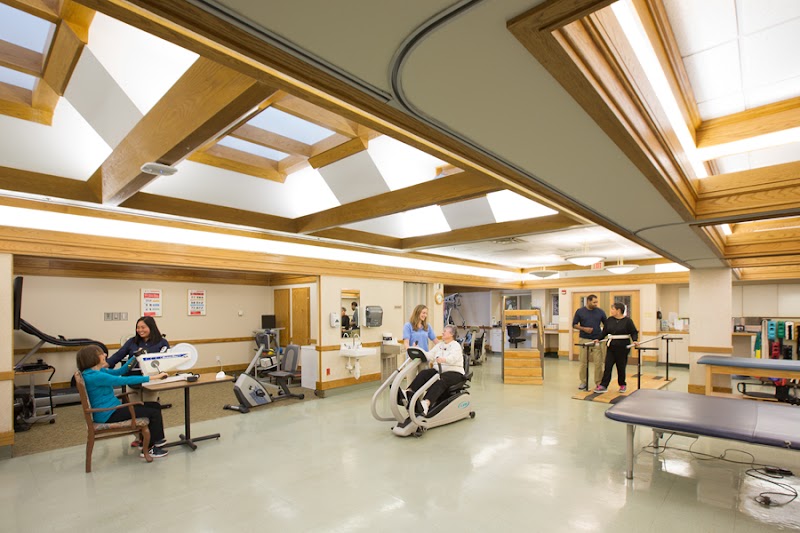
CMS rates HARRIS HILL NURSING FACILITY, L L C's staffing level at 3 out of 5 stars, which is average compared to other nursing homes. Staff turnover is 54%, compared to the New York average of 46%.

What Have Inspectors Found at Harris Hill Nursing Facility, L L C?

State health inspectors documented 9 deficiencies at HARRIS HILL NURSING FACILITY, L L C during 2022 to 2024. These included: 7 with potential for harm and 2 minor or isolated issues.
Who Owns and Operates Harris Hill Nursing Facility, L L C?

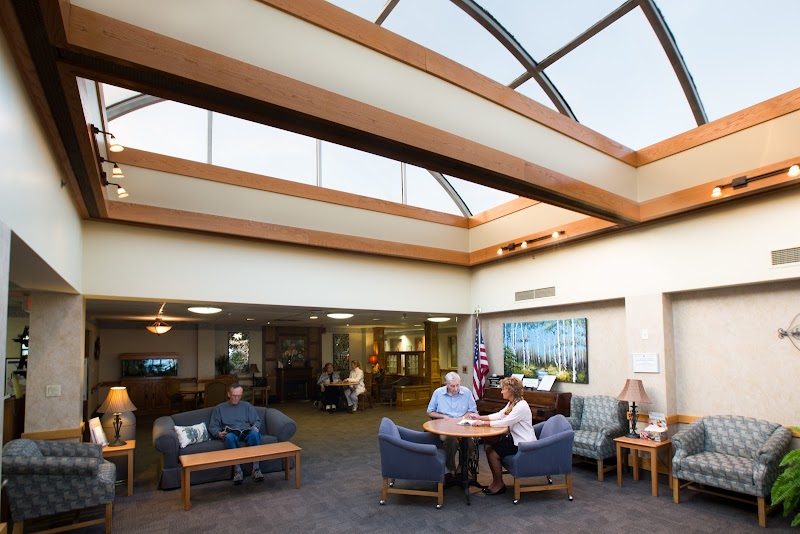
HARRIS HILL NURSING FACILITY, L L C is owned by a for-profit company. For-profit facilities operate as businesses with obligations to shareholders or private owners. The facility is operated by THE MCGUIRE GROUP, a chain that manages multiple nursing homes. With 192 certified beds and approximately 184 residents (about 96% occupancy), it is a mid-sized facility located in WILLIAMSVILLE, New York.
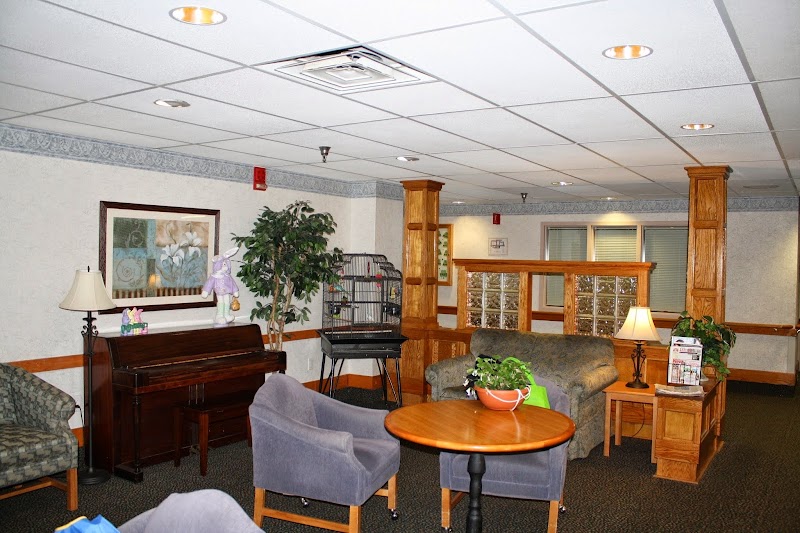
How Does Harris Hill Nursing Facility, L L C Compare to Other New York Nursing Homes?

Compared to the 100 nursing homes in New York, HARRIS HILL NURSING FACILITY, L L C's overall rating (5 stars) is above the state average of 3.1, staff turnover (54%) is near the state average of 46%, and health inspection rating (4 stars) is above the national benchmark.

What Should Families Ask When Visiting Harris Hill Nursing Facility, L L C?

Based on this facility's data, families visiting should ask: "Can I visit during a mealtime to observe dining assistance and food quality?" "How do you handle medical emergencies, and what is your hospital transfer rate?" "Can I speak with family members of current residents about their experience?"

Is Harris Hill Nursing Facility, L L C Safe?

Based on CMS inspection data, HARRIS HILL NURSING FACILITY, L L C has a clean safety record: no substantiated abuse findings (meaning no confirmed cases of resident harm), no Immediate Jeopardy citations (the most serious violation level indicating risk of serious injury or death), and is not on the Special Focus Facility watch list (a federal program monitoring the lowest-performing 1% of nursing homes). The facility has a 5-star overall rating and ranks #1 of 100 nursing homes in New York. While no facility is perfect, families should still ask about staff-to-resident ratios and recent inspection results during their visit.

Do Nurses at Harris Hill Nursing Facility, L L C Stick Around?

HARRIS HILL NURSING FACILITY, L L C has a staff turnover rate of 54%, which is 8 percentage points above the New York average of 46%. Moderate turnover is common in nursing homes, but families should still ask about staff tenure and how the facility maintains care continuity when employees leave.

Was Harris Hill Nursing Facility, L L C Ever Fined?

HARRIS HILL NURSING FACILITY, L L C has no federal fines on record. CMS issues fines when nursing homes fail to meet care standards or don't correct problems found during inspections. The absence of fines suggests the facility has either maintained compliance or corrected any issues before penalties were assessed. This is a positive indicator, though families should still review recent inspection reports for the full picture.

Is Harris Hill Nursing Facility, L L C on Any Federal Watch List?

HARRIS HILL NURSING FACILITY, L L C is not on any federal watch list. The most significant is the Special Focus Facility (SFF) program, which identifies the bottom 1% of nursing homes nationally based on persistent, serious quality problems. Not being on this list means the facility has avoided the pattern of deficiencies that triggers enhanced federal oversight. This is a positive indicator, though families should still review the facility's inspection history directly.