QUEENS BOULEVARD EXTENDED CARE FACILITY
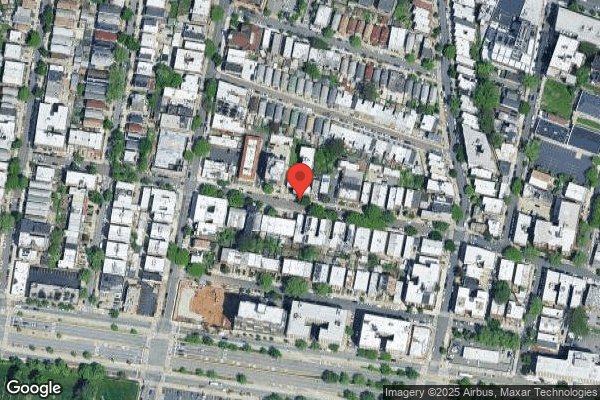
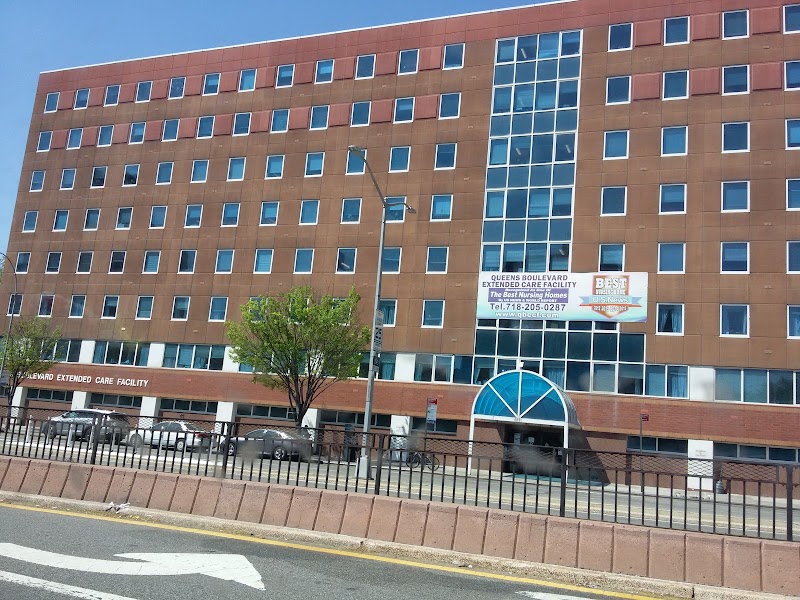
61 11 QUEENS BOULEVARD, WOODSIDE, NY 11377 (718) 205-0288
For profit - Limited Liability company 280 Beds Independent Data: November 2025
Trust Grade
80/100
#215 of 594 in NY
Last Inspection: June 2024

Within standard 12-15 month inspection cycle. Federal law requires annual inspections.

Overview

Queens Boulevard Extended Care Facility has a Trust Grade of B+, which means it is recommended and considered above average. It ranks #215 out of 594 facilities in New York, placing it in the top half, and #28 out of 57 in Queens County, indicating only a few local options are better. The facility is improving, having reduced its number of issues from 7 in 2022 to 4 in 2024. While it has a strong RN coverage, exceeding 87% of New York facilities, staffing is a weakness with a below-average 2/5 star rating and a turnover rate of 44%. Recent inspections revealed concerns such as food not being served at an appetizing temperature and a lack of thorough investigations into allegations of resident abuse, which highlight areas needing improvement despite no fines being recorded.

Trust Score
B+
80/100
In New York
#215/594
Top 36%
Safety Record
Low Risk
No red flags
Inspections
Getting Better
7 → 4 violations
Staff Stability
○ Average
44% turnover. Near New York's 48% average. Typical for the industry.
Penalties
✓ Good
No fines on record. Clean compliance history, better than most New York facilities.
Skilled Nurses
✓ Good
Each resident gets 61 minutes of Registered Nurse (RN) attention daily — more than 97% of New York nursing homes. RNs are the most trained staff who catch health problems before they become serious.
Violations
⚠ Watch
12 deficiencies on record. Higher than average. Multiple issues found across inspections.
★★★★☆
4.0
Overall Rating
★★☆☆☆
2.0
Staff Levels
★★★★☆
4.0
Care Quality
★★★★☆
4.0
Inspection Score
Stable
2022: 7 issues
2024: 4 issues

The Good

  • 4-Star Quality Measures · Strong clinical quality outcomes
  • Full Sprinkler Coverage · Fire safety systems throughout facility
  • No fines on record
  • Staff turnover below average (44%)

    4 points below New York average of 48%

Facility shows strength in quality measures, fire safety.

The Bad

Staff Turnover: 44%

Near New York avg (46%)

Typical for the industry

The Ugly 12 deficiencies on record

Jun 2024 4 deficiencies
CONCERN (D) 📢 Someone Reported This

A family member, employee, or ombudsman was alarmed enough to file a formal complaint

Potential for Harm - no one hurt, but risky conditions existed

Investigate Abuse (Tag F0610)

Could have caused harm · This affected 1 resident

**NOTE- TERMS IN BRACKETS HAVE BEEN EDITED TO PROTECT CONFIDENTIALITY** Based on record review and interviews conducted during the Recertification and Abbreviated Survey (NY00340566) from 06/13/2024 t...

Read full inspector narrative →
**NOTE- TERMS IN BRACKETS HAVE BEEN EDITED TO PROTECT CONFIDENTIALITY** Based on record review and interviews conducted during the Recertification and Abbreviated Survey (NY00340566) from 06/13/2024 to 06/21/2024, the facility did not ensure that all allegations of abuse were thoroughly investigated. This was evident for 1 (Resident #164) of 2 residents reviewed for abuse out of 38 total sampled residents. Specifically, there was no documented evidence that an investigation was conducted for Resident #164, who complained of being roughly handled by a Certified Nursing Assistant during care. The findings are: The facility's policy and procedure titled Abuse, Neglect, Mistreatment and Misappropriation of Resident Property with a last reviewed date of 10/31/2023 documented that residents will be protected from abuse, neglect, and harm while residing at the facility. No abuse or harm of any type will be tolerated, and residents and staff will be monitored for protection. It is the policy of the facility that reports of abuse are promptly and thoroughly investigated. The investigation is the process used to try to determine what happened. The designated facility personnel will begin the investigation immediately. Resident # 164 was admitted to the facility with diagnoses of Anxiety Disorder and Rheumatoid Arthritis. The Minimum Data Set assessment dated [DATE] documented that Resident #164 had intact cognition. Resident #164 was dependent on toileting, shower/bathing, dressing, and personal hygiene; required supervision for eating; and required substantial / maximal assistance for oral hygiene and lower body dressing. On 06/18/2024 at 10:44 AM, Resident #164 was interviewed and stated they had a horrible experience with a Certified Nursing Assistant from the evening shift. The Resident stated they left a message for the social service director and the Resident told the director on what occurred. During a follow-up interview with Resident #164 on 06/20/2024 at 10:12 AM, the Resident stated that 2 months ago they reported to the Social Worker that a Certified Nursing Assistant was rough towards them during care. They stated the Social Worker did not do anything about it. Resident #164 stated every time they report something, the facility will tell them they will investigate but does not get back to them. The interdisciplinary progress notes dated 04/19/2024 to 04/30/2024 had no documentation of Resident #164's allegation that a Certified Nursing Assistant was rough during care. There was no documented evidence that Resident #164's allegation, that a Certified Nursing Assistant was rough during care, was investigated. On 06/18/2024 at 10:35 AM, the Director of Social Services was interviewed and stated that Resident #164 told them they wanted a Certified Nursing Assistant to be changed because they were uncomfortable. The Director of Social Services did not elaborate on why Resident #164 was uncomfortable with the Certified Nursing Assistant. On 06/18/2024 at 12:27 PM, the Assistant Director of Nursing was interviewed and stated that they received a complaint from Resident #164 that a Certified Nursing Assistant roughly handled them during care, that the way they were being cleaned was too rough for them. The Assistant Director of Nursing stated they assessed Resident #164's skin and found no bruises, scratches, or wound. During a follow-up interview with the Assistant Director of Nursing on 06/18/2024 at 3:02 PM, they stated they usually investigate abuse allegations involving scratches or bruises. They stated they did not investigate Resident #164's allegation because they had no scratch or bruise. On 06/18/2024 at 3:50 PM, the Director of Nursing was interviewed and stated they were unaware of Resident #164's allegation that they were roughly handled by a Certified Nursing Assistant and that they were only made aware of it on 06/18/2024. They stated they were told by the Assistant Director of Nursing that the allegation did not rise to the level of an investigation because Resident #164 had no scratches or bruises. The Director of Nursing stated that an allegation of abuse must be investigated soon as they become aware of it. 10 NYCRR 415.4(b)(3)
CONCERN (D)

Potential for Harm - no one hurt, but risky conditions existed

Deficiency F0638 (Tag F0638)

Could have caused harm · This affected 1 resident

Based on record review and staff interview conducted during the Recertification Survey from 06/13/2024 to 06/21/2024, the facility did not ensure that a resident was assessed using the quarterly revie...

Read full inspector narrative →
Based on record review and staff interview conducted during the Recertification Survey from 06/13/2024 to 06/21/2024, the facility did not ensure that a resident was assessed using the quarterly review instrument specified by the State and approved by the Centers for Medicare and Medicaid Services not less frequently than once every 3 months. This was evident for 1 (Resident #107) of 2 residents reviewed for Resident Assessment out of 38 total sampled residents. Specifically, Resident #107's quarterly assessment was not completed. The findings are: The Centers for Medicare and Medicaid Services Long-Term Care Facility Resident Assessment Instrument 3.0 User's Manual Version 1.18.11 October 2023 documented that the Federal requirement mandates facilities to encode and electronically transmit Minimum Data Set 3.0 data. The Manual also stated that Assessment Completion refers to the date that all information needed has been collected and recorded for a particular assessment type and staff have signed and dated that the assessment is complete. The undated facility policy titled Minimum Data Set 3.0 documented the Minimum Data Set assessments and reviews are maintained electronically by the facility's Electronic Medical Record software company. The policy documented that the Minimum Data Set Coordinator shall determine the type of assessment needed and the assessment reference date, completion date, and comprehensive care plan meeting date following the Centers for Medicare and Medicaid Services guidelines. The schedule will be given to all disciplines to start and complete in a timely manner. The Minimum Data Set Coordinator will sign for completion and ready for transmission following the Federal and State regulations. Resident #107's Minimum Data Set admission Assessment was completed on 12/22/2023 and submitted on 01/09/2024. There was no documented evidence of quarterly assessment completed after 12/22/2023. On 06/18/2024 at 9:48 AM, the Director of Minimum Data Set was interviewed and stated they were responsible for ensuring all Minimum Data Sets were completed and submitted on time. They stated that they completed and submitted Resident #107's admission and 5-day scheduled assessment on 01/09/2024. They stated that they created a Discharge Assessment for Resident #107 because they had a planned discharge in February 2024, but the discharge did not happen. The Director of Minimum Data Set stated they deleted the discharge assessment and did not realize that the system in their electronic medical record had stopped generating the subsequent assessments. They stated that they completed Resident #107's quarterly assessment on 06/17/2024. On 06/21/2024 at 1:25 PM, the Director of Nursing was interviewed and stated they were not aware that Resident #107's quarterly assessment had not been completed and submitted. On 06/21/2024 at 4:22 PM, the Administrator was interviewed and stated that Resident #107 was supposed to be discharged from the facility. They created a Discharge Assessment, but the Resident did not leave, and the Minimum Data Set assessment schedule sequence was altered. The Administrator stated that the quarterly assessment was not completed because of a computer glitch. 10 NYCRR 415.11(a)(4)
CONCERN (D)

Potential for Harm - no one hurt, but risky conditions existed

Deficiency F0658 (Tag F0658)

Could have caused harm · This affected 1 resident

**NOTE- TERMS IN BRACKETS HAVE BEEN EDITED TO PROTECT CONFIDENTIALITY** 2.) The facility's policy titled Change in a Resident's Condition or Status with a reviewed date of 01/2011 documented the Nurse...

Read full inspector narrative →
**NOTE- TERMS IN BRACKETS HAVE BEEN EDITED TO PROTECT CONFIDENTIALITY** 2.) The facility's policy titled Change in a Resident's Condition or Status with a reviewed date of 01/2011 documented the Nurse Supervisor / Charge Nurse will notify the resident's attending physician or on-call physician when there has been a change in resident's physical condition. Resident #20 had diagnoses of Schizophrenia, Bipolar Disorder, and Diabetes Mellitus. The Minimum Data Set assessment dated [DATE] documented that Resident #20 was severely cognitively impaired. A Comprehensive Care Plan for Diabetes was initiated on 02/20/2023. The facility interventions include to observe for signs and symptoms of hypoglycemia (a condition when the blood sugar level was lower than normal) and hyperglycemia (a condition when the blood sugar was higher than normal), finger stick as ordered, and to refer to physician accordingly. A physician's order dated 06/19/2024 documented Basaglar KwikPen 100 units per milliliter (3 milliliters) subcutaneous, inject 5 units subcutaneously once daily at bedtime. Monitor blood sugar and notify the physician if finger stick blood sugar result is less than 70 milligrams per deciliter or more than 400 milligrams per deciliter. A physician's order dated 06/19/2024 documented Novolin R Regular 100 units per milliliter injection solution, inject subcutaneously every day at 11:00 AM and 5:00 PM when finger stick blood sugar reading are as follows: Between 0 and 180 no insulin, between 181 and 260 give 3 units, between 261 and 340 give 5 units, between 341 and 400 give 7 units. Above 400 or below 70, call the physician. The electronic Medication Administration Record for 06/2024 documented the following finger stick blood sugar results: On 06/06/2024 at 9:00 PM, 406 milligrams per deciliter. On 06/09/2024 at 5:00 PM, HI (high reading on a glucometer, blood glucose level is very high exceeding the maximum range that the device can measure). On 06/15/2024 at 5:00 PM, HI. On 06/16/2024 at 5:00 PM, HI. On 06/17/2024 at 5:00 PM, HI. On 06/17/2024 at 9:00 PM, 425 milligrams per deciliter. On 06/18/2024 at 5:00 PM, 427 milligrams per deciliter. A further review of Resident #20's electronic Medication Administration Record showed that 7 units of Novolin R were administered to Resident #20 at 5:00 PM when Resident #20's finger stick blood sugar results were above 400 milligrams per deciliter on 06/09/2024, 06/15/2024, 06/16/2024, 06/17/2024, and 06/18/2024 without a physician's order. A review of the nurses' and medical progress notes from 06/06/2024 through 06/19/2024 showed no documentation that the physician was notified when Resident #20's finger stick blood sugar results were above 400 milligrams per deciliter. During an interview on 06/20/2024 at 3:33 PM, Licensed Practical Nurse #2, who was the evening shift nurse on duty on 06/06/2024, 06/09/2024, and 06/15/2024 through 06/18/2024, stated they did not notify the physician when Resident #20's blood sugar was above 400 because Resident #20 was a known sensitive diabetic. They stated that they administered the insulin without notifying the physician of the blood sugar results exceeding 400 because Resident #20 had a history of life threatening hypoglycemia and that Resident's blood sugar will drop if they were given additional insulin coverage. During an interview on 06/21/2024 at 5:39 PM, Attending Physician #1 was interviewed and stated that even though Resident #20 had history of life threatening hypoglycemia, the licensed nurse should have notified them of finger stick blood sugar result above 400 so an infection can be ruled out. During an interview on 06/21/2024 at 10:36 AM, the Director of Nursing stated that the standard of practice dictates that Licensed Practical Nurse #2 should have followed the physician's order to notify the physician when Resident #20's blood sugar was above 400 milligrams per deciliter. 10 NYCRR 415.11(c)(3)(i) Based on observation, record review, and interviews conducted during the Recertification Survey from 06/13/2024 to 06/21/2024, the facility did not ensure that services provided or arranged by the facility met professional standards of quality. This was evident for 2 (Resident #85 and #20) of 38 total sampled residents. Specifically, 1.) Resident #85 was observed with oxygen via nasal cannula with no physician's order. 2.) Resident #20 had physician's order to notify the physician when Resident's finger stick blood sugar (method of drawing drops of blood from the finger for testing the blood glucose level) result is less than 70 milligrams per deciliter or more than 400 milligrams per deciliter. The licensed nurse failed to notify the physician when Resident #20's finger stick blood sugar was higher than 400 milligrams per deciliter on 7 occasions from 06/09/2024 through 06/18/2024. In addition, Resident #20 was administered 7 units of Novolin R insulin (a short acting insulin that lowers blood sugar) on 5 occasions, when Resident #20's finger stick blood sugar results were above 400 milligrams per deciliter, without a physician's order. The findings are: 1.) The facility's policy titled Oxygen Therapy - Oxygen Tanks dated 02/2022 documented that oxygen therapy must be ordered by a physician. However, in an emergency, a Registered Nurse may start oxygen therapy without a physician's order and then obtain the order. Resident #85 was admitted to the facility with diagnoses of Renal Insufficiency and Pneumonia. The Minimum Data Set assessment dated [DATE] documented Resident #85's had intact cognition. On 06/14/2024 at 9:56 AM, Resident #85 was observed in bed with oxygen via nasal cannula at 2 liters per minute. On 06/18/2024 at 9:43 AM, Resident #85 was observed in a wheelchair inside their room with oxygen via nasal cannula at 2 liters per minute. An oxygen tank was noted attached to the wheelchair. On 06/20/2024 at 12:12 PM, Resident #85 was observed in bed with oxygen via nasal cannula at 2 liters per minute. A review of Resident #85's physician's orders from 06/11/2024 to 06/18/2024 showed no orders for oxygen therapy. A review of the nurses' and medical progress notes from 06/01/2024 through 06/20/2024 showed no documentation of oxygen use. During an interview on 06/18/2024 at 2:50 PM, Resident #85 stated they had been using oxygen for about a week and they even take it to dialysis and physical therapy. During an interview on 06/20/2024 at 2:32 PM, Certified Nursing Assistant #1 stated that Resident #85 started using oxygen about a week ago. During an interview on 06/20/2024 at 2:40 PM, Licensed Practical Nurse #1 stated that Resident #85 was being administered oxygen, but they had not seen the physician's order for it. During an interview on 06/20/2024 at 2:56 PM, Registered Nurse #1, who was the nursing supervisor, stated that Resident #85 was being administered oxygen as needed at 2 liters per minute depending on the oxygen saturation (the measure of how much oxygen is traveling through a person's body in their red blood cells). They stated they do not know why Resident #85 had no physician's order for oxygen use. During an interview on 06/20/2024 at 3:34 PM, Registered Nurse #2 stated that Resident #85 sometimes had difficulty breathing and that oxygen was being administered when the Resident's oxygen saturation was low. They stated that Resident #85 was administered oxygen on and off after dialysis. Registered Nurse #2 stated that the order to administer oxygen must be obtained from the physician. During an interview on 06/20/2024 at 3:04 PM, Attending Physician #1 stated Resident #85 had been transferred to their service 3 days ago. They stated licensed nurses may administer oxygen to the resident but have to obtain a physician's order. During an interview on 06/21/2024 at 1:16 PM, the Director of Nursing stated that a nurse can administer oxygen and then call the doctor to get an order. The nurse who initiated the oxygen should have called the doctor for an order, and oxygen administration must be documented.
CONCERN (E)

Potential for Harm - no one hurt, but risky conditions existed

Deficiency F0804 (Tag F0804)

Could have caused harm · This affected multiple residents

**NOTE- TERMS IN BRACKETS HAVE BEEN EDITED TO PROTECT CONFIDENTIALITY** Based on observation, interview, and record review conducted during the Recertification Survey from 06/13/2024 to 06/21/2024, th...

Read full inspector narrative →
**NOTE- TERMS IN BRACKETS HAVE BEEN EDITED TO PROTECT CONFIDENTIALITY** Based on observation, interview, and record review conducted during the Recertification Survey from 06/13/2024 to 06/21/2024, the facility did not ensure that food was served at an appetizing temperature during meal service. This was evident for 2 (5th and 6th floor) of 2 units observed during dining observation. Specifically, food served during lunch meal service were not maintained at palatable and appetizing temperatures. The findings are: The facility's policy titled Communal Dining with a revision date of 04/10/2024 documented the purpose of the policy was to enhance the quality of life through the provision of nourishing, palatable, attractive meals that meet the residents' daily nutritional needs in a communal dining experience. The policy documented that the dietary department would bring meals to the floors via food trucks as quickly as possible to maintain temperatures, where nursing staff will be ready to receive and distribute meals. Temperatures for hot meals must be maintained at 140 degree Fahrenheit or above. Temperature for cold meals must be maintained at 35 degrees or below. The Meal Service Schedule documented that lunch meal service for 5th floor starts at 12:15 PM and 6th floor starts at 12:30 PM. 1.) Resident #38 was admitted to the facility with diagnoses of Hyperlipidemia, Hypertension and Heart Failure. The Minimum Data Set assessment dated [DATE] documented that Resident had intact cognition and required supervision for eating. During an interview on 06/13/2024 at 12:56 PM, Resident #38 stated meals were served lukewarm most of the time and not hot enough. 2.) Resident #124 was admitted to the facility with diagnoses of Anxiety Disorder, Mood Disorder, Major Depressive Disorder. The Minimum Data Set assessment dated [DATE] documented that Resident had severely impaired cognition and required set-up or clean-up assistance with eating. During an interview on 06/14/2024 at 11:05 AM, Resident #124 stated that meals were always lukewarm and sometimes cold. Resident #124 stated they often like their food to be hotter. 3.) Resident #227 was admitted to the facility with diagnoses of Hypertension, End Stage Renal Disease, and Hyperlipidemia. The Minimum Data Set assessment dated [DATE] documented that Resident had intact cognition and required set-up or clean-up assistance with eating. During an interview on 06/13/2024 at 11:23 AM, Resident #227 stated they always ask staff to heat up their food in the microwave. On 06/18/2024 at 12:15 PM, the meal carts arrived, and distribution of meal trays continued until 1:01 PM on 5th floor. On 06/18/2024 at 12:30 PM, the meal carts arrived, and distribution of meal tray continued until 1:08 PM on the 6th floor. On 06/18/2024 at 1:01 PM, the food temperature on the test trays on the 5th floor were checked and revealed the following: chicken cacciatore at 124.8 degrees Fahrenheit, rice at 118.9 degrees Fahrenheit, broccoli at 119.3 degrees Fahrenheit, juice at 63.5 degrees Fahrenheit, milk at 63 degrees Fahrenheit, chopped chicken at 133.5 degrees Fahrenheit, chopped rice at 128 degrees Fahrenheit, chopped broccoli at 129.1 degrees Fahrenheit, and vegetable soup at 122.3 degrees Fahrenheit. On 06/18/2024 at 1:08 PM, the food temperature on the test trays on the 6th floor were checked and revealed the following: chicken cacciatore at 134.2 degrees Fahrenheit, broccoli at 123.5 degrees Fahrenheit, milk at 59.6 degrees Fahrenheit, rice at 127.9 degrees Fahrenheit, vegetable soup at 123.8 degrees Fahrenheit, chopped broccoli at 126.5 degrees Fahrenheit, and chopped chicken 126.7 degrees Fahrenheit. On 06/21/2024 at 10:07 AM, Certified Nurse Aide #4 was interviewed and stated there were a few residents on the 6th floor who request their meal to be heated up in the microwave daily because they want their food hot. On 06/21/2024 at 11:12 AM, the Food Service Director was interviewed and stated the food temperature was not hot enough when temperature checks were done on 06/18/2024. They stated that hot food should be higher than 140 degrees Fahrenheit and a little higher for the soups, and that meals should not be heated in the microwave daily to make it hot. They stated that the meal delivery on the 5th and 6th floor took longer than expected and that they will review their meal service process to correct the temperature issues. 10 NYCRR 415.14(d)(1)(2)
May 2022 7 deficiencies
CONCERN (D)

Potential for Harm - no one hurt, but risky conditions existed

Deficiency F0578 (Tag F0578)

Could have caused harm · This affected 1 resident

Based on interviews and record review conducted during the Recertification survey from 05/18/22 to 05/25/22, the facility did not ensure a resident was provided information to formulate advanced direc...

Read full inspector narrative →
Based on interviews and record review conducted during the Recertification survey from 05/18/22 to 05/25/22, the facility did not ensure a resident was provided information to formulate advanced directives (AD). This was evident for 1 (Resident #417) of 1 resident reviewed for ADs out of a sample of 37 resident reviewed. Specifically, there was no documented evidence Resident #417 received education and formulated ADs. The findings are: The facility policy titled Advance Directives dated October 21, 2008, documented the Social Worker (SW) will discuss and distribute to all new resident and/or Designated Representatives, information about Advance directives; and document that information was given. Resident #417 was admitted to the facility 05/17/2022 with diagnoses of diabetes mellitus and chronic obstructive pulmonary disease. On 05/23/22 at 12:27 PM, Resident #417 was interviewed and stated they were admitted to the facility approximately one week ago and no one has educated them regarding ADs. On 05/23/22 at 12:56 PM, the Registered Nurse (RN) # 1 was interviewed and stated Social Workers (SW) is responsible for immediately educating alert and oriented residents re: ADs when the resident is newly admitted to the facility. SW contacts the resident's family and discusses AD wishes when the resident is unable to make decisions. On 05/23/22 at 02:13 PM, SW was interviewed and stated they are responsible for educating newly admitted , alert and oriented residents re: ADs within 24-48 hours of admission to the facility. The resident's representative (RR) is contacted to discuss ADs when a resident is unable to make decisions. Then an AD care plan is initiated. There was a delay in providing Resident #417 with AD education because the facility has a lot of new admissions, and the SW is unable to meet with all of them. On 05/24/22 at 08:10 AM, The Director of Social Service was interviewed and stated the SW educates the resident or RR as soon as possible upon admission but no later than 72 hours. 415.3(e)(1)(ii)
CONCERN (D)

Potential for Harm - no one hurt, but risky conditions existed

Assessment Accuracy (Tag F0641)

Could have caused harm · This affected 1 resident

**NOTE- TERMS IN BRACKETS HAVE BEEN EDITED TO PROTECT CONFIDENTIALITY** Based on observation, record review, and interview conducted during the Recertification Survey from 5/18/22 to 5/25/22, the faci...

Read full inspector narrative →
**NOTE- TERMS IN BRACKETS HAVE BEEN EDITED TO PROTECT CONFIDENTIALITY** Based on observation, record review, and interview conducted during the Recertification Survey from 5/18/22 to 5/25/22, the facility did not ensure the Minimum Data Set 3.0 (MDS) assessment accurately reflected the resident's status. This was evident for 1 (Resident #65) of 5 residents reviewed for Unnecessary Medications. Specifically, the MDS did not document Resident #65's evaluation for Gradual Dose Reduction (GDR) of psychotropic drugs. The findings are: The facility undated policy titled MDS 3.0 documented the facility will ensure MDS Coordinators work with floor Nurses to ensure accurate documentation. Resident #65 had diagnoses of non-Alzheimer's dementia, depression, and psychotic disorder. The MDS dated [DATE] and 02/09/2022 documented Resident #65 was severely cognitively impaired, received antipsychotic and antidepressant medication within 7 days prior to the MDS date, and a GDR had not been attempted or documented physician (MD) as clinically contraindicated. Psychiatric Evaluation Progress note dated 12/03/2021 documented Resident #65 was examined, and GDR was not attempted because the resident's symptoms were not resolved, the resident was at risk for psychiatric decompensation, and at risk for impaired functioning or increased dysphoria if the resident received a lower dose. MD Order dated 5/12/2022 documented Resident #65 received quetiapine 50 mg tablet twice daily for schizophrenia and trazodone 100 mg tablet once daily at bedtime for major depressive disorder. On 5/23/22 at 11:33 AM, the MDS Coordinator (MDSC) was interviewed and stated Resident #65 resident is frequently seen by the Psychiatrist for medication review. The Psychiatrist documented on 12/3/2021 that GDR for Resident #65 was contraindicated, and this was wrongly coded on the MDS. 415.11(b)
CONCERN (D)

Potential for Harm - no one hurt, but risky conditions existed

Comprehensive Care Plan (Tag F0656)

Could have caused harm · This affected 1 resident

**NOTE- TERMS IN BRACKETS HAVE BEEN EDITED TO PROTECT CONFIDENTIALITY** Based on observations, interviews, and record review conducted during the Recertification Survey from 05/18/2022 to 05/25/2022, ...

Read full inspector narrative →
**NOTE- TERMS IN BRACKETS HAVE BEEN EDITED TO PROTECT CONFIDENTIALITY** Based on observations, interviews, and record review conducted during the Recertification Survey from 05/18/2022 to 05/25/2022, the facility did not ensure the development of a comprehensive, person-centered care plan (CCP) consistent with the resident's medical, nursing and mental and psychosocial needs. This was evident in 1 (Resident #264) of 1 resident reviewed for constipation. Specifically, Resident #264 was receiving psychotropic and constipation medication, and related CCPs were not developed. The findings are: The undated facility policy titled Care Planning - Interdisciplinary documented the comprehensive care plan will facilitate the inclusion of the resident and/or RR and will include an assessment of the resident's strengths and needs. Resident #264 had diagnoses of constipation and anxiety Disorder. The Minimum Data Set (MDS) dated [DATE] documented Resident #264 was cognitively intact. The Physician Order as of 5/23/2022 documented Resident #264 received Celexa 40 mg once daily for anxiety. The resident was also ordered docusate sodium 100 mg daily, lactulose 10 gm/15 ml twice daily, polyethylene glycol 17 gm once daily, senna 86 mg 2 tabs at bedtime, and disposable enemas as needed for constipation. A CCP related psychotropic drugs was initiated on 04/22/2022 and a CCP related to constipation was initiated on 04/23/2022 for Resident #264. There were no documented interventions on the CCPs related to psychotropic drugs and constipation. On 05/23/2022 at 2:28 PM, Registered Nurse #5 was interviewed and stated they are responsible for filling out the CCPs for Resident #264 and they were unaware the CCPs related to psychotropic drug use and constipation were not completed and had no interventions listed. This was an oversight. 415.11(c)(1)
CONCERN (D)

Potential for Harm - no one hurt, but risky conditions existed

Deficiency F0657 (Tag F0657)

Could have caused harm · This affected 1 resident

**NOTE- TERMS IN BRACKETS HAVE BEEN EDITED TO PROTECT CONFIDENTIALITY** Based on interviews and record reviews conducted during a Recertification and Complaint (NY00294185) Survey from 05/18/2022 to 0...

Read full inspector narrative →
**NOTE- TERMS IN BRACKETS HAVE BEEN EDITED TO PROTECT CONFIDENTIALITY** Based on interviews and record reviews conducted during a Recertification and Complaint (NY00294185) Survey from 05/18/2022 to 05/25/2022, the facility did not ensure that a resident's representative (RR) was involved in revision of a resident's person-centered plan of care (CCP) with the interdisciplinary team (IDT). This was evident in 1 (Resident #48) of 35 residents reviewed. Specifically, the facility did not involve Resident #48's RR in revision of the resident's CCP to address Resident #48's ongoing refusal to be transferred out of bed and to receive showers. The findings are: The undated facility policy titled Care Planning - Interdisciplinary documented the comprehensive care plan will facilitate the inclusion of the resident and/or RR and will include an assessment of the resident's strengths and needs. Resident #48 had diagnoses of cerebral infarction and non-Alzheimer's dementia. The Minimum Data Set 3.0 (MDS) dated [DATE] documented the Resident #48 was severely cognitively impaired, was totally dependent on two people for assistance with bed mobility, transfers and toileting, and required extensive assistance of one person for personal hygiene. On 04/13/2022, the Aspen Complaint Tracking System documented a complaint Resident #48 was not being taken out of bed or showered. The CCP related to Activities of Daily Living (ADL) initiated 10/15/2019 and revised 12/01/2021 documented Resident #48 received showers twice weekly or as preferred. A CCP related to noncompliance initiated 10/21/2019 and revised 03/12/2022 documented Resident #48 refused to get out of bed. Documented interventions included to checking resident's unmet needs, encouraging family to visit, encouraging participation in ADLs, monitoring behavior, notifying the physician for the resident to be assessed medically for signs of inappropriate behavior, orienting to daily routines, providing reorientation through verbal cues and calendars, and redirecting negative behaviors and use a calm approach. There was no documented evidence the IDT involved Resident #48's RR to review and revise Resident #48's CCP related to refusals to be transferred out of bed or shower. On 05/23/2022 at 9:30 AM, Registered Nurse (RN) #2 was interviewed and stated Resident #48 is encouraged to come out of bed but the resident fears the mechanical lifter and geri-chair. Resident #48's RR was informed of the resident's refusal to come out of bed and have showers. RN #2 could not recall the last time they spoke with Resident #48's RR and was unable to provide documented evidence RN #2 included the resident's RR in the CCP process relating to Resident #48's refusals to get out of bed and shower. On 05/23/2022 at 9:56 AM, Certified Nursing Assistant (CNA) #2 was interviewed and stated Resident #48 has not gotten out of bed for several months, has not been weighed, and has not left the bed to have the linens changed. This is the resident's choice. CNA #2 has not spoken with Resident #48's RR. On 05/24/2022 at 8:49 AM, CNA #3 was interviewed and stated the Resident #48 was never given a shower but was always bathed in bed due to daily refusals to come out of bed. On 05/24/2022 at 9:00 AM, RN #3 was interviewed and stated they have never seen Resident #48 taken out of bed and Resident #48 received bed baths instead of showers. RN #3 is primarily the medication nurse and spoke with the Resident #48's RR once. If there are any concerns, the charge nurse is responsible for addressing them with the RR. On 05/24/2022 at 9:11 AM, the Social Worker (SW) was interviewed and stated they have been assigned to Resident #48 for approximately 2 months and spoke with Resident #48's RR twice. The SW did not discuss Resident #48's refusal to get out of bed or shower with the RR because the SW was unaware Resident #48 was displaying this behavior. Resident #48's refusal to get out of bed could be addressed by revising CCP interventions to include scheduling showers on days the RR visits; however, the IDT did not meet and discuss interventions for Resident #48's behavior. On 05/25/2022 at 10:06 AM, the Director of Nursing (DON) was interviewed and stated if a resident's refusals become a pattern the family must be involved in the care planning process. The IDT spoke with Resident #48's RR on numerous occasions. The DON was unable to provide documented evidence Resident #48's RR was involved in the revision of the resident's CCP related to refusal to get out of bed and shower. 415.11(c)(2)(i-iii)
CONCERN (D)

Potential for Harm - no one hurt, but risky conditions existed

Accident Prevention (Tag F0689)

Could have caused harm · This affected 1 resident

**NOTE- TERMS IN BRACKETS HAVE BEEN EDITED TO PROTECT CONFIDENTIALITY** Based on observation, interviews, and record review conducted during the Recertification survey from 5/18/22 to 5/25/22, the fac...

Read full inspector narrative →
**NOTE- TERMS IN BRACKETS HAVE BEEN EDITED TO PROTECT CONFIDENTIALITY** Based on observation, interviews, and record review conducted during the Recertification survey from 5/18/22 to 5/25/22, the facility did not ensure a residents environment remained free of hazards. This was evident for 1 (#516) of 4 residents reviewed for respiratory care. Specifically, a large Oxygen Cylinder (OC) at Resident #516's bedside was not properly secured. The finding includes: The facility policy titled Oxygen Administration/Therapy dated 07/20/2021 documented when using oxygen cylinders, secure oxygen cylinders at the bedside by using a tank holder/chain. Tighten around the cylinder's base or placing the cylinder carrier vertically, making sure the cylinder is strapped or chained to the carrier and the wheels on a carrier are folded flat against the cylinder. On 05/18/2022 at 11:59 AM, 05/19/2022 at 10:10 AM, and 05/20/2022 at 9:58 AM, a large OC was observed on the right side of Resident #516's bed. The large OC was not secured in a carrier or chained to the wall. Resident # 516 was admitted on [DATE] and had diagnoses asthma and acute embolism/thrombus. On 05/2020/22 at 2:23 PM, the Director of Maintenance (DOM) was interviewed and stated the large OC is secured with a chain at bedside. The large OC at Resident # 516's bedside is not secured, and it should have been secured. Whenever Maintenance brings a large OC to the floor, it is supposed to be secured with a chain for safety. On 05/20/2022 at 2:37 PM, the Registered Nurse Supervisor (RNS) was interviewed and stated the central supply office and Maintenance department are responsible for checking and ensuring that the OC is secured. The large OC comes in a stand or is chained to the wall for safety. The RNS stated they did not notice the large OC at Resident # 516's bedside was not secured and did not inform maintenance. On 05/24/2022 at 4:30 PM, the Administrator was interviewed and stated the central supply office ensures that large OCs are placed it in a holder and secured to the wall with a chain for safety. The nursing staff should have immediately notified Maintenance when the unsecured OC was left at the bedside. 415.12(h)(1)
CONCERN (D)

Potential for Harm - no one hurt, but risky conditions existed

Respiratory Care (Tag F0695)

Could have caused harm · This affected 1 resident

**NOTE- TERMS IN BRACKETS HAVE BEEN EDITED TO PROTECT CONFIDENTIALITY** Based on observation, record review, and interviews conducted during the Recertification survey from 05/18/2022 to 05/25/2022, t...

Read full inspector narrative →
**NOTE- TERMS IN BRACKETS HAVE BEEN EDITED TO PROTECT CONFIDENTIALITY** Based on observation, record review, and interviews conducted during the Recertification survey from 05/18/2022 to 05/25/2022, the facility did not ensure residents with respiratory care were provided such care consistent with professional standards of practice. This was evident for 1 (Resident #516) of 4 residents reviewed for respiratory care. Specifically, Resident #516 was observed several times being administered oxygen therapy via nasal cannula (NC) without a Medical Doctor Order (MDO). The findings are: The facility policy titled Care of Oxygen Equipment dated 07/15/2020 documented the licensed nurse implements oxygen delivery orders per MDO and according to the plan of care. Resident # 516 was admitted on [DATE] and had diagnoses asthma and acute embolism/thrombus. On 05/18/2022 at 11:59 AM, 05/20/2022 at 9:58 AM, and 05/20/2022 at 9:58 AM, Resident # 516 was observed with oxygen 2 liters per minute (lpm) via NC running from a concentrator to the resident's nose. On 05/20/2022 at 1:55 PM, Resident # 516 was interviewed and stated their inhaler was not available upon admission and the nurse gave Resident #516 oxygen therapy. There was no documented evidence Resident #516 was ordered to have oxygen therapy. On 05/20/2022 at 1:50 PM, Registered Nurse # 2 (RN) was interviewed and stated Resident # 516 receives oxygen 2 lpm via NC. RN #2 was unable to provide documented evidence Resident #516 had an MDO to receive oxygen therapy. On 05/20/2022 at 2:37 PM and 05/24/2022 at 10:52 AM, the Registered Nurse Supervisor (RNS) was interviewed and stated the nurse assesses residents with difficulty breathing, initiates oxygen 2 lpm via NC and calls the Medical Doctor (MD) to obtain an MDO. Oxygen is administered according to MDO, and Resident #516 does not have a MDO for oxygen therapy. The RNS called the MD and obtained an order for Resident #516 to receive oxygen therapy on the evening of 05/15/2022 because the resident requested oxygen but forgot to transcribe the MDO. Any nurse working with Resident #516 would have seen the resident being administered oxygen and should have checked to ensure there was an MDO. On 05/25/2022 at 1:11 PM, the MD was interviewed and stated the nurse initiates oxygen based on their assessment of the resident and then calls the MD for an MDO. The nurse called the MD but forgot to transcribe the MDO. On 05/25/22 at 1:38 PM, the Director of Nursing (DON) was interviewed and stated RNs must promptly obtain an MDO for oxygen therapy and document the MDO in the resident's medical record. All nurses thereafter ensure the resident receives oxygen therapy according to MDO. 415.12(k)(6)
CONCERN (D)

Potential for Harm - no one hurt, but risky conditions existed

Deficiency F0919 (Tag F0919)

Could have caused harm · This affected 1 resident

**NOTE- TERMS IN BRACKETS HAVE BEEN EDITED TO PROTECT CONFIDENTIALITY** Based on observation, record review, and interviews conducted during the Recertification Survey from 5/18/2022 to 5/25/2022, the...

Read full inspector narrative →
**NOTE- TERMS IN BRACKETS HAVE BEEN EDITED TO PROTECT CONFIDENTIALITY** Based on observation, record review, and interviews conducted during the Recertification Survey from 5/18/2022 to 5/25/2022, the facility did not ensure a resident was adequately equipped to call for assistance through a communication system. This was evident for 1 (Resident #29) of 35 residents reviewed. Specifically, there were multiple observations of Resident #29 without an operating Call Bell (CB) next to their bed. The findings are: The facility's policy titled Call Lights/Bells dated 9/2005 documented the CB system is the primary means of communication between residents and nursing staff. CBs will be operable, accessible, and within resident's reach. Resident #29 had diagnoses of heart failure, blindness of the right eye, and hearing loss. The Minimum Data Set 3.0 (MDS) assessment dated [DATE] documented Resident #29 had mild cognitive impairment, required extensive assistance of one person for bed mobility, transfers and personal hygiene, and required limited assistance of one person for dressing and toilet use. On 05/18/22 at 10:13 AM, Resident #29 was interviewed and stated their CB was disconnected from the wall and not functioning. Resident #29 reported the disconnected CB to a staff member the previous evening and was told someone would come repair it. During the interview the CB was observed dislodged from the wall and hanging on a chair next to the resident's bed. On 05/19/22 at 09:40 AM and 05/20/22 at 09:29 AM, Resident #29 was observed in bed and their CB was disconnected from the wall. There was no documented evidence a request to fix Resident #29's CB was written in the Maintenance work order book prior to 05/20/22. On 05/20/22 at 09:38 AM, Certified Nursing Assistant (CNA) #6 was interviewed and stated CNA #6 was assigned to Resident #29 and was unaware the CB next to Resident #29's bed was disconnected and not functioning. Resident #29 is alert and rings the CB for assistance, uses their walker to ambulate to the bathroom unassisted, and used the CB in the bathroom to call CNA #6 yesterday. Maintenance is responsible for checking CBs are functional. On 05/20/22 at 02:13 PM, Licensed Practical Nurse (LPN) #2 was interviewed and stated Maintenance checks the CBs periodically. LPN #2 was unaware Resident #29's CB was not functioning and did not know if Resident #29 informed staff. There is no way for staff to know the CB is not functioning unless Resident #29 alerts staff. On 05/23/22 at 02:51 PM, Maintenance Worker (MW) #13 was interviewed and stated there is a work order book where staff alert MWs to CBs in need of repair and staff can immediately contact MWs by paging them on the overhead system. 415.29
Aug 2019 1 deficiency
CONCERN (D)

Potential for Harm - no one hurt, but risky conditions existed

Pressure Ulcer Prevention (Tag F0686)

Could have caused harm · This affected 1 resident

**NOTE- TERMS IN BRACKETS HAVE BEEN EDITED TO PROTECT CONFIDENTIALITY** Based on observation, record review, and staff interviews during the re-certification survey, the facility did not ensure a resi...

Read full inspector narrative →
**NOTE- TERMS IN BRACKETS HAVE BEEN EDITED TO PROTECT CONFIDENTIALITY** Based on observation, record review, and staff interviews during the re-certification survey, the facility did not ensure a resident received the necessary treatment and services, consistent with professional standards of practice, to promote healing of ulcers. Specifically, pressure relieving devices were not put in place for a resident with bilateral heel wounds. This was evident for one (1) of four (4) residents investigated for Pressure Ulcer Care Area (Resident #344) out of a final sample of 35 residents. The finding is: The facility's policy and procedure titled, Pressure Relief Assistive Devices, (Dated 10/17), documented, If problems are identified that warrant pressure relief, appropriate pressure relief interventions are initiated. Examples of pressure relief interventions include but are not limited to the following: Lower extremity devices such as multipodus boots, heel lifts and heel pads, off loading shoes, abductor rolls. Resident #344 was initially admitted on [DATE] with diagnosis include but not limited to burns of unspecified degree of lower extremities and diabetes mellitus. On 08/05/19 at 09:43 AM, resident #344 was observed lying on his bed watching television in his room. Resident's legs were extended and flat and had blue non-skid socks on his feet. His feet and heels were resting on a flat pillow. The Registered Nurse (RN) #1 was observed performing the wound care treatment to both feet. The right heel was observed with a large area of black necrotic tissue. The skin underneath the toes was noted with black necrotic tissue. After RN #1 completed the wound care, his feet were left resting on the same thin pillow. No pressure relieving device were observed in place. On 08/08/19 at 09:39 AM, the resident was observed in bed awake wearing a pair of blue non-skid socks to both feet. RN #2 was in the room performing wound care to both feet. The same necrotic tissue to heel and underneath toes were observed. After completing the wound care treatment, RN #2 placed the non-skid socks back on feet and placed both feet on a thin flat pillow. No heel protectors were observed in placed. The admission Minimum Data Set (MDS) assessment dated [DATE] documented resident with intact cognition including clear speech. Resident documented as at risk for pressure ulcers/injuries with a stage 2 pressure ulcer upon admission. Other ulcers, wounds, and skin problem included burns (second or third degree). Skin and ulcer/injury treatments included pressure reducing device for bed and pressure ulcer/injury care. Review of the Comprehensive Care Plan (CCP) for, Pressure Ulcer, (Dated 07/2019) documented, left heel lift when in bed and a right heel pad when out of bed to facilitate decubitus ulcer healing and prevention. Review of the physician's orders dated 07/19/19 documented, Adaptive device: Right heel pad when in bed and left heel lift when in bed. Review of the Certified Nursing Assistant (CNA) accountability record for July 2019 was found with no documented evidence for the application of the use of heel protectors while in bed. The CNA record does document use of multipodus boots when out of bed. The admission nurse progress note dated 07/19/19 documented, .Right foot - healing scald burns on the toes and under the toes; dry black scab on the right heel. Left foot stage 2, measures: 10 centimeters (cm) by 17 cm. On 08/08/19 at 09:47 AM, the CNA #1 was interviewed and stated she has been caring for the resident more than once this month. She stated she has not put on heel pad or devices while resident is in bed. However, she does place multipodus boots when he is out of bed. She stated that she was not aware that devices have to be placed on resident's feet while in bed during the day. On 08/08/19 at 10:13 AM, resident #344 observed in bed with right heel pad and left heel protector to feet. The resident stated he has diabetes and has no sensation to his feet as a result of his medical condition. He stated he burnt both feet at home while in the tub with scalding water. The resident stated he does not have heel devices or pads placed on him while he is in bed. He further stated he actually feels much better and less pressure to his feet now with the heel pad on his feet. He stated he prefers to have these devices on his feet and feels that this is an improvement compared to the pillow. On 08/08/19 at 10:17 AM, RN #1 was interviewed and stated she should have been proactive in providing heel devices for the resident while in bed during the day. She stated she thought the order was for time of sleep. RN #1 makes rounds of her staff to ensure residents needs are being met as well as have morning meeting reports to discusses and provide updates to her staff. On 08/08/19 at 10:20 AM, the Physical Therapist (PT) was interviewed and stated these assistive devices relieves pressure and prevents further skin damage to feet. These devices were recommended and ordered because of the residents leg and feet discomfort. On 08/08/19 at 10:37 AM, RN #2 stated she is floater and did not know the resident should have had these devices placed on his feet after the wound care treatment. She further stated she could've asked if the resident required any adaptive heel devices. On 08/08/19 at 10:45 AM, the Unit RN Supervisor was interviewed and stated the nurse who picks up the physician's orders is the person to transcribe information onto the CNA accountability record. She stated all of the CCP's are interdisciplinary and can be viewed by all departments. The staff should have questioned the devices and brought it to her attention for further review and clarification. The RN Supervisor makes rounds and follow up on areas of concerns and complaints. She further stated the nursing staff should have known a resident with a heel injury most likely require an adaptive devices. 415.12(c)(1)
Understanding Severity Codes (click to expand)
Life-Threatening (Immediate Jeopardy)
J - Isolated K - Pattern L - Widespread
Actual Harm
G - Isolated H - Pattern I - Widespread
Potential for Harm
D - Isolated E - Pattern F - Widespread
No Harm (Minor)
A - Isolated B - Pattern C - Widespread

Questions to Ask on Your Visit

  • "Can I speak with families of current residents?"
  • "What's your RN coverage like on weekends and overnight?"

Our Honest Assessment

Strengths
  • • Grade B+ (80/100). Above average facility, better than most options in New York.
  • • No major safety red flags. No abuse findings, life-threatening violations, or SFF status.
  • • No fines on record. Clean compliance history, better than most New York facilities.
  • • 44% turnover. Below New York's 48% average. Good staff retention means consistent care.
Concerns
  • • 12 deficiencies on record. Higher than average. Multiple issues found across inspections.
Bottom line: Generally positive indicators. Standard due diligence and a personal visit recommended.

About This Facility

What is Queens Boulevard Extended Care Facility's CMS Rating?

CMS assigns QUEENS BOULEVARD EXTENDED CARE FACILITY an overall rating of 4 out of 5 stars, which is considered above average nationally. Within New York, this rating places the facility higher than 99% of the state's 100 nursing homes. This rating reflects solid performance across the metrics CMS uses to evaluate nursing home quality.

How is Queens Boulevard Extended Care Facility Staffed?

CMS rates QUEENS BOULEVARD EXTENDED CARE FACILITY's staffing level at 2 out of 5 stars, which is below average compared to other nursing homes. Staff turnover is 44%, compared to the New York average of 46%. This relatively stable workforce can support continuity of care.

What Have Inspectors Found at Queens Boulevard Extended Care Facility?

State health inspectors documented 12 deficiencies at QUEENS BOULEVARD EXTENDED CARE FACILITY during 2019 to 2024. These included: 12 with potential for harm.
Who Owns and Operates Queens Boulevard Extended Care Facility?

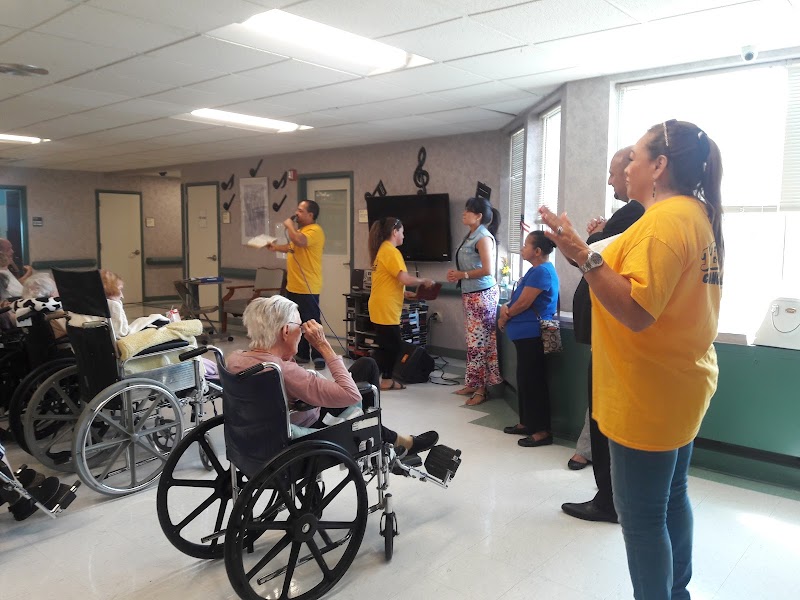
QUEENS BOULEVARD EXTENDED CARE FACILITY is owned by a for-profit company. For-profit facilities operate as businesses with obligations to shareholders or private owners. The facility operates independently rather than as part of a larger chain. With 280 certified beds and approximately 262 residents (about 94% occupancy), it is a large facility located in WOODSIDE, New York.
How Does Queens Boulevard Extended Care Facility Compare to Other New York Nursing Homes?

Compared to the 100 nursing homes in New York, QUEENS BOULEVARD EXTENDED CARE FACILITY's overall rating (4 stars) is above the state average of 3.1, staff turnover (44%) is near the state average of 46%, and health inspection rating (4 stars) is above the national benchmark.

What Should Families Ask When Visiting Queens Boulevard Extended Care Facility?

Based on this facility's data, families visiting should ask: "Can you walk me through typical staffing levels on day, evening, and night shifts?" "Can I visit during a mealtime to observe dining assistance and food quality?" "How do you handle medical emergencies, and what is your hospital transfer rate?" "Can I speak with family members of current residents about their experience?" These questions are particularly relevant given the below-average staffing rating.

Is Queens Boulevard Extended Care Facility Safe?

Based on CMS inspection data, QUEENS BOULEVARD EXTENDED CARE FACILITY has a clean safety record: no substantiated abuse findings (meaning no confirmed cases of resident harm), no Immediate Jeopardy citations (the most serious violation level indicating risk of serious injury or death), and is not on the Special Focus Facility watch list (a federal program monitoring the lowest-performing 1% of nursing homes). The facility has a 4-star overall rating and ranks #1 of 100 nursing homes in New York. While no facility is perfect, families should still ask about staff-to-resident ratios and recent inspection results during their visit.

Do Nurses at Queens Boulevard Extended Care Facility Stick Around?

QUEENS BOULEVARD EXTENDED CARE FACILITY has a staff turnover rate of 44%, which is about average for New York nursing homes (state average: 46%). Moderate turnover is common in nursing homes, but families should still ask about staff tenure and how the facility maintains care continuity when employees leave.

Was Queens Boulevard Extended Care Facility Ever Fined?

QUEENS BOULEVARD EXTENDED CARE FACILITY has no federal fines on record. CMS issues fines when nursing homes fail to meet care standards or don't correct problems found during inspections. The absence of fines suggests the facility has either maintained compliance or corrected any issues before penalties were assessed. This is a positive indicator, though families should still review recent inspection reports for the full picture.

Is Queens Boulevard Extended Care Facility on Any Federal Watch List?

QUEENS BOULEVARD EXTENDED CARE FACILITY is not on any federal watch list. The most significant is the Special Focus Facility (SFF) program, which identifies the bottom 1% of nursing homes nationally based on persistent, serious quality problems. Not being on this list means the facility has avoided the pattern of deficiencies that triggers enhanced federal oversight. This is a positive indicator, though families should still review the facility's inspection history directly.