ADIRA AT RIVERSIDE REHABILITATION AND NURSING
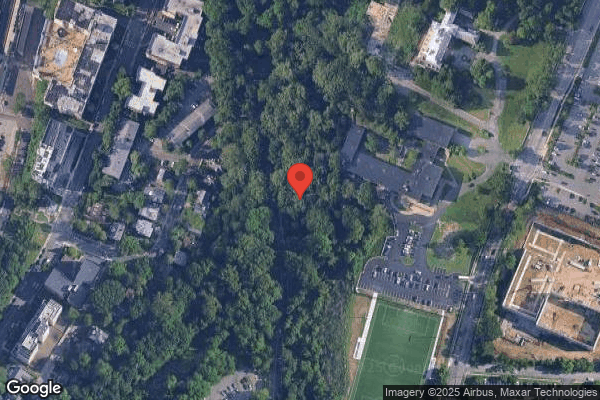

120 ODELL AVENUE, YONKERS, NY 10701 (914) 964-3333
For profit - Partnership 120 Beds Independent Data: November 2025
Trust Grade
43/100
#372 of 594 in NY
Last Inspection: August 2024

Within standard 12-15 month inspection cycle. Federal law requires annual inspections.

Overview

Adira at Riverside Rehabilitation and Nursing has received a Trust Grade of D, indicating below-average care and some concerning issues. With a state rank of #372 out of 594, they are in the bottom half of New York facilities, and #28 of 42 in Westchester County means only a few local options are worse. The facility's situation is worsening, with the number of issues rising from 1 in 2022 to 11 in 2024. Staffing is a relative strength, rated at 3 out of 5 stars with a turnover rate of 25%, which is better than the state average, but residents have reported insufficient staffing at times, leading to delayed responses to call bells. Additionally, the facility has incurred $66,859 in fines, indicating repeated compliance problems, and a serious incident involved a resident developing an unstageable pressure ulcer due to inadequate care, highlighting significant concerns about resident safety and care standards.

Trust Score
D
43/100
In New York
#372/594
Bottom 38%
Safety Record
Moderate
Needs review
Inspections
Getting Worse
1 → 11 violations
Staff Stability
✓ Good
25% annual turnover. Excellent stability, 23 points below New York's 48% average. Staff who stay learn residents' needs.
Penalties
⚠ Watch
$66,859 in fines. Higher than 94% of New York facilities. Major compliance failures.
Skilled Nurses
✓ Good
Each resident gets 101 minutes of Registered Nurse (RN) attention daily — more than 97% of New York nursing homes. RNs are the most trained staff who catch health problems before they become serious.
Violations
⚠ Watch
18 deficiencies on record. Higher than average. Multiple issues found across inspections.
★★☆☆☆
2.0
Overall Rating
★★★☆☆
3.0
Staff Levels
★★★★★
5.0
Care Quality
★☆☆☆☆
1.0
Inspection Score
Stable
2022: 1 issues
2024: 11 issues

The Good

  • 5-Star Quality Measures · Strong clinical quality outcomes
  • Low Staff Turnover (25%) · Staff stability means consistent care
  • Full Sprinkler Coverage · Fire safety systems throughout facility
  • No fines on record
  • Staff turnover is low (25%)

    23 points below New York average of 48%

Facility shows strength in quality measures, staff retention, fire safety.

The Bad

2-Star Overall Rating

Below New York average (3.1)

Below average - review inspection findings carefully

Federal Fines: $66,859

Well above median ($33,413)

Moderate penalties - review what triggered them

The Ugly 18 deficiencies on record

1 actual harm
Aug 2024 11 deficiencies 1 Harm
SERIOUS (G)

Actual Harm - a resident was hurt due to facility failures

Pressure Ulcer Prevention (Tag F0686)

A resident was harmed · This affected 1 resident

Based on interview, observation and record review during a Recertification Survey conducted from 8/26/2024 through 8/30/2024, the facility failed to ensure that a resident received care, consistent wi...

Read full inspector narrative →
Based on interview, observation and record review during a Recertification Survey conducted from 8/26/2024 through 8/30/2024, the facility failed to ensure that a resident received care, consistent with professional standards of practice, to prevent pressure ulcers and to prevent the development of pressure ulcers unless the individual's clinical condition demonstrates they were unavoidable. This was evident for 1 of 4 residents reviewed for pressure ulcers (Resident #24). Specifically, Resident #24 was assessed as high risk for pressure ulcers and was identified to have left heel redness on 08/24/2024. The resident's care plan and interventions were not promptly updated and implemented to prevent further deterioration of the left heel skin integrity. Subsequently, on 8/29/2024, the resident's left heel was observed and assessed by the facility nurse practitioner and diagnosed to be an unstageable decubitus (damage to a person's skin caused by constant pressure on an area for a long-time) ulcer. This resulted in actual harm to Resident #24 that is not Immediate Jeopardy. The findings are: The facility's policy titled Pressure Ulcers: Prevention and Care of (dated 5/2001, revised 6/2012) documented it is the policy of the facility to maintain the skin integrity of residents with intact skin and to restore the skin integrity of those residents with pressure ulcers. Actions include: may refer to the Pressure Ulcer Protocol, initiate the resident's care plan with nursing interventions for treatment and prevention of the pressure ulcer, review and update care plan accordingly, may convene a care planning team meeting including the dietician, rehabilitation therapist, physician or nurse/wound care team to develop the interdisciplinary steps required for healing the ulcer, update the interdisciplinary team to reflect the physicians orders and any other interventions decided upon. Supervise care rendered by Certified Nursing Assistant (CNA) to assure optimal positioning (including use of devices) and incontinence care. The undated facility policy for Turning and Positioning a Resident documented turning and positioning of resident in bed is performed as specified in the resident plan of care. The following residents are to be considered for a specified turning and positioning schedule: residents identified as high risk for pressure ulcer development, residents with actual skin ulcer, and residents with limited bed mobility. The Facility Pressure Ulcer Protocol for Care for Stage 1 pressure ulcer guidelines identifies a Stage 1 ulcer definition as intact skin with redness (in darker skin may appear as red/blue or purple hues) of a localized area which is usually over a bony prominence). Please note not all reddened areas are stage 1 pressure ulcers. Some reddened areas are due to moisture associated with skin damage. Guidelines for Interventions include: complete full body assessment on admission, hospital return, during bed bath, shower, incontinent care or anytime when red area is noted, skin assessment to be completed by registered nurse on admission, quarterly and for significant change. May update plan of care with turn and repositioning task. Turn and position for relief of pressure, if applicable. Reduce shear and friction, lubricate skin, inform physician and dietician, provide resident/family/staff education and document on the resident/family care plan, documentation in medical record on staging, location, and treatment, update comprehensive care plan/minimum data set as necessary. Resident #24 had diagnoses including type 2 diabetes, Alzheimer's disease, and a history of pressure injuries. The Quarterly Minimum Data Set (an assessment tool) dated 7/15/2024 documented Resident # 24 had severe cognitive impairment, was dependent on staff for chair/bed-to-chair transfers and required substantial to maximal assistance for bed mobility and sitting on the side of the bed. Resident #24 was frequently incontinent of bowel and bladder, was at risk for pressure ulcers, had no pressure ulcers/other skin problems (ulcers, wounds), had a pressure reducing device for chair/bed, was on a turning/repositioning program, received nutrition or hydration intervention to manage skin problems, and received ointments/medications other than to feet. The 8/19/2024 Skin Integrity Care Plan documented Resident #24 was at risk for skin breakdown or pressure ulcer injury. The goal was to have no skin breakdown for 90 days. Interventions included turn and position every 2 hours / as needed, monitor skin during daily care, assess for changes in skin condition each shift, and provide incontinent care every 2 hours and as needed. On 8/26/2024 a wound consult secondary to redness of left heel was added to the care plan. The 8/24/2024 Braden Scale (an assessment used to predict a resident's risk of developing pressure sores/ulcers) documented a score of 11 which indicated that resident was at high risk. The risk factors documented sensory perception: very limited. Moisture: very moist. Activity: chairfast. Mobility: very limited. Nutrition: probably inadequate. Friction and shear: problem. There was no documented evidence Resident #24's care plans were updated to include interventions for the left heel redness and to prevent the further deterioration of left heel skin integrity. The 8/24/2024 Care Plan Activity Report for care area: pressure ulcer/injury/skin integrity potential for skin breakdown note documented: It was reported to the writer that the resident had left heel redness, seen, and examined by nurse practitioner, order zinc ointment to be applied to affected area after cleansing with normal saline then cover with foam dressing every shift and as needed. Wife made aware personally. All needs being attended and anticipated. Morning care done, assisted from bed to geriatric chair (large padded reclining chair with wheeled base for people with limited mobility). Kept clean and dry. Continue plan of care. Currently monitored. The Certified Nursing Assistant Documentation History Detail report documented skin checks were performed each shift (3 times a day) by staff from 8/24/2024 through 8/28/2024. The 8/24/2024 at 3:18 PM Nurse Practitioner note documented left heel skin changes. Came to resident secondary to family informing the left heel had skin changes. Skin on left heel had redness with some bleeding. Changes in left heel skin integrity, wound consultation. Start zinc oxide. The 8/24/2024 at 3:50 PM Nursing Progress note documented resident in bed, awake, calm not in any distress. Noted with redness on their left heel, seen by Nurse Practitioner with treatment advised, cleansed with normal saline, applied zinc oxide and covered with foam dressing as ordered. Out of bed at lunch time. Plan of care to continue. There was no documented evidence of further interventions, or progress notes until 8/29/2024. The August Treatment Administration Record documented Resident #24 received treatment each shift (7 AM- 3 PM, 3 PM-11 PM, 11 PM-7 AM) of topical zinc oxide 20%, apply by topical route every shift to left heel after cleansing with normal saline, then cover with foam dressing from 8/24/2024 through 8/28/2024. The Certified Nurse Aide Documentation Record dated August 2024 documented the resident was turned and positioned every 2 hours from 8:00 PM to 8:00 AM. There was no documented evidence the resident was turned and positioned between 8:00 AM and 8:00 PM. The 8/26/2024 at 3:06 PM Interim Physician Order signed by the Medical Director on 8/27/2024 at 9:54 AM documented wound consult for left heel redness. During observation on 08/27/2024 at 9:34 AM Resident #24 was sleeping on their back in a geriatric chair with their heels resting directly on the geriatric chair footrest. The heels were not off-loaded or elevated. During observation on 08/27/2024 at 11:42 AM Resident #24 was resting on their back in a geriatric chair with their ankles crossed and their heels resting directly on the geriatric chair footrest. Heels were not off-loaded and Resident #24 had socks and slippers on. During a continuous observation on 08/28/2024 from 8:50 AM to 11:41 AM Resident #24 was resting on their back with their ankles crossed and heels resting on the footrest. Resident #24 had socks and slippers on and was not turned/repositioned during this time. During an interview on 08/28/2024 at 1:20 PM Resident #24's family member stated they noticed left heel redness during a visit last week and requested staff to look at the heel. The family member was not aware of any interventions put in place except a request for wound consult to take place Friday, August 30, 2024. During observation on 08/29/2024 at 8:35 AM Resident #24 was resting in bed on their back and their heels were not off-loaded. During observation and interview with Registered Nurse #26 on 08/29/2024 at 9:55 AM, Resident # 24's heels were resting on an air mattress and not off-loaded. The left heel was observed with a soiled, white gauze dressing which was removed by Registered Nurse #26. During an immediate interview, Registered Nurse #26 stated it was an unstageable wound and they were not aware why the wound was dressed in white gauze, not in foam dressing as ordered or why heels were not off-loaded. Registered Nurse #26 did not have an explanation when asked what interventions were implemented to prevent further decline of the heel after report of heel redness on 8/24/2024. Further review of the August 2024 Treatment Administration Record revealed Registered Nurse #26 signed for the heel dressing treatment for the 7:00 AM to 3:00 PM shift on 8/25/2024, 8/26/2024, 8/27/2024, and 8/28/2024. On 08/29/2024 at 10:00 AM, Registered Nurse Supervisor #1 was asked to observe the left heel wound with Registered Nurse #26. During an immediate interview Registered Nurse Supervisor #1 stated, the wound was not stageable and there were areas of necrosis (dead tissue) present. Registered Nurse Supervisor #1 stated they did not know why Resident #24's heels were not off-loaded and was unaware of interventions put in place when redness of the left heel was identified on 8/24/2024. They did not know why the wound was covered with gauze and did not have a foam dressing present as ordered. During observation and interview on 08/29/2024 at 11:59 AM Nurse Practitioner #27 stated the left heel wound was unstageable and had progressed from heel redness which was reported 8/24/2024. Nurse Practitioner #27 stated nurse judgement should have been applied and heel off-loading, turning and repositioning and heel boots should have been added to the care plan immediately upon report of heel redness. During an interview on 08/29/2024 at 1:21 PM, Certified Nursing Assistant #28 stated they report all changes in resident status to the floor registered nurse or Unit Supervisor. Certified Nursing Assistant #28 stated they had not noticed any changes in Resident #24's skin during care since Sunday, August 25, 2024, and Resident #24 was not discussed during reports over the last week. Certified Nursing Assistant #28 stated the resident's family member asked them to check resident's left heel about 4-5 days ago and they informed family member they would provide information to floor registered nurse to assess. Certified Nursing Assistant #28 stated they informed the floor registered nurse of the family member request to assess the left heel. Certified Nursing Assistant #28 stated they were not aware of any interventions put in place for the residents left heel. During an interview on 08/29/2024 at 1:33 PM Registered Nurse #26, stated skin assessments were only completed if there is a change reported and during wound care. Registered Nurse #26 stated they are familiar with Resident #24 and the resident has a wound on the left heel. Registered Nurse #26 stated offloading and repositioning are techniques used to prevent pressure ulcers and they did not routinely off-load the resident's heels except for once on 8/28/2024 when they returned the resident to bed in the evening. Registered Nurse #26 stated the resident is repositioned at mealtimes when in the day room and was not able to provide an answer why the resident was not repositioned every two hours while in the day room or why their heels were not off-loaded while the resident was in the geriatric chair. Registered Nurse #26 stated they should have delegated the task. The 8/29/2024 Nursing progress noted documented the resident was seen and examined by the nurse practitioner with the family at the bedside for a left heel diabetic unstageable ulcer. The nurse practitioner ordered to start Santyl 250 topic ointment to the affected area once daily for 30 days to left heel wound after cleansing with normal saline then cover with foam dressing. To off load bilateral heels with pillows every shift while on bed, to continue to reposition every 2 hours and as needed. Also ordered chest and heel x-ray and lab work. Needs attended to and kept monitored. During interview and observation on 08/30/2024 at 9:15 AM Wound Consultant Nurse Practitioner stated the left heel wound was unstageable. They stated pressure ulcer preventative measures could have been put in place when redness was reported on 8/24/2024 including skin prep, heel booties, off-loading, elevating feet, turning and repositioning every two hours. The staff could have taken a picture and sent it to them, and they could have made a referral to physical therapy and occupational therapy to address the resident crossing their legs and for assistive devices. During interview on 8/30/2024 at 12:03 PM the Director of Nursing stated when a change in skin integrity is reported, the resident should be assessed by the unit registered nurse and an assessment requested from the facility nurse practitioner. Once registered nurse assessment is completed, registered nurse should enter care plans, document notes, notify family of changes and plan of care. Director of Nursing stated interventions should be started immediately based on nursing judgement and orders. Interventions include off-loading, turning and repositioning, resident taken out of bed for period of time, personal hygiene, nutrition review for supplements, supportive devices including cushions, heel boots, hand rolls and possibly, x-rays. Labs including albumin should be ordered. Director of Nursing stated residents at risk for pressure ulcers should be assessed for devices such as chair cushions, heel booties and hand rolls. During interview on 08/30/2024 at 1:30 PM the Medical Director stated the expectation for residents who were at risk for pressure ulcers, included off-loading to begin immediately, turning and repositioning every two hours, efforts to minimize skin excoriation by changing residents frequently, booties used if applicable, and skin barrier ointment. 10 NYCRR 415.12(c)(1)
CONCERN (D) 📢 Someone Reported This

A family member, employee, or ombudsman was alarmed enough to file a formal complaint

Potential for Harm - no one hurt, but risky conditions existed

Notification of Changes (Tag F0580)

Could have caused harm · This affected 1 resident

Based on record reviews and interviews during the recertification and abbreviated survey (NY00325832) from 8/26/24 to 8/30/24 , the facility did not ensure that a resident's representative was promptl...

Read full inspector narrative →
Based on record reviews and interviews during the recertification and abbreviated survey (NY00325832) from 8/26/24 to 8/30/24 , the facility did not ensure that a resident's representative was promptly notified of a change in ins status For 1 of 28 residents (Resident #38) reviewed for notification of change. Specifically, Resident #38's designated representative was not made aware the resident had pneumonia and antibiotic was initiated. The findings are: Resident #38 had diagnoses including pneumonia, chronic respiratory failure and dementia. The 8/2/23 Quarterly Minimum Data Set (resident assessment tool) documented the resident had severely impaired cognition and was dependent on staff for all activities of daily living. The 2/25/22 Policy and Procedure titled Notification of Change documented the facility will promptly inform the resident representative when there is a change of condition requiring notification. The 10/8/23 chest x-ray results documents left basilar lung infiltrate (pneumonia). The 10/8/23 physician order documented Cefuroxime (antibiotic) one tablet by gastrostomy tube twice a day for 7 days for pneumonia. Review of the resident's record revealed there was no documented evidence the resident's representative was notified the resident had pneumonia and an antibiotic was initiated. During an interview on 8/30/24 at 10:50 AM, the Director of Nursing stated the nurses were responsible for family notification and it was their expectation that the family would be notified promptly with any changes. During an interview on 8/30/24 at 11:00 AM with Registered Nurse #10 stated they did not remember the incident. The resident's family was very involved and they usually updated them on any changes in the resident's physical condition. Registered Nurse #10 also stated it was the facility's policy to update the family with all changes especially since the resident had a diagnosis of Dementia. 415.3(f)(2)(ii)(b)
CONCERN (D)

Potential for Harm - no one hurt, but risky conditions existed

Deficiency F0657 (Tag F0657)

Could have caused harm · This affected 1 resident

Based on observations record review and interviews, during the recertification survey from 8/25/24 to 8/30/24, the facility did not ensure that the Comprehensive Care Plans were reviewed and revised i...

Read full inspector narrative →
Based on observations record review and interviews, during the recertification survey from 8/25/24 to 8/30/24, the facility did not ensure that the Comprehensive Care Plans were reviewed and revised in a timely manner to reflect the resident's changing needs and current status as evidenced by 1 of 4 residents (Resident #24) reviewed for skin impairments. Specifically, Resident #24 acquired a pressure injury on the left heel and the care plan was not updated with goals and interventions to promote wound healing. The findings are: Resident #24 had diagnoses including type 2 diabetes, Alzheimer's disease, and a history of pressure injuries. The Quarterly Minimum Data Set (an assessment tool) dated 7/15/2024 documented Resident # 24 had severe cognitive impairment, was dependent on staff for chair/bed-to-chair transfers and required substantial to maximal assistance for bed mobility and sitting on the side of the bed. Resident #24 was frequently incontinent of bowel and bladder, was at risk for pressure ulcers, had no pressure ulcers/other skin problems (ulcers, wounds), had a pressure reducing device for chair/bed, was on a turning/repositioning program, received nutrition or hydration intervention to manage skin problems, and received ointments/medications other than to feet. The 8/19/2024 Skin Integrity Care Plan documented Resident #24 was at risk for skin breakdown or pressure ulcer injury. The goal was to have no skin breakdown for 90 days. Interventions included turn and position every 2 hours / as needed, monitor skin during daily care, assess for changes in skin condition each shift, and provide incontinent care every 2 hours and as needed. On 8/26/2024 a wound consult secondary to redness of left heel was added to the care plan. The 8/24/2024 Braden Scale (an assessment used to predict a resident's risk of developing pressure sores/ulcers) documented a score of 11 which indicated that resident was at high risk. The 8/24/2024 at 3:18 PM Nurse Practitioner note documented left heel skin changes. Came to resident secondary to family informing the left heel had skin changes. Skin on left heel had redness with some bleeding. Changes in left heel skin integrity, wound consultation. Start zinc oxide. The 8/24/2024 at 3:50 PM Nursing Progress note documented resident in bed, awake, calm not in any distress. Noted with redness on their left heel, seen by Nurse Practitioner with treatment advised, cleansed with normal saline, applied zinc oxide and covered with foam dressing as ordered. Out of bed at lunch time. Plan of care to continue. There was no documented evidence Resident #24's care plans were updated to include interventions for the left heel redness and to prevent the further deterioration of left heel skin integrity. During observation on 08/27/2024 at 9:34 AM Resident #24 was sleeping on their back in a geriatric chair with their heels resting directly on the geriatric chair footrest. The heels were not off-loaded or elevated. During observation on 08/27/2024 at 11:42 AM Resident #24 was resting on their back in a geriatric chair with their ankles crossed and their heels resting directly on the geriatric chair footrest. Heels were not off-loaded and Resident #24 had socks and slippers on. During a continuous observation on 08/28/2024 from 8:50 AM to 11:41 AM Resident #24 was resting on their back with their ankles crossed and heels resting on the footrest. Resident #24 had socks and slippers on and was not turned/repositioned during this time. During an interview on 08/28/2024 at 1:20 PM Resident #24's family member stated they noticed left heel redness during a visit last week and requested staff to look at the heel. The family member was not aware of any interventions put in place except a request for wound consult to take place Friday, August 30, 2024. During observation on 08/29/2024 at 8:35 AM Resident #24 was resting in bed on their back and their heels were not off-loaded. During observation and interview with Registered Nurse #26 on 08/29/2024 at 9:55 AM, Resident # 24's heels were resting on an air mattress and not off-loaded. The left heel was observed with a soiled, white gauze dressing which was removed by Registered Nurse #26. During an immediate interview, Registered Nurse #26 stated it was an unstageable wound and they were not aware why the wound was dressed in white gauze, not in foam dressing as ordered or why heels were not off-loaded. Registered Nurse #26 did not have an explanation when asked what interventions were implemented to prevent further decline of the heel after report of heel redness on 8/24/2024. During observation and interview on 08/29/2024 at 11:59 AM Nurse Practitioner #27 stated the left heel wound was unstageable and had progressed from heel redness which was reported 8/24/2024. Nurse Practitioner #27 stated nurse judgement should have been applied and heel off-loading, turning and repositioning and heel boots should have been added to the care plan immediately upon report of heel redness. During interview and observation on 08/30/2024 at 9:15 AM Wound Consultant Nurse Practitioner stated the left heel wound was unstageable. They stated pressure ulcer preventative measures could have been put in place when redness was reported on 8/24/2024 including skin prep, heel booties, off-loading, elevating feet, turning and repositioning every two hours. The staff could have taken a picture and sent it to them, and they could have made a referral to physical therapy and occupational therapy to address the resident crossing their legs and for assistive devices. During interview on 8/30/2024 at 12:03 PM the Director of Nursing stated when a change in skin integrity is reported, the resident should be assessed by the unit registered nurse and an assessment requested from the facility nurse practitioner. Once registered nurse assessment is completed, registered nurse should enter care plans, document notes, notify family of changes and plan of care. Director of Nursing stated interventions should be started immediately based on nursing judgement and orders. Interventions include off-loading, turning and repositioning, resident taken out of bed for period of time, personal hygiene, nutrition review for supplements, supportive devices including cushions, heel boots, hand rolls and possibly, x-rays. Labs including albumin should be ordered. Director of Nursing stated residents at risk for pressure ulcers should be assessed for devices such as chair cushions, heel booties and hand rolls. During interview on 08/30/2024 at 1:30 PM the Medical Director stated the expectation for residents who were at risk for pressure ulcers, included off-loading to begin immediately, turning and repositioning every two hours, efforts to minimize skin excoriation by changing residents frequently, booties used if applicable, and skin barrier ointment. 10 NYCRR 415.11(c)(1)
CONCERN (D)

Potential for Harm - no one hurt, but risky conditions existed

Deficiency F0688 (Tag F0688)

Could have caused harm · This affected 1 resident

**NOTE- TERMS IN BRACKETS HAVE BEEN EDITED TO PROTECT CONFIDENTIALITY** Based on observation, record review and staff interviews during the recertification survey from 8/26/24-8/30/24, the facility di...

Read full inspector narrative →
**NOTE- TERMS IN BRACKETS HAVE BEEN EDITED TO PROTECT CONFIDENTIALITY** Based on observation, record review and staff interviews during the recertification survey from 8/26/24-8/30/24, the facility did not ensure that needed services, care and equipment were provided to assure that residents with limited range of motion and mobility maintained or improved function based on the resident's clinical condition for 3 of 3 residents (Residents # 24, #54 and #91) reviewed for position and mobility. Specifically, Residents #24, #54, and #91 were care planned for hand rolls and were observed on multiple occasions without their hand rolls. Findings include: The 2/14/22 policy and Procedure Titled Splints and Bracing documented Splinting and Bracing are provided on order by the resident's primary physician or by the facility Medical Director. The purpose was to improve function and help restore or maintain range of motion. 1. Resident #24 was admitted to the facility with diagnoses including diabetes, Alzheimer's disease, and dysphagia (difficulty swallowing). The Quarterly Minimum Data Set (an assessment tool) dated 7/15/24 documented the resident had severe cognitive impairment and was dependent on staff for activities with activities or daily living. A care plan titled Palm guard care plan (Posey Roll) dated 7/25/24 documented interventions included bilateral Posey hand rolls to be worn as tolerated by resident. The hand rolls could be removed for bathing/dressing/range of motion and skin checks by nursing per their protocol. During observations on 08/27/24 at 9:34 AM and 11:42 AM, 08/28/24 from 8:50 AM to 11:41 AM, and 08/29/24 at 8:35 AM, Resident #24 did not have hand rolls in place. During an interview on 08/28/24 at 1:20 PM, a family member stated they were concerned about resident's hands as they have found the resident with their hands clenched and a smell coming from the inside of their hands on numerous occasions. They stated they had never seen the resident with hand rolls in place and had not observed the hand rolls in the resident's room. The family member stated they washed the resident's hands during visits, applied lotions and cut their fingernails as necessary. The family member stated a discussion regarding hand rolls had not taken place and they were not aware devices were available to resident. During an interview on 8/28/24 at 3:22 PM, Certified Nursing Assistant #3 stated they were not aware of resident wearing hand rolls. During an interview on 8/29/24 at 10:47 AM, Unit Supervisor Registered Nurse #1 stated that a care plan was in place for bilateral hand rolls for Resident #24. Registered Nurse #1 was unable to locate an order for bilateral hand rolls in electronic medical record during interview. They stated that communication did not occur between occupational therapy and nursing staff when the care plan was entered, and the order was not placed. They stated that order should have been placed by the occupational therapist when care plan was entered. During an interview on 08/29/24 at 1:21 PM, Certified Nursing Assistant #28 stated they were not aware of the resident wearing bilateral hand rolls. During an interview on 08/29/24 at 2:02 PM, Registered Nurse #26 stated that Resident #24 had not had hand rolls in place since they returned to the unit in early August 2024. Registered Nurse #26 stated they would usually report to physical therapy if a resident had contractures, or they would inform the supervisor. Registered Nurse #26 stated they did not report contractures to the unit supervisor or physical therapy. During an Interview on 08/30/24 at 9:39 AM, Occupational Therapy Assistant #25 stated they entered care plan for Palm Guard (Posey hand roll) on 7/25/24 at 8:29 AM. Occupational Therapy Assistant #25 stated they were asked to assess bilateral hands by a member of nursing team and entered care plans and progress notes after the assessment. They stated they issued Posey hand rolls to the resident and that occupational therapy supervisor would have been responsible for entering the order. Occupational Therapy Assistant #25 stated it was the responsibility of the Unit Supervisor and nursing staff to ensure hand rolls were placed on the resident daily. 2. Resident #54 had diagnoses including anoxic brain injury (lack of oxygen to the brain), dementia, and diabetes. A Quarterly Minimum Data Set (an assessment tool) dated 8/6/24 documented the resident's cognition was severely impaired, and the resident was dependent on staff for activities of daily living. The resident's care plan dated 7/9/24 documented Posey hand rolls to both hands. Interventions included to check skin every shift and as needed and check skin integrity. The Posey rolls could be removed for bathing/dressing/ range of motion, and skin checks. A Physician order dated 7/10/24 documented bilateral Posey hand rolls to increase comfort and limit skin breakdown to palms of hands; to be worn at all times except for hygiene and activities of daily living, and, skin checks. A review of the Treatment Administration Record for August 2024 did not include documentation regarding the hand rolls. A review of the Certified Nurse Aid accountability record August 2024 did not include the need for Posey Hand rolls. During an observation on 08/26/24 at 4:06 PM, the resident's hands were contracted, and the hand rolls were not in place. A hand roll was observed on the bedside table. During observations on 08/27/24 at 10:21 AM and 8/28/24 at 9:01 AM the resident was in bed and did not have Posey rolls in hands. During observations on 08/27/24 at 10:54 AM and 12:56 PM, the resident was in their geriatric chair, there was not a Posey roll in the left hand, and the right hand Posey roll was around the resident's wrist but not positioned in hand. During an observation on 08/28/24 at 12:38 PM the resident was in the dining room being fed by staff and did not have a Posey roll. During an interview on 08/28/24 at 12:38 PM, Physical Therapist #2 stated the resident should be wearing a left hand Posey and did not know why the resident was not wearing it. Physical Therapist #2 stated they were unaware the order was for bilateral Posey rolls. They stated If the resident refused to wear the rolls, the nurses should let them know and the resident would be reassessed. They stated they would also discuss with the physician if the resident was refusing the hand rolls. During an interview on 08/28/24 at 12:42 PM, Certified Nurse Aide #3 stated the resident threw the Posey hand roll at the staff this morning during morning care and they put them away in the bedside drawer. They stated they should have notified the nurse but did not. During an interview on 08/28/24 2:05 PM, Registered Nurse Supervisor #1 stated the Certified Nurse Aide did not notify them that the resident was refusing the Posey hand rolls. If a resident was refusing the hand rolls, they would inform therapy. During an interview on 08/28/24 at 03:04 PM, the Assistant Director of Nursing stated the hand rolls should have been in the Certified Nurse Aide task documentation and did not know why it was not activated on the care plan. They stated if the resident was refusing the hand roll it should have been documented by the nurse and the physician should have been notified. 3. Resident # 91 had a diagnosis of brain damage, chronic respiratory failure, and cardiac arrest. The 6/8/24 admission Minimum Data Set (resident assessment tool) documented the resident had severely impaired cognition and was dependent for other activities of daily living. The 7/10/24 Physician order documented right hand roll to increase comfort and maintain skin integrity. A 7/10/24 care plan documented a right hand roll due increased risk for contractures, and to decrease discomfort in right hand and decrease risk for skin breakdown. A 6/23/24 Certified Nurse Aide Care Card documented right hand roll on, and to remove for skin checks and hygiene. During observations on 8/26/24 at 10:15 AM, 8/27/24 at 10:00 AM, 8/28/24 at 2:00 PM, and 8/29/24 at 9:32 AM, Resident #91 was in bed, the left hand was open and the right hand was in a fist with no hand roll in place. During an interview on 8/30/24 at 10:15 AM, Registered Nurse #8 stated the Rehabilitation Department assessed the resident for the hand roll and when there was an order, nursing was responsible for ensuring the resident used the device. They stated if the resident was not wearing the device, a contracture may get worse or develop an open area. During an interview on 8/30/24 at 10:20 AM, Certified Nurse Aide #9 stated the staff was responsible for putting on the hand roll. They stated it was on the [NAME] (care instructions), and they made sure it was on. During an interview on 8/30/24 at 10:30 AM the Director of Rehabilitation stated the Rehab Department was responsible for assessing the resident, providing the equipment and updating the care plan; nursing was responsible for ensuring the equipment was in place. 10 NYCRR 415.12(e)(2)
CONCERN (D)

Potential for Harm - no one hurt, but risky conditions existed

Respiratory Care (Tag F0695)

Could have caused harm · This affected 1 resident

**NOTE- TERMS IN BRACKETS HAVE BEEN EDITED TO PROTECT CONFIDENTIALITY** Based on observation, record review and interviews during the recertification survey from 8/26/2024 to 8/30/2024, the facility d...

Read full inspector narrative →
**NOTE- TERMS IN BRACKETS HAVE BEEN EDITED TO PROTECT CONFIDENTIALITY** Based on observation, record review and interviews during the recertification survey from 8/26/2024 to 8/30/2024, the facility did not ensure that each resident received necessary respiratory care including oxygen therapy that was in accordance with professional standards of practice and as ordered by the practitioner for 1 (Resident #308) of 4 residents reviewed for respiratory care. Specifically, for the Resident #308, the facility did not ensure the physician's order for the prescribed oxygen administration was followed. Findings include: Resident #308 had diagnoses including chronic respiratory failure with hypoxia, shortness of breath, and pneumonia. The admission Minimum Data Set (resident assessment tool) dated 8/26/24 documented, Resident #308 was admitted to the facility on [DATE], had intact cognition, needed maximal assistance with toileting hygiene, shower/bathe self, lower body dressing, sit to lying, chair to bed transfer, and was dependent with toilet transfer. The resident had shortness of breath with exertion, sitting at rest, lying flat. The resident received oxygen therapy. During observations on 08/26/24 at 9:33 AM and 8/27/24 at 9:20 AM, Resident #308 was in their bed, wearing a nasal canula with a tube connected to the oxygen concentrator with 4 and 4.5 liters per minute flow oxygen. The resident stated that they were on the oxygen continuously since they were admitted to the facility. The physician order dated 8/21/24, documented continuous oxygen at 2-3 liters per minute via nasal canula. Review of the Treatment Administration Records dated 8/20/24 to 8/27/24 for 7:00 AM-3:00 PM, 3:00 PM-11:00 PM, and 11:00 PM-7:00 AM shifts, documented staff initials for oxygen at 2-3 liters per minute via nasal canula every day, every shift. During observation and interview on 08/27/24 at 11:55 AM, Resident #308 was in their room and receiving oxygen via nasal canula. Registered Nurse #21 observed the oxygen concentrator and turned the flow adjustment knob from 4.5 liters to 2 liters. Registered Nurse #21 stated the the order was for 2 liters per minute. Registered Nurse #21 opened their computer and reviewed the order and the August 2024 Treatment Administration Record and stated the order was continuous oxygen at 2-3 liters via nasal canula and did not know why the order was not being followed. 10 NYCRR 415.12(k) (6)
CONCERN (D) 📢 Someone Reported This

A family member, employee, or ombudsman was alarmed enough to file a formal complaint

Potential for Harm - no one hurt, but risky conditions existed

Food Safety (Tag F0812)

Could have caused harm · This affected 1 resident

Based on observations, record review, and interviews conducted during the Recertification Survey and Abbreviated Survey (NY00336677) from (8/26-8/30/24), the facility did not ensure that food was stor...

Read full inspector narrative →
Based on observations, record review, and interviews conducted during the Recertification Survey and Abbreviated Survey (NY00336677) from (8/26-8/30/24), the facility did not ensure that food was stored, prepared, distributed, and served in accordance with professional standards for food service safety and food prep equipment was clean and in safe operating condition. Specifically, 1) the walk-in refrigerator contained expired peanut butter and jelly sandwiches, and expired egg salad and peanut butter and jelly sandwiches were observed on prepared lunch trays, 2) Resident's personal food was observed in the resident pantry refrigerator beyond its 3 day limit; and 3) the first floor resident ice machine was not clean and observed with black slime on the inside of the machine which was in close contact with ice cubes. The findings are: During an initial tour of the kitchen on 08/26/24 at 9:28 AM, the walk-in refrigerator was observed with two peanut butter and jelly sandwiches in a large box that were stamped use by 8/25/24. A second observation was made on 8/26/24 11:46 AM on the food service line of staff preparing the hot meals and placing plates on the food truck preparing for delivery to Resident Units. One egg salad sandwich and 3 more peanut butter and jelly sandwiches stamped use by 8/25/24 were observed on the trays. During an interview on 8/26/26 at 12:06 PM with the Assistant Food Service Director they stated the trucks were prepared the day before and lunch meal trays with dry food, cold beverages and sandwiches were put on the trays. They stated they thought that when staff were doing the prep, they mistakenly left sandwiches on the truck dated use by 8/25/24. During an interview with the Director of Food Service on 08/28/24 at 2:16 PM they stated they did not know why expired sandwiches were in the refrigerator and on meal trays but abiding by the use by dates were important because of Infection Control and prevention of illness. The stated food needed to be the freshest and staff just did not think ahead. 2) The facility policy titled Food Brought from Outside, dated 1/4/21, documented food will be held in the refrigerator for three days following the date on the label and will be discarded by staff upon notification to the resident. An observation was made on the first-floor resident refrigerator on 8/26/24 at 12:30 PM. Resident food in the refrigerator was dated 8/13/24 and another package was dated 8/12/24. In addition, an undated ice cream cake was observed in the freezer. During an interview on 08/26/24 12:52 PM, Licensed Practical Nurse #4 stated residents could keep food in the refrigerator for three days then it would be discarded. The refrigerator was supposed to be checked every day for expired food by Certified Nursing Assistants but did not know why it had not done in a while. 3) On 8/26/24 at 12:23 PM the lower-level ice machine located in the resident pantry was observed to have a large patch of black slime inside the machine on the right side of the ice tray and on the inside walls of the box. The tray automatically turns on its side when ice is ready and falls down the wall of the machine to the collection unit. The machine was full of ice cubes which fell from ice tray. A dark substance was observed on the bottom of the ice trays. During an interview on 08/27/24 at 08:35 AM, the Director of Housekeeping stated the Housekeeping Department was responsible for cleaning the ice machines. They stated the last cleaning was July 24, 2024, and was not aware there was a problem, but housekeeping staff should have informed them it had black slime. The Director of Housekeeping stated it was important to keep the ice machines clean since there were a lot of hands going in and out of the machine with each use that could contaminate the ice. 10NYCRR 415.14(h)
CONCERN (D)

Potential for Harm - no one hurt, but risky conditions existed

Infection Control (Tag F0880)

Could have caused harm · This affected 1 resident

Based on observations, record review, and interviews during a Recertification Survey (8/26/24-8/30/24), the facility did not maintain an infection prevention and control program designed to prevent th...

Read full inspector narrative →
Based on observations, record review, and interviews during a Recertification Survey (8/26/24-8/30/24), the facility did not maintain an infection prevention and control program designed to prevent the development and transmission of communicable diseases and infection. Specifically, 1) the facility did not ensure that an infection surveillance plan based on facility assessment was implemented for identifying, tracking, and monitoring infections, communicable diseases, and outbreaks. 2) the facility Water Management Plan for Legionella had not been reviewed annually, 3) the facility did not ensure that 9 of 10 staff members were offered and educated regarding the risks and benefits of the pneumonia vaccination and given the opportunity to decline or receive the vaccination; and 4) did not properly implement Enhanced Barrier Precautions for 4 of 24 residents ( #6,#307,#309 and #24). The findings are: 1) The infection tracking logs documented infections that were being tracked for the month of July 2024. There was no documentation during July 2024, August 2024 that could be reviewed for infection onset dates, signs and symptoms, lab tests/results, isolation, and outbreak potential. During an interview on 08/28/24 at 10:43 AM with the Infection Preventionist who stated the line list of infections for June was not found and August line list was not done yet but will be doing it soon since it is done at the end of the month. The Infection Preventionist does not track infections as they are happening and currently did not know if there were any patterns of infections occurring to identify and prevent the spread of further infections. During an interview with the Director of Nursing on 8/28/24 at 12:25 PM they stated they did not have a tool to document infection tracking and knows about the different infections in morning report. The Infection Preventionist is supposed to be taking notes of the infections in real time because that is part of their Infection Preventionist job. The Director of Nursing stated this needs to be done to catch a cluster of infections to prevent them from spreading. 2)The Water Management Plan for Legionella prevention was reviewed and dated December 2016 and there was no documentation the plan was reviewed and if needed revised annually. During an interview with the Director of Maintenance on 8/26/2024 they stated they were aware the plan needed to be reviewed and updated yearly for accuracy but did not realize it had been since 2016. 3) A review of the immunization records of 7 out of 10 randomly selected employees (#22 #33,#34, #35, #36, #37, #38) indicated that education regarding the risks and benefits of pneumonia vaccination was not provided. There was no documented evidence that the vaccine was offered and/or received or that the employees declined to receive the vaccination and were provided education. During an interview with the Infection Preventionist on 08/27/24 at 02:40 PM they stated they don't offer the pneumococcal routinely because no one wants it but did not have declinations from staff to review. During an interview with the Director of Nursing on 08/30/24 01:58 PM they stated the Infection Preventionist should be keeping track of vaccines and does not know why it is so disorganized. 4) Resident #307 had diagnoses of anemia, dementia, and dysphagia. The physician orders dated 5/30/24 documented Enhanced Barrier Precautions for heel wound and right hip surgical wound. Resident#309 had diagnosis of anemia, dementia, and hypertension. The physician's orders dated 8/26/24 documented Enhanced Barrier Precautions for surgical wound. During an observation and interview with the Infection Preventionist on 8/28/24 at 10:43 AM on the first-floor unit, Resident #307 and Resident #309 rooms were viewed. There were no doffing pails and no supply carts in the hallway for easy accessibility. The Infection Preventionist stated carts need to be conveniently located outside the resident's rooms, so staff are not walking around in the hallway looking for additional supplies. The Infection Preventionist stated they did not know why this was not done but it should be in place. 10NYCRR 415.19(a)(2)
CONCERN (D)

Potential for Harm - no one hurt, but risky conditions existed

Deficiency F0883 (Tag F0883)

Could have caused harm · This affected 1 resident

Based on record review and interview during the recertification survey conducted 08/26/24 to 08/30/24, the facility did not ensure each resident was offered pneumococcal immunizations and received edu...

Read full inspector narrative →
Based on record review and interview during the recertification survey conducted 08/26/24 to 08/30/24, the facility did not ensure each resident was offered pneumococcal immunizations and received education regarding the benefits and potential side effects of the immunizations for 1 of 5 residents (Residents #91) reviewed. Specifically, there was no documented evidence Resident #91 was offered, declined, or educated on the pneumococcal immunization. Findings include: The undated facility policy titled Resident Pneumovax Vaccination Program, documented the Pneumovax is to be given to all residents who have no prior evidence of receiving it. All new admissions are to be assessed for the need for this vaccine as part of the admission medical work up. Residents will be provided with instruction and education relative to Pneumovax and aspects of our vaccination program. The education will be given on admissions as well as prior to the implementation of our immunization program and may consist of fliers and fact sheets. All education will be documented on the Resident Consent /Declination form in the comprehensive care plan and or nurse's notes for validation. Resident #91 had diagnoses of respiratory failure, seizures and was ventilator dependent. There was no documented evidence that the resident/resident representative received education, was offered the vaccination, or declined the pneumococcal vaccine. During an interview on 08/28/24 at 12:05 PM, with the Infection Preventionist they stated vaccines for residents was important because they provided good protection against disease for residents. There was not one person in charge of obtaining vaccine information for the residents and left it up to the Nursing Supervisors to get consents and write notes. The Infection Preventionist had no tool with Resident information and vaccine status and did not know which residents were eligible, declined or were provided education about pneumococcal vaccine. The Infection Preventionist stated they did not keep a record of declinations from residents and/or residents representative. During an interview with the Director of Nursing on 08/30/24 at 1:58 PM, they stated the Infection Preventionist should be keeping track of vaccines for residents and staff and did not know why it was so disorganized. The Director of Nursing stated they needed to track vaccine status better. 10NYCRR 415.19 (a) (1-3)
CONCERN (D)

Potential for Harm - no one hurt, but risky conditions existed

Deficiency F0887 (Tag F0887)

Could have caused harm · This affected 1 resident

Based on interview and record review during the recertification survey conducted 08/26/24-8/30/24, the facility did not ensure each staff and resident was screened, offered the COVID-19 vaccine and pr...

Read full inspector narrative →
Based on interview and record review during the recertification survey conducted 08/26/24-8/30/24, the facility did not ensure each staff and resident was screened, offered the COVID-19 vaccine and provided education regarding the benefits, risks and potential side effects associated with the vaccine for 1 of 5 residents and 1 of 10 staff reviewed for COVID vaccines. Specifically, there was no documented evidence of immunization records for COVID vaccines for Resident #91 and Staff #37. Findings include: The facility policy titled COVID-19 Vaccination for Residents and Staff and last revised 5/13/21 documents in order to prevent the spread of infectious disease and to decrease the morbidity and mortality associated with the SARS-Co V-2 virus the facility will offer vaccine to all residents and residents/resident representatives will be provided education. Resident #91 had diagnoses of respiratory failure, seizures and was ventilator dependent. There was no documented evidence that the resident/resident representative received education, was offered the vaccination, or declined the COVID vaccine. During the recertification survey the facility was asked to provide the vaccination status for flu, pneumococcal and COVID vaccines. There was no documented evidence the facility had documentation of screening, education offering or current COVID19 status for Resident #91and Staff #37. During an interview with Infection Preventionist on 08/27/24 at 2:40 PM, they stated they dealt with the vaccines that were given in facility, but the ones given outside were kept in a separate binder. The current Staff and Resident files were not in order. The Infection Preventionist stated they did not have records of staff or residents who were offered, declined, and were educated on COVID vaccines. They stated they did not keep track or follow up with staff who had not provided their vaccine history and did not think Staff #37 workedat the facility. During an interview with the Registered Nurse Supervisor #22 on 08/28/24 at 10:22 AM, they stated when a new admission resident came into the facility, they would look up vaccine information in their record and whatever was missing they would pass on to the next supervisor. They stated there was no way to keep track or follow up on it as it just gets passed down to the next person. During an interview with Respiratory Therapist #37 on 08/30/24 at 01:30 PM, they stated they worked per diem roughly once a week for the past two years and brought their supervisor their vaccine records. They stated they had not been approached by the Infection Preventionist about their vaccine status or offered any additional vaccines during that time. During an interview with Certified Nurses Aide #39 on 8/28/24 at 10:28 AM, they stated they had been at the facility for 2 years and had not been offered the current COVID booster vaccine. During an interview with Certified Nurses Aide #40 on 08/30/24 at 10:11 AM, they stated they had the original COVID series of 2 vaccines but had not been offered a booster at the facility. 10NYCRR 415.19 (a)(1-3)
CONCERN (E)

Potential for Harm - no one hurt, but risky conditions existed

Deficiency F0725 (Tag F0725)

Could have caused harm · This affected multiple residents

Based on observation, interview and record review conducted during the recertification survey from 8/26/24 through 8/30/24 the facility did not ensure that sufficient nursing staff was consistently pr...

Read full inspector narrative →
Based on observation, interview and record review conducted during the recertification survey from 8/26/24 through 8/30/24 the facility did not ensure that sufficient nursing staff was consistently provided to meet the needs of residents on all shifts. Specifically, 1) multiple residents reported during interviews and the Resident Council Group meeting that the facility was short staffed at times, and this resulted in call bells not being answered timely and residents not getting out of bed; 2) several nursing staff members reported a lack of sufficient staffing; and 3) an analysis of the actual staffing schedule showed that on multiple occasions from 7/25/24 to 8/25/24, the facility was below the minimum levels documented on the Facility Assessment. Findings include: During a Resident Council meeting on 8/27/24, several residents stated that the facility was short staffed at times, especially on various shifts or on weekends. Residents stated that the call lights ring for a while before someone answers them; and some stated they had to stay in bed when they did not want to stay in bed. On 8/26/24 at 12:06 PM, during an interview with Resident #362, they stated when they rang the call bell, they had to wait for 2 hours to be taken to the bathroom and on several occasions the staff did not attend to their bathrooms needs and would only come to assist them when they were doing their cares. Resident #362 stated in the Residents' Council Group meeting on 8/27/24, they were late for their therapy session on two occasions because the staff got them out of bed late. On 8/27/24 at 09:31 AM, Resident #55 stated in the Resident's Council Group meeting the facility was short staffed on the weekends, and they had to stay in bed all day. Resident #55 stated this occurred last Sunday (8/25/24), they were in bed all day and was upset they could not get up. Resident #55 also stated the facility did not have enough staff to care for their needs. Review of the facility staffing sheets from 7/25/24 through 8/25/24, and the Facility Assessment for residents to direct care nursing staff ratios, documented the facility was understaffed 19 days of 31 days covering various shifts as reviewed for direct care nursing staff. In addition, on 8/25/24 the facility was understaffed of direct care nursing staff for 24 hours as reported in the Resident Council Group meeting on 8/27/24 where Resident #55 stayed in bed all day. On 8/28/24 at 11:06 AM, during an interview with Staffing Coordinator #12, they stated the facility utilized 4 staffing agencies to cover the regular staff vacations, medical leave, and resignations. The Staffing Coordinator #12 stated when there was short notice where the regular staff cannot cover their shift, another staff on duty would be asked to work a double shift before using the agency staff, this occurred two times weekly. On 8/29/24 at 8:49 AM, an interview with Certified Nurse Aide #3 stated they did a double shift for the facility at least three times per week. On 8/30/24 at 12:59 PM, an interview with Certified Nurse Aide #14 stated there were times it was impossible to get all the residents out of bed when the facility was short staffed. On 8/30/24 at 1:04 PM, an interview with Certified Nurse Aide #29 stated they prioritized by getting the residents that had therapy out of bed first when they were short staffed. They also stated when the facility was short of direct care workers, they could not get all 40 residents out of bed. They stated they did double shifts for the facility two times per week. On 8/30/24 at 1:14 PM, an interview with Certified Nurse Aide #6 stated they worked double shifts two times per week for the facility. On 8/30/24 at 2:19 PM, an interview with the Direct of Nursing (DON) stated the facility had good staffing of nurses and certified nurse aides. They stated the facility also had 3 helpers that assisted with answering the call bells, picking up the residents' meal trays and taking the residents' out for their appointments, but they did not give direct care to the residents. 10NYCRR 415.13(A)(1) (i-iii)
CONCERN (E)

Potential for Harm - no one hurt, but risky conditions existed

Deficiency F0730 (Tag F0730)

Could have caused harm · This affected multiple residents

Based on staff interview and review of facility records during the recertification survey from 8/26/24 through 8/30/24, the facility did not ensure Certified Nurse Aides (CNAs) performance reviews wer...

Read full inspector narrative →
Based on staff interview and review of facility records during the recertification survey from 8/26/24 through 8/30/24, the facility did not ensure Certified Nurse Aides (CNAs) performance reviews were completed at least once every 12 months. Specifically, eight of eight randomly selected certified nurse aides (CNAs) (#3, #6, #14, #16, #17, #18, #19 and #20) did not have a performance review documented at least once every 12 months. Findings include: The Certified Nurse Aides (CNAs) (#3, #6, #14, # 16, #17, #18, #19 and #20) last performance evaluations were not available. Review of Certified Nurse Aides (CNAs) (#3, #6, #14, #16, #17, #18, #19 and #20) hire dates, provided by the facility, revealed all eight of the certified nurse aides had been working at the facility for more than one year, their hire dates ranges from 2002 through 2021. When interviewed on 8/29/24 at 8:49 AM, Certified Nurse Aide (CNA) #3 stated they could not recall when they had a performance evaluation done. When interviewed on 8/29/24 at 8:52 AM, Registered Nurse Unit Supervisor #1 stated they were responsible for Certified Nurse Aide yearly Performance Evaluations on the 3-11 shift, and they could not explain why they were not completed. When interviewed on 8/28/24 at 3:38 PM, Staffing Coordinator #12 stated the Nurse Educator/Supervisor #13 and the Nursing Supervisors were responsible for completing the Certified Nurse Aides' yearly performance evaluations. Staffing Coordinator #12 stated they were responsible for keeping tract of all the yearly performance evaluation when they were due. 10NYCRR 415.26 (c) (2) (iii)
Nov 2022 1 deficiency
CONCERN (D) 📢 Someone Reported This

A family member, employee, or ombudsman was alarmed enough to file a formal complaint

Potential for Harm - no one hurt, but risky conditions existed

Notification of Changes (Tag F0580)

Could have caused harm · This affected 1 resident

**NOTE- TERMS IN BRACKETS HAVE BEEN EDITED TO PROTECT CONFIDENTIALITY** Based on record review and interviews during an abbreviated survey (NY00296050), the facility did not ensure that the resident r...

Read full inspector narrative →
**NOTE- TERMS IN BRACKETS HAVE BEEN EDITED TO PROTECT CONFIDENTIALITY** Based on record review and interviews during an abbreviated survey (NY00296050), the facility did not ensure that the resident representative was notified of a change in condition for 1 (Resident #1) of 4 residents reviewed for notification of changes. Specifically, the facility did not notify Resident # 1's representative when they began the removal process and finally removed resident's tracheostomy. The findings are: The Policy and Procedure (P&P) titled Notification of Change undated, documented it is the policy of the facility to immediately inform the resident; consult with the resident's physician; and if known, notify the resident's legal representative or an interested family member when there is an accident or incident involving the resident, upon significant change in status or condition or regarding changed in residents' rights. Resident #1 was admitted to the facility on [DATE] with diagnoses of Nontraumatic Subarachnoid Hemorrhage, Bipolar Disorder and Hypertension. The Minimum Data Set (MDS - an assessment tool) dated 05/29/2021 documented that the resident had severe cognition impairment. Review of a Respiratory Clinical Progress Note dated 04/17/2021 at 9:41 AM documented that Resident #1 is comfortable on room air and will consider capping. Review of a Respiratory Clinical Progress Note dated 04/19/2021 at 10:13 AM documented that Resident #1's tracheostomy was closed with a tracheostomy button. A Social Service Progress Note dated 04/30/2021 at 12:06 AM, documented that Resident #1 was no longer in need of the respiratory unit. Resident #1 had been weaned off the vent and the tracheostomy Review of the resident electronic medical record revealed no documentation of the resident representative having been notified of the changes regarding Resident #1's tracheostomy. During an interview conducted on 11/09/2022 at 9:30 AM, Resident #1 POA stated they had a video call with Resident #1 around 4/23/2021 and Resident #1 showed them their neck. Resident #1's POA stated that was when they saw the tracheostomy had been removed. Resident #1's POA stated they received a call from an individual from the facility who removed the tracheostomy, but the POA could not remember the staf's name. POA stated the individual informed them that they did not have to notify them about removing the tracheostomy. In a follow up interview with the POA conducted on 11/16/2022 at 3:09 PM, the POA stated they could not recall the exact date of the video call with Resident #1 but they believed it was the week of the April 23, 2021. Resident #1's POA stated they had a care plan meeting after the tracheostomy had been removed. During an interview conducted on 11/09/22 at 10:42 AM, the Respiratory Therapy Director (RTD) stated they were responsible for removing Resident #1's tracheostomy. The RTD stated the family is usually informed of a tracheostomy being removed during care plan meetings. The RTD stated if the family were not notified during the meeting, the respiratory staff will notify the nurse supervisor who will then notify the family. The RTD stated they did not remember notifying the family personally and stated they did not document any communication in Resident #1's health record. RTD stated Resident #1's family came to visit the resident frequently and he/she [NAME] the family was informed but could not be certain if it was communicated or not. During an interview conducted on 11/09/2022 at 12:45 PM, the Registered Nurse (RN) Nurse Supervisor stated residents and/or their representatives are to be notified for any change or condition, any incidents, changed in medication or for anything that is not current. The RN Supervisor stated any nurse who is in on the floor the day of the incident or change is responsible for making notification. The RN Supervisor stated anyone can notify a representative of a change in condition and normally it is documented in the record. The RN Supervisor stated sometimes the representative may be notified in person, but the communication should still be documented in the health record. RN Supervisor stated the Nurse, or the Respiratory therapist should have notified Resident #1's family of the tracheostomy being removed, and it should have been documented. 513.3(e)(2)(ii)(b)
Aug 2021 5 deficiencies
CONCERN (D)

Potential for Harm - no one hurt, but risky conditions existed

Resident Rights (Tag F0550)

Could have caused harm · This affected 1 resident

**NOTE- TERMS IN BRACKETS HAVE BEEN EDITED TO PROTECT CONFIDENTIALITY** An observation was made on 8/9/21 at 11:07 AM on the Lower Level of the medication nurse on the lower numbered hallway passing m...

Read full inspector narrative →
**NOTE- TERMS IN BRACKETS HAVE BEEN EDITED TO PROTECT CONFIDENTIALITY** An observation was made on 8/9/21 at 11:07 AM on the Lower Level of the medication nurse on the lower numbered hallway passing medications. The nurse prepared medications (Resident #10) and viewed the computer monitor which displayed the Medication Administration Record (MAR) then walked away from the cart without closing the monitor, to the resident's room to administer medications. There was no privacy screen activated and the resident's name, medications and picture were viewable to passing by CNA's, visitors and staff members. The medication nurse was observed on 8/9/21 at 11:31AM and 11:45AM, preparing medications and going into rooms without closing the MAR screen and ensuring the resident's privacy and dignity was protected. Medication Nurse #1 was interviewed on 8/9/21 11:45 AM and stated he/she didn't realize the screen was open and usually remembered to close it but today he/she forgot. The Director of Nursing (DON) was interviewed 8/18/21 at 2:13 PM and stated the nurses are reminded on orientation about resident privacy and dignity while doing med pass. The DON stated it is his/her responsibility to monitor nurses and enforcing HIPAA regulations. §483.10(a)(1) Based on observation, interview, and record review conducted during a recertification survey, the facility did not ensure that a dignified experience was maintained forn 2 of 4 residents reviewed for dignity. Specifically, Resident #63 was exposed beyond a wound area during wound care and Resident #10 medical record was visible to hallway traffic during a medication pass. The findings are: Resident # 63 was admitted to the facility on [DATE] with diagnoses Hypertension, Diabetes Mellitus, and Malnutrition. According to the 11/23/2020 admission Minimum Data Set (MDS; a resident assessment and screening tool, the resident had intact cognition, and required extensive assistance with activities of daily living (ADLs). The M-skin section of the MDS coded the resident as at risk for pressure ulcer (PU), and stage 4 PU that was present on admission. During a wound care procedure conducted on Resident #63 on 8/12/2021 at 1:20PM with Registered Nurse (RN #1) and Certified Nursing Assistant (CNA #1), dignity and privacy were not maintained throughout the wound care procedure. The resident's lower body, buttocks, thighs, and legs were exposed. They were not covered with any clothing or sheet. The bedside privacy curtain was not drawn around the bed to maintain privacy and the room door was left open. CNA #1 was interviewed on 8/12/2021 immediately following the wound care procedure. H/She stated h/she acknowledged his/her errors above. CNA #1 provided no explanation as to why the resident was exposed, and dignity was not maintained. RN #1 was interviewed on 8/12/2021 at 1:53PM after the wound care procedure and said h/she recognized his/her errors as indicated above. H/SHe provided no explanation why the resident was not covered or why the room door and bedside curtain were not closed during the procedure.
CONCERN (D)

Potential for Harm - no one hurt, but risky conditions existed

ADL Care (Tag F0677)

Could have caused harm · This affected 1 resident

**NOTE- TERMS IN BRACKETS HAVE BEEN EDITED TO PROTECT CONFIDENTIALITY** Based on observation, interview and record review conducted during a recertification survey, the facility did not ensure that a ...

Read full inspector narrative →
**NOTE- TERMS IN BRACKETS HAVE BEEN EDITED TO PROTECT CONFIDENTIALITY** Based on observation, interview and record review conducted during a recertification survey, the facility did not ensure that a resident received scheduled showers. Specifically, one of three residents (Resident # 63) reviewed for activities of daily living (ADLs) did not receive twice weekly showers as scheduled. The findings are: Resident # 63 is a [AGE] year-old who was admitted to the facility on [DATE] with diagnoses Hypertension, Diabetes Mellitus, and Malnutrition. In an interview with Resident # 63 on 8/12/2021 at 12:22 PM, h/she stated that h/she received only one shower since admission. H/She indicated one day last week h/she requested a shower and did not receive it. According to the 11/23/2020 admission Minimum Data Set (MDS; a resident assessment and screening tool), the resident had intact cognition, and required extensive staff assistance with activities of daily living (ADLs). The MDS coded the resident's preference as somewhat important to choose between a tub bath, shower, bed bath and sponge bath. Rejection of care was not identified on the MDS. A Potential for Activities of Daily Living/Rehabilitation Care Plan initiated 11/12/2020 and updated 7/13/2021 showed the resident required extensive staff assistance of two people with bed mobility, transfer, bathing, toilet use, and one assist in personal hygiene. Goals included the resident would have improved ability to perform personal hygiene and bathing. Interventions not limited to assist the resident with personal hygiene and bathing. Multiple evaluation sections of the care plan were reviewed and revealed no evidence the resident refused showers. A Behavior Care Plan initiated 11/13/2020 and updated 8/17/2021 revealed the care plan interventions were put in place on 8/17/2021. The care plan did not mention any interventions regarding showers. The care plan showed no interventions prior to 8/17/2021. ADLs and refusal of showers were checked off under the rejection of care section. There was no documentation when the resident refused her ADLs/showers. Multiple care plan meetings of the care plan on 12/2/2020, 3/3/2021, 4/21/2021, 7/21/2021 showed no evidence the resident refused her showers. Below the 8/17/2021 interventions, include an entry that stated no notes exist for the behavior focus. The facility provided no evidence upon request that the resident refused shower prior to 8/11/2021 as indicated in the Nursing Progress Note. A Lower-Level Evening Shower Schedule revealed the resident was scheduled for showers on Wednesdays and Saturdays on the evening shift. Review of the Resident Certified Nursing Assistant (CNA) Documentation History Detail from 7/1/2021 to 8/16/2021, regarding bathing, showed no evidence that the CNAs signed that showers were provided on Wednesdays and Saturdays on the evening shift or on any shift. The report showed the resident refused bathing on the day shift on 7/1/2021 and received bed bath on 7/15 and 29/2021. On 8/18/2021 surveyor requested a printed copy of the electronic medical record (EMR) which would show the actual shower schedule with the CNAs signatures for May, June, July, and August 2021. The Assistant Director of Nursing (ADON) brought the requested copies. A review of the copies, in the presence of the ADON, showed no evidence that the aides were signing for the resident's shower in the EMR A paper copy showed initials written in ink that a bed bath was given on 5/1, 5, 8, 12, 15, 19, 22, 26, 29/2021. 6/2, 5, 9, 12, 19, 23, 26, 30/2021. 7/3, 7, 10, 14, 17, 21, 24, 28, 31/2021. 8/4, 7, 11, 14/ 2021. There was no evidence presented in this EMR that the resident was offered showers and refused. The ADON was asked, at that time, why the initials were written in ink. H/She stated there was a glitch in the computer system that caused the omission of the aides' signatures. H/She stated the facility will be fixing the system. The ADON was asked who and when the initials were documented on the paper format. H/She stated the information was filled in today 8/18/2021 by a Registered Nurse, identified as Registered Nurse (RN #3). RN #3 confirmed h/she transcribed the information on 8/18/2021. RN #3 was asked to produce evidence that the resident had been offered and refused showers. H/She stated h/she had looked for the refusal information but could not find it. In an interview with the Director of Social Service (DSS) on 8/12/2021 at 12:30 PM, h/she stated the resident was capable of making his/her own decision but would direct him/her back to his/her daughter sometimes to make decisions. The DSS said the resident told him/her that she didn't get showered. The DSS stated h/she did an investigation which turned out the resident refused the shower. The DSS did not provide any copy of any investigation, or the date the resident refused the shower. In an interview with RN #3 on 8/18/2021 at 12:25PM, h/she stated that the resident shower days were Wednesdays and Saturdays. H/She stated the resident refused her shower on 8/11/2021 and 8/17/2021. RN #3 stated she looked in the resident's record but did not see where the resident received a shower. RN #3 stated she filled out the above shower sheets this morning 8/18/2021 because the information did not show in the computer. RN #3 stated the resident received bed baths on the day and evening shift. RN #3 provided no evidence the resident was offered or refused her shower prior to 8/11/2021 or the reason for refusal. In an interview with evening CNA # 4 on 8/18/2021 at 12:49PM, h/she said h/she worked regular at the facility, through an agency, five-six days a week. CNA #4 said the assignments rotate, but h/she took care of the resident sometimes. CNA #4 said yesterday 8/17/2021 on the evening shift, between 3:30PM-4PM, h/she offered the resident a shower, but h/she refused and a bed bath was given. CNA #4 provided no evidence the resident had refused the shower on 8/17/21 why the resident refused the shower on 8/17/2021, or if another day was offered for the shower. 415.12(a)(3)
CONCERN (D)

Potential for Harm - no one hurt, but risky conditions existed

Quality of Care (Tag F0684)

Could have caused harm · This affected 1 resident

**NOTE- TERMS IN BRACKETS HAVE BEEN EDITED TO PROTECT CONFIDENTIALITY** Based on observation, interview, and record review, conducted during a recertification survey, the facility did not ensure that ...

Read full inspector narrative →
**NOTE- TERMS IN BRACKETS HAVE BEEN EDITED TO PROTECT CONFIDENTIALITY** Based on observation, interview, and record review, conducted during a recertification survey, the facility did not ensure that a resident with bowel irregularity was given bowel medication for constipation problems. Specifically, 1) one of one resident (Resident #63) reviewed for constipation was not given bowel medication according to the facility Bowel Protocol for absence of bowel movement that exceeded three days; 2) the resident's bowel movements were not consistently documented on the scheduled dates to indicate accurate, and consistent bowel movements. The findings are: Resident # 63 is a [AGE] year-old who was admitted to the facility on [DATE] with diagnoses Hypertension, Diabetes Mellitus, and Malnutrition. In an interview with the resident on 8/10/2021 at 11:15AM, the resident stated that h/she had constipation problems with recent episodes a week ago. The resident was asked about the last time h/she had a bowel movement. H/She replied, a while now. The resident said each time the BM tried to come out, it would go back up inside him/her. The resident said the staff was aware the laxatives did not work. According to the 11/23/2020 admission Minimum Data Set (MDS; a resident assessment and screening tool), the resident had intact cognition, and required extensive staff assistance with activities of daily living (ADLs). The facility Bowel Protocol dated 6/2017 stated all residents' bowel movement (BM) will be monitored every shift by the Certified Nursing Assistant (CNA) and document in the electronic medical record (EMR). After no BM for 3 days, the resident will receive 30cc of Milk of Magnesia (MOM) orally or via GT. If no BM within 12 Hours after the MOM, the resident shall receive a one-time Fleet enema per rectum. If no BM within six hours after that, the physician shall be notified that the Bowel Protocol had been ineffective. An Alteration in Bowel Elimination Care Plan initiated 11/12/2020 and updated 8/2/2021 related to bowel incontinence and constipation. Goals included the resident would have formed stools every 3 days for 90 days. Interventions included to administer medication as ordered, monitor medication effectiveness, report if no BM within 48-78 hours, and monitor BM daily. Physician's Orders dated 7/24/2021 included Miralax 17 grams oral powder packet daily. Senna 8.6mg tablet, 2 tablets oral daily at bedtime for constipation. The 7/2021 and 8/2021 Medication Administration Record (MAR) contained the above bowel orders. The Resident CNA Documentation History Record related to bowel movement between 7/1-31/2021 to 8/1-31/2021 was reviewed and revealed the following: -There was no documentation of BM on all shifts on the following dates 7/3, 4, 5, 9, 10, 11, 12, 13, 15, 16, 17, 18, 19, 20/2021 which indicated the resident had no BM in more than three days. - The 7/30/2021 to 8/1-31/2021 bowel record revealed the resident's bowel movements were not consistently documented on the scheduled dates to indicate accurate, and consistent bowel movements. The record showed multiple toilet entry between, 12AM-10PM, on 7/30, 31/2021, 8/1, 2, 3, 4, 5, 6, 7, 8, 9, 10, 11, 12, 13, 14, 15, 16/2021 that were not documented on the scheduled dates. All above dates were entered on 8/17/2021, which indicated documentation was done several days after the scheduled dates. Some of the signatures on the 8/17/2021 date showed RN #2 and a Supervisor, who RN #2 said no longer worked in the facility. RN #2 was asked about her and the Supervisor's signatures that were entered on 8/17/2021 on the bowel movement record. RN #2 said she did not know how her signature got on the report. Review of clinical records not limited to the Bowel Protocol, Medication Administration Record, and Physician Orders for July and August 2021 revealed no documented evidence that the resident's lack of bowel movement and inconsistent bowel documentation was addressed by the facility staff. In an interview with Licensed Practical Nurse (LPN #1) on 8/11/21 at 4:19 PM, h/she stated that the resident is alert, oriented and able to make his/her needs known. LPN #1 said the resident had occasional bowel incontinence and would call the staff to clean his/her as needed. LPN #1 said the resident received a laxative at bedtime. H/She did not indicate if h/she was aware of the resident's lack of bowel movement. In an interview with 3P-11P CNA #4 on 8/18/2021 at 12:49PM, h/she stated the assignments rotate, but h/she took care of the resident sometimes. CNA #4 said the resident had no BM problems. S/He said the CNAs document BM in the electronic medical record. During an interview with RN #2 on 8/18/2021 at 2:24PM, h/she stated that the night nurses were responsible for running the bowel reports at night to detect bowel problems. Surveyor requested a copy of the bowel report indicating they were checked the nurses but was never provided a copy. RN #2 was advised of all above dates that were entered on 8/17/2021, and not on the scheduled dates, as well as his/her and the other supervisor's signatures on the bowel record. RN #2 said the other Supervisor no longer worked at the facility. RN #2 said h/she did not know how his/ her signature got on the bowel report. An interview was conducted with RN #3 on 8/18/2021 at 2:32PM. H/She stated the nurses on each shift should have run the bowel report to identify problems. H/She said h/she was not aware of the resident's bowel problems. H/She stated if the resident did not have a BM in 3 or more days, the Nurse Practitioner (NP) should have been notified. RN #3 did not provide a copy of the requested bowel report. 415.12
CONCERN (D)

Potential for Harm - no one hurt, but risky conditions existed

Infection Control (Tag F0880)

Could have caused harm · This affected 1 resident

**NOTE- TERMS IN BRACKETS HAVE BEEN EDITED TO PROTECT CONFIDENTIALITY** Based on observation, interview, and record review, conducted during a recertification survey, the facility did not ensure that ...

Read full inspector narrative →
**NOTE- TERMS IN BRACKETS HAVE BEEN EDITED TO PROTECT CONFIDENTIALITY** Based on observation, interview, and record review, conducted during a recertification survey, the facility did not ensure that facility staff followed proper hand hygiene and gloving technique to prevent cross contamination and the spread of infection. Specifically, (1) cross contamination of wounds and wound supplies was observed; and (2) removal of soiled gloves and hand hygiene were not observed during wound care procedures for 3 of 7 residents (Residents #63, #39, and #11) reviewed for pressure ulcer/injury. The findings are: 1. Resident # 63 is a [AGE] year-old who was admitted to the facility on [DATE] with diagnoses Hypertension, Diabetes Mellitus, and Malnutrition. According to the 11/23/2020 admission Minimum Data Set (MDS; a resident assessment and screening tool), the resident had intact cognition, and required extensive staff assistance with activities of daily living (ADLs). The M-skin section of the MDS coded the resident as at risk for pressure ulcer (PU), and stage 4 PU that was present on admission. Physician's Orders dated 7/24/2021 had orders to cleanse sacrum with Normal Saline, apply Calcium Alginate with Medi Honey, and cover with border dressing daily and as needed. A Potential Skin Integrity Skin Breakdown Care Plan initiated 11/12/2021 and updated on 7/13/2021 had goals which included the resident will not have skin breakdown in 90 days. Interventions included monitor skin daily during cares, turn and position every two hours and as needed. Risk factors included peripheral vascular disease (PVD), impaired mobility, and urinary/bladder incontinence. An Actual Pressure Ulcer Skin Integrity Care Plan initiated 11/12/2020 and updated on 7/13/2021 showed the resident was admitted to the facility with a stage 3 sacral pressure ulcer (PU). Goals/interventions included weekly skin rounds to monitor progress of the PU, dietary supplements, pressure relieving device in chair and bed. A wound observation was conducted on Resident # 63 on 8/12/2021 at 1:20PM with Registered Nurse (RN #1) and Certified Nursing Assistant (CNA #1). The following breach infection control were identified: -RN #1 gathered the ordered treatment supplies. - CNA #1 entered the resident's room, donned a pair of gloves without washing his/her hands. CNA #1 held the resident's skin while RN #1 prepared the treatment supplies on a protective barrier on the over-bed table. The table was not cleaned prior to preparing the supplies. -During the procedure, RN #1 asked CNA #1 to retrieve a bottle of Normal Saline from his medication cart that was located outside the door. Without changing her soiled gloves and washing his/her hands, CNA #1 went directly to medication cart, picked up the bottle of saline and handed to RN #1. CNA #1 returned to holding the resident with the same gloves. -RN #1 asked CNA #1 to go back outside to retrieve small plastic medication cups from the medication cart. With the same soiled gloves, CNA #1 removed the cups from the cart and gave them to RN #1. RN #1 poured some Normal Saline in one of the cups, and the Medi Honey treatment in the other cup. RN #1 proceeded to pour the Normal Saline on multiple 4x4 gauze, then used them to clean the resident's sacral wound. RN #1 placed the multiple soiled 4x4 gauze on a part of the resident's clean diaper rather than disposing of them in a receptacle. -During the cleansing of the wound, RN #1 used one piece of 4x4 gauze to clean the wound multiple times in a circular motion. -After cleaning the wound, RN # 1 donned a new pair of gloves and used it directly to apply the Medi Honey treatment to the wound bed. With the same gloves, h/she applied the cover dressing to the wound. RN #1 then removed a pen from his/her uniform pocket and used it to date/sign the clean dressing on the resident. -Following completion of the wound care procedure, RN #1 removed the soiled 4x4 gauze from the resident's diaper and discard them in the garbage can. With the same soiled gloves, RN #1 assisted CNA #1 to reapply the diaper that had contained the multiple soiled 4 x 4 gauze, and to position the resident in bed. -CNA #1 then removed his/her soiled gloves and went directly to another resident's room without washing or sanitizing her hands. CNA #1 was interviewed on 8/12/2021 immediately following the wound care procedure. H/She stated h/she acknowledged her errors above. CNA #1 stated h/she did not wash his/her hands in Resident's # 63 bathroom because the bathroom door was closed, and h/she did not want to touch the door. H/She stated h/she washed his/her hands in the other resident's bathroom across the hall because the door was opened, and h/she did not have to touch the door. H/She was asked why h/she had used his/her soiled gloves to obtain the bottle of Normal Saline and cups from the medication cart. RN #1 was interviewed on 8/12/2021 at 1:53PM after the wound care procedure and stated h/she recognized his/her errors as indicated above. H/She was asked why h/she sent CNA #1 to his/her medication cart with his/her used gloved to retrieve the items. H/She said h/she thought h/she was going to remove his/her gloves and wash his/her hands. RN #1 stated h/she should have used a spatula to apply the Medi Honey treatment to the wound. H/She stated h/she should have cleansed the bedside table prior to preparing the supplies. 2. Resident #39 is a [AGE] year-old who was admitted to the facility on [DATE] with diagnoses Diabetes Mellitus, Stage 4 Sacral PU, and Major Depression. According to the 6/18/2021 Significant MDS, the resident had moderate impaired cognition, and required total care with ADLs, except bed mobility and transfer which required extensive staff assistance. Physician Orders dated 8/9/2021 included cleanse sacrum with Normal Saline, apply Calcium Alginate, and cover with border gauze daily and as needed. A Potential Skin Break Down Care plan initiated 5/23/2021 and updated 8/11/2021 had goals that the resident would have no skin breakdown for 90 days. Interventions included but not limited to turning/positioning every two hours and as needed, monitor skin changes daily during cares, provide pressure relieving devices as per physical/occupational therapy recommendations. Actual Pressure Ulcer Care Plan initiated 5/23/2021 and updated 8/5/2021 documented stage 4 sacral PU on admission. A wound observation was conducted on Resident #39 on 8/13/2021 at 9:44AM with RN #2 Supervisor and CNA #2. The following were observed: - RN #2 donned a pair of gloves and used it to pour Normal Saline onto several pieces of 4x4 gauzes. With the same gloves, RN #2 cleansed the resident's sacral wound and applied the clean Calcium Alginate and cover dressing. No removal of gloves and hand hygiene was observed. RN #2 was interviewed on 8/13/21 at 11:50 AM and stated that h/she should have changed his/her gloves in between the dressing change. 3. Resident # 11 is a [AGE] year-old who was admitted to the facility on [DATE] with diagnoses Unstageable Sacral Pressure Ulcer (PU), Anxiety, and Major Depression. According to the 7/9/2020 admission MDS, the resident had impaired cognition and required extensive to total staff assistance with ADLs. Physician Orders dated 8/4/2021 included cleanse sacrum wound with Normal Saline, apply Collagen Powder, and cover with border gauze dressing. A wound observation was conducted on Resident #11 on 8/13/2021 at 10:48AM with RN #3 and CNA #3. The following were observed: -During the wound care procedure, RN #3 went to the treatment cart that was located outside the resident's door to obtain a small bottle of Normal Saline, a multi-packet of gauze sponges and cover dressing. -RN #3 returned with the supplies, closed the door with his/her bare hands, then opened the bottle of Normal Saline without washing or sanitizing his/her hands. -Prior to performing the wound care, the resident was observed with bowel movement in his/her diaper and on his/her skin. CNA #3 used a part of the diaper to wipe off feces from the resident's skin, while RN #3 held the resident. Feces remained on the resident's skin. The resident's skin was not cleansed with soap and water to remove the bowel movement. -CNA #3 folded the diaper with the feces under the resident's buttocks. -RN #3 pulled the bedside with his/her bare hands. Without washing his/her hands, RN #3 donned a pair of gloves, poured Normal Saline on several pieces of 4x4 gauze, and used them to clean the resident's sacral wound, while feces remained on the resident's skin. -Without removing his/her soiled gloves and sanitizing hands, RN #3 used the same soiled gloves to pour additional Normal Saline onto several pieces of 4 x 4 gauze and continued to cleanse the resident's wound. -Following completion of the wound care procedure, the potentially contaminated bottle of Normal Saline was returned to the treatment cart that contained other residents' treatment supplies. his/ RN #3 was interviewed on 8/13/2021 immediately after the wound procedure. H/She stated h/she should have washed his/her hands after closing the door. RN #3 stated h/she did not ask CNA #3 to remove the feces from the resident's skin because the wound was far from the feces. RN #3 stated CNA #3 should have cleaned the feces prior to her performing the wound care. RN #3 stated h/she should have washed his/her hands after touching the curtain and throw away the bottle of Normal Saline bottle after touching it with his/her soiled gloves. CNA #3 was interviewed on 8/13/2021 at 11:5AM following the wound care procedure and stated that h/she thought h/she had removed all the feces with the diaper. H/She stated that h/she should have cleansed the resident's skin with soap/water prior to the nurse performing the wound care. 415.19 (b)(4)
CONCERN (D)

Potential for Harm - no one hurt, but risky conditions existed

Deficiency F0925 (Tag F0925)

Could have caused harm · This affected 1 resident

Based on observation, documentation review and staff interview, the facility did not ensure that the physical environment was maintained in accordance with 483.90. Specifically, several gnats were not...

Read full inspector narrative →
Based on observation, documentation review and staff interview, the facility did not ensure that the physical environment was maintained in accordance with 483.90. Specifically, several gnats were noted in the kitchen and on a resident floor. This was noted on 1 of 3 resident floors. During the recertification survey on 8/09/21 and 8/10/21 between the hours of 9:30 AM to 2:00 PM, a tour of the kitchen was conducted. Several gnats were noted by the pot washing station and near the refrigerators. Gnats were also noted on the nursing unit on the lower level during the Life safety tour of the facility. In an interview with the Dietary Director on 8/9/21 at approximately 9:40 AM, the Dietary Director stated that the gnats come in through the window. The Dietary Director further stated that bleach is poured down the sewage pipe to reduce their activity. In a subsequent survey on 8/10/21 at approximately 1:50 PM, the Dietary Director stated that pest control services the kitchen routinely. 483.90(i)(4)
Aug 2019 1 deficiency
CONCERN (D)

Potential for Harm - no one hurt, but risky conditions existed

Comprehensive Care Plan (Tag F0656)

Could have caused harm · This affected 1 resident

Based on interview and record review conducted during the most recent recertification survey, the facility did not ensure that the plan of care was implemented consistently to address pre-dialysis ass...

Read full inspector narrative →
Based on interview and record review conducted during the most recent recertification survey, the facility did not ensure that the plan of care was implemented consistently to address pre-dialysis assessments for 1 resident (Resident #47) reviewed for dialysis and for 1 of 3 residents (Resident #11) reviewed for activities of daily living (ADLs). Additionally, the plan of care for Resident # 47 did not address post dialysis assessments. The findings are: 1. Resident #47 was admitted with diagnoses of End Stage Renal Disease and Diabetes Mellitus. According to the annual Minimum Data Set (MDS-an assessment instrument) dated 7/20/19, and the current physician's orders, the resident is dialyzed three days weekly, Tuesday, Thursday, and Saturday (in the morning). The care plan that currently addressed dialysis noted that the goals for the resident were to have no bleeding from the dialysis site, no infection due to dialysis treatment and no complications due to dialysis. The interventions to achieve these goals included pre-dialysis assessments(monitoring of weight and vital signs-- pulse, blood pressure and temperature). A review of the nursing progress notes for the months of July 2019 and August 2019 revealed documented evidence that pre and post dialysis assessments that were performed were limited to the following days: Pre - 7/18, 8/17, 8/20 and 8/22 Post - 7/6, 7/13, 8/10 and 8/22 The Unit Manager/Registered Nurse was interviewed on 8/22/19 at 3:30 PM regarding the lack of consistent pre and post dialysis assessments for the resident. She stated that when she is present she does the assessments but she forgot to document them. According to the facility's policy and procedure for hemodialysis, a Dialysis note is to be written before the resident leaves for dialysis. Additionally, the above-mentioned care plan did not address the need for post dialysis assessments. According to the facility's policy and procedure for dialysis, following dialysis treatment, vital signs should be monitored and recorded in the Dialysis Notes. 415.11(c)(1)
Understanding Severity Codes (click to expand)
Life-Threatening (Immediate Jeopardy)
J - Isolated K - Pattern L - Widespread
Actual Harm
G - Isolated H - Pattern I - Widespread
Potential for Harm
D - Isolated E - Pattern F - Widespread
No Harm (Minor)
A - Isolated B - Pattern C - Widespread

Questions to Ask on Your Visit

  • "Can I speak with families of current residents?"
  • "What's your RN coverage like on weekends and overnight?"

Our Honest Assessment

Strengths
  • • 25% annual turnover. Excellent stability, 23 points below New York's 48% average. Staff who stay learn residents' needs.
Concerns
  • • 18 deficiencies on record, including 1 serious (caused harm) violation. Ask about corrective actions taken.
  • • $66,859 in fines. Extremely high, among the most fined facilities in New York. Major compliance failures.
  • • Grade D (43/100). Below average facility with significant concerns.
Bottom line: Trust Score of 43/100 indicates significant concerns. Thoroughly evaluate alternatives.

About This Facility

What is Adira At Riverside Rehabilitation And Nursing's CMS Rating?

CMS assigns ADIRA AT RIVERSIDE REHABILITATION AND NURSING an overall rating of 2 out of 5 stars, which is considered below average nationally. Within New York, this rating places the facility higher than 0% of the state's 100 nursing homes. A rating at this level reflects concerns identified through health inspections, staffing assessments, or quality measures that families should carefully consider.
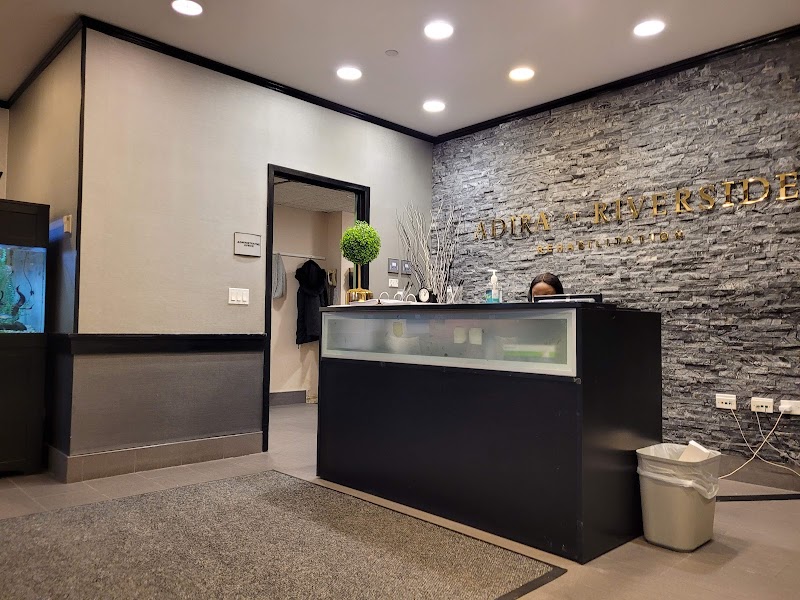
How is Adira At Riverside Rehabilitation And Nursing Staffed?

CMS rates ADIRA AT RIVERSIDE REHABILITATION AND NURSING's staffing level at 3 out of 5 stars, which is average compared to other nursing homes. Staff turnover is 25%, compared to the New York average of 46%. This relatively stable workforce can support continuity of care.

What Have Inspectors Found at Adira At Riverside Rehabilitation And Nursing?

State health inspectors documented 18 deficiencies at ADIRA AT RIVERSIDE REHABILITATION AND NURSING during 2019 to 2024. These included: 1 that caused actual resident harm and 17 with potential for harm. Deficiencies causing actual harm indicate documented cases where residents experienced negative health consequences.
Who Owns and Operates Adira At Riverside Rehabilitation And Nursing?

ADIRA AT RIVERSIDE REHABILITATION AND NURSING is owned by a for-profit company. For-profit facilities operate as businesses with obligations to shareholders or private owners. The facility operates independently rather than as part of a larger chain. With 120 certified beds and approximately 107 residents (about 89% occupancy), it is a mid-sized facility located in YONKERS, New York.
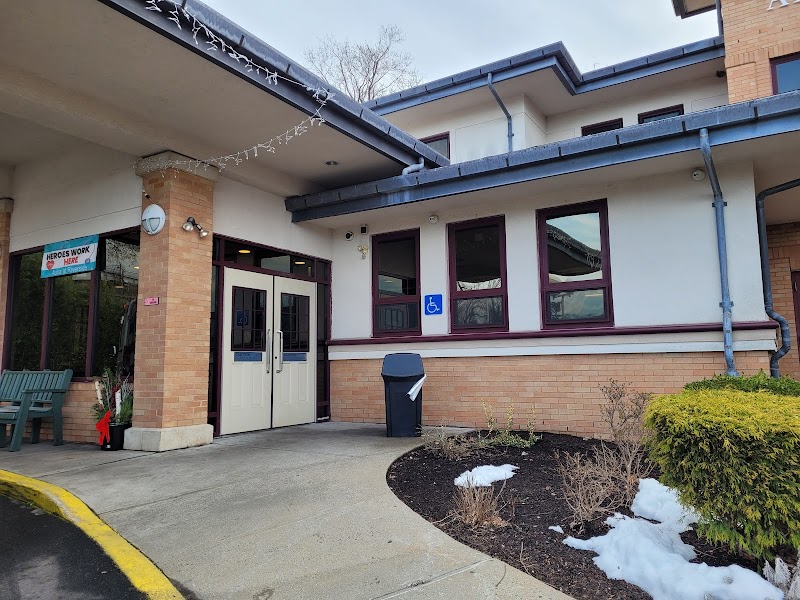
How Does Adira At Riverside Rehabilitation And Nursing Compare to Other New York Nursing Homes?

Compared to the 100 nursing homes in New York, ADIRA AT RIVERSIDE REHABILITATION AND NURSING's overall rating (2 stars) is below the state average of 3.1, staff turnover (25%) is significantly lower than the state average of 46%, and health inspection rating (1 stars) is much below the national benchmark.

What Should Families Ask When Visiting Adira At Riverside Rehabilitation And Nursing?

Based on this facility's data, families visiting should ask: "Can I visit during a mealtime to observe dining assistance and food quality?" "How do you handle medical emergencies, and what is your hospital transfer rate?" "Can I speak with family members of current residents about their experience?"

Is Adira At Riverside Rehabilitation And Nursing Safe?

Based on CMS inspection data, ADIRA AT RIVERSIDE REHABILITATION AND NURSING has a clean safety record: no substantiated abuse findings (meaning no confirmed cases of resident harm), no Immediate Jeopardy citations (the most serious violation level indicating risk of serious injury or death), and is not on the Special Focus Facility watch list (a federal program monitoring the lowest-performing 1% of nursing homes). The facility has a 2-star overall rating and ranks #100 of 100 nursing homes in New York. While no facility is perfect, families should still ask about staff-to-resident ratios and recent inspection results during their visit.

Do Nurses at Adira At Riverside Rehabilitation And Nursing Stick Around?

Staff at ADIRA AT RIVERSIDE REHABILITATION AND NURSING tend to stick around. With a turnover rate of 25%, the facility is 21 percentage points below the New York average of 46%. Low turnover is a positive sign. It means caregivers have time to learn each resident's needs, medications, and personal preferences. Consistent staff also notice subtle changes in a resident's condition more quickly.

Was Adira At Riverside Rehabilitation And Nursing Ever Fined?

ADIRA AT RIVERSIDE REHABILITATION AND NURSING has been fined $66,859 across 1 penalty action. This is above the New York average of $33,747. Fines in this range indicate compliance issues significant enough for CMS to impose meaningful financial consequences. Common causes include delayed correction of deficiencies, repeat violations, or care failures affecting resident safety. Families should ask facility leadership what changes have been made since these penalties.

Is Adira At Riverside Rehabilitation And Nursing on Any Federal Watch List?

ADIRA AT RIVERSIDE REHABILITATION AND NURSING is not on any federal watch list. The most significant is the Special Focus Facility (SFF) program, which identifies the bottom 1% of nursing homes nationally based on persistent, serious quality problems. Not being on this list means the facility has avoided the pattern of deficiencies that triggers enhanced federal oversight. This is a positive indicator, though families should still review the facility's inspection history directly.