HUDSON HILL CENTER FOR REHABILITATION & NURSING
65 ASHBURTON AVENUE, YONKERS, NY 10701 (914) 963-4000
For profit - Corporation 315 Beds INFINITE CARE Data: November 2025 1 Immediate Jeopardy citation
Trust Grade
3/100
#518 of 594 in NY
Last Inspection: December 2024

Within standard 12-15 month inspection cycle. Federal law requires annual inspections.

Overview

Hudson Hill Center for Rehabilitation & Nursing has received a Trust Grade of F, indicating significant concerns about the facility's quality of care. It ranks #518 out of 594 nursing homes in New York, placing it in the bottom half of state facilities, and #38 out of 42 in Westchester County, meaning there are very few local options that are worse. While the facility has shown improvement in reducing issues from 22 in 2024 to just 5 in 2025, the overall picture remains troubling, with a concerning $56,044 in fines, which is higher than 83% of other New York facilities. Staffing is a relative strength here with a rating of 3 out of 5 stars and a 33% turnover rate, which is below the state average, providing some stability. However, there have been serious incidents, including a resident suffering second- and third-degree burns from hot water due to inadequate monitoring, and violations of residents' rights regarding privacy when handling their mail.

Trust Score
F
3/100
In New York
#518/594
Bottom 13%
Safety Record
High Risk
Review needed
Inspections
Getting Better
22 → 5 violations
Staff Stability
○ Average
33% turnover. Near New York's 48% average. Typical for the industry.
Penalties
✓ Good
$56,044 in fines. Lower than most New York facilities. Relatively clean record.
Skilled Nurses
✓ Good
Each resident gets 64 minutes of Registered Nurse (RN) attention daily — more than 97% of New York nursing homes. RNs are the most trained staff who catch health problems before they become serious.
Violations
⚠ Watch
47 deficiencies on record. Higher than average. Multiple issues found across inspections.
★☆☆☆☆
1.0
Overall Rating
★★★☆☆
3.0
Staff Levels
☆☆☆☆☆
0.0
Care Quality
★☆☆☆☆
1.0
Inspection Score
Stable
2024: 22 issues
2025: 5 issues

The Good

  • Full Sprinkler Coverage · Fire safety systems throughout facility
  • No fines on record
  • Staff turnover below average (33%)

    15 points below New York average of 48%

Facility shows strength in fire safety.

The Bad

1-Star Overall Rating

Below New York average (3.0)

Significant quality concerns identified by CMS

Staff Turnover: 33%

13pts below New York avg (46%)

Typical for the industry

Federal Fines: $56,044

Above median ($33,413)

Moderate penalties - review what triggered them

Chain: INFINITE CARE

Part of a multi-facility chain

Ask about local staffing decisions and management

The Ugly 47 deficiencies on record

1 life-threatening
Feb 2025 5 deficiencies 1 IJ
CRITICAL (J) 📢 Someone Reported This

A family member, employee, or ombudsman was alarmed enough to file a formal complaint

Immediate Jeopardy (IJ) - the most serious Medicare violation

Accident Prevention (Tag F0689)

Someone could have died · This affected 1 resident

**NOTE- TERMS IN BRACKETS HAVE BEEN EDITED TO PROTECT CONFIDENTIALITY** Based on record review and interviews during an abbreviated survey (NY00372408) the facility failed to ensure the resident envir...

Read full inspector narrative →
**NOTE- TERMS IN BRACKETS HAVE BEEN EDITED TO PROTECT CONFIDENTIALITY** Based on record review and interviews during an abbreviated survey (NY00372408) the facility failed to ensure the resident environment remains free of accident hazards as is possible and each resident receives adequate supervision to prevent accidents for one (1) of three (3) residents (Resident #1) reviewed for safety and supervision. Specifically, on 1/5/2025, Resident #1 obtained hot water from the hot liquid cart, filled their basin and carried it to a room and immersed their feet without the knowledge or detection of unit staff. Resident #1 was found with blisters to bilateral feet and sustained second- and third-degree burns. On 1/15/2025, Resident #1 was transferred to the hospital with a fever and for burn evaluation. On admission to the hospital, Resident #1 was determined to have third degree burns and underwent a skin graft on 1/21/2025. There was no facility policy that addressed the monitoring of hot water carts when they are on the resident units. Furthermore, the monitoring of the hot water cart was sporadic and arranged by word of mouth and monitoring was not consistently in place for the period when the hot water carts are on the units. This resulted in actual harm for Resident #1 which was Immediate Jeopardy with the likelihood of risk for harm to the health and safety of other residents. The Findings are: Review of the facility Hot Liquids Safety Policy last reviewed 6/20/2024 documented hot liquids are to be served at proper (safe and appetizing) temperatures using appropriate safety precautions. The temperature of hot liquids will be checked in the dietary department prior to distribution to the nursing units. If the temperature is greater than 140 degrees Fahrenheit, hold the liquid in the dietary department until it reaches appropriate temperature. General safety precautions when serving hot liquids include but are not limited to regulate temperature of hot liquids to which residents have direct access. Resident #1 was admitted with diagnoses including but not limited to diabetes mellitus, peripheral vascular disease, polyneuropathy (a condition that damages multiple peripheral nerves affecting sensation, movement or both). A Quarterly Minimum Data Set (an assessment that measures health status) dated 11/17/2024 documented the resident was cognitively intact with no behaviors noted. Resident #1 used a walker for locomotion and had no impairments to their upper and lower extremities. Resident #1 required set-up assistance with eating and supervision with toileting, bed mobility, transfers, and ambulation. Resident #1 had an infection of their foot and was receiving surgical wound care with the application of dressings to their feet. Review of a diabetes mellitus care plan initiated 4/13/2024 documented the following interventions: avoid exposure to extreme heat and cold, assess feet daily for any open areas, sores, pressure areas, blisters or redness and monitor/document/report as needed any signs and symptoms of infection to any open areas. Review of an activities of daily living care plan initiated 10/15/2024 and revised on 2/15/2025 with no changes documented Resident #1 was dependent on staff daily for meeting activity of daily living needs. The resident required set-up assistance with eating, supervision with showering/bathing, and putting on and removing their shoes. Facility Summary of Investigation dated 1/5/2025 documented Registered Nurse Supervisor #1 was summoned to see Resident #1 for the presence of blisters to bilateral (both) feet. Resident #1 was noted with fluid filled blisters on dorsal (top) aspect of bilateral feet. On interview, the resident admitted they sneaked out to get water from the tea cart without anybody seeing to intentionally wash their feet with the warm water; I soaked my feet in the water for about 30 minutes in another resident's room. I didn't feel anything, but it felt weird because my feet turned white, so I reported it to the nurse. Medical Doctor was notified and ordered treatment with a topical antimicrobial cream every shift for five (5) days and to monitor site for symptoms of infection. Family notified and agreed with plan of care. Review of the coffee and hot water temperature chart for January 2025 documented the following temperatures: January 4, 2025 4:45 PM 119 degrees Fahrenheit; January 5, 2025, 4:45 PM 122 degrees Fahrenheit. Review of an accident/incident report dated 1/5/2025 documented Resident #1 was assessed for a change in skin condition by Registered Nurse #2 at 10:00 PM. The accident/incident was reported by Licensed Practical Nurse #1 on 1/5/2025 at 10:00 PM. Resident #1 was ambulatory and the incident occurred in the resident's room. The Attending Physician was notified on 1/5/2025 at 10:02 PM and Resident #1's representative was notified on 1/5/2025 at 10:05 PM. Actions taken to prevent reoccurrence included educating Resident #1 to not poke the blisters, and how to properly care for the blisters. Review of Registered Nurse #2's incident note dated 1/5/2025 at 10:00 PM documented they were called to assess Resident #1 regarding the presence of blisters to bilateral feet which started from a small blister on 1/4/2025. Resident #1 reported on interview that they washed their feet with warm water during dinner time. On assessment, Resident #1 was noted with fluid-filled blisters on bilateral dorsal feet. No redness was noted between Resident #1's toes. The Attending Physician was notified and ordered to start a topical antimicrobial cream for five (5) days to bilateral feet blisters. Resident #1 was to be monitored for signs of infection and their family made aware. Review of a Nurse Practitioner #1 medical progress note dated 1/6/2025 at 2:01 PM documented they were asked to see Resident #1 for burns on both feet. Resident #1 was noted to have huge blisters covering both feet. As per Resident #1, they soaked their feet in hot water yesterday from their tea container. Documentation revealed Resident #1 has no feeling in their feet due to neuropathy and did not notice that their feet got burned. Safety was reinforced with Resident #1 and communicated with nursing staff and administration regarding Resident #1's access to hot water. The Assessment/Plan documented second degree burn, do not pop blisters, continue to monitor, reinforce safety with Resident #1, if blisters pop, apply a topical antimicrobial cream two (2) times daily and schedule wound consult. Review of the Attending Physicians medical visit note dated 1/8/2025 at 3:49 PM documented Resident #1 was seen for follow-up regarding second degree burns on bilateral feet. Resident #1 was noted to have huge blisters popped up on both feet, wound treatment applied. Safety was reinforced with Resident #1. The Attending Physician documented they communicated with nursing staff and Administration regarding Resident #1's access to hot water and resident's safety. The assessment/plan documented second degree burns-do not pop blisters, continue to monitor, reinforce safety to resident. The Plan continued: Resident #1's blisters are popped at this time, no need for antibiotic but will continue antibiotic skin cream or topical antimicrobial cream to sites. Review of an actual skin impairment care plan initiated 1/5/2025 documented Resident #1 had skin impairment to their bilateral dorsal feet related to burns. Interventions listed included follow facility protocols for treatment of injury and identify/document and eliminate/resolve where possible. Review of wound care notes dated 1/10/2025 documented Wound 1 with date of onset 1/5/25, etiology: 3rd degree burns on right dorsal foot measuring length: 9.0 centimeters width: 18.0 centimeters Depth: 0.1 centimeters. wound bed: 100% collapsed blister, scant exudate (drainage) with no odor. Recommended primary dressing of Xeroform + Calcium alginate + gauze + Kerlix daily and as needed Wound 2 with onset date 1/5/2025, etiology: 3rd degree burns of right plantar foot measuring: length: 5.0 centimeters width: 6.0 centimeters depth: 0.1 centimeters, wound bed: 100% collapsed blister and scant exudate with no odor. Recommendation for primary dressing to apply Xeroform + Calcium alginate + gauze + Kerlix daily and as needed. Wound 3 with onset date 5/2025, etiology: 3rd degree burns of left foot measuring: length: 9.0 centimeters with width: 18.0 centimeters and depth: 0.1 centimeters. Wound Bed is 100% collapsed blister. Moisture with scant exudate, serous (yellowish colored drainage) with no odor. Recommended primary dressing of Xeroform + Calcium alginate + gauze + Kerlix daily and as needed There is no documented evidence of the wound progression. Resident #1 was discharged to the hospital on 1/15/2025 for fever and evaluation of burns. Resident #1 was admitted to the hospital with second- and third-degree scald burns to bilateral feet with cellulitis. Resident #1 had a surgical technique where a surgeon removes burned or damaged skin layer by layer until they reach healthy tissue, and then covers the resulting wound with a thin layer of skin taken from another part of the body (split thickness skin graft) to the left foot and application of a mesh structure to help cells attach to the right foot on 1/21/2025 during the admission. Hospital discharge notes documented Resident #1 returned to the facility on 2/3/2025 On 2/10/2025 following an out-patient burn clinic post-operative follow-up appointment, it was decided Resident #1 needed to be admitted back to the hospital for possible wound infection. Review of hospital Discharge summary dated [DATE] documented Resident #1 had failure of skin graft and cellulitis of the fifth toe on the left foot. Resident #1 was treated for wound management, intravenous antibiotics, and pain control. During an interview on 2/19/2025 at 12:32 AM, Resident #1 stated they went to the tea kettle that came to the unit with the meal truck for tea or coffee. Resident #1 stated they filled up their basin with the hot water from the tea kettle and went to Resident #2's room. Certified Nurse Assistant #1 asked what they were doing, and they told Certified Nurse Assistant #1 they were soaking their feet. Resident #1 stated they put their feet in the water for 25 to 30 minutes and did not feel anything because they have had neuropathy for the last 19 years. Resident #1 stated when they removed their feet from the basin their feet were two big bubbles. Resident #1 stated they did not check the temperature of the water. Resident #1 stated they figured the water was hot or warm but did not know that it was scalding. During an interview on 2/19/2025 at 1:30 PM, Certified Nurse Assistant #1 stated during the evening shift on 1/5/2025 they went to give care to a resident in room [ROOM NUMBER]. Resident #1 usually goes to room [ROOM NUMBER] because they know the residents in that room. Certified Nurse Assistant #1 stated they saw Resident #1 in the room sitting in the chair with their feet soaking in water. Certified Nurse Assistant #1 stated when Resident #1 saw them they stated they had soaked their feet in hot water, and they are popping. Certified Nurse Assistant #1 stated they told Resident #1 they are not supposed to do that because they are diabetic, and they may not feel if they are getting burned. Certified Nurse Assistant #1 stated Resident #1 then took their feet out of the water, and they saw blisters on their feet. Certified Nurse Assistant #1 stated Resident #1 then stated they were in pain and could not walk. Certified Nurse Assistant #1 stated they do not know where Resident #1 got the water, and the resident already had their feet in the bucket of water when they saw them. Certified Nurse Assistant #1 stated they saw blisters to Resident #1's feet when they removed their feet from the water and reported it to Licensed Practical Nurse #1. During interview on 2/19/2025 at 1:56 PM, Registered Nurse #1 stated the hot liquid cart comes up with each meal. The residents know not to touch this cart. Registered Nurse #1 stated the incident happened on the weekend, so they are not sure why no staff saw Resident #1 getting the water from the hot liquid cart. Registered Nurse #1 stated they have now instituted that on the day and evening shift a nurse or certified nurse assistant remains in the area by the hot liquid cart. Registered Nurse #1 stated the hot water cart is now out of the dining room and is monitored. Registered Nurse #1 stated the nurses on the west side are responsible to be in the dining room when the trucks arrive to the unit and if there are residents in the dining room, a nurse needs to remain in the dining room. During an interview on 2/19/2025 at 2:29 PM, Registered Nurse #2 stated they are not sure how Resident #1 got enough hot water to fill a basin. The certified nurse assistants may have been busy. Registered Nurse #2 stated they were approached by Licensed Practical Nurse #1 who asked them to assist with Resident #1. Registered Nurse #2 stated they were told at 10:00 PM that Resident #1, at 7:00 PM during dinner, had washed their feet with the water from the hot liquid cart. Registered Nurse #2 stated Licensed Practical Nurse #1 stated they were just informed about the incident at 10:00 PM by Certified Nurse Assistant #1. Registered Nurse #2 stated Certified Nurse Assistant #1 had reported to Licensed Practical Nurse #1 that they saw Resident #1 soak their feet with warm water. Registered Nurse #2 stated Licensed Practical Nurse #1 was the medication nurse for Resident #1 at the time of the incident. Registered Nurse #2 stated they were not informed by any staff that they saw Resident #1 getting the hot water. The kettle for tea on the hot liquid cart has a faucet drain and it would take about 20 minutes to fill a bucket. Registered Nurse #2 stated after the incident occurred there is now one certified nurse assistant assigned to stay by the hot liquid cart and they also spoke with dietary to ensure the water brought to the units is warm and not scalding hot anymore. Registered Nurse #2 stated there is an assignment sheet now to monitor the hot liquid cart. During an interview on 2/19/2024 at 3:11 PM, the Director of Nursing stated after the incident on 1/5/2025 they provided an in-service to the staff. The facility now designates an aide to be to be near the hot water cart but there is no sign-in sheet. They have one (1) nurse always assigned to the dining room. Director of Nursing stated they are not aware of a policy change since the incident. It is possible the facility could have updated a policy without them being aware, since they were out for one (1) month. During an interview on 2/19/2025 at 4:02 PM, Dietary Supervisor Weekends stated the hot liquid carts are picked up from the unit about 45 minutes to an hour after meals are served. The Dietary Supervisor Weekends stated the hot liquids are left outside of the dining room by the dietary staff when delivered to the units. Dinner begins at 4:45 PM and is supposed to end at 5:45 PM, but sometimes it ends at 6:10 PM. The Dietary Supervisor Weekends stated it will be unusual for the hot liquid truck to be on a unit at 7:00 PM. The Dietary Supervisor Weekends stated in January the facility only had one (1) elevator in service, so it may have been possible for the hot liquid truck to be on the unit until 7:00 PM. The Dietary Supervisor Weekends stated they were not informed of any changes to the policy regarding hot liquids. During an interview on 2/20/2025 at 10:38 AM, Resident #2 stated Resident #1 came into their room to wash their feet in some warm water. Resident #2 stated they assumed Resident #1 got the water to wash their feet from where they get the water for coffee and tea by the dining room. Resident #2 stated the water in the sink is never warm enough, and this was the first time they've known Resident #1 to get the water from the kettle. Resident #2 stated Resident #1's feet were very dark, so they felt they were dirty and said they were going to clean their feet themself. Resident #2 stated Resident #1 then put their feet in the water and their feet started to bubble and blister up. Resident #2 stated the hot liquid cart is kept right outside the dining room on the unit and is always accessible to the residents. During a telephone interview on 2/20/2025 at 2:11 PM, the Attending Physician stated they have serviced the facility for three (3) years now. The Attending Physician stated they were informed by Registered Nurse #2 on 1/5/2025 that Resident #1 got hot water from the hot liquid cart, and it dropped on their foot and had sustained blisters on both feet. The Attending Physician stated they instructed Registered Nurse #2 to apply ointment to Resident #1's feet and they saw and evaluated Resident #1 the next day. The Attending Physician stated after they saw Resident #1's feet they instructed the resident and the nurses not to pop the blisters, because if they are not popped there will be no infection. The Attending Physician stated they did not order a wound care consult at that time because the blisters were intact. The resident was already on pain medication and their pain has been managed therefore no additional pain medications were ordered. The Attending Physician stated they and the Nurse Practitioner saw Resident #1 again when the blisters were popped, and a wound care consult was ordered at that time. The Attending Physician stated after the burns occurred, they saw Resident #1 within the next 2-3 days after the incident and they were alternating with the Nurse Practitioner making visits to see the resident. The Attending Physician stated they do not believe that the blisters Resident #1 sustained were from submerging their feet in hot water. Resident #1 sustained blisters only to the dorsum of their feet. The Attending Physician stated when they evaluated Resident #1, they only saw the blisters on the top of their feet. The Attending Physician stated the plantar surface of the foot skin is thicker and would take longer to develop blisters. The Attending Physician stated they had a discussion with the Administrator regarding not having the hot liquid carts on the unit and limiting the residents access to the hot water and they stated they would take care of this no problem. The Attending Physician stated they were not sure if a there is a policy about reporting these types of injures like burns. Maybe the Medical Director might know. They will ask and find out if one exists. During an interview on 2/20/2025 at 4:09 PM the Administrator stated they do not remember who informed them, but they were informed Resident #1 got a hold of some water somehow and had a blister on their foot. The Administrator stated they were further informed Resident #1 got the water from the hot liquid cart on the unit and instructed the staff to continue their investigation. The Administrator stated they were told Resident #1 called one of the staff to the room and informed them they got the hot water from the urn and put the water in a basin, placed their feet in the water and got a burn or blister or something like that. The Administrator stated they told the supervisor to treat Resident #1 and inform the physician. The Administrator stated they were not in the building when the incident occurred on 1/5/2025, but when they returned to the facility, they spoke about the details of the event in morning report and the investigation was taken over by the Assistant Director of Nursing. Since the incident, the steps they have implemented to prevent reoccurrence are they have a temperature log of when the hot liquid cart leaves the kitchen, the hot liquid cart are monitored by staff when they are in the dining room, and they have ongoing staff education on hot liquids. During an interview on 2/21/2025 at 1:15 PM the Director of Dietary Services stated the hot liquids get temperature tested, and they complete the testing three (3) times day as they are in the building for all three (3) meals throughout the day during the week. The Director of Dietary Services stated the hot liquids do not go to the units unless the temperature is between 115 and 125 degrees. The Director of Dietary Services stated most of the time the liquids are sent to the units at 120 degrees. The Director of Dietary Services stated the dietary aides place the hot liquid carts by the nurse's station when they deliver the truck to the units. The dietary aides do not leave the hot liquids on the unit until they locate a nurse to sign off on the delivery truck sheet. The Director of Dietary Services stated if a nurse is busy, a certified nurse assistant will assume the responsibility and sign for the carts. 10 NYCRR 415.12(h)(1)
CONCERN (D) 📢 Someone Reported This

A family member, employee, or ombudsman was alarmed enough to file a formal complaint

Potential for Harm - no one hurt, but risky conditions existed

Investigate Abuse (Tag F0610)

Could have caused harm · This affected 1 resident

Based on record review and interviews during an abbreviated survey (NY00372408), the facility did not ensure that all alleged violations are thoroughly investigated for 1 of 3 residents (Resident #1) ...

Read full inspector narrative →
Based on record review and interviews during an abbreviated survey (NY00372408), the facility did not ensure that all alleged violations are thoroughly investigated for 1 of 3 residents (Resident #1) reviewed for accidents. Specifically, on 1/5/2025 Resident #1 obtained hot liquid from the hot liquid cart on the unit and carried the hot liquid to another resident's room unwitnessed/undetected by staff. Resident #1 immersed their feet in the hot liquid for 25 to 30 minutes and sustained second and third- degree burns to both feet. The accident/incident report documentation was noted to be inconsistent with the summary of events reported by Resident #1 and the witnesses to the incident on 1/5/2025. Additionally there was no documented evidence of statements from Certified Nurse Aide #1 and Resident #2, who were witnesses to the incident that occurred on 1/5/2025. The Findings are: The Facility undated Accidents and Incidents-Investigating and Reporting policy documented the following data as applicable, shall be included on the Report of Incident/Accident form: the date and time the accident or incident took place, where the accident or incident took place, the names of witnesses and their accounts of the accident or incident, the injured persons account of the accident or incident any corrective action taken. Resident #1 was admitted with diagnoses including but not limited to Diabetes Mellitus, Peripheral Vascular Disease and Polyneuropathy. A Quarterly Minimum Data Set (an assessment that measures health status) dated 11/17/2024 documented the resident was cognitively intact with no behaviors. Resident #1 had no impairments to their upper and lower extremities and used a walker for locomotion. Resident #1 required set up assistance with eating, supervision with toileting, bed mobility, transfers and ambulation. Resident #1 had an infection of their foot and was receiving surgical wound care with the application of dressings to their feet. Review of an accident/incident report dated 1/5/2025 revealed no documented evidence of a statement being obtained from the witnesses (Certified Nurse Assistant #1 and Resident #2) about the incident that occurred on 1/5/2025. During an interview on 2/19/2025 at 1:30 PM, Certified Nurse Aide #1 stated during the evening shift on 1/5/2025, they saw Resident #1 in the room sitting in the chair with their feet soaking in water. Certified Nurse Aide #1 stated when Resident #1 saw them the resident stated they had soaked their feet in hot water, and they were popping. Certified Nurse Aide #1 stated they told Resident #1 they are not supposed to soak their feet in hot water because they are Diabetic, and they may not feel if they are getting burned. Certified Nurse Aide #1 stated Resident #1 took their feet out of the water, and they saw blisters on residents' feet. Certified Nurse Aide #1 stated Resident #1 then stated they were in pain and could not walk. Certified Nurse Assistant #1 stated they went and reported this to Licensed Practical Nurse #1 who was assigned to Resident #1. By the time they got to the nurse at the nurse's station, Resident #1 was seen walking towards them. Certified Nurse Aide #1 stated at that time Registered Nurse #2 was in the office not far from the nurse's station and the nurse told Registered Nurse #2 (the supervisor). Resident #1 went to the nursing office with the Registered Nurse #2(the supervisor). Certified Nurse Aide #1 stated they do not know where Resident #1 got the water. The resident had their feet in the basin of water when they saw the resident. Certified Nurse Aide #1 stated there were blisters to Resident #1's feet when they took their feet out of the water. Certified Nurse Aide #1 stated they were not asked to write a statement about the incident which occured on 1/5/2025. During an interview on 2/19/2025 at 2:29 PM, Registered Nurse #2 stated on 1/5/2025 Licensed Practical Nurse #1 approached them and asked them to assist with Resident #1. Registered Nurse #2 stated they were told at 10:00 PM that Resident #1, at 7:00 PM during dinner, had washed their feet with water from the coffee pot. Registered Nurse #2 stated Licensed Practical Nurse #1 stated they were just informed about the incident at 10:00 PM by Certified Nurse Aide #1. Registered Nurse #2 stated Certified Nurse Aide #1 had reported to Licensed Practical Nurse #1 that they saw Resident #1 soak their feet in warm water. Registered Nurse #2 stated they were not sure how Resident #1 got enough hot water to fill a basin, but the certified nurse aides may have been busy. Registered Nurse #2 stated they were told by Licensed Practical Nurse #1 that the incident occurred in Resident #1's room. Registered Nurse #2 stated they were not informed by any staff that they saw Resident #1 getting the hot water and the hot liquid kettle has a faucet drain which would take about 20 minutes to fill a bucket. Registered Nurse #2 stated they did not obtain a statement from Certified Nurse Assistant #1 or Resident #2(witnesses to the incident), but they took a statement from the certified nurse aide assigned to Resident #1. During an interview on 2/20/2025 at 10:38 AM, Resident #2 stated Resident #1 came into their room to wash their feet in some warm water. Resident #2 stated they assumed Resident #1 got the water to wash their feet from where they get their water for coffee and tea by the dining room. Resident #2 stated the water in the sink is never warm enough. This was the first time they know of that Resident #1 got water from the kettle. Resident #2 stated Resident #1's feet were very dark, so they felt they were dirty and said they were going to clean their feet by themself. Resident #2 stated Resident #1 then put their feet in the water and their feet started to bubble and blister up. Resident #2 stated the hot liquid cart is kept right outside the dining room and is always accessible to the residents on the units. During an interview on 2/20/2025 at 11:35 AM, the Director of Nursing stated the investigation report along with statements are collected the same day an incident occurs. The designee reviews the incident and follows up to ensure everything was completed for the incident report. Once they have everything the investigation is completed with a conclusion. the Director of Nursing stated the Assistant Director of Nursing is the one who is the facility designee who reviews the incident reports. The designee ensures the care plan is revised and everything outstanding such as x ray test/results are completed. The role of the Certified Nursing Aides is to fact check. Director of Nursing acknowledged that moving forward they should date the conclusion of their investigative summary. During an interview on 2/20/2025 at 11:50 AM, the Assistant Director of Nursing #1 stated the investigative conclusion summary occurred after the incident. The surveyor pointed out the undated investigative conclusion summary then the Assistant Director of Nursing #1 stated they were not sure of the exact date they arrive at the conclusion of the incident with Resident #1 that occurred on 1/5/2025. The Assistant Director of Nursing #1 acknowledged they do not date the investigative summary conclusions, but moving forward they will date the investigative summary conclusion. The Assistant Director of Nursing #1 stated they conducted a fact check of the incident by speaking to Resident # 1 several times, the nursing supervisor, the nurse on the unit and the certified nurse aide who was assigned to Resident #1. The Assistant Director of Nursing #1 stated they completed a look back and found that Resident # 1 had a small blister on 1/4/2025 and reviewed progress notes on how it was being treated. The Assistant Director of Nursing #1 stated Resident # 1 was crying and stated to them that they snuck out and got the water. The Assistant Director of Nursing #1 stated when they interviewed Resident # 1, the resident stated they soaked their feet in Resident #2's room not in their own room. During an interview on 2/20/2025 at 4:09 PM, the Administrator stated if a resident is alert then they are asked to provide an account of whatever the incident maybe. If the incident is not witnessed.the staff who witnessed the incident will be interviewed. The Administrator stated if the incident is unwitnessed, and no one can account for what occurred then they interview everyone to try and understand what happened. The Administrator stated these interviews are run by the nursing management team and they are kept abreast of what is going on with the investigation. 10 NYCRR 415.4 (b)(1)(ii)
CONCERN (D) 📢 Someone Reported This

A family member, employee, or ombudsman was alarmed enough to file a formal complaint

Potential for Harm - no one hurt, but risky conditions existed

Administration (Tag F0835)

Could have caused harm · This affected 1 resident

Based on record review and interviews during a partial extended survey, the facility administrator did not ensure they used its resources effectively and efficiently to attain or maintain the highest ...

Read full inspector narrative →
Based on record review and interviews during a partial extended survey, the facility administrator did not ensure they used its resources effectively and efficiently to attain or maintain the highest practicable physical, mental, and psychosocial well-being of each resident. Specifically, on 1/5/2025 a resident obtained hot water from the hot liquid cart and sustained second- and third-degree burns. The Administrator did not initiate any policy changes or protocol updates to prevent reoccurrence of such incidents or provide any documentation to support review of the incident details. In addition, the Administrator also did not provide any documented evidence of action plans or performance improvement plans implemented for identified areas of deficiencies discussed in Quality Assurance and Performance Improvement meetings held on 2/3/2025, 2/12/2025 and 2/27/2025. The findings are: The facility Quality and Performance Improvement policy dated documented the Quality Assurance and Improvement program includes the establishment of a Quality Assessment and Assurance committee and a written Quality Assurance and Performance Improvement plan. The Quality Assessment and Assurance committee shall be interdisciplinary and shall consist of a minimum of the Director of Nursing, Medical Director and at least three other members of the facility's staff, at least one of which must be the Administrator and the Infection Preventionist. The committee must meet at least quarterly and as needed to coordinate and evaluate activities under the Quality Assurance and Performance Improvement program, such as identifying issues with respect to which quality assessment and assurance activities, including performance improvement projects under the Quality Assurance and Improvement program, as necessary. Develop and implement appropriate plans of action to correct identified quality deficiencies. Regularly review and analyze data, including data collected under the Quality Assurance and Performance Improvement program and act on available data to make improvements. The facility provided attendance sheet for Quality Assurance Performance Improvement meeting held on 2/3/2025 for Quality Assurance and Performance Improvement-complaints survey. However, there were no documented evidence of action plans or performance improvement plans implemented for any area of deficiencies identified. The facility provided attendance sheet for Quality Assurance Performance Improvement meeting held on 2/12/2025 for Quality Assurance and Performance Improvement -annual survey. However, there were no documented evidence of action plans or performance improvement plans implemented for any area of deficiencies identified. The facility provided attendance sheet for Quality Assurance Performance Improvement meetings held on 2/27/2025 for life safety quality assurance and performance improvement. However, there were no documented evidence of action plans or performance improvement plans implemented for any area of deficiencies identified. During an interview on 3/4/2025 at 11:39 AM, the Administrator stated they were not in the building when the incident occurred on 1/5/2025, but when they returned to the facility, they spoke about the details of the event in morning report and the investigation was taken over by the Assistant Director of Nursing. The Administrator stated the steps they have implemented to prevent reoccurrence of the incident are they have a temperature log of when the urn leaves the kitchen, the urns are monitored by staff when they are in the dining room and providing education on hot liquids which is ongoing. The Administrator stated the temperature log for the hot liquids is not new, but something they have been doing and there was no update to that policy. The Administrator stated they are not sure if a policy update was made regarding monitoring the urns on the unit and they would have to ask staff because they are not sure. The Administrator stated they would be a part of a policy change, but they just went through survey, and they are not sure if this was one that was reviewed. The Administrator stated they are not sure if they made any immediate changes to the hot liquid policy following the incident. The Administrator stated they are working on the plan of corrections from their recent survey, and they are basically copying and pasting the corrections. During an interview on 3/4/2025 at 12:27 PM, the Director of Nursing stated they oversee the Performance Improvement Plans for the Quality Assurance and Performance Improvement issues. The Director of Nursing stated the Quality Assurance meetings are held depending on the progress of the issue. The Director of Nursing stated each issue is addressed in the Quality Assurance meetings by team members, the members determine how long the issue will take to resolve and if another issue of the same kind comes up and they are approaching the finish of a problem, the team then pause the action plan and will revisit the issue. The Director of Nursing stated in morning report they discuss issues and Quality Assurance and Performance Improvement plans every Friday. The Director of Nursing stated Quality Assurance and Performance Improvement meetings-consist of the Director of Nursing, nurse managers, nursing supervisors and the Assistant Administrator. The Director of Nursing stated the Administrator is invited to the quarterly meetings, but they are not present for the meetings held on Fridays. 10 NYCRR 415.26
CONCERN (D) 📢 Someone Reported This

A family member, employee, or ombudsman was alarmed enough to file a formal complaint

Potential for Harm - no one hurt, but risky conditions existed

Deficiency F0865 (Tag F0865)

Could have caused harm · This affected 1 resident

Based on record review and interviews conducted during a partial extended survey (NY00372408), the facility did not ensure the Quality Assurance and Performance Improvement (QAPI) committee developed ...

Read full inspector narrative →
Based on record review and interviews conducted during a partial extended survey (NY00372408), the facility did not ensure the Quality Assurance and Performance Improvement (QAPI) committee developed and implemented appropriate plans of action to correct identified quality deficiencies. Specifically, on 1/5/2025 a resident obtained hot water from the hot liquid cart and sustained second- and third-degree burns. There were no documented evidence of any good faith attempts by the committee to identify and correct the deficiencies brought about by the 1/5/2025 incident. The findings are: The facility undated Quality Assurance and Improvement policy documented it is the policy of the facility to develop, implement, and maintain an effective, comprehensive, data-driven Quality Assurance and Improvement program that focuses on indicators of the outcomes of care and quality of life and addresses all the care and unique services the facility provides. The Quality Assurance and Improvement program includes the establishment of a Quality Assessment and Assurance committee and a written Quality Assurance and Improvement Plan. The Quality Assessment and Assurance shall be interdisciplinary and develop appropriate plans of action to correct identified quality deficiencies. Review of the Quality Assurance Performance Improvement meetings held on 2/3/2025, 2/12/2025, and 2/27/2025 revealed no documented evidence of any action plans or performance improvement plans specific to the incident on 01/05/2025. During an interview on 3/4/2025 at 11:39 AM, the Administrator stated the Quality Assurance and Performance Improvement meeting are held quarterly. The Administrator stated whenever a survey occurs, and a citation is issued they have a Quality Assurance and Performance Improvement meeting for the issues. The Administrator stated the Quality Assurance and Performance and Improvement committee consists of all department heads, unit managers, Medical Director and direct staff are in attendance based on their availability. The members of the governing body attend the Quality Assurance and Performance Improvement meeting if available, however they represent the facility. The Administrator stated all Quality Assurance and Performance Improvement meetings have a sign in sheet and the minutes are what are discussed individually for each issue. The Administrator stated some of the Quality Assurance Performance Improvement issues are ongoing, but the committee reviews everything that is not closed out on a quarterly basis. The Administrator stated the Director of Nursing oversees the Performance Improvement Plans for the Quality Assurance and Performance Improvement meetings. During an interview on 3/4/2025 at 12:27 PM the Director of Nursing stated they oversee the Performance Improvement Plans for the Quality Assurance and Performance Improvement issues. The Director of Nursing stated the meetings are held depending on the progress of the issue. The Director of Nursing stated each issue is addressed in the Quality Assurance meetings by team members, the members determine how long the issue will take to resolve and if another issue of the same kind comes up and they are approaching the finish of a problem, the team then pause the action plan and will revisit the issue. The Director of Nursing stated the Quality Assurance and Performance Improvement meeting for nursing are done separately because they cover a lot of issues with nursing and their next meeting is scheduled for the 1st week of April. The Director of Nursing stated in morning report they discuss issues and Quality Assurance and Performance Improvement plans every Friday. The Director of Nursing stated Quality Assurance and Performance Improvement meetings-consist of the Director of Nursing, nurse managers, nursing supervisors and the Assistant Administrator. The Director of Nursing stated the Administrator is invited to the quarterly meetings, but they are not present for the meetings held on Fridays. 10NYCRR 415.27
CONCERN (E) 📢 Someone Reported This

A family member, employee, or ombudsman was alarmed enough to file a formal complaint

Potential for Harm - no one hurt, but risky conditions existed

Deficiency F0838 (Tag F0838)

Could have caused harm · This affected multiple residents

**NOTE- TERMS IN BRACKETS HAVE BEEN EDITED TO PROTECT CONFIDENTIALITY** Based on record review and interviews during a partial extended survey (NY00372408) the facility did not ensure the facility-wid...

Read full inspector narrative →
**NOTE- TERMS IN BRACKETS HAVE BEEN EDITED TO PROTECT CONFIDENTIALITY** Based on record review and interviews during a partial extended survey (NY00372408) the facility did not ensure the facility-wide assessment documented all personnel, including other direct care staff (both employees and those who provide services under contract), as well as their education and/or training and any competencies related to resident care. Specifically, the facility schedule revealed the use of patient care assistants in the facility to assist residents with grooming tasks and housekeeping tasks. Review of the facility assessment revealed the patient care assistants were not included in the individual staff assignments listed and there were also no competencies listed for the patient care assistants to describe their functions on the units. Furthermore, the training provided to the patient care assistants by the facility was not captured on the Facility Assessment. Findings include: A review of the Facility Assessment policy last revised 5/2024 documented the facility conducts and documents a facility-wide assessment to determine what resources are necessary to care for our residents competently during both day-to-day operations, including nights and weekends, and emergencies. The purpose of this policy is to establish responsibilities and procedures for the facility assessment process. The facility assessment will at minimum address, and include: all personnel, including managers, nursing, and direct care staff (both employees and those who provide services under contract), and volunteers, as well as their education and or training and any competencies related to resident care. On 3/5/2025 the Surveyor requested a copy of the Facility Assessment; the facility provided a copy dated 2/3/2025 and reviewed by the Quality Assurance and Improvement committee on 2/27/2025. Review of the facility assessment dated [DATE] revealed the patient care assistants were not included in the individual staff assignments listed. There were also no competencies listed for the patient care assistants describing their functions on the units. There was no documented evidence in the Facility Assessment indicating a patient care assistant training was provided in the facility. A review of staffing schedules from 12/4/2024 to 2/28/2025 revealed patient care assistants were scheduled daily during the day shift on each unit. During a follow up interview on 3/4/2025 at 1:32 PM the Staffing Coordinator stated the patient care assistants were students trained by the facility. The Facility has a patient care assistant school on the premises. The Staffing Coordinator stated the patient care assistants assist the residents with grooming and housekeeping, but they do not perform any personal care. The Staffing Coordinator stated the patient care assistants are not included in the staffing numbers, but they are on the daily schedules. During a follow up interview on 3/4/2025 at 4:50 PM the Administrator stated they were unaware that the patient care assistants and the patient care assistant school needed to be included in the Facility Assessment. The Administrator stated that they may no longer be able to run the patient care assistant school after the deficiencies received. 10 NYCRR 415.26
Dec 2024 18 deficiencies
CONCERN (D) 📢 Someone Reported This

A family member, employee, or ombudsman was alarmed enough to file a formal complaint

Potential for Harm - no one hurt, but risky conditions existed

Resident Rights (Tag F0550)

Could have caused harm · This affected 1 resident

Based on observation, interview, and record review during the recertification and abbreviated surveys from 12/11/24 to 12/18/24, the facility did not ensure residents had the right to a dignified expe...

Read full inspector narrative →
Based on observation, interview, and record review during the recertification and abbreviated surveys from 12/11/24 to 12/18/24, the facility did not ensure residents had the right to a dignified experience for 1 of 1 resident (Resident #90) reviewed for dignity. Specifically, the fitted mattress sheet on Resident #90's bed was observed stained and not changed for six days. The findings include: The policy titled Rights/Dignity Resident dated 6/24 documented promote care for residents in a manner and in an environment that maintains or enhances each resident's dignity and respect in recognition of a person-centered care approach. 1)Resident #90 was admitted with diagnoses including neuromuscular dysfunction of bladder, unspecified retention of urine, and acquired absence of kidney. The Annual Minimum Data Set (resident assessment) dated 10/23/24 documented Resident #90 was cognitively intact. The care plan titled Resident is Dependent on staff daily for Activities of Daily Living needs, revised 10/15/24, documented needs will be met by staff as evidenced by being well groomed/appropriately dressed daily, and supervision or touching assistance with toileting, hygiene, and showering. During observation and interview on 12/11/24 at 3:00 PM, 12/12/24 at 11:34 AM, and 12/13/24 at 10:03 AM Resident #90's mattress fitted sheet was observed with stains on the left side lower part of bed. Resident #90 stated their sheets were changed infrequently, and staff informed them there was a linen shortage. During an interview on 12/16/24 at 2:27 PM Certified Nurse Aide #29, stated they routinely worked on the unit and were familiar with Resident #90. They stated they showered Resident #90 on Saturday 12/14/24 and changed the sheets on Resident #90's bed. They stated they had sufficient supplies on the unit including sheets and blankets. They stated if there were insufficient supplies, staff would go to the laundry department or call the laundry/housekeeping supervisor and they would bring the needed supplies to the unit. During an interview and observation on 12/16/24 at 3:03 PM, Registered Nurse #28 stated on Unit #2 there could be occasional shortages of towels, sheets and gowns. They stated if staff observed a shortage of items, housekeeping / laundry should be called, and the needed items should be delivered to the unit. An observation of Resident 90's soiled sheet with Registered Nurse #28 was conducted during interview and they stated they were not aware Resident's #90's sheets were not changed. They stated they would address the soiled sheet with Certified Nurse Aide #29. During an interview on 12/17/24 at 1:10 PM, the Director of Housekeeping stated all laundry was completed in the facility. They stated linens were delivered to each unit twice daily. The Director of Housekeeping stated the laundry department would deliver fresh linens immediately to the unit should additional supplies be needed. They stated inventory was maintained and new orders were placed if the facility ran low on linens. 10 NYCRR 415.3 (d)(i)(i)
CONCERN (D)

Potential for Harm - no one hurt, but risky conditions existed

Deficiency F0568 (Tag F0568)

Could have caused harm · This affected 1 resident

**NOTE- TERMS IN BRACKETS HAVE BEEN EDITED TO PROTECT CONFIDENTIALITY** Based on record review and interview conducted during the recertification survey from 12/11/24 to 12/18/24, the facility did not...

Read full inspector narrative →
**NOTE- TERMS IN BRACKETS HAVE BEEN EDITED TO PROTECT CONFIDENTIALITY** Based on record review and interview conducted during the recertification survey from 12/11/24 to 12/18/24, the facility did not ensure a system that assures a full and complete accounting of each resident's personal funds. This was evident for 1 (Resident #162) of 2 residents reviewed for personal funds. Specifically, the facility was unable to provide a clear and detailed accounting of Resident #162's personal funds including a copy of all account transaction history and was unable to provide documented evidence that financial records were available to the resident through quarterly statements and upon request. The findings are: Resident #162 was admitted with diagnoses including right leg above the knee amputation, depression, and post-traumatic stress disorder. The Annual Minimum Data Set (Resident Assessment) dated 09/02/2024 documented Resident #162 had intact cognition. During a resident council meeting on 12/11/2024 at 2:00 pm, Resident #162 stated the facility opened their 2 checks from Internal Revenue Service and deposited them in the facility account without informing Resident # 162 about the checks. During a follow-up interview with Resident #162 on 12/13/2024 at 11:01 AM, Resident #162 stated they contacted and were informed by the Internal Revenue Service that two refund checks had been mailed to the facility address and both checks were deposited into the facility's account. Resident #162 stated the first check, dated July 28, 2023, was for $1,825.02, and the second check, dated June 24, 2024, was for $1,957.42. Resident #162 stated they had not been informed and did not receive any statements of a personal funds account. There was no documented evidence the facility provided Resident #162 with detailed transaction history, specific account information, or quarterly statements with interest accrued and other accounting details of the resident's personal funds since their tax return check was first deposited in 8/2023. During an interview on 12/16/24 at 1:25 PM the Business Office Manager stated Resident #162 was not informed about the Internal Revenue Service checks. They stated the resident was provided with an account statement in July 2024, but the updated statement reflecting the new funds would be distributed to the resident next week as part of the regular statement distribution process. During a follow-up interview conducted on 12/18/2024, at 11:00 AM the Business Office Manager stated checks from the Internal Revenue Service intended for Resident #162 were deposited into the facility's account, along with funds for other residents. They stated residents received account statements on a quarterly basis. The Business Office Manager stated they could not confirm whether Resident #162 received their quarterly statement in 2023. 10 NYCRR 415.26(h)(5)(i) Based on record review and interview conducted during the recertification survey from 12/11/24 to 12/18/24, the facility did not ensure the resident's right to manage their financial affairs and a resident provided written authorization prior to depositing the resident's funds with the facility 1 (Resident #162) of 2 residents reviewed for personal funds. Specifically, the facility did not inform Resident #162 upon receipt of the resident's tax refund checks in the mail and did not obtain written authorization from Resident #162 prior to depositing the tax refund checks in a facility's operating account. The findings are: The facility policy titled Privacy and Confidentiality dated 5/2024 documented personal privacy and confidentiality of each resident is maintained. The facility policy titled Personal Needs Accounts/Resident Fund Account dated 5/2024 documented all residents were offered a personal needs account, and monies deposited to a personal needs account would be held in an interest-bearing account separate from the facility's operating accounts. The facility policy titled Resident Rights dated 6/2024 documented residents had the right to manage their own financial affairs. Resident #162 was admitted with diagnoses including right leg above the knee amputation, depression, and post-traumatic stress disorder. The Annual Minimum Data Set 3.0 assessment dated [DATE] documented Resident #162 was cognitively intact. During the Resident Council Meeting held on 12/11/2024 at 2:00 pm, Resident #162 reported the facility did not inform the resident income tax return checks mailed to Resident #162 at the facility were received, opened, and deposited in a facility account. A follow-up interview was conducted on 12/13/2024 at 11:01 AM, and Resident #162 stated the Internal Revenue Service mailed two separate tax refund checks to the facility. Resident #162 inquired with the Internal Revenue Service about the status of their tax refund checks when they did not receive the checks in the mail as expected and was informed the checks had been deposited into a facility-owned bank account. Resident #162 stated they have lived at the facility for approximately 4 years, has never consented to the facility opening their mail or managing their finances, and received no information or communication from the facility regarding who was responsible for opening the resident's mail and where their tax refund monies were currently located. Resident #162 filed a claim with the Internal Revenue Service that Resident #162 did not receive nor cash 2 income tax refund checks and requested the checks be reissued. The first check in the amount of $1,825.02 was dated 7/28/2023 and the second check in the amount of$1,957.42 was dated 6/24/2024. The facility Resident Funds Ledger documented Resident #162 received an Allowance credit to their Funds account on 8/31/2023 for $1825.02 and on 7/31/2024 for $1,957.42. On 11/30/2024, the Resident Funds Ledger documented $1825.02 had been subtracted from Resident #162's and the current balance was $1,957.42. There was no documented evidence Resident #162 received and was informed of the facility's admission Agreement, including the facility's practices and responsibilities regarding resident finance management and the resident's right to manage their own finances. There was no documented evidence Resident #162 consented to having their mail opened by the facility Business Office, a personal needs account being established by the facility, the facility financially managing their income and assets, and depositing 2 tax refund checks into the facility's account. During an interview on 12/16/2024 at 1:25 PM and 12/18/2024 at 11:00 AM, the Business Office Manager stated a Internal Revenue Service tax refund check for $1825.02 was deposited into Resident #162's account in 8/2023. Another tax refund check issued in 7/2024 for $1957.42 was also deposited into Resident #162's account. The Business Office Manager stated that, on 11/30/2024, the Internal Revenue Service accessed Resident #162's account and withdrew $1825.02. The Business Office Manager stated the Business Office did not inform Resident #162 that the Business Office opened their mail and deposited checks made out to the resident. A quarterly personal needs account statement was provided to Resident #162 in 7/2024. The Business Office planned to provide Resident #162 with an updated quarterly statement within the next week reflecting changes to the account and the current balance. The Business Office Manager stated Resident #162 did not express any concerns related to their mail or funds to the Business Office. Documented evidence of Resident #162's written authorization allowing the facility to manage their finances and records of all transactions related to Resident #162's tax refund checks were requested. The Business Office Manager stated they were unable to provide any documented evidence the facility obtained consent to manage Resident #162's finances and detailed accounting and/or transaction history once the Business Office received and took possession of Resident #162's tax refund checks. The Business Office also The Business Office Manager was unable to explain how or provide documented evidence the Internal Revenue Service accessed an account managed by the facility and withdrew $1825.02. On 12/16/2024 at 1:30 PM, the Long-Term Care and Business Office Coordinator was interviewed and stated the Business Office received all mail addressed to residents before the mail is delivered to the residents. The Business Office sorted through and opened all resident financial correspondence, including checks ordered to be paid to the resident, and deposited any funds into the resident accounts. On 12/18/2024 at 4:57 PM, the Administrator was interviewed and stated they were hired by the facility in 5/2024 and was not involved in the operations of the Business Office. The Administrator stated residents had the right to privacy and confidentiality and mail was delivered to the residents unopened. The Administrator stated they were unaware the Business Office opened resident mail and did not know the Business Office practice and accounting principles related to management of resident personal needs accounts and which banking institutions the facility used to safeguard and hold resident personal funds. The Administrator stated they were unaware Resident #162 had concerns related to unauthorized deposits of their tax refund checks by the Business Office after mail addressed to Resident #162 was opened without their knowledge or consent. The Administrator stated the facility would have to investigate the matter. 10 NYCRR 415.26(h)(5)
CONCERN (D)

Potential for Harm - no one hurt, but risky conditions existed

Deficiency F0602 (Tag F0602)

Could have caused harm · This affected 1 resident

**NOTE- TERMS IN BRACKETS HAVE BEEN EDITED TO PROTECT CONFIDENTIALITY** Based on record review and interview conducted during the recertification survey from 12/11/2024 to 12/18/2024, the facility did...

Read full inspector narrative →
**NOTE- TERMS IN BRACKETS HAVE BEEN EDITED TO PROTECT CONFIDENTIALITY** Based on record review and interview conducted during the recertification survey from 12/11/2024 to 12/18/2024, the facility did not ensure a resident's right to be free of misappropriation of their property. This was evident for 1 (Resident #162) of 2 residents reviewed for personal funds. Specifically, tax return checks mailed to Resident #162 were taken by the facility Business Office without the resident's knowledge or consent and deposited into the facility's bank account. The findings are: The undated facility policy titled Prevention/Identification and Reporting of Patient Abuse documented misappropriation of resident's property was defined as wrongful temporary or permanent use of a resident's money without the resident's consent. The facility policy titled Personal Needs Accounts/Resident Fund Account dated 5/2024 documented all residents have the option to open a Personal Needs Account at any time during their stay, funded by the patient, and intended strictly for their personal use. Resident #162 was admitted with diagnoses including right leg above the knee amputation, depression, and post-traumatic stress disorder. The Annual Minimum Data Set 3.0 assessment dated [DATE] documented Resident #162 was cognitively intact. During the Resident Council Meeting held on 12/11/2024 at 2:00 pm, Resident #162 reported the facility opened mail addressed to Resident #162, and deposited 2 tax refund checks into an account managed by the facility without obtaining the resident's prior authorization to do so. On 12/13/2024 at 11:01 AM, a follow-up interview was conducted with Resident #162 who stated they expected their tax return checks to arrive in the mail and contacted the Internal Revenue Service when no correspondence/checks was received. The Internal Revenue Service informed Resident #162 a check issued in 7/2023 for $1825.02 and a second check issued in 6/2024 for $1957.42 were both made out to Resident #162, mailed to Resident #162 at the facililty, and were deposited into a facility account. Resident #162 stated they managed their own finances since admission to the facility in 1/2020, did not endorse their tax return checks to the facility, did not provide consent for the facility to deposit and manage their personal funds, was not notified when their mail/personal funds arrived a the facility, and was not aware the facility deposited their funds into a facility account until they spoke with the Internal Revenue Service. Resident #162 stated they filed a request with the Internal Revenue Service for their tax return checks from 2023 and 2024 to be reissued because they still did not have possession of their personal funds. Resident #162 stated the Business Office Manager told the resident that they should have attempted to resolve their missing checks with the Business Office instead of filing a claim with the Internal Revenue Service. Facility email correspondence dated 12/17/2024 at 10:51 AM including the Administrator, Business Office Manager, and Long Term Care Business Office Coordinator as recipients documented the facility deposited a tax refund check paid to the order of Resident #162 in 7/2023 for $1825.02. The email documented Resident #162 was issued another tax refund check in 6/2024 for $1957.42 but did not document the status or location of the second check. Digital images of a tax refund check dated 7/28/2023 and another tax refund check dated 6/24/2024 were included in the body of the email. Both checks from the United States Treasury were paid to the order of Resident #162. The email did not document or provide a digital image of who endorsed either check for Resident #162. The facility Resident Funds Ledger documented Resident #162's Funds account received its first deposit on 8/31/2023 and a second deposit on 7/31/2024. The Resident Funds Ledger documented a different facility name, did not document the location or name of the bank managing the resident's funds. The Ledger did not document the account number or transaction details, or a digital signature for the person responsible for inputting the Ledger information. Upon multiple requests for bank account statements, transaction history and details, and any other financial information related to Resident #162's tax return checks, the facility was unable to provide any further documentation. There was no documented evidence Resident #162 consented to having their tax return checks deposited into a facility bank account. During an interview on 12/16/2024 at 1:25 PM and 12/18/2024 at 11:00 AM and 11:48 AM, the Business Office Manager stated Resident #162 handled and managed their own finances and personal funds since their admission to the facility and did not consent, written or otherwise, to have their income or personal funds deposited in an account managed by the facility. The Business Office Manager stated Resident #162 expressed concern but the Business Office Manager was unable to explain how tax return checks mailed to Resident #162 were not delivered to the resident and, instead, were deposited in a facility bank account without Resident #162's knowledge, consent, or endorsement. The Business Office Manager stated they were not involved in depositing Resident #162's checks and did not know who was responsible for retrieving the resident's checks from the mail or which facility staff were authorized to perform banking transactions on behalf of the facility. The Business Office Manager stated they were responsible for managing resident personal needs accounts, providing quarterly statements to resident detailing their account information, and providing residents with money from their personal funds accounts upon request. The Business Office Manager was unable to provide any documentation related to detailed transaction history on Resident #162's funds and stated they could not provide any information or statement/record of the financial institution where Resident #162's funds were located. On 12/16/2024 at 1:30 PM, the Long-Term Care and Business Office Coordinator was interviewed and stated mail delivered to the facility was sorted by Security and the Business Office received any mail addressed to residents that contained financial information or checks payable to a resident. The Business Office opened the residents' mail and deposited any checks made payable to a resident into an account managed by the facility. On 12/18/2024 at 4:57 PM, the Administrator was interviewed and stated they were hired by the facility in 5/2024 and was not involved in or aware of the Business Office bookkeeping and accounting principles or the procedures used to manage and safeguard resident personal needs accounts. Residents mail should not be opened without the resident's knowledge or consent. The Administrator stated they were unaware Resident #162 had concerns related to unauthorized deposits of their tax refund checks by the Business Office after mail addressed to Resident #162 was opened without their knowledge or consent. The Administrator stated they don't know what happened to the resident's personal funds and would look into it. 10 NYCRR 415.4(b)
CONCERN (D) 📢 Someone Reported This

A family member, employee, or ombudsman was alarmed enough to file a formal complaint

Potential for Harm - no one hurt, but risky conditions existed

Report Alleged Abuse (Tag F0609)

Could have caused harm · This affected 1 resident

**NOTE- TERMS IN BRACKETS HAVE BEEN EDITED TO PROTECT CONFIDENTIALITY** Based on observation, interview, and record review conducted during the recertification and abbreviated (NY00354189) surveys fro...

Read full inspector narrative →
**NOTE- TERMS IN BRACKETS HAVE BEEN EDITED TO PROTECT CONFIDENTIALITY** Based on observation, interview, and record review conducted during the recertification and abbreviated (NY00354189) surveys from 12/11/2024 to 12/18/2024, the facility did not ensure all alleged violations involving abuse were reported immediately, but not later than 2 hours after the allegation was made to the State Survey Agency. Specifically, a resident-to-resident altercation involving Resident #42 and Resident #273 on 9/12/24 at 2:50 PM was not reported to the State Survey Agency until 9/12/24 at 6:17 PM. The findings are: The facility policy titled Abuse, Neglect, Exploitation Prevention & Elderly Justice Act updated 01//2024 documented the New York State Department of Health/Nursing Home Complaint Hotline was to be called to report any physical altercations, alleged abuse. neglect and/or mistreatment and injury of unknown origin. Calls must be placed within indicated time frame to prevent the facility being cited for non-compliance with Reporting. The Elder Justice Act requires nursing homes to report all residents' altercations. The time frame for reporting is 2 hours if there is bodily injury. The Accident/Incident Report with a date and time of occurrence 9/12/2024 at 2:50 PM documented an altercation between Resident #42 and Resident #273 on the 2nd floor elevator. Summary of investigation documented Resident #42 was calm and quiet while visiting a friend on the 2nd floor prior to the incident. Resident #273 was on the 2nd floor elevator to go to a dialysis session. Resident #42 tried to enter the elevator quietly when Resident #273 stopped them. This appeared to have aggravated Resident #42 and triggered a heated verbal exchange which abruptly escalated to physical altercation. Staff immediately intervened; the altercation was deescalated as both residents were brought back to their respective units. Resident #273 presented with slight blood from a cut on the lip and complained of pain on the right scapula. The physician was notified and ordered treatment to the affected lip and x-ray of the right scapula. Resident #273 refused hospitalization and was too upset to go to dialysis. Resident #42 was transferred to the hospital for evaluation as per physician order. Resident # 42 was admitted with diagnoses including but not limited to Schizophrenia, Depression, and dementia. The Minimum Data Set assessment dated [DATE] documented Resident #42 had moderate cognitive impairment, was ambulatory with use of a walker. Resident #273 was admitted with diagnoses including but not limited to End Stage Renal Disease requiring hemodialysis, Chronic Obstructive Pulmonary Disease and anxiety disorder. The Minimum Data Set assessment dated [DATE] documented Resident #273 was cognitively intact, and dependent with wheelchair use. During an Interview on 12/18/24 11:39 AM the Director of Nursing, stated they were notified of the incident on 9/12/24 at around 2:50 PM and reported at 6:17 PM. The incident resulted in a bloody lip to one of the residents, the other was sent out for a psychiatric evaluation, and the police were notified. The Director of Nursing stated they were aware of the need to report the incident within 2 hours and should have reported sooner. 10 NYCRR 415.4(b)(2)
CONCERN (D) 📢 Someone Reported This

A family member, employee, or ombudsman was alarmed enough to file a formal complaint

Potential for Harm - no one hurt, but risky conditions existed

Transfer Notice (Tag F0623)

Could have caused harm · This affected 1 resident

**NOTE- TERMS IN BRACKETS HAVE BEEN EDITED TO PROTECT CONFIDENTIALITY** Based on observation, interview, and record review conducted during the recertification and abbreviated (NY00352882) survey from...

Read full inspector narrative →
**NOTE- TERMS IN BRACKETS HAVE BEEN EDITED TO PROTECT CONFIDENTIALITY** Based on observation, interview, and record review conducted during the recertification and abbreviated (NY00352882) survey from 12/11/2024 to 12/18/2024, the facility did not ensure a resident's representative was notified in writing of a resident's facility initiated discharge. This was evident for 1 (Resident #255) of 5 residents reviewed for Discharge. Specifically, Resident #255 received a Notice of discharge on [DATE] and there was no documented evidence that a copy of the discharge notice was not sent to the resident representative. The findings are: The facility policy titled Transfer or Discharge Notice dated 6/2024 documented the resident and/or representative will be notified in writing of the reason for the resident's transfer or discharge. Resident #255 had diagnoses of medically complex conditions and depression. The Quarterly Minimum Data Set assessment dated [DATE] documented esident #255 was cognitively intact, required supervision for transfers, ambulationg, resident/family were involved in assessment, a discharge plan was in place, overall goal was return to community, no referrals were requested. On 12/11/2024 at 11:19 AM, the Ombudsman was interviewed and stated their office had concerns with the facility's discharge notification process. The facility received reports from residents that a Notice of Discharge had been issued and the Ombudsman's office had not received a copy of the notice from the facility. A Discharge Notice dated 12/16/2024 documented the interdisciplinary team determined Resident #255 would be discharged to the community on 1/15/2025. The resident's health improved sufficiently so the resident no longer needed the services provided by the facility as evidenced by completion of subacute rehabilitation and exhaustion of Medicare coverage. On 12/17/2024 at 9:25 AM, the Ombudsman stated during a telephone interview that Resident #255 originally received a Notice of discharge on [DATE] from the Social Worker and the Ombudsman's Office did not simultaneously receive a copy of the notice. Resident #255 contacted the Ombudsman's Office yesterday and reported the Social Worker gave them a revised copy of the discharge notice. On 12/17/2024 at 1:18 PM, Resident #255 was interviewed and stated they received a Notice of Discharge from the Social Worker and was not in agreement with the facility-initiated discharge plan. Resident #255 stated the address on the Notice of Discharge was incorrect and listed their daughter's address which was only Resident #255's mailing address and not their residence in the community. Resident #255 stated they did not discuss the Notice of Discharge with their daughter. On 12/17/2024 at 1:32 PM, Social Worker #1 was interviewed and stated they issued a revised Notice of Discharge to Resident #255 on 12/16/2024 and emailed a copy of the notice to the Ombudsman's Office. Social Worker #1 spoke with Resident #255's daughter on previous occasions and did verify that Resident #255's community address was still available. Social Worker #1 was unable to contact Resident #255's daughter to inform them of the Notice of Discharge and to discuss specific discharge plans for Resident #255 to return to the community. Social Worker #1 stated they sent a copy of the Notice of Discharge to Resident #255's daughter via regular uncertified mail and had no documented evidence of the mailing. On 2/18/2024 at 4:57 PM, the Administrator was interviewed and stated the Social Worker provided a Notice of Discharge to the resident, Ombudsman, and the resident's representative. The Administrator stated there was no documented evidence the notices were mailed to resident representatives. The Administrator stated they were involved in the interdisciplinary team discussions regarding resident discharges and was aware of the Notice of Discharge issued to Resident #255 on 12/16/2024. 10 NYCRR 415.3(i)(1)(iii)(a-c)
CONCERN (D) 📢 Someone Reported This

A family member, employee, or ombudsman was alarmed enough to file a formal complaint

Potential for Harm - no one hurt, but risky conditions existed

Deficiency F0676 (Tag F0676)

Could have caused harm · This affected 1 resident

Based on record review and interview conducted during the recertification and abbreviated survey (NY 00344069) from 12/11/24 to 12/18/24, the facility did not ensure each resident was provided with th...

Read full inspector narrative →
Based on record review and interview conducted during the recertification and abbreviated survey (NY 00344069) from 12/11/24 to 12/18/24, the facility did not ensure each resident was provided with the necessary care and services to ensure the resident's ability to communicate their needs to staff was available. This was evident for 1 of 2 residents (Resident #275) reviewed for communication. Specifically, Resident #275 who spoke Spanish as their primary language was not provided with a Spanish translator as indicated in the resident's Care Plan. Additionally, the staff did not know how to access a translation device or services. The findings are: The policy titled Communication/Language documented make every effort to provide interpretive services for residents whose primary language is other than English. The facility staff will strive to ensure meaningful language access and communication services are available for all limited English proficient persons. Resources available for language access service during hours of facility operation, include the following: a)Language Access Vendor o Telephonic Interpreting Services/Video Remote Interpreting Services. b) Communicative Devices/Language Communication Boards are available on Units. Resident #275 had diagnoses including cerebral infarct (stroke), diabetes mellitus, and muscle weakness. The 5/31/24 Baseline Care Plan documented Resident #275 could communicate easily with staff, understood staff, wanted an interpreter to communicate with a doctor or health care staff, and their primary language was Spanish. The 6/1/24 Care Plan titled Resident has an Interpretation Need documented the resident would communicate via an interpreter and the resident's preferred language was Spanish. The 6/3/24 Medicare-5 day Minimum Data Set (resident assessment) documented Resident #275 had intact cognition, adequate hearing and clear speech, was able to make themselves understood and understood others. The resident and family participated in the assessment. On 12/17/24 at 12:21 PM during an interview, the Director of Nursing stated that only during one evening, the Certified Nurse Aide who provided care to the resident was proficient in speaking Spanish. The Director of Nursing stated the other Certified Nurse Aides who provided care to the resident were not proficient in speaking Spanish. The Director of Nursing stated they were unsure whether the Certified Nurse Aide instructions documented the resident's need for interpretive services. On 12/17/24 at 1:58 PM during a follow-up interview, the Director of Nursing stated the Certified Nurse Aide instructions for Resident # 275 did not document the resident was Spanish speaking and required interpretive services or devices. On 12/17/24 at 3:41 PM during an interview, Certified Nurse Aide #2 stated if a resident was Spanish speaking, it was not documented on the Certified Nurse Aide instructions. They stated there were not enough Spanish speaking Certified Nurse Aides to provide care to all the Spanish speaking residents. They stated they had not been in-serviced on using the language translation devices. On 12/17/24 at 4:07 PM during an interview, Certified Nurse Aide #4 stated they provided care to the resident. They stated they were not proficient in Spanish. They stated there was no information on the Certified Nurse Aide Instructions to inform the aides whether residents were Spanish speaking or instructions on how to communicate with Spanish speaking residents. They stated they asked a Spanish speaking Certified Nurse Aide to translate as needed. They stated they had not been in-serviced on using language translation devices. On 12/18/24 at 9:56 AM during an interview, the Administrator stated the nurse was responsible for making the Certified Nurse Aide assignments. They stated the nurse should weigh all priorities equally when making assignments. They stated Spanish speaking was only one of the priorities taken into consideration. 10 NYCRR 415.12(a)(c)
CONCERN (D) 📢 Someone Reported This

A family member, employee, or ombudsman was alarmed enough to file a formal complaint

Potential for Harm - no one hurt, but risky conditions existed

Accident Prevention (Tag F0689)

Could have caused harm · This affected 1 resident

**NOTE- TERMS IN BRACKETS HAVE BEEN EDITED TO PROTECT CONFIDENTIALITY** Based on observation, interview and record review conducted during an abbreviated survey (NY00348967), the facility did not prov...

Read full inspector narrative →
**NOTE- TERMS IN BRACKETS HAVE BEEN EDITED TO PROTECT CONFIDENTIALITY** Based on observation, interview and record review conducted during an abbreviated survey (NY00348967), the facility did not provide person-centered care and services necessary to maintain the highest practicable physical, mental, and psychosocial well-being for one of six residents (Resident #271) reviewed for Accidents. Specifically for Resident # 271 with a history of pneumonitis due to inhalation of food/vomit and dysphagia the facility did not develop and/or implement a plan to address the resident's individual needs and minimize risk of potential choking hazards as per 3/25/24 hospital visit summary swallowing recommendations for a soft, bite-sized diet texture, mildly thick liquids with no straw, and intermittent supervision to monitor for aspiration and after Resident #271 verbalized a 6/28/24 request for chopped texture proteins due to difficulty with chewing chicken and beef. Additionally, the facility did not thoroughly investigate an incident to rule out choking after Resident #271 was found unresponsive in their room on 7/13/2024 after being served their lunch meal tray. The findings are: The policy titled Accidents and Incidents Investigating and Reporting dated 5/2024 documented all accidents or incidents involving residents shall be investigated using the Report of Incident/Accident Form including the circumstances surrounding the accident or incident, the names of witnesses and their accounts, and other pertinent data as necessary or required. The facility policy titled Aspiration Precautions dated 5/2024 documented aspiration precautions were defined as measures taken to reduce the risk of aspiration during eating, drinking, and other activities. Nursing staff were responsible for monitoring residents for signs of aspiration risk, implementing precautions and communicating changes in condition. Speech Language Pathologists assess swallowing function and recommend appropriate dietary modifications and interventions. Provide direct supervision for residents with high aspiration risk and observe for signs of difficulty such as coughing and choking. Documents observations in the resident's medical record. Resident #271 had diagnoses of cerebral infarction with left hemiplegia and hemiparesis, aphasia, and dysarthria. The Hospital Visit Summary dated 3/25/2024 documented Resident #271 had a speech language pathology clinical swallowing evaluation on 3/18/2024. The evaluation documented Resident #271 had a past medical history of pneumonitis due to inhalation of food and vomit and dysphagia. The swallowing recommendations were for Resident #271 to receive a soft, bite-sized diet texture, mildly thick liquids with no straw, and intermittent supervision to monitor for aspiration. Physician Orders dated 3/25/2024 documented Resident #271 was ordered to be placed on aspiration precaution and receive a regular texture diet with thin liquids. A Speech Language Pathology Screen dated 3/27/2024 and 4/1/2024 documented Resident #271 was ordered regularly textured food consistency with thin liquids, was not on a mechanically altered diet, and was recommended to receive speech-language services. A swallowing evaluation was not recommended. The Speech Therapy Note dated 3/26/24, 3/27/2024, and 4/1/2024 documented Resident #271 presented with dysarthria, residual aphasia, was edentulous, and the goal of therapy was to improve speech intelligibility by improving coordination of phonation and speech respiration. Resident #271 swallowing function and diet consistency were not documented. A neurological status care plan initiated 3/30/2024 documented Resident #271's diet be adjusted to accommodate chewing, swallowing, or eating issues to maximized independence and nutritional intake. A care plan related to poor oral hygiene initiated 3/26/2024 documented Resident #271 was edentulous, and interventions included providing consulting with the dietician and Speech to change the resident's diet if the resident presented with chewing/swallowing problems. A speech therapy care plan dated 3/27/2024 documented Resident #271 received a speech/language evaluation and treatment for cognition/speech/language. A care plan related to Resident #271's risk for aspiration dated 3/30/2024 documented interventions including monitoring for signs and symptoms of coughing and choking, providing regular meals with thickener and ensuring adequate hydration and nutrition. A risk of malnutrition care plan dated 5/17/2024 documented Resident #271 had varying oral intake and a recent hospitalization. Interventions to maintain adequate nutritional intake included monitoring and recording the resident's intake and monitoring and documenting as needed signs and symptoms of dysphagia, pocketing, choking coughing, drooling, holding food in mouth, or several attempts as swallowing. The Minimum Data Set 3.0 assessment dated [DATE] documented Resident #271 had mild cognitive impairments, had no difficulty chewing, required setup assistance with eating, did not receive speech therapy services in the 7 days prior to assessment, did not receive a mechanically altered diet, and did not display symptoms of a swallowing disorder. The Dietary Note dated 6/28/2024 documented Resident #271 verbalized experiencing difficulty with chewing chicken and beef as well as coughing when drinking thin liquids. Resident #271 requested chopped texture protein, mashed potato instead of rice, and nectar thick liquids. The registered nurse supervisor and director of rehabilitation were made aware. There was no documented evidence the Speech Language Pathologist evaluated Resident #271 after 6/28/2024. Nursing Notes following 6/28/2024 Dietary Note did not document Resident #271's oral intake and/or difficulty swallowing or eating. The Physician's Order dated 7/2/2024 documented Resident #271's diet order was changed to regular texture with honey consistency liquids. The Certified Nursing Assistant [NAME] Report as of 7/13/2024 documented instructions to monitor Resident #271 and document and report as needed any signs and symptoms of dysphagia, pocketing, choking, coughing, holding food in the mouth, or several attempts at swallowing. The Certified Nursing Assistant Accountability Record for June and July 2024 documented Resident #271 was provided with eating setup and/or clean up during meals. There was no documented evidence Resident #271's meal intake was monitored and recorded. There was no documented evidence the Certified Nursing Assistant Accountability Record for June 2024 and July 2024 that nursing staff monitored Resident #271 for signs and symptoms of dysphagia. The Treatment Administration Record for June and July 2024 documented Resident #271 was on aspiration precautions. The record did not require nursing staff signatures to verify aspiration precautions were provided to Resident #271. The 7/13/24 Complaint Tracking System intake NY 00348067 documented the facility reported at 12:50 PM, Resident #271 was found unresponsive in their room after being served their lunch meal tray, cardiopulmonary resuscitation was performed, and Resident #271 expired at 1:30 PM. The facility investigation was ongoing to rule out choking episode as the resident did not have any incident of having difficulty swallowing previously. The Investigative Report dated 7/19/2024 documented Resident #271's cause of death was cardiopulmonary arrest. The statements from staff and summary did not document whether Resident #271 ate any portion of their lunch meal, if the resident had any food items in their mouth or airway and did not rule out aspiration as a possible contributing factor to Resident #271's cause of death. . On 12/13/2024 at 3:22 PM, the Dietary Technician was interviewed and stated they were responsible for the resident's food preferences and assessments upon admission and readmission. The Registered Dietician can write diet orders but the Registered Dietician for the facility was away on vacation and on leave and not available. The Dietary Technician input the resident's food preferences into the kitchen menu system but does not input the consistency and texture of the diets. The Dietary Technician did not have a documented communication form or system with the registered Dietician. They communicated verbally regarding resident preferences or concerns related to diet orders. The Dietary Technician did not communicate with the Medical Doctors related to resident diets and only communicated with the nurses on the unit. The Dietary Technician stated they were not able to downgrade or change a resident's diet consistency in the kitchen menu system. The Speech Therapist was responsible for changing a resident's diet consistency and would communicate with a resident's aspiration precautions through a group chat for facility staff. Resident #271 reported to the Dietary Technician they had difficulty swallowing and requested their chicken and beef be cut into small pieces. The Dietary Technician stated they wrote their note during the weekend, manually wrote the resident's diet preference on their meal ticket for that evening, verbally told the Registered Nurse and the Director of Rehabilitation about the resident's need for a Speech Therapy evaluation, and texted the Speech Therapist, who was on vacation at the time. The Dietary Technician visited with Resident #271 a few days later and the resident appeared fine. The Dietary Technician did not follow up with the nursing staff to ensure a Speech Therapy evaluation was ordered and did not follow up with the Director of Rehabilitation. The Dietary Technician did not document their follow up with the resident in their notes and did not check the resident's chart to ensure a change in diet consistency was ordered. On 12/16/2024 at 01:10 PM, the Speech Therapist stated they were responsible for overseeing resident diet orders and communicating any change in a resident's consistency to the kitchen and nursing staff. They assess residents for clinical signs of aspiration risk. Nursing staff can downgrade a diet for a resident if they are expressing or observed with difficulty in managing the diet texture they currently received. The Speech Therapist stated they were responsible for assessing and screening new admissions for cognitive function and speech function to determine and whether they can benefit from services. The Speech Therapist stated they usually assess new admission within 24 hours of their admission to the facility. They checked diet orders and any speech language referrals or recommendations from the hospital. The Speech Therapist stated they evaluated Resident #271 upon admission and must have missed the diet order for soft foods and thickened liquids from the hospital. The Speech Therapist stated they would have followed the order from the hospital and recommendations. Resident #271 was assessed on 3/27/2024 and the Speech Therapist stated they determined the resident could tolerate the regular texture diet they were consuming for the 2 days since their admission to the facility. The Speech Therapist stated they did not receive any referrals or requested to see Resident #271 since discontinuing them from services in 5/2024. They were not aware that Resident #271 had any difficulties with managing their diet consistency. On 12/16/2024 at 12:58 PM, Registered Nurse #36 was interviewed and stated resident #271 did not experience any difficulty with chewing their food or choking during their morning meal on 7/13/2024. Resident #271 was in their room and Registered Nurse #36 stated they checked the resident's blood sugar prior to lunch and the resident was stable with no concerns. Registered Nurse #36 had their diet consistency changed to thickened liquids but had a regular texture diet and did not express to the Registered Nurses that they had difficulty with their current regular texture diet. A resident on aspiration precautions should eat in the floor dayroom and be supervised by staff. The floor dayroom was closed due to renovations and all residents had to eat in their rooms during 7/2024. The nursing staff were instructed to round more regularly on residents who were on aspiration precautions to monitor and supervise residents for eating difficulties. On 12/26/2024 at 1:38 PM, Certified Nursing Assistant #34 was interviewed and stated they found Resident #271 unresponsive when they went to their room to pick up the resident's lunch tray. Certified Nursing Assistant #34 stated they did not observe any food in or around the resident's mouth or on the resident's bed. They did not observe any signs of vomiting or drooling, and the meal tray appeared untouched. Certified Nursing Assistant #34 stated they were made aware of aspiration precautions by the nurse and rounded on residents more often during mealtime if the residents ate in their room. On 12/16/2024 at 2:20 PM, the Director of Nursing was interviewed and stated they were unaware Resident #271 had a diagnosis of dysphagia on their Hospital Discharge Summary and that the hospital Speech Pathologist recommended a soft, bite-sized diet texture. The Director of Nursing stated they reviewed the Dietician's note regarding Resident #271's request for a downgraded diet and determined the Dietician did not communicate this information to the Registered Nurse or the Director of Rehabilitation to ensure Resident #271 received a Speech Therapy evaluation for downgraded diet texture. The Director of Nursing stated they were not aware that staff statements and their Investigative Report did not include information related to whether Resident #271 aspirated during the lunch meal. On 12/18/2024 at 1:18 PM, Medical Doctor #1 was interviewed and stated they were Resident #271's attending physician and completed the resident's death certificate. Medical Doctor #1 stated they recall the nurse who reported the resident's death via telephone told Medical Doctor #1 that Resident #271 choked during the lunch meal on a piece of chicken. Medical Doctor #1 stated they did not include this as a cause of death and did not personally assess the resident upon their death on 7/13/2024. Medical Doctor #1 stated they did find the report concerning and reported it to someone in the nursing office but could not recall who they spoke with. Medical Doctor #1 stated they did not document the nurse's verbal report in the resident's medical record. Medical Doctor #1 stated they did not follow up with the Director of Nursing to ensure the issue was investigated. Medical Doctor #1 stated they did not know the Dietician recommended for a Speech Therapy evaluation or that Resident #271 requested downgraded diet consistency due to difficulty swallowing on 6/28/2024. 10 NYCRR 415.12(h)(1)
CONCERN (D) 📢 Someone Reported This

A family member, employee, or ombudsman was alarmed enough to file a formal complaint

Potential for Harm - no one hurt, but risky conditions existed

Deficiency F0711 (Tag F0711)

Could have caused harm · This affected 1 resident

**NOTE- TERMS IN BRACKETS HAVE BEEN EDITED TO PROTECT CONFIDENTIALITY** Based on interview and record review conducted during the recertification and abbreviated (NY 00348067) survey from 12/11/2024 t...

Read full inspector narrative →
**NOTE- TERMS IN BRACKETS HAVE BEEN EDITED TO PROTECT CONFIDENTIALITY** Based on interview and record review conducted during the recertification and abbreviated (NY 00348067) survey from 12/11/2024 to 12/18/2024, the facility did not ensure the physician reviewed the resident's total program of care, including medications and treatments, at each visit. This was evident for 1 (Resident #271) of 6 residents reviewed for Accidents. Specifically, Medical Doctor #1 did not review and document a hospital Speech Pathology dysphagia diagnosis and diet texture recommendations for Resident #271 and did not review a Dietician note documenting Resident #271 had difficulty eating a regular texture diet. The findings are: The facility policy titled Aspiration Precaution dated 5/2024 documented the interdisciplinary team will collaborate and develop a personalized care plan documenting the resident's dietary recommendations and supervision needs. Resident #271 had diagnoses of cerebral infarction with left hemiplegia and hemiparesis, aphasia, and dysarthria. The Minimum Data Set 3.0 assessment dated [DATE] documented Resident #271 had mild cognitive impairments, required setup assistance with eating, did not receive speech therapy services, did not receive a mechanically altered diet, and did not display symptoms of a swallowing disorder. The Hospital After Visit Summary dated 3/25/2024 documented Resident #271 had a speech language pathology clinical swallowing evaluation on 3/18/2024. The evaluation documented Resident #271 had a past medical history of pneumonitis due to inhalation of food and vomit and dysphagia. The swallowing recommendations were for Resident #271 to receive a soft, bite-sized diet texture, mildly thick liquids with no straw, and intermittent supervision to monitor for aspiration. Physician Orders dated 3/25/2024 documented Resident #271 was ordered to be placed on aspiration precaution and receive a regular texture diet with thin liquids. The admission Medical Evaluation dated 3/26/2024 documented Resident #271 had medically complex conditions and slurred speech. The Evaluations did not document Resident #271's history of dysphagia and diet recommendations from the hospital. A Dietary Note dated 6/28/2024 documented Resident #271 verbalized experiencing difficulty with chewing chicken and beef as well as coughing when drinking thin liquids. Resident #271 requested chopped texture protein, mashed potato instead of rice, and nectar thick liquids. The registered nurse supervisor and director of rehabilitation were made aware. The Medical Doctor Note dated 6/29/2024 documented Resident #271 was assessed for loose bowel movements. The Physician's Order dated 7/2/2024 documented Resident #271's diet order was changed to regular texture with honey consistency liquids. There was no documented evidence the Medical Doctor reviewed and addressed Resident #271's total plan of care at each visit to address their diagnosis of dysphagia and difficulty chewing. On 12/18/2024 at 1:18 PM, Medical Doctor #1 was interviewed and stated they were Resident #271's attending physician and did not know the Dietician recommended for a Speech Therapy evaluation or that Resident #271 requested downgraded diet consistency due to difficulty swallowing on 6/28/2024. Medical Doctor #1 stated they only reviewed hospital discharge paperwork in relation to medication orders and did not pay attention to nutrition/diet orders. Medical Doctor #1 stated they did not review the Dietician's notes and relied on the nurse to provide them with the necessary information to determine resident treatment plans. On 12/18/2024 at 3:26 PM, the Medical Director was interviewed and stated they follow up with Medical Doctors almost daily. Medical Doctor #1 should have reviewed the Resident #271's medical record when assessing the resident and should have taken nutrition and Dietician notes into account when evaluating and determining the resident's plan of care. 10 NYCRR 415.15(b)(2)(iii)
CONCERN (D)

Potential for Harm - no one hurt, but risky conditions existed

Deficiency F0742 (Tag F0742)

Could have caused harm · This affected 1 resident

Based on interview and record review conducted during a recertification survey conducted from 12/11/24 to 12/18/24, the facility did not ensure that each resident received the necessary behavioral hea...

Read full inspector narrative →
Based on interview and record review conducted during a recertification survey conducted from 12/11/24 to 12/18/24, the facility did not ensure that each resident received the necessary behavioral health care and services to attain or maintain the highest practicable mental and psychosocial well-being for one (Resident #220) of four residents reviewed for mental health services. Specifically, a psychology consult for Resident #220 was not conducted as per physician order. The findings are: The Policy titled Consultations, dated 5/24. documented medical consultations services provided in the facility are completed by the medical staff that has been approved by the credentialing process outline in the medical staff by-laws. Resident #220 was admitted with diagnoses including acute stress reaction, uncomplicated alcohol dependence, uncomplicated cocaine abuse. The Care Plan (dated 8/9/23 and revised 9/23/24) titled Recent Right Leg Amputation (accident or injury) documented encourage expression of fears, negative feelings, and grief over the loss of body part. Help the amputee cope with altered body image. The Care Plan (dated 8/10/23 and revised 9/23/24) titled Psychosocial Well-Being documented potential for abuse related to (specify), allow resident to express feelings of being anxious, as necessary. The Quarterly Minimum Data Set (a resident assessment tool) dated 11/12/24 documented Resident #220 had intact cognition, felt down, depressed or hopeless, had trouble with concentrating, had no behavior concerns, was not on antipsychotic medication and had medically complex conditions. The Physician Order dated 1/29/24 documented psychology consult, one time only for 30 days. The Psychiatry Consult Note dated 02/02/24 documented psychology consult recommended. Patient would benefit from regular therapy. Patient monitored for any psychiatric or behavioral issues. The Psychiatry Consult Note dated 11/12/24 documented psychology consult recommended. Patient would benefit from regular therapy. Patient monitored for any psychiatric or behavioral issues, Referral for psychology services as requested by the patient. During an interview on 12/12/24 at 10:50 AM Resident #220 stated they had visits with the psychiatrist while in facility. Resident #220 stated they requested a psychology therapist to talk to regarding past traumas including loss of parent/s, homelessness and being hit by a train, resulting in a lost limb. Resident #220 stated the psychiatrist agreed to a psychology visit and would request for Resident # 220 to be seen by psychology. Resident #220 stated they had not received a psychology consultation. During an interview and observation on 12/17/24 at 04:08 PM the Director of Nursing stated they could not locate a completed psychology consult report, after reviewing Resident #220's electronic medical record. At that time the Director of Nursing contacted the Registered Nurse/ Unit Manager #2 who was also unable to locate a psychology consult report in Resident #220's unit paper chart. The Director of Nursing stated the consultant psychologist visited residents as requested. The Director of Nursing stated they were not aware if the consultant psychologist visited Resident #220 and stated they are not able to provide documentation that a psychology consult was completed. During an interview on 12/18/24 at 11:07 AM Registered Nurse/Unit Two Manager #28, stated they did not recall Resident #220 having a recent psychology consult. They stated they were aware of orders for a psychology consult in the past and were aware there was a recent psychiatry recommendation for a psychology consult. They stated they discussed the recommended psychology consult with administration during morning meetings in November 2024 and was told by administration that the psychologist visits the facility on the weekends. They stated Resident #220 requested to see a psychologist and that information was brought to the attention of the administrator. During an interview on 12/18/24 03:38 PM the Consultant Psychologist stated they conducted psychology referrals and followed residents at the facility. They stated they provided psychology services for the facility for about two years and had a current roster of approximately 20 visits per month. They stated they did not receive a referral for Resident #220 and did not recall consulting with Resident #220. 10 NYCRR 415.12(f)(1)
CONCERN (D)

Potential for Harm - no one hurt, but risky conditions existed

Deficiency F0761 (Tag F0761)

Could have caused harm · This affected 1 resident

Based on observation, record review and interview conducted during the recertification survey from 12/11/24 to 12/18/24, the facility did not ensure all drugs and/or biologicals in 1 of 3 medication s...

Read full inspector narrative →
Based on observation, record review and interview conducted during the recertification survey from 12/11/24 to 12/18/24, the facility did not ensure all drugs and/or biologicals in 1 of 3 medication storage rooms and 1 of 6 medication carts were labeled and stored in accordance with professional standards. Specifically, an insulin pen, (Lantus Solostar 100 units) for Resident #93 with a use by date of 11/6/24 remained in the refrigerator on unit 4 and a controlled medication (Phenobarbital) remained in the locked drawer of the moveable medication cart on unit 4. The findings are: The policy titled Medication Storage in the Facility with a revision date of June 24 documented outdated, contaminated, or deteriorated medications and those in containers that are cracked, soiled, or without secure closures are immediately removed from the stock, disposed of according to the procedures for medication destruction, and reordered from the pharmacy if a current order exists. Controlled medications following the medication pass are returned to the double locked cabinet, in a timely manner. Controlled medications are never left in between medication passes in the medication cart. The policy titled Insulin Storage and Labeling with a revision date of June 24 documented insulin vials and pens should be discarded after 28 days or per manufacturer/supplier recommendations. During an observation on 12/13/24 at 10:41 AM, an insulin pen, (Lantus Solostar 100 units) for Resident #93 with an open date of 9/10/24, and a use by date of 11/6/24 remained in the unit 4 medication storage room refrigerator. During an interview on 12/13/24 at 10:43 AM Registered Nurse Unit Manager #6 stated they and the nurses checked the refrigerator daily for expired medications. Registered Nurse Unit Manager #6 stated Resident #93 had an insulin pen in the cart, so they were not sure why the opened insulin pen was in the refrigerator. Registered Nurse Unit Manager #6 stated insulin pens that were past the use by date were supposed to be removed from the area. During an observation on 12/13/24 at 10:50 AM a blister pack containing 27 pills of a controlled drug (Phenobarbital 64.8 mg) remained in the locked drawer of the moveable medication cart on unit 4. The medication cart was in the hall by the nurses station. During an interview on 12/13/24 at 10:50 AM Registered Nurse #21 stated the Phenobarbital was last given at 9 pm, the night before. Registered Nurse #21 stated most times they kept the medication in the cart. Registered Nurse #21 stated the locked medication cart stayed in the hall by the nursing station. During an observation on 12/13/24 at 11:02 AM, Registered Nurse #16, Licensed Practical Nurse #23, and Registered Nurse Unit Manager #6 tried to open the controlled medication box in the medication storage room on unit 4 using the keys, but were unsuccessful. During an interview on 12/13/24 at 11:02 AM Registered Nurse #16 and Licensed Practical Nurse #23 stated they could not open the controlled medication box in the medication room. They stated they kept controlled medications in the medication cart. During an interview on 12/13/24 at 11:03 AM Registered Nurse Unit Manager #6 stated nurses kept the controlled medication in the medication cart but were not supposed to. During an interview on 12/13/24 at 11:14 AM the Director of Nursing stated expired medications should be discharged right away by any of the nurses on the unit. They stated any Licensed Nurse should report to the supervisor if they found expired medications. The Director of Nursing stated medication storage rooms were to be checked daily by the Registered Nurse Unit Manager. The Director of Nursing stated controlled medications should be returned to the medication room after each shift and no controlled medication that was not being used for the shift should be in the medication cart. The Director of Nursing stated it was the supervisor's responsibility to check and make sure controlled medications were returned to the medication storage room during each shift. During an interview on 12/16/24 at 10:05 AM the Pharmacy Consultant Supervisor stated the last audit of the medication carts and storage rooms was in December. They stated the unit refrigerator was inspected during the December audit. They stated they were not responsible for discarding expired medications. The Pharmacy Consultant Supervisor stated they notified the nurse who was there during the audit of any findings. They stated if they found anything expired, they would pull it from the cart and/or refrigerator and the nurses were responsible for discarding it. They stated they believed when they pulled the medication maybe the nurse did not properly discard, and the oncoming nurse put it back into the refrigerator. 10 NYCRR 415.18(e)(1-4)
CONCERN (E) 📢 Someone Reported This

A family member, employee, or ombudsman was alarmed enough to file a formal complaint

Potential for Harm - no one hurt, but risky conditions existed

Assessment Accuracy (Tag F0641)

Could have caused harm · This affected multiple residents

Based on record review and interview conducted during the recertification and abbreviated (NY00336283) survey from 12/11/2024 to 12/18/2024, the facility did not ensure that Minimum Data Set 3.0 Asses...

Read full inspector narrative →
Based on record review and interview conducted during the recertification and abbreviated (NY00336283) survey from 12/11/2024 to 12/18/2024, the facility did not ensure that Minimum Data Set 3.0 Assessments accurately reflected the residents' status. This was evident for 1 (Resident #276) of 10 residents reviewed for Pressure Ulcers, 1 (Resident #217) of 6 residents reviewed for Accidents, and 1 (Resident #320) of 5 residents reviewed for Discharge. Specifically, 1) the Minimum Data Set 3.0 assessment inaccurately documented that Resident #276's facility acquired pressure ulcer and facility acquired deep tissue injury were present on admission 2) the Minimum Data Set 3.0 assessments did not identify Resident #217 as an active smoker, and 3) Resident #320 had a facility-initiated discharge to the community and the Discharge Minimum Data Set 3.0 assessment inaccurately documented the resident was discharged to a short-term general hospital. The findings are: The undated facility policy, Minimum Data Set guideline for completion documented the facility will ensure accurate and timely completion of Minimum Data Set/Care Plan for all residents in accordance with the Federal and State Operations Manual. All members of the interdisciplinary team are responsible for reviewing all resident strengths, problems needs and plan of care. 1) Resident #276 had diagnoses including but not limited to dysarthria (difficulty with speech), dementia, and cerebral vascular accident (stroke). The 7/6/2023 admission Minimum Data Set (resident assessment) documented Resident #276 had no pressure ulcers or wounds. The 10/6/2023 Quarterly Minimum Data Set documented Resident #276 had no pressure ulcers or wounds. The 1/6/2024 Quarterly Minimum Data Set documented Resident #276 had no pressure ulcers or wounds. The 3/13/2024 Minimum Data Set discharge assessment documented Resident #276 had 1 unstageable pressure ulcer present on admission and 1 deep tissue injury present on admission. 2) Resident #217 had diagnoses of diabetes mellitus and chronic obstructive pulmonary disease. The 8/9/24 Care Plan related to smoking documented Resident #217 was a known smoker and would be educated on the risks of smoking. The 8/9/24 Nursing Note documented Resident #217 requested to smoke in the morning. The 8/15/24 Quarterly Minimum Data Set was not coded to indicate if Resident #217 was an active smoker at the time of assessment. 3) Resident #320 had diagnoses of diabetes mellitus, trigeminal neuralgia, and cervical disc disorder. The Social Work Note dated 10/22/2024 documented Resident #320 was provided with the address of a homeless shelter and was informed their discharge date from the facility would be 11/10/2024. The Social Work Note dated 11/6/2024 documented Resident #320 was discharged from the facility and provided transportation to the airport. The Minimum Data Set, dated MDS 11/6/24 documented Resident #320 was discharged to the hospital. On 12/17/2024 at 1:43 PM during an interview, the Minimum Data Set Director reviewed the Minimum Data Set 3.0 discharge assessment for Resident #276 dated 3/13/2024 and stated the resident's wounds were not present on admission, the assessment incorrectly coded the resident as having the wounds upon admission to the facility, and the assessment required modification to accurately describe Resident #276's condition. The Minimum Data Set Director stated the assessors in their department were responsible for inputting resident clinical data and reviewing the assessments for completion and accuracy prior to assessment transmission and submission. On 12/18/2024 at 4:57 PM, the Administrator was interviewed and stated they were unaware Minimum Data Set Assessments were submitted with inaccurate resident information. The discharge assessment for Resident #320 was inaccurate because Resident #320 was served a 30-day discharge notice and was discharged to the community, not a acute-care hospital. They stated the assessors obtained information by referring to resident's medical records, and any discrepancies on the Minimum Data Set assessments were unintentional mistakes. 10 NYCRR 415.11(b)
CONCERN (E) 📢 Someone Reported This

A family member, employee, or ombudsman was alarmed enough to file a formal complaint

Potential for Harm - no one hurt, but risky conditions existed

Pressure Ulcer Prevention (Tag F0686)

Could have caused harm · This affected multiple residents

**NOTE- TERMS IN BRACKETS HAVE BEEN EDITED TO PROTECT CONFIDENTIALITY** 2) Resident #115 had diagnoses including chronic obstructive pulmonary disease, unspecified dementia and Alzheimer's disease. Th...

Read full inspector narrative →
**NOTE- TERMS IN BRACKETS HAVE BEEN EDITED TO PROTECT CONFIDENTIALITY** 2) Resident #115 had diagnoses including chronic obstructive pulmonary disease, unspecified dementia and Alzheimer's disease. The 9/13/24 Braden Scale for Predicting Pressure Ulcer Risk Assessment score of 14 documented Resident # 115 was at risk for skin breakdown. The 10/05/2024 Care Plan titled Impaired Skin Integrity Pressure Ulcer/Injury documented the resident had impaired skin integrity as evidenced by a Stage 3 pressure injury on the left heel. The Physician Order dated 11/23/24, documented skin checks every day shift, Hydrogel external gel (wound dressing) apply to left heel Stage 3 topically every evening shift for wound care. Cleanse with normal saline, pat dry, apply hydrogel, calcium alginate and cover with foam dressing. The Minimum Data Set (resident assessment tool) dated 11/28/2024, documented Resident # 115 had severely impaired cognitive skills, was dependent on staff for activities of daily living, at risk of developing pressure ulcer, had a Stage 3 pressure ulcer, and had a pressure reducing device for the bed. The 12/06/2024 weight record documented Resident #115 weight was 181.0 pounds. The Physician Order dated 12/13/24 documented air mattress. During observation on 12/12/24 at 8:57 AM, 12/13/2024 at 9:24 AM and 12/27/2024 at 9:18 AM, Resident # 115 was in bed, the air mattress was on and the dial was set at 350 pounds. There is no documented evidence in the December 2024 Treatment Administration Record that the air pressure inflation monitoring was checked. During an interview on 12/17/24 at 09:21 AM Certified Nursing Assistant #11, stated the Maintenance Department took care of the air mattress and the resident was weighed during the first week of the month. During an interview on 12/17/24 at 10:35 AM Registered Nurse #7 stated they did not check the air mattress dial. During an interview and observation on 12/17/24 at 10:44 AM, in Resident #115's room with the Director of Nursing and Registered Nurse #7, the Director of Nursing checked the air mattress dial and stated the dial was set at 350 pounds. The Director of Nursing asked Registered Nurse #7 to check the weight of Resident #115 in the electronic health record. Registered Nurse #7 checked the weight and stated the resident's weight was 181 pounds. The Director of Nursing stated they were unable to provide documentation that the air mattress was checked and documented by nurses each shift in the Treatment Administration Record as per facility policy. 10NYCRR 415.12(c)(1) Based on observation, record review, and interview during the recertification and abbreviated (NY00336283) surveys from 12/11/24 to 12/18/24, the facility did not ensure residents at risk for pressure ulcers received necessary treatment and services, consistent with professional standards of practice, to promote wound healing, and prevent new ulcers from developing for 2 of 10 residents (Residents #276 and #115) reviewed for Pressure Ulcers. Specifically, 1) for Resident #276 at risk for skin breakdown there was no documented evidence that preventative measures as per care plan and the use of heel booties as per the 1/30/24 physician order were implemented prior to the development of a 2/9/24 left heel pressure ulcer and 3/1/24 left dorsal foot deep tissue injury and 2) Resident #115's air mattress pressure was not inflated according to the Resident's weight. The findings are: The Policy and Procedure titled Pressure Injury Prevention and Management dated 5/2024 documented a resident who enters the facility without pressure injury does not develop pressure injury unless individuals clinical condition demonstrates they were unavoidable. It is the responsibility of the facility staff via the interdisciplinary team to recognize any resident who is at risk for pressure ulcer development and initiate appropriate preventive measures. The Air Mattress Support Surface Policy revised on 6/2024 documented ensure that residents who have need for bed redistributing support surfaces to promote comfort, prevent skin breakdown, promote circulation and provide pressure relief or reduction will receive treatment as ordered. A physician's order is required for the use of an air mattress, use the pressure adjustable knob to give maximum resident comfort based on the resident's weight in pounds (lbs.) as applicable, air pressure inflation monitoring should be checked and documented on the Treatment Administration Record by nurses each shift. 1) Resident #276 had diagnoses including but not limited to dysarthria (difficulty with speech), dementia, and cerebral vascular accident. The 6/30/23 Care Plan, Resident is dependent on staff daily in meeting ADL needs with admitting diagnoses of activity intolerance, impaired balance, limited mobility, and stroke. Interventions included to provide 2-person dependent assistance with bed mobility. The 6/30/23 Care Plan Potential Impaired Skin Integrity: Resident is at risk of developing impaired skin integrity as evidenced by undocumented Braden score, bladder and bowel incontinence, impaired mobility, cognitive deficits, non-ambulatory status, and functional decline. Interventions included to turn and reposition every 2-3 hours. The 10/19/23 Nursing Braden Scale for Predicting Pressure Sore Risk Assessments score of 17 documented Resident #276 was at risk for skin breakdown. The December 2023/January 2024 Point of Care Audit Reports (Certified Nurse Aide documentation) did not provide documented evidence of turning and repositioning or off-loading Resident #276's heels. The 1/4/24 Nursing Braden Scale for Predicting Pressure Sore Risk Assessments score of 17 documented Resident #276 was at risk for skin breakdown. The 1/6/24 Quarterly Minimum Data Set (resident assessment) documented Resident #276 had severely impaired cognition, limitations in range of motion to upper extremity on one side and lower extremities on both sides, required substantial/maximal assistance with rolling left and right and had no pressure ulcers or wounds. The 1/1/24 through 1/29/24 Progress Notes did not include documentation of preventive measures taken to address the resident's risk for skin breakdown. The Physician order documented 1/30/24 heel booties. The January and February 2024 Treatment Administration Records did not provide documented evidence of turning and repositioning, heel booties, or off-loading Resident #276's heels. The 2/2/24 Weekly Wound Rounds/Team Assessment Medical Note documented left heel scab, date of onset 2/1/24, measurements: length 2.0, width 1.0, depth 0. Wound bed 100% dry scab. Recommended Primary Dressing: Skin Prep with bordered gauze daily and prn. The 3/1/24 Weekly Wound Rounds/Team Assessment Medical Note documented: 1) unstageable pressure injury of the left heel, date of onset 2/2/24, length 4.0, width 4.0, depth undetermined. wound bed 50% eschar, 50% blister. Recommended primary dressing: betadine and bordered gauze daily and prn. 2) pressure injury-deep tissue injury to left dorsal foot. date of onset 3/1/24. length 3.0, width 2.5, depth 0. wound bed 50% eschar, 50% blister. Recommended primary dressing: dry protective dressing daily and prn. The 3/13/24 Minimum Data Set (resident assessment) discharge assessment documented Resident #276 had 1 unstageable pressure ulcer and 1 deep tissue injury. On 12/16/24 at 6:05 PM during an interview, Registered Nurse Supervisor #1 stated heel booties were ordered [DATE], 2 days prior to identification of the left heel scab. Registered Nurse Supervisor #1 reviewed the Point of Care Audit Reports (Certified Nurse Aide documentation) and stated there was no documented evidence that turning and repositioning or offloading Resident #276's heels occurred in December 2023 or January 2024. Registered Nurse Supervisor #1 stated there was no documented evidence of Resident #276 having been provided an air mattress. Registered Nurse Supervisor #1 stated there were no documented interventions in place to prevent skin breakdown on the Certified Nurse Aide tasks. They stated turning and positioning was documented in the Potential Impaired Skin IntegrityCare Plan, but it was not documented in the Certified Nurse Aide tasks or on the Treatment Administration Record. Registered Nurse Supervisor #1 stated that turning and positioning should have been documented in the Certified Nurse Aide tasks. On 12/16/24 at 6:23 PM during an interview, the Director of Nursing stated interventions for pressure ulcer prevention should have been in place to prevent skin breakdown such as heel booties, turning and repositioning, off loading, and/or air mattress, but the interventions were not in place. On 12/17/24 at 1:24 PM during an interview, the Wound Nurse stated Resident #276 had no wounds prior to February 2, 2024. The Wound Nurse stated no interventions were documented to prevent skin breakdown. The Wound Nurse stated that heel booties were ordered on 1/30/24, but that was only 2 days prior to the reported left heel scab, and would not have been sufficient to prevent the scab from developing in the 2 day time period. The Wound Nurse stated that the unit managers were responsible to enter orders for skin breakdown prevention. The Wound Nurse stated that the Registered Nurse Unit Manager who performed the Braden Assessment on 1/4/24 should have initiated and implemented interventions to prevent skin breakdown based on the Braden Score of 17 which documented that Resident #276 was at risk for skin breakdown. The Wound Nurse stated Resident #276 developed 2 wounds on the left foot at the facility, and both wounds were avoidable. On 12/18/24 at 10:40 AM during an interview, the Wound Care Physician stated it was possible that Resident #276's left heel and left dorsal foot wounds could have been avoided if off-loading or heel booties or turning and repositioning or an air mattress had been in place. The wound care physician stated that preventive interventions should have been in place, since the resident was at risk for skin breakdown.
CONCERN (E) 📢 Someone Reported This

A family member, employee, or ombudsman was alarmed enough to file a formal complaint

Potential for Harm - no one hurt, but risky conditions existed

Respiratory Care (Tag F0695)

Could have caused harm · This affected multiple residents

**NOTE- TERMS IN BRACKETS HAVE BEEN EDITED TO PROTECT CONFIDENTIALITY** 3) Resident #69 had diagnoses including chronic obstructive pulmonary disease, encephalopathy, and acute kidney failure. The Min...

Read full inspector narrative →
**NOTE- TERMS IN BRACKETS HAVE BEEN EDITED TO PROTECT CONFIDENTIALITY** 3) Resident #69 had diagnoses including chronic obstructive pulmonary disease, encephalopathy, and acute kidney failure. The Minimum Data Set, dated [DATE] documented Resident #69 had severely impaired cognitive skills, shortness of breath when lying flat, and was on continuous oxygen therapy. The Physician's Order dated 11/22/2024 documented continuous 2 Liters of oxygen every shift for chronic obstructive pulmonary disease. The Physician's order dated 12/13/2024 documented change oxygen device nasal cannula every 7 days and as needed. The Care Plan dated 11/24/2024 documented the resident had oxygen therapy related to respiratory illness, administer oxygen continuously by mask/cannula at 3 Liters per minute, There was no intervention to change the tubing. During observations on 12/12/24 at 9:02 AM and on 12/13/2024 at 12:37 PM, Resident # 69 was observed in bed, asleep with oxygen via nasal cannula. The nasal cannula oxygen tubing had no date. During an interview and observation on 12/13/24 at 3:43 PM Registered Nurse #7 stated the resident was on continuous oxygen. Registered Nurse #7 stated the facility protocol on oxygen therapy consisted of checking the order every shift and changing/labeling the cannula every 3 days by the night shift. Registered Nurse #7 observed the nasal cannula tubing and stated the tubing was not dated. Registered Nurse #7 further stated they had no idea when the oxygen tubing was last changed as it was not dated. 10 NYCRR 415.12(k) (6) Based on observation, record review and interview during the recertification survey from 12/11/24 to 12/18/2024, the facility did not ensure each resident received necessary respiratory care in accordance with professional standards of practice and as ordered by the practitioner for 3 (Resident #168, Resident #194, and Resident #69) of 6 residents reviewed for respiratory care. Specifically, 1) Resident #168 was observed tracheostomy self-suctioning without a physician order, 2) Resident #194 with a physician order for 3 and/or 5 liters of continuous oxygen was observed receiving 7 and/or 8 liters of oxygen and 3) for Resident #69 there was no documented evidence to indicate the oxygen tubing/cannula were being changed. The findings are: The policy and procedure titled Oxygen Administration with a 5/2024 revision date documented, the purpose of this procedure is to provide guidelines for safe oxygen administration. Verify that there is a physician's order for this procedure, oxygen therapy is administered by way of oxygen mask, non-rebreather oxygen mask, nasal cannula. equipment and supplies will be necessary when performing the procedure - oxygen concentrator, nasal cannula. Oxygen tubing will be changed as ordered and as needed and tubing will be dated to indicate last date of tubing change. 1) Resident #168 was admitted to the facility with diagnoses including but not limited to respiratory failure, schizophrenia, and bipolar disorder. The Physician Order documented 8/21/24 tracheostomy care every shift, and 10/24/24 oxygen via tracheostomy mask continuous 2-3 Liters/minute. There was no documented physician order for Resident #168 to self-suction their tracheostomy. The Quarterly Minimum Data Set (resident assessment tool) dated 11/7/24 documented, Resident # 168 was cognitively intact, had a tracheostomy and received oxygen therapy. The December 2024 Treatment Administration Record documented suction tracheostomy as needed and was not signed off by staff as completed. There was no documented evidence in Nursing and Respiratory Therapy Progress Notes that Resident # 168 was evaluated for ability to perform tracheostomy self-suctioning. During an observation on 12/12/24 at 9:53 AM Resident # 168 was resting in bed with 2 Liters of oxygen via tracheostomy mask. Resident #168 pulled the suction catheter, which was hanging freely without a cover, inserted the suction catheter to the tracheostomy site and performed self-suctioning. After completion of self-suctioning, Resident #168 placed the suction catheter over the nightstand. Resident #168 stated prior to facility admission they knew how to suction their tracheostomy. They stated after they were admitted a respiratory therapist observed and approved their self-suctioning. Resident #168 stated they could not remember the name of the therapist. During an interview on 12/13/24 at 3:39 PM Registered Nurse #6 stated only nurses performed tracheostomy suctioning. They stated respiratory therapy assessed the residents monthly. Registered Nurse #6 stated some time ago they observed Resident #168 performing tracheostomy suctioning, but they could not remember exactly when. Registered Nurse #6 stated they told the resident they were not allowed to perform self-suctioning, and reported this to Respiratory Therapy. Registered Nurse #6 stated they documented the situation but were unable to find the documentation. During an interview on 12/16/24 at 10:52 AM, the Director of Nursing stated they did not know of any residents who could perform tracheostomy self-suctioning, and staff had not reported Resident #168 was self suctioning. 2) Resident #194 was admitted to the facility with diagnoses including but not limited to respiratory failure, cerebrovascular accident, quadriplegia. The Quarterly Minimum Data Set, dated [DATE] documented, Resident # 194 had severe cognitive impairment, a tracheostomy and received oxygen therapy. The Physician Order dated 12/9/24 and December 2024 Medication Administration Record documented oxygen 3 liters continuous via tracheostomy. During observation on 12/13/24 at 3:16 PM, Resident #194 was in the bed receiving oxygen 8 liters via tracheostomy. The Medical Administration Record was signed by Registered Nurse #16 on 12/13/24 for administration of oxygen continuous via tracheostomy at 3 Liters. The Physician Order dated 12/16/24 and December 2024 Medication Administration Record documented continuous oxygen via tracheostomy mask at 5 liters/minute. During observation on 12/18/24 at 10:29 AM Resident #194 was in the bed, receiving oxygen 7 liters via tracheostomy. Registered Nurse Unit Manager #6 looked at the oxygen concentrator display and stated the oxygen concentrator was delivering 7 liters of oxygen. They stated this oxygen flow was incorrect and should have been delivered at 5 liters. They stated they did not know why the oxygen flow rate was administered incorrectly.
CONCERN (E)

Potential for Harm - no one hurt, but risky conditions existed

Deficiency F0847 (Tag F0847)

Could have caused harm · This affected multiple residents

Based on observation, interview, and record review conducted during the recertification survey from 12/11/2024 to 12/18/2024, the facility did not ensure residents and their representatives were expli...

Read full inspector narrative →
Based on observation, interview, and record review conducted during the recertification survey from 12/11/2024 to 12/18/2024, the facility did not ensure residents and their representatives were explicitly informed of their right not to sign an arbitration agreement as a condition of admission to the facility. This was evident for 2 of 3 (Residents 211, and 182) residents reviewed for Arbitration. Specifically, facility admission Agreements for Resident #211, and #182 included language that the resident and/or resident representative signature was applicable to a Binding Arbitration Agreement (an attached document included in the admission Packet). The findings are: The facility admission Packet included an admission Agreement and a list of Attachments that included a Binding Arbitration Agreement. The admission Agreement documented the Attachments, Policies, and Notices here to and for which my signature is applicable include: . Attachment 16 - Binding Arbitration Agreement. admission Packets for Resident #211 signed by the resident and undated, and #182 signed by the resident representative and undated, were reviewed and documented the resident and/or representative signature was applicable to all attachments to the admission Agreement including the Binding Arbitration Agreement. There was no documented evidence residents were given the option to sign an admission Agreement to the facility without consenting to the facility's Binding Arbitration Agreement. On 12/11/2024 at 10:27 AM, the entrance conference was held with the Administrator who stated the facility did not offer binding arbitration agreements to residents and there were no residents that entered into a binding arbitration agreement with the facility. A sample of the facility's admission Packet was requested. On 12/17/2024 at 12:00 PM, the facility admission Agreement and Packet was reviewed and contained an attachment and provisions for residents to enter into binding arbitration agreements. The Administrator was interviewed and stated they were not involved with and did not know the contents and rules set forth in the facility's admission Agreement. The Administrator did not know binding arbitration agreements were offered and would provide a list of residents who chose to sign the arbitration agreement. The Administrator stated the admission Agreement was a template that was probably used in other facilities that were run by the same corporate entity as this facility. On 12/18/2024 at 4:57 PM, the Administrator was interviewed and stated the facility's legal counsel was responsible for determining the terms of the facility's admission Agreement. The Administrator stated they were unaware of the language in the admission Agreement that applied the resident and/or representative signature to the attached Binding Arbitration Agreement. The Administrator stated the facility no longer required residents who signed the Admissions Agreement to sign any of the attached documents included in the admission Packet and was unable to explain how a resident would be able to differentiate their admission Agreement signature from consent to entering a Binding Arbitration Agreement. 10 NYCRR 415.26
CONCERN (E) 📢 Someone Reported This

A family member, employee, or ombudsman was alarmed enough to file a formal complaint

Potential for Harm - no one hurt, but risky conditions existed

Deficiency F0925 (Tag F0925)

Could have caused harm · This affected multiple residents

**NOTE- TERMS IN BRACKETS HAVE BEEN EDITED TO PROTECT CONFIDENTIALITY** Based on observation, interview, and record review conducted during the recertification and abbreviated (NY00356093) surveys fro...

Read full inspector narrative →
**NOTE- TERMS IN BRACKETS HAVE BEEN EDITED TO PROTECT CONFIDENTIALITY** Based on observation, interview, and record review conducted during the recertification and abbreviated (NY00356093) surveys from 12/11/2024 to 12/18/2024, the facility did not ensure an effective pest control program was maintained to ensure the facility was free of pests. This was evident for 3 (2nd, 4th, and 6th Floors) of 5 resident floors reviewed for environment. Specifically, a 2nd floor Resident reported seeing roaches in their room, and roaches were observed on the 4th and 6th Floors. The findings are: The facility policy titled Pest Control dated 6/2024 documented a written agreement with a qualified outside pest service will be maintained to provide comprehensive pest control services utilizing a variety of methods to eradicate and contain household pests, including roaches. There was no documented evidence of a valid Pest Management Contract. The Facility Survey Report and the Facility Assessment, both dated 12/11/2024, did not identify a third-party contractual agreement with a pest control company and did not document pest control as a necessary service to care for residents. During an interview on 12/12/2024 at 12:06 PM, Resident #182 stated there were roaches in their room and bathroom on the 2nd Floor. The resident's representative bought and placed roach traps in the room to address the issue. On 12/12/2024 at 12:35 PM, Resident #152 stated there was a persistent and pervasive roach infestation in their room. The roaches were visible at all times of the day, but the activity worsened at night when the roaches crawled up their privacy curtain and along the walls next to their bed. Resident #152 stated they kept a blue latex glove at their bedside to smash the roaches that crawled near them at night. Resident #152 stated their bedside dresser was overrun with roaches even though they did not keep any food items in their room. Resident #152 stated they had reported the issue to the nursing staff and observed an exterminator come into the room several weeks ago, but the roach activity did not decrease. During the interview, Resident #152's beside dresser was observed without clutter or food items. A large roach quickly darted out of the opened middle drawer, ran down the exterior and disappeared under the dresser. A medium-sized roach was also observed crawling inside the top drawer near the resident's wash basin. Several small roaches were observed on the floor under Resident #152's bed and near the bedside table. The wall near the window in Resident #152's room was observed with a crushed roach approximately 4 feet off the floor. During an interview with Certified Nurse Aide #18 on 12/13/2024 at 02:32 PM in room [ROOM NUMBER], A medium-sized roach was observed crawling on the floor. Certified Nurse Aide #18 killed the roach by stepping on it and stated they previously observed roaches on the 4th Floor, reported the sightings by documenting in the unit's Pest Logbook, and saw an exterminator come to treat the unit. The Pest Logbook for 2nd, 4th, and 6th Floors, reviewed from 12/1/2023 to 12/11/2024, documented there were roaches in all rooms on the 4th Floor. Roach observations were not documented on the 2nd Floor or Resident #152's room on the 6th Floor. There was no documented evidence the facility requested or received recommendations and alternative treatment options from the Pest Management Company for continued roach infestations in the facility. During an interview on 12/17/2024 at 08:48 AM, Certified Nurse Aide #31, assigned to the 2nd Floor, stated there was a significant roach problem in resident rooms, hallways, and dining room. Certified Nurse Aide #31 stated they observed roaches daily and reported their observations to the floor Nurse Manager. Certified Nurse Aide #31 stated they previously saw an exterminator visit the facility but was unable to state how often pest control services were provided to the unit. They stated housekeeping cleaned resident room's daily but sometimes there was 1 Housekeeper for the entire unit. During an interview on 12/17/2024 at 09:13 AM, Housekeeper #32, assigned to the 2nd Floor, stated they observed roaches on the 2nd Floor and throughout the rest of the facility. The roach infestation was difficult to control because some residents kept food in their rooms. Housekeeper #32 stated an exterminator visited the facility and recently there was less roach activity. During an interview on 12/17/2024 at 09:24 AM, Registered Nurse #30, 2nd Floor Nurse Manager, stated they observed roaches in the hallways and nursing station on when working overnight. They stated they documented their observation in the Pest Logbook and the exterminator visited the facility weekly. During an interview on 12/17/2024 at 01:10 PM, the Director of Housekeeping stated the facility worked with a Pest Management Company and an exterminator visited the facility weekly. Reports of pest concerns and observations were documented in the Pest Logbooks on each floor. The Director of Housekeeping met with the exterminator at the conclusion of each facility visit and received a verbal report of the exterminator's activities and recommendations. The Director of Housekeeping stated they met with the Administrator to update them verbally on the exterminator recommendations. Their most recent pest control discussion with Administration took place in 11/2024 and involved terminally cleaning 1 resident room (including dresser drawers, and closets) per day. Housekeeping staff completed a Terminal Cleaning Log for each room they completed. The roach infestation was difficult to control because residents kept food in their rooms and there was ongoing construction in the facility. The Director of Housekeeping was unable to provide documented evidence the Terminal Cleaning Logbook addressed pest infestation concerns, of exterminator meetings and recommendations, and that meetings with Administration took place to review and address exterminator recommendations regarding roach infestation. During an interview on 12/18/2024 at 05:51 PM, the Administrator stated the Pest Management Company treated resident rooms, bombing them, if necessary, when staff identified sightings of pests. Housekeeping staff conducted terminal cleaning of the rooms. Staff educated residents to address behaviors that may contribute to roach infestation. The Administrator stated they conducted visual rounds of resident floors daily and recorded their observations of pests in the Pest Logbook. Housekeeping coordinated with the Pest Management Company and followed up on verbal recommendations. The Administrator stated there was no documented evidence the Pest Management Company provided the facility with recommendations to abate roach infestation or that the facility addressed verbal recommendations with an action plan. 10 NYCRR 415.29(j)(5)
CONCERN (E)

Potential for Harm - no one hurt, but risky conditions existed

Deficiency F0947 (Tag F0947)

Could have caused harm · This affected multiple residents

Based on record review and interview conducted during a recertification survey from 12/11/24 to 12/18/24, the facility did not ensure Certified Nurse Aides were provided the required 12 hours of train...

Read full inspector narrative →
Based on record review and interview conducted during a recertification survey from 12/11/24 to 12/18/24, the facility did not ensure Certified Nurse Aides were provided the required 12 hours of training and/or annual in-services to ensure safe delivery of care including dementia management and resident abuse prevention training. Specifically, the facility was unable to provide documentation that 5 of 5 Certified Nurse Aides (#22, #24, #25, #26, and #27), were provided dementia management training. Additionally, the facility was unable to provide documentation that Certified Nurse Aide (#27) completed12 hours in-service training, and abuse prevention training. The findings are: The Policy titled Inservice Training with a May 24 review date documented all personnel are required to attend regularly scheduled in-service training classes. The Facility Assessment with a 12/11/24 updated on date documented required in-service training for nurse aides must be sufficient to ensure continuing competence of nurse aides but must be no less than 12 hours per year. It also documented dementia management training and resident abuse prevention training must be included. There was no documented evidence in the 12 hours of annual inservice that Certified Nurse Aide # 22, #24, #25, #26, and #27 received dementia management training. There was no documented evidence Certified Nurse Aide #27 completed the 12 hour in service training and abuse prevention training. During an interview on 12/16/24 at 11:53 AM the Nurse Educator stated they previously worked 5pm-1am once a week but stopped in October 2024. The Nurse Educator stated they planned to work nights in January at which time Certified Nurse Aide #27 would be trained. The Nurse Educator stated they were responsible for training all staff and would try and complete missing dementia training with Certified Nurse Aides #22, #24, #25, #26, and #27. During an interview on 12/16/24 at 12:19 PM the Director of Nursing stated the Nurse Educator previously worked 1 overnight shift 11pm-7am, and 1 weekend shift to ensure all aides and nurses were trained. The Director of Nursing stated they were not aware of missed training's for Certified Nurse Aide #27, but they were aware the overnight staff lacked training in general. 10 NYCRR 415.26 (c)(1)(iv)
CONCERN (F)

Potential for Harm - no one hurt, but risky conditions existed

Deficiency F0583 (Tag F0583)

Could have caused harm · This affected most or all residents

Based on interview and record review during the recertification survey from 12/11/2024 to 12/18/2024, the facility did not ensure residents had the right to privacy when sending and receiving mail. Th...

Read full inspector narrative →
Based on interview and record review during the recertification survey from 12/11/2024 to 12/18/2024, the facility did not ensure residents had the right to privacy when sending and receiving mail. This was evident for 15 (Resident #s 150, 202, 248, 246, 370, 126, 146, 185, 15, 181, 133, 22, 205, 162, and 51) of 15 resident in attendance at the Resident Council Meeting. Specifically, Resident #s 150, 202, 248, 246, 370, 126, 146, 185, 15, 181, 133, 22, 205, 162, and 51 reported they did not have the right to personal privacy because the facility staff opened residents' mail delivered to the facility before allowing the mail to be distributed to the resident. The findings are: The facility policy titled Mail dated 05/2024 documented residents were allowed to communicate privately with individuals of their choice and may send and receive personal mail unopened unless otherwise advised by the attending physician and documented in the residents' medical records. The facility policy titled Resident Rights dated 6/2024 documented federal and state laws guarantee the resident's right to communicate in person and by mail, email, and telephone with privacy. The facility admission Agreement documented the following provisions: the Resident and Resident Representative agree to cooperate with the Facility by signing all necessary documents so that future income of the Resident be mailed directly to the Facility . Such written authorization shall include authorization to open the Resident's personal financial mail . The Resident and/or Resident Representative understand that the physical and mental condition of the Resident may require them to have assistance in opening, reading, and understanding contents of mail. The Resident and Resident Representative consent to . the Facility's opening the Resident's financial mail to assist Resident and for payment purposes. During the Resident Council meeting held on 12/11/2024 at 2:00 PM, all attendees, Resident #s 150, 202, 248, 246, 370, 126, 146, 185, 15, 181, 133, 22, 205, 162, and 51, reported receiving mail that was opened by facility staff prior to being delivered to the resident. During an interview on 12/17/2024 at 12:50 PM, the Activities Director stated they were responsible for distributing mail to residents. The Security Director was the first to receive the mail delivered to the facility and provided the Activities Director with the mail to be delivered to the residents. The Activities Director stated they did not open any mail before delivering it to the residents. The Activities Director stated they have previously received mail that was opened before being given to the Activities Director for distribution. The opened resident mail usually had a written note indicating the resident could now receive the item addressed to them. The Activities Director stated they did not know who was responsible for opening personal ail addressed to residents before residents received the mail. During an interview on 12/17/2024 at 1:00 PM, the Security Director stated they received the mail as it was delivered to the facility and was responsible for sorting the mail into resident personal mail that the Activities Director distributed to residents, resident's bills and insurance correspondence was compiled and given to the Long Term Care Business Office Coordinator, and mail addressed to residents containing checks payable to the resident were given to the Business Office Manager. During an interview on 12/17/2024 at 1:20 PM, the Long Term Care Business Office Coordinator stated mail addressed to a resident in relation to the resident's personal finances, health insurance, bills, and checks and/or funds was not delivered to the resident and was given to the Business Office to be opened and addressed. During an interview on 12/18/2024 at 11:00 AM, the Business Office Manager stated the facility still received paper checks payable to the resident in the mail on a monthly basis from the Social Security Administration. These checks were managed by the Business Office for the resident and were delivered to the Business Office Manager instead of being delivered directly to the resident. On 12/18/2024 at 4:57 PM, the Administrator was interviewed and stated resident's mail was delivered unopened and the facility ensured resident correspondence was kept private and confidential. The Administrator stated they were unaware the facility's admission Agreement stipulated the facility could open mail addressed to the resident. 10 NYCRR 413.3(e)(1)(ii)
CONCERN (F)

Potential for Harm - no one hurt, but risky conditions existed

Deficiency F0620 (Tag F0620)

Could have caused harm · This affected most or all residents

**NOTE- TERMS IN BRACKETS HAVE BEEN EDITED TO PROTECT CONFIDENTIALITY** Based on observation, interview, and record review conducted during the recertification survey from 12/11/2024 to 12/18/2024, th...

Read full inspector narrative →
**NOTE- TERMS IN BRACKETS HAVE BEEN EDITED TO PROTECT CONFIDENTIALITY** Based on observation, interview, and record review conducted during the recertification survey from 12/11/2024 to 12/18/2024, the facility did not ensure an admission policy was established and implemented that did not require a resident representative to pay for facility care without incurring personal financial liability, and did not require residents to waive their rights and facility liability for losses of personal property. This was evident for 11 out of 11 residents reviewed for Admission. Specifically, 1) Resident #s 162, 268, 229, 90, 259, 175, 194, 108, 212, 211, and 182 were provided admission Agreements that identified the facility as a non smoking facility, required the Resident Representative to assume all responsibility for the resident, hold the facility harmless for injury, death, and loss of property, and required the Resident Representative to be personally liable for payment of charges incurred by the resident. Additionally,the admission Agreement documented residents and Resident Representatives agreed to have any future resident income mailed directly to the facility and the facility had authorization to open the resident's financial mail, 2) Resident #108 and #259 were moderately cognitively impaired at the time the facility obtained their signatures on admission Agreements, and 3) the facility provided an electronically signed admission Agreement for Resident #162 and the resident denied receiving or signing an admission Agreement. The findings are: The facility policy titled Resident Rights dated 6/2024 documented federal and state laws guarantee the resident's right to exercise their rights as a resident or citizen of the United States, be supported by the facility in exercising their rights, manage their personal funds, and communicate in person and by mail, email, and telephone with privacy. 1) The Facility Survey Report dated 12/11/2024 documented the facility developed admission policies 3/2022 which specifically state the criteria used in making admission decisions. The admission Agreement was last amended 9/2022. On 12/11/2024 at 10:26 AM, the Entrance Conference was held with the facility Administrator. A sample of the facility Admissions Agreement was requested and received. The sample admission Agreement documented Resident Representative will assume certain legal and fiduciary responsibilities by virtue of signing or co-signing this agreement which, if breached, may cause the Resident Representative to become personally liable for payment of charges incurred by the Resident . The Facility shall not be responsible for personal property of any nature including valuables and money which is lost, damaged, stolen, or destroyed including with respect to any loss or damage to the Resident's dentures . If there is loss or damage to property, or injury or death to persons, which is mutually agreed to be or determined by an appropriate third party to be caused solely by the Resident, the Resident agrees to be responsible for the damage, injury, or death . The Resident and Resident Representative assume all responsibility for the Resident the Resident's personal property and hereby release and agree to hold harmless the Facility, its Board of Directors, officers, agents, and employees from any and all responsibilities for the welfare of the Resident, for injury or death, or for damage or loss to any personal property . The Resident and Resident Representative agree to cooperate with the Facility by signing all necessary documents so that future income of the Resident be mailed directly to the Facility . Such written authorization shall include . authorization to open the Resident's personal financial mail . By initialing below, you are agreeing to allow the facility to become representative payee for direct deposit purposes . If the Resident cannot fully understand the management of financial affairs ., the Resident may authorize the Facility to establish an individual trust fund account for the Resident's monies, income, and other funds . The Resident and/or Resident Representative understand that the physical and mental condition of the Resident may require them to have assistance in opening, reading, and understanding contents of mail. The Resident and Resident Representative consent to . the Facility's opening the Resident's financial mail to assist Resident and for payment purposes . 'Smoke free facility.' The Resident agrees that under no circumstances will they smoke anywhere on the grounds or in the building . Acknowledgement - The Attachments, Policies and Notices hereto and for which my signature is applicable include: Authorization for the Establishment of Resident Accounts, Resident Responsibilities, Financial Agent's Personal Agreement for the Benefit of Resident, Consent to Withdraw Funds from Personal Needs Account to Maintain Medicaid Eligibility, Authorization for Assistance with mail and Communications, Binding Arbitration Agreement, Notice of Privacy Practices and Acknowledgement. 2) Resident #108 was admitted to the facility on [DATE] diagnosed with medically complex conditions and dementia. The Minimum Data Set 3.0 assessment dated [DATE] documented Resident #108 had moderately impaired cognition. The family participated in the assessment and the family provided discharge status information for the resident. The admission Agreement was electronically signed by Resident #108 on 8/1/2024. There was no documented evidence Resident #108 understood the admission Agreement they electronically signed due to cognitive status, clinical condition, and family involvement at the time of electronic signature. Resident #259 was admitted to the facility 9/24/2024 with diagnoses of medically complex conditions, depression, and post-traumatic stress disorder. The Minimum Data Set 3.0 assessment dated [DATE] documented Resident #259 had moderately impaired cognition, difficulty communicating some words or finishing thoughts, sometimes understood others by responding adequately to simple, direct communication only, and displayed wandering behavior that placed the resident at significant risk of getting to a potentially dangerous place (e.g., stairs, outside of the facility). The resident and Family participated in the assessment and the Family provided information regarding Resident #259's discharge status. The admission Agreement was electronically signed by Resident #259 on 9/25/2024. There was no documented evidence Resident #259 understood the admission Agreement they electronically signed due to cognitive impairments and communication difficulties. 3) Resident #162 had diagnoses of right leg above the knee amputation and post-traumatic stress disorder. The Minimum Data Set 3.0 assessment dated [DATE] documented Resident #259 was cognitively intact and found it very important to take care of their personal belongings and to have their family or close friend involved in discussions about their care. Resident #162 participated in the assessment and set their overall goals. The admission Agreement made the 7th day of January 2020 was electronically signed by Resident #162 on 10/25/2024. Resident #162 was interviewed on 12/13/2024 at 11:10 AM and stated they never signed an admission Agreement with the facility. Resident #162 stated they did not know how their electronic signature was present on an admission Agreement dated 10/25/2024, was never provided with a copy of the admission Agreement explaining their rights and responsibilities as a resident of the facility, and never consented to the facility managing their Supplemental Security Income. Resident #162 denied electronically initialing the admission Agreement giving the facility permission to retain their personal funds and become Representative Payee for direct deposit purposes. Resident #162 stated they have been a resident of the facility for 4 years and have always managed their own finances and did not want the facility managing their money. On 12/18/2024 at 04:44 PM, the admission Concierge was interviewed and stated they were responsible for reviewing admission Agreements with newly admitted residents and signing as witness that the Resident and/or the Resident Representative understood and consented to the facility stipulations. The Director of Admissions was responsible for determining resident capacity to sign the admission Agreement. The Admissions Concierge stated they did not assess nor were they aware of a resident's cognitive status. The Director of Admissions communicated to the Admissions Concierge which residents they could meet with to explain and obtain their signature on the admission Agreement. The Admissions Concierge reviewed the Admissions Agreement with the Resident Representative or the Social Worker if the resident lacked the capacity to understand the Admissions Agreement. The contents of the admission Agreement were read aloud to the Residents and/or the Resident Representatives from a computer tablet screen and a copy of the signed document was provided only upon request. The facility changed their method of obtaining signatures on admission Agreements in 3/2024 and began using the electronic medical record to electronically sign the admission Agreement on behalf of the resident or their representative. Residents and/or the Resident Representative were asked whether the resident's income would be retained by the facility. Most short-term residents declined to have their income managed by the facility; however, long-term residents of the facility usually agreed to have their income managed by the facility. On 12/17/2024 at 12:00 PM and 12/18/2024 at 4:57 PM , the Administrator was interviewed and stated they did not provide accurate information during the Entrance Conference when asked whether residents were asked to enter into binding arbitration agreements. The Administrator initially denied the facility offered binding arbitration agreements; however, the facility's admission Agreement sample contained an attachment with the terms of a binding arbitration agreement. The Administrator stated they were hired by the facility in 5/2024 and they were not involved in the admission Agreement revisions that most recently occurred in 3/2024. The facility's legal department was responsible for the terms of the admission Agreement. The Administrator stated they were aware there were regulatory requirements related to admission Agreements, resident rights, and facility responsibilities when managing resident financial accounts. The Administrator stated they were unaware the Admissions Agreement detailed the facility's right to open a resident's mail, that resident representatives may be held personally liable for a resident's debts owed to the facility, or that the facility be held harmless for any resident's missing personal property. The Administrator stated the admission Agreement's smoke-free statement was erroneous and the persons responsible for amending the facility's admission Agreement used a template from another facility in their corporation and did not revise the agreement to reflect this facility's unique characteristics. The Administrator stated they were unaware the admission Agreement attachment titled Notice of Federal Privacy Practices documented the facility's disclosure of resident protected health information to business associates and for research purposes, power to deny a resident's request to stop sharing their protected health information, and the right to change the provisions of and apply those amended terms to any protected health information in their possession. The Administrator stated they did not know when the facility began using electronic signatures to sign Admissions Agreements, did not know the computer program used to create the resident's electronic signatures, how they were unique to each resident, or the security measures in place to verify identity. The Administrator stated they were not involved in implementing the electronic signatures and did not know the facility policy or procedure. The Administrator stated the facility no longer obtained individual signatures for each of the admission Agreement's supplemental attachments providing residents with options to allow facility management of their finances, binding arbitration, information on disclosure practices related to protected health information, and consent for the facility to open a resident's mail without their knowledge. Once the resident electronically signs the main admission Agreement, they do not sign any other forms because the admission Agreement contains a statement that by signing, the resident agrees that their signature applies to all other attachments included in the admission Agreement. The Administrator stated, depending on the type of cognitive loss a resident experienced, a resident with moderately impaired cognitive might be able to understand the legal terminology and facility practices outlined in the admission Agreement. The Social Workers were responsible for assessing a resident's cognitive status and coordinated with the Director of Admissions to ensure residents approached by the Admissions Concierge had the capacity to understand the Admissions Agreement. The Administrator stated they did not know the method of communication between the Social Workers and the Director of Admissions. The Administrator stated they were unaware of the details regarding Resident #162's tax return checks that were not delivered to the resident upon arrival to the facility and how the checks were deposited into the facility's account without the resident's signature, consent, or knowledge. The Administrator stated they would have to look into Resident #162's claim that they did not sign the admission Agreement on file as of 10/25/2024 and that the resident never consented to facility management of their finances. 10 NYCRR 415.3(b)(1-8)
Dec 2024 4 deficiencies
CONCERN (D) 📢 Someone Reported This

A family member, employee, or ombudsman was alarmed enough to file a formal complaint

Potential for Harm - no one hurt, but risky conditions existed

Free from Abuse/Neglect (Tag F0600)

Could have caused harm · This affected 1 resident

Based on record review and interviews conducted during an abbreviated survey (NY00347152), the facility did not ensure residents rights to be free from abuse/misappropriation of property for 1 (Reside...

Read full inspector narrative →
Based on record review and interviews conducted during an abbreviated survey (NY00347152), the facility did not ensure residents rights to be free from abuse/misappropriation of property for 1 (Resident #3) of 3 residents reviewed for abuse. Specifically, (1) on 7/2/2024 during a discharge planning meeting with the facility social worker, Resident #1 alleged that the dialysis transportation worker withdrew a total amount of $5,900 from their cash app account. The incident was reported to Law enforcement on 7/3/2024; (2) There was no documented evidence that a risk for abuse and an actual abuse care plan was initiated to prevent reoccurrence. The findings are: The Policy and procedure titled Abuse, Neglect, Mistreatment & Exploitation Prevention & Elder Justice Act last reviewed 02/06/24 documented, It is our policy to ensure that residents are free of verbal, neglect and misappropriation of property Resident #3 had diagnoses including but not limited to Congestive Heart Failure, Cerebral Infraction, and Ataxia following other Cerebrovascular Disease. The Minimum Data Set (MDS, an assessment tool) dated 10/25/24 documented that the resident had a Brief Interview for Mental Status (BIMS, used to determine attention, orientation, and ability to recall information) score of 15/15 associated with intact cognition. Review of the Facility Investigation Summary dated 07/05/24 documented on 07/02/24 Resident #1 reported to Social Worker that there was an employee (Transportation Worker/Dialysis Staff) at the facility who had been taking their money to assist with finding an apartment. Staff inquired about who the staff member was, and Resident #1 showed an application on their phone that revealed $5,900 was sent to the Transportation Worker since 06/05/24. Resident #3 stated the Transportation Worker told them they would be able to get them into an apartment with the money but never complied. Facility Summary documented the money was stolen but did not substantiate or unsubstantiate the allegation. There was no documented evidence that other residents who were transported by the dialysis transportation worker were interviewed. There was no documented written statement from the dialysis transportation worker, the alleged accused. Review of Resident #3's Electronic Medical Record on 12/09/24 revealed there was no abuse care plan initiated to protect the resident from further abuse. During an interview on 11/20/24 at 11:01 AM with Resident #1, they stated they had $6500 dollars stolen by the staff member (Transportation Worker/Dialysis Staff). Resident #3 stated they were not sure of the persons title that stole their money, but they were told by the facility that the staff member worked for the dialysis center. Resident #3 stated they were not a dialysis resident and they felt like the staff member scooped them out. Resident #3 stated the staff member came to them and told them they would assist them with finding an apartment and stated they had helped other residents in the past. Resident #1 stated the staff member asked for $75 dollars for an application fee and it just continued from there. Resident #1 stated the staff member was also coming into their room, taking their phone, and sending $500 dollars at a time to themselves. Resident #1 stated they heard the staff member did this to other residents but was unable to name them. Resident #3 stated the police informed them they were investigating but no one had followed up with them. Resident #3 stated they just want their money back as they planned on using that for furniture once discharged from the facility. Resident #3 was asked to show surveyor their cash app application and stated they did not know how to pull up the information. During an interview on 11/20/24 at 11:34 AM, the Director of Nursing stated the transportation worker did not work for the facility, they worked for the Dialysis center that is operated by a different management. The Director of Nursing stated the transportation worker came upstairs to transport resident's downstairs to the dialysis center. The Director of Nursing stated they could not conclude misappropriation for Resident #1 because they did not know what conversation was held between Resident #1 and the transportation worker. The Director of Nursing stated they put psych support in place for Resident #1 and contacted the police department, but the transportation worker is not an employee of the facility. During an interview on 12/09/24 at 2:25 PM, the Administrator stated they ensured all staff were in-serviced on abuse/misappropriation and how to interact with residents following Resident #3's misappropriation. The Administrator stated the transportation worker was also no longer allowed in the building. The Administrator stated they spoke with the director of the dialysis center, and going forth residents will be brought to the elevator by the facility staff to be picked up by the dialysis transportation staff. This will prevent the dialysis staff from entering residents' rooms. The Administrator stated staff have been instructed to have dialysis residents wait by the elevators for pick up. An attempt to contact the transportation worker by phone 11/21/24 at 1:06 PM was unsuccessful. Phone number was no longer in service. 10NYCRR 415.4(b)(1)(i)
CONCERN (D) 📢 Someone Reported This

A family member, employee, or ombudsman was alarmed enough to file a formal complaint

Potential for Harm - no one hurt, but risky conditions existed

Deficiency F0602 (Tag F0602)

Could have caused harm · This affected 1 resident

Based on record review and interviews conducted during an abbreviated survey (NY00347152), the facility did not ensure residents were free from abuse neglect/misappropriation of property and exploitat...

Read full inspector narrative →
Based on record review and interviews conducted during an abbreviated survey (NY00347152), the facility did not ensure residents were free from abuse neglect/misappropriation of property and exploitation and that non dialysis residents were protected for 1 (Resident #3) of 3 residents reviewed. Specifically, (1) on 7/2/2024 during a discharge planning meeting with the facility social worker, Resident #1 alleged that the dialysis transportation worker withdrew a total amount of $5,900 from their cash app account. The incident was reported to Law enforcement on 7/3/2024. The facility did not ensure the transportation worker did not have access to resdientst who were not on dialysis. The findings are: The Policy and procedure titled Abuse, Neglect, Mistreatment & Exploitation Prevention & Elder Justice Act last reviewed 02/06/24 documented, .It is our policy to ensure that residents are free of verbal, neglect and misappropriation of property Resident #3 had diagnoses including but not limited to Congestive Heart Failure, Cerebral Infraction, and Ataxia following other Cerebrovascular Disease. The Minimum Data Set (MDS, an assessment tool) dated 10/25/24 documented that the resident had a Brief Interview for Mental Status (BIMS, used to determine attention, orientation, and ability to recall information) score of 15/15 associated with intact cognition. Review of the Facility Investigation Summary dated 07/05/24 documented on 07/02/24 Resident #1 reported to Social Worker that there was an employee (Transportation Worker/Dialysis Staff) at the facility who had been taking their money to assist with finding an apartment. Staff inquired about who the staff member was, and Resident #1 showed an application on their phone that revealed $5,900 was sent to the Transportation Worker since 06/05/24. Resident #3 stated the Transportation Worker told them they would be able to get them into an apartment with the money but never complied. Facility Summary documented the money was stolen but did not substantiate or unsubstantiate the allegation. There was no documented evidence that other residents who were transported by the dialysis transportation worker were interviewed. There was no documented written statement from the dialysis transportation worker, the alleged accused. Review of Resident #3's Electronic Medical Record on 12/09/24 revealed there was no abuse care plan initiated to protect the resident from further abuse. During an interview on 11/20/24 at 11:01 AM with Resident #1, they stated they had $6500 dollars stolen by the staff member (Transportation Worker/Dialysis Staff). Resident #3 stated they were not sure of the persons title that stole their money, but they were told by the facility that the staff member worked for the dialysis center. Resident #3 stated they were not a dialysis resident and they felt like the staff member scooped them out. Resident #3 stated the staff member came to them and told them they would assist them with finding an apartment and stated they had helped other residents in the past. Resident #1 stated the staff member asked for $75 dollars for an application fee and it just continued from there. Resident #1 stated the staff member was also coming into their room, taking their phone, and sending $500 dollars at a time to themselves. Resident #1 stated they heard the staff member did this to other residents but was unable to name them. Resident #3 stated the police informed them they were investigating but no one had followed up with them. Resident #3 stated they just want their money back as they planned on using that for furniture once discharged from the facility. Resident #3 was asked to show surveyor their cash app application and stated they did not know how to pull up the information. During an interview on 11/20/24 at 11:34 AM, the Director of Nursing stated the transportation worker did not work for the facility, they worked for the Dialysis center that is operated by a different management. The Director of Nursing stated the transportation worker came upstairs to transport resident's downstairs to the dialysis center. The Director of Nursing stated they could not conclude misappropriation for Resident #1 because they did not know what conversation was held between Resident #1 and the transportation worker. The Director of Nursing stated they put psych support in place for Resident #1 and contacted the police department, but the transportation worker is not an employee of the facility. During an interview on 12/09/24 at 2:25 PM, the Administrator stated they ensured all staff were in-serviced on abuse/misappropriation and how to interact with residents following Resident #3's misappropriation. The Administrator stated the transportation worker was also no longer allowed in the building. The Administrator stated they spoke with the director of the dialysis center, and going forth residents will be brought to the elevator by the facility staff to be picked up by the dialysis transportation staff. This will prevent the dialysis staff from entering residents' rooms. The Administrator stated staff have been instructed to have dialysis residents wait by the elevators for pick up. An attempt to contact the transportation worker by phone 11/21/24 at 1:06 PM was unsuccessful. Phone number was no longer in service. 10NYCRR 415.4(b)(1)(i)
CONCERN (D) 📢 Someone Reported This

A family member, employee, or ombudsman was alarmed enough to file a formal complaint

Potential for Harm - no one hurt, but risky conditions existed

Investigate Abuse (Tag F0610)

Could have caused harm · This affected 1 resident

Based on record review and interviews conducted during an abbreviated survey (NY00347152), the facility did not ensure residents rights to be free from abuse/misappropriation of property for 1 (Reside...

Read full inspector narrative →
Based on record review and interviews conducted during an abbreviated survey (NY00347152), the facility did not ensure residents rights to be free from abuse/misappropriation of property for 1 (Resident #3) of 3 residents reviewed for abuse. Specifically, on 7/2/24 during a discharge planning meeting with the facility social worker, Resident #3 alleged that the dialysis transportation worker withdrew a total amount of $5,900 from their cash app account. The incident was reported to Law enforcement on 7/3/24; (2) There was no documented evidence that other residents who were transported by the dialysis transportation worker were interviewed after the incident. The Findings are: The policy and procedure titled Abuse, Neglect, Mistreatment & Exploitation Prevention & Elder Justice Act last reviewed 02/06/24 documented, It is our policy to ensure that residents are free of verbal, neglect and misappropriation of property Resident #3 had diagnoses including but not limited to Congestive Heart Failure, Cerebral Infraction, and Ataxia following other Cerebrovascular Disease. The Minimum Data Set (MDS, an assessment tool) dated 10/25/24 documented that the resident had a Brief Interview for Mental Status (BIMS, used to determine attention, orientation, and ability to recall information) score of 15/15 associated with intact cognition. Review of the Facility Investigation Summary dated 07/05/24 documented on 07/02/24 Resident #1 reported to Social Worker that there was an employee (Transportation Worker/Dialysis Staff) at the facility who had been taking their money to assist with finding an apartment. Staff inquired about who the staff member was, and Resident #1 showed an application on their phone that revealed $5,900 was sent to the Transportation Worker since 06/05/24. Resident #3 stated the Transportation Worker told them they would be able to get them into an apartment with the money but never complied. Facility Summary documented the money was stolen but did not substantiate or unsubstantiate the allegation. There was no documented evidence that other residents who were transported by the dialysis transportation worker were interviewed. There was no documented written statement from the dialysis transportation worker, the alleged accused. Review of Resident #3's Electronic Medical Record on 12/09/24 revealed there was no abuse care plan initiated to protect the resident from further abuse. During an interview on 11/20/24 at 11:01 AM with Resident #1, they stated they had $6500 dollars stolen by the staff member (Transportation Worker/Dialysis Staff). Resident #3 stated they were not sure of the persons title that stole their money, but they were told by the facility that the staff member worked for the dialysis center. Resident #3 stated they were not a dialysis resident and they felt like the staff member scooped them out. Resident #3 stated the staff member came to them and told them they would assist them with finding an apartment and stated they had helped other residents in the past. Resident #1 stated the staff member asked for $75 dollars for an application fee and it just continued from there. Resident #1 stated the staff member was also coming into their room, taking their phone, and sending $500 dollars at a time to themselves. Resident #1 stated they heard the staff member did this to other residents but was unable to name them. Resident #3 stated the police informed them they were investigating but no one had followed up with them. Resident #3 stated they just want their money back as they planned on using that for furniture once discharged from the facility. Resident #3 was asked to show surveyor their cash app application and stated they did not know how to pull up the information. During an interview on 11/20/24 at 11:34 AM, the Director of Nursing stated the transportation worker did not work for the facility, they worked for the Dialysis center that is operated by a different management. The Director of Nursing stated the transportation worker came upstairs to transport resident's downstairs to the dialysis center. The Director of Nursing stated they could not conclude misappropriation for Resident #1 because they did not know what conversation was held between Resident #1 and the transportation worker. The Director of Nursing stated they put psych support in place for Resident #1 and contacted the police department, but the transportation worker is not an employee of the facility. During an interview on 12/09/24 at 2:25 PM, the Administrator stated they ensured all staff were in-serviced on abuse/misappropriation and how to interact with residents following Resident #3's misappropriation. The Administrator stated the transportation worker was also no longer allowed in the building. The Administrator stated they spoke with the director of the dialysis center, and going forth residents will be brought to the elevator by the facility staff to be picked up by the dialysis transportation staff. This will prevent the dialysis staff from entering the residents' rooms. The Administrator stated staff have been instructed to have dialysis residents wait by the elevators for pick up. An attempt to contact the transportation worker by phone 11/21/24 at 1:06 PM was unsuccessful. Phone number was no longer in service. 10NYRCC 415.4(b)(1)(i)
CONCERN (D) 📢 Someone Reported This

A family member, employee, or ombudsman was alarmed enough to file a formal complaint

Potential for Harm - no one hurt, but risky conditions existed

Quality of Care (Tag F0684)

Could have caused harm · This affected 1 resident

Based on record review and interviews conducted during an abbreviated survey (NY00326265), the facility did not ensure a resident received treatment and care in accordance with professional standards ...

Read full inspector narrative →
Based on record review and interviews conducted during an abbreviated survey (NY00326265), the facility did not ensure a resident received treatment and care in accordance with professional standards of practice. This was evident for 2 of 3 Residents (Resident #1, #4) reviewed for quality of care. Specifically, the facility did not ensure a timely gynecological appointment for Resident #1 who had episodes of vaginal bleeding and a pelvic ultrasound result with a service date 3/20/23 showed enlarged extremely heterogeneous lobulated uterus most likely due to multiple fibroids. Resident was transferred to the hospital on 6/20/2023 for vaginal bleeding; 2) Resident #4 was admitted to the facility with intravenous antibiotic for infection on 6/6/2023. Resident #4's intravenous antibiotic infusion did not begin until 6/9/2023 after the resident's family representative brought it to the attention of facility staff. Findings include: The facility undated policy on Quality of Care documented the facility will ensure it identifies and provides the needed care and services that are person centered, in accordance with the resident's/patient's preferences, goals for care and professional standards of practice that will meet each resident's/patient's physical, mental, and psychosocial choices. Resident #1 was admitted with diagnosis including but not limited to Parkinson's Disease, Essential Hypertension and Type 2 Diabetes. The Quarterly Minimum Data Set (MDS, an assessment tool) dated 06/16/23 revealed the resident did not have a Brief Interview for Mental Status (BIMS) score and was rarely/never understood. Resident #1 was totally dependent for eating, bed mobility, transfers, and activities of daily living. Review of a Palliative Care consult note dated 6/7/2022 documented palliative care was discussed with Resident #1 and their family representative and for now Resident #1's family representative would like the resident to continue to receive all necessary medical treatments including Cardiopulmonary Resuscitation and for Resident #1 to be comfortable on palliative care. Review of monthly palliative care consult dated 4/25/2023 documented Resident will continue with the Palliative Plan of care. Monitor for pain every shift, follow up monthly. The facility did not provide Palliative Care Plans with specified care for Resident #1. Review of Nurse Practitioner Progress Note dated 03/20/23 documented Resident #1 was seen and examined for follow-up of vaginal bleeding. Resident #1 not in any apparent distress. Resident #1 not on any anticoagulants. Resident #1 Complete Blood Count reviewed and awaiting abdominal ultrasound. Resident #1 had fibroids with last bleeding episode in December. Continue to monitor for bleeding and add stool for occult blood. Review of Facility Progress Note dated 04/13/23 documented Resident #1 noted with large clot discharge from vagina during Activities of Daily Living care. Medical Doctor made aware, and order received for immediate blood draw for a Complete Blood Count, Complete Metabolic Panel and Ultrasound of the pelvis. Resident #1 no acute distress noted. Review of Health Status Progress Note dated 04/15/23 documented Resident #1 recent pelvic ultrasound results are in, and show enlarged extremely heterogeneous lobulated uterus most likely due to multiple Fibroids. There is a hyper vascular mass which may be arising. Primary Medical Doctor was made aware and ordered gynecology consult. Review of Medical Visit Progress Note dated 04/16/23 documented Resident #1 was seen due to vaginal bleeding. Medical Doctor documented Hemoglobin was 9.6 on 04/13/23 and 11.5 on 03/17/2023 (Normal hemoglobin levels range between 12.1 to 15.1 g/deciliter). Review of Resident #1's Physician Order's dated 05/01/23 documented Obstetrics/Gynecology appointment scheduled for 05/05/24 at 11:00 AM. Review of Nursing Progress Note dated 05/05/23 documented Resident #1's appointment for gynecology visit was cancelled today, per the clinic they could not accommodate a resident that uses a Hoyer lift. Will reschedule appointment, Medical Doctor notified and will continue to monitor. Review of Medical Visit Progress Note, dated 05/27/23 documented Resident #1 was seen for follow up related to vaginal clot. Resident was not able to go to Gynecology appointment. Resident #1 has not had repeated vaginal bleed. Will continue to monitor. Review of Alert Progress Note dated 06/19/23 documented Resident #1 noted with another episode of vaginal bleeding during AM care (a large amount). Unable to obtain Gynecology appointment due to resident's weight and mode of transfer. Resident #1's daughter requested that Resident #1 be transferred to the emergency room for further evaluation. Review of Alert Note dated 06/19/23 by Nurse Practitioner documented hold the transfer of Resident #1 to hospital. Nurse Practitioner called and spoke to Resident #'s1 daughter who agreed to get an appointment at a Obstetrics/Gynecology clinic that could accommodate Resident #1 and a Hoyer lift the next day. Nurse Practitioner ordered a stat lab of Comprehensive Blood Count, Complete Metabolic Panel, Review of Medical Visit Progress Note dated 06/19/23 documented Resident #1 noted to have continued vaginal bleeding today. Plan for outpatient appointment delayed as outpatient facility unable to accommodate wheelchair with Hoyer lift. Discussed plan with nursing and Resident #1 daughter. There was no documented evidence that the residents order to see a Gynecologist since 05/01/2024 was followed through. Review of Discharge Progress Note dated 06/20/23 documented Resident #1 was transferred to the emergency room for evaluation following episodes of vaginal bleeding (moderate to large). During an interview on 11/18/24 at 3:39 PM with Resident #1's Family Member stated they got a call in March 2023 from the facility stating Resident #1 was having vaginal bleeding. Resident #1's Family Member stated the facility stated they would monitor the resident. Resident #1's Family Member stated Resident #1 started to bleed again and they were contacted by the Nurse Practitioner and was told they would get her a gynecology appointment. Resident #1's Family Member stated from March through June it was reported they were trying to get Resident #1 a gynecology appointment, but the appointments have been cancelled due to Resident #1 transfer status. Resident #1's Family Member stated Resident #1 started bleeding again in June and they asked for Resident #1 to be sent to the hospital. Resident #1's Family Member stated the facility did not want to send Resident #1 to the hospital even though their Hemoglobin (protein that carries oxygen in your blood) had dropped. Resident #1's Family Member stated the facility eventually sent Resident #1 to the hospital after they threatened to sue the facility. During an Interview on 11/18/24 at 2:56 PM, the Attending Physician stated Resident #1 was sent to the Gynecologist but was unable to be seen due to being bed bound. Attending Physician stated due to Resident #1's advance age and chronic medical conditions they suggested staff continue to try to get a Gynecologist appointment. Attending Physician stated since it was very difficult to get Gynecologist appointments. they feel Resident #1 should have been sent to the hospital for a follow up, but most hospitals will not accept a resident without an underlying issue. The Attending Physician stated due to Resident #1's age they were checking labs and monitoring the resident continuously while looking for another gynecologist. Attending Physician stated Resident #1's hemoglobin/hematocrit would have needed to be low for the hospital to take Resident #1. During an interview on 11/18/24 at 3:15 PM, the Nurse Practitioner stated Resident #1 had multiple gynecology appointments that were scheduled and they either went and couldn't be accommodated or the appointment was cancelled due to transfer status. Nurse Practitioner stated staff were continuously trying to find different gynecologist for Resident #1. Nurse Practitioner stated Resident #1 had a history of fibroids and intermittent bleeding for years and at the time of the vaginal bleeding they suspected the resident had cancer . Nurse Practitioner stated they did not feel Resident #1 should have been sent to the emergency department because they were still eating, drinking and was at their baseline. Nurse Practitioner stated Resident #1 needed a biopsy and there was no guarantee that would get done by sending Resident #1 out to the emergency room. 2) Resident #4 was admitted with diagnoses including but not limited to Acute Chronic Respiratory Failure, Type 2 Diabetes, Parkinson Disease, Stage 4 kidney disease and Heart Failure. The Minimum Data Set (MDS, an assessment tool) dated 06/14/23 documented the resident had a Brief Interview for Mental Status (BIMS, used to determine attention, orientation, and ability to recall information) score of 11/15, associated with intact cognition. Resident #4 was totally dependent for transfers and eating and required extensive assist for bed mobility, dressing and personal hygiene. Review of Resident #4's admission Medication Reconciliation Form, printed 06/06/23 documented to continue Ampicillin/Sulbactam (intravenous antibiotic) 1.5 grams every eight hours for 14 days. Last dose in hospital administered at 7:00 PM on 06/06/23. Review of admission Progress Note dated 06/07/23 documented Resident #4 was admitted to the facility with Percutaneous Enteral Tube(PEG) and IV line in left forearm. Review of Resident #4's Medication Order Summary dated 06/09/23 documented an order for Unasyn Injection Solution Reconstituted 1.5 GM, use 1 gram every 12 hours for wound infection for 14 days, start date 06/09/23. Review of Resident #1's Medication Administration Record revealed an order dated 06/09/23 for Unasyn Injection Solution Reconstituted 1.5 GM, use 1 gram every 12 hours for wound infection for 14 days and administered on 06/09/23 at 6:00 PM. Review of Medical Visit Progress Note dated 06/13/23 documented a recommendation in the chart by infectious disease to start antibiotics for 4 weeks from May 2023 and ending June 2023. During an interview on 12/09/24 at 4:18 PM, the Director of Nursing stated medications are reviewed by the admitting staff, then followed up by a review from the incoming supervisor and then they are reviewed with the physician. The Director of Nursing stated their expectation is for all medications to be reconciled accurately. During an interview on 12/09/24 at 12:41 PM with Registered Nurse #1, they stated Resident #4's family representative contacted the facility and notified them that Resident #1 was supposed to be on an intravenous antibiotic. Registered Nurse #1 stated they could not recall who notified them but stated they went on to inform the physician. Registered Nurse #1stated the physician stated they would look over Resident #1's admission forms and start the order if needed. During an interview on 12/09/24 at 2:44 PM, the Primary Physician stated when a resident is admitted to the facility, they will reconcile the resident's medications with their discharge orders and with staff when it is submitted. The Primary Physician stated they had no explanation for why Resident #1's antibiotic was not started after their admission to the facility. The Primary Physician stated Resident #4 had been on the antibiotic for four weeks at the time it was missed. The Primary Physician stated missing the medication would not have put Resident #1 at risk. 10NYCRR 415.12
Sept 2023 12 deficiencies
CONCERN (D)

Potential for Harm - no one hurt, but risky conditions existed

Resident Rights (Tag F0550)

Could have caused harm · This affected 1 resident

**NOTE- TERMS IN BRACKETS HAVE BEEN EDITED TO PROTECT CONFIDENTIALITY** Based on observations, interviews, and record review during the Recertification Survey from 8/30/23 to 9/8/23, the facility did ...

Read full inspector narrative →
**NOTE- TERMS IN BRACKETS HAVE BEEN EDITED TO PROTECT CONFIDENTIALITY** Based on observations, interviews, and record review during the Recertification Survey from 8/30/23 to 9/8/23, the facility did not ensure residents had the right to a dignified existence for 3 of 6 residents observed for dining. Specifically, Residents #132, #109, #79, were observed being fed by staff while staff were standing over the residents. The findings are: The facility policy for Assistance with Meals dated 3/2023, documented, Residents who cannot feed themselves will be fed with attention to safety, comfort, and dignity. For example, not standing over Residents while assisting them with meals. 1. Resident #132 was admitted with diagnoses of hypokalemia, dementia, and Diabetes Mellitus II. The Minimum Data Set (MDS, an assessment tool) dated 7/28/23 documented the resident required extensive assistance with eating. During an observation on 8/30/23 at 12:36 PM in the second-floor dining area, Certified Nurse Aide (CNA) #5 was observed standing over Resident #132 and looking around while feeding them. During an observation on 8/30/23 at 12:42 PM, Licensed Practical Nurse (LPN) #2 was observed feeding Resident #132 while standing over them. During an interview with CNA #5 at 8/30/23 at 12:36 PM, they stated they did not know they needed to be seated while feeding residents but understood it would be better for eye contact with the resident during feeding. During an interview with LPN #2 on 8/30/23 at 12:42 PM, they stated they were not aware they needed to be sitting while feeding residents and had been feeding residents this way for a long time. 2. Resident #109 was admitted with diagnoses of Diabetes Mellitus II, traumatic subdural hemorrhage and dementia. The MDS assessment dated [DATE] documented the resident required extensive assistance with eating. During an observation on 8/30/23 at 12:45 PM, Registered Nurse (RN) #5 was observed feeding Resident #109 the entire lunch meal while standing over the resident and looking around the room. During an interview with RN#5 on 8/30/23 at 12:48 PM, they stated they did not know they should be seated while feeding the resident and had not been doing that because it would be impossible to view the rest of the room if they had to sit. 3. Resident #79 was admitted with diagnoses including Diabetes Mellitus II, dysphagia, end stage renal failure. The MDS assessment dated [DATE] documented the resident needed extensive assist with eating. During an observation on 08/30/23 at 1:28 PM in the fourth-floor dining room, Resident #79 was also observed being fed by staff while the staff were standing. During an interview on 9/5/23 at 2:03 PM, the Director of Nursing (DON) stated the staff should know they need to be seated to feed residents. There was an abuse and dignity centered in-service for all staff and new hires about four months ago that talked about this issue. 415.3(d)(1)(i)
CONCERN (D) 📢 Someone Reported This

A family member, employee, or ombudsman was alarmed enough to file a formal complaint

Potential for Harm - no one hurt, but risky conditions existed

Free from Abuse/Neglect (Tag F0600)

Could have caused harm · This affected 1 resident

Based on record review and interviews during a recertification survey and abbreviated surveys (NY 00320148), the facility failed to protect residents right to be free from abuse and psychological harm...

Read full inspector narrative →
Based on record review and interviews during a recertification survey and abbreviated surveys (NY 00320148), the facility failed to protect residents right to be free from abuse and psychological harm. The facility did not ensure that each resident was protected from resident-to-resident altercations for 1 of 4 residents (Resident #68) reviewed for behavior resulting in 4 other residents being assaulted (Residents #108, #153, #335, and #80). Specifically, Resident #68 had physical altercations with 4 other residents and interventions were not put in place to prevent recurrence. (1) On 11/8/22 Resident #68 slapped Resident #108 in the face; (2) On 6/15/23 Resident #68 went to Resident #153's room on another unit, Resident #68 had Resident #153 in a head lock, and Resident #153 had a minor scratch; (3) On 6/21/23 Resident #68 was arguing with Resident #335 and hit Resident #335 in the face; and (4) On 7/14/23 Resident #68 punched Resident #80 on the left jaw. The Findings are: The Facility's Policy titled Abuse, Neglect, Exploitation, Mistreatment, and Misappropriation of Residents' Property revised 1/2023, documented: The resident has the right to be free from physical and mental abuse, corporal punishment, involuntary seclusion; and free of neglect and misappropriation of property. Resident #68 was admitted to facility with a 2/28/21 with the following diagnoses and medical conditions: seizure disorder, traumatic brain injury, bipolar and schizophrenia. The quarterly minimum data set (MDS, an assessment tool) dated 8/10/23 documented Resident #68 had severe cognitive deficit and did not document any behaviors. The altercation care plan dated 6/15/23 documented a resident-to-resident altercation on 6/15/23 resident went into another resident's room and had a physical altercation; on 7/14/23 resident altercation with another resident; punched co-resident on her jaw. Interventions included the following: Assess for injury; psychiatry consults as needed; remain with resident until calm; remove from situation/calm approach; resident will be kept apart from the other resident. The behavior care plan dated 3/28/23 documented demonstrates problem behavior as evidenced by verbal abuse, physical abuse, refusals of cares, agitation, cursing etc. Interventions included the following: 6/21/23 Keep both residents separated. Redirect resident to his room/unit as needed. Transfer resident to hospital for psych evaluation; 7/14/23 keep both residents separated; Continue to redirect resident to his room/unit as needed; Transfer resident to hospital for psych evaluation.; administer medications as ordered. Resident # 68 had resident-to-resident altercations on 11/8/22, 6/15/23, 6/21/23 and 7/14/23. There was no documented evidence that interventions were reviewed and updated following each of these occurrences. The accident/incident report dated 11/8/22 documented a witnessed resident-to-resident altercation in the elevator with Resident #68 and Resident #108 when Resident #68 slapped Resident #108 in the face. No injuries noted. The plan was for close monitoring and a wander guard placed on right wrist. The corrective actions taken included separate residents, and psychiatry follow-up for both residents. The facility reported the incident to the NYSDOH, and the case was closed out with no action pending as facility responded with interventions in place to prevent recurrence. Review of the resident record revealed there was no documented evidence that the care plan was updated with new interventions to prevent reoccurrence. There are no staff instructions on how to monitor resident and prevent reoccurrence. Additionally, there was no documented evidence visual monitoring or supervision was put in place to prevent reoccurrence. The accident/incident note dated 6/15/23 documented Resident #68 had Resident #153 in a head lock. Upon assessment Resident #153 had minor scratch on left index finger. Resident #68 was redirected to the 6th floor without incident. Actions to prevent further reoccurrence: Residents were separated, and visual monitoring put in place. The facility reported the incident to NYSDOH, and the case (NY00318523) was closed no action necessary as the facility had responded with interventions in place to prevent recurrence. Interventions included separating residents, psych consults, and updating the care plan. Review of the resident record revealed there was no documented evidence that the care plan was updated with new interventions to prevent reoccurrence. There are no staff instructions on how to monitor resident and prevent reoccurrence. Additionally, there was no documented evidence visual monitoring or supervision was put in place to prevent reoccurrence. The accident/incident report dated 6/21/23 (6 days after previous incident) documented Resident #68 was arguing with Resident #335 and hit Resident #335 in the face. The facility reported this incident to the NYSDOH, and the case (NY00318773) was closed as no action necessary as facility had responded with interventions in place to prevent recurrence. Interventions included redirect resident to unit/room as needed and keep both residents separated. Resident #68 was sent to hospital for a psychiatric evaluation for aggressive behavior and drinking alcohol. Review of the resident record revealed there was no documented evidence that the care plan was updated with new interventions to prevent reoccurrence. There are no staff instructions on how to monitor resident and prevent reoccurrence. Additionally, there was no documented evidence visual monitoring or supervision was put in place to prevent reoccurrence. The nursing note dated 6/21/23 documented writer informed by receptionist that the Resident #68 had an incident with another Resident #35 in the lobby. Head to toe assessment done. The nursing note (from Resident #335 electronic medical record) dated 6/21/23 documented Resident #335 was assaulted by Resident #68, when backing their wheelchair up, Resident #335 accidentally bumped Resident #68 in the lobby and Resident #68 punched Resident #335 on the left side of face. The nursing note dated 7/13/23 documented Resident #68 was readmitted to the facility (following hospitalization from 6/21 to 7/13/23). Review of the resident's record revealed no updated care plans and no plans for supervision or monitoring. The Accident /Incident Report dated 7/14/23 (one day after readmission) documented Resident #68 had an altercation in the elevator with Resident #80 around 10:30 AM and residents were separated. Resident #68 noted with unprovoked aggressive behavior. Complete assessment done, no visible injuries noted nor reported. Resident #68 denied pain or discomfort. Medical doctor (MD) was notified and ordered to transfer Resident #68 to hospital for psych evaluation. Review of the resident record revealed there was no documented evidence that the care plan was updated with new interventions to prevent reoccurrence. There were no staff instructions on how to monitor the resident and prevent reoccurrence. Additionally, there was no documented evidence visual monitoring or supervision was put in place to prevent reoccurrence. There are no staff instructions on how to monitor resident and prevent reoccurrence. The investigative summary dated 7/14/23 documented Resident #68 appeared to have been agitated by Resident #80 request to move back in the elevator. Resident #80 stated they were hit without provocation. Review of medical records showed that Resident #68 had a history of aggressive behavior and has had previous altercations with other residents. Resident #80 also has a history of disruptive and aggressive behavior and has also been involved in an altercation with another resident. Staff immediately separated the residents. SW assisted and redirected Resident #68 back to the 6th floor and educated resident. Assessment done with no visible injuries or pain noted. MD informed and ordered to transfer Resident #68 to hospital for psych evaluation. Full body assessment was done on Resident #80 who presented with pain and slight redness to left jaw. MD informed and ordered x-ray of left side jaw. As needed acetaminophen 650 mg. ordered for pain with good effect. Resident #80 was provided with emotional support. The social work behavior note dated 7/14/23 documented social worker (SW) heard Resident #80 screaming he punched me on the elevator, SW asked Resident #68 why they punched Resident#80 and Resident #68 stated they talked to much, so I punched them in the face. Resident #68 sent to hospital for psych evaluation 7/14/23. The psychiatry note dated 7/19/23 documented Resident #80 had increased depression and anxiety symptoms due to being a victim of a physical altercation in the elevator. Resident #80 endorsed I am just sad and afraid of seeing him, I saw him in the gym and had to leave. Interview with Resident #80 on 8/31/23 at 10:17 AM, Resident #80 stated they were getting on the elevator, and asked Resident #68 three times to move back on the elevator and the 4th time Resident #68 punched Resident #80 in the jaw. Resident #80 stated they were x-rayed and was fine. Interview with registered nurse (RN) #3 on 9/06/23 at 3:36 PM, RN #3 stated Resident #68 can become aggressive but the staff have to approach him calmly. Resident #68 likes to go to other units, but staff will redirect him as much as possible. RN #3 stated Resident #68 was able to go up and down elevator independently, but they try to prevent Resident #68 from going up and down as much as possible. RN #3 stated Resident #68 is a wander risk. RN #3 stated since Resident #68 is a wander risk they should prevent him from going down but if Resident #68 is aggressive they cannot stop him. RN #3 stated when Resident #68 goes to another unit they will call the other units and request they try to send Resident #68 back. Resident #68 is not on a one to one, all they can do is redirect him.(RN #3 stated Resident #68 was seen by psych and the medication was increased then Resident #68 became sleepier, and the doctor ordered to decrease the medication and they discontinued the Clonazepam because he was very sleepy. (RN) #3 stated following the incidents Resident #68 was sent to the hospital, seen by psych, and medications were carried out. Interview with social worker on 9/06/23 at 3:44 PM, SW stated on 7/14/23 they were getting off elevator and Resident #68 was still on the elevator. SW stated Resident #80 was going to the elevator. Resident #80 screamed and stated Resident #68 punched them. SW stated Resident #68 likes to stand in a position on the elevator and doesn't like to move. SW stated when the Resident #68 gets like that they will intervene, and that day Resident #68 was sent out to hospital for psych evaluation. SW stated Resident #68 was able to go up and down the elevator on their own before and after the incident. SW stated the staff are aware of Resident's #68's behavior and will redirect him to their room if they went to another unit. The facility tried a 1 to 1 during a previous incident and that increased his agitation. SW stated that the more they restrict the Resident #68 the more agitated they get. SW stated as a result, they try to let him do what he wants and redirect Resident #68 as needed. Interview with medical doctor (MD) #1 on 9/06/23 at 4:33 PM, MD #1 stated Resident #68 has gotten very aggressive, and there is not much they can do. MD #1 stated that Resident #68 has been sent out to hospital multiple times and medications have been adjusted. MD #1 stated Resident #68 is not aggressive all the time but is unpredictable depending on the approach. Interview with Nurse Practitioner (NP) #1 on 9/06/23 at 5:06 PM, NP #1 stated Resident #68 is on the Olanzapine 10 mg 2 x daily and is also on Depakote 500 mg for seizures. NP #1 stated Resident #68 was last seen on day 8/4/23 suggested to continue olanzapine and add benztropine for tremors and to continue to monitor for mood and behaviors. NP #1 stated since then there have been no issues, Resident #68 remains stable. When asked what interventions were put in place following the incident, NP #1 stated they put in their note to monitor for mood and behavior. NP #1 stated if a resident was posing a danger to self or others, they would instruct them to provide supervision and monitoring which could be every 30 minutes. NP #1 stated they should have recommended closer supervision and monitoring of Resident #68's whereabouts. Interview with Director of Nursing (DON) on 09/07/23 at 9:29 AM, DON stated due to Resident #68's aggression hospitalization is not preventable. The DON stated they had conversations with staff at the hospitals to try and get Resident #68 an alternate placement but was not able to do so. Interview with social worker (SW) on 09/07/23 at 10:11 AM, SW stated SW stated when Resident #68 was hospitalized the facility requested the hospital to assist with alternate placement. There is no documented evidence of the facility's requests for assistance with alternate placement. Follow up interview with Director of Nursing (DON) on 09/07/23 at 1:43 PM, DON stated that visual monitoring was supposed to be initiated 7/13/23 but it was never implemented. The DON stated there was a discussion with certified nurse aide (CNA) #1 to do 1 to 1 supervision of Resident #68 but CNA#1 told DON that they were afraid of Resident #68 and it was never initiated. Interview with CNA #1 on 9/08/23 at 11:58 AM, CNA #1 stated Resident #68 has been able to go up and down elevator to visit other units. CNA #1 stated they don't stop the Resident #68 from going on the elevator based on resident's unpredictable mood. CNA #1 stated when Resident #68 is on the elevator and other residents are in there, they ask the other residents to step aside. CNA #1 stated they do not want to agitate Resident #68 where Resident #68 starts hitting the staff or residents. CNA #1 stated they do not talk to Resident #68 up close. CNA #1 stated Resident #68 has also made inappropriate sexual verbalizations. CNA #1 stated they were never formally in-serviced on the Resident #68's behavior but was verbally warned about their behaviors and how to approach Resident #68. CNA #1 stated they were fearful when Resident #68 was agitated. CNA #1 stated prior to the last altercation resident had 7/14/23 the DON asked her to do a one on one. CNA #1 stated they told the DON No because they were afraid of Resident #68 while they were very agitated. CNA #1 stated it is not safe for the other resident's because they do not know when Resident #68 will have an outburst. CNA #1 stated if there is a behavior they would have to document it but if there is no behaviors, no documentation is required. In summary, the facility repeatedly did not put interventions in place to ensure the safety of other residents from Resident #68. 10NYCRR: 415.4 (b) (1) (i)
CONCERN (D)

Potential for Harm - no one hurt, but risky conditions existed

Abuse Prevention Policies (Tag F0607)

Could have caused harm · This affected 1 resident

Based on interview and record review conducted during the recertification survey from 8/30/2023 to 9/8/2023, the facility did not implement written policies and procedures that prohibit and prevent ab...

Read full inspector narrative →
Based on interview and record review conducted during the recertification survey from 8/30/2023 to 9/8/2023, the facility did not implement written policies and procedures that prohibit and prevent abuse, neglect and exploitation of residents and misappropriation of resident property and includes the screening of prospective employees and residents. Specifically, an employee who was hired on a contingent basis was not provided supervision while working in the facility pending their criminal history record check (CHRC) completion/return. This was identified for 1 of 5 employees reviewed for CHRC. The findings are: Review of CHRC records of five (5) employees hired in the 6 months prior to the survey on 8/30/2023 revealed: 1 of the 5 employees, specifically a Certified Nurse Aide (CNA), was not in compliance with the supervision element of the employees' screening. The employee was hired on 5/17/2023, Form 103 (CHRC) had been submitted by the facility on 5/9/2023, and the CHRC letter of determination was received 5/22/2023. The employee worked without documented supervision on all workdays from 5/18/2023 to 5/21/2023 prior to receipt of their CHRC determination on 5/22/2023. An undated facility policy and procedure titled Policy and Procedure: Criminal History Record Check documented that Regency policies and procedures shall include criteria for .Protecting the safety of persons receiving services from temporary employees, Regency shall ensure that temporary employees do not have unsupervised physical contact with patients, by utilizing a person employed by Regency on the same nursing unit as the temporary employee, and Supervision must be documented in writing on a weekly basis. An untitled facility policy and procedure dated 2/2023 documented if a CHRC determination letter is not received for the employee by the scheduled start date, a contingent offer and start date may be provided pending determination results. While pending fingerprints and/or determination results and working in the facility, the temporary employee must be supervised by appropriate facility staff until CHRC determination is received. On-site supervision forms are completed by the supervising staff on a weekly basis for each day the temporary employee works until determination is received. The CHRC Employment Supervision Log documented Employee must be directly supervised, observed, and evaluated weekly. Staff member responsible for supervision must complete this log weekly. The CNA's supervision log was reviewed and documented that for 5/18/2023 - 5/22/2023 they were supervised by the Director of Nursing (DON) on the 5th Floor, and the DON had signed off for that time frame. No employee evaluation was noted on the log. The CNA's time sheet was reviewed and revealed they had worked the following days and hours without supervision for all hours and days: Thursday 5/18/2023 2:55 PM - 11:03 PM Friday 5/19/2023 7:08 AM- 11:05 PM Saturday 5/20/2023 2:55 PM - 11:07 PM Sunday 5/21/2023 3:03 PM - 11:03 PM During an interview on 9/01/23 at 11:10 AM the CNA's time sheet was reviewed with the DON. The DON stated that they were not in the facility for all hours of the CNA's shifts on Thursday 5/18/2023 and Friday 5/19/2023 and were not in the facility for any hours on Saturday 5/20/2023 or Sunday 5/21/2023. DON stated that it was the format of the supervision log that was the issue, the log was for weekly documentation, and they should have had a daily log for signing off on supervision. 10NYCRR 415.4
CONCERN (D)

Potential for Harm - no one hurt, but risky conditions existed

Assessment Accuracy (Tag F0641)

Could have caused harm · This affected 1 resident

**NOTE- TERMS IN BRACKETS HAVE BEEN EDITED TO PROTECT CONFIDENTIALITY** Based on record review, observation, and interviews conducted during the Recertification Survey from 8/30/2023 to 9/8/2023, the ...

Read full inspector narrative →
**NOTE- TERMS IN BRACKETS HAVE BEEN EDITED TO PROTECT CONFIDENTIALITY** Based on record review, observation, and interviews conducted during the Recertification Survey from 8/30/2023 to 9/8/2023, the facility did not ensure that a resident's Minimum Data Set (MDS) assessment accurately reflected the resident's status. This was evident for 2 of 39 residents (Residents #67 and # 200) reviewed for MDS accuracy. Specifically, 1) for Resident #67, the MDS assessment did not document the resident's most recent weight, therefore the weight loss of more than 10% over 6 months was not reflected. 2) for Resident # 200, the MDS assessment did not reflect the resident having intermittent catheterization. The findings are: A review of the Policy and Procedure Minimum Data Set Completion dated 3/2023 documented it is the policy of the Regency to ensure accurate and timely completion of MDS/CCP for all residents in accordance with Federal and State Operation Manual. 1. Resident #67 was admitted with diagnoses which included Paranoid Schizophrenia, Diabetes Mellitus, and Chronic Obstructive Pulmonary Disease. A review of the quarterly Minimum Data Set (MDS, an assessment tool) dated 8/10/2023 documented the resident had severely impaired cognition and was totally dependent on staff for eating. The weight was recorded as 131 pounds and the question for weight loss of 5% or more in one month or 10% or more in 6 months was marked no. A review of the medical record documented on 07/05/2023 the resident weighed 131.2 pounds, and on 08/09/2023 the resident weighed 127.8 pounds. A review of Resident #67's 2023 weight records revealed: February 143.1 pounds, March 139 pounds, April 139.2 pounds, May 132.8 pounds, June 132.8 pounds, July 131.2 pounds, and August 127.8 pounds. During an interview on 09/06/23 at 10:23 AM, the MDS Nurse stated the nutritional status section of the MDS was completed by the dietitian and the dietitian needed to use the most recent weight. During an interview on 09/06/23 at 01:56 PM, the Registered Dietitian (RD) stated they complete MDS for nutritional status. They stated they mistakenly documented the July weight which was outside of the look back range of the resident's assessment reference date (ARD). They stated the resident did have a significant weight loss of 10% in 6 months. 2. Resident #200 was admitted with diagnoses which included Diabetes Mellitus, paraplegia, and a Stage IV pressure ulcer. The MDS dated [DATE] documented the resident was cognitively intact, the resident required total assistance with transfers, extensive assistance with bed mobility and supervision or set up with eating. The MDS documented the resident was always incontinent of urine, and the MDS documented no catheterization appliances were used. A review of the care plan note dated 6/13/2023 documented the resident was able to self-catheterize. During an observation on 8/31/2023 at 9:30 AM, the resident had a self-catheter kit at the bedside. During an interview on 09/08/23 at 11:29 AM, Registered Nurse (RN) #7 stated the resident did self-catheterize and had been doing it independently since they were trained at the rehabilitation hospital. During an interview on 09/08/23 at 11:49 AM, Resident #200 stated they learned how to catheterize themselves at the hospital after their injury, they use gloves, and the nurses check on them. Stated they catheterize about every 8 hours. During an interview on 09/08/23 at 12:27 PM, the Minimum Data Set (MDS) Coordinator stated it was not coded in the MDS because there was no documentation the resident self-catheterized in the Treatment Administration Record (TAR). The MDS Coordinator stated some of the MDS's were done off site, and if it was not documented the assessor would not be aware to code it. During an interview on 09/08/23 at 12:53 PM, the Medical Doctor MD#2 stated they were aware the resident self-catheterized and wrote the order to do so. 10NYCRR 415.11(b)
CONCERN (D)

Potential for Harm - no one hurt, but risky conditions existed

PASARR Coordination (Tag F0644)

Could have caused harm · This affected 1 resident

Based on record review and interviews during a recertification survey and an abbreviated survey (NY 00320148), the facility failed to coordinate assessments with the Pre-admission Screening and Reside...

Read full inspector narrative →
Based on record review and interviews during a recertification survey and an abbreviated survey (NY 00320148), the facility failed to coordinate assessments with the Pre-admission Screening and Resident Review (PASARR) program for 1 of 2 residents, sampled for PASARR. Specifically, Resident #68 had a referral for a PASARR Level II assessment sent via fax to Ascend (an agency that assesses for appropriate placement) on 6/14/23 and there was no documented evidence of any follow up, and the Level II assessment was never completed. The Findings are: Resident #68 was admitted to facility with a 2/28/21 with the following diagnoses and medical conditions: seizure disorder, traumatic brain injury, bipolar and schizophrenia. The quarterly Minimum Data Set (MDS, an assessment tool) dated 8/10/23 documented Resident #68 had severe cognitive deficit and did not document any behaviors. Review of the resident's record revealed: - a PASARR Screen Level I was completed 5/22/23. - a referral for a PASARR Screen Level II assessment was sent via fax to Ascend on 6/14/23. There was no documented evidence of follow up to coordinate a PASARR Screen Level II assessment and there was no documented evidence a PASARR Screen Level II assessment was completed. When Interviewed on 09/07/23 at 10:11 AM and on 9/8/23 at 9:58 AM, the social worker (SW) stated the referral was sent to Ascend for a Level 2 evaluation because Resident #68 was aggressive and the facility was looking for alternate placement. The SW was unable to provide any evidence that the referral was followed up on. 10NYCRR 415.11(e)
CONCERN (D)

Potential for Harm - no one hurt, but risky conditions existed

Deficiency F0688 (Tag F0688)

Could have caused harm · This affected 1 resident

**NOTE- TERMS IN BRACKETS HAVE BEEN EDITED TO PROTECT CONFIDENTIALITY** 2. Resident #174 was admitted to the facility on [DATE] with diagnoses including Acute Osteomyelitis, Deep Vein Thrombosis, and ...

Read full inspector narrative →
**NOTE- TERMS IN BRACKETS HAVE BEEN EDITED TO PROTECT CONFIDENTIALITY** 2. Resident #174 was admitted to the facility on [DATE] with diagnoses including Acute Osteomyelitis, Deep Vein Thrombosis, and Anoxic Brain Injury. The facility policy, Adaptive Device reviewed and revised 06/2021, documents that the purpose of adaptive devices is to maximize positioning comfort and function by issuing appropriate devices and documenting adaptive devices on CNA accountability record and on interdisciplinary care plan. The Annual Material Data Set (MDS-an assessment tool) dated 7/21/23, documented the resident had severely impaired cognition and required extensive assistance with bed mobility, eating, toileting, and transfers. The physicians orders dated 8/15/23 documented that Resident #174 should wear bilateral knee braces at all times and only to to be taken off during hygiene and skin check. The physicians orders dated 8/28/23 documented off load bilateral heel on pillows when in bed every shift for skin prophylaxis. The Care Plan dated 7/21/23 documented bilateral knee extension braces to be worn at all times as tolerated, remove every shift and as needed for hygiene and skin monitoring. Monitor devices daily for any ill fitting and report accordingly. Monitor for any negative outcome from the use of devices. The current CNA [NAME] did not have instructions for the application of the bilateral knee braces or to off load bilateral heels on pillow when in bed that is to be applied and worn at all times. During observations on 08/30/23 at 12:28 PM and on 08/31/23 at 01:26 PM, the resident was in his gerichair. The bilateral knee braces were not in place on resident. During an observation on 09/01/23 on 10:10 AM, the resident was in bed asleep with no bilateral knee braces on and bilateral heels were not off loaded on pillows. During an interview on 09/07/23 at 04:18 PM with the Director of Rehabilitation (DOR), he stated that Resident #174 should wear the bilateral knee braces at all times and only to be taken off during hygiene and skin inspections and that it was not acceptable for the resident to not be wearing them. During an interview on 09/08/23 at 09:08 AM with registered nurse (RN) #6, she stated that she was aware that Resident #174 received bilateral knee braces and that the bilateral heels were to be off loaded using pillows. She stated that the instructions for the adaptive equipment the resident received was located in the plan of care and on the [NAME]. During an interview on 09/08/23 at 09:11 AM interview with CNA #5, she stated she was aware of Resident #174's plan of care and that he wore bilateral knee braces at all times and only to removed them during cares. During in interview on 09/08/23 at 09:33 AM with the Director of Nursing (DON), she stated that the required adaptive equipment for Resident #174 should have been on the CNA [NAME]. 10NYCRR 415.12(e)(1)(2) Based on observation, record review and interview conducted during the Recertification Survey from 8/30/2023 to 9/8/2023, the facility did not ensure for 2 of 2 residents (#67 and #174) reviewed for positioning and limited mobility that appropriate treatment and services were provided to improve and/or prevent a further decrease in range of motion (ROM). Specifically, 1) Resident #67 did not have a hand roll to their right hand or a carrot splint to left hand applied as ordered by the physician. 2) Resident # 174 was not wearing bilateral knee braces and bilateral heels were not off loaded as per occupational therapy recommendations and physicians orders. The finding are: 1. Resident #67 had diagnoses which included Paranoid Schizophrenia, Diabetes Mellitus, and Chronic Obstructive Pulmonary Disease. A review of the quarterly Minimum Data Set (MDS, an assessment tool) dated 8/10/2023 documented the resident had severely impaired cognition, and was totally dependent with bed mobility, transfers, toilet use and eating. A review of the physician orders dated August 2023, documented current orders for a left hand carrot splint to be worn at all times, and right hand roll to be worn at all times. A review of the Care Plan for Contractures, Actual Bilateral Hands, documented Resident #67 was to wear a left hand carrot and right hand posey at all times, and it may be taken off during hygiene and during skin check. A review of the Certified Nurse Aide (CNA) [NAME] documented the use of right hand posey and left-hand carrot. During an observation on 08/30/23 at 12:36 PM, the resident was in a Geri chair in the dining room, the hand roll and carrot splint were not observed in the resident's hands. During an observation on 08/31/23 at 10:30 AM, the resident was in the Geri Chair, sleeping in the dining room, carrot splint not observed in left hand. During an observation on 08/31/23 at 04:11 PM, the resident was in the dining room in a Geri Chair, the carrot splint not observed in their left hand. During an observation on 09/05/23 at 10:07 AM, the resident was in bed, hands were contracted and the hand roll and carrot splint were not observed in the resident's hands. During an interview on 09/06/23 at 11:06 AM, the Director of Nursing (DON) stated each department updates the care plan, any changes in Activities of Daily Living the rehab staff evaluates and lets the nurse know to update the care plan. The care plan was updated as needed and reviewed quarterly and staff were expected to follow the care plan. During an interview on 09/06/23 at 11:19 AM, Registered Nurse (RN) #2 stated the resident should have a hand roll in one hand and a carrot in the other to prevent contractures and the resident was not able to remove the devices independently. During an interview on 09/06/23 at 11:49 AM, CNA #2 stated the resident should always have a hand roll in one hand and a carrot in the other hand.
CONCERN (D)

Potential for Harm - no one hurt, but risky conditions existed

Staffing Information (Tag F0732)

Could have caused harm · This affected 1 resident

Based on observations, interviews and record review conducted during the Recertification Survey from 8/30/23 to 9/8/23, the facility did not ensure accurate staffing information was posted in a promin...

Read full inspector narrative →
Based on observations, interviews and record review conducted during the Recertification Survey from 8/30/23 to 9/8/23, the facility did not ensure accurate staffing information was posted in a prominent place readily accessible to residents, staff, and visitors. Specifically, the facility did not post the total and actual hours of licensed and unlicensed staff directly responsible for resident care daily from 8/17/2023 - 8/30/2023. The findings are: The facility policy titled Posting of Daily Staffing Numbers and dated 2/2023 documented the Nursing Staffing levels are posted by the elevator on the first or main floor. The facility Nursing Staffing Information form documented the facility will prominently display in a clearly visible place the number of Licensed and Unlicensed staff for each shift each day, and procedures documented the 11PM-7AM Supervisor would post the above information at the beginning of each day (midnight). During the initial tour of the facility on 8/30/2023 at 9:35 AM, the daily staffing sheet posted on the main floor by the elevator was dated 8/16/2023, and staffing sheets for 8/17/2023 - 8/30/2023 were not available for review. During an interview on 8/30/2023 at 9:40 AM, the Director of Nursing (DON) stated the staffing was supposed to be posted by the elevator so that the families and residents know that the nurses staffing information for the day. The DON then looked at the posted staffing dated 8/16/2023 and stated that the night supervisor responsible for staffing posting went on vacation on 8/17/2023. DON stated that there had been a different relief night supervisor every day since and they think they forgot to tell the relief night supervisors to post the nursing staffing. 10NYCRR 415.26
CONCERN (D)

Potential for Harm - no one hurt, but risky conditions existed

Food Safety (Tag F0812)

Could have caused harm · This affected 1 resident

Based on observations, interviews, and record review conducted during the recertification survey from 8/30/23 to 9/8/23, the facility did not store, prepare, distribute, and serve food in accordance w...

Read full inspector narrative →
Based on observations, interviews, and record review conducted during the recertification survey from 8/30/23 to 9/8/23, the facility did not store, prepare, distribute, and serve food in accordance with professional standards for food service safety to ensure prevention of foodborne illness. Specifically, 1) Food contact surfaces were not maintained in a sanitary condition. 2) The three bay sink sanitizer solution was under the minimum required quaternary ammonium sanitizer test range of 150 parts per million (PPM) to ensure the concentration of the sanitizer was strong enough to kill bacteria, viruses, and fungi. 3) Multiple cold foods were not held for service at 41 degrees Fahrenheit (F) or lower. The findings are: 1) A policy and procedure dated 4/19/2013 and revised 2/2023, documented the policy was to ensure cleaning and sanitizing of food areas and kitchen equipment to prevent bacterial growth, and procedures included preparation of sanitizing solution for towels used to clean food areas and kitchen equipment. On 8/31/23 at 3:52 PM Dietary Aide (DA) #1 was observed placing a heavily soiled garbage pail cover on a food preparation surface (a mobile, stainless-steel table) located in the cooks' area. On 8/31/2023 at 3:56PM DA #1 was interviewed via a translator and stated that they normally placed the garbage pail cover on the floor, and they should have cleaned the table. 2) A policy and procedure dated 7/13/2016 and titled Pot Washing Sanitizing Concentration Log documented the policy was All pots/pans, cooking/serving utensils etc., will be sanitized using the chemical sanitizer Sanit-It. Dishwashing staff will monitor and record the pH concentration of the sanitizing solution to ensure proper sanitizing of dishes. Procedures included that the dietary manager would provide the pot washing staff with a log to be posted near the pot washing sink, would train the pot washing staff to check and record the ph. concentration of the sanitizing solution prior to washing pots, pans, etc., and included instructions for using the test strip, the expected concentration range, and training of the pot washing staff to report any problems with sanitizing concentration as soon as they occurred. During an interview on 8/31/23 at 4:16PM the pot washer stated the sanitizer test strip needed to be at 200 and the test strip had to be dipped for 5-10 seconds. During an observation on 8/31/2023 at 4:17PM the pot washer dipped a sanitizer test strip in the sanitizer sink water for 10 seconds, and no sanitizer concentration was reflected on the test strip. During an observation on 8/31/23 at 4:20 PM, the pot washer dipped a second sanitizer test strip in the sanitizer sink water and no sanitizer concentration was reflected on the test strip. In an interview on 8/31/23 at 4:24 PM the dietary supervisor (D.S.) stated that they were not aware that there had been no sanitizer concentration reflected on the sanitizer sink test strips. At that time, the sanitizer concentration log was reviewed, the log documented a sanitizer concentration of 200 -300 ppm when checked four times on 8/31/2023 at early morning, late morning, after lunch, and during supper, the pot washer stated that they had signed the log but the sanitizer concentration that they had documented did not match the actual test strip concentration, and they should have notified the supervisor. 3) An observation of temperature readings for cold foods being held for service was conducted on 8/31/2023 at 5:02 PM and revealed multiple cold foods were not held for service at 41 degrees (F) of less and were within the danger zone meaning temperatures above 41 degrees Fahrenheit (F) and below 135 degrees F that allow the rapid growth of pathogenic microorganisms that can cause foodborne illness. These included: puree cold macaroni and cheese - 50 degrees Fahrenheit (F) crab meat salad - 50 degrees (F) puree beet salad - 60 degrees. In an interview at that time DA #2 stated that they would discard the food items. 10NYCRR 415.14
CONCERN (D)

Potential for Harm - no one hurt, but risky conditions existed

Garbage Disposal (Tag F0814)

Could have caused harm · This affected 1 resident

Based on observations, record review, and interviews conducted during the recertification survey conducted on 8/30/2023 - 9/8/2023, the facility did not ensure that the trash compactor area was mainta...

Read full inspector narrative →
Based on observations, record review, and interviews conducted during the recertification survey conducted on 8/30/2023 - 9/8/2023, the facility did not ensure that the trash compactor area was maintained in a sanitary condition to prevent the harborage and feeding of pests, was free from leaks, free of debris, and free of foul odors. Specifically, the ground near the trash compactor was littered with paper and plastic debris, gnats and flies were observed around the trash compactor, and a pool of yellow-ish/green-ish colored liquid with white foam on its surface was observed under the front left wheel of the compactor and was emanating a strong, sour odor. The findings are: The facility's policy and procedure titled Cleaning of Compactor Area noted a revision date of July 2023 and documented Daily the following tasks will be done by housekeeping staff at 7AM, 12PM, and 05PM, and audited by the supervisor. Tasks included Items will be removed where possible, ex. garbage cans, food trucks, carts, etc., and floors will be cleaned., floors will be cleaned by damp mopping, and cleaning solutions, scrub brushes, scrub pads, cleaning cloths, and buckets will be used for all cleaning in the compactor area. The policy did not address the outdoor trash compactor area including compactor maintenance, removal of litter, and prevention of pests, accumulation of liquid, and odors. During an observation on 8/31/23 at 3:39 PM the ground near the trash compactor area was littered with cardboard, plastic lids, and plastic utensil, gnats and flies were noted around the compactor, and a pool of yellow-ish/green-ish colored liquid with white foam on its surface was observed under the front left wheel of the compactor and was emanating a strong, sour odor. In an interview at the time of observation, the dietary supervisor stated I would not say that was clean, and stated that housekeeping did the morning cleaning and dietary did the afternoon/evening cleaning. They stated there was no log for cleaning/ maintaining the trash compactor area. In an interview conducted on 8/31/23 at 4:32 PM a housekeeping employee (HSK #1) stated via an interpreter that housekeeping cleaned in the evening, there was no schedule, they came in at 3 PM, and they did not know who cleaned before that. HSK #1 stated the liquid was from the compactor and it had been like that for over a week. During interview and observation on 08/31/23 at 4:35 PM, the Dietary Director stated there was no documentation for cleaning the dumpster area. 10 NYCRR 415.14(h)
CONCERN (D)

Potential for Harm - no one hurt, but risky conditions existed

Infection Control (Tag F0880)

Could have caused harm · This affected 1 resident

**NOTE- TERMS IN BRACKETS HAVE BEEN EDITED TO PROTECT CONFIDENTIALITY** Based on observations, interviews, and record reviews during the Recertification Survey from 8/30/23 to 9/8/23, the facility did...

Read full inspector narrative →
**NOTE- TERMS IN BRACKETS HAVE BEEN EDITED TO PROTECT CONFIDENTIALITY** Based on observations, interviews, and record reviews during the Recertification Survey from 8/30/23 to 9/8/23, the facility did not ensure the facility established and maintained an infection prevention and control program designed to provide a safe, sanitary, and comfortable environment and to help prevent the development and transmission of communicable diseases and infections. Specifically, 1) Resident #132 had a Foley bag (urinary drainage bag) on the floor. 2) The facility Water Management Plan was not updated. 3) A dirty linen cart was touching and in between two clean linen carts. The findings are: 1) The facility policy titled Infection Control, dated 1/2023 documents the facility will establish and maintain standards and practices of infection control, in accordance with applicable state and city codes and the Guidelines of the Centers for Disease Control (CDC) to prevent the spread of communicable diseases within the facility, among and between residents, staff, visitors and volunteers. Resident #132 was admitted [DATE] with diagnoses of Urinary retention, Diabetes Mellitus, Dementia. The admission Minimum Data Set (MDS, an assessment tool) dated 7/28/23 documented the resident had severe cognitive impairment with a Brief Interview for Mental Status of 6/15. The resident required extensive assistance of 1 person for bed mobility, extensive assistance of 2 persons for transfers and had an indwelling urinary catheter. The nursing care plan for Foley catheter dated 7/21/23 had a goal that the resident would not develop complications related to the Foley catheter and had interventions which included keeping the bag below the level of the bladder and off floor. On 8/30/23 at 10:31 AM, an observation was made of the resident's urine drainage bag on left side of the bed on the floor. On 8/31/23 at 11:40 AM another observation was made of the drainage bag with cloudy urine on the floor. A second urine drainage bag was observed on the right side of the bed on the floor. The licensed practical nurse (LPN) #2 entered the room and placed the left side urine collection bag on an uncovered mattress without a barrier between the mattress and bag. During an interview on 8/31/23 at 11:47 AM, LPN #2 stated the resident has a urinary drainage bag on the left side which drains urine from the kidney and a urine drainage bag on the right which drains urine from the bladder. LPN #2 stated the bags would be better placed if they were hanging. During an interview on 8/30/23 at 11:59 AM, the Registered Nurse Unit Manager (RNUM) #1 stated no Foley or kidney drainage bag should be on the floor at any time. The RNUM did not know why the LPN put the drainage bag on the mattress because that, too was dirty from having contact with the floor. The resident just had a urinary tract infection and was treated with antibiotics, and this was no way to prevent another infection. During an interview on 9/6/23 at 10:30 AM, the resident's primary physician (MD) #2 stated the resident is the sickest of their residents. The resident had two nephrostomy tubes, but the resident pulled one out, had COVID and slipped back in progress. The resident needs a lot of care and staff should know how to take care of all the residents needs and prevent further infections. 2) The facility provided the document titled Water Management Program which had not been updated annually. The document was dated April 15,2019. During an interview on 9/5/23 at 11:16 AM, the Administrator stated they did not know why the plan the plan had not been updated in four years, but it was important to perform annual reviews and make changes where necessary. The Administrator stated the person who oversaw Water Management was no longer at the facility and they would be training new staff. 3) During an observation on 9/6/23 at 4:09 PM on the fifth floor, a dirty linen cart with dirty linen inside was observed between two clean linen carts with the sides of the dirty cart touching clean carts. The clean carts had plastic covers made of mesh with holes. On top of the right cart there was a box of opened disposable gloves and a bottle of opened lotion. Both items were sunken down and touched the top of the clean linens on the inside of the cart. During an interview on 09/06/23 at 4:09 PM, Certified Nurse Aide (CNA) stated they did not know the dirty cart was touching the clean carts but it definitely should not be there. Dirty carts should be returned to the dirty utility room when not in use. Lotions and gloves should not be on the top of the clean cart because those items are considered dirty and items like lotion can leak and contaminate the whole cart. During an interview with the RNUM#2 they stated the dirty and clean carts need to be separated and there should not be anything placed on top to prevent the spread of infections. 10 NYCRR 415.19(a)(1-3)
CONCERN (E)

Potential for Harm - no one hurt, but risky conditions existed

Transfer Notice (Tag F0623)

Could have caused harm · This affected multiple residents

**NOTE- TERMS IN BRACKETS HAVE BEEN EDITED TO PROTECT CONFIDENTIALITY** 3. Resident #222 was admitted to the facility on [DATE] with diagnoses including Atrial Fibrillation, Chronic Kidney Disease, Ce...

Read full inspector narrative →
**NOTE- TERMS IN BRACKETS HAVE BEEN EDITED TO PROTECT CONFIDENTIALITY** 3. Resident #222 was admitted to the facility on [DATE] with diagnoses including Atrial Fibrillation, Chronic Kidney Disease, Cerebrovascular Infarction, and Seizures. The discharge MDS dated [DATE] documented the resident was discharged on 7/2/23. The MDS dated [DATE] documented the resident was discharged on 8/2/23. When requested, the facility was unable to provide any documentation that Resident (#222) or the resident's representative was notified in writing of the resident's transfer/discharge from the facility and the reasons for the transfer/discharge or that notification was sent to the Office of the Ombudsman. During an interview on 9/06/23 at 3:42 PM with the Administrator, he stated that the Notice of Reason for Transfer was not given to Resident #222 or the resident's representative. During an interview on 9/06/23 at 5:05 PM with the Director of Social Work, she stated that the Ombudsman was not notified of the resident's transfers to the hosiptal on 7/2/23 and 8/2/23. 10NYCRR 415.3(i)(1)(iii)(a-c) Based on record review and interviews conducted during the Recertification Survey from 8/30/23-9/8/23, the facility did not ensure that residents or residents' representatives were notified in writing of the reason for the transfer/discharge to the hospital in a language that they understood, and the facility did not notify the Ombudsman for 6 of 6 residents (Residents # 2, 79, 222, 68, 97, and 215) reviewed for hospitalization. Specifically, the residents were transferred to the hospital and the facility could not provide evidence that a written notice of transfer/discharge was provided to the residents or the residents' representatives and that notification was sent to the Ombudsman. The findings are: 1. Resident # 2 was admitted to the facility with diagnoses which included coronary artery disease, diabetes mellitus, and seizures. The Minimum Data Set (MDS-a resident assessment tool) admission assessment dated [DATE] documented Resident #2 had intact cognition and required assistance with activities of daily living. The MDS discharge assessment dated [DATE] documented the resident was discharged on 8/23/23. When requested, the facility was unable to provide documented evidence that Resident #2 or their representative had been notified in writing of the resident's transfers/discharges from the facility and the reasons for the transfers/discharges or that notices were sent to the Ombudsman. During an interview on 9/7/23 at 3:35 PM, the Administrator stated that the Notice of Reason for Transfer was not given to Resident #2 or the resident's representative. During an interview on 9/7/23 at 4:40 PM, the Social Worker, stated that the Ombudsman was not notified of Resident #2's transfer to the hospital. During an interview on 9/7/23 at 5:00 PM, Registered Nurse (RN) #1 stated they did not give Resident #2 a Notice of the Reason for Transfer and they did not know if Notice was sent to the Resident #2's representative. 2. Resident #79 was admitted with diagnoses of Diabetes Mellitus, End Stage Renal Disease (ESRD) and dementia. The MDS dated [DATE] indicated the resident was discharged to the hospital. The facility could not provide any documentation that the Resident #79 or the resident's representative was notified in writing of the resident's transfer/discharge from the facility and the reasons for the transfer/discharge or that notification was sent to the Office of the Ombudsman. During an interview on 9/5/23 at 3:05PM with the Director of Social Work (DSW), they stated they send the notices to the Ombudsman at the end of the month. When asked to produce the email for verification, the DSW could not find the email and stated that due to lack of help in their office, they missed sending out the notice. During an interview on 9/5/23 at 5:45 PM, the Ombudsman stated the office has not received any transfer/discharge notices with destinations since May 2023.
CONCERN (E)

Potential for Harm - no one hurt, but risky conditions existed

Deficiency F0625 (Tag F0625)

Could have caused harm · This affected multiple residents

**NOTE- TERMS IN BRACKETS HAVE BEEN EDITED TO PROTECT CONFIDENTIALITY** 3. Resident #222 was admitted to the facility on [DATE] with diagnoses including Atrial Fibrillation, Chronic Kidney Disease, Ce...

Read full inspector narrative →
**NOTE- TERMS IN BRACKETS HAVE BEEN EDITED TO PROTECT CONFIDENTIALITY** 3. Resident #222 was admitted to the facility on [DATE] with diagnoses including Atrial Fibrillation, Chronic Kidney Disease, Cerebrovascular Infarction, and Seizures. The Minimum Data Set (MDS) admission assessment dated [DATE] documented resident (#222) had severely impaired cognitive function and required extensive assistance with Activities of a Daily Living (ADLs). The discharge MDS dated [DATE] documented the resident was discharged on 7/2/23. The MDS dated [DATE] documented the resident was discharged on 8/2/23. The facility could not provide any documentation that resident (#222) or the resident's representative was notified in writing of the facility's bed hold policy. During an interview on 9/06/23 at 3:42 PM with the Administrator, he stated that the resident/and or family representative did not receive a notice of bed hold because the facility was not in compliance with bed hold notifications prior to 8/31/23. During an interview on 9/06/23 at 4:23 PM with the Director of Social Work, she stated that the notice of bed hold for the resident's discharges on 7/2/23 and 8/2/23 was not given to the resident and/or family representative, because the policy for bed hold was recently created on 8/31/23. 10NYCRR 415.3(i)(3)(i)(a) Based on record review and interviews during the Recertification Survey from 8/30/23-9/8/23, the facility did not ensure that residents or resident's representatives were notified in writing of the facility Bed Hold Policy for 6 of 6 residents (Residents # 2, 79, 222, 68, 97, and 215) reviewed for hospitalization. Specifically, the residents were transferred to the hospital and the facility was unable to provide evidence that written notice of the facility Bed Hold Policy was given to the residents or their representatives. The findings are: The facility policy, 'Bed Reservation (Bed-Hold) and Return', effective date 1/04/23, reviewed 8/31/23, documented that the facility will provide information regarding its bed reservation policy to the resident/resident's representative at the time of transfer. 1. Resident # 2 was admitted to the facility with diagnoses which included coronary artery disease, diabetes mellitus, and seizures. The Minimum Data Set (MDS-a resident assessment tool) admission assessment dated [DATE] documented Resident #2 had intact cognition and required assistance with activities of daily living. The MDS discharge assessment dated [DATE] documented the resident was discharged on 8/23/23. During an interview on 9/7/23 at 3:35 PM, the Administrator stated that the notice of facility Bed Hold Policy was not given to the resident or resident representative. During an interview on 9/7/23 at 5:00 PM, Registered Nurse (RN) #1 stated they did not give the resident the Notice of Facility Bed Hold Policy, and they did not know if the Notice was sent to the resident's family. 2. Resident #79 was admitted with diagnoses of Diabetes Mellitus, End Stage Renal Disease (ESRD) and dementia. The MDS dated [DATE] indicated the resident was discharged to the hospital. The facility could not provide any documentation that the Resident #79 or the resident's representative was notified in writing of the facility's bed hold policy. During an interview on 9/05/23 at 3:05 PM, the Director of Social Work stated bed hold notice was not given to the resident or family on hospitalization or transfer and stated the facility had not been doing that and did not think it needed to be done anymore. During an interview on 09/05/23 at 03:02 PM, the Administrator stated when they started at the facility on 8/29/23 they realized the bed hold notification was not being done. Staff at the facility told him they thought they did not have to do the notifications any longer. §483.15(d)
Jun 2023 3 deficiencies
CONCERN (D) 📢 Someone Reported This

A family member, employee, or ombudsman was alarmed enough to file a formal complaint

Potential for Harm - no one hurt, but risky conditions existed

Report Alleged Abuse (Tag F0609)

Could have caused harm · This affected 1 resident

**NOTE- TERMS IN BRACKETS HAVE BEEN EDITED TO PROTECT CONFIDENTIALITY** Based on record review and interview conducted during an abbreviated survey (NY00317395), the facility did not ensure an alleged...

Read full inspector narrative →
**NOTE- TERMS IN BRACKETS HAVE BEEN EDITED TO PROTECT CONFIDENTIALITY** Based on record review and interview conducted during an abbreviated survey (NY00317395), the facility did not ensure an alleged violation involving abuse was reported to the New York State Department of Health (NYSDOH) within 2 hours of occurrence. This was evident for 1 of 3 residents (Resident #1) reviewed for abuse and mistreatment. Specifically, Resident #1 reported on 05/12/2023 that they were hit in the stomach by a staff member on 05/12/2023. The facility did not report the incident to the NYSDOH The findings are: The policy and procedure titled Abuse, Neglect, Mistreatment & Exploitation last revised 01/04/2023 documented 3. When an alleged or suspected case of mistreatment, neglect, exploitation injuries of an unknown source, or abuse is reported and the investigation reveals that either abuse as actually occurred or cannot be ruled out, the facility administrator, or his/her designee will immediately notify the following persons or agencies (verbally and in writing) of such incident: a) State licensing/certification agency responsible. Resident #1 was admitted to the facility on [DATE] with diagnoses including but not limited to venous insufficiency, chronic pulmonary disease, and morbid obesity. The Minimum Data Set (MDS, an assessment tool) dated 02/24/2023, documented that the resident had a Brief Interview for Mental Status (BIMS, used to determine attention, orientation, and ability to recall information) score of 15/15, associated with intact cognition (00-7 severe impairment, 08-12 moderate impairment and 13-15 cognitively intact). MDS documented Resident #1 had Adequate vision. The Social Service Progress Note dated 05/18/2023 documented Resident #1 has been noted to be non-compliant with their care, accusatory and easily agitated when approached by social worker and nursing staff about care and taking showers more frequently. Resident #1 has been noted with offensive odor and soiled clothes. Staff had been providing redirection to have Resident #1 to change their clothes, but they refused and denied that their clothes needed to be changed. Resident #1 was escorted to the shower by nursing and social work due to being resistive, threatening the staff and using profanities. Resident #1 was referred for a psychiatric evaluation due to accusatory behaviors.Resident #1 promised to comply with staff and allow housing to keep room clean daily. Resident #1 has been informed that when they exhibit unacceptable behaviors the staff will let them know how to communicate their feeling appropriately. During an interview conducted with Resident #1 on 06/06/2023 at 11:22 AM, Resident #1 stated Social Worker (SW) and Certified Nursing Assistant (CNA #1) took them to the shower on 05/12/2023 to assist them with their shower. Resident #1 stated while showering they asked if they could wash their face themselves because they felt SW was rude and rough with the washcloth. Resident #1 stated while they were trying to get the washcloth, SW punched them in the stomach and stated, I can do this to you anytime I like, I am tired of you acting retarded. Resident #1 stated CNA #1 was standing right there when the incident occurred but acted like they did not see it. Resident #1 stated they reported the incident to the Director of Nursing Services (DNS) and the Security Guard. Resident #1 stated the DNS stated they would take care of it, and the SW was removed from their care. Resident #1 believes other residents have issues with the SW as well. During an interview conducted with the DNS on 06/06/2023 at 12:07 PM, the DNS stated Resident #1 reported that SW hit them, and they complained to them regarding SW's perfume on the unit. The DNS stated they requested Director of Social Services (SWD) join them for a meeting with Resident #1 in Resident #1's room on 05/18/2023. The DNS stated they asked Resident #1 what happened, the DNS stated Resident #1 could not recall the exact words used but Resident #1 stated SW hit them. The DNS stated they contacted the SW, CNA #1 and RN #1 to ask why Resident #1 disliked SW so much. The DNS stated they did not report the allegation to the NYSDOH because the incident had witnesses and Resident #1 was known from having accusatory behavior. During an interview conducted with the SWD on 06/06/2023 at 12:37 PM, the SWD stated Resident #1 was complaining to DNS about SW's cologne and the DNS asked to meet them at Resident #1's room to discuss. The SWD stated when they got to Resident #1's room, they alleged that SW hit them in the stomach during a shower. The SWD stated they asked Resident #1 how they knew it was SW that hit them if they were blind. The SWD stated when there is an allegation of abuse or neglect normally the supervisor or themselves will investigate. The SWD stated there were no written statements or investigation completed due to all staff who were alleged stated nothing happened including CNA #1. During an interview conducted with the Administrator (ADMN) on 06/06/2023 at 2:36 PM, the ADMN stated the DNS is the abuse coordinator and they are the ones responsible for reporting and conducting abuse and neglect investigations. The ADMN stated they recently saw Resident #1 in the lobby of the facility, and they alleged that the SW hit them in the stomach. The ADMN stated they brought it up in morning meeting and told DSS to investigate it. The ADMN stated the DNS called CNA #1 that was present during the shower with Resident #1 and the SW and CNA #1 denied anything happened. The ADMN stated Resident #1 had a history of accusatory behavior in the past but nothing regarding abuse allegations. The ADMN stated they did not know if the case was reported to the NYSDOH or not but stated that the allegation was investigated right away and dismissed because of CNA #1 stating nothing happened. The ADMN denied any other Resident's being interviewed regarding any abuse allegation with the SW. 415.4(b)
CONCERN (D) 📢 Someone Reported This

A family member, employee, or ombudsman was alarmed enough to file a formal complaint

Potential for Harm - no one hurt, but risky conditions existed

Investigate Abuse (Tag F0610)

Could have caused harm · This affected 1 resident

**NOTE- TERMS IN BRACKETS HAVE BEEN EDITED TO PROTECT CONFIDENTIALITY** Based on record review and interview conducted during an abbreviated survey (NY00317395), the facility did not ensure that an in...

Read full inspector narrative →
**NOTE- TERMS IN BRACKETS HAVE BEEN EDITED TO PROTECT CONFIDENTIALITY** Based on record review and interview conducted during an abbreviated survey (NY00317395), the facility did not ensure that an incident of physical abuse was thoroughly investigated to rule out abuse, neglect, or mistreatment. This was evident for 1 out of 3 residents (Resident's #1) reviewed for abuse and mistreatment. Specifically, Resident #1 alleged that on 05/12/2023 they were hit in the stomach by a staff member. The facility was unable to provide evidence that the allegation was thoroughly investigated. The findings are: The policy and procedure titled Abuse, Neglect, Mistreatment & Exploitation last revised 01/04/2023 documented that the facility will conduct an immediate investigation for any and all reports of suspected abuse/exploitation. The investigation will include interviews of staff and residents including statements and scene reenactments if indicated. All grievances, complaints, accidents and incident, injury of unknown origin, elopement, and resident to resident altercations, medication errors will be investigated by Registered Nurses/Risk Manager. The summary of findings will be reviewed by Director of Nursing Services to rule out or substantiate abuse. Department of Health (DOH) will be notified of any alleged abuse, mistreatment, exploitation, or neglect as required. Resident #1 was admitted to the facility on [DATE] with diagnoses including but not limited to venous insufficiency, chronic pulmonary disease, and morbid obesity. The Minimum Data Set (MDS, an assessment tool) dated 02/24/2023 documented that the resident had a Brief Interview for Mental Status (BIMS, used to determine attention, orientation, and ability to recall information) score of 15/15, associated with intact cognition (00-7 severe impairment, 08-12 moderate impairment and 13-15 cognitively intact). The MDS documented that Resident #1 had adequate vision. The facility did not provide a completed accident/incident record to the surveyor during the onsite visit. A Review of the Registered Nurse (RN #1) Employee undated statement documented that on 05/12/2023, Certified Nursing Assistant (CNA #1), Social Worker (SW) and Resident #1 were given access into the shower room by RN #1 and they left. RN #1 documented that a few minutes later they heard Resident #1 cursing at SW and CNA #1. RN #1 intervened and explained to Resident #1 that it was unacceptable to speak to staff in that manner. Resident #1 stated they told SW and CNA #1 not to wet their feet and they did. RN #1 stated Resident #1 was wheeled back to their room and assisted the resident with doing wound care and dressing. RN #1 documented while in the room that Resident #1 informed them that they would call their sister to come to the facility and F SW up. RN #1 stated they explained to Resident #1 it wasn't nice to threaten staff. During an interview conducted with Resident #1 on 06/06/2023 at 11:22 AM, Resident #1 stated Social Worker (SW) and Certified Nursing Assistant (CNA #1) took them to the shower on 05/12/2023 to assist them with their shower. Resident #1 stated while showering they asked if they could wash their face themselves because they felt SW was rude and rough with the washcloth. Resident #1 stated while they were trying to get the washcloth, SW punched them in the stomach and stated, I can do this to you anytime I like, I am tired of you acting retarded. Resident #1 stated CNA #1 was standing right there when the incident occurred but acted like they did not see it. Resident #1 stated they reported the incident to the Director of Nursing Services (DNS) and the Security Guard. Resident #1 stated the DNS stated they would take care of it, and the SW was removed from their care. Resident #1 believes other residents have issues with the SW as well. During an interview conducted with the DNS on 06/06/2023 at 12:07 PM, the DNS stated Resident #1 reported that the SW hit them, and they complained to them regarding SW's perfume on the unit. The DNS stated they requested the SW Director (SWD) to join them for a meeting with Resident #1 in the resident's room on 05/18/2023. The DNS stated they asked Resident #1 about the incident and the resident could not recall the exact words used but Resident #1 stated SW hit them. The DNS stated they contacted SW, CNA #1 and RN #1 to ask why Resident #1 disliked SW so much. The DNS stated they did not report the allegation to the New York State DOH (NYS DOH) because the incident had witnesses and Resident #1 was known for having accusatory behavior. The DNS stated they got statements but do not know what happened to them. The DNS denied interviewing other Residents regarding possible of abuse by the SW. During an interview conducted with the Director of Social Services (SWD)) on 06/06/2023 at 12:37 PM, the SWD stated Resident #1 was complaining to DNS about SW's cologne and DNS asked to meet them at Resident #1's room to discuss. SWD stated when they got to Resident #1's room and they alleged that the SW hit them in the stomach during a shower. The SWD stated when there is an allegation of abuse or neglect, normally the supervisor or themselves will investigate. The SWD stated there were no written statements or investigation completed because all the staff involved stated nothing happened including CNA #1. During an interview conducted with the Administrator (ADMN) on 06/06/2023 at 2:36 PM, the ADMN stated the DNS is the abuse coordinator and they are responsible for reporting and conducting abuse and neglect investigations. The ADMN stated they recently saw Resident #1 in the lobby of the facility, and they alleged that SW hit them in the stomach. The ADMN stated they brought it up in morning meeting and told SWD to investigate it. The ADMN stated the DNS called CNA #1 that was present during the shower with Resident #1 and SW, and CNA #1 denied anything happened. The ADMN stated Resident #1 had a history of accusatory behavior in the past but nothing regarding abuse allegations. The ADMN stated they did not know if the case was reported to the NYSDOH or not but stated the allegation was investigated right away and dismissed because of CNA #1 stating nothing happened. The ADMN denied any other Resident's being interviewed regarding any abuse allegation with the SW. There was no documented evidence that a thorough investigation was conducted when Resident#1 alleged that they were hit by a staff member. The facility was unable to provide information such as interviews from witnesses and staff statements, a summary of the investigation with conclusion if abuse, neglect, and mistreatment was ruled out related to Resident #1's allegation. 415.4(b)(1)(i)
CONCERN (D) 📢 Someone Reported This

A family member, employee, or ombudsman was alarmed enough to file a formal complaint

Potential for Harm - no one hurt, but risky conditions existed

Deficiency F0660 (Tag F0660)

Could have caused harm · This affected 1 resident

**NOTE- TERMS IN BRACKETS HAVE BEEN EDITED TO PROTECT CONFIDENTIALITY** Based on record review and interview conducted during an abbreviated survey (NY00311887), the facility did not develop a dischar...

Read full inspector narrative →
**NOTE- TERMS IN BRACKETS HAVE BEEN EDITED TO PROTECT CONFIDENTIALITY** Based on record review and interview conducted during an abbreviated survey (NY00311887), the facility did not develop a discharge plan that addressed all post discharge care needs for 1 of 3 residents (Resident #1) reviewed for Discharge Planning. Specifically, Resident #1 had End Stage Renal Disease (ESRD) that required ongoing dialysis x3/week. The resident was discharged home on [DATE]. There was no documentation in the discharge plan that dialysis care post discharge was set up for the resident. Resident #1 was unable to receive dialysis care on 02/25/2023. Resident #1 was sent to the hospital for dialysis on 2/27/2023. The findings are:A facility policy and procedure titled, Discharge Summary and Plan dated 12/2022 documented when the facility anticipates a resident's discharge to a private residence, another nursing care facility (i.e., skilled, intermediate care, ICF/IID, etc.), a discharge summary and a post-discharge plan will be developed which will assist the resident to adjust to his or her new living environment.Resident #1 was admitted to the facility on [DATE] with diagnoses that included Type 2 Diabetes Mellitus (DM), ESRD and Essential Hypertension. The Minimum Data Set (MDS, an assessment tool) dated 02/23/2023, documented that the resident had a Brief Interview for Mental Status (BIMS, used to determine attention, orientation, and ability to recall information) score of 15/15, associated with intact cognition (00-7 severe impairment, 08-12 moderate impairment and 13-15 cognitively intact). The Comprehensive Care Plan (CCP) dated 12/15/2022 documented the resident's discharge potential short-term. Interventions included to arrange homecare services, facilitate safe discharge when appropriate, involve family/responsible parties in discharge planning, order appropriate supplies/equipment and provide emotional support as needed. A CCP for dialysis dated 12/07/2022 documented the resident needs dialysis related to renal failure. Interventions included check and change dressing daily at access site, hemodialysis 3 times per week at facility, feel for thrill at fistula left arm, monitor bruising/bleeding/symptoms of infections, monitor for dry skin, and apply lotion as needed and monitor intake and output. The Interdisciplinary Team (IDT) Summary of Care and Discharge Instructions dated 02/21/2023 effective 02/23/2023 documented Resident #1 was being discharged to home with homecare referred. No dialysis referral or instructions was included on the discharge instructions. The Social Services Progress Note dated 02/22/2023 documented the resident/family expressed their desire to be discharged to the community on 02/23/2023. Resident #1 and family were trained on wound care treatments. Resident #1 will be receiving home care services. Resident #1's family will be providing transportation. Resident #1 will follow up with their primary care physician post discharge. Director of Social Services (DSS) provided emotional support to Resident #1 and family. Both Resident #1 and family were receptive to the interventions. The Social Services Progress Note dated 03/01/2023 documented Resident #1's family was informed on 02/23/2023 that Resident #1 will continue to be dialyzed at the facilities dialysis center. There was no documentation of this instruction on the discharge notes or the facility social services notes on 02/23/2023. The Dialysis Center Progress Notes dated 03/01/2023 written by the Dialysis Administrative Assistant (DAA) documented that the dialysis center was not aware Resident #1 had been discharged from the facility on 2/23/2023. The Dialysis Social Worker (DSW) spoke with the Facility Social Worker (FSW) regarding dialysis care arrangements for Residnet#1. The DSW was informed that Resident #1 had requested a dialysis center closer to their home upon discharge. The DSW and the Dialysis Administrative Assistant (DAA) initiated the process to have Resident #1's dialysis care transferred to a location closer to their home. The Dialysis center staff offered to follow up with the process and advised that Resident #1 could continue care at the dialysis center until the process for a closer location is completed. Resident #1 stated that the distance and transportation was an issue, and they would prefer to go to the hospital if they do not hear anything from the dialysis center closer to their home. On 03/01/2023 the dialysis staff received a call from the hospital demanding why the proper discharge process was not followed for Resident #1 who needed dialysis care post discharge. The Progress Note dated 03/01/2023 written by DSW documented DSW spoke with FSW and asked about Resident #1's discharge arrangement for dialysis and was informed that Resident #1 was discharged and requested a transfer to a dialysis center in Middletown where they lived. The DSW documented that the family was concerned because as of 03/01/2023 Resident #1 had to be hospitalized to receive treatment. The DSW called Resident #1's requested dialysis center and was informed that Resident #1 was cleared to begin dialysis on 03/03/2023. During an interview conducted with the FSW on 06/06/2023 at 12:37 PM, the FSW stated they were responsible for Resident #1's home discharge planning. The FSW stated Resident #1 wanted to be discharged home and they set up home health services and dialysis services. The FSW stated that after Resident #1 was discharged the family called upset because Resident #1 didn't have dialysis care set up. The FSW stated they were responsible for ensuring continuing dialysis services for Resident #1 and they failed to document the communication. The FSW stated they did not document the dialysis instruction provided to Resident #1. Resident#1's discharge instructions did not contain any information for dialysis care post discharge. During an interview conducted with the DAA on 06/06/2023 at 1:48 PM, the DAA stated they called the facility 02/24/2023 because Resident #1 was supposed to come to the facility for dialysis. The DAA stated they received a call from the DSS on 02/24/2023 telling them to call Resident #1 to set up transportation for dialysis because the resident had been discharged from the facility. The DAA stated when they contacted Resident #1's son they were upset because Resident #1 had not been set up for dialysis. The DAA stated they informed Resident #1's son that they did not know Resident #1 had been discharged and instructed them to come to the facility for dialysis. The DAA stated Resident #1's son stated they did not have transportation and the facility was an hour away from them. The DAA stated they contacted the dialysis center closer to the resident's home and they were informed that they were working on getting Resident #1 in but needed to finish the paperwork. The DAA stated Resident #1 came to the facility to get dialysis on 02/25/2023 but there was a mix up with the schedule and Resident #1 was unable to get dialyzed. The DAA stated Resident #1 ended up going to the hospital for dialysis. 415.11(d)(3)
Dec 2022 2 deficiencies
CONCERN (D) 📢 Someone Reported This

A family member, employee, or ombudsman was alarmed enough to file a formal complaint

Potential for Harm - no one hurt, but risky conditions existed

Comprehensive Care Plan (Tag F0656)

Could have caused harm · This affected 1 resident

**NOTE- TERMS IN BRACKETS HAVE BEEN EDITED TO PROTECT CONFIDENTIALITY** Based on observation, record review and interview conducted during an abbreviated survey (NY00303672), the facility did not impl...

Read full inspector narrative →
**NOTE- TERMS IN BRACKETS HAVE BEEN EDITED TO PROTECT CONFIDENTIALITY** Based on observation, record review and interview conducted during an abbreviated survey (NY00303672), the facility did not implement interventions in accordance with the resident's care plan. Specifically, 3 out of 3 residents (Resident's #1, #2, #3) reviewed for incontinence care was observed lying in bed wearing urine-soaked diapers with marked wetness on the bed pads. The findings are: The facility policy on Comprehensive Care Plan revised June 2022 documented that the facility's Care Planning/Interdisciplinary Team, in coordination with the resident, his/her family or representative (sponsor), develops and maintains a comprehensive care plan for each resident that identifies the highest level of functioning the resident may be expected to attain. During an observation conducted at Resident #1's room on 11/08/2022 at 10:35 AM, the resident was lying in his/her bed wearing soaked diapers with marked wetness on the bed pads, and the smell of foul urine odor in the room. During an observation conducted in residents #2 and #3's room on 11/11/2022 at 11:15 AM, resident #2 and resident #3 were both lying in their respective beds wearing hospital night gowns, wearing soaked diapers with marked wetness on their bed pads, and noticeable foul urine odor in the room. Resident #1 was admitted to the facility on [DATE] with diagnoses that included Chronic Embolism and Thrombosis, Hypertension, Depression, and History of Falling. The Minimum Data Set (MDS, an assessment tool) dated 09/23/2022 documented that the resident had a Brief Interview for Mental Status (BIMS, used to determine attention, orientation, and ability to recall information) score of 9/15 denoting moderate cognition impairment. The resident required extensive one-person assistance for bed mobility, transfer, dressing, and toilet use. The resident was occasionally incontinent of bladder and frequently incontinent of bowel functions. The resident has potential for incontinence of bladder and at risk for Urinary Tract Infection (UTI) as evidenced by impaired mobility and need for extensive assistance in toileting initiated on 09/17/2022. The goal documented that the resident would show no decline in skin breakdown. Interventions included bathroom when needed, peri care using soap and water daily and as needed. Resident #2 was admitted to the facility on [DATE] with diagnoses that included Cerebrovascular Accident, Hypertension, Dementia and Aphasia. The MDS dated [DATE] documented that the resident had short-term and long-term memory problems and had severe cognitive skills impairment. The resident required total dependence with two-person assistance for bed mobility, transfer, and toilet use: total dependence with one-person assistance for dressing, eating, and personal hygiene. The resident was always incontinent of bladder and bowel functions. The resident was incontinent of bowel/bladder and at risk for UTI due to impaired mobility and side effect of medication initiated on 08/11/2022 as care planned. The goal was for the resident to be free of skin breakdown and UTI. Interventions included check resident every two hours and assist with toileting as needed, provide bedpan/bedside commode, clean peri area with each incontinence episode, incontinent pads to be used as ordered, peri-care using soap and water daily and as needed. Resident #3 was admitted to the facility on [DATE] with diagnoses that included Cerebrovascular Accident, Hemiplegia, Hypertension, Diabetes, and Depression. The MDS dated [DATE] documented that the resident had short-term and long-term memory problems and had severe cognitive skills impairment. The resident required total dependence with two-person assistance for transfer and toilet use; total dependence with one-person assistance for dressing; extensive two-person assistance for bed mobility; and extensive one-person assistance for personal hygiene. The resident was always incontinent of bladder and bowel functions. The resident had an incontinence of bladder and bowel and at risk for UTI due to impaired mobility as documented on care plan initiated on 08/16/2022. The goal was for the resident to be free of skin breakdown and UTI. Interventions included check resident every two hours and assist with toileting as needed, provide bedpan/bedside commode, provide peri area after each incontinence episode, incontinent pads to be used as ordered, peri-care using soap and water daily and as needed. During an interview conducted with CNA #1 on 11/11/2022 at 11:15 AM, the CNA stated that s/he has been unable to provide care to Residents #1, #2, #3 assigned to him/her since s/he came to the unit at 7 AM. CNA#1 stated additional residents were added to their assignment because a CNA called out. During an interview conducted with the Registered Nurse (RN) on 11/08/2022 at 11:45 AM, the RN stated that s/he ensures that the CNAs follow the care plans, and s/he helps the CNAs to provide care to the residents when they are running late with their tasks. The RN stated that it is usually the RN Managers / Supervisors who initiates and updates the care plans. During an interview conducted with the RN Supervisor (RNS) on 11/08/2022 at 12:19 PM, the RNS stated that s/he initiates and updates the care plans, and s/he ensures that the care the resident required is reflected in the Visual / Bedside [NAME] Report so the CNAs can follow and apply during point of care. 415.11(c)(1)
CONCERN (D) 📢 Someone Reported This

A family member, employee, or ombudsman was alarmed enough to file a formal complaint

Potential for Harm - no one hurt, but risky conditions existed

ADL Care (Tag F0677)

Could have caused harm · This affected 1 resident

**NOTE- TERMS IN BRACKETS HAVE BEEN EDITED TO PROTECT CONFIDENTIALITY** Based on observations, record reviews and interviews conducted during an abbreviated survey (NY00303672), the facility did not e...

Read full inspector narrative →
**NOTE- TERMS IN BRACKETS HAVE BEEN EDITED TO PROTECT CONFIDENTIALITY** Based on observations, record reviews and interviews conducted during an abbreviated survey (NY00303672), the facility did not ensure that 3 of 3 residents (Residents #1, #2, #3) who were unable to carry out Activity of Daily Living (ADL) receive the necessary services to maintain grooming, personal hygiene, dressing, and toileting. Specifically, Residents #1, #2, & #3 were observed lying in their beds wearing soaked diapers with marked wetness on their bed pads on 11/8/2022 between the hours of 10:30am to 11:30am during an onsite visit. Residents #2 & #3 were also observed still wearing hospital gowns. The assigned Certified Nursing Assistant (CNA #1) stated that s/he has been unable to provide care to the 3 residents in accordance with their plan of care. CNA#1 stated she had been on the unit since the beginning of his/her shift at 7 AM. The findings are: The Activities of Daily Living (ADL) Policy dated June 2022 documented that a program of resident assistance and instruction in ADL skills is implemented to prevent disability and return residents to a maximum level of independence. Procedures included hygiene - provided so resident self-image is maintained; dressing - residents are encouraged to choose clothing and disabled residents are taught alternative methods of dressing; elimination - a call bell for assistance is placed within resident reach, a schedule is maintained for those residents who are assessed and require an individual toileting schedule, due to the nature of long term care some leeway is expected in regard to specific time of toileting. The undated facility policy on Quality of Life - Dignity documented that each resident shall be cared for in a manner that promotes and enhances quality of life, dignity, respect, and individuality. Treated with dignity means the resident will be assisted in maintaining and enhancing his or her self-esteem and self-worth. Residents shall be groomed (hair styles, nails, facial hair, etc.). Residents shall be encouraged and assisted to dress in their own clothes rather than in hospital gowns. Demeaning practices and standards of care that compromise dignity is prohibited. Staff shall promote dignity and assist residents as needed by promptly responding to the resident's request for toileting assistance. Staff shall also treat cognitively impaired residents with dignity and sensitivity. Resident #1 was admitted to the facility on [DATE] with diagnoses that included Chronic Embolism and Thrombosis, Hypertension, Depression, and History of Falling. The Minimum Data Set (MDS, an assessment tool) dated 09/23/2022 documented that the resident had a Brief Interview for Mental Status (BIMS, used to determine attention, orientation, and ability to recall information) score of 9/15 denoting moderate cognition impairment. The resident required extensive one-person assistance for bed mobility, transfer, dressing, and toilet use. The resident was occasionally incontinent of bladder and frequently incontinent of bowel functions. The Visual / Bedside [NAME] Report dated 11/11/2022 documented that the resident required extensive one person assistance for dressing and toileting and was continent of bladder and bowel elimination. The resident required supervision with one-person assistance for personal hygiene/oral care. Resident #2 was admitted to the facility on [DATE] with diagnoses that included Cerebrovascular Accident, Hypertension, Dementia and Aphasia. The MDS dated [DATE] documented that the resident had short-term and long-term memory problems and had severe cognitive skills impairment. The resident required total dependence with two-person assistance for bed mobility, transfer, and toilet use: total dependence with one-person assistance for dressing, eating, and personal hygiene. The resident was always incontinent of bladder and bowel functions. The Visual / Bedside [NAME] Report dated 11/08/2022 documented that the resident must be provided with loose fitting, easy to remove clothing, to check resident every two hours and assist with toileting as needed and provide peri care after each incontinent episode. Resident #3 was admitted to the facility on [DATE] with diagnoses that included Cerebrovascular Accident, Hemiplegia, Hypertension, Diabetes, and Depression. The MDS dated [DATE] documented that the resident had short-term and long-term memory problems and had severe cognitive skills impairment. The resident required total dependence with two-person assistance for transfer and toilet use; total dependence with one-person assistance for dressing; extensive two-person assistance for bed mobility; and extensive one-person assistance for personal hygiene. The resident was always incontinent of bladder and bowel functions. The Visual / Bedside [NAME] Report dated 11/08/2022 documented that the resident require total dependence with 1 person for dressing, extensive assistance with 1 person for grooming / personal hygiene, oral care routine, total dependence with 2 person assistance for toilet use, check resident every two hours and assist with toileting as needed, provide bedpan/bedside commode, keep skin clean and dry, clean peri are with each incontinence episode, incontinent pads to be used as ordered, peri care using soap and water daily and as needed. Observations conducted between the hours of 10:30 AM to 11:30 AM during an onsite visit on 11/08/2022 revealed that residents #1, #2 and #3 was not provided grooming, personal hygiene, oral hygiene, and toileting / diaper change in accordance with their care plan. Residents #2 and #3 were also observed wearing hospital gowns at 11:30 AM. During an interview conducted with the Charge Nurse on 11/08/2022 at 10:40 AM, the Charge Nurse stated that the CNAs were prioritizing the residents who had outside appointments and on the rehab schedule, and residents who are high risk for fall. The Charge Nurse stated that s/he will make sure that the CNA #1 cares for Resident #1 immediately. During an interview conducted with CNA #1 on 11/11/2022 at 11:15 AM, the CNA stated that s/he did not get around to doing any care for 3 of the residents assigned to him/her (Residents #1, #2, #3) since she came to the unit at 7 AM. During an interview conducted with the Director of Nursing (DON) on 11/11/2022 at 11:20 AM, the DON stated that CNA should have followed the plan of care for all the residents with no excuses. The DON stated that the CNA should have informed the nurse that s/he was running late so that the nurse could have assisted with the care. The DON stated that s/he will have the CNA retrained. A follow up telephone interview was conducted with the DON on 12/05/2022 at 3:54 PM, the DON stated that s/he sent the ADL policy via HCS Secure File Transfer and that s/he has disciplined and re-educated CNA #1 on 11/09/2022 but CNA#! refused to sign the verbal counseling/suspension notice form. 415.12(a)(3)
Jun 2019 3 deficiencies
CONCERN (D)

Potential for Harm - no one hurt, but risky conditions existed

Deficiency F0553 (Tag F0553)

Could have caused harm · This affected 1 resident

**NOTE- TERMS IN BRACKETS HAVE BEEN EDITED TO PROTECT CONFIDENTIALITY** Based on record review and interview conducted during the recertification survey, the facility did not ensure that each resident...

Read full inspector narrative →
**NOTE- TERMS IN BRACKETS HAVE BEEN EDITED TO PROTECT CONFIDENTIALITY** Based on record review and interview conducted during the recertification survey, the facility did not ensure that each resident was invited to participate in the care planning process. Specifically, during an initial pool interview Resident #402 stated that he had only been invited to attend one care plan meeting since admission on [DATE]. This was evident for 1 of 9 residents reviewed for resident rights. The facility Comprehensive Care Plan (CCP) policy effective 1/15/18 documented that the resident has the right to participate in the development, planning and implementation of the CCP as well as the right to be informed of changes to the plan of care and the right to see the care plan including the right to sign the care plan after significant changes. The Social Worker (SW) will inform the resident and or resident representative of the availability of the Resident Plan of Care summary via the care plan meeting. The findings are: Resident #402 was admitted with diagnoses that include; Atrial Fibrillation, Diabetes Mellitus and Hypertension. The Minimum Data Set (MDS- a resident assessment tool) dated 3/6/19 documented that the resident had a Brief Interview for Mental Status (BIMS - used to determine attention, orientation and ability to recall information) and scored 15/15 which indicated he was cognitively intact. Review of the SW notes dated 12/29/17 revealed no documentation that the resident or his representative was invited to attend the CCP meeting that was held the previous day. During the initial pool interview on 5/30/19 at 10:19 AM, the resident was asked about invitations to and participation in care plan meetings. The resident stated that he had attended one care plan meeting about a year ago but has not been invited since then. An interview with the Director of SW on 6/4/19 at 12:56 PM revealed that they do not normally invite residents or their representatives to CCP quarterly meetings, and that they only invite them to annual and significant change care plan meetings. She stated the resident only attended one CCP meeting held on 12/28/2017 and the medical record did not show if the resident was invited after that. 415.11(c)(2)(i-iii)
CONCERN (D)

Potential for Harm - no one hurt, but risky conditions existed

Deficiency F0685 (Tag F0685)

Could have caused harm · This affected 1 resident

Based on observation, interview and record review conducted during the recertification survey, the facility did not ensure that a device to correct visual impairment was provided to a resident in a ti...

Read full inspector narrative →
Based on observation, interview and record review conducted during the recertification survey, the facility did not ensure that a device to correct visual impairment was provided to a resident in a timely manner. Specifically, 1 of 4 residents (Resident # 64) reviewed for vision did not receive prescribed glasses recommended by the Optometrist. The findings are: Resident # 64 has diagnoses including Hypertension, Glaucoma, and Cataracts. According to the 3/14/19 admission assessment, the resident was able to see large print in newspapers and books, but not regular print. The vision care plan initiated 3/7/19 and updated 5/22/19 documented the resident had impaired vision and used eye glasses. Interventions included, but not limited to, optometry consult according to the physician order, monitor for changes in vision, and notify the physician of any changes. In an interview with the resident on 5/29/19 at 10:47 AM she stated that her eye glasses were missing for three weeks while she was residing on another unit. The resident stated that the staff informed her that they would bring them to her when they were located, but no one got back to her. Review of the 3/28/19 Optometry Consultation Report revealed the resident had diagnoses of Cataracts and Borderline Glaucoma. This report indicated bifocal glasses was ordered. A 3/28/19 nursing note documented that the resident was seen by the Optometrist on 3/28/19 and there were no new orders. There was no evidence that the 3/28/19 recommendation for the prescribed bifocal glasses was carried out by the facility. The Registered Nurse Manager (RN # 1) was interviewed on 6/4/19 at 12:49 PM and stated that she was not aware the of the resident's missing glasses. RN #1 stated that the resident was on another unit at the time of the 3/28/19 Optometrist recommendation for bifocal glasses. RN # 1 further stated that she was not aware of the recommendation. RN # 2 was interviewed on 6/04/19 at 1:35 PM and stated that the resident had previously resided on her unit but was transferred to another unit on 5/8/19. RN # 2 stated that she was not sure of the 3/28/19 optometry consult recommendation. RN # 2 further stated that the supervisor was responsible for carrying out the Optometry consult recommendations. The supervisor, RN # 3 was interviewed on 6/04/19 at 1:55 PM and stated that she followed up on the 3/28/19 Optometry Consult, but did not see the entry for the bifocal glasses. RN # 3 stated that it was an oversight. 415.12(3)(b)
CONCERN (F)

Potential for Harm - no one hurt, but risky conditions existed

Food Safety (Tag F0812)

Could have caused harm · This affected most or all residents

Based on observations, record review and interviews conducted during the recertification survey, the facility did not maintain sanitizing equipment in accordance with professional standards for food s...

Read full inspector narrative →
Based on observations, record review and interviews conducted during the recertification survey, the facility did not maintain sanitizing equipment in accordance with professional standards for food service safety. Specifically, the low temperature dishwasher final rinse did not maintain the proper concentration of chemical sanitizer. According to the U.S. Department of Health and Human Services, Public Health Services, Food and Drug Administration Food Code, the recommendations for Low Temperature Dishwasher (chemical sanitization) are: - Wash - 120 degrees F; and - Final Rinse - 50 ppm (parts per million) hypochlorite (chlorine) on dish surface in final rinse. The chemical solution must be maintained at the correct concentration, based on periodic testing, at least once per shift, and for the effective contact time according to manufacturer's guidelines. The findings are: A tour of the kitchen conducted on 6/04/19 between 9:15 and 9:55 am revealed dishwashing in progress. The food service manager (FSM) reported the dishwasher was low temperature and chemical sanitizing. In the presence of the FSM, three separate test strips were tested for sanitizer concentration and all three did not register the presence of sanitizer. At that time, the dishwasher sanitizer concentration log for that morning was reviewed and documented a concentration of 50 parts per million. An interview of the Dietary Aide (DA) responsible for checking the sanitizer concentration revealed that he checked the sanitizer test strip this morning and the color scale indicated less than 50 parts per million (50 ppm) but he thought it was close enough and proceeded to wash the dishes. When asked what should be done if the test strip indicated a sanitizer concentration less than 50 ppm, the DA revealed he should have reported it to maintenance. Following surveyor intervention, the Director of Maintenance was called and was unable to correct the issue, and further action was taken by the FSM to schedule a service call with the sanitizer vendor. 415.14(h)
Understanding Severity Codes (click to expand)
Life-Threatening (Immediate Jeopardy)
J - Isolated K - Pattern L - Widespread
Actual Harm
G - Isolated H - Pattern I - Widespread
Potential for Harm
D - Isolated E - Pattern F - Widespread
No Harm (Minor)
A - Isolated B - Pattern C - Widespread

Questions to Ask on Your Visit

  • "What changes have you made since the serious inspection findings?"
  • "What safeguards are in place to prevent abuse and neglect?"
  • "Can I speak with families of current residents?"
  • "What's your RN coverage like on weekends and overnight?"

Our Honest Assessment

Strengths
  • • 33% turnover. Below New York's 48% average. Good staff retention means consistent care.
Concerns
  • • Multiple safety concerns identified: Federal abuse finding, 1 life-threatening violation(s), $56,044 in fines. Review inspection reports carefully.
  • • 47 deficiencies on record, including 1 critical (life-threatening) violation. These warrant careful review before choosing this facility.
  • • $56,044 in fines. Extremely high, among the most fined facilities in New York. Major compliance failures.
  • • Grade F (3/100). Below average facility with significant concerns.
Bottom line: This facility has a substantiated abuse finding. Extreme caution advised. Explore alternatives.

About This Facility

What is Hudson Hill Center For Rehabilitation & Nursing's CMS Rating?

CMS assigns HUDSON HILL CENTER FOR REHABILITATION & NURSING an overall rating of 1 out of 5 stars, which is considered much below average nationally. Within New York, this rating places the facility higher than 0% of the state's 100 nursing homes. A rating at this level reflects concerns identified through health inspections, staffing assessments, or quality measures that families should carefully consider.
How is Hudson Hill Center For Rehabilitation & Nursing Staffed?

CMS rates HUDSON HILL CENTER FOR REHABILITATION & NURSING's staffing level at 3 out of 5 stars, which is average compared to other nursing homes. Staff turnover is 33%, compared to the New York average of 46%. This relatively stable workforce can support continuity of care.

What Have Inspectors Found at Hudson Hill Center For Rehabilitation & Nursing?

State health inspectors documented 47 deficiencies at HUDSON HILL CENTER FOR REHABILITATION & NURSING during 2019 to 2025. These included: 1 Immediate Jeopardy (the most serious level, indicating potential for serious harm or death) and 46 with potential for harm. Immediate Jeopardy findings are rare and represent the most serious regulatory concerns. They require immediate corrective action.
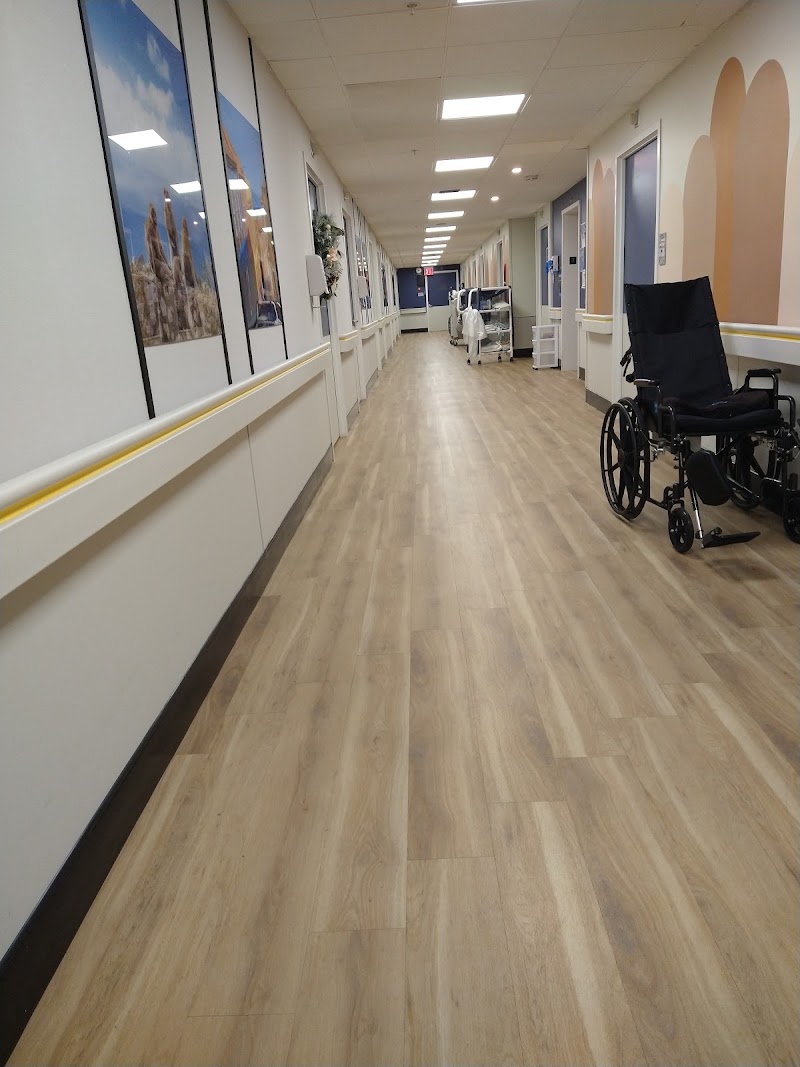
Who Owns and Operates Hudson Hill Center For Rehabilitation & Nursing?

HUDSON HILL CENTER FOR REHABILITATION & NURSING is owned by a for-profit company. For-profit facilities operate as businesses with obligations to shareholders or private owners. The facility is operated by INFINITE CARE, a chain that manages multiple nursing homes. With 315 certified beds and approximately 286 residents (about 91% occupancy), it is a large facility located in YONKERS, New York.
How Does Hudson Hill Center For Rehabilitation & Nursing Compare to Other New York Nursing Homes?

Compared to the 100 nursing homes in New York, HUDSON HILL CENTER FOR REHABILITATION & NURSING's overall rating (1 stars) is below the state average of 3.0, staff turnover (33%) is significantly lower than the state average of 46%, and health inspection rating (1 stars) is much below the national benchmark.

What Should Families Ask When Visiting Hudson Hill Center For Rehabilitation & Nursing?

Based on this facility's data, families visiting should ask: "What changes have been made since the serious inspection findings, and how are you preventing similar issues?" "What safeguards and monitoring systems are in place to protect residents from abuse or neglect?" "Can I visit during a mealtime to observe dining assistance and food quality?" "How do you handle medical emergencies, and what is your hospital transfer rate?" These questions are particularly relevant given the facility's Immediate Jeopardy citations and the substantiated abuse finding on record.

Is Hudson Hill Center For Rehabilitation & Nursing Safe?

Based on CMS inspection data, HUDSON HILL CENTER FOR REHABILITATION & NURSING has documented safety concerns. The facility has 1 substantiated abuse finding (meaning confirmed case of resident harm by staff or other residents). Inspectors have issued 1 Immediate Jeopardy citation (the most serious violation level indicating risk of serious injury or death). The facility has a 1-star overall rating and ranks #100 of 100 nursing homes in New York. Families considering this facility should ask detailed questions about what corrective actions have been taken since these incidents.

Do Nurses at Hudson Hill Center For Rehabilitation & Nursing Stick Around?

HUDSON HILL CENTER FOR REHABILITATION & NURSING has a staff turnover rate of 33%, which is about average for New York nursing homes (state average: 46%). Moderate turnover is common in nursing homes, but families should still ask about staff tenure and how the facility maintains care continuity when employees leave.

Was Hudson Hill Center For Rehabilitation & Nursing Ever Fined?

HUDSON HILL CENTER FOR REHABILITATION & NURSING has been fined $56,044 across 1 penalty action. This is above the New York average of $33,639. Fines in this range indicate compliance issues significant enough for CMS to impose meaningful financial consequences. Common causes include delayed correction of deficiencies, repeat violations, or care failures affecting resident safety. Families should ask facility leadership what changes have been made since these penalties.

Is Hudson Hill Center For Rehabilitation & Nursing on Any Federal Watch List?

HUDSON HILL CENTER FOR REHABILITATION & NURSING is not on any federal watch list. The most significant is the Special Focus Facility (SFF) program, which identifies the bottom 1% of nursing homes nationally based on persistent, serious quality problems. Not being on this list means the facility has avoided the pattern of deficiencies that triggers enhanced federal oversight. This is a positive indicator, though families should still review the facility's inspection history directly.