SANS SOUCI REHABILITATION AND NURSING CENTER
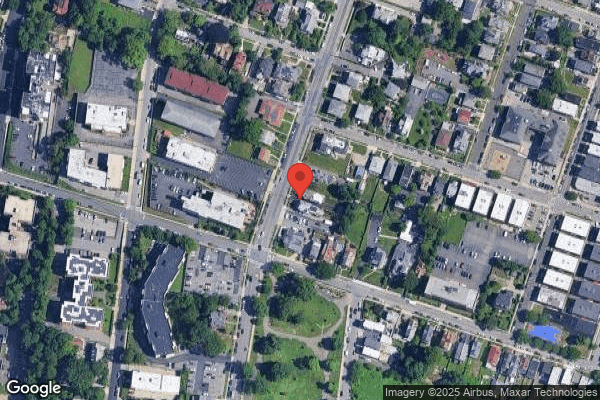

115 PARK AVENUE, YONKERS, NY 10703 (914) 423-9800
For profit - Limited Liability company 120 Beds CARERITE CENTERS Data: November 2025
Trust Grade
35/100
#444 of 594 in NY
Last Inspection: August 2024

Within standard 12-15 month inspection cycle. Federal law requires annual inspections.

Overview

Sans Souci Rehabilitation and Nursing Center has received a Trust Grade of F, indicating significant concerns about the facility’s overall quality and care. They rank #444 out of 594 nursing homes in New York, placing them in the bottom half of all facilities, and #31 out of 42 in Westchester County, suggesting limited better options nearby. The facility is showing signs of improvement, having reduced the number of issues from 15 in 2024 to 11 in 2025. However, staffing is a major concern with a low rating of 1 out of 5 stars and a high turnover rate of 51%, which is above the state average. Notably, there were instances of inadequate care, such as failure to provide necessary services for residents’ daily living activities and insufficient staffing levels, which raises concerns about the quality of care provided. On a positive note, the facility has not incurred any fines, indicating they have not faced penalties for compliance issues recently.

Trust Score
F
35/100
In New York
#444/594
Bottom 26%
Safety Record
High Risk
Review needed
Inspections
Getting Better
15 → 11 violations
Staff Stability
⚠ Watch
51% turnover. Above average. Higher turnover means staff may not know residents' routines.
Penalties
✓ Good
No fines on record. Clean compliance history, better than most New York facilities.
Skilled Nurses
○ Average
Each resident gets 31 minutes of Registered Nurse (RN) attention daily — about average for New York. RNs are the most trained staff who monitor for health changes.
Violations
⚠ Watch
47 deficiencies on record. Higher than average. Multiple issues found across inspections.
★★☆☆☆
2.0
Overall Rating
★☆☆☆☆
1.0
Staff Levels
★★★★★
5.0
Care Quality
★☆☆☆☆
1.0
Inspection Score
Stable
2024: 15 issues
2025: 11 issues

The Good

  • 5-Star Quality Measures · Strong clinical quality outcomes
  • Full Sprinkler Coverage · Fire safety systems throughout facility
  • No fines on record

Facility shows strength in quality measures, fire safety.

The Bad

2-Star Overall Rating

Below New York average (3.1)

Below average - review inspection findings carefully

Staff Turnover: 51%

Near New York avg (46%)

Higher turnover may affect care consistency

Chain: CARERITE CENTERS

Part of a multi-facility chain

Ask about local staffing decisions and management

The Ugly 47 deficiencies on record

Apr 2025 5 deficiencies
CONCERN (D) 📢 Someone Reported This

A family member, employee, or ombudsman was alarmed enough to file a formal complaint

Potential for Harm - no one hurt, but risky conditions existed

Quality of Care (Tag F0684)

Could have caused harm · This affected 1 resident

Based on observations, record review and interviews conducted during the Abbreviated Survey (NY00360526), the facility did not ensure 1(Resident #1) of 3 residents reviewed for quality of care receive...

Read full inspector narrative →
Based on observations, record review and interviews conducted during the Abbreviated Survey (NY00360526), the facility did not ensure 1(Resident #1) of 3 residents reviewed for quality of care received treatment and care in accordance with the professional standards of practice, the comprehensive person-centered care plan, and the residents' choices. Specifically, 1.) Resident #1 who had a stage 2 pressure ulcer that was resolved on 10/29/24 and reopened on 1/28/25, was not being turned and positioned prior to 1/28/25 as per the certified nurse aide documentation. Furthermore, the Wound Care Doctor gave instructions on 1/28/25 to turn and reposition the resident every 1-2 hours while in bed and every 30 minutes while in chair, and the certified nurse aide documentation revealed that it was not being done. The findings are: The facility policy title ADL care last revised on 9/4/2024 documented that nursing staff must document all Activities of Daily Living(ADL) care in provided in the resident's electronic health record(EHR) or care documentation system Resident #1 was admitted with the following diagnoses including but not limited to dementia, major depressive disorder, and mood disorder. The 10/26/2024 Quarterly Minimum Data Set (MDS) and assessment tool documented that Resident #1 had severely impaired cognition. Required substantial assistance with eating, oral hygiene, and was dependent with toileting, bed mobility, and transfers. The resident had two stage 2 pressure ulcers. The 11/14/23 Pressure ulcer Care Plan documented that Resident #1 has a Sacral pressure ulcer that had re-opened on 1/28/25. Interventions included repositioning at least every 2 hours, or more often as needed or requested. Upon review of the 10/29/24 wound care consult, Resident had a stage 2 pressure ulcer that has been resolved on 10/29/24. The 10/29/24 at 1:09 PM nursing progress note documented that Resident #1 was seen and evaluated by the wound care specialist and the sacral wound is resolved The 1/27/2025 3:08 PM nursing progress note documented that Resident #1 was noted with a re-opening of an old sacral wound and doctor was made aware. The November 2024 Certified Nurse Aide Documentation Survey Report documented that Resident #1 was not turned and repositioned on 11/6/24, 11/23/24, and 11/28/24 on the 3pm-11pm shift, and was not turned and repositioned on 11/29/24 on the 7am-3pm shifts The December 2024 Certified Nurse Aide Documentation Survey Report documented that Resident #1 was not turned and repositioned on 12/1/24 on the 7am-3pm shift and was not turned and positioned on 12/13/24, 12/14/24, and 12/23/24 on the 3pm-11pm shift The January 2025 Certified Nurse Aide Documentation Survey Report documented that Resident #1 was not turned and repositioned on 1/12/25 on the 7am-3pm shift. Upon review of the 1/28/25 wound care consult, Resident #1 was seen for follow-up evaluation of a reopened Stage 3 sacral wound. Instructions included to apply topical treatment and strict offloading and turning and repositioning every 1-2 hours while in bed and every 30 minutes while in chair and follow up in one week to re-evaluate. During an interview on 2/27/24 at 11:29 AM, the Wound Care Doctor stated that Resident #1's sacrum pressure re opened and that the facility does their own investigation on how the wound reopened and that they are not involved. The Wound Care Doctor stated that their role is to recommend treatments or bedside interventions and to help guide the facility with treatments. The Wound Care Doctor stated that they recommended turning and repositioning every 1-2 hours while in bed and every 30 minutes while seated, and offloading. The Wound Care Doctor stated that they have had discussions with the Director of Nursing about interventions and what should be done. The Wound Care stated that is a turning and repositioning is a factor to promote wound healing. During an interview on 2/27/25 at 11:56 AM, Certified Nurse Aide #1 stated that they are supposed to document turning and repositioning in the Point Click Care. Certified Nurse Aide #1 stated that there is no way to document turning and repositioning every 2 hours in the Point Click Care because it only allows you to document per shift. Certified Nurse Aide #1 stated that they do not turn and reposition the resident while in their wheelchair. They only turn and reposition the resident while in bed. The instruction in the Certified Nurse Aide documentation does not indicate and that sometimes Resident #1 gives a hard time when trying to provide cares. During an interview on 2/27/25 at 6:27 PM, Certified Nurse Aide #2 stated that they sign for turning and repositioning every shift in Point Click Care and that there is no way of documenting it every 2 hours because it only allows you to document per shift. During an interview on 2/27/25 at 6:33 PM, Certified Nurse Aide #3 stated that residents are supposed to get turned and repositioned every 2 hours, and Point Click Care only allows them to document for it every shift, and that there is no other place to document on it other than Point Click Care. During an interview on 2/27/25 at 6:01 PM, Licensed Practical Nurse Unit Manager #1 stated that Certified Nurses' Aides know to turn and reposition a resident every 2 hours because it is in the tasks in Point of Care and the residents' profile. Licensed Practical Nurse Unit Manager #1 stated that they had an issue on documenting turning and repositioning when the previous Director Of Nursing was there because they were unable to document turning and repositioning every 2 hours , except to document by shift. Licensed Practical Nurse Unit Manager #1 stated that they have no way knowing if a resident is getting turned and repositioned every 2 hours because it is only being documented by shift. Licensed Practical Nurse Unit Manager #1 stated that the nurse managers/supervisors check to see if Certified Nurse Aides are signing every shift, and that there should be no blanks because if it is not signed for, then it was not done. During an interview on 2/27/25 at 7:22 PM, the Director of Nursing stated that the Certified Nurse aides should be documenting on the care that they provide for the residents in the electronic medical record(Point Click Care) and that there should not be blanks. The Director of Nursing stated that they called all the staff that did not sign for the cares and was going to complete a Performance Improvement Plan, write them up, and give plan of correction. The Director of Nursing stated that they are going to have them all go back into the electronic medical record and sign for the blanks. During an interview on 3/12/25 at 5:18 PM, the Director of Nursing stated they initiated a form for turning and repositioning on 2/27/25 and that the Certified Nurse Aides were made aware after the surveyor came on 2/26/25 that they must turn and reposition the residents every 2 hours and sign for it. The Director of Nursing stated they had an Inservice and reeducated all staff on turning and repositioning, and that going forward, they expect all staff to sign for turning and repositioning every 2 hours. During an interview on 3/19/25 at 9:50 am, the Director of Nursing stated that on 2/27/25, they initiated a reeducation on turning a positioning resident, and instructed the certified nurse aides that missed documenting turning and repositioning in point click care, to sign for all the blanks in the certified nurse aide documentation dating back to 11/2024 10 NYCRR 415.12
CONCERN (D) 📢 Someone Reported This

A family member, employee, or ombudsman was alarmed enough to file a formal complaint

Potential for Harm - no one hurt, but risky conditions existed

Deficiency F0692 (Tag F0692)

Could have caused harm · This affected 1 resident

**NOTE- TERMS IN BRACKETS HAVE BEEN EDITED TO PROTECT CONFIDENTIALITY** Based on record review and interviews during an abbreviated survey (NY00331684), the facility did not ensure a resident maintain...

Read full inspector narrative →
**NOTE- TERMS IN BRACKETS HAVE BEEN EDITED TO PROTECT CONFIDENTIALITY** Based on record review and interviews during an abbreviated survey (NY00331684), the facility did not ensure a resident maintained acceptable parameters of nutritional status, such as usual body weight for 1 out of 3 residents (Resident #5) reviewed for nutrition. Specifically, Resident #5 had a weight loss of fifteen percent in thirty days. Review of Resident #5's certified nurse documentation revealed direct care staff were not consistently documenting the resident's intake and there were several occasions when the resident did not consume or only consumed twenty five percent of their meal. There was no documented evidence of nursing or administration being informed of Resident #5's poor intake. The findings are: The facility Interdisciplinary Management and Prevention of Significant Weight Loss of Nursing Facility Residents policy last revised/reviewed 2/7/2024 documented there will be a systematic and interdisciplinary approach to monitoring resident weights in the facility. The facility will develop a standardized process in the management and prevention of unplanned significant weight loss of Nursing Facility residents. Residents who lose weight will be identified and managed in a timely manner. Resident #5 was admitted with diagnoses including but not limited to Dementia, Protein-Calorie Malnutrition and Glaucoma. A Quarterly Minimum Data Set, dated [DATE] documented the resident had severe cognitive impairment. The resident had impairment to one side of their upper extremity and used a walker or a wheelchair for locomotion. The resident required maximal assistance with eating, toileting, bed mobility and transfers. The resident was not on a mechanically altered diet. Review of an impaired cognition care plan initiated 3/22/2023 documented Resident #5 was alert and oriented x 2. Interventions listed included ask yes/no questions to determine the resident's needs, introduce self before cares and explain cares to resident. Review of a nutritional problem care plan last revised 3/27/2023 documented Resident #5 had a potential for a nutritional problem related to a low body mass index and Spanish speaking. Interventions listed included monitor/record/report to the physician as needed signs and symptoms of malnutrition: emaciation, muscle wasting, significant weight loss 3 pounds in one week, greater than 5% in one month, greater than 7.5% in three months and greater than 10% in six months, provide and serve diet and supplements as ordered, monitor intake and record at every meal and Registered Dietician to evaluate and make diet recommendations as needed. Review of Resident #5's weight record revealed the following measurements: on 3/24/2023 the admission weight was 100 pounds standing; on 9/14/2023 the weight was 92.8 pounds Standing; on 12/19/2023 the weight was 84.6 pounds wheelchair; on 3/12/24 the weight was 81.8 pounds mechanical lift. Review of the certified nurse assistant accountability for January 2024 revealed the following: Eating with substantial maximal assistance x 1 staff was not signed on 20 occasions; Amount eaten % was not signed on 27 occasions; the resident ate 25% of their meal on 15 occasions and 0% of their meal on 16 occasions and refused their meal on 1 occasion-1/22/2024. Review of the certified nurse assistant accountability for February 2024 revealed the following: Eating with substantial maximal assistance x 1 staff was not signed on 8 occasions; Amount eaten % was not signed on 27 occasions; the resident ate 25% of their meal on 15 occasions, 0% of their meal on 16 occasions, and refused their meal on 1 occasion-1/22/2024. There was no documented evidence of nursing or administration being informed of Resident #5's poor intake. Review of Resident #5's annual nutrition risk assessment dated [DATE] written by the registered dietician documented the resident was receiving Boost Plus supplement eight ounces x2 daily. Resident #5 was totally dependent for eating, had a fair appetite and an intake of fifty percent with meals. Resident #5's most recent weight on 2/7/2024 was 72.8 pounds in the wheelchair. Resident #5 had a 15.3% weight loss in thirty days. Resident #5 trend for the last six months was weight loss and possible causes were fluctuating appetite and challenging to redirect at mealtimes. Resident #5 needs continual redirection, cueing, & assurance. During an interview on 3/19/2025 at 12:54 PM, the Registered Dietician stated Resident #5 was extremely challenging to assist with meals. The Registered Dietician stated Resident #5's representative would come in during lunch time and assist Resident #5 with their meals. The Registered Dietician stated Resident #5's representative would be in the facility for hours after the meals still trying to assist Resident #5 with their meals. The Registered Dietician stated Resident #5 had a fifteen percent significant weight loss in thirty days and once they captured the significant weight loss it was brought to morning report and discussed with the interdisciplinary team. The Registered Dietician stated their recommendation was to start Resident #5 on proform (a protein supplement) daily and increase the residents boost plus supplement to x3 daily. The Registered Dietician stated they also recommended to monitor Resident #5's weekly weights for 4 weeks, provide encouragement at mealtimes and extra time as needed at meals. During a telephone interview on 4/22/2026 at 11:25 AM, the Director of Nursing #2 stated if Resident #5 was not consuming their meals or had a low intake, the certified nurse aide should inform the nurse, and the dietician should also be informed as well. The Director of Nursing #2 stated they tried to have different certified nurse assistants attempt to assist the resident with their meals and Resident #5's representative also came in to assist to feed the resident. 10 NYCRR 415.12(i)(1)
CONCERN (E) 📢 Someone Reported This

A family member, employee, or ombudsman was alarmed enough to file a formal complaint

Potential for Harm - no one hurt, but risky conditions existed

ADL Care (Tag F0677)

Could have caused harm · This affected multiple residents

**NOTE- TERMS IN BRACKETS HAVE BEEN EDITED TO PROTECT CONFIDENTIALITY** Based on observations, record review and interviews during an abbreviated survey (NY00331684, NY00334367), the facility did not ...

Read full inspector narrative →
**NOTE- TERMS IN BRACKETS HAVE BEEN EDITED TO PROTECT CONFIDENTIALITY** Based on observations, record review and interviews during an abbreviated survey (NY00331684, NY00334367), the facility did not ensure a resident who is unable to carry out activities of daily living received the necessary services to maintain good nutrition, grooming, and personal care for 2 of 3(Resident #5, #6) residents reviewed for activities of daily living. Specifically, (1) review of Resident #5's certified nurse assistant documentation for the months of January and February 2024 revealed bladder and bowel incontinence care was not provided by direct care staff on 19 occasions out of 31days. Further review of the January 2024 and February 2024 certified nurse assistant documentation revealed areas of care including showers, personal hygiene and assistance during meals were not consistently signed as being provided by direct care staff; (2) review of Resident #6's certified nurse assistant documentation for the months of January and February 2024 revealed bladder and bowel incontinence care was not provided by direct care staff on 35 occasions. Further review of the January 2024 and February 2024 certified nurse assistant documentation revealed areas of care including showers were not consistently signed by direct staff as been provided (3) In addition, the surveyor observed during rounds in the facility on 3/7/2025 a total of 22 residents dressed in gowns, between the first and second floors. During rounds on the units on 3/10/2025 there were a total of 33 residents in the facility, out of the facility census of 110 residents dressed in gowns. The Findings are: The facility Activities of Daily Living (ADL) Care policy last revised 9/4/2024 documented the nursing home shall provide Activities of Daily Living (ADL) care that promotes and maintains residents' health, safety, independence and dignity. Activities of Daily Living (ADL) care includes assistance with tasks such as bathing, dressing, grooming, eating, toileting, mobility and transferring. Care must be individualized and meet each resident's physical, emotional, and psychosocial needs. Nursing staff must document all Activities of Daily Living (ADL) care provided in the resident's electronic health record or care documentation system. 1) Resident #5 admitted to the facility on [DATE] with diagnoses including but not limited to Dementia, Protein-Calorie Malnutrition and Glaucoma. A Quarterly Minimum Data Set, dated [DATE] documented the resident had severe cognitive impairment. The resident had impairment to one side of their upper extremity and used a walker or a wheelchair for locomotion. The resident required maximal assistance with eating, toileting, bed mobility and transfers. Review of an Activities of Daily Living care plan initiated on 3/22/2023 documented Resident #5 requires assistance due to impaired balance and limited mobility. Interventions listed included morning and night routine and encourage resident to participate to the fullest extent possible with each interaction. Review of the certified nurse assistant accountability for January 2024 revealed no signatures on the Bladder and Bowel continence record on the 7AM to 3 PM shift on 1/8/24, 1/20/24, 1/31/24, on the 3PM - 11 PM shift on 1/6/24, 1/9/24, 1/10/24, 1/11/24, 1/25/24, 1/29/24, 1/31/24, on the 11 PM- 7 AM shift on 1/1/24, 1/5/24, 1/6/24, 1/7/24, 1/9/24, 1/10/24, 1/11/24, 1/13/24, 1/14/24, 1/24/24. The Certified Nurses Accountability Shower record was not signed on 10 occasions, bed bath was documented for most of showers scheduled for Resident #5. Shower was signed as given on 1 occasion (1/12/2024) in January. In addition, there were no signatures for Personal hygiene substantial/maximal assistance x 1 staff on 20 occasions, no signatures for Assistance provided during meals on 20 occasions in January or eating with substantial maximal assistance x 1 staff on 20 occasions. Review of the certified nurse assistant accountability for February 2024 revealed no signatures on the Bladder and Bowel continence record on the 3PM - 11 PM shift on 2/10/24, 2/19/24, the 11 PM- 7 AM shift on 2/2/24, 2/3/24, 2/10/24, 2/11/24, 2/24/24, 2/25/24. The Bowel continence records were not signed on 9 occasions: 3PM - 11 PM shift on 2/10/24, 2/19/24,11 PM- 7 AM shift on 2/2/24, 2/3/24, 2/10/24, 2/11/24, 2/18/24, 2/24/24, 2/25/24. In addition, there were no signatures for showers on 6 occasions. Showers were documented as given on 2/5/2024, 2/22/2024 and 2/28/2024. There were no signatures indicating Personal hygiene substantial/maximal assistance x 1 staff was provided on 8 occasions, and substantial assist x1 staff provided for eating on 8 occasions out of 29. 2) Resident #6 was admitted with diagnosis including but not limited to Diabetes Mellitus, Essential Hypertension and Chronic Pulmonary Edema. A Quarterly Minimum Data Set, dated [DATE] documented Residnet #6 was cognitively intact. The resident required a wheelchair for locomotion, maximal assist for bed mobility, dependent for toiletting and transfers and was independent with eating. Review of a bladder incontinence care plan initiated 3/18/2023 documented Resident #6 had incontinence related impaired mobility. Interventions listed included the resident uses disposable briefs, change every shift and as needed. Review of an incontinence care plan initiated 1/11/2024 documented Resident #6 was incontinent of bowel and bladder related to debility. Interventions listed included provide loose fitting easy to remove clothing and provide peri care after each incontinence episode. Review of Resident #6's certified nurse assistant documentation for January 2024 revealed no signatures on the Bladder and Bowel incontinence record on the 7 AM-3 PM shift on 1/1/2024, 1/2/2024, 1/4/2024, 1/5/2024, 1/6/2024, 1/7/2024, 1/8/2024, 1/9/2024, 1/10/2024, 1/11/2024, 1/13/2024, 1/14/2024, 1/15/2024, 1/17/2024, 1/24/2024, on the 3 PM-11 PM shift on 1/10/2024, 1/25/2024 and on the 11 PM-7 am shift on 1/31/2024. The certified nurse accountability shower record was not signed on 5 occasions for Resident #6. Review of Resident #6's certified nurse assistant documentation for February 2024 revealed no signatures on the Bladder and Bowel incontinence record on the 7 AM-3 PM shift on 2/3/2024, 2/5/2024, 2/7/2024, 2/11/2024, 2/12/2024, 2/14/2024, 2/18/2024, 2/19/2024, 2/24/2024, 2/25/2024, 2/27/2024, 2/29/2024, on the 3 PM-11 PM shift on 2/3/2024, 2/10/2024, 2/17/2024 and on the 11 PM-7 AM shift on 2/9/2024, 2/18/2024, 2/25/2024, 2/29/2024. The certified nurse accountability shower record was not signed on 3 occasions for Resident #6. 3) On 3/7/2025, during rounds on the first floor from 12:10 PM to 12:18 PM 14 residents were observed to be dressed in hospital gowns. On 3/7/2025, during rounds on the second floor from 12: 45 PM to 12:55 PM 8 residents were observed dressed in hospital gowns. On 3/10/2025 during rounds on the third floor from 12:25 PM to 12:35 PM 10 residents were observed dressed in hospital gowns. On 3/10/2025, during rounds on the second floor from 12:55 PM to 1:18 PM 15 residents were observed dressed in hospital gowns. On 3/10/2025 during rounds on the first floor from 1:21 PM to 1:30 PM 7 residents were observed dressed in hospital gowns. During an interview on 3/10/2025 at 12:46 PM, Licensed Practical Nurse #1 stated some residents prefer to wear gowns rather than getting dressed and some are care planned for that but not all the residents prefer to be in gowns. Licensed Practical Nurse #1 stated the residents do have clothing and the residents that were seen dressed in hospital gowns does not happen often. During a telephone interview on 4/22/2026 at 11:25 AM, the Director of Nursing #2 stated the nurses on the unit and the Assistant Director of Nursing provide oversight with the certified nurse assistant signing their documentation. The Director of Nursing #2 stated that if there is a blank spot noted on the certified nurse assistant documentation, it does not indicate that the care was not provided. A blank spot on the documentation means the certified nurse assistant forgot to sign. The Director of Nursing #2 stated if the documentation is not completed, staff is educated and reminders. During a telephone interview on 4/22/2025 at 12:06 PM, the Assistant Director of Nursing #2 stated a blank spot on the certified nurse assistant documentation would mean that the task was not done. The Assistant Director of Nursing #2 stated back in January and February 2024, the Assistant Directors of Nursing oversaw the certified nurse assistant documentation. The Assistant Directors of Nursing would make rounds and remind staff to complete their documentation an hour before the end of their shift. Presently the charge nurses must print the certified nurse assistant documentation before the end of each shift and show the completion of the documentation to administration at the end of the shift. 10 NYCRR 415.12(a)(3)
CONCERN (E) 📢 Someone Reported This

A family member, employee, or ombudsman was alarmed enough to file a formal complaint

Potential for Harm - no one hurt, but risky conditions existed

Deficiency F0725 (Tag F0725)

Could have caused harm · This affected multiple residents

Based on record review and interview during an abbreviated survey (NY00334367, NY00331640) the facility did not ensure that sufficient nursing staff was consistent for residents according to the Facil...

Read full inspector narrative →
Based on record review and interview during an abbreviated survey (NY00334367, NY00331640) the facility did not ensure that sufficient nursing staff was consistent for residents according to the Facility Assessment. Nursing and certified nurse assistant staff levels were frequently below the levels determined by the facility to be necessary to meet the needs of the residents. Specifically, review of the facility daily staffing sheets for January 2024 and February 2024 revealed staffing was not adequate across various shifts based on the unit needs and (Provider Average Ratio)PAR levels documented in the facility assessment. The findings are: The facility undated Staffing Sufficient and Competent Nursing policy documented the facility provides sufficient numbers of nursing staff necessary to provide nursing and related care and service for all residents in accordance with the resident's care plans and the facility assessment. The Facility Assessment last revised 9/10/2024 documented the direct care staffing as follows for unit 2: Nurses: Day shift-Registered Nurse/Licensed Practical Nurse Charge Nurse and 1 Medication Registered Nurse/Licensed Practical Nurse , Evening shift- 1 Registered Nurse/Licensed Practical Nurse , Night shift- 1 Registered Nurse/Licensed Practical Nurse and Certified Nurse Assistants: Day shift-4-5, Evening shift-3-4, Night shift-2certified nurse assistants Review of the facility Daily Staffing sheets for January 2024, documented the following staffing for the 2nd floor: Day shift: there was 1 nurse on 1/2/2024, 1/3/2024, 1/5/2024, 1/6/2024, 1/7/2024, 1/8/2024, 1/9/2024, 1/10/2024, 1/11/2024, 1/12/2024, 1/19/2024, 1/20/2024, 1/21/2024, 1/22/2024, 1/23/2024, 1/25/2024, 1/26/2024, 1/27/2024, 1/28/2024, 1/30/2024. Day Shift: There were 3 certified nurse aides on1/2/2024, 1/3/2024, 1/5/2024, 1/6/2024, 1/9/2024, 1/12/2024, 1/14/2024, 1/18/2024, 1/19/2024, 1/29/2024, 1/30/2024, 1/31/2024 On 1/7/2024, 1/8/2024, 1/10/2024, 1/11/2024 on the Day Shift, there were 2 certified nurse assistants. There were 2 certified nurse assistants on the evening shift on1/10/2024, 1/31/2024 There was no nurse scheduled for the night shift on 1/3/2024 and 1/21/2024. There was 1 certified nurse aide scheduled on 1/27/2024. Review of the facility Daily Staffing sheets for February 2024, documented the following staffing for the 2nd floor: Day shift: 1 nurse noted on 2/2/2024, 2/4/2024, 2/5/2024, 2/6/2024, 2/10/2024, 2/11/2024, 2/12/2024, 2/13/2024, 2/14/2024, 2/17/2024, 2/18/2024, 2/20/2024, 2/21/2024, 2/23/2024, 2/24/2024, 2/25/2024, 2/26/2024, 2/27/2024 There were 3 certified nurse aides on 2/1/2024, 2/5/2024, 2/6/2024, 2/10/2024, 2/17/2024, 2/19/2024, 2/21/2024, 2/23/2024, 2/24/2024, 2/25/2024, 2/26/2024, 2/27/2024, 2/28/2024 There were 2 certified nurse aides on 2/16/2024 on the evening shift. For the Evening shift on 2/17/2024 there was no nurse on 2/17/2024 2 certified nurse assistants on 2/4/2024, 2/10/2024, 2/28/2024 For the night shift there was no nurse on 2/16/2024 and 2/17/2024. There was 1certified nurse aide on 2/21/2024 and 2/25/2024. During an interview on 3/19/2025 at 11:59 AM the Director of Human Resources stated the facility uses agency staff sometimes if there are call outs, or if they are not aware in advance of a short shift. The Director of Human Resources stated the schedules are run on a 4-week basis and staff are aware a month in advance of the schedules before they are posted. The Director of Human Resources stated the facility does not have a lot of staff shortages per shift now but when they began working for the facility in March 2024, there was not much agency staff being used. The Director of Human Resources stated most of the staff shortages occur on the weekends, but the nursing supervisors are usually able to fill the spots because they have a book with the staff roster that lists staff availabilities and shifts available to work if needed. The Director of Human Resources stated they created a Provider Average Ratio (PAR) sheet that shows what the facility staffing should be, and this is what the nursing supervisors use if they need to fill a staffing need. During a telephone interview on 4/22/2026 at 11:25 AM the Director of Nursing #2 stated they do not remember a time when there were no nurses scheduled for a unit, but there may have been sick calls. The Director of Nursing #2 stated if there was no nurse for a unit/shift, they would work the unit themselves. If there is a need for coverage on the weekends/evenings/nights shifts they or the Assistant Directors of Nursing would cover the shift, as they are all nurses. The Director of Nursing #2 stated they had two Assistant Directors of Nursing in 2024 and they do not recall any day when there was no nurse on a unit. During a telephone interview on 4/22/2025 at 12:06 PM the Assistant Director of Nursing #2 stated they had not previously known about a nurse not being scheduled for a unit, but they had heard recently this year about these situations. 10NYCRR 415.13 (A)(1)(i-iii)
CONCERN (E) 📢 Someone Reported This

A family member, employee, or ombudsman was alarmed enough to file a formal complaint

Potential for Harm - no one hurt, but risky conditions existed

Deficiency F0760 (Tag F0760)

Could have caused harm · This affected multiple residents

**NOTE- TERMS IN BRACKETS HAVE BEEN EDITED TO PROTECT CONFIDENTIALITY** Based on record review and interviews during an abbreviated survey (NY00334367), the facility did not ensure residents were free...

Read full inspector narrative →
**NOTE- TERMS IN BRACKETS HAVE BEEN EDITED TO PROTECT CONFIDENTIALITY** Based on record review and interviews during an abbreviated survey (NY00334367), the facility did not ensure residents were free from significant medication error for 4 (Residents #17, #20, #24, #34) out of 42 residents reviewed for medication. Specifically, on 2/25/2024 there was no nurse on the second floor to administer medications to the residents during the 7 AM to 3 PM shift. 36 out of the 42 residents on the unit did not receive their medication with 30 of the residents having significant medications. Significant Medications that were not administered included: Antihypertensives, Retroviral, Anti-seizure, Anti-depressants, Antidiabetics, Insulin, Narcotics, Anticoagulants, Antibiotics, Immunosuppressants, Anti-Parkinsonism and Anti-psychotics. The Findings are: The Facility Adverse Consequences and Medication Error policy last revised February 2023 documented a medication error is defined as the preparation or administration of drugs or biological which is not in accordance with physician's orders, manufacturer specifications, or accepted professional standards and principles of the professional(s) providing services. An example of a medication error is an omission, in which a drug is ordered but not administered. 1) Resident #17 admitted to the facility on [DATE] with diagnoses including but not limited to Type 2 Diabetes Mellitus, Essential Hypertension and Cerebral Infarction. A Physician's order dated 1/14/2024 documented an order for Losartan Potassium 25 mg-give one tablet by mouth one time a day for essential hypertension. A Physician's order dated 1/15/2024 documented an order for Clopidogrel Bisulfate 75 mg give one tablet by mouth one time a day for blood clot prevention, and Paroxetine HCL 20 mg- give one tablet by mouth one time a day for depression. A Physician's order dated 1/22/2024 documented an order for Humalog solution 100 units/ml-inject 10 units subcutaneously before meals for diabetes. A Physician's order dated 1/25/2024 documented an order for Metoprolol Tartrate 12.5 mg-give one tablet by mouth two times daily for hypertension hold for a systolic blood pressure less than one hundred and a heart rate less than 60. A Physician's order dated 2/7/2024 documented an order for Insulin Glargine solution 100 units/ml-inject 32 units subcutaneously two times a day for diabetes Review of the February 2024 Medication Administration record for Resident #17 revealed the following medications were not administered: Clopidogrel Bisulfate 75 mg at 10 AM, Losartan Potassium 25 mg at 10 AM, Paroxetine HCL 20 mg at 10 AM, Insulin Glargine solution 100 units/ml-inject 32 units subcutaneously at 10 AM, Metoprolol Tartrate 12.5 mg at 10 AM, and Humalog solution 100 units/ml-inject 10 units subcutaneously at 11 AM. 2) Resident #20 admitted to the facility on [DATE] with diagnoses including but not limited to Type 2 Diabetes Mellitus, Essential Hypertension and Peripheral Vascular Disease. A Physician's order dated 6/17/2022 documented an order for Clopidogrel Bisulfate 75 mg-give one tablet by mouth one time a day for blood clot prevention; Lisinopril 40 mg-one tablet by mouth one time a day for hypertension; Glucophage 1,000 mg-one tablet by mouth two times a day for diabetes; Levemir subcutaneous solution 100 units/ml-inject 45 units subcutaneously two times daily for diabetes. A Physician's order dated 10/30/2023 documented Novolog injection solution 100 units/ml-inject ten units subcutaneously with meals for diabetes at 11:30 AM. Review of the February 2024 Medication Administration record for Resident #20 revealed the following medications were not administered: Clopidogrel Bisulfate 75 mg at 9 AM, Lisinopril 40 mg at 9 AM, Glucophage 1,000 mg at 9 AM, Levemir subcutaneous solution 100 units/ml-inject 45 units subcutaneously at 9 AM, Novolog injection solution 100 units/ml-inject ten units subcutaneously with meals for diabetes at 11:30 AM. 3) Resident #24 admitted to the facility on [DATE] with diagnoses including but not limited to Type 2 Diabetes Mellitus, Essential hypertension and Atrial Fibrillation. A Physician's order dated 2/14/2024 documented an order for Entresto 49-51 mg-give one tablet by mouth one time a day for heart failure; Farxiga 10 mg-give one tablet by mouth one time a day for diabetes mellitus; Labetalol HCL 300 mg-give one tablet two times a day for hypertension; Enoxaparin Sodium injection solution 40mg/0.4 ml-inject 0.4 ml subcutaneously one time a day for deep vein thrombosis; Hydralazine 50 mg-give one tablet by mouth three times a day for hypertension; Insulin Lispro 100 units/ml-inject four units subcutaneously before meals for diabetes. Review of the February 2024 Medication Administration record for Resident #24 revealed the following medications were not administered: Enoxaparin Sodium injection solution 40mg/0.4 ml-inject 0.4 ml at 10 AM, Entresto 49-51 mg at 10 AM, Farxiga 10 mg at 10 AM, Labetalol HCL 300 mg at 10 AM, Hydralazine 50 mg at 10 AM and 2 PM, Insulin Lispro 100 units/ml-inject four units subcutaneously before meals at 11 AM. 4) Resident #34 admitted to the facility on [DATE] with diagnoses including but not limited to Vascular Dementia, Type 2 Diabetes Mellitus and Chronic Kidney Disease. A Physician's order dated 1/27/2023 documented Amlodipine 10 mg-give one tablet by mouth one time a day for hypertension. A Physician's order dated 1/27/2023 documented Glipizide 5 mg-give one tablet by mouth one time a day for diabetes mellitus. A Physician's order dated 2/23/2024 documented Insulin Glargine solution 100 units/ml-inject 18 units subcutaneously on time a day for diabetes mellitus. Review of the February 2024 Medication Administration record for Resident #34 revealed the following medications were not signed out as being administered: Amlodipine 10 mg at 10 AM, Insulin Glargine solution 100 units/ml-inject 18 units subcutaneously at 10 AM, Glipizide 5 mg at 2:30 PM. During a telephone interview on 4/22/2026 at 11:25 AM, the Director of Nursing #2 stated they were not aware there was no nurse for the second floor during the day shift on 2/25/2024, and the nursing supervisor did not inform them there was a sick call and that the nurse called out. The Director of Nursing #2 stated the Administrator had received a call from the supervisor and was informed everything was okay at work. The Director of Nursing #2 stated the scheduler is also available to be called as well if there are issues with the staffing and the facility was using agency staff if needed during this time. The Director of Nursing #2 stated when they returned to work on Monday the Assistant Director of Nursing at that time brought it to their attention and they called the nursing supervisor. The Director of Nursing #2 stated they did a full assessment of the residents that did not receive their medications and had the Physician's Assistant at the time assess the residents as well. The Director of Nursing #2 stated the supervisor was removed from the schedule after the incident. During a telephone interview on 5/2/2025 at 9:32 AM, the Regional Medical Director stated they were informed of the medication that occurred on 2/25/2024. The Regional Medical Director stated they do not recall anything emergent coming out of this incident. The Medical director stated there was a recovery plan made following the incident and they would call their Director of Nursing #1 to be refreshed on the details from the incident. The Regional Medical Director called back and stated they spoke with the facility Administrator who stated the resident were immediately assessed by the Registered Nurse on the unit and the Nurse Practitioner that was in the facility. The Regional Medical Director stated all the affected residents were found to have stable vital signs, there were no adverse effects and no hospitalizations that occurred from the missed medication doses. The Regional Medical Director stated the significance of the medications missed on 2/25/2024 depends on the medications. The Regional Medical Director stated they agree missing a dose of insulin is emergent, as well as if a resident missed a dose of Warfarin (blood thinner). The Regional Medical Director stated if a resident missed a dose of their blood thinners like Eliquis or Pradaxa, this is not emergent because the medication has a half-life (the time it takes for the amount of a medication to decrease by half in the body) of twenty-four to forty-eight hours. The Regional Medical Director stated if a resident did not receive their blood pressure medication for a day or two or did not receive their cholesterol medication for a day these are not emergent situations. The Regional Medical Director stated if a retroviral medication is not administered for a day, this would only be emergent in an acute phase of human immunodeficiency virus. The Regional Medical Director stated if there is an incident where a resident in the facility is not administered a medication they are supposed to be notified immediately, so the resident can be evaluated and monitored for any adverse effects or outcomes. 10 NYCRR 415.12(m)(2)
Apr 2025 6 deficiencies
CONCERN (D) 📢 Someone Reported This

A family member, employee, or ombudsman was alarmed enough to file a formal complaint

Potential for Harm - no one hurt, but risky conditions existed

Free from Abuse/Neglect (Tag F0600)

Could have caused harm · This affected 1 resident

**NOTE- TERMS IN BRACKETS HAVE BEEN EDITED TO PROTECT CONFIDENTIALITY** Based on record review and interviews conducted during an abbreviated survey (NY00352230), the facility did not ensure a residen...

Read full inspector narrative →
**NOTE- TERMS IN BRACKETS HAVE BEEN EDITED TO PROTECT CONFIDENTIALITY** Based on record review and interviews conducted during an abbreviated survey (NY00352230), the facility did not ensure a resident's right to be free from abuse for 1 out of 3 residents (Resident #3) reviewed for abuse. Specifically, on 8/22/2024 Certified Nurse Aide #1 witnessed Resident #2 with a known history of inappropriate behaviors towards staff and others, striking Resident #3 (who had a history of wandering behavior and was care planned for supervision) on the head with a flexi-bar (rubber cylinder used in therapy) from behind. The investigative conclusion documented there is no evidence that any alleged abuse had occurred. The Findings are: 1) Resident #2 was admitted to the facility on [DATE] with diagnoses including but not limited to Acquired Absence of Left Leg Above Knee, Unspecified Psychosis and Mood Disorder. Review of a Quarterly Minimum Data Set, dated [DATE] documented the resident was cognitively intact. The resident had impairment on one side of the lower extremity. The resident required a walker or a wheelchair for locomotion. The resident was independent for eating and bed mobility and supervision with toileting and transferring. Review of a risk to be a victim of abuse care plan initiated 3/25/2024 and revised 8/22/2024 documented Resident #2 had an allegation of abuse against them by their previous roommate. The care plan also documented allegation of sexual inappropriate behavior reported by staff. Interventions included for resident to be always assisted by 2 staff for all cares, psychiatry/psychology evaluation and that the resident will not abuse any other resident through the next review date. 2) Resident #3 was admitted to the facility on [DATE] with diagnoses including but not limited to Chronic Obstructive Pulmonary Disease, Muscle Weakness and Diabetes Mellitus. A Quarterly Minimum Data Set, dated [DATE] documented Resident #3 had severe cognitive impairment and exhibited wandering behaviors. The resident used a wheelchair and a walker for locomotion. The resident required set up assistance with eating, supervision with toileting, bed mobility and transfers. Review of Actual /potential for Abuse /neglect created 7/2022 documented the resident was found in another resident's room on 7/30/2024 with their head at the foot of the bed facing the door. Resident had another resident poured a cup of liquid on them. Interventions included x30min checks which was initiated 7/30/2024, psychiatry/psychology evaluation, refer to recreational activities, staff to monitor and redirect as needed. Review of the facility investigative summary, that is unsigned and undated documented that on 8/22/2024 at around 1:30 PM, an incident occurred involving Resident #2 and Resident #3. The Director of Nursing was informed by Licensed Practical Nurse #2 that Resident #2 hit Resident #3 on the head. Certified Nurse Aide #1 and Certified Nurse Aide #2 witnessed the incident, and reported that Resident #2, who was wheeling themselves behind Resident #3, verbally expressed frustration by stating they took their blanket. Subsequently, Resident #2 used a little flexi-bar (rubber cylinder used for therapy) to strike Resident #3 from behind. Certified Nurse Aide #1 and Certified Nurse Aide #2 were present in the hallway and intervened immediately and prompted Resident #3 to return the blanket to Resident #2, which they did. The investigative conclusion documented Resident #3 was moved to another room and Resident #2 was transferred to the hospital for a psychological evaluation. It was concluded that Resident #3's severe cognitive impairment affecting their memory, behavior and mobility made it challenging to navigate the facility correctly and locating their room, leading to them entering Resident #2's room. Staff to continue to routinely check the hallway to redirect and prevent residents from wandering and entering other residents' rooms and intervene when needed to redirect residents with behavioral episodes and prevent any altercation. The investigation documented that there was no evidence that any alleged abuse had occurred. During an interview on 3/10/2025 at 12:20 PM, Certified Nurse Aide #1 stated they were sitting at the nurse's station on the 3rd floor, and they heard loud speaking, and they went to the noise and saw Resident #2 and Resident #3. Certified Nurse Aide #1 stated Resident #2 was behind Resident #3, and they then tapped Resident #3 on the back of the head with a rubber cylinder used in therapy. Certified Nurse Aide #1 stated they went behind Resident #2 and took the cylinder and asked what was going on. Certified Nurse Aide #1 stated Resident #2 was upset and stated Resident #3 who was confused had gone into their room by accident, but that it kept happening. Certified Nurse Aide #1 stated Resident #3 had a room change and they were confused and would forget where their room was located. Certified Nurse Aide #1 stated they separated Resident #2 and Resident #3 and reported the incident to the nurse. Certified Nurse Aide #1 stated they were by themselves and were the only witness when Resident #2 hit Resident #3 on the back of the head. By the time they got to the residents, another certified nurse aide showed up. During an interview on 3/13/2025 at 11:19 AM, the Director of Nursing #1 stated they determined no abuse occurred for the incident that occurred on 8/22/2024 because they went and spoke with Resident #2 who they stated they were playing with Resident #3 when they hit them on the back of the head. The Director of Nursing #1 stated they assessed Resident #3, and they did not have any injury. The Director of Nursing #1 stated Resident #2 knew what they were doing, and they were not trying to intentionally hurt Resident #3. The Director of Nursing #1 stated the entire time Resident #2 was laughing and thought it was funny, but they have psychiatric issues. 10NYCRR 415.4(b)(1)(i)
CONCERN (D) 📢 Someone Reported This

A family member, employee, or ombudsman was alarmed enough to file a formal complaint

Potential for Harm - no one hurt, but risky conditions existed

Assessment Accuracy (Tag F0641)

Could have caused harm · This affected 1 resident

**NOTE- TERMS IN BRACKETS HAVE BEEN EDITED TO PROTECT CONFIDENTIALITY** Based on record review and interviews during an abbreviated survey (NY00331567), the facility did not ensure the accuracy of res...

Read full inspector narrative →
**NOTE- TERMS IN BRACKETS HAVE BEEN EDITED TO PROTECT CONFIDENTIALITY** Based on record review and interviews during an abbreviated survey (NY00331567), the facility did not ensure the accuracy of resident's assessments for 1 out of 3 residents (Resident #4) reviewed. Specifically, Resident #4 was admitted to the facility on [DATE] with a documented history of wandering but was not identified as at risk for elopement by the facility on admission. Resident #4 was placed in a room on the first floor of the facility and on 1/14/2024, the resident exited the facility front doors unescorted after they were buzzed out by the Receptionist. The findings are: The undated facility admission Assessment and Follow Up: Role of the Nurse policy documented the purpose of the procedure is to gather information about the resident's physical, emotional, cognitive and psychosocial condition upon admission for the purposes of managing the resident, initiating the care plan, and comprehensive required assessment instruments. Conduct an admission assessment (history and physical) including a summary of the individual's recent medical history, including hospitalizations, acute illnesses and overall status prior to admission. Resident #4 admitted to the facility with diagnoses including but not limited to Muscle Weakness, Dementia and Generalized Anxiety Disorder. An admission Minimum Data Set, dated [DATE] documented Resident #4 had severe cognitive impairment with no behaviors noted. Resident #4 was ambulatory with impairment to both sides of their upper extremities and impairment to one side of their lower extremity. The resident required supervision with eating, moderate assistance with toileting, bed mobility and transfers and had no wander guard in use. Resident # 4's elopement risk score was a 5 denoting low risk and the resident was placed in a room on the first floor. Review of Resident #4's admission assessment dated [DATE] documented under elopement risk that the resident was disoriented and had not attempted to leave the facility or prior residence and does not wander. Review of the hospital history and physical dated 12/22/2023 and the hospital Discharge summary dated [DATE] documented Resident #4 had a history of Dementia, hypertension, hyperlipidemia, diabetes mellitus and prior transient ischemic attack, lived at home with their spouse, and per their family representatives had not been eating, was wandering outside, had been getting aggressive with family at times. During an interview on 3/13/2025 at 1:02 PM, the Admissions Director stated residents' medical history and physicals are received by them prior to the resident's admission. The Admissions Director stated the admission packet is reviewed by nursing, the physician and them. The Admissions Director stated they are responsible to review the resident's initial history and physical from the hospital. The Admissions Director stated a packet is printed and uploaded into point click care (the electronic medical record system) once the resident is scheduled to come to the facility for admission. During an interview on 3/13/2025 at 3:17 PM, the Director of Nursing #1 stated they were not working at the facility when the incident occurred. The process is when a resident is admitted , an initial assessment is completed. During the assessment if the resident triggers as a risk for elopement by scoring above a 9(denotes high risk), a wander guard would be applied. The Director of Nursing #1 stated if a resident wanders or has the possibility of eloping, they will avoid placing the resident on the lower unit. During telephone interview on 4/15/2025 at 11:15 AM, the Director of Nursing #2 stated they did Resident #4's assessment on admission and would have reviewed the hospital record information during the admission assessment, but they do not recall seeing any information regarding the wandering in the documentation. The Director of Nursing #2 stated if wandering was noted in the hospital documentation, then Resident #4 would have been documented as an elopement and wandering risk and would have had a wander guard in place. 10 NYCRR 415.11(b)
CONCERN (D) 📢 Someone Reported This

A family member, employee, or ombudsman was alarmed enough to file a formal complaint

Potential for Harm - no one hurt, but risky conditions existed

Comprehensive Care Plan (Tag F0656)

Could have caused harm · This affected 1 resident

**NOTE- TERMS IN BRACKETS HAVE BEEN EDITED TO PROTECT CONFIDENTIALITY** Based on record review and interview during an abbreviated survey (NY00331567), the facility did not ensure a comprehensive pati...

Read full inspector narrative →
**NOTE- TERMS IN BRACKETS HAVE BEEN EDITED TO PROTECT CONFIDENTIALITY** Based on record review and interview during an abbreviated survey (NY00331567), the facility did not ensure a comprehensive patient centered care plan was developed for 1 out of 3 residents reviewed for care planning. Specifically, Resident #4 was admitted to the facility on [DATE] and had a documented history of wandering. Resident #1 exited the facility through the front doors unescorted on 1/14/2024, after being buzzed out by the Receptionist. Review of Resident #4's care plan revealed they did not have a wandering or potential for elopement care plan in place. The Findings are: The facility Care Plans, Comprehensive Person-Centered policy last revised March 2022 documented a comprehensive, person-centered care plan that includes measurable objectives and timetables to meet the resident's physical, psychosocial and functional needs is developed and implemented for each resident. The comprehensive, person-centered care plan is developed within seven (7) days of the completion of the required MDS assessment (Admission, Annual or Significant Change in Status), and no more than 21 days after admission. The comprehensive, person-centered care plan includes measurable objectives and timeframes and describes the services that are to be furnished to attain or maintain the resident's highest practicable physical, mental, and psychosocial well-being. Assessments of residents are ongoing, and care plans are revised as information about the residents and the residents' conditions change. Resident #4 was admitted to the facility on [DATE] with diagnoses including but not limited to Muscle Weakness, Dementia and Generalized Anxiety Disorder. An admission Minimum Data Set, dated [DATE] documented Resident #4 had severe cognitive impairment with no behaviors noted. Resident #4 was ambulatory with impairment to both sides of their upper extremities and impairment to one side of their lower extremity. The resident required supervision with eating, moderate assistance with toileting, bed mobility and transfers and had no wander guard in use. Review of the hospital history and physical dated 12/22/2023 and the hospital Discharge summary dated [DATE] documented Resident #4 had a history of Dementia, Hypertension, Hyperlipidemia, Diabetes Mellitus and prior Transient Ischemic Attack. Resident #4 lived at home with their spouse, and per their family representatives had not been eating, was wandering outside and had been getting aggressive with family at times. Review of an impaired cognition care plan initiated 12/28/2023 documented Resident #4 had impaired thought processes related to Dementia. Interventions listed included keep the resident's routine consistent and as much as possible provide consistent care givers as much as possible in order to decrease confusion and monitor/document/report to physician any changes in cognitive function, specifically changes in: decision making ability, memory, recall and general awareness, difficulty expressing self, difficulty understanding others, level of consciousness and mental status. Review of a forgetfulness/confusion last revised 1/10/2024 documented Resident #4 requires reminders to participate in leisure activities. Interventions listed included invite/escort to group/strolling activities and provide 1:1 recreation session as able. There was no documented evidence of a wandering or elopement risk care plan being implemented for Resident #4. During telephone interview on 4/15/2025 at 11 :15 AM, the Director of Nursing #2 stated they did Resident #4's assessment on admission and there was no wandering or exit seeking observed for Resident #4 while in the facility. The Director of Nursing #2 stated Resident #4's hospital record would have come over to the facility for review and they would review this information during the admission assessment, but they do not recall seeing any information regarding the wandering in the documentation. The Director of Nursing #2 stated the elopement risk and the wandering care plans were not initiated for Resident #4 because they did not see any information regarding wandering on their hospital documentation. The Director of Nursing #2 stated if wandering was noted in the documentation, then they would have initiated these care plans. 10 NYCRR 415.11(c)(1)
CONCERN (D) 📢 Someone Reported This

A family member, employee, or ombudsman was alarmed enough to file a formal complaint

Potential for Harm - no one hurt, but risky conditions existed

Accident Prevention (Tag F0689)

Could have caused harm · This affected 1 resident

**NOTE- TERMS IN BRACKETS HAVE BEEN EDITED TO PROTECT CONFIDENTIALITY** Based on record review and interviews during an abbreviated survey (NY00331567), the facility did not ensure that the resident e...

Read full inspector narrative →
**NOTE- TERMS IN BRACKETS HAVE BEEN EDITED TO PROTECT CONFIDENTIALITY** Based on record review and interviews during an abbreviated survey (NY00331567), the facility did not ensure that the resident environment remained free of accident hazards and that each resident received adequate supervision for 1 out of 3 residents (Resident #4) reviewed for elopement. Specifically, on 1/14/2024 Resident #4 exited through the front doors of the facility unescorted, after being buzzed out by the Receptionist at 3:33 PM. Resident #4 with a documented history of wandering, was assigned a room on the first floor of the facility. Resident #4 exited the facility and wandered into a neighboring home near the facility and the neighbor called 911. The facility was notified of Resident #4's whereabouts around 4:31 PM by emergency medical services after the resident was transferred to the hospital. The Findings are: The Facility Elopement policy last revised 7/2024 documented when a resident is reported missing, the following action plan will be initiated to conduct a prompt, thorough search to locate the resident and provide a safe return to their unit. An elopement risk evaluation is done on admission, quarterly and as needed. The plan of care is established based on evaluation for each resident if needed. In the event a resident is regarded as risk for elopement a wander guard is applied to the resident. A picture of the resident is placed at the nurse's station and at a front desk and the interdisciplinary team is notified. Resident #4 was admitted to the facility with diagnoses including but not limited to Muscle Weakness, Dementia and Generalized Anxiety Disorder. An admission Minimum Data Set, dated [DATE] documented Resident #4 had severe cognitive impairment with no behaviors. Resident #4 was ambulatory with impairment to both their upper extremities and impairment to one side of their lower extremity. The resident required supervision with eating, moderate assistance with toileting, bed mobility and transfers and had no wander guard in use. Review of the hospital history and physical dated 12/22/2023 and the hospital Discharge summary dated [DATE] documented Resident #4 had a history of Dementia, Hypertension, Hyperlipidemia, Diabetes Mellitus and prior Transient Ischemic Attack. Resident #4 lived at home with their spouse, and per their family representatives had not been eating, was wandering outside and had been getting aggressive with family at times. Review of Resident #4's admission assessment dated [DATE] documented on the elopement risk column that the resident was disoriented, had not attempted to leave the facility or prior residence, and does not wander. Review of the investigative summary documented on 1/14/2024 at 3:33 PM Resident #4 left the facility dressed in weather appropriate clothing, wearing a brown colored coat. Resident #4 spent most of the previous shift in their room and at 3:33 PM exited the facility and shortly afterwards entered the yard of a nearby home. At approximately 4:21 PM, the staff observed during rounds that Resident #4 was not in their room and immediate search for the resident was started in Resident #4's room and the other rooms/bathrooms on the assigned unit as well as other floors. At approximately 4:31 PM, while the search was still in progress emergency medical services arrived at the facility and informed the staff that Resident #4 was taken to the hospital emergency room for evaluation. The immediate action taken documented all visitors and vendors to the facility are now required to sign in and out when leaving the facility. The investigative conclusion dated 1/14/2024 concluded that Resident #4 left the facility unescorted and was located shortly within close proximity to the facility. The investigation revealed that there is no evidence to support that any alleged resident Abuse, Neglect or Mistreatment may have occurred. During an interview on 3/10/2025 at 9:35 AM, the Director of Nursing stated elopement assessments are completed on admission, quarterly and as needed by the unit nurses. During an interview on 3/10/2025 at 1:37 PM, the Director of Nursing stated they do use wander guards in the facility. The Director of Nursing stated residents that are elopement risks or have wander guards in place are preferably not placed on the first floor, and all units are alarmed for the wander guards. During a telephone interview on 3/13/2025 at 12:35 PM, the Receptionist stated they arrived at the facility for their shift on 1/14/2024 and they were not aware that Resident was a new resident in the facility at the time. The Receptionist stated Resident #4 was dressed casually like a civilian, and they did not notice any medical bands on the resident, so they opened the door and let the resident out of the facility. The Receptionist stated some visitors are not very talkative and are focused in getting where they are going, so they did not pay attention and let the resident out based on experience from regular visitors. The Receptionist stated two hours later the emergency medical services arrived and informed them they had located a resident from the facility outside and had taken them to the hospital to be evaluated, but they did not know what resident they were talking about, because they were not aware Resident #4 was a resident of the facility. The Receptionist stated the emergency medical service team then went to the nurse's station and began asking the nurses questions. The Receptionist stated they then went over to the nurse's station to see what the commotion was about. The Receptionist stated they asked why Resident #4 did not have a wander guard on. The Receptionist stated Resident #4 was also not on an elopement risk list kept at the front desk and the nurses stated they did not know that the resident would be wandering. The Receptionist stated when Resident #4 returned to the facility they were moved to the second floor. The Receptionist stated Resident #4 did not have an identification band on and when the nurse and the emergency medical services spoke with Resident #4's spouse they revealed Resident #4 had planned this ahead of time. During an interview on 3/13/2025 at 1:02 PM, the admission Director stated they could not recall why Resident #4 was placed on the first floor, but it was likely because they were told that the wandering risk had been stopped for the resident. During an interview on 3/13/2025 at 1:50 PM, the Administrator stated the incident that occurred on 1/14/2024 was handled by them and Director of Nursing #2. The Administrator stated a resident's final approval for admission to the facility is signed off by the Director of Nursing. The Administrator stated they are responsible for conducting some in-services, such as customer service and new regulation training alongside with nursing. The Administrator stated their target audience for their in-service regarding the 1/14/2024 incident was the front desk staff and now they have a tighter front desk protocol in the facility. During an interview on 3/13/2025 at 3:17 PM, the Director of Nursing #1 stated they were not the Director of Nursing at the time of the incident on 1/14/2024. The Director of Nursing #1 stated when a resident is admitted an initial assessment is completed and if the elopement score is high, then a wander guard is applied. The Director of Nursing stated if the resident does not trigger on the elopement assessment and during their stay, they exhibit wandering behavior, another assessment is completed, and a wander guard is applied. The Director of Nursing #1 stated the criteria for applying the wander guard is based on the elopement assessment score. The score determines if a wander guard is needed or not. The Director of Nursing #1 stated if a resident has a possibility of wandering or eloping, they will avoid placing the resident on the lower unit. During telephone interview on 4/15/2025 at 11:15 AM, the Director of Nursing #2 stated they remember the elopement incident that occurred on 1/14/2024 with Resident #4. The Director of Nursing #2 stated they received a phone call from the facility staff that Resident #4 left the building, and that the Receptionist thought the resident was a visitor and buzzed them out. The Director of Nursing #2 stated once they were informed about the incident, they called the Administrator to inform them. The incident occurred close to the change of the shift. The Director of Nursing #2 stated Resident #4's room was located on the first floor across from the nurse's station and there was no wandering or exit seeking observed while in the facility otherwise the resident would have had a wander guard in place. 10 NYCRR 415.12(h)(1)
CONCERN (E) 📢 Someone Reported This

A family member, employee, or ombudsman was alarmed enough to file a formal complaint

Potential for Harm - no one hurt, but risky conditions existed

Report Alleged Abuse (Tag F0609)

Could have caused harm · This affected multiple residents

**NOTE- TERMS IN BRACKETS HAVE BEEN EDITED TO PROTECT CONFIDENTIALITY** Based on record review and interviews conducted during an abbreviated survey (NY00352230, NY00331567), the facility did not ensu...

Read full inspector narrative →
**NOTE- TERMS IN BRACKETS HAVE BEEN EDITED TO PROTECT CONFIDENTIALITY** Based on record review and interviews conducted during an abbreviated survey (NY00352230, NY00331567), the facility did not ensure the report of the results of an investigation was submitted to the New York State Department of Health in accordance with State law within 5 working days of the incident for 3 out of 3 residents (Resident #2, Resident #3, Resident #4) reviewed for abuse. Specifically, (1) On 8/22/2024, Resident #2 was witnessed by Certified Nurse Aide #1, hitting Resident #3 on the back of the head with a flexi-bar (rubber cylinder used for therapy). Review of the 5-day investigative conclusion submission revealed it was not submitted to the New York State Department of Health until 8/28/2024; (2) On 1/14/2024, Resident #4 exited the facility through the front door unescorted and was found in a neighboring yard, the resident was taken to the hospital by emergency medical services. Review of the investigative summary revealed no documented evidence of the 5-day investigative conclusion being submitted to the New York State Department of Health. The findings are: The facility Abuse, Neglect, Exploitation or Misappropriation-Reporting and Investigating policy dated 6/3/2024 documented it is the policy of the facility to ensure all reports of resident abuse are reported to local, state and federal agencies and thoroughly investigated by facility management. Findings of all investigations are documented and reported. Within five business days of the incident, the administrator will provide a follow up investigation report. The follow up investigation report will provide sufficient information to describe the results of the investigation. 1) Resident #2 was admitted to the facility with diagnoses including but not limited to Acquired Absence of Left Leg Above Knee, Unspecified Psychosis and Mood Disorder. Review of a Quarterly Minimum Data Set, dated [DATE] documented the resident was cognitively intact. The resident had impairment on one side of the lower extremity. The resident required a walker or a wheelchair for locomotion. The resident was independent for eating and bed mobility and supervision with toileting and transfers. 2) Resident #3 admitted to the facility on [DATE] with diagnoses including but not limited to Chronic Obstructive Pulmonary Disease, Muscle Weakness and Diabetes Mellitus. A Quarterly Minimum Data Set, dated [DATE] documented Resident #3 had severe cognitive impairment and exhibited wandering behaviors. The resident used a wheelchair and a walker for locomotion. The resident required set up assistance with eating, supervision with toileting, bed mobility and transfers. Review of the facility investigative summary, unsigned and undated documented on 8/22/2024 at around 1:30 PM, an incident occurred involving Resident #2 and Resident #3. The Director of Nursing was informed by Licensed Practical Nurse #2 that Resident #2 hit Resident #3 on the head. Certified Nurse Aide #1 and Certified Nurse Aide #2 witnessed the incident, and reported that Resident #2, who was wheeled themselves behind Resident #3. Resident #2 stated Resident #3 took their blanket and expressed frustration. Subsequently, Resident #2 used a little flexi-bar to strike Resident #3 from behind. Certified Nurse Aide #1 and Certified Nurse Aide #2 were present in the hallway and intervened immediately. The investigative conclusion documented Resident #3 was moved to another room and Resident #2 was transferred to the hospital for a psychological evaluation. The investigation revealed that there is no evidence that any alleged abuse had occurred. Review of the 5-day investigative conclusion submission revealed it was not submitted to the New York State Department of Health until 8/28/2024. 3) Resident #4 was admitted to the facility with diagnoses including but not limited to Muscle Weakness, Dementia and Generalized Anxiety Disorder. An admission Minimum Data Set, dated [DATE] documented Resident #4 had severe cognitive impairment with no behaviors noted. Resident #4 was ambulatory with impairment to both sides of their upper extremities and impairment to one side of their lower extremity. The resident required supervision with eating, moderate assistance with toileting, bed mobility and transfers and had no wander guard in use. Review of the investigative summary dated 1/14/2024 at 3:33 PM revealed Resident #4 left the facility dressed in weather appropriate clothing, wearing a brown colored coat. They exited the facility and shortly afterwards entered the yard of a nearby home. At approximately 4:21pm the staff began a search for Resident #4 and activated their missing person protocol. At approximately 4:31 PM while the search was still in progress emergency medical services arrived at the facility and informed the staff that Resident #4 was located in a neighbor's yard and the resident was taken to the emergency room for evaluation. The investigation concluded there is no evidence to support that any alleged resident Abuse, Neglect or Mistreatment had occurred. It documented that Resident #4 left the facility unescorted and was located shortly thereafter within close proximity to the facility. There was no documented evidence that a 5-day investigative conclusion report was submitted to the New York State Department of Health. During an interview on 3/13/2025 at 10:52 AM, the Director of Nursing #1 stated if a reportable occurs then the nursing staff is aware that there is a two-hour window for the incident to be reported. The Director of Nursing #1 stated if there is a suspicion or allegation of abuse the staff inform them immediately. They begin the process by gathering statements from the staff and the residents, and notification is made to the family. The Director of Nursing #1 stated on the weekends and off hours, the nursing supervisor in the facility will obtain the statements from staff, notify the residents family and evaluate the resident. The Director of Nursing #1 stated they are responsible to submit the initial information to the State and responsible for all the reporting in the facility, including the submission of the 5-day conclusion for the reportable incidents During an interview on 3/13/2025 at 11:19 AM, the Director of Nursing #1 stated they submitted the investigative conclusion for the incident that occurred on 8/22/2024 on 8/28/2024 because there was a weekend in between. During an interview on 3/13/2025 at 1:50 PM, the Administrator stated they are involved in the reporting to the Department of Health. The Administrator stated the incident that occurred on 1/14/2024 was handled by them and the Director of Nursing #2, but they vaguely remember the incident with Resident #4. The Administrator stated they believe that the 5-day conclusion was submitted for the incident that occurred on 1/14/2024. 10NYCRR 415.4(b)(1)(ii)
CONCERN (E) 📢 Someone Reported This

A family member, employee, or ombudsman was alarmed enough to file a formal complaint

Potential for Harm - no one hurt, but risky conditions existed

Investigate Abuse (Tag F0610)

Could have caused harm · This affected multiple residents

**NOTE- TERMS IN BRACKETS HAVE BEEN EDITED TO PROTECT CONFIDENTIALITY** Based on record review and interviews during an abbreviated survey (NY00353705, NY00352230, NY00332692), the facility did not en...

Read full inspector narrative →
**NOTE- TERMS IN BRACKETS HAVE BEEN EDITED TO PROTECT CONFIDENTIALITY** Based on record review and interviews during an abbreviated survey (NY00353705, NY00352230, NY00332692), the facility did not ensure that an allegation of abuse was thoroughly investigated for 6 (Resident #1, #2, #3, #38, #39, #40) of 6 residents reviewed. Specifically, (1) on 9/8/2024 Resident #1 reported to Licensed Practical Nurse #1 that Resident #2 had touched them inappropriately in their private area while they were roommates. Review of the facility incident report revealed the certified nurse aides assigned to the third-floor unit on 9/8/2024 did not provide any written statements regarding the incident. Review of the investigative summary revealed it was not dated and was not signed indicating it was not reviewed by the Medical Director; (2) On 8/22/2024 Resident #2 was witnessed by Certified Nurse Aide #1 hitting Resident #3 in the back of the head with a Flexi-bar (a rubber cylinder used in therapy). The facility investigative conclusion documented there was no cause to believe abuse had occurred. Review of the investigative summary revealed it had not been signed off on by the Director of Nursing #1, the Administrator or the Medical Director as reviewed; (3) on 2/1/2024 Resident #38's Representative reported to the Administrator that Resident # 38 was missing $33.00 and all their credit cards. Charges were made on their card from 1/29/2024 through 1/31/2024. Statements were not obtained for all staff assigned to the first-floor unit from 1/29/2024 to 1/31/2024; (4) Resident # 39 reported that their disability and social security credit card were missing and that the Credit Card company informed them that items were charged on the card on 1/31/2024 in the Bronx and [NAME] Island. A Cash App transfer of $65 dollars was also made. Statements were not obtained from all staff assigned to the first-floor unit on 1/31/2024 to 2/1/2024; 5) Resident #40 alleged that on 2/1/2024 their social security credit card was missing and used at an ATM in the Bronx for $46.00 dollars. Per police officers, the cards were used in the Bronx, Valley Stream and [NAME] Island. Statements were not obtained for all staff assigned to the first-floor unit on 2/1/2024. No written statements were obtained from Certified Nurse Aide #4, the alleged perpetrator. The Findings are: The facility Abuse, Neglect, Exploitation or Misappropriation-Reporting and Investigating policy dated 6/3/2024 documented it is the policy of the facility to ensure all reports of resident abuse are reported to local, state and federal agencies and thoroughly investigated by facility management. Findings of all investigations are documented and reported. All allegations are thoroughly investigated. The Administrator initiates investigations. Interviews are conducted with staff members on all shifts, who have contact with the resident during the period of the alleged incident. 1) Resident #1 was admitted to the facility on [DATE] with diagnoses including but not limited to Dementia, Schizoaffective Disorder and Hemiplegia affecting Left Dominant Side. A Modification of Medicare-5 Day Minimum Data Set, dated [DATE] documented the resident had moderate cognitive impairment. The resident exhibited physical behavioral symptoms directed towards others, rejection of care and wandering. The resident required a manual wheelchair for locomotion and had impairment to upper and lower extremities on both sides. The resident required moderate assistance for eating and was dependent for toileting, bed mobility and transfers. 2) Resident #2 admitted to the facility on [DATE] with diagnoses including but not limited to Acquired Absence of Left Leg Above Knee, Unspecified Psychosis and Mood Disorder. Review of a Quarterly Minimum Data Set, dated [DATE] documented the resident was cognitively intact. The resident had impairment on one side of the lower extremity. The resident requires a walker or a wheelchair for locomotion. The resident was independent for eating and bed mobility and supervision with toileting and transfers. Review of the undated investigative summary documented that on 9/8/2024 at approximately 7:30 PM Registered Nurse #1 responded to a report from Resident #1 alleging that their former roommate Resident #2 had touched them inappropriately. Resident #1 with a Brief Interview for Mental Status (BIMS) of 9/15 reported that Resident #2 who had been their roommate until 9/6/2024 touched their private area that made them uncomfortable. Resident #1 stated they had asked Resident #2 to stop, which they listened to their request to stop. Resident #1 stated that Resident #2 who had previously assisted them with daily needs and sometimes touched their chest and legs, inappropriately touched them a few days prior to the report. Resident #1 felt uncomfortable but did not report the incident immediately. Resident #1 told Registered Nurse #1 that Resident #2 told them they wanted to be their brother and care for them. Resident #1 was told by Resident #2 not to tell staff about it. Resident #2 who had been relocated to another room on 9/6/2024 was interviewed by Registered Nurse #1 and Licensed Practical Nurse #1 and denied the allegations. Resident #2 maintained that their interactions with Resident #1 were limited to providing assistance with daily tasks. Review of the investigative conclusion documented the facility acted promptly to address and mitigate the situation by separating the residents and conducting thorough evaluations. No injuries, no physical or psychological changes were observed. The investigation concluded the investigation was completed and it is undetermined at this time. The investigative summary was not dated or signed by the Medical Director. The facility did not provide any documented evidence of written statements obtained from the certified nurse aides on duty on 9/8/2024 for the third-floor unit or Registered Nurse #1. Statements were attached from Resident #2, Licensed Practical Nurse #1 and Resident #1. During a telephone interview on 3/13/2025 at 10:25 AM, Registered Nurse #1 stated they do not recall writing a statement about the incident that occurred on 9/8/2024. The usual process would be to write a statement. During an interview on 3/13/2025 at 10:52 AM, the Director of Nursing #1 stated all staff on the unit were interviewed regarding the allegation made on 9/8/2024. The Director of Nursing #1 stated they did not obtain statements from the certified nurse aides because Resident #1 did not report the allegation to them. The Director of Nursing #1 stated if there is a suspicion or allegation of abuse, the staff informs them immediately, and they start the process and gather statements. The Director of Nursing #1 stated statements are obtained from the staff (by the nursing supervisor if they were in the facility), the residents, and notification is made to the family and evaluate the resident. The Director of Nursing #1 stated their investigation conclusion was based on the findings and the interviews obtained. The Director of Nursing #1 stated the incident reported on 9/8/2024 was concluded as undetermined because Resident #2 denied the allegation and Resident #1 reported the allegation, but the story was inconsistent. The Director of Nursing #1 stated Resident #2 had never displayed the type of behavior before. Resident #2 and Resident #1 were roommates for a while and had never had any issues prior. The Director of Nursing #1 stated the Physician's Assistant assessed Resident #1 and there were no injuries. The Director of Nursing #1 stated the Medical Director is in the facility at least 2-3 times/week and as needed and the unsigned investigative summary might have been an oversight. The reports will be forward to the Medical Director for signature. 3) Resident #3 was admitted to the facility on [DATE] with diagnoses including but not limited to Chronic Obstructive Pulmonary Disease, Muscle Weakness and Diabetes Mellitus. A Quarterly Minimum Data Set, dated [DATE] documented Resident #3 had severe cognitive impairment and exhibited wandering behaviors. The resident used a wheelchair and a walker for locomotion. The resident required set up assistance with eating, supervision with toileting, bed mobility and transfers. Review of the facility investigative summary that is unsigned and undated documented that on 8/22/2024 at around 1:30 PM, an incident occurred involving Resident #2 and Resident #3. The Director of Nursing was informed by Licensed Practical Nurse #2 that Resident #2 hit Resident #3 on the head. Certified Nurse Aide #1 and Certified Nurse Aide #2 witnessed the incident, and reported that Resident #2, who was wheeling their self behind Resident #3, verbally expressing frustration by stating Resident #3 took their blanket. Subsequently, Resident #2 used a little flexi-bar (a rubber device from physical therapy) to strike Resident #3 from behind. Certified Nurse Aide #1 and Certified Nurse Aide #2 were present in the hallway and intervened immediately and prompted Resident #3 to return the blanket to Resident #2, which they did. The investigative conclusion documented Resident #3 was moved to another room and Resident #2 was transferred to the hospital for a psychological evaluation. It was concluded that Resident #3's severe cognitive impairment affected their memory, behavior and mobility and made it challenging for them to navigate the facility correctly and locate their room, leading to them entering Resident #2's room. Staff to continue to routinely check the hallway to redirect and prevent residents from wandering and entering other residents' rooms and intervene when needed to redirect residents with behavioral episodes and prevent any altercation. The investigation revealed that there was no evidence that any alleged abuse had occurred. During an interview on 3/10/2025 at 12:20 PM, Certified Nurse Aide #1 stated that on 8/22/2024 while sitting at the nurse's station on the 3rd floor, they heard loud speaking, and they went to where the noise was and saw Resident #2 and Resident #3. Certified Nurse Aide #1 stated Resident #2 was behind Resident #3, and they then tapped Resident #3 on the back of the head with a (Flexi-bar) rubber cylinder used in therapy. Certified Nurse Aide #1 stated they went behind Resident #2 and took the cylinder and asked what was going on. Certified Nurse Aide #1 stated Resident #2 was upset and stated Resident #3 who was confused had gone into their room by accident, but that it kept happening. Certified Nurse Aide #1 stated Resident #3 had a room change and they were confused and would forget where their room was located. Certified Nurse Aide #1 stated they separated Resident #2 and Resident #3 and reported the incident to the nurse. Certified Nurse Aide #1 stated they were the only witness who saw Resident #2 tap Resident #3 on the back of the head. Another certified nurse aide showed up by the time they got to the residents to separate them. During an interview on 3/13/2025 at 11:19 AM, the Director of Nursing #1 stated they determined no abuse occurred for the incident that occurred on 8/22/2024 because they had spoken with Resident #2, and they stated they were playing with Resident #3 when they hit them on the back of the head. The Director of Nursing #1 stated they assessed Resident #3, and there were no injuries. The Director of Nursing #1 stated the Certified Nurse Aide #1 reported that they saw Resident #2 coming towards the nursing station and Resident #3 had a blanket in their hand, Resident #2 had a Flexi-bar (rubber cylinder used in therapy) and took the Flexi-bar and tapped Resident #3 on top of the head. The Director of Nursing #1 stated Resident #2 knew what they were doing, and they were not trying to intentionally hurt Resident #3. Resident #2 was laughing the entire time and thought the action was funny, but Resident #2 has psychiatric issues. The Director of Nursing #1 stated the investigative summary not signed by any member of the medical team was an oversight and that they usually discuss these matters with the Medical Director. The Director of Nursing #1 stated Resident #2 obtained the Flexi-bar from the rehabilitation gym they use it for their exercise on the unit. During an interview on 3/13/2025 at 1:50 PM, the Administrator stated for investigations a statement is obtained from all witnesses, staff that were involved and other residents. The Administrator stated the staff that are assigned to the residents are interviewed, but it also depends on the type of allegation. The Administrator stated statements are obtained by the social worker or nursing for investigations. The Administrator stated they always review the investigation and the investigative summary with the Director of Nursing, and they are also involved in the reporting process to the Department of Health, notifying law enforcement, ensuring an investigation summary is completed and that all staff are completing their portions of the investigation. The Administrator stated they are responsible to sign off on investigations and the Medical Director is usually in the facility at least once a week as well as on weekend and as needed when called. 4) Resident #38 was admitted to the facility on [DATE] with diagnosis that include but not limited to Hypertension, Muscle Weakness, and cellulitis of the left lower limb. An admission Minimum Data Set (MDS) dated [DATE] documented the resident had a Brief Interview for Mental Score of 15 indicating intact cognition, and resident had no behaviors, was independent with care and mobility. Resident had impairment to their lower extremity, uses a walker and wheelchair and was occasionally incontinent of bowel and bladder. Review of an abuse care plan dated 1/18/2024 documented the resident was at risk for being a victim of abuse due to inability to understand their surroundings, dependence on others for Activities of daily living and pain. Interventions included Investigate all allegations of abuse/ neglect promptly, help with activities of daily living as needed and Report to Provider and initiate assessment. Review of the daily staffing schedule from 1/29/2024 through 1/31/2024 revealed that statements were not obtained from all staff that worked on the first-floor unit. The facility incident report conclusion dated 2/8/2024 documented that although the Resident #38 alleged that cash in the amount of $33.00 dollars was taken and credit cards were used without consent, exploitation / misappropriation by a staff member is inconclusive at this time and there are no photographic or physical evidence to support the allegation that the perpetrator is a staff member. 5) Resident # 39 was admitted to the facility with diagnosis that included but not limited to Muscle weakness, Difficulty in Walking, and Obstructive Sleep Apnea. A review of witness statements dated 2/1/2024 revealed that not all staff assigned to the first-floor unit on 2/1/2024 wrote a statement. Review of the incident report conclusion dated 2/8/2024 documented that although Resident #39 alleged that their credit card was used without their consent, exploitation/misappropriation by a staff member is inconclusive at this time as there are no photographic or physical evidence to support the allegation that the perpetrator is a staff member. 6) Resident # 40 was admitted to the facility diagnosis that included but not limited to Type 2 Diabetes, Weakness, and Difficulty in Walking. The admission Minimum Data Set (MDS) dated [DATE] documented the resident had a Brief Interview of Mental Status score 15 indicating intact cognition with no behaviors. Resident #40 required set up for eating, Partial/moderate assistance with bed mobility and transfers and was occasionally incontinent of bladder and always incontinent of bowel. Review of the incident report conclusion dated 2/8/2024 documented that although Resident #40 alleged that their credit card was used without their consent, exploitation/misappropriation by a staff member is inconclusive at this time as there are no photographic or physical evidence to support the allegation that the perpetrator is a staff member. A review of witness statements dated 2/1/2024 revealed that not all staff assigned to the first-floor unit on 2/1/2024 wrote a statement. A review of the police report number 24016061 dated 3/13/2024 documented Resident # 38, Resident # 39, and Resident # 40 reported missing property of credit and debit cards. Suspect unknown. The Summary documented Grand Larceny 3rd- 403 sector. Incident Report Narrative documented it should be noted that the Facility staff was present in each of the victim's rooms and offered to supply a lock and key for the top drawer of each of their nightstands. Previously the victims had no way to secure their belongings. Financial Crimes Detective notified. During an interview on 3/13/2025 at 1:50 PM, the Administrator stated the process of their investigations is to obtain a statement from witnesses, staff that were involved and any other residents. The Administrator stated the staff that are assigned to the residents are interviewed, but it also depends on the type of allegation. The Administrator stated the statements are obtained by the social worker or nursing for the investigations. The Administrator stated they and the Director of Nursing always review the investigation and the investigative summary and close the cases out. The Administrator stated they are involved in the reporting to the Department of Health, notifying law enforcement, ensuring an investigation summary is completed and ensuring all staff are completing their parts of the investigation. The Administrator stated they are responsible to sign off on the investigation. 10 NYCRR 415.4 (b)(1)(ii)
Aug 2024 13 deficiencies
CONCERN (D) 📢 Someone Reported This

A family member, employee, or ombudsman was alarmed enough to file a formal complaint

Potential for Harm - no one hurt, but risky conditions existed

Deficiency F0583 (Tag F0583)

Could have caused harm · This affected 1 resident

**NOTE- TERMS IN BRACKETS HAVE BEEN EDITED TO PROTECT CONFIDENTIALITY** Based on observation, record review, and interview conducted during a recertification and abbreviated survey (NY00344707), the f...

Read full inspector narrative →
**NOTE- TERMS IN BRACKETS HAVE BEEN EDITED TO PROTECT CONFIDENTIALITY** Based on observation, record review, and interview conducted during a recertification and abbreviated survey (NY00344707), the facility did not ensure that a resident's right to privacy was respected for 1 of 3 residents reviewed for Dignity. Specifically, Resident #313 was observed in their wheelchair on the first floor in front of the nursing station while Director of Nursing discussed their catheter and pointed to their leg and stated, do you have a leg bag. The findings are: Resident #313 was admitted to the facility on [DATE] with diagnoses of obstructive uropathy, Multiple Sclerosis, and muscle weakness. The Quarterly Minimum Data Set (MDS) assessment dated [DATE] documented the resident was independent in cognition and had a urinary catheter. The physician order dated 8/7/24 documented catheter care every shift. On 8/12/24 at 9:05 AM, the Director of Nursing was observed asking Resident #313 about their catheter and if they had a leg bag. The conversation took place by the nursing station on the first floor where other staff and residents were present. On 8/14/24 at 3:07 PM, during an interview, the Director of Nursing stated they were not asking the resident about the catheter and that the resident asked them where their catheter was and that was why they responded. The Director of Nursing stated they did not feel it was necessary to take the resident in the room to discuss their care in private because they were on their way out to an appointment. The Director of Nursing stated they were just telling the resident where the tubing was located when the resident asked about it. 415.3(d)(1)
CONCERN (D) 📢 Someone Reported This

A family member, employee, or ombudsman was alarmed enough to file a formal complaint

Potential for Harm - no one hurt, but risky conditions existed

Grievances (Tag F0585)

Could have caused harm · This affected 1 resident

**NOTE- TERMS IN BRACKETS HAVE BEEN EDITED TO PROTECT CONFIDENTIALITY** Based on observation, interview, and record review conducted during the recertification and abbreviated (NY00338972) survey from...

Read full inspector narrative →
**NOTE- TERMS IN BRACKETS HAVE BEEN EDITED TO PROTECT CONFIDENTIALITY** Based on observation, interview, and record review conducted during the recertification and abbreviated (NY00338972) survey from 8/6/2024 to 8/14/2024, the facility did not ensure prompt resolution of a resident's grievance and did not establish a grievance policy including all necessary elements. that includes notifying residents of their right to file a grievance . This was evident for 1 (Resident #10) of 25 total sampled residents. Specifically, 1) the facility Grievance Policy did not include the method used to notify residents of the grievance process and the resident's right to obtain the decision in writing, 2) Resident #10's Designated Representative reported the resident was missing clothing and glasses and was not provided with a prompt resolution. The findings are: The facility policy titled Investigations of Grievances/Concerns dated 6/13/2024 documented a thorough investigation of all grievances will be completed, and the resident or resident representative will be informed of the findings of the investigation. There was no documented evidence the facility Grievance Policy identified whether residents were informed of the grievance process individually or with prominent postings throughout the facility. The Grievance Policy did not document the resident's or resident representative's right to obtain a copy of the grievance review in writing. Resident #10 had diagnoses of schizoaffective disorder, bipolar disorder, catatonia, and major depressive disorder. The Minimum Data Set 3.0 assessment dated [DATE] documented Resident #10 was severely cognitively impaired. On 08/08/2024 at 10:13 AM, Resident #10's Designated Representative was interviewed and stated Resident #10 had missing clothing since their hospitalization in 10/2023. The Designated Representative stated staff assured them Resident #10's clothing would be kept in storage until they returned from the hospital. Resident #10 returned from the hospital in 1/2024 and the Designated Representative stated they spoke with the Director of Social Work several times since then to complain about missing clothing. The Designated Representative stated the Director of Social Work told them they needed to provide copies of the Resident's #10's clothing inventory sheet. The Designated Representative faxed a list of missing items to the Director of Social Work in April 2024, discussed the missing clothing and glasses in a care plan meeting held with the Director of Social Work on 4/12/2024, and has not received a resolution. The Designated Representative stated they were not offered the opportunity to file an official grievance or receive the grievance review and resolution in writing. Social Work Note dated 4/18/2024 documented a care plan meeting was held with the Designated Representative and Ombudsman on 4/12/2024. On 8/8/2024, the grievances for 8/2023 through 8/2024 were requested from the Social Work Department. After reviewing the grievances provided, there was no documented evidence the missing clothing and glasses complaint by Resident #10's Designated Representative was investigated. On 08/14/2024 at 02:32 PM, and 3:28 PM, the Director of Social Work was interviewed and stated they recall Resident #10's Designated Representative reporting missing clothing after they went to the laundry. Staff found the clothing and the issue was resolved so no grievance investigation was necessary. If the clothing was not found, the Director of Social Work would conduct a grievance investigation and the resident or representative would be reimbursed. Grievances were resolved within 1 to 2 weeks of being reported. Once resolved, the Administrator signs the grievance form, and the Director of Social Work calls the family to inform them of the outcome. The residents or representatives were not provided with a written copy of the grievance report unless they asked for a copy. On 08/14/2024 at 06:13 PM, the Administrator was interviewed and stated they were present at the care plan meeting with Resident #10's Designated Representative and the Director of Social Work in 4/2024. The Administrator did not recall whether Resident #10's Designated Representative reported missing clothing and glasses during the care plan meeting. The Social Work Department was responsible for filing grievances. They investigate, made a determination, and wrote conclusions. The Administrator stated the Social Work Department would have to be asked about how they inform residents and families of grievance investigation outcomes. On 8/14/2024 at 7:30 PM, the Director of Social Work stated they found a grievance for Resident #10 and provided a copy of the Complaint/Grievance Form for Resident #10 dated 4/11/2024. The Complaint/Grievance Form documented a completion date of 4/17/2024. The facility had no record of the items reported missing and the Designated Representative would pick up a copy of the form upon their next visit. 10 NYCRR 415.3(d)(1)(ii)
CONCERN (D) 📢 Someone Reported This

A family member, employee, or ombudsman was alarmed enough to file a formal complaint

Potential for Harm - no one hurt, but risky conditions existed

Deficiency F0660 (Tag F0660)

Could have caused harm · This affected 1 resident

**NOTE- TERMS IN BRACKETS HAVE BEEN EDITED TO PROTECT CONFIDENTIALITY** Based on observation, interview, and record review conducted during the recertification and abbreviated (NY00338972) survey from...

Read full inspector narrative →
**NOTE- TERMS IN BRACKETS HAVE BEEN EDITED TO PROTECT CONFIDENTIALITY** Based on observation, interview, and record review conducted during the recertification and abbreviated (NY00338972) survey from 8/6/2024 to 8/14/2024, the facility did not ensure an effective discharge planning process was developed and implemented focused on the resident's discharge goals, involved the resident and resident representative, and was updated. This was evident for 1 (Resident #10) of 25 total sampled residents. Specifically, upon return from the hospital and without the Designated Representative's involvement, Resident #10 was issued a Discharge Notice listing the destination as a skilled nursing facility that was not suitable for the resident's needs. The findings are: Resident #10 had diagnoses of schizoaffective disorder, bipolar disorder, catatonia, and major depressive disorder. The Minimum Data Set 3.0 assessment dated [DATE] documented Resident #10 was moderately cognitively impaired, did not display mood symptoms, and was physically aggressive towards others. On 08/07/2024 at 04:55 PM, the Ombudsman was interviewed and stated they were part of care plan meetings with Resident #10, the Designated Representative, the Director of Social Work, and the Administrator related to issuance of a Transfer/Discharge Notice to Resident #10 in 4/2024. The Designated Representative contacted the Ombudsman because the facility refused to accept Resident #10 back from the psychiatric hospital. The facility eventually agreed to Resident #10's return but issued a Transfer/Discharge Notice the day after the resident was readmitted . The reason given for transfer was Resident #10 required a facility with a specialized psychiatric unit. The facility listed on the Notice was contacted by the Ombudsman and was found to have no specialized psychiatric treatment or unit suitable for Resident #10's needs. The Ombudsman found several Notices were issued to residents for transfers to other facilities. The Ombudsman met with the Administrator and Director of Social Work and discussed appropriate issuance of Transfer/Discharge Notices in accordance with resident rights. On 08/08/2024 at 10:13 AM, the Designated Representative was interviewed and stated they became aware the facility did not want to accept Resident #10 for readmission to the facility during the resident's psychiatric hospitalization in 3/2024. They had discussions with the facility staff and was told Resident #10 would only be readmitted for 1 day and then was going to be transferred to another facility with a specialized psychiatric unit. The Designated Representative was informed verbally of the Transfer/Discharge Notice and conferred with the Ombudsman who discovered the prospective facility listed on the Notice did not have a specialized psychiatric unit or services for Resident #10. The facility verbally informed the Designated Representative the Transfer/Discharge Notice had been rescinded and had a care plan meeting to discuss alternate placement. The Preadmission Screening and Resident Review Level II Outcome Form dated 9/14/2023 documented Resident #10 had a serious mental illness and required a person-centered psychiatric care plan. The Comprehensive Care Plan related to discharge planning initiated 2/1/2024 and last revised 2/6/2024 documented Resident #10's placement was long-term. Interventions included encouraging Resident #10 to discuss their feelings about long-term placement and evaluating and discussing the prognosis for independent living with the resident and Designated Representative. Social Work Note dated 3/1/2024 documented Resident #10 was not accepted for transfer to 2 facilities closer to the Designated Representative's location. Physician Assistant Note dated 3/8/2024 documented Resident #10 was transferred to the hospital for psychiatric evaluation. The Nursing admission Evaluation dated 4/3/2024 documented Resident #10 was readmitted from the hospital and did not display delusions, hallucinations, or behaviors. Social Work Note dated 4/4/2024 documented Resident #10 was readmitted , and a care plan meeting was scheduled for 4/12/2024 with the Designated representative to discuss discharge planning. The Transfer/Discharge Notice dated 4/5/2024, signed by the Administrator, documented Resident #10 was scheduled for discharge to another facility on 5/6/2024. Resident 10's needs could not be met as evidenced by a medical professional's recommendation for a specialty psychiatric unit and the safety of the individuals in the facility would be endangered as evidenced by staff being hit and bitten by Resident #10 prior to psychiatric hospitalization. Resident #10 was unable to sign the Notice and the Designated Representative was notified over the phone. There was no documented evidence the Transfer/Discharge Notice contained the contact information for the agency responsible for the protection and advocacy of individuals with a mental disorder under the Protection and Advocacy for Mentally Ill Individuals Act. Social Work Note dated 4/15/2024 documented the Director of Social Work referred Resident #10 to 7 different facilities and notified the Ombudsman and Designated Representative. Social Work Note dated 4/18/2024 documented a care plan meeting was held with the Designated Representative and Ombudsman on 4/12/2024. The Designated Representative expressed a desire for Resident #10 to be transferred to a facility closer to where they live and emailed a list of facilities to the Director of Social Work. Social Work Notes dated 4/18/2024, 4/25/2024, and 4/26/2024 documented follow up regarding Resident #10's referrals to other facilities. The Social Service Evaluation dated 5/13/2024 documented Resident #10 was long-term, and the goal was for the resident to remain in the facility. Social Work Note dated 5/17/2024 documented follow up with alternate facilities Resident #10 was referred to for admission. There was no documented evidence Resident #10 and Designated Representative were issued involved in the decision to refer Resident #10 to the facility listed in the Transfer/Discharge Notice dated 4/5/2024. There was no documented evidence the Transfer/Discharge Notice was adequate and included contact information for the designated advocacy agency for persons with mental illness. There was no documented evidence Resident #10's discharge care plan was reviewed and revised with developments and changes including the issuance of a Transfer/Discharge Notice and whether the Notice was rescinded or revised. On 08/14/2024 at 02:32 PM and 03:28 PM, the Director of Social Work was interviewed and stated the Administrator was responsible for determining which residents received Transfer/Discharge Notices. The Social Work Department was responsible for discharge planning and the Director of Social Work stated as long as they have allocation for a residency, they can issue a Transfer/Discharge Notice. The residents had the right to appeal. The interdisciplinary team and the Administrator meet and discuss the best discharge destination for a resident prior to issuing the Notice. If there are financial concerns, the resident ss where is the best place to send a resident. If a resident had financial issues, the facility transferred them to another facility. The Administrator informed the Director of Social Work that they knew of a facility with specialized psychiatric services and instructed the Director of Social Work to refer Resident #10 to the other facility for admission. The other facility accepted Resident #10 for admission and the Director of Social Work issued the Transfer/Discharge Notice to the Designated Representative. The Director of Social Work stated Resident #10 has been designated as a long-term resident because of their need for skilled nursing services. Even if Resident #10 was discharged to another facility, it would be a long-term care facility. The Director of Social Work was still applying for Resident #10 to be transferred to other facilities, but no one have accepted the resident for admission. The Director of Social Work wrote a note re: issuance of the Transfer/Discharge Notice to Resident #10 but deleted the note after the Notice was rescinded. The Director of Social Work did not document the Ombudsman and Designated Representative discussions or interactions related to the issuance of the Notice. On 08/14/2024 at 06:13 PM, the Administrator was interviewed and stated they issued Transfer/Discharge Notices to residents who were a danger to themselves or others, no longer required skilled level of care, or non-payment. Resident #10 received a Notice due to their unmanageable behaviors and multiple psychiatric hospitalizations since they became a resident of the facility. The facility had no choice and was required to readmit Resident #10 from the psychiatric hospital on 4/4/2024. The Administrator stated they believed the Transfer/Discharge Notice was issued to Resident #10 a few weeks after they returned from the hospital. They discussed alternative placement for Resident #10 closer to the Designated Representative. Attempts were made to find a facility with specialized psychiatric services. The facility listed on the Notice claimed to have such a unit, but the Ombudsman found out there was not specialized psychiatric unit at the proposed facility. The Administrator stated the Designated Representative was informed facility cannot adequately accommodate Resident #10's behaviors. Staff have not and mentioned that we would not be able to adequately accommodate the resident's behaviors. 10 NYCRR 415.11(d)(1)(2)
CONCERN (D)

Potential for Harm - no one hurt, but risky conditions existed

Deficiency F0676 (Tag F0676)

Could have caused harm · This affected 1 resident

**NOTE- TERMS IN BRACKETS HAVE BEEN EDITED TO PROTECT CONFIDENTIALITY** Based on observation, record review, and interviews during the Recertification survey the facility did not ensure that each resi...

Read full inspector narrative →
**NOTE- TERMS IN BRACKETS HAVE BEEN EDITED TO PROTECT CONFIDENTIALITY** Based on observation, record review, and interviews during the Recertification survey the facility did not ensure that each resident in need of assistance, to carry out activities of daily living, received the necessary services in a timely manner for 1 of 5 residents reviewed for Activities of Daily Living. Specifically, Resident #95 was not provided incontinence care as need or as scheduled. Findings include: Resident #95 had diagnoses including urinary tract infection, paraplegia, and respiratory failure. The Quarterly Minimum Data Set (MDS) assessment dated [DATE] documented the resident was cognitively intact, and dependent on staff for transfer, ambulation, toilet use and personal hygiene. Resident #95 was frequently incontinent bowel and bladder. The grievance form dated 7/8/24 documented Resident #95 wanted their adult brief changed more often. The documented resolution was for Resident #95 to be changed every 2 hours and as needed when soiled. The nursing note dated 8/6/24 at 7:56 AM, documented the resident complained of burning and urgency upon urination; the physician was notified. The nursing note dated 8/6/24 at 4:54 PM, documented urine sample obtained via straight catheter with no pain or discomfort. The physician note dated 8/6/24 documented they educated the resident on hydration-refusing intravenous fluids at this time, educated patient on Pyridium for symptomatic relief-refusing at this time, obtain urine analysis and labs, would start on antibiotic if needed, discussed with patient, nursing aware. On 8/06/24 at 10:28 AM, Designated Representative #1 stated that Resident #95 waited 12 hours on Sunday (8/4/24) and 9 hours on Monday (8/5/24) to be changed with a dirty adult brief. As Designated Representative #1 explained to the surveyor that the resident could not feel when they were soiled, they checked the resident's brief and stated it was soiled. Designated Representative #1 stated the resident often got urinary tract infections often and became septic, they were trying to prevent the resident from getting septic. On 8/09/24 at 10:15 AM, Resident #95 stated they were waiting for someone to change them, and the results of urine test was positive for a urinary tract infection. On 8/09/24 at 12:38 PM, Resident #95 stated they still had not been changed. Designated Representative #1 arrived and stated they went to nurse to find out why resident had not been changed. Resident #95 stated they were last changed at 5:00 AM. While in resident's room the certified nurse aide came into room to provide care and Designated Representative #1 stated the resident was care planned to be out of bed by 10 AM to be ready for rehab therapy. On 8/14/24 05:04 PM, Licensed Practical Nurse #11 stated the resident sometimes refused to get out of bed and staff would come back later to get them up. Practical Nurse #11 stated they did not document the refusals to get out of bed. Licensed Practical Nurse #11 stated they did not know why Resident #95 waited until 12:38 PM on 8/9/24 to receive incontinence care. Licensed Practical Nurse #11 stated the aides usually checked on the resident at 10:30 AM to see if they wanted to get up. Licensed Practical Nurse #11 stated they were not sure if there was a care plan that documented the resident preferred time to get out of bed. On 8/14/24 at 5:52 PM, Director of Nursing stated there was no reason for the resident to wait until 12:38 PM to be changed and stated the resident should be changed every 2 hours. Director of Nursing was unable to provide documented evidence that the resident was changed every 2 hours. 415.12(a)(2)
CONCERN (D) 📢 Someone Reported This

A family member, employee, or ombudsman was alarmed enough to file a formal complaint

Potential for Harm - no one hurt, but risky conditions existed

Pressure Ulcer Prevention (Tag F0686)

Could have caused harm · This affected 1 resident

**NOTE- TERMS IN BRACKETS HAVE BEEN EDITED TO PROTECT CONFIDENTIALITY** Based on observation, interview, and record review conducted during the Recertification Survey and Abbreviated survey (NY0034169...

Read full inspector narrative →
**NOTE- TERMS IN BRACKETS HAVE BEEN EDITED TO PROTECT CONFIDENTIALITY** Based on observation, interview, and record review conducted during the Recertification Survey and Abbreviated survey (NY00341698) on 8/6/2024 to 8/14/2024, the facility did not ensure the necessary treatment and services, consistent with professional standards of practice, were provided to an existing pressure injury for 1 of 2 residents (Resident # 81) reviewed for pressure ulcer. Specifically Resident #81 was found with a skin opening on the sacrum on 8/1/2024 and a registered nurse did not assess the area or notify the physician until the following day. Findings include: The facility Policy on Pressure Injury Risk and Assessment, dated 5/24, documented information should be recorded in the resident's medical record to include any change in the resident's condition if identified, the condition of the skin if identified, initiation of a pressure or non-pressure form related to the type of alteration in skin if new skin alteration noted, documentation addressing MD notification if new skin alteration is noted. Develop the resident-centered care plan and interventions based on the risk factors identified in the assessments, the condition of the skin, the resident's overall clinical condition. The interventions must be based on current, recognized standards of care. The effects of the interventions must be evaluated. The care plan must be modified as the resident's condition changes, or if current interventions are deemed inadequate. Resident # 81 was admitted to the facility on [DATE] with diagnoses including unspecified dementia, major depressive disorder, mood disorder and anxiety. The Significant Change Minimum Data Set (MDS; a resident assessment tool) dated 7/26/2024 documented the resident had had severe cognitive impairment, was at high risk for developing pressure ulcers, was always incontinent of urine and bladder, and had no pressure ulcer. The care plan dated 11/2023 for the resident was at risk of skin breakdown. Interventions included a wheelchair cushion, turning and positioning, incontinent care, dietary and nutrition interventions, laboratory monitoring, weight monitoring and weekly skin checks. The 8/1/24 at 7:36 PM Licensed Practical Nurse #12 progress note documented the resident had a partial skin loss on the sacrum, the Registered Nurse Supervisor was notified, and a protection barrier was applied. The 8/2/2024 at 4:44 PM Licensed Practical Nurse # 11 progress note documented that the Certified Nurse Aide called them during morning care to check on the resident. The resident had a dressing on their sacral area which was not there yesterday. Skin evaluation done, noted with open area on sacrum approximately 1.7-centimeter x 1.3 centimeter x 0.1 centimeter, peri wound (surrounding skin) clean, dry and intact. The 8/2/2024 at 4:44 PM Director of Nursing Pressure Injury Investigation and Audit Form documented pressure injury onset 8/1/2024, Sacrum pressure ulcer Stage 2 measured 1.7 centimeters in length, 1.3 centimeters in width and 0.1 centimeter in depth, no exudate. The family and physician were notified on 8/2/2024 and the care plan was revised. The 8/2/24 Physician Assistant progress note documented the resident was seen per nurse request for skin opening on sacrum. Reports no pain on sacrum and apply collagen powder to site status post cleanse with normal saline follow up wound team, positional changes per facility protocol, and supplements. 8/3/2024 Physician's Orders documented skin opening sacrum stage 2 - apply collagen powder and cover with dry protective dressing. On 8/12/24 at 10:11 AM the resident was observed during wound rounds with Licensed Practical Nurse #11 and the wound care consultant. The resident was lying in bed, on her back, assisted to left side by Licensed Practical Nurse #11 and wound care consultant. Sacrum wound was measured by wound consultant and treatment was done by Licensed Practical Nurse #11. The wound measured 2 centimeters in length, 0.5 centimeters in width, 0.1 centimeters in depth. In an interview on 8/12/24 at 5:20 PM, Registered Nurse #15 they stated they worked on 8/1/2024 evening shift and were not informed that Resident #81 had an open area on the sacrum. In an interview on 8/13/24 at 3:39 PM, Licensed Practical Nurse #11 stated that on 8/2/24 Certified Nurse Aide #4 told them about resident's opening on the sacrum. Licensed Practical Nurse #11 stated they checked and found a dry protective dressing on the sacrum and removed it. Licensed Practical Nurse #11 stated they went to the morning meeting and discussed the open area that was observed. The Physician Assistant put in an order for treatment. During interviews on 8/12/24 at 11:32 AM and 8/13/24 at 4:07 PM, the Director of Nursing stated that when a resident developed a new pressure ulcer, the Registered Nurse would do the assessment and evaluation, and a new pressure ulcer nosocomial form would be completed. The Director of Nursing stated Registered Nurse Supervisor #15 should have assessed the pressure ulcer on 8/1/24 when it was found, and the physician should have been notified. The Director of Nursing stated they spoke to Registered Nurse Supervisor #15 on 8/2/24 and Registered Nurse Supervisor #15 said they did not assess or call the physician as they were unaware of the open area. 10 NYCRR 415.12(c)(1)
CONCERN (D)

Potential for Harm - no one hurt, but risky conditions existed

Deficiency F0711 (Tag F0711)

Could have caused harm · This affected 1 resident

Based on observation, interview, and record review conducted during the recertification survey from 8/6/2024 to 8/13/2024, the facility did not ensure the physician reviewed the resident's total progr...

Read full inspector narrative →
Based on observation, interview, and record review conducted during the recertification survey from 8/6/2024 to 8/13/2024, the facility did not ensure the physician reviewed the resident's total program of care at each visit. This was evident for 1 (Resident #88) of 25 total sampled residents. Specifically, the Physician Assistant did not review a Nursing Pain Evaluation or the Physiatrist's pain management recommendations for Resident #88. The findings are: The facility policy titled Pain Assessment and Management dated 6/2024 documented the physician and staff will establish a treatment regimen based on the resident's medical condition, course of illness, and treatment goals. If pain has not been adequately controlled, the multidisciplinary team, including the physician, shall reconsider approaches and adjust as indicated. On 08/06/2024 at 12:41 PM, Resident #88 was interviewed and stated they recently had a surgical amputation of their left leg above the knee and experienced persistent pain to the surgical site that was not relieved by their current pain medication. Resident #88 reported the pain to the Physician Assistant but there have not been any changes to their treatment plan. The Comprehensive Care Plan related to chronic pain initiated 3/24/2024 and last reviewed 7/30/2024 documented Resident #88 had neuropathy, potential phantom pain, and pain from recent surgery. Interventions included monitoring, recording, and reporting Resident #88's complaints of pain and requests for pain treatment and anticipating Resident #88's need for pain relief timely. A Physiatry Consult dated 7/12/2024 documented Resident #88 was evaluated due to amputation site pain and included a plan to consider increasing Gabapentin to 600 mg three times daily. An ultrasound and/or magnetic resonance imaging of Resident #88's left above the knee amputation stump was recommended to rule out neuroma. A Physician Assistant Note dated 7/24/2024 documented Resident #88 was assessed during a follow-up visit with the Physician Assistant. The note did not document reference to Resident #88's Physiatry Consult dated 7/12/2024. The Nursing Pain Evaluation dated 7/30/2024 documented Resident #88 frequently experienced pain in the past 5 days that interfered with day-to-day activities. On a scale from 1 to 10, Resident #88 reported their pain was a 7. Resident #88 vocally complained of pain daily and did not receive non-medication intervention for their pain. The Physician Assistant Note dated 8/1/2024 documented Resident #88 was visited by the Physician Assistant and received a follow-up assessment. The note did not document an assessment or reference to Resident #88's pain. Physician Orders as of 8/13/2024 documented Resident #88 was ordered oxycodone hydrochloride 5 milligrams every 8 hours as needed for a moderate pain level of 6 to 10, Tylenol extra strength 1000 milligrams every 8 hours as needed for a mild to moderate pain level of 1 to 5, Gabapentin 400 milligram 3 times daily for neuropathic pain, and pain level monitoring every shift. There was no documented evidence the Physician Assistant reviewed Resident #88's total program of care, including the Physiatry recommendations from 7/12/2024 and the Nursing Pain Evaluation dated 7/30/2024, at each visit. On 08/14/2024 at 10:05 AM, Licensed Practical Nurse #11 was interviewed and stated Resident #88 expressed a pain severity of 7 out of 10. Resident #88 was referred to the Physiatrist because the oxycodone was not effective. Licensed Practical Nurse #11 stated they did not review the Physiatry Consults and the Physician Assistant was responsible for reviewing and ordering the Physiatrist's recommendations. The Physician Assistant evaluated Resident #88's pain management monthly. On 08/14/2024 at 11:51 AM, the Physician Assistant was interviewed and stated Resident #88 was ordered oxycodone and Tylenol for pain as needed. Resident #88 had a standing order for Gabapentin 400 milligrams 3 times daily for neuropathic pain. The Physician Assistant stated they assessed Resident #88's pain every time they visited the resident. Resident #88 did not report an increase in pain. The Physician Assistant did not assess Resident #88's pain level using a numeric pain scale and stated the resident did not report that their pain was excruciating. The Physician Assistant stated they did not review the pain scale documented by nursing in the resident's medical record unless the resident reported pain at the time of Physician Assistant visit. The Physician Assistant stated they did not review the Nursing Pain Evaluation completed 7/30/2024 for Resident #88. After reviewing medical record with the surveyor, the Physician Assistant stated Resident #88 was evaluated by the Physiatrist on 7/12/2024 and an increase in Gabapentin, ultrasound, and magnetic electronic imaging were recommended. The Physician Assistant was unable to provide documented evidence the Physiatry Consult recommendations were reviewed. On 08/14/2024 at 06:00 PM, the Administrator was interviewed and stated the Physician Assistant or Medical Doctor were responsible for reviewing and determining whether to follow the Physiatrist's recommendations. 10 NYCRR 415.15(b)(2)(iii)
CONCERN (D) 📢 Someone Reported This

A family member, employee, or ombudsman was alarmed enough to file a formal complaint

Potential for Harm - no one hurt, but risky conditions existed

Deficiency F0740 (Tag F0740)

Could have caused harm · This affected 1 resident

**NOTE- TERMS IN BRACKETS HAVE BEEN EDITED TO PROTECT CONFIDENTIALITY** Based on observation, interview, and record review conducted during the recertification and abbreviated (NY00338972) survey from...

Read full inspector narrative →
**NOTE- TERMS IN BRACKETS HAVE BEEN EDITED TO PROTECT CONFIDENTIALITY** Based on observation, interview, and record review conducted during the recertification and abbreviated (NY00338972) survey from 8/6/2024 to 8/14/2024, the facility did not ensure each resident received behavioral health care and services to attain or maintain the highest practicable physical, mental, and psychosocial well-being. This was evident for 1 (Resident #10) of 25 total sampled residents. Specifically, Resident #10's behavioral health plan of care was not individualized, reviewed, and revised to address symptomology related to their mental illness diagnoses. The findings are: Resident #10 had diagnoses of schizoaffective disorder, bipolar disorder, catatonia, and major depressive disorder. The Minimum Data Set 3.0 assessment dated [DATE] documented Resident #10 was moderately cognitively impaired, did not display mood symptoms, and was physically aggressive towards others. The Minimum Data Set 3.0 assessments, dated 4/10/2024 and 5/13/2024, documented Resident #10 was severely cognitively impaired and did not display any behavioral symptoms. The assessments documented Resident #10 did display mood symptoms including little interest or pleasure in doing things, feeling down, trouble sleeping, feeling tired, poor appetite, and trouble concentrating. The Preadmission Screening and Resident Review Form dated 3/17/2023 documented Resident #10 was diagnosed with a serious mental illness and did not require a Level II Referral for specialized services because they were being admitted to the facility for a very brief and finite stay. The Level II Outcome Form dated 9/14/2023 documented Resident #10 was readmitted to the facility from the hospital, required nursing facility care, and was approved for admission to the facility. Resident #10's necessary services and supports included a person-centered psychiatric care plan, ongoing psychiatric consultation, recovery-oriented clinical counseling focused on goal achievement, and therapeutic group interventions, continued symptom monitoring, recreational groups and activities, and a written safety plan to address a history of suicidal ideation. The Comprehensive Care Plan related to preadmission mental illness screening dated 2/6/2024 documented Resident #10 would be assisted in identifying their support systems and symptoms of mental health behavior and would be encouraged to verbalize feelings and emotions. There was no documented evidence the care plan was reviewed or revised since 2/6/2024. The Comprehensive Care Plan related to mood symptoms initiated 2/6/2024 documented Resident #10 was provided with emotional support and psychiatric intervention. Interventions included allowing Resident #10 to participate in religious activities and to process their feelings. There was no documented evidence the care plan was reviewed or revised since 2/6/2024. The Comprehensive Care Plan related to behavior initiated 2/6/2024 documented Resident #10 was uncooperative, noncompliant, threw themselves on the floor, and crawled around their room. Interventions included assisting Resident #10 back to their room, offering position change, offering toileting, providing an activity of choice, redirection, and removing the Resident #10 from the environment. The care plan was reviewed on 4/19/2024 and no new interventions were documented. The Comprehensive Care Plan related to activities created on 2/12/2024 and initiated on 8/13/2024 documented Resident #10 had limited participation in recreation programs due to not being able to be taken out of bed. Resident #10 received 1-to-1 visits in their room. Nursing Behavior Note dated 2/26/2024 documented Resident #10 climbed out of bed and placed themselves on the floor and was combative. The section for Behavioral Triggers, Interventions, and Resident Response were blank with no documentation present. Physician Assistant Note dated 2/29/2024 documented Resident #10 was evaluated for placing themselves on the floor, wheeling themselves everywhere, and attempting to get up from a sitting position. Resident #10 was unable to be redirected. Intramuscular Haldol 4 milligrams was administered to Resident #10 due to their risk for falls. Nursing Behavior Notes dated 3/3/2024 at 11:33 AM and 2:28 PM documented Resident #10 made inappropriate comments and gestures to staff, threw themselves on the floor, and attempted to go to the elevator. Redirection had little effect. Psychiatry Consult dated 3/4/2024 documented Resident #10 was calm during assessment and appeared catatonic. Lorazepam .5 milligrams daily for 7 days was ordered and non-pharmacological techniques to enhance Resident #10's mood was recommended. Physician Assistant Note dated 3/8/2024 documented the nurse requested Resident #10 be evaluated for agitation and aggressive behavior that was hard to redirect. Resident #10 reported they bit a staff member because the staff member did not listen to them. Resident #10 was transferred to the hospital for psychiatric evaluation. The Nursing admission Evaluation dated 4/3/2024 documented Resident #10 did not display delusions, hallucinations, or behaviors. The Physician admission History and Physical dated 4/4/2024 documented Resident #10 was readmitted after being psychiatrically hospitalized , had occasional blank stares with short responses, and would follow-up with the facility Psychiatrist. Resident #10's psychiatric symptoms and psychotropic drug use were not documented. A Social Work Note dated 4/4/2024 documented Resident #10 was readmitted to the facility with mood symptoms present and cognitive impairments. Psychology and Psychiatry interventions were ongoing. There was no documented evidence Resident #10 was referred for Psychology evaluation or intervention following psychiatric inpatient hospitalization from 3/8/2024 to 4/3/2024. The Social Service Evaluation dated 5/13/2024 documented Resident #10 did not display any behavior symptoms, a care plan was not initiated, and behavior tracking was not initiated. The Certified Nursing Assistant Documentation Report from 6/1/2024 through 8/8/2024 documented Resident #10 did not engage in any 1-to-1 activities, group activities, independent activities, or integrative therapy including non-pharmacological modalities. Physician Orders as of 8/13/2024 documented Resident #10 received psychiatry consults as needed, Buspirone 5 milligrams 3 times daily for anxiety, Lorazepam .5 milligrams once daily for anxiety, and Olanzapine 20 milligrams once daily for schizophrenia. There was no documented evidence individualized non-pharmacological interventions were developed and implemented to address Resident #10's behavior symptoms related to diagnosis of schizoaffective disorder, bipolar disorder, and catatonia. There was no documented evidence the Level II Preadmission Screening recommendations and interventions were incorporated in Resident #10's plan of care or that the resident's plan of care was reviewed and revised if ineffective. On 08/14/2024 at 11:30 AM, Certified Nursing Assistant #8 was interviewed and stated they have cared for Resident #10 previously. The Certified Nursing Assistant tasks listed in the computer provided an alert and instructions on how to address a resident's behaviors. There were no behavior alerts for Resident #10. Certified Nursing Assistant #8 stated they were not aware of Resident #10 having any behaviors and the charge nurse did not discuss Resident #10 when they gave report to the staff at the beginning of the shift. Certified Nursing Assistant #8 had no issues when interacting with Resident #10 during breakfast service. Resident #10 was verbal, interactive, and knew how to use the call bell appropriately. On 08/14/2024 at 12:03 PM, the Physician Assistant was interviewed and stated Resident #10 had psychiatric disorders and was evaluated by the Psychiatrist on 6/10/2024 and 8/5/2024. Resident #10 had episodes of being irritable and combative during care. Prior to inpatient psychiatric hospitalization in 3/2024, Resident #10 was confused, and staff had to physically assist the resident back to their wheelchair because the resident attempted to get up without assistance and was a fall risk. Resident #10 became combative when staff attempted to put them back in their wheelchair, was noncompliant with care, threw themselves on the floor, would not let staff put them back to bed, and bit a staff member. Labs were done 3/1/2024 to rule out a medical cause for the behavior. Resident #10 was evaluated by the Psychiatrist on 3/4/2024 and the Physician Assistant stated they tried to address the resident's behavior by talking with the resident and ordering Ativan. The Physician Assistant did not know of any non-pharmacological interventions used by facility staff to address Resident #10's behaviors and stated they call the Medical Doctor and the Psychiatrist when Resident #10 displayed behaviors. The Physician Assistant did not know Resident #10 was referred for a Level II Preadmission Screening evaluation, did not know there were Level II recommendations were for Resident #10, and did not know where to find Level II evaluation information in the electronic medical record. The Physician Assistant stated Level II Preadmission Screening information was not communicated to them by facility staff. Resident #10 was not aggressive towards or a danger to other residents. Residents with unmanageable behaviors were sent to the hospital for evaluation. Resident #10 was hospitalized due to their noncompliance. On 08/14/2024 at 02:32 PM and 03:28 PM, the Director of Social Work was interviewed and stated the facility staff were aware of Resident #10's psychiatric diagnoses prior to admission and accepted the resident into the facility. Resident #10 did not exhibit behaviors and was referred for a Level II Preadmission Screening evaluation because of their serious mental illness diagnoses - schizoaffective disorder, bipolar disorder, and catatonic disorder. The Director of Social Work stated they were unfamiliar with the diagnosis catatonic disorder but thought it was in relation to a display of manic symptoms. Resident #10 began displaying behaviors a few months after admission to the facility. The Level II recommendations included Psychiatric services, medication management, and group activities. The Director of Social Work stated they communicated Level II evaluations and recommendations to the nurse manager, Director of Nursing, Psychiatrist, and Psychologist. The Recreation Department conducted group activities and attempted to include Resident #10. On 8/21/2023, Resident was referred for a psychology consult but did not receive ongoing services by a psychologist. Resident #10 has not been referred to psychology since then. Resident #10 was psychiatrically hospitalized after they bit providing them care and crawled on the floor. The Director of Social Work stated they did not refer Resident #10 for another Level II evaluation following this change in behavior and subsequent psychiatric hospitalization. No new interventions were developed or implemented upon Resident #10's readmission to the facility and their behavior care plan was not revised. The Administrator issued a facility-initiated discharge notice to Resident #10 because the facility could not manage the resident's behavioral health needs. A care plan meeting was held with the Administrator, Director of Social Work, Ombudsman, Designated Representative, and Director of Nursing to discuss appropriate transferring Resident #10 to a more appropriate facility that can manage the resident's behaviors. On 08/14/2024 at 06:13 PM, the Administrator was interviewed and stated the facility initiated discharge and issued discharge notices when residents were a danger to themselves or others. Resident #10 had unmanageable behaviors and multiple psychiatric hospitalizations since being admitted to the facility. Administration attempted to find a nursing facility with psychiatric care more appropriate for Resident #10. After Resident #10's readmission to the facility, a care plan meeting was held, and the Designated Representative was informed the facility could not adequately accommodate Resident #10's behaviors. The Administrator stated they have not received the same complaints regarding Resident #10's behavior as they did prior to the resident's hospitalization. The Administrator stated they were aware of Resident #10's Level II evaluation related to mental illness and staff used non-pharmacological interventions such as assigning 2 staff to care for behavioral residents, leaving the resident alone to calm down, and redirection. The Social Work Department was responsible for coordinating the Level II referral process. 10 NYCRR 415.12(f)(1)
CONCERN (D)

Potential for Harm - no one hurt, but risky conditions existed

Unnecessary Medications (Tag F0759)

Could have caused harm · This affected 1 resident

Based on observations, record review, and interviews conducted during the recertification survey from 08/6/24 to 08/14/24, the facility did not ensure a medication error rate of no more than 5%, durin...

Read full inspector narrative →
Based on observations, record review, and interviews conducted during the recertification survey from 08/6/24 to 08/14/24, the facility did not ensure a medication error rate of no more than 5%, during a medication administration observation, when 2 of 25 opportunities (8%) resulted in error for 1 of 4 residents (Resident #5). Specifically, 1) Resident # 5 was administered a crushed form of Enteric coated aspirin instead of chewable and a crushed form of Depakote delayed release tablet. The findings are: The facility's policy titled Administering Medications dated 06/07/24 documented medications are administered in a safe and timely manner and are administered in accordance with prescriber's orders. Resident #5 was admitted to the facility with diagnoses including but not limited to seizures, schizophrenia, hypertension. The current physician orders as of 8/9/24 documented Aspirin oral tablet chewable 81 mg, give one tablet by mouth one time a day for prophylaxis and Depakote tablet delayed release 500 mg, give one tablet by mouth two times a day for mood disorder. In addition, the current physician orders as of 8/9/24 documented may crush meds or open capsules and administer in applesauce as needed unless contraindicated. Manufacture's instructions for Enteric-Coated Aspirin include do not crush or chew enteric-coated tablets. Doing so can increase stomach upset. Do not crush or chew extended-release tablets or capsules. Doing so can release all of the drug at once, increasing the risk of side effects (https://my.clevelandclinic.org). The current physician order as of 08/09/24 documented Resident #5 received a regular diet, regular texture, thin liquids. During a medication administration observation on 08/09/24 at 9:09 AM, Licensed Practical Nurse #14 was observed crushing Resident #5 Depakote Delayed Release 500 mg tablet and Ecotrin enteric coated aspirin 81 mg prior to mixing the medication with applesauce and administering to Resident #5. The medications were reconciled and were reviewed against the active physician orders as of 08/09/24. The medications included Depakote tablet delayed release 500 mg one tablet by mouth two times a day and Aspirin oral tablet chewable 81 mg, give one tablet by mouth one time a day. During an interview with Licensed Practical Nurse #14 on 08/09/24 at 11:59 AM they stated they should not have given the Ecotrin enteric coated aspirin because chewable was ordered and a supply of chewable was available. The Licensed Practical Nurse #14 stated they were aware the Depakote could not be crushed and did not notice the blister pack had a sticker which says do not crush but they knew the resident would not swallow the pills. They did not inquire if another form was available. During an interview with the Director of Nursing on 08/14/24 at 11:46 AM they stated all nurses have to give out medications correctly by following medication instructions. It was okay to honor resident preferences, but it needed to be compliant. If a medication was not crushable nurses needed to let the physician know so a suspension or crushable form could be ordered. 10NYCRR 415.12(m)(1)
CONCERN (D) 📢 Someone Reported This

A family member, employee, or ombudsman was alarmed enough to file a formal complaint

Potential for Harm - no one hurt, but risky conditions existed

Deficiency F0825 (Tag F0825)

Could have caused harm · This affected 1 resident

**NOTE- TERMS IN BRACKETS HAVE BEEN EDITED TO PROTECT CONFIDENTIALITY** Based on observation, interview, and record review conducted during the Recertification and Abbreviated surveys (NY00341698) on ...

Read full inspector narrative →
**NOTE- TERMS IN BRACKETS HAVE BEEN EDITED TO PROTECT CONFIDENTIALITY** Based on observation, interview, and record review conducted during the Recertification and Abbreviated surveys (NY00341698) on 8/6/2024 to 8/14/2024, the facility did not ensure that rehabilitative services were provided for 1 of 2 residents (#81) reviewed for weight loss. Specifically, Resident #81 the physician's order for a Speech Therapy evaluation for slow eating and chewing, was not completed. Findings include: The facility policy titled Rehabilitation Services created on 5/2022 documented Physical Therapy, Occupational Therapy and Speech Therapy are provided in this facility for patients who present with mobility impairments, functional impairments, speech/language deficits, and swallowing deficits that require skilled intervention to either improve function or reduce caregiver burden. Upon admission to this facility, at any time a significant change of condition occurs and periodically throughout a resident's stay, the physician and staff will assess the resident's physical condition and functional status. A physician order for an evaluation by a qualifying therapist is required to initiate rehabilitation services. Once the physician order has been placed, the respective discipline will have an evaluating clinician perform an evaluation. Resident # 81 was admitted to the facility on [DATE] with diagnoses including unspecified dementia, major depressive disorder, mood disorder and anxiety. The Significant Change Minimum Data Set Assessment (an assessment tool) dated 7/26/2024 documented Resident #81 had severe cognitive impairment and required partial/moderate assistance with eating, weight loss of 5% or more in the last month or 10% or more in last 6 months. The Care Plan created on 2/27/2023 and updated 7/28/2024 documented the resident had a nutritional problem or potential for a nutritional problem related to dementia, depression, hypertension. Interventions included to provide diet as ordered, provide supplements, allow time for completion of meals, monitor weights, administer medications. The 7/17/2024 dietary note documented significant/undesirable weight loss noted in 3 and 6 months. Weight loss is 7.5 % in 3 months and 10.5 % in 6 months. Resident#81 takes more time with meals, can be challenging to encourage at mealtime and may refuse assistance as experienced. Acknowledge dementia diagnosis which contributes status. The Physician order dated 7/17/24 documented for Speech Therapy to evaluate due to slow eating and chewing. Further review of the resident's medical record revealed no documented evidence the speech therapy evaluation was completed for resident #81. During mealtime observations on 8/9/24 at 12:06 PM and 6:45 PM, on 8/12/24 at 8:45 AM and 12:33 PM, on 8/13/24 at 12:48 PM and on 8/14/24 at 9:20 AM, Resident #81's meals were served in soup bowls. Resident #81 held the bowl of food and staff was observed feeding the resident. When interviewed on 8/9/24 at 10:49 AM, the Clinical Nutrition Manager stated the resident had a 7. 5 % weight loss in 3 months from April to July. The Clinical Nutrition Manager stated Resident #81 was at risk for weight loss as she ate very slowly. When interviewed on 8/12/24 at 11:06 AM, the Occupational Therapist who was covering for Director of Rehabilitation Department, stated that when there was an order for a speech therapy evaluation, the speech therapist would observe the resident at mealtime and document the evaluation. Occupational Therapist stated, while checking Resident # 81 medical record, that there was no documentation the speech evaluation was conducted for Resident #81. When interviewed on 8/12/24 12:41 PM. the Speech Therapist #17 stated that on 8/2/24 they were informed by Rehabilitation director that there was an evaluation and treatment order from 7/17/24 for Resident # 81. The Speech Therapist stated they screened the resident on 8/2/24 but did not document the screen. The Speech Therapist stated they should have documented the screen. When interviewed on 8/13/24 at 11:46 AM, the Director of Rehabilitation Department stated that when an order was put in for evaluation, the resident should be seen within 72 hours. Resident #81 should have been screened and evaluated as per physician's order within the 72 hours. 10 NYCRR 415.16(a)
CONCERN (D)

Potential for Harm - no one hurt, but risky conditions existed

Infection Control (Tag F0880)

Could have caused harm · This affected 1 resident

Based on observation, record review and interviews conducted during a recertification survey (08/06/24 to 08/14/24), the facility did not ensure infection control prevention practices including hand h...

Read full inspector narrative →
Based on observation, record review and interviews conducted during a recertification survey (08/06/24 to 08/14/24), the facility did not ensure infection control prevention practices including hand hygiene were maintained to help prevent the development and transmission of communicable diseases and infections for 2 (#15 and #4) of 32 sampled residents. Specifically, 1) Certified Nurse Aide #1's hand came in contact with Resident #15 food a during lunch meal observation and Licensed Practical Nurse #11 did not follow proper hand hygiene during a wound care treatment for Resident #4. 1) Resident #15 was admitted with diagnoses which included Hypertension, Diabetes Mellitus, Coronary Artery Disease. The Minimum Data Set, an assessment tool dated 6/30/24 documented the resident had mild cognitive impairment and required tray set up for eating. During an observation on 08/06/24 at 12:14 PM Certified Nurse Aide #1 delivered the lunch tray to Resident #15, opened the tray, and began to open up utensils and beverage containers. The Certified Nurse Aide was observed with their uncovered palm of the hand down on the resident's hamburger bun and cut the hamburger in half. During an interview with Certified Nurse Aide #1 on 08/06/24 at 12:43 PM they stated they heard about not touching the food on residents' tray but did not think about it when they were cutting the burger. They further stated they probably should have used a fork and knife to cut the burger. 2) Resident #4 has diagnosis of multiple sclerosis, hemiplegia and dementia. The Minimum Data Set, an assessment tool dated 6/23/24 documented the resident had severe cognitive impairment and was dependent on staff for all activities of daily living and had a Stage 3 and Stage 4 pressure ulcer. The current physician's orders as of 08/12/24 documented Silvadene cream to right hip, cover with dry protective dressing daily. During a wound treatment observation on 8/12/24 at 11:57 AM with Licensed Practical Nurse #11 the resident was positioned for comfort. The Licensed Practical Nurse gathered supplies, washed hands at the sink and prepared field with clean supplies. The nurse removed the old dressing, washed hands and cleaned wound. A moderate amount of drainage was observed as the wound was cleaned and dried. Gloves were doffed and a new pair was donned without performing hand hygiene. The Licensed Practical Nurse applied the Silvadene cream as prescribed with a tongue depressor and applied a dry protective dressing. During an interview on 08/12/24 at 12:15 PM with Licensed Practical Nurse #11, they stated they had a lot on their mind and was thrown off because they had been doing dressings on another floor. They stated was not thinking and just kept going. Knew they should have washed hands in between but did not do it this time. During an interview with the Director of Nursing on 08/14/24 at 11:02 AM they stated there have been in services on hand hygiene and did rounds but more education was needed. 10 NYCRR 415.19 (b) (4)
CONCERN (D)

Potential for Harm - no one hurt, but risky conditions existed

Deficiency F0883 (Tag F0883)

Could have caused harm · This affected 1 resident

Based on record review and interview during the recertification survey conducted 08/06/24 to 08/14/24, the facility did not ensure each resident was offered pneumococcal immunizations and received edu...

Read full inspector narrative →
Based on record review and interview during the recertification survey conducted 08/06/24 to 08/14/24, the facility did not ensure each resident was offered pneumococcal immunizations and received education regarding the benefits and potential side effects of the immunizations for 1 of 5 residents (Residents #51) reviewed. Specifically, there was no documented evidence Resident #51 was offered, declined, or educated on the pneumococcal immunization. Findings include: The facility policy titled Pneumococcal Vaccine last revised October 5, 2017, documented the facility will ask residents on admission if they have received the pneumococcal vaccine and the medical record will be reviewed to confirm this information. If the resident has not received the pneumococcal vaccine, information will be given to the resident/resident representative concerning pneumococcal vaccine and the Vaccine Information Sheet will be reviewed. The resident will be given the opportunity to ask questions concerning risks and benefits. If the resident wishes to receive the vaccine the resident/resident representative will be asked to sign the consent/declination form. Resident #51 had a diagnoses history of Type II Diabetes Mellitus, Acquired Absence of left leg below knee, acquired absence of right leg below knee, end stage renal failure requiring dialysis. The Minimum Data Set, an assessment tool dated 6/27/24 documented the resident had mild cognitive impairment and was independent for self-care care. The pneumococcal vaccine was not up to date and not offered by the facility. There was no documented evidence that the resident/resident representative received education, was offered the vaccination, or declined the pneumococcal vaccine. During an interview on 08/09/24 at 04:15 PM, with the Infection Preventionist they stated that upon admission residents were asked if they are up to date with their vaccines and if not, the facility would look in the New York State data base and admission documents for pneumococcal vaccines. The Infection Preventionist stated resident records were not complete and did not know why but the resident had been at the facility since April and their pneumococcal vaccine status should have been obtained by now. 10NYCRR 415.19 (a) (1-3)
CONCERN (E) 📢 Someone Reported This

A family member, employee, or ombudsman was alarmed enough to file a formal complaint

Potential for Harm - no one hurt, but risky conditions existed

Deficiency F0697 (Tag F0697)

Could have caused harm · This affected multiple residents

**NOTE- TERMS IN BRACKETS HAVE BEEN EDITED TO PROTECT CONFIDENTIALITY** 2) Resident #213 was admitted on [DATE] with diagnoses of left shoulder replacement, renal insufficiency and obstructive uropath...

Read full inspector narrative →
**NOTE- TERMS IN BRACKETS HAVE BEEN EDITED TO PROTECT CONFIDENTIALITY** 2) Resident #213 was admitted on [DATE] with diagnoses of left shoulder replacement, renal insufficiency and obstructive uropathy. The Minimum Data Set 3.0 assessment dated [DATE] documented Resident #213 was cognitively intact, received a pain medication regimen, was offered as needed pain medications, was not provided non-pharmacological pain intervention, and occasionally experienced a pain severity of 4 out of 10 that affected their sleep, physical therapy, and day-to-day activities. The Comprehensive Care Plan related to pain dated 5/30/2024 documented Resident #213 will would be administered pain medications as ordered by the physician. The Physician's Order dated 6/620/24 documented orders for Resident #213 to receive Oxycodone Hydrochloride 5 milligrams every 6 hours for pain at 12 AM, 6 AM, 12 PM, and 6 PM. The Narcotics Log for June 2024 documented Resident #213's Oxycodone 5 milligrams was delivered from the pharmacy on 6/7/2024 and the last dose was given at 6/16/2024 at 6 AM. The Medication Administration Record for June 2024 documented Resident #213 was administered Oxycodone 5 milligrams on 6/16/2024 at 6 AM and 6 PM. Oxycodone was marled as unavailable on 6/16/2024 at 12 PM, 6/17/2023 at 12 AM, 6 AM, 6 PM, and 6/18/2024 at 12 AM. Nursing Note dated 6/16/2024 at 2:07 PM documented Resident #213 received Oxycodone wasted from another supply. At 6:00 PM the nurse documented Resident #213 was administered Oxycodone. On 6/17/2024 at 12 AM, the nurse documented they were awaiting pharmacy delivery of Resident #213's Oxycodone and the medication was unavailable. There was no documented evidence the emergency supply box of medication was accessed on 6/16/2024 or 6/17/2024 to obtain Oxycodone 5 milligrams for Resident #213. Nursing Note dated 6/18/2024 at 09:32 AM documented the emergency supply box of medication was accessed, and the Resident #213 received Oxycodone that was prescribed for 6 AM. There was no documented evidence Resident #213 received Oxycodone in accordance with Physician's Orders on 6/16, 6/17, and 6/18/2024 to address their pain and provided with alternative pain relief interventions. During an interview on 6/14/2024 at 04:32 PM, Licensed Practical Nurse #13 stated they should have started looking for refills of Resident #213's Oxycodone once there were 8 pills left in the supply. Licensed Practical Nurse #13 stated the incident with Resident #213 was a long time ago and they did not recall what occurred or whether the Nursing Supervisor or Physician were made aware. During an interview on 08/14/2024 at 1:47 PM, the Director of Nursing stated nurses should order medication refills from the pharmacy once they have 8 pills left in the supply. The nurse did not reorder Resident #213's Oxycodone until 6/18/2024 and the medication was not reordered when there were 8 pills left in the supply. The Director of Nursing stated doses of Oxycodone were available, but no one accessed the Emergency supply box to retrieve them for Resident #213. The Director of Nursing stated the nurses knew they should never waste or use a pill from another resident's supply of medication. 10 NYCRR 415.12 Based on observation, interview, and record review conducted during the recertification and abbreviated (NY00347185) surveys from 8/6/2024 to 8/13/2024, the facility did not ensure pain management was provided to residents who require such services, consistent with professional standards of practice, the comprehensive person-centered care plan, and the residents' goals and preferences. This was evident for 2 (Resident #88 and #213) of 3 residents reviewed for pain. Specifically, 1) Resident #88 was not administered pain medication in accordance with Physician's Orders, was not provided non-medication interventions to address pain, and had recommendations for pain management by a Physiatrist that were not reviewed by the Physician Assistant, and 2) Resident #213 was not administered pain medication in accordance with Physician's Orders. The findings are: The facility policy titled Pain Assessment and Management dated 6/2024 documented the medication administration record was reviewed to determine how often the individual requests and receives pain medication and the extent of pain relief. The comprehensive pain assessment gathers information from the resident including a history of non-pharmacological pain interventions. Implement the medication regimen as ordered. 1) Resident #88 had diagnoses of left above the knee amputation and neuropathy. The Minimum Data Set 3.0 assessment dated [DATE] documented Resident #88 was cognitively intact, received a pain medication regime, was not offered pain medication as needed, did not receive nonpharmacological interventions for pain, and experienced mild pain almost constantly. On 08/06/2024 at 12:41 PM, Resident #88 was interviewed and stated they recently had surgical amputation of their left leg above the knee and experienced persistent pain to the surgical site that was not relieved by their current pain medication. Resident #88 reported the pain to the Physician Assistant but there have not been any changes to their treatment plan. The Comprehensive Care Plan related to chronic pain initiated 3/24/2024 and last reviewed 7/30/2024 documented Resident #88 had neuropathy, potential phantom pain, and pain from recent surgery. Interventions included monitoring, recording, and reporting Resident #88's complaints of pain and requests for pain treatment and anticipating Resident #88's need for pain relief timely. Non-pharmacological interventions to address pain were not documented. The Physician Orders dated 4/11/2024 documented Resident #88 was ordered to receive Gabapentin 400 mg three times daily for neuropathic pain and monitoring of the resident's pain be done every shift using a pain scale of 1 to 10. The Physician Order dated 7/3/2024 to 7/23/2024 documented Resident #88 was ordered Oxycodone hydrochloride 5 milligrams every 8 hours as needed for pain. The Medication Administration Record dated 7/3/2024 to 7/23/2024 documented Resident #88 reported pain ranging from 0 to 10 on 16 out of 21 days and was administered Oxycodone Hydrochloride 27 times. The record documented the medication was effective each of the 27 times administered. The Physician Assistant Note dated 7/10/2024 documented Resident #88 was evaluated and did not document an assessment of Resident #88's pain. A Physiatry Consult dated 7/12/2024 documented Resident #88 was evaluated due to amputation site pain and included a plan to consider increasing Gabapentin to 600 mg three times daily. An ultrasound and/or magnetic resonance imaging of Resident #88's left above the knee amputation stump was recommended to rule out neuroma. The Physician Orders dated 7/22/2024 to 7/31/2024 documented Resident #88 was ordered Oxycodone hydrochloride 5 milligrams every 8 hours as needed for pain. The Medication Administration Record from 7/22/2024 to 7/31/2024 documented Resident #88 reported pain ranging from 0 to 7 and was administered Oxycodone hydrochloride 5 milligrams 14 times on 9 out of 10 days. The record documented the medication was effective each of the 14 times administered. The Physician Assistant Note dated 7/24/2024 documented Resident #88 was evaluated but did not document an assessment of the resident's pain. The Nursing Pain Evaluation dated 7/30/2024 documented Resident #88 frequently experienced pain in the past 5 days that interfered with day-to-day activities. On a scale from 1 to 10, Resident #88 reported their pain was a 7. Resident #88 vocally complained of pain daily and did not receive non-medication intervention for their pain. The Physician Order dated 7/31/2024 to 8/2/2024 documented Resident #88 was ordered Oxycodone hydrochloride 5 milligrams every 8 hours as needed for 8 to 10 severity level of pain. The Medication Administration Record dated 7/31/2024 to 8/2/2024 documented Resident #88 was administered Oxycodone once on 7/31/2024 for a pain level of 0. On 8/1/2024, Resident #88 was administered Oxycodone once for a pain level of 7 and once for a pain level of 0. The Physician Assistant Note dated 8/1/2024 documented Resident #88 was evaluated and did not document an assessment of Resident #88's pain. The Physician Orders dated 8/2/2024 documented Resident #88 was ordered Oxycodone hydrochloride 5 milligrams every 8 hours as needed for a moderate pain level of 6 to 10 and Tylenol extra strength 1000 milligrams every 8 hours as needed for a mild to moderate pain level of 1 to 5. The Medication Administration Record for August 2024 documented Resident #88 was administered Oxycodone hydrochloride 5 milligrams for a pain level of 0 on 8/4, 8/5, and 8/11/2024, a pain level of 2 on 8/7/2024, a pain level of 3 on 8/2 and 8/6/2024. Tylenol extra strength 1000 milligrams was not administered to Resident #88. There was no documented evidence Resident #88 was administered pain medication in accordance with the Physician Order or received non-medication pain interventions to address their pain. There was no documented evidence the Physiatry Consult was reviewed, and recommendations addressed in relation to Resident #88's pain management plan of care. On 08/14/2024 at 10:05 AM, Licensed Practical Nurse #11 was interviewed and stated Resident #88 expressed a pain severity of 7 out of 10. Oxycodone hydrochloride 5 milligrams was administered to Resident #88 when they expressed pain and Licensed Practical Nurse #11 followed up with the resident an hour after medication administration to determine its efficacy. Most of the times, Resident #88 felt better after receiving their medication. Resident #88 was ordered to receive Tylenol extra strength 1000 milligrams if the Oxycodone was not effective. Resident #88 was not administered the Tylenol. After reviewing the medical record, Licensed Practical Nurse #11 stated the Physician's Order was for Resident #88 to receive the Tylenol for a pain level between 1 and 5 out of 10 and Oxycodone for a pain level of 6 to 10 out of 10. Ice packs were available as a non-pharmacological intervention for pain, but cold packs were not provided to Resident #88. The facility recently began consulting with a Physiatrist for pain management. Resident #88 was referred to the Physiatrist because the Oxycodone was not effective. Licensed Practical Nurse #11 stated they did not review the Physiatry Consults and the Physician Assistant was responsible for reviewing and ordering the Physiatrist's recommendations. The Physician Assistant evaluated Resident #88's pain management monthly. Licensed Practical Nurse #11 stated they would communicate with the Physician Assistant if a resident's pain management interventions were not effective, and they have had no communication with the Physician Assistant regarding Resident #88's pain. On 08/14/2024 at 09:46 AM, the Director of Rehabilitation was interviewed and stated the nurse, Physician Assistant, or Director of Rehabilitation could order a Physiatry Consult for pain management but could not recall who was responsible for referring Resident #88 to the Physiatrist. Resident #88 recently began complaining of a lot of pain and was provided with nerve stimulation during their physical therapy sessions. The Director of Rehabilitation stated they communicated to Nursing in the facility's morning report that Resident #88 was experiencing more pain. The Physician Assistant was responsible for reviewing and addressing the Physiatry Consult recommendations. On 08/14/2024 at 11:51 AM, the Physician Assistant was interviewed and stated Resident #88 was ordered Oxycodone and Tylenol for pain as needed. Resident #88 had a standing order for Gabapentin 400 milligrams 3 times daily for neuropathic pain. The Physician Assistant stated they assessed Resident #88's pain every time they visited the resident. Resident #88 did not report an increase in pain. The Physician Assistant did not assess Resident #88's pain level using a numeric pain scale and stated the resident did not report that their pain was excruciating. The Physician Assistant stated they do not review the pain scale documented by nursing in the resident's medical record unless the resident reported pain at the time of Physician Assistant's visit. The Physician Assistant stated they did not review the Nursing Pain Evaluation completed 7/30/2024 for Resident #88. After reviewing medical record, the Physician Assistant stated Resident #88 was evaluated by the Physiatrist on 7/12/2024 and an increase in Gabapentin, ultrasound, and magnetic electronic imaging were recommended. The Rehabilitation Department probably referred Resident #88 to the Physiatrist because the resident experienced pain during therapy. The Physician Assistant was unable to provide documented evidence the Physiatry Consult recommendations were reviewed. On 08/14/2024 at 06:00 PM, the Administrator was interviewed and stated they could not recall when the facility began consulting with a Physiatrist for pain management recommendations. Nursing and Rehabilitation staff referred residents to the Physiatrist and the Physiatry Consults were uploaded in the electronic medical record for the interdisciplinary team to review. The Physician Assistant or Medical Doctor were responsible for reviewing and determining whether to follow the Physiatrist's recommendations.
CONCERN (E) 📢 Someone Reported This

A family member, employee, or ombudsman was alarmed enough to file a formal complaint

Potential for Harm - no one hurt, but risky conditions existed

Deficiency F0725 (Tag F0725)

Could have caused harm · This affected multiple residents

**NOTE- TERMS IN BRACKETS HAVE BEEN EDITED TO PROTECT CONFIDENTIALITY** Based on observation, interviews, and record review conducted during the recertification and abbreviated (NY00347185) survey fro...

Read full inspector narrative →
**NOTE- TERMS IN BRACKETS HAVE BEEN EDITED TO PROTECT CONFIDENTIALITY** Based on observation, interviews, and record review conducted during the recertification and abbreviated (NY00347185) survey from 8/6/2024 to 8/14/2024, the facility did not ensure sufficient nursing staff to provide nursing and related services to attain or maintain the well-being of each resident in accordance with the facility assessment. This was evident for 2 (2nd and 3rd Floor) of 3 units during staffing review. Specifically, 1) the Facility Assessment did not account for and plan to staff the 2nd and 3rd Floor with their higher resident capacity and census in comparison to the 1st Floor, 2) the projected staffing levels and actual staffing levels were less than the Facility Assessment's projected needs for the resident population of 2.2 Certified Nursing Assistant hours per resident per day, 3) F676 cited for activity of daily living care for Resident #95, and 4) residents reported delays in activities of daily living care related to the facility being short of staff. The findings are: 1) The Facility assessment dated [DATE] documented the facility had 120 beds with 40 subacute care and 80 long term care residents and an average daily census of 114 residents. An average of 71 residents required 1 to 2-person assistance with toileting and 30 residents were totally dependent upon staff for assistance with toileting. The Staffing Pattern documented minimum required Certified Nursing Assistant Hours equivalent to 2.2 hours per resident per day and projected direct care staffing needs as 4 to 5 Certified Nursing Assistants per unit on the 7 AM to 3 PM shift, 3 to 4 Certified Nursing Assistants per unit on the 3 PM to 11 PM shift, and 2 Certified Nursing Assistants per unit on the 11 PM to 7 AM shift. There was no documented evidence the Facility Assessment accounted for differing capacity and acuity on each unit with the 1st floor capacity = 32 residents, 2nd floor capacity = 44 residents, and 3rd floor capacity = 44 residents. 2) On 08/08/2024 at 09:47 AM, the 2nd Floor was observed with a capacity of 44 residents and a census of 42. The 3rd Floor was observed with a capacity of 44 residents and a census of 43. The Projected Staffing planned for 11 Certified Nursing Assistants across 3 shifts for the 2nd and 3rd Floors. Accounting for .5 hours of break for each staff, 11 Certified Nursing Assistants would be able to provide 2.2 hours of resident care for 37.5 residents. There was no documented evidence the facility adequately staffed the 2nd and 3rd Floors for 2.2 hours Certified Nursing Assistant care per resident per day. A sample of Actual Staffing was reviewed: - On 7/22/2024, there were 10 Certified Nursing Assistants across 3 shifts on the 3rd Floor and 9 Certified Nursing Assistants across 3 shifts for the 2nd Floor. - On 7/23/2024, there were 11 Certified Nursing Assistants across 3 shifts for both the 2nd and 3rd Floors. - On 7/24/2024, there were 11 Certified Nursing Assistants across 3 shifts for the 3rd Floor. - On 7/26/2024, there were 10 Certified Nursing Assistants across 3 shifts on the 2nd Floor. - On 7/27/2024, there were 10 Certified Nursing Assistants across 3 shifts on the 2nd Floor and 9 Certified Nursing Assistants across 3 shifts on the 3rd Floor. The Actual Staffing from 7/22/2024 to 7/27/2024 documented insufficient staff to provide care for a capacity of 44 residents on the 2nd and 3rd Floors. The Projected Staffing as of 8/9/2024 documented the following numbers of Certified Nursing Assistants were scheduled to work the 2nd and 3rd Floors: - 8/9/2024 = 11 across 3 shifts on the 2nd Floor, 11 across 3 shifts on the 3rd Floor - 8/10/2024 = 11 across 3 shifts for the 2nd Floor, 9 across 3 shifts for the 3rd Floor - 8/11/2024 = 10 across 3 shifts for the 2nd Floor, and 8 across 3 shifts for the 3rd Floor 3) Refer to F676 regarding Activities of Daily Living care for Resident #95. On 8/06/2024 at 10:28 AM, Resident #95's Designated Representative stated the resident waited 12 hours on Sunday (8/4) and 9 hours on Monday (8/5) to have their incontinence brief changed by staff. Actual Staffing for 8/5/2024 on the 3rd Floor documented there were 3 Certified Nursing Assistants on the 7AM to 3PM shift, 3 Certified Nursing Assistants on the 3 PM to 11PM shift, and 2 Certified Nursing Assistants on the 11PM to 7AM shift, indicating, according to the Facility Assessment, the floor was short of staff. 4) On 8/06/2024 at 12:14 PM, Resident #7 was observed in their room in bed with a strong odor of urine. At 12:21 PM, lunch arrived on the unit and staff began serving residents their meal trays. At 12:55 PM, Resident #7 was served their lunch tray and began setting up their meal to eat. A strong odor of urine was still present as Resident #7 began eating their lunch. On 8/7/2024 at 11:11 AM, Resident Council Meeting was held and Resident #96 and #76 reported they had concerns regarding the facility being short of staff. Resident #96 stated there were times they looked for staff on the 11 PM to 7 AM shift and were unable to locate anyone on the unit to assist them. Resident #76 stated a few nights ago, they were not placed back into bed until 10:30 PM because the unit was short of staff. Resident #96 reported their concerns to the Administrator and was told the facility is not short of staff. On 08/09/2024 at 06:18 AM, Licensed Practical Nurse #21 was interviewed and stated the 3rd Floor census was 43 residents. There were 2 Certified Nursing Assistants assigned that were responsible for assisting 5 residents with morning care and getting them up and out of bed. The Certified Nursing Assistants were responsible for checking every resident for toileting and incontinence care every 2 hours and with providing monitoring every 30 minutes to a few new residents that were at risk for falls. There were Certified Nursing Assistants that called out on an average of 3 out of every 10 days Licensed Practical Nurse #21 worked. The Nursing Supervisors attempt to get coverage and use a staffing application called Clipboard to post that the shift needed to be filled. On 08/09/2024 at 06:35 AM, Certified Nursing Assistant #23 was interviewed and stated they have worked on the 2nd and 3rd Floors and always work the 11PM to 7AM shift. There are times that the unit runs short of staff due to call outs. The Nursing Supervisor tried to adjust the assignments and send someone from another unit to cover if the floor was running short of Certified Nursing Assistants. Certified Nursing Assistant #23 stated they were asked to work a double shift to cover other shifts that were short of staff approximately 2 times monthly. On 08/09/2024 at 06:43 AM, Certified Nursing Assistant #22 was interviewed and stated they were a per diem staff and have worked all shift and on all units previously. All residents on the 2nd Floor were checked every 2 hours to see if they needed toileting assistance. There were a few residents that got up overnight to use the bathroom, but they did not require total assistance with their activities of daily living. Certified Nursing Assistant #22 stated they were assigned 22 residents and approximately 11 of them required assistance when being toileted. On 08/09/2024 at 05:12 PM, Licensed Practical Nurse #10 was interviewed and stated they were per diem, worked for the facility for 2 months, and had been assigned to the 3PM to 11 PM shift on all units. The census on the 3rd Floor was currently 42 residents and there were 4 Certified Nursing Assistants assigned for the shift. The 3rd Floor was usually assigned between 3 and 4 Certified Nursing Assistants and the staff were not able to handle their assignments There were times that aides were assigned up to 15 residents and the Licensed Practical Nurse #10 had to pitch in to help them. Licensed Practical Nurse #10 stated they help when they can and approximately 15 of the residents on the unit required 2-person assistance with activities of daily living. On 08/14/2024 at 11:30 AM, Certified Nursing Assistant #8 was interviewed and stated Resident #10 required 2-person assistance with activities of daily living. Certified Nursing Assistant #8 stated they have not gone to Resident #10 to provide them with hygiene or incontinence care yet and had only gone in to serve Resident #10 their breakfast earlier. Resident #8 was also under their care, also required 2-person assistance with activities of daily living, and Certified Nursing Assistant #8 stated they also have not been able to attend to Resident #8 yet this morning. Resident #8 was still in bed and had not received incontinence care yet. Certified Nursing Assistant #8 had 11 residents on their assignment this morning, there were 4 Certified Nursing Assistants assigned to the unit with a census of 44 residents, and 3 of the residents on their assignment required 2-person assistance. Certified Nursing Assistant #8 was per diem and had mostly been assigned to the 1st floor where they have 8 residents on their assignment. The 1st floor residents require less assistance. Certified Nursing Assistant #8 stated they noticed the residents on the 2nd floor required more assistance with more residents requiring 2-person assistance with activities of daily living. On 08/14/2024 at 03:10 PM, the Staffing Coordinator was interviewed and stated the nursing staffing, including the Certified Nursing Assistants, was changed by the Nursing Administration. The Staffing Coordinators was unable to provide an explanation for unfilled slots for Certified Nursing Assistants on the projected staffing sheets for 8/9/2024 through 8/11/2024. On 08/14/2024 at 03:25 PM, the Assistant Director of Nursing was interviewed and stated they verified whether staff showed up and filled in the staffing to be posted every evening shift. The Nursing Supervisor was responsible for confirming the staffing on each unit and checking off attendance. The Assistant Director of Nursing was unable to provide an explanation for 8/6/2024 staffing not being confirmed and documented on the staffing sheet. On 08/14/2024 at 05:57 PM, the Director of Nursing was interviewed and stated they tried to adapt and address residents' needs. All nursing staff was responsible for assisting residents with their activities of daily living as needed. The facility had incentives like gift cards and [NAME] tickets for concert tickets in place for staff that assisted with finding new Certified Nursing Assistants to hire. The Administrator was responsible for setting the par ratio levels for nursing staff. On 08/14/2024 at 06:13 PM, the Administrator was interviewed and stated there were complaints from residents about staffing when they first started working for the facility, but nursing staffing has significantly improved. The par levels for Certified Nursing Assistants were based off the acuity and census of the units. The 1st Floor capacity was 32 residents, and the 2nd Floor and 3rd Floor capacities were 44 residents. The Facility Assessment provided a range of 4 to 5 Certified Nursing Assistants for the 7AM to 3PM shifts for all [NAME] because the 1st Floor was scheduled to have 4 aides while the other floors were scheduled to have 5 aides for that shift. The facility attempts to schedule according to their Facility Assessment. If the Projected Staffing was less than the Facility Assessment par levels, it was because the Staffing Coordinator was working to fill the empty slots and find coverage for those shifts. The facility tried their best to have sufficient staff including weekly orientation of new staff, stipends, and no-callout bonuses. The retention rate of staff has increased and there was more staffing stability. The Administrator stated there were no quality-of-care issues related to staffing that they were aware of. 10 NYCRR 415.13(a)(1)(i-iii)
Jul 2024 2 deficiencies
CONCERN (D) 📢 Someone Reported This

A family member, employee, or ombudsman was alarmed enough to file a formal complaint

Potential for Harm - no one hurt, but risky conditions existed

Free from Abuse/Neglect (Tag F0600)

Could have caused harm · This affected 1 resident

Based on record review, and interviews conducted during an abbreviated survey (NY00334044), the facility did not ensure residents right to be free from abuse for 1 of 3 residents (Resident #3) reviewe...

Read full inspector narrative →
Based on record review, and interviews conducted during an abbreviated survey (NY00334044), the facility did not ensure residents right to be free from abuse for 1 of 3 residents (Resident #3) reviewed for abuse. Specifically, on 2/21/24, Dietary Aide #15 was witnessed by a Certified Nurse Aide #14, verbally threatening Resident #3 and pulling on Resident #3 beaded necklace. Resident #3 written statement documented that a staff member entered his room and held them by the shirt and chest area and verbally threatened him. Resident #3 was assessed with no injuries. Facility Investigation concluded abuse occurred. Findings include: The facility policy, 'Abuse, Neglect, Exploitation or Misappropriation-Reporting and Investigating' approved 6/3/24 documented that the facility process was to report abuse and thoroughly investigate all reports of abuse, and to provide a follow-up investigation report within 5 business days of the incident. Resident #3 was admitted with diagnoses which included osteoarthritis right shoulder, depression, and dementia. The Annual Minimum Data Set (resident assessment tool) dated 2/2/24 documented Resident #3 had moderately impaired cognition and no behavioral symptoms exhibited. Resident #3 required supervision with transfers to bed and ambulation. Resident required supervision for toiletting and hygiene and moderate assistance for bathing. Facility Investigation dated 2/21/24 documented on 2/21/24 at 8:16 pm, Resident #3 was overheard by Certified Nurse Aide #14 calling nurse, he is threatening me! Certified Nurse Aide #14's statement documented that the Certified Nurse Aide #14 witnessed Dietary Aide #15 pulling on Resident #3's beaded necklace and verbally threatening Resident #3. Per Resident #3's written statement, a kitchen staff member entered their room and held them by the shirt and chest area and verbally threatened them. The facility conclusion documented that verbal abuse occurred. During an interview on 7/24/24 at 1:35 pm, Certified Nurse Aide #14 stated they were across the hall when they witnessed Dietary Aide #15 come out of the elevator and walk directly into Resident #3's room, they saw Resident #3 lying in bed, they heard Resident #3 scream Nurse, he's threatening me, help!, they saw Dietary Aide #15 grab Resident #3's beaded necklace which were around Resident #3's neck and pull the beads, and heard Dietary Aide #15 verbally threaten Resident #3. Certified Nurse Aide #14 stated they walked towards Resident #3's room as Dietary Aide #15 walked to the elevator. Certified Nurse Aide #14 stated they immediately reported the incident to the charge nurse. A telephone call was placed to Dietary Aide #15 on 7/24/24 at 1:48 pm. The service was out of service. During an interview with the facility Administrator on 7/24/24 at 2:30 pm, they stated they were made aware of the incident immediately, and an investigation was completed on 2/21/24. During a phone interview with the Director of nursing on 7/24/24 at 2:35 pm, they stated they were made aware of the incident immediately and an investigation was imitated. During an interview with Registered Nurse Supervisor #17 on 7/24/24 at 4:05 pm, they stated Certified Nurse Aide #14 reported the incident to the nurse, who reported to them, and they began the investigation immediately and notified the Director of Nursing and the facility Administrator and called the Police. The Dietary Aide #15 was asked to leave the building. Resident #3 was no longer at the facility at the time of the onsite visit. 10NYRCC 415.4(b)
CONCERN (D) 📢 Someone Reported This

A family member, employee, or ombudsman was alarmed enough to file a formal complaint

Potential for Harm - no one hurt, but risky conditions existed

Comprehensive Care Plan (Tag F0656)

Could have caused harm · This affected 1 resident

**NOTE- TERMS IN BRACKETS HAVE BEEN EDITED TO PROTECT CONFIDENTIALITY** Based on observations, interviews and record review conducted during an abbreviated survey (NY00342153) the facility did not dev...

Read full inspector narrative →
**NOTE- TERMS IN BRACKETS HAVE BEEN EDITED TO PROTECT CONFIDENTIALITY** Based on observations, interviews and record review conducted during an abbreviated survey (NY00342153) the facility did not develop or implement a comprehensive person-centered care plan for Resident #1. Specifically, the heels of Resident #1 were not offloaded and or heel booties were not applied as per physician order and as per care plan. Findings are: The policy and procedure titled Pressure Injury Risk and Assessment dated 5/27/24 documented the purpose of this procedure is to provide guidelines for the structured assessment and identification of residents at risk of developing new pressure injuries or worsening of existing pressure injuries. Multiple risk factors including but not limited to, impaired/decreased mobility and decreased functional ability, exposure of skin to urinary and fecal incontinence or other source of moisture. Once the assessment is conducted and risk factors are identified and characterized, a resident-centered care plan can be created to address the modifiable risks for pressure injuries. Resident # 1 was admitted on [DATE] with diagnoses, including but not limited to, Multiple Sclerosis, Non- Alzheimer Dementia, and Cerebrovascular Accident. The Annual Minimum Data Set, dated [DATE] documented Resident #1 had severe cognitive impairment, had no behaviors, was frequently incontinent of urine and always incontinent of bowel, had upper extremity impairment on one side, lower extremity impairment on both sides, had 1 stage 3 pressure ulcer present upon admission, a stage 4 pressure ulcer not present on admission and an infection of the foot also not present on admission. The care plan dated 7/7/23 titled Risk for Pressure Injury Development documented assistive device: to use foam positioning wedge when in bed in order to maintain side lying position and promote pressure relief and enhance comfort and elevate heels off of bed surface. The Physician Order dated 9/19/23 documented apply bilateral heel booties at all times every for prophylaxis and 10/24/23 assistive device to use foam positioning wedge when in bed in order to maintain side lying position and to promote pressure relief and enhance comfort (there was no directive included in this order). There was no documented evidence in the Treatment Administration Record on 7/23/24 prior to 2:00PM to indicate the heel booties had been applied on that day. Observation on 7/23/24 at 9:58 AM, 12:40 PM and 1:45 PM revealed Resident #1 lying curled up resting partially on their right side with a thin sheet covering. Resident #1 was leaning against a foam positioning wedge that was resting on the right ½ side rail. The foam position wedge was not placed to maintain side lying position as per physician order and/or care plan intervention. Resident #1's heels were resting on the mattress, there were no foot booties observed below the sheet. During interviewed on 7/23/24 at 1:03 PM Certified Nursing Assistant # 11stated they last changed Resident #1 at 9:30 AM. Certified Nursing Assistant #11 stated that this was their second day on the unit and they had not received report regarding care needs for Resident #1. Certified Nursing Assistant # 11 stated they did not know the resident was supposed to use a foam position wedge to maintain side lying position and was not aware the resident's heels should be offloaded and/or have heel booties on at all times. During interview on 7/23/24 at 1:40 PM Licensed Practical Nurse #1 stated Resident #1 was at risk for pressure ulcers and had a history of right toe and left hip pressure ulcers which had recently healed. Licensed Practical nurse #1 stated the residents should have heel booties or an offload pillow. Licensed Practical Nurse #1 stated it was difficult to off load the residents heels due to contractures. Licensed Practical Nurse #1 stated the nurses were responsible for putting the heel booties on Resident #1 and/or ensuring the heels were offloaded. Licensed Practical Nurse #1 stated they did not put the heel booties on that day. 10 NYCRR 415.11(c)(1)
Feb 2023 2 deficiencies
CONCERN (E) 📢 Someone Reported This

A family member, employee, or ombudsman was alarmed enough to file a formal complaint

Potential for Harm - no one hurt, but risky conditions existed

Deficiency F0726 (Tag F0726)

Could have caused harm · This affected multiple residents

**NOTE- TERMS IN BRACKETS HAVE BEEN EDITED TO PROTECT CONFIDENTIALITY** Based on interviews and record reviews conducted during an abbreviated survey (#NY00308145), the facility failed to ensure nursi...

Read full inspector narrative →
**NOTE- TERMS IN BRACKETS HAVE BEEN EDITED TO PROTECT CONFIDENTIALITY** Based on interviews and record reviews conducted during an abbreviated survey (#NY00308145), the facility failed to ensure nursing staff possessed the competency and skill set necessary to provide nursing and related services to meet the residents' needs safely and in a manner that promotes each resident right and wellbeing for 1 of 3 residents reviewed for medication error. Specifically, Registered Nurse (RN#1) uploaded the wrong information into Residnet#1's Electronic Medical Record (EMR). Registered Nurse (RN #2) on the next shift failed to review and reconcile the orders against the discharge medication list as well as the Medication Administration Record (MAR)/Treatment Administration Record (TAR). As a result, Resident #1 received the incorrect medication from 12/2/2022 to 12/5/2022. Medication was discontinued after Resident#1's family member alerted the facility about the medication error. The finding is: The Facility Medication Reconciliation Policy dated 10/2021 documented new admission orders will be reconciled by the admitting nurse and the physician against the discharge medication list from the discharge facility. The orders will then be entered into the EMR by the physician or the nurse. The nurse will reconcile the orders entered against the medication administration record/treatment administration record (MAR/TAR). The next shift will further reconcile the orders against the discharge medication list from the facility as well as the MAR/TAR. Resident #1 was admitted to the facility on [DATE] with diagnoses that included aftercare following joint replacement surgery, Hyperlipidemia and Polyosteoarthritis. The Minimum Data Set (MDS, an assessment tool) dated 12/08/2022, did not document the resident's Brief Interview for Mental Status (BIMS, used to determine attention, orientation, and ability to recall information) Facility Social Work note dated 12/2/2022 at 11:41am documented resident with a BIMS score of 15 associated with intact cognition. Review of Resident#1's Inpatient Discharge summary dated [DATE] documented the following discharge medications: Aspirin 81 mg orally twice a day for 3 weeks, Tylenol 1000 mg orally every 8 hours as needed, Tramadol 50 mg 1 tablet orally every 6 hours as needed, Oxycodone 5 mg 1 to 2 tablets orally every 4 to 6 hours as needed, Celebrex 200 mg 1 tablet orally daily for 1 month, Omeprazole 40 mg 1 tablet orally daily for 1 month, Zofran 4 mg 1 tablet orally daily for 1 month, Colace 100 mg 1 tablet orally 3 times a day for 2 weeks, Senna 8.6 mg 2 tablets orally at bedtime for 2 weeks and Miralax 1 packet orally daily as needed. Review of the Medication Administration Record (MAR) dated 12/01/2022 to 12/31/2022 documented that the resident received Amlodipine Besylate tablet 5 mg 1 tablet orally 1 time a day for hypertension on 12/02/2022, 12/03/2022, 12/04/2022, and 12/05/2022; Carvedilol tablet 25 mg 1 tablet orally 2 times a day for hypertension on 12/02/2022, 12/03/2022, 12/04/2022, and 12/05/2022; Amoxicillin-Potassium Clavulanate Tablet 500-125 mg 1 tablet orally 2 times a day for sepsis 12/02/2022, 12/03/2022, 12/04/2022, and 12/05/2022; Calcitriol Oral Capsule 0.25 mcg 1 capsule orally 1 time a day for endocrine and metabolic agents on 12/02/2022, 12/03/2022, 12/04/2022, and 12/05/2022; and Insulin Lispro 100 unit/ml inject 2 unit subcutaneously before meals on 12/02/2022, 12/03/2022, 12/04/2022, and 12/05/2022. There is no documented evidence on the facility reconciliation form that the administered medications were appropriate based on the residents diagnoses and hospital discharge summary. During an interview conducted on 1/20/2023 at 12:37 PM with the Director of Nursing Services (DNS), the DNS stated Resident #1's family informed them on 12/5/2022 that Resident #1 was receiving insulin and was not supposed to be on Insulin. The DNS stated they immediately conducted a chart review and realized the medications and all discharge information entered did not belong to Resident #1. The DNS stated orders for Resident #2 was uploaded into Resident #1's Electronic Medical Record (EMR). The DNS stated they immediately checked on the resident and completed an assessment to ensure Resident #1 was stable and resident was noted with no adverse reaction. The DNS stated the Physician and Physician Assistant were notified. A follow up interview was conducted on 1/24/2023 at 11:10 AM with the DNS. The DNS stated that when a resident is admitted the admitting nurse is responsible to upload the discharge information into the EMR. The DNS stated after the information is uploaded the physician reviews the orders, after which the nurse on duty is to reconcile the medication against the discharge medication list. DNS stated the reconciliation of Resident #1's medications was not done. DNS stated all nurses were re-in serviced on the importance of reconciling medications for new admissions to avoid errors. During an interview conducted on 2/9/2023 at 4:15 PM with the Registered Nurse Supervisor (RNS), the RNS stated they were responsible for uploading Resident #1's admission information into the Electronic Medical Record (EMR). RNS recounted the facility process during admission. The RNS stated when a new admission arrives to the facility, the admission department will provide them with the PRI for the admitting resident. RNS stated the resident who is being admitted arrives with discharge paperwork in hand. RNS stated they will then upload the discharge information received from the resident into the EMR and notify the physician that the resident is in the facility and is ready to be seen. RNS stated once the physician visits with the resident they will write up orders into the EMR. RNS stated on 12/2/2022 they had two admissions and somehow uploaded the wrong information into Resident #1's chart. RNS stated they were responsible for uploading Resident #1 admission information into the EMR. RNS stated they did not know why the physician didn't notice that the wrong information was uploaded. RNS stated the staff would not notice that the wrong information was entered because the orders on the MAR and TAR was listed under Resident #1's name. RNS stated the facility has an admission checklist that is supposed to be reviewed to ensure all information uploaded was right however that process was not completed. RNS stated they have never encountered an issue like this ever. Since the incident the facility has implemented a reconciliation form and a revised admission checklist that is to be reviewed by a nurse on each shift from time of admission to 72 hours after. RNS stated that they were notified about the medication error by the family of the resident. 415.26(c)(1)(iv)
CONCERN (E) 📢 Someone Reported This

A family member, employee, or ombudsman was alarmed enough to file a formal complaint

Potential for Harm - no one hurt, but risky conditions existed

Deficiency F0760 (Tag F0760)

Could have caused harm · This affected multiple residents

**NOTE- TERMS IN BRACKETS HAVE BEEN EDITED TO PROTECT CONFIDENTIALITY** Based on interviews and record reviews conducted during an abbreviated survey (#NY00308145), the facility did not ensure residen...

Read full inspector narrative →
**NOTE- TERMS IN BRACKETS HAVE BEEN EDITED TO PROTECT CONFIDENTIALITY** Based on interviews and record reviews conducted during an abbreviated survey (#NY00308145), the facility did not ensure residents were free of significant medication errors for 1 of 3 residents (Resident #1) reviewed for medication administration. Specifically, Resident #1 received several medications including anti-hypertensives, antibiotic and insulin that were not prescribed for Resident #1 when a Registered Nurse (RN#1) uploaded the wrong information into Resident#1's Electronic Medical Records (EMR). Resident #1 received the medications from 12/02/2022 to 12/05/2022. The medications were discontinued after Resident#1's family member alerted the facility of the medication error. Findings include: The policy and procedure for Medication Reconciliation dated 10/2021 documented new admission orders will be reconciled by the admitting nurse and the physician against the discharge medication list from the discharge facility. The orders will then be entered into the EMR by the physician or the nurse. The nurse will reconcile the orders entered against the medication administration record/treatment administration record (MAR/TAR). The next shift will further reconcile the orders against the discharge medication list from the facility as well as the MAR/TAR. Resident #1 was admitted to the facility on [DATE] with diagnoses that included aftercare following joint replacement surgery, Hyperlipidemia and Polyosteoarthritis. The Minimum Data Set (MDS, an assessment tool) dated 12/08/2022, did not document the resident's Brief Interview for Mental Status (BIMS, used to determine attention, orientation, and ability to recall information). A facility Social Work note dated 12/02/2022 at 11:41 AM documented Resident #1 with a BIMS score of 15, which is associated with intact cognition. Review of Resident#1's Inpatient Discharge summary dated [DATE] documented the following discharge medications: Aspirin 81 mg orally twice a day for 3 weeks, Tylenol 1000 mg orally every 8 hours as needed, Tramadol 50 mg 1 tablet orally every 6 hours as needed, Oxycodone 5 mg 1 to 2 tablets orally every 4 to 6 hours as needed, Celebrex 200 mg 1 tablet orally daily for 1 month, Omeprazole 40 mg 1 tablet orally daily for 1 month, Zofran 4 mg 1 tablet orally daily for 1 month, Colace 100 mg 1 tablet orally 3 times a day for 2 weeks, Senna 8.6 mg 2 tablets orally at bedtime for 2 weeks and Miralax 1 packet orally daily as needed. Review of the Medication Administration Record (MAR) dated 12/01/2022 to 12/31/2022 documented that the resident received Amlodipine Besylate tablet 5 mg 1 tablet orally 1 time a day for hypertension on 12/02/2022, 12/03/2022, 12/04/2022, and 12/05/2022; Carvedilol tablet 25 mg 1 tablet orally 2 times a day for hypertension on 12/02/2022, 12/03/2022, 12/04/2022, and 12/05/2022; Amoxicillin-Potassium Clavulanate Tablet 500-125 mg 1 tablet orally 2 times a day for sepsis 12/02/2022, 12/03/2022, 12/04/2022, and 12/05/2022; Calcitriol Oral Capsule 0.25 mcg 1 capsule orally 1 time a day for endocrine and metabolic agents on 12/02/2022, 12/03/2022, 12/04/2022, and 12/05/2022; and Insulin Lispro 100 unit/ml inject 2 unit subcutaneously before meals on 12/02/2022, 12/03/2022, 12/04/2022, and 12/05/2022. There is no documented evidence that any of the administered medications were appropriate based on the residents diagnoses and hospital discharge summary. The medication error rate was 100%. During an interview conducted on 1/20/2023 at 12:37 PM with the Director of Nursing Services (DNS), the DNS stated Resident #1's family informed them on 12/5/2022 that Resident #1 was receiving Insulin and was not supposed to be on Insulin. The DNS stated they immediately conducted a chart review and realized the medications and all discharge information entered did not belong to Resident #1. The DNS stated that then the correct orders for Resident #2 were uploaded into Resident #1's Electronic Medical Record (EMR). The DNS stated they immediately checked on the resident and completed an assessment to ensure Resident #1 was stable and resident was noted with no adverse reaction. The DNS stated the Physician and Physician Assistant (PA) were notified. The DNS stated they began an in-service for all the nursing supervisors to ensure they were aware of the ten rights (of safe medication administration), such as, right medications, right resident, etc. The DNS stated the nursing supervisors were also in serviced on ensuring medication reconciliation and audit forms are completed timely for all residents. During an interview conducted on 1/20/2023 at 1:35 PM with the PA, the PA stated new admissions are seen by the physician on the second day of admission as a follow up. The PA stated Resident #1 was admitted on [DATE] but they did not see Resident #1 until Monday 12/05/2022. The PA stated on 12/05/2022 before they saw Resident #1, they were notified by the DNS that wrong medications were uploaded for Resident #1. The PA stated they assessed Resident #1 and Resident #1 was stable. They then entered the correct medication orders into Resident #1's EMR. The Physician and PA contacted Resident #1's family to notify them that there was an error with Resident #1's medications, and that the error has been corrected. The PA stated Resident #1 was prediabetic and therefore receiving insulin should not harm them. The PA stated Resident #1 had just had knee replacement surgery and the pain could cause issues with his/her blood pressure so the anti-hypertensive medication should not cause any untoward effect. The PA stated residents who undergo surgery are usually prescribed antibiotic so they do not believe the administration of antibiotic to Resident #1 should be an issue. During an interview conducted on 1/20/2023 at 2:00 PM with the Physician (MD), the MD stated that as part of their process, the admitting nurse uploads the resident's discharge information into the EMR. The MD reviews all the information with the resident including their medication list. MD stated they do not recall if they reviewed the medication list with Resident #1 on 12/02/2022. The Physician stated they would not have known that Resident #1's medications were incorrect since the wrong information was already uploaded into the EMR. The medications administered to Resident #1 were wrong due to the wrong information uploaded into the EMR. MD stated the medications were corrected immediately after they were notified. MD stated they do not know why they did not notice that the wrong information was uploaded possibly because it was a late admission. MD stated due to Resident #1 mental status/alert/oriented) and his ability to eat, the insulin administered should not cause any adverse effect. Additionally, MD stated that Resident #1 had a diagnosis of hypertension in the past and therefore the anti-hypertensive medications should not cause the resident any problems. Unless Resident #1 was allergic to the antibiotic the resident should not suffer any adverse reaction. MD stated they contacted Resident #1's family and notified them of the medication error and ordered close monitoring of Resident #1. During an interview conducted on 2/9/2023 at 4:15 PM with the Registered Nurse Supervisor (RNS), the RNS stated they were responsible for uploading Resident #1's admission information into the Electronic Medical Record (EMR). RNS recounted the facility process during admission. The RNS stated when a new admission arrives to the facility, the admission department will provide them with the PRI for the admitting resident. RNS stated the resident who is being admitted arrives with discharge paperwork in hand. RNS stated they will then upload the discharge information received from the resident into the EMR and notify the physician that the resident is in the facility and is ready to be seen. RNS stated once the physician visits with the resident they will write up orders into the EMR. RNS stated on 12/2/2022 they had two admissions and somehow uploaded the wrong information into Resident #1's chart. RNS stated they were responsible for uploading Resident #1 admission information into the EMR. RNS stated they did not know why the physician didn't notice that the wrong information was uploaded. RNS stated the staff would not notice that the wrong information was entered because the orders on the MAR and TAR was listed under Resident #1's name. RNS stated the facility has an admission checklist that is supposed to be reviewed to ensure all information uploaded was right however that process was not completed. RNS stated they have never encountered an issue like this ever. Since the incident the facility has implemented a reconciliation form and a revised admission checklist that is to be reviewed by a nurse on each shift from time of admission to 72 hours after. RNS stated that they were notified about the medication error by the family of the resident. 415.12(m)(2)
Oct 2021 4 deficiencies
CONCERN (D)

Potential for Harm - no one hurt, but risky conditions existed

Deficiency F0583 (Tag F0583)

Could have caused harm · This affected 1 resident

**NOTE- TERMS IN BRACKETS HAVE BEEN EDITED TO PROTECT CONFIDENTIALITY** F583 Based on observation and interviews conducted during recent recertification survey the facility did not ensure privacy was ...

Read full inspector narrative →
**NOTE- TERMS IN BRACKETS HAVE BEEN EDITED TO PROTECT CONFIDENTIALITY** F583 Based on observation and interviews conducted during recent recertification survey the facility did not ensure privacy was maintained for 1 of 1 resident (#72) reviewed for privacy. Specifically, 2 residents (#72 and #9) of the opposite sex were placed in adjoining rooms with a shared bathroom. The findings are: The facility's policy titled Quality of Life-Dignity dated 11/2020 documents staff promote, maintain and protect resident privacy. Resident #72 was admitted on [DATE] with diagnoses Right Fracture of the Right Femur, Attention Deficit Disorder and Generalized Anxiety Disorder. Per Minimum Data Set (MDS an assessment tool) MDS quarterly assesment dated 9/6/21 resident #72 is moderately cognitively impaired and independent with toilet use. MDS admission assessment dated [DATE] states resident #72 needs extensive assistance for toileting with one-person physical assistance. Resident #9 was admitted to the facility 4/11/19 with diagnoses of Pneumonia, Parkinson's disease and Dementia without behavioral disturbance. Per Minimum Data Set (MDS an assessment tool) MDS quarterly assesment dated 7/22/21 resident #9 is severely cognitively impaired and requires supervision with set up assistance for toileting. MDS annual assessment dated [DATE], which states resident #9 needs limited assistance for toileting with one person for supervision. Social Work progress note dated 5/17/21 states resident #72 was moved from 112A to 304A. Social Work progress note dated 5/18/21 states resident #9 was moved into 306B which shared the bathroom with resident #72. During the initial tour of the facility conducted on 10/18/21 at 10:31AM, Resident #9 was observed in bathroom that is shared with Resident # 72 of the opposite sex. On 10/18/21 at 10:31 AM Resident #72 stated during an interview that she/he expressed concern to the nursing staff about sharing a bathroom with the opposite sex. Resident #72 added that the night before she/he found a resident of the opposite sex (#9) in the bathroom. On 10/21/21 at 11:17 AM Registered Nurse Unit Manager (RNUM #1) was interviewed and stated that the sharing of bathrooms between opposite sex residents was an oversight. On 10/21/21 at 11:08 AM Director of Social Work (DSW) was interviewed and stated that room placement for residents of the opposite sex in rooms with shared bathrooms are decided by the interdisciplinary team based primarily on nursing assessment of resident level of independence specifically with toilet use. (DSW) stated that residents of opposite sex can only have a shared bathroom if at least one of the residents does not use the toilet. DSW stated she/he was not aware that both resident #9 and resident #72 were able to use bathroom. On 10/27/21 at 12:45 PM Resident #72 was observed coming out of the shared bathroom independently after using it 483.10 (h)
CONCERN (D)

Potential for Harm - no one hurt, but risky conditions existed

Infection Control (Tag F0880)

Could have caused harm · This affected 1 resident

**NOTE- TERMS IN BRACKETS HAVE BEEN EDITED TO PROTECT CONFIDENTIALITY** 2. Resident #96 has diagnoses of Chronic Obstructive Pulmonary Disorder, Hypertension, Tracheostomy, Lung Malignancy. The 9/26/...

Read full inspector narrative →
**NOTE- TERMS IN BRACKETS HAVE BEEN EDITED TO PROTECT CONFIDENTIALITY** 2. Resident #96 has diagnoses of Chronic Obstructive Pulmonary Disorder, Hypertension, Tracheostomy, Lung Malignancy. The 9/26/21 Quarterly MDS indicated the resident is cognitively intact. The Physicians Orders dated 12/16/20 documentd Oxygen (O2) 2liters via Nasal Cannula (NC) as needed for shortness of breath. During an observation on 10/19/21 at 10:20AM in the resident's room an undated, uncovered oxygen tubing (trach collar), nebulizer tubing and humidification bottle were observed. An observation was made on 10/20/21 at 10:26AM in the resident's room of nebulizer, oxygen tubing uncovered. An interview was conducted with LPN #10 on 10/20/21 at 10:30AM who stated the Respiratory Department takes care of changing the oxygen tubing and replaces it on Sundays. The LPN #10 indicated they did not know where it is documented because they do not deal with the oxygen/nebulizer tubing An interview was conducted on 10/20/21 at 02:51PM with the Respiratory Therapist #1 who stated the respiratory department changes oxygen tubing once a week and if the tubing gets soiled. not know when because he only deals with day shift. The RNUM #1 was interviewed 10/20/21 at 3:06PM and states the oxygen tubing is changed every three days and will be dated. The humidifier is changed once a week. The tubing should be better labeled but has not been until now 483.80(a)(e)(f) Based on observation, record review and interview conducted during recertification survey, for 1 of 1 resident (Resident #158) reviewed for catheters, and 1 of 3 residents reviewed for infection control (Resident # 96,) the facility did not ensure that it established and maintained an infection prevention and control program designed to provide a safe, sanitary and comfortable environment and to help prevent the development and transmission of infections. Specifically, Resident #158 catheter (urinary drainage tube) drainage bag (bag for collecting urine from the urinary drainage tube) was observed uncovered and on the floor on multiple days of survey, and Resident #96, had uncovered oxygen tubing and humidification bottles on several observations. The findings are: The facility policy Foley Catheters/Care dated 11/19/20 stated foley catheter drainage bags are to be kept below the residents bladder and off of the floor to keep from causing potential urinary tract infections. Catheter bags are to be covered when used. 1. Review of the admission Minimum Data Set (MDS, a tool used to assess residents) revealed resident #158 was admitted to the facility on [DATE] with the following diagnoses: Multiple Sclerosis, Cerebrovascular Accident, and Neurogenic Bladder, is severely cognitively impaired as indicated by the Brief Interview for Mental Status (MDS) BIMS score of 7:15 The comprehensive care plan (CCP) reviewed dated 10/21/21 documented the resident had a foley catheter due to neurogenic bladder. The following observations on On 10/18/21 at 9:48 am, 10/25/21 at 8:33 am and 10/27/21 at 8:03 am revealed the foley catheter bag was lying on the floor without an infection control barrier On 10/27/21 at 8:11 AM, Certified Nursing Assistant (CNA #5) stated the catheter should always be covered, clipped to the bed, and lower than the bladder. It is important the catheter is off the floor so someone does not trip over it and accidently pull it out and so it does not get dirty and cause an infection. On 10/27/21 at 8:35 AM Director of Nursing stated catheter bags and tubing should be up off the floor and the bags covered to prevent the spread of infection. She stated she has done education on infection control related to catheters with both the CNA's and Nurses in the last 4 months.
CONCERN (F)

Potential for Harm - no one hurt, but risky conditions existed

Food Safety (Tag F0812)

Could have caused harm · This affected most or all residents

Based on observation and staff interview conducted during a Recertification Survey the facility did not ensure labeling, dating and the monitoring of refrigerated food was maintained in accordance wit...

Read full inspector narrative →
Based on observation and staff interview conducted during a Recertification Survey the facility did not ensure labeling, dating and the monitoring of refrigerated food was maintained in accordance with Professional Standards of Food Safety. Specifically, prepared and frozen foods in the kitchen refrigerator and in the dry food storage room were not labeled and or not dated. The findings are: On 10/18/2021 during the recertification survey, an initial tour of the kitchen was conducted at 9:40 AM, and the following issues were noted; The kitchen refrigerator was examined at 9:40 AM and it was noted that there were two paper plates with food wrapped in plastic wrap and the plates were not labeled and were not dated. In an interview at the time of the finding at approximately 9:45 AM, the Dietary Director stated that the food on the plates were leftover food for two separate residents The Dietary Director further stated that the plates were not labeled because the Dietary Director and staff are aware of the residents whom the plates belong when the plates were placed in the refrigerator. At 10:10 AM on 10/18/21, meat was noted wrapped in plastic and the meat was dated but not labeled. In an interview at the time of the finding at 10:10 AM on 10/18/21, the Dietary Director stated that the meat is ham and the staff can look at the meat and determine that the meat is ham. The Dietary Director further stated that the meat will be labeled. In addition, at 10:15 AM on 10/18/21, it was noted that there were three logs of beef on a tray in the refrigerator. Upon examination of the three logs of meat, it was noted that two of the three logs were frozen and the other log was totally defrosted. This was evidenced by lightly touching the wrapped meat in several areas. The date on the defrosted meat and the frozen meat was 10/13/21. An additional date of when the meat was removed from the freezer was not noted on the meat. Upon request documentation of when the meat was removed from the freezer was not provided. In an interview with the Dietary Director at 10:15 AM on 10/18/21, the Dietary Director stated that the date on the meat is the receiving date and there is no documentation of when the meat was removed from the freezer. In a subsequent interview with the Dietary cook on 10/18/21 at approximately 10:20, the Dietary cook stated that the defrosted meat was removed from the freezer on Sunday 10/17/21 and will be prepared 10/18/21 for dinner. At 10:25 AM on 10/18/21, a tour of the dry food storage room revealed a large white storage bin labeled thickener and there was no date on the bin. It was also noted that there was a second large white storage bin located on the opposite side of the room. The storage bin was labeled flour and was not dated. In an interview at the time of the finding at approximately 10:30 AM on 10/18/21, the Dietary Director stated that there was a large package of thickener and the thickener was placed in the large white bin. The Dietary Director further stated that she will review the purchase order for the thickener and the flour to determine the expiration date and place the dates on the storage bins. 483.60 (i)(1)-(2
MINOR (C)

Minor Issue - procedural, no safety impact

Staffing Information (Tag F0732)

Minor procedural issue · This affected most or all residents

Based on observations, interviews and record review conducted during a recertification survey, the facility did not ensure accurate staffing information was posted in a prominent place readily accessi...

Read full inspector narrative →
Based on observations, interviews and record review conducted during a recertification survey, the facility did not ensure accurate staffing information was posted in a prominent place readily accessible to residents, staff, and visitors. Specifically, 1) the facility did not post the total and actual hours of licensed and unlicensed staff directly responsible for resident care daily and 2) did not provide complete staffing records for the 18 months reviewed. The findings are: The undated facility policy titled Daily Staffing, documents the total and actual hours will be noted in the following categories of licensed and unlicensed staff directly responsible for resident care each shift. (Registered Nurses, Licensed Practical Nurses and Certified Nursing Assistants and Resident Census) During the initial tour of the survey on 10/18/21 at 9:15 AM, the staffing posted at the front desk was missing nursing staff hours. Daily staffing sheets were requested for April 1, 2020-July 31,2021 and were not available for review. Review of the staffing sheets revealed on August 1-5 2021 staffing for the evening and night shift were missing. The August 25 2021 staffing sheet was missing. The September 15, 16. 24. and 25 2021 daily staffing sheets were missing. The October 10 2021 staff sheet was missing and staffing sheets for 10/16/21 did not have staffing information for the evening or night shift, All daily staffing records reviewed for August, September and October 2021 revealed the facility did not have total and actual hours for licensed and unlicensed staff. The Staffing Coordinator #1 was interviewed on 10/18/21 at 9:50AM and stated the nursing supervisor from nights fills out the form based on the staffing information she/he provides. The completed forms are put in a binder when that day is over. If the forms were not placed in the binder, they could be anywhere. On 10/20/21 at 09:12 AM an interview was conducted with the DON (Director of Nursing) who stated the prior shift fill in the staffing form with staff planned based on the schedule. Then the day supervisor will update the form usually before 9AM if staff have called out. The DON indicated they did not know the staff hours need to be posted. The DON stated she/he is new to the facility but knows the Nursing Supervisor is supposed to start the staffing sheets and put the old ones in a binder but was unaware there was missing information. An interview was conducted with the Staffing Coordinator on 10/21/21 at 10:44AM who stated before July 2021 there were no records kept for daily staffing and indicated currently the facility cannot provide the requested 18 months of staffing records. §483.35(g)(1) , §483.35(g)(4)
Aug 2018 15 deficiencies
CONCERN (D)

Potential for Harm - no one hurt, but risky conditions existed

Deficiency F0578 (Tag F0578)

Could have caused harm · This affected 1 resident

**NOTE- TERMS IN BRACKETS HAVE BEEN EDITED TO PROTECT CONFIDENTIALITY** 2. Resident #46 has diagnoses including Diabetes, Cardiovascular disease, and Renal Insufficiency. The Annual Minimum Data Set ...

Read full inspector narrative →
**NOTE- TERMS IN BRACKETS HAVE BEEN EDITED TO PROTECT CONFIDENTIALITY** 2. Resident #46 has diagnoses including Diabetes, Cardiovascular disease, and Renal Insufficiency. The Annual Minimum Data Set (MDS: a resident assessment and screening tool) dated 2/14/2018 documented the resident scored 15 out of 15 on the Brief Interview for Mental Status test (BIMS; used to measure memory and orientation) which suggested that the resident was cognitively intact. This MDS further indicated that the resident participated in the assessment. The care plan for Advanced Directives dated 10/11/17 indicated a DNI (Do Not Intubate) was in effect. Revision of the care plan dated 1/3/18 revealed the resident was readmitted from the hospital and remained a full code (cardiopulmonary resuscitation); DNI. Interventions included review of directives quarterly as to continuation of directives executed and reeducation on directives as needed. A Physicians' order stating MOLST [Medical Orders for Life Sustaining Treatment]: Do Not Intubate (DNI) was noted to be in effect since 2/22/18. The Quarterly review Care Conference Note dated 5/25/18 noted the resident was in attendance, and offered no evidence that advance directives were reviewed. The Social Worker (SW) was interviewed on 8/06/18 at 9:49 AM and reported that to her knowledge the resident had declined a MOLST and status was full code. At that time the SW reviewed the record and was unable to produce evidence that the resident had signed a consent for the DNI order. 415.3(e)(1)(ii) Based on interview and record review conducted during a recertification survey, the facility did not ensure that each resident, or designated representative of cognitively impaired residents, was given the opportunity, if so desired, to formulate a written advance directive. This was evident for 2 of 3 residents reviewed for advanced directives (#102 and #46). Specifically, (1) the designated representative for Resident #102 was not educated regarding the right to have an advanced directive formulated for the resident not to be resuscitated and (2) Resident #46 had a physician's order not to be intubated and there was no documented evidence that Resident #46 gave written consent for this order. The findings are: 1. Resident #102 was admitted to the facility on [DATE]. The resident's diagnoses included Dementia, Schizophrenia, and Chronic Obstructive Pulmonary Disease. A review of the resident's clinical record revealed no evidence that the resident's designated representative was educated on her right to formulate an advanced directive (not to be resuscitated) on behalf of the resident. The Social Worker (SW) was interviewed on 8/3/18 at 11:37 AM. She stated that she did discuss advanced directives with the family but they wanted more time to make a decision. The SW was then asked and was unble to show documented evidence of this discussion. Two family members, including the designated representative, were interviewed on 8/3/18 at 2:13 PM and both denied having any conversation with anyone at the facility regarding advanced directives. The non-designated representative family member stated that in the past the resident did discuss with them not wanting to be resuscitated and intubated. This interview also revealed that the family wanted to know what they should do to have the resident's wishes honored. The Administrator was interviewed in the evening on 8/7/18 and stated that the Quality Assurance Committee identified issues with Advanced Directives and these were currently being addressed by the committee.
CONCERN (D)

Potential for Harm - no one hurt, but risky conditions existed

Deficiency F0608 (Tag F0608)

Could have caused harm · This affected 1 resident

**NOTE- TERMS IN BRACKETS HAVE BEEN EDITED TO PROTECT CONFIDENTIALITY** Based on interview and record review conducted during a recertification survey, the facility did not ensure that it implemented ...

Read full inspector narrative →
**NOTE- TERMS IN BRACKETS HAVE BEEN EDITED TO PROTECT CONFIDENTIALITY** Based on interview and record review conducted during a recertification survey, the facility did not ensure that it implemented written policies and procedures for reporting an allegation of abuse made by a resident for 1 of 4 residents (#82) reviewed for abuse. The findings are: Resident #82 was admitted to the facility on [DATE] with diagnoses including Fractured Hip. The admission Minimum Data Set (MDS; a resident assessment tool) dated 6/7/18 documented the resident had a Brief Interview for Mental Status Score of 15 out of 15, indicating no cognitive impairment, and required extensive to total assistance of two persons to perform activities of daily living. A resident council meeting was conducted on 7/31/18 at 1:30 PM with Resident #82 present. The resident stated that she was admitted for rehabilitation for a fractured leg and that she felt she was handled in a rough manner by an aide during her first few weeks in the facility. She stated the aide was rough with her during cares. The resident was interviewed on 8/1/18 at 2:00 PM and stated she was handled roughly by an aide on the first floor, approximately the third week after she was admitted . (The resident clarified this statement during further interview on 8/7/18 at 4:15 PM that the incident occurred on the third day of admission). She further stated that the aide still works in the facility and she feels intimidated by her. The resident provided the aide's name, the unit and the shift she worked on. The resident stated she told the aide at the time of the incident that she was hurting her. The resident further stated that she informed the Theraputic Recreation Director (TRD) that the aide was rough with her and did not know if the aide was knew that she had a broken leg because she was not wearing a cast or brace to indicate any problems with her leg. After the alleged incident, the TRD came in to visit her and asked her what had happened as she appeared very upset. The resident stated she was informed by the TRD that he reported the incident to the first floor nursing staff. The TRD was interviewed on 8/2/18 at 9:16 AM and stated he reported the resident's allegations to the first floor unit manager (UM) and that she informed the resident that she would take care of it. The TRD further stated he went back to the resident the next day to find out if anything had changed. The resident stated that the care provided to her leg was much better the second day. The TRD stated that the resident felt the staff were not aware of how painful her fractured leg was because it was not in a cast. The TRD did not go back to the first floor nursing UM but asked the resident if she could describe who the aides were. The resident stated she was not able to recall at that time. The resident said that care had improved and he assumed that the UM had instructed the aides on how to care for the resident because her activities of daily living were provided without any pain. The TRD stated that in review of the resident council minutes of March 2018 the issues of bad attitudes and rudeness had come up and were addressed in the following resident council meeting in April 2018. If a specific incident was discussed in the resident council meeting, the TRD stated he would discuss it the following day in the morning report. The TRD stated he did not report it to any one else in the facility other than the UM and because of his own follow up in which the resident stated that her care had improved. There was no documented evidence that the TRD reported the incident to administration in order to conduct further investrigation and possibly report to the Department of Health to rule out abuse or mistreatment. The current administrator was not employed at the time of the alleged incident. The former nurse unit manager was no longer employed in the facility and was called on 8/3/18 and did not return call. The alleged perpetrator, Certified Nurse Aide (CNA #6), was interviewed on 8/3/18 at 10:23 AM and stated that when she was unfamiliar with a resident she usually asks the nurse or another CNA that had worked with the resident about their condition or how to take care of the residents. CNA #6 stated that if a resident reported pain during cares, she would ask how she was hurting the resident or go to the nurse if there was anything more she needed to know. CNA #6 further stated if the resident reported the CNA for being rough she would go to the nurse, it would be addressed, and then if necessary the unit manager would assign two persons to assist the resident. If it was an individual issue such as a complaint, the unit manager would assess, and if necessary, reassign the staff. 415.4(b)
CONCERN (D)

Potential for Harm - no one hurt, but risky conditions existed

MDS Data Transmission (Tag F0640)

Could have caused harm · This affected 1 resident

**NOTE- TERMS IN BRACKETS HAVE BEEN EDITED TO PROTECT CONFIDENTIALITY** Surveyor: [NAME], [NAME] A. Based on record review and interview conducted during a recertification survey, the facility did not...

Read full inspector narrative →
**NOTE- TERMS IN BRACKETS HAVE BEEN EDITED TO PROTECT CONFIDENTIALITY** Surveyor: [NAME], [NAME] A. Based on record review and interview conducted during a recertification survey, the facility did not ensure that all Minimum Data Set (MDS; a resident assessment and screening tool) were electronically transmitted to the Quality Improvement Evaluation System (QIES) Assessment Submission and Processing (ASAP) system within 14 days of the final completion date for 3 of 4 residents reviewed for resident assessment. Specifically, residents (R) #1, #3, and #4 did not have the MDS data submitted within 14 days of completion of the MDS assessment. The finding is: The following residents were reviewed for Resident Assessment: - R #1 had an MDS admission Assessment with an ARD (assessment reference date) of 7/3/18, a completion date of 7/10/18 was submitted on 7/31/18; - R #3 had an MDS admission Assessment with an ARD of 7/4/18, a completion date of 7/10/18 was submitted on 7/31/18; - R#4 had an MDS Quarterly Assessment with an ARD of 2/17/18, a completion date of 3/3/18 was submitted on 3/19/18. The Director of Nursing (DON) was interviewed on 8/7/18 at 12:12PM and she stated she was the MDS Coordinator and during the months of May and June 2018, she was working as the MDS Coordinator and as the acting DON. She stated that the MDS assessments were not being completed and/or submitted in a timely manner at that time. 415.11
CONCERN (D)

Potential for Harm - no one hurt, but risky conditions existed

Deficiency F0676 (Tag F0676)

Could have caused harm · This affected 1 resident

**NOTE- TERMS IN BRACKETS HAVE BEEN EDITED TO PROTECT CONFIDENTIALITY** Based on observation, record review and interview conducted during a recertification survey, the facility did not provide the ne...

Read full inspector narrative →
**NOTE- TERMS IN BRACKETS HAVE BEEN EDITED TO PROTECT CONFIDENTIALITY** Based on observation, record review and interview conducted during a recertification survey, the facility did not provide the necessary care and services for 1 of 1 resident (#5) reviewed for respiratory care. Specifically, the facility did not provide Resident #5 who had a tracheostomy (an incision is made on the anterior aspect of the neck and opening a direct airway through an incision in the trachea) with a device to enable the resident to speak more normally and/or communicate with others. The finding is: Resident # 5 had diagnoses including Malignant Neoplasm of the bronchus and lungs and Respiratory Failure. The admission Minimum Data Set (MDS; a resident assessment and screening tool) of 12/27/17 indicated the resident had no cognitive impairment and required tracheostomy care. A Tracheostomy Care Plan initiated 12/25/2017 and remained in effect at the time of the review included interventions to provide means of communication. This care plan did not indicate the methods of communication that would be used by the resident who had a tracheostomy tube in place. An ENT (Ear, Nose and Throat) consultation report of 1/29/18 documented an evaluation for the resident's voice prosthesis tracheo-esophageal puncture ([NAME]) and the use of a fenestrated tracheostomy tube (having a hole along the tube). A special note attached to this ENT consultation report documented that the resident was seen for initial evaluation to assess for possible communication options following total laryngectomy. The note documented that the resident had a non-fenestrated tracheostomy tube in place that rendered the [NAME] ineffective to produce esophageal speech. The note further stated that the speech therapist was working with the respiratory therapist to assess for possible use of a fenestrated tracheostomy tube to enable the resident to use the [NAME] to produce speech. A physician assistant note dated 3/21/18 documented that the resident speaks by using lip reading and writing on a communication board. The resident was interviewed on 7/30/18 at 1:12 PM. The resident was observed placing a finger over his tracheostomy (trach) tube. The resident then stated that he was waiting for a speaking device to be attached to his trach tube to assist him with speaking more normally. The resident was observed multiple times placing a bare finger on and off the opening of the trach tube to be able to speak clearly throughout this interview. Further resident interview and room observation conducted on 8/7/18 at 3:15 PM revealed no evidence of a communication board, pencil, paper or any form of communication device. The resident stated, while placing a finger on his trach tube, that he did not receive any assistive devices or education on how to communicate. The resident stated that the speech therapist was supposed to order a voice box for communication which he did not receive as of this time. The Respiratory Therapist (RT) was interviewed on 8/6/18 at 9:22 AM and stated that the resident had a Passy Muir speaking valve before but could no longer tolerate it. The RT stated that the resident was waiting for a speaking laryngeal voice device from the speech therapist, but she was not sure why the resident had not received it. The RT stated that the resident communicates by placing his finger over the tracheostomy and she advised him to avoid occluding the trach. The Director of Rehabilitation (DR) who oversees speech therapy service was interviewed on 8/6/18 at 10:45 AM and stated that the resident was not a candidate for a Passy Muir speaking valve, but she was aware that the resident was waiting for a special voice box. The DR stated that that the Social Worker tried to obtain the voice box, but the insurance did not cover it. The Social Worker (SW) was interviewed on 8/6/18 at 12:45 PM and stated that she was aware that the resident was waiting for a voice box. The SW stated that the speech therapist, who no longer works at the facility, requested her to order the device, but she advised the therapist that she was unable to order it. The SW stated she did not know who was supposed to order the device. A telephone interview with the speech therapist was attempted on 8/7/18 at 2:17 PM, but unsuccessful. A message was left on her voicemail but did not return the call. The attending physician (MD #2) was interviewed on 8/7/18 at 2:50 PM and stated that he was not aware that the resident was waiting for a voice box for communication until he was notified by the staff as of this time. PMD #2 stated the resident communicates by placing his finger over his tracheostomy and that he also ordered an ENT consult that day. The resident was observed on multiple occasions, on 8/6/18 at 9:40 AM and 1:00 PM and on 8/7/18 at 10:00 AM, 3:15 PM and 5:40 PM covering his tracheostomy tube with his finger to communicate with the surveyor. The resident was also observed multiple times using the same method to communicate with the staff members. 415.12(a)(2)
CONCERN (D)

Potential for Harm - no one hurt, but risky conditions existed

Quality of Care (Tag F0684)

Could have caused harm · This affected 1 resident

Based on observation, record review and interview conducted during a recertification survey, the facility did not provide the necessary care and treatments to prevent skin breakdown for 1 of 1 residen...

Read full inspector narrative →
Based on observation, record review and interview conducted during a recertification survey, the facility did not provide the necessary care and treatments to prevent skin breakdown for 1 of 1 resident (#28) reviewed for non pressure related skin ulcer/wound. Specifically, the treatment plan was not revised to prevent further recurrence of a chronic skin irritation. The finding is: Resident # 28 was a admitted with diagnoses including Seizure Disorder and End Stage Renal Disease. The Quarterly Minimum Data Set (a resident assessment and screening tool) of 5/2/18 documented the resident scored 11 out of 15 on the Brief Interview of Mental Status (a test used to measure orientation and memory recall) indicating she was moderately cognitively intact. The resident was interviewed on 7/31/18 at 10:20 AM and she stated the skin below her breast had some redness and she felt a burning sensation. The resident then lifted her shirt revealing redness below both breasts with residue from a cream which had been applied by the staff. She also pointed to her left and right inguinal areas stating they were also irritated. Review of the physician's orders revealed - Clotrimazole Cream 1% to be applied to the inguinal area topically one time daily for rash. The start date was 5/18/18 and to be discontinued on 7/2/18; and - Clotrimazole Cream 1% to be applied to the sacrum topically every day for the rash and to start on 7/6/18. The area will be cleansed with normal saline and covered with dry protective dressing. Review of the August 2018 Physician Orders and the Treatment Administration record (TAR) revealed the absence of a treatment order for the inguinal area or the areas below the breasts. Review of the Certified Nursing Assistant (CNA) Skin Observation Task revealed the following - reddened area present- documented on 7/26/18, 7/29/18, 7/30/18, 7/31/18, 8/4/18 and 8/5/18 on the day shift and on 8/1/18, 8/2/18, 8/3/18 on the day and evening shift. The area of the body to where the creams should be applied was not specified. The assigned CNA #7 was interviewed on 8/6/18 at 11:00 AM and she stated the resident had a rash on the groin and below the breasts. She said she noticed the rashes when she took the assignment on July 2018. She stated she informed Registered Nurse (RN #2) about the rashes who then put a cream on the inguinal area and below the breasts which she had taken from the treatment cart. CNA #7 stated that the nurse did not give her any new directives for the care of the resident's skin. She said it appeared to be improving but at other times it appeared to be worsening. The unit Licensed Practical Nurse (LPN #5) was interviewed on 8/6/18 at 11:25 AM and stated she checked the resident's TAR and that the only treatment the resident was receiving was a cream to be applied to the sacrum. She stated she did not see any other treatment orders and was not aware of a rash on the resident's inguinal area or below the breasts. 415.12
CONCERN (D)

Potential for Harm - no one hurt, but risky conditions existed

Deficiency F0685 (Tag F0685)

Could have caused harm · This affected 1 resident

**NOTE- TERMS IN BRACKETS HAVE BEEN EDITED TO PROTECT CONFIDENTIALITY** Based on interview and record review conducted during a recertification survey, the facility did not ensure that an audiology ev...

Read full inspector narrative →
**NOTE- TERMS IN BRACKETS HAVE BEEN EDITED TO PROTECT CONFIDENTIALITY** Based on interview and record review conducted during a recertification survey, the facility did not ensure that an audiology evaluation was performed as ordered by the medical provider for 1 of 2 residents (#46) reviewed for vision and hearing. The finding is: Resident #46 has diagnoses including Diabetes Mellitus, Cardiovascular disease, and Renal Insufficiency. The Annual MDS (Minimum Data Set; a resident assessment and screening tool) dated 2/14/18 documented that the resident scored a 15 out of 15 on the BIMS (Brief interview for Mental Status) indicating the resident is cognitively intact. The MDS further indicated that the resident's hearing was adequate and did not use hearing aids. A subsequent Quarterly MDS dated [DATE] documented adequate hearing and no hearing aid was being used. The patient-centered comprehensive care plan (CCP) of 10/2/17 revealed no evidence of a care plan to address communication. The physician's orders form dated 5/21/18 revealed an order for an audiology consult and follow up as needed. The Care Conference note dated 5/25/18 revealed the resident requested a hearing aid consultation and noted that nursing was to follow up this consultation. The resident was interviewed on 7/30/18 at 2:00 PM and stated that prior to admission he had a hearing aid and it was stolen. He further stated that after admission to the facility he spoke to the Social Worker (SW) about getting a new hearing aid but the SW did not respond. The SW was interviewed on 8/06/18 at 10:26 AM and stated that she could not recall discussing a hearing aid request with the resident. At that time, the SW reviewed the record and reported that on 5/25/18 the resident requested a hearing aid consultation and nursing was to follow up on the consultation request. The Licensed Practical Nurse (LPN #3) was interviewed on 8/06/18 at 12:19 PM regarding the physician's order dated 5/21/18 for an audiology consult. LPN #3 reviewed the record and was unable to produce any evidence that an audiology consult had been conducted. The physician (MD #1) responsible for resident care was interviewed on 8/06/18 at 12:30 PM and stated that the nurse or clerk should have arranged for the audiology appointment. The unit Registered Nurse (RN #1) in charge was interviewed on 8/06/18 at 1:46 PM and stated that the unit RN is responsible to pick up the MD order and complete the consult form. The unit clerk would then make the consultation appointment. RN#1 did not offer any explanation as to why the consult ordered was not picked up. 415.12(3)(b)
CONCERN (D)

Potential for Harm - no one hurt, but risky conditions existed

Incontinence Care (Tag F0690)

Could have caused harm · This affected 1 resident

Based on interview and record review conducted during a recertification survey, the facility did not ensure for 1 of 2 residents (#94) reviewed for urinary incontinence that the necessary care to prom...

Read full inspector narrative →
Based on interview and record review conducted during a recertification survey, the facility did not ensure for 1 of 2 residents (#94) reviewed for urinary incontinence that the necessary care to promote and maintain bladder continency to the extent possible was provided. Specifically, the type of urinary incontinence was not identified and a patient-centered care plan, based on the type of incontinence and maintenance versus restorative goals and interventions, was not developed to address the bladder incontinence across all shifts. The findings are: Resident #94 is a non-ambulatory resident whose diagnoses include End Stage Renal Disease and Diabetes Mellitus. The resident receives dialysis treatment three days weekly, leaving the facility on the day shift and returning on the evening shift. The Minimum Data Set (MDS; a resident assessment and screening tool) dated 3/17/18, documented that the resident had moderately impaired cognition, required extensive assistance with toileting, and was occasionally incontinent of urine (defined in MDS as less than 7 episodes of incontinence weekly). The Care Area Assessment Summary (CAAS) section of this MDS noted that the resident triggered for urinary incontinence which required further assessment. The CAAS noted that the decision was made to proceed to care plan to ensure that the resident will be dry, clean and free of odor and pathology. There was no documented evidence in the resident's record as to why the resident was incontinent of urine or what type of incontinence the resident had. The patient-centered care plan showed no goals for urinary incontinence and no interventions to promote continence. The Certified Nursing Assistant (CNA) Accountability record for the past 30 days from the date of the survey was reviewed to determine if the resident was still having episodes of urinary incontinence. This review showed episodes of incontinence on the following dates: 7/7, 8, 9, 10, 12, 13, 15, 17, 18, 20, 21, 26, 27 and 29. Most incontinence episodes occurred on the evening shift and all days showed one episode excluding 2 days which showed 2 episodes. Two CNAs #9 and #10 who care for the resident on the evening shift were interviewed between 5:45 PM and 6:05 PM on 8/2/18. CNA #9 stated that she has never seen the resident being incontinent and that the resident used to wear pull-ups. CNA #10 stated that sometimes when the resident returns from dialysis she is observed to be wet when she coughs. CNA #10 also stated that the resident usually wears pull-ups to dialysis. The unit Licensed Practical Nurse (LPN #5) was interviewed in the morning of 8/2/18 about the resident's plan of care. LPN #5 stated that he does not write them and the MDS RN was not available. The Director of Nursing (DON) was interviewed on 8/6/18 at 1:44 PM and was asked to review the resident's care plan. The DON stated the resident had no care plan that addressed bladder incontinence. 415.12(d)(1)
CONCERN (D)

Potential for Harm - no one hurt, but risky conditions existed

Deficiency F0692 (Tag F0692)

Could have caused harm · This affected 1 resident

**NOTE- TERMS IN BRACKETS HAVE BEEN EDITED TO PROTECT CONFIDENTIALITY** Based on record review and interview conducted during a recertification survey, the facility did not ensure for 2 out of 7 resid...

Read full inspector narrative →
**NOTE- TERMS IN BRACKETS HAVE BEEN EDITED TO PROTECT CONFIDENTIALITY** Based on record review and interview conducted during a recertification survey, the facility did not ensure for 2 out of 7 residents reviewed for nutrition (#46 and #94) that there was coordination between nursing and dietary to ensure that the fluids offered to the resident did not exceed the physician's order to prevent fluid overload. The findings are: 1. Resident #46 has diagnoses and conditions including Diabetes Mellitus, cardiovascular disease, Renal Insufficiency and receiving dialysis three times a week. The Annual Minimum Data Set (MDS: a resident assessment and screening tool) dated 2/14/18 documented the resident scored 15 out of 15 on the Brief Interview for Mental Status (a test used to measure memory and orientation) which suggested that the resident is cognitively intact; resident eats with set-up help and supervision; height 72 inches; weight was 284 pounds; no signs of weight loss or gain > than 5% in one month or 10% in 6 months; and received a therapeutic diet. The subsequent Quarterly MDS dated [DATE] revealed the resident's weight to be 295 pounds; no significant weight loss or gain > than 5% in one month or 10% in 6 months; received a therapeutic diet; and on dialysis treatment. A Physician's order dated 1/4/18 documented the resident was placed on a renal diet, regular texture, thin liquids consistency and 1200 cc fluid restriction/day, which remained in effect. The order did not specify the amount of fluids to be provided with meals or at other times, i.e. with medications. The Comprehensive Care Plan (CCP) initiated on 10/2/17 and revised 12/11/17 documented the resident had a potential for nutritional problems related to diet restriction, non-compliance with diet and fluid restriction and noted unbeneficial, unplanned weight gain. Interventions included explaining and reinforcing to the resident the importance of maintaining the diet order including 1200 cc/daily fluid restriction. The weight record showed that the resident's weight increased from 284 lb. on 2/18/18 to 293.4 lb. on 8/3/18. The physicians (MD) progress notes dated 2/6/18 to 8/6/18 revealed that slight edema was noted on 3/13/18, 4/9/18, and on 5/3/18. The 8/1/18 MD notes documented extremities with mild edema. Nutrition/Dietary progress Notes dated 2/6/18 - 8/6/18 were reviewed and revealed that labs were within normal limits. The progress notes of 4/30/18 noted fluid gain from the dialysis report. The resident was interviewed on 7/30/18 at 1:51 PM and he stated that he manages his own fluids and that he is not on a fluid restriction. The Registered Dietitian (RD) was interviewed on 8/07/18 at 10:28 AM and stated that the resident is on a 1200 cc fluid restricted diet. The RD stated that she discussed the fluid restriction with the resident and recorded this information into the Meal Tracker (the facility computerized menu system). The RD stated that the fluid restriction was increased from 1000 to 1200 cc/day on 6/29/18 following a consultation with the RD from the dialysis center and remains at 1200 cc/day. She added that the resident is non-compliant to diet and was educated by the RDs in the facility and dialysis center. A follow up interview was conducted with the facility RD on 8/07/18 at 6:51 PM and revealed that the 1200 cc fluid/day restriction is being provided by Dietary with meals and does not include fluids provided with medication. Following surveyor intervention, the facility RD stated she has initiated an order for specifying the breakdown of the 1200 cc/day fluid restriction to include fluids given with medications and fluids given by dietary, and further stated that she has educated the resident on this change. 2. Resident #94 has diagnoses that included End Stage Renal Disease and Diabetes Mellitus. The resident is dialyzed three times weekly. The resident's current diet order was for a Renal/Controlled Carbohydrate diet and 1200 cc fluids daily. The current plan of care included the goal not to have signs and symptoms of fluid overload. The intervention to achieve this goal included to have 1200 cc of fluids daily. The plan did not indicate how much would be provided with meals and how much by nursing for the administration of medications. The unit Licensed Practical Nurse (LPN #5) was interviewed on 8/2/18 at 12:07 PM. He was asked how much fluid was provided by nursing and how much by dietary. He stated that the amount provided by nursing was documented on the Medication Administration Record. A review of this record for the month of July 2018 revealed that the resident was provided 500 cc daily by nursing. Following the interview with LPN #5, the Registered Dietitian was interviewed. She stated that dietary provided 1200 cc daily and it was not customary for her to deduct the amount of fluids provided by nursing from the total amount allowed for the day for those on fluid restricted diets. 415.12(i)(l)
CONCERN (D)

Potential for Harm - no one hurt, but risky conditions existed

Respiratory Care (Tag F0695)

Could have caused harm · This affected 1 resident

**NOTE- TERMS IN BRACKETS HAVE BEEN EDITED TO PROTECT CONFIDENTIALITY** Based on observation, interview, and record review conducted during a recertification survey, the facility (1.) did not provide ...

Read full inspector narrative →
**NOTE- TERMS IN BRACKETS HAVE BEEN EDITED TO PROTECT CONFIDENTIALITY** Based on observation, interview, and record review conducted during a recertification survey, the facility (1.) did not provide for 1 of 1 residents (#5), reviewed for respiratory care, a device to enable the resident to speak more clearly and to be more easily understood during conversation with others. Additionally, (2.) manual resuscitative devices (ambu bags) were not easily accessible in case of an emergency for resident (#5) and for one random resident (#51) with a tracheostomy (trach) tube on the First floor unit. A tracheostomy is a surgical procedure which consist of making an incision on the anterior aspect of the neck and opening a direct airway through an incision in the trachea. The findings are: 1. Resident #5 had diagnoses including Malignant Neoplasm of the bronchus and lungs and Respiratory Failure. The admission Minimum Data Set (MDS; a resident assessment and screening tool) of 12/27/17 indicated the resident had no cognitive impairment and required tracheostomy care. The Tracheostomy Care Plan initiated on 12/25/2017 and remained in effect at the time of the review included interventions to provide means of communication. This care plan did not indicate what method of communication would be used by the resident who had a tracheostomy tube in place. An ENT (Ear, Nose and Throat) consultation report of 1/29/18 documented an evaluation for voice prosthesis tracheo-esophageal puncture ([NAME]) and the use of a fenestrated trach tube (having an opening along the length of the tube). A special note attached to this ENT consult documented that the resident was seen for initial evaluation to assess for possible communication options following laryngectomy. The note documented that the resident had a non-fenestrated trach tube in place that rendered the [NAME] ineffective to produce esophageal speech. The note further stated that the speech therapist was working with the respiratory therapist to assess for possible use of a fenestrated trach tube to enable the resident to use the [NAME] to produce speech. A physician assistant note dated 3/21/18 documented that the resident speaks by using lip reading and writing on a communication board. The resident was interviewed on 7/30/18 at 1:12 PM. The resident was observed placing a finger over his trach tube. The resident then stated that he was waiting for a speaking device to be attached to his trach tube to assist him with speaking more normally. The resident was observed placing a finger on and off the opening of the trach tube to be able to speak normally throughout this interview. Further resident interview and room observation conducted on 8/7/18 at 3:15 PM revealed no evidence of a communication board, pencil, paper or any form of communication device. The resident stated, while placing a finger on his trach tube, that he did not receive any assistive devices or education on how to communicate. The resident stated that the speech therapist was supposed to order a device for communication which he did not receive as of that time. The Respiratory Therapist (RT) was interviewed on 8/6/18 at 9:22 AM and stated that the resident had a Passy Muir speaking valve before but could no longer tolerate it. The RT stated that the resident was waiting for a special speaking laryngeal voice device from the speech therapist, but she was not sure why the resident had not received it. The RT stated that the resident communicates by placing his finger over the trach tube and she advised him to avoid occluding the trach. The Director of Rehabilitation (DR) who oversees speech therapy service was interviewed on 8/6/18 at 10:45 AM and stated that the resident was not a candidate for a Passy Muir speaking valve, but she was aware that the resident was waiting for the laryngeal voice box. The DR stated that that the Social Worker tried to obtain the voice box, but the insurance did not cover it. The Social Worker (SW) was interviewed on 8/6/18 at 12:45 PM and stated that she was aware that the resident was waiting for a voice box. The SW stated that the speech therapist, who no longer works at the facility, requested her to order the device, but she advised the therapist that she was unable to order it due to insurance issue. The SW stated she did not know who was supposed to order the device. An interview with the speech therapist was attempted on 8/7/18 at 2:17 PM, but was unsuccessful. A message was left on her voicemail but did not return the call. The attending physician (MD #2) was interviewed on 8/7/18 at 2:50 PM and stated that he was not aware that the resident was waiting for the voice box for communication until he was notified by the staff today. MD #2 stated the resident communicates by placing his finger over his trach tube and that he had ordered an ENT consult today. The resident was observed on multiple occasions, on 8/6/18 at 9:40 AM and 1:00 PM and on 8/7/18 at 10:00 AM, 3:15 PM and 5:40 PM, covering his trach tube with his finger to communicate with the surveyor. The resident was also observed multiple times using the same method to communicate with the staff members. 2. Room observations were conducted with the Respiratory Therapist on 8/6/18 at 9:40 AM and the following was observed: Resident #5 has diagnoses including Malignant Neoplasm of the bronchus and lung, and Respiratory Failure. The resident was observed with a size 8 Portex trach tube in place and depended on room air oxygen. There was no resuscitative device (ambu bag) at the bedside or anywhere in the resident's room for emergency use. Resident #51 has diagnoses including Neoplasm of the Nasopharynx and Chronic Respiratory failure. The resident had a size 4 Shiley trach tube in place connected to an aerosol therapy device via trach collar mask. There was no ambu bag at the bedside or anywhere in the resident's room for emergency use. Review of the July 2017 Tracheostomy Care - Emergent Care Nursing Manual Policy revealed that the following items that should always be maintained at the bedside for emergency use, included but are not limited to Personal Protective Equipment (goggles, mask, or gown as needed), trach care kit, functional suction machine with tubing, sterile suction catheter, sterile and non-sterile gloves, normal saline, replacement trach tube (2); replacement trach tube (1) size matching the current trach tube size as ordered by the physician and 1 replacement trach tube size less than the current tube size (if available), and obturator should be maintained within the room for easy access in emergency. There was no indication in the above-mentioned policy regarding the use as a resuscitative device in case of respiratory emergency. The facility did not produce any documented evidence of the need for an ambu bag for emergency use, upon request. The Respiratory Therapist (RT) was interviewed on 8/6/18 at the time of the room observation, as indicated above, and stated that an ambu bag should have been at the bedside of each resident who has a tracheostomy or is respiratory dependent. The RT stated she did not know why it was not at the bedside. The RT stated that an ambu bag was kept in an emergency cart in the locked medication room. Observation of the medication room revealed a locked room, and the RT had to locate the nurse to obtain the key. The RT further stated that ambu bags are also stored in the basement storage room which is kept under lock and key. The unit Registered Nurse (RN #1) was interviewed on 8/6/18 at 9:57 AM and stated she was not sure why an ambu bag was not at the resident's bedside. RN #1 stated it should have been at the bedside. The Director of Nursing (DON) was interviewed on 8/6/18 at 10:000 AM and stated that the policy does not indicate that an ambu bag was needed and should be kept at the bedside. The DON stated that having the ambu bag in the emergency cart in the locked medication room was an issue. The DON then removed the emergency cart with the ambu bag from the medication room and placed it in the nurses' station beyond the residents' reach. The DON stated that she removed all the other unit emergency carts from the medication rooms. 415.12(k)(4)(5)(6)
CONCERN (D)

Potential for Harm - no one hurt, but risky conditions existed

Deficiency F0697 (Tag F0697)

Could have caused harm · This affected 1 resident

**NOTE- TERMS IN BRACKETS HAVE BEEN EDITED TO PROTECT CONFIDENTIALITY** Based on record review and interviews conducted during a recertification survey, the facility did not provide ongoing evaluation...

Read full inspector narrative →
**NOTE- TERMS IN BRACKETS HAVE BEEN EDITED TO PROTECT CONFIDENTIALITY** Based on record review and interviews conducted during a recertification survey, the facility did not provide ongoing evaluation and management of pain for 1 of 4 residents (#46) reviewed for pain management. The findings are: Resident #46 has diagnoses and conditions including complete traumatic amputation at level between knee and ankle, Diabetes Mellitus, and Gastroesophageal Reflux Disease (GERD) without Esophagitis, and Osteomyelitis. The Annual Minimum Data Set (MDS; a resident assessment and screening tool) dated 2/14/18 documented the resident scored 15 out of 15 on the Brief Interview for Mental Status (BIMS; a test used to measure memory and orientation) which suggested that the resident is cognitively intact; received scheduled pain medication during the assessment period; had frequent pain with an intensity of 5; had medications in the previous 7 days which included an opioid in 4 of 7 days; and did not receive therapies. The Pain Management assessment dated [DATE] revealed that the resident's pain in the previous 5 days of the assessment period was described as occasional and had no effect on sleep/day-to-day activities; a pain intensity of 5; received Baclofen as scheduled pain medication; and received Tramadol as needed or was offered/declined. The resident was interviewed on 7/30/18 at 5:14 PM and stated that he has constant, incessant pain. The resident stated that he receives Tramadol that does not work, a Lidocaine patch was tried but it would not adhere to his back, and was given Tylenol without relief. The resident further stated that over 2 months ago he asked to see a pain management specialist and spoke to his Medical Doctor (MD) about it but he has not seen a specialist yet. The Physician's Assistant (PA) was interviewed on 8/02/18 at 5:28 PM and stated that the resident did not request to see a pain management specialist. The PA stated that the resident does not consistently take the pain medication that was prescribed. The PA further stated the resident had asked to be referred to Physical Therapy (PT) for pain management and that when she discussed this with the rehabilitation director during rounds she was told the resident was not a candidate for PT. The Social Worker (SW) was interviewed on 8/06/18 at 10:26 AM and stated at the care conference on 5/25/18 the resident requested PT for back pain and that she informed PT of the resident's request. PT responded to her and stated that the resident was already on a functional program in rehab. The attending physician (MD #1) responsible for the resident's care was interviewed on 8/06/18 at 12:48 PM and stated that on 7/2/18 the resident complained of pain. He stated he documented that the resident was on Tramadol and noted the intervention of a pain management consult as resident stated pain was not always controlled or relieved. At that time the record was reviewed with MD #1. The pain management consult order could not be found in the resident's record. MD #1 then stated he would follow up with the resident to see if it was still needed, following surveyor inquiry. A follow up interview with MD #1 was conducted on 8/06/18 at 1:01 PM and stated that he spoke with the resident. MD #1 stated the resident no longer wants a pain management consultation and would like a PT evaluation done for back pain. MD #1 stated that pain relieving cream such as Ben Gay patch would be tried as the Lidocaine patch slips off and was not working for the resident. The director of rehabilitation was interviewed on 8/06/18 at 5:07 PM and stated that functional therapy was discontinued on 5/3/18 and that she was not aware of the resident's request for PT for back pain at the care conference of 5/25/18. The director of rehabilitation stated that resident's pain would first be managed with pain medication and then other modalities can be used including electrical stimulation in combination with range of motion and stretching. The director of rehabilitation further stated that the resident is not receiving PT services at this time and that the resident was found not to be a candidate for PT. There was no documented evidence that a screening was performed to evaluate and possibly modify the current PT functional program/services to include pain management. 415.12
CONCERN (D)

Potential for Harm - no one hurt, but risky conditions existed

Deficiency F0710 (Tag F0710)

Could have caused harm · This affected 1 resident

**NOTE- TERMS IN BRACKETS HAVE BEEN EDITED TO PROTECT CONFIDENTIALITY** Based on observation, record review and interview conducted during a recertification survey, the facility did not ensure that me...

Read full inspector narrative →
**NOTE- TERMS IN BRACKETS HAVE BEEN EDITED TO PROTECT CONFIDENTIALITY** Based on observation, record review and interview conducted during a recertification survey, the facility did not ensure that medical supervision was provided for 1 of 5 residents (#45) reviewed for nutrition. Specifically, the physician or the Nurse Practitioner (NP) did not address the resident's significant unplanned weight loss and the abnormal nutritionally-related laboratory values in light of adequate protein, calories and fluid consumption. The finding is: Resident #45 was admitted to the facility on [DATE]. The resident's admitting diagnoses included Anemia, Diabetes Mellitus, and Chronic Kidney Disease. The Significant Change Minimum Data Set (MDS; a resident assessment and screening tool) done on 2/2/18 noted that the resident had severe cognitive impairment, required total assistance for all activities of daily living, weighed 116 lbs. (same weight noted on MDS of 11/10/17), was on a therapeutic diet (No Added Salt, Diabetic), and had two Stage 1 pressure ulcers and one Stage IV pressure ulcer. The February 2018 nutrition care plan documented that the goal for the resident was to maintain adequate nutrition as evidenced by maintaining weight within 3% of present weight and to consume at least 50% of meals daily. The interventions included to report to the physician (MD) weight loss of 3 lbs in one week and greater than 5% in one month; obtain and monitor laboratory results and report to MD; provide and serve NAS, CCHO (No Added Salt, Diabetic) diet, Proform and Glucerna 3 times daily (dietary supplements); monitor and record intake; and weigh monthly. The hydration goal was for the resident to drink 1500-2000 cc of fluids daily (900 cc to be provided via a feeding tube). A review of the resident's weight chart showed the following weights in pounds and a 22.4% loss in 2 months: - 5/5/18 -116 - 6/8/18 -112 - 7/9/18 - 90 The Registered Dietitian (RD) documented on her notes of 7/10/18 a weight change note. This note showed that the RD had spoken to the NP who stated that the resident had gross generalized edema and that weight loss may be attributed to the same. This note did not address the resident's weight, noted to be 116 lbs on the 11/10/17 MDS assessment. The laboratory data obtained on 7/27/18 showed the following: - Blood Urea Nitrogen (BUN) - 55 (normal range is 9-23; indicator of kidney function) - Creatinine - 1.5 (normal range is 0.50-1.30; elevated creatinine is indicative of impaired kidney function) - Albumin - 2.5 (normal range is 3.2 - 4.8) - Calcium - 8.2 (normal range is 8.7-10.4) A dietary note on 7/27/18 showed the following: BMI (Body Mass Index) - 17 (indicative of being underweight) IBW (Ideal Body Weight) - 132 to 162 lbs. Daily calorific requirement - 1281 to 1495 cal. The notes written by the NP and physician during the period of June 2018 to August 2018 were reviewed. The notes written by the NP were dated 6/14/18, 7/4/18 and 7/19/18; and the notes written by the physician were dated 6/10/18, 6/23/18, 6/28/18, 7/8/18, 7/12/18, 7/15/18, 7/17/18 and 7/29/18. None of these notes acknowledged and/or addressed the weight loss and abnormal lab values. A review of the Certified Nurse Aide (CNA) accountability record for food intake revealed that the resident consumed 100% of her meals most of the times in June and July 2018. Additionally, the resident was being provided calories and protein from Proform (45 grams of protein and 300 calories) and Glucerna (30 grams of protein and 570 calories). There was no documented evidence that the NP and the physician addressed the weight loss and the abnormal lab values and took into consideration how much protein, calories and fluids the resident was consuming. The resident was observed during a lunch meal on 8/2/18. The resident was served chicken, vegetables, macaroni and cheese, 2 servings of soup, milk and juice. She consumed all items, excluding one serving of the soup. The laboratory report of 8/6/18 revealed the resident's BUN was 81 (normal range is 55) and Creatinine was 1.90 (normal range is 0.5 to 1.3). The RD documented in her notes of 8/6/18 that the resident was consuming 75-100% of her supplements and that a calorie count was done. The calorie count (usually done on a 3-day intake study), which does not include supplements, showed the following: - Calories = 1680-1800 cal. - Protein = 68-75 grams - Total fluids = 2000 cc. The NP was not available for interview (she no longer works at the facility). The physician was interviewed on 8/7/18 at 2:00 PM. The surveyor brought to the physician's attention that the amount of food, protein, calories and fluids the resident was consuming was far above her assessed daily requirements and the resident had lost a significant amount of weight and her lab values (as noted above) were abnormal. There was no documented evidence that he had addressed the weight loss and the lab values. Following surveyor inquiry, the physician (MD #3) stated that he will assess the resident to determine if there are any underlying medical causes to account for the weight loss and abnormal lab values in light of the resident's increased food consumption. 415.15(b)(1)(i)(ii)
CONCERN (D)

Potential for Harm - no one hurt, but risky conditions existed

Unnecessary Medications (Tag F0759)

Could have caused harm · This affected 1 resident

Based on observation, interview and record review conducted during a recertification survey, the facility did not ensure that its medication error rate did not exceed 5%. This was evident for 2 of 6 r...

Read full inspector narrative →
Based on observation, interview and record review conducted during a recertification survey, the facility did not ensure that its medication error rate did not exceed 5%. This was evident for 2 of 6 residents (#267 and #38) observed during a medication pass for a total of 3 out of 31 opportunities for error resulting in a medication error rate of 9.6%. The findings are: 1. Resident #267 has diagnoses including Hypertension, Major Depressive Disorder, and Anemia. A medication pass observation was conducted on 8/2/18 at 9:18 AM on the First floor unit. The Licensed Practical Nurse (LPN #2) administered the medications, which included one Multiple Vitamin tablet from a facility stock bottle. Review of the physician orders dated 7/13/18 revealed that the resident should have received one Multiple Mineral tablet orally daily for supplement. LPN #2 was interviewed on 8/2/18 at 1:15 PM following review of the physician's orders and stated that she administered the red Multiple Vitamin tablet and did not realize that the order indicated multiple mineral tablet. 2. Resident #38 had diagnoses and conditions including Asthma, Hypertension, and Dry Eyes. A medication observation was conducted on 8/2/18 at 9:47 AM on the Third floor unit. LPN #3 administered the resident's medications, which included Advair Diskus 500/50 mcg 1 inhalation (puff) oral, and Geri-care Artificial tears (Glycerin 0.2%, Hypromellose 0.2%, Polyethylene Glycol 400 1%) 1 drop in each eye from the facility stock bottle. The 7/14/18 physician orders form included orders to administer Advair Diskus Aerosol 500-50 mcg/dose, 2 inhalation (puffs) oral q 12 hours for Asthma and Artificial Tears Solution 0.4% (Hypromellose) 1 drop in both eyes two times a day for dry eyes. Review of the medications revealed the artificial tears' strength administered was not the same strength as ordered. The resident should have taken 2 puffs of the Advair Diskus medication as ordered. LPN #3 was interviewed on 8/2/18 at 1:30 PM following review of the physician's order and stated that the resident took one puff of the Advair Diskus medication and should have taken 2 puffs orally as ordered. LPN #3 stated that the Geri-care Artificial Tears that she administered was what the facility uses. A representative from the vendor pharmacy was interviewed on 8/7/18 at 6:21 PM and stated that the artificial tears administered, as indicated above, was an over-the-counter medication that had the same active ingredient as the artificial tears (0.4% Hypromellose) ordered, but the strength was different. The representative stated that the nurse should have gotten the order changed and stated further that the artificial tears 0.4% Hypromellose order was changed, today 8/7/18, to 0.2%. 415.12(m)(1)
CONCERN (D)

Potential for Harm - no one hurt, but risky conditions existed

Dental Services (Tag F0791)

Could have caused harm · This affected 1 resident

**NOTE- TERMS IN BRACKETS HAVE BEEN EDITED TO PROTECT CONFIDENTIALITY** Based on observation, record review and interview conducted during a recertification survey, the facility did not ensure that th...

Read full inspector narrative →
**NOTE- TERMS IN BRACKETS HAVE BEEN EDITED TO PROTECT CONFIDENTIALITY** Based on observation, record review and interview conducted during a recertification survey, the facility did not ensure that the necessary dental services were provided in a timely manner including arrangements to obtain dentures for 1 of 3 residents (Resident #94) reviewed for dental services. The findings are: Resident #94 was admitted to the facility on [DATE] with diagnoses and conditions including Diabetes Mellitus, Gastroesophageal Reflux Disease and Anemia . The Annual Minimum Data Set (MDS; a resident assessment tool) of 3/10/17 indicated resident has moderately impaired cognition and no dental issues were identified. A review of the resident's dental evaluation dated 9/28/17 revealed that the dentist noted at that time that the resident had only one top tooth and that the resident wanted it to be extracted. The evaluation further documented that the resident wanted upper dentures and that this would be addressed at the next visit. The follow-up visit occurred on 10/9/17 and the dentist documented that the resident should be sent out to the oral surgeon to have tooth #6 extracted. There was no further documentation addressing the resident's desire to have upper dentures. The resident's top tooth was not extracted until 7/20/18. The resident was interviewed on 7/31/18 at 9:43 AM and stated that she is missing her top teeth and wants dentures. The unit Licensed Practical Nurse in charge (LPN #5) was interviewed on 8/2/18 at 11:31 AM and he had no explanation as to why the need for the dentures was not addressed since October 2017. LPN #5 then checked with the staff member who scheduled residents for appointments and he was told that the resident had not been scheduled for dentures. LPN #5 then stated that he put in a dental request for the resident to be evaluated for dentures. (The Registered Nurse on the unit was new to the facility.) 415.17(a-d)
CONCERN (D)

Potential for Harm - no one hurt, but risky conditions existed

Deficiency F0809 (Tag F0809)

Could have caused harm · This affected 1 resident

Based on observation, interview and record review conducted during a recertification survey, the facility did not ensure that residents were consistently offered and provided with evening snacks. Spec...

Read full inspector narrative →
Based on observation, interview and record review conducted during a recertification survey, the facility did not ensure that residents were consistently offered and provided with evening snacks. Specifically, 7 out of 10 alert and oriented residents from 2 out of 3 units, that attended the resident council meeting stated that they were not offered a snack, or if they asked for a snack they were not provided with an evening snack. The findings are: A resident council meeting was conducted on 7/31/18 at 1:30 PM. Seven out of 10 ten residents in attendance stated they were not provided or offered evening snacks and if they asked for an evening snack, they were told by the staff that there was not enough snacks, no snacks were available, or that the kitchen was closed. During an observation on 7/31/18 at 7:00-7:30 PM on 2 of the 3 units (2nd and 3rd), evening snacks were placed at the nursing station waiting to be distributed to the residents. The 2nd floor unit had a tray of 15 cookie packages and one large container of juice and 3 small cans of ginger ale. The 3rd floor unit also had a tray of 10 cookie packages and 3 small cartons of juice. The unit 3 Licensed Practical Nurse in charge (LPN # 1) was interviewed on 7/31/18 at 7:31 PM and she stated that the snacks in this unit were being distributed at 7:30 PM and not all residents get them as there were not enough snacks for all the residents. LPN #1 further stated that when they call the kitchen they were informed that there were no more snacks are available, the kitchen was closed or no snacks are available in the pantry. A Certified Nursing Aide (CNA #3) on unit 2 was interviewed on 7/31/18 at 8:00 PM and stated she distributed snacks occasionally at approximately between 7 and 7:30 PM. If she runs out, she is told that the kitchen is closed. She further stated the kitchen staff don't leave enough snacks and the pantry is empty. Interviews were conducted with the Food Service Director (FSD) and the Registered Dietician (RD) on 8/2/18 at 1:30 PM. The FSD stated that bulk nourishments are sent up at 10:00 AM, 2:00 PM and 6:30 PM which includes juice, graham crackers, regular cookies and snacks. The FSD further stated that if nursing needs more nourishments there is a key to the kitchen and staff can get what they need. Following this interview, the RD stated that the usual intake including snacks would be discussed with all residents as part of the initial dietary assignment. The evening shift Registered Nurse (RN) Supervisor stated in an interview on 8/2/18 at 5:00PM, that she has a key if the staff needed to access the kitchen for more snacks. On 8/7/18 at 6:30 PM an interview was conducted with the respective nursing staff members and identified residents that receive daily evening snacks. On unit 3, CNA #4 identified 17 residents on the roster that were to receive snacks. On unit 2, CNA# 5 reviewed the roster and identified 27 residents that were to receive snacks. 415.14(f)(1)(2)(3)(4)
CONCERN (D)

Potential for Harm - no one hurt, but risky conditions existed

Infection Control (Tag F0880)

Could have caused harm · This affected 1 resident

Based on observation, record review and interview conducted during a recertification survey, the facility did not ensure that measures were in place to prevent the spread of infection and cross contam...

Read full inspector narrative →
Based on observation, record review and interview conducted during a recertification survey, the facility did not ensure that measures were in place to prevent the spread of infection and cross contamination for 1 of 1 resident reviewed for respiratory care (Resident #5). The resident was observed on multiple occasions using his bare fingers to cover his tracheostomy tube (a type of airway inserted directly into the trachea) to communicate with others after touching objects and surfaces, potentially contaminating the tracheostomy (trach) tube without using proper hand hygiene. Additionally, resident care items including oxygen tubes and feeding supplies were stored in containers that were placed directly on the floor on 2 out 3 facility units (1st and 3rd). The findings are: 1. Resident # 5 had diagnoses and conditions including malignant neoplasm of bronchus and lung, and Respiratory Failure. The resident was interviewed on 7/30/18 at 1:12 PM and he stated that he was waiting for a speaking device to assist him in communicating with others which was not available at this time. The resident stated he places his finger over the trach tube when he wanted to communicate with others. A very slight whitish secretion was observed coming from the trach tube. The resident was observed further on two occasions on the afternoons of 7/30/18 between 1:12 pm and 3:00 pm and on 8/7/18 between 5:00 and 5:40 pm covering his tracheostomy tube with his bare fingers to communicate with others. Without using proper hand hygiene, he proceeded to touch the coffee machine and other items in the unit dayroom with other residents and staff members present, and then touching his trach tube multiple times again. The resident was observed on three other occasions, including 8/5/2018 at 10:00 AM, 8/6/18 at 9:40 AM and 1:00PM, and 8/7/18 at 5:40 PM covering his trach tube with his bare fingers to communicate with the surveyor, the staff and other reisdent. The Respiratory Therapist (RT) was interviewed on 8/6/18 at 9:22 AM and was asked as to how the resident would prevent from using his bare fingers to cover his trach tube to communicate. The RT stated that she educates the resident but did not provide specific measures including proper hand hygiene as to how this will be done by the resident. The tracheostomy/respiratory care plan initiated on 12/25/17, and still in effect at the time of the review, did not include specific interventions to prevent the spread of infection related to the resident handling his trach, especially during times of communication. The Director of Nursing (DON) was interviewed on 8/7/18 at 12:37 PM and stated she had seen the resident communicate with other people with his bare finger placed over his trach tube. The DON stated that she will educate the resident on infection control practices including proper hand hygiene before and after touching the trach tube with his bare fingers. 2. Observation of the medication storage rooms was conducted on 7/30/18 between 9:15 AM and 10:15 AM and the following was observed: Unit 1: An observation of the medication storage room was conducted on 7/30/18 at 9:15 AM. Two open black crates containing syringes, feeding supplies, oxygen tubes, needles and intravenous sets were found placed directly on the floor. Further observation revealed 2 cardboard boxes containing vacuum supplies, sterile saline solution bottles, syringes and isolation gowns were directly placed on the floor. The Registered Nurse (RN#1) was interviewed at that time and stated she was not aware that the supplies were on the floor. When asked why it was important not to place the above items on the floor, she stated to prevent possible contamination. Further observation of the medication/medical supply room located on the unit hallway was conducted on 7/30/18 at 11:00 AM and revealed more oxygen supplies were stored on the floor. A sign was noted to be inside the supply room and read, No Storage on Floor. The facility's central supply clerk, who was in charge of maintaining storage of the supplies, was interviewed at that time and she stated that she did not work there all the time. RN #1 who was present at the time of observation stated to this clerk that she should inform the other staff members of the procedure not to place resident care items directly on the floor. Unit 3: An observation of the medication storage room was conducted on 7/30/18 at 10:15 PM and the following was observed. There were oxygen supplies including corrugated extension tubings were found directly placed on the floor. The unit Registered Nurse (RN #3) was interviewed at that time and did not provide and explanation as to why these supplies were placed on the floor and as to the proper storage of these items. 415.19(a)(1-3)
Understanding Severity Codes (click to expand)
Life-Threatening (Immediate Jeopardy)
J - Isolated K - Pattern L - Widespread
Actual Harm
G - Isolated H - Pattern I - Widespread
Potential for Harm
D - Isolated E - Pattern F - Widespread
No Harm (Minor)
A - Isolated B - Pattern C - Widespread

Questions to Ask on Your Visit

  • "What safeguards are in place to prevent abuse and neglect?"
  • "Can I speak with families of current residents?"
  • "What's your RN coverage like on weekends and overnight?"

Our Honest Assessment

Strengths
  • • No fines on record. Clean compliance history, better than most New York facilities.
Concerns
  • • Multiple safety concerns identified: Federal abuse finding. Review inspection reports carefully.
  • • 47 deficiencies on record. Higher than average. Multiple issues found across inspections.
  • • Grade F (35/100). Below average facility with significant concerns.
Bottom line: This facility has a substantiated abuse finding. Extreme caution advised. Explore alternatives.

About This Facility

What is Sans Souci Rehabilitation And Nursing Center's CMS Rating?

CMS assigns SANS SOUCI REHABILITATION AND NURSING CENTER an overall rating of 2 out of 5 stars, which is considered below average nationally. Within New York, this rating places the facility higher than 0% of the state's 100 nursing homes. A rating at this level reflects concerns identified through health inspections, staffing assessments, or quality measures that families should carefully consider.
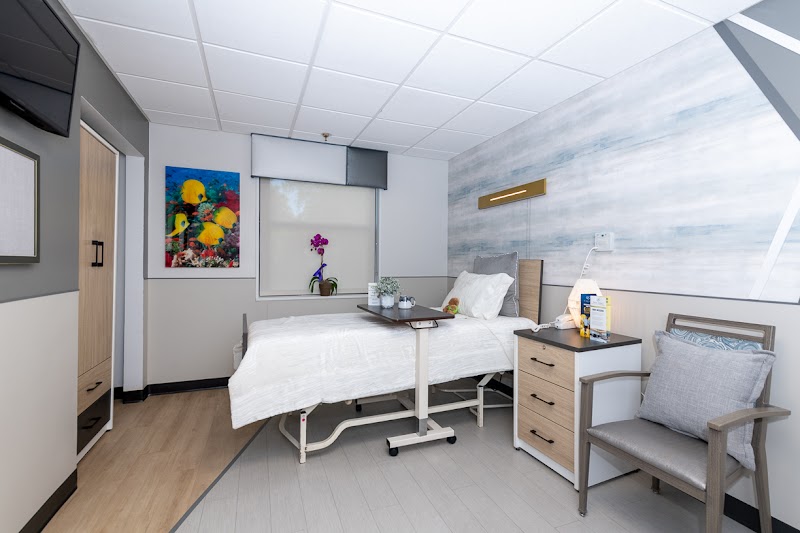
How is Sans Souci Rehabilitation And Nursing Center Staffed?

CMS rates SANS SOUCI REHABILITATION AND NURSING CENTER's staffing level at 1 out of 5 stars, which is much below average compared to other nursing homes. Staff turnover is 51%, compared to the New York average of 46%. RN turnover specifically is 61%, which is notably high. RNs provide skilled clinical oversight, so turnover in this role can affect medical care quality.

What Have Inspectors Found at Sans Souci Rehabilitation And Nursing Center?

State health inspectors documented 47 deficiencies at SANS SOUCI REHABILITATION AND NURSING CENTER during 2018 to 2025. These included: 46 with potential for harm and 1 minor or isolated issues.
Who Owns and Operates Sans Souci Rehabilitation And Nursing Center?

SANS SOUCI REHABILITATION AND NURSING CENTER is owned by a for-profit company. For-profit facilities operate as businesses with obligations to shareholders or private owners. The facility is operated by CARERITE CENTERS, a chain that manages multiple nursing homes. With 120 certified beds and approximately 105 residents (about 88% occupancy), it is a mid-sized facility located in YONKERS, New York.
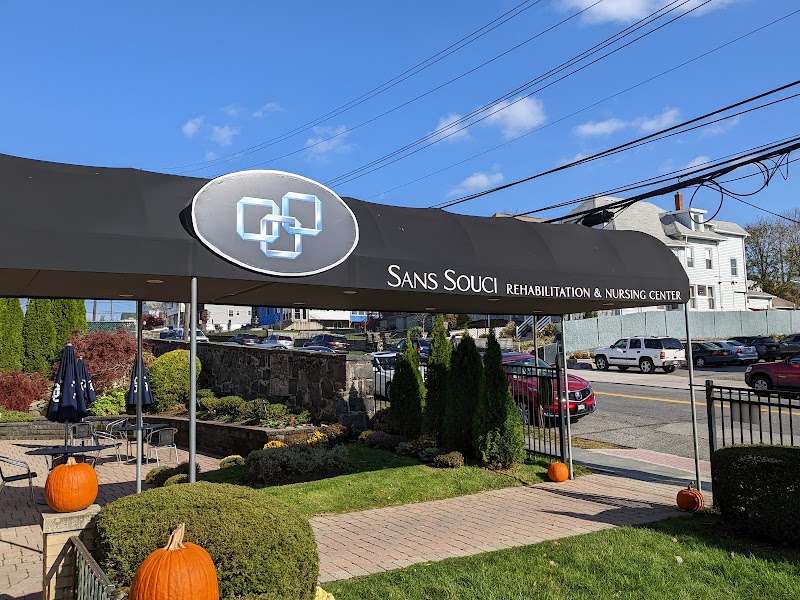
How Does Sans Souci Rehabilitation And Nursing Center Compare to Other New York Nursing Homes?

Compared to the 100 nursing homes in New York, SANS SOUCI REHABILITATION AND NURSING CENTER's overall rating (2 stars) is below the state average of 3.1, staff turnover (51%) is near the state average of 46%, and health inspection rating (1 stars) is much below the national benchmark.

What Should Families Ask When Visiting Sans Souci Rehabilitation And Nursing Center?

Based on this facility's data, families visiting should ask: "What safeguards and monitoring systems are in place to protect residents from abuse or neglect?" "Can you walk me through typical staffing levels on day, evening, and night shifts?" "Can I visit during a mealtime to observe dining assistance and food quality?" "How do you handle medical emergencies, and what is your hospital transfer rate?" These questions are particularly relevant given the substantiated abuse finding on record and the below-average staffing rating.

Is Sans Souci Rehabilitation And Nursing Center Safe?

Based on CMS inspection data, SANS SOUCI REHABILITATION AND NURSING CENTER has documented safety concerns. The facility has 1 substantiated abuse finding (meaning confirmed case of resident harm by staff or other residents). The facility has a 2-star overall rating and ranks #100 of 100 nursing homes in New York. Families considering this facility should ask detailed questions about what corrective actions have been taken since these incidents.

Do Nurses at Sans Souci Rehabilitation And Nursing Center Stick Around?

SANS SOUCI REHABILITATION AND NURSING CENTER has a staff turnover rate of 51%, which is 5 percentage points above the New York average of 46%. Moderate turnover is common in nursing homes, but families should still ask about staff tenure and how the facility maintains care continuity when employees leave.

Was Sans Souci Rehabilitation And Nursing Center Ever Fined?

SANS SOUCI REHABILITATION AND NURSING CENTER has no federal fines on record. CMS issues fines when nursing homes fail to meet care standards or don't correct problems found during inspections. The absence of fines suggests the facility has either maintained compliance or corrected any issues before penalties were assessed. This is a positive indicator, though families should still review recent inspection reports for the full picture.

Is Sans Souci Rehabilitation And Nursing Center on Any Federal Watch List?

SANS SOUCI REHABILITATION AND NURSING CENTER is not on any federal watch list. The most significant is the Special Focus Facility (SFF) program, which identifies the bottom 1% of nursing homes nationally based on persistent, serious quality problems. Not being on this list means the facility has avoided the pattern of deficiencies that triggers enhanced federal oversight. This is a positive indicator, though families should still review the facility's inspection history directly.