Asheboro Rehabilitation and Healthcare Center

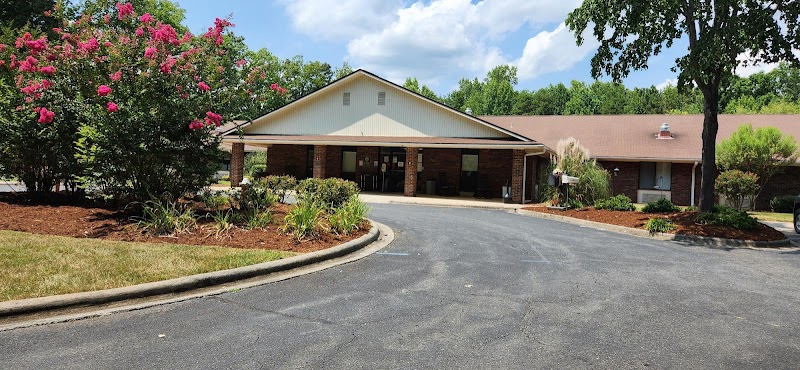
400 Vision Drive, Asheboro, NC 27203 (336) 672-5450
For profit - Limited Liability company 100 Beds YAD HEALTHCARE Data: November 2025
Trust Grade
35/100
#228 of 417 in NC
Last Inspection: August 2025

Inspected within the last 6 months. Data reflects current conditions.

Overview

Asheboro Rehabilitation and Healthcare Center has received a Trust Grade of F, indicating significant concerns and a poor overall standing among nursing homes. With a state rank of #228 out of 417 facilities in North Carolina, they fall in the bottom half, and are #5 of 6 in Randolph County, meaning only one local option is better. The facility's condition is worsening, with the number of issues increasing from 5 in 2024 to 8 in 2025. Staffing is a notable weakness, rated at 1 out of 5 stars with a turnover rate of 58%, which is higher than the state average, suggesting instability among caregivers. Additionally, they have faced $32,273 in fines, which is concerning and indicates ongoing compliance problems. Specific incidents highlight serious care deficiencies, such as a resident developing an avoidable wound due to a lack of proper assessments and care, and another resident showing significant behavioral issues without adequate management. While there is average RN coverage, which is beneficial in monitoring resident health, the overall picture reflects more weaknesses than strengths at this facility.
Trust Score
F
35/100
In North Carolina
#228/417
Bottom 46%
Safety Record
Moderate
Needs review
Inspections
Getting Worse
5 → 8 violations
Staff Stability
⚠ Watch
58% turnover. Above average. Higher turnover means staff may not know residents' routines.
Penalties
✓ Good
$32,273 in fines. Lower than most North Carolina facilities. Relatively clean record.
Skilled Nurses
⚠ Watch
Each resident gets only 23 minutes of Registered Nurse (RN) attention daily — below average for North Carolina. Fewer RN minutes means fewer trained eyes watching for problems.
Violations
⚠ Watch
26 deficiencies on record. Higher than average. Multiple issues found across inspections.
★★☆☆☆
2.0
Overall Rating
★☆☆☆☆
1.0
Staff Levels
★★☆☆☆
2.0
Care Quality
★★★☆☆
3.0
Inspection Score
Stable
2024: 5 issues
2025: 8 issues

The Good

  • Full Sprinkler Coverage · Fire safety systems throughout facility
  • No fines on record

Facility shows strength in fire safety.

The Bad

2-Star Overall Rating

Below North Carolina average (2.8)

Below average - review inspection findings carefully

Staff Turnover: 58%

12pts above North Carolina avg (46%)

Frequent staff changes - ask about care continuity

Federal Fines: $32,273

Below median ($33,413)

Moderate penalties - review what triggered them

Chain: YAD HEALTHCARE

Part of a multi-facility chain

Ask about local staffing decisions and management

Staff turnover is elevated (58%)

10 points above North Carolina average of 48%

The Ugly 26 deficiencies on record

1 actual harm
Aug 2025 8 deficiencies
CONCERN (D)

Potential for Harm - no one hurt, but risky conditions existed

Assessment Accuracy (Tag F0641)

Could have caused harm · This affected 1 resident

**NOTE- TERMS IN BRACKETS HAVE BEEN EDITED TO PROTECT CONFIDENTIALITY** Based on staff interviews and record review, the facility failed to code the Minimum Data Set (MDS) assessment accurately in the...

Read full inspector narrative →
**NOTE- TERMS IN BRACKETS HAVE BEEN EDITED TO PROTECT CONFIDENTIALITY** Based on staff interviews and record review, the facility failed to code the Minimum Data Set (MDS) assessment accurately in the area of falls for 1 of 7 residents (Resident #97) reviewed for MDS accuracy.The findings included:Resident #97 was readmitted to the facility on [DATE] with diagnoses that included Dementia.A review of Resident #97's medical record revealed she had falls on 06/25/25 and 07/02/25 with no injuries. Resident #97 also had falls on 07/06/25 and 07/11/25 with minor injuries.A significant change Minimum Data Set (MDS) assessment, dated 07/29/25, indicated Resident #97's cognition was severely impaired and was coded for one fall with no injury since the last assessment (quarterly dated 06/24/25).An interview was conducted with the MDS Coordinator on 08/13/25 at 1:21 PM. The MDS Coordinator reviewed the MDS assessment dated [DATE] as well as Resident #97's medical record. The MDS Coordinator confirmed Resident #97 had 4 falls since the last assessment on 06/24/25 and should have been coded for 2 falls with no injuries and 2 falls with minor injuries. She stated it was an oversight.An interview was conducted with the Director of Nursing (DON) and the Administrator on 08/13/25 at 1:46 PM. The DON stated the MDS assessments should be coded accurately to reflect Resident 97's condition.
CONCERN (D)

Potential for Harm - no one hurt, but risky conditions existed

PASARR Coordination (Tag F0644)

Could have caused harm · This affected 1 resident

**NOTE- TERMS IN BRACKETS HAVE BEEN EDITED TO PROTECT CONFIDENTIALITY** Based on record review and interviews with staff, the facility failed to refer residents (Residents #2 and Resident #66) for a l...

Read full inspector narrative →
**NOTE- TERMS IN BRACKETS HAVE BEEN EDITED TO PROTECT CONFIDENTIALITY** Based on record review and interviews with staff, the facility failed to refer residents (Residents #2 and Resident #66) for a level II Preadmission Screening and Resident Review (PASRR) for newly diagnosed serious mental illness for 2 of 2 residents reviewed for PASRR.1. Resident #2 was admitted to the facility on [DATE] with diagnoses that included bipolar type depression, dementia, anxiety disorder, and frontotemporal neurocognitive disorder. She was admitted with a level 1 PASRR as of 10/25/24 and no further screening was required unless a significant change occurred to suggest a diagnosis of mental illness. Record review revealed Resident #2 was diagnosed on [DATE] with schizoaffective disorder. There was no evidence that a referral for level II PASRR screening was completed. Resident #2's annual Minimum Data Set, dated [DATE] indicated she was not currently considered by the state level II PASRR process to have a serious mental illness and/or intellectual disability or related condition. An interview was conducted on 08/11/25 at 3:34 PM with the Social Worker (SW). The SW verified she was responsible for ensuring residents with a newly evident diagnosis of a serious mental illness were referred for a level II PASRR evaluation. She explained a PASRR level II screening request should have been sent at the time Resident #2 was newly diagnosed with schizoaffective disorder on 03/27/25. She verified Resident #2 had not been referred for level II evaluation at any point after the new diagnosis through present day. The SW stated she reviewed the discharge summary when a resident went to the hospital and the physician, nurse practitioner, and/or psychiatry notes to check for new diagnosis. An interview was conducted on 08/13/2025 at 12:40 PM with the Administrator in conjunction with the Director of Nursing (DON). The Administrator stated he wasn't aware a level II PASRR needed to be requested if there was a new mental health diagnosis. The DON agreed. 2. Review of Resident #66's medical record revealed the resident was admitted to the facility on [DATE], and a PASRR level I was completed. According to a letter dated 2/2/24 the facility received from the State of North Carolina, a level II PASRR was halted on 2/2/24 due to the resident not meeting the criteria for a mental illness. The letter further explained no further level I screening was required unless a significant change occurred with the individual’s mental status which suggested a psychiatric disorder that was not dementia. Resident #66 was diagnosed with unspecified psychosis not due to a substance or physiological condition on 5/2/24. A review of the active medication orders revealed Resident #66 was prescribed Seroquel extended release 24 hour (an antipsychotic medication) 50 milligrams for unspecified psychosis with behaviors with a start date of 6/3/25. There was no documentation regarding a new level II PASRR request in Resident #66's chart after the new mental health diagnosis or the addition of an antipsychotic medication. Review of Resident #66's comprehensive Minimum Data Set (MDS) dated [DATE] assessed the resident moderately cognitively impaired and revealed the resident had been evaluated by Level II PASRR and determined to have a serious mental illness. During an interview with the Social Worker (SW) on 8/12/25 at 2:25 PM she revealed a PASRR level II referral was supposed to have been completed when a resident had a significant change of condition or a newly added mental health diagnosis. It was further revealed by the SW she believed Resident #66 already had a level II determination after she received the PASRR letter from the State of North Carolina on 2/2/24. She stated she thought the letter “H” included with the resident’s PASRR number meant the determination for a level II PASRR was completed and was indefinite without need to submit anything further for the resident. An interview was conducted with the Administrator with the Director of Nursing (DON) present on 8/13/25 at 12:40 PM. The Administrator stated he wasn’t aware a level II PASRR needed to be requested if there was a secondary diagnosis of a mental health condition. He stated the facility should verify they were completing PASRRs correctly. The DON agreed the facility should make sure the PASRR was correct for each resident.
CONCERN (D)

Potential for Harm - no one hurt, but risky conditions existed

Incontinence Care (Tag F0690)

Could have caused harm · This affected 1 resident

**NOTE- TERMS IN BRACKETS HAVE BEEN EDITED TO PROTECT CONFIDENTIALITY** Based on record review and staff interviews, the facility failed to follow a urology order to change the indwelling urinary cath...

Read full inspector narrative →
**NOTE- TERMS IN BRACKETS HAVE BEEN EDITED TO PROTECT CONFIDENTIALITY** Based on record review and staff interviews, the facility failed to follow a urology order to change the indwelling urinary catheter monthly for 1 of 2 residents reviewed for urinary catheters (Resident #47).The findings included: Resident #47 was admitted to the facility on [DATE] with diagnoses that included obstructive and reflux uropathy (condition where urine flow is blocked or reversed) and neuromuscular dysfunction of the bladder (a condition where the nerves controlling bladder function are damaged). A review of Resident #47's medical record indicated he was admitted from the hospital on 5/16/25 and had been utilizing a urinary catheter while at home. A review of Resident #47's physician orders included the following: - An order dated 5/16/25 for indwelling catheter care- cleanse with soap and water every shift. - An order dated 5/16/25 to monitor the urinary catheter output every shift. - An order dated 5/20/25 to change the indwelling urinary catheter when occluded or leaking. - An order dated 5/21/25 to anchor the urinary catheter tubing for safety. Check every shift for placement. A quarterly Minimum Data Set (MDS) assessment dated [DATE] indicated Resident #47 was cognitively intact and was coded for an indwelling urinary catheter being present. A review of Resident #47's Treatment Administration Records (TARs) from May 2025 through August 2025 indicated that the urinary catheter was changed on 6/23/25 and 7/10/25 due to leaking. Review of a urology progress note dated 7/22/25 indicated the nursing facility was to change the urinary catheter every month. A review of Resident #47's active physician orders did not include an order to change the urinary catheter monthly. Resident #47's August 2025 Medication Administration Record (MAR) and TAR were reviewed, and no entry was noted to change the urinary catheter every month which should have been scheduled for 8/22/25. On 8/12/25 at 3:00 PM, an interview occurred with Nurse #1. She had been the nurse assigned to Resident #47 on 7/22/25 when he returned from the urology appointment. Nurse #1 reviewed the urology progress note dated 7/22/25 and confirmed the provider had requested the nursing facility to change Resident #47's urinary catheter monthly. She stated that she had carried out all the other orders from the urology appointment on 7/22/25 but didn't see the order to change the urinary catheter monthly. Nurse #1 felt it was an oversight. Nurse #1 explained that the nurse assigned to residents that go out to appointments were responsible for transcribing any orders they returned with from the visit. In the past there was a unit manager that reviewed the specialist progress notes to ensure the orders were transcribed completely and accurate but at the time of Resident #47's appointment on 7/22/25 there was no unit manager. The Director of Nursing (DON) was interviewed on 8/13/25 at 11:45 AM and reported any resident that returned from a specialist appointment with new orders should be transcribed correctly and accurately.
CONCERN (D)

Potential for Harm - no one hurt, but risky conditions existed

Tube Feeding (Tag F0693)

Could have caused harm · This affected 1 resident

**NOTE- TERMS IN BRACKETS HAVE BEEN EDITED TO PROTECT CONFIDENTIALITY** Based on record reviews, observations, Registered Dietitian (RD) and staff interviews, the facility failed to ensure the enteral...

Read full inspector narrative →
**NOTE- TERMS IN BRACKETS HAVE BEEN EDITED TO PROTECT CONFIDENTIALITY** Based on record reviews, observations, Registered Dietitian (RD) and staff interviews, the facility failed to ensure the enteral tube feed (a method of supplying nutrition through a feeding tube that goes directly into the stomach or small intestine) formula was specified in the active physician's order for Resident #3. This failure had been ongoing since June 2025. In addition, the facility failed to store a plastic enteral feeding syringe with the plunger separated from the barrel of the syringe for Resident #11 and Resident #88 which had the potential for bacterial growth and contamination. The deficient practice affected 3 of 4 residents reviewed for enteral feeding management (Resident #3, Resident #11 and Resident #88).The findings included: 1. Resident #3 was admitted to the facility on [DATE]. Her diagnoses included a history of a stroke and diabetes type 2. A review of Resident #3's physician orders included the following:- - An order dated 1/18/25 through 6/18/25 for Glucerna 1.5 calories via a pump at 55 milliliters (ml) per hour from 8:00 PM to 12:00 noon.- - The order dated 6/18/25 read two times a day for Nutritional Support. Administer 55 ml per hour via pump continuously for 12 hours or until total nutrient is delivered. On at 8:00 PM and off at 8:00 AM. This order did not indicate which type of formula to provide to Resident #3. A quarterly Minimum Data Set (MDS) assessment dated [DATE] indicated Resident #3 had moderately impaired cognition and received 51% or more of her total calories and more than 501 ml of fluids per day by enteral feedings. A review of the June 2025, July 2025 and August 2025 Medication Administration Records (MARs) read two times a day for Nutritional Support. Administer 55 ml per hour via pump continuously for 12 hours or until total nutrient is delivered. On at 8:00 PM and off at 8:00 AM. An interview occurred with Nurse #1 on 8/12/25 at 3:00 PM. She had been assigned to care for Resident #3 on the 3:00 PM to 11:00 PM shift on 7/22/25, 7/29/25 and 7/31/25. Nurse #1 stated that she always provided Glucerna 1.5 formula for Resident #3 when she was assigned to her on the 3:00 PM to 11:00 PM shift. Nurse #1 reviewed the current active orders and verified the order dated 6/18/25 did not contain which enteral feeding formula to provide to Resident #3. Nurse #1 stated she didn't realize the current order didn't specify which enteral feeding formula to provide, just that she knew Resident #3 had received Glucerna 1.5 in the past. A phone interview occurred with the Registered Dietitian on 8/12/25 at 3:37 PM. She was able to review Resident #3's current physician orders and confirmed the order she wrote on 6/18/25 did not include which tube feed formula to provide to Resident #3. The Registered Dietitian explained that on 6/18/25 she adjusted Resident #3's infusion time for the enteral tube feed and felt it was an oversight not to have specified which tube feed formula to use. A phone interview was conducted with Nurse #6 on 8/12/25 at 6:19 PM. Nurse #6 had been assigned to Resident #3 on the 3:00 PM to 11:00 PM shift on 8/11/25 and stated that she had always provided Resident #3 Glucerna 1.5 for her tube feed. Nurse #6 further stated that she was unaware the current order didn't specify which enteral formula to use. A phone interview occurred with Nurse #7 on 8/13/25 at 8:58 AM. She had been assigned to Resident #3 on the 3:00 PM to 11:00 PM shift on 8/6/25. Nurse #7 stated she noticed the current order didn't specify which formula to use but she knew Resident #3 had been on Glucerna 1.5 at one point and was a diabetic. A phone interview was completed with Nurse #10 on 8/13/25 at 11:40 AM who was assigned to care for Resident #3 on the 3:00 PM to 11:00 PM shift on 8/4/25. She recalled providing Glucerna 1.5 to Resident #3 at the time of her tube feeding and stated that she didn't notice the current order did not specify which formula to use, just that she knew Resident #3 had used Glucerna 1.5 before. The Director of Nursing was interviewed on 8/13/25 at 11:45 AM and stated that she would expect the tube feeding orders to specify which formula to provide. A phone interview occurred with Nurse #12 on 8/13/25 at 1:56 PM. She had been assigned to care for Resident #3 from 7:00 PM to 7:00 AM on 8/2/25, 8/3/25, 8/9/25 and 8/10/25. She recalled providing Glucerna 1.5 for Resident #3's tube feed and had not noticed the current order did not include which tube feed formula to provide to Resident #3. 2. Resident #11 was admitted to the facility on [DATE] with diagnoses that included dysphagia (difficulty swallowing), esophageal obstruction, and severe protein-calorie malnutrition. A review of Resident #11's physician orders included the following:- - An order dated 4/2/24 for the feeding tube to be flushed with 15 milliliters (ml) of water before and after each medication administration.- -An order dated 4/3/24 for tube feed formula 1.5 calories from 9:00 PM to 9:00 AM running at 85 ml per hour for 12 hours. An annual Minimum Data Set (MDS) assessment dated [DATE] indicated Resident #11 had moderately impaired cognition and received 51% or more of her total calories and more than 501 ml of fluids per day by enteral feedings. During an observation of Resident #11 on 8/10/25 at 10:50 AM, the plastic syringe used to provide medications and flush the feeding tube was noted in a plastic bag hanging from the feeding pump pole with the plunger in the barrel of the syringe. Droplets of a clear liquid were noted in the tip of the syringe. Nurse #2 was interviewed on 8/10/25 at 10:57 AM and explained that she had provided Resident #11 with her medications and water flush via the feeding tube that morning. She stated that she was not aware the plunger should be removed from the barrel of the syringe and stored separately. The Director of Nursing was interviewed on 8/13/25 at 11:45 AM and stated the plunger for the enteral feeding syringe should be removed from the barrel and stored separately due to the potential for bacterial growth in the syringe tip. 3. Resident #88 was admitted to the facility on [DATE] with diagnoses that included traumatic brain injury and dysphagia. A review of Resident #88's physician orders included the following:- - An order dated 1/19/25 for nothing by mouth (NPO) status.- - An order dated 1/20/25 to flush feeding tube with 30 milliliters of water before and after each medication administration. An annual Minimum Data Set (MDS) assessment dated [DATE] indicated Resident #88 had severely impaired cognitive skills for daily decision-making and received 51% or more of her total calories and more than 501 ml of fluids per day by enteral feedings. During an observation of Resident #88 on 8/10/25 at 2:49 PM, the plastic syringe used to provide medications and flush the feeding tube was noted in a plastic bag hanging from the feeding pump pole with the plunger in the barrel of the syringe. Droplets of a clear liquid were noted in the tip of the syringe. Nurse #2 was interviewed on 8/10/25 at 2:51 PM and explained that she had provided Resident #88 with her medications and water flush via the feeding tube that morning. She stated that she was not aware the plunger should be removed from the barrel of the syringe and stored separately. The Director of Nursing was interviewed on 8/13/25 at 11:45 AM and stated the plunger for the enteral feeding syringe should be removed from the barrel and stored separately due to the potential for bacterial growth in the syringe tip.
CONCERN (D)

Potential for Harm - no one hurt, but risky conditions existed

Respiratory Care (Tag F0695)

Could have caused harm · This affected 1 resident

**NOTE- TERMS IN BRACKETS HAVE BEEN EDITED TO PROTECT CONFIDENTIALITY** Based on record reviews, observations and staff interviews, the facility failed to administer oxygen at the prescribed rate (Res...

Read full inspector narrative →
**NOTE- TERMS IN BRACKETS HAVE BEEN EDITED TO PROTECT CONFIDENTIALITY** Based on record reviews, observations and staff interviews, the facility failed to administer oxygen at the prescribed rate (Resident #88) and failed to secure two oxygen cylinders stored in a resident's room (Resident #12) for 2 of 3 residents reviewed for respiratory care (Resident #88 and #12).The findings included: Resident #88 was admitted to the facility on [DATE]. Her diagnoses included congestive heart failure (CHF) and chronic obstructive pulmonary disease (COPD). An annual Minimum Data Set (MDS) assessment dated [DATE] indicated Resident #88 had impaired memory and severely impaired decision-making skills. She was coded with the use of oxygen. A review of Resident #88’s active physician orders included an order dated 5/27/25 for oxygen at 2 liters via nasal cannula as needed for shortness of breath. On 8/10/25 at 2:49 PM, Resident #88 was observed lying in bed with her eyes closed and oxygen flowing via a nasal cannula. The oxygen regulator on the concentrator was set at 1.5 liters flow when viewed horizontally at eye level. Resident #88 was observed lying in bed on 8/11/25 at 2:03 PM with oxygen flowing via a nasal cannula. The oxygen regulator on the concentrator was set at 1.5 liters flow when viewed horizontally at eye level. An observation was made with Nurse #1 of Resident #88’s oxygen concentrator on 8/12/25 at 3:00 PM, who stated the oxygen regulator on the concentrator was set at 1.5 liters when viewed horizontally at eye level. Nurse #1 verified Resident #88 was ordered to receive 2 liters of oxygen and adjusted the rate. Nurse #1 stated that oxygen rates were checked when she provided medications throughout the day but was unable to state why she didn’t notice Resident #88 was not receiving the ordered rate of oxygen. During an interview with the Director of Nursing on 8/13/25 at 11:45 AM, she indicated it was her expectation for oxygen to be delivered at the ordered rate. 2. Resident #12 was admitted to the facility on [DATE]. A review of Resident #12’s physician orders revealed an order dated 5/30/25 for supplemental oxygen at 2 liters per minute continuous for hypoxia. A review of Resident #12’s quarterly Minimum Data Set (MDS) dated [DATE] revealed his cognition was severely impaired and he had supplemental oxygen. MDS revealed that Resident #12 required continuous oxygen while he was a resident. On 8/10/25 at 2:15pm an observation was made of Resident #12 laying in his bed wearing continuous oxygen via nasal cannula delivered at 2 liters per minute. Also observed were two free-standing unsecured oxygen E cylinders stored upright in the room between the wall and a cabinet on the left as you enter Resident #12’s room. On 8/10/25 at 2:45pm the Director of Nursing (DON) was notified by the surveyor of the unsecured oxygen tanks in Resident #12’s room. During an observation at 4:30pm on 8/10/25 the oxygen tanks were observed to have been removed from Resident #12’s room. During an interview with Nurse Aide (NA) #1 on 8/12/25 at 1:22pm the NA explained full oxygen tanks were stored in one locked room with upright holders on the floor and empty tanks were stored in a different locked room with upright holders on the floor. NA #1 reported oxygen tanks were not stored in a resident’s room unless the tank were in a holder on the back of the resident’s wheelchair. On 8/12/25 at 1:27pm an interview was conducted with Nurse #3 who explained the oxygen cylinder tanks should be stored in the oxygen storage room in holders. The Nurse stated she did not notice the oxygen cylinders stored in Resident #12’s room earlier this week. During an interview with the DON, in the presence of the Administrator, on 8/13/25 at 11:15am. The DON explained the oxygen cylinders should be stored in the transport caddy or in the oxygen storage room and should not be left in a resident’s room unsecured.
CONCERN (D)

Potential for Harm - no one hurt, but risky conditions existed

Infection Control (Tag F0880)

Could have caused harm · This affected 1 resident

Based on observation, record review and Nurse Practitioner (NP) and staff interviews, the facility failed to implement their policies and procedures for hand hygiene when Nurse #1 failed to perform ha...

Read full inspector narrative →
Based on observation, record review and Nurse Practitioner (NP) and staff interviews, the facility failed to implement their policies and procedures for hand hygiene when Nurse #1 failed to perform hand hygiene between residents during 2 of 3 medication administration observations and failed to perform hand hygiene before donning gloves and after glove removal during administration of eye drops. This deficient practice was for 1 of 5 staff members observed for infection control practices (Nurse #1).A review of the facility policy titled Medication Administration (not dated): Preparation instructions stated in part: Perform hand hygiene before preparing and administering medications. A review of the facility policy for administering eye drops (not dated) stated in part: perform hand hygiene, apply gloves, administer eye drops, remove gloves, and perform hand hygiene.A continuous observation was started on 08/13/25 at 8:11 AM and ended at 8:26 AM of Nurse #1 preparing and administering Resident #60 and Resident #48's medications. Nurse #1 was observed at the medication cart collecting the needed supplies and medications for Resident #60, surveyor accompanied Nurse #1 into the room, and Nurse #1 sat the medication cup on the bed side table. Resident #60 picked up the cup of medications and took them sitting the cup back on the bed side table. Nurse #1 picked up the empty medication cup and the water cup and exited the room. Nurse #1 did not perform hand hygiene at any time before preparing or administering Resident #60's medications. Nurse #1 went back to the medication cart and immediately started preparing Resident #48's medications without performing hand hygiene. At 8:20 AM an observation was made of Nurse #1 collecting the needed supplies and medications for Resident #48. Once in the room, Nurse #1 set down the cup of water and the medication cup, put on disposable gloves and proceeded with handing Resident #48 the medication cup and water. Nurse #1 was then observed administering eye drops to Resident #48. Nurse #1 removed her gloves and threw them away before proceeding to the medication cart in the hallway. Nurse #1 did not perform hand hygiene at any time during the continuous observation of preparing or administering medications to Resident #48.In an interview with Nurse #1 on 08/13/25 at 8:27 AM she stated she was aware she should have performed hand hygiene between residents and before donning gloves and after removing her gloves when administering eye drops. She further revealed she did not perform hand hygiene because she was nervous, and she forgot to do so. An interview was conducted on 08/13/25 at 10:44 AM with the NP. She stated staff should wash hands or use hand sanitizing gel between residents during medication administration. They should also wash their hands prior to and after eye drop administration to prevent cross contamination of bacteria. An interview was conducted on 08/13/25 at 1:43 PM with the Director of Nursing (DON) in conjunction with the Infection Preventionist (IP). The DON stated nurses were to perform hand hygiene between each resident when care was provided including medication administration. She also stated nurses were to wash hands prior to and after eye drops are administered. She indicated Nurse #1 should have performed hand hygiene between residents and prior to and after the administration of eye drops. The IP Nurse agreed with the DON.
MINOR (B)

Minor Issue - procedural, no safety impact

Safe Environment (Tag F0584)

Minor procedural issue · This affected multiple residents

Based on observations and staff interviews, the facility failed to maintain a clean toilet seat and an environment that was free of urine odor in residents' rooms. This deficient practice affected 1 o...

Read full inspector narrative →
Based on observations and staff interviews, the facility failed to maintain a clean toilet seat and an environment that was free of urine odor in residents' rooms. This deficient practice affected 1 of 4 residents reviewed for a safe, clean, comfortable, homelike environment (Resident #62). The findings included: An initial observation completed on 8/10/25 at 10:50 AM revealed Resident #62’s bathroom had yellow staining on the left front of the toilet seat. In addition, the trash can in the bathroom had 2 soiled adult undergarments rolled up inside, and the resident’s room and bathroom smelled strongly of urine. During subsequent observations on 8/11/25 at 1:18 PM and 8/12/25 at 2:40 PM Resident #62’s room and bathroom continued to have strong urine odors, and the yellow staining on the toilet seat remained. Wetness was noted on the floor surrounding the front of the toilet and seeping towards the doorway during the observation on 8/12/25. Resident #62 resided in his room during all observations, and he did not have a roommate during the survey. An interview and observation were conducted with the Housekeeping Director on 8/12/25 at 2:45 PM. He stated on the weekends the housekeeper scheduled for the hall Resident #62 resided on began cleaning rooms at the top of the hallway first then gradually worked down the hall completing each room. Based on his estimation of the time it took to clean a room; he stated housekeeping had probably not reached Resident #62’s room during the time of the observation on 8/10/25 because the weekend staff didn’t report for duty until 8:30 AM. He indicated stains did not typically come off toilet seats with cleaning products, and it was the responsibility of Maintenance to change the toilet seats out if there were stains. He indicated housekeeping staff had finished cleaning Resident #62’s room on 8/12/25 at the time of the interview. The Housekeeping Director further stated he completed a walkthrough of each resident’s room once housekeeping staff completed all rooms, but he had not conducted a walkthrough yet that day. The Housekeeping Director accompanied this surveyor to Resident #62’s room on 8/12/25 and agreed with this surveyor that the room had a strong odor of urine upon entering. He acknowledged the yellow staining on the left front of the toilet seat and stated, “there appears to be urine on the bathroom floor around the toilet”. He then indicated he would have housekeeping clean the resident’s room immediately. The Maintenance Director was interviewed on 8/13/25 at 8:48 AM and stated he completed facility equipment checks daily, such as functioning doorways, magnetic locks, water temperatures, and the general appearance of the hallways. However, he stated specific items that needed repair in the resident’s rooms were relayed to him by a work order. He indicated he had not received a work order regarding the toilet seat in Resident #62’s bathroom notifying him the toilet seat needed to be replaced. A review of the work orders he had on file did not reveal a work order for replacement of the toilet seat. The Maintenance Director added a work order for the toilet seat to be removed in Resident #62’s room during the interview and stated he would have the seat changed out. An observation completed on 8/13/25 at 9:00 AM revealed Resident #62’s room was clean and no longer smelled of urine. On 8/13/25 at 1:15 PM the Administrator was interviewed, and he stated housekeeping should clean the resident’s room daily and ensure there are no strong odors in the resident’s room.
MINOR (C)

Minor Issue - procedural, no safety impact

Staffing Information (Tag F0732)

Minor procedural issue · This affected most or all residents

Based on observations and staff interviews, the facility failed to ensure nurse staffing data was posted daily for 1 of 4 days of the survey conducted 8/10/25 through 8/13/25 (8/10/25).Findings includ...

Read full inspector narrative →
Based on observations and staff interviews, the facility failed to ensure nurse staffing data was posted daily for 1 of 4 days of the survey conducted 8/10/25 through 8/13/25 (8/10/25).Findings included: During the initial tour of the facility on 8/10/25 at 10:00 AM, the posting of the daily staffing data was dated 8/8/25. An interview was conducted with Nurse Aide #3 on 8/10/25 at 3:40 PM who stated she was filling in for the scheduler who was currently on vacation. She indicated the scheduler did not work on the weekends, and it was up to the nursing staff to post the daily schedule on the weekends. On 8/10/25 Nurse #4 entered the facility from her reported break at 10:00 AM and stated, I am an agency nurse, and this is my first day working. I don't know anything, and I can't help you. The Director of Nursing was interviewed on 8/10/25 at 3:36 PM who stated the scheduler was responsible for posting daily staffing when she worked, but the hall nurse was responsible for the daily posting on the weekend. The Administrator was interviewed on 8/13/25 at 12:50 PM who stated the facility's scheduler went on vacation Friday, but he expected the facility to accurately post the daily schedule.
Sept 2024 5 deficiencies
CONCERN (D)

Potential for Harm - no one hurt, but risky conditions existed

Deficiency F0657 (Tag F0657)

Could have caused harm · This affected 1 resident

**NOTE- TERMS IN BRACKETS HAVE BEEN EDITED TO PROTECT CONFIDENTIALITY** Based on record review and staff interviews the facility failed to revise a smoking care plan to reflect a resident's level of s...

Read full inspector narrative →
**NOTE- TERMS IN BRACKETS HAVE BEEN EDITED TO PROTECT CONFIDENTIALITY** Based on record review and staff interviews the facility failed to revise a smoking care plan to reflect a resident's level of supervision needed for smoking for 1 of 3 residents (Resident #77) reviewed for smoking. The findings included: Resident #77 was originally admitted to the facility on [DATE] with diagnoses which included hemiplegia and hemiparesis following cerebral infarction. Review of Resident #77's quarterly smoking assessment dated [DATE] revealed the resident was a safe smoker and did not require supervision. Review of Resident #77's quarterly Minimum Data Set (MDS) dated [DATE] revealed the resident was cognitively impaired and required extensive assistance for most activities of daily living (ADL). Review of Resident #77's care plan revised on 7/5/24 revealed the resident required supervision when smoking. An interview with the MDS coordinator on 9/4/24 at 9:28 am revealed Residents #77's care plan should have reflected the resident being an independent smoker and edited when the smoking assessment was completed on 5/8/24. An interview conducted with the Administrator on 9/6/24 at 9:23 am revealed Resident #77's care plan should have been revised to reflect the resident was an independent smoker. The Administrator further revealed resident care plans reflect the residents care and concerns and were expected to be updated.
CONCERN (D)

Potential for Harm - no one hurt, but risky conditions existed

Deficiency F0658 (Tag F0658)

Could have caused harm · This affected 1 resident

**NOTE- TERMS IN BRACKETS HAVE BEEN EDITED TO PROTECT CONFIDENTIALITY** Based on record review and staff interviews, the facility failed to transcribe the correct medication administration route for 1...

Read full inspector narrative →
**NOTE- TERMS IN BRACKETS HAVE BEEN EDITED TO PROTECT CONFIDENTIALITY** Based on record review and staff interviews, the facility failed to transcribe the correct medication administration route for 1 of 1 resident reviewed for gastric feeding tube (Resident #45). The findings included: Resident #45 was admitted to the facility on [DATE] with diagnoses that included traumatic brain injury, history of a stroke, dysphagia (difficulty swallowing) and presence of a feeding tube. An annual Minimum Data Set (MDS) assessment dated [DATE] indicated Resident #45 had severe cognitive impairment and received all nutrition and fluids via a feeding tube. Review of the active care plan, last reviewed 7/16/24, revealed Resident #45 required tube feeding for all nutrition and fluids. The active September 2024 physician orders included an order dated 6/20/24 for Guaifenesin Liquid 100 milligrams per 5 milliliters. Give 20 milliliters by mouth three times a day for cough/congestion. All other medications were written to be provided through the gastric feeding tube. The physician orders indicated Resident #45 was to have nothing by mouth (NPO). On 9/5/24 at 10:18 AM, an interview was conducted with Nurse #1 who was working the medication cart for Resident #45's hall and had administered her medications earlier. The nurse confirmed Resident #45 did not receive any medications by mouth and she had not provided her morning dose of Guaifenesin by mouth. Nurse #1 acknowledged the Medication Administration Record (MAR) read for Guaifenesin to be provided by mouth, which was inaccurate as all medications were provided via the gastric feeding tube. The Assistant Director of Nursing (ADON) was interviewed on 9/5/24 at 2:14 PM. She reviewed Resident #45's physician orders and confirmed the route for Guaifenesin was entered as oral instead of via gastrostomy tube (G-tube/feeding tube). She further explained when entering the medication into the electronic medical system the default route was oral, and she felt it was an oversight that the nurse failed to change the route to G-tube. The ADON stated it was her expectation for all medication administration routes to be entered correctly when the order was received and verified. A phone interview occurred with Nurse #2 on 9/6/24 at 10:13 AM. She was the nurse that verified the Guaifenesin order for Resident #45 on 6/20/24. Nurse #2 explained that she verified the order after it had been entered by the Nurse Practitioner in the Electronic Medical System but failed to change the medication route to gastrostomy tube. She stated the default route was by mouth.
CONCERN (E)

Potential for Harm - no one hurt, but risky conditions existed

Drug Regimen Review (Tag F0756)

Could have caused harm · This affected multiple residents

**NOTE- TERMS IN BRACKETS HAVE BEEN EDITED TO PROTECT CONFIDENTIALITY** 3. Resident #68 was originally admitted to the facility on [DATE] with diagnoses that included generalized anxiety disorder, maj...

Read full inspector narrative →
**NOTE- TERMS IN BRACKETS HAVE BEEN EDITED TO PROTECT CONFIDENTIALITY** 3. Resident #68 was originally admitted to the facility on [DATE] with diagnoses that included generalized anxiety disorder, major depressive disorder, delusional disorders, Alzheimer's disease with late onset, and unspecified psychosis. A review of Resident #68's physician orders included an order dated 6/27/24 for Olanzapine (an antipsychotic medication) 10 milligrams (mg) half a tablet by mouth twice a day and a physician order dated 6/26/24 for Sertraline (an antidepressant medication) 25 milligrams (mg) one tablet by mouth twice a day. A quarterly Minimum Data Set (MDS) assessment dated [DATE] indicated Resident #68 was cognitively impaired and displayed behaviors of physical, verbal abuse, and wandering. Her mood was coded with feeling down, depressed or hopeless 7 out of 11 days during the 14-day look back period. Resident #68 received antipsychotic and antidepressant medication. Review of the Pharmacy Consultant medication review notes for Resident #68 from 6/1/24 to 9/3/24 did not reflect the need for monitoring targeted behaviors and side effects for the use of an antipsychotic medication. A review of Resident #68's social service progress note dated 7/24/24 indicated Resident #68 has had an increase in behaviors which included yelling, agitation, aggression with family members and delusions. Resident #68's Medication Administration Records (MAR) from 6/1/24 to 9/3/24 indicated she received Olanzapine and Sertraline as ordered. The MAR did not list any targeted behaviors or side effects for staff to monitor. An interview with Nurse Practitioner #1 occurred on 9/4/24 at 2:09 PM and stated she would have expected the Pharmacy Consultant to have caught the missing target behaviors and side effect monitoring for Resident #68's psychotropic medication. A telephone interview was conducted with the Pharmacy Consultant on 9/5/24 at 3:20 PM. She stated she didn't normally review the MARs but reviewed the physician and psychiatric progress notes as well as the nursing notes each month during her medication review. The Pharmacy Consultant stated she understood why target behaviors and side effect monitoring was important in a resident with a history of mood and behaviors. The Pharmacy Consultant was unable to explain why she did not recommend the need to identify target behaviors and side effect monitoring for Resident #68 in her recommendations. Based on record review and interviews with staff, Pharmacy Consultant and Nurse Practitioner, the Pharmacy Consultant failed to identify the facility's need to identify target behavioral symptoms, to monitor those symptoms as well as the need to monitor residents for side effects of psychotropic medications (Residents #73, #82 and #68). This was for 3 of 5 residents reviewed for unnecessary medications. The findings included: 1. Resident #73 was originally admitted to the facility on [DATE] with a recent readmission date of 4/23/24. Her diagnoses included bipolar disorder, depression, anxiety disorder and unspecified psychotic disorder. A review of Resident #73's medical record revealed the following hospitalization for mental health concerns: 2/10/24 through 2/12/24 was seen for suicidal ideations. 3/27/24 through 4/23/24 was seen for bipolar disorder severe with psychotic features. A review of Resident #73's physician orders included an order dated 4/25/24 for Fluphenazine (an antipsychotic medication) 5 milligrams (mg) one tablet by mouth twice a day. A quarterly Minimum Data Set (MDS) assessment dated [DATE] indicated Resident #73 was cognitively intact and displayed no behavior issues. Her mood was coded with feeling down, depressed or hopeless 7 out of 10 days during the 14-day look back period. Resident #73 received an antipsychotic medication. Review of the Pharmacy Consultant medication review notes for Resident #73 from 6/25/24, 7/12/24 and 8/15/24, did not reflect the need for monitoring targeted behaviors and side effects for the use of an antipsychotic medication. A psychiatric progress note dated 8/6/24 indicated Resident #73 endorsed having more episodes of depression, irritability and anxiety. A review of Resident #73's nursing progress notes from 2/1/24 to 9/3/24 included behaviors such as crying, suicidal thoughts, agitation, and restlessness. Resident #73's Medication Administration Records (MAR) from 6/1/24 to 9/3/24 indicated she received Fluphenazine as ordered. The MAR did not list any targeted behaviors or side effects for staff to monitor. An interview with Nurse Practitioner #1 occurred on 9/4/24 at 2:09 PM and stated she would have expected the Pharmacy Consultant to have caught the missing target behaviors and side effect monitoring for Resident #73's antipsychotic medication. A telephone interview was conducted with the Pharmacy Consultant on 9/5/24 at 3:20 PM. She stated she didn't normally review the MARs but reviewed the physician and psychiatric progress notes as well as the nursing notes each month during her medication review. The Pharmacy Consultant stated she understood why target behaviors and side effect monitoring was important in a resident with a history of suicidal thoughts. The Pharmacy Consultant was unable to explain why she did not recommend the need to identify target behaviors and side effect monitoring for Resident #73 in her recommendations. 2. Resident # 82 was admitted on [DATE] with cumulative diagnoses of depression anxiety, dementia with behavioral disturbances, unspecified psychosis and affective mood disorder. The quarterly Minimum Data Set (MDS) dated [DATE] indicated Resident #82 had moderate cognitive impairment, exhibited no behaviors and was coded for the use of an antipsychotic and an antidepressant. Review of Resident #82 September 2024 Physician orders included the following order dated 4/23/24: Seroquel (antipsychotic) Extended Release 24 hour 50 milligrams give one tablet by mouth in the afternoon for dementia with mood/psychotic disturbances. Another order dated 8/1/24 read Sertraline (antidepressant) 50 milligrams give one tablet by mouth at bedtime for dementia with behaviors, depression and anxiety. Review of the medication administration records (MARs) from November 1, 2023 to September 2024 included an order that was not included on the monthly Physician orders that read: Is resident free from side effects of psychotherapeutic medications? (if no, document side effects in progress note every shift-Order Date 11/10/2023. There was no documented evidence of targeted clinical behavior identification and no clarification of what side effects the staff were to monitor with regard to the antipsychotic versus the antidepressant. A review of a Pharmacist Medication Regime Review dated 11/20/23 read there were no irregularities and no recommendations. This review was completed by the previous Consultant Pharmacist. A review of Pharmacist Medication Regime Review dated 12/15/23 read to see the monthly report for any noted irregularities. This review was completed by the previous Consultant Pharmacist. The monthly pharmacy reports were requested from the Assistant Director of Nursing (ADON) on 9/4/24 but there was nothing listed on the December pharmacy report and the ADON was not able to locate any pharmacy recommendations dated 12/15/23. A review of a Pharmacist Medication Regime review dated 1/19/24 read there were no irregularities and no recommendations. This review was completed by the previous Consultant Pharmacist. A review of a Pharmacist Medication Regime review dated 2/23/24 read there were no irregularities and no recommendations. This review was completed by the current Consultant Pharmacist. A review of a Pharmacist Medication Regime review dated 3/15/24 read there were no irregularities and no recommendations. This review was completed by the current Consultant Pharmacist. A review of a Pharmacist Medication Regime review dated 4/24/24 read there were recommendations and to see the monthly report. This review was completed by the current Consultant Pharmacist. Review of the monthly pharmacy report read her recommendation was to add a stop date of 5/20/24 to the use of Resident #82's as needed (prn) antipsychotic because they must be limited to 14 days and reevaluated. A review of a Pharmacist Medication Regime review dated 5/29/24 read there were no irregularities and no recommendations. This review was completed by the current Consultant Pharmacist. A review of a Pharmacist Medication Regime review dated 6/28/24 read there were no irregularities and no recommendations. This review was completed by the current Consultant Pharmacist. A review of a Pharmacist Medication Regime review dated 7/13/24 read there were recommendations and to see the monthly report. Review of the monthly pharmacy report read her recommendation was to attempted a gradual dose reduction on Resident #82's antidepressant. This review was completed by the current Consultant Pharmacist. A review of a Pharmacist Medication Regime review dated 8/16/24 read there were no irregularities and no recommendations. This review was completed by the current Consultant Pharmacist. An interview was completed with Resident #82 on 9/3/24. She was sitting up in her reclining chair dressed for the day. She was very pleasant and engaging in a conversation regarding her jewelry. There were no observed extrapyramidal symptoms such as movement dysfunction, rigidity, jerking or tremors associated with prolonged use of an antipsychotic medications and no drowsiness, dizziness, insomnia or headaches symptoms associated with antidepressants. An interview was completed on 9/4/24 at 1:54 PM with the ADON who was acting as the Director of Nursing (DON) while she was away. She stated the Consultant Pharmacist reviewed Resident #82's medications for irregularities, accuracy and completeness every month and there was no documentation from the Consultant Pharmacist stating the need to identify her target clinical behaviors or specific side effect monitoring for different psychotropic medications. The ADON stated either the DON or herself reviewed the monthly pharmacy reports and recommendations for all the residents and there was nothing in the monthly reports going back to November 2023 that mentioned anything about the missing monitoring needed on Resident #82. An interview was completed on 9/4/24 at 2:09 PM with NP #1. She stated she would have expected the Consultant Pharmacist to have caught the missing monitoring and since it had been happening since November 2023, she was concerned for all the residents prescribed psychotropic medications. NP #1 stated when residents in their 90's are prescribed antipsychotics and other psychotropics, they require close monitoring for target clinical behaviors to determine if the identified behaviors improved or not and to see if the resident remains free from adverse side effects. An interview was completed on 9/5/24 at10:30 AM with Nursing Assistant (NA) #1. She stated she had worked with Resident #82 a long time and she was never known her to exhibit any sort of negative behaviors. NA #1 stated Resident #82 was always cooperative and pleasant with her. An interview was completed on 9/5/24 at 10:40 AM with Nurse #3. She stated at one time sometime after her admission, it was suspected she was sundowning(late-day confusion) but Resident #82's behaviors have been under control for months. A telephone interview was attempted with the previous Consultant Pharmacist but at the time of exit, she had not returned surveyor's calls. A telephone interview was completed on 9/5/24 at 3:20 PM with the Consultant Pharmacist. She stated when she completes her monthly medication review, she does not normally review the MARs to see if there have been any behaviors but rather she reviews Physician, NP, nursing and Psychiatric notes. She stated after reviewing Resident #82's MARs and only seeing a box to check for behaviors and no side effect monitoring at all, she understood what the missing monitoring was and why target clinical behaviors were important to identify to determine worsening or improvement. She stated both antidepressants and antipsychotics have different side effects and both should be clear on what potential adverse side effects to monitor. She stated she started in February 2024 and that she should have identified this irregularity and acted on it before the now. An interview was completed on 9/5/24 at 3:50 PM with the Administrator. He stated the Consultant Pharmacist had been reviewing Resident #82's medications monthly for irregularities since November 2023 and it was hard to imagine that the previous Consultant Pharmacist and the current Consultant Pharmacist did not identify the missing monitoring needed for the use of psychotropic medications. He stated he expected better from the Consulting Pharmacist.
CONCERN (E)

Potential for Harm - no one hurt, but risky conditions existed

Medication Errors (Tag F0758)

Could have caused harm · This affected multiple residents

**NOTE- TERMS IN BRACKETS HAVE BEEN EDITED TO PROTECT CONFIDENTIALITY** 4. Resident #68 was originally admitted to the facility on [DATE] with diagnoses that included generalized anxiety disorder, maj...

Read full inspector narrative →
**NOTE- TERMS IN BRACKETS HAVE BEEN EDITED TO PROTECT CONFIDENTIALITY** 4. Resident #68 was originally admitted to the facility on [DATE] with diagnoses that included generalized anxiety disorder, major depressive disorder, delusional disorders, Alzheimer's disease with late onset, and unspecified psychosis. A review of Resident #68's physician orders included an order dated 6/27/24 for Olanzapine (an antipsychotic medication) 10 milligrams (mg) half a tablet by mouth twice a day and a physician order dated 6/26/24 for Sertraline (an antidepressant medication) 25 milligrams (mg) one tablet by mouth twice a day. A quarterly Minimum Data Set (MDS) assessment dated [DATE] indicated Resident #68 was cognitively impaired and displayed behaviors of physical, verbal abuse, and wandering. Her mood was coded with feeling down, depressed or hopeless 7 out of 11 days during the 14-day look back period. Resident #68 received antipsychotic and antidepressant medication. Review of Resident #68's comprehensive care included a care area initiated on 12/31/21 and revised on 1/30/24 that read Resident #68 exhibited or was at risk for distressed, fluctuating mood symptoms related to depression, anxiety and affective disorder. She was also care planned initially on 12/31/21 and revised on 2/21/24 for complications related to the use of psychotropic drugs (antidepressant/antipsychotic). Interventions included abnormal involuntary movement scale (AIMS)testing per protocol, complete behavior monitoring, gradual dose reductions as needed, monitor for changes in mental status and functional level and report to the Physician as indicated, monitor for the continued need of the medication as related to her behaviors and mood and lastly to monitor for side effects and consult the Physician and/or Pharmacist as needed. Review of the Pharmacy Consultant medication review notes for Resident #68 from 6/1/24 to 9/3/24 did not reflect the need for monitoring targeted behaviors and side effects for the use of an antipsychotic medication. A review of Resident #68's social service progress note dated 7/24/24 indicated Resident #68 has had an increase in behaviors which included yelling, agitation, aggression with family members and delusions. Resident #68's Medication Administration Records (MAR) from 6/1/24 to 9/3/24 indicated she received Olanzapine and Sertraline as ordered. The MAR did not list any targeted behaviors or side effects for staff to monitor. An interview with Nurse Practitioner #1 occurred on 9/4/24 at 2:09 PM and stated she would have expected the facility to monitor specific behaviors and side effects for Resident #68's antipsychotic and antidepressant medications. 3. Resident #73 was originally admitted to the facility on [DATE] with a recent readmission date of 4/23/24. Her diagnoses included bipolar disorder, depression, anxiety disorder and unspecified psychotic disorder. A review of Resident #73's medical record revealed the following hospitalization for mental health concerns: 2/10/24 through 2/12/24 was seen for suicidal ideations. 3/27/24 through 4/23/24 was seen for bipolar disorder severe with psychotic features. A review of Resident #73's physician orders included an order dated 4/25/24 for Fluphenazine (an antipsychotic medication) 5 milligrams (mg) one tablet by mouth twice a day. A quarterly Minimum Data Set (MDS) assessment dated [DATE] indicated Resident #73 was cognitively intact and displayed no behavior issues. Her mood was coded with feeling down, depressed or hopeless 7 out of 10 days during the 14-day look back period. Resident #73 received an antipsychotic medication. A psychiatric progress note dated 8/6/24 indicated Resident #73 endorsed having more episodes of depression, irritability and anxiety. A review of Resident #73's active care plan, last reviewed 8/8/24, included the following focus areas: Resident exhibits or has the potential to demonstrate verbal behaviors related to ineffective coping skills, poor anger management, poor impulse control and bipolar with mania. The interventions included to monitor medications for side effects and response contributing to verbal behaviors. Resident is resistive to care related to mood/psychiatric disorder. Will remove shoes and socks and self-ambulates in room and hall, resistive to insulin and personal care. Resident exhibits or is at risk for distressed/fluctuating mood symptoms related to bipolar disorder, anxiety, agitation and depression. The interventions included to observe for signs/symptoms of worsening sadness/depression/anxiety/fear/anger/agitation. Resident is at risk for complications related to use of psychotropic drugs. The interventions included to complete behavior monitoring, monitor for side effects and consult physician and/or pharmacist as needed and monitor for changes in mental status and functional level and report to physician as indicated. A review of Resident #73's nursing progress notes from 2/1/24 to 9/3/24 included behaviors such as crying, suicidal thoughts, agitation, and restlessness. Resident #73's Medication Administration Records (MAR) from 6/1/24 to 9/3/24 indicated she received Fluphenazine as ordered. The MAR did not list any specific behaviors or side effects for staff to monitor. On 9/4/24 at 1:54 PM, an interview occurred with the Assistant Director of Nursing (ADON), who stated there were options in the Electronic Medical Record to enter the monitoring of behaviors and side effects on the MAR for psychotropic medications and felt it was an oversight that this had not been initiated for Resident #73's antipsychotic medication. An interview with Nurse Practitioner #1 occurred on 9/4/24 at 2:09 PM and stated she would have expected the facility to monitor specific behaviors and side effects for Resident #73's antipsychotic medication. Nurse #1 was interviewed on 9/5/24 at 2:24 PM and was familiar with Resident #73. She stated Resident #73 has a history of suicidal thoughts, but her current behaviors were more anxious behavior and crying. She stated there were no specific behavior or side effect monitoring for the use of the antipsychotic medication, but nursing staff would document a progress note if any were observed and report to the physician/Nurse Practitioner. Based on record review, staff, Administrator, resident, Nurse Practitioner (NP) #1 and Consultant Pharmacist interviews, the facility failed to identify the targeted clinical behaviors and side effects to be monitored for the use of psychotropic medications for Resident's #82, #73 and #68. The facility also failed to complete a baseline abnormal involuntary movement scale (AIMS) with the initiation of a newly prescribed antipsychotic for Resident #145. This was for 4 of 5 residents reviewed for unnecessary medications. The findings included: 1. Resident # 82 was admitted on [DATE] with cumulative diagnoses of depression anxiety, dementia with behavioral disturbances, unspecified psychosis and affective mood disorder. The quarterly Minimum Data Set (MDS) dated [DATE] indicated Resident #82 had moderate cognitive impairment, exhibited no behaviors and was coded for the use of an antipsychotic and an antidepressant. Review of Resident #82's comprehensive care included a care area initiated on 10/30/23 and revised on 2/26/24 that read Resident #82 exhibited or was at risk for distressed, fluctuating mood symptoms related to depression, anxiety and affective disorder. She was also care planned initially on 10/30/23 and revised on 2/26/24 for complications related to the use of psychotropic drugs (antidepressant/antipsychotic). Interventions included AIMS testing per protocol, complete behavior monitoring, gradual dose reductions as needed, monitor for changes in mental status and functional level and report to the Physician as indicated, monitor for the continued need of the medication as related to her behaviors and mood and lastly to monitor for side effects and consult the Physician and/or Pharmacist as needed. Review of Resident #82's Physician orders included the following order dated 4/23/24: Seroquel (antipsychotic) Extended Release 24 hour 50 milligrams give one tablet by mouth in the afternoon for dementia with mood/psychotic disturbances. Another order dated 8/1/24 read Sertraline (antidepressant) 50 milligrams give one tablet by mouth at bedtime for dementia with behaviors, depression and anxiety. Review of the medication administration records (MARs) from November 1, 2023 to September 2024 included an order that was not included on the monthly Physician orders that read: Is resident free from side effects of psychotherapeutic medications? (if no, document side effects in progress note every shift-Order Date 11/10/2023. There was no documented evidence of targeted clinical behavior identification and no clarification of what side effects the staff were to monitor with regard to the antipsychotic versus the antidepressant. Review of Resident #82's nursing notes from November 1, 2023, to September 5. 2024 only include 3 nursing notes regarding behaviors, 2 of which were related to new onset of urinary tract infections (UTI's). She was prescribed a prophylactic antibiotic by urology for recurrent UTI's on 2/8/24. An interview was completed with Resident #82 on 9/3/24. She was sitting up in her reclining chair dressed for the day. She was very pleasant and engaging in a conversation regarding her jewelry. There were no observed extrapyramidal symptoms such as movement dysfunction, rigidity, jerking or tremors associated with prolonged use of an antipsychotic medications and no drowsiness, dizziness, insomnia or headaches symptoms associated with antidepressants. An interview was completed on 9/4/24 at 1:54 PM with the Assistant Director of Nursing (ADON) who was acting as the Director of Nursing (DON) while she was away. The ADON stated she was aware of the need to identify and monitor target clinical behaviors when a psychotropic medication was added and also needed to monitor specific side effects for psychotropic medications. The ADON stated whoever entered the original order in November 2023, they did not check off specific behaviors for the antipsychotic or the antidepressant from an already computerized list and the same went for the side effect monitoring. When the order was entered, the person should have checked side effects to be monitored with the antipsychotic and the antidepressant. She stated she would start looking at the residents on psychotropic medications today. An interview was completed on 9/4/24 at 2:09 PM with NP #1. She stated she would have expected the facility to have caught the error that had been happening since November 2023 and there was no excuse because when residents in their 90's are prescribed antipsychotics and other psychotropics, they require close monitoring for behaviors to determine if the identified behaviors improved or didn't and to see if the resident remains free for adverse side effects. An interview was completed on 9/5/24 at10:30 AM with Nursing Assistant (NA) #1. She stated she had worked with Resident #82 a long time and she was never known her to exhibit any sort of negative behaviors. NA #1 stated Resident #82 was always cooperative and pleasant with her. An interview was completed on 9/5/24 at 10:40 AM with Nurse #3. She stated at one time sometime after her admission, it was suspected she was sundowning(late-day confusion) but Resident #82's behaviors have been under control for months. An interview was completed on 9/5/24 at 3:50 PM with the Administrator. He stated all residents prescribed an antipsychotic or any other kind of psychotropic medication require a diagnosis and identification of the target clinical behaviors for which the psychotropic was prescribed. The Administrator stated monitoring the side effects of antipsychotics was necessary due to the adverse side effects that can occur with use of antipsychotics over time. The Administrator further stated monitoring for side effects with all other psychotropic medications was imperative as well especially in the elderly population. 2. Resident #145 was admitted on [DATE] with diagnoses of vascular dementia, major depressive disorder and a cerebral vascular accident (CVA). His admission Minimum Data Set (MDS) dated [DATE] indicated Resident #145 had severe cognitive impairment and exhibited no behaviors. He was coded for the use of an antidepressant. Resident #145 was care planned on 8/22/24 and revised on 8/29/24 for exhibiting or had the potential to demonstrate verbal/physical behaviors related to: cognitive loss/dementia. Review of a NP #1 note dated 8/28/24 read staff report Resident #145 was having increased behaviors and agitation. Review of a Physician order dated 8/28/24 read Seroquel (antipsychotic) 25 milligrams give 1 tablet every 6 hours as needed (prn) for agitation, dementia with behaviors and anxiety x 14 days end date 9/11/24. Review of Resident #145's August 2024 medication administration record (MAR) and September 2024 MAR indicated he received the as needed Seroquel on 8/30/24, 9/2/24, 9/3/24 and 9/4/24. Review of Resident #145's medical record did not include a baseline abnormal involuntary movement scale (AIMS) assessment. The AIMS is an assessment done to determine a baseline and periodically assess for involuntary movement that go along with the use of antipsychotic medications. An interview was completed on 9/4/24 at 1:54 PM with the Assistant Director of Nursing (ADON) who was acting as the Director of Nursing (DON) while she was away. The ADON stated she was under the impression that she had 14 days to complete the AIMS assessment since Resident #145 was a new admission. She then stated she would check to make sure and return with an answer. An interview was completed on 9/4/24 at 2:09 PM with NP #1. She stated she would have expected the facility would completed a baseline AIMS for the use of a prn antipsychotic medication because she was familiar with instances where after the 14 days of using the antipsychotic as needed, the provider often removed the as needed part of the order and prescribed it every day. She stated when that happens, since there was no baseline AIMS completed, there is no reference point to determine if the medication was causing adverse side effects over time. On 9/4/24 at 2:43 PM, the ADON provided a copy of an AIMS she had completed on 9/4/24 with her electronic signature but was back dated to 8/28/24. When asked why she back dated the AIMS to 8/28/24, she stated she still signed off on it 9/4/24. An interview was completed on 9/5/24 at 3:50 PM with the Administrator. He stated an AIMS assessment was to be completed at the time a resident was started on an antipsychotic medication in order to establish a baseline for that resident.
MINOR (B)

Minor Issue - procedural, no safety impact

Assessment Accuracy (Tag F0641)

Minor procedural issue · This affected multiple residents

**NOTE- TERMS IN BRACKETS HAVE BEEN EDITED TO PROTECT CONFIDENTIALITY** 2a. Resident #36 was admitted to the facility on [DATE] with diagnosis that included major depressive disorder and schizophrenia...

Read full inspector narrative →
**NOTE- TERMS IN BRACKETS HAVE BEEN EDITED TO PROTECT CONFIDENTIALITY** 2a. Resident #36 was admitted to the facility on [DATE] with diagnosis that included major depressive disorder and schizophrenia. Review of Resident #36's physician orders included an order initiated on 11/6/23 for an antipsychotic medication to be given two times daily. A review of the July 2024 Medication Administration Record revealed Resident #36 was administered antipsychotic medication daily. An annual Minimum Date Set (MDS) assessment dated [DATE] indicated Resident #36's cognition was cognitively impaired. The medications section was coded that she did not receive antipsychotic medication during the 7 -day look back period. On 9/5/24 at 3:28 PM, an interview occurred with the MDS nurse. She explained she had completed the medication section of the MDS and did not code the antipsychotic medication usage section correctly and that it was an oversight. b. A review of the PASRR Level II determination notice dated 3/1/24 indicated Resident #36 was approved for a Level II PASRR. A review of the Resident 36's annual MDS assessment dated [DATE] indicated Resident #36 had a diagnosis of Schizophrenia but was not considered by the state level II Preadmission Screening and Resident Review (PASRR) process to have a serious mental illness and/or intellectual disability or a related condition On 9/5/24 at 12:30 PM, an interview occurred with the Social Worker, and she explained that the facility received notification of the change from a Level I to a Level II PASRR in March 2024 but did not code it correctly on the annual MDS. She further indicated that it was an oversight. An interview was completed on 9/6/24 at 9:23 AM with the Administrator and he indicated that the MDS assessments should accurately reflect the resident's status. Based on record reviews, observations and staff interviews, the facility failed to code the Minimum Data Set (MDS) assessment accurately in the areas of range of motion (Resident #21), medications and PASRR (Pre-admission Screening and Resident Review- Resident #36). This was for 2 of 21 residents reviewed. The findings included: 1. Resident #21 was admitted to the facility on [DATE] with diagnoses that included right foot drop and diabetes type 2. An orthopedic progress note dated 6/26/24 indicated that Resident #21 had contractures present to the left and right lower extremity. A quarterly MDS assessment dated [DATE] indicated Resident #21 had intact cognition and was coded with limited range of motion to one side of the upper and lower extremity. An interview occurred with the MDS Nurse on 9/4/24 at 9:49 AM. She reviewed the MDS assessment dated [DATE] and indicated it was an oversight not to have coded Resident #21 with limited range of motion to both lower extremities. On 9/4/24 at 1:00 PM, an observation occurred with Resident #21 who was unable to move her right leg at all, the leg remained in a straight position. She had a contracture to the left leg which she was unable to straighten out and right foot drop was also present. On 9/6/24 at 9:14 AM, the Administrator was interviewed and stated it was his expectation for the MDS assessments to be coded accurately.
Apr 2023 13 deficiencies 1 Harm
SERIOUS (G) 📢 Someone Reported This

A family member, employee, or ombudsman was alarmed enough to file a formal complaint

Actual Harm - a resident was hurt due to facility failures

Quality of Care (Tag F0684)

A resident was harmed · This affected 1 resident

**NOTE- TERMS IN BRACKETS HAVE BEEN EDITED TO PROTECT CONFIDENTIALITY** Based on observations and staff, Nurse Practitioner (NP), Medical Director (MD) interviews and record review, the facility faile...

Read full inspector narrative →
**NOTE- TERMS IN BRACKETS HAVE BEEN EDITED TO PROTECT CONFIDENTIALITY** Based on observations and staff, Nurse Practitioner (NP), Medical Director (MD) interviews and record review, the facility failed to have systems in place to identify a contracture which resulted in an avoidable wound where 3 fingernails on the resident's left hand punctured 2 areas into the palm of his contracted left hand requiring the need for wound care. The facility also failed to complete and document weekly assessments of the wound (Resident #70). This was for 1 of 2 residents reviewed providing care according to professional standards of practice. The findings included: 1. Resident #70 was admitted on [DATE] with a diagnosis of Parkinson's Disease. The quarterly Minimum Data Set (MDS) dated [DATE] indicated Resident #70 had severe cognitive impairment, was not coded for rejection of care, required extensive staff assistance with personal hygiene and he was coded for no limitation in range of motion to his upper extremities. Resident #70's care plan dated 5/2/22 last revised on 11/1/22 read he refused care but there was no documentation stating what care he refused. The MDS Nurse was interviewed on 4/20/23 at 10:40 AM. She stated since she coded Resident #70 with no impairment to his left upper extremity, there must have been no observed evidence of it when she completed his quarterly MDS on 10/26/22. Review of a skin assessment completed by Nurse #3 dated 1/3/23 read there were no identified skin injuries or wounds. An interview was completed on 4/20/23 at 11:10 AM with Nurse #3. She stated she completed Resident #70's skin assessment on 1/3/23 and did not remember seeing any concerns to any open areas or injuries to his left hand. Nurse #3 stated she was aware he had some contracting of the fingers on his left hand, but she thought therapy was aware of it. Review of shower and nail care documentation dated 1/4/23 read Nursing Assistant (NA) #4 provided a shower and nail care on 1/4/23 on first shift. An interview was completed on 4/20/23 at 9:37 AM with NA #4. She stated when she showered Resident #70 on 1/4/23, she did not observe the fingernails required trimming. NA #4 stated she did not recall providing nail care on 1/4/23 to Resident #70. Review of an incident report dated 1/4/23 at 10:56 PM and completed by the Treatment Nurse read she was notified by NA #3 that Resident #70 had a wound on his left hand and she observed that the fingernails on his left hand had punctured into his left palm. There was a small amount of bloody drainage noted. The incident report read that his fingernails were clipped, and orders were given to cleanse the wound to left palm with wound cleanser, pat dry, apply calcium alginate (a dressing used to absorb the wound fluid resulting in a gel that maintains a moist environment to minimize bacterial infections) and dry dressing daily. Interviews were completed on 4/20/23 at 9:37 AM with NA #3 and NA #4. Both confirmed they were the facility's shower team. NA #4 stated she provided Resident #70 his nail care on his shower days when he would allow it because he often jerked his hand away, but she could not recall if he did that on 1/4/23. She stated they were supposed to notify the nurse whenever he refused and document it on the shower sheet. NA #4 stated when she showered Resident #70 on 12/1/22, 12/7/22, 12/14/22, 12/21/22 and 1/4/23, she had difficulty opening his hand due to his contracture so she would only wash in inner part of his palm that was visible and only trim the fingernails she could get to whenever Resident #70 would cooperate with her trimming his fingernails. NA #4 stated she could not recall how long or when she started having difficulty opening Resident #70 left hand due to a contracture, but she did not report it to anyone. NA #3 stated she was the aide who first identified Resident #70's fingernails on this left hand had grown so long they punctured his palm and noted difficulty opening his hand to fully see the wounds. She recalled assisting another aide in moving Resident #70 up in his bed when she noticed some bloody drainage and what looked like a hole in his palm, so she let the Treatment Nurse know. NA #3 stated since that happened, they were to file his nails down instead of cutting them. Review of Resident #70's electronic medical record did not include documented evidence of any wound assessments after the wound was identified on 1/4/23. An interview was completed on 4/20/23 at 9:11 AM with the Treatment Nurse. She stated when NA #3 discovered the wounds to Resident #70's hand, she completed an assessment and the incident report. She stated she observed 2 open areas to his left palm. The Treatment Nurse stated the areas presented with a small amount of serosanguineous (clear drainage with tinged blood) drainage but no odor. The Treatment Nurse stated it was not considered a pressure ulcer but rather it was classified on the incident report as an abrasion that was self-inflicted. She recalled calling one of the Physicians on-call who gave her wound care orders on 1/4/23. A few weeks later, she contacted the NP who gave new orders for the Bacitracin. She stated she did not perform any weekly wound assessments on Resident #70's wounds to his left palm because the area was not considered a pressure ulcer but rather a laceration and she understood that they had healed. She stated the nurses were still applying Bacitracin with a dry dressing and gauze wrap for protection every day. She stated the shower team aides were to provide nail care on a resident's shower days. Review of an interdisciplinary team (IDT) note completed by the MDS Nurse dated 1/5/23 read they discussed the wound to Resident #70's left palm identified on 1/4/23 due to his fingernails and interventions were implemented. The intervention was to ensure his fingernails were clipped as needed and treatment orders were in place. Review of an Occupational Therapy (OT) evaluation dated 1/17/23 revealed a referral was made due to increased skin to skin contact in Resident #70's left palm with nursing reporting fingernail marks in his left palm due to the development of a contracture. The goal read Resident #70 would be able to tolerate a left upper extremity orthotic grip splint or a therapy carrot to promote skin integrity and reduce further contracture. An interview was completed on 4/19/23 at 10:58 AM with the OT. He stated he received a referral on 1/17/23 to evaluate concerns about a contracture that developed to Resident #70's left hand. He stated he provided therapy to stretch out the fingers on his left hand and prescribed a palm guard for protection. He stated there was no additional skilled need to continue therapy after 3/3/23. The OT stated the process was for the nursing department to make a referral to therapy about a resident with newly identified in changes in range of motion, but he had not received any referral about Resident #70's left hand until 1/17/23. The OT stated it was difficult to say the contracture could have been avoided but the worsening of his contracture was avoidable if it had been identified earlier. A new wound care order dated 2/14/23 read to cleanse the wound to his left palm with wound cleanser, pat dry, apply Bacitracin (a topical antibiotic ointment) and dry dressing daily. Review of a new Physician order dated 2/24/23 read a palm guard was recommended to Resident #70's left hand and as tolerated and to check his skin integrity every shift. Review of the February, March and April 2023 treatment administration record (TAR) included documented evidence with nurses' initials that treatment was provided as ordered and skin integrity was being checked every shift. Review of the OT Discharge summary dated [DATE] read Resident #70 was now tolerating a modified palm guard to his left hand. The treatment results were communicated to the IDT. An observation of Resident #70 was completed on 4/17/23 at 11:11 AM. He was in bed with a palm guard to his left hand. An interview was completed on 4/17/23 at 11:11 AM with NA #9. She stated she did not recall if Resident #70's left hand was contracted prior to the injury found on 1/4/23. She stated if it was contracted, she assumed the nurses and therapy already knew about it. NA #9 stated the shower team would be providing Resident #70 a shower today. She also stated the shower team provided his nail care and the nurses applied his palm guard daily. NA #9 stated on the days he received a bed bath, and she was able to clean his left hand, but it was difficult because he didn't like anyone to mess with his hand. An interview was completed on 4/18/23 at 8:57 AM with NA #1 in Resident #70's room. NA #1 stated she completed Resident #70's bed bath and she went ahead and filed his fingernails. An observation was completed of Resident #70's left hand with NA #1. She was able to open his left hand and fingers with some difficultly due to the contracture and his resistance. She stated she had not been assigned Resident #70 in a long time and could not recall if he already had the contracture to his left hand prior to what happened with his fingernails. Observed was a scarred area to his left lower palm where his 3rd and 4th fingernails appeared to have made contact. Another scar was observed to his upper palm that appeared to be from where his 2nd fingernail made contact. There were no observed open areas. A telephone interview was completed on 4/19/23 at 10:15 AM with the NP. She stated she did not recall anyone letting her know about Resident #70's fingernails and resulting wounds in his left palm. She also stated something like that should never occur to any resident in a nursing facility and was avoidable with basic hygiene. An interview was completed on 4/20/23 at 12:20 PM with the MD. He stated what happened to Resident #70 should never happen in the long-term care setting and was unacceptable. The Administrator stated on 4/20/23 at 9:24 AM the shower team was responsible for providing nail care on the resident's shower days and the floor aides provided nail care as needed. The Administrator was interviewed on 4/20/23 at 11:45 AM. She stated Resident #70's should have never developed an injury because of his fingernails.
CONCERN (D)

Potential for Harm - no one hurt, but risky conditions existed

Deficiency F0554 (Tag F0554)

Could have caused harm · This affected 1 resident

**NOTE- TERMS IN BRACKETS HAVE BEEN EDITED TO PROTECT CONFIDENTIALITY** Based on observations, record review and staff and resident interviews, the facility failed to assess the self-administration of...

Read full inspector narrative →
**NOTE- TERMS IN BRACKETS HAVE BEEN EDITED TO PROTECT CONFIDENTIALITY** Based on observations, record review and staff and resident interviews, the facility failed to assess the self-administration of medications for 2 of 2 residents (Resident #5 and Resident #47) reviewed for self-administration. The findings included: 1. Resident #5 was admitted to the facility on [DATE] with multiple diagnoses including acute and chronic respiratory failure and chronic obstructive pulmonary disease. The quarterly Minimum Data Set (MDS) assessment dated [DATE] indicated Resident #5's cognition was intact. Resident #5 had a physician's order dated 02/27/23 for Albuterol Sulfate HFA inhaler 2 puff inhale orally every 4 hours as needed for shortness of breath. Resident #5 was observed on 04/17/23 at 12:15 PM to have the Albuterol Sulfate inhaler on his overbed table. When interviewed, Resident #5 stated he had been using the inhaler since his admission. He stated the facility had always left the inhaler with him, so he did not have to ask every 4 hours to use it. Review of Resident #5's medical records revealed that he did not have an assessment for self-administration of medication nor a physician's order to self-administer medications. An observation and interview conducted with Nurse #3 on 04/19/23 at 9:12 AM revealed Resident #5 had the Albuterol Sulfate inhaler on his bedside table. She stated the resident did not have an order to self-administer medications. She indicated he should have an order and an assessment to self-administer before medications can be left at bedside. She further stated she did not know who was responsible for assessing the resident for self-administration. The Director of Nursing (DON) was interviewed on 04/19/23 at 3:20 PM. The DON stated she had only been the DON for 3 weeks. She stated residents must have a physician's order and an assessment prior to medications being left at beside. The DON added that she did not know Resident #5 was self-administering medications. 2. Resident #47 was admitted to the facility with multiple diagnosis which included unspecified hemorrhoids, constipation, and need for assistance with personal care. Resident #47 had a physician order dated 02/10/22 for Witch Hazel-Glycerin Pads, apply to hemorrhoids topically as needed for hemorrhoids. The quarterly Minimum Data Set (MDS) assessment dated [DATE] indicated Resident #47's cognition was moderately impaired. Resident #47 was observed on 04/17/23 at 10:19 AM to have the Witch Hazel topical pads at beside. When interviewed, Resident #47 indicated she wanted to keep them at bedside because staff used them every time she had a bowel movement for the treatment of hemorrhoids. Review of Resident #47's medical records revealed that she did not have an assessment for self-administration of medication nor a physician's order to self-administer medications. An observation and interview conducted with Nurse #3 at 04/19/23 at 9:15 AM revealed Resident #47 had the Witch Hazel topical pads at bedside. She stated the resident did not have an order to self-administer medications, and the Witch Hazel topical pads should not have been kept at beside. She stated they should have been kept in the treatment cart and did not know why the Witch Hazel topical pads were in Resident #47's room. The Director of Nursing (DON) was interviewed on 04/19/23 at 3:20 PM. The DON stated she had only been the DON for 3 weeks. She stated residents must have a physician's order and an assessment prior to medications being left at beside.
CONCERN (D)

Potential for Harm - no one hurt, but risky conditions existed

Assessment Accuracy (Tag F0641)

Could have caused harm · This affected 1 resident

**NOTE- TERMS IN BRACKETS HAVE BEEN EDITED TO PROTECT CONFIDENTIALITY** Based on record reviews and staff interviews, the facility failed to code the Minimum Data Set (MDS) assessment accurately in th...

Read full inspector narrative →
**NOTE- TERMS IN BRACKETS HAVE BEEN EDITED TO PROTECT CONFIDENTIALITY** Based on record reviews and staff interviews, the facility failed to code the Minimum Data Set (MDS) assessment accurately in the areas of feeding tube (Resident #89) and bowel continence (Resident #70). This was for 2 of 23 resident records reviewed. The findings included: 1. Resident #89 was admitted to the facility on [DATE] with diagnoses that included dysphagia (difficulty swallowing) and gastrostomy status (presence of a feeding tube-PEG tube). A review of Resident #89's physician orders revealed an order dated 2/18/22 to flush PEG tube with 250 milliliters (ml) of water twice a day. The annual Minimum Data Set (MDS) assessment dated [DATE] indicated Resident #89 was cognitively intact. It did not include the presence of a feeding tube nor the amount of water received via the feeding tube during the seven day look back period. Resident #89's active care plan, last reviewed 3/13/23, included a focus area for a feeding tube present to meet nutritional needs due to history of a stroke and dysphagia. Tube feeding had been discontinued due to excellent meal intake. One of the interventions included flushing the feeding tube with 250 ml of water twice a day. On 4/20/23 at 10:39 AM, an interview occurred with the MDS Nurse who reviewed the nutrition area on the 2/24/23 MDS and stated it was an oversight not to have coded the fluid received via the feeding tube. During an interview with the Administrator on 4/20/23 at 11:17 Am, she stated it was her expectation for the MDS to be coded accurately. 2. Resident #70 was admitted on [DATE] with a diagnosis of Parkinson's Disease and colostomy (a piece of the colon diverted to an artificial opening in the abdominal wall to bypass a damped part of the colon). Review of Resident #70's cumulative Physician orders included an order dated 4/12/22 for daily colostomy care. Resident #70's care plan dated 4/12/23 last revised on 2/8/23 had him care planned for a risk of skin breakdown related to the colostomy. The quarterly Minimum Data Set (MDS) dated [DATE] indicated Resident #70 had severe cognitive impairment and was coded as always incontinent of bowel. The MDS Nurse was interviewed on 4/20/23 at 10:40 AM. She stated she should have coded his bowel continence as not rated due to his colostomy. She stated it was an oversight. The Administrator was interviewed on 4/20/23 at 11:45 AM. She also stated Resident #70's bowel continence should have been coded as no rated due to his colostomy.
CONCERN (D)

Potential for Harm - no one hurt, but risky conditions existed

Comprehensive Care Plan (Tag F0656)

Could have caused harm · This affected 1 resident

**NOTE- TERMS IN BRACKETS HAVE BEEN EDITED TO PROTECT CONFIDENTIALITY** Based on staff interviews and record review, the facility failed to develop a comprehensive care plan in the area of contracture...

Read full inspector narrative →
**NOTE- TERMS IN BRACKETS HAVE BEEN EDITED TO PROTECT CONFIDENTIALITY** Based on staff interviews and record review, the facility failed to develop a comprehensive care plan in the area of contractures. This was for 1 (Resident #70) of 23 residents reviewed for care planning. The findings included: Resident #70 was admitted on [DATE] with a diagnosis of Parkinson's Disease and a contracture to his left hand. Resident #70's care plan dated initiated 4/12/22 and last revised on 3/1/23 did not include a comprehensive care plan related to his left-hand contracture. The quarterly Minimum Data Set (MDS) dated [DATE] indicated Resident #70 had severe cognitive impairment and coded for impairment to one side of his upper extremities. The MDS Nurse was interviewed on 4/20/23 at 10:40 AM. She stated she should have developed a care plan for Resident #70's left hand contracture and stated it was an oversight. The Administrator was interviewed on 4/20/23 at 11:45 AM. She also stated Resident #70's left hand contracture should have been care planned with appropriate interventions.
CONCERN (D)

Potential for Harm - no one hurt, but risky conditions existed

Deficiency F0688 (Tag F0688)

Could have caused harm · This affected 1 resident

**NOTE- TERMS IN BRACKETS HAVE BEEN EDITED TO PROTECT CONFIDENTIALITY** 2. Resident #55 was admitted to the facility on [DATE] with diagnoses that included a history of a traumatic brain injury and co...

Read full inspector narrative →
**NOTE- TERMS IN BRACKETS HAVE BEEN EDITED TO PROTECT CONFIDENTIALITY** 2. Resident #55 was admitted to the facility on [DATE] with diagnoses that included a history of a traumatic brain injury and contracture to the right wrist and hand. A quarterly Minimum Data Set (MDS) assessment dated [DATE] indicated Resident #55 was severely cognitively impaired and displayed no rejection of care. She was coded with limited range of motion to one upper extremity. A review of Resident #55's active orders revealed a physician's order for right elbow support and hand therapy carrot as tolerated and to check each shift. The orders was dated 1/4/2023 An OT Discharge summary dated [DATE] indicated Resident #55 received OT therapy from 1/11/2023 through 1/24/2023 for a right elbow and wrist contracture. Upon discharge, the OT recommendation was for Resident #55 to wear the right elbow support and therapy carrot as tolerated to reduce risk for contracture and skin integrity problems. The care plan, last reviewed 4/17/2023, included a focus area for risk for alterations in functional mobility related to contracture deformity to the right elbow and wrist. Interventions included right elbow support and hand therapy carrot as tolerated. A review of Resident #55's Nurse Aide (NA) flow records for April 2023 indicated the resident was to wear a right elbow support and hand therapy carrot as tolerated. A review of the April 2023 Medication Administration Record (MAR) and Treatment Administration Record (TAR) did not contain an entry for Resident #55's right elbow splint or hand carrot application or refusal. An observation of Resident #55 was completed on 4 /17/2023 at 9:54AM. She was lying in bed with her eyes closed. She was not wearing elbow support or hand carrot. They were observed on the dresser next to her bed On 4/18/23 at 2:55 AM, Resident #55 was observed lying in bed without her elbow support or hand carrot. They were observed on the dresser next to her bed. Resident #55 was observed on 4/19/2023 at 11:00AM lying in her bed with eyes closed. She was not wearing her elbow support or hand carrot. They were observed on the dresser next to her bed. NA # 9 was interviewed on 4/19/23 at 11:15 AM and stated she provided care for Resident #55 on 4/18/2023 and 4/19/2023 and was unaware Resident #55 had a splint. She further stated the therapy staff and the nurses apply the splints. She had not been trained how to apply splints. On 4/19/2023 at 11:30 AM an interview was conducted with Nurse #6, who was assigned to Resident #55. Nurse #6 stated therapy, nurses, or NAs could apply the splint. She stated the resident is known to refuse but did not recall if she or the other staff were documenting refusals. She did not recall the last time she had seen the resident wearing the splint. On 4/19/2023 at 11:39 AM AM, the OT was interviewed. He stated when Resident #55 was discharged from OT services, the NAs were trained on how to apply the splint, a picture of how to apply the splint was scanned into the resident's medical record, and an order was placed in the medical record to clarify the use of the splint. He further stated the order and the care plan are all visible to the NAs and if they had questions, they could ask the nurse or therapy services. Nurse Manager #1 was interviewed on 4/19/23 at 11:28 AM and stated when a resident was discharged from OT services an order was placed regarding the splint parameters and then generally nursing would be responsible for putting on the splints as well as removing them. On 4/19/23 at 1:30 PM, an interview occurred with the Administrator. She stated splints should be applied per physician's order by either the NA or the Nurse assigned to the patient and refusals should be documented. Based on observations, record reviews and staff interviews, the facility failed to apply hand splints for contracture management for 2 of 3 residents reviewed for limited range of motion (Residents #89 and #55). The findings included: 1. Resident #89 was admitted to the facility on [DATE] with diagnoses that included a history of a stroke and contracture to the right hand and wrist. An Occupational Therapy (OT) initial evaluation dated 8/15/22, indicated Resident #89 would receive therapy for contracture to the right hand and wrist. Review of Resident #89's physician orders included an order dated 8/30/22 to wear a right wrist and hand grip splint up to four hours as tolerated. An OT Discharge summary dated [DATE] indicated Resident #89 received OT therapy for a right hand and wrist contracture. Upon discharge, the OT recommendation was for Resident #89 to wear the right wrist and hand splint for four hours a day. An annual Minimum Data Set (MDS) assessment dated [DATE] indicated Resident #89 was cognitively intact and displayed no behaviors or rejection of care. He was coded with limited range of motion to one upper extremity. The care plan, last reviewed 3/13/23, included a focus area for exhibits or is at risk for alterations in functional mobility related to contracture deformity to the right hand and wrist. One of the interventions was recommendation for right wrist and hand grip splint up to four hours as tolerated. A review of Resident #89's Nurse Aide (NA) flow records for April 2023 did not include an entry for the use of the right wrist and hand splint. A review of the April 2023 Medication Administration Record (MAR) and Treatment Administration Record (TAR) did not include an entry for Resident #89's right wrist and hand splint application or removal. An observation of Resident #89 was completed on 4/17/23 at 12:20 PM. The resident was up in his wheelchair in the common area. His right hand was curled in a fist resting in his lap and his right leg was on a footrest. Resident stated he did not wear his splint often because no one put it on. Resident #89 was unable to state when he wore the right wrist and hand splint last. On 4/18/23 at 9:13 AM, Resident #89 was observed lying in bed watching TV and the right wrist and hand splint was lying on a nightstand in his room. Resident #89 was observed lying in his bed watching TV on 4/18/23 and 2:00 PM and stated during an interview conducted in conjunction with the observation, he had not been asked to put the right wrist and hand splint on for a while. NA #1 was interviewed on 4/18/23 at 2:45 PM and stated if a resident had a splint the nurses put them on and took them off. She was unaware if Resident #89 had a splint. Resident #89 was observed on 4/19/23 at 10:45 AM, sitting in his wheelchair in the common area with the splint present to the right wrist and hand. During an interview he stated that the OT put it on that morning for him. On 4/19/23 at 10:58 AM, the OT was interviewed and stated he placed the right hand and wrist splint on Resident #89 this morning but did not state why. He further explained that when a resident was discharged from OT services the NAs were trained on how to put the splint on and an order was placed to clarify the use of the splint. He added there was an order for the splint and in the care plan that was visible to the NAs and nursing staff. Nurse Manager #1 was interviewed on 4/19/23 at 11:28 AM and stated when a resident was discharged from OT services an order was placed regarding the splint parameters and then generally nursing would be responsible for putting on the splints as well as removing them. On 4/19/23 at 11:35 AM, an interview occurred with Nurse #1 who was assigned to Resident #89. She stated she was not sure who was to put on the resident's splint and was not aware he had one as there was no order for it. An interview occurred with NA #2 who was familiar with Resident #89 and explained she had worked at the facility for about six months. She stated whoever got to the resident first puts on the splint. That could be the nurses, nurse aide or therapy. She was unable to state why Resident #89 did not have the splint on earlier in the week only to say that sometimes he refused to wear it because he uses that hand to propel in the wheelchair. On 4/19/23 at 1:30 PM, an interview occurred with the Administrator who explained the order for Resident #89's right wrist and hand splint did not show up on the NA flow record or nursing MAR/TAR because when OT put in the order it was put in under an auxiliary tab which did not go anywhere. She further stated there was a drop-down box when the order was put in and OT should have checked the TAR box, so the order showed for nursing staff to put the splint on and remove.
CONCERN (D) 📢 Someone Reported This

A family member, employee, or ombudsman was alarmed enough to file a formal complaint

Potential for Harm - no one hurt, but risky conditions existed

Tube Feeding (Tag F0693)

Could have caused harm · This affected 1 resident

**NOTE- TERMS IN BRACKETS HAVE BEEN EDITED TO PROTECT CONFIDENTIALITY** Based on observations, record review and staff interviews, the facility failed to ensure a bottle of tube feeding formula was da...

Read full inspector narrative →
**NOTE- TERMS IN BRACKETS HAVE BEEN EDITED TO PROTECT CONFIDENTIALITY** Based on observations, record review and staff interviews, the facility failed to ensure a bottle of tube feeding formula was dated when opened for use (Resident #200). This 1 of 4 residents reviewed with feeding tubes. The findings included: Resident #200 was admitted to the facility on [DATE] with diagnoses that included dysphagia and gastrostomy (G-tube) status. Review of a physician order dated 4/1/23 read: Tube feed formula 1.5 CALORIES- Administer continuous via pump 70 milliliters (ml) per hour 20 hours per day. Downtime 2:00 AM until 6:00 AM. The admission Minimum Data Set (MDS) assessment dated [DATE] indicated Resident #200 was severely impaired for daily decision making and required total assistance for all Activities of Daily Living (ADLs). The MDS further revealed that Resident #200 had a feeding tube and 51% or more of daily calories and 501 ml or more of daily fluid intake came from the feeding tube. An observation of Resident #200 was made on 4/17/23 at 12:12 PM as she was resting in a gerichair. She was observed to have a feeding tube that was connected to a pump and was infusing the tube feed formula at 70 ml per hour. The tube feeding label contained no name, no date, no time, and no rate at which the tube feeding formula should infuse. An observation and interview were conducted with Nurse #3 on 4/17/23 at 2:45 PM. Nurse #3 confirmed that she was caring for Resident #200 and that the tube feeding bottle was not labeled appropriately. She stated she had not hung a new bottle of formula since coming on shift at 7:00 AM and that the night shift nurse hung the new bottle and not labeled it appropriately. Nurse #3 stated the tube feeding bottle should have the resident name, time, and date it was hung as well as the rate of administration with each new bottle that was hung. The Administrator was interviewed on 4/19/23 at 3:15 PM and stated when the nurse hung a new bottle of tube feeding formula, they were expected to label the bottle with the resident name, date, time, and rate of administration on the label to the bottle. The Administrator stated the tube feeding bottles were good for 24 hours once hung so it was important to label them when the bottle was hung so it could be discarded appropriately. A phone interview was completed with Nurse #2 on 4/20/23 at 12:11 PM. She was assigned to care for Resident #200 on 4/17/23 on the 11:00 PM to 7:00 AM shift. Nurse #2 confirmed hanging the bottle of tube feed formula for Resident #200 and failed to label it appropriately. She stated it was an oversight.
CONCERN (D)

Potential for Harm - no one hurt, but risky conditions existed

Deficiency F0694 (Tag F0694)

Could have caused harm · This affected 1 resident

**NOTE- TERMS IN BRACKETS HAVE BEEN EDITED TO PROTECT CONFIDENTIALITY** Based on observations, record review, staff and Nurse Practitioner interviews, the facility failed to provide a dressing change ...

Read full inspector narrative →
**NOTE- TERMS IN BRACKETS HAVE BEEN EDITED TO PROTECT CONFIDENTIALITY** Based on observations, record review, staff and Nurse Practitioner interviews, the facility failed to provide a dressing change to a Central venous catheter (CVC) line (a thin, flexible tube (catheter) that is placed into a large vein above the heart) as ordered. This was for 1 of 1 (Resident #14) resident reviewed for infections. The findings included: Resident #14 was originally admitted to the facility on [DATE]. She had a recent hospitalization from 03/28/23 through 04/03/23. She was readmitted to the facility on [DATE] with a diagnosis of urosepsis. Resident #14 ' s quarterly Minimum Data Set, dated [DATE] indicated her cognition was undetermined due to her persistent vegetative state/no discernible consciousness. Review of Resident #14's hospital Discharge summary dated [DATE] revealed she was to continue to receive Intravenous (IV) antibiotic for another 2 doses. Discharge paperwork indicated a CVC was placed to her left subclavian vein on 03/31/23. Review of Resident #14's readmission Physician orders dated 04/03/23 included an order to receive an Intravenous (IV) antibiotic once a day for 2 days. The completion date of her IV antibiotic was 04/05/23. Resident #14 was care planned on 04/06/23 for a Valved Peripherally Inserted Central Catheter in the left subclavian with potential for catheter related bloodstream infection, phlebitis, deep vein thrombosis, catheter occlusion, and catheter migration. Interventions included: change stabilization dressing/securement device using sterile technique on admission, weekly, and prn. Review of Resident #14 ' s active physician orders revealed an order that in part read Intravenous (IV): Change Catheter Site Transparent Dressing weekly, every Monday, on day shift (7 AM-3 PM). Review of the April 2023 Medication Administration Record (MAR) revealed the active order to change the catheter site transparent dressing was signed by Nurse #5 as being completed on 04/10/23 and 04/17/23. An observation was made on 04/17/23 at 10:48 AM with Resident #14. She had a CVC to the left subclavian area. The insertion site was covered with a transparent dressing dated for 03/31/23. An observation was made on 04/18/23 from 3:03 PM through 3:06 PM. The same dressing was still in place to Resident #14's CVC line. An interview was conducted on 04/18/23 at 3:08 PM with Nurse #5. He verified that he signed the Medication Administration Record (MAR) to reflect the CVC line dressing was changed on 04/10/23 and again on 04/17/23. He stated he did not know why he signed the MAR as the dressing being changed when it had not been changed. He also stated he did not have the dressing kit on hand, and it had to be ordered from pharmacy. He further stated that pharmacy would send the dressings every week when a resident was receiving a medication through a CVC line or a peripherally inserted central catheter (PICC) line. Nurse #5 proceeded into the 100/200 hall medication room and retrieved a CVC/PICC dressing change kit that was in a drawer. The back-up medication/supply system was in the medication room and a CVC/PICC line dressing kit was visible through the glass door. Nurse #5 verified a CVC/PICC dressing change kit was located and available in the back-up system. He then stated he could have retrieved a kit from the back-up system if there was not one in the draw. He further stated he did not look to see if a kit was available in the back-up system on 04/10/23 or 04/17/23. An interview was conducted on 04/18/23 at 3:16 PM with the Administrator. She stated the CVC/PICC line dressing kits are obtained through the pharmacy and were always normally on hand. She verified the dressing change kits were available in the facility back-up medication/supply system. She provided a list of items available in the back-up medication/supply system that included 4 Intravenous (IV) CVC/PICC dressing kits. A phone interview was conducted on 04/19/23 at 10:24 AM with the Nurse Practitioner. She stated Resident #14 returned from the hospital with a CVC line because she had two more days of Intravenous (IV) antibiotic to be given and the dressing should be changed weekly per orders. An interview was completed on 04/20/23 at 11:17 AM with the Administrator. She stated that Resident #14's CVC line dressing should have been changed on admission and every 7 days per orders. She further stated she was unaware the dressing had not been changed per orders.
CONCERN (D) 📢 Someone Reported This

A family member, employee, or ombudsman was alarmed enough to file a formal complaint

Potential for Harm - no one hurt, but risky conditions existed

Respiratory Care (Tag F0695)

Could have caused harm · This affected 1 resident

**NOTE- TERMS IN BRACKETS HAVE BEEN EDITED TO PROTECT CONFIDENTIALITY** 2. Resident #37 was admitted to the facility 3/12/20 with recent readmission of 3/19/23. Her diagnoses included chronic obstruct...

Read full inspector narrative →
**NOTE- TERMS IN BRACKETS HAVE BEEN EDITED TO PROTECT CONFIDENTIALITY** 2. Resident #37 was admitted to the facility 3/12/20 with recent readmission of 3/19/23. Her diagnoses included chronic obstructive pulmonary disease (COPD) and chronic respiratory failure with hypoxia. Review of Resident #37's active physician orders included an order dated 3/20/23 for oxygen at 2 liters per minute via nasal cannula continuously. A significant change in status Minimum Data Set (MDS) assessment dated [DATE] indicated Resident #37 was cognitively intact. She displayed shortness of breath with exertion and when lying flat and was coded with the use of oxygen. A review of Resident #37's active care plan, last reviewed 4/3/23, revealed a focus area for exhibits or is at risk for respiratory complications related to COPD exacerbation, chronic respiratory failure, and obstructive sleep apnea. On of the interventions included oxygen as ordered via nasal cannula. Review of Resident #37's nursing progress notes from 3/19/23 to 4/19/23 did not reveal any refusals for oxygen use. On 4/17/23 at 2:30 PM, Resident #37 was lying in bed watching TV with her oxygen flowing at 2 liters via nasal cannula. On 4/18/23 at 10:48 AM, Resident #37 was observed lying in bed watching TV with her nasal cannula on. The oxygen concentrator was turned off and no oxygen was flowing. Resident #37 did not appear to be in any distress. Resident #37 was observed lying in bed watching TV on 3/18/23 at 2:33 PM. The nasal cannula was in her nose, but the oxygen concentrator was turned off. During an interview with Resident #37 she stated she was unaware the oxygen concentrator was not on. There were no signs or symptoms of distress. An interview and observation occurred with Nurse #1 on 4/18/23 at 2:37 PM, who was assigned to care for Resident #37. She confirmed Resident #37 had her nasal cannula in her nose, and the oxygen concentrator was turned off. Nurse #1 stated she had not been aware the oxygen concentrator had been off and turned the concentrator back on to provide 2 liters of oxygen as ordered. During an interview with the Administrator on 4/20/23 at 11:17 AM, she indicated it was her expectation for oxygen to be delivered as ordered. Based on observations, staff, Nurse Practitioner (NP) and Medical Director interviews and record review, the facility failed to obtain Physician orders for continuous oxygen (Resident #38) and failed to provide oxygen as ordered (Resident #37). This was for 2 of 6 residents reviewed for respiratory care. The finding included: 1. Resident #38 was admitted on [DATE] with diagnoses of Congestive Heart Failure (CHF), Aortic Stenosis, Chronic Obstructive Pulmonary Disease (COPD) and Atrial Fibrillation. Review of Resident #38's comprehensive care plan dated 3/2/23 read she was at risk for respiratory complications related to COPD, asthma and allergic rhinitis. The admission Minimum Data Set, dated [DATE] indicated Resident #38 was cognitively intact, exhibited no behaviors and was not coded for the use of oxygen. Review of Resident #38's cumulative Physician orders from 3/1/23 to 4/18/23 did not include any orders for the use of oxygen. Review of a nursing note dated 4/2/23 at 4:20 AM documented by Nurse #2 indicated Resident #38 was sent to the hospital due to an altered mental status related to hypoxia. She stated she could not breath and her oxygen saturation rate was 70% on room air. The normal oxygen saturations rates on room air are 95% or higher. Resident #38 appeared cyanotic (skin bluish or purplish in color), appeared lethargic and difficult to arouse. All of her vital signs were within normal ranges and her oxygen saturation rate had increased to 98% while on an oxygen mask running at greater than 5 liters per minute (L/M). Resident #38's oxygen saturation rate would drop when she fell asleep. The Physician on call was notified and made aware of Resident #38's status. He gave orders to send her to the hospital for an evaluation. Review of Resident #38's emergency room records date 4/2/23 read her chief complaint was shortness of breath (SOB). The final diagnoses were atypical chest pain and a pleural effusion due to her CHF. The report did not mention anything about her being prescribed oxygen on discharge 4/2/23. Review of a nursing note dated 4/5/23 at 6:24 PM documented by Unit Manager (UM) #1 indicated Resident #38 was sent out to the hospital due to SOB. All of her vital signs were within normal limits except her oxygen saturation was 94% on room air. Review of Resident #38's emergency room records date 4/5/23 read her chief complaint was respiratory distress. The final diagnoses were abnormal blood pressure and anxiety. The report did not mention anything about her being prescribed or on oxygen on discharge 4/5/23. An interview was completed on 4/20/23 at 9:20 AM with UM #1. She recalled contacting the NP on 4/5/23 about Resident #38's complaint of SOB and her wanting to be sent to the hospital for an evaluation. UM #1 stated she was alert and orient at the time and did not recall if Resident #33 was wearing any oxygen at that time, but the NP ordered her to be evaluated at the hospital. Review of a nursing note dated 4/5/23 at 10:10 PM completed by UM #1 read Resident #38 returned from the emergency room with no new orders, no complaints and was eating a sandwich. The was no mention of any oxygen. Review of a nursing note dated 4/6/23 at 5:40 PM completed by UM #1 read Resident #38's oxygen saturation rate was 97% on oxygen using a nasal cannula. The note did not indicate how many of liters Resident #38's oxygen was running at. Review of the NP and MD progress notes from 4/1/23 to 4/11/23 made no mention about use of oxygen and any new orders for oxygen. An observation and interview was completed on 4/17/23 at 11:59 AM with Resident #38. She stated she was not on oxygen at home prior to her recent admission to the facility on 3/1/23. She was wearing an oxygen nasal cannula. Observation of the oxygen concentrator was running at the red line greater than 5 L/M. Observation completed on 4/18/23 at 8:52 AM and 2:26 PM revealed her oxygen concentrator still running at greater than 5 L/M. Review of Resident #38's April 2023 medication administration records from 4/1/22 through 4/18/23 did not include any documentation for the use of oxygen. Review of Resident #38's documented oxygen saturation percentages from 4/1/23 to 4/18/23 ranged from 98% on room air and 99% while wearing supplemental oxygen. Another observation was completed on 4/19/23 at 9:30 AM. There was no change noted to her oxygen settings from the previous observations. An interview was completed on 4/19/23 at 10:35 AM with the Respiratory Therapist (RT). She stated she started last week and had not received a referral for Resident #38, and she was not on her caseload. A telephone interview was completed on 4/19/23 at 10:15 AM with the NP. She stated she was not aware that Resident #38 was wearing continuous oxygen at over 5 L/M and that it may be possible that the Physician on call was consulted. The NP stated she would not order continuous oxygen at greater than 5 L/M for a resident due to the risk of anaerobic respirations that can be dangerous. Anaerobic respirations is defined as respirations through which the body's cells can breakdown into sugar to generate energy. She stated she would address this with the facility immediately. An interview was completed on 4/19/23 at 10:40 AM with Nurse #1. She stated she thought Resident #38 had an order for continuous oxygen at 3 L/M, but she did not see any orders for oxygen in the electronic medical record. Asked to observe Resident #38's oxygen concentrator she noted it was running at 5 L/M. Nurse #5 was already in Resident #38's room obtaining her oxygen saturation. She stated there were new orders just received to change Resident #38's oxygen rate to 2 L/M. Review of Resident #38 electronic medical record included the following new orders dated 4/19/23: *RT to evaluation and treatment *Oxygen at 2 L/M via NC continuously-evaluate heart rate, respiratory rate, pulse, oxygen saturation, skin color and breath sounds on every shift *change oxygen tubing weekly and clean external filter on concentrator every Tuesday nigh Review of a nursing note dated 4/19/23 at 11:17 AM read the NP was notified of oxygen saturation and oxygen running at 2 L/M via nasal cannula to maintain oxygen saturation above 90%. The Administrator was interviewed on 4/20/23 at 11:45 AM. She stated it was not acceptable to administer Resident #38 oxygen especially at greater than 5 L/M. A telephone call was completed on 4/20/23 at 12:10 PM with Nurse #2. She stated she was unable to get in touch with the MD but may have spoken to the Physician on call. She stated she and another co-worker decided to put an oxygen mask on Resident #38 and turn the oxygen up to greater than 5 L/M due to what appeared to be extreme respiratory distress while waiting for emergency services to arrive to take her to the hospital. She stated she was not aware that Resident #38 was still wearing the oxygen at greater than 5 L/M at present. An interview was completed on 4/20/23 at 12:20 PM with the MD. He stated he was not aware that oxygen had been placed on Resident #38 and still running at over 5 L/M and considered that unacceptable.
CONCERN (E) 📢 Someone Reported This

A family member, employee, or ombudsman was alarmed enough to file a formal complaint

Potential for Harm - no one hurt, but risky conditions existed

Safe Environment (Tag F0584)

Could have caused harm · This affected multiple residents

**NOTE- TERMS IN BRACKETS HAVE BEEN EDITED TO PROTECT CONFIDENTIALITY** 2. On 4/18/23 from 08:30 AM to 12:00 PM the following was observed: a. room [ROOM NUMBER] PTAC vent had a large amount of grey ...

Read full inspector narrative →
**NOTE- TERMS IN BRACKETS HAVE BEEN EDITED TO PROTECT CONFIDENTIALITY** 2. On 4/18/23 from 08:30 AM to 12:00 PM the following was observed: a. room [ROOM NUMBER] PTAC vent had a large amount of grey dust particles throughout the vent area. The room was occupied and the PTAC was running at the time of the observation. b. room [ROOM NUMBER] PTAC vent had a thick amount of grey dust participles throughout the vent area. The room was occupied and the PTAC was running at the time of the observation. c. room [ROOM NUMBER] PTAC vent had scattered grey dust particles and a piece of paper throughout the vent area. The room was occupied and the PTAC was running at the time of the observation. d. room [ROOM NUMBER] PTAC vent had a large amount of grey dust particles. The room was occupied and the PTAC was running at the time of the observation. On 4/19/23 at 2:56 PM, an observation of rooms 404, 405, 407, and 408 was conducted during a round with the Maintenance Director. He explained housekeeping cleaned the outside of the PTAC and anything inside the vents would be cleaned by the Maintenance department. The Maintenance Director added that the PTACs were to be cleaned monthly. He confirmed the vents were filled with various particles in them and required cleaning. Housekeeper #1 was interviewed on 4/19/23 at 3:03 PM. She explained that housekeepers cleaned the outside of the PTAC units and used a brush to the outer vents to help remove the dust but anything inside the vents would be taken care of by the Maintenance department. The Administrator was interviewed on 4/20/23 at 11:17 AM and stated she would expect the PTACs to be clean. 3. On 04/18/23 from 2:32 PM to 3:23 PM the following was observed: a) room [ROOM NUMBER] PTAC vent had a moderate amount of grey dust and lint build up throughout the vent. The PTAC was running at time of observation and the room was occupied. b) room [ROOM NUMBER] PTAC vent had a large amount of grey dust and white particles throughout the vent. The PTAC was running at time of observation and the room was occupied. On 4/19/23 at 02:59 PM an observation of rooms [ROOM NUMBERS] was conducted during a round with the Maintenance Director. He stated the Maintenance department cleaned the filters and grills in the PTAC units once a month. He confirmed the vents in rooms [ROOM NUMBERS] had lint and debris built up in them and need to be cleaned. Housekeeper #1 was interviewed on 4/19/23 at 3:03 PM. She explained that housekeepers cleaned the outside of the PTAC units and used a brush to the outer vents to help remove the dust but anything inside the vents would be taken care of by the Maintenance department. The Administrator was interviewed on 4/20/23 at 11:17 AM and stated she would expect the PTACs to be clean. 4. On 4/18/23 from 09:30 AM to 12:30 PM the following was observed: a. room [ROOM NUMBER] PTAC vent had grey dust particles and white pieces of debris throughout the vent. The room was occupied and the PTAC was running at the time of the observation. b. room [ROOM NUMBER] PTAC vent had grey dust participles and brown and black pieces of debris throughout the vent. The room was occupied and the PTAC was running at the time of the observation. On 4/19/23 at 2:56 PM an interview with the Maintenance Director. He stated housekeeping was responsible for cleaning the outside of the PTAC, and anything inside the vents should have been cleaned by the maintenance department. The Maintenance Director further stated the PTACs were cleaned monthly. He confirmed the vents were filled with various particles in them and required cleaning. Housekeeper #1 was interviewed on 4/19/23 at 3:03 PM. She stated housekeepers cleaned the outside of the PTAC units and the inside of the vents were cleaned by the Maintenance department. The Administrator was interviewed on 4/20/23 at 11:17 AM and stated she would expect the PTACs to be free of dust and debris. Based on observations and staff interviews, the facility failed to clean the Packaged Terminal Air Conditioner (PTAC) vents (Rooms #104, #111, #206, #207, #302, #308, #310, #312, #316, #404, #405, #407 and #408). This was for 13 of 16 resident rooms reviewed for comfortable, clean, and homelike environment. The findings included: 1. On 4/17/23 from 10:30 AM to 12:00 PM the following was observed: - room [ROOM NUMBER] PTAC vent had a large amount of grey dust particles and thick yellow material throughout the vent area. The room was occupied and the PTAC was running at the time of the observation. - room [ROOM NUMBER] PTAC vent had a thick amount of white substance throughout the vent area. The room was occupied and the PTAC was running at the time of the observation. - room [ROOM NUMBER] PTAC vent had scattered particles of potato chip and a thick white material throughout the vent area. The room was occupied and the PTAC was running at the time of the observation. - room [ROOM NUMBER] PTAC vent had a large amount of grey dust particles. The room was occupied and the PTAC was running at the time of the observation. - room [ROOM NUMBER] PTAC vent had a large amount of dried white material and grey dust particles throughout the vent area. The room was occupied and the PTAC was running at the time of the observation. On 4/19/23 at 2:54 PM, an observation of rooms 302, 308, 310, 312 and 316 was conducted during a round with the Maintenance Director. He explained housekeeping cleaned the outside of the PTAC and anything inside the vents would be cleaned by the Maintenance department. The Maintenance Director added that the PTACs were to be cleaned monthly. He confirmed the vents were dirty with various particles in them and required cleaning. Housekeeper #1 was interviewed on 4/19/23 at 3:03 PM. She explained that housekeepers cleaned the outside of the PTAC units and used a brush to the outer vents to help remove the dust but anything inside the vents would be taken care of by the Maintenance department. The Administrator was interviewed on 4/20/23 at 11:17 AM and stated she would expect the PTACs to be clean.
CONCERN (E) 📢 Someone Reported This

A family member, employee, or ombudsman was alarmed enough to file a formal complaint

Potential for Harm - no one hurt, but risky conditions existed

ADL Care (Tag F0677)

Could have caused harm · This affected multiple residents

**NOTE- TERMS IN BRACKETS HAVE BEEN EDITED TO PROTECT CONFIDENTIALITY** Based on observations, staff interviews and record review, the facility failed to provide scheduled showers for a resident requi...

Read full inspector narrative →
**NOTE- TERMS IN BRACKETS HAVE BEEN EDITED TO PROTECT CONFIDENTIALITY** Based on observations, staff interviews and record review, the facility failed to provide scheduled showers for a resident requiring total staff assistance with bathing/showering. This was for 1 (Resident #70) of 3 residents reviewed for activities of daily living. The findings included: Resident #70 was admitted on [DATE] with a diagnosis of Parkinson's Disease. Resident #70's care plan dated 5/2/22 last revised on 11/1/22 read he refused his colostomy bag changes and eating. The care plan also read he refused care but there no documentation stating what care he refused. The annual Minimum Data Set (MDS) dated [DATE] indicated Resident #70 was coded with severe cognitive impairment, exhibiting no behaviors and he required total staff assistance with bathing. An observation was completed on 4/17/23 at 11:11 AM. Resident #70 was in bed wearing a facility gown and an odor was noted. Also observed was his hair and facial hair appeared unkept. An interview was completed with Nursing Assistant (NA) #9 who was in the room at the time stated he was supposed to get a shower today. Another observation was completed on 4/18/23 at 8:57 AM. NA #1 and NA #7 were in the room at the time. NA #1 stated she completed Resident #70's bed bath to include washing his contracted left hand and filed his fingernails. Resident #70 appeared clean, groomed and absent of any odors. Review of the shower documentation for Resident #70 was reviewed from 1/1/23 to 4/19/23. In January 2023 the documentation read he received a total of 4 showers on 1/4/23, 1/5/23, 1/11/23 and 1/25/23. In February 2023 the documentation read he refused a shower on 2/2/23 and received a total of 1 shower on 2/22/23. In March 2023 the documentation read he received a total of 2 showers on 3/1/23 and 3/2/23, and in April 2023 he did not receive a shower until 4/19/23. Review of the bed bath documentation for April 2023 read Resident #70 did not receive a bed bath on 4/4/23, 4/7/23, 4/8/23, 4/9/23, 4/11/23, 4/12/23 and 4/13/23. The Administrator stated on 4/20/23 at 9:24 AM that Resident #70 was scheduled for his showers on Monday's and Wednesday's and were completed by a shower team consisting of NA # 3 and NA # 4. Interviews were completed on 4/20/23 at 9:37 AM with NA #3 and NA #4. Both confirmed they were the facility's shower team and NA #4 stated Resident #70 was assigned to her to shower. NA #3 stated she was out of work last week and NA #4 stated she was pulled to work the floor Monday 4/17/23 so she did not give Resident #70 his shower. Both NA #4 and NA #3 stated the shower team starting in September and in the beginning they were often pulled to work on the floor, but both stated that it had improved, and they were not pulled off the shower team as much. NA #4 stated most of the time, third shift already had Resident #70 up in his chair, dressed and bathed. A telephone interview was completed on 4/19/23 at 5:35 PM with NA #5. She stated she worked the third shift, and that Resident #70 was not to be gotten up and bathed on third shift. NA #5 stated it was the shower team's responsibility to give a resident's showers. On 4/20/23 at 11:00 AM, NA #6 stated she worked third shift. She stated the facility had a shower team and they completed all the showers. She also stated she did not recall ever getting Resident #70 up and giving a bed bath on third shift. The Administrator was interviewed on 4/20/23 at 11:45 AM. She also stated Resident #70's should be receiving his showers on the days he was supposed to get a shower.
CONCERN (E) 📢 Someone Reported This

A family member, employee, or ombudsman was alarmed enough to file a formal complaint

Potential for Harm - no one hurt, but risky conditions existed

Accident Prevention (Tag F0689)

Could have caused harm · This affected multiple residents

**NOTE- TERMS IN BRACKETS HAVE BEEN EDITED TO PROTECT CONFIDENTIALITY** Based on record review, observations, and resident and staff interviews, the facility failed to implement their smoking policy f...

Read full inspector narrative →
**NOTE- TERMS IN BRACKETS HAVE BEEN EDITED TO PROTECT CONFIDENTIALITY** Based on record review, observations, and resident and staff interviews, the facility failed to implement their smoking policy for conducting quarterly smoking assessments, ensuring a resident assessed as an unsafe smoker was supervised, smoking materials were secured, and cigarette butts were disposed of safely for 1 of 3 residents (Resident #69) reviewed for accidents. Findings included: Review of the facility smoking policy read in part, supervised smoking is defined as The observer must be in the direct area of the smoker, within eye contact, and able to respond to emergency situations. It further read in part, Smoking materials for supervised smokers will be required to be locked at the nurse's station. No residents will be allowed to maintain their own lighter or matches. Residents will be assessed on admission, quarterly, and with change in condition for the ability to smoke safely and, if necessary, will be supervised. The resident should properly dispose of ashes or butts. Resident #69 was admitted to the facility on [DATE] with diagnosis that included Bi-Polar disorder, Parkinson's disease, Dementia, lack of coordination and anxiety. Resident #69's smoking evaluation dated 04/04/22 revealed resident was an unsafe smoker and required direct supervision while smoking due to resident dropping cigarettes a lot due to hand weakness. Resident #69 ' s quarterly Minimum Data Set (MDS) assessment dated [DATE] revealed his cognition was moderately impaired, no behaviors, was assessed as independent with locomotion on and off the unit, and he utilized a wheelchair. Resident #69 ' s care plan, last reviewed on 02/23/23, revealed a focus that read he may smoke with supervision per smoking assessment. The interventions included: assistance with utilization of lighting cigarette, supervise patient with smoking in accordance with assessed needs, ensure that appropriate cigarette disposal receptacles are available in smoking areas, monitor compliance to smoking policy, educate resident on the facility's smoking policy, and maintain patients smoking materials at nurses' station. Resident #69 ' s medical record revealed no evidence of a smoking assessment being completed after 04/04/22. Record review revealed Resident #69 was listed on the smokers list as an unsupervised smoker. An interview was conducted on 04/18/23 at 11:24 AM with the Social Worker (SW). The SW stated she kept the smoking list current and updated to reflect the hall, resident name, and if the smoker was supervised or not supervised. She also stated nursing staff notified her if the status of a resident had been changed or if a resident had been admitted or discharged from the facility. A copy of the list was kept at each nursing station. The SW stated she was unaware Resident #69 was a supervised smoker and she did not recall who or when it was changed to unsupervised on the list. An observation and interview were conducted on 04/18/23 at 9:31 AM with Resident #69. He stated he went outside to smoke when he wanted to and that he was not supervised by staff. He also stated he always kept his cigarettes and lighter in his cooler bag on his wheelchair. Strong odor of burnt cigarettes coming from a small insulated cooler bag located on his wheelchair was noted. Resident #69 stated after he puts the cigarette out, he puts the butts in his cooler bag because he did not want to leave them on the ground. He further stated he made sure the cigarettes were out before putting them in the bag. He verified there were ashtrays in the smoking area, but he did not sit next to one. He indicated he had been smoking unsupervised, keeping his smoking materials, and placing his cigarette butts in his cooler bag for a long time. An interview and observation were conducted on 04/18/23 at 9:36 AM with Nurse #5. He stated Resident #69 always kept his smoking supplies, including his lighter, with him and that he went out to smoke when he wanted to go without supervision. He then stated Resident #69 had been smoking unsupervised since he had been working at the facility which was November of 2022. He verified that smoking assessments were to be performed quarterly by the nursing staff when the system triggered them, and the last documented smoking assessment was dated 04/02/22 which determined he was a supervised smoker. Nurse #5 indicated User Defined Assessment (UDA) for smoking were originally initiated by nursing on admission when a smoking assessment was performed. The system was supposed to automatically schedule the assessment to be completed quarterly. The system generated assessment then appeared in red in the electronic record under assessments for completion. It was unknown why the smoking assessment did not trigger to be completed quarterly. He further stated no smoking assessments were scheduled or due at time of survey. He then stated he was unaware Resident #69 required supervision when smoking because according to the smoking list, he was listed as unsupervised. An observation was made of Nurse #5 retrieving Resident #69 ' s cigarettes and lighter that were in the bottom zipper area of an insulated cooler bag and approximately 8 cigarette butts from the main compartment of the cooler bag which was located on his wheelchair in his room. An interview was conducted on 04/18/23 at 10:45 AM with Nursing Assistant (NA) #9. She stated she worked with Resident #69 once or twice a week. She also stated she was unaware he required supervision while smoking because she had not retrieved smoking items for him in the past, he always kept them with him. She then stated there was a list located at the nurses ' station that specifies who is supervised or not supervised. She further stated the smoking supplies for residents that were supervised during smoking are kept at the nursing station in a locked area. On 04/18/23 from 11:01-11:15 AM a continuous observation was made of Resident #69 in the smoking area. He was sitting in his wheelchair; no staff were observed with resident. He was observed smoking a cigarette, he dropped the lit cigarette onto the ground reached down and retrieved the lit cigarette, smashed it on the bottom of his shoe and proceeded to put the butt into the cooler bag hanging on his wheelchair. An interview was conducted on 04/18/23 at 11:16 AM with Nursing Assistant (NA) #10. She stated she was not aware that Resident #69 was a supervised smoker. She stated he went out whenever he wanted to smoke. An interview was conducted on 04/18/23 at 11:55 AM with Unit Manager #2. She stated she went out and observed Resident #69 in the smoking area periodically and he had been safe with smoking cigarettes. She indicated she had not documented a quarterly smoking assessment on him. She verified the last smoking assessment was performed 04/04/22. She indicated nurses were responsible for completing the User Defined Assessments (UDA ' s) that are appeared in red in the electronic record. An interview was conducted on 04/18/23 at 11:59 AM with the Administrator. She stated if a resident was a supervised smoker all smoking supplies were to be kept at the nurses ' station. She reported if the resident was not a supervised smoker, they could keep their cigarettes but their lighters and/or matches were to be kept at the nurses ' station. She also stated the cigarette butts should be disposed of in the ashtrays located in the smoking area. She then stated she was unaware Resident #69 was smoking unsupervised, that he kept his smoking supplies with him, that a quarterly smoking assessment had not been completed on him quarterly, or that he did not dispose the cigarette butts in a safe manner. She further stated she expected staff to supervise residents that were not deemed safe with smoking alone, keep smoking supplies stored in a safe and secure location, perform quarterly smoking assessments on residents that smoke, and to monitor for safe disposal of cigarette butts.
CONCERN (E)

Potential for Harm - no one hurt, but risky conditions existed

Food Safety (Tag F0812)

Could have caused harm · This affected multiple residents

Based on observations, and staff interviews the facility failed to discard opened food items ready for use by the labeled discard date in 1 of 1 walk-in refrigerators and failed to label, and date ope...

Read full inspector narrative →
Based on observations, and staff interviews the facility failed to discard opened food items ready for use by the labeled discard date in 1 of 1 walk-in refrigerators and failed to label, and date opened food left in 1 of 2 nourishment room refrigerators (station 1 reach-in refrigerator). This practice had the potential to affect foods served to residents. The findings included: 1. a. During the initial tour of the main kitchen with the Dietary Manager (DM) on 04/17/23 at 10:06 AM revealed the following items were observed in the walk-in refrigerator available for use. - One square shaped container with approximately 30 slices of bologna with a label on top of the container that read opened on 04/07/23 and a discard date of 04/11/23. - One square shaped container 1/4-1/2 full of turkey with a label on top of the container that read opened on 04/07/23 and a discard date of 04/11/23. - One square shaped container 1/2 full of shredded cheese with a label on top of the container that read opened on 04/09/23 and a discard date of 04/16/23. b. On 04/17/23 at 10:30 AM in station 1 ' s nourishment room refrigerator, the following items were observed with nurse aide (NA) #1: - Small glass covered bowl of pasta salad with no name or date labeled. - Store bought bowl half full of watermelon with a sell by date of 04/13/23 on label. No name or opened date listed. - 5 prefilled small containers of apple sauce with a poured date of 04/08/23. No discard date listed. On 04/17/23 at 10:31 AM an interview with Nurse Aide #1 was conducted. She stated she throws items away if they were left in station 1 nourishment room refrigerator past 72 hours. On 04/17/23 at 10:25 AM an interview was conducted with the Dietary Manager in reference to food labeling and discarding food on discard dates. She stated that it was everyone ' s responsibility for labeling food/beverages after opening and discarding foods/beverages on discard/expired dates. She also stated she did daily checks and that it was an oversite that she missed the above items. She further stated, opened foods were to be thrown away 7 days after opening. On 04/19/23 at 09:50 AM an interview was conducted with the Director of Operations. He stated dietary supplies the nourishment room refrigerators with fresh sandwiches in the evenings and would discard items that have reached the discard date. He also stated nursing staff were responsible for labeling food with a name and date when brought in by families prior to putting them in the nourishment room refrigerators. On 04/19/23 at 01:45 PM an interview was conducted with the Administrator. She stated all opened food should be discarded no later than the labeled discard date and all items in refrigerators should be labeled with an open/stored date and name if applicable. On 04/19/23 at 03:30 PM an interview was conducted with the Director of Operations. He stated all opened perishable foods should be discarded no later than the labeled discard date. All items should have a opened or poured date labeled on the item.
CONCERN (E)

Potential for Harm - no one hurt, but risky conditions existed

QAPI Program (Tag F0867)

Could have caused harm · This affected multiple residents

Based on record reviews, observations, resident, and staff interviews, the facility's Quality Assurance and Performance Improvement (QAPI) committee failed to maintain implemented procedures and monit...

Read full inspector narrative →
Based on record reviews, observations, resident, and staff interviews, the facility's Quality Assurance and Performance Improvement (QAPI) committee failed to maintain implemented procedures and monitor interventions the committee put into place following the annual recertification and complaint survey completed on 4/28/2022. This was for 3 deficiencies that were cited in the areas of clean homelike environment, accuracy of assessments, and providing activities of daily living care for dependent residents. The duplicate citations during two federal surveys of record show a pattern of the facility's inability to sustain an effective QAPI program. The findings included: This citation is cross referenced to: 1. F677- Based on observations, staff interviews and record review, the facility failed to provide scheduled showers for a resident requiring total staff assistance with bathing/showering. This was for 1 (Resident #70) of 3 residents reviewed for activities of daily living. During the facility's recertification survey of record on 4/28/2022, the facility failed to trim and clean dependent residents' nails for 4 of 7 residents reviewed. In an interview with the Interim Administrator on 4/20/2023 at 1:00 PM, she felt the repeat citation was due to staff turnover. She felt the staff would benefit from additional education. 2. F641- Based on record review and staff interview, The facility failed to code the Minimum Data Set (MDS) assessment accurately in the areas of feeding tube (Resident #89) and bowel continence (Resident #70). This was for 2 of 23 resident records reviewed. During the facility's survey of record on 4/28/2022, the facility failed to code the MDS assessment accurately in the areas of activities of daily living and falls for 2 of 18 residents reviewed. In an interview with the Administrator on 4/20/2023 at 1:00 PM, she felt the repeat citation in MDS accuracy was felt to be related to human error. 3. F584- Based on observations and staff interviews, the facility failed to clean the Packaged Terminal Air Conditioner (PTAC) vents (Rooms #104, #111, #206, #207, #302, #308, #310, #312, #316, #404, #405, #407 and #408). This was for 13 of 16 resident rooms reviewed for comfortable, clean, and homelike environment. During the facility's survey of record on 4/28/2022, the facility failed to provide adequate lighting for 1 of 1 resident reviewed for environment. An interview with the Administrator was conducted 4/20/2023 at 1:00 PM and indicated the facility had experienced administrative turnover and possibly had failed to keep safeguards in place.
Understanding Severity Codes (click to expand)
Life-Threatening (Immediate Jeopardy)
J - Isolated K - Pattern L - Widespread
Actual Harm
G - Isolated H - Pattern I - Widespread
Potential for Harm
D - Isolated E - Pattern F - Widespread
No Harm (Minor)
A - Isolated B - Pattern C - Widespread

Questions to Ask on Your Visit

  • "Why is there high staff turnover? How do you retain staff?"
  • "Can I speak with families of current residents?"
  • "What's your RN coverage like on weekends and overnight?"

Our Honest Assessment

Strengths
  • • Licensed and certified facility. Meets minimum state requirements.
Concerns
  • • 26 deficiencies on record, including 1 serious (caused harm) violation. Ask about corrective actions taken.
  • • $32,273 in fines. Higher than 94% of North Carolina facilities, suggesting repeated compliance issues.
  • • Grade F (35/100). Below average facility with significant concerns.
  • • 58% turnover. Above average. Higher turnover means staff may not know residents' routines.
Bottom line: Trust Score of 35/100 indicates significant concerns. Thoroughly evaluate alternatives.

About This Facility

What is Asheboro Rehabilitation And Healthcare Center's CMS Rating?

CMS assigns Asheboro Rehabilitation and Healthcare Center an overall rating of 2 out of 5 stars, which is considered below average nationally. Within North Carolina, this rating places the facility higher than 0% of the state's 100 nursing homes. A rating at this level reflects concerns identified through health inspections, staffing assessments, or quality measures that families should carefully consider.
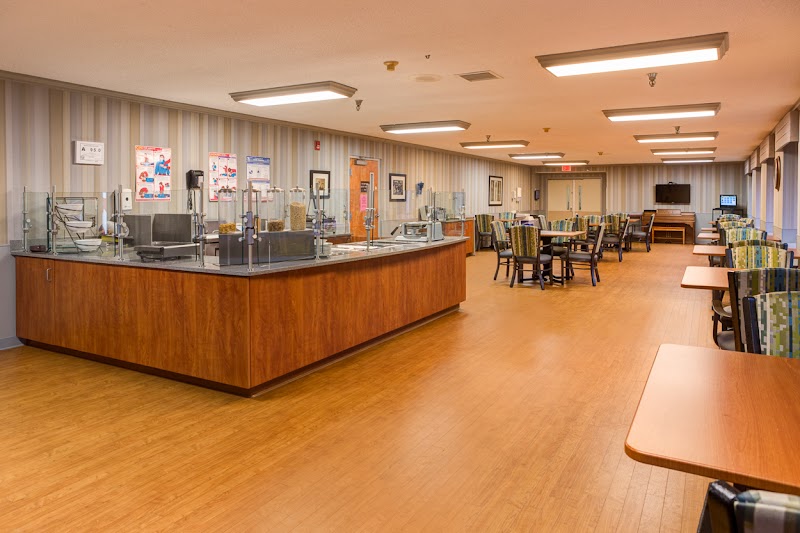
How is Asheboro Rehabilitation And Healthcare Center Staffed?

CMS rates Asheboro Rehabilitation and Healthcare Center's staffing level at 1 out of 5 stars, which is much below average compared to other nursing homes. Staff turnover is 58%, which is 12 percentage points above the North Carolina average of 46%. High turnover can affect care consistency as new staff learn residents' individual needs.

What Have Inspectors Found at Asheboro Rehabilitation And Healthcare Center?

State health inspectors documented 26 deficiencies at Asheboro Rehabilitation and Healthcare Center during 2023 to 2025. These included: 1 that caused actual resident harm, 22 with potential for harm, and 3 minor or isolated issues. Deficiencies causing actual harm indicate documented cases where residents experienced negative health consequences.
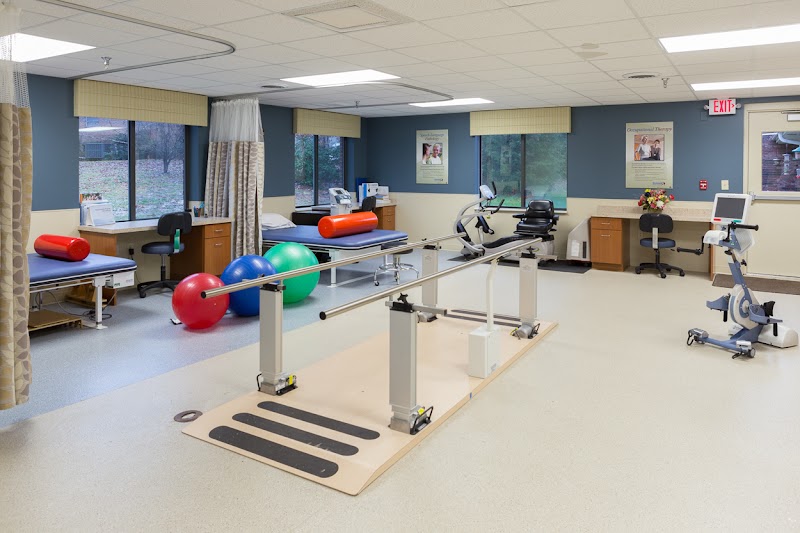
Who Owns and Operates Asheboro Rehabilitation And Healthcare Center?

Asheboro Rehabilitation and Healthcare Center is owned by a for-profit company. For-profit facilities operate as businesses with obligations to shareholders or private owners. The facility is operated by YAD HEALTHCARE, a chain that manages multiple nursing homes. With 100 certified beds and approximately 93 residents (about 93% occupancy), it is a mid-sized facility located in Asheboro, North Carolina.

How Does Asheboro Rehabilitation And Healthcare Center Compare to Other North Carolina Nursing Homes?

Compared to the 100 nursing homes in North Carolina, Asheboro Rehabilitation and Healthcare Center's overall rating (2 stars) is below the state average of 2.8, staff turnover (58%) is significantly higher than the state average of 46%, and health inspection rating (3 stars) is at the national benchmark.

What Should Families Ask When Visiting Asheboro Rehabilitation And Healthcare Center?

Based on this facility's data, families visiting should ask: "How do you ensure continuity of care given staff turnover, and what is your staff retention strategy?" "Can you walk me through typical staffing levels on day, evening, and night shifts?" "Can I visit during a mealtime to observe dining assistance and food quality?" "How do you handle medical emergencies, and what is your hospital transfer rate?" These questions are particularly relevant given the facility's high staff turnover rate and the below-average staffing rating.

Is Asheboro Rehabilitation And Healthcare Center Safe?

Based on CMS inspection data, Asheboro Rehabilitation and Healthcare Center has a clean safety record: no substantiated abuse findings (meaning no confirmed cases of resident harm), no Immediate Jeopardy citations (the most serious violation level indicating risk of serious injury or death), and is not on the Special Focus Facility watch list (a federal program monitoring the lowest-performing 1% of nursing homes). The facility has a 2-star overall rating and ranks #100 of 100 nursing homes in North Carolina. While no facility is perfect, families should still ask about staff-to-resident ratios and recent inspection results during their visit.

Do Nurses at Asheboro Rehabilitation And Healthcare Center Stick Around?

Staff turnover at Asheboro Rehabilitation and Healthcare Center is high. At 58%, the facility is 12 percentage points above the North Carolina average of 46%. High turnover means new staff may not know residents' individual needs, medications, or preferences. It can also be disorienting for residents, especially those with dementia who rely on familiar faces. Families should ask: What is causing the turnover? What retention programs are in place? How do you ensure care continuity during staff transitions?

Was Asheboro Rehabilitation And Healthcare Center Ever Fined?

Asheboro Rehabilitation and Healthcare Center has been fined $32,273 across 1 penalty action. This is below the North Carolina average of $33,402. While any fine indicates a compliance issue, fines under $50,000 are relatively common and typically reflect isolated problems that were subsequently corrected. Families should ask what specific issues led to these fines and confirm they've been resolved.

Is Asheboro Rehabilitation And Healthcare Center on Any Federal Watch List?

Asheboro Rehabilitation and Healthcare Center is not on any federal watch list. The most significant is the Special Focus Facility (SFF) program, which identifies the bottom 1% of nursing homes nationally based on persistent, serious quality problems. Not being on this list means the facility has avoided the pattern of deficiencies that triggers enhanced federal oversight. This is a positive indicator, though families should still review the facility's inspection history directly.