Bear Mountain Health and Rehabilitation
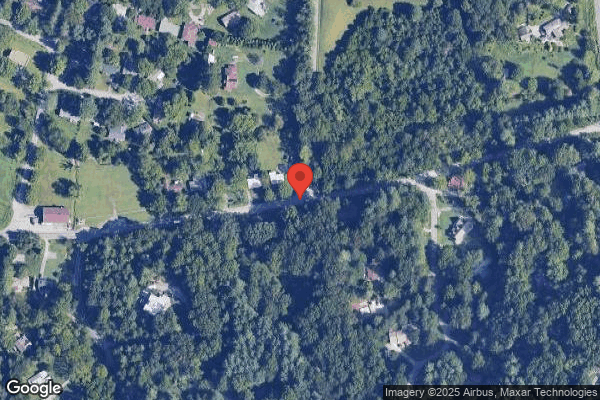

500 Beaverdam Road, Asheville, NC 28804 (828) 254-8833
For profit - Limited Liability company 77 Beds ASCENT HEALTHCARE MANAGEMENT Data: November 2025 1 Immediate Jeopardy citation
Trust Grade
6/100
#235 of 417 in NC
Last Inspection: May 2025

Inspected within the last 6 months. Data reflects current conditions.

Overview

Bear Mountain Health and Rehabilitation has received a Trust Grade of F, indicating significant concerns with the facility's overall quality of care. It ranks #235 out of 417 nursing homes in North Carolina, placing it in the bottom half, and #10 out of 19 in Buncombe County, meaning only one local option is worse. The facility's trend is worsening, with reported issues increasing from 5 in 2024 to 6 in 2025. Staffing is a concern, as the facility has a turnover rate of 69%, which is significantly higher than the state average of 49%. While the RN coverage is average, families should be aware of serious incidents, including a resident smoking unsupervised with an oxygen tank, which posed a serious risk, and another resident being injured in an incident of resident-to-resident abuse. Additionally, there was a failure to notify a physician about a resident's uncontrolled pain, leading to a hospital admission. Overall, while there are some areas of average performance, the facility has notable weaknesses that families should consider seriously.

Trust Score
F
6/100
In North Carolina
#235/417
Bottom 44%
Safety Record
High Risk
Review needed
Inspections
Getting Worse
5 → 6 violations
Staff Stability
⚠ Watch
69% turnover. Above average. Higher turnover means staff may not know residents' routines.
Penalties
✓ Good
$11,170 in fines. Lower than most North Carolina facilities. Relatively clean record.
Skilled Nurses
⚠ Watch
Each resident gets only 22 minutes of Registered Nurse (RN) attention daily — below average for North Carolina. Fewer RN minutes means fewer trained eyes watching for problems.
Violations
⚠ Watch
32 deficiencies on record. Higher than average. Multiple issues found across inspections.
★★☆☆☆
2.0
Overall Rating
★★☆☆☆
2.0
Staff Levels
★★☆☆☆
2.0
Care Quality
★★☆☆☆
2.0
Inspection Score
Stable
2024: 5 issues
2025: 6 issues

The Good

  • Full Sprinkler Coverage · Fire safety systems throughout facility
  • No fines on record

Facility shows strength in fire safety.

The Bad

2-Star Overall Rating

Below North Carolina average (2.8)

Below average - review inspection findings carefully

Staff Turnover: 69%

23pts above North Carolina avg (46%)

Frequent staff changes - ask about care continuity

Federal Fines: $11,170

Below median ($33,413)

Minor penalties assessed

Chain: ASCENT HEALTHCARE MANAGEMENT

Part of a multi-facility chain

Ask about local staffing decisions and management

Staff turnover is elevated (69%)

21 points above North Carolina average of 48%

The Ugly 32 deficiencies on record

1 life-threatening 5 actual harm
May 2025 6 deficiencies
CONCERN (D) 📢 Someone Reported This

A family member, employee, or ombudsman was alarmed enough to file a formal complaint

Potential for Harm - no one hurt, but risky conditions existed

Resident Rights (Tag F0550)

Could have caused harm · This affected 1 resident

**NOTE- TERMS IN BRACKETS HAVE BEEN EDITED TO PROTECT CONFIDENTIALITY** Based on observations, record review and staff interviews, the facility failed to promote care in a dignified manner for 1 of 2 ...

Read full inspector narrative →
**NOTE- TERMS IN BRACKETS HAVE BEEN EDITED TO PROTECT CONFIDENTIALITY** Based on observations, record review and staff interviews, the facility failed to promote care in a dignified manner for 1 of 2 residents who were assisted with meals (Resident #2). Staff were observed standing beside the resident's bed while feeding assistance was provided. The finding included: Resident #2 was admitted to the facility on [DATE] with diagnoses including dysphagia and malnutrition. The quarterly Minimum Data Set (MDS) assessment dated [DATE] coded Resident #2 with intact cognition. The assessment indicated Resident #2 was dependent on staff for eating and receiving a mechanically altered diet. During a continuous breakfast observation on 05/07/25 from 9:01 AM to 9:10 AM, Resident #2 was observed seated at approximately 45-degree angle in her bed. Her breakfast tray was brought into the room by Nurse Aide (NA) #1 and placed on top of the overbed table in front of Resident #2. NA #1 stood on the left side of the bed. She set up the tray and started feeding Resident #2 while she was standing and not at eye level with Resident #2. A folding chair was available in the room and NA #1 did not use it. An interview was conducted with Resident #2 on 05/07/25 at 9:20 AM. She stated that she did not like the staff to stand over her when receiving feeding assistance. During an interview conducted on 05/07/25 at 9:30 AM, Unit Manager #1 (UM) stated all the NAs had received training in feeding and it was her expectation for the NAs to sit at eye levels with the residents when providing feeding assistance. She could not explain why it happened but stated she would notify the Administrator immediately. An interview was conducted with NA #1 on 05/07/25 at 10:11 AM. She explained she had worked at different nursing facilities and received conflicting trainings related to feeding assistance, and it confused her. She did not know it was a dignity issue by not sitting at eye level beside the resident while providing feeding or eating assistance. During an interview conducted on 05/07/25 at 10:51 AM, the Administrator expected nursing staff to pay attention to residents' dignity when providing care or feeding assistance. The Administrator indicated she would re-train all the nursing staff to ensure all dependent residents who needed feeding assistance would receive it with dignity. An interview was conducted with the Director of Nursing (DON) on 05/8/25 at 10:59 AM. She expected all nursing staff to focus on dignity issues when providing care or feeding assistance.
CONCERN (D)

Potential for Harm - no one hurt, but risky conditions existed

Assessment Accuracy (Tag F0641)

Could have caused harm · This affected 1 resident

**NOTE- TERMS IN BRACKETS HAVE BEEN EDITED TO PROTECT CONFIDENTIALITY** Based on record review and staff interviews, the facility failed to accurately code Minimum Data Set (MDS) assessments in the ar...

Read full inspector narrative →
**NOTE- TERMS IN BRACKETS HAVE BEEN EDITED TO PROTECT CONFIDENTIALITY** Based on record review and staff interviews, the facility failed to accurately code Minimum Data Set (MDS) assessments in the areas of Preadmission Screening and Resident Review (PASARR) and high-risk drug classes usage that involved anticoagulant, antipsychotic, and opioid medications for 3 of the 7 sampled residents (Residents #11, #24, and #52). Findings included: a. Resident #11 was admitted to the facility on [DATE] with diagnoses that included high blood pressure and peripheral vascular disease. A review of the Medication Administration Records (MAR) for January 2025 revealed Resident #11 did not receive any anticoagulant throughout the month. Instead, the MAR indicated that he received 1 tablet of enteric-coated aspirin 81 milligrams (mg) by mouth once daily since 01/20/25. The quarterly MDS assessment dated [DATE] coded Resident #11 with intact cognition. The Medication section of the MDS indicated Resident #11 had received anticoagulant during the 7-day assessment periods. b. Resident #24 was admitted to the facility on [DATE] with diagnoses that included cerebral infarction and bipolar disorder. Resident #24's medical record revealed he had completed PASARR Level II assessment on 03/25/24. A review of the annual MDS assessment dated [DATE] revealed the Identifying Information section indicated Resident #24 had not been evaluated by PASARR Level II and determined to have a serious mental illness and/or mental retardation or a related condition. The quarterly MDS assessment dated [DATE] assessed Resident #24 with intact cognition. The Medication section indicated Resident #24 had received anticoagulant, antipsychotic, and opioid during the 7-day assessment periods. A review of the MAR for February 2025 revealed Resident #24 did not have any order to receive anticoagulant, antipsychotic, or opioid throughout the month. c. Resident #52 was admitted to the facility on [DATE] with diagnoses which included cerebrovascular accident. Review of Resident #52's physician's orders revealed an order dated 9/27/24 for Aspirin 81 mg by mouth daily. Resident #52 significant change Minimum Data Set (MDS)assessment dated [DATE] indicated she had severe cognitive impairment and was dependent on staff for most activities of daily living. The MDS coded Resident # 52 for high-risk drug class for anticoagulant use. During an interview conducted on 05/06/25 at 1:18 PM, the MDS Coordinator acknowledged that the coding of anticoagulant for Resident #11, Resident #24, and Resident #52 were incorrect. She explained it was due to her perception of considering aspirin as an anticoagulant, and it was her oversight. She confirmed Resident #24 had completed a PASARR Level II assessment on 03/25/24. She could not explain why she coded Resident #24 as never been evaluated by Level II PASARR in the annual MDS assessment dated [DATE]. She added it was an error to code Resident #24 as receiving anticoagulant, antipsychotic, and opioid for the quarterly MDS assessment dated [DATE] as he was not receiving any of the above medications during the 7-day assessment periods. During an interview conducted on 05/08/25 at 10:59 AM, the Director of Nursing (DON) stated it was her expectation for all the MDS assessments to be coded accurately according to the established medication categories. An interview was conducted with the Administrator on 05/07/25 at 10:51 AM. She stated it was her expectation for the MDS Coordinator to code all MDS assessments correctly before submission.
CONCERN (D)

Potential for Harm - no one hurt, but risky conditions existed

PASARR Coordination (Tag F0644)

Could have caused harm · This affected 1 resident

**NOTE- TERMS IN BRACKETS HAVE BEEN EDITED TO PROTECT CONFIDENTIALITY** Based on staff interview and medical record review, the facility failed to refer a resident with newly diagnosed serious mental ...

Read full inspector narrative →
**NOTE- TERMS IN BRACKETS HAVE BEEN EDITED TO PROTECT CONFIDENTIALITY** Based on staff interview and medical record review, the facility failed to refer a resident with newly diagnosed serious mental illnesses for Pre-admission Screening and Annual Resident Review (PASARR) Level II screening for 1 of 2 residents reviewed for PASARR (Resident #36). The findings included: A review of Resident #36's medical records revealed he had a PASRR Level I evaluation completed in 2023. Resident #36 was admitted to the facility on [DATE] with diagnoses including bipolar disorder. A review of Resident #36's list of cumulative diagnoses revealed a new diagnosis of bipolar disorder with an onset date of 03/13/24 was documented in his medical record. A review of physician's order dated 03/14/24 revealed Resident #36 had an order to receive 1 tablet of Depakote 500 milligrams (mg) delayed release by mouth 2 times daily for mood symptoms related to bipolar disorder. The annual Minimum Data Set (MDS) assessment dated [DATE] coded Resident #36 with intact cognition. The Section A1500 indicated he was not currently considered by the state PASARR Level II process to have a serious mental illness and/or intellectual disability or a related condition. During an interview conducted on 05/06/25 at 9:16 AM, the MDS Coordinator confirmed the facility had failed to refer Resident #36 for a PASARR Level II evaluation according to the annual MDS assessment dated [DATE]. She stated Resident #36 was diagnosed with bipolar disorder during admission and should have a PASARR Level II evaluation. She added the referral was typically handled by the Social Services Director (SSD). An interview was conducted with the SSD on 05/06/25 at 11:03 AM. She confirmed she was responsible for reviewing medical records of newly admitted residents and making a referral for PASARR evaluation as indicated. She acknowledged that Resident #36 should have a referral for PASARR Level II screening as he was diagnosed with bipolar disorder during admission. She could not explain why Resident #36 was overlooked and attributed the error as an oversight. During an interview conducted on 05/06/25 at 11:48 AM, the Corporate MDS Director stated Resident #36 was admitted with bipolar disorder should be referred for a PASARR Level II evaluation. It was his expectation for the SSD to follow the regulation guidance to ensure a referral for PASARR Level II evaluation was in place as indicated. An interview was conducted with the Administrator on 05/07/25 at 10:51 AM. She stated the regulation guidance should be followed and a request for a PASRR Level II evaluation should be made when a resident was diagnosed with a new serious mental health condition such as bipolar disorder. During an interview conducted on 05/08/25 at 10:59 AM, the Director of Nursing (DON) expected the SSD to follow the established guidelines to coordinate PASARR Level II as indicated in a timely manner.
CONCERN (D) 📢 Someone Reported This

A family member, employee, or ombudsman was alarmed enough to file a formal complaint

Potential for Harm - no one hurt, but risky conditions existed

Deficiency F0658 (Tag F0658)

Could have caused harm · This affected 1 resident

**NOTE- TERMS IN BRACKETS HAVE BEEN EDITED TO PROTECT CONFIDENTIALITY** Based on observations, record review, and Medical Director (MD), resident and staff interviews, the facility failed to readjust ...

Read full inspector narrative →
**NOTE- TERMS IN BRACKETS HAVE BEEN EDITED TO PROTECT CONFIDENTIALITY** Based on observations, record review, and Medical Director (MD), resident and staff interviews, the facility failed to readjust medication orders after those orders had been updated which resulted in the resident missing one dose of five medications for 1 of 1 resident reviewed for pharmacy services (Resident #36). The finding included: Resident #36 was admitted to the facility on [DATE] with diagnoses including stroke, insomnia, and bipolar disorder. The quarterly Minimum Data Set (MDS) assessment dated [DATE] coded Resident #36 with intact cognition. The assessment indicated Resident #36 had adequate hearing and vision with clear speech. During the initial interview conducted with Resident #36 on 05/05/25 at 1:13 PM, he stated he disliked nursing staff waking him up around midnight at times to administer his medications. A review of medication administration records (MAR) on 05/05/25 revealed Resident #36 had the following 5 active physician's orders to receive medications once daily at either 8:00 PM or 10:00 PM: 1. Atorvastatin 20 milligrams (mg), 1 tablet by mouth once daily at 10 PM for cholesterol. 2. Depakote delay release 500 mg, 2 tablets by mouth once daily at 10 PM for bipolar disorder. 3. Ezetimibe 10 mg, 1 tablet by mouth once daily at 10 PM for cholesterol control. 4. Melatonin 3 mg, 3 tablets by mouth once daily at 10 PM for insomnia. 5. Trazodone 50 mg, 2 tablet by mouth once daily at 8 PM for sleep. An interview was conducted with Unit Manager #2 (UM) on 05/06/25 at 2:58 PM. She stated Resident #36 voiced a complaint that morning about getting his medications late at night. After she had submitted his concerns in the doctor's communication log, the physician had approved to switch most of Resident #36's evening medications to around 6:00 PM and the orders had been updated. A subsequent review of MAR on 05/07/25 revealed the above 5 active evening medication orders had been discontinued on 05/06/25 at around 10:30 AM. New orders for each of the 5 evening medication were in place and they would be started 05/07/25 at 6:00 PM. Resident #36 received the last dose of the above 5 medications on 05/05/25 at 8:00 PM and 10:00 PM respectively before the discontinuation, but did not receive any of the above 5 medications on 05/06/25 at 6:00 PM. During an interview conducted on 05/07/25 at 5:45 AM, Resident #36 stated he had received some medications around 6:30 PM on 05/06/25. After that, he did not receive any more medications, and he went to sleep. He could not confirm whether he had received atorvastatin, depakote, trazodone, melatonin, or ezetimibe on 05/06/25 in the evening as he always took the pills without looking at them during medication pass. Resident #36 denied feeling any difference since 05/06/25 evening and stated he slept well on the night of 05/06/25. He added nursing staff notified him that they had changed his evening medications to an earlier hour, and he was very pleased with the changes. During the interview, Resident #36 appeared to be alert and oriented without showing any signs and symptoms of pain, distress, or other behavioral issues. An interview was conducted on 05/07/25 at 5:48 AM with the Medication Aide #1 (MA) who provided care for Resident #36 from 7:00 PM on 05/06/25 to 7:00 AM on 05/07/25. She did not recall administering depakote, melatonin, trazodone, ezetimibe, or atorvastatin to Resident #36 as those medications did not appear on the computer during the evening medication pass on 05/06/25. During an interview conducted on 05/07/25 at 5:55 AM, Nurse #1 confirmed Resident #36 did not receive depakote, melatonin, trazodone, ezetimibe, or atorvastatin on 05/06/25 in the evening. She stated those orders did not appear on the computer as they had been deleted, and the new orders would not be started until a day later on 05/07/25 in the evening. Nurse #1 indicated the new orders should be restarted on the same day on 05/06/25. Otherwise, those orders would not appear on the computer during the evening medication pass on 05/06/25. During an interview conducted on 05/07/25 at 9:57 PM, Nurse #2 stated that he worked on 05/06/25 from 7 AM to 7 PM and confirmed he did not administer Depakote, melatonin, trazodone, ezetimibe, or atorvastatin to Resident #36 on 05/06/25 in the evening as those orders did not appear on the computer during the evening medication pass. An interview was conducted with the Director of Nursing (DON) on 05/07/25 at 7:01 AM. She acknowledged that she was the nursing staff who had updated Resident #36's medication orders on 05/06/25 after she was made aware of the concerns brought up by Resident #36. She stated when she updated the orders, the computer would start the new orders on the next day as a default. She forgot to readjust those orders to avoid a gap after the new orders were in place on 05/06/25. She attributed the errors to her oversight. An interview was conducted with the MD on 05/8/25 at 3:35 PM. She stated missing just one dose of depakote for bipolar disorder along with trazodone, ezetimibe, atorvastatin, and melatonin would not have any significant impact to Resident #36 behavior. It was her expectation for nursing staff to change or update approved medication orders correctly. During an interview conducted on 05/07/25 at 10:51 AM, the Administrator expected nursing staff to stay focus and make readjustment as needed when changing or updating medication orders to avoid creating any gaps in medication administration.
CONCERN (D) 📢 Someone Reported This

A family member, employee, or ombudsman was alarmed enough to file a formal complaint

Potential for Harm - no one hurt, but risky conditions existed

Accident Prevention (Tag F0689)

Could have caused harm · This affected 1 resident

**NOTE- TERMS IN BRACKETS HAVE BEEN EDITED TO PROTECT CONFIDENTIALITY** Based on record review, observation, and staff interviews, the facility failed to intervene effectively when two residents becam...

Read full inspector narrative →
**NOTE- TERMS IN BRACKETS HAVE BEEN EDITED TO PROTECT CONFIDENTIALITY** Based on record review, observation, and staff interviews, the facility failed to intervene effectively when two residents became agitated and were yelling at each other in a common area. Resident #44 was cognitively impaired and had a history of violent behaviors caused Resident #229 to sustain a skin tear by hitting her on the hand with a cellphone. This deficient practice occurred for 1 of 3 residents reviewed for supervision to prevent accidents (Resident #229). The findings included: Resident #44 was admitted to the facility on [DATE] with diagnoses that included: hemiplegia (muscle weakness or partial paralysis on one side of the body) following cerebral infarction (stroke) affecting right dominant side, schizophrenia (psychiatric disorder), vascular dementia with mood disturbance, aphasia (brain disorder that affects the ability to communicate) following cerebral infarction, bipolar disorder (mood disorder), anxiety disorder, violent behaviors. Resident #44 was a current resident at the facility. The quarterly minimum data set (MDS) dated [DATE] revealed Resident #44 had moderate cognitive impairment. The MDS documented she had no behavior or rejection of care. Resident #44 had a care plan dated 8/27/23 and last revised on 7/28/24 that read: [Resident #44] has potential to be physically aggressive related to dementia, history of harm to others, and poor impulse control. A care plan intervention dated 8/28/23 read, when Resident #44 becomes agitated intervene before agitation escalates, guide away from source of distress, engage calmly in conversation, if response is aggressive staff to walk calmly away and approach later. Resident #229 was admitted to the facility on [DATE] with diagnoses that included: hemiplegia following cerebral infarction affecting left non dominant side, adjustment disorder with mixed anxiety and depressed mood (psychiatric disorder). Resident #229 was discharged from the facility to another care facility on 1/24/25. The quarterly minimum data set (MDS) dated [DATE] revealed Resident #229 was cognitively intact. The MDS documented that she had no behaviors or rejection of care. Resident #229 had the following care plans in place: -A care plan dated 10/19/23 that read, Resident #229 has potential to be verbally aggressive related to cognitive deficits. The care plan interventions included assessing her understanding of the situation, allowing time for her to express self and feelings towards the situation. -A behavior problem care plan related to making false accusations dated 12/20/23. The behavior care plan interventions included intervening as necessary to protect the rights and safety of others, approach/speak in a calm manner, divert attention, remove from situation and take to an alternative location as needed. - A care plan dated 9/11/24 that read Resident #229 has the potential to be physically aggressive r/t anger, poor impulse control, she will throw things such as cups and dishes when trying to get attention. The care plan interventions included providing physical and verbal cues to alleviate anxiety, giving positive feedback, assist verbalization of source of agitation, assist to set goals for more pleasant behavior, encourage seeking out of staff member when agitated. Additional care plan interventions included when Resident #229 becomes agitated to intervene before agitation escalates, guide away from source of distress, engage calmly in conversation, If response is aggressive, staff to walk calmly away, and approach later. Review of a facility incident reported dated 7/28/24 completed by the Director of Nursing (DON) for Resident #229 revealed she had received a skin tear from another resident. The incident report indicated the other resident had a cell phone in her hand and struck Resident #229 on the right hand after Resident #229 had said don't open the door. The report indicated there was a misunderstanding and the other resident had thought Resident #229 was saying not to let her boyfriend in. The incident report revealed first aid was provided to Resident #229's right hand skin tear and both residents were separated. An order dated 7/28/24 for Resident #229 read: Right hand, clean with normal saline, apply antibiotic ointment and cover with band aid daily until resolved for skin tear. An interview was conducted on 5/5/25 at 11:04 AM with Resident #44. Resident #44 was asked if she recalled ever having any issues or an altercation with another resident at the facility. Resident #44 answered by shaking her head no. Resident #44 declined to answer further questions. Resident #229 was unable to be contacted for interview. An interview with Nurse Aid (NA) #1 was conducted on 5/7/25 at 1:27 PM. NA #1 recalled the incident between Resident #44 and Resident #229 that occurred on 7/28/24. She reported there had been bears outside the facility main entrance door and several residents were gathered in the lobby watching the bears. NA #1 recalled she thought there had been a total of four residents in the lobby including Resident #44 and Resident #229. NA #1 reported she and NA #2 had been in the lobby also watching the bears at the time of the incident. She stated Resident #44 had been standing at the facility entrance glass door in the lobby with her boyfriend. NA #1 recalled Resident #229 had been sitting in her wheelchair at the back corner of the lobby diagonally to where Resident #44 was standing looking out the main door watching the bears. NA #1 explained Resident #229 had been agitated and scared of the bears. She recalled Resident #229 was yelling loudly the bears were going to get inside and eat everybody. NA #1 reported Resident #44 yelled shut up at Resident #229, then Resident #229 yelled shut up back at Resident #44. She reported Resident #229 then continued to yell about the bears and Resident #44 yelled shut up again. NA #1 stated Resident #44 did not really talk but had a select vocabulary of words she could say and shut up was one of them. NA #1 recalled Resident #44 turned and began walking toward the back of the lobby, NA #1 stated she had thought Resident #44 was leaving and going back to her room. NA #1 stated that instead Resident #44 approached Resident #229 and swung at her using her left hand that was holding her cell phone. She reported Resident #229 put her hand up to protect her face and Resident #44 struck Resident #229 on the hand with the cell phone. NA #1 stated another staff member came and separated Resident #44 and Resident #229, but she could not remember who the staff was. NA #1 reported she was aware Resident #44 had a history of aggressive behaviors and becoming easily agitated when someone did something she did not like or if she was provoked. NA #1 stated she thought Resident #229 yelling shut up at Resident #44 would be provoking. NA #1 reported everyone in the lobby was focused on the bears and excited about the bears at the time of the incident. NA #1 agreed she could have intervened when Resident #229 and Resident #44 had shown signs of agitation by yelling shut up, by verbally redirecting them, or removing Resident #229 who was scared and anxious about the bears. NA #1 reported she had been focused on the bears at the time like everyone else in the lobby because the bears were so close to the facility entrance and there were baby bears that she had not thought about it at the time. An interview was conducted with NA #2 on 5/8/24 at 10:54 AM. NA #2 stated she recalled the incident between Resident #44 and Resident #229 that occurred on 7/28/24. She reported she had been in the lobby when the incident happened but did not see the incident happen. She recalled there had been maybe four Residents in the lobby at the time gathered and watching the bears that were outside the main facility entrance doors. She recalled there had been another staff member in the lobby and another staff member that had walked by the lobby, but she could not remember who the staff members were. NA #2 reported she heard Resident #44 and Resident #229 yell shut up back and forth. She thought they had said shut twice before the incident happened. She stated she could not remember all the details of the incident. NA #2 recalled Resident #44 walking toward the back of the lobby where Resident #229 had been sitting. NA #2 explained she had thought Resident #44 was going back to her room but instead she must have hit Resident #229. She stated she had not seen Resident #44 hit Resident #229 but heard Resident #229 say she [Resident #44] hit me. NA #2 said she was not sure who had separated Resident #44 and Resident #229 after the incident, she reported it had been a staff member but did not remember who the staff member was. NA #2 stated she had never seen or heard of Resident #44 hit anyone before and did not know she was going to hit Resident #229. She reported at the time of the incident she had not worked at the facility long. NA #2 said she had heard Resident #44 say shut up up before but was not aware of Resident #44 having a history of aggressive or violent behaviors. She could not recall where Resident #44 had hit Resident #229. An interview was conducted with Nurse #4 on 5/8/25 at 1:30 PM. He recalled the incident from 7/28/24 with Resident #44 and Resident #229. He remembered an NA came and got him from the nursing station and told him the two residents were arguing in the lobby about the bears or letting someone in or out of the building. Nurse #4 recalled the NA told him Resident #44 had put hands on Resident #229 and that it was an altercation they believed was physical. Nurse #4 said when he went to the lobby, he separated Resident #44 and Resident #229. Nurse #4 stated he assessed Resident #229 after the incident; he did not remember the skin tear on her hand. He said he just remembered Resident #229 was stuck on the bears and explaining the incident was not her fault. He recalled Resident #229 calmed down with reassurance. Nurse #4 explained he was aware of Resident #44's history of being easily agitated and having aggressive behaviors. He further explained Resident #44 was usually calm unless she was provoked. Nurse #4 said Resident #44 was provoked by direct confrontation such as someone cursing or arguing with her. He stated he had not seen Resident #44 on her own be the first aggressor without provocation. Nurse #4 indicated he reported the incident to the Director of Nursing (DON) and Resident #44 was placed on one-on-one staff supervision after the incident. An interview was conducted on 5/7/25 at 3:44 PM with the DON. She recalled the incident between Resident #44 and Resident #229 that occurred on 7/28/24. The DON stated a staff member called her and reported the incident when it happened. She did not remember who the staff member was who called her. The DON remembered staff had called and told her bears had been outside the front entrance of the building. She said the staff told her Resident #44's boyfriend was outside and trying to get in through the main door. She explained the staff had said Resident #229 was yelling about the bears and had said don't open the door and that was when Resident #44 hit Resident #229 her with cell phone on the hand. The DON stated Resident #44 had become agitated when Resident #229 started yelling shut the door because Resident #229 maybe had thought her boyfriend was going to get eaten by the bears. The DON explained staff separated Resident #44 and Resident #229 after the incident and Resident #229 was placed on one-on-one staff supervision. An interview was conducted with the Administrator and the [NAME] President of Operations (VPO) on 5/8/25 at 5:10 PM. The VPO reported everyone in the building was aware of Resident #44's behaviors. She stated Resident #44 was very quick and she felt like the staff responded quickly and were intervening from what staff had told them. The Administrator said shut up was a common phrase Resident #44 would use when she was agitated. The Administrator said maybe staff should have separated them but that she was not sure because they had been watching the bears. The Administrator said Resident #229 had a very minor injury after the incident on her hand that was superficial. She reported Resident #44 was placed on one-on one supervision after the incident, then monitoring was stepped down to every 15 minutes and then stepped down to every 30 minutes based on her having no further behaviors of incidents.
CONCERN (D)

Potential for Harm - no one hurt, but risky conditions existed

Incontinence Care (Tag F0690)

Could have caused harm · This affected 1 resident

**NOTE- TERMS IN BRACKETS HAVE BEEN EDITED TO PROTECT CONFIDENTIALITY** Based on observations, record review, and staff interviews, the facility failed to keep a urinary catheter bag and drainage spou...

Read full inspector narrative →
**NOTE- TERMS IN BRACKETS HAVE BEEN EDITED TO PROTECT CONFIDENTIALITY** Based on observations, record review, and staff interviews, the facility failed to keep a urinary catheter bag and drainage spout from touching the floor to reduce the risk of infection for 1 of 1 resident (Resident #62). This deficient practice occurred for 1 of 1 resident reviewed with a urinary catheter. Findings included: Resident #62 was admitted to the facility on [DATE] and had been re-admitted to the facility on [DATE]. His diagnoses included chronic obstructive uropathy. A significant change Minimum Data Set (MDS) assessment dated [DATE] indicated Resident #62 was never/rarely understood and his cognitive skills for daily decisions making were severely impaired. He was documented on the MDS as having an indwelling catheter. Resident #62 had a care plan dated 6/14/24 for long term indwelling catheter. The care plan interventions included positioning the catheter bag and tubing below the level of the bladder and away from the entrance room door. An order dated 4/3/25 read, indwelling urinary catheter related to chronic obstructive uropathy. An observation was conducted on 5/5/25 at 11:15 AM of Resident #62 in his room in bed. He was observed to have an indwelling urinary catheter draining to a bedside drainage bag. The bedside drainage bag was observed positioned below bladder level and hanging on the bottom rail of the bed frame. The drainage valve of the catheter bag was observed to be unsecured and resting on the floor. A follow up observation was conducted on 5/5/25 at 12:51 PM of Resident #62's indwelling urinary catheter drainage system. The bedside drainage bag was observed positioned below bladder level and hanging on the bottom rail of the bed frame. The drainage valve of the catheter bag was observed to be unsecured and resting on the floor. An additional observation was conducted on 5/5/25 at 3:04 PM of Resident #62's indwelling urinary catheter drainage system. The bedside drainage bag was observed positioned below bladder level and hanging on the bottom rail of the bed frame. The catheter bag was observed on the floor beside the bed with the drainage valve unsecured and on the floor. An interview was conducted with Nurse Aide (NA) #3 on 5/5/25 at 3:20 PM. She said she was assigned to care for Resident #62 today. She reported she typically checked on his catheter throughout the shift but that it had been a busy day. NA #3 said she had not specifically checked his catheter bag today. She explained she had been in his room to provide care but had not looked at his catheter bag and had not noticed it had been on the ground or that the drainage valve was loose and on the ground. NA #3 stated she was taught urinary catheter drainage bags should be hung on the bed frame and positioned below the level of the bladder so urine could drain properly. NA #3 said the catheter drainage bag and the drainage valve should not be on the floor because it was unsanitary. An interview was conducted with Nurse #3 on 5/5/25 at 13:35 PM. Nurse #3 reported he was Resident #62's assigned nurse today. He was not aware Resident #62's catheter drainage bag and drainage valve were on the floor. Nurse #3 said catheter bags and the drainage valve should not be on the floor because of contamination. An interview was conducted with the Director of Nursing on 5/7/25 at 3:37 PM. The DON stated urinary catheter bags, and the drainage valve should be kept off the floor because of germs and to prevent contamination. The DON explained that urinary catheter bags should be hung on the side of the bed below the level of the bladder when a resident was in bed and the drainage valve should be secured. An interview was conducted with the Administrator on 5/8/25 at 5:10 PM. The Administrator reported urinary catheter drainage bags, and the drainage valve should not be on the floor for infection control reasons. She explained the urinary drainage bag should be hung on the bed frame and positioned below the level of the bladder but should not be touching the floor.
Mar 2024 5 deficiencies
CONCERN (D) 📢 Someone Reported This

A family member, employee, or ombudsman was alarmed enough to file a formal complaint

Potential for Harm - no one hurt, but risky conditions existed

Deficiency F0554 (Tag F0554)

Could have caused harm · This affected 1 resident

**NOTE- TERMS IN BRACKETS HAVE BEEN EDITED TO PROTECT CONFIDENTIALITY** Based on observations, record review, resident, and staff interview the facility failed to assess a resident's ability to self-a...

Read full inspector narrative →
**NOTE- TERMS IN BRACKETS HAVE BEEN EDITED TO PROTECT CONFIDENTIALITY** Based on observations, record review, resident, and staff interview the facility failed to assess a resident's ability to self-administer medications for 1 of 1 resident reviewed for medications at bedside (Resident #67). The findings included: Resident # 67 was admitted to the facility on [DATE] with diagnosis that included type 2 diabetes mellitus with hyperglycemia and congestive heart failure. Review of the quarterly Minimum Data Set (MDS) assessment dated [DATE] revealed that Resident #67 was cognitively intact. Review of Resident #67's medical record revealed no documentation that Resident #67 had been assessed to self-administer medications at bedside. An in-room observation and interview with Resident #67 on 3/4/24 at 11:17 AM revealed a medication cup sitting on Resident #67's overbed table containing 11 pills. Resident #67 stated the nurse had brought her medication to her about 30 minutes prior for her to take. Resident #67 said she told the nurse she would take the pills after she used the bathroom, and the nurse had left the pills for her to take. Resident #67 said she left the pills on her overbed table while she used the restroom and was going to take them soon. On 3/4/24 at 11:45 AM the Administrator was brought to the resident's room. Resident #67 stated to the Administrator she had just taken her medications and the nurse had left the medications for her to take after she used the restroom. The Administrator stated to Resident #67 her medications should have been taken with the nurse present in her room. Nurse #1 was interviewed on 3/4/24 at 3:29 PM and confirmed he had given Resident # 67 her medications but did not watch her take the medications. Nurse #1 stated Resident #67 should have taken her medications before he had left her room. The Director of Nursing (DON) was interviewed on 3/07/24 at 10:44 AM and stated Nurse #1 should have watched the resident take her medications prior to leaving Resident #67's room.
CONCERN (D) 📢 Someone Reported This

A family member, employee, or ombudsman was alarmed enough to file a formal complaint

Potential for Harm - no one hurt, but risky conditions existed

PASARR Coordination (Tag F0644)

Could have caused harm · This affected 1 resident

**NOTE- TERMS IN BRACKETS HAVE BEEN EDITED TO PROTECT CONFIDENTIALITY** Based on record review and staff interviews, the facility failed to ensure a Level II Preadmission Screening and Resident Review...

Read full inspector narrative →
**NOTE- TERMS IN BRACKETS HAVE BEEN EDITED TO PROTECT CONFIDENTIALITY** Based on record review and staff interviews, the facility failed to ensure a Level II Preadmission Screening and Resident Review (PASRR) was completed for a resident with new mental health diagnoses for 1 of 2 residents reviewed for PASRR (Resident #23). The findings included: Review of Resident #23's medical record revealed the resident had a PASRR level I completed prior to his admission dated 8/3/17. He was admitted to the facility on [DATE] with diagnoses of bipolar disorder and anxiety disorder. A diagnosis of major depressive disorder was added on 8/29/23. Review of Resident #23's medical records revealed no PASRR level II had been completed. Review of Resident #23's annual Minimum Data Set (MDS) dated [DATE] revealed he had not been evaluated by Level II PASRR. During an interview on 3/6/24 at 2:25 pm, the Interim Administrator and the Social Worker (SW) explained the facility's PASRR process. The SW stated all residents had PASRR when they got to the facility. Their diagnoses determined what kind of PASRR they had. The SW sent resident information to a state contracted vendor to conduct PASRR if they needed one. The SW stated the contractors came and assessed the resident. They determined what level of PASRR the residents would be. This was done to everyone that came in. SW would send another referral if there was a change in condition or if PASRR was getting ready to expire. The contractors came and did another assessment. They also determined expiration dates. There would be expiration dates on the PASRR if a resident was admitted short term such as for rehabilitation, or if resident was scheduled to be discharged to an assisted living facility. The SW sent PASRR referral for any residents with new mental health diagnoses after admission. During a follow up interview on 3/6/23 at 3:02 pm, the SW revealed Resident #23 was not referred for Level II when his diagnosis of major depressive disorder was added on 8/29/23. She stated she missed sending a referral for Level II PASRR for the resident because she was busy trying to orient in her new role as SW, learning care plans and was training on PASRR. She stated she will send in a referral for Resident #23 as soon as possible. During a follow up interview on 3/7/24 at 12:20 pm, the Interim Administrator stated there should have been a referral sent for level II PASRR for Resident #23 when he had a new mental health diagnosis on 8/29/23.
CONCERN (D) 📢 Someone Reported This

A family member, employee, or ombudsman was alarmed enough to file a formal complaint

Potential for Harm - no one hurt, but risky conditions existed

Deficiency F0658 (Tag F0658)

Could have caused harm · This affected 1 resident

**NOTE- TERMS IN BRACKETS HAVE BEEN EDITED TO PROTECT CONFIDENTIALITY** Based on observations, record review, and resident and staff interviews the facility administered a medicated powder without a p...

Read full inspector narrative →
**NOTE- TERMS IN BRACKETS HAVE BEEN EDITED TO PROTECT CONFIDENTIALITY** Based on observations, record review, and resident and staff interviews the facility administered a medicated powder without a physician's order for 1 of 1 resident reviewed for professional standards of practice (Resident #21). The findings included: Resident #21 was admitted to the facility on [DATE]. Review of the quarterly Minimum Data Set (MDS) assessment dated [DATE] revealed that Resident #21 was cognitively intact. A review of Resident #21's active physician orders for March 2024 revealed that there was not an order for nystatin powder. An in-room observation and interview with Resident #21 occurred on 3/04/24 at 11:08 AM. A bottle labeled nystatin topical powder was observed on Resident #21's overbed table. She stated it was brought to her the previous night and left on the table and the bottle was left in her room often. Resident # 21 stated the nursing assistants applied the powder on to her. Resident # 21's Unit Manager who was Resident #21's assigned nurse was interviewed on 3/04/24 at 11:11 AM and stated he had not noticed the nystatin medication bottle in the resident's room earlier when Resident #21's medications were brought to her. The Unit Manager stated he was not sure how the nystatin powder bottle had gotten into the resident's room, and he did not think Resident #21 had an active order for the medication. The Director of Nursing (DON) was interviewed on 3/07/24 at 10:44 AM and stated the nystatin powder should not have been left with the resident. The DON said Resident #21 needed the nystatin powder on and off again when she developed a rash.
MINOR (B)

Minor Issue - procedural, no safety impact

Deficiency F0638 (Tag F0638)

Minor procedural issue · This affected multiple residents

**NOTE- TERMS IN BRACKETS HAVE BEEN EDITED TO PROTECT CONFIDENTIALITY** Based on record review and staff interviews, the facility failed to complete quarterly assessments within the regulated time fra...

Read full inspector narrative →
**NOTE- TERMS IN BRACKETS HAVE BEEN EDITED TO PROTECT CONFIDENTIALITY** Based on record review and staff interviews, the facility failed to complete quarterly assessments within the regulated time frames for 3 of 3 residents reviewed for completion of quarterly Minimum Data Set (MDS) assessments (Residents # 34, #15, #69). The findings included: 1. Resident #34 was admitted to the facility 8/29/18. The quarterly MDS assessment with an assessment reference date (the last day of the assessment period) of 2/8/24 was reviewed and revealed the assessment was still in progress on 3/6/24. The MDS Coordinator was interviewed on 3/6/24 at 9:25 AM and stated she had been working at the facility for one month and was aware of the late quarterly MDS assessment. The MDS Coordinator stated the facility had been without a MDS Coordinator and had a plan to complete late assessments. The Interim Administrator stated on 3/7/24 at 11:32 AM the MDS quarterly assessments should have been completed on time. The facility was working on a plan to catch up on the late MDS assessments. 2. Resident #15 was admitted to the facility on [DATE]. The quarterly MDS assessment with an assessment reference date (the last day of the assessment period) of 2/12/24 was reviewed and revealed the assessment still in progress on 3/6/24. The MDS Coordinator was interviewed on 3/6/24 at 9:25 AM and stated she had been working at the facility for one month and was aware of the late quarterly MDS assessment. The MDS Coordinator stated the facility had been without a MDS Coordinator and had a plan to complete late assessments. The Interim Administrator stated on 3/7/24 at 11:32 AM the MDS quarterly assessments should have been completed on time. The facility was working on a plan to catch up on the late MDS assessments. 3. Resident # 69 was admitted to the facility on [DATE]. The quarterly MDS assessment with an assessment reference date (the last day of the assessment period) of 2/16/24 was reviewed and revealed the assessment was still in progress on 3/6/24. The MDS Coordinator was interviewed on 3/6/24 at 9:25 AM and stated she had been working at the facility for one month and was aware of the late quarterly MDS assessment. The MDS Coordinator stated the facility had been without a MDS Coordinator and had a plan to complete late assessments. The Interim Administrator stated on 3/7/24 at 11:32 AM the MDS quarterly assessments should have been completed on time. The facility was working on a plan to catch up on the late MDS assessments.
MINOR (B)

Minor Issue - procedural, no safety impact

QAPI Program (Tag F0867)

Minor procedural issue · This affected multiple residents

Based on observations, record review and staff interview, the facility's Quality Assessment and Assurance (QAA) Committee failed to maintain implemented procedures and monitor interventions the commit...

Read full inspector narrative →
Based on observations, record review and staff interview, the facility's Quality Assessment and Assurance (QAA) Committee failed to maintain implemented procedures and monitor interventions the committee put into place following the recertification surveys conducted on 1/28/22 and 12/16/22. This was for a repeat deficiency in the area of quarterly assessments that was originally cited on 1/28/22 during the recertification survey, and subsequently recited during the recertification survey on 12/16/22 and the recertification survey completed on 3/7/24. The continued failure of the facility during three federal surveys of record shows a pattern of the facility's inability to sustain an effective QAA program. The findings included: This tag is cross-referenced to: F638 - Based on record review and staff interviews, the facility failed to complete quarterly assessments within the regulated time frames for 3 of 3 residents reviewed for completion of quarterly Minimum Data Set (MDS) assessments (Residents # 34, #15, #69). During the recertification survey on 1/28/22, the facility failed to complete quarterly Minimum Data Set assessments within 14 days of the Assessment Reference Date for 3 of 30 sampled residents. During the recertification survey on 12/16/22, the facility failed to complete quarterly Minimum Data Set assessments within 14 days of the Assessment Reference Date for 6 of 9 residents reviewed for resident assessments. An interview with the Interim Administrator on 3/7/24 at 11:40 AM revealed they held ad hoc QAA meetings all the time to address various issues which included MDS assessments. She stated that one of the reasons why they continued to have issues with MDS assessments was because they weren't strategic with hiring MDS nurses, and they hired whoever applied for the position. She also stated that the other disciplines needed education too in completing their sections on the MDS assessments, and this contributed to the assessments being late. The Interim Administrator stated the current MDS Coordinator had been receiving lots of instruction and education on completing the MDS assessments, and she was positive that she would improve with more time and experience.
Aug 2023 1 deficiency 1 Harm
SERIOUS (G) 📢 Someone Reported This

A family member, employee, or ombudsman was alarmed enough to file a formal complaint

Actual Harm - a resident was hurt due to facility failures

Free from Abuse/Neglect (Tag F0600)

A resident was harmed · This affected 1 resident

**NOTE- TERMS IN BRACKETS HAVE BEEN EDITED TO PROTECT CONFIDENTIALITY** Based on observation, record review, resident and staff interviews, Psychiatric Physician's Assistant interview, and the Medical...

Read full inspector narrative →
**NOTE- TERMS IN BRACKETS HAVE BEEN EDITED TO PROTECT CONFIDENTIALITY** Based on observation, record review, resident and staff interviews, Psychiatric Physician's Assistant interview, and the Medical Director interview the facility failed to protect the rights of a resident to be free from abuse. Resident #1 was found bleeding with a laceration to her upper lip, and a bruise to her right index finger and hand. Resident #2 had struck Resident #1 with the bed adjustment remote control causing the laceration to Resident #1's lip and pulled a ring from Resident #1's right index finger. This was for 1 of 3 residents reviewed for resident-to-resident abuse (Resident #2). Findings included: Resident #2 was admitted to the facility on [DATE] with diagnoses of Chronic Obstruction Pulmonary Disorder (COPD), panic disorder, depression, and anxiety. The quarterly Minimum Data set (MDS) assessment dated [DATE] coded Resident #2 as cognitively intact. She was assessed to need extensive assistance with bed mobility, dressing, toileting, and eating. Resident #2's care plan, dated 2/28/23 revealed she was dependent on staff for meeting emotions, intellectual, physical, and social needs related to debility and depression. Resident #2 was also care planned for Activities of Daily Living (ADL) deficit related to debility and weakness. Resident #1 was admitted to the facility on [DATE] with diagnoses that included Alzheimer's disease, depression, and psychotic disturbance. Resident #1's quarterly Minimal Data Set (MDS) dated [DATE] revealed the resident was moderately cognitively impaired. Resident #1 was coded as independent with bed mobility, toileting, transfers, and used a walker for mobility. The resident was not coded for behaviors and was not receiving antipsychotic medications during the 7-day lookback. A review of Resident #2's physician orders revealed as follows: Duloxetine HCl Capsule Delayed Release Particles 30 MG Give 1 capsule by mouth one time a day for mood symptoms ordered 06/01/2022. Sertraline HCl Tablet 50 MG Give 3 tablet by mouth one time a day for Depression/anxiety/ PTSD ordered 3/17/2023. Donepezil HCl Oral Tablet 10 MG (Donepezil Hydrochloride) Give 0.5 tablet by mouth at bedtime related to Alzheimer's Disease ordered on 8/04/2023. Review of the progress note written by Nurse# 1 on 8/4/23 at 11:55 AM revealed the nurse was walking in the hallway when Resident #2 called for help in her room. As Nurse #1 entered the room, she observed Resident #2 lying in bed on her back with a laceration on her upper lip that was bleeding, and her hands had some smears of blood on them. When Nurse #1 asked the resident what had happened, Resident#1 stated that her roommate/husband (Resident #2) had punched her in the face and on her right index finger. The note revealed Resident #1's index finger was bruised and swollen. A progress note written by Nurse #1 at 12:55 PM revealed Resident #1 was sent to the hospital for evaluation. A progress note written by Nurse #1 on 8/4/23 at 11:55 AM for Resident #2 revealed Resident #1 had called out for help and Nurse #1 went into the room and observed Resident #1 lying in bed with a bleeding lip. The nurse asked Resident #2 what happened, and he responded that he had hit his wife (Resident #1) in the face with the remote and pulled the ring off her right index finger. A subsequent progress note written on 8/4/23 at 2:50 PM revealed Resident #2 was taken into custody by law enforcement officers and would be potentially held until Monday related to domestic physical assault resulting in injury. The nursing staff dispensed medication for Resident #2 while in custody. A review of Resident #1's hospital records discharge summary revealed she was evaluated on 8/4/23 and had a 1.5-centimeter-long laceration to her upper lip. The resident received 3 dissolvable sutures and was released back to the facility with an antibiotic. Resident #1 returned to the facility at 7:30 PM on 8/4/23. Nurse #1, the assigned nurse for Resident #1 and #2 on 8/4/23 was interviewed on 8/8/23 at 1:21 PM. Nurse #1 stated she was on her medication cart in the hallway on 8/4/23 and she heard Resident #1 yell for help. Nurse #1 immediately went to check on Resident #1 and she was bleeding from her lip. Resident #1 told Nurse #1 she was hit by Resident #2. Nurse #1 yelled for help and stayed in the room; Resident #2 was sitting on his bed while Resident #1 was lying in her bed. Nurse #2 entered the room and was asked to call the Administrator. Nurse #2 called the Administrator, Unit Nurse Manager, and the Social Worker (SW) and they all went to the residents' room. Nurse #1 asked Resident #2 what happened, and he stated he hit her in the face and her right pointing finger. The SW removed Resident #2 from the room, and he was placed on 1 to 1 monitoring. Nurse #1 then assessed Resident #1 and found her to have a cut on her upper lip and a bruised and bleeding right index finger. Resident #1 told Nurse #1 that her roommate had hit her in the face. The MD was called by Nurse #1 and gave orders for Resident #1 to be sent to the emergency room (ER). Nurse #1 stated the police were called by the Administrator, and Resident #2 was sent to the jail. Nurse #1 stated Resident #2 was cowering and shaking because he was upset with himself for what he had done. Resident #2 told her that he had hit his wife in the face because she kept asking for her medications that she had already been given. Resident #1 was interviewed on 8/8/23 at 2:15 PM. She stated her husband, Resident #2, came up to the edge of her bed and hit her in the mouth and did something to her right hand. Resident #1 stated he had never done anything like that before, and she was not afraid to be around him after the incident happened. She stated she missed him and wanted to see him badly. Resident #1 was observed to have a scabbed area to her upper lip with 3 sutures. Her right hand near her index finger was swollen and bruised with a small, scabbed area. An interview with Resident #2 revealed on 8/10/23 at 10:38 AM Resident #1 was asking him for her pills but the nurse had already given her pills to her. He reported, she asks for her pills often when she has already had them, and I was trying to help her stop asking for the pills. I slapped her in the mouth with the bed remote that was lying beside her, she stuck her right hand up in the air and I grabbed her ring and pulled it off her hand. Resident #2 stated he felt bad for what he did and had never hit her before in 56 years of marriage. He stated he missed being with his wife and did not want to lose her. The Unit Manager stated in an interview at 2:45 PM on 8/8/23 that she did not witness the incident that occurred on 8/4/23. The Unit Manager stated she was called to the residents' room because Resident #2 had hit Resident #1. She stated she assessed Resident #2 for injuries while he was isolated from Resident #1 in another room. The Unit Manager stated she had not known Resident #2 to be aggressive or show any behavior like that and while he was with her, he stated he was upset with him-self and looked very remorseful for what he had done to his wife. On 8/8/23 at 3:58 PM the Social Worker (SW) was interviewed and stated she was called to the Resident #1 and #2's room with the Administrator. The SW stated Resident #2 had hit Resident #1 and she called the police. While with Resident #2 in a separate room, he stated to her that he hit Resident#1 with the bed controller on her mouth and took a ring off her finger. The SW said Resident #2 was upset with himself that he had struck Resident #1 and said he felt responsible for her and that he never wanted to harm his wife. She stated the police arrested Resident #2 and he was taken to jail for 48 hours. The police stated to the SW that Resident #2 had to be arrested because the incident had resulted in an injury for Resident #1. Resident #2 did not have any behaviors while being arrested and was sad that he was unable to see his wife. Nurse #2 was interviewed at 2:10 PM on 8/9/23 and stated she was at the nurse's station on 8/4/23 when she heard Nurse #1 call out for help. She went to Resident #1 and Resident #2's room and saw the two residents had been separated by Nurse #1. Resident #1 was lying on her back in her bed, and Resident #2 was sitting on his bed calmly without any aggression. Nurse #2 then went to find more help while Nurse #1 stayed in the room with Resident#1 and Resident #2. The Medical Director (MD) was interviewed on 8/8/23 at 11:50 AM. He reported Resident #2 had not shown aggression prior to the incident on 8/4/23. The MD stated he was notified by the facility on 8/4/23 that Resident #2 had struck Resident #1 and gave an order to send Resident #1 to the ER for evaluation. The MD said he was aware Resident #2 had been arrested and sent to a detention center and was not allowed to see or speak to Resident #1. The MD had assessed Resident #1 earlier on 8/8/23, and said she seemed good, but wanted to see her husband (Resident #2). Prior to the incident, the MD stated he had no concerns with Resident #1 and Resident #2 residing in the same room together and felt they would be safe to room with each other again. An interview conducted with the Psychiatric Physician Assistant (PA) on 8/9/23 at 5:05 PM revealed she had not known Resident #2 to have any aggressive behavior towards his roommate or any other resident since she had been seeing him since December 2022. She stated after the incident she assessed Resident #2 and felt he was remorseful for his actions and stated to her he was embarrassed for what he had done. The Psychiatric PA stated she did not feel Resident# 2 was a threat to any other resident. Resident #2 stated to the Psychiatric PA that Resident #1 was begging for medications that she had already received, he got frustrated and popped Resident #1 with the bed remote and made her lip bleed. The Psychiatric PA stated Resident #2 was not allowed to see or Speak to Resident #1 per court orders until the case has been resolved. On 8/10/23 at 10:38 AM the Administrator was interviewed. He stated Nurse #2 notified him of a situation between Resident #1 and Resident #2. When the Administrator entered the residents' room, he observed Resident #2 shaking his head and saying he did not mean to do that. Resident #2 was placed on 1 to 1 observation and removed from the room and the SW was asked to call the police. The Administrator asked Resident #1 what happened, and Resident #1 stated she aggravated him, and he got up and hit me. When asked if Resident #1 wanted to press charges, she replied no. the Administrator stated EMS arrived and would not take Resident #1 to the hospital until police arrived at the room. The police arrived and the Administrator gave them a statement. The police spoke with Resident #2 and stated they needed to take him to jail for 48 hours because Resident #1 sustained injuries from him. The family of the residents were notified of the incident, and informed Resident #1 was being sent to the hospital and Resident #2 was being sent to the jail. The Administrator stated he began the investigation into the incident and interviewed Nurse #1. Nurse #1 stated to him she was passing medications on the hall, heard Resident #1 call for help and immediately went to the room to see Resident #1 bleeding from her upper lip. Nurse #1 told the Administrator Resident #2 did not have any behaviors prior to the incident. The nursing assistants, therapy, and housekeeping were interviewed for any observation they may have had of Resident #2. They indicated everything was normal with Resident #2 prior to the incident. The Administrator stated when Resident #2 returned from jail on 8/6/23 to the facility, he was placed on 1 to 1 observation until he was cleared for every 15-minute observation by the physician on 8/6/23. The facility did a chart review, medication review, and interviewed all staff who interacted with the resident. Everything with Resident #2 was normal until the incident occurred. On 8/9/23 the Administrator provided the following corrective action plan: Identify those residents who have suffered, or likely to suffer, a serious adverse outcome as a result of the noncompliance: On 8/4/23, Resident was heard by a staff member calling for help from her room where she resides with Resident #2. When the nurse entered the room, Resident #1 was in her bed and her mouth was bleeding and her right index finger was bruised and swollen. When the nurse asked Resident #1 what had happened, she stated that her husband Resident #2 had hit her in the face. (with remote control device) Staff immediately intervened and removed Resident #2 from the room, and he was placed on 1:1 supervision. The facility administrator was notified immediately after providing safety for the residents. The nurse completed resident assessment on Resident #1 and first aid was administered, notification to MD with orders to send Resident #1 to ER for evaluation of injuries. Administration notified and made appropriate calls to police, resident representatives, APS and 2-hour NC State report submitted. Facility investigation initiated to include staff and resident interviews. Police came to the facility and placed Resident #2 under arrest, and he was taken into custody at that time. Facility ensured police were aware of Resident #2's diagnosis of Alzheimer's Disease and dementia. The officer at the facility notified his supervisor of the information but due to it being classified as domestic violence, Resident #2 would have to be taken into custody for at least 48 hours. The facility supplied Buncombe County Detention Center with all needed medication and medication administration record to be able to care for Resident #2. Resident #1 returned to the facility via ambulance from the emergency department with 3 stitches in place to the inside of lip. No further injuries were noted upon evaluation at the emergency department. Resident #2 is a long-term care resident who was admitted to the facility on [DATE] with the primary diagnosis of Alzheimer's Disease, unspecified dementia without behavioral disturbance, major depressive disorder, unspecified atrial fibrillation, osteoarthritis, hypertension, and constipation. On 6/26/23 his BIM score was a 9 (moderately impaired). He receives ongoing psych services and was last seen on 7/18/23 by psych and seen on 7/31/23 by medical provider for follow-up post fall on 7/28/23. Specify the action the entity will take to alter the process or system failure to prevent a serious adverse outcome from occurring or recurring, and when the action will be complete: Because all residents are at risk from being physically abused by other residents, the following plan has been formulated to address this issue: On 8/4/23 at 1155 Resident #2 was placed on 1:1 staff supervision and assessment completed by the licensed nurses with no apparent injuries until transferred to the Buncombe County Detention Center by Police Department officer at 1450. On 8/4/23, the Administrator notified the Regional Director of Clinical Services to discuss incident, investigative protocol and corrective action to address incident and prevent any further incidence to other residents at risk. On 8/4/23, All staff were questioned specific to these residents and any situations witnessed that might have been indicative of possible abuse. No areas of concern identified. Staff have not witnessed any abuse, verbal, physical or mental, during their interactions. Family of residents also state there have never been concerns of an abusive relationship between the two. On 8/4/23, education to all staff was initiated on the facility Abuse Policy and on the Behavior Management Policy. Staff not receiving education by 8/8/23 will not be allowed to work until completed. The DON will be responsible for monitoring completion of education. On 8/6/23, Resident #2 was released from the Buncombe County Detention Center with orders to not have contact with SW when he returned to facility. On 8/6/23 at 5:00pm Resident #1 returned to the facility on 1:1 supervision and was placed in room [ROOM NUMBER] with an appropriate roommate on opposite unit of Resident #2. On 8/6/23, Resident #2 was assessed by on-call medical provider for safety clearance to be placed on every 15-minute checks and removed from 1:1 supervision. The medical provider assessed Resident #2 and deemed him safe to proceed on every 15-minute checks with the directive if he attempted to go to the wing his wife was located, he would need to return to 1:1 supervision. Effective 8/6/23 at 7:16pm, Resident #1 removed from 1:1 staff supervision and placed on 15-minute staff supervision as ordered by the licensed Physician. On 8/7/23, Resident #2 was seen for an acute visit by medical provider with no new orders received at this time. Psychiatry to continue following and visit scheduled at next available time. On 8/7/23, the IDT had an AdHoc QAPI meeting to review the facility Abuse Policy and further discuss investigation, root cause analysis and corrective plan. Root cause analysis determined that an appropriate plan of care for Resident #1s behaviors was in place and followed and that Resident #1's behavior was related to disease progression and poor impulse control and there were no precipitating behaviors leading up to the incident that the facility staff failed to respond to prevent this occurrence. On 8/7/23, following the AdHoc QAPI meeting, the IDT had a Risk Meeting to ensure all residents are free from abuse from other residents. Residents with a history of or potential for abusive behavior towards others were reviewed to ensure appropriate plans of care are in place and that they are not placed together as roommates. Current facility residents with previous resident-to-resident incidents, residents with diagnosis of PTSD or other neurological disorders and residents with care plans for at risk for aggression towards others were included in review. Effective 8/7/23, the IDT will meet weekly to discuss residents with behaviors to ensure continued effectiveness of care plans. Changes will be made as appropriate. Effective 8/7/23, the Administrator is ultimately responsible for the implementation of this corrective plan. Alleged Date of Compliance: 8/8/23
Jul 2023 2 deficiencies
CONCERN (F) 📢 Someone Reported This

A family member, employee, or ombudsman was alarmed enough to file a formal complaint

Potential for Harm - no one hurt, but risky conditions existed

Food Safety (Tag F0812)

Could have caused harm · This affected most or all residents

Based on observations and staff interviews the facility failed to ensure the internal temperature of cooked food for the lunch meal was monitored prior to service. This was for 1 of 2 meal observation...

Read full inspector narrative →
Based on observations and staff interviews the facility failed to ensure the internal temperature of cooked food for the lunch meal was monitored prior to service. This was for 1 of 2 meal observations. This practice had the potential to serve residents food not within safe temperature ranges to minimize bacterial growth. The finding included: On 07/26/23 at 12:15 PM observation of the lunch meal tray line was already in process with [NAME] #1 plating the food. Further observation revealed meal trays had already been assembled, loaded onto the meal carts and waiting for delivery. The meal included: sliced pork lion, puree pork, fish patty, roasted potatoes, mashed potatoes, green peas, broccoli, and puree broccoli. The Dietary Manager (DM) was present for the tray line observations and was asked about the system for monitoring food temperatures. The DM explained that the food temperatures should be taken prior to meal service by the [NAME] and recorded on a log. Review of the temperature log for 07/26/23 revealed no temperatures recorded for the lunch meal. The DM revealed [NAME] #1 had not taken the temperatures for the lunch meal. At 12:20 PM on 07/26/23 the DM was asked to stop plating and distributing the lunch meal process and obtain temperatures for the food items on the steam table. The Dietary Manager obtained the following food temperatures with a digital thermometer that registered the degrees in Fahrenheit. Food items left to serve were recorded at temperatures of sliced pork lion 181, puree pork 187, fish patty 165, roasted potatoes 209, puree mashed potatoes 166, green peas 167, broccoli 167, puree broccoli 162 degrees (no puree diets left to be served). An interview was conducted with [NAME] #1 on 07/26/23 at 12:25 PM. The [NAME] explained that she knew she had to obtain the temperature the food before she started the plating process, but she decided to start the tray line process without measuring the temperatures of the food. The [NAME] indicated she understood that it was important to obtain the temperatures of the food before plating began to ensure the food was served in the acceptable temperature range. An interview conducted on 07/26/23 at 5:40 PM with the Administrator revealed he expected the food temperatures to be taken and recorded before the meals were plated to ensure the temperatures were within a safe range for consumption.
CONCERN (F) 📢 Someone Reported This

A family member, employee, or ombudsman was alarmed enough to file a formal complaint

Potential for Harm - no one hurt, but risky conditions existed

QAPI Program (Tag F0867)

Could have caused harm · This affected most or all residents

Based on observations, record review and staff interviews, the facility's Quality Assessment and Assurance (QAA) Committee failed to maintain implemented procedures and monitor interventions previousl...

Read full inspector narrative →
Based on observations, record review and staff interviews, the facility's Quality Assessment and Assurance (QAA) Committee failed to maintain implemented procedures and monitor interventions previously put in place following the recertification surveys of 1/28/2022 and 12/16/2022. The repeat deficiency was cited on the current complaint investigation of 7/27/23 in the area of Food and Nutrition (F812). The facility's continued failure during three Federal surveys showed a pattern of the facility's inability to sustain an effective QAA program. The findings included: This tag was cross referenced to: F-812: Based on observations and staff interviews the facility failed to ensure the internal temperature of cooked food for the lunch meal was monitored prior to service. This was for 1 of 2 meal observations. This practice had the potential to service residents' food not within safe temperature ranges to minimize bacterial growth. During the recertification and complaint survey of 1/28/2022 the facility was cited for failing to discard food with visible signs of spoilage and to ensure that dietary staff had all hair covered during meal service. During the recertification and complaint survey of 12/16/2022 the facility was cited for failing to date, remove, or discard potentially hazardous foods stored for use with signs of spoilage, store foods in sealed containers, and store nonperishable foods off the floor. A telephone interview was conducted with the Administrator on 7/27/2023 at 9:07 AM. He indicated he was the head of the QAA committee. The Administrator revealed the facility had provided on-going education to dietary staff on monitoring and documenting food temperatures prior to service for safety. He stated he believed that the new Dietary Manager did not fully understand the QAA process of what issues to report, when an issue is identified to report to the Administrator, and to follow-up with the results of the audits to the Administrator and QAA committee. The Administrator stated he was responsible for ensuring the Dietary Manager understood the QAA process of what identified issue to report, when to report the identified issue, and the follow-up of conducting audits and reporting the results of the audits to himself and QAA committee.
Dec 2022 15 deficiencies 2 Harm
SERIOUS (G) 📢 Someone Reported This

A family member, employee, or ombudsman was alarmed enough to file a formal complaint

Actual Harm - a resident was hurt due to facility failures

Notification of Changes (Tag F0580)

A resident was harmed · This affected 1 resident

**NOTE- TERMS IN BRACKETS HAVE BEEN EDITED TO PROTECT CONFIDENTIALITY** Based on record review and interviews with the Medical Director and staff, the facility failed to notify the physician a residen...

Read full inspector narrative →
**NOTE- TERMS IN BRACKETS HAVE BEEN EDITED TO PROTECT CONFIDENTIALITY** Based on record review and interviews with the Medical Director and staff, the facility failed to notify the physician a resident's pain was not controlled after the administration of pain medication. The resident called emergency medical services and was evaluated for abdominal pain and diagnosed with acute cholecystitis (inflammation of the gallbladder) that required admission to the hospital for the surgical removal of the gallbladder for 1 of 2 residents reviewed for hospitalizations (Resident #270). The findings included: Resident #270 was admitted to the facility on [DATE] with diagnoses including a history of cervical spine trauma and quadriplegia. Resident #270 was discharged to the hospital on [DATE] and returned to the facility on [DATE]. The quarterly Minimum Data Set, dated [DATE] revealed Resident #270 was assessed as being cognitively intact. Routine and as needed pain medications were received during the lookback period and the resident reported his pain was moderate, frequent, and interfered with sleep and activities. Opioids (narcotic pain medications) were given all 7 days during the lookback period. Review of the Medication Administration Record revealed oxycodone-acetaminophen (a narcotic pain medication) 5-325 milligrams every 6 hours as needed for pain management was given twice on 11/22/22. The first dose at 3:56 PM for a pain level of 7 and the second dose at 10:06 PM for a pain level of 8. Both administrations were documented as being effective. Review of the nurse progress note dated 11/22/22, written by Nurse #4, revealed on 11/22/22 at approximately 9:30 PM Resident #270 complained of bxxxhole pain and asked to be sent to the hospital. Nurse #4 obtained a set of vital signs and explained to the resident those were within normal limits and his pain medication was due soon and there was no clinical reason to send the resident to the hospital. The progress note indicated Resident #270 refused the pain medication stating it didn't work. The Director of Nursing (DON) was notified and agreed to not send the resident to the hospital for lack of a clinical reason however it was his right to call emergency medical service (EMS). Nurse #4 relayed the information to Resident #270 and EMS arrived at the facility at 10:56 PM to transfer the resident to the hospital. Review of the hospital discharge summary revealed Resident #270 was evaluated for abdominal pain using a computed tomography (diagnostic imaging of the inside of the body) and diagnosed with acute cholecystitis. General surgery was consulted and on 11/24/22 Resident #270's gallbladder was surgically removed. During a telephone interview on 12/14/22 at 9:56 AM Nurse #4 revealed after Resident #270 informed her of having anal pain she obtained a set of vital signs and those were within normal limits and gave the pain medication. Nurse #4 stated she didn't recall Resident #270 say the pain medication was ineffective, but her progress note documented what was done. Nurse #4 stated Resident #270 did not appear in distress, and everything had been normal for the resident that day. Nurse #4 stated she called the DON who agreed there was no clinical reason, but it was Resident #270's right to call EMS for transfer to hospital. Nurse #4 confirmed she did not notify the MD for guidance. An interview was conducted on 12/14/22 at 4:21 PM with Resident #270. Resident #270 stated he told the nurse he was having a difficult time breathing and had stomach pain on 11/22/22 and called EMS because the nurse wouldn't. An interview was conducted on 12/16/22 at 4:46 PM with the DON. The DON revealed Nurse #4 called her about Resident #270 wanting to the hospital for anal pain and she didn't think that was a reason to send the resident out based on what the nurse told her. The DON revealed she didn't recall the being informed the pain medication was not effective and if she had her first response would be to call the physician. During an interview on 12/16/22 at 4:29 PM the Medical Director revealed would have expected to be notified Resident #270 was having pain and the medications were not relieving the pain so he could have evaluated the situation.
SERIOUS (G) 📢 Someone Reported This

A family member, employee, or ombudsman was alarmed enough to file a formal complaint

Actual Harm - a resident was hurt due to facility failures

Quality of Care (Tag F0684)

A resident was harmed · This affected 1 resident

**NOTE- TERMS IN BRACKETS HAVE BEEN EDITED TO PROTECT CONFIDENTIALITY** Based on record review and interviews with the Medical Director and staff the facility failed to complete a thorough assessment ...

Read full inspector narrative →
**NOTE- TERMS IN BRACKETS HAVE BEEN EDITED TO PROTECT CONFIDENTIALITY** Based on record review and interviews with the Medical Director and staff the facility failed to complete a thorough assessment of a resident requesting to go to the emergency room due to increased pain. The resident called emergency medical services and was transported to the hospital and diagnosed with acute cholecystitis (inflammation of the gallbladder) that required surgical removal of the gallbladder for 1 of 2 residents reviewed for hospitalization (Resident #270). The findings included: Resident #270 was admitted to the facility on [DATE] with diagnoses including a history of cervical spine trauma and quadriplegia. Resident #270 was discharged to the hospital on [DATE]. The quarterly Minimum Data Set, dated [DATE] revealed Resident #270 was assessed as being cognitively intact. Routine and as needed pain medications were received during the lookback period and the resident reported his pain was moderate, frequent, and interfered with sleep and activities. Opioids (narcotic pain medications) were given all 7 days during the lookback period. Review of the Medication Administration Record (MAR) revealed a physician's order for oxycodone-acetaminophen (a narcotic pain medication) 5-325 milligrams every 6 hours as needed for pain management. The MAR revealed from 11/01/22 through 11/21/22 Resident #270 received 19 doses out of 84 available for his pain and doses received were considered effective. No pain medication was administered on 11/18/22 and 11/19/22. On 11/20/22 one dose was administered at 7:38 PM and consider effective. On 11/21/22 one dose was administered at 7:51 PM and considered effective. On 11/22/22 one dose was administered at 3:56 PM and considered effective and a second dose was given at 10:06 PM and considered effective. Review of the nurse progress note dated 11/22/22, written by Nurse #4, revealed on 11/22/22 at approximately 9:30 PM Resident #270 complained of bxxxhole pain and asked to be sent to the hospital. Nurse #4 obtained a set of vital signs and explained to the resident those were within normal limits and his pain medication was due soon and there was no clinical reason to send the resident to the hospital. The progress note indicated Resident #270 refused the pain medication stating it didn't work. The Director of Nursing (DON) was notified and agreed to not send the resident to the hospital for lack of a clinical reason however it was his right to call emergency medical service (EMS). Nurse #4 relayed the information to Resident #270 and EMS arrived at the facility at 10:56 PM to transfer the resident to the hospital. Review of the hospital discharge summary revealed Resident #270 was evaluated for abdominal pain using a computed tomography (diagnostic imaging of the inside of the body) and diagnosed with acute cholecystitis. General surgery was consulted and on 11/24/22 Resident #270's gallbladder was surgically removed. During a telephone interview on 12/14/22 at 9:56 AM Nurse #4 revealed after Resident #270 informed her of having anal pain she obtained a set of vital signs and those were within normal limits and gave the pain medication. Nurse #4 stated she didn't recall Resident #270 say the pain medication was ineffective, but she documented what she did in her progress note. Nurse #4 stated Resident #270 did not appear in distress, and everything had been normal for the resident that day. Nurse #4 stated she called the DON who agreed there was no clinical reason, but it was Resident #270's right to call EMS for transfer to hospital. Nurse #4 revealed Resident #270 did call EMS and was transferred to the hospital. An interview was conducted on 12/14/22 at 4:21 PM with Resident #270. Resident #270 stated he told the nurse he was having a difficult time breathing and had stomach pain on 11/22/22 and had to call EMS because the nurse wouldn't. During an interview on 12/16/22 at 4:46 PM the DON revealed Nurse #4 called her stating Resident #270 complained his bxxxhole was hurting and he needed to go to the hospital. The DON stated she didn't think that was a reason to send the resident out based on what the nurse was telling her and didn't recall the nurse saying the resident's pain medication was not effective. The DON revealed Resident #270 did call EMS that night and was transferred to the hospital. The DON revealed Resident #270 had called EMS the previous weekend and went to the hospital and wasn't admitted and was sent back to the facility the same day. During an interview on 12/16/22 at 4:29 PM the Medical Director revealed would have expected to be notified Resident #270 was having pain and the medications were not relieving the pain so he could have evaluated the situation.
CONCERN (D) 📢 Someone Reported This

A family member, employee, or ombudsman was alarmed enough to file a formal complaint

Potential for Harm - no one hurt, but risky conditions existed

Deficiency F0655 (Tag F0655)

Could have caused harm · This affected 1 resident

**NOTE- TERMS IN BRACKETS HAVE BEEN EDITED TO PROTECT CONFIDENTIALITY** Based on record review and staff interviews, the facility failed to develop and implement a baseline care plan within 48 hours o...

Read full inspector narrative →
**NOTE- TERMS IN BRACKETS HAVE BEEN EDITED TO PROTECT CONFIDENTIALITY** Based on record review and staff interviews, the facility failed to develop and implement a baseline care plan within 48 hours of admission to address the immediate needs for 1of 5 residents reviewed for new admissions (Resident #50). The findings included: Review of the hospital Discharge summary dated [DATE] revealed Resident #50 had fallen at home, was sent to the hospital and diagnosed with a fractured right ankle. After an orthopedic consult, an open reduction and internal fixation surgical procedure was done on 10/26/22 to stabilize the right ankle. Resident #50 was discharged with instructions including to only bear 25% of weight to the right lower extremity, elevate the right leg for swelling, apply a controlled ankle motion (CAM) boot to the right ankle when out of bed, and to use fall precautions. Resident #50 was admitted to the facility on [DATE] with diagnoses including Alzheimer's, a fracture of the right ankle, and chronic respiratory failure with hypoxia (decreased oxygen levels). Review of the physician order dated 11/16/22 included administration of an inhaled albuterol (a medication to relax the airways of the lungs to improve breathing) to be given every 6 hours. Review of the physician order dated 11/17/22 included administration of oxygen at 2 liters per minute for chronic obstructive pulmonary disease. Review of the physician order dated 11/18/22 instructed nursing staff to observe for pain every day and night shifts. Review of Resident #50's medical records revealed there was no baseline care plan in place within 48 hours of admission to include the immediate need for fall precautions and interventions in place for the fractured ankle, and the use of oxygen. An interview was conducted on 12/16/22 at 4:00 PM with the Director of Nursing and Administrator. The Administrator stated the admitting nurse was in charge of completing the baseline care plan for new admissions and the MDS Nurse was supposed to double check and ensure it was done.
CONCERN (D) 📢 Someone Reported This

A family member, employee, or ombudsman was alarmed enough to file a formal complaint

Potential for Harm - no one hurt, but risky conditions existed

Deficiency F0660 (Tag F0660)

Could have caused harm · This affected 1 resident

**NOTE- TERMS IN BRACKETS HAVE BEEN EDITED TO PROTECT CONFIDENTIALITY** Based on record review, resident and staff interviews, the facility failed to have a discharge planning process in place that in...

Read full inspector narrative →
**NOTE- TERMS IN BRACKETS HAVE BEEN EDITED TO PROTECT CONFIDENTIALITY** Based on record review, resident and staff interviews, the facility failed to have a discharge planning process in place that incorporated the resident in the development of a discharge plan that addressed the resident's discharge goals and post-discharge needs for a resident who wished to discharge to the community for 1 of 2 sampled residents (Resident #45). Findings included: Resident #45 was admitted to the facility on [DATE] with diagnoses that included chronic obstructive pulmonary disease (difficulty breathing), congestive heart failure and depression. A social services progress note written by the Social Worker (SW) on 04/07/22 revealed Resident #45 was approved for a Medicaid program that helped individuals residing in nursing homes transition to their home in the community with support. The quarterly Minimum Data Set (MDS) dated [DATE] indicated Resident #45 had moderate impairment in cognition. The MDS noted active discharge planning was in place and a referral was made to the local contact agency (organization responsible for providing counseling to nursing home residents regarding community support options). A social services progress note written by the SW on 11/03/22 read in part, SW sat with Resident #45 and explained housing. Review of Resident #45's comprehensive care plan, last reviewed/revised 12/07/22, revealed no discharge care plan. During interviews on 12/12/22 at 10:26 AM and 12/15/22 at 09:34 AM, Resident #45 stated his goal was to find an apartment and return to the community. Resident #45 explained he had planned on discharging to a family members home last year but it was cancelled due to concerns he wouldn't be able to climb the stairs to get to the bathroom that was located on the second floor of the apartment. Resident #45 stated he recently spoke with the facility's SW about wanting to return to the community and they had reviewed the paperwork for housing options; however, the SW had since left employment and he had not heard anything further regarding the process. A telephone attempt on 12/15/22 at 9:21 AM for interview with the former SW was unsuccessful. During interviews on 12/15/22 at 3:54 PM and 12/16/22 at 4:05 PM, the Administrator revealed the SW was responsible for developing discharge care plans and updating them as discharge plans progressed. The Administrator explained the facility was currently without a SW and he was handling discharges until the position was filled. The Administrator stated Resident #45 spoke with him yesterday about wanting to discharge home and he had informed Resident #45 he would review the former SW's documentation to determine where she was in the process and proceed from there. The Administrator stated he would have expected the SW to develop a discharge care plan that addressed Resident #45's goal to return to the community.
CONCERN (D) 📢 Someone Reported This

A family member, employee, or ombudsman was alarmed enough to file a formal complaint

Potential for Harm - no one hurt, but risky conditions existed

Drug Regimen Review (Tag F0756)

Could have caused harm · This affected 1 resident

**NOTE- TERMS IN BRACKETS HAVE BEEN EDITED TO PROTECT CONFIDENTIALITY** Based on record review and interviews with the resident, staff, Consultant Pharmacist, Nurse Practitioner (NP), and Medical Dire...

Read full inspector narrative →
**NOTE- TERMS IN BRACKETS HAVE BEEN EDITED TO PROTECT CONFIDENTIALITY** Based on record review and interviews with the resident, staff, Consultant Pharmacist, Nurse Practitioner (NP), and Medical Director (MD), the Consultant Pharmacist failed to identify drug irregularities and provide recommendations for 1 of 5 residents reviewed for unnecessary medications (Resident #44). The findings included: Review of the lipid guidelines published in 2019 by the American College of Cardiology and American Heart Association indicated lipid panel should be conducted at baseline, then 4 to 12 weeks after statin therapy was started or when dosage was adjusted. Afterwards, lipid panel test should be repeated once every 3 to 12 months as needed. Resident #44 was admitted to the facility on [DATE] with diagnoses that included hyperlipidemia and high blood pressure. Review of physician's orders revealed Resident #44 had obtained orders to receive 1 tablet of atorvastatin 80 milligrams (mg) once daily at bedtime for high cholesterol since 09/24/21. On 06/03/22, dosage of atorvastatin was reduced to 40 mg once daily in the morning. Starting 10/07/22, the physician changed atorvastatin order to 40 mg once daily at bedtime. A review of medication administration records (MARs) indicated Resident #44 had received atorvastatin as ordered since statin therapy was initiated on 09/24/21. Review of all the labs for Resident #44 revealed a lipid panel test had never been done since her admission on [DATE]. The annual Minimum Data Set (MDS) dated [DATE] assessed Resident #44 with intact cognition. Review of Resident #44's medical records revealed the Consultant Pharmacist had conducted medication regimen reviews monthly from 03/10/22 through 11/15/22. The Consultant Pharmacist had made one recommendation to the physician in the past 6 months on 06/09/22, but it was not related to cholesterol monitoring. Review of vital signs from 11/27/21 through 12/12/22 revealed Resident #44's BP and pulse were within the normal limits most of the time. During an interview conducted on 12/14/22 at 11:56 AM, Resident #44 could not recall having any lipid panel test since being admitted to the facility. An interview conducted with Nurse #3 on 12/14/22 at 4:33 PM revealed she had measured Resident #44's vital signs and indicated that they were within normal limits. She could not find any records of lipid panel tests and did not recall performing any lipid panel test for Resident #44. During an interview conducted with the NP on 12/15/22 at 9:00 AM, she stated Resident #44 should have a lipid panel test in place to monitor her cholesterol level, especially after the dosage changes in June 2022. She expected the Consultant Pharmacist to recommend the provider to order a lipid panel test for cholesterol monitoring. During a phone interview with the Consultant Pharmacist on 12/15/22 at 9:34 AM, he stated that he had conducted Resident #44's medication regimen reviews (MRRs) in the past 6 months. He was aware that Resident #44 had statin therapy since admission and the dosage had been decreased in June 2022. He had access to Resident #44's electronic health records including all the labs uploaded by the facility's staff. He did not notice lipid panel had not been completed for Resident #44 since her admission approximately 15 months ago. He explained when he did the recent monthly MRRs, he did not review Resident #44's statin therapy prior to 10/07/22 as shown in the MAR. Because of this, he did not recommend the provider to consider ordering lipid panel test for cholesterol level monitoring. During an interview conducted with the Director of Nursing (DON) on 12/15/22 at 10:34 AM, she acknowledged that lipid panel test was not in place for Resident #44 since her admission. It was her expectation for the CP to recommend the provider in timely manner to consider lipid panel test for cholesterol monitoring per the guidelines. Interview conducted with the Administrator on 12/16/22 at 10:49 AM revealed it was his expectation to monitor cholesterol level of all the residents who were receiving statin therapy per the guidelines. During a phone interview with the MD on 12/16/22 at 4:24 PM, he expected residents who were taking atorvastatin for cholesterol control and not under hospice care to have a lipid panel test in place to monitor the cholesterol level per the guidelines. Otherwise, he would expect the Consultant Pharmacist to remind the provider.
CONCERN (D) 📢 Someone Reported This

A family member, employee, or ombudsman was alarmed enough to file a formal complaint

Potential for Harm - no one hurt, but risky conditions existed

Deficiency F0757 (Tag F0757)

Could have caused harm · This affected 1 resident

**NOTE- TERMS IN BRACKETS HAVE BEEN EDITED TO PROTECT CONFIDENTIALITY** Based on record review and interviews with the resident, staff, Consultant Pharmacist, Nurse Practitioner (NP), and Medical Dire...

Read full inspector narrative →
**NOTE- TERMS IN BRACKETS HAVE BEEN EDITED TO PROTECT CONFIDENTIALITY** Based on record review and interviews with the resident, staff, Consultant Pharmacist, Nurse Practitioner (NP), and Medical Director (MD), the facility failed to monitor cholesterol level for 1 of 5 residents reviewed for unnecessary medications (Resident #44). The findings included: Review of the lipid guidelines published in 2019 by the American College of Cardiology and American Heart Association indicated lipid panel should be conducted at baseline, then 4 to 12 weeks after statin therapy was started or when dosage was adjusted. Afterwards, lipid panel test should be repeated once every 3 to 12 months as needed. Resident #44 was admitted to the facility on [DATE] with diagnoses that included hyperlipidemia and high blood pressure. Review of physician's orders revealed Resident #44 had obtained orders to receive 1 tablet of atorvastatin 80 milligrams (mg) once daily at bedtime for high cholesterol since 09/24/21. On 06/03/22, dosage of atorvastatin was reduced to 40 mg once daily in the morning. Starting 10/07/22, the physician changed atorvastatin order to 40 mg once daily at bedtime. A review of medication administration records (MARs) indicated Resident #44 had received atorvastatin as ordered since statin therapy was initiated on 09/24/21. Review of all the labs for Resident #44 revealed lipid panel test had never been done since her admission on [DATE]. The annual Minimum Data Set (MDS) dated [DATE] assessed Resident #44 with intact cognition. During an interview conducted on 12/14/22 at 11:56 AM, Resident #44 could not recall having any lipid panel test since being admitted to the facility. An interview conducted with Nurse #3 on 12/14/22 at 4:33 PM revealed she could not find any records of lipid panel tests and did not recall performing any lipid panel test for Resident #44. During an interview conducted with the NP on 12/15/22 at 9:00 AM, she stated Resident #44 should have a lipid panel test in place to monitor her cholesterol level, especially after the dosage changes in June 2022. During a phone interview with the Consultant Pharmacist on 12/15/22 at 9:34 AM, he stated that he had conducted Resident #44's medication regimen reviews (MRRs) in the past 6 months. He was aware that Resident #44 had statin therapy since admission and the dosage had been decreased in June 2022. He had access to Resident #44's electronic health records including all the labs uploaded by the facility staff. He did not notice lipid panel was not in place for Resident #44 since her admission approximately 15 months ago. During an interview conducted with the Director of Nursing (DON) on 12/15/22 at 10:34 AM, she acknowledged that lipid panel test was not in place for Resident #44 since her admission. It was her expectation for the Consultant Pharmacist to recommend the provider in timely manner to consider lipid panel test for cholesterol monitoring per the guidelines. Interview conducted with the Administrator on 12/16/22 at 10:49 AM revealed it was his expectation to monitor cholesterol level of all the residents who were receiving statin therapy in timely manner per the guidelines. During a phone interview with the MD on 12/16/22 at 4:24 PM, he expected residents who were taking atorvastatin for cholesterol control and not under hospice care to have a lipid panel test in place to monitor the cholesterol level per the guidelines. Otherwise, he would expect the Consultant Pharmacist to recommend the provider.
CONCERN (D)

Potential for Harm - no one hurt, but risky conditions existed

Medication Errors (Tag F0758)

Could have caused harm · This affected 1 resident

**NOTE- TERMS IN BRACKETS HAVE BEEN EDITED TO PROTECT CONFIDENTIALITY** Based on record review and interviews with the Pharmacist in Charge and the Medical Director the facility failed to ensure an as...

Read full inspector narrative →
**NOTE- TERMS IN BRACKETS HAVE BEEN EDITED TO PROTECT CONFIDENTIALITY** Based on record review and interviews with the Pharmacist in Charge and the Medical Director the facility failed to ensure an as needed psychotropic medication was used for a limited duration of time of 14 days or provide a rational to continue the use for 1 of 5 residents reviewed for unnecessary medications (Resident #50). The findings included: Review of the hospital Discharge summary dated [DATE] listed the medications Resident #50 was to continue taking and included instructions to give trazodone (an antidepressant medication) 50 milligrams (mg) every night at bedtime as needed for insomnia. Resident #50 was admitted to the facility on [DATE] with diagnoses including Alzheimer's, diabetes mellitus, chronic respiratory failure with hypoxia (decreased oxygen levels), and chronic kidney disease. Resident #50 was discharge to the hospital on [DATE]. Review of the physician orders revealed trazodone 50 mg give 1 tablet as needed for insomnia was started on 11/16/22. Review of the admission Minimum Data Set, dated [DATE] revealed Resident #50's cognition was assessed as being severely impaired and antidepressant medications were received for 7 days during the lookback period. A care plan for the use of psychotropic medications related to disease process, depression, and insomnia was initiated on 12/05/22. Interventions included to administer psychotropic medications as ordered by the physician and consult with pharmacy and the Medical Doctor to consider dosage reduction when clinically appropriate and at least quarterly. Review of the Medication Administration Records (MAR) for November and December 2022 revealed the physician's order for trazodone 50 mg give 1 tablet as needed for insomnia and was started on 11/16/22 and discontinued on 12/14/22. The MAR revealed Resident #50 received one dose of trazodone on 11/22/22 for insomnia that was considered effective. During an interview on 12/16/22 at 11:40 AM the Pharmacist in Charge revealed the consultant reviewed the medications when a resident was admitted to the facility. The Pharmacist in Charge stated trazodone was a psychotropic medication and if used as needed a 14 day stop dated should be in place and reevaluated by the prescriber for use of the medication. An interview was conducted on 12/16/22 at 4:29 PM with the Medical Director. The Medical Director stated trazodone was a psychotropic medication and if ordered to be used as needed, he would expect a 14 day stop date.
CONCERN (E) 📢 Someone Reported This

A family member, employee, or ombudsman was alarmed enough to file a formal complaint

Potential for Harm - no one hurt, but risky conditions existed

Comprehensive Assessments (Tag F0636)

Could have caused harm · This affected multiple residents

**NOTE- TERMS IN BRACKETS HAVE BEEN EDITED TO PROTECT CONFIDENTIALITY** Based on record review and staff interviews, the facility failed to complete comprehensive Minimum Data Set (MDS) assessments wi...

Read full inspector narrative →
**NOTE- TERMS IN BRACKETS HAVE BEEN EDITED TO PROTECT CONFIDENTIALITY** Based on record review and staff interviews, the facility failed to complete comprehensive Minimum Data Set (MDS) assessments within 14 days of the Assessment Reference Date (ARD, last day of the assessment period) for 8 of 9 residents reviewed for Resident Assessments (Residents #15, #38, #41, #45, #47, #60, #223, and #220). Findings included: 1. Resident #15 was admitted to the facility on [DATE]. Review of Resident #15's medical record revealed an annual MDS assessment with an ARD of 11/06/22 that was marked as completed on 12/13/22. During an interview on 12/14/22 at 11:00 AM, the MDS Coordinator explained that prior to her starting employment in November 2022, the facility was without a MDS Coordinator for approximately 7 months and although staff from other facilities as well as corporate staff filled in as they could, MDS assessments got behind and they now had a lot of catching up to do. The MDS Coordinator verified Resident #15's annual MDS assessment dated [DATE] was not completed within the regulatory time frame. During an interview on 12/16/22 at 5:24 PM, the Administrator stated due to staffing shortages, they had been unable to complete MDS assessments within the regulatory timeframes. 2. Resident #38 was admitted to the facility on [DATE]. Review of Resident #38's medical record revealed an annual MDS assessment with an ARD of 10/20/22 that was marked as completed on 11/30/22. During an interview on 12/14/22 at 11:00 AM, the MDS Coordinator explained that prior to her starting employment in November 2022, the facility was without a MDS Coordinator for approximately 7 months and although staff from other facilities as well as corporate staff filled in as they could, MDS assessments got behind and they now had a lot of catching up to do. The MDS Coordinator verified Resident #38's annual MDS assessment dated [DATE] was not completed within the regulatory time frame. During an interview on 12/16/22 at 5:24 PM, the Administrator stated due to staffing shortages, they had been unable to complete MDS assessments within the regulatory timeframes. 3. Resident #41 was admitted to the facility on [DATE]. Review of Resident #41's medical record revealed an annual MDS assessment with an ARD of 08/02/22 that was marked as completed on 09/11/22. During an interview on 12/14/22 at 11:00 AM, the MDS Coordinator explained that prior to her starting employment in November 2022, the facility was without a MDS Coordinator for approximately 7 months and although staff from other facilities as well as corporate staff filled in as they could, MDS assessments got behind and they now had a lot of catching up to do. The MDS Coordinator verified Resident #41's annual MDS assessment dated [DATE] was not completed within the regulatory time frame. During an interview on 12/16/22 at 5:24 PM, the Administrator stated due to staffing shortages, they had been unable to complete MDS assessments within the regulatory timeframes. 4. Resident #45 was admitted to the facility on [DATE]. Review of Resident #45's medical record revealed an annual MDS assessment with an ARD of 11/23/22 that was marked as completed on 12/12/22. During an interview on 12/14/22 at 11:00 AM, the MDS Coordinator explained that prior to her starting employment in November 2022, the facility was without a MDS Coordinator for approximately 7 months and although staff from other facilities as well as corporate staff filled in as they could, MDS assessments got behind and they now had a lot of catching up to do. The MDS Coordinator verified Resident #45's annual MDS assessment dated [DATE] was not completed within the regulatory time frame. During an interview on 12/16/22 at 5:24 PM, the Administrator stated due to staffing shortages, they had been unable to complete MDS assessments within the regulatory timeframes. 5. Resident #47 was admitted to the facility on [DATE]. Review of Resident #47's medical record revealed an admission MDS assessment with an ARD of 08/02/22 that was marked as completed on 09/24/22. During an interview on 12/14/22 at 11:00 AM, the MDS Coordinator explained that prior to her starting employment in November 2022, the facility was without a MDS Coordinator for approximately 7 months and although staff from other facilities as well as corporate staff filled in as they could, MDS assessments got behind and they now had a lot of catching up to do. The MDS Coordinator verified Resident #47's admission MDS assessment dated [DATE] was not completed within the regulatory time frame. During an interview on 12/16/22 at 5:24 PM, the Administrator stated due to staffing shortages, they had been unable to complete MDS assessments within the regulatory timeframes. 6. Resident #60 was admitted to the facility on [DATE]. Review of Resident #60's medical record revealed an admission MDS assessment with an ARD of 07/30/22 that was marked as completed on 08/27/22. During an interview on 12/14/22 at 11:00 AM, the MDS Coordinator explained that prior to her starting employment in November 2022, the facility was without a MDS Coordinator for approximately 7 months and although staff from other facilities as well as corporate staff filled in as they could, MDS assessments got behind and they now had a lot of catching up to do. The MDS Coordinator verified Resident #60's admission MDS assessment dated [DATE] was not completed within the regulatory time frame. During an interview on 12/16/22 at 5:24 PM, the Administrator stated due to staffing shortages, they had been unable to complete MDS assessments within the regulatory timeframes. 7. Resident #223 was admitted to the facility on [DATE]. Review of Resident #223's medical record revealed an admission MDS assessment with an ARD of 08/24/22 that was marked as completed on 09/14/22. During an interview on 12/14/22 at 11:00 AM, the MDS Coordinator explained that prior to her starting employment in November 2022, the facility was without a MDS Coordinator for approximately 7 months and although staff from other facilities as well as corporate staff filled in as they could, MDS assessments got behind and they now had a lot of catching up to do. The MDS Coordinator verified Resident #223's admission MDS assessment dated [DATE] was not completed within the regulatory time frame. During an interview on 12/16/22 at 5:24 PM, the Administrator stated due to staffing shortages, they had been unable to complete MDS assessments within the regulatory timeframes. 8. Resident #220 was admitted to facility on 10/25/22. On 12/12/22, Resident 220's admission Minimum data set (MDS) with an assessment reference date (ARD) of 11/01/22 was observed as in progress and incomplete. An interview was conducted on 12/12/22 at 3:40 PM with MDS nurse. She stated she started to work for the facility on 11/18/22. Another MDS nurse was filling in her position on as needed (PRN) basis prior to her employment. She did not know that Resident #220's admission MDS was incomplete. During an interview conducted with the Regional MDS Coordinator on 12/12/22 at 3:42 PM, he acknowledged that Resident #220's admission MDS had been late. He explained the facility did not have a full time MDS nurse for more than 6 months in the past. The facility received assistance from a PRN MDS Nurse from another facility and he had to fill in the position most of the time in the past few months. An interview conducted on 12/16/22 at 10:49 AM with the Administrator revealed it was his expectation for all the MDS to be completed as scheduled according to the regulation in timely manner. During an interview with the Director of Nursing (DON) on 12/16/22 at 3:21 PM, she explained the facility did not have a full time MDS nurse in the past few months. It was her expectation for all the MDS to be completed as required by the regulation in timely manner.
CONCERN (E) 📢 Someone Reported This

A family member, employee, or ombudsman was alarmed enough to file a formal complaint

Potential for Harm - no one hurt, but risky conditions existed

Deficiency F0638 (Tag F0638)

Could have caused harm · This affected multiple residents

**NOTE- TERMS IN BRACKETS HAVE BEEN EDITED TO PROTECT CONFIDENTIALITY** Based on record review and staff interviews, the facility failed to complete quarterly Minimum Data Set (MDS) assessments within...

Read full inspector narrative →
**NOTE- TERMS IN BRACKETS HAVE BEEN EDITED TO PROTECT CONFIDENTIALITY** Based on record review and staff interviews, the facility failed to complete quarterly Minimum Data Set (MDS) assessments within 14 days of the Assessment Reference Date (ARD, the last day of the observation period) for 6 of 9 residents reviewed for Resident Assessments (Residents #41, #45, #46, #47, #56 and #60). Findings included: 1. Resident #41 was admitted to the facility on [DATE]. Review of Resident #41's medical record revealed a quarterly MDS assessment with an ARD of 11/02/22 that was marked as completed on 12/13/22. During an interview on 12/14/22 at 11:00 AM, the MDS Coordinator explained that prior to her starting employment in November 2022, the facility was without a MDS Coordinator for approximately 7 months and although staff from other facilities as well as corporate staff filled in as they could, MDS assessments got behind and they now had a lot of catching up to do. The MDS Coordinator verified Resident #41's quarterly MDS assessment dated [DATE] was not completed within the regulatory time frame. During an interview on 12/16/22 at 5:24 PM, the Administrator stated due to staffing shortages, they had been unable to complete MDS assessments within the regulatory timeframes. 2. Resident #45 was admitted to the facility on [DATE]. Review of Resident #45's medical record revealed a quarterly MDS assessment with an ARD of 10/10/22 that was marked as completed on 11/12/22. During an interview on 12/14/22 at 11:00 AM, the MDS Coordinator explained that prior to her starting employment in November 2022, the facility was without a MDS Coordinator for approximately 7 months and although staff from other facilities as well as corporate staff filled in as they could, MDS assessments got behind and they now had a lot of catching up to do. The MDS Coordinator verified Resident #45's quarterly MDS assessment dated [DATE] was not completed within the regulatory time frame. During an interview on 12/16/22 at 5:24 PM, the Administrator stated due to staffing shortages, they had been unable to complete MDS assessments within the regulatory timeframes. 3. Resident #46 was admitted to the facility on [DATE]. Review of Resident #46's medical record revealed a quarterly MDS assessment with an ARD of 08/05/22 that was marked as completed on 09/24/22. During an interview on 12/14/22 at 11:00 AM, the MDS Coordinator explained that prior to her starting employment in November 2022, the facility was without a MDS Coordinator for approximately 7 months and although staff from other facilities as well as corporate staff filled in as they could, MDS assessments got behind and they now had a lot of catching up to do. The MDS Coordinator verified Resident #46's quarterly MDS assessment dated [DATE] was not completed within the regulatory time frame. During an interview on 12/16/22 at 5:24 PM, the Administrator stated due to staffing shortages, they had been unable to complete MDS assessments within the regulatory timeframes. 4. Resident #47 was admitted to the facility on [DATE]. Review of Resident #47's medical record revealed a quarterly MDS assessment with an ARD of 10/27/22 that was marked as completed on 12/04/22. During an interview on 12/14/22 at 11:00 AM, the MDS Coordinator explained that prior to her starting employment in November 2022, the facility was without a MDS Coordinator for approximately 7 months and although staff from other facilities as well as corporate staff filled in as they could, MDS assessments got behind and they now had a lot of catching up to do. The MDS Coordinator verified Resident #47's quarterly MDS assessment dated [DATE] was not completed within the regulatory time frame. During an interview on 12/16/22 at 5:24 PM, the Administrator stated due to staffing shortages, they had been unable to complete MDS assessments within the regulatory timeframes. 5. Resident #56 was admitted to the facility on [DATE]. Review of Resident #56's medical record revealed a quarterly MDS assessment with an ARD of 10/14/22 that was marked as completed on 11/16/22. During an interview on 12/14/22 at 11:00 AM, the MDS Coordinator explained that prior to her starting employment in November 2022, the facility was without a MDS Coordinator for approximately 7 months and although staff from other facilities as well as corporate staff filled in as they could, MDS assessments got behind and they now had a lot of catching up to do. The MDS Coordinator verified Resident #56's quarterly MDS assessment dated [DATE] was not completed within the regulatory time frame. During an interview on 12/16/22 at 5:24 PM, the Administrator stated due to staffing shortages, they had been unable to complete MDS assessments within the regulatory timeframes. 6. Resident #60 was admitted to the facility on [DATE]. Review of Resident #60's medical record revealed a quarterly MDS assessment with an ARD of 10/30/22 that was marked as completed on 12/12/22. During an interview on 12/14/22 at 11:00 AM, the MDS Coordinator explained that prior to her starting employment in November 2022, the facility was without a MDS Coordinator for approximately 7 months and although staff from other facilities as well as corporate staff filled in as they could, MDS assessments got behind and they now had a lot of catching up to do. The MDS Coordinator verified Resident #60's quarterly MDS assessment dated [DATE] was not completed within the regulatory time frame. During an interview on 12/16/22 at 5:24 PM, the Administrator stated due to staffing shortages, they had been unable to complete MDS assessments within the regulatory timeframes.
CONCERN (E) 📢 Someone Reported This

A family member, employee, or ombudsman was alarmed enough to file a formal complaint

Potential for Harm - no one hurt, but risky conditions existed

Deficiency F0745 (Tag F0745)

Could have caused harm · This affected multiple residents

**NOTE- TERMS IN BRACKETS HAVE BEEN EDITED TO PROTECT CONFIDENTIALITY** Based on record review, Medical Doctor (MD) and staff interviews, the facility failed to refer residents for consultation appoin...

Read full inspector narrative →
**NOTE- TERMS IN BRACKETS HAVE BEEN EDITED TO PROTECT CONFIDENTIALITY** Based on record review, Medical Doctor (MD) and staff interviews, the facility failed to refer residents for consultation appointments per MD order for 2 of 4 sampled residents (Resident #38 and #45). Findings included: 1. Resident #38 was admitted to the facility on [DATE]. His diagnoses included occlusion and stenosis of unspecified carotid artery (narrowing or blockage of the large arteries on either side of the neck) and personal history of transient ischemic attack (mini-stroke caused by a temporary disruption in the blood supply to part of the brain). An active MD order dated 08/31/22 for Resident #38 read in part, referral to Vascular MD (a doctor who specializes in the treatment of arteries and veins) for carotid stenosis. A MD progress note dated 12/07/22 for Resident #38 read in part, referral to Vascular MD for carotid artery stenosis. Review of Resident #38's medical record revealed no documentation related to an appointment with a Vascular MD. During an interview on 12/15/22 at 2:54 PM, the Assistant Business Office Manager (BOM) revealed she was responsible for scheduling resident appointments until October 2022 when the Transportation Aide started employment and took over. She added when the Transportation Aide quit in December 2022, she resumed the process of arranging resident appointments and tried to schedule them as soon as she was made aware of the referral. The Assistant BOM stated she was not informed of Resident #38's MD order dated 08/31/22 for a referral to a Vascular MD and confirmed an appointment had not been arranged. The Assistant BOM explained she didn't read the MD progress notes and was usually notified of the referral when staff brought her a copy of the MD order or she received an email from the MD but that didn't always happen. During a joint interview with the Director of Nursing (DON) and Regional Nurse Consultant on 12/15/22 at 4:17 PM, the DON explained her process was to review the 24-hour order listing report and confirm all new orders with the MD and/or Nurse Practitioner. She added once the order for a referral was confirmed, the information was faxed to the MD's office for them to call the facility to make the appointment and a printed copy of the MD order was given to the Assistant BOM, or Transportation Aide when hired, so they were aware and ensure the appointment was arranged. The DON stated when the MD mentioned to her today that Resident #38's referral dated 08/31/22 had not been made, she faxed all the information to the Vascular MD's office to arrange the appointment. The DON stated she was not employed in August 2022 when the initial referral for Resident #38 was ordered by the MD and was not sure what happened or why the appointment was not arranged. She further stated nursing staff should have given a printed copy of the MD order to the Assistant BOM for the appointment to be scheduled. The joint interview with the Director of Nursing (DON) and Regional Nurse Consultant continued. The Regional Nurse Consultant explained their new process for referrals was for the MD to enter the order into the resident's medical record and each morning, the DON pulled the 24-hour order listing report to review during clinical meeting. The Regional Nurse Consultant stated the MD had mentioned having issues with referrals not being completed and she explained to the MD if they had been made aware when the issues were first identified, they could have addressed or fixed the process. The Regional Nurse Consultant stated she felt the lack of communication was one of the main reasons referrals were missed but felt confident the system they now had in place would be more efficient. During an interview on 12/14/22 at 3:01 PM and follow-up telephone interview on 12/16/22 at 4:26 PM, the MD explained whenever he made a referral for resident, he typically entered the order into the resident's medical record, documented it in his progress notes and notified facility staff via email correspondence. The MD stated he was not sure why the appointment was not made when he initially ordered Resident #38's referral for a Vascular appointment on 08/31/22. The MD stated while there was no harm caused due to the delay in arranging the appointment for Resident #38, he wanted the appointment scheduled with the Vascular MD for medical management of Resident #38's carotid artery stenosis. The MD stated he expected for referral appointments to be made as requested and per order. During an interview on 12/16/22 at 5:24 PM, the Administrator stated it was his expectation for appointments to be arranged per MD order. 2. Resident #45 was admitted to the facility on [DATE]. His diagnoses included mechanical loosening of internal prosthetic joint. An active MD order dated 11/23/22 for Resident #45 read in part, please ensure he has an Orthopedic appointment for loose, right hip hemiarthroplasty (surgical procedure where half of the hip is replaced). Review of Resident #45's medical record revealed no documentation of an appointment with an Orthopedic MD in November 2022 or December 2022. During an interview on 12/15/22 at 2:54 PM, the Assistant Business Office Manager (BOM) revealed she was responsible for scheduling outside appointments until October 2022 when the Transportation Aide started employment and took over. She added when the Transportation Aide quit in December 2022, she resumed the process of arranging resident appointments and was unaware of Resident #45's MD order for an Orthopedic appointment. During a joint interview with the Director of Nursing (DON) and Regional Nurse Consultant on 12/15/22 at 4:17 PM, the DON explained her process was to review the 24-hour order listing report and confirm all new orders with the MD and/or Nurse Practitioner. She added once the order for a referral was confirmed, the information was faxed to the MD's office for them to call the facility to make the appointment and a printed copy of the MD order was given to the Assistant BOM, or Transportation Aide when hired, so they were aware and ensure the appointment was arranged. The DON stated she was not sure how Resident #45's MD order for an Orthopedic appointment dated 11/23/22 was missed and it should have been scheduled. The joint interview with the DON and Regional Nurse Consultant continued. The Regional Nurse Consultant explained their new process for referrals was for the MD to enter the order into the resident's medical record and each morning, the DON pulled the 24-hour order listing report to review during clinical meeting. The Regional Nurse Consultant stated the MD had mentioned having issues with referrals not being completed and she explained to the MD if they had been made aware when the issues were first identified, they could have addressed or fixed the process. The Regional Nurse Consultant stated she felt the lack of communication was one of the main reasons referrals were missed but felt confident the system they now had in place would be more efficient. During an interview on 12/14/22 at 3:01 PM and follow-up telephone interview on 12/16/22 at 4:26 PM, the MD explained whenever he made a referral for resident, he typically entered the order into the resident's medical record, documented it in his progress notes and notified facility staff via email correspondence. The MD stated he expected for referral appointments to be made as requested and per order. During an interview on 12/16/22 at 5:24 PM, the Administrator stated it was his expectation for appointments to be arranged per MD order.
CONCERN (E) 📢 Someone Reported This

A family member, employee, or ombudsman was alarmed enough to file a formal complaint

Potential for Harm - no one hurt, but risky conditions existed

Deficiency F0761 (Tag F0761)

Could have caused harm · This affected multiple residents

Based on observation, staff interviews and record reviews, the facility failed to store unopened medications in the temperatures specified by manufacturer's guidelines for 2 or 4 medications carts obs...

Read full inspector narrative →
Based on observation, staff interviews and record reviews, the facility failed to store unopened medications in the temperatures specified by manufacturer's guidelines for 2 or 4 medications carts observed (East Front and East Back medication carts) during medication storage checks. The findings included: 1. Review of manufacturer's package insert for insulin Aspart indicated unused insulin Aspart should be stored in a refrigerator between 36° to 46° Fahrenheit (F). Once opened, the insulin pen may be stored at room temperature up to 86 F for up to 28 days. Review of manufacturer's package insert for Latanoprost eye drops reveled unopened bottle should be stored under refrigeration between 36° to 46°F and protected from light. Once opened, Latanoprost may be stored at room temperature up to 77F for up to six weeks. An observation was conducted on 12/13/22 at 3:58 PM for the East Front medication cart in the presence of Nurse #1. The observation revealed one unopened bottle of Latanoprost eye drop still in the plastic seal, and 1 unopened pen of insulin aspart also wrapped in the plastic seal. Both unopened medications were stored in the room temperature and prescribed for Resident #44. Review of physician's orders and medication administration records (MARs) revealed Resident #44 had a current order to receive the mentioned insulin and eye drops. An interview was conducted with Nurse #1 on 12/13/22 at 4:09 PM. She stated the hall nurses were instructed to check their respective medication cart at least once weekly for expired medication and proper storage. She added this medication cart was indeed checked by the Unit Manager (UM) this morning. She did not know why the unopened insulin and eye drops were stored in room temperature in the medication cart. During an interview with the UM on 12/13/22 at 4:17 PM, she stated the Director of Nursing (DON) had set up routine medication cart checks at least once weekly to ensure proper storage and free of expired medications. In addition, the consultant pharmacist would conduct random medication cart checks once monthly. She explained she put the new insulin pen in the medication cart this morning as the old insulin pen was almost depleted. She acknowledged that both the insulin pen and the eye drops should be stored in the refrigerator until they were ready to be used. 2. An observation was conducted on 12/13/22 at 5:25 PM for the East Back medication cart in the presence of Nurse #2. The observation revealed one unopened bottle of Latanoprost eye drop wrapped in the plastic seal for Resident #43 stored in the room temperature. Review of physician's orders and MARs revealed Resident #43 had a current order to receive the mentioned Latanoprost. During an interview with Nurse #2 on 12/13/22 at 5:27 PM, he explained he was not sure why the unopened Latanoprost was stored in the medication under room temperature as he had not been working with East Back medication cart for a while. He acknowledged that Latanoprost should be stored in the refrigerator until it was ready to be used. An interview was conducted with the DON on 12/13/22 at 5:33 PM. She did not know why the staff missed the insulin and Latanoprost despite routine medication cart checks were conducted. It was her expectation for all the medications to be stored in the temperature as specified by the manufacturer's guidelines. Interview with the Administrator on 12/16/22 at 10:49 AM revealed it was his expectation for the nursing staff to follow drug manufacturer's storage guidelines.
CONCERN (F) 📢 Someone Reported This

A family member, employee, or ombudsman was alarmed enough to file a formal complaint

Potential for Harm - no one hurt, but risky conditions existed

Food Safety (Tag F0812)

Could have caused harm · This affected most or all residents

Based on observations, interviews, and manufacturer recommendations, the facility failed to date, remove, or discard potentially hazardous foods stored for use with signs of spoilage, store foods in s...

Read full inspector narrative →
Based on observations, interviews, and manufacturer recommendations, the facility failed to date, remove, or discard potentially hazardous foods stored for use with signs of spoilage, store foods in sealed containers and store nonperishable foods off the floor. This failure occurred in 1 of 3 refrigeration units, 1 of 1 freezer and 1 of 1 dry storage rooms with the potential to affect 65 of 67 residents. The findings included: 1. An observation of reach-in refrigerator #2 on 12/12/22 at 9:53 AM with the Food Service Manager (FSM) revealed the following: a. A sixteen-ounce bag of red grapes, open to air, with white/black, hair-like growth; no date of opening/use by date. b. A sixteen-ounce bag of green grapes, open to air; no date of opening/use by date. c. Six stalks of celery with a manufacturer pack date of 11/7/22, stored in a box open to air, brown discoloration, wilted, and wrinkled without date of opening/use by. d. One unopened clear plastic bag of coleslaw mix (shredded cabbage and shredded carrots) with a received date of 11/10/22 and manufacturer use by date of 11/19/22, observed with brown discoloration in a milky cloudy liquid. e. A box that contained 12, 8-ounce containers of yogurt with a manufacturer expiration date of 11/30/22. 2. An observation of reach-in refrigerator #3 on 12/12/22 at 10:05 AM with the FSM revealed the following: a. Four clear plastic bags of 12 preboiled eggs per bag, with a manufacturer use by date of 12/9/22 and 2 bags left open to air. b. One gallon container of whole fat milk with a manufacturer use by date of 12/9/22. c. Four containers of commercially prepared tuna salad, with a manufacturer use by date of 11/27/22. All containers were inflated and odorous and the tuna salad was brown, soupy, and lumpy. 3. An observation of the walk-in freezer on 12/12/22 at 10:11 AM with the FSM revealed the following: a. Two white fish fillets stored in a clear plastic bag, open to air, not labeled with a date of storage, opening or use by date. b. One case of rib shaped pork patties stored open to air. 4. An observation of dry storage on 12/12/22 at 10:12 AM with the FSM revealed one case of sodas stored on the floor with 3 cases of sodas stacked on top. During an interview with the FSM on 12/12/22 at 10:13 AM, he stated that cold and dry storage should be checked daily for expired foods, foods stored in sealed containers, labeled with a date of storage and a use by date. He stated that he started 10 days ago and had not had a chance to check food storage since he arrived. He further stated that he received commercial deliveries once weekly on Thursdays, he was responsible for putting stock away and that nonperishable foods should not be stored on the floor. He discarded the expired foods and confirmed that the expired foods had not been served to residents. An interview with the Regional Dietary Manager (RDM) on 12/14/22 at 12:52 PM revealed that when the previous FSM left, some daily dietary practices were dropped. The RDM stated that he expected daily monitoring of cold storage and all foods to be labeled/dated, used first in, first out and all expired foods to be discarded per manufacturer recommendations. During an interview with the Administrator on 12/15/22 at 12:35 PM, he stated that he was made aware of the food storage concerns identified in the dietary department and expected the dietary staff to maintain food storage per manufacturer recommendations.
CONCERN (F) 📢 Someone Reported This

A family member, employee, or ombudsman was alarmed enough to file a formal complaint

Potential for Harm - no one hurt, but risky conditions existed

QAPI Program (Tag F0867)

Could have caused harm · This affected most or all residents

**NOTE- TERMS IN BRACKETS HAVE BEEN EDITED TO PROTECT CONFIDENTIALITY** Based on observations, record review, and staff interviews, the facility's Quality Assessment and Assurance (QAA) Committee fail...

Read full inspector narrative →
**NOTE- TERMS IN BRACKETS HAVE BEEN EDITED TO PROTECT CONFIDENTIALITY** Based on observations, record review, and staff interviews, the facility's Quality Assessment and Assurance (QAA) Committee failed to maintain implemented procedures and monitor the interventions that the committee put into place following a focused infection control survey completed on 01/04/21, a recertification and complaint investigation survey completed on 01/28/22, and a follow-up revisit and complaint investigation survey completed on 05/05/22. This was for one repeat deficiency in the area of COVID-19 testing of residents and staff that was originally cited on 01/04/21 during a focused infection control survey and eight repeat deficiencies in the areas of safe, clean and homelike environment, comprehensive assessments and timing, quarterly assessments at least every three months, baseline care plan, develop/implement comprehensive care plans, provision of medically related social services, medication storage, and prepare/store/serve food under sanitary conditions that were originally cited on 01/28/22 during a recertification and complaint investigation survey and/or revisit survey and complaint investigation on 05/05/22. The continued failure of the facility during four federal surveys of record show a pattern of the facility's inability to sustain an effective Quality Assessment and Assurance Program. The findings included: This tag is cross referenced to: F584: During the recertification and complaint investigation survey of 12/16/22, the facility failed to remove a black colored substance and repair caulking around the base of the toilet (room [ROOM NUMBER], #116, #117, #118). Two of the rooms (Rooms #117 and #118) had a strong odor resembling the smell of urine. The facility failed to remove black colored corrosion and repair missing paint to the portion of a metal door frame in contact with the bathroom floor (room [ROOM NUMBER]); and failed to repair walls with linear gouges in the sheetrock (Rooms #117 and #118) and repair a hole in the sheetrock (room [ROOM NUMBER]) for 1 of 2 hallways reviewed for safe, clean, and homelike environment. During the recertification and complaint investigation survey of 01/28/22, the facility failed to ensure residents' overbed tables, rooms, closets, bathrooms and walls were clean and in good repair and personal care equipment was labeled and covered. The facility also failed to ensure missing baseboard in the nourishment room was repaired and the resident shower room was clean and sanitary. F636: During the recertification and complaint investigation survey of 12/16/22, the facility failed to complete comprehensive Minimum Data Set (MDS) assessments within 14 days of the Assessment Reference Date (ARD, last day of the assessment period) for 8 of 9 residents reviewed for Resident Assessments (Residents #15, #38, #41, #45, #47, #60, #223, and #220). During the recertification and complaint investigation survey of 01/28/22, the facility failed to complete comprehensive Minimum Data Set (MDS) assessments within 14 days of the ARD. F638: During the recertification and complaint investigation survey of 12/16/22, the facility failed to complete quarterly Minimum Data Set (MDS) assessments within 14 days of the Assessment Reference Date (ARD, the last day of the observation period) for 6 of 9 residents reviewed for Resident Assessments (Residents #41, #45, #46, #47, #56 and #60). During the recertification and complaint investigation survey of 01/28/22, the facility failed to complete quarterly Minimum Data Set (MDS) assessments within 14 days of the ARD. F655: During the recertification and complaint investigation survey of 12/16/22, the facility failed to develop and implement a baseline care plan within 48 hours of admission to address the immediate needs for 1of 5 residents reviewed for new admissions (Resident #50). During the recertification and complaint investigation survey of 01/28/22, the facility failed to complete baseline care plans in conjunction with resident and/or responsible party and failed to provide the resident or their responsible party with a written summary of the baseline care plan. F656: During the recertification and complaint investigation survey of 12/16/22, the facility failed to develop a dialysis care plan to include individualized interventions related to dialysis treatment for 1 of 1 sampled resident (Resident #15). During the recertification and complaint investigation survey of 01/28/22, the facility failed to implement a resident's care plan interventions for falls and develop a care plan for a resident who smoked. During the revisit and complaint investigation survey of 05/05/22, the facility failed to develop a care plan for a resident related to respiratory care. F745: During the recertification and complaint investigation survey of 12/16/22, the facility failed to refer residents for consultation appointments per physician order for 2 of 4 sampled residents (Resident #38 and #45). During the recertification and complaint investigation survey of 01/28/22, the failed to schedule two surgical referrals as ordered by the physician. F761: During the recertification and complaint investigation survey of 12/16/22, the facility failed to store unopened medications in the temperatures specified by manufacturer's guidelines for 2 or 4 medications carts observed (East Front and East Back medication carts) during medication storage checks. During the recertification and complaint investigation survey of 01/28/22, the failed to discard expired intravenous fluids in accordance with the manufacturer's expiration date. During the revisit and complain investigation survey of 05/05/22, the failed to remove expired medications from medication carts in accordance with the manufacturer's expiration date. F812: During the recertification and complaint investigation survey of 12/16/22, the facility failed to date, remove, or discard potentially hazardous foods stored for use with signs of spoilage, store foods in sealed containers and store nonperishable foods off the floor. This failure occurred in 1 of 3 refrigeration units, 1 of 1 freezer and 1 of 1 dry storage rooms with the potential to affect 65 of 67 residents. During the recertification and complaint investigation survey of 01/28/22, the facility failed to discard bags of shredded lettuce with visible signs of spoilage and ensure dietary staff had all hair covered during 2 separate meal services which had the potential for cross-contamination of food served to residents. F886: During the recertification and complaint investigation survey of 12/16/22, the facility failed to maintain COVID-19 test results in the residents' medical record for 5 of 5 sampled residents reviewed (Resident #6, Resident #21, Resident #43, Resident #52, and Resident #56). During the focused infection control survey of 01/04/22, the facility failed to conduct COVID-19 testing of staff and residents per the Centers for Disease Control and Prevention (CDC) guidelines upon identification of a positive staff member. During an interview on 12/16/22 at 5:26 PM, the Administrator revealed they had continued to review the systems put into place to correct the issues identified during monthly QAPI meetings; however, due to ongoing staffing issues they did not always have the management staff needed to ensure the systems were consistently executed. The Administrator stated with the new management and interdisciplinary team the facility now had in place along with new ownership who provided much more support, he felt they were headed in the right direction and going forward, he felt the issues would be resolved quickly.
MINOR (B) 📢 Someone Reported This

A family member, employee, or ombudsman was alarmed enough to file a formal complaint

Minor Issue - procedural, no safety impact

Safe Environment (Tag F0584)

Minor procedural issue · This affected multiple residents

**NOTE- TERMS IN BRACKETS HAVE BEEN EDITED TO PROTECT CONFIDENTIALITY** Based on record review, observations, and staff interviews the facility failed to remove a black colored substance and repair ca...

Read full inspector narrative →
**NOTE- TERMS IN BRACKETS HAVE BEEN EDITED TO PROTECT CONFIDENTIALITY** Based on record review, observations, and staff interviews the facility failed to remove a black colored substance and repair caulking around the base of the toilet (room [ROOM NUMBER], #116, #117, #118). Two of the rooms (Rooms #117 and #118) had a strong odor resembling the smell of urine. The facility failed to remove black colored corrosion and repair missing paint to the portion of a metal door frame in contact with the bathroom floor (room [ROOM NUMBER]); and failed to repair walls with linear gouges in the sheetrock (Rooms #117 and #118) and repair a hole in the sheetrock (room [ROOM NUMBER]) for 1 of 2 hallways reviewed for safe, clean, and homelike environment. The findings included: Review of the facility's estimates and billing for repairs made in 2022 revealed caulking the base of toilets, repair and paint gouges and holes to damage sheetrock, and removal of corrosion and paint a bathroom door were not included for the rooms observed with environment issues. 1a. An observation on 12/12/22 at 10:24 AM revealed the base of the toilet in the bathroom of room [ROOM NUMBER] had black stains and missing caulk. b. An observation on 12/12/22 at 11:48 AM revealed the base of the toilet in the bathroom of room [ROOM NUMBER] had black stains and missing caulk. c. An observation on 12/12/22 at 11:57 AM revealed the base of the toilet in the bathroom of room [ROOM NUMBER] had black stains and missing caulk. A strong odor resembling the smell of urine was noted in the bathroom and the room. d. An observation on 12/12/22 at 2:12 PM revealed the base of the toilet in the bathroom of room [ROOM NUMBER] had black stains and missing caulk. A strong odor resembling the smell of urine was noted in the bathroom and the room. 2. An observation on 12/12/22 at 2:12 PM revealed the metal frame of the bathroom door in room [ROOM NUMBER] was corroded with a black substance and the paint had peeled off approximately 2 inches from where the frame was in contact with floor. The room had a strong odor that resembled the smell of urine. Subsequent observations of room [ROOM NUMBER] on 12/13/22 at 9:00 AM and again on 12/13/22 at 4:30 PM revealed no repairs to the bathroom door. The room continued to have a strong odor resembling the smell of urine. 3a. An observation on 12/12/22 at 11:57 AM revealed the wall behind bed A and B in room [ROOM NUMBER] had multiple linear gouges in the sheetrock. b. An observation on 12/12/22 at 2:12 PM revealed the wall behind the bed A and B in room [ROOM NUMBER] had multiple linear gouges in the sheetrock. c. An observation on 12/12/22 at 3:30 PM revealed the wall underneath the window in room [ROOM NUMBER] had a hole in the sheetrock approximately the size of small plate. A tour of the rooms identified with environment issues was conducted on 12/16/22 from 1:14 PM through 1:34 PM with the Maintenance Director, Administrator, and Regional Director of Operations. Rooms #111, #116, #117, #118, and #119 were observed to be in the same condition with no sign of repairs being made. The Maintenance Director stated he had worked at the facility for 11 months and was the only staff in the Maintenance Department. He walked through the building at least once a day and was aware of the repair issues shown but hadn't had a chance to address those because of higher priority repairs that were needed. The Maintenance Director stated usually, he identified repair needs by walking through the building or by work orders reported by the staff and it took different time frames to resolve the issues depending on the nature of the repair. The Maintenance Director and Administrator both agreed the odors in room [ROOM NUMBER] and #118 resembled the smell of urine and could be caused by urine permeated between the flooring tiles and would require replacement to get rid of the smell. The Administrator and Maintenance Director revealed the new corporate office was aware of the current repair needs and planning to have something done soon.
MINOR (B) 📢 Someone Reported This

A family member, employee, or ombudsman was alarmed enough to file a formal complaint

Minor Issue - procedural, no safety impact

Deficiency F0886 (Tag F0886)

Minor procedural issue · This affected multiple residents

**NOTE- TERMS IN BRACKETS HAVE BEEN EDITED TO PROTECT CONFIDENTIALITY** Based on record review and staff interviews, the facility failed to maintain COVID-19 test results in the residents' medical rec...

Read full inspector narrative →
**NOTE- TERMS IN BRACKETS HAVE BEEN EDITED TO PROTECT CONFIDENTIALITY** Based on record review and staff interviews, the facility failed to maintain COVID-19 test results in the residents' medical record for 5 of 5 sampled residents reviewed (Resident #6, Resident #21, Resident #43, Resident #52, and Resident #56). Findings included: The facility's COVID-19 test results binders revealed COVID-19 rapid antigen tests were completed on residents during the following dates/weeks: 06/03/22 to 06/04/22, 06/05/22 to 06/11/22, 06/12/22 to 06/18/22, 06/26/22 to 06/27/22, 11/21/22 to 11/26/22, 11/27/22 to 12/03/22, and 12/04/22 to 12/10/22. 1. Resident #6 was admitted to the facility on [DATE]. Review of Resident #6's medical record revealed a nurse progress note dated 11/30/22 at 4:23 PM that noted Resident #6 tested positive for COVID-19. Further review revealed no additional documentation of COVID-19 test results since December 2021. A joint interview was conducted with the Director of Nursing (DON) and Regional Nurse Consultant on 12/14/22 at 4:04 PM. The DON explained each resident's COVID-19 rapid antigen test result was documented individually on a facility form and stored in a monthly binder by the date the test was completed. The DON stated positive test results were typically documented in the resident's medical record via staff progress notes and was unaware all COVID-19 test results should be maintained in the resident's medical record. During an interview on 12/16/22 at 5:24 PM, the Administrator stated he was aware of the regulation and was unable to explain why COVID-19 test results had not been maintained in the resident's medical record. The Administrator stated he would expect for resident's medical records to contain documentation of all COVID-19 test results. 2. Resident #21 was admitted to the facility on [DATE]. Review of Resident #21's medical record revealed no documentation of COVID-19 test results since March 2021. A joint interview was conducted with the Director of Nursing (DON) and Regional Nurse Consultant on 12/14/22 at 4:04 PM. The DON explained each resident's COVID-19 rapid antigen test result was documented individually on a facility form and stored in a monthly binder by the date the test was completed. The DON stated positive test results were typically documented in the resident's medical record via staff progress notes and was unaware all COVID-19 test results should be maintained in the resident's medical record. During an interview on 12/16/22 at 5:24 PM, the Administrator stated he was aware of the regulation and was unable to explain why COVID-19 test results had not been maintained in the resident's medical record. The Administrator stated he would expect for resident's medical records to contain documentation of all COVID-19 test results. 3. Resident #43 was admitted to the facility on [DATE]. Review of Resident #43's medical record revealed a Nurse Practitioner progress note dated 11/29/22 that noted Resident #43 tested positive for COVID-19 on 11/28/22. Further review revealed no additional documentation of COVID-19 test results. A joint interview was conducted with the Director of Nursing (DON) and Regional Nurse Consultant on 12/14/22 at 4:04 PM. The DON explained each resident's COVID-19 rapid antigen test result was documented individually on a facility form and stored in a monthly binder by the date the test was completed. The DON stated positive test results were typically documented in the resident's medical record via staff progress notes and was unaware all COVID-19 test results should be maintained in the resident's medical record. During an interview on 12/16/22 at 5:24 PM, the Administrator stated he was aware of the regulation and was unable to explain why COVID-19 test results had not been maintained in the resident's medical record. The Administrator stated he would expect for resident's medical records to contain documentation of all COVID-19 test results. 4. Resident #52 was admitted to the facility on [DATE]. Review of Resident #52's medical record revealed no documentation of COVID-19 test results since December 2021. A joint interview was conducted with the Director of Nursing (DON) and Regional Nurse Consultant on 12/14/22 at 4:04 PM. The DON explained each resident's COVID-19 rapid antigen test result was documented individually on a facility form and stored in a monthly binder by the date the test was completed. The DON stated positive test results were typically documented in the resident's medical record via staff progress notes and was unaware all COVID-19 test results should be maintained in the resident's medical record. During an interview on 12/16/22 at 5:24 PM, the Administrator stated he was aware of the regulation and was unable to explain why COVID-19 test results had not been maintained in the resident's medical record. The Administrator stated he would expect for resident's medical records to contain documentation of all COVID-19 test results. 5. Resident #56 was admitted to the facility on [DATE]. Review of Resident #56's medical record revealed a no documentation of COVID-19 test results. A joint interview was conducted with the Director of Nursing (DON) and Regional Nurse Consultant on 12/14/22 at 4:04 PM. The DON explained each resident's COVID-19 rapid antigen test result was documented individually on a facility form and stored in a monthly binder by the date the test was completed. The DON stated positive test results were typically documented in the resident's medical record via staff progress notes and was unaware all COVID-19 test results should be maintained in the resident's medical record. During an interview on 12/16/22 at 5:24 PM, the Administrator stated he was aware of the regulation and was unable to explain why COVID-19 test results had not been maintained in the resident's medical record. The Administrator stated he would expect for resident's medical records to contain documentation of all COVID-19 test results.
Nov 2022 3 deficiencies 1 IJ
CRITICAL (J) 📢 Someone Reported This

A family member, employee, or ombudsman was alarmed enough to file a formal complaint

Immediate Jeopardy (IJ) - the most serious Medicare violation

Accident Prevention (Tag F0689)

Someone could have died · This affected 1 resident

**NOTE- TERMS IN BRACKETS HAVE BEEN EDITED TO PROTECT CONFIDENTIALITY** Based on observations, record reviews and staff, resident, and Nurse Practitioner (NP) interviews, the facility failed to provid...

Read full inspector narrative →
**NOTE- TERMS IN BRACKETS HAVE BEEN EDITED TO PROTECT CONFIDENTIALITY** Based on observations, record reviews and staff, resident, and Nurse Practitioner (NP) interviews, the facility failed to provide supervision and a safe smoking environment 1 of 3 residents reviewed for smoking (Resident #1). Resident #1 was admitted to the facility on [DATE] with a documented history of smoking with oxygen in use at another facility and was assessed as being safe to smoke unsupervised. On 10/25/22 the Director of Nursing intervened twice and removed the oxygen tank off the back of Resident #1's wheelchair as he was going out to smoke and provided education both times. No other interventions were initiated, and Resident #1 continued to smoke without supervision. On 10/27/22 Resident #1 was observed smoking unsupervised with oxygen in use via nasal cannula putting himself and other residents at risk for serious adverse outcome. Immediate jeopardy began on 10/25/22 when the Director of Nursing witnessed Resident #1 attempting to go out to smoke with an oxygen tank on the back of his wheelchair and oxygen in use via nasal cannula and no interventions were put in place. The immediate jeopardy was removed on 10/30/22 when the facility implemented an acceptable credible allegation for immediate jeopardy removal. The facility remains out of compliance at a lower scope and severity level of D (no actual harm with the potential for more than minimal harm that is not immediate jeopardy) to ensure education and monitoring systems put into place are effective. Findings included: Review of admission correspondence from previous facility received by the admission Coordinator dated 07/07/22 revealed Resident #1 diagnosis of dependence of supplemental oxygen and nicotine dependence. The admission correspondence also revealed Resident #1 had received a 30-day discharge notice due to breaking smoking policy multiple times, having smoking materials on his person, and smoking in his room with supplemental oxygen which could cause death and or harm to other residents. admission Coordinator was unavailable for interview. Resident #1 was admitted to the facility on [DATE] with diagnoses to include chronic obstructive pulmonary disease and supplemental oxygen dependence. Review of revised facility smoking policy dated July 2017 revealed upon admission residents shall be informed of facility smoking policy to include: oxygen use is prohibited in smoking areas, staff shall consult the Attending Physician and Director of Nursing to determine if safety restrictions need to be placed on a resident's smoking privileges, resident's ability to smoke will be re-evaluated quarterly, upon significant change, and as determined by staff, any smoking-related privileges, restrictions, and concerns shall be noted on care plan and all personnel caring for residents shall be alerted to these issues, and facility may impose smoking restrictions on a resident at any time, if it is determined the resident cannot smoke safely with the available levels of support and supervision. Review of admission smoking assessment dated [DATE] revealed Resident #1 required no supervision and may smoke independently due to no history of smoking-related incidents, safely be without supplemental oxygen during smoking times, and was able to acknowledge understanding of facility smoking policy. The assessment was completed by Nurse #1. A telephone interview was conducted with Nurse #1 on 11/03/22 at 1:35 PM revealed she was familiar with Resident #1 and had completed his admission smoking assessment. She stated Resident #1 had been admitted with oxygen and educated on not smoking while wearing oxygen and to leave oxygen inside when smoking. She revealed she completed the smoking assessment for Resident #1 by observing his abilities to smoke safely and had deemed him a safe smoker. Nurse #1 stated she had no knowledge of Resident #1 previous placement or history of smoking while wearing oxygen and had she known she would have included in smoking assessment, and he would have possibly been deemed a supervised smoker so he could have been monitored more closely. Review of admission Minimum Data Set (MDS) dated [DATE] revealed Resident #1 was cognitively intact and was coded as supplemental oxygen dependent and current tobacco use. Review of physician progress note dated 08/03/22 revealed Resident #1 had informed the physician he had a lit a cigarette in his room at his previous facility and had his smoking privileges revoked and had requested a transfer to current facility. Review of admission care plan dated 09/25/22 revealed focus area for smoking for Resident #1. Interventions included instruct Resident #1 about smoking risks and hazards, instruct Resident #1 about facility policy on smoking to include locations, times, and safety concerns, notifying charge nurse immediately if it is suspected Resident #1 had violated facility smoking policy, and observe clothing and skin for signs of cigarette burns. The admission care plan also revealed focus area for respiratory for Resident #1. Interventions included oxygen via nasal cannula as per MD order. Review of current physician order dated 10/27/22 revealed Resident #1 to receive supplemental oxygen via nose cannula at 2 liters per minute as needed. There were no prior orders for supplemental oxygen available in Resident #1 electronic medical chart. An interview was conducted with Director of Nursing (DON) on 10/27/22 at 5:59 PM revealed earlier this week (10/25/22) she had witnessed Resident #1 twice on the same day, attempting to go outside and smoke with supplemental oxygen attached to his wheelchair while wearing nasal cannula. She stated both times she had stopped Resident #1 and removed the supplemental oxygen tank from the wheelchair and educated on why it was not safe to smoke with oxygen. She revealed she had not documented incidents, nor had she completed a new smoking assessment and had not notified the Administrator of incidents. Resident #1 was observed on 10/27/22 at 10:20 AM smoking while sitting outside in the designated area with oxygen tank attached to his wheelchair and nasal cannula in place. Resident #1 was receiving supplemental oxygen via nasal cannula tubing at 2 liters. Upon observation, Resident #1 placed cigarette in ash tray and came back into building with oxygen in place. Resident #1 observation and interview conducted on 10/27/22 at 11:26 AM revealed him sitting on his bed receiving supplemental oxygen through room concentrator set at 3 liters via nasal cannula. Resident #1's wheelchair was observed in room with supplemental oxygen tank attached to back of wheelchair. Resident #1 stated he was currently on 3 liters of continuous oxygen and was only able to go without using supplemental oxygen for no more than 45 minutes at a time. He admitted to being outside smoking earlier that morning while wearing his oxygen and stated he did so because he believed the oxygen tank attached to his wheelchair to be almost empty and he had hoped no one would notice. Resident #1 stated he had been at the facility for 2 ½ months and had been made aware of smoking policy during admission to include not wearing oxygen while smoking. He revealed he had been discharged from his previous facility for smoking in his room while wearing his oxygen and was aware of the danger smoking around oxygen could have caused for himself or others. An interview was conducted with the Nurse Practitioner (NP) on 10/27/22 at 12:09 PM revealed she had previously witnessed residents at the facility outside smoking with supplemental oxygen tanks attached to their wheelchairs and nose cannula in place. She stated she had spoken with the facility administration about residents being outside smoking with supplemental oxygen in place and they were supposed to have educated the residents about the dangers of smoking while using supplemental oxygen and placed no oxygen use signs on the doors leading out to the smoking areas. The NP revealed she had also educated residents about the dangers of smoking while using supplemental oxygen such as the building could blow up or they could catch themselves or other residents on fire. She stated she had assumed residents were continuing to go outside and smoke while using supplemental oxygen due to the different types of residents being admitted to the facility. The NP revealed she had been told Resident #1 had been transferred to the facility because his previous facility was no smoking and he wanted to be at facility where he could smoke. The NP was not aware of Resident #1 being discharged from his previous facility due to smoking in his room while wearing supplemental oxygen and this information should have been used to determine if Resident #1 should be a supervised or unsupervised smoker. An interview was conducted with Administrator on 10/27/22 at 3:36 PM revealed he had not been made aware of Resident #1being observed earlier this morning outside smoking while wearing his supplemental oxygen. The Administrator revealed upon admission, Resident #1 had been assessed for smoking and deemed to be a safe smoker with no supervision and the facility smoking policy had been discussed with Resident #1 and included not wearing oxygen while smoking. He stated he had no knowledge of Resident #1 being discharged from previous facility due to breaking smoking rules and smoking in room with oxygen. The Administrator further stated had this information been available it would have been used as part of Resident #1's smoking assessment and may or may not have determined him to be a supervised smoker. The Administrator revealed no resident should be outside smoking while wearing supplemental oxygen due to causing possible harm to themselves or others and staff should stop any resident immediately if they are witnessed trying to go outside to smoke while wearing oxygen or are outside smoking while wearing oxygen and report to administration. An interview was conducted with Administrator and Regional Director of Operations on 10/27/22 at 6:50 PM revealed they had not been made aware that earlier in the week the Director of Nursing had stopped Resident #1 twice in one day from attempting to go outside and smoke with supplemental oxygen attached to wheelchair with his nasal cannula in place. They stated the Director of Nursing should have notified the Administrator immediately and the incident should have been documented and new smoking assessment completed, and Resident #1 monitored more closely. The Regional Director of Operations revealed she had no knowledge of Resident #1 being discharged from his previous facility due to breaking smoking policy multiple times and smoking in his room while wearing his oxygen. She stated if the facility had known this information, it would have been used during Resident #1 smoking assessment and he would have been closely monitored and deemed a supervised smoker. The facility was notified of immediate jeopardy on 10/28/22 at 11:16 AM. The facility provided the following plan for IJ removal. Identify those residents who have suffered, or likely to suffer, a serious adverse outcome as a result of the noncompliance: The facility failed to prevent a Resident from smoking with oxygen on. Resident #1 was admitted to the facility on [DATE] with a primary diagnosis of Chronic Obstructive Pulmonary Disease (COPD) and use of supplemental oxygen ordered as needed via nasal canula at 2 liters/minute. Director of Nursing verbally educated Resident #1 on admission to remove oxygen, leave it on the wheelchair, and walk as he is able into the smoking area to sit in straight chair without oxygen to smoke, resident verbalized understanding. On 7/27/22, the licensed nurse completed the Safe Smoking Screening and determined that resident is a current smoker with assessment and care plan to smoke independently without staff supervision. The Director of Nursing (DON) stopped Resident #1 twice on Tuesday (10/25/22) as he was going out to smoke with oxygen on and did verbal education with him on both occasions about the importance of removing his oxygen before going outside to smoke. The Director of Nursing did not report what occurred on 10/25/22 and Resident #1 continued to smoke without supervision. On 10/27/22, resident was observed in designated smoking area smoking independently with oxygen cylinder attached to back of wheelchair, by the state surveyor. He took a couple of puffs, put out his cigarette, and then re-entered the facility. The Administrator was informed by the surveyor. The DON did not report what occurred on 10/25/22 and Resident #1 continued to smoke without supervision. On 10/27/22, the licensed nurse completed an updated Safe Smoking Screening and determined that Resident #1 was no longer safe to smoke independently without supervision. Care plan was updated to reflect this change and resident was reeducated on the smoking policy and safety concerns of smoking with oxygen and verbalized understanding and acknowledged via written signature. Effective 10/27/22, Resident #1 will be supervised by staff when smoking during designated smoking times and will not have oxygen in smoking area. Residents who smoke are at risk. All staff, including agency, were questioned to determine if anyone else had observed Resident #1 or any other resident requiring oxygen in the smoking area with oxygen in use or with oxygen equipment on their wheelchair, by 10/29/22. Any resident who has been observed by staff in the past to have been in the smoking area with oxygen on will have updated smoking assessment, signed education, care plan, and be placed on the supervised smoking list. The Director of Nursing will update the list of supervised and unsupervised smokers daily and prn with any new admission or in morning clinical meeting with any resident who has had a change in condition following a safe moving assessment. The updated list will be posted at each nursing station prn with any change. Specify the action the entity will take to alter the process or system failure to prevent a serious adverse outcome from occurring or recurring, and when the action will be complete: On 10/27/2022, the Administrator, Director of Nursing, Regional Director of Operations, Regional Director of Clinical Services, VP of Risk Management, Social Worker, Maintenance Director, Activities Director and Medical Director conducted an Ad Hoc QAPI meeting to discuss root cause analysis of the facilities failure to prevent a resident from smoking with oxygen. The facility determined that Resident #1 did not have adequate understanding of the dangers of smoking with oxygen and staff did not immediately implement appropriate interventions when observing a resident's attempts at smoking with oxygen in use. On 10/27/22, the licensed nurses completed updated Safe Smoking Screening Assessments for all current facility smokers to reflect supervised or unsupervised. Care plans were audited for accurate reflection. O2 orders updated to reflect accurate flow rate, and additional directions were added per Medical Director approval with may remove oxygen while smoking. On 10/27/22, Care Plans of all residents who smoke were reviewed and revised to reflect supervised or unsupervised smoking. Those with oxygen dependence care plans were revised to reflect oxygen prohibited during smoking for safety. Completed by Regional Director of Clinical Services and Director of Nursing. On 10/27/22, an updated list of supervised and unsupervised smokers was added to each nurse's station by the Regional Director of Nursing. This list will be updated with each admission and in daily morning clinical meeting for residents who smoke. The Director of Nursing was notified on 10/27/22 of this responsibility and will oversee the process. Effective 10/28/22, the facility provided education to all smokers. Unsupervised smokers were instructed verbally by the Administrator on the danger of oxygen in the smoking area and how to report any observation of oxygen in the smoking area. They were also educated on smoking being restricted to one designated area, not sharing cigarettes or lighters with supervised smokers and keeping all smoking materials in their assigned lock boxes. Any violations of this could result in becoming a supervised smoker or 30-day discharge from facility. The unsupervised smokers signed this education in acknowledgement of understanding. The supervised smokers were educated verbally by the Administrator on the danger of oxygen in the smoking area and how to report any witnessed violations of this and that any unsupervised smokers smoking materials are to be kept by staff and provided during supervised smoking times. All supervised smokers signed this education in acknowledgement of understanding. On 10/28/22, alarms were added to both exit doors by the Maintenance Director to alert staff if a resident attempts to go out to the smoking area unattended. These alarms do not stop unsupervised smokers from exiting out the door independently, it only alerts staff to visualize the resident, when alarm sounds, to see if it is a supervised or unsupervised smoker. On 10/28/22, education was provided to all staff, including agency/contract staff, in person that were working at the time and the on-coming shift and by phone if not working that day. This education was provided by the Administrator, Director of Nursing and the Regional Team on the purpose of the alarms and how to respond. The Administrator and Director of Nursing will ensure that all staff to include contract staff are educated going forward prior to the start of their shift. On 10/29/22 the Regional Team performed an audit to ensure that all were educated to include agency/contract staff. On 10/28/22, the Director of Nursing (DON) was educated by the Administrator on the smoking policy and need for immediate interventions if a resident is witnessed as unsafe such as an incident report, reporting to MD and Administrator, updating Safe Smoking Screening and care plan to reflect supervised smoking status and reeducation to resident on the Smoking policy and smoking safety. Director of Nursing (DON) was educated by the administrator on the requirement of reporting smoking incidents to the Administrator immediately. On 10/28/22, All staff in all departments, including agency/contract staff, were educated by Administrator or Director of Nursing (DON) either in writing or verbally over the phone, of the dangers of oxygen or oxygen equipment in the smoking area, and requirements of supervision for all supervised smokers. Understanding of education provided by phone was validated by asking staff to restate materials taught and also asking questions throughout. Education also includes the smoking policy, removal of oxygen prior to going into the smoking area, the dangers of smoking with O2 in use and what actions to take, such as immediate removal of oxygen from smoking area, ensuring all residents are safe and then immediately notifying the Director of Nursing (DON) and Administrator of the smoking incident for further intervention. One designated smoking area, response to alarms, supervised and unsupervised smoking lists and where they are located, was also included. Newly hired employees will be educated on the above topics by the Director of Nursing (DON) or Unit Manager upon hire. The Director of Nursing and Human Resources Director will ensure that all staff will be educated via their agency/contract staff orientation packet and understand its contents prior to their first assignment at the facility. An audit of the orientation packet was completed on 10/28/22 and a copy of the updated smoking policy was added. The agency/contract staff orientation packet includes the smoking policy and the proper notifications that should be made per the policy if a smoking incident occurs. The education also reviews the items that should be available to ensure safe smoking is able to occur and alerts staff that a list of supervised smokers is located at each nursing station. And finally, the education explains that you should follow the policy and procedure in the event of an emergency staff present in facility during educational session on 10/28/22 attended an in-service however the remainder of staff received in-service by phone. A questionnaire was given by the Administrator and Director of Nursing to ensure staff who were educated via phone call on 10/28/2022 to ensure understanding of the smoking policy, how to report a breach of policy or an incident and safety of residents while in the smoking area. The Director of Nursing and Administrator will ensure that all new staff to include agency/contract staff have completed their new hire packet prior to working a shift. The Director of Nursing and Unit Managers were also educated on 10/28/22 and informed of this responsibility by the Regional Director of Clinical Services and the Administrator. On 10/28/22, All lock box keys were gathered by Maintenance Director, Administrator or Director of Nursing, from supervised smoking residents and assigned to staff for safe keeping. Unsupervised smokers lock boxes will remain outside in the designated cubby, and they are allowed to keep their keys unless they are observed to not follow rules. Effective 10/28/22, All residents will be assessed by a licensed nurse for smoking upon admission, quarterly and with any changes. Any new admission or change in assessment will also require re-education to the smoking policy and smoking contract that will be reviewed with the resident by the Social Worker and signed by the resident. During clinical meetings, all new admissions referrals will be thoroughly examined for previous smoking incidents and risks by the Director of Nursing (DON) or Unit Manager. Education to the Director of Nursing (DON) and Unit Manger was given on 10/28/22 to include this new responsibility. Effective 10/28/2022, the Administrator and Director of Nursing will be ultimately responsible to ensure implementation of this immediate jeopardy removal for this alleged noncompliance. Alleged Date of IJ Removal: 10/30/22 On 11/03/22 the credible allegation for the immediate jeopardy removal was validated and the removal date of 10/30/22 was confirmed. The audit tools completed by the facility on 10/27/22 were reviewed. The physician and nurse practitioner were notified of results from the audits and all smoking assessments and care plans had been updated to reflect any changes to include residents assessed for smoking and receiving supplemental oxygen would become supervised smokers. On 10/28/22, the Regional Clinical Manager and Administrator provided education with the Director of Nursing regarding the revised smoking policy and procedures. Observations, record review and interviews completed on 11/03/22 revealed Observed updated smoking assessments and care plans for each smoker, copies of updated lists of smokers and revised smoking policy available at each nurse's station and signage on door leading out to smoking area stated no oxygen use and supervised smokers must always be accompanied by staff. Interviews with nursing staff revealed the Director of Nursing continued to review list of smokers, revised smoking policy, and any smoking concerns or violations during nurse's morning meeting. On 10/28/22, the Regional Clinical Director, Administrator, and Director of Nursing provided education to all smoking residents regarding the revised smoking policy and procedures. Further review of facility documents and interviews completed on 11/03/22 revealed Observed all smoking residents had signed and dated they had been educated on the revised smoking policy, including immediate need for safe interventions and verbalized understanding by written signature for acknowledgement and understand consequences of failure to follow updated smoking policy and received copies of revised smoking policy and oxygen usage safety sheet. Observations of Also observed supervised smokers confirmed they were outside smoking supervised by staff, oxygen tanks were left inside, and smoking materials were distributed by staff from lockbox. The door alarm to smoking area had been installed and could be heard throughout building to alert staff when residents were going in and out of door. Interviews with staff revealed supervised smokers had set smoking times accompanied by staff, smoking materials were distributed by staff from a lockbox held at the nursing station and oxygen tanks were left inside the hallway or in the resident's room for safety. Interviews with nurses, nurse aides, housekeeping staff, business office manager, activities director, nurse practitioner revealed they received education on revised smoking policy and procedures including smoking area was moved to East Hall only and an all-day alarm was placed on door to alert staff to observe residents coming in and out of door, all oxygen dependent residents are now placed on supervised smoking list and oxygen tanks and tubing must be left in hallways or rooms and cannot be outside, supervised smokers have designated times to smoke and must be supervised by staff at all times and smoking materials contained in lock box and distributed by staff, updated smoking list kept at both nursing stations for review, and report any smoking violations immediately to supervisor, Director of Nursing and Administrator. Staff stated the revised smoking policy including the updated list of smokers allowed them to know who should be supervised and unsupervised and staff rotated accompanying supervised smokers. The staff also stated the door alarm had been helpful by allowing them to be more alert as to who was going in and out to smoke and they believed the overall revisions to the smoking policy was for the better of the residents and staff.
SERIOUS (G) 📢 Someone Reported This

A family member, employee, or ombudsman was alarmed enough to file a formal complaint

Actual Harm - a resident was hurt due to facility failures

Pharmacy Services (Tag F0755)

A resident was harmed · This affected 1 resident

**NOTE- TERMS IN BRACKETS HAVE BEEN EDITED TO PROTECT CONFIDENTIALITY** Based on record review and staff, Pharmacist, and Nurse Practitioner interviews, the facility failed to obtain methadone (a sche...

Read full inspector narrative →
**NOTE- TERMS IN BRACKETS HAVE BEEN EDITED TO PROTECT CONFIDENTIALITY** Based on record review and staff, Pharmacist, and Nurse Practitioner interviews, the facility failed to obtain methadone (a schedule II narcotic medication used to treat moderate to severe pain) as ordered by the physician for a resident with chronic pain (Resident #2) resulting in three missed doses of the medication. Resident #2 was not administered methadone for three days on 9/15/22, 9/16/22 and 9/17/22 resulting in symptoms of nausea and dizziness. Resident #2 called emergency medical services and was transported to the hospital on [DATE] where she was administered her medication. This occurred for 1 of 3 residents reviewed for pharmacy services. The findings included: A hospital Discharge summary dated [DATE] revealed Resident #2 had a history of chronic pain syndrome maintained with the medication Methadone (narcotic medication used to treat moderate to severe pain). The summary read to continue administering Methadone 15 milligrams (mg) daily. The summary stated the Physician had verified the order with the resident's methadone provider. Resident #2 was admitted into the facility on [DATE] with diagnosis which included chronic pain. Resident #2's Medication Administration Record (MAR) dated September 2022 revealed an order initiated on 09/15/22 for Methadone Hydrochloride (HCL) tablet 10 mg give 1.5 tablet orally one time a day for pain. The medication was documented as a (9) not given based on the coding chart located on the back of the MAR on 09/15/22 and 09/16/22. The order was discontinued on 09/16/22. The review of Resident #2's MAR revealed a second order was initiated on 09/17/22 for Methadone HCL tablet 10 mg by mouth in the morning for pain. The medication was documented as a (9) not given based on the coding chart located on the back of the MAR given on 09/17/22 and 09/18/22. The order was discontinued on 09/18/22. On 10/27/22 at 10:20 AM an interview was conducted with Resident #2. During the interview Resident #2 stated she had come from the hospital to the facility on [DATE] and the facility withheld her medication Methadone on 09/15/22, 09/16/22 and 09/17/22. She stated she started having withdrawal symptoms of nausea, dizziness and felt like she couldn't move in the bed. The interview revealed she had called for an ambulance on 09/18/22 and was at the hospital from 10:00 AM until 2:00 PM getting the medication Methadone that the facility could not provide. On 10/27/22 at 11:37 AM an interview was conducted with MA #1. During the interview she stated she had worked during the days of 09/15/22 through 09/18/22. MA #1 stated Resident #2 had to wait 3 days because pharmacy had not delivered the medication Methadone to the facility. The interview revealed if the medication was not in the facility to ensure it was on order through pharmacy. She stated the Director of Nursing was aware the medication was not in the facility. Review of the hospital records dated 09/18/22 at 10:03 AM revealed emergency medical services reported they did not think the facility was prepared for Resident #2 because she had not received her medication. Resident #2 stated at the hospital she had not had any methadone since 09/14/22. The hospital administered Resident #2 Methadone and discharged her back to the facility. On 10/27/22 at 12:25 PM an interview was conducted with the Nurse Practitioner (NP). During the interview she stated she could not prescribe the medication Methadone. She stated it was only prescribed by the Medical Director (MD) and she knew Resident #2 had experienced a delay in receiving the medication due to the MD not being in the area at the time of Resident #2's admission and the pharmacy needed a written prescription to fill the medication. The interview revealed Resident #2 was not sent to the facility with a written prescription for the medication. The interview revealed the facility normally did not admit residents who were prescribed Methadone. She stated they did not call the methadone clinic because the MD came into the building on 9/16/22 to write the order for the medication. On 10/27/22 at 5:58 PM an interview was conducted with the Director of Nursing (DON). During the interview she stated she knew Resident #2 had not received Methadone after she was admitted in September due to the hospital not sending the facility a written prescription. She stated she did not call the hospital or any outside resource to obtain a written prescription. She stated the NP did not have access to get her a prescription, the on-call physician wouldn't prescribe it and the MD was out of town. The interview revealed the MD finally wrote the prescription on 09/16/22, but pharmacy did not fill the prescription until 09/18/22 after the resident had left the facility to go to the hospital. The interview revealed the facility knew Resident #2 was receiving the medication based on her transfer form that was sent to the facility prior to her arrival. On 10/18/22 at 10:35 AM an interview was conducted with Pharmacist #1. During the interview she stated the pharmacy had received the written prescription for Methadone 15 mg for Resident #2 on 09/17/22 at 2:33 PM. She stated the medication was filled and delivered to the facility on [DATE] during the night delivery per their records.
SERIOUS (G) 📢 Someone Reported This

A family member, employee, or ombudsman was alarmed enough to file a formal complaint

Actual Harm - a resident was hurt due to facility failures

Deficiency F0760 (Tag F0760)

A resident was harmed · This affected 1 resident

**NOTE- TERMS IN BRACKETS HAVE BEEN EDITED TO PROTECT CONFIDENTIALITY** Based on record review and resident, staff,. Nurse Practitioner and Pharmacist interviews the facility failed to administer meth...

Read full inspector narrative →
**NOTE- TERMS IN BRACKETS HAVE BEEN EDITED TO PROTECT CONFIDENTIALITY** Based on record review and resident, staff,. Nurse Practitioner and Pharmacist interviews the facility failed to administer methadone (a schedule II narcotic medication used to treat moderate to severe pain) to 1 of 3 residents reviewed for pharmacy services (Resident #2). Resident #2 was not administered methadone for three days on 9/15/22, 9/16/22 and 9/17/22 resulting in symptoms of nausea and dizziness. Resident #2 called emergency medical services and was transported to the hospital on [DATE] where she was administered her medication. The findings included: A hospital Discharge summary dated [DATE] revealed Resident #2 had a history of chronic pain syndrome maintained with the medication Methadone (narcotic medication used to treat moderate to severe pain). The summary read to continue administering Methadone 15 milligrams (mg) daily. The summary stated the Physician had verified the order with the resident's methadone provider. Resident #2 was admitted into the facility on [DATE] with diagnosis which included chronic pain. Resident #2's admission Minimum Data Set (MDS) dated [DATE] revealed she had intact cognition. Resident #2 was coded for having occasional pain during the MDS assessment with a numeric rating of 3 on a 0-10 scale. Resident #2 was coded for receiving opioids on 3 days during the lookback period. Resident #2's care plan dated 10/01/22 revealed a focus area for risk for altered comfort status related to chronic pain. The goal was for Resident #2 to display a decrease in behaviors of inadequate pain control through the next review date. Interventions included the administration of medication as per orders and observe for effectiveness. Resident #2's Medication Administration Record (MAR) dated September 2022 revealed an order initiated on 09/15/22 for Methadone Hydrochloride (HCL) tablet 10 mg give 1.5 tablet orally one time a day for pain. The medication was documented as not given on 09/15/22 and 09/16/22. The order was discontinued on 09/16/22. A nursing progress note dated 09/15/22 at 3:25 AM revealed Resident #2 had a couple of episodes of verbal aggression related to not getting her medication. The note revealed the medications had not been delivered by pharmacy. The review of Resident #2's MAR revealed a second order was initiated on 09/17/22 for Methadone HCL tablet 10 mg by mouth in the morning for pain. The medication was documented as not given on 09/17/22 and 09/18/22. The order was discontinued on 09/18/22. A nursing progress note dated 09/18/22 at 7:10 PM written by Medication Aide (MA) #1 revealed Resident #2 had called 911 multiple times during the morning and wanted to be sent to the hospital due to not receiving the medication Methadone while in the facility. Resident #2 was sent to the hospital per request to receive Methadone. The note revealed the medication had just arrived in the facility from pharmacy after the resident had already left to go to the hospital. Resident #2 was transported back to the facility during the evening of 09/18/22 in a pleasant mood with no behaviors after receiving Methadone at the hospital. On 10/27/22 at 11:37 AM an interview was conducted with MA #1. During the interview she stated she had worked during the days of 09/15/22 through 09/18/22. MA #1 stated Resident #2 had to wait 3 days because pharmacy had not delivered the medication Methadone to the facility. She stated the resident was verbally aggressive to staff due to not receiving the medication and stated to her that she was sick feeling nauseated and dizzy. The interview revealed she did not recall the resident showing any physical symptoms such as vomiting from not having the medication. The interview revealed once the resident came back from the hospital she was in a much better mood and had no other complaints. She stated they normally didn't accept residents who were on the medication methadone, so she had never dealt with that situation before. Review of the hospital records dated 09/18/22 at 10:03 AM revealed emergency medical services reported they did not think the facility was prepared for Resident #2 because she had not received her medication. Resident #2 stated at the hospital she had not had any methadone since 09/14/22. The record revealed Resident #2 was experiencing mild withdrawal symptoms stating she felt uncomfortable all over. The hospital administered Resident #2 methadone and discharged her back to the facility. On 10/27/22 at 10:20 AM an interview was conducted with Resident #2. During the interview Resident #2 stated she had come from the hospital to the facility on [DATE] and the facility withheld her medication Methadone on 09/15/22, 09/16/22 and 09/17/22. She stated she started having withdrawal symptoms of nausea, dizziness and felt like she couldn't move in the bed. The interview revealed she had called for an ambulance on 09/18/22 and was at the hospital from 10:00 AM until 2:00 PM getting the medication Methadone that the facility could not provide. Resident #2 stated she had told nursing staff and the doctor, but nobody would listen to her. The review of Resident #2's MAR revealed a third order was initiated on 09/19/22 for Methadone HCL tablet 10 mg given by mouth in the morning for pain until 09/26/22. The medication was documented as administered on 09/19/22 through 09/26/22. A Medical Director (MD) progress note dated 09/21/22 revealed Resident #2 told the MD she was experiencing withdrawal symptoms and having trouble with her Methadone. The note revealed Methadone was being prescribed by another Physician and was being tapered off. On 10/27/22 at 12:25 PM an interview was conducted with the Nurse Practitioner (NP). During the interview she stated she could not prescribe the medication Methadone. She stated it was only prescribed by the MD and she knew Resident #2 had experienced a delay in receiving the medication due to the MD not being in the area at the time of Resident #2's admission and the pharmacy needed a written prescription to fill the medication. The interview revealed Resident #2 was not sent to the facility with a written prescription for the medication. The NP stated the medication Methadone was a significant medication that needed to be taken as ordered. She stated if a resident stopped taking the medication abruptly, they could go into withdrawal symptoms including nausea, vomiting, or dizziness. The interview revealed the facility normally did not admit residents who were prescibed methadone. She stated they did not call the methadone clinic because the MD came into the building on 9/16/22 to write the order for the medication. On 10/27/22 at 5:58 PM an interview was conducted with the Director of Nursing (DON). During the interview she stated she knew Resident #2 had not received Methadone after she was admitted in September due to the hospital not sending the facility a written prescription. She stated she did not call the hospital or any outside resource to obtain a written prescription. She stated the NP did not have access to get her a prescription, the on-call physician wouldn't prescribe it and the MD was out of town. The interview revealed the MD finally wrote the prescription on 09/16/22, but pharmacy did not fill the prescription until 09/18/22 after the resident had left the facility to go to the hospital. The DON stated Resident #2 had expressed no issues of nausea or dizziness to her. The interview revealed the facility knew Resident #2 was receiving the medication based on her transfer form that was sent to the facility prior to her arrival. On 10/18/22 at 10:35 AM an interview was conducted with Pharmacist #1. During the interview she stated the pharmacy had received the written prescription for Methadone 15 mg for Resident #2 on 09/17/22 at 2:33 PM. She stated the medication was filled and delivered to the facility on [DATE] during the night delivery per their records. Pharmacist #1 stated Methadone should not be stopped abruptly and if was stopped it could send someone into withdrawal symptoms within 2-3 days. She stated withdrawal symptoms could include nausea, vomiting, tiredness, or headache. She stated the symptoms would not be life threatening.
Understanding Severity Codes (click to expand)
Life-Threatening (Immediate Jeopardy)
J - Isolated K - Pattern L - Widespread
Actual Harm
G - Isolated H - Pattern I - Widespread
Potential for Harm
D - Isolated E - Pattern F - Widespread
No Harm (Minor)
A - Isolated B - Pattern C - Widespread

Questions to Ask on Your Visit

  • "What changes have you made since the serious inspection findings?"
  • "Why is there high staff turnover? How do you retain staff?"
  • "Can I speak with families of current residents?"
  • "What's your RN coverage like on weekends and overnight?"

Our Honest Assessment

Strengths
  • • Licensed and certified facility. Meets minimum state requirements.
Concerns
  • • Multiple safety concerns identified: 1 life-threatening violation(s), 5 harm violation(s). Review inspection reports carefully.
  • • 32 deficiencies on record, including 1 critical (life-threatening) violation. These warrant careful review before choosing this facility.
  • • $11,170 in fines. Above average for North Carolina. Some compliance problems on record.
  • • Grade F (6/100). Below average facility with significant concerns.
Bottom line: Trust Score of 6/100 indicates significant concerns. Thoroughly evaluate alternatives.

About This Facility

What is Bear Mountain Health And Rehabilitation's CMS Rating?

CMS assigns Bear Mountain Health and Rehabilitation an overall rating of 2 out of 5 stars, which is considered below average nationally. Within North Carolina, this rating places the facility higher than 0% of the state's 100 nursing homes. A rating at this level reflects concerns identified through health inspections, staffing assessments, or quality measures that families should carefully consider.

How is Bear Mountain Health And Rehabilitation Staffed?

CMS rates Bear Mountain Health and Rehabilitation's staffing level at 2 out of 5 stars, which is below average compared to other nursing homes. Staff turnover is 69%, which is 23 percentage points above the North Carolina average of 46%. High turnover can affect care consistency as new staff learn residents' individual needs.

What Have Inspectors Found at Bear Mountain Health And Rehabilitation?

State health inspectors documented 32 deficiencies at Bear Mountain Health and Rehabilitation during 2022 to 2025. These included: 1 Immediate Jeopardy (the most serious level, indicating potential for serious harm or death), 5 that caused actual resident harm, 22 with potential for harm, and 4 minor or isolated issues. Immediate Jeopardy findings are rare and represent the most serious regulatory concerns. They require immediate corrective action.

Who Owns and Operates Bear Mountain Health And Rehabilitation?

Bear Mountain Health and Rehabilitation is owned by a for-profit company. For-profit facilities operate as businesses with obligations to shareholders or private owners. The facility is operated by ASCENT HEALTHCARE MANAGEMENT, a chain that manages multiple nursing homes. With 77 certified beds and approximately 70 residents (about 91% occupancy), it is a smaller facility located in Asheville, North Carolina.

How Does Bear Mountain Health And Rehabilitation Compare to Other North Carolina Nursing Homes?

Compared to the 100 nursing homes in North Carolina, Bear Mountain Health and Rehabilitation's overall rating (2 stars) is below the state average of 2.8, staff turnover (69%) is significantly higher than the state average of 46%, and health inspection rating (2 stars) is below the national benchmark.

What Should Families Ask When Visiting Bear Mountain Health And Rehabilitation?

Based on this facility's data, families visiting should ask: "What changes have been made since the serious inspection findings, and how are you preventing similar issues?" "How do you ensure continuity of care given staff turnover, and what is your staff retention strategy?" "Can you walk me through typical staffing levels on day, evening, and night shifts?" "Can I visit during a mealtime to observe dining assistance and food quality?" These questions are particularly relevant given the facility's Immediate Jeopardy citations, the facility's high staff turnover rate, and the below-average staffing rating.

Is Bear Mountain Health And Rehabilitation Safe?

Based on CMS inspection data, Bear Mountain Health and Rehabilitation has documented safety concerns. Inspectors have issued 1 Immediate Jeopardy citation (the most serious violation level indicating risk of serious injury or death). The facility has a 2-star overall rating and ranks #100 of 100 nursing homes in North Carolina. Families considering this facility should ask detailed questions about what corrective actions have been taken since these incidents.

Do Nurses at Bear Mountain Health And Rehabilitation Stick Around?

Staff turnover at Bear Mountain Health and Rehabilitation is high. At 69%, the facility is 23 percentage points above the North Carolina average of 46%. High turnover means new staff may not know residents' individual needs, medications, or preferences. It can also be disorienting for residents, especially those with dementia who rely on familiar faces. Families should ask: What is causing the turnover? What retention programs are in place? How do you ensure care continuity during staff transitions?

Was Bear Mountain Health And Rehabilitation Ever Fined?

Bear Mountain Health and Rehabilitation has been fined $11,170 across 1 penalty action. This is below the North Carolina average of $33,191. While any fine indicates a compliance issue, fines under $50,000 are relatively common and typically reflect isolated problems that were subsequently corrected. Families should ask what specific issues led to these fines and confirm they've been resolved.

Is Bear Mountain Health And Rehabilitation on Any Federal Watch List?

Bear Mountain Health and Rehabilitation is not on any federal watch list. The most significant is the Special Focus Facility (SFF) program, which identifies the bottom 1% of nursing homes nationally based on persistent, serious quality problems. Not being on this list means the facility has avoided the pattern of deficiencies that triggers enhanced federal oversight. This is a positive indicator, though families should still review the facility's inspection history directly.