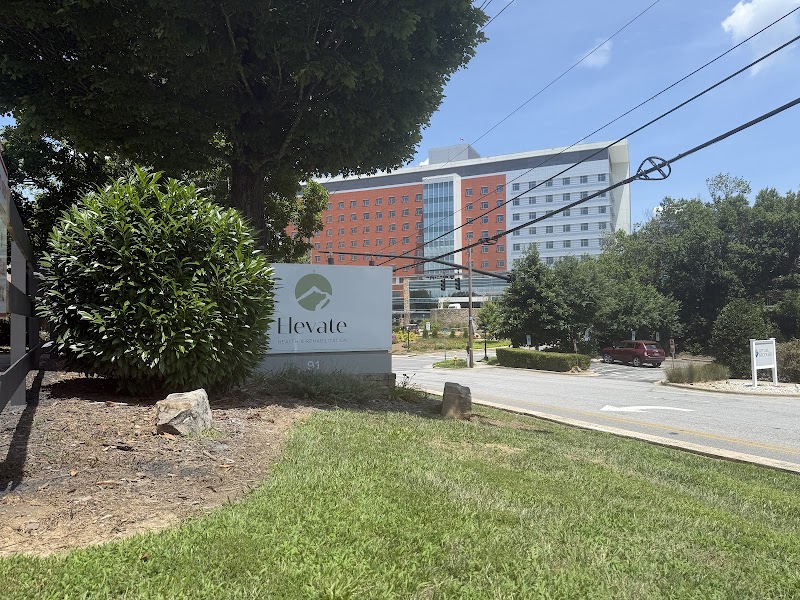
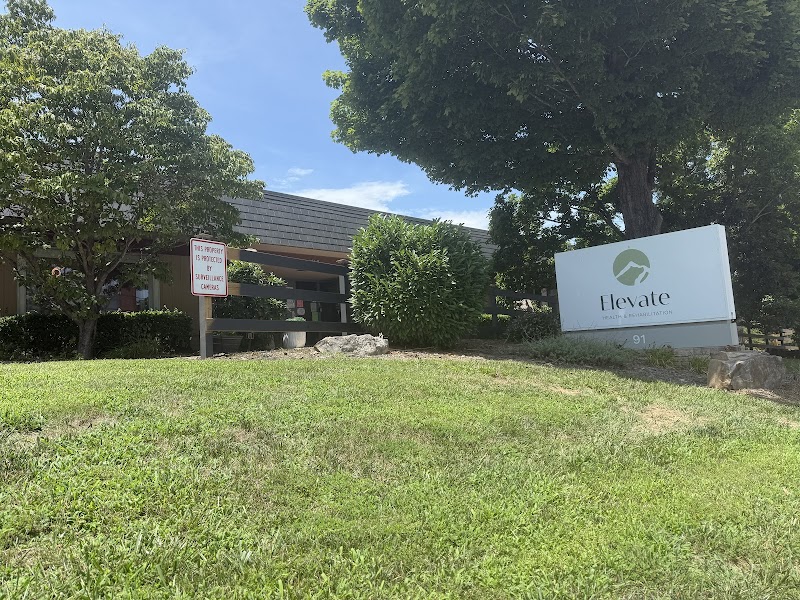
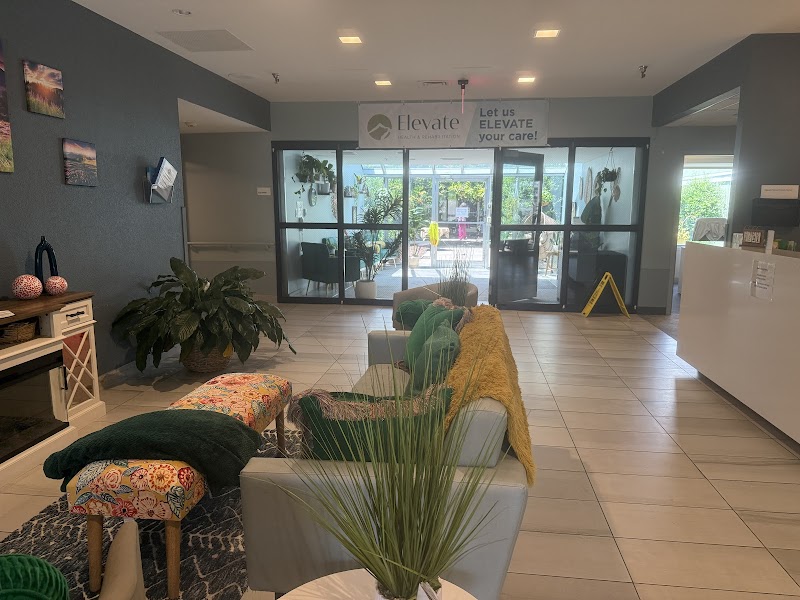
Elevate Health and Rehabilitation

91 Victoria Road, Asheville, NC 28801 (828) 255-0076
For profit - Limited Liability company 120 Beds ASCENT HEALTHCARE MANAGEMENT Data: November 2025 6 Immediate Jeopardy citations
Trust Grade
0/100
#336 of 417 in NC
Last Inspection: September 2025

Inspected within the last 6 months. Data reflects current conditions.

Overview

Elevate Health and Rehabilitation has received a Trust Grade of F, indicating significant concerns about its care quality. It ranks #336 out of 417 nursing homes in North Carolina, placing it in the bottom half of facilities statewide, and #16 out of 19 in Buncombe County, meaning there are only a couple of local options that are better. The facility is showing an improving trend, reducing its issues from 13 in 2024 to 3 in 2025, but staffing remains a concern with a rating of 2 out of 5 stars and a high turnover rate of 78%, far exceeding the state average. Although RN coverage is average, there have been critical incidents, such as a resident missing necessary medication for seizures, which resulted in a seizure, and failures to follow up on critical medical procedures, creating serious risks to resident health. Overall, while there are some signs of improvement, families should be aware of the facility's serious issues and high fines totaling $202,215, which are higher than 93% of North Carolina facilities.

Trust Score
F
0/100
In North Carolina
#336/417
Bottom 20%
Safety Record
High Risk
Review needed
Inspections
Getting Better
13 → 3 violations
Staff Stability
⚠ Watch
78% turnover. Very high, 30 points above average. Constant new faces learning your loved one's needs.
Penalties
✓ Good
$202,215 in fines. Lower than most North Carolina facilities. Relatively clean record.
Skilled Nurses
⚠ Watch
Each resident gets only 27 minutes of Registered Nurse (RN) attention daily — below average for North Carolina. Fewer RN minutes means fewer trained eyes watching for problems.
Violations
⚠ Watch
29 deficiencies on record. Higher than average. Multiple issues found across inspections.
★☆☆☆☆
1.0
Overall Rating
★★☆☆☆
2.0
Staff Levels
★★☆☆☆
2.0
Care Quality
★☆☆☆☆
1.0
Inspection Score
Stable
2024: 13 issues
2025: 3 issues

The Good

  • Full Sprinkler Coverage · Fire safety systems throughout facility
  • No fines on record

Facility shows strength in fire safety.

The Bad

1-Star Overall Rating

Below North Carolina average (2.8)

Significant quality concerns identified by CMS

Staff Turnover: 78%

32pts above North Carolina avg (46%)

Frequent staff changes - ask about care continuity

Federal Fines: $202,215

Well above median ($33,413)

Significant penalties indicating serious issues

Chain: ASCENT HEALTHCARE MANAGEMENT

Part of a multi-facility chain

Ask about local staffing decisions and management

Staff turnover is very high (78%)

30 points above North Carolina average of 48%

The Ugly 29 deficiencies on record

6 life-threatening
Sept 2025 3 deficiencies 1 IJ
CRITICAL (J) 📢 Someone Reported This

A family member, employee, or ombudsman was alarmed enough to file a formal complaint

Immediate Jeopardy (IJ) - the most serious Medicare violation

Deficiency F0760 (Tag F0760)

Someone could have died · This affected 1 resident

**NOTE- TERMS IN BRACKETS HAVE BEEN EDITED TO PROTECT CONFIDENTIALITY** Based on record review, observations, and interviews with family, staff, Nurse Practitioner (NP), and Medical Director, the faci...

Read full inspector narrative →
**NOTE- TERMS IN BRACKETS HAVE BEEN EDITED TO PROTECT CONFIDENTIALITY** Based on record review, observations, and interviews with family, staff, Nurse Practitioner (NP), and Medical Director, the facility failed to prevent significant medication errors when required seizure medication (lacosamide) was not administered during the timeframe of 1/10/25 to 1/14/25 as a result of the medication not being available from the pharmacy. Resident #98 was ordered lacosamide twice daily. The medication supply was depleted and it was not administered as ordered on 1/10/25, 1/11/25, and the morning dose on 1/12/25. On the afternoon of 1/12/25 the lacosamide order was put on hold for two days for the documented reason of hold until pharmacy arrival. On the morning of 1/14/25 an additional hold order was entered into the medical record for the time period of one day with no documented reason noted on the order. That same morning (1/14/25) Resident #98 experienced a seizure at the facility. She was administered intramuscular (IM) Ativan (medication used to treat seizures) with no effect. The resident continued to seize. Emergency Medical Services (EMS) were contacted for transfer to the hospital. Resident #98 was given 5 milligrams of versed (sedative medication) by EMS enroute to the hospital with no change in the resident's condition. At the hospital, Resident #98 was admitted to the intensive care unit (ICU), required intubation (a medical procedure where a tube is inserted into the airway to support breathing), and she remained in the hospital until 2/4/25. This deficient practice affected 1 of 2 residents reviewed for significant medication error. Findings included:Resident #98 was admitted to the facility on [DATE]. Her diagnoses included epilepsy (seizure disorder) and nontraumatic intracerebral hemorrhage (brain bleed). The quarterly Minimum Data Set (MDS) assessment dated [DATE] indicated Resident #98 had severe cognitive impairment. The MDS documented that she had a seizure disorder diagnosis and received anticonvulsant medication. The medical record indicated Resident #98 had a seizure on 11/4/24. Resident #98 was transferred to the hospital and was hospitalized from [DATE] until 11/19/24. Resident #98 was readmitted to the facility on [DATE] after her hospitalization. On 12/20/24 a progress note by NP #2 indicated Resident #98 was sent to the hospital for an acute change in condition with significant hypoxia and unresponsiveness. A hospital Discharge summary dated [DATE] indicated Resident #98 was hospitalized from [DATE] until 1/4/25 when she was discharged back to the facility. She was hospitalized for acute respiratory failure and presumed aspiration pneumonia. The hospital discharge summary included the following orders for seizure medications:- lacosamide 10 milligrams (mg)/ milliliter (ml), 20 ml twice daily for seizure. The instructions stated, pick up at [facility pharmacy] pharmacy. The instructions did not indicate a 5-day supply was ordered.- levetiracetam (seizure medication) 100 mg/ml, 15 ml twice daily for seizure-divalproex sodium (seizure medication) 125 mg delayed release capsule, 8 capsules twice daily for seizure A progress note dated 1/4/25 indicated Resident #98 returned to the facility from the hospital. Resident #98's active care plan as of 1/4/25 included an area initiated on 4/19/23 that indicated she was at risk for seizure activity related to a diagnosis and history of seizure disorder. The care plan goal included to be free from seizure activity. The care plan interventions included administering medications as ordered. Resident #98's physician orders for January 2025 included the following orders related to seizure medications:- On 1/6/25 an order dated 11/19/24 was discontinued and re-entered for lacosamide 10 milligrams (mg)/ milliliter (ml), give 20 ml by mouth two times a day for seizures. There were no changes to the order when it was re-entered.- On 1/6/25 an order dated 11/19/24 was discontinued and re-entered for levetiracetam 100 mg/ml, give 15 ml by mouth two times a day for seizures. There were no changes to the order when it was re-entered. - On 1/6/25 an order dated 11/19/24 was discontinued and re-entered for divalproex sodium delayed release sprinkle 125 mg capsule, give 8 capsules by mouth two times a day for seizures. There were no changes to the order when it was re-entered. A controlled substance medication count page for lacosamide indicated the last dose of lacosamide was signed out on 1/9/25 at 8:18 PM by Nurse #4. Resident #98's January 2025 Medication Administration Record (MAR) indicated levetiracetam and divalproex sodium were administered as ordered. Lacosamide was documented as last administered at 8:00 AM on 1/10/25 by Nurse #1. An interview was conducted with Nurse #1 on 8/26/25 at 2:45 PM. Nurse #1 reported she really could not remember with any certainty, but thought she had given Resident #98 the last dose of her lacosamide on the morning of 1/10/25 since she had documented it on the MAR. The January 2025 MAR indicated lacosamide was documented as not administered on 1/10/25 at 8:00 PM by Nurse #2. The coding for non-administration on the MAR was documented as other/ see nurse note. A MAR progress note dated 1/11/25 at 3:38 AM by Nurse #2 regarding lacosamide read, waiting on pharmacy clarification.A phone interview was conducted with Nurse #2 on 8/27/25 at 4:19 PM. Nurse #2 said she had worked at the facility for three-four months and had left sometime around the end of January. Nurse #2 stated she did not specifically remember in January 2025 when Resident #98's lacosamide ran out. She said she did not recall the medication or not having the medication but said she remembered there were issues sometimes with receiving medications from pharmacy and it was not uncommon for the facility to not have a medication that was ordered for a resident. She reported if she coded the non-administration reason as other for Resident #98's lacosamide it was most likely an issue with not having the medication from pharmacy. Nurse #2 stated all she could say was that if a medication was put on hold it was because they did not have the medication. Nurse #2 said she had been told by the facility that if medication was not available then she had to contact the provider to get an order to hold the medication. Nurse #2 explained the standard practice for what she did if a medication was not available. She explained she started by calling the pharmacy first. She said if it was a controlled medication the pharmacy would usually have a certain number of times, they could refill the medication before needing a new prescription. Nurse #2 stated if there were refills left on a prescription the pharmacy would send the medication on the next pharmacy delivery to the facility. She reported if the pharmacy needed a new prescription to refill a medication, then the next step would be to call the provider, and the provider would give an order to hold the medication or go ahead and send a new prescription to the pharmacy for them to send the medication. Nurse #2 said the pharmacy would deliver medications if a medication was not available in the facility's back medication supply system. She indicated it could take a couple of hours to receive the delivery. Nurse #2 stated she could not say she remembered calling anyone about Resident #98's lacosamide in January 2025 because it had been several months ago. The January 2025 MAR indicated lacosamide was documented as not administered on 1/11/25 at 8:00 AM by Medication Aide #1. The coding for non-administration on the MAR was documented as hold/ see nurse note.There was not a corresponding MAR progress note present in the medical record. A phone interview was conducted with Medication Aide #1 on 8/28/25 at 3:13 PM. Medication Aide #1 said it had been a while since she had worked at the facility but reported she remembered Resident #98 and was aware of her seizure history. Medication Aide #1 knew lacosamide was a medication used for seizures. She remembered in January not having Resident #98's lacosamide because she had been waiting for it to be delivered from pharmacy. She did not recall the exact date in January but said she had let a nurse know Resident #98 was out of lacosamide. She stated she thought it was Nurse #3 she had let know. Medication Aide #1 reported the nurse told her Resident #98's lacosamide had been ordered from pharmacy. The January 2025 MAR indicated lacosamide was documented as not administered on 1/11/25 at 8:00 PM by Medication Aide #2. The coding for non-administration on the MAR was documented as other/ see nurse noteA MAR progress note dated 1/11/25 at 10:54 PM by Medication Aide #2 regarding lacosamide read, on order.Medication Aide #2 was unavailable for interview. The January 2025 MAR indicated lacosamide was documented as not administered on 1/12/25 at 8:00 AM by Nurse #1. The coding for non-administration on the MAR was documented as other/ see nurse noteA MAR progress note dated 1/12/25 at 10:47 AM by Nurse #1 regarding lacosamide read, awaiting pharmacy arrival.On 1/12/25 at 3:24 PM Nurse #1 entered an order from Medical Director #1 to hold Resident #98's lacosamide for 2 days. Under reason for hold the order read, hold until pharmacy arrival. On 1/14/25 at 10:12 AM Nurse #1 entered an additional order from Medical Director #1 to hold Resident #98's lacosamide for 1 day. There was not a reason listed for the hold. The January 2024 MAR from indicated Resident #98's lacosamide was on hold from 1/12/25 at 8:00 PM through 1/14/25. An interview was conducted on 8/26/25 at 2:45 PM with Nurse #1. She stated she recalled in January 2025 when Resident #98's lacosamide ran out. Nurse #1 said she did not vividly remember speaking to Medical Director #1 about Resident #98's lacosamide or obtaining the order to hold it but said she would not have entered a hold order without talking to a provider. She explained that a nurse had to get an order from a provider to hold a medication. Nurse #1 reported she thought she had called the pharmacy about the lacosamide but could not remember exactly.A phone interview was conducted with Nurse #3 on 8/29/25 at 11:00 AM. She recalled Nurse #1 had typically worked on Resident #98's hallway in January. She explained Nurse #1 was the nurse who would have been responsible for notifying the provider that Resident #98 was out of her lacosamide and needed a new prescription sent to pharmacy because she was the assigned nurse for the hall. Nurse #3 thought she recalled Nurse #1 saying she had notified the Nurse Practitioner (NP) about needing a new prescription for lacosamide. Nurse #3 reported there was not a consistent way during that time of how to notify a provider of things and that sometimes text messages were sent to providers instead of calling. Nurse #3 indicated she thought there had been some sort of miscommunication with the provider and the lacosamide did not get ordered. She said, that tended to happen a lot there [at the facility]. Nurse #3 explained it was not uncommon for a resident to run out of controlled medication because there had not been consistency and follow up during that time with prescriptions and the pharmacy.A progress note dated 1/14/25 at 10:43 AM by Nurse #1 indicated a Nursing Assistant (NA) found Resident #98 in her room convulsing. The resident was assessed and her oxygen level was 83 (normal range is 95-100% on room air) on 2 liters via nasal cannula and her heart rate was 130 (normal range is 60- 100). Medical Director #1 was called to the room. Ativan 2 mg was given IM. After 10 minutes of continuance of convulsions, Medical Director #1 ordered the resident to be sent out for further evaluation. An additional progress note dated 1/14/25 at 10:51 AM by Nurse #1 indicated Emergency Medical Services (EMS) were in facility at that time. An interview was conducted on 8/26/25 at 2:45 PM with Nurse #1. She recalled the morning of 1/14/25 and said Medical Director #1 had been at the facility. Nurse #1 reported she had notified Medical Director #1 on the morning of 1/14/25 that Resident #98 was out of her lacosamide and needed a new prescription sent to the pharmacy to refill the medication. Nurse #1 remembered not long after she asked for the new prescription for lacosamide Resident #98 started having a seizure. She recalled around 10:30 AM on 1/14/25 a staff member came and got her because they were concerned Resident #98 was having a seizure. She could not recall who the staff member was. Nurse #1 reported when she went to Resident #98's room, she was still alert but her entire body was shaking. Nurse #1 explained the staff member stayed with Resident #98 and she immediately went and got Medical Director #1 to come to the resident's room. She remembered Medical Director #1 gave orders to try to treat the seizure at the facility, but it was not effective. Nurse #1 stated after about 10 minutes Medical Director #1 ordered Resident #98 to be transferred to the hospital and EMS was called. A progress note dated 1/14/25 at 10:21 AM completed by Medical Director #1 indicated Resident #98 was found to have a seizure that day (1/14/25). It was unknown how long the resident was seizing prior to staff finding her, but staff were aware for about 7 minutes. IM Ativan was given with no effect. Upon searching the building, staff could not locate any more Ativan, and there was no diazepam (seizure medication), phenytoin (seizure medication) or any other seizure medication available that could be given. For this reason, EMS was called. The resident's oxygen saturation remained stable on supplemental oxygen throughout the process. The resident normally took lacosamide and divalproex sodium, however staff reported the lacosamide ran out a few days ago. Under assessment/ plan the note indicated epilepsy, unspecified, intractable, with status epilepticus (a medical emergency characterized by prolonged or recurrent seizures that do not stop on their own). The resident was noted to be treated with Ativan IM without effect, there were no more treatment options available, and the resident was at risk of becoming unstable so she was being transferred to the emergency room (ER). The note said a new prescription for lacosamide was given today to facilitate refill when the resident returned to the facility. An interview was conducted with Family Member #1 on 8/27/25 at 10:00 AM. Family Member #1 remembered when Resident #98 had the seizure in January and went to the hospital. He said he noticed Resident #98 had not been getting her seizure medication at the facility for several days before she had the seizure. Family Member #1 stated he had recognized Resident #98's seizure medication was not in the medication cup when the nurses had brought in her medications. He stated he asked a nurse about her seizure medication and was told it had been ordered. Family Member #1 did not remember the nurse's name. An EMS report dated 1/14/24 indicated a call was received from the facility at 10:37 AM and EMS arrived on scene at 10:47 AM. Under primary impression it stated, seizures with status epilepticus. The report said facility staff stated the patient has been seizing for 45 min and for 15 minutes prior to calling 911. They administered 2 mg of Ativan with no changes. Staff also stated the patient has not received her lacosamide in several days. The EMS report said 5 mg of versed was administered with patient response unchanged. The EMS report documented they departed from the facility at 11:00 AM.A hospital intensive care unit (ICU) history and physical note dated 1/14/25 stated Resident #98 was brought to the ER with altered mental status with concerns for ongoing seizure activity. She had persistent tonic (sudden intense muscle stiffening) clonic (rhythmic, convulsive jerking) activity despite 5 mg of IM versed given by EMS. The note stated she had acute on chronic respiratory failure secondary to seizure. An addendum to the note stated indicated the resident had known seizure disorder, chronic obstructive pulmonary disease with chronic respiratory failure (lung disease), prior intracranial hemorrhage presenting with uncontrolled seizures requiring airway protection. It was noted to be unclear if she had been getting all her recommended seizure medications at the facility. A hospital Discharge summary dated [DATE] listed diagnoses of acute hypoxic respiratory failure (sudden condition when the body cannot get enough oxygen into the blood due to a problem with the lungs), chronic respiratory failure (long term condition were the lungs cannot get enough oxygen into the blood or remove enough carbon dioxide), shock (life threatening medical condition when the body's organs and tissues do not receive enough blood and oxygen), urinary tract infection (UTI), and seizure disorder. The discharge summary indicated she was admitted to the ICU and required intubation for airway protection in the setting of secretion intolerance/ aspiration (inhalation of foreign material into the lungs). The discharge summary said Resident #98's home medication regimen included levetiracetam, lacosamide, and valproic acid. It was reported after a pharmacy review that Resident #98 had not been getting the lacosamide at her facility for unclear reasons. The discharge summary stated the UTI may have also triggered breakthrough seizures. The note said she had completed treatment for UTI and possible aspiration. Resident #98 was discharged back to the facility on 2/4/25. On 8/28/25 at 9:02 AM a phone interview was conducted with Medical Director #1. He reported he was the facility's former Medical Director and had left his position at the facility sometime around the end of January 2025. Medical Director #1 stated it was recognized on 1/14/25 when Resident #98 was sent out to the hospital that she had not been receiving her lacosamide and was out of the medication. He reported that the nurse who worked on the medication cart was responsible for notifying the provider when a new prescription was needed (controlled drugs require a new prescription from the provider when refill limits were reached). Medical Director #1 recalled he signed a new prescription for Resident #98's lacosamide the morning of 1/14/25 and then not long after that she had a seizure. He recalled during the morning on 1/14/25 Resident #98 had a seizure and the nurse came and got him. He reported when he went to Resident #98's room that she was having a seizure and was not responsive. He said Resident #98's seizure was treated with 2 mg of IM Ativan and it was not effective. He explained Resident #98 continued to seize and that was why he sent her out to the hospital. Medical Director #1 remembered Resident #98 had been intubated during her hospitalization to protect her airway. He explained intubation was done when someone had altered mental status or decreased alertness and was not able to keep stuff out of their airway. Medical Director #1 reported Resident #98 being out of lacosamide was recognized as a problem and brought to his attention the same day she was sent to the hospital. He said he had not been aware before 1/14/25. Medical Director #1 said he did not remember giving the order to hold Resident #98's lacosamide. He said it may have been another provider and defaulted to his name on the order because he was the Medical Director. He stated he could not speak to the hold order. Medical Director #1 said it was a tough question for how many doses of seizure medication he would be comfortable with someone with a seizure history like Resident #98 missing. He reported his ultimate preference would be for her not to miss any doses of seizure medication but that he thought missing a couple of doses would not be consequential. He explained a couple of doses would be 1 or 2 doses. He stated Resident #98 had seizures even when she got her seizure medication so he would not like for her to miss any doses. He did not recall exactly when her last seizure was prior to 1/14/25, but said he recalled she had a prior seizure that required hospitalization. Medical Director #1 explained Resident #98 had a higher risk for seizure than the average person. He explained the resident had a lower seizure threshold and required the 3 different seizure medications. Medical Director #1 stated seizure medications raised someone's threshold for seizures (the point when someone is likely to have a seizure). He indicated not getting a seizure medication and/or the presence of an infection could lower someone's seizure threshold and that when the seizure threshold was lowered someone was more likely to have a seizure. He stated Resident #98 not receiving her lacosamide was one factor among several that could have contributed to what happened on 1/14/25. Medical Director #1 said, should she have received them [the medication lacosamide], yes. Did it make things worse that she did not get it? Probably, but I cannot say anything would have been different 100% if she had received the lacosamide. A phone interview was conducted on 8/26/25 at 2:24 PM with Pharmacist #1. Pharmacist #1 said a prescription was received on 1/4/25 for a 5-day supply of lacosamide for Resident #98. She explained no other prescription was received until 1/14/25 when Medical Director #1 sent a prescription to the pharmacy for the lacosamide. Pharmacist #1 reviewed documentation and said she did not see a request from the facility for the lacosamide to be refilled before 1/14/25. Pharmacist #1 said the facility had to contact the pharmacy when a medication needed to be refilled. She explained a lacosamide prescription could have up to 5 refills per legal requirements and after that, a new prescription was needed from the provider. She said it was the facility's responsibility to keep up with medications and when they need to be refilled. She reported the facility was supposed to request a refill of a medication when they were down to a 3- or 4-day supply of a resident's medication. Pharmacist #1 explained the half-life (how long it takes for half of the medication to leave the body) of lacosamide was 13 hours. Pharmacist #1 said missing 9 doses of lacosamide would absolutely increase the risk of someone having a seizure. She stated that how much of a risk would depend on the patient's seizure history. Pharmacist #1 said someone would not have a prescription for lacosamide along with other seizure medications if there was not a concern about seizures. She reviewed Resident #98's medication record and reported Resident #98 also took divalproex sodium and levetiracetam for seizures. Pharmacist #1 stated she would say lacosamide was pretty important for Resident #98 for preventing seizures. Pharmacist #1 explained she would consider Resident #98's missed doses of lacosamide to be significant since she had a seizure, and it sent her to the hospital. Pharmacist #1 further explained if someone was taking three medications for seizures, they would be at a higher risk and more prone to seizures to need three medications to control them. Pharmacist #1 said if the facility had someone on those seizure medications, they should be aware and be managing those medications and when they need to be refilled or reordered in the case that there are no more refills. She reported that the facility did not have lacosamide in their back up medication system. She further reported that the pharmacy was available 24 hours per day. She explained the pharmacy had contracts with local pharmacy's and that if the facility let them know they needed a medication they had carrier delivery available 24 hours a day that would be able to deliver the medication. A phone interview was conducted on 8/29/25 at 2:12 PM with Pharmacist #2. He explained the facility's electronic computer system and pharmacy system were connected. He further explained that the facility could reorder medications through the electronic computer system. Pharmacist #2 said if a controlled medication was reordered and there were no prescription refills left for the medication, the pharmacy would send a fax to the facility. He explained there were two separate faxes the pharmacy sends. One fax stated there were no refills left for the medication prescription and the second fax was a preprinted prescription for the medication for the provider to sign. He stated both faxes were sent to the facility. Pharmacist #2 reviewed documentation and said he did not see any request by the facility for the medication to be refilled before 1/11/25. He stated the facility had requested Resident #98's lacosamide to be refilled through the facility's electronic computer system on 1/11/25. Pharmacist #2 explained there were no refills left on the lacosamide and that the pharmacy had sent a fax to the facility on 1/11/25. He reported there were no other requests through the facility's electronic computer system to refill the medication. A phone interview was conducted with NP #1 on 9/2/25 at 11:39 AM. NP #1 reported she no longer worked at the facility but recalled Resident #98. NP #1 remembered Resident #98 went to the hospital in January and that she was on seizure medications. NP #1 stated the nurses were supposed to let providers know when a prescription was needed for a controlled medication refill. NP #1 said she imagined that the nurses would have let her know a new prescription was needed for Resident #98's lacosamide, but that she did not remember the week of 1/14/25 specifically or what happened. NP #1 reported the nurses were usually pretty good about telling her when there was only a day or two left of a medication and a new prescription was needed. NP #1 reported Resident #98's prescription may have been missed somehow but that she did not remember that specifically as an incident. A phone interview was conducted on 8/27/25 at 1:29 PM with Medical Director #2. He explained he was the interim Medical Director after Medical Director #1 left in January. He did not remember the exact date Medical Director #1 had left the facility. Medical Director #2 reported he was familiar with Resident #98 and had reviewed the case involving the incident from January with her missed doses of lacosamide and hospitalization. He reported he was not surprised to be getting a phone call about the case. Medical Director #2 remembered Resident #98 had been out of her lacosamide for a few days and he said that it was a little unusual. He said the pharmacy could take a little time to send medications sometimes, but he recalled her (Resident #98's) lacosamide was held for 4 days and said that was outside of the norm and unusual. Medical Director #2 reported Resident #98 had a pretty good seizure disorder and that one or two missed doses of the lacosamide or it being held for one or two doses would be acceptable. He said missing more than one or two doses would not be acceptable because it would increase the risk of Resident #98 having a breakthrough seizure. Medical Director #2 stated holding her seizure medication for that long was longer than he would have held it for and was a little beyond his comfort level. Medical Director #2 stated it was a significant event when Resident #98 seized. He reported there were other things that could cause someone to have a seizure and explained that a UTI could increase the risk but that it was hard to miss the omission of the medication. Medical Director #2 reported he thought the lack of medication likely contributed to Resident #98's seizures. A phone interview was conducted on 8/28/25 at 12:36 PM with Medical Director #3. He explained he was the facility's current Medical Director and started in March. Medical Director #3 reported he was aware of the history that had occurred involving Resident #98 and her lacosamide. He said he thought the missed lacosamide doses were a mistake and that it was an issue. Medical Director #3 explained Resident #98's seizure disorder was complicated, and it would be hard to say a particular number of missed doses exactly that would lead to a seizure because she had seizures even on her medications. He was unable to recall the date of Resident #98's last seizure prior to 1/14/25. Medical Director #3 said Resident #98's infection likely contributed to her having a seizure and that he felt the seizure had been more severe because of the complications the resident had. Medical Director #3 stated he thought the missed doses of lacosamide may have contributed to her possibly having a seizure but that she was on other seizure medications. He agreed Resident #98's nine (9) missed doses of lacosamide would lower her seizure thresh hold making her more likely to have a seizure. He said he did not think Resident #98 not getting her lacosamide was alright by any means. An interview was conducted with the Administrator, the Administrator in Training (AIT), and the Director of Nursing (DON) on 08/28/2025 at 4:30 PM. The DON stated she had not been the DON in January. The Administrator primarily spoke during the interview. The Administrator reported Resident #98 had been hospitalized and returned to the facility on 1/4/25. She could not recall the reason for that hospitalization. She explained she believed the hospital had given a prescription for a 3-day supply of lacosamide. The Administrator said the pharmacy did not have a prescription to refill the lacosamide, but the nursing department had thought the pharmacy had the prescription. The Administrator stated the nurse, she said she did not know which one specifically, had called the pharmacy about the medication and had been told the medication would arrive. The Administrator stated when the medication did not arrive the nurse notified the physician and got an order to hold the medication until it came from the pharmacy. She reported during the hold process of the medication; she thought it was Nurse #1 who had called the pharmacy to check on the medication and had been told it was coming. The Administrator explained that on the morning of 1/14/25, Resident #98's lacosamide was not available and Medical Director #1 was in the building so Nurse #1 had gone to him about the lacosamide, and Medical Director #1 sent a prescription to the pharmacy that morning. The Administrator reported then later that same morning Resident #98 had a seizure. She stated Medical Director #1 was in the building at the time and had gone to see Resident #98. She reported that the Medical Director had tried to do things at the facility to stop the seizure, but it was not effective, and Resident #98 was sent out to the hospital by EMS. The Administrator explained the assigned nurse was responsible for contacting the provider for a prescription when needed and that the nurse should have gotten the prescription. She said when the medication did not arrive from pharmacy the nurse should have escalated that by letting the DON or management know the medication had not come. The Administrator reported it should have been identified in the morning clinical meeting by the DON, Unit Manager, or Staff Development Coordinator that typically attended the morning clinical meeting that Resident #98's lacosamide was not available. The Administrator said she thought it had been mentioned in the clinical morning meeting about the lacosamide not being there, but it was assumed that since there was a hold order obtained from the physician the physician was aware, and the medication was in the process of being delivered. The Administrator said at the time, nursing was not following processes. The Administrator indicated nurses were to contact the pharmacy before a medication ran out and were to notify the provider a new prescription was needed before a medication ran out. She said there was not good oversight by the former DON and there had not been thorough clinical meetings at the time. She explained that was why changes in management were made and why corporate management had been in the building to make changes. The Administrator said lacosamide was not an available medication in the facility's back up medication system. She stated the nurse should have been persistent in obtaining the controlled prescription for the lacosamide and said it was their duty as a nurse to obtain it. The Administrator said Resident #98's missed doses of lacosamide was a significant medication error. The Administrator was notified of immediate jeopardy on 8/27/25 at 5:40 PM. The facility provided the following Corrective Action Plan with a correction date of 1/22/25: 1. How will corrective action be accomplished f
CONCERN (D)

Potential for Harm - no one hurt, but risky conditions existed

Respiratory Care (Tag F0695)

Could have caused harm · This affected 1 resident

**NOTE- TERMS IN BRACKETS HAVE BEEN EDITED TO PROTECT CONFIDENTIALITY** The facility failed to remove a petroleum-based lotion from a resident's room that received oxygen which posed a significant fir...

Read full inspector narrative →
**NOTE- TERMS IN BRACKETS HAVE BEEN EDITED TO PROTECT CONFIDENTIALITY** The facility failed to remove a petroleum-based lotion from a resident's room that received oxygen which posed a significant fire hazard for 1 of 1 resident reviewed for respiratory care (Resident #20).Findings includedResident #20 was admitted to the facility on [DATE] with diagnoses that included congestive heart failure and chronic respiratory failure.Resident #20 had a physician's order dated 8/4/25 for oxygen via nasal cannula at 2 liters per minute continuously. Resident #20 was care planned on 8/4/25 for requiring the use of oxygen via a nasal cannula at 2 liters per minute continuously. Interventions include assisting the resident with elevating head of bed to facilitate comfort and breathing, encouraging rest periods throughout the day, and provide oxygen via nasal cannula as ordered. A review of Resident #20's significant change Minimum Data Set (MDS) assessment dated [DATE] coded her as cognitively intact and received oxygen during the 7-day look back.On 8/25/25 at 10:35 AM an in-room observation of Resident #20's room found a container of petroleum-based lotion on Resident #20's overbed table. Resident #20 was observed laying in her bed with the head of the bed elevated. The resident was not wearing a nasal cannula; the cannula was hanging from the railing of her bed. Resident #20 stated she had taken off her cannula a few minutes prior and was going to put it back on. The oxygen concentrator was observed to be on and delivering oxygen at 2 liters per minute to the nasal cannula into the environment. The surveyor asked Resident #20 who had given her the petroleum-based lotion, and she stated her husband brought it to her the previous Friday (8/22/25) and she had previously used it on her arms for dry skin and had not used any the current day. Furthermore, Resident #20 stated she had not been told she could not use petroleum-based lotion by the facility, and she had never used it on her lips or around her face. The American Lung Association website Oxygen Safety Guidelines stated, Avoid flammable creams and lotions such as vapor rubs, petroleum jelly or oil-based hand lotion. Use water-based products instead.Resident #20's assigned Nurse #1 was interviewed on 8/25/25 at 10:45 AM. Nurse #1 stated Resident #20 did receive oxygen and should not use petroleum-based lotion while the oxygen concentrator was delivering oxygen through her nasal cannula due to the risk of fire. The nurse removed the petroleum-based lotion from Resident #20's room and stated she was not aware the resident had the lotion. Nurse #1 stated she had been in Resident #20's room earlier that day and had not seen the petroleum-based lotion on the overbed table. The Director of Nursing (DON) stated on 8/28/25 at 10:09 AM Resident #20 should not have had a petroleum-based lotion for use in her room because the resident received oxygen. The DON stated the use of petroleum-based lotion was dangerous to use around her nose when receiving oxygen. The DON went on to say she had checked Resident #20's room earlier in the day and had overlooked the petroleum-based lotion.
CONCERN (E)

Potential for Harm - no one hurt, but risky conditions existed

Food Safety (Tag F0812)

Could have caused harm · This affected multiple residents

Based on observations and staff interviews, the facility failed to date, label and store staff food in a nourishment room refrigerator (100-hall). The facility also failed to date an opened container ...

Read full inspector narrative →
Based on observations and staff interviews, the facility failed to date, label and store staff food in a nourishment room refrigerator (100-hall). The facility also failed to date an opened container of applesauce and store in a refrigerator (200-hall). This was for 2 of 2 nourishment rooms observed and had the potential to affect food served to residents in the facility. Findings includedOn 8/28/25 at 9:45 AM an observation was conducted in the 100-hall nourishment room with the Dietary Manager. The 100-hall nourishment room refrigerator contained 2 personal sized food storage containers located in the door of the refrigerator. The food containers were not labeled or dated with an use by date. The Dietary Manager immediately removed the food containers and stated the food containers belonged to staff and should not have been stored in the nourishment room refrigerator, but in the employee breakroom. The Dietary Manager stated she had checked the refrigerator earlier that morning and the containers were not present then. On 8/28/25 at 9:54 AM the 200-hall nourishment room was observed with the Dietary Manager. The snack cupboard was found to contain an open applesauce container with approximately 25% of the contents missing. The Dietary Manager immediately removed and disposed of the opened container. The Dietary Manager stated the applesauce should have been stored in the refrigerator once opened and the applesauce was used by nurses to administer medications to residents. The Dietary Manager stated she had checked the nourishment room earlier that morning and did not see the opened applesauce container. The Administrator stated on 8/28/25 at 4:15 PM the food containers should have been dated and labeled and stored in the staff refrigerator. She stated applesauce should have been dated and refrigerated once opened.
Aug 2024 11 deficiencies 3 IJ (2 affecting multiple)
CRITICAL (J) 📢 Someone Reported This

A family member, employee, or ombudsman was alarmed enough to file a formal complaint

Immediate Jeopardy (IJ) - the most serious Medicare violation

Quality of Care (Tag F0684)

Someone could have died · This affected 1 resident

**NOTE- TERMS IN BRACKETS HAVE BEEN EDITED TO PROTECT CONFIDENTIALITY** Based on observations, record review, and staff, Nurse Practitioner, Medical Director, and Podiatrist interviews the facility fa...

Read full inspector narrative →
**NOTE- TERMS IN BRACKETS HAVE BEEN EDITED TO PROTECT CONFIDENTIALITY** Based on observations, record review, and staff, Nurse Practitioner, Medical Director, and Podiatrist interviews the facility failed to apply the ordered dressing for a resident (Resident #31) with diabetic foot ulcers when the Treatment Nurse Aide (NA) applied a Coban 2 two-layer compression system (a two layer system: a Comfort Foam Layer (Layer 1) and a Compression Layer (Layer 2) that provides therapeutic compression) to Resident #31's feet instead of using regular Coban (a self-adherent wrap). Resident #31 experienced the toes on his right foot turning purple after the right foot dressing was applied by the Treatment NA and dusky gray skin discoloration under the left foot dressing when the dressing was removed. Had the dressing been left in place, there was a high likelihood for blood circulation problems, vessel blockage or development of new wounds. In addition, the facility failed to perform wound assessments for Resident #31 who had diabetic foot ulcers and failed to obtain treatment orders for a new wound that had been found to Resident #31's right heel one week and three days prior. This deficient practice occurred for 1 of 1 resident reviewed for diabetic foot ulcers (Resident #31). Immediate jeopardy began on 7/24/24 when the Treatment NA applied Coban 2 two-layer compression system onto Resident #31's left and right feet instead of regular Coban during his diabetic foot ulcer dressing change. Immediate jeopardy was removed on 7/26/24 when the facility implemented a credible allegation of immediate jeopardy removal. The facility remains out of compliance at a lower scope and severity level of D (no actual harm with potential for more than minimal harm that is not immediate jeopardy) to ensure education and monitoring systems put into place are effective and to address the deficient practices in examples 1.b. and 1.c. The findings included: 1.a. Review of the package instruction inserts for Coban 2 two-layer compression system read in part: Coban 2 Compression system is not designed or intended for use except as indicated. Indications for use: Coban 2 Compression System is indicated for the management of venous leg ulcers, lymphedema and other clinical conditions where compression is appropriate. General considerations and warnings: 1. Coban 2 Compression System should be used under the supervision of a licensed health care professional, 2. Wrapping too tightly may impair circulation. Monitor the area of application frequently for signs of discoloration, pain, numbness, tingling or other changes in sensation and swelling. 3. At the discretion of the health care professional patients or their care providers can be trained to apply the bandage for subsequent applications. Directions for use: Apply the Compression System in a dorsiflexed position (foot at 90-degree angle). Layer 1: the inner comfort layer: Apply this layer with the foam side against the skin, using just enough tension to conform to the shape of the leg with minimal overlap. 1. Start the application with a circular winding at the base of the toes, beginning at the fifth metatarsal head (bone in the foot that connects to the base of the toes). 2. The second circle of winding should come across the top of the foot so that the middle of the bandage width approximately covers the articulating (location where two or more bones meet and join) aspect of the ankle joint. 3. Bring the next winding low, around the back of the heel leaving the plantar aspect (bottom of the heel) of the heel uncovered. Covering the plantar heel is not needed and extra winding over the ankle may make the completed application unnecessarily thick. 4. The layer may not conform completely over the Achilles tendon (tendon at the back of the leg that joins the muscles in the calf to the bone of the heel) area. The excess material will be smoothed down without discomfort when covered by the compression layer. 5. Proceed up to the knee with minimal overlap, using just enough tension to conform to the shape of the leg. Cut off excess material. Light pressure applied at the end of the bandage ensures that it stays in place during application of the compression layer. Layer 2: the outer compression layer. The compression layer is designed to be applied at full stretch throughout the application. 1. Start the application with a circular winding at the base of the toes, beginning at the fifth metatarsal head. 2. Complete up to three figures of eight around the ankle ensuring the entire heel is covered with at least two layers. 3. Proceed up the leg with 50 % overlap to cover the entire inner comfort layer. Maintain consistent stretch throughout the bandaging process. 4. Following the application press lightly on the entire surface of the application to guarantee optimal conformability and to ensure that the bandage adheres to itself and to the inner comfort layer. Resident #31 was readmitted to the facility on [DATE] with diagnoses that included non-pressure chronic ulcer of left heel and midfoot and diabetes mellites type 2. Resident #31's hospital Discharge summary dated [DATE] revealed he had diagnoses of bilateral diabetic foot ulcers and peripheral arterial disease (PAD). The discharge summary revealed he had a chronic diabetic ulcer to his right forefoot and a new ulcer to his left lateral heel that required surgical intervention during his hospital stay. The quarterly Minimum Data Set (MDS) assessment dated [DATE] revealed Resident #31 had moderate cognitive impairment. He was coded for being at risk for development of pressure ulcers. Resident #31 was also coded on the MDS for surgical wounds and surgical wound care. He had no behaviors or rejection of care documented. Resident #31 had a surgical wound care plan last revised on 6/21/24 for right lateral foot converted on 6/8/24 from diabetic ulcer to surgical wound post right foot incision and drainage. He also had a surgical wound care plan for left calcaneal (heel bone) and diabetic ulcer converted to surgical 6/15/24 post debridement and partial closure. The care plan goals included that the wounds would improve by next review and would not become infected. The care plan interventions included treatments as ordered. The podiatry office visit note dated 7/2/24 revealed he had a wound located to his right forefoot overlying the 4th metatarsal and a non-pressure chronic ulcer of the left heel and midfoot. Under instructions the note read: Right foot primary dressing: Aquacel silver (Ag) (an absorbent wound dressing with silver. The silver has antimicrobial properties), Secondary dressing 4x4 gauze, Kerlix (a gauze wrap dressing), and Coban (a self-adherent wrap). Left foot ulcer primary dressing: Medi Honey (wound treatment used to decrease bacteria in the wound bed), Aquacel Ag, secondary dressing 4x4 gauze, Kerlix, and Coban. Change dressings Monday, Wednesday, Friday and as needed for drainage. Resident #31's care plan last reviewed on 7/8/24 revealed he had a skin care plan for potential for impaired skin integrity related to decreased mobility, bladder/bowel incontinence and need for extensive assistance with bed mobility. The care plan goal was for Resident #31 to not develop further breakdown through the next review. The care plan interventions included: to conduct weekly head to toe skin assessments, document and report abnormal findings to the physician. The podiatry office visit note dated 7/22/24 stated Resident #31 was being seen for follow up of a wound, located on the right lateral dorsal (top) foot and left medial plantar (bottom of the foot) heel. Under the section of the note labeled: skin right foot and ankle the note read ulcer, NEW blister on the medial heel. Right foot and heel primary dressing: Aquacel silver (Ag), Secondary dressing 4x4 gauze, Kerlix, and Coban. Left foot primary dressing: Medi Honey, Aquacel Ag, secondary dressing 4x4 gauze, Kerlix, and Coban. Change dressings Monday, Wednesday, Friday and as needed for drainage. A review of Resident #31's active physician orders and Treatment Administration Record (TAR) for July 2024 revealed that Resident #31 had the following wound care orders: - An order dated 7/10/24 that read: Left foot apply Medi Honey, Aquacel, 4x4, kerlix and Coban every day shift every Monday, Wednesday, Friday for wound care - An order dated 7/10/24 that read: Right foot apply, Aquacel silver (Ag), 4x4, kerlix and Coban. every day shift every Monday, Wednesday, Friday for wound care. A continuous wound care observation and interview was conducted on 7/24/24 from 1:35 PM to 2:22 PM when the Treatment NA completed wound care for Resident # 31. The Treatment NA gathered the wound care supplies from the treatment cart that included: 4x4 gauze, wound cleanser, Kerlix, Medi Honey, and a box labeled Coban 2 two- layer compression system (provides high compression through a 2-layer compression bandage system, it is used in the treatment of conditions such as venous leg ulcers and lymphedema). The Treatment NA removed Resident #31's left foot dressing. An ulcer was visible to the lateral left heel with areas of thick dark tissue along the edge, sutures were present along the edge, the center of the wound had areas of granulation (new) tissue and mild slough (by-product of the inflammatory phase of wound healing) The Treatment NA sprayed wound cleanser on to a layer of 4x4 gauze and cleaned the left heel wound. She then applied Medi Honey to a layer of 4x4 gauze and applied it directly against the wound. The Treatment NA used kerlix to wrap the left foot from midfoot to approximately 3 inches above the ankle. The Treatment NA opened the box labeled Coban 2 two- layer compression system and removed the two wraps from inside the box. She proceeded to wrap Resident #31's left foot using the foam layer from the 2-layer compression system box. She started the wrap at the left mid foot and wrapped it upward and around the ankle in a figure 8 pattern. The wrap extended approximately 3 inches above the ankle. She then overlapped the foam layer by wrapping it back down from the ankle to midfoot. The Treatment NA wrapped the foam layer around the mid foot 3 times, cut the wrap using scissors, and smoothed it to self-adhere at the top of the midfoot. The wrap was applied with Resident #31's left foot in the dropped position. The Treatment NA opened the outer compression layer wrap from the Coban 2 two- layer compression system. Starting at the left mid foot she wrapped the outer layer compression wrap over the foam layer in an upward motion to approximately 3 inches above the ankle and then back down to the midfoot. She cut the outer layer compression layer wrap with scissors and smoothed the wrap to self-adhere on the top of the mid foot. The Treatment NA removed the dressing from the right foot. The Treatment NA sprayed wound cleanser on to a layer of 4x4 gauze and cleaned the right lateral forefoot wound. The wound was surgically closed with sutures. She applied Medi Honey to a layer of 4x4 gauze and applied it directly against the wound. The Treatment NA used kerlix to wrap the right foot from mid foot toward the toes and then back upward to mid foot and back to the toes four times. The Treatment NA used the foam layer and wrapped the right foot starting at mid foot and down toward the toes then back up to mid foot 4 times until the remainder of the foam layer wrap was used. She smoothed the edge of the foam layer to self-adhere at the mid foot. She applied it with wrap to his right foot with the foot in the dropped position. The Treatment NA then used the remainder of the compression layer wrap and wrapped Resident #31's right foot starting midfoot and down toward the toes and then back up to the mid foot three times. The wrap stopped at the top of the toe line and his toes were visible sticking out of the wrap. An observation at 2:12 PM of Resident #31's right foot revealed all his toes were a dark purple color. The color of his left foot and toes was a normal fair ivory skin tone. The Treatment NA did not check the snugness of the wraps or the circulation to Resident #31's left or right foot after the wraps were applied. The Treatment NA reapplied the off-loading boots to Resident #31's left and right foot. Adjusted his blankets and went to exit his room. At 7/24/24 at 2:17 PM the Treatment NA was stopped by the surveyor and asked if Resident #31's toes on his right foot were normally a purple color. The Treatment NA went back to Resident #31's bedside to check his toes. His toes continued to be a purple color. The Treatment NA stated that Resident #31's toes were not normally purple and that the dressing was too tight. The Treatment NA completely removed the outer layer compression wrap and the foam layer wrap from the right foot (the two wrap layers were adhered together). Once the 2-layer wrap was removed from the right foot, Resident #31's toes turned normal skin color and the purple discoloration resolved. The Treatment NA smoothed the wrap and then reapplied it with visible looseness around Resident #31's right foot. The color to the left foot and toes continued to remain normal skin color. An interview was conducted with the Treatment NA on 7/24/24 at 2:24 PM. The Treatment NA explained she had used the box labeled Coban 2 two-layer compression system for Resident #31's wound care because the order had said to use Coban. The Treatment NA stated that she had not previously used the box labeled Coban 2 two-layer compression system for Resident #31's wound care. She explained she had first seen the Coban 2 two-layer compression system box on the treatment cart a couple of days ago. The Treatment NA stated she thought it had been ordered for Resident #31 because it said Coban on the box. The Treatment NA said she had previously used the individual packaged flexible cohesive bandage when doing Resident #31's wound care. The Treatment NA explained that when she had seen the new box labeled Coban 2 two-layer compression system on the treatment cart she had thought that was what she was supposed to use because the box said Coban on it and the packaging for the flexible cohesive bandage she had been using did not say Coban on it. She stated that she had used both wraps that had been in the Coban 2 two-layer compression system box because she thought the two wraps together was what Coban was. The Treatment NA confirmed that Coban was what had been ordered for Resident #31's wound care and not the two-layer compression wrap system she had applied. The Treatment NA stated she had not applied the Aquacel that was part of his treatment orders, because the facility had been out of Aquacel for two weeks. The Treatment NA stated she had told UM #1 that the Aquacel had been out. On 7/26/24 at 10:15 AM a follow up interview was conducted with the Treatment NA. She stated that after performing Resident #31's wound care on 7/24/24 she went to the Assistant Director of Nursing (ADON) and told the ADON she had put the wrong wrap on when performing Resident #31's wound care to his feet. She stated she told the ADON she had applied the box labeled Coban 2 two-layer compression system instead of regular Coban. The Treatment NA stated she told the ADON that she had applied both wraps from the Coban 2 two-layer compression system box and did not think she had applied the correct wrap. The Treatment NA said she told the ADON she needed more information and clarification because she did not understand Resident #31's wound care orders and had done the dressing wrong. The Treatment NA stated she asked the ADON to check the dressings she had applied to Resident #31's feet to make sure the dressings were correct because she had applied the two-layer wrap instead of the regular Coban. The Treatment NA stated she had also talked to Nurse #4 and asked her to check the dressings she had applied to Resident #31's feet and asked her to assess his feet. The Treatment NA stated that she told Nurse #4 about Resident #31's right foot toes turning blue when she had applied the dressing to his right foot. The Treatment NA said she had received education on generic equivalent for brand name wound care products. She stated that she did not realize there was a generic for Aquacel. An interview was conducted with the ADON on 7/25/24 at 3:52 PM. The ADON stated that the Treatment NA had self-reported after doing Resident #31's wound that she had done his dressings wrong. She stated that the Treatment NA had said she had messed up the entire dressings to Resident #31's feet and done it wrong. The ADON said she did not go and check the dressings on Resident #31's feet. The ADON stated she asked Nurse #4 to check Resident #31's dressings. The ADON explained Nurse #4 said the dressings to Resident #31's feet were put on correctly and looked fine and that was why she did not go look at it herself. The ADON said that on 7/24/24 Nurse #4 had assessed Resident #31 and checked his circulation and said it looked fine and the dressings on his feet were appropriate. A telephone interview was conducted with Nurse #4 on 7/25/24 at 4:01 PM. Nurse #4 stated the Treatment NA was anxious about the dressings she had applied on Resident #31's feet and had asked her to assess the situation. Nurse #4 said she had looked at the bandages applied to his left and right feet and was able to insert her middle finger up under the dressing and that the dressings were not tight. Nurse #4 stated she checked Resident #31's circulation in his feet and it was good. Nurse #4 stated she did not see any purple discoloration to his toes or skin. She said she did not have any concerns about the dressings on his feet or she would have redone them. Nurse #4 confirmed that Resident #31 had a 2-layer wrap in place to his left and right feet. Nurse #4 said she could see a foam layer and then an outer layer when she assessed the dressings to Resident #31's feet. Nurse #4 said that she could not remember exactly what Resident #31's wound care orders were but that the order included Kerlix and then Coban for the finishing dressing. Nurse #4 stated that she had not checked Resident #31's orders before she had gone to assess and check his dressings. Nurse #4 stated an upper management lady had asked her to check the dressings, but she could not remember specifically who. She stated that the Treatment NA had also asked her to check Resident #31's dressings to his feet because she was worried about his profusion (blood flow to tissue) and had said she had done the dressing wrong. A telephone interview was conducted with the Podiatrist on 7/24/24 at 5:31 PM. The Podiatrist said Resident #31 did not have sensation or feeling in his feet but that his toes turning purple on his right foot would mean the dressing was too tight. She stated that if the dressing to his right foot had been left in place it could have caused issues. She explained the issues that could be caused were circulatory/ occlusion issues with a tourniquet effect. It could cause irritation and could cause new wounds to develop if it was too tight. The Podiatrist said she had not ordered compression wraps for Resident #31. She said compression wraps were for patients with venous ulcers or who had a lot of swelling, and that Resident #31 did not have any of that and compression wraps were not appropriate for him. An observation and interview were completed on 7/25/24 at 8:56 AM with Unit Manager (UM) #2 when she went to assess the dressings on Resident #31's feet. Resident #31 was lying in bed with his offloading boots on both feet. The same dressings were in place to Resident #31's feet that had been applied by the Treatment NA on 7/24/24. Resident #31's toes to his right foot were normal skin color. UM #2 removed the dressing from his right foot, there was no skin discoloration under the dressing. The wounds to his right foot had not changed in appearance from the prior observation on 7/24/24. Resident #31's left foot from the end of the dressing at his mid foot to his toes was a normal color. UM #2 removed the dressing from his left foot. Resident #31's skin that had been covered by the dressing had a noticeable color difference. His skin under where the dressing had been removed was a dusky light gray, you could see a prominent outline of where the dressing had been from the discoloration. There was a small maroon/ purple area of discoloration approximately 0.5 x 0.5 cm (centimeters) located on the top of his left foot located approximately 2 inches below the ankle. UM #2 confirmed there was a discoloration of the skin under where the dressing had been to his left foot. UM #2 stated she was not sure what the small maroon/ purple area of discoloration was to the top of his foot. UM #2 touched the area, and it did not blanch, she said the area did not feel raised or fluid filled. The wound to Resident #31's left heel was visualized with no changes from the prior observation on 7/24/24. When UM #2 removed the dressings from Resident #31's feet she stated there was a foam layer and then an outer layer over the foam and said it was the type of dressing she had seen used for compression wraps. UM #2 said Resident #31's orders were just for Coban and that she did not know why the Treatment NA had applied the Coban two-layer compression instead of just the Coban. An observation and interview were conducted with the Nurse Practitioner (NP) on 7/25/24 at 12:50 PM. The NP said that if compression wraps were applied too tight in extreme cases it could cause blood flow impairment but more likely would cause skin irritation or breakdown. The NP said if compression wraps were not applied in accordance with manufacturer instruction/ direction it could cause worsening of wounds. She said if you used any product not as recommended or designed to be used it could cause issues. The NP removed the dressings from Resident #31's left and right feet. The skin color under the dressing to his left foot had normalized. The NP visualized the small area of purple discoloration to the top of Resident #31's left foot. The surrounding area of Resident #31's left foot was normal skin color. The NP said she was unsure what the area was. She said if Resident #31's foot was in the dropped position, she could feel that the area was over a boney prominence. The NP said she could not feel the boney prominence if the left foot was positioned in the flexed upward position. Resident #31 did not have sensation in his feet or complain of any pain when examined by the NP. The NP stated that the area could be a new area of irritation from his dressing or could possibly be a bruise from the area being bumped on something. She was unsure how he could have bumped into the area because he always wore foam padded offloading boots on both of his feet. The NP said that Resident #31 was not a reliable historian. A telephone interview was conducted on 7/26/24 at 3:05 PM with the Medical Director (MD). The MD stated he had been informed there had been an issue with wound care for Resident #31. He said if Resident #31's dressing was applied too tight and was left on for too long it could cause issues. He said if Resident #31's right foot dressing had been left in place until the next time it was scheduled to be changed two days later it could have caused issues. He said the issues it could cause depended on how tight the dressing was and if it was tight enough to block blood flow. He said if the dressing created light pressure it could cause swelling or back up of venous blood. He said if the dressing was extremely tight the dressing could cause lack of blood flow and that could cause necrotic areas to occur but said that could take a while to occur. He said a while depended on how much blood flow the area was getting that it could be hours or days. He said Resident #31's dusky gray skin discoloration that had been under the left foot dressing could have been from the dressing but that he was not sure. He said with Resident #31's left foot toes being normal color it did not sound like blood flow had been compromised. He said Resident #31's right foot toes turning purple meant the dressing to his right foot had been applied too tight. The MD stated the Treatment NA should have followed wound care orders and not placed the Coban 2 two-layer compression system on Resident #31. The MD stated it had been human error that the Treatment NA had not known difference. An interview was conducted with the Director of Nursing (DON) on 7/25/24 at 10:20 AM. The DON said the Coban that was part of Resident #31's order was to secure the dressing and was not for compression. She said the Treatment NA should have checked Resident #31's circulation and that the dressings to Resident #31's feet were not applied too tight. The DON stated the Treatment NA should have used what had been ordered for Resident #31's wound care dressings. She said the Treatment NA should not have used the Two-layer compression system and that she should have used regular Coban for his dressing change. The DON stated that if the dressing to Resident #31's right foot where his toes had turned purple had been left in place it could have caused an issue. The DON explained the dressing could have caused decreased circulation to his toes and that decreased blood flow could have caused more wounds and more problems for Resident #31. The DON said the dusky gray skin discoloration that had been present when the left foot dressing had been removed could be from it being applied too tight or from swelling. An interview was conducted on 7/25/24 at 5:45 pm with the Administrator. The Administrator stated that the Treatment NA should have followed the wound care orders for Resident #31. She said the Treatment NA should not have placed compression wraps on Resident #31 if it was not part of his orders. The Administrator said that if the Treatment NA had been unsure if she was using the correct thing then she should have asked the nurse. The Administrator stated that the Treatment NA should have checked Resident #31's circulation after applying the dressings to his feet before leaving his room. The Administrator was notified of the immediate jeopardy on 7/25/24 at 5:45 PM. The facility provided the following allegation of immediate jeopardy removal. Identify those residents who have suffered, or likely to suffer, a serious adverse outcome as a result of the noncompliance: The facility failed to follow physician's orders for Resident #31's diabetic ulcer to the right foot (aquacell silver, 4x4 gauze, kerlix and coban). Resident #31's diabetic ulcer of the left foot (medihoney, aquacell, 4x4 gauze, kerlix and coban). Because all residents with wounds are at risk when a physician's order is not followed and can cause worsening of the wound and other complications the following plan has been devised: On 7/25/2024, the licensed nurse unit manager immediately removed the incorrect dressing from Resident #31's right foot ulcer when notified by the surveyor that on 7/24/24 the incorrect dressing was applied. A registered nurse assessed the dressing on Resident #31's left foot ulcer on 7/24/24 to ensure it was not impeding circulation with no alteration in circulation noted. On 7/25/24, the licensed nurse applied the correct dressing per physician's order. On 7/25/24 the DON assessed Resident #31 for pain and completed a full skin assessment on resident there was no increase in pain or new skin alterations observed. On 7/25/24 the nurse practitioner assessed the resident and was notified of the incorrect wound dressing. No new orders were received at that time due to no harm or significant changes in wound status resulting from incorrect dressing. On 7/25/24 Resident #31's family was present in the facility and notified of incorrect treatment. On 7/25/24 the Director of Nursing (DON) and Assistant Director of Nursing (ADON) completed an audit of all current facility residents with all pressure and non-pressure wound care orders to ensure the correct physician ordered treatment was in place. All resident treatments and dressings were correct and matched the physician's order. The Regional Director of Clinical Reimbursement (RDCR) reviewed resident's care plans to ensure appropriate care plans were in place for all current facility residents with non-pressure and pressure wounds. The ADON removed the two-layer compression system from the treatment carts and supply room to ensure it would not be confused with coban. Specify the action the entity will take to alter the process or system failure to prevent a serious adverse outcome from occurring or recurring, and when the action will be complete: On 7/25/24, the Administrator, Director of Nursing (DON), [NAME] President of Operations (VPO), Regional Director of Clinical Services (RDCS), Unit Manager, Minimum Data Set (MDS) Nurse, and Medical Director conducted an Ad Hoc QAPI (Quality Assurance Performance Improvement) meeting to review the facility Wound Treatment Management Policy and to determine root cause of the deficient practice. By root cause analysis, the QAPI committee determined that the facility failed to follow the Wound Treatment Management Policy by failing to follow physician's order for wound care treatments due to basic human error related to the two-layer compression system bandage box being labeled Coban2 being applied instead of coban which was ordered (generic form labeled latex flexible cohesive bandage). A plan was formulated by the QAPI committee to address the identified issue to include a review of education, audit/monitoring needs, and QAPI committee responsibilities in reviewing for compliance. To address the root cause the facility implemented education on differentiating the two types of wraps and removed the Coban2 from the treatment carts and supply room. On 7/25/24, the DON and ADON completed education to current facility and agency Licensed Nurses on the facility Wound Treatment Management Policy and Medication Orders Policy. Education included the following: a) the facility's wound care protocol and the expectation of each Licensed Nurse for following physician's orders when administering wound care b) the 5 p's circulation acronym pain, pallor, pulse, paresthesia, and paralysis when observing resident's for circulatory compromise related to wound treatment dressing and role of Licensed Nurse c) how to differentiate two layer compression system from coban when administering wound treatments d) the risks of applying the incorrect dressing that could include worsening wounds, tourniquet effect, circulatory occlusion, infection, loss of limb. The current facility and agency Licensed Nurses and newly hired facility and agency licensed nurses not receiving education on 7/25/24 will not be allowed to work until completed. The DON will utilize an active employee list to track completion of education. This responsibility was communicated to the Director of Nursing by the RDCS on 7/25/24. Education will also be included during orientation for newly hired facility and agency Licensed Nurse, to be completed by Director of Nursing or Nurse Manager. Effective 7/25/24, the facility will not assign unlicensed assistive personnel (UAP) to provide wound treatments moving forward. UAP staff and licensed nursing staff notified of change in staffing assignments by DON and ADON on 7/25/24. Effective 7/25/24, the DON notified a licensed nurse who has received education that they will be assigned to administer wound care treatments on 7/26/24. The ADON or DON will ensure a licensed nurse is assigned to provide wound treatments moving forward. Effective 7/25/24, the Administrator and Director of Nursing will be responsible for ensuring implementation of this immediate jeopardy removal for this alleged noncompliance. Alleged Date of IJ Removal: 7/26/24 On 07/26/24, the facility's credible allegation for immediate jeopardy removal with correction date of 07/26/24 was validated on-site by record review, observation, and interviews with staff. Interviews with facility and agency licensed nurse interviews were conducted and revealed they[TRUNCATED]
CRITICAL (K) 📢 Someone Reported This

A family member, employee, or ombudsman was alarmed enough to file a formal complaint

Immediate Jeopardy (IJ) - the most serious Medicare violation

Notification of Changes (Tag F0580)

Someone could have died · This affected multiple residents

**NOTE- TERMS IN BRACKETS HAVE BEEN EDITED TO PROTECT CONFIDENTIALITY** 2. Resident #31 was readmitted to the facility on [DATE] with diagnoses that included non-pressure chronic ulcer of left heel an...

Read full inspector narrative →
**NOTE- TERMS IN BRACKETS HAVE BEEN EDITED TO PROTECT CONFIDENTIALITY** 2. Resident #31 was readmitted to the facility on [DATE] with diagnoses that included non-pressure chronic ulcer of left heel and midfoot and diabetes mellites type 2. Review of Resident #31's hospital Discharge summary dated [DATE] revealed he had diagnoses of bilateral diabetic foot ulcers and peripheral arterial disease (PAD). The discharge summary revealed he had a chronic diabetic ulcer to his right forefoot and a new ulcer to his left lateral heel that required surgical intervention during his hospital stay. Review of the podiatry office visit note dated 7/2/24 revealed he had a wound located to his right forefoot overlying the 4th metatarsal and a non-pressure chronic ulcer of the left heel and midfoot. The office note did not mention a wound to his right heel. Review of the podiatry office visit note dated 7/22/24 stated Resident #31 was being seen for follow up of a wound, located on the right lateral dorsal (top) foot and left medial plantar (bottom of the foot) heel. Under the section of the note labeled: skin right foot and ankle the note read ulcer, NEW blister on the medial heel. An observation and interview were conducted with the Treatment Nurse Aide (NA) on 7/24/24 at 1:35 PM. The Treatment NA was observed performing the wound care for Resident #31's bilateral foot wounds. The Treatment NA stated that the wound to Resident #31's right heel was a new wound. The Treatment NA explained she had found the right heel wound one week and three days ago while she had been performing the wound care for his other foot ulcers. The Treatment NA stated she had been putting iodine on it every day. She said there was not an order for the iodine to be applied to Resident #31's right heel, the Treatment NA stated the Iodine was an off the record thing. The Treatment NA stated she had told Unit Manager (UM) #1 about the new area to Resident #31's right heel and that UM #1 had told her to put iodine on it. The Treatment NA said she had not spoken to anyone else about the right heel wound. The Treatment NA explained she could not enter orders into the electronic computer system and that she just remembered she needed to put Iodine on it every day. An interview was conducted with UM #1 on 7/24/24 at 4:11 PM. UM #1 stated that she was not aware that Resident #31 had a new wound to his right heel. She said the Treatment NA had not come to her about the wound to Resident #31's right heel and that she had not told the Treatment NA to put Iodine on it. A review of the electronic medical record for Resident #31 revealed there was not a treatment order for the right heel wound. An interview was conducted with the Podiatrist on 7/24/24 at 5:31 PM. The Podiatrist stated that the wound to Resident #31's right heel was a new wound. She stated that she had seen the right heel wound during Resident #31's office visit on 7/22/24. The Podiatrist said the facility had not notified her about the new wound on the right heel. The Podiatrist stated that if the facility had notified her, she would have given treatment orders for the right heel. An interview was conducted with the Medical Director on 7/26/24 at 3:05 PM. He stated that he knew Resident #31 had wounds to both of his feet but could not remember specifically where they were located. The Medical Director reviewed his notes and could not find where he had been notified of the new wound to Resident #31's right heel. The Medical Director stated he expected the staff to notify the wound care provider of new wounds or that they could notify him if unable to reach the wound care provider, so new wound care orders could be given. An interview was conducted with the Director of Nursing (DON) on 7/26/24 at 4:34 PM. The DON stated that the Treatment NA should have notified the nurse when she found the new wound to Resident #31's right heel and that then the nurse should have notified the physician to get new wound care orders. The DON said there were no wound care orders for the right heel because the Treatment NA had not reported the wound. An interview was conducted with the Administrator on 7/26/24 at 5:23 PM. The Administrator stated that the Treatment NA should have notified the nurse when she found the wound to Resident #31's right heel and then the nurse should have notified the physician and obtained orders for wound care. The Administrator stated there was a breakdown in communication. Based on record reviews, staff, and Medical Director (MD) interviews, the facility failed to notify the physician of a Urologist appointment on 5/16/24 for Resident #53 that resulted in an order for a CT (computed tomography) scan for renal stones (small, hard deposit that forms in kidneys) and a follow-up appointment following the CT scan to determine treatment which included surgery for removal of renal stones and right ureteral (tubes composed of smooth muscle that transport urine from the kidneys to the urinary bladder) stent exchange (procedure that replaces an existing stent with a new one) not being completed. Resident #53 experienced and was treated for urinary tract infections (UTI) and on-going hematuria (blood in urine) while waiting to see the urologist. Resident #53's prolonged treatment for his renal stones made him susceptible to persistent kidney obstruction, which could cause permanent kidney damage and a higher risk for sepsis (bodies improper response to an infection). This deficient practice affected 2 of 3 residents reviewed for notification (Resident #53 and #31). Immediate jeopardy began on 5/16/24 when the facility failed to notify the physician of ordered treatment from the urologist following a urology appointment for Resident #53. Immediate jeopardy was removed on 7/27/24 when the facility implemented an acceptable credible allegations of immediate jeopardy removal. The facility remains out of compliance at a lower scope and severity of D no actual harm with potential for more than minimal harm that is not immediate jeopardy to ensure monitoring systems and staff education put into place are effective. Example #2 for Resident #31 was cited at a scope and severity of D. Findings included: 1. Review of Resident #53's hospital Discharge summary dated [DATE] revealed he had been hospitalized from [DATE] to 4/25/24 for obstructing ureteral stones with hydronephrosis (swelling of one or both kidneys due to urinary buildup), UTI, and sepsis. Diagnostics showed he had an obstructing right mid ureteral stone with upstream moderate hydronephrosis and several punctate (stone with sharp points) left ureteral stones. Urology was consulted during his hospitalization to provide intervention for his urinary obstruction. He was taken to the operating room on 4/19/24 by the urologist and a stent was placed in his right ureter. His discharge summary read in part, return to the facility today, follow-up with urology next 1-2 weeks, for needed surgery for treatment of renal stones and possible stent exchange. Resident #53 was readmitted to the facility on [DATE] with diagnoses including calculus (kidney stones) of kidney, UTIs, sepsis, and aphasia (language disorder affecting communication). Review of facility transportation schedule for May 2024 revealed Resident #53 had a scheduled urology appointment on 5/16/24 at 9:00 AM. There was no record of the 5/16/24 urology appointment or office notes from the appointment in Resident #53's electronic medical record. A telephone interview was conducted on 7/24/24 at 1:18 PM with the Urology Office Practice Manager. The practice manager revealed Resident #53 was seen at the urology office for a scheduled appointment on 5/16/24 accompanied by staff from the facility. After reviewing the office note from 5/16/24, the practice manager stated Resident #53 was seen for follow-up for renal stones and stent placement and recommended order for CT scan to determine treatment for renal stones and stent. She revealed Resident #53's order for the CT scan for renal stones was completed by the urology office during the visit, uploaded into the system, so it would be available for imaging when the CT appointment was made. The practice manager stated the facility was responsible for making sure the imaging appointment was made to complete the CT scan and then once the CT scan was completed a follow-up appointment would need to be made for treatment. She revealed this information was verbally discussed with Resident #53 and the facility staff that accompanied him to the visit and provided in writing as part of the office note given to the facility staff on that day. She stated the facility never followed through with making the appointment for the CT scan and the order from 5/16/24 was still in the system, and according to Resident #53's records no referrals or request for appointments had been made until last week on 7/18/24, when an appointment was requested for Resident #53's on-going hematuria and scheduled for 8/07/24. Review of urology office note dated 5/16/24 read in part: Resident #53 was accompanied to appointment by nursing assistant (NA) #11, ordered for CT scan of renal stones to be completed to determine size and quantity of renal stones and then follow-up appointment with urology for surgical treatment to remove renal stones and stent placement. The surveyor requested and received a copy of this office visit note dated 5/16/24 from urology office on 7/24/24. Review of Resident #53 medical progress notes from May 2024 through July 2024 revealed the following: A medical provider progress note dated 6/11/24 read in part: follow-up visit for urinary problems, Resident #53 was found to have blood in urine by staff, an order was provided for a urinalysis (UA) and complete blood count (CBC). Plan of treatment: monitor for further hematuria, UA pending, KUB (kidney, ureter, bladder) ordered and pending. An order entered by the Medical Director (MD) dated 6/11/24 read in part: one time UA with C&S (culture and sensitivity) for blood in urine and complaint of pelvic pain and one-time KUB for pelvic pain. Lab results showed Resident #53 had a UA, CBC, and CMP (complete metabolic panel) completed on 6/12/24. The urine C&S report dated 6/14/24 showed CBC and CMP were normal, UA showed 3+ blood, 2+ leukocytes, nitrite positive, and urine culture was negative with no growth and range within normal limits. KUB showed replacement of g-tube was needed due to cap malfunction. A medical provider progress note dated 6/14/24 read in part: follow-up visit: Resident #53 had recurrent hematuria, and last two cultures had no growth. Plan of treatment: follow up urine culture, start cefadroxil (antibiotic to treat bacterial infections) empirically (antibiotics are administered prior to the specific cause of the infection is known) considering hematuria, check CBC, referral to urology for recurrent hematuria. An order entered by the MD dated 6/14/24 read: order for urology consult. A progress note from the Nurse Practitioner (NP) dated 6/17/24 read in part: Resident #53's urine culture remains negative, plan to continue with antibiotics due to hematuria and urology appointment pending. A medical provider progress note dated 6/18/24 read in part: start antibiotic empirically considering hematuria and pyuria (high levels of white blood cells in urine), have to treat empirically with evidence of UTI but no growth, referral to urology for recurrent hematuria to evaluate for other possible causes as well A progress note from the NP dated 6/21/24 read in part: Resident #53 still has blood in his urine, currently on antibiotics for UTI although cultures were negative, urology appointment pending. A nursing progress note dated 6/25/24 read in part: staff noted Resident #53 crying ow when peri care performed, some redness noted to testicles and dark red/brown urine noted to briefs. Peri care was performed and cream to peri area applied. Staff will continue to notify the physician for continuation of Resident #53's symptoms while on antibiotics and will continue to monitor. A progress note from the NP dated 6/25/24 read in part: Staff reported dark urine in Resident #53's brief, he denies any pain, fever, or chills. He is more interactive today than typical, smiling, in no distress. Able to speak a few words. He has urology appt pending for hematuria. Recently completed antibiotic for suspected UTI. He denies issues today, history always difficult to obtain due to aphasia but he is more interactive today than usual and shakes his head no and says no when I ask about pain, fever or chills. Dark urine may be due to known hematuria, urology appt pending. Recently finished antibiotics for suspected UTI although cultures were negative. No signs of infection today, vitals stable, mood stable. A medical provider progress note dated 7/02/24 read in part: Resident #53 had recurrent hematuria, last two cultures had no growth though evidence of UTI present through inflammatory cells, started empiric antibiotics. Plan of treatment: treated with antibiotics empirically considering hematuria and pyuria, however hematuria persists, urology appointment previously requested and remains pending to evaluate for other possible causes as well such as bladder tumor. A progress note from the NP dated 7/10/24 read in part: continued blood in urine per staff, urology appointment pending for hematuria. A medical provider telehealth note dated 7/14/24 read in part: hematuria with foul odor. Orders received: Obtain CBC (rule out anemia), UA w/ CX (test for germs or bacteria in urine that can cause an infection) (rule out infection) STAT (with no delay) and notify a clinician of any change in condition. A progress note from the NP dated 7/15/24 read in part: Staff reported blood in urine with an odor, UA was ordered over the weekend by the on-call physician but had not been completed. Resident #53 reports pain from urinating, although it is difficult to get a full answer due to aphasia. Resident #53 nods 'yes' when asked if he had fever or chills, nods no to back pain or nausea. Plan of treatment: UA for odor and potential dysuria. Resident #53 has had blood in his urine for the last few weeks and is pending urology appt. Lab results showed Resident #53 had a UA completed on 7/16/24. The urine C&S report dated 7/18/24 showed no growth of organisms and levels within normal limits. An order was received from the NP on 7/18/24 for urology consult. An interview was conducted on 7/23/24 at 1:47 PM with the Medical Director (MD). The MD revealed he was familiar with Resident #53 and his on-going bladder issues. He stated Resident #53 was seen at the hospital in April 2024 for altered mental status and was diagnosed with a UTI and sepsis secondary to renal stones and required placement of a stent. He revealed Resident #53's hospital discharge recommendations were for him to follow-up with urology within 1-2 weeks for needed surgery as treatment for his renal stones and stent exchange. The MD stated to his knowledge there had not been a urology consult scheduled for Resident #53 at this time, although he had ordered and continued to note the need for a urology consult in his progress notes and asked surveyor if she could possibly make the appointment since one had not been made. He revealed Resident #53 had on-going hematuria with no positive UA and needs a urology appointment to determine further treatment. An interview was conducted on 7/25/24 at 11:07 AM with the Director of Nursing (DON). She stated she had started her employment as the DON at the facility on 5/28/24 but had previously worked at the facility as the DON for a year prior. She stated she was not employed with the facility during the time of Resident #53's hospitalization in April 2024 and was not aware of him being seen for a follow-up appointment with urology on 5/16/24 and she had not been made aware of any orders from that appointment for a CT scan of renal stones to be completed or a follow-up appointment for treatment needing to be made. She revealed the facility should have made sure the physician was aware of Resident #53's urology appointment on 5/16/24 and the outcomes from the appointment to ensure the CT scan and follow-up appointment had been completed in a timelier manner especially since Resident #53's on-going hematuria could have been from the renal stones and stent placement and all his UAs were normal. A follow up telephone interview was conducted on 7/25/24 at 2:48 PM with the MD. The MD stated he had no knowledge of Resident #53 being seen for a urology appointment on 5/16/24 and had never received any orders or office visit notes from that appointment for him to review. The MD asked how the Surveyor was made aware of the urology appointment the resident had on 5/16/24. The MD was informed the appointment was listed on the facility transportation schedule for May 2024 and the Surveyor contacted the urology office for information about the appointment and received the office visit notes. The Surveyor read MD the note from the urology office visit on 5/16/24 and notified him of the order for the CT scan and need for follow-up appointment to determine treatment. The MD stated again he had no knowledge of the 5/16/24 appointment and reported he should be made aware of all resident appointments so he can know to look for visit notes from the appointment to review for any changes in medications, diet orders, and recommended treatments. He revealed he had written in Resident #53's progress notes since May 2024 to present that he needed a urology consult and wrote a specific order for a urology consult in June 2024 and each time he asked administration or nursing staff about the urology consult he was always told they were in the process of making the appointment or the appointment was pending. He stated physician orders should be followed and completed in a timely manner and Resident #53 matter should have been taken seriously and handled before now due to the seriousness with his on-going hematuria with normal labs. The MD revealed he believed due to Resident #53 having normal labs that his on-going bleeding was coming from his renal stones, stent, or from something possibly worse like a bladder tumor. He also revealed Resident #53 often appeared comfortable, and although his pain level was hard to determine due to his aphasia, Resident #53's pain would come and go depending on if the stones were moving. When the MD was asked if he was aware of Resident #53 having a urology appointment scheduled for 8/07/24, he stated no he had not been made aware of that appointment until now. The Surveyor informed the MD of the appointment. An interview was conducted on 7/26/24 at 3:21 PM with the Administrator. The Administrator stated she began her employment with the facility in June 2024 and was not familiar with Resident #53's medical issues or his need for a scheduled consult appointment until now. She revealed the facility should have followed-up from Resident #53's May 2024 appointment and made sure all orders and recommendations were followed. She revealed the physician should be notified of all orders, recommendations, and follow-up appointments for residents, so they are followed by staff and completed in a timely manner. The facility was notified of immediate jeopardy on 7/26/24 at 6:56 PM. The facility provided the following plan for IJ removal. F580: Identify those residents who have suffered, or likely to suffer, a serious adverse outcome as a result of the noncompliance: The facility failed to notify the Medical Director of the appointment with the Urologist, order for CT scan, and follow-up appointment to schedule surgery for treatment. Resident #53 was seen by the Urologist on 5/16/24 and returned with orders for a CT scan for renal stones and a follow-up appointment to schedule surgery for treatment of the renal stones after the CT scan was completed. On 7/26/24, the Quality Assurance Process Improvement (QAPI) Committee (Administrator, Director of Nursing (DON), Regional Director of Clinical Services (RDCS), Social Worker (SW), [NAME] President of Operations (VPO), [NAME] President of Clinical and Quality (VPCQ), and Medical Director (MD) held an Ad Hoc meeting to discuss root cause analysis of the facilities failure to ensure the physician is informed of any resident outside medical appointments and provided with any orders or notes from those appointments to be reviewed for any changes in treatment, medications, diet, orders for labs or scans, and follow-up appointments that would need to be scheduled. Root cause analysis determined that the facility failed during clinical morning meeting on 5/17/24 to ensure we received documents from the urology appointment on 5/16/24 which indicated the need for a follow up appointment, CT scan, and an appointment to schedule surgery. The facility has updated the clinical morning meeting process, upcoming appointment schedule and provided education. Specify the action the entity will take to alter the process or system failure to prevent a serious adverse outcome from occurring or recurring, and when the action will be complete: On 7/26/24, the Regional Director of Clinical Services (RDCS) reviewed the current facility residents to ensure the Medical Director was made aware of upcoming appointments. Upcoming appointments for the next 30 days were placed on the electronic health record dashboard making them accessible to medical director and nurse practitioner. Effective 7/26/24, all current facility and agency licensed nurses and medical records clerk were in-serviced on facility policy on Notification of Change and new process as follows: When a resident is admitted to the facility, the discharge summary is to be reviewed by the admitting nurse to determine if any appointments need to be made after discharge. The licensed nurse will then enter the order for the referral or appointment into electronic health record. This is also to include readmissions and consultations. The licensed nurse will notify the medical director (MD) of the need for an order on the discharge summary, on admission/re-admissions or consultations. The licensed nurse will then place a copy of the order in the medical record box located at each nursing station. Medical records will check each box every morning before the morning meeting and bring the copy of the order for the appointment or consultation to the morning meeting for review. The order will then be verified and entered/updated into the electronic health record (HER) system. A copy of the order will then be given to the transporter by the medical record staff member for the appointment to be placed on the calendar. A copy of the order will then be placed into the MD box for notification. Appointments will be entered onto the EHR dashboard during the daily meeting for MD to review. All appointments will be reviewed daily during the clinical morning meeting for accuracy and follow-up. The previous day's appointments will be reviewed during the daily clinical meeting to make sure that any correspondence has been reviewed and followed up on. Newly hired facility and agency licensed nurses not receiving education by 7/26/24, will receive education prior to first worked shift by the Director of Nursing (DON), Assistant Director of Nursing (ADON), Unit Manager (UM), or Administrator. Effective 7/26/24, the daily schedule will be monitored to ensure education is completed prior to the first shift worked. Education will be completed by the DON, ADON, UM, or Administrator and monitoring of completion will be tracked by the active employee report. Effective 7/26/24, the Administrator and DON are ultimately responsible for the implementation and completion of this removal plan. Alleged Date of IJ Removal: 7/27/24 The credible allegation for the immediate jeopardy removal was validated on 08/01/24 with a removal date of 07/27/24. A review of in-service education records dated 07/26/24 indicated education was provided to the Medical Record Clerk and nurses including agency nurses on Notification of change and new process by DON. It was to ensure the Medical Director was informed of any residents outside medication appointments and provided with any orders or notes from those appointments to be reviewed for any changes in treatment, orders for labs or scans, and follow-up appointments that needed to be scheduled. Interviews with the Medical Record Clerk and the nursing staff including agency nurses revealed they had been educated on notifying the Medical Director of upcoming follow up appointment, labs or scans, and an appointment to schedule surgery. They were able to describe the new notification process and verbalized understanding of the in-service education. The audit completed by the Regional Director of Clinical Services on 07/26/24 was reviewed. The Medical Director was made aware of all residents' upcoming appointments. The facility's date of immediate jeopardy removal of 07/27/24 was validated.
CRITICAL (K) 📢 Someone Reported This

A family member, employee, or ombudsman was alarmed enough to file a formal complaint

Immediate Jeopardy (IJ) - the most serious Medicare violation

Incontinence Care (Tag F0690)

Someone could have died · This affected multiple residents

**NOTE- TERMS IN BRACKETS HAVE BEEN EDITED TO PROTECT CONFIDENTIALITY** Based on record review, and interviews with staff, Nurse Practitioner (NP), Medical Director, urology office staff, and the Urol...

Read full inspector narrative →
**NOTE- TERMS IN BRACKETS HAVE BEEN EDITED TO PROTECT CONFIDENTIALITY** Based on record review, and interviews with staff, Nurse Practitioner (NP), Medical Director, urology office staff, and the Urologist the facility failed to follow an order from a Urologist appointment on 5/16/24 for a CT (computed tomography) scan for ureteral stones and a follow-up appointment following the CT scan to determine treatment which included surgery for removal of ureteral stones and right ureteral stent exchange for Resident #53. Resident #53 was previously hospitalized for obstructing ureteral stones (kidney stones that get stuck in tubes composed of smooth muscle that transport the urine from the kidneys to the bladder) with hydronephrosis (swelling of one or both kidneys due to urine build up), urinary tract infection (UTI), and sepsis (a serious condition in which the body responds improperly to an infection). Resident #53 also had a stent (a small tube placed in the ureter that allows the urine to drain) placed for renal stone obstruction on 4/19/24 and returned to the facility on 4/25/24. The hospital discharge summary for Resident #53 specified a follow-up appointment for further assessment by Urology within 1-2 weeks for needed surgery to remove renal stones and possible stent exchange. Resident #53 was treated for UTIs and on-going hematuria (blood in urine) while waiting to see the urologist. Resident #53's prolonged treatment for his renal stones made him susceptible to persistent kidney obstruction, which could cause permanent kidney damage and a higher risk for sepsis. This deficient practice affected 1 of 3 residents reviewed for urinary catheter or urinary tract infection (Resident #53). Immediate jeopardy began on 5/16/24 when the facility failed to follow up with urology recommendations for Resident #53. Immediate jeopardy was removed on 7/27/24 when the facility implemented a credible allegation of immediate jeopardy removal. The facility remains out of compliance at a lower scope and severity level of E (no actual harm with potential for more than minimal harm that is not immediate jeopardy) to ensure education and monitoring systems put into place are effective. Findings included: 1. Review of revised care plan dated 2/06/24 revealed Resident #53 was at risk for urinary complication related to incontinence and complications would be avoided or minimized daily through next review. Interventions included Resident #53 was always incontinent, provide incontinence care on routine rounds and as needed, assess, document, and report any signs or symptoms of urinary tract infections (burning, bladder/flank pain, dysuria, fever, foul odor of urine, concentrated urine, change in mental status or unusual behavior) report abnormal findings to physician, evaluate skin with each episode and report any redness, skin breakdown, rash, pain, burning or odorous urine to nurse, and administer medications as ordered. Review of nursing noted dated 4/18/24 revealed Resident #53 was lethargic and had altered mental status. The NP was notified and gave the order to send the resident to the emergency room (ER) for evaluation. Review of Resident #53's hospital Discharge summary dated [DATE] revealed he had been hospitalized from [DATE] to 4/25/24 for obstructing ureteral stones with hydronephrosis, UTI, and sepsis. Diagnostics showed he had an obstructing right mid ureteral stone with upstream moderate hydronephrosis and several punctate (stone with sharp points) left ureteral stones. Urology was consulted during his hospitalization to provide intervention for his urinary obstruction. He was taken to the operating room on 4/19/24 by the urologist and a stent was placed in his right ureter. His discharge summary read in part, return to the facility today, follow-up with urology next 1-2 weeks, for needed surgery for treatment of renal stones and possible stent exchange. Resident #53 was readmitted to the facility on [DATE] with diagnoses including calculus (kidney stones) of kidney, urinary tract infection (UTI), sepsis, aphasia (language disorder affecting communication), hemiplegia and hemiparesis (paralysis) affecting right dominant side. Review of progress note from the NP dated 4/26/24 read in part: continue to monitor closely, will need to follow up with urology soon for renal stone management and stent change versus removal. Review of quarterly Minimum Date Set (MDS) dated [DATE] revealed Resident #53 was severely cognitively impaired and dependent on staff for his activities of daily living. Resident #53 was also assessed as always being incontinent of both bladder and bowel. Review of progress note from NP dated 5/06/24 read in part: continue to monitor Resident #53 closely and will need to follow up with urology soon for renal stone management and stent change versus removal. Review of facility transportation schedule for May 2024 revealed Resident #53 had a scheduled urology appointment on 5/16/24 at 9:00 AM. There was no record of the 5/16/24 urology appointment or office notes from the appointment in Resident #53's electronic medical record. A telephone interview was conducted on 7/24/24 at 1:18 PM with the Urology Office Practice Manager. The Practice Manager revealed Resident #53 was seen at the urology office for a scheduled appointment on 5/16/24 accompanied by staff from the facility. After reviewing the office note from 5/16/24, the Practice Manager stated Resident #53 was seen for follow-up for renal stones and stent placement and recommended order for CT scan to determine treatment for renal stones and stent. She revealed Resident #53's order for the CT scan for renal stones was completed by the urology office during the visit, uploaded into the system, so it would be available for imaging when the CT appointment was made. The Practice Manager stated the facility was responsible for making sure the imaging appointment was made to complete the CT scan and then once the CT scan was completed a follow-up appointment would need to be made for treatment. She revealed this information was verbally discussed with Resident #53 and the facility staff that accompanied him to the visit and provided in writing as part of the office note given to the facility staff on that day. She stated the facility never followed through with making the appointment for the CT scan and the order from 5/16/24 was still in the system, and according to Resident #53 records no referrals or request for appointments had been made until last week on 7/18/24, when an appointment was requested for Resident #53 on-going hematuria and scheduled for 8/07/24. Review of urology office note dated 5/16/24 read in part: Resident #53 was accompanied to appointment by facility nursing assistant (NA) (the name of the facility NA was provided in the note), ordered for CT scan of renal stones to be completed to determine size and quantity of renal stones and then follow-up appointment with urology for surgical treatment to remove renal stones and stent placement. Further Review of Resident #49's electronic medical record revealed: A medical provider progress note dated 6/11/24 that read in part: follow-up visit for urinary problems, Resident #53 was found to have blood in urine by staff, an order was provided for a urinalysis (UA) and complete blood count (CBC). Plan of treatment: monitor for further hematuria, UA pending, KUB (kidney, ureter, bladder) ordered and pending. An order entered by the Medical Director (MD) dated 6/11/24 read in part: one time UA with C&S for blood in urine and complaint of pelvic pain and one-time KUB for pelvic pain. Lab results showed Resident #53 had a UA, CBC, and CMP (complete metabolic panel) completed on 6/12/24. The urine C&S (culture and sensitivity) report dated 6/14/24 showed CBC and CMP were normal, UA showed 3+ blood, 2+ leukocytes (white blood cells), nitrite positive, and urine culture was negative with no growth and range within normal limits. KUB showed replacement of g-tube was needed due to cap malfunction. A medical provider progress note dated 6/14/24 that read in part: follow-up visit: Resident #53 had recurrent hematuria, and last two cultures had no growth. Plan of treatment: follow up urine culture, start cefadroxil (antibiotic to treat bacterial infections) empirically (antibiotics are administered prior to the specific cause of the infection is known) considering hematuria, check CBC, referral to urology for recurrent hematuria. An order entered by the MD dated 6/14/24 read: order for urology consult. A progress note from NP dated 6/17/24 read in part: Resident #53 urine culture remains negative, plan to continue with antibiotics due to hematuria and urology appointment pending. A medical provider progress note dated 6/18/24 read in part: start antibiotic empirically considering hematuria and pyuria (high levels of white blood cells or pus in urine), have to treat empirically with evidence of UTI but no growth, referral to urology for recurrent hematuria to evaluate for other possible causes as well. A progress note from NP dated 6/21/24 read in part: Resident #53 still has blood in his urine, currently on antibiotics for UTI although cultures were negative, urology appt pending. A nursing progress note dated 6/25/24 read in part: staff noted Resident #53 crying ow when peri care performed, some redness noted to testicles and dark red/brown urine noted to briefs. Peri care was performed and cream to peri area applied. Staff will continue to notify the physician for continuation of Resident #53's symptoms while on antibiotics and will continue to monitor. A progress note from NP dated 6/25/24 read in part: Staff reported dark urine in Resident #53's brief, he denies any pain, fever, or chills. He is more interactive today than typical, smiling, in no distress. Able to speak a few words. He has urology appt pending for hematuria. Recently completed antibiotic for suspected UTI. He denies issues today, history always difficult to obtain due to aphasia but he is more interactive today than usual and shakes his head no and says no when I ask about pain, fever or chills. Dark urine may be due to known hematuria, urology appt pending. Recently finished antibiotics for suspected UTI although cultures were negative. No signs of infection today, vitals stable, mood stable. A medical provider progress note dated 7/02/24 read in part: Resident #53 had recurrent hematuria, last two cultures had no growth though evidence of UTI present through inflammatory cells, started empiric antibiotics. Plan of treatment: treated with antibiotics empirically considering hematuria and pyuria, however hematuria persists, urology appointment previously requested and remains pending to evaluate for other possible causes as well such as bladder tumor. A progress note from NP dated 7/10/24 read in part: continued blood in urine per staff, urology appointment pending for hematuria. A medical provider telehealth note dated 7/14/24 read in part: hematuria with foul odor. Orders received: Obtain CBC (rule out anemia), UA w/ CX (test for germs or bacteria in urine that can cause an infection and rule out infection) STAT (without delay) and notify a clinician of any change in condition. A progress note from NP dated 7/15/24 read in part: Staff reported blood in urine with an odor, UA was ordered over the weekend by the on-call physician but had not been completed. Resident #53 reports pain from urinating, although it is difficult to get a full answer due to aphasia. Resident #53 nods 'yes' when asked if he had fever or chills, nods no to back pain or nausea. Plan of treatment: UA for odor and potential dysuria. Resident #53 has had blood in his urine for the last few weeks and is pending urology appt. During the interview conducted with the NP on 7/24/24 at 9:35 AM, she stated that she was made aware during her visit with Resident #53 on 7/15/24 the tests that had been ordered the previous evening by the on-call physician had not been completed. She revealed it was not uncommon for staff to receives orders from the on-call physician and wait before proceeding with those orders until the resident has been assessed by herself or the Medical Director especially if the test could cause the resident discomfort and the issue has been on-going. The NP stated Resident #53 had an on-going issue with blood in his urine and his previous labs had showed no UTIs, so she was fine with staff waiting until she could assess Resident #53 and there were no issues with the test being completed on 7/16/24. Lab results showed Resident #53 had a UA completed on 7/16/24. The urine C&S report dated 7/18/24 showed no growth of organisms and levels within normal limits. An order was received from NP on 7/18/24 for urology consult and was entered and stricken in Resident #53 medical chart on 7/19/24 by the Director of Nursing (DON). Resident #53 had a CT scan of the abdomen, pelvis, and renal stones completed on 7/30/24. The report dated 7/30/24 read in part: ureteral stent in good position, 13 millimeter (mm) stone in the right kidney inferior poles (lower region of kidney) and nonobstructive nephrolithiasis (kidney stones) in the left kidney with 2 punctate stones in the superior (upper region of kidney) and inferior poles. An interview was conducted on 7/23/24 at 1:47 PM with the Medical Director (MD). The MD revealed he was familiar with Resident #53 and his on-going bladder issues. He stated Resident #53 was seen at the hospital in April 2024 for altered mental status and was diagnosed with an UTI and sepsis secondary to renal stones and required placement of a stent. He revealed Resident #53 hospital discharge recommendations were for him to follow-up with urology within 1-2 weeks for needed surgery as treatment for his renal stones and stent exchange. The MD stated to his knowledge there had not been a urology consult scheduled for Resident #53 at this time, although he had continued to request for urology consult and asked surveyor if she could possibly make the appointment since one had not been made. He revealed Resident #53 had on-going hematuria with no positive UA and needed a urology appointment to determine further treatment. An interview was conducted on 7/24/24 at 9:35 AM with the NP. The NP revealed she had been employed at the facility since March 2024 and was familiar with Resident #53. She stated Resident #53 was sent out to the hospital on 4/18/24 for altered mental status and during his hospital stay was diagnosed with sepsis related to UTI secondary to renal stones that required placement of a stent on 4/19/24. She revealed Resident #53 was discharged from the hospital on 4/25/24 and the hospital discharge summary recommended for him to be seen within a week or two at the urology office for needed surgery to remove renal stones and stent exchange. The NP stated she saw Resident #53 at the facility for a follow-up visit from his hospital stay on 4/26/24 and noted in her progress note his need for an appointment to be scheduled with urology to address the treatment for his renal stones and stent placement. She revealed she had discussed the importance of Resident #53 being seen by urology with nursing staff on several different occasions although she could not recall the exact dates and whom she spoke with, and she also continued to note in her progress notes from April 2024 until present about Resident #53's need to be seen by urology for treatment of his renal stones, stent placement, and on-going hematuria. She stated since Resident #53 hospital admission he continued to have on-going bleeding and each time a urinalysis was ordered for possible UTI, the results would show no growth and range within normal limits, and he received antibiotics off and on to assist with the on-going hematuria. The NP revealed no knowledge of Resident #53 having any appointments made with urology or being seen by urology since his hospital stay. She stated she believed Resident #53 on-going hematuria was coming from the renal stones, stents, or possibly from some worse bladder issue but either way he needed to be seen by urology to determine further treatment. An interview was conducted on 7/24/24 at 10:40 AM with the Transport Scheduler. The Transport Scheduler stated she had been in the position as scheduler for resident appointments, transportation coordinator, and medical records since July 2024. She stated she had not received an order or referral for Resident #53 to be seen by the urologist until last week on 7/18/24. The Transportation Scheduler stated she contacted the urology office on 7/18/24 and scheduled an appointment for Resident #53 to be seen on 8/07/24. In discussing the referral process for scheduling resident appointments, the transport scheduler stated she receives an order in her box informing her if an appointment needs to be scheduled for a resident, she then contacts the provider and schedules the appointment, afterwards she places the resident name, appointment time, and name of provider under the date on the transportation calendar. She revealed if facility staff assisted residents with going to the appointment, then they were responsible for bringing back any notes from the appointment and giving them to nursing to review and a copy should also be given to medical records. She stated to her knowledge scheduled appointments were not documented in resident charts only on the transportation calendar until after the appointment is completed and notes or orders from that appointment are received and uploaded into the chart. An interview was conducted on 7/24/24 at 10:55 AM with Unit Manager (UM) #1. UM #1 revealed she had been in her position as Unit Manager since June 2024. She stated she recalled receiving an order for a urology referral for Resident #53 in June 2024 and would have taken it to the transportation scheduler but could not recall who was working as the transportation scheduler at that time. She revealed she was not aware if an appointment was scheduled at that time or not and had no knowledge of Resident #53 having any previous urology appointments. Unit Manager #1 stated she had never been made aware of Resident #53 having a history of renal stones or stent placement and assumed the urology order from June 2024 had been for his on-going bleeding and possible UTI. She revealed Resident #53 having a history of renal stones and stent placement made more sense as to why he continued to have on-going bleeding, pain on and off, and his UAs being negative for UTIs. Unit Manager #1 stated when nursing receives an order to schedule an appointment, that order is given to the transportation scheduler to schedule the appointment and once that appointment has been completed any notes from that appointment should be returned to nursing for review, placed inside book for physician review, and copy sent to medical records. She revealed nursing was not always notified of a resident's scheduled appointment or provided notes from appointment for follow-up. Unit Manager #1 stated now knowing of Resident #53 history of renal stones and stent, urology appointment should have been scheduled sooner especially since he had on-going bleeding with no signs of a UTI. A telephone interview was conducted on 7/24/24 at 11:16 AM with Nurse #10 who stated as of July 2024 he was only working at the facility on an as needed basis but had previously worked as a unit manager on the 200 hall and filled in as the transportation scheduler on an as needed basis during the month of June 2024. He stated he was vaguely familiar with Resident #53 due to him primarily working on the 200 hall and Resident #53 room was on the 100 hall. He also stated he had no knowledge of ever having received any orders regarding Resident #53. Nurse #10 revealed he had never received any orders pertaining to scheduling an appointment for Resident #53 to include during his time as the fill in scheduler and he would have remembered if he had ever received any orders to schedule an appointment for Resident #53 because he was not one of the residents he worked with on his hall so it would have stood out to him more if he had received an order for an appointment. An interview was conducted on 7/24/24 at 1:46 PM with Nursing Assistant (NA) #11 who was named in the urology office note dated 5/16/24 as the facility NA who accompanied Resident #53 to his urology appointment. She stated she had been employed as an NA with the facility and during that time had been required to accompany residents to their scheduled appointments. She revealed she was familiar with Resident #53 and recalled accompanying him to his urology appointment on 5/16/24. NA #11 stated if she remembered correctly Resident #53 appointment was close by and did not last long, and while there the doctor discussed a test that Resident #53 needed to have done prior to coming back and they provided her with paperwork to take back with her to the facility. She revealed upon her return from the appointment, she let the nurse over Resident #53 hall know he was back and provided them with the paperwork from the appointment. NA #11 stated she could not recall who the nurse was working Resident #53 hall on that day but knows she gave them the paperwork and they should have followed up. A follow-up interview was conducted on 7/24/24 at 2:15 PM with the NP. The NP was informed by surveyor of Resident #53 appointment with urology on 5/16/24 and the order for a CT scan to be completed and follow-up appointment to determine treatment. She stated she was not aware of Resident #53 ever being seen by urologist since his discharge from the hospital and had she been made aware she could have followed up with making sure his CT scan was ordered, and his follow-up appointment was made. The NP was also not aware of his urologist appointment scheduled for 8/07/24 and his need for a CT scan prior to that appointment and stated she would place an order to make sure the CT scan was obtained prior to his 8/07/24 appointment, urology office had already placed an order for the CT scan to be completed and had also informed the imaging office. A telephone interview was conducted on 7/24/24 at 4:11 PM with Nurse #11 who was scheduled as the nurse working Resident #53 hall on 5/16/24. Nurse #11 stated he primarily worked the 100 hall and was familiar with Resident #53. He revealed he was not aware Resident #53 had ever been seen by the urologist and did not recall ever being given paperwork for Resident #53 from a urology visit or orders for a CT scan to be completed. He stated typically when a resident returns from an appointment any paperwork they had received from the appointment was given to the scheduler, and if he had been given any paperwork or orders from an appointment, he would have notified the unit manager and placed the paperwork in the physician book for review. An interview was conducted on 7/25/24 at 11:07 AM with the Director of Nursing (DON). She stated she had started her employment as the DON at the facility on 5/28/24 but had previously worked at the facility as the DON for a year prior. She stated she was not employed with the facility during the time of Resident #53 hospitalization in April 2024 and was not aware of him being seen for a follow-up appointment with urology on 5/16/24 and she had not been made aware of any orders from that appointment for a CT scan of renal stones to be completed or a follow-up appointment for treatment needing to be made. She stated during their morning IDT meetings they review physician progress notes regarding residents and discuss any residents with changes of condition. She did recall reviewing physician progress notes for Resident #53 stating his need for a urology consult to be made due to his on-going hematuria, but she assumed a referral for an appointment had been made or was pending awaiting a date. The DON revealed typically when a resident needs a consultation or an appointment to be made with another provider, nursing would input the physician order into the resident chart and provide the scheduler with a referral for them to schedule the appointment. She stated nursing was not always made aware of scheduled resident appointments but they should be so they could enter the date the order for the consult was completed, review visit note from the appointment, contact the provider office to request the visit note if needed, and notify the physician. She revealed the facility should have completed the CT scan and follow-up appointment from Resident #53 urology appointment on 5/16/24 and followed-up in a timelier manner with the physician order from 6/14/24 requesting a urology consult especially since Resident #53 on-going hematuria could have been from the renal stones and stent placement and all his UAs were normal. The DON was asked about Resident #53 receiving antibiotics for UTIs on-going when his UAs showed no growth and within normal limits and she stated she was not aware of Resident #53 receiving on-going antibiotics for UTI but typically when a resident is showing signs of a possible UTI they may start them on antibiotics first while awaiting their labs and UA results but if those show no growth or no signs of UTI then the antibiotics should be stopped and other forms of treatments discussed. A telephone interview was conducted on 7/25/24 at 2:48 PM with the MD. The MD stated no knowledge of Resident #53 being seen for a urology appointment on 5/16/24 and had never received any orders or office visit notes from that appointment for him to review. The MD asked how surveyor was made aware of the urology appointment on 5/16/24 and was informed the appointment was listed on the facility transportation schedule for May 2024 and surveyor contacted the urology office for information about the appointment and received the office visit notes. Surveyor read MD the note from the urology office visit on 5/16/24 and notified him of the order for the CT scan and need for follow-up appointment to determine treatment. The MD stated again he had no knowledge of the 5/16/24 appointment and should be made aware of all resident appointments so he can know to look for visit notes from the appointment to review for any changes in medications, diet orders, and recommended treatments. He revealed he had written in Resident #53 progress notes since May 2024 to present that he needed an urology consult and wrote a specific order for a urology consult in June 2024 and each time he asked administration or nursing staff about the urology consult he was always told they were in the process of making the appointment or the appointment was pending. He stated physician orders should be followed and completed in a timely manner and Resident #53 matter should have been taken seriously and handled before now due to the seriousness with his on-going hematuria with normal labs. The MD revealed he believed due to Resident #53 having normal labs that his on-going bleeding was coming from his renal stones, stent, or from something possibly worse like a bladder tumor. He also revealed Resident #53 often appeared comfortable, and although his pain level was hard to determine due to his aphasia, Resident #53's pain would come and go depending on if the stones were moving. When the MD was asked if he was aware of Resident #53 having a urology appointment scheduled for 8/07/24, he stated no he had not been made aware of that appointment until now, surveyor informed the appointment had been made last week and she had notified the NP of the appointment and the need for Resident #53 to have a CT scan completed prior to his appointment and the NP had written an order for a CT scan to be scheduled but the urology office had already taken care of writing the order for the CT scan and notifying imaging and the CT scan had been scheduled for 7/30/24. An interview was conducted on 7/26/24 at PM with the Administrator. The Administrator stated she began her employment with the facility in June 2024 and was not familiar with Resident #53 medical issues or his need for scheduled consult appointment until now. She revealed the facility should have followed-up from Resident #53 May 2024 appointment and made sure all orders and recommendations were followed and if the facility was not made aware of the appointment, they still should have followed up with the on-going recommendations from the physician for a urology consult prior to now. The Administrator stated she also believed the physicians and the administrative team should have followed-up sooner to see why the urology consult had not been made sooner and what the holdup was with securing an appointment. She revealed all orders, recommendations, and follow-up appointments for residents should be followed and completed in a timely manner. Review of email received from the Urologist on 8/07/24 at 5:10 PM revealed when a patient was seen in the hospital for urinary issues that required a stent, urology would typically have patient follow-up in the office within 1-2 weeks to make sure the patient had recovered from their acute illness and to discuss the next steps in surgical intervention. He stated a CT scan would have been ordered during Resident #53 5/16/24 appointment to re-evaluate the size and location of the renal stones to help with surgical planning. The consequences of not having the CT scan or receiving treatment for the renal stones may cause an increased risk of recurrent infections with the indwelling stent. The Urologist stated with a stent in place, intermittent bleeding was expected, and some patients have pain with stents, and others often tolerate them without difficulty. The Administrator was notified of immediate jeopardy on 7/26/24 at 4:14 PM. The facility provided the following credible allegation of immediate jeopardy removal plan. F690: Identify those residents who have suffered, or likely to suffer, a serious adverse outcome as a result of the noncompliance: The facility failed to review and process orders from a 5/16/24 urology appointment for Resident #53 to have a CT scan and follow-up urology appointment to schedule surgery for treatment of renal stones after the CT was completed. Because all residents with urology consultations are at risk when urology reports are not received and orders and follow-up appointments are not processed and scheduled, the following plan has been devised: On 7/3/24, a urology referral for Resident #53 was faxed by the facility medical record clerk and appointment received and scheduled for 8/7/24. On 7/25/2024, the Director of Nursing (DON) received and processed a physician order for a CT scan and provided a copy of the order to the medical records clerk who then requested and received an appointment on 7/30/24 for Resident #53. On 7/26/24 the DON and Assistant Director of Nursing (ADON) completed an audit of all current facility residents with urology referrals to ensure orders and follow-up appointments were received and processed. Audit included a review of resident's most recent discharge summaries and current active orders to identify and validate that urology orders and follow-up appointments were received and processed as indicated. Additional residents identified with urology referrals were all validated to have orders and/or follow-up appointment received and processed as indicated. Specify the action the entity will take to alter the process or system failure to prevent a serious adverse outcome from occurring or recurring, and when the action will be complete: On 7/26/24, the Administrator, Director of Nursing (DON), [NAME] President of Operations (VPO), [NAME] President of Clinical and Quality (VPCQ), Regional Director of Clinical Services (RDCS), Unit Manager, Minimum Data Set (MDS) Nurse, and Medical Director conducted an Ad Hoc QAPI (Quality Assurance Performance Improvement) meeting to review the facility process for receiving, reviewing and processing urology consultation reports, referrals and orders and to determine root cause of the deficient practice. By root cause analysis, the QAPI committee determined that the facility failed to have an effective monitoring process that ensures urology consultation reports are received and processed. A plan was formulated by[TRUNCATED]
CONCERN (D) 📢 Someone Reported This

A family member, employee, or ombudsman was alarmed enough to file a formal complaint

Potential for Harm - no one hurt, but risky conditions existed

Deficiency F0583 (Tag F0583)

Could have caused harm · This affected 1 resident

**NOTE- TERMS IN BRACKETS HAVE BEEN EDITED TO PROTECT CONFIDENTIALITY** Based on observation and staff interviews, the facility failed to protect the private health information for 1 of 1 sampled resi...

Read full inspector narrative →
**NOTE- TERMS IN BRACKETS HAVE BEEN EDITED TO PROTECT CONFIDENTIALITY** Based on observation and staff interviews, the facility failed to protect the private health information for 1 of 1 sampled resident by leaving confidential medical information unattended in an area accessible to the public (Resident #45). The findings included: Resident #45 was admitted to the facility on [DATE]. A continuous observation was made on 07/23/24 from 2:09 PM through 2:12 PM of an unattended wound care cart on the lower 200 hall. The Treatment Nurse Aide left the wound care cart unattended with the Treatment Administration Records (TAR) of Resident #45 visible on the wound care cart's computer screen. The screen showed the name and the picture of Resident #45. The surveyor could easily access information related to her current medications and other private health information. The unattended computer was accessible by anyone passing by the wound care cart. During an interview with the Treatment Nurse Aide on 07/23/24 at 2:15 PM, she explained while she was looking for Resident #45 to provide wound care, she answered a call light triggered in the hallway and it had distracted her. She forgot to turn on the privacy protection screen before leaving the wound care cart. She stated it was an oversight and acknowledged that it was inappropriate to leave residents' private health information unattended. She indicated that she had completed the Health Insurance Portability and Accountability Act (HIPAA) training provided by the facility a couple months ago. During an interview conducted on 07/24/24 at 9:58 AM, the Director of Nursing (DON) stated she expected all the nurses to turn on the privacy protection screen before leaving the wound care cart to ensure all the confidential personal and medical information were protected. It was her expectation for all the staff to follow the HIPAA guidelines when working in the facility. An interview was conducted with the Administrator on 07/24/24 at 10:05 AM. She stated the facility provided HIPAA training for all the staff during orientation and all the exiting staff would be re-trained at least once a year. Nursing staff should at least minimize the screen before leaving the computer unattended. It was her expectation for all the staff to safeguard residents' personal health information all the time.
CONCERN (D) 📢 Someone Reported This

A family member, employee, or ombudsman was alarmed enough to file a formal complaint

Potential for Harm - no one hurt, but risky conditions existed

Pressure Ulcer Prevention (Tag F0686)

Could have caused harm · This affected 1 resident

**NOTE- TERMS IN BRACKETS HAVE BEEN EDITED TO PROTECT CONFIDENTIALITY** Based on observations, record review, and staff and Nurse Practitioner interviews, the facility failed to follow physician order...

Read full inspector narrative →
**NOTE- TERMS IN BRACKETS HAVE BEEN EDITED TO PROTECT CONFIDENTIALITY** Based on observations, record review, and staff and Nurse Practitioner interviews, the facility failed to follow physician orders for 2 of 3 wounds (pressure ulcer of the coccyx and pressure ulcer of the back) for 1 of 2 residents reviewed for wound care (Resident #3). The findings included: Resident #3 was admitted to the facility on [DATE] and readmitted to the facility on [DATE] with diagnoses which included chronic respiratory failure with hypoxia, end stage renal disease (ESRD), epilepsy, diabetes mellitus (DM), and congestive heart failure (CHF). Review of Resident #3's quarterly Minimum Data Set (MDS) assessment dated [DATE] revealed he had moderately impaired cognition with no behaviors. The MDS also indicated Resident #3 was totally dependent for all activities of daily. The assessment additionally revealed he had three unhealed stage IV pressure ulcers and had a pressure reducing device for bed, nutrition, and hydration interventions to manage skin problems, pressure injury care, and application of medications and dressings. Review of Resident #3's Treatment Administration Record (TAR) dated 07/01/24 through 07/25/24 revealed the following orders for wound care: Coccyx: Cleanse with wound cleaner, cover with calcium alginate (a highly absorbent material which manages moderate to heavy wound drainage and promotes a moist wound environment conducive for wound healing) and bordered foam dressing every day shift (7:00 AM to 7:00 PM) for wound healing. Lower back wound: Cleanse with wound cleaner, cover with calcium alginate and bordered foam dressing every day shift (7:00 AM to 7:00 PM) for wound healing. Review of the wound care Nurse Practitioner notes date 07/11/2024 revealed orders for: Coccyx Wound: Cleanse with ½ strength hypochlorite solution (diluted bleach), apply calcium alginate and foam dressing; change daily and as needed. Back Wound: Cleanse with ½ strength hypochlorite solution, apply calcium alginate and foam dressing; change daily and as needed. An observation of wound care was made with Resident #3 on 07/24/2024 at 10:10 AM with the Treatment nursing assistant (NA). The Treatment NA gathered her supplies for the wound care and proceeded to change the dressing to Resident #3's coccyx. The Treatment NA positioned Resident #3 on his side and observed that the coccyx wound was open to air and there was no dressing intact to Resident #3's coccyx. The Treatment NA cleaned Resident #3's coccyx wound with wound cleaner, applied collagen powder (a powder that absorbs wound drainage while providing an optimal moist environment to enhance wound healing) to the wound and covered the wound with a bordered gauze dressing. The Treatment NA then moved to Resident #3's back wound, removed the old dressing, cleaned the wound with wound cleanser and applied medi-honey (an agent that supports the removal of dead tissue and aids in wound healing) to the wound bed and covered the wound with a bordered gauze dressing. An interview was conducted with the Treatment NA on 07/24/2024 at 3:07 PM revealed she had been doing wound care for about one month. She further revealed that she was overwhelmed and could not remember everything that she needed to do with Resident #3's wound care. The Treatment NA also stated that she put collagen powder in Resident #3's coccyx wound and medi-honey on Resident #3's back wound. She further explained that she should have just used calcium alginate on both wounds according to the TAR. She also stated she was nervous about being watched and did a very bad job with Resident #3's wound care. An interview was conducted with the wound care Nurse Practitioner (NP) on 07/25/2024 at 12:58 PM. The NP revealed that she had cared for Resident #3 for quite a long time and his wounds were unavoidable due to his multiple co-morbidities and poor health status. She further revealed that she expected the facility staff to follow her wound care orders as written on her wound notes. An interview on 07/26/2024 at 11:29 AM with the Director of Nursing (DON). The DON stated she expected the wound treatments to be done as prescribed by the wound care practitioner or the physician. She stated she thought the Treatment Nurse Aide was nervous about being watched during wound care and became overwhelmed. She further stated that the Treatment Nurse Aide also realized that she had provided incorrect wound care for Resident #3's coccyx and back wounds. The DON also stated that she could not explain the discrepancies between the ordered wound care treatments and the treatment that was provided by the Treatment Nurse Aide. She further explained that the most recent NP's wound care orders must have not been entered into the computer system and the old orders were still showing on the order panel for Resident #3. An interview was conducted with the facility's Medical Director on 07/26/2024 at 3:11 PM. The Medical Director stated that he expected the nursing staff to follow physician orders for dressing changes and wound care. An interview was conducted with the Administrator on 07/26/2024 at 5:07 PM. The Administrator revealed that she expected all orders, procedures, and protocols to be followed when providing wound care.
CONCERN (D) 📢 Someone Reported This

A family member, employee, or ombudsman was alarmed enough to file a formal complaint

Potential for Harm - no one hurt, but risky conditions existed

Accident Prevention (Tag F0689)

Could have caused harm · This affected 1 resident

**NOTE- TERMS IN BRACKETS HAVE BEEN EDITED TO PROTECT CONFIDENTIALITY** 2. Resident #57 was admitted to the facility on [DATE] with diagnoses that included dementia and nicotine dependance. A review o...

Read full inspector narrative →
**NOTE- TERMS IN BRACKETS HAVE BEEN EDITED TO PROTECT CONFIDENTIALITY** 2. Resident #57 was admitted to the facility on [DATE] with diagnoses that included dementia and nicotine dependance. A review of Resident #57's electronic medical record revealed that he had a smoking assessment completed on 3/31/23 that indicated he currently smoked, did not wish to quit smoking, and required supervision while smoking. No additional smoking assessments had been completed for Resident #57 since 3/31/23 The quarterly Minimum Data Set (MDS) assessment dated [DATE] revealed Resident #57 was cognitively impaired. The quarterly MDS did not include information about tobacco use. Review of Resident #57's annual MDS dated [DATE] revealed he was coded for current tobacco use. He had no behaviors or rejection of care documented on either MDS. Review of Resident #57's care plan last reviewed on 6/13/24 revealed he had a care plan for supervised smoking that stated: assessed to be a supervised smoker and at risk for injury related to smoking activity. The care plan goals included: adherence to facility smoking policy through next review date, will remain free from smoking related injuries through next review. The care plan interventions included: supervised smoker, assess for any safe adaptive equipment needs and implement as needed per assessment, offer smoking apron, maintain lighting material at the nurses station, direct supervision to be provided to resident during entire smoking period, intervene when smoking in unsafe manner or area, monitor for changes in ability to maintain safety during smoking and reassess as needed, monitor smoking patterns and behavior for poor safety. Review of the facility provided supervised smoker list revealed Resident #57 was included on the list as a supervised smoker. An interview was conducted with Resident #57 on 7/23/24 at 9:28 AM. He stated that he smoked cigarettes sometimes. He could not recall the last time that he had smoked. An interview was conducted with Nurse #2 on 7/23/24 at 2:45 PM. Nurse #2 said that Resident #57 was an occasional smoker. An interview was conducted with Nurse Aide (NA) #2 on 7/24/24 at 10:12 AM. NA #2 Resident #57 smoked cigarettes sometimes but was not an everyday smoker. NA #2 explained Resident #57 smoked when he was in the mood to do so. She did not say how often Resident #57 smoked. NA #2 said she had seen Resident #57 go outside and smoke recently during the last couple of weeks but was unsure when exactly. An interview was conducted with NA #1 on 7/24/24 at 10:13 AM. NA #1 stated Resident #57 smoked cigarettes sometimes when he was in the mood to smoke. NA #1 stated she had seen Resident #57 outside smoking a couple of weeks ago. She could not say when exactly. An interview was conducted on 7/24/24 at 2:48 PM with Unit Manager (UM) #2. UM #2 explained a smoking assessment was conducted on admission for all residents. UM #2 said a smoking assessment should also be completed anytime a resident started to smoke or requested to smoke. UM #2 said smoking assessments were then completed for residents who smoked quarterly but did not know who was responsible for completing them. UM #2 stated that during the morning meetings management would tell her if something such as an assessment needed to be updated or completed for a resident. She said no one had asked her to complete a smoking assessment for Resident #57. An interview was conducted on 7/25/24 at 10:20 AM with the Director of Nursing (DON). The DON stated that smoking assessments should be done on admission, as needed for smoking changes, and then quarterly. The DON stated that Resident #57 should have had additional smoking assessments completed since his admission. The DON was unsure why Resident #57 smoking assessment had been missed. An interview was conducted with the MDS Nurse on 7/26/24 at 9:19 AM. The MDS nurses explained she did not look for or review the smoking assessments when she did the care plan or MDS assessments. The MDS Nurse explained she knew who smoked because the facility had a lot of smokers and kept a list of who smoked. She said if someone started smoking then it was talked about in the morning meeting. The MDS Nurse stated the UM or floor nurses were supposed to do the smoking assessments quarterly and that Resident #57 should have had a smoking assessment completed quarterly. The MDS Nurse said she thought Resident #57's smoking assessment had been missed because he did not smoke all the time and that some staff had been unaware that he smoked. An interview was conducted with the Medical Director (MD) on 7/26/24 at 2:55 PM. The MD stated that the facility should do smoking assessments for residents who smoke. He said smoking assessments should have been done for Resident #57. He did not say how often smoking assessments should be done. The MD said how the facility managed smoking was up to the facility policy and that he would defer to the facility policy on smoking. An interview was conducted with the Administrator on 7/26/24 at 5:23 PM. The Administrator stated that smoking assessments should be completed quarterly. She stated that Resident #57 should have had a quarterly smoking assessments completed. The Administrator did not know why Resident #57's quarterly smoking assessments had not been done. Based on record reviews, observations, resident and staff interviews, the facility failed to ensure smoking assessments were completed accurately and timely to reflect residents smoking status and level of supervision for 2 of 5 residents reviewed for smoking (Resident #65 and Resident #57). Findings Included: 1. Resident #65 was admitted to the facility on [DATE] with diagnosis that included chronic respiratory failure and muscle weakness. Review of revised care plan dated 3/19/24 revealed Resident #65 was assessed as a supervised smoker and vaper and at risk for injury related to smoking activity. Interventions included, in part, inspect room every shift to ensure resident does not have vapes, if identified remove and if refuses room check notify administrator, supervised smoker, maintain lighting material at nurse's station, and direct supervision to be provided to resident during entire smoking period. A review of Resident #65's electronic medical record revealed that he had a smoking assessment completed on 4/15/24 that indicated he currently smoked, did not wish to quit smoking, was assessed an independent smoker and did not require supervision while smoking. The annual Minimum Data Set (MDS) dated [DATE] revealed Resident #65 was cognitively intact and was coded for tobacco use. Observation and interview on 7/22/24 at 11: 15 AM revealed Resident #65 returning to his room from outside smoking area. Resident #65 stated he was only allowed to smoke during scheduled times and must be supervised by staff while smoking. No further observations of Resident #65 smoking were available due to him not wanting to go outside. An interview was conducted with Personal Care Assistant (PCA) #1 on 7/24/24 at 1:04 PM revealed she had been employed with the facility for the past couple of months and part of her job responsibilities was to supervise smokers during their scheduled smoking times and provide them with their smoking materials and smoking aprons if required. She stated she was provided a list of unsupervised and supervised residents who smoke, and the unsupervised residents were allowed to smoke anytime and kept their smoking materials locked in a box located outside in the smoking area and were responsible for keeping up with the key. She revealed residents who required supervision while smoking had designated smoking times they were allowed to smoke and their smoking materials were kept locked in a cart at the nurse station and staff providing the supervision were responsible for distributing the residents their smoking materials, lighting their cigarettes, supervising while smoking, and assist with extinguishing cigarettes when needed. The PCA #1 stated she was not responsible for completing smoking assessments and was only aware of a resident's smoking status from the provided smoking list. She revealed she was familiar with Resident #65 and that he preferred to smoke and vape. She stated when Resident #65 would come for scheduled smoking times she would assist him with removing his oxygen tank from his wheelchair prior to going outside to smoke. PCA #1 revealed she was not aware of Resident #65 being assessed as a safe smoker and the smoking list she had been provided had him listed as a supervised smoker. She stated to her knowledge there had been no smoking incidents with Resident #65 and no issues with his ability to smoke safely, except for him being caught with vapes in his room and believed maybe that was why he was required supervision. An interview conducted with the Director of Nursing (DON) on 7/25/24 at 11:07 AM revealed nursing staff were responsible for completing resident smoking assessments upon admission, annually and quarterly, or when a change in condition had occurred to determine if a resident was an unsupervised or supervised smoker. She stated these assessments were also reflected in the resident smoking care plan and on the smoking list that was provided to staff. She revealed Resident #65 had been made a supervised smoker several months ago due to incidents of having vapes in his room, she was not sure why his last smoking assessment had him as an unsupervised smoker when staff should have assessed him as a supervised smoker. The DON stated all resident smoking assessments should be completed accurately to assure the correct information was being recorded on the resident care plan and the resident was being provided with the correct level of supervision. An interview was conducted with the MDS Coordinator on 7/26/24 at 9:19 AM revealed she was not responsible for completing resident smoking assessments and would only review those assessments when completing the residents annual MDS assessment. She stated prior to completing the annual assessment, she would review the resident's most recent smoking assessment to assure the care plan reflected the resident smoking status per the assessment. She revealed nursing staff was responsible for informing her of any changes with a resident's smoking status and the most recent smoking assessment completed prior to Resident #33 annual MDS assessment showed he was a supervised smoker and that was what was reflected in his care plan. An interview was conducted with Administrator on 7/26/24 at 3:21 PM revealed all resident smoking assessments should be completed accurately to assure the information reflected in the resident care plan and provided to staff was accurate and ensure the correct form of supervision was being provided.
CONCERN (E) 📢 Someone Reported This

A family member, employee, or ombudsman was alarmed enough to file a formal complaint

Potential for Harm - no one hurt, but risky conditions existed

Respiratory Care (Tag F0695)

Could have caused harm · This affected multiple residents

**NOTE- TERMS IN BRACKETS HAVE BEEN EDITED TO PROTECT CONFIDENTIALITY** Based on observations, record reviews, and staff, resident, and Nurse Practitioner interviews, the facility failed to obtain a p...

Read full inspector narrative →
**NOTE- TERMS IN BRACKETS HAVE BEEN EDITED TO PROTECT CONFIDENTIALITY** Based on observations, record reviews, and staff, resident, and Nurse Practitioner interviews, the facility failed to obtain a physician's order for a resident who returned from the hospital on continuous oxygen (Resident #3) and the facility also failed to ensure oxygen was delivered at the prescribed rate (Resident #70). These practices occurred for 2 of 2 residents reviewed for respiratory care and services. The finding included: 1. Resident #3 was admitted to the facility on [DATE]. Resident #3 had diagnoses which included chronic respiratory failure with hypoxia, and congestive heart failure (CHF). Review of the care plan dated 08/05/2022 revealed Resident #3 was at risk for respiratory complications secondary to chronic respiratory failure with hypoxia requiring supplemental oxygen. The interventions included administer oxygen as ordered and observed for signs and symptoms of respiratory complications. Review of Resident #3's quarterly Minimum Data Set (MDS) dated [DATE] revealed Resident #3 had moderately impaired cognition. The MDS also indicated Resident #3 was totally dependent for all activities of daily and had respiratory failure with hypoxia. The MDS did not indicate Resident #3 was receiving oxygen. Observations of Resident #3 were completed on 07/22/2024 at 10:59 AM, 07/22/2024 at 3:50 PM, 07/23/2024 at 8:15 AM, and 07/23/2024 at 1:30 PM. During each of the observations Resident #3 was observed in bed with his nasal cannula in his nostrils and the oxygen concentrator set at 2 liter per minute. Review of the electronic medical record revealed there was no physician order for continuous or PRN (as needed) orders oxygen for Resident #3. An interview was completed on 07/23/2024 at 1:32 PM with Nurse Aide (NA) #3. NA #3 stated she does not do anything with oxygen settings. NA #3 further stated she did make sure the nasal cannula was in place and applied correctly for resident's receiving oxygen. An interview was conducted on 07/23/2024 at 1:50 PM with Medication Aide (MA)#2 who was assigned to Resident #3. MA#2 stated she usually checked to make sure the concentrator was set at the correct flow rate, but she had not checked the physician's orders for oxygen for Resident #3. MA#2 stated that she had worked with Resident #3 several times and he had always had oxygen on. An interview was completed on 07/23/2024 at 2:23 PM with Unit Manager #1. Unit Manager #1 stated that all residents receiving oxygen should have a physician's order for oxygen which would include the flow rate. The Unit Manager also stated that she thought Resident #3 went to the hospital recently and returned the same day and the oxygen order must have fallen off Resident #3's order panel. An interview was conducted with the Director of Nursing (DON) on 07/24/2024 at 11:40 AM. The DON stated that all residents receiving oxygen should have a complete physician's order for oxygen which included the flow rate. An interview was conducted with the Nurse Practitioner (NP) on 07/24/2024 at 1:30 PM. The NP stated that all residents receiving oxygen required an active physician's order for the prescribed liters per minute of oxygen they were to receive. The NP further stated that Resident #3 had a long-standing history of respiratory failure with hypoxia and had used oxygen since his original admission date to the facility. An interview was conducted with the Administrator on 07/26/2024 at 4:35 PM. The Administrator stated that all residents receiving oxygen should have an active physician's order in the electronic medical record. 2. Resident #70 was admitted to the facility on [DATE]. Resident #70 had diagnoses which included congestive heart failure (CHF), and asthma. Review of the care plan dated 02/16/2024 revealed Resident #70 was at risk for respiratory complications secondary to congestive heart failure requiring supplementary oxygen. The interventions included to administer oxygen as ordered, encourage rest periods as appropriate, and observed for signs and symptoms of respiratory complications. Review of the electronic medical record revealed a physician order for Resident #70 dated 06/07/2024 which read in part: oxygen at 2 liters per minute via nasal cannula (NC) for shortness of breath related to CHF. A review of Resident #70's quarterly Minimum Data Set (MDS) dated [DATE] revealed Resident #70 was cognitively intact. Resident #70 was coded as receiving oxygen therapy. Observations were completed of Resident #70 on 07/22/2024 at 11:49 AM, 07/22/2024 at 2:03 PM, and 07/23/2024 at 9:30 AM. During each of the observations Resident #70 was observed resting in bed with her nasal cannula in her nostrils, the oxygen concentrator was set at 1 liter per minute. Resident #70 was not in distress during any of the observations. An interview was conducted with Resident #70 on 07/23/2024 at 1:22 PM. Resident #70 stated that she had been on oxygen since February of 2024 when she was newly diagnosed with CHF. Resident #70 further revealed that she needed her oxygen because she did get short of breath just lying in the bed. An interview was completed on 07/23/2024 at 1:32 PM with Nurse Aide (NA) #3. NA #3 stated she does not do anything with oxygen settings. NA #3 further stated she did make sure the nasal cannula was in place and applied correctly for resident's receiving oxygen. An interview was conducted on 07/23/2024 at 1:50 PM with Medication Aide (MA) #2 who was assigned to Resident #70. MA#2 stated she usually checked to make sure the concentrator was set at the correct flow rate during her morning medication pass, but she had not checked Resident #70's flow rate. An interview was completed on 07/23/2024 at 2:03 PM with Unit Manager #1. Unit Manager #1 stated that all residents receiving oxygen should have a physician's order for oxygen which would include the flow rate. Unit Manager #1 also stated that the oxygen flow rate should be set as ordered by the physician. Unit Manager #1 said Resident #70 could not change her oxygen settings independently. Unit Manager #1 further explained she reviewed Resident #70's physician's orders and stated that Resident #70 should be on 2 liters continuous oxygen via nasal cannula. An observation of Resident #70's oxygen flow rate was conducted on 07/23/2024 at 2:20 PM with MA #2. The MA#2 stated that Resident #70's oxygen flow rate was set at 1 liter per minute. MA #2 stated Resident #70's oxygen concentrator setting was set a 1 liter per minute. MA #2 corrected the oxygen setting and place the flow rate at 2 liters per minute. MA #2 stated when setting the correct liter, the ball on the concentrator gauge should have the line through it to indicate the ordered liter. An interview was conducted with the Director of Nursing (DON) on 07/24/2024 at 11:40 AM. The DON stated that all residents receiving oxygen should have a complete physician's order for oxygen which included the flow rate. The DON further stated the nurses should review the physician's order, ensure the in-room concentrator was at the correct ordered liter, and make sure the ball was in the middle of the line for the correct ordered rate. An interview was conducted with the Nurse Practitioner (NP) on 07/24/2024 at 1:30 PM. The NP stated that all resident receiving oxygen needed an active physician's order for the prescribed liters. The NP further stated the nurses should review the physician's order and ensure the in-room concentrator was at the correct ordered liter. An interview was conducted with the Administrator on 07/26/2024 at 4:35 PM. The Administrator stated that she expected all staff to follow the physician's order for oxygen setting.
CONCERN (E) 📢 Someone Reported This

A family member, employee, or ombudsman was alarmed enough to file a formal complaint

Potential for Harm - no one hurt, but risky conditions existed

Deficiency F0761 (Tag F0761)

Could have caused harm · This affected multiple residents

**NOTE- TERMS IN BRACKETS HAVE BEEN EDITED TO PROTECT CONFIDENTIALITY** Based on observations, record review, staff and pharmacist interviews, the facility failed to secure medications when a Medicati...

Read full inspector narrative →
**NOTE- TERMS IN BRACKETS HAVE BEEN EDITED TO PROTECT CONFIDENTIALITY** Based on observations, record review, staff and pharmacist interviews, the facility failed to secure medications when a Medication Aide (Medication Aide #1) left medication at a resident's (Resident #57) bedside. Furthermore, the facility failed to discard expired medications on 2 of 4 medication carts (200 hall medication cart-2 and 100 hall medication cart-2) reviewed for medication storage and labeling. The findings included: 1. Resident #57 was admitted to the facility on [DATE] with diagnoses that included dementia. The quarterly Minimum Data Set (MDS) assessment dated [DATE] revealed Resident #57 was cognitively impaired. On 7/23/24 at 9:00 AM an observation was completed of Resident #57 and his room. Resident #57 was laying in his bed with his bedside table positioned next to his bed. A medication cup was observed sitting on his bedside table with one oblong yellow colored pill in the cup. He had a small plastic cup filled with water sitting next to the medication cup. Resident #57 was unable to say what the medication was in the cup or when it had been left. An interview was conducted on 7/23/24 at 9:01 AM with Medication Aide #1. Medication Aide #1 said she was the assigned medication aide for Resident #57 and that she had administered his morning medications today. She said she had stayed with Resident #57 while he took his medications this morning. Medication Aide #1 said that she had not checked the medication cup after Resident #57 took his medication in the morning to make sure he had taken it all. She said Resident #57 should not take medication by himself and that she should have checked the medication cup before leaving his room. An interview was conducted on 07/23/24 at 9:14 AM with Nurse #2. He stated Medication Aide #1 should not have left medication at Resident #57's bedside and that he could not self-administer his medication. Nurse #2 stated that medications should not be left at the bedside for any resident to take later because it was not the right thing to do, it was the wrong thing to do. Nurse #2 said Medication Aide #1 should have checked to make sure all the pills were taken, that the medication cup was empty before leaving the bedside, and not leave the medication cup at Resident #57's bedside. An interview was conducted with the Director of Nursing (DON) on 7/26/24 at 5:00 PM. The DON stated that Medication Aide #1 should have stayed with Resident #57 while he took his medications, should have checked that Resident #57 had taken all his medication, and should have checked that the medication cup was empty before leaving it at the bedside. The DON said medications should not be left at the bedside. An interview was conducted with the Administrator on 7/26/24 at 5:23 PM. The Administrator stated that Medication Aide #1 should have checked Resident #57's medication cup before leaving the room and that medications should not be left at the bedside. 2. On 7/24/24 at 10:34 AM 200 hall Medication Cart #2 was reviewed with Nurse #4. The following were discovered during the observation: a. A bottle of Ferrous Gluconate had an expiration date of 5/2024. There were 91 pills in the bottle. b. An opened multidose Glargine 100units (u)/milliliter (ml) insulin pen with an open date of 6/25/24. An interview was conducted with Nurse #4 on 7/24/24 at 10:40 AM. Nurse #4 said that insulin was good for 28 days once it had been opened and that the insulin pen was no longer good. She said medication should be removed from the medication cart when it expired. Nurse #4 said she did not think the Ferreous Gluconate had been used. Nurse #4 said she had opened a new Glargine insulin pen this morning and had not used the one that was expired. An interview was conducted with the DON on 7/26/24 at 5:00 PM. The DON said expired medications should be removed from the medication cart and discarded. An interview was conducted with the Administrator on 7/26/24 at 5:23 PM. The Administrator said expired medications should be removed from the medication cart. 3. On 7/25/24 at 2:32 PM 100 hall Medication Cart #2 was reviewed with Nurse #4. The following were discovered during the observation: a. A bottle of Bisacodyl stimulant laxative had an expiration date of 2/2024. There were 188 pills in the bottle. b. A bottle of Nitroglycerin sublingual 0.4 mg tablets had an expiration date of 2/2024. There were 21 tablets in the bottle. An interview was conducted with Nurse #4 on 7/25/24 at 2:38 PM. Nurse #4 said medication should be removed from the medication cart when it expired. An interview was conducted with the DON on 7/26/24 at 5:00 PM. The DON said expired medications should be removed from the medication cart and discarded. An interview was conducted with the Administrator on 7/26/24 at 5:23 PM. The Administrator said expired medications should be removed from the medication cart.
CONCERN (E) 📢 Someone Reported This

A family member, employee, or ombudsman was alarmed enough to file a formal complaint

Potential for Harm - no one hurt, but risky conditions existed

Food Safety (Tag F0812)

Could have caused harm · This affected multiple residents

Based on observations and staff interviews the facility failed to label opened foods with a use by date stored for use in 1 of 1 reach-in refrigerators and 1 of 1 walk-in refrigerators. This practice ...

Read full inspector narrative →
Based on observations and staff interviews the facility failed to label opened foods with a use by date stored for use in 1 of 1 reach-in refrigerators and 1 of 1 walk-in refrigerators. This practice had the potential to affect food served to residents. The findings included: a. On 7/22/24 at 10:20 AM an observation of the reach in refrigerator was conducted with the Cook. The observation revealed a sandwich in a plastic bag, 4 dessert cups, and a cup of fruit cocktail. No label with a date was present on those items. The observation continued to the walk-in refrigerator where there was no label with a date on the following: lettuce wrapped in plastic, open package of shredded cheese, container of unknown ingredients, container of pinto beans, 2 pieces of watermelon wrapped with plastic, container of barley. An interview on 7/25/24 at 10:05 AM with the Interim Dietary Manager revealed that the open foods should be labeled with a use by date 7 days after opening. She stated that she did not know why open foods had not been labeled. An interview on 7/25/24 at 10:33 AM with the Administrator revealed she was aware of the kitchen concerns and has been working closely with the Dietary Manager to make improvements.
CONCERN (E) 📢 Someone Reported This

A family member, employee, or ombudsman was alarmed enough to file a formal complaint

Potential for Harm - no one hurt, but risky conditions existed

Medical Records (Tag F0842)

Could have caused harm · This affected multiple residents

Based on record review, and staff interviews the facility failed to maintain an accurate treatment administration record (TAR) when the Treatment Nurse Aide (NA) used a Nurse's (Nurse #3) login creden...

Read full inspector narrative →
Based on record review, and staff interviews the facility failed to maintain an accurate treatment administration record (TAR) when the Treatment Nurse Aide (NA) used a Nurse's (Nurse #3) login credentials for the electronic medical record to sign off treatments for 1 of 1 resident (Resident #31) reviewed for accurate and complete medical records. The findings included: A review of Resident #31's Treatment Administration Record (TAR) for June 2024 and July 2024 revealed that Resident #31's treatment orders scheduled on the day shift had been signed off as completed using Nurse #3's log in 28 times on the July 2024 TAR and 3 times on the June 2024 TAR. An interview was conducted on 7/24/24 at 1:30 PM with the Treatment NA. The Treatment NA said she was unable to log in to the electronic computer system to access the TAR. The Treatment NA said that there had been a mistake when her login for the electronic computer had been created and that she was unable to log in to the system. The Treatment NA said she had been using Nurse #3's log information for the last 3-4 weeks to get into the electronic computer system and to sign off the treatments she had completed on the TAR. She explained that Nurse #3 was a night shift nurse and did not work the day shift. The Treatment NA stated that Nurse #3 had given her log in information to her to use. The Treatment NA explained she had told Nurse #3 she could not log into the computer a few weeks ago and that Nurse #3 had given the login information to her to use to help her out. The Treatment NA said that Nurse #3 was aware that she had continued to use her log in information to sign off treatments on the TAR for the last 3-4 weeks. The Treatment NA stated she had seen Nurse #3 this morning (7/24/24) when Nurse #3 had been coming off the night shift and that she had mentioned to Nurse #3 that she was still using her log in information and that Nurse #3 had been okay with that. The Treatment NA stated she had told the Director of Nursing (DON) that she was having trouble with the computer turning off/on. She stated she had not told the DON specifically that she could not log in to the electronic computer system to access the TAR. The Treatment NA stated that she had not told the DON or anyone else that she had been using Nurse #3's log in information to access the electronic computer system and to sign off treatments. An interview was conducted with Nurse #3 on 7/26/24 at 8:45 AM. Nurse #3 said she worked night shift. Nurse #3 explained she had been off for a couple of weeks and had just started working again this week after being off. Nurse #3 stated she did not work on day shift and that she had not signed off treatments scheduled for the day shift. Nurse #3 stated she had not given her log in information to the Treatment NA to use. Nurse #3 said the Treatment NA had not approached her when she had been going off shift this week about using her log in information. Nurse #3 said she was not okay with the Treatment NA using her log in information to sign off treatments because it made it look like she had performed the treatments and she had not. Nurse #3 stated the Treatment NA should not be signing of anything under her name. An interview was conducted with the DON on 7/25/24 at 10:20 AM. The DON stated she had not been aware that the Treatment NA had been using Nurse #3's log in to complete the TAR. She stated that the Treatment NA had not approached her about not being able to log in to the electronic computer system. The DON said the Treatment NA had told her had a problem with getting the computer to turn off and on but that the Treatment NA had not told her she could not log in. The DON said it would have been easy to fix if the Treatment NA had told her. The DON stated that the treatment NA should not have used Nurse #3's log in to access the electronic computer system and sign off treatments on the TAR. The DON stated it made it appear that a nurse had completed the treatments when they had been completed by an NA. An interview was conducted with the Administrator on 7/26/24 at 5:23 PM. The Administrator stated that it was not okay for the Treatment NA to access the electronic computer system or document on the TAR using Nurse #3's log in information. She said the Treatment NA should not have done that. The Administrator explained it had made it appear that Resident #31's wound care had been performed by a nurse (Nurse #3) instead of a Treatment NA.
CONCERN (E) 📢 Someone Reported This

A family member, employee, or ombudsman was alarmed enough to file a formal complaint

Potential for Harm - no one hurt, but risky conditions existed

Infection Control (Tag F0880)

Could have caused harm · This affected multiple residents

Based on record reviews, observations and staff interviews, the facility failed to implement their infection control policy when the Treatment Nurse Aide (NA) did not perform hand hygiene and wore the...

Read full inspector narrative →
Based on record reviews, observations and staff interviews, the facility failed to implement their infection control policy when the Treatment Nurse Aide (NA) did not perform hand hygiene and wore the same pair of gloves while doing wound care for two wounds and incontinence care for Resident #31. In addition, the Treatment NA failed to wear a gown while providing wound care for a resident (Resident #31) who required Enhanced Barrier Precautions (EBP) and did not wear personal protective equipment (PPE) per the facility's policy while doing wound care on Resident #31. The Treatment NA also failed to change her gloves and perform hand hygiene while providing several treaments and wound care for Resident #3. The Treament NA touched the resident, several surfaces in the room, and obtained supplies from the treament cart wearing the soiled gloves. In addition, Nurse #1 did not perform hand hygiene after removing soiled dressings with drainage and before donning new gloves to cleanse the wound for Resident #10. These deficient practices affected 3 of 3 residents reviewed for infection control practices (Resident #31, Resident #3, and Resident #10). The findings included: Review of the facility policy entitled Hand Hygiene dated 11/1/20 and last reviewed on 1/11/23 read in part: Hand hygiene is indicated and will be performed under the conditions listed in, but not limited to, the attached hand hygiene table. The use of gloves does not replace hand hygiene. If your task requires gloves, perform hand hygiene prior to donning gloves, and immediately after removing gloves. The hand hygiene table specified the following conditions for hand hygiene using either soap and water or alcohol-based hand rub: before and after handling clean or soiled dressings, before performing resident care procedures, after handling items potentially contaminated with blood, body fluids, secretions, or excretions, when during resident care, moving from a contaminated body site to a clean body site, after assistance with personal body functions (e.g., elimination). Review of the facility's policy and procedure revised on 3/29/24, entitled Enhanced Barrier Precautions read in part: It is the policy of this facility to implement enhanced barrier precautions for preventing the transmission of novel or targeted multidrug-resistant organisms. Enhanced Barrier Precautions (EBP) refer to the use of gown and gloves for certain residents during specific high-contact care activities that have been found to increase risk for transmission of multidrug-resistant organisms (MDROs). Prompt recognition of need- Clear signage will be posted on the door or wall outside of the resident room indicating the type of precautions, required personal protective equipment (PPE), and the high-contact resident care activities that require the use of gown and gloves. Initiation of EBP- An order for EBP will be obtained for residents with any of the following: wounds and/or indwelling medical devices regardless of MDRO colonization status. Implementation of EBP- Make gowns and gloves available immediately outside of the residents room. High-contact resident care activities include- Dressing, Bathing, Transferring, Providing hygiene, Changing Linens, Changing briefs or assisting with toileting, Device care or use: central line, urinary catheter, feeding tube, tracheostomy/ ventilator, Wound care: any skin opening requiring a dressing. The findings included: 1a. A continuous wound care observation was conducted on 7/24/24 from 1:35 PM to 2:22 PM of the Treatment Nurse Aide (NA) completing wound care for Resident # 31. The Treatment NA did not perform hand hygiene before collecting supplies from the treatment cart, before entering Resident #31's room, or prior to donning gloves for wound care. The Treatment NA placed new gloves on both her hands at Resident #31's bedside and proceeded to remove his left foot dressing. Wearing the same gloves, the Treatment NA performed the wound care to his left foot and applied the new dressing on Resident #31's left foot. Wearing the same gloves, the Treatment NA removed the dressing from Resident #31's right foot. Wearing the same gloves, the Treatment NA performed the wound care to Resident #31's right foot and applied the new dressing on his right foot. She reapplied Resident #31's left and right off-loading boots. Wearing the same gloves, the Treatment NA unfastened Resident #31's brief to check the scrotum and groin area for wounds and then turned Resident #31 onto his side to check his buttocks for a wound that needed cream application. Resident #31 had bowel incontinence. She repositioned him onto his back again. Wearing the same gloves, the Treatment NA went into Resident #3's bathroom and obtained a wet washcloth. She went back to Resident #31's bedside and positioned him onto his side. She proceeded to provide bowel incontinence care. After providing incontinence care she removed her left-hand glove, she continued to wear the same glove on her right hand. She did not perform hand hygiene after removing her left-hand glove. Wearing the glove on her right hand and with her ungloved left hand the Treatment NA repositioned a brief under Resident #31. She turned and repositioned Resident #31 to fasten the new brief. Wearing the glove on her right hand and with her left hand ungloved the Treatment NA went back to the treatment cart located in the hall outside Resident #31's door to obtain a tube of cream from the treatment cart. She did not remove the right-hand glove or perform hand hygiene. Wearing the same glove on her right hand, the Treatment NA re-entered Resident #31's room. She repositioned him onto his side, unfastened his brief and applied the cream to his buttocks with her gloved right hand. She did not remove the glove from her right hand or perform hand hygiene after applying the cream. The Treatment NA placed a new glove onto her left hand. She continued to wear the same glove on her right hand. She removed the offloading boot from Resident #31's right foot and unwrapped the outer dressing layer of Resident #31's right foot dressing to loosen the dressing. Using her right hand, she attempted to smooth out and remove the folds and wrinkles from the outer dressing layer and then rewrapped it around his right foot. The Treatment NA exited Resident #31's room and went back to the treatment cart, she removed her gloves, and used alcohol-based hand rub to clean her hands. An interview was performed with the Treatment NA on 7/25/24 at 2:24 PM. The Treatment NA stated that if she was doing wound care on the same part of the body, she did not need to change her gloves. The Treatment NA said she thought it was okay for her to wear the same pair of gloves to do the wound care on both of Resident #31's feet. She explained that included removing the old dressings on his feet, performing the wound care, and putting on the new dressings to both his feet. The Treatment NA said if she moved to a different area of the body to do a treatment or dressing then she would need to change her gloves or if there was blood or body fluids she would need to change her gloves. The Treatment NA said she had not thought about the drainage from Resident #31's wounds being body fluids. The Treatment NA said that since Resident #31 had drainage from his foot wound and that was considered body fluids, then she should have changed her gloves. The Treatment NA said she was supposed to perform hand-hygiene when she removed her gloves and before she put clean gloves on. The Treatment NA said she had forgotten to perform hand hygiene. She stated that after she had performed bowel incontinent care for Resident #31, she should have changed her gloves and performed hand hygiene. She could not say why she did not change her gloves after providing incontinence care except that she forgot. An interview was conducted on 7/26/24 at 2:25 PM with the Assistant Director of Nursing (ADON). The ADON stated she was the facility infection preventionist and did staff education. The ADON said the Treatment NA should have performed hand-hygiene and changed her gloves when providing wound care. She said the Treatment NA had received training on hand hygiene and infection control practices for wound care. The ADON stated she expected the Treatment NA to know she needed to perform hand hygiene anytime she removed her gloves and before putting on new gloves. The ADON indicated the Treatment NA should know to change her gloves between dirty and clean wound care procedures. She said the Treatment NA was nervous and thought that was why mistakes were made and the Treatment NA had forgotten to change her gloves and perform hand hygiene. An interview was conducted on 7/26/24 at 4:34 PM with the Director of Nursing (DON). The DON stated that the Treatment NA should have changed her gloves between dirty and clean procedures. She said the Treatment NA should have performed hand-hygiene before providing wound care, after removing gloves, and before putting on new gloves. The DON stated that the Treatment NA had received training on infection control practices for wound care including hand hygiene and changing gloves. An interview was conducted with the Administrator on 7/26/24 at 5:23 PM. The Administrator stated that all protocols, process, and procedures should be followed when the Treatment NA provided wound care. She said that the Treatment NA should have performed hand hygiene and changed her gloves. 1b. An observation was performed on 7/22/21 at 2:20 PM of Resident #31's room and hallway. There was no EBP signage present on the door or in his room. No personal protective gowns were observed in his room or stored outside in the hallway. An observation was performed on 7/23/24 at 1:57 PM of Resident #31's room. There was no EBP signage observed on the door or in his room. There was a clear plastic personal protective equipment cart located outside the door of the room across the hall, but there were no gowns seen in the cart. An observation was completed on 7/24/24 at 1:16 PM of Resident #31's room and hallway revealed there was no EBP sign on the door or in his room. There was a clear plastic PPE cart located on the hallway at the door across from Resident #31's room An observation was completed on 7/24/24 at 1:35 PM of the Treatment NA performing personal care and wound care to Resident #31's diabetic foot ulcers. The Treatment NA did not wear a gown while performing Resident #31's wound care. The Treatment NA was observed repositioning Resident #31 in bed and adjusting his bed linens without wearing gloves or a gown. The Treatment NA was also observed performing incontinent care for Resident #31 and did not wear a gown. During parts of the incontinent care the Treatment NA was also observed not wearing a glove on her left hand. An interview was conducted on 7/24/24 2:24 PM with the Treatment NA. She stated residents with wounds should have EBP in place. The Treatment NA said she was supposed to wear a gown and gloves when doing wound care for residents with EBP in place. The Treatment NA explained she thought if a resident needed EBP that there would be a sign on the door and PPE cart outside the door. She explained that since he did not have a sign for EBP on his door or a PPE cart outside his door she had not thought she needed to wear a gown. The Treatment NA said that since Resident #31 had wounds that he probably should have EBP in place and that she should have worn a gown and gloves. An interview was conducted on 7/26/24 at 2:25 PM with the Assistant Director of Nursing (ADON). The ADON stated she was the facility infection preventionist and did staff education. The ADON stated that enhance barrier precautions (EBP) should be in place for residents with wounds or devices. She stated that Resident #31 had previously had a sign for EBP on his door. The ADON stated she did not know what happened to Resident #31's EBP door sign that maybe it had fallen off the door. The ADON stated that the Treatment NA should have worn gown and gloves when she provided wound care for resident #31, provided incontinent care or repositioned him in bed. The ADON stated that the Treatment NA had received training on EBP and that she should have known to wear a gown and gloves. An interview was conducted on 7/26/24 at 4:34 PM with the Director of Nursing (DON). The DON stated that Resident #31 should have an order for EBP and that he should have a sign on his door for EBP because he has chronic wounds. The DON said that the Treatment NA should have worn a gown and gloves when providing care and doing wound care. An interview was conducted with the Administrator on 7/26/24 at 5:23 PM. The Administrator stated that residents who had wounds should have EBP in place, they should have an order in place for EBP, and that EBP should be followed for wound care. The Administrator said the Treatment NA should have worn a gown and gloves when she provided care and wound care for Resident #31. 3. The facility's policy entitled, Hand Hygiene, revised on 1/11/23 indicated under 6. Additional considerations: a. The use of gloves does not replace hand hygiene. If your task requires gloves, perform hand hygiene prior to donning gloves, and immediately after removing gloves. Under Hand Hygiene Table, either soap and water or alcohol based hand rub were to be used when performing the following tasks: before and after handling clean or soiled dressings, linens, etc., after handling items potentially contaminated with blood, body fluids, secretions, or excretions, when, during resident care, and moving from a contaminated body site to a clean body site. An observation of wound care by Nurse #1 was made on 7/26/24 at 2:24 PM. Nurse #1 applied hand sanitizer to both hands and put on a gown and gloves prior to entering Resident #10's room. She removed the old dressing on Resident #10's wound to her sacrum. The old dressing had moderate amount of serous (having to do with serum, the clear liquid part of blood) drainage. She proceeded to clean the wound with normal saline-soaked gauze. Nurse #1 removed her gloves and without doing hand hygiene, she put on a new pair of gloves to both hands. Nurse #1 applied medical honey to Resident #10's sacral ulcer, and removed her gloves from both hands. Without performing hand hygiene, she put on a new pair of gloves and covered Resident #10's sacral wound with a bordered foam dressing. She removed her gown and gloves, and washed both hands in the sink. An interview with Nurse #1 on 7/26/24 at 2:36 PM revealed she was an agency nurse who was asked to do wound care for the day. Nurse #1 stated that she had received education in the past regarding hand hygiene during wound care. Nurse #1 stated that she knew hand hygiene should be done before and after wound care, and whenever her gloves became soiled. Nurse #1 said that the reason why she did not do hand hygiene after removing her gloves during the wound care observation was because her gloves did not become visibly soiled. She further stated that she didn't know she was supposed to perform hand hygiene whenever removing gloves even though they did not look soiled. An interview with the Infection Preventionist (IP) on 7/26/24 at 2:46 PM revealed Nurse #1 had been educated before on hand hygiene after removing gloves. The IP stated that Nurse #1 should have followed the infection control policy and performed hand hygiene whenever she removed her gloves during wound care. An interview with the Director of Nursing (DON) on 7/26/24 at 4:35 PM revealed hand hygiene should be done whenever gloves were removed and changed. 2. The facility's policy entitled Hand Hygiene last revised on 01/11/23 read in part: Policy: All staff will perform proper hand hygiene procedures to prevent the spread of infection to other personnel, residents, and visitors. This applies to all staff working in all locations within the facility. Policy Explanation and Compliance Guidelines: 2. Hand hygiene is indicated and will be performed under the conditions listed in, but not limited to, the attached hand hygiene table. 3. Alcohol-based hand rub is the preferred method for cleaning hands in most clinical situations. Wash hands with soap and water whenever they are visibly dirty, before eating, and after using the restroom. Hand Hygiene Table - Either use soap and water or alcohol-based hand rub (ABHR is preferred) under these conditions: - After handling contaminated objects - Before applying and after removing personal protective equipment (PPE), including gloves - Before performing resident care procedures - Before and after providing care to residents in isolation - After handling items potentially contaminated with blood, body fluids, secretions or excretions - When, during resident care, moving from a contaminated body site to a clean body site - After assistance with personal body functions (e.g., elimination, hair grooming, smoking) A wound observation was made on 07/24/24 at 10:10 AM on Resident #3 with the Treatment Nurse Aide (NA). The Treatment NA was observed standing in the resident's room with her cart in the doorway, placing her clean wound supplies directly onto the resident's overbed table which had not been cleaned. There were visible food particles and liquid spills that had dried on the table. She finished getting the supplies from her cart and pushed it into the hall to the other side of the doorway. The Treatment NA donned a clean gown and pulled the curtain around the resident but left the door open at the request of the resident's roommate. She donned clean gloves without sanitizing her hands and placed her clean barrier pad on the resident's bed and began with the resident's left below the knee stump wound. The Treatment NA removed the old dressing from the stump wound and with the same gloves on cleaned the wound with wound cleanser and then realized she didn't have the calcium alginate to place on the wound bed, so she doffed her gown and gloves and without sanitizing her hands, went out to her cart and obtained the calcium alginate. After obtaining the calcium alginate, she donned a clean gown but did not tie it around it and without sanitizing her hands, donned clean gloves and forgot her scissors. With the same gloves on she reached into her pocket and got out her keys and gave them to another Nurse Aide (NA) in the hallway and asked her to get her scissors out of her cart. The hall NA handed the scissors and keys to the Treatment NA, and she placed her keys back in her pocket and took the scissors and cut the calcium alginate to fit the wound bed on Resident #3's left below the knee stump wound and with the same gloves covered the wound with a border gauze dressing. The Treatment NA then took her black marker out of her pant pocket and marked the dressing with her initials and the date. She then moved to the gastrostomy tube (g-tube) site and with the same gloves on and not sanitizing her hands and changing her gloves, removed the dressing from the g-tube site. With the same gloves on, she cleansed the site with wound cleanser and placed a clean dressing around the g-tube site and taped it in place and used her marker to initial and date the dressing. Without sanitizing her hands and with the same gloves on, she unfastened the resident's brief and removed it and the brief had smears of dried bloody drainage from the sacral wound and dried smears of stool both on the brief and on the resident's buttocks in between his cheeks. The Treatment NA next moved to the sacral wound which did not have a dressing on it and said the old dressing must have come off. Without sanitizing her hands or changing gloves, she proceeded with the same gloves and cleansed the sacral wound with wound cleanser, opened and applied collagen powder to the wound and applied a bordered foam dressing over the wound and used the same marker to initial and date the sacral dressing. The Treatment NA then moved to the lower back wound and without sanitizing her hands or changing her gloves and using the same gloves, removed the old dressing on the resident's back wound. She cleansed the wound with wound cleanser, opened the border gauze dressing and realized she had forgotten the Medi-honey to be applied to the back wound. The Treatment NA doffed her gown and gloves and without sanitizing her hands went out to her cart in the hallway and obtained a packet of Medi-honey from her cart and put it in her pant pocket. She then donned a clean gown but did not tie it in the back and without sanitizing her hands donned a clean pair of gloves, reached into her pocket with the gloves on and retrieved the packet and applied the Medi-honey to the gauze dressing and covered the wound with a border gauze dressing. The Treatment NA then doffed her gown and gloves and without sanitizing her hands, went out to her cart again to get xeroform for the new open area between the resident's left thumb and index finger. She donned a clean gown and without sanitizing her hands donned clean gloves and used the same scissors to cut the xeroform to fit the area on his left hand. The Treatment NA cleansed the area with wound cleanser, and without sanitizing her hands or changing her gloves applied the xeroform to the area and covered it with a bordered gauze dressing. Without sanitizing her hands and using the same gloves she rubbed silver alginate cream to his right arm with her gloved hands and with a tongue blade applied the silver alginate cream to his left and right upper legs and scrotum. She reached inside his bedside table drawer and obtained wipes and without sanitizing her hands or changing her gloves proceeded to wipe the stool smears from his buttocks and with the same gloves turned him on his back and fastened his clean brief on both sides. The Treatment NA then doffed her gloves and without sanitizing her hands donned clean gloves and applied silver alginate cream to his left hand and applied a clean sleeve on his left arm. The Treatment NA doffed her gown and gloves and without sanitizing her hands gathered all her supplies and her trash and left the room. An interview on 07/24/24 at 3:07 PM with Treatment NA revealed she had been doing treatments on wounds for about a month. She stated she had received training from the previous Treatment Nurse who was now a Unit Manager and she referred to her when she needed assistance or guidance with wound treatments. The Treatment NA indicated she realized she had not sanitized her hands and changed her gloves like she should have during the wound care for Resident #3. She further indicated she was overwhelmed and nervous about being watched during wound care and had just forgotten a lot during the wound treatments. The Treatment NA explained that she felt like she had received the proper training that she needed to perform wound treatments and said she needed to center herself, slow down, and put her training into effect. An interview on 07/24/24 at 4:11 PM with Unit Manager #1 revealed that she had previously done wound care at the facility for a couple of months before changing roles to the Unit Manager. She stated the Treatment NA still utilized her for a resource. An interview on 07/26/24 at 2:25 PM with the Assistant Director of Nursing (ADON) who also serves as Staff Development Coordinator (SDC) and Infection Preventionist (IP) revealed she was aware of the concerns about the Treatment NA's wound care and had done one on one education with her regarding handwashing on 07/24/24. The ADON stated the Treatment NA should have known to sanitize her hands anytime she took off her gloves and should have known to sanitize her hands and change gloves when moving from a dirty to clean procedure and when moving from one wound to another. An interview on 07/26/24 at 4:36 PM with the Director of Nursing (DON) revealed it was her expectation that when a resident was on Enhanced Barrier Precautions (EBP) that all staff don and doff Personal Protective Equipment (PPE) appropriately when providing care to any resident but especially wound care and that they sanitize their hands according to the infection control policies and procedures. She stated the Treatment NA had received additional training on donning and doffing PPE and handwashing. An interview on 07/26/24 at 5:07 PM with the Administrator revealed it was her expectation that all staff follow all procedures and protocols when providing wound treatments.
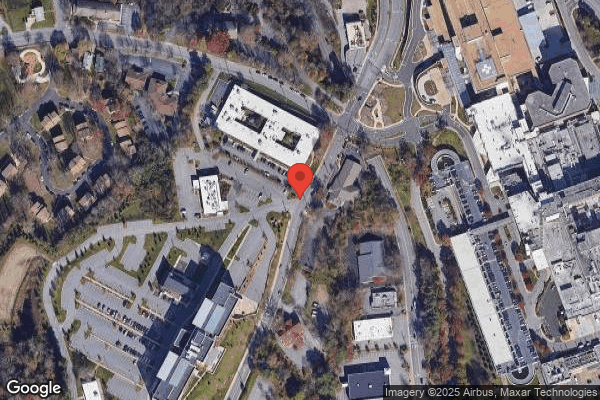
Apr 2024 2 deficiencies 1 IJ
CRITICAL (J) 📢 Someone Reported This

A family member, employee, or ombudsman was alarmed enough to file a formal complaint

Immediate Jeopardy (IJ) - the most serious Medicare violation

Deficiency F0760 (Tag F0760)

Someone could have died · This affected 1 resident

**NOTE- TERMS IN BRACKETS HAVE BEEN EDITED TO PROTECT CONFIDENTIALITY** Based on record reviews, and interviews with resident, staff and Medical Director, the facility failed to prevent a significant ...

Read full inspector narrative →
**NOTE- TERMS IN BRACKETS HAVE BEEN EDITED TO PROTECT CONFIDENTIALITY** Based on record reviews, and interviews with resident, staff and Medical Director, the facility failed to prevent a significant medication error when Nurse #1 administered medications to Resident #1 prescribed for Resident #2 which included Risperidone (antipsychotic medication), Furosemide (a medication used to treat fluid retention and swelling), Lisinopril (a medication used to treat hypertension), and Amlodipine (a medication used to treat hypertension). Nurse #1 identified the error and Resident #1 was sent to the emergency department (ED) on 2/17/24 for further evaluation due to elevated heart rate and hypotension (low blood pressure). While in the ED, Resident #1 complained of having chest pain and feeling weak. An electrocardiogram showed normal sinus rhythm with prolonged QT interval 5-7 seconds (irregular heart rhythm where it takes longer than usual for the heart to recharge between beats). She was given two liters of normal saline bolus and calcium gluconate (medication used to manage hypocalcemia or low calcium levels in the blood, cardiac arrest, and cardiotoxicity due to hyperkalemia or hypermagnesemia). Resident #1 was admitted into the hospital for observation due to the prolonged effect of antihypertensives and being hypotensive on presentation. Resident #1 was discharged back to the facility on 2/19/24 at her baseline with no new orders. This deficient practice affected 1 of 3 residents reviewed for significant medication errors (Resident #1). Immediate jeopardy started on 2/17/24 when Resident #1 was administered medications prescribed for Resident #2. Immediate jeopardy was removed on 2/20/24 when the facility implemented an acceptable credible allegation of immediate jeopardy removal. The facility remains out of compliance at a lower scope and severity of D (no actual harm with potential for more than minimal harm that is not immediate jeopardy) to ensure education is completed and monitoring systems put in place are effective. The findings included: Resident #1 was admitted to the facility on [DATE] with diagnoses that included Parkinson's disease. Resident #1 did not have hypertension listed as a diagnosis. The admission Minimum Data Set (MDS) assessment dated [DATE] indicated Resident #1 was cognitively intact and did not receive antipsychotic medications. The February 2024 physician orders for Resident #1 indicated the following medications: - Amantadine (anti-dyskinetic medicine) 100 milligrams (mg) 1 tablet by mouth one time a day for Parkinson's disease - Magnesium oxide (dietary supplement) 400 mg 1 tablet by mouth one time a day for supplement - Melatonin (hormone that plays a role in sleep) 3 mg 1 tablet by mouth one time a day at bedtime for sleep - Spironolactone (diuretic) 25 mg 1 tablet by mouth one time a day for blood pressure, fluid - Carbidopa-Levodopa (dopamine promoter) ER (extended release) 25-100 mg 1.5 tablet by mouth four times a day for Parkinson's disease A review of Resident #1's Medication Administration Record for 2/17/24 indicated she last received a dose of Carbidopa-Levodopa at 6:00 AM but she did not receive any of her scheduled 8:00 AM medications which included Amantadine, and Spironolactone. Resident #2 was admitted to the facility on [DATE]. The February 2024 physician orders for Resident #2 indicated the following medications: - Amlodipine (calcium channel blocker) 10 mg 1 tablet by mouth one time a day for hypertension - Furosemide (diuretic) 40 mg 1 tablet by mouth one time a day for fluid, hypertension - Lisinopril (angiotensin-converting enzyme inhibitor) 20 mg 1 tablet by mouth one time a day for heart/blood pressure - Risperidone (antipsychotic) 2 mg 1 tablet by mouth two times a day for schizophrenia An incident report dated 2/17/24 at 10:00 AM documented by Nurse #1 indicated Nurse #1 went into Resident #1's room to get her name and asked her for her date of birth . Vital signs were taken. When Nurse #1 went back to the medication cart, another resident (Resident #2) approached her with grievances from the previous night and demanded his medications and was unwilling to wait. Then Resident #1 who Nurse #1 was currently with also wanted her medications and was given the wrong medications (which belonged to Resident #2). An on-call physician and Resident #1's family member were notified. The Director of Nursing, Unit Manager, and Administrator were also notified. Vital signs were taken again, and Resident #1 was kept comfortable. EMS (emergency medical services) was called with a detailed report. The incident report did not specify what medications were given to Resident #1. A phone interview with Nurse #1 on 4/9/24 at 11:44 AM revealed she couldn't remember all the details of how the medication error happened, but she was in the middle of the morning medication pass on 2/17/24. Nurse #1 stated she remembered both Resident #1 and Resident #2 came up to her medication cart at the same time and asked for their medications. Nurse #1 pulled Resident #2's medications and while Resident #1 asked about her medications, Nurse #1 got confused and accidentally gave her Resident #2's medications. Nurse #1 stated it was less than 10 minutes after she had administered the medications and when she started to document the medications in the medication administration record that she realized that she had made a medication error by administering Resident #2's medications to Resident #1. Nurse #1 stated she immediately notified the Unit Manager, the Director of Nursing (DON), and the Administrator. After obtaining Resident #1's vital signs and noting that her heart rate was elevated, Nurse #1 notified an on-call physician who gave her an order to send Resident #1 to the hospital. Nurse #1 stated it took her less than 45 minutes from the time she administered the wrong medications to Resident #1 to the time that she was sent to the ED. A progress note dated 2/17/24 at 10:54 AM by an on-call physician indicated she was contacted by Nurse #1 on 2/17/24 at 9:04 AM about a transfer notification due Resident #1 having received Risperidone 2 mg, Furosemide 40 mg, Lisinopril 20 mg and Amlodipine 10 mg in error and was sent to the emergency room (ER). Vital signs were heart rate 110 beats per minute (normal range 60 to 100), blood pressure 147/95 (normal is less than 120/80), respiratory rate 16 (normal range 12 to 16), temperature 98.1 (normal is around 98.6), and oxygen saturation 95% (normal range between 95% to 100%). This note was electronically signed by the on-call physician on 2/17/24 at 9:30 AM. An interview with Resident #1 on 4/9/24 at 9:48 AM revealed she remembered having received the wrong medications in February. Resident #1 stated it happened during the morning medication pass when the nurse put four pills in a cup, and she gave the cup to her. Resident #1 stated she later found out that three of the pills in the medication cup were blood pressure medications which were supposed to be for another resident. Resident #1 stated she knew something was wrong when the nurse went back after she had swallowed the medications to ask her whether she had already swallowed them, and after she told the nurse that she did, the nurse's face didn't look right. The nurse went down the hall, told someone, called EMS and they sent her to the hospital. Resident #1 further stated she remembered her heart was racing at that time and she stayed at the hospital for observation for two days. At the hospital, they gave her intravenous fluids and put her on a heart monitor. Resident #1 stated at one point while she was at the hospital, her blood pressure got too low, and the hospital doctor told her that one of the pills she accidentally took worked against her Parkinson's disease medications. The hospital records dated 2/17/24 indicated Resident #1 arrived at the Emergency Department (ED) at 10:22 AM and was evaluated after a medication mix-up where the resident got someone else's medications. She was hypotensive with systolic blood pressure in the 70s (normal range 110 to 119) and diastolic blood pressure in the 40s (normal range 60 to 90). She was having chest pain and felt weak. She was at her baseline with her Parkinson's. In the ED, electrocardiogram showed normal sinus rhythm with prolonged QT interval 5-7 seconds (irregular heart rhythm where it takes longer than usual for the heart to recharge between beats). She was given two liters of normal saline bolus and calcium gluconate (medication used to manage hypocalcemia or low calcium levels in the blood, cardiac arrest, and cardiotoxicity due to hyperkalemia or hypermagnesemia) on 2/17/24. Resident #1's laboratory tests indicated her potassium level was 3.7 millimoles per liter (normal value 3.6 to 5.2) and her magnesium level was 1.8 milligrams per deciliter (normal value 1.7 to 2.2). She was referred for admission due to the prolonged nature of antihypertensives and being hypotensive on presentation. It was documented that the hypotension secondary to the medication mix-up could have been an interaction between the agonist of the Risperidone and the antagonist of the Carbidopa-Levodopa. Her blood pressure improved, and Resident #1 was admitted for observation and monitoring after receiving fluids at the ED. Resident #1 was discharged back to the facility on 2/19/14 at her baseline with no new orders. An interview with the Unit Manager (UM) on 4/9/24 at 2:36 PM revealed she remembered being notified by Nurse #1 that she had accidentally administered Resident #2's medications to Resident #1 on 2/17/24. The UM stated they obtained Resident #1's vital signs which showed an elevated heart rate. Resident #1 also complained to them that she didn't feel right. They notified the on-call physician and received an order to send her out to the hospital. They called 911 and notified the Administrator and the DON. From what Nurse #1 reported to her, both Resident #2 and Resident #1 were at the medication cart at the same time. Resident #2 was upset and demanded for his medications while Resident #1 asked Nurse #1 about her medications as well. The UM stated there was a lot going on at the medication cart and Nurse #1 got turned around and accidentally gave the wrong medications to Resident #1. A phone interview with the Medical Director (MD) on 4/9/24 at 4:04 PM revealed Resident #1 receiving Resident #2's medications was a significant medication error because the medications were not ordered for her, and she did not have indications for them. The MD stated that the hypotension was caused by the antihypertensives that she received. He also stated that he wouldn't be as concerned with the interactions with her Parkinson's medications as much as the hypotension brought on by the antihypertensives. He further stated that this medication error should have been avoided and it was something they did not want to happen again. A phone interview with the former Director of Nursing (DON) on 4/9/24 at 4:29 PM revealed she received a phone call from Nurse #1 on 2/17/24 notifying her about a medication error involving Resident #1. The DON stated Nurse #1 told her that both Resident #1 and Resident #2 were at the medication cart. Resident #2 was becoming aggressive and demanded his medications while Resident #1 also wanted her medications at the same time. While holding the medication cup with Resident #2's medications and walking Resident #1 back to her room, Nurse #1 inadvertently gave the cup of Resident #2's medications to Resident #1. The DON stated that she instructed Nurse #1 to get a set of vital signs on Resident #1 and call 911. The DON stated she immediately started education on the rights of medication administration and on how to handle distractions during medication pass. The DON stated Nurse #1 should have stopped her medication pass with all the distractions at her medication cart at that time. She stated that Nurse #1 unfortunately made the medication error due to her being distracted. An interview with the Administrator on 4/10/24 at 10:18 AM revealed she was notified about the medication error involving Resident #1, but she couldn't recall a lot of the details because the incident was handled by the former DON. The Administrator was notified of immediate jeopardy (IJ) on 4/17/24 at 12:57 PM. The facility provided the following immediate jeopardy removal plan. Identify those residents who have suffered, or likely to suffer, a serious adverse outcome as a result of the noncompliance: On 2/17/24, the facility failed to prevent a significant medication error when Nurse #1 administered medications to Resident #1 prescribed for Resident #2 during the morning medication pass which included Risperidone (antipsychotic medication), Furosemide (a medication used to treat fluid retention and swelling), Lisinopril (a medication used to treat high blood pressure), and Amlodipine (a medication used to treat high blood pressure). On 2/17/24, the Director of Nursing (DON) received a call from Nurse #1 regarding giving the wrong medications to Resident #1. On-call physician was immediately notified and instructed Nurse #1 to assess vitals and mental status for changes in condition and send to hospital if observed. During the monitoring, Resident #1's heart rate had increased therefore Emergency Medical Services (EMS) was called and Resident #1was transferred to the hospital for evaluation. Resident #1 was sent to the emergency department (ED) for an evaluation. She was referred for admission due to the prolonged nature of antihypertensives and being hypotensive on presentation. It was documented that the hypotension secondary to the medication mix-up could have been an interaction between the agonist of the Risperidone and the antagonist of the Carbidopa-Levodopa. Her blood pressure improved, and Resident #1 was admitted for observation and monitoring after receiving fluids at the ED. Resident #1 returned to the facility on 2/19/24 with no new orders. Nurse #1 completed a medication error report on 2/17/24 for Resident #1 as appropriate. On 2/17/24, the DON discussed details of incident with Nurse #1 and immediately provided reeducation on the seven rights of medication administration and on strategies to avoid and/or respond to distractions during medication administration to prevent medication errors. All residents are at risk for a medication administration error. On 2/17/24, the DON and facility licensed nurses immediately assessed all current facility residents for changes in vital signs and/or altered mental status and no additional concerns were identified. On 2/17/24, the Regional Director of Clinical Services (RDCS) completed an audit per the electronic medical record (EMR) of the 1) Medication Administration Audit Report for all current facility resident's medication administration records (MARs) for 2/17/24 first shift (7am-3pm) to ensure medications were administered as ordered without omissions or documented Code 9 (other/see nurses notes) which could indicate an issue such as a medication error or giving a resident the wrong medication. No additional medication errors were identified, including residents being administered the wrong medication. An audit of medication error incident reports from 1/1/2024 - 2/17/2024 were also audited on 2/17/24 by the RDCS per the EMR Risk Management report and no additional incidences of residents being administered the wrong medications were identified. Specify the action the entity will take to alter the process or system failure to prevent a serious adverse outcome from occurring or recurring, and when the action will be complete: On 2/19/24, the Regional Director of Clinical Services (RDCS) completed an audit of all current resident orders and of medications on the medication on the carts and medication rooms to ensure that medications are available for administration as ordered by the physician. No concerns identified. On 2/17/24, the DON notified the Administrator, Staff Development Coordinator (SDC), Regional Director of Clinical Services (RDCS), [NAME] President of Operations (VPO), [NAME] President of Clinical and Quality (VPCQ) and Medical Director Resident #1's medication error. An ad hoc Quality Assurance Performance Improvement (QAPI) meeting was conducted via telephone to discuss the root cause of facilities failure to prevent a significant medication error. Root cause determined that Nurse #1 failed to effectively redirect another resident during medication administration which led to not confirming the right medications were given to the right resident per the seven (7) rights of medication administration leading to a significant medication error for Resident #1. Immediate corrective actions were discussed and established to ensure no other residents were at risk. Immediate corrective actions to ensure no other current facility residents were at risk for medication errors included full-house assessments for changes in vital signs and/or altered mental status, review of MARs to ensure medications were administered as ordered for all current residents and education to facility and agency licensed nurses and medication aides on the seven rights of medication administration and on strategies to avoid and/or respond to distractions during medication administration to prevent medication errors during medication administration. On 2/18/24, the DON and Staff Development Coordinator (SDC) provided education in person and verbally via telephone to facility and agency licensed nurses and medication aides on the seven rights of medication administration and on strategies to avoid and/or respond to distractions during medication administration to prevent medication errors during medication administration. Facility and agency licensed nurses and medication aides who did not receive education on 2/18/24 will receive education prior to administering medications. The DON and/or SDC will be responsible for monitoring the daily nursing schedule, notifying, and providing education in person or verbally via telephone prior to next shift worked for facility and agency licensed nurses and medication aides who did not receive education on 2/18/24 and for tracking completion of education utilizing the electronic Master Education Log. Effective 2/18/24, the facility updated the facility and agency orientation packet and checklist to include education on the seven (7) rights of medication administration to prevent medication errors and on redirecting other residents during medication administration to reduce distractions and medication errors. The facility orientation packet will continue to include medication skills competency for licensed nurses and medication aides upon hire, annually and as needed. The DON and/or SDC will be responsible for monitoring the completion of agency and facility education for licensed nurses and medication aides and will utilize the electronic Master Education Log to track compliance. On 2/19/24, the Administrator met with the Interdisciplinary Team (IDT) including but not limited to, the DON, Unit Managers, Social Services Director and Medical Director to discuss the medication error and root cause analysis of the facilities failure to prevent a significant medication error and to discuss any recommended changes to the corrective plan implemented on 2/17/24. No recommended changes were made. Effective 2/19/24, the Administrator will be ultimately responsible for ensuring implementation of this immediate jeopardy removal for this alleged noncompliance. Alleged Date of IJ Removal: 2/20/2024 On 4/10/24 the facility provided a corrective action plan with a completion date of 2/19/24 for the significant medication error that occurred on 2/17/24. This was reviewed and it was determined the corrective action plan did not meet all the criteria for past noncompliance specifically in the area of audits/monitoring. The corrective action plan did not include observations nurses and medication aides during medication pass to ensure residents were administered medications per the 7 rights of medication administration. On 4/10/24, the facility's credible allegation of immediate jeopardy removal was validated on-site by record review, observations, and interviews with nursing staff. A medication administration observation was conducted on 4/9/24. No concerns related to the medication errors were identified. The observation consisted of 26 medications, 3 different residents and 1 nurse and 2 medication aides. The nurse and the medication aides were observed implementing the rights of medication administration, and deferring distractions and interruptions until they completed the medication pass. The medication records of sampled residents were reviewed with a focus on medication errors. No concerns were identified. Interviews with nurses and medication aides revealed they were required to complete an in-service related to medication errors. They confirmed they were educated in person on the 7 rights of medication administration and how to handle distractions and interruptions until the medication pass is completed. A review of the in-service records revealed the DON completed the in person in-services with the nurses and medication aides. All nurses and medication aides who had not worked prior to 2/19/24 or were newly employed were in-serviced before they were allowed to work. The immediate jeopardy removal date of 2/20/24 was validated.
CONCERN (E) 📢 Someone Reported This

A family member, employee, or ombudsman was alarmed enough to file a formal complaint

Potential for Harm - no one hurt, but risky conditions existed

QAPI Program (Tag F0867)

Could have caused harm · This affected multiple residents

Based on record reviews, and interviews with resident, staff and Medical Director, the facility's Quality Assessment and Assurance (QAA) Committee failed to maintain implemented procedures and monitor...

Read full inspector narrative →
Based on record reviews, and interviews with resident, staff and Medical Director, the facility's Quality Assessment and Assurance (QAA) Committee failed to maintain implemented procedures and monitor interventions the committee put into place following the complaint investigation survey conducted on 3/3/22 and the recertification and complaint investigation survey conducted on 6/1/22. This was for a repeat deficiency in the area of significant medication errors that was originally cited on 3/3/22 during the complaint survey, and subsequently recited during the recertification and complaint investigation survey on 6/1/22 and the complaint survey completed on 4/10/24. The continued failure of the facility during three federal surveys of record shows a pattern of the facility's inability to sustain an effective QAA program. The findings included: This tag is cross-referenced to: F760 - Based on record reviews, and interviews with resident, staff and Medical Director, the facility failed to prevent a significant medication error when Nurse #1 administered medications to Resident #1 prescribed for Resident #2 which included Risperidone (antipsychotic medication), Furosemide (a medication used to treat fluid retention and swelling), Lisinopril (a medication used to treat hypertension), and Amlodipine (a medication used to treat hypertension). Nurse #1 identified the error and Resident #1 was sent to the emergency department (ED) on 2/17/24 for further evaluation due to elevated heart rate and hypotension (low blood pressure). While in the ED, Resident #1 complained of having chest pain and feeling weak. An electrocardiogram showed normal sinus rhythm with prolonged QT interval 5-7 seconds (irregular heart rhythm where it takes longer than usual for the heart to recharge between beats). She was given two liters of normal saline bolus and calcium gluconate (medication used to manage hypocalcemia or low calcium levels in the blood, cardiac arrest, and cardiotoxicity due to hyperkalemia or hypermagnesemia). Resident #1 was admitted into the hospital for observation due to the prolonged effect of antihypertensives and being hypotensive on presentation. Resident #1 was discharged back to the facility on 2/19/24 at her baseline with no new orders. This deficient practice affected 1 of 3 residents reviewed for significant medication errors (Resident #1). During the recertification survey on 6/1/22, the facility failed to prevent significant medication errors whey they failed to acquire and administer Copaxone pre-filled syringes (used to treat multiple sclerosis) and as a result the resident missed 5 doses and when pain medications were not administered as ordered by the physician. During the complaint investigation survey on 3/3/22, the facility failed to prevent significant medication errors when medications were not administered as ordered. An interview with the Administrator on 4/10/24 at 11:46 AM revealed they held monthly QA meetings where each department head reported on certain areas they are were monitoring, and where they reviewed current performance improvement plans that were in place. The Administrator stated one factor for the repeat issue of significant medication errors was the turnover in staffing particularly the nurses and medications aides. She stated that it was hard to keep regular staff and the facility still depended on agency staffing. Another factor was that the facility faced challenges with the resident population being younger compared to other facilities and having increased behaviors in the facility's resident population.
Jul 2023 2 deficiencies 1 IJ
CRITICAL (J) 📢 Someone Reported This

A family member, employee, or ombudsman was alarmed enough to file a formal complaint

Immediate Jeopardy (IJ) - the most serious Medicare violation

Free from Abuse/Neglect (Tag F0600)

Someone could have died · This affected 1 resident

**NOTE- TERMS IN BRACKETS HAVE BEEN EDITED TO PROTECT CONFIDENTIALITY** Based on observation, record review and resident, staff, Psychiatric Nurse Practitioner, Nurse Practitioner and Medical Doctor i...

Read full inspector narrative →
**NOTE- TERMS IN BRACKETS HAVE BEEN EDITED TO PROTECT CONFIDENTIALITY** Based on observation, record review and resident, staff, Psychiatric Nurse Practitioner, Nurse Practitioner and Medical Doctor interviews, the facility failed to protect a resident-to-resident injury for 1 of 3 sampled residents reviewed for abuse (Resident #1). On 6/7/23, Resident #1 was punched in the face by Resident #2 causing multiple facial fractures and experiencing increased pain. After the incident Resident #1 was found curled up and crying, and stated he was afraid. Resident #1 was transported to the hospital for evaluation and was diagnosed with right zygomatic arch (bone that is on the outer part of the eye closest to the cheek), lateral (side) orbital wall (eye socket), and anterior (front) maxillary sinus (near the cheeks) fractures and returned to the facility on [DATE]. Findings included: Resident #1 was admitted to the facility on [DATE] with diagnoses that included a disabling disease of the brain and spinal cord (central nervous system), cognitive communication deficit, Alzheimer's disease with late onset, dementia with other behavior disturbance. Review of Resident #1's behavioral care plan dated 04/28/23 revealed he had behaviors related to aggression in the past. Interventions included behavioral outbursts would be minimized and or managed through the next review. The resident or staff would not be injured through the next review. The staff should try to determine the reason for the exacerbation of the Resident #1's behavior if possible and to adjust their approach as appropriate. The staff would remove the resident from other residents as needed. The staff would set and enforce limits on Resident #1's behavior when appropriate. The staff would assist the resident to avoid situations that may cause anger or increased anxiety. The staff would notify the physician and implement orders as appropriate. The quarterly Minimum Data Set (MDS) dated [DATE] revealed the Resident #1 was severely cognitively impaired and had no behaviors during the assessment period. Resident #1 needed extensive assistance with bed mobility and transfers and total assistance with eating and toileting. A review of Resident #1's nursing note dated 6/7/2023 at 6:52 PM revealed the resident was sent out to the Emergency Department (ED) at 5:45 PM after being struck in the face by another resident. His nose was actively bleeding, and his right eye was puffy and beginning to bruise. Resident #1 returned from the ED at 3:56 AM. On report that was called to the facility from the hospital revealed the ED Doctor stated to follow up with Ear, Nose, and Throat (ENT). A Computed Tomography (CT) without contrast scan (an x-ray machine that takes several images of bones, blood vessels, and soft tissues that a computer makes into a digital image) completed at the hospital on 6/7/23 revealed Resident #1 had several facial fractures that did not require surgery for repair. Record review of Resident #1's hospital Discharge summary dated [DATE] revealed Resident #1 was transported to the hospital for evaluation after being hit in the face by his roommate. Resident #1 diagnosed with a right zygomatic arch, lateral orbital wall, and anterior maxillary sinus fractures and returned to the facility on [DATE]. Resident #1 was unable to be interviewed due to his cognition. An attempt was made to interview Resident #1 on 7/12/13 at 1:15 PM but he was unable to participate due to his severely impaired cognition. Resident #2 was admitted to the facility 3/26/22 with diagnosis that included other frontotemporal neurocognitive disorder (The result of damage to neurons in the frontal and temporal lobes of the brain), vascular dementia with other behavioral disturbances, unspecified mental disorder due to known physiological condition, and anxiety disorder. Review of the behavioral care plan dated 3/16/23 revealed Resident #2 had behaviors related to him being incarcerated which caused insecurities, hoarding, trust problems, as well as anger and aggression. The goals included Resident #2's behavioral outburst will be minimized and or managed through the next review. The resident or staff will not be injured through the next review. The interventions included staff trying to determine the reason for Resident #2's exacerbation of behavior if possible and adjust as appropriate. The staff will remove Resident #2 from other residents as needed. The staff will set and enforce limits on Resident #2' behavior when appropriate. The staff will assist Resident #2 to avoid situations that may cause anger or increase anxiety. The quarterly MDS dated [DATE] revealed Resident #2 was severely cognitively impaired and had no behaviors during the assessment period. He needed supervision only for bed mobility and transferring. He was coded as receiving an antidepressant 7 of 7 days during the assessment period, and he was ambulatory with the use of a cane. Resident #2 discharged from the facility on 06/07/23 and was unable to be interviewed. A review of Resident #2's change in condition form dated 6/7/23 revealed in part: Send to ED for evaluation. A review of Resident #2's hospital admission summary dated [DATE] revealed in part: Resident #2 was admitted with a history of major neurocognitive disorder followed by Neurology, who presented to the ED with a several week history of increased aggression. A Nurse Practitioner progress note dated 6/8/23 revealed in part Resident #1 was seen for an acute visit regarding a complaint of acute pain and noted in part, Resident #1 was reportedly attacked by his roommate yesterday (Resident #2) evening (06/07/23) resulting in multiple facial and nasal fractures. Resident #1 was evaluated in the emergency room (ER) and discharged back to the facility. He was started on Tylenol and Oxycodone (pain medication) with a referral to an Ear, Nose & Throat (ENT) Specialist for further evaluation and management of fractures. An interview on 7/11/23 at 1:51 PM with Nurse Aide (NA) #1 who was present and responsible for the room of Resident #1 and Resident #2 on 6/7/23 revealed when she walked in with the dinner tray, she saw Resident #1 lying in bed and Resident #2 was standing next to him between both beds. She noticed some blood from Resident #1's nose and reported this to Nurse #1 who went in to assess Resident #1. NA #1 stated she never saw the altercation between Resident #1 and Resident #2. NA #1 stated she had no concerns about behaviors from Resident #1. A phone interview on 7/12/23 at 10:10 AM with Nurse #1 who was Resident #1's Nurse on 6/7/23 revealed NA #1 told her she thought Resident #2 had hit Resident #1 because Resident #1 had a nosebleed. Nurse #1 assessed Resident #1 and he had a little bit of a nosebleed. She recalled another Nurse brought her an ice pack and a washcloth for Resident #1's face. The curtain between Resident #1 and Resident #2 was drawn, and Resident #2 started rambling like you know you deserved it. Nurse #1 had staff at the desk get the Unit Manger. Upon assessment, Nurse #1 stated there was no redness present upon her initial assessment of Resident #1. Resident #1 was whimpering and holding his face, but couldn't tell her what happened. The Unit Manager and the Social Worker took care of removing Resident #2 from the room and calling Adult Protective Services (APS), the Police and both Resident's Responsible Parties. Nurse #1 stated she had not worked with Resident #2 often but there were no concerns regarding aggression when she worked with him that day. Nurse #1 stated she had no concerns about Resident #1's behavior but, Resident #1 had attempted to get out of the bed even though he was unable to do so without assistance. An interview on 7/12/23 at 9:45 AM with the Unit Manager revealed on 06/07/23 he was in his office and staff came to him and stated they thought Resident #2 hit Resident #1 because his nose was bleeding. The Unit Manager went into the room and asked Resident #2 about the incident and saw Resident #1's face was swollen. Resident #2 told him he did hit Resident #1. Resident #1 was curled up and crying and stated he was afraid. The ambulance came to the facility and transported both Resident #1 and Resident #2 to the hospital, Resident #2 for a psychiatric assessment and Resident #1 for treatment. The Unit Manager stated Resident #2 was discharged from the hospital and admitted to a new facility with a locked dementia unit. There were no concerns about Resident #2 prior to this event and no indicators of different behavior that day. The Unit Manager revealed he had no concerns about Resident #1's behavior. An interview with the Director of Social Services on 7/12/23 at 12:12 PM revealed on 06/07/23 she came around to do her daily room checks and saw the nurses were assessing Resident #1 and he was in the bed moaning. She stated you could tell he was in pain. She and the Unit Manger took Resident #2 to the administrator's office and Resident #2 went willingly. The Social Worker was unaware of any concerns about Resident #2's behavior prior to this incident. She had no concerns about the behavior of Resident #1 and Resident #1 rarely spoke. An interview on 7/11/23 at 2:33 PM with the Administrator revealed prior to the incident on 06/07/23 she did not have any concerns that would have led her to believe Resident #2 would have acted out physically to another resident. She recalled Resident #2 was very protective of Resident #1 checking on him throughout the day. The Administrator explained Resident #2 would have verbal tiffs with other residents, but nothing that had ever resulted in injury and Resident #2 had no physical altercations or behaviors that would have led the staff to believe he would hurt someone else. Upon his discharge from the hospital, Resident #2 was moved to their sister facility where there were individual rooms and a locked dementia unit. She further stated she had no concerns regarding any behaviors from Resident #1. On 7/11/23 at 12:12 PM an interview with the Psychiatric Mental Health Nurse Practitioner revealed Resident #2 would not be competent enough to explain why the incident with Resident #1 happened. He recalled, when Resident #2 got agitated one time before and brushed someone with a cane, he stated to Psychiatry Staff that he did not hit anyone and was just moving them out of his way. He further stated Resident #2 was intentional with hitting Resident #1; however, Resident #2 was not mentally competent to recall his actions or the consequences of them. Resident #2 was usually calm, and the facility gave him a greeter job and he spent a lot of time with the Administrator. An interview on 7/12/23 at 2:36 PM with the Nurse Practitioner (NP) revealed she was informed about the incident on 06/07/23 between Resident #2 and Resident #1 and saw Resident #1 on 6/8/23. The NP stated in her medical opinion this incident had caused Resident #1 harm. She stated there were no indications that Resident #2 would be physically aggressive with anyone, this was the first incident she was aware of. The only behavior Resident #1 displayed was a lack of safety awareness. Resident #1 was bed bound and significantly cognitively impaired. An interview on 7/12/23 at 3:48 PM with the Medical Director (MD) revealed he was informed about the incident on 06/07/23 between Resident #1 and Resident #2 and saw Resident #1 after his return from the hospital on 6/8/23. The MD stated in his medical opinion the incident had caused harm to Resident #1. He stated he wasn't aware of any behavior and never would have expected Resident #2 to become physically violent with anyone prior to that day. The MD further stated he never saw Resident #1 agitated only laying in the bed or in the chair in the hall sleeping. He stated he never saw Resident #1 get up or really move or do anything. The Administrator was notified of the Immediate Jeopardy on 7/25/23 at 11:19 AM. The facility provided the following Corrective Action Plan with a completion date of 6/8/23. 1) On 6/7/23, Resident #2 was observed by a staff member standing over his roommate Resident #1 who was lying in bed on his left side, with both fists out. Staff immediately removed Resident #2 from roommate, Resident #1, and placed on 1:1 staff supervision. Nurse was alerted and completed resident assessment and first aid to roommate and notification to MD with orders to send Resident #2 to ER for psych evaluation related to danger to others. Administration notified and made appropriate calls to police, resident representatives, APS and 2-hour NC State report submitted, and investigation initiated to include staff and resident interviews. Resident #2 is a long-term care resident who was admitted to the facility on [DATE] with the primary diagnosis of frontotemporal neurocognitive disorder and secondary diagnosis of vascular dementia with behavioral disturbances and unspecified mental disorder due to known physiological condition. On 5/4/23 his BIM score was a 4 (severely impaired). He receives ongoing psych services and was last seen on 5/23/23 for a medication review in which no changes were made and remains on Aricept for dementia, Trazadone for agitation and Keppra for seizure disorder. Resident has a history of verbal and physical aggression towards others and care plan includes interventions; allowing resident to express concerns and provide follow-up to resolve issues, try to determine reason for exacerbation of behavior if possible and adjust as appropriate, remove residents from other residents as needed, set and enforce limits on behaviors when appropriate, assist resident to avoid situations that may cause anger or increased anxiety, administer medications as ordered, evaluate effectiveness of medications and side effects, do not argue with resident, give praise and/or positive feedback for attempts of socially acceptable/adaptive behaviors, notify physician and implement orders as appropriate, notify family as appropriate and psych services as appropriate. 2) Because all residents are at risk from being physically abused by other residents, the following plan has been formulated to address this issue: On 6/7/23 at 6:30 PM, Resident #2 was placed on 1:1 staff supervision and assessment completed by the licensed nurses with no apparent injuries until transferred to the ER at 7:15 PM for psych evaluation. On 6/7/23, the Administrator and Director of Nursing (DON) notified the [NAME] President (VP) of Clinical Services and VP of Operations to discuss incident, investigative protocol and corrective action to address incident and prevent any further incidence to other residents at risk. A follow-up call was held the following morning on 6/8/23 at 10:00AM to further discuss investigation, root cause analysis and corrective plan. On 6/8/23, an ad hoc Quality Assurance and Performance Improvement (QAPI) meeting was held by facility Interdisciplinary Team (IDT) including the Medical Director, VP of Clinical & QAPI and VP of Operations to review the behavioral management policy to ensure the policy was followed and that it included appropriate strategies to identify and manage residents' with behaviors toward others. A review of the Abuse Policy and of the facilities previous F600 Abuse citations and corrective action plans were also reviewed for the 2/25/22 complaint survey and 6/1/22 recertification survey and it was determined that the facility followed the corrective plans and that the 6/7/23 incident would require additional action plans based on different root cause of a resident-to-resident abuse incident. The QAPI committee thoroughly discussed the incident on 6/7/23 and developed an immediate action plan based upon root cause analysis to address and remove immediate and future risk potential. Based upon root cause analysis the IDT determined that the Behavior Management Policy and Abuse Policy was followed and Resident #2's behavior was unpredictable and likely associated with his medical diagnosis of frontotemporal neurocognitive disorder, vascular dementia with behavioral disturbances and unspecified mental disorder due to known physiological condition and furthermore, unavoidable. Resident #2's care plan was also thoroughly reviewed and determined appropriate. 3) On 6/8/23, the Administrator and Director of Nursing were educated by the VP of Clinical & QAPI on the Behavior Management policy and prevention and response to residents with aggressive behaviors and emergency situations such as physical abuse of residents. Education included strategies for prevention of resident abuse and identifying the likelihood based upon resident assessments, any exhibited behaviors, triggering and alleviating factors. Beginning 6/8/23, current facility and agency staff on each shift, including Nursing, Activities, Social Work, Dietary, housekeeping and maintenance, were educated by the DON on F600 and the Prevention of Abuse or/and Neglect. The education will be communicated verbally and telephonically by the DON or SDC. Written education will be available for review prior to the staff member working their assigned shift. The Staff Development Coordinator (SDC) will utilize a master employee list to track 100% completion of education. No staff will be allowed to work until education is completed. Education will also be included during orientation for newly hired staff. Beginning 6/8/23, all current facility and agency staff will be educated by the DON on the facility behavioral management policy to include managing resident behaviors and prevention of resident-to-resident altercations. This will include identifying contributing factors such as situational, physical environment, and organizational factors. An emphasis will be placed upon ensuring supervision of residents to aid in preventing physical assault between residents. If the resident is displaying aggressive behaviors towards others, the resident will be monitored closely which will include 1 to 1 observation if the resident continues to have behaviors. If the resident continues to have aggressive behaviors towards others despite facility interventions, the facility will transfer the resident to the hospital for an immediate psychological evaluation to protect risk to others. The education will be communicated verbally and telephonically by the DON or SDC. Written education will be available for review prior to the staff member working their assigned shift. The SDC will utilize a master employee list to track completion of education. No staff will be allowed to work until education is completed. Education will also be included during orientation for newly hired staff. On 6/8/23, the Director of Nursing completed an audit for F600 via abuse questionnaire with cognitively intact residents and the Licensed Nurses completed body audits on cognitively impaired residents to ensure other residents are free from abuse, including resident-to-resident. No additional concerns identified. On 6/8/23, the IDT reviewed current facility residents with aggressive behaviors or a risk for aggressive behaviors towards others to ensure appropriate care plans are in place and that they are not placed together as roommates. This review included residents with risks for poor impulse control and/or a history of aggression towards others and of residents involved in resident-to-resident altercations, all current residents with traumatic neurological disorders. All identified residents care plans were reviewed and determined appropriate. 4) Effective 6/8/23, the IDT will complete ongoing weekly risk meeting to discuss residents with aggressive behaviors to ensure the effectiveness of the residents' plan of care to prevent resident abuse. Effective 6/8/23, the facility Administrator, Director of Nursing, Social Worker or SDC will perform facility tours (including off shifts and weekends) 5 times weekly to observe any residents with behaviors and appropriate staff supervision and response to any behaviors. Additionally, the Administrator and Director of Nursing will monitor daily staffing levels to ensure adequate supervision to prevent resident abuse. Effective 6/8/23, the facility Administrator or DON will conduct questionnaires weekly with a minimum of 5 Licensed Staff and Nurse Aides to validate understanding of how to appropriately identify, prevent and respond to residents with physical behaviors. Effective 6/8/23, the Administrator and Director of Nursing will be ultimately responsible to ensure implementation of this corrective plan. Date of Completion: 6/9/2023 The Corrective Action plan was validated on 07/12/23 and concluded the facility had implemented an acceptable corrective action plan on 06/09/23. Interviews with staff members over various shifts and positions revealed they were educated on abuse regarding what abuse looks like, who to call, and what interventions should be in place, such as separate the residents, don't leave them alone, and call for help. Review of the audits and monitoring tools revealed they were completed as outlined in the corrective action plan with no concerns identified.
CONCERN (E) 📢 Someone Reported This

A family member, employee, or ombudsman was alarmed enough to file a formal complaint

Potential for Harm - no one hurt, but risky conditions existed

QAPI Program (Tag F0867)

Could have caused harm · This affected multiple residents

**NOTE- TERMS IN BRACKETS HAVE BEEN EDITED TO PROTECT CONFIDENTIALITY** Based on observations, record review, and staff interviews, the facility's Quality Assessment and Assurance (QAA) Committee fail...

Read full inspector narrative →
**NOTE- TERMS IN BRACKETS HAVE BEEN EDITED TO PROTECT CONFIDENTIALITY** Based on observations, record review, and staff interviews, the facility's Quality Assessment and Assurance (QAA) Committee failed to maintain implemented procedures and monitor the interventions the committee put into place following a complaint investigation survey completed on 03/03/22 and a recertification, revisit and complaint investigation survey completed on 06/01/22. This failure was for one deficiency originally cited in the area of Free from Abuse and Neglect on 03/03/22, recited on 06/01/22 and subsequently recited during a revisit and complaint investigation completed 07/12/23. This continued failure during three federal surveys of record showed a pattern of the facility's inability to sustain an effective QA Program. The findings included: This tag is cross referenced to: F600: Based on observation, record review and resident, staff, Psychiatric Nurse Practitioner, Nurse Practitioner and Medical Doctor interviews, the facility failed to protect a resident-to-resident injury for 1 of 3 sampled residents reviewed for abuse (Resident #1). On 6/7/23, Resident #1 was punched in the face by Resident #2 causing multiple facial fractures and experiencing increased pain. Resident #1 was transported to the hospital for evaluation and was diagnosed with right zygomatic arch (bone that is on the outer part of the eye closest to the cheek), lateral (side) orbital wall (eye socket), and anterior (front) maxillary sinus (near the cheeks) fractures and returned to the facility on [DATE]. As a result, Resident #1 voiced feeling fearful of his roommate, Resident #2. Resident #1 curled up in a ball and was afraid. During the complaint investigation survey of 03/03/22, the facility failed to implement effective interventions to protect a resident from an unintentional overdose. During the recertification, revisit and complaint investigation survey of 06/01/22, the facility failed to assess a resident for a fever after he voiced complaints of burning up during the night, failed to obtain vital signs before sending the resident to dialysis, failed to assess and give the resident any medication for fever upon his return to the facility from dialysis, and failed to allow the resident to wait inside the facility for transport to the hospital. During a telephone interview on 07/25/23 at 11:19 AM, the Administrator stated following the incident with Resident #1 and Resident #2 on 06/07/23, the facility completed a root cause analysis which included implementing an internal plan of correction to prevent recurrence. She stated as part of the process, they had also discussed the previous deficiencies cited for Abuse and Neglect. The Administrator explained the previous deficiencies were both for incidents unrelated to the deficiency on the current survey that involved resident-to-resident abuse and she felt the plans of correction and measures the facility had implemented to correct the previous deficiencies were followed and effective.
Apr 2023 11 deficiencies
CONCERN (D) 📢 Someone Reported This

A family member, employee, or ombudsman was alarmed enough to file a formal complaint

Potential for Harm - no one hurt, but risky conditions existed

Deficiency F0561 (Tag F0561)

Could have caused harm · This affected 1 resident

**NOTE- TERMS IN BRACKETS HAVE BEEN EDITED TO PROTECT CONFIDENTIALITY** Based on record review, observations, resident and staff interviews, the facility failed to honor a resident's bathing preferenc...

Read full inspector narrative →
**NOTE- TERMS IN BRACKETS HAVE BEEN EDITED TO PROTECT CONFIDENTIALITY** Based on record review, observations, resident and staff interviews, the facility failed to honor a resident's bathing preference for 1 of 4 residents reviewed for choices (Resident #19). Findings included: Resident #19 was admitted to the facility on [DATE]. Her diagnoses included hemiplegia (paralysis on one side of the body) affecting the left non-dominant side and low back pain. The annual Minimum Data Set (MDS) dated [DATE] revealed Resident #19 had intact cognition and displayed no behaviors or rejection of care. The MDS further revealed Resident #19 had an impairment on one side of the upper and lower extremities, required total staff assistance with bathing and it was very important for her to choose between a shower or bed bath. Review of the Shower Sheets and Nurse Aide (NA) bathing documentation reports provided by the facility for Resident #19 revealed the following: • February 2023: Partial or complete bed baths were documented as provided on 02/01/23, 02/04/23, 02/05/23, 02/06/23, 02/08/23, 02/09/23, 02/10/23, 02/12/23, 02/13/23, 02/14/23, 02/16/23, 02/19/23, 02/20/23, 02/21/23, 02/22/23, 02/23/23, 02/24/23, 02/25/23, 02/26/23, 02/27/23 and 02/28/23. A shower was documented as provided on 02/02/23. • March 2023: Partial or complete bed baths were documented as provided on 03/01/23, 03/02/23, 03/03/23, 03/04/23, 03/05/23, 03/06/23, 03/08/23, 03/10/23, 03/11/23, 03/12/23, 03/13/23, 03/14/23, 03/15/23, 03/16/23, 03/19/23, 03/20/23, 03/21/23, 03/22/23, 03/23/23, 03/27/23, 03/28/23, 03/29/23, 03/31/23. There were no showers documented as provided. • April 2023: Partial or complete bed baths were documented as provided on 04/01/23, 04/02/23, 04/03/23, 04/06/23, 04/08/23, 04/09/23, and 04/10/23. There were no showers documented as provided as of 04/11/23. Review of the staff progress notes for February 2023 to April 2023 revealed no entries indicating Resident #19 refused a shower or bed bath when offered by staff. The Activities of Daily Living (ADL) care plan, last reviewed/revised on 04/05/23, revealed Resident #19 required extensive to total assistance with ADL related to left upper and lower hemiparesis and included an intervention initiated on 06/24/22 that noted Resident #19 preferred a shower on Mondays before supper and a bed bath on Thursdays before supper. An observation and interview was conducted with Resident #19 on 04/10/23 at 11:09 AM. Resident #19 was lying in bed wearing a clean nightgown with no obvious body odor. Her face, neck and hands were clean; however, her thin hair was pulled back from her face and appeared greasy. Resident #19 stated she was supposed to receive bathing assistance on Mondays and Thursdays each week and while she had received bed baths, she had not received a shower in approximately 2 months. A follow-up observation and interview was conducted with Resident #19 on 04/13/23 at 10:20 AM. Resident #19 was lying in bed in a clean nightgown with no obvious body odor. Her face, neck and hands were clean; however, her thin hair was pulled back from her face and appeared greasy. Resident #19 stated when staff gave her a bed bath, they only cleaned certain areas but did not wash her back or hair and she did not feel that it was a true bath. Resident #19 clarified her preference was to receive one shower and one complete bed bath every week. During an interview on 04/13/23 at 10:42 AM, NA #5 revealed she had only been working at the facility for less than 2 weeks and was assigned to provide care to Resident #19. NA #5 stated she had not given Resident #19 with a shower or bed bath on the days she had provided her care and was not sure what days Resident #19 was scheduled to receive showers. During an interview on 04/13/23 at 2:41 PM, Nurse Aide #4 revealed she worked 16 hour shifts at the facility and was routinely assigned to provide care to Resident #19. NA #4 explained some days her assigned residents would get a partial bed bath which she described as washing the face, armpits, peri-area and other days a complete bed bath which she described as washing the resident head-to-toe and using a dry shampoo cap to clean the hair. NA #4 confirmed she provided Resident #19's with bed baths instead of showers. NA #4 could not recall why Resident #19 was not offered a shower and stated it was either because Resident #19 had refused or had just wanted a bed bath. During an interview on 04/14/23 at 5:49 PM, the Director of Nursing (DON) stated residents preferences to the quantity, type and frequency of bathing assistance should be honored. The DON explained if residents refused bathing assistance when offered, NAs were to notify the nurse who would try to convince the resident and/or document their refusal. The DON was unaware Resident #19 had not received a weekly shower per her preference since 02/02/23 and stated she would have expected for staff to offer Resident #19 a shower as she preferred. During an interview on 04/14/23 at 3:44 PM, the Administrator stated she was not aware Resident #19 was not provided a weekly shower per her preference since 02/02/23 and would expect for staff to provide Resident #19 with the type of bathing she preferred.
CONCERN (D) 📢 Someone Reported This

A family member, employee, or ombudsman was alarmed enough to file a formal complaint

Potential for Harm - no one hurt, but risky conditions existed

Deficiency F0582 (Tag F0582)

Could have caused harm · This affected 1 resident

**NOTE- TERMS IN BRACKETS HAVE BEEN EDITED TO PROTECT CONFIDENTIALITY** Based on record review and staff interviews, the facility failed to provide a Skilled Nursing Facility Advanced Beneficiary Noti...

Read full inspector narrative →
**NOTE- TERMS IN BRACKETS HAVE BEEN EDITED TO PROTECT CONFIDENTIALITY** Based on record review and staff interviews, the facility failed to provide a Skilled Nursing Facility Advanced Beneficiary Notice (SNF ABN) prior to discharge from Medicare Part A skilled services to 2 of 3 residents reviewed for beneficiary notification review (Residents #41 and #46). The Findings Included: 1. Resident #41 was admitted to the facility on [DATE]. Review of the medial record revealed a Notice of Medicare Non-Coverage (NOMNC) was discussed with and signed by Resident #41 on 03/21/23 which indicated Medicare Part A coverage for skilled services would end on 03/27/23. Resident #41 remained in the facility. A review of the medical record revealed no evidence a SNF ABN was provided to Resident #41. During an interview on 04/11/23 at 3:55 PM, the Social Worker (SW) confirmed she was responsible for issuing residents or their Responsible Party a NOMNC prior to Medicare Part A services ending but was not aware a SNF ABN was also required. The SW confirmed Resident #41 was not issued a SNF ABN. During an interview on 04/12/23 at 9:39 AM, the Administrator stated she was unaware SNF ABNs were not being provided per regulatory guidelines prior to Medicare Part A services ending. The Administrator explained there had been a change in the Social Worker position and the current SW had not known to issue a SNF ABN in conjunction with a NOMNC. 2. Resident #46 was admitted to the facility on [DATE]. Review of the medial record revealed a Notice of Medicare Non-Coverage (NOMNC) was discussed with and signed by Resident #46 on 01/02/23 which indicated Medicare Part A coverage for skilled services would end on 01/06/23. Resident #46 remained in the facility. A review of the medical record revealed no evidence a SNF ABN was provided to Resident #46. During an interview on 04/11/23 at 3:55 PM, the Social Worker (SW) confirmed she was responsible for issuing residents or their Responsible Party a NOMNC prior to Medicare Part A services ending but was not aware a SNF ABN was also required. The SW confirmed Resident #46 was not issued a SNF ABN. During an interview on 04/12/23 at 9:39 AM, the Administrator stated she was unaware SNF ABNs were not being provided per regulatory guidelines prior to Medicare Part A services ending. The Administrator explained there had been a change in the Social Worker position and the current SW had not known to issue a SNF ABN in conjunction with a NOMNC.
CONCERN (D) 📢 Someone Reported This

A family member, employee, or ombudsman was alarmed enough to file a formal complaint

Potential for Harm - no one hurt, but risky conditions existed

PASARR Coordination (Tag F0644)

Could have caused harm · This affected 1 resident

**NOTE- TERMS IN BRACKETS HAVE BEEN EDITED TO PROTECT CONFIDENTIALITY** Based on record review and interviews with staff, the facility failed to request a resident with a newly diagnosed mental illnes...

Read full inspector narrative →
**NOTE- TERMS IN BRACKETS HAVE BEEN EDITED TO PROTECT CONFIDENTIALITY** Based on record review and interviews with staff, the facility failed to request a resident with a newly diagnosed mental illness be reevaluated for a level II Preadmission Screening and Resident Review (PASRR) for 1 of 1 resident reviewed for PASRR (Resident #28). The findings included: Resident #28 was admitted to the facility on [DATE] with diagnoses including anxiety and depression. Review of Resident #28's current PASRR determination letter dated 06/12/21 revealed the resident remained a level I and determined no further screening was required unless a significant changed occurred to suggest a diagnosis of mental illness. Review of Resident #28's current diagnoses revealed schizoaffective disorder was documented on 06/14/22. Review of a hospital Discharge summary dated [DATE] included schizoaffective disorder as a current diagnosis for Resident #28 and noted aripiprazole (an antipsychotic medication) was being used as a treatment and was included on the list of medications. Review of the significant change of condition Minimum Data Set (MDS) dated [DATE] revealed Resident #28 was not currently considered by the state level II PASRR process to have serious mental illness. An interview was conducted on 04/14/23 at 4:31 PM with the Social Worker (SW). The SW confirmed Resident #28's last PASRR determination was done on 06/12/21 and received a level I. The SW revealed she was not employed at the time of the hospital discharge and not aware Resident #28 needed a reevaluation for a level II PASRR. The SW stated the MDS Nurse would have more information on obtaining an evaluation for a level II PASRR when Resident #28 was newly diagnosed with a mental illness. During an interview on 04/14/23 at 5:00 PM the MDS Nurse revealed it was the responsibility of the SW to request an evaluation for a level II PASRR when Resident #28 was newly diagnosed. She explained the SW wasn't employed at the time Resident #28 was diagnosed with schizoaffective disorder and indicated the request for a level II PASRR was not done by the previous SW and was missed. During an interview on 04/14/23 at 6:08 PM, the Director of Nursing (DON) revealed it was the responsibility of SW to obtain PASRR referrals for residents. The DON stated a request to evaluate for new a PASRR should have been obtained when Resident #28 was diagnosed with a mental illness. During an interview on 04/14/23 at 6:25 PM, the Administrator explained the SW wasn't at the facility at time Resident #28 was diagnosed with a mental illness but would expect a request was made for a PASRR evaluation.
CONCERN (D) 📢 Someone Reported This

A family member, employee, or ombudsman was alarmed enough to file a formal complaint

Potential for Harm - no one hurt, but risky conditions existed

ADL Care (Tag F0677)

Could have caused harm · This affected 1 resident

**NOTE- TERMS IN BRACKETS HAVE BEEN EDITED TO PROTECT CONFIDENTIALITY** 3. Resident #6 was admitted to the facility on [DATE] with diagnoses that included falls, neck pain, polyneuropathy (damage to t...

Read full inspector narrative →
**NOTE- TERMS IN BRACKETS HAVE BEEN EDITED TO PROTECT CONFIDENTIALITY** 3. Resident #6 was admitted to the facility on [DATE] with diagnoses that included falls, neck pain, polyneuropathy (damage to the nerves outside of the brain and spinal cord), and depression. A quarterly minimum data set for Resident #6 dated 1/6/23 revealed she was cognitively intact and required extensive 1 person assist with personal hygiene. The care plan for resident #6 revised on 3/22/23 revealed Resident #6 required extensive to total assistance with her activities of daily living (ADL) tasks related to globalized weakness. The interventions included provide assistance with ADLs only to the extent required. During an observation and interview on 4/10/23 at 2:30 PM Resident #6 revealed that she would like to be shaved but she was not sure if the facility had any razors because she had not been shaved in a while. She stated she was unsure of how long it had been since she was last shaved. She pulled the hair on her chin and said look. Resident #6 was observed to have hairs on her chin that were approximately 1 inch long. During an observation and interview on 4/12/23 at 11:32 AM resident #6 revealed she had a bed bath that morning, but she was not shaved. Resident #6 was observed with hair on her chin. An interview and observation were conducted on 4/12/23 at 3:10 PM with Nurse Aide (NA) #7. NA #7 revealed she was assigned to care for Resident #6 on that day 3/12/23 7 AM - 3 PM. She further revealed Resident #6 was total care for ADLs, she preferred bed baths over showers but otherwise did not refuse care. She stated she bathed Resident #6 on that day but did not notice she needed to be shaved. An observation was made of Resident #6 with NA #7. Resident #6 was observed with hair on her chin approximately 1 inch long. NA #7 stated that Resident #6 needed to be shaved but she did not notice it earlier. She said had she noticed the chin hair she would have shaved the resident. During an interview on 4/12/23 at 2:49 PM Nurse #6 revealed he was assigned to care for Resident #6. He stated Resident #6 was mostly dependent on staff for care and NA's were responsible for providing ADL care. Nurse #6 further stated resident's, male and female, should be shaved as needed. During an interview on 4/14/23 at 10:21 AM the Director of Nursing stated staff should offer to shave all residents on their shower days. If a resident does not shower it should still be offered on those days and as needed. Based on record review, observations, and interviews with residents and staff the facility failed to provide dependent residents assistance with personal hygiene including oral care (Resident #2 and #47) and shaving (Resident #6) for 3 of 11 residents reviewed for activities of daily living. The findings included: 1. Resident #2 was admitted to the facility on [DATE]. Her diagnoses included diabetes mellitus, cerebrovascular accident, and aphasia (a disorder affecting comprehension and communication). Review of the significant change Minimum Data Set (MDS) dated [DATE] revealed Resident #2 was assessed as having severely impaired cognition with no rejection of care behaviors and needed extensive assistance with personal hygiene. Review of the care plan revised on 03/24/23 revealed Resident #2 required extensive to total assistance with activities of daily living related to poor strength and severely impaired cognition. Interventions included provide AM and PM oral care. An observation and interview with Resident #2 were conducted on 04/12/23 at 8:40 AM. When asked if she had her own teeth Resident #2 smiled to reveal several upper and lower teeth had a white colored build up surrounding the teeth and gums. Resident #2 stated she would let someone brush her teeth. An observation and interview were conducted with Nurse Aide (NA) #2 on 04/12/23 at 3:26 PM. NA #2 revealed Resident #2 did not use the call light or make her needs known and staff anticipate care. NA #2 confirmed she was assigned to assist with personal hygiene but hadn't offered oral care because Resident #2 hadn't felt good and thought the resident wouldn't want anyone to bother her. NA #2 asked Resident #2 if she would like her teeth brushed. Resident #2 nodded her head to indicate yes and smiled to show her gums, the upper, and lower teeth continued to have a white colored buildup. NA #2 gathered supplies needed and provided oral care for Resident #2. Resident #2 was accepting of the oral care and followed NA #2's cues to keep her mouth open while the teeth were brushed and to swish and spit to rinse her mouth with water. The white colored buildup was easily removed by the toothbrush. 2. Resident #47 was admitted to the facility on [DATE]. Resident #47's diagnoses included Huntington's disease, lack of coordination and dysphagia (difficulty swallowing). Review of the annual MDS dated [DATE] revealed Resident #47 was assessed as being cognitively intact and required extensive assistance with personal hygiene. The Care Area Assessment for dental revealed although Resident #47 was alert and oriented he was dependent on staff for oral hygiene. Review of the activities of daily living care plan revealed Resident #47 required total assistance with hygiene. Interventions included provide AM and PM oral care. During an interview and observation on 04/11/23 at 11:01 AM Resident #47 revealed his teeth were brushed by therapy on Monday, Wednesday, and Friday. Resident #47 teeth had a white colored build-up around the gums and upper and lower front teeth. Resident #47 stated NA staff didn't offer oral care or assist with brushing his teeth and he preferred his teeth were brushed daily. During an interview on 04/13/23 at 9:52 AM the Certified Occupational Therapy Assistant (COTA) revealed Resident #47 required assistance with brushing his teeth and needed someone to open and apply toothpaste on the toothbrush and was able to brush his own teeth. The COTA confirmed she had assisted Resident #47 with oral care on Monday, Wednesday, and Friday and encouraged him to brush his teeth. During an interview on 04/14/23 at 1:49 PM Resident #47 stated today none of the NA staff offered to assist with oral care. Resident #47's continued to have a white colored buildup. An interview was conducted on 04/14/23 at 1:53 PM with NA #3. NA #3 revealed she worked for agency staffing and wasn't very familiar with Resident #47 and hadn't assisted with oral care. NA #3 revealed Resident #47 was already up when she arrived on 04/14/23 and oral care was given in the morning when getting residents out of bed. During an interview on 04/14/23 at 6:05 PM the Director of Clinical Services stated oral care was offered every morning and at bedtime and would expect the NA staff to assist residents with their oral hygiene. An interview was conducted on 04/14/23 at 6:25 PM with the Administrator. The Administrator stated NA staff were expected to provide assistance and offer oral care to residents twice a day.
CONCERN (D) 📢 Someone Reported This

A family member, employee, or ombudsman was alarmed enough to file a formal complaint

Potential for Harm - no one hurt, but risky conditions existed

Quality of Care (Tag F0684)

Could have caused harm · This affected 1 resident

**NOTE- TERMS IN BRACKETS HAVE BEEN EDITED TO PROTECT CONFIDENTIALITY** Based on observations, record review, resident interview, staff interviews, and Physician interview the facility failed to follo...

Read full inspector narrative →
**NOTE- TERMS IN BRACKETS HAVE BEEN EDITED TO PROTECT CONFIDENTIALITY** Based on observations, record review, resident interview, staff interviews, and Physician interview the facility failed to follow the Physician's order to provide dressing changes to a resident's peritoneal catheter daily. This occurred for 1 of 1 resident reviewed for quality of care (Resident # 83). The findings included: Resident #83 was admitted to the facility on [DATE] with diagnoses that included end stage renal disease, diabetes, and orthostatic hypotension. The admission Minimum Data Set for resident #83 dated 2/20/23 revealed he was cognitively intact with no behaviors or rejection of care. Resident #83 was receiving hemodialysis. Review of Resident #83's care plan updated on 4/5/23 revealed the resident was at risk for complications related to hemodialysis. The interventions included provide treatment to access site (chest) as ordered. Review of Resident #83's Physician orders revealed the following: Left chest peritoneal dialysis access - Monitor every shift for signs and symptoms of bleeding. every day and night shift 2/16/23. Left chest peritoneal dialysis access site. Change dressing every day shift 2/17/23. During an observation and interview on 4/10/23 at 3:42 PM Resident #83 revealed he received Tuesday, Thursday, and Saturday hemodialysis since residing at the facility. Before entering the facility, he was doing peritoneal dialysis at home, and he hoped to continue after he leaves the facility. He stated he was concerned that staff did not know how to care for his peritoneal dialysis catheter. Staff did not provide any care for the peritoneal catheter unless he requested it. He further stated if he asked staff to come provide care for the catheter a nurse would come and remove the old dressing and place a new dressing. The site was not being cleaned. The resident was observed to have a left chest peritoneal dialysis catheter covered with a transparent dressing. The catheter site appeared clean without any redness or drainage. The resident also had a right chest hemodialysis catheter that was dressed. He stated care was provided for that catheter at hemodialysis. An interview was conducted on 04/12/23 at 11:22 AM, Nurse #1 revealed that she frequently cared for Resident #83 and was aware that he had a peritoneal dialysis catheter, but she did not provide care for it. The care for Resident #83's peritoneal dialysis catheter was provided by the wound nurse. During an interview on 04/12/23 at 2:38 PM Nurse #6 revealed he was assigned to care for Resident #83 on 4/10/23, 4/11/23, and 4/12/23. He further revealed he did not provide care for Resident #83's peritoneal dialysis catheter. The care was provided by the wound nurse. He monitored the catheter daily and if he had a concern, he would let the wound nurse or physician know. He further stated that on that day he notified the wound nurse that the resident wanted his dialysis catheter sites covered so he could shower and that the dressing was lifting and needed to be changed. During a second observation and interview on 4/12/23 at 3:42 PM Resident #83 revealed the last time the peritoneal dressing was changed was 3 or 4 days ago and staff only do it if asked. No dressings were changed today. He stated someone placed a plastic bag over it on that day so that he could shower. Resident #83 was observed with a clear plastic bag taped to his chest covering both catheters. An interview conducted with the Wound Nurse on 04/12/23 at 5:43 PM revealed she covered Resident #83's dialysis catheters on that day 4/12/23 so he could shower. She stated she changed his peritoneal dressing when it was due, but she was not sure of the ordered frequency. The Wound Nurse further stated sometimes the hall nurses will change the dressings. During a follow-up interview on 04/13/23 at 1:18 PM the Wound Nurse revealed she had reviewed the order for Resident #83's dressing changes and they should be done daily. She stated she completed the dressing change on the evening 4/12/23 after she read the order. She further stated when she completes Resident 83's dressing change she only changes the transparent dressing, the order says change dressing, I'm not sure what else to do. She did not clarify the order with the Physician. The Wound nurse explained she was unsure when she last changed the dressing before 4/12/23. She said, it was sometime last week. The treatment administration record (TAR) was reviewed with the wound nurse. She acknowledged that she signed off the TAR on 4/10/23, 4/11/23, and 4/12/23. She revealed although she signed off on the TAR on 4/10/23 and 4/11/23, she did not change the dressing. She further explained sometimes the hall nurse completed the dressing changes and then she will sign off on the TAR. I sign it, but it doesn't mean I did it. Someone else may have changed the dressing. The Wound Nurse stated she was unsure who may have changed the dressing on 4/10/23 and 4/11/23. During an interview on 4/14/23 at 10:08 AM the Director of Nursing (DON) revealed Resident #83's dressings should be changed by the Wound Nurse and the physician's order should be followed. The DON stated she was not aware of the TAR being signed off by staff when they did not complete the care. She further stated the TAR should only be signed off when the care was completed, and by the staff member that completed the care. An interview was conducted on 4/14/23 at 4:20 PM. The Physician stated Resident #83's peritoneal catheter dressing should be changed as ordered and if staff had questions about any order, they should call the physician for clarification.
CONCERN (E) 📢 Someone Reported This

A family member, employee, or ombudsman was alarmed enough to file a formal complaint

Potential for Harm - no one hurt, but risky conditions existed

Deficiency F0558 (Tag F0558)

Could have caused harm · This affected multiple residents

**NOTE- TERMS IN BRACKETS HAVE BEEN EDITED TO PROTECT CONFIDENTIALITY** D. Resident #6 was admitted to the facility on [DATE]. A quarterly Minimum Data Set for Resident #6 dated 1/6/23 revealed she wa...

Read full inspector narrative →
**NOTE- TERMS IN BRACKETS HAVE BEEN EDITED TO PROTECT CONFIDENTIALITY** D. Resident #6 was admitted to the facility on [DATE]. A quarterly Minimum Data Set for Resident #6 dated 1/6/23 revealed she was cognitively intact. The resident was dependent on staff for transfers, walking did not occur during the assessment period. An observation was made of Resident #6's room on 4/10/23 at 2:25 PM. The switch for the lights behind Resident #6's bed was located on the wall approximately 3 feet from the floor and about 5-6 feet from Resident #6's bed, and there was no cord attached for the resident's use. Resident #6 could not reach the light switch from her bed. During an interview on 4/10/23 at 2:30 PM Resident #6 revealed she could not reach any of the light switches in the room and if she wanted the lights off or on, she would have to call staff for assistance. She stated if she had a cord, she could control the lights herself. E. Resident #11 was admitted to the facility on [DATE]. A quarterly Minimum Data Set for Resident #11 dated 3/10/23 revealed she was cognitively intact. The resident required extensive assistance for transfers and was unable to walk independently in her room. An observation was made of Resident #11's room on 4/10/23 at 2:52 PM. The switch for the lights behind Resident #11's bed was located on the wall approximately 3 feet from the floor and about 5-6 feet from Resident #11's bed, and there was no cord attached for the resident's use. Resident #11 could not reach the light switch from her bed. During an interview on 4/10/23 at 2:55 PM Resident #11 revealed she was unable to reach the light switch to control the lights behind her bed, staff had to do it for her. If she wanted her lights on, she had to activate her call light and wait for staff to come. She stated if she had a cord, or something attached to her bed she could turn the lights on herself. F. Resident #83 was admitted to the facility on [DATE]. An admission Minimum Data Set for Resident #83 dated 3/20/23 revealed he was cognitively intact. He required supervision to walk in the room and had an active diagnoses of falls. An observation was made of Resident #83's room on 4/10/23 at 3:42 PM. The switch for the lights behind Resident #83's bed was located on the wall approximately 3 feet from the floor and about 5-6 feet from Resident #83's bed, and there was no cord attached for the resident's use. Resident #83 could not reach the light switch from his bed. During an interview on 4/10/23 at 3:45 PM Resident #83 revealed he could not reach the switch to turn on the behind his bed without getting up. In order to turn the lights behind his bed on or off he would have to get up to his wheelchair and go to the wall to use the light switch. He stated this was inconvenient and it would be better if there was a way for him to operate the light from his bed. During an interview conducted on 04/12/23 at 2:49 PM, NA #1 stated she was aware of the accessibility issues regarding the light switches for some of the residents on 200 Hall. She tried to minimize the risk of falling by encouraging residents to activate their call light whenever they needed to use the light behind the bed. During an interview with Nurse #2 on 04/12/23 at 2:54 PM, she explained she did not notice the light switches behind the residents' beds on the 200 hall were unreachable. Otherwise, she would have reported the issues to maintenance staff for repair. She stated all the lights behind the residents' beds should be accessible for the resident. During an interview conducted on 04/12/23 at 3:02 PM, Nurse #1 stated she did not notice the light switches behind the 200 hall residents' beds were out of reach. She added residents should be able to operate the lights behind their bed. During an interview conducted with the Maintenance Manager on 04/12/23 at 3:11 PM, he explained when the contractor renovated the rooms on the 200 Hall a few months ago, they designed the rooms without considering the physical ability and needs of the residents. He acknowledged that the control switches for the lights behind the bed for these residents were inaccessible from their bed. He stated all the lights behind the beds should be accessible. Residents should always have full control of the light behind their bed. During an interview conducted on 04/13/23 at 9:05 AM, the Director of Nursing (DON) stated it was her expectation for all the lights behind resident's beds to be accessible by the residents. An interview was conducted on 04/14/23 at 3:44 PM with the Administrator. She expected nursing staff to be more attentive to the residents' environment and repair needs should be reported to the Maintenance Manager in a timely manner. The Administrator stated all the dependent residents should have accessibility and full control of the lights behind their bed. Based on observation, record review and interviews with resident and staff, the facility failed to ensure dependent residents could access a light switch located behind their beds for 6 of 6 residents reviewed for accommodation of needs (Resident #6, #8, #11, #18, #76, and #83). A. Resident #8 was admitted to the facility on [DATE]. Review of Resident #8's medical records revealed she had moved to her current room on 01/31/23. The quarterly Minimum Data Set (MDS) dated [DATE] assessed Resident #8 with intact cognition. The MDS indicated walking between locations inside the room did not occur for Resident #8 during the assessment period. During an observation conducted on 04/10/23 at 11:32 AM, the switch for the light behind Resident #8's bed located on the wall approximately 3 feet from the floor and around 5-6 feet from Resident #8's bed without a cord attached. Resident #8 was unable to reach the switch from the bed if needed. An interview was conducted with Resident #8 on 04/10/23 at 11:36 AM. She stated she was bed bound and non-ambulatory. She did not have any control of the lights behind her bed as she could not reach the switch on the wall from her bed without the switching cord. She had to rely on nursing staff to control the light for her each time and it was very inconvenient to her. B. Resident #18 was admitted to the facility on [DATE] and had been in her current room since admission. The admission MDS dated [DATE] assessed Resident #18 with intact cognition. The MDS indicated walking between locations inside the room did not occur for Resident #18 during the assessment period. During an observation conducted on 04/12/23 at 8:55 AM, the switch for the light behind Resident #18's bed located on the wall approximately 3 feet from the floor and around 5-6 feet from Resident #18's bed without a cord attached. Resident #18 was unable to reach the switch from the bed if needed. An interview was conducted with Resident #18 on 04/12/23 at 9:11 AM. She stated she was bed bound and the switch for the light behind her bed did not have a cord attached to it. The switch was too far for her to reach from her bed if needed. She had to ask the staff to control the light each time as needed. She was concerned about falling if she tried to access the switch from her bed. She added it was very inconvenient for her especially when she woke up in the middle of the night at times. C. Resident #76 was admitted to the facility on [DATE]. Review of Resident #76's medical records revealed she had moved to her current room since 01/30/23. The significant change in status MDS dated [DATE] assessed Resident #76 with moderately impaired cognition. The MDS indicated walking between locations inside the room did not occur for Resident #76 during the assessment period. During an observation conducted on 04/12/23 at 10:17 AM, Resident #76's bed was lowered, the switch for the light behind her bed located on the wall approximately 3 feet from the floor and around 6-7 feet from her bed without a cord attached to it. Resident #76 was unable to reach the switch from the bed if needed. Interview with Resident #76 on 04/12/23 at 10:19 AM revealed she was bed bound and non-ambulatory. She stated the switch for the light behind her bed was inaccessible from her bed as it did not have a cord attached. She had to trigger the call light each time when she needed to control the light and it was very inconvenient to her. She never tried to reach the switch from her bed as she was afraid of falling. She expected to have full control of the light behind her bed all the times. During a joint observation conducted with Nurse Aide (NA) #1 and Nurse #1 on 04/12/23 at 2:40 PM, the lights behind the bed for Resident #8, #18, and # 76 remained inaccessible from their bed. Both nursing staff acknowledged that the switches on the wall were unreachable for these residents from their bed. During an interview conducted on 04/12/23 at 2:49 PM, NA #1 stated she was aware of accessibility issues for some residents' light behind the bed on the 200 Hall. She tried to minimize risk of falling by encouraging residents to trigger call light whenever they needed to control the light behind the bed. During an interview with Nurse #2 on 04/12/23 at 2:54 PM, she explained she did not notice the light switches behind Residents #8, #18, and #76's beds were unreachable. Otherwise, she would have reported the issues to maintenance staff for repair. She stated all the lights behind residents' bed should be accessible by the resident. During an interview conducted on 04/12/23 at 3:02 PM, Nurse #1 stated she did not notice the light switches behind Resident #8, #18, and #76's beds were inaccessible from their bed. She explained these residents always used the ceiling light and never voiced accessibility concerns to her so far. She added the light behind resident's bed should always be accessible. During an interview conducted with the Maintenance Manager on 04/12/23 at 3:11 PM, he explained when the contractor renovated the rooms on 200 Hall a few months ago, they might have designed the rooms without considering the physical ability and needs of population under skilled nursing care. He acknowledged that the control switches for the light behind the bed for these residents were inaccessible from their bed. It could increase falling risks when resident tried to reach the switch from the bed. He stated all the lights behind bed should be assessable. Resident should always have full control of the light behind their bed. During an interview conducted on 04/13/23 at 9:05 AM, the Director of Nursing (DON) stated it was her expectation for all the lights behind resident's bed to be accessible by the residents. An interview was conducted on 04/14/23 at 3:44 PM with the Administrator. She expected nursing staff to be more attentive to residents' home and report repair needs to Maintenance Manager in a timely manner. It was her expectation for all the dependent residents to have accessibility and full control of the light behind their bed.
CONCERN (E) 📢 Someone Reported This

A family member, employee, or ombudsman was alarmed enough to file a formal complaint

Potential for Harm - no one hurt, but risky conditions existed

Safe Environment (Tag F0584)

Could have caused harm · This affected multiple residents

**NOTE- TERMS IN BRACKETS HAVE BEEN EDITED TO PROTECT CONFIDENTIALITY** 2. An observation of room [ROOM NUMBER]-1 on 04/10/23 at 11:29 AM revealed quarter-sized bed rails were completely detached from...

Read full inspector narrative →
**NOTE- TERMS IN BRACKETS HAVE BEEN EDITED TO PROTECT CONFIDENTIALITY** 2. An observation of room [ROOM NUMBER]-1 on 04/10/23 at 11:29 AM revealed quarter-sized bed rails were completely detached from the bed and were lying in the floor on either side of the bed. Additional observations of room [ROOM NUMBER]-1 on 04/11/23 at 3:02 PM, 04/12/23 at 7:50 AM, 04/13/23 at 7:55 AM, and 04/14/23 at 8:29 AM revealed quarter-sized bed rails were completely detached from the bed and were lying on the floor on either side of the bed. An interview with the Director of Nursing (DON) on 04/14/23 at 2:10 PM revealed the bed rails on the bed in room [ROOM NUMBER]-1 were not being used and should have been removed from the room. She stated she did not know why the side rails were in the floor. 3. An observation of the toilet paper holder in the bathroom of room [ROOM NUMBER] on 04/10/23 at 10:47 AM revealed the toilet paper holder was rusty and hanging from the wall by 1 nail. Additional observations on 04/11/23 at 8:57 AM, 04/12/23 at 8:37 AM, 04/13/23 at 7:46 AM, and 04/14/23 at 8:32 AM revealed the toilet paper holder was rusty and hanging from the wall by 1 nail. An interview with the Maintenance Director on 04/14/23 at 2:40 PM revealed he knew a lot of toilet paper holders were rusty but he was not aware of the toilet paper holder in the bathroom of room [ROOM NUMBER] only being held in place by 1 nail. He stated since he began employment in February 2023 there were a lot of pressing issues he had to address before addressing things like repairing or replacing toilet paper holders and he would address the toilet paper holders when possible. An interview with the Administrator on 04/14/23 at 6:26 PM revealed she had not had a full-time Maintenance Director from December 2022 until February 2023, and a member of maintenance staff from a sister facility helped out during that period of time. She stated there were a lot of maintenance issues that needed to be addressed and the most pressing concerns had to be addressed first and then issues like the toilet paper holders would be addressed. 4. An observation of the room divider curtain of room [ROOM NUMBER] on 04/12/23 at 8:37 AM revealed the curtain contained 2 large brown stains. Additional observations of the room divider curtain of room [ROOM NUMBER] on 04/13/23 at 7:46 AM and 04/14/23 at 8:32 AM revealed the curtain contained 2 large brown stains. An interview with the Director of Housekeeping on 04/14/23 at 9:07 AM revealed housekeeping staff checked room divider curtains daily and if there were any stains they notified him and he changed the curtain. He stated he was not aware of any stains to the room divider curtain in room [ROOM NUMBER]. An interview with the Administrator on 04/14/23 at 6:26 PM revealed she expected room privacy curtains to be clean. 5. a. An observation of the bathroom floor of room [ROOM NUMBER] on 04/10/23 at 11:49 AM revealed there were multiple dried stains in front of the toilet and the bathroom floor was sticky. Additional observations of the bathroom floor of room [ROOM NUMBER] on 04/11/23 at 2:59 PM, 04/12/23 at 8:13 AM, 04/13/23 at 8:09 AM, and 04/14/23 at 8:38 AM revealed there were multiple dried stains in front of the toilet and the bathroom floor was sticky. b. An observation of the bathroom floor of room [ROOM NUMBER] on 04/11/23 at 3:04 PM revealed the bathroom floor was sticky. Additional observations of the bathroom floor of room [ROOM NUMBER] on 04/12/23 at 7:52 AM and 04/14/23 at 8:24 AM revealed the floor was sticky. c. An observation of the bathroom floor of room [ROOM NUMBER] on 04/14 23 at 8:32 AM revealed the floor was sticky. d. An observation of the bathroom floor of room [ROOM NUMBER] on 04/14/23 at 8:29 AM revealed the floor was sticky. An interview with the Director of Housekeeping on 04/14/23 at 9:07 AM revealed housekeeping staff mopped resident rooms daily. He stated he was aware of some the floors in 200 hall resident rooms being sticky but now it was becoming an issue in 100 hall resident rooms. The Director of Housekeeping stated he felt the floors were sticky due to housekeeping staff either only mopping the rooms with water or putting too much cleaning chemical in the water and not wringing the mops out thoroughly. He explained he had done education with staff about applying the right amount of cleaning chemicals in mop water and he would provide additional education regarding the correct way mix mop water. He stated he expected the floors to be free of stains and not sticky. An interview with the Administrator on 04/14/23 at 6:26 PM revealed she expected resident room floors to be clean and not sticky. 6. a. An observation of the shared bathroom of room [ROOM NUMBER] on 04/10/23 at 10:47 AM revealed an unlabeled container of deodorant was sitting on the sink, an unlabeled and uncovered bedpan was sitting on the toilet, and an unlabeled and uncovered bedpan was sitting in the floor beside the toilet. An observation of the shared bathroom of room [ROOM NUMBER] on 04/11/23 at 8:57 AM revealed an unlabeled container of deodorant was sitting on the sink and an unlabeled bed pan was in a plastic bag sitting on the floor beside the toilet. An observation of the shared bathroom of room [ROOM NUMBER] on 04/12/23 at 8:37 AM revealed an unlabeled container of deodorant was sitting on the sink and an unlabeled bedpan in a plastic bag was hanging from a handrail on the wall across from the toilet. An observation of the shared bathroom of room [ROOM NUMBER] on 04/13/23 at 7:46 AM revealed an unlabeled container of deodorant was sitting on the sink and an unlabeled and uncovered bedpan was sitting on the toilet. An observation of the shared bathroom of room [ROOM NUMBER] on 04/14/23 at 8:32 AM revealed an unlabeled container of deodorant was sitting on the sink and an unlabeled and uncovered bedpan was sitting on the toilet. b. An observation of the shared bathroom of room [ROOM NUMBER] on 04/10/23 at 11:36 AM revealed an unlabeled toothbrush was sitting in an unlabeled cup containing water on top of a shelf above the sink. Additional observations of the shared bathroom of room [ROOM NUMBER] on 04/11/23 at 3:04 PM, 04/12/23 at 7:52 AM, and 04/14/23 at 8:24 AM revealed an unlabeled toothbrush was sitting in an unlabeled cup containing water on top of a shelf above the sink. c. An observation of the shared bathroom of room [ROOM NUMBER] on 04/10/23 at 11:49 AM revealed an unlabeled toothbrush and unlabeled razor were sitting on a shelf above the sink and an unlabeled comb was sitting on the sink. Additional observations of the shared bathroom of room [ROOM NUMBER] on 04/11/23 at 2:59 PM, 04/12/23 at 8:13 AM, 04/13/23 at 8:09 AM, and 04/14/23 at 8:38 AM revealed an unlabeled toothbrush and unlabeled razor were sitting on a shelf above the sink and an unlabeled comb was sitting on the sink. d. An observation of the shared bathroom of room [ROOM NUMBER] on 04/11/23 at 2:51 PM revealed 2 unlabeled and uncovered bath basins were stacked inside each other and were sitting on top of a chest. Additional observations of the shared bathroom of room [ROOM NUMBER] on 04/12/23 at 8:04 AM, 04/13/23 at 8:12 AM, and 04/14/23 at 8:38 AM revealed 2 unlabeled and uncovered bath basins were stacked inside each other and were sitting on top of a chest. e. An observation of the shared bathroom of room [ROOM NUMBER] on 04/10/23 at 3:22 PM revealed 2 unlabeled and uncovered bath basins were stacked inside each other and were sitting on the floor. The top bath basin contained 2 wadded up wash cloths. Additional observations of the shared bathroom of room [ROOM NUMBER] on 04/13/23 at 8:21 AM and 04/14/23 at 8:40 AM revealed 2 unlabeled and uncovered bath basins were stacked inside each other and were sitting on the floor. The top bath basin contained 2 wadded up wash cloths. An interview with the Director of Nursing (DON) on 04/14/23 at 5:49 PM revealed all personal care equipment should be labeled and stored appropriately. She stated nurse aides (NAs) were responsible for labeling personal items, making sure bed pans were stored in a bag and not stored on the floor, and making sure bath basins were covered and not stacked inside each other. The DON stated administration did room rounds Monday through Friday to check for unlabeled personal items or items not stored correctly, but she felt that staff were not paying attention to the details. 7. a. An observation of the walls behind both beds in room [ROOM NUMBER] on 04/10/23 at 10:54 AM revealed multiple deep linear scrapes to the walls and a section of baseboard was missing to the wall beside 114-1. Additional observations of the walls behind both beds in room [ROOM NUMBER] on 04/11/23 at 3:02 PM, 04/12/23 at 7:50 AM, 04/13/23 at 7:55 AM, and 04/14/23 at 8:29 AM revealed multiple deep linear scrapes to the walls and a section of baseboard was missing to the wall beside 114-1. b. An observation of the wall beside the bed in room [ROOM NUMBER]-2 on 04/10/23 at 11:36 AM revealed multiple areas of exposed sheetrock. Additional observations of the wall beside the bed in room [ROOM NUMBER]-2 on 04/11/23 at 3:04 PM, 04/12/23 at 7:52 AM, and 04/14/23 at 8:24 AM revealed multiple areas of exposed sheetrock. c. An observation of the wall beside the bed in room [ROOM NUMBER]-2 on 04/10/23 at 11:43 AM revealed multiple areas of exposed sheetrock. Additional observations of the wall beside the bed in room [ROOM NUMBER]-2 on 04/11/23 at 2:58 PM, 04/12/23 at 8:12 AM, 04/13/23 at 8:07 AM, and 04/14/23 at 8:22 AM revealed multiple areas of exposed sheetrock. An interview with the Maintenance Director on 04/14/23 at 2:40 PM revealed he knew a lot of the walls in resident rooms had deep scrapes in the walls or exposed sheetrock. He stated he was not aware of the missing baseboard in room [ROOM NUMBER]. He stated since he began employment in February 2023 there were a lot of pressing issues he had to address before addressing things like repairing scrapes to walls, exposed sheetrock, or missing baseboards. An interview with the Administrator on 04/14/23 at 6:26 PM revealed she had not had a full-time Maintenance Director from December 2022 until February 2023, and a member of maintenance staff from a sister facility helped out during that period of time. She stated there were a lot of maintenance issues that needed to be addressed and the most pressing concerns had to be addressed first and then issues like scraped walls, exposed sheetrock, or missing baseboards would be addressed. 8. a. An observation of the 3-light fixture above the sink in the bathroom of room [ROOM NUMBER] on 04/11/23 at 3:04 PM revealed only 1 light in the light fixture was working. Additional observations of the 3-light fixture above the sink in the bathroom of 116 on 04/12/23 at 7:52 AM and 04/14/23 at 8:24 AM revealed only 1 light in the fixture was working. b. An observation of the 3-light fixture above the sink in the bathroom of room [ROOM NUMBER] on 04/10/23 at 11:57 AM revealed all 3 lights were on but barely produced any light. Additional observations of the 3-light fixture above the sink in the bathroom of 119 on 04/11/23 at 2:51 PM, 04/12/23 at 8:04 AM, 04/13/23 at 8:12 AM, and 04/14/23 at 8:38 AM revealed all 3 lights were on but barely produced any light. An interview with the Maintenance Director on 04/14/23 at 2:40 PM revealed he was not aware of only 1 light in the bathroom of room [ROOM NUMBER] working or of the bathroom lights in room [ROOM NUMBER] not working correctly. He stated that due to being pulled in so many different directions he relied on housekeeping or nursing staff to notify him with problems with light fixtures and he was not notified of any concerns with the light fixtures in those rooms. An interview with the Administrator on 04/14/23 at 6:26 PM revealed she expected lights in resident bathrooms to be working correctly. Based on observations and interviews with residents and staff, the facility failed to repair a hole with jagged edges and splintered wood on the lower portion of a door in a shared bathroom (room [ROOM NUMBER]); failed to repair holes in the bathroom linoleum floor (room [ROOM NUMBER]); failed to repair the seal surrounding the base of the toilet that had a buildup of black colored debris in shared bathrooms with a strong odor resembling urine (rooms [ROOM NUMBERS]); failed to maintain clean and sanitary bathroom floors (rooms 110, 114, 116, 120, 128); failed to remove side rails from the floor (room [ROOM NUMBER]); failed to maintain a clean and sanitary room divider curtain (room [ROOM NUMBER]); failed to properly label and store personal care equipment in shared bathrooms (rooms 110, 116, 119, 120, 121); failed to maintain walls and baseboards in good repair (rooms 101-2, 114, 116, 120, and 124); failed to repair a loose fitting sink faucet (room [ROOM NUMBER]); failed to maintain a toilet paper holder in good repair (room [ROOM NUMBER]); failed to maintain functioning overhead lights in residents bathrooms (rooms [ROOM NUMBERS]); failed to maintain a functioning overhead light behind the bed (room [ROOM NUMBER]) for 11 of 46 rooms reviewed for maintain a clean, safe, and homelike environment. Findings included: 1. a. Observations conducted on 04/10/23 at 11:45 AM at 3:47 PM, and then on 04/12/23 at 10:49 AM revealed the bathroom door in room [ROOM NUMBER] had a hole at the bottom portion of the door. The edges of the hole were jagged with splintered wood. The bathroom floor was sticky with damaged areas of missing linoleum around the base of toilet and in front of the sink. A black colored buildup on the linoleum floor surrounded the base of the toilet and there was a strong urine like odor in the bathroom. b. An observation conducted on 04/10/23 at 10:49 AM, and then on 4/14/23 at 2:34 PM revealed the bathroom in room [ROOM NUMBER] smelled like urine. The wall behind the toilet had a large area of discolored paint covering approximately half of the wall. The sheetrock below the sink was damaged and torn with approximately two 4-to-5-inch tears in the paper of the sheetrock and the rubber like baseboard did not completely adhere to the wall, which left a gap at the top of the baseboard at one corner of wall underneath the sink. A black colored buildup on the linoleum floor surrounded the base of the toilet and there was a strong urine like odor in the bathroom. An interview with the Director of Housekeeping on 04/14/23 at 9:07 AM revealed housekeeping staff mopped resident rooms daily. He stated he was aware of some the floors in 200 hall resident rooms being sticky but now it was becoming an issue in 100 hall resident rooms. The Director of Housekeeping stated he felt the floors were sticky due to housekeeping staff either only mopping the rooms with water or putting too much cleaning chemical in the water and not wringing the mops out thoroughly. He explained he had done education with staff about applying the right amount of cleaning chemicals in mop water and he would provide additional education regarding the correct way mix mop water. He stated he expected the floors to be free of stains and not sticky. An observation and interview were conducted on 04/14/23 at 2:34 PM with the Maintenance Director. There were no repairs made to address the condition of the bathrooms for room [ROOM NUMBER] and 128. The Maintenance Director explained he checked resident rooms for repairs after he was hired on 02/13/23 and was aware the bathrooms needed new flooring and the walls needed to be repainted. He observed the bathroom in room [ROOM NUMBER] and stated the damaged baseboard and sheetrock underneath the sink might have been caused by a leak and the flooring and toilet needed to be replaced and toilet resealed to prevent the urine like odors. He observed the discoloration on the wall and explained it looked like bleach was sprayed and stated the wall needed to be repainted. He observed the bathroom in room [ROOM NUMBER] and stated the bathroom floor and the toilet needed to be replaced and the toilet resealed to prevent the black colored buildup and urine like odors. For the hole with damaged and splintered wood on the bathroom door the Maintenance Director stated he would do a temporary fix and place a metal kick plate but eventually the door needed to be replaced. He was aware bathrooms needed repairs but didn't know about the hole in bathroom door and did rely on staff to report environment issue either written or verbally. He stated there were a lot of high priority projects to fix and indicated those repairs had kept him busy and away from the issues noted in rooms [ROOM NUMBERS]. During an interview on 04/14/23 at 6:25 PM the Administrator explained for a couple of months the facility had no Maintenance Director and they had difficulty filling the position and relied on maintenance staff from a sister facility. The positions were filled, and they currently have two full time maintenance personnel. The Administrator revealed there was a list that included painting, replacing tile, fixing wiring, and plumbing and there were always ongoing maintenance issues in the facility, but it would be a while before the areas were fixed and fixing safety issues were a priority. 9. An observation made of room [ROOM NUMBER]-2 on 04/10/23 at 10:47 AM revealed behind the head of the bed in the middle of the wall were 3 deep, vertical gouges with exposed sheetrock. Additional observations made of room [ROOM NUMBER]-2 on 04/11/23 at 12:33 PM and 04/13/23 at 3:22 PM revealed the condition of the wall remained unchanged. An interview and tour was conducted with the Maintenance Director on 04/14/23 at 2:40 PM. The Maintenance Director revealed he knew a lot of the walls in resident rooms had deep scrapes in the walls and/or exposed sheetrock. He stated since he began employment in February 2023 there were a lot of pressing issues he had to address before addressing things like repairing scrapes to walls and exposed sheetrock. An interview with the Administrator on 04/14/23 at 6:26 PM revealed she had not had a full-time Maintenance Director from December 2022 until February 2023, and a member of maintenance staff from a sister facility helped out during that period of time. She stated there were a lot of maintenance issues that needed to be addressed and the most pressing concerns had to be addressed first and then issues like scraped walls and exposed sheetrock would be addressed. 10. An observation made of the shared bathroom in room [ROOM NUMBER] on 04/10/23 at 11:32 AM revealed the faucet on the sink was loose and moved easily from side to side exposing gaps where it attached to the sink base. An observation of the shared bathroom in room [ROOM NUMBER] on 04/14/23 at 10:34 AM revealed the faucet had completely loosened and pulled out from the sink base but remained attached to the water hose. An observation and interview was conducted with the Maintenance Director on 04/14/23 at 2:45 PM. The Maintenance Director stated he was not aware the sink faucet in bathroom [ROOM NUMBER] had loosened and could be pulled out from the base of the sink. He stated that was something that he should have been made aware of so that repairs could have been made. During an interview on 04/14/23 at 6:26 PM, the Administrator revealed she had not had a full-time Maintenance Director from December 2022 until February 2023, and a member of maintenance staff from a sister facility helped out during that period of time. She stated there were a lot of maintenance issues that needed to be addressed and the most pressing concerns had to be addressed first but would have expected staff to notify maintenance of any emergent repairs needed. 11. Resident #8 was admitted to the facility on [DATE]. Review of Resident #8's medical records revealed she had moved to her current room since 01/31/23. The quarterly Minimum Data Set (MDS) dated [DATE] assessed Resident #8 with intact cognition. An observation conducted on 04/10/23 at 11:32 AM revealed the light behind Resident #8's bed in room [ROOM NUMBER]-A failed to light up when the surveyor tried to switch it on repeatedly. During an interview conducted on 04/10/23 at 11:36 AM, Resident #8 did not know how long the light behind her bed had not been working. She had no choice but to use the ceiling light since it happened. She did not notify any nursing staff about the dysfunctional light so far. She preferred to use the light behind her bed as it would not cause any irritating glares. During a joint observation conducted with Nurse Aide (NA) #1 and Nurse #1 on 04/12/23 at 2:40 PM, the light behind Resident #8's bed remained dysfunctional. During an interview conducted on 04/12/23 at 2:49 PM, NA #1 stated she did not know the light behind Resident #8's bed was not working. She explained Resident #8 always used the ceiling light and never complained about the broken light behind her bed. During an interview conducted on 04/12/23 at 3:02 PM, Nurse #1 explained she did not notice the light behind Resident #8's bed was not working properly. She stated all the light in resident's room should always function properly. During an interview conducted on 04/12/23 at 3:11 PM, the Maintenance Manager explained he depended on staff reporting for repair needs via work order. He checked the work order box located in nurse station at least once daily. In addition, he would walk through the facility at least once weekly to identify repair needs. He was unaware of the dysfunctional light in room [ROOM NUMBER]-A as staff did not report the issue in timely manner. He acknowledged that all the lights in resident's room should always be in good repair. During an interview conducted on 04/13/23 at 9:05 AM, the Director of Nursing (DON) stated it was her expectation for all the lights to be in working condition all the times. An interview was conducted on 04/14/23 at 3:44 PM with the Administrator. She expected nursing staff to be more attentive to residents' home and reported repair needs to maintenance manager as needed in timely manner to ensure all the lights remained in good repair all the times.
CONCERN (E) 📢 Someone Reported This

A family member, employee, or ombudsman was alarmed enough to file a formal complaint

Potential for Harm - no one hurt, but risky conditions existed

Deficiency F0658 (Tag F0658)

Could have caused harm · This affected multiple residents

**NOTE- TERMS IN BRACKETS HAVE BEEN EDITED TO PROTECT CONFIDENTIALITY** Based on observations, record review, resident interview, staff interviews, Pharmacist interview, and Physician interview the fa...

Read full inspector narrative →
**NOTE- TERMS IN BRACKETS HAVE BEEN EDITED TO PROTECT CONFIDENTIALITY** Based on observations, record review, resident interview, staff interviews, Pharmacist interview, and Physician interview the facility failed to provide care according to professional standards when the Physician failed to continue a resident's testosterone injections that he needed for hormone replacement. This resulted in 1 of 1 resident missing monthly testosterone injections for more than 2 months. (Resident #83) The findings included: Resident #83 was admitted to the facility on [DATE] with diagnoses that included, hypopituitarism (a deficiency in 1 or more pituitary hormones), and kallmann syndrome (a condition characterized by absent or delayed puberty, and lack of or loss of sense of smell. This condition was treated with hormone therapy). The admission Minimum Data Set for Resident #83 dated 2/20/23 revealed he was cognitively intact with no behaviors or rejection of care. Review of a hospital discharge summary for Resident #83 dated 2/7/23 the section titled medication list included new, unchanged, and stopped medications. The discharge summary revealed Resident #83's medication Testosterone 200 milligram (mg)/milliliter (ml) intramuscular every 2 weeks as an unchanged medication. Review of the medication administration record (MAR) for Resident #83 for the month of February 2023 revealed there was no order or administration for testosterone. Review of a note dated 3/16/23 created by the Social Worker documented an email communication with Resident #83's community case manager that read in part: I am following up on the progress of Resident #83. I received your call regarding the testosterone needed that was previously ordered by his primary care provider. I have advised the medical team and it is being reviewed. Review of a physician progress note dated 3/20/23 revealed Resident #83 indicated he took testosterone injections monthly for kallmanns syndrome. The physician indicated he would order a dose of the medication followed by another dose in 1 month. Physician orders for Resident #83 revealed an order for Testosterone Cypionate Intramuscular Solution 200 MG/ML, inject 200 mg intramuscularly one time only for [NAME] syndrome for 1 Day. Start Date: 3/21/2023 End Date: 3/22/23 Review of Resident #83's MAR for the month of March 2023 revealed the ordered dose of testosterone to be given on 3/21/23. The administration record did not indicate the dose was given but had an instruction to see note. Review of a MAR note dated 3/21/2023 and timed 7:45 PM revealed there was no text in the note. The note was created by Nurse #7. Review of Resident #83's MAR for the month of April 2023 revealed there was no order or administration for testosterone. During an interview on 4/10/23 at 3:09 PM Resident #83 revealed he usually takes monthly injections of testosterone related to a condition where his body does not produce the proper amount of testosterone. He stated he had been taking these monthly injections for 60 years and they were given to him by his primary care physician. He asked the nurses about the medication, but he had been told it was not on his list or the facility did not have it. Resident #83 explained he was in the hospital in January 2023 before coming to the facility. He did not receive a dose of testosterone in the hospital in January, and he has not received any doses at the facility for February, March, or April. He revealed he was concerned about the number of doses he had missed. He was unsure if the medication was reordered from the hospital. During an interview on 4/14/23 at 7:00 AM Nurse #7 revealed she was assigned to care for Resident #83 on 3/21/23, 7 PM shift. She recalled there was a dose of testosterone due for Resident #83 on that night, but it was not on the cart. She stated the medication was not available for her to administer. She further stated that she does not recall if she passed this on to the dayshift nurse, or if she called pharmacy to ask for the medication. An interview with the Pharmacist on 4/14/23 at 9:29 AM revealed she could not find any past or pending prescriptions for testosterone injections for Resident #83. She explained that testosterone was a controlled substance, and it required the prescriber to send a hard copy of the prescription to the pharmacy. Other medications could be ordered directly through the facilities electronic medical record (EMR), but controlled substances could not. She could not find record of a prescription, so the testosterone was never prepared or sent for Resident #83. During the interview the Pharmacist logged into the facility EMR to view Resident #83's MAR. She revealed that on 4/13/23 the testosterone had been ordered again, but she did not have a hard script and it would not be visible to anyone at the pharmacy and would not be dispensed to the resident without a hard copy of the prescription. She stated when ordering this medication, the Physician should get a flag so that he would be aware that the medication was controlled and required a hard copy of the prescription to be sent to the pharmacy. During an interview on 4/14/23 at 10:01 AM the Director of Nursing revealed medications that were considered controlled substances needed to have a hard copy of the prescription of the medication sent to the pharmacy for the facility to receive the medication. She further revealed if a nurse did not have a medication for a resident they should follow up on the location of the medication. They can call and check with pharmacy. An interview with the Social Worker on 04/14/23 at 10:38 AM revealed on or around 3/16/23 she received a voicemail from a nurse navigator that follows Resident #83 outside of the facility. The voicemail was requesting the resident receive the testosterone doses he needed. The Social Worker stated she passed on this information to nursing leadership to notify the physician. During an interview on 4/14/23 at 4:20 PM the Physician revealed he initially did not order the testosterone injections for Resident #83 because he usually would not order that medication for his patients. He first saw Resident #83 on 2/16/23. The Physician stated the focus for that visit was the residents low blood pressures and he did not ask the resident why he was taking the testosterone injections. In a later visit Resident #83 explained to the Physician that he was taking testosterone as treatment for kallmann syndrome. The Physician revealed kallmann syndrome was a diagnoses that testosterone should be prescribed for. He further revealed on 3/20/23 he ordered a one-time dose of the testosterone for Resident # 83. When he ordered the testosterone, he overlooked the need for a hard copy of the prescription. The Physician indicated the resident did not receive his February dose of testosterone because he was unaware of the reason he was taking the medication. He did not receive the March dose because he overlooked the need for a hard copy of the prescription. The Physician revealed that the number of missed doses should not have any significant impact on the resident. He further revealed if nursing was missing a medication for a resident, they should contact pharmacy and the physician if necessary.
CONCERN (E) 📢 Someone Reported This

A family member, employee, or ombudsman was alarmed enough to file a formal complaint

Potential for Harm - no one hurt, but risky conditions existed

Deficiency F0761 (Tag F0761)

Could have caused harm · This affected multiple residents

**NOTE- TERMS IN BRACKETS HAVE BEEN EDITED TO PROTECT CONFIDENTIALITY** Based on observations and staff interviews the facility failed to secure medication for 6 of 6 residents observed for medicated ...

Read full inspector narrative →
**NOTE- TERMS IN BRACKETS HAVE BEEN EDITED TO PROTECT CONFIDENTIALITY** Based on observations and staff interviews the facility failed to secure medication for 6 of 6 residents observed for medicated creams and/or medicated powders at the bedside (Resident #26, Resident #80, Resident #24, Resident #20, Resident #38, and Resident #44). Findings included: 1. Resident #26 was admitted to the facility 02/28/20 with multiple diagnoses including diabetes. The quarterly Minimum Data Set (MDS) dated [DATE] revealed Resident #26 was cognitively intact. Review of the medical record revealed no documentation that Resident #26 had been assessed for self-administration of medication. Review of Resident #26's medical record revealed no physician orders for antifungal powder or cream containing miconazole nitrate 2% or zinc oxide cream 20% (a skin protectant). An observation of Resident #26's room on 04/10/23 at 11:53 AM revealed he had two 3 ounce (oz) bottles of antifungal powder containing miconazole nitrate 2% sitting on the windowsill of his room and one 3 oz bottle of antifungal powder containing miconazole nitrate 2% sitting on his overbed table. An observation of Resident #26's room on 04/11/23 at 2:52 PM and 04/12/23 at 8:00 AM revealed 2 bottles of antifungal powder containing miconazole nitrate 2% and a tube of antifungal cream containing miconazole nitrate 2% was sitting on the windowsill and 1 bottle of antifungal powder was sitting on his overbed table. An observation of Resident #26's room on 04/13/23 at 8:14 AM and 04/14/23 at 8:38 AM revealed two 3 oz bottles of antifungal powder containing miconazole nitrate 2% and one 2 oz tube of zinc oxide 20% cream were sitting on the windowsill. An interview with the [NAME] President of Clinical Operations and Quality Assurance/Process Improvement (QAPI) on 04/14/23 at 4:49 PM revealed Resident #26 had not been assessed for self-administering medication and the antifungal cream, zinc cream, and antifungal powder should not have been left in his room since they were medicated. She stated if medications were left at the bedside there should be a physician order for the medications to be left at the bedside and she confirmed Resident #26 did not have an order to have the medications at his bedside. An interview with the Director of Nursing (DON) on 04/14/23 at 5:49 PM revealed Resident #26 should have had a physician order to have medicated cream and powder in his room. 2. Resident #80 was admitted to the facility 12/30/22 with multiple diagnoses including hypertension (high blood pressure). Review of the quarterly Minimum Data Set (MDS) dated [DATE] revealed Resident #80 was cognitively intact. Review of the medical record revealed no documentation that Resident #80 had been assessed for self-administration of medication. Review of Resident #80's medical record revealed no physician orders for antifungal powder containing miconazole nitrate 2% or zinc oxide cream 20% (a skin protectant). An observation of Resident #80's room on 04/10/23 at 11:36 AM and on 04/12/23 at 7:52 AM revealed a 3 ounce (oz) bottle of antifungal powder containing miconazole nitrate 2% was sitting in the windowsill. An observation of Resident #80's room on 04/14/23 at 8:24 AM revealed a 3 oz bottle of antifungal powder containing miconazole nitrate 2% and a tube of zinc oxide 20% were sitting in the windowsill. An interview with the [NAME] President of Clinical Operations and Quality Assurance/Process Improvement (QAPI) on 04/14/23 at 4:49 PM revealed Resident #80 had not been assessed for self-administering medication and the zinc cream and antifungal powder should not have been left in her room since they were medicated. She stated if medications were left at the bedside there should be a physician order for the medications to be left at the bedside and she confirmed Resident #80 did not have an order to have the medications at her bedside. An interview with the Director of Nursing (DON) on 04/14/23 at 5:49 PM revealed Resident #80 should have had a physician order to have medicated cream and powder in her room. 3. Resident #24 was admitted to the facility 04/30/19 with multiple diagnoses including heart failure and anemia. The quarterly Minimum Data Set (MDS) dated [DATE] revealed Resident #24 was cognitively intact. Review of the medical record revealed no documentation that Resident #24 had been assessed for self-administration of medication. Review of Resident #24's medical record revealed no physician orders for antifungal powder containing miconazole nitrate 2%. Observations of Resident #24's room on 04/10/23 at 10:41 AM and 04/14/23 at 8:32 AM revealed a 3 ounce (oz) bottle of antifungal powder containing miconazole nitrate 2% was in a bath basin sitting on her chest of drawers beside her bed. An interview with the [NAME] President of Clinical Operations and Quality Assurance/Process Improvement (QAPI) on 04/14/23 at 4:49 PM revealed Resident #24 had not been assessed for self-administering medication and the antifungal powder should not have been left in her room since it was medicated. She stated if medications were left at the bedside there should be a physician order for the medications to be left at the bedside and she confirmed Resident #24 did not have an order to have the medications at her bedside. An interview with the Director of Nursing (DON) on 04/14/23 at 5:49 PM revealed Resident #24 should have had a physician order to have medicated powder in her room. 4. Resident #20 was admitted to the facility 02/23/22 with multiple diagnoses including heart failure. The significant change Minimum Data Set (MDS) dated [DATE] revealed Resident #20 was cognitively intact. Review of the medical record revealed no documentation that Resident #20 had been assessed for self-administration of medication. Review of Resident #20's medical record revealed no physician orders for antifungal powder containing miconazole nitrate 2%. An observation of Resident #20's room on 04/13/23 at 7:46 AM revealed a 3 ounce (oz) bottle of antifungal powder containing miconazole nitrate 2% in a bath basin sitting on the chest of drawers beside her bed. An interview with the [NAME] President of Clinical Operations and Quality Assurance/Process Improvement (QAPI) on 04/14/23 at 4:49 PM revealed Resident #20 had not been assessed for self-administering medication and the antifungal powder should not have been left in her room since it was medicated. She stated if medications were left at the bedside there should be a physician order for the medications to be left at the bedside and she confirmed Resident #20 did not have an order to have the medications at her bedside. An interview with the Director of Nursing (DON) on 04/14/23 at 5:49 PM revealed Resident #20 should have had a physician order to have medicated powder in her room. 5. Resident #38 was admitted to the facility 02/08/18 with multiple diagnoses including non-Alzheimer's dementia. The annual Minimum Data Set (MDS) dated [DATE] revealed Resident #38 was moderately cognitively impaired. Review of the medical record revealed no documentation that Resident #38 had been assessed for self-administration of medication. Review of Resident #38's medical record revealed no physician orders for antifungal cream containing miconazole nitrate 2%. An observation of Resident #38's room on 04/14/23 at 8:40 AM revealed a tube of antifungal cream containing miconazole nitrate 2% sitting in a bath basin on the chest of drawers beside her bed. An interview with the [NAME] President of Clinical Operations and Quality Assurance/Process Improvement (QAPI) on 04/14/23 at 4:49 PM revealed Resident #38 had not been assessed for self-administering medication and the antifungal powder should not have been left in her room since it was medicated. She stated if medications were left at the bedside there should be a physician order for the medications to be left at the bedside and she confirmed Resident #38 did not have an order to have the medications at her bedside. An interview with the Director of Nursing (DON) on 04/14/23 at 5:49 PM revealed Resident #38 should have had a physician order to have medicated powder in her room. 6. Resident #44 was admitted to the facility on [DATE] with multiple diagnoses that included end-stage renal disease and diabetes. The quarterly Minimum Data Set (MDS) dated [DATE] revealed Resident #44 had intact cognition. Review of Resident #44's medical record revealed no documentation he had been assessed for self-administration of medication. Review of Resident #44's medical record revealed no physician orders for antifungal powder or cream containing miconazole nitrate 2% (used to treat fungal or yeast infections of the skin) or zinc oxide 20% (skin protectant). An observation of Resident #44's room on 04/11/23 at 8:20 AM revealed two 2 ounce (oz.) bottles of antifungal powder containing miconazole nitrate 2%, one 3.75 oz tube of antifungal cream containing miconazole nitrate 2% and two 2 oz. tubes of zinc oxide 20% cream were all stored in an open plastic container sitting on top of his nightstand. Additional observations of Resident #44's room on 04/12/13 at 12:08 PM and 04/13/23 at 9:00 AM revealed the two 2 oz. bottles of antifungal powder containing miconazole nitrate 2%, one 3.75 oz. tube of antifungal cream containing miconazole nitrate 2% and two 2 oz. tubes of zinc oxide 20% cream were all stored in an open plastic container sitting on top of his nightstand. During an interview on 04/14/23 at 4:49 PM, the [NAME] President of Clinical Operations and Quality Assurance Process Improvement (QAPI) revealed Resident #44 had not been assessed for self-administering medications and the antifungal cream, zinc oxide cream, and antifungal powder should not have been left in his room since they were medicated. She stated if medications were left at the bedside, there should be a physician order and confirmed Resident #44 did not have a physician order for the medicated powders and creams to be left in his room. During an interview on 04/14/23 at 5:49 PM, the Director of Nursing stated Resident #44 should have had a physician order to have medicated creams and powders left in his room.
CONCERN (E) 📢 Someone Reported This

A family member, employee, or ombudsman was alarmed enough to file a formal complaint

Potential for Harm - no one hurt, but risky conditions existed

QAPI Program (Tag F0867)

Could have caused harm · This affected multiple residents

**NOTE- TERMS IN BRACKETS HAVE BEEN EDITED TO PROTECT CONFIDENTIALITY** Based on observations, record review and interviews the facility's Quality Assessment and Assurance (QAA) committee failed to ma...

Read full inspector narrative →
**NOTE- TERMS IN BRACKETS HAVE BEEN EDITED TO PROTECT CONFIDENTIALITY** Based on observations, record review and interviews the facility's Quality Assessment and Assurance (QAA) committee failed to maintain implemented procedures and monitor interventions the committee put into place following the complaint survey and recertification survey conducted on 3/3/22 and 6/1/22. Six of the seven repeat deficiencies were originally cited on the 6/1/22 recertification survey under the areas of Resident Rights (F561 and F584), Comprehensive Resident Centered Care Plan (F658), Quality of Life (F677), Quality of Care (F684), and Infection Control (F880). One of the seven repeat deficiencies was originally cited on the 3/3/22 complaint survey under the area of Resident Rights (F558). These repeat deficiencies during the 3 federal surveys show a pattern of the facility's inability to sustain an effective QAA Program. The findings included: This citation is cross referenced to: F 561: Based on record review, observations, resident and staff interviews, the facility failed to honor a resident's bathing preference for 1 of 4 residents reviewed for choices (Resident #19). During the Recertification and Complaint survey completed on 6/1/22 the facility failed to accommodate a resident's request to be assisted out of bed at their preferred time of day and provide residents with their preferred number of showers per week for 5 of 8 sampled residents. F 584: Based on observations and interviews with residents and staff, the facility failed to repair a hole with jagged edges and splintered wood on the lower portion of a door in a shared bathroom (room [ROOM NUMBER]); failed to repair holes in the bathroom linoleum floor (room [ROOM NUMBER]); failed to repair the seal surrounding the base of the toilet that had a buildup of black colored debris in shared bathrooms with a strong odor resembling urine (rooms [ROOM NUMBERS]); failed to maintain clean and sanitary bathroom floors (rooms 110, 114, 116, 120, 128); failed to remove side rails from the floor (room [ROOM NUMBER]); failed to maintain a clean and sanitary room divider curtain (room [ROOM NUMBER]); failed to properly label and store personal care equipment in shared bathrooms (rooms 110, 116, 119, 120, 121); failed to maintain walls and baseboards in good repair (rooms 101-2, 114, 116, 120, and 124); failed to repair a loose fitting sink faucet (room [ROOM NUMBER]); failed to maintain a toilet paper holder in good repair (room [ROOM NUMBER]); failed to maintain functioning overhead lights in residents bathrooms (rooms [ROOM NUMBERS]); failed to maintain a functioning overhead light behind the bed (room [ROOM NUMBER]) for 11 of 46 rooms reviewed for maintain a clean, safe, and homelike environment. During the Recertification and Complaint survey completed on 6/1/22 the facility failed to replace stained ceiling tiles for 1 of 4 halls, failed to maintain walls in good repair for 3 of 4 halls, failed to maintain room entry doors and bathroom doors in good condition, failed to maintain sanitary bathing rooms on 2 of 4 halls, failed to replace missing closet doors and drawer fronts on 2 of 4 halls, and failed to replace a leaking toilet on 1 of 4 halls. F 658: Based on observations, record review, resident interview, staff interviews, Pharmacist interview, and Physician interview the facility failed to provide care according to professional standards when the Physician failed to continue a resident ' s testosterone injections that he needed for hormone replacement. This resulted in 1 of 1 reviewed resident missing monthly testosterone injections for more than 2 months. (Resident #83) During the Recertification and Complaint survey completed on 6/1/22 the facility failed to provide care according to professional standards when a Medication Aide administered a medication used to control and relieve symptoms of acute diarrhea without a physician ' s order for 1 of 2 sampled residents. F 677: Based on record review, observations, and interviews with residents and staff the facility failed to provide dependent residents assistance with personal hygiene including oral care (Resident #2 and #47) and shaving (Resident #6) for 3 of 11 residents reviewed for activities of daily living. During the Recertification and Complaint survey completed on 6/1/22 the facility failed to provide nail care, oral care, and facial hygiene for 2 of 7 dependent sampled residents. F 684: Based on observations, record review, resident interview, staff interviews, and Physician interview the facility failed to follow the Physician ' s order to provide dressing changes to a resident's peritoneal catheter daily. This occurred for 1 of 1 resident reviewed for quality of care. (Resident # 83) During the Recertification and Complaint survey completed on 6/1/22 the facility failed to prevent a resident who was at risk for aspiration from using straws for 1of 1 sampled resident. F 880: Based on observations, record review, and staff interviews the facility failed to implement infection control for hand hygiene when 2 of 2 facility staff (Nurse Aide #6 and Nurse Aide #2) did not remove their gloves and perform hand hygiene after providing incontinence care for 2 of 2 residents observed for incontinence care (Resident #33 and Resident #46); and when 1 of 1 facility staff (Nurse Aide #6) handled soiled linen without gloved hands and failed to place soiled linen in a bag before removing it from a resident room and placing it in the soiled linen hamper for 1 of 2 residents observed for incontinence care (Resident #33). During the Recertification and Complaint survey completed on 6/1/22 the facility failed to implement their infection control policies and the Center for Disease Control and Prevention recommended practices when 1 of 3 staff members failed to wear full personal protective equipment while providing care to a resident on enhanced droplet precautions, and 1 of 1 staff member failed to perform hand hygiene during wound care for 1 of 2 residents reviewed. F 558: Based on observation, record review and interviews with resident and staff, the facility failed to ensure dependent residents could access a light switch located behind their beds for 6 of 6 residents reviewed for accommodation of needs (Resident #6, #8, #11, #18, #76, and #83). During the Complaint survey completed on 3/3/22 the facility failed to provide a wheelchair that was the correct size to accommodate 1 of 3 sampled residents. During an interview on 4/14/23 at 7:06 PM the Administrator revealed that their QAA committee met monthly. During this meeting the committee reviews their current process improvements, falls, smokers, potential and past survey issues. She stated the repeat environmental citation was related to the number of items they needed to correct and repair. They had consistently been working on repairs and renovations, but things often come up that take priority and it interrupted their progress. The Administrator revealed the other repeat citations were related to the amount of new staff they had, but training was ongoing. They also continued to use many agency staff while trying to increase their facility staff. She explained agencies did not always send the same individuals; therefore, they did not have consistency with their agency staff. This made it harder to educate and monitor the performance of agency staff.
CONCERN (E) 📢 Someone Reported This

A family member, employee, or ombudsman was alarmed enough to file a formal complaint

Potential for Harm - no one hurt, but risky conditions existed

Infection Control (Tag F0880)

Could have caused harm · This affected multiple residents

Based on observations, record review, and staff interviews the facility failed to implement infection control for hand hygiene when 2 of 2 facility staff (Nurse Aide #6 and Nurse Aide #2) did not remo...

Read full inspector narrative →
Based on observations, record review, and staff interviews the facility failed to implement infection control for hand hygiene when 2 of 2 facility staff (Nurse Aide #6 and Nurse Aide #2) did not remove their gloves and perform hand hygiene after providing incontinence care for 2 of 2 residents observed for incontinence care (Resident #33 and Resident #46); and when 1 of 1 facility staff (Nurse Aide #6) handled soiled linen without gloved hands and failed to place soiled linen in bag before removing it from a resident room and placing it in the soiled linen hamper for 1 of 2 residents observed for incontinence care (Resident #33). Findings included: Review of the facility's policy titled Hand Hygiene revised 10/29/20 read in part as follows: All staff will perform proper hand hygiene procedures to prevent the spread of infection to other personnel, residents, and visitors. This applies to all staff working in all locations within the facility. Hand hygiene is a general term for cleaning your hands by handwashing with soap and water or the use of an antiseptic hand rub, also known as alcohol-based hand rub (ABHR). Staff will perform hand hygiene when indicated, using proper technique consistent with accepted standards of practice. Hand hygiene is indicated and will be performed under the conditions listed in, but not limited to, the attached hand hygiene table. Additional considerations-The use of gloves does not replace hand hygiene. If your task requires gloves, perform hand hygiene prior to donning (putting on) gloves, and immediately after removing gloves. The Hand Hygiene Table indicated conditions for performing hand hygiene including before applying and after removing personal protective equipment (PPE), including gloves; when, during resident care, moving from a contaminated body site to a clean body site; and after assisting with personal body functions (e.g., elimination). The facility's policy titled Infection Prevention and Control Program last revised 08/2022 read in part as follows: All staff shall use PPE according to established facility policy governing the use of PPE. Soiled linen shall be collected at the bedside and placed in a linen bag. When the task is complete, the bag shall be closed securely and placed in the soiled utility room. 1. A continuous observation of Nurse Aide (NA) #6 on 04/12/23 from 2:45 PM to 2:55 PM revealed NA #6 provided incontinence care to Resident #33. With gloved hands, NA #6 used her right hand to clean stool with a resident care wipe and placed the wipe in a trash bag, removed the soiled brief and placed it in a trash bag, removed the soiled bed pad and placed it toward the foot of Resident #33's bed, applied a fresh bed pad and clean brief, applied barrier cream to Resident #33's bottom with her right hand, removed her right glove and replaced her right glove, fastened Resident #33's brief, pulled up Resident #33's pants, and removed both of her gloves. NA #6 lowered Resident #33's bed with the bed control, handed Resident #33 a baby doll, pulled up Resident #33's bed cover, and pinned the call light to Resident #33's bed cover. NA #6 picked up the soiled incontinent pad and carried it to the soiled linen hamper in the hall. NA #6 did not remove her gloves and perform hand hygiene after removing stool and before applying barrier cream; did not perform hand hygiene before donning a clean pair of gloves and touching Resident #33's clean brief and pants; did not perform hand hygiene after removing her gloves and before touching Resident #33's bed control, baby doll, bed cover or call light; did not wear gloves when removing a soiled bed pad from Resident #33's room and placing it in the soiled linen; and did not place soiled linen in a bag before carrying it to the soiled linen hamper. An interview with NA #6 on 04/12/23 at 2:55 PM revealed she thought she removed her right glove after wiping stool and before applying barrier cream. She stated she only changed the right glove because she was using the left glove as a clean glove and the right glove as a dirty glove. NA #6 stated she had been trained to do hand hygiene after removing soiled gloves and before applying clean gloves and did not on 04/12/23 because she was nervous. She stated she should have placed the soiled bed pad in a trash bag and taken it to the soiled linen hamper contained in a trash bag, but she did not have any trash bags with her. NA #6 explained she did not put gloves on when bringing the bed pad to the soiled linen hamper because she thought she was not supposed to wear gloves in the hallway. An interview with the Infection Preventionist (IP)/Staff Development Coordinator on 04/14/23 at 3:12 PM revealed NA #6 should have removed her soiled gloves and performed hand hygiene after wiping stool and then applied clean gloves before applying barrier cream. She stated after the barrier cream was applied NA #6 should have removed her soiled gloves, performed hand hygiene, and completed care. The IP/Staff Development Coordinator stated soiled linen should be placed in a trash bag before being carried out of a resident room and a soiled bed pad should not be touched without wearing gloves. An interview with the Director of Nursing (DON) on 04/14/23 at 5:49 PM revealed NA #6 should have removed her soiled gloves and performed hand hygiene after wiping stool, put on a clean pair of gloves, applied barrier cream, removed the soiled gloves, performed hand hygiene, and then completed care. She stated the soiled bed pad should have been placed in a trash bag when removed from the room and soiled linen should not have been touched with bare hands. 2. Review of the facility's Hand Hygiene policy revised 10/29/20 read in part: All staff will perform proper hand hygiene procedures to prevent the spread of infection to other personnel, residents, and visitors. This applies to all staff working in all locations within the facility. Hand hygiene is a general term for cleaning your hands by handwashing with soap and water or the use of an antiseptic hand rub. Conditions for performing hand hygiene: after handling items potentially contaminated with body fluids, secretions, or excretions during resident care; when moving from a contaminated body site to a clean body site. An observation and interview were conducted during incontinence care on 04/13/23 at 10:40 AM with Nurse Aide (NA) #2. NA #2 gathered supplies and washed her hands with soap and water then donned a pair of gloves. NA #2 removed the front part of the brief and noted Resident #46 had a bowel movement. NA #2 used premoistened wipes to clean the front peri area then requested Resident #46 roll to his side and continued to wipe stool from the resident's buttocks. While wearing the same gloves NA #2 grabbed a bottle of peri cleanser and a bottle of skin cleansing soap and wet washcloths she used to complete incontinence care and remove stool. When finished and wearing the same gloves NA #2 applied a clean brief, grabbed the privacy curtain to move it out of the way, grabbed the closet curtain to move it out of the way, removed a pair of clean shorts from the closet she used to dress Resident #47 then tucked a lift pad underneath the resident. After the lift pad was placed NA #2 removed her gloves and used alcohol-based hand rub to sanitize her hands. NA #2 confirmed she didn't remove her gloves after wiping bowel movement before she touched other items and surfaces in Resident #46's environment and stated if she saw her gloves were visibly soiled, she would have removed them and performed hand hygiene. During an interview on 04/14/23 at 3:14 PM the Infection Preventionist/Staff Development Coordinator stated NA #2 should have removed her gloves and performed hand hygiene before touching supplies, bottles, and other surfaces that included curtains and clothing. An interview was conducted on 04/14/23 at 6:09 PM with the Director of Clinical Services. The Director of Clinical Services stated it wasn't proper infection control practice for the NA to continue to wear the same gloves from the start to finish of incontinence care and would expect hand hygiene was performed after contact with bowel movement. An interview was conducted on 04/14/23 at 6:25 PM with the Administrator. The Administrator stated she would expect the NA would remove gloves and perform hand hygiene after cleaning a dirty site before moving to a clean area.
Understanding Severity Codes (click to expand)
Life-Threatening (Immediate Jeopardy)
J - Isolated K - Pattern L - Widespread
Actual Harm
G - Isolated H - Pattern I - Widespread
Potential for Harm
D - Isolated E - Pattern F - Widespread
No Harm (Minor)
A - Isolated B - Pattern C - Widespread

Questions to Ask on Your Visit

  • "What changes have you made since the serious inspection findings?"
  • "Why is there high staff turnover? How do you retain staff?"
  • "Can I speak with families of current residents?"
  • "What's your RN coverage like on weekends and overnight?"

Our Honest Assessment

Strengths
  • • Licensed and certified facility. Meets minimum state requirements.
Concerns
  • • Multiple safety concerns identified: 6 life-threatening violation(s), $202,215 in fines, Payment denial on record. Review inspection reports carefully.
  • • 29 deficiencies on record, including 6 critical (life-threatening) violations. These warrant careful review before choosing this facility.
  • • $202,215 in fines. Extremely high, among the most fined facilities in North Carolina. Major compliance failures.
  • • Grade F (0/100). Below average facility with significant concerns.
Bottom line: This facility has 6 Immediate Jeopardy findings. Serious concerns require careful evaluation.

About This Facility

What is Elevate Health And Rehabilitation's CMS Rating?

CMS assigns Elevate Health and Rehabilitation an overall rating of 1 out of 5 stars, which is considered much below average nationally. Within North Carolina, this rating places the facility higher than 0% of the state's 100 nursing homes. A rating at this level reflects concerns identified through health inspections, staffing assessments, or quality measures that families should carefully consider.

How is Elevate Health And Rehabilitation Staffed?

CMS rates Elevate Health and Rehabilitation's staffing level at 2 out of 5 stars, which is below average compared to other nursing homes. Staff turnover is 78%, which is 32 percentage points above the North Carolina average of 46%. High turnover can affect care consistency as new staff learn residents' individual needs. RN turnover specifically is 78%, which is notably high. RNs provide skilled clinical oversight, so turnover in this role can affect medical care quality.

What Have Inspectors Found at Elevate Health And Rehabilitation?

State health inspectors documented 29 deficiencies at Elevate Health and Rehabilitation during 2023 to 2025. These included: 6 Immediate Jeopardy (the most serious level, indicating potential for serious harm or death) and 23 with potential for harm. Immediate Jeopardy findings are rare and represent the most serious regulatory concerns. They require immediate corrective action.

Who Owns and Operates Elevate Health And Rehabilitation?

Elevate Health and Rehabilitation is owned by a for-profit company. For-profit facilities operate as businesses with obligations to shareholders or private owners. The facility is operated by ASCENT HEALTHCARE MANAGEMENT, a chain that manages multiple nursing homes. With 120 certified beds and approximately 83 residents (about 69% occupancy), it is a mid-sized facility located in Asheville, North Carolina.

How Does Elevate Health And Rehabilitation Compare to Other North Carolina Nursing Homes?

Compared to the 100 nursing homes in North Carolina, Elevate Health and Rehabilitation's overall rating (1 stars) is below the state average of 2.8, staff turnover (78%) is significantly higher than the state average of 46%, and health inspection rating (1 stars) is much below the national benchmark.

What Should Families Ask When Visiting Elevate Health And Rehabilitation?

Based on this facility's data, families visiting should ask: "What changes have been made since the serious inspection findings, and how are you preventing similar issues?" "How do you ensure continuity of care given staff turnover, and what is your staff retention strategy?" "Can you walk me through typical staffing levels on day, evening, and night shifts?" "Can I visit during a mealtime to observe dining assistance and food quality?" These questions are particularly relevant given the facility's Immediate Jeopardy citations, the facility's high staff turnover rate, and the below-average staffing rating.

Is Elevate Health And Rehabilitation Safe?

Based on CMS inspection data, Elevate Health and Rehabilitation has documented safety concerns. Inspectors have issued 6 Immediate Jeopardy citations (the most serious violation level indicating risk of serious injury or death). The facility has a 1-star overall rating and ranks #100 of 100 nursing homes in North Carolina. Families considering this facility should ask detailed questions about what corrective actions have been taken since these incidents.

Do Nurses at Elevate Health And Rehabilitation Stick Around?

Staff turnover at Elevate Health and Rehabilitation is high. At 78%, the facility is 32 percentage points above the North Carolina average of 46%. Registered Nurse turnover is particularly concerning at 78%. RNs handle complex medical decisions and coordinate care — frequent RN changes can directly impact care quality. High turnover means new staff may not know residents' individual needs, medications, or preferences. It can also be disorienting for residents, especially those with dementia who rely on familiar faces. Families should ask: What is causing the turnover? What retention programs are in place? How do you ensure care continuity during staff transitions?

Was Elevate Health And Rehabilitation Ever Fined?

Elevate Health and Rehabilitation has been fined $202,215 across 3 penalty actions. This is 5.8x the North Carolina average of $35,101. Fines at this level are uncommon and typically indicate a pattern of serious deficiencies, repeated violations, or failure to correct problems promptly. CMS reserves penalties of this magnitude for facilities that pose significant, documented risk to resident health or safety. Families should request specific documentation of what issues led to these fines and what systemic changes have been implemented.

Is Elevate Health And Rehabilitation on Any Federal Watch List?

Elevate Health and Rehabilitation is not on any federal watch list. The most significant is the Special Focus Facility (SFF) program, which identifies the bottom 1% of nursing homes nationally based on persistent, serious quality problems. Not being on this list means the facility has avoided the pattern of deficiencies that triggers enhanced federal oversight. This is a positive indicator, though families should still review the facility's inspection history directly.