Emerald Ridge Health and Rehabilitation
25 Reynolds Mountain Boulevard, Asheville, NC 28804 (828) 645-6619
For profit - Corporation 100 Beds CONSULATE HEALTH CARE/INDEPENDENCE LIVING CENTERS/NSPIRE HEALTHCARE/RAYDIANT HEALTH CARE Data: November 2025
Trust Grade
43/100
#248 of 417 in NC
Last Inspection: March 2025

Within standard 12-15 month inspection cycle. Federal law requires annual inspections.

Overview

Emerald Ridge Health and Rehabilitation has a Trust Grade of D, indicating below-average quality with some concerns about care and compliance. It ranks #248 out of 417 facilities in North Carolina, placing it in the bottom half of state options, and #11 out of 19 in Buncombe County, suggesting limited local competition. The facility is showing signs of improvement, reducing its issues from 12 in 2023 to 9 in 2025, although it still has a total of 21 deficiencies, with one serious incident involving a failure to identify a pressure ulcer that progressed to a stage III. Staffing is average with a turnover rate of 45%, which is slightly below the state average, and RN coverage is also average, meaning there is adequate nursing support. However, families should note that the facility has been fined $10,868, which is concerning, and there are specific incidents of concern, such as failures in food safety practices and inadequate communication for a resident with language barriers. Overall, while there are some strengths, families should weigh these against the identified weaknesses when considering care options.
Trust Score
D
43/100
In North Carolina
#248/417
Bottom 41%
Safety Record
Moderate
Needs review
Inspections
Getting Better
12 → 9 violations
Staff Stability
⚠ Watch
45% turnover. Above average. Higher turnover means staff may not know residents' routines.
Penalties
○ Average
$10,868 in fines. Higher than 74% of North Carolina facilities. Some compliance issues.
Skilled Nurses
○ Average
Each resident gets 31 minutes of Registered Nurse (RN) attention daily — about average for North Carolina. RNs are the most trained staff who monitor for health changes.
Violations
⚠ Watch
21 deficiencies on record. Higher than average. Multiple issues found across inspections.
★★☆☆☆
2.0
Overall Rating
★★★☆☆
3.0
Staff Levels
★★★☆☆
3.0
Care Quality
★★☆☆☆
2.0
Inspection Score
Stable
2023: 12 issues
2025: 9 issues

The Good

  • Full Sprinkler Coverage · Fire safety systems throughout facility
  • No fines on record

Facility shows strength in fire safety.

The Bad

2-Star Overall Rating

Below North Carolina average (2.8)

Below average - review inspection findings carefully

Staff Turnover: 45%

Near North Carolina avg (46%)

Higher turnover may affect care consistency

Federal Fines: $10,868

Below median ($33,413)

Minor penalties assessed

Chain: CONSULATE HEALTH CARE/INDEPENDENCE

Part of a multi-facility chain

Ask about local staffing decisions and management

The Ugly 21 deficiencies on record

1 actual harm
Mar 2025 9 deficiencies 1 Harm
SERIOUS (G) 📢 Someone Reported This

A family member, employee, or ombudsman was alarmed enough to file a formal complaint

Actual Harm - a resident was hurt due to facility failures

Pressure Ulcer Prevention (Tag F0686)

A resident was harmed · This affected 1 resident

**NOTE- TERMS IN BRACKETS HAVE BEEN EDITED TO PROTECT CONFIDENTIALITY** Based on record review, observations, and staff and Wound Care Nurse Practitioner (NP) interviews, the facility failed to assess...

Read full inspector narrative →
**NOTE- TERMS IN BRACKETS HAVE BEEN EDITED TO PROTECT CONFIDENTIALITY** Based on record review, observations, and staff and Wound Care Nurse Practitioner (NP) interviews, the facility failed to assess for and identify a pressure ulcer on the buttock before it was assessed as a stage III (full-thickness loss of skin) for 1 of 2 residents (Resident #10) reviewed for pressure ulcers. Findings included: The hospital Discharge summary dated [DATE] indicated Resident #10 was admitted to the hospital with a left femur fracture and had a surgical procedure to repair her left femur fracture on 2/4/25. The discharge summary reported an x-ray was completed on 2/4/25 that showed a humerus fracture. The discharge summary indicated she had surgical incisions to her left lower extremity. The discharge summary did not mention any other wounds or skin abnormalities. Resident #10 was admitted to the facility on [DATE] with the following diagnoses: unspecified fracture of shaft of left femur, unspecified fracture of upper end of left humerus, and impaired mobility. The admission nursing assessment dated [DATE] documented a stage I pressure area to the coccyx and bruising to her left upper/ lower extremities. The treatment administration record (TAR) for February 2025 and revealed there were no treatment orders for a stage I pressure ulcer to the coccyx. A Braden scale assessment (assessment for predicting pressure ulcer risk) dated 2/9/25 indicated Resident #10 was low risk for developing pressure ulcers. The admission Minimum Data Set (MDS) assessment dated [DATE] indicated Resident #10 was cognitively intact. The MDS documented she was at risk of developing a pressure ulcer. The MDS documented that she had a surgical wound but that she did not have a pressure ulcer. The MDS further documented that she was not receiving any skin or ulcer treatments. An order entered by Unit Manager (UM) #1 was dated 2/11/25 and read: weekly skin integrity review every evening shift every Tuesday, Friday for monitoring skin. A review of Resident #10's electronic medical record revealed weekly skin assessments had not been completed since her admission. There were no skin assessments documented for the weeks of 2/11/25, 2/18/25, or 2/25/25. An interview was conducted with UM #1 on 3/4/25 at 1:57 PM. UM#1 recalled she entered the order for Resident #10's weekly skin assessments. UM #1 reviewed the order and reported the order had been put in wrong. UM #1 explained because the order was put in wrong it would not pull to the medication administration record (MAR) for the nurses to see and the nurses would not know they needed do the skin assessment. UM #1 said weekly skin assessments were supposed to be completed weekly not twice weekly. She said Resident #10 had changed rooms and when she moved rooms the skin assessment day for the new room was added to the order, but the prior rooms skin assessment day was not removed from the order. A telephone interview was conducted with NA #3 on 3/5/25 at 3:37 PM. She recalled being assigned to care for Resident #10. She reported she remembered seeing a wound to Resident #10's buttocks. She said it was one of the days when she had been assigned to work on E hall, where Resident #10 resided on 2/20/25 or 2/21/25. NA #3 remembered Resident #10 had a skin tear she thought it was on her right buttock cheek but said it could have been on the left side. She stated she had talked to the Wound Care Nurse about it. NA #3 explained the Wound Care Nurse had told her she already knew about the area and told her to put zinc on it. NA #3 said she had gone into Resident #10's room with the Wound Care Nurse to roll Resident #10 so the Wound Care Nurse could look at the wound. NA #3 recalled she had also been working on 2/25/25 and had helped on E hall that day, but said it was before that day when she had reported the area to Resident #10's buttocks and had gone into Resident #10's room with the Wound Care Nurse to look at the wound with her. A telephone interview was conducted with NA #2 on 3/5/25 at 3:44 PM. She recalled being assigned to care to Resident #10 on 2/16/25, 2/18/25 and 2/24/25 day shift (7a-3pm). She reported she did not remember seeing any wounds to her buttocks when she assisted her with incontinent care. She reported Resident #10 sometimes did not want to do things like get out of bed or turn/ reposition. An interview was conducted with the Wound Care Nurse on 3/6/25 at 10:30 AM. The Wound Care Nurse reported a wound to Resident #10's buttocks was not reported to her by NA #3 on 2/20/25 or 2/21/25. She did not recall telling NA #3 to put zinc on a wound to Resident #10's buttocks. She said the wound to Resident #10's buttocks had been reported to her on 2/25/25 by the Physical Therapist. The Physical Therapist was unavailable to be interviewed. A change of condition situation background assessment and recommendations (SBAR) note completed by the Wound Care Nurse was dated 2/25/25. The note indicated Resident #10 had an open area to her buttocks. An interview was conducted with the Wound Care Nurse on 3/4/25 at 1:54 PM. The Wound Care Nurse explained Resident #10's pressure ulcer was found last week on 2/25/25 and was a stage 3 pressure ulcer when it had been found. The Wound Care Nurse explained she thought skin assessments were supposed to be completed twice a week for residents. The Wound Care Nurse further explained there was an order entered into the electronic computer system for the resident's skin assessment so it would populate and pull to the MAR for the nurses to see. She stated the order was the trigger for nurses to know they needed to go and do the skin assessment. The Wound Care Nurse reviewed the order for Resident #10's skin assessment and said the order had been entered incorrectly. She said the order was not put in to pull to the MAR and because the order did not show up on the MAR the nurses would not have known they needed to do the skin assessment for Resident #10. The Wound Care Nurse reported the skin assessment was separate from the daily skilled nursing note and was not included in the daily skilled nursing note. The Wound Care Nurse verbalized the non-pressure ulcer skin condition assessment was a monitoring tool used to monitor wounds such as surgical wounds. The Wound Care Nurse reported Resident #10 was already being followed by the Wound Care NP for her surgical wound and that when the stage 3 pressure ulcer had been found Resident #10 was seen by the Wound Care NP for evaluation of her pressure ulcer. The Wound Care Nurse recalled Resident #10 had a stage 1 pressure ulcer documented to her coccyx on the admission assessment but reported she had looked at Resident #10's skin to her buttocks a couple of days after her admission and had not seen a wound to her buttocks. She said, even if Resident #10 had a stage 1 pressure ulcer to her coccyx on admission that it would be different because her stage 3 pressure ulcer was to her left buttocks not her coccyx. The Wound Care Nurse stated she thought the pressure ulcer to Resident #10's buttocks would have probably been identified and found before it was a stage 3 pressure ulcer if weekly skin assessments had been completed. A review of Resident #10's electronic medical record revealed she had an order dated 2/27/25 for an air mattress to promote offloading. A care plan with an initiation date of 2/28/25 and last revised on 3/3/25 was present for potential for impairment to skin integrity related to incontinence, impaired bed mobility, and risk for skin breakdown. The care plan included Resident #10 had a stage 3 pressure wound to her left buttocks. The care plan interventions included: air mattress as ordered, assist to turn/ reposition in bed frequently, avoid scratching and keep hands and body parts from excessive moisture, keep fingernails short, encourage good nutrition and hydration, incontinence care as ordered, monitor/ document location, size and treatment of skin injury. An interview and observation was completed of Resident #10 on 3/3/25 at 2:17 PM. Resident #10 was observed sitting up in her wheelchair. A pressure reduction cushion was observed in the seat of her wheelchair and an air mattress was in place to her bed. Resident #10 said she had a wound to her buttocks that had developed after admission, she did not recall exactly when the wound had developed. She stated the facility was treating the wound to her buttocks and it was getting better. She reported that staff assisted her with turning/ repositioning frequently and assisted her with incontinent care when needed. A progress note dated 3/4/25 by the by the Register Dietician (RD) indicated Resident #10 was seen on 3/4/25 and Prostat (protein supplement) 30 milliliters daily was added to aid wound healing. The RD note indicated her weights were being monitored and the RD would continue to follow her due to her wound. An interview was conducted with Nurse #2 on 3/4/25 at 1:30 PM. Nurse #2 explained skin assessments for residents were supposed to be completed weekly. She further explained that the weekly skin assessment was separate and different than daily skill nursing notes and that a skin assessment was not part of the daily skilled nursing note. Nurse #2 reported she knew when she needed to complete a weekly skin assessment because it would pop up on the MAR to indicate the assessment needed to be completed. Nurse #1 said she only did assessments if the assessment was on the MAR to complete it. She explained if a weekly skin assessment did not show up on the MAR then she would not know it needed to be completed. An observation of Resident #10's wound was conducted on 3/5/25 at 9:30 AM with the Wound Care NP. The Stage III pressure ulcer to Resident #10's left buttocks was assessed and measured by the Wound Care NP. The wound measured 1.1 x 1.3 x 0.2 centimeters (cm), the wound bed was red/ pink in color with 60 % granulation (new tissue growth) and 40 % intact tissue, there was no odor, no slough (material that overlays the wound bed and can hinder healing), no drainage, and no signs/ symptoms of infection. An interview was conducted with the Wound Care NP on 3/5/25 at 9:33 AM. The Wound Care NP explained Resident #10's wound had improved and was healing. She said Resident #10's pressure ulcer had been full thickness when she originally saw it. The Wound Care NP reported Resident #10 had areas of hyperpigmentation (discoloration) to her buttocks that was evidence she had prior wounds to other areas of her buttocks in the past and that there could have possibly been a prior wound to the area where the stage III pressure ulcer was located. The Wound Care NP explained she had no indication for sure that there was a prior wound to the area or what the wound was if there had been one there and so she had classified Resident #10's wound as a stage III pressure ulcer. She explained the wound to resident #10's left buttocks could not be the stage I area to the coccyx identified on the admission assessment, she said that it was a different location. The Wound Care NP said skin assessments were important to identify new skin impairments. She stated she could not say if Resident #10's pressure ulcer could have been identified earlier before it was a stage III because of evidence there may have been a wound prior to that area. The Wound Care NP verbalized she could not say how fast a stage III pressure ulcer wound could develop. She explained how fast a wound developed was individualized and based on risk factors such as age, debility, mobility, nutrition. She reported the Braden scale assessment was one of the most common standardized tools used to identify the risk of pressure ulcer development and that there was a correlation with individuals who developed pressure ulcers and the Braden score. An interview was conducted with the Director of Nursing on 3/6/25 at 11:27 AM. The DON said she was aware of Resident #10's left buttocks stage III pressure ulcer. The DON stated she was not aware Resident #10 had not had skin assessments completed since her admission. The DON reported skin assessments were supposed to be completed weekly. She explained the nurses would not have known to do the skin assessments for Resident #10 because the order had been put in wrong and did not pull to the MAR for them to see. The DON explained skin assessments were important to identify new skin issues. An interview was conducted with the Administrator on 3/6/25 at 4:55 PM. The Administrator reported the purpose of skin assessments was to determine skin integrity. The Administrator stated Resident #10's skin assessments were probably missed because it did not show up on the MAR to trigger the nurses to do the assessment. .
CONCERN (D)

Potential for Harm - no one hurt, but risky conditions existed

Deficiency F0655 (Tag F0655)

Could have caused harm · This affected 1 resident

**NOTE- TERMS IN BRACKETS HAVE BEEN EDITED TO PROTECT CONFIDENTIALITY** Based on record review, observation, and staff interviews, the facility failed to develop an accurate baseline care plan for a r...

Read full inspector narrative →
**NOTE- TERMS IN BRACKETS HAVE BEEN EDITED TO PROTECT CONFIDENTIALITY** Based on record review, observation, and staff interviews, the facility failed to develop an accurate baseline care plan for a resident (Resident #303) when the care plan did not include the indwelling catheter that was present on admission for Resident #303. This deficient practice occurred for 1 of 2 residents reviewed for baseline care plans. Findings included: Resident #303 was admitted to the facility on [DATE]. An admission nursing assessment dated [DATE] completed by Nurse #1 documented under the section genitourinary, a catheter was used. The admission Minimum Data Set assessment had not been completed yet. A baseline care plan dated 2/28/25 was not marked for an indwelling catheter. An observation was conducted on 3/3/25 at 11:20 AM of Resident #303 in her room in bed with an indwelling catheter draining to a bedside drainage bag. An order dated 3/4/25 read, [indwelling] urinary catheter 14 french with 10 milliliter (ml) balloon. An interview was conducted on 3/6/25 at 10:07 AM with Nurse #1. She recalled completing Resident #303's admission on [DATE] and that Resident #303 had an indwelling catheter on admission. Nurse #1 stated she should have put the indwelling catheter for Resident #303 on the baseline care plan but had missed it. An interview was conducted with the Minimum Data Set (MDS) Nurse on 3/6/25 at 9:57 AM. She explained baseline care plans were completed by the admitting nurse. The MDS Nurse stated an indwelling catheter should be included in the baseline care plan. She stated she did not typically review the baseline care plans. The MDS nurse was not sure what the process was for reviewing the baseline line care plan for completion and accuracy and deferred to the Director of Nursing (DON). An interview was conducted with the Director of Nursing on 3/6/25 at 11:27 AM. She explained the baseline care plan was done by the admitting nurse on admission. She stated the indwelling catheter for Resident #303 should have been on the care plan but it was missed. The DON said after the baseline care plan was completed by the admitting nurse, the care plan went to medical records and was scanned into the resident's electronic medical record. The DON reported she did not review baseline care plans. The DON said there was not a current process for reviewing baseline care plans for completion and accuracy. An interview was conducted with the Administrator on 3/6/25 at 4:55 PM. The Administrator stated the baseline care plan should have included Resident #303's indwelling catheter and that it had been missed.
CONCERN (D)

Potential for Harm - no one hurt, but risky conditions existed

Comprehensive Care Plan (Tag F0656)

Could have caused harm · This affected 1 resident

**NOTE- TERMS IN BRACKETS HAVE BEEN EDITED TO PROTECT CONFIDENTIALITY** Based on record review and staff interviews, the facility failed to develop an accurate comprehensive care plan for a resident (...

Read full inspector narrative →
**NOTE- TERMS IN BRACKETS HAVE BEEN EDITED TO PROTECT CONFIDENTIALITY** Based on record review and staff interviews, the facility failed to develop an accurate comprehensive care plan for a resident (Resident #10) when the care plan did not include a plan of care for pain. This deficient practice occurred for 1 of 1 resident reviewed for pain. Findings included: Resident #10 was admitted to the facility on [DATE] with the following diagnoses: unspecified fracture of shaft of left femur, unspecified fracture of upper end of left humerus. The admission Minimum Data Set (MDS) assessment dated [DATE] indicated Resident #10 was cognitively intact. The MDS documented that she had moderate pain, at a frequency of almost constantly, and she received as needed (PRN) pain medication. The MDS further documented that she received an opioid medication. The Care Area Assessment 2/11/25 revealed Resident #10 had triggered for pain and indicated she should be care planned for pain. A physician order dated 2/13/25 read, oxycodone (pain medication) 5 milligrams (mg) oral tablet, give 2.5 mg by mouth every eight hours as needed for pain. Resident #10's care plans last reviewed on 3/3/25 did not include a care area for pain. An interview was conducted with the Minimum Data Set (MDS) nurse on 3/6/25 at 9:57 AM. The MDS nurse said Resident #10's care plan should have included pain. She explained Resident #10 had triggered for pain on the Care Area Assessment when she had completed her admission MDS. The MDS nurse further explained she had started a care plan for pain for Resident #10 but had never clicked the finish button. The MDS nurse said it was an oversight, and it had been missed. An interview was conducted with the Director of Nursing on 3/6/25 at 11:27 AM. She said Resident #10's care plan should have included pain and that it had been missed by the MDS nurse. An interview was conducted with the Administrator on 3/6/25 at 4:55 PM. The Administrator stated Resident #10 should have been care planned for pain and it had just been missed.
CONCERN (D) 📢 Someone Reported This

A family member, employee, or ombudsman was alarmed enough to file a formal complaint

Potential for Harm - no one hurt, but risky conditions existed

Incontinence Care (Tag F0690)

Could have caused harm · This affected 1 resident

**NOTE- TERMS IN BRACKETS HAVE BEEN EDITED TO PROTECT CONFIDENTIALITY** Based on observations, record review, and staff and Nurse Practitioner (NP) interviews, the facility failed to ensure the reside...

Read full inspector narrative →
**NOTE- TERMS IN BRACKETS HAVE BEEN EDITED TO PROTECT CONFIDENTIALITY** Based on observations, record review, and staff and Nurse Practitioner (NP) interviews, the facility failed to ensure the resident had medical diagnoses to support an indwelling urinary catheter and to keep a urinary catheter bag and its tubing from touching the floor to reduce the risk of infection for 1 of 1 resident reviewed with a urinary catheter (Resident #303). Findings included: Resident #303 was admitted to the facility on [DATE] with diagnoses that included atrial fibrillation and chronic obstructive pulmonary disease (COPD). A Discharge summary dated [DATE] did not include information or an indication for Resident #303's indwelling catheter. An admission nursing assessment dated [DATE] completed by Nurse #1 documented under the section genitourinary, a (urinary) catheter was used. The admission Minimum Data Set assessment had not been completed yet. A baseline care plan dated 2/28/25 was not marked for an indwelling catheter. An order dated 3/4/25 read, [indwelling] urinary catheter The order did not include a diagnosis or indication of use for the catheter. a. An interview was conducted on 3/3/20 at 11:20 AM with Resident #303. She stated she did not have an indwelling urinary catheter before she went to the hospital. She did not know why she had the indwelling urinary catheter. Further review of Resident #303's medical record revealed there was no indication or diagnosis for her indwelling urinary catheter. An interview was conducted with the Nurse Practitioner (NP) on 3/6/25 at 10:50 AM. The NP reviewed Resident #303's electronic medical record and reported she did not see an indication for her indwelling urinary catheter. She stated there should be a diagnosis for an indwelling catheter to specify why it was needed. The NP explained indwelling catheters should be removed as soon as possible when there was not a clear indication for use. She further explained, an indwelling catheter was an indwelling device and increased the risk of developing an infection. An interview was conducted with the DON on 3/6/25 at 11:27 AM. The DON stated Resident #303 should have a diagnosis that supported why she needed an indwelling catheter. The DON explained Resident #303's catheter being reviewed to ensure there was a diagnosis, had been missed. The DON said an indwelling catheter being left in place increased the risk of infection. An interview was conducted with the Administrator on 3/6/25 at 4:55 PM. The Administrator said there should be an indication for an indwelling catheter, and catheters should be removed if there was not one. She said an indwelling catheter was an indwelling device and increased an individual's risk of developing an urinary tract infection b. An observation was conducted on 3/3/25 at 11:20 AM of Resident #303 in her room in bed. She was observed to have an indwelling urinary catheter draining to a bedside drainage bag. The bedside drainage bag and tubing was observed on the floor under the bed. A follow up observation was conducted on 3/3/25 at 3:03 PM of Resident #303's indwelling urinary catheter drainage system. The bedside drainage bag was observed positioned below bladder level and hanging on the bottom rail of the bed frame. An additional observation was conducted on 3/6/25 at 9:14 AM of Resident #303 in her room resting in bed. Her indwelling urinary catheter was observed draining to a bedside drainage bag. The urinary catheter drainage bag and tubing was resting on the floor under the bed. An interview was conducted with Nurse #1 on 3/6/25 at 10:07 AM. She was not aware Resident #303's catheter drainage bag and tubing was on the floor. Nurse #1 said catheter bags and tubing should not be on the floor because of contamination and infection risk. An interview was conducted with Nurse Aide (NA) #1 at 10:27 AM. NA #1 stated she had gone into Resident #303's room this morning to deliver her breakfast tray. She explained she had not seen the urinary catheter drainage bag or tubing on the floor. NA #1 reported catheter bags and tubing should not be on the floor because it was unsanitary and increased the risk of infection. NA #1 said catheter bags were supposed to be positioned below the level of the bladder and hung on the bed frame rail. An interview was conducted with the Director of Nursing on 3/6/25 at 11:27 AM. The DON stated urinary catheter bags and tubing should be kept off the floor to prevent infection. The DON explained the urinary catheter bag should be hung on the side of the bed below the level of the bladder when a resident was in bed. An interview was conducted with the Administrator on 3/6/25 at 4:55 AM. The Administrator reported urinary catheter drainage bags and tubing should not be on the floor for infection control reasons, it could leak, or someone could step on it.
CONCERN (D)

Potential for Harm - no one hurt, but risky conditions existed

Respiratory Care (Tag F0695)

Could have caused harm · This affected 1 resident

**NOTE- TERMS IN BRACKETS HAVE BEEN EDITED TO PROTECT CONFIDENTIALITY** Based on observations, record review, and resident, and staff interviews, the facility failed to ensure that oxygen air filters ...

Read full inspector narrative →
**NOTE- TERMS IN BRACKETS HAVE BEEN EDITED TO PROTECT CONFIDENTIALITY** Based on observations, record review, and resident, and staff interviews, the facility failed to ensure that oxygen air filters were present, clean, and without dust for 2 of 3 residents reviewed for respiratory care (Resident #25 and Resident #78). The findings included: 1. Resident #25 was admitted to the facility on [DATE] with diagnoses of chronic respiratory failure. Review of a significant change Minimum Data Set (MDS) assessment dated [DATE] revealed that Resident #25's cognition was moderately impaired. A review of physician orders dated 03/03/2025 at 7:00 AM revealed an order for continuous oxygen at 2 liters per minute via nasal cannula every shift. An observation conducted on 03/03/2025 at 1:08 PM, Resident #25 was observed lying in bed with his head of bed elevated. His oxygen cannula was in place to both nostrils with an oxygen setting of 2 liters per minute. The oxygen concentrator had a place for an oxygen air filter, and it was noted that the filter was missing as was the filter cover. An observation conducted on 03/04/2025 at 10:10 AM, Resident #25 was lying in bed with his head of bed elevated. A nasal cannula was attached to an oxygen concentrator that did not have an oxygen air filter or filter cover, and the oxygen was set to deliver 2 liters per minute. An observation was conducted on 03/05/25 at 8:33 AM, Resident #25 was observed lying in bed with oxygen in use at 2 liters per minute. There was no oxygen air filter or filter cover observed on the resident's oxygen concentrator. An observation was conducted on 03/06/25 at 8:00 AM, Resident #25's was resting in bed with oxygen in use at 2 liters per minute. The oxygen concentrator was noted to have no oxygen air filter or filter cover. An observation on 03/06/2025 at 2:20 PM, Resident #25 was observed with oxygen at 2 liters per minute via nasal cannula while lying in bed. The oxygen concentrator did not have an oxygen air filter or filter cover. An observation was conducted on 03/06/25 at 2:29 PM with Unit Manager #2 of Resident #25's oxygen concentrator. Unit Manager #2 acknowledged that the oxygen concentrator was missing the oxygen air filter and cover but did not comment on the issue. The Director of Nursing (DON) was notified on 03/06/25 at 3:15 PM of Resident #25's missing oxygen air filter and cover and did not comment on the issue. The Administrator was interviewed at 4:52 PM on 03/06/2025 and stated that Resident #25's oxygen concentrator should have the required oxygen air filter with cover. 2. Resident #78 was admitted on [DATE] with diagnosis of Chronic Obstructive Pulmonary Disease. Review of a quarterly Minimum Data Set (MDS) dated [DATE] revealed that Resident #78's cognition was intact and received oxygen therapy. A review of the physician orders revealed that continuous oxygen was order at 2 liters per minute via nasal cannula on 12/17/2024. Upon observation at 11:02 AM on 03/03/2025, Resident #78 was sitting in her wheelchair at bedside with a nasal cannula attached to an oxygen concentrator set to deliver 2 liters per minute. The filter on the oxygen concentrator had a grayish/white material covering the filter. Unit Manager #2 entered Resident #78's room at 2:27 PM on 03/03/2025 and when interviewed stated that she noted the dirty air filter on the concentrator. At 9:52 AM on 03/04/2025 Resident #78 was sitting in a wheelchair wearing a nasal cannula and receiving Oxygen at 2 liters per minute via oxygen concentrator with a filter that had gray matter covering it. On 03/05/2025 at 9:20 AM while sitting in her wheelchair, Resident #78 was receiving oxygen at 2 liters per minute via nasal cannula attached to an oxygen concentrator with a filter that had a large amount of gray substance on it. An observation at 03/06/2025 at 7:59 AM revealed that Resident #78 was sitting on her bedside receiving oxygen at 2 liter per minute via nasal cannula by oxygen concentrator. There was caked dust on the outside of the filter on the concentrator. Upon interview at 7:59 AM on 03/06/2025, Resident #78 stated that she didn't know when the filter had been changed or cleaned and didn't realize the machine had one. An interview was conducted with both Unit Manager #1 and Unit Manager #2 at 3:05 PM on 03/06/2025, the findings at 2:27 PM of Resident #78's dirty air filter on the concentrator were revealed, neither manager made a comment. An observation and interview were conducted with the Director of Nursing (DON) on 03/06/25 at 3:15 PM. The DON was informed that Resident #78's oxygen filter was covered with grey/white dust, and she stated some oxygen concentrators had internal filters but did not comment on the gray/white dust on the filter. The Administrator was interviewed at 4:52 PM on 03/06/2025 and stated that the air filters on oxygen concentrators such as Resident #78's should be cleaned and that it was not appropriate to be dirty with dust. She revealed that an air filter should be used with an oxygen concentrator such as with Resident #78.
CONCERN (D)

Potential for Harm - no one hurt, but risky conditions existed

Drug Regimen Review (Tag F0756)

Could have caused harm · This affected 1 resident

**NOTE- TERMS IN BRACKETS HAVE BEEN EDITED TO PROTECT CONFIDENTIALITY** Based on record review, and staff, Nurse Practitioner (NP), and Consultant Pharmacist interviews, the facility failed to act on ...

Read full inspector narrative →
**NOTE- TERMS IN BRACKETS HAVE BEEN EDITED TO PROTECT CONFIDENTIALITY** Based on record review, and staff, Nurse Practitioner (NP), and Consultant Pharmacist interviews, the facility failed to act on a pharmacy recommendation to add a stop date for a PRN antipsychotic medication (Resident #17). This deficient practice occurred for 1 of 5 residents reviewed for pharmacy recommendations. Findings included: Resident #17 was admitted on [DATE] was diagnosis that included post-traumatic stress disorder (PTSD), schizophrenia and bipolar disorder. A review of Resident #17's physicians orders found an active order dated 12/1/24 for Haloperidol injection solution inject 5 milligrams (MG) intramuscularly every 4 hours as needed (PRN) for agitation. A December pharmacy recommendation dated 12/2/24 read in part Resident #17 had an order for Haloperidol without a stop date. The review wrote PRN antipsychotic orders were only good for a maximum of 14 days. The recommendation was signed by the NP on 3/5/25 and agreed to stop the PRN medication. A review of Resident #17's quarterly minimum data set (MDS) dated [DATE] had her coded for severe cognitive impairment. She was coded yes for taking an anti-psychotic medication. The Director of Nursing (DON) was interviewed on 3/06/25 at 1:11 PM. The DON stated the PRN antipsychotic medications needed a 14-day stop date. The DON said after 14 days, the medication needed to have a new order from the physician. Resident #17 was ordered the antipsychotic medication by an on-call provider for agitation and a 14 day stop date was not placed on the order. The DON stated Resident #17's December 2024 pharmacy recommendation was not signed off by the new psychiatry provider. The new psychiatry provider had not added Resident #17 as a patient at that time and didn't sign the recommendation. The DON stated the Pharmacy recommendation was misplaced and was signed on 3/5/25 by the psychiatry provider and the PRN medication was stopped. The Consultant Pharmacist was interviewed via phone on 3/06/25 at 4:22 PM. He said he completed pharmacy reviews each month. He stated he did not indicate any pharmacy recommendations for Resident #17 after the initial recommendation, but he did speak with the DON when he completed monthly reviews and told her about the needed 14-day PRN stop date. The Nurse Practitioner (NP) was interviewed on 3/6/25 at 1:41 PM. The NP stated she was not aware PRN antipsychotic medications required a 14 day stop date. The NP said she reviewed resident medications and if they had an antipsychotic medication, she reviewed the history but did not usually stop the medication because that was not her specialty. The NP stated she referred to psychiatry to evaluate antipsychotic medications.
CONCERN (D)

Potential for Harm - no one hurt, but risky conditions existed

Medication Errors (Tag F0758)

Could have caused harm · This affected 1 resident

**NOTE- TERMS IN BRACKETS HAVE BEEN EDITED TO PROTECT CONFIDENTIALITY** Based on record review, and staff, Pharmacy Representative, and Nurse Practitioner (NP) interviews, the facility the facility fa...

Read full inspector narrative →
**NOTE- TERMS IN BRACKETS HAVE BEEN EDITED TO PROTECT CONFIDENTIALITY** Based on record review, and staff, Pharmacy Representative, and Nurse Practitioner (NP) interviews, the facility the facility failed to include a 14- day stop date with an order for a PRN antipsychotic medication (Resident #17). This deficient practice occurred for 1 of 5 residents reviewed for pharmacy recommendations. Findings included: Resident #17 was admitted on [DATE] was diagnosis that included post-traumatic stress disorder (PTSD) and schizophrenia bipolar disorder. A review of Resident #17's physicians orders found an active order dated 12/1/24 for injection solution, inject 5 milligrams (MG) intramuscularly every 4 hours as needed (PRN) for agitation. A review of Resident #17's quarterly minimum data set (MDS) dated [DATE] had coded her as severely cognitive impaired. She was coded yes for taking an anti-psychotic medication. The Director of Nursing (DON) was interviewed on 3/06/25 at 1:11 PM. The DON stated the PRN antipsychotic medications needed a 14-day stop date. The DON said after 14 days, the medication needed to have a new order from the Physician. Resident #17 was ordered the antipsychotic medication by an on-call provider for agitation and a 14 day stop date was not placed on the order. The DON stated the PRN medication was stopped. The Nurse Practitioner (NP) was interviewed on 3/6/25 at 1:41 PM. The NP stated she was not aware PRN antipsychotic medications required a 14 day stop date. The NP said she reviewed resident medications and if they had an antipsychotic medication, she reviewed the history but did not usually stop the medication because that was not her specialty. The NP stated she referred to psychiatry to evaluate antipsychotic medications. A Pharmacy Representative was interviewed on 3/6/25 at 2:44 PM. The representative stated PRN antipsychotic medications require a 14-day stop date when ordered by a provider. The Administrator stated on 3/6/25 at 4:48 PM PRN antipsychotic medications needed to have a stop date of 14 days when ordered.
CONCERN (D)

Potential for Harm - no one hurt, but risky conditions existed

Deficiency F0807 (Tag F0807)

Could have caused harm · This affected 1 resident

**NOTE- TERMS IN BRACKETS HAVE BEEN EDITED TO PROTECT CONFIDENTIALITY** Based on observation, record review, and staff interviews, the facility failed to provide drinks consistent with the resident's ...

Read full inspector narrative →
**NOTE- TERMS IN BRACKETS HAVE BEEN EDITED TO PROTECT CONFIDENTIALITY** Based on observation, record review, and staff interviews, the facility failed to provide drinks consistent with the resident's thickened liquid needs for 1 of 1 sampled resident (Resident #73) reviewed for drinks available to meet resident needs. Findings included: Resident #73 was admitted on [DATE] with diagnoses that included dementia and dysphagia. Resident #73's quarterly Minimum Data Set (MDS) dated [DATE] was reviewed. Resident #73 was coded for severe cognitive impairment. Resident #73 was also coded for receiving a mechanically altered diet. Resident #73 had a physician's order dated 12/4/24 for regular diet, dysphagia puree texture with honey thickened fluids. On 3/6/25 at 12:25 PM in the locked unit dining room, the Speech Therapist notified the surveyor Resident #73 received thin liquids on his meal tray. The Speech Therapist said Resident #73 needed honey thickened liquids for safe swallowing, and it was written on the meal ticket. Resident #73 was observed sitting at a table with a family member who was assisting the resident with the meal. Resident #73 had not drunk any of the thin liquid. The thin liquid beverage was removed from the tray and replaced with a honey thickened beverage by the Speech Therapist. Resident #73's meal ticket read, regular, dysphagia puree, honey thick liquids. During the observation, the Regional Dietary Consultant stated the honey thick liquid was overlooked on the tray line. The Administrator stated on 3/6/25 at 4:48 PM the meal trays needed to be double checked on the tray line to ensure the residents received the correct liquid consistency.
CONCERN (E)

Potential for Harm - no one hurt, but risky conditions existed

Food Safety (Tag F0812)

Could have caused harm · This affected multiple residents

Based on observations and staff interviews, the facility failed to date opened containers of thickened liquids and clean 1 of 1 reach-in refrigerators. The facility also failed to remove expired choco...

Read full inspector narrative →
Based on observations and staff interviews, the facility failed to date opened containers of thickened liquids and clean 1 of 1 reach-in refrigerators. The facility also failed to remove expired chocolate milk from a nourishment room (the Secured Unit nourishment room). These practices had the potential to affect food served to the residents. Findings included: a. On 3/3/25 at 9:51 AM an observation of the reach-in refrigerator in the kitchen found 3 containers of thickened liquid that were opened and did not contain an open date. The Dietary Manager (DM) stated during the observation he thought the thickened liquids were used for breakfast, but should have been dated before storing in the refrigerator. On 3/3/25 at 9:54 AM the bottom of the reach-in refrigerator was observed with a sticky to touch residue. The bottom of the refrigerator also contained food debris spread around the bottom of the refrigerator. The DM stated during the observation that he was unsure when the refrigerator was last cleaned. The DM stated he started working as the facility's DM the previous week and was still learning the kitchen cleaning schedules. b. On 3/6/25 at 2:49 PM an observation of the locked resident unit's refrigerator found 4 cartons of unopened chocolate milk with an expiration date of 3/5/25. The DM stated during the observation that the expired milk was not in the refrigerator when he checked it earlier in the day and was unsure who had placed the milk in the refrigerator. The Administrator stated on 3/6/25 at 4:48 PM the kitchen and all food storage areas should be cleaned and maintained. The Administrator said expired food items should be removed and disposed of and the opened thickened liquids should have been dated when opened.
Oct 2023 12 deficiencies
CONCERN (D) 📢 Someone Reported This

A family member, employee, or ombudsman was alarmed enough to file a formal complaint

Potential for Harm - no one hurt, but risky conditions existed

Deficiency F0602 (Tag F0602)

Could have caused harm · This affected 1 resident

**NOTE- TERMS IN BRACKETS HAVE BEEN EDITED TO PROTECT CONFIDENTIALITY** Based on record reviews, staff, resident, and Physician interviews the facility failed to protect a resident's right to be free ...

Read full inspector narrative →
**NOTE- TERMS IN BRACKETS HAVE BEEN EDITED TO PROTECT CONFIDENTIALITY** Based on record reviews, staff, resident, and Physician interviews the facility failed to protect a resident's right to be free of misappropriation of narcotic pain medication for 2 of 3 residents (Resident #27 & #247) reviewed for misappropriation of property. The findings included: a. Resident #27 was admitted to the facility on [DATE] with diagnoses that included a history of a left knee fracture and osteoarthritis. A review of Resident #27's Controlled Medication Utilization Record initiated on 6/29/23 revealed 4 medication cards containing 30 pills of Oxycodone 10mg were received from the pharmacy. A quarterly Minimum Data Set (MDS) assessment dated [DATE] revealed Resident #27 was moderately cognitively impaired, required limited assistance from 1 staff member to complete activities of daily living, and was not coded as requiring pain medication. A review of Resident #27's July 2023 Physician's orders revealed an order for Oxycodone 10 milligram (mg) 1 tablet by mouth 4 times daily that was discontinued by the Physician on 7/3/23. An interview was completed on 10/24/23 at 11:00am with Resident #27. She stated she had no pain at that time. b. Resident #247 was admitted to the facility on [DATE]. The Resident's diagnoses included chronic pain and end stage renal failure. A review of Resident #247's May 2023 Physician's orders revealed an order for Oxycodone 10mg 1 tab by mouth 3 times daily that was discontinued on 5/18/23. A review of Resident #247's Controlled Medication Utilization Record initiated on 5/18/23 revealed 3 cards containing 30 pills of Oxycodone 10mg were received from the pharmacy. An annual MDS assessment dated [DATE] revealed Resident #247 was cognitively intact, required extensive assistance from 2 staff members to complete activities of daily living, and was coded as requiring pain medication. Resident #247 was discharged from the facility on 6/29/23. An interview was completed on 10/24/23 at 12:34pm with the Director of Nursing (DON). The DON stated on 7/7/23 she was contacted by Nurse #6 that 1 narcotic medication card containing 30 pills belonging to Resident #27 was unable to be accounted for on the D Hall medication cart. The DON stated when Nurse #7, 7:00am-3:00pm nurse, completed the narcotic medication count with Medication Aide (MA) #2, 3:00pm-11:00pm MA, the missing narcotic medication was discovered. Nurse #6 indicated the medication's Controlled Medication Utilization Record page was in the Narcotic Medication Count binder, but the card of medication was unable to be located. The DON stated Nurse #6 searched all medication carts and the medication storage room and was unable to locate the medications. She indicated Nurse #6 removed all discontinued narcotic medication cards and their Controlled Medication Utilization Records from the D Hall cart, placed them in a secure location for the DON to review when she arrived at the facility. The DON revealed Nurse #7 was suspended on 7/7/23 pending the outcome of the investigation, was not scheduled for any future shifts, and subsequently resigned on 7/12/23. The DON stated a drug screen was not completed on Nurse #7 prior to her leaving the facility on 7/7/23, and multiple attempts to contact her to follow up were unsuccessful. The DON stated on 7/10/23 she compared removed narcotic medications to the Utilization Records and discovered a total of 2 narcotic medication cards containing 30 pills each (belonging to Resident #27 and Resident #247) were missing. The DON revealed the facility had reported the missing narcotic medication to the police department and Drug Enforcement Agency. An interview was completed on 10/24/23 at 1:06pm with MA #2. The MA stated when she counted the narcotic medications on D Hall cart at 3:00pm with Nurse #6, it was discovered 1 card of narcotic pain medication was missing. MA #2 stated she immediately notified Nurse #6 and the Nurse searched all carts and was unable to locate the missing narcotic medication card. An interview was completed on 10/24/23 at 2:36pm with Nurse #7. The Nurse stated when she completed the narcotic medication count with MA #2 on 7/7/23, it was discovered 1 card of narcotic pain medication was missing. Nurse #7 stated she felt she mistakenly verified the narcotic medication count was correct when she counted with Nurse #8 at 7:00am on 7/7/23. The Nurse stated the facility suspended her pending the outcome of the investigation, but she did not return to work any future shifts at the facility. An interview was completed on 10/24/23 at 4:03pm with Nurse #6. The Nurse stated she was notified by MA #2 the narcotic medication count for D Hall cart was not correct. Nurse #6 stated she searched all medication carts for the missing narcotic pain medication card but was unable to locate it. The Nurse stated the narcotic pain medication card was a discontinued medication. Nurse #6 stated she, with another nurse as a witness, removed all discontinued narcotic medications and their corresponding Controlled Medication Utilization Record sheet from all medication carts and secured them for the DON to continue the investigation when she arrived. The Nurse stated Nurse #7 indicated she must have miscounted the narcotic medication cards with the 11pm-7am nurse. Nurse #6 stated on 7/10/23 the DON and herself matched all narcotic medication cards with their corresponding Controlled Medication Utilization Record sheets and discovered 2 narcotic pain medication cards were missing. An interview was completed on 10/25/23 at 11:25am with Nurse #8 (11pm-7am nurse). The Nurse verified she completed the narcotic medication count with Nurse #7 on 7/7/23 at 7:00am. Nurse #8 stated at that time the count was correct and Nurse #7 signed the Narcotic Count binder verifying the count was correct. An interview was completed on 10/26/23 at 1:45pm with the Medical Director. The Physician stated the Administrator notified him in July, unable to recall exact date, of a medication diversion and its plan to ensure another diversion would not occur. The Medical Director stated at this time he had no concerns of the facility's narcotic medication count and return to pharmacy process. An interview was completed on 10/26/23 at 2:04pm with the Administrator. The Administrator stated she believed the process of counting and ensuring the narcotic medication count was correct was not properly followed by the nursing staff. Attempts to contact the facility's Pharmacy Consultant were unsuccessful. The corrective action for the noncompliance dated 7/10/23 was as follows: On 7/7/23 the DON was made aware of the allegation and began an initial investigation. Nurse #7 was suspended pending the outcome of the investigation. On 7/12/23 Nurse #7 resigned from her position at the facility. On 7/17/23 the investigation was concluded, and Nurse #7 was deemed responsible for the controlled drug diversion. On 7/10/23 pain assessments were completed on current residents. No concerns were found during the assessments. An audit of all discontinued narcotic medication cards removed from medication carts were compared to their corresponding Utilization Record sheets revealing 2 narcotic pain medication cards were missing. On 7/11/23 the facility sent in an Initial Report to the State Agency. On 7/11/23 all current nursing staff signed a Zero Tolerance Regarding Drug Diversion. On 7/12/23 100% in-service training was initiated with all nurses and medication aides by the Administrator regarding proper narcotic medication counting, documenting on the Utilization Record sheets, verifying the number of narcotic cards and controlled Utilization Record match, and only the DON can remove discontinued controlled medications and their corresponding Controlled Medication Utilization record sheets from medication carts to be sent back to the pharmacy. In-services were to be completed by 7/14/23. All newly hired nurses and Medication aides would be in-serviced by the DON/ADON during orientation. Beginning 7/12/23 the DON or Assistant Director of Nursing (ADON) will complete a Correct Controlled Drug Count with Dispensing Sheet and Dispensing Card Audit on all medication carts 2 times weekly for 4 weeks and then weekly for 12 weeks. The audit will include verifying the controlled substance count is correct, the corresponding Controlled Medication Utilization Record Count matches the corresponding card of narcotic medication, and does the dispensing sheet have any discrepancies. The DON will forward the results of the audits to the Quality Assurance (QA) Committee Meeting monthly until resolved. A QA meeting was held 07/12/23 where the results of the investigation and audits were discussed. On 7/13/23 the police, pharmacy, Medical Director, and DEA were notified of the drug diversion. On 7/17/23 the facility sent in an Investigation Report to the State Agency. The conclusion of the investigation revealed Nurse #7 was identified to have an incorrect count of controlled medications on the medication cart she was assigned to and was responsible for the diversion. The facility did not report Nurse #7 to the Board of Nursing. Past noncompliance was unable to be validated due to the corrective action plan not addressing the following components: how and when the facility would in-service agency nursing staff prior to their scheduled shift, what steps were to be used to screen new hires prior to working their first scheduled shift, how the facility would assure nursing staff were completing a correct controlled medication count with the oncoming nursing staff member at the beginning/end of each shift, and failure to report Nurse #7 to the Board of Nursing.
CONCERN (D) 📢 Someone Reported This

A family member, employee, or ombudsman was alarmed enough to file a formal complaint

Potential for Harm - no one hurt, but risky conditions existed

Investigate Abuse (Tag F0610)

Could have caused harm · This affected 1 resident

**NOTE- TERMS IN BRACKETS HAVE BEEN EDITED TO PROTECT CONFIDENTIALITY** Based on record review and staff interviews, the facility failed to follow their policy related to misappropriation of property ...

Read full inspector narrative →
**NOTE- TERMS IN BRACKETS HAVE BEEN EDITED TO PROTECT CONFIDENTIALITY** Based on record review and staff interviews, the facility failed to follow their policy related to misappropriation of property and exploitation in the areas of reporting to the state, investigating an allegation of misappropriation and exploitation, and protecting residents at risk as a result of not investigating. In addition, the Administrator failed to identify an allegation of misappropriation and exploitation when reported to her by the Business Office Manager. This was for 1 of 3 residents (Resident #397) reviewed for misappropriation of property. Findings included: The facility Policy and Procedures revised on 11/16/2022 stated, Misappropriation of resident property is the deliberate misplacement, exploitation, or wrongful, temporary, permanent use of a resident's belongings or money without the resident's consent. Employee Misappropriation includes but is not limited to: Identity theft; Theft of money from bank accounts; Unauthorized or coerced purchases on a resident's credit card; Unauthorized coerced purchases from resident's funds; A resident who provides a gift to staff in order to receive ongoing care based on staff's persuasion; A resident who provides monetary assistance to staff, after staff had made the resident believe that staff was in a financial crisis. The policy provided the following information on reporting, investigating, and protection of residents: 5. The Abuse Coordinator or his/her designee shall investigate all reports or allegations of abuse, neglect, misappropriation, and exploitation. A Social Service representative may be offered in the role of resident advocate during any questioning of or interviewing of residents. Investigations will be accomplished in the following manner. Investigation: -The Abuse Coordinator and/or Director of Nursing shall take statements from the victim, the suspect(s) and all possible witnesses including all other employees in the vicinity of the alleged abuse/ he/she shall also secure all evidence. Upon completion of the investigation, a detailed report shall be prepared. 6. Protection: -Any suspect(s), who is an employee or contract service provider, once he/she has (have) been identified, will be suspended pending the investigation. -The resident will be evaluated for any signs of injury, including a physical exam and/or psychosocial assessment, as appropriate. 7. Reporting/Response: -Any employee or contracted service provider who witnesses or has knowledge of an act of abuse or an allegation of abuse, neglect, exploitation or mistreatment, including injuries of unknown source and misappropriation of resident property, to a resident, is obligated to report such information immediately, but no later than 2 hours after the allegation is made, if the events that cause the allegation involve abuse or result in serious bodily injury, or do not result in serious bodily injury, or not later than 24 hours if the events that cause the allegation do not involve abuse and do not result in serious bodily injury, to the Administrator and to other officials in accordance with State law. -Once an allegation of abuse is reported, the Executive Director, as the abuse coordinator, is responsible for ensuring that reporting is completed timely and appropriately to appropriate officials in accordance with Federal and State regulations, including notification of Law Enforcement if a reasonable suspicion of crime has occurred. Facility staff should be aware of and comply with their individual requirements and responsibilities for reporting as required by law. Resident #397 was admitted to the facility on [DATE]. Review of the Quarterly Minimum Data Set (MDS) dated [DATE] revealed Resident #397 was cognitively intact. A review of a group text message sent by the Business Office Manager (BOM) to sixteen other managers of the facility including the Administrator, Director of Nursing (DON), Unit Managers, and Social Service Director, on 6/21/2023 at 4:20 P.M. revealed Resident #397's debit card had been used for fraudulent charges. The BOM's text message revealed Resident #397 had given Nurse #4 permission to use the debit card but now there were multiple purchases made from a cash app (a smartphone application that can be used to transfer money from a linked bank account) for purchase at a grocery store, the purchase of a video game console, and Automated Teller Machine cash withdrawals. An interview with the BOM on 10/24/2023 at 10:40 A.M. revealed on 6/21/2023 Resident #397 wanted to know if she ran his debit card twice for Patient Monthly Liability fees, because Resident #397 received a postcard in the mail from his bank stating his bank account was overdrawn by $500.00. The BOM stated she assisted Resident #397 with calling the bank and that was when she heard Resident #397 mention to the bank that he had given Nurse #4 his debit card to help him turn his cell phone on. The BOM revealed Resident #397 was upset about Nurse #4 wiping out his bank account. The BOM revealed she reported the matter to all managers via a text message on 6/21/2023. She revealed she sent an email to the Administrator on 7/5/2023 because she did not know if the allegation was investigated by the management at the facility. On 10/24/2023 at 10:57 A.M. the Administrator provided an email dated 7/5/2023 the BOM wrote to her where the BOM expressed her concerns about the money taken from Resident #397's bank account by Nurse #4 and how Resident #397 was upset. Record review revealed no Facility Reported Incident had been reported to the state for the allegation of misappropriation related to Resident #397 that was referenced by the Business Office Manager in the 6/21/23 group text message sent to the 16 managers, including the Administrator. The record review further revealed Resident #397 passed away on 8/3/2023. During an interview with Unit Manager #2 on 10/25/2023 at 9:23 A.M. she revealed she was aware of the situation with Resident #397's debit card. She revealed she became aware of the allegation of missing funds after receiving a group text message from the BOM on 6/21/2023. She revealed the DON investigated the allegation. UM #2 revealed she did not participate in the investigation. She revealed she thought Nurse #4 was suspended while the facility investigated the matter. During an interview on 10/26/23 at 2:28 P.M the DON revealed Resident #397 contacted her reporting Nurse #4 had not returned his debit card. The DON revealed she contacted Nurse #4 and asked him to return Resident #397's debit card. The DON revealed Nurse #4 came to the facility to return debit card and she cautioned him against taking any resident's debit card or money. She was unable to provide dates. The DON revealed she proceeded on vacation and did not know what happened of the matter. She stated the matter was being managed by the Administrator and she (the DON) was not aware if any investigation was conducted or if any report was made to the State Agency. An interview on 10/25/2023 at 9:38 A.M. with the Social Service Director (SSD) revealed he did not participate in the investigation of the allegation. He stated he knew about the allegation after receiving a group text message on 6/21/2023 from the BOM. In an interview with Nurse #4 on 10/24/2023 at 11:15 A.M. he revealed he gave Resident #397 his phone to transfer funds to his (Nurse #4's) cash app account to go pay for a phone for Resident #397. Nurse #4 stated he was not aware Resident #397 had saved his debit card on his cash app. Nurse #4 revealed after paying for Resident #397's phone charges, his cash app continued withdrawing funds from Resident #397's debit card amounts totaling to $1800.00. He indicated he was using his cash app to pay for his purchases and realized something was not right when there was no money coming out of his bank account. Nurse #4 stated he noticed his home rent payment was not taken out of his bank at the beginning of July 2023 and that was when he became concerned. During an interview with the Administrator on 10/24/2023 at 10:57 A.M. she stated Nurse #4 had added Resident #397's debit card information to Nurse #4's cash app. She reported Nurse #4 was to make payment for a phone bill or a new phone for Resident #397. The Administrator revealed the BOM completed a verbal internal investigation and there was no documentation to the effect. The Administrator stated she spoke to Nurse #4 and realized it was a mix up. She rerorted Nurse #4's actions were not intentional. She stated she only did a verbal interview with Nurse #4 and did not have it documented. The Administrator confirmed she received the 7/5/2023 email from the BOM but denied receiving the text message on 6/21/2023. The Administrator stated Resident #397 and Nurse #4 had a good relationship and the misappropriation of the money by Nurse #4 was an unfortunate accident, unintentional and not deliberate misappropriation. She revealed Nurse #4 paid back amounts totaling $2256.36 to Resident #397 including bank fees. A follow up interview with the BOM on 10/26/2023 at 12:02pm revealed she did not investigate the allegation. She stated she only alerted the administration (6/21/23 text message to administrative staff to include the Administrator) of what she found out from the resident and when she realized nothing was happening decided to send the Administration a detailed email (7/5/23) on the allegation. She stated she was not aware if the allegation was investigated or reported to the State Agency. During a follow up interview with the Administrator on 10/25/23 at 3:50 P.M. she revealed she did not find any need to make a report or investigate Nurse #4 using Resident #397's debit card. She stated the staff returned the money in 4 days and Nurse #4's cash app account got mixed up with Resident 397's bank account. She reported she did not find any need to do a facility reported incident. She stated she felt 5 days would not be enough to investigate the incident. She revealed an investigation was not necessary because Nurse #4's actions were accidental. She stated Resident #397 voluntarily gave Nurse #4 his debit card to go buy him a phone. She revealed Nurse #4 apologized to Resident #397 and that the Resident #397 was happy and satisfied. She stated Nurse #4 was a good nurse and she would not risk losing Nurse #4 just because of an unintended accident.
CONCERN (D)

Potential for Harm - no one hurt, but risky conditions existed

Comprehensive Care Plan (Tag F0656)

Could have caused harm · This affected 1 resident

**NOTE- TERMS IN BRACKETS HAVE BEEN EDITED TO PROTECT CONFIDENTIALITY** Based on record review and staff interviews, the facility failed to develop an individualized person-centered care plan in the a...

Read full inspector narrative →
**NOTE- TERMS IN BRACKETS HAVE BEEN EDITED TO PROTECT CONFIDENTIALITY** Based on record review and staff interviews, the facility failed to develop an individualized person-centered care plan in the area of dementia for 1 of 3 residents reviewed for dementia care (Resident #40). The findings included: Resident #40 was admitted to the facility on [DATE] with a diagnosis of dementia without behavioral disturbance. The Minimum Data Set (MDS) significant change assessment dated [DATE] revealed Resident #40 was cognitively intact and was coded for a dementia diagnosis. Review of Resident #40's care plan last reviewed on 7/6/23 revealed there was not a care plan in place for Resident #40's dementia diagnosis. An interview was conducted with Unit Manager #1 on 10/26/23 at 8:41 am who revealed the MDS Nurse was responsible for resident care plans. During an interview on 10/26/23 at 8:55 am the MDS Nurse stated she was not responsible for developing the cognitive portion of resident care plans. The MDS Nurse stated the Social Worker was responsible to develop Resident #40's care plan for dementia. An interview on 10/26/23 at 9:00 am with the Social Worker revealed he was responsible for the cognitive portion of the resident care plans. The Social Worker stated he did not develop a care plan for Resident #40's dementia diagnosis because she was cognitively intact. An interview was conducted on 10/26/23 at 10:36 am with the Director of Nursing (DON) who revealed the MDS Nurse, and the Social Worker were responsible to develop the care plan for Resident #40's diagnosis of dementia.
CONCERN (D)

Potential for Harm - no one hurt, but risky conditions existed

Deficiency F0688 (Tag F0688)

Could have caused harm · This affected 1 resident

**NOTE- TERMS IN BRACKETS HAVE BEEN EDITED TO PROTECT CONFIDENTIALITY** Based on observations, record review, resident and staff interviews, the facility failed to place hand/wrist splint to the left ...

Read full inspector narrative →
**NOTE- TERMS IN BRACKETS HAVE BEEN EDITED TO PROTECT CONFIDENTIALITY** Based on observations, record review, resident and staff interviews, the facility failed to place hand/wrist splint to the left hand for contracture management for 1 of 1 resident reviewed for limited range of motion (Resident #19). The findings included: Resident #19 was admitted to the facility on [DATE] with diagnoses which included hemiplegia, Parkinson's disease, and dementia. Review of Resident #19's active physician orders on 10/23/23 revealed an order dated 4/12/22 to wear left wrist splint while up in wheelchair as tolerated. Resident #19's care plan last reviewed on 4/11/23 revealed a care plan for the left wrist splint to wear at all times when up in wheelchair as tolerated and to check skin integrity of left wrist every shift. Review of the Minimum Data Set (MDS) quarterly assessment dated [DATE] revealed Resident #19 had severe cognitive impairment, he had clear speech, was able to clearly make his needs known, and he was able to understand others with clear comprehension. He was coded for limited range of motion (ROM) of the upper and lower extremities and was dependent on staff for dressing and personal hygiene. Resident #19 was not coded for behaviors including rejection of care. Review of the [NAME] (care guide) Report (no date) revealed Resident #19 had an adaptive device and was to wear the left wrist splint at all times when up in wheelchair as tolerated. During an observation and interview on 10/23/23 at 9:53 am, Resident #19 was sitting in his wheelchair without the left wrist splint in place. His left wrist and left hand were observed to be flat to the wheelchair armrest with his 4 fingers slightly bent to the right. Resident #19's left wrist splint was observed on the bottom corner of the bed near the wall. Resident #19 stated he was not able to move his left arm all the way but could raise it a little and he could lay his left wrist flat on his wheelchair armrest. Resident #19 stated he did not know when he was supposed to wear the splint and he did not know how to put on the brace by himself. Resident #19 stated the staff did not put it on him and he was not able to remember when I was last on his wrist. Observations on 10/24/23 at 9:08 am, 12:09 pm, and 2:53 pm revealed Resident #19 was sitting in his wheelchair without the left wrist splint in place. The splint was observed on the bottom corner of the bed near the wall. An interview was conducted on 10/24/23 at 2:57 pm with Nurse Aide (NA) #3 who was assigned to Resident #19. NA #3 stated she did not place the left wrist splint on Resident #19 because she thought therapy staff was responsible for splints. She stated she did not have to document on the resident electronic care record for Resident #19's left wrist splint so she didn't put it on. NA #3 reported she did not know the last time Resident #19 had the splint on and she was not sure how long it was supposed to be on his left wrist. An interview was conducted with NA #4 on 10/24/23 at 2:59 pm who revealed she was not aware Resident #19 had a left wrist splint and she did not put in on him during her shift. NA #4 stated the splint did not show on the resident electronic care record for Resident #19. During an interview on 10/24/23 at 3:03 pm Nurse #1 who was assigned to Resident #19 revealed the NA was responsible to place the left wrist splint on Resident #19. Nurse #1 stated he did not see the left wrist splint on Resident #19 for some time and he was not sure if the order was still active because he did not have to sign off on it. An interview was conducted on 10/24/23 at 3:17 pm with the Director of Nursing (DON) who revealed she thought the therapy department was responsible for Resident #19's left wrist splint. A telephone interview was conducted with the Rehabilitation Manager on 10/25/23 at 11:26 am who revealed therapy did not manage splinting for residents not on therapy services and Resident #19 was not on therapy services for his left wrist splint. The Rehabilitation Manager stated Resident #19's splint was managed by nursing and education was provided to staff regarding placement and monitoring of the left wrist splint. An interview was conducted on 10/26/23 at 12:15 with Nurse Practitioner (NP) #3 who was assigned to Resident #19. NP #3 revealed she did not focus on splinting for Resident #19 but stated if a concern was identified she would refer back to therapy for services. A telephone interview was conducted with the Medical Director on 10/26/23 at 1:47 pm who revealed the left wrist splint for Resident #19 was ordered not to correct the contracture but to avoid the contractures from worsening. The Medical Director stated he was not sure if there was a significant difference with Resident #19's left wrist/hand contractures from not having the splint in place.
CONCERN (D)

Potential for Harm - no one hurt, but risky conditions existed

Deficiency F0761 (Tag F0761)

Could have caused harm · This affected 1 resident

Based on record review, observations and staff interviews the facility failed to discard expired medications stored for use in 1 of 1 medication storage room reviewed for medication storage. The findi...

Read full inspector narrative →
Based on record review, observations and staff interviews the facility failed to discard expired medications stored for use in 1 of 1 medication storage room reviewed for medication storage. The findings included: On 10/26/23 at 9:30am an observation was completed of the medication storage room with the Director of Nursing (DON). The observation revealed 1 multidose vial of opened and accessed Tuberculin Purified Diluted solution with an opened date of 9/14/23 located in the medication refrigerator. A review of the manufacturer's instruction label on the box indicated the medication should be discarded 30 days from the date medication was opened. An interview was completed on 10/26/23 at 9:35am with the DON. She indicated it was the Unit Manager's responsibility to check the medication room for expired medications. The DON stated the expired medication should have been discarded or returned to the pharmacy. An interview was completed on 10/26/23 at 10:01am with Unit Manager #1. The Unit Manager stated she checked the medication room monthly for expired medications. She revealed the room was checked in September 2023 for expired medications but was unable to recall the date. An interview was completed on 10/26/23 at 2:08pm with the Administrator. She stated expired medications should be discarded per the manufacturer's guidelines.
CONCERN (D)

Potential for Harm - no one hurt, but risky conditions existed

Deficiency F0883 (Tag F0883)

Could have caused harm · This affected 1 resident

**NOTE- TERMS IN BRACKETS HAVE BEEN EDITED TO PROTECT CONFIDENTIALITY** Based on record review and staff interviews the facility failed to administer the pneumococcal vaccination to an eligible reside...

Read full inspector narrative →
**NOTE- TERMS IN BRACKETS HAVE BEEN EDITED TO PROTECT CONFIDENTIALITY** Based on record review and staff interviews the facility failed to administer the pneumococcal vaccination to an eligible resident for 1 of 5 residents reviewed for immunizations (Resident #158). The findings included: The facility policy, Pneumococcal Vaccine last reviewed October 2019, read in part residents will be assessed for eligibility to receive the pneumococcal vaccine series and when indicated, will be offered the vaccine series within thirty (30) days of admission unless medically contraindicated or previously vaccinated. The policy further stated for residents that receive the vaccine, the date of vaccination, lot number, expiration date, person administering, and the site of vaccination will be documented in the resident's medical record. Resident #158 was admitted to the facility on [DATE] with diagnoses which included dementia and diabetes. Review of the Informed Consent for Pneumococcal Vaccine record dated 7/11/23 revealed the Resident Representative (RP) accepted and gave the facility permission to administer the pneumococcal vaccine to Resident #158. Review of the Minimum Data Set (MDS) admission assessment dated [DATE] revealed Resident #158's pneumococcal vaccine was not up to date. Review of Resident #158's immunization record on 10/24/23 revealed no documentation that the pneumococcal vaccine was administered. An interview as conducted with the Infection Preventionist (IP) #1 on 10/26/23 at 10:12 am. The IP revealed the Director of Nursing (DON) was responsible for all staff and resident immunizations. During an interview with the DON on 10/26/23 at 10:25 am, she revealed she was responsible for all staff and resident vaccinations. The DON stated vaccination consents were obtained for eligible residents and the vaccine would be administered. The DON was unable to state why Resident #158's accepted pneumococcal vaccine was not administered.
CONCERN (E)

Potential for Harm - no one hurt, but risky conditions existed

Deficiency F0552 (Tag F0552)

Could have caused harm · This affected multiple residents

**NOTE- TERMS IN BRACKETS HAVE BEEN EDITED TO PROTECT CONFIDENTIALITY** Based on observations, resident interview, Responsible Party (RP) interview, Psychiatric Nurse Practitioner interview, staff and...

Read full inspector narrative →
**NOTE- TERMS IN BRACKETS HAVE BEEN EDITED TO PROTECT CONFIDENTIALITY** Based on observations, resident interview, Responsible Party (RP) interview, Psychiatric Nurse Practitioner interview, staff and physician interviews, the facility failed to communicate and provide information in a language the resident could understand for a resident that did not speak or understand the English language for 1 of 1 resident reviewed for communication (Resident #43). The findings included: Resident #43 was admitted to the facility on [DATE] with diagnoses which included social pragmatic communication disorder (persistent difficulty with verbal and nonverbal communication) and altered mental status. The care plan initiated on 6/22/23 revealed Resident #43 was at risk for social isolation related to cognitive impairment and language barrier, speaks Romanian with interventions which included provide one on one activities as needed to prevent social isolation and to use communication board as needed. A care plan was initiated on 7/04/23 for communication problem related to impaired ability to make herself understood, speaks Romanian with interventions which included may call RP #1 for interpretation assistance when needed, communication cards with basic needs, and to use simple consistent words/cues. Review of the Minimum Data Set (MDS) quarterly assessment dated [DATE] revealed Resident #43 was not assessed for cognition related to being rarely or never understood. Resident #43 was coded for her preferred language of Romanian and a need or want for an interpreter to communicate with a doctor or health care staff. An interview was conducted on 10/23/23 at 1:21 pm with Nurse Aide (NA) #2 who was assigned to Resident #43 revealed Resident #43 did not speak or understand the English language. NA #2 stated she was told Resident #43 spoke Romanian. NA #2 stated she did not use communication boards with Resident #43 because she did not understand them. She stated she just tried different things to try to determine what Resident #43 may need when she completed her rounds. NA #2 stated the facility did not have a language line service to attempt to communicate with Resident #43. During an observation and attempted interview on 10/23/23 at 2:27 pm Resident #43 was unable to communicate due to language barriers. No communication cards were observed near Resident #43. Multiple attempts to interview Resident #43's Responsible Party (RP) #1 who was listed as the person to call for interpretation assistance on 10/23/23 at 2:25 pm, 10/24/23 at 8:55 am, and 10/25/23 at 12:30 pm were unsuccessful. RP #1's voicemail inbox was full, and no message was able to be left. A telephone interview was conducted on 10/24/23 at 9:10 am with Resident #43's RP #2. RP #2 stated the facility was to call RP #1 for interpretation services and updates and RP #1 would contact the rest of the family and update them. RP #2 stated Resident #43 did not speak or understand English and confirmed she spoke only the Romanian language. An interview was conducted on 10/24/23 at 9:21 am with NA #3 who was assigned to Resident #43. NA #3 stated the communication cards were in Resident #43's bedside table drawer and she could point to the picture that was what she needed but NA #3 stated Resident #43 did not seem to understand the pictures or words so most staff did not use them. NA #3 stated some of the staff have tried to use a free translation mobile application (app), but she stated she had not been successful using the free translation mobile app. During an interview on 10/24/23 at 3:00 pm with Nurse #1 who was assigned to Resident #43 revealed he was unable to verbally communicate with Resident #43 and the free translation app did not work for her. Nurse #1 stated the facility did not have a language line or other interpretation services to use for Resident #43. Nurse #1 stated it was hard to contact Resident #43's RP via phone. He stated he was unable to review her medications with her but stated Resident #43 seemed familiar with the routine and seemed to know what he was doing. An interview with the Speech Therapist (ST) was conducted on 10/24/23 at 11:36 am who revealed she had worked with Resident #43 upon admission to attempt to determine her cognition level and help staff to communicate with her. The ST stated Resident #43's RP #1 was listed to use for interpretation needs but she was not able to reach RP #1 when she tried to call for assistance and she was unable to leave a message for return call because the mailbox was full. The ST stated she looked up Romanian words and created a picture board of basic needs for staff to utilize but the ST was not sure if Resident #43 understood them. The ST reported she notified the Administrator, Social Worker, and the Director of Rehabilitation regarding the concern of Resident #43's communication needs but was told no one spoke Romanian. The ST stated she terminated the speech services because she was not able to determine how to effectively communicate with Resident #43 and did not feel she could ethically continue the service. A telephone interview was conducted on 10/25/23 at 11:10 am with the Rehabilitation Director who revealed he was aware of the difficulty of communicating with Resident #43 and he stated there was difficulty to reach Resident #43's RP #1 for assistance with interpreter needs. He stated the Speech Therapist used all the resources available to her to determine how to best communicate with Resident #43, but they were not sure if she was able to understand. The Rehabilitation Director stated he discussed the ST concerns with the DON, and he stated he was not aware of the outcome but stated he was not aware the language line was available to attempt to communicate with Resident #43. An interview was conducted on 10/24/23 at 1:24 pm with the Activities Director who revealed she was unable to verbally communicate with Resident #43, but she used hand gestures. The Activities Director stated she provides music, in room coloring activity, and group functions for Resident #43 to improve her social interaction. An interview was conducted on 10/24/23 at 12:17 pm with the Social Worker who revealed Resident #43's RP #1 assisted with the cognition questions of the admission assessment via a telephone interview, and he had not needed to contact Resident #43's RP #1 since the initial interview. The Social Worker stated he tried the free translation app and was not able to communicate with Resident #43. He stated he did not recall the ST reporting she was unable to continue services due to inability to communicate with Resident #43. He stated he had not attempted to use the communication board with Resident #43 because he had not had to communicate with her at this time. The Social Worker reported the facility did not have a language line to use for translation services and there was not a local translation service they were able to use. An interview was conducted on 10/24/23 at 11:43 am with the Psychiatric Nurse Practitioner (NP) who revealed she was assigned to provide services to Resident #43, but she was unable to communicate with her. The Psychiatric NP stated she spoke with staff and no behaviors were reported and Resident #43 appeared to be pleasant during her observations. The Psychiatric NP stated she attempted to use the free translation app and had a colleague attempt to translate for Resident #43, but the attempts were unsuccessful. During an interview on 10/24/23 at 1:24 pm with Nurse Practitioner (NP) #1, she revealed she was unable to communicate effectively with Resident #43 regarding her care. NP #1 stated she pointed to areas of the body, but she was not able to say that Resident #43 understood what was being asked. NP #1 stated Resident #43 could not understand what she was trying to say, and NP #1 could not understand what Resident #43 was saying. NP #1 stated she had attempted to use the free translation app, but it was not successful, and she was unable to reach Resident #43's RP #1 for assistance. NP #1 stated she had discussed her concern with the Director of Nursing (DON) on multiple occasions and was told by the DON that the facility did not provide translation services. NP #1 stated she did not speak to the Administrator regarding the need for translation services for Resident #43 because she was following the chain of command by going to the DON for nursing concerns. A telephone interview was conducted on 10/26/23 at 1:45 pm with the Medical Director who revealed he was not aware of the communication concern regarding Resident #43. He stated he was not sure of her mentation potential but stated her inability to communicate with the staff and providers did not pose a concern because they provided care to residents that are unable to speak for other reasons and are still able to provide the care needed. An interview was conducted on 10/24/23 at 3:09 pm with the DON who revealed she did not recall NP #1 or the therapy department reporting a concern regarding communication needs for Resident #43. She stated Resident #43's RP #1 was listed for interpreter needs and she was aware of the difficulty to make phone contact with her. The DON stated the facility did not provide a language line service or other forms of interpreter services, but the staff were able to use the free translation app on their personal phones or the communication board for Resident #43. The DON stated she did not discuss the use of a language line or other interpreter services with the Administrator or her corporate office for Resident #43. An interview was conducted with the Regional Clinical Director on 10/24/23 at 3:30 pm who revealed the facility did have a language line service that was available for all staff to communicate with Resident #43. An interview was conducted with the Administrator on 10/25/23 at 2:15 pm who revealed she was not made aware of the communication concerns for Resident #43 because it had not been brought to her attention. The Administrator stated the facility had the language line services available for any resident that required the services.
CONCERN (E) 📢 Someone Reported This

A family member, employee, or ombudsman was alarmed enough to file a formal complaint

Potential for Harm - no one hurt, but risky conditions existed

Deficiency F0565 (Tag F0565)

Could have caused harm · This affected multiple residents

Based on record review, resident and staff interviews, the facility failed to resolve repeat concerns regarding cold food temperatures and late meal delivery reported during the Resident Council meeti...

Read full inspector narrative →
Based on record review, resident and staff interviews, the facility failed to resolve repeat concerns regarding cold food temperatures and late meal delivery reported during the Resident Council meetings for 10 of 13 months (October 2022, November 2022, December 2022, January 2023, Feburary 2023, March 2023, May 2023, June 2023, July 2023, and October 2023) months reviewed. Findings included: Record review of October 2022 Resident Council meeting revealed concerns related to delayed laundry and late meal delivery were presented. Record review of November 2022 Resident Council meeting revealed concerns related to late meal delivery and laundry delayed. The minutes revealed there was no response from the facility about late meal delivery and delayed laundry from October 2022 resident council meeting minutes. Record review of December 2022 Resident Council meeting revealed concerns related to meals not being consistent and late meal delivery. The Administrator was present at the December 2022 meeting. She spoke about housekeeping and dietary staffing challenges. Record review of January 2023 Resident Council meeting minutes revealed concerns related to dietary issues, cold food, not enough variety of food, and residents receiving things on dislike list. There was no response from the facility about late meal delivery concerns from December 2022 meeting. Record review of February 2023 Resident Council meeting minutes revealed concerns related to poorly cooked food, and laundry not coming back timely, Record review of March 2023 Resident Council meeting revealed concerns related to cold food, not enough variety, not timely, and meal tickets not followed. The Director of Nursing was present during the March 2023 meeting and there was no response from the facility from the resident council minutes of February 2023. Record review of April 2023 Resident Council meeting revealed concerns related to laundry delay and housekeeping getting worse. Record review of May 2023 Resident Council meeting revealed concerns related to food quality, timeliness of meal delivery, and housekeeping issues of delayed laundry. Record review of June 2023 Resident Council meeting revealed concerns related to delayed and inconsistent tray times and laundry sent to the wrong residents. The Administrator was present for the June 2023 meeting and spoke about hiring more people for all positions. Record review of July 2023 Resident Council meeting minutes revealed concerns related to housekeeping issues (Clothes mix up), quality of meals, cold food and portion sizes. The minutes revealed the facility responded to the June 2023 meeting minutes and stated the facility still had staff shortages. Record review of August 2023 Resident Council meeting minutes revealed no response from the facility about housekeeping problems, quality of food and portion sizes from July 2023 meeting. Record review of September 2023 Resident Council meeting minutes revealed there was no meeting held due to COVID restrictions. Record review of October 2023 Resident Council meeting minutes revealed concerns related to delivery of meals while cold and call bell not being accessible. The minutes revealed no response from the facility about cold food temperatures concerns from July 2023 meeting. During an interview on 10/23/2023 at 9:25 A.M. Resident #37 revealed meal trays arrive late most of the time. Resident #37 revealed one day a week ago dinner meal trays arrived at 7:00 P.M. In an interview on 10/23/2023 at 9:52 AM Resident #148 revealed meal trays arrive late most of the time. Resident #148 stated he never knew what time to expect a meal and that lunch would come as late as 2:00 pm on some days. A Resident Council meeting was held on 10/25/2023 at 11:25 A.M. with nine alert and oriented residents who attended the Resident Council meetings regularly. All the residents in attendance reported the concerns with late meal delivery, cold food temperatures, laundry delay and mix up was ongoing and had not improved. During an interview with the District Dietary manager on 10/24/2023 at 9:25 A.M. she revealed meal delivery is improving but they are still struggling with hiring enough kitchen staff to ensure meal carts go out on time. During an interview on 10/26/2023 at 2:25 P.M. the Director of Nursing (DON) revealed she was frustrated by the contracted dietary company and has contacted them severally about food quality and delivery of meals timely. During an interview on 10/23/2023 at 3:06 P.M. the Administrator revealed she was aware of the concerns related to late meals and housekeeping in Resident Council. She stated she was addressing the concerns. She stated there has been constant turnover with the contracted kitchen staff. She revealed it was a systemic problem and she had exhausted everything in addressing the issues.
CONCERN (E) 📢 Someone Reported This

A family member, employee, or ombudsman was alarmed enough to file a formal complaint

Potential for Harm - no one hurt, but risky conditions existed

Quality of Care (Tag F0684)

Could have caused harm · This affected multiple residents

**NOTE- TERMS IN BRACKETS HAVE BEEN EDITED TO PROTECT CONFIDENTIALITY** 2. Resident #21 was admitted to the facility on [DATE] with diagnoses which included hyperkalemia (high potassium), diabetes, an...

Read full inspector narrative →
**NOTE- TERMS IN BRACKETS HAVE BEEN EDITED TO PROTECT CONFIDENTIALITY** 2. Resident #21 was admitted to the facility on [DATE] with diagnoses which included hyperkalemia (high potassium), diabetes, and atrial fibrillation (irregular heartbeat). Review of the Minimum Data Set (MDS) significant change assessment dated [DATE] revealed Resident #21 was cognitively intact. Review of the BMP (Basic Metabolic Panel) laboratory results dated [DATE] revealed Resident #21's potassium was high at 5.4 mmol/L (millimoles per liter). Potassium at high levels in the blood could cause heart rhythm problems. The normal range for potassium was 3.5-5.1 mmol/L as referenced on the laboratory report sheet. Review of the Acute Concerns for the Doctor report sheet dated 10/19/23 Nurse Practitioner #2 wrote the following orders for Resident #21 to be transcribed and carried out by nursing: Give kayexalate (medication used to treat high potassium levels in blood) 15 grams by mouth x 1 dose. BMP test on 10/23/23. Review of Resident #21's physician orders from 10/19/23 through 10/25/23 revealed no order for the kayexalate and no order for the BMP laboratory test for 10/23/23. An interview was conducted with Resident #21 on 10/25/23 at 4:30 pm who revealed she had not received the kayexalate medication and did not have blood work drawn on 10/23/23. She stated she had received kayexalate in the past but did not have it recently. An interview was conducted with the Unit Manager #1 on 10/25/23 at 4:39 pm who revealed she did not see NP #2's orders that were written on 10/19/23 until today. She stated she was not at the facility when the orders were received, and she did not have a copy placed in her box from the nurse who received the orders. Unit Manager #1 stated she reviewed new orders daily but did not know orders were given since they were not entered by Nurse #1. An interview was conducted on 10/25/23 at 4:52 pm with Unit Manager #2 who revealed she shared responsibilities with Unit Manager #1 for Resident #21. The Unit Manager stated she did not get a copy of the Acute Concerns for the Doctor report sheet from Nurse #1, so she was not aware of the orders for Resident #21. During an interview on 10/26/23 at 8:37 am with Nurse #1, who was assigned to Resident #21 on 10/19/23, revealed he did not recall the events of that day but stated when he received the Acute Concerns for the Doctor report sheet with orders, he normally entered the orders. Nurse #1 confirmed his initials were listed on the Acute Concerns for the Doctor report sheet, but he stated he must have missed the orders. An interview was conducted on 10/26/23 at 12:03 pm with the Nurse Practitioner #2 who revealed she reviewed the Acute Concerns for the Doctor report sheet on 10/19/23 with Nurse #1 after she reviewed Resident #21's laboratory results. NP #2 stated the elevated potassium was a chronic issue for Resident #21 and the missed dose of kayexalate was not a great concern due to her history. She stated the lab test was reordered on 10/25/23 and the potassium level had self-corrected and was a normal range of 5.0 mmol/L. An interview was conducted on 10/26/23 at 1:47 pm with the Medical Director who revealed the missed dose of kayexalate for Resident #21 was not a concern. He stated he would not have treated a potassium level of 5.4 mmol/L for Resident #21 due to her hyperkalemia history. Based on record review, staff interview, and nurse practitioner interview the facility failed to transcribe and implement the nurse practitioner orders for two (Resident #30, Resident #21) of three residents reviewed for professional standards of practice. The Findings included: 1.Resident #30 was admitted to the facility on [DATE] with diagnoses that included hypoglycemia, chronic oppressive pulmonary disease, anxiety, end stage renal disease, atrial fibrillation, and congestive heart failure. Review of the Minimum Data Set, dated [DATE] revealed she was assessed as having severely impaired cognition. Review of the facility Nurse Practitioner Acute Concern for the Doctor. note dated 10/20/23 revealed an order 1. Increase Amlodipine to 10 milligram po Daily. 2. Daily BP (blood pressure) x 5 days. (take at noon or later) (manual BP only). Review of Resident #30's Medication Administration record for October 2023 revealed blood pressure was checked on 10/20/23 and no further documentation of blood pressure checks until 10/26/23. There was no documentation on the October 2023 MAR to indicate the NP had ordered BP checks to be completed and no documentation BP checks were completed during the 5 days. On 10/26/23 at 12:41 PM an interview with the Nurse Practitioner was conducted. She stated that if she wrote an order for BP to be taken, she would expect it to be done. On 10/26/23 at 2:18 PM an interview with the Director of Nursing (DON) was conducted. The DON indicated the order was not transcribed correctly as it would have shown up on the MAR (medication administration record) to take the BP for 5 days. On 10/26/23 at 2:25 PM an interview was conducted with the Administrator. The Administrator stated that Resident #30's, NP order was missing the supplemental documentation page, and appeared as an incomplete order.
CONCERN (E)

Potential for Harm - no one hurt, but risky conditions existed

Infection Control (Tag F0880)

Could have caused harm · This affected multiple residents

**NOTE- TERMS IN BRACKETS HAVE BEEN EDITED TO PROTECT CONFIDENTIALITY** b. A continuous observation on Hall E on 10/23/23 at 1:02 P.M. through 1:08 P.M. revealed the following: Nurse Aide (NA) #9 was ...

Read full inspector narrative →
**NOTE- TERMS IN BRACKETS HAVE BEEN EDITED TO PROTECT CONFIDENTIALITY** b. A continuous observation on Hall E on 10/23/23 at 1:02 P.M. through 1:08 P.M. revealed the following: Nurse Aide (NA) #9 was observed to enter room [ROOM NUMBER] and deliver the lunch meal tray to Resident #37. NA #9 did not offer hand hygiene to the resident before eating. NA #9 was observed to enter room [ROOM NUMBER] and deliver the lunch meal tray to Resident #147. NA #9 did not offer hand hygiene to the resident before eating. In an interview with NA #9 on 10/23/23 at 1:10 P.M. NA #9 revealed she did not offer hand hygiene to Resident #37 when she delivered her lunch meal tray. She stated she was not aware it was necessary to offer hand hygiene unless a resident asked for it. NA #9 revealed she had not received education to offer hand hygiene to the residents before meals. During an interview with NA #9 on 10/23/23 at 1:10 P.M. NA #9 revealed she did not offer hand hygiene to Resident #147 when she delivered her lunch meal. She stated she was not aware it was necessary to offer hand hygiene unless a resident asked for it. NA #9 revealed she had not received education to offer hand hygiene to the residents before meals. During an interview on 10/24/23 at 3:18 P.M. the Director of Nursing (DON) revealed hand hygiene was to be offered to the residents prior to eating. The DON stated the staff had received hand hygiene education from the Infection Preventionist. An interview was conducted with the Infection Preventionist #1 on 10/26/23 at 10:12 A.M who revealed she provided general hand washing education but did not provide specific education to offer hand hygiene to the residents before eating. She stated the education focused on hand hygiene for staff when passing the meal trays, but she did not think to include hand hygiene for the residents. Based on observations, record review, and staff interviews, the facility failed to offer hand hygiene to residents before meals when staff delivered lunch meal trays to resident rooms for 2 of 3 observations completed for dining (Resident #86, Resident #58, Resident #6, Resident #83, Resident #37, and Resident #147). The findings included: The facility policy titled Infection Prevention and Control Program last revised in October 2018 revealed the Infection Prevention and Control (IPCP) was established and maintained to provide a safe, sanitary, and comfortable environment and to help prevent the development and transmission of communicable diseases and infections. Review of the facility's Handwashing/Hand Hygiene Policy last revised August 2019 revealed the facility considered hand hygiene the primary means to prevent the spread of infections and that residents will be encouraged to practice hand hygiene. The policy further stated in part that alcohol-based hand rub or soap and water was to be used before eating food. a. A continuous observation on Hall C on 10/23/23 at 1:08 pm through 1:12 pm revealed the following: Medication Aide #1 was observed to enter room [ROOM NUMBER] and deliver the lunch meal tray to Resident #86. Medication Aide #1 did not offer hand hygiene to the resident before eating. The Infection Preventionist #2 was observed to enter room [ROOM NUMBER] and deliver the lunch meal tray to Resident #58. The IP #2 did not offer hand hygiene to the resident before eating. Nurse Aide (NA) #1 was observed to enter room [ROOM NUMBER] and deliver the lunch meal tray to Resident #6. NA #1 did not offer hand hygiene to the resident before eating. NA #2 was observed to enter room [ROOM NUMBER] and deliver the lunch meal tray to Resident #83. NA #2 did not offer hand hygiene to the resident before eating. An interview was conducted on 10/23/23 at 1:12 pm with the Medication Aide #1 who was assigned to Hall C. She revealed she did not offer hand hygiene to Resident #86 when she delivered the lunch tray. She stated she did not pass meal trays often but was helping. Medication Aide #1 reported she did not know to offer hand hygiene to Resident #86. During an interview on 10/23/23 at 1:13 pm with the Infection Preventionist #2 she revealed she did not offer hand hygiene to Resident #58 when she delivered the lunch meal. She stated she did not normally pass meal trays and she assumed hand hygiene had already been completed today but she did not check with the NA to confirm it had been offered. During an interview on 10/23/23 at 1:14 pm with NA #1, who was assigned to Hall C, revealed she did not offer hand hygiene to Resident #6 when she delivered her lunch meal tray. NA #1 stated she had not received education to offer residents hand hygiene before meals and it was not something she had done before. During an interview on 10/23/23 at 1:21 pm NA #2, who was assigned to Hall C, revealed she did not offer hand hygiene to Resident #33 when she delivered the lunch meal. She stated she was new to the facility and had not received education to offer hand hygiene to the residents before meals. During an interview on 10/24/23 at 3:18 pm the Director of Nursing revealed hand hygiene was to be offered to the residents prior to eating. The DON stated the staff had received hand hygiene education from the Infection Preventionist. An interview was conducted with the Infection Preventionist #1 on 10/26/23 at 10:12 am who revealed she provided general hand washing education but did not provide specific education to offer hand hygiene to the residents before eating. She stated the education focused on hand hygiene for staff when passing the meal trays, but she did not think to include hand hygiene for the residents.
MINOR (B)

Minor Issue - procedural, no safety impact

Assessment Accuracy (Tag F0641)

Minor procedural issue · This affected multiple residents

**NOTE- TERMS IN BRACKETS HAVE BEEN EDITED TO PROTECT CONFIDENTIALITY** Based on record review and staff interviews, the facility failed to accurately code the Minimum Data Set (MDS) assessments for 2...

Read full inspector narrative →
**NOTE- TERMS IN BRACKETS HAVE BEEN EDITED TO PROTECT CONFIDENTIALITY** Based on record review and staff interviews, the facility failed to accurately code the Minimum Data Set (MDS) assessments for 2 of 24 sampled residents whose MDS assessments were reviewed (Resident #43 and Resident #17). The findings included: 1. Resident # 43 was admitted to the facility on [DATE]. Record review of the Change in Condition assessment dated [DATE] revealed Resident #43 had a fall at 12:00 pm and later complained of pain to right lower ankle and tibia (shin bone). An x-ray was ordered. The radiology report dated 8/10/23 revealed Resident #43 had an avulsion fracture (a small chunk of bone attached to tendon/ligament gets pulled from the main part of the bone). Review of Resident #43's Minimum Data Set (MDS) quarterly assessment dated [DATE] revealed she was not coded for the fall or fall with injury. An interview was conducted on 10/24/23 at 12:50 pm with the MDS Nurse who revealed she was aware of Resident #43's fall and the quarterly assessment should have been coded for the fall. The MDS Nurse was not sure why she did not code the fall for Resident #43. An interview was conducted with the Director of Nursing (DON) on 10/24/23 at 3:14 pm who revealed the MDS Nurse was responsible to code Resident #43's MDS assessment correctly. An interview was conducted on 10/26/23 at 3:29 pm with the Administrator who revealed the MDS Nurse was responsible to ensure Resident #43's assessments were coded correctly. 2. Resident #17 was admitted to the facility on [DATE]. An Admission/readmission assessment dated [DATE] indicated Resident #17 had a urinary catheter in place. Resident #17's quarterly MDS assessment dated [DATE] revealed she was not coded as having an indwelling catheter. A Physician's order dated 7/3/23 stated provide Resident #17 urinary catheter care every shift and as needed. A review of the Resident's July 2023 Treatment Administration Record revealed nursing staff provided catheter care each shift. An interview was completed on 10/26/23 at 11:23am with the MDS Nurse. The MDS Nurse reviewed the quarterly MDS and confirmed it was inaccurate and indwelling catheter should have been checked. An interview was completed on 10/26/23 at 2:12pm with the Administrator. She revealed the MDS assessment should have accurately reflected the Resident's catheter use, and the inaccuracy was due to human error.
MINOR (C)

Minor Issue - procedural, no safety impact

Deficiency F0577 (Tag F0577)

Minor procedural issue · This affected most or all residents

Based on observations, resident and staff interviews, Facility failed to inform residents (Residents #52, #47, #2, #49, #40, #150, #76, #17, and #21) of the location of the most recent survey results ...

Read full inspector narrative →
Based on observations, resident and staff interviews, Facility failed to inform residents (Residents #52, #47, #2, #49, #40, #150, #76, #17, and #21) of the location of the most recent survey results and failed to display the survey results in a location accessible to residents. Findings: During an initial tour of the building on 10/23/2023 at 11:09 A.M. survey results were unable to be located. No signage was observed posted regarding the availability and location of survey results. A Resident Council meeting was conducted on 10/25/2023 at 11:25 A.M. During the meeting 9 of 9 residents, (Residents #52, #47, #2, #49, #40, #150, #76, #17, and #21) stated they did not know where the survey results were located and had not seen any signage that directed residents to the location. Residents #21, and #76 stated they wished to review the state survey results binder but did not know its location. During an interview with the Activities Director on 10/25/2023 at 12:08 P.M. She stated she did not know where the state survey results were located. In an interview with the Director of Nursing (DON) 10/25/2023 at 1:55 P.M. she stated the survey binder was usually located at the main lobby/nursing station on the counter but was not aware of its current location. During an interview and observation conducted with the Administrator on 10/25/2023 at 2:25 P.M she stated the survey inspection results binder was moved during the remodeling of the wall towards the main lobby. She stated she placed the binder at the nursing station desk. She revealed she was responsible for the binder. She indicated she found out the binder went home with a family member and prepared a new survey inspection binder on 10/25/2023 at 3:39 P.M.
Understanding Severity Codes (click to expand)
Life-Threatening (Immediate Jeopardy)
J - Isolated K - Pattern L - Widespread
Actual Harm
G - Isolated H - Pattern I - Widespread
Potential for Harm
D - Isolated E - Pattern F - Widespread
No Harm (Minor)
A - Isolated B - Pattern C - Widespread

Questions to Ask on Your Visit

  • "Can I speak with families of current residents?"
  • "What's your RN coverage like on weekends and overnight?"

Our Honest Assessment

Strengths
  • • Licensed and certified facility. Meets minimum state requirements.
Concerns
  • • 21 deficiencies on record, including 1 serious (caused harm) violation. Ask about corrective actions taken.
  • • $10,868 in fines. Above average for North Carolina. Some compliance problems on record.
  • • Grade D (43/100). Below average facility with significant concerns.
Bottom line: Trust Score of 43/100 indicates significant concerns. Thoroughly evaluate alternatives.

About This Facility

What is Emerald Ridge Health And Rehabilitation's CMS Rating?

CMS assigns Emerald Ridge Health and Rehabilitation an overall rating of 2 out of 5 stars, which is considered below average nationally. Within North Carolina, this rating places the facility higher than 0% of the state's 100 nursing homes. A rating at this level reflects concerns identified through health inspections, staffing assessments, or quality measures that families should carefully consider.
How is Emerald Ridge Health And Rehabilitation Staffed?

CMS rates Emerald Ridge Health and Rehabilitation's staffing level at 3 out of 5 stars, which is average compared to other nursing homes. Staff turnover is 45%, compared to the North Carolina average of 46%. This relatively stable workforce can support continuity of care. RN turnover specifically is 57%, which is notably high. RNs provide skilled clinical oversight, so turnover in this role can affect medical care quality.

What Have Inspectors Found at Emerald Ridge Health And Rehabilitation?

State health inspectors documented 21 deficiencies at Emerald Ridge Health and Rehabilitation during 2023 to 2025. These included: 1 that caused actual resident harm, 18 with potential for harm, and 2 minor or isolated issues. Deficiencies causing actual harm indicate documented cases where residents experienced negative health consequences.
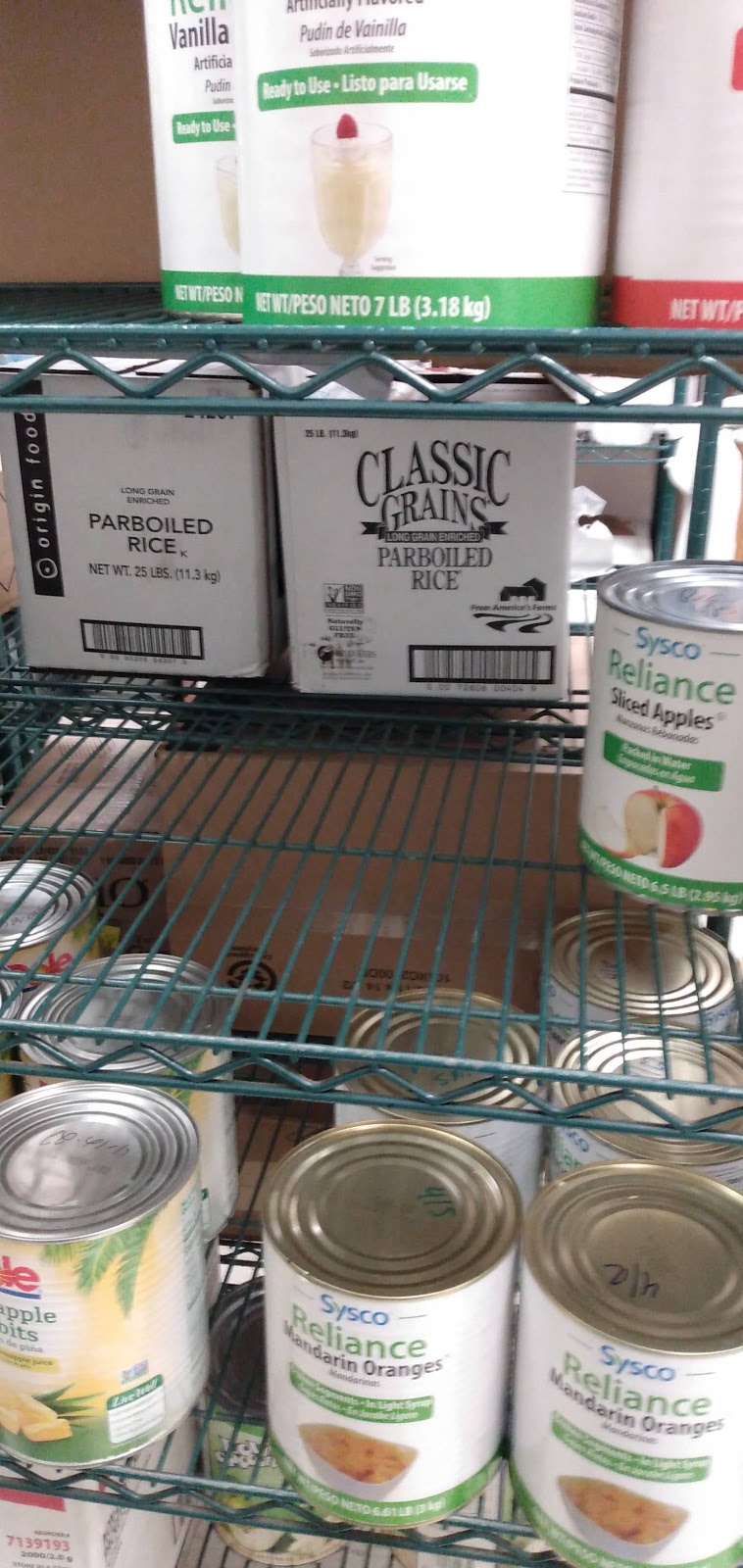
Who Owns and Operates Emerald Ridge Health And Rehabilitation?

Emerald Ridge Health and Rehabilitation is owned by a for-profit company. For-profit facilities operate as businesses with obligations to shareholders or private owners. The facility is operated by CONSULATE HEALTH CARE/INDEPENDENCE LIVING CENTERS/NSPIRE HEALTHCARE/RAYDIANT HEALTH CARE, a chain that manages multiple nursing homes. With 100 certified beds and approximately 86 residents (about 86% occupancy), it is a mid-sized facility located in Asheville, North Carolina.

How Does Emerald Ridge Health And Rehabilitation Compare to Other North Carolina Nursing Homes?

Compared to the 100 nursing homes in North Carolina, Emerald Ridge Health and Rehabilitation's overall rating (2 stars) is below the state average of 2.8, staff turnover (45%) is near the state average of 46%, and health inspection rating (2 stars) is below the national benchmark.

What Should Families Ask When Visiting Emerald Ridge Health And Rehabilitation?

Based on this facility's data, families visiting should ask: "Can I visit during a mealtime to observe dining assistance and food quality?" "How do you handle medical emergencies, and what is your hospital transfer rate?" "Can I speak with family members of current residents about their experience?"

Is Emerald Ridge Health And Rehabilitation Safe?

Based on CMS inspection data, Emerald Ridge Health and Rehabilitation has a clean safety record: no substantiated abuse findings (meaning no confirmed cases of resident harm), no Immediate Jeopardy citations (the most serious violation level indicating risk of serious injury or death), and is not on the Special Focus Facility watch list (a federal program monitoring the lowest-performing 1% of nursing homes). The facility has a 2-star overall rating and ranks #100 of 100 nursing homes in North Carolina. While no facility is perfect, families should still ask about staff-to-resident ratios and recent inspection results during their visit.

Do Nurses at Emerald Ridge Health And Rehabilitation Stick Around?

Emerald Ridge Health and Rehabilitation has a staff turnover rate of 45%, which is about average for North Carolina nursing homes (state average: 46%). Moderate turnover is common in nursing homes, but families should still ask about staff tenure and how the facility maintains care continuity when employees leave.

Was Emerald Ridge Health And Rehabilitation Ever Fined?

Emerald Ridge Health and Rehabilitation has been fined $10,868 across 1 penalty action. This is below the North Carolina average of $33,188. While any fine indicates a compliance issue, fines under $50,000 are relatively common and typically reflect isolated problems that were subsequently corrected. Families should ask what specific issues led to these fines and confirm they've been resolved.

Is Emerald Ridge Health And Rehabilitation on Any Federal Watch List?

Emerald Ridge Health and Rehabilitation is not on any federal watch list. The most significant is the Special Focus Facility (SFF) program, which identifies the bottom 1% of nursing homes nationally based on persistent, serious quality problems. Not being on this list means the facility has avoided the pattern of deficiencies that triggers enhanced federal oversight. This is a positive indicator, though families should still review the facility's inspection history directly.