The Laurels of Summit Ridge
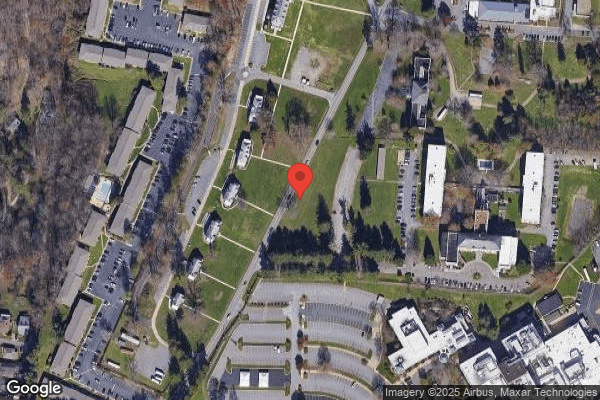
100 Riceville Road, Asheville, NC 28805 (828) 299-1110
For profit - Corporation 68 Beds CIENA HEALTHCARE/LAUREL HEALTH CARE Data: November 2025
Trust Grade
60/100
#203 of 417 in NC
Last Inspection: May 2025

Inspected within the last 6 months. Data reflects current conditions.

Overview

The Laurels of Summit Ridge has a Trust Grade of C+, indicating it is slightly above average, but not among the best options available. It ranks #203 out of 417 facilities in North Carolina, placing it in the top half of the state, and #9 out of 19 in Buncombe County, where there are limited alternatives. The facility is on an improving trend, with issues decreasing from 8 in 2024 to 7 in 2025. Staffing is one of its strengths, with a 4/5 star rating and a turnover rate of 47%, which is below the state average, suggesting that staff members are familiar with the residents. However, there are significant concerns as a resident with paralysis experienced multiple falls due to inadequate safety interventions, leading to head injuries, and the facility also failed to provide necessary assistive devices for residents, highlighting areas needing improvement.

Trust Score
C+
60/100
In North Carolina
#203/417
Top 48%
Safety Record
Moderate
Needs review
Inspections
Getting Better
8 → 7 violations
Staff Stability
⚠ Watch
47% turnover. Above average. Higher turnover means staff may not know residents' routines.
Penalties
✓ Good
No fines on record. Clean compliance history, better than most North Carolina facilities.
Skilled Nurses
✓ Good
Each resident gets 61 minutes of Registered Nurse (RN) attention daily — more than 97% of North Carolina nursing homes. RNs are the most trained staff who catch health problems before they become serious.
Violations
⚠ Watch
18 deficiencies on record. Higher than average. Multiple issues found across inspections.
★★★☆☆
3.0
Overall Rating
★★★★☆
4.0
Staff Levels
★★★★★
5.0
Care Quality
★★☆☆☆
2.0
Inspection Score
Stable
2024: 8 issues
2025: 7 issues

The Good

  • 4-Star Staffing Rating · Above-average nurse staffing levels
  • 5-Star Quality Measures · Strong clinical quality outcomes
  • Full Sprinkler Coverage · Fire safety systems throughout facility
  • No fines on record

Facility shows strength in staffing levels, quality measures, fire safety.

The Bad

3-Star Overall Rating

Near North Carolina average (2.8)

Meets federal standards, typical of most facilities

Staff Turnover: 47%

Near North Carolina avg (46%)

Higher turnover may affect care consistency

Chain: CIENA HEALTHCARE/LAUREL HEALTH CARE

Part of a multi-facility chain

Ask about local staffing decisions and management

The Ugly 18 deficiencies on record

1 actual harm
Jul 2025 1 deficiency 1 Harm
SERIOUS (G) 📢 Someone Reported This

A family member, employee, or ombudsman was alarmed enough to file a formal complaint

Actual Harm - a resident was hurt due to facility failures

Accident Prevention (Tag F0689)

A resident was harmed · This affected 1 resident

**NOTE- TERMS IN BRACKETS HAVE BEEN EDITED TO PROTECT CONFIDENTIALITY** Based on record review, staff, family, and Nurse Practitioner (NP) interviews, the facility failed to implement effective interv...

Read full inspector narrative →
**NOTE- TERMS IN BRACKETS HAVE BEEN EDITED TO PROTECT CONFIDENTIALITY** Based on record review, staff, family, and Nurse Practitioner (NP) interviews, the facility failed to implement effective interventions to prevent a resident (Resident #1) with right side hemiplegia (paralysis on the right side of the body) who took Plavix (antiplatelet medication) and aspirin (antiplatelet medication) from repeatedly falling from an air mattress and sustaining head injuries. Resident #1 sustained falls from her air mattress on 5/29/25, 6/10/25, and 6/13/25. After her fall on 5/29/25 Resident #1 had a raised lump and bruising to her head requiring her to be transferred to the emergency room (ER) for evaluation. After her third fall from the air mattress on 6/13/25, Resident #1 sustained another head injury which included a 3 centimeter (cm) laceration and hematoma. Resident #1 required ER evaluation and staples to treat the laceration to her head. This deficient practice occurred for 1 of 3 residents reviewed for supervision to prevent accidents.Findings included:Resident #1 was admitted to the facility on [DATE]. Her diagnoses included cerebral infarction (stroke), hemiplegia affecting the right dominant side, aphasia, dementia, muscle weakness, muscle wasting and atrophy, history of falling, long term use of antithrombotic/ antiplatelets.The admission Minimum Data Set (MDS) assessment dated [DATE] indicated Resident #1 had severe cognitive impairment. She was not documented for behaviors or rejection of care. The MDS documented that she was dependent on staff for bed mobility. The MDS further documented she had a history of falling within the last month prior to admission and she received antiplatelet medication.A current care plan during June 2025 included Resident #1 was at risk for fall related injury and falls related to impaired mobility, incontinence, requires assistive device, and current diagnoses-cerebral infarction (stroke), hemiplegia affecting right dominant side. The care plan goal was for Resident #1 to be free from injury related to falls. The care plan interventions included the following interventions:- An intervention dated 5/30/25 read: bed in lowest position.-An intervention dated 6/10/25 read: physical therapy (PT) and occupational therapy (OT) evaluation. -An intervention dated 6/13/25 read: will replace air mattress with bolstered air mattress (an air mattress equipped with raised, supportive barriers along the sides. The primary function of bolsters is to create a defined edge, thereby preventing individuals from rolling off the mattress). Other interventions included on the fall care plan included encouraging her to wear non-skid footwear when out of bed. Encouraged to rest in recliner, chair, or bed when appears fatigued. Encourage to wear appropriate footwear as needed. Follow facility fall protocol. Keep the environment as safe as possible with adequate lighting, call light within reach, commonly used items within reach, avoid repositioning furniture and keep the bed in the appropriate position. Lock wheels on wheelchair prior to transfers. Orient to surroundings as needed. Monitor for side effects of medications.Resident #1's active physician orders during June 2025 included the following orders:-Plavix (Clopidogrel) 75 milligram (mg) oral tablet daily- Aspirin 81 mg chewable tablet dailyReview of a facility incident report dated 5/29/25 at 1:50 PM revealed Resident #1 sustained a fall. The incident report stated a Nurse Aide (NA) found Resident #1 lying on the floor next to her bed face down on the floor. The report indicated Resident #1 was unable to communicate about the incident. The incident report stated Resident #1 was assessed and the following injuries were noted: skin bruises on the right arm and left upper arm, bruise and swelling with lump on her upper right forehead and bruises on her right check. The physician was notified, and Resident #1 was transported to the ER for evaluation per physician orders. The incident report included Resident #1 was on an air mattress and the settings were correct. The fall intervention was to keep bed in the lowest position.An interview was conducted on 7/2/25 at 10:00 AM with NA #1. He said he had walked by Resident #1's room on 5/29/25 and saw her leg on the floor. He stated he went into her room to check on her and saw Resident #1 on the floor beside her bed. NA #1 reported he went and got Nurse #1.An interview was conducted on 7/1/25 at 11:30 AM with Nurse #1. She was the assigned nurse for Resident #1 when she fell on 5/29/25 and remembered the fall. Nurse #1 recalled Resident #1 had fallen from her bed. She stated Resident #1 was trying to get up unassisted from bed when she fell and the fall was unwitnessed. Nurse #1 said NA #1 had come and told her Resident #1 had fallen. Nurse #1 reported Resident #1 could not get up without assistance and needed the assistance of two staff members with bed mobility and transfers. Nurse #1 stated Resident #1 would move and wiggle in bed and would say she was trying to get up to go home. She recalled Resident #1 had an air mattress in place at the time of her fall on 5/29/25. Nurse #1 remembered Resident #1 hit her head when she fell on 5/29/25 from her bed and had to go to the hospital because she was on a blood thinner.A hospital note dated 5/29/25 said Resident #1 was seen in the emergency department for a fall out of bed with a head injury and that her head and cervical (neck) scans showed no sign of any worrisome injury.Resident #1 returned to the facility on 5/29/25 after the ER visit.An incident report dated 6/10/25 at 11:56 PM stated when staff went into Resident #1's room she was on the floor on her left side. The incident report indicated she was assessed, had no injuries from the fall, and was placed back in bed. The incident report further stated Resident #1 was unable to explain what happened. The intervention for the fall was not included in the incident report.A telephone interview was conducted with Nurse #2 on 7/1/24 at 7:02 PM. She recalled Resident #1's fall from 6/10/25. She stated Resident #1 had fallen out of bed and was found lying beside the bed. Nurse #2 reported the fall was unwitnessed and Resident #1 had been unable to tell her what happened. Nurse #2 recalled Resident #1 had an air mattress and stated she thought Resident #1 had rolled out of bed. Nurse #1 reported she assessed Resident #1 after the fall, and she did not have any injuries.Review of Resident #1's medical record revealed there was no documentation of Physical Therapy or Occupational Therapy evaluations after her 6/10/25 fall. An incident report dated 6/13/25 at 2:00 PM indicated Resident #1 was found lying on the floor on the left side of her bed. The report said Resident #1 had been reaching for something and lost her balance. The incident report included the bed was in the lowest position and Resident #1 had been seen approximately 15 minutes prior. The incident report stated the NP was present and assessed Resident #1 and that she had a laceration noted on her left head and complained of neck pain. The report said orders were received to transport Resident #1 to the ER for evaluation. The incident report included that Resident #1 returned to the facility after being evaluated at the ER and had staples in place. The incident report also included that Resident #1 had just been moved to room [ROOM NUMBER] B and that an air mattress was in place at the time of the fall and the settings were correct.Review of Resident #1's electronic medical record census indicated she had moved from room [ROOM NUMBER] B to room [ROOM NUMBER] B on 6/9/25.A telephone interview was conducted with Nurse #3 on 7/2/25 at 10:00 AM. She was Resident #1's nurse on 6/13/25 and recalled her fall. Nurse #3 said Resident #1 had fallen out of the bed on the left side of the bed. She said the fall had occurred just after lunch and that she had been in Resident #1's room about 10 minutes before the fall to give her medications. She reported the fall was unwitnessed, but that Resident #1 had nodded yes when she asked her if she was reaching for something. Nurse #3 said she thought Resident #1 was reaching out with her left arm and slid out of bed. She stated Resident #1 did not have use of the right side of her body due to her stroke. Nurse #3 recalled all of Resident #1's personal items were within reach at the time of the fall, and she had not been able to figure out what Resident #1 had been trying to reach for. Nurse #3 stated Resident #1 had not been able to tell her after the fall what she was reaching for. She reported Resident #1 could say yes/ no but was mostly non-verbal. Nurse #3 stated Resident #1 hit her head when she fell and was bleeding. She said 911 was called immediately. She reported she applied compression to Resident #1's head and stayed with her until emergency medical services (EMS) arrived. Nurse #3 reported Resident #1 tended to lean to the left side when she was in bed and they tried to use pillows to position her in bed. Nurse #3 said Resident #1's bed was in the lowest position at the time of the fall; she explained Resident #1 had fallen out of the bed before and they had been taking precautions. Nurse #3 stated an air mattress with bolsters had been ordered for Resident #1 after her previous fall from the bed. Nurse #3 said she was not sure what time the air mattress with bolsters had arrived on 6/13/25 but thought it was a few hours before Resident #1's fall on 6/13/25. She stated she did not remember who had told her it had arrived, but she recalled the air mattress with bolsters being in the hallway a few hours before the fall. She stated they were getting ready to put the air mattress with bolsters on Resident #1's bed after lunch but she had fallen before they were able to place it.Review of a facility provided medical supply company work order form for the delivery of an air mattress with bolster cover. The form was signed by a representative of the medical supply company and dated 6/13/25. The form was signed by the facility representative (central supply) and dated 6/13/25.A telephone interview was conducted with a representative from the medical supply company on 7/2/25 at 9:20 AM. He stated the facility had called and placed an order for the air mattress with bolster rental on 6/11/25. He reviewed the work order delivery form the medical company had on file and stated the work order delivery form stated the air mattress with bolsters was delivered to the facility on 6/12/25. He reported the account said the air mattress with bolsters was placed in the facility on 6/12/25. He stated the work order form was signed by a representative from the medical supply company and dated 6/12/25. He said the work order delivery form was signed by the facility representative and dated 6/12/25. He faxed the work order form to the surveyor for review.Review of the work order form provided by the medical supply company revealed the form was identical to the form provided by the facility with matching customer and medical supply company representative signatures. The only difference noted in the form provided by the medical supply company was that the signatures were dated 6/12/25.An interview was conducted with Central Supply on 7/2/25 at 10:30 AM. She reported she ordered the air mattress with bolsters for Resident #1 on 6/11/25. She reported she was not aware of the date of 6/12/25 being on the medical supply company delivery form. She stated the air mattress was delivered from the medical supply company in the afternoon on 6/13/25 and she recalled signing for the air mattress with bolsters when it was delivered. A hospital ER report dated 6/13/25 stated Resident #1 rolled out of bed and was found to have significant hematoma and laceration to her head. The ER note stated, fall from bed 3 feet, unwitnessed. The ER note indicated she was on Plavix and was still bleeding on arrival. The ER reported a head scan was completed. The head scan showed no evidence of post traumatic injury to the brain or fracture. The head scan showed a left scalp laceration with hematoma. The ER course stated she had a 3 cm laceration, to her left scalp and several staples were placed very close together to help control bleeding. The ER note did not state how many staples had been applied. The discharge disposition and diagnosis included closed head injury with scalp laceration without evidence of intra cranial hemorrhage (ICH).Resident #1 was discharged back to the facility after her ER visit on 6/13/25.An interview was conducted with NP on 7/1/25 at 3:35 PM. The NP said she remembered Resident #1 and her falls. The NP said Resident #1's falls should not have happened. She explained Resident #1 had hemiparesis on her right side and would lean to her left side and roll out of bed. The NP asked the surveyor, Why was there nothing there to prevent her from leaning and rolling out of bed?. She reported Resident #1 always fell out of bed on the left side. The NP stated she felt if there was some type of rail on her bed she would not have kept falling out of bed. The NP replied, it's a good question why the bolsters were not added after her first fall, she replied why were they not added? The NP stated she felt if a fall mat had been in place, it would have prevented the laceration and injuries to Resident #1's head. She said if a fall mat was in place Resident #1 probably would not have had to go to the ER because she would not have gotten injuries to her head. The NP said she had spoken to the DON about her concerns and had been told it was corporate policy. The NP explained she had told the DON when Resident #1 fell on 6/13/25 that her fall could have been prevented. The NP recalled Resident #1 returned to the facility after her fall on 6/13/25 and her scans had been good. She recalled Resident #1 had 12-13 staples when she returned. The NP stated she felt the facility could have done a better job with preventing Resident #1's falls.An interview was conducted with the Minimum Data Set (MDS) Nurse on 7/2/25 at 11:05 AM. The MDS Nurse reviewed Resident #1's care plan and stated the intervention for her first fall from the air mattress bed on 5/29/25 was to keep the bed in the lowest position. The MDS Nurse reported the intervention for her second fall from the air mattress bed on 6/10/25 was for PT and OT to evaluate her. The MDS Nurse reported the intervention for her third fall from the air mattress bed on 6/13/25 was to change her to an air mattress with bolsters. The MDS Nurse stated fall interventions were discussed in the morning meetings and that therapy was present in the morning meetings.An interview was conducted with Occupational Therapy Assistant (OTA) #1 on 7/2/25 at 12:30 PM. He stated he had attended morning meetings for therapy and was not aware of a therapy evaluation request for Resident #1 from June. He reported there had been no PT or OT therapy evaluation completed for Resident #1 since she had been discharged from therapy services. He reported she had been discharged from OT services on 4/29/25 and had been discharged from PT services on 5/5/25.An interview was conducted with DON on 7/2/25 at 11:30 AM. She stated Resident #1 had a fall on 5/29/25 from her bed. She recalled Resident #1 had a pump knot on her head after she had fallen and went to the ER. The DON reported all her scans at the ER had been good and she returned to the facility the same day. The DON said she had an air mattress, and the settings were checked when she had fallen and had been correct. The DON explained the intervention for Resident #1's fall had been to keep her bed in the lowest position. The DON said Resident #1 had fallen because she had been trying to get up from the bed. The DON recalled Resident #1 fell again on 6/10/25 from her bed during the night. The DON stated after Resident #1's fall on 6/10/25 it was discussed that her air mattress was a factor in her fall and that was when they had decided to order an air mattress with bolsters. The DON stated the air mattress was ordered on 6/11/25 after her fall was reviewed in the morning meeting. She explained the air mattress with bolsters was a specialty mattress that had to be ordered from a medical supply company, and they had to wait for it to be delivered. The DON said while they were waiting for the air mattress with bolsters to be delivered, they had moved Resident #1 to a room closer to the nursing station. She did not know why Resident #1 medical record census stated she had been moved to room [ROOM NUMBER] B on 6/9/25 before her fall on 6/10/25. The DON said she thought the census date listed in Resident #1's medical record was incorrect and that she had been moved after her fall on 6/10/25. She was unable to provide any additional documentation about when Resident #1 moved rooms. The DON then said Resident #1 had fallen again within a hour of moving her to the new room. The DON did not elaborate if it was the fall on 6/10/25 or 6/13/25 she was referring to. The DON explained when Resident #1 fell on 6/13/25 the air mattress was ordered by had not been placed yet. She stated Resident #1 had fallen again on 6/13/25 before the air mattress was placed. She reported the NP had been at the facility and saw her when she fell on 6/13/25. She reported Resident #1 hit her head when she fell and had a laceration to her head. The DON stated Resident #1 was transferred to the ER for evaluation after her fall on 6/13/25. She explained all her scans had been good and she had returned to the facility the same day with staples to the laceration. The DON stated Resident #1 had 12 staples when she returned to the facility. The DON explained the air mattress with bolsters was placed on Resident #1's bed while she was at the ER. The DON said Resident #1 did not have any more falls after the air mattress with bolsters was placed. The DON said she thought the air mattress with bolsters was delivered on 6/13/25. She reported she did not know why the dates on the medical supply company work order form were different than the medical supply company work order form the facility had provided. The DON was not aware that Resident #1 had not been evaluated by PT and OT after her fall on 6/10/25. She stated therapy was present during the morning meetings and it was discussed during the morning meeting. The DON said the therapy department was responsible for following up to ensure the evaluation was completed. She explained there had been a lot of turnovers in the therapy department and that she thought it had been missed. The DON did not recall the NP saying she felt Resident #1's falls could be prevented. The DON said she did not think Resident #1's falls could have been prevented. She reported Resident #1 did not have any more falls after the air mattress with bolsters was placed because they found an intervention that worked.An interview was conducted with the Administrator on 7/2/25 at 12:47 PM. The Administrator said Resident #1 had fallen because she rolled out of the air mattress. She stated there was not any way to expedite equipment and the air mattress with bolsters was a specialty item that had to be ordered. The Administrator said the air mattress with bolsters was placed when it was delivered after lunch, she explained placing the air mattress with bolsters onto Resident #1's bed was a big task for staff to complete, and she thought the staff did a good job. The Administrator stated the PT/ OT eval was missed for Resident #1 because of therapy transitions during that time and it got missed. The Administrator said they tried the least restrictive things first when someone fell and did not put out the biggest things on the front end. She explained they tried to do the least restrictive interventions to help residents be safe and that was why they did not do the bolsters after Resident #1's first fall.
May 2025 6 deficiencies
CONCERN (D) 📢 Someone Reported This

A family member, employee, or ombudsman was alarmed enough to file a formal complaint

Potential for Harm - no one hurt, but risky conditions existed

Safe Environment (Tag F0584)

Could have caused harm · This affected 1 resident

Based on observation and staff interviews the facility failed to maintain the shower room tile floor in good repair when missing and broken tiles were observed for 1 of 1 shower rooms reviewed for a s...

Read full inspector narrative →
Based on observation and staff interviews the facility failed to maintain the shower room tile floor in good repair when missing and broken tiles were observed for 1 of 1 shower rooms reviewed for a safe, clean, comfortable and homelike environment. The findings included: An observation of the shower room conducted on 05/14/25 at 3:06 PM with the Unit Manager revealed missing and broken floor tiles at the front of the shower area. The damaged space on the floor comprised of 22 missing square tiles with tiles in the space loose and not attached to the floor. Each tile was approximately 2 inches by 2 inches. Two tiles were loose from the floor in the damaged space, four attached tiles were loose in the damaged space and one loose tile was broken into two pieces and loose in the damaged space. The entire damaged area was approximately one foot by one foot in an irregular shape and could be a tripping hazard based on the loose, irregular shaped tiles. While in a shower chair a resident's feet could come in contact with the damaged area and broken tiles. During an interview with the Unit Manager conducted immediately after the shower room observation on 5/21/25 at 3:11 PM she indicated the damage must have just happened and she would alert the Maintenance Director to get it fixed. The Unit Manager stated not all residents received a shower or bath in the shower room but a shower had just been completed before we entered the room as the shower area was still wet. She voiced the Maintenance Director was in the process of redoing all the floors including the shower room floor and once the other floors were done, he would start replacing the shower room floor. An interview with Nurse Aide #2 on 05/15/25 at 8:51 AM revealed the tiles in the shower room had been damaged for about six weeks but she had no problem rolling a shower chair occupied by a resident over the damaged area when using the shower room. On 05/14/25 at 3:56 PM an observation of the shower room conducted with the Maintenance Director revealed the shower room floor would be replaced in about a month, after the other flooring replacement was completed in other parts of the building. He indicated the missing and loose tiles had been there a couple of months but there was nothing that could be done to fix the damaged area as anything that was put into place would just pop up again when the water hit it. An interview with the Administrator on 05/15/25 at 4:15 PM revealed she was aware of the damage and had put it on the list to be fixed as soon as possible. She indicated the shower room was not being used by residents as all residents received a shower in their own bathroom. The Administrator was informed during the interview the shower room was being used for resident showers per observations and staff interviews and she had no response.
CONCERN (D) 📢 Someone Reported This

A family member, employee, or ombudsman was alarmed enough to file a formal complaint

Potential for Harm - no one hurt, but risky conditions existed

ADL Care (Tag F0677)

Could have caused harm · This affected 1 resident

**NOTE- TERMS IN BRACKETS HAVE BEEN EDITED TO PROTECT CONFIDENTIALITY** Based on observations, record review, resident and staff interviews, the facility failed to perform fingernail care for 1 of 2 r...

Read full inspector narrative →
**NOTE- TERMS IN BRACKETS HAVE BEEN EDITED TO PROTECT CONFIDENTIALITY** Based on observations, record review, resident and staff interviews, the facility failed to perform fingernail care for 1 of 2 residents reviewed for (ADL) care (Resident #8). The findings included Resident #8 was admitted to the facility on [DATE] with diagnoses that included dementia, Parkinson's Disease, type 2 diabetes, and osteoarthritis. Resident #8 was care planned for functional ability deficit and required assistance with self-care and mobility and frequently refusing showers revised on 1/30/25. Interventions included to document and report to a nurse as needed for any changes in functional ability, potential for improvement, and reasons for inability to perform activities of daily living. An additional intervention included to reapproach the resident later with another staff if he refuses care. A review of Resident #8's quarterly Minimum Data Set (MDS) assessment dated [DATE] coded him as cognitively intact. He required maximum assistance with toileting and setup or clean up assistance with personal hygiene. A review of the facility's bathing schedule revealed Resident #8 was scheduled to be bathed on Monday and Thursday. On 5/12/25 at 2:48 PM an in-room observation and interview revealed all of Resident #8's fingernails on both hands to be approximately ½ inch past the tip of his fingers. The fingernails contained black substance underneath his nails. Resident #8 stated during the observation that it had been a couple of months since his fingernails were last cut or cleaned by a nurse aide or nurse. The resident stated he was told by a nurse aide that a nurse would have to cut his nails because he had diabetes. Resident #8 said he would like to have all his nails on both hands cut and cleaned, and he had not tried to cut or clean his nails. On 5/15/25 at 11:28 AM an in-room observation and interview revealed Resident #8's nails remained unchanged. The resident stated he had not had a bath or shower during the current week. Resident #8's assigned Nurse Aide (NA) #1 was interviewed on 5/15/25 at 12:55 PM. NA #1 stated Resident #8 was scheduled to be showered or bathed 2 days each week on Monday and Thursdays. The NA stated around 9:00 AM on 5/15/25 he asked Resident #8 if he wanted a shower and the resident refused. NA #1 stated he did not notice Resident #8's fingernails and was unaware how long they were or that they needed to be cleaned when he was with the resident earlier. He also stated he had not noticed Resident #8's fingernails while providing care to him the previous day (5/14/25). The NA went on to say cleaning fingernails and trimming fingernails was part of the shower routine, but he was not allowed to trim resident nails who had diabetes. NA #1 said he would tell his nurse when a diabetic resident needed to have their nails trimmed and he had not notified his nurse regarding Resident #8's fingernails On 5/15/25 at 1:11 PM a follow-up observation and interview with Resident #8 revealed his fingernails remained unchanged. The resident stated he was offered a shower Monday evening (5/12/25) and he declined the shower, and he was not asked if he wanted his fingernails cleaned or cut. Resident #8 also stated he was not offered a shower during the current morning (5/15/25). Resident #8's assigned Nurse #1 for 5/15/25 was interviewed on 5/15/25 at 1:17 PM. She stated NA #1 had reported to her a few minutes prior that Resident #8 had refused his shower today (5/15/25) and she was writing a nurse's progress note that documented the refusal. Nurse #1 stated Resident #8 did have a history of refusing showers and baths and she had not personally tried to cut his fingernails. Nurse #1 stated it was the nurse's responsibility trim the fingernails of a diabetic resident, and she was not aware Resident #8's nails were ½ inch longer than his fingers or that there was a black substance noted under the nails. Furthermore, the nurse stated the NAs should have communicated to her Resident #8's fingernails needed to be trimmed and cleaned, and she would ask the resident if she could trim his nails. On 5/15/25 at 2:01 PM Nurse #1 stated she had trimmed Resident #8's nails. Resident #8 had not refused the nail care today and she had soaked his nails in water, cleaned and filed them down. On 5/15/25 at 4:02 PM the Director of Nursing (DON) stated Resident #8 did have a history of refusing care. The DON stated nail care was completed as part of showers or baths and long nails of a diabetic resident needed to be reported to a nurse. The nurse would have been able to trim and clean Resident #8's fingernails.
CONCERN (D) 📢 Someone Reported This

A family member, employee, or ombudsman was alarmed enough to file a formal complaint

Potential for Harm - no one hurt, but risky conditions existed

Unnecessary Medications (Tag F0759)

Could have caused harm · This affected 1 resident

**NOTE- TERMS IN BRACKETS HAVE BEEN EDITED TO PROTECT CONFIDENTIALITY** Based on record review, observations and staff interviews, the facility failed to maintain a medication error rate of less than ...

Read full inspector narrative →
**NOTE- TERMS IN BRACKETS HAVE BEEN EDITED TO PROTECT CONFIDENTIALITY** Based on record review, observations and staff interviews, the facility failed to maintain a medication error rate of less than 5% as evidenced by a medication omission and administration of wrong dosage (2 medication errors out of 31 opportunities), resulting in a medication error rate of 6.45% for 1 of 3 residents (Resident #28) observed during medication pass. The findings included: Resident #28 was admitted to the facility on [DATE] with diagnoses that included chronic obstructive pulmonary disease (COPD), and anemia. a. The Physician's Orders in Resident #28's electronic medical record indicated an active order dated 11/26/24 for Cyanocobalamin (Vitamin B12) tablet 1000 micrograms (mcg) - give 1 tablet by mouth one time a day. On 5/14/25 at 8:48 AM, Nurse #1 was observed as she prepared and administered Resident #28's medications. Nurse #1 did not administer a Cyanocobalamin tablet to Resident #28. An interview with Nurse #1 on 5/14/25 at 10:42 AM revealed she missed giving the Cyanocobalamin tablet to Resident #28 and it wasn't included in the pills she administered to Resident #28. b. The Physician's Orders in Resident #28's electronic medical record indicated an active order dated 3/18/25 for Guaifenesin (expectorant medication) extended release 12 hour 600 milligrams (mg) - give 1 tablet by mouth every 12 hours for COPD. On 5/14/25 at 8:48 AM, Nurse #1 was observed as she administered Resident #28's medications. Nurse #1 administered Guaifenesin 400 mg tablet to Resident #28. An interview with Nurse #1 on 5/14/25 at 10:42 AM revealed she didn't realize that she gave the wrong dose of Guaifenesin to Resident #28. Nurse #1 stated that she took the medication out of a stock bottle and what was available was 400 mg tablets on the label, and they did not have 600 mg tablets of Guaifenesin available. An interview with the Director of Nursing (DON) on 5/14/25 at 10:54 AM revealed Guaifenesin was normally a stock medication at the facility, and it came in different strengths. The DON stated that if the dosage ordered for Resident #28 was different from what they had available, then they could order them from the pharmacy. The DON stated that this was Nurse #1's first time working on the medication cart after several weeks of orientation, and she should have followed the five rights of medication administration by verifying the medication cards against the orders.
CONCERN (D) 📢 Someone Reported This

A family member, employee, or ombudsman was alarmed enough to file a formal complaint

Potential for Harm - no one hurt, but risky conditions existed

Infection Control (Tag F0880)

Could have caused harm · This affected 1 resident

Based on observations, record review, and staff interviews, the facility failed to follow their infection control policy when the Floor Technician entered a resident's room (Resident #46) on Enhanced ...

Read full inspector narrative →
Based on observations, record review, and staff interviews, the facility failed to follow their infection control policy when the Floor Technician entered a resident's room (Resident #46) on Enhanced Droplet Precautions without donning an N95 mask, gown, or eye protection. This was for 1 of 6 staff members observed for infection control practices (Floor Technician). Findings included The facility's policy titled Multi Route Transmission Based Precautions was last updated on 11/22/22. The droplet precautions policy stated that staff should wear an N 95 mask, gown, gloves, and eye protection. Resident #46 was diagnosed with COVID on 5/5/25. A physician order dated 5/5/25 for Contact and Droplet Isolation (Transmission Based Precautions) related to COVID-19 every shift and all care to be provided in room. On 5/12/25, at 1:41 PM Floor Technician was observed entering Resident #46's room. Adjacent to Resident #46's door was observed to have an Enhanced Droplet precaution sign that stated staff were to wear gown, an N95 mask, gloves and either face shield or goggles. Outside of Resident #46's door was a small 3 drawer container next to the room with masks, gowns, gloves, and eye covering. The Floor Technician entered the room wearing a surgical mask and gloves and proceeded to check the trash can in the resident's room. The trash can was located approximately 4 feet from the foot of the resident's bed. The Floor Technician was in the room for approximately 10 seconds. When the Floor Technician left Resident # 46's room, he removed his gloves and sanitized his hands with sanitizer that was available on the wall in the hallway. On 5/12/25 at 1:42 PM the Floor Technician was interviewed. He confirmed he entered Resident #46's room without wearing the required personal protective equipment (PPE). The Floor Technician stated he normally did not go into resident rooms and that he did not realize he needed to wear the PPE. The Floor Technician acknowledged the signage beside the resident's door was for enhanced droplet precautions, and he was supposed to do what the sign said before entering the room. The Floor Technician also said he had received infection control training recently. On 5/14/25 at 11:55 AM the Infection Preventionist (IP) was interviewed. She stated Resident #46 was on enhanced droplet precaution for a positive COVID test on 5/5/25. The IP stated all facility staff were expected to wear the PPE indicated on the signage for enhanced droplet precautions which included a KN95 mask, gown, gloves, and face shield when entering a room on enhanced droplet barrier precautions. ON 5/15/25 at 4:02 PM the Director of Nursing stated the Floor Technician was not typically assigned as a housekeeper; he was filling in for a housekeeper on 5/12/25. The Floor Technician was not accustomed to going into resident rooms and had received infection prevention training. The DON stated he should have followed the enhanced droplet precautions before entering the room.
CONCERN (E) 📢 Someone Reported This

A family member, employee, or ombudsman was alarmed enough to file a formal complaint

Potential for Harm - no one hurt, but risky conditions existed

Deficiency F0558 (Tag F0558)

Could have caused harm · This affected multiple residents

**NOTE- TERMS IN BRACKETS HAVE BEEN EDITED TO PROTECT CONFIDENTIALITY** Based on record review, observations, and resident and staff interviews, the facility failed to maximize residents' independence...

Read full inspector narrative →
**NOTE- TERMS IN BRACKETS HAVE BEEN EDITED TO PROTECT CONFIDENTIALITY** Based on record review, observations, and resident and staff interviews, the facility failed to maximize residents' independence with transfers and bed mobility by not providing assist bars or side rails for 2 of 4 residents reviewed for accommodation of needs (Resident #43 and Resident #28). The findings included: 1. Resident #43 was admitted to the facility on [DATE] with diagnoses that included chronic obstructive pulmonary disease, cervical and vertebral disc degeneration, spinal fusion, and generalized muscle weakness. The quarterly Minimum Data Set (MDS) assessment dated [DATE] indicated Resident #43 was cognitively intact, did not have range of motion impairment to either upper or lower extremities, and required supervision or touching assistance with rolling left and right, sitting to lying, lying to sitting on side of bed, sitting to standing position, and chair/bed-to-chair transferring. A physical device evaluation dated 2/6/25 indicated Resident #43 had assist bars that were both up in his bed. The assist bars were assessed as enabler and the following reasons were listed for the device use: repositioning/support, enable/increase bed mobility, enhance mobility, enable/increase independence, improve physical status, and enable resident to reposition self. The evaluation further indicated that Resident #43 was at low risk for entrapment related to the device use. Resident #43's care plan revised on 3/20/25 indicated Resident #43 had a functional ability deficit and required assistance with self-care and mobility. He required assistive devices. Interventions included to encourage participation in therapy, and encourage to participate in self-care as much as able, provide positive reinforcement for all activities attempted, and praise resident for all efforts and accomplishments. A physical device evaluation dated 5/8/25 indicated Resident #43 did not use bed/side rails and assist bars. An observation and interview with Resident #43 on 5/12/25 at 11:31 AM revealed him sitting on his wheelchair which was right next to his bed. He did not have any side rails or assist bars in his bed. Resident #43 stated he used to have an assist bar on his bed before the nursing staff took it out and said the state made them take out all the side rails and assist bars. Resident #43 stated that he talked to the Administrator who told him that there was some way they could put the assist bar in his bed through a therapist evaluation. He further stated that he talked to the therapist, but she told him that she didn't know anything about putting an assist bar back in his bed. Resident #43 shared that he used to use his assist bar to get up from his bed and to get back in it because he was able to transfer himself without assistance from staff. He said it was easier instead of trying to hang on to his wheelchair which he kept positioned right by his bed so he could have something to hold onto whenever he was moving to or from the bed. An interview with the Rehabilitation Services Director (RSD) on 5/13/25 at 1:30 PM revealed physical therapy was currently working with Resident #43 on ambulation and transfers. The RSD stated that they originally worked with Resident #43 when he was first admitted to the facility, and they worked on trying to get him to a position to where he could manage at home, but he could not physically master toileting and effectively cleaning himself up independently. After they had finished working with him the first time, Resident #43 was able to transfer himself independently. The RSD further stated that Resident #43 had mentioned to him about requesting for an assist bar because he had difficulty rolling himself in bed without having something to hold onto. The RSD stated that he passed it on to nursing during clinical meetings but there wasn't much of a response. He further shared that as far as he knew, it was company facility that the use of assist bars and side rails had to meet a certain criteria before they would allow their use. The RSD said that Resident #43 would benefit from the use of an assist bar in increasing his independence with bed mobility and transferring. A second observation and interview with Resident #43 on 5/13/25 at 1:15 PM revealed he mentioned the issue about an assist bar to the Unit Manager, and she told him that she was just following what her boss told her. Resident #43 was observed transferring himself from his wheelchair to his bed while holding on to the wheelchair armrest. Resident #43 voiced difficulty in maneuvering around without the support of an assist bar. He stated that it would make it easier for him to transfer himself from the bed to his wheelchair or vice versa if he had an assist bar in his bed. A joint interview with the Unit Manager and the Director of Nursing (DON) on 5/15/25 at 10:17 AM revealed all residents received a physical device assessment to make sure their devices were appropriate for them, and these included the use of assist bars. The DON stated that this was a gradual process which they started a couple of weeks ago because they were trying to decrease the use of side rails or assist bars and discourage their long term use. The DON further stated that they only wanted to use them when necessary. She shared that this was based on direction from their corporate who felt that the less devices they used, the better it would be for safety reasons. The DON stated that Resident #43 never slept in the bed, always slept in a recliner, rarely transferred himself independently, and staff was needed to help him pivot when transferring. A follow-up observation and interview with Resident #43 on 5/15/25 at 10:47 AM revealed there was no recliner in Resident #43's room and Resident #43 stated he had always slept in his bed, and never had a recliner in his room. Resident #43 further stated that the DON did not know enough about him because she never came into his room, and that it made him so mad when they took off his assist bar because he wanted to maintain his independence with bed mobility and transfers. He also shared that the Unit Manager did not assess and observe him using the assist bar but instead all she did was look at the device and told him that they would have to take it out due to a corporate decision. An interview with Nurse Aide #1 on 5/15/25 at 10:51 AM revealed he never had to assist Resident #43 in transferring himself, and that Resident #43 was able to do it independently. A joint interview was conducted with the DON and the Administrator on 5/15/25 at 3:51 PM. The DON stated that most of her interaction with Resident #43 was when he was on the rehabilitation hall, so she hadn't seen his current room. The DON stated that they were given a directive from corporate to lessen device use, but they did not consult with therapy prior to discontinuing Resident #43's assist bar because he was not on their caseload at that time. The Administrator stated that she met with Resident #43 at least five times since she started working at the facility and he had not mentioned his concern regarding the assist bar. The Administrator added that she had seen Resident #43 holding on to his bed with the head of the bed raised up while transferring himself, and she did not think he had difficulty doing it. 2. Resident #28 was admitted to the facility on [DATE] with diagnoses that included chronic kidney disease, cervical disc degeneration and generalized weakness. The significant change Minimum Data Set (MDS) dated [DATE] indicated Resident #28 was cognitively intact, did not have range of motion impairment to either upper or lower extremities, and was independent with rolling left and right in bed. A physical device evaluation dated 2/6/25 indicated Resident #28 had both ½ side rails up on her bed. The ½ side rails were assessed as an enabler and the following reasons were listed for the device use: repositioning/support, enable/increase bed mobility, enhance mobility, enable/increase independence, and improve physical status. The evaluation further indicated Resident #28 was at low risk for entrapment related to the device use. Resident #28's care plan dated 3/26/25 indicated she had a functional ability deficit, required assistance with self-care and mobility and required assistive devices. Interventions included to encourage participation in therapy and encourage to participate in self-care as much as able. A physical device evaluation dated 5/07/25 indicated Resident #28 did not use bed/side rails and assist bars. The evaluation was completed by the Unit Manager and the documentation did not include a risk assessment, or the observation Resident #28 was not able to follow directions consistently and was deemed unsafe for bed rails. An observation and interview with Resident #28 on 5/12/25 2:01 PM revealed her lying in bed with the head of her bed raised. Resident #28 indicated her side rails were taken off about three weeks ago and she had been using them to turn over and pull herself around in bed and would like to get her side rails back. She stated she would like to be able to position herself when she wants as she did before without having to ask staff for help. Resident #28 shared staff now had to assist her by pushing her to roll from side to side in bed. A follow-up observation and interview with Resident #28 on 5/15/25 at 11:28 AM revealed a staff member came into her room about three weeks ago and removed her side rails, and she did not recall a side rail assessment being done with her at that time. She further indicated Nurse Aides now have to push her to roll left or right in bed when she could do it before by herself. Resident #28 shared she uses her bedside nightstand to assist her with rolling over in bed when she can reach it. An interview on 5/13/25 at 2:05 PM with the Physical Therapist (PT) revealed Resident #28 would have a much easier time with bed mobility if side rails were in place. The PT indicated therapy was currently working with Resident #28 to increase independence with bed mobility and get her to be modified independent (taking more time to perform a task but able to do it independently with an assistive device) with bed mobility. She revealed Resident #28 would definitely benefit from having side rails for her bed mobility. An interview on 5/15/25 at 8:51 AM with Nurse Aide (NA) #2 revealed Resident #28 had been mostly independent with rolling from side to side in bed using her side rails and had required just a little assistance now and then. She indicated Resident #28 currently moves around in bed but not quite as well as when she had side rails and needed more assistance to roll over now. A joint interview with the Unit Manager and the Director of Nursing (DON) on 5/15/25 at 10:23 AM revealed every resident received a physical device assessment to ensure any devices used were appropriate and safe for them to use. The Unit Manager indicated when she performed the physical device assessment on 5/07/25, Resident #28 was not able to follow directions consistently and was deemed unsafe for side rails. The DON shared their corporate office directive was to use the least restrictive interventions possible for resident safety. A joint interview with the DON and Administrator on 5/15/25 at 3:51 PM revealed they would communicate with the therapy department regarding Resident #28 and have her reevaluated for side rail safety. The Administrator shared they were given a directive from their corporate office to remove side rails and use the least restrictive option available for residents.
CONCERN (E) 📢 Someone Reported This

A family member, employee, or ombudsman was alarmed enough to file a formal complaint

Potential for Harm - no one hurt, but risky conditions existed

Food Safety (Tag F0812)

Could have caused harm · This affected multiple residents

Based on observations and interviews with staff, the facility failed to date leftover food stored for use in the walk-in refrigerator. The facility also failed to maintain the walk-in refrigerator coo...

Read full inspector narrative →
Based on observations and interviews with staff, the facility failed to date leftover food stored for use in the walk-in refrigerator. The facility also failed to maintain the walk-in refrigerator cooling unit pipe from dripping water onto the wall and floor and maintain the cooling unit pipe and walls of the walk-in refrigerator free from substance build-up. This was for 1 of 2 walk-in refrigerators observed (walk-in refrigerator #2). Findings included An observation made in the kitchen's walk-in refrigerator #2 on 5/12/25 at 10:37 AM with the [NAME] revealed 2 opened and undated bags of shredded cheese located on the second shelf of the food storage rack. A pipe located behind the cooling unit was slowly dripping water onto the floor of the refrigerator. The pipe went from the back of the cooling unit and into the wall and contained a white and fuzzy in appearance substance spread across the duration of the pipe. Each wall of the walk-in refrigerator contained areas of the white fuzzy substance. The [NAME] was interviewed on 5/12/25 at 10:37 AM during the observation and stated the cheese was used earlier in the day and should have been dated for use within 7 days before storing it in the walk-in refrigerator. The [NAME] immediately dated the cheese. Additionally, the [NAME] said she did not know the cooling unit's pipe was dripping water and did not know the last time the walk-in refrigerator had been cleaned. On 5/15/25 at 1:59 PM an observation of the walk-in refrigerator #2 with the Maintenance Director revealed the cooling unit pipe to be dripping water. The Maintenance Director stated he was not aware the water was dripping and would contact a refrigerator repair company to look at it. The temporary Dietary Manager was interviewed on 5/15/25 at 2:30 PM. She stated the shredded cheese should have been dated before storing in the refrigerator. She also stated she was unaware of the dripping pipe from the cooling unit and the walk-in refrigerators should be deep cleaned on a quarterly basis, and did not know the last time they were deep cleaned. The Administrator was interviewed on 5/15/25 at 4:02 PM. She stated food stored in the walk-in refrigerator's should be dated when stored. The Administrator stated the dripping pipe from the cooling unit should be repaired to prevent water from dripping in the refrigerator. She also stated the walk-in refrigerators should be cleaned routinely and as needed.
Mar 2024 8 deficiencies
CONCERN (D)

Potential for Harm - no one hurt, but risky conditions existed

Deficiency F0558 (Tag F0558)

Could have caused harm · This affected 1 resident

**NOTE- TERMS IN BRACKETS HAVE BEEN EDITED TO PROTECT CONFIDENTIALITY** Based on observation, record review, and interviews with residents and staff, the facility failed to maintain call bell within r...

Read full inspector narrative →
**NOTE- TERMS IN BRACKETS HAVE BEEN EDITED TO PROTECT CONFIDENTIALITY** Based on observation, record review, and interviews with residents and staff, the facility failed to maintain call bell within reach for 1 out 2 residents reviewed for accommodations of needs. (Resident #1) The findings included: Resident #1 was admitted to the facility on [DATE]. The quarterly Minimum Data Set (MDS) dated [DATE] assessed Resident #1 with minimal impairment in cognition. The MDS indicated walking between locations at any time did not occur for Resident #1 during the assessment period. The care plan dated 3/7/24 revealed that the that the call bell was to be placed within reach and Resident #1 encouraged to use it for assistance. During an observation conducted on 3/19/24 at 10:20 AM the call bell was hanging off the right side of the bed. The call bell was hanging down approximately 10 inches. Resident #1 has a contracted neck which leans to his left side. Resident #1 leans to the left when laying in his bed. Resident #1 was able to use his right hand. Resident #1 was not able to reach the call bell. On 3/19/24 at 3:02 PM a second observation was made. The call bell was in the same position, which was hanging down from the bed on the right side. An interview was conducted with Resident #1 on 3/19/24 at 3:02 PM. Resident #1 stated he was unable to reach his call bell. Resident #1 has asked for the call bell to be placed on his bed on the left side. Resident #1 stated he needed his urinal emptied and Resident #1 needed to use his urinal. An interview with Resident #1's roommate on 3/19/24 at 3:10 PM revealed that the roommate has used his call bell to get help for Resident #1. The roommate stated he just now rang his call bell to get assistance for Resident #1. An interview was conducted with Nurse Aide (NA) on 3/19/24 at 3:20 PM. The NA was asked about Resident #1's call bell. NA stated that Resident #1 knows how to use his call bell. The NA was asked about the current placement of the call bell and if it was poistioned for Resident #1 to use it. The NA agreed it was not. The NA went back into Resident #1's room to help him with his urinal. Observation was made and the call bell remained in the same position which was hanging from the bed on the right side. Subsequent observation conducted on 3/20/24 at 8:47 AM revealed the call bell for Resident #1 to be in the same position, hanging down on the right side of Resident #1's bed. An interview with the Administrator on 3/21/14 at 12:10 pm revealed that the expectation was for the call bells to be within reach. For Resident #1 the call bell should be on his left side. The Administrator stated that he thought Resident #1 was not able to use the call bell and that he wouldl either yell or his roommate will push his bell for assistance. The Administrator thought it was care planned that Resident #1 was unable to use the call bell.
CONCERN (D)

Potential for Harm - no one hurt, but risky conditions existed

Deficiency F0578 (Tag F0578)

Could have caused harm · This affected 1 resident

**NOTE- TERMS IN BRACKETS HAVE BEEN EDITED TO PROTECT CONFIDENTIALITY** Based on record reviews and interviews with resident, staff, and the Nurse Practitioner, the facility failed to have accurate ad...

Read full inspector narrative →
**NOTE- TERMS IN BRACKETS HAVE BEEN EDITED TO PROTECT CONFIDENTIALITY** Based on record reviews and interviews with resident, staff, and the Nurse Practitioner, the facility failed to have accurate advanced directive information documented throughout the medical record for 1 of 3 residents reviewed for code status (Resident #18). The findings included: Resident #18 was admitted to the facility on [DATE]. Review of Resident #18's annual Minimum Data Set on 11/3/23 revealed he was cognitively intact. A review of Nurse Practitioner (NP) #1's order dated 11/14/23 stated Full code, full scope of treatment, antibiotics if indicated, intravenous (IV) fluids if indicated, and feeding tube for a defined trial period per Medical Orders for Scope of Treatment (MOST) form reviewed on 11/14/23. Review of Resident #18's code status on top of his electronic health record (EHR) stated, Full code, full scope of treatment, antibiotics if indicated, IV fluids if indicated, and feeding tube for a defined trial period per MOST form reviewed on 11/14/23. A review of documents in Resident #18's EHR revealed a pink MOST form effective 12/27/23. The boxes checked were attempt resuscitation, full scope of treatment, antibiotics as indicated, IV fluids if indicated, and no feeding tube. This form was signed by Resident #18 and NP #2. No date was written beside NP #2's signature. There were no physician or Nurse Practitioner's orders written for the 12/27/23 MOST form. Review of NP#2's progress notes on 12/27/23 stated Resident #18's code status was Full code, full scope of treatment, antibiotics if indicated, IV fluids if indicated, feeding tube for a defined trial period per MOST form reviewed on 11/14/23. The Nurse Practitioner saw Resident #18 for completion of MOST form as well as pain control management on 12/27/23. The NP wrote discussion of MOST form with the resident was completed. The resident did want to remain full code with full scope of treatment at that time. Subsequent Nurse Practitioners' progress notes listed Resident #18's code status as Full code, full scope of treatment, antibiotics if indicated, IV fluids if indicated, feeding tube for a defined trial period per MOST form reviewed on 11/14/23. During the review of the original MOST form, the book in the nurses' station revealed Resident #18's two MOST forms were inside a clear plastic sleeve. The front part showed the MOST form effective 11/14/23 indicating Resident #18 wanted a feeding tube for a defined trial period. At the back of the same sleeve was the MOST form effective 12/27/23 indicating the resident did not want a feeding tube. During an interview on 3/18/24 at 3:39 pm Resident #18 stated he wanted to be resuscitated but did not want a feeding tube. During an interview on 3/18/24 at 3:42 pm, the 200 Hall Charge Nurse revealed she would check the resident's code status information in the book if there was an emergency. She stated she would also check the resident's EHR to double check. The Charge Nurse stated it would be easier to access the EHR if she was on the floor. She stated she would still go in the EHR if she was in the nurses' station to ensure the resident was not under hospice care or to ensure they did not have additional instructions from the residents or family on the EHR. During an interview on 3/19/24 at 10:23 am, the 200 Hall Nurse revealed the nurses were responsible in obtaining the resident's code status during admission. The nurses asked the representative if the resident was not alert and oriented. The nurses placed the signed form in the providers' box for signing. The providers gave the form to the nurse after they signed. The nurse entered a code status order and changed the resident's code status in the EHR. The nurse made a copy of the form and placed it in the medical record's box. The medical records staff scanned the original document into the resident's EHR. The nurse filed the original form in the book located in the nurses' station. The 200 Hall Nurse stated there was a recent directive from NP #1 that MOST forms for all residents had to be done within 90 days. They followed the same process when changing forms. She stated she would check the resident's EHR first if there was a medical emergency. She would also check the book in the nurses' station. The 200 Hall Nurse checked Resident #18's code status in the nurses' station book and read the MOST form dated 11/14/23. She did not flip the page to see the recent MOST form dated 12/27/23. She pointed at the MOST form dated 11/14/23 and stated she would give it to the Emergency Medical Services if they responded to an emergency involving Resident #18. During an interview on 3/19/24 at 10:38 am, the 200 Hall Unit Manager stated she tried to check the book once a month. She stated NP #1 processed the MOST forms. The NP gave the signed MOST form to her or the nurse to file in the book. The medical records staff scanned them to the residents' EHR. She entered the code status order and changed it on top of the residents' EHR. She stated if there was a medical emergency, she would check the resident's code status in the EHR and in the book. During an interview on 3/21/24 at 8:20 am, NP #2 stated she completed the MOST form with Resident#18 on 12/27/23. She stated he did not want a trial of feeding tube at that time. NP #2 revealed the resident's code status information on their company's progress note was automatically fed through the facility's EHR. She stated she gave the resident's signed MOST form to the nurse. If the nurse entered the order and changed the code status in the facility's EHR, then her progress notes would have shown the current information. During the interview on 3/19/24 at 11:18 am, the Director of Nursing (DON) revealed the emergency directive form was part of the admission packet. The code status forms were placed in the Medical Director's box to be signed by him. It was scanned by medical records. The nurse who received the completed form entered the order and changed the code status in the EHR. She stated they double checked those forms in the book. There were no checks in between. They reviewed code status in care plan meetings. The Unit Managers were supposed to audit the forms and keep them up to date when there were changes.
CONCERN (D)

Potential for Harm - no one hurt, but risky conditions existed

PASARR Coordination (Tag F0644)

Could have caused harm · This affected 1 resident

**NOTE- TERMS IN BRACKETS HAVE BEEN EDITED TO PROTECT CONFIDENTIALITY** Based on record review and staff interviews, the facility failed to ensure a Level II Preadmission Screening and Resident Review...

Read full inspector narrative →
**NOTE- TERMS IN BRACKETS HAVE BEEN EDITED TO PROTECT CONFIDENTIALITY** Based on record review and staff interviews, the facility failed to ensure a Level II Preadmission Screening and Resident Review (PASRR) was completed for a resident with a new mental health diagnosis for 1 of 3 residents reviewed for PASRR (Resident #36). The findings include: Resident #36 was admitted to the facility on [DATE]. Diagnoses included adjustment disorder, unspecified mood disorder, generalized anxiety and major depressive disorder. Review of Resident #36's records revealed she had a halted Level II PASRR dated [DATE]. The notification letter stated the resident did not meet criteria for a mental illness. Review of Resident #36's diagnoses revealed a primary diagnosis of bipolar disorder was listed on [DATE]. Review of Resident #36's medical records revealed no new PASRR Level II had been completed. Review of physician's order revealed Resident #36 was started on Valproic Acid Sprinkles Extended Release 125 milligrams three times a day for mood disorder on [DATE]. Review of Resident #36's annual Minimum Data Set (MDS) dated [DATE] revealed she was not considered by the state Level II PASRR to have serious mental illness. During an interview on [DATE] at 2:23 pm, the Social Worker (SW) revealed she started her job in [DATE] and did not have PASRR training. She stated the admission Coordinator was completing the PASRR referrals. During an interview on [DATE] at 2:28 pm, the admission Coordinator stated she was only helping with the PASRR because they did not have a trained SW. She stated she only dealt with residents that had Level II PASRR. She listed the residents' names on the erase board to keep track of who needed an update. She stated the Business Office was working with the Regional Office to complete submission requirements for residents' PASRR. During an interview on [DATE] at 3:05 pm, the Administrator stated the Business Office Manager was assigned to work with the Regional Manager to ensure compliance with PASRR. He revealed the facility checked on the resident's PASRR on admission. If a PASRR was due, the facility prepared the needed information to submit through the North Carolina web portal. If a resident got flagged for Level II PASRR, then a referral got submitted. He stated certain diagnoses or certain difficult behaviors were instances for submission for a Level II PASRR. During an interview on [DATE] at 10:54 am, the Regional Business Office Manager stated she followed up on the expired PASRR only. She stated if a resident needed a PASRR, that was between nursing and social work. The facility reviewed the previous screening and looked at the resident's electronic health record for changes or additional diagnoses. The Regional Business Office Manager entered the required information into the NC MUST (North Carolina Medicaid Uniform Screening Tool - web portal for PASRR). The NC MUST office reviewed the resident's information and determined the PASRR level and length of time. If a resident was a Level II, the NC MUST staff set up a visit with the resident through the SW. She stated she got the decision regarding the resident's PASRR via email from NC MUST. The facility received the official letters through the mail. The Regional Business Office Manager stated Resident #36 had a halted PASRR in the NC MUST on [DATE]. She stated the previous SW processed it. She stated the MDS nurse, and the current SW were new when Resident #36 had a diagnosis added on [DATE]. She stated neither she nor the business office manager were notified when the resident's primary diagnosis changed. She stated she would immediately complete a new PASRR if she was notified. During a follow up interview on [DATE] at 12:08 pm, the Administrator stated Resident #36 had behaviors since admission, but the facility was not paying too close attention to her diagnoses. The business office should have been notified when there were changes in the resident's diagnoses. He stated the management discussed it and would have a plan of correction.
CONCERN (E)

Potential for Harm - no one hurt, but risky conditions existed

Medication Errors (Tag F0758)

Could have caused harm · This affected multiple residents

**NOTE- TERMS IN BRACKETS HAVE BEEN EDITED TO PROTECT CONFIDENTIALITY** Based on record review, staff and Medical Director (MD) interviews the facility failed to follow a physician's order to disconti...

Read full inspector narrative →
**NOTE- TERMS IN BRACKETS HAVE BEEN EDITED TO PROTECT CONFIDENTIALITY** Based on record review, staff and Medical Director (MD) interviews the facility failed to follow a physician's order to discontinue a psychotropic medication that resulted in the resident continuing to receive the medication for 1 of 5 residents (Resident #39) reviewed for unnecessary medications. Findings include Resident #39 was admitted to the facility on [DATE] with diagnoses including insomnia and anxiety. A review of the Resident #39's physician orders found trazadone 25 milligrams (mg) once daily dated ordered on 5/11/23. The annual Minimum Data Set (MDS) dated [DATE] revealed Resident #39 was cognitively intact and was coded for receiving psychotropic medication all 7 days during the lookback period. A review of Resident #39's care plan for pain dated 3/18/24 revealed she had an alteration in sleeping pattern related to diagnoses of insomnia with an intervention that included administering trazadone off label as a sleep aide. A review of monthly pharmacy recommendation dated 12/23/23 for Resident #39 was completed. The pharmacy recommendation read in part, the resident had received trazadone 25 mg since 5/11/23, please attempt a gradual dose reduction (GDR) to 12.5 mg. The physician's written response read to change trazadone 25 mg to as needed (PRN) for 2 weeks then discontinue the medication. The physician signed the order on 1/8/24. A review of Resident #39's December 2023 through March 2024 medication administration record (MAR) revealed trazadone 25 mg was administered daily for insomnia. The DON was interviewed on 3/20/24 at 2:40 PM. She stated the pharmacist sent her monthly pharmacy recommendations and she provided all recommendations to the physician to review and respond. The DON then received the response from the physician and was responsible for placing the physician order onto a resident's MAR. The DON stated she had overlooked the physician's order dated 1/8/24 for Resident # 39, and the medication was not changed. The MD was interviewed on 3/21/24 at 12:01 PM and stated his orders should be followed and the missed GDR order for trazadone did not cause harm for Resident #39.
CONCERN (E)

Potential for Harm - no one hurt, but risky conditions existed

Food Safety (Tag F0812)

Could have caused harm · This affected multiple residents

**NOTE- TERMS IN BRACKETS HAVE BEEN EDITED TO PROTECT CONFIDENTIALITY** Based on observations and interview with the Dietary Manager (DM) the facility failed to remove expired thickened liquids from 2...

Read full inspector narrative →
**NOTE- TERMS IN BRACKETS HAVE BEEN EDITED TO PROTECT CONFIDENTIALITY** Based on observations and interview with the Dietary Manager (DM) the facility failed to remove expired thickened liquids from 2 of 3 nourishment room refrigerators (the 100 Unit and 300 Unit nourishment rooms). The practice had the potential to affect all residents receiving thickened liquids. The Findings Included: a. An observation of the 100-unit nourishment room refrigerator with the DM on [DATE] at 10:28 AM found 3 unopened 4 oz thickened liquid containers with an expiration date of [DATE]. The DM immediately disposed of the thickened liquids. b. An observation of the 300-unit nourishment room refrigerator on [DATE] at 10:38 AM with the DM found 3 unopened 4 oz thickened liquid containers with expiration date of [DATE] and one unopened 4 oz thickened liquid container with expiration date of [DATE]. The DM stated during the observation he was responsible for checking each nourishment room refrigerator daily for expired items and to replenish the nourishment rooms when needed. He stated he had overlooked the expired thickened liquids. The Administrator stated on [DATE] at 12:46 PM thickened liquids should be removed and discarded when expired. The nourishment room refrigerators should not contain any expired items.
CONCERN (E)

Potential for Harm - no one hurt, but risky conditions existed

Garbage Disposal (Tag F0814)

Could have caused harm · This affected multiple residents

Based on an observation and staff interviews the facility failed to ensure all trash was disposed of inside the dumpster for 1 of 1 dumpster. This practice had the potential to attract pests and mice....

Read full inspector narrative →
Based on an observation and staff interviews the facility failed to ensure all trash was disposed of inside the dumpster for 1 of 1 dumpster. This practice had the potential to attract pests and mice. The findings included: An observation of the outside dumpster area on 3/20/24 at 10:41 AM with the Dietary Manager (DM) revealed two full and tied trash bags laying on the ground beside a dumpster. The DM stated during the observation he did not know how long the trash bags had been there. He stated the kitchen, housekeeping and nursing staff dispose of trash into the dumpsters and were responsible for putting their trash into the dumpster. The DM said the dumpsters were emptied on Monday and Friday and that the dumpsters were not full. The Administrator stated on 3/21/24 at 12:46 PM that trash should be disposed of in the dumpsters and not left lying on the ground in the dumpster area. He stated it was the responsibility of everyone to dispose trash into the dumpster and not leave it on the ground.
CONCERN (E)

Potential for Harm - no one hurt, but risky conditions existed

QAPI Program (Tag F0867)

Could have caused harm · This affected multiple residents

Based on observations, record review and staff interview, the facility's Quality Assessment and Assurance (QAA) Committee failed to maintain implemented procedures and monitor interventions the commit...

Read full inspector narrative →
Based on observations, record review and staff interview, the facility's Quality Assessment and Assurance (QAA) Committee failed to maintain implemented procedures and monitor interventions the committee put into place following the complaint survey conducted on 10/1/21. This was for a repeat deficiency that was originally cited during the complaint survey on 10/1/21 for infection control and recited during the recertification and complaint investigation survey completed on 3/21/24. The continued failure of the facility during a two federal survey of record shows a pattern of the facility's inability to sustain an effective QAA program. The findings included: This tag is cross referenced to: F880 - Based on record reviews, observations and staff interviews, the facility failed to implement their infection control policies for laundry services when 1 of 1 staff member (Laundry Staff) failed to follow standard precautions during the infection control observation. During the complaint survey on 10/1/21, the facility failed to implement their infection control policies and procedures when a staff member failed to sanitize her hands after depositing linen in the soiled laundry bin and before assisting a resident in her wheelchair to her room and when another staff member failed to bag a resident's urinals prior to placing them in the bathroom for 2 of 2 residents reviewed for infection control. During the interview on 3/21/24 at 12:46 pm, the Administrator stated Infection Control was a huge area of focus the facility looks at daily. They provided education and training to all staff. The infection control issue in the laundry room was an oversight from an individual worker and they would provide more education and training in laundry on infection control.
CONCERN (E)

Potential for Harm - no one hurt, but risky conditions existed

Infection Control (Tag F0880)

Could have caused harm · This affected multiple residents

Based on record reviews, observations and staff interviews, the facility failed to implement their infection control policies for laundry services when 1 of 1 staff member (Laundry Staff) failed to fo...

Read full inspector narrative →
Based on record reviews, observations and staff interviews, the facility failed to implement their infection control policies for laundry services when 1 of 1 staff member (Laundry Staff) failed to follow standard precautions during the infection control observation. The findings included: The facility's policy on Laundry Services dated October 17, 2023, stated All staff will use standard precautions in handling linen; therefore, all linen is handled in the same manner. Dirty linen should be moved from the dirtiest to the cleanest areas as it is being processed. Dirty linen should be clearly separated from areas where clean linen is handled. Laundry personnel should remove protective barriers and wash their hands before going into the clean linen area. On 3/19/24 at 10:04 am, the Laundry Staff was observed transporting a yellow soiled linen bin into the laundry room. She was wearing short white rubber gloves while pushing the soiled linen bin. Three clean resident shirts on clothes hangers were observed hanging at waist level on a white cart handle partially blocking the passageway. The shirts were observed rubbing on the side of the soiled linen bin as the Laundry Staff passed through. She set the soiled linen bin in front of the sink and dryer and took off her gloves. The Laundry Staff did not wash her hands. She walked over to the folding table and leaned on it with her hands. She tapped a stack of washcloths that were on the folding table. The Laundry Supervisor came in and handed the Laundry Staff a clear plastic bag containing soiled laundry. The Laundry Staff opened the soiled linen bin and dropped the bag of soiled laundry inside. The Laundry Staff did not wash her hands after touching the soiled laundry bin with her bare hands. She opened the dryer and pulled out dried mop heads and placed them in clean mop head bucket. During the interview on 3/19/24 at 10:06 am, the Laundry Staff stated she was trained to wear gloves when handling soiled linens. She stated the laundry room was small and did not have enough workspace. The Laundry Staff stated the shirts hanging on the white cart had been washed. She used the white cart to transport the residents' clothes that were washed. She did not wash bed linens or towels. She only washed the washcloths, the residents' clothes, and the mop heads. During an interview on 3/19/24 at 10:09 am, the Housekeeping/Laundry Supervisor stated the laundry staff should wear gloves when sorting out soiled linens. She stated the Laundry Staff should have washed her hands with soap and water for hand hygiene when taking gloves off and when handling contaminated items. The clean residents' clothes were usually hung on the rod over the folding table. During an interview on 3/21/24 at 8:49 am, the Infection Preventionist stated all staff were trained with infection control practices during orientation. The staff were expected to follow the standard precautions and wash their hands after taking off protective equipment. She stated she would follow up with the Laundry Staff. During an interview on 3/21/24 at 9:34 am, the Director of Nursing stated she would follow up with the Infection Preventionist and discuss a plan of action.
Feb 2023 3 deficiencies
CONCERN (D)

Potential for Harm - no one hurt, but risky conditions existed

Deficiency F0582 (Tag F0582)

Could have caused harm · This affected 1 resident

**NOTE- TERMS IN BRACKETS HAVE BEEN EDITED TO PROTECT CONFIDENTIALITY** Based on record review and staff interviews, the facility failed to provide the Skilled Nursing Facility Advanced Beneficiary No...

Read full inspector narrative →
**NOTE- TERMS IN BRACKETS HAVE BEEN EDITED TO PROTECT CONFIDENTIALITY** Based on record review and staff interviews, the facility failed to provide the Skilled Nursing Facility Advanced Beneficiary Notice of Non-Coverage (SNF-ABN) Form Centers for Medicare Services (CMS) 10055 prior to discharge from Medicare Part A Services for 1 of 3 sampled residents reviewed for beneficiary protection notification review (Resident #243). Findings included: 1. Resident #243 was admitted to the facility on [DATE]. A review of the medical record revealed a CMS-10123 Notice of Medicare Non-Coverage letter (NOMNC) was issued on 10/5/22 to Resident #243 which explained Medicare Part A coverage for skilled services would end on 10/7/22. A review of the medical record revealed a CMS-10055 SNF-ABN (Skilled Nursing Facility Advanced Beneficiary Notice) was not provided to Resident #243 or their Responsible Party. On 02/02/23 at 12:24 PM, an interview was conducted with the Social Services Director. She stated she was new in the position did not realize she should have issued an advanced beneficiary notice (ABN) to Resident #243 prior to discharge. On 02/02/23 at 02:21 PM an interview with the Administrator revealed he expects the notices to be provided to the residents timely to give them the opportunity to appeal.
CONCERN (E)

Potential for Harm - no one hurt, but risky conditions existed

Deficiency F0761 (Tag F0761)

Could have caused harm · This affected multiple residents

Based on observation and interviews the facility failed to remove expired medications in accordance with the manufacturer's expiration date for 1 of 1 medication storage rooms and 1 of 2 medication ca...

Read full inspector narrative →
Based on observation and interviews the facility failed to remove expired medications in accordance with the manufacturer's expiration date for 1 of 1 medication storage rooms and 1 of 2 medication carts (200 B Hall). The findings included: An observation on 2/1/23 at 10:10 AM revealed 3 tablets of Simvastatin (a medication used to treat high cholesterol levels in the blood) 20 milligram (mg) expired on 1/31/23 and 3 tablets of Aldactone (a medication used to lower blood pressure) 25 mg expired on 1/31/23 in the Omnicell (an automated medication dispensing machine) located in the medication storage room, all available for use. An interview with the Director of Nursing (DON) on 2/1/23 at 10:10 AM revealed the pharmacy was responsible for removing expired medications from the Omnicell monthly. The DON stated the nurse removing the medication from the Omnicell would be responsible for checking the expiration date as well. An observation on 2/1/23 at 3:41 PM revealed 2 medication cards with 30 capsules in each card of Dicyclomine Hydrochloride (HCL) (a medication used to treat irritable bowel) 10 mg for a resident expired on 1/31/23, all available for use. An interview with Medication Aide #1 revealed the medication should have been removed from the medication cart and returned to pharmacy. An interview with the Pharmacy Account Manager on 2/2/23 at 10:41 AM revealed the pharmacy technician came to the facility monthly and reviewed the Omnicell for any expiring or expired medications and removed those medications. The Pharmacy Account Manager stated she expected any medication that was expiring or expired to be removed from the Omnicell. An interview with the Pharmacist in Charge on 2/2/23 at 2:07 PM revealed her expectation was the pharmacy technician would remove any expiring or expired medication out of the Omnicell when they completed their monthly review. An additional interview with the DON on 2/2/23 at 3:19 PM revealed her expectation was that the expired medications in the medication cart would be removed by the nursing staff, and the expired medications in the Omnicell removed as well.
CONCERN (E)

Potential for Harm - no one hurt, but risky conditions existed

QAPI Program (Tag F0867)

Could have caused harm · This affected multiple residents

Based on observation and staff interviews the facility's Quality Assurance Activity (QAA) committee failed to maintain implemented procedures and monitor interventions that the committee had previousl...

Read full inspector narrative →
Based on observation and staff interviews the facility's Quality Assurance Activity (QAA) committee failed to maintain implemented procedures and monitor interventions that the committee had previously put into place following the facility's 04/01/21 recertification and complaint survey. The failure related to one recited deficiency that was originally cited during the 04/01/21 recertification and complaint surveys which was cited on the current recertification and complaint survey of 02/02/23. The recited deficiency was for expired medications in the area of labeling and storing drugs and biologicals. The continued failure of the facility during two surveys of record in the same area showed a pattern of the facility's inability to sustain an effective Quality Assurance program. The findings included: This tag is cross referenced to: F-761 Based on observation and interviews the facility failed to remove expired medications in accordance with the manufacturer's expiration date for 1 of 1 medication storage rooms and 1 of 2 medication carts (200 B Hall). This practice had the potential to affect medications administered to all residents. During the recertification and complaint survey of 04/01/21 the facility was cited for F-761 failure to discard 23 bottles of expired Aspirin in 1 of 2 medication storage rooms (Main Medication Storage room) and failed to store 1 unused Novolog FlexPen at the appropriate temperature in 1 of 5 medication carts (200 A). On 02/02/23 at 5:00 PM the Administrator was interviewed and explained the quality assurance committee met monthly and the goal was to be and remain in compliance with CMS regulations.
Understanding Severity Codes (click to expand)
Life-Threatening (Immediate Jeopardy)
J - Isolated K - Pattern L - Widespread
Actual Harm
G - Isolated H - Pattern I - Widespread
Potential for Harm
D - Isolated E - Pattern F - Widespread
No Harm (Minor)
A - Isolated B - Pattern C - Widespread

Questions to Ask on Your Visit

  • "Can I speak with families of current residents?"
  • "What's your RN coverage like on weekends and overnight?"

Our Honest Assessment

Strengths
  • • No fines on record. Clean compliance history, better than most North Carolina facilities.
Concerns
  • • 18 deficiencies on record, including 1 serious (caused harm) violation. Ask about corrective actions taken.
Bottom line: Mixed indicators with Trust Score of 60/100. Visit in person and ask pointed questions.

About This Facility

What is The Laurels Of Summit Ridge's CMS Rating?

CMS assigns The Laurels of Summit Ridge an overall rating of 3 out of 5 stars, which is considered average nationally. Within North Carolina, this rating places the facility higher than 99% of the state's 100 nursing homes. This mid-range rating indicates the facility meets federal standards but may have areas for improvement.
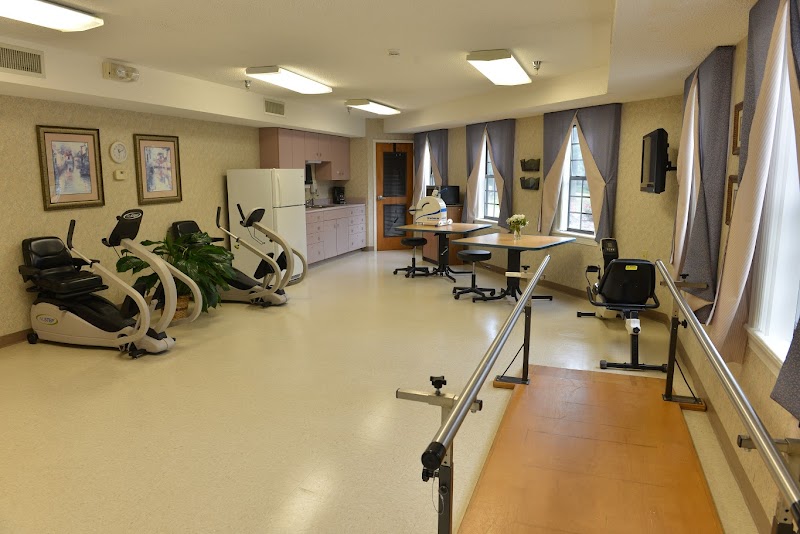
How is The Laurels Of Summit Ridge Staffed?

CMS rates The Laurels of Summit Ridge's staffing level at 4 out of 5 stars, which is above average compared to other nursing homes. Staff turnover is 47%, compared to the North Carolina average of 46%.

What Have Inspectors Found at The Laurels Of Summit Ridge?

State health inspectors documented 18 deficiencies at The Laurels of Summit Ridge during 2023 to 2025. These included: 1 that caused actual resident harm and 17 with potential for harm. Deficiencies causing actual harm indicate documented cases where residents experienced negative health consequences.

Who Owns and Operates The Laurels Of Summit Ridge?

The Laurels of Summit Ridge is owned by a for-profit company. For-profit facilities operate as businesses with obligations to shareholders or private owners. The facility is operated by CIENA HEALTHCARE/LAUREL HEALTH CARE, a chain that manages multiple nursing homes. With 68 certified beds and approximately 61 residents (about 90% occupancy), it is a smaller facility located in Asheville, North Carolina.

How Does The Laurels Of Summit Ridge Compare to Other North Carolina Nursing Homes?

Compared to the 100 nursing homes in North Carolina, The Laurels of Summit Ridge's overall rating (3 stars) is above the state average of 2.8, staff turnover (47%) is near the state average of 46%, and health inspection rating (2 stars) is below the national benchmark.

What Should Families Ask When Visiting The Laurels Of Summit Ridge?

Based on this facility's data, families visiting should ask: "Can I visit during a mealtime to observe dining assistance and food quality?" "How do you handle medical emergencies, and what is your hospital transfer rate?" "Can I speak with family members of current residents about their experience?"

Is The Laurels Of Summit Ridge Safe?

Based on CMS inspection data, The Laurels of Summit Ridge has a clean safety record: no substantiated abuse findings (meaning no confirmed cases of resident harm), no Immediate Jeopardy citations (the most serious violation level indicating risk of serious injury or death), and is not on the Special Focus Facility watch list (a federal program monitoring the lowest-performing 1% of nursing homes). The facility has a 3-star overall rating and ranks #1 of 100 nursing homes in North Carolina. While no facility is perfect, families should still ask about staff-to-resident ratios and recent inspection results during their visit.

Do Nurses at The Laurels Of Summit Ridge Stick Around?

The Laurels of Summit Ridge has a staff turnover rate of 47%, which is about average for North Carolina nursing homes (state average: 46%). Moderate turnover is common in nursing homes, but families should still ask about staff tenure and how the facility maintains care continuity when employees leave.

Was The Laurels Of Summit Ridge Ever Fined?

The Laurels of Summit Ridge has no federal fines on record. CMS issues fines when nursing homes fail to meet care standards or don't correct problems found during inspections. The absence of fines suggests the facility has either maintained compliance or corrected any issues before penalties were assessed. This is a positive indicator, though families should still review recent inspection reports for the full picture.

Is The Laurels Of Summit Ridge on Any Federal Watch List?

The Laurels of Summit Ridge is not on any federal watch list. The most significant is the Special Focus Facility (SFF) program, which identifies the bottom 1% of nursing homes nationally based on persistent, serious quality problems. Not being on this list means the facility has avoided the pattern of deficiencies that triggers enhanced federal oversight. This is a positive indicator, though families should still review the facility's inspection history directly.