Ayden Court Nursing and Rehabilitation Center
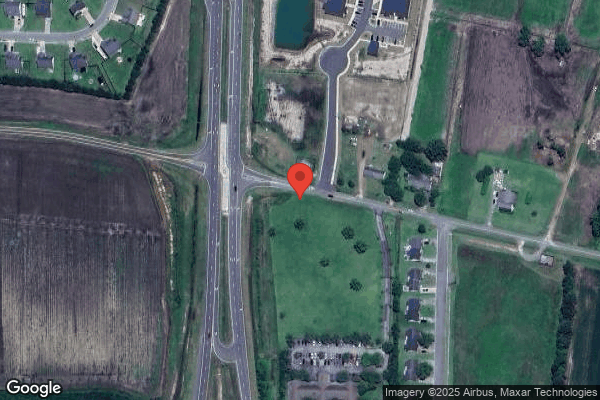
128 Snow Hill Road, Ayden, NC 28513 (252) 746-8223
For profit - Limited Liability company 82 Beds PRINCIPLE LONG TERM CARE Data: November 2025
Trust Grade
55/100
#152 of 417 in NC
Last Inspection: February 2025

Within standard 12-15 month inspection cycle. Federal law requires annual inspections.

Overview

Ayden Court Nursing and Rehabilitation Center has received a Trust Grade of C, which means it is average and situated in the middle of the pack among similar facilities. It ranks #152 out of 417 nursing homes in North Carolina, placing it in the top half, and #2 out of 6 in Pitt County, indicating that only one local option is better. The facility is improving, as it decreased from 11 issues in 2023 to 8 in 2025. Staffing has some weaknesses, with a rating of 2 out of 5 stars and a turnover rate of 64%, which is concerning compared to the state's average of 49%. However, it does have good RN coverage, exceeding that of 82% of facilities in North Carolina, which is beneficial since registered nurses can catch issues that other staff may overlook. There are some specific concerns; for example, the facility failed to discard expired medications in multiple medication storage areas, which could pose a risk to residents. Additionally, there was a lack of communication regarding care plan meetings for one resident, which could affect their ongoing care. While there are strengths, such as no fines and a commitment to improving quality, these incidents highlight areas that need attention.
Trust Score
C
55/100
In North Carolina
#152/417
Top 36%
Safety Record
Low Risk
No red flags
Inspections
Getting Better
11 → 8 violations
Staff Stability
⚠ Watch
64% turnover. Above average. Higher turnover means staff may not know residents' routines.
Penalties
✓ Good
No fines on record. Clean compliance history, better than most North Carolina facilities.
Skilled Nurses
○ Average
Each resident gets 41 minutes of Registered Nurse (RN) attention daily — about average for North Carolina. RNs are the most trained staff who monitor for health changes.
Violations
⚠ Watch
33 deficiencies on record. Higher than average. Multiple issues found across inspections.
★★★☆☆
3.0
Overall Rating
★★☆☆☆
2.0
Staff Levels
★★★☆☆
3.0
Care Quality
★★★☆☆
3.0
Inspection Score
Stable
2023: 11 issues
2025: 8 issues

The Good

  • Full Sprinkler Coverage · Fire safety systems throughout facility
  • No fines on record

Facility shows strength in fire safety.

The Bad

3-Star Overall Rating

Near North Carolina average (2.8)

Meets federal standards, typical of most facilities

Staff Turnover: 64%

18pts above North Carolina avg (46%)

Frequent staff changes - ask about care continuity

Chain: PRINCIPLE LONG TERM CARE

Part of a multi-facility chain

Ask about local staffing decisions and management

Staff turnover is elevated (64%)

16 points above North Carolina average of 48%

The Ugly 33 deficiencies on record

Feb 2025 8 deficiencies
CONCERN (D) 📢 Someone Reported This

A family member, employee, or ombudsman was alarmed enough to file a formal complaint

Potential for Harm - no one hurt, but risky conditions existed

Safe Environment (Tag F0584)

Could have caused harm · This affected 1 resident

**NOTE- TERMS IN BRACKETS HAVE BEEN EDITED TO PROTECT CONFIDENTIALITY** Based on observation and interviews with staff and a family member, the facility failed to provide a clean homelike environment ...

Read full inspector narrative →
**NOTE- TERMS IN BRACKETS HAVE BEEN EDITED TO PROTECT CONFIDENTIALITY** Based on observation and interviews with staff and a family member, the facility failed to provide a clean homelike environment for 1 of 5 resident rooms on 1 of 6 halls reviewed for the environment (room [ROOM NUMBER]). The findings included: In an interview on 2/5/25 at 2:15 PM with a family member she stated there was an issue concerning the ceiling vent in resident room [ROOM NUMBER]. On 2/6/25 at 8:46 AM an observation was conducted of the ceiling vent in resident room [ROOM NUMBER]. The observation revealed the outside area around the ceiling vent was in disrepair with a black colored substance on one side of ceiling vent. The surrounding area of ceiling vent, approximately 2 inches in width, had the appearance of possible water damage that had been repaired with a white spackle-like substance. An interview was conducted on 2/6/25 at 8:53 AM with the Maintenance Director. He stated vent inspections were done once or twice a month. He reviewed his electronic service logs and stated there was no work order found for the ceiling vent in resident room [ROOM NUMBER]. On 2/6/25 at 8:57 AM a visual inspection was conducted with the Maintenance Director concerning the ceiling vent in resident room [ROOM NUMBER]. He stated that the ceiling vent in disrepair had been overlooked. He further stated the damage appeared to be from condensation. An interview and visual inspection of the ceiling vent in resident room [ROOM NUMBER] was conducted on 2/6/25 at 9:01 AM with the Administrator. She stated it was her expectation that maintenance staff conducted inspections and made repairs when needed.
CONCERN (D) 📢 Someone Reported This

A family member, employee, or ombudsman was alarmed enough to file a formal complaint

Potential for Harm - no one hurt, but risky conditions existed

Deficiency F0602 (Tag F0602)

Could have caused harm · This affected 1 resident

**NOTE- TERMS IN BRACKETS HAVE BEEN EDITED TO PROTECT CONFIDENTIALITY** Based on observations, record reviews, and staff, Pharmacist, and Pharmacy Consultant interviews, the facility failed to protect...

Read full inspector narrative →
**NOTE- TERMS IN BRACKETS HAVE BEEN EDITED TO PROTECT CONFIDENTIALITY** Based on observations, record reviews, and staff, Pharmacist, and Pharmacy Consultant interviews, the facility failed to protect the resident's right to be free from misappropriation. This affected 1 of 1 resident reviewed for misappropriation of property (Resident #223). The findings included: Resident #223 was admitted to the facility on [DATE]. Resident #223 expired on [DATE]. Review of the facility reported incident investigation summary completed by the Regional Consultant dated [DATE] revealed on [DATE] the Unit Manager (UM) and Assistant Director of Nursing (ADON) completed a Return of Drug form with 63 Oxycodone HCL 5 mg tablets (2 cards of 30 and 1 card of 3) along with Lorazepam, Ultram, Oxycodone HCL 2.5 mg (4 cards), Oxycodone HCL 5 mg (1 card), and Morphine Sulfate (29.0 ml). The medications were placed in a sealed bag and the controlled bag number was 1787430. The UM attempted to fax the Return of Drugs form to the pharmacy two times. The UM noticed the first time the form did not go through and therefore faxed it again but did not wait for verification. The UM returned the Return of Drugs form to the hall nurse and asked her to place it in the lock drawer with the sealed bag of medications. On [DATE] the UM was notified by a nurse, but did not remember the nurse's name, there was a bag of medications in the 600-hall medication cart locked narcotic drawer waiting to be returned to the pharmacy. The UM asked Nurse #2, who was on the 600-hall medication cart, for the Return of Drug form so she could fax it to the pharmacy. The UM noticed the control bag number on the Return of Drug form had been altered. She returned the Return of Drug form to the medication cart and placed it in the locked narcotic drawer with the medications. On [DATE] the UM asked the floor nurse for the Return of Drug form and the bag of medications. The UM and floor nurse opened the sealed bag of medications and verified that one card of Resident #223's Oxycodone HCL 5 mg which contained 30 tablets was missing. The controlled bag number on the Return of Drug form had been altered. The 3 was changed to 2 and the 0 was changed to 9 to match the number of 1787429 on the bag. In conclusion, the return of controlled substance policy was not followed appropriately. Review of the Return of Drugs form dated [DATE] revealed the sealed control bag number of 1787430 with handwritten notes indicating the form was faxed 3 times and also a handwritten note indicating pharmacy did not pick up. Review of a second Return of Drugs form dated [DATE] revealed the sealed control bag number had been altered to read 1787429. During an interview with the Assistant Director of Nursing (ADON) on [DATE] at 11:25 am, she confirmed she verified the narcotic count with the Unit Manager (UM) and packed the discontinued medications which included 63 Oxycodone HCL 5 mg tablets (2 cards of 30 and 1 card of 3) along with Lorazepam, Ultram, Oxycodone HCL 2.5 mg (4 cards), Oxycodone HCL 5 mg (1 card), and Morphine Sulfate (29.0 ml) in a sealed bag on [DATE]. The ADON stated all the medications were placed in one sealed bag which could not be re-opened. She indicated the UM returned the sealed bag of medications to the 600-hall medication cart and placed them in the locked narcotic drawer on [DATE]. The ADON did not recall how long the medications stayed in the medication cart. She stated she remembered the medications did not go back to the pharmacy that night ([DATE]) or the next night ([DATE]). Review of a faxed copy of the Return of Drugs form dated [DATE] revealed the form was faxed on [DATE] at 7:56 pm with a result of busy/no signal and faxed again on [DATE] at 7:57 pm with a result of busy/no signal. In an interview on [DATE] at 11:41 am with the Unit Manager (UM), she stated Resident #223's discontinued medications were verified, packaged and sealed on [DATE] with the Assistant Director of Nursing (ADON). The UM explained she made a copy of the return of drug form and gave the copy to the Director of Nursing (DON). She further explained she returned the medications with the Return of Drug form to the locked narcotic drawer on the 600-hall medication cart. The UM indicated she faxed the return of drug form to the pharmacy once on [DATE] but did not verify the fax was accepted. She did not recall who faxed the return of drug form the second time. The UM stated she should have followed up on the fax to the pharmacy. On [DATE] the UM stated a nurse, but did not recall who brought it to her attention that medications were on the cart in the locked narcotics drawer. The UM asked Nurse #2, the nurse on the 600-hall medication cart, if there were still medications in the locked narcotic drawer. The UM stated she was unsure why the medications were still in the locked narcotic drawer. Nurse #2 brought her the Return of Drug form on [DATE] and she noticed that the control number on the Return of Drug form had been altered. The UM further stated she returned the Return of Drug form back to the medication cart. The UM explained she should have notified the DON at that time; however, she wanted to be sure the Return of Drug form had been altered. On [DATE], the UM asked the DON to pull the copy of the Return of Drug form she had given him on [DATE] and at that time the UM realized there was a discrepancy. The UM explained the medications had been removed from the control sealed bag with the number of 1787430 to a completely new sealed bag with the control number of 1787429. The Return of Drug form had been altered to match the new control number on the new bag. The UM and the DON opened the bag of medications and counted the medications. The UM and the DON verified a card of 30 Oxycodone HCL 5 mg pills were missing. The medications should have been returned to the pharmacy on [DATE] or [DATE]. The DON took control of the incident at this point. During an interview with Medication Aide (MA) #1 on [DATE] at 12:18 pm, she stated she was scheduled to work on [DATE] but could not recall if she saw a bag of sealed medications in the cart. An interview with Medication Aide (MA) #2 on [DATE] at 12:24 pm, she stated the on-coming nurse or MA pulled out the resident's narcotic cards and verified the count of each narcotic. MA #2 further stated she was scheduled on [DATE] and remembered she saw a bag of sealed narcotics in the cart and attempted to separate each card to verify the count. She further stated it was difficult to count each card due to the number of cards in the bag and the bag could not be opened. MA #2 stated she reported this bag of medications in the cart but could not remember who she reported this to. During a phone interview with Unit Manager (UM) #1 on [DATE] at 12:50 pm, she stated she did not recall an issue with narcotics left on the medication cart. A phone interview with the Pharmacy Consultant on [DATE] at 9:51 am, she explained she did a monthly inspection at the facility which included checking the medication carts. Her medication cart review included the controlled substance count records to ensure the math and count were correct. The Pharmacy Consultant was unaware of any discrepancies in the facility for [DATE]. She further stated the facility called her if any discrepancies arose. During an interview with the Director of Nursing (DON) on [DATE] at 9:08 am, he stated he started in this position in [DATE]. The nursing staff was scheduled for 8-hour shifts and after the incident was found the nursing shifts were changed to 12-hour shifts for better accountability of the medication carts. The facility's policy concerning controlled substances being returned to the pharmacy stated the controlled substances should be returned immediately upon discontinuation, discharge of the resident, or death of the resident. The DON stated the facility employed agency nurses and these nurses did not package medications for return to the pharmacy. The DON indicated the only way the pharmacy knew there were medications that needed to be returned to the pharmacy was the Return of Drug forms which were filled out by the nursing staff and faxed to the pharmacy. The DON stated he did not have an answer as to why he was not notified when the discrepancy was first realized on [DATE]. His expectation was the nursing staff should have brought it to his attention on [DATE]. The DON explained it was brought to his attention on [DATE] by the Unit Manager (UM). He further explained he and the UM opened the bag on [DATE] and verified the medications. At this time the missing card of Oxycodone 5 HCL mg was confirmed. The DON indicated the narcotic medications that were to be returned to the pharmacy were kept in the locked narcotic drawer on the medication carts. He also stated the nursing staff were responsible for including these narcotics in the narcotic counts at each shift change. The DON indicated he started an investigation into the missing narcotics on [DATE]. He contacted the police department. In an interview with the Administrator on [DATE] at 4:25 pm, she stated the nursing staff should be verifying the narcotic counts at the end of the shift which included any discontinued narcotics being stored in the narcotic drawer of the medication carts for pharmacy return. The facility provided the following plan of correction (POC): Problem: On [DATE] a drug diversion was identified. o Address how corrective action will be accomplished for the resident found to have been affected by the deficient practice include: Resident #223 expired on [DATE]. o Address how the facility will identify other residents having the potential to be affected by the same deficit practice include: On [DATE] the Staff Development Nurse (SDC) and Assistant Director of Nursing (ADON) completed an audit of the last 30 days of ordered narcotic medication to ensure the medications were in the cart, administered, or returned to the pharmacy per protocol. On [DATE] the Treatment Nurse initiated assessment of all residents for pain. On [DATE] the Social Worker (SW) completed interviews with all alert and oriented residents regarding any concerns with medication administered to include pain medication. o Address what measures will be put into place or systemic changes made to ensure that the deficient practice will not recur include: The police were called on [DATE]. A report was filed with North Carolina Department Health and Human Services (NCDHHS) on [DATE]. The SDC nurse initiated an in-service with all nurses and medication aides regarding Controlled Substance Diversion to include: the definition, implications, and the process for returning narcotic medications. All in-services will be completed by [DATE]. After [DATE], all nurses and medication aides that have not worked and received the in-service will complete upon their next scheduled shift or via phone. o Indicate how the facility plans to monitor its performance to make sure that solutions are sustained: Beginning [DATE] the Quality Improvement Nurse and/or Unit Manager will complete 5 shifts change narcotic count observations to ensure outgoing and incoming nurses perform a correct and accurate count of narcotics. The DON will review and initial the Controlled Substance Audit Tool weekly x 4 weeks to ensure all areas of concern were addressed. 100% of all ordered narcotic medications will be reviewed by the ADON/SDC weekly x 4 weeks and compared to the Controlled Substance Count sheets, medication administration record and/or return of drug slips to ensure the narcotic medications are being administered or have been returned to pharmacy as required per policy. The decision to take to Quality Assurance and Performance Improvement (QAPI) was made on [DATE]. The QAPI Committee will meet monthly for 2 months and review the Audit Tools. The Regional Nurse Consultant stated she was responsible for this POC. Compliance Date: [DATE] On [DATE] the facility's corrective action plan was validated by the following: The initial audit was conducted on [DATE] and monitoring audits began on [DATE]. No issues were identified. The North Carolina Department of Health and Human Services report was submitted on [DATE] and police were notified on [DATE]. The Treatment Nurse completed assessments of all residents for pain on [DATE] and the SW completed interviews with all alert and oriented residents regarding any concerns with medication administered to include pain medication on [DATE]. No issues were identified. Interviews and record review verified education was conducted for staff as indicated in the POC. The facility's compliance date was validated as [DATE].
CONCERN (D)

Potential for Harm - no one hurt, but risky conditions existed

Assessment Accuracy (Tag F0641)

Could have caused harm · This affected 1 resident

**NOTE- TERMS IN BRACKETS HAVE BEEN EDITED TO PROTECT CONFIDENTIALITY** Based on record review and staff interviews, the facility failed to code cognition and mood (Resident #58), and discharge destin...

Read full inspector narrative →
**NOTE- TERMS IN BRACKETS HAVE BEEN EDITED TO PROTECT CONFIDENTIALITY** Based on record review and staff interviews, the facility failed to code cognition and mood (Resident #58), and discharge destination (Resident #70) for 2 of 26 residents reviewed for Minimum Data Set (MDS) accuracy. The findings included: 1. Resident #58 was admitted to the facility on [DATE] with diagnoses that included chronic kidney disease. Resident #58's most recent annual Minimum Data Set (MDS) assessment dated [DATE] revealed the Mood and Cognition sections noted he was rarely/never understood and the staff assessments were not completed for these sections. During an attempted interview on 2/4/25 at 10:25 AM, Resident #58 was unable to answer questions. An interview was conducted with the facility Social Worker on 2/5/25 at 4:49 PM who stated she was responsible for conducting the cognition and mood section of the MDS assessment. She reported she was not aware a staff assessment needed to be done if the resident could not be understood. The facility Social Worker stated she had received some training from the corporate MDS consultant and had been made aware of this requirement. An interview was conducted with the Administrator on 2/6/25 at 4:10 PM who stated Resident #58's assessment should have been completed accurately. 2.Resident #70 was admitted to the facility on [DATE]. Review of Resident #70's discharge Minimum Data Set (MDS) dated [DATE] revealed he was cognitively intact and was discharged to an acute hospital. Review of a progress note dated 11/15/24 documented Resident #70 was to be transported from the facility to home. During an interview with the MDS Coordinator on 2/5/25 at 12:08 pm, she explained the MDS discharge for Resident #70 dated 11/15/24 should have been coded as discharged to home and this was coded incorrectly. During an interview with the Director of Nursing (DON) on 2/6/25 at 9:24 am, he stated the residents' discharge MDS should accurately reflect the discharge status. During an interview with the Administrator on 2/6/25 at 4:00 pm, she indicated the MDS should be completed accurately.
CONCERN (D) 📢 Someone Reported This

A family member, employee, or ombudsman was alarmed enough to file a formal complaint

Potential for Harm - no one hurt, but risky conditions existed

Deficiency F0658 (Tag F0658)

Could have caused harm · This affected 1 resident

**NOTE- TERMS IN BRACKETS HAVE BEEN EDITED TO PROTECT CONFIDENTIALITY** Based on record review, physician, and staff interviews, the facility failed to administer medications to Resident #21 as ordere...

Read full inspector narrative →
**NOTE- TERMS IN BRACKETS HAVE BEEN EDITED TO PROTECT CONFIDENTIALITY** Based on record review, physician, and staff interviews, the facility failed to administer medications to Resident #21 as ordered when Resident #21 received the incorrect dose of Oxycodone Hydrochloride (HCL) on two occasions. This affected 1 of 1 resident reviewed for services provided meet professional standards (Resident #21). The findings included: Resident #21 was admitted to the facility on [DATE] with diagnoses which included osteomyelitis of vertebra (an infection of the spinal column which causes inflammation and pain), left elbow pain, and trigeminal neuralgia (a chronic pain disorder that affects the main sensory nerve in the face). A physician's order for Resident #21 dated 6/20/24, read Oxycodone HCL 10 mg to be administered one tablet every 4 hours for chronic osteomyelitis of vertebra. Review of the quarterly Minimum Data Set (MDS) dated [DATE] revealed Resident #21 was cognitively intact. Resident #21 was interviewed on 2/6/25 at 8:30 am and she had no concerns or complaints related to her medications. A review of the narcotic controlled substance count record for Resident #21 revealed one Oxycodone HCL 5 mg was removed on 5/17/24 at 8:00 pm by Medication Aide (MA) #1 and one Oxycodone HCL 5 mg was removed on 5/18/24 at 4:00 pm by MA #4. Review of Resident #21's May Medication Administration Record (MAR) documented Resident #21 received Oxycodone HCL 10 mg on 5/17/214 at 8:00 pm administered by MA #1 and Oxycodone HCL 10 mg on 5/18/24 at 4:00 pm administered by MA #4. In an interview on 2/6/25 at 10:00 am with MA #1 she stated she gave Resident #21 only 1 tablet of Oxycodone HCL 5 mg on 5/17/24 at 8:00 pm. The MA explained she had only administered one tablet because she was confused about the dosage. Attempts made to interview MA #4 were unsuccessful. During an interview on 2/6/25 at 8:57 am with the Director of Nursing (DON), his expectation was the residents needed to receive the correct dosage of medications. In an interview with the Administrator on 2/5/25 at 4:25 pm, she stated her expectation was for the residents to receive the correct dose of medications.
CONCERN (D)

Potential for Harm - no one hurt, but risky conditions existed

Deficiency F0688 (Tag F0688)

Could have caused harm · This affected 1 resident

**NOTE- TERMS IN BRACKETS HAVE BEEN EDITED TO PROTECT CONFIDENTIALITY** Based on observations, staff interviews, and record review, the facility failed to apply a left-hand palm guard for 1 of 2 resid...

Read full inspector narrative →
**NOTE- TERMS IN BRACKETS HAVE BEEN EDITED TO PROTECT CONFIDENTIALITY** Based on observations, staff interviews, and record review, the facility failed to apply a left-hand palm guard for 1 of 2 residents reviewed for a range of motion (Resident #30). The findings included: Resident #30 was admitted to the facility on [DATE] with diagnoses which included hemiplegia (complete paralysis) and hemiparesis (partial weakness) following cerebrovascular disease affecting the left dominant side, contracture left hand, and dementia. Review of Resident #30's quarterly Minimum Data Assessment (MDS) dated [DATE] revealed she was moderately cognitively impaired. Resident #30 had impairments on one side of her upper and lower extremities. Records review of the nursing progress notes revealed no documentation for Resident #30's refusal to have the carrot placed in her left hand. An observation was made on 2/3/25 at 3:23 pm revealed Resident #30 lying in bed on her back and appeared to be sleeping. The resident's left hand was resting on her chest with her fingers balled into a fist. This surveyor observed a piece of paper taped to the wall at the end of Resident #30's bed dated 9/2/24 by physical therapy which read in part Attn Staff: Keep carrot in left hand except during bathing. A second observation was made on 2/4/25 at 9:12 am revealed Resident #30 sitting up in her bed awake and when asked if she could open her left-hand Resident #30 tried but the left hand stayed closed. In an interview and observation with Nurse #1 on 2/5/25 at 8:22 am of Resident #30, she indicated Resident #30 was supposed to have a carrot in her left hand to protect the skin from moisture, pressure and nail puncture injuries. When asked where the carrot was, Nurse #1 presented the carrot from a basket located on Resident #30's bedside table. Nurse #1 stated Resident #30 would refuse at times to have the carrot placed in her left hand. During a subsequent observation on 2/5/25 at 10:20 am revealed Resident #30 sitting up in her bed awake. Resident #30's left hand was on her chest under the sheet. This surveyor asked Resident #30 could the cover sheet be pulled back to see her left hand and Resident #30 answered yes. Resident #30's left hand was empty. The carrot was still located in the basket on the bedside table. In an interview and observation with NA #1 on 2/5/25 at 11:00 am, she stated Resident #30 was resistive to care. NA #1 further stated she would make the nurse aware of her refusals. NA #1 explained to Resident #30 that she was putting the carrot in her left hand and Resident #30 shook her head and responded verbally yes. NA #1 proceeded to put the carrot in Resident #30's left hand while talking to Resident #30. NA #1 finished placing the carrot in Resident #30's left hand and asked Resident #30 was she okay. Resident #30 responded yes. In an interview with the Physical Therapy (PT) Director on 2/5/25 at 10:18 am, he explained Resident #30 had been seen by therapy since her admission. The PT Director further explained the nursing staff would make referrals for Resident #30 for therapy services and Resident #30 would be picked up on caseload. The therapy department would evaluate and work with Resident #30. The PT Director explained a physician's order was not needed for the carrot. The PT Director stated Resident #30 was to have the carrot placed in her left hand except during bathing. He further stated he had in-serviced the nursing staff on how to place the carrot in Resident #30's left hand. The PT Director further stated Resident #30 could be resistive to care at times. During an interview with the Director of Nursing (DON) on 2/5/25 at 10:25 am, he stated he was unaware of Resident #30's situation with the left-hand palm guard. The DON further stated he would investigate this concern. The DON indicated the nursing staff should have attempted to place the carrot in her left hand and if Resident #30 refused, the nursing staff should have documented the refusals.
CONCERN (D) 📢 Someone Reported This

A family member, employee, or ombudsman was alarmed enough to file a formal complaint

Potential for Harm - no one hurt, but risky conditions existed

Respiratory Care (Tag F0695)

Could have caused harm · This affected 1 resident

**NOTE- TERMS IN BRACKETS HAVE BEEN EDITED TO PROTECT CONFIDENTIALITY** Based on observations, record reviews, and staff interviews, the facility failed to post cautionary signage outside the resident...

Read full inspector narrative →
**NOTE- TERMS IN BRACKETS HAVE BEEN EDITED TO PROTECT CONFIDENTIALITY** Based on observations, record reviews, and staff interviews, the facility failed to post cautionary signage outside the resident's room to indicate supplemental oxygen (O2) was in use for 1 of 6 residents reviewed for respiratory care (Resident #174). The findings included: Resident #174 was admitted to the facility on [DATE] and was readmitted on [DATE]. Resident #174's diagnoses included acute respiratory failure with hypoxia (a medical condition where the lungs are unable to adequately provide oxygen to the body, resulting in a dangerously low level of oxygen in the blood) and chronic obstructive pulmonary disease (an ongoing lung condition caused by damage to the lungs). Review of Resident #174's physician's orders revealed she had an oxygen order dated 2/2/25 for oxygen supplementation at 2L (liters) via nasal cannula (a device that delivers extra oxygen through a tube and into the nose) or mask if oxygen saturation (the amount of oxygen you have circulating in your blood) is less than 90%. Resident #174's admission Minimum Data Set, dated [DATE] revealed she was cognitively intact. Observations on 2/3/25 at 12:14 PM, 2/4/25 at 9:01 AM, and 2/5/25 at 5:41 AM revealed Resident #174 was in her room, lying in bed, wearing a nasal cannula for supplemental oxygen. There was no signage outside Resident #174's room indicating supplemental oxygen was in use. An interview was conducted on 2/5/25 at 5:44 AM with Nurse #8 who stated residents who received oxygen should have an oxygen sign on their door. She further stated the oxygen sign was put on the door upon a resident's admission. An interview was conducted on 2/5/25 at 10:11 AM with Unit Manager #1. She stated staff were supposed to put an oxygen sign on a resident's door immediately when admitted . An interview was conducted on 2/5/25 at 8:18 AM with the Director of Nursing (DON). He stated a sign was placed on a resident's door for any resident on oxygen upon admission and for any resident who experienced a change in condition requiring new oxygen therapy. He further indicated that an oxygen sign should have been placed on Resident #174's door.
CONCERN (D) 📢 Someone Reported This

A family member, employee, or ombudsman was alarmed enough to file a formal complaint

Potential for Harm - no one hurt, but risky conditions existed

Deficiency F0761 (Tag F0761)

Could have caused harm · This affected 1 resident

Based on observations and staff interviews, the facility failed to secure residents' medications in a locked medication cart for 1 of 4 medication carts observed (Station 1 medication cart). Findings...

Read full inspector narrative →
Based on observations and staff interviews, the facility failed to secure residents' medications in a locked medication cart for 1 of 4 medication carts observed (Station 1 medication cart). Findings included: A continous observation was conducted on 2/5/25 from 6:47 am until 6:52 am of the Station 1 medication cart. The medication cart was observed unlocked and located outside the nurse's station in the hallway. There were no medications observed on top of the medication cart. There was no nurse observed at Station 1 medication cart or in the nursing station. There were no residents in the hallway, but staff was observed on the adjacent 100-hall coming in and out of the residents' rooms. On 2/5/25 at 6:52 am, Nurse #7 was observed walking down the 100-hall towards the unlocked Station 1 medication cart. Nurse #7 observed this surveyor standing beside Station 1 medication cart and locked the medication cart. On 2/5/25 at 6:52 am during an interview with Nurse #7, she was observed locking Station 1 medication cart. She stated she had left her cart unlocked. Nurse #7 further stated the medication cart was to be locked before leaving the medication cart unattended. When asked why Station 1 medication cart was observed unattended and unlocked, Nurse #7 did not provide a reason. In an interview with the Director of Nursing (DON) on 2/6/25 at 9:24 am, he stated Sation 1 medication cart was to be locked at all times when the nurse was not present at the medication cart.
MINOR (B) 📢 Someone Reported This

A family member, employee, or ombudsman was alarmed enough to file a formal complaint

Minor Issue - procedural, no safety impact

Medical Records (Tag F0842)

Minor procedural issue · This affected multiple residents

**NOTE- TERMS IN BRACKETS HAVE BEEN EDITED TO PROTECT CONFIDENTIALITY** Based on record review, staff interviews, the facility failed to ensure the medical record was accurate regarding administration...

Read full inspector narrative →
**NOTE- TERMS IN BRACKETS HAVE BEEN EDITED TO PROTECT CONFIDENTIALITY** Based on record review, staff interviews, the facility failed to ensure the medical record was accurate regarding administration of Oxycodone Hydrochloride (HCL) (an opioid medication which is a controlled substance) for 1 of 1 resident (Resident #21) reviewed for accuracy of medical records. The findings included: Resident #21 was admitted to the facility on [DATE] with diagnoses which included osteomyelitis of vertebra (an infection of the spinal column which causes inflammation and pain), left elbow pain, and trigeminal neuralgia (a chronic pain disorder that affects the main sensory nerve in the face). A physician's order for Resident #21 dated 6/20/24, read Oxycodone HCL 10 mg to be administered 1 tablet every 4 hours for chronic osteomyelitis of vertebra. A review of the narcotic controlled substance count record for Resident #21 revealed one Oxycodone HCL 5 mg on 5/17/24 at 8:00 pm was signed out by Medication Aide (MA) #1 and one Oxycodone HCL 5 mg on 5/18/24 at 4:00 pm MA #4. Review of Resident #21's May Medication Administration Record (MAR) revealed documentation the resident received Oxycodone HCL 10 mg on 5/17/214 at 8:00 pm administered by MA #1 and Oxycodone HCL 10 mg on 5/18/24 at 4:00 pm administered by MA #4. In an interview on 2/6/25 at 10:00 am with MA #1 she stated she gave Resident #21 only 1 tablet of Oxycodone HCL 5 mg on 5/17/24 at 8:00 pm. Attempts made to interview MA #4 were unsuccessful. During an interview on 2/6/25 at 8:57 am with the Director of Nursing (DON), his expectation was the residents' medical records needed to reflect the correct dosage of administered medications. In an interview with the Administrator on 2/5/25 at 4:25 pm, she stated her expectation was for the residents' medical records to be accurate and reflect the correct dosage of medications when they were administered.
Nov 2023 9 deficiencies
CONCERN (D)

Potential for Harm - no one hurt, but risky conditions existed

Deficiency F0578 (Tag F0578)

Could have caused harm · This affected 1 resident

**NOTE- TERMS IN BRACKETS HAVE BEEN EDITED TO PROTECT CONFIDENTIALITY** Based on record review, resident interview and staff interviews, the facility failed to ensure a resident's code status was accu...

Read full inspector narrative →
**NOTE- TERMS IN BRACKETS HAVE BEEN EDITED TO PROTECT CONFIDENTIALITY** Based on record review, resident interview and staff interviews, the facility failed to ensure a resident's code status was accurately recorded on the electronic and paper medical record for 1 of 18 residents reviewed for advance directives (Resident #125). Findings included: Resident #125 was admitted to the facility on [DATE]. Resident #125 was discharged on [DATE] to the hospital and was re-admitted to the facility on [DATE]. A discontinued physician order on the electronic medical record (EMR) dated [DATE] indicated Resident #125 was a full code (attempt resuscitation). There was no physician order for Resident #125's code status since his re-admission on [DATE]. The discharge summary from the hospital dated [DATE] reported Resident #125's code status as a Do Not Resuscitate (DNR). A physician's progress note dated [DATE] indicated Resident #125's code status was a full code. There was no code status indicated on Resident #125's profile on the electronic medical record (EMR). There was no Do Not Resuscitate form in Resident #125's paper medical record. The 5-day admission Minimum Data Set (MDS) assessment dated [DATE] indicated Resident #125 was cognitively intact. On [DATE] at 8:05 a.m. in an interview with Resident #125, he explained a code status of DNR was decided when he was at the hospital. He stated he had not signed papers indicating his code status was a DNR since admission to the facility and was willing to sign forms for a code status of DNR. On [DATE] at 8:06 a.m. in an interview with Nurse #1, she stated Resident #125's code status was on the EMR. After reviewing the EMR, Nurse #1 stated Resident 125's code status and a physician order for Resident #125's code status was not in the EMR. When Nurse #1 checked the paper medical record located at nurse's station #3, there was no signed DNR form in Resident #125's paper medical record. Nurse #1 stated based on the white name label on the paper medical record, Resident #125's code status was a full code currently. She explained blue name labels identified a resident's code status as a DNR. She stated Social Worker #1 was responsible for discussing code status with residents after admission to the facility. On [DATE] at 9:00 a.m. in a follow- up interview with Resident #125, he stated he did not recall anyone asking him on admission to the facility about his code status and had not told anyone at the facility he wanted to be a full code. He stated if anyone would have asked, he would had told them he was a no code because it was decided at the hospital. On [DATE] at 9:47 a.m. in a further interview with Resident #125, he said Social Worker #1 came to his room to discuss his code status after the interview at 8:05 a.m. on [DATE]. He explained he informed Social Worker #1 his wish for cardiopulmonary resuscitation (CPR) not to be performed, and she provided him some documents to sign. Resident #125 said he was currently working with Social Worker #1 in signing some forms for a code status of DNR. On [DATE] at 10:20 a.m. in an interview with Social Worker #1, she stated she was responsible for initially addressing residents' code status when residents were admitted to the facility, and when a resident requested a change in code status. She explained Resident #125's initial admission statement conducted in the admission office on admission indicated Resident #125's code status was a full code. She stated she went to discuss code status with Resident #125 after Nurse #1 informed her there was no code status on Resident #125's EMR or paper medical record and per a request of the Director of Nursing. She explained she did not set the code status on the EMR and was currently working with Resident #125 to prepare his DNR documents. On [DATE] at 10:42 a.m. in an interview with admission Office Staff, he explained he was responsible for asking residents on admission about code status: DNR or full code. He stated by default, the resident's code status would be a full code if there was no documentation of a DNR code status, and residents were asked to sign a code status statement when the resident requested a code status of DNR. He stated he did not have access to Resident #125's hospital discharge summary for code status information, only nurses and the physician had access. He explained at the direction of an unnamed former Administrator, he was responsible for entering an order for residents' code status on admission and recalled Resident #125 requested to be a full code on the [DATE] admission. The admission Office Staff stated when Resident #125 was re-admitted to the facility on [DATE], Resident #125 stated he wanted to remain a code status of full code. The admission Office Staff explained the reason Resident #125's EMR did not show a current code status was because he did not realize when Resident #125 was discharged from the facility on [DATE] and was re-admitted to the facility on [DATE], a code status order had to be re-entered into the EMR. On [DATE] at 1:53 p.m. in an interview with the Director of Nursing, he explained identifying a resident's code status was included on the admission check list. He stated after confirming Resident #125's code status, the nurse re-admitting Resident #125 on [DATE] should have entered an order for Resident #125's code status, not the admission Office Staff. On [DATE] at 2:45 p.m. in an interview with the Administrator #1, she explained as part of the admission process to the facility, the interdisciplinary team (IDT) discussed residents' code status and was responsible for ensuring resident's code status had been entered in the EMR correctly. She stated she did not know why the IDT did not identify after Resident #125's re-admission on [DATE] there was no code status on the EMR and clarify Resident #125's code status since there was no physician order.
CONCERN (D)

Potential for Harm - no one hurt, but risky conditions existed

Comprehensive Care Plan (Tag F0656)

Could have caused harm · This affected 1 resident

**NOTE- TERMS IN BRACKETS HAVE BEEN EDITED TO PROTECT CONFIDENTIALITY** Based on record review, observations and staff interviews, the facility failed to develop a person-centered comprehensive care p...

Read full inspector narrative →
**NOTE- TERMS IN BRACKETS HAVE BEEN EDITED TO PROTECT CONFIDENTIALITY** Based on record review, observations and staff interviews, the facility failed to develop a person-centered comprehensive care plan for 1 of 23 residents (Resident #125) reviewed for comprehensive care plans. Finding included: Resident #125 was admitted to the facility on [DATE]. Resident #125 was discharged on 10/13/2023 to the hospital and was re-admitted to the facility on [DATE]. His diagnoses included lower respiratory infection. Nursing documentation dated 10/6/2023 reported Resident #125 was admitted to the facility with a peripherally inserted central catheter (PICC) and was receiving intravenous antibiotics. Physician orders dated 10/6/2023 included changing PICC line dressing one time a week and as needed. Physician orders dated 10/23/2023 included changing PICC line dressing to upper right arm every seven days and administering Piperacillin Sodium-Tazobactam Solution (an antibiotic) 3.375grams intravenously every eight hours for lower respiratory infection for 36 days. The most recent 5-day admission Minimum Data Set (MDS) assessment dated [DATE] indicated Resident #125 was cognitively intact, had intravenous access and was receiving intravenous medications and antibiotics. A review of Resident #125's care plan dated revised on 11/15/2023 did not include a focus for intravenous therapy. On 11/15/2023 at 7:58 a.m., Nurse #1 was observed connecting Piperacillin Sodium-Tazobactam Solution 3.375grams intravenously to Resident #125's PICC located in the right upper arm. On 11/16/2023 at 9:40 a.m. in an interview with MDS Nurse #1, she stated the MDS staff was responsible for the initial comprehensive care plan, and Resident #125 had received antibiotics per intravenous therapy since admitted to the facility on [DATE]. After reviewing Resident #125's care plan, she said the use of intravenous therapy for antibiotics was not included in Resident #125's comprehensive care plan, and she couldn't explain why intravenous therapy for antibiotics was not a part of the care plan. On 11/16/2023 at 2:45 p.m. in an interview with Administrator #1, she stated MDS #1 or Nurse Manager on the unit was to complete a comprehensive person-centered care plan for Resident #125 that included the use of a PICC for intravenous antibiotic therapy.
CONCERN (D) 📢 Someone Reported This

A family member, employee, or ombudsman was alarmed enough to file a formal complaint

Potential for Harm - no one hurt, but risky conditions existed

ADL Care (Tag F0677)

Could have caused harm · This affected 1 resident

**NOTE- TERMS IN BRACKETS HAVE BEEN EDITED TO PROTECT CONFIDENTIALITY** Based on record review, observations, resident interview and staff interviews, the facility failed to change a dependent residen...

Read full inspector narrative →
**NOTE- TERMS IN BRACKETS HAVE BEEN EDITED TO PROTECT CONFIDENTIALITY** Based on record review, observations, resident interview and staff interviews, the facility failed to change a dependent resident's incontinent soiled brief due to meal trays being passed on the hall (Resident #30) and to provide mouth care after a resident requested mouth care (Resident #4) for 2 of 8 residents reviewed for activities of daily living. Findings included: 1. Resident #30 was admitted to the facility on [DATE], and diagnoses included stroke and dementia. Resident #30's care plan dated 11/8/2022 for urinary incontinence included an intervention to provide perineal care after each incontinent episode. The care plan for activities of daily living reviewed last on 8/28/2023 included interventions for providing total assistance in toileting for incontinence of urine and stool. The annual Minimum Data Set (MDS) assessment dated [DATE] indicated Resident #30 was moderately cognitively impaired and was dependent on assistance with toileting. The MDS further indicated Resident #30 was always incontinent of urine and stool. On 11/12/2023 at 10:41 a.m. in an interview with Resident #30, she stated she was lying in mess and needed to be changed since this morning before breakfast. Resident #30's call light was observed on. There were no foul odors noted. On 11/12/2023 at 10:41 a.m. in an interview with Resident #30's assigned Nurse #3 who was standing in the hall at a medication cart, she stated she had told assigned Nurse Aide (NA) #4 Resident #30 needed her adult brief changed. On 11/12/2023 at 10:43 a.m., the Business Office Manager was observed entering Resident #30's room and informing Resident #30 she would get someone to help her because NA #4 was with another resident. On 11/12/2023 at 10:51 a.m., NA #4 was observed entering Resident #30's room with wash clothes to provide incontinent care. On 11/12/2023 at 11:32 a.m. in a follow up interview with Nurse #3, she stated she reported to work at 7:00 a.m. and Resident #30's call light had not been on. She explained her assignment consisted of the 300-hall, 400-hall and 500-hall, and she had arrived on the 500-hall when Resident #30's call light came on. She said Resident #30 reported she needed her adult brief changed which she informed NA #4 and forgot to turn off the call light. On 11/12/2023 at 12:22 p.m. in an interview with NA #4, she stated her assignment consisted of eight residents on the 500-hall. She said she arrived to work at 8:00 a.m. and began helping pass out the breakfast trays. She said Resident #30 told her when passing out the breakfast trays that she needed to be changed, and stated the nursing staff were not allowed to change adult briefs while meal trays were out on the hall. NA #4 explained she had not been able to return to change Resident #30's adult brief due to assisting three residents on the hall with their breakfast meal and bathing another resident who had stool on their hands. NA #4 stated she did not ask for another staff member to provide Resident #30 incontinent care. On 11/16/2023 at 1:53 p.m. in an interview with the Director of Nursing (DON), he stated nurse aides were to check and provide residents incontinent care every two hours and as needed. He explained incontinent care could be provided when meal trays were on the hall. However, meal trays could not be in residents' rooms when incontinent care was provided. The DON stated when NA #4 was assisting another resident with feeding, she could not leave that resident to assist Resident #30 with incontinent care. He explained NA #4 should have gone between assisting other residents with feeding to provide Resident #30 her incontinence care. 2. Resident #4 was admitted to the facility on [DATE] with diagnoses including contractures and paraplegia (paralysis of lower body). Resident #4's care plan last reviewed on 8/31/2023 included a focus for activities of daily living/personal care, and interventions included providing constant supervision with physical assistance for personal hygiene and grooming that included cleaning upper dentures daily. The resident guide revised on 10/5/23 included removing dentures nightly and soaking in denture cup with water and denture tablet and brushing and applying the dentures in the morning. The quarterly Minimum Data Set (MDS) assessment dated [DATE] indicated Resident #4 was cognitively intact, required total assistance with bathing and needed assistance setting up or cleaning up with oral hygiene and eating. On 11/12/2023 at 12:09 p.m., Resident was observed with contractures to the left and right hand with 2nd through 5th fingertips turning inward into the palm of the both hands. Resident #4 was unable to extend the left and right fingers to an open palm position voluntarily. She stated staff did not always assist in cleaning her dentures when she stayed laying in the bed during the day instead of getting up in her chair. On 11/15/2023 at 5:15 p.m., Resident #4 was observed lying in the bed with clean dry lips and a dull red tongue with no coating covering the tongue. Upper and lower dentures were observed in the mouth with small food particles lying in the space between the teeth on the upper denture. On 11/15/2023 at 5:45 p.m. in an interview with Resident #4 while lying in the bed, she said when she received her bath that day, she requested Nurse Aide (NA) #3 to provide her mouth care and denture care. She said NA #3 told her he was too busy and did not provide mouth care and denture care as requested. On 11/16/2023 at 12:10 p.m. in a phone interview with Nurse Aide (NA) #3, he stated Resident #4 requested him to provide mouth care on 11/15/2023 after performing her bath and assisting her to dress. He explained by the time he finished dressing Resident #4 after her bath, he didn't have time to provide mouth care because he was assigned to go to the dining room to assist with lunch trays. NA #3 stated he forgot to return to Resident #4 and provide her oral hygiene because he was busy with the lunch trays in the dining room and on his assigned hall as well as answering call lights. On 11/16/2023 at 1:53 p.m. in an interview with the Director of Nursing, he stated oral hygiene should have been provided as part of Resident #4's activities of daily living daily.
CONCERN (D)

Potential for Harm - no one hurt, but risky conditions existed

Medication Errors (Tag F0758)

Could have caused harm · This affected 1 resident

**NOTE- TERMS IN BRACKETS HAVE BEEN EDITED TO PROTECT CONFIDENTIALITY** Based on record reviews, observations, and interviews with staff and Physician #1, the facility failed to clarify an order for p...

Read full inspector narrative →
**NOTE- TERMS IN BRACKETS HAVE BEEN EDITED TO PROTECT CONFIDENTIALITY** Based on record reviews, observations, and interviews with staff and Physician #1, the facility failed to clarify an order for psychotropic medication for 1 of 5 residents reviewed for unnecessary medications (Resident #55). The findings included: Resident #55 was admitted to the facility on [DATE] with diagnoses that included depression. The quarterly Minimum Data Set, dated [DATE] revealed Resident #55 was cognitively intact with no behaviors. Review of Resident #55's physician orders revealed an order dated 10/19/23 Duloxetine HCL (an antidepressant) 60 milligrams once a day for depression. Review of Resident #55's physician orders revealed an order dated 11/1/23 for Cymbalta (Duloxetine HCL) 30 milligrams once a day for depression. Review of a physician progress note dated 11/7/23 read in part, I did restart Cymbalta at 30 mg daily. May increase to 60 mg at a later date if appropriate. He was chronically on 60 milligrams in the past. Review of Resident #55's November Medication Administration Record (MAR) revealed he received 90 milligrams of Duloxetine HCL November 1 -November 14, 2023. An interview was conducted with Resident #55 on 11/16/23 at 1:120 PM who stated he did not feel any different after the increase in Duloxetine HCL. An interview was conducted with the Medical Director on 11/15/23 at 2:30 PM who stated he made a mistake in prescribing 30 milligrams of Duloxetine HCL on 11/1/23. He reported facility staff should have noticed his error. He reported there was no harm to Resident #55 due to the additional medication. An interview was conducted with the DON on 11/15/23 at 3:00 PM who indicated the dosage of Duloxetine HCL should have been verified.
CONCERN (D) 📢 Someone Reported This

A family member, employee, or ombudsman was alarmed enough to file a formal complaint

Potential for Harm - no one hurt, but risky conditions existed

Unnecessary Medications (Tag F0759)

Could have caused harm · This affected 1 resident

**NOTE- TERMS IN BRACKETS HAVE BEEN EDITED TO PROTECT CONFIDENTIALITY** Based on record review, observations and staff interviews, the facility failed to have a medication error rate less than 5% as ...

Read full inspector narrative →
**NOTE- TERMS IN BRACKETS HAVE BEEN EDITED TO PROTECT CONFIDENTIALITY** Based on record review, observations and staff interviews, the facility failed to have a medication error rate less than 5% as evidenced by the two medication errors that occurred out of the twenty-seven opportunities when Nurse #1 mixed two crushed medications and administered via gastrotomy tube for 1 of 6 residents observed for medication administration (Resident #125). This resulted in a medication error rate of 7.41% for the facility. Findings included: Resident #125 was re-admitted to the facility on [DATE], and diagnoses included lower respiratory infection and gastrostomy. Physician orders dated 10/24/2023 included orders for Finasteride 5 milligrams (mg) via gastrotomy tube and Magnesium Oxide 400mg via gastrotomy tube. Physician orders dated 11/14/2023 included an order to flush the gastrostomy tube with 50 milliliters (mL) water before and after medication administration and to flush with 15 mL of water in between each medication. On 11/15/2023 at 7:58 a.m., an observation of medication administration via gastrostomy tube was observed for Resident #125. Nurse #1 was observed crushing Magnesium Oxide (an over-the-counter supplement) 400 milligram (mg) tablet and placing the contents into a medication cup. She then was observed crushing Finasteride (a medication used to treat enlargement of the prostate gland) 5 mg tablet and placing the contents into a separate medication cup. After entering Resident #125's room with the two crushed medications in separate medication cups, Nurse #1 was observed adding water to each medication cup to dissolve the crushed contents into water. Nurse #1 was observed connecting a new piston syringe to the gastrostomy tube and did not flush the gastrotomy tube with 50 mL of water as ordered by the physician before administering medications. Nurse #1 was observed combining and mixing the content of the two medications cup into one medication cup and pouring the two mixed medications into the piston syringe for administration via gastrotomy tube. Since Nurse #1 administered the two medications together, she was unable to administer the 15 mL of water between the two medications as ordered by the physician. Nurse #1 was observed flushing the gastrostomy tube with 50 milliliters (mL) of water after the two mixed medications were administered, disconnecting the piston syringe and clamping the gastrostomy tube. On 11/16/2023 at 11:21 a.m. in an interview with Nurse #1, she stated she was nervous and knew she had messed up in the medication administration when she didn't flush the gastrotomy tube with 50 mL water before the medication administration and flushing with 15 mL after giving each medication as ordered. She explained the reason for mixing the two medications was because the Finasteride medication was such a small amount. She stated the two medications should have been given separately. On 11/16/2023 at 1:53 p.m. in an interview with the Director of Nursing, he stated Nurse #1 should have given the medications separately and flush the gastrotomy tube prior to the medication administration and between each medication as ordered.
CONCERN (D)

Potential for Harm - no one hurt, but risky conditions existed

QAPI Program (Tag F0867)

Could have caused harm · This affected 1 resident

Based on observations, record reviews, resident and staff interviews, the facility's Quality Assessment and Assurance (QAA) Committee failed to maintain implemented procedures and monitor intervention...

Read full inspector narrative →
Based on observations, record reviews, resident and staff interviews, the facility's Quality Assessment and Assurance (QAA) Committee failed to maintain implemented procedures and monitor interventions the committee put into place following the recertification survey of 3/5/21, the recertification and complaint survey of 8/25/22, and the revisit and complaint investigation survey of 10/13/22. This was for 4 deficiencies that were cited in the areas of: Formulate Advance Directives (F578), Accuracy of Assessments (F641), Develop/Implement Comprehensive Care Plan (F656), and Activities of Daily Living (ADL) Care Provided for Dependent Residents (F677). These deficiencies were recited on the current recertification and complaint survey of 11/16/23. The duplicate citations during two or more federal surveys of record shows a pattern of the facility's inability to sustain an effective QAA program. Findings Included: This tag is cross referenced to: 1. F578 - Based on record review, resident interview and staff interviews, the facility failed to ensure a resident's code status was accurately recorded on the electronic and paper medical record for 1 of 18 residents reviewed for advance directives (Resident #125). During the recertification and complaint survey of 8/25/22, the facility failed to obtain advance communication for healthcare decision (advanced directive) information on admission for 3 of 3 residents reviewed for advance directives. An interview with Mobile Administrator #1, Mobile Administrator #2 and the Regional [NAME] President of Operations on 11/16/23 at 3:11 PM revealed the QAA committee met monthly. Some of the issues reviewed during the monthly meetings were identified through trends based on data collection and plans of correction from previous survey results. Mobile Administrator #1 explained the primary staff member who was responsible for advance directives was the Social Worker who was recently on a leave of absence. She said the former Administrator served as the back up for ensuring advance directives were in place and had missed monitoring the advance directives process. Additionally, the Regional [NAME] President expressed there had been administrative changes at the facility in the past 6-9 months in the Administrator and Director of Nursing roles. She said the company utilized mobile administrators and mobile Directors of Nursing (DON) to bring stability to the facility while they transitioned to a more permanent Administrator and DON. 2. F641- Based on record review and staff interviews, the facility failed to accurately code the Minimum Data Set (MDS) assessment for residents receiving Aspirin (an antiplatelet that prevents blood cells clumping together to form a clot) for 2 of 18 residents reviewed for MDS accuracy (Resident #30 and Resident #68). During the recertification survey of 3/5/21, the facility failed to accurately code the MDS assessment in the areas of preadmission screening resident review (PASSR), bathing and anticoagulant medication for 4 of 18 residents whose MDS assessments were reviewed. During the recertification and complaint survey of 8/25/22, the facility failed to accurately code the use of a feeding tube, upper extremity functional limitation in range of motion, cognition, mood, and dialysis on quarterly MDS assessments for 2 of 25 residents reviewed. During the complaint investigation and revisit survey of 10/13/22, the facility failed to accurately code a MDS assessment for pressure ulcer care provided for 1 of 5 resident MDS assessments reviewed. An interview with Mobile Administrator #1, Mobile Administrator #2 and the Regional [NAME] President of Operations on 11/16/23 at 3:11 PM revealed the QAA committee met monthly. Some of the issues reviewed during the monthly meetings were identified through trends based on data collection and plans of correction from survey results. Mobile Administrator #1 explained the MDS staff who were trained in October 2023 received inaccurate training and thought this contributed to the inaccurate coding. Additionally, the Regional [NAME] President expressed there had been administrative changes at the facility in the past 6-9 months in the Administrator and Director of Nursing roles. She said the company utilized mobile administrators and mobile Directors of Nursing (DON) to bring stability to the facility while they transitioned to a more permanent Administrator and DON. 3. F656- Based on record review, observations and staff interviews, the facility failed to develop a person-centered comprehensive care plan for 1 of 23 residents (Resident #125) reviewed for comprehensive care plans. During the recertification and complaint survey of 8/25/22, the facility failed to develop a comprehensive individualized care plan for 2 of 25 residents reviewed for care plans. An interview with Mobile Administrator #1, Mobile Administrator #2 and the Regional [NAME] President of Operations on 11/16/23 at 3:11 PM revealed the QAA committee met monthly. Some of the issues reviewed during the monthly meetings were identified through trends based on data collection and plans of correction from survey results. Mobile Administrator #1 and the Regional [NAME] President expressed they thought there was a process issue with care plans. They explained the baseline care plan was completed by front line staff, (charge nurse or nurse manager) and the comprehensive care plan was reviewed by the interdisciplinary team and then followed up by the MDS Nurse. They thought staff turnover in the MDS office, the nurses and nurse managers contributed to the deficient practice. Additionally, the Regional [NAME] President expressed there had been administrative changes at the facility in the past 6-9 months in the Administrator and Director of Nursing roles. She said the company utilized mobile administrators and mobile Directors of Nursing (DON) to bring stability to the facility while they transitioned to a more permanent Administrator and DON. 4. F677- Based on record review, observations, resident interview and staff interviews, the facility failed to change a dependent resident's incontinent soiled brief due to meal trays being passed on the hall (Resident #30) and to provide mouth care after a resident requested mouth care (Resident #4) for 2 of 8 residents reviewed for activities of daily living. During the recertification survey of 3/5/21, the facility failed to provide nail care for 1 of 2 residents who were dependent on facility staff for activities of daily living (ADLs). During the recertification and complaint survey of 8/25/22, the facility failed to provide nail care for 1 of 3 residents reviewed who were dependent on facility staff for ADLs. An interview with Mobile Administrator #1, Mobile Administrator #2 and the Regional [NAME] President of Operations on 11/16/23 at 3:11 PM revealed the QAA committee met monthly. Some of the issues reviewed during the monthly meetings were identified through trends based on data collection and plans of correction from survey results. Mobile Administrator #1 said she thought Nurse Aide #4 had prioritized another resident with more significant care issues which was why Resident #30 waited longer for care. She added Nurse Aide #3, who didn't provide oral care, simply forgot to return to the resident. She stated these were isolated incidents and did not think there was a trend of deficient practice related to ADL care. Additionally, the Regional [NAME] President expressed there had been administrative changes at the facility in the past 6-9 months in the Administrator and Director of Nursing roles. She said the company utilized mobile administrators and mobile Directors of Nursing (DON) to bring stability to the facility while they transitioned to a more permanent Administrator and DON.
CONCERN (E)

Potential for Harm - no one hurt, but risky conditions existed

Deficiency F0553 (Tag F0553)

Could have caused harm · This affected multiple residents

**NOTE- TERMS IN BRACKETS HAVE BEEN EDITED TO PROTECT CONFIDENTIALITY** 2. Resident #125 was admitted to the facility on [DATE]. Resident #125 was discharged on 10/13/2023 to the hospital and was re-a...

Read full inspector narrative →
**NOTE- TERMS IN BRACKETS HAVE BEEN EDITED TO PROTECT CONFIDENTIALITY** 2. Resident #125 was admitted to the facility on [DATE]. Resident #125 was discharged on 10/13/2023 to the hospital and was re-admitted to the facility on [DATE]. His diagnoses included a lower respiratory infection. The most recent 5-day Minimum Data Set (MDS) assessment dated [DATE] indicated Resident #125 was cognitively intact and independent in performing his activities of daily living. A care plan was initiated for Resident #125 on 10/06/2023 and additional focuses were added to the care plan on 10/13/2023. A revision to Resident #125's care plan was made on 11/15/2023 related to his code status. On 11/12/2023 at 2:29 p.m., an interview was conducted with Resident #125, and Resident #125's spouse was present. Both Resident #125 and Resident #125's spouse (who reported she was staying with Resident #125 around the clock/24 -hours during his admission to the facility) stated a care plan meeting with interdisciplinary members of the staff to discuss his care had not been scheduled or conducted with Resident #125 or Resident #125's wife since his admission to the facility. On 11/15/2023 at 10:16 a.m. in an interview with Social Worker #1, she stated she was responsible for scheduling care plan meetings for residents within 14 days of admission to the facility. She stated she was not aware of Resident #125 having a care plan meeting since his admission. She explained Resident #125 was admitted while she was on a leave for absence, and she was unsure who was responsible for the care plan meeting while she was on leave. She further stated since returning to work one week ago, she had not scheduled a care plan meeting for Resident #125. On 11/15/23 at 3:24 p.m. in a phone interview with the former Administrator #3, she stated while Social Worker #1 was on leave, she assumed the responsibilities of the Social Services Department. She explained discharges and home health referrals were the priority, and she attempted to conduct care plan meetings with new admissions. She stated care plan meetings needed to be held on admission and quarterly. She said she didn't know why Resident #125's care plan meeting was not held and explained she was also out of work herself due to illness during the first part of October 2023. On 11/16/2023 at 2:45 p.m. in an interview with Mobile Administrator #1, she stated a care plan meeting should be held within twenty-one days of admission and quarterly afterwards. She explained the social worker had been out on leave, and former Administrator #3 assumed the responsibilities of scheduling care plan meetings. Based on resident and staff interviews and medical record reviews, the facility failed to invite a cognitively intact resident to participate in the planning of the resident's care for 2 of 3 residents (Resident #46 and Resident #125) reviewed for participation in care plans. The findings included: 1. Resident #46 was admitted to the facility on [DATE]. Diagnosis included, in part, chronic kidney disease. The quarterly Minimum Data Set (MDS) assessment dated [DATE] revealed Resident #46 had intact cognition. Resident #46's medical record was reviewed and revealed the comprehensive care plan had been updated on 1/20/23, 4/7/23, 5/5/23 and 7/5/23. During an interview with Resident #46 on 11/14/23 at 2:02 PM, she stated she had not been invited to care plan meetings but would like to be included in the development of her care plan and participate in the process. The medical record demonstrated no evidence Resident #46 had been invited to care plan meetings. MDS Nurse #1 was interviewed on 11/14/23 at 10:29 AM. She stated that each month, she printed a list of residents who were scheduled for a care plan review and gave the list to the Social Worker (SW). MDS Nurse #1 did not know how the SW invited residents and families to care plan meetings and was unsure if Resident #46 had been invited to her care plan meetings. On 11/14/23 at 1:50 PM, an interview was conducted with the SW. She explained MDS Nurse #1 gave her a list of residents who were due to be reviewed in care plan meetings. The SW called and invited families a few days before the scheduled meeting. She also invited residents to participate in the care plan meeting. The SW shared she had worked at the facility since January 2023 but had not met with Resident #46 and reviewed her care plan, nor had the facility invited the resident to participate in a care plan meeting. The SW added it was her responsibility to schedule care plan meetings with residents and families and said, I've just not been consistent with it. An interview was conducted with Mobile Administrator #1 and Mobile Administrator #2 on 11/14/23 at 4:38 PM. Mobile Administrator #2, who had been at the facility for a few weeks, explained he typically asked during the department head morning meeting if there were any care plan meetings scheduled for the day. He shared the SW was responsible to invite residents to care plan meetings. Mobile Administrator #1 said she worked at the facility from April through June 2023. She stated she wasn't necessarily asking the SW who she had coming to care plan or who she had invited. During her time at the facility, Mobile Administrator #1 said she had not confirmed with the SW if she had been inviting the residents to their care plan meeting but had only asked who was scheduled for care plans.
CONCERN (E)

Potential for Harm - no one hurt, but risky conditions existed

Deficiency F0761 (Tag F0761)

Could have caused harm · This affected multiple residents

Based on observations and staff interviews, the facility failed to (1) discard expired medications in 1 of 3 medication storage rooms (Nurse Station #2 medication storage room) and (2) discard expired...

Read full inspector narrative →
Based on observations and staff interviews, the facility failed to (1) discard expired medications in 1 of 3 medication storage rooms (Nurse Station #2 medication storage room) and (2) discard expired medications in 2 of 4 medication carts (600-hall medication cart and 300-hall medication cart) observed for storage and labeling. Findings included: 1. On 11/15/2023 at 3:55 p.m. in the observation of Nurse Station #2 medication storage room with the Director of Nursing (DON), the following were observed: - Six unopened vials of Ampicillin (an antibiotic for reconstitution) in a clear plastic bag with no label and each vial with a manufacturer's expiration date of 10/2023 were observed on a cart on the shelf underneath the locked emergency medication box. The DON removed the six vials of Ampicillin from the shelf to return the medication to pharmacy. -Four unopened 100 milliliter (mL) bags of normal saline (NS) with a manufacturer's expiration date 10/2023 located on a cart on the shelf underneath the locked emergency medication box. The DON removed the four bags of NS from the shelf to return the medication to pharmacy. -Two unopened bottles of Calcium 250 milligrams (mg) and Vitamin D3 with a manufacturer's expiration date 6/2023 located in storage cabinet. The DON was given the two bottles of Calcium 250 milligrams (mg) and Vitamin D3 from the cabinet, and the DON stated the bottles would be returned the to pharmacy to discard. - Seven pharmacy mixed and issued intravenous containers of Ampicillin 1 gram labeled delivered on 10/23/2023 and expired on 10/26/2023 located in the medication refrigerator. The DON removed the seven containers of Ampicillin 1 gm from the refrigerator to return to the pharmacy. - Two pharmacy mixed and issued intravenous containers of Daptomycin 500mg labeled delivered on 10/17/2023 and expired 10/27/2023 located in the medication refrigerator. The DON removed the two containers of Daptomycin from the refrigerator to return to the pharmacy. - Ten pharmacy mixed and issued intravenous containers of Merophenem 500 mg labeled delivered on 11/9/2023 and expired 11/14/2023 located in the medication refrigerator. The DON removed the ten containers of Merophenem from the refrigerator to return to the pharmacy. In an interview with the Director of Nursing on 11/15/2023 at 3:55 p.m., he stated he did not know why the six vials of Ampicillin for reconstitution and four bags of normal saline were located on the shelf underneath the emergency medication box. He stated those medications (Ampicillin vials and NS bags) should have been in the locked emergency medication box, and a new locked emergency medication box was exchanged with pharmacy daily. The DON explained the expired intravenous medications observed in the refrigerator were for residents with no IV access, no current order to administer IV medications or had been discharged , and the nurses had not returned the medications to the pharmacy. The DON said the nurse working the night shift (11p-7a) was to check the medication room each night for expirations, and the assigned nurse or the unit nurse manager was to return expired and discontinued resident medications to the pharmacy. On 11/16/2023 at 1:43 p.m. in an interview with the Unit Nurse Manager #1, she stated unit nurse managers were responsible for checking all the medications on the medication carts and in the medication storage rooms for expired medications on Monday, Wednesday, and Friday, and there were no medication storage room and medication cart audit written reports. She explained when checking the medication storage rooms, she had not been checking the medication refrigerator and the cart where the emergency medication box was located for expired medications. She further stated she did not know the procedure in returning medications to the pharmacy. Attempts to interview the night shift nurse were unsuccessful. On 11/16/2023 at 1:53 p.m. in a follow up interview with the Director of Nursing, he stated the medication storage rooms and the medication carts were to be checked by the night shift nurses and the pharmacy monthly. 2. a. On 11/15/2023 at 4:10 p.m., observation of the 600-hall medication cart was conducted with the Director of Nursing (DON). One opened vial of Glarsol Insulin 100 units per milliliter in a medication bottle was observed with an expiration date of 10/5/2023 written on the label of the medication bottle. The label on the vial of Glarsol Insulin recorded the vial was opened on 9/8/2023 and expired in twenty-eight days on 10/6/2023. The DON removed and discarded the expired vial of Glarsol Insulin for Resident #47. On 11/15/2023 at 4:10 p.m. in an interview with the DON, he stated the vial of Glarsol Insulin should had been removed for the 600-medication cart by the nurses assigned the medication cart and on the night shift (11 p.m. to 7a.m.) by the nurse when checking the 600-hall medication cart for expirations. The DON also stated the pharmacy checked the medication carts monthly for expiration but did not know when the pharmacy came last to the facility to check the medication carts. On 11/16/2023 at 11:34 a.m. in an interview with Nurse #1, she stated the assigned nurse to the medication cart was responsible for checking the medication for expiration, and expired medications were to be removed and discarded from the medication cart. b. On 11/15/2023 at 5:37 p.m., observation of the 300-hall medication cart was conducted with the Director of Nursing (DON), and the following expirations were observed in the top drawer: -Two expired boxes of facility stocked Bisacodyl 10 milligrams (mg) suppositories (one box had 10 bisacodyl suppositories and the other box had 9 bisacodyl suppositories) with a manufacturer's expiration of 6/2023 at the end of each box. The DON removed the two boxes of Bisacodyl suppositories to return to the pharmacy to discard. - Fourteen Promethazine 25 mg suppositories in a clear plastic bag labeled delivered 1/2022 for a resident not residing at the facility with an expiration of 1/24/2023. Each of the fourteen promethazine suppositories were observed stamped with a manufacturer's expiration of 4/2023. The DON removed the fourteen Promethazine suppositories to return to the pharmacy to discard. On 11/15/2023 at 5:37 p.m.in an interview with DON, he stated the unit nurse manager was to check the 300-hall medication cart and return expired medications to the pharmacy. On 11/16/2023 at 1:43 p.m. in an interview with the Unit Nurse Manager #1, she stated unit nurse managers were responsible for checking all the medications on the medication carts and in the medication storage rooms for expired medications on Monday, Wednesday, and Friday, and there were no medication storage room and medication cart audit written reports. She explained the reason for expired medications on the medication carts was due to multiple nurses rotating in the facility and not placing medications in the right place on the medication cart and were missed during the medication audits. Attempts to interview the pharmacist were unsuccessful. Attempts to interview the night shift nurse were unsuccessful. On 11/16/2023 at 1:53 p.m. in a follow up interview with the Director of Nursing, he stated the medication storage room, and the medication carts were to be checked by the night shift nurses and the pharmacy monthly.
MINOR (B)

Minor Issue - procedural, no safety impact

Assessment Accuracy (Tag F0641)

Minor procedural issue · This affected multiple residents

**NOTE- TERMS IN BRACKETS HAVE BEEN EDITED TO PROTECT CONFIDENTIALITY** Based on record review and staff interviews, the facility failed to accurately code the Minimum Data Set (MDS) assessment for re...

Read full inspector narrative →
**NOTE- TERMS IN BRACKETS HAVE BEEN EDITED TO PROTECT CONFIDENTIALITY** Based on record review and staff interviews, the facility failed to accurately code the Minimum Data Set (MDS) assessment for residents receiving Aspirin (an antiplatelet that prevents blood cells clumping together to form a clot) for 2 of 18 residents reviewed for MDS accuracy (Resident #30 and Resident #68). Findings included: 1. Resident #30 was admitted to the facility on [DATE], and diagnoses included stroke. Physician orders dated 11/2/2022 included Chewable Aspirin 81 milligrams (mg) daily for cardiovascular disease. The October and November 2023 Medication Administration Records (MAR) recorded Resident #30 received Chewable Aspirin 81mg daily from 10/1/2023 to 10/31/2023 and from 11/1/2023 to 11/07/2023. The annual Minimum Data Set (MDS) assessment dated [DATE] indicated Resident #30 was moderately cognitively impaired and was not receiving antiplatelets. In an interview with MDS Nurse #1 on 11/16/2023 at 9:24 a.m., she stated based on training for the new MDS guidelines for October 2023, not all Aspirin medications were coded as an antiplatelet, only Aspirin Delayed Release. She explained because Resident #30 was receiving Chewable Aspirin and not Aspirin Delayed Release, the MDS assessment was not coded for an antiplatelet. In a follow-up interview with Nurse #1 on 11/16/2023 at 10:05 a.m., she stated she had spoken to her MDS Consultant, and the information on coding Aspirin received in the MDS training was incorrect. She said all Aspirin medications were to be coded an antiplatelets, and Resident #30's MDS should have been coded for antiplatelets. In an interview with Director of Nursing on 11/16/2023 at 1:53 p.m., he stated Resident #30's MDS assessment should have been coded accurately for the use of Aspirin, and he did not know if Aspirin was an anticoagulant or an antiplatelet. In an interview with Administrator #1 on 11/16/2023 at 2:45 p.m., she stated Resident #30's MDS assessment was to be correct and accurate. 2. Resident #68 was admitted to the facility on [DATE], and diagnoses included hypertension and kidney disease. The admission Minimum Data Set (MDS) assessment dated [DATE] indicated Resident #68 was cognitively intact and was receiving anticoagulants (a medication that inhibits the clotting of the blood). A physician order dated 10/4/2023 was written for Resident #68 to receive Aspirin Delayed Release 81 milligrams(mg) daily for anticoagulant therapy. On 10/6/2023, the order was re-written as Aspirin Delayed Release 81mg daily for coronary artery disease. The October 2023 and November 2023 Medication Administration Records recorded Resident #68 had received Aspirin Delayed Release 81mg daily from 10/4/2023 to 10/31/2023 and from 11/1/2023 to 11/15/2023 when reviewed. In an interview with the MDS Nurse #2 on 11/16/2023 at 9:33 a.m., she stated Resident #68 use of Aspirin Delayed Release was coded as an anticoagulant and should have been coded as an antiplatelet. She explained she started in the MDS department in October 2023, and she was learning all the information in the MDS process as well as the new MDS guidelines that were implemented October 2023. She stated she hit the wrong code when coding the use of Aspirin Delayed Release. In an interview with Administrator #1 on 11/16/2023 at 2:45 p.m., she stated Resident #68's MDS assessment was to be correct and accurate.
Jan 2023 2 deficiencies
CONCERN (D) 📢 Someone Reported This

A family member, employee, or ombudsman was alarmed enough to file a formal complaint

Potential for Harm - no one hurt, but risky conditions existed

Pressure Ulcer Prevention (Tag F0686)

Could have caused harm · This affected 1 resident

**NOTE- TERMS IN BRACKETS HAVE BEEN EDITED TO PROTECT CONFIDENTIALITY** Based on observation, record review, resident interview, and staff interview the facility failed to provide services to treat an...

Read full inspector narrative →
**NOTE- TERMS IN BRACKETS HAVE BEEN EDITED TO PROTECT CONFIDENTIALITY** Based on observation, record review, resident interview, and staff interview the facility failed to provide services to treat and prevent pressure sores for one (Resident # 7) of three sampled residents reviewed for pressures sores. The facility failed to assure Resident # 7 was positioned off her catheter tubing and catheter tubing clamp which contributed to her developing a pressure sore. The facility also failed to assure there was follow up when her specialty air mattress was malfunctioning. The findings included: Resident # 7 was admitted to the facility on [DATE]. Resident # 7 had diagnoses which in part included a progressive neurological disease, a stroke, paraplegia (paralysis of the legs), and suprapubic catheter placement secondary to neuromuscular dysfunction of the bladder. Resident # 7 ' s quarterly Minimum Data Set Assessment, dated 11/23/22, coded Resident # 7 as cognitively intact and as needing extensive assistance with her bed mobility. She was also assessed to have pressure sores. Resident # 7 ' s care plan, dated 11/23/22, noted Resident # 7 at times refused to be properly positioned and she was being treated for pressure sores. The care plan noted Resident # 7 had a specialty mattress. Resident #7 ' s NA ' s (Nurse Aide ' s) current care guide noted Resident # 7 needed extensive assistance for her hygiene and bathing needs. It also noted she had an indwelling catheter and the NAs were directed on the care guide to ensure that the drainage tubing was secured with an anchoring device. On 1/26/23 at 5:16 PM the treatment nurse made the following notation in the medical record. New skin issue found when skin assessed. Cath line was running under resident ' s R (right) leg. She was lying on it and the clip of it. It left purple bruising, erythema and a fluid filled blister to outer R (right) knee/calf area. This is a stage 2 injury. Area was skin prepped and covered with foam dressing. (RP) and MD notified. On 1/27/23 at 9:45 AM the treatment nurse was observed as she cared for Resident # 7 ' s pressure sores. Resident # 7 was observed to have a red blister area to the lateral part of her right leg near the knee area. According to the treatment nurse, she had found Resident # 7 laying on the clamp part of her catheter tubing the previous day. Resident #7 stated she had not realized she had been left lying on the tubing and clamp when the staff had positioned her because she could not feel it. During the pressure sore observation on 1/27/23 at 9:45 AM, it was also observed that Resident # 7 did not move her legs as she was positioned for the care. It was also observed that Resident # 7 ' s specialty air mattress was turned off. The treatment nurse did not know why it had been turned off and was observed to turn it back on prior to leaving the room following wound care. On 1/28/23 at 8:45 AM Resident # 7 was observed in bed with the specialty air mattress turned off again. This was brought to the attention of Nurse # 2 (a nursing supervisor) at that time. Nurse # 2 stated she did not know why the mattress was off. Resident # 7 stated the staff had turned it off in the middle of the night. Resident # 7 thought it was beeping before the staff turned it off. On 1/28/23 at 8:55 AM the treatment nurse was interviewed again. She was unaware the air mattress had been turned off or that there was a problem with it. She reported that if there was a problem with the mattresses then maintenance would check them. During this interview, the treatment nurse also confirmed that Resident # 7 should not have been left lying on her catheter tubing and clamp, but she felt the Stage 2 pressure area/blister would heal quickly with treatment. On 1/28/23 at 9:00 AM the treatment nurse reported she had followed up about the air mattress and there was a problem with it which she would get maintenance to check and resolve, but it had not been brought to her attention before the morning of 1/28/23 so that she could have alerted maintenance earlier. On 1/28/2023 at 10:08 AM the DON (Director of Nursing) was interviewed. According to the DON, Resident # 7 should not have been left lying on her catheter tubing. She also was not aware why Resident # 7 ' s specialty mattress had been turned off on two consecutive days.
CONCERN (D) 📢 Someone Reported This

A family member, employee, or ombudsman was alarmed enough to file a formal complaint

Potential for Harm - no one hurt, but risky conditions existed

Accident Prevention (Tag F0689)

Could have caused harm · This affected 1 resident

**NOTE- TERMS IN BRACKETS HAVE BEEN EDITED TO PROTECT CONFIDENTIALITY** Based on record review and staff interviews the facility failed to assure a resident did not fall from bed while care was being ...

Read full inspector narrative →
**NOTE- TERMS IN BRACKETS HAVE BEEN EDITED TO PROTECT CONFIDENTIALITY** Based on record review and staff interviews the facility failed to assure a resident did not fall from bed while care was being rendered. This was for one (Resident # 2) of three residents reviewed for accidents. The findings included: Record review revealed Resident # 2 resided at the facility from 9/27/18 until 1/16/23. The resident ' s diagnoses included in part a history of stroke, a progressive neurological disease, and contractures of both knees. Resident # 2 ' s Minimum Data Set Assessment (MDS), dated [DATE], coded the resident as cognitively intact. He was assessed to need extensive assistance from two staff members for bed mobility and was totally dependent on staff for his hygiene and bathing needs. He was not assessed as having experienced falls since the last MDS assessment. Physical therapy documentation, dated 10/3/22, noted Resident # 2 required total assistance for his bed mobility. Under functional deficits/mobility, the therapist had noted the following regarding Resident # 2 ' s ability to roll left and right. Dependent-Helper does all of the effort. Resident does none of the effort to complete the activity. Or the assistance of 2 or more helpers is required for the resident to complete the activity. Resident # 2 ' s care plan, dated 12/22/22, noted the resident was a paraplegic (paralysis of the legs). The care plan also noted Resident # 2 was at risk for falls. Resident # 2 ' s CNA (Certified Nursing Assistant) care guide noted Resident # 2 needed the assistance of one person to provide extensive assistance for his bathing needs. Under special precautions, the care guide noted falls. On 1/15/23 at 9:49 PM Nurse # 1 noted the following. Resident found on the floor of room beside his bed. He was laying on his back. Assessment completed. Patient has R (right) sided weakness. R hand grip weak. Bleeding noted on his right outer leg. Patient has a dressing on his right inner leg and an open area above his bottom. He denies any pain. Patient is alert and oriented X 3. PERRLA (Pupils are equal, round, and reactive to light and accommodation). Patient assisted back to the bed. (RP) notified. (PA) notified via message. DON (Director of Nursing) notified. Review of facility records and hospital records revealed Resident # 2 was transferred to the hospital for evaluation and admitted to the hospital on [DATE] for medical reasons which were not related to the fall. At admission a head CT was done which revealed no acute posttraumatic intracranial abnormality. X-rays of Resident # 2 ' s pelvis and foot were done and revealed no acute fractures. The admitting hospitalist noted Resident # 2 had experienced a fall but had no complaints and denied any pain related to the fall. NA # 1 had been the NA who was caring for Resident # 2 at the time of the fall on 1/15/23. NA # 1 was interviewed on 1/27/23 at 12:20 PM and reported the following. Resident # 2 was total care. He could move his arms some but could not move his legs. His legs were contracted. He had been providing Resident # 2 with incontinent care on the night of the incident. He had turned Resident # 2 onto his left side while providing the care. Resident # 2 was half way in the middle and half way on the end of the bed. He (NA # 1) was caring for Resident # 2 by himself and routinely did so without problems. He felt he had Resident # 2 in a safe position in the bed before the incident. Resident # 2 was a large resident and his bed was a regular bed. After removing Resident #2 ' s soiled brief, he (NA # 1) turned his back to the resident to discard the brief in the trashcan. The trashcan was near the middle of the room. He heard Resident # 2 say he was slipping but did not see how he actually fell from the bed. NA # 2 was interviewed on 1/27/23 at 1:30 PM. NA # 2 reported the following in the interview. She had been caring for Resident # 2 ' s roommate at the time of the incident and was in the room. The curtain was pulled at the time of the incident and she could not see how he fell. While caring for the roommate, she heard Resident # 2 say he was slipping. She then went to Resident #2 ' s side of the room and noted him on the floor on his back. Nurse # 1 was interviewed on 1/27/23 at 2:50 PM and reported the following. She was alerted Resident # 2 had fallen. When she entered the room, she found Resident # 2 on the floor lying on his back. She asked what had happened and the NA reported he had been discarding an item in the trash when Resident # 2 reported he was slipping from the bed. She assessed Resident # 2 and he had no major physical injuries. He had a spot on his back which appeared as if it was a bruised area and old. He had a small bruised area on his right leg which was minor. Resident # 2 reported he was not in pain. He did not want to go to the hospital. She began every fifteen-minute neuro checks and at each check he reported no pain. Shortly after the incident, Resident # 2 ' s RP arrived and wanted him transferred to the hospital. Therefore, he was sent out for evaluation. On 1/28/2023 at 10:08 AM and 10:30 AM the Director of Nursing was interviewed about the incident. The Director of Nursing acknowledged Nurse Aide # 1 should not have turned his back on Resident # 2 during care. The Director of Nursing stated in-services for all the nursing staff on turning and repositioning and not turning your back on a resident were initiated on 1/27/23 but the inservices had not yet been completed. The DON also indicated the size of the bed and the size of the resident might have contributed to the incident.
Aug 2022 14 deficiencies
CONCERN (D)

Potential for Harm - no one hurt, but risky conditions existed

Resident Rights (Tag F0550)

Could have caused harm · This affected 1 resident

**NOTE- TERMS IN BRACKETS HAVE BEEN EDITED TO PROTECT CONFIDENTIALITY** Based on observation, record review, and staff interviews the facility failed to treat residents with dignity and respect by not...

Read full inspector narrative →
**NOTE- TERMS IN BRACKETS HAVE BEEN EDITED TO PROTECT CONFIDENTIALITY** Based on observation, record review, and staff interviews the facility failed to treat residents with dignity and respect by not addressing the needs of a resident whose call light was on for 65 minutes and referring to a resident who needed assistance with meals as a feeder for 2 of 5 residents reviewed for dignity (Resident #3 and Resident #26). Findings included: 1. Resident #3 was admitted to the facility on [DATE]. Resident #3's Minimum Data Set assessment dated [DATE] revealed he was assessed as cognitively intact and had no behaviors. He required total assistance with transfers. Resident #3's care plan dated 8/15/22 revealed he was care planned to require assistance for transferring from one position to another related to deconditioning and physical limitations. The interventions included to assist with transfers with a lift. During an interview on 8/22/22 at 10:35 AM Resident #3 stated sometimes he had to wait over an hour before his call bell would be answered. He concluded this did not happen all the time but there had even been times he had waited almost two hours even though staff walked past his room. During observation on 8/23/22 at 3:01 PM the call bell dashboard at the nurses' station indicated Resident #3's call bell had been on for 57 minutes and was still on. The nursing station call bell dashboard's screen would display the room number and bed of a resident when they turned the call bell on as well as how much time had elapsed since the resident turned the call bell on. Resident #3 was observed in his wheelchair in his room with the call bell on. During observation on 8/23/22 at 3:02 PM a staff member was observed to walk past Resident #3's room while the call bell was on. At 3:03 PM a staff member walked past Resident #3's room while the call light was on. At 3:04 PM Resident #3 requested the surveyor enter the room. During an interview on 8/23/22 at 3:04 PM Resident #3 stated he turned the light on around 2:00 PM and needed to get back to bed. There was a clock in his room, so he knew what time he had turned the light on. He stated he had told Nurse Aide #1, who was his assigned nurse aide, earlier that day that he would need to go to bed around 2:00 PM. He further stated he told Nurse Aide #1 because other nurse aides or the nurses would tell him they would find his assigned nurse aide if he told them he needed to go back to bed, so he knew it had to be Nurse Aide #1 that would put him back to bed. He stated staff walked by but had not entered or if they had, he told them he needed to go to bed, and they said they would find his nurse aide. He stated his legs were both asleep at this point because he had been waiting an hour, but he was not in any pain, just discomfort. He stated when he got up in his chair, he would stay in it until he felt his legs beginning to fall asleep and would turn on his call light. He concluded sometimes he waited 2 hours and asked if the surveyor could find someone to help transfer him to his bed as his legs were asleep. Upon observing the call bell dashboard time with the surveyor on 8/23/22 at 3:09 PM the Corporate Clinical Director stated 65 minutes was too long to wait to go back to bed and someone should have answered his call bell. She concluded she would ensure he was transferred to bed as soon as possible. During an interview on 8/23/22 at 3:29 PM Nurse Aide #1 stated she was Resident #3's nurse aide and she was with another resident who required a lot of care and she had been in that resident's room since around 2:00 PM. She stated Resident #3 had told her he wished to return to bed at 2:00 PM earlier that day, but the timing of the other resident's needs kept her from answering his call bell for that time. During an interview on 8/24/22 at 11:15 AM Nurse Aide #2 stated she was not assigned Resident #3, but around 2:20 PM on 8/23/22 she had asked Resident #3 if he was okay because his light was on, and he was agitated. He told her he was waiting on his nurse aide to go back to bed. Nurse Aide #2 stated she then left to continue care for her residents. During an interview on 8/23/22 at 3:35 PM the Director of Nursing stated a call bell should not go for 65 minutes without being answered and Resident #3 should not have waited that long to go back to bed. She concluded other staff who walked past the room could and should answer call bells for other halls they were not assigned. During an interview on 8/24/22 at 10:51 AM the Administrator stated 65 minutes was too long for a resident to await care; however, he spoke to Nurse Aide #2 who split the hall with Nurse Aide #1, and she indicated she checked on Resident #3 and asked if he was okay. Resident #3 indicated he was waiting for his nurse aide to go to bed, and he was okay. Due to this, he disagreed that there was a dignity concern with Resident #3. 2. Resident #26 was admitted to the facility on [DATE]. Resident #26's Minimum Data Set assessment dated [DATE] revealed the resident was assessed as severely cognitively impaired. She was totally dependent on staff for eating. Resident #26's care plan dated 7/19/22 revealed she was care planned for poor nourishment related to a history of weight loss, therapeutic mechanically altered diet and comfort measures with no hospitalizations. The interventions included to provide assistance with meals as indicated. During observation on 8/22/22 at 12:10 PM Nurse Aide #3 was observed at the lunch cart on the 100 hall assisting with meal pass. Nurse Aide #2 and Nurse Aide #4 were also at the 100 hall lunch cart. Nurse Aide #3 stated resident #26 was a feeder. Nurse Aide #2 then stated, needs assistance with meals. Nurse Aide #2 then walked to a room on the 100 hall with a resident's meal tray. At 12:13 PM Nurse Aide #4 and Nurse Aide #3 were at the 100 hall lunch cart. Nurse Aide #4 again clarified with Nurse Aide #3 about resident #26 and Nurse Aide #4 then stated the resident was a feeder. The statements could be heard approximately ten feet away on the hall. The lunch cart was outside of a resident room with two residents in the room at the time. During an interview on 8/22/22 at 12:13 PM Nurse Aide #3 stated Resident #26 needed assistance with her meals and that was what she meant by the term feeder. She further stated the term feeder could be a dignity concern and she did not intend to use the term and it was a mistake. During an interview on 8/22/22 at 12:14 PM Nurse Aide #4 stated the term feeder had slipped out and she meant that Resident #26 required assistance with meals. She concluded the term feeder should not be used. During an interview on 8/22/22 at 12:19 PM Nurse Aide #2 stated she heard Nurse Aide #3 state that Resident #26 was a feeder and tried to correct it by saying needs assistance with meals. She stated staff were not to use the term feeder, but she had heard it at times in the facility. She concluded the term was a dignity concern. During an interview on 8/23/22 at 7:40 AM the Director of Nursing stated staff were not to use the term feeder for residents who required assistance with meals. She further stated she had in-serviced the staff on this multiple times as it was a dignity concern.
CONCERN (D)

Potential for Harm - no one hurt, but risky conditions existed

Deficiency F0554 (Tag F0554)

Could have caused harm · This affected 1 resident

**NOTE- TERMS IN BRACKETS HAVE BEEN EDITED TO PROTECT CONFIDENTIALITY** Based on observation, record review, resident, staff and Physician interview, the facility failed to assess 1 of 1 resident (Res...

Read full inspector narrative →
**NOTE- TERMS IN BRACKETS HAVE BEEN EDITED TO PROTECT CONFIDENTIALITY** Based on observation, record review, resident, staff and Physician interview, the facility failed to assess 1 of 1 resident (Resident #53) to determine if self-administration of medication was clinically appropriate when medication was observed to be left at the resident's bed side. Findings included: Resident #53 was admitted to the facility on [DATE] with multiple diagnoses that included congestive heart failure and diabetes. Physician order dated 7-7-22 revealed an order for Trazadone (medication to help with sleep) 150 milligrams (MG) at bedtime for insomnia. The quarterly Minimum Data Set (MDS) dated [DATE] revealed Resident #53 was cognitively intact. Observation of Resident #53's room on 8-22-22 at 9:30am revealed a medicine cup on his over the bed table with 4-5 pills in the cup. Resident #53 was interviewed on 8-22-22 at 9:31am. The resident stated the medications were his morning medication that had been left on his table by Nurse #2 to take before he left for dialysis. Resident #53 explained the nurses usually left his medication for him to take when he was ready. Nurse #2 was interviewed on 8-22-22 at 10:30am. After reviewing Resident #53's electronic medical record (EMR), the nurse stated Resident #53 did not have an order for self-administration of medication. Nurse #2 explained she thought the resident had taken all his medication prior to her leaving the room and stated residents were required to take all their medications before the nurse leaves their room. Resident #53 was interviewed on 8-23-22 at 9:00am. The resident stated he was upset he could no longer keep his medications in his room. Upon observing his room, there was a medication cup on his nightstand that obtained 3-4 halves of a white tablet. Resident #53 stated the medication in the cup was medication he liked to take prior to going to dialysis because it made him sleep. The resident requested to be left alone. During an interview with Nurse #2 on 8-23-22 at 9:04am, the nurse stated she had not provided any medication to Resident #53 this morning and the medication in his room was from last night (8-22-22). She also stated she was not aware he still had medication in his room. The Director of Nursing (DON) was interviewed on 8-23-22 at 11:30am. The DON stated the 3-4 halves of medication in Resident #53's room on the nightstand were Trazadone. She explained the resident told her he was not taking all his nighttime Trazadone, so he had some for-dialysis days to help him sleep. The DON said the Nurse Practitioner had been contacted and a medication change was provided for the days Resident #53 attends dialysis. Physician order dated 8-23-22 revealed Ativan (antianxiety medication) 1MG give 1.5 tablets on Monday, Wednesday and Fridays for anxiety at dialysis. A phone interview occurred with the Physician on 8-25-22 at 10:03am. The Physician stated he had evaluated Resident #53 several months ago for self-medication and found the resident was not a candidate for self-medication. He also stated Resident #53 should not have had medications left in his room. During an interview with the Administrator on 8-25-22 at 1:13pm, the Administrator explained Resident #53 would take the medication cup from the nurses and then not take his medication and refuse to return the cup. He also said medications were not to be left in the resident's room without a self-administration order.
CONCERN (D)

Potential for Harm - no one hurt, but risky conditions existed

Deficiency F0565 (Tag F0565)

Could have caused harm · This affected 1 resident

Based on record review, resident and staff interviews, and review of the Resident Council Minutes for two consecutive months (June and July 2022) the facility failed to permit residents to voice conce...

Read full inspector narrative →
Based on record review, resident and staff interviews, and review of the Resident Council Minutes for two consecutive months (June and July 2022) the facility failed to permit residents to voice concerns and grievances during Resident Council meetings and to consider the views of the Resident Council members. Findings included: The Resident Council minutes were reviewed for June and July of 2022 and revealed no concerns or grievances were documented. An interview with the Resident Council [NAME] President (Resident #50) occurred on 8-24-22 at 1:35pm. Resident #50 stated Resident Council concerns were not being addressed. She explained the group was told at the beginning of the meetings by the Social Worker grievances and concerns were not to be discussed during Resident Council but were instead to be discussed in private with the Social Worker or the Administrator. Resident #50 explained the Council only discussed activities and nourishments for the activities. The Resident Council President (Resident #14) was interviewed on 8-24-22 at 1:45pm. Resident #14 discussed an issue with Resident Council and stated the group was told at the beginning of each meeting by the Social Worker that grievances and concerns could not be discussed in the meeting but instead on an individual basis with the Social Worker or the Administrator. Resident #17 was interviewed on 8-25-22 at 2:16pm. Resident #17 discussed attending Resident Council and that she was the Resident Council secretary. The resident explained the Council does not discuss anything other than activities because the SW had told the members they could not discuss grievances or concerns in the group. During an interview with the Activities Director on 8-24-22 at 4:00pm, the Activities Director stated the Social Worker ran the Resident Council meetings and documented the minutes. She stated she could not answer if the residents were allowed to voice concerns or grievances in the Resident Council meetings. On 8-24-22 at 5:17pm, the Social Worker (SW) was interviewed regarding Resident Council. The SW explained there were no concerns or grievances documented in the minutes for Resident Council because she had been informed by the Administrator that the residents could not voice their concerns or grievances during the meeting but could come to her or the Administrator on an individual basis. The SW stated no resident had approached her individually with any concerns or grievances. She explained she was new to the role of SW and was unaware of the correct procedures for Resident Council but was told by the Administrator to stay on the topic of activities. The Administrator was interviewed on 8-25-22 at 1:13pm. The Administrator discussed explaining to the Resident Council members that they could voice grievances and concerns but if there were private issues, they were having they could come to him or the SW individually. He stated he did not attend all Resident Council meetings and did not remember the last meeting he attended but that he expected the residents to feel free to voice their concerns and grievances during their Resident Council meetings and any concerns or grievances to be documented in the Council minutes as well as a grievance form filed.
CONCERN (D)

Potential for Harm - no one hurt, but risky conditions existed

Assessment Accuracy (Tag F0641)

Could have caused harm · This affected 1 resident

**NOTE- TERMS IN BRACKETS HAVE BEEN EDITED TO PROTECT CONFIDENTIALITY** 2.Resident #49 was admitted to the facility on [DATE]. Resident #49's quarterly Minimum Data Set (MDS) dated [DATE] revealed cog...

Read full inspector narrative →
**NOTE- TERMS IN BRACKETS HAVE BEEN EDITED TO PROTECT CONFIDENTIALITY** 2.Resident #49 was admitted to the facility on [DATE]. Resident #49's quarterly Minimum Data Set (MDS) dated [DATE] revealed cognition and mood were not assessed, and dialysis information had not been included. On 8-24-22 at 12:47pm, MDS Nurse #2 was interviewed. The MDS nurse stated she did not assess the cognitive or the mood areas of the MDS. She explained those were assessed by the Social Worker. MDS Nurse #2 said Resident #49 should have had her dialysis information included and it was a mistake. During an interview with the Social Worker (SW) on 8-24-22 at 12:50pm, the SW stated she was responsible for filling out the cognitive and mood areas of the MDS. She explained she did not assess the cognitive and mood areas because Resident #49 had been hospitalized from [DATE] to 7-16-22 and she did not feel the resident had been back in the facility long enough to assess her. The Administrator was interviewed on 8-25-22 at 1:13pm. The Administrator stated he expected the MDS to be coded accurately to reflect the resident's care and all sections of the MDS to be completed as needed. Based on observations, staff interviews, and record review the facility failed to accurately code the use of a feeding tube, upper extremity functional limitation in range of motion, cognition, mood, and dialysis on quarterly Minimum Data Set (MDS) assessments for 2 of 25 residents reviewed (Resident #10, Resident #49). Findings included: 1a. Resident #10 was admitted to the facility on [DATE]. Her active diagnoses included dysphagia oropharyngeal phase. On 2/8/22 Resident #10 was ordered enteral feed at 35 milliliters per hour for nutritional support and supplementation. Resident #10's Minimum Data Set assessment dated [DATE] revealed she was assessed as severely cognitively impaired and to have no tube feeding. During observation on 8/22/22 at 9:34 AM Resident #10 was observed to have a feeding tube in place and running. During an interview on 8/23/22 at 1:05 PM the MDS Coordinator stated Resident #10 did have a tube feeding during the lookback period of the 6/8/22 quarterly MDS and it was incorrectly coded on the 6/8/22 MDS. She stated she would correct it now. During an interview on 8/23/22 at 10:42 AM the Administrator stated Minimum Data Set assessments were to accurately reflect the resident's status. 1b. Resident #10 was admitted to the facility on [DATE]. Her active diagnoses included contractures to the right and left hand and contracture to left elbow. Resident #10's Minimum Data Set assessment dated [DATE] revealed she was assessed as severely cognitively impaired and to have no functional limitation in range of motion to her upper extremities. During observation on 8/22/22 at 9:34 AM Resident #10 was observed to have contractures to both of her upper extremities. During an interview on 8/23/22 at 1:05 PM the MDS Coordinator stated Resident #10 did have contractures to her upper extremities during the look back period for the 6/8/22 MDS and it was incorrectly coded. She concluded she would correct it. During an interview on 8/23/22 at 10:42 AM the Administrator stated Minimum Data Set assessments were to accurately reflect the resident's status.
CONCERN (D)

Potential for Harm - no one hurt, but risky conditions existed

Comprehensive Care Plan (Tag F0656)

Could have caused harm · This affected 1 resident

**NOTE- TERMS IN BRACKETS HAVE BEEN EDITED TO PROTECT CONFIDENTIALITY** Based on record review, and staff interviews the facility failed to develop a comprehensive individualized care plan for 2 of 25...

Read full inspector narrative →
**NOTE- TERMS IN BRACKETS HAVE BEEN EDITED TO PROTECT CONFIDENTIALITY** Based on record review, and staff interviews the facility failed to develop a comprehensive individualized care plan for 2 of 25 residents (Resident #169 and Resident #54) reviewed for care plans. Findings included 1. Resident #54 was admitted to the facility on [DATE]. The admission Minimum Data Set (MDS) dated [DATE] revealed Resident #54 was moderately cognitively impaired. Resident #54's comprehensive care plan dated 8-8-22 revealed no goals or interventions for discharge or the resident's advance directives. The MDS Coordinator was interviewed on 8-23-22 at 3:59pm. The MDS Coordinator explained she did not develop care plans for advance directives or discharge. She stated the Social Worker was responsible for the goals and interventions for discharge and advance directives. The Social Worker (SW) was interviewed on 8-23-22 at 4:18pm. The SW stated she was new to her role at the facility and was unaware she was responsible for developing a care plan for discharge and/or advance directives. She reviewed Resident #54's care plan and stated there were no goals or interventions for discharge or the resident's advance directives. 2.Resident #169 was admitted to the facility on [DATE]. The admission Minimum Data Set (MDS) dated [DATE] revealed Resident #169 was severely cognitively impaired. Resident #169's comprehensive care plan dated 8-17-22 revealed no goals or interventions for discharge or advance directives. The MDS Coordinator was interviewed on 8-23-22 at 3:59pm. The MDS Coordinator explained she did not develop care plans for advance directives or discharge. She stated the Social Worker was responsible for the goals and interventions for discharge and advance directives. The Social Worker (SW) was interviewed on 8-23-22 at 4:18pm. The SW stated she was new to her role at the facility and was unaware she was responsible for developing a care plan for discharge and/or advance directives. She reviewed Resident #169's care plan and stated there were no goals or interventions for discharge or the resident's advance directives. The Administrator was interviewed on 8-25-22 at 1:13pm. The Administrator stated he expected resident care plans to be accurate and include goals and interventions for advance directives and discharge.
CONCERN (D)

Potential for Harm - no one hurt, but risky conditions existed

Deficiency F0657 (Tag F0657)

Could have caused harm · This affected 1 resident

**NOTE- TERMS IN BRACKETS HAVE BEEN EDITED TO PROTECT CONFIDENTIALITY** Based on record review, resident, and staff interviews the facility failed to update a care plan for 1 of 1 sampled resident rev...

Read full inspector narrative →
**NOTE- TERMS IN BRACKETS HAVE BEEN EDITED TO PROTECT CONFIDENTIALITY** Based on record review, resident, and staff interviews the facility failed to update a care plan for 1 of 1 sampled resident reviewed for smoking (Resident #41). The findings included: Resident #41 was admitted to the facility on [DATE]. Review of the monthly smoking evaluations dated 7/8/2022 and 8/8/2022 indicated Resident #41 was safe and independent while smoking. Review of Resident #41's most recent quarterly Minimum Data Set (MDS) assessment dated [DATE] revealed she was cognitively intact. Review of the care plan noted as updated on 8/15/2022 indicated Resident #41 required supervision while smoking. During an interview with Resident #41 on 8/22/2022 at 12:35PM she stated she was independent with smoking and did not need anyone to supervise her. She explained the nurse kept her cigarettes and lighter and would give them to her when she wanted to smoke. She further explained she had been approved by the charge nurse to smoke without supervision. An interview was conducted on 8/23/2022 at 8:35AM with Nurse #2. She stated she only worked as needed and reviewed care plans for information. After reviewing the care plan, she stated Resident #41 required supervision while smoking. During an interview with Nurse #4 on 8/23/2022 at 8:50AM she stated Resident #41 was independent while smoking. She stated she did not know why the care plan was not updated to reflect change. An interview was conducted with the Director or Nursing (DON) on 8/23/2022 at 12:03PM. She stated she had completed Resident #41's smoking assessments and had forgotten to update the care plan to reflect Resident #41 was independent with smoking. An interview was conducted with the Administrator on 8/25/2022 at 9:50AM. He stated his expectations were that the care plan be updated to accurately reflect changes.
CONCERN (D)

Potential for Harm - no one hurt, but risky conditions existed

ADL Care (Tag F0677)

Could have caused harm · This affected 1 resident

**NOTE- TERMS IN BRACKETS HAVE BEEN EDITED TO PROTECT CONFIDENTIALITY** Based on record review, observations and resident and staff interviews the facility failed to provide nail care for 1 of 3 resid...

Read full inspector narrative →
**NOTE- TERMS IN BRACKETS HAVE BEEN EDITED TO PROTECT CONFIDENTIALITY** Based on record review, observations and resident and staff interviews the facility failed to provide nail care for 1 of 3 residents (Resident #19) reviewed who were dependent on facility staff for activities of daily living (ADLs). The findings included, Resident #19 was admitted to the facility 9/27/2018. His diagnoses included diabetes, depression, and hemiparesis of the right dominant side. The quarterly Minimum Data Set assessment dated [DATE] indicated Resident #19 was moderately cognitively impaired. He was totally dependent on staff for personal hygiene and bathing. He had no rejection of care. An observation on 8/22/22 at 12:30 PM revealed Resident #19 had long fingernails on his left hand. There was also black debris under the fingernails. The nails on his left hand were ½ inch long. During the observation on 8/22/22 Resident #19 stated he did not know when his nails were last cleaned or trimmed. An observation on 8/23/22 at 10:22 AM revealed Resident #19's nails on both hands were long and there was black debris under the nails. The fingernails on his left hand were ½ inch long and the nails on his right hand were almost ¾ inch long. Nursing Assistant (NA) #7 was interviewed on 8/23/22 at 4:30 PM. She stated when they are short staffed the residents don ' t get all the care needed such as shower are not given. The residents just get a partial bed bath. She stated a partial bath did not include cleaning under the fingernails or trimming the nails. An observation on 8/24/22 at 2:07 PM revealed Resident #19's fingernails had been cleaned and trimmed. On 8/24/22 at 2:16 PM Nurse Aide (NA) #5 stated she was training a new staff member today and they gave Resident #19 a bath this morning. She stated they shaved Resident #19 and cleaned and trimmed his fingernails as part of his bath. She said nail care would usually be completed with his shower, but his nails were long and dirty, so they cut and cleaned his nails this morning during his bath. She added the nails on his right hand were longer than the ones on his left hand and his nails were more than ½ inch long. She stated Resident #19 did not refuse care including baths or showers. On 8/24/22 at 2:30 PM NA #5 said she saw his nails were long and dirty and she knew they needed to be cleaned because many residents eat with their fingers. On 8/25/22 at 2:00 PM the Director of Nursing stated fingernails should be cleaned with the resident's daily bath. She said she was not aware his fingernails were ½-3/4 inches long.
CONCERN (D)

Potential for Harm - no one hurt, but risky conditions existed

Deficiency F0688 (Tag F0688)

Could have caused harm · This affected 1 resident

**NOTE- TERMS IN BRACKETS HAVE BEEN EDITED TO PROTECT CONFIDENTIALITY** Based on observation, record review, and staff interviews the facility failed to apply palm protectors to both hands and place a...

Read full inspector narrative →
**NOTE- TERMS IN BRACKETS HAVE BEEN EDITED TO PROTECT CONFIDENTIALITY** Based on observation, record review, and staff interviews the facility failed to apply palm protectors to both hands and place a towel roll in the left elbow to prevent further contractures for 1 of 1 resident reviewed for position and mobility (Resident #10). Findings included: Resident #10 was admitted to the facility on [DATE]. Her active diagnoses included contractures to the right and left hand and contracture to left elbow. Resident #10 ' s Minimum Data Set assessment dated [DATE] revealed she was assessed as severely cognitively impaired. She was assessed with no functional limitation in range of motion to her upper extremities. She had no behaviors or rejection of care. Resident #10's care plan which carried over and was also on the care guide dated 6/8/22 revealed staff were to apply a towel roll in left elbow every day as tolerated. A palm protector was to be placed in the left and right hand daily. This intervention was put on the care guide by nursing. During observation on 8/22/22 at 9:34 AM, 11:47 AM, and 1:45 PM no towel roll and no palm protectors were observed in use with Resident #10. During an interview on 8/22/22 at 2:59 PM Nurse Aide #3 stated she was Resident #10's nurse aide today and had worked with the resident before. She further stated she saw on the care guide that the resident was supposed to have a palm protector to both hands and towel roll in her left elbow, however, she did not see the equipment in the room, so she was unable to place it on Resident #10. She believed the palm protectors were splints provided by therapy and could not find them and did not ask if anyone knew where they were and forgot the elbow rag. During an interview on 8/22/22 at 3:09 PM Nurse Aide #2 stated Resident #10 was not her resident that day, but she cared for the resident before. She concluded rags would be put in Resident #10 ' s hands and elbow as protectors and did not know why they were not in place now. During an interview on 8/22/22 at 3:01 PM Nurse #1 stated nurse aides were to place towel rolls to both of Resident #10 ' s hands to protect the palm and place a towel roll to Resident #10's left elbow. She concluded she had not noted the towel rolls were not in place and she was unsure why they were not in place. During an interview on 8/22/22 at 3:16 PM the Director of Nursing stated Resident #10 was reassessed for splints in February 2022 and was to have a towel roll in both hands and at the left elbow. She further stated these interventions should have been in place according to Resident #10 ' s care plan to prevent further contractures.
CONCERN (D)

Potential for Harm - no one hurt, but risky conditions existed

Respiratory Care (Tag F0695)

Could have caused harm · This affected 1 resident

**NOTE- TERMS IN BRACKETS HAVE BEEN EDITED TO PROTECT CONFIDENTIALITY** Based on record review, observations, staff and Physician interviews the facility failed to ensure oxygen therapy was delivered ...

Read full inspector narrative →
**NOTE- TERMS IN BRACKETS HAVE BEEN EDITED TO PROTECT CONFIDENTIALITY** Based on record review, observations, staff and Physician interviews the facility failed to ensure oxygen therapy was delivered at the prescribed rate for 1 of 1 resident (Resident #27) reviewed for oxygen therapy. Findings included: Resident #27 was admitted to the facility on [DATE] with multiple diagnoses that included malignant neoplasm of unspecified part of bronchus or lung. The quarterly Minimum Data Set (MDS) dated [DATE] revealed Resident #27 was cognitively intact and coded for oxygen therapy. Resident #27's care plan dated 7-7-22 revealed a goal that the resident would demonstrate effective respiratory pattern of rate and rhythm. The interventions for the goal were in part oxygen therapy at 2 liters by nasal canula as ordered. Physician order dated 6-14-21 revealed an order for Resident #27 to have oxygen at 2 liters by nasal canula every shift. Resident #27 was interviewed on 8-22-22 at 9:50am. During the interview the resident's oxygen setting was observed to be at 6 liters. Resident #27 stated his oxygen setting should be at 2 liters. The resident was observed to be in the bed and stated he could not reach his oxygen concentrator to change the settings. Observation of Resident #27's oxygen setting on 8-23-22 at 1:45pm revealed a setting of 6 liters. An interview with Resident #27 occurred on 8-24-22 at 10:15am. The resident stated the water had run out of his oxygen concentrator sometime last night and he requested a new water bottle. Resident #27 stated Nurse #7 had been in providing him his medications this morning (8-24-22) and said he thought she was going to replace the water bottle. Observation of Resident #27's oxygen concentrator revealed the water bottle was empty and his oxygen setting was on 6 liters. During an interview with Nurse #7 on 8-24-22 at 10:30am, the nurse confirmed she had been assigned to Resident #27 on 8-23-22 and today 8-24-22. The nurse also said Resident #27's oxygen setting should be at 2 liters and confirmed the resident was not able to change the settings on his oxygen concentrator. Nurse #7 explained she did not check residents' oxygen concentrators on a routine basis and had not checked Resident #27's oxygen concentrator for the past 2 days. She stated since she had not checked the concentrator, she was unaware his oxygen setting was at 6 liters and his water bottle for the concentrator was empty. The Director of Nursing (DON) was interviewed on 8-24-22 at 10:57am. The DON stated she had spoken with Nurse #7 and Resident #27 and the resident's oxygen setting was now at 2 liters with his oxygen reading staying in the 90's (normal reading is 90 to 100%). The DON said she expected nurses to look at the oxygen concentrators every time they entered a resident's room who was on oxygen. The Physician was interviewed by telephone on 8-25-22 at 10:03am. The Physician stated he did not feel Resident #27 was in any harm from having his oxygen level on 6 liters, but he expected staff to follow Physician orders. The Administrator was interviewed on 8-25-22 at 1:13pm. The Administrator stated he expected staff to follow Physician orders.
CONCERN (D)

Potential for Harm - no one hurt, but risky conditions existed

Infection Control (Tag F0880)

Could have caused harm · This affected 1 resident

**NOTE- TERMS IN BRACKETS HAVE BEEN EDITED TO PROTECT CONFIDENTIALITY** Based on observation, record review, resident, staff and Physician interviews the facility failed to follow infection control pr...

Read full inspector narrative →
**NOTE- TERMS IN BRACKETS HAVE BEEN EDITED TO PROTECT CONFIDENTIALITY** Based on observation, record review, resident, staff and Physician interviews the facility failed to follow infection control practices when 1 of 2 nursing assistant (NA) #1 failed to perform hand hygiene between resident contact while passing lunch trays. Findings included: Observation of lunch trays being passed occurred on 8-22-22 from 12:25pm to 12:28pm. NA #1 was observed obtaining a lunch tray from the meal cart and entering room [ROOM NUMBER]. The NA was observed touching items on the residents over the bed tray and touching the over the bed tray. She exited room [ROOM NUMBER], retrieved another tray from the meal cart without performing hand hygiene and entered room [ROOM NUMBER] where she touched objects on the resident's lunch tray, the residents over the bed table and the resident's blanket. NA #1 was observed exiting room [ROOM NUMBER], obtaining another tray from the meal cart without performing hand hygiene and entering room [ROOM NUMBER]. The NA did perform hand hygiene when she exited room [ROOM NUMBER]. NA #1 was interviewed on 8-22-22 at 12:29pm. NA #1 stated she had received education on hand hygiene and infection control practices and explained she had not performed hand hygiene between resident contact because she was in a hurry to complete the task of handing out the lunch trays and just didn't think about it. A telephone interview occurred with the Physician on 8-25-22 at 10:03am. The Physician stated staff should be performing hand hygiene between resident contact and that there was a possibility of spreading infections when hand hygiene was not completed. The Administrator was interviewed on 8-25-22 at 1:13pm. The Administrator said he expected staff to perform hand hygiene between resident contact.
CONCERN (E)

Potential for Harm - no one hurt, but risky conditions existed

Deficiency F0578 (Tag F0578)

Could have caused harm · This affected multiple residents

**NOTE- TERMS IN BRACKETS HAVE BEEN EDITED TO PROTECT CONFIDENTIALITY** Based on record review, staff, resident and Physician interviews the facility failed to obtain advance communication for healthc...

Read full inspector narrative →
**NOTE- TERMS IN BRACKETS HAVE BEEN EDITED TO PROTECT CONFIDENTIALITY** Based on record review, staff, resident and Physician interviews the facility failed to obtain advance communication for healthcare decision (advanced directive) information on admission for 3 of 3 residents reviewed for advance directives (Residents #54, #169, & #270). Findings included: 1. Resident #54 was admitted to the facility on [DATE] The admission Minimum Data Set (MDS) dated [DATE] revealed Resident #54 was moderately cognitively impaired. Review of Resident #54's Physician orders from 7-26-22 to 8-23-22 revealed no orders for advance directives. The Social Worker (SW) was interviewed on 8-23-22 at 2:39pm. The SW explained the process for obtaining advance directive information and orders. She stated she reviewed the discharge paperwork from the hospital, confirmed the advance directive wishes with the resident and/or the residents' legal representative and then wrote an order for the Physician to approve. The SW reviewed Resident #54's medical record and stated there should have been an order placed for her advance directives but must have been missed upon admission. During an interview with the Director of Nursing (DON) on 8-23-22 at 2:48pm, the DON explained anyone could review and verify orders but said the staff had 2 meetings a day, once in the morning and again in the evening to assure Physician orders were entered correctly. The DON stated Resident #54's advance directive order was just missed. 2. Resident #169 was admitted to the facility on [DATE]. The admission Minimum Data Set (MDS) dated [DATE] revealed Resident #169 was severely cognitively impaired. Review of the Physician progress note dated 8-3-22 revealed documentation that Resident #169 was a full code (attempt cardiopulmonary resuscitation). Review of the Physician orders from 8-3-22 to 8-23-22 revealed no order for advance directives. The Social Worker (SW) was interviewed on 8-23-22 at 2:39pm. The SW explained the process for obtaining advance directive information and orders. She stated she reviewed the discharge paperwork from the hospital, confirmed the advance directive wishes with the resident and/or the residents' legal representative and then wrote an order for the Physician to approve. The SW reviewed Resident #169's medical record and stated there should have been an order placed for her advance directives but must have been missed upon admission. During an interview with the Director of Nursing (DON) on 8-23-22 at 2:48pm, the DON explained anyone could review and verify orders but said the staff had 2 meetings a day, once in the morning and again in the evening to assure Physician orders were entered correctly. The DON stated Resident #169's advance directive order was just missed. The Physician was interviewed by telephone on 8-25-22 at 10:03am. The Physician stated residents should have their advance directives in the orders. He said the facility had numerous admissions lately and some of the resident's advance directive orders may have been missed. The Administrator was interviewed on 8-25-22 at 1:13pm. The Administrator stated residents should have their advance directives in the orders and explained there was a potential to perform a full code when the resident's wishes were to be a do not resuscitate (DNR) directive. 3) Resident #270 was admitted to the facility on [DATE] and readmitted on [DATE]. A review of the hospital discharge summary reveled an order dated 7/5/22 which indicated Resident #270 was Full Resuscitation. The admission Minimum Data Set assessment dated [DATE] indicated Resident #270 was moderately cognitively impaired. A review of the medical record for Resident #270 revealed there was no information regarding his advance directive. On 8/23/22 at 2:40 PM the Social Worker (SW) stated she would review the hospital discharge paperwork for the advanced directive. She would verify the advanced directive with the resident or the responsible party if the resident was not able to provide the information. She added she would put the advanced directive into the doctor ' s orders as pending until the doctor confirmed the order. She said she also put the advanced directive on the resident ' s dashboard. After the SW reviewed Resident #270 ' s record she said there was no information in the record about his advanced directive and she must have missed putting it in the orders and on the dashboard. On 8/23/22 at 2:48 PM the Director of Nursing (DON) stated the doctor's orders were verified and checked by any of the nursing staff. The DON said there were 2 meeting daily and doctor's orders were reviewed to make sure the orders were entered correctly. The DON said the order for advanced directive was just missed. Resident #270 was interviewed on 8/23/22 at 3:30 PM. He stated he remembered being asked about his preference for advanced directive when he was admitted . Resident #279 said he wanted everything done to keep him alive. During a telephone interview with the Doctor on 8/25/22 at 10:03 AM he stated residents should have their advance directives in the orders. He said the facility had numerous admissions lately and some of the resident ' s advance directive orders may have been missed.
CONCERN (E)

Potential for Harm - no one hurt, but risky conditions existed

Safe Environment (Tag F0584)

Could have caused harm · This affected multiple residents

**NOTE- TERMS IN BRACKETS HAVE BEEN EDITED TO PROTECT CONFIDENTIALITY** Based on observation and staff interviews the facility failed to (1) maintain resident walls and furniture in good repair for 4 ...

Read full inspector narrative →
**NOTE- TERMS IN BRACKETS HAVE BEEN EDITED TO PROTECT CONFIDENTIALITY** Based on observation and staff interviews the facility failed to (1) maintain resident walls and furniture in good repair for 4 of 15 rooms (Rooms 201, 300, 302 and 401) and the facility failed to (2) maintain a clean-living environment for 2 of 15 rooms (rooms [ROOM NUMBERS]) reviewed for environment. Findings included: 1a. Observation of room [ROOM NUMBER] occurred on 8-22-22 at 10:35am. The observation revealed the wall next to bed B had 2 holes approximately 0.2 inches by 0.2 inches and the wallpaper was peeling away from the wall exposing the dry wall. A second observation was conducted on 8-25-22 at 8:30am with the Environmental Director and the Maintenance Director. The observation revealed the wall next to bed B had 2 holes approximately 0.2 inches by 0.2 inches and the wallpaper was peeling away from the wall exposing the dry wall. The Maintenance Director was interviewed on 8-25-22 at 8:40am. The Maintenance Director stated he was aware several resident rooms had their wallpaper peeling and that he had plans to remove all the wallpaper and paint each room when he was able to hire help. b. room [ROOM NUMBER] was observed on 8-22-22 at 9:30am. The observation revealed next to the resident's bed, the wallpaper was peeling away from the wall exposing the dry wall. A second observation was conducted on 8-25-22 at 8:31am with the Environmental Director and the Maintenance Director. The observation revealed next to the resident's bed, the wallpaper was peeling away from the wall exposing the dry wall. The Maintenance Director was interviewed on 8-25-22 at 8:40am. The Maintenance Director stated he was aware several resident rooms had their wallpaper peeling and that he had plans to remove all the wallpaper and paint each room when he was able to hire help. c. Observation of room [ROOM NUMBER] occurred on 8-22-22 at 9:40am. The observation revealed the resident's wallpaper was peeling away from her wall by the resident's bed exposing the dry wall underneath and bed A's nightstand was missing a handle on the second drawer. During a second observation on 8-25-22 at 8:32am with the Environmental Director and the Maintenance Director, the observation revealed the resident's wallpaper was peeling away from her wall exposing the dry wall underneath and bed A's nightstand was missing a handle on the second drawer. The Maintenance Director was interviewed on 8-25-22 at 8:40am. The Maintenance Director explained the facility used a computer program to enter maintenance requests but stated he was unaware of the missing nightstand handle. d. room [ROOM NUMBER] was observed on 8-24-22 at 3:00pm. The nightstand for bed B was observed to have an approximate 5-inch piece of loose veneer sticking out from the right side of the nightstand as well as the top right edge of the nightstand had splintered wood. During a second observation on 8-25-22 at 8:34am with the Environmental Director and the Maintenance Director, the observation revealed an approximate 5-inch piece of loose veneer sticking out from the right side of the nightstand as well as the top right edge of the nightstand had splintered wood. The Maintenance Director was interviewed on 8-25-22 at 8:40am. The Maintenance Director explained the facility used a computer program to enter maintenance requests but stated he was unaware of the condition of the nightstand in room [ROOM NUMBER]. 2a. Initial observation of room [ROOM NUMBER] occurred on 8-22-22 at 10:02am. The observation revealed a brown/orange substance splattered on the wall measuring approximately 4 inches wide and 5 inches long below the light switch. During a second observation on 8-25-22 at 8:35am with the Environmental Director and the Maintenance Director and revealed a brown/orange substance splattered on the wall measuring approximately 4 inches wide and 5 inches long below the light switch. The Environmental Director was interviewed on 8-25-22 at 8:45am. The Environmental Director stated his housekeeping staff were to check the walls each time they enter the room to clean. He also stated he had not been making rounds to ensure rooms were being cleaned because he has had to work on the floor. b. room [ROOM NUMBER] was observed on 8-22-22 at 9:30am. The observation revealed a black substance covering most of the air vent in the resident's ceiling. A second observation was conducted on 8-25-22 at 8:31am with the Environmental Director and the Maintenance Director. The observation revealed a black substance on the air vent in the resident's ceiling. The Environmental Director was interviewed on 8-25-22 at 8:45am. The Environmental Director stated the black substance was condensation from the air conditioning. He explained housekeeping should be checking the vents each time they enter a resident room to clen. The Administrator was interviewed on 8-25-22 at 1:13pm. The Administrator explained that the Maintenance Director had been working on replacing the wallpaper since last survey but that he expected the facility to have a home like environment.
CONCERN (E)

Potential for Harm - no one hurt, but risky conditions existed

QAPI Program (Tag F0867)

Could have caused harm · This affected multiple residents

**NOTE- TERMS IN BRACKETS HAVE BEEN EDITED TO PROTECT CONFIDENTIALITY** Based on observations, resident and staff interviews and record review, the facility's quality assurance (QA) process failed to ...

Read full inspector narrative →
**NOTE- TERMS IN BRACKETS HAVE BEEN EDITED TO PROTECT CONFIDENTIALITY** Based on observations, resident and staff interviews and record review, the facility's quality assurance (QA) process failed to implement, monitor, and revise as needed the action plan developed for the recertification survey dated 3/5/21 and complaint survey dated 3/16/22 in order to achieve and sustain compliance. This was for recited deficiencies on a recertification survey on 8/25/22. The deficiencies were in the area of environment, accuracy of assessments, activities of daily living care, and posted staffing requirements. The continued failure during federal surveys of record showed a pattern of the facility's inability to sustain an effective quality assurance program. The findings included: This tag is cross-referenced to: (F584) - Based on observation and staff interviews the facility failed to (1) maintain resident walls and furniture in good repair for 4 of 15 rooms (Rooms 201, 300, 302 and 401) and the facility failed to (2) maintain a clean-living environment for 2 of 15 rooms (rooms [ROOM NUMBERS]) reviewed for environment. 3/16/22 (F584) Based on observation and staff interviews the facility failed to maintain walls in good repair for 3 of 3 resident rooms (Room #'s 601, 604 and 610) observed for environment. (F641) - Based on observations, staff interviews, and record review the facility failed to accurately code the use of a feeding tube, upper extremity functional limitation in range of motion, cognition, and mood on quarterly Minimum Data Set (MDS) assessments for 2 of 25 residents reviewed (Resident #10, Resident #49). 3/5/21 (F641) Based on staff interviews and record review the facility failed to accurately code the Minimum Data Set (MDS) assessment in the areas of preadmission screening resident review (PASSR), bathing and anticoagulant medication for 4 of 18 residents whose MDS assessments were reviewed (Resident #61, Resident #40, Resident #33, and Resident #6 ). (F677) - Based on record review, observations and resident and staff interviews the facility failed to provide nail care for 1 of 3 residents (Resident #19) reviewed who were dependent on facility staff for activities of daily living (ADLs). 3/5/21 (F677) Based on observations, resident and staff interviews and record review the facility failed to provide nail care for 1 (Resident #34) of 2 residents who were dependent on facility staff for activities of daily living (ADLs). (F732) - Based on record review and staff interview the facility failed to maintain accurate posted staffing information as compared to the daily assignments for 9 of 9 days of staffing sheets reviewed, July 7, 2022 through July 16, 2022. 3/5/21 (F732) Based on interviews and record review the facility failed to post accurate staffing information as compared to the daily assignment and failed to post complete staffing with no missing information for 5 of 20 staffing sheets reviewed. During an interview with the Administrator on 8/25/22 at 4:08 PM the Administrator stated he felt the reason for the repeated deficiencies was failing to ensure understanding of the quality assurance projects to new employees and failing to continue ongoing audits to ensure the deficiencies had been corrected.
MINOR (C)

Minor Issue - procedural, no safety impact

Staffing Information (Tag F0732)

Minor procedural issue · This affected most or all residents

Based on record review and staff interview the facility failed to maintain accurate posted staffing information as compared to the daily assignments for 9 of 9 days of staffing sheets reviewed, July 7...

Read full inspector narrative →
Based on record review and staff interview the facility failed to maintain accurate posted staffing information as compared to the daily assignments for 9 of 9 days of staffing sheets reviewed, July 7, 2022 through July 16, 2022. The findings included: On 8/23/22 at 2:30 PM a review of the Daily Nurse Staffing (DNS) sheets provided by the Director of Nursing (DON) dated 7/7/22 through 7/16/22 was conducted. a. The DNS sheet dated 7/7/22 documented on the 7:00 AM to 3:00 PM shift there were 11 Nursing Assistants (NAs) plus 1 in orientation. A review of the assignment sheets revealed there were 12 NAs including the orientee, but 2 NAs left at 10:00 AM. The posting stated the actual total hours worked for the NAs was 90.0 hours (11 NAs at 7.5 hours). The correct total hours should have read 80.00 which was 10 NAs at 7.5 hours and 2 NAs at 3 hours. On the 3:00-11:00 PM shift the DNS indicated there was 2 Registered Nurses (RNs), 1 Licensed Nurse (LPN), 6 NAs and 3 Medication Assistants (MAs). The Assignment sheet for this shift revealed only 1 RN was present and although there were 3 MAs assigned one worked 8 hours and the other 2 worked 4 hours each for a total of 16.00 hours not 22.5 hours as listed on the DNS. The Assignment Sheets also indicated 1 NA left at 5:00 PM so there were 6 NAs for only 2 hours and 5 NAs worked 7.5 hours of the shift. The DNS also documented there were 2 LPNs, 1 MA and 4 NAs on the 11:00 PM to 7:00 AM shift. The Assignment sheet for the 11:00 PM to 7:00 AM shift documented there was 1 LPN and 1 MA and 4 NAs. b. The DNS sheet dated 7/8/22 documented there were 5 NAs on the 7:00 AM to 3:00 PM shift whereas the assignment sheets documented 1 NA left at 1:40 PM so there were 4 NAs worked 7.5 hours and 1 NA only worked for 6.5 hours. A new assignment sheet was completed for the 4 NA who remained. On the 3:00 PM to 11:00 PM shift the DNS documented 1 RN for 8 hours, 1 LPN for 8 hours, 4 NAs for 7.5 hours plus 1 MA from 4:00 PM to 11:00 PM (7 hours). The 3:00 PM to 11:00 PM assignment sheet documented 1 RN arrived at 4:00 PM (7 hours worked), 1 RN was scheduled to split the shift with another RN and the LPN split the shift with the MA where the LPN worked until 4:00 PM when the MA came in. Based on the assignment sheet there was 1 RN for 8 hours plus 1 RN for 7 hours. 1 LPN for 1 hour and 1 MA for 7 hours. The DNS was correct for the NAs. c. On 7/9/22 the DNS documented 1 MA on the 7:00 AM to 3:00 PM shift but the assignment sheet did not have a MA assigned. On the 3:00 PM to 11:00 PM shift there was no resident census and no NAs listed. The assignment sheet did list 4 NA for 7.5 hours plus 1 NA for 4 hours. Although the DNS reported no MA the assignment sheet documented 1 MA from 7:00 PM to 11:00 PM (4 hours). The DNS listed 1 RN for 8 hours, but the RN was only scheduled for 4 hours. The DNS documented there were 3 LPN for 8 hours. The assignment sheet documented 1 of the LPNs worked 4 hours until the RN came in at 7:00 PM. The DNS failed to have the resident census and the NAs listed on 11:00 PM to 7:00 AM shift. The DNS documented no RN, but the assignment sheet documented 1 RN. The DNS documented 2 LPNs, but the assignment sheet recorded no LPN worked that shift. There was 1 MA correctly documented on both forms. d. The DNS for 7/10/22 documented 1 RN for 8 hours on the 3:00 PM to 11:00 PM shift but the assignment sheet recorded the RN worked 4 hours. The DNS documented 2 LPNs on this shift, but the assignment documented 1 LPN for 8 hours and 1 for 4 hours. The DNS for 7/10/22 was not completed for the 11:00 PM to 7:0 AM shift. All the information was blank. e. The DNS for 7/11/22 documented 9 NAs worked on the 7:00 AM to 3:00 PM shift, but the assignment sheet revealed only 8 NAs worked. The DNS documented on the 3:00 PM to 11:00 PM shift 2 RNs but the assignment sheet recorded 0 RN. The DNS documented on the 3:00 PM to 11:00 PM shift 0 LPNs but the assignment sheet recorded 1 LPN for 8 hours and 1 LPN for 4 hours. The DNS also recorded 1 MA for this shift, whereas the assignment sheet recorded 2 MAs for 8 hours and 1 for 4 hours. The DNS for the 11:00 PM to 7:00 AM shift recorded 1 MA for this shift, but 2 MAs were assigned for 8 hours each. f. The DNS for 7/12/22 reported 9 NAs for 7.5 hours on the 7:00 Am – 3:00Pm shift but the assignment sheet documented 7 NAs for 7.5 hours and 1 NA for 6.5 hours. g. The DNS for 7/13/22 contained errors which included 9 NAs were documented on the 7:00 AM -3:00 PM shift but the assignment sheet recorded 10 NAs worked. On the 3:00 PM – 11:00 PM shift the DNS reported 6 NAs worked 7.5 hours but the assignment sheet revealed 3 NAs worked 7.5 hours. 2 NAs left work at 9:00 PM so they did not work 7.5 hours. 3 NAs worked for 4 hours. The DNS reported 2 MA for 8 hours, but the assignment sheet revealed 1 MA worked as a MA for 1 hour then worked the other 7 hours as an NA. One MA worked for 8 hours. The 11:00 PM to 7:00 AM DNS reported 8 NA for 7.5 hours, but the assignment sheet documented 7 NAs for 7.5 hours and 1 NA worked until 5:00 AM. h. The DNS for 7/14/22 documented 1 RN and 1 LPN worked on the 3:00 PM to 11:00 PM shift although the assignment sheet recorded 2 administrative nurses (1 RN and 1 LPN) worked until 6:00 PM in addition to the 1 LPN who worked 8 hours and an RN who worked 4.5 hours. The DNS recorded 7 NAs but the assignment sheet recorded 2 NAs for 7.5 hours, 1 NA worked 6.5 hours, 1 until 7:00 PM (4 hours) and 1 NA to work from 5:00 PM – 8:00 PM for mealtime. The 11:00 PM to 7:00 AM shift was recorded on the DNS as 3 NAs, but the assignment sheet documented 4. This DNS also recorded 1 RN and 0 MA, but no RN and 1 MA was reported on the assignment sheet. i. On 7/15/22 the DNS for the 3:00 PM to 11:00 PM shift documented 1 MA, but the assignment sheet recorded 2 MAs for the shift. On the 11:00 PM to 7:00 AM shift the DNS recorded 1 LPN but 2 LPNs were listed on the assignment sheet. There was 1 MA listed on the DNS but 0 were assigned. Five NAs were reported but only 4 were on the assignment sheet. j. On 7/16/22 the DNS reported 7 NAs on the 7:00 AM to 3:00 PM shift. There were 8 NAs on the assignment sheet. On the 3:00 PM to 11:00 PM shift the DNS reported 1 RN, but the assignment sheet recorded an additional RN came in at 7:00 PM. The DNS reported 1 LPN for 4 hours and 2 LPNs for 4 hours, but the assignment sheet recorded 2 LPNs worked 4 hours. The DNS recorded 0 MA, but the assignment sheet documented 1 MA for 4 hours. The 11:00 PM to 7:00 AM shift DNS did not have any information for the NAs, but the assignment sheet indicated there were 7 NAs who worked. During an interview with the DON 8/24/22 at 9:09 AM she stated the scheduler was not available because she was on leave of absence. The DON said the staff were scheduled based on the census and they needed 6-7 NAs on the 7:00 AM to 3:00 PM shift, 5-6 NAs on the 3:00 PM to 11:00 Pm shift and they schedule 4 NAs on the 11-7 shift. She added they had increased the number of NAs on the 11:00 PM to 7:00 AM shift because more residents wanted their baths on that shift and the residents who had appointments at 9:00 AM would need to get up on that shift to be on time for the appointment. She said if there were not enough staff the shift supervisor called her, and they work to get more staff in for the shift. The DON said the assignment sheets were updated by the shift supervisor to reflect any schedule changes so the assignment sheets reflected the actual staffing. She said she was not aware of the errors on the DNS sheets or that they were not corrected to reflect the actual staff who worked. She stated she had not reviewed the DNS sheets, so she was not aware of the errors.
Understanding Severity Codes (click to expand)
Life-Threatening (Immediate Jeopardy)
J - Isolated K - Pattern L - Widespread
Actual Harm
G - Isolated H - Pattern I - Widespread
Potential for Harm
D - Isolated E - Pattern F - Widespread
No Harm (Minor)
A - Isolated B - Pattern C - Widespread

Questions to Ask on Your Visit

  • "Why is there high staff turnover? How do you retain staff?"
  • "Can I speak with families of current residents?"
  • "What's your RN coverage like on weekends and overnight?"

Our Honest Assessment

Strengths
  • • No major safety red flags. No abuse findings, life-threatening violations, or SFF status.
  • • No fines on record. Clean compliance history, better than most North Carolina facilities.
Concerns
  • • 33 deficiencies on record. Higher than average. Multiple issues found across inspections.
  • • Grade C (55/100). Below average facility with significant concerns.
  • • 64% turnover. Above average. Higher turnover means staff may not know residents' routines.
Bottom line: Mixed indicators with Trust Score of 55/100. Visit in person and ask pointed questions.

About This Facility

What is Ayden Court Nursing And Rehabilitation Center's CMS Rating?

CMS assigns Ayden Court Nursing and Rehabilitation Center an overall rating of 3 out of 5 stars, which is considered average nationally. Within North Carolina, this rating places the facility higher than 99% of the state's 100 nursing homes. This mid-range rating indicates the facility meets federal standards but may have areas for improvement.
How is Ayden Court Nursing And Rehabilitation Center Staffed?

CMS rates Ayden Court Nursing and Rehabilitation Center's staffing level at 2 out of 5 stars, which is below average compared to other nursing homes. Staff turnover is 64%, which is 18 percentage points above the North Carolina average of 46%. High turnover can affect care consistency as new staff learn residents' individual needs.

What Have Inspectors Found at Ayden Court Nursing And Rehabilitation Center?

State health inspectors documented 33 deficiencies at Ayden Court Nursing and Rehabilitation Center during 2022 to 2025. These included: 30 with potential for harm and 3 minor or isolated issues.
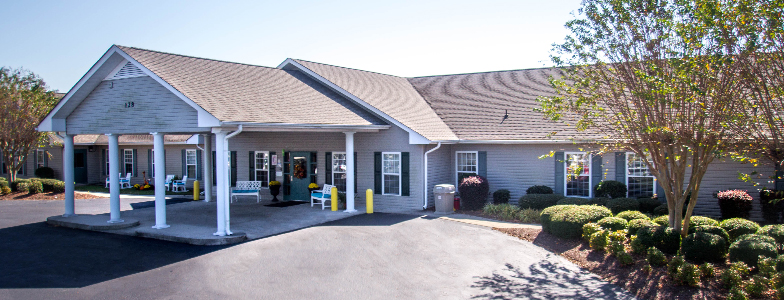
Who Owns and Operates Ayden Court Nursing And Rehabilitation Center?

Ayden Court Nursing and Rehabilitation Center is owned by a for-profit company. For-profit facilities operate as businesses with obligations to shareholders or private owners. The facility is operated by PRINCIPLE LONG TERM CARE, a chain that manages multiple nursing homes. With 82 certified beds and approximately 74 residents (about 90% occupancy), it is a smaller facility located in Ayden, North Carolina.

How Does Ayden Court Nursing And Rehabilitation Center Compare to Other North Carolina Nursing Homes?

Compared to the 100 nursing homes in North Carolina, Ayden Court Nursing and Rehabilitation Center's overall rating (3 stars) is above the state average of 2.8, staff turnover (64%) is significantly higher than the state average of 46%, and health inspection rating (3 stars) is at the national benchmark.

What Should Families Ask When Visiting Ayden Court Nursing And Rehabilitation Center?

Based on this facility's data, families visiting should ask: "How do you ensure continuity of care given staff turnover, and what is your staff retention strategy?" "Can you walk me through typical staffing levels on day, evening, and night shifts?" "Can I visit during a mealtime to observe dining assistance and food quality?" "How do you handle medical emergencies, and what is your hospital transfer rate?" These questions are particularly relevant given the facility's high staff turnover rate and the below-average staffing rating.

Is Ayden Court Nursing And Rehabilitation Center Safe?

Based on CMS inspection data, Ayden Court Nursing and Rehabilitation Center has a clean safety record: no substantiated abuse findings (meaning no confirmed cases of resident harm), no Immediate Jeopardy citations (the most serious violation level indicating risk of serious injury or death), and is not on the Special Focus Facility watch list (a federal program monitoring the lowest-performing 1% of nursing homes). The facility has a 3-star overall rating and ranks #1 of 100 nursing homes in North Carolina. While no facility is perfect, families should still ask about staff-to-resident ratios and recent inspection results during their visit.

Do Nurses at Ayden Court Nursing And Rehabilitation Center Stick Around?

Staff turnover at Ayden Court Nursing and Rehabilitation Center is high. At 64%, the facility is 18 percentage points above the North Carolina average of 46%. High turnover means new staff may not know residents' individual needs, medications, or preferences. It can also be disorienting for residents, especially those with dementia who rely on familiar faces. Families should ask: What is causing the turnover? What retention programs are in place? How do you ensure care continuity during staff transitions?

Was Ayden Court Nursing And Rehabilitation Center Ever Fined?

Ayden Court Nursing and Rehabilitation Center has no federal fines on record. CMS issues fines when nursing homes fail to meet care standards or don't correct problems found during inspections. The absence of fines suggests the facility has either maintained compliance or corrected any issues before penalties were assessed. This is a positive indicator, though families should still review recent inspection reports for the full picture.

Is Ayden Court Nursing And Rehabilitation Center on Any Federal Watch List?

Ayden Court Nursing and Rehabilitation Center is not on any federal watch list. The most significant is the Special Focus Facility (SFF) program, which identifies the bottom 1% of nursing homes nationally based on persistent, serious quality problems. Not being on this list means the facility has avoided the pattern of deficiencies that triggers enhanced federal oversight. This is a positive indicator, though families should still review the facility's inspection history directly.