Life Care Center of Banner Elk

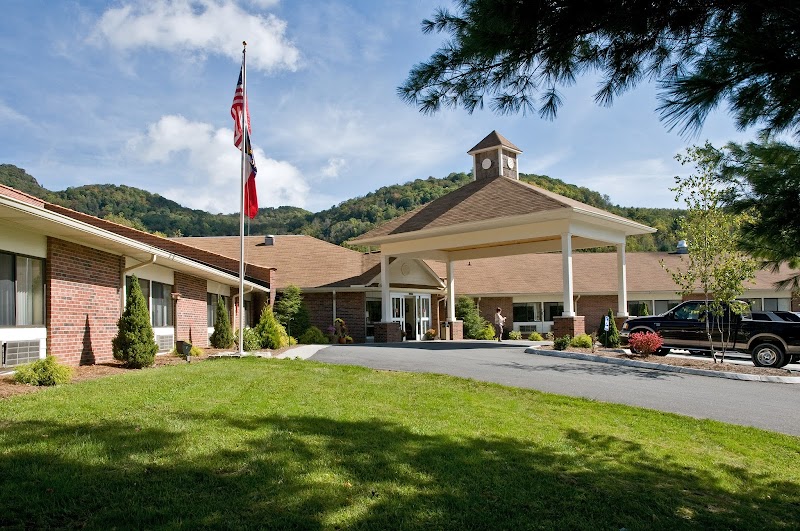
185 Norwood Hollow Road, Banner Elk, NC 28604 (828) 898-5136
For profit - Corporation 118 Beds LIFE CARE CENTERS OF AMERICA Data: November 2025
Trust Grade
93/100
#42 of 417 in NC
Last Inspection: August 2025

Inspected within the last 6 months. Data reflects current conditions.

Overview

Life Care Center of Banner Elk has an excellent Trust Grade of A, meaning it is highly recommended for care quality. It ranks #42 out of 417 nursing homes in North Carolina, placing it in the top half, and is the only facility in Avery County, indicating it is the best local option. The facility has a stable trend, with seven identified issues remaining consistent over the past two years. While staffing is a concern with a rating of only 2 out of 5 stars, the turnover rate is low at 26%, which is better than the state average, suggesting that staff generally stay long-term. Notably, there have been no fines reported, which is a positive sign, and the facility has average RN coverage, ensuring some professional oversight. However, there have been specific issues, such as failing to provide outdoor group activities that residents requested and leaving medications unattended at residents' bedsides, which could pose risks. Overall, while there are strengths in some areas, families should be aware of these weaknesses when considering this facility for their loved ones.

Trust Score
A
93/100
In North Carolina
#42/417
Top 10%
Safety Record
Low Risk
No red flags
Inspections
Holding Steady
3 → 3 violations
Staff Stability
✓ Good
26% annual turnover. Excellent stability, 22 points below North Carolina's 48% average. Staff who stay learn residents' needs.
Penalties
✓ Good
No fines on record. Clean compliance history, better than most North Carolina facilities.
Skilled Nurses
⚠ Watch
Each resident gets only 29 minutes of Registered Nurse (RN) attention daily — below average for North Carolina. Fewer RN minutes means fewer trained eyes watching for problems.
Violations
○ Average
7 deficiencies on record. Average for a facility this size. Mostly minor or procedural issues.
★★★★★
5.0
Overall Rating
★★☆☆☆
2.0
Staff Levels
★★★★★
5.0
Care Quality
★★★★☆
4.0
Inspection Score
Stable
2024: 3 issues
2025: 3 issues

The Good

  • 5-Star Quality Measures · Strong clinical quality outcomes
  • Low Staff Turnover (26%) · Staff stability means consistent care
  • Full Sprinkler Coverage · Fire safety systems throughout facility
  • No fines on record
  • Staff turnover is low (26%)

    22 points below North Carolina average of 48%

Facility shows strength in quality measures, staff retention, fire safety.

The Bad

Chain: LIFE CARE CENTERS OF AMERICA

Part of a multi-facility chain

Ask about local staffing decisions and management

The Ugly 7 deficiencies on record

Aug 2025 3 deficiencies
CONCERN (D)

Potential for Harm - no one hurt, but risky conditions existed

Incontinence Care (Tag F0690)

Could have caused harm · This affected 1 resident

**NOTE- TERMS IN BRACKETS HAVE BEEN EDITED TO PROTECT CONFIDENTIALITY** Based on observations, record review, and resident and staff interviews, the facility failed to secure an indwelling urinary cat...

Read full inspector narrative →
**NOTE- TERMS IN BRACKETS HAVE BEEN EDITED TO PROTECT CONFIDENTIALITY** Based on observations, record review, and resident and staff interviews, the facility failed to secure an indwelling urinary catheter tubing to prevent tension or trauma for 1 of 2 residents reviewed for urinary catheter (Resident #62).The findings include:Resident #62 was admitted to the facility on [DATE] with diagnoses that included benign prostatic hyperplasia with urinary obstruction.Review of Resident #62's physician orders dated 02/20/25 revealed an order to secure the catheter tubing with an anchoring device to prevent pulling or trauma.Review of Resident #62's care plan dated 02/20/25 addressed the use of an indwelling urinary catheter related to benign prostatic hyperplasia with obstruction. The goal that he would have no complications due to the urinary catheter would be attained by utilizing interventions that include encouraging the use of a leg strap to reduce pulling and trauma.The quarterly Minimum Data Set assessment dated [DATE] revealed Resident #62's cognition was intact, and he had an indwelling urinary catheter.Review of Resident #62's physician orders dated 07/22/25 revealed an order for a urinary catheter to straight drain for obstructive uropathy.On 08/03/25 at 12:49 PM an observation and interview were conducted with Resident #62. The Resident explained that he has had his urinary catheter since he has been in the facility. The Resident was asked if he had an anchoring device on his catheter tubing and Resident #62 stated he did not and pulled back the sheet and revealed there was no anchoring device on his leg for the catheter tubing. The Resident remarked that sometime the catheter tubing was pulled during care, but he tolerated the pulling.On 08/04/25 at 10:20 AM an observation was made of Nurse Aide (NA) #1 and NA #2 providing catheter care to Resident #62 who did not have an anchoring device for his catheter tubing. Near the completion of the task NA #1 explained that the Resident should have an anchoring device on his thigh to prevent pulling and tugging of the catheter tubing and she informed Nurse #1 yesterday (08/02/25) that Resident #62 did not have an anchoring device for his catheter. NA #1 stated it was the nurses' responsibility to apply the anchoring devices on the residents for their catheters.At 11:10 AM on 08/04/25 an interview was conducted with Nurse #1 who confirmed that she worked with Resident #62 on 08/03/25. The Nurse explained that she removed the anchoring device from Resident #62's catheter tubing on 08/02/25 due to soilage and could not find another one to replace it. The Nurse stated she reported it to Nurse #2 that Resident #62 needed an anchoring device for his catheter tubing. Nurse #1 stated that she did not recall NA #1 informing her that Resident #62 did not have an anchoring device for his catheter tubing.On 08/04/25 at 2:30 PM an interview was conducted with Nurse #2. The Nurse confirmed that she took care of Resident #62 on 08/03/25 7:00 PM to 7:00 AM. Nurse #2 explained that residents who have indwelling urinary catheters should have anchoring devices to prevent from pulling and trauma. The Nurse stated she did not know that Resident #62 did not have an anchor device in place on her shift and Nurse #1 did not inform her that the Resident needed one.During an interview with Nurse #3 on 08/04/25 at 1:10 PM, the Nurse, who was assigned to Resident #62, explained that he had put an anchoring device on Resident #62 after NA reported to him that there was not an anchoring device on Resident #62. An interview was conducted with the Unit Manager on 08/05/25 at 1:44 PM. The Unit Manager explained that all residents with urinary catheters should have anchoring devices in place to prevent them from pulling and trauma unless there was a specific reason why they should not have them. The Unit Manager stated that if that were the case then it should be care planned.On 08/06/25 at 9:00 AM an interview was conducted with the Director of Nursing (DON) who explained that residents with urinary catheters should have an anchor device in place to prevent for pulling and trauma. She stated the hall where Resident #62 resided on was a hectic hall but that was no excuse. The DON indicated that the anchor devices should be made accessible for nurse aides to apply them. [NAME], [NAME] (62) pearson, [NAME] (37280) - RESIDENT NOTE No Notes
CONCERN (D)

Potential for Harm - no one hurt, but risky conditions existed

Deficiency F0761 (Tag F0761)

Could have caused harm · This affected 1 resident

**NOTE- TERMS IN BRACKETS HAVE BEEN EDITED TO PROTECT CONFIDENTIALITY** Based on observations, record review, and resident and staff interviews, the facility failed to ensure medications were under di...

Read full inspector narrative →
**NOTE- TERMS IN BRACKETS HAVE BEEN EDITED TO PROTECT CONFIDENTIALITY** Based on observations, record review, and resident and staff interviews, the facility failed to ensure medications were under direct observation by the administering nurse who left medications unattended at the bedside of 1 of 1 resident reviewed for medication storage (Resident #56).Findings included:Resident #56 was admitted to the facility 05/05/23 with diagnoses including diabetes with polyneuropathy (damage of multiple nerves), hypertension (high blood pressure), and depression. Partial review of Resident #56's Physician orders revealed the following:Metformin ER (diabetes medication) 1,000 (milligrams) mg twice a day for diabetes ordered 05/16/23Cholecalciferol (Vitamin D) 2,000 units once a day for supplement ordered 10/26/23Pregabalin (neuropathy medication) 75 mg twice a day for diabetic polyneuropathy ordered 07/23/24Sertraline (antidepressant) 100 mg once a day for depression ordered 09/10/24Empagliflozin (diabetes medication) 25 mg once a day for diabetes ordered 12/24/24Amlodipine (high blood pressure medication) 10 mg once a day for hypertension ordered 04/03/25The quarterly Minimum Data Set (MDS) assessment dated [DATE] indicated he was moderately cognitively impaired and received antidepressant and hypoglycemic (medications that lower blood sugar) medications during the 7-day look back period. An observation of Resident #56's overbed table on 08/03/25 at 12:11 PM revealed a medication cup containing 6 pills of various shapes and sizes. An interview with Resident #56 on 08/03/25 at 12:11 PM revealed he wasn't sure what the pills in the cup were or why they were there. An interview with Nurse #1 on 08/03/25 at 12:13 PM revealed she was caring for Resident #56. She stated the medications in the cup in Resident #56's overbed table were Pregabalin, Sertraline, Vitamin D, Amlodipine, Metformin, and Jardiance. Nurse #1 stated she took the pills to Resident #56 around 9:45 AM and got distracted by the resident's roommate and did not realize Resident #56 did not swallow the medications while she was in the room. She stated she usually stayed with a resident until they swallowed their medication or removed the medication from the room if the resident did not want to take the medication at that time. Nurse #1 stated she had just left Resident #56's room after watching him take all the medications in the cup. An interview with the Director of Nursing (DON) on 08/06/25 at 10:50 AM revealed she expected nurses to stay with residents until all medications were taken or remove them from the room if the resident did not want to take them at the time they were scheduled. She stated Nurse #1 got distracted on 08/03/25 and that was why medications were left unattended in Resident #56's room. An interview with the Administrator on 08/06/25 at 10:55 AM revealed she expected nurses to stay with residents until they completed taking their medication or remove it from the room if the resident did not want to take the medication at the scheduled time.
CONCERN (D)

Potential for Harm - no one hurt, but risky conditions existed

Infection Control (Tag F0880)

Could have caused harm · This affected 1 resident

Based on observation, record review, and staff interviews, the facility failed to implement their infection control policy when Nurse Aide (NA) #2 and the Treatment Nurse did not don (put on) a gown w...

Read full inspector narrative →
Based on observation, record review, and staff interviews, the facility failed to implement their infection control policy when Nurse Aide (NA) #2 and the Treatment Nurse did not don (put on) a gown while providing wound care to Resident #47 who required enhanced barrier precautions (EBP) due to the presence of a pressure ulcer (sore). This deficient practice occurred for 2 of 7 staff members observed for infection control practices (Treatment Nurse and NA #2).Findings included:Review of the facility's Enhanced Barrier Precautions policy last revised 03/21/2024 read in part as follows: Policy:The facility should use Enhanced Barrier Precautions (EBP) as an additional MDRO [multi-drug resistant organisms] mitigation [prevention] strategy for residents that meet the following criteria, during high-contact resident care activities; wounds even if the resident is not known to be infected with a MDRO. Wounds generally include chronic wounds. Examples of chronic wounds include pressure ulcers. EBP should be used for any residents who meet the criteria.Definitions:Enhanced Barrier Precautions (EBP)-refer to an infection control intervention designed to reduce transmission of multidrug-resistant organisms that employs targeted gown and glove use during high contact resident care activities. Personal Protective Equipment (PPE)-refers to protective items or garments worn to protect the body or clothing from hazards that can cause injury and protect residents from cross-transmission.Procedure:The facility should develop a process to communicate which residents require the use of EBP for all high-contact resident care activities. The facility may choose to post signage on the door or wall outside of the resident room indicating the resident is on Enhanced Barrier Precautions. Examples of high-contact resident care activities requiring gown and glove use include: wound care and changing linens.Review of Resident #47's medical record revealed a nurse's note written by the Director of Nursing (DON) on 07/14/25. The note read in part as follows: Resident noted with unstageable pressure area to sacrum [the triangular bone at the base of the spine]. Measurements 1.5 [centimeters] x 1.7 [centimeters] x 1 [centimeter]. Resident denies pain in area. New orders for treatments in use at this time.An observation of Resident #47's door on 08/04/25 at 8:54 AM revealed no signage indicating he was on EBP, and no shelf or container was present outside the room containing gowns or gloves. A continuous observation of the Treatment Nurse and NA #2 on 08/04/25 from 8:56 AM though 9:02 AM revealed they entered Resident #47's, performed hand hygiene with alcohol-based hand rub (abhr), donned (put on) gloves, and assisted Resident #47 with turning on his left side. NA #2 assisted Resident #47 with staying on his left side and the Treatment Nurse pulled back the brief, removed the dressing from Resident #47's sacrum and placed it in the trash, removed her gloves and placed them in the trash, performed hand hygiene, donned clean gloves, cleaned the wound with wound cleanser, removed her gloves and placed them in the trash, performed hand hygiene, donned clean gloves, measured the wound with a paper tape measure, removed her gloves and placed them in the trash, performed hand hygiene, donned clean gloves, applied medical grade honey gel with a cotton-tipped applicator to the wound bed, covered the wound with a bordered gauze, removed her gloves and placed them in the trash, and performed hand hygiene. The Treatment Nurse and NA #2 did not don gowns while performing wound care for Resident #47.In an interview with the Treatment Nurse on 08/05/25 at 12:12 PM she confirmed on 08/04/25 there was no sign indicating Resident #47 was on EBP and she did not wear a gown while providing wound care. She stated she thought that since the wound did not have a large amount of drainage that Resident #47 did not need EBP. In an interview with NA #2 on 08/05/25 at 2:42 PM she confirmed she did not wear a gown when assisting the Treatment Nurse with positioning Resident #47 for wound care on 08/04/25. She stated since there was no sign indicating Resident #47 was on EBP, she assumed he was not on EBP. An interview with the Infection Preventionist (IP) on 08/06/25 at 10:31 AM revealed Resident #47 should have been placed on EBP when his pressure ulcer was identified. She stated that a miscommunication between herself and the Treatment Nurse was the reason Resident #47 was not on EBP. The IP stated she should have followed up to ensure Resident #47 was placed on EBP and she did not. She stated that placing Resident #47 on EBP fell through the cracks. An interview with the DON on 08/06/25 at 10:42 AM revealed when it was determined that Resident #47 had a pressure ulcer, it was unclear if the wound was open or not. She stated once she determined the pressure ulcer was open, EBP was put in place. The DON stated Resident #47 should have been placed on EBP when the pressure ulcer was identified. An interview with the Administrator on 08/06/25 revealed she thought the reason Resident #47 was not placed on EBP for his pressure ulcer was due to a miscommunication between the IP and Treatment Nurse.
Aug 2024 3 deficiencies
CONCERN (D)

Potential for Harm - no one hurt, but risky conditions existed

Deficiency F0565 (Tag F0565)

Could have caused harm · This affected 1 resident

Based on record review, and resident and staff interviews, the facility failed to provide a resolution of Resident Council grievances for 1 of 1 monthly Resident Council Meetings (June 2024). The Resi...

Read full inspector narrative →
Based on record review, and resident and staff interviews, the facility failed to provide a resolution of Resident Council grievances for 1 of 1 monthly Resident Council Meetings (June 2024). The Resident Council had reported they would like to have transportation to go on group outings. The findings included: A review of the Grievance Program policy dated 5/6/2019 stated the facility should make prompt efforts to resolve a grievance and should actively work toward a solution of a complaint/grievance. The facility should follow up with the resident to communicate resolution or explanation and ensure that the issue was handled to the resident's satisfaction. A review of the Resident Council minutes from 6/24/2024 revealed residents requested to take day trips and were advised that the facility had contacted companies regarding party buses for transportation and the prices were too expensive. The Activities Director (AD) had called local rafting companies that had large buses, and none were handicap accessible. The AD was to contact the local transportation agency. A review of a grievance filed on 6/24/2024 by the Activities Director (AD) revealed residents had requested the facility to find transportation to ride around and get lunch. The AD advised residents that she had contacted local rafting companies to see if their bus was handicap accessible and was told they were not. The AD advised the residents that she would contact the local transportation company. The grievance form indicated the facility was not able to resolve the concern at the time it was shared. The Administrator was assigned the grievance. The investigation steps stated, at this time staffing restraints are hindering resident outings. Documented actions taken to resolve/respond to the concerns stated, will continue to try to hire a driver and will also consider ordering special meals in for the residents upon request. There was no documented date, time, findings, or action plan for when the information was shared with the concerned party and the concerned party's response to the action plan/outcome was disappointed. The grievance was signed by the Administrator on 6/27/2024. An interview was conducted on 8/19/2024 at 10:41 am with the AD. The AD stated the resident council met once a month and had requested to go on day trips. The AD stated day trips were not possible at the time because the facility did not have a van driver. The AD stated that she had called the local transportation company in the past and was told that there was a charge for transportation if the reason for transport was not for a medical need. The AD was unsure of when she had reached out to the local transportation agency and stated that when they had used them for a non-medical appointment in the past, it was very expensive. An interview was conducted on 8/20/2024 at 12:33 pm with the Social Services Director. The Social Services Director stated the Grievance Official was the Administrator and that a grievance could be filled out by anyone in the facility. The Social Services Director stated she received all grievances, made a copy of the grievance and wrote the information from the grievance on the grievance log. She stated she gave the grievance to the appropriate department manager and once the grievance was resolved, or if the facility was not able to come to a resolution, the grievance was discussed with the person who filed the grievance, and the Administrator signed the grievance as completed. The Social Services Director stated she was aware members of the Resident's Council had expressed wanting to go on group outings. The Social Services Director stated any interventions, or resolution should have been documented on the grievance form and stated she did not think any interventions or resolutions had been agreed upon. An interview was conducted on 8/20/2024 at 1:18 pm with the Administrator. The Administrator stated anyone at the facility could complete a grievance. The Administrator stated she was the Grievance Official and the Social Services Director was responsible for keeping a log of the grievances and distributed the grievances to the appropriate department manager. The Administrator stated after a grievance was completed, the staff discussed the status of grievances in their morning meetings until the grievance was resolved. The Administrator stated she was under the impression that the residents knew that outings were not feasible at this time due to the facility not having a van/bus driver. The Administrator stated she knew a few months ago the AD had reached out to the local transportation agency and at the time it was too expensive for non-medical trips and the agency did not have a lot of availability. The Administrator stated she had not contacted the local transportation agency or tried to arrange transportation for outings recently, however the facility had advertised for a van/bus driver. The Administrator stated that she should have made sure the residents knew that the grievance could not be resolved, and that the facility would continue to work on hiring a van/bus driver to take the residents on group outings.
CONCERN (D)

Potential for Harm - no one hurt, but risky conditions existed

Deficiency F0700 (Tag F0700)

Could have caused harm · This affected 1 resident

**NOTE- TERMS IN BRACKETS HAVE BEEN EDITED TO PROTECT CONFIDENTIALITY** 2. Resident #45 was admitted to the facility on [DATE] with diagnoses which included Alzheimer's disease and dementia. A review...

Read full inspector narrative →
**NOTE- TERMS IN BRACKETS HAVE BEEN EDITED TO PROTECT CONFIDENTIALITY** 2. Resident #45 was admitted to the facility on [DATE] with diagnoses which included Alzheimer's disease and dementia. A review of Resident #45's Medical Record revealed an Evaluation for Use of Bed Rails form dated 6/8/2021 which revealed bed rails were not indicated at that time. The Medical Record did not contain a signed consent for the use of bed rails. A review of a quarterly Minimum Data Set (MDS) dated [DATE] revealed Resident #45 was severely cognitively impaired and had no behaviors. Bed rails were coded as not used for Resident #45. An observation was conducted on 8/20/2024 at 8:18 am of Resident #45. Resident #45 was observed lying in bed with bilateral upper quarter bed rails raised. An interview was conducted on 8/20/2024 at 8:48 am with Nurse #2. Nurse #2 stated an evaluation for the use of bedrails was performed on admission. Nurse #2 stated bedrails were utilized for mobility purposes or at the request of the resident or resident's family. Nurse #2 stated if a resident required bedrails, there was a quarterly bed rail assessment that had to be completed. Nurse #2 stated there was no evaluation for bed rails in the medical record that indicated Resident #45 needed bed rails, there was no quarterly bed rail assessment, and there was no mention of bed rails in the care plan. Nurse #2 was unsure why there were quarter bed rails used on Resident #45's bed and stated there should not have been. An interview was conducted on 8/20/2024 at 3:42 pm with the Director of Nursing (DON). The DON stated when a resident was admitted to the facility there was an initial assessment for the use of bed rails that was completed by the nurse. The DON stated some residents and/or resident families would request the use of bed rails and signed consent for use. The DON stated if bed rails were used for a resident there should have also been a quarterly assessment for bed rails completed. The DON was unsure why Resident #45 had quarter bed rails on his bed and stated he should not have had bed rails. Based on observations, record reviews and staff interviews, the facility failed to complete bed rail assessments to determine the need for bed rails for 2 of 9 residents reviewed for accidents (Resident #3 and Resident #45). Findings Included: 1. Resident #3 was admitted to the facility 10/06/22 with diagnoses that included history of repeated falls, status post fracture of the superior rim of the left pubis (a bone of the pelvis) and dementia. The annual Minimum Data Set (MDS) assessment dated [DATE] assessed Resident #3 with short and long term memory problems. The MDS also indicated she had functional range of motion impairment on one side of her lower extremity and required substantial to maximal assistance from staff to roll from left to right. The MDS revealed bed rails were not used as a restraint. A review of Resident #3's electronic medical record revealed there had not been a bed rail assessment completed since her admission on [DATE]. An observation of Resident #3 on 08/18/24 at 4:00 PM revealed she was lying in her bed on her back sleeping with the bilateral quarter bed rails in the up position. During an interview with Nurse Aide (NA) #1 on 08/18/24 at 4:11 PM, the NA explained that Resident #3 had a fall from her bed a while back that fractured some of the bones in her pelvis. The NA stated the Resident was total care with the assistance of two staff but she would attempt to feed herself when sitting up. On 08/19/24 at 2:19 PM an observation was made of Resident #3 lying on her back in her bed with the bilateral quarter bed rails in the up position. During an interview with NA #2 on 08/19/24 at 4:10 PM the NA explained that Resident #3 had a fall from her bed several months ago that broke a bone around her pelvis and since then she seemed to decline. The NA stated Resident #3 required two staff assist to turn in the bed but would hold the bed rail if her hand was put in that position. An interview conducted with Nurse #1 on 08/20/24 at 2:09 PM revealed Resident #3 had declined since she fractured her pelvic bones from a fall. The Nurse explained that the Resident required two staff assist with most of her activities of daily living including rolling from side to side in the bed. She indicated Resident #3 could hold the side rail if you put her hand in that position but could not actively roll herself. Nurse #3 continued that bed rail assessments were completed quarterly but when she reviewed the Resident's electronic medical record for the last assessment, she stated there was no bed rail assessment in the medical record. During an interview with the Director of Nursing (DON) on 08/20/21 at 3:40 PM the DON explained that the bed rail assessments were supposed to be done quarterly along with the MDS assessments. She stated they discovered a glitch in the system that prevented the bed rail assessments from automatically popping up to be completed.
CONCERN (E)

Potential for Harm - no one hurt, but risky conditions existed

Deficiency F0679 (Tag F0679)

Could have caused harm · This affected multiple residents

**NOTE- TERMS IN BRACKETS HAVE BEEN EDITED TO PROTECT CONFIDENTIALITY** Based on record reviews, facility activity calendars, and resident and staff interviews, the facility failed to ensure group act...

Read full inspector narrative →
**NOTE- TERMS IN BRACKETS HAVE BEEN EDITED TO PROTECT CONFIDENTIALITY** Based on record reviews, facility activity calendars, and resident and staff interviews, the facility failed to ensure group activities were planned for outside of the facility to meet the needs of residents who expressed that it was important to them to attend group activities outside of the facility for 4 of 5 residents reviewed for activities (Resident #7, #22, #28, #21). The findings included: A review of the Resident Council Minutes from July 2023 through July 2024 revealed the following: -July 2023 the residents had discussed trips that might be fun when activities were able to provide group trips. Residents #22 and Resident #7 were in attendance. -September 2023 the residents had discussed wanting to take short trips on the Parkway to see the leaves change. Residents #7, #22, #28, #21 were all in attendance. There was no documented response to the residents request for a group outing. -October 2023 the residents had discussed wanting to take short trips on the Parkway to see the leaves change. Residents #7, #28, #21 were all in attendance. There was no documented response to the residents request for a group outing. -March 2024 the resident had discussed they would like to go on short trips, to the store or Subway, on the van. Activities was going to looking to the dynamics of the van and transportation rules and would report back to Resident Council. Residents #7, #22, #28, #21 were all in attendance. There was no documented response to the residents requests for a group outing. -April 2024 the residents were informed that the Activities Assistant had left his position and that short trips on the van would not be possible until a driver was hired. Residents #7, #22, and #28 were all in attendance. There was no documented response to the residents request for a group outing. -May 2024 residents had discussed they were still wanting to go on day trips and would like for activities to look into renting a party bus so many residents could attend. Resident #7, #22, #28, #21 were all in attendance. There was no documented response to the residents request for a group outing. -June 2024 residents were advised that the facility had looked into party buses and their prices were just too expensive and had called local rafting companies that have large buses, but none were handicap accessible. The residents were informed the Activities Director (AD) had inquired about renting a party bus and the prices were too expensive. The AD had also contacted local rafting companies that had larger buses and none of the buses were handicap accessible. The AD was going to contact the local transportation agency. Residents #22 and Resident #7 were in attendance. There was no documented response to the residents request for a group outing. -July 2024 there was no documented response to the residents request for a group outing. A Resident Council meeting was conducted on 8/21/2024 at 9:59 am with Residents #7, #22, #28, and #21 in attendance. The residents expressed that they had been asking about going on a group outing repeatedly during their Resident Council meetings. The facility staff had responded to the residents that there was no transportation, van/bus driver, and not enough staff to go on group outings at this time. During the Resident Council meeting Resident #7 stated she would like to go to the dollar store and had not been in a store in several years. Resident #22 stated the residents had been told they did not have transportation for group outings. Resident #22 stated not being able to go on group outings felt like being in prison. Resident #21 stated she would love to get out of the facility and go to a store because she wanted to be able to pick out her own stuff, but it with her own money, and feel like an addition to society. An observation was conducted on 8/20/2024 at 12:00 pm revealed the facility was within driving distance of local restaurants (0.8 miles), local stores (6.4 miles), and a park (2.8 miles). a. Resident #7 was admitted to the facility on [DATE]. A review of an annual Minimum Data Set (MDS) dated [DATE] revealed Resident #7 was cognitively intact, and it was very important to do things with groups of people and to go outside to get fresh air when the weather is good. An interview was conducted on 8/19/2024 at 9:22 am with Resident #7. Resident #7 stated she regularly attended Resident Council and activities at the facility. Resident #7 stated that since she had been admitted , she had never been on an outing and wanted to go. Resident #7 stated the residents had been told there was no transportation to be able to take them on outings. Resident #7 stated she would love to go to a store and stated that not being able to go on outings felt kind of like being in jail. b. Resident #22 was admitted to the facility on [DATE]. A review of a change in condition Minimum Data Set (MDS) dated [DATE] revealed Resident #22 was cognitively intact, and it was very important to do things with groups of people and to go outside to get fresh air when the weather is good. An interview was conducted on 8/18/2024 at 3:49 pm with Resident #22. Resident #22 stated she had been at the facility for a couple of years and was the Resident Council President. Resident #22 stated the residents had not been on a group outing since she was admitted to the facility. Resident #22 stated the residents had expressed wanting to go on group outings just go get out. Resident #22 stated not being able to go on outings really bothered the residents. c. Resident #28 was admitted to the facility on [DATE]. A review of an annual Minimum Data Set (MDS) dated [DATE] revealed Resident #28 was cognitively intact, and it was very important to do things with groups of people and to go outside to get fresh air when the weather is good. An interview was conducted on 8/19/2024 at 9:28 am with Resident #28. Resident #28 stated he had been at the facility for six years, had regularly attended Resident Council and activities, and had never been on a group outing. Resident #28 stated it made him feel terrible to not be able to go on group outings. Resident #28 stated his family was not able to take him out of the facility and he would just like to go out to a restaurant to eat. d. Resident #21 was admitted to the facility on [DATE]. A review of an annual Minimum Data Set (MDS) dated [DATE] revealed Resident #21 was cognitively intact, and it was very important to do things with groups of people and to go outside to get fresh air when the weather is good. An interview was conducted on 8/19/2024 at 9:31 am with Resident #21. Resident #21 stated she had been at the facility for four years and had never been on a group outing. Resident #21 stated the only time she had left the facility was to go to doctor appointments. Resident #21 stated the residents had been told the facility did not have a transportation van that was big enough or enough staff to be able to help. An interview was conducted on 8/19/2024 at 10:41 am with the Activities Director (AD). The AD stated she had worked at the facility for four and a half years and transferred to the Activities Director position about a year and a half ago. The AD stated the residents had mentioned wanting to take day trips that were unrealistic because the facility did not have a driver for the van. The AD stated the residents had not been on a group outing since before Coronavirus. The AD stated the facility did not have transportation large enough to support the amount of residents that would want to go, and there was not enough staff to take them. The AD stated most of the residents would require assistance with transfers and toileting, which would require one staff member to one resident for safety purposes. The AD stated she had called local rafting companies about transporting residents on their vans/buses but was told the vans/buses were not handicap accessible. The AD stated she had also reached out to a local transportation agency and stated they would charge if the transportation was not for a medical necessity. The AD stated if she was not able to go out on outings she would feel land locked. The AD stated she did not feel comfortable driving the van in the event something bad happened. The AD stated the van could hold approximately 2 residents in wheelchairs. The AD stated she would have felt bad if she took only 2 out at a time because that would make other residents feel like they were left out and would not be fair. An interview was conducted on 8/19/2024 at 11:18 am with the Administrator. The Administrator stated several of the residents had mentioned wanting to go on group outings but stated that transportation was a huge issue in their county along with the fact that everyone wanted to go. The Administrator stated the facility took the residents outside when the weather was good and provided a variety of entertainment groups. The Administrator stated they started the Resident Council Store which gave the residents an opportunity to feel like they were shopping at a real store. The Administrator stated the AD had made efforts to try to find transportation but that between the lack of a van driver and not having enough staff, it was not feasible to go on outings at this time. The Administrator stated the bus would hold a couple of wheelchairs and several ambulatory residents. The Administrator stated she did not feel comfortable driving the van or bus and being responsible for the residents while they were on an outing if something bad were to happen. An interview was conducted on 8/20/2024 at 9:23 am with the Maintenance Director. The Maintenance Director stated the facility had a transportation van and a bus. He stated the van would hold approximately 2 residents and the bus could hold approximately 3 wheelchairs and several other residents that were ambulatory. The Maintenance Director stated that anyone with a driver's license could drive the van, or the bus and no special credentials were needed. The Maintenance Director stated he occasionally went to the hospital to pick up residents in the van, but primarily was only responsible for maintenance duties in the facility.
May 2023 1 deficiency
CONCERN (D)

Potential for Harm - no one hurt, but risky conditions existed

Deficiency F0688 (Tag F0688)

Could have caused harm · This affected 1 resident

**NOTE- TERMS IN BRACKETS HAVE BEEN EDITED TO PROTECT CONFIDENTIALITY** Based on observations, record review, and staff interviews, the facility failed to ensure a physician ordered hand splint was pl...

Read full inspector narrative →
**NOTE- TERMS IN BRACKETS HAVE BEEN EDITED TO PROTECT CONFIDENTIALITY** Based on observations, record review, and staff interviews, the facility failed to ensure a physician ordered hand splint was placed on a resident as ordered for 1 of 1 resident reviewed for limited range of motion (Resident #22). The findings included: Resident #22 was admitted to the facility on [DATE] with diagnoses that included Parkinson's disease and contracture of left hand. Review of Resident #22's physician orders revealed the following order dated 12/06/22: Apply built-up left hand palm guard with red roll during hand hygiene 7 times a week up to 6 hours a day, indefinitely to prevent further contracture of left hand. One time a day. Review of Resident #22's annual Minimum Data Set (MDS) assessment dated [DATE] revealed her to be cognitively impaired. Resident #22 was coded as requiring extensive assistance with personal hygiene. Resident #22 was coded as not receiving any therapy since her last MDS assessment. An observation made on 05/22/23 at 1:00 PM revealed Resident #22 to be in bed asleep without the placement of her palm guard. Observation of Resident #22's left hand revealed it to be clinched tight with her fingernails pressed against her palm. An observation made on 05/23/23 at 2:10 revealed Resident #22 to be in her bed resting. Resident #22's left hand did not have the physician ordered palm guard in place and her left hand was observed to be clinched tight with her fingernails pressed against her palm. An observation made on 05/24/23 at 9:20 AM revealed resident to be out of bed, in her wheelchair. An observation of her left hand revealed her palm guard to not be in place with her left hand clinched tight with her fingernails pressed against her palm. During an interview with the Restorative Manager on 05/24/23 at 11:00 AM, she reported the facility currently had one Restorative Nurse Aide who was responsible for ensuring splints and palm protectors were in place as ordered. She also verified that Resident #22 was currently on the Restorative Therapy caseload and was ordered to have a palm guard placed on her left hand daily before breakfast and then removed around 2:00 PM. An observation of Resident #22 at 11:15 AM with the Restorative Manager revealed Resident #22 to not have her palm guard on her hand. The Restorative Manager reported it should have been placed on her hand that morning and immediately began providing care and placed the palm guard on Resident #22's hand. An interview with Restorative Aide #1 on 05/24/23 at 11:06 AM revealed she was familiar with Resident #22 and that she had a physician order for a palm guard to be placed in her left hand daily to provide palm protection related to a contracture. She stated Resident #22 was to wear the palm guard 6 hours a day and it was to be placed on Resident #22 before breakfast and then taken off around 1:30 PM or 2:00 PM. She reported she had not been able to work in the capacity of a Restorative Aide on 05/22/23, 05/23/23, or 05/24/23 and instead was working as a nurse aide on a hall. She reported on days that she was not at the facility or had to work as a nurse aide, the restorative aide duties would fall to the nurse aides assigned to the hall. Review of facility assignment sheets revealed Nurse Aide #1 was scheduled to work on 05/22/23 and 05/23/23 on first shift on Resident #22's hall and Nurse Aide #2 and Nurse Aide #3 were assigned to Resident #22's hall on 05/24/23. An interview with Nurse Aide #1 by telephone on 05/24/23 at 11:22 AM was unsuccessful. An interview with Nurse Aide #2 on 05/24/23 at 11:26 AM revealed she was unsure how restorative aide duties were delegated when the restorative aide was not in the facility. She reported she assumed the responsibility of placing splints and palm guards would remain with the restorative department. She reported she had not put any splints or palm guards on Resident #22. During an interview with Nurse Aide #3 on 05/24/23 at 11:34 PM, she reported when Restorative Aide #1 was pulled to the floor, the hall nurse aides or nurses would be responsible for ensuring splints and palm guards were placed on residents. She reported she was aware Resident #22 was admitted to the restorative program and was aware she was supposed to have a palm guard placed on her left hand every day before breakfast. She reported it had been a hectic morning and it was overlooked and not put on Resident #22 on 05/24/23. During an interview with the Director of Nursing on 05/24/23 at 12:09 PM she reported when the Restorative Aide was pulled to the hall, her duties would be delegated to the hall nurse aides. She reported if there was a physician order for a palm guard to be put on Resident #22 then it should be put on as ordered.
Understanding Severity Codes (click to expand)
Life-Threatening (Immediate Jeopardy)
J - Isolated K - Pattern L - Widespread
Actual Harm
G - Isolated H - Pattern I - Widespread
Potential for Harm
D - Isolated E - Pattern F - Widespread
No Harm (Minor)
A - Isolated B - Pattern C - Widespread

Questions to Ask on Your Visit

  • "Can I speak with families of current residents?"
  • "What's your RN coverage like on weekends and overnight?"

Our Honest Assessment

Strengths
  • • Grade A (93/100). Above average facility, better than most options in North Carolina.
  • • No major safety red flags. No abuse findings, life-threatening violations, or SFF status.
  • • No fines on record. Clean compliance history, better than most North Carolina facilities.
  • • 26% annual turnover. Excellent stability, 22 points below North Carolina's 48% average. Staff who stay learn residents' needs.
Concerns
  • • No significant concerns identified. This facility shows no red flags across CMS ratings, staff turnover, or federal penalties.
Bottom line: Generally positive indicators. Standard due diligence and a personal visit recommended.

About This Facility

What is Life Care Center Of Banner Elk's CMS Rating?

CMS assigns Life Care Center of Banner Elk an overall rating of 5 out of 5 stars, which is considered much above average nationally. Within North Carolina, this rating places the facility higher than 99% of the state's 100 nursing homes. This rating reflects solid performance across the metrics CMS uses to evaluate nursing home quality.
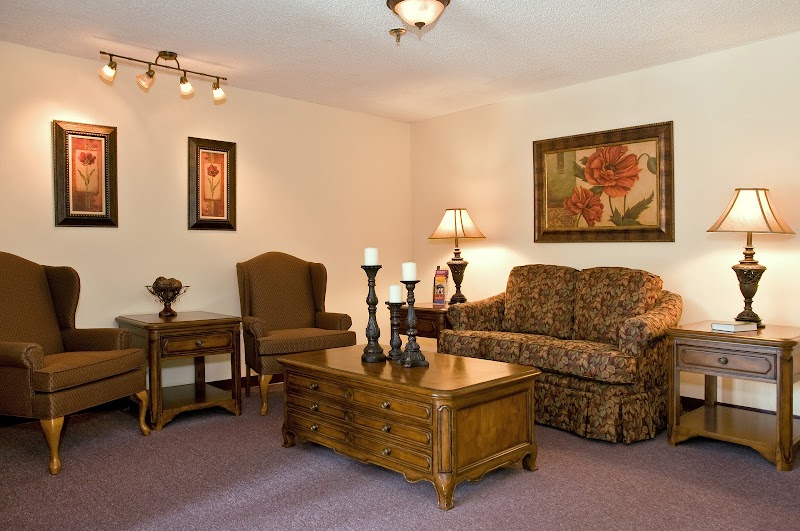
How is Life Care Center Of Banner Elk Staffed?

CMS rates Life Care Center of Banner Elk's staffing level at 2 out of 5 stars, which is below average compared to other nursing homes. Staff turnover is 26%, compared to the North Carolina average of 46%. This relatively stable workforce can support continuity of care.

What Have Inspectors Found at Life Care Center Of Banner Elk?

State health inspectors documented 7 deficiencies at Life Care Center of Banner Elk during 2023 to 2025. These included: 7 with potential for harm.
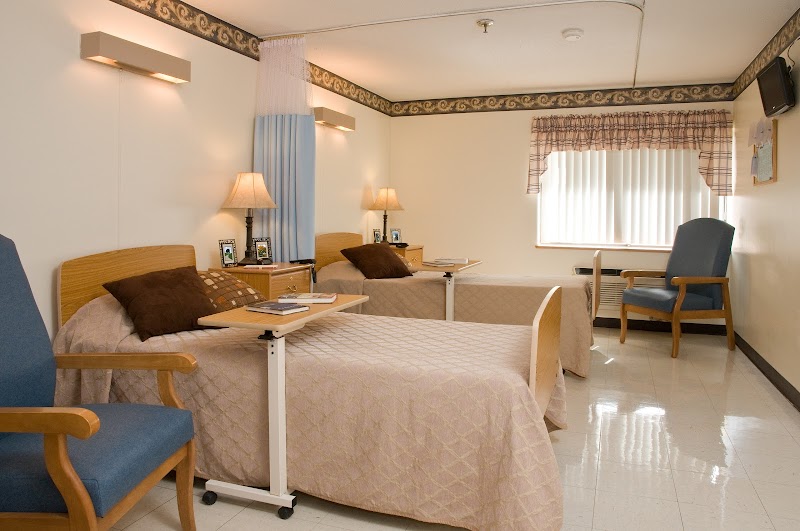
Who Owns and Operates Life Care Center Of Banner Elk?

Life Care Center of Banner Elk is owned by a for-profit company. For-profit facilities operate as businesses with obligations to shareholders or private owners. The facility is operated by LIFE CARE CENTERS OF AMERICA, a chain that manages multiple nursing homes. With 118 certified beds and approximately 65 residents (about 55% occupancy), it is a mid-sized facility located in Banner Elk, North Carolina.

How Does Life Care Center Of Banner Elk Compare to Other North Carolina Nursing Homes?

Compared to the 100 nursing homes in North Carolina, Life Care Center of Banner Elk's overall rating (5 stars) is above the state average of 2.8, staff turnover (26%) is significantly lower than the state average of 46%, and health inspection rating (4 stars) is above the national benchmark.

What Should Families Ask When Visiting Life Care Center Of Banner Elk?

Based on this facility's data, families visiting should ask: "Can you walk me through typical staffing levels on day, evening, and night shifts?" "Can I visit during a mealtime to observe dining assistance and food quality?" "How do you handle medical emergencies, and what is your hospital transfer rate?" "Can I speak with family members of current residents about their experience?" These questions are particularly relevant given the below-average staffing rating.

Is Life Care Center Of Banner Elk Safe?

Based on CMS inspection data, Life Care Center of Banner Elk has a clean safety record: no substantiated abuse findings (meaning no confirmed cases of resident harm), no Immediate Jeopardy citations (the most serious violation level indicating risk of serious injury or death), and is not on the Special Focus Facility watch list (a federal program monitoring the lowest-performing 1% of nursing homes). The facility has a 5-star overall rating and ranks #1 of 100 nursing homes in North Carolina. While no facility is perfect, families should still ask about staff-to-resident ratios and recent inspection results during their visit.

Do Nurses at Life Care Center Of Banner Elk Stick Around?

Staff at Life Care Center of Banner Elk tend to stick around. With a turnover rate of 26%, the facility is 20 percentage points below the North Carolina average of 46%. Low turnover is a positive sign. It means caregivers have time to learn each resident's needs, medications, and personal preferences. Consistent staff also notice subtle changes in a resident's condition more quickly.

Was Life Care Center Of Banner Elk Ever Fined?

Life Care Center of Banner Elk has no federal fines on record. CMS issues fines when nursing homes fail to meet care standards or don't correct problems found during inspections. The absence of fines suggests the facility has either maintained compliance or corrected any issues before penalties were assessed. This is a positive indicator, though families should still review recent inspection reports for the full picture.

Is Life Care Center Of Banner Elk on Any Federal Watch List?

Life Care Center of Banner Elk is not on any federal watch list. The most significant is the Special Focus Facility (SFF) program, which identifies the bottom 1% of nursing homes nationally based on persistent, serious quality problems. Not being on this list means the facility has avoided the pattern of deficiencies that triggers enhanced federal oversight. This is a positive indicator, though families should still review the facility's inspection history directly.