Autumn Care Of Biscoe
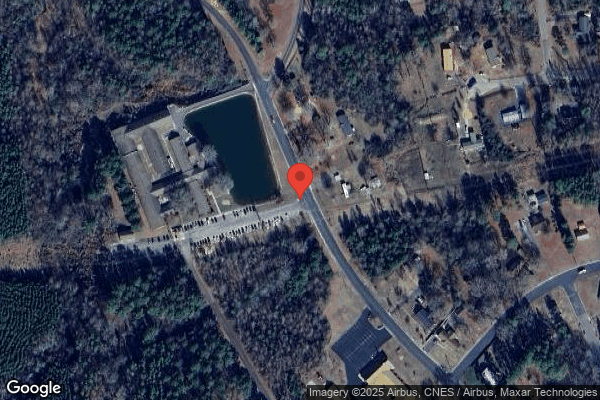
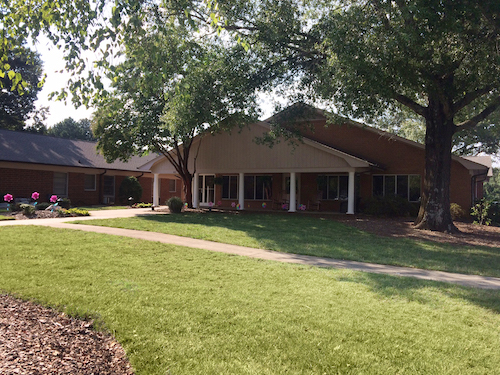
401 Lambert Road, Biscoe, NC 27209 (910) 428-2117
For profit - Limited Liability company 141 Beds SABER HEALTHCARE GROUP Data: November 2025 1 Immediate Jeopardy citation
Trust Grade
41/100
#146 of 417 in NC
Last Inspection: March 2025

Within standard 12-15 month inspection cycle. Federal law requires annual inspections.

Overview

Autumn Care of Biscoe has a Trust Grade of D, indicating below-average performance with some concerns. It ranks #146 out of 417 nursing homes in North Carolina, placing it in the top half of facilities in the state, and it is the only option in Montgomery County. The facility shows an improving trend, with issues decreasing from 9 in 2024 to 4 in 2025. Staffing is a strength here with a rating of 4 out of 5 stars and a turnover rate of 38%, which is significantly lower than the state average. However, there are some serious concerns, including a critical incident where a resident fell due to improper use of a lift, resulting in a shoulder fracture, and another serious finding where a resident did not receive necessary follow-up care after being discharged from the hospital, leading to repeated urinary infections. While the staffing and overall quality ratings are good, families should be aware of these significant incidents and the need for improved communication regarding transfers.

Trust Score
D
41/100
In North Carolina
#146/417
Top 35%
Safety Record
High Risk
Review needed
Inspections
Getting Better
9 → 4 violations
Staff Stability
○ Average
38% turnover. Near North Carolina's 48% average. Typical for the industry.
Penalties
✓ Good
$15,350 in fines. Lower than most North Carolina facilities. Relatively clean record.
Skilled Nurses
⚠ Watch
Each resident gets only 24 minutes of Registered Nurse (RN) attention daily — below average for North Carolina. Fewer RN minutes means fewer trained eyes watching for problems.
Violations
⚠ Watch
24 deficiencies on record. Higher than average. Multiple issues found across inspections.
★★★☆☆
3.0
Overall Rating
★★★★☆
4.0
Staff Levels
★★★★☆
4.0
Care Quality
★★★☆☆
3.0
Inspection Score
Stable
2024: 9 issues
2025: 4 issues

The Good

  • 4-Star Staffing Rating · Above-average nurse staffing levels
  • 4-Star Quality Measures · Strong clinical quality outcomes
  • Full Sprinkler Coverage · Fire safety systems throughout facility
  • No fines on record
  • Staff turnover below average (38%)

    10 points below North Carolina average of 48%

Facility shows strength in staffing levels, quality measures, fire safety.

The Bad

3-Star Overall Rating

Near North Carolina average (2.8)

Meets federal standards, typical of most facilities

Staff Turnover: 38%

Near North Carolina avg (46%)

Typical for the industry

Federal Fines: $15,350

Below median ($33,413)

Minor penalties assessed

Chain: SABER HEALTHCARE GROUP

Part of a multi-facility chain

Ask about local staffing decisions and management

The Ugly 24 deficiencies on record

1 life-threatening 1 actual harm
Mar 2025 4 deficiencies
CONCERN (D)

Potential for Harm - no one hurt, but risky conditions existed

Report Alleged Abuse (Tag F0609)

Could have caused harm · This affected 1 resident

**NOTE- TERMS IN BRACKETS HAVE BEEN EDITED TO PROTECT CONFIDENTIALITY** Based on record review, and staff and resident interviews, the facility failed to report to the Administrator/Abuse Coordinator ...

Read full inspector narrative →
**NOTE- TERMS IN BRACKETS HAVE BEEN EDITED TO PROTECT CONFIDENTIALITY** Based on record review, and staff and resident interviews, the facility failed to report to the Administrator/Abuse Coordinator and Adult Protective Services the theft of residents' money and personal property for 3 of 4 residents reviewed for misappropriation of resident property (Resident #16, Resident #64 and Resident #60). The facility failed to submit a 5-day investigation report to the state survey agency for 1 of 4 residents (Resident #16). Findings included: Facility Resident Abuse Policy: Abuse, Neglect and Exploitation policy, revised 7/11/24 was reviewed. Policy stated It is the facility's policy to investigate all allegations, suspicions and incidents of abuse, neglect, involuntary seclusion, exploitation of residents, misappropriation of resident property and injuries of unknown origin. Facility staff must immediately report all such allegations to the Administrator/Abuse Coordinator. The Administrator/Abuse Coordinator will immediately begin an investigation and notify the applicable local and state agencies in accordance with the procedures in this policy. Once the Administrator and Department of health are notified, an investigation of the allegation or suspicion will be conducted. The investigation must be completed within five working days from the alleged occurrence. Final Report will be submitted to applicable State agency, after the investigation is completed, but no later than five working days from the alleged occurrence. 1. Resident #16 was admitted to facility on 9/27/16. Resident #16 quarterly Minimum Data Set (MDS) assessment dated [DATE] revealed that Resident #16 was cognitively intact and with no behaviors. An interview was conducted with Resident #16 on 3/3/25 at 11:45 am. Resident #16 stated that on 2/8/25 someone took her lock box that contained money, and a personal ring from her room. Resident #16 indicated that she last seen her lock box on 2/7/25 and on 2/8/25 she realized that both the lock box and the lock box keys were missing. Resident #16 revealed that that the lock box contained 30 dollars, and a ring valued at 500 dollars. A phone interview was conducted with Nurse Aide (NA) #3 on 3/5/25 at 1:46 pm. NA #3 confirmed that she worked on 2/8/25 from 7:00 am to 7:00 pm. NA #3 revealed that she went into Resident #16's room to check on her at 4:00 pm. NA #3 stated that Resident #16 indicated that she wanted NA #3 to get her (Resident #16) a drink from the vending machine. NA #3 revealed that Resident #16 had a lock box that was always kept by the window and the keys hung on the wall. NA #3 indicated that when she went to get the lock box for Resident #16 it was not there to be found. NA #3 indicated that Resident #16 did not know where the lock box was. NA #3 further revealed that even the lock box keys were missing. NA #3 indicated that she immediately notified Unit Manager #1 about the missing lock box and lock box keys. NA #3 stated that together with Unit Manager #1 they looked everywhere in Resident #16's room and could not find the lock box or the lock box keys. A phone interview was conducted with Unit Manager #1 on 3/6/25 at 10:51 am. Unit Manager #1 confirmed that she worked on 2/8/25 from 7:00 am to 7:00 pm. Unit Manager #1 revealed that at 4:10 pm, NA #3 notified her that Resident #16 was missing both her lock box and lock box keys. Unit Manager #1 indicated that together with NA #3 they looked everywhere in Resident #16's room and could not find the lock box or the lock box keys. Unit Manager #1 indicated that Resident #16 kept her money in the lock box and used the money to get drinks from the vending machine or anything that she needed staff to assist and get for her. Unit Manager indicated that Resident #16 had reported that she had 30 dollars in the lock box and a personal ring. Unit Manager indicated that she notified Director of Nursing (DON) at 4:30 pm. Unit Manager #1 further revealed that DON informed her to fill out a grievance concern form and place it in the Administrators box in the front office. Unit Manager #1 indicated that she did not notify anyone else about the missing lock box and lock box keys. An interview was conducted with the Director of Nursing (DON) on 3/6/25 at 11:35 am. DON indicated that she received notification from Unit Manager #1 on 2/8/25 at 4:35 pm, indicating that Resident #16 was missing her lock box and lock box keys. The DON indicated that she told Unit Manager #1 to notify the Administrator. The DON stated that as far as she knew the Administrator was notified of the missing money that was in the lock box and lock box keys on 2/8/25. An interview was conducted with the Administrator on 3/6/25 at 1:21pm. The Administrator indicated that she was notified on 2/10/25 via phone by Unit Manager #1 about Resident #16 missing 30 dollars. The Administrator also confirmed that adult protective services was not notified. The Administrator confirmed that Resident #16 did not have a 5-day working investigation report submitted to NC DHHS. 2. Resident Number #64 was admitted to facility on 1/31/24. Resident #64 annual Minimum Data Set (MDS) assessment dated [DATE] revealed that Resident #64 was cognitively impaired but was able to make himself understood (ability to express ideas and wants) and had no behaviors. An interview was conducted with Resident #64 on 3/3/25 at 12:49 pm. Resident #64 indicated that he had 240 dollars stolen from him. Resident #64 indicated that the money was inside his wallet that was inside the top drawer of his bedside dresser, and it went missing. A phone interview was conducted with NA #4 on 3/5/25 at 1:57 pm. NA #4 confirmed that she worked on 2/8/25 from 7:00 am to 7:00 pm. NA #4 revealed that Resident #64 reported to her that he was missing money. NA #4 confirmed that Resident #64 did have money in a wallet that he would use to get drinks from the vending machine. NA #4 stated that she notified Unit Manager #1 on the morning of 2/8/25 at 8:00 am. NA #4 indicated that she looked everywhere in Resident #64's room and could not find the missing wallet that had money in it. A phone interview was conducted with Unit Manager #1 on 3/6/25 at 10:51 am. Unit Manager #1 confirmed that she worked on 2/8/25 from 7:00 am to 7:00 pm. Unit Manager #1 indicated that she was notified about Resident #64 missing 200 dollars from his wallet on 2/8/25. Unit Manager #1 indicated that she was notified by Nurse #3 via phone, because she (Unit Manager #1) had already left work. Unit Manager #1 indicated she was notified while at home by Nurse #3. Unit Manager #1 further revealed that she told Nurse #3 to fill out a grievance form, and place it in the administrators box by the front office and notify DON. Unit Manager #1 indicated that she followed up and called the DON as well and notified her of Resident #64's missing money. An interview was conducted with the Director of Nursing (DON) on 3/6/25 at 11:35 am. The DON indicated that she received notification from Unit Manager #1 on 2/8/25 at 4:35 pm, indicating that Resident #64 was missing his wallet. The DON indicated that she told Unit Manager #1 to notify the Administrator. The DON further stated that as far as she knew the Administrator was notified of the missing money that was in the wallet on 2/8/25. Review of the 5-day working day investigation report for Resident #64 was submitted on 2/17/25 at 4:59 pm and adult protective services were not notified. An interview was conducted with the Administrator on 3/6/25 at 1:21pm. The Administrator indicated that she was notified on 2/10/25 via phone by Unit Manager #1 about Resident #64's missing money. The Administrator also confirmed that adult protective services were not notified. 3. Resident #60 was admitted to facility on 3/8/19. Resident #60 significant change in status Minimum Data Set (MDS) assessment dated [DATE] revealed that Resident #60 was cognitively intact and had no behaviors. An interview was conducted with Resident #60 on 3/3/25 at 12:03 pm. Resident #60 indicated that his money had been stolen. Resident #60 revealed that his money was inside a lock box that was placed inside the top drawer of his bedside dresser. Resident #60 indicated that the whole lock box was missing, which had 600 dollars. An interview was conducted with the Director of Nursing (DON) on 3/6/25 at 11:35 am. DON indicated that she did not receive notification from any staff about Resident #60 missing money. The DON indicated that she was notified of Resident #60 missing money on 2/10/25 by Unit Manager #2 while in the facility. The DON indicated that the Administrator was also notified. Review of the 5-day working day investigation report for Resident #60 was submitted on 2/17/25 at 5:02 pm and adult protective services were not notified. An interview was conducted with the Administrator on 3/6/25 at 1:21pm. The Administrator indicated that she was notified on 2/10/25 via phone by Unit Manager #1 that Resident #60 was missing money. The Administrator also confirmed that adult protective services were not notified.
CONCERN (D)

Potential for Harm - no one hurt, but risky conditions existed

Assessment Accuracy (Tag F0641)

Could have caused harm · This affected 1 resident

**NOTE- TERMS IN BRACKETS HAVE BEEN EDITED TO PROTECT CONFIDENTIALITY** Based on staff interviews, resident interview, and record reviews, the facility failed to code the Minimum Data Set (MDS) assess...

Read full inspector narrative →
**NOTE- TERMS IN BRACKETS HAVE BEEN EDITED TO PROTECT CONFIDENTIALITY** Based on staff interviews, resident interview, and record reviews, the facility failed to code the Minimum Data Set (MDS) assessment accurately in the areas of medications and dental status for 2 of 22 (Residents #2 and # 29) residents reviewed for MDS accuracy. The findings included: 1. Resident #2 was admitted to the facility on [DATE] with diagnoses that included diabetes mellitus. Review of Resident #2's January 2025 physician orders included an order for insulin lispro 100 unit/ml (milliliter); administer per sliding scale before meals and at bedtime. Review of Resident #2's January 2025 medication administration record revealed insulin lispro was received on 7 days during the look back period. The quarterly Minimum Data Set (MDS) assessment dated [DATE] indicated the medications section was coded as 0 out of 7 days that injections of any type were received, and 0 out of 7 days insulin injections were received during the lookback period. An interview was conducted on 03/05/25 at 3:59 PM with Minimum Data Set (MDS) Nurse #1. She stated it was an oversight that she did not code the insulin injections that were received for 7 days during the lookback period. An interview was conducted on 03/06/25 at 10:50 AM with the Administrator. She stated she expected the MDS assessments to be coded accurately. 2. Resident #29 was admitted to facility 4/9/24, with diagnosis that included diabetes, chronic obstructive pulmonary disease, depression, heart failure and hypertension. Resident #29 Significant change in status Minimum Data Set (MDS) assessment dated [DATE] revealed that Resident #29 had no oral or dental problems. An observation was made on 3/3/25 with Resident #29 at 11:53 am. Resident #29 was observed to have missing upper and lower teeth, with only 4 remaining upper teeth, and at least 5 remaining lower broken teeth. The 4 remaining upper teeth were noted to have decay and discoloration. On 3/6/25, at 9:36 am, an observation was made with MDS Nurse #1 while she (MDS Nurse #1) was examining Resident #29's mouth, doing an oral assessment. MDS Nurse #1 indicated that Resident #1 was noted to have five lower bottom teeth that were broken, and 4 upper teeth that had visible decay. An interview was conducted with MDS Nurse #1 on 3/6/25, at 9:36 am. MDS Nurse #1 indicated that she did not accurately reflect Resident #29 dental status on the significant change assessment dated [DATE]. MDS Nurse #1 further indicated that Resident #29's should have been coded as having obvious or likely cavity on the assessment. MDS Nurse #1 stated she would complete a modification to ensure that the assessment accurately reflected Resident #29's dental status. An interview was conducted with the Director of Nursing (DON) on 3/6/25 at 11:35 am. The DON indicated that she required assessments accurately reflected a resident's dental status.
CONCERN (D)

Potential for Harm - no one hurt, but risky conditions existed

Comprehensive Care Plan (Tag F0656)

Could have caused harm · This affected 1 resident

**NOTE- TERMS IN BRACKETS HAVE BEEN EDITED TO PROTECT CONFIDENTIALITY** Based on record review, observations and staff interviews, the facility failed to develop an individualized person-centered care...

Read full inspector narrative →
**NOTE- TERMS IN BRACKETS HAVE BEEN EDITED TO PROTECT CONFIDENTIALITY** Based on record review, observations and staff interviews, the facility failed to develop an individualized person-centered care plan in the area of nutrition for 1 of 2 residents reviewed for nutrition (Resident #2). The findings included: Resident #2 was admitted to the facility on [DATE] with diagnoses that included cerebrovascular accident (CVA) and cognitive communication deficit. Resident #2's active orders included an order dated 12/26/24 for adaptive equipment: Divided Plate. The quarterly Minimum Data Set (MDS) assessment dated [DATE] indicated Resident #2's cognition was severely impaired. She required setup/cleanup assistance with meals. Review of Resident #2's active care plan, last reviewed on 02/06/25, revealed a care plan focus for nutritional status that read Resident #2 was at an increased nutritional risk due to dysphagia, congestive heart failure, age-related physiological decline, impaired mobility, diabetes mellitus, and weight loss. The care plan focus did not include an intervention for a divided plate during meals. Observation made in the dining room on 03/04/25 at 8:20 AM of Resident #2 eating breakfast from a divided plate. Observation made in the dining room on 03/05/25 at 12:05 PM of Resident #2 eating lunch from a divided plate. An interview was conducted on 03/05/25 at 3:59 PM with the Minimum Data Set (MDS) Nurse #1. She verified there were no areas on Resident #2's care plan for a divided plate during meals and there should have been an intervention added to the nutrition focus area. She explained dietary completed the focus care area for nutrition and should have added the intervention for the divided plate, but it was a group effort. A phone interview was conducted on 03/05/25 at 5:22 PM with the Registered Dietitian (RD). She stated Resident #2 did have an order for a divided plate with meals and that it should have been included in the care plan. She indicated she should have added the divided plate to the care plan focus for nutrition. An interview was conducted on 03/06/25 at 10:50 AM with the Administrator. She stated she expected Resident #2's care plan should have included the divided plate during meals.
CONCERN (E)

Potential for Harm - no one hurt, but risky conditions existed

Transfer Notice (Tag F0623)

Could have caused harm · This affected multiple residents

**NOTE- TERMS IN BRACKETS HAVE BEEN EDITED TO PROTECT CONFIDENTIALITY** Based on record reviews and staff interviews, the facility failed to provide the resident and responsible party (RP), written no...

Read full inspector narrative →
**NOTE- TERMS IN BRACKETS HAVE BEEN EDITED TO PROTECT CONFIDENTIALITY** Based on record reviews and staff interviews, the facility failed to provide the resident and responsible party (RP), written notification of the reason for a hospital transfer for 4 of 4 residents reviewed for hospitalization (Residents #19, # 44, #61 and #4). The findings included: 1. Resident #19 was admitted to the facility on [DATE]. Resident #19's medical record revealed she was transferred to the hospital on [DATE] and 12/31/24 for mental status changes. There was no documentation that a written notice of transfer was provided to the resident and RP for the reason for the transfer. A quarterly Minimum Data Set (MDS) assessment dated [DATE] indicated Resident #19 was cognitively intact. On 3/5/25 at 10:13 AM, an interview occurred with Unit Manager #2, who stated when a resident was transferred to the hospital a copy of the face sheet, a copy of the Complete Clinical Data sheet, any Do Not Resuscitate (DNR) information if present, and the Bed Hold policy was sent with them. The RP was notified by phone of the change and reason for the hospital transfer. The Regional Director of Clinical Services was interviewed on 3/5/25 at 12:25 PM and stated the facility was not sending the written notice of transfer as required. RPs were notified by phone when a resident was sent to the hospital. She stated there was some confusion over whether nursing or the Social Worker was to send them out, but a plan would be put into place moving forward. On 3/5/25 at 1:00 PM, the Social Worker was interviewed and stated she had been employed at the facility since 10/2023. She stated she had not been sending out the written notice of transfer to the resident and RP when a resident was sent to the hospital and was unaware, she was to be doing this task. The Administrator was interviewed on 3/6/25 at 10:08 AM and verified she was aware of the regulation regarding the need for written reason for hospital transfer to be sent to the resident and RP, but it was not being done at the facility. She was unable to offer a reason. 2. Resident #44 was admitted to the facility on [DATE]. An admission MDS assessment dated [DATE] indicated Resident #44 had moderately impaired cognition. Resident #44's medical record revealed she was transferred to the hospital on 2/23/25 for respiratory distress and did not return to the facility. There was no documentation that a written notice of transfer was provided to the RP for the reason for the transfer. On 3/5/25 at 10:13 AM, an interview occurred with Unit Manager #2, who stated when a resident was transferred to the hospital a copy of the face sheet, a copy of the Complete Clinical Data sheet, any Do Not Resuscitate (DNR) information if present, and the Bed Hold policy was sent with them. The RP was notified by phone of the change and reason for the hospital transfer. The Regional Director of Clinical Services was interviewed on 3/5/25 at 12:25 PM and stated the facility was not sending the written notice of transfer as required. RPs were notified by phone when a resident was sent to the hospital. She stated there was some confusion over whether nursing or the Social Worker was to send them out, but a plan would be put into place moving forward. On 3/5/25 at 1:00 PM, the Social Worker was interviewed and stated she had been employed at the facility since 10/2023. She stated she had not been sending out the written notice of transfer to the resident and RP when a resident was sent to the hospital and was unaware, she was to be doing this task. The Administrator was interviewed on 3/6/25 at 10:08 AM and verified she was aware of the regulation regarding the need for written reason for hospital transfer to be sent to the resident and RP, but it was not being done at the facility. She was unable to offer a reason. 3. Resident #61 was admitted to the facility on [DATE]. Resident #61's medical record revealed he was transferred to the hospital on 7/5/24 and 9/11/24 due to falls. There was no documentation that a written notice of transfer was provided to the resident and RP for the reason for the transfer. A significant change in status MDS assessment dated [DATE] indicated Resident #61 had moderately impaired cognition. On 3/5/25 at 10:13 AM, an interview occurred with Unit Manager #2, who stated when a resident was transferred to the hospital a copy of the face sheet, a copy of the Complete Clinical Data sheet, any Do Not Resuscitate (DNR) information if present, and the Bed Hold policy was sent with them. The RP was notified by phone of the change and reason for the hospital transfer. The Regional Director of Clinical Services was interviewed on 3/5/25 at 12:25 PM and stated the facility was not sending the written notice of transfer as required. RPs were notified by phone when a resident was sent to the hospital. She stated there was some confusion over whether nursing or the Social Worker was to send them out, but a plan would be put into place moving forward. On 3/5/25 at 1:00 PM, the Social Worker was interviewed and stated she had been employed at the facility since 10/2023. She stated she had not been sending out the written notice of transfer to the resident and RP when a resident was sent to the hospital and was unaware, she was to be doing this task. The Administrator was interviewed on 3/6/25 at 10:08 AM and verified she was aware of the regulation regarding the need for written reason for hospital transfer to be sent to the resident and RP, but it was not being done at the facility. She was unable to offer a reason. 4. Resident #4 was admitted to the facility on [DATE]. Resident #4's medical record revealed she was transferred to the hospital on [DATE] for worsening leg wounds. There was no documentation that a written notice of transfer was provided to the resident and RP. A quarterly Minimum Data Set (MDS) assessment dated [DATE] indicated Resident #4 was cognitively intact. On 03/05/25 at 10:13 AM, an interview occurred with Unit Manager #2, who stated when a resident was transferred to the hospital the RP was notified by phone of the change and reason for the hospital transfer. On 03/05/25 at 1:00 PM, the Social Worker was interviewed and stated she had been employed at the facility since 10/2023. She stated she had not been sending out the written notice of transfer to the resident and RP when a resident was sent to the hospital and was unaware, she was to be doing this task. The Regional Director of Clinical Services was interviewed on 03/05/25 at 12:25 PM and stated the facility was not sending the written notice of transfer as required. RPs were notified by phone when a resident was sent to the hospital. She stated there was some confusion over whether nursing or the Social Worker was to send them out, but a plan would be put into place moving forward. The Administrator was interviewed on 03/06/25 at 10:08 AM and verified she was aware of the regulation regarding the need for a written reason for hospital transfer to be sent to the resident and RP, but it was not being done at the facility. She was unable to offer a reason.
Mar 2024 9 deficiencies 1 Harm
SERIOUS (G)

Actual Harm - a resident was hurt due to facility failures

Incontinence Care (Tag F0690)

A resident was harmed · This affected 1 resident

**NOTE- TERMS IN BRACKETS HAVE BEEN EDITED TO PROTECT CONFIDENTIALITY** Based on record review, resident, Physician and staff interviews, the facility failed to act on a hospital discharge order for a...

Read full inspector narrative →
**NOTE- TERMS IN BRACKETS HAVE BEEN EDITED TO PROTECT CONFIDENTIALITY** Based on record review, resident, Physician and staff interviews, the facility failed to act on a hospital discharge order for a nephrology follow up appointment for Resident #60 that resulted in her requiring antibiotics to treat UTIs on 5/26/23, 10/11/23, 10/28/23, 1/18/24 and 2/25/24. This was for 1 of 2 residents reviewed for urinary tract infections (UTIs). The findings included: Resident #60 was admitted on [DATE] with cumulative diagnoses of congestive heart failure and chronic kidney disease. Review of Resident #60's hospital Discharge summary dated [DATE] included an order for a nephrology consult in 2-4 weeks. Resident #60 was care planned on 10/12/23 for current and/or a history of UTIs. Interventions included antibiotics as ordered. Review of Resident #60's electronic medical record read she was treated for UTIs on 5/26/23, 10/11/23, 10/28/23, 1/18/24 and 2/25/24. Review of Resident #60's quarterly Minimum Data Set, dated [DATE] indicated she was cognitively intact, dependent on staff for toileting, moderate staff assistance with personal hygiene and always incontinent of bladder. Review of Resident #60's electronic medical record from 3/13/23 to 3/6/24 did not include any documentation of any nephrology or urology consultations. An interview was completed on 3/5/24 at 1:40 PM with Resident #60. She stated she had a history of UTIs that caused her dysuria (painful urination). She stated she was not experiencing dysuria at present and was recently treated with an antibiotic for a UTI. She stated she did not recall seeing a nephrologist or urologist for her history of UTIs. Review of Resident #60's March 2024 Physician orders included an order dated 3/5/24 for a renal ultrasound due to urinary retention. Review of a nursing note dated 3/6/24 at 12:53 AM read Resident #60 displayed an altered mental status and complained of discomfort to her suprapubic area. The on-call Physician was notified and new orders were given for a post void in and out catheterization. Review of a nursing note dated 3/6/24 at 1:20 AM read a post void in and out catheterization was completed with the result of 700 cubic centimeter (cc) of urine drained. The note read the on-call Physician ordered Resident #60's Physician to be notified of her post void results. Review of Resident #60's March 2024 Physician orders include new orders dated 3/6/24 for a urinary catheter placement and a urology consult. An interview was completed on 3/6/24 at 11:35 AM with the Physician. She stated Resident #60 had a history of UTIs and urinary retention. The Physician stated she expected any orders for consultation with a nephrologist or urologist be scheduled and completed as ordered. An interview was completed on 3/6/24 at 1:52 PM with the Administrator. She stated Resident #60's nephrology appointment order from the hospital discharge paperwork dated 3/13/23 was never done and there was new orders obtained today for a urology consultation. A telephone call was attempted on 3/6/24 at 3:37 PM with Nurse #5 who no longer worked at the facility. Nurse #5 entered Resident #60's admission orders on 3/13/123 into the electronic medical record. The surveyor was unable to leave a message for Nurse #5 to return the call. An interview was completed on 3/7/24 at 9:50 AM with the Administrator. She stated she expected all admission orders to be entered into the electronic medical record correctly with a careful review of all hospital discharge orders to ensure no orders were missed.
CONCERN (D) 📢 Someone Reported This

A family member, employee, or ombudsman was alarmed enough to file a formal complaint

Potential for Harm - no one hurt, but risky conditions existed

Resident Rights (Tag F0550)

Could have caused harm · This affected 1 resident

**NOTE- TERMS IN BRACKETS HAVE BEEN EDITED TO PROTECT CONFIDENTIALITY** Based on record review, resident and staff interviews, the facility failed to treat a resident with dignity and respect when Nur...

Read full inspector narrative →
**NOTE- TERMS IN BRACKETS HAVE BEEN EDITED TO PROTECT CONFIDENTIALITY** Based on record review, resident and staff interviews, the facility failed to treat a resident with dignity and respect when Nurse Aide #2 spoke to a resident (Resident #2) in a disrespectful manner. This was for 1 of 2 residents reviewed for dignity. The findings included: Resident #2 was admitted to the facility on [DATE]. An initial allegation report dated 2/21/23 documented that Resident #2 reported Nurse Aide (NA) #2 was verbally abusive to him on 2/20/23, when he needed toileting hygiene assistance. NA #2 was an agency NA who was removed from the schedule and terminated immediately on 2/21/23. A written statement from Nurse #3 (on duty 7:00 PM to 7:00 AM) dated 2/20/23 indicated that he overheard bickering from NA #2 and Resident #2 using bad language to each other. NA #2 left the building and Nurse #3 approached Resident #2 who stated NA #2 wouldn't clean his buttocks after a bowel movement. She stated to him that he could do it himself and cursed at him. NA #3 assisted Resident #2 with his toileting hygiene. A written statement from NA #2 (who was on duty 3:00 PM to 11:00) dated 2/21/23 read that on 2/20/23 Resident #2 was in the bathroom. She went to help him but couldn't get to him. I handed him the wipes, he got mad, bent over, and patted his buttocks and said to kiss his ass. NA #2 left the room and reported to the nurse what happened. Later that evening Resident #2 called me a stupid bitch and I said that is why you are going to have an itchy ass tonight. A written statement from Nurse #1 (who was the nurse on duty 7:00 AM to 7:00 PM) dated 2/21/23 read that NA #2 came to the desk talking very loudly stating Resident #2 told her to kiss his ass because she wouldn't clean his ass. She stated, since the resident could stand up, he could wipe his own ass. An Interdisciplinary Departmental Team (IDT) meeting was completed on 2/22/23 regarding Resident #2 interaction with NA #2. The investigative report dated 2/27/23 documented that the facility investigation into the incident revealed the exchange did not rise to the level of abuse but was inappropriate. Resident #2 reported that NA #2 called him names, cursed at him, and told him he could provide toileting hygiene himself when he was in the need for assistance after toileting. He was assisted with hygiene from a different staff member as he didn't want NA #2 back in his room. An annual Minimum Data Set (MDS) assessment dated [DATE] indicated Resident #2 was cognitively intact and displayed no behaviors. He required moderate assistance with toileting hygiene. An interview occurred with Resident #2 on 3/5/24 at 1:50 PM who was able to recall the incident that occurred on 2/20/23. He explained he was in the bathroom and needed assistance with toileting hygiene. The NA came in, was on her phone and told him if he could stand, he could wipe his own ass. He couldn't recall what else was said but stated the incident made him very mad and he felt she was rude and disrespectful. Resident #2 stated he didn't want her back in his room that evening, so another NA assisted him with his needs. On 3/5/24 at 2:02 PM, an interview occurred with Nurse #1 who recalled the incident on 2/20/23. She stated NA #2 came to the nurse's station, was very loud and stated, I'm not going to wipe his ass, he can do it himself. Nurse #1 stated she went to Resident #2 who stated the aide spoke to him rudely and he didn't want her back in the room. Another NA assisted Resident #2 with his needs. The incident was reported to the Administrator. The Administrator was interviewed on 3/6/24 at 10:23 AM and was able to recall the details of the incident that occurred on 2/20/23. She stated when she arrived to work on 2/21/23 she was made aware of the incident between Resident #2 and NA #2 and initiated the investigation. Resident #2 reported to her that NA #2 cursed at him and wouldn't help him with toileting hygiene. During the interviews it was reported that staff overheard Resident #2 and NA #2 cursing at each other. She was an agency employee and was removed from the schedule. The Administrator stated she would expect staff to treat residents with dignity and respect at all times. Multiple phone calls were placed to NA #2 and Nurse #3 without success.
CONCERN (D)

Potential for Harm - no one hurt, but risky conditions existed

Deficiency F0692 (Tag F0692)

Could have caused harm · This affected 1 resident

**NOTE- TERMS IN BRACKETS HAVE BEEN EDITED TO PROTECT CONFIDENTIALITY** Based on record reviews, observations, Responsible Party, Physician and staff interviews, the facility failed to provide dietary...

Read full inspector narrative →
**NOTE- TERMS IN BRACKETS HAVE BEEN EDITED TO PROTECT CONFIDENTIALITY** Based on record reviews, observations, Responsible Party, Physician and staff interviews, the facility failed to provide dietary supplements as ordered (Residents #84 and #67) for 2 of 6 residents reviewed for nutrition. The findings included: 1. Resident #84 was admitted to the facility on [DATE] with diagnoses that included dementia, protein-calorie malnutrition, and adult failure to thrive. A review of Resident #84's physician orders included an order dated 4/24/23 for Magic Cup (a high calorie and protein dessert cup) twice a day with lunch and dinner. An annual Minimum Data Set (MDS) assessment dated [DATE] indicated Resident #84 had moderately impaired cognition and required setup assistance for eating. Her weight was coded as 94 pounds. A review of Resident #84's active care plan, last reviewed 1/10/24, included a focus area for increased nutrition/hydration risk related to: received a mechanically altered diet and severe malnutrition requiring high calorie supplements. The interventions included provide diet as ordered and provide supplements per order. On 3/4/24 at 12:34 PM, an observation was made of Resident #84 while she was sitting on the side of the bed with her lunch tray. The meal ticket read that she should have a Magic Cup and soft sandwich present with meal tray. Neither one of these items were present on the lunch tray. Another observation of Resident #84 occurred on 3/5/24 at 12:35 PM, as she was sitting on the side of the bed with her lunch tray. The meal ticket read that a Magic Cup and soft sandwich should be present but neither of those items were present on the meal tray. An interview occurred with Nurse Aide (NA) #1 on 3/5/24 at 12:42 PM who set up the lunch tray for Resident #84. She stated she noticed the Magic Cup wasn't present on the tray but not the soft sandwich. NA #1 explained that those items would be placed on the meal tray from the kitchen staff and was told last week that Magic Cups were not in stock. She added she would call the kitchen to get those items for Resident #84. The Dietary Manager (DM) was interviewed on 3/5/24 at 3:01 PM. She reviewed Resident #84's meal ticket and stated there should be a Magic Cup and soft sandwich on her meal tray at lunch and dinner. She was unaware these items had been missing from the lunch tray on 3/4/24 and 3/5/24. The DM added that Magic Cups were in stock and there were no issues with having it available. The dietary aide was responsible for putting these items on the tray when the meals were being plated. Another interview occurred with the DM on 3/6/24 at 8:15 AM, who stated the Dietary Aides just forgot to put those items on the meal tray for Resident #84 on 3/4/24 and 3/5/24. She stated that each meal ticket should be reviewed at the time of plating to ensure that items are not forgotten. An interview occurred with Dietary Aide #1 on 3/6/24 at 9:27 AM. She explained that any additional items such as Magic Cups and sandwiches are placed on the meal tray based on the meal ticket and that it was an oversight not to have sent those items to Resident #84 on 3/4/24 and 3/5/24. The Physician was interviewed on 3/6/24 at 11:40 AM and stated that she would expect the facility to provide supplements on meal trays as ordered to give Resident #84 the option to consume those items. The Administrator was interviewed on 3/7/24 at 9:03 AM and stated she would expect supplements and additional items listed on the meal ticket to be present as ordered and indicated. 2. Resident #67 was admitted on [DATE] with a diagnosis of a fractured left humerus. Resident #67 was care planned on 1/11/24 for increased nutrient needs related to inadequate oral intake and being underweight. Weight gains were desirable for greater than 90 pounds (lbs.). Resident #67 was prescribed a regular diet. Interventions included serving supplements as ordered. Review of Resident #67's January 2024 Physician orders included an order dated 1/11/24 for a house supplement twice daily. Her admission Minimum Data Set, dated [DATE] indicated she had moderate cognitive impairment and required set up only for meals. Review of a weight warning note dated 2/6/24 read Resident #67 had unplanned weight loss, her oral intake remained inadequate and her weight continued to decline. The note read she was on a house supplement for weight loss that was increased to three times daily with a trial of fortified pudding with her lunch daily. Review of Resident #67's March 2024 Physician orders included an order dated 2/6/24 for a regular diet with fortified pudding with her lunch daily and weekly weights. An observation was completed on 3/4/24 at 12:40 PM. Resident #67 was eating in her room without staff assistance. Observation of her meal tray appeared that she had eating approximately 25% and there was no fortified pudding on her tray. Her Responsible Party (RP) was in the room . He stated he had not noticed any weight loss for Resident #67 and stated she had always had a minimal appetite prior to her admission. He stated Resident #67's dominant hand was her right one and that the humerus fracture was to her left arm Another observation was completed on 3/5/24 at 12:55 PM. She had eaten approximately 50% of her meal with no observed fortified pudding on her tray. Observation of her tray ticket did not include the fortified pudding with her lunch. An interview was completed on 3/5/24 at 1:20 PM with Nurse #4. She stated the nurses gave Resident #67 her house supplement three times a day in the morning, afternoon and at bedtime. Nurse #4 stated most days she does not finish the house supplement and other days she would drink most of it. Nurse #4 stated Resident #67 had a poor oral appetite since admission and apparently that was not unusual for her according to her family. An interview was completed with the dietary manager (DM) on 3/5/24 at 3:00 PM. She stated the fortified pudding was not listed on her tray ticket because she had not received an order for it and was not aware that it was to be added to her lunch tray. Review of Resident #67's weights since admission revealed weight loss from 71.6 lbs. on 2/5/24 to 67.1 lbs. on 3/6/24. An interview was completed on 3/6/24 at 11:20 AM with nursing assistant (NA) #4. She stated Resident #67's assistance with meals varied. She stated the nurses gave her a house supplement and that she had not seen fortified pudding on Resident #67's lunch tray. NA #4 stated Resident #67 had never had much of an appetite since admission. An interview was completed on 3/6/24 at 11:35 AM with the Physician. She stated Resident #67 had a poor appetite with had poor oral intake since admission. She stated the facility reach out to her RP who stated that was not unusual for Resident #67. The Physician stated she expected any order for supplements were acted on and provided. An interview was completed on 3/6/24 at 12:10 PM with Nurse Consultant #1. She stated the facility identified what happened with the order for the fortified pudding. She stated the original order was entered into the electronic medical record inaccurately and that Resident #67 had never received the fortified pudding with her lunch. An interview was completed on 3/7/24 at 9:50 AM with the Administrator. She stated Resident #67 should have received the fortified pudding with her lunch tray as ordered.
CONCERN (D)

Potential for Harm - no one hurt, but risky conditions existed

Deficiency F0761 (Tag F0761)

Could have caused harm · This affected 1 resident

**NOTE- TERMS IN BRACKETS HAVE BEEN EDITED TO PROTECT CONFIDENTIALITY** Based on record review, observations and interviews with resident and staff, the facility failed to assure that medications were...

Read full inspector narrative →
**NOTE- TERMS IN BRACKETS HAVE BEEN EDITED TO PROTECT CONFIDENTIALITY** Based on record review, observations and interviews with resident and staff, the facility failed to assure that medications were secure and inaccessible to unauthorized staff and residents when the nurse left the medications at bedside for 1 of 2 residents (Resident #25). The facility also failed to date multi-use medications upon opening in 2 of 2 medication carts (400 hall and 500 hall medication carts) reviewed for medication storage. Findings included: 1. Resident #25 ' s was admitted to the facility on [DATE] with diagnosis that included hypertension, chronic kidney disease, anxiety, depression, restless legs syndrome, polyneuropathy, and essential tremors. Resident #25 ' s quarterly Minimum Data Set (MDS) assessment indicated her cognition was moderately impaired. No behaviors or rejection of care were coded. On [DATE] at 10:00 AM an observation was made of medications in a medication cup sitting on Resident #25 ' s bedside table. Resident #25 stated the pills had been on the table since before breakfast. Observed breakfast plate sitting on bedside table and Resident #25 stated she had completed her breakfast a while back. She stated she did not know why the pills had been left there, as she did not ask the nurse to leave them. She did not indicate she was going to take the medications. An observation and interview were conducted on [DATE] at 10:01 with AM the Director of Nursing (DON). The DON approached this surveyor in front of Resident #25 ' s doorway and asked if this surveyor needed assistance. The surveyor explained there was a cup of medications at the bedside for Resident #25. The DON verified the medications were at bedside and retrieved them. She stated Nurse #1 should have observed Resident #25 taking the medications and they should not be left at bedside. The DON gave the medications to Nurse #1 as she approached her in the hall. An interview was conducted on [DATE] at 10:02 AM with Nurse #1. She verified she was the nurse that left Resident #25 ' s morning medications on the bedside table for her to take. She stated another resident was in the hall and was attempting to stand up unassisted, so she sat the medications on the table and went to assist the other resident. She further stated she forgot to return to the room to administer the medications after she assured the other resident was safe. She administered the medications to the resident with surveyor and DON present. She further stated the medications should be secured and Resident #25 did not have an order to self-administer medications. The medications left in the medication cup at bedside included the following: extra strength acetaminophen 500 milligram (mg) 2 tablets, senna-s 8.6/50mg 1 tablet, cranberry capsule 250mg, vitamin-D 1000 units 2 capsules, famotidine 20mg 1 tablet, ferrous gluconate 324mg 1 tablet, Norvasc 2.5mg 1 tablet, gabapentin 100mg 2 capsules, buspirone 5mg 1 tablet, Lisinopril 20mg 1 tablet, Zoloft 25mg 1 tablet, and Zoloft 50mg 1 tablet. An interview was conducted with the Director of Nursing (DON) on [DATE] at 1:17 PM. She stated medications should not be left at bedside unsecure unless the resident has an order for self-administration. An interview was conducted with the Administrator on [DATE] at 9:12 AM. She was unaware the medications were left unattended for an extended amount of time. She indicated medications should be locked in the medication cart or taken by the resident in the presence of the nurse and should not be left at bedside. 2. An observation was conducted on [DATE] at 11:05 AM of the 400 Hall medication cart in the presence of Nurse #1. The observation revealed no opened date on the following multi-dose medications: a. One multi-dose open foil package of Levalbuterol 1.25 milligram (mg) nebulizer inhalation solution vials. The manufacturer ' s recommendation was to discard 7 days after opening. b. Two multi-dose open foil packages of Ipratropium Bromide/Albuterol Sulfate 0.5mg/3ml inhalation vials. The manufacturer ' s recommendation was to discard 7 days after opening. Nurse #1 verified the medications were not dated and she removed them from the medication cart and discarded them. She revealed she knew the foil packages were to be dated when they were opened. She indicated nurses were to write the date on all multi-dose medications upon opening and check dates on all medications prior to administration to make sure they were not expired. She then stated she did not realize the medications were not dated. She further stated that the nurses should be checking the medication carts daily prior to administration. 3. An observation was conducted on [DATE] at 11:15 AM of the 500 Hall medication cart in the presence of the Assistant Director of Nursing (ADON). The observation revealed no opened date on two multi-dose open foil packages of Ipratropium Bromide/Albuterol Sulfate 0.5mg/3ml inhalation. The manufacturer ' s recommendation was to discard 7 days after opening. The ADON stated she reviews the medication carts every Monday to check for expired and/or undated medications. She also stated she knew the foil packages were to be dated when they were opened. An interview was conducted with Nurse #4 on [DATE] at 11:23 AM. She verified she was the nurse for the 500 hall. She stated she did not know the foil packages for nebulizer solution vials were to be dated when they were opened. She indicated she was a new nurse and had not been told she needed to date the multi-use packages. An interview was conducted with the Director of Nursing (DON) on [DATE] at 1:17 PM. She stated nurses were to date multi-dose medications upon opening and they should be checking for dates daily prior to administration.
CONCERN (E)

Potential for Harm - no one hurt, but risky conditions existed

Safe Environment (Tag F0584)

Could have caused harm · This affected multiple residents

**NOTE- TERMS IN BRACKETS HAVE BEEN EDITED TO PROTECT CONFIDENTIALITY** Based on observations, record review, and interviews of residents and staff, the facility failed to provide a clean, home-like e...

Read full inspector narrative →
**NOTE- TERMS IN BRACKETS HAVE BEEN EDITED TO PROTECT CONFIDENTIALITY** Based on observations, record review, and interviews of residents and staff, the facility failed to provide a clean, home-like environment in the main dining room as evidenced by a dirty, sticky floor and a dirty window and failed to repair a leaking roof. Findings included: 1 On 3/4/24 at 12:00 pm the initial resident dining observation was done. The entryway floor with vending machines, food serving cabinets and entry into the kitchen was noted to have a moderate amount of brown soil which was sticking to the shoe. This was a high-traffic area with staff, residents, and visitors walking. The window in this area had a large amount of spider webs with black soil affecting visibility to the outside. On 3/5/24 at 1:30 pm an observation was done of the dining room and the floor and window remained the same. On 3/6/24 at 1:35 pm an observation was done of the dining room and the floor and window remain unchanged. On 3/6/24 at 1:54 pm an interview was conducted with the lead Housekeeper. She stated housekeeping was responsible to clean the floor and dust in the main dining room each day. She stated the floor was mopped each day. She stated she was not aware the floor had not been mopped since before Monday and was sticky. She stated she would mop the floor now and clean the dirty window. Housekeeping and maintenance manage cleaning the facility windows. 2. A vendor estimate dated 10/3/23 to repair the areas of active leak or the entire roof was obtained by the facility and a copy was provided on 3/7/24. E-mail communication dated 10/16/23 between the facility Administrator and Corporate Office documented there were roof leaks that affected the following areas (copy provided 3/7/24): Resident rooms 109 202, 206, 209, 212, 301, 302, 2307, 310, 401, 402, 403, 406, 407, 410, 412, 502, 503, 504, 506, 507, 508, 510, 516, 608 614, 620, 622, and 625. 600 nurses' station 600 nutrition room 600 medication room 600 living room 600 soiled utility room Director of Nursing's office Unit manager's room Conference room Laundry room vents Front dining room A capital purchase request dated 10/16/23 was provided to the Corporate Office for roof repair or replacement by the Administrator and copy provided on 3/7/24. The facility had leaking areas patched by the vendor. On 03/06/24 at 12:20 pm an interview was conducted with the Maintenance Manager. The Manager stated he was the only person completing repairs. The roof has been leaking for months in the past and patched by the vendor. He was currently waiting for the entire roof replacement bid to be approved by the home office. There was currently other random roof leaks after patches were placed that he was fixing. On 3/7/24 at 9:00 am an interview was conducted with the Administrator. She stated that the Corporate Office was provided the vendor quote for patch and repair and approved patch repair and there had been new leaks that had popped up throughout the building. The Corporate Office was aware of the leaks and had the roof replacement estimate, but there was no decision at present. The facility maintenance staff had attempted to repair the leaks, but there were new leaks. She stated new areas of leak had opened recently and residents had to be moved to other rooms. There was a current roof leak in resident room [ROOM NUMBER], which had leaked before. The Administrator stated the roof needed to be replaced, patching the roof was not working at this time. On 3/7/24 at 9:30 am an observation was completed of resident room [ROOM NUMBER]. It was raining and there was a small amount of water on the floor next to the outer wall. The ceiling above had a small area of stain and small blister in the drywall. On 3/7/24 at 10:00 am an observation of resident rooms on Halls 100 - 600 was completed. The rooms were checked for roof leak and none were observed. On 3/7/24 at 9:30 am an interview was conducted with Resident #24. The resident resided in room [ROOM NUMBER]. The resident stated the roof was leaking again. She had been moved from another room before when the roof was leaking. The ceiling was coming down and no one had come to repair the leak. On 3/7/24 at 9:35 am an interview was conducted with Resident #58. Resident #58 resided in room [ROOM NUMBER]. She stated the ceiling was stained and sagging and there was a small amount of water leaking onto the floor near the window and this was not the first time. An observation revealed the leak was in front of the drawers where the residents' clothes were stored. On 3/20/24 at 9:40 am an interview was conducted with the Administrator. The Administrator stated the Corporate Office made the decision of how to manage the roof leak. The roof leak was patched last week, resident room [ROOM NUMBER] no longer had a leak, and future leaks would be patched. The roof would not be replaced at this time.
CONCERN (E) 📢 Someone Reported This

A family member, employee, or ombudsman was alarmed enough to file a formal complaint

Potential for Harm - no one hurt, but risky conditions existed

ADL Care (Tag F0677)

Could have caused harm · This affected multiple residents

**NOTE- TERMS IN BRACKETS HAVE BEEN EDITED TO PROTECT CONFIDENTIALITY** Based on observation, record review and interviews of residents and staff, the facility failed to provide dependent residents wi...

Read full inspector narrative →
**NOTE- TERMS IN BRACKETS HAVE BEEN EDITED TO PROTECT CONFIDENTIALITY** Based on observation, record review and interviews of residents and staff, the facility failed to provide dependent residents with nail care for 6 of 6 residents reviewed for activities of daily living (ADL) [Resident #s 14, 20, 35, 61, 76, and 92]. Findings included: 1. Resident #14 was admitted to the facility on [DATE] with the diagnosis of Parkinson's disease. Resident #14 had a care plan for activity of living deficit. He required assistance as needed and help with his dentures. Review of Resident #14's ADL sheets for February and March 2024 revealed the staff did not document set up for shower, he had periodic staff assistance with toilet use on all shifts, and there was no documentation of nail care or refusal of care. A review of Resident #14's nurses' notes for February and March 2024 documented the resident required set up help with meals and showers. Showers were scheduled on Tuesday and Friday. On 03/04/24 at 10:40 am Resident #14 was observed to have long dirty nails and was interviewed. The nails had dirt underneath and around the cuticles that was brown to black. The resident was alert and oriented, he looked at his long, dirty nails and shrugged his shoulders and said it's okay. I am independent with most things. The resident had limited dexterity to his hands, with gross movement to pick up items. The resident had limited range of movement to his neck and torso and sat in his wheelchair leaning over to his left leaning on the side arm. On 3/4/24 at 10:55 am an interview was conducted with Nurse #4. Nurse #4 stated she was assigned to Resident #14 and knew him well. She stated the resident refused to have his nails cut, but the nails/hands should be washed when he was set up for his shower or meal. The resident was set in his ways. Nurse #4 was not aware the resident had soiling around the nail cuticle and underneath and his nails were long. On 3/5/24 at 11:20 am an observation was completed of Resident #14. His nails remained in the same condition. On 3/5/24 at 2:50 pm Nursing Assistant (NA) #5 was interviewed. NA #5 stated she was assigned to all halls. The residents were to have nail care as needed unless unable then the nurse was to be informed of the resident's needs. Resident's nails were cared for during bathing or showers. If the resident refused, the nurse was to be informed. The NA did not know why some of the residents on Hall 500 had long dirty nails and would check. If the nails were long and dirty, the care was not done and should have been reported to the nurse. On 2/5/24 at 3:24 pm an interview was conducted with Nurse #4. Nurse #4 stated she was assigned to Hall 500 residents. She stated if the residents' nails were long and dirty, care was not completed, and the NA had not informed her. Nurse #4 stated Resident #14 would probably not allow staff to cut his nails, but his hands/nails should be washed. The resident had not refused care before. She expected the NA to provide nail care with the shower or bath and as needed or let the nurse know if unable or the resident refused. On 3/6/24 at 8:45 am an observation was completed of Resident #14. His nails were observed to be cut and clean this morning. Resident #14 commented staff assisted him with his nails. On 3/6/24 at 2:05 pm an observation was done of Resident #14. He used his hands to feel through the wheelchair pocket and it was noted that his fine dexterity was limited and had gross use of his fingers. On 3/6/24 at 10:40 am an interview was conducted with Nurse Consultant #2. She stated facility staff noticed some issues with the residents' nail condition and directed the staff to audit all residents' fingernails and provide care around 5:00 pm yesterday, 3/5/24. 2. Resident #20 was admitted to the facility on [DATE] with the diagnoses of schizoaffective disorder and weakness. A review of Resident #20's ADL sheets for February and March 2024 documented he received a bath with assistance from staff almost every day. No refusals were documented. There was no nail care documented. Resident #20's care plan dated 2/13/24 documented Resident #20 had an ADL self-care deficit. Staff were to assist with ADL care as needed. Resident #20's quarterly Minimum Data Set, dated [DATE] documented his cognition was intact. The resident had little interest in doing things every day, was depressed, and had trouble falling asleep 2 to 6 days per week. The resident was moving and speaking slowly, had no behaviors, and no rejection of care. On 03/4/24 at 2:08 pm an observation was completed of Resident #20. His nails were long and dirty under the nail bed and around the cuticle. On 3/5/24 at 12:30 pm an observation was completed of Resident #20 and his nails remained unchanged. Some nails had jagged edges, especially on his dominant hand the second finger. On 3/5/24 at 2:50 pm Nursing Assistant (NA) #5 was interviewed. NA #5 stated she was assigned to all halls. The residents were to have nail care as needed unless unable then the nurse was to be informed of the resident's needs. Resident's nails were cared for during bathing or showers. If the resident refused, the nurse was to be informed. The NA did not know why some of the residents on Hall 500 had had long dirty nails and would check. If the nails were long and dirty, the care was not done and should have been reported to the nurse. On 2/5/24 at 3:24 pm an interview was conducted with Nurse #4. Nurse #4 stated she was assigned to Hall 500 residents. She stated if the residents' nails were long and dirty, care was not completed, and the Nursing Assistant (NA) had not informed her. Nurse #4 stated Resident #20 had not refused care and should have had nail care when assisted with his shower. She expected the NA to provide nail care with the shower or bath and as needed or let the nurse know if unable or the resident refused. On 3/7/24 at 10:15 am Resident #20 was interviewed. The resident was able to state yes when asked if staff assisted him with nail care last evening. The resident was slow to respond. On 3/6/24 at 10:40 am an interview was conducted with Nurse Consultant #2. She stated facility staff noticed some issues with the residents' nail condition and directed the staff to audit all residents' fingernails and provide care around 5:00 pm yesterday, 3/5/24. 3. Resident #61 was admitted to the facility on [DATE] with the diagnosis of dementia. A review of Resident #61's weekly skin assessment dated [DATE] documented no skin issues with no mention of fingernails. Resident #61's care plan dated 1/31/24 documented an ADL self-care deficit and to assist with ADLs as needed. Resident #61's admission Minimum Data Set, dated [DATE] documented he had a moderately impaired cognition. The resident had no refusal of care and bathing required maximal assistance and all other care required partial-moderate assistance of 1 staff. A review of Resident #61's ADL for February and March 2024 documented he required bathing assistance with part of the bathing by 1 staff member. The resident had Tuesday and Friday showers scheduled. He required total dependence for most days and 1-day partial assistance. March 2024 bathing varied from dependence to assistance by 1-staff member. There was no documentation of nail care or refusal. On 3/05/24 at 1:29 Resident #61 was observed sitting in his wheelchair in the front lobby. The resident was alert to self and situation. The resident's nails were noted to be long, broken (right pointer finger) and dirty under the nails and fingers. The resident was interviewed and stated he would like nail care. He had no nail care since he got here (1/31/24). On 3/5/24 at 2:50 pm Nursing Assistant (NA) #5 was interviewed. NA #5 stated she was assigned to all halls. The residents were to have nail care as needed unless unable then the nurse was to be informed of the resident's needs. Resident's nails were cared for during bathing or showers. If the resident refused, the nurse was to be informed. The NA did not know why some of the residents had had long, dirty nails on Hall 500 and would check. If the nails were long and dirty, the care was not done and should have been reported to the nurse. On 2/5/24 at 3:24 pm an interview was conducted with Nurse #4. Nurse #4 stated if the residents' nails were long and dirty, care was not completed, and the NA had not informed her. Nurse #4 stated residents should have had nail care when assisted with their shower or bath. She expected the NA to provide nail care with the shower or bath and as needed or let the nurse know if unable. On 2/7/24 at 10:20 am an observation was completed of Resident #61. He was sitting in his wheelchair on the hall. His nails were cleaned, and some were cut. On 3/6/24 at 10:40 am an interview was conducted with Nurse Consultant #2. She stated facility staff noticed some issues with the residents' nail condition and directed the staff to audit all residents' fingernails and provide care around 5:00 pm yesterday, 3/5/24. 4. Resident #76 was admitted to the facility on [DATE] with the diagnosis of dementia. Resident #76's annual Minimum Data Set, dated [DATE] documented the resident had a severely impaired cognition, no psychosis, no behavior, or refusal of care. The resident was dependent for personal care. The documented care plan dated 2/12/24 for Resident #76 revealed she had an ADL care deficit. On 03/04/24 at 12:35 pm an observation was done of Resident #76. Resident #76 was dressed and sitting in her wheelchair in her room. Her nails were long and dirty, and she was unable to state whether she wanted them to be cut and cleaned. The resident was pleasantly confused but oriented to self. A review of Resident #76's orders revealed she was receiving longevity care as of 9/25/23 (managed palliative care). A review of ADL documentation for February and March 2024 revealed Resident #76 received bathing each day and one shower on 3/5/24 during March and bathing each day during February 2024. The resident was dependent of 1 staff for care with no refusals and no behaviors. There was no documentation of nail care. The multi-disciplinary meeting for Resident #76 on 2/14/24 documented the resident no longer had behaviors or refusal of care. Physician note dated 2/14/24 documented Resident #78 was seen for her regulatory visit. The resident had a history of late onset Alzheimer's dementia without behavioral disturbances. Staff reported no new behaviors or concerns. A review of Resident #78's ADL documentation for February 2024 revealed she was bathed every day. The resident was dependent and had showers on Tuesday and Friday. There was no nail care, behaviors, or refusals documented. On 3/5/24 at 2:50 pm Nursing Assistant (NA) #5 was interviewed. NA #5 stated she was assigned to all halls. The residents were to have nail care as needed unless unable then the nurse was to be informed of the resident's needs. Resident's nails were cared for during bathing or showers. If the resident refused, the nurse was to be informed. The NA did not know why some of the residents had had long, dirty nails on Hall 500 and would check. If the nails were long and dirty, the care was not done and should have been reported to the nurse. On 2/5/24 at 3:24 pm an interview was conducted with Nurse #4. Nurse #4 stated if the residents' nails were long and dirty, care was not completed, and the NA had not informed her. Nurse #4 stated residents should have had nail care when assisted with their shower or bath. She expected the NA to provide nail care with the shower or bath and as needed or let the nurse know if unable. Nurse #4 stated Resident #78 had not refused care, no longer had behaviors and would not be able to make her needs known due to dementia. On 3/6/24 at 10:40 am an interview was conducted with Nurse Consultant #2. She stated facility staff noticed some issues with the residents' nail condition and directed the staff to audit all residents' fingernails and provide care around 5:00 pm yesterday, 3/5/24. On 3/6/24 at 11:10 am Resident #76 was observed. She had some remaining brown soil under her fingernails, a couple of nails were cut, and the soil around the cuticle was gone. 5. Resident #92 was admitted to the facility on [DATE] with diagnosis of ataxia, muscle wasting of the hands, and other nervous system deficit. Resident #92's admission Minimum Data Set, dated [DATE] documented his cognition was intact and he had no behavior or refusal of care. The resident required partial/moderate assist with personal hygiene. Resident #92's quarterly MDS dated [DATE] and due 3/8/24 documented no behaviors or refusal of care. Resident #92's care plan dated 2/21/24 documented he had an ADL deficit secondary to hand atrophy and ataxia. ADL assistance was needed for personal care and meal set up. The resident wore bilateral splints to wrist/hand for carpal tunnel and muscle wasting, which was removed during the day, and used adaptive utensils for meals. A review of the Resident #98's medical chart revealed he had no pain to his hands; he had muscle atrophy and splints at night for carpal tunnel and was receiving therapy services for hand rehab and used adaptive utensils to eat. On 3/6/24 at 11:00 am Resident #92 was interviewed. He stated staff cleaned and cut his nails last evening (3/5/34), and he observed staff provide nail care to his roommate as well. The resident had no pain in his hands and accepted care. On 3/5/24 at 2:50 pm Nursing Assistant (NA) #5 was interviewed. NA #5 stated she was assigned to all halls. The residents were to have nail care as needed unless unable then the nurse was to be informed of the resident's needs. Resident's nails were cared for during bathing or showers. If the resident refused, the nurse was to be informed. The NA did not know why some of the residents had had long, dirty nails on Hall 500 and would check. If the nails were long and dirty, the care was not done and should have been reported to the nurse. On 2/5/24 at 3:24 pm an interview was conducted with Nurse #4. Nurse #4 stated she was assigned to and familiar with Resident #92. The resident had pain in his hands and she would need to see if the resident would allow nail cut. The resident had not refused care. All residents should have their hands and nails washed. If the residents' nails were long and dirty, care was not completed, and the NA had not informed her. Nurse #4 stated residents should have had nail care when assisted with their shower or bath. She expected the NA to provide nail care with the shower or bath and as needed or let the nurse know if unable. On 3/6/24 at 10:40 am an interview was conducted with Nurse Consultant #2. She stated facility staff noticed some issues with the residents' nail condition and directed the staff to audit all residents' fingernails and provide care around 5:00 pm yesterday, 3/5/24. 6. Resident #41 admitted on [DATE] with diagnoses of a cerebral vascular accident (CVA),right side hemiparesis and Diabetes. Review of Resident #41's annual Minimum Data Set, dated [DATE] indicated he had severe impairment, exhibited no behaviors and was dependent on staff assistance with personal hygiene. Review of Resident #41's comprehensive care plan included a care plan revised on 12/12/23 for staff to check his skin to his right hand with hygiene, before splint placement and removal. There was also a care plan last revised on 10/28/22 for Resident #41's for noncompliance with shaving, weights, showers and medications. Review of Resident #41's cumulative Physician orders included an order dated 1/16/24 for a resting hand splint to his right hand for a contracture. An observation on 3/4/24 at 10:51 AM of Resident #41. He was sitting in a wheelchair in his room. The fingernails to his left hand were long and jagged. Resident #41 opened his right contracted hand slightly enough to observe his fingernails longer than the nails to his left hand. His nails were touching his palm but there was no evidence of any injuries. An observation on 3/5/24 at 9:30 AM was completed of Resident #41. He was lying in bed. The nails to his left hand had been trimmed but his contracted right hand remained unchanged. An interview was completed on 3/5/24 at 9:40 AM with nursing assistant (NA) #6. He stated Resident #41 was a diabetic so the nurses were responsible for trimming his fingernails. He stated he had reported the appearance of Resident #41's fingernails sometime last week or the week before to a nurse but he was unable to recall which nurse it was. NA #6 stated normally the aides completed nail care after showers or bathing and Resident #41 was known to refuse his showers. He stated he was not aware of his refusals of nail care. An observation on 3/6/24 at 10:25 AM was completed of Resident #41. He was sitting in a wheelchair in his room. The fingernails to his right contracted hand were unchanged. Another observation was completed on 3/6/24 at 10:30 AM with the assistant Director of Nursing (ADON) of Resident #41's fingernails on his right hand. The ADON observed his fingernails and confirmed they appeared long. The ADON assessed his palm for injuries and asked if he would allow her to trim his nails and he replied yes. The ADON confirmed Resident #41 was diabetic and stated the nurses were responsible for trimming his fingernails and his fingernails should have not been in the condition observed. An interview was completed on 3/6/24 at 10:32 AM with Nurse #8. She stated nurses trim fingernails of all diabetic residents. She stated this was her first day working in a while and that she did not notice the appearance of Resident #41's fingernails this morning. An interview was completed on 3/6/24 at 10:40 AM with Nurse Consultant #2. She stated the facility noticed some issues with nailcare and she told the staff to audit all the residents fingernails on 3/5/24. Nurse Consultant #2 stated she expected Resident #41's fingernails to have been trimmed yesterday. A telephone interview was completed on 3/6/24 at10:52 AM with Nurse #6. She confirmed she worked with Resident #41 on 3/4/24 and 3/5/24 from 7:00 AM to 7:00 PM. She stated she did not notice his fingernails on either day. Nurse #6 stated she thought an aide trimmed his nails one day last week. When questioned why an aide would trim Resident #41's fingernails, she did not recall that he was diabetic. When questioned if anyone asked her to audit fingernails on 3/5/24, she stated she was not aware of any directive to audit resident fingernails yesterday. A telephone interview was completed on 3/6/24 at 1:54 PM with Nurse #9. She stated she worked 7:00 PM to 7:00 AM on 3/5/24 with Resident #41. She stated she was not aware of any directive to audit resident fingernails. She stated Resident #41 was known to refuse assistance with his activities of daily living (ADLs) and nail care. An interview was completed on 3/7/24 at 9:50 AM with the Administrator. She stated it was her expectation that the nurses provide nail care on Resident #41's hands as indicated on observation.
CONCERN (E)

Potential for Harm - no one hurt, but risky conditions existed

Deficiency F0760 (Tag F0760)

Could have caused harm · This affected multiple residents

**NOTE- TERMS IN BRACKETS HAVE BEEN EDITED TO PROTECT CONFIDENTIALITY** Based on staff interviews, Medical Director interview, and record review, the facility failed to prevent a significant medicatio...

Read full inspector narrative →
**NOTE- TERMS IN BRACKETS HAVE BEEN EDITED TO PROTECT CONFIDENTIALITY** Based on staff interviews, Medical Director interview, and record review, the facility failed to prevent a significant medication error for 1 of 2 residents reviewed for medication administration when Depakote (valproic acid) Delayed Release (DR) 125 milligrams (mg), (manages bipolar disorder) was not administered per orders for Resident #26. The findings included: Resident #26 was admitted to the facility on [DATE]. Her relevant diagnosis included bipolar disorder, anxiety, and depression. The most recent Minimum Data Set (MDS) coded as an admission assessment on 02/07/24 revealed Resident #26 was cognitively intact. No behaviors coded and no rejection of care were coded. Record review of active medications revealed an order dated 01/03/24 that read Depakote (valproic acid) Oral Tablet DR 125 mg, give 1 tablet by mouth two times a day related to bipolar disorder. The Medication Administration Record (MAR) for February 2024 revealed Depakote (valproic acid) 125mg DR by mouth twice a day was administered. The MAR for March 2024 revealed Depakote (valproic acid) 125mg DR by mouth twice a day was administered from 03/01/24 through 03/04/24. An observation and interview were made on 03/05/24 at 8:39 AM with Nurse #1 during the medication pass. As she prepared medications for Resident #26 an observation was made of one bubble pack card of Depakote (valproic acid) 250 mg DR. tablets. These were the only Depakote (valproic acid) tablets observed on the medication cart for Resident #26. She stated she administered Depakote (valproic acid) 125 mg sprinkles capsule on 03/04/24, however there were no Depakote (valproic acid) 125 mg sprinkle capsules available on the medication cart. Further inspection of the Depakote (valproic acid) 250 mg tablet cards revealed 4 out of 30 tablets were missing. Nurse #1 retrieved the correct dose of 125 mg of Depakote (valproic acid) from the facility back up system and administered it. Pharmacy medication delivery summary for Resident #26 revealed Depakote (valproic acid) 250 mg tablets were received on 02/01/24 and on 03/01/24. Valproic Acid level (measures the amount of valproic acid in the blood) report for Resident #26 dated 03/06/24 revealed the resident had a level of 22.4 micrograms (mcg)/milliliter (ml), the reference range was 50.0-100.0 mcg/ml. On 03/05/24 at 9:39 AM an interview was conducted with Nurse #1. She stated she called the pharmacy to clarify the order on 03/04/24 for Depakote (valproic acid) 125 mg DR tablets and they did not have the correct order. She then stated Depakote (valproic acid) 125 mg DR tablets will arrive at the facility this evening. An interview and observation were conducted on 03/06/24 at 10:44 AM with Nurse #7, she stated she had worked at the facility full time for approximately one year. She indicated she regularly worked first shift (7:00 AM-7:00 PM) on the 400 hall, and the Depakote (valproic acid) 250 mg DR tablets was the dosage that pharmacy had been delivering for Resident #26. She further stated she administered the Depakote tablets that were in the medication cart, which was Depakote 250 mg. She verified the name of the medication compared to the Medication Administration Record (MAR) but stated she did not look at the dosage prior to pulling the medication. An observation conducted with Nurse #7 in the medication room revealed 2 medication cards located in a tote that read, return to pharmacy. Nurse #7 verified the medication cards for Resident #26 were labeled Depakote 250mg tablets and those were the cards that were in the medication cart available for use until they were removed from the medication cart on 3/4/24. An interview was conducted on 03/06/24 at 11:35 AM with the Medical Director. She stated the medications should always be administered per order and staff should compare the medication to the Medication Administration Record (MAR) for accuracy. She also stated she would be ordering a valproic acid level to ensure Resident #26 was at therapeutic level. She further stated no abnormal behaviors had been reported regarding Resident #26. An interview was conducted on 03/06/24 at 1:17 PM with the Director of Nursing (DON). She stated she was not aware the pharmacy had sent the incorrect dose of Depakote to Resident #26 until the error was brought to her attention. She stated nurses were to follow the rights of medication administration when administering any medication, which included the correct dose. A phone interview was conducted on 03/06/24 at 2:52 PM with the Pharmacy Manager. She stated she did not know why Depakote (valproic acid) 250 mg was sent to the facility on [DATE] or 03/01/24. She verified the order they had on file was Depakote (valproic acid) 125 mg twice a day since October 2023. She also stated the facility had not reported the error to them. She indicated when the facility notifies them of an error, they immediately initiate an investigation to include root cause analysis, interviews, and education. An interview was conducted on 03/06/24 at 3:41 PM with the Director of Nursing (DON). She stated that the medications should be given per order. A phone interview was conducted on 03/06/24 at 5:34 PM with Nurse #10. She verified she worked 03/03/24 and 03/04/24 from 7:00 PM-7:00 AM. She stated she was familiar with Resident #26's medication orders. She indicated she normally compares the medication card with the Medication Administration Record (MAR) but there was a possibility that she did not verify the Depakote (valproic acid) dosage amount. She verified she did not withdraw any medications from the backup system for Resident #26, she administered the Depakote tablet that was in the medication cart. An interview was conducted on 03/07/24 at 9:12 AM with the Administrator. She stated she expects nurses to administer medications following the rights of medication administration, which includes the ordered dose.
CONCERN (E)

Potential for Harm - no one hurt, but risky conditions existed

Food Safety (Tag F0812)

Could have caused harm · This affected multiple residents

Based on observation, record review and interviews of staff, the facility failed to: 1) label, date and discard expired food items observed in the walk-in refrigerator for 1 of 1 refrigerator observed...

Read full inspector narrative →
Based on observation, record review and interviews of staff, the facility failed to: 1) label, date and discard expired food items observed in the walk-in refrigerator for 1 of 1 refrigerator observed; 2) enforce hair restraint during meal preparation and food plating in the kitchen for 2 of 4 staff observed; 3) keep milk at 41 degrees Fahrenheit or below during meal service; and 4) repair the kitchen ceiling which was observed to have paint and drywall flaking and peeling above the cooking, serving, preparation and general areas of the kitchen. Findings included: 1. On 3/4/24 at 10:00 am the initial kitchen observation was conducted with the Dietary Manager. During observation of the walk-in refrigerator, the following was observed to be expired or not dated and opened: Turkey sandwich meat had no date, was opened, and the plastic was not covering the meat. Cooked ham was wrapped in plastic and labeled with a discard date of 3/2/24, which was expired. Shredded cheese was opened and not dated. Sliced cheese was not completely wrapped and not dated. There were 2 containers of chocolate pudding. One had a discard date of 2/28/24 and one had a discard date of 3/1/24 respectively. Both items were expired. On 3/4/24 at 10:00 am an interview was conducted with the Dietary Manager. The Dietary Manager stated the [NAME] was responsible for discarding expired food and labeling food items. The [NAME] was not available for interview during the survey. The Dietary Manager stated all opened food should be dated after opening and all food checked daily for expiration and discarded accordingly. On 3/7/24 at 10:20 am the Administrator was interviewed. The Administrator stated she was not aware opened and expired food was not discarded or label dated for the discard date. The cook was responsible for daily food check and labeling. 2.On 3/4/24 at 10:00 am an observation was completed of dietary staff. The Dietary Manager (DM) was noted to have multiple hair braids half-way down her back. She had a hair net on her scalp only and not over her braids as evidenced by free movement and a lack of netting during movement throughout the kitchen and storage initial observation. Food was being prepped at this time. On 3/4/24 at 12:20 pm an observation was completed of lunch food plating by the Dietary Manager. The Dietary Manager was observed from the kitchen door during dining room meal observation to have long braids that were not covered by a hair net. The braids were observed to swing freely and the scalp was covered with a hair net. On 3/4/24 at 12:25 pm an observation and interview was done with Dietary Aide #2. Dietary Aide #2 was observed to assist lunch plating and was present during meal prep. He had long curls approximately 12 inches down his back and not in a hair net. His hair net covered the scalp only. Dietary Aide #2 stated he was not aware a hair net was required to cover his curls. The facility in-service for protecting food during preparation documented (no date) hair restraints as part of physical contamination prevention. On 3/5/24 at 3:10 pm the Dietary Manager was interviewed. The Dietary Manager stated she was not aware that braided or tied hair (all hair) was required to be placed in a hair net while in the kitchen for all staff. The Dietary Manager stated she was aware Dietary Aide #2 had long curls not inside of a hair net and would follow up. On 3/7/24 at 10:20 am the Administrator was interviewed. The Administrator stated she was not aware that dietary staff had not covered all hair with a hair net. All hair was required to be covered. 3.On 3/4/24 at 12:20 pm the temperature check for the lunch meal was observed. After all hot food was checked and reheated as needed, dietary staff was requested to check a milk carton that had been sitting for 15 minutes on a metal tray with ice on top. The drinks were taken from the refrigerator at 12:05 pm and placed on the tray. The staff had not checked any of the cold drinks and were ready to plate. The Corporate Dietary Consultant was asked to check the temperature of a carton of milk, and it recorded 44.5 degrees Fahrenheit after three rechecks. The Consultant commented that the milk temperature had not met the 41 degrees criteria and the cold drinks would need to be returned to the refrigerator. On 3/7/24 at 10:20 am the Administrator was interviewed. The Administrator stated she was not aware milk cartons stored on ice after being taken out of the refrigerator during plating had not met the temperature criteria and would follow up with the DM. 4. On 3/6/24 at 12:05 pm an observation and interview was conducted with the Dietary Manager (DM) and Corporate Dietary Consultant. The kitchen ceiling was observed to be peeling in several areas of the kitchen including over the food preparation area, food plating area, steam table, and steam oven, as well as general areas. The Dietary Manager stated she had notified maintenance early last week that the kitchen ceiling needed maintenance which had not been completed to date (3/6/24). The Corporate Dietary Consultant acknowledged the peeling ceiling areas were over open food areas which was a potential for physical food contamination. On 3/6/24 at 12:20 pm an observation and interview was done with the Maintenance Manager. The Maintenance Manager stated he was provided information early last week that the ceiling in the kitchen needed repair but had no time to evaluate the situation. During observation of the kitchen ceiling, the Maintenance Manager stated the areas of ceiling paint that was peeling was larger and more significant than he thought. He stated that it would need to be fixed immediately because the ceiling was peeling over food preparation areas. The Maintenance Manager stated he was notified last week the kitchen needed maintenance, but the areas were large and involved several areas. He commented that this had been a problem for a while (before early last week). On 3/7/24 at 10:20 am the Administrator was interviewed. The Administrator stated she was not aware the kitchen ceiling needed repair and would follow up with the Maintenance Manager.
CONCERN (E)

Potential for Harm - no one hurt, but risky conditions existed

QAPI Program (Tag F0867)

Could have caused harm · This affected multiple residents

**NOTE- TERMS IN BRACKETS HAVE BEEN EDITED TO PROTECT CONFIDENTIALITY** Based on observations, record review, resident and staff interviews the facility's Quality Assurance and Performance Improvement...

Read full inspector narrative →
**NOTE- TERMS IN BRACKETS HAVE BEEN EDITED TO PROTECT CONFIDENTIALITY** Based on observations, record review, resident and staff interviews the facility's Quality Assurance and Performance Improvement (QAPI) committee failed to maintain implemented effective procedures and monitor the interventions that the committee put into place following recertification survey dated [DATE] for three deficiencies in the areas of safe/clean/comfortable/homelike environment (584), quality of care (690) and label/store drugs and biological's (761). The facility also failed to maintain implemented effective procedures and monitor the interventions that the committee put into place following recertification survey dated [DATE] for one deficiency in the area of quality of life (677). The continued failure of the facility during three federal surveys of record showed a pattern of the facility's inability to sustain an effective QAPI program. Findings included: This tag is cross referenced to: F584: Based on observations, record review, and interviews of residents and staff, the facility failed to provide a clean, home-like environment in the main dining room as evidenced by a dirty, sticky floor and a dirty window and failed to repair a leaking roof. During a recertification survey dated [DATE] the facility failed to clean the Packaged Terminal Air Conditioner (PTAC) units (a type of heating and air conditioning system used in a single living space) in residents' rooms. F690: Based on record review, resident, Physician and staff interviews, the facility failed to act on a hospital discharge order for a nephrology follow up appointment for Resident #60. This was for 1 of 2 residents reviewed for urinary tract infections (UTIs). During a recertification survey dated [DATE] the facility failed to follow up on a laboratory results for a resident reviewed for urinary tract infections (UTIs). F761: Based on record review, observations and interviews with resident and staff, the facility failed to assure that medications were secure and inaccessible to unauthorized staff and residents when the nurse left the medications at bedside for 1 of 2 residents (Resident #25). The facility also failed to date multi-use medications upon opening in 2 of 2 medication carts (400 hall and 500 hall medication carts) reviewed for medication storage. During a recertification survey dated [DATE] the facility failed to discard expired multi-dose inhaler and to date multi-dose inhalers and protein supplements. F677: Based on observation, record review and interviews of residents and staff, the facility failed to provide dependent residents with nail care for 6 of 6 residents reviewed for activities of daily living (ADL) [Resident #s 14, 20, 35, 61, 76, and 92]. During a recertification survey dated [DATE] the facility failed to trim and clean dependent residents' nails and failed to ensure a resident was free from unwanted facial hair. An interview was completed on [DATE] at 9:50 AM with the Administrator. She stated the repeat citations were likely due to staff turnover during the pandemic.
Oct 2022 11 deficiencies 1 IJ
CRITICAL (J)

Immediate Jeopardy (IJ) - the most serious Medicare violation

Accident Prevention (Tag F0689)

Someone could have died · This affected 1 resident

**NOTE- TERMS IN BRACKETS HAVE BEEN EDITED TO PROTECT CONFIDENTIALITY** Based on observations, staff interviews, Medical Director interview, and record review, the facility failed to secure Resident #...

Read full inspector narrative →
**NOTE- TERMS IN BRACKETS HAVE BEEN EDITED TO PROTECT CONFIDENTIALITY** Based on observations, staff interviews, Medical Director interview, and record review, the facility failed to secure Resident #82 in a sit to stand lift per manufacturer's instructions and failed to provide a safe transfer which resulted in a fall. This was for 1 of 8 residents reviewed for accident hazards, supervision, and devices. Resident #82 sustained a left shoulder fracture. After a pulmonary evaluation, it was determined Resident #82's acute on chronic decline was due to her underlining severe Chronic Obstructive Pulmonary Disease (COPD), complicated by lung collapse likely due to decreased mobility from recent fall and from her baseline muscle weakness from prior stroke. Noninvasive ventilation was used in attempt to bring her back to her baseline; however, Resident #82's respiratory condition was not able to improve. Resident #82 was discharged from the hospital on [DATE] and transferred to hospice due to progressive respiratory failure. Immediate jeopardy began on [DATE] when the facility failed to secure Resident #82 in a sit to stand lift per manufacturer's instructions and failed to provide a safe transfer which resulted in a fall with major injury. Immediate jeopardy was removed on [DATE] when the facility provided an acceptable credible allegation for immediate jeopardy removal. The facility remains out of compliance at a lower harm level 2 (no actual harm with the potential for more than minimal harm that is not immediate jeopardy) to ensure the facility complete all staff training and ensure monitoring systems put into place are effective. The findings included: A review of the manufacturer's instruction manual for the sit to stand lift revealed the lower leg straps are to be used to ensure the lower parts of the resident's legs stay close to the knee support. The straps pass around the knee supports, then around the resident's lower calves. The foot operated rear castor brakes are to keep the sit to stand lift in position. The support strap should be placed around the resident's lower back. The support strap should be secured by pressing the buckles together. Resident #82 was admitted to the facility on [DATE] with multiple diagnoses that included osteoarthritis, disorder of bone density and structure, personal history of COVID-19, chronic respiratory failure, stroke, COPD, and muscle weakness. A quarterly Minimum Data Set (MDS) assessment dated [DATE] indicated resident was cognitively intact and required extensive assistance with two staff members for transferring. Resident #82 was coded as having no falls since prior assessment. Review of the care plan dated [DATE] revealed Resident #82 had a focus area of having a self-care deficit due to a history of a stroke with left sided muscle weakness. The goal indicated Resident #82's needs would be met daily through the next review. Interventions included assist with activities of daily living which include dressing, grooming, toileting, feeding, oral care as needed as well as resident to be transferred with a sit to stand lift with two staff member assistance. A review of Resident 82's [NAME] (an electronic overview of each resident's care needs located on each hallway of the facility) indicated resident requires a lift with the assistance of 2 people. A review of an incident report dated [DATE] completed by Nurse #5 revealed Resident #82 was being transferred via a sit to stand lift by Nurse Aide (NA) #1 when she slid out of the lift and was lowered to the ground by NA #1. No injuries were observed at the time of the incident. A review of the written witness statement by NA #1 dated [DATE] revealed she used the sit to stand lift on Resident #82 to get her up for the morning. It indicated Resident #82 was properly strapped and secured when NA #1 began the transfer. However, Resident #82 slipped out of the sling while she provided personal care to Resident #82. Several attempts to interview NA #1 were unsuccessful. A telephone interview with Nurse #5 on [DATE] at 9:58 AM revealed she was an agency nurse who worked with resident on [DATE]. She stated when she entered the room to assist Resident #82 after she had fallen, she noticed Resident #82 was not strapped into the sit to stand lift properly. She stated the leg straps were not buckled and the sling was loose. She indicated per her care plan Resident #82 required 2-person assistance with the sit to stand lift. She stated NA #1 used the lift by herself to transfer Resident #82. She stated she had sent Resident #82 to the hospital due to Resident #82's oxygen saturations dropping. A review of the hospital records dated [DATE] revealed Resident #82 was admitted to the hospital on [DATE] with a diagnosis of acute on chronic respiratory failure. Resident #82 presented to the emergency room after a reported fall at the facility and noted increased shortness of breath. A chest x-ray determined Resident #82 had a left shoulder fracture, aspiration pneumonia, and pulmonary edema. Resident #82's orthopedic evaluation recommended non-operative management for the shoulder fracture. After a pulmonary evaluation, it was determined Resident #82's acute on chronic decline was due to her underlining severe COPD, complicated by lung collapse likely due to decreased mobility from recent fall and from her baseline muscle weakness from prior stroke. Noninvasive ventilation was used in attempt to bring her back to her baseline; however, Resident #82's respiratory condition was not able to improve. Resident #82 was discharged from the hospital and transferred to hospice on [DATE] due to progressive respiratory failure. A telephone Interview with NA #4 on [DATE] at 9:24 AM revealed she was familiar with Resident #82's care needs. She indicated Resident #82 used a sit to stand lift for transfers. She stated any resident who utilized a lift required two-person assistance. She indicated she would always have a Nurse or another NA help with the transfer. A review of the witness statement by the former Assistant Director of Nursing (ADON) dated [DATE] revealed she provided education to NA #1 on the use of a sit to stand lift after the incident. A telephone interview with the former ADON on [DATE] at 11:58 AM revealed NA #1 was educated 48 hours after the incident on how to operate the sit to stand lift and made sure NA #1 was competent to use the lift prior to her going back to work. She indicated NA #1 was also educated on following the care plan. A review of the undated witness statement by the former RN Supervisor revealed NA #1 was educated via demonstration on how to use the sit to stand after the incident. The statement indicated NA #1 failed to lock the castor wheels on the lift as well as failed to utilize the lower leg straps. During the demonstration, NA #1 was educated on the use of a sit to stand lift and education was provided to her regarding the presence of two people when using the lift. Several attempts to interview the former RN Supervisor via phone were unsuccessful. An interview with the Director of Rehab on [DATE] at 2:00 PM indicated the castor wheels on the sit to stand lift are to be locked when the staff member is lifting a resident from a seated position. She stated the resident should be able to bear some weight to be able to use the lift. She further indicated the sling supports the resident's upper body when they stand. She stated lift transfers evaluations are done when ordered if staff feel like a resident requires a lift for transfers. Interview with the facility Medical Director on [DATE] at 1:24 PM revealed she was familiar with Resident #82's medical history and care needs. She stated she was notified by the facility the next business day of Resident #82's fall and was told she was sent to the emergency room for shortness of breath. She stated she saw Resident #82 the day prior to her fall for left knee pain. Resident #82 did not complain of shortness of breath during that time. She indicated Resident #82 was diagnosed with COVID-19 in [DATE], and this could have exacerbated her COPD; however, Resident #82 was at baseline prior to her fall and could not remember any significant respiratory decompensation. An interview with the Administrator on [DATE] at 11:10 AM revealed NA #1 was trained on how to use the sit to stand lift prior to the incident but did not follow facility policy. She indicated all staff should use the sit to stand according to manufacturer's instructions to ensure safe transfers. She further indicated NA #1 did not follow Resident #82's care plan and all staff were to always follow residents' care plans. Review of the undated Performance Improvement Plan (PIP) related to the incident revealed the resident had a fall from the sit to stand lift which resulted in a left shoulder fracture. Resident #82 was sent to the hospital and was diagnosed with acute on chronic respiratory failure and left shoulder fracture. Staff was reeducated concerning resident handling with specific focus on the use of the sit to stand lift. The PIP did not indicate how the facility would monitor staff regarding use of lifts according to manufacturer's instructions. The Administrator was notified of immediate jeopardy on [DATE], at 11:17 AM. The facility provided the following credible allegation for immediate jeopardy removal: Identify those recipients who have suffered, or are likely to suffer, a serious adverse outcome as a result of the noncompliance The facility did not secure Resident #82 in a sit to stand lift per manufacturer's instructions and did not provide a safe transfer which resulted in a fall with injury. Resident was sent to the hospital and was found to have sustained a left shoulder fracture. During her hospitalization, the resident's condition declined and she experienced aspiration pneumonia and pulmonary edema. After a pulmonary evaluation, it was decided the resident had acute on chronic decline which was due to her underlining severe Chronic Obstruction Pulmonary Disease, complicated by lung collapse likely due to decreased mobility from her recent fall. Noninvasive ventilation was used in attempt to bring her back to her baseline. The resident's respiratory condition did not improve, and she was transferred to hospice on [DATE] and expired. Residents in the facility that are transferred via lift have the potential to be affected. On [DATE] each Electronic Medical Record was reviewed by the Director of Nursing to ensure the [NAME] and care plan reflected the transfer status and the number of staff needed for each lift transfer. On [DATE] the Director of Nursing reviewed all witnessed falls that occurred after [DATE], to determine if any were a result of not using a lift or improper use of a lift. There were no other transfer incidents found during the review. Current residents, that require the use of a lift for transfer, were assessed by the Director of Nursing on [DATE] to ensure there were no injuries of unknown origin that may have been a result of not using the lift or improper use of a lift. There were no injuries of unknown origin found during the assessments. Specify the action the entity will take to alter the process or system failure to prevent a serious adverse outcome from occurring or recurring, and when the action will be complete. On [DATE] all Nursing Assistants and Nurses, to include agency staff, were educated by the Administrative Nursing Team or Rehab staff on proper sit to stand transfers according to the manufacturer's instructions with return demonstration, the facility specific Mechanical Lift Policy and obtaining transfer status (to include the number of staff needed for the transfer and the type of lift or transfer) from the [NAME] or Care plan. The Director of Nursing will supply a list of the re-educated individuals to the facility scheduler daily to ensure no licensed individuals work until they have been re-educated and the return demonstration has been validated. All newly hired Nursing Assistants and Nurses will be educated by the Director of Nursing or designee on proper sit to stand transfers according to the manufacturer's instructions with return demonstration, the facility specific Mechanical Lift Policy and obtaining transfer status (to include the number of staff needed for the transfer and the type of lift or transfer) from the [NAME] or Care plan prior to taking a resident care assignment. The Regional Director of Clinical Services notified the Director of Nursing on [DATE] on the implementation for new hires. AOC [DATE] On [DATE], the facility's credible allegation for immediate jeopardy removal was validated by observations of a sit to stand lift transfer; multiple interviews with facility staff revealed they received training on how to use a sit to stand lift and were able to describe the facility's policy on where to look for the lift requirements a resident needs; review of the updated facility policy regarding resident handling, body mechanics, and lift transfers; and review of the education sign-off sheets regarding resident handling, proper body mechanics, and resident transfers. Immediate jeopardy was removed on [DATE].
CONCERN (D)

Potential for Harm - no one hurt, but risky conditions existed

Deficiency F0657 (Tag F0657)

Could have caused harm · This affected 1 resident

**NOTE- TERMS IN BRACKETS HAVE BEEN EDITED TO PROTECT CONFIDENTIALITY** 3. Resident #13 was originally admitted to the facility on [DATE] with diagnoses that included dysphagia (difficulty swallowing)...

Read full inspector narrative →
**NOTE- TERMS IN BRACKETS HAVE BEEN EDITED TO PROTECT CONFIDENTIALITY** 3. Resident #13 was originally admitted to the facility on [DATE] with diagnoses that included dysphagia (difficulty swallowing) and history of a stroke. A nursing progress note dated 9/6/22, revealed Resident #13 had pulled out his feeding tube and the physician ordered to leave the tube out due to increased oral intake and weight gain. A review of Resident #13's active care plan, last reviewed on 10/11/22 by the Minimum Data Set (MDS) Nurse, included a problem area for required a feeding tube. An interview was conducted with Nurse #4 on 10/18/22 at 12:20 PM and confirmed Resident #13 no longer had a feeding tube and received all meals, snacks, fluids, and medications orally. The MDS nurse was interviewed on 10/20/22 at 10:20 AM and reviewed Resident #13's active care plan and medical record. She indicated the care plan should have been revised since the resident no longer had a feeding tube and felt it was an oversight. Based on record review, observation and resident and staff interview, the facility failed to review and revise the care plan for 3 of 16 sampled residents reviewed (Residents # 18, # 51 & #13). Findings included: 1. Resident #18 was admitted to the facility on [DATE] with multiple diagnoses including 0bstructive sleep apnea. Resident #18 had a doctor's order dated 3/3/20 for Continuous positive airway pressure (CPAP), a machine that uses mild air pressure to keep breathing airways open while you sleep and used to treat obstructive sleep apnea, on at bedtime and off in the morning. This order was discontinued on 7/13/21. The annual Minimum Data Set (MDS) assessment dated [DATE] indicated that Resident #18's cognition was intact. Resident #18's care plan with the revision date of 8/1/22 was reviewed. One of the care plan problems was the resident has altered respiratory status/difficulty breathing related to sleep apnea and uses CPAP. The goal was resident will maintain normal breathing pattern as evidenced by normal respirations, skin color and respiratory rate/pattern. The approaches included to clean CPAP as ordered, and CPAP setting per order. Resident #18 was interviewed on 10/21/22 at 9:10 AM. He reported that he was using a CPAP machine in the past but that was discontinued last year. Nurse #2 was interviewed on 10/21/22 at 9:12 AM. She stated that Resident #18 was not using a CPAP machine. The MDS Nurse was interviewed on 10/21/22 at 9:38 AM. She reported that the previous MDS Nurse had reviewed the resident's care plan on 8/1/22 and she should have resolved/deleted the care plan for the use of the CPAP, but she did not. The MDS Nurse verified that the CPAP had already been discontinued and she would delete the care plan for the use of CPAP. The Administrator was interviewed, in the absence of the Director of Nursing (DON), on 10/21/22 at 9:55 AM. The Administrator stated that she expected the care plans to be reviewed and revised as needed. She reported that one MDS Nurse had resigned in August 2022, and she just hired a brand new MDS Nurse who was still in training. 2.Resident # 51 was admitted to the facility on [DATE] with multiple diagnoses including chronic respiratory failure with hypoxia. Resident #51 had a doctor's order dated 6/25/22 for oxygen at 2liters (L) per minute via nasal canula and to change the canula/tubing and clean the filter weekly. This order was discontinued on 8/29/22. The quarterly Minimum Data Set (MDS) assessment dated [DATE] indicated that Resident #51's cognition was intact. Resident #51's care plan with the revision date of 9/3/22 was reviewed. One of the care plan problems was resident is on oxygen therapy for shortness of breath (SOB). The goal was resident will be free from signs and symptoms of hypoxia. The approaches included administer oxygen as ordered, assess pulse oximetry as indicated, oxygen care as ordered and provide portable oxygen for ambulatory resident. Resident #51 was observed on 10/19/22 at 12:40 PM and on 10/20/22 at 12:36 PM, he was not on oxygen. On 10/21/22 at 9:01 AM, Resident #51 reported that he was on oxygen in the past and the oxygen was discontinued since he did not need it anymore. Nurse #2, assigned to Resident #51, was interviewed on 10/21/22 at 9:15 AM. The Nurse stated that Resident #51 did not have an order for oxygen. The MDS Nurse was interviewed on 10/21/22 at 9:38 AM. She reported that the previous MDS Nurse had reviewed the resident's care plan on 9/3/22 and she should have resolved/deleted the care plan for oxygen, but she did not. The MDS Nurse verified that the oxygen had already been discontinued and she would delete the care plan for the use of oxygen. The Administrator was interviewed, in the absence of the Director of Nursing (DON), on 10/21/22 at 9:55 AM. The Administrator stated that she expected the care plans to be reviewed and revised as needed. She reported that one MDS Nurse had resigned in August 2022, and she just hired a brand new MDS Nurse who was still in training.
CONCERN (D)

Potential for Harm - no one hurt, but risky conditions existed

Incontinence Care (Tag F0690)

Could have caused harm · This affected 1 resident

**NOTE- TERMS IN BRACKETS HAVE BEEN EDITED TO PROTECT CONFIDENTIALITY** Based on record reviews, resident and staff interviews, the facility failed to follow up on laboratory results (Resident #50) fo...

Read full inspector narrative →
**NOTE- TERMS IN BRACKETS HAVE BEEN EDITED TO PROTECT CONFIDENTIALITY** Based on record reviews, resident and staff interviews, the facility failed to follow up on laboratory results (Resident #50) for 1 of 6 reviewed for urinary tract infections. The findings included: Resident #50 was admitted to the facility on [DATE] with diagnoses that included vascular dementia. Resident #50's quarterly Minimum Data Set (MDS) dated [DATE] indicated the resident was severely cognitively impaired, required extensive assistance with all activities of daily living, toileting, and personal hygiene. The resident was coded as always incontinent of urine and received diuretics 7out of 7 days during the assessment period. Resident #50 was interviewed on 10/18/22 at 11:08 AM. She stated she did not feel well and thought she had a urinary tract infection (UTI). When asked if the staff had checked her for a UTI, she nodded yes. The resident stated the nurse did not know the results. The resident's son was bedside and stated he inquired about the resident's results on 10/17/2022 and Nurse #3 stated she would look for the results. The resident's medical record indicated Nurse #2 noted the resident had increased confusion and restlessness on 10/16/2022 at 3:00 PM. Nurse #2 made the Medical Director (MD) aware and received new orders for urine analysis and culture with sensitivity. Nurse #2 documented she collected the sample and sent the sample to the laboratory. 10/20/22 09:33 AM interview was conducted with Nurse #3 who was assigned to resident on 10/17/2022 and 10/18/2022. She stated she was made aware on the morning of 10/17/2022, during shift report, the resident had labs completed on 10/16/2022 and the results had not been faxed to the facility. She stated urine analysis results usually post the same day and the results are faxed to a machine in the medication room. She stated she did check the fax on 10/17/2022 and 10/18/2022 but never saw any results for Resident #50. She stated she called the hospital lab on 10/18/2022 after a family member inquired about the results. Nurse #3 stated she called the MD with positive results and made the family aware the resident had a UTI on the afternoon of 10/18/2022. Review of faxed results indicated the sample was received in the laboratory at 3:15 PM and resulted at 8:35 pm on the same day 10/16/2022. The urine analysis revealed nitrites (used to diagnose bacterial infection) and white blood cells (indicate inflammation of the urinary tract). On 10/21/2022 at 9:34 AM a phone interview was conducted with the MD. She stated expected the nurse to have followed up on the urine analysis on 10/17/2022. If the results were not faxed, she should have called the laboratory. The resident was started on antibiotics for her UTI on 10/18/2022. The MD stated the resident was doing well but anytime an elderly individual has a UTI that goes untreated, there is the risk of sepsis. An interview was conducted with the Administrator on 10/21/2022 at 9:50 AM. She stated it was her expectation nurses follow up on laboratory results in a timely manner. Urine analysis results are typically resulted the same day. She stated Nurse #3 was a contract nurse and may not have understood the procedure for following up on results.
CONCERN (D)

Potential for Harm - no one hurt, but risky conditions existed

Drug Regimen Review (Tag F0756)

Could have caused harm · This affected 1 resident

**NOTE- TERMS IN BRACKETS HAVE BEEN EDITED TO PROTECT CONFIDENTIALITY** Based on record reviews, staff and pharmacist interviews, the facility failed to acknowledge and act on the Consulting Pharmacis...

Read full inspector narrative →
**NOTE- TERMS IN BRACKETS HAVE BEEN EDITED TO PROTECT CONFIDENTIALITY** Based on record reviews, staff and pharmacist interviews, the facility failed to acknowledge and act on the Consulting Pharmacist's recommendations for 2 of 6 residents (Resident #16, #51) reviewed for unnecessary medications. The findings included: Resident #16 was admitted to the facility on [DATE] with diagnoses that included dementia. Resident #16's quarterly Minimum Data Set (MDS) dated [DATE] indicated the resident was severely cognitively impaired, required extensive assistance with all activities of daily living, and received antianxiety, antidepressant, and antipsychotic medications 7 out of 7 days during the assessment period. Resident #16's medical record revealed a monthly medication review was conducted by the consulting pharmacist on 9/29/2022 and recommendations were made. Pharmacy recommendations for the 9/29/2022 review could not be found in the medical record. On 10/19/2022, the facility provided surveyors a paper copy of the monthly medication review (MMR) completed by the pharmacist on 9/29/2022. The pharmacist recommended Resident #16's Risperdal (used to treat agitation) 0.5mg be reduced to 0.25mg at night with the goal of discontinuation. The recommendation was acknowledged on 10/19/2022 (the date it was requested by surveyors) and indicated the Medical Director (MD) agreed to lowering the Risperdal to 0.25mg. On 10/21/2022 at 9:40 AM a phone interview was conducted with the MD. She stated she did not see the MMR dated 9/29/2022 until 10/19/2022. She stated she did expect to get pharmacy recommendations in a timely manner. An interview was conducted with the Administrator on 10/21/2022 at 9:52 AM. She stated the MMRs got lost in the shuffle. They were found in the DON's office. The 9/29/2022 pharmacy recommendation was not addressed until 10/19/2022. 2. Resident # 51 was admitted to the facility on [DATE] with multiple diagnoses including anxiety. Resident #51 had a doctor's order dated 5/18/22 for Xanax (an antianxiety medication) 0.5 milligrams (mgs) by mouth twice a day for anxiety. Resident #51's medication regimen was reviewed by the Consultant Pharmacist on 8/23/22 and 9/28/22. On both reviews (8/23/22 and 9/28/22), the Consultant Pharmacist had recommended to the attending physician to consider decreasing the Xanax to 0.25 mgs in the morning and 0.5 mgs in the afternoon as it possibly causing or contributing to his falls on 8/20/22 and 9/17/22. Review of the Consultant Pharmacist's consultation report dated 8/23/22 and 9/28/22, the Attending Physician did not address the recommendations regarding the dose reduction of Xanax. The Administrator was interviewed, in the absence of the Director of Nursing (DON), on 10/21/22 at 9:55 AM. The Administrator stated that the DON was responsible for ensuring that the Pharmacist Consultation reports were responded/addressed by the physician. The Administrator reported that since the DON had resigned in August of 2022, the pharmacist's consultation reports were lost in the shuffle.
CONCERN (D)

Potential for Harm - no one hurt, but risky conditions existed

Medication Errors (Tag F0758)

Could have caused harm · This affected 1 resident

**NOTE- TERMS IN BRACKETS HAVE BEEN EDITED TO PROTECT CONFIDENTIALITY** Based on record review and staff interviews, the facility failed to identify the need for an Abnormal Involuntary Movement Scale...

Read full inspector narrative →
**NOTE- TERMS IN BRACKETS HAVE BEEN EDITED TO PROTECT CONFIDENTIALITY** Based on record review and staff interviews, the facility failed to identify the need for an Abnormal Involuntary Movement Scale (AIMS) assessment for a resident receiving a daily antipsychotic medication for 1 of 6 residents whose medications were reviewed (Resident #17). The findings included: Resident #17 was admitted to the facility on [DATE] with diagnoses that included dementia with behaviors and depression. A quarterly Minimum Data Set (MDS) assessment dated [DATE] indicated Resident #17 was cognitively impaired and had no behaviors during the assessment period. She was coded as receiving an antipsychotic medication six days during the look back period. A review of Resident #17's physician orders cited the following: An order from 8/20/22 to 9/20/22 for Zyprexa (an antipsychotic medication) 5 milligrams (mg) every night. An order from 9/20/22 to 10/4/22 for Risperdal (an antipsychotic medication) 0.5 mg every morning and night. An order dated 10/4/22 for Risperdal 1 mg every morning and night for Alzheimer's dementia with behaviors. A medical record review did not yield any AIMS assessments that had been completed for Resident #17. A phone interview was completed with the Consulting Pharmacist on 10/20/22 at 2:45 PM and explained she had left a nursing recommendation for the Director of Nursing (DON) that an AIMS assessment was needed for Resident #17's use of an antipsychotic medication on 8/23/22 and again on 9/30/22. The Administrator was interviewed on 10/21/22 at 9:49 AM and stated she was unable to locate an AIMS assessment that had been completed for Resident #17. She explained the DON departed abruptly in August 2022 and the unit manager was out on medical leave so there was no one to enforce the assessments being completed. The Administrator added that typically the DON would ensure AIMS were completed for residents on antipsychotic medications.
CONCERN (D)

Potential for Harm - no one hurt, but risky conditions existed

Unnecessary Medications (Tag F0759)

Could have caused harm · This affected 1 resident

**NOTE- TERMS IN BRACKETS HAVE BEEN EDITED TO PROTECT CONFIDENTIALITY** Based on record review, observation and staff interview, the facility failed to ensure the medication error rate was below 5% as...

Read full inspector narrative →
**NOTE- TERMS IN BRACKETS HAVE BEEN EDITED TO PROTECT CONFIDENTIALITY** Based on record review, observation and staff interview, the facility failed to ensure the medication error rate was below 5% as evidenced by 2 errors of 26 opportunities for error resulting in 7.69% error rate for 2 of 2 residents observed during the medication pass (Residents #56 & #44). Findings included: 1.Resident #56 was admitted to the facility on [DATE]. Resident #56 had a doctor's order dated 8/2/22 for Artificial tears 2 drops in both eyes twice a day for dry eyes. On 10/20/21 at 8:35 AM, Resident #56 was observed during the medication pass. Nurse # 3 was observed to administer Artificial tears 2 drops in both eyes of Resident #56 without waiting at least 3 minutes between drops. The time for optimal eye- drop absorption is approximately 3-5 minutes. Nurse #3 was interviewed on 10/20/22 at 10:10 AM. The Nurse verified that she administered Artificial tears 2 drops in both eyes of Resident #56. She indicated that she should have waited at least 5 minutes between drops, but she did not. She reported that the facility's policy on eye drop administration is to wait 5 minutes between drops. The Administrator was interviewed, in the absence of the Director of Nursing (DON), on 10/21/22 at 9:55 AM. The Administrator stated that she expected the nurses to follow the facility's policy on eye drop administration that is to wait 5 minutes between eye drops. 2. Resident #44 was admitted to the facility on [DATE]. Resident #44 had a doctor's order dated 9/27/22 for Multivitamin 1 tablet by mouth twice a day. On 10/20/21 at 8:21 AM, Resident #44 was observed during the medication pass. Nurse # 2 was observed to administer Multivitamin with minerals 1 tablet by mouth to Resident #44. Nurse #2 was interviewed on 10/20/22 at 10:05 AM. The Nurse verified that she administered Multivitamin with minerals to Resident #44. When she checked the doctor's order, she stated that she didn't realize that the order was plain Multivitamin. She indicated that it was an error on her part and she had notified the Nurse Practitioner of the medication error. The Administrator was interviewed, in the absence of the Director of Nursing (DON), on 10/21/22 at 9:55 AM. The Administrator stated that she expected the nurses to follow the doctor's order on medication administration.
CONCERN (D)

Potential for Harm - no one hurt, but risky conditions existed

Deficiency F0761 (Tag F0761)

Could have caused harm · This affected 1 resident

**NOTE- TERMS IN BRACKETS HAVE BEEN EDITED TO PROTECT CONFIDENTIALITY** Based on record review, observation and staff interview, the facility failed to discard expired [NAME]-dose inhaler and to date ...

Read full inspector narrative →
**NOTE- TERMS IN BRACKETS HAVE BEEN EDITED TO PROTECT CONFIDENTIALITY** Based on record review, observation and staff interview, the facility failed to discard expired [NAME]-dose inhaler and to date multi-dose inhalers and protein supplements for 2 of 2 medication carts observed (500 & 100 medication carts). Findings included: 1.The 500-hall medication cart was observed with Nurse #1 on [DATE] at 1:40 PM. The following were observed: a. Used Advair diskus (use to treat Asthma and Chronic Obstructive Pulmonary Disease (COPD) 250/50 micrograms (mcg) inhaler dated [DATE]. The instruction on the box of the inhaler read discard 1 month after opening the foil pouch. b. Used Trelegy Ellipta (use to treat Asthma and COPD) 100/62.5 mcg. inhaler that was undated. The instruction on the box of the inhaler read discard 6 weeks after opening the foil tray. c. Opened bottle of Prostat (protein supplement) liquid, ½ full, that was undated. The instruction on the bottle of the Prostat read discard 3 months after opening. Record date opened on bottom of the container. Nurse #1 was interviewed on [DATE] at 1:45 PM. He observed and verified that the used Advair inhaler was already expired, and he was observed to discard the inhaler. He also observed and verified the used Trelegy Ellipta inhaler and the opened bottle of Prostat to have no date opened and stated that the nurse who opened the Trelegy inhaler and the Prostat should have written the date they were opened on the inhaler/bottle. The Administrator was interviewed, in the absence of the Director of Nursing (DON), on [DATE] at 9:55 AM. The Administrator stated that the Nurse Unit Manager was responsible for checking the medication carts for expired/undated medications. She reported that currently, the facility did not have a Unit Manager, she was on medical leave. 2.The 100-hall medication cart was observed with Nurse #3 on [DATE] at 1:50 PM. The following were observed: a. Used Advair diskus 250/50 mcg. Inhaler that was undated. The instruction on the box of the inhaler read discard 1 month after opening the foil pouch. b. Opened bottle of Prostat liquid, 1/3 full, that was undated. The instruction on the bottle of the Prostat read discard 3 months after opening. Record date opened on bottom of the container. Nurse #3 was interviewed on [DATE] at 1:53 PM. The Nurse observed and verified the used Advair inhaler and the opened bottle of Prostat to have no date opened and stated that the nurse who opened them should have written the date on the inhaler/bottle. The Administrator was interviewed, in the absence of the Director of Nursing (DON), on [DATE] at 9:55 AM. The Administrator stated that the Nurse Unit Manager was responsible for checking the medication carts for expired/undated medications. She reported that currently, the facility did not have a Unit Manager, she was on medical leave.
CONCERN (E)

Potential for Harm - no one hurt, but risky conditions existed

Deficiency F0727 (Tag F0727)

Could have caused harm · This affected multiple residents

Based on record reviews and staff interviews, the facility failed to provide Registered Nurse (RN) coverage for at least 8 consecutive hours, 7 days a week for 3 of 30 days reviewed for staffing. The ...

Read full inspector narrative →
Based on record reviews and staff interviews, the facility failed to provide Registered Nurse (RN) coverage for at least 8 consecutive hours, 7 days a week for 3 of 30 days reviewed for staffing. The findings included: A review of posted daily Nurse Staffing sheet from 9/29/2022 through 10/17/2022 revealed the facility had not provided the required RN coverage (at least 8 consecutive hours per day 7 days a week) on the following dates: Thursday 9/29/2022; Thursday 10/13/2022; and Saturday 10/15/2022. On 10/20/22 at 9:26 am an interview was conducted with the Administrator. The Administrator reviewed the dates in question and confirmed there was no RN coverage on 9/29/2022, 10/13/2022, and 10/15/2022. She stated she completed the staff posting and staffing sheets since the previous DON left in mid-August. She further stated the facility used agency RNs to meet the 8-hour requirement and when they call out, she has no RN coverage. The Administrator stated the facility was in the process of orienting new staff, including RNs.
CONCERN (E)

Potential for Harm - no one hurt, but risky conditions existed

Deficiency F0757 (Tag F0757)

Could have caused harm · This affected multiple residents

**NOTE- TERMS IN BRACKETS HAVE BEEN EDITED TO PROTECT CONFIDENTIALITY** Based on record review and staff interview, the facility failed to hold the blood pressure medication for 14 days as ordered for...

Read full inspector narrative →
**NOTE- TERMS IN BRACKETS HAVE BEEN EDITED TO PROTECT CONFIDENTIALITY** Based on record review and staff interview, the facility failed to hold the blood pressure medication for 14 days as ordered for 1 of 5 sampled residents reviewed for unnecessary medications (Resident # 51). Findings included: Resident # 51 was admitted to the facility on [DATE] with multiple diagnoses including hypertension. Resident #51 had a doctor's order dated 5/19/22 for Lisinopril (blood pressure medication) 20 milligrams (mgs) by mouth in the morning for hypertension - hold for systolic blood pressure (SBP) of less than 120. The quarterly Minimum Data Set (MDS) assessment dated [DATE] indicated that Resident #51's cognition was intact. Resident #51's Medication Administration Records (MARs) were reviewed. The MARs revealed that Lisinopril was administered when the SBP was less than 120. The September and October 2022 MARs revealed that Lisinopril was administered on: 9/18/22 - SBP of 118/66 9/20/22 - SBP of 117/60 9/15/22 - SBP of 115/56 10/5/22 - SBP of 108/58 10/8/22 - SBP of 119/63 10/9/22 - SBP of 110/58 10/10/22 - SBP of 110/60 10/11/22 - SBP of 108/59 10/14/22 - SBO of 109/58 10/15/22 - SBP of 110/61 10/16/22 - SBP of 118/60 10/17/22 - SBP of 107/59 10/19/22 - SBO of 113/62 10/20/22 - SBP of 108/60 Nurse #1 was interviewed on 10/20/22 at 11:16 AM. Nurse #1 was assigned to Resident #51 on 10/5/22, 10/10/22, 10/11/22, 10/14/22, 10/15/22, 10/16/22, 10/19/22 and 10/20/22. He reviewed Resident #51's doctor's orders and stated that he was not aware that there was an order to hold the Lisinopril when the SBP was less than 120. He added that the order was transcribed to the MAR, but he missed to read the parameter to hold if the SBP is less than 120 and he administered the Lisinopril by mistake. Attempted to interview Nurse #4, assigned to Resident #51 on 9/25/22, 10/9/22 and 10/17/22 but she was not available. The Administrator was interviewed, in the absence of the Director of Nursing (DON), on 10/21/22 at 9:55 AM. The Administrator stated that she expected the nurses to follow doctor's orders in holding blood pressure medications with parameters.
MINOR (B)

Minor Issue - procedural, no safety impact

Safe Environment (Tag F0584)

Minor procedural issue · This affected multiple residents

**NOTE- TERMS IN BRACKETS HAVE BEEN EDITED TO PROTECT CONFIDENTIALITY** 2. On 10/18/22 from 12:15 PM to 12:26 PM, the following was observed on the 400 hall: In room [ROOM NUMBER], the Packaged Termin...

Read full inspector narrative →
**NOTE- TERMS IN BRACKETS HAVE BEEN EDITED TO PROTECT CONFIDENTIALITY** 2. On 10/18/22 from 12:15 PM to 12:26 PM, the following was observed on the 400 hall: In room [ROOM NUMBER], the Packaged Terminal Air Conditioner (PTAC) unit had multiple dried white particles and dried plant leaves inside the vents. In room [ROOM NUMBER], the PTAC unit had multiple areas of a white substance as well as multiple particles of what resembled a graham cracker inside the vents. There was one missing filter, and the other filter had a thick gray substance with multiple frayed areas. On 10/21/22 at 9:20 AM, an interview with observations of the PTAC units was conducted with the Maintenance Director. He explained he became the Director of Maintenance three months ago and was the only one responsible for the department at that time. He continued to explain that he took the PTAC covers off to clean the vents/coils and filters at least monthly but was unaware the PTAC's observed were in need of cleaning or that the filter was missing and in need of changing. An interview was conducted with the Administrator on 8/21/22 at 9:49 AM, who stated she expected the PTACs to be cleaned, as well as the filters to be clean and in good repair. She further stated the facility was getting ready to hire a Maintenance Assistant that will assist the Maintenance Director in cleaning the PTAC units and filters on a regular monthly schedule. Based on record review, observation and staff interview, the facility failed to clean the Packaged Terminal Air Conditioner (PTAC) units (a type of heating and air conditioning system used in a single living space) in residents' rooms (rooms # 501, 503, 505, 506, 510, 511, 515, 401 and 408) and failed to replace and to maintain filter in good condition (room [ROOM NUMBER]) on 9 of 21 rooms observed. Findings included: 1.On 10/18/22 at 10:35 AM, initial tour of residents' rooms was conducted. The PTAC units in rooms 501, 503, 505, 506, 510, 511 and 515 were dirty with dust and debris noted on the vents. On 10/19/22 at 2:30 PM and on 10/20/22 at 11:05 AM, the PTAC units were observed on same condition, dirty with dust and debris on the vents. On 10/21/22 at 9:25 AM, a tour of residents' rooms was conducted with the Maintenance Director. Rooms 501, 503, 505, 506, 510, 511 and 515 were observed and the Maintenance Director acknowledged that the units were dirty and needed to be cleaned. He stated that he started as the Maintenance Director of the facility 3 months ago and he was not aware that the PTAC units were dirty. He added that he was responsible for cleaning the vents of the units and he was by himself, and he needed help. On 10/21/22 at 9:50 AM, the Administrator was interviewed. She stated that the Maintenance Director needs help in cleaning the PTAC units and she was trying to hire an Assistant Maintenance Director to help him out.
MINOR (B)

Minor Issue - procedural, no safety impact

Assessment Accuracy (Tag F0641)

Minor procedural issue · This affected multiple residents

**NOTE- TERMS IN BRACKETS HAVE BEEN EDITED TO PROTECT CONFIDENTIALITY** 2.Resident #16 was admitted to the facility on [DATE] with diagnoses that included dementia. The resident's medical record incl...

Read full inspector narrative →
**NOTE- TERMS IN BRACKETS HAVE BEEN EDITED TO PROTECT CONFIDENTIALITY** 2.Resident #16 was admitted to the facility on [DATE] with diagnoses that included dementia. The resident's medical record included a progress note dated 7/14/2022 by Nurse #7. The note indicated Resident #16 was crying due to the belief her family was killed. The resident was started on ABH (Ativan, Benadryl, Haldol) gel for agitation. The resident also had a progress note dated 7/15/2022 by Nurse #8 indicating the resident refused all oral medications. The resident's quarterly Minimum Data Set (MDS) dated [DATE] indicated the resident was severely cognitively impaired, required extensive assistance with all activities of daily living, and received antianxiety, antidepressant, and antipsychotic medications 7out of 7 days during the assessment period. The MDS also indicated the resident did not display physical or verbal behaviors not directed toward others and did not reject care during the assessment period. On 10/20/2022 at 10:08 AM an interview was conducted with the Social Worker (SW). regarding MDS section E for 7/17/2022. Stated she had not completed sec E for the 7/17/2022 assessment period. It was completed by the previous SW. The SW stated she reviewed a resident's progress notes to determine if the resident had any behaviors during the assessment period. The previous SW should have coded the MDS to indicate the resident had both behaviors not directed toward others and rejection of care. An interview was conducted with the Administrator on 10/21/2022 at 9:52 AM. She stated she expected the MDS to be coded accurately to reflect the resident's behaviors. Based on record reviews and staff interviews, the facility failed to code the Minimum Data Set (MDS) assessment accurately in the areas of cognition (Resident #17), accidents (Resident #17) and behaviors (Resident #16). This was for 2 of 16 residents who MDS assessments were reviewed. The findings included: 1a. Resident #17 was admitted to the facility on [DATE] with diagnoses that included dementia and depression. The quarterly Minimum Data Set (MDS) assessment dated [DATE] indicated Resident #17 had clear speech and sometimes was able to make self-understood and sometimes understood others. Section C, the Cognitive Patterns section, was not accurately assessed for Resident #17. Question C0100 was coded to indicate Resident #62 was rarely/never understood and the Brief Interview for Mental Status (BIMS- questions C0200-C0400) was marked as not assessed. On 10/20/22 at 10:10 AM, an interview occurred with the Activities Director, who indicated she completed Section C on Resident #17's quarterly MDS assessment dated [DATE]. She stated she attempted to the complete Section C but Resident #17 was not able to answer the questions appropriately, therefore marking the assessment as not assessed. The Activities Director stated she was unaware of the coding instructions specified in the Resident Assessment Instrument (RAI) manual for completion of the resident interviews in Section C. On 8/21/22 at 9:49 AM, the Administrator stated it was her expectation for all residents to be assessed accurately in the area of cognition. 1b. Resident #17 was admitted to the facility on [DATE] with diagnoses that included dementia, unsteadiness on feet, recent history of left hip fracture and muscle weakness. A review of Resident #17's medical record revealed she had a fall on 8/5/22 with no injury, 8/14/22 with no injury, 8/15/22 with a minor injury and 9/3/22 with a minor injury since the admission Minimum Data Set (MDS) assessment on 7/26/22.
Understanding Severity Codes (click to expand)
Life-Threatening (Immediate Jeopardy)
J - Isolated K - Pattern L - Widespread
Actual Harm
G - Isolated H - Pattern I - Widespread
Potential for Harm
D - Isolated E - Pattern F - Widespread
No Harm (Minor)
A - Isolated B - Pattern C - Widespread

Questions to Ask on Your Visit

  • "What changes have you made since the serious inspection findings?"
  • "Can I speak with families of current residents?"
  • "What's your RN coverage like on weekends and overnight?"

Our Honest Assessment

Strengths
  • • 38% turnover. Below North Carolina's 48% average. Good staff retention means consistent care.
Concerns
  • • Multiple safety concerns identified: 1 life-threatening violation(s), 1 harm violation(s). Review inspection reports carefully.
  • • 24 deficiencies on record, including 1 critical (life-threatening) violation. These warrant careful review before choosing this facility.
  • • $15,350 in fines. Above average for North Carolina. Some compliance problems on record.
  • • Grade D (41/100). Below average facility with significant concerns.
Bottom line: Trust Score of 41/100 indicates significant concerns. Thoroughly evaluate alternatives.

About This Facility

What is Autumn Care Of Biscoe's CMS Rating?

CMS assigns Autumn Care Of Biscoe an overall rating of 3 out of 5 stars, which is considered average nationally. Within North Carolina, this rating places the facility higher than 99% of the state's 100 nursing homes. This mid-range rating indicates the facility meets federal standards but may have areas for improvement.
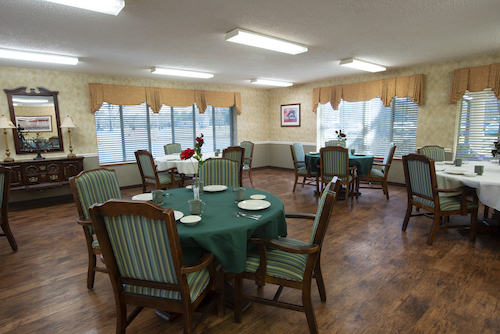
How is Autumn Care Of Biscoe Staffed?
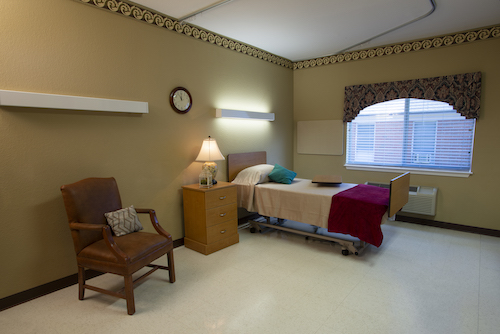
CMS rates Autumn Care Of Biscoe's staffing level at 4 out of 5 stars, which is above average compared to other nursing homes. Staff turnover is 38%, compared to the North Carolina average of 46%. This relatively stable workforce can support continuity of care.

What Have Inspectors Found at Autumn Care Of Biscoe?

State health inspectors documented 24 deficiencies at Autumn Care Of Biscoe during 2022 to 2025. These included: 1 Immediate Jeopardy (the most serious level, indicating potential for serious harm or death), 1 that caused actual resident harm, 20 with potential for harm, and 2 minor or isolated issues. Immediate Jeopardy findings are rare and represent the most serious regulatory concerns. They require immediate corrective action.
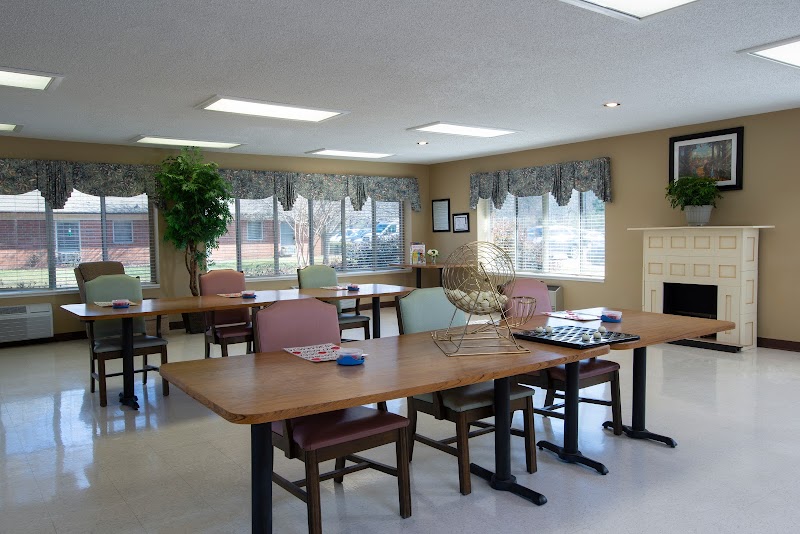
Who Owns and Operates Autumn Care Of Biscoe?

Autumn Care Of Biscoe is owned by a for-profit company. For-profit facilities operate as businesses with obligations to shareholders or private owners. The facility is operated by SABER HEALTHCARE GROUP, a chain that manages multiple nursing homes. With 141 certified beds and approximately 95 residents (about 67% occupancy), it is a mid-sized facility located in Biscoe, North Carolina.

How Does Autumn Care Of Biscoe Compare to Other North Carolina Nursing Homes?

Compared to the 100 nursing homes in North Carolina, Autumn Care Of Biscoe's overall rating (3 stars) is above the state average of 2.8, staff turnover (38%) is near the state average of 46%, and health inspection rating (3 stars) is at the national benchmark.

What Should Families Ask When Visiting Autumn Care Of Biscoe?

Based on this facility's data, families visiting should ask: "What changes have been made since the serious inspection findings, and how are you preventing similar issues?" "Can I visit during a mealtime to observe dining assistance and food quality?" "How do you handle medical emergencies, and what is your hospital transfer rate?" "Can I speak with family members of current residents about their experience?" These questions are particularly relevant given the facility's Immediate Jeopardy citations.

Is Autumn Care Of Biscoe Safe?

Based on CMS inspection data, Autumn Care Of Biscoe has documented safety concerns. Inspectors have issued 1 Immediate Jeopardy citation (the most serious violation level indicating risk of serious injury or death). The facility has a 3-star overall rating and ranks #1 of 100 nursing homes in North Carolina. Families considering this facility should ask detailed questions about what corrective actions have been taken since these incidents.

Do Nurses at Autumn Care Of Biscoe Stick Around?

Autumn Care Of Biscoe has a staff turnover rate of 38%, which is about average for North Carolina nursing homes (state average: 46%). Moderate turnover is common in nursing homes, but families should still ask about staff tenure and how the facility maintains care continuity when employees leave.

Was Autumn Care Of Biscoe Ever Fined?

Autumn Care Of Biscoe has been fined $15,350 across 1 penalty action. This is below the North Carolina average of $33,232. While any fine indicates a compliance issue, fines under $50,000 are relatively common and typically reflect isolated problems that were subsequently corrected. Families should ask what specific issues led to these fines and confirm they've been resolved.

Is Autumn Care Of Biscoe on Any Federal Watch List?

Autumn Care Of Biscoe is not on any federal watch list. The most significant is the Special Focus Facility (SFF) program, which identifies the bottom 1% of nursing homes nationally based on persistent, serious quality problems. Not being on this list means the facility has avoided the pattern of deficiencies that triggers enhanced federal oversight. This is a positive indicator, though families should still review the facility's inspection history directly.