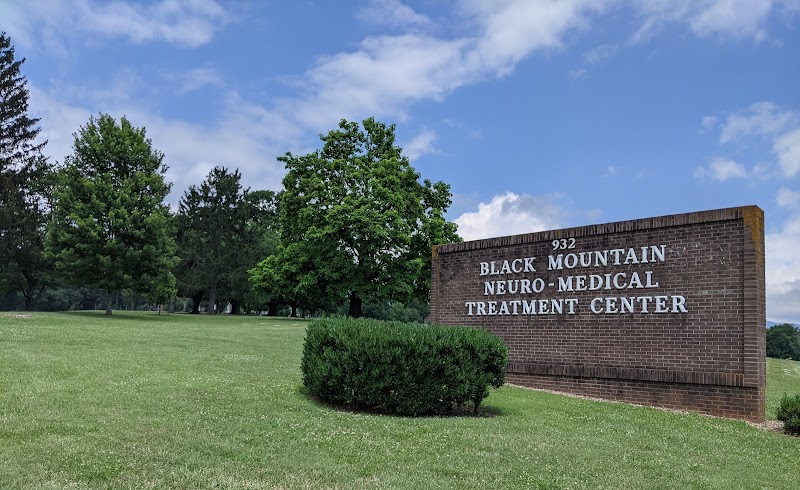
Black Mountain Neuro-Medical Treatment Center
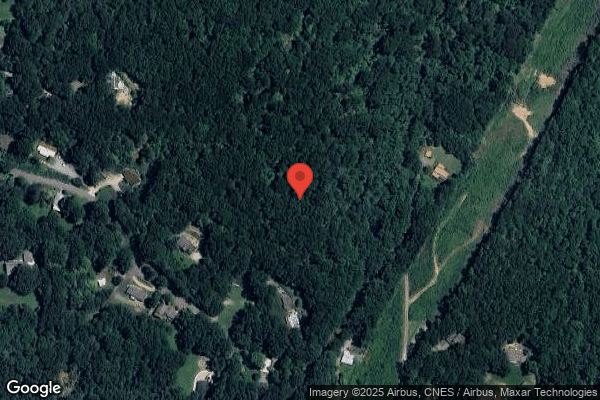
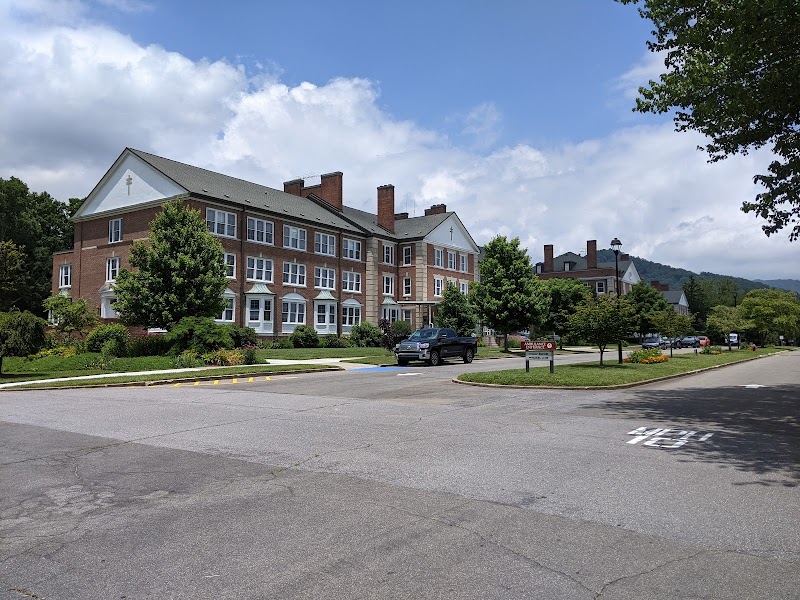
932 Old US Highway 70, Black Mountain, NC 28711 (828) 259-6700
Government - State 163 Beds Independent Data: November 2025 1 Immediate Jeopardy citation
Trust Grade
76/100
#11 of 417 in NC
Last Inspection: September 2025

Inspected within the last 6 months. Data reflects current conditions.

Overview

Black Mountain Neuro-Medical Treatment Center has a Trust Grade of B, indicating it is a good option for families, although there is room for improvement. It ranks #11 out of 417 facilities in North Carolina, placing it in the top half, and is the best option among 19 facilities in Buncombe County. The facility is showing improvement, having reduced issues from 2 in 2024 to none in 2025. Staffing is a concern, with a rating of 0 stars and a high turnover rate of 0%, which is below the state average. However, the facility has incurred $15,269 in fines, which is average compared to other facilities, and it has a critical incident where a medication error led to a resident being hospitalized due to receiving the wrong medications. Families should weigh these strengths and weaknesses when considering care options.
Trust Score
B
76/100
In North Carolina
#11/417
Top 2%
Safety Record
High Risk
Review needed
Inspections
Getting Better
2 → 0 violations
Staff Stability
○ Average
Turnover data not reported for this facility.
Penalties
⚠ Watch
$15,269 in fines. Higher than 100% of North Carolina facilities. Major compliance failures.
Skilled Nurses
○ Average
RN staffing data not reported for this facility.
Violations
✓ Good
Only 5 deficiencies on record. Cleaner than most facilities. Minor issues only.
★★★★★
5.0
Overall Rating
☆☆☆☆☆
0.0
Staff Levels
★★★★★
5.0
Care Quality
★★★★☆
4.0
Inspection Score
Stable
2024: 2 issues
2025: 0 issues

The Good

  • 5-Star Quality Measures · Strong clinical quality outcomes
  • Full Sprinkler Coverage · Fire safety systems throughout facility
  • No fines on record

Facility shows strength in quality measures, fire safety.

The Bad

Federal Fines: $15,269

Below median ($33,413)

Minor penalties assessed

The Ugly 5 deficiencies on record

1 life-threatening
Aug 2024 2 deficiencies
CONCERN (D) 📢 Someone Reported This

A family member, employee, or ombudsman was alarmed enough to file a formal complaint

Potential for Harm - no one hurt, but risky conditions existed

Free from Abuse/Neglect (Tag F0600)

Could have caused harm · This affected 1 resident

**NOTE- TERMS IN BRACKETS HAVE BEEN EDITED TO PROTECT CONFIDENTIALITY** Based on record review and interviews with staff and the Nurse Practitioner, the facility failed to protect the resident's right...

Read full inspector narrative →
**NOTE- TERMS IN BRACKETS HAVE BEEN EDITED TO PROTECT CONFIDENTIALITY** Based on record review and interviews with staff and the Nurse Practitioner, the facility failed to protect the resident's right to be free from neglect when Nurse Aide (NA) #1 started providing incontinence care for Resident #2 without assistance and was aware of the plan of care instructions for 2-person assist. NA #1 turned away from the bed to reach supplies and Resident #2 rolled off the raised bed onto the fall mat. The deficient practice occurred for 1 of 3 residents reviewed for abuse (Resident #2). The findings included: Resident #2 was admitted to the facility on [DATE] with diagnoses including traumatic brain injury and osteoporosis. The activities of daily living (ADL) care plan dated 2/21/24 identified Resident #2 was unable to complete ADL without assistance and for nursing staff to refer to the resident's care tracker profile for current recommendations. The care plan further noted Resident #2 was non-ambulatory but had the ability and did slide down but was unable to reposition herself and at risk for falls related to the use of psychotropic medications, incontinence, a history of falls, and poor safety awareness. Interventions included eliminate potential hazards as needed, provide toileting and change every 2 hours and as needed and place the bed in a low position with fall mats at the bedside. Review of the facility's online resident plan of care called care tracker utilized by Nurse Aide (NA) staff to ensure they provide the level of assistance needed for ADL care, revealed Resident #2 required 2-person extensive assistance for incontinence care and bed mobility. The quarterly Minimum Data Set (MDS) assessment dated [DATE] revealed Resident #2 was severely impaired cognitively, always incontinent of bladder and bowel, and needed substantial to maximal assistance with rolling from the left to the right and toileting hygiene. The MDS indicated one fall with no injury had occurred since Resident #2's last assessment. Review of the fall incident report dated 6/25/24 at 9:15 AM revealed NA #1 had changed Resident #2 in the bed and as she turned away to grab some wipes the resident rolled off the bed and onto the floor. The incident report noted Resident #2 rolled onto her back on the fall mat, denied pain, and the physician was notified. The report was completed by Nurse #1. Review of Nurse #1's progress notes dated 6/25/24 revealed at 9:15 AM Resident #2 fell from the bed and rolled onto the bedside mat. The fall was witnessed and there were no injuries noted. Resident #2 denied pain and did not demonstrate signs of pain. The Nurse Practitioner (NP) was notified of the fall and ordered an x-ray of lumbar (L) spine (lower part of the back) and to give as needed pain medication as ordered. During an interview on 08/14/24 at 1:14 PM Nurse #1 revealed NA #1 notified him Resident #2 had rolled out of bed and when he asked how it happened NA #1 said, I was changing her. Nurse #1 asked how that happened because the resident was 2-person assist and stated NA #1 told him, she did it by herself and when she reached for the wipes Resident #2 rolled herself off the bed. Nurse #1 did a head-to-toe assessment and stated Resident #2 did not have any signs of injury or complaints of pain after the fall and he notified the Nurse Supervisor. Nurse #1 revealed Resident #2 was known for rolling herself out of bed and would slowly inch herself out of the bed onto the floor. Nurse #1 revealed staff were provided in-service education to always have 2 people for check and change care for all residents requiring 2-person assistance. Review of the facility's self-reported incident dated 6/25/24 at 9:15 AM revealed the facility became aware and submitted an allegation of neglect to the state agency that involved NA #1 and Resident #2. The report revealed NA #1 started to provide 1-person assistance with incontinence care for Resident #2 who required 2-person assist, and as a result the resident fell from the bed. NA#1 was placed on leave on 6/25/24 for the facility to complete an investigation of the incident. The facility's 5-day investigation revealed NA #1 reported she was providing 1-person assist even though she was aware Resident #2 required 2-person assistance and the allegation of neglect was substantiated. Both the initial and 5-day reports were completed by the Nurse Supervisor. Review of NA #1's written statement dated 6/25/24 revealed she was interviewed by the Nurse Supervisor and read in part, I went into Resident #2's room to change her. NA #2 was in the bathroom changing another resident. I pulled the covers back and undid the brief and reached behind me on the dresser for wipes and Resident #2 rolled off the bed onto the mat. Resident #2 said I rolled off. NA #2 turned on the call light and Nurse #1 came in, so I told him what happened. NA #3 walked by, I called her into the room, and she called NA #2 in the room. During an interview on 8/14/24 at 8:28 AM NA #1 stated she had started incontinence care for Resident #2 and described the resident had taken part of the brief off, had a bowel movement, and she was getting Resident #2 prepared for incontinence care. NA #1 explained Resident #2 was laying on her back and it was after she had elevated the bed and turned away towards the dresser, that was close to the bed, when Resident #2 rolled herself off the bed. NA #1 revealed she was aware Resident #2 had a history of rolling herself off the bed. Prior to the fall NA #1 had reviewed the care tracker plan of care and stated she knew Resident #2 was a 2-person assist with incontinence care and NA #2 had said she would be right back to help. After the fall NA #1 turned the call light on and Nurse #1 came into the room and checked Resident #2 for injury. NA #1 revealed the Nurse Supervisor spoke to her about the incident and explained Resident #2 needed 2-person assistance and it was expected a partner was with her. NA #1 stated she wasn't attempting to change Resident #2 by herself she was just getting the resident ready. Review of NA #2's written statement dated 6/25/24 revealed she was in the bathroom changing another resident and she did not know anything was happening and never heard NA #1 call for help or anything. Her statement indicated the only reason she found out was when NA #3 came out of the room and asked for help to get Resident #2 off the floor. During an interview on 08/14/24 at 3:53 PM NA #2 stated NA #1 did not ask her for help with incontinence care and she didn't even know NA #1 was in the room with Resident #2 when the fall happened. She described being in the bathroom that adjoined Resident #2's room and she was providing care for another resident. When NA #2 was finished she came out of that room and saw NA #1 and two other staff members (she did not recall) in the room, and Resident #2 was laying on the mat on the floor beside the bed. NA #2 revealed she did receive in-service education after the fall related to Resident #2's care plan for 2-person assistance with incontinence care and where to locate that information in care tracker. NA #2 stated she knew Resident #2 needed 2-person assistance with incontinence care prior to the fall and after it happened, she was monitored by her supervisor who checked if 2-person assistance was being provided during care. Review of NA #3's written statement dated 6/25/24 revealed she had gone on break, and it was approximately 9:00 AM or 9:15 AM when she came back on the floor. She stopped NA #2 in the hall and asked what residents needed to be checked and changed then went right to Resident #2's room. She saw NA #1 standing by the resident who was lying beside the bed on a mat and asked if the nurse was needed. NA #1 said Nurse #1 had already been in the room to check Resident #2. She called NA #2 for help with transferring and they along with other staff put Resident #2 back to bed. She and NA #1 then provided incontinence care for Resident #2. During a phone interview on 08/13/24 at 6:10 PM NA #3 revealed when she entered Resident #2 ' s room on 6/25/24, she saw the resident laying on her back on the mat on the floor and NA #1 was in the room. She asked NA #1 what happened and was told when she reached for the wipes the resident rolled herself off the bed. NA #3 stated at times Resident #2 would roll herself off the bed and prior to the fall was a 2-person assist with incontinence care. After the fall her and the other nursing staff used the mechanical lift to transfer Resident #2 back to bed. NA #3 revealed 6/25/24 was her last shift and she did not recall receiving training afterward the fall but upon hire her training included where to locate residents' level of assistance needed when providing care on their care tracker profile for activities of daily living and always have a nurse or another NA available to assist with 2-person check and change if required. Review of the x-ray results for Resident #2 completed on 6/25/24 revealed no acute fracture was identified. During an interview on 08/15/24 at 11:35 AM the Nurse Practitioner (NP) revealed she was notified on 6/25/24 and ordered the x-ray due to Resident #2's diagnosis of osteoporosis (deterioration of bone tissue). She revealed the Medical Doctor saw Resident #2 the next day on 6/26/24 and noted there was no complaint of pain and reviewed the x-ray results with no acute fracture identified. During an interview on 08/14/24 at 10:15 AM the Nurse Supervisor confirmed he was informed about the fall on 6/25/24 at 9:15 AM. He spoke with Nurse #1 first and asked who was with NA #1 when the fall occurred and was told no one. He spoke with NA #1 and asked who was with her to help provide care and NA #1 stated nobody came in to help her and at the time of the fall NA #2 was assisting another resident with toileting and NA #3 was on break. The Nurse Supervisor confirmed NA #1 told him she had asked NA #2 to help, and he questioned her about that statement because NA #2 was assisting another resident. He asked NA #1 if she was aware Resident #2 needed 2-person assistance with incontinence care and she stated yes. NA #1 had explained she checked Resident #2 and realized incontinence care was needed and when she turned to get the brief and wipes, that's when she heard Resident #2 rolling out of bed. The Nurse Supervisor confirmed NA #1 had raised the bed and was getting Resident #2 ready for incontinence care. He described Resident #2 did have a history of putting herself on the floor and would put her feet over the side of the bed and slide to the floor and was not able to make good choices for her safety. They considered NA #1's actions neglect as she made a poor decision about her time management, and it was poor conduct on her part, and she was removed from the unit and sent home on 6/25/24. He reported the fall to the Administrator, and their investigation determined it was a policy violation when Resident #2's care plan was in place to provide 2-person assistance with incontinence care and NA #1 started the care without a second person present. NA #2 returned to work third shift on 6/27/24 and was counseled and provided training along with all nursing staff related to 2-person assistance. The Nursing Supervisor revealed observations were made of 2-person care to ensure it was done correctly and it was emphasized not to start care without a second person with you. During an interview on 08/15/24 at 4:55 PM the Administrator was aware of Resident #2's behavior of putting herself on the floor and explained the fall occurred because NA #1 was doing 1-person care for the resident when the care plan was to provide 2-person assist. She stated adaptive equipment was already in place for fall preventions and neglect was clear when 2-person assist was not done based on the care plan. She revealed Quality Assurance and Performance Improvement (QAPI) implemented a plan of correction on 6/25/24 that included training and audits of all staff on each shift to look for areas staff needed more support and if needed ongoing training was provided. The facility provided the following corrective action plan with a completion date of 7/2/24: How corrective action will be accomplished for those residents found to have been affected by the deficient practice: On 6/25/24 the nurse immediately assessed Resident #2 for injury. The Nurse Supervisor provided training on 2-person care for Nurses and Nurse Aide staff on the unit where the fall occurred. The training elements and objectives included: ensure safety and dignity of residents and provide proper and safe resident care; review of location of ADL assistance information (Care Tracker Profile and Messages, Community Updates, and Care Plan). When providing care, know the level of assistance needs for residents in their Care Tracker profile prior to providing care and asking coworkers for assistance when appropriate. A Physical Therapy (PT) evaluation of Resident #2's mattress type and fall mats was completed on 6/25/24 to ensure safety measures for activities of daily living care were in place. How corrective action will be accomplished for the residents having the potential to be affected by the same deficient practice: Training was implemented on 6/25/24 for all unit staff Nurses and Nurse Aides including temporary agency staff on 2-person care that included elements and objectives to ensure safety and dignity of residents and provide proper and safe resident care; review of location of ADL assistance information (Care Tracker Profile and Messages, Community Updates, and Care Plan); when providing care, know the level of assistance needs for residents in their Care Tracker prior to providing care and asking coworkers for assistance when appropriate. Nurse Supervisors were educated and provided with audit tasks on 6/25/24. Audits started on 6/25/24 for residents who require 2-person care and were conducted by each Nurse Supervisor three times per shift for 1 week. Audits included review of the following: the individualized Care Plan, utilization of correct transfers, following all safety measures on transferring and repositioning, and maintaining dignity. Issues identified during audits immediate training was completed with that staff. The projected completion date of the audits was 7/2/24 and reported to Quality Assurance (QA). Measures that will be put into place and/or what systematic changes will be made to ensure that the deficient practice does not recur: On 6/26/24 any unit-based Nurses and Nurse Aides including agency staff who were unavailable (vacation, sick, etc.) were trained prior to starting their next scheduled shift. New Hires are trained on 2-person care on the first day of hire by PT and Occupational Therapy. Additional on-unit training occurs for the first 2 weeks of employment which includes return demonstration. Weekly Community Update Meetings for unit staff occur on all 3 units and 3 shifts to train on any Care Plan changes. How will the facility monitor performance to ensure that solutions are sustained. QA was implemented on the date of the incident 6/25/24 when the Plan of Correction was established. Two-person care was added to QA standing agenda and reported by the Assistant Director of Nursing (ADON) for compliance with 2-person care at each QA meeting. Audits were completed from 6/25/24 to 7/2/24 and ongoing for report to QA. QA audits will be required for 12 months. Date of completion: 7/2/24. The facility's corrective action plan with a completion date of 7/2/24 was validated onsite on 8/14/24 and 8/15/24 by record review, observations and staff interviews. Review of the nursing staff in-service training started on 6/25/24 included the objective was to provide proper and safe resident care and the goal was to know the level of assistance needed by residents and where to find that information on the care tracker profile. In-service training included names, signature acknowledgement and dates. The training encompassed all three units and nursing staff on first, second, and third shifts. Review of the check and change audits started on 6/25/24 included all three units and nursing staff on first, second, and third shift. Observations included: did staff follow the individualized care plan, was the correct transfer device used, was safety measures followed while transferring/repositioning the resident, was dignity maintained throughout the interaction, and was staff teaching performed for any discrepancies noted during care. An observation was conducted on 08/14/24 at 12:51 PM of two NA staff assist Resident #2 with bed mobility, incontinence care, and mechanical lift transfer to the chair. The two NA staff entered the room together and one stood at each side of the bed at the start of care. Resident #2 was rolled towards the NA to help prevent a fall from the bed. Fall mats were placed on the floor by both sides of the bed prior to care. During interviews nurses and NA staff confirmed they received in-service training to review the resident's care plan information on care tracker that included if 2-person assistance was required and always have a nurse or another NA to assist, and if not available to wait for a second person before starting care. Nurses and NA staff revealed audits were randomly done to ensure they provided 2-person assistance. The completion date of 7/02/24 was validated.
CONCERN (E) 📢 Someone Reported This

A family member, employee, or ombudsman was alarmed enough to file a formal complaint

Potential for Harm - no one hurt, but risky conditions existed

Food Safety (Tag F0812)

Could have caused harm · This affected multiple residents

Based on observations and staff interviews the facility failed to discard food items past the use by date in 1 of 2 reach-in coolers; discard food with signs of spoilage in 2 of 2 walk-in coolers; and...

Read full inspector narrative →
Based on observations and staff interviews the facility failed to discard food items past the use by date in 1 of 2 reach-in coolers; discard food with signs of spoilage in 2 of 2 walk-in coolers; and label and date two bags of unidentifiable frozen food items that had been removed from the original container in 1 of 1 reach-in freezer. This failure had the potential to affect food served to residents. Findings included: a. An observation with the Food Service Director of the reach-in cooler on 08/12/24 at 9:27 AM revealed the following: • A package of sliced white cheese with an opened date of 07/25/24. • A package of sliced yellow cheese with an opened date of 07/30/24. • A 4.5 ounce jar of minced garlic with an open date of 08/01/24. • A package of sliced provolone cheese with an opened date of 08/01/24. • A bag of grated parmesan cheese with an opened date of 08/02/24. • A 16-ounce container of chicken base stock with an opened date of 08/02/24. • A one-pound package of sliced ham with an opened date of 08/04/24. During interviews on 07/28/24 at 9:30 AM and 08/15/24 at 10:10 AM, the Food Service Director revealed for prepared food items, the use-by date was 3 days from the date prepared and for other items, the use-by-date was 7 days from the date the food item was opened. The Food Service Director stated dietary staff were responsible for checking their assigned coolers daily and discarding any food items that were past the 7-day use-by-date. During an interview on 08/15/24 at 4:29 PM, the Administrator revealed she expected dietary staff to discard food items that were expired or with visible signs of spoilage. b. An observation with the Food Service Director of the walk-in coolers on 08/12/24 at 09:40 AM revealed the following: • One half of a 5-pound block of ham covered with plastic wrap and dated 07/29/24. • A box containing several red onions that had visible white spots with fuzzy matter. During interviews on 07/28/24 at 9:30 AM and 08/15/24 at 10:10 AM, the Food Service Director revealed for prepared food items, the use-by date was 3 days from the date prepared and for other items, the use-by date was 7 days from the date the food item was opened. The Food Service Director stated dietary staff were responsible for checking their assigned coolers daily and discarding any food items that were past the 7 day use-by-date or had visible signs of spoilage. During an interview on 08/15/24 at 4:29 PM, the Administrator revealed she expected dietary staff to discard food items that were expired or with visible signs of spoilage. c. An observation with the Food Service Director of the walk-in cooler on 08/12/24 at 09:45 AM revealed on the shelf were two small, clear bags containing frozen food items that were not labeled with the product name or dated. During interviews on 07/28/24 at 09:30 AM and 08/15/24 at 10:10 AM, the Food Service Director revealed for prepared food items, the use-by date was 3 days from the date prepared and for other items, the use-by date was 7 days from the date the food item was opened. The Food Service Director stated dietary staff were responsible for labeling and dating food items when removed from the original container. During an interview on 08/15/24 at 4:29 PM, the Administrator revealed she expected dietary staff to label and date food items when opened.
Mar 2023 3 deficiencies 1 IJ
CRITICAL (J) 📢 Someone Reported This

A family member, employee, or ombudsman was alarmed enough to file a formal complaint

Immediate Jeopardy (IJ) - the most serious Medicare violation

Deficiency F0760 (Tag F0760)

Someone could have died · This affected 1 resident

**NOTE- TERMS IN BRACKETS HAVE BEEN EDITED TO PROTECT CONFIDENTIALITY** Based on record review, staff and physician interviews, the facility failed to prevent a significant medication error when Nurse...

Read full inspector narrative →
**NOTE- TERMS IN BRACKETS HAVE BEEN EDITED TO PROTECT CONFIDENTIALITY** Based on record review, staff and physician interviews, the facility failed to prevent a significant medication error when Nurse #1 administered medications to Resident #8 that were prescribed for Resident #58 for 1 of 2 sampled residents reviewed for hospitalization. On the morning of 11/23/22, Resident #8 received six medications which included Depakote (mood stabilizer), Bumex (diuretic), Gabapentin (used to treat nerve pain), Metoprolol (used to treat blood pressure), Risperdal (antipsychotic), and Sertraline (antidepressant). On 11/23/22 at 11:50 AM, Resident #8 appeared lethargic (decreased alertness) and was assessed by Nurse #1 to have a heart rate of 43 and her blood pressure reading could not be obtained. Resident #8 was transported to the Emergency Department (ED) for evaluation and subsequently admitted to the hospital for bradycardia (low heart rate) and hypotension (low blood pressure). Findings included: Resident #8 was admitted to the facility on [DATE]. Her diagnoses included seizure disorder, depression, and dementia. The quarterly Minimum Data Set (MDS) dated [DATE] assessed Resident #8 as severely impaired with cognitive skills for daily decision making and noted she received antidepressant medication daily during the 7-day MDS assessment period. Review of the November 2022 Medication Administration Record (MAR) for Resident #8 revealed physician orders for the following routine morning medications: • Acetaminophen (pain reliever) 325 milligrams (mg): take two tablets (650 mg) three times daily at 7:30 AM, 1:30 PM and 8:30 PM. • Calcium Citrate plus Vitamin D: take two tablets twice daily for supplement at 7:30 AM and 8:30 PM. • Depakote 125 mg: take four capsules (500 mg) three times daily at 7:30 AM, 1:30 PM, and 8:30 PM. • Namenda (used to treat symptoms of dementia) 10 mg: take one tablet twice daily at 7:30 AM and 8:30 PM for dementia. • Multivitamin daily in the morning for supplement. • Omeprazole (used to decrease the amount of acid in the stomach) 20 mg daily in the morning for gastroesophageal reflux disease (digestive disorder). • Topiramate (used to treat seizures) 10mg: take one tablet twice daily at 7:30 AM and 8:30 PM for seizure disorder. • Vitamin D 1,000 international units (IU) daily for supplement. Review of the November 2022 MAR for Resident #58 revealed the following morning medications prescribed to Resident #58 and administered to Resident #8 in error on 11/23/22: • Depakote 875 mg for mood and behaviors. • Gabapentin 600 mg for pain. • Metoprolol 25 mg for blood pressure (BP). • Bumex 1 mg for edema. • Risperidone (antipsychotic) 3 mg for mood. • Sertraline (antidepressant) 225 mg for depression. A nurse progress note dated 11/23/22 at 2:40 PM written by Nurse #1 read in part, went into Resident #8's room to administer afternoon medications. Resident #8 appeared lethargic and hard to arouse. Vital signs were taken at 11:50 AM, could not get BP and heart rate 43. This Nurse thought Resident #8 could have received extra medications from AM administration due to another resident with similar name. Resident #8 could have received Gabapentin 600 mg, Metoprolol 25 mg, and Risperidone 3 mg. During an interview on 03/22/23 at 8:51 AM, Nurse #1 recalled when she arrived at the unit the morning of 11/23/22 to begin her shift, Nurse #2 had already started on the medication cart preparing resident medications but was being pulled to work another unit, so Nurse #2 explained where she was at with the residents' medications and then Nurse #1 took over the medication cart from there. Nurse #1 explained when she took over the medication cart, Nurse #2 had already pre-pulled a lot of the residents' medications for the AM medication pass and put them in medication cups labeled with the resident's first name. Nurse #1 stated when she started the medication pass, she looked down at the medication cups and picked up ones that were labeled with a name starting with the letters MAR thinking she was grabbing Resident #8's medications. Nurse #1 stated she knew the volume of medications for the residents and as she was going into Resident #8's room to administer the medications, she kind of noticed there were a lot of medications in the cup, one cup even had pudding and wondered why but didn't think much else about it at the time. Nurse #1 stated for the remainder of the morning, Resident #8 appeared at baseline and it wasn't until around lunchtime when she went into the room to administer the afternoon medications she noticed Resident #8 was very lethargic and hard to arouse. Nurse #1 stated when she assessed Resident #8 to try and figure out what was going on and she took Resident #8's vitals, she was unable to obtain a BP and Resident #8's heart rate was 43. Nurse #1 stated she immediately contacted Physician #1 who came to the unit right away to assess Resident #8. Nurse #1 stated she started retracing her steps from that morning, got to thinking about the amount of medications in the cup she administered to Resident #8 and realized she must have grabbed another resident's medication cup in error whose name had the same first three initials as Resident #8. Nurse #1 stated when she explained to Physician #1 that Resident #8 may have gotten another resident's medications in error, Physician #1 gave orders to send Resident #8 out to the hospital for evaluation and Physician #1 contacted the hospital to let them know what they thought had happened. During an interview on 03/24/23 at 10:12 AM, Nurse #2 confirmed on the morning of 11/23/22, she had started preparing medications for the morning medication pass on the unit where Resident #8 resided. Nurse #2 explained at that point in time most nurses on the unit, including herself, got the medication cart ready by pre-pulling the residents' medications and labeling the medication cups with the residents' first name and initial of their last name prior to starting the medication pass. Nurse #2 stated on 11/23/22, she seemed to recall she had gotten the medication cart ready but had not yet administered any of the residents' medications when she was notified to go to another unit. Nurse #2 stated she gave report to Nurse #1, showed Nurse #1 where she was at with getting the medications prepared and then left the unit. A progress note for Resident #8 dated 11/23/22 at 12:20 PM written by facility Physician #1 read in part, Medications switched accidentally with another resident. Medication list reviewed. She is now very sedated. Heart rate 43 and unable to get BP. Sleeping heavily, does not awaken to stimuli. Place Intravenous (IV) fluids, hold sedating medications, to ED if vital signs worsen. A progress note dated 11/23/22 at 3:25 PM written by Nurse #1 read, Resident #8 sent to hospital. The hospital Discharge summary dated [DATE] read in part, Resident #8 presented to the ED on 11/23/22 3:51 PM with bradycardia and hypotension following a medication error at the skilled nursing facility and reportedly received Tylenol 650 mg, aspirin 81 mg, Bumex 1 mg, Depakote 1000 mg, Gabapentin 600 mg, Levothyroxine 200 mg, Metoprolol 25 mg, Misoprostol 200 mcg, Omeprazole 40 mg, Risperdal 3 mg, and Sertraline 225mg. Resident #8 takes no diuretics or antihypertensives at baseline. In route to ED, Resident #8 was bradycardic and hypotensive to 60-70's systolic requiring atropine (medication used to treat symptoms of low heart rate). In the ED, Resident #8 was initially hypotensive despite fluid resuscitation and sedated on Levophed (medication used to treat low blood pressure and heart failure). Intensive Care Unit initially consulted for admission, however Resident #8's blood pressure improved dramatically and was able to be weaned off Levophed completely. The hospital discharge summary further noted Resident #8 was deemed stable and discharged back to the skilled nursing facility on 11/26/22. During an interview on 03/22/23 at 1:44 PM, Physician #1 recalled on 11/23/22 she was informed by Nurse #1 that Resident #8 received Resident #58's medications in error. Physician #1 stated she came to the unit and assessed Resident #8, her BP and heart rate were too low and IV fluids were started. Physician #1 explained when she reviewed the list of Resident #58's medications that Resident #8 received in error, she was more concerned about the antipsychotic medication which could cause QT suppression (abnormal electrical conduction in the heart). Physician #1 stated as the morning progressed, Resident #8's condition did not improve so she ordered an electrocardiogram (test used to monitor and record the heart's rhythm) which showed a first degree atrioventricular (AV) block (causes the heart to beat slower than it should) and Resident #8 was sent out to the hospital due to bradycardia and hypotension. Physician #1 explained the medications Resident #8 received at the hospital, Atropine and Levophed, were medications used to help stabilize the heart rate and blood pressure. Physician #1 stated it was a significant error that Resident #8 was administered medications prescribed to Resident #58 which caused bradycardia and hypotension. During a joint interview with the Administrator on 03/22/23 at 1:13 PM, the Director of Nursing (DON) recalled on 11/23/22 Nurse #1 informed her that she potentially did something that could have harmed someone and indicated she could have given the wrong medications to Resident #8 but wasn't sure and the incident was treated as if Nurse #1 had administered the wrong medications. The DON stated staff had been checking on Resident #8 during rounds and when they checked on her around lunchtime, she was lethargic. The DON added Nurse #1 immediately notified Physician #1 who came to the unit to assess Resident #8 and later sent her out to the hospital for evaluation. The DON explained when discussing the incident with Nurse #1 to figure out what may have happened, they determined another nurse had pulled some of the resident's medications on the medication cart prior to Nurse #1 taking it over and had labeled the medications cups with the resident's first names. The DON stated the initials of Resident #8 and Resident #58's first names were similar. During a joint interview with the DON on 03/22/23 at 1:13 PM, the Administrator explained the investigation regarding the medication error that occurred on 11/23/22 was conducted as part of their Patient Safety Evaluation System to determine a root cause. She explained the root cause analysis completed as part of the Patient Safety Evaluation System investigation was protected information and all that could be shared were the action items. The Administrator stated they always encouraged nursing staff to report any concerns that a medication error could have occurred and Nurse #1 had reported her concerns through the proper channels. The Administrator explained when the team met the following Monday (11/28/22) to discuss the incident and try to determine a root cause, they looked at the whole system to try and get to the bottom of what happened and what they needed to do to try and prevent it from happening again. The Administrator stated they determined the immediate re-training of nursing staff regarding medication administration procedures was the main action item they needed to address. During a follow-up interview on 03/24/23 at 1:35 PM, the DON stated prior to the incident on 11/23/22 involving Resident #8, she was unaware nursing staff were pre-pulling residents' medications for the administration pass and nursing staff knew better. The DON added pre-pulling medications was not the facility's standard practice and since 11/23/22, they have reinforced the facility's medication administration procedures. The Administrator and DON were notified of immediate jeopardy on 03/22/23 at 4:13 PM. The facility provided the following corrective action plan with a completion date of 02/01/23: How corrective action will be accomplished for those residents found to have been affected by the deficient practice: • Unit Nursing staff received additional training and education regarding medication administration. Implementation date: 11/23/22. Projected completion date: 11/23/22. • DON and Director talked with responsible nurse to determine root cause of medication error and provided immediate education regarding medication administration practices. Implementation date: 11/23/22. Projected completion date: 11/23/22. • Building Nurse Supervisor met with nurses on duty to ensure they were following proper medication administration principles. Implementation date: 11/23/22. Projected completion date: 11/23/22. How corrective action will be accomplished for the residents having the potential to be affected by the same deficient practice: • Nurse Educator will assign all nursing staff on medication administration best practices in Elsevier (computer training modules). Implementation date: 11/23/22. Projected completion date 12/15/22. • Safety Event System review began for root cause analysis investigation. Implementation date: 11/23/22. Projected completion date 11/23/22. Measures that will be put into place and/or what systematic changes will be made to ensure that the deficient practice does not recur: • Pharmacist will perform monthly random monitoring during medication administration on all shifts. Documentation will be provided by Pharmacy staff. Implementation date: 12/12/22. Projected completion date: ongoing. • Assistant Director of Nursing (ADON) will hold weekly meetings with nursing staff to discuss medication errors. Meeting minutes will be provided. Implementation date: 01/17/23. Projected completion date: ongoing. • Nursing staff reviewed the NCVIP (North Carolina Valuing Individual Performance) goal regarding Resident Safety and medication errors. Implementation date: 01/19/23. Projected completion date: ongoing. • Pharmacist to train nursing staff on MAR documentation and medication pass principles. Implementation date: 01/24/23. Projected completion date: 01/30/23. • ADON to hold monthly meetings with Nurse Supervisors with agenda items including medication administration. Implementation date: 01/31/23. Projected completion date: ongoing. How will the facility monitor performance to ensure that solutions are sustained? What is the plan to ensure that corrective action is achieved and sustained? The plan must be implemented and the correction action evaluated for effectiveness. • Director of Pharmacy in conjunction with the DON will review current Quality Assurance and Performance Improvement (QAPI) audit items in regard to medication administration errors and report in quarterly QAPI meetings. Implementation date: 01/18/23. Projected completion date: ongoing. • Director of Pharmacy will review the medication variance report with monthly QA committee. Implementation date: 01/24/23. Projected completion date: ongoing. The facility's corrective action plan with a correction date of 02/01/23 was validated onsite by record review, observations and interviews with the Pharmacy Director and nursing staff. Nursing staff confirmed they received in-service training and in-person audits related to medication administration conducted by the ADON and Pharmacy Director. Nursing staff stated the training included a PowerPoint presentation by the Pharmacy Director with multiple examples and scenarios regarding the proper way of pulling medications, better communication among the nurses, and making sure medications were pulled and administered by the same nurse. Nursing staff also stated they were instructed to match the resident's picture located in the medication cart to the resident's picture on the MAR prior to administering the medication. The facility's Pharmacy Director revealed she conducted on unit re-training of nursing staff that focused on proper procedure and proper identification of the resident receiving the medications. The Pharmacy Director stated the facility Pharmacists conducted additional monitoring of the medication carts on each unit to ensure medications were not pre-pulled for medication administration and nurses were following the facility's medication administration procedures. Medication Administration observations were conducted 03/21/23 to 03/23/23 and consisted of 25 medications, 7 different residents, and 5 Nurses. There were no medication errors or concerns identified.
CONCERN (D) 📢 Someone Reported This

A family member, employee, or ombudsman was alarmed enough to file a formal complaint

Potential for Harm - no one hurt, but risky conditions existed

Deficiency F0757 (Tag F0757)

Could have caused harm · This affected 1 resident

**NOTE- TERMS IN BRACKETS HAVE BEEN EDITED TO PROTECT CONFIDENTIALITY** Based on record reviews and interviews with staff, Consultant Pharmacist, and Medical Director, the facility failed to monitor t...

Read full inspector narrative →
**NOTE- TERMS IN BRACKETS HAVE BEEN EDITED TO PROTECT CONFIDENTIALITY** Based on record reviews and interviews with staff, Consultant Pharmacist, and Medical Director, the facility failed to monitor the cholesterol level for 1 of 5 residents reviewed for unnecessary medications (Resident #68). The findings included: Review of lipid guidelines published in 2019 by American College of Cardiology and American Heart Association indicated lipid panel should be conducted at baseline, then 4 to 12 weeks after statin therapy was started or when dosage was adjusted. Afterwards, lipid panel test should be repeated once every 3 to 12 months or as needed. Resident #68 was admitted to the facility on [DATE] with diagnoses that included cerebrovascular disease, coronary artery disease, high blood pressure, and hyperlipidemia. Review of the physician's orders dated 06/16/20 revealed Resident #68 had an order to receive 1 tablet of pravastatin 40 milligrams (mg) once daily for atherosclerotic cardiovascular disease. Review of medication administration records (MARs) from January 2023 through March 2023 indicated Resident #68 had received pravastatin as ordered. Review of labs for Resident #68 revealed a lipid panel test had not been done since 10/19/21. Review of the most recent annual health and physical (H&P) exam dated 08/03/22 revealed hyperlipidemia remained one of Resident #68's active diagnoses and the provider had ordered to check his cholesterol levels. During a joint interview conducted with Nurse #3 and Nurse #4 on 03/23/23 at 9:17 AM, both nurses did not recall performing a lipid panel test for Resident #68 in the past 1 year and could not find any records of a lipid panel test in the chart. Both nurses added it should be completed at least once yearly on a regular basis. During an interview conducted on 03/23/23 at 9:50 AM, the Medical Director stated Resident #68 should have his lipid panel checked at least once a year as he was having statin therapy. He explained the facility did not have an electronic record system that would trigger the lab order automatically at certain fixed intervals on a regular basis, and they had to depend on paper notes. During an interview conducted with the Consultant Pharmacist on 03/23/23 at 10:33 AM, she stated the labs would normally being ordered for Resident #68 during his annual H&P exam around August 2022. She recommended to the provider to have a low-density lipoprotein (LDL) cholesterol monitoring in her medication regimen review dated 10/28/22 as it was not in place after the annual H&P exam. She explained Resident #68 tested positive for COVID-19 on 10/13/22 and was under isolation. Otherwise, the lipid panel test could have been done last October. During an interview conducted with the Director of Nursing (DON) on 03/24/23 at 1:39 PM, she stated she expected the facility to have the lipid panel test in place for all residents with statin therapy in timely manner for cholesterol monitoring according to the guidelines. Interview conducted with the Administrator on 03/24/23 at 1:40 PM revealed it was her expectation for the facility to monitor the cholesterol level for all the residents with statin therapy in a timely manner per the guidelines.
CONCERN (E) 📢 Someone Reported This

A family member, employee, or ombudsman was alarmed enough to file a formal complaint

Potential for Harm - no one hurt, but risky conditions existed

Assessment Accuracy (Tag F0641)

Could have caused harm · This affected multiple residents

**NOTE- TERMS IN BRACKETS HAVE BEEN EDITED TO PROTECT CONFIDENTIALITY** Based on record review and staff interviews, the facility failed to accurately code Minimum Data Set (MDS) assessments in the ar...

Read full inspector narrative →
**NOTE- TERMS IN BRACKETS HAVE BEEN EDITED TO PROTECT CONFIDENTIALITY** Based on record review and staff interviews, the facility failed to accurately code Minimum Data Set (MDS) assessments in the area of Preadmission Screening and Resident Review (PASRR) for 6 of 6 sampled residents reviewed for PASRR (Residents #4, #11, #12, #15, #16, and #37). Findings included: 1. Resident #4 was admitted to the facility on [DATE]. His diagnoses included schizophrenia, anxiety disorder, and depression. The annual MDS assessment dated [DATE] indicated Resident #4 was not currently considered by the state Level II PASRR process to have a serious mental illness and/or intellectual disability or other related conditions. Review of a North Carolina Medicaid Uniform Screening Tool (NC MUST) inquiry document dated 03/22/23 revealed Resident #4 had a Level II PASSR effective 01/11/12. During an interview on 03/23/23 at 11:32 AM, Social Worker (SW) #1 revealed she completed the section related to Level II PASRR on the MDS assessments for the residential unit she was assigned. SW #1 explained the information prepopulated from the previous MDS assessment and it was an oversight that Resident #4's MDS assessment dated [DATE] did not accurately reflect he had a Level II PASRR determination. During an interview on 03/24/23 at 1:35 PM, the Administrator stated it was an oversight that Resident #4's MDS assessment did not reflect he had a Level II PASRR determination. 2. Resident #11 admitted to the facility on [DATE]. Her diagnoses included depression and anxiety disorder. The annual MDS assessment dated [DATE] indicated Resident #11 was not currently considered by the state Level II PASRR process to have a serious mental illness and/or intellectual disability or other related conditions. Review of a North Carolina Medicaid Uniform Screening Tool (NC MUST) inquiry document dated 03/22/23 revealed Resident #11 had a Level II PASSR effective 10/26/09. During an interview on 03/23/23 at 11:32 AM, Social Worker (SW) #1 revealed she completed the section related to Level II PASRR on the MDS assessments for the residential unit she was assigned. SW #1 explained the information prepopulated from the previous MDS assessment and it was an oversight that Resident #11's MDS assessment dated [DATE] did not accurately reflect she had a Level II PASRR determination. During an interview on 03/24/23 at 1:35 PM, the Administrator stated it was an oversight that Resident #11's MDS assessment did not reflect she had a Level II PASRR determination. 3. Resident #12 was admitted to the facility on [DATE]. His diagnoses included anxiety disorder and psychotic disorder. The annual MDS assessment dated [DATE] indicated Resident #12 was not currently considered by the state Level II PASRR process to have a serious mental illness and/or intellectual disability or other related conditions. Review of a North Carolina Medicaid Uniform Screening Tool (NC MUST) inquiry document dated 03/22/23 revealed Resident #12 had a Level II PASSR effective 10/23/09. During an interview on 03/23/23 at 11:32 AM, Social Worker (SW) #1 revealed she completed the section related to Level II PASRR on the MDS assessments for the residential unit she was assigned. SW #1 explained the information prepopulated from the previous MDS assessment and it was an oversight that Resident #12's MDS assessment dated [DATE] did not accurately reflect he had a Level II PASRR determination. During an interview on 03/24/23 at 1:35 PM, the Administrator stated it was an oversight that Resident #12's MDS assessment did not reflect he had a Level II PASRR determination. 4. Resident #15 was admitted to the facility on [DATE]. His diagnoses included depression and anxiety disorder. The annual MDS assessment dated [DATE] indicated Resident #15 was not currently considered by the state Level II PASRR process to have a serious mental illness and/or intellectual disability or other related conditions. Review of a North Carolina Medicaid Uniform Screening Tool (NC MUST) inquiry document dated 03/22/23 revealed Resident #15 had a Level II PASSR effective 11/06/09. During an interview on 03/23/23 at 11:32 AM, Social Worker (SW) #1 revealed she completed the section related to Level II PASRR on the MDS assessments for the residential unit she was assigned. SW #1 explained the information prepopulated from the previous MDS assessment and it was an oversight that Resident #15's MDS assessment dated [DATE] did not accurately reflect he had a Level II PASRR determination. During an interview on 03/24/23 at 1:35 PM, the Administrator stated it was an oversight that Resident #15's MDS assessment did not reflect he had a Level II PASRR determination. 5. Resident #16 was admitted to the facility on [DATE]. His diagnoses included psychotic disorder. The annual MDS assessment dated [DATE] indicated Resident #16 was not currently considered by the state Level II PASRR process to have a serious mental illness and/or intellectual disability or other related conditions. Review of a North Carolina Medicaid Uniform Screening Tool (NC MUST) inquiry document dated 03/22/23 revealed Resident #16 had a Level II PASSR effective 04/13/09. During an interview on 03/23/23 at 11:32 AM, Social Worker (SW) #1 revealed she completed the section related to Level II PASRR on the MDS assessments for the residential unit she was assigned. SW #1 explained the information prepopulated from the previous MDS assessment and it was an oversight that Resident #16's MDS assessment dated [DATE] did not accurately reflect he had a Level II PASRR determination. During an interview on 03/24/23 at 1:35 PM, the Administrator stated it was an oversight that Resident #16's MDS assessment did not reflect he had a Level II PASRR determination. 6. Resident #37 was admitted to the facility on [DATE]. His diagnoses included anxiety disorder, bipolar disorder, depression, psychotic disorder, and post-traumatic stress disorder. The annual MDS assessment dated [DATE] indicated Resident #37 was not currently considered by the state Level II PASRR process to have a serious mental illness and/or intellectual disability or other related conditions. Review of a North Carolina Medicaid Uniform Screening Tool (NC MUST) inquiry document dated 03/22/23 revealed Resident #37 had a Level II PASSR effective 09/05/12. During an interview on 03/23/23 at 11:32 AM, Social Worker (SW) #1 revealed she completed the section related to Level II PASRR on the MDS assessments for the residential unit she was assigned. SW #1 explained the information prepopulated from the previous MDS assessment and it was an oversight that Resident #37's MDS assessment dated [DATE] did not accurately reflect he had a Level II PASRR determination. During an interview on 03/24/23 at 1:35 PM, the Administrator stated it was an oversight that Resident #37's MDS assessment did not reflect he had a Level II PASRR determination.
Understanding Severity Codes (click to expand)
Life-Threatening (Immediate Jeopardy)
J - Isolated K - Pattern L - Widespread
Actual Harm
G - Isolated H - Pattern I - Widespread
Potential for Harm
D - Isolated E - Pattern F - Widespread
No Harm (Minor)
A - Isolated B - Pattern C - Widespread

Questions to Ask on Your Visit

  • "What changes have you made since the serious inspection findings?"
  • "Can I speak with families of current residents?"
  • "What's your RN coverage like on weekends and overnight?"

Our Honest Assessment

Strengths
  • • Licensed and certified facility. Meets minimum state requirements.
Concerns
  • • Multiple safety concerns identified: 1 life-threatening violation(s). Review inspection reports carefully.
  • • 5 deficiencies on record, including 1 critical (life-threatening) violation. These warrant careful review before choosing this facility.
  • • $15,269 in fines. Above average for North Carolina. Some compliance problems on record.
Bottom line: Generally positive indicators. Standard due diligence and a personal visit recommended.

About This Facility

What is Black Mountain Neuro-Medical Treatment Center's CMS Rating?

CMS assigns Black Mountain Neuro-Medical Treatment Center an overall rating of 5 out of 5 stars, which is considered much above average nationally. Within North Carolina, this rating places the facility higher than 99% of the state's 100 nursing homes. This rating reflects solid performance across the metrics CMS uses to evaluate nursing home quality.

How is Black Mountain Neuro-Medical Treatment Center Staffed?
Detailed staffing data for Black Mountain Neuro-Medical Treatment Center is not available in the current CMS dataset.

What Have Inspectors Found at Black Mountain Neuro-Medical Treatment Center?

State health inspectors documented 5 deficiencies at Black Mountain Neuro-Medical Treatment Center during 2023 to 2024. These included: 1 Immediate Jeopardy (the most serious level, indicating potential for serious harm or death) and 4 with potential for harm. Immediate Jeopardy findings are rare and represent the most serious regulatory concerns. They require immediate corrective action.

Who Owns and Operates Black Mountain Neuro-Medical Treatment Center?

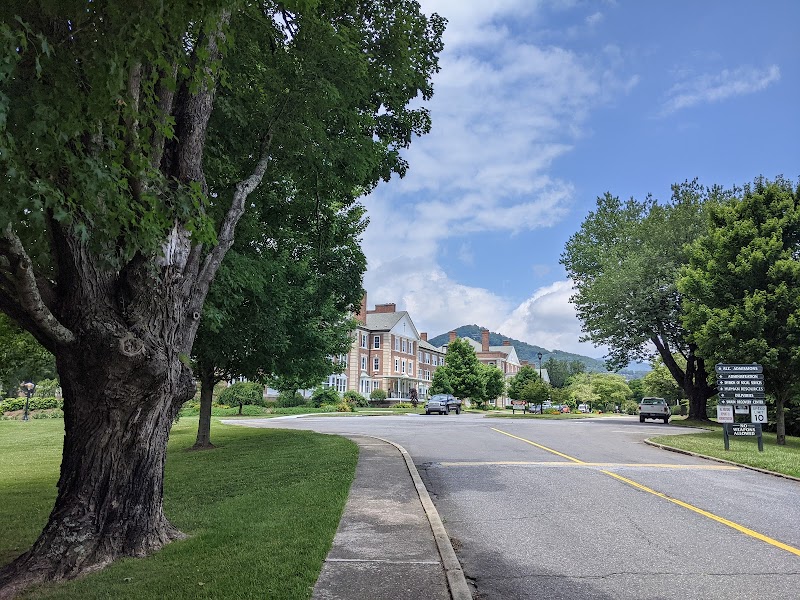
Black Mountain Neuro-Medical Treatment Center is owned by a government entity. Government-operated facilities are typically run by state, county, or municipal agencies. The facility operates independently rather than as part of a larger chain. With 163 certified beds and approximately 74 residents (about 45% occupancy), it is a mid-sized facility located in Black Mountain, North Carolina.

How Does Black Mountain Neuro-Medical Treatment Center Compare to Other North Carolina Nursing Homes?

Compared to the 100 nursing homes in North Carolina, Black Mountain Neuro-Medical Treatment Center's overall rating (5 stars) is above the state average of 2.8 and health inspection rating (4 stars) is above the national benchmark.

What Should Families Ask When Visiting Black Mountain Neuro-Medical Treatment Center?

Based on this facility's data, families visiting should ask: "What changes have been made since the serious inspection findings, and how are you preventing similar issues?" "Can I visit during a mealtime to observe dining assistance and food quality?" "How do you handle medical emergencies, and what is your hospital transfer rate?" "Can I speak with family members of current residents about their experience?" These questions are particularly relevant given the facility's Immediate Jeopardy citations.

Is Black Mountain Neuro-Medical Treatment Center Safe?

Based on CMS inspection data, Black Mountain Neuro-Medical Treatment Center has documented safety concerns. Inspectors have issued 1 Immediate Jeopardy citation (the most serious violation level indicating risk of serious injury or death). The facility has a 5-star overall rating and ranks #1 of 100 nursing homes in North Carolina. Families considering this facility should ask detailed questions about what corrective actions have been taken since these incidents.

Do Nurses at Black Mountain Neuro-Medical Treatment Center Stick Around?

Black Mountain Neuro-Medical Treatment Center has not reported staff turnover data to CMS. Staff turnover matters because consistent caregivers learn residents' individual needs, medications, and preferences. When staff frequently change, this institutional knowledge is lost. Families should ask the facility directly about their staff retention rates and average employee tenure.

Was Black Mountain Neuro-Medical Treatment Center Ever Fined?

Black Mountain Neuro-Medical Treatment Center has been fined $15,269 across 1 penalty action. This is below the North Carolina average of $33,232. While any fine indicates a compliance issue, fines under $50,000 are relatively common and typically reflect isolated problems that were subsequently corrected. Families should ask what specific issues led to these fines and confirm they've been resolved.

Is Black Mountain Neuro-Medical Treatment Center on Any Federal Watch List?

Black Mountain Neuro-Medical Treatment Center is not on any federal watch list. The most significant is the Special Focus Facility (SFF) program, which identifies the bottom 1% of nursing homes nationally based on persistent, serious quality problems. Not being on this list means the facility has avoided the pattern of deficiencies that triggers enhanced federal oversight. This is a positive indicator, though families should still review the facility's inspection history directly.