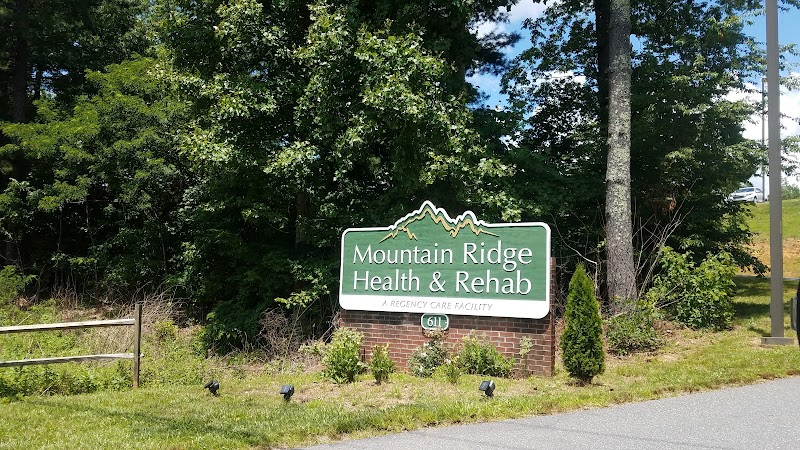
Mountain Ridge Health and Rehab


611 Old US Highway 70 East, Black Mountain, NC 28711 (828) 669-9991
For profit - Corporation 97 Beds REGENCY CARE Data: November 2025
Trust Grade
60/100
#267 of 417 in NC
Last Inspection: May 2025

Inspected within the last 6 months. Data reflects current conditions.

Overview

Mountain Ridge Health and Rehab has a Trust Grade of C+, indicating it is slightly above average, but not particularly outstanding among nursing homes. It ranks #267 out of 417 facilities in North Carolina, placing it in the bottom half, and #12 out of 19 in Buncombe County, meaning there are only a few better options nearby. Unfortunately, the facility is worsening, with issues increasing from 2 in 2024 to 4 in 2025. Staffing is a strength, with a turnover rate of 38%, which is significantly better than the state average of 49%, but the overall staffing rating is low at 1 out of 5 stars. While the facility has not incurred any fines, which is a positive sign, there are concerns about care practices, such as the lack of cautionary signage for residents using supplemental oxygen and failures in food safety and infection control related to urinary catheters. Families should weigh these strengths and weaknesses carefully when considering this facility for their loved ones.
Trust Score
C+
60/100
In North Carolina
#267/417
Bottom 36%
Safety Record
Low Risk
No red flags
Inspections
Getting Worse
2 → 4 violations
Staff Stability
○ Average
38% turnover. Near North Carolina's 48% average. Typical for the industry.
Penalties
✓ Good
No fines on record. Clean compliance history, better than most North Carolina facilities.
Skilled Nurses
○ Average
RN staffing data not reported for this facility.
Violations
○ Average
9 deficiencies on record. Average for a facility this size. Mostly minor or procedural issues.
★★☆☆☆
2.0
Overall Rating
★☆☆☆☆
1.0
Staff Levels
★★★★☆
4.0
Care Quality
★★★☆☆
3.0
Inspection Score
Stable
2024: 2 issues
2025: 4 issues

The Good

  • 4-Star Quality Measures · Strong clinical quality outcomes
  • Full Sprinkler Coverage · Fire safety systems throughout facility
  • No fines on record
  • Staff turnover below average (38%)

    10 points below North Carolina average of 48%

Facility shows strength in quality measures, fire safety.

The Bad

2-Star Overall Rating

Below North Carolina average (2.8)

Below average - review inspection findings carefully

Staff Turnover: 38%

Near North Carolina avg (46%)

Typical for the industry

Chain: REGENCY CARE

Part of a multi-facility chain

Ask about local staffing decisions and management

The Ugly 9 deficiencies on record

May 2025 4 deficiencies
CONCERN (D)

Potential for Harm - no one hurt, but risky conditions existed

Deficiency F0605 (Tag F0605)

Could have caused harm · This affected 1 resident

**NOTE- TERMS IN BRACKETS HAVE BEEN EDITED TO PROTECT CONFIDENTIALITY** Based on record reviews and staff interviews, the facility failed to ensure an as needed (PRN) psychotropic medication, Lorazepa...

Read full inspector narrative →
**NOTE- TERMS IN BRACKETS HAVE BEEN EDITED TO PROTECT CONFIDENTIALITY** Based on record reviews and staff interviews, the facility failed to ensure an as needed (PRN) psychotropic medication, Lorazepam (medication used to relieve anxiety), had a stop date of 14 days for 1 or 5 residents (Resident #7) reviewed for unnecessary medications. The findings included: Resident #7 was readmitted to the facility on [DATE] with diagnoses that included anxiety and depression. A physician's order entered by Nurse #1 on 05/04/25 at 4:11 PM for Resident #7 read, Lorazepam 0.5 milligrams (mg) every 12 hours as needed (PRN) for anxiety. There was no stop date. Resident #7's quarterly Minimum Data Set, dated [DATE] revealed she was cognitively intact, displayed no behaviors or rejection of care and did not receive antianxiety medication. Review of Resident #7's May 2025 medication administration record (MAR) revealed the Lorazepam 0.5 mg every 12 hours PRN for anxiety remained an active order. There were no doses administered. During an interview on 05/29/25 at 2:34 PM, the Director of Nursing (DON) revealed recently, most of their providers had started entering their own orders and weren't always good about putting stop dates for medications when indicated but they did have standing orders that a medication could be discontinued after 60 days if not used. The DON explained Resident #7's order for PRN Lorazepam was verified with the on-call provider upon her return from the hospital on [DATE] and the order should have indicated a stop date of 14-days. The DON stated she was confident that the Consulting Pharmacist would have caught that Resident #7's physician order for PRN Lorazepam did not have a stop date when he conducted his monthly medication review for May 2025. A phone attempt for an interview with Nurse #1 on 05/30/25 at 9:10 AM was unsuccessful. During an interview on 5/30/25 at 12:03 PM, the Administrator stated Resident #7's physician order for PRN Lorazepam should have had a stop date of 14 days. He stated it would have been an opportunity for the admitting nurse to have questioned the provider when orders were being verified.
CONCERN (D)

Potential for Harm - no one hurt, but risky conditions existed

Assessment Accuracy (Tag F0641)

Could have caused harm · This affected 1 resident

**NOTE- TERMS IN BRACKETS HAVE BEEN EDITED TO PROTECT CONFIDENTIALITY** 2. Resident #31 was admitted to the facility on [DATE] with diagnoses that included schizoaffective disorder-depressive type, bi...

Read full inspector narrative →
**NOTE- TERMS IN BRACKETS HAVE BEEN EDITED TO PROTECT CONFIDENTIALITY** 2. Resident #31 was admitted to the facility on [DATE] with diagnoses that included schizoaffective disorder-depressive type, bipolar disorder and Post-Traumatic Stress Disorder (PTSD). A PASRR Level II determination notification letter dated 01/02/25 revealed Resident #31 had a Level II PASRR with no expiration date. The significant change Minimum Data Set (MDS) assessment dated [DATE] revealed Resident #31 was not currently considered by the state Level II PASRR process to have a serious mental illness and/or intellectual disability or a related condition. During an interview on 05/29/25 at 8:38 AM, the MDS Coordinator confirmed Resident #31 had a Level II PASRR and the MDS assessment dated [DATE] was completed by another MDS Coordinator who was no longer employed. The MDS coordinator stated was not sure how it was missed and the MDS assessment should have reflected Resident #31 had a Level II PASRR. An interview with the Administrator on 05/30/25 at 12:03 PM revealed he expected MDS assessments to be coded correctly. 3. Resident #36 was admitted to the facility on [DATE] with diagnoses that included bipolar disorder, delusional disorder, anxiety disorder, and major depressive disorder. A PASRR Level II determination notification letter dated 07/25/24 revealed Resident #36 had a Level II PASRR with no expiration date. The annual Minimum Data Set (MDS) assessment dated [DATE] revealed Resident #36 was not currently considered by the state Level II PASRR process to have a serious mental illness and/or intellectual disability or a related condition. During an interview on 05/29/25 at 8:38 AM, the MDS Coordinator confirmed Resident #36 had a Level II PASRR and the MDS assessment dated [DATE] was completed by another MDS Coordinator who was no longer employed. The MDS coordinator stated was not sure how it was missed and the MDS assessment should have reflected Resident #36 had a Level II PASRR. An interview with the Administrator on 05/30/25 at 12:03 PM revealed he expected MDS assessments to be coded correctly. Based on record review and staff interviews, the facility failed to accurately code the Minimum Data Set (MDS) assessments in the areas of hospice care, and PASRR for 3 of 4 residents (Resident #25, Resident #31, and Resident #36) whose MDS were reviewed. The findings included: 1. Resident #25 was admitted to the facility on [DATE] with diabetes mellitus. A Hospice Initial Certification dated 2/3/25 indicated Resident #25 was certified as eligible for hospice care based on her diagnosis and current condition, and that she was expected to have a limited life expectancy of 6 months of less if the terminal illness ran its course. The quarterly Minimum Data Set (MDS) assessment dated [DATE] indicated Resident #25 did not receive hospice care while a resident at the facility. An interview with the MDS Coordinator on 5/29/25 at 8:38 AM revealed Resident #25 was on hospice care, and that she completed Resident #25's quarterly MDS dated [DATE]. The MDS Coordinator stated she was not sure how she missed hospice care on Resident #25's MDS. She stated that it was an oversight and that Resident #25's quarterly MDS should have reflected that she received hospice care. An interview with the Administrator on 5/30/25 at 12:03 PM revealed the MDS should have been coded correctly.
CONCERN (E)

Potential for Harm - no one hurt, but risky conditions existed

Respiratory Care (Tag F0695)

Could have caused harm · This affected multiple residents

**NOTE- TERMS IN BRACKETS HAVE BEEN EDITED TO PROTECT CONFIDENTIALITY** 4. Resident #7 was readmitted to the facility on [DATE] with diagnoses that included respiratory failure and chronic obstructive...

Read full inspector narrative →
**NOTE- TERMS IN BRACKETS HAVE BEEN EDITED TO PROTECT CONFIDENTIALITY** 4. Resident #7 was readmitted to the facility on [DATE] with diagnoses that included respiratory failure and chronic obstructive pulmonary disease (COPD, difficulty breathing). The quarterly Minimum Data Set (MDS) assessment dated [DATE] revealed Resident #7 had intact cognition and received oxygen therapy while a resident at the facility. A physician's order dated 05/12/25 for Resident #7 revealed she was to receive continuous oxygen administered via nasal canula at 2 liters per minute (LPM) every shift. An observation on 05/27/25 at 2:08 PM revealed Resident #7 lying in bed receiving supplemental oxygen via nasal cannula with the flow rate on the oxygen concentrator set at 2 LPM. There was no cautionary signage posted on the door, doorframe or in Resident #7's room to indicate oxygen was in use. A subsequent observation conducted on 05/28/25 at 3:43 PM revealed Resident #7 lying in bed receiving supplemental oxygen via nasal cannula with the oxygen concentrator set at 2 LPM. There was no cautionary signage posted on the door or doorframe of Resident #7's room to indicate oxygen was in use. During an interview on 05/29/25 at 10:11 AM, Nurse #4 confirmed Resident #7 received continuous oxygen. Nurse #4 stated the facility did not use oxygen cautionary signage for residents receiving supplemental oxygen. During an interview on 05/29/25 at 11:18 AM, the Director of Nursing (DON) revealed the facility didn't put oxygen cautionary signage on or by the room doors of residents receiving supplemental oxygen and hadn't done so in years. The DON stated she wasn't sure why the facility did not use oxygen cautionary signage and would check the facility's policy for oxygen use. During a follow-up interview on 05/29/25 at 12:00 PM, the DON stated the facility's policy for oxygen use stated that because the facility was a smoke-free campus, they only needed to place cautionary signage at the major entry points of the facility which was what they had been doing. During an interview on 05/29/25 at 1:21 PM, the Administrator stated they had received conflicting information regarding oxygen cautionary signage and whether it was required only at entry points to the facility or on the room doors of the residents receiving supplemental oxygen. The Administrator state they would change the facility's policy to reflect placing oxygen signage on the room doors of residents receiving supplemental oxygen and would educate staff on the policy change. 5. Resident #51 was admitted to the facility on [DATE] with diagnoses that included chronic respiratory failure, emphysema (lung condition that causes shortness of breath) and chronic obstructive pulmonary disease (COPD, difficulty breathing). The quarterly Minimum Data Set (MDS) assessment dated [DATE] revealed Resident #51 had intact cognition and received oxygen therapy while a resident at the facility. A physician's order dated 03/12/25 for Resident #51 revealed he was to receive continuous oxygen administered via nasal canula at 2 liters per minute (LPM) every shift. During an observation and interview on 05/27/25 at 10:26 AM, Resident #51 was sitting up in bed receiving supplemental oxygen via nasal cannula connected to an oxygen concentrator set at 2 LPM. Resident #51 revealed he had received supplemental oxygen at 2 LPM for quite some time, which helped him with his breathing. There was no cautionary signage posted on the door or doorframe of Resident #51's room to indicate oxygen was in use. An observation conducted on 05/28/25 at 3:52 revealed Resident #51 sitting in his wheelchair receiving supplemental oxygen via nasal cannula that was connected to a portable, oxygen cylinder fastened to the back of his wheelchair. There was no cautionary signage posted on the door or doorframe of Resident #51's room to indicate oxygen was in use. An observation conducted on 05/29/25 at 10:58 AM revealed Resident #51 lying in bed with the head of the bed slightly elevated and sleeping soundly. He was receiving supplemental oxygen via nasal cannula connected to an oxygen concentrator set at 2 LPM. There was no cautionary signage posted on the door or doorframe of Resident #51's room to indicate oxygen was in use. During an interview on 05/29/25 at 11:18 AM, the Director of Nursing (DON) revealed the facility didn't put oxygen cautionary signage on or by the room doors of residents receiving supplemental oxygen and hadn't done so in years. The DON stated she wasn't sure why the facility did not use oxygen cautionary signage and would check the facility's policy for oxygen use. During a follow-up interview on 05/29/25 at 12:00 PM, the DON stated the facility's policy for oxygen use stated that because the facility was a smoke-free campus, they only needed to place cautionary signage at the major entry points of the facility which was what they had been doing. During an interview on 05/29/25 at 1:21 PM, the Administrator stated they had received conflicting information regarding oxygen cautionary signage and whether it was required only at entry points to the facility or on the room doors of the residents receiving supplemental oxygen. The Administrator state they would change the facility's policy to reflect placing oxygen signage on the room doors of residents receiving supplemental oxygen and would educate staff on the policy change. Based on record review, observations, resident and staff interviews, the facility failed to post cautionary and safety signage outside residents' rooms that indicated the use of oxygen for 5 of 5 residents reviewed for respiratory care (Resident #14, Resident #74, Resident #28, Resident #7 and Resident #51). The findings included: 1. Resident #14 was admitted to the facility on [DATE] with diagnoses that included chronic obstructive pulmonary disease, and acute respiratory failure with hypoxia (a condition in which there is an inadequate supply of oxygen to the body's tissues). A review of Resident #14's physician orders indicated an order dated 4/25/25 for oxygen to be administered continuously via nasal cannula at 3 liters per minute every shift. The quarterly Minimum Data Set assessment dated [DATE] Resident #14 was cognitively intact and received oxygen therapy while a resident at the facility. An observation on 5/27/25 at 10:17 AM revealed Resident #14 sitting in her wheelchair by her bed with oxygen being administered by an oxygen concentrator. There was no signage posted outside Resident #14's room indicating supplemental oxygen was in use. An observation of Resident #14 on 5/28/25 at 12:13 PM revealed her sitting up in her recliner while eating her lunch meal. Resident #14 received oxygen via nasal cannula which was connected to an oxygen concentrator. There was no cautionary or safety signage posted outside her room indicating supplemental oxygen was in use. An interview with Nurse #2 on 5/29/25 at 10:52 AM revealed Resident #14 had always used oxygen, but she was not aware of any oxygen use signage that the facility used for residents receiving supplemental oxygen. An interview with the Director of Nursing (DON) on 5/29/25 at 11:18 AM revealed the facility didn't put oxygen signage by the door of each resident receiving oxygen, and they hadn't done this in years. The DON stated that she would have to look for the reason why they had not been using them, and that she would need to pull the facility's policy on oxygen use. A follow-up interview with the DON on 5/29/25 at 12:00 PM revealed she reviewed the facility's policy which stated that because the facility was located on a smoke-free campus, they only needed to place signage at major entry points of the facility, and that this was what they had been doing. An interview with the Administrator on 5/29/25 at 1:21 PM revealed that they had received conflicting information regarding putting up oxygen signage and whether it was required only at entry points or on each resident room door. The Administrator stated that they would change the facility's policy and put the oxygen signs up in each resident room after he reviewed the current federal guidelines. 2. Resident #74 was admitted to the facility on [DATE] with diagnoses that included chronic obstructive pulmonary disease. She was re-admitted to the facility on [DATE] for acute respiratory failure with hypoxia (a condition in which there is an inadequate supply of oxygen to the body's tissues), and pulmonary embolism (a condition in which one or more arteries in the lungs become blocked by a blood clot). The admission Minimum Data Set assessment dated [DATE] indicated Resident #74 was cognitively intact, but she did not receive oxygen therapy while a resident at the facility. A review of Resident #74's physician orders indicated an order dated 5/28/25 for oxygen to be administered at 2 liters per minute as needed via nasal cannula to maintain oxygen saturation above 90%. An observation and interview with Resident #74 on 5/27/25 at 11:02 AM revealed she only started receiving oxygen when she was at the hospital where she had a blood clot in her lungs. Resident #74 was observed receiving oxygen via nasal cannula which was connected to an oxygen concentrator and was running at 2 liters per minute. There was no oxygen in use signage visible outside her room by the door. An observation of Resident #74 on 5/28/25 at 12:11 PM revealed her sitting up in her wheelchair while being assisted by a staff member with her lunch tray set-up. Resident #74 received oxygen via nasal cannula which was connected to an oxygen tank at the back of her wheelchair. There was no cautionary or safety signage posted outside her room indicating supplemental oxygen was in use. An interview with Nurse #2 on 5/29/25 at 10:52 AM revealed Resident #74 only started using oxygen after she got back from the hospital wherein she had blood clots in her lungs. Nurse #2 stated that she was not aware of any oxygen use signage that the facility used for residents receiving supplemental oxygen. An interview with the Director of Nursing (DON) on 5/29/25 at 11:18 AM revealed the facility didn't put oxygen signage by the door of each resident receiving oxygen, and they hadn't done this in years. The DON stated that she would have to look for the reason why they had not been using them, and that she would need to pull the facility's policy on oxygen use. A follow-up interview with the DON on 5/29/25 at 12:00 PM revealed she reviewed the facility's policy which stated that because the facility was located on a smoke-free campus, they only needed to place signage at major entry points of the facility, and that this was what they had been doing. An interview with the Administrator on 5/29/25 at 1:21 PM revealed that they had received conflicting information regarding putting up oxygen signage and whether it was required only at entry points or on each resident room door. The Administrator stated that they would change the facility's policy and put the oxygen signs up in each resident room after he reviewed the current federal guidelines. 3. Resident #28 was admitted to the facility on [DATE] with diagnoses that included pneumonia, heart failure and acute kidney failure. A review of Resident #28's physician orders revealed an order dated 5/15/25 for oxygen to be administered continuously every day and night shift via nasal cannula at 2-3 liters per minute to keep oxygen saturation greater than 90%. A review of the Quarterly Minimum Data Set (MDS) dated [DATE] revealed Resident #28 was severely cognitively impaired and was coded for oxygen use. An observation on 5/27/25 at 10:19 AM revealed Resident #28 sitting in her wheelchair by her bed with oxygen being administered via nasal cannula by an oxygen concentrator. There was no cautionary or safety signage posted outside her room indicating supplemental oxygen was in use. An observation on 5/28/25 at 8:34 AM revealed Resident #28 sitting in her wheelchair by her bed with oxygen being administered via nasal cannula by an oxygen concentrator. There was no cautionary or safety signage posted outside her room indicating supplemental oxygen was in use. During an interview with Nurse #3 on 5/29/25 at 2:12 PM it was revealed nursing staff were responsible for placing oxygen signage on the resident's door upon admission or if oxygen was a new order. She did not know why Resident #28 did not have signage on her door. An interview on 5/29/25 at 11:18 AM with the Director of Nursing (DON) revealed the facility did not put signage on the individual doors of residents receiving oxygen. She indicated she would look up the facility policy on oxygen signage use. During a follow-up interview with the DON on 5/29/25 at 12:00 PM she revealed the facility's policy stated that because the facility was a smoke-free campus oxygen signage only needed to be placed at the major entry points of the facility. An interview with the Administrator on 5/29/25 at 1:21 PM revealed he had received conflicting information regarding oxygen signage and whether it was required only at entry points or on the door of each resident receiving oxygen. The Administrator indicated they would amend their policy and place oxygen signage on the door of each resident receiving oxygen and educate staff on the amended policy.
CONCERN (E)

Potential for Harm - no one hurt, but risky conditions existed

Food Safety (Tag F0812)

Could have caused harm · This affected multiple residents

Based on observation and staff interviews the facility failed to discard food with signs of spoilage in 1 of 1 walk-in cooler and date open food items and food ready for use in 1 of 1 walk-in cooler. ...

Read full inspector narrative →
Based on observation and staff interviews the facility failed to discard food with signs of spoilage in 1 of 1 walk-in cooler and date open food items and food ready for use in 1 of 1 walk-in cooler. This practice had the potential to affect food served to residents. The findings included: An observation of the walk-in cooler with the Dietary Manager on 5/27/25 at 9:12 AM revealed the following: a. An opened 32-ounce container of sour cream with no open date. b. An undated egg flat containing 17 eggs. Two of the eggs were cracked on top with shiny clear material noted around the cracks. An interview on 5/29/25 at 1:48 PM with the Dietary Manager revealed the facility's policy stated to put a date on any food item when it was opened, and that any spoiled food should be discarded immediately. She indicated she and the cook were responsible for checking dates on items in the coolers and freezer daily. The Dietary Manager revealed the sour cream container and egg flat should have had an open date, and the broken eggs should have been thrown out. An interview on 5/30/25 at 12:05 PM with the Administrator revealed the Dietary Manager and cook were responsible for labeling and dating items in the kitchen. He expected all food items to be labeled, dated and for the dietary staff to check the coolers and discard any food items that were undated or had visible signs of spoilage.
May 2024 2 deficiencies
CONCERN (E) 📢 Someone Reported This

A family member, employee, or ombudsman was alarmed enough to file a formal complaint

Potential for Harm - no one hurt, but risky conditions existed

Incontinence Care (Tag F0690)

Could have caused harm · This affected multiple residents

**NOTE- TERMS IN BRACKETS HAVE BEEN EDITED TO PROTECT CONFIDENTIALITY** Based on record review, observations and interviews with resident representative, staff, Nurse Practitioner, and Urology Physici...

Read full inspector narrative →
**NOTE- TERMS IN BRACKETS HAVE BEEN EDITED TO PROTECT CONFIDENTIALITY** Based on record review, observations and interviews with resident representative, staff, Nurse Practitioner, and Urology Physician Assistant (PA), the facility failed to prevent urinary catheter bags from touching the floor to reduce the risk of infection for 2 of 3 residents (Resident #69 and Resident #51) reviewed for urinary catheters. In addition, the facility failed to obtain physician orders to flush a suprapubic catheter as recommended by the Urology PA for Resident #51. The findings included: 1. Resident #69 was re-admitted to the facility on [DATE] with diagnoses that included urinary retention, obstructive uropathy (disorder of the urinary tract that occurs due to obstructed urinary flow), and benign prostatic hyperplasia (BPH - age-associated prostate gland enlargement that can cause urination difficulty). The admission Minimum Data Set assessment dated [DATE] indicated Resident #69 was moderately cognitively impaired, had no rejection of care behaviors, and had an indwelling catheter. Resident #69's care plan last revised on 4/11/24 indicated Resident #69 had an indwelling urinary catheter related to urinary retention, obstructive uropathy, and BPH. Interventions included to position the catheter bag and tubing below the level of the bladder. An observation was made of Resident #69 on 4/29/24 at 8:36 AM while he was lying in bed in his room. Resident #69 had an indwelling catheter connected to a catheter bag with the bottom of the catheter bag touching the floor while it was hooked to his bed. Another observation of Resident #69 on 4/30/24 at 2:55 PM revealed him coming out of his room while propelling his wheelchair into the hallway. Resident #69's catheter bag was touching the floor. During the observation, the Assistant Director of Nursing (ADON) was alerted on 2:57 PM about Resident #69's catheter bag touching the floor. The ADON stopped Resident #69 and requested to take him back into his room to check on how to reposition his catheter bag. The ADON repositioned the catheter bag in the front bar of Resident #69's wheelchair but she was unable to keep his tubing off the floor. The ADON stated that Resident #69's wheelchair was too low, and it was hard to find a spot to clip his catheter bag to and prevent it from touching the floor. By this time, Resident #69 requested to go back to bed, so he was assisted by staff to bed. An interview with Nurse Aide (NA) #1 on 4/30/24 at 3:12 PM revealed she had trouble with positioning Resident #69's catheter bag in his wheelchair and she usually clipped it on the crossbar under his seat, but the clip won't stay on or sometimes won't clip on. An interview with Nurse #2 on 4/30/24 at 3:17 PM revealed she had assisted NA #2 in getting Resident #69 up from bed and into his wheelchair, but she did not notice his catheter bag touching the floor. Nurse #2 stated that Resident #69's catheter bag should have been positioned to where it was not touching the floor. An interview with NA #2 on 4/30/24 at 3:19 PM revealed she clipped Resident #69's catheter bag onto the crossbar under the seat but she did not notice that his catheter bag was touching the floor. A follow-up interview with the ADON on 5/1/24 at 3:05 PM revealed she had figured out that Resident #69's catheter bag should be positioned at the bar on the back of his wheelchair and not the crossbar because it was low. She stated this position would keep the catheter bag and the catheter tubing off the floor. An interview with the Director of Nursing (DON) on 5/2/24 at 12:28 PM revealed that catheter bags should not be touching the floor. The DON stated she had only seen Resident #69's clamp at the bottom of the catheter bag touching the floor but the staff should try to find a place to put his bag to where it would not touch the floor. 2. Resident #51 was admitted to the facility on [DATE] with diagnoses that included neuromuscular dysfunction of bladder and benign prostatic hyperplasia (BPH). Resident #51's care plan revised on 4/16/24 indicated Resident #51 had a suprapubic catheter related to neurogenic bladder and BPH. Interventions included to position the catheter bag and tubing below the level of the bladder. The quarterly Minimum Data Set assessment dated [DATE] indicated Resident #51 was severely cognitively impaired, did not exhibit rejection of care behaviors and had an indwelling catheter. a. An observation was made on 4/29/24 at 10:00 AM of Resident #51 while he was sitting in his wheelchair in his room. Resident #51 had a urinary catheter with the urinary catheter bag lying flat on the floor beside his wheelchair foot rests. Another observation of Resident #51 on 4/30/24 at 8:35 AM revealed his urinary catheter bag touching the floor while he was sitting in his wheelchair in the dining room during breakfast. The bottom part of the catheter bag was touching the floor. At 8:39 AM, Resident #51 was observed being pushed out of the dining room, out in the hallway and towards his room by Nurse #1. Resident #51's catheter bag was noted to be touching the floor during this observation. An interview with Nurse #1 on 4/30/24 at 8:43 AM revealed that she noticed Resident #51's catheter bag touching the floor, but she couldn't do anything about it while he was in the dining room. Nurse #1 stated she wanted to place Resident #51 back into his room and check how she could reposition Resident #51's catheter bag. While in Resident #51's room, Nurse #1 was observed positioning Resident #51's catheter bag on the upper bar of his wheelchair in the front. Nurse #1 explained that it was previously positioned on the lower bar which was too low to keep it from touching the floor. Nurse #1 stated she did not know who had taken Resident #51 into the dining room that morning. An interview with Nurse Aide (NA) #1 on 4/30/24 at 9:02 AM revealed that she had gotten up Resident #51 into his wheelchair and had placed him in the dining room for breakfast. NA #1 stated that she did not notice that Resident #51's catheter bag was touching the floor when she pushed him into the dining room. NA #1 also shared that she had been having issues with Resident #51's catheter because he had a really long tubing, and it was hard to find a good position to clip his catheter bag to in his wheelchair. NA #1 stated that the top bar was wider, so she didn't place it on the top bar, and she clipped the catheter bag onto the bottom bar on Resident #51's wheelchair. An interview with the Assistant Director of Nursing (ADON) on 5/1/24 at 3:05 PM revealed that she had checked Resident #51's wheelchair and she figured out that the best position to place it to keep the catheter bag off the floor was the bar behind the wheelchair and not the bars in the front. An interview with the Director of Nursing (DON) on 5/2/24 at 12:28 PM revealed that catheter bags should not be touching the floor. The DON stated that Resident #51 moved around a lot in his wheelchair, but staff should figure out how to properly position his catheter bag during the day to keep it from touching the floor. b. A phone interview with Resident #51's Responsible Party (RP) on 4/29/24 at 11:04 AM revealed she was concerned about Resident #51's urinary catheter having to be changed more often than once a month because it was leaking. The RP stated that the Urologist had told the staff that Resident #51's catheter needed to be flushed daily to prevent it from clogging up. A review of Resident #51's physician orders for April 2024 indicated no orders to flush Resident #51's suprapubic catheter. Further review of Resident #51's medical record indicated an e-mail note from the Urology Physician Assistant (PA) addressed to Resident #51's RP and dated 4/1/24. The note included the following information: For leakage around the suprapubic tube or through the urethra, I would suggest irrigating and aspirating his suprapubic tube with 60 cubic centimeters (cc) of sterile fluid and a catheter tip syringe to see if there was any sediment or blockages that could be cleared which might be the reason why he was leaking around the catheter. The note further indicated: I attempted to reach the facility on 3/27/24 to relay this message. I left a message on the 100 hall nurses' voicemail with no return call back. I just wanted to forward this message to you. The note was initialed by the Nurse Practitioner (NP) on 4/29/24. An emergency room (ER) Report dated 4/20/24 indicated Resident #51 was sent to the ER due to difficulty removing his suprapubic catheter. The note indicated: Multiple attempts were made by staff to remove suprapubic catheter; port was already cut but still unable to remove it. Discussed with Urology and felt slightly uncomfortable pulling any harder than they were already pulling. Recommended CT (computed tomography) to make sure there was no stone or mechanical obstruction. Urology assistance with replacement appreciated. Due to resident's urinalysis (UA) and urology recommendations, will give dose of antibiotics, culture, and send home with antibiotics due to sediment and UA results. The UA results indicated the urine was cloudy, urine pH of 9 (normal value between 4.5 and 8), urine protein greater than 500 (normal value less than 150), urine nitrite negative, urine leukocyte esterase moderate, urine white blood cells 44/hpf (high power field) (normal value 10/hpf or less), bacteria rare, triple phosphate crystal moderate, and budding yeast rare. The CT of pelvis without contrast result indicated: Suprapubic catheter in place. There was granulation tissue along the tract in the soft tissues which was likely within normal limits. The catheter was otherwise normal in appearance. Bladder wall thickening with perivesicular (outermost layer consisting of fat, fibrous tissue and blood vessels) no soft tissue stranding. Findings would be suspicious for underlying cystitis (inflammation of the bladder). Recommend clinical correlation with recent urinalysis. A progress note by the NP dated 4/22/24 indicated Resident #51 was transferred to the emergency department (ED) for an acute visit status post suprapubic catheter obstruction. Here at the facility, the nurses were unable to take out the suprapubic catheter for replacement. The note further indicated that the NP spoke with Resident #51's RP on 4/22/24. The RP was present throughout Resident #51's admission in the ED. He was evaluated by Urology according to the RP and was diagnosed with a urinary tract infection and was started on (antibiotics). Recommendations were to flush the catheter at least once a day to avoid any obstructions or complications. A phone interview with the NP on 5/2/24 at 9:00 AM revealed that it had been an ongoing process with Resident #51's suprapubic catheter leaking, and the staff had been having to replace it often. The NP stated that she knew Resident #51 was being seen by Urology and that he was also seen by a Urologist in the ER. The NP stated that she wanted for the staff to flush Resident #51's catheter because this was the recommendation from the Urology PA from the e-mail note dated 4/1/24. The NP confirmed that she saw this note on 4/29/24 when she initialed it but Resident #51 was also seen in the ER on [DATE] by a Urologist. The NP stated that the best source of information regarding Resident #51 was his RP because she was on top of everything that happened with him. The NP stated that Resident #51's RP told her that the Urologist in the ER recommended for them to continue to flush his catheter, but the NP stated she was not sure if she gave an order for this. The NP stated she had concerns about flushing the catheter all the time, but his catheter had a lot of sediments that could cause obstruction so unfortunately, Resident #51's catheter had to be flushed to prevent it from being obstructed. The NP further stated that flushing would increase the risk of infection, but he was colonized so his UA would always show infection. The NP added that she knew that they placed Resident #51 on antibiotics at the ER because they had done a lot of manipulation with his catheter. The NP also shared that flushing Resident #51's catheter would help avoid having obstruction and they should follow the recommendations from the Urologist. She said that she didn't remember if she gave an order to flush the catheter, and she was not sure if she talked to any of the nurses about it. A phone interview with the Urology PA on 5/2/24 at 10:59 AM revealed he received a message on 3/27/24 via patient portal (healthcare-related online application that allows patients to interact and communicate with their healthcare providers) from Resident #51's RP requesting for assistance because Resident #51 had been having difficulty with his catheter leaking all the time. The Urology PA stated he relayed his recommendations which included to try irrigating Resident #51's catheter through his medical assistant who tried to call the facility on 3/27/24. When his medical assistant could not get anyone from the facility to respond, she e-mailed the recommendation to Resident #51's RP via patient portal on 4/1/24. He also stated that he saw the ER notes from Resident #51's visit on 4/20/24 due to leaking/clogged suprapubic catheter but there was no indication that he had significant pain that would suggest true obstruction, and they were able to change the catheter in the ER with no problems. The Urology PA explained that if there was obstruction, Resident #51 would have presented with severe lower abdominal pain and the notes did not indicate that a bladder scan was done to see how much urine was retained in the bladder. The Urology PA further stated that it was difficult to say whether the ER visit could have been avoided if the staff had been flushing his catheter because the catheter could still get blocked because of the sediments even though it was being flushed. A follow-up interview with Resident #51's RP on 5/2/24 at 10:43 AM revealed she had called Urology a few times for issues regarding Resident #51's catheter and they had been responsive to her, but she didn't realize that they had responded through the patient portal. The RP stated that as soon as she saw it, she gave the e-mail note to Nurse #3, but she couldn't remember the date she gave it to her. When the Urologist saw Resident #51 in the ER, they did a CT scan but did not find an obstruction and the Urologist recommended that it should be flushed everyday with sterile water. The RP shared that the Urologist said flushing the catheter would keep the sediment down which could prevent the urine from flowing properly. A phone interview with Nurse #3 on 5/2/24 at 12:17 PM revealed she received an e-mail note from Resident #51's RP but she couldn't remember the date she received it. Nurse #3 stated the note indicated the need to flush Resident #51's catheter and she placed the note in the Medical Records box to be scanned into Resident #51's electronic medical record. Nurse #3 stated she didn't notify the NP about the note and did not know if she let the Director of Nursing, or the Supervisor know about it. She stated that because it did not look like an order, she thought that they were already aware of it and that it was just proof of the RP talking to the Urologist about his recommendations. An interview with the Director of Nursing (DON) on 5/2/24 at 12:28 PM revealed she had not seen the e-mail note from the Urology PA before, but she said that she would think that the NP would reach out to Urology to discuss their recommendations and follow up with them before she initiated any orders. The DON stated that if this was something that Resident #51's RP wanted, the NP probably had already talked to her about the risks and complications of flushing Resident #51's catheter, and that there would be no problem with getting an order for flushing his catheter.
CONCERN (E) 📢 Someone Reported This

A family member, employee, or ombudsman was alarmed enough to file a formal complaint

Potential for Harm - no one hurt, but risky conditions existed

Food Safety (Tag F0812)

Could have caused harm · This affected multiple residents

Based on observations and staff interviews the facility failed to remove expired produce from the walk-in refrigerator. The facility also failed to store boxes of food in the walk-in freezer off the f...

Read full inspector narrative →
Based on observations and staff interviews the facility failed to remove expired produce from the walk-in refrigerator. The facility also failed to store boxes of food in the walk-in freezer off the floor. This practice had the potential to affect food served to residents. Findings included: a. On 4/29/24 at 8:43 AM an observation with the Dietary Manager (DM) in the walk-in refrigerator found 2 plastic bags of bell peppers that contained individual peppers with splotchy brown/black spots and were fuzzy in appearance. Other expired produce included a bag of whole lettuce that was brown in appearance and contained off colored liquid in the bottom of the bag. The lettuce had a use by date of 3/25/24 labeled on the bag. Additionally, the walk-in refrigerator contained 2 boxes of grapes located on the second shelf that were brown in appearance and mushy when touched. The DM immediately removed the expired produce. The DM stated during the observation that the expired produced should have been removed prior. She said the dietary staff who put up stock and the cooks checked the refrigerator for expired food, and the produce was overlooked. b. On 4/29/24 at 8:49 AM an observation of the walk-in freezer with the DM found 2 boxes of frozen food stored on the floor of walk-in freezer. The DM immediately placed the boxes on a shelf. The DM stated during the observation that the food boxes of food were overlooked when the stock was being stored on the last delivery day (Friday). The Administrator was interviewed on 5/2/34 at 1:27 PM. He stated the produce in the walk-in refrigerator should have been identified as not good quality for production and disposed of. The Administrator said the boxes of food stored on the floor of the walk-in freezer should have not been left on the floor and stored on a shelf.
Jan 2023 3 deficiencies
CONCERN (D) 📢 Someone Reported This

A family member, employee, or ombudsman was alarmed enough to file a formal complaint

Potential for Harm - no one hurt, but risky conditions existed

Deficiency F0583 (Tag F0583)

Could have caused harm · This affected 1 resident

**NOTE- TERMS IN BRACKETS HAVE BEEN EDITED TO PROTECT CONFIDENTIALITY** Based on observation, record review, resident and Wound Nurse interviews the facility failed to provide privacy by not closing t...

Read full inspector narrative →
**NOTE- TERMS IN BRACKETS HAVE BEEN EDITED TO PROTECT CONFIDENTIALITY** Based on observation, record review, resident and Wound Nurse interviews the facility failed to provide privacy by not closing the door during wound care for 1 of 1 resident (Resident #20) reviewed for wound care. The findings include: Resident #20 was admitted to the facility on [DATE]. The admission Minimum Data Set (MDS) dated [DATE] revealed Resident #20 was cognitively intact. On 01/10/23 9:48 AM an observation was made of the Wound Nurse performing a dressing change to Resident #20's venous ulcer which was located on the Resident's left inner shin. The Resident was sitting up in her wheelchair and the venous ulcer was visible from the open door. The Wound Nurse entered the Resident's room announcing her intentions of performing the dressing change to the venous ulcer on Resident #20 and did not provide privacy by closing the door nor did she ask the Resident if she wanted the door closed during the treatment. During the wound care procedure, the Activities Director (AD) approached the open door and proceeded to ask Resident #20 if she wanted fresh ice in her water. Also, during the wound care procedure, at least three different individuals were noted to pass by the Resident's open door and look in the Resident's room. During an interview with Resident #20 on 01/10/23 10:06 AM immediately after the wound care was performed by the Wound Nurse, the Resident stated that she would have preferred for the door to be closed during the wound care because it made her nervous for people to look at her while the procedure was being done. An interview was conducted with the Wound Nurse on 01/10/23 10:08 AM who indicated that she should have provided privacy for Resident #20 by closing the door while she conducted the wound dressing change but forgot because she was nervous. On 01/10/23 10:46 AM during an interview with the Director of Nursing she explained that the Wound Nurse should have provided privacy for Resident #20 by either closing the door to her room or the Nurse could have positioned the Resident's wheelchair so that the ulcer was not visible from the door. An interview was conducted on 01/11/23 2:34 PM with the Regional Director of Operations and the Administrator. They indicated it was their expectation that the Wound Nurse provide privacy for any resident when she performed wound care treatments on the residents.
CONCERN (D) 📢 Someone Reported This

A family member, employee, or ombudsman was alarmed enough to file a formal complaint

Potential for Harm - no one hurt, but risky conditions existed

Infection Control (Tag F0880)

Could have caused harm · This affected 1 resident

Based on observation, record review, staff, Wound Nurse, and Nurse Practitioner interviews the facility failed to perform hand hygiene between glove changes during venous ulcer wound care for 1 of 3 r...

Read full inspector narrative →
Based on observation, record review, staff, Wound Nurse, and Nurse Practitioner interviews the facility failed to perform hand hygiene between glove changes during venous ulcer wound care for 1 of 3 residents (Resident #20) reviewed for wound care. The finding included: Review of the facility's undated Clean Dressing Change policy revealed It is the policy of this facility to provide would care in a manner to decrease potential for infection and/or cross-contamination. 7. Wash hands and put on clean gloves. 9. Loosen the tape and remove the existing dressing. If needed to minimize skin stripping or pain, moisten with prescribed cleansing solution or use adhesive remover to remove tape. 10. Remove gloves, pulling inside out over dressing. Discard into appropriate receptacle. 11. Wash hands and put on clean gloves. A continuous observation of a venous ulcer wound care was performed on Resident #20's left inner shin by the Wound Nurse on 01/10/23 9:48 AM. The WN sanitized her hands, donned clean gloves, and brought the wound care supplies into the Resident's room and laid the supplies out on a protective barrier. The Wound Nurse proceeded to remove the old wound dressing from the Resident's left shin venous ulcer wound after having to soak the dressing with normal saline before it could be removed from the ulcer. The old dressing contained heavy brownish drainage and bright red blood. She then removed her soiled gloves and donned a new pair of gloves without sanitizing or washing her hands. The WN cleansed the venous ulcer with saline and removed her gloves and sanitized her hands before she donned a new pair of gloves to complete the treatment. During an interview with the Wound Nurse (who also served as the Infection Control Nurse) on 01/10/23 10:08 AM she acknowledged she did not sanitize or wash her hands after she removed the soiled dressing from the venous ulcer and before she donned a clean pair of gloves. The Wound Nurse explained that she did not touch anything after she removed her gloves so therefore her hands were not dirty. When asked what the facility's policy was regarding changing gloves during a wound treatment and if she performed the wound treatment according to the facility's policy, she stated she did not know what the policy was because she had only been doing the treatments for about a year. On 01/10/23 10:46 AM an interview was conducted with the Director of Nursing (DON) who explained the facility's policy was to always sanitizer your hands after you remove your gloves because your hands were always considered dirty after you remove gloves no matter what you were doing.
CONCERN (E) 📢 Someone Reported This

A family member, employee, or ombudsman was alarmed enough to file a formal complaint

Potential for Harm - no one hurt, but risky conditions existed

Deficiency F0883 (Tag F0883)

Could have caused harm · This affected multiple residents

**NOTE- TERMS IN BRACKETS HAVE BEEN EDITED TO PROTECT CONFIDENTIALITY** Based on record review and staff interviews, the facility failed to include in the resident's medical record documentation of ed...

Read full inspector narrative →
**NOTE- TERMS IN BRACKETS HAVE BEEN EDITED TO PROTECT CONFIDENTIALITY** Based on record review and staff interviews, the facility failed to include in the resident's medical record documentation of education provided regarding the benefits and potential side effects of receiving the influenza vaccine or consent forms indicating the acceptance or refusal of the influenza vaccine for 5 of 5 sampled residents (Residents #3, #15, #23 #27, and #68). Findings included: The facility's policy titled Influenza Vaccination, with no effective or revised date, read in part, It is the policy of this facility to minimize the risk of acquiring, transmitting, or experiencing complications from influenza by offering our residents, staff members and volunteer workers annual immunization against influenza .2) Influenza vaccinations will be routinely offered annually from October 1st through March 31st unless such immunization is medically contraindicated, the individual has already been immunized, or refuses the vaccine .7) Individuals receiving the influenza vaccine, or their legal representative, will be required to sign a consent form prior to the administration of the vaccine. The completed, signed and dated record will be filed in the individual's medical record .9) The resident's medical record will include documentation that the resident and/or their representative was provided education regarding the benefits and potential side effects of the immunization and that the resident received or did not receive the immunization due to contraindication or refusal. 1. Resident #3 was admitted to the facility on [DATE]. The admission Minimum Data Set (MDS) dated [DATE] assessed Resident #3 with intact cognition. Review of Resident #3's immunization status revealed he refused the influenza vaccination with no date of the refusal documented. Review of Resident #3's medical record revealed no documentation of consent to indicate he received education on the influenza vaccine and/or was offered, received or declined the influenza vaccine during the influenza season of October 2022 to March 2023. During a joint interview with the Director of Nursing (DON) on 01/12/23 at 10:35 AM, the Wound Nurse confirmed she provided residents and/or their representatives with education on the influenza vaccine and obtained consents prior to administering the influenza vaccination unless they had previously signed a consent indicating they wanted the influenza vaccine every year during their stay at the facility. The Wound Nurse confirmed Resident #3's medical record did not contain documentation of consents to indicate he was educated on the influenza vaccine and either received or declined the influenza vaccine during the influenza season October 2022 to March 2023. The Wound Nurse explained she kept all resident consent forms filed in a binder located in her office and did not realize the documentation needed to be maintained in the resident's medical record as well. She reviewed Resident #3's influenza consent form and stated consent was refused by Resident #3's representative on 12/22/22. During joint interviews with the Administrator and Regional Director of Operations (RDO) on 12/12/23 at 11:54 AM and 2:06 PM, the RDO stated she was aware the facility could not have one signed consent from a resident or their representative for the influenza vaccine that covered every year throughout their stay. She explained education and consent should be obtained each time the influenza vaccination was offered and the documentation maintained in the resident's medical record. The RDO stated she was not sure when or how the process had changed and contributed it to the change in administration staff over the years, such as the Administrator and/or Director of Nursing. 2. Resident #15 was admitted to the facility on [DATE]. The quarterly Minimum Data Set (MDS) dated [DATE] assessed Resident #15 with intact cognition. Review of Resident #15's immunization status revealed she received the influenza vaccine on 10/06/22. Review of Resident #15's medical record revealed no documentation of consents to indicate she was educated on the influenza vaccine and/or was offered, received or declined the influenza vaccine since 10/16/17. During a joint interview with the Director of Nursing (DON) on 01/12/23 at 10:35 AM, the Wound Nurse confirmed she provided residents and/or their representatives with education on the influenza vaccine and obtained consents prior to administering the influenza vaccination unless they had previously signed a consent indicating they wanted the influenza vaccine every year during their stay at the facility. The Wound Nurse confirmed Resident #15's medical record did not contain documentation of consents to indicate she was educated on the influenza vaccine and either received or declined the influenza vaccine during the influenza season October 2022 to March 2023. The Wound Nurse explained she kept all resident consent forms filed in a binder located in her office and did not realize the documentation needed to be maintained in the resident's medical record as well. She reviewed Resident #15's influenza consent form and explained consent was obtained for her to receive the influenza vaccine on 10/16/17 and every year thereafter. The Wound Nurse stated she was unaware education and consents should be obtained each time the influenza vaccination was offered and had just followed the process she was instructed. During joint interviews with the Administrator and Regional Director of Operations (RDO) on 12/12/23 at 11:54 AM and 2:06 PM, the RDO stated she was aware the facility could not have one signed consent from a resident or their representative for the influenza vaccine that covered every year throughout their stay. She explained education and consent should be obtained each time the influenza vaccination was offered and the documentation maintained in the resident's medical record. The RDO stated she was not sure when or how the process had changed and contributed it to the change in administration staff over the years, such as the Administrator and/or Director of Nursing. 3. Resident #23 was admitted to the facility on [DATE]. The admission Minimum Data Set (MDS) dated [DATE] assessed Resident #23 with moderate impairment in cognition. Review of Resident #23's immunization status revealed she refused the influenza vaccination with no date of the refusal documented. Review of Resident #23's medical record revealed no documentation of consent to indicate she or her representative received education on the influenza vaccine and/or was offered, received or declined the influenza vaccine during the influenza season of October 2022 to March 2023. During a joint interview with the Director of Nursing (DON) on 01/12/23 at 10:35 AM, the Wound Nurse confirmed she provided residents and/or their representatives with education on the influenza vaccine and obtained consents prior to administering the influenza vaccination unless they had previously signed a consent indicating they wanted the influenza vaccine every year during their stay at the facility. The Wound Nurse confirmed Resident #23's medical record did not contain documentation of consents to indicate she or her representative were educated on the influenza vaccine and either received or declined the influenza vaccine during the influenza season October 2022 to March 2023. The Wound Nurse explained she kept all resident consent forms filed in a binder located in her office and did not realize the documentation needed to be maintained in the resident's medical record as well. She reviewed Resident #23's influenza consent form and stated consent was refused by Resident #23's representative on 08/29/22. During joint interviews with the Administrator and Regional Director of Operations (RDO) on 12/12/23 at 11:54 AM and 2:06 PM, the RDO stated she was aware the facility could not have one signed consent from a resident or their representative for the influenza vaccine that covered every year throughout their stay. She explained education and consent should be obtained each time the influenza vaccination was offered and the documentation maintained in the resident's medical record. The RDO stated she was not sure when or how the process had changed and contributed it to the change in administration staff over the years, such as the Administrator and/or Director of Nursing. 4. Resident #27 was admitted to the facility on [DATE]. The quarterly Minimum Data Set (MDS) dated [DATE] assessed Resident #27 with severe impairment in cognition. Review of Resident #27's immunization status revealed she received the influenza vaccine on 10/06/22. Review of Resident #27's medical record revealed no documentation of consents to indicate she was educated on the influenza vaccine and/or was offered, received or declined the influenza vaccine since 10/08/19. During a joint interview with the Director of Nursing (DON) on 01/12/23 at 10:35 AM, the Wound Nurse confirmed she provided residents and/or their representatives with education on the influenza vaccine and obtained consents prior to administering the influenza vaccination unless they had previously signed a consent indicating they wanted the influenza vaccine every year during their stay at the facility. The Wound Nurse confirmed Resident #27's medical record did not contain documentation of consents to indicate she was educated on the influenza vaccine and either received or declined the influenza vaccine during the influenza season October 2022 to March 2023. The Wound Nurse explained she kept all resident consent forms filed in a binder located in her office and did not realize the documentation needed to be maintained in the resident's medical record as well. She reviewed Resident #27's influenza consent form and explained consent was obtained from her representative to receive the influenza vaccine on 10/08/19 and every year thereafter. The Wound Nurse stated she was unaware education and consents should be obtained each time the influenza vaccination was offered and had just followed the process she was instructed. During joint interviews with the Administrator and Regional Director of Operations (RDO) on 12/12/23 at 11:54 AM and 2:06 PM, the RDO stated she was aware the facility could not have one signed consent from a resident or their representative for the influenza vaccine that covered every year throughout their stay. She explained education and consent should be obtained each time the influenza vaccination was offered and the documentation maintained in the resident's medical record. The RDO stated she was not sure when or how the process had changed and contributed it to the change in administration staff over the years, such as the Administrator and/or Director of Nursing. 5. Resident #68 was admitted to the facility on [DATE]. The quarterly Minimum Data Set (MDS) dated [DATE] assessed Resident #68 with moderate impairment in cognition. Review of Resident #68's immunization status revealed she received the influenza vaccine on 10/05/22. Review of Resident #68's medical record revealed no documentation of consents to indicate she was educated on the influenza vaccine and/or was offered, received or declined the influenza vaccine since 09/03/21. During a joint interview with the Director of Nursing (DON) on 01/12/23 at 10:35 AM, the Wound Nurse confirmed she provided residents and/or their representatives with education on the influenza vaccine and obtained consents prior to administering the influenza vaccination unless they had previously signed a consent indicating they wanted the influenza vaccine every year during their stay at the facility. The Wound Nurse confirmed Resident #68's medical record did not contain documentation of consents to indicate she was educated on the influenza vaccine and either received or declined the influenza vaccine during the influenza season October 2022 to March 2023. The Wound Nurse explained she kept all resident consent forms filed in a binder located in her office and did not realize the documentation needed to be maintained in the resident's medical record as well. She reviewed Resident #68's influenza consent form and explained consent was obtained from her representative to receive the influenza vaccine on 09/03/21 and every year thereafter. The Wound Nurse stated she was unaware education and consents should be obtained each time the influenza vaccination was offered and had just followed the process she was instructed. During joint interviews with the Administrator and Regional Director of Operations (RDO) on 12/12/23 at 11:54 AM and 2:06 PM, the RDO stated she was aware the facility could not have one signed consent from a resident or their representative for the influenza vaccine that covered every year throughout their stay. She explained education and consent should be obtained each time the influenza vaccination was offered and the documentation maintained in the resident's medical record. The RDO stated she was not sure when or how the process had changed and contributed it to the change in administration staff over the years, such as the Administrator and/or Director of Nursing.
Understanding Severity Codes (click to expand)
Life-Threatening (Immediate Jeopardy)
J - Isolated K - Pattern L - Widespread
Actual Harm
G - Isolated H - Pattern I - Widespread
Potential for Harm
D - Isolated E - Pattern F - Widespread
No Harm (Minor)
A - Isolated B - Pattern C - Widespread

Questions to Ask on Your Visit

  • "Can I speak with families of current residents?"
  • "What's your RN coverage like on weekends and overnight?"

Our Honest Assessment

Strengths
  • • No major safety red flags. No abuse findings, life-threatening violations, or SFF status.
  • • No fines on record. Clean compliance history, better than most North Carolina facilities.
  • • 38% turnover. Below North Carolina's 48% average. Good staff retention means consistent care.
Concerns
  • • No major red flags. Standard due diligence and a personal visit recommended.
Bottom line: Mixed indicators with Trust Score of 60/100. Visit in person and ask pointed questions.

About This Facility

What is Mountain Ridge Health And Rehab's CMS Rating?

CMS assigns Mountain Ridge Health and Rehab an overall rating of 2 out of 5 stars, which is considered below average nationally. Within North Carolina, this rating places the facility higher than 0% of the state's 100 nursing homes. A rating at this level reflects concerns identified through health inspections, staffing assessments, or quality measures that families should carefully consider.
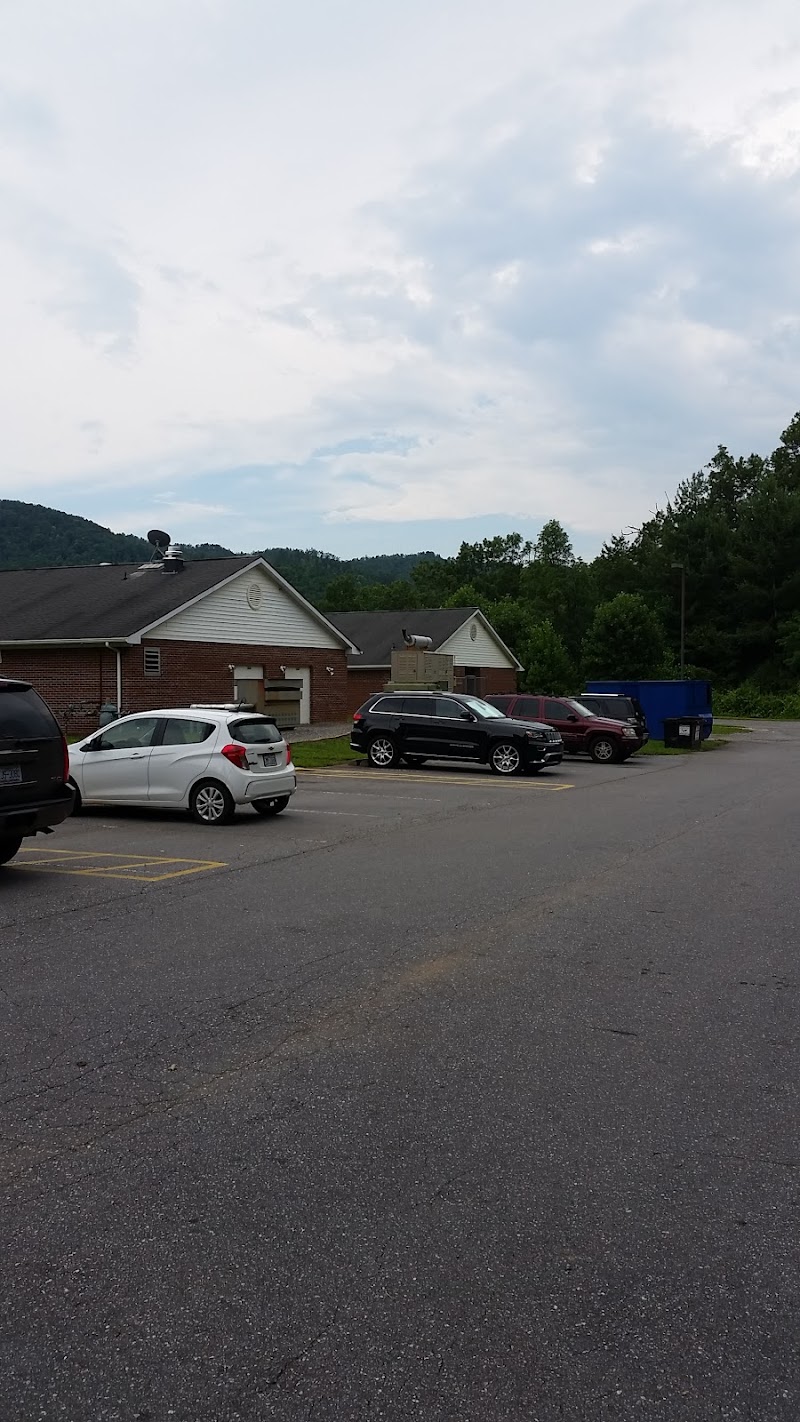
How is Mountain Ridge Health And Rehab Staffed?

CMS rates Mountain Ridge Health and Rehab's staffing level at 1 out of 5 stars, which is much below average compared to other nursing homes. Staff turnover is 38%, compared to the North Carolina average of 46%. This relatively stable workforce can support continuity of care.

What Have Inspectors Found at Mountain Ridge Health And Rehab?

State health inspectors documented 9 deficiencies at Mountain Ridge Health and Rehab during 2023 to 2025. These included: 9 with potential for harm.
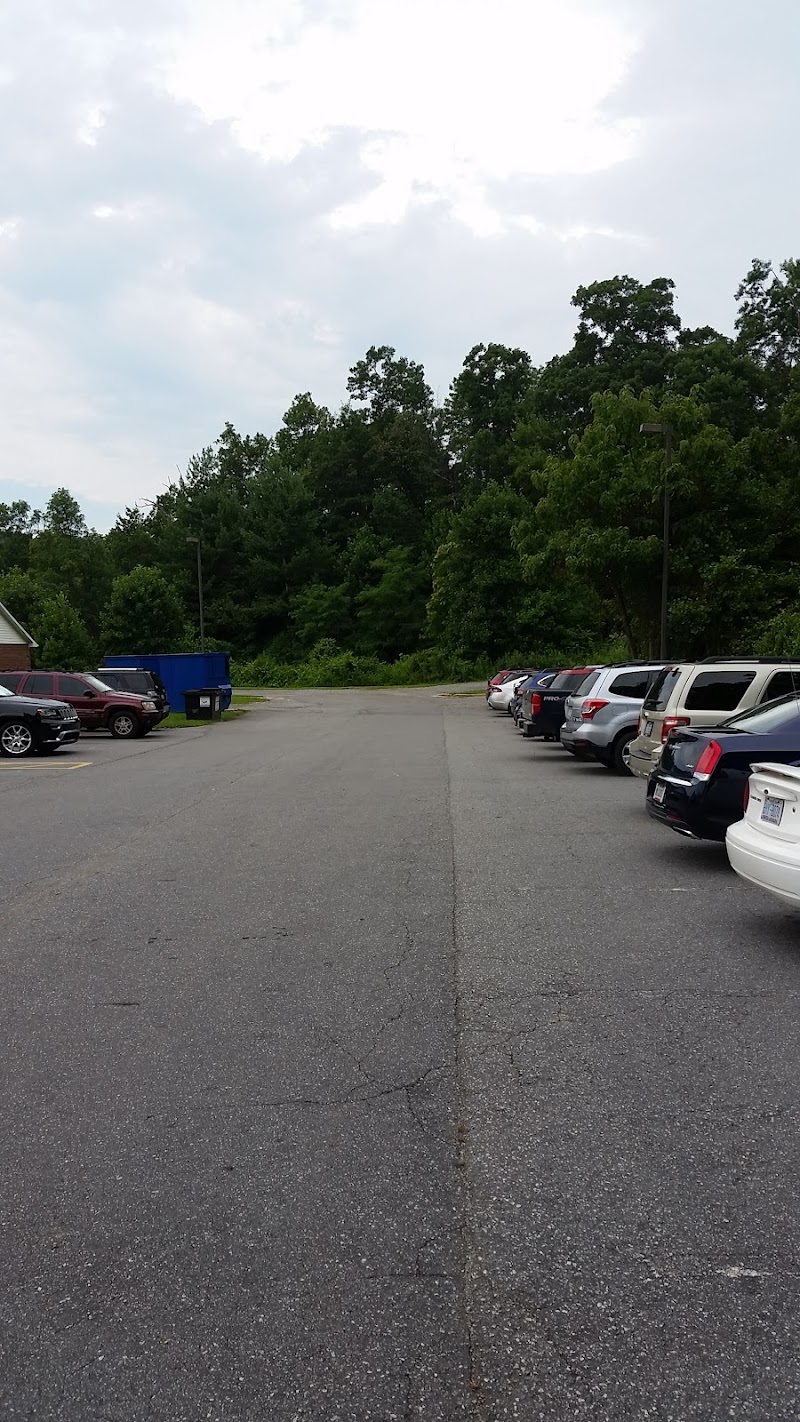
Who Owns and Operates Mountain Ridge Health And Rehab?

Mountain Ridge Health and Rehab is owned by a for-profit company. For-profit facilities operate as businesses with obligations to shareholders or private owners. The facility is operated by REGENCY CARE, a chain that manages multiple nursing homes. With 97 certified beds and approximately 81 residents (about 84% occupancy), it is a smaller facility located in Black Mountain, North Carolina.

How Does Mountain Ridge Health And Rehab Compare to Other North Carolina Nursing Homes?

Compared to the 100 nursing homes in North Carolina, Mountain Ridge Health and Rehab's overall rating (2 stars) is below the state average of 2.8, staff turnover (38%) is near the state average of 46%, and health inspection rating (3 stars) is at the national benchmark.

What Should Families Ask When Visiting Mountain Ridge Health And Rehab?

Based on this facility's data, families visiting should ask: "Can you walk me through typical staffing levels on day, evening, and night shifts?" "Can I visit during a mealtime to observe dining assistance and food quality?" "How do you handle medical emergencies, and what is your hospital transfer rate?" "Can I speak with family members of current residents about their experience?" These questions are particularly relevant given the below-average staffing rating.

Is Mountain Ridge Health And Rehab Safe?

Based on CMS inspection data, Mountain Ridge Health and Rehab has a clean safety record: no substantiated abuse findings (meaning no confirmed cases of resident harm), no Immediate Jeopardy citations (the most serious violation level indicating risk of serious injury or death), and is not on the Special Focus Facility watch list (a federal program monitoring the lowest-performing 1% of nursing homes). The facility has a 2-star overall rating and ranks #100 of 100 nursing homes in North Carolina. While no facility is perfect, families should still ask about staff-to-resident ratios and recent inspection results during their visit.

Do Nurses at Mountain Ridge Health And Rehab Stick Around?

Mountain Ridge Health and Rehab has a staff turnover rate of 38%, which is about average for North Carolina nursing homes (state average: 46%). Moderate turnover is common in nursing homes, but families should still ask about staff tenure and how the facility maintains care continuity when employees leave.

Was Mountain Ridge Health And Rehab Ever Fined?

Mountain Ridge Health and Rehab has no federal fines on record. CMS issues fines when nursing homes fail to meet care standards or don't correct problems found during inspections. The absence of fines suggests the facility has either maintained compliance or corrected any issues before penalties were assessed. This is a positive indicator, though families should still review recent inspection reports for the full picture.

Is Mountain Ridge Health And Rehab on Any Federal Watch List?

Mountain Ridge Health and Rehab is not on any federal watch list. The most significant is the Special Focus Facility (SFF) program, which identifies the bottom 1% of nursing homes nationally based on persistent, serious quality problems. Not being on this list means the facility has avoided the pattern of deficiencies that triggers enhanced federal oversight. This is a positive indicator, though families should still review the facility's inspection history directly.