NC State Veterans Home - Black Mountain
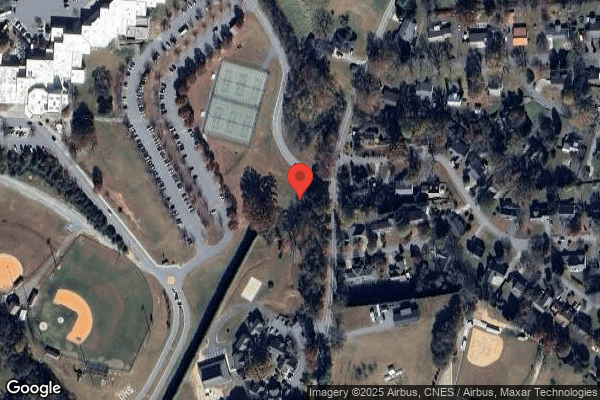
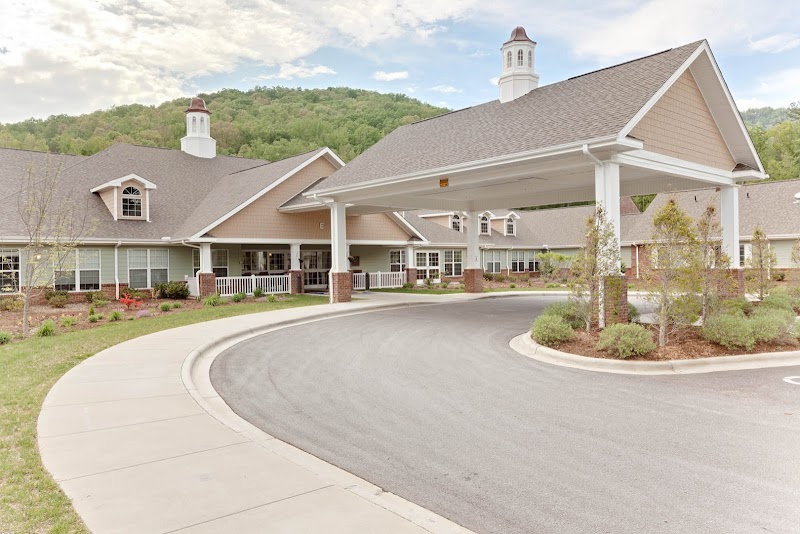
62 Lake Eden Road, Black Mountain, NC 28711 (828) 257-6800
Government - State 100 Beds Independent Data: November 2025 2 Immediate Jeopardy citations
Trust Grade
0/100
#269 of 417 in NC
Last Inspection: September 2024

Within standard 12-15 month inspection cycle. Federal law requires annual inspections.

Overview

NC State Veterans Home in Black Mountain has received a Trust Grade of F, indicating significant concerns about the facility. It ranks #269 out of 417 nursing homes in North Carolina, placing it in the bottom half of facilities statewide, and #13 out of 19 in Buncombe County, suggesting limited local options for better care. Although the facility's trend is improving, having reduced issues from 8 in 2024 to just 1 in 2025, recent inspections revealed critical deficiencies, including incidents where a nurse was unable to access a secure unit for urgent care and delays in transporting a resident with heart issues to the hospital. Staffing is a relative strength, with a 5/5 star rating and 31% turnover, which is lower than the state average, and the facility has good RN coverage, surpassing 94% of state facilities. However, the concerning $240,964 in fines suggests ongoing compliance problems, and families should weigh these serious incidents against the staffing strengths when considering this home for their loved ones.

Trust Score
F
0/100
In North Carolina
#269/417
Bottom 36%
Safety Record
High Risk
Review needed
Inspections
Getting Better
8 → 1 violations
Staff Stability
○ Average
31% turnover. Near North Carolina's 48% average. Typical for the industry.
Penalties
⚠ Watch
$240,964 in fines. Higher than 95% of North Carolina facilities. Major compliance failures.
Skilled Nurses
✓ Good
Each resident gets 76 minutes of Registered Nurse (RN) attention daily — more than 97% of North Carolina nursing homes. RNs are the most trained staff who catch health problems before they become serious.
Violations
⚠ Watch
23 deficiencies on record. Higher than average. Multiple issues found across inspections.
★★☆☆☆
2.0
Overall Rating
★★★★★
5.0
Staff Levels
★★★★☆
4.0
Care Quality
★☆☆☆☆
1.0
Inspection Score
Stable
2024: 8 issues
2025: 1 issues

The Good

  • 5-Star Staffing Rating · Excellent nurse staffing levels
  • 4-Star Quality Measures · Strong clinical quality outcomes
  • Full Sprinkler Coverage · Fire safety systems throughout facility
  • No fines on record
  • Staff turnover below average (31%)

    17 points below North Carolina average of 48%

Facility shows strength in staffing levels, quality measures, fire safety.

The Bad

2-Star Overall Rating

Below North Carolina average (2.8)

Below average - review inspection findings carefully

Staff Turnover: 31%

15pts below North Carolina avg (46%)

Typical for the industry

Federal Fines: $240,964

Well above median ($33,413)

Significant penalties indicating serious issues

The Ugly 23 deficiencies on record

2 life-threatening 1 actual harm
Feb 2025 1 deficiency
CONCERN (D) 📢 Someone Reported This

A family member, employee, or ombudsman was alarmed enough to file a formal complaint

Potential for Harm - no one hurt, but risky conditions existed

Abuse Prevention Policies (Tag F0607)

Could have caused harm · This affected 1 resident

Based on record review and staff interviews, the facility failed to ensure staff implemented their abuse policy and procedure in the area of reporting when nursing staff did not immediately inform the...

Read full inspector narrative →
Based on record review and staff interviews, the facility failed to ensure staff implemented their abuse policy and procedure in the area of reporting when nursing staff did not immediately inform the Administrator that a Nurse Aide had reported an alleged use of a physical restraint for a resident with no medical symptoms. This failure resulted in a delay in the facility investigating the allegation and reporting the allegation to the State Agency for 1 of 3 residents reviewed for restraints (Resident #1). Findings included: The facility's policy titled Prevention of Patient Abuse, Neglect, Exploitation, Mistreatment and Misappropriation of Property last reviewed on 01/11/24 revealed in part, the facility would actively preserve each resident's right to be free from verbal, sexual, physical and mental abuse, corporal punishment, involuntary seclusion, neglect, exploitation, mistreatment, and misappropriation of patient property and assure that staff was provided information on how and to who they reported concerns. The facility would also assure residents were free from physical or chemical restraints imposed for purposes of discipline or convenience and that were not required to treat medical symptoms. The facility's policy titled Reporting Patient Abuse, Neglect, Exploitation, Mistreatment, and Misappropriation of Property last reviewed on 11/15/24, revealed any allegation, suspicion or identified occurrence identified involving resident abuse, neglect, exploitation, mistreatment, and misappropriation of property should be immediately reported to the Administrator. During a phone interview on 02/18/25 at 4:20 PM, Nurse Aide (NA) #1 revealed she worked during the hours of 6:00 PM to 6:00 AM and could not recall the exact date but stated it was toward the end of December 2024 when she had observed a bed sheet wrapped around Resident #1's feet and wheelchair. NA #1 recalled Resident #1 was sitting out in the common area in his wheelchair with his lap and legs covered with a blanket and she had taken Resident #1 back to his room to assist him to bed for the night. NA #1 stated when she removed the blanket off Resident #1, she observed a thin bed sheet had been wrapped around his feet and tucked up tightly underneath the foot rest of the wheelchair preventing Resident #1 from moving his feet. NA #1 stated it caught her off guard but she went ahead removed the sheet from Resident #1's feet, assisted him into bed and then informed the nurse. NA #1 stated there was no other staff member present in the room with her and Resident #1 at the time she assisted him to bed and she didn't think to call other staff into the room to observe what she had seen before removing the sheet from Resident #1's feet. She stated Nurse #1 and Nurse #2 were both working that evening but she could not recall for certain which one she informed. During a phone interview on 02/19/25, Nurse #1 stated he had never observed a bed sheet wrapped around Resident #1's feet but did recall being informed of such an incident. Nurse #1 revealed on 01/01/25 he had not known he was scheduled to work 6:00 PM to 6:00 AM and didn't arrive to the facility until approximately 9:00 PM. Nurse #1 stated when he took over the medication cart from Nurse #2, she informed him that a NA (did not recall who) had reported observing Resident #1's feet wrapped up in a bed sheet when the NA had assisted Resident #1 to bed. Nurse #1 stated he did not inform the Administrator or Director of Nursing (DON) what was reported to him by Nurse #2. During a phone interview on 02/19/25 at 2:53 PM, Nurse #2 recalled on 01/01/25 she had covered the medication cart for Nurse #1 until he arrived at the facility and once Nurse #1 took over the medication cart, she went to work on another unit. Nurse #2 stated she could not recall the exact details but at one point during the shift, she was called back to the unit by Nurse #1 because a NA had reported they felt a bed sheet had been wrapped around Resident #1's legs too tight. When she arrived on the unit, NA #1 and another NA were talking with Nurse #1 at the medication cart. She recalled NA #1 stating the bed sheet was tucked in snuggly along Resident #1's legs and feet and NA #1 wanted to know if that was considered a restraint. Nurse #2 stated NA #1 had already placed Resident #1 in bed and she (Nurse #2) wasn't able to observe how the bed sheet was placed on Resident #1. Nurse #2 stated she did have a discussion with the staff about restraints, explaining it was never acceptable to use a bed sheet as a restraint and if they observed something like that being used, they needed to immediately inform her or the nurse so they could assess the resident before it was removed. Nurse #2 stated she was never informed that the bed sheet was wrapped around Resident #1's feet and wheelchair, just that it was tucked in snuggly along Resident #1's legs. Nurse #2 stated she probably should have but didn't inform the DON or Administrator of NA #1's concerns. During an interview on 02/18/25 at 3:55 PM with the Interim Administrator present, the DON revealed about a month ago she was informed by the Unit Coordinator that it had been brought to her attention that a NA had voiced concerns about a blanket being wrapped around Resident #1 too tightly but nothing that had restricted his movement. The DON stated no staff have reported any concerns of a bed sheet wrapped around Resident #1's legs and wheelchair as a restraint. She stated if they had, it would have warranted a reportable to the State Agency and immediate investigation. During a follow-up phone interview on 02/19/25 at 4:21 PM, the DON stated an investigation was initiated following the conversation with the surveyor on 02/18/25. The DON explained that nursing staff were instructed to immediately report any concerns of abuse, even if they weren't sure it was abuse, to her or the Administrator so that it could be investigated. During a follow-up phone interview on 02/19/25 at 4:34 PM, the Interim Administrator stated if nursing staff observed a bed sheet or throw wrapped around a resident as a restraint, they should have immediately informed her or the DON for an investigation to be initiated. The Interim Administrator stated she had informed staff they were to report anything concerning that turned out not to be reportable rather than not report something that should have been investigated.
Sept 2024 8 deficiencies 1 Harm
SERIOUS (G) 📢 Someone Reported This

A family member, employee, or ombudsman was alarmed enough to file a formal complaint

Actual Harm - a resident was hurt due to facility failures

Free from Abuse/Neglect (Tag F0600)

A resident was harmed · This affected 1 resident

**NOTE- TERMS IN BRACKETS HAVE BEEN EDITED TO PROTECT CONFIDENTIALITY** Based on record review, observations, and interviews with staff the facility failed to protect a resident's right to be free fro...

Read full inspector narrative →
**NOTE- TERMS IN BRACKETS HAVE BEEN EDITED TO PROTECT CONFIDENTIALITY** Based on record review, observations, and interviews with staff the facility failed to protect a resident's right to be free from abuse (Resident #33) when a resident (Resident #324) physically pulled him to the floor causing a fall. During a second physical altercation Resident #324 grabbed hold of Resident #33 causing him to fall on his left hip. After the second fall Resident #33 was unable to move his left leg, complained of pain to the leg and hip, and was transferred to the hospital. The hospital x-ray identified an acute left femoral neck fracture (a break of the upper leg bone just below the joint that connects to the hip) with mild varus angulation (a displacement of the bone causing it to tilt inward towards the midline of the body). The hospital records revealed without surgical repair Resident #33 would be non-weightbearing and bed bound, and the decision was made to perform a surgical repair hemiarthroplasty (a prosthetic replacement of upper leg bone that connects to the hip). A reasonable person would have experienced fear, emotional distress, and pain by being physically abused in their home. The deficient practice resulted for 1 of 3 residents reviewed for abuse. Findings included: Resident #324 was admitted to the facility on [DATE] with diagnosis including neurocognitive disorder with Lewy bodies (a brain disorder that affects thinking movement, behavior, mood, and other body functions), Alzheimer's disease, and dementia. The care plan initiated on 10/12/23 included focus problems areas for Resident #324's behavioral symptoms that required admission to the memory support unit related to dementia with behaviors, Lewy body dementia, Alzheimer's, a history of wandering and exit seeking behaviors. The goals included care was provided with dignity minimizing risk for injury and encourage easy transition to the unit as evidenced by acceptance of care, lack of injury, and participation in activities on the unit through the next review. Interventions included orient to memory care unit, room, anticipate and meet all activities of daily living care needs, and provide assistance as appropriate. The admission Minimum Data Set (MDS) assessment dated [DATE] revealed Resident #324's cognition was severely impaired, and he demonstrated physical and verbal behaviors directed towards others for 1 to 3 days during the review period. He was independent with transfers and walking, did not use a device for mobility, and did not fall since admission. Resident #33 was admitted to the facility on [DATE] with diagnoses including Alzheimer's disease, dementia, osteoporosis, and macular degeneration. The care plan initiated on 11/07/23 included problem focus areas for Resident #33's diagnoses of cognitive loss and dementia that required admission to the memory support unit and being at risk for falls related to dementia with behaviors, agitation, medications, and impaired mobility. The goals included not to sustain injury and/or serious injury, provide care with dignity and minimize risk for injury, encourage easy transition to unit as evidence by acceptance of care and lack of injury through the next review. Interventions included cue for safety awareness, redirect when entering an unsafe area, and approach in a calm, friendly and non-threatening manner. The admission MDS assessment dated [DATE] revealed Resident #33's cognition was severely impaired and physical and verbal behaviors directed towards others and wandering had occurred 1 to 3 days during the review period. He required supervision with transfers and walking, had no range of motion impairment, and used a walker for mobility. The MDS indicated Resident #33 had no falls since admission and there had been no recent surgery and no major joint replacement or orthopedic surgery. Review of the nurse progress note written on 11/16/23 at 10:54 PM revealed Resident #33 had got out of bed and was lost and screaming hello in the hallway. He was given a snack and juice and sat with the nurse and Nurse Aide (NA). He was calm for approximately 15 minutes then begun to scream and tried to get close to the face of the NA and his anger and aggressive behavior was unpredictable. Review of the progress note written by Nurse #5 on 11/18/23 at 4:28 AM revealed Resident #324 was wandering around the unit earlier with no aggressive behaviors and went to bed around 11:30 PM for a few hours then got back up for a while then went back to bed. A progress note for the date and time of 11/18/23 at 5:50 AM was documented as a late entry on 11/19/23 at 6:51 AM by Nurse #5. The note read in part, Nurse #5 was called down the hall for assistance and noted Resident #33 laying on the floor on his left side with his walker in front of him and two NA staff at his side. Resident #33 was able to move all extremities except the left lower and was guarding it. When asked by Nurse #5 Resident #33 stated he could not straighten his left leg and complained of pain to the leg and hip and repeated, He picked me up like a rag doll and threw me. Nurse #6 called the on-call Nurse Practitioner and the ambulance to send Resident #33 to the emergency room for evaluation and treatment as indicated. Review of the fall event report dated 11/18/23 at 5:55 AM documented by Nurse #5 indicated an unwitnessed fall occurred in the hallway and Resident #33 exhibited pain in the left hip with limited range of motion in the lower extremity and a rotation deformity/shortening of the left lower extremity and a skin tear to the right ear. During a phone interview on 08/29/24 at 1:35 PM Nurse #5 revealed she was in the office at the nurse station near the 100 living room charting when the NA called for her. She observed Resident #33 on the floor (on the far end of unit). She did not recall any reports related to behaviors from staff involving Resident #33 or #324 during her shift and did not recall the last time she saw them. If she was made aware of any behaviors between them she would have watched and kept track of where the residents were and kept them apart from each other. She described residents on the dementia unit wander, and some got up early and she thought that was what happened when the altercations occurred. She did not watch the video camera footage and revealed she had worked on 11/18/23 to fill in the shift. She described her assessment of Resident #33 revealed he was not able to move his leg and had pain and the fall occurred close to shift change and the day shift Nurse #6 helped with sending him to the hospital. She did observe Resident #324 after the incident happened and stated he was walking around with no change in his condition. Review of the progress note written by Nurse #6 on 11/18/23 at 6:10 AM read in part, Night shift reported Resident #33 fell and stated he was pushed. Resident #33 made the comment, He just picked me up and threw me down like a ragdoll. There was another resident sitting in the living area below the hallway where Resident #33 was, and they were separated. A progress note written by Nurse #6 on 11/18/24 at 6:24 AM read in part, Resident #33 continued to state he was pushed down by another resident and made the comment several times, He just picked me up and threw me around like I wasn't nothing. During an interview on 08/28/24 at 11:04 AM Nurse #6 revealed she reviewed the video camera footage and described she saw Resident #33 and Resident #324 on the far end of the unit around 200 living room with no staff around. Resident #324 was sitting in a chair when Resident #33 used his walker to bump the chair, and it appeared he did it on purpose more than 1 time. She then saw Resident #324 stand up and physically throw Resident #33 to the floor. Resident #33 got himself off the floor, got his walker, and stayed in the 200 living room area but Resident #324 left. Then Resident #33 went around the corner onto the hallway in front of the soiled utility room and rammed his walker into the door several times. Resident #324 came back to where Resident #33 was and put his hands on Resident #33 and the walker was behind and off to the side of Resident #33. She stated when Resident #324 put his hands on Resident #33 he went backwards, and it appeared he tripped over the wheel of walker. Nurse #6 revealed at the time of the fall she did ask Resident #324 what happened, but he was not able to articulate and did not recall anything. She revealed Resident #324 was ambulatory and described he was not always easy to redirect and could become aggressive towards staff but to her knowledge not with other residents. He tried to help staff with other residents and when redirected would raise his voice or attempt to hit, he struggled with sleep, and had sundowning behaviors (increased confusion, agitation, and restlessness). She described Resident #33 dementia was not as advanced and he did say to staff. He threw me around like a ragdoll and picked me up like nothing several times. She described Resident #33 behaviors he would yell out a lot, be aggressive towards staff during care and verbally aggressive towards other residents by saying shut up or move but she did not recall him being physically aggressive towards other residents. Review of the initial 24 hour report revealed the facility became aware of the incident on 11/18/2023 at 6:45 AM. The facility self-reported to the state agency on 11/18/23 at 8:32 AM an allegation of abuse based on the statement made by Resident #33, He pushed me as he pointed at Resident #324. Review of the 5-day investigation report revealed the former Administrator completed the investigation and noted there were no witnesses but after review of the facility's video camera footage two back to back physical altercations were observed between Resident #33 and Resident #324. The summary of the investigation read in part, Resident #33 bumped his walker into the chair of Resident #324 twice and it appeared intentional. Resident #324 then pulled Resident #33 to his back and walked away. Resident #33 did not appear injured and got up and walked away. Resident #33 begun to bang his walker into a door and was approached by Resident #324. Resident #324 tripped over the wheel of the walker and tried to catch himself causing Resident #33 to fall on his left hip. The report indicated the incident resulted in physical harm from the second fall when Resident #33 was reported to have a left hip fracture and resulted in serious bodily injury and the allegation of abuse was substantiated. Review of the statement written by NA #3 read in part, On the morning of 11/18/23 I was charting when me and my partner heard a resident screaming for help, we got up walked towards Resident #33 and found him on the floor. When asked what happened Resident #33 stated another resident hit him and threw him on the ground and he had pain to his left hip. Me and NA #4 asked Resident #324 if he hit Resident #33 and he stated yes but he hit me as well. Prior to the altercation Resident #33 had been redirected away from Resident #324 because he would agitate him with words and while asleep in the common living room and would try to wake him or run over his feet with his walker or scream while other residents were sleeping. During a phone interview on 08/28/24 at 2:12 PM NA #3 described Resident #33's behaviors included he used his walker to run over residents' feet and would say mean stuff like, It doesn't matter I can do whatever I want. She revealed Resident #324 was calm and she had not witnessed any type of behavior from him and during her shift on 11/18/23 and he had been up walking around and mostly stayed in the 100 living room area. She revealed on 11/18/23 she witnessed Resident #33 use his walker to run over Resident #324's feet while he was sitting in a chair. She redirected Resident #33 and told him to quit and sat with him and explained Resident #324 was going to get mad. From what she recalled Resident #33 was assisted to bed and she had done a round with NA #4, and she was charting in the 100 living room area (out of sight of 200 living room). It was approximately 45 minutes later she heard Resident #33 yell for help and found him on the floor at the 200 rooms on the far end of the unit. Resident #33 and #324 were the only two residents out of bed at that time and when she asked what happened Resident #33 pointed at Resident #324 and stated, He slammed me on the floor. Resident #324 was asked what happened, and he looked at Resident #33 and stated, I slammed him on the floor. NA #3 revealed she did not watch the video camera footage but Resident #33 and #324 were the only two up at the time of the fall. She stated residents were redirected to prevent altercations, but normally she did not work on the memory care/dementia unit and described most need 2-person assist making it hard to track where residents were when 2 NA staff worked. Review of the statement written by NA #4 read in part, Around 5:45 AM she was charting in the 100 living room area when she heard resident #33 yell out. I saw Resident #33 lying on the floor in the hallway on opposite end of the unit near the living room area (200 living room). Resident #33 stated, The guy picked him up like he was nothing and hit him and broke his glasses. Resident #324 had the glasses in his possession and appeared to be agitated and uncooperative when I tried to get them from him. Resident #33 complained of severe leg pain and when touched yelled and winced in pain. During a phone interview on 08/29/24 at 4:30 PM NA #4 revealed her, and NA #3 were charting at the table in the 100 living room area located at front end of the memory support unit and Nurse #5 was in the nurse station located by 100 living room when the altercations occurred. She stated she never saw Resident #324 put his hands on Resident #33 and thought Resident #33 was in his room. She and NA #3 had just done rounds and found Resident #33 getting out of bed, so they got him up and dressed and left him sitting in his room by the 200 living room area. She described Resident #33 was ambulatory and used a walker and Resident #324 walked independently and got around easily. She did not witness the falls and revealed the area where nursing staff were they could not see residents on the far side of unit when in the 200 living room. She did hear Resident #33 yell out and stated the second fall happened by the soiled utility room where the 200 rooms were located. She described Resident #33 was on the ground with his walker on top of him and Resident #324 had the glasses in his back pocket. She asked Resident #33 what happened, and he said he threw me down and pointed at Resident #324. She asked Resident #324 if he threw Resident #33 down and he said no and walked away. She revealed earlier that night Resident #324 was pacing but she did not witness him be aggressive or irritable and Resident #33 had slept good. She did not observe Resident #33 use his walker to bump into Resident #324. She revealed Resident #324 did have history of aggressive behaviors towards staff but not residents and she did not know of any aggressive behaviors from Resident #33. Prior to fall Resident #324 sat in the 200 hall living room and been up most of the night but did not recall Resident #33 being out of his room after they got him out of bed. She revealed her and NA #3 had just done a round around 5:00 or 5:15 AM and checked every resident. During a phone interview on 08/29/24 at 11:05 AM the former Administer stated he was notified early in the morning on 11/18/23 Resident #33 had fallen, and he came to the facility to investigate. After watching the video, he reported the incident to the state agency due to it appeared the second fall happened because Resident #33 was pushed. He stated the falls were unwitnessed and named the former Director of Nursing (DON) and Nurse #6 had also watched the video footage. He stated initially they thought the second fall happened because Resident #324 pushed Resident #33 but after the video was slowed down, he saw Resident #324's foot get caught in wheel of Resident #33's walker. He revealed it was clear the residents were having some kind on disagreement and described the first physical altercation occurred when Resident #33 nudged either the table or chair of Resident #324 and he got up and pushed Resident #33 causing him to fall to the floor and his glasses to come off. He saw Resident #324 pick the glasses up off the floor after the first altercation. After that Resident #33 started banging his walker into the wall and that got Resident #324's attention and he walked down the hallway towards Resident #33. Resident #33 started to use his walker to make a swooping motion and Resident #324's foot got tangled in the wheel of the walker. Resident #324 started to fall and when he tried to catch himself, he reached and grabbed Resident #33's shoulder and that's when Resident #33 fell and landed on his hip. Resident #33 did not get up and was sent to the hospital on [DATE]. Resident #324 was sent to the hospital on [DATE] for a psych evaluation and cleared he was not a danger to himself, or others and they could not keep him. When Resident #324 returned to facility he was placed on 1:1 observation until the provider saw him. He revealed after the incident it was his last week as the Administrator at the facility and he did not recall all the corrective actions put in place, but did speak about the plan with his replacement and passed everything off him. During an interview on 08/30/24 at 2:34 PM the former DON recalled what he observed on the video footage was Resident #324 sitting in a chair in the 200 living room area located in the back of the unit where the first physical altercation occurred. He revealed Resident #33 used his walker to nudge Resident #324 and Resident #324 got up and wrapped his arms around Resident #33 and pulled him to the floor. Resident #324 then walked away and out of view of the camera and the opposite way where Resident #33 was. Resident #33 got up and walked approximately 25 to 35 feet to the 200 hallway and slammed his walker into wall. Resident #324 came back in view of the camera and went to Resident #33. He put his hands on Resident #33 and the two residents started to wrestle each other by putting their hands on each other's arms and hitting one another. They disengaged but stood together and then started again and it appeared Resident #324 lost his balance and he could not recall who tripped over the walker, and stated Resident #33 fell and he did not observe staff during the two altercations. During an interview on 08/28/24 at 1:54 PM the Interim Administrator revealed she was not in her position when the altercations occurred. She revealed the facility no longer had the video camera footage available to view. To her knowledge no request was made to save it and if not, the footage was only kept for 90 days. During an interview on 08/30/24 at 11:03 AM the Director of Nursing revealed she was not in her position when Resident #33 fell on [DATE]. She read the facility's incident report that described what happened during both physical altercations between Resident #33 and Resident #324. The DON stated if a staff member had been monitoring the 200 living area on the end of unit where the first altercation started and fall occurred, they would have been aware of Resident #33's behaviors and him agitating Resident #324 and be on alert to monitor the residents. The DON stated she considered the second fall and/or physical altercation was avoidable. During an interview on 08/30/24 at 1:42 PM the Interim Administrator stated it was her preference that staff be throughout the unit to monitor residents and there was a possibility the second fall and/or physical altercation could have been avoided. The facility provided the following corrective action plan with the correction date of 11/30/23: Address how corrective action will be accomplished for those residents found to have been affected by the deficient practice. On 11/28 resident #33 was sent to the hospital for evaluation. Resident #324 was placed on 1:1 supervision and sent out to the hospital for psychiatric evaluation. Set #324 was placed back on 1:1 Supervision upon return to the facility on [DATE] until cleared by multiple providers. Address how the facility will identify other residents having the potential to be affected by the same deficient practice. A 100% audit on mobile residents who resided on the unit was conducted on 11/22/23 by the administrator to determine who could be at risk for an altercation that result in a fall. The determination was that the risk was moderate. Address what measures will be put into place or systemic changes made to ensure that the deficient practice will not recur. By 11:59 PM on 11/27/23 a 100% of staff will be educated on the abuse policies and procedures and deescalating techniques by the administrator designated person. Those who have not been educated will be removed from the schedule until reviewing the education. On 11/27/23 the systemic change that occurred was putting a gradual dose reduction (GDR) binder in place at each nurse's station which would include the current GDRs and resident care profiles with behavioral care plan approaches. Indicate how the facility plans to monitor its performance to make sure that solutions are sustained. By 11/29/23 the Interdisciplinary Team (IDT) will have compiled a list of GDRs for the facility. The IDT team will review these residents and their progress weekly in the IDT meeting, to offer person-center care approaches for any noted behaviors. The Administrator will audit compliance weekly for 12 weeks. The facility's quality assurance performance improvement (QAPI) committee will discuss and audit the findings and offer recommendations regarding the plan. Alleged date of compliance: 11/30/23. The facility's corrective action plan with a completion date of 11/30/23 was validated from 08/28/24 and 09/05/24 by record review, observations and staff interviews. Resident #33's medical records revealed he was sent to the hospital on [DATE] where he received surgical repair for a femoral neck fracture. Review of the 1:1 monitoring tool of Resident #324 started on 11/19/23 and continued through 11/20/23 and was signed by staff to indicate it was done. QAPI meeting held on 11/20/23 and continued to meet monthly for review. Review of the Nurse Practitioner progress note dated 11/20/23 revealed Resident #324 was evaluated for dementia with behaviors. After review the NP determined Resident #324 did not seem to be a threat to himself or others and did not need 1:1 observation. An audit of mobile residents was completed on 11/22/23 and included review of the previous three months of progress for behaviors, the actions taken by staff, and if the provider and responsible party were notified. Review of the in-service education date 11/21/23 titled, Mandatory Abuse Education reviewed of the facility's abuse policy and procedure for investigation of patient abuse, prevention of patient abuse, and review for deescalating behavior techniques. The training included the procedures to identify, correct, and intervene in situations in which abuse may occur and with analysis to included: supervision of staff to identify inappropriate behaviors, deescalating behavioral symptoms, positive approach techniques, and actions to take. The in-service attendance record was signed by department staff including dietary, administrative, nursing, activities, therapy. Attendance was compared to the current list of employees and started on 11/21/23. Review of GDR binder located at the nurse stations contained: pharmacy reviews, medication orders, and GDR recommendations. The binder also included the resident's care profile and person-centered behavior care plan with approaches including redirection distraction, interventions, and triggers related to behavior symptoms with updated approaches. Review of the monitoring tools of residents titled, Behavior Management Program started 11/2023 and continued weekly through 02/2024. Staff interviewed were able to verbalize abuse policy and procedure to identify, correct, intervene abuse and to identify inappropriate behaviors, deescalating behavioral symptoms, positive approach techniques, and actions to take. Observations of the memory support unit revealed staff were engaging and attentive to the residents and used calm and caring approaches to redirect and deescalate potential behaviors and conflict. The completion date of 11/30/23 was validated.
CONCERN (D)

Potential for Harm - no one hurt, but risky conditions existed

Deficiency F0582 (Tag F0582)

Could have caused harm · This affected 1 resident

**NOTE- TERMS IN BRACKETS HAVE BEEN EDITED TO PROTECT CONFIDENTIALITY** Based on record review and staff interviews, the facility failed to provide Skilled Nursing Facility Advanced Beneficiary Notice...

Read full inspector narrative →
**NOTE- TERMS IN BRACKETS HAVE BEEN EDITED TO PROTECT CONFIDENTIALITY** Based on record review and staff interviews, the facility failed to provide Skilled Nursing Facility Advanced Beneficiary Notices (SNF ABN) prior to discharge from Medicare Part A skilled services to 2 of 3 residents reviewed for beneficiary notification review (Residents #12 and #70). The Findings Included: 1. Resident #12 was admitted to the facility on [DATE]. Review of a Notice of Medicare Non-Coverage (NOMNC) revealed the notice was discussed with Resident #12's Responsible Party (RP) on 04/02/24 which indicated Resident #12's Medicare Part A coverage for skilled services would end on 04/04/24. Resident #12 remained in the facility. Review of Resident #12's medical record revealed no evidence a SNF ABN was reviewed with or provided to Resident #12 or Resident #12's RP. During an interview on 08/28/24 at 9:28 AM, the Business Office Manager revealed when a resident's Medicare Part A services were ending, the Minimum Data Set (MDS) Coordinators forwarded her the NOMNC to review with the resident or their RP and if they did not also send a SNF ABN then one was not issued. The Business Office Manager stated she did not know that both notices were required to be issued when a resident had skilled days left and remained in the facility. The Business Office Manager confirmed a SNF ABN was not issued to Resident #12 or his RP when Medicare Part A skilled services ended on 04/04/24. During an interview on 08/28/24 at 1:54 PM, the Interim Administrator stated she thought the process for issuing the required notices changed which resulted in the issuance of SNF ABN falling through the cracks. The Interim Administrator stated the MDS Coordinators were responsible for forwarding the required NOMNC and SNF-ABN to the Business Office Manager for her to review the notices with the Resident or their RP. 2. Resident #70 was admitted to the facility on [DATE]. Review of a Notice of Medicare Non-Coverage (NOMNC) revealed the notice was discussed with Resident #70's Responsible Party (RP) on 05/16/24 which indicated Resident #70's Medicare Part A coverage for skilled services would end on 05/20/24. Resident #70 remained in the facility. Review of Resident #70's medical record revealed no evidence a SNF ABN was reviewed with or provided to Resident #70 or Resident #70's RP. During an interview on 08/28/24 at 9:28 AM, the Business Office Manager revealed when a resident's Medicare Part A services were ending, the Minimum Data Set (MDS) Coordinators forwarded her the NOMNC to review with the resident or their RP and if they did not also send a SNF ABN then one was not issued. The Business Office Manager stated she did not know that both notices were required to be issued when a resident had skilled days left and remained in the facility. The Business Office Manager confirmed a SNF ABN was not issued to Resident #70 or his RP when Medicare Part A skilled services ended on 05/20/24. During an interview on 08/28/24 at 1:54 PM, the Interim Administrator stated she thought the process for issuing the required notices changed which resulted in the issuance of SNF ABN falling through the cracks. The Interim Administrator stated the MDS Coordinators were responsible for forwarding the required NOMNC and SNF-ABN to the Business Office Manager for her to review the notices with the Resident or their RP
CONCERN (D) 📢 Someone Reported This

A family member, employee, or ombudsman was alarmed enough to file a formal complaint

Potential for Harm - no one hurt, but risky conditions existed

Deficiency F0583 (Tag F0583)

Could have caused harm · This affected 1 resident

**NOTE- TERMS IN BRACKETS HAVE BEEN EDITED TO PROTECT CONFIDENTIALITY** Based on record review and staff interviews, the facility failed to protect a resident's right to privacy when Nurse Aide #1 use...

Read full inspector narrative →
**NOTE- TERMS IN BRACKETS HAVE BEEN EDITED TO PROTECT CONFIDENTIALITY** Based on record review and staff interviews, the facility failed to protect a resident's right to privacy when Nurse Aide #1 used her cellphone to take an unauthorized video of a resident displaying behaviors and sent the video to Nurse #4 via a cellphone messenger application for 1 of 3 sampled residents (Resident #324). A reasonable person would have experienced embarrassment. Findings included: Resident #324 was admitted to the facility on [DATE] with diagnoses that included Alzheimer's disease and dementia with other behavioral disturbance. The admission Minimum Data Set (MDS) dated [DATE] revealed Resident #324 had severe cognitive impairment. Review of a Facility Reported Incident (FRI) dated 12/28/23 revealed the facility was made aware on 12/28/23 (no time listed) that Nurse Aide #1 had used her cellphone to take a video of Resident #324 displaying inappropriate behaviors with a Santa Claus mannequin (Christmas decoration). Review of the facility's investigation file revealed an undated typed summary of the investigation signed by the former Director of Nursing (DON) that revealed on 12/28/23 at 9:05 AM, the DON was made aware NA #1 had a video on her cellphone of Resident #324 displaying inappropriate behaviors with a Santa Claus mannequin. The investigation summary revealed both NA #1 and Nurse #4 confirmed that NA #1 had taken a video of Resident #324 and sent it to Nurse #4 via a cellphone messenger application. NA #1 told the former DON that Nurse #4 was not on the unit at the time of the incident and she (NA #1) sent the video for clinical purposes to demonstrate [Resident #324's] behavior. Both NA #1 and Nurse #4 were suspended pending an investigation. The investigation summary noted all staff were educated on HIPPA (Health Insurance Portability and Accountability Act), residents' rights and the facility's cellphone policy with an emphasis on not using cellphones to take pictures or videos of residents under any circumstances. During a telephone interview on 08/28/24 at 4:38 PM, NA #1 confirmed that she had been assigned to the memory care unit where Resident #324 resided on 12/28/23 during the hours of 6:00 PM to 6:00 AM. NA #1 recalled it was late at night, sometime between midnight and 1:00 AM, when Resident #324 had walked out to the lobby of the memory care unit and picked up a Santa Claus mannequin that was approximately 2-3 feet in height. He then cradled the mannequin in his arms, started rocking his arms back and forth and then kissed the mannequin on top of the head in a tender and affectionate sort of way. NA #1 stated Resident #324 frequently displayed aggressive behaviors and this was a side of him she had not seen before. NA #1 explained Nurse #4 was off the memory care unit at the time and she made the poor decision to use her personal cellphone to take a video and send it to Nurse #4 via a cellphone messenger application so that Nurse #4 could see the behaviors Resident #324 was displaying. NA #1 explained that she and Nurse #4 used the cellphone messenger application to communicate with one another and in that moment, she hadn't thought anything about maintaining Resident #324's privacy. NA #1 verified she was aware of the facility's policy regarding cellphone use and restated she made a poor decision and knew better than to take an unauthorized video of a resident. NA #1 she only sent the video to Nurse #4, it was not posted on social media for others to see, and the video was deleted from her cellphone. During a telephone interview on 08/28/24 at 5:37 PM, Nurse #4 confirmed she received a video from NA #1 on her personal cellphone via a cellphone messenger application of Resident #324 on 12/28/23. Nurse #4 stated NA #1 was not being malicious (intending to do harm) in any way and only took the video of Resident #324 because she (NA #1) wanted to show Nurse #4 what was thought to have been a possible behavior. Nurse #4 stated the video of Resident #324 was not sexual in nature at all, he was cradling the Santa Claus mannequin in his arms like a baby, giving it kisses and at one point, it looked like he was dancing with the mannequin. Nurse #4 stated no one else but she and NA #1 saw the video, there was never any intent to post the video on social media and the video was deleted from the cellphone messenger application. Nurse #4 verified she was aware of the facility's policy regarding cellphone use. She stated both she and NA #1 wrong and the video of Resident #324 should have never been taken. During a telephone interview on 08/29/24 at 12:31 PM, the former DON confirmed it was the facility's cellphone policy that staff should never take photographs or make audio/video recordings of residents residing in the facility using a cellphone. The DON recalled on 12/28/23 he was informed by a staff member (could not recall who) that they had overhead NA #1 talking about a video she had of Resident #324 making out a with Santa Claus mannequin. The former DON spoke with NA #1 who confirmed she had made the video, sent it to Nurse #4 via a cellphone messenger application and Nurse #4 confirmed she had received the video from NA #1. The former DON recalled NA #1 stating she only took the video to show Nurse #4 Resident #324's behavior and there was never any intent to show the video to others or post on social media. He stated both NA #1 and Nurse #4 were immediately suspended and an investigation initiated which included reporting the incident to the State Agency and the facility's Ethic Committee. The former DON stated the facility's investigation concluded there was no malintent (negative or harmful intentions) by either NA #1 or Nurse #4 when the video was made of Resident #324's behaviors. Prior to returning to work, the former DON stated he made sure both NA #1 and Nurse #4 understood it was inappropriate to video residents and they both had to show evidence the video was deleted off their cellphones, cellphone messenger application and complete HIPPA training. The Administrator at the time of this incident was unable to be interviewed. During an interview on 08/30/24 at 1:48 PM, the Interim Administrator stated communication regarding residents should be shared verbally between facility staff and it was never acceptable to take a video of a resident.
CONCERN (D)

Potential for Harm - no one hurt, but risky conditions existed

Quality of Care (Tag F0684)

Could have caused harm · This affected 1 resident

**NOTE- TERMS IN BRACKETS HAVE BEEN EDITED TO PROTECT CONFIDENTIALITY** Based on record review and interviews with the Wound Care Nurse Practitioner (NP) and staff the facility failed to obtain an x-r...

Read full inspector narrative →
**NOTE- TERMS IN BRACKETS HAVE BEEN EDITED TO PROTECT CONFIDENTIALITY** Based on record review and interviews with the Wound Care Nurse Practitioner (NP) and staff the facility failed to obtain an x-ray as ordered by the Wound Care NP to rule out a possible fracture and osteomyelitis (an infection of the bone) for 1 of 2 residents reviewed for non-pressure skin conditions (Resident #7). Findings included: Resident #7 was admitted to the facility on [DATE]. His diagnoses included peripheral vascular disease, cellulitis (a bacterial skin infection) of the right toe, and heart failure. The quarterly Minimum Data Set (MDS) assessment dated [DATE] revealed resident #7 cognition was severely impaired with no rejection of care behaviors. Review of the nurse's progress note dated 08/18/24 revealed it was communicated to the provider Resident #7s right foot appeared with increased tenderness when touched during dressings changes and care. Review of the Nurse Practitioner (NP) progress note dated 08/19/24 revealed Resident #7 was evaluated for right foot tenderness with increased redness involving two lesions on great toe and second toe and swelling to all toes throughout the right foot. The NP note indicated she verbalized to the Wound Care Nurse to order a wound care specialist referral to follow and treat the wounds. The care plan revised on 08/19/24 identified Resident #7 was at risk for new or worsening skin breakdown related to impaired mobility, medications, and non-compliance elevating his lower extremities with antibiotic orders on 08/19/24 related to right toe cellulitis. The goal was for skin breakdown to show evidence of healing and be free of infection through the next review. Interventions included observe the skin with routine care and report any concerns to the nurse. Review of a nurse progress note dated 08/20/24 revealed a late entry was made on 08/21/24. The note included wound care treatments and indicated an order was placed for an x-ray to the right foot to evaluate for a fracture and osteomyelitis. The note was electronically signed by the Wound Care NP on 08/21/24. The note was created and signed by the Wound Care Nurse on 08/21/24. Review of Resident #7's electronic medical records revealed no x-ray results to indicate it was done as ordered by the Wound Care NP on 08/21/24. During an interview on 08/28/24 at 5:47 PM the Director of Nursing (DON) revealed the progress note dated 8/21/24 was transcribed by the Wound Care NP and there was no corresponding physician order that she could find in the resident's medical record. The DON revealed she had access to the x-ray company records and she was unable to find an x-ray of the right foot in their system for Resident #7. She revealed the Wound Care NP transcribes her orders including an order for a x-ray. She revealed she was going to follow up with the Wound Care Nurse who edited the progress note on 08/21/24 to ensure the order was entered by the Wound Care NP. During an interview on 08/29/24 at 1:12 PM the Wound Care Nurse explained the Wound Care NP sent the progress note on 08/21/24. The Wound Care Nurse stated she uploaded the progress note into Resident #7's medical record but she did not check to ensure the x-ray order was in place. She revealed Resident #7 was sent to the hospital on [DATE] and when he returned on 08/22/24 she did not clarify with the Wound Care NP if the x-ray was still needed and stated it got missed. During a follow up interview on 08/29/24 at 1:59 PM the DON revealed since 08/2024 she had received the Wound Care NP progress notes. She stated it was the Wound Care Nurse who uploaded the progress note, and her responsibility to review the medical record to ensure orders were in place. During an interview on 08/30/24 at 1:30 PM the Wound Care NP revealed she did not enter the order for Resident #7 because she did not know how enter orders into the system for a diagnostic x-ray. She revealed her progress notes with her recommendations were sent to the Wound Care Nurse and DON for review. She saw Resident #7 on 08/27/24 and assumed the reason there was no x-ray results was because the resident had refused. During her assessment of Resident #7's wounds on 8/27/24 she had no concerns and stated they looked good. The Wound Care NP stated she did want the facility to follow up and implement the order for the x-ray and it was done on 08/29/24 and the results were negative. Review of the right foot x-ray results for Resident #7 revealed the date of the exam was 08/29/24. The results noted right foot swelling with no fracture or osteomyelitis. An interview on 08/30/24 at 1:39 PM with the Interim Administrator and DON revealed the Administrator expected the Wound Care NP to add the order for Resident #7's x-ray into the medical record. The DON revealed the Wound Care NP had been trained on how to put her orders into the electronic medical record.
CONCERN (E)

Potential for Harm - no one hurt, but risky conditions existed

Deficiency F0565 (Tag F0565)

Could have caused harm · This affected multiple residents

Based on record review, resident and staff interviews, the facility failed to resolve and communicate the facility's efforts to address repeated concerns and/or suggestions voiced by residents during ...

Read full inspector narrative →
Based on record review, resident and staff interviews, the facility failed to resolve and communicate the facility's efforts to address repeated concerns and/or suggestions voiced by residents during Resident Council meetings for 6 of 7 months reviewed (August 2023, January 2024, March 2024, April 2024, May 2024, and June 2024). Findings included: Review of the Resident Council Minutes for the period 08/17/23 through 08/15/24 revealed the following: a. A Resident Council Response Form attached to the 08/17/23 Resident Council meeting minutes noted residents voiced they did not have faith that anything they asked for would be done and no changes would be made. The resolution noted that the Administrator was working to reassure residents that they have been heard and explain that changes take time. The section at the bottom of the form indicating the date the resolution was reported back to the Resident Council and by whom was left blank. b. The Resident Council meeting minutes dated 01/11/24 noted a concern was voiced regarding the garbage truck driver and staff were driving too fast around the facility. The Resident Council Response Form attached to the 01/11/24 Resident Council meeting minutes noted a resolution that an inservice would be held with facility staff reminding them of the 10 MPH (miles per hour) speed limit around the facility and a call would be placed to the garbage company asking the truck driver to slow down to 10 MPH. The section at the bottom of the form indicating the date the resolution was reported back to the Resident Council and by whom was left blank. c. The Resident Council meeting minutes dated 02/29/24 noted no meeting was held due to the Resident Council President being sick. d. The Resident Council meeting minutes dated 03/21/24 revealed no indication that the minutes from the Resident Council meeting held on 01/11/24 were read, approved, revised and/or resolved. There was also no indication the facility's response to the concern regarding speeding that was voiced during the 01/11/24 meeting was communicated to the Resident Council under Old Business. Under New Business it was noted a nursing concern was voiced regarding medications not being delivered on time. The Resident Council Response Form attached to the 03/21/24 Resident Council meeting minutes noted a resolution that staff would be educated on the residents' requests of medication times. The section at the bottom of the form indicating the date the resolution was reported back to the Resident Council and by whom was left blank. e. The Resident Council meeting minutes dated 04/18/24 revealed no indication the facility's response to the concern regarding medications not being delivered on time that was voiced during the 01/11/24 meeting was communicated to the Resident Council. Further review revealed the section for Old Business was left blank. f. The Resident Council meeting minutes dated 05/16/24 noted concerns were voiced regarding speeding around the facility, medications not being administered on time, and the bird house in the courtyard needed to be stabilized. The Resident Council Response Form attached to the 05/16/24 Resident Council meeting minutes noted a resolution that the bird house would be relocated and if there were any more issues with stabilization it would need to be removed and the facility speed limit would be brought up during the monthly staff inservice meetings. The resolution further noted the facility did not allow birdseed and outings to a local park were recommended. The section at the bottom of the form indicating the date the resolution was reported back to the Resident Council and by whom was left blank. g. The Resident Council meeting minutes dated 06/20/24 revealed no indication that the minutes from the Resident Council meeting held on 05/16/24 were read, approved, revised and/or resolved. There was also no indication the facility's response to the concerns regarding the bird house and speeding that were voiced during the 05/16/24 meeting was communicated to the Resident Council or documented under Old Business. h. The Resident Council meeting minutes dated 07/18/24 noted a suggestion was made for residents to be able to feed the birds day old bread once a week. The Resident Council Response Form attached to the 07/18/24 Resident Council meeting minutes noted a resolution that Maintenance said no to having a bird feeding day as the facility did not allow bird seed/food. The section at the bottom of the form indicating the date the resolution was reported back to the Resident Council and by whom was left blank. A Resident Council group interview was conducted on 08/28/24 at 10:00 AM with Resident #10, Resident #35, Resident #36, and Resident #65 in attendance. Resident #55 also attended but did not verbally participate in the group interview. Residents #10, #25, #36, and #65 all stated they felt facility staff did not really address their concerns or suggestions because the only response they typically received from staff was we are working on it, we are not allowed or we can't do that but never any satisfactory resolution. Resident #36, who was the Resident Council President, added they understood some of the concerns they voiced couldn't be fixed right away but it would be nice to receive communication with straight answers as to what was being done. The residents all agreed they would like to know they were being heard and receive feedback from administration on the efforts that had been made or attempted to resolve their concerns and/or suggestions. During an interview on 08/24/24 at 3:08 PM, the Activity Director (AD) confirmed she attended and recorded the minutes for the Resident Council monthly meetings. The AD explained when residents voiced concerns and/or suggestions during the monthly meetings, she wrote them on a Resident Council Response Form that was then given to the appropriate Department Manager to address. The AD confirmed she did not complete the section on the Resident Council Response Forms to indicate the date resolution was reported back to the Resident Council and explained resolutions to concerns and/or suggestions were typically reported back to the Resident Council at the next scheduled meeting. The AD shared she reviewed the concern with the residents, discussed the resolution and asked the residents if they felt the matter had been resolved. She stated if the residents mentioned the same concerns again, she would write it up on another Resident Council Response Form and turn it in to the Administrator to investigate. The former Administrator was unable to be interviewed. During an interview on 08/30/24 at 2:17 PM, the Interim Administrator could not speak to the process of former Administration but did explain when she was the Interim Administrator at the facility previously, she was a fan of Town Hall meetings where they discussed various topics including concerns/suggestions brought up during Resident Council meetings. They also discussed during the meeting what measures the facility had or was doing to address the residents' concerns. The Interim Administrator stated she felt residents were provided verbal communication regarding the facility's response to their concerns but maybe they needed to come up with a plan to communicate the process at each Resident Council meeting to keep it fresh in their minds.
CONCERN (E)

Potential for Harm - no one hurt, but risky conditions existed

Deficiency F0761 (Tag F0761)

Could have caused harm · This affected multiple residents

**NOTE- TERMS IN BRACKETS HAVE BEEN EDITED TO PROTECT CONFIDENTIALITY** Based on observation, staff interviews, and record reviews, the facility failed to secure zinc oxide ointment for 1 of 1 Residen...

Read full inspector narrative →
**NOTE- TERMS IN BRACKETS HAVE BEEN EDITED TO PROTECT CONFIDENTIALITY** Based on observation, staff interviews, and record reviews, the facility failed to secure zinc oxide ointment for 1 of 1 Resident (Resident #6) review for medication storage, failed to remove expired over-the-counter (OTC) medications from the medication cart in accordance with the manufacturer's expiration date, and failed to discard an eye drops from the medication carts as specified by the manufacturer's guidelines for 2 of 3 medication carts (B halls and D halls). The findings included: a. Resident #6 was admitted to the facility on [DATE] with diagnoses including dermatitis. A review of Resident #6's medication records revealed he had never been assessed nor approved for self-administration of medication. The quarterly Minimum Data Set (MDS) dated [DATE] coded Resident #6 with an intact cognition The physician's orders dated 08/21/24 revealed Resident #6 had an order to receive a thin film of zinc oxide ointment 20% topically to both sides of groin and scrotum twice daily for diaper rashes. During a medication storage observation conducted on 08/26/24 at 4:23 PM, an approximately one inch of unknown white color ointment was observed left unattended in an opened plastic cup sitting on top of Resident #6's table in his room. An interview was conducted with Resident #6 on 08/26/24 at 4:24 PM. He stated the ointment on the table was left by Nurse #1 who had wheeled him back to his room about 5 minutes ago. He explained Nurse #1 planned to apply the ointment for him after returning to his room. However, he needed to use the bathroom before applying the ointment. When he got out from the bathroom, Nurse #1 was not around, and the ointment was left unattended on the table in his room. During a joint observation with Nurse #1, she confirmed she had left the zinc oxide ointment unattended in Resident #6's room. She explained she initially planned to apply the ointment when she wheeled Resident #6 back to his room. While she was waiting for Resident #6 to use the bathroom, a nearby resident called for help. She was distracted and left the zinc oxide ointment on the table. She acknowledged that she should have taken the ointment with her before leaving the room. b. The manufacturer's package inserts for Latanoprost eye drops revealed an unopened bottle should be stored under refrigeration between the temperature of 36° to 46° Fahrenheit (F) and protected from light. Once it was opened, Latanoprost could be stored at room temperature up to 77° F for up to six weeks. A medication storage audit was conducted on 08/27/24 at 1:04 PM for B halls medication cart in the presence of Nurse #2. One opened bottle of Latanoprost 0.005% eye drops was found in the medication cart under room temperature and ready to be used. The handwriting on the label indicated it was opened on 06/12/24. An interview was conducted on 08/27/24 at 1:06 PM. Nurse #2 explained she did not work at B halls on regular basis. She thought Latanoprost would expire as indicated on the bottle by the manufacturer and did not know that it would expire after it was opened and stored in room temperature for 42 days. She acknowledged that the mentioned Latanoprost was expired and should be discarded. c. During a medication storage audit conducted on 08/27/24 at 1:38 PM for D halls medication cart in the presence of Nurse #3, a used blister card containing 9 tablets of Mucinex 600 milligrams (mg) expired on 07/31/24 were found in the medication cart and ready to be used. An interview was conducted with Nurse #3 on 08/27/24 at 1:40 PM. She stated the night shift nurse was responsible for checking the medication cart every night and the consultant pharmacist would check the medication carts during her monthly visits. She explained the OTC Mucinex had not been used for a while and acknowledged that they were expired and should be discarded. During an interview conducted with the Administrator on 08/30/24 at 11:16 AM, she expected all the nursing staff to follow manufacturers' guidelines to discard expired medications in a timely manner and keep the facility free of unattended medications. An interview was conducted with the Director of Nursing (DON) on 08/30/24 at 11:56 AM. She stated all the nurses were instructed to check their respective medication carts during their shift. She attributed the expired Latanoprost to unclear expiration date written on the label, and low proficiency in medication storage guidelines among nurses. It was her expectation for the nursing staff to follow the manufacturer's storage guidelines and keep the facility free of expired or unattended medications.
CONCERN (E)

Potential for Harm - no one hurt, but risky conditions existed

Food Safety (Tag F0812)

Could have caused harm · This affected multiple residents

Based on observations and staff interviews the facility failed to discard potentially hazardous food with signs of spoilage in 1 of 1 walk-in refrigerators and discard expired food items available for...

Read full inspector narrative →
Based on observations and staff interviews the facility failed to discard potentially hazardous food with signs of spoilage in 1 of 1 walk-in refrigerators and discard expired food items available for resident use in 1 of 1 walk-in freezers. This practice had the potential to affect food served to residents. Findings included: a. An observation of the walk-in refrigerator on 08/26/24 at 08:58 AM revealed the following: • A box containing 2 unopened bags of green leaf lettuce with browning leaves and brown liquid present inside of the bag with a received by the facility date of 7/29/24. • A box of celery with a white fuzzy substance on the celery with no visible date was present. b. An observation of the walk-in freezer on 08/26/24 at 09:09 AM revealed the following: • An open box of cinnamon rolls with an expiration date of 12/29/22. An interview with the Dietary Manager on 08/26/24 at 09:10 AM revealed that a dietary staff member stocked and checked the walk-in refrigerator and walk-in freezer weekly for expiration dates and spoiled food. He stated that the expired and spoiled items should have been thrown out by dietary staff and it must have been overlooked. An interview with the Interim Administrator on 08/30/24 at 12:01 PM revealed that her expectation was that kitchen food storage adheres to regulatory standards and foods that are expired or moldy are removed from rotation and disposed of.
MINOR (B)

Minor Issue - procedural, no safety impact

Deficiency F0572 (Tag F0572)

Minor procedural issue · This affected multiple residents

Based on record review, Resident Council group and staff interviews, the facility failed to provide ongoing communication to residents regarding the rights of residents in a nursing home setting. This...

Read full inspector narrative →
Based on record review, Resident Council group and staff interviews, the facility failed to provide ongoing communication to residents regarding the rights of residents in a nursing home setting. This occurred for 4 of 5 residents who attended the Resident Council group interview (Residents #10, #35, #36, #55, and #65). Findings included: A review of the Resident Council meeting minutes for 05/11/23 through 08/15/24 revealed no resident rights reviewed section and there was no information noted in the old or new business sections indicating resident rights were reviewed. During a group interview on 08/28/24 at 10:00 AM, Residents #10, #35, #36, and #55 all confirmed they regularly attended Resident Council meetings. Resident #65 stated he was able to walk to the lobby and read the resident rights posted if he wanted but not all residents were able to do so. The residents verified resident rights were not discussed with them during or outside of the Resident Council meetings. During an interview on 08/30/24 at 12:01 PM, the Activities Director revealed she took over the position in May 2024 and since then, she had facilitated the monthly Resident Council meetings. The Activities Director explained the previous Activities Director reviewed resident rights during the monthly Resident Council meetings; however, she stated she had not been reviewing resident rights during the monthly meetings since she took over the position and did not realize that was something she was supposed to do. During an interview on 08/30/24 at 1:48 PM, the Interim Administrator stated in the facilities she has worked in the past, resident rights were reviewed with residents during the monthly Resident Council meetings. The Administrator stated she would expect for at least 1 to 2 resident rights' to be reviewed with residents during the monthly Resident Council meetings.
Jul 2023 7 deficiencies 2 IJ (1 facility-wide)
CRITICAL (J) 📢 Someone Reported This

A family member, employee, or ombudsman was alarmed enough to file a formal complaint

Immediate Jeopardy (IJ) - the most serious Medicare violation

Quality of Care (Tag F0684)

Someone could have died · This affected 1 resident

**NOTE- TERMS IN BRACKETS HAVE BEEN EDITED TO PROTECT CONFIDENTIALITY** Based on record review, staff and Nurse Practitioner and Medical Director (MD) interviews the facility failed to send a resident...

Read full inspector narrative →
**NOTE- TERMS IN BRACKETS HAVE BEEN EDITED TO PROTECT CONFIDENTIALITY** Based on record review, staff and Nurse Practitioner and Medical Director (MD) interviews the facility failed to send a resident with an elevated troponin (a heart enzyme that can indicate heart damage) to the hospital on [DATE], as ordered by the Physician. A troponin level was ordered by the Physician 06/26/23, with results reported back to the facility on [DATE], which noted a troponin level of 6.730 nanograms per milliliter (the reference range is 0.000-0.034 ng/ml). On 06/26/23 at 7:16 PM, the Physician gave orders to send the resident to the hospital, but Emergency Medical Services (EMS) were not notified of the need for resident transport to the hospital until 11:43 PM. The Physician was not notified of the delay in sending the resident to the hospital on [DATE]. The resident was hospitalized from [DATE] through 06/29/23 and was diagnosed with a myocardial infarction (heart attack). This deficient practice occurred for 1 of 1 resident reviewed for hospitalization (Resident #1). Immediate Jeopardy (IJ) began on 06/26/23 when Resident #1 was not transported to the hospital for an elevated troponin as directed by the Physician until hours after the order was obtained to send him to the hospital and was diagnosed with a myocardial infarction. Immediate jeopardy was removed on 07/08/23 when the facility implemented a credible allegation of immediate jeopardy removal. The facility will remain out of compliance at lower scope and severity D (no actual harm that is not immediate jeopardy) to complete education and to ensure monitoring systems are put into place that are effective. Findings included: Resident #1 was admitted to the facility 12/09/20 with diagnoses including heart failure, coronary artery disease (CAD-narrowing of the arteries of the heart), and paroxysmal atrial fibrillation (sudden onset of irregular heartbeat). The quarterly Minimum Data Set, dated [DATE] indicated Resident #1 was moderately cognitively impaired. Review of Resident #1's Physician orders revealed an order dated 08/19/21 for nitroglycerin sublingual (under the tongue) 0.3 milligrams (mg) as needed for chest pain and notify the Physician if no relief after 3 doses of medication. Resident #1's June 2023 Medication Administration Record revealed he received a dose of nitroglycerin 0.3 milligrams sublingual at 5:20 AM and 5:27 AM on 06/26/23. A nurse's note dated 06/26/23 at 5:49 AM written by Director of Health Services #1 revealed Resident #1 notified a nurse aide (NA) that he had been experiencing mid-sternal chest pain (pain in the middle of the chest) for about 30 minutes. The note stated Resident #1's vital signs were checked and were as follows: pulse 81 (normal range is 60-90 beats per minute), oxygen saturation 93% (meaning the percent of oxygen in the blood and the normal range is 90-100%) on room air, and his blood pressure was 146/87 millimeters of mercury (normal blood pressure is 120/80 millimeters of mercury). Resident #1 received 2 doses of nitroglycerin (medication for chest pain) which relieved his chest pain. After the second dose of nitroglycerin Resident #1's oxygen saturation decreased to 88% on room air and he was place on oxygen at 2 liters per minute by nasal cannula (a tube in the nose). Resident #1's blood pressure after the second dose of nitroglycerin was 156/81 millimeters of mercury. A follow-up nurse's note dated 06/26/23 at 5:57 AM written by Director of Health Services #1 revealed Resident #1 was resting quietly and his oxygen saturation was 96% on oxygen at 2 liters per minute. Review of the medical record revealed Resident #1's blood pressure was checked again on 6/26/23 at 9:00 AM and it was 123/68 millimeters of mercury. An interview with Director of Health Services #1 on 07/06/23 at 1:05 PM revealed she cared for Resident #1 on 06/25/23 on the 11:00 PM to 6:00 AM shift. She stated Resident #1 had been having chest pain for about 30 minutes before he notified an NA of the chest pain. Director of Health Services #1 stated after being notified of Resident #1's chest pain she immediately checked his vital signs and administered the first dose of nitroglycerin. She stated Resident #1 still reported chest pain after the first dose of nitroglycerin, so she administered a second dose of nitroglycerin. Director of Health Services #1 stated after the second dose of nitroglycerin Resident #1 reported his chest pain was relieved. She stated she placed Resident #1 on oxygen after he received the second dose of nitroglycerin because his oxygen saturation dropped a little and she checked on him again before she left the morning of 06/26/23 and he was resting comfortably. Nurse Practitioner (NP) #1 note dated 06/26/23 indicated Resident #1 was seen for chest pain that occurred during the night of 06/25/23 and wheezing (a whistling sound made when breathing) that occurred the morning of 06/26/23. The note indicated Resident #1's chest pain could be due to fluid overload (too much fluid in the body), anemia, CAD, pneumonia, pulmonary vascular congestion (enlarged lung blood vessels) or a myocardial infarction. An electrocardiogram (tracing of the electrical activity of the heart), chest x-ray, brain natriuretic peptide (a blood test for heart failure), basic metabolic panel (a blood test that checks electrolytes), and a complete blood count (a blood test that can check for anemia and infection) were ordered. Review of Resident #1's NP orders dated 06/26/23 at 11:20 AM revealed orders for an electrocardiogram, chest x-ray, brain natriuretic peptide, troponin, and complete blood count. An interview with NP #1 on 07/06/23 at 3:35 PM revealed when she evaluated Resident #1 on 06/26/23 she ordered the electrocardiogram and lab tests to determine the source of the chest pain, and the troponin result did not return until after her shift ended at 5:00 PM. She stated she was not aware of the delay in transferring Resident #1 to the hospital after his troponin level was elevated. The NP stated she reviewed Resident #1's electrocardiogram the morning of 06/26/23 and it was compatible with his previous electrocardiograms. The lab report revealed Resident #1's blood was drawn on 06/26/23 at 12:06 PM and his troponin result was called and faxed to the facility on [DATE] at 6:03 PM and was 6.730 nanograms per milliliter. A nurse's note dated 06/26/23 at 6:49 PM written by Nurse #1 revealed Resident #1's troponin was elevated and a message was left for the on-call provider. The note also stated Resident #1's blood pressure was 160/83 millimeters of mercury, his pulse was 77 beats per minute, and his oxygen saturation was 95% on room air. A Physician's order dated 06/26/23 at 7:16 PM revealed Resident #1 was to be sent to the emergency room (ER) stat (meaning immediately) for evaluation. An interview with Nurse #1 on 07/05/23 at 2:55 PM revealed she was employed at a sister facility that was not yet open and agreed to pick up some shifts at the facility. Nurse #1 stated she had picked up a few shifts at the facility before 06/26/23. She stated she was caring for Resident #1 on 06/26/23 on the 3:00 PM to 11:00 PM shift. Nurse #1 stated around 6:30 PM the evening of 06/26/23 the lab notified her that Resident #1's troponin was elevated, and she called the on-call provider to notify them but did not get an answer and left a message on the answering machine about the lab. Nurse #1 stated around 7:15 PM on 06/26/23 Director of Health Services #1 notified her there was an order to send Resident #1 to the hospital due to his elevated troponin. Nurse #1 stated she printed out Resident #1's transfer paperwork but could not locate the printer where the transfer paperwork printed out. She stated she was the only nurse in the facility at that time and did not know where else to look for Resident #1's transfer paperwork and waited for Nurse #4 to report for his shift at 11:00 PM on 06/26/23. She stated Nurse #4 helped her locate the transfer paperwork and send Resident #1 to the hospital for evaluation. Nurse #1 stated she did not notify the on-call provider there was a delay in sending Resident #1 to the hospital. She stated she monitored Resident #1 closely until he went to the hospital on [DATE] and he did not report chest pain or shortness of breath. An interview with Director of Health Services #1 on 07/06/23 at 5:14 PM revealed she notified Nurse #1 on 06/26/23 around 7:00 PM that Resident #1 had orders to be sent to the hospital for evaluation due to his troponin being elevated. She stated she asked Nurse #1 if she knew how to print off the transfer forms and call 911 for Resident #1's transfer to the hospital and Nurse #1 confirmed she did. Director of Health Services #1 stated after Nurse #1 told her she knew what needed to be done to send Resident #1 to the hospital, she left the facility because she was sick. She stated she did not know why it took so long for Resident #1 to arrive at the hospital, since he needed to be transported emergently. Director of Health Services #1 stated she received the order to send Resident #1 to the hospital on [DATE] from an on-call provider but entered the transfer order in the computer under the Medical Director's name. She stated she could not recall the name of the on-call provider she spoke to on 06/26/23. An interview with Nurse #4 on 07/05/23 at 4:26 PM revealed when he arrived for his shift at 11:00 PM on 06/26/23 Nurse #1 informed him Resident #1 needed to be sent to the hospital due to an elevated troponin level, but she did not know how to print the transfer paperwork. He stated he assessed Resident #1 shortly after being notified he needed to be transferred to the hospital and did not find him to be in any distress. Nurse #4 stated he helped Nurse #1 print out Resident #1's hospital transfer paperwork and Resident #1 left the facility with EMS around 11:30 PM on 06/26/23. Nurse #4 stated Resident #1 did not want to go to the hospital but agreed to go and said something like, you gotta do what you gotta do. Review of the EMS Patient Care Record (PCR) dated 06/26/23 revealed EMS received a call for service at 11:43 PM, was dispatched to the facility at 11:57 PM, and arrived at the facility on 06/27/23 at 12:04 AM. The PCR indicated Resident #1 reported chest pain the morning of 06/26/23, was evaluated by NP #1, lab work was ordered, and his troponin resulted as elevated. The report revealed EMS staff asked why Resident #1 had not been transported to the hospital earlier and facility staff stated, the labs just came back a few hours ago and they have had a mess. Resident #1 was transported to the hospital and arrived at 12:53 AM on 06/27/23. A telephone interview with Nurse Practitioner #2 on 07/12/23 at 2:31 PM revealed she was on-call from 7:00 PM to 7:00 AM on 06/26/23. She explained all calls are logged and she did not have a record of a call from the facility the evening of 06/26/23 regarding a resident with an elevated troponin level and not remember receiving any calls about an elevated troponin. The hospital history and physical dated 06/27/23 revealed Resident #1 was transferred to the hospital for a report of chest pain over the past 1 to 2 days and an elevated troponin. A heparin (blood thinner) drip (medication given in the vein) was initiated, telemetry (continuous heart monitoring) was ordered, troponin levels were to be trended (checking troponin levels over time), and a cardiology consult was ordered. The note stated Resident #1's condition appeared to be critical, he would be closely monitored, and his prognosis was guarded. The hospital Discharge summary dated [DATE] revealed Resident #1 arrived at the hospital on [DATE] at 12:56 AM for an elevated troponin and earlier reports of chest pain. Additional lab work and electrocardiogram were ordered, and Resident #1 was diagnosed with a myocardial infarction. Resident #1 was given aspirin and a heparin infusion and was admitted to the hospital on [DATE]. Resident #1 was discharged to the facility 06/29/23. An interview with the Medical Director on 07/06/23 at 9:40 AM revealed he rarely ordered anything stat, but he expected a resident with an elevated troponin to be sent to the hospital as soon as possible. He stated if there was a delay in sending the resident to the hospital he would expect himself or the on-call provider to be notified of the delay within a reasonable time frame. The Medical Director stated the delay between when the transfer order was given and when Resident #1 arrived at the hospital was a prolonged delay but did not affect the management of his care. The Administrator #1 and Director of Health Services #1 were notified of immediate jeopardy on 07/06/23 at 8:00 PM. The facility provided the following credible allegation of Immediate Jeopardy removal with a completion date of 07/08/23: Identify those recipients who have suffered, or are likely to suffer, a serious adverse outcome as a result of the noncompliance: * The facility failed to send Resident #1 to the hospital on [DATE] for an elevated troponin until hours after the transfer order was obtained. * All residents had the potential to be affected by this deficient practice. *A review of medical records was conducted for entries dated 06/26/23 to identify additional affected residents or any instances requiring stat orders or transfer to a higher level of care. No other residents or instances were identified. Specify the action the entity will take to alter the process or system failure to prevent a serious adverse outcome from occurring or recurring, and when the action will be complete: * Director of Health Services #1 and the Clinical Competency Coordinator began education on July 7, 2023, for licensed nurses on transfer to the hospital including: Immediately upon receipt of the order from physician to transfer to the hospital obtain copies from the medical record to including the Continuity of Care Document (CCD) which contains medications, contact information, vital signs, and care plan; face sheet; code status documentation; transfer form; and bed hold information. All licensed staff who were not present will receive training to include the above information prior to returning to work. Education will be added to the new hire orientation for licensed nurses and will be conducted by the Clinical Competency Coordinator. Staff coming from other facilities will be educated prior to the start of shift by nurse manager. Nurse managers were notified as of July 7, 2023, of this assigned duty. Education will be tracked for compliance by Director of Health Services #1 and the Clinical Competency Coordinator. * Director of Health Services #1 and the Clinical Competency Coordinator began education on July 6, 2023, with all licensed nurses on the location of Director of Health Services #1 and Administrator #1's phone numbers and when to notify the Director of Health Services of concerns. Notification of the Director of Health Services included: changes in conditions of the residents, sending a resident to the hospital, and being unable to complete an assignment, including printing information to send a resident to the hospital. All licensed staff who were not present will receive training to include the above information prior to returning to work. Education will be added to the new hire orientation for licensed nurses and will be conducted by the Clinical Competency Coordinator. Education will be tracked for compliance by the Director of Health Services and the Clinical Competency Coordinator. * Director of Health Services #1 and the Clinical Competency Coordinator began education on July 7, 2023, for licensed nurses on the meaning of stat order which is as follows: immediately upon receipt of the order from physician and no longer than 1 hour from receipt of order. All licensed staff who were not present will receive training to include the above information prior to returning to work. Education will be added to the new hire orientation for licensed nurses and will be conducted by the Clinical Competency Coordinator. Education will be tracked for compliance by the Director of Health Services and the Clinical Competency Coordinator. Alleged IJ removal date is 07/08/23. The immediate jeopardy was removed on 07/08/23 with a validation completed on 07/11/23 through staff interview and in-service training records. Staff were able to verbalize the process for transferring residents to the hospital, including which documents to send with the resident and where the printer was located. Staff were able to verbalize the definition of a stat order and examples of circumstances in which the Director of Health Services would need to be contacted.
CRITICAL (L) 📢 Someone Reported This

A family member, employee, or ombudsman was alarmed enough to file a formal complaint

Immediate Jeopardy (IJ) - the most serious Medicare violation

Deficiency F0725 (Tag F0725)

Someone could have died · This affected most or all residents

⚠️ Facility-wide issue

**NOTE- TERMS IN BRACKETS HAVE BEEN EDITED TO PROTECT CONFIDENTIALITY** Based on record reviews and staff interviews the facility failed to provide adequate staffing to provide care on [DATE]. The eve...

Read full inspector narrative →
**NOTE- TERMS IN BRACKETS HAVE BEEN EDITED TO PROTECT CONFIDENTIALITY** Based on record reviews and staff interviews the facility failed to provide adequate staffing to provide care on [DATE]. The evening of [DATE] Nurse #1 worked from 7:33 PM until 11:00 PM and was the only licensed nurse to provide resident care and services for 71 residents in the facility. Nurse #1 did not know where to locate transfer paperwork for Resident #1 and as a result he was not sent to the hospital until hours after the facility was notified of an elevated troponin level (a heart enzyme that can indicate heart damage). Nurse #1 was not aware she was the only nurse in the facility until approximately 8:30 PM when Nurse Aide #1 communicated this to her and informed her a resident on the [NAME] unit had requested an as needed medication. Nurse #1 did not have access to medication carts for 2 of 3 medication carts ([NAME] unit and Delta unit) to administer medications when needed. In addition, Nurse #1 did not have access to the secured unit (Delta unit) to change Resident #9's dressing when needed due to being unable to locate the key to the unit and staff did not respond when she beat on the door. Nurse #4 arrived at the facility at 10:55 PM to relieve Nurse #1 and was the only nurse in the facility until 6:00 AM. There was the high likelihood of a serious adverse outcome for 71 of 71 residents. Immediate Jeopardy (IJ) began [DATE] at 7:33 PM when Nurse #1 was the only nurse in the facility to care for 71 residents. Immediate jeopardy was removed on [DATE] when the facility implemented an acceptable credible allegation for immediate jeopardy removal. The facility remains out of compliance at scope and severity level D (no actual harm that is immediate jeopardy) to complete education and to ensure monitoring systems are put into place that are effective. Findings included: Cross Refer to F684: Based on record review and staff and Medical Director (MD) interviews the facility failed to send a resident with an elevated troponin (a heart enzyme that can indicate heart damage) to the hospital on [DATE], as ordered by the Physician. A troponin level was ordered by the Physician [DATE], with results reported back to the facility on [DATE], which noted a troponin level of 6.730 nanograms per milliliter (the reference range is 0.000-0.034 ng/ml). On [DATE] at 7:16 PM, the Physician gave orders to send the resident to the hospital, but Emergency Medical Services (EMS) were not notified of the need for resident transport to the hospital until 11:43 PM. The Physician was not notified of the delay in sending the resident to the hospital on [DATE]. The resident was hospitalized from [DATE] through [DATE] and was diagnosed with a myocardial infarction (heart attack). This deficient practice occurred for 1 of 1 resident reviewed for hospitalization (Resident #1). A review of the facility matrix compiled from the resident Minimum Data Set (MDS) data provided on [DATE] revealed there were 5 diabetic residents that received insulin, 3 residents with feeding tubes, 18 residents who had a fall in the past 120 days, 3 residents who had a fall with major injury in the past 120 days, 1 resident who was on transmission-based precautions (isolation), 4 residents receiving hospice care, and 2 residents receiving palliative care (medical care for people living with a serious disease). Thirteen residents were full codes (meaning providing emergency care including CPR and transfer to the hospital if breathing and/or heartbeat stops). The facility also had 20 residents on the Memory Care unit. An interview with the Scheduler on [DATE] at 12:11 PM revealed she completed the nursing schedule for a month at a time and she stated she completed [DATE]'s nursing schedule at the end of [DATE]. The Scheduler explained when she had shifts that were not covered by licensed nurses, she posted a list of available shifts nurses could pick up and then if no one signed up for the shifts she texted individual nurses to see if they could pick up the shift. She confirmed on [DATE] there was one licensed nurse who worked 3:00 PM to 11:00 PM which would leave that nurse as the only licensed nurse in the building when 2 nurses left at 6:00 PM. She explained Nurse #4 was scheduled to work 6:00 AM to 6:00 PM on [DATE] but volunteered to leave at 2:00 PM and return at 11:00 PM since there were no nurses scheduled for the 6:00 PM to 6:00 AM shift. The Scheduler stated when she left at 4:00 PM on [DATE] she notified Administrator #1 that she had not been able to find another nurse to come in at 11:00 PM. She stated she received a call from Director of Health Services #1 after she left at 4:00 PM confirming she was going to come in to work the evening of [DATE] but Director of Health Services #1 did not say how long she planned to work. The Scheduler stated she received calls from Director of Health Services #2 and the Regional Nurse Consultant notifying her that Nurse #1 was the only licensed nurse in the building the night of [DATE] but informed them Director of Health Services #1 was supposed to be working the evening shift and possibly the night shift. She stated the facility usually always staffed at least 2 nurses for each shift. Review of the timecard punch for Nurse #2 on [DATE] revealed she clocked in at 6:01 AM and clocked out at 7:30 PM. An interview with Nurse #2 on [DATE] at 9:02 AM revealed she was scheduled to work 6:00 AM to 6:00 PM on [DATE] on the [NAME] unit. She stated she was asked to stay until 11:00 PM on [DATE] by Director of Health Services #1 but informed her she would not be able stay that late. Nurse #2 stated she agreed to stay until the 7:00 PM and 9:00 PM medications were administered on the [NAME] unit because Director of Health Services #1 told her she could give the 7:00 PM and 9:00 PM medications early and then leave. She stated when she completed administration of 9:00 PM medications she wrote out a shift report for the oncoming nurse and counted narcotic medications for [NAME] unit with Nurse #3. Nurse #2 stated when she was ready to leave the facility the evening of [DATE] around 7:30 PM she knocked on Director of Health Services #1's office door, did not receive an answer, and left the [NAME] unit medication keys in the Director of Health Services' mailbox in the copier room. She stated that even though she did not see the Director of Health Services #1 when she left the evening of [DATE] she thought the Director of Health Services #1 was working until 11:00 PM that night. Review of the timecard punch for Nurse #3 on [DATE] revealed she clocked in at 5:47 AM and clocked out at 7:33 PM. An interview with Nurse #3 on [DATE] at 12:41 PM revealed she was scheduled to work the 6:00 AM to 6:00 PM shift on [DATE] on the Delta unit. She stated she was asked to stay until 11:00 PM by Director of Health Services #1 but told Director of Health Services #1 she could not stay that late. Nurse #3 stated she did agree to complete the 7:00 PM and 9:00 PM medication pass on the Delta unit before she left, and Director of Health Services #1 told her she could either give the medication cart keys to her or leave the keys in her mailbox. She explained she completed the medication pass on the Delta unit, assisted Nurse #2 with her medication pass on the [NAME] unit, and counted the Delta unit narcotic medications with Nurse #2. Nurse #3 stated when she and Nurse #2 were ready to leave the facility around 7:30 PM the night of [DATE] they knocked on Director of Health Services #1's office door and did not receive an answer. She stated since she could not locate Director of Health Services #1, she placed her Delta unit medication keys in the Director of Health Services mailbox in the copier room. Nurse #3 stated she assumed Director of Health Services #1 was still in the facility when she left around 7:30 PM the evening of [DATE]. A telephone interview with Nurse Aide #2 on [DATE] at 7:22 PM revealed she worked 6:00 PM to 6:00 AM on [DATE] and was assigned to the Delta unit. She stated at some point between 7:30 PM and 8:00 PM she was assisting Resident #2 to bed and noticed he needed a dressing change to one of his forearms. Nurse Aide #2 stated she looked for a nurse on the Delta unit and could not locate one, so a coworker left the Delta unit and notified Nurse #1 that a resident needed a dressing change. She stated no nurse came to change Resident #2's dressing until Nurse #4 changed the dressing around 11:30 PM on [DATE]. Review of the timecard punch for Nurse #1 on [DATE] revealed she clocked in at 2:45 PM and clocked out at 12:00 AM. A telephone interview with Nurse #1 on [DATE] at 2:55 PM revealed she was not an employee of the facility but was employed at a sister facility that was not yet open and agreed to work 3:00 PM to 11:00 PM on the [NAME] unit on [DATE]. She stated she was the only licensed nurse scheduled in the facility on [DATE] from 6:00 PM to 11:00 PM, but the Director of Health Services #1 told her Nurse #2 and Nurse #3 were going to stay until the 7:00 PM and 9:00 PM medications were given on the [NAME] and Delta units. Nurse #1 further stated the Director of Health Services #1 told her another nurse was also coming in, but the Director of Health Services #1 did not say what time the other nurse was coming in. She stated around 8:30 PM on [DATE] a Nurse Aide #1 informed her that a resident on the [NAME] unit was asking for a prn (as needed) medication and that she was the only nurse in the building. Nurse #1 stated she did not know when Nurse #2 and Nurse #3 left the facility because they did not give her report or give her the medication cart keys. She stated she was not able to give the resident the prn medication because she did not have the keys to the [NAME] unit medication cart, and she did not know where to find the keys. Nurse #1 stated the resident on the [NAME] unit had to wait to receive the prn medication until Nurse #4 came in at 11:00 PM. She stated at some point after she realized she was the only licensed nurse in the building on [DATE] a staff member notified her that a resident on the Delta unit (locked memory care unit) needed a dressing change. Nurse #1 stated she called the Delta unit repeatedly and could not get an answer, so she went down to the unit. She explained because she did not have keys to access the locked unit, she beat on the door for 30 minutes and no one answered the door. She stated since she could not access the locked unit, she returned to the [NAME] unit and completed her medication pass. Nurse #1 stated Nurse #4 changed the dressing of the resident on the Delta unit after he arrived on [DATE]. She stated she was the only nurse in the facility after Nurse #2 and Nurse #3 left until Nurse #4 reported for his shift at 11:00 PM. Nurse #1 stated around 9:00 PM she notified the Director of Health Services #2 that she was the only licensed nurse in the facility. She stated she felt frustrated and overwhelmed when she discovered she was the only licensed nurse in the building. Review of the timecard punch for Nurse #4 on [DATE] revealed he clocked in at 10:55 PM and clocked out at 8:13 AM. An interview with Nurse #4 on [DATE] at 11:20 AM revealed when he reported for his shift at 11:00 PM on [DATE] the only other licensed nurse present in the building was Nurse #1. He stated was not sure how long Nurse #1 had been the only licensed nurse in the building on [DATE] but he gave a resident on the [NAME] unit a prn medication, changed a dressing for a resident on the Delta unit, received report from her and she left the facility. He stated he located the keys to the [NAME] and Delta units in the Director of Health Services' mailbox in the copier room. Nurse #4 stated when he arrived and found out he would be the only licensed nurse in the facility from 11:00 PM to 6:00 AM he called the Scheduler to see if she had been able to locate another nurse to work with him and she explained she was on a conference call with Director of Health Services #2, Administrator #2, and the Regional Nurse Consultant and they were trying to find another nurse to come in. He confirmed he was the only licensed nurse in the facility from 11:00 PM to 6:00 AM on [DATE]. Nurse #4 stated he was concerned about being the only licensed nurse in the building on [DATE] because of all the things that could go wrong in the event of a crisis. An interview with Director of Health Services #2 on [DATE] at 2:36 PM revealed she was the Director of Health Services at a sister facility that had not yet opened, and she asked Nurse #1 to pick up at shift at the facility on [DATE]. She stated between 8:30 and 9:00 PM on [DATE] Nurse #1 sent her a text that she was the only licensed nurse in the facility, and she called Nurse #1 right away. Director of Health Services #2 stated Nurse #1 told her she did not know that she was the only licensed nurse in the facility until a NA #1 told her the other 2 nurses had left the facility. She explained she immediately notified Administrator #2 (who is the Administrator at the facility where she is employed) that Nurse #1 was the only licensed nurse in the facility and Administrator #2 instructed her to call Director of Health Services #1 and the Regional Nurse Consultant. Director of Health Services #2 stated the Director of Health Services #1 informed her that she thought the Scheduler had found a nurse to come in at 7:00 PM on [DATE] and was not aware there was only one licensed nurse in the building. She stated she called the Scheduler after speaking with Director of Health Services #1 and was informed it was the Scheduler's understanding that no additional licensed nurse coverage from 6:00 PM until 11:00 PM had been located. Director of Health Services #2 stated she then called the Regional Nurse Consultant who stated she would contact the Scheduler to see if a nurse could come in earlier than 11:00 PM. An interview with Administrator #2 on [DATE] at 10:39 AM revealed she received a call from DHS #2 around 10:00 PM the night of [DATE] informing her that Nurse #1 was the only licensed nurse in the facility. She stated she told Director of Health Services #2 to notify Director of Health Services #1 and the Regional Nurse Consultant. Administrator #2 stated she called Administrator #1 shortly after 10:00 PM to notify him there was only one licensed nurse in the facility and he informed her he was aware, and a nurse would be arriving at the facility in 10 minutes. Review of the nursing schedule revealed Director of Health Services #1 worked 11:00 PM to 6:00 AM on [DATE]. An interview with Director of Health Services #1 on [DATE] at 1:29 PM revealed she asked Nurse #2 and Nurse #3 to stay until 11:00 PM on [DATE] because she wasn't sure why but either someone called in or there was not another licensed nurse scheduled for 6:00 PM to 11:00 PM or from 11:00 AM to 6:00 AM. She stated Nurse #2 and Nurse #3 told her they were not able to stay until 11:00 PM but did agree to stay until the 7:00 PM and 9:00 PM medications were administered on the [NAME] and Delta units. Director of Health Services #1 stated she did not give permission for Nurse #2 and Nurse #3 to administer medications early on [DATE] and was not aware Nurse #1 would be the only licensed nurse in the building when Nurse #2 and Nurse #3 left. She stated she thought Nurse #4 agreed to come in early on [DATE] but was not able to give an exact time of when Nurse #4 was going to arrive. Director of Health Services #1 stated she was going to work part of the evening shift and possibly the night shift of [DATE] if licensed nurse coverage wasn't found but she became sick and informed Administrator #1 at some point during the day of [DATE] that she would not be able to work the evening or night of [DATE]. She stated she reported to Administrator #1, and he should have addressed there only being one licensed nurse in the building the evening and night of [DATE]. Director of Health Services #1 stated she did not have any missed calls from the facility or Director of Health Services #2 the night of [DATE]. An interview with Administrator #1 on [DATE] at 1:47 PM revealed on [DATE] the Scheduler worked all day looking for licensed nurse(s) to work on the 6:00 PM to 6:00 AM shift on [DATE] since the nurses for [NAME] and Delta units were scheduled to leave at 6:00 PM and there was only one licensed nurse scheduled for 3:00 PM to 11:00 PM and one licensed nurse for the 11:00 PM to 6:00 AM shift. He stated he was in communication with Director of Health Services #1 and the Scheduler the day of [DATE] to see if they could get nurses to split shifts and did not have a lot of success. He explained the Director of Health Services #1 was sick and would not be able to work the evening or night of [DATE]. Administrator #1 stated he came by the facility on [DATE] around 8:00 PM and was aware there was only one licensed nurse in the facility at that time. He stated the Scheduler was going to continue to try to get a nurse to come in to work the evening and night of [DATE], but if no other nurse agreed to come in to work, that's how it was. Administrator #1 stated he did not receive any calls from Administrator #2 or Director of Health Services #1 or Director of Health Services #2 around 11:00 PM the night of [DATE]. He stated staffing meetings were conducted daily to determine what staffing needs were unmet, recruitment efforts were ongoing to hire additional nurses, and incentive pay was offered to nurses to pick up additional shifts. An interview with the Regional Nurse Consultant on [DATE] at 11:04 AM revealed she received a call from Director of Health Services #2 at 10:14 PM on [DATE] notifying her that Nurse #1 was the only licensed nurse in the building. She stated she asked the Director of Health Services #2 if she had spoken with Director of Health Services #1 and Director of Health Services #2 informed her Director of Health Services #1 was sick and she spoke with the Scheduler. The Regional Nurse Consultant stated she called the Scheduler, and the Scheduler was under the assumption Director of Health Services #1 was in the building and was not aware that she got sick and left, resulting in there being only one licensed nurse in the building until 11:00 PM. She stated she could not recall if the Scheduler informed her during the call that there was only one licensed nurse scheduled for the 11:00 PM to 6:00 AM shift on [DATE] of if Administrator #1 was aware there was only one licensed nurse scheduled. The Regional Nurse Consultant stated Administrator #1 should have handled the staffing situation and she did not come in the night of [DATE] because she lived 3 hours away from the facility. Administrator #1, Director of Health Services #1, and the Regional Nurse Consultant were notified of Immediate Jeopardy on [DATE] at 8:00 PM. The facility provided the following credible allegation of immediate jeopardy removal with a completion date of [DATE]: Identify those recipients who have suffered, or are likely to suffer, a serious adverse outcome as a result of the noncompliance: * The facility failed to ensure there was adequate licensed nursing staff available to care for each of the 71 residents as needed. * All residents had the potential to be affected by this deficient practice. Specify the action the entity will take to alter the process or system failure to prevent a serious adverse outcome from occurring or recurring, and when the action will be complete: * Administrator #1 and Director of Health Services #1 reviewed the staffing schedules from [DATE] through [DATE], to ensure there are a minimum of 2 licenses nurses in the facility. * Area [NAME] President and Senior Nurse Consultant reviewed the staffing expectation for staffing based on census and resident acuity with Administrator #1 and Director of Health Services #1 on [DATE], options were reviewed to include but not limited to: o Expanding the reach to sister facilities for open shifts o Increase in incentive pay o Review of open positions o Review of open shift from [DATE] to [DATE]st * The Staffing Coordinator was educated by Administrator #1 on the expectations of staffing and when to notify the Administrator and Director of Health Services when shifts are not able to be filled at a minimum of 2 weeks in advance. Education was completed on [DATE]. The expectation is for the staffing coordinator to work with the Director of Health Services and base staff need on the census and the acuity of the resident. * The Staffing Coordinator will bring the daily staffing sheet for the next 2 weeks in advance of the current week to the morning meeting. At any time where there are less than a minimum of 2 licensed staff nurses per shift the facility will initiate the following staffing/recruiting steps to ensure that each scheduled shift is covered by no less than 2 licensed staff nurses. The Administrator and the Director of Health Services will meet to determine the needs. Steps will include but not be limited to: o Utilizing a sign-up sheet to fill open shifts o Offering new increased incentive bonuses for extra hours o Utilizing staff from sister facilities expanded to other states with compact license * Facility has stopped admissions on [DATE] and only accepting readmissions until staffing stabilizes. The Administrator and admission Coordinator notified referral sources that the facility was on admission hold. * Facility consolidated the units on [DATE] to aid in workflow for current staff and to ensure needs were met by the residents. * Area [NAME] President and Regional Team (Senior Nurse Consultant, Partner Services, Regional Financial Counselor) will conduct a weekly call with the Administrator and the Director of Health Services to review the following: o Any assistance needed from the team o Coordinating assistance from sister facilities o Current open positions o Current use of overtime o Current open shifts o Current unused labor o Unused FT and PT hours o Recruiting effects for the week o Numbers of new hires for the week * Area [NAME] President was notified of survey entering the facility on [DATE], and has been in communication with Administrator #1. Senior Nurse Consultant was in the center on [DATE], assisting them with the survey process. Alleged IJ removal date is [DATE]. The immediate jeopardy was removed on [DATE] with a validation completed on [DATE] through staff interview and in-service training records. Staff were able to verbalize nurse staffing should include a minimum of 2 licensed nurses per shift and who to notify if 2 licensed nurses were not available.
CONCERN (D) 📢 Someone Reported This

A family member, employee, or ombudsman was alarmed enough to file a formal complaint

Potential for Harm - no one hurt, but risky conditions existed

Deficiency F0761 (Tag F0761)

Could have caused harm · This affected 1 resident

**NOTE- TERMS IN BRACKETS HAVE BEEN EDITED TO PROTECT CONFIDENTIALITY** Based on observations and staff interviews the facility failed to secure medication cart keys for 2 of 3 medication carts ([NAME...

Read full inspector narrative →
**NOTE- TERMS IN BRACKETS HAVE BEEN EDITED TO PROTECT CONFIDENTIALITY** Based on observations and staff interviews the facility failed to secure medication cart keys for 2 of 3 medication carts ([NAME] Unit and Delta Unit medication carts) and failed to secure 1 of 3 medication carts observed to be unlocked and unattended by nursing staff ([NAME] Unit medication cart). Findings included: 1. (a) An interview with Nurse #2 on 07/06/23 at 9:02 AM revealed she worked the 6:00 AM to 6:00 PM shift on 06/26/23 on the [NAME] Unit. She stated she agreed to stay and administer the 7:00 PM and 9:00 PM medications on the [NAME] Unit due to a staffing shortage and left around 7:30 PM the night of 06/26/23. Nurse #2 stated the Director of Health Services (DHS) #1 told her to leave the [NAME] Unit medication cart keys in the Director of Health Services' mailbox in the copier room when she completed the medication administration if she was not in her office. She stated she knocked on Director of Health Services #1's office door when she was ready to leave and did not get a response, so she placed the keys in Director of Health Services #1's mailbox in the copier room. Nurse #2 stated there was no lock on Director of Health Services #1's mailbox and the copier room door was not locked or closed. She stated she thought Director of Health Services #1 would pick up the medication cart keys shortly after she left. Nurse #2 stated she wrote out report on a report sheet and left it at the nurses' station for the oncoming shift. An interview with Nurse #1 on 07/05/23 on 2:55 PM revealed she worked the 3:00 PM to 11:00 PM shift on 06/26/23. She stated around 8:30 PM the evening of 06/26/23 a nurse aide (NA) told her a resident on the [NAME] Unit was requesting a prn (as needed) medication. Nurse #1 stated she could not administer the prn medication to the resident on the [NAME] Unit because she was the only nurse in the facility, did not have the keys to the [NAME] Unit medication cart, and did not know where to find the [NAME] Unit medication cart keys. An interview with Director Health Services #1 on 07/12/23 at 4:17 PM revealed the evening of 06/26/23 she told Nurse #3 to take the [NAME] Unit medication cart keys to Nurse #1 on the [NAME] Unit before she left for the evening. She stated she expected all nursing staff to hand off medication cart keys to another nursing staff member when leaving the facility rather than leaving them in an unsecured location. (b) An interview with Nurse #3 on 07/05/23 at 12:41 PM revealed she worked the 6:00 AM to 6:00 PM on 06/26/23 on the Delta Unit. She stated she agreed to stay and administer the 7:00 PM and 9:00 PM medications on the Delta Unit due to a staffing shortage and left around 7:30 PM the night of 06/26/23. Nurse #3 stated Director of Health Services #1 gave her permission to leave the Delta Unit medication cart keys with Director of Health Services #1 or place the keys in Director of Health Services #1's mailbox in the copier room when she completed the medication administration. She stated she knocked on Director of Health Services #1's office door when she was ready to leave and did not get a response, so she placed the keys in Director of Health Services #1's mailbox in the copier room. Nurse #3 stated there was no lock on Director of Health Services #1's mailbox and the copier room door was not locked or closed. She stated she was not completely comfortable leaving the medication cart keys unattended and in an unlocked area, but she thought Director of Health Services #1 would pick up the medication cart keys shortly after she left. Nurse #3 stated she did not give report to a nurse before leaving the facility the evening of 06/26/23. An interview with Director of Health Services #1 on 07/12/23 at 4:17 PM revealed the evening of 06/26/23 she told Nurse #3 to take the Delta medication cart keys to Nurse #1 on the [NAME] Unit before she left for the evening. She stated she expected all nursing staff to hand off medication cart keys to another nursing staff member when leaving the facility rather than leaving them in an unsecured location. 2. A continuous observation of the [NAME] Unit medication cart on 07/05/23 from 3:42 PM to 3:44 PM revealed the medication cart was parked outside room [ROOM NUMBER], the door to room [ROOM NUMBER] was shut, and the lock mechanism was observed in the unlocked position. During the observation one staff member walked by the unlocked medication cart. Nurse #4 exited room [ROOM NUMBER] and returned to the medication cart. During an interview with Nurse #4 on 07/05/23 at 3:45 PM he confirmed he left the [NAME] Unit medication cart unlocked and out of his line of sight while he was in room [ROOM NUMBER]. He stated he should have locked the medication cart before he entered room [ROOM NUMBER] and he did not because it was an oversight. An interview with Director of Health Services #1 on 07/12/23 at 4:17 PM revealed she expected medication carts to be locked any time they were not within a nurse's line of sight.
CONCERN (E) 📢 Someone Reported This

A family member, employee, or ombudsman was alarmed enough to file a formal complaint

Potential for Harm - no one hurt, but risky conditions existed

Deficiency F0583 (Tag F0583)

Could have caused harm · This affected multiple residents

**NOTE- TERMS IN BRACKETS HAVE BEEN EDITED TO PROTECT CONFIDENTIALITY** Based on observations and staff interviews the facility failed to safeguard protected health information (PHI) for 6 of 6 reside...

Read full inspector narrative →
**NOTE- TERMS IN BRACKETS HAVE BEEN EDITED TO PROTECT CONFIDENTIALITY** Based on observations and staff interviews the facility failed to safeguard protected health information (PHI) for 6 of 6 resident (Residents #3, #4, #5, #6, #7, and #8) observed for privacy and confidentiality, by leaving confidential PHI exposed on an unattended medication cart, in an area accessible to the public. Findings included: A continuous observation was made on 07/05/23 from 3:42 PM through 3:44 PM of an unattended medication cart on the [NAME] unit. Nurse #4 left the medication cart with the PHI of Resident #3, Resident #4, Resident #5, Resident #6, Resident #7, and Resident #8 exposed while he was providing care for Resident #2 in the resident's room. The computer screen showed the name, picture, and code status of Resident #3, Resident #4, Resident #5, Resident #6, Resident #7, and Resident #8. Nurse #4 returned to the medication cart at 3:44 PM. During an interview with Nurse #4 on 07/05/23 at 3:45 PM he confirmed he left the computer screen with the PHI of Resident #3, Resident #4, Resident #5, Resident #6, Resident #7, and Resident #8 unattended while he provided care to Resident #2. Nurse #4 stated he went in Resident #2's room to administer medication and he noticed the resident had been incontinent of urine, so he provided incontinence care while he was in the room. He stated he should have locked the computer screen or minimized it before going into Resident #2's room and acknowledged it was his oversight. An interview with Director of Health Services (DHS) #1 on 07/12/23 at 4:17 PM revealed resident PHI should never be exposed and unattended. She stated all nursing staff should either cover or minimize the computer screen if they had to step away from the medication cart.
CONCERN (E) 📢 Someone Reported This

A family member, employee, or ombudsman was alarmed enough to file a formal complaint

Potential for Harm - no one hurt, but risky conditions existed

Food Safety (Tag F0812)

Could have caused harm · This affected multiple residents

Based on observations and staff interviews the facility failed to date opened food and beverage items in 1 of 1 reach-in cooler, failed to ensure leftover food was securely stored for 1 of 1 walk-in c...

Read full inspector narrative →
Based on observations and staff interviews the facility failed to date opened food and beverage items in 1 of 1 reach-in cooler, failed to ensure leftover food was securely stored for 1 of 1 walk-in cooler, failed to label, date, and cover food items in 1 of 1 walk-in freezer. The deficient practice had the potential to affect food served to residents. Findings included: 1. An observation of the reach-in cooler on 07/06/23 at 3:10 PM revealed an opened and undated gallon of barbecue sauce and an opened and undated 2-liter bottle of diet soda. An interview with the [NAME] on 07/06/23 at 3:11 PM revealed the barbecue sauce should have been dated when it was opened. He stated he did not know where the bottle of soda came from but it should not be in the reach-in cooler. An interview with the Dietary Manager (DM) on 07/12/23 at 8:49 AM revealed the barbecue sauce should have been dated at the time it was opened, and whoever opened an item was responsible for dating the item. He explained the bottle of soda was placed in the reach-in cooler by staff in the activities department and he had asked them repeatedly to label and date any items they placed in the cooler. He stated it was everyone's responsibility to check for labeled and dated items and the items in the reach-in cooler were overlooked. An interview with Administrator #1 on 07/12/23 at 4:17 PM revealed he expected all food and beverage items to be labeled and dated appropriately. 2. An observation of the walk-in cooler on 07/06/23 at 3:15 PM revealed a metal pan of barbecue, a metal pan of green beans, and a metal pan of greens were sitting on a shelf. The metal pans were partially covered with clear plastic wrap and dated 07/05/23. The corner of the plastic wrap on each metal pan was pulled back, exposing the food to air. The barbecue appeared dried out in the area that was exposed to air. No condensation was noted to the clear plastic wrap. An interview with the Kitchen Supervisor on 07/06/23 at 3:19 PM revealed the metal pans of food were placed in the cooler on 07/05/23 (she was unsure of the exact time) and the corner of the plastic wrap was pulled back to allow the food to cool and the corners of the plastic wrap should have been put back in place once the food had cooled. An interview with the Dietary Manager (DM) on 07/12/23 at 8:49 AM revealed the food in the walk-in cooler should have been tightly covered when it was placed in the cooler and not left open to air. He stated the person who placed the food in the cooler was responsible for ensuring the food was properly covered and it was an oversight that the food was not stored correctly. An interview with Administrator #1 on 07/12/23 at 4:17 PM revealed he expected all food to be stored correctly. 3. An observation of the walk-in freezer on 07/06/23 at 3:18 PM revealed a cart containing a metal pan of oatmeal, a metal pan containing scrambled eggs and 2 fried eggs, and a metal pan containing sausage patties, bacon, and chopped ham. All of the pans of food were open to air, unlabeled, and undated. The fried eggs appeared to have dry edges. An interview with the Kitchen Supervisor on 07/06/23 at 3:19 PM revealed the foods in the metal pan were from breakfast on 07/06/23 were placed in the walk-in freezer around 9:30 AM on 07/06/23 to cool down. She stated the food should have been covered and dated. The Kitchen Supervisor stated the food should only have been left in the freezer for 4 hours. An interview with the Dietary Manager (DM) on 07/12/23 at 8:49 AM revealed the pans of food in the walk-in freezer were leftovers from the breakfast meal on 07/06/23. He stated the food should have been labeled, covered, and dated when it was placed in the freezer by the person who placed the food in the freezer. The Dietary Manager stated the food should not have stayed in the freezer for longer than 4 hours. He stated the food in the freezer not being covered, labeled, dated, and being left in the freezer longer than 4 hours was an oversight. An interview with Administrator #1 on 07/12/23 at 4:17 PM revealed he expected food to be labeled, dated, and stored correctly.
CONCERN (F) 📢 Someone Reported This

A family member, employee, or ombudsman was alarmed enough to file a formal complaint

Potential for Harm - no one hurt, but risky conditions existed

QAPI Program (Tag F0867)

Could have caused harm · This affected most or all residents

**NOTE- TERMS IN BRACKETS HAVE BEEN EDITED TO PROTECT CONFIDENTIALITY** Based on observations, record review, and interviews the facility's Quality Assessment and Assurance (QAA) committee failed to m...

Read full inspector narrative →
**NOTE- TERMS IN BRACKETS HAVE BEEN EDITED TO PROTECT CONFIDENTIALITY** Based on observations, record review, and interviews the facility's Quality Assessment and Assurance (QAA) committee failed to maintain implemented procedures and monitor interventions previously put in place following the recertification and complaint survey that occurred on 11/12/21 and 05/12/23 and the complaint investigation that occurred 03/25/22. This failure was for 4 deficiencies that were originally cited in the areas of Personal Privacy/Confidentiality of Records (F583), Sufficient Nursing Staff (F725), Food Procurement, Store/Prepare/Serve-Sanitary (F-812), and Label/Store Drugs and Biologicals (F-761) and were subsequently recited on the current follow-up and complaint investigation survey of 07/12/23. The continued failure of the facility during three surveys of record in the same area showed a pattern of the facility's inability to sustain an effective QAA program. Findings included: This tag is cross referenced to: F725: Based on record reviews and staff interviews the facility failed to provide adequate staffing to provide care on 06/26/23. The evening of 06/26/23 Nurse #1 worked and from 7:33 PM until 11:00 PM and was the only licensed nurse to provide resident care and services for 71 residents in the facility. Nurse #1 did not know where to locate transfer paperwork for Resident #1 and as a result he was not sent to the hospital until hours after the facility was notified of an elevated troponin level (a heart enzyme that can indicate heart damage). Nurse #1 was not aware she was the only nurse in the facility until approximately 8:30 PM when Nurse Aide #1 communicated this to her and informed her a resident on the [NAME] unit had requested an as needed medication. Nurse #1 did not have access to medication carts for 2 of 3 medication carts ([NAME] unit and Delta unit) to administer medications when needed. In addition, Nurse #1 did not have access to the secured unit (Delta unit) to change Resident #9's dressing when needed due to being unable to locate the key to the unit and staff did not respond when she beat on the door. Nurse #4 arrived at the facility at 10:55 PM to relieve Nurse #1 and was the only nurse in the facility until 6:00 AM. There was the high likelihood of a serious adverse outcome for 71 of 71 residents. During the complaint investigation conducted 03/25/22 the facility failed to provide sufficient nursing staff to honor a resident's request to get out of bed to his wheelchair for 1 resident and failed to take a resident that required supervision with smoking out at designated times for 1 resident. F812: Based on observations and staff interviews the facility failed to remove expired and spoiled food items available for use in 1 of 1 walk-in cooler and 1 of 1 reach-in cooler; remove expired food from 1 of 1 dry storage room; and failed to ensure a pipe in 1 of 1 walk-in freezer was free from leaks. This practice had the potential to affect food served to residents. During the recertification and complaint investigation conducted 05/12/23 the facility failed to remove expired and spoiled food items available for use in 1 of 1 walk-in cooler and 1 of 1 reach-in cooler; remove expired food from 1 of 1 dry storage room; and failed to ensure a pipe in 1 of 1 walk-in freezer was free from leaks. F761: Based on observations and staff interviews the facility failed to secure medication cart keys for 2 of 3 medication carts ([NAME] Unit and Delta Unit medication carts) and failed to secure 1 of 3 medication carts observed to be unlocked and unattended by nursing staff ([NAME] Unit medication cart). During the recertification and complaint investigation conducted 05/12/23 the facility failed to remove expired medications from 2 medication carts and 1 medication room. F583: Based on observations and staff interviews the facility failed to safeguard protected health information (PHI) for 6 of 6 resident (Residents #3, #4, #5, #6, #7, and #8) observed for privacy and confidentiality, by leaving confidential PHI exposed on an unattended medication cart, in an area accessible to the public. During the recertification and complaint investigation conducted 11/12/21 the facility failed to protect the private health information for 2 of 2 residents by leaving confidential medical information unattended and exposed in an area accessible to the public. An interview with Administrator #1 on 07/12/23 at 4:17 PM revealed the quality assurance (QA) team met monthly and included the Medical Director, administrative staff, and most department managers. He stated the facility had several performance improvement plans in place and were working on them simultaneously and he believed that would help them achieve and maintain compliance long term.
MINOR (B) 📢 Someone Reported This

A family member, employee, or ombudsman was alarmed enough to file a formal complaint

Minor Issue - procedural, no safety impact

Medical Records (Tag F0842)

Minor procedural issue · This affected multiple residents

Based on record review and staff interviews the facility failed to maintain accurate Medication Administration Records (MAR) for 10 of 20 residents reviewed for accurate medical records (Resident #s 1...

Read full inspector narrative →
Based on record review and staff interviews the facility failed to maintain accurate Medication Administration Records (MAR) for 10 of 20 residents reviewed for accurate medical records (Resident #s 10, 11, 12, 13, 14, 15, 16, 17, 18 and 19). Findings included: Review of the timecard punch for Nurse #3 on 06/26/23 revealed she clocked in at 5:47 AM and clocked out at 7:33 PM. a. Review of the medical record revealed Resident #10's MAR for 06/26/23 revealed the medications listed due at 7, 8, and 9 pm were initialed as administered at 10:27 pm by Nurse # 3. b. Resident #11's MAR for 06/26/23 revealed the medications listed due at 7, 8, and 9 pm were initialed as administered at 10:27 pm by Nurse # 3. c. Resident #12's MAR for 06/26/23 revealed the medications listed due at 9 pm were initialed as administered at 10:27 pm by Nurse # 3. d. Review of Resident #13's MAR for 06/26/23 revealed the medications listed due at 9 pm were initialed as administered at 10:27 pm by Nurse # 3. e. Review of Resident #14's MAR for 06/26/23 revealed the medications listed due at 9 pm were initialed as administered at 10:27 pm by Nurse # 3. f. Review of Resident #15's MAR for 06/26/23 revealed the medications listed due at 9 pm were initialed as administered at 10:27 pm by Nurse # 3. g. Review of Resident #16's MAR for 06/26/23 revealed the medications listed due at 7 and 9 pm were initialed as administered at 10:27 pm by Nurse # 3. h. Review of Resident #17's MAR for 06/26/23 revealed the medications listed due at 9 pm were initialed as administered at 10:27 pm by Nurse # 3. i. Review of Resident #18's MAR for 06/26/23 revealed the medications listed due at 9 pm were initialed as administered at 10:27 pm by Nurse # 3. j. Review of Resident #19's MAR for 06/26/23 revealed the medications listed due at 9 pm were initialed as administered at 10:27 pm by Nurse # 3. In an interview with Nurse #3 on 07/05/23 at 12:41 PM she confirmed she cared for Resident #10, 11, 12, 13, 14, 15, 16, 17, 18 and 19 on 06/26/23 on the 6:00 AM to 6:00 PM shift. She stated she was asked to work until 11:00 PM on 06/26/23 by Director of Health Services #1 due to a staffing shortage but explained she could not work until 11:00 PM. Nurse #3 stated Director of Health Services #1 told her she could give 7:00 PM through 9:00 PM medications early, so she administered the Residents' scheduled medications through 9:00 PM before leaving on 06/26/23. She stated she left the facility around 7:30 PM the evening of 06/26/23. A follow-up telephone interview with Nurse #3 on 07/06/23 at 11:02 AM revealed she forgot to initial the Residents' scheduled 7:00 PM through 9:00 PM medications at the time she administered them on 06/26/23. She stated when she realized around 10:30 PM on 06/26/23 that she had not initialed their medications as being administered, she logged onto her tablet from home and initialed the Residents medications as being given. Nurse #3 stated the Residents' MAR should reflect the time the Residents actually received medications and she should have initialed the medications as administered at the time they were given. During a joint interview with Administrator #1, Director of Health Services #1, and the Regional Nurse Consultant on 07/06/23 at 4:00 PM they confirmed staff were able to log on to the electronic medical record remotely. They explained the computer system used by the facility incorporated multiple layers of security and staff had to use an authentication code to log on remotely. A follow-up interview with Director of Health Services #1 on 07/12/23 at 4:17 PM revealed she expected nursing to staff to initial medications as administered at the time they were given.
May 2023 2 deficiencies
CONCERN (E) 📢 Someone Reported This

A family member, employee, or ombudsman was alarmed enough to file a formal complaint

Potential for Harm - no one hurt, but risky conditions existed

Deficiency F0761 (Tag F0761)

Could have caused harm · This affected multiple residents

Based on observations and staff interviews, the facility failed to remove expired medications from 2 of 4 medication carts (B hall and D hall) and 1 of 4 medication rooms (D hall). The findings includ...

Read full inspector narrative →
Based on observations and staff interviews, the facility failed to remove expired medications from 2 of 4 medication carts (B hall and D hall) and 1 of 4 medication rooms (D hall). The findings included: 1.a. An observation on 5/12/23 at 10:15 AM with Nurse #2 of the B hall medication cart revealed a medication card of Acetaminophen 325 milligram tablets that had a total of 8 pills left marked with a discard date of 4/11/23 from the pharmacy and no manufacturer expiration date. Acetaminophen is used to treat pain and to reduce fever. The expired Acetaminophen card was left available for use in the B hall medication cart. An interview with Nurse #2 on 5/12/23 at 10:18 AM indicated that the nurses should check medication dates before administration and the medication carts once a week. Nurse #2 stated that the pharmacy checked medication carts once a month. She further stated that the night shift nurses were responsible for stocking and reordering the medications for the cart. She stated that the resident no longer used the Acetaminophen, and that it was overlooked. An interview with the Director of Nursing (DON) on 5/12/23 at 11:00 AM revealed that all the nurses were supposed to check the medication rooms when they put away medications and the carts whenever they were on the cart. She added that the nurses were also supposed to check the expiration date before they administered a medication. The DON stated that she checked the medication rooms and carts once a week while pharmacy checked them once a month. She also stated that the facility policy was to use the manufacturer's expiration date but if there was no manufacturer's date on the medication, then they would go by the pharmacy discard date and the Acetaminophen on the B hall medication cart should have been discarded according to the pharmacy discard date. 1.b. During an observation of the D hall medication cart on 5/12/23 at 11:50 AM with Nurse #1, there was an open bottle of Mineral Oil marked with a manufacturer's expiration date of 2/2023 and was available for use. It had a pharmacy label that indicated it was sent from the pharmacy on 3/6/23. Mineral oil is a colorless, odorless oil commonly used as a lubricant and a laxative. An interview with Nurse #1 on 5/12/23 at 11:53 AM revealed that the Mineral Oil was no longer being used by the resident. Nurse #1 stated that it was used prior to his ear irrigation to soften the wax. He was not sure why the pharmacy sent the expired bottle, but it should have been sent back to the pharmacy because the bottle was expired. An interview with the DON on 5/12/23 at 4:50 PM revealed that she was unsure why pharmacy would send expired mineral oil and she was going to follow up with them. The DON stated that she and the Administrator went to the D hall medication cart and removed the expired bottle of mineral oil. She stated the nurses who worked on the night shift usually received the medications from pharmacy and they should be checking the expiration dates. The DON stated the expiration date on the Mineral Oil was missed due to an oversight. 2. An observation on 5/12/23 at 11:43 AM in the D hall medication room with Nurse #1 revealed a vial of Tuberculin, Purified Protein Derivative marked with an opened date of 2/24/23 and a discard date of 3/24/23. The expired vial of Tuberculin was available for use in the D hall medication refrigerator. An interview with Nurse #1 on 5/12/23 at 11:45 AM indicated that the Tuberculin should have been discarded after the discard date marked on the vial. Nurse #1 stated that the nurses normally checked the temperature in the medication refrigerator and the narcotics that were locked in the medication room. He reported he checked the D hall medication room on the morning of 5/12/23 but he only checked the refrigerator temperature and the narcotics. He further stated that they sometimes used the Tuberculin vial for TB (Tuberculosis) testing on new residents but the nurse who would give the TB shot should check the expiration date on the vial prior to administering it. An interview with the DON on 5/12/23 at 4:50 PM revealed that the Memory Care Unit Coordinator was supposed to check the medication room refrigerator in the D hall by doing the temperature checks and looking for expired medications more frequently. The DON stated she usually checked the other medication rooms once a week. The DON stated the expired vial of Tuberculin should have been discarded.
CONCERN (E) 📢 Someone Reported This

A family member, employee, or ombudsman was alarmed enough to file a formal complaint

Potential for Harm - no one hurt, but risky conditions existed

Food Safety (Tag F0812)

Could have caused harm · This affected multiple residents

Based on observations and staff interviews the facility failed to remove expired and spoiled food items available for use in 1 of 1 walk-in cooler and 1 of 1 reach-in cooler; remove expired food from ...

Read full inspector narrative →
Based on observations and staff interviews the facility failed to remove expired and spoiled food items available for use in 1 of 1 walk-in cooler and 1 of 1 reach-in cooler; remove expired food from 1 of 1 dry storage room; and failed to ensure a pipe in 1 of 1 walk-in freezer was free from leaks. This practice had the potential to affect food served to residents. The findings included: 1. An initial observation of the walk-in cooler on 05/08/23 at 10:37 AM revealed the following: a. An opened box containing 6 cantaloupes with white and brown spots. The date received on the box of cantaloupes was 04/24/23. b. An opened box of green peppers that contained multiple black spots. The date received on the box of green peppers was 04/24/23. c. A 5-pound bag of carrots with yellow discoloration. There was no received-on or best by date on the bag of carrots. d. An opened box of celery with brown discoloration. There was no received-on or best by date on the box of celery. e. 2 boxes of tomatoes with black and white spots. There was no received-on or best by date on the boxes of tomatoes. f. A 5-pound bag of cheese cubes with a best-by date of 12/28/22 An interview with the Kitchen Supervisor on 05/08/23 at 10:40 AM revealed the cooler was checked daily for expired food or food not in good condition and she was not sure why the above food items were still in the cooler. An interview with the Dietary Manager on 05/10/23 at 1:51 PM revealed food should be used or discarded on or before the best-by date. He stated a staff member come in on Mondays and Thursdays to put up stock and the staff member should check expiration dates or for signs of spoilage at that time, but all dietary staff were responsible for discarding expired or spoiled food. An interview with the Administrator on 05/12/23 at 5:21 PM revealed she expected food to be used on or before best-by dates and regular audits should be performed to check food for signs of spoilage. 2. An observation of a pipe in the ceiling of the walk-in freezer above a shelf containing boxes of food on 05/08/23 at 10:47 AM revealed a large icicle was hanging from the pipe and a slow trickle of water was dripping onto a box of pastry strips and muffins stored under the pipe. An interview with the Kitchen Supervisor on 05/08/23 at 10:49 AM revealed the pipe had been leaking for approximately 2 months and she was not sure if maintenance had been notified of the leak. She stated food should not be stored under a leaking pipe. An interview with the Dietary Manager on 05/10/23 at 1:51 PM revealed the pipe in the walk-in freezer had been leaking since he began employment approximately 4 years ago. He stated he had checked with the facility's maintenance department in the past (he was unable to give an exact time) and they stated they were unable to fix the pipe and he needed to call the freezer manufacturer to come check the freezer. The Dietary Manager stated he had not contacted the freezer manufacturer to check the freezer and dietary staff tried to remove the icicle from the pipe periodically. He confirmed food should not be stored under the leaking pipe. An interview with the Maintenance Director on 05/12/23 at 2:50 PM revealed he had been employed at the facility a little over a year. He stated approximately 7 months he was made aware of an icicle hanging from a pipe in the ceiling of the walk-in freezer and he re-wrapped insultation around the pipe and he was not aware of any further problems with the pipe. The Maintenance Director stated since the icicle had re-formed the condensation must be collecting and leaking through the insulation and he would try re-wrapping the pipe. He stated if re-wrapping the pipe again did not fix the problem, the freezer manufacturer would have to be contacted. An interview with the Administrator on 05/12/23 at 5:21 PM revealed she expected concerns with the pipe in the ceiling of the walk-in freezer to be addressed when noticed. 3. An observation of the dry storage room on 05/08/23 at 10:56 AM revealed a bag of vanilla wafers with a best-by date of 02/10/23 was sitting on a shelf and was available for use. An interview with the Kitchen Supervisor on 05/08/23 at 10:57 AM revealed the vanilla wafers should have been used or discarded on or before the best-by date. She stated stock came in Mondays and Thursdays and the person putting up the stock should be checking for expiration dates when stock was placed on the shelves, and she was not sure why the vanilla wafers had not been discarded. An interview with the Dietary Manager on 05/10/23 at 1:51 PM revealed food should be used or discarded on or before the best-by date. He stated a staff member come in on Mondays and Thursdays to put up stock and the staff member should check expiration dates at that time, but all dietary staff were responsible for discarding expired food. An interview with the Administrator on 05/12/23 at 5:21 PM revealed she expected food to be used on or before best-by dates. 4. An observation of the reach-in cooler on 05/08/23 at 11:02 AM revealed the following: a. An opened 5-pound container of sour cream opened on 05/04/23 with a best-by date of 04/26/23 b. An unopened 5-pound container of cottage cheese with a best-by date of 04/09/23 c. An unopened 5-pound container of sour cream with a best-by date of 04/26/23 An interview with the Kitchen Supervisor on 05/08/23 at 11:04 AM revealed the sour cream and cottage cheese should have been used or discarded on or before the best-by date and she was not sure they had not been discarded. An interview with the Dietary Manager on 05/10/23 at 1:51 PM revealed food should be used or discarded on or before the best-by date. He stated a staff member come in on Mondays and Thursdays to put up stock and the staff member should check expiration dates at that time, but all dietary staff were responsible for discarding expired food. An interview with the Administrator on 05/12/23 at 5:21 PM revealed she expected food to be used on or before best-by dates.
Nov 2021 5 deficiencies
CONCERN (D)

Potential for Harm - no one hurt, but risky conditions existed

Resident Rights (Tag F0550)

Could have caused harm · This affected 1 resident

**NOTE- TERMS IN BRACKETS HAVE BEEN EDITED TO PROTECT CONFIDENTIALITY** Based on record review, resident interviews, and staff interviews the facility failed to maintain dignity by taking a call light...

Read full inspector narrative →
**NOTE- TERMS IN BRACKETS HAVE BEEN EDITED TO PROTECT CONFIDENTIALITY** Based on record review, resident interviews, and staff interviews the facility failed to maintain dignity by taking a call light away from a resident. This affected 1 of 6 (Resident #63) sampled residents reviewed for dignity. The resident expressed feelings of being upset and nursing staff didn't care about him. The findings included: Resident #63 was admitted to the facility on [DATE] with diagnoses which included muscle weakness, anxiety, depression, and history of falling. A review of Resident #63's quarterly Minimum Data Set (MDS) dated [DATE] indicated Resident #63 was cognitively intact and needed extensive assistance requiring two people assist for transfers. An interview conducted with Resident #63 on 11/9/21 at 10:00 AM revealed last week Resident #63's call light was not attached to his bed properly so he held it in his hand it so it would not fall in the floor. Resident #63 revealed he had pushed his call light button a couple of times by accident. Resident #63 stated Nurse #4 entered his room and Resident #63 asked Nurse #4 to attach his call light to his bed, but instead Nurse #4 took it away. Resident #63 revealed during the night he needed assistance with getting a drink he had to yell until someone came. Resident #63 revealed Nurse #4 tells residents frequently to not use their call light button. Resident #63 revealed he was upset and felt that nursing staff did not care about him. An interview conducted with Resident #24, a cognitively intact resident, on 11/9/21 at 10:15 AM revealed he heard Nurse #4 tell Resident #63 to quit using his call light. Resident #24's room is next to Resident #63's room and further revealed he heard Resident #63 yelling for assistance throughout the night stating Nurse #4 took his call light away. Resident #24 stated Nurse #4 often tells Residents to not use their call lights and gets irritated when residents do. Resident #24 revealed Resident #63 was upset, and Resident #24 felt like nursing staff did not treat Resident #63 with care and respect. An interview conducted with Nurse Aide (NA) #2 on 11/9/21 at 12:09 PM revealed Resident #63 and Resident #24 reported that Nurse #4 had taken away Resident #63's call light and Resident #63 was upset. NA #2 further revealed residents complain Nurse #4 gets aggravated when residents use their call light. An interview conducted with Nurse Aide #3 on 11/9/21 at 6:05 PM revealed she was assigned to Resident #63 the night Resident #63 disclosed his call light was taken. NA #3 denied Resident #63 yelling for assistance or the call light being took away. An interview conducted with Nurse #4 on 11/10/21 at 6:02 PM revealed Resident #63 was using his call light often for no reason. Nurse #4 further revealed he educated Resident #63 on using his call light and asked him not use it as much but stated he did not take it away. An interview conducted with the Director of Nursing on 11/10/21 at 12:50 PM revealed she was not aware that any residents call light had been taken away or told to not use it. The DON further revealed she expected for residents call lights not be taken away at any time.
CONCERN (D)

Potential for Harm - no one hurt, but risky conditions existed

Deficiency F0583 (Tag F0583)

Could have caused harm · This affected 1 resident

**NOTE- TERMS IN BRACKETS HAVE BEEN EDITED TO PROTECT CONFIDENTIALITY** Based on observation and staff interviews, the facility failed to protect the private health information for 2 of 2 sampled resi...

Read full inspector narrative →
**NOTE- TERMS IN BRACKETS HAVE BEEN EDITED TO PROTECT CONFIDENTIALITY** Based on observation and staff interviews, the facility failed to protect the private health information for 2 of 2 sampled residents (Resident #39 and # 40) by leaving confidential medical information unattended and exposed in an area accessible to the public. The findings included: 1. Resident #39 was admitted to the facility on [DATE]. A continuous observation was made on 11/09/21 from 5:18 PM through 5:23 PM of an unattended medication cart next to the nurse station on B Hall. Nurse #2 left the medication cart with the Medication Administration Record (MAR) of Resident #39 visible on the medication cart's computer screen when he was approximately 10 feet away with his back facing the cart measuring blood pressure for Resident #34. The screen showed the name and the picture of Resident #39. The surveyor could easily access information related to the resident's current medications and other private health information. The unattended computer was accessible by anyone near the medication cart. During an interview with Nurse #2 on 11/09/21 at 5:24 PM he explained while he was preparing insulin for Resident #39, Resident #34 asked him to measure his blood pressure. He was distracted and had forgotten to turn on the privacy protection screen before leaving the medication cart. He stated he had too many things going on at the same time and acknowledged that it was an oversight to leave the MAR screen unattended. He indicated that he had received the Health Insurance Portability and Accountability Act (HIPAA) training from the facility during orientation. 2. Resident #40 was admitted to the facility on [DATE]. A continuous observation was made on 11/10/21 from 8:21 AM through 8:25 AM of an unattended medication cart on D Hall. Nurse #1 left the medication cart with the MAR of Resident #40 visible on the medication cart's computer screen when she was approximately 20 feet away taking Resident #60's temperature. The screen showed the name and the picture of Resident #40. The surveyor could easily access information related to the resident's current medications and other private health information. The unattended computer was accessible by anyone near the medication cart. During an interview with Nurse #1 on 11/10/21 at 8:28 AM she explained while she was preparing medication pass for Resident #40, Resident # 60 requested to have his temperature taken. She was distracted and had forgotten to turn on the privacy protection screen before leaving the medication cart. She stated even though she was about 20 feet away from the medication cart, she was facing the medication cart and still had visual control of the cart. However, she acknowledged that it was inappropriate to leave the MAR screen unattended. She indicated that she had received the HIPAA training from the facility during orientation. In an interview conducted on 11/10/21 at 12:52 PM, the Director of Nursing (DON) stated she expected the nurses to turn on the privacy protection screen every time before leaving the medication cart to protect Resident's confidential, personal, and medical information. It was her expectation for all the staff to follow the HIPAA guidelines when working in the facility. Interview on 11/10/21 at 1:05 PM with the Administrator revealed all the staff had received training in HIPAA. He stated the nurse had to secure the computer each time before leaving it unattended. It was his expectation for all the staff to follow HIPAA guidelines all the times.
CONCERN (E)

Potential for Harm - no one hurt, but risky conditions existed

Deficiency F0561 (Tag F0561)

Could have caused harm · This affected multiple residents

**NOTE- TERMS IN BRACKETS HAVE BEEN EDITED TO PROTECT CONFIDENTIALITY** Based on observation, record review, and resident and staff interviews the facility failed to allow a resident assessed as a saf...

Read full inspector narrative →
**NOTE- TERMS IN BRACKETS HAVE BEEN EDITED TO PROTECT CONFIDENTIALITY** Based on observation, record review, and resident and staff interviews the facility failed to allow a resident assessed as a safe smoker to smoke independently and at will for 1 of 2 residents (Resident # 61) reviewed for smoking. Findings included: Resident #61 was admitted to the facility on [DATE]. A grievance/complaint form dated 12/8/2020 revealed Resident #61 was sitting in her coat and toboggan waiting for someone to take her out to smoke. The resident stated the staff always had an excuse and could not take her out. Housekeeping was the only ones that would take her out to smoke. The resolution of the grievance stated the facility would be setting up a smoking schedule and that Nurse Aides and Housekeeping would take the residents outside to smoke at the scheduled times. Resident was informed that the smoking schedule with the assigned staff would be posted by the end of 12/18/2020. A review of the annual Minimum Data Set (MDS) dated [DATE] revealed Resident #61's cognition was intact. Resident #61 was independent with all bathing, mobility and transfers. Resident #61 was coded as a current tobacco user. Resident #61's care plan dated 8/7/21 revealed she has requested to smoke. The goal was that the resident would smoke safely in a designated area with current interventions. The interventions included explaining the facility smoking policy to the resident, providing supervision when smoking, keeping all smoking tobacco and lighters at the nursing station, and showing the resident where the designated smoking areas were located. A review of the smoking assessment dated [DATE] revealed Resident #61 was alert with adequate cognitive function, good hand dexterity, good vision, and did not endanger others or self while smoking. It further revealed Resident #61 was to smoke only in the designated area and able to extinguish a cigarette safely and completely using the ashtray provided. A review of the posted smoking schedule located on the wall outside all designated smoking areas on 11/9/21 revealed the smoking times were 9:00 AM - housekeeping, 10:30 AM - housekeeping, 2:30 PM - Nursing Assistant (NA), 4:30 PM - housekeeping, 7:00 PM - housekeeping, 9:00 PM - NA, 11:00 PM NA. Nursing assistants and housekeeping were to take them out to smoke. There were no time limits for smoke breaks. On 11/9 /21 at 2:55 PM an observation was made of a NA bringing Resident #61 back in from smoking. An interview with Resident #61 on 11/9/21 at 2:55 PM revealed she was a smoker and must be assisted and supervised when she went out to smoke. Resident #61 further reported on 3 days of last week (she could not recall the exact days) she missed the smoke breaks on day shift because staff told her they were busy. She revealed that some days she would get a smoke break, but it would not be at the scheduled smoking times. Resident #61 stated that sometimes a nursing assistant would take her out and sometimes a housekeeper would take her outside to smoke. An interview with NA # 9 on 11/9/21 at 3:05 PM revealed the smoking schedule was posted on the wall at every smoking exit on each hall. NA #9 reported she was trained on watching residents while they smoked and making sure the residents put out their cigarettes appropriately. NA #9 stated when they were short - staffed they could not take the residents out to smoke. An interview with Nurse #7 on 11/10/21 at 9:43 AM revealed that the residents that smoke could go during the times posted on the smoking schedule accompanied by either housekeeping or nursing assistants. An interview with the Director of Nursing on 11/10/21 at 8:22 AM stated it was her expectation that residents who smoked were offered and taken out to smoke at the designated break times. She further stated it was the resident's right to smoke. An interview with the Administrator on 11/10/21 at 3:10 PM revealed residents who smoked had the right to smoke, and the facility should adhere to the resident choices regarding smoking. He stated that the residents usually get 15 minutes to smoke which gives them the opportunity to smoke at least two (2) cigarettes within that 15 minutes. He stated that all residents are to be supervised by a staff member while smoking, and that he was unaware that residents were not being taken out at the scheduled times.
CONCERN (E)

Potential for Harm - no one hurt, but risky conditions existed

Deficiency F0679 (Tag F0679)

Could have caused harm · This affected multiple residents

**NOTE- TERMS IN BRACKETS HAVE BEEN EDITED TO PROTECT CONFIDENTIALITY** 3. Resident #24 was admitted to the facility on [DATE]. Resident #24's admission MDS dated [DATE] was coded it was very importan...

Read full inspector narrative →
**NOTE- TERMS IN BRACKETS HAVE BEEN EDITED TO PROTECT CONFIDENTIALITY** 3. Resident #24 was admitted to the facility on [DATE]. Resident #24's admission MDS dated [DATE] was coded it was very important for resident to complete activities of his liking and going outside. Review of Resident #24's quarterly Minimum Data Set (MDS) dated [DATE] revealed Resident #24 was cognitively intact for daily decision making and required extensive assistance with most activities of daily living (ADL) skills. An interview conducted with Resident #24 on 11/9/21 at 10:00 AM during resident council revealed the facility had failed to follow the activity schedule often. Resident #24 further revealed residents often showed up for an activity and no staff would be present to conduct the activity. Resident #24 indicated the facility did not offer any other group activities that the alert and oriented residents enjoyed. An interview conducted with Nurse Aide (NA) # 2 on 11/9/21 at 12:09 PM revealed there had been multiple times NA #2 would assist residents to activities and staff who facilitated activities would not be present for scheduled activities. NA #2 indicated residents would be upset and nursing staff had no idea that activities would be canceled. An interview conducted with NA #4 on 11/9/21 at 6:10 PM revealed when she worked weekend shifts the only activity offered to residents was Sunday church. The NA indicated no staff were present on the weekend to direct activities for the residents and NA #4 was never educated on following the activity schedule during shifts. The NA #4 further revealed multiple residents had complained of activities being missed. An interview conducted with the Activity Director (AD) on 11/10/21 at 9:26 AM revealed activities had been missed due to the AD having to be pulled onto the floor to assist nursing staff. The AD further revealed she would notify the residents of canceled activities by posting notes throughout the facility. The AD stated weekend and night shift activities are led by nursing staff but could not recall who educated staff on leading activities during weekend and evening shifts. An interview conducted with the Administrator on 11/10/21 at 3:52 PM revealed there had been times the AD was pulled to the floor to assist with care but was expected to have back up staff to assist with activities. The Administrator further revealed he expected no resident should show up to a scheduled activity and it not occur. The Administrator also indicated it was expected for all staff to be aware of scheduled evening and weekend activities. 4. Resident # 34 was admitted to the facility on [DATE]. Resident #34's admission MDS dated [DATE] was coded it was very important for resident to complete activities of his liking and going outside. Review of Resident #34's quarterly Minimum Data Set (MDS) dated [DATE] revealed Resident #34 was cognitively intact for daily decision making and required limited assistance with most activities of daily living (ADL) skills. Resident #34's admission MDS dated [DATE] was coded it was very important for resident to complete activities of his liking and going outside. An interview conducted with Resident #34 on 11/9/21 at 10:00 AM during resident council meeting revealed the facility had failed to follow the activity schedule often. Resident #34 further revealed residents often showed up for an activity and no staff would be present to conduct the activity. Resident #34 stated he would enjoy group activities outside and not just staring at a screen. Resident #34 had requested several times for new activities, but no one would listen. An interview conducted with Nurse Aide (NA) # 2 on 11/9/21 at 12:09 PM revealed there had been multiple times NA #2 would assist residents to activities and staff would not be present to carry out the scheduled activity. The NA #2 indicated residents would be upset and the nursing staff had no idea that activities would be canceled. An interview conducted with NA #4 on 11/9/21 at 6:10 PM revealed when she worked weekend shifts the only activity offered to residents was Sunday church. The NA indicated no staff was present on the weekend to direct activities for the residents and NA #4 was never educated on following the activity schedule during shifts. The NA #4 further revealed multiple residents had complained of activities being missed. An interview conducted with the Activity Director (AD) on 11/10/21 at 9:26 AM revealed activities had been missed due to the AD having to be pulled onto the floor to assist nursing staff. The AD further revealed she would notify the residents of canceled activities by posting notes throughout the facility. The AD stated weekend and night shift activities are led by nursing staff but did not know if nursing staff was educated on leading activities during their shifts. The AD revealed residents could request different and new activities. The AD further revealed she was working on new activities for the alert and oriented residents. An interview conducted with the Administrator on 11/10/21 at 3:52 PM revealed there had been times the AD was pulled to the floor to assist with care but was expected to have back up staff to assist with activities. The Administrator further revealed he expected no residents should show up to a scheduled activity and it does not occur. The Administrator stated any resident can request new activities and would expect them to be considered. 5. Resident #63 was admitted to the facility on [DATE]. Resident #63's admission MDS dated [DATE] was coded it was very important for resident to complete activities of his liking and going outside. Review of Resident #63's quarterly Minimum Data Set (MDS) dated [DATE] revealed Resident #63 was cognitively intact for daily decision making and required extensive assistance with most activities of daily living (ADL) skills. An interview conducted with Resident #63 on 11/9/21 at 10:00 AM during resident council meeting revealed the facility had failed to follow the activity schedule often. Resident #63 further stated residents often showed up for an activity and no staff would be present to conduct the activity. Resident #63 stated he enjoyed group activities and going outside. Resident #63 indicated during the weekend there was nothing to do since no one led activities. An interview conducted with Nurse Aide (NA) # 2 on 11/9/21 at 12:09 PM revealed there had been multiple times NA #2 would assist residents to activities and staff would not be present to carry out the scheduled activity. The NA #2 indicated residents would be upset and the nursing staff had no idea that activities would be canceled. An interview conducted with NA #4 on 11/9/21 at 6:10 PM revealed when she worked weekend shifts the only activity offered to residents was Sunday church. The NA indicated no staff was present on the weekend to direct activities for the residents and NA #4 was never educated on following the activity schedule during shifts. The NA #4 further revealed multiple residents had complained of activities being missed. An interview conducted with the Activity Director (AD) on 11/10/21 at 9:26 AM revealed activities had been missed due to the AD having to be pulled onto the floor to assist nursing staff. The AD further revealed she would notify the residents of canceled activities by posting notes throughout the facility. The AD stated weekend and night shift activities are led by nursing staff but did not know if nursing staff was educated on leading activities during their shifts. The AD revealed residents could request different and new activities. The AD further revealed she was working on new activities for the alert and oriented residents. An interview conducted with the Administrator on 11/10/21 at 3:52 PM revealed there had been times the AD was pulled to the floor to assist with care but was expected to have back up staff to assist with activities. The Administrator further revealed he expected no residents should show up to a scheduled activity and it does not occur. The Administrator stated any resident can request new activities and would expect them to be considered. Based on observations, record review and facility staff and resident interviews, the facility failed to provide an ongoing activities program that met residents' needs for 5 of 5 residents reviewed for activities (Resident's #43, 26, 24, 34, 63). The Findings Included: 1. Resident #43 was admitted to the facility on [DATE]. A review of Resident #43's most recent comprehensive Minimum Data Set assessment dated [DATE] revealed Resident #43 to be cognitively intact for daily decision making with no instances of rejecting care. Resident #43 was coded as it being very important to do his favorite activities and to go outside to get fresh air when the weather was good. During an interview with Resident #43 on 11/08/21 at 12:18 PM, he reported the facility used to have a really active and engaging activity department but currently it was inactive. Resident #43 stated he was never told about activities and that he just stayed in his room. He further stated there were times when activities were scheduled, and he showed up and the Activity Director did not show up to the scheduled activity. He did not know why scheduled activities were canceled. An interview with Nurse Aide #1 on 1/09/21 at 12:09 PM revealed there had been several times in the past where she had encouraged and even transported residents to attend scheduled activities, only to get where they were supposed to occur to find no staff present to provide the scheduled activity and the scheduled activity would have to be canceled. She also reported there were multiple times when activities were canceled and residents and staff were not informed. She reported she had heard from residents, their frustration regarding activities not occurring. During an interview with Nurse Aide #2 on 11/09/21 at 6:10 PM, she reported she works every other weekend and stated when she worked on the weekends, she had never seen any staff member conducting or hosting activities for the residents. During an interview with the Activity Director on 11/10/21 at 9:26 AM, she verified there were times when scheduled activities had to be canceled. She reported she was expected to do other duties including passing trays and monitoring visitation. She reported if scheduled activities had to be canceled, she would post notes throughout the facility. During an interview with the Administrator on 11/10/21 at 3:52 PM, he stated outside of an extenuating circumstance, residents in the facility should not show up to a scheduled activity and it not happen. He reported he expected activities to occur as scheduled. 2. Resident #26 was admitted to the facility on [DATE]. A review of Resident #26's annual Minimum Data Set assessment dated [DATE] revealed it was very important to do activities with groups of people, it was very important that he do his favorite activities, very important to go outside to get fresh air when the weather was good, and very important to participate in religious services or practices. A review of Resident #26's most recent quarterly Minimum Data Set assessment dated [DATE] revealed him to be cognitively intact for daily decision making. During an interview with Resident #26 on 11/10/21 at 9:48 AM he reported he felt there were no activities offered in the building. Resident #26 stated he sat in his room all day and watched television or listened to his compact disc player. Resident #26 reported the facility only offered BINGO as and activity and that he did not like to play BINGO. He stated he had gotten so bored that he counted leaves falling from the tree outside his window. An interview with Nurse Aide #1 on 1/09/21 at 12:09 PM revealed there had been several times in the past where she had encouraged and even transported residents to attend scheduled activities, only to get where they were supposed to occur to find no staff present to provide the scheduled activity and the scheduled activity would have to be canceled. She also reported there were multiple times when activities were canceled and residents and staff were not informed. She reported she had heard from residents, their frustration regarding activities not occurring. During an interview with Nurse Aide #2 on 11/09/21 at 6:10 PM, she reported she works every other weekend and stated when she worked on the weekends, she had never seen any staff member conducting or hosting activities for the residents. During an interview with the Activity Director on 11/10/21 at 9:26 AM, she verified there were times when scheduled activities had to be canceled. She reported she was expected to do other duties including passing trays and monitoring visitation. She reported if scheduled activities had to be canceled, she would post notes throughout the facility. During an interview with the Administrator on 11/10/21 at 3:52 PM, he stated outside of an extenuating circumstance, residents in the facility should not show up to a scheduled activity and it not happen. He reported he expected activities to occur as scheduled.
CONCERN (F)

Potential for Harm - no one hurt, but risky conditions existed

Deficiency F0563 (Tag F0563)

Could have caused harm · This affected most or all residents

**NOTE- TERMS IN BRACKETS HAVE BEEN EDITED TO PROTECT CONFIDENTIALITY** 2. Resident #61 was admitted to the facility on [DATE]. A review of the annual Minimum Data Set (MDS) dated [DATE] revealed Res...

Read full inspector narrative →
**NOTE- TERMS IN BRACKETS HAVE BEEN EDITED TO PROTECT CONFIDENTIALITY** 2. Resident #61 was admitted to the facility on [DATE]. A review of the annual Minimum Data Set (MDS) dated [DATE] revealed Resident #61 was cognitively intact. An interview conducted with Resident #61 on 11/10/21 at 2:10 PM revealed visits must be scheduled and wishes the facility would allow more time for visitation. She stated that a staff member takes her outside for the visit and stays with the resident. She further stated that she was only allowed a thirty (30) minute visit with her family. Resident # 61 stated at the present time there was no inside visitation everything was outside. An interview was conducted with the Activities Director on 11/10/21 at 9:10 AM revealed family members could schedule an appointment either by calling the Corporate number or they could call her and schedule directly. She stated that the time frame for outside visitation was limited to 30-minute visits. If the family requested to stay longer than the thirty (30) minutes she tried to accommodate. Visits were being limited to thirty minutes due to the number of families with limited space, but she never denied family members extra time or compassionate care visits. When she was asked what the facility did in the event of bad weather, she responded the facility was currently in the process of discussing their options when bad weather occurred. An interview conducted with the Director of Nursing (DON) on 11/10/21 at 9:17 revealed when the facility was in code red status (which means the facility has a covid positive resident and/or staff member) all visitation was done outside. She stated that as of 11/10/21 the facility was out of code red status and were now allowing inside visitation. The DON further revealed visitation between residents and family should not be limited. An interview conducted with the Administrator on 11/10/21 at 3:45 PM revealed the facility came out of code red status on 11/10/21, therefore, the facility was now having inside visitation. The administrator further revealed there should not be a limit of how long and how many visits per week residents can receive. The Administrator stated that outside visitation was unrestricted, and family could visit as much as they wanted. Based on record review, resident interview, staff interviews, and family interviews the facility imposed restricted visitations by requiring visits to be scheduled, limited visitation times and did not allow for privacy during outdoor visits for 2 of 5 residents (Resident #32 and Resident #61) reviewed for visitation. This practice had the potential to affect all residents. Findings included: 1. Resident #32 was admitted to the facility on [DATE]. Review of Resident #32 quarterly Minimum Data Set (MDS) dated [DATE] revealed Resident #32 was moderately cognitive impaired but was able to make his needs known. An interview conducted with Resident #32 on 11/9/21 at 10:15 AM revealed Resident #32 had an outdoor visit with an out of state family member two weeks ago and was only allowed 30 minutes to visit. Resident #32 further revealed staff would not allow him to visit longer and took him back to his room. Resident #32 stated outdoor visitation was always scheduled and was not allowed for more than 30 minutes. An interview conducted with Resident #32's legal representative (LR) on 11/10/21 at 8:45 AM revealed on 11/5/21 Resident #32 had visitation with family members visiting from out of state. The LR further revealed outdoor visitation was scheduled and only allowed for 30 minutes. The LR stated the resident and family requested more time, but staff denied extra visitation and took Resident #32 back to the resident's room. The LR revealed Resident #32 was upset and frustrated for not having extra time. An interview conducted with the Activity Director (AD) on 11/10/21 at 9:26 AM revealed outdoor visitation occurred on 11/5/21 due to the facility being in outbreak status. The AD stated there was covid positive in the facility. The AD revealed during outbreak status visitation was scheduled in 30-minute time increments. The AD further revealed she was not present for visitation on 11/5/21 but multiple staff assisted with visitation and were educated to follow guidelines put in place. The AD indicated families and residents were allowed more time if requested, but some staff might not had known this. An interview conducted with the Administrator on 11/10/21 at 3:50 PM revealed on 11/5/21 the facility was declared in outbreak due to a resident being covid positive. The Administrator further revealed during an outbreak status visitation was scheduled outside for 30 minutes. The Administrator revealed residents and families were allowed more than 30 minutes and could not recall why Resident #32 was denied more visitation time with his family.
Understanding Severity Codes (click to expand)
Life-Threatening (Immediate Jeopardy)
J - Isolated K - Pattern L - Widespread
Actual Harm
G - Isolated H - Pattern I - Widespread
Potential for Harm
D - Isolated E - Pattern F - Widespread
No Harm (Minor)
A - Isolated B - Pattern C - Widespread

Questions to Ask on Your Visit

  • "What changes have you made since the serious inspection findings?"
  • "What safeguards are in place to prevent abuse and neglect?"
  • "Can I speak with families of current residents?"
  • "What's your RN coverage like on weekends and overnight?"

Our Honest Assessment

Strengths
  • • 31% turnover. Below North Carolina's 48% average. Good staff retention means consistent care.
Concerns
  • • Multiple safety concerns identified: Federal abuse finding, 2 life-threatening violation(s), 1 harm violation(s), $240,964 in fines. Review inspection reports carefully.
  • • 23 deficiencies on record, including 2 critical (life-threatening) violations. These warrant careful review before choosing this facility.
  • • $240,964 in fines. Extremely high, among the most fined facilities in North Carolina. Major compliance failures.
  • • Grade F (0/100). Below average facility with significant concerns.
Bottom line: This facility has a substantiated abuse finding. Extreme caution advised. Explore alternatives.

About This Facility

What is Nc State Veterans Home - Black Mountain's CMS Rating?

CMS assigns NC State Veterans Home - Black Mountain an overall rating of 2 out of 5 stars, which is considered below average nationally. Within North Carolina, this rating places the facility higher than 0% of the state's 100 nursing homes. A rating at this level reflects concerns identified through health inspections, staffing assessments, or quality measures that families should carefully consider.
How is Nc State Veterans Home - Black Mountain Staffed?

CMS rates NC State Veterans Home - Black Mountain's staffing level at 5 out of 5 stars, which is much above average compared to other nursing homes. Staff turnover is 31%, compared to the North Carolina average of 46%. This relatively stable workforce can support continuity of care.

What Have Inspectors Found at Nc State Veterans Home - Black Mountain?

State health inspectors documented 23 deficiencies at NC State Veterans Home - Black Mountain during 2021 to 2025. These included: 2 Immediate Jeopardy (the most serious level, indicating potential for serious harm or death), 1 that caused actual resident harm, 18 with potential for harm, and 2 minor or isolated issues. Immediate Jeopardy findings are rare and represent the most serious regulatory concerns. They require immediate corrective action.
Who Owns and Operates Nc State Veterans Home - Black Mountain?

NC State Veterans Home - Black Mountain is owned by a government entity. Government-operated facilities are typically run by state, county, or municipal agencies. The facility operates independently rather than as part of a larger chain. With 100 certified beds and approximately 69 residents (about 69% occupancy), it is a mid-sized facility located in Black Mountain, North Carolina.
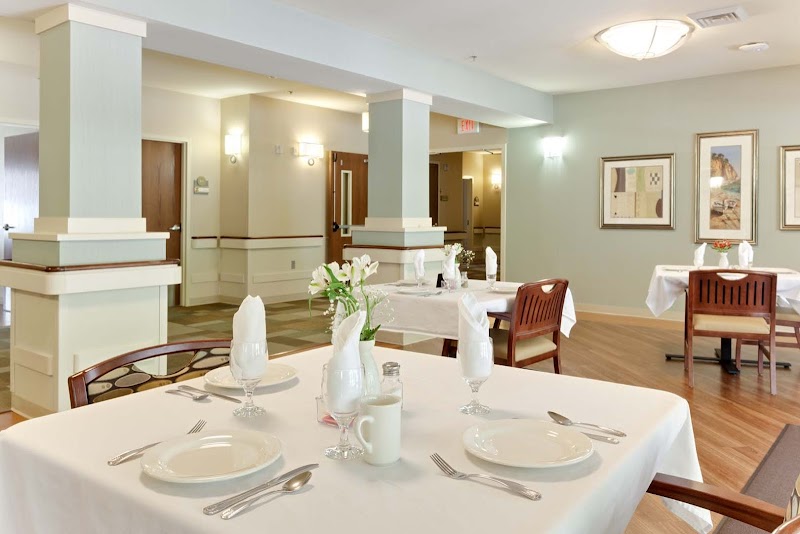
How Does Nc State Veterans Home - Black Mountain Compare to Other North Carolina Nursing Homes?

Compared to the 100 nursing homes in North Carolina, NC State Veterans Home - Black Mountain's overall rating (2 stars) is below the state average of 2.8, staff turnover (31%) is significantly lower than the state average of 46%, and health inspection rating (1 stars) is much below the national benchmark.

What Should Families Ask When Visiting Nc State Veterans Home - Black Mountain?

Based on this facility's data, families visiting should ask: "What changes have been made since the serious inspection findings, and how are you preventing similar issues?" "What safeguards and monitoring systems are in place to protect residents from abuse or neglect?" "Can I visit during a mealtime to observe dining assistance and food quality?" "How do you handle medical emergencies, and what is your hospital transfer rate?" These questions are particularly relevant given the facility's Immediate Jeopardy citations and the substantiated abuse finding on record.

Is Nc State Veterans Home - Black Mountain Safe?

Based on CMS inspection data, NC State Veterans Home - Black Mountain has documented safety concerns. The facility has 1 substantiated abuse finding (meaning confirmed case of resident harm by staff or other residents). Inspectors have issued 2 Immediate Jeopardy citations (the most serious violation level indicating risk of serious injury or death). The facility has a 2-star overall rating and ranks #100 of 100 nursing homes in North Carolina. Families considering this facility should ask detailed questions about what corrective actions have been taken since these incidents.

Do Nurses at Nc State Veterans Home - Black Mountain Stick Around?

NC State Veterans Home - Black Mountain has a staff turnover rate of 31%, which is about average for North Carolina nursing homes (state average: 46%). Moderate turnover is common in nursing homes, but families should still ask about staff tenure and how the facility maintains care continuity when employees leave.

Was Nc State Veterans Home - Black Mountain Ever Fined?

NC State Veterans Home - Black Mountain has been fined $240,964 across 2 penalty actions. This is 6.8x the North Carolina average of $35,489. Fines at this level are uncommon and typically indicate a pattern of serious deficiencies, repeated violations, or failure to correct problems promptly. CMS reserves penalties of this magnitude for facilities that pose significant, documented risk to resident health or safety. Families should request specific documentation of what issues led to these fines and what systemic changes have been implemented.

Is Nc State Veterans Home - Black Mountain on Any Federal Watch List?

NC State Veterans Home - Black Mountain is not on any federal watch list. The most significant is the Special Focus Facility (SFF) program, which identifies the bottom 1% of nursing homes nationally based on persistent, serious quality problems. Not being on this list means the facility has avoided the pattern of deficiencies that triggers enhanced federal oversight. This is a positive indicator, though families should still review the facility's inspection history directly.