TRANSYLVANIA REGIONAL HOSPITAL


260 HOSPITAL DRIVE, BREVARD, NC 28712 (828) 883-5156
For profit - Corporation 10 Beds HCA HEALTHCARE Data: November 2025
Trust Grade
91/100
#57 of 417 in NC
Last Inspection: September 2024

Within standard 12-15 month inspection cycle. Federal law requires annual inspections.

Overview

Transylvania Regional Hospital in Brevard, North Carolina, has received an impressive Trust Grade of A, indicating it is an excellent option for care. It ranks #57 out of 417 facilities in the state, placing it in the top half, and is the highest-ranked facility among three in Transylvania County. However, the facility's performance is concerning as it has shown a worsening trend, increasing from one issue in 2023 to two in 2024. While staffing is a notable strength with a 5/5 rating and a low turnover rate of 29%, the facility has incurred $12,415 in fines, which is higher than 88% of North Carolina facilities, signaling potential compliance issues. Specific incidents of concern include failing to properly use personal protective equipment for high-contact care, inadequate food storage cleanliness, and the absence of the Medical Director at quality assurance meetings, which could impact resident safety. Overall, families should weigh these strengths and weaknesses carefully when considering this facility for their loved ones.

Trust Score
A
91/100
In North Carolina
#57/417
Top 13%
Safety Record
Low Risk
No red flags
Inspections
Getting Worse
1 → 2 violations
Staff Stability
✓ Good
29% annual turnover. Excellent stability, 19 points below North Carolina's 48% average. Staff who stay learn residents' needs.
Penalties
⚠ Watch
$12,415 in fines. Higher than 80% of North Carolina facilities, suggesting repeated compliance issues.
Skilled Nurses
✓ Good
Each resident gets 248 minutes of Registered Nurse (RN) attention daily — more than 97% of North Carolina nursing homes. RNs are the most trained staff who catch health problems before they become serious.
Violations
○ Average
7 deficiencies on record. Average for a facility this size. Mostly minor or procedural issues.
★★★★★
5.0
Overall Rating
★★★★★
5.0
Staff Levels
★★★☆☆
3.0
Care Quality
★★★★☆
4.0
Inspection Score
Stable
2023: 1 issues
2024: 2 issues

The Good

  • 5-Star Staffing Rating · Excellent nurse staffing levels
  • Low Staff Turnover (29%) · Staff stability means consistent care
  • Full Sprinkler Coverage · Fire safety systems throughout facility
  • No fines on record
  • Staff turnover is low (29%)

    19 points below North Carolina average of 48%

Facility shows strength in staffing levels, staff retention, fire safety.

The Bad

Federal Fines: $12,415

Below median ($33,413)

Minor penalties assessed

Chain: HCA HEALTHCARE

Part of a multi-facility chain

Ask about local staffing decisions and management

The Ugly 7 deficiencies on record

Sept 2024 2 deficiencies
CONCERN (E)

Potential for Harm - no one hurt, but risky conditions existed

Food Safety (Tag F0812)

Could have caused harm · This affected multiple residents

Based on observations and staff interviews, the facility failed to store food items on a clean surface and maintain a clean floor in the dry food storage area and failed to discard thickened fluids as...

Read full inspector narrative →
Based on observations and staff interviews, the facility failed to store food items on a clean surface and maintain a clean floor in the dry food storage area and failed to discard thickened fluids as indicated by the expiration date. These deficiencies occurred in the kitchens dry food storage area and had the potential to affect food served to residents at the facility. Findings included: During initial tour of the kitchen on 09/24/24 at 9:01 AM with the Director of Dining Services revealed the following: a. Crumblike food debris on the plastic shelf covering in the dry food storage area where food items were being stored. b. Dark colored stains on the plastic shelf covering in the dry food storage area that appeared as if a liquid was spilled and left to dry where food items were being stored. c. The floor in the dry food storage area was noted to have food crumbs and other debris including unopened packets of condiments and other paper trash. d. Thirteen (13) four ounce containers of thickened water ready for use with an expiration date of February 2024. The expired water was removed by the Director of Dining Services. e. Six (6) 46 ounce containers of thickened sweet tea ready for use with an expiration date June 2024. The expired sweet tea was removed by the Director of Dining Services. During an interview on 09/24/24 at 9:01 AM the Director of Dining Services revealed the cleaning schedule of the dry food storage area included to wipe clean the plastic shelf cover with soap and water every other month and the floor was swept and mopped twice a week and confirmed both the shelving and floor needed to be cleaned. The Director of Dining Services revealed the thickened liquids were available for use for the residents at the facility and it was an oversight those were not discarded as indicated by the expiration date on the container. During an interview on 09/25/24 at 4:42 PM the Administrator revealed the shelving and floor in the dry food storage area should be cleaned more often as needed and kept clean. She revealed expired items should not be stored and available for use and expected they were discarded based on the expiration date on the container.
CONCERN (F)

Potential for Harm - no one hurt, but risky conditions existed

Infection Control (Tag F0880)

Could have caused harm · This affected most or all residents

Based on observations, record review and staff interviews, the facility failed to develop and implement Enhanced Barrier Precautions policy and procedures that included the use of Personal Protective ...

Read full inspector narrative →
Based on observations, record review and staff interviews, the facility failed to develop and implement Enhanced Barrier Precautions policy and procedures that included the use of Personal Protective Equipment (PPE) during high-contact care activities for residents with indwelling medical devices and chronic wounds. In addition, nursing staff did not don a gown while providing high-contact care for residents with indwelling medical devices for 2 of 2 nursing staff observed for infection control practices (Nurse #1 and Nurse Aide #1). Findings included: Review of the facility's infection control policy and procedures revealed no policy and procedure for Enhanced Barrier Precautions (EBP). a. An observation on 09/25/24 at 10:51 AM revealed Nurse #1 sanitized his hands and put on clean gloves but did not put on a gown. Nurse #1 proceeded to flush Resident #4's Peripherally Inserted Central Catheter line (abbreviated as PICC and refers to a long flexible tube that is inserted into a vein in the arm and threaded into a large vein near the heart). An interview with Nurse #1 on 09/25/24 at 10:55 AM revealed that he only wore gloves to flush the PICC line. He further stated that when the PICC line dressing or the PICC line itself needed changed, he wore a mask, gown and gloves. Nurse #1 stated that he had never heard of or received any education on EBP. b. During an observation on 09/25/24 at 10:06 AM Nurse Aide (NA) #1 provided urinary catheter care for Resident #57. NA #1 washed her hands with soap and water and donned a pair of gloves prior to the procedure. NA #1 did not don a gown. NA #1 held the catheter tubing approximately one inch away from the insertion site and wiped the tubing in the direction away from Resident #57. When finished with catheter care NA #1 discarded her gloves and washed her hands. During an interview on 09/25/24 at 10:15 AM, NA #1 revealed she did not wear a gown when she provided catheter care for Resident #57 because she did not receive instructions about EBP. She had not used EBP for residents with indwelling medical devices during high contact care activities and revealed the appropriate precautions were implemented if a resident had a specific organism that required it. A joint interview with the Director of Nursing (DON) and the Infection Preventionist (IP) was conducted on 09/25/24 at 11:07 AM. The IP revealed she had not informed staff to implement EBP during high-contact care activities. The IP stated she was not familiar with EBP and would need to update herself on the guidance for implementing EBP during high-contact care activities when a resident had an indwelling medical device. The DON revealed she had not informed nursing staff to implement EBP for residents with a PICC line or indwelling urinary catheter and was not familiar with the guidance for EBP related to indwelling medical devices. The DON revealed if a resident's lab identified the presence of a Multi Drug Resistant Organism (MDRO) an alert was sent to the nurse indicating the type of isolation precautions needed and it was the nurse's responsibility to implement the type of precautions by placing a sign on the resident's room door and bin of personal protective equipment by the door. An interview with the Administrator on 09/25/24 at 4:52 PM revealed she would expect staff had received education about EBP and were implementing the necessary precautions for indwelling medical devices.
Jun 2023 1 deficiency
CONCERN (E)

Potential for Harm - no one hurt, but risky conditions existed

Deficiency F0868 (Tag F0868)

Could have caused harm · This affected multiple residents

Based on record review and staff interview, the facility failed to ensure the Medical Director (MD) was present for one (1) of the one (1) quarterly Quality Assurance (QA) meetings reviewed. This defi...

Read full inspector narrative →
Based on record review and staff interview, the facility failed to ensure the Medical Director (MD) was present for one (1) of the one (1) quarterly Quality Assurance (QA) meetings reviewed. This deficient practice had the potential to impact facility residents as the Medical Director was not involved in identifying and responding to quality deficiencies within the facility. The findings include: Review of the last quarterly QA committee meeting dated 05/18/2023 revealed the MD was not present for the QA committee meeting. On 06/20/2023 at 1:45 PM, the Administrator Director Quality and Safety reported that she was responsible for inviting the MD or his/her designee and she had never invited the MD or his/her designee to attend any of the quarterly QA committee meetings. She indicated the MD had no involvement in QA or by alternate means. She indicated that she was not aware that the MD or his/her designee was required to attend the QA committee meetings. Administrator Director Quality and Safety indicated moving forward she will make sure the MD or his/her designee was invited in all the QA committee meeting.
Nov 2021 4 deficiencies
CONCERN (D)

Potential for Harm - no one hurt, but risky conditions existed

Comprehensive Assessments (Tag F0636)

Could have caused harm · This affected 1 resident

**NOTE- TERMS IN BRACKETS HAVE BEEN EDITED TO PROTECT CONFIDENTIALITY** Based on record review and interviews with staff, the facility failed to complete an admission Minimum Data Set (MDS) within the...

Read full inspector narrative →
**NOTE- TERMS IN BRACKETS HAVE BEEN EDITED TO PROTECT CONFIDENTIALITY** Based on record review and interviews with staff, the facility failed to complete an admission Minimum Data Set (MDS) within the first 14 days of admission for 1 of 5 residents reviewed for accuracy (Resident #1). The findings included: Resident #1 was admitted from the hospital on [DATE] with diagnoses including diabetes mellitus and fracture of the right radius. Resident #1's medical record was reviewed and revealed an admission MDS assessment with an Assessment Reference Date (ARD, the last day of the observation period that the assessment covers) of 11/10/2021 had not been completed as of 11/24/2021. This was 21 days after Resident #1's admission to the facility. During an interview on 11/24/21 at 9:09 AM the MDS Coordinator explained the admission MDS assessment with an ARD of 11/10/2021 was due to be signed as completed on 11/24/21. During an interview on 11/24/21 at 11:15 AM the Director of Nursing (DON) explained the floor nurses do the required assessments and documentation needed to complete the MDS. The DON then gathers this information and sends it to the MDS Coordinator who is expected to input the data and submit the information for each resident.
CONCERN (D)

Potential for Harm - no one hurt, but risky conditions existed

Deficiency F0761 (Tag F0761)

Could have caused harm · This affected 1 resident

**NOTE- TERMS IN BRACKETS HAVE BEEN EDITED TO PROTECT CONFIDENTIALITY** Based on record review, observations and interviews with staff and family, the facility failed to secure and date an opened medi...

Read full inspector narrative →
**NOTE- TERMS IN BRACKETS HAVE BEEN EDITED TO PROTECT CONFIDENTIALITY** Based on record review, observations and interviews with staff and family, the facility failed to secure and date an opened medication that was available for use for 1 of 4 Residents reviewed for medication storage. (Resident #155) Findings included: A review of the manufacturer's recommendation for Latanoprost ophthalmic solution indicated that an unopened bottle must be stored under refrigeration at 36° to 46° Fahrenheit (F). Once a bottle of Latanoprost ophthalmic solution was opened for use, it could be stored at room temperature up to 77° F for 6 weeks. Resident #155 was admitted to the facility on [DATE] with diagnoses included glaucoma. The admission Minimum Data Set (MDS) was not completed at the time of this survey. On 11/22/21 at 12:24 PM, 1 bottle of opened and undated Latanoprost ophthalmic solution was observed next to the sink in Resident #155's room. The eye drop did not have a date to indicate when it was opened and was available for use. In an interview with the family member of Resident #155 on 11/22/21 at 12:25 PM, she stated Resident #155 received Latanoprost once daily at night and had never been assessed for self-administration of medication. She did not know how long the eye drop had been left unattended in the room so far. She added Resident #155 had mild confusion at night most of the times. During an interview with Nurse #1 on 11/22/21 at 12:34 PM she did not know why Latanoprost ophthalmic solution was left unattended by the second shift nurse in Resident #155's room. She acknowledged that the eye drop should be stored in the Pixel in medication storage room and dated when it was opened. She never administered Latanoprost to Resident #155 as she only worked in the first shift. She did not know which nurse had initially opened this eye drop. In an interview conducted on 11/23/21 at 10:51 AM, the Director of Pharmacy stated it was her expectation for the nurse to date the Latanoprost eye solution when it was opened and store it in the Pixel after it had been used. During a phone interview with Nurse #2 on 11/23/21 at 4:18 PM she confirmed she was working second shift on 11/21/21 and had administered Latanoprost to Resident #155 during the shift. She indicated that the eye drop had been in Resident #155's room before she used it on 11/21/21. After she had administered the eye drop, she put it back to the same spot and did not do anything to secure it. She did not notice the opened eye drop was not dated after it was opened. Nurse #2 acknowledged that it was unsafe and inappropriate to leave any medication unattended in the facility. In an interview conducted on 11/23/21 at 4:27 PM, the Director of Nursing (DON) explained the second shift nurse had forgotten to date and return Latanoprost to the Pixel after it was administered. It was her expectation for the nurse to date Latanoprost when it was opened and store it in the Pixel after each administration.
CONCERN (E)

Potential for Harm - no one hurt, but risky conditions existed

Food Safety (Tag F0812)

Could have caused harm · This affected multiple residents

Based on observations, record review, and staff interview the facility failed to remove food ready for use with signs of spoilage and after the use by date for 1 of 1 walk-in cooler and the facility f...

Read full inspector narrative →
Based on observations, record review, and staff interview the facility failed to remove food ready for use with signs of spoilage and after the use by date for 1 of 1 walk-in cooler and the facility failed to remove foods ready for use by the use by date for 1 of 1 dry food storage area. This practice had the potential to affect food served to residents. The findings included: Initial tour of the kitchen was completed on 11/22/21 at 10:22 AM with the Executive Chef (EC). Observations of the walk-in refrigerator revealed a half full zip lock gallon size bag of sliced pepperoni with a use by date of 9/8/21 with several slices turning gray in color. Observation of the of the dry storage area revealed a large bag of dry peanuts labeled with an expiration date of 8/18/21, an opened 5-pound bag of quinoa with a use by date 11/15/21. During an interview on 11/22/21 at 10:22 AM the EC revealed foods should not be stored after the use by date and should be thrown away. The EC stated it was the responsibility of kitchen staff to label foods when opened and remove when out of date. The EC revealed kitchen staff were expected to use the labels generated by an automated system that printed the date food items were opened and the date it should be used by.
CONCERN (E)

Potential for Harm - no one hurt, but risky conditions existed

Deficiency F0886 (Tag F0886)

Could have caused harm · This affected multiple residents

Based on record review and interviews with staff and the Division Director of Infection Prevention the facility failed to test unvaccinated staff based on the Center for Disease Control and Prevention...

Read full inspector narrative →
Based on record review and interviews with staff and the Division Director of Infection Prevention the facility failed to test unvaccinated staff based on the Center for Disease Control and Prevention (CDC) community transmission levels per the guidelines of the Centers for Medicare and Medicaid Services (CMS) before allowing to work for 3 of 3 staff reviewed for Covid-19. This failure occurred during a global pandemic. The findings included: A review of the facility's Infection Prevention Plan (IPP) with a revision date of 3/12/21 stated the facility would comply with the current CDC guidelines to reduce the transmission of infectious agents. The IPP will be based on the level of risk related to the community environment. The responsibility for implementing and overseeing all regulation and/or recommendations which involve infection prevention issues including recommendations from the CDC and regulations for healthcare facilities both local, state, and federal. A review of the CDC website titled, Covid-19 Integrated County View revealed community transmission levels for the location of the facility from 9/1/21 to 10/19/21 were high and from 10/20/21 to 11/24/21 were substantial. A review of the CMS guidelines for routine testing intervals of unvaccinated staff revealed when the community transmission levels were substantial or high staff were tested for Covid-19 twice a week. A review of unvaccinated staff test records revealed Nurse Aide (NA) #1 was scheduled to work on and tested for Covid-19 on 9/23, 9/28, 9/30, 10/6, 10/12, 10/20, 11/1, 11/4, 11/11 and 11/15 and received all negative results. A review of unvaccinated staff test records revealed NA #2 was scheduled to work on and tested for Covid-19 on 9/30, 10/6, 10/13, 10/19, 10/25, 11/3, 11/8 and received all negative results. A review of unvaccinated staff test records revealed Nurse #1 was scheduled to work on and tested for Covid-19 on 9/22, 9/28, 10/1, 10/5, 10/13, 10/15, 10/27, 11/1, 11/3, 11/5, 11/10, 11/15, and 11/19 and received all negative results. During an interview on 11/23/21 at 1:03 PM the Division Director of Infection Prevention (DDIP) revealed testing of unvaccinated staff was done weekly based on the state recommendations. The DDIP revealed the Director of Nursing (DON) kept the staff vaccination records. During an interview on 11/23/21 at 2:50 PM the DON revealed the plan for testing unvaccinated staff was based on their work schedule. The DON explained unvaccinated staff were tested on the day they worked using the polymerase chain reaction (PCR) test for COVID-19 and results were obtained within 48 hours. The DON revealed unvaccinated staff were not required to test twice a week if they didn't work on the unit. The DON revealed the DDIP checked the community transmission levels for the county and provided guidance on testing unvaccinated employees. The DON revealed none of the staff who worked on the unit and none of the residents had tested positive for Covid-19 since the unit reopened in 09/2021. A second interview was conducted with the DON on 11/23/21 at 4:34 PM. The DON revealed she didn't feel it was necessary to ask employees to come in on off days to be tested a second time and wasn't aware it was mandatory to test unvaccinated staff twice a week based on the community transmission levels. A second interview was conducted with DDIP on 11/24/21 at 11:59 AM. The DDIP stated the facility policy was to follow the CMS guidelines for routine testing of unvaccinated staff.
Understanding Severity Codes (click to expand)
Life-Threatening (Immediate Jeopardy)
J - Isolated K - Pattern L - Widespread
Actual Harm
G - Isolated H - Pattern I - Widespread
Potential for Harm
D - Isolated E - Pattern F - Widespread
No Harm (Minor)
A - Isolated B - Pattern C - Widespread

Questions to Ask on Your Visit

  • "Can I speak with families of current residents?"
  • "What's your RN coverage like on weekends and overnight?"

Our Honest Assessment

Strengths
  • • Grade A (91/100). Above average facility, better than most options in North Carolina.
  • • No major safety red flags. No abuse findings, life-threatening violations, or SFF status.
  • • 29% annual turnover. Excellent stability, 19 points below North Carolina's 48% average. Staff who stay learn residents' needs.
Concerns
  • • $12,415 in fines. Above average for North Carolina. Some compliance problems on record.
Bottom line: Generally positive indicators. Standard due diligence and a personal visit recommended.

About This Facility

What is Transylvania Regional Hospital's CMS Rating?

CMS assigns TRANSYLVANIA REGIONAL HOSPITAL an overall rating of 5 out of 5 stars, which is considered much above average nationally. Within North Carolina, this rating places the facility higher than 99% of the state's 100 nursing homes. This rating reflects solid performance across the metrics CMS uses to evaluate nursing home quality.
How is Transylvania Regional Hospital Staffed?

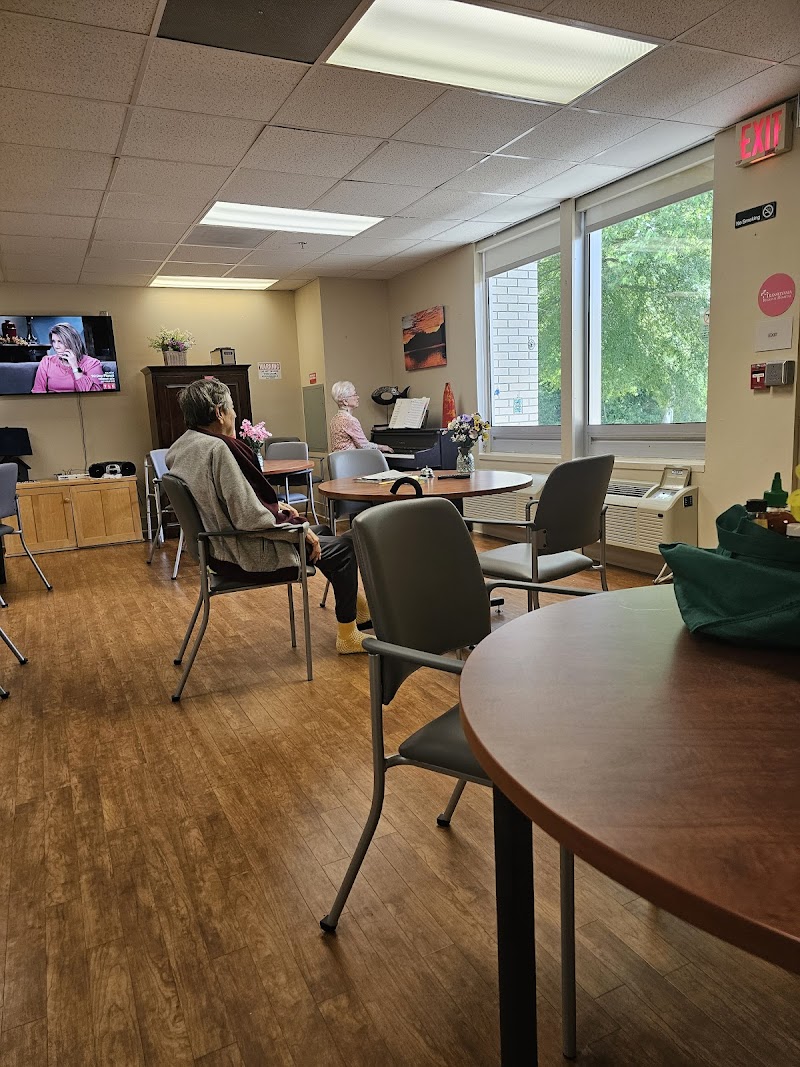
CMS rates TRANSYLVANIA REGIONAL HOSPITAL's staffing level at 5 out of 5 stars, which is much above average compared to other nursing homes. Staff turnover is 29%, compared to the North Carolina average of 46%. This relatively stable workforce can support continuity of care.

What Have Inspectors Found at Transylvania Regional Hospital?

State health inspectors documented 7 deficiencies at TRANSYLVANIA REGIONAL HOSPITAL during 2021 to 2024. These included: 7 with potential for harm.

Who Owns and Operates Transylvania Regional Hospital?

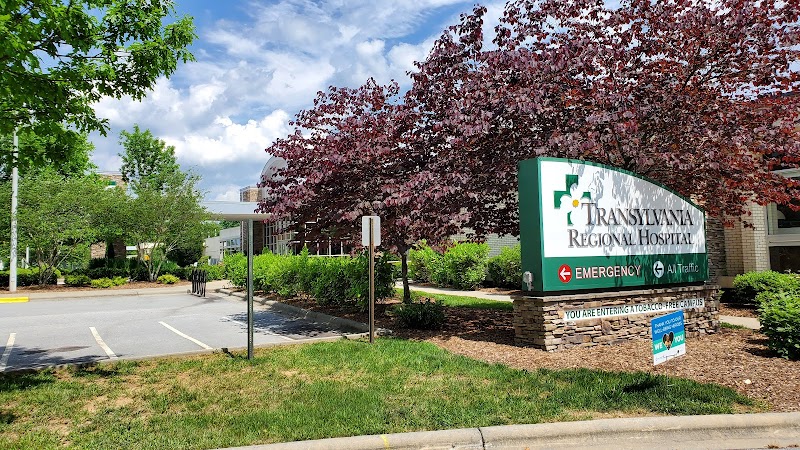
TRANSYLVANIA REGIONAL HOSPITAL is owned by a for-profit company. For-profit facilities operate as businesses with obligations to shareholders or private owners. The facility is operated by HCA HEALTHCARE, a chain that manages multiple nursing homes. With 10 certified beds and approximately 5 residents (about 50% occupancy), it is a smaller facility located in BREVARD, North Carolina.
How Does Transylvania Regional Hospital Compare to Other North Carolina Nursing Homes?

Compared to the 100 nursing homes in North Carolina, TRANSYLVANIA REGIONAL HOSPITAL's overall rating (5 stars) is above the state average of 2.8, staff turnover (29%) is significantly lower than the state average of 46%, and health inspection rating (4 stars) is above the national benchmark.

What Should Families Ask When Visiting Transylvania Regional Hospital?

Based on this facility's data, families visiting should ask: "Can I visit during a mealtime to observe dining assistance and food quality?" "How do you handle medical emergencies, and what is your hospital transfer rate?" "Can I speak with family members of current residents about their experience?"

Is Transylvania Regional Hospital Safe?

Based on CMS inspection data, TRANSYLVANIA REGIONAL HOSPITAL has a clean safety record: no substantiated abuse findings (meaning no confirmed cases of resident harm), no Immediate Jeopardy citations (the most serious violation level indicating risk of serious injury or death), and is not on the Special Focus Facility watch list (a federal program monitoring the lowest-performing 1% of nursing homes). The facility has a 5-star overall rating and ranks #1 of 100 nursing homes in North Carolina. While no facility is perfect, families should still ask about staff-to-resident ratios and recent inspection results during their visit.

Do Nurses at Transylvania Regional Hospital Stick Around?

Staff at TRANSYLVANIA REGIONAL HOSPITAL tend to stick around. With a turnover rate of 29%, the facility is 17 percentage points below the North Carolina average of 46%. Low turnover is a positive sign. It means caregivers have time to learn each resident's needs, medications, and personal preferences. Consistent staff also notice subtle changes in a resident's condition more quickly. Registered Nurse turnover is also low at 20%, meaning experienced RNs are available to handle complex medical needs.

Was Transylvania Regional Hospital Ever Fined?

TRANSYLVANIA REGIONAL HOSPITAL has been fined $12,415 across 2 penalty actions. This is below the North Carolina average of $33,203. While any fine indicates a compliance issue, fines under $50,000 are relatively common and typically reflect isolated problems that were subsequently corrected. Families should ask what specific issues led to these fines and confirm they've been resolved.

Is Transylvania Regional Hospital on Any Federal Watch List?

TRANSYLVANIA REGIONAL HOSPITAL is not on any federal watch list. The most significant is the Special Focus Facility (SFF) program, which identifies the bottom 1% of nursing homes nationally based on persistent, serious quality problems. Not being on this list means the facility has avoided the pattern of deficiencies that triggers enhanced federal oversight. This is a positive indicator, though families should still review the facility's inspection history directly.