CRITICAL
(J)
📢 Someone Reported This
A family member, employee, or ombudsman was alarmed enough to file a formal complaint
Immediate Jeopardy (IJ) - the most serious Medicare violation
Free from Abuse/Neglect
(Tag F0600)
Someone could have died · This affected 1 resident
**NOTE- TERMS IN BRACKETS HAVE BEEN EDITED TO PROTECT CONFIDENTIALITY** Based on record review, observation, and interviews with police, resident, and staff, the facility failed to protect a resident'...
Read full inspector narrative →
**NOTE- TERMS IN BRACKETS HAVE BEEN EDITED TO PROTECT CONFIDENTIALITY** Based on record review, observation, and interviews with police, resident, and staff, the facility failed to protect a resident's right to be free from resident-to-resident mental and verbal abuse. On 4/09/24 Resident #2 entered Resident #1's room and threatened her with a knife stating I'm gonna get you with it. Resident #1 reported Resident #2 popped the switchblade open and waved the 4 inch blade in front of [her] face. Resident #1 stated she feared for her life, put her head under the covers, and prayed he wasn't going to kill [her]. This deficient practice affected 1 of 3 residents reviewed for abuse.
Immediate jeopardy began on 4/9/24 when the facility failed to protect Resident #1 from abuse perpetrated by Resident #2. Immediate jeopardy was removed on 5/3/24 when the facility implemented a credible allegation of immediate jeopardy removal. The facility remains out of compliance at a lower scope and severity level of D (no actual harm with the potential for more than minimal harm that is not immediate jeopardy) to ensure education is completed and monitoring systems put into place are effective.
Findings included:
Resident #2 was admitted to the facility on [DATE] with diagnoses that included stroke and antisocial personality disorder.
Resident #2's quarterly Minimum Data Set (MDS) assessment, dated 3/18/24 revealed he was assessed as cognitively intact, with no mood symptoms or behaviors. He was assessed as ambulating independently and utilized a manual wheelchair.
Resident #2's active care plan as of 4/9/24, last updated on 9/18/23, did not have a care plan related to behavioral issues.
Resident #1's annual MDS assessment dated [DATE] indicated her cognition was intact.
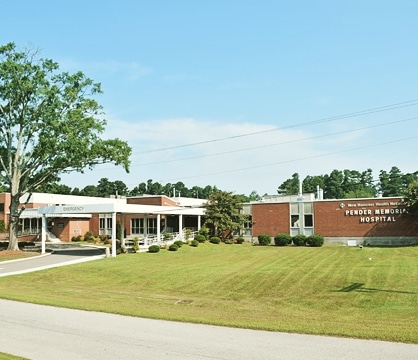
An observation conducted on 4/30/24 at 10:00 AM revealed the skilled nursing facility was on the second floor of the local hospital.
An investigation report with a timeline of events, submitted on 4/18/24, revealed on 4/9/24 Resident #2 entered the room of Resident #1, he (Resident #2) brandished [waved] a knife and threatened Resident #1. Resident #1 indicated that Nurse Aide (NA) #1 was in the room when Resident #2 threatened her (Resident #1) and she (NA #1) turned her head and walked away.
Review of an incident report completed by the Director of Nursing (DON) dated 4/18/24 revealed Resident #2 entered Resident #1's room and brandished a knife on 4/9/24.
An interview was conducted with Resident #1 on 4/30/24 at 11:28 AM. Resident #1 stated on 4/9/24 Resident #2 came in her room in a wheelchair and stood at her bedside while she was in bed. She revealed Resident #2 brandished a knife, and threatened her stating I'm gonna get you with it. Resident #1 stated Resident #2 popped the switchblade open and waved the 4-inch blade in front of her face. She indicated she put her head under the covers and prayed he wasn't going to kill me. She stated Resident #2 left the room while she had the covers over her head. She indicated she had a roommate at the time of the incident but she could not recall where the roommate was at when the incident occurred. She added that her bed (Resident #1's) was the one closest to the door. She reported that NA #1 was in the room when Resident #2 came in on 4/9/24 but was unsure of her (NA #1's) exact location within the room when Resident #2 brandished the knife. Resident #1 stated she remained in her room after the incident because she was afraid of Resident #2. She stated she normally spent a great deal of time out of her room and participated in activities throughout the day. Resident #1 stated that she was scared he was gonna get me and that she feared for her life. She stated she felt powerless to stop him from harming her if that was his plan.
During an interview with Nurse Aide #1 on 4/30/24 at 1:07 PM she stated she provided care to Resident #1 on 4/9/24 and did not see a knife while she was in Resident #1's room. NA #1 stated she heard Resident #1 and Resident #2 talking about a knife. NA #1 stated she could not recall what specifically was said because she was trying to get her work done at the time. She stated she was in and out of Resident #1's room and reported the conversation about the knife occurred while she was in the hallway. She stated she thought they (Resident #1 and Resident #2) were joking around because Resident #2 frequently discussed his criminal history and bragged a great deal about his past criminal history. NA #1 stated she intentionally did not look for the knife. She indicated she did not want to be involved.
A second interview was conducted with NA #1 with the DON present on 5/1/24 at 11:00 AM. NA #1 reported she never saw Resident #2 with the knife on 4/9/24. NA #1 stated she saw Resident #2 in the doorway of Resident #1's room (4/9/24) and heard him say something about having a knife. She reported she (NA #1) heard Resident #2 say he believed she (NA #1) and NA #2 had reported him for having the knife after it was confiscated by the police on 4/11/24 and he stated he (Resident #2) was going to get them (NA #1 and NA #2). During this interview NA #1 acknowledged that she was afraid of Resident #2 because he frequently bragged about his criminal history. She reported after the knife was discovered on 4/11/24 he yelled out who is the snitch and snitches get stitches.
An interview was conducted with the DON on 4/30/24 at 10:53 AM. She reported Resident #1 pulled her into her (Resident #1's) room on 4/11/24 and told her Resident #2 had pulled a knife on her on 4/9/24. The DON stated Resident #1 was afraid to leave her room because Resident #2 had threatened her with the knife. The DON stated she saw the knife on 4/11/24 and it was 8 inches long. She reported the blade was 4 inches long and the handle was 4 inches long. She stated she understood from when she talked to Resident #2 on 4/11/24 he ordered the knife and had it delivered after he was admitted to the facility. She stated after she was made aware of the knife she contacted the hospital police who advised her to contact the local police department. She contacted the local police department 4/11/24 and asked them to confiscate the knife. The DON stated when the police officers came on 4/11/24 Resident #1 did not want to press charges so Resident #2 was not arrested and the knife was secured in a locked nursing supervisor closet. The DON stated Resident #2 was discharged on 4/18/24 to the local police due to him having two outstanding warrants. She stated it was her understanding that he was taken to the local jail on 4/18/24. The DON reported Resident #2 had some issues since his admission. She reported there had been an incident with him inviting a suspected prostitute to visit and he continued to have contact with people who were suspected to be in the drug community. The DON reported Resident #1 and Resident #2 had an incident in the past in which Resident #2 swung to strike Resident #1 and missed on 2/27/24. She (Resident #1) grabbed his (Resident #2's) glasses and the staff had a difficult time getting him to remove his hands from the handrail in the hallway. The residents were separated, and the incident appeared to be handled.
Review of the police report completed by Police Officer #1 dated 4/11/24 revealed a warrant check was conducted and Resident #2 was found to have two felony warrants.
During a phone interview conducted with Police Officer #2 on 5/6/24 at 2:16 PM she stated she came to the facility on 4/11/24 solely to confiscate the knife. She explained the resident, staff, and facility had elected not to press charges. She indicated the knife's blade was 4 inches long and the handle of the knife was blue and black. She stated the handle was 4 inches long. Police Officer #2 stated the knife had a flip blade (a blade which was spring loaded and the blade was automatically engaged by pressing a button).
A phone interview was conducted with Police Officer #1 on 5/2/24 at 10:42 AM. He stated he spoke with Resident #2 on 4/12/24 after the incident was disclosed and informed him that threatening behavior to residents and staff would not be tolerated. Police Officer #1 reported Resident #2 stated he would comply. He stated Resident #2 was not arrested on 4/11/24 because Resident #1 was not willing to cooperate with prosecution. He further explained Resident #2 was receiving medical care from the facility so he was not taken into custody for the outstanding warrants on 4/11/24.
Review of a notice of discharge for Resident #2 dated 4/18/24 revealed Resident #2 was discharged from the facility on 4/18/24 due the safety of individuals in the facility being endangered. The notice of discharge revealed his discharge location was the local jail.
The facility and hospital were part of the same entity and had a shared medical record. The medical record revealed as of 5/6/24 Resident #2 was in a local hospital awaiting placement after transfer from the jail due to concerns related to his medical health.
During an interview with the DON on 4/30/24 at 3:15 PM she stated the facility tried to protect the other residents while simultaneously protecting Resident #2's rights.
A follow-up interview was conducted with the DON on 5/6/24 at 10:00 AM. She reported the hospital was having a difficult time with placement. The DON stated Resident #2 would not be allowed back at the facility.
Attempts to interview Resident #2 were unsuccessful.
The Administrator was notified of immediate jeopardy on 5/1/24 at 1:15 PM.
The facility provided the following immediate jeopardy removal plan:
- Identify those recipients who have suffered, or are likely to suffer, a serious adverse outcome as a result of the noncompliance:
The facility did not protect Resident #1's right to be free from mental and verbal abuse perpetrated by Resident #2.
Incident
On 04/11/2024 at 2:30pm a nurse notified the Director of Nursing (DON) that Resident #1 reported that day before yesterday (on 04/09/2024) Resident #2 entered her room, brandished a knife, and threatened her.
On 04/11/2024 at 3:11pm, the Director of Nursing (DON) notified company police that there was a resident (Resident #2) in possession of a knife, which posed a security threat. The DON then called the local police department for assistance with confiscating the knife at 3:37pm. In an effort to ensure no other residents were abused, and while Resident #2 was resting in his room with the door shut, the DON cleared the Skilled Nursing Unit (SNU) hallways of residents and staff. Residents were escorted to their rooms and room doors were shut by staff. The residents were kept safe and told they should go and stay in their room while staff investigated the situation. In an effort to maintain a calm environment, we did not disclose the details to the other residents. Residents were kept calm and supported by staff by maintaining business as usual.
In addition, staff were relocated to the day room at 3:40pm. The DON stayed at the nursing station monitoring the patient call system. The DON instructed the local police to search Resident #2's room for any additional contraband. The local police instructed Resident #2 that having a weapon on hospital property (the SNU was located within a hospital) is not allowed. The DON and local police asked Resident #2 if he had any concerns about his safety and he responded no.
Within less than twenty minutes, after the knife was confiscated, the DON announced via a unit overhead page that staff and residents were free to move about the unit. The Social Worker reported to the unit and was briefed on the situation by the DON. The DON directed the Social Worker to round first on Resident #1. After providing emotional support and offering resources such as Chaplain services, counseling, physician consultation etc. to Resident #1, (who declined) the Social Worker rounded on the other Residents to assess exposure to or impact of the abuse situation. This was achieved by individually interviewing residents and asking if there were any questions, concerns or needs.
The DON presented to Resident #1's room on 04/11/2024 to assess the situation. The DON discussed the situation that happened on 04/09/2024 when Resident #2 entered her room with a knife. Resident #1 explained in her normal demeanor what happened and admitted that she was fearful of retaliation and did not come out of her room for a couple of days. The DON determined there was no need for further interventions for Resident #1 on 04/11/2024.
In addition, the DON rounded on residents and implemented a two-team member approach to providing care to Resident #2, or when entering his room. At the time, the DON determined via one-to-one interviews, no other residents had been harmed or in need of assistance. This is evidenced by no complaints or grievances from other residents at the time. The DON debriefed with the oncoming nursing supervisor who then instructed the security officer who works every day from 5:00pm to 3:00am to complete extra rounding on the SNU.
The DON was onsite monitoring the situation and handed off to the nursing supervisor at 4:40pm on 94/11/2024 instructing them to supervise Resident #2 closely. The DON consulted the Medical Director and a Behavioral Health consult was ordered for Resident #2. The DON debriefed the team and instructed the team to place this patient on close supervision and call the local police department immediately at the onset of any threatening behaviors from Resident #2. The Minimum Data Set (MDS) Coordinator modified Resident #2's care plan to include interventions to include interventions that would reduce or eliminate inappropriate or threatening behaviors. The DON notified the dietary services to place Resident #2 on a safe tray that utilizes plastic utensils, Styrofoam tray and no plastic bags.
On 04/12/2024, the DON called the SNU to check on all residents and staff, which reported non-disruptive and good behavior from Resident #2 and there were no issues at 2:00am.
The DON investigated the incident on 04/12/2024 by interviewing team members and the alert and oriented residents to assess for other incidents. The DON asked the alert and oriented residents if any other resident or staff have hurt them or made them feel unsafe. The DON assessed that cognitively impaired residents did not demonstrate signs of physical harm (i.e. no injuries of unknown origin) or emotional anguish (i.e. no pursed lips, muscle tension, restlessness, or labored breathing). The residents (other than Resident #1) and staff reported no additional episodes of threatening behavior or abuse.
1. On the following dates and times, the Director of Nursing (DON) facilitated a leadership meeting with legal department, case management, risk management, company police and manager of Clinical Outcomes to establish next steps, including the clinical appropriateness of resident discharge and associated Centers for Medicare and Medicaid Services (CMS) regulations.
-On 04/12/2024 at 11:00am: The team discussed the risks vs benefits of Resident # 2 remaining a resident at current facility.
-On 04/16/2024 at 10:30am: The team discussed discharge disposition options.
-On 04/17/2024 at 4:00pm: The team allocated appropriate durable medical equipment (DME) and medications to facilitate a safe discharge plan.
-On 04/18/2024 at 9:30am, the above referenced team members finalized the discharge plan.
2. On 04/18/2024 at 10:07am, the DON completed the Nursing Home Notice of Transfer/Discharge that was signed by the facility President/Administrator and given to Resident #2. The attending provider completed a discharge summary and wrote a discharge order for Resident #2 at 10:15am. At 11:45am, the patient received Durable Medical Equipment (DME) and medications and was safely discharged from the facility.
3. On 04/18/2024 at 2:00pm, the DON discussed the context of Resident #2's discharge, including the facility policy, CMS guidelines, and importance of resident and staff safety with SNU staff via a staff meeting. Staff that were not present received this education from the DON, Clinical Coordinator or Nursing Supervisor, via one-on-one discussions upon arrival to their next shift.
4. The DON self-reported the resident abuse safety incident to the NC Department of Health and Human Services via fax on 4/18/2024 at approximately 4:30pm. No other agency was notified. The ombudsman was notified on 04/17/2024 at 11:41pm.
5. On 04/19/2024, the DON told Resident #1 that Resident #2 was discharged . The DON commended Resident #1 for discussing the incident and requested immediate reporting to the nurses or leadership if there is any situation or concerns in the future. The DON reassessed Resident #1 for mental suffering, found the resident to not be in distress and offered support including emotional support, pet therapy, chaplain services and counseling. Resident #1 stated that she also had a conversation with the Social Worker about available resources such as counseling, but Resident # 1 declined all available resources.
- Specify the action the entity will take to alter the process or system failure to prevent a serious adverse outcome from occurring or recurring, and when the action will be complete:
On 05/01/2024, the following actions were completed:
1. At 3:00pm, the DON reviewed the 2023 annual training transcripts for of all SNU team members to ensure they completed required resident abuse/neglect education. Results revealed 100% compliance of all SNU staff (nursing and nursing assistants, activity coordinator).
2. At 4:00pm, the SNU Clinical Coordinator provided education to SNU clinical team members (Licensed Nurses, Certified Nursing Assistants, Activity Coordinator) present on-site via on-site in-person training:
a. Emergency Operations activation (including what to do when staff and/or patients experience potential or actual harm which could be related to an abuse situation)
b. Reasonable suspicion of a crime examples (which could result in abuse)
Resident abuse - the definition of abuse, what needs to be reported and who/how to report.
3.Beginning at 5:00pm, the Nursing Supervisor educated team members in the following disciplines of the above educational topics via in-person, face-to-face huddles (A huddle is a fixed time for gathering of team members to focus on care coordination, facilitate immediate face-to-face clarification of issues and discuss important topics. This process is designed to improve productivity, communication, and teamwork within clinical practice settings and is typically held at shift changes. It focuses on the daily action plan, and adjustments needed which improves efficiency and enhances teamwork by anticipating needs for the day. The goal of huddles is to increase individual team member accountability for patient safety and to help foster a culture of empowerment and collaboration) on the following units:
a. SNU licensed nurses
b. SNU certified nursing assistants
c. Therapy services
d. Environmental Services
e. Dietary
f. Facilities
g. Clinical outcomes
The following actions were completed on 05/02/2024:
1. To continue education efforts of team members that had not yet received education, at 6:50am, the DON facilitated a SNU team meeting and in-service and completed education regarding the same topics outlined above in #2.
2. At 8:30 AM, the Manager of Clinical Outcomes facilitated another in person, face-to-face in-service on the abuse topic as outlined in # 2 above in the facility's education room for Social Workers, Admissions, Case Management, Therapy Services, Dietary Services, Environmental Services, Plant Engineering and Nursing Supervision leaders and staff members.
3. For disciplines listed above, education regarding the same topics as above will be ongoing by unit leaders until 100% compliance is achieved and prior to staff working on the floor. The DON informed the leaders of Social Workers, Admissions, Case Management, Therapy Services, Dietary Services, Environmental Services Plant Engineering, and Nursing Supervision that they and all the staff must attend the outlined education on abuse until 100% compliance is achieved and prior to staff working on the SNU.
4. At 1:00pm, the Resident Council was provided education to residents on how to report safety concerns. The Clinical Outcomes Manager and the Unit Clinical Coordinator explained to the residents the importance of reporting any safety concerns, what constitutes a safety concern, how to report, when to report (immediately), and how they can report to staff members or leaders.
5. At 2:50pm, during shift change, company police provided an in-person, face-to-face in-service to SNU staff (nurses, nurse assistants) that were present about abuse. The in-service covered domestic and workplace violence, the security management plan, responsibilities of leaders, team members duty to report, actual and potential security risks, activation of emergency response if situations of abuse/potential harm and 911 notifications. The DON or Manager of Clinical Outcomes will provide SNU staff that were not present education via daily huddles and one on one sessions. This information will be tracked by the DON, who will ensure 100% education of SNU staff is completed upon returning to work.
6. As part of onboarding new staff, standard, facility-wide orientation facilitated by the Human Resources Department includes education regarding the Emergency Operations Plan and reasonable suspicion of a crime examples. A computer-based learning module created by the facility's Professional Development Department about resident abuse and neglect remains a part of the SNU staff's annual education requirements. Additionally, the DON will be responsible for ensuring completion of a unit-specific orientation checklist that includes each new hire's verification of understanding the abuse policy (definition of abuse, reportable situations, and who/how to report) and the emergency operations policy including how to call for help. Proof of completion of the SNU-specific orientation checklist will be kept in the employee's file.
Alleged Immediate Jeopardy Removal Date: 05/03/2024
Onsite validation of the immediate jeopardy removal plan was completed on 5/6/24. Interviews confirmed all staff from all departments were educated on abuse, the definition of abuse, what events require activating the emergency preparedness plan including what to do when residents experience potential or actual harm related to an abuse situation, and what constitutes reasonable suspicion of a crime as a result of abuse. Additionally, all nursing staff were educated by the company police on multiple topics that included actual and potential security risks to include situations of abuse. The DON verified she was responsible for ensuring new staff complete unit specific training that includes verification of staff's understanding of the abuse policy. Interviews with residents revealed they were educated on how to report safety concerns and what constitutes a safety concern. The facility's immediate jeopardy removal date of 5/3/24 was validated.
CRITICAL
(L)
📢 Someone Reported This
A family member, employee, or ombudsman was alarmed enough to file a formal complaint
Immediate Jeopardy (IJ) - the most serious Medicare violation
Abuse Prevention Policies
(Tag F0607)
Someone could have died · This affected most or all residents
⚠️ Facility-wide issue
**NOTE- TERMS IN BRACKETS HAVE BEEN EDITED TO PROTECT CONFIDENTIALITY** Based on record review and interviews with police, resident, and staff, Nurse Aide (NA) #1 failed to immediately report an incid...
Read full inspector narrative →
**NOTE- TERMS IN BRACKETS HAVE BEEN EDITED TO PROTECT CONFIDENTIALITY** Based on record review and interviews with police, resident, and staff, Nurse Aide (NA) #1 failed to immediately report an incident of abuse to administration after Resident #2 threatened Resident #1 with a knife on 4/9/24. The administration was not aware of the incident until 4/11/24 when Resident #1 reported the incident to Nurse #1 and who then informed administration. The knife remained in Resident #2's possession until police were contacted on 4/11/24 to confiscate the knife. This resulted in a failure to immediately implement protective measures. Resident #2 had access to all facility residents which placed all residents (34 residents) at high likelihood of suffering harm from further abuse perpetrated by Resident #2. The facility also failed to notify the state agency of the abuse within the required timeframe and they did not report the abuse to Adult Protective Services (APS). This was for 1 of 3 residents investigated for abuse (Resident #1).
Immediate Jeopardy began on 4/9/24 when the facility failed to implement measures to protect all residents from abuse after Resident #2 threatened Resident #1 with a knife. Immediate jeopardy was removed on 5/4/24 when the facility implemented a credible allegation of immediate jeopardy removal. The facility remains out of compliance at a lower scope and severity level of F (no actual harm with the potential for more than minimal harm that is not immediate jeopardy) to ensure education is completed and monitoring systems put into place are effective.
Findings included:
Review of the facility policy entitled Abuse, Neglect and/or Theft of Patient Property In [company name] Health Facilities, Prevention and Investigation dated 8/2023 revealed staff are to report suspected incidents of patient abuse, neglect and theft to their leader. The policy stated senior nursing leadership, the Director of Nursing (DON), was responsible for notifying law enforcement. It further revealed that protection and emotional support will be provided to the resident.
An initial report with the investigation report was submitted to the state agency on 4/18/24. The report indicated the facility became aware of the incident on 4/11/24 at 3:00 PM. The investigation included a timeline of events. On 4/9/24 Resident #2 entered the room of Resident #1, brandished [waved] a knife and threatened her. Resident #1 indicated that Nurse Aide (NA) #1 was in the room when Resident #2 threatened Resident #1 and she (NA #1) turned her head and walked away. On 4/17/24 the hospital legal team gave permission to contact the State agency. The Director of Nursing (DON) contacted the State agency by phone on 4/18/24 at 8:30 AM.
An interview was conducted with Resident #1 on 4/30/24 at 11:28 AM. (Resident #1's annual Minimum Data Set (MDS) assessment dated [DATE] indicated her cognition was intact.) Resident #1 stated NA #1 was in her room on 4/9/24 when Resident #2 threatened her with a knife. She was unsure of her (NA #1's) exact location within the room when the incident happened. Resident #1 stated she remained in her room after the incident because she was afraid of Resident #2. She stated she normally spent a great deal of time out of her room and participated in activities throughout the day. Resident #1 stated that she was scared he was gonna get me and that she feared for her life. She stated she felt powerless to stop him from harming her if that was his plan. Resident #1 informed her family member of the incident on the phone. The family member told her (Resident #1) to report the incident to the facility or she (her family member) would report it. Resident #1 stated the first staff member she reported the incident to was Nurse #1 on 4/11/24. She stated the DON visited her room on 4/11/24 after she initially disclosed the incident to Nurse #1.
An interview was conducted with Nurse #1 on 4/30/24 on 3:35 PM. She stated Resident #1 called her into her room on 4/11/24 and told her Resident #2 had threatened her with a knife. Nurse #1 stated Resident #1 indicated she was sharing this with her (Nurse #1) in case something happened with Resident #2 and the knife. Nurse #1 stated she went immediately and reported this to the DON.
During an interview with Nurse Aide #1 on 4/30/24 at 1:07 PM she stated she provided care to Resident #1 on 4/9/24 and did not see a knife while she was in Resident #1's room. NA #1 stated she heard Resident #1 and Resident #2 talking about a knife. NA #1 stated she could not recall what specifically was said because she was trying to get her work done at the time. She stated she was in and out of Resident #1's room and reported the conversation about the knife occurred while she was in the hallway. She stated she thought they (Resident #1 and Resident #2) were joking around because Resident #2 frequently discussed his criminal history and bragged a great deal about his past criminal history. NA #1 stated she intentionally did not look for the knife. She indicated she did not want to be involved.
A second interview was conducted with NA #1 with the DON present on 5/1/24 at 11:00 AM. NA #1 reported she never saw Resident #2 with the knife on 4/9/24. NA #1 stated she saw Resident #2 in the doorway of Resident #1's room (4/9/24) and heard him say something about having a knife. She reported she (NA #1) heard Resident #2 say he believed she (NA #1) and NA #2 had reported him for having the knife after it was confiscated by the police on 4/11/24 and he stated he (Resident #2) was going to get them (NA #1 and NA #2). During this interview NA #1 acknowledged that she was afraid of Resident #2 because he frequently bragged about his criminal history. She reported after the knife was discovered on 4/11/24 he yelled out frequently who is the snitch and snitches get stitches.
An interview was conducted with the DON on 4/30/24 at 10:53 AM. She stated she spoke with Resident #1 on 4/11/24 who stated Resident #2 had threatened her (Resident #1) with a knife on 4/9/24. The DON stated she called the hospital police department (the facility was located on the second floor of a hospital) immediately for advice. She reported she was advised to contact the local police department for assistance with confiscating the knife. She reported she contacted the local police on 4/11/24 who responded and confiscated the knife from Resident #2. The DON stated the knife was placed in a personal belonging bag and locked in the nursing supervisor closet. She reported she spoke with the hospital leadership, the facility's legal team and the hospital police force on 4/12/24 about discharging Resident #2 and how to best honor Resident #2's rights. The DON stated Resident #2 was discharged on 4/18/24 to the local police due to him having two outstanding warrants. She stated it was her understanding that he was taken to the local jail.
Review of the police report completed by Police Officer #1 dated 4/11/24 revealed a warrant check was conducted and Resident #2 was found to have two felony warrants.
During a phone interview conducted with Police Officer #2 on 5/6/24 at 2:16 PM she stated she came to the facility on 4/11/24 solely to confiscate the knife. She explained the resident, staff, and facility had elected not to press charges. She indicated the knife's blade was 4 inches long and the handle of the knife was blue and black. She stated the handle was 4 inches long. Police Officer #2 stated the knife had a flip blade (a blade which was spring loaded and the blade was automatically engaged by pressing a button).
A phone interview was conducted with Police Officer #1 on 5/2/24 at 10:42 AM. He stated he spoke with Resident #2 on 4/12/24 after the incident was disclosed and informed him that threatening behavior to residents and staff would not be tolerated. Police Officer #1 reported Resident #2 stated he would comply. He stated Resident #2 was not arrested on 4/11/24 because Resident #1 was not willing to cooperate with prosecution. He further explained Resident #2 was receiving medical care from the facility so he was not taken into custody for the outstanding warrants on 4/11/24.
Review of a notice of discharge for Resident #2 dated 4/18/24 revealed Resident #2 was discharged from the facility on 4/18/24 due the safety of individuals in the facility being endangered. The notice of discharge revealed his discharge location was the local jail.
The facility and hospital were part of the same entity and had a shared medical record. The medical record revealed as of 5/6/24 Resident #2 was in a local hospital awaiting placement after transfer from the jail due to concerns related to his health.
A follow up interview was conducted with the DON on 5/6/24 at 9:30 AM and she stated she was unaware she needed to make a report to adult protective services. She reported staff were to report allegations of abuse to their immediate supervisor as soon as possible. The DON stated NA #1 should have reported her knowledge of the knife and the incident between Resident #1 and Resident #2 to her supervisor. She stated NA #1 stated she did not want to be considered a snitch. The DON reported this put all other residents at risk. She stated when she was notified on 4/11/24 by Nurse #1 she immediately contacted the hospital police for guidance and implemented protective measures.
An interview was conducted with the facility Administrator on 4/30/24 at 3:33 PM. She stated they did not report the incident to the State agency until 4/18/24 because they were unsure if the incident was reportable. She stated there were conversations with the hospital legal team to ensure Resident #2's rights were respected. The Administrator indicated they were unaware they were to report this incident to APS.
The Administrator was notified of immediate jeopardy on 5/1/24 at 1:15 PM.
The facility provided the following immediate jeopardy removal plan:
- Identify those recipients who have suffered, or are likely to suffer, a serious adverse outcome as a result of the noncompliance:
The facility did not implement its abuse policy and therefore protective measures were not immediately implemented and this placed all residents at risk of suffering serious harm from abuse perpetrated by Resident #2.
Incident
On 04/9/2024, NA #1 witnessed Resident #2 abuse Resident #1, and NA #1 did not follow the abuse policy by immediately reporting to leadership or law enforcement. The failure to immediately report resulted in protective measures not being implemented for facility residents.
On 04/11/2024 at 3:11pm, the Director of Nursing (DON) notified company police that there was a resident (Resident #2) in possession of a knife, which posed a security threat. The DON then called the local police department for assistance with confiscating the knife at 3:37pm. In an effort to ensure no other residents were abused, and while Resident #2 was resting in his room with the door shut, the DON cleared the Skilled Nursing Unit (SNU) hallways of residents and staff. Residents were escorted to their rooms and room doors were shut by staff. The residents were kept safe and told they should go and stay in their room while staff investigated the situation. In an effort to maintain a calm environment, we did not disclose the details to the other residents. Residents were kept calm and supported by staff by maintaining business as usual.
In addition, staff were relocated to the day room at 3:40pm. The DON stayed at the nursing station monitoring the patient call system. The DON instructed the local police to search Resident #2's room for any additional contraband. The local police instructed Resident #2 that having a weapon on hospital property (the SNU was located within a hospital) is not allowed. The DON and local police asked Resident #2 if he had any concerns about his safety and he responded no.
Within less than twenty minutes, after the knife was confiscated, the DON announced via a unit overhead page that staff and residents were free to move about the unit. The Social Worker reported to the unit and was briefed on the situation by the DON. The DON directed the Social Worker to round first on Resident #1. After providing emotional support and offering resources such as Chaplain services, counseling, physician consultation etc. to Resident #1, (who declined) the Social Worker rounded on the other Residents to assess exposure to or impact of the abuse situation. This was achieved by individually interviewing residents and asking if there were any questions, concerns or needs.
The DON presented to Resident #1's room on 04/11/2024 to assess the situation. The DON discussed the situation that happened on 04/9/2024 when Resident #2 entered her room with a knife. Resident #1 explained in her normal demeanor what happened and admitted that she was fearful of retaliation and did not come out of her room for a couple of days. The DON determined there was no need for further interventions for Resident #1 on 04/11/2024.
In addition, the DON rounded on residents and implemented a two-team member approach to providing care to Resident #2, or when entering his room. At the time, the DON determined via one-to-one interviews, no other residents had been harmed or in need of assistance. This is evidenced by no complaints or grievances from other residents at the time. The DON debriefed with the oncoming nursing supervisor who then instructed the security officer who works every day from 5:00pm to 3:00am to complete extra rounding on the SNU.
The DON was onsite monitoring the situation and handed off to the nursing supervisor at 4:40pm on 04/11/2024 instructing them to supervise Resident #2 closely. The DON consulted the Medical Director and a Behavioral Health consult was ordered for Resident #2. The DON debriefed the team and instructed the team to place this patient on close supervision and call the local police department immediately at the onset of any threatening behaviors from Resident #2. The Minimum Data Set (MDS) Coordinator modified Resident #2's care plan to include interventions to include interventions that would reduce or eliminate inappropriate or threatening behaviors. The DON notified the dietary services to place Resident #2 on a safe tray that utilizes plastic utensils, Styrofoam tray and no plastic bags.
On 04/12/2024, the DON called the SNU to check on all residents and staff, which reported non-disruptive and good behavior from Resident #2 and there were no issues at 2:00am.
The DON investigated the incident on 04/12/2024 by interviewing team members and the alert and oriented residents to assess for other incidents. The DON asked the alert and oriented residents if any other resident or staff have hurt them or made them feel unsafe. The DON assessed that cognitively impaired residents did not demonstrate signs of physical harm (i.e. no injuries of unknown origin) or emotional anguish (i.e. no pursed lips, muscle tension, restlessness, or labored breathing). The residents (other than Resident #1) and staff reported no additional episodes of threatening behavior or abuse.
1. On the following dates and times, the Director of Nursing (DON) facilitated a leadership meeting with legal department, case management, risk management, company police and manager of Clinical Outcomes to establish next steps, including the clinical appropriateness of resident discharge and associated Centers for Medicare and Medicaid Services (CMS) regulations.
-On 04/12/2024 at 11:00am: The team discussed the risks vs benefits of Resident # 2 remaining a resident at current facility.
-On 04/16/2024 at 10:30am: The team discussed discharge disposition options.
-On 04/17/2024 at 4:00pm: The team allocated appropriate durable medical equipment (DME) and medications to facilitate a safe discharge plan.
-On 04/18/2024 at 9:30am, the above referenced team members finalized the discharge plan.
2. On 04/18/2024 at 10:07am, the DON completed the Nursing Home Notice of Transfer/Discharge that was signed by the facility President/Administrator and given to Resident #2. The attending provider completed a discharge summary and wrote a discharge order for Resident #2 at 10:15am. At 11:45am, the patient received Durable Medical Equipment (DME) and medications and was safely discharged from the facility.
3. On 04/18/2024 at 2:00pm, the DON discussed the context of Resident #2's discharge, including the facility policy, CMS guidelines, and importance of resident and staff safety with SNU staff via a staff meeting. Staff that were not present received this education from the DON, Clinical Coordinator or Nursing Supervisor, via one-on-one discussions upon arrival to their next shift.
4. The DON self-reported the resident abuse safety incident to the NC Department of Health and Human Services via fax on 4/18/2024 at approximately 4:30pm. No other agency was notified. The ombudsman was notified on 04/17/2024 at 11:41pm.
5. On 04/19/2024, the DON told Resident #1 that Resident #2 was discharged . The DON commended Resident #1 for discussing the incident and requested immediate reporting to the nurses or leadership if there is any situation or concerns in the future. The DON reassessed Resident #1 for mental suffering, found the resident to not be in distress and offered support including emotional support, pet therapy, chaplain services and counseling. Resident #1 stated that she also had a conversation with the Social Worker about available resources such as counseling, but Resident # 1 declined all available resources.
Review of other abuse allegations:
On 05/03/2024 at 3:00 pm, the Administrator and the DON reviewed the one other abuse allegation since September of 2022, the staff member who was the alleged threat was immediately suspended pending investigation. Protective measures were implemented immediately. The investigation was substantiated, and the staff member was terminated. All reports were filed with DHHS timely.
- Specify the action the entity will take to alter the process or system failure to prevent a serious adverse outcome from occurring or recurring, and when the action will be complete:
On 05/01/2024, the following actions were completed:
1. At 3:00pm, the DON reviewed the 2023 annual training transcripts for of all SNU team members to ensure they completed required resident abuse/neglect education. Results revealed 100% compliance of all SNU staff (nursing and nursing assistants, activity coordinator).
2. At 4:00pm, the SNU Clinical Coordinator provided education to SNU clinical team members (Licensed Nurses, Certified Nursing Assistants, Activity Coordinator) present on-site via on-site in-person training:
a. Emergency Operations activation (who to report to, when to report, and the importance of implementing protective measures).
b. Reasonable suspicion of a crime examples (which could result in abuse)
Resident abuse - the definition of abuse, what needs to be reported and who/how to report.
c. By failing to immediately report safety concerns or abuse, staff are putting residents at risk of further abuse.
3. Beginning at 5:00pm, the Nursing Supervisor educated team members in the following disciplines of the above educational topics via in-person, face-to-face huddles (A huddle is a fixed time for gathering of team members to focus on care coordination, facilitate immediate face-to-face clarification of issues and discuss important topics. This process is designed to improve productivity, communication, and teamwork within clinical practice settings and is typically held at shift changes. It focuses on the daily action plan, and adjustments needed which improves efficiency and enhances teamwork by anticipating needs for the day. The goal of huddles is to increase individual team member accountability for patient safety and to help foster a culture of empowerment and collaboration) on the following units:
a. SNU licensed nurses
b. SNU certified nursing assistants
c. Therapy services
d. Environmental Services
e. Dietary
f. Facilities
g. Clinical outcomes
The following actions were completed on 05/2/2024:
1. To continue education efforts of team members that had not yet received education, at 6:50am, the DON facilitated a SNU team meeting and in-service and completed education regarding the same topics outlined above in #2.
2. At 8:30 AM, the Manager of Clinical Outcomes facilitated another in person, face-to-face in-service on the abuse topic as outlined in # 2 above in the facility's education room for Social Workers, Admissions, Case Management, Therapy Services, Dietary Services, Environmental Services, Plant Engineering and Nursing Supervision leaders and staff members.
3. For disciplines listed above, education regarding the same topics as above will be ongoing by unit leaders until 100% compliance is achieved and prior to staff working on the floor. The DON informed the leaders of Social Workers, Admissions, Case Management, Therapy Services, Dietary Services, Environmental Services Plant Engineering, and Nursing Supervision that they and all the staff must attend the outlined education on abuse until 100% compliance is achieved and prior to staff working on the SNU.
4. At 1:00pm, the Resident Council was provided education to residents on how to report safety concerns. The Clinical Outcomes Manager and the Unit Clinical Coordinator explained to the residents the importance of reporting any safety concerns, what constitutes a safety concern, how to report, when to report (immediately), and how they can report to staff members or leaders.
5. At 2:50pm, during shift change, company police provided an in-person, face-to-face in-service to SNU staff (nurses, nurse assistants) that were present about abuse. The in-service covered domestic and workplace violence, the security management plan, responsibilities of leaders, team members duty to report, actual and potential security risks, activation of emergency response if situations of abuse/potential harm and 911 notifications. The DON or Manager of Clinical Outcomes will provide SNU staff that were not present education via daily huddles and one on one sessions. This information will be tracked by the DON, who will ensure 100% education of SNU staff is completed upon returning to work.
6. As part of onboarding new staff, standard, facility-wide orientation facilitated by the Human Resources Department includes education regarding timely abuse reporting and failure to do so will result in staff putting residents at risk of further abuse. A computer-based learning module created by the facility's Professional Development Department about resident abuse and neglect remains a part of the SNU staff's annual education requirements. Additionally, the DON will be responsible for ensuring completion of a unit-specific orientation checklist that includes each new hire's verification of understanding the abuse policy (definition of abuse, reportable situations, and who/how to report and that failure to do so will result in staff putting residents at risk of further abuse) and Proof of completion of the SNU-specific orientation checklist will be kept in the employee's file.
Alleged Immediate Jeopardy Removal Date: 05/04/2024
Onsite validation of the immediate jeopardy removal plan was completed on 5/6/24. Interviews confirmed all staff from all departments were educated on abuse, the definition of abuse, reportable situations, who/how to report to, and that a failure to report will result in staff putting residents at risk for further abuse. Additionally the staff were educated on what events require activation of the emergency preparedness plan including what to do when residents experience potential or actual harm related to an abuse situation and what constitutes reasonable suspicion of a crime as a result of abuse. Additionally, all nursing staff were educated by the company police on multiple topics that included actual and potential security risks to include situations of abuse and the duty to report. The DON verified she was responsible for ensuring new staff complete unit specific training that includes verification of staff's understanding of the abuse policy to include reporting and protection of residents. Interviews with residents revealed they were educated on how to report safety concerns and what constitutes a safety concern. The facility's date of 5/4/24 was validated.
CONCERN
(D)
📢 Someone Reported This
A family member, employee, or ombudsman was alarmed enough to file a formal complaint
Potential for Harm - no one hurt, but risky conditions existed
Comprehensive Care Plan
(Tag F0656)
Could have caused harm · This affected 1 resident
**NOTE- TERMS IN BRACKETS HAVE BEEN EDITED TO PROTECT CONFIDENTIALITY** Based on record review and staff interviews, the facility failed to develop and implement an individualized person-centered care...
Read full inspector narrative →
**NOTE- TERMS IN BRACKETS HAVE BEEN EDITED TO PROTECT CONFIDENTIALITY** Based on record review and staff interviews, the facility failed to develop and implement an individualized person-centered care plan in the areas of gastroesophageal reflux disease (GERD), hypertension, diabetes mellitus, falls, incontinence, pain, opioid pain medication, mood, and depression for 1 of 3 residents reviewed for comprehensive care plans (Resident #1).
Findings included:
Resident #1 was admitted to the facility on [DATE] with diagnoses that included GERD, hypertension and diabetes mellitus.
Resident #1's annual Minimum Data Set (MDS) assessment dated [DATE] revealed she was cognitively intact. She was assessed with little interest or pleasure in doing things and feeling down/depressed/hopeless on 2 to 6 days. Resident #1 was always incontinent of bladder and bowel. She received routine and PRN (as needed) pain medications and antidepressant medication.
Review of Resident #1's active care plan, last updated 2/21/23, revealed focus areas for GERD, hypertension, diabetes mellitus, incontinence, chronic pain, opioid pain management, mood and depression. These focus areas each had goals identified, but no corresponding interventions. An additional focus area was in place for falls. This focus area had no identified goal and no corresponding interventions.
During an interview on 5/2/24 at 3:15 PM the MDS Nurse stated Resident #1's care plan should have been completed with interventions and goals for each focus area listed. She stated she was recently hired at the facility in the last month.
An interview was conducted with the Director of Nursing (DON) on 5/2/24 at 3:30 PM. She stated the previous MDS coordinator resigned in December 2023. She stated the facility had a difficult time recruiting a replacement. She reported she had developed a plan with the new MDS Nurse to get the MDS assessments and care plans up to date. The DON stated the MDS assessments had been completed but the care plans had not been completed.
During an interview with the Administrator on 5/6/24 at 10:00 AM she indicated due to the resignation of the previous MDS coordinator she was aware the care plans had not completed timely.
CONCERN
(D)
📢 Someone Reported This
A family member, employee, or ombudsman was alarmed enough to file a formal complaint
Potential for Harm - no one hurt, but risky conditions existed
QAPI Program
(Tag F0867)
Could have caused harm · This affected 1 resident
Based on record review and staff interview the facility's Quality Assessment and Assurance Committee failed to maintain implemented procedures and monitor interventions that the committee previously p...
Read full inspector narrative →
Based on record review and staff interview the facility's Quality Assessment and Assurance Committee failed to maintain implemented procedures and monitor interventions that the committee previously put in place following the recertification survey of 2/17/23. This was for 1 repeat deficiency in the area of developing and implementing comprehensive care plans (F656). The continued failure during two federal surveys of record showed a pattern of the facility's inability to sustain an effective Quality Assurance Program.
The findings included:
The tag is cross-referenced to:
F656: Based on record review and staff interviews, the facility failed to develop and implement an individualized person-centered care plan in the areas of gastroesophageal reflux disease (GERD), hypertension, diabetes mellitus, falls, incontinence, pain, opioid pain medication, mood, and depression for 1 of 3 residents reviewed for comprehensive care plans (Resident #1).
During the recertification survey of 2/17/23 the facility was cited for not having a care plan in place related to antidepressant medication for a resident who was receiving antidepressant medication.
An interview with the Director of Nursing (DON) was conducted on 5/6/24 at 9:00 AM. She reported she led the quality improvement tasks in the facility and the facility attempted to correct any on-going issues that were identified. The DON further stated the facility had some turnover in the role of Minimum Data Set Coordinator which may have contributed to the repeat citation.