Cary Health And Rehabilitation

6590 Tryon Road, Cary, NC 27518 (919) 851-8000
For profit - Limited Liability company 120 Beds CONSULATE HEALTH CARE/INDEPENDENCE LIVING CENTERS/NSPIRE HEALTHCARE/RAYDIANT HEALTH CARE Data: November 2025 5 Immediate Jeopardy citations
Trust Grade
0/100
#322 of 417 in NC
Last Inspection: November 2024

Within standard 12-15 month inspection cycle. Federal law requires annual inspections.

Overview

Cary Health And Rehabilitation has received a Trust Grade of F, indicating poor performance with significant concerns. Ranking #322 out of 417 facilities in North Carolina places them in the bottom half, and #18 out of 20 in Wake County suggests there are only two local options that perform worse. The facility's trend shows improvement, as issues decreased from 13 in 2024 to 4 in 2025, but they still reported $201,978 in fines, which is concerning and higher than 92% of similar facilities. Staffing is a weak point, with a rating of 2/5 stars and a turnover rate of 51%, which is average but still indicates some instability. Specific incidents raised serious alarms, such as staff failing to disinfect shared medical equipment, which could spread infections, and a critical situation where a cognitively impaired resident was not protected from another resident's inappropriate behavior. Overall, while there are some signs of improvement, families should weigh these concerning issues carefully.

Trust Score
F
0/100
In North Carolina
#322/417
Bottom 23%
Safety Record
High Risk
Review needed
Inspections
Getting Better
13 → 4 violations
Staff Stability
⚠ Watch
51% turnover. Above average. Higher turnover means staff may not know residents' routines.
Penalties
○ Average
$201,978 in fines. Higher than 66% of North Carolina facilities. Some compliance issues.
Skilled Nurses
⚠ Watch
Each resident gets only 23 minutes of Registered Nurse (RN) attention daily — below average for North Carolina. Fewer RN minutes means fewer trained eyes watching for problems.
Violations
⚠ Watch
31 deficiencies on record. Higher than average. Multiple issues found across inspections.
★☆☆☆☆
1.0
Overall Rating
★★☆☆☆
2.0
Staff Levels
★★★☆☆
3.0
Care Quality
★☆☆☆☆
1.0
Inspection Score
Stable
2024: 13 issues
2025: 4 issues

The Good

  • Full Sprinkler Coverage · Fire safety systems throughout facility
  • No fines on record

Facility shows strength in fire safety.

The Bad

1-Star Overall Rating

Below North Carolina average (2.8)

Significant quality concerns identified by CMS

Staff Turnover: 51%

Near North Carolina avg (46%)

Higher turnover may affect care consistency

Federal Fines: $201,978

Well above median ($33,413)

Significant penalties indicating serious issues

Chain: CONSULATE HEALTH CARE/INDEPENDENCE

Part of a multi-facility chain

Ask about local staffing decisions and management

The Ugly 31 deficiencies on record

5 life-threatening
Feb 2025 4 deficiencies 1 IJ
CRITICAL (J) 📢 Someone Reported This

A family member, employee, or ombudsman was alarmed enough to file a formal complaint

Immediate Jeopardy (IJ) - the most serious Medicare violation

Free from Abuse/Neglect (Tag F0600)

Someone could have died · This affected 1 resident

**NOTE- TERMS IN BRACKETS HAVE BEEN EDITED TO PROTECT CONFIDENTIALITY** Based on observation, record review, and interviews with staff, Psychiatric Nurse Practitioner, Responsible Party (RP), and the ...

Read full inspector narrative →
**NOTE- TERMS IN BRACKETS HAVE BEEN EDITED TO PROTECT CONFIDENTIALITY** Based on observation, record review, and interviews with staff, Psychiatric Nurse Practitioner, Responsible Party (RP), and the Police Detective, the facility failed to protect the right of two cognitively impaired residents (Residents # 1 and # 7) to be free from abuse. On the evening of 2/6/25 Resident # 2 returned from an outing and was observed by staff to show signs of being inebriated. That evening he was also observed at the bedside of Resident # 1, who was cognitively impaired and who did not have the ability to invite him into her room. After his removal from Resident # 1's room by staff, Resident # 2 was observed in Resident # 1's room a second time with the curtain pulled so that he and Resident # 1 were out of view. During this second incident, Nurse Aide # 1 and Nurse # 1 entered the room and walked around the curtain and witnessed Resident # 2 with his hand under Resident # 1's right leg lifting it up while Resident # 1's brief was open on the right side exposing part of her private area. Resident # 2 was seated in his wheelchair at Resident # 1's bedside at the time with his hand between Resident # 1's thighs to the point that only above his wrist was visible. Resident # 1 was in her bed clenching her brief which was unfastened on the right side and with part of her private area exposed. Resident # 1 was saying No, no, no. Resident # 1's RP reported during interview that if Resident # 1 could have spoken about what had occurred to her, it would have made her sad and cry, and furthermore Resident # 1 would have called out to God asking why it had happened to her in her old age after she had lived through hard times. In addition, Resident # 6, who had a history of aggressive and volatile behaviors, was observed by staff standing over her cognitively impaired roommate (Resident # 7) and pulling her hair. At the time, Resident # 7 was observed screaming and crying. A reasonable person would expect to be safe from abuse in their home and could experience trauma, fear and anxiety. This was for two (Residents # 1 and # 7) of two sampled residents reviewed for abuse. Example #2 was cited at a lower scope and severity of G. The findings included: Resident # 2 was admitted to the facility on [DATE]. The resident's diagnoses included muscle weakness and right leg below knee amputation. Resident # 2's annual MDS (Minimum Data Set) assessment, dated 1/28/25, coded the resident as cognitively intact. The resident was also coded as totally independent with bathing, dressing, and transfers. The resident was assessed to be able to walk 150 feet with supervision. The resident's age was less than [AGE] years of age. On 2/6/25 at 1:12 PM a nurse documented in a progress note that Resident # 2 signed out with a friend for a leave of absence at 1:10 PM. He left the facility in stable condition. On 2/6/25 at 7:29 PM the DON (Director of nursing) entered the following information in a progress note. At 6:15 PM Resident # 2 had been noted to be in a female resident's room and her brief was undone. Resident # 2 was removed from the room and placed on one on supervision. Appropriate staff, family, police, and physician were notified. Investigation with the police and detectives resulted in Resident # 2 being arrested. A review of the facility's investigative file revealed Resident # 1 was the resident whose brief was undone when Resident # 2 was found in the room. A review of Resident # 1's record revealed the following information. Resident # 1 had been admitted to the facility on [DATE] and was elderly. Resident # 1's diagnoses in part included a history of stroke, hemiplegia, hemiparesis, anxiety, and heart disease. Resident # 1's 1/21/25 quarterly MDS assessment coded the resident as severely cognitively impaired and as being totally dependent on staff for her dressing and hygiene needs. She was also assessed to need substantial to maximum assistance to turn in bed and was dependent on staff for transfers. Resident # 1's care plan, updated on 1/31/25, included the information that the resident was dependent on staff for intellectual; physical, and emotional needs secondary to her hemiparesis, hemiplegia, and a language barrier. Review of physician orders revealed a hospice consultation was ordered for Resident # 1 on 2/3/25. Further review of Resident # 1's record revealed the DON made a nursing entry on 2/6/25 at 8:42 PM that was entered as a late entry. The DON documented the following information within the entry. At 6:15 PM a male resident was noted going in Resident # 1's room and upon nursing staff entering the room Resident # 1's brief was found open on the right side and the male resident was observed touching the resident. All appropriate parties were notified. The police were notified for investigation. The family members were notified, and Resident # 1 was sent to the hospital for evaluation. Review of 2/6/25 hospital ED (emergency department) notes revealed the following notations by the ED physician. Resident # 1 was assessed for possible sexual assault and found to have no overt signs of trauma. The resident had advanced dementia and had no recall of the event. The physician talked to the family who declined sexual disease testing and declined to send off testing and to pursue sexual assault nursing examination. Resident # 1's family member reported the resident was starting hospice and she just wanted to focus on her being kept comfortable. Review of the facility's investigative file revealed typed statements the DON had obtained from Nurse Aide (NA) # 1 and Nurse # 1 during the facility's investigation. NA # 1's statement read as typed, [Resident # 2] had returned from being out with friends/family, he appeared to have been drinking, as we were passing dinner trays noticed he went into [Resident # 1's] room. Myself and the nurse removed him from the room and redirected him to his room across the hall. As we were continuing to pass trays, we saw him enter her room again and we went down the hall to get him again. As we entered the room, we noticed that she was uncovered, and his right hand was under her leg with her brief undone. The nurse yelled at him to stop, and we immediately removed him from the room back to his room, reported it to supervisor. NA # 1 was interviewed on 2/24/25 at 4:55 PM and reported the following information about the incident. She had not often cared for Resident # 2 before 2/6/25. Resident # 2 had returned to the facility around 6:00 PM or 6:30 PM on 2/6/25 after being out to celebrate his birthday. When he returned, she could smell fumes on him and he appeared to be drunk. While the staff were passing out trays he sat in the hall and was not going to eat. She went to check on Resident # 1 after Resident # 1 had already been served her tray. When she went to Resident # 1's room to check on her, she found Resident # 2 in Resident # 1's room. He was seated in his wheelchair. Resident # 1 was in her bed. Resident # 2 was messing with her tray and at the same time he was pulling down her gown. At the time she (NA # 1) first saw Resident # 2 pulling Resident # 1's gown down, the gown was above Resident # 1's waist. Resident # 1's brief was on and intact. At the time, the privacy curtain was open. Resident # 1's covers were down, but that was not unusual because she did not always like the covers on her. She (NA #1) told Nurse # 1, who told Resident # 2 to leave the room. Nurse # 1 also told the supervisor about the situation. Resident # 2 did leave the room and went into the hallway. She (NA # 1) continued to take up trays, but she kept an eye on Resident # 2. As she was taking up dinner trays, she noticed that Resident # 2 had disappeared. She went and got Nurse # 1 and informed her. They went back to Resident # 1's room. At that time the door was open and the curtain was closed where you could not see Resident # 1 in her bed. They entered and rounded the curtain together. She (NA # 1) saw Resident # 2 in his wheelchair and Resident # 1 was in her bed. Resident # 2 had his hand under Resident # 1's right leg lifting it up. Resident # 1's brief was open on the right side to the point that part of her private area was exposed. Nurse # 1 yelled for Resident # 2 to get out of the room. He stopped lifting Resident # 1's leg and left the room. Nurse # 1 sent Resident # 2 to his room and notified the supervisor again, who called the DON. At the time when Resident # 2 was found in Resident # 1's room the second time, she was moaning in a way that she usually moaned. She (NA # 1) stood guard over Resident # 1 to protect her after the second incident, and another person was stationed to stand guard over Resident # 2's room where he was. Prior to the incident, no one had mentioned to her, and she was not aware of any incidents in which Resident # 2 allegedly was touching any other resident inappropriately. During an interview with the Administrator on 2/28/25 at 10:11 AM, the Administrator reported that no staff member had reported during their immediate interviews following the incident that Resident # 2 was touching Resident # 1 in anyway during the first incident on 2/6/25 when Resident # 2 was found in Resident # 1's room. The surveyor agreed to interview NA # 1 again for clarification. A second interview with NA # 1 on 2/28/25 at 11:11 AM was conducted with the Administrator per a three- way telephone call. NA # 1 reported the following information. In recalling the events weeks after the initial event had occurred, she may have been recalling the touching of the gown incorrectly when she first spoke to the surveyor. The touching of the gown was possibly during the second incident. She could recall for certainty that in the first incident she was surprised to see Resident # 2 in Resident # 1's room and he had been eating something off the resident's tray at the time. He had been removed from the room. NA # 1 further reported Resident # 1 could move and slide down in bed and that at times her gown would ride up from her movement in the bed. Review of the statement from Nurse # 1 as typed by the DON read as follows: [Resident # 2] appeared to be drunk when returned from LOA (leave of absence) with family as he went down the hall, he went into [Resident # 1's] room and myself and a CNA (certified nursing assistant) removed him to his room and told him that we would help her. We went on about passing trays and about 10 minutes later saw him go into the room again. We immediately went down the hall and into the room, I yelled for him to get out. He was sitting in his wheelchair beside the bed, her brief was undone, and his right hand was under her leg and unable to see where it was at. We immediately removed him and placed him in his room with someone watching him 1:1 per supervisor. Nurse # 1 was interviewed on 2/25/25 at 11:27 AM and reported the following information. She usually worked throughout the facility and did not care for Resident # 1 and Resident # 2 all the time. On the date of the incident, she had been at the desk when Resident # 2 had returned from an outing. He walked in with a walker and had a prosthesis on at the time. By looking at his eyes and his walk, it appeared he was inebriated when he returned. He went to his room. Later dinner trays came out on the hall. At that time, she recalled Resident # 2 being in his wheelchair without his prosthesis. While dinner trays were on the hall, NA # 1 got her to go to Resident # 1's room because Resident # 2 was in the room. When she entered the room, Resident # 1 was looking at the television. Resident # 2 was seated in his wheelchair in her room. Resident # 1's bedside table was between Resident # 2 and Resident # 1 at the time. Resident # 2 was eating dessert in Resident # 1's room and said he was talking to her. She informed Resident # 2 that the resident did not speak his language, he was not to help feed her, and he needed to leave the room. Resident # 2 did leave. She (Nurse # 1) informed Nurse # 3 (the supervisor for that evening) and she (Nurse # 1) then continued to help with tasks on the hall. Approximately ten minutes later she and NA # 1 met in the hall and went back to check on Resident # 1. At the time, the privacy curtain was pulled where you could not see Resident # 1 from the doorway. They could hear Resident # 1 saying very softly and not loud enough to hear down the hallway, No, no, no. They rounded the curtain. Resident # 1 was in her bed clenching her brief which was unfastened on the right side. Part of her private area was exposed. Resident # 2 was in his wheelchair and closer to her bed than previously. His hand was between her thighs to the point that only above his wrist was visible, and therefore she could not see exactly where his hand was touching. She told him to get out of the room right then and put him in his room. She ran to tell Nurse # 3. One on one was placed with both residents. Prior to the incident, she had only been working in that section of the facility about every two weeks and therefore was not often assigned to care for Resident # 2. She knew Resident # 2 had fresh tendencies and he would say he had multiple girlfriends, but she had never witnessed him touching another resident inappropriately. She did not recall anything in report about any special monitoring Resident #2 needed around other residents. There was no statement from Nurse # 3 (the nursing supervisor) in the investigation file. Nurse # 3 was interviewed on 2/24/25 at 4:02 PM and reported the following information. She had not witnessed either incident. She did know that Resident # 2 had returned that evening and appeared to be inebriated. That evening NA # 1 had told Nurse # 1 about an incident in which Resident # 2 was in Resident # 1's room with his hand under her covers. Nurse # 1 had relayed this to her (Nurse # 3). Resident # 2 and Resident # 1 had immediately been separated and Nurse # 1 had reported it to her (Nurse # 3). She (Nurse # 3) immediately went to a private area to call the DON about the incident. At that time, the DON had already left work and was planning to return to the facility. Immediately after she got off the phone and was returning to the unit, she saw Nurse # 1 and NA # 1 power walking-running to her. They reported there was a second incident in which Resident # 2 was found in Resident # 1's room and this time it was her understanding that Resident # 2 had been in Resident # 1's bed. She (Nurse # 3) was told that Resident # 2 had been on top of Resident # 1 and Resident # 2 was violating her while Resident # 1 was saying, no, no, no. Resident # 2 had been removed by them and put back in his room before Nurse # 1 and NA # 1 came to her. Nurse # 3 stated it had seemed like a minute since the first report and all she had done was go call the DON before the second incident with Resident #1 and Resident #2 was reported to her. She immediately called the DON back again after the second incident, and the DON was on her way. The Administrator called and talked to her (Nurse #3) and told her to call the police which was done. She checked Resident # 1's blankets to make sure she was not bleeding but she did not tamper with her brief until emergency services and the police could arrive. Staff did stay one on one with Resident # 2 and Resident # 1. The DON, who was the person to record Nurse # 1 and NA # 1's statements, was interviewed on 2/24/25 at 12:00 PM, 1:30 PM, and again on 5:10 PM and reported the following information. Resident # 1 had appeared to be drinking when he returned to the facility on 2/6/25. NA # 1 and Nurse # 1 were his assigned caregivers. Nurse # 3 was the supervisor that evening. Nurse # 3 was not the witness to the actual events. Resident # 2 had never been in bed with Resident # 1, and as in the recorded statements, Resident # 2 was found seated in his wheelchair beside Resident #1. He had his hand underneath her leg. The staff could not tell exactly where Resident # 2 had been touching Resident # 1 with his hand. Resident # 1 had been sent out to the hospital and found to have no trauma or penetration. NA # 3 was interviewed on 2/25/25 at 11:40 AM and reported the following information. She routinely cared for Resident # 1 and Resident # 2. Resident # 2 was usually in his room or the dining room when she was assigned to him. She had not seen him in other residents' rooms. In taking care of Resident # 1, Resident # 1 did not use her call bell to call for assistance. Resident # 1 had communication problems. The Administrator was interviewed on 2/26/25 at 3:30 PM and again on 2/28/25 at 10:11 AM and reported the following information. On 2/6/25 Resident # 2 returned from his outing and appeared inebriated. Staff did find him in Resident # 1's room one time prior to the actual incident and he should not have been in her room. Resident # 2 was not touching Resident # 1 or her clothing in any way during the first incident. He was removed from Resident #1's room. A short time later when the curtain was observed pulled, two staff members entered at the same time. As they rounded the corner of the pulled curtain, one of the staff members had a phone and obtained a photograph of Resident # 2 touching Resident # 1. The photograph was not taken to disrespect or slow the removal of Resident # 2 from Resident # 1. It was taken quickly to provide evidence so that the police could arrest Resident # 2 and remove Resident # 2 from the facility. As one staff member took the photograph, the other staff member was pulling the resident away. Resident # 2 had never been on top of Resident # 1. At the time, as shown in the photographic evidence, he was in a wheelchair beside her. He did not have his prosthesis on and it would have been impossible for him to have been in Resident #1's bed. The Administrator was also interviewed regarding the difference in some of the statements given by the staff to the surveyor. The Administrator reported the following information regarding this. Statements had been obtained that night directly following the incident at a time when things were fresh in his staff members' mind. The two witnesses were Nurse # 1 and NA # 1, and their recall at the time was that the resident [Resident #2] had not been touching the resident [Resident #1] or the resident's clothing in anyway during the first incident. Nurse # 3 had not witnessed either incident and Nurse # 3 had been very shaken up about things and there had been a lot of discussion about what had occurred. The Administrator felt like the details had become conflated over time and was not sure why Nurse # 3's interview about what occurred was different than what Nurse #1 and Nurse Aide #1 reported at the time of the incidents. On 2/26/25 the Administrator provided a copy of the photograph that had been provided to the police on 2/6/25. Review of the photograph revealed the following observation. Due to the angle of the photograph, it did not depict any of Resident # 1's private area or Resident # 1's brief. The photograph was taken from the perspective of someone at the foot of the bed. Resident # 2 was seated in his wheelchair with his wheelchair parallel and right next to Resident # 1's bed. His wheelchair was positioned so that he was seated facing Resident #1. Resident # 1 was in bed with the head of the bed slightly elevated and the majority of her right thigh was exposed. The majority of Resident # 2's right forearm was under Resident # 1's right thigh pointed in the direction of her private area. The exact placement of Resident #2's hand was not visible in the photograph. The police detective, who was investigating the assault, was interviewed on 2/27/25 at 3:51 PM and reported the following information. The call came into the police at 6:53 PM and they arrived at 7:17 PM. The police detective confirmed Resident # 2 was in his room and under surveillance by facility staff when police arrived. Staff reported that Resident # 2 did not normally associate with Resident # 1 and on that evening Resident # 2 had reported to staff that Resident # 1 was wanting her dinner tray removed. On the evening of 2/6/25 Resident #2 was removed from the facility and jailed. Resident # 1's RP (Responsible Party) was interviewed on 2/24/25 at 12:38 PM and again on 2/28/25 at 9:20 AM and reported the following information. Resident # 1 had recently been placed on hospice before the incident of 2/6/25. She (the RP) had received a voice mail on 2/6/25 around 8:00 PM from the DON and returned it around 8:15 PM. The DON informed her that Resident # 1 had been assaulted by another resident. The DON further told her Resident # 1 was fine, and as a precaution the facility was sending Resident # 1 to the hospital to be checked. She had been told that staff had entered Resident # 1's room and the resident, who had assaulted Resident # 1, had been in a wheelchair at the time. Family members had been very involved in Resident # 1's care and would visit regularly. Family had noted a male resident sitting in the hallway near doorways and looking into rooms when they visited. She and the family were not aware of any incidents prior to 2/6/25 where anyone had entered Resident # 1's room and touched her inappropriately before 2/6/25. The RP reported Resident # 1 had lived through the hard times during the depression years and through war times. Due to the resident's medical status, she could not speak up for herself regarding what had happened. If the resident could have spoken up for herself and understood what had happened to her, the RP reported Resident # 1 would have been sad, cried, and prayed a lot. The RP further reported Resident # 1 would have asked God, At my old age why did this happen? Why God, why me? The Administrator was informed of immediate jeopardy on 2/27/25 at 11:00 AM and presented the following corrective action plan. Address how corrective action will be accomplished for those residents found to have been affected by the deficient practice. At approximately 6:15 PM on 02/06/2025, Resident #2 was found to have his hand under the gown and between the legs of Resident #1 in Resident #1 room which was the B bed (closer to window) with privacy curtain pulled. Resident #1 brief was unfastened and hospital gown she was wearing was around her waist but witness statements do not state that Resident #1 was exposed and was covered by hospital gown. Resident #2 was immediately removed from Resident #1 room and placed on 1:1 supervision. Police were contacted and arrived on scene to conduct investigation. Resident #2 was placed under arrest for 2nd degree felony sexual offense and misdemeanor sexual battery. Resident #2 was formally discharged from the facility due to action and arrest with notification to family to collect his personal belongings. As of 02/27/2025, Resident #2 continues incarceration with $10,000.00 jail bond per detective assigned to this case. This was the first incident with Resident #2 being noted to have any touching of Resident #1 or having any contact with Resident #1's clothing per immediate interview with on-site clinical team of Certified Nursing Assistant (CNA) and Licensed Practical Nurse (LPN) who were assigned to both Resident #1 and Resident #2. Based on those immediate interviews, we were not aware of any inappropriate touching and Resident #2 was immediately placed on 1:1 observation when touching was identified. Resident #1 was monitored for psycho-social needs with no concerns identified during bathing and/or incontinent care. Resident #1 did not present with any recall of the adverse event and did not present with any facial grimacing or signs of fear or distress at any time after the event occurred. Resident #1 was relocated to a private room on 02/12/2025 which was when a private room became available. The Medical Director was notified. Both resident's Responsible Parties were notified. A physical exam to include a skin assessment was conducted by assigned staff LPN for Resident #1 following the adverse event on 02/06/2025. No signs of bruising or trauma were indicated. As an additional precaution, the facility sent Resident #1 to the hospital emergency department for an additional exam. The resident's daughter declined extensive testing as she wished Resident #1 to return to the facility and wanted to keep Resident #1 comfortable. Resident #1 returned at approximately 3:45 AM on 02/07/2025 and no signs of trauma or penetration were identified. Adult Protective Services (APS) was contacted and determined that a formal investigation was not warranted as Resident #2 was no longer a potential threat to Resident #1. Allegation of abuse was submitted to North Carolina Division of Healthcare Service Regulation (NCDHSR) at 7:38 PM on 02/06/2025. Address how corrective action will be accomplished for those residents having the potential to be affected by the same deficient practice. On 02/06/2025, nursing managers completed skin assessments on residents with a brief interview of mental status (BIMS) of 8 or below and abuse questionnaires for residents with a BIMS of 9 or greater. Abuse and neglect education was provided to staff on 02/06/2025 by the Director of Nursing. A Resident Council meeting was held on 02/07/2025 to ensure residents understood sexual abuse and to report any allegation of sexual abuse. Signage was discussed during the meeting and then posted in all common areas on 02/07/2025 as a reminder to Residents and Staff and vendors IF YOU SEE SOMETHING, SAY SOMETHING. Address what measures will be put into place or systemic changes made to ensure that the deficient practice will not recur On 02/06/2025, the Facility Administrator and Director of Nursing re-educated current staff (including contracted services) on Abuse/Neglect policy and procedures with emphasis on signs and symptoms of sexual abuse and ways to prevent sexual abuse. This also included timely reporting for Administrator and/or Director of Nursing to provide formal notification to NCDHSR within the required 2-hour window. Education included examples of what to look for including inappropriate touching or unwanted advances. This included covering unwanted intimate touching of any kind especially of breast or perineal area, all types of sexual assault, forced observation of masturbation and/or pornography, taking sexually explicit photographs and/or audio/video recordings of a resident and maintaining or distributing them. Residents should be monitored for bruises or grip marks, dismissive attitude about any injuries, uncommunicative or unresponsive, unreasonably fearful or suspicious, lack of interest in social contact, unexplained changes in behavior Education forms were signed by trained staff for the verbal education that was provided. Existing staff who were not present on the evening of 02/06/2025 or on 02/07/2025 were required to undergo abuse and neglect training prior to their return to work. This subset of staff were directed to contact unit managers prior to return to work and a list of all employees was cross-referenced and checked off as education was completed. All new hire staff are required to undergo abuse and neglect training during new-hire orientation. Indicate how the facility plans to monitor its performance to make sure that solutions are sustained Facility Administrator and Director of Nursing determined on 02/06/2025 to monitor facility performance in an ongoing pursuit of quality control. The Social Worker will interview five residents with a brief interview of mental status (BIMS) of eight or greater per week for twelve weeks to inquire if they have felt abused or have witnessed or suspected abuse or neglect. Skin audits will be conducted by Director of Nursing or designee for 5 randomly selected residents with a BIMS of 8 or below. Immediate action to be taken for any positive findings. Results of these audits/interviews will be brought before the Quality Assurance Performance Improvement (QAPI) Committee monthly with the QAPI Committee responsible for ongoing compliance. Facility Administrator and Director of Nursing conducted an Ad hoc QAPI on 02/07/2025 with the Interdisciplinary Team (IDT) which includes Executive Director, Director of Nursing, Medical Director, Social Services Director, Activities Director, Dining/Nutrition Supervisor, Minimum Data Set (MDS) Team of RN and LPN, Rehabilitation Director, Housekeeping/Laundry Supervisor, Maintenance Supervisor, LPN Unit Manager, Business Office Director and Human Resources Director to review the event and conduct a root cause analysis for group discussion. Resident #2 was known to be very social and outgoing and friendly with all residents and staff. The root cause was determined to be that although staff did not have any reasonable expectation that this event had the likelihood to occur, it is possible for anyone at any time to make a poor decision with little to no consideration of consequence. In the monthly Quality Assurance and Performance Improvement (QAPI) Meeting, the Interdisciplinary Team (IDT) will review all resident to resident abuse allegations to ensure appropriate interventions are in place and the individualized resident-specific Plan of Care is updated for 8 weeks. The Administrator will report the results of the monitoring to the QAPI committee to review audits and make recommendations to assure compliance is maintained on an ongoing basis. The QAPI Committee will determine the need for further intervention and auditing beyond three months to ensure compliance is sustained on an ongoing basis. Compliance Date - 02/08/2025 Alleged date of IJ removal date: 02/08/2025 2. Resident # 6 was admitted to the facility on [DATE] with diagnoses of dementia, restlessness, agitation, hypertension, depressive disorder, anxiety, insomnia, muscle weakness, and cognitively communication problems. A review of Resident # 6's care plan, updated on 11/21/24 and which was in place until her final discharge on [DATE], revealed the following information. Resident # 6 independently bathed, toileted, and transferred herself. She was continent. She had exit seeking behaviors. She displayed inappropriate behaviors which included agitation, screaming, inappropriate language, and resistance to care. She had the potential to be verbally and physically aggressive. Resident # 6's care plan directed staff to monitor, document, and report when a resident posed a danger to others. The care plan also indicated a psychiatric consult would be done as indicated. According to the care plan, Resident # 6 had been on psychoactive medications since 3/20/24. Review of progress notes revealed a notation by the Social Worker on 11/25/24 at 2:17 PM noting that Resident # 6 had returned to the facility on [DATE] after being at the hospital for aggressive and combative behaviors. The Social Worker noted she was continuing to look for appropriate long- term placement in a secured memory care unit. On 11/25/24 the Psychiatric NP noted she visited the resident, and the resident was calm at the time. The Psychiatric NP noted there had been an issue with noncompliance with the resident taking her medication. The psychiatric NP also noted that because of the resident's history of aggression and the potential for future volatility plans were underway to transfer her to a psychiatric facility for a higher level of care. On 11/27/24 at 1:15 PM Nurse # 2 documented the following information in a nursing entry. Resident # 6 was being sent to the ED (emergency department) for combative behavior. Both the NP (Nurse Practitioner) and management had been advised with orders to send the resident out. The family was also notified. There were no specific details in the nursing note about what had occurred. Review of EMS (Emergency Medical Services) records, dated 11/27/24, revealed the following information by the paramedic. Facility staff stated the pt. (patient) refused to take any of her medications since being discharged from [name of hospital] for the same behavior several days ago. They stated she was striking her roommate and facility
CONCERN (D) 📢 Someone Reported This

A family member, employee, or ombudsman was alarmed enough to file a formal complaint

Potential for Harm - no one hurt, but risky conditions existed

Safe Environment (Tag F0584)

Could have caused harm · This affected 1 resident

**NOTE- TERMS IN BRACKETS HAVE BEEN EDITED TO PROTECT CONFIDENTIALITY** Based on observation, and interviews with resident and staff, the facility failed to provide housekeeping services to ensure a c...

Read full inspector narrative →
**NOTE- TERMS IN BRACKETS HAVE BEEN EDITED TO PROTECT CONFIDENTIALITY** Based on observation, and interviews with resident and staff, the facility failed to provide housekeeping services to ensure a clean bathroom for a bathroom which was jointly shared by multiple residents. This was for one (Resident # 5) of four sampled residents who were interviewed regarding services at the facility. The findings included: Resident # 5 was admitted to the facility on [DATE]. A review of Resident # 5's quarterly Minimum Data Set assessment, dated 12/2/24, revealed Resident # 5 was cognitively intact and continent. During interviews held with Resident # 5 on 2/24/25 at 10:12 AM and again on 2/25/25 at 8:35 AM, Resident # 5 expressed concerns related to his bathroom being cleaned so that he could use it. Resident # 5 reported the following information. He resided in a room which shared a bathroom with two other residents who had an adjoining door to the bathroom from their room. One of the other residents, who used the bathroom, needed adaptive devices (a riser) over the toilet and this resident also had some confusion. When this resident would use the bathroom, the resident at times would leave fecal matter on the floor, on the toilet, and other places in the bathroom. He had trouble getting staff to clean the bathroom so that he could use it and feel that it was clean. He had talked to staff about the problem. About two weeks ago, the resident from the adjoining room had used the bathroom and there was a lot of feces on the toilet. He had asked NA (Nurse Aide) # 10 to clean the toilet so that he could use it. No one ever came to clean the toilet, and so he cleaned the toilet himself although it was not his feces. During the interview on 2/25/25 at 8:35 AM with Resident # 5, observations were made with Resident # 5 of the condition of his bathroom. The following observations were made. There was brownish black matter on the back of the toilet lid and on the back of the toilet. On a shelf above the toilet, Resident # 5 had stored a personal item he used. Beside his personal item, there was a toilet seat that had been removed from the toilet and had brownish black matter on it. There was a part of the toilet riser's adaptive equipment (a funnel piece) which had brownish black matter on it sitting on the shelf. There was trash behind the toilet. There was brownish black matter on the wall beside the sink and the mirror. The mirror had a large amount of white matter on it. During the observation of the bathroom with Resident # 5 on 2/25/25 at 8:35 AM, the resident reported housekeeping had not come in yet that morning. He also reported that the adaptive equipment for the toilet riser, which was on the shelf, was for the resident who shared the bathroom. He (Resident # 5) was concerned it was kept on the shelf with his personal item. Resident # 5 also reported that the toilet seat was broken and so he had taken it off many weeks ago and used the riser when he needed to use the toilet. He had placed the broken toilet seat on the shelf but no one had cleaned it or removed it. Resident # 5's bathroom was observed again on 2/25/25 at 4:15 PM with the DON (Director of Nursing). The bathroom conditions observed on 2/25/25 at 8:35 AM were still observed on 2/25/25 at 4:15 PM. According to Resident # 5, housekeeping had come in at midday to clean his room, but they had not cleaned his bathroom. The DON reported that the housekeeping staff were contracted workers, and she would report it to the supervisor of housekeeping about the condition of the bathroom. On 2/25/25 at 4:45 PM Nurse # 6 was interviewed and reported the following information. There was a resident who shared Resident # 5's bathroom from an adjoining room. This resident at times would drop his pants on the way to the bathroom and would miss the toilet. He (Nurse # 6) was also aware of an incident in which Resident # 5 had reported he (Resident # 5) had cleaned up the other resident's feces after asking Nurse Aide # 10 to help and no one helped him. He (Nurse # 6) had talked to NA # 10 after the incident and NA # 10 had not realized it was her job to clean obvious signs of feces and then alert housekeeping to disinfect surfaces. Nurse # 6 recalled this incident occurred about a month ago. NA # 10 was interviewed on 2/26/26 at 1:55 PM and reported the following information about the incident in which she was asked to help clean the bathroom. She recalled Resident # 5 asking her for help to get his toilet bowl cleaned when she was walking down the hallway to help another resident. She told him she would tell housekeeping, which she did. She did not know what housekeeping did after she told them. Resident # 5 was not her assigned resident that day and she went to care for another resident. The Housekeeping Director was interviewed on 2/26/25 at 10:00 AM and reported the following information. He had not been aware of the condition of Resident # 5's bathroom the previous day (2/25/25) until the DON had called him after the 4:15 PM observation made by her and the surveyor. The bathroom should have been cleaned and not left in the condition it was throughout the day. If there were broken, dirty items such as a toilet seat sitting up on a shelf used to store personal items, then there should be some type of communication between maintenance and his staff to rectify that issue. On 2/26/25 at 11:20 AM the housekeeper (Housekeeper #1), who had been assigned to Resident # 5's hall on 2/25/25, was interviewed with the Housekeeping Director and reported the following information. Housekeeper # 1 was aware that one of the residents who used Resident # 5's bathroom at times had explosive diarrhea. He had cleaned the bathroom on 2/25/25 around 7:30 AM or 8:00 AM and did not have time to go back during the day to clean again. He had not cleaned the walls when he initially cleaned the bathroom, and he did not clean any adaptive equipment that was on the shelf that had brownish black matter when he had cleaned. The Housekeeping Director further reported during this interview on 2/26/25 at 11:20 AM that his housekeeping staff were responsible for cleaning small drips of fecal matter. If there were large amounts of stool or emesis then nursing staff were to clean, and then his staff would disinfect. No one had mentioned a problem to him that Resident # 5's bathroom needed more frequent checks and cleaning. After 5:00 PM, there was one of his staff members who worked in laundry. They could also provide housekeeping services to the nursing staff if needed after his routine housekeepers left for the day.
CONCERN (D) 📢 Someone Reported This

A family member, employee, or ombudsman was alarmed enough to file a formal complaint

Potential for Harm - no one hurt, but risky conditions existed

Deficiency F0806 (Tag F0806)

Could have caused harm · This affected 1 resident

**NOTE- TERMS IN BRACKETS HAVE BEEN EDITED TO PROTECT CONFIDENTIALITY** Based on observation, record review and interviews with resident and staff, the facility failed to ensure a system was in place ...

Read full inspector narrative →
**NOTE- TERMS IN BRACKETS HAVE BEEN EDITED TO PROTECT CONFIDENTIALITY** Based on observation, record review and interviews with resident and staff, the facility failed to ensure a system was in place to avoid placing an item on a resident's tray which she preferred not to have. This was for one (Resident # 4) of three sampled residents reviewed for food choices. The findings included: Resident # 1 was admitted to the facility on [DATE]. Review of Resident # 4's admission Minimum Data Set assessment, dated 1/26/25, revealed the resident was cognitively intact. Review of physician orders revealed Resident # 1 was ordered a regular diet. The Dietary Manager was interviewed on 2/26/25 at 8:55 AM and provided a copy of the way Resident # 4's tray card printed from their system. Observation of the resident's printed dietary card revealed near the top of the card, there was a notation which read, No Potatoes. The Dietary Manager reported the following information. Resident # 4 had a dislike to potatoes. As noted on her printed tray card, it showed as a disklike and she should not be served potatoes. He was aware of one time when she had gotten the potatoes and thought it had not happened again. Resident # 4 was interviewed on 2/26/25 at 12:50 PM and reported the following information. The texture and smell of potatoes make her nauseated and she had received them multiple times since she had been admitted to the facility. The Nurse Aides were aware of the problem, and it had been reported to the dietary department, but the potatoes were still served to her even after the problem had been reported to the dietary department. Nurse Aide (NA) #8 was interviewed on 2/26/25 at 2:20 PM and reported the following information. Resident # 4 had received potatoes on her tray even though staff in the kitchen had been told. She knew that NA # 9 had directly spoken to the kitchen staff about the problem. She had also witnessed other residents receive items on their tray that per their tray card they were not supposed to be served. This had happened in recent weeks. NA # 9 was interviewed on 2/26/25 at 2:40 PM and reported while she had worked with Resident # 4, she (NA # 9) knew Resident # 4 had received potatoes on her tray three times and she had spoken to the kitchen staff about the problem because the resident did not like them and was not supposed to be served them. The Administrator was interviewed on 2/26/25 at 5:50 PM and reported there should be a person on the dietary tray line checking the tray cards and the trays to make sure that foods which residents disliked were not served to them.
CONCERN (D) 📢 Someone Reported This

A family member, employee, or ombudsman was alarmed enough to file a formal complaint

Potential for Harm - no one hurt, but risky conditions existed

Deficiency F0807 (Tag F0807)

Could have caused harm · This affected 1 resident

**NOTE- TERMS IN BRACKETS HAVE BEEN EDITED TO PROTECT CONFIDENTIALITY** Based on observation, record review, and staff interviews, the facility failed to ensure a resident received a beverage on her t...

Read full inspector narrative →
**NOTE- TERMS IN BRACKETS HAVE BEEN EDITED TO PROTECT CONFIDENTIALITY** Based on observation, record review, and staff interviews, the facility failed to ensure a resident received a beverage on her tray per her preference. This was for one (Resident # 8) of three residents reviewed for dietary preferences. The findings included: Record review revealed Resident # 8 was admitted to the facility on [DATE] after sustaining a hip fracture. Review of Resident # 8's 2/21/25 admission Minimum Data Set assessment, dated 2/21/25, revealed the resident was cognitively intact. Review of physician orders revealed the resident was ordered a regular diet. Lunch observations were made on 2/25/25 starting at 12:00 PM. During this lunch time observation Resident # 8 was observed in her room. She had completed eating her lunch meal and stated the food was good, but the dietary department had not served any drinks on her tray. It was observed there were no cups on the meal tray. She further reported that she had some water in a Styrofoam cup at her bedside which she had before the lunch meal tray was served, and therefore she had drunk the water with her meal since the dietary department had not sent anything else to drink. She would have preferred to have had tea with the meal. Directly following this observation and interview, Nurse # 5 was asked to view Resident # 8's tray and validated that no beverage had been served with the resident's 2/25/25 lunch meal. The dietary menus were reviewed with the Dietary Manager on 2/26/25 at 8:55 AM. A review of the menu with the Dietary Manager revealed tea of choice should have been served with lunch trays on 2/25/25. According to the Dietary Manager food items and beverages are printed on a tray card which includes residents' preferences. Nurse Aide (NA) #8 was interviewed on 2/26/25 at 2:20 PM and NA # 9 was interviewed on 2/26/25 at 2:40 PM. Both Nurse Aides, who worked on Resident # 8's hall, reported there had been problems in recent weeks they had observed with meal tray items not matching meal tray cards. The Administrator was interviewed on 2/26/25 at 5:50 PM and reported there should be a person on the dietary tray line checking the tray cards and the trays to make sure that items were correct on the trays before they were served to residents.
Nov 2024 5 deficiencies 3 IJ
CRITICAL (J) 📢 Someone Reported This

A family member, employee, or ombudsman was alarmed enough to file a formal complaint

Immediate Jeopardy (IJ) - the most serious Medicare violation

Notification of Changes (Tag F0580)

Someone could have died · This affected 1 resident

**NOTE- TERMS IN BRACKETS HAVE BEEN EDITED TO PROTECT CONFIDENTIALITY** Based on record review, and staff, family member, Physician Assistant, and Medical Director interviews the facility failed to no...

Read full inspector narrative →
**NOTE- TERMS IN BRACKETS HAVE BEEN EDITED TO PROTECT CONFIDENTIALITY** Based on record review, and staff, family member, Physician Assistant, and Medical Director interviews the facility failed to notify the physician of a significant change in condition when staff were unable to obtain a urine sample on 3 instances (10/31/24 at approximately 5:00 AM and 9:00 PM and 11/1/24 at approximately 5:30 AM) for a resident identified with complaints of burning urination and decreased fluid intake. Resident #294 was first identified with decreased nutritional and fluid intake on 10/29/24 requiring staff to push fluids (deliberately drink beyond what thirst dictates to avoid dehydration) through 11/1/24. On 10/30/24 the resident complained of burning urination (dysuria) and was ordered a urinalysis (used to detect abnormalities such as blood, protein, glucose, and indirect indicators of bacterial infection) and urine culture and sensitivity (used to diagnose a urinary tract infection and determine the best treatment). Resident #294 exhibited signs and symptoms of dehydration on 10/31/24 at approximately 9:00 PM and 11/1/24 at approximately 5:30 AM as evidenced by the inability to collect urine via an in and out catheter (inserting a thin, hollow tube into the bladder) when the resident had no recent episodes of urination. The first notification to a medical provider was made to the Physician Assistant when she arrived at the facility on 11/1/24 at approximately 10/10:30 AM. During this time, nursing staff continued to administer the resident's Lasix (diuretic) 20 milligrams once daily at 9:00 AM despite signs and symptoms of dehydration and did not contact the physician regarding the diuretic administration. On 11/1/24 Resident #294's family member requested the resident be sent to the hospital. Emergency Medical Services (EMS) were contacted at 3:42 PM and Resident #294 was transferred to the emergency room where he was identified with altered mental status, tachypnea (rapid and shallow breathing), poor perfusion (occurs when there is inadequate blood circulation to organs and tissues and can be an early sign of circulatory or heart problems and can lead to life-threatening conditions), hypothermia (a medical emergency that occurs when the body's temperature drops below 95°F), severe lactic acidosis (occurs when the body produces too much lactic acid and the liver can't metabolize it fast enough), and new vasopressor requirements (vasopressors are a medication that are used to treat people with low blood pressure) most consistent with septic shock (a life-threatening condition that happens when your blood pressure drops to a dangerously low level after an infection) with end organ dysfunction. Resident #294 died at 8:26 PM on 11/1/24. This deficient practice occurred for 1 of 3 residents (Resident #294) reviewed for notification of significant changes. Immediate jeopardy began on 10/31/24 when staff failed to notify the physician of a significant change in condition when Resident #294 exhibited signs and symptoms of dehydration and staff were unable to obtain a urine specimen via an in and out catheter when the resident had no recent episodes of urination. Immediate jeopardy was removed on 11/21/24 when the facility implemented a credible allegation of immediate jeopardy removal. The facility will remain out of compliance at a scope and severity of D (no actual harm with potential for more than minimal harm that is immediate jeopardy) to ensure education is completed and monitoring systems put into place and are effective. The findings included: Resident #294 was admitted to the facility on [DATE]. His diagnoses included dementia, type 2 diabetes, adult failure to thrive, generalized muscle weakness, chronic kidney disease, and congestive heart failure. A physician order dated 10/7/24 indicated give Lasix oral tablet 20 milligram by mouth one time a day for edema (swelling from fluid retention). Lasix is a diuretic used to treat fluid retention that can result from congestive heart failure, kidney disease or other medical conditions. (Lasix increases the flow of urine and can lead to dehydration.) Resident #294's admission Minimum Data Set (MDS) assessment dated [DATE] coded Resident #294 as cognitively intact. He required supervision or touching assistance with toileting. He required setup or clean up assistance with eating. He was coded as frequently incontinent of bowel and bladder and was also coded as taking a diuretic. Resident #294's overall discharge goal was to return to the community. He was not coded for hospice care. A facility 24-hour condition report completed by Nurse #5 dated 10/29/24 indicated Resident #294 had poor oral intake on day shift. The facility's 24-hour condition report is a form that nurses document the status of all the residents during or at the end of their shift to communicate any pertinent information to the next shift and nursing management. (Breakfast and lunch meals are served during the day shift which starts at 7:00 AM and ends at 3:00 PM.) During an interview with Nurse #5 on 11/18/24 at 2:45 PM, she stated that she had cared for Resident #294 on 10/29/24 from 7:00 AM to 7:00 PM. Nurse #5 indicated that normally Resident # 294 consumed more than 25% of his tray food and drinks but on 10/29/24 he had eaten and drank less than 25% during breakfast, lunch and dinner and she documented it in the 24 hour report and informed the oncoming night shift nurse (Nurse # 4). A facility 24-hour condition report completed by Nurse #4 dated 10/30/24 indicated Resident #294 was complaining of burning with urination on night shift (10/29/24 11:00 PM to 10/30/29 7:00 AM shift). During an interview on 11/19/24 at 3:53 PM with Nurse #4, she stated that she was assigned to care for Resident #294 on 10/29/24 at 7:00 PM to 10/30/24 at 7:00 AM. Nurse #4 stated that during shift change Nurse #5 had informed her and documented in the 24-hour condition report that Resident #294 had a decreased oral intake with food and drinks. Nurse #4 verbalized that Resident #294 complained of burning with urination during her shift and she left a note for the Provider in the physician book, noted it in the 24-hour condition report and informed the oncoming day shift nurse (Nurse #1). Nurse #4 stated that Resident #294 was stable and the only concern during her shift was complaints of burning with urination which she noted in the physician's book and she pushed fluids while Resident #294 was awake because she thought it was a sign of urinary tract infection. Resident #294's medication administration record indicated Lasix 20 mg was administered on 10/30/24 at 9:00 AM by Nurse #1. A Physician telephone order dated 10/30/2024 at 11:59 AM ordered by Physician Assistant (PA) #2 indicated urinalysis (UA), urine culture and sensitivity (C & S) for a diagnosis of dysuria. A facility 24-hour condition report dated 10/30/24 on day shift (7:00 AM to 3:00 PM) completed by Nurse #1 and evening shift (3:00 PM to 11:00 PM) completed by Nurse #6 indicated the need for a UA/C&S for Resident #294 in the morning (10/31/24). During an interview on 11/19/24 at 10:20 AM with Nurse #1, she indicated that she had cared for Resident #294 on 10/30/24. Nurse #1 stated that when she came to work on 10/30/24 at around 7:00 AM she was informed by the off going night shift nurse (Nurse #4) that Resident #294 had complained of pain with urination during the night shift (10/29/24 at 7:00 PM to 10/30/24 at 7:00 AM). Nurse #1 verbalized that a UA/C&S to rule out a urinary tract infection was ordered during her shift (10/30/24 7:00 AM- 7:00 PM) but she did not attempt to obtain a urine sample since it would not have been picked up until around 6:00 AM the following morning. Nurse #1stated that Resident #294 was less talkative than usual on 10/30/24. An interview was conducted on 11/20/24 at 1:40 PM with Nurse #6. He stated that he had filled in for four hours and cared for Resident #294 on 10/30/24 from 7:00 PM to 11:00 PM and he was aware that Resident #294 required a urine sample but he did not obtain it because it wouldn't have been picked up until the morning around 6:00 AM. He notified the third shift nurse (Nurse #2) to collect the urine specimen when she took over at 11:00 PM. Nurse #6 explained that the laboratory specimens were picked up by laboratory staff in the morning at approximately 6:00 AM. A facility 24-hour condition report dated 10/31/24 on night shift (10/30/24 11:00 PM to 10/31/24 7:00 AM) completed by Nurse #2 and day shift (10/31/24 7:00 AM to 3:00 PM) completed by Nurse #1 indicated the need for a UA and C&S for Resident #294. During an interview on 11/20/24 at 3:38 PM with Nurse #2, she stated that she had cared for Resident #294 on night shift (10/30/24 at 11:00 PM to 10/31/24 at 7:00 AM). Nurse #2 stated that when she took over the assignment that night, she was notified by the off going nurse (Nurse #6) that a urine sample was needed for Resident #294. She indicated that when she came on shift Resident # 294 was asleep and she did not recall waking him up to give him any fluids. Nurse #2 indicated that Resident #294 slept throughout her shift, and she attempted to obtain the urine specimen via an in and out catheter at around 5:00 AM on 10/31/24 but was unsuccessful and she notified the oncoming day shift nurse (Nurse #1). Nurse #2 indicated Resident #294's incontinence brief was wet during the in and out catheter attempt. Nurse #2 also indicated that she was not Resident #294's regular nurse and she was not familiar with his baseline. She verified that she did not notify the physician that she was unable to obtain the ordered urine specimen. An interview was conducted on 11/20/24 at 2:12 PM with NA #2 who had cared for Resident #294 on 10/30/24 and 10/31/24 on night shift. NA #2 stated that Resident #294 took only a few sips of water during her shifts and when she changed his incontinence brief there was very little urine. NA #2 stated that Nurse #3 was aware of Resident's condition from the beginning of her shift when she had told NA #2 to offer and encourage the Resident to drink water when she went to check on him. Resident #294's medication administration record indicated Lasix 20 mg was administered on 10/31/24 at 9:00 AM by Nurse #1. During an interview with Nurse #1 on 11/19/24 at 10:20 AM she stated that when she came back to work on 10/31/24 at around 7:00 AM she was informed by the off going night shift Nurse (Nurse #2) that a urine sample was still needed for Resident #294 since she had not been able to obtain the urine during the night shift. Nurse #1 stated that she did not attempt to obtain the urine sample on 10/31/24 day shift. She indicated that Resident #294 was more like he was the previous day when she had noted he was not at his baseline. He was less talkative than usual and not eating/drinking as usual and she continued to push fluids. Nurse #1 stated that Resident #294 normally ate and drank most of what was on his tray, and he also drank most of the water she gave him during medication administration, but on 10/31/24 he took only sips with the medication. She further stated that Resident #294 consumed 0 out of 120 milliliters of his med pass (nutritional supplementation) on 10/31/24 at approximately 9:00 AM and 5:00 PM whereas previously he consumed 100 % of the supplementation. Nurse #1 verified that she did not notify the physician of Resident #294's change of condition from baseline. A facility 24-hour condition report completed by Nurse #3 dated 11/1/24 on night shift (10/31/24 7:00 PM to 11/1/24 7:00 AM) indicated the nurse attempted twice to collect urine unsuccessfully. A late entry nursing progress note written by Nurse #3 dated 11/1/2024 at 6:13 AM indicated report was given to the nurse that a UA/C&S was needed. The nurse attempted to push fluids, however, resident would only take small sips. The first attempt to obtain the UA/C&S was around 9:00 PM on 10/31/24 and she was unable to collect as not enough urine came out. The writer continued to push fluids throughout the shift, again, only getting small sips. The first attempt to collect the urine was reported to the supervisor. The second attempt to obtain the UA/C&S was at 5:33 AM on 11/1/24 and was again unsuccessful. Oncoming nurse (Nurse #1) and the Unit Manager were made aware of the attempts and that the resident was still in need of a specimen or the medical doctor may need to be called to get further orders. Nursing progress note written by Nurse #3 dated 11/1/2024 at 6:31 AM indicated writer attempted to collect urine twice, however, was unsuccessful and Nurse #3 would report off to oncoming nurse (Nurse #1). An interview was conducted on 11/20/24 at 1:54 PM with the Nurse #3 who was assigned to care for Resident #294 on 10/31/24 at 7:00 PM through 11/1/24 at 7:00 AM. Nurse #3 stated she had received report from the off going day shift nurse (Nurse #1) that a urine specimen was needed for Resident #294 and she attempted to obtain the specimen at around 9:00 PM on 10/31/24 and at approximately 5:30 AM on 11/1/24 via an in and out catheter both times but was unsuccessful. She stated that there was barely any urine and it was too thick to be processed. She stated that Resident #294's incontinence brief was dry during both attempts, and she was pushing fluids but Resident #294 was only taking small sips and could not get in much. Nurse #3 reported to the oncoming day shift nurse (Nurse #1) that she had been unsuccessful in obtaining the urine specimen via an in and out catheter. Nurse #3 stated that Resident #294's vital signs were completed on day shift and were stable. She stated that she could not recall if she had obtained any vital signs during her shift and if she did, she would have documented them if they were outside parameters. Nurse #3 stated that Resident #294 did not seem different than other nights she had cared for him, he was verbal and did not seem to be in any acute distress otherwise she would have informed the physician to send him out. She verified she did not notify the physician. During an interview on 11/19/24 at 3:05 PM with Nursing Assistant (NA) #1 she stated that she had cared for Resident #294 on 10/30/24 through 11/1/24 during the 7:00 AM to 3:00 PM shift. NA #1 stated that during those 3 days she noticed that Resident #294 was eating and drinking less than usual, and he had become incontinent whereas previously he was using the urinal. She also stated that previously he could feed himself, but she had to feed him and offer drinks on 10/31/24 and 11/1/24 but he did not eat or drink as he usually did. NA #1 also stated that when she changed Resident #294's briefs there was minimal urine. NA #1 further stated that when she was giving Resident #294 a shower on 11/1/24 he was not as responsive as usual, he was quiet and not shouting like he would normally do during showers. She verbalized that Nurse #1 was aware of Resident #294's condition and had told NA #1 to encourage Resident #294 to drink his fluids and also to give him a shower because he kept pulling off his clothes. Resident #294's medication administration record indicated Lasix 20 mg was administered on 11/1/24 at 9:00 AM by Nurse #1. A Physician order dated 11/1/24 at 10:15 AM ordered by PA #1 indicated obtain peripheral intravenous (PIV) access (small catheter inserted into a superficial vein [a vein located close to the surface of the skin]). If unable to obtain, obtain a midline (a long flexible tube that is inserted into a vein in the upper arm to deliver fluids or medication into the blood stream). A Physician order dated 11/1/24 ordered by PA #1 indicated Sodium Chloride Intravenous Solution 0.9 %. Use 2 liters intravenously in the morning for poor oral intake for 3 Days. Administer 2 liters intravenous fluids normal saline at 100 milliliters per hour for 3 days. (Sodium Chloride is used to replenish lost water and salt in the body.) During an interview with Nurse #1 on 11/19/20 at 10:20 AM, Nurse #1 stated that when she came to work on 11/1/24 at around 7:00 AM she was informed by the off going night shift nurse (Nurse #3) that a urine sample was still needed. She indicated the resident drank only sips of water during medication administration on 11/1/24. Nurse #1 revealed that she had administered Resident #294's Lasix on 10/30/24, 10/31/24 and 11/1/24 at approximately 9:00 AM despite the resident's decreased oral food and fluid intake and that she did not think to hold it or ask the provider about it. She stated Resident #294 seemed more confused than the previous 2 days, and she notified Physician Assistant (PA) #1 when she came to the facility between 10:00 AM and 11:00 AM on 11/1/24. She stated that she knew the PA would come to the facility that morning and she would let the PA know that they had not been able to obtain the urine specimen and the resident was not drinking much which was probably a sign of dehydration. PA #1 went to examine Resident #294 and ordered a midline and IV fluids. Nurse #1 stated she did not attempt to insert a peripheral line because Resident #294 was dehydrated and she could not find a visible vein. She stated that she did not notify the PA regarding the PIV because the PA had ordered a midline if a PIV was not obtained. She called the vascular team (a contracted entity that is specialized in inserting intravenous catheters) to come and insert a midline and also called Resident #294's family member to obtain consent for the midline insertion. The family member did not answer the phone, and she left a message for her. The family member arrived at the facility at around 3:00 PM and the Nurse informed her that the vascular team were enroute to the facility to insert the midline. The family member wanted Resident #294 to be sent to the Emergency Department (ED) due to the worsening condition and Nurse #1 stated she agreed. She informed the Unit Manager and the facility Provider and called emergency medical services (EMS) who came to transfer Resident #294 to the hospital. A Physician Assistant (PA) progress note written by PA #1dated 11/1/24 at 11:52 AM indicated Resident #294 was seen by PA at the request of nursing for evaluation of change in condition. The resident was minimally responsive. This was a noted change from usually being agitated and interactive per nursing/therapy. The roommate reported that he had not seen Resident #294 eat over the past 3 days. Nursing attempted to obtain UA/C&S, unable to provide adequate sample even with catheter. The progress note also indicated the resident had a change in condition, altered mental status, decreased oral intake, and was clinically dehydrated. An order was provided to obtain a PIV on 11/1/24 and ordered IVF 2 liters for 3 days (11/1/24 to 11/4/24). The progress note indicated staff were unable to obtain UA/C&S given dehydration. During an interview on 11/19/24 at 4:30 PM with Physician Assistant #1 (PA #1) she stated that she was notified by Nurse #1 when she came to the facility at around 10:30 AM on 11/1/24 that Resident #294 had a change in condition, and they had not been able to obtain a urine sample for a UA and C&S. The PA explained that when she went to assess Resident #294, he seemed dehydrated but was responsive to questions. She gave an order to insert a peripheral intravenous (PIV) line and if unable to obtain PIV access to obtain a midline so that they could administer IV fluids. The PA stated she normally put the two orders (PIV and midline) on the same order so that if they could not obtain a PIV they could go ahead and obtain the midline without needing a second order. The PA stated she did not know Resident #294's baseline since she was not the primary care provider for Resident #294. She also stated that she could not recall if the facility contacted her to let her know that they had not obtained an IV access. She indicated she would not have expected to be notified if they did not obtain the PIV since the order explicitly stated to obtain the midline if PIV access was unable to be obtained. PA #1 stated the timeline to contact a provider was a case-by-case basis based on Resident's status. She further stated that if the Resident was declining and they could not get an IV access then they would contact the Provider if they needed the Resident to be sent to the hospital. An interview was conducted with the Unit Manager (UM) on 11/19/24 at 10:40 AM. The UM stated that she was notified by Nurse #1 on 11/1/24 at approximately 3:00 PM that Resident #294's family member was in the facility to see the resident and wanted him to be sent to the hospital due to altered mental status and she told Nurse #1 to go ahead and send the Resident out to the hospital per family request. The UM verbalized she was not aware if the Provider was notified about the inability to obtain the urine sample and change in condition until 11/1/24 when the Provider came to the facility between 10:00 AM and 11:00 AM. An interview was conducted with Resident #294's Emergency Contact #1 (Family Member) on 11/18/24 at 3:02 PM. The family member stated that she received a voice message from Nurse #1 on 11/1/24 at approximately 1:30 PM indicating that Resident #294 was doing okay and that she wanted to give her an update. The family member decided to come to the facility to check what was going on when she tried to call back the facility and was put on hold. When she arrived at the facility around 3:00 PM she found the Resident naked and disoriented, his mouth was dry and crusty and she attempted to give him a drink and he drank it. The family member stated Nurse #1 told her she was waiting for vascular team to come and insert an intravenous line and she informed Nurse #1 that she wanted the Resident to be sent to the hospital because he was in distress and Nurse #1 called 911. An EMS report dated 11/1/24 indicated that EMS was contacted at 3:42 PM for a non-emergent transportation due to family choice. EMS arrived at the facility at 4:02 PM and primary impression was altered mental status and secondary impression was sepsis. The chief complaint was altered mental status with onset of 10/30/24. An electrocardiogram (ECG) at 4:05 PM indicated atrial fibrillation (irregular heart rhythm characterized by rapid and irregular heartbeat). Vital signs obtained by EMS at 4:17 PM were noted as blood pressure: 103/72, pulse: 65, respirations: 8, oxygen saturation: 94 % and level of consciousness was responds to painful stimulation on the AVPU (alert, voice, pain, unresponsive scale used to measure patient's level of consciousness). EMS obtained a telephone order at 4:22 PM to administer IV fluids due to Resident #294 meeting the criteria for sepsis. IV fluids were not administered due to inability to establish an IV access. EMS departed facility at 4:39 PM with Resident #294 and notified the receiving hospital of sepsis indication at 5:00 PM. EMS assessment at 5:05 PM indicated Resident #294 was lethargic, non-verbal with minimal alertness, he had rapid mouth breathing, his skin was cold and dry, lung sounds were clear with increased respiratory rate and oxygen saturation readings were inconsistent due to the resident having cold hands. Resident #294 arrived at the ED at 5:41 PM. An ED progress note dated 11/1/24 indicated that Resident #294's vital signs were noted as follows: blood pressure: 72/58, heart rate: 138, and respirations 29 at 5:45 PM and oxygen saturation: 33 %, and temperature: 93.4 degrees Fahrenheit at 6:23 pm. The progress note indicated Resident #294 presented critically ill, obtunded (reduced level of alertness and consciousness), breathing on his own with cold distal extremities with dilated pupils without response bilaterally and no response to painful stimuli. Facility stated that he had not been eating or drinking anything for 3 days, and today he was found naked by his family and encouraged the nurse to take his vital signs who then emergently called for 911. Resident #294 was found to be in metabolic acidosis (a condition in which too much acid accumulates in the body). Because of his cold extremities, they were unable to reliably obtain a pulse oximeter reading. Discussion with family revealed patient had voiced wishes to have everything done to sustain his life. After discussion regarding his goals of his care, family wanted the patient to continue to be full code. They understood that he was critically ill at that moment. The ED note indicated that Resident's presentation with altered mental status, tachypnea, poor perfusion, hypothermia, severe lactic acidosis, and new vasopressor requirements, consistent with septic shock with end organ dysfunction as cause of death. Resident #294 died at 8:26 PM on 11/1/24. During an interview on 11/20/24 at 3:07 PM with PA #2 she stated that she was the primary care provider for Resident #2 and that she had given the telephone order on 10/30/24 for the UA/C&S due to dysuria per nursing reports. PA #2 stated that she could not recall the facility notifying her that they had not obtained the urine sample or that the Resident's condition was declining. She also stated the timeline to contact a provider was a case-by-case basis based on Resident's status. An interview was conducted with the facility Medical Director (MD) on 11/19/24 at 4:37 PM. The MD stated he was aware of Resident #294's condition and the facility did what they were supposed to do to manage the Resident's condition. He indicated that when the Resident showed signs of a UTI, a UA was ordered and when they could not obtain a urine sample, they ordered an IV access for hydration, but the Resident was sent out before the IV access was obtained. The MD also stated that if the Resident had been sent out earlier the outcome would not have been any different. He also stated that if the UA had been obtained on 11/1/24 and was positive for a UTI they would have started the Resident on oral antibiotics and the outcome would have probably been the same. When the MD was asked if the facility staff should have notified him when they could not obtain the urine on 10/31/24 with the resident not drinking adequately as well as with continued Lasix administration, the MD stated the facility did everything right. When asked if the facility staff should have notified him when they didn't obtain PIV access, he stated that the vascular team had been contacted and they were on the way when the resident was sent out to the hospital. An interview was conducted on 11/20/24 at 4:30 PM with the Director of Nursing (DON). The DON stated that if nurses were not able to obtain the urine specimen on 10/31/24 at 5:00 AM, 10/31/24 at 9:00 PM and 11/1/24 at 5:30 AM with decreased oral intake nurses should have contacted the on call provider if there was no provider in the facility. She also stated nurses should have notified the PA on 10/31/24 when they were in the building that they had not obtained the ordered urine sample and inquired about the Lasix administration due to decreased oral intake and inability to obtain the urine specimen. The DON indicated she did not expect the staff to notify the physician/PA when the PIV access was unable to be obtained as the order specifically stated that if staff were unable to obtain PIV access that they were to obtain a midline via the vascular team. The Administrator was notified of immediate jeopardy on 11/20/24 at 6:04 PM. The facility provided the following credible allegation of immediate jeopardy removal: 1) Identify those recipients who have suffered, or are likely to suffer, a serious adverse outcome as a result of the noncompliance Resident #294 no longer resides in the facility. Resident was transferred to the local hospital on [DATE] due to altered mental status. The center recognizes that all residents have the potential to be affected from the noncompliance of notifying the physician as it relates to obtaining a urine sample for residents identified with complaints of burning urination and decreased fluid intake, including signs and symptoms of dehydration as evidenced by the inability to collect urine via an in and out catheter when the resident had a dry brief. A review of Resident #294's electronic medical record revealed an order for UA w/ reflex, Urine Culture and Sensitivity with Diagnosis of Dysuria was ordered on 10/30/2024. The facility staff attempted to push fluids and obtain urine sample on 10/31/2024 at approximately 5:00 AM and 9:00 PM, 11/01/2024 at approximately 5:30 AM and was unable to collect urine sample. A review of Resident #294 orders indicated resident was prescribed Lasix 20mg daily to be administered daily per physicians' orders. A quality review of current residents with an order for UA/C&S between 10/20/2024 through 11/20/2024 were audited by the Director of Clinical Services and Unit Managers on 11/20/2024 to ensure urine sample was obtained. Nine (9) residents with orders for UA/C&S and eight (8) with no further change in condition that required notification to physician. No discrepancies were noted. Twenty-three (23) residents identified as having a physician order to administer diuretics were audited by the Director of Nursing and Unit Managers to ensure no signs and symptoms of dehydration as evidenced by the inability to collect urine. No resident was identified with signs and symptoms of dehydration as evidenced by the inability to collect urine, therefore notification to the physician was not warranted. On 11/20/2024, a root cause analysis was completed by the Director of Clinical Services and the Executive Director regarding notifying the physician for Resident #294 when staff were unable to obtain a urine sample. It was determined through the root cause analysis that the facility failed to follow policy and procedures to notify the physician regarding change in condition as it relates to decreased fluid intake for Resident #294 receiving Lasix and unable to obtain urine sample. 2) Specify the action the entity will take to alter the process or system failure to prevent a serious adverse outcome from occurring or recurring, and when the action will be complete The Director of Clinical Services and Nurse Managers re-educated licensed nurses on notifying physician for residents identified as having a change in condition via Situation, Background, Assessment and Recommendation (SBAR) as it relates to assessing residents with signs and symptoms of dehydration on 11/20/2024. The licensed nurse is to assess the resident, including vitals, complete the SBAR and notify the attending physician when there is a change in the status or condition of the resident. The Director of Nursing and Unit Managers re-educated licensed nurses on recognizing signs and symptoms of dehydration to ensure prompt physician notification for change in condition on 11/20/2024. Staff (licensed nurses/ Certified Nurse Assistants) not educated on 11/20/2024, will be educated by the Director of Nursing and or Unit Manager prior to working the floor. Newly hired staff will be educated during orientation by the Director or Nursing or Unit Manager on notifying physician for residents identified as having a change in condition via SBAR as it relates to assessing residents with signs and symptoms of dehydration. The Director of Clinical Services and Nurse Managers re-educated licensed nurses on notifying physician via change in condition (SBAR) for residents with an order for UA/C&S and unable to obtain urine sample on 11/20/2024. The licensed nurse is to assess the resident, including vitals, complete the SBAR and notify the attending physician when there is a change in the status or condition of the resident. The Director of Clinical Services and Nurse Managers re-educated certified nursing assistants on signs and symptoms of dehydration and immediately report the change in condition to the licensed nurse on 11/20/2024. Newly hired staff will be educated during orientation by the Director of Clinical Service and or Unit Managers. Staff (licensed nurses/ Certified Nurse Assistance) not educated on 11/20/2024, will be educated by the Director of Nursing and or Unit Manager prior to worki[TRUNCATED]
CRITICAL (J) 📢 Someone Reported This

A family member, employee, or ombudsman was alarmed enough to file a formal complaint

Immediate Jeopardy (IJ) - the most serious Medicare violation

Quality of Care (Tag F0684)

Someone could have died · This affected 1 resident

**NOTE- TERMS IN BRACKETS HAVE BEEN EDITED TO PROTECT CONFIDENTIALITY** Based on record review, and staff, family member, Physician Assistant, and Medical Director interviews, the facility staff faile...

Read full inspector narrative →
**NOTE- TERMS IN BRACKETS HAVE BEEN EDITED TO PROTECT CONFIDENTIALITY** Based on record review, and staff, family member, Physician Assistant, and Medical Director interviews, the facility staff failed to recognize the seriousness of a significant change in condition, the importance of and identify the need for urgent medical attention to address an emergent situation. On 10/29/24 a sudden decrease in food and fluid intake was observed by staff. Resident #294 reported burning with urination to the night shift nurse (10/29/24 at 11:00 PM through 10/30/24 at 7:00 AM) and an order for a urinalysis (UA) and urine culture and sensitivity (C & S) was obtained from Physician Assistant #2 on 10/30/24. No attempts were made to collect the urine specimen for the UA until 10/31/24 at around 5:00 AM and the nurse was not successful. Another nurse attempted to obtain the urine specimen the evening of 10/31/24 and the morning of 11/1/24 but was not successful. Resident #294 was administered his diuretic daily 10/29/24 through 11/1/24 despite decreased intake. The poor intake continued and by 10/31/24 Resident #294 had become incontinent of urine, there was minimal urine noted when his brief was changed, and staff had to feed him. The morning of 11/1/24 staff requested PA #1 to evaluate Resident #294 who noted the resident had a change in condition, altered mental status, decreased oral intake, and was clinically dehydrated. PA #1 ordered intravenous (IV) fluids for 3 days, but the nurse did not attempt to insert a peripheral line because Resident #294 was dehydrated, and she could not find a visible vein. The nurse contacted the vascular team to obtain IV access. On 11/1/24 Resident #294's family member arrived at the facility at approximately 3:00 PM and requested the resident be sent to the hospital and the facility requested non emergent transport. The specimen for the urinalysis had still not been collected and the IV fluids had not been initiated. EMS arrived at the facility at 4:02 PM and the primary impression was altered mental status and secondary impression was sepsis. The chief complaint was altered mental status with onset of 10/30/24. Resident #294 was transferred to the emergency department (ED) where the progress note indicated Resident #294 presented critically ill, obtunded (reduced level of alertness and consciousness), breathing on his own, with cold distal extremities, with dilated pupils without response bilaterally, and no response to painful stimuli. He was identified with altered mental status, tachypnea (rapid and shallow breathing), poor perfusion (occurs when there is inadequate blood circulation to organs and tissues and can be an early sign of circulatory or heart problems and can lead to life-threatening conditions), hypothermia (a medical emergency that occurs when the body's temperature drops below 95°F), severe lactic acidosis (occurs when the body produces too much lactic acid and the liver can't metabolize it fast enough), and new vasopressor requirements (vasopressors are a medication that are used to treat people with low blood pressure) most consistent with septic shock (a life-threatening condition that happens when your blood pressure drops to a dangerously low level after an infection) with end organ dysfunction. Resident #294 died at 8:26 PM on 11/1/24. This deficient practice occurred for 1 of 3 residents (Resident #294) reviewed for professional standards of care. Immediate jeopardy began on 10/31/24 when staff failed to recognize the seriousness of Resident #294's change in condition and obtain necessary emergent medical attention. Immediate jeopardy was removed on 11/21/24 when the facility implemented a credible allegation of immediate jeopardy removal. The facility will remain out of compliance at a scope and severity of D (no actual harm with potential for more than minimal harm that is immediate jeopardy) to ensure education is completed and monitoring systems put into place and are effective. The findings included: Resident #294 was initially admitted to the facility on [DATE] with the last readmission to the facility on [DATE]. His diagnoses included fracture of right femur (thigh bone between hip and knee), dementia, type 2 diabetes, adult failure to thrive, generalized muscle weakness, chronic kidney disease, and congestive heart failure. He was admitted to the facility for rehabilitation therapy services after hospitalization following the femur fracture. A hospital Discharge summary dated [DATE] indicated Resident #294 was admitted to the hospital from [DATE] to 10/7/24 due to inability to care for himself at home after he was discharged home from SNF on 7/23/24 and readmitted to the hospital on [DATE]. He had an unwitnessed ground-level fall early morning on 9/25/2024 at the hospital when he thought he smelled smoke in his room and got up to investigate. Plain films revealed right femoral neck fracture. Resident #294 underwent a right hip hemiarthroplasty on 9/28/2024 and was discharged to SNF on 10/7/24 with physical and occupational therapy recommendations. A physician skilled nursing facility (SNF) admission note indicated Resident #294 was seen on 10/8/24 and reason for admission was debility. The symptoms had begun 11 weeks ago and the symptoms were reported as being moderate. The note indicated that the resident had a history of type 2 diabetes, coronary artery disease and suspected major neurocognitive disorder and had presented to the hospital for failure to thrive in adult. Resident #294 was admitted to the hospital on [DATE] through 7/2/24 for difficulty caring for self. He was discharged from the hospital on 7/2/24 and admitted to a skilled nursing facility and was discharged from the SNF to the community on 7/23/24 but he was unable to care for self at home and was readmitted to the hospital on [DATE]. He was living in a trailer without access to running water or sewer and likely not consistently taking his medications. He was known to only be able to feed and dress himself but not to perform other activities of daily living (ADL) or instrumental activities of daily living (IADLs) independently, including unable to bathe himself or use toilet, often using water jugs as commodes instead. Per review of prior records, Resident had demonstrated inability to follow-up with medical providers (was lost to Cardiology follow-up for 3 years despite significant cardiac history) and was paranoid about medications, such as self-discontinuing enalapril (medication used to treat high blood pressure) because he did not trust new pill color, demonstrating inability to make rational decisions regarding his health. The plan on the admission note indicated Resident #294 had a set of conditions, syndromes and functional impairments that would likely require frequent medication changes, other treatment changes and re-evaluations. Resident was at significant risk of worsening medical (including behavioral) status and was at significant risk for readmission to a hospital and these multiple morbidities required intensive management. Resident #294's care plan last revised on 10/8/24 had a care focus area that indicated Resident had potential for fluid deficit related to diuretic use with the goals for Resident to be free of symptoms of dehydration. Interventions included: monitor and document intake and output as per facility policy; monitor vital signs as ordered/per protocol and record; notify physician of significant abnormalities; monitor/document/report as needed any signs/symptoms of dehydration; obtain and monitor lab/diagnostic work as ordered and report results to physician and follow up as indicated. A physician order dated 10/7/24 indicated full code. A physician order dated 10/7/24 indicated give Lasix oral tablet 20 milligram by mouth one time a day for edema (swelling from fluid retention). Lasix is a diuretic used to treat fluid retention that can result from congestive heart failure, kidney disease or other medical conditions. Lasix increases urine output and can lead to dehydration. Resident #294's admission Minimum Data Set (MDS) assessment dated [DATE] coded Resident #294 as cognitively intact. He had no behaviors or rejection of care. He required supervision or touching assistance with toileting. He required setup or clean up assistance with eating. He was coded as frequently incontinent of bowel and bladder and was also coded as taking a diuretic. His weight was 137 pounds, and his height was 68 inches. Resident #294's overall discharge goal was to return to the community. He was not coded for hospice care. A 24-hour facility condition report completed by Nurse #5 dated 10/29/24 indicated Resident #294 had poor oral intake on day shift (7:00 AM to 7:00 PM). The facility's 24-hour condition report is a form that nurses document the status of all the residents during or at the end of their shift to communicate any pertinent information to the next shift and nursing management. During an interview with Nurse #5 on 11/18/24 at 2:45 PM, she stated that she had cared for Resident #294 on 10/29/24 from 7:00 AM to 7:00 PM. Nurse #5 indicated that normally Resident # 294 consumed more than 25% of his tray food and drinks but on 10/29/24 he had eaten and drank less than 25% during the three meals on her shift and she documented it in the 24 hour report and informed the oncoming night shift nurse (Nurse # 4). Vital signs documented on 10/29/24 at 1:43 PM by Nurse #5 were blood pressure (BP): 110/61, pulse:79, oxygen saturations: 96% and temperature: 98°F. Phone interviews were attempted with Nursing Assistant (NA) #3, the NA who worked with Resident #294 during the first shift (7:00 AM to 3:00 PM) on 10/29/24, and were unsuccessful. A 24-hour facility condition report completed by Nurse #4 dated 10/30/24 indicated Resident #294 was complaining of burning with urination on night shift (10/29/24 11:00 PM to 10/30/29 7:00 AM shift). During an interview on 11/19/24 at 3:53 PM with Nurse #4, she stated that she was assigned to care for Resident #294 on 10/29/24 at 7:00 PM to 10/30/24 at 7:00 AM. Nurse #4 stated that during shift change Nurse #5 had informed her and documented in the 24-hour condition report that Resident #294 had a decreased oral intake with food and drinks. Nurse #4 verbalized that Resident #294 complained of burning with urination during her shift and she left a note for the Provider in the physician book, noted it in the 24-hour condition report and informed the oncoming day shift nurse (Nurse #1). Nurse #4 stated that Resident #294 was stable and the only concern during her shift was complaints of burning with urination which she noted in the physician's book, and she pushed fluids while Resident #294 was awake because she thought it was a sign of urinary tract infection. Resident #294's medication administration record indicated Lasix 20 mg was administered on 10/30/24 at 9:00 AM by Nurse #1. A Physician telephone order dated 10/30/2024 at 11:59 AM ordered by Physician Assistant (PA) #2 indicated urinalysis (UA), urine culture and sensitivity (C & S) for a diagnosis of dysuria. During an interview on 11/19/24 at 10:20 AM with Nurse #1, she indicated that she had cared for Resident #294 on 10/30/24. Nurse #1 stated that when she came to work on 10/30/24 at around 7:00 AM she was informed by the off going night shift nurse (Nurse #4) that Resident #294 had complained of pain with urination during the night shift (10/29/24 at 7:00 PM to 10/30/24 at 7:00 AM). Nurse #1 verbalized that a UA/CS to rule out a urinary tract infection was ordered during her shift (10/30/24 7:00 AM- 7:00 PM) but she did not attempt to obtain a urine sample since it would not have been picked up until around 6:00 AM the following morning. She stated that she was pushing fluids and Resident #294's vital signs were stable. Nurse #1 stated she did not obtain urine specimen and put in the refrigerator because it was normally collected on night shift to be sent out in the morning. Vital signs documented on 10/30/24 at 3:13 PM by Nurse #1 were BP: 128/60, pulse:65, oxygen saturations: 94% and temperature: 97.5°F. A 24-hour facility condition report dated 10/30/24 on day shift (7:00 AM to 3:00 PM) completed by Nurse #1 and evening shift (3:00 PM to 11:00 PM) completed by Nurse #6 indicated the need for a UA/CS for Resident #294 in the morning (10/31/24). An interview was conducted on 11/20/24 at 1:40 PM with Nurse #6. He stated that he had filled in for four hours and cared for Resident #294 on 10/30/24 from 7:00 PM to 11:00 PM and he was aware that Resident #294 required a urine sample, but he did not obtain it because it wouldn't have been picked up until around 6:00 AM in the morning. He notified the third shift nurse (Nurse #2) to collect the urine specimen when she took over at 11:00 PM. Nurse #6 explained that the laboratory specimens were picked up by laboratory staff in the morning at approximately 6:00 AM. Nurse #2 stated that Resident #294 was stable and carried on conversation with him when he went to administer his 9:00 PM medications, he was in no pain and he took his medications with no concerns. Nurse #6 stated he did not collect the urine specimen and refrigerate it during his shift since a sample collected by third shift would have been fresher when it was sent out in the morning. A 24-hour facility condition report dated 10/31/24 on night shift (10/30/24 11:00 PM to 10/31/24 7:00 AM) completed by Nurse #2 and day shift (10/31/24 7:00 AM to 3:00 PM) completed by Nurse #1 indicated the need for a UA and C&S for Resident #294. During an interview on 11/20/24 at 3:38 PM with Nurse #2, she stated that she had cared for Resident #294 on the night shift (10/30/24 at 11:00 PM to 10/31/24 at 7:00 AM). Nurse #2 stated that when she took over the assignment that night, she was notified by the off going nurse (Nurse #6) that a urine sample was needed for Resident #294. She indicated that when she came on shift Resident # 294 was asleep and she did not recall waking him up to give him any fluids. Nurse #2 indicated that Resident #294 slept throughout her shift, and she attempted to obtain the urine specimen via an in and out catheter at around 5:00 AM on 10/31/24 but was unsuccessful and she notified the oncoming day shift nurse (Nurse #1). Nurse #2 indicated Resident #294's incontinence brief was wet during the in and out catheter attempt. Nurse #2 also indicated that she was not Resident #294's regular nurse and she was not familiar with his baseline. She further stated that his vital signs were obtained on day shift, but she would have obtained a set of vital signs that night if the Resident was in acute distress. An interview was conducted on 11/20/24 at 2:12 PM with NA #2 who had cared for Resident #294 on 10/30/24 and 10/31/24 on night shift. NA #2 stated that Resident #294 took only a few sips of water during her shifts and when she changed his incontinence brief there was very little urine. NA #2 stated she worked with Nurse #3 (10/31/24 at 11:00 PM through 11/1/24 at 7:00 AM) and Nurse #3 was aware of Resident's condition from the beginning of her shift when she had told NA #2 to offer and encourage the Resident to drink water when she went to check on him because they needed to obtain urine. NA #2 stated she could not recall if she had reported any information about Resident #294 to Nurse #2 on 10/30/24 night shift. Resident #294's medication administration record indicated Lasix 20 mg was administered on 10/31/24 at 9:00 AM by Nurse #1. During an interview on 11/19/24 at 10:20 AM with Nurse #1, she stated that when she came back to work on 10/31/24 at around 7:00 AM she was informed by the off going night shift Nurse (Nurse #2) that a urine sample was still needed for Resident #294 since she had not been able to obtain the urine during the night shift. Nurse #1 stated that she did not attempt to obtain the urine sample on 10/31/24 day shift since it would wait until the following morning at around 6:00 AM to be picked up. She indicated that Resident #294 was still not at baseline; he was less talkative than usual and not eating/drinking as usual and she continued to push fluids. Nurse #1 stated that Resident #294 normally ate and drank most of what was on his tray, and he also drank most of the water she gave him during medication administration, but on 10/31/24 he took only sips with the medication. She further stated that Resident #294 consumed 0 out of 120 milliliters of his med pass (nutritional supplementation) on 10/31/24 at approximately 9:00 AM and 5:00 PM whereas previously he consumed 100 % of the supplementation. Nurse #1 stated she recognized the resident was not at his baseline and was not eating and drinking as he usually did. The UA had been ordered the day before and Nurse #2 had not been able to obtain the specimen the previous shift. Nurse #1 stated she did not think of obtaining the urine during her shift to be sent to the lab and she left it for the next shift so it could be sent out the following day because it was normally collected on night shift and sent out in the morning. Vital signs documented on 10/31/24 at 3:43 PM by Nurse #1 were BP: 101/66, pulse:58, oxygen saturations: 94% and temperature: 97.2°F. A 24-hour facility condition report completed by Nurse #3 dated 11/1/24 on night shift (10/31/24 7:00 PM to 11/1/24 7:00 AM) indicated the nurse attempted twice to collect urine unsuccessfully. A late entry nursing progress note written by Nurse #3 dated 11/1/2024 at 6:13 AM indicated report was given to the nurse that a UA/C&S was needed. The nurse attempted to push fluids, however, resident would only take small sips. The first attempt to obtain the UA/CS was around 9:00 PM on 10/31/24 and she was unable to collect as not enough urine came out. The writer continued to push fluids throughout the shift, again, only getting small sips. The first attempt to collect the urine was reported to the supervisor. The second attempt to obtain the UA/C&S was at 5:33 AM on 11/1/24 and was again unsuccessful. Oncoming nurse (Nurse #1) and the Unit Manager were made aware of the attempts and that patient is still in need of a specimen or the medical doctor may need to be called to get further orders. Nursing progress note written by Nurse #3 dated 11/1/2024 at 6:31 AM indicated writer attempted to collect urine twice, however, was unsuccessful and Nurse #3 would report off to oncoming nurse (Nurse #1). An interview was conducted on 11/20/24 at 1:54 PM with the Nurse #3 who was assigned to care for Resident #294 on 10/31/24 at 7:00 PM through 11/1/24 at 7:00 AM. Nurse #3 stated she had received report from the off going day shift nurse (Nurse #1) that a urine specimen was needed for Resident #294 and she attempted to obtain the specimen at around 9:00 PM on 10/31/24 and at approximately 5:30 AM on 11/1/24 via an in and out catheter both times but was unsuccessful. She stated that there was barely any urine, and it was too thick to be processed. She stated that Resident #294's incontinence brief was dry during both attempts, and she was pushing fluids but Resident #294 was only taking small sips and could not get in much. Nurse #3 reported to the oncoming day shift nurse (Nurse #1) that she had been unsuccessful in obtaining the urine specimen via an in and out catheter. Nurse #3 stated that Resident #294's vital signs were completed on day shift on 10/31/24 and were stable. She stated that she could not recall if she had obtained any vital signs during her shift and if she did, she would have documented them if they were outside parameters. Nurse #3 stated that Resident #294 was verbal and did not seem to be in any acute distress otherwise she would have informed the physician to send him out. During an interview on 11/19/24 at 3:05 PM with Nursing Assistant (NA) #1 she stated that she had cared for Resident #294 on 10/30/24 through 11/1/24 during the 7:00 AM to 3:00 PM shift. NA #1 stated that during those 3 days she noticed that Resident #294 was eating and drinking less than usual, and he had become incontinent whereas previously he was using the urinal. She also stated that previously he could feed himself, but she had to feed him and offer drinks on 10/31/24 and 11/1/24 but he did not eat or drink as he usually did. NA #1 also stated that when she changed Resident #294's briefs there was minimal urine. NA #1 further stated that when she was giving Resident #294 a shower on 11/1/24 he was not as responsive as usual, he was quiet and not shouting like he would normally do during showers. She verbalized that Nurse #1 was aware that Resident #294 was not drinking and eating as he normally did and had told NA #1 to encourage Resident #294 to drink his fluids and also to give him a shower because he kept pulling off his clothes. NA #1 indicated Resident #294 was not alert and oriented when she completed her shift, and they were getting ready to transfer the Resident to the hospital. Resident #294's medication administration record indicated Lasix 20 mg was administered on 11/1/24 at 9:00 AM by Nurse #1. A Physician Assistant (PA) progress note written by PA #1dated 11/1/24 at 11:52 AM indicated Resident #294 was seen by PA at the request of nursing for evaluation of change in condition. The resident was minimally responsive. This was a noted change from usually being agitated and interactive per nursing/therapy. The roommate reported that he had not seen Resident #294 eat over the past 3 days. Nursing attempted to obtain UA/CS, unable to provide adequate sample even with catheter. The progress note also indicated the resident had a change in condition, altered mental status, decreased oral intake, and was clinically dehydrated. An order was provided to obtain a PIV on 11/1/24 and ordered IVF (intravenous fluids) 2 liters for 3 days (11/1/24 to 11/4/24). PA #1 progress note indicated she confirmed hold parameters for insulins with decreased oral intake, although blood sugar was in 300s (normal range between 70 and 100 milligrams per deciliter). The progress note also indicated unable to obtain UA/CS given dehydration. During an interview on 11/19/24 at 4:30 PM with Physician Assistant #1 (PA #1) she stated that she was notified by Nurse #1 when she came to the facility at around 10:30 AM on 11/1/24 that Resident #294 had a change in condition, and they had not been able to obtain a urine sample for a UA and CS. The PA explained that when she went to assess Resident #294, he seemed dehydrated but was responsive to questions. She gave an order to insert a peripheral intravenous (PIV) line and if unable to obtain PIV access to obtain a midline so that they could administer IV fluids. The PA stated she did not know Resident #294's baseline since she was not the primary care provider for Resident #294. She also stated that she could not recall if the facility contacted her to let her know that they had not obtained an IV (intravenous) access. A Physician order dated 11/1/24 at 10:15 AM ordered by PA #1 indicated to obtain peripheral intravenous (PIV) access (small catheter inserted into a superficial vein [a vein located close to the surface of the skin]). If unable to obtain, obtain a midline (a long flexible tube that is inserted into a vein in the upper arm to deliver fluids or medication into the blood stream). A Physician order dated 11/1/24 ordered by PA #1 indicated Sodium Chloride Intravenous Solution 0.9 %. Use 2 liters intravenously in the morning for poor oral intake for 3 Days. Administer 2 liters intravenous fluids normal saline at 100 milliliters per hour for 3 days. (Sodium Chloride is used to replenish lost water and salt in the body.) During an interview with Nurse #1 on 11/19/24 at 10:20 AM, Nurse #1 stated that when she came to work on 11/1/24 at around 7:00 AM she was informed by the off going night shift nurse (Nurse #3) that a urine sample was still needed. Nurse #1 stated she checked on Resident #294 several times that morning and she had administered his morning medications at around 9:00 AM which he took with 25% of his med pass nutritional supplementation. Nurse #1 revealed that she had administered Resident #294's Lasix on 10/30/24, 10/31/24 and 11/1/24 at approximately 9:00 AM despite the resident's decreased oral food and fluid intake and that she did not think to hold it or ask the provider about it. She stated Resident #294 seemed more confused than the previous 2 days, and she notified Physician Assistant (PA) #1 when she came to the facility between 10:00 AM and 11:00 AM on 11/1/24. PA #1 went to examine Resident #294 and ordered a midline and IV fluids. Nurse #1 stated she did not attempt to insert a peripheral line because Resident #294 was dehydrated and she could not find a visible vein. She called the vascular team (a contracted entity that is specialized in inserting intravenous catheters) between 10:00 AM and 11:00 AM to come and insert a midline and also called Resident #294's family member to obtain consent for the midline insertion. The family member did not answer the phone, and she left a message for her. The family member arrived at the facility at around 3:00 PM and the Nurse informed her that the vascular team was enroute to the facility to insert the midline. Nurse #1 indicated Resident #249 was quieter around 3:00 PM compared to earlier in the day. The family member wanted Resident #294 to be sent to the Emergency Department (ED) due to the worsening condition and Nurse #1 stated she agreed. She informed the Unit Manager and the facility Provider and called emergency medical services (EMS) who came to transfer Resident #294 to the hospital. An interview was conducted with the Unit Manager (UM) on 11/19/24 at 10:40 AM. The UM stated that she was notified by Nurse #1 on 11/1/24 at approximately 3:00 PM that Resident #294's family member was in the facility to see the resident and wanted him to be sent to the hospital due to altered mental status and she told Nurse #1 to go ahead and send the Resident out to the hospital per family request. The UM verbalized she was not aware if the Provider was notified about the inability to obtain the urine sample and change in condition until 11/1/24 when the Provider came to the facility between 10:00 AM and 11:00 AM. The UM stated that Resident #294 was being provided treatment at the facility, but the family member was the one that wanted the Resident to be sent out. During the interview the UM initially told the surveyor that intravenous access had been obtained and fluids administered but when she further looked in Resident #294's medical records she stated that she thought the fluids had been administered but they were not. An interview was conducted with Resident #294's Emergency Contact #1 (Family Member) on 11/18/24 at 3:02 PM. The family member stated that she received a voice message from Nurse #1 on 11/1/24 at approximately 1:30 PM indicating that Resident #294 was doing okay and that she wanted to give her an update. The family member decided to come to the facility to check what was going on when she tried to call back the facility and was put on hold. When she arrived at the facility at around 3:00 PM she found the Resident naked and disoriented, his mouth was dry and crusty, and she attempted to give him a drink and he drank it. The family member stated Nurse #1 told her she was waiting for vascular team to come and insert an intravenous line and she informed Nurse #1 that she wanted the Resident to be sent to the hospital because he was in distress and Nurse #1 called 911. The family member also stated that Nurse #1 checked the Resident's vital signs during their conversation in the room and Nurse #1 immediately administered oxygen to the Resident after she checked the oxygen saturations. During an interview on 11/19/24 at 10:20 AM with Nurse #1 she stated that she had checked Resident #294's vital signs before he was transferred to the ED but she could not recall what they were, all she could remember was that oxygen saturation was below 90 % and she administered oxygen. Emergency medical services (EMS) report dated 11/1/24 indicated that EMS was contacted at 3:42 PM for a non-emergent transportation due to family choice. EMS arrived at the facility at 4:02 PM and primary impression was altered mental status and secondary impression was sepsis. The chief complaint was altered mental status with onset of 10/30/24. An electrocardiogram (ECG) at 4:05 PM indicated atrial fibrillation (irregular heart rhythm characterized by rapid and irregular heartbeat). Vital signs obtained by EMS at 4:17 PM were noted as blood pressure: 103/72, pulse: 65, respirations: 8, oxygen saturation: 94 % and level of consciousness was responds to painful stimulation on the AVPU (alert, voice, pain, unresponsive scale used to measure patient's level of consciousness). EMS obtained a telephone order at 4:22 PM to administer IV fluids due to Resident #294 meeting the criteria for sepsis. IV fluids were not administered due to inability to establish IV access. EMS departed facility at 4:39 PM with Resident #294 and notified the receiving hospital of sepsis indication at 5:00 PM. EMS assessment at 5:05 PM indicated Resident #294 was lethargic, non-verbal with minimal alertness, he had rapid mouth breathing, his skin was cold and dry, lung sounds were clear with increased respiratory rate and oxygen saturation readings were inconsistent due to the resident having cold hands. Resident #294 arrived at the ED at 5:41 PM. Emergency department (ED) progress note dated 11/1/24 indicated that Resident #294's vital signs were noted as follows: blood pressure: 72/58, heart rate: 138, and respirations 29 at 5:45 PM and oxygen saturation: 33 %, and temperature: 93.4 degrees Fahrenheit at 6:23 pm. The progress note indicated Resident #294 presented critically ill, obtunded (reduced level of alertness and consciousness), breathing on his own with cold distal extremities with dilated pupils without response bilaterally and no response to painful stimuli. Facility stated that he had not been eating or drinking anything for 3 days, and today he was found naked by his family and encouraged the nurse to take his vital signs who then emergently called for 911. Resident #294 was found to be in metabolic acidosis (a condition in which too much acid accumulates in the body). Because of his cold extremities, they were unable to reliably obtain a pulse oximeter reading. Discussion with family revealed patient had voiced wishes to have everything done to sustain his life. After discussion regarding his goals of his care, family wanted the patient to continue to be full code. They understood that he was critically ill at that moment. The ED note indicated that Resident's presentation with altered mental status, tachypnea (rapid and shallow breathing), poor perfusion (occurs when there is inadequate blood circulation to organs and tissues and can be an early sign of circulatory or heart problems and can lead to life-threatening conditions), hypothermia (a medical emergency that occurs when the body's temperature drops below 95°F), severe lactic acidosis (occurs when the body produces too much lactic acid and the liver can't metabolize it fast enough), and new vasopressor requirements (vasopressors are a medication that are used to treat people with low blood pressure) most consistent with septic shock (a life-threatening condition that happens when the blood pressure drops to a dangerously low level after an infection) with end organ dysfunction as cause of death. Resident #294 died at 8:26 PM on 11/1/24. An interview was conducted with the facility Medical Director (MD) on 11/19/24 at 4:37 PM. The MD stated he was aware of Resident #294's condition and the facility did what they were supposed to do to manage the Resident's condition. He indicated that when the Resident showed signs of a UTI, a UA was ordered and when they could not obtain a urine sample, they ordered an IV access for hydration, but the Resident was sent out before the IV access was obtained. The MD also stated that if the Resident had been sent out earlier that day on 11/1/24 the outcome would not have been any different. He also stated that if the UA had been obtained[TRUNCATED]
CRITICAL (J) 📢 Someone Reported This

A family member, employee, or ombudsman was alarmed enough to file a formal complaint

Immediate Jeopardy (IJ) - the most serious Medicare violation

Deficiency F0692 (Tag F0692)

Someone could have died · This affected 1 resident

**NOTE- TERMS IN BRACKETS HAVE BEEN EDITED TO PROTECT CONFIDENTIALITY** Based on record review, and staff, family member, Physician Assistant (PA), and Medical Director interviews the facility failed ...

Read full inspector narrative →
**NOTE- TERMS IN BRACKETS HAVE BEEN EDITED TO PROTECT CONFIDENTIALITY** Based on record review, and staff, family member, Physician Assistant (PA), and Medical Director interviews the facility failed to ensure staff recognized the seriousness of signs and symptoms of dehydration for a resident receiving a diuretic (Lasix 20 mg daily) and who had decreased fluid intake. Resident #294 was first identified with decreased nutritional and fluid intake on 10/29/24 requiring staff to push fluids (deliberately drink beyond what thirst dictates to avoid dehydration) through 11/1/24. Resident #294 exhibited signs and symptoms of dehydration on 10/31/24 at approximately 9:00 PM and 11/1/24 at approximately 5:30 AM as evidenced by the inability to collect urine via an in and out catheter (inserting a thin, hollow tube into the bladder) when the resident had no recent episodes of urination. During this time, nursing staff continued to administer the resident's Lasix (diuretic) 20 milligrams once daily at 9:00 AM despite signs and symptoms of dehydration. On 11/1/24 at 10:15 AM the PA ordered a peripheral intravenous (PIV) access (small catheter inserted into a superficial vein [a vein located close to the surface of the skin]) to provide intravenous fluids to the resident and staff did not attempt to insert the PIV due to the inability to find a visible vein (dehydration can cause veins to be difficult to locate). That afternoon, Resident #294's family member requested the resident be sent to the hospital. Emergency Medical Services (EMS) were contacted at 3:42 PM and Resident #294 was transferred to the emergency room where he was identified with altered mental status, tachypnea (rapid and shallow breathing), poor perfusion (occurs when there is inadequate blood circulation to organs and tissues and can be an early sign of circulatory or heart problems and can lead to life-threatening conditions), hypothermia (a medical emergency that occurs when the body's temperature drops below 95°F), severe lactic acidosis (occurs when the body produces too much lactic acid and the liver can't metabolize it fast enough), and new vasopressor requirements (vasopressors are a medication that are used to treat people with low blood pressure) most consistent with septic shock (a life-threatening condition that happens when your blood pressure drops to a dangerously low level after an infection) with end organ dysfunction. Resident #294 died at 8:26 PM on 11/1/24. This deficient practice occurred for 1 of 3 residents (Resident #294) reviewed for dehydration. Immediate jeopardy began on 10/31/24 when staff failed to recognize the seriousness of signs and symptoms of dehydration for Resident #294 when staff were unable to collect urine via an in and out catheter when the resident had no recent episodes of urination and decreased fluid intake. Immediate jeopardy was removed on 11/21/24 when the facility implemented a credible allegation of immediate jeopardy removal. The facility will remain out of compliance at a scope and severity of D (no actual harm with potential for more than minimal harm that is immediate jeopardy) to ensure education is completed and monitoring systems put into place and are effective. The findings included: Resident #294 was admitted to the facility on [DATE]. His diagnoses included fracture of right femur (thigh bone between hip and knee), dementia, type 2 diabetes, adult failure to thrive, generalized muscle weakness, chronic kidney disease, and congestive heart failure. He was admitted to the facility for rehabilitation therapy services after hospitalization following the femur fracture. Resident #294's care plan last revised on 10/7/24 had a care focus area that indicated Resident had potential for fluid deficit related to diuretic use with the goals for Resident to be free of symptoms of dehydration. Interventions included: monitor and document intake and output as per facility policy; monitor vital signs as ordered/per protocol and record; notify physician of significant abnormalities; monitor/document/report as needed any signs/symptoms of dehydration; obtain and monitor lab/diagnostic work as ordered and report results to physician and follow up as indicated. A physician order dated 10/7/24 indicated give Lasix oral tablet 20 milligram by mouth one time a day for edema (swelling from fluid retention). Lasix is a diuretic used to treat fluid retention that can result from congestive heart failure, kidney disease or other medical conditions. (Lasix increases the flow of urine and can lead to dehydration.) Resident #294's admission Minimum Data Set (MDS) assessment dated [DATE] coded Resident #294 as cognitively intact. He was coded as frequently incontinent of bowel and bladder and was also coded as taking a diuretic. Resident #294's overall discharge goal was to return to the community. He was not coded for hospice care. A facility 24-hour condition report completed by Nurse #5 dated 10/29/24 indicated Resident #294 had poor oral intake on day shift. The facility's 24-hour condition report is a form that nurses document the status of all the residents during or at the end of their shift to communicate any pertinent information to the next shift and nursing management. During an interview with Nurse #5 on 11/18/24 at 2:45 PM, she stated that she had cared for Resident #294 on 10/29/24 from 7:00 AM to 7:00 PM. Nurse #5 indicated that normally Resident # 294 consumed more than 25% of his tray food and drinks but on 10/29/24 he had eaten and drank less than 25% during breakfast, lunch and dinner and she documented it in the 24 hour report and informed the oncoming night shift nurse (Nurse # 4). During an interview on 11/19/24 at 3:53 PM with Nurse #4, she stated that she was assigned to care for Resident #294 on 10/29/24 at 7:00 PM to 10/30/24 at 7:00 AM. Nurse #4 stated that during shift change Nurse #5 had informed her and documented in the 24-hour condition report that Resident #294 had a decreased oral intake with food and drinks. Nurse #4 stated that Resident #294 was stable and the only concern during her shift was complaints of burning with urination which she noted in the physician's book and she pushed fluids while Resident #294 was awake because she thought it was a sign of urinary tract infection. Nurse #4 stated that Resident #294 did not drink much fluids because it was at night and he slept most of the night. A Physician telephone order dated 10/30/2024 at 11:59 AM ordered by Physician Assistant (PA) #2 indicated urinalysis (UA), urine culture and sensitivity (C & S) for a diagnosis of dysuria. Resident #294's medication administration record indicated Lasix 20 mg was administered on 10/30/24 at 9:00 AM by Nurse #1. During an interview on 11/19/24 at 10:20 AM with Nurse #1, she indicated that she had cared for Resident #294 on 10/30/24. She stated that she was pushing fluids because Resident #294 had complained of burning with urination and that could have been a sign of a urinary tract infection. Nurse #1stated that Resident #294 was less talkative than usual on 10/30/24. During an interview on 11/20/24 at 3:38 PM with Nurse #2, she stated that she had cared for Resident #294 on night shift (10/30/24 at 11:00 PM to 10/31/24 at 7:00 AM). Nurse #2 stated that when she took over the assignment that night, she was notified by the off going nurse (Nurse #6) that a urine sample was needed for Resident #294. She indicated that when she came on shift Resident #294 was asleep and she did not recall waking him up to give him any fluids. Nurse #2 indicated that Resident #294 slept throughout her shift, and she attempted to obtain the urine specimen via an in and out catheter at around 5:00 AM on 10/31/24 but was unsuccessful and she notified the oncoming day shift nurse (Nurse #1). Nurse #2 indicated Resident #294's incontinence brief was wet during the in and out catheter attempt. An interview was conducted on 11/20/24 at 2:12 PM with NA #2 who had cared for Resident #294 on 10/30/24 and 10/31/24 on night shift. NA #2 stated that Resident #294 took only a few sips of water during her shifts and when she changed his incontinence brief there was very little urine. NA #2 stated that Nurse #3 was aware of Resident's condition and had told her to offer and encourage the Resident to drink water when she went to check on him. Resident #294's medication administration record indicated Lasix 20 mg was administered on 10/31/24 at 9:00 AM by Nurse #1. During an interview with Nurse #1 on 11/19/24 at 10:20 AM, she stated that when she came back to work on 10/31/24 at around 7:00 AM she was informed by the off going night shift Nurse (Nurse #2) that a urine sample was still needed for Resident #294 since she had not been able to obtain the urine during the night shift. She indicated that Resident #294 was more like he was the previous day (10/30/24) when she had noted he was not at his baseline. He was less talkative than usual and not eating/drinking as usual and she continued to push fluids and he did not drink much. Nurse #1 stated that Resident #294 normally ate and drank most of what was on his tray, and he also drank most of the water she gave him during medication administration, but on 10/31/24 he took only sips with the medication. She further stated that Resident #294 consumed 0 out of 120 milliliters of his med pass (nutritional supplementation) on 10/31/24 at approximately 9:00 AM and 5:00 PM whereas previously he consumed 100 % of the supplementation. A facility 24-hour condition report completed by Nurse #3 dated 11/1/24 on night shift (10/31/24 7:00 PM to 11/1/24 7:00 AM) indicated the nurse attempted twice to collect urine unsuccessfully. A late entry nursing progress note written by Nurse #3 dated 11/1/2024 at 6:13 AM indicated report was given to the nurse that a UA/C&S was needed. The nurse attempted to push fluids, however, resident would only take small sips. The first attempt to obtain the UA/C&S was around 9:00 PM on 10/31/24 and she was unable to collect as not enough urine came out. The writer continued to push fluids throughout the shift, again, only getting small sips. The first attempt to collect the urine was reported to the supervisor. The second attempt to obtain the UA/C&S was at 5:33 AM on 11/1/24 and was again unsuccessful. Oncoming nurse (Nurse #1) and the Unit Manager were made aware of the attempts and that the resident was still in need of a specimen or the medical doctor may need to be called to get further orders. Nursing progress note written by Nurse #3 dated 11/1/2024 at 6:31 AM indicated writer attempted to collect urine twice, however, was unsuccessful and Nurse #3 would report off to oncoming nurse (Nurse #1). An interview was conducted on 11/20/24 at 1:54 PM with the Nurse #3 who was assigned to care for Resident #294 on 10/31/24 at 7:00 PM through 11/1/24 at 7:00 AM. Nurse #3 stated she had received report from the off going day shift nurse (Nurse #1) that a urine specimen was needed for Resident #294 and she attempted to obtain the specimen at around 9:00 PM on 10/31/24 and at approximately 5:30 AM on 11/1/24 via an in and out catheter both times but was unsuccessful. She stated that there was barely any urine and it was too thick to be processed. She stated that Resident #294's incontinence brief was dry during both attempts, and she was pushing fluids but Resident #294 was only taking small sips and could not get in much. Nurse #3 reported to the oncoming day shift nurse (Nurse #1) that she had been unsuccessful in obtaining the urine specimen via an in and out catheter. Nurse #3 stated that Resident #294 was verbal and did not seem to be in any acute distress otherwise she would have informed the physician to send him out. She stated that when she did not obtain the urine specimen at 5:30 AM she notified the oncoming day shift nurse so that she could notify the PA that morning and they could probably get an order for an IV because he was not drinking much, they had not been able to obtain the urine sample and he was probably dehydrated. During an interview on 11/19/24 at 3:05 PM with Nursing Assistant (NA) #1 she stated that she had cared for Resident #294 on 10/30/24 through 11/1/24 during the 7:00 AM to 3:00 PM shift. NA #1 stated that during those 3 days she noticed that Resident #294 was eating and drinking less than usual, and he had become incontinent whereas previously he was using the urinal. She also stated that previously he could feed himself, but she had to feed him and offer drinks on 10/31/24 and 11/1/24 but he did not eat or drink as he usually did. NA #1 also stated that when she changed Resident #294's briefs there was minimal urine. NA #1 further stated that when she was giving Resident #294 a shower on 11/1/24 he was not as responsive as usual, he was quiet and not shouting like he would normally do during showers. She verbalized that Nurse #1 was aware of Resident #294's condition and had told NA #1 to encourage Resident #294 to drink his fluids and also to give him a shower because he kept pulling off his clothes. Resident #294's medication administration record indicated Lasix 20 mg was administered on 11/1/24 at 9:00 AM by Nurse #1. A Physician order dated 11/1/24 at 10:15 AM ordered by PA #1 indicated obtain PIV access and if unable to obtain, obtain a midline (a long flexible tube that is inserted into a vein in the upper arm to deliver fluids or medication into the blood stream). A Physician order dated 11/1/24 ordered by PA #1 indicated Sodium Chloride Intravenous Solution 0.9 %. Use 2 liters intravenously in the morning for poor oral intake for 3 Days. Administer 2 liters intravenous fluids normal saline at 100 milliliters per hour for 3 days. (Sodium Chloride is used to replenish lost water and salt in the body.) During an interview with Nurse #1 on 11/19/24 at 10:20 AM, Nurse #1 stated that when she came to work on 11/1/24 at around 7:00 AM she was informed by the off going night shift nurse (Nurse #3) that a urine sample was still needed. She stated that she knew the PA would come to the facility that morning and she would let the PA know that they had not been able to obtain the specimen and the resident was not drinking much which was probably a sign of dehydration. She indicated the resident drank only sips of water during medication administration on 11/1/24. Nurse #1 revealed that she had administered Resident #294's Lasix on 10/30/24, 10/31/24 and 11/1/24 at approximately 9:00 AM despite the resident's decreased oral food and fluid intake and that she did not think to hold it or ask the provider about it. Nurse #1 stated she could not say why she had administered Lasix when they had been unable to obtain the urine specimen and the Resident was not drinking much. She stated Resident #294 seemed more confused than the previous 2 days, and she notified Physician Assistant (PA) #1 when she came to the facility between 10:00 AM and 11:00 AM on 11/1/24. PA #1 went to examine Resident #294 and ordered a midline and IV fluids. Nurse #1 stated she did not attempt to insert a peripheral line because Resident #294 was dehydrated and she could not find a visible vein. She called the vascular team (a contracted entity that is specialized in inserting intravenous catheters) to come and insert a midline and also called Resident #294's family member to obtain consent for the midline insertion. The family member did not answer the phone, and she left a message for her. The family member arrived at the facility at around 3:00 PM and the Nurse informed her that the vascular team were enroute to the facility to insert the midline. The family member wanted Resident #294 to be sent to the Emergency Department (ED) due to the worsening condition and Nurse #1 stated she agreed. She informed the Unit Manager and the facility Provider and called emergency medical services (EMS) who came to transfer Resident #294 to the hospital. A PA progress note written by PA #1dated 11/1/24 at 11:52 AM indicated Resident #294 was seen by PA at the request of nursing for evaluation of change in condition. The resident was minimally responsive. This was a noted change from usually being agitated and interactive per nursing/therapy. The roommate reported that he had not seen Resident #294 eat over the past 3 days. Nursing attempted to obtain UA/C&S, unable to provide adequate sample even with catheter. The progress note also indicated the resident had a change in condition, altered mental status, decreased oral intake, and was clinically dehydrated. An order was provided to obtain a PIV on 11/1/24 and ordered IVF 2 liters for 3 days (11/1/24 to 11/4/24). The progress note also indicated staff were unable to obtain UA/C&S given dehydration. During an interview on 11/19/24 at 4:30 PM with PA #1, she stated that she was notified by Nurse #1 when she came to the facility at around 10:30 AM on 11/1/24 that Resident #294 had a change in condition, and they had not been able to obtain a urine sample for a UA and C&S. The PA explained that when she went to assess Resident #294, he seemed dehydrated but was responsive to questions. She gave an order to insert a peripheral intravenous (PIV) line and if unable to obtain PIV access to obtain a midline so that they could administer IV fluids. The PA stated she did not know Resident #294's baseline since she was not the primary care provider for Resident #294. She also stated that she could not recall if the facility contacted her to let her know that they had not obtained an IV access. An interview was conducted with the Unit Manager (UM) on 11/19/24 at 10:40 AM. The UM stated that she was notified by Nurse #1 on 11/1/24 at approximately 3:00 PM that Resident #294's family member was in the facility to see the resident and wanted him to be sent to the hospital due to altered mental status and she told Nurse #1 to go ahead and send the Resident out to the hospital per family request. The UM stated that Resident #294 was being provided treatment at the facility but the family member was the one that wanted the Resident to be sent out. During the interview, the UM initially told the surveyor that an intravenous access had been obtained and fluids administered but when she further looked in Resident #294's medical records she stated that she thought the fluids had been administered but they were not. An interview was conducted with Resident #294's Emergency Contact #1 (Family Member) on 11/18/24 at 3:02 PM. The family member stated that she received a voice message from Nurse #1 on 11/1/24 at approximately 1:30 PM indicating that Resident #294 was doing okay and that she wanted to give her an update. The family member decided to come to the facility to check what was going on when she tried to call back the facility and was put on hold. When she arrived at the facility around 3:00 PM she found the Resident naked and disoriented, his mouth was dry and crusty and she attempted to give him a drink and he drank it. The family member stated Nurse #1 told her she was waiting for vascular team to come and insert an intravenous line and she informed Nurse #1 that she wanted the Resident to be sent to the hospital because he was in distress and Nurse #1 called 911. The family member also stated that Nurse #1 checked the Resident's vital signs during their conversation in the room and Nurse #1 immediately administered oxygen to the Resident after she checked the oxygen saturations. EMS report dated 11/1/24 indicated that EMS was contacted at 3:42 PM for a non-emergent transportation due to family choice. EMS arrived at the facility at 4:02 PM and primary impression was altered mental status and secondary impression was sepsis. The chief complaint was altered mental status with onset of 10/30/24. An electrocardiogram (ECG) at 4:05 PM indicated atrial fibrillation (irregular heart rhythm characterized by rapid and irregular heartbeat). Vital signs obtained by EMS at 4:17 PM were noted as blood pressure: 103/72, pulse: 65, respirations: 8, oxygen saturation: 94 % and level of consciousness was responds to painful stimulation on the AVPU (alert, voice, pain, unresponsive scale used to measure patient's level of consciousness). EMS obtained a telephone order at 4:22 PM to administer IV fluids due to Resident #294 meeting the criteria for sepsis. IV fluids were not administered due to inability to establish an IV access. EMS departed facility at 4:39 PM with Resident #294 and notified the receiving hospital of sepsis indication at 5:00 PM. EMS assessment at 5:05 PM indicated Resident #294 was lethargic, non-verbal with minimal alertness, he had rapid mouth breathing, his skin was cold and dry, lung sounds were clear with increased respiratory rate and oxygen saturation readings were inconsistent due to the resident having cold hands. Resident #294 arrived at the ED at 5:41 PM. An ED progress note dated 11/1/24 indicated that Resident #294's vital signs were noted as follows: blood pressure: 72/58, heart rate: 138, and respirations 29 at 5:45 PM and oxygen saturation: 33 %, and temperature: 93.4 degrees Fahrenheit at 6:23 pm. The progress note indicated Resident #294 presented critically ill, obtunded (reduced level of alertness and consciousness), breathing on his own with cold distal extremities with dilated pupils without response bilaterally and no response to painful stimuli. Facility stated that he had not been eating or drinking anything for 3 days, and today he was found naked by his family and encouraged the nurse to take his vital signs who then emergently called for 911. Resident #294 was found to be in metabolic acidosis (a condition in which too much acid accumulates in the body). Because of his cold extremities, they were unable to reliably obtain a pulse oximeter reading. Discussion with family revealed patient had voiced wishes to have everything done to sustain his life. After discussion regarding his goals of his care, family wanted the patient to continue to be full code. They understood that he was critically ill at that moment. The ED note indicated that Resident's presentation with altered mental status, tachypnea, poor perfusion, hypothermia, severe lactic acidosis, and new vasopressor requirements, consistent with septic shock with end organ dysfunction as cause of death. Resident #294 died at 8:26 PM on 11/1/24. An interview was conducted with the facility Medical Director (MD) on 11/19/24 at 4:37 PM. The MD stated he was aware of Resident #294's condition and the facility did what they were supposed to do to manage the Resident's condition. He indicated that when they could not obtain a urine sample, they ordered an IV access for hydration, but the Resident was sent out before the IV access was obtained. The MD also stated that if the Resident had been sent out earlier the outcome would not have been any different. When the MD was asked if the staff should have continued administering Lasix with decreased oral intake and inability to obtain urine with no recent episodes of urination, the MD did not elaborate and he reiterated that the facility did everything right. An interview was conducted on 11/20/24 at 4:30 PM with the Director of Nursing (DON). The DON stated that if nurses were not able to obtain the urine specimen on 10/31/24 at 5:00 AM they should have notified the PA because PAs are normally in the building daily. She further stated that if nurses notice any signs of dehydration and the resident is not adequately drinking they should notify the on call provider if there is no provider in the building. The DON also stated that nurses should have had a discussion with the provider regarding Lasix administration if Resident #294 was not drinking adequately on 10/31/24 before administering the 9:00 AM Lasix since the Resident had complained of burning with urination and they had not obtained the ordered urine specimen. The Administrator was notified of immediate jeopardy on 11/20/24 at 6:04 PM. The facility provided the following credible allegation of immediate jeopardy removal: 1) Identify those recipients who have suffered, or are likely to suffer, a serious adverse outcome as a result of the noncompliance Resident #294 no longer resides in the facility. Resident was transferred to the local hospital on [DATE] due to altered mental status. The center recognizes that all residents have the potential to be affected from the noncompliance of ensuring staff recognize significant changes in condition including signs and symptoms of dehydration. A review of Resident #294's electronic medical record revealed an order for UA w/ reflux, Urine Culture and Sensitivity with Diagnosis of Dysuria was ordered on 10/30/2024. The facility staff attempted to push fluids and obtain urine sample on 10/31/2024 at approximately 9:00 PM and 11/01/2024 at approximately 5:30 AM the resident was in a dry brief and staff was unable to collect a urine sample. A review of Resident #294 orders indicated resident was prescribed Lasix 20mg daily to be administered daily per physicians' orders. A quality review of current residents with an order for UA/C&S between 10/20/2024 through 11/20/2024 were audited by the Director of Clinical Services and Unit Managers on 11/20/2024 to ensure a urine sample was obtained. No residents were identified as having an issue with lab collection that would indicate dehydration. 23 residents were identified as having a physician order to administer diuretics and were audited by the Director of Nursing and Unit Managers to ensure no signs and symptoms of dehydration as evidenced by the inability to collect urine. The Director of Nursing and or Unit Manager assessed current residents to include obtaining vital signs (blood pressure, increased heart rate, oxygen saturation, temperature), observation of dry cracked lips, poor skin turgor and or altered mental status and chart review to ensure no other residents exhibited signs and symptoms of dehydration that was not addressed and communicated to the physician on 11/20/2024. No concerns were identified during this audit. On 11/20/2024, a root cause analysis was completed by the Director of Clinical Services and the Executive Director regarding staff failure to recognize the signs and symptoms of dehydration and then to provide necessary medical services to address an emergent situation for Resident #294. The resident had decreased fluid intake and signs or symptoms of dehydration as evidenced by the inability to collect urine via an in out catheter. Nursing staff also continued to administer resident Lasix despite signs and symptoms of dehydration. It was determined through the root cause analysis that the facility staff failed to follow policy and procedures to recognize the seriousness of signs and symptoms of dehydration and notify the physician to obtain necessary medical services to address an emergency situation. 2) Specify the action the entity will take to alter the process or system failure to prevent a serious adverse outcome from occurring or recurring, and when the action will be complete The Director of Clinical Services and Nurse Managers re-educated all licensed nurses on how to recognize signs and symptoms of dehydration through assessing the resident, observation, and chart review to include medications, and notify the physician to obtain necessary medical services to address an emergent situation with emphasis on signs and symptoms of dehydration and continued administration of diuretics, on 11/20/2024. Staff (licensed nurses/ Certified Nurse Assistants) not educated on 11/20/2024, will be educated by the Director of Nursing and or Unit Manager prior to working the floor. Newly hired staff will be educated during orientation by the Director of Clinical Services and or Unit Managers. The Director of Clinical Services and Nurse Managers re-educated certified nursing assistants on signs and symptoms of dehydration and immediately report the change in condition to the licensed 11/20/2024. Newly hired staff will be educated during orientation by the Director of Clinical Service and or Unit Managers. Date of Immediate Jeopardy Removal 11/21/2024. On 11/22/24 the facility's immediate jeopardy removal was validated by the following: The facility provided documentation to support immediate jeopardy removal that included audits completed by the Director of Nursing/Director of Clinical Services and Unit Managers. The audits included all current residents with an order for UA/C&S from 10/20/2024 through 11/20/2024 which was revealed nine (9) residents with orders for UA/C&S with no other residents identified as having an issue with lab collection that would indicate dehydration. The audits also included all residents with orders for diuretics and 23 residents were identified as having a physician order to administer diuretics and to ensure no signs and symptoms of dehydration as evidenced by the inability to collect urine. The audits also included assessments of all current residents to include obtaining vital signs (blood pressure, increased heart rate, oxygen saturation, temperature), observation of dry cracked lips, poor skin turgor and or altered mental status and chart review to ensure no other residents exhibited signs and symptoms of dehydration that was not addressed and communicated to the physician. The facility provided documentation on the education they provided to include sign-in sheets. The education information indicated that the Director of Clinical Services and Nurse Managers re-educated all licensed nurses on 11/20/24 on how to recognize signs and symptoms of dehydration through assessing the resident, observation, and chart review to include medications, and notify the physician to obtain necessary medical services to address an emergent situation with emphasis on signs and symptoms of dehydration and continued administration of diuretics. The Director of Clinical Services and Nurse Managers re-educated licensed nursing staff and nursing assistants on 11/20/24 on signs and symptoms of dehydration (decreased urination, dry mouth, cracked lips, low blood pressure, increased heart rate, sunken eyes, altered mental status, poor skin turgor). Interviews confirmed that newly hired staff would be educated during orientation by the Director of Clinical Service and/or Unit Managers. Interviews with nursing staff verified the staff had been educated on all information as indicated in immediate jeopardy removal plan. The immediate jeopardy removal date of 11/21/24 was verified.
CONCERN (D)

Potential for Harm - no one hurt, but risky conditions existed

Assessment Accuracy (Tag F0641)

Could have caused harm · This affected 1 resident

**NOTE- TERMS IN BRACKETS HAVE BEEN EDITED TO PROTECT CONFIDENTIALITY** Based on record review, observation, and staff interview, the facility failed to code the Minimum Data Set (MDS) assessment accu...

Read full inspector narrative →
**NOTE- TERMS IN BRACKETS HAVE BEEN EDITED TO PROTECT CONFIDENTIALITY** Based on record review, observation, and staff interview, the facility failed to code the Minimum Data Set (MDS) assessment accurately in the area of hypnotics medication for 1 of 30 sampled resident reviewed (Resident # 55). Findings included: Resident #55 was admitted to the facility on [DATE] with diagnoses including dementia. The annual Minimum Data Set (MDS) dated [DATE] had Resident #55 coded as severely cognitively impaired, and hypnotics were taken during the look back period. The August and September 2024 Medication Administration Records (MAR) did not reveal an order for hypnotics. An interview with the Director of Nursing (DON) was conducted on 11/19/2024 at 2:49 PM. The DON stated she look at MARs as far back as April 2024 for Resident #55 and there had not been a hypnotic ordered. The DON also stated the MDS was coded incorrectly and expected the MDS nurse to code the assessment accurately. An interview with the MDS nurse was conducted on 11/19/2024 at 2:58 PM. The MDS Nurse stated she was the one who completed the MDS for Resident #55. There was a data entry error because Resident #55 was not receiving hypnotics during that time. An interview with the Administrator was conducted on 11/22/2024 at 1:08 PM. The Administrator stated he expected the MDS assessments to be coded correctly.
CONCERN (D)

Potential for Harm - no one hurt, but risky conditions existed

Deficiency F0919 (Tag F0919)

Could have caused harm · This affected 1 resident

**NOTE- TERMS IN BRACKETS HAVE BEEN EDITED TO PROTECT CONFIDENTIALITY** Based on observation, record review, and Resident and staff interviews, the facility failed to ensure call bells were plugged in...

Read full inspector narrative →
**NOTE- TERMS IN BRACKETS HAVE BEEN EDITED TO PROTECT CONFIDENTIALITY** Based on observation, record review, and Resident and staff interviews, the facility failed to ensure call bells were plugged into the wall panel for a dependent resident to allow them to call for assistance if needed. The deficient practice was for 1 of 30 residents reviewed for accommodation of needs (Resident #6). Findings included: Resident #6 was admitted to the facility on [DATE]. The quarterly Minimum Data Set (MDS) dated [DATE] had Resident #6 coded as moderately cognitively impaired with clear speech, she makes herself understood and can understand others. Resident #6 was always incontinent with bowel and bladder. An observation and interview were conducted with Resident #6 on 11/18/2024 at 10:43 AM. Resident #6 was in her room, in her bed with head of bed elevated. One end of her call bell wire was placed over the top of the bed and the other end with the red button was tied around the bedrail. The call light panel was not visible from the door. Resident #6 was asked if she could use her call bell and if so to call for assistance. The Resident stated she does use her call bell and pushed the red button. The light outside of the Residents room did not light up. The panel behind the Resident's bed was checked to see if the light was on and it did not come on and the plug for the call light was not plugged in. The call bell was wrapped and tied around the resident's bedrail. Resident #6 stated, she used her call bell regularly. The last time she used the call bell was last evening without any issues. Nurse #7 came to Resident #6's room and found the call bell knotted up and tied to the resident's bedrail, she started to untangle the wires and then plugged the wire into the outlet. The resident was asked to push the call light, and the call light came on. An interview with Nurse #7 was conducted on 11/18/2024 at 11:11 AM. The Nurse stated all residents should have their call bells within reach and working. The Nurse also stated the last time she came in to check on the resident was an hour ago and the Nursing Assistant (NA)# 4 was giving care to Resident #6's roommate (Resident #10) and thought she would make sure the call bells were working and within reach for the residents. An interview with NA #4 was conducted on 11/18/2024 at 11:34 AM. The NA stated she usually made sure the call bells were within reach before she left the room, and she looked at the panel to make sure it was plugged in. She did not notice if the call bell was plugged in when she left the room. The NA also stated she did not know how it happened. The call bell wire could have come out when Resident #6 raised the head of her bed. An interview with the Director of Nursing (DON) was conducted 11/18/2024 at 12:32 PM. The DON stated all staff are trained to place the call bell within reach and make sure they plug into the panel prior to leaving the Residents room. She expected her staff to make sure the Residents call lights were plugged in and within the residents reach before leaving their rooms.
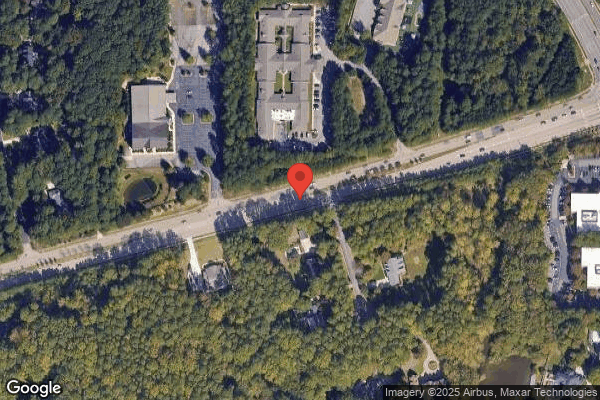
Oct 2024 1 deficiency
CONCERN (D) 📢 Someone Reported This

A family member, employee, or ombudsman was alarmed enough to file a formal complaint

Potential for Harm - no one hurt, but risky conditions existed

Deficiency F0602 (Tag F0602)

Could have caused harm · This affected 1 resident

**NOTE- TERMS IN BRACKETS HAVE BEEN EDITED TO PROTECT CONFIDENTIALITY** Based on record review and staff interview the facility failed to protect the resident's right to be free from misappropriation ...

Read full inspector narrative →
**NOTE- TERMS IN BRACKETS HAVE BEEN EDITED TO PROTECT CONFIDENTIALITY** Based on record review and staff interview the facility failed to protect the resident's right to be free from misappropriation of controlled medication for 1 (Resident #5) of 2 residents reviewed for misappropriation of controlled medication. Findings included: Documentation on the facility abuse, neglect, exploitation and misappropriation policies and procedures, dated as last revised on 11/16/2022, revealed misappropriation of resident property included the diversion of resident's medication, including, but not limited to, controlled substances for staff use or personal gain. The same policy and procedure indicated employees were not at any time to commit misappropriation of property against any resident. Resident #5 had diagnoses of vascular dementia, hemiplegia, and osteoarthritis. Documentation in a quarterly Minimum Data Set assessment dated [DATE] coded Resident #5 as having moderately impaired cognition and received pain medication on an as needed basis. Documentation on physician orders for July 2024 revealed Resident #5 had an order renewed on 7/17/2024 for 5 milligrams (mg) Oxycodone HCL to be administered as one tablet by mouth every 8 hours as needed for moderate to severe pain. Oxycodone HCL is a controlled medication stored securely because it may be abused or cause addiction. Documentation on a pharmacy shipment summary dated 7/12/2024 revealed thirty (5 mg) tablets of Oxycodone were filled and delivered to the facility for Resident #5. There was no documentation on the July Medication Administration record for Resident #5 of her being administered Oxycodone pain medication after 7/12/2024. An interview was conducted with Nurse #1 on 10/24/2024 at 10:27 AM. Nurse #1 revealed the following information during the interview. Nurse #1 had worked from 11:00 PM beginning on 7/17/2024 to 7:00 AM on 7/18/2024 on the hallway for which Resident #5 resided. Nurse #1 knew Resident #5 had a medication card with 30 tablets of Oxycodone in the medication cart on that shift because Resident #5 rarely requested pain medication. On the morning of 7/18/2024 at 7:00 AM, Nurse #1 counted the controlled medication in the cart with Nurse #6 and confirmed it matched the amount of medication documented on the declining controlled medication inventory sheets for each resident, to include the 30 tablets of Oxycodone for Resident #5. Nurse #6 worked from 7:00 AM until 11:00 PM on 7/18/2024 repeating the reconciliation of the controlled medication on the medication cart with Nurse #1 at 11:00 PM. Nurse #1 stated she counted the controlled medication for each resident on the cart while Nurse #6 confirmed the count matched the declining controlled medication inventory sheets for each resident. Nurse #1 confirmed all the controlled medication in the drawer correctly matched the declining controlled medication count sheets for each resident that evening. Nurse #6 left the facility at the end of her shift on 7/18/2024. Nurse #1 began her nursing duties and after passing out medication to residents who needed controlled medication, she noted the full card of 30 Oxycodone for Resident #5 was missing from the medication cart along with the declining controlled medication count inventory sheet for the Oxycodone for Resident #5. Nurse #1 stated she immediately notified the evening shift supervisor, Nurse #3, and they together searched the likely places the Oxycodone for Resident #5 may have been placed along with the corresponding declining controlled medication inventory sheet. Nurse #3 called the Director of Nursing (DON). Nurse #1 stated they were instructed by the DON to tell the morning shift supervisors so the pharmacy and Nurse #6 could be contacted to locate the 30 Oxycodone. In the morning Nurse #1 and Nurse #3 informed Nurse #2 and Nurse #4 of the missing Oxycodone for Resident #5. Nurse #1 further revealed she was drug tested prior to leaving on the morning of 11/19/2024. The evening shift supervisor, Nurse #3, was interviewed on 10/24/2024 at 1:02 PM. Nurse #3 confirmed Nurse #1 let him know on the 11:00 PM to 7:00 AM shift that began on 7/18/2024 of the missing Oxycodone medication card and declining controlled medication inventory sheet for Resident #5. Nurse #3 confirmed they looked everywhere for the medication and could not find it, so they notified the Director of Nursing. Nurse #3 also stated he notified the morning shift supervisors on 7/19/2024 so the pharmacy could be contacted along with Nurse #6. Nurse #2 and Nurse #4 were simultaneously interviewed on 10/24/2024 at 1:52 PM. The following information was revealed. On the morning of 7/19/2024 Nurse #1 notified Nurse #2 of the missing 30 tablets of Oxycodone for Resident #5 and the missing corresponding declining controlled medication inventory sheet. Nurse #2 knew the 30 tablets of Oxycodone could not have been administered to Resident #5 because she very rarely complained of pain. Nurse #1 was drug tested prior to leaving at the end of her shift on 7/19/2024 and the test came back negative. Nurse #2 called the pharmacy and confirmed the Oxycodone was not sent back to the pharmacy. Nurse #2, along with Nurse #4, called Nurse #6 because she was the only nurse to have control of the medication cart prior to Nurse #1. Nurse #2 requested Nurse #6 come back to the facility to help find the missing Oxycodone for Resident #5, and Nurse #6 initially agreed she would. Nurse #6 did not call back or come to the facility and after half an hour had passed, Nurse #2 and Nurse #4 again called Nurse #6. Nurse #6 relayed to Nurse #2 and Nurse #4 she would call back later because she was talking to her family. Nurse #4 stated Nurse #6 called her back and while on the speaker phone admitted she was taking responsibility for taking the Oxycodone from the cart. Nurse #2 and Nurse #4 requested Nurse #6 bring the Oxycodone back to the facility but were told by Nurse #6 she was unable to do so. Nurse #2 and Nurse #4 relayed to Nurse #6 the consequences for her actions involved notification of the police, the board of nursing, and state officials as well as likely termination of her employment. Nurse #6 was interviewed on 10/24/2024 at 2:52 PM and provided the following information. Nurse #6 confirmed she removed the medication card with 30 Oxycodone for Resident #5 along with the corresponding declining controlled medication inventory sheet from the building. Nurse #6 called the Board of Nursing letting them know of her actions and was currently working with the Board of Nursing to seek help. Nurse #6 confirmed she was contacted by the police as well but, only on one occasion about the diversion of the medication. The DON was interviewed on 10/24/2024 at 1:02 PM. The DON confirmed she was called by Nurse #3 on 7/18/2024 after 11:00 PM letting her know a controlled medication card for Resident #5 was missing. The DON related she told Nurse #3 to have the day shift supervisors, Nurse #2 and Nurse #4, call the pharmacy in the morning and Nurse #6 to help locate the missing medication. The DON also confirmed Nurse #2 let her know in the morning on 7/19/2024 of the confession of Nurse #6 to diversion of the controlled medication. The DON said the diversion of the medication was reported to the state offices of health and human services, the board of nursing, the police, and the pharmacy. The DON said an immediate corrective action plan was started on 7/19/2024. The DON felt the diversion of the narcotic by the trusted employee was unexpected and has not happened again since that occasion in July. The facility provided the following action plan with a completion date of 7/20/2024. 1. Corrective action for resident's affected by the alleged deficient practice: On 7/19/2024 upon learning of the missing Oxycodone, the Unit Managers notified the Director of Nursing and the Facility Administrator/Executive Director. Nurse #6, who was assigned to Resident #5 and the cart for the prior 16-hour shift (7:00 AM to 11:00 PM) on 7/18/2024 was called to come into the facility. Nurse #1 who was assigned to Resident #5 for the 11:00 PM to 7:00 AM shift ending on 7/19/2024 was drug tested and the test was negative. After 30 minutes without arrival or contact from Nurse #6, the Unit Manager reached back out to her, and she stated that she would be on her way shortly but was speaking with her family. Approximately 15 minutes later, Nurse #6 confessed that she took both the card of Oxycodone and the declining controlled medication inventory sheet. The Facility Administrator notified the North Carolina Board of Nursing, local police department, and submitted an allegation of drug diversion to North Carolina Division of Health and Human Services. The facility pharmacy was contacted, and the Oxycodone for Resident #5 was replenished by the facility. It was confirmed Resident #5 had not suffered any negative outcome as a result of the missing narcotic. The Medical Director, the clinical team, and the responsible party for Resident #5 were all notified. 2. Corrective action for residents with the potential to be affected by the alleged deficient practice: A full audit of all declining controlled medication inventory sheets was reconciled with controlled medication of all residents on 7/19/2024 to ensure no other discrepancies. On 7/19/2024 a quality review was conducted by the unit managers/designee of the manifest from the pharmacy from 7/1/2024 until current to validate all controlled medications were accounted for to confirm the medication was present, sent back to the pharmacy, sent home with the resident, or administered to the resident with none remaining. Interviews and statements were obtained from all nurses that administered medication about missing controlled medications. Pain assessments were completed on 7/19/2024 on current residents to ensure pain medication was being received and pain was being controlled. 3. Measures/systematic changes to prevent reoccurrence of deficient practice: Education was provided to all staff on all shifts by the unit managers on 7/19/2024 on the abuse policy with emphasis on misappropriation of resident property. Education was provided on 7/19/2024 by the unit managers to all licensed nursing staff on the drug diversion policy, the acceptance of controlled drugs upon arrival from the pharmacy, the controlled drug count, controlled drug disposal and wasting, and managing a drug diversion. All the licensed nurses signed the zero-tolerance policy of misappropriation of medications on 7/19/2024 which detailed the expectation and the consequences for non-compliance. Staff and Licensed Nursing staff were not allowed to work until education about misappropriation of resident property and/or drug diversion was provided. On 7/19/2024 the Executive Director presented the allegation of diversion of medication, plan, education, and findings to Quality Assurance Performance Improvement (QAPI) committee members in an ad hoc meeting. The Executive Director and the Director of Nursing and/or Nursing Supervisor oversee the Quality Improvement Monitoring. The Director of Nursing or Nursing Supervisor will complete Quality Improvement monitoring on medication carts 2 times weekly for 4 weeks then weekly for 12 weeks to ensure all medications are accounted for with count correct with nurses counting and documenting total cards and total count sheets. The Quality Improvement Monitoring was started on 7/19/2024. The results of the Quality Improvement Monitoring were reported to the QAPI committee by the Executive Director and/or Director of Nursing to ensure compliance was achieved and maintained monthly for three months and then quarterly for two quarters. The QAPI committee members consisted of but were not limited to the following members of the Interdisciplinary team: Executive Director/Administrator, Director of Nursing, Nursing Supervisor, Medical Director, Social Services Director, Activities Director, Maintenance Director, and Minimum Data Set Assessment Nurse and at least one direct care staff member. The correction date was 7/20/2024. The facility corrective action plan was reviewed on 10/24/2024. Interviews with nursing staff confirmed all staff were provided with training on abuse policies and procedures for misappropriation of resident property. Interviews with the licensed nursing staff confirmed re-education was provided on entire process of documentation and handling of controlled medication from the receipt of medication from the pharmacy to the storage, disposal, administration, or return of medication to the pharmacy. Licensed nursing staff interviews also confirmed each was required to sign a copy of the diversion of drugs zero-tolerance policy. Monitoring tools, staff education, and performance improvement plan were reviewed. The corrective action plan was verified as completed on 7/20/2024.
Jun 2024 7 deficiencies
CONCERN (D) 📢 Someone Reported This

A family member, employee, or ombudsman was alarmed enough to file a formal complaint

Potential for Harm - no one hurt, but risky conditions existed

Deficiency F0583 (Tag F0583)

Could have caused harm · This affected 1 resident

**NOTE- TERMS IN BRACKETS HAVE BEEN EDITED TO PROTECT CONFIDENTIALITY** Based on observation and staff interviews, the facility failed to safeguard protected health information (PHI) for 1 of 100 resi...

Read full inspector narrative →
**NOTE- TERMS IN BRACKETS HAVE BEEN EDITED TO PROTECT CONFIDENTIALITY** Based on observation and staff interviews, the facility failed to safeguard protected health information (PHI) for 1 of 100 residents residing in the facility by leaving confidential PHI unattended and exposed in an area accessible to the public (Resident #11). The findings included: Resident #11 was admitted to the facility on [DATE]. An observation was made of an unattended medication cart on the 200 Hall on 06/26/24 11:05 am. Nurse #4 left the medication cart with the Medication Administration Record (MAR) in the computer exposed when he walked away from the medication cart and went down the hall. The computer screen showed the name, picture, and other PHI of Resident #11. Staff and family passed by the exposed computer screen that displayed the PHI of Resident #11. Nurse #3 returned to the medication cart approximately 2 minutes later at 11:07 am. A second observation was made of the medication cart on 200 hall on 6/26/24 at 11:14 am. Nurse #4 left the medication cart with the Medication Administration Record (MAR) in the computer exposed when he walked to the opposite side of the nurse's station to talk to another staff member. The computer screen showed the name, picture, and other PHI of Resident #11. Nurse #3 returned to the medication cart approximately 1 minute later at 11:15 am. During an interview conducted on 06/26/24 at 11:16 am, Nurse #4 stated residents' PHI should not be exposed or left unattended and acknowledged that it was his oversight. He stated had been trained to not leave resident PHI visible to others and that he should have closed his computer before he walked away. During an interview with the Administrator on 06/27/24 at 11:45 am he stated all residents' confidential PHI should be protected. He indicated that he would not have expected resident PHI to be accessible in plain view.
CONCERN (D) 📢 Someone Reported This

A family member, employee, or ombudsman was alarmed enough to file a formal complaint

Potential for Harm - no one hurt, but risky conditions existed

Abuse Prevention Policies (Tag F0607)

Could have caused harm · This affected 1 resident

**NOTE- TERMS IN BRACKETS HAVE BEEN EDITED TO PROTECT CONFIDENTIALITY** Based on record review, resident and staff interviews, the facility failed to report an allegation of abuse to the Administrator...

Read full inspector narrative →
**NOTE- TERMS IN BRACKETS HAVE BEEN EDITED TO PROTECT CONFIDENTIALITY** Based on record review, resident and staff interviews, the facility failed to report an allegation of abuse to the Administrator immediately for 1 of 1 resident (Resident #4) reviewed for Abuse. The facility further failed to implement their policy and procedures in the area of resident protection. Findings included: Review of facility policy entitled Abuse, Neglect, Exploitation, & Misappropriation read in part Protection- any suspect(s), who is an employee or contract service provider, once he/she have been identified, will be suspended pending the investigation and Reporting/Response- any employee or contracted service provider who witness or has knowledge of an act of abuse or an allegation of abuse, to a resident, is obligated to report such information immediately, but no later than 2 hours after the allegation is made if the events that cause the allegation involve abuse, to the Administrator and to other officials in accordance with State law. Resident #4 was admitted to the facility on [DATE]. The Annual Minimum Data Set (MDS) dated [DATE] revealed Resident #4 was moderately cognitively impaired and was dependent on staff for bathing, and toileting. In an interview with Resident #4 on 6/25/24 at 12:10 pm she stated that she was touched inappropriately by a male NA when incontinence care was provided a few weeks ago, she could not recall the date or his name. She stated that she reported her concern to two women that worked that day but could not recall their names or what time the event occurred. In an interview with Nurse #2 on 6/25/24 at 4:42 pm he stated that NA #11 reported to him that Resident #4 had made a complaint that she had been inappropriately touched by NA #11 when incontinence care was provided. He stated that this was reported to him soon after he came on duty after 3:00 pm (he did not recall the exact time) on 6/15/24. He stated that he spoke to Resident #4 around 4:00 pm on 6/15/24 during medication pass and she told him that NA # 11 had touched her private area. Nurse #2 stated that he did not report this to anyone because he did not think it was abuse, because he told Resident #4 that NA #11 had to touch her in her private area to provide incontinence care and she had responded oh, ok. He further stated that at 8:00 pm on 6/15/24 that Resident #4 asked him if she should apologize to NA #11 for accusing him of touching her inappropriately. He indicated that Resident #4 was alert with confusion and often needed to be reoriented (reacquaint someone with a situation or environment). He further stated that he did not feel like this was abuse or that it was reportable so he did not report it. He stated that he did not receive any concerns on shift report from the off-going day shift nurse (Nurse #6). Attempts to contact Nurse #6 by phone were unsuccessful during the survey. It was learned from the Administrator that Nurse #6 only worked for the facility on the weekend and worked elsewhere during the weekdays. In an interview with NA #11 on 6/26/24 at 5:19 pm he stated that on the morning of 6/15/24 (unsure of exact time) when he provided incontinence care to Resident #4 that she accused him of touching her private areas. He further stated that because of the seriousness of the allegation that he immediately reported the concern to Nurse #6, and she did not take it seriously and told him to that she would get another staff member to provide care for Resident #4 for the remainder of the shift. NA #11 stated that he worked a double shift that day and remained concerned about the allegation against him, so he again reported the concern to the evening shift Nurse #2, and he told him that he was the best NA and to just do the best he could. NA#11 stated he did not feel that Nurse #2 took him seriously and that no one cared what he reported to them. He stated he reported the concern to the Central Supply Manager on the morning of 6/17/24 because the Director of Nursing (DON) and the Administrator were not in the facility and that she directed him to report to the Social Worker (SW). The interview further revealed that NA #11 reported the allegation to the SW on the afternoon of 6/17/24 and she told him to not to worry about it because the resident had dementia, and that she would report it to the Administrator. He stated that on 6/18/24 when he arrived at work, he went to the DON office so he could report the concern, but she was not available, so he returned to his hall to begin work. Later that afternoon he stated he went to the Administrator's office to report the concern and at that time he was suspended pending an investigation into the concern. In an interview with the SW on 6/26/24 at 2:56 pm she stated that on 6/17/24 around 3:40 pm NA #11 reported to her that Resident #4 had made an allegation of abuse against him and afterwards she finished her work left the facility for the day without reporting it to the Administrator. She indicated that Adult Protective Services (APS) came into the facility on 6/18/24 and that is when she reported what NA #11 reported to her on 6/17/24. In review of staffing schedules for 6/15/24 NA #11 was on the schedule assigned to care for Resident #4 for a double shift that included hours from 7:00 am to 11:00 pm. In review of staffing schedules for 6/16/24 NA #11 was on the schedule assigned to care for Resident #4 for a double shift that included hours from 7:00 am to 11:00 pm. In review of staff schedules for 6/17/24 3-11 shift NA #11 was assigned to work as medication aide on the 100 hall where Resident #4 resided. In review of staff schedules for 6/18/24 3-11 shift NA #11 was assigned to work as medication aide on the 100 hall where Resident #4 resided. In an interview with the Administrator on 6/26/24 at 4:13 pm he stated he had not been made aware of the alleged abuse until 6/18/24 when APS arrived at the facility and informed him, they had received a report of abuse for Resident #4. He stated that on 6/18/24 he learned that the SW had knowledge of the alleged abuse on 6/17/24 and failed to report the allegation to the Administrator. He indicated that staff who worked on 6/15/24 should have called him at home to report the allegation immediately but did not and stated that staff did not follow the facility's own policy for 2-hour reporting. The interview further revealed that the Administrator was made aware of the alleged abuse on 6/18/24 at 4:15 pm and that he reported it to the local police department on 6/18/24 at 4:30 pm and to the Division of Health Service Regulation (DHSR) on 6/18/24 at 5:10 pm. He further stated that he filed the 5-day report with DHSR on 6/25/24 at 4:15 pm. The facility provided the following Corrective action plan Abuse Reporting Allegation Reported to Facility Administration 06/18/2024 Event occurred on 06/15/2024 On 06/18/2024, at approximately 4:00 pm an Adult Protective Services Supervisor spoke with Facility Administrator regarding an intake they had received on 06/17/2024. The APS worker was escorted to the resident room for interview and upon completion of their discussion, the accused Certified Nursing Assistant was suspended pending investigation following an allegation of inappropriate touching. The initial allegation report was submitted to North Carolina Department of Health and Human Services within an hour of notification to facility administrator. Police were contacted. The physician and resident responsible party were notified. Education of staff started immediately by facility administrator for all on-site staff at that time. Staff scheduler submitted notification to all off-shift staff they were not allowed to return to work until education had been completed. Scheduler and Social Worker were suspended for failure to report potential abuse timely. On 06/19/2024, Resident #4 was interviewed, physician team provided a clinical evaluation and a head-to-toe assessment was completed. Resident #4's roommate was interviewed. An ad hoc Quality Assurance Performance Improvement (QAPI) program was completed and discussed regarding facility plan and monitoring to include education of department heads. Interviews for inter-viewable residents were conducted by Director of Nursing, Regional RN Nurse Consultant, Unit Manager, RN Day Supervisor and RN Evening Supervisor on 06/20/2024 regarding definition of abuse and neglect and if they witnessed it on someone else or personally experienced it. In addition, Unit Manager and RN Evening Supervisor also conducted Skin Integrity tool (skin sweeps) on 06/20/2024 for non-inter-viewable residents to assess for any signs of abuse. All current staff were interviewed for knowledge of known abuse and neglect, abuse policy and mandatory abuse reporting criteria. Director of Nursing interviewed all staff who worked with the resident on date of allegation and statements were obtained. The Director of Nursing, Facility Administrator and Unit Manager educated all staff including all shifts, part-time and PRN on the abuse policy which included a test for abuse and abuse questions to validate any known awareness of abuse and validation of who to report abuse to. Education began on 06/18/2024 and staff were not allowed to return to work until education, test and abuse question responses were completed. Facility abuse policy and direct test questions included requirements for whom to report to (mandatory reporting immediately to Administrator and/or Director of Nursing). Abuse policy and employee handbook state that the accused employee will be suspended immediately pending investigation and a failure of staff to report immediately, result in disciplinary action including suspension and potential termination of employment. Facility administration determined on 06/19/2024 to develop a Quality Assurance and Performance Improvement (QAPI) program to ensure resident safety and compliance with our abuse policy including immediate reporting by all staff of any allegations or actual resident abuse. The Director of Nursing and/or Designee will complete quality monitoring of 5 inter-viewable residents using the resident abuse questions and will be completed weekly for 12 weeks and then monthly for 3 months to ensure residents are free from abuse. The DON and/or Designee will complete quality monitoring on 5 non-inter-viewable residents using the facility Weekly Skin Integrity tool on a weekly review for 12 weeks and then monthly for 3 months to ensure residents are free from abuse. Any abuse allegation cases will be reviewed to ensure the event was reported immediately to the Administrator and/or Director of Nursing and the accused was immediately suspended pending investigation. This will be discussed during QAPI for any incidents where the employee did not immediately report and will include targeted education for all staff. The Director of Nursing and/or Designee will conduct random interviews of 5 staff members per week for 12 weeks and then monthly for 3 months to ensure clear understanding of abuse policy and immediate mandatory reporting. The DON will report on the results of the quality monitoring (audit) and report to the QAPI IDT Committee. Findings will be reviewed by the QAPI Committee monthly and the quality monitoring report (audit) will be updated as indicated. Date of Compliance = 06/20/2024 The facility's Past Non-Compliance date of 6/20/24 was validated. The corrective action plan was verified on 6/27/24. Interviews were conducted with a sample of Nursing Assistants, Nurses, and administrative and ancillary staff to verify education was conducted regarding reporting allegations of abuse and reporting timeline requirements. Documentation of in-service records was reviewed. In an interview with the Director of Nursing on 6/27/24 at 4:05 pm, she stated that all Nurses, Nursing Assistants, therapists, housekeeping, dietary, and administrative personnel had been educated on abuse types, abuse reporting, abuse reporting timelines and that return demonstration of the training was verified through a written test. She stated that PRN (as needed staff), part-time staff and staff that had not reported to work since the onset of the education would be educated prior to being given an assignment. She further stated that the new hire orientation had been reviewed and included abuse, what to report, when to report, how to report and who to notify.
CONCERN (D) 📢 Someone Reported This

A family member, employee, or ombudsman was alarmed enough to file a formal complaint

Potential for Harm - no one hurt, but risky conditions existed

Deficiency F0655 (Tag F0655)

Could have caused harm · This affected 1 resident

**NOTE- TERMS IN BRACKETS HAVE BEEN EDITED TO PROTECT CONFIDENTIALITY** Based on record review, resident interview, and staff interview the facility failed to create a baseline care plan with the resi...

Read full inspector narrative →
**NOTE- TERMS IN BRACKETS HAVE BEEN EDITED TO PROTECT CONFIDENTIALITY** Based on record review, resident interview, and staff interview the facility failed to create a baseline care plan with the resident or responsible party for one (Resident #7) of three residents reviewed for creation of a baseline care plan upon admission. Findings included: Resident #7 was admitted to the facility on [DATE] and discharged from the facility on 2/11/2024. Resident #7 had multiple diagnoses some of which included acquired absence of right leg below the knee, type 2 diabetes mellitus, peripheral vascular disease, rheumatoid arthritis, and lymphedema. There was no documentation in the electronic medical record of a baseline care plan for Resident #7. Documentation on a paper copy of a Baseline Care Plan and Summary dated 2/7/2024 for Resident #7 revealed the form was filled out with the resident care needs but was unsigned by facility staff, Resident #7, or a resident representative. An interview was conducted with Resident #7 on 6/26/2024 at 12:54 PM. Resident #7 stated he had just had surgery to remove his leg and while he was at the facility nobody went over his plan of care with him or his wife. An interview was conducted with the Director of Nursing (DON) on 6/27/2024 at 9:39 AM. The DON explained that she became the full time DON at the facility in March of 2024 and up until that time the facility did not have a consistent system in place for the preparation of baseline care plans. The DON explained in February, it was hit or miss if the baseline care plans were completed and the paper documents were not being uploaded into the electronic record system. The DON stated she currently had a system in place for the completion of baseline care plans, but she did not have a performance improvement plan or monitoring to confirm compliance.
CONCERN (E) 📢 Someone Reported This

A family member, employee, or ombudsman was alarmed enough to file a formal complaint

Potential for Harm - no one hurt, but risky conditions existed

Resident Rights (Tag F0550)

Could have caused harm · This affected multiple residents

**NOTE- TERMS IN BRACKETS HAVE BEEN EDITED TO PROTECT CONFIDENTIALITY** Based on record review, staff, and resident interviews, the facility failed to treat residents (Resident #1, and Resident #2) wi...

Read full inspector narrative →
**NOTE- TERMS IN BRACKETS HAVE BEEN EDITED TO PROTECT CONFIDENTIALITY** Based on record review, staff, and resident interviews, the facility failed to treat residents (Resident #1, and Resident #2) with dignity and respect when staff failed to provide the resident with a bed bath or shower. The residents expressed anger, frustration, and embarrassment. This was for 2 of 8 residents reviewed for dignity. The findings included: 1.Resident #1 was admitted to the facility on [DATE] and re-admitted on [DATE] with diagnoses which included diabetes, atherosclerotic heart disease, and muscle weakness. The Quarterly Minimum Data Set (MDS) assessment dated [DATE] indicated that Resident #3 was cognitively intact, dependent on staff for toileting, and required substantial maximum assistance with bathing. Review of Care Plan dated 4/15/24 revealed Resident #1 required assistance with activities of daily living (ADL) care to include bathing. An interview with Resident #1 on 6/26/24 at 11:48 am revealed that the facility frequently ran out of briefs, wash cloths, and towels. She stated yesterday (6/25/24) that she no washcloth and she had to wash herself off with disposable wipes. She further indicated that she did not get a bath today (6/26/24) because the facility ran out of wash cloths and towels. Resident #1 stated this made her feel angry and frustrated. In an interview with NA #5 on 6/26/24 at 12:15 pm she stated that she had been employed for the facility since December 2023 and that they had been short of towels and wash cloths for the past 2 to 3 months. NA #5 further indicated that Resident #1 did not get a bath today (6/26/24) because she did not have clean washcloths available. NA#5 stated that when washcloths and towels became available that she did go back and bath residents that had not had their bath that morning because many were already up and she would not have time to complete her assignment if she did. She stated she told the Director of Nursing (DON) about a month ago and was told the facility was trying to order more washcloths and towels. 2.Resident #2 was admitted to the facility on [DATE] and re-admitted on [DATE] with diagnoses which included hemiplegia, hemiparesis, cerebral infarction (stroke), chronic obstructive pulmonary disease, and diabetes. The Quarterly Minimum Data Set (MDS) assessment dated [DATE] indicated that Resident #2 was cognitively intact and required substantial maximum assistance with bathing and toileting. Review of Care Plan dated 5/13/24 revealed Resident #2 required extensive assistance with one staff member for activities of daily living (ADL) care to include bathing. During an interview with Resident #2 on 6/27/24 at 8:10 am she stated that she did not get a shower on her shower day 6/25/24 and did not get a bed bath on 6/26/24 because the facility did not have any towels or wash cloths. She further indicated the facility did not have disposable wipes. She stated this was an ongoing issue and she was not sure how long it had occurred. She stated that it made her feel uncomfortable and dirty when she could not get a bath or shower and that embarrassed her. In an interview with NA #5 on 6/26/24 at 12:15 pm she stated that she had been employed for the facility since December 2023 and that they had been short of towels and wash cloths for the past 2 to 3 months. NA #5 further indicated that Resident #2 did not get a bath yesterday (6/25/24) or today (6/26/24) because she did not have clean towels or washcloths available. NA#5 stated that when washcloths and towels became available that she did go back and bath residents that had not had their bath that morning because many were already up and she would not have time to complete her assignment if she did. She stated she told the Director of Nursing (DON) about a month ago and was told the facility was trying to order more washcloths and towels. In an interview with Nurse #3 on 6/26/24 at 11:03 am she stated that if her unit ran out of supplies that she had to find someone with a key to central supply to access supplies. She stated staff had to wait for towels and wash cloths today (6/26/24) and residents could not get a bath, shower or incontinence care completed until they found wash cloths and that it could take an hour and a half before they found washcloths and towels. In an interview with NA #7 on 6/26/24 at 2:26 pm revealed that she could not give baths to the residents in her assignment in the mornings when she arrived to work because she did not have access to clean wash cloths and towels and this upset the residents and some got angry. An interview with NA #8 on 6/27/24 revealed that she had been employed by the facility for 2 weeks. She stated that she had not had clean wash cloths and towels for morning care for the past 2 weeks so the care did not get done and that the residents would get angry and upset with the NAs. An interview with the Director of Nursing (DON) on 6/27/24 at 10:15 am She stated that residents should be getting their daily bath or shower unless they refused. She stated she was unaware that residents did not get a bath. In an interview with the Administrator on 6/27/24 at 11:45 am it was revealed that he was aware of an issue with a shortage of wash cloths and towels but was not aware residents did not get a bath.
CONCERN (E) 📢 Someone Reported This

A family member, employee, or ombudsman was alarmed enough to file a formal complaint

Potential for Harm - no one hurt, but risky conditions existed

ADL Care (Tag F0677)

Could have caused harm · This affected multiple residents

**NOTE- TERMS IN BRACKETS HAVE BEEN EDITED TO PROTECT CONFIDENTIALITY** Based on record review, observation, and staff and resident interviews, the facility failed to provide a bed bath or shower for ...

Read full inspector narrative →
**NOTE- TERMS IN BRACKETS HAVE BEEN EDITED TO PROTECT CONFIDENTIALITY** Based on record review, observation, and staff and resident interviews, the facility failed to provide a bed bath or shower for 3 of 7 dependent residents (Resident #1, Resident #2, and Resident #12) reviewed for activities of daily living (ADL) care. The findings included: 1. Resident #1 was admitted to the facility on [DATE] with diagnoses including diabetes, atherosclerotic heart disease, and muscle weakness. The quarterly Minimum Data Set (MDS) assessment dated [DATE] indicated that Resident #1 was cognitively intact, dependent on staff for toileting, and required substantial maximum assistance with bathing. Review of Care Plan dated 4/15/24 revealed Resident #1 required assistance with ADL care to include bathing. An interview with Resident #1 on 6/26/24 at 11:48 am revealed yesterday (6/25/24) she only had one towel, no washcloth and she had to wash herself off with disposable wipes. She further indicated that she did not get a bath today (6/26/24) because the facility ran out of wash cloths and towels. In an interview with Nurse Aide (NA) #5 on 6/26/24 at 12:15 pm she revealed that she could not bathe Resident #1 today (6/26/24) because she did not have clean towels or washcloths. She indicated that she had to work without washcloths or towels every day until around 11:00 am, when they became available from the laundry. She stated that on average Resident #1 did not get a bath 3 to 4 days a week because of no available towels or washcloths. In an interview with Nurse #3 on 6/26/24 at 11:03 am she stated staff had to wait for towels and washcloths today (6/26/24) and residents, such as, Resident #1 and Resident #12 could not get a bath or shower completed until they found washcloths and that it could take an hour and a half before they found washcloths and towels. 2. Resident #2 was admitted to the facility on [DATE] and re-admitted on [DATE] with diagnoses which included hemiplegia, hemiparesis, cerebral infarction (stroke), chronic obstructive pulmonary disease, and diabetes. The quarterly Minimum Data Set (MDS) assessment dated [DATE] indicated that Resident #2 was cognitively intact and required substantial maximum assistance with bathing and toileting. Review of Care Plan dated 5/13/24 revealed Resident #2 required extensive assistance with one staff member for ADL care to include bathing. During an interview with Resident #2 on 6/27/24 at 8:10 am she stated that she did not get a shower on her shower day 6/25/24 and did not get a bed bath on 6/26/24 because the facility did not have any towels or washcloths. She stated this was an ongoing issue and she was not sure how long it had occurred. In an interview with NA #5 on 6/26/24 at 12:15 pm she stated that Resident #2 did not get a shower yesterday (6/25/24) and did not get a bath today (6/26/24) because she did not have clean towels or washcloths available. She indicated that she had to work without washcloths or towels every day until around 11:00 am, when they became available from the laundry. 3. Resident #12 was admitted to the facility on [DATE] with diagnoses which included myocardial infarction (heart attack), diabetes, chronic kidney disease, and hypertension (high blood pressure). The annual Minimum Data Set (MDS) assessment dated [DATE] indicated that Resident #12 was severely cognitively impaired and required partial to moderate assistance with bathing and supervision for toileting. Review of Care Plan dated 5/8/24 revealed Resident #12 required one person assistance for ADL care to include bathing and toileting. During an interview with Resident #12 on 6/26/24 at 11:50 am Resident #12 stated that she did not get a bath this morning (6/26/24) because they did not have washcloths and towels when she got up. In an interview with NA #5 on 6/26/24 at 12:15 pm she revealed that she could not bathe Resident #12 today because she did not have washcloths or towels, so instead she assisted Resident #12 to wipe off with wipes. She indicated that she had to work without washcloths or towels every day until around 11:00 am, when they became available from the laundry. She stated that on average Resident #12 did not get a bath 3 to 4 days a week because of no available towels or washcloths. In an interview with Nurse #3 on 6/26/24 at 11:03 am she stated staff had to wait for towels and washcloths today (6/26/24) and residents, such as, Resident #1 and Resident #12 could not get a bath or shower completed until they found washcloths and that it could take an hour and a half before they found washcloths and towels. An interview with the Director of Nursing (DON) on 6/27/24 at 10:15 am she was not aware that the facility had been low on towels and washcloths or that residents did not get baths and showers. She stated that residents should be getting their daily bath or shower unless they refuse. In an interview with the Administrator on 6/27/24 at 11:45 am he stated that residents should get a bath or shower each day unless they refuse. He stated that he felt that this concern was related to a shortage of washcloths and towels and that he would address that.
CONCERN (E) 📢 Someone Reported This

A family member, employee, or ombudsman was alarmed enough to file a formal complaint

Potential for Harm - no one hurt, but risky conditions existed

Administration (Tag F0835)

Could have caused harm · This affected multiple residents

**NOTE- TERMS IN BRACKETS HAVE BEEN EDITED TO PROTECT CONFIDENTIALITY** Based on record reviews, resident and staff interviews, the facility failed to provide effective leadership and implement effect...

Read full inspector narrative →
**NOTE- TERMS IN BRACKETS HAVE BEEN EDITED TO PROTECT CONFIDENTIALITY** Based on record reviews, resident and staff interviews, the facility failed to provide effective leadership and implement effective systems to ensure there was an adequate number of washcloths and towels for the provision of resident care. This failure had the potential to affect all the residents in the facility. The findings included: 1a. Resident #1 was admitted to the facility on [DATE]. The quarterly Minimum Data Set (MDS) assessment dated [DATE] indicated that Resident #1 was cognitively intact. An interview with Resident #1 on 6/26/24 at 11:48 am revealed that the facility frequently would run out of washcloths and towels. She stated yesterday (6/25/24) that she only had one towel, no washcloth and she had to wash herself off with disposable wipes. She further indicated that she did not get a bath today (6/26/24) because the facility ran out of washcloths and towels 1b. Resident #2 was admitted to the facility on [DATE] and re-admitted on [DATE]. The quarterly Minimum Data Set (MDS) assessment dated [DATE] indicated that Resident #2 was cognitively intact. During an interview with Resident #2 on 6/27/24 at 8:10 am she stated that she did not get a shower on her shower day 6/25/24 and did not get a bed bath on 6/26/24 because the facility did not have any towels or washcloths. She stated not having washcloths and towels was an ongoing issue and she was not sure how long it had occurred. 1c. Resident #12 was admitted to the facility on [DATE]. The annual Minimum Data Set (MDS) assessment dated [DATE] indicated that Resident #12 was severely cognitively impaired. During an interview with Resident #12 on 6/26/24 at 11:50 am she stated that she did not get a bath this morning (6/26/24) because they did not have wash cloths and towels when she got up. In an interview with Nurse Aide (NA) #5 on 6/26/24 at 12:15 pm she indicated that Resident #1 did not get a bath today (6/26/24) because she did not have clean towels or washcloths. She stated that on average Resident #1 did not get a bath 3 to 4 days a week because of no available towels or washcloths. She stated that Resident #2 did not get a bath yesterday (6/25/24) or today (6/26/24) because she did not have clean towels or washcloths available. She further indicated that she could not bathe Resident #12 today because she did not have washcloths or towels, so instead she assisted Resident #12 to wipe off with wipes. She stated that on average Resident #12 did not get a bath 3 to 4 days a week because of no available towels or washcloths. She indicated that she had to work without washcloths or towels every day until around 11:00 am, when they became available from the laundry. She stated that she had made her own wipes/cloths by wetting paper towels and that she had bought her own wipes to use for resident care. She stated that she did what she had to do to ensure the resident was cared for. She stated that she reported this concern through the chain of command and reported it to the unit manager who told her she had to wait for the washcloths and towels to be washed. She stated she told the Director of Nursing (DON) about the lack of washcloths and towels a month ago and was told the facility was trying to order more washcloths and towels. NA #5 stated that she had been employed by the facility since December 2023 and that they had been short of towels and washcloths for the past 2 to 3 months. In an interview with NA #2 on 6/25/24 at 1:36 pm she stated that she worked short of clean towels and washcloths every day. She stated that she told the nurses, but they often could not find clean towels or wash cloths. She stated the facility had some washcloths but not enough to provide care to all residents. She stated that it was after lunch some days before clean towels and washcloths were received on the hall. In an interview with NA #6 on 6/26/24 at 12:30 pm she indicated she had worked for the facility since March 2024 and that she had worked short of towels and washcloths on most days. She stated she felt she could not provide proper care to the residents without clean towels and washcloths. She stated the facility stopped providing wipes so she bought her own so she could, at minimum, wipe the residents arm pits and private areas when the facility did not have wash cloths and towels available. She stated this occurred mostly on weekdays and was not an issue on the weekend. In an interview with NA #7 on 6/26/24 at 2:26 pm revealed that she could not give baths in the mornings when she arrived to work because she did not have access to clean washcloths and towels. She indicated that residents did not get a bath or showers when they did not have available washcloths and towels because some residents were already up for the day, and she would not have time to complete her assignments. She stated this happened about 3 to 4 times a week. In an interview with NA #1 on 6/27/24 at 8:15 am she indicated that she could not clean resident's hands prior to meals or provide morning care because she did not have access to clean towels and washcloths and she had to wait for clean towels and wash cloths to become available. By the time they arrived from the laundry many of the residents had gotten up for the day. An interview with NA #8 on 6/27/24 revealed that she had been employed by the facility for 2 weeks. She stated that she had not had clean washcloths and towels for the past 2 weeks so the residents on her assignment did not get a bath and that the residents would get angry with the NAs. An interview with Nurse #1 on 6/25/24 at 4:21 pm revealed that NAs complained to her that they did not have clean washcloths and that laundry had ordered more washcloths, but they had not arrived. In an interview with Nurse #2 on 6/25/24 at 4:53 pm he stated that he worked 3:00 PM to 11:00 PM shift on a regular basis, and the NAs often ran out of washcloths, so they tore up clean briefs and used them as wipes for incontinence care. He further indicated that they were out of washcloths last night. He stated that on days that the facility was short on washcloths that he had passed the concern on in shift report and that administration had been aware of the problem. In an interview with Nurse #3 on 6/26/24 at 11:03 am she stated staff had to wait for towels and washcloths today (6/26/24) and residents could not get a bath, shower or incontinence care completed until they found washcloths and that it could take an hour and a half before they found washcloths and towels. She further indicated that towels and washcloths were not washed during the night, so they had to wait for linen to be washed in the mornings before they had clean washcloths and towels. In an interview with Nurse #5 on 6/26/24 at 2:11 pm she stated that she worked part time for the facility as needed and did not work every day. She stated when staff told her they were short on towels and washcloths she checked with laundry and was told towels and washcloths would be available after they had been washed and dried. She stated that it would take until 10:00 am or 11:00 am before clean towels and wash cloths were available. During an interview with the Housekeeping Director on 6/27/24 at 9:15 am it was revealed that he was an outside contractor, and he oversaw the laundry department as well as other housekeeping duties. He stated that when he arrived at the job just over a month ago (exact date unknown) that the facility hardly had any washcloths (he had not done a count) so he borrowed washcloths from another facility that also contracted with his company. He stated a week and a half after he borrowed washcloths there was still a shortage. He stated that staff told him they were not permitted to use disposable wipes and threw away washcloths that were soiled with bowel movement. He further indicated that housekeeping staff had reported to him that they saw soiled washcloths in the trash when they disposed of trash in the dumpster. The Housekeeping Director stated that a Periodic Automatic Replacement (PAR) level (an inventory control system that tells you what levels of inventory you should have in stock to fulfil a demand) for washcloths should be eight washcloths' times the number of residents on the census. He stated that with a census of one hundred residents that the facility should have 800 washcloths in stock and that the facility only had approximately 100 washcloths available. He stated the facility did not have any washcloths in storage. He stated the facility was low on towels, but not as low as washcloths, and he did not know how many towels were on hand, because he had not counted. He stated he ordered a large order of towels and washcloths yesterday that should arrive Monday, 7/1/24. He indicated the process to prep soiled linens, towels, and washcloths for the next morning was laundry staff picked up by the soiled linens each evening, washed and dried, and prepped the clean linen cart for the next day before their shift ended at 10:00 pm so clean linen was ready to be rolled out to the units first thing the next morning, but that system did not work at the facility because they did not have enough towels and washcloths. He further stated that laundry staff picked up the soiled laundry from the units when they arrived to work at 7:00 am each morning and washed, dried, and folded the laundry and that it took them from 7 am to about 9:30 to get the some linen ready to deliver to the units each day. He stated that he had noticed that staff used pillowcases for incontinence care because they did not have washcloths. The Housekeeping Director explained that since he had been in the position he had been working with the Administrator to resolve the issue of the shortage of washcloths and towels and they were working on establishing a PAR level. An interview with the Director of Nursing (DON) on 6/27/24 at 10:15 am she was not aware that the facility had been low on towels and wash cloths. She stated the facility was currently in the process of establishing a PAR level with the new Housekeeping Director for towels and washcloths. She stated that when she was hired as the DON on 3/13/24 that staff used disposable wipes for all resident care and did not use washcloths. She stated that the wipes clogged toilets because staff flushed them, so wipes were no longer used. She stated that she educated staff to use washcloths for resident care, and to use the soiled diaper and toilet paper to wipe bowel movement from resident's during incontinence care, but they used the washcloths instead and threw them away. She stated that the facility had an emergency supply of washcloths and staff could ask for them and they would be provided to staff for use for resident care, but they had not asked. The interview further revealed that staff were hoarding and hiding washcloths and that decreased the number of washcloths available for use by all staff. In an interview with the Administrator on 6/27/24 at 11:45 am it was revealed that he was aware of an issue with a shortage of washcloths and towels, and he had been working with the Housekeeping Director to establish a PAR level. He further indicated that the facility had used wipes in the past but had stopped because staff and residents had flushed them, and it clogged the toilets. Staff then used washcloths and towels for incontinence care and threw away washcloths soiled with bowel movement and that caused a shortage of washcloths and reduced the number of washcloths and towels available for morning care. The Administrator stated that he would transition back to providing wipes today( 6/27/24) for incontinence care.
MINOR (B) 📢 Someone Reported This

A family member, employee, or ombudsman was alarmed enough to file a formal complaint

Minor Issue - procedural, no safety impact

Deficiency F0657 (Tag F0657)

Minor procedural issue · This affected multiple residents

**NOTE- TERMS IN BRACKETS HAVE BEEN EDITED TO PROTECT CONFIDENTIALITY** Based on record review, resident and staff interviews, the facility failed to update the care plan after the quarterly assessmen...

Read full inspector narrative →
**NOTE- TERMS IN BRACKETS HAVE BEEN EDITED TO PROTECT CONFIDENTIALITY** Based on record review, resident and staff interviews, the facility failed to update the care plan after the quarterly assessment for 1 of 4 residents reviewed for care plans (Residents #3). Findings included: Resident #3 was admitted to the facility on [DATE] with diagnoses which included diabetes, muscle weakness, and right below the knee amputation. The Quarterly Minimum Data Set (MDS) assessment dated [DATE] indicated that Resident #3 was cognitively intact. Review of care plan history revealed that the last care plan for Resident #3 was dated 1/25/24. Review of the electronic medical record (EMR) for Resident #3 revealed that there was no documentation of a care plan meeting being held since 1/25/24. An interview with Resident #3 on 6/27/24 at 9:09 am revealed that he did not know if a care plan review meeting had been held since 1/25/24. In an interview with MDS Nurse #1 on 6/26/24 at 2:34 pm it was revealed that care plan meetings were triggered after the completion of each MDS assessment update. She stated that Resident #3's MDS assessment was last updated 4/28/24 and a care plan review meeting should have followed. The interview further revealed that the care plan review should have been held quarterly, and the Social Worker (SW) planned the care plan review meetings. In a phone interview with SW on 6/26/24 at 2:56 pm it was revealed that she was aware that Resident #3's care plan had not been reviewed on time. She stated that she had not held care plan review meetings regularly in the past few months because she did not have an assistant and she was behind. She stated that she addressed more urgent matters by prioritization until she could get caught up. The SW added that care plan review meetings should be held on admission, quarterly, annually, and as needed. An interview with the Director of Nursing on 6/26/24 at 3:50 pm revealed that a care plan review meeting should be held regularly to review the resident's plan of care. She stated that Resident #3's care plan review had not been done on time because the SW did not have an assistant. She stated the facility was aware the care plan reviews were behind. In an interview with the Administrator on 6/26/24 at 4:13 pm he stated that he was aware that care plan meetings were not being held on time. He further indicated that care plan meetings were not on time because the SW did not have an assistant and was behind in her work. He stated he felt care plan reviews were behind related to a changeover in the SW position. He stated Resident #3's care plan review should have been up to date.
Nov 2023 1 deficiency
CONCERN (E)

Potential for Harm - no one hurt, but risky conditions existed

Deficiency F0578 (Tag F0578)

Could have caused harm · This affected multiple residents

**NOTE- TERMS IN BRACKETS HAVE BEEN EDITED TO PROTECT CONFIDENTIALITY** 6. Resident #47 was admitted into the facility on 3/12/2020. A review of Resident #47 Prospective Payment System Part A discharg...

Read full inspector narrative →
**NOTE- TERMS IN BRACKETS HAVE BEEN EDITED TO PROTECT CONFIDENTIALITY** 6. Resident #47 was admitted into the facility on 3/12/2020. A review of Resident #47 Prospective Payment System Part A discharge Minimum Data Set, dated [DATE] revealed the Resident #46 was moderately cognitively impaired. A review of the computerized clinical record for Resident #47 revealed no advanced directive noted in the resident's medical record. An interview with the Administrator was conducted on 11/07/2023 at 2:04 PM. He stated he could not find the advance directive in the medical records and there was no documentation found that stated the resident refused to sign the advance directives. He indicated advance directives were not completed due to a shift in key personnel and admission process. He indicated that currently the Social Worker (SW) will complete the advance directives during the admission process and the advance directive information will be scanned into the resident's electronic medical record. An interview with the Social Service Worker (SW) was conducted on 11/07/2023 at 2:10 PM. The SW stated the advanced directives were being completed by the Admissions Coordinator . They currently do not have an admission Coordinator and she had recently been trained in Advanced Directives and code status. The task of completing new admissions packets was shared among the staff. The SW also stated she was not aware the advanced directives were not signed in the admission packet and in the future, she will be discussing it in the scheduled admission meeting and documenting it on the Advanced Directive Discussion document in the admission packet and in her notes. 7. Resident #52 was admitted into the facility on 5/1/2020. A review of Resident #52's quarterly Minimum Data Set, dated [DATE] revealed that Resident #52 was severely cognitively impaired. A review of the computerized clinical record for Resident #52 revealed no advanced directive noted in the resident's medical record. An interview with the Administrator was conducted on 11/07/2023 at 2:04 PM. He stated he could not find the advance directive in the medical records and there was no documentation found that stated the resident refused to sign the advance directives. He indicated advance directives were not completed due to a shift in key personnel and admission process. He indicated that currently the Social Worker (SW) will complete the advance directives during the admission process and the advance directive information will be scanned into the resident's electronic medical record. An interview with the Social Service Worker (SW) was conducted on 11/07/2023 at 2:10 PM. The SW stated the advanced directives were being completed by the Admissions Coordinator . They currently do not have an admission Coordinator and she had recently been trained in Advanced Directives and code status. The task of completing new admissions packets was shared among the staff. The SW also stated she was not aware the advanced directives were not signed in the admission packet and in the future, she will be discussing it in the scheduled admission meeting and documenting it on the Advanced Directive Discussion document in the admission packet and in her notes. An interview with the Director of Nursing (DON) was conducted on 11/07/2023 at 3:10 PM. The DON stated the advanced directives were completed by the Admissions Coordinator. She indicated they did not have an admission admission Coordinator at the time of survey but, a new admission Coordinator would be starting on Monday 11/13/2023. The DON indicated that currently the task of completing new admission packets was shared among the staff. She stated she was not aware the advanced directives were not being signed in the admission packet and in the future, it will be discussed during the initial 72-hour care plan meeting. 4. Resident #33 was admitted to the facility on [DATE]. The quarterly MDS dated [DATE] had resident coded as moderately cognitively impaired. A review of the computerized medical record for Resident #33 did not reveal a advanced directive noted in the resident's medical record. An interview with the Administrator was conducted on 11/07/2023 at 2:04 PM. He stated he could not find the advance directive in the medical records and there was no documentation found that stated the resident refused to sign the advance directives. He indicated advance directives were not completed due to a shift in key personnel and admission process. He indicated that currently the Social Worker (SW) will complete the advance directives during the admission process and the advance directive information will be scanned into the resident's electronic medical record. An interview with the Social Service Worker (SW) was conducted on 11/07/2023 at 2:10 PM. The SW stated the advanced directives were being completed by the Admissions Coordinator . They currently do not have an admission Coordinator and she had recently been trained in Advanced Directives and code status. The task of completing new admissions packets was shared among the staff. The SW also stated she was not aware the advanced directives were not signed in the admission packet and in the future, she will be discussing it in the scheduled admission meeting and documenting it on the Advanced Directive Discussion document in the admission packet and in her notes. 5. Resident #44 was admitted to the facility on [DATE]. A review of Resident #44's annual Minimum Data Set (MDS), dated [DATE], indicated resident was cognitively intact. A review of Resident #44's electronic health record (EHR) revealed no advance directives noted in the resident's medical record. An interview with the Administrator was conducted on 11/07/2023 at 2:04 p.m. The Administrator he could not find the advance directive in the medical records and there was no documentation found that stated the resident refused to sign the advance directives. He indicated advance directives were not completed due to a shift in key personnel and admission process. He indicated that currently the Social Worker (SW) will complete the advance directives during admissions and the advance directive documentation will be scanned into the residents' EHR. An interview with the SW was conducted on 11/07/23 at 2:10 p.m. The SW stated the advanced directives were being completed by the Admissions Coordinator and explained they currently do not have an admission Coordinator. The SW stated she had recently been trained in Advanced Directives and code status. The SW further explained the task of completing new admissions packets was shared among the staff. The SW also stated she was not aware the advanced directives were not signed in the admission packet and in the future, she will be discussing it in the scheduled admission meeting and documenting it on the Advanced Directive Discussion Document in the admission packet and in her notes. Based on records reviews and staff interviews, the facility failed to have Advance Directives (AD) in the residents' records for 7 of 9 sampled residents. (Resident #16, Resident #76, Resident #132, Resident #33, Resident #44, Resident #47, and Resident #52). The findings included: 1. Resident #16 was admitted to the facility on [DATE]. Review of the quarterly Minimum Data Set (MDS) dated [DATE] indicated the resident ' s cognition was cognitively impaired. Review of the computerized clinical record for Resident # 16 revealed no advanced directive noted in the resident's medical record. An interview with the Administrator was conducted on 11/07/2023 at 02:04 PM, He stated he could not find the advance directive in the medical records and there was no documentation found that stated the resident refused to sign the advance directives. He indicated advance directives were not completed due to a shift in key personnel and admission process. He indicated that currently the Social Worker (SW) will complete the advance directives during admissions and the advance directive documentations will be scanned into the residents' electronic medical records. An interview with the Social Worker (SW) was conducted on 11/07/23 02:10 PM. The SW stated the advanced directives were being completed by the Admissions Coordinator . They currently do not have an admission Coodinator, and she had recently been trained in Advanced Directives and code status. The task of completing new admissions packets was shared among the staff. The SW also stated she was not aware the advanced directives were not signed in the admission packet and in the future, she will be discussing it in the scheduled admission meeting and documenting it on the Advanced Directive Discussion Document in the admission packet and in her notes. An interview with the Director of Nursing (DON) was conducted on 11/07/23 03:10 PM. The DON stated the advanced directives are completed by the admissions Coordinator. She indicated they did not have an admission Coodinator at the time of the survey, but a new admission Coodinator would be starting on Monday 11/13/2023. DON indicated that currently the task of completing new admissions packets is shared among the staff. She stated she was not aware the advanced directives were not being signed in the admission packet and in the future, it will be discussed during the initial 72 hours care plan meetings. 2. Resident #76 was admitted to the facility on [DATE]. Review of the quarterly Minimum Data Set (MDS) dated [DATE] indicated the resident ' s cognition was intact. Review of the computerized clinical record for Resident # 76 revealed no advanced directive noted in the resident's medical record. An interview with the Administrator was conducted on 11/07/2023 at 02:04 PM, He stated he could not find the advance directive in the medical records and there was no documentation found that stated the resident refused to sign the advance directives. He indicated advance directives were not completed due to a shift in key personnel and admission process. He indicated that currently the Social Worker (SW) will complete the advance directives during admissions and the advance directive documentations will be scanned into the residents' electronic medical records. An interview with the Social Worker (SW) was conducted on 11/07/23 02:10 PM. The SW stated the advanced directives were being completed by the Admissions Coordinator . They currently do not have an A, and she had recently been trained in Advanced Directives and code status. The task of completing new admissions packets was shared among the staff. The SW also stated she was not aware the advanced directives were not signed in the admission packet and in the future, she will be discussing it in the scheduled admission meeting and documenting it on the Advanced Directive Discussion Document in the admission packet and in her notes. An interview with the Director of Nursing (DON) was conducted on 11/07/23 03:10 PM. The DON stated the advanced directives are completed by the Admissions Coordinator . She indicated they did not have an Admissions Coordinator at the time of the survey, but a new admission Coordinator would be starting on Monday 11/13/2023. DON indicated that currently the task of completing new admissions packets is shared among the staff. She stated she was not aware the advanced directives were not being signed in the admission packet and in the future, it will be discussed during the initial 72 hours care plan meetings. 3. Resident #132 was admitted to the facility on [DATE]. Review of the computerized clinical record for Resident #132 revealed no advanced directive noted in the resident's medical record. An interview with the Administrator was conducted on 11/07/2023 at 02:04 PM, He stated he could not find the advance directive in the medical records and there was no documentation found that stated the resident refused to sign the advance directives. He indicated advance directives were not completed due to a shift in key personnel and admission process. He indicated that currently the Social Worker (SW) will complete the advance directives during admissions and the advance directive documentations will be scanned into the residents' electronic medical records. An interview with the Social Worker (SW) was conducted on 11/07/23 02:10 PM. The SW stated the advanced directives were being completed by the Admissions Coordinator. They currently do not have an admission Coordinator, and she had recently been trained in Advanced Directives and code status. The task of completing new admissions packets was shared among the staff. The SW also stated she was not aware the advanced directives were not signed in the admission packet and in the future, she will be discussing it in the scheduled admission meeting and documenting it on the Advanced Directive Discussion Document in the admission packet and in her notes. An interview with the Director of Nursing (DON) was conducted on 11/07/23 03:10 PM. The DON stated the advanced directives are completed by the Admissions Coordinator. She indicated they did not have an admission Coordinator at the time of the survey, but a new admission Coordinator would be starting on Monday 11/13/2023. DON indicated that currently the task of completing new admissions packets is shared among the staff. She stated she was not aware the advanced directives were not being signed in the admission packet and in the future, it will be discussed during the initial 72 hours care plan meetings.
Jun 2023 2 deficiencies 1 IJ (1 affecting multiple)
CRITICAL (K) 📢 Someone Reported This

A family member, employee, or ombudsman was alarmed enough to file a formal complaint

Immediate Jeopardy (IJ) - the most serious Medicare violation

Infection Control (Tag F0880)

Someone could have died · This affected multiple residents

Based on observations, record review, and staff interviews the facility staff failed to disinfect a shared blood glucose meter between residents in accordance with the instructions provided by the man...

Read full inspector narrative →
Based on observations, record review, and staff interviews the facility staff failed to disinfect a shared blood glucose meter between residents in accordance with the instructions provided by the manufacturer of the blood glucose meter and the disinfectant wipes used for 3 of 3 residents whose blood glucose levels were checked (Resident #6, Resident #7, and Resident #8) by 3 of 3 nurses (Nurse #1, Nurse #2, and Nurse #3). This occurred while there was a resident (Resident #9) with a known bloodborne pathogen in the facility. This deficient practice had a high likelihood of transmitting bloodborne pathogens within the facility. Immediate Jeopardy began on 6/20/2023 when Nurse #1 was observed performing a blood glucose test on Resident #6 using a shared blood glucose meter put the in the medication cart without cleaning or disinfecting per the manufacturer's instructions. Immediate Jeopardy was removed on 6/22/2023 when the facility provided and implemented an acceptable credible allegation of Immediate Jeopardy removal. The facility will remain out of compliance at a lower scope and severity E (no actual harm with more than minimal harm that is not immediate jeopardy) to ensure education is completed and monitoring systems put in place are effective. The findings included: A review of the facility's policy entitled Blood Glucose Monitoring and Disinfecting (Revised in April 2022) read in part Clean and disinfect the meter with disinfecting wipes (per manufacture guidelines). The manufacturer's guidelines for cleaning the blood glucose meter used at the facility included: a) wear appropriate protective gear such as disposable gloves. b) Open the cap of the disinfectant container and pull out 1 towelette and close the cap. c) Wipe the entire surface of the meter 3 times horizontally and 3 times vertically using one towelette to clean blood and other body fluids. d) dispose of the used towelette in a trash bin. She meter should be cleaned prior to each disinfection step. The manufacturer's guidelines for disinfecting the blood glucose meter used at the facility included: a) Pull out 1 new towelette and wipe the entire surface of the meter 3 times horizontally and 3 times vertically using a new towelette to remove blood borne pathogens. b) Dispose of the used towelette in a trash bin c) Allow exteriors to remain wet for the corresponding contact time for each disinfectant. d) After disinfection the user's gloves should be removed to be thrown away and hands washed before proceeding to the next patient. The disinfectant wipes used at the facility for blood glucose meter disinfection were approved by the EPA (Environmental Protection Agency) for cleaning and disinfecting their (brand name) blood glucose meter. The instructions on the label of the disinfection wipes stated may be used on blood glucose meters and indicated to allow surfaces to remain wet for two minutes and let air dry. The medication cart assignments on 6/20/23 during the first shift indicated 3 nurses (Nurse #1, Nurse #2, and Nurse #3) were assigned to medication carts. On 6/20/2023 at 11:24 AM an observation and interview were conducted with Nurse #1 who was a facility employee. Nurse #1 performed a glucose check on Resident #6 and when she completed the task, she disposed of the test strip and lancet, performed hand hygiene, and placed the blood glucose meter in the right top drawer of the medication cart without cleaning or disinfecting it. She revealed that to clean the blood glucose meter I just wipe it like this and she removed the blood glucose meter from the medication cart demonstrated wiping it with an unopen alcohol swab and replaced it back into the top right top drawer of the medication cart. She indicated this was her normal practice for cleaning and disinfecting the blood glucose meter. No observation was made of her cleaning and disinfecting the blood glucose meter. She further stated that the same blood glucose meter was used for all the residents requiring blood glucose monitoring on her assignment. She stated that there were residents on her assignment that required blood glucose checks, but they were not due until later in the day. No other blood glucose meters were noted in the medication cart at this time. Nurse #1 stated that she had received training on how to clean the blood glucose meters when she hired, she thought by the Director of Nursing but was not sure. On 6/20/2023 at 11:42 AM an observation and interview were conducted with Nurse #2 who was a facility employee. Nurse #2 performed a blood glucose check on Resident #7 and when she completed the task, she disposed of the test strip and lancet, stated she needed to clean the blood glucose meter, took a disinfectant wipe from the container, and wiped down the blood glucose meter one time then removed her gloves, and performed hand hygiene. She then stated she needed to let the blood glucose meter dry, and 5-10 seconds later placed the blood glucose meter in the top right-hand drawer of the medication cart. No other blood glucose meters were observed in the medication cart. Nurse #2 indicated that this was her normal practice for cleaning and disinfecting the blood glucose meter. She revealed that the same blood glucose meter was used for all the residents requiring blood glucose monitoring on her assignment. She stated that she received training when she was hired by the facility on using the blood glucose meter but could not remember if it was the Director of Nursing or the Infection Control Nurse who completed the training. On 6/20/2023 at 11:55 AM observed Nurse #3 who was a facility employee, perform a blood glucose check on Resident #8 and when she completed the task, she disposed of the test strip and lancet a, placed the blood glucose meter on the medication cart, removed her gloves, performed hand hygiene, and left the medication cart to assist a nursing assistant with patient care. Continuous observation of the medication cart for 10 minutes was conducted, and Nurse #3 did not return to the medication cart during this time. An interview with the Minimum Data Set Nurse on 6/20/23 at 1:22 PM revealed there was one current resident (Resident #9) who had a diagnosis of a blood borne pathogen. The current Director of Nursing was interviewed on 06/20/23 at 3:17 PM and stated that she had started two weeks ago. She indicated she was unable to answer any questions related to blood glucose cleaning and disinfecting. An interview was conducted with the Infection Preventionist on 6/21/23 at 9:27 AM revealed that she had recently been recently hired and could not answer questions on past training of cleaning and disinfecting the blood glucose meters. She indicated that staff were to follow the blood glucose manufacturer's instructions for cleaning and disinfection. The Administrator stated that the blood glucose meters should be cleaned and disinfected per manufacturer instructions after each resident's blood glucose was checked. She stated that she could not explain why Nurse #1, Nurse #2, and Nurse #3 did not clean and disinfect the blood glucose meters per manufacturer instructions. The facility's Administrator was informed of the immediate jeopardy on 6/20/2023 at 2:47 PM. The facility provided the following credible allegation of immediate jeopardy removal. o Identify those recipients who have suffered, or are likely to suffer, a serious adverse outcome as a result of the noncompliance; and On 6/20/23 Nurse #1, Nurse #2 and Nurse #3 failed to clean shared blood glucose meters which were used during medication administration. Nurse #1, #2 and #3 were immediately educated by the Director of Nursing on F880 following manufacturer's guidelines for cleaning and disinfection of blood glucose monitoring. Including the following education: Skills Competency Assessment of Glucometer cleaning to include direct observation and return demonstration and Storage individual resident's Glucometer in medication cart in individual bag. On 6/20/23, 89 residents have been reviewed by the Director of Nursing for use of blood glucose meters. Residents identified with orders for glucose monitoring were given individualized glucose meters, labeled and placed in bag in medication administration cart by Director of Nursing. On 6/20/23 21 residents identified to receive blood glucose monitoring were assessed by the charge nurse and no negative outcomes as related to Infection Control during medication pass glucometer cleaning were observed. On 6/20/23 all current glucometers were cleaned and placed in bag, labeled, and placed in medication cart. The local public health authority will be notified on 6/21/2023 on the improper cleaning of the shared glucometer with corrective actions taken and inquire about any immediate monitoring of residents potentially affected by the Director of Nursing. o Ths facility currently does not have any contact nursing staff however will add to the contract nursing staff orientation should we have any in the future. On 6/20/23, the Director of Nursing initiated education to the Licensed Nurses on F880 following manufacturer's guidelines for cleaning and disinfection of blood glucose monitoring. Including the following education: Skills Competency Assessment of Glucometer cleaning to include direct observation and return demonstration Storage individual resident's Glucometer in medication cart in individual bag After 6/20/23 Licensed Nurses not previously educated on glucometer cleaning with skills competency and storage of glucometer will be educated prior to working their next scheduled shift. Newly Hired Licensed Nurses will be educated during the Orientation process going forward. The Director of Nursing has been notified by the Regional Director of Clinical Services of this responsibility on 6/20/2023. Education is being provided in person and via phone. Prior to next shift nurse will complete skills competency assessment. The Executive Director is tracking who has received education. Validation of understanding has been documented on Skills Competency Assessment: Glucometer. Date of IJ Removal: 6/22/2023 The facility's credible allegation of immediate jeopardy removal was validated on 6/22/2023. The validation was evidenced by observations and interviews conducted with regards to the required infection control practices for the use of blood glucose meters. All nurses who were interviewed reported they had received the required in-service training and were made aware of the facility's policy to use individually assigned blood glucose meters for each resident requiring blood glucose monitoring. The education included review of the facility's infection control policy, manufacturer instructions related to blood glucose meter disinfection, and a return demonstration. The nurses reported each resident's individual blood glucose meter was now stored in the medication cart. Multiple observations confirmed the glucometers were stored inside a non-porous container and located in the medication carts. Multiple observations were made of nursing staff cleaning and disinfection the blood glucose meters per manufacturer's instructions. The credible allegation was validated, and the immediate jeopardy was removed on 6/22/2023.
CONCERN (D) 📢 Someone Reported This

A family member, employee, or ombudsman was alarmed enough to file a formal complaint

Potential for Harm - no one hurt, but risky conditions existed

Tube Feeding (Tag F0693)

Could have caused harm · This affected 1 resident

**NOTE- TERMS IN BRACKETS HAVE BEEN EDITED TO PROTECT CONFIDENTIALITY** Based on observations, staff interviews, and record review, the facility failed to administer tube feeding in accordance with a ...

Read full inspector narrative →
**NOTE- TERMS IN BRACKETS HAVE BEEN EDITED TO PROTECT CONFIDENTIALITY** Based on observations, staff interviews, and record review, the facility failed to administer tube feeding in accordance with a physician's order for 1 of 1 resident (Resident #10) reviewed for feeding tubes. Findings included: Resident #10 was admitted to the facility on [DATE] with diagnoses that included dysphagia requiring a feeding tube. A Care Plan dated 4/6/23 focused on nutrition included a goal for Resident #10 to maintain adequate nutritional status as evidenced by stable/slow weight gain, no signs of malnutrition, and tolerating tube feeding (TF). Interventions included Registered Dietitian (RD) to evaluate and make diet change recommendations as needed, weight monthly and per orders, and monitor for weight loss and signs of malnutrition. Resident #10's admission Minimum Data Set (MDS) dated [DATE] indicated a moderate cognitive impairment. He received over half of his daily calories and fluids from his TF. A physician's order dated 5/30/23 for standard TF formula with the goal rate of 70 milliliters per hour (ml/hr) over 24 hours per day. An observation was made on 6/20/23 at 10:30 AM of Resident #10's standard TF formula running at 55 ml/hr. An observation was made on 6/20/23 at 3:20 PM of Resident #10's standard TF formula running at 55 ml/hr. During an interview on 6/20/23 at 3:25 PM, Nurse #2 confirmed Resident #10's TF was ordered for 70 ml/hr. She indicated the TF was running at the wrong rate. Nurse #2 indicated she had not adjusted the pump on her shift and did not know how long it was running at 55 ml/hr. The night shift nurse could not be reached for interview on multiple attempts. A telephone interview was conducted on 6/21/23 at 11:00 AM with the RD. She revealed Resident #10 should be receiving standard TF formula at 70 ml/hr. She indicated Resident #10 had weight loss in the month of May and his rate was increased to provide extra calories. Resident #10 declined his weight for the month of June. The RD was not able to assess if Resident #10 had further weight loss. During an interview on 6/21/23 at 2:35 PM, the Director of Nursing (DON) revealed nursing staff should be checking the TF formula and rate every shift to ensure accuracy. During an interview on 6/22/23 at 8:50 AM, the Administrator revealed nursing staff should be checking the TF rate every shift to ensure accuracy.
Dec 2022 6 deficiencies
CONCERN (D) 📢 Someone Reported This

A family member, employee, or ombudsman was alarmed enough to file a formal complaint

Potential for Harm - no one hurt, but risky conditions existed

Notification of Changes (Tag F0580)

Could have caused harm · This affected 1 resident

**NOTE- TERMS IN BRACKETS HAVE BEEN EDITED TO PROTECT CONFIDENTIALITY** Based on record review and interviews with the resident, staff, and physician, the facility failed to notify the physician after...

Read full inspector narrative →
**NOTE- TERMS IN BRACKETS HAVE BEEN EDITED TO PROTECT CONFIDENTIALITY** Based on record review and interviews with the resident, staff, and physician, the facility failed to notify the physician after an unwitnessed fall for 1 of 1 resident (Resident #1) reviewed for hospice. The findings included: Resident #1 was admitted to the facility on [DATE]. A review of the quarterly Minimum Data Set (MDS) dated [DATE] and indicated Resident #1 was cognitively intact. Review of the medical record did not reveal any notes or nursing assessment from Resident #1 ' s fall on 12/3/22. There was no documentation in the record that the physician was notified. An interview was conducted with Resident #1 on 12/14/22 at 11:10 AM. Resident #1 stated he was in the bathroom on 12/3/22. He stated he fell as he was getting off the toilet, he became dizzy, lightheaded, fell, and hit his head on the wall. An interview was conducted with Nurse #1 on 12/14/22 at 1:38 PM. Nurse #2 stated Resident #1 had a fall the night of 12/3/22. Nurse #2 stated Resident #1 did not appear to be injured. The nurse denied completing a head-to-toe assessment. Nurse #2 stated she was unable to document in the electronic health record due to the system being down. Nurse #2 stated that she did not report the fall to the physician. An interview was conducted with the On Call Nurse #1 (Wound Care Nurse) on 12/14/22 at 2:42 PM. The nurse stated when she entered Resident #1 ' s room to assist, he reported that he had fallen the previous night. The On Call Nurse stated she notified the Hospice on Call Nurse, took vital signs, and completed a head-to-toe assessment An interview was conducted with the Medical Director on 12/14/22 at 4:50 PM. The Medical Director stated that he was not notified directly but the Hospice group was alerted about Resident #1 ' s fall. The Medical Director stated Resident #1 declined to have an Xray when he was first approached but agreed the next day because he was having more discomfort. An interview was conducted with the Director of Nursing on 12/15/22 at 1:20 PM. The DON stated the physician should have been notified of Resident #1 ' s fall. An interview with the Administrator on 12/14/22 revealed he had been made aware [NAME] Resident #1 had fallen on night shift of 12/3/22. The Administrator stated he expected that Nurse #1 would have notified the physician of Resident #1 ' s fall.
CONCERN (D) 📢 Someone Reported This

A family member, employee, or ombudsman was alarmed enough to file a formal complaint

Potential for Harm - no one hurt, but risky conditions existed

Quality of Care (Tag F0684)

Could have caused harm · This affected 1 resident

**NOTE- TERMS IN BRACKETS HAVE BEEN EDITED TO PROTECT CONFIDENTIALITY** Based on observation, record review, resident, staff and physician interview the facility failed to thoroughly assess a resident...

Read full inspector narrative →
**NOTE- TERMS IN BRACKETS HAVE BEEN EDITED TO PROTECT CONFIDENTIALITY** Based on observation, record review, resident, staff and physician interview the facility failed to thoroughly assess a resident for injury after a fall for 1 of 3 residents reviewed for supervision to prevent accidents (Resident #1). The findings included: Resident #1 was admitted to the facility on [DATE]. A review of the quarterly Minimum Data Set (MDS) dated [DATE] and was cognitively intact. He required limited assistance with one-person physical assist for transfers and toileting due to his unsteady gait. The care plan last updated 9/22/22 revealed Resident #1 had an actual fall related to poor balance, use of psychoactive medication, and unsteady gait. The goal was for Resident #1 to resume usual activities and minimize the risk of further falls though the next review date. Interventions included keep wheelchair and walker within resident ' s reach and reeducate Resident #1 to use call bell for assistance. A review of an interdisciplinary note dated 12/4/22 at 11:00 AM revealed that Resident #1 reported to the On Call Nurse that he was using the call bell for assistance because he had fallen in the bathroom the previous night and staff told him to call for assistance. The On Call Nurse documented she had not received any information regarding Resident #1 falling. The On Call Nurse notified the Hospice nurse and the weekend on call physician was made aware of the fall. The On Call Nurse documented that Resident #1 ' s vital signs were taken and read within normal limits, a complete head to toe assessment was conducted and no issues were noted. The On Call Nurse notified the Administrator of the unwitnessed fall on the previous shift. Review of an interdisciplinary noted dated 12/4/22 at 3:00 PM revealed Resident #1 denied any pain at that time and his resident representative was notified. An interview was conducted with Resident #1 on 12/14/22 at 11:10 AM. Resident #1 stated he was in the bathroom on Sunday night. He stated that as he was getting off the toilet, he became dizzy, lightheaded, fell and his head on the wall. Resident #1 stated it took staff 45 minutes to get him up off the floor using the lift for assistance. Resident #1 stated he was moaning in pain. Resident #1 stated that Nurse #1 came to the room and asked him if he was hurting. Resident #1 stated that Nurse #1 did not ask him if he needed to go to the hospital. An interview was conducted with NA #3 on 12/14/22 at 1:02 PM. NA #3 stated that Resident #1 had put his bathroom light on. When she arrived Resident #1 was laying on the floor. NA #3 stated that she called out for Nurse #2, and she did not come to Resident #1 ' s room. NA #3 stated that NA #6 came in to assist and left to go get Nurse #2. Resident #1 stated he had bumped his head and was in pain. NA #3 stated that Resident #1 had expressed to her and NA #6 he wanted to go to the hospital. NA #3 stated Nurse #2 did not check Resident #1 she just asked him a few questions. NA #3 stated that she and the other nurse aide assisted Resident #1 up with the lift. Nurse Aide #6 was unavailable for interview. An interview was conducted with Nurse #2 on 12/14/22 at 1:38 PM. Nurse #2 stated she had completed her medication pass when NA #3 reported that she needed some help to get Resident #1 up. Nurse #2 stated Resident #1 laying on the floor in the doorway of the bathroom. Nurse #2 stated Resident #1 was trying to transfer from the toilet to the wheelchair and slipped. Nurse #2 stated Resident #1 did not report he had hit his head but complained of being stiff and moaned while being transferred with the lift. Nurse #2 stated she checked Resident #1 for injury. She stated once Resident #1 was transferred to bed he was given Morphine for pain. Nurse #2 stated she was unable to document in the electronic health record due to the system being down. Nurse #2 stated that she was unable to locate the paper progress notes and did not place the fall on the 24-hour nursing report. Nurse #2 stated that she did not report the fall to Hospice or the oncoming nurse the next morning. Nurse #2 stated she did not attempt to contact the on-call nurse or Director of Nursing (DON) because she did not know who the on-call nurse or DON was. An interview was conducted with Nurse #1 on 12/14/22 at 12:17 PM. Nurse #1 stated she was aware that Resident #1 had fallen within the past couple of weeks. Nurse #1 stated that the electronic record documentation system was down, and staff had to document on nursing notes in the resident ' s hard chart. Nurse #1 stated when a resident had an unwitnessed fall, the nurse was responsible for notifying the physician, Director of Nursing, and resident representative. Nurse #1 further stated that the nurse was to initiate neurological checks and write a progress note on the resident ' s status. An interview was conducted with the On Call Nurse on 12/14/22 at 2:42 PM. The On Call Nurse stated she was the Administrative Staff on Call the weekend of 12/2/22 to 12/4/22. The nurse stated Resident # 1 had placed his call light on to go to the bathroom. The On Call Nurse stated she was unsure of whether Resident #1 required one- or two-person assistance, so she went to check. The nurse stated when she entered Resident #1 ' s room to assist, he reported that he had fallen the previous night. The On Call Nurse stated she notified the Administrator, Hospice on Call Nurse, took vital signs and completed a head-to-toe assessment. The nurse stated Resident #1 reported he had fallen some time between 11 PM and 1 AM and she notified his son. The On Call Nurse stated Nurse #2 did not report that Resident #1 had fallen, and the fall was not documented on the 24-hour shift report sheet. The nurse further stated Resident #1 did not ask her to go to the hospital but did complain of pain. A telephone interview was conducted with Hospice Nurse #2 on 12/14/22 at 4:07 PM. Hospice Nurse #2 stated that she received a call on 12/4/22 at 3:35 PM. Hospice Nurse #2 stated she arrived at the facility on 12/4/22 at 3:50 PM, Resident #1 was sitting in his wheelchair on the computer. Hospice Nurse #2 stated she did offer to send Resident #1 to the hospital twice and he declined both times. She stated Resident #1 complained of hurting all over to include his head, neck, back and shoulders. Hospice Nurse #2 stated Resident #1 had recently received his pain medication. She offered Resident #1 his as needed pain medication and he refused. Hospice nurse #2 stated she expected Nurse #2 would have notified hospice of the fall when it happened. An interview was conducted with the Medical Director on 12/14/22 at 4:50 PM. The Medical Director stated that he was not notified directly but the Hospice group was alerted about Resident #1 ' s fall. The Medical Director stated Resident #1 declined to have an Xray when he was first approached but agreed the next day because he was having more discomfort. The Medical Director stated that he could not say that the facility ' s failure to assess the resident would have caused additional injury due to Resident #1 already being very sick. The Medical Director stated Resident #1 was evaluated by the Physician Assistant (PA) on 12/6/22. An attempt to reach the PA on 12/14/22 was unsuccessful. An interview was conducted with the Administrator on 12/14/22 at 5:15 PM. The Administrator stated he was made aware that Resident #1 had a fall on 12/4/22 and it had happened on the night shift. The Administrator stated he expected that Nurse #1 would have notified the On Call Nurse and DON about the fall.
CONCERN (D) 📢 Someone Reported This

A family member, employee, or ombudsman was alarmed enough to file a formal complaint

Potential for Harm - no one hurt, but risky conditions existed

Deficiency F0760 (Tag F0760)

Could have caused harm · This affected 1 resident

**NOTE- TERMS IN BRACKETS HAVE BEEN EDITED TO PROTECT CONFIDENTIALITY** Based on record review, resident, staff interview, and pharmacist interview the facility failed to acquire a scheduled medicatio...

Read full inspector narrative →
**NOTE- TERMS IN BRACKETS HAVE BEEN EDITED TO PROTECT CONFIDENTIALITY** Based on record review, resident, staff interview, and pharmacist interview the facility failed to acquire a scheduled medication for administration. This failure resulted in 8 doses of this medication being missed for 1 of 3 sampled residents (Resident #1) reviewed for the provision of pharmaceutical services to meet resident ' s needs. The findings included: Resident #1 was admitted to the facility on [DATE] with diagnoses that included congestive heart failure and cancer. Resident #1 was receiving Hospice Services. A review of the quarterly Minimum Data Set (MDS) dated [DATE] revealed Resident #1 was cognitively intact. Resident #1 was assessed as rarely having pain which he rated 2 of 10 and received scheduled pain medication. Review of a physician ' s order dated 9/1/22 revealed Resident #1 was to receive Oxycodone Hydrochloride (HCl) 5 milligrams- Give 2 tablets by mouth four times a day for Pain Review of a physician ' s order dated 9/23/22 revealed Resident #1 was to receive Oxycodone Hydrochloride 5 milligrams -Give 3 tablets by mouth 4 times a day for pain. A review of Resident #1 ' s September 2022 Medication Administration Record (MAR) and Controlled Medication Utilization Record revealed on 9/20/22 the resident ' s Oxycodone HCl 5 mg was no longer available. The September MAR revealed Resident #1 was not provided any pain medication on 9/20/22 at 5:00 PM, 9/20/22 at 9:00 PM. There was no documentation for the missed doses. The September MAR further revealed Resident #1 was not provided any pain medication on 9/23/22 at 1:00 PM, 9/23/22 at 5:00 PM, and 9/23/22 at 9:00 PM. Further review of the MAR revealed that the medication was not available for administration. A review of Resident #1 ' s November 2022 MAR revealed the resident ' s Oxycodone HCl 5mg was not available as of 11/17/22. The November MAR revealed Resident #1 was not provided any pain medication on 11/18/22 at 9:38 AM, 11/18/22 at 1:33 PM, 11/18/22 at 5:00 PM. The MAR revealed that the medication was no available due to awaiting supply from pharmacy. During an interview with Resident #1 on 12/14/22 at 11:10 AM, the resident stated he had not received his scheduled pain medication 4 times a day on several occasions. He explained the facility was out of his pain medication two days in September and two days in November. Resident #1 further stated he was having pain in his neck, back and hips when he missed his medications. Resident #1 stated he was given an alternative pain medication on 11/17/22 and 11/18/22 at bedtime. An interview conducted with Nurse #4 on 12/14/22 at 1:00 PM revealed she was aware a prescription for Oxycodone HCl 5 milligrams had been sent to the pharmacy on 9/23/22 Nurse #3 stated she was awaiting the medication ' s delivery on the night shift of 9/23/22, but medication did not arrive with 10:00 PM medication delivery. The nurse stated the medication is signed in and placed in the medication cart. Nurse #4 stated that she reported to the oncoming nurse that the medication was not available and to follow up with the pharmacy. Nurse #4 stated that she did not give Resident #1 any pain medication. Nurse #4 stated she offered Resident #1 his alternative pain medication and he refused. Nurse #4 stated Resident #1 did not appear to be in pain during her observations. On 12/14/22 an attempt to contact Nurse #5, who was the nurse that documented he was awaiting medication supply from pharmacy in November, was unsuccessful. A telephone interview was conducted with the dispensing pharmacist from the facility ' s contracted pharmacy on 12/15/22 at 2:06 PM. During the interview the pharmacist reported the pharmacy dispensed 30 Oxycodone HCl on 9/24/22 at 1:00 PM. The pharmacist stated pharmacy received the prescription for Oxycodone HCL 5 milligrams on 9/23/22 but Hospice needed prior approval. The medication was dispensed as soon as the pharmacy received the approval from Hospice. On 11/17/22 the pharmacist stated the pharmacy received a refill request for the medication after the 1:00 PM cutoff time. The pharmacist stated that Oxycodone HCl 5 milligrams was dispensed on 11/18/22 to arrive to the facility at 10:00 PM. An interview was conducted with the Director of Nursing on 12/15/22 at 1:20 PM. The DON stated that she expected the nurse to contact the pharmacy to reorder the medication when the dose pack was down to the last 10 pills. The DON stated at that time the pharmacy would be able to communicate with the nurse whether a new prescription was needed. The DON stated staff would not know if a prior authorization would be needed for a resident under Hospice care. The DON further stated staff had access to pharmacy cut off times which was placed at the nurse ' s station. An interview was conducted with the Administrator on 12/15/22 at 3:34 PM. The Administrator stated he expected that medications would be ordered and available for residents as ordered.
CONCERN (D) 📢 Someone Reported This

A family member, employee, or ombudsman was alarmed enough to file a formal complaint

Potential for Harm - no one hurt, but risky conditions existed

Deficiency F0806 (Tag F0806)

Could have caused harm · This affected 1 resident

**NOTE- TERMS IN BRACKETS HAVE BEEN EDITED TO PROTECT CONFIDENTIALITY** Based on observation, record review, resident interviews, and staff interviews the facility failed to provide food according to ...

Read full inspector narrative →
**NOTE- TERMS IN BRACKETS HAVE BEEN EDITED TO PROTECT CONFIDENTIALITY** Based on observation, record review, resident interviews, and staff interviews the facility failed to provide food according to likes and dislikes for 1 of 1 resident reviewed for food preference (Resident #1). Resident #1 was admitted to the facility on [DATE]. Record review of the Minimum Data Set (MDS) Quarterly assessment dated [DATE] revealed Resident #1 was cognitively intact. Record review of Resident #1's Food Preference List dated 11/30/22 revealed green peas was listed on his dislikes list and the Food Preference List dated 12/8/22 revealed turkey sandwiches were to be added to his lunch and dinner tray. During an interview on 12/14/22 at 9:56 am Resident #1 revealed that he received food items on his meal trays that he is not able to eat and that he has listed as a dislike. Resident #1 stated he has spoken to the dietary department on multiple occasions, but it has not resolved the problem. He stated the Dietary Manager had met with him several times and he provided a list of his likes and dislikes to her. An observation of Resident #1's lunch tray on 12/14/22 at 2:00 pm revealed he was served green peas for lunch and did not have a turkey sandwich. Resident #1 stated he did not eat peas and had notified the facility of this information and that he was to have a turkey sandwich on his tray. Review of Resident #1's meal ticket did not list green peas as a dislike and did not have a turkey sandwich listed on ticket. During an interview on 12/14/22 at 2:15 pm the Dietary Manager revealed resident food preferences were entered into the meal ticket system and the system automatically removed dislikes from the meal tickets, but she was unable to state why Resident #1's meal ticket was not updated with his preference to not have green peas. The Dietary Manager stated she would review his meal ticket information and ensure his lists were updated. She stated the facility was unable to provide a turkey sandwich at this time because they did not have any turkey. The Dietary Manager stated the food delivery arrived today, but the turkey was not available from the supplier. An interview was conducted on 12/15/22 at 1:12 pm the Administrator revealed the expectation was that Resident #1 would receive the appropriate meals.
CONCERN (D) 📢 Someone Reported This

A family member, employee, or ombudsman was alarmed enough to file a formal complaint

Potential for Harm - no one hurt, but risky conditions existed

Deficiency F0849 (Tag F0849)

Could have caused harm · This affected 1 resident

**NOTE- TERMS IN BRACKETS HAVE BEEN EDITED TO PROTECT CONFIDENTIALITY** Based on record review and interviews with the resident, facility staff, and hospice staff, the facility failed to notify the ho...

Read full inspector narrative →
**NOTE- TERMS IN BRACKETS HAVE BEEN EDITED TO PROTECT CONFIDENTIALITY** Based on record review and interviews with the resident, facility staff, and hospice staff, the facility failed to notify the hospice provider after an unwitnessed fall for 1 of 1 resident (Resident #1) reviewed for hospice. The findings included: Resident #1 was admitted to the facility on [DATE]. A review of the quarterly Minimum Data Set (MDS) dated [DATE] indicated Resident #1 was cognitively intact. The MDS assessment indicated Resident #1 was on Hospice services. The active care plan revealed Resident #1 was staying at the facility for long term care and had hospice services. An interview was conducted with Resident #1 on 12/14/22 at 11:10 AM. Resident #1 stated he was in the bathroom the night of 12/3/22. He stated that as he was getting off the toilet, he became dizzy, lightheaded, fell and his head on the wall. Resident #1 stated that his hospice provider was not notified of the fall until the following day (12/4/22). He explained the On Call Nurse (Wound Care Nurse) indicated she had to notify the hospice nurse when she assessed him on the morning after the fall (12/4/22). An interview was conducted with Nurse #2 on 12/14/22 at 1:38 PM. Nurse #2 stated Resident #1 had a fall the night of 12/3/22. Nurse #2 stated she was unable to document in the electronic health record due to the system being down. Nurse #2 stated that she did not report the fall to Hospice. An interview was conducted with the On Call Nurse (Wound Care Nurse) on 12/14/22 at 2:42 PM. The nurse stated when she entered Resident #1 ' s room to assist on 12/4/22, he reported that he had fallen the previous night. The On Call Nurse stated she notified the Hospice On Call Nurse, took vital signs, and completed a head-to-toe assessment. She stated the Hospice On Call Nurse stated she would be coming to the facility to further look at Resident #1. A telephone interview was conducted with Hospice Nurse #2 on 12/14/22 at 4:07 PM. Hospice Nurse #2 stated that she received a call on 12/4/22 at 3:35 PM indicating Resident #1 had a fall during the previous night. Hospice Nurse #2 stated she arrived at the facility on 12/4/22 at 3:50 PM, Resident #1 was sitting in his wheelchair on the computer. Hospice Nurse #2 stated she did offer to send Resident #1 to the hospital twice and he declined both times. Hospice nurse #2 stated she expected Nurse #1 would have notified hospice of the fall when it happened. An interview was conducted with the Director of Nursing on 12/15/22 at 1:20 PM. The DON stated she expected that Nurse #2 would have notified the hospice provider of Resident #1's fall. An interview with the Administrator on 12/14/22 revealed he had been made aware [NAME] Resident #1 had fallen on night shift of 12/3/22. The Administrator stated he expected that Nurse #2 would have notified the hospice provider of the resident's fall.
CONCERN (F) 📢 Someone Reported This

A family member, employee, or ombudsman was alarmed enough to file a formal complaint

Potential for Harm - no one hurt, but risky conditions existed

Deficiency F0809 (Tag F0809)

Could have caused harm · This affected most or all residents

**NOTE- TERMS IN BRACKETS HAVE BEEN EDITED TO PROTECT CONFIDENTIALITY** Based on observation, record review, resident interviews, and staff interviews the facility failed to serve meals on time to res...

Read full inspector narrative →
**NOTE- TERMS IN BRACKETS HAVE BEEN EDITED TO PROTECT CONFIDENTIALITY** Based on observation, record review, resident interviews, and staff interviews the facility failed to serve meals on time to residents for 1 of 1 meal observation. This failure had the potential to impact all residents who received food from the kitchen. The findings included: Review of the Meal Delivery Sheet, updated on 7/11/22, revealed meal delivery times were as follows: Breakfast: 7:40 am 400 Hall, 7:50 am 200 Hall, 8:10 am 300 Hall, and 8:30 am 100 Hall. Lunch: 11:45 am 400 Hall, 12:00 pm 200 Hall, 12:20 pm 300 Hall, and 12:40 pm 100 Hall. Dinner: 5:40 pm 400 Hall, 5:50 pm 200 Hall, 6:10 pm 300 Hall, and 6:30 pm 100 Hall. a. Resident #1 was admitted to the facility on [DATE] and was cognitively intact on the Minimum Data Set (MDS) Quarterly assessment dated [DATE]. During an interview on 12/14/22 at 9:56 am Resident #1 revealed that meals were not provided at a consistent time. Resident #1 stated the breakfast arrived between 9:00-11:00 am, lunch arrived between 1:00-4:00 pm, and dinner arrived as late at 8:00 pm. He stated he never knew when his meals would be delivered. b. Resident #5 was admitted to the facility 8/30/18 and was cognitively intact on the MDS Annual assessment dated [DATE]. During an interview on 12/14/22 at 11:15 am Resident #5 stated all meals were late. She stated she has snacks from home that she eats while waiting for lunch because she was hungry. c. Resident #4 was admitted to the facility 3/14/16 and was cognitively intact on the MDS Quarterly assessment dated [DATE]. An interview on 12/14/22 at 11:35 am Resident #4 revealed the meals were delivered to the residents late for most meals and on most days. Resident #8 stated she just waits for the meal tray because they are not consistent with the time the food comes. During an interview on 12/14/22 at 11:43 am Nurse Aide (NA) #5 revealed meal trays were not delivered at a set time. She stated she did not recall a time when lunch was not delivered before the end of her shift at 3:00 pm but the lunch trays have been delivered around 2:00-2:30 pm on several occasions. During an interview on 12/14/22 at 11:51 am the [NAME] revealed the late meal delivery was because they were short staffed. He stated there was normally 4 staff members during the morning/lunch meals but today there was only 3. The [NAME] stated the lunch line was to start at 11:45 but he would not be able to start on time today because he had a food delivery and he needed to check the order and put it away. He stated he would not be ready to start the tray line until 12:20 pm. An interview on 12/14/22 at 11:57 am NA #4 revealed the breakfast and lunch meals were consistently delivered late. She stated she has gone to kitchen to check on food trays for the resident because they need to assist with feeding and be able to complete their work by the end of their shift and the late delivery of lunch makes it hard to get done by 3:00 pm. An observation on 12/14/22 at 12:21 pm of the kitchen revealed the tray line was not prepared to start. The potatoes and peas were in the tray line steam table, but no other food was in place for meal service. An interview with the [NAME] on 12/14/22 at 12:23 pm revealed that the lunch tray line was not ready to start, and he stated he would need more time to prepare the line for lunch service due to the earlier delivery. During an interview on 12/14/22 at 12:27 pm the Dietary Aide #1 revealed it was difficult to get the meal trays done in time because they don't have much staff, but they try to get them done and out to the residents as quickly as they can. An interview with Dietary Aide #2 on 12/14/22 at 12:29 pm revealed meals were often late but was unable to state how late. An observation of the lunch meal tray delivery was completed on 12/14/22. The lunch tray line began at 12:34 pm and the lunch carts left the kitchen at the following times: Hall 400 at 12:41 pm, Hall 200 at 12:47 pm, Hall 300 at 1:00 pm, and Hall 100 at 1:46 pm. During an interview on 12/14/22 at 1:45 pm the Dietary Manager revealed the tray line was expected to be started on time, so the residents received their meals as scheduled. The Dietary Manager stated she was new to the facility but was aware the kitchen had staffing challenges and was working on hiring additional staff and completing the training process. An interview was conducted on 12/15/22 at 1:12 pm the Administrator revealed the expectation was that tray line was started and meals were delivered to the residents as scheduled.
Jul 2022 5 deficiencies
CONCERN (D)

Potential for Harm - no one hurt, but risky conditions existed

Deficiency F0657 (Tag F0657)

Could have caused harm · This affected 1 resident

**NOTE- TERMS IN BRACKETS HAVE BEEN EDITED TO PROTECT CONFIDENTIALITY** Based on record review, and staff interviews, the facility failed to develop a comprehensive care plan that addressed the use of...

Read full inspector narrative →
**NOTE- TERMS IN BRACKETS HAVE BEEN EDITED TO PROTECT CONFIDENTIALITY** Based on record review, and staff interviews, the facility failed to develop a comprehensive care plan that addressed the use of an indwelling urinary catheter within 7 days of completion of the comprehensive assessment for 1 of 1 resident (Resident #247) reviewed for urinary catheters. Findings included: Resident #247 was admitted to the facility on [DATE] with diagnoses that included a sacral ulcer requiring urinary catheter. Her admission Minimum Data Set (MDS) dated [DATE] indicated a severe cognitive impairment. She had an indwelling catheter. Review of Resident #247's comprehensive care plan revealed it did not address the resident's indwelling urinary catheter. During an interview on 7/14/22 at 3:20 PM, the MDS nurse indicated the indwelling urinary catheter should be addressed in the comprehensive care plan. She indicated she believed the facility had until 7/18/22 to complete the comprehensive care plan and that was why the catheter had not been care planned at that time. She was unaware the comprehensive care plan should be completed within 7 days of the comprehensive assessment (admission MDS dated [DATE]). During an interview on 7/14/22 at 3:45 PM, the Director of Nursing confirmed Resident #247 did not have a care plan that addressed the use of an indwelling urinary catheter. She revealed the catheter should be included on the comprehensive care plan.
CONCERN (D)

Potential for Harm - no one hurt, but risky conditions existed

ADL Care (Tag F0677)

Could have caused harm · This affected 1 resident

**NOTE- TERMS IN BRACKETS HAVE BEEN EDITED TO PROTECT CONFIDENTIALITY** Based on observation, staff interview, and record review, the facility failed to provide assistance with eating for a resident w...

Read full inspector narrative →
**NOTE- TERMS IN BRACKETS HAVE BEEN EDITED TO PROTECT CONFIDENTIALITY** Based on observation, staff interview, and record review, the facility failed to provide assistance with eating for a resident with visual impairment who required limited assistance for one of five residents (Resident #91) reviewed for dining. Findings included: Resident #91 was admitted to the facility 9/22/21 with diagnoses that included blindness and a stroke. A care plan dated 3/27/22 focused on Activities of Daily Living (ADLs) indicated Resident #91 required tray set up and assistance with eating that ranged from supervision to extensive assistance due to blindness. Resident#91's quarterly Minimum Data Set (MDS) dated [DATE] indicated severe cognitive impairment. He required limited assistance with eating. An observation was made on 7/11/22 at 1:30 PM of Resident #91 eating lunch near the nurse's station. The lid of Resident #91's plate was not removed. The lid was not removed from an ice cream cup and Resident #91 was attempting to drink from the ice cream cup. The nurse assisted with opening the ice cream cup and put the spoon in the cup then walked away. Resident #91 was attempting to use the spoon as a straw, was unsuccessful, then ate the ice cream directly from the cup with his mouth. An observation was made on 7/13/22 at 8:50 AM of Resident #91 in bed sleeping with his breakfast tray in front of him. His orange juice and cereal were not opened, and his toast was unbuttered. Resident #91 woke easily and stated he would like to eat his breakfast but needed help. During an interview on 7/13/22 at 9:05 AM, Nurse Aid #1 indicated that when she brought the breakfast tray that morning, Resident #91 said he did not want it and she was going to come back and check in later. Staff assisted Resident #91 by setting up his meal and telling him the locations of the items on his tray. Staff were to check in with Resident #91 throughout the meal period. During an interview on 7/14/22 at 3:00 PM, the Director of Nursing (DON) revealed Resident #91 required set up assistance and at times required one person assistance with meals. Staff should be setting up his tray and assisting as needed. During an interview on 7/14/22 at 4:00 PM, the Administrator revealed staff should provide cueing and set-up assistance for Resident #91.
CONCERN (D)

Potential for Harm - no one hurt, but risky conditions existed

Incontinence Care (Tag F0690)

Could have caused harm · This affected 1 resident

**NOTE- TERMS IN BRACKETS HAVE BEEN EDITED TO PROTECT CONFIDENTIALITY** Based on observations, record review, and staff interviews, the facility failed to provide catheter care by allowing the urine c...

Read full inspector narrative →
**NOTE- TERMS IN BRACKETS HAVE BEEN EDITED TO PROTECT CONFIDENTIALITY** Based on observations, record review, and staff interviews, the facility failed to provide catheter care by allowing the urine collection bag to rest on the floor for 1 of 1 resident (Resident #247) reviewed for urinary catheters. Findings included: Resident #247 was admitted to the facility on [DATE] with diagnoses that included a sacral ulcer requiring a urinary catheter. Her admission Minimum Data Set indicated a severe cognitive impairment. She had a urinary catheter. An observation was made on 7/13/22 at 1:50 PM of Resident #247 sleeping in her bed with her catheter urine collection bag hooked to the side of the bed. The bed was in low position and the urine collection bag rested on the floor. An observation was made on 7/14/22 at 12:45 PM of Resident #247 sleeping in her bed with her urine collection bag hooked to the side of the bed. The bed was in low position and the urine collection bag rested on the floor. During an interview on 7/14/22 at 12:45 PM, Nurse #1 indicated that if the tubing was not touching the floor, it was acceptable for the urinary collection bag to touch the floor. During an interview on 7/14/22 at 12:50 PM, the Staff Development Coordinator revealed the urinary collection bag should not touch the floor. If the bed was in low position, staff should ensure the bag was not touching the floor. During an interview on 7/14/22 at 12:50 PM, the Regional Clinical Director indicated the urinary collection bag should not touch the floor. During an interview on 7/14/22 at 4:00 PM, the Administrator revealed nursing should be monitoring catheters and urinary collection bags.
CONCERN (F)

Potential for Harm - no one hurt, but risky conditions existed

Infection Control (Tag F0880)

Could have caused harm · This affected most or all residents

Based on observation, record review and staff and vendor interviews, the facility failed to implement a Legionella prevention program and ensure 2 of 2 vendors entering the facility were screened prio...

Read full inspector narrative →
Based on observation, record review and staff and vendor interviews, the facility failed to implement a Legionella prevention program and ensure 2 of 2 vendors entering the facility were screened prior to entry and were wearing masks. This had the potential to effect 103 residents. Findings included: 1. Review of the Emergency Preparedness and Infection Control Programs revealed the facility did not have a procedure or program for water safety management for Legionella. During an interview on 7/14/22 at 10:45 AM, the Maintenance Supervisor revealed the facility did not test the water for Legionella. He indicated he was new to the position and was not aware of requirements for water testing. During an interview on 7/14/22 at 10:50 AM, the Administrator revealed the facility did not have a program for testing the water for Legionella. He believed testing was optional unless there was an outbreak of Legionella. The facility had not conducted a Legionella risk assessment. The Administrator confirmed he was involved with development of the Emergency Preparedness program last reviewed 3/28/22. 2. Information obtained from the Center for Disease Control website revision date 2/2/22 indicates that all visitors and vendors should wear a N95 face mask or well-fitting face mask in all areas of the facility they may encounter residents. An observation was made on 7/13/22 at 11:20 AM of two plumbers entering the residents' dining room without wearing masks. Residents were present in the dining room for an activity within 6 feet of where the plumbers were working. During an interview on 7/13/22 at 12:17 PM, Plumber #1 indicated he was not screened prior to entry, and no one informed him he needed to wear a mask. He revealed he entered through the kitchen door, and no one directed him to get screened for COVID-19 at the front entrance or to wear a mask. He indicated he has been to the facility in the past but had entered through the kitchen as staff said it was an emergency repair. During an interview on 7/13/22 at 1:20 PM, the Administrator revealed all vendors should be screened at the front and provided with a mask prior to entry. He was unaware vendors were entering through the kitchen door.
MINOR (C)

Minor Issue - procedural, no safety impact

Transfer Notice (Tag F0623)

Minor procedural issue · This affected most or all residents

**NOTE- TERMS IN BRACKETS HAVE BEEN EDITED TO PROTECT CONFIDENTIALITY** Based on record review and staff interviews the facility failed to provide written notification to the resident representative a...

Read full inspector narrative →
**NOTE- TERMS IN BRACKETS HAVE BEEN EDITED TO PROTECT CONFIDENTIALITY** Based on record review and staff interviews the facility failed to provide written notification to the resident representative and the ombudsman when a resident was transferred to the hospital. This was evident for 1 of 1 resident that was reviewed for hospitalizations (Resident #59). Findings Included: Resident #59 was admitted to the facility on [DATE]. The quarterly Minimum Data Set (MDS) for Resident #59 dated 06/04/2022 identified the resident had severely cognitive impaired cognition. Review of the medical record for Resident #59 revealed she was discharged to the hospital on [DATE] and re-admitted to the facility on [DATE]. An interview with the Social Worker (SW) on 07/14/2022 at 2:06 pm revealed she was not aware whose responsibility it was to provide the written notification of a resident's discharge to the resident representative and ombudsman. She stated there had been no written notification provided to either the resident representative or ombudsman when Resident #59 was hospitalized . SW indicated she had not provided written notification to the resident/RP or the ombudsman for any residents transferred. The SW indicated she had been employed at the facility for the last 1 year. An interview with the Administrator on 07/14/2022 at 3:30 pm revealed it was the SW's responsibility to provide written notification of a resident's discharge to the resident representative and the ombudsman. He stated that the SW was not aware of this and going forward the SW would complete the notification per the regulation.
Understanding Severity Codes (click to expand)
Life-Threatening (Immediate Jeopardy)
J - Isolated K - Pattern L - Widespread
Actual Harm
G - Isolated H - Pattern I - Widespread
Potential for Harm
D - Isolated E - Pattern F - Widespread
No Harm (Minor)
A - Isolated B - Pattern C - Widespread

Questions to Ask on Your Visit

  • "What changes have you made since the serious inspection findings?"
  • "What safeguards are in place to prevent abuse and neglect?"
  • "Can I speak with families of current residents?"
  • "What's your RN coverage like on weekends and overnight?"

Our Honest Assessment

Strengths
  • • Licensed and certified facility. Meets minimum state requirements.
Concerns
  • • Multiple safety concerns identified: Federal abuse finding, 5 life-threatening violation(s), $201,978 in fines. Review inspection reports carefully.
  • • 31 deficiencies on record, including 5 critical (life-threatening) violations. These warrant careful review before choosing this facility.
  • • $201,978 in fines. Extremely high, among the most fined facilities in North Carolina. Major compliance failures.
  • • Grade F (0/100). Below average facility with significant concerns.
Bottom line: This facility has a substantiated abuse finding. Extreme caution advised. Explore alternatives.

About This Facility

What is Cary Health And Rehabilitation's CMS Rating?

CMS assigns Cary Health And Rehabilitation an overall rating of 1 out of 5 stars, which is considered much below average nationally. Within North Carolina, this rating places the facility higher than 0% of the state's 100 nursing homes. A rating at this level reflects concerns identified through health inspections, staffing assessments, or quality measures that families should carefully consider.

How is Cary Health And Rehabilitation Staffed?

CMS rates Cary Health And Rehabilitation's staffing level at 2 out of 5 stars, which is below average compared to other nursing homes. Staff turnover is 51%, compared to the North Carolina average of 46%.

What Have Inspectors Found at Cary Health And Rehabilitation?

State health inspectors documented 31 deficiencies at Cary Health And Rehabilitation during 2022 to 2025. These included: 5 Immediate Jeopardy (the most serious level, indicating potential for serious harm or death), 24 with potential for harm, and 2 minor or isolated issues. Immediate Jeopardy findings are rare and represent the most serious regulatory concerns. They require immediate corrective action.

Who Owns and Operates Cary Health And Rehabilitation?

Cary Health And Rehabilitation is owned by a for-profit company. For-profit facilities operate as businesses with obligations to shareholders or private owners. The facility is operated by CONSULATE HEALTH CARE/INDEPENDENCE LIVING CENTERS/NSPIRE HEALTHCARE/RAYDIANT HEALTH CARE, a chain that manages multiple nursing homes. With 120 certified beds and approximately 96 residents (about 80% occupancy), it is a mid-sized facility located in Cary, North Carolina.

How Does Cary Health And Rehabilitation Compare to Other North Carolina Nursing Homes?

Compared to the 100 nursing homes in North Carolina, Cary Health And Rehabilitation's overall rating (1 stars) is below the state average of 2.8, staff turnover (51%) is near the state average of 46%, and health inspection rating (1 stars) is much below the national benchmark.

What Should Families Ask When Visiting Cary Health And Rehabilitation?

Based on this facility's data, families visiting should ask: "What changes have been made since the serious inspection findings, and how are you preventing similar issues?" "What safeguards and monitoring systems are in place to protect residents from abuse or neglect?" "Can you walk me through typical staffing levels on day, evening, and night shifts?" "Can I visit during a mealtime to observe dining assistance and food quality?" These questions are particularly relevant given the facility's Immediate Jeopardy citations, the substantiated abuse finding on record, and the below-average staffing rating.

Is Cary Health And Rehabilitation Safe?

Based on CMS inspection data, Cary Health And Rehabilitation has documented safety concerns. The facility has 1 substantiated abuse finding (meaning confirmed case of resident harm by staff or other residents). Inspectors have issued 5 Immediate Jeopardy citations (the most serious violation level indicating risk of serious injury or death). The facility has a 1-star overall rating and ranks #100 of 100 nursing homes in North Carolina. Families considering this facility should ask detailed questions about what corrective actions have been taken since these incidents.

Do Nurses at Cary Health And Rehabilitation Stick Around?

Cary Health And Rehabilitation has a staff turnover rate of 51%, which is 5 percentage points above the North Carolina average of 46%. Moderate turnover is common in nursing homes, but families should still ask about staff tenure and how the facility maintains care continuity when employees leave.

Was Cary Health And Rehabilitation Ever Fined?

Cary Health And Rehabilitation has been fined $201,978 across 3 penalty actions. This is 5.8x the North Carolina average of $35,099. Fines at this level are uncommon and typically indicate a pattern of serious deficiencies, repeated violations, or failure to correct problems promptly. CMS reserves penalties of this magnitude for facilities that pose significant, documented risk to resident health or safety. Families should request specific documentation of what issues led to these fines and what systemic changes have been implemented.

Is Cary Health And Rehabilitation on Any Federal Watch List?

Cary Health And Rehabilitation is not on any federal watch list. The most significant is the Special Focus Facility (SFF) program, which identifies the bottom 1% of nursing homes nationally based on persistent, serious quality problems. Not being on this list means the facility has avoided the pattern of deficiencies that triggers enhanced federal oversight. This is a positive indicator, though families should still review the facility's inspection history directly.