NOVANT HEALTH PRESBYTERIAN MEDICAL CENTER-SNU
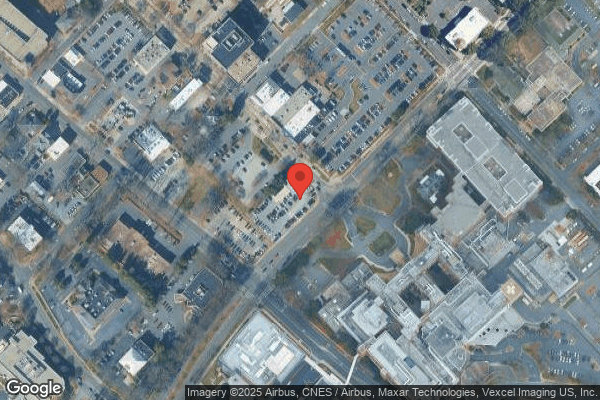
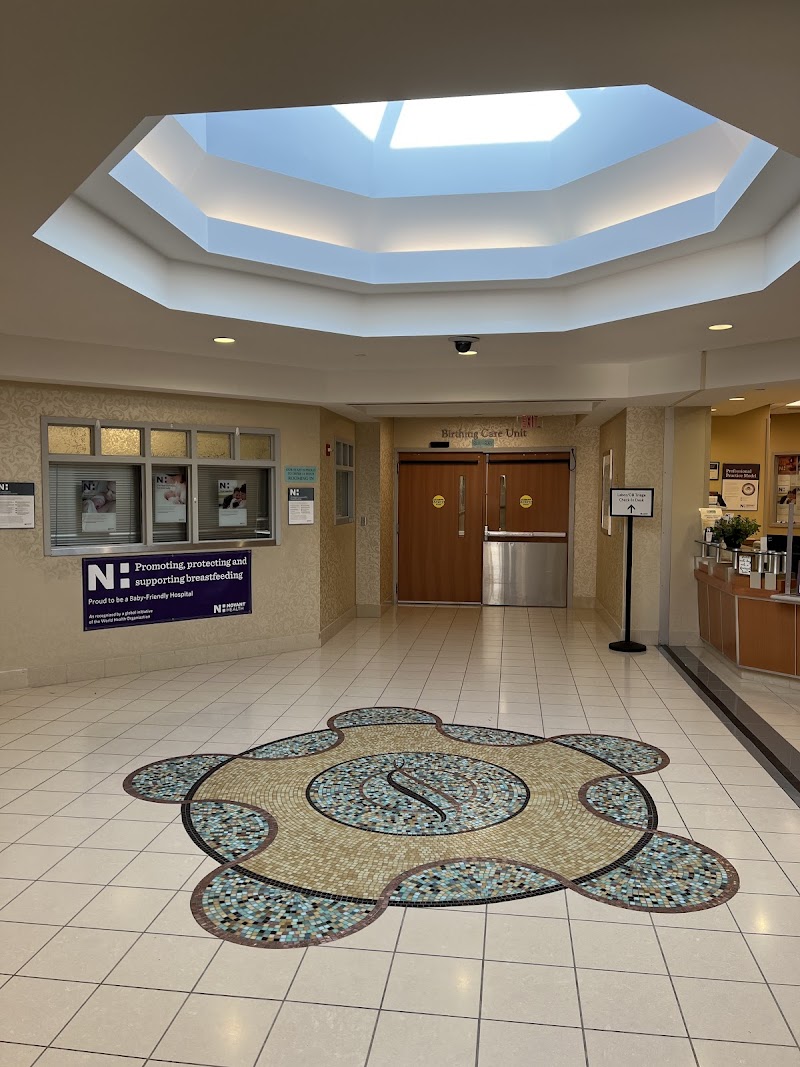
200 HAWTHORNE LANE, CHARLOTTE, NC 28207 (704) 384-4000
Non profit - Corporation 12 Beds Independent Data: November 2025
Trust Grade
90/100
#46 of 417 in NC
Last Inspection: August 2025

Inspected within the last 6 months. Data reflects current conditions.

Overview

Novant Health Presbyterian Medical Center-SNU has earned an excellent Trust Grade of A, indicating it is highly recommended for families seeking care. It ranks #46 out of 417 facilities in North Carolina, placing it in the top half, and is the top facility out of 29 in Mecklenburg County. The facility is on an improving trend, having reduced issues from 3 in 2024 to 0 in 2025. Staffing is a strength, with a perfect 5/5 rating and a turnover rate of 43%, which is below the state average of 49%. However, there are some concerns, as the facility has had five issues identified, all classified as having potential harm. Specific incidents include a failure to clean the kitchen properly, resulting in trash and debris being left in food preparation areas, and expired food items not being discarded, which could affect residents' meals. Despite these weaknesses, the facility has no fines on record and boasts more RN coverage than 98% of facilities in the state, ensuring better oversight of resident care.

Trust Score
A
90/100
In North Carolina
#46/417
Top 11%
Safety Record
Low Risk
No red flags
Inspections
Getting Better
3 → 0 violations
Staff Stability
○ Average
43% turnover. Near North Carolina's 48% average. Typical for the industry.
Penalties
✓ Good
No fines on record. Clean compliance history, better than most North Carolina facilities.
Skilled Nurses
✓ Good
Each resident gets 124 minutes of Registered Nurse (RN) attention daily — more than 97% of North Carolina nursing homes. RNs are the most trained staff who catch health problems before they become serious.
Violations
✓ Good
Only 5 deficiencies on record. Cleaner than most facilities. Minor issues only.
★★★★★
5.0
Overall Rating
★★★★★
5.0
Staff Levels
★★★★★
5.0
Care Quality
★★★★★
5.0
Inspection Score
Stable
2024: 3 issues
2025: 0 issues

The Good

  • 5-Star Staffing Rating · Excellent nurse staffing levels
  • 5-Star Quality Measures · Strong clinical quality outcomes
  • Full Sprinkler Coverage · Fire safety systems throughout facility
  • No fines on record
  • Staff turnover below average (43%)

    5 points below North Carolina average of 48%

Facility shows strength in staffing levels, quality measures, fire safety.

The Bad

Staff Turnover: 43%

Near North Carolina avg (46%)

Typical for the industry

The Ugly 5 deficiencies on record

Aug 2024 3 deficiencies
CONCERN (D)

Potential for Harm - no one hurt, but risky conditions existed

Respiratory Care (Tag F0695)

Could have caused harm · This affected 1 resident

**NOTE- TERMS IN BRACKETS HAVE BEEN EDITED TO PROTECT CONFIDENTIALITY** Based on observations, staff interviews, and record review, the facility failed to apply signage indicating the use of oxygen ou...

Read full inspector narrative →
**NOTE- TERMS IN BRACKETS HAVE BEEN EDITED TO PROTECT CONFIDENTIALITY** Based on observations, staff interviews, and record review, the facility failed to apply signage indicating the use of oxygen outside the resident's room for 2 of 2 residents reviewed for oxygen use (Resident #9 and Resident #5). The findings included: 1. Resident #9 was admitted on [DATE] with diagnoses of chronic obstructive pulmonary disease. Review of the admission Minimum Data Set (MDS) assessment dated [DATE] indicated Resident #9 was cognitively intact and coded for the use of oxygen. A physician's order for Resident #9 dated 7/25/24 for 2 liters per minutes (LPM) oxygen continuous via nasal cannula. During an observation on 8/12/24 at 12:05 pm no signage for oxygen use was to be found anywhere near to resident's room entrance. Resident #9 was observed wearing her oxygen via a nasal canula at 2LPM. The oxygen concentrator was observed on the right side of the bed in Resident #9's room. Interview with the Accreditation and Regulatory staff member #1 on 8/12/24 at 2:00 pm stated they were not required to post No Smoking signs on the doors of the residents using oxygen as they were a smoke-free facility. The Accreditation and Regulatory staff member #1 stated they were only required to place a sign informing the public that they were a smoke-free facility in prominent areas. The Accreditation and Regulatory staff member #1 referred to the Fire Protection Association literature dated 8/12/24 which read in part: In health care facilities where smoking is prohibited and signs are prominently (strategically) placed at all major entrances, secondary signs with no smoking language shall not be required. Interview with Nurse #1 on 8/13/24 at 12:40 pm revealed that Novant Health campus was a smoke-free facility. This was inclusive of the skilled unit. Nurse #1 continued to explain per facility policy they were not required to post the no smoking signs on the resident's doors. On 8/13/24 at 3:00 pm an interview with the Director of Accreditation and Regulatory was completed who stated they were a smoke-free facility and there were general No Smoking signs in the parking lot and several entrances before entering the building. The Director of Accreditation and Regulatory continued to explain the Patient Handbook was provided which informs the patients for their health and wellness, Novant Health was a tobacco free organization. The Director of Accreditation and Regulatory also stated the same information was available on the patient's online record access. On 8/15/24 at 10:59 am an interview with the Administrator revealed the facility was in the hospital environment and there was some confusion with staff about posting no smoking signs at the resident's door. The Administrator stated the hospital followed the National Fire Prevention regulation which indicated oxygen signage was not required at the resident's room door. 2. Resident #5 was admitted to the facility on [DATE] with diagnoses of Tachypnea (crackling in the lungs). Review of the admission Minimum Data Set (MDS) assessment dated [DATE] indicated Resident #5 was cognitively intact and coded for the use of oxygen. A physician's order for Resident #5 dated 7/24/24 for 2 liters per minutes (LPM) oxygen continuous via nasal cannula. During an observation on 8/12/24 at 12:37 pm, there was no signage outside Resident #5's room indicating the usage of oxygen. Resident #5 was observed wearing her oxygen via nasal cannula at 2 LPM. The oxygen concentrator was observed on the right side of the bed in Resident #5's room. Interview with the Accreditation and Regulatory staff member #1 on 8/12/24 at 2:00 pm stated they were not required to post No Smoking signs on the doors of the residents using oxygen as they were a smoke-free facility. The Accreditation and Regulatory staff member #1 stated they were only required to place a sign informing the public that they were a smoke-free facility in prominent areas. The Accreditation and Regulatory staff member #1 referred to the Fire Protection Association literature dated 8/12/24 which read in part: In health care facilities where smoking is prohibited and signs are prominently (strategically) placed at all major entrances, secondary signs with no smoking language shall not be required. Interview with Nurse #1 on 8/13/24 at 12:40 pm revealed that Novant Health campus was a smoke-free facility. This was inclusive of the skilled unit. Nurse #1 continued to explain per facility policy they were not required to post the no smoking signs on the resident's doors. On 8/13/24 at 3:00 pm an interview with the Director of Accreditation and Regulatory was completed who stated they were a smoke-free facility and there were general No Smoking signs in the parking lot and several entrances before entering the building. The Director of Accreditation and Regulatory continued to explain the Patient Handbook was provided which informs the patients for their health and wellness, Novant Health was a tobacco free organization. The Director of Accreditation and Regulatory also stated the same information was available on the patient's online record access. On 8/15/24 at 10:59 am an interview with the Administrator revealed the facility was in the hospital environment and there was some confusion with staff about posting no smoking signs at the resident's door. The Administrator stated the hospital followed the National Fire Prevention regulation which indicated oxygen signage was not required at the resident's room door.
CONCERN (D)

Potential for Harm - no one hurt, but risky conditions existed

Unnecessary Medications (Tag F0759)

Could have caused harm · This affected 1 resident

Based on observations, record review and staff interviews, the facility failed to maintain a medication error rate of 5% or less as evidenced by 2 medication errors out of 26 opportunities. This resul...

Read full inspector narrative →
Based on observations, record review and staff interviews, the facility failed to maintain a medication error rate of 5% or less as evidenced by 2 medication errors out of 26 opportunities. This resulted in a medication error rate of 7.69% for 1 of 3 residents (Resident #1) observed during medication administration observation. The findings included: A physician order dated 08/12/24 revealed Resident #1 was to receive tamsulosin (Flomax) capsule 0.4 milligrams (mg) daily for acute urinary retention and pantoprazole sodium (Protonix) EC (enteric coated) tablet 40mg daily for acid reflux. Administration instructions for both medications were: Do not open or crush. During the medication pass observation on 08/14/24 at 9:14 AM: 1a. Nurse #2 prepared medications for Resident #1. Nurse #2 was observed taking a pantoprazole sodium EC tablet 40mg out of a blister package and used a pill-crushing device to crush the medicine. Nurse #2 proceeded to sprinkle the medication into the apple sauce. 1b. Nurse #2 was observed to twist open a tamsulosin capsule 0.4mg and sprinkle this medication into the apple sauce. At 9:16 AM, Nurse #2 administered the pantoprazole sodium EC tablet 40mg and tamsulosin capsule 0.4mg with apple sauce to the resident. An interview with Pharmacist #1 and Pharmacist #2 on 08/14/24 at 10:25 AM revealed that pharmacy has the ability to substitute medications if they were aware. Pharmacist #1 stated the tamsulosin would have a rapid onset of action if opened and given to the resident in applesauce for consumption. Pharmacist #1 further stated the pantoprazole sodium EC should not have been crushed unless indicated by the physician. Both Pharmacist #1 and Pharmacist #2 verbalized the pharmacy did not get any requests from the skilled nursing unit to provide alternative medication substitutes for the tamsulosin and pantoprazole sodium EC or a physician's order clarifying the administration directions for the two medications to be crushed and or opened. An interview with Nurse #2 on 08/14/24 at 4:47 PM revealed administration instructions were displayed on the Electronic Medication Administration Record (eMAR) under details. Nurse #2 explained she had no particular reason why she did not read the administration instructions when preparing the medications for Resident #1. An interview with the Administrator on 08/14/24 at 4:54 PM stated that Nurse #2 should have reached out to the physician or pharmacy to determine if there were alternative medicines and not have disregarded the administration directions for the medications to not be crushed or not opened.
CONCERN (E)

Potential for Harm - no one hurt, but risky conditions existed

Garbage Disposal (Tag F0814)

Could have caused harm · This affected multiple residents

Based on observations and staff interviews, the facility failed to keep the area around the garbage compacter free of accumulated trash and debris for 1 of 1 garbage compacter observed. The findings i...

Read full inspector narrative →
Based on observations and staff interviews, the facility failed to keep the area around the garbage compacter free of accumulated trash and debris for 1 of 1 garbage compacter observed. The findings included: A continuous observation was completed of the garbage compacter area on 8/12/2024 from 4:07 PM to 4:15 PM. The observation revealed the following items outside of the garbage compacter: 1 bag of trash, 3 to 4 used disposable gloves, 1 medium clear plastic bag with 4 exposed bread slices on the ground, 1 large cardboard box that was flat. The area was observed to be malodorous and had a lingering foul/ sour smell. There was wet, thick blackish/ brownish sludge matter observed around the area of the garbage compacter. At 4:15 PM an unknown staff member was observed operating the riser to the garbage compacter. While the riser was in motion and lifting, there was debris and black/brown sludge observed underneath the rising mechanism. There were 2 to 3 garbage bags filled with miscellaneous items observed behind the riser and in between the compacter. Soiled plastic gloves were on the ground around this area along with other unidentifiable items observed in the sludge. Flying insects were observed around the area of the garbage compacter. An interview was completed on 8/12/2024 at 4:10 PM with the Resident Regional Environmental Service Director who explained the garbage compacter area was a shared duty between environmental services and dietary. He explained Environmental Services would clean the area in the mornings and the afternoon/evenings. The area would also be spot checked throughout the day by Environmental Services. He did not provide a frequency or time for the spot checking of the area. An interview was completed on 8/12/2024 at 4:13 PM with the Environmental Services Director who stated environmental services staff should check the garbage compacter area two times daily. He further stated spot checks should also be completed throughout the day by environmental services staff. He did not provide a frequency or time for the spot checking of the area. The Environmental Services Director did state he last checked the area around 9:30 AM and observed a clear plastic bag on the ground in the garbage compacter area that remained present during the surveyor and staff observation. An interview was completed with the Director of Operations on 8/14/2024 at 3:46 PM. She revealed Environmental Services and Food/ Nutrition Services should maintain the cleanliness of the garbage compacter area. This responsibility was a shared responsibility between the two departments. Going forward this area would be cleaned monthly via an external contracture as well as an audit tool would be implemented to see clear follow up from internal staff to ensure the area remained clean. An interview with the Administrator was completed on 8/14/2024 at 3:57 PM. She revealed there should be clear communication between Environmental Services and Food/ Nutrition Services to maintain the cleanliness of the area around the garbage compacter.
Apr 2023 2 deficiencies
CONCERN (E)

Potential for Harm - no one hurt, but risky conditions existed

Food Safety (Tag F0812)

Could have caused harm · This affected multiple residents

Based on observations and staff interviews, the facility failed to discard expired food items and remove grease build up on and around the fryer used to prepare food. These practices had the potential...

Read full inspector narrative →
Based on observations and staff interviews, the facility failed to discard expired food items and remove grease build up on and around the fryer used to prepare food. These practices had the potential to affect food served to 7 of 7 residents. The findings included: A continuous observation (with the Dietary Director and Lead Chef) of the kitchen occurred on 4/18/23 from 11:17 AM - 12:45 PM. The observation revealed the following: a) One gallon container of opened blue cheese dressing in the kitchen prep area, that expired on 4/12/23. b) One gallon container of olive oil salad dressing in the kitchen prep area, that expired 3/23/23. c) Two large pots of uncovered frozen gravy in walk-in freezer, labeled with expiration date of 4/4/23. d) Grease fryer #1 used to prepare resident foods displayed thick grease buildup on and around the grease fryer and floor. During an interview on 4/18/23 12:50 PM, the Lead Chef indicated the kitchen was to be cleaned nightly according to the cleaning schedule and the food located in the dry storage room, refrigerators and freezer were supposed to be checked and discarded weekly if expired. A follow-up continuous observation (with the Lead Chef) of the kitchen occurred on 4/19/23 from 11:03 AM - 11:50 AM. The same grease buildup observed on 4/18/23 was also observed on 4/19/23, as previously described. During an interview on 4/19/23 at 11:55 AM, the Lead Chef stated he assigned the task of cleaning the fryer, to the evening staff and did not follow up to make sure that the task was completed. He was not aware the task was not completed at the time of the interview. During an interview on 4/19/23 at 2:25 PM, the Dietary Director revealed he was unaware the grease fryer was not cleaned after the Surveyor first observed it on 4/18/23. His expectation was for the kitchen cleaning schedule to be followed and that his staff need to do a better job with discarding expired foods and cleaning. An interview with the Administrator on 4/19/23 at 2:00 PM indicated she was made aware of the expired salad dressings, gravy and the unkept grease fryer. Her expectation was for expired foods to be discarded on a regular basis and the kitchen cleaning schedule adhered to.
CONCERN (F)

Potential for Harm - no one hurt, but risky conditions existed

Garbage Disposal (Tag F0814)

Could have caused harm · This affected most or all residents

Based on observations and staff interviews the facility failed to remove loose garbage and debris from underneath 1 of 1 trash lift located in the back of the kitchen area with no closed door separati...

Read full inspector narrative →
Based on observations and staff interviews the facility failed to remove loose garbage and debris from underneath 1 of 1 trash lift located in the back of the kitchen area with no closed door separating the kitchen and food was being prepared a short distance away. This practice had the potential to impact sanitary conditions, food served to residents and attract pests/rodents. The findings included: A continuous observation (with the Dietary Director and Lead Chef) of the kitchen occurred on 4/18/23 from 11:17 AM - 12:45 PM. The observation revealed trash and debris under the trash lift in the kitchen area which was not separated by a closed door and food was being prepared for residents a short distance away. During an interview on 4/18/23 12:50 PM, the Lead Chef indicated the kitchen was to be cleaned nightly according to the cleaning schedule and he was not aware that it had not been cleaned. A follow-up continuous observation (with the Lead Chef) of the kitchen occurred on 4/19/23 from 11:03 AM - 11:50 AM. The same trash and debris that was observed on 4/18/23 was also observed on 4/19/23, as previously described. During an interview on 4/19/23 at 11:55 AM, the Lead Chef stated he assigned the task of cleaning the trash lift area and did not follow up to make sure that the task was completed. He was not aware the task was not completed at the time of the interview. During an interview on 4/19/23 at 2:25 PM, the Dietary Director revealed he was unaware the trash lift area was not cleaned after the Surveyor first observed it on 4/18/23. His expectation was for the kitchen cleaning schedule to be followed and that his staff needed to do a better job with keeping the trash area clean. An interview with the Administrator on 4/19/23 at 2:00 PM indicated she was not aware of the trash and debris not being cleaned for 2 days. Her expectation was for the dietary staff to adhere to the cleaning schedule.
Understanding Severity Codes (click to expand)
Life-Threatening (Immediate Jeopardy)
J - Isolated K - Pattern L - Widespread
Actual Harm
G - Isolated H - Pattern I - Widespread
Potential for Harm
D - Isolated E - Pattern F - Widespread
No Harm (Minor)
A - Isolated B - Pattern C - Widespread

Questions to Ask on Your Visit

  • "Can I speak with families of current residents?"
  • "What's your RN coverage like on weekends and overnight?"

Our Honest Assessment

Strengths
  • • Grade A (90/100). Above average facility, better than most options in North Carolina.
  • • No major safety red flags. No abuse findings, life-threatening violations, or SFF status.
  • • No fines on record. Clean compliance history, better than most North Carolina facilities.
  • • Only 5 deficiencies on record. Cleaner than most facilities. Minor issues only.
Concerns
  • • No significant concerns identified. This facility shows no red flags across CMS ratings, staff turnover, or federal penalties.
Bottom line: Generally positive indicators. Standard due diligence and a personal visit recommended.

About This Facility

What is Novant Health Presbyterian Medical Center-Snu's CMS Rating?

CMS assigns NOVANT HEALTH PRESBYTERIAN MEDICAL CENTER-SNU an overall rating of 5 out of 5 stars, which is considered much above average nationally. Within North Carolina, this rating places the facility higher than 99% of the state's 100 nursing homes. This rating reflects solid performance across the metrics CMS uses to evaluate nursing home quality.
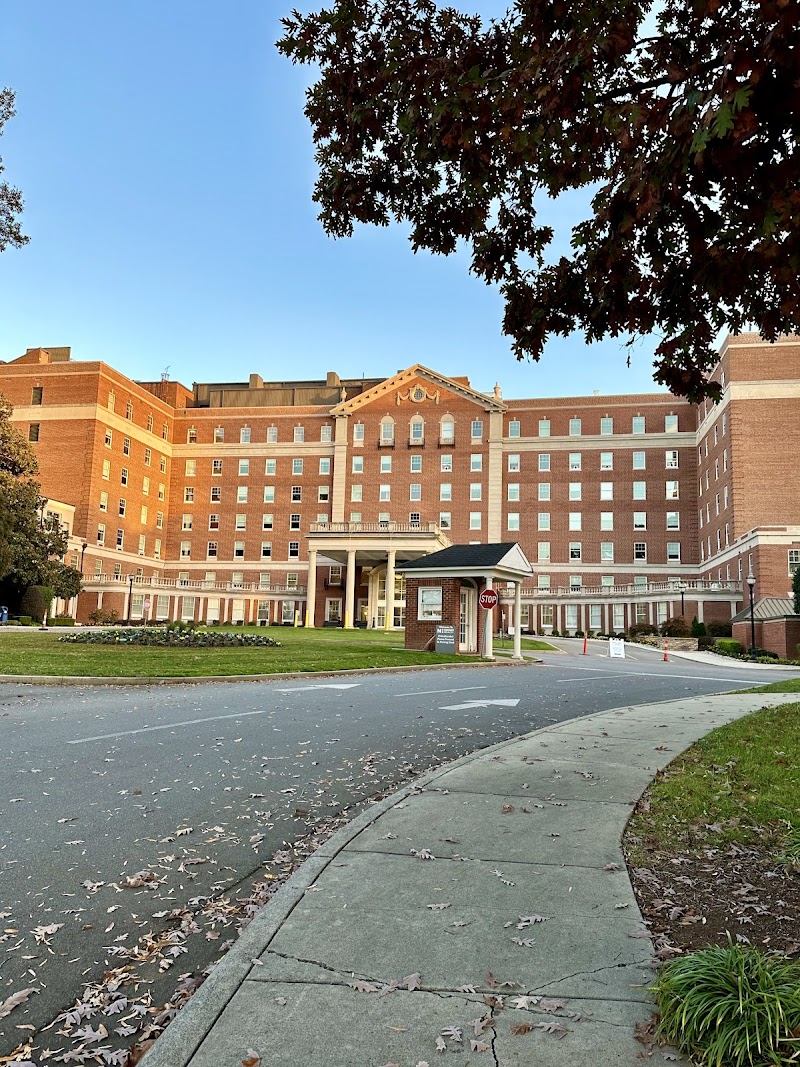
How is Novant Health Presbyterian Medical Center-Snu Staffed?

CMS rates NOVANT HEALTH PRESBYTERIAN MEDICAL CENTER-SNU's staffing level at 5 out of 5 stars, which is much above average compared to other nursing homes. Staff turnover is 43%, compared to the North Carolina average of 46%. This relatively stable workforce can support continuity of care.

What Have Inspectors Found at Novant Health Presbyterian Medical Center-Snu?

State health inspectors documented 5 deficiencies at NOVANT HEALTH PRESBYTERIAN MEDICAL CENTER-SNU during 2023 to 2024. These included: 5 with potential for harm.

Who Owns and Operates Novant Health Presbyterian Medical Center-Snu?

NOVANT HEALTH PRESBYTERIAN MEDICAL CENTER-SNU is owned by a non-profit organization. Non-profit facilities reinvest revenue into operations rather than distributing to shareholders. The facility operates independently rather than as part of a larger chain. With 12 certified beds and approximately 9 residents (about 75% occupancy), it is a smaller facility located in CHARLOTTE, North Carolina.
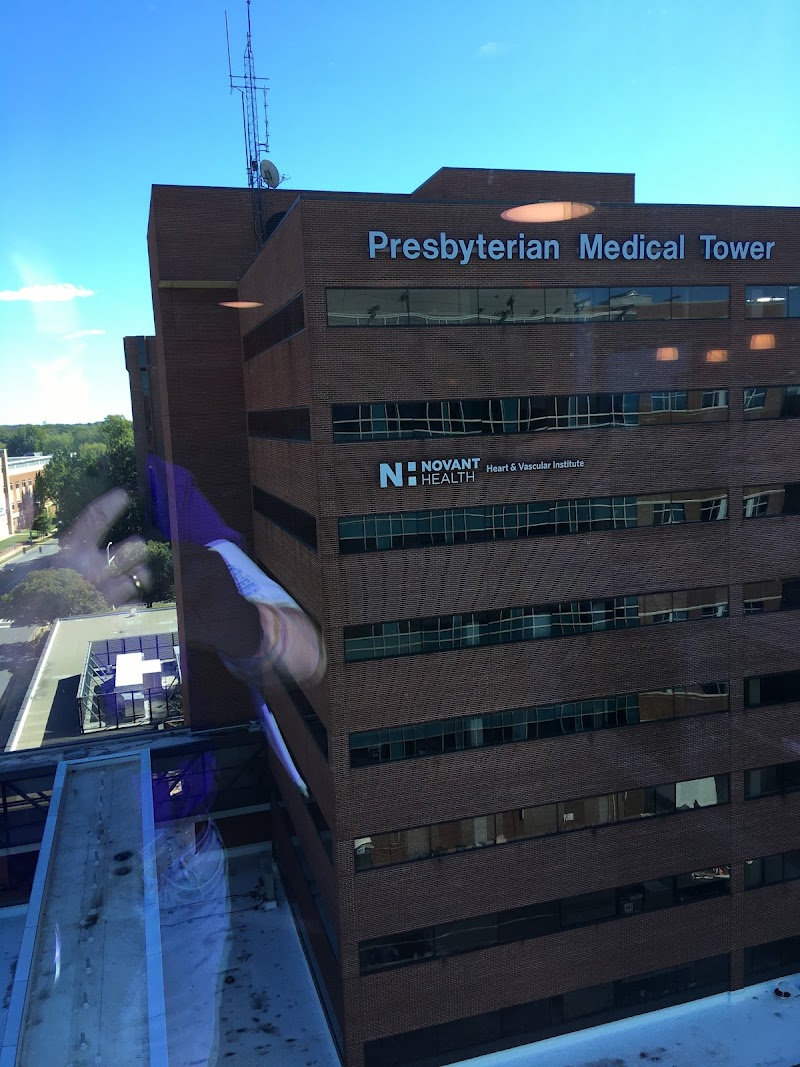
How Does Novant Health Presbyterian Medical Center-Snu Compare to Other North Carolina Nursing Homes?

Compared to the 100 nursing homes in North Carolina, NOVANT HEALTH PRESBYTERIAN MEDICAL CENTER-SNU's overall rating (5 stars) is above the state average of 2.8, staff turnover (43%) is near the state average of 46%, and health inspection rating (5 stars) is much above the national benchmark.

What Should Families Ask When Visiting Novant Health Presbyterian Medical Center-Snu?

Based on this facility's data, families visiting should ask: "Can I visit during a mealtime to observe dining assistance and food quality?" "How do you handle medical emergencies, and what is your hospital transfer rate?" "Can I speak with family members of current residents about their experience?"

Is Novant Health Presbyterian Medical Center-Snu Safe?

Based on CMS inspection data, NOVANT HEALTH PRESBYTERIAN MEDICAL CENTER-SNU has a clean safety record: no substantiated abuse findings (meaning no confirmed cases of resident harm), no Immediate Jeopardy citations (the most serious violation level indicating risk of serious injury or death), and is not on the Special Focus Facility watch list (a federal program monitoring the lowest-performing 1% of nursing homes). The facility has a 5-star overall rating and ranks #1 of 100 nursing homes in North Carolina. While no facility is perfect, families should still ask about staff-to-resident ratios and recent inspection results during their visit.

Do Nurses at Novant Health Presbyterian Medical Center-Snu Stick Around?

NOVANT HEALTH PRESBYTERIAN MEDICAL CENTER-SNU has a staff turnover rate of 43%, which is about average for North Carolina nursing homes (state average: 46%). Moderate turnover is common in nursing homes, but families should still ask about staff tenure and how the facility maintains care continuity when employees leave.

Was Novant Health Presbyterian Medical Center-Snu Ever Fined?

NOVANT HEALTH PRESBYTERIAN MEDICAL CENTER-SNU has no federal fines on record. CMS issues fines when nursing homes fail to meet care standards or don't correct problems found during inspections. The absence of fines suggests the facility has either maintained compliance or corrected any issues before penalties were assessed. This is a positive indicator, though families should still review recent inspection reports for the full picture.

Is Novant Health Presbyterian Medical Center-Snu on Any Federal Watch List?

NOVANT HEALTH PRESBYTERIAN MEDICAL CENTER-SNU is not on any federal watch list. The most significant is the Special Focus Facility (SFF) program, which identifies the bottom 1% of nursing homes nationally based on persistent, serious quality problems. Not being on this list means the facility has avoided the pattern of deficiencies that triggers enhanced federal oversight. This is a positive indicator, though families should still review the facility's inspection history directly.