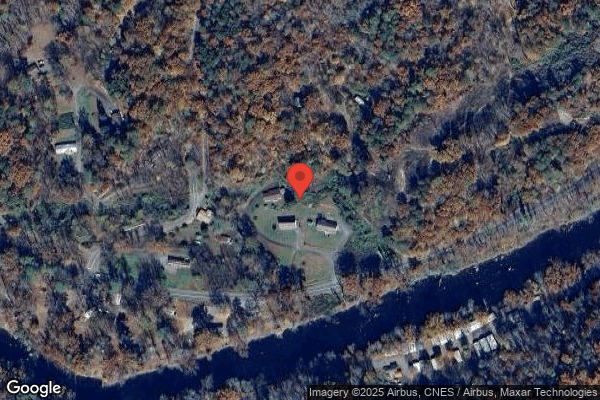

Tsali Care Center

267 Tsali Care Way, Cherokee, NC 28719 (828) 497-5048
Non profit - Corporation 72 Beds Independent Data: November 2025
Trust Grade
0/100
#404 of 417 in NC
Last Inspection: August 2024

Within standard 12-15 month inspection cycle. Federal law requires annual inspections.

Overview

Tsali Care Center has received a Trust Grade of F, indicating significant concerns about the quality of care provided. With a state rank of #404 out of 417 facilities in North Carolina, they fall into the bottom half of the rankings, and they are the second of only two facilities in Swain County, suggesting limited local options. Although the facility's situation is improving, with issues reducing from 24 in 2024 to 9 in 2025, serious problems still exist, including incidents where a resident was not safely transferred from a van, resulting in injury, and another resident experiencing unmanaged pain despite having a clear care plan for pain management. Staffing is relatively good, with a 4/5 star rating, but a turnover rate of 66% is concerning, as it is above the state average. Additionally, the facility has accumulated $196,262 in fines, which is higher than 98% of North Carolina facilities, indicating ongoing compliance issues.

Trust Score
F
0/100
In North Carolina
#404/417
Bottom 4%
Safety Record
High Risk
Review needed
Inspections
Getting Better
24 → 9 violations
Staff Stability
⚠ Watch
66% turnover. Above average. Higher turnover means staff may not know residents' routines.
Penalties
⚠ Watch
$196,262 in fines. Higher than 79% of North Carolina facilities, suggesting repeated compliance issues.
Skilled Nurses
✓ Good
Each resident gets 52 minutes of Registered Nurse (RN) attention daily — more than average for North Carolina. RNs are trained to catch health problems early.
Violations
⚠ Watch
69 deficiencies on record. Higher than average. Multiple issues found across inspections.
★☆☆☆☆
1.0
Overall Rating
★★★★☆
4.0
Staff Levels
★★★☆☆
3.0
Care Quality
★☆☆☆☆
1.0
Inspection Score
Stable
2024: 24 issues
2025: 9 issues

The Good

  • 4-Star Staffing Rating · Above-average nurse staffing levels
  • Full Sprinkler Coverage · Fire safety systems throughout facility
  • No fines on record

Facility shows strength in staffing levels, fire safety.

The Bad

1-Star Overall Rating

Below North Carolina average (2.8)

Significant quality concerns identified by CMS

Staff Turnover: 66%

20pts above North Carolina avg (46%)

Frequent staff changes - ask about care continuity

Federal Fines: $196,262

Well above median ($33,413)

Significant penalties indicating serious issues

Staff turnover is elevated (66%)

18 points above North Carolina average of 48%

The Ugly 69 deficiencies on record

4 actual harm
Aug 2025 2 deficiencies
CONCERN (D) 📢 Someone Reported This

A family member, employee, or ombudsman was alarmed enough to file a formal complaint

Potential for Harm - no one hurt, but risky conditions existed

Resident Rights (Tag F0550)

Could have caused harm · This affected 1 resident

**NOTE- TERMS IN BRACKETS HAVE BEEN EDITED TO PROTECT CONFIDENTIALITY** Based on observations, interviews, and record reviews, the facility failed to treat two (2) residents (Resident #6 and #23) in a...

Read full inspector narrative →
**NOTE- TERMS IN BRACKETS HAVE BEEN EDITED TO PROTECT CONFIDENTIALITY** Based on observations, interviews, and record reviews, the facility failed to treat two (2) residents (Resident #6 and #23) in a dignified manner to promote the residents' quality of care and quality of life in a sample size of 23 residents who were reviewed for resident rights. The findings include: 1.Resident #6 was admitted on [DATE] with diagnoses that included vascular dementia, type 2 diabetes, and major depressive disorder. Resident #6’s quarterly Minimum Data Set (MDS) dated [DATE] revealed that he was cognitively impaired, dependent on activities for daily living (ADLs) and required a two person assist Hoyer lift transfer. In a telephone interview with the resident representative for Resident #6 on 07/29/25 at 11:12 AM, she stated she filed a complaint/grievance with Social Worker (SW) #3 regarding an incident that occurred with her uncle while she visited the facility sometime in June. She recounted that, on this day, she requested that the Certified Nurse Aide (CNA) staff put her uncle in his chair so that he could visit with them out on the covered porch. She stated, “When my uncle appeared from his room sitting in the chair, his hair was uncombed, his clothes were twisted, and his socks were on wrong.” She stated, “no one should be treated that way.” During an interview with SW #3 on 07/30/25 at 2:34 PM, she verified that resident representative for Resident #6 did file a complaint/grievance on 06/16/25 regarding an incident in which Resident #6 when put in his chair and not properly groomed. She stated the Director of Nursing (DON) was made aware and provided a resolution. Review of the facility Concern, Complaint or Grievance form on 07/30/25 revealed, the incident was reported by the resident representative for Resident #6 on 06/16/25 but occurred on 06/8/25 around 3:00 PM. She reported that the resident wanted to get up. She asked both CNAs to get Resident #6 up. They both rolled their eyes. CNA #10 glared and ran the Hoyer lift into the wall. When asked, CNA #10 stated, I’m not mad, I’m just a bad driver.” After 8-9 minutes, the resident representative for Resident #6 reported, Resident #6 was brought out of his room with his shirt all twisted up, his socks halfway up and uncombed hair.” During an interview with the DON on 07/31/25 at 11:00 AM, she verified that she received a complaint/grievance reported by the resident representative for Resident #6 and interviewed both CNAs. She stated she discussed providing resident care with dignity with both CNAs. She stated her expectation was that when a resident is gotten out of bed, all of the ADLS are provided. She stated she completed verbal coaching/coaching for success with both CNAs and removed CNA #10 from Resident #6’s staffing assignment on the 7 AM to 7 PM shift to prevent any future interactions with Resident #6 or his representative as requested. Review of the facility's policy titled “(Facility Name) Administrative-Residents Rights for Senior Service, dated 10/30/24 read “…. Policy …(Facility Name) will treat each resident with respect and dignity and will care for each resident in a manner and in an environment that promotes maintenance or enhancement of their quality of life…. F550 1. The resident has the right to a dignified existence, …. with persons and services inside and outside of the facility.” 2. Resident #23 was admitted on [DATE] with diagnoses that included chronic obstructive pulmonary disease (COPD) and anxiety disorder. Review of Resident #23's quarterly Minimum Data Set (MDS) dated [DATE] revealed that Resident #23 was cognitively intact and required staff assistance with activities of daily living (ADL), including bathing and grooming. Review of the medical record for ADL bathing documentation dated 07/29/25 revealed that Resident #23 had received a shower. During an observation and interview on 07/30/25 at 4:00 PM, Resident #23 was lying in bed watching television. She appeared groomed except for the visible scattered chin hairs of different lengths. She stated she was supposed to have her chin hairs shaved on shower days. She stated she had a shower yesterday, but the staff had not shaved her or asked her if she wanted to be shaved. During an interview with Certified Medication Aide (CMA) #10 on 07/30/25 at 4:00 PM while she was standing outside of Resident #23's room, she stated that as a female resident, she would not want her chin hairs to look like how Resident #23's chin hairs looked. She stated that with each shower, the residents should be shaved or offered to be shaved. Review of the facility's policy titled Resident Rights for Senior Service, dated 10/30/24 read .to provide (Facility Name) teammates with guidelines for resident rights for senior services . Policy: It is the policy of (Facility Name) to recognize that all residents have the right to a dignified existence, self-determination, and access to persons and services inside and outside the facility. (Facility Name) will treat each resident with respect and dignity and will care for each resident in a manner and in an environment that promotes maintenance or enhancement of their quality of life, recognizing each resident's individuality. (Facility Name) will protect and promote the rights of all residents .I. The resident has the right to a dignified existence, self-determination, and communication with persons and services inside and outside of the facility. 2. The resident has the right to exercise their rights as a resident of (Facility Name) and as a citizen or resident of the United States without interference, coercion, discrimination, or reprisal from the facility, and to be supported by (Facility Name) in the exercising of these rights. 3. (Facility Name) provides equal access to quality care regardless of diagnosis, severity of condition, or payment source. (Facility Name) has established and maintained identical policies and practices regarding transfer, discharge, and the provision of services under the state plan for all residents regardless of payment source .
CONCERN (D) 📢 Someone Reported This

A family member, employee, or ombudsman was alarmed enough to file a formal complaint

Potential for Harm - no one hurt, but risky conditions existed

Deficiency F0676 (Tag F0676)

Could have caused harm · This affected 1 resident

**NOTE- TERMS IN BRACKETS HAVE BEEN EDITED TO PROTECT CONFIDENTIALITY** Based on interviews, record review, and review of the facility's policy titled Restorative Nursing Care, the facility failed to ...

Read full inspector narrative →
**NOTE- TERMS IN BRACKETS HAVE BEEN EDITED TO PROTECT CONFIDENTIALITY** Based on interviews, record review, and review of the facility's policy titled Restorative Nursing Care, the facility failed to initiate restorative care nursing services for Activities of Daily Living (ADL) for two (2) residents out six (6) residents sampled for ADL decline and rehabilitation and restorative care (Residents' #3 and #5). The findings include:1. Resident #3 was admitted to the facility on [DATE] with diagnoses that included cerebral infarction, hemiplegia and hemiparesis following cerebral infarction affecting right dominant side, contracture of right hand, adult failure to thrive, and end stage renal disease (ESRD). Review of Resident #3's Minimum Data Set (MDS) dated [DATE] revealed the resident was cognitively intact.During an interview on 07/29/25 at 10:50 AM with Resident #3, she stated that she was not getting any stronger and still weak. She stated she was informed that she would continue with exercises, but the facility staff had done nothing. Review of Resident #3's therapy note dated 07/08/25 revealed .Pt will be DC on Thursday and be placed on restorative.PTA assisted POC supervisor with restorative paperwork. Communicated with restorative aide regarding clarification on goals for pt. once on the restorative program. Paperwork completed and restorative aide is confident in completing goals.Review of Resident #3's therapy note dated 07/10/25 revealed Per previous notes, pt. will be d/c today from PT to restorative program. Maximum progress/potential has been met with PT. Patient in agreement with this plan.Review of Resident #3's care plan revealed a care plan for ADL self-care performance deficit related to activity intolerance, impaired balance, decreased safety awareness, and limited mobility with no restorative nursing care interventions.Review of Resident #3's medical record revealed no restorative assessment or notes in the chart.Review of the Restorative Nursing List revealed Resident #3's name was missing.During an interview on 07/31/25 at 12:15 PM with the Physical Therapy Assistant (PTA), she stated that Resident #3 was discharged to the restorative program on 07/10/25 and was no longer on the therapy schedule. 2. Resident #5 was admitted to the facility on [DATE] with diagnoses that included below the knee amputation of left lower leg, peripheral vascular disease, chronic obstructive pulmonary disease (COPD), and morbid obesity.Review of Resident #5's Minimum Data Set (MDS) dated [DATE] revealed the resident was cognitively intact.During an interview with Resident #5 on 07/31/25 at 2:38 PM, he stated facility staff had not provided restorative care and he was advised by the physical therapist that someone would provide those services after he completed therapy.Review of Resident #5's therapy note dated 07/01/25 revealed .Patient was informed of findings and given opportunity to ask questions throughout. At this time, patient would like to be placed in the restorative program to maintain current functional status. Patient in agreement with plan.Review of Resident #5's care plan revealed a care plan for ADL self-care performance deficit related to debility, left below the knee amputation, peripheral arterial disease, diabetes, obesity and impaired balance with no restorative nursing care interventions.Review of Resident #5's medical record revealed no restorative assessment or notes in the chart.Review of the Restorative Nursing List revealed Resident #5's was listed as never enrolled.During an interview on 07/31/25 at 12:02 PM with the PTA, she stated Resident #5 was referred to the restorative program on 07/01/25 and was no longer on the therapy schedule.During an interview on 70/31/25 at 3:00 PM with the Nurse Practitioner (NP), she stated that if a resident completed therapy and was referred to the restorative program, the expectation was that staff would follow the physical therapist orders. During an interview on 07/31/25 at 4:28 PM with the Restorative Nurse Program (RNP) Coordinator/MDS Coordinator, she stated the process was that a restorative referral form was completed by therapy staff who provide that information to the restorative aide. The therapy staff then train the restorative Certified Nurse Aide (CNA) with the residents to help them to understand the exercises and care goals. The RNP Coordinator confirmed that Resident #3 and Resident #5 restorative therapy program referrals were missed.During an interview on 08/01/2025 at 9:34 AM with the Director of Nursing, she stated the expectation was that if a resident was referred to restorative nursing care, then a restorative nursing assessment form was completed, and the resident should receive those services.Review of the policy titled Restorative Nursing Care, effective 11/12/24, read The purpose of this Policy is to provide (Facility Name) teammates with guidelines for restorative nursing care assisting each resident in achieving and maintaining an optimal level of self-care and independence. Restorative nursing care is rehabilitative nursing care that does not require the use of a qualified professional therapist. A resident may be referred to the restorative nursing program due to: In conjunction with, or at discharge from, therapy [physical therapy (PT), occupational therapy (OT), speech therapy. After a triggering event (such as weight loss, pressure ulcer, choking). Functional decline or maintenance need identified at time of admission or during stay and resident is not appropriate for therapy.
Apr 2025 7 deficiencies 1 Harm
SERIOUS (G) 📢 Someone Reported This

A family member, employee, or ombudsman was alarmed enough to file a formal complaint

Actual Harm - a resident was hurt due to facility failures

Accident Prevention (Tag F0689)

A resident was harmed · This affected 1 resident

**NOTE- TERMS IN BRACKETS HAVE BEEN EDITED TO PROTECT CONFIDENTIALITY** Based on interviews, record review, and review of facility documents, the facility failed to ensure one (1) of three (3) residen...

Read full inspector narrative →
**NOTE- TERMS IN BRACKETS HAVE BEEN EDITED TO PROTECT CONFIDENTIALITY** Based on interviews, record review, and review of facility documents, the facility failed to ensure one (1) of three (3) residents (Resident #1) was safely transferred from the facility van. The findings include: Resident #1 was admitted to the facility on [DATE] with diagnoses that included: Complete Traumatic Amputation to Left Lower Leg and Type 1 Diabetes Mellitus. He was cognitively intact. During an interview on 4/8/25 at 9:00 AM, Resident #1 stated on 12/27/24 he was returning to the facility from an appointment in Asheville for suture removal to his stump (amputated leg). He arrived back to the facility via Tsali's van with facility's staff driver #1. While she was getting him out of the van, and on the ramp down, I slid out of the chair and landed on my stump. This was the leg that just had sutures removed. He stated van driver #1 explained to him the reason he came out of the chair was due to the cushion not being properly secured to his wheelchair. He stated the accident caused him to have to be sent via ambulance to the hospital for staples to his stump. During an interview on 4/10/25 at 1:27 PM, the Assistant Administrator (AA) and the Director of Nursing (DON) stated they both responded to the scene when van driver #1 came into the building requesting help stating Resident #1 had slid from his wheelchair. The DON stated she arrived and observed the wheelchair's back wheels had crossed the threshold of the ramp and had begun the decent down the ramp. The front wheels had not yet crossed the threshold and remained in the van. The resident was sitting on the floor of the van in front of the wheelchair. She stated she performed an assessment and during this time the resident told her that as the chair began being brought down the ramp by van driver #1, he leaned forward with his arms at the front of wheelchair arms. When he did this, he slid from the chair and landed on the floor. The cushion in the chair had slid from the chair with the resident. Both the AA and the DON agreed the cushion was not properly secured to the wheelchair. She stated an ambulance was called and the resident was transported to the hospital and required staples to his stump. During an interview on 4/10/25 at 3:00 PM, Occupational Therapy Assistant (OTA) #1 stated Resident #1 was provided a cushion to his wheelchair by the facility's therapy department. She stated this was to help prevent skin breakdown and sores for people that sit up in the chair for long periods. The cushion covered the entire wheelchair seat and was secured with a buckle clip at the back of the wheelchair. She stated the cushion should always be clipped while in a chair. The cushion can be slick if not secured. If someone is trying to get up with their arms at the front of the chair and leaning forward, it could cause the cushion to slide out from under the resident. During an interview on 4/10/25 at 5:06 PM, van driver #1 stated she had transported Resident #1 to a physician appointment for suture removal to his recently amputated leg. Upon return to the facility, she began removing the resident in his wheelchair from the facility's transport van down the ramp. As the back tires began coming down the ramp, the resident leaned forward grabbing onto the drink holders in the van. When he did this, he slid out of the chair. She stated the resident landed on his stump and ended up sitting in front of the chair. The cushion slid out from under him and ended up behind his back. She confirmed the cushion was not securely clipped to the chair. She stated she then went into the building and requested help. Review of a facility progress note dated 12/27/24 written by Licensed Practical Nurse (LPN) #2 read, Called to go downstairs at entrance to care center to assist with resident who slid out of wheelchair while being assisted out of transport van. Resident was sitting on the van floor with wheelchair behind him. Resident reports pain at a 10-12 for left lower leg, stump area, and lower back. EMS contacted to assist with transferring resident off of the floor of van onto the wheelchair or stretcher. Resident is requesting transport to the ER for evaluation. Review of a facility progress note dated 12/27/24 written by LPN #2 read, Resident returned to facility via [NAME] [Cherokee Indian Hospital Authority] EMS [Emergency Medical Services] .Resident has diagnosis of dehiscence of external surgical wound . Review of the emergency room Discharge Progress Notes dated 12/27/24 read, My Diagnosis today was: 1) Fall from wheelchair .2) Dehiscence of external surgical incision wound - Left BKA [Below Knee Amputation] stump with dehiscence of wound on ground impact . Review of the facility document entitled Tsali Care Center Plan of Correction Event: Fall from Wheelchair dated 12/27/24 read, 2 .b. Consideration of cause for event: The transportation specialist and Director of Nursing noted the wheelchair seat cushion strap was not completely 'buckled,' allowing the cushion to slid from secure position in wheelchair seat .c. The seat cushion was able to move from its position due to smooth surfaces of cushion and wheelchair seat. Review of instructions for Permobil Kwik Strap provided by OTA #1 dated 10/29/21 read, 3 Connect the buckle, and pull the strap tight. 4 Confirm the correct position of the cushion in the wheelchair, and adjust KWIK STRAP if needed.
CONCERN (D) 📢 Someone Reported This

A family member, employee, or ombudsman was alarmed enough to file a formal complaint

Potential for Harm - no one hurt, but risky conditions existed

Deficiency F0563 (Tag F0563)

Could have caused harm · This affected 1 resident

**NOTE- TERMS IN BRACKETS HAVE BEEN EDITED TO PROTECT CONFIDENTIALITY** Based on interviews, and review of facility documents, the facility failed to ensure one (1) of three (3) residents were provide...

Read full inspector narrative →
**NOTE- TERMS IN BRACKETS HAVE BEEN EDITED TO PROTECT CONFIDENTIALITY** Based on interviews, and review of facility documents, the facility failed to ensure one (1) of three (3) residents were provided their visitation rights. The findings include: Resident #1 was admitted to the facility on [DATE] with diagnoses that included: Complete Traumatic Amputation to Left Lower Leg and Type 1 Diabetes Mellitus. He was cognitively intact. During and interview on 3/10/25 at 3:52 PM, Resident #1's wife stated she was not allowed to visit her husband at the facility inside or outside of the facility. She stated she had been visiting her husband several days prior to the interview and was stung or bitten by something in the resident's room. It must have come through the screen of the window we had open. She indicated she had been sitting in the window seat. She stated she began itching and having an allergic reaction to the bite so I told the staff. Resident #1's wife indicated that the facility Administrator, told her at the time of the incident, You must have some type of parasite and need to be checked at the hospital before you return to the facility. She stated on 3/8/25 she called and asked Resident #1 if he wanted something to eat from town and attempted to deliver him food. She stated she arrived at the facility at approximately 8:30 PM and was not allowed to enter the building because she was banned from the facility. She further stated the facility staff would not allow Resident #1 to come outside and pick up the food she had brought to him. During an interview on 4/8/25 at 9:00 AM, Resident #1 stated his wife had been banned from the facility after the administrator felt she had bugs of some kind and told her she needed clearance from the hospital before she could come back. The resident confirmed he had not been able to see his wife when she attended to delver food to him and that on 3/9/25, facility staff told her she would be arrested for trespassing if she did not leave the property.The resident confirmed he had not been able to see his wife when she attended to delver food to him and that on 3/9/25, facility staff told her she would be arrested for trespassing if she did not leave the property. During an interview on 4/8/25 at 10:18 AM, Certified Nurse Aide (CNA) #1 stated she was aware Resident #1's wife was not allowed to visit. She recalled the resident's room being deep cleaned after his wife claimed the facility had bugs. She stated no bugs were found. She confirmed she had never checked Resident #1 or his belongings after he had returned to the facility after visiting with his wife. During and interview on 4/9/25 at 10:18 AM, Licensed Practical Nurse (LPN) #2 stated her assignment included Resident #1. She stated it was her understanding the resident's wife was not allowed to visit the resident due to a bug infestation. She stated she had never seen any bugs on her, the resident, or in the room. She stated there was a time recently, but prior to visitation ban when the wife had been admitted to the hospital and was diagnosed with some kind of psychosis where she felt like her skin was crawling. She stated the resident now leaves frequently to be with his wife and has returned during her shift. She stated she has never checked the resident or the belonging he brings back into the facility. During a phone interview on 4/10/25 at 8:47 AM, the facility's pest control company receptionist stated the company had not been contacted to provide any extra services other than the regular monthly visits. During an interview on 4/10/25 at 9:04 AM, Social Service Director stated she was aware Resident #1's wife could not visit inside the facility. She was aware the resident's wife had been scratching herself and was to obtain medical clearance before she could return to the building. She stated the resident's wife had been diagnosed with delusional behavior and scratching and bugs is part of her delusion. She stated she had suggested the resident's wife obtain a physician note with the diagnosis of the delusional behavior. She confirmed Resident #1 should have been able to go outside to visit with his wife and not been stopped at the door. During an interview on 4/10/25 at 1:27 PM, Assistant Administrator (AA) and the Director of Nursing (DON), both agreed Resident #1's wife was asked not to come in the building to visit with the resident due to a possible infestation of some type of bug. The DON stated Resident #1's wife was asked to get medical clearance for the infestation by the administrator. Both the AA and DON stated there was no evidence of bugs found in the resident's room. Both were aware the nursing supervisor did not allow the resident's wife in the building or the property and that she prevented the resident from having any physical contact with his wife. Both stated the Administrator lifted the ban on the wife's visitation after two (2) weeks stating it had been long enough, and the bugs would be dead by now. The AA stated the wife was not banned from the property, only from the building. The DON stated, He should have been allowed to go out to see her and to get his food. The AA agreed. During an interview on 4/11/25 at 9:00 AM, the Housekeeping Supervisor and floor technician indicated Resident #1's room was deep cleaned on 3/7/25. His wife was complaining she was being bitten by something. He stated during the deep clean he saw no evidence of bed bugs. During a phone interview on 4/11/25 at 10:00 AM, the facility's pest control company supervisor stated that bed bugs will not die out after two (2) weeks unless treated. They will continue to get worse and worse. The resident handbook read, TCC [Tsali Care Center] will honor your right to receive visitors of your choosing providing visitation does not impose the rights of others .
CONCERN (D) 📢 Someone Reported This

A family member, employee, or ombudsman was alarmed enough to file a formal complaint

Potential for Harm - no one hurt, but risky conditions existed

Transfer Requirements (Tag F0622)

Could have caused harm · This affected 1 resident

**NOTE- TERMS IN BRACKETS HAVE BEEN EDITED TO PROTECT CONFIDENTIALITY** Based on interview, review of facility documents, and review of the facility policy entitled Transfers and Discharges Policy, th...

Read full inspector narrative →
**NOTE- TERMS IN BRACKETS HAVE BEEN EDITED TO PROTECT CONFIDENTIALITY** Based on interview, review of facility documents, and review of the facility policy entitled Transfers and Discharges Policy, the facility failed to ensure one (1) of three (3) residents (Resident #1) was provided a discharge notice giving at least a 30-day notice of discharge and contained the necessary information required in the notice. Resident #1 was given a 48- hour discharge notice. The findings include: Resident #1 was admitted to the facility on [DATE] with diagnoses that included: Complete Traumatic Amputation to Left Lower Leg and Type 1 Diabetes Mellitus. He was cognitively intact. During an interview on 4/8/25 at 9:00 AM, Resident #1 stated on 3/21/25, he was given a 48-hour discharge notice by the Assistant Administrator (AA) with no explanation. He stated later that afternoon, he was provided a 30-day discharge notice, with no explanation other than she had stated to him. He stated he was not provided information on an appeals process in either notices he received. He stated the notices informed him he was required to remove all personal items and himself from the room by the dates indicated on the notices, which were 3/24/25 for the 48-hour notice and 4/20/25 for the 30-day notice. He stated he was still receiving services at the facility that included physical therapy. During an interview on 4/9/25 at 1:47 PM, the AA stated was instructed by the Administrator to issue 48-hour discharge notice to Resident #1. She stated she drafted and delivered the notice to Resident #1 on 3/21/25. The notice indicated the discharge was effective 3/24/25. She stated Resident #1 was cognitively intact, and cognitively intact residents were permitted to leave the building without a physician's order. They should sign out and he was not always doing that. The AA received information regarding discharge notices and second 30-day notice was given to Resident #1 indicating he would be discharged on 4/20/25. The AA confirmed the resident was not provided a discharge notice that included all information required. Review of the facility policy entitled Transfers and Discharges Policy dated 12/24/24 read, TCC [Tsali Care Center] will provide residents with a thirty-day notice of an impending transfer or discharge except under emergency circumstances or under other circumstances as defined by regulation and as noted in the admission contract. Review of the facility document entitled Tsali Care Center Resident Contract Agreement dated 12/23/24 and signed by Resident #1 and the Admissions Director, page four (4) section III read,Termination, Transfer, or Discharge The facility reserves the right to discharge or transfer a resident with appropriate notice pursuant to applicable federal and state discharge regulations for any of the reasons set forth below, subject to any limitations on such discharge or transfer under the laws of the state in which the facility is located: 1. Transfer or discharge is necessary for the Resident's welfare and Resident's needs cannot be met in the Facility; 2. Resident's health has improved sufficiently such that Resident no longer needs services provided by Facility; 3. The safety of individuals in the Facility is endangered by Resident; 4. The health of individuals in the Facility would otherwise be endangered unless Resident is discharged or transferred .Notice and Waiver of Notice: The facility will notify Resident and Personal Legal Representative or family member at least thirty (30) days in advance of transfer or discharge, except in situations when appropriate plans that are acceptable to Resident can be implemented earlier, and except cases of emergencies, including those situations described above in section 1-4 .
CONCERN (D) 📢 Someone Reported This

A family member, employee, or ombudsman was alarmed enough to file a formal complaint

Potential for Harm - no one hurt, but risky conditions existed

Deficiency F0657 (Tag F0657)

Could have caused harm · This affected 1 resident

**NOTE- TERMS IN BRACKETS HAVE BEEN EDITED TO PROTECT CONFIDENTIALITY** Based on interview, record review, review of facility documents, and review of the facility policy entitled TCC Nursing Services...

Read full inspector narrative →
**NOTE- TERMS IN BRACKETS HAVE BEEN EDITED TO PROTECT CONFIDENTIALITY** Based on interview, record review, review of facility documents, and review of the facility policy entitled TCC Nursing Services - Care Plans - Nursing Facility Policy, the facility failed to ensure one (1) of three (3) residents (Resident #1) or the resident's representative received notification of care plan meetings. The findings include: Resident #1 was admitted to the facility on [DATE] with diagnoses that included: Complete Traumatic Amputation to Left Lower Leg and Type 1 Diabetes Mellitus. He was cognitively intact. During an interview on 3/10/25 at 3:52 PM, Resident #1's wife stated she had never received a notice of a care plan meeting. She stated she specifically asked to be invited to the care plan meeting on Resident #1's admission to the facility. She stated Resident #1 had not received a notice of a care plan meeting. During an interview on 4/8/25 at 9:00 AM, Resident #1 stated he and not received a notice of a care plan meeting. He stated I finally have a care plan now. They had a meeting recently. He was unaware of any care plan meeting that had occurred prior to March 2025, nor had he received a copy of any prior care plan. I know my wife wanted to attend a care plan meeting, but we weren't notified of any before March. During an interview on 4/10/25 at 9:04 AM, the Social Service Director (SSD) stated the facility was using a system through Point Click Care (electronic medical record) called ClinNEX that would send out an automated text and call as notification of care plan meetings. The SSD indicated that she had identified the system had not been working and Resident #1 nor his wife had received notification of the care plan meeting. During an interview on 4/10/25 at 1:27 PM, the Assistant Administrator (AA) and the Director of Nursing (DON) stated care plan meetings were set up by SSD. The AA stated it was her expectation the care plan meeting to be set up by personal phone call, mail, or hand delivered if the resident was their own representative. Review of the facility's policy entitled TCC Nursing Services - Care Plans - Nursing Facility Policy, dated 9/10/2024 read, Each resident and their family or responsible party are invited and encouraged to participate in the development of the resident's comprehensive assessment and plan of care .Baseline Care Plan .2. TCC will provide the resident and the responsible party, if applicable, with a written summary of the baseline care plan by the completion of the comprehensive care plan .Comprehensive Assessment .2. The resident and their family or responsible part are invited to attend and participate in the resident's assessment and care planning conference. Every effort will be made to schedule care plan meetings a the best time of day for the resident and family .The Social Services Director/worker or designee is responsible for contacting the resident's family or responsible party and for maintaining records of such notice. The notice should include date, time, and location of the care plan conference, name and date of family/responsible party notification, method of notification (mail, electronic, phone), input of resident if they are unable to attend , refusal of participation, if approachable, and signature of the individual making contact.
CONCERN (D) 📢 Someone Reported This

A family member, employee, or ombudsman was alarmed enough to file a formal complaint

Potential for Harm - no one hurt, but risky conditions existed

Pressure Ulcer Prevention (Tag F0686)

Could have caused harm · This affected 1 resident

**NOTE- TERMS IN BRACKETS HAVE BEEN EDITED TO PROTECT CONFIDENTIALITY** Based on medical record review, interview, and review of the facility's policy titled Wound Care and Dressing Changes - Clinical...

Read full inspector narrative →
**NOTE- TERMS IN BRACKETS HAVE BEEN EDITED TO PROTECT CONFIDENTIALITY** Based on medical record review, interview, and review of the facility's policy titled Wound Care and Dressing Changes - Clinical Protocol Policy, the failed to ensure one (1) of three (3) sampled residents (Resident #6) received wound care daily as ordered by the physician. The findings include: Resident #6 was admitted to the facility 01/08/25 with diagnoses including heart failure, peripheral vascular disease, type 2 diabetes mellitus, and end stage renal disease. Review of the admission Minimum Data Set, dated [DATE] revealed Resident #6 had moderately impaired cognition and had one (1) stage 2 pressure ulcer and two (2) unstageable deep tissue injuries. Review of the Initial Evaluation Note from the facility physician revealed Resident #6 was transferred from a hospital and admitted to the facility for short-term rehab. The resident had a history of triple vessel coronary artery disease and was not a candidate for surgery. The resident was on dialysis for chronic kidney disease stage 5, chronic renal failure, peripheral vascular disease, open wound of the right ankle, diabetic foot, chronic arterial ulcer of the right ankle, and peripheral neuropathy due to diabetes mellitus type 2. His prognosis was .guarded given esrd [Ends Stage Renal Diease], triple vessel severe cad [coronary artery disease], copd [chronic obstructive pulmonary disease], pain issues - he is not ready to transition to comfort care . Review of the verbal physician orders dated 01/09/25 revealed Resident #6 had a stage 2 pressure injury to the right ankle and suspected deep tissue injuries to the right and left heels. Orders were to perform wound care and dressing changes every Monday, Wednesday, Friday and as needed. Review of a wound care Consultation (green sheet with orders) for Resident #6 dated 02/18/25 revealed, .Tsali Wound Care: change dressings to bilateral lower extremity ulcerations daily . The note was given to Registered Nurse (RN) #2 who signed that she received the note on 02/18/25 at 3:22 PM. Review of the February Treatment Administration Record (TAR) revealed Resident #6 had received wound care and dressing changes to the left heel and right ankle and heel every Monday, Wednesday, and Friday until 02/18/25, when he began receiving wound care and dressing changes every day. Review of a wound care Consultation for Resident #6 dated 02/27/25 revealed, Daily dressing changes to bilateral feet: - may be performed by nursing .change dressings sooner if soiled. The note was given to RN #2 who signed that she received the note on 02/27/25 at 2:08 PM. Review of a Nurses Note for Resident #6 dated 02/27/25 at 9:56 PM revealed, .LOA [leave of absence] for wound care appointment today at [podiatry], no new orders received. Continue with current treatment plan. Wound care nurse notified. Will make oncoming nurse aware. Review of an orthopedic Consultation for Resident #6 dated 03/06/25 revealed, .Follow up in 2 weeks - Podiatry. Change bilateral foot ulcer dressing Monday/Wednesday/Friday .Nursing may also perform dressing changes of the feet if soiled . The note was given to RN #2 who signed that she received the note on 03/06/25 at 3:21 PM. Review of verbal physician orders for Resident #6 dated 03/07/25 revealed wound care orders for the right heel, right ankle, and left heel were changed to dressing changes every Monday, Wednesday, and Friday and as needed. Review of the March TAR revealed Resident #6 had received wound care and dressing changes to the left heel and right ankle and heel every day from 03/01/25 until Friday 03/07/25. He received wound care and dressing changes every Monday, Wednesday, and Friday beginning on Monday 03/10/25. Review of a Skin/Wound Note dated 03/07/2025 at 4:15 PM revealed, .Spoke with resident's [#6] wife .regarding current wound care .Reviewed plan of care for wound treatment and vascular support. Next Vascular appt [appointment] for angioplasty on 3/30 per wife. Tx [treatment] orders changed to reflect new recommendations from podiatry. Wife reports that the resident tells her that he doesn't see wound care here at Tsali. Explained to [wife] that he is often seen early in the morning so that he can be taken to dialysis and not delay wound care. She reports she will speak with him regarding this. All questions answered. [Wife] verbalized understanding and satisfaction. Review of a Podiatry Clinic Progress Note dated 03/20/25 revealed Resident #6 was seen by Physician #8 for evaluation, management and treatment. Resident #6 had bilateral lower extremity pressure injury ulcerations, diabetes, and end stage renal disease with dialysis. The right ankle wound was assessed as a full thickness ulceration measuring 1.9 centimeters (cm) by (x) 1.4 cm x 0.5 cm (previous measurement 1.5 cm x 1.0 cm x 0.5 cm). The wound was able to be probed to the bone and did not have any mal odor, drainage, or purulence. The right heel was assessed as a partial thickness ulceration measuring 1.4 cm x 1.0 cm x 0.1 cm (previous measurement 1.0 cm x 0.7 cm x 0.1 cm). There was no access to the bone, no mal odor, minimal drainage, and it had necrotic wound borders and eschar. The left heel was assessed as a full thickness ulceration measuring 4.0 cm x 4.0 cm x 0.1 cm (previous measurement 3.5 cm x 3.0 cm x 0.1 cm). There was nonblanching erythema wound borders, and serous drainage, but no mal odor or access to the bone. The assessment indicated that Resident #6 was dependent on hemodialysis due to end stage renal disease and had peripheral neuropathy due to type 2 diabetes mellitus, peripheral vascular disease, pressure injury of left foot, pressure ulcer of right ankle stage 3, pressure injury of right lower limb, ulcer of left foot due to diabetes mellitus, and ulcer of right foot due to diabetes mellitus. Further review revealed, .Wrote orders/instructions for Tsali Care . Review of a wound care Consultation (green sheet with orders) for Resident #6 dated 03/20/25 revealed, .Ulcerations to bilateral posterior heels and right lateral ankle are pressure injuries, worsening, increased size and depth .Daily dressing changes to bilateral feet: - may be performed by nursing .Change dressings sooner if soiled . The note was given to RN #2 who signed that she received the note on 03/20/25 at 10:55 AM. Review of the March 2025 TAR revealed the TAR for Resident #6 was not updated to reflect the change to daily wound care and dressing changes as written by the podiatrist on 03/20/25, and Resident #6 continued to receive wound care and dressing changes on Monday, Wednesday, and Friday. Review of a verbal physician order for Resident #6 dated 03/26/25 revealed an order clarification. The left heel stage 2 pressure injury was an unstageable pressure injury as of 03/24/25. Review of a Case Management note from the wound care outpatient clinic dated 03/28/25 at 3:05 PM revealed, Received telephone call from pt [patient] wife [Resident #6's wife] who is extremely upset that Tsali Care Center is not following the wound care order provided by [Physician #8], pt states that she brought him to a Podiatry appt last week and [Physician #8] wrote orders that he was to have his dressing changed daily but Tsali Care Center is refusing to change his dressing that many times saying they can only change it on Monday, Wednesday and Friday .I would provide the wound care orders from [Physician #8] to TCC [Tsali Care Center] for their records as they stated they did not have them despite the transportation being provided a copy at this last visit. I will send this to the administration at the patient's wife request. Review of a Social Service Note dated 03/28/25 at 3:33 PM revealed, .Social Worker spoke with resident's [#6] wife who was assured that resident's left heel bandage would be changed daily. Resident's wife also cancelled some of the [hospital outpatient] services related to resident's wound. Review of verbal physician orders for Resident #6 dated 03/28/25 revealed wound care orders for the left heel and right heel and ankle were all changed to daily wound care and dressing changes. Review of the March TAR revealed Resident #6 had received wound care and dressing changes to the left heel and right ankle and heel every Monday, Wednesday, and Friday beginning on Monday 03/10/25. The wound care and dressing changes were changed to daily on Monday 03/31/25. Review of a Case Management note from the wound care outpatient clinic dated 04/01/25 at 11:24 AM revealed, Nurse called spoke to [Licensed Practical Nurse (LPN) #1] who is caring for pt [Resident #6] today, nurse asking if pt is getting daily dressing changes as ordered by [Physician #8]. [LPN #1] states that she has not accessed pt's feet and legs today and is unaware if she can access notes from EHR [electronic health record] to view notes, but states she will find someone who can assist her with this and contact nurse back . Review of an Addendum to the wound care outpatient clinic notes dated 04/01/25 at 12:50 PM revealed, Spoke to [Director of Nursing (DON)] with Tsali Care who informs nurse they do not use EHR so the only way they get new orders is for the provider to complete the order sheet during the visit and them to be sent to Tsali Care with patient. Nurse informs [DON] that [Physician #8] wrote orders for dressing changes daily [for Resident #6] during last visit 03/20/25. Pt's wife contacted [Physician #8] upset that she was informed that Tsali Care would not change his dressing daily, so we are just reaching out to see if his dressings are being changed daily . Review of a Nurses Note dated 04/06/25 at 11:22 PM revealed, .Resident [#6] is currently hospitalized at [hospital] for treatment of bilateral wounds to lower extremities. During an interview with LPN #1 on 04/09/25, LPN #1 stated that she was caring for Resident #6 the morning he was sent to the podiatry/wound clinic and did not return. LPN #1 stated that he had not shown any changes or signs of distress and that she had felt around his feet, under the dressings, looking for a nitroglycerin patch placed after the revascularization procedure. During an interview with Physician #8 on 04/09/25 at 12:07 PM, Physician #8 stated she had been providing podiatry/wound care for Resident #6. Resident #6 and his spouse had told Physician #8 daily dressing changes she had ordered were not being completed at the skilled nursing facility. She assessed the wounds as worsening and based on the worsening of the wounds, she thought dressing changes were not being completed daily as ordered. The physician confirmed Resident #6 had arterial disease and poor arterial blood flow which hindered healing. Resident #6 was feeling very sick and weak, she felt from the abscess, and she sent the resident to the ED for surgical intervention. During an interview with RN #2 on 04/10/25 at 8:46 AM, RN #2 stated when residents went to an outside facility for consults or appointments, they took a green consultation sheet with them that the provider would write any notes or orders on, and that sheet was returned with the resident and the transporter. The nurse receiving the copy had to sign the green sheet and date and time it. The transporter then kept a copy verifying it was given to nursing, and another copy was kept by nursing for upload to the electronic record. RN #2 stated RN #3, who was a wound care nurse, was responsible for transcribing all wound care orders. Interview with Social Worker (SW) #5 on 04/10/25 at 9:45 AM, revealed Resident #6's wife had called her 03/28/25 stating the resident's wound care and dressing changes were supposed to be done daily and asking if it was being done daily. SW #5 spoke with RN #3, who reviewed the last orders from the podiatry/wound clinic and confirmed that the orders were for daily dressing changes and the resident was not receiving daily dressing changes. The orders were corrected at that time. During an interview with RN #3, the wound care nurse, on 04/10/25 at 12:35 PM, RN #3 confirmed she was responsible for transcribing the orders to the resident's TAR and ensuring they were implemented. RN #3 stated Resident #6 had severe peripheral artery disease and was admitted with the wounds to both his feet. The resident was sent out for a vascular procedure to try to improve blood flow because wound healing was hindered by the poor blood flow. RN #3 stated the resident's wounds had been deteriorating and the poor blood flow contributed to the deterioration. The wife then contacted SW #5 prior to the vascular procedure (03/28/25) with concerns about the dressing changes not being done daily. RN #3 pulled the previous consult and discovered the facility orders had not been correctly changed to daily dressing changes, as ordered. The resident was instead received dressing changes on Monday, Wednesday, and Friday. The orders were incorrect for approximately one (1) week. During an interview with the DON on 04/10/25 at 2:30 PM, the DON confirmed the day the error in the dressing change orders was brought to the facility's attention, they reviewed the orders, called the podiatry clinic to review the orders, and the dressing changes were updated the same day to reflect the correct orders. During an interview with the resident's physician in the facility, Physician #7, who was also the Medical Director, on 04/10/25 at 3:25 PM, Physician #7 stated Resident #6 had some of the worse vascular disease she had seen. The hope was vascular physicians would be able to restore some blood flow to improve wound healing. Physician #7 was made aware Resident #6 received the incorrect dressing changes for approximately one week in March. Interview with the Facility Administrator for the dialysis center on 04/11/25 at 9:03 AM, revealed Resident #6 received dialysis on 03/31/25, the day before being sent out to the hospital. The resident had no changes from his baseline and received dialysis without incident or concerns. Review of the facility policy titled Wound Care and Dressing Changes - Clinical Protocol Policy effective 11/25/24 revealed, .Provider's orders must be reviewed and followed prior to providing wound care .
CONCERN (D) 📢 Someone Reported This

A family member, employee, or ombudsman was alarmed enough to file a formal complaint

Potential for Harm - no one hurt, but risky conditions existed

Deficiency F0760 (Tag F0760)

Could have caused harm · This affected 1 resident

Based on medical record review, interview, and review of the facility policy titled General Guidelines for Medication Administration Policy, the facility failed to ensure a resident received three (3)...

Read full inspector narrative →
Based on medical record review, interview, and review of the facility policy titled General Guidelines for Medication Administration Policy, the facility failed to ensure a resident received three (3) doses of an ordered medication that was required to prevent an allergic reaction during a procedure for one (1) resident of 10 residents reviewed (Resident #6). The finding included: Resident #6 was admitted to the facility 01/08/25 with diagnoses that included: heart failure, peripheral vascular disease, type 2 diabetes mellitus, and end stage renal disease. Review of the electronic health record revealed Resident #6 was allergic to iodine, iodine containing products, and Conray (radiopaque contrast dye used in radiographic procedures). The resident had moderate cognitive impairment. Review of a Nurses Note for Resident #6 dated 03/26/25 at 10:22 PM, written by Registered Nurse (RN) #2 revealed, .Received call from [Vascular physician office] regarding an appointment on 3/30/25. Pre op instructions faxed over to writer, emailed to ADON [Assistant Director of Nursing] and to transport. Instructions given to oncoming nurse to transcribe. MAR [Medication Administration Record] faxed over to vascular at .Patient will have angiogram on March 30th which is on a Sunday. Oncoming nurse made aware of appointment . Review of a pre-procedure checklist with a faxed stamp date of 03/27/25 at 11:10:55 revealed Resident #6 was scheduled for an angiogram to the left lower extremity on 03/30/25. The orders directed that if the resident was allergic to contrast dye, the facility was to pre-medicate the resident with three (3) doses of prednisone 50 milligrams (mg), at midnight before the procedure, at 6:00 AM the day of the procedure, and at 12:00 PM the day of the procedure. Review of verbal physician orders written by Licensed Practical Nurse (LPN) #4 on 03/26/25 and signed by Nurse Practitioner (NP) #9 on 03/28/25, revealed all the preprocedural orders for Resident #6 were transcribed from the pre-procedure checklist except the order for the three (3) doses of prednisone. Review of the March 2025 MAR for Resident #6 revealed the three (3) doses of prednisone had not been transcribed to the MAR and there was no documentation that Resident #6 received any doses of prednisone on 03/29 or 03/30/25. Review of a Nurses Note dated 03/30/25 at 3:22 PM revealed, .Resident [#6] wife called the facility asking if resident received his preprocedural dose of prednisone. I advised [Resident #6's wife] there was no order in the system for prednisone. [Resident's wife] was very upset. Resident unable to have procedure because allergy to iodine. Review of a Nurses Note dated 03/30/25 at 6:36 PM revealed, .Resident [#6] returned to facility via stretcher .Resident has [had] procedure completed today and the paperwork stated it was successful. Resident sitting in dining room in wheelchair eating dinner. Resident alert oriented denies pain at this time. During an interview with RN #2 on 04/10/25 at 8:46 AM, RN #2 stated the nurse who cared for the resident was responsible for making sure any preoperative orders were transcribed correctly and faxed to the pharmacy. RN #2 stated she received Resident #6's preoperative orders for the angiogram and LPN #4 had agreed to transcribe the orders to the MAR because LPN #4 stated she was a pro on transcribing orders. RN #2 was not aware the prednisone had not been placed on the MAR and Resident #6 did not receive the medication as ordered prior to his procedure. Interview with the Director of Nursing on 04/10/25 at 11:04 AM confirmed Resident #6 had not received the three (3) doses of prednisone as ordered. Review of the facility policy titled General Guidelines for Medication Administration Policy effective 03/04/25 revealed, .Medications are administered as prescribed in a safe and timely manner in accordance with good nursing principles and practices .
CONCERN (D) 📢 Someone Reported This

A family member, employee, or ombudsman was alarmed enough to file a formal complaint

Potential for Harm - no one hurt, but risky conditions existed

Infection Control (Tag F0880)

Could have caused harm · This affected 1 resident

**NOTE- TERMS IN BRACKETS HAVE BEEN EDITED TO PROTECT CONFIDENTIALITY** Based on observation, interview, and review of the facility policy entitled Cleaning and Disinfection Policies and Practices Pol...

Read full inspector narrative →
**NOTE- TERMS IN BRACKETS HAVE BEEN EDITED TO PROTECT CONFIDENTIALITY** Based on observation, interview, and review of the facility policy entitled Cleaning and Disinfection Policies and Practices Policy, the facility failed to ensure a blood glucose monitor was properly cleaned and disinfected for one (1) of one (1) resident (Resident #2) observed after a blood glucose monitoring. The findings include: Resident #2 was admitted to the facility on [DATE] with diagnoses that included Type 2 Diabetes Mellitus. He was moderately cognitively impaired. During an observation and simultaneous interview on 4/8/25 at 8:54 AM, Registered Nurse (RN) #1 was observed exiting room [ROOM NUMBER] and returning to an insulin cart with a glucometer. She wiped the glucometer with an Oxivir TB wipe for five (5) seconds and then immediately placed the glucometer inside the cart into a plastic cup. She stated the proper amount of time to clean and disinfect the glucometer was one (1) minute. She confirmed she had not cleaned and disinfected the glucometer for the full one (1) minute wet/contact time. During an interview on 4/10/25 at 1:27 PM, the Director of Nursing (DON) stated her expectation was the glucometer should be cleaned and disinfected with a one-minute wet time, then air dry in a cup, and then after air drying placed in another cup and then placed in the drawer of the insulin cart. The Oxivir TB Wipes container read: Cleaner/Disinfectant .All surfaces must remain visibly wet for 1 minute .Allow to air dry . Review of the facility policy entitled Cleaning and Disinfection Policies and Practices Policy dated 12/3/24 read, Reusable items are cleaned and disinfected between residents (e.g., stethoscopes and durable medical equipment). Items that are used by a single resident are cleaned/disinfected between uses .
Oct 2024 2 deficiencies
CONCERN (D) 📢 Someone Reported This

A family member, employee, or ombudsman was alarmed enough to file a formal complaint

Potential for Harm - no one hurt, but risky conditions existed

Deficiency F0698 (Tag F0698)

Could have caused harm · This affected 1 resident

**NOTE- TERMS IN BRACKETS HAVE BEEN EDITED TO PROTECT CONFIDENTIALITY** Based on record review, confidential interviews, staff interview, and review of the Nursing Home Dialysis Transfer Agreement and...

Read full inspector narrative →
**NOTE- TERMS IN BRACKETS HAVE BEEN EDITED TO PROTECT CONFIDENTIALITY** Based on record review, confidential interviews, staff interview, and review of the Nursing Home Dialysis Transfer Agreement and Nursing Services-Dialysis Services Policy, the facility failed to ensure one (1) of two (2) sampled residents (Resident A) reviewed for dialysis services had coordinated care with the dialysis center and communication between both facilities was established to ensure any changes in condition, complications and/or changes in the plan of care were monitored to ensure appropriate interventions were developed and followed. The findings include: Resident A was admitted to the facility 9/26/24 with diagnoses of End Stage Renal Disease, Hypertension, Anemia, Dementia, Absence of Left Foot, Anxiety and Type II Diabetes. The resident was discharged to an acute care hospital on [DATE]. Resident A was readmitted to the facility on [DATE]. A Minimum Data Set had not been completed. During a confidential interview on 10/11/24 at 1:37 p.m., an anonymous complainant reported Resident A was taken to the dialysis center on the day he previously went when he resided at another long term care facilitiy, and the center had no chair for him. The complainant also indicated there was no shared communication between the dialysis center and the skilled nursing facility to include weight monitoring, nutritional status, pre and post dialysis condition or changes in status. Review of the medical record revealed that when admitted to the facility, Resident A had no new orders for dialysis. The facility was aware the resident was to receive dialysis however, there was no documentation the facility communicated with the dialysis center to ensure dialysis treatments were scheduled. Review of a Nurse's Note dated 10/1/24 revealed the following, Resident has pitting edema in the right elbow region. MD (physician) notified. Dialysis notified. Spoke with (first name) and asked what they would like to do in regard to it. She stated, 'That's something y'all should be doing. I then informed her that the MD wanted to know what dialysis wanted to do about it. She stated, 'We will assess him tomorrow at dialysis.' Resident is in bed resting with the HOB (head of bed) elevated in a semi-Fowlers position. Wife is with resident at bedside. Call bell is within reach. Will continue to monitor. There was no further documentation about the edema or if the edema was assessed by the physician. There was no documentation of any assessment by the dialysis center. There was no documentation of any follow-up by the facility regarding the pitting edema. Review of the medical record revealed the residents pre and post dialysis weights were not documented. In addition, there was no documentation that Resident A had been assessed by the Registered Dietitian. During an interview with the Director of Nursing (DON) on 10/16/24 at 1:33 p.m., she indicated the facility did not monitor pre or post dialysis weights, and said, We expect the dialysis center to notify us of any weight changes. The DON further indicated she was unaware of the process for the facility's Registered Dietitian (RD) to assess and/or make recommendations for residents. The DON said, I don't know how or if dialysis referrals are made to the RD or the timeframe for newly admitted residents to have a nutritional assessment. During an interview with the Certified Dietary Manager (CDM) on 10/16/24 at 2:37 p.m., she stated that nutritional assessments should be completed within forty-eight hours of admission. She further indicated that the RD would assess residents every Monday but used the hospital's charting system and not the system used by the nursing home. She further indicated that the information should be downloaded to resident's electronic medical records at the facility. The CDM further indicated that the RD would send a report to the Administrator, DON and herself that included any recommendations on a weekly basis. The CDM also indicated that all resident's should be weighed weekly for one month after admission and then monthly. She indicated the facility did not monitor pre and post dialysis weights. During an interview with Registered Nurse (RN) #1 on 10/17/24 at 1:45 p.m., she indicated that when she admitted a resident who required dialysis, she would ensure that the dialysis center was aware, and she would obtain the resident's schedule. RN #1 further indicated that the dialysis center no longer provided a communication sheet regarding a resident's status. She indicated there was no communication between a charge nurse and dialysis center staff unless there was a change in chair time. RN #1 indicated that vascular access site monitoring was recorded on the Medication Administration Record (MAR) or the Treatment Administration Record (TAR). Review of the printed October 2024 TAR for Resident A revealed no documentation that the AV (arteriovenous) fistula (a surgically created connection between an artery and a vein that allows for hemodialysis) was monitored for bruit and thrill. The TAR did include an order to monitor the peritoneal dialysis (PD) catheter, which was no longer used by Resident A. During an interview with the Administrator and DON on 10/17/24 at 10:07 a.m., the Administrator indicated that the facility previously used a daily communication sheet with the dialysis center. She further indicated that the sheet had been discontinued at the request of the dialysis center and no other method of communication had been implemented. The Nursing Services-Dialysis Services Policy read in part, 8. [Name of facility] and the dialysis facility dietitians coordinate the nutritional care, including monitoring, documenting, and deciding how and when to address weight changes and deciding how and when to address weight changes and nutrition issues. This includes identifying weight fluctuations due to fluid retention between dialysis sessions, possible fluid volume depletion in the immediate post-dialysis period .[Name of facility] teammates will weigh the resident and document the findings based on orders .10. [Name of facility] and the dialysis facility have ongoing communication, coordination and collaboration regarding dialysis care and services. The Nursing Home Dialysis Transfer Agreement and Nursing Services-Dialysis Services Policy, read in part, 6.Facility will provide for the interchange of information useful or necessary for the care of the Designated Resident and will inform Center of a contact person at the
CONCERN (F) 📢 Someone Reported This

A family member, employee, or ombudsman was alarmed enough to file a formal complaint

Potential for Harm - no one hurt, but risky conditions existed

Deficiency F0804 (Tag F0804)

Could have caused harm · This affected most or all residents

Based on observation and test tray evaluation, the facility failed to ensure food and beverages were served at an appetizing temperature for residents who ate breakfast in their rooms and had the pote...

Read full inspector narrative →
Based on observation and test tray evaluation, the facility failed to ensure food and beverages were served at an appetizing temperature for residents who ate breakfast in their rooms and had the potential to affect 55 of 55 residents in the facility. The findings include: Review of an anonymous complaint revealed residents who ate breakfast in their room did not receive hot food. Review of the Resident Council Meeting Minutes from February 2024 through July 2024 revealed the resident council met on a regular basis and the Activity Director documented the meeting minutes and attendance. Concerns regarding food included the following: 07/30/24 - Food trays are still coming out late and cold - will follow up with dietary supervisor. 06/27/24 - Food trays are still coming out late and cold - will follow up with dietary supervisor. Residents are concerned about the food trays coming out late and cold. (Name of Dietary Manager) spoke with residents about staffing issues and why trays are late on the halls. 05/28/24 - Breakfast and lunch trays are late residents say at times. 04/25/24 - Residents are stating food is cold when is delivered to rooms at dinner time. During a confidential interview with Resident F, on October 17, 2024 at 8:45 a.m., the resident stated that breakfast was always cold and often times so cold residents could not eat the food. The resident further stated that the food was not reheated. The resident said, There is nothing worse than cold coffee in the morning. Based on complaints of cold food, a test tray was evaluated on October 17, 2024 at 9:16 a.m. with Certified Nursing Assistant (CNA) #1 after all residents on the hall had been served and were eating. Observations of food distribution began at 9:00 a.m. Three (3) CNAs were observed to pass the trays to residents. A calibrated thermometer was utilized to obtain food temperatures. The following concerns were identified: Waffles registered 68 degrees Fahrenheit and were not hot. Scrambled eggs registered 90 degrees Fahrenheit and were not hot. Sausage Patty registered 90 degrees Fahrenheit and were not hot. Spiced Apples registered 88 degrees Fahrenheit and were not hot. During an interview with CNA #1 on October 17, 2024 at 9:20 a.m., she confirmed the food items did not taste hot. She also indicated no residents asked to have their food reheated. During an interview with the Administrator and Director of Nursing (DON) on October 17, 2024 at approximately 1:30 p.m., the Administrator indicated all staff should assist with passing trays and she expected residents to be served hot food.
Aug 2024 18 deficiencies 1 Harm
SERIOUS (G)

Actual Harm - a resident was hurt due to facility failures

Deficiency F0697 (Tag F0697)

A resident was harmed · This affected 1 resident

**NOTE- TERMS IN BRACKETS HAVE BEEN EDITED TO PROTECT CONFIDENTIALITY** Based on observations, medical record review, staff, resident and physician interviews, and facility policy titled Pain Manageme...

Read full inspector narrative →
**NOTE- TERMS IN BRACKETS HAVE BEEN EDITED TO PROTECT CONFIDENTIALITY** Based on observations, medical record review, staff, resident and physician interviews, and facility policy titled Pain Management Protocol Policy, the facility failed to manage pain for one (1) of five (5) residents (Resident #159). The findings include: Resident #159 was admitted to the facility on [DATE]. The resident's diagnoses included hemiplegia, personal history of transient ischemic attack (TIA), cerebral infarction without residual deficits, anxiety disorder, depression, adjustment disorder with mixed anxiety and depressed mood, psychoactive substance, other psychoactive substance dependence, and disorder of the kidney and ureter. A review of the Minimum Data Set (MDS) revealed that the MDS was in progress. A review of the care plan-focused concern revealed, I have/or am at risk for pain r/t (related to) dx (diagnoses) of neuropathy, decreased mobility. Interventions reflected Give medications as ordered by the physician. Monitor/document side effects and effectiveness. Focused concern also included I have/or am at risk for pain r/t dx of neuropathy, decreased mobility, Interventions revealed Administer analgesia as per orders .Anticipate the resident's need for pain relief and respond immediately to any complaint of pain .Evaluate the effectiveness of pain interventions after administration. Review for compliance, alleviating of symptoms, dosing schedules and resident satisfaction with results, impact on functional ability and impact on cognition .Monitor/document for side effects of pain medication. Observe for constipation; new onset or increased agitation, restlessness, confusion, hallucinations, dysphoria; nausea; vomiting; dizziness and falls. Report occurrences to the physician .Monitor/record/report to Nurse resident complaints of pain or requests for pain treatment .Notify physician if interventions are unsuccessful or if current complaint is a significant change from residents past experience of pain .Observe and report changes in usual routine, sleep patterns, decrease in functional abilities, decrease ROM, withdrawal or resistance to care . A review of the admission pain assessment completed on 08/15/24 revealed Resident #159 had pain present within the last five days; pain frequency almost constant; pain effect on sleep almost constant; pain interference with therapy activities almost constant; limited day-to-day activities almost constant; and pain intensity on a numeric rating scale from 00-10 with pain of 9. A review of a pain assessment completed on 08/20/24 revealed Resident #159 had pain present within the last five days; pain frequency frequently; pain effect on sleep frequently; pain interference with therapy activities rarely or not at all; pain limited day-to-day activities rarely or not at all; pain intensity on a numeric rating scale from 00-10 with pain of three (3). A review of a pain assessment in the electronic health record with an effective date of 08/21/24 revealed a pain assessment; however, the assessment was blank. On 08/21/24 at 10:36 AM, LPN #1 confirmed that the pain assessment needed to be completed, signed, and dated. LPN #1 was uncertain why the pain assessment was not completed. A review of the medication administration record (MAR) revealed that Tylenol 325 mg (milligrams), two (2) tablets as needed for pain, or Tylenol 650 mg suppository for mild pain was not administered to the resident and/or any refusals for pain management noted. The MAR further revealed a discontinued order for Hydro/apap (combination pain medication including opioid) 5-325 mg, one (1) tablet twice daily as needed for pain for three (3) days, with an order date of 08/14/24 and a stop date of 08/16/24. The MAR reflected that no medications were administered or the resident refused. Further review of the MAR revealed Hydro/apap 5-325 mg, one tablet by mouth twice daily as needed for pain for three (3) days with an order date of 08/16/24 and a stop date of 08/19/24. The MAR reflected no medications were administered or the resident refused. A review of the narcotic sheet revealed prescription #2167268 (Hydro/apap 5-325 mg), a quantity of six (6) pills, was sent from the pharmacy. The medications were noted received on 08/15/24. The narcotic sheet reflected six (6) pills were sent back to the pharmacy on 08/20/24 due to discontinued. The document did not reflect that the resident received any pain management medications. The narcotic sheet reflected that one (1) tablet was wasted on 08/16/24 at 0025 (12:25 AM) and one (1) tablet was wasted on 08/20/24 at 2130 (9:30 PM). A review of the narcotic sheet revealed that prescription #2167325 (Hydro/apap 5-325 mg) contained six (6) pills sent from the pharmacy. The medications were noted received on 08/17/24. The narcotic sheet reflected that six (6) pills were sent back to the pharmacy on 08/20/24 due to discontinuation. The document did not reflect that the resident received any pain management medications. A review of the MAR reflected that Gabapentin 300 mg, one capsule, was administered three times daily for neuropathy. During an interview on 08/20/24 at 10:44 AM, Resident #159 stated that he was in pain eight (8) out of 10 on his right side. He stated he had not received anything for pain, nor had he notified the primary nurse (LPN #1) or Medication Aide (MA) #1. Upon departing the resident's room, MA #1 was in the process of a medication pass and notified of the resident's complaint of pain. During an interview on 08/20/24 at 2:20 PM, LPN #1 stated, Usually, the medication aide will inform me if a resident complains of pain. Once notified by the medication aide, I will assess the resident. LPN #1 acknowledged that she was aware that the resident complained of right-side pain today, and the resident had informed her that Tylenol would not work for the pain he was having. She further shared that labs were drawn last night. LPN #1 concluded that she notified the medical director (MD) regarding the resident's pain via tiger text and was awaiting a response. On 08/21/24 at 9:20 AM, the Physical Therapy Assistant (PTA) #1 was observed in the resident's room by his bedside. The PTA confirmed she was providing stretching exercises to the resident's lower extremities. The PTA was positioned on the resident's right side/lower extremities. The resident stated that he was having pain eight (8) out of 10 all over. The PTA continued with the stretching exercises. During an interview on 08/21/24 at 9:30 AM, LPN #2 confirmed that she had not been made aware of any complaints of pain from Resident #159. She stated that the medication aide was responsible for assessing, identifying, and documenting any pain medications administered and their effectiveness. During an interview on 08/21/24 at 9:33 AM, LPN #1 indicated the MD responded via tiger text on 08/20/24 at 3:28 PM with new orders for pain management that included Lidocaine patch 5% every 12 hours as needed for pain and Diclofenac gel two grams 1% twice daily as needed to the affected area for pain. LPN #1 indicated she did not provide education to the resident regarding how the medication worked in managing pain because the resident stated he already knew how the medications worked. LPN #1 elaborated that the resident refused the medications because he wanted Hydrocodone. Additionally, LPN #1 confirmed that she did not initially transcribe the physician's order because the resident refused, nor did she document the resident's refusal of the medication in the medical record. During an interview on 08/21/24 at 9:36 AM, MA #2 confirmed she did not inquire from the resident regarding any pain or administer any pain medications before his therapy session. MA #2 stated the PTA notified her that the resident was having pain after the treatment session was completed. During an interview on 08/21/24 at 10:09 AM, the PTA stated she assumed Resident #159 received pain medication before the therapy session. The PTA indicated she did not inquire from the resident's medication aide or primary nurse if pain medications were administered before the start of the therapy session. The PTA explained Resident #159's therapy session included low load long duration manual stretching with Joint mob. The PTA stated the therapy treatment session lasted 30 minutes and included 15 minutes of stretching alternating with 15 minutes of joint mob. The PTA explained that joint mob helps with joint stiffness and allows for more movement. The PTA elaborated that she used hot packs during the therapy session to assist with the resident's pain. The PTA concluded that Resident #159 complained of pain ranging from eight (8) to 10 during the 30-minute treatment session. During an interview on 08/21/24 at 11:03 AM, Resident #159 stated, They will not give me anything for pain. My pain is eight (8) out of 10, and my right side constantly ached all day yesterday. The resident stated that during his therapy treatment session this morning, his pain was 10 out of 10 in his feet during the exercises, and he informed the therapist. He concluded that he was not aware or informed of an order for the Lidocaine patch and would consider wearing the patch to help with his pain; however, he would like to know why he cannot have Hydrocodone. During an interview on 08/21/24 at 11:19 AM, LPN #1 was made aware of Resident #159's interview related to the Lidocaine patch and that he said he would consider the patch to help alleviate his pain; however, he would like to know the status of the Hydrocodone he had previously. During an interview on 08/22/24 at 5:37 PM, the Director of Nursing (DON), accompanied by the Administrator, the DON stated if therapy enters a resident's room and the resident complains of pain, the concern should be immediately reported to the resident's nurse. The DON added that the MA should be notified if the nurse was unavailable. The DON explained that the MA must get permission from the licensed or registered nurse before administering pain medication to residents. The DON elaborated that if a nurse is unavailable, the MA is expected to notify the on-call supervisor. The DON explained that it is the responsibility of the licensed or registered nurse to assess and evaluate pain medication effectiveness after administration. The DON stated that the resident's refusal of medication should be documented in the medical record (MAR), a progress note reflecting why the resident refused the medication and any education provided to the resident on why the medication is important. The DON confirmed that the initial physician order for the Lidocaine patch was on 08/20/24 and was not added to the MAR until 08/21/24. The DON reviewed the medical record and acknowledged that pain was a concern for Resident #159. The DON confirmed that Resident #159 did not receive any of the medication (hydro/apap 325 mg) during the time frame ordered for pain management. During an interview on 08/22/24 at 7:09 PM, the MD explained that upon admission, she copied the resident's discharge orders and extended the hydro/apap 325 mg as needed for pain management to monitor and track during the trial period. She acknowledged the medication was available for the resident's use while ordered. The MD stated that Resident #159 was experiencing post-stroke pain, which was not an indicator of treatment with opioids. She stated that the goal was to try other alternatives. The MD indicated Resident #159 was having neuropathic pain and take gabapentin three times daily. The MD concluded she would look at other options after a review of the medical record to determine the best approach to manage the resident's pain moving forward and that Resident #159 had a history of strokes. The policy dated 03/26/24 read, Documentation and Reporting: 1. Nursing teammates should document the pain assessment and the resident's reported level of pain with adequate detail (i.e., enough information to gauze the status of pain and the effectiveness on interventions for pain) as necessary and in accordance with the pain management program. 2. Nursing teammates should report the following information to the Provider: significant changes in the level of the resident's pain; Prolonged, unrelieved pain despite care plan interventions.
CONCERN (D)

Potential for Harm - no one hurt, but risky conditions existed

Resident Rights (Tag F0550)

Could have caused harm · This affected 1 resident

**NOTE- TERMS IN BRACKETS HAVE BEEN EDITED TO PROTECT CONFIDENTIALITY** Based on observations, interview, record review, and review of the facility's Resident Rights, the facility failed to promote di...

Read full inspector narrative →
**NOTE- TERMS IN BRACKETS HAVE BEEN EDITED TO PROTECT CONFIDENTIALITY** Based on observations, interview, record review, and review of the facility's Resident Rights, the facility failed to promote dignity by ensuring a resident was dressed for one (1) resident of 19 sample residents (Resident #112). The findings include: Resident #112 was admitted to the facility on [DATE] and readmitted on [DATE] with diagnosis of acute pyelonephritis (kidney infection) and methicillin resistant Staphylococcus aureus (MRSA) infection. Review of the Minimum Data Set (MDS) dated [DATE] revealed the resident had severe cognitive impairment. During an observation and interview on 08/20/24 at 09:45 AM, Resident #112 was in bed with a cover pulled up to his chin. The resident stated he didn't have any clothes on because his clothes had gotten dirty. He stated he had clean shirts in his closet, but staff had not helped him get dressed and he would like to have clothes on. The resident pulled the cover down to show his shoulders and chest were bare. The resident stated all he was wearing was a pull up diaper. During an observation and interview on 08/20/24 at 10:10 AM, Certified Nurse Aide (CNA) #3 and #4 transferred Resident #112 to a shower chair to take him to the shower. The resident was not clothed and was only wearing an incontinence brief. CNA #3 stated the resident had an episode of incontinence before breakfast and she changed the resident's bed linens and left the resident undressed because she knew she would be taking him to the shower after breakfast. During an interview on 08/22/24 at 01:10 PM, the Director of Nursing (DON) confirmed the expectation was that residents would be dressed after incontinence episodes and not left undressed for breakfast. Review of the facility's undated Resident Rights, revealed, .As a resident of this facility, you have the right to a dignified existence .Quality of life is maintained or improved .A homelike environment, and use of personal belongings .Reasonable accommodation of needs and preferences .You have the right as a resident to receive services with reasonable accommodations to individual needs and preferences .You have the right to make choices about aspects of your life in the facility that are important to you .
CONCERN (D)

Potential for Harm - no one hurt, but risky conditions existed

Deficiency F0568 (Tag F0568)

Could have caused harm · This affected 1 resident

**NOTE- TERMS IN BRACKETS HAVE BEEN EDITED TO PROTECT CONFIDENTIALITY** Based on medical record review, resident and staff interviews, and facility policy titled, Resident Funds Policy, the facility f...

Read full inspector narrative →
**NOTE- TERMS IN BRACKETS HAVE BEEN EDITED TO PROTECT CONFIDENTIALITY** Based on medical record review, resident and staff interviews, and facility policy titled, Resident Funds Policy, the facility failed to ensure a quarterly statement was provided to one (1) of three (3) residents reviewed for personal funds (Resident #9). The findings include: Resident #9 was readmitted to the facility on [DATE]. The Minimum Data Set (MDS) completed on 07/16/24 revealed that the resident was cognitively intact. The MDS revealed that Resident #9 was the primary respondent. The resident's face sheet revealed Resident #9 was his own responsible party. The medical record did not reflect that Resident #9 had requested or appointed another representative to receive the personal fund statements, nor an appointed legal financial representative. During an interview on 08/20/24 at 10:34 AM, Resident #9 stated he did not receive a quarterly statement of his monies. During an interview on 08/22/24 at 12:56 PM, [NAME] Specialist #1 stated she had been in her role for two weeks and was still determining whether a quarterly statement was provided to Resident #9. During an interview on 08/22/24 at 2:05 PM, [NAME] Specialist #1 indicated she only had a sticky note stating that the resident's quarterly statement was hand-delivered without a delivery date or who delivered it. The sticky note was not provided for review. During an interview on 08/22/24 at 2:20 PM, Resident #9 confirmed he did not receive the quarterly statement dated June 30, 2024. The resident stated, I want to know how much money is in my account. How much is on that paper? During an interview on 08/22/24 at 4:10 PM, the Administrator stated she expected residents' quarterly statements to be provided to the resident and/or the resident's representative quarterly. A review of an email submitted by the Administrator on 08/23/24 revealed correspondence from the Social Worker (SW), to the administrator, reflecting that she recalled the resident received the trust statement for June 2024. The SW correspondence revealed, When addressing resident finances we always have a witness who accompanies the team. The medical/financial records at the time of the survey did not reflect that the resident received a quarterly statement. The policy dated 11/16/24 revealed, Resident Funds statements shall be sent out after the end of each quarter the bank statement as the bank statement delivery allows and in accordance with all applicable state and federal regulations. A copy of the statement shall be sent to: Responsible party receiving the resident's bill (unless otherwise, or it would be in the resident's best interest not to send it as determined by the Social Worker); Any resident requesting one; or Any resident deemed capable of understanding the statement per the resident's care plan.
CONCERN (D)

Potential for Harm - no one hurt, but risky conditions existed

Safe Environment (Tag F0584)

Could have caused harm · This affected 1 resident

Based on observation and staff interview the facility failed to ensure a worn and soiled mattress was replaced and failed to ensure a soiled slipper pan was cleaned or replaced for one (1) of 22 sampl...

Read full inspector narrative →
Based on observation and staff interview the facility failed to ensure a worn and soiled mattress was replaced and failed to ensure a soiled slipper pan was cleaned or replaced for one (1) of 22 sampled residents (Resident #14). The findings include: On 08/20/24 at 10:46 AM Resident #14's mattress was observed. There was an approximately 3 foot long by 2 foot wide worn discolored area on her mattress. The mattress was green, but the worn area was grey brown and appeared dirty. There was also a slipper pan in her bathroom that had brown matter residue inside the slipper pan. It was sitting on top of a package of briefs. Photographic evidence obtained. On 08/22/24 at 6:40 PM the Director of Nursing (DON) observed the photos of Resident #14's mattress and slipper pan and stated that the Certified Nursing Assistants should have reported the poor condition of the mattress, and it should have been changed out for a new one. She also stated that the slipper pan should have been discarded and replaced with a new one.
CONCERN (D)

Potential for Harm - no one hurt, but risky conditions existed

Transfer Notice (Tag F0623)

Could have caused harm · This affected 1 resident

**NOTE- TERMS IN BRACKETS HAVE BEEN EDITED TO PROTECT CONFIDENTIALITY** Based on record review, interview, review of the facility's procedure entitled Instructions for Residents to Transfer to Hospita...

Read full inspector narrative →
**NOTE- TERMS IN BRACKETS HAVE BEEN EDITED TO PROTECT CONFIDENTIALITY** Based on record review, interview, review of the facility's procedure entitled Instructions for Residents to Transfer to Hospital, and review of the facility's policy TCC Social Services - Transfers and Discharges Policy, the facility failed to ensure a resident received notification of the reason for transfer to the hospital for one (1) resident of three (3) sample residents (Resident #112). The findings include: Resident #112 was admitted to the facility on [DATE] and readmitted on [DATE] with diagnoses of acute pyelonephritis (kidney infection) and methicillin resistant Staphylococcus aureus (MRSA) infection. Review of the Minimum Data Set (MDS) dated [DATE] revealed the resident had severe cognitive impairment. Review of a Nurses Note dated 07/03/24 at 07:47 PM revealed, CNA [Certified Nurse Aide] staff reported to this nurse resident was not responding appropriately to them. Immediately assessed resident and resident was unable to speak, eyes were not reactive to light, resident unable to grip bilaterally, upper extremities flaccid, and respiration was shallow .Notified facility MD [physician] for order to send resident to ER [Emergency Room] for eval and tx [evaluation and treatment]. EMS [Emergency Medical Services] called and responded quickly. EMT [Emergency Medical Technician] assessed resident and stated suspected complete right side CVA [stroke]. Resident was air-lifted to [hospital] . Review Resident #112's electronic medical record indicated the resident returned to the facility on [DATE] with diagnoses of elevated ammonia levels and epilepsy and was started on medications to treat both. The resident had returned to his mental baseline. Review of a Nurses Noted dated 07/24/2024 at 11:00 AM revealed, Called to resident room by therapy d/t [due to] resident being minimally responsive and unable to follow simple commands .Pupils are equal and reactive. Order received to send resident to ER for evaluation . Review Resident #112's electronic medical record indicated the resident returned to the facility on [DATE] with a diagnosis of complicated urinary tract infection. Review of the electronic medical record and the resident's chart revealed no documentation Resident #112, or his representative were provided written notice of the reasons for transfer to the hospital on [DATE] and 07/24/2024. During an interview on 08/22/24 at 02:31 PM, the Medical Records clerk stated there were no copies of the hospital transfer documents in the electronic file. The Medical Records clerk confirmed nursing staff should be keeping copies as part of the medical record file. During interviews on 08/22/24 at 03:03 PM and 05:28 PM, the Administrator and the Director of Nursing provided a copy of the transfer packet to be completed when a resident transferred to the hospital. The forms included one dated 08/2019 entitled Nursing Home Notice of Transfer/Discharge. The form had a section entitled Reason(s) for Transfer/Discharge and options that included: It is necessary for your welfare and your needs cannot be met in this facility; Your health has improved sufficiently so that you no longer need the services provided by this facility; The safety of individuals in this facility is endangered due to the clinical or behavioral status of the resident; The health of individuals in this facility would otherwise be endangered; You have failed, after reasonable and appropriate notice, to pay for (or to have paid under Medicare or Medicaid) a stay at this facility; or The facility ceases to operate . The form did not have an area to indicate a reason for a transfer to the hospital. The Administrator and DON stated they did not have a copy of the Nursing Home Notice of Transfer/Discharge form for Resident #112's hospitalizations and they did not have documentation the resident or the resident's representative was provided written notice of the transfers to the hospital on [DATE] and 07/24/24. Review of the facility's undated procedures entitled Instructions for Residents to Transfer to Hospital revealed, .Copy of the following paperwork to send with the resident .9. Transfer/Discharge Notice fill out and send a copy with resident . Review of the facility's policy TCC Social Services - Transfers and Discharges Policy dated 07/24/24, revealed, .All documentation concerning the transfer or discharge of the resident must be recorded in the resident's medical record .When a resident is transferred or discharged from a skilled nursing facility, the following forms should be used: The Nursing Home Notice of Transfer/Discharge .Documentation form the interdisciplinary care plan team concerning transfers or discharges for nursing facilities residents may include, but is not limited to: The reason(s) for the transfer or discharge .
CONCERN (D)

Potential for Harm - no one hurt, but risky conditions existed

Deficiency F0625 (Tag F0625)

Could have caused harm · This affected 1 resident

**NOTE- TERMS IN BRACKETS HAVE BEEN EDITED TO PROTECT CONFIDENTIALITY** Based on record review, interview, and review of the facility's procedure entitled Instructions for Residents to Transfer to Hos...

Read full inspector narrative →
**NOTE- TERMS IN BRACKETS HAVE BEEN EDITED TO PROTECT CONFIDENTIALITY** Based on record review, interview, and review of the facility's procedure entitled Instructions for Residents to Transfer to Hospital, the facility failed to ensure a resident received notification of the facility's bed hold policy on transfer to the hospital for one (1) resident of three (3) sample residents (Resident #112). The findings include: Resident #112 was admitted to the facility on [DATE] and readmitted on [DATE] with diagnoses of acute pyelonephritis (kidney infection) and methicillin resistant Staphylococcus aureus (MRSA) infection. Review of the Minimum Data Set (MDS) dated [DATE] revealed the resident had severe cognitive impairment. Review of a Nurses Note dated 07/03/24 at 07:47 PM revealed, CNA [Certified Nurse Aide] staff reported to this nurse resident was not responding appropriately to them. Immediately assessed resident and resident was unable to speak, eyes were not reactive to light, resident unable to grip bilaterally, upper extremities flaccid, and respiration was shallow .Notified facility MD [physician] for order to send resident to ER [Emergency Room] for eval and tx [evaluation and treatment]. EMS [Emergency Medical Services] called and responded quickly. EMT [Emergency Medical Technician] assessed resident and stated suspected complete right side CVA [stroke]. Resident was air-lifted to [hospital] . Review Resident #112's electronic medical record indicated the resident returned to the facility on [DATE] with diagnoses of elevated ammonia levels and epilepsy and was started on medications to treat both. The resident had returned to his mental baseline. Review of the electronic medical record and the resident's chart revealed no documentation Resident #112, or his representative were provided written notice of the facility's bed hold policy. During an interview on 08/22/24 at 04:10 PM, the Administrator confirmed the facility did not provide a copy of the bed hold policy to the resident when transferred to the hospital on [DATE]. Review of the facility's undated procedures entitled Instructions for Residents to Transfer to Hospital revealed, .Copy of the following paperwork to send with the resident .8. Send a copy of the Bed Hold Policy with resident to the hospital .
CONCERN (D)

Potential for Harm - no one hurt, but risky conditions existed

Deficiency F0645 (Tag F0645)

Could have caused harm · This affected 1 resident

**NOTE- TERMS IN BRACKETS HAVE BEEN EDITED TO PROTECT CONFIDENTIALITY** Based on staff interview and record review the facility failed to submit a referral for Level 2 PASSAR (Pre-admission Screening ...

Read full inspector narrative →
**NOTE- TERMS IN BRACKETS HAVE BEEN EDITED TO PROTECT CONFIDENTIALITY** Based on staff interview and record review the facility failed to submit a referral for Level 2 PASSAR (Pre-admission Screening and Resident Review) Evaluation for one (1) of one (1) resident (Resident #42) with an expired Level 2 PASSAR who remained in the facility. The findings include: Resident #42 was admitted [DATE] with diagnoses including major depressive disorder, recurrent, severe with psychotic symptoms; anxiety disorder; post-traumatic stress disorder; and type 2 diabetes mellites. He was admitted for orthopedic aftercare following surgical amputation. Review of the admission Record revealed Resident #42 was admitted with a PASSAR Level 2 for short term admission which expired [DATE]. The most recent PASSAR Level 2 approval was also for short term admission and expired [DATE]. There was no evidence within the medical record to indicate the facility had submitted a referral for another Level 2 evaluation to extend approval past the [DATE] expiration date. During an interview with the Social Worker on [DATE] at 5:16 PM she confirmed Resident #42's PASSAR Level 2 had expired, and she had not submitted a request for another PASSAR Level 2 evaluation. She stated she was unaware that Level 2 approvals were sometimes only short term and had an expiration date.
CONCERN (D)

Potential for Harm - no one hurt, but risky conditions existed

Deficiency F0657 (Tag F0657)

Could have caused harm · This affected 1 resident

**NOTE- TERMS IN BRACKETS HAVE BEEN EDITED TO PROTECT CONFIDENTIALITY** Based on record review, interview, observations, and review of the facility policy TCC Nursing Services - Safe Lifting and Movin...

Read full inspector narrative →
**NOTE- TERMS IN BRACKETS HAVE BEEN EDITED TO PROTECT CONFIDENTIALITY** Based on record review, interview, observations, and review of the facility policy TCC Nursing Services - Safe Lifting and Moving of Residents Policy, the facility failed to revise the care plan for 1. falls interventions, and 2. after a change in condition for two (2) residents of 19 sample residents (Residents #51 and #112). The findings include: 1. Resident #51 was admitted to the facility on [DATE] with diagnoses of displaced intertrochanteric fracture of left femur and dementia. Review of the Minimum Data Set (MDS) assessment dated [DATE] revealed the resident had severe cognitive impairment, was not ambulatory, required substantial/maximal assistance for transfers, and had a history of falls. Review of a Fall Risk assessment dated [DATE] for Resident #51 revealed a fall risk score of 12, with a score of 10 or greater indicating the resident was a high risk for falls. Review of an Incident Note dated 02/08/2024 at 06:58 PM revealed, The nurse was alerted to the dayroom by a CNA [Certified Nurse Aide]. Resident [#51] was found sitting on the floor in front of her wc [wheelchair], she appeared to have slipped out of her wc. Resident was assessed and assisted off the floor and back into her wc. Resident denied pain. Neuro checks initiated and the MD [physician] was notified of fall. No visible injuries noted. Resident sat at the nurse's station and had dinner there as well. Staff to continue to monitor; poc [plan of care] in place. Review of a post fall Fall Risk assessment dated [DATE] revealed a fall risk score of 12, indicating Resident #51 was a high risk for falls. Review of the MDS assessment dated [DATE] revealed Resident #51 had severe cognitive impairment, was not ambulatory, required partial/moderate assistance for transfers, and had one fall with no injury since the last assessment. Review of a quarterly Fall Risk assessment dated [DATE] revealed a fall risk score of 15, indicating Resident #51 was a high risk for falls. Review of an Incident Note dated 04/13/2024 at 07:59 AM revealed, Unwitnessed fall, no injuries. Resident was yelling help, writer and cna went running to her room. Resident was lying on her right side on the floor. Resident doesn't know where she was going. Resident denies hitting her head. Resident assisted to w/c and Neuro checks and Vitals started. POA [Power of Attorney], Administrator and Nurse Manager notified. Resident is up in w/c by nurses station. Review of a post fall Fall Risk assessment completed on 04/13/24, revealed a fall risk score of 18, indicating Resident #51 was a high risk for falls. Review of the care plan for Resident #51 created on 12/21/23 and revised 06/12/24 revealed the resident was at risk for falls with a history of a fall at home resulting in a left hip fracture with repair, and dementia. Falls interventions were implemented on 12/21/23 and 01/25/24. Review of the care plan revealed it was not updated to address the falls on 02/08/24 and 04/13/24 or with interventions to prevent further falls after those falls. During an interview on 08/22/24 at 02:35 PM, the MDS Coordinator confirmed the care plan for Resident #51 was not updated to address the falls or interventions to prevent further falls after the falls on 02/08/24 and 04/13/24. 2. Resident #112 was admitted to the facility on [DATE] and readmitted on [DATE] with diagnoses of acute pyelonephritis (kidney infection) and methicillin resistant Staphylococcus aureus (MRSA) infection. Review of the significant change MDS assessment dated [DATE] revealed the resident had severe cognitive impairment. Functional ability for sit to stand, chair/bed-to-chair transfer, and toilet transfer was not assessed due to the resident's medical condition or safety concerns. Resident #112 was dependent for tub/shower transfer. Review of Resident #112's care plan last revised 07/22/24 revealed the resident required assistance of one (1) person for transfers and the resident had a history of a fall at home before admission to the facility. Review of an Incident Note dated 8/17/24 at 10:16 AM revealed, Roommate came to desk to report that patient [Resident #112] is in the floor. Patient found by nurse and CNA sitting in floor, leaning against the wall. Assessment completed. Denies pain or injury. No marks or redness to skin. Small skin tear to right elbow cleaned with wound cleanser, TAO [a wound dressing] applied, covered with band aid. Assisted patient to bed, he states he was attempting to open the blinds, using the W/C to steady himself. The W/C rolled backwards, and he lost his balance . Review of an Occupational Therapy Plan of Care for Resident #112 dated 08/20/24 revealed treatment diagnoses of pain right shoulder and unsteadiness on feet. The reason for the referral was .last hospitalized for brainstem stroke was recovering well until sustaining a fall a few days ago with significant decline in function, mobility and ADL [activities of daily living] status and onset of R [right] shoulder pain. Skilled OT [Occupational Therapy] required to facilitate return to prior LOF [level of function] . Observation on 08/20/24 at 10:10 AM, revealed CNA #3 and #4 were in Resident #112's room transferring the resident to a shower chair. Each CNA had the resident underneath his arms, supporting him by his armpits, and physically pulling him up onto the shower chair. CNA #3 stated they did not normally have to physically transfer Resident #112 in that manner, but the resident was complaining that his right arm hurt and he couldn't move it. During an interview on 08/20/24 at 10:24 AM, Licensed Practical Nurse (LPN) #1 stated that it was not unusual for Resident #112's abilities to fluctuate and sometimes he was able to stand and walk and sometimes he was less physically able to assist with transfers. During an interview on 08/22/24 at 10:05 AM, the MDS Coordinator confirmed a significant change assessment was completed when Resident #112 returned from the hospital. She stated no one had communicated that Resident #112 ever required two (2) people to transfer the resident and that the care plan needed to be revised. When asked about the way the resident was transferred to the shower chair, she stated, That's not good. Review of the facility's undated policy TCC Nursing Services - Safe Lifting and Moving of Residents Policy, revealed, .The purpose of this Policy is to provide Tsali Care Center (TCC) teammates with guidelines for the safe lifting and moving of residents .This Policy applies to all: TCC Nursing staff (teammates) .TCC has instituted a safe resident lifting program that incorporates mechanical lift devices, appropriate techniques, and ongoing resident assessment, and teammate education to protect residents and teammates from injury and to improve quality of care .Nursing teammates .will assess the individual resident's needs for transfer assistance on an ongoing basis, including during the care plan process and with any significant change in condition. Resident transferring and lifting needs will be documented in the care plan .Manual lifting of residents will be eliminated when feasible .the safest manner to move the resident will assessed and utilized. This may include a gait belt and additional teammate support, such as using two (2) or more teammates to assist .
CONCERN (D)

Potential for Harm - no one hurt, but risky conditions existed

Deficiency F0726 (Tag F0726)

Could have caused harm · This affected 1 resident

**NOTE- TERMS IN BRACKETS HAVE BEEN EDITED TO PROTECT CONFIDENTIALITY** Based on record review, interview, observations, and review of staff training, the facility failed to ensure Certified Nurse Aid...

Read full inspector narrative →
**NOTE- TERMS IN BRACKETS HAVE BEEN EDITED TO PROTECT CONFIDENTIALITY** Based on record review, interview, observations, and review of staff training, the facility failed to ensure Certified Nurse Aides were competent to report changes in condition to the nurse for one (1) resident of 19 sample residents (Resident #112). The findings include: Resident #112 was admitted to the facility on [DATE] and readmitted on [DATE] with diagnoses of acute pyelonephritis (kidney infection) and methicillin resistant Staphylococcus aureus (MRSA) infection. Review of the significant change MDS assessment dated [DATE] revealed the resident had severe cognitive impairment. Functional ability for sit to stand, chair/bed-to-chair transfer, and toilet transfer was not assessed due to the resident's medical condition or safety concerns. Resident #122 was dependent for tub/shower transfer. Review of Resident #112's care plan last revised 07/22/24 revealed the resident required assistance of one (1) person for transfers. During an observation and interview on 08/20/24 at 09:45 AM, Resident #112 stated that his right arm and shoulder was hurting this morning and that he could not move his arm or use it. During an observation on 08/20/24 at 10:10 AM, Certified Nurse Aide (CNA) #3 and #4 were in Resident #112's room transferring the resident to a shower chair. The CNA's confirmed Resident #112 was complaining that his right arm hurt, and he couldn't move it and CNA #3 confirmed he had complained of the right sided pain that morning before breakfast. During an observation and interview on 08/20/24 at 10:14 AM, Occupational Therapist (OT) #2 had entered Resident #112's room, talked with him briefly and then exited the room. OT #2 stated she was going to do an evaluation on the resident for a recent decline, but the resident was stating that he could not move his right arm and it hurt, and she was looking for the Director of Rehab and the nurse to report the condition and inquire about obtaining an x-ray. During an interview on 08/20/24 at 10:24 AM, Licensed Practical Nurse (LPN) #1 stated that no one had reported to her that Resident #112 had a change in condition and was reporting arm pain. She stated he did have a fall a few days ago and she would call the physician to get an x-ray. During an interview on 08/21/24 at 09:26 AM, LPN #1 stated the results from the x-ray were normal, but Resident #112 was still unable to move his arm and shoulder. During an interview on 08/22/24 at 12:52 PM, the Director of Nursing stated CNAs were trained in orientation to report any resident changes in condition to the nurse immediately. Review of training records revealed CNA #4 had received orientation training, including Chain of Command and Incident/Accident Reporting Process, and had been checked as competent on skills, competency, policy, and procedures 05/01/24 and 05/07/24. CNA #3 was the employee who evaluated CNA #4's competencies. The facility was not able to provide complete training records for CNA #3 and there was no documentation of her orientation training, date of hire, or education on reporting changes in condition.
CONCERN (D)

Potential for Harm - no one hurt, but risky conditions existed

Pharmacy Services (Tag F0755)

Could have caused harm · This affected 1 resident

Based on staff and Medical Director interview, record review, and review of facility policy the facility failed to 1) ensure medication was available as ordered for two (2) of five (5) residents (Resi...

Read full inspector narrative →
Based on staff and Medical Director interview, record review, and review of facility policy the facility failed to 1) ensure medication was available as ordered for two (2) of five (5) residents (Resident #s 14 and 9) reviewed for unnecessary medications and failed to 2) ensure a staff member followed facility policy to sign off the controlled count sheet immediately after dispensing a controlled medication for one (1) of two (2) staff observed dispensing controlled medication. The findings include: 1) Review of the August 2024 Medication Administration Record for Resident #14 revealed the resident's Duloxetine DR 20 mg (milligram) capsules twice daily for anxiety was documented as not given due to waiting on pharmacy, three (3) evenings in a row on August 13th, 14th and 15th. Review of the August 2024 Medication Administration Record for Resident #9 revealed the resident's Xifaxan 550 mg 1 tablet twice daily for liver disease was documented as not given due to meds not available from pharmacy, or waiting on pharmacy, or on order on 5 evenings August 1st, 2nd and 3rd and August 17th and 18th. During an interview with the Director of Nursing (DON) on 08/22/24 at 6:05 PM, she was unaware there had been a supply issue with either Resident #14's Duloxetine or Resident #9's Xifaxan. She stated that the facility received pharmacy deliveries twice a day so if the medication was on order, it should not have taken so long to come in. She stated that the last row on the medication punch card was blue and when the supply got to that point staff were supposed to reorder the medication. Once reordered other staff could see this had been done. The DON stated she expected staff to let her know they were having difficulty getting these medications timely. She also stated it was concerning that only the evening dose documentation indicated the medication wasn't available, in the above examples, and she would need to research to find out if the medication was being documented as given when it wasn't given, if it was obtained from the emergency supply, or if there was some other explanation for the discrepancy. During an interview with the Physician/ Medical Director on 08/22/24 at 7:30 PM she stated that the Pharmacy should have informed her if they were having difficulty with the supply of these two medications. She also stated that for Resident #9 not having the Xifaxan for several days was not a significant error and she had been considering discontinuing the medication. For Resident #14 she stated that due to the resident's anxiety not having the Duloxetine for several days was concerning. 2) During an observation of a medication pass on 08/21/24 at 9:17 AM, Medication Aide (MA) #1 was observed dispensing two controlled drugs for Resident #14: Clonazepam 0.5 mg and Oxycodone 5 mg (1/2 tablet). MA #1 did not document (sign out) the medication on the declining inventory sheet. On 8/21/24 at 10:45 PM, MA #1 confirmed she had not completed the declining inventory sheet for either of the controlled medications she administered to Resident #14. She acknowledged the sheet was to be filled in when the medication was dispensed from the punch card. On 8/22/24 at 6:05 PM, the Director of Nursing (DON) said she expected staff to complete the declining inventory sheet right after dispensing controlled medications to ensure the count was correct. Review of the 07/16/24 facility policy titled Controlled Medication Administration Policy read, When a controlled medication is removed from its card or container to be administered, the authorized staff member (licensed nurse or medication technician in assisted living facilities) administering the medication immediately enters the following information on the declining inventory sheet: date and time of administration, amount administered, signature of the authorized staff member administering the dose, completed after the medication is administered.
CONCERN (D)

Potential for Harm - no one hurt, but risky conditions existed

Deficiency F0761 (Tag F0761)

Could have caused harm · This affected 1 resident

Based on observation, staff interview, and review of the manufacturer's Prescribing Information the facility failed to ensure in-use insulin was dated when opened and dated with an accurate Do Not Use...

Read full inspector narrative →
Based on observation, staff interview, and review of the manufacturer's Prescribing Information the facility failed to ensure in-use insulin was dated when opened and dated with an accurate Do Not Use After date, and failed to ensure an inhaler medication was dated when opened for one (1) of three (3) medication carts (Hall D). The findings include: On 8/19/24 at 4:30 PM Licensed Practical Nurse (LPN) #3 was observed opening a new LISPRO Insulin Pen for Resident #49. LPN #3 wrote the opened date as 08/19/24 and the Do Not Use After date as 10/18/24 (60 days after opened date). During an interview on 08/19/24 at 5:48 PM LPN #3 confirmed she had documented the discard date for Resident #49's LISPRO Insulin Pen as 60 days after opening because she thought that was how long it could still be used after opening. After looking up the information she confirmed 60 days was not correct and the opened LISPRO could only be used for 28 days. She revised the Do Not Use After date to 9/16/24 (28 days). An observation of the Hall D medication cart on 08/19/24 at 6:07 PM, with LPN #3 present, revealed an opened LANTUS Insulin Pen for Resident #9 that was not dated when opened and did not have a Do Not Use After date. An observation of the Hall D medication cart on 08/21/24 at 9:17 AM, with Medication Aide (MA) #1 present, revealed an opened ADVAIR DISKUS for Resident #14 that was not dated when opened. MA #1 confirmed ADVAIR DISCUS was supposed to be dated when it was opened because it had to be discarded 30 days after opening. During an interview on 08/22/24 at 1:05 PM, the Director of Nursing (DON) confirmed she expected staff to date ADVAIR DISKUS and Insulin pens when opened and to write the accurate discard date on each opened insulin pen. Review of the Manufacturer's Prescribing Information for HUMALOG (LISPRO) dated 08/2023 revealed, Opened HUMALOG vials, prefilled pens, and cartridges must be thrown away 28 days after first use, even if they still contain insulin. When stored at room temperature HUMALOG Can only be used for a total of 28 days, including both not in-use (unopened) and in use (opened) storge time. Unopened HUMALOG should be stored in a refrigerator and can be used until the expiration date . Review of the Manufacturer's Prescribing information for LANTUS dated June 2023 revealed, when not in use (unopened) the prefilled insulin pens could be refrigerated until the expiration date or kept for 28 days at room temperature. In use (opened) pens could be kept either refrigerated or at room temperature for 28 days and but then must be discarded. Review of the Manufacturer's Prescribing Information for ADVAIR DISKUS dated June 2023 revealed, Discard ADVAIR DISKUS 1 month after opening the foil pouch or when the counter reads '0' (after all blisters have been used), whichever comes first.
CONCERN (D)

Potential for Harm - no one hurt, but risky conditions existed

Infection Control (Tag F0880)

Could have caused harm · This affected 1 resident

**NOTE- TERMS IN BRACKETS HAVE BEEN EDITED TO PROTECT CONFIDENTIALITY** On 08/19/24 at 4:45 pm, Licensed Practical Nurse #3 was observed using a single-resident use glucometer to test Resident #49's b...

Read full inspector narrative →
**NOTE- TERMS IN BRACKETS HAVE BEEN EDITED TO PROTECT CONFIDENTIALITY** On 08/19/24 at 4:45 pm, Licensed Practical Nurse #3 was observed using a single-resident use glucometer to test Resident #49's blood glucose. Prior to using the glucometer, she used a sanitizing wipe (CAVI brand) to wipe off the glucometer for approximately one (1) minute. After using the glucometer, she removed her gloves and used a sanitizer wipe for approximately one (1) minute to wipe the glucometer. She then placed the glucometer in a clean plastic cup. The front of the sanitizer wipe container had an indicator for a three (3)-minute contact time. Review of the directions on the sanitizer wipes (CAVI brand) with LPN #3 revealed the following: to disinfect and kill blood borne pathogens a three (3)-minute wet contact time was required. The instructions indicated the user should use one wipe to clean the glucometer and then use a second wipe and additional wipes as needed to maintain three (3) minutes of wet contact time. On 08/19/24 at 5:53 PM LPN #3 stated she thought the contact time was supposed to be one (1) minute but just realized she had the wrong sanitizer wipes on the insulin cart, she was supposed to be using the sanitizer wipes that had a one (1)-minute contact time (CAVI brand). Review of the Procedure Checklist Checking Fingerstick (Capillary) Blood Glucose Levels competency checkoff for LPN #3 dated 5/17/24 revealed the 1-minute contact time sanitizer wipes were to be used for cleaning and disinfecting the glucometers. The brand of wipes was not specified on the checklist. During an interview with the Director of Nursing on 08/22/24 at 1:59 PM she confirmed LPN #3 should have cleaned and disinfected the glucometer with the one (1)-minute sanitizer wipes and if using another type the instructions should be followed. Based on observation, medical record review, staff interviews, and facility policy titled Enhanced Barrier Precautions, the facility failed to 1) implement Enhanced Barrier Precautions (EBP) for one (1) of one (1) resident admitted with a pressure ulcer (Resident #31); and failed to 2) ensure a single resident use glucometer was cleaned and disinfected according to facility policy and the sanitizing wipes manufacturers instructions for one (1) of two (2) residents (Resident #49). The findings include: 1. Resident #31 was admitted to the facility on [DATE]. The resident's diagnoses included pressure ulcers. The Minimum Data Set (MDS) completed on 08/01/24 revealed Resident #31 was admitted with one (1) stage 2 and one (1) stage 3 pressure ulcer. The MDS reflected that the resident had one (1) unstageable pressure ulcer with slough and/or eschar and one (1) unstageable pressure ulcer with suspected deep tissue injury in evolution present on admission. The MDS Care Area Assessment revealed that pressure ulcers were triggered care areas of concern. A review of the facility resident matrix printed on 08/19/24 revealed that Resident #31 was identified with an unstageable pressure ulcer. On 08/22/24 at 12:49 PM, Resident #31 was lying in the bed. No EBP signage or personal protective equipment (PPE) was on the resident's door or wall entry to the room. During an interview on 08/22/24 at 3:36 PM, the Infection Control Preventionist (ICP) reviewed the medical record for Resident #31 and confirmed that the resident had a pressure ulcer. The ICP stated that the resident had not been on EBP since admission. During an interview on 08/22/24 at 6:42 PM, the ICP shared that she discussed with Registered Nurse (RN) #2 (wound nurse), and it was determined the facility had no documentation from the previous skilled nursing home as to why the resident had not been put on EBP. The ICP confirmed that the resident had two (2) pressure ulcers. The ICP confirmed that the resident had resided in the facility since July 25, 2024. The ICP confirmed upon reviewing the medical record that she did not see communication where the facility reached out to the previous facility to obtain information on whether the resident's pressure ulcers were chronic or newly developed. The policy revised 4/18/2024 read, Enhanced barrier precautions require the use of gowns and gloves for certain residents during specific high-contact resident care activities that provide opportunity for transfer of MDROs (Multi-Drug Resistant Organisms) to staff hands and clothing .Examples of high-contact resident care activities requiring gown and glove use include: wound care: any chronic wound requiring a dressing change .Implementation: 1. Staff will be educated on Enhanced Barrier Precautions by the Infection Control Preventionists or designee prior to implementation of precautions. 2. Post clear signage on the door or wall outside of the resident room indicating the type of precautions in place and required PPE (personal protective equipment). For Enhanced Barrier Precautions, signage should also indicate the high-contact resident activities that require the use of gloves and gowns .
CONCERN (E)

Potential for Harm - no one hurt, but risky conditions existed

Deficiency F0565 (Tag F0565)

Could have caused harm · This affected multiple residents

Based on the resident group interview, review of resident council meeting minutes, and staff interview, the facility failed to ensure grievances voiced in the group meeting were promptly acted upon an...

Read full inspector narrative →
Based on the resident group interview, review of resident council meeting minutes, and staff interview, the facility failed to ensure grievances voiced in the group meeting were promptly acted upon and responded back to the resident group to address issues regarding cold food for six (6) of nine (9) residents who attended and participated in the group interview. The findings include: Review of the Resident Council Meeting Minutes from February 2024 through July 2024 revealed the resident council met on a regular basis and the Activity Director documented the meeting minutes and attendance. Concerns regarding food included the following: 07/30/24 - Food trays are still coming out late and cold - will follow up with dietary supervisor. 06/27/24 - Food trays are still coming out late and cold - will follow up with dietary supervisor. Residents are concerned about the food trays coming out late and cold. (Name of Dietary Manager) spoke with residents about staffing issues and why trays are late on the halls. 05/28/24 - Breakfast and lunch trays are late residents say at times. 04/25/24 - Residents are stating food is cold when is delivered to rooms at dinner time. A group interview was conducted on 08/21/24 at 1:30 PM. Six alert and oriented residents participated in the discussion (three additional residents did not participate but were present in the room.) Upon inquiry all six residents agreed that meals were frequently cold. Resident A stated that he thought it was because the meal carts sat out on the hall too long before meal trays were delivered. The residents agreed cold food was an issue on the halls not in the dining room. Resident B stated that his breakfast was consistently cold, and lunch was often cold as well. The residents all confirmed that they had expressed their concern about cold food in the group meeting before, but nothing changed, and no one came to let them know what the facility was going to do to fix the problem. During an interview on 08/22/24 at 3:25 PM with the Activity Director he stated that he used to send the minutes to the Administrator for follow-up but more recently he also sent the minutes to the Department Head responsible for the area of concern. In July he sent it to the Dietary Manager. He had not yet received any feedback on what was being done review and resolve the residents ongoing concern regarding cold food.
CONCERN (E)

Potential for Harm - no one hurt, but risky conditions existed

Deficiency F0578 (Tag F0578)

Could have caused harm · This affected multiple residents

**NOTE- TERMS IN BRACKETS HAVE BEEN EDITED TO PROTECT CONFIDENTIALITY** Based on record review and interview, the facility failed to provide residents an opportunity to formulate advanced directives f...

Read full inspector narrative →
**NOTE- TERMS IN BRACKETS HAVE BEEN EDITED TO PROTECT CONFIDENTIALITY** Based on record review and interview, the facility failed to provide residents an opportunity to formulate advanced directives for four (4) residents of 18 sample residents (Residents #33, #31, #112 and #9). The findings include: 1. Resident #33 was admitted to the facility on [DATE] and readmitted on [DATE] with diagnosis including non-ST elevation (NSTEMI) myocardial infarction (heart attack). Review of the Minimum Data Set (MDS) dated [DATE] revealed the resident was cognitively intact. Review of the Advance Directive and Code Status Acknowledgement of Receipt form in Resident #33's chart revealed Resident #33 signed the form 05/01/24 and marked I have chosen to formulate and issue Advance Directives. The resident indicated on the document that a Living Will and Do Not Resuscitate had been formulated. The form was signed by the admission Coordinator on 05/01/24. Review of the electronic medical record and the resident's chart revealed there were no copies of a Living Will available. A Do Not Resuscitate Order was signed by a Nurse Practitioner with an effective date of 07/02/24. 2. Resident #31 was admitted to the facility on [DATE] with diagnosis including nondisplaced fracture of distal phalanx of right great toe. Review of the MDS dated [DATE] revealed the resident had severe cognitive impairment. Review of Resident #31's electronic medical record and the resident's chart revealed there were no advance directives, no Advance Directive and Code Status Acknowledgement of Receipt form, and no documentation the resident or the resident's representative was provided an opportunity to formulate advance directives. 3. Resident #112 was admitted to the facility on [DATE] and readmitted on [DATE] with diagnoses of Acute Pyelonephritis (kidney infection) and Methicillin Resistant Staphylococcus Aureus (MRSA) infection. Review of the MDS dated [DATE] revealed the resident had severe cognitive impairment. Review of the Advance Directive and Code Status Acknowledgement of Receipt form in Resident #112's chart revealed Resident #112 signed the form 04/09/24 with just his initials and nothing was marked on the form to indicate whether the resident had advance directives or wanted to the opportunity to formulate advance directives. The form was blank except for the resident's name, initials, and the signature of the admission Coordinator on 04/09/24. Review of the electronic medical record and the resident's chart revealed there were no advance directives and no documentation the resident or the resident's representative was provided an opportunity to formulate advance directives. 4. Resident #9 was admitted [DATE] with diagnoses including Type 2 Diabetes Mellitus, Chronic Obstructive Pulmonary Disease and Heart Failure. Review of the admission Record revealed the resident was his own Responsible Party. Review of the Minimum Data Set (MDS) dated [DATE] revealed the resident was cognitively intact. Review of Resident #9's electronic medical record and the resident's chart revealed there were no advance directives, no Advance Directive and Code Status Acknowledgement of Receipt form, and no documentation the resident was provided an opportunity to formulate advance directives. During an interview on 08/22/24 at 08:57 AM, the Social Worker stated advance directives were the responsibility of the admission Coordinator. She stated the admission Coordinator asked about advance directives during the admission process and then followed up on any needed documentation or requirements. If on admission the resident wanted to formulate an advance directive, the admission Coordinator would follow through with the resident or resident representative. During an interview on 08/22/24 at 12:58 PM, the admission Coordinator stated during the admission process, she provided admission documents and application to the resident and/or resident representative for them to complete. She then placed the completed documents in the medical records including the Advance Directive and Code Status Acknowledgement of Receipt form. The admission Coordinator stated that she had not been following up to ensure all documents were obtained and completed and no one had been ensuring that residents were provided an opportunity to formulate advance directives.
CONCERN (E)

Potential for Harm - no one hurt, but risky conditions existed

Unnecessary Medications (Tag F0759)

Could have caused harm · This affected multiple residents

Based on observation, staff interview and review of facility policy the facility failed to ensure the medication error rate was below 5%. There were five (5) medication errors out of 31 opportunities ...

Read full inspector narrative →
Based on observation, staff interview and review of facility policy the facility failed to ensure the medication error rate was below 5%. There were five (5) medication errors out of 31 opportunities for a medication error rate of 16.13%. The findings include: On 08/19/24 at 4:45 PM Licensed Practical Nurse ((LPN) #3 was observed administering 12 units of LISPRO Insulin to Resident #49 using an insulin pen. LPN #3 did not prime the insulin pen prior to administration. On 08/19/24 at 5:00 PM Registered Nurse (RN) #3 was observed administering 22 units of FIASP Insulin to Resident #4 using an insulin pen. RN #3 did not prime the insulin pen prior to administration. During an interview on 08/19/24 at 5:58 PM LPN #3 confirmed she just dialed up the 12 units of insulin and administered the insulin. She confirmed she did not prime the insulin pen and stated that she was not aware it needed to be primed. During an interview on 08/19/24 at 6:10 PM RN #3 confirmed she dialed up the 22 units of insulin and administered the insulin without priming the insulin pen. She confirmend that she was aware the insulin pen should have been primed and the resident would not have gotten the full ordered dose without priming. On 08/21/24 at 9:17 AM Medication Aide (MA) #1 was observed administering Erythromycin Eye Ointment and Refresh Eye drops to Resident #14. The Eye ointment was administered incorrectly. Instead of using one hand to pull down on the resident's right lower lid to administer a ribbon of ointment along the resident's lower lid MA #1 administered a drop of ointment. MA #1 did not administer Refresh eye drops in the resident's right eye and administered two drops in the resident's left eye. Review of the physician orders for Resident #14 revealed: Erythromycin 0.5% eye ointment, apply ribbon to right eyelid three times a day. Refresh tears 0.5% place one drop into each eye twice daily. During an interview with the Director of Nursing (DON) on 08/22/24 at 1:05 PM she confirmed that the erythromycin eye ointment should have been administered as a ribbon along the resident's lower eye lid. She also stated that the Refresh tears should have been administered to the resident's right eye, they just needed to be administered first and then after 5 minutes the eye ointment could be administered. In addition, she said that the refresh tears should have been administered as ordered; one drop should have been given not two. The DON also confimred that insulin pens needed to be primed and if they weren't the resident would not receive the full dose of insulin as prescribed.
CONCERN (F)

Potential for Harm - no one hurt, but risky conditions existed

Deficiency F0582 (Tag F0582)

Could have caused harm · This affected most or all residents

Based on interview, review of facility documents, and review of a facility policy entitled TCC Administrative - Advance Beneficiary Notices, Beneficiary Appeal Rights, and Expedited Review Policy, the...

Read full inspector narrative →
Based on interview, review of facility documents, and review of a facility policy entitled TCC Administrative - Advance Beneficiary Notices, Beneficiary Appeal Rights, and Expedited Review Policy, the facility failed to ensure residents were issued a Notice of Medicare Non-Coverage form for 12 of 12 residents (Resident #s 15, 20, 29, 32, 46, 51, 112, 259, 260, 261, 262, 263) who no longer qualified for Medicare part A and had days remaining. The findings include: During an interview on 08/22/24 at 12:41 PM, the [NAME] Specialist stated she started at the facility on 08/05/24. She stated since she began as [NAME] Specialist, she had not sent any NOMNC (Notice of Medicare Non-Coverage) notices. She stated she was not aware it was her responsibility to send out NOMNC notices and had no understanding of the NOMNC and who should have received them. During an interview on 08/22/24 at 01:13 PM, the Administrator stated the [NAME] Specialist was responsible for making sure NOMNC notices were sent out. She stated she was unaware NOMNCs were not being sent. She confirmed the above listed 12 residents should have received NOMNC forms, but had not. Review of the facility policy entitled TCC Administrative - Advance Beneficiary Notices, Beneficiary Appeal Rights, and Expedited Review Policy dated 6/4/2024 read, The NOMNC must be delivered at least two (2) calendar days before Medicare covered services end or the second to last day of service if care is not being provided daily. Providers must deliver the NOMNC to all beneficiaries eligible for the expedited determination process, even if the beneficiary agrees with the termination of services. The provider must ensure that the beneficiary or representative received the notice and understand that the termination an be disputed.
CONCERN (F)

Potential for Harm - no one hurt, but risky conditions existed

Deficiency F0838 (Tag F0838)

Could have caused harm · This affected most or all residents

Based on staff interview and review of the Facility Assessment the facility failed to ensure the required parties were involved in developing the Facility Assessment, failed to ensure the staffing pla...

Read full inspector narrative →
Based on staff interview and review of the Facility Assessment the facility failed to ensure the required parties were involved in developing the Facility Assessment, failed to ensure the staffing plan was provided per unit as required, failed to address resources necessary to grandfather residents who smoke, and did not clearly state staff competencies and required training, which had the potential to affect 56 of 56 residents. The findings include: Review of the Facility Assessment revealed it was revised 4/1/24 and updated 7/25/24. The persons involved in completing the assessment were listed as the Administrator, the Director of Nursing (DON), the Medical Director and a Governing Board Member. There was no indication that direct care staff were involved in completing the assessment or that the facility solicited and considered input from residents, resident representatives and family members. Further review revealed that the staffing plan listed the number of Floor Nurses (Registered Nurse or Licensed Practical Nurse), Medication Aides, Certified Nursing Assistants (CNAs) and Restorative CNAs the facility planned to have daily on average. However, the staffing plan did not address staffing needs for each unit of the facility or for each shift and weekends, or address staffing needs in these areas based on changes to the resident population as required. In addition, the facility was a previous smoking facility with residents that were grandfathered for smoking however the resources needed to accommodate smoking for the grandfathered residents were not included in the facility assessment. Regarding annual education, orientation checklists and competency the Facility Assessment read, The annual education calendar and orientation checklists can be found at the following with the SDC (Staff Development Coordinator). The CNA competency checklists for the electronic medical record can be found at: The nurse competency checklists for the electronic medical record can be found at the SDC {sic}. The new hire and annual skills checklists for nursing staff can be found with SDC. These lists were not provided. During an interview with the Administrator on 08/22/24 at 6:27 PM she stated that she was unaware the requirements for the Facility Assessment had changed. She also stated that the leadership did not know if the residents who smoked would need to be grandfathered for smoking in the new facility but now that they knew they would plan for those residents to still be able to smoke. In addition, she stated that the facility was working on streamlining staff training as the online education selections had been more oriented towards hospital staff.
CONCERN (F)

Potential for Harm - no one hurt, but risky conditions existed

Room Equipment (Tag F0908)

Could have caused harm · This affected most or all residents

Based on observations, interview, review of the dish machine operation manual, review of dish machine temperature logs, review of work orders, and review of the facility's policy TCC Dining Services -...

Read full inspector narrative →
Based on observations, interview, review of the dish machine operation manual, review of dish machine temperature logs, review of work orders, and review of the facility's policy TCC Dining Services - Warewashing - Dish Machine Policy, the facility failed to ensure the dish machine in the dietary department had a functioning wash temperature gauge which affected 56 of 56 residents in the facility. The findings include: During an observation and interview in the dietary department on 08/21/24 at 9:40 AM, the dish machine had two gauges, one for the wash cycle and one for the rinse cycle. The wash cycle gauge had a minimum required temperature of 150 degrees Fahrenheit (F) stamped under the dial. The kitchen staff ran a rack of dishes through the dish machine and the wash temperature read 146 F on the gauge. The staff ran a second rack of dishes through the washer, and the wash temperature on the gauge read 144 F. The Assistant Dietary Manager (ADM) confirmed the instructions on the machine indicated the wash temperature was to be 150 F minimum and stated the wash temperature never reached 150 F. She stated the machine had been serviced in the past for not reaching the minimum wash temperature. During an observation and interview on 08/21/24 at 10:11 AM, the ADM stated maintenance had looked at the dish machine and determined the wash gauge was not correctly registering the temperature. The staff had obtained temperature strips and ran another wash cycle and the temperature registered greater than 160 F. The staff then ran another cycle at that time and the machine achieved a temperature greater than 160 F, per the temperature strip. The ADM confirmed staff had not been using the temperature strips until now to determine the accurate temperature of the wash machine and had been documenting the gauge temperature on the temperature logs. During an interview on 08/21/24 at 02:53 PM, the Maintenance Director stated he had not been informed the dish machine was not registering the minimum 150 F on the wash gauge until this morning after the observation and interview with the ADM. The only time he was aware the gauge was faulty was in January when the gauge had been replaced by the service company. Review of the Installation/Operation Manual for the dish machine with an issue date of 09/07/22, revealed the machine was a high temperature dishwasher. The instructions indicated the wash cycle ran for approximately 40 seconds at a minimum wash temperature of 150 F. Required daily maintenance included checking the temperature gauges and displays to ensure they were operating correctly. Review of the dish machine temperature logs from February 2024 to August 2024 revealed the documented wash temperature reached the minimum 150 F on the following days: 152 F on 02/11/24, dinner; 150 F on 2/15/24, dinner; 152 F on 02/16/24, dinner; 150 F on 05/10/24, breakfast and lunch; 150 F on 05/06/24, dinner; and 150 F on 05/12/24, dinner. For all other days February through August 2024, the dish machine wash temperature did not meet the minimum 150 F. Review of work orders for the dish machine revealed a work order dated 01/04/24 for a problem of the machine only reaching 120 F for the wash cycle. The machine was repaired on 01/11/24 by replacing a faulty thermostat, hoses, and rebuilding the solenoid valve and vacuum breaker. The machine was verified as reaching the minimum temperature. On 01/22/24, the wash temperature gauge was not working. A new gauge was ordered and replaced on 01/31/24. Review of the facility's policy TCC Dining Services - Warewashing - Dish Machine Policy, dated 03/22/24, revealed, .Dishware and service ware are cleaned and sanitized in a manner to prevent foodborne illness .Check for appropriate temperature, detergent, and sanitizer. 2. The Dishwashing Temperature Sanitizer Record or a similar form may be used to record and document temperatures and ppm [parts per million] prior to ware washing. The following are specifications for each method: High Temperature Dishwasher (heat sanitation): Wash 150 - 165 F .
Jul 2024 2 deficiencies 1 Harm
SERIOUS (G) 📢 Someone Reported This

A family member, employee, or ombudsman was alarmed enough to file a formal complaint

Actual Harm - a resident was hurt due to facility failures

Accident Prevention (Tag F0689)

A resident was harmed · This affected 1 resident

**NOTE- TERMS IN BRACKETS HAVE BEEN EDITED TO PROTECT CONFIDENTIALITY** Based on record review and staff interview the facility failed to complete a thorough fall investigation to identify root cause(...

Read full inspector narrative →
**NOTE- TERMS IN BRACKETS HAVE BEEN EDITED TO PROTECT CONFIDENTIALITY** Based on record review and staff interview the facility failed to complete a thorough fall investigation to identify root cause(s) and appropriate interventions to prevent future falls for one (1) of three (3) residents (Resident #3). This failure resulted in the resident sustaining a right femoral neck fracture, a type 4 fracture of the sacrum and a rib fracture. The findings include: Resident #3 was admitted on [DATE] and most recently readmitted [DATE] with diagnoses including: unspecified fracture of right femur, dysphasia, type 4 fracture of sacrum, muscle weakness, unspecified dementia and anxiety disorder. Review of the progress notes dated 6/20/24 revealed 2041 (8:41 PM) Resident yelling for help, found res (resident) lying on her left side next [sic] with her walker lying sideways next to the closed door. Res reported 'I fell'. Res c/o (complained) pain to her left arm. BLE (bilateral lower extremities) in proper alignment, able to bear weight BLE denies hitting her head. Res did not have her shoes on when found and the left tennis ball was off her walker when found. Assisted res with her shoes reminded to make sure she has her shoes before walking . On 7/19/24 at 12:00 PM the Nurse Consultant confirmed the facility could not locate the Fall Questionnaire, which was a form the Nurse was to fill out when a fall incident occurred. The Nurse Consultant (NC) stated that the falls questionnaire was what started the incident review and investigation process. On 7/19/24 at 1:14 PM the NC stated that the cause of the fall documented by Nurse #2 was that the resident did not put on her shoes. The NC said that since Nurse #2 made this determination, no further review or investigation was necessary. However, this was not a thorough investigation and determination of cause since the tennis ball slider device that came off the left leg of Resident #3's walker, during the 6/20/24 fall, was not addressed in a root cause review to identify additional interventions to prevent future falls. Review of the progress notes dated 7/10/24 revealed, 1915 (7:15 PM) CNA (Certified Nursing Assistant) who was sitting at the nurses' station while charting witnessed res. walking up in A hall and fell on her right side and hit her head against the wall. The tennis ball on the bottom of her walker came off causing her to fall. Res c/o right rib cage pain and right leg pain (femur). No external rotation nor shortening observed to RLE (right lower extremity). Redness noted to parietal-occipital area of head, but no hematoma noted post fall. Assisted res up x3 person assist, able to bear weight BLE and took a few steps. Assisted in w/c (wheelchair) then to bed. Skin assessment done. 2 skin tears to RFA (right forearm) with bruising. Area cleansed with NS, xeroform applied and covered with Allevyn dressing. Neurological check initiated. Old walker removed to prevent further fall. Review of the progress notes dated 7/11/24 revealed Resident #3 had been sent to the emergency room and was found to have fractured ribs and a right femoral neck fracture. Review of the Fall Questionnaire dated 7/10/24 revealed the time of the resident's fall was 7:15 PM. Tennis ball came off of walker was written as the Environmental Observation. The resident was wearing her shoes at the time of her fall. Dysfunctional walker removed was written as the Immediate Action. The resident's range of motion was documented as decreased to her right lower extremity and the resident was sent to the emergency room after 2 hours. The incident report for the 7/11/24 fall was reviewed with the Nurse Consultant and Administrator present. The report was not printed by the facility, but sections as requested could be viewed on the computer screen. The information revealed that Certified Nursing Assistant (CNA) #1 witnessed the fall and saw the resident hit her head on the right side near the utility door. No additional information regarding the fall, beyond what was in the Progress Notes, was noted. The Administrator stated that the facility had other tennis ball slider devices for the walkers previously, but they had all been changed out and a new purchase order was just placed for a new tennis ball slider device (brand name Therafin) and another style that was like ski glides. She indicated that the Therapy Manager had been checking the tennis ball slider devices on all the walkers that had them, but confirmed there was no documentation regarding this. During an interview with the Therapy Manager and Physical Therapy Assistant (PTA) on 7/18/24 at 11:45 AM, the PTA stated that there had been one (1) previous incident quite a while ago when the tennis ball device came off Resident #3's walker but the previous Administrator had changed over to the current brand (Therafin) and Resident #3's tennis ball slider device was changed out at that time. This was the same brand she had at the time of her 6/20/24 and 7/10/24 falls. Upon observation this device had a plastic piece that the leg of the walker fit into and a plastic claw that held a tennis ball in place. The Therapy Manager stated she checked the tennis ball slider devices on the walkers periodically for wear and tear and changed them out as needed but confirmed she did not keep any documentation regarding this. During an interview with Nurse #2 on 7/18/24 at 6:15 PM, she stated she had been passing medications when Resident #3 fell on 7/10/24. The resident was complaining of rib pain and the tennis ball and attachment had come off her walker. The whole thing came off; I just didn't know what to call it. She added that CNA #2 witnessed the fall. Nurse #2 confirmed she was also the nurse on shift when Resident #3 fell on 6/20/24. She confirmed the tennis ball and plastic attachment came of the resident's walker at that time as well and Nurse #2 said she put the same one back on the walker for the resident. Nurse #2 also confirmed the tennis ball and attachment came off the left side both times. She did not know why the facility could not locate the Fall Questionnaire from 6/20/24, she thought she would have completed the form but added that it was easy to forget. She said the Fall Questionnaires were supposed to be reviewed in the morning meetings the next day and any additional interventions that were needed were to be added at that time. During a telephone interview with CNA #2 on 7/18/24 at 6:50 PM she stated when Resident #3 fell on 7/10/24 she heard metal clinking and the resident hollered out, then she saw the resident fall and the tennis ball and attachment that came off her walker. She stated the fuzz wasn't worn away on the tennis ball but it looked like there was a problem with the plastic piece that screwed into the walker (the plastic connector on the tennis ball slider devices did not screw into the walkers they were held in place by friction). Review of the 10/1/19 facility policy titled Fall Risk Reduction and Management revealed, Fall management includes the review of fall risk indicators, evaluation of interventions, and care of the resident following a fall, including investigation of possible causes and modifications of interventions. Immediately after a fall an investigation is initiated to attempt to define possible causes for the fall Causes refer to factors that are associated with or that directly result in a fall A root cause analysis should be initiated to determine if intrinsic, environmental, or operational factors or a combination of factors contributed to the fall . Often, multiple factors contribute to a falling problem.
CONCERN (E) 📢 Someone Reported This

A family member, employee, or ombudsman was alarmed enough to file a formal complaint

Potential for Harm - no one hurt, but risky conditions existed

Deficiency F0725 (Tag F0725)

Could have caused harm · This affected multiple residents

**NOTE- TERMS IN BRACKETS HAVE BEEN EDITED TO PROTECT CONFIDENTIALITY** Based on observation, record review, resident, family and staff interview and review of the Facility Assessment, the facility fa...

Read full inspector narrative →
**NOTE- TERMS IN BRACKETS HAVE BEEN EDITED TO PROTECT CONFIDENTIALITY** Based on observation, record review, resident, family and staff interview and review of the Facility Assessment, the facility failed to have sufficient nurse staffing to meet activities of daily living needs and preferences of residents for five (5) of seven (7) sample residents (Resident #'s 1, 2, 3, 4, and 5) and failed to meet the facility's planned Certified Nursing Assistant (CNA) staffing ratio of 1:13 on the night shift (7:00 PM - 7:00 AM) on seven (7) of 56 nights. In addition, on the A and D halls the ratio was consistently over 1:13. The facility also failed to meet the planned number of Nurses on night shift for 16 of 56 nights during the period 5/18/24 - 7/20/24. The findings include: During an interview with Resident #2 on 7/16/24 at 7:25 PM, she stated that she liked to receive showers on night shift around 3:00 or 4:00 AM (as care planned) but on Sunday (7/14/24) she was unable get her shower because the CNA (Certified Nursing Assistant) was too busy. She stated that there were not enough staff and she felt that wasn't fair to the residents or the workers. She said the staffing on night shift was a bigger problem and added that 1 CNA per hall and 2 Nurses for 3 halls wasn't enough Resident #2 said staff only came in the room if she rang her call bell because they were too busy, and it made her feel like they didn't care about her. Resident #2 said that she was independent with getting up to the bathroom but needed help with the pull up briefs she wore. Sometimes when she rang the call bell she had to wait 30 minutes for this help. She added that sometimes the CNA wasn't even on her hall because the CNA had to go to the hall on the other side of the nurses' station to help with a resident who needed the assistance of 2 staff. During an observation on 7/16/24 at 7:30 PM Resident #1's call light was on. The resident's room was on A hall. One (1) CNA was assigned to A Hall for the 7:00 PM to 7 AM shift (CNA #1). She was in another resident's room at this time. Continuous observation revealed Nurse #1 went in Resident #1's room at 7:50 PM and told him the CNA was in another room with another resident and said, We'll be back. She then turned off the call light and left the room. At 8:00 PM Nurse #1 and CNA #1 went in Resident #1's room, a second call light was also on when they entered Resident #1's. CNA #1 then assisted Resident #1 to the toilet and Nurse #1 exited. An interview on 7/16/24 at 8:05 PM with Resident #1's family member (FM #1), who had been in the room during this observation, revealed Resident #1 had pressed the call bell for assistance to use the toilet as he needed to void and then waited for 30 minutes to get help with toileting. The call light for another resident's room remained on while CNA #1 assisted Resident #1. The ratio of CNA staff to residents was 1:23 on both A and B hall at this time; there was one (1) CNA assigned to each hall for the 7:00 PM - 7:00 AM shift. During a confidential interview with Staff #1, she stated that one CNA per hall on night shift (7:00 PM - 7:AM) was not enough and that while she worked hard to try and meet resident care needs there were things that didn't get done as well as they should with only one CNA per hall. She said that on her hall there were 4-5 residents that needed to be assisted to bed, 10 that needed incontinent care rounds every 2 hours (q2h), 4 that needed turning and repositioning up to q2h and 4-5 that required 2-person assistance. She stated that with only one CNA residents were not checked and changed as frequently as they should be. She also confirmed that there was one resident (Resident #2) who liked to be showered on night shift but on 7/14/24 that resident only received a bed bath during the night shift because the staff were too busy to give her a shower. Review of the Staffing Sheet for 7:00 PM - 7:00 AM on 7/14/24 revealed there had been one (1) CNA assigned to Resident #2s Hall that night and one (1) assigned to each of the other two (2) Halls, as well as a float CNA for a total of four (4) CNA staff. During a confidential interview with Staff #2, she stated that Resident #9 did not get her shower on day shift that day as scheduled. During a confidential interview with Staff #3, she confirmed she had worked the 7:00 AM - 7:00 PM shift but had stayed late to give Resident #9 a shower because the resident wasn't happy about not receiving her scheduled shower that day. Staff #3 said another staff member had been assigned to give Resident #9 a shower, but that staff member did not have time to complete the resident's shower before leaving at 3:00 PM, as scheduled. Staff #3 had not been asked or scheduled to stay late or to help the night shift; she said she chose to stay because otherwise the resident would not have received a shower. She had some other work to complete from day shift as well including charting and some cleaning tasks. During a confidential interview with Staff #4, she stated, There are times there are not enough people because they can't find anyone for callouts. During an interview on 7/17/24 at 12:25 PM with a family member of Resident #5 (FM #2), she said the facility had a problem with staffing. As an example, she revealed that the staff were aware Resident #5 liked to be up in her wheelchair to have lunch with Resident #6 in the dinning room. However, a couple of weeks ago on a Saturday, when FM #2 came in at 1:30 PM, Resident #5 was still in bed. Resident #5's brief had been changed but she wasn't dressed, and her hair hadn't been brushed. FM #2 stated that Resident #5 was so upset she was shaking which happened when she was upset about something. FM #2 added that the Nurse apologized and indicated the staff had been unable to get Resident #5 up sooner because they were short staffed and too busy. During an interview on 7/18/24 at 3:17 PM with Resident #5 and Resident #6 present, Resident #5 communicated the following concerns: On 7/17/24 and again on 7/18/24 she wasn't gotten up until late in the afternoon (3:30 PM) and on 7/18/24 she missed the 2:30 PM bingo which she liked to go to because she wasn't assisted to get up until after 3:00 PM. Upon inquiry she confirmed the staff working with her on these two days were aware she wanted to be up for lunch/bingo. Resident #5 indicated that she did get her scheduled showers but the issue with her showers was that the staff rushed too much. She said that often it took two staff to complete her shower and they would rush and not do a thorough job: for example, not rinsing the conditioner out of her hair completely. Resident #5 communicated that she felt insufficient staffing was the reason she was gotten up late and had inadequate showers. During a confidential interview with Staff #5, she confirmed she was aware Resident #5 usually liked to get up before lunch and to attend bingo. She also said Resident #5 was usually gotten up at 11:00 AM but Resident #5 couldn't get up before lunch on 7/17/24 because the residents needing wound care had to be up first. Staff #5 also confirmed that Resident #5 was gotten up after 2:30 on 7/18/24 and needed two-person assistance for care and showers. Upon inquiry she stated that staffing had become a problem more recently and because of short staffing some residents had not gotten their showers. During a confidential interview with Staff #7, she confirmed Resident #5 had expressed concerns about not getting an adequate shower. Staff #7 explained that It takes about an hour to take the time to do it how she wants and often staff rush and she's not getting showers according to her expectations as a young woman. During a confidential interview with Staff #6, she stated that when there were only two (2) nurses it was challenging to carry out charge nurse and hall nurse responsibilities and when things were busy it was easy to forget to do something like fill out the required form when a resident had a fall. During an interview on 7/17/24 at 3:56 PM with the Social Worker, she stated she had been working at the facility since approximately the second week in March. Since then, she received one complaint about care not being provided related to staffing. This was from Resident #4. He reported to her that he didn't get his shower but didn't tell her about it until the day after. She said she didn't investigate further because when she talked to him about it the next day, he said he didn't want to file a grievance. During an interview on 7/18/24 at 2:25 PM with Resident #4, he stated there were not enough CNAs. He was also worried the CNAs they still had would choose to leave because of having to work short staffed or they would be fired for speaking up about it. He said that about 3 or 4 weeks ago he didn't get his shower before having to leave for an appointment in the morning and he was told he couldn't be showered because they were short staffed. Resident #4 confirmed he reported this complaint to the Social Worker. During a confidential interview Staff #7 confirmed Resident #4 was told recently that he couldn't have his shower before leaving the facility for an appointment due to staffing. She stated that the facility had faced challenges with multiple changes in administration over the past 5 years and each time there was an administrator change there was a change in the expectations. Staff # 7 said, with the previous Administrator the expectation was for staff to meet all resident needs, so staffing was increased bringing the staffing ratio above the National average, but the residents were getting quality care. She added that the current administration group was brought in to make the facility more cost effective and one of the first things they did was get rid of the agency staff quickly (except 1 agency staff on nights and 1 on days). The staff we have left are not able to fill in to cover a sufficient staffing level. The staff that are still here really care about these residents and work so hard to make sure residents are getting care but it's concerning because it's not possible to give the residents the attention they really need and so we feel guilty about not being able to give the best care we can. Some really good staff have left because of this and I'm worried were going to lose more. It's not safe to have just one (1) CNA on each unit at night (7:00 PM - 7:00 AM). There's only one staff back there on the memory care unit. Staff #7 stated that in the past the facility had been cited for inadequate supervision on the memory care unit and staffing had been increased but this plan of correction was no longer in place. In addition, she said that full staffing on night shift was 3 nurses, but they often only had two more recently. With only two nurses for 3 halls medications, including those due at specific times such as insulin, sometimes would not be given on time when problems came up such as: needing to send a resident to the hospital, resident falls, change of condition, resident behaviors. Resident Council minutes dated 5/28/24 revealed residents raised the following concern, Not enough staff. During an interview on 7/17/24 at 4:24 PM with the Activity Director, he confirmed residents at the 5/28/24 Resident Council meeting expressed that the facility did not have enough staff, but he did not ask the residents to elaborate further to determine any specifics regarding this concern. He stated that the minutes were provided to the Administrator, but he was unaware of any further follow-up. During an interview on 7/19/24 with the Staffing Coordinator, she confirmed that on 7/15/24 and 7/16/24 there were 3 CNAs and 2 Nurses Scheduled for 7:00 PM - 7:00 AM. She stated she had not called other staff to come in and provide additional coverage for these shifts because she was told no additional staff were needed. The census on 7/15/24 and 7/16/24 was 54 (8 residents on the memory care unit and 23 on both Hall A and Hall B) Review of the Facility assessment dated [DATE] revealed the average census was 54. The Staffing Plan revealed Based on our resident population and their needs, this facility has developed the following staffing plan to ensure sufficient staff is in place to meet the needs of the residents. The average number of staff planned was: Floor Nurse (Registered Nurses and Licensed Practical Nurses): 6 on days, 6 on evenings and 4 on nights. CNA: 7 on days plus 1 restorative aide, 4 on evenings plus 2 medication aides. Review of the Nurse Staffing Sheets dated 5/18/24 - 7/19/24 revealed the Night Shift Staffing Sheet had slots for 3 Nurses and 3 Medication Aides. Typically, three nurses were assigned however on 10 occasions during this time there were 2 Nurses and a Medication Aide but on 16 nights (7:00 PM - 7:00 AM) there were only 2 Nurses for all 3 halls. The census ranged from 50 - 57 on these nights. During an interview with the Administrator and Nurse Consultant (NC) on 7/19/24 at 4:00 PM, the RNC confirmed 3 CNAs and 2 Nurses was not sufficient staffing for night shift. She stated, Our plan is not to be bare minimum. The Administrator indicated that the current Facility Assessment did not reflect the accurate staffing plan and needed to be revised. Both the NC and Administrator confirmed that when there were callouts, they were not always able to ensure the call out was covered by a replacement staff member. They also confirmed they had eliminated the agency staff within the facility other than 2 remaining agency staff. They were in the process of recruiting additional staff. Review of the additional information provided by the facility via email on 7/22/24 revealed the desired staffing ratio for CNAs on nights (7:00 PM - 7:00 AM) was 1:13 and this ratio was not met on seven (7) occasions between 5/18/24 - 7/20/24 with a ratio of 1:14 on two (2) nights, 1:16 on two (2) nights and 1:18 on three (3) nights. However, this additional information provided by the facility did not account for the fact that the memory care unit was consistently staffed by one (1) CNA and that unit typically had approximately eight (8) residents. Therefore, on the remaining two units the night shift CNAs had a ratio of up to 1:23 based on the facility average census of 54 when there were three (3) CNAs scheduled and 1:15 when four (4) CNAs were scheduled on night shift. A revised staffing plan for CNAs on the day shift and for Floor Nurses on the day and night shifts was not provided.
Apr 2024 2 deficiencies
CONCERN (E) 📢 Someone Reported This

A family member, employee, or ombudsman was alarmed enough to file a formal complaint

Potential for Harm - no one hurt, but risky conditions existed

Deficiency F0557 (Tag F0557)

Could have caused harm · This affected multiple residents

**NOTE- TERMS IN BRACKETS HAVE BEEN EDITED TO PROTECT CONFIDENTIALITY** Based on observations, interviews, and review of facility Resident's Rights document, the facility failed to ensure the resident...

Read full inspector narrative →
**NOTE- TERMS IN BRACKETS HAVE BEEN EDITED TO PROTECT CONFIDENTIALITY** Based on observations, interviews, and review of facility Resident's Rights document, the facility failed to ensure the resident's dignity was maintained during medication administration for one (1) of two (2) residents reviewed (Resident #8). Additionally, the facility failed to ensure staff did not call out from across the room to prompt/encourage residents to eat for four (4) of nine (9) sampled residents (Resident #s 2, 3, 4, and 8); and did not engage in personal conversation or discuss another resident, while assisting Resident #5 with her meal. The findings include: 1. Resident #5 was admitted to the facility on [DATE] with diagnoses that included Alzheimer's and non-traumatic brain dysfunction. Review of the Minimum Data Set (MDS) dated [DATE] revealed the resident's cognition was severely impaired. During an observation on 04/15/24 at 12:27 PM, Certified Nursing Assistant (CNA) #1 assisted Resident #5 with lunch and simultaneously discussed funeral arrangements for Resident #1 (who had expired on the Memory Care unit the preceding Saturday) with Registered Nurse (RN) #1 and the Activity Assistant (AA). CNA #1 placed the fork with food up to Resident #5's mouth, then inquired to RN #1 and the AA, Does anyone know anything about the arrangements for (stated resident's first name). It is sad. I miss her. She was here a long time. RN #1 responded, We should get something soon. The AA added to the conversation with . My husband is doing better . etc. The conversations were loud enough to have been heard from the room's entry doorway. Resident #s 2, 3, 4, 6, 7, 8, 9, and 11 were present in the room but were not engaged in the conversation. During an interview on 04/15/24 at 12:28 PM, RN #1 confirmed Resident #1 had passed away earlier; and had interacted with the other residents in the Memory Care unit. 2. Resident #4 was admitted to the facility on [DATE] with diagnoses that included Parkinsons and cognitive deficient. Review of the MDS dated [DATE] revealed the resident's cognition was severely impaired. 3. Resident #2 was admitted to the facility on [DATE] with diagnoses that included non-traumatic brain dysfunction and insomnia. Review of the MDS dated [DATE] revealed the resident's cognition was severely impaired. 4. Resident #3 was admitted to the facility on [DATE] with diagnoses that included Alzheimer's and insomnia. Review of the MDS dated [DATE] revealed the resident's cognition was severely impaired. During an observation 04/15/24 at 12:30 PM, RN #1, was seated behind the nurse's desk, which was approximately 15 feet away, when she called out to prompt/encourage Resident #4 to Pick up your fork and eat. RN #1, while seated behind the nurse desk and within a 5-10-minute observation window, also called out to prompt/encourage Resident #s 2 and 3 to Pick up your fork and eat. 5. Resident #8 was admitted to the facility on [DATE] with diagnoses that included oropharyngeal phase (voluntary movement of the bolus from the oral cavity into the oropharynx), type 2 diabetes mellites, and dementia. Review of the MDS dated [DATE] revealed the resident's cognition was severely impaired. During an observation on 04/15/24 at 12:45 PM, CNA #1 called out to Resident #s 4 and 8, who were approximately 8 feet away, to Wake up and eat, while she assisted Resident #5. CNA #1 confirmed Resident #8 could talk and was able to make her wishes known. During a medication administration observation on 04/16/24 at 11:30 AM, Resident #8 was seated in the Memory Care Unit's dining room, when RN #1 instructed the resident to lift her shirt. RN #1 simultaneously pulled down the top of Resident #8 pant, exposed her left abdomen, and administered an insulin injection. RN #1 did not provide privacy, which resulted in Resident #8's exposure and visibility to Resident #s 2, 3, 4, 5, 6, 7, 8, 9, and 11, Licensed Practical Nurse (LPN) #1, CNA #2, and the AA-all were present in the Memory Care Unit's dining room During an interview on 04/16/24 at 12:15 PM, CNA #1 confirmed she had engaged in discussions with her co-workers about a deceased resident's arrangements and unrelated family matters, while she assisted Resident #5 with her lunch. CNA #1 stated, I reminded Resident #s 8 and 4, to wake up and eat, but should have finished with Resident #5 or gone over to each of them, get down to their level-face to face-to encourage them to eat. During an interview on 04/16/24 at 01:00 PM, RN #1 confirmed she had engaged in conversation with her co-workers about a recently deceased resident's arrangements, while the residents ate lunch. RN #1 stated. We probably should not have discussed another resident or personal family matters in front of or over other residents. Also, I should not have called out Resident #s 2, 3 and 4 to 'pick up their forks and eat,' from behind the nurse's desk. I should have gone over, assisted and encouraged each of them to eat. During an interview with the Director of Nursing (DON), Corporate Clinical Nurse, and the Administrator, on 04/16/24 at 01:50 PM, the DON stated, Staff is expected to treat the residents with dignity and respect and to ensure the resident's privacy when administering an injection. The nurse should have taken the resident to a private location before exposing the resident's abdomen. It is also the expectation that staff not discuss their private business or another resident's (present or not) business, in the presence of other residents. Review of the facility's Resident Rights document revealed, The facility will protect and promote your rights to . Be treated with consideration, respect, and dignity, recognizing each resident's individuality.
CONCERN (E) 📢 Someone Reported This

A family member, employee, or ombudsman was alarmed enough to file a formal complaint

Potential for Harm - no one hurt, but risky conditions existed

Infection Control (Tag F0880)

Could have caused harm · This affected multiple residents

**NOTE- TERMS IN BRACKETS HAVE BEEN EDITED TO PROTECT CONFIDENTIALITY** Based on observations, interviews and review of the facility's policies, titled Handwashing and Hand Hygiene and Cleaning of Glu...

Read full inspector narrative →
**NOTE- TERMS IN BRACKETS HAVE BEEN EDITED TO PROTECT CONFIDENTIALITY** Based on observations, interviews and review of the facility's policies, titled Handwashing and Hand Hygiene and Cleaning of Glucometer, the facility failed to ensure staff cleaned and disinfected the glucometers prior to use for two (2) of two (2) residents observed (Resident #s 3 and 8). The facility also failed to ensure staff washed/sanitized their hands between direct contact with four (4) of nine (9) sampled residents (Resident #s 2, 3, 4, and 5), and assisted residents with hand hygiene before and after the meal for nine (9) of nine (9) residents in the Memory Care Unit's dining room, (Resident #s 2, 3, 4, 5, 6, 7, 8, 9 and 11). The findings include: 1. Resident #5 was admitted on [DATE] with diagnoses that included Alzheimer's and non-traumatic brain dysfunction. Review of the MDS dated [DATE] revealed Resident #5's cognition was severely impaired, and the resident was fully dependent on staff for personal hygiene . Including washing/drying face and hands . 2. Resident #4 was admitted to the facility on [DATE] with diagnoses that included Parkinsons and cognitive deficiency. Review of the MDS dated [DATE] revealed Resident #4's cognition was severely impaired, and the resident was fully dependent on staff for personal hygiene . Including washing/drying face and hands . 3. Resident #3 was admitted to the facility on [DATE] with diagnoses that included Alzheimer's disease. Review of the Minimum Data Set (MDS) dated [DATE] revealed Resident #3's cognition was severely impaired, and the resident required partial/moderate assistance from staff for personal hygiene, Including washing/drying face and hands . 4. Resident #2 was admitted to the facility on [DATE] with diagnoses that included non-traumatic brain dysfunction. Review of the MDS dated [DATE] revealed Resident #2's cognition was severely impaired, and the resident required substantial/maximum assistance from staff for personal hygiene . Including washing/drying face and hands . During an observation on 04/15/24 at 12:30 PM, Certified Nursing Assistant (CNA) #1 did not wash or sanitize her hands between direct contact with Resident #s 5 and 4. Specifically, CNA #1 paused with feeding Resident #5 to attend to and reposition Resident #4's in her chair. On 04/15/24 at 12:35 PM, RN #1 donned gloves and assisted Resident #3. When finished RN #1 picked up a napkin from the floor, wrapped it inside and removed the contaminated glove from her right hand. RN #1 did not wash or sanitize her hands before she immediately turned and repositioned Resident #2's glass, by the rim, with the ungloved right hand. During the lunch meal observation in the Memory Care Unit's dining room, on 04/15/24 from 12:30 PM to 01:00 PM, CNA #1, RN #1, and the AA were not observed to have assisted Resident #s 2, 3, 4, 5, 6, 7, 8, 9 and 11 with hand hygiene before or after the meal. Review of the facility's Handwashing and Hand Hygiene revealed, . TCC considers hand hygiene the primary means to prevent the spread of infections . Employees must perform appropriate handwashing/hand hygiene . Before and after direct contact with residents . assisting resident with meals . before applying non-sterile gloves . after removing gloves . and change gloves between patient contacts. 5. Resident #8 was admitted to the facility on [DATE] with diagnoses that included type 2 diabetes mellites and dementia. Review of the MDS dated [DATE] revealed Resident #8's cognition was severely impaired, and the resident was fully dependent on staff for personal hygiene . Including washing/drying face and hands . During an observation and interview on 04/16/24 at 11:30 AM and 11:40 AM, Registered Nurse (RN) #1 did not clean or disinfect Resident #s 8 or 3's individual glucometers, prior to performing both resident's blood glucose tests with their respective devices. RN #1 confirmed she had not cleaned either of the monitors prior to use. She stated, This is the way we have always done it. It makes sense that it should be cleaned before and after use, because we can't be sure the person that last used it cleaned it. We will do better. During an interview on 04/16/224 at 1:35 PM, the Infection Control Preventionist (ICP) confirmed, staff is expected to follow the policy for cleaning of glucometer, which provides for cleaning and disinfecting the resident's glucometer before and after each use. The ICP stated, Although residents do not share glucometers, staff is expected to clean and disinfect the glucometer before and after each use, no exception. The ICP also confirmed that staff were trained to always assist the residents with hand hygiene before meals and to wash/sanitize their hands between resident contact, before and after putting on and removing gloves. Review of the facility's Cleaning of Glucometer policy dated 11/29/17, revealed It is the policy . to clean and maintain glucometers in a safe and sanitary manner that prevents cross contamination . The glucometer must be cleaned before and after each use .
Oct 2023 4 deficiencies
CONCERN (D) 📢 Someone Reported This

A family member, employee, or ombudsman was alarmed enough to file a formal complaint

Potential for Harm - no one hurt, but risky conditions existed

Deficiency F0761 (Tag F0761)

Could have caused harm · This affected 1 resident

Based on observations, interviews, and review of the facility policy entitled Medication Storge, the facility failed to ensure unattended medications were secure on two (2) of three (3) hallways. The ...

Read full inspector narrative →
Based on observations, interviews, and review of the facility policy entitled Medication Storge, the facility failed to ensure unattended medications were secure on two (2) of three (3) hallways. The findings include: During an observation on 10/11/23 at 08:23 PM of the Memory Care Unit day room, the medication cart was observed unlocked and unattended. Registered Nurse (RN) #1 was not in the day room where the cart was located. There were two (2) Certified Nurse Aides (CNAs) in and out of the day room during this observation. During an interview on 10/11/23 at 08:30 PM, RN #1 stated the medication cart was to be locked when she left the room. During an interview on 10/11/23 at 08:48 PM, the Director of Nursing (DON) stated it was her expectation medication carts were to be locked when not in use. During an interview with Resident #14 on 10/12/23 at 5:15 PM, Resident #14 stated that a medication bottle had been left in his room on his nightstand last night. Resident #14 stated that he had given the medication to License Practical Nurse (LPN) #3 this morning. Interview with LPN #3 on 10/12/23 at 5:39 PM confirmed Resident #14 had given LPN #3 a bottle of eye drops that had been left setting on his nightstand. LPN #3 stated the medication was given to the LPN yesterday morning, not this morning, and the LPN did not know how long it had been left in Resident #14's room. LPN #3 stated medications were to be locked in the medication cart and he placed the medication in the cart after receiving it from Resident #14. Interview with the Interim Director of Nursing (IDON) on 10/13/23 at 12:11 PM revealed the facility did not have any residents who self-administered medications. The IDON stated medications were not to be left or stored in the resident's room. The IDON was not aware a medication was left in Resident #14's room. Review of the facility policy entitled Medication Storage revised date 03/22/21 read, 2.Medicaion rooms, carts, and medication supplies are locked or attended by persons with authorized access.
CONCERN (E) 📢 Someone Reported This

A family member, employee, or ombudsman was alarmed enough to file a formal complaint

Potential for Harm - no one hurt, but risky conditions existed

Deficiency F0658 (Tag F0658)

Could have caused harm · This affected multiple residents

Based on record review, interview, review of facility policy, and review of the IDF (International Diabetes Federation) Clinical Practice Recommendations for Managing Type 2 Diabetes in Primary Care -...

Read full inspector narrative →
Based on record review, interview, review of facility policy, and review of the IDF (International Diabetes Federation) Clinical Practice Recommendations for Managing Type 2 Diabetes in Primary Care - 2017, the facility failed to ensure medications were administered according to facility policy and standard of practice for 21 of 25 residents reviewed (Residents #1, #2, #3, #4, #7, #8, #9, #12, #13, #14, #15, #16, #17, #18, #19, #20, #21, #22, #23, #24 and #25). The findings include: Resident #1 was admitted to the facility 08/08/19 with diagnoses including type 2 diabetes mellitus, asthma, and insomnia. Review of Resident #1's Medication Administration Record (MAR) for September 2023 revealed the following physician's orders: Accu Check (fingerstick blood sugar check) check blood sugar before meals and at bedtime, written 12/31/20. Basaglar 100 units/milliliter (ml) Kwikpen (long-acting insulin) inject 34 units every day for diabetes mellitus, written 09/08/23. Novolog Flexpen 100 units/ml (short-acting insulin) inject 20 units with breakfast and lunch, and inject 18 units with supper, written 09/08/23. Ipratropium-albuterol (combination inhaler to treat breathing conditions) 0.5 mg-3 mg/3 ml inhale 1 vial via nebulizer at midnight, 6:00 AM and 6:00 PM when awake for chronic cough, written 08/31/23. Review of Resident #1's Med Pass Details revealed the following medication administrations: On 09/17/23: Accu check scheduled at 7:30 AM was completed 09/17/23 at 9:40 AM (1 hour and 10 minutes late). The blood sugar level was 202. Basaglar Kwikpen insulin scheduled for 7:30 AM was administered at 9:40 AM (1 hour and 10 minutes late). Novolog insulin scheduled for 8:00 AM was administered at 9:40 AM (40 minutes late). Accu check scheduled for 11:30 AM was completed at 12:20 PM, which was completed within the scheduled timeframe, but only 2 hours and 40 minutes since the previous accu check that was completed 1 hour and 10 minutes late. The blood sugar level was 162. Novolog insulin scheduled for 12:00 PM was administered at 12:20 PM, which was administered within the scheduled timeframe, but only 2 hours and 40 minutes since the previous insulin administration that was administered 1 hour and 10 minutes late. Accu check scheduled at 4:30 PM was completed at 6:03 PM (33 minutes late) and was 95. On 09/26/23: Ipratropium-albuterol scheduled for 12:00 AM was administered at 3:44 AM (2 hours and 44 minutes late). The next treatment was administered at 5:21 AM, only 1 hour and 37 minutes between treatments (scheduled 6 hours apart). On 09/27/23: Ipratropium-albuterol scheduled for 12:00 AM was administered at 1:52 AM (52 minutes late). The next treatment was administered at 5:05 AM, only 3 hours and 13 minutes between treatments (scheduled 6 hours apart). There was no documentation in the Med Pass Details records for the reasons for deviations in medication administration times for Resident #1. Resident #2 was admitted to the facility 02/15/22 with diagnoses including anxiety disorder, senile degeneration of the brain, dementia, angina, major depressive disorder, and anxiety disorder. Review of Resident #2's MARs for September and October 2023 revealed the following physician's orders: APAP (acetaminophen pain reliever) 500 milligrams (mg) take 2 tablets twice daily for pain, written 02/15/22. Hydromorphone (narcotic pain reliever) 2 mg take ½ tablet (1 mg) twice daily for pain, written 07/07/23. Trazadone (antidepressant and sedative) 50 mg take ½ tablet (25 mg) twice daily for anxiety, written 05/22/23. Metoprolol (treats high blood pressure) 25 mg take 1 tablet twice daily for hypertension, written 05/18/23. Metaxalone (muscle relaxant) 800 mg take ½ tablet (400 mg) every evening for muscle spasm, written 09/09/22. Review of Resident #2's Med Pass Details revealed the following medication administrations: On 09/19/23: APAP, hydromorphone, and trazadone scheduled for 9:00 AM were administered at 10:50 AM (50 minutes late). Metoprolol scheduled for 9:00 AM was administered at 2:56 PM (4 hours and 56 minutes late). Metoprolol scheduled for 9:00 PM was administered at 10:18 PM, 7 hours and 22 minutes after the last dose, which was administered 4 hours and 56 minutes late (scheduled to be administered 12 hours apart). On 09/25/23: APAP, hydromorphone, metaxalone, metoprolol, and trazadone scheduled for 09/24/23 at 9:00 PM were administered 09/25/23 at 12:52 AM (2 hours and 52 minutes late). APAP, hydromorphone, metoprolol, and trazadone scheduled for 09/25/23 at 9:00 AM were administered at 12:11 PM (2 hours and 11 minutes late). On 10/11/23: APAP, hydromorphone, metaxalone, metoprolol, trazadone, scheduled for 10/10/23 at 9:00 PM was administered 10/11/23 at 12:26 AM (2 hours and 26 minutes late). APAP, hydromorphone, metaxalone, metoprolol, trazadone scheduled for 10/11/23 at 9:00 PM was administered at 11:38 PM (1 hour and 38 minutes late). There was no documentation in the Med Pass Details records for the reasons for deviations in medication administration times for Resident #2. Resident #3 was admitted to the facility 08/10/23 with diagnoses including type 2 diabetes, dementia, and mood disorder. Review of Resident #3's MARs for August, September, and October 2023 revealed the following physician's orders: Insulin aspart Flexpen 100 units/ml (short-acting insulin) inject 5 units three times daily with meals, written 08/10/23 with a stop date of 08/25/23. Accu Check check blood sugar before meals and at bedtime, written 08/01/23. Insulin aspart 100 units/ml Pen inject 5 units three times daily with meals for diabetes, written 08/24/23. APAP 325 mg take 2 tablets twice daily for pain, written 08/10/23. Lantus Solostar 100 units/ml (long-acting insulin) inject 20 units at bedtime for diabetes mellitus, written 08/10/23. Melatonin (supplement used to aid in sleeping) 3 mg take 2 tablets every night at bedtime for insomnia, written 08/25/23. Memantine (cognition enhancing medication) 5 mg take 1 tablet twice daily for dementia, written 08/25/23. Trazadone 50 mg take 1 tablet at bedtime for insomnia, written 09/06/23. Review of Resident #3's Med Pass Details revealed the following medication administrations: On 08/20/23: Insulin aspart flexpen scheduled for 11:00 AM was administered at 1:03 PM (1 hour and 3 minutes late). Accu check scheduled for 11:30 AM was completed at 1:03 PM (33 minutes late). The blood sugar level was 361. Accu check scheduled for 4:30 PM was completed at 6:05 PM (35 minutes late). The blood sugar level was 202. Insulin Aspart flexpen scheduled for 4:30 PM was administered at 6:05 PM (35 minutes late). On 09/17/23: Insulin aspart scheduled for 7:00 AM was administered at 9:23 AM (1 hour and 23 minutes late). Accu check scheduled for 7:30 AM was completed at 9:23 AM (53 minutes late), with a blood sugar level of 109. Accu check scheduled for 11:30 AM was completed at 1:42 PM (1 hour and 12 minutes late), with a blood sugar level of 129. Insulin aspart scheduled for 11:30 AM was administered at 1:42 PM (1 hour and 12 minutes late). On 09/19/23: Accu check scheduled for 9:00 PM was completed at 11:30 PM (1 hour and 30 minutes late), with a blood sugar level of 119. APAP, Lantus, melatonin, memantine, and trazadone scheduled for 9:00 PM were administered at 11:30 PM (1 hour and 30 minutes late). On 09/25/23: APAP, melatonin, memantine, and trazadone scheduled for 09/24/23 at 9:00 PM were administered on 09/25/23 at 12:44 AM (2 hours and 44 minutes late). Insulin aspart scheduled for 09/25/23 at 7:00 AM was administered at 9:54 AM (1 hour and 54 minutes late). Accu check scheduled for 7:30 AM was completed at 9:54 AM (1 hour and 24 minutes late), with a blood sugar level of 143. Accu check scheduled for 11:30 AM was completed at 12:48 PM, 18 minutes late, but only 2 hours and 54 minutes from the previous accu check and insulin administration. The blood sugar level was 149. Insulin aspart scheduled for 11:30 AM was administered at 12:48 PM, 18 minutes late, but only 2 hours and 54 minutes from the previous insulin administration. On 09/26/23: APAP, melatonin, memantine, and trazadone scheduled for 09/25/23 at 9:00 PM were administered 09/26/23 at 12:38 AM (2 hours and 38 minutes late). APAP, melatonin, memantine, and trazadone scheduled for 09/26/23 at 9:00 PM were administered at 11:57 PM (1 hour and 57 minutes late). On 10/11/23: APAP, melatonin, memantine, and trazadone scheduled for 9:00 PM were administered at 11:41 PM (1 hour and 41 minutes late). There was no documentation in the Med Pass Details records for the reasons for deviations in medication administration times for Resident #3. Resident #4 was admitted to the facility 09/23/2016 with diagnoses including dementia, constipation, iron deficiency anemia, vitamin D deficiency, dry eye syndrome, type 2 diabetes, and hyperlipidemia. Review of Resident #4's MAR for September 2023 revealed the following physician's orders: Accu Check before meals, written 11/15/22. Lantus Solostar 100 units/ml give 30 units every day, written 02/16/23. Novolog Flexpen 100 units/ml give 12 units three times a day with meals, written 02/15/23. Acetaminophen 325 mg 2 tablets twice a day for pain, written 08/13/22. Clonidine (treats high blood pressure) 0.1 mg take 1 tablet every evening for hypertension, written 02/20/22. Gabapentin (for nerve pain) 300 mg take 1 capsule twice daily for neuropathic pain, written 02/17/22. Gavilax (laxative) powder mix 1 capful (17 grams) in 8 ounces (oz) of beverage of choice twice daily for constipation, written 11/17/22. Metoprolol (treats high blood pressure) 25 mg take 1 tablet twice daily for hypertension, written 01/28/22. Pravastatin (treats high cholesterol and triglycerides) high 40 mg take 1 tablet at bedtime for hyperlipidemia, written 06/06/22. Refresh plus 0.5% eye drops (for dry eyes) place 1 drop in each eye four times daily for dry eyes, written 04/13/21. Vitamin B-12 1000 mcg take 1 tablet every day at 9:00 PM for supplement, written 07/19/17. Vitamin D3 1000u take 1 tablet every day at 9:00 PM for vitamin D deficiency, written 01/27/17. Review of Resident #4's Med Pass Details revealed the following medication administrations: On 09/17/23: Accu check scheduled for 7:30 AM was completed at 9:22 AM (52 minutes late), with a blood sugar level of 130. Novolog insulin scheduled for 8:00 AM was administered at 9:22 AM (22 minutes late). Lantus insulin scheduled for 8:00 AM was administered at 9:22 AM (22 minutes late). Accu check scheduled for 11:30 AM was completed 09/17/2023 at 12:10 PM, which was within the scheduled timeframe, but was only 2 hours and 48 minutes since the previous Accucheck that was completed 52 minutes late. The blood sugar level at 12:10 PM was 148 and the next blood sugar level obtained at 5:43 PM was 127. Novolog insulin scheduled for 12:00 PM was administered at 12:10 PM, which was within the scheduled timeframe, but was only 2 hours and 48 minutes since the previous insulin administration that was administered 22 minutes late. On 09/19/23: Acetaminophen, clonidine, gabapentin, gavilax powder, metoprolol, pravastatin, refresh plus eye drops, vitamin B-12, and vitamin D3 scheduled for 9:00 PM were administered at 10:59 PM (59 minutes late). On 09/26/23: Vitamin D3 scheduled for 09/25/23 at 9:00 PM was administered 09/26/23 at 12:37 AM (2 hours and 37 minutes late). The was no documentation in the Med Pass Details records for the reasons for deviations in medication administration times for Resident #4. Resident #7 was admitted to the facility 03/22/23 with diagnoses including insomnia, heart failure, and major depressive disorder. Review of Resident #7's MAR for September 2023 revealed the following physician's orders: Melatonin 3 mg take 1 tablet every day for sleep pattern disturbance, written 03/22/23. Oyster Cal D (calcium and vitamin D supplement) 250 mg take 2 tablets by mouth twice daily for supplement, written 08/31/23. Review of Resident #7's Med Pass Details revealed the following medication administrations: On 09/25/23: Melatonin and Oyster Cal D scheduled for 09/24/23 at 8:00 PM was administered 09/25/23 at 12:50 AM (3 hours and 50 minutes late). There was no documentation in the Med Pass Details records for the reasons for deviations in medication administration times for Resident #7. Resident #8 was readmitted to the facility 06/21/22 with diagnoses including chronic obstructive pulmonary disease (COPD) and Arnold Chiari Syndrome. Review of Resident #8's MARs for August and September 2023 revealed the following physician's orders: Budesonide (steroid) 0.5 mg/2 ml inhale 1 vial via nebulizer twice daily for COPD, written 04/25/22. Voltaren topical gel (nonsteroidal anti-inflammatory) 100 grams (gm) apply 2 grams to left hip twice daily for pain, written 11/30/22. Review of Resident #8's Med Pass Details revealed the following medication administrations: On 08/20/23: Budesonide and voltaren scheduled for 08/19/23 at 8:00 PM were administered 08/20/23 at 1:00 AM (4 hours late). Budesonide scheduled for 08/20/23 at 8:00 AM was administered at 10:19 AM (1 hour and 19 minutes late). On 09/17/23: Budesonide and voltaren scheduled for 8:00 PM were administered at 10:23 PM (1 hour and 23 minutes late). On 09/19/23: Budesonide and voltaren scheduled for 09/18/23 at 8:00 PM were administered 09/19/23 at 12:19 AM (3 hours and 19 minutes late). Budesonide and voltaren scheduled for 09/19/23 at 8:00 AM were administered at 2:52 PM (5 hours and 52 minutes late). On 09/25/23: Voltaren scheduled for 8:00 AM was administered at 12:11 PM (3 hours and 11 minutes late). Budesonide scheduled for 8:00 AM was administered at 2:20 PM (5 hours and 20 minutes late). Votaren scheduled at 8:00 PM was administered at 9:02 PM, only 2 minutes late, but only 8 hours and 54 minutes since the previous dose (scheduled to be administered 12 hours apart). Budesonide scheduled for 8:00 PM was administered at 9:02 PM, only 2 minutes late, but only 6 hours and 42 minutes since the previous dose (scheduled to be administered 12 hours apart). On 09/27/23: Budesonide scheduled for 8:00 AM was administered at 6:32 PM (9 hours and 32 minutes late). The 8:00 PM dose was administered at 7:07 PM, 35 minutes later when they were to be administered 12 hours apart. Voltaren scheduled for 8:00 AM was administered at 6:33 PM (9 hours and 33 minutes late). The 8:00 PM dose was administered at 7:07 PM, 35 minutes later when they were to be administered 12 hours apart. There was no documentation in the Med Pass Details records for the reasons for deviations in medication administration times for Resident #8. Resident #9 was readmitted to the facility 12/05/22 with diagnoses including insomnia, mood disturbance, anxiety disorder, hypertension, and gastro-esophageal reflux disease (GERD). Review of Resident #9's MAR for September 2023 revealed the following physician's orders: Hydralazine (to treat high blood pressure) 25 mg take 2 tablets three times daily for hypertension, written 01/23/22. Refresh eye drops place 2 drops into both eyes three times daily for dry eyes, written 11/23/21. Melatonin 3 mg take 1 tablet at bedtime for sleep, written 12/05/22. PEG 3350 (polyethylene glycol/laxative) powder mix 1 capful (17 gram) in 4-8 oz water twice daily for constipation, written 08/03/23. APAP 325 mg take 2 tablets twice daily for pain, written 11/29/22. Docusate (stool softener) 50 mg/5 ml date 10 ml twice daily for constipation, written 08/26/22. Famotidine (antacid) 20 mg take 1 tablet twice daily for GERD, written 03/09/21. Vitamin C 500 mg take 1 tablet twice daily for supplement, written 03/09/21. Review of Resident #9's Med Pass Details revealed the following medication administrations: On 09/19/23: Hydralazine and refresh eye drops scheduled for 3:00 PM were administered at 5:33 PM (1 hour and 33 minutes late). On 09/25/23: Melatonin and PEG powder scheduled for 09/24/23 at 8:00 PM were administered 09/25/23 at 12:48 AM (3 hours and 48 minutes late). APAP, docusate, famotidine, hydralazine, refresh eye drops, and vitamin C scheduled for 09/24/23 at 9:00 PM were administered 09/25/23 at 12:48 AM (2 hours and 48 minutes late). There was no documentation in the Med Pass Details records for the reasons for deviations in medication administration times for Resident #9. Resident #12 was admitted to the facility 06/07/2021 with diagnoses including type 2 diabetes mellitus. Review of Resident #12's MAR for September 2023 revealed the following physician's orders: Accu Checks 7:30 AM, 4:30 PM and 8:00 PM, written 04/19/22. Levemir Flexpen 100 units/ml inject 54 units every morning for diabetes mellitus, written 07/14/23. Novolog Flexpen inject 6 units with breakfast and 14 units with lunch and supper for diabetes mellitus, written 07/14/23. Review of Resident #12's Med Pass Details revealed the following medication administrations: On 09/17/23: Accu check scheduled for 7:30 AM was completed at 9:34 AM (1 hour and 4 minutes late) with a blood sugar level of 152. Novolog Flexpen scheduled for 7:30 was administered at 9:34 AM (1 hour and 4 minutes late). Novolog Flexpen scheduled for 11:30 AM was administered at 10:55 AM, which was within the 1 hour administration time, but only 1 hour and 24 minutes since the breakfast (7:30 AM) insulin administration that was administered 1 hour and 4 minutes late. On 09/25/23: Novolog Flexpen scheduled for 11:30 AM was administered at 3:51 PM (3 hours and 21 minutes late). Novolog Flexpen scheduled for 4:30 PM was administered at 4:38 PM, which was within the scheduled timeframe, but only 41 minutes after the previous Novolog dose that was administered 3 hours and 21 minutes late. There was no documentation in the Med Pass Details records for the reasons for deviations in medication administration times for Resident #12. Resident #13 was admitted to the facility 08/31/23 with diagnoses including flaccid neuropathic bladder, atherosclerotic heart disease, heart failure, pressure ulcer of sacral region, type 2 diabetes mellitus, hyperlipidemia, GERD, muscle spasm, and polyneuropathy. Review of Resident #13's MAR for September 2023 revealed the following physician's orders: Atorvastatin (statin used to treat high cholesterol) 80 mg take 1 tablet at bedtime for cholesterol, written 08/31/23. Baclofen (muscle relaxant) 20 mg take 1 tablet four times daily for muscle spasms, written 08/31/23. Dantrolene (muscle relaxant) 100 mg take 1 capsule three times daily for muscle spasms, written 08/31/23. Gabapentin 600 mg take 1 tablet three times daily for pain, written 08/31/23. Gemfibrozil (cholesterol medication) 600 mg take 1 tablet twice daily for cholesterol, written 08/31/23. Juven (protein, vitamin, and mineral supplement for wound healing) packet twice daily for wound healing, written 09/12/23. Metoclopramide (antiemetic) 10 mg take 1 tablet three times daily for GERD, written 08/31/23. Montelukast (anti-inflammatory) 10 mg take 1 tablet at bedtime for allergies, written 08/31/23. Tramadol (pain medication) 50 mg take 1 tablet three times daily for pain, written 09/19/23. Aspirin (has blood thinning properties) 81 mg take 1 tablet every day at 6:00 AM for blood thinner, written 08/31/23. Clopidogrel (blood thinner) take 1 tablet every day at 6:00 AM for blood thinner, written 08/31/23. Multivitamin with minerals take 1 tablet every day at 6:00 AM for supplement, written 08/31/23. Myrbetriq Extended Release (ER) (treats overactive bladder) 50 mg take 1 tablet every day at 6:00 AM for overactive bladder, written 08/31/23. Review of Resident #13's Med Pass Details revealed the following medication administrations: On 09/25/23: Atorvastatin, baclofen, dantrolene, gabapentin, gemfibrozil, juven packet, metoclopramide, montelukast, and tramadol scheduled for 09/24/23 at 9:00 PM were administered 09/25/23 at 12:55 AM (2 hours and 55 minutes late). Aspirin, baclofen, clopidogrel, dantrolene, gabapentin, gemfibrozil, metoclopramide, multivitamin with minerals, and myrbetriq scheduled for 09/25/23 at 6:00 AM were administered at 1:16 AM (3 hours and 44 minutes early). Baclofen, dantrolene, gabapentin, gemfibrozil, and metoclopramide were documented as administered at 12:55 AM, only 21 minutes prior to the 1:16 AM administration. There was no documentation in the Med Pass Details records for the reasons for deviations in medication administration times for Resident #13. Resident #14 was admitted to the facility 08/24/2021 with diagnoses including paranoid personality disorder, constipation, alcoholic liver disease, polyneuropathy, COPD, and type 2 diabetes mellitus. Review of Resident #14's MARs for August and September 2023 revealed the following physician's orders: Accu Check check blood glucose before meals and at bedtime, written 08/24/21. Buspirone (antianxiety) 10 mg give 2 tablets twice daily for anxiety, written 10/12/22. Carbamazepine (anticonvulsant to treat seizures, nerve pain, and bipolar disorder) 200 mg take 2 tablets twice daily for mood, written 08/11/22. Doxepin (tricyclic antidepressant) 6 mg take 1 tablet by mouth at bedtime for insomnia/agitation, written 06/15/23. Flovent HFA (steroid inhaler) 44 micrograms (mcg) inhale 2 puffs twice daily for asthma, written 08/16/22 with a stop date of 09/26/23. Gabapentin 400 mg take 1 capsule three times daily for neuropathic pain, written 06/20/23. Lactulose (laxative and ammonia reducer) 10 gm/15 ml take 30 ml twice daily for liver disease, written 08/24/21. Melatonin 3 mg take 2 tablets at bedtime for insomnia, written 07/06/23. Novolog Flexpen 100 units/ml inject 38 units in the morning and at noon and inject 30 units every evening for diabetes mellitus, written 11/15/2022. Toujeo Solostar (long-acting insulin) 300 units/ml, inject 88 units every morning and 84 units at bedtime, written 07/14/23. Review of Resident #14's Med Pass Details revealed the following medication administrations: On 08/20/23: Accu check scheduled for 9:00 PM was completed at 10:30 PM (30 minutes late), with a blood sugar level of 223. Buspirone, carbamazepine, doxepin, Flovent, gabapentin, lactulose, and melatonin scheduled for 8:00 PM was administered at 10:30 PM (1 hour and 30 minutes late). On 09/17/23: Accu check scheduled for 7:30 AM was completed at 9:35 AM (1 hour and 35 minutes late) with a blood sugar level of 326. Novolog and Toujeo scheduled for 7:30 AM was administered at 9:35 AM (1 hour and 35 minutes late). Accu check scheduled for 11:30 AM was completed at 12:15 PM, which was completed within the scheduled timeframe, but was only 2 hours and 40 minutes since the morning accu check that had been obtained 1 hour and 35 minutes late. The blood sugar level was 263. Novolog scheduled for 12:00 PM was administered at 12:15 PM, which was administered within the scheduled timeframe, but was only 2 hours and 40 minutes since the morning Novolog insulin that had been administered 1 hour and 35 minutes late. Accu check scheduled for 4:30 PM was completed at 5:45 PM (15 minutes late) with a blood sugar level of 274. Novolog scheduled for 4:30 PM was administered at 5:45 PM (15 minutes late). There was no documentation in the Med Pass Details records for the reasons for deviations in medication administration times for Resident #14. Resident #15 was readmitted to the facility 08/15/23 with diagnosis including acute respiratory failure, sepsis, insomnia, urinary tract infection, polyneuropathy, depression, COPD, anxiety disorder, and type 2 diabetes. Review of Resident #15's MAR for August, September, and October 2023 revealed the following physician's orders: Zaditor (antihistamine eye drops) 0.025% eye drops place 1 drop into each eye twice daily for allergies, written 05/23/23. Diazepam (antianxiety) 2 mg take ½ tablet (1 mg) twice daily for cramp and spasm, may cause drowsiness, written 04/18/23. Metformin (diabetic medication) 500 mg take 2 tablets (1000 mg) twice daily for diabetes mellitus, written 01/13/23. Ceftriaxone (antibiotic) 2 gm/100 ml infuse entire contents of bag (2 gm) intravenously (IV) at 200 ml/hour (hr) every 24 hours for urinary tract infection (UTI), written 08/15/23 and discontinued 08/25/23. Accu check blood glucose levels before meals and at bedtime, written 10/10/22. Insulin Aspart 100 units/ml pen i
CONCERN (E) 📢 Someone Reported This

A family member, employee, or ombudsman was alarmed enough to file a formal complaint

Potential for Harm - no one hurt, but risky conditions existed

Deficiency F0725 (Tag F0725)

Could have caused harm · This affected multiple residents

Based on record review, interview, review of staffing schedules, and review of facility policy, the facility failed to ensure adequate staff were available to administer medications within the 2-hour ...

Read full inspector narrative →
Based on record review, interview, review of staffing schedules, and review of facility policy, the facility failed to ensure adequate staff were available to administer medications within the 2-hour medication administration time for 21 of 25 residents reviewed (Residents #1, #2, #3, #4, #7, #8, #9, #12, #13, #14, #15, #16, #17, #18, #19, #20, #21, #22, #23, #24 and #25). Cross reference to F-658 all examples. The findings include: Resident #1 was admitted to the facility 08/08/19 with diagnoses including type 2 diabetes mellitus, asthma, and insomnia. Review of Resident #1's Medication Administration Record (MAR) and Med Pass Details for September 2023 revealed the resident's medications were not administered according to scheduled times on 09/17/23, 09/26/23, and 09/27/23 with deviations ranging up to 2 hours and 44 minutes from the scheduled medication administration time. Resident #2 was admitted to the facility 02/15/22 with diagnoses including anxiety disorder, senile degeneration of the brain, dementia, angina, major depressive disorder, and anxiety disorder. Review of Resident #2's MARs and Med Pass Details for September and October 2023 revealed the resident's medications were not administered according to scheduled times on 09/19/23, 09/25/23, and 10/11/23 with deviations ranging up to 4 hours and 56 minutes from the scheduled medication administration time. Resident #3 was admitted to the facility 08/10/23 with diagnoses including type 2 diabetes, dementia, and mood disorder. Review of Resident #3's MARs and Med Pass Details for August, September, and October 2023 revealed the resident's medications were not administered according to scheduled times on 08/20/23, 09/17/23, 09/19/23, 09/25/23, 09/26/23 and 10/11/23 with deviations ranging up to 2 hours and 44 minutes from the scheduled medication administration time. Resident #4 was admitted to the facility 09/23/2016 with diagnoses including dementia, constipation, iron deficiency anemia, vitamin D deficiency, dry eye syndrome, type 2 diabetes, and hyperlipidemia. Review of Resident #4's MARs and Med Pass Details for September 2023 revealed the resident's medications were not administered according to scheduled times on 09/17/23, 09/19/23, and 09/26/23 with deviations ranging up to 2 hours and 37 minutes from the scheduled medication administration time. Resident #7 was admitted to the facility 03/22/23 with diagnoses including insomnia, heart failure, and major depressive disorder. Review of Resident #7's MARs and Med Pass Details for September 2023 revealed the resident's medications were not administered according to scheduled times on 09/25/23 with deviations up to 3 hours and 50 minutes from the scheduled medication administration time. Resident #8 was readmitted to the facility 06/21/22 with diagnoses including chronic obstructive pulmonary disease (COPD) and Arnold Chiari Syndrome. Review of Resident #8's MARs and Med Pass Details for August and September 2023 revealed the resident's medications were not administered according to scheduled times on 08/20/23, 09/17/23, 09/19/23, 09/25/13, and 09/27/23 with deviations ranging up to 9 hours and 33 minutes from the scheduled medication administration time. Resident #9 was readmitted to the facility 12/05/22 with diagnoses including insomnia, mood disturbance, anxiety disorder, hypertension, and gastro-esophageal reflux disease (GERD). Review of Resident #9's MARs and Med Pass Details for September 2023 revealed the resident's medications were not administered according to scheduled times on 09/19/23 and 09/25/23 with deviations ranging up to 3 hours and 48 minutes from the scheduled medication administration time. Resident #12 was admitted to the facility 06/07/2021 with diagnoses including type 2 diabetes mellitus. Review of Resident #12's MARs and Med Pass Details for September 2023 revealed the resident's medications were not administered according to scheduled times on 09/17/23 and 09/25/23 with deviations ranging up to 3 hours and 21 minutes from the scheduled medication administration time. Resident #13 was admitted to the facility 08/31/23 with diagnoses including flaccid neuropathic bladder, atherosclerotic heart disease, heart failure, pressure ulcer of sacral region, type 2 diabetes mellitus, hyperlipidemia, GERD, muscle spasm, and polyneuropathy. Review of Resident #13's MARs and Med Pass Details for September 2023 revealed the resident's medications were not administered according to scheduled times on 09/25/23 with deviations up to 3 hours and 44 minutes from the scheduled medication administration time. Resident #14 was admitted to the facility 08/24/2021 with diagnoses including paranoid personality disorder, constipation, alcoholic liver disease, polyneuropathy, COPD, and type 2 diabetes mellitus. Review of Resident #14's MARs and Med Pass Details for August and September 2023 revealed the resident's medications were not administered according to scheduled times on 08/20/23 and 09/17/23 with deviations ranging up to 1 hour and 35 minutes from the scheduled medication administration time. Resident #15 was readmitted to the facility 08/15/23 with diagnosis including acute respiratory failure, sepsis, insomnia, urinary tract infection, polyneuropathy, depression, COPD, anxiety disorder, and type 2 diabetes. Review of Resident #15's MARs and Med Pass Details for August, September, and October revealed the resident's medications were not administered according to scheduled times on 08/20/23, 09/17/23, 09/18/23, 09/19/23, 09/25/23, and 10/11/23 with deviations ranging up to 4 hours from the scheduled medication administration time. Resident #16 was admitted to the facility 08/22/23 with diagnoses including type 2 diabetes mellitus. Review of Resident #16's MARs and Med Pass Details for September 2023 revealed the resident's medications were not administered according to scheduled times on 09/18/23 with deviations ranging up to 50 minutes from the scheduled medication administration time. Resident #17 was admitted to the facility 10/25/21 with diagnoses including type 2 diabetes mellitus, congestive heart failure, respiratory failure, COPD, hypertension, and depression. Review of Resident #17's MARs and Med Pass Details for August and September 2023 revealed the resident's medications were not administered according to scheduled times on 08/20/23, 09/17/23, and 09/25/23 with deviations ranging up to 4 hours and 24 minutes from the scheduled medication administration time. Resident #18 was admitted to the facility 05/26/2021 with diagnoses including heart failure, dementia, seizures, major depressive disorder, mood disorder, hypertension, and type 2 diabetes mellitus. Review of Resident #18's MARs and Med Pass Details for August, September, and October 2023 revealed the resident's medications were not administered according to scheduled times on 08/20/23, 09/17/23, 09/19/23, 09/25/23, and 10/11/23 with deviations ranging up to 4 hours and 57 minutes from the scheduled medication administration time. Resident #19 was admitted to the facility 08/27/09 with diagnoses including hypertension, pain, muscle weakness, and type 2 diabetes mellitus. Review of Resident #19's MARs and Med Pass Details for September and October 2023 revealed the resident's medications were not administered according to scheduled times on 09/17/23, 09/25/23, and 10/11/23 with deviations ranging up to 3 hours and 45 minutes from the scheduled medication administration time. Resident #20 was admitted to the facility 03/18/22 with diagnoses including type 2 diabetes mellitus. Review of Resident #20's MARs and Med Pass Details for August, September, and October 2023 revealed the resident's medications were not administered according to scheduled times on 08/20/23, 09/17/23, 09/25/23, and 10/11/23 with deviations ranging up to 4 hours and 2 minutes from the scheduled medication administration time. Resident #21 was admitted to the facility 08/30/23 with diagnoses including fracture of nasal bones and orbital roof, depression, and traumatic brain injury. Review of Resident #21's MARs and Med Pass Details for September and October 2023 revealed the resident's medications were not administered according to scheduled times on 09/24/23 and 10/11/23 with deviations ranging up to 1 hour and 19 minutes from the scheduled medication administration time. Resident #22 was admitted to the facility 08/04/23 with diagnoses including dementia, respiratory failure, hypertension, and hyperlipidemia. Review of Resident #22's MARs and Med Pass Details for September and October 2023 revealed the resident's medications were not administered according to scheduled times on 09/17/23, 09/19/23, 09/25/23, 09/26/23, 09/27/23, and 10/11/23 with deviations ranging up to 3 hours and 39 minutes from the scheduled medication administration time. Resident #23 was admitted to the facility 10/06/22 with diagnoses including type 2 diabetes mellitus, dementia, Alzheimer's disease, anxiety disorder, and insomnia. Review of Resident #23's MARs and Med Pass Details for August and September 2023 revealed the resident's medications were not administered according to scheduled times on 08/20/23 and 09/17/23 with deviations ranging up to 1 hour and 38 minutes from the scheduled medication administration time. Resident #24 was admitted to the facility 06/16/2023 with diagnoses including depression, glaucoma, insomnia, hyperlipidemia, and adjustment disorder with anxiety. Review of Resident #24's MARs and Med Pass Details for August and September 2023 revealed the resident's medications were not administered according to scheduled times on 08/23/23, 09/19/23, and 09/25/23 with deviations ranging up to 4 hours from the scheduled medication administration time. Resident #25 was admitted to the facility 04/06/17 with diagnoses including chronic periodontitis, dementia, anxiety disorder, Alzheimer's disease, pain, mood disorder, and insomnia. Review of Resident #25's MARs and Med Pass Details for September and October 2023 revealed the resident's medications were not administered according to scheduled times on 09/19/23, 09/25/23, 09/27/23, and 10/11/23 with deviations up to 3 hours and 55 minutes from the scheduled medication administration time. During an interview with Licensed Practical Nurse (LPN) #1 on 10/11/23 at 8:00 PM during a medication pass (med pass), LPN #1 stated there was 1 nurse working the D hall and 1 nurse working the A hall. There was another nurse scheduled to help with medications, but she was pulled to the Memory Care Unit to work as a Certified Nurse Aide (CNA). LPN #1 stated it was going to be difficult to complete med pass without a third nurse to assist. When there was a third nurse, one nurse did all the blood sugar checks and insulin administration while the other two nurses each had a hall to pass the other medications. LPN #1 sated it would get done but the medications may be a little late. LPN #1 stated when there was not a third nurse to help with med pass on D and A hall, that she was sometimes late passing medications. LPN #1 stated when she completed her hall, she would help the nurse on the other hall. During an interview with LPN #2 on 10/11/23 at 8:22 PM during a med pass, LPN #2 stated she was often late completing the med pass and normally didn't finish until 12:30 AM. She stated she rarely had a third nurse to help with the night medications. During an interview with Residents #8 and #14 on 10/12/23 at 5:15 PM, both residents stated medications were often given late. Resident #8 typically went to bed between 9:00 -10:00 PM and had been woken up to take medications that were delivered late, after the resident had already gone to bed for the night. During a review of Resident #8's Med Pass Details, documentation indicated medications were administered on 08/20/23, at 1:00 AM that were scheduled for 8:00 PM. On 09/17/23, medications scheduled for 8:00 PM were administered at 10:23 PM. On 09/19/22, medications scheduled for 8:00 PM were administered at 12:19 AM. The resident stated she was typically in bed by those times. During an interview with Resident #20 on 10/12/23 at 5:20 PM, the resident stated they go to bed between 10:00 - 11:00 PM. Review of the resident's Med Pass Details for 10/11/23 revealed the resident was administered insulin at 1:28 AM that was scheduled for 9:00 PM and would have been administered after the resident normally went to bed. During an interview with Resident #17 on 10/12/23 at 5:25 PM, the resident stated she and her roommate, Resident #9 went to bed about 12:00 AM. The resident stated medications were sometimes given late and the resident has been woken up one time to take medications that were delivered late. The resident did not like to take the nighttime medications too late. Review of Resident #17's Med Pass Details confirmed the resident received medications on 09/25/23 at 12:56 AM that were delivered late. Review of the Med Pass Details confirmed Resident #9 also received medications late, after the residents went to bed, on 09/25/23 at 12:48 AM. During and interview with the Interim Director of Nursing (IDON) on 10/13/23 at 12:11 PM, the IDON stated nursing staff had voiced that the med passes were very heavy during certain times, particularly the morning medications. The facility staffing included the use of agency nurses to supplement the permanent staff. The IDON stated the minimum staffing that would be acceptable was two CNAs for A and D hall and one nurse for each hall or a nurse for two halls with a medication aide. She stated she preferred having at least one nurse per hall. Review of the staffing sheets with the IDON revealed the facility met the minimum requirements as she stated. The IDON stated random audits were done with nursing staff and she reviewed the medication administration records randomly, but the records did not reflect when medications were not given according to the scheduled times and were given late or early. The IDON stated she had been unaware nursing staff were not administering medications within the established 2-hour window. Review of the facility's policy Nursing Services - Sufficient Staff revised 09/06/22 revealed, .maintains adequate staffing 24 hours per day to ensure resident's needs and services are met .
CONCERN (E) 📢 Someone Reported This

A family member, employee, or ombudsman was alarmed enough to file a formal complaint

Potential for Harm - no one hurt, but risky conditions existed

QAPI Program (Tag F0867)

Could have caused harm · This affected multiple residents

Based on record review, interview, and review of facility policy, the facility failed to ensure the Quality Assessment and Performance Improvement committee implemented a plan to correct repeated occu...

Read full inspector narrative →
Based on record review, interview, and review of facility policy, the facility failed to ensure the Quality Assessment and Performance Improvement committee implemented a plan to correct repeated occurrences of nursing staff failing to administer medications within the established 2-hour medication administration time for 21 of 25 residents reviewed (Residents #1, #2, #3, #4, #7, #8, #9, #12, #13, #14, #15, #16, #17, #18, #19, #20, #21, #22, #23, #24 and #25). Cross reference to F-658 and F-725 all examples. The findings include: Review of Resident #1's Medication Administration Record (MAR) and Med Pass Details for September 2023 revealed the resident's medications were not administered according to scheduled times for 3 of 9 days reviewed: 09/17/23, 09/26/23, and 09/27/23. Review of Resident #2's MARs and Med Pass Details for September and October 2023 revealed the resident's medications were not administered according to scheduled times for 3 of 9 days reviewed: 09/19/23, 09/25/23, and 10/11/23. Review of Resident #3's MARs and Med Pass Details for August, September, and October 2023 revealed the resident's medications were not administered according to scheduled times for 6 of 9 days reviewed: 08/20/23, 09/17/23, 09/19/23, 09/25/23, 09/26/23 and 10/11/23. Review of Resident #4's MARs and Med Pass Details for September 2023 revealed the resident's medications were not administered according to scheduled times for 3 of 9 days reviewed: 09/17/23, 09/19/23, and 09/26/23. Review of Resident #7's MARs and Med Pass Details for September 2023 revealed the resident's medications were not administered according to scheduled times for 1 of 9 days reviewed: 09/25/23. Review of Resident #8's MARs and Med Pass Details for August and September 2023 revealed the resident's medications were not administered according to scheduled times for 5 of 9 days reviewed: 08/20/23, 09/17/23, 09/19/23, 09/25/13, and 09/27/23. Review of Resident #9's MARs and Med Pass Details for September 2023 revealed the resident's medications were not administered according to scheduled times for 2 of 9 days reviewed: 09/19/23 and 09/25/23. Review of Resident #12's MARs and Med Pass Details for September 2023 revealed the resident's medications were not administered according to scheduled times for 2 of 9 days reviewed: 09/17/23 and 09/25/23. Review of Resident #13's MARs and Med Pass Details for September 2023 revealed the resident's medications were not administered according to scheduled times for 1 of 9 days reviewed: 09/25/23. Review of Resident #14's MARs and Med Pass Details for August and September 2023 revealed the resident's medications were not administered according to scheduled times for 2 of 9 days reviewed: 08/20/23 and 09/17/23. Review of Resident #15's MARs and Med Pass Details for August, September, and October 2023 revealed the resident's medications were not administered according to scheduled times for 6 of 9 days reviewed: 08/20/23, 09/17/23, 09/18/23, 09/19/23, 09/25/23, and 10/11/23. Review of Resident #16's MARs and Med Pass Details for September 2023 revealed the resident's medications were not administered according to scheduled times for 1 of 9 days reviewed: 09/18/23. Review of Resident #17's MARs and Med Pass Details for August and September 2023 revealed the resident's medications were not administered according to scheduled times for 3 of 9 days reviewed: 08/20/23, 09/17/23, and 09/25/23. Review of Resident #18's MARs and Med Pass Details for August, September, and October 2023 revealed the resident's medications were not administered according to scheduled times for 5 of 9 days reviewed: 08/20/23, 09/17/23, 09/19/23, 09/25/23, and 10/11/23. Review of Resident #19's MARs and Med Pass Details for September and October 2023 revealed the resident's medications were not administered according to scheduled times for 3 of 9 days reviewed: 09/17/23, 09/25/23, and 10/11/23. Review of Resident #20's MARs and Med Pass Details for August, September, and October 2023 revealed the resident's medications were not administered according to scheduled times for 4 of 9 days reviewed: 08/20/23, 09/17/23, 09/25/23, and 10/11/23. Review of Resident #21's MARs and Med Pass Details for September and October 2023 revealed the resident's medications were not administered according to scheduled times for 2 of 9 days reviewed: 09/24/23 and 10/11/23. Review of Resident #22's MARs and Med Pass Details for September and October 2023 revealed the resident's medications were not administered according to scheduled times for 6 of 9 days reviewed: 09/17/23, 09/19/23, 09/25/23, 09/26/23, 09/27/23, and 10/11/23. Review of Resident #23's MARs and Med Pass Details for August and September 2023 revealed the resident's medications were not administered according to scheduled times for 2 of 9 days reviewed: 08/20/23 and 09/17/23. Review of Resident #24's MARs and Med Pass Details for August and September 2023 revealed the resident's medications were not administered according to scheduled times for 3 of 9 days reviewed: 08/23/23, 09/19/23, and 09/25/23. Review of Resident #25's MARs and Med Pass Details for September and October 2023 revealed the resident's medications were not administered according to scheduled times for 4 of 9 days reviewed: 09/19/23, 09/25/23, 09/27/23, and 10/11/23. During an interview with Licensed Practical Nurse (LPN) #1 on 10/11/23 at 8:00 PM during a medication pass (med pass), LPN #1 stated there was 1 nurse working the D hall and 1 nurse working the A hall. There was another nurse scheduled to help with medications, but she was pulled to the Memory Care Unit to work as a Certified Nurse Aide (CNA). LPN #1 stated it was going to be difficult to complete med pass without a third nurse to assist. When there was a third nurse, one nurse did all the blood sugar checks and insulin administration while the other two nurses each had a hall to pass the other medications. LPN #1 sated it would get done but the medications may be a little late. LPN #1 stated when there was not a third nurse to help with med pass on D and A hall, that she was sometimes late passing medications. LPN #1 stated when she completed her hall, she would help the nurse on the other hall. During an interview with LPN #2 on 10/11/23 at 8:22 PM during a med pass, LPN #2 stated she was often late completing the med pass and normally didn't finish until 12:30 AM. She stated she rarely had a third nurse to help with the night medications. During an interview with the Interim Director of Nursing (IDON) on 10/13/23 at 12:11 PM, the IDON stated nursing staff had voiced that the med passes were very heavy during certain times, particularly the morning medications. The facility staffing included the use of agency nurses to supplement the permanent staff. The IDON stated the facility had looked at medication errors in August 2023. Random audits were done with nursing staff, and she reviewed the medication administration records randomly, but the records did not reflect when medications were not given according to the scheduled times and were given late or early. The system only showed if medications were missed or if the nurse failed to use the scanner to scan the medication. The facility had been looking at new processes to improve the med pass efficiency and had made some changes including utilization of blister packs for all residents, so bar codes and scanners were able to be used for all residents to improve efficiency and accuracy. The facility was exploring different medication administration systems. The IDON confirmed medication issues had not been brought to the QAPI committee yet, but they had planned to in the future. The IDON stated she was not aware of any training or communication with nursing staff on how to bring issues or concerns to the QAPI committee for review. Review of the facility's policy Medication Administration dated 09/21/09 revealed, .Medications are administered as prescribed in accordance with good nursing principles and practices .Medications are administered within sixty (60) minutes of scheduled time, except before or after meal orders, which are administered based on mealtimes. Unless otherwise specified by the prescriber, routine medications are administered according to the established medication administration schedule for the facility . Any deviation from the following principles shall be considered a medication error: a. Right Resident b. Right Medication c. Right Dose d. Right Route e. Right Method f. Right Time . Review of the facility's policy Nursing Services - Sufficient Staff revised 09/06/22 revealed, .maintains adequate staffing 24 hours per day to ensure resident's needs and services are met .
Sept 2023 4 deficiencies
CONCERN (D) 📢 Someone Reported This

A family member, employee, or ombudsman was alarmed enough to file a formal complaint

Potential for Harm - no one hurt, but risky conditions existed

Deficiency F0567 (Tag F0567)

Could have caused harm · This affected 1 resident

**NOTE- TERMS IN BRACKETS HAVE BEEN EDITED TO PROTECT CONFIDENTIALITY** Based on interviews, record review, review of the facility documents, and review of the facility policy entitled Resident Funds ...

Read full inspector narrative →
**NOTE- TERMS IN BRACKETS HAVE BEEN EDITED TO PROTECT CONFIDENTIALITY** Based on interviews, record review, review of the facility documents, and review of the facility policy entitled Resident Funds Accounting, the facility failed to ensure funds in excess of $50 were in an interest-bearing account for one (1) of three (3) residents (Resident #6) reviewed. The findings include: Resident #6 was admitted to the facility 01/04/06 with diagnoses including: Other Hemorrhagic Disorder Due to Intrinsic Circulating Anticoagulants, Antibodies, or Inhibitors, Hypertension, and Chronic Ischemic Heart Disease. Review of the Minimum Data Set (MDS) dated [DATE] revealed the resident had severe cognitive impairment. During an interview on 09/18/23 at 09:03 AM, the Skilled Nursing Facility [NAME] Specialist stated on June 9, 2023 a concern was discovered with Resident #6's billing account. She stated it was found Resident #6 had $69,852.69 in his billing account. She stated this concern began in October 2019. She stated all resident money should be in an interest-bearing account. She confirmed this account was not an interest-bearing account. During an interview on 09/21/23 at 02:56 PM, the Interim Administrator stated she was unaware all resident funds should be in interest-bearing accounts. She further confirmed Resident #6's billing account was not an interest-bearing account. During review of Resident #6's billing account, the resident had the following in the account: October 2019 - $145.00, November 2019 the resident showed a deficit of $465, December 2019 - $2615.00, January 2020 - $8320.00, February 2020, $7200.00, March 2020 - $6050.00, April 2020 - $4915.00, May 2020 - $4590.00, June 2020 - $3905.00, July 2020 - $3220.00, August 2020 - $2535.00, September 2020 - $1850.00, October 2020 - $1165.00, November 2020 - $6480.00, December 2020 - $9876.00, January 2001- $9746.00, February 2021 - $9616.00, March 2021 - $9486.00, April 2021 - $9356.00, May 2021 - $9226.00, June 2021 - $9096.00, July 2021 - $8966.00, August 2021 - $8836.00, September 2021 - $8706.00, October 2021 - $8576.00, November 2021 - $8446.00, December 2021 - $55,341.02, January 2022 - $55,211.02, February 2022 - $55,081.02, March 2022 - $54,951.02, April 2022 - $54,821.02, May 2022 - $54,691.02, June 2022 - $54,561.02, July 2022 - $54,431.02, August 2022 - $54,301.02, September 2022 - $57,316.02, October 2022 - $63,852.69, November 2022 - $63,722.69, December 2022 - $63.592.69, January 2023 - $63,462.69, February 2023 - $63,332.69, March 2023 - $63,202.69, April 2023 - $63,072.69, May 2023, $62,942.69, June 2023 - $69,982.69, July 2023 - $69,852.69, August 2023 - $5674.40, and as of September 21, 2023 - $5544.40. Review of the facility policy entitled Resident Funds Accounting dated 03/09/2021 read, All deposits will be entered into the system in an accurate and timely manner in order to comply with State and federal requirements.
CONCERN (D) 📢 Someone Reported This

A family member, employee, or ombudsman was alarmed enough to file a formal complaint

Potential for Harm - no one hurt, but risky conditions existed

Deficiency F0568 (Tag F0568)

Could have caused harm · This affected 1 resident

**NOTE- TERMS IN BRACKETS HAVE BEEN EDITED TO PROTECT CONFIDENTIALITY** Based on interviews, record reviews, review of the facility documents, and review of the facility policy entitled Resident Funds...

Read full inspector narrative →
**NOTE- TERMS IN BRACKETS HAVE BEEN EDITED TO PROTECT CONFIDENTIALITY** Based on interviews, record reviews, review of the facility documents, and review of the facility policy entitled Resident Funds Accounting, the facility failed to maintain a system that assured a full and complete accounting, according to generally accepted accounting principles for resident's personal funds entrusted to the facility on the resident's behalf for one (1) of three (3) residents (Resident #6) reviewed for personal funds accounting. The findings include: Resident #6 was admitted to the facility 01/04/06 with diagnoses including: Other Hemorrhagic Disorder Due to Intrinsic Circulating Anticoagulants, Antibodies, or Inhibitors, Hypertension, and Chronic Ischemic Heart Disease. Review of the Minimum Data Set (MDS) dated [DATE] revealed the resident had severe cognitive impairment. During and interview on 09/18/23 at 09:03 AM, the Skilled Nursing Facility [NAME] Specialist stated that during a recent training session with a consultant, it was discovered Resident #6 had a large amount of money in account. This included his billing account and his personal trust account. The combined total identified was $94,344.02. $69,852.69 was identified in his operations account and $24,491.33 was in his personal trust fund account. She stated concern was found to have dated back to October 2019. At that time, he had more that the Medicaid set limit of $2000 in his account. She stated the issue had continued through the COVID-19 waiver which began March 2020 and ended April 30, 2023. She stated money received for residents should go into the resident trust account. Resident's with a Patient Monthly Liability (PML) can have money moved to the resident's operations account for only the amount of the PML. She stated Resident #6's current PML was $130.00 and would be expected he would not have more than the $130.00 in his operations account. She stated this concern should have been identified in October 2019, but was not identified until June 2023. During an interview on 09/20/23 at 02:27 PM, a previous Fiscal Coordinator stated she was aware of Resident #6's account being over the $2000 limit. She stated she was unaware of the $2000 limit for funds during part of her tenure at the facility. She stated she had spoken with both Social Service employees and had sent numerous emails to them asking for help to spend down the residents account but had received none. She stated she had placed two (2) calls to the county Department of Social Services to ask for help and was told there was nothing they could do. She indicated the county Medicaid case worker told her there was a COVID-19 waiver in place and the resident would not lose his benefits for being over the $2000 limit during the waiver. She stated when Resident #6's money would come in, she would put the money wherever. She stated she was unaware of which particular account the money should have been placed in. During a follow-up interview on 09/21/23 at 01:15 PM, the Skilled Nursing Facility [NAME] Specialist stated there was poor cash handling practices and poor check request practices. She confirmed the facility had not had a system that assured a full and complete accounting, according to generally accepted accounting principles for resident's personal funds in place. During an interview on 09/21/23 at 02:56 PM, the Interim Administrator stated the money in Resident #6's billing account should have been moved to his resident trust account. She confirmed the facility had failed to maintain a system that assured a full and complete accounting practices. During review of Resident #6's billing account, the resident had the following in his account: October 2019 - $145.00, November 2019 the resident showed a deficit of $465, December 2019 - $2615.00, January 2020 - $8320.00, February 2020, $7200.00, March 2020 - $6050.00, April 2020 - $4915.00, May 2020 - $4590.00, June 2020 - $3905.00, July 2020 - $3220.00, August 2020 - $2535.00, September 2020 - $1850.00, October 2020 - $1165.00, November 2020 - $6480.00, December 2020 - $9876.00, January 2001- $9746.00, February 2021 - $9616.00, March 2021 - $9486.00, April 2021 - $9356.00, May 2021 - $9226.00, June 2021 - $9096.00, July 2021 - $8966.00, August 2021 - $8836.00, September 2021 - $8706.00, October 2021 - $8576.00, November 2021 - $8446.00, December 2021 - $55,341.02, January 2022 - $55,211.02, February 2022 - $55,081.02, March 2022 - $54,951.02, April 2022 - $54,821.02, May 2022 - $54,691.02, June 2022 - $54,561.02, July 2022 - $54,431.02, August 2022 - $54,301.02, September 2022 - $57,316.02, October 2022 - $63,852.69, November 2022 - $63,722.69, December 2022 - $63.592.69, January 2023 - $63,462.69, February 2023 - $63,332.69, March 2023 - $63,202.69, April 2023 - $63,072.69, May 2023, $62,942.69, June 2023 - $69,982.69, July 2023 - $69,852.69, August 2023 - $5674.40, and as of September 21, 2023 - $5544.40. Review of the facility policy entitled Resident Funds Accounting and dated 03/09/2021 read, All resident funds bank accounts maintained by Tsali Care Center will operate in such a manner as to protect the assets of the residents. The following procedures have been developed in order to comply with generally accepted accounting principles and CMS [Centers for Medicare/Medicaid Services] requirements.
CONCERN (D) 📢 Someone Reported This

A family member, employee, or ombudsman was alarmed enough to file a formal complaint

Potential for Harm - no one hurt, but risky conditions existed

Deficiency F0569 (Tag F0569)

Could have caused harm · This affected 1 resident

**NOTE- TERMS IN BRACKETS HAVE BEEN EDITED TO PROTECT CONFIDENTIALITY** Based on interviews, record reviews, and review of the facility policy entitled Resident Funds Accounting, the facility failed t...

Read full inspector narrative →
**NOTE- TERMS IN BRACKETS HAVE BEEN EDITED TO PROTECT CONFIDENTIALITY** Based on interviews, record reviews, and review of the facility policy entitled Resident Funds Accounting, the facility failed to ensure residents were notified when resident accounts reached $200 less than the Social Security Income (SSI) resource limit for one person for one (1) of three (3) residents (Resident #6) reviewed for resident trust accounts. The findings include: Resident #6 was admitted to the facility 01/04/06 with diagnoses including: Other Hemorrhagic Disorder Due to Intrinsic Circulating Anticoagulants, Antibodies, or Inhibitors, Hypertension, and Chronic Ischemic Heart Disease. Review of the Minimum Data Set (MDS) dated [DATE] revealed the resident had severe cognitive impairment. During an interview on 09/18/23 at 09:03 AM, the Skilled Nursing Facility [NAME] Specialist stated on June 9th it was discovered Resident #6's had $69,852.69 in his billing account and $24,491.33 in his trust account. She stated Resident #6 had reached the maximum limit of $2000 in October 2019. She confirmed there was no documentation the resident had ever received a notice his account was nearing the limit for the months of October, November, December of 2019, January and February 2020, and May 2023. During an interview on 09/21/23 at 02:56 PM, the Interim Administrator stated resident's had a $2000 limit to their account and she understood Resident #6 should have been notified when his limit was nearing. She confirmed there was no evidence the resident had received a notice he was nearing his limit. Review Resident #6's financials revealed the following months the resident was over the $2000 limit with no documentation indicating the resident was notified of the impending limit of the overage: October 2019 - $5280.54, November 2019 - $4921.07, December 2019 - $3627.26, January 2020 - $2961.65, February 2020 - 2160.10, and May 2023 - $24,189.21. Review of the facility policy entitled Resident Funds Accounting and dated 03/09/2021 read, Staff should also monitor that available balances in individual resident funds and provide a written explanation in the resident's file in the event the balance exceeds $2,000.
CONCERN (F) 📢 Someone Reported This

A family member, employee, or ombudsman was alarmed enough to file a formal complaint

Potential for Harm - no one hurt, but risky conditions existed

Deficiency F0570 (Tag F0570)

Could have caused harm · This affected most or all residents

**NOTE- TERMS IN BRACKETS HAVE BEEN EDITED TO PROTECT CONFIDENTIALITY** Based on interviews, record review and review of the facility's surety bond, the facility failed to ensure to balances for the r...

Read full inspector narrative →
**NOTE- TERMS IN BRACKETS HAVE BEEN EDITED TO PROTECT CONFIDENTIALITY** Based on interviews, record review and review of the facility's surety bond, the facility failed to ensure to balances for the resident trust account did not exceed insured amount for 12 of 13 months reviewed. The findings include: Resident #6 was admitted to the facility 01/04/06 with diagnoses including: Other Hemorrhagic Disorder Due to Intrinsic Circulating Anticoagulants, Antibodies, or Inhibitors, Hypertension, and Chronic Ischemic Heart Disease. Review of the Minimum Data Set (MDS) dated [DATE] revealed the resident had severe cognitive impairment. During an interview on 09/21/23 at 01:15 PM, the Skilled Nursing Facility [NAME] Specialist stated they were bonded up to $80,000 to cover resident fund losses. She confirmed June, July, August, October, November, and December of 2022 and January - July of 2023, the facility's resident accounts had exceeded the amount of the surety bond. During an interview on 09/21/23 at 02:56 PM the Interim Director confirmed resident accounts for the months listed above were over the surety bond coverage. Review of resident financial reports indicated for the months of June, July, August, October, and December of 2022, and January - July 2023 revealed resident account funds totals exceeded the surety bond. The following totals included the combined total of all resident trust account and adding only Resident #6's billing account total: June 2022 - $84,342.41, July 2022 - $85,778.43, August 2022 - $86,732.01, October 2022 - $81, 595.69. November 2022 - $93,490.08, December 2022 - $109,574.41, January 2023 - $109,730.40, February 2023 - $108,080.36, March 2023 - $107,613.72, April 2023 - $100,077.54, May 2023 - $100,313.49, June 2023 - $107,818.77, and July
Jul 2023 17 deficiencies 1 Harm
SERIOUS (G)

Actual Harm - a resident was hurt due to facility failures

Pressure Ulcer Prevention (Tag F0686)

A resident was harmed · This affected 1 resident

**NOTE- TERMS IN BRACKETS HAVE BEEN EDITED TO PROTECT CONFIDENTIALITY** Based on observation, record review, and resident and staff interview, the facility failed to prevent an avoidable pressure ulce...

Read full inspector narrative →
**NOTE- TERMS IN BRACKETS HAVE BEEN EDITED TO PROTECT CONFIDENTIALITY** Based on observation, record review, and resident and staff interview, the facility failed to prevent an avoidable pressure ulcer for one (1) of one (1) sampled residents for pressure ulcers, Resident #23, who was at risk for skin impairment, developed a pressure ulcer to the penis due to the facility's failure to promptly identify that the catheter tubing was causing pressure injury to the resident's penis resulting in harm to the resident. The findings include: Resident #23 was admitted to the facility on [DATE] with diagnoses of Parkinson's Disease, Benign Prostatic Hyperplasia (BPH), Type 2 Diabetes, Retention of Urine, History of Urinary Tract Infection (UTI), and Hypertension. Review of Resident #23's Minimum Data Set (MDS) dated [DATE] revealed the resident was cognitively intact, total dependence for bathing, extensive assistance for toileting and personal hygiene, was at risk for developing pressure ulcers and had unhealed pressure ulcers. During an interview with Resident #23 on 07/11/23 at 10:51 AM, he stated that he was admitted to the facility with an indwelling catheter and left heel wound, but now had a wound on his penis from the catheter that developed while at the facility. During the interview the resident denied memory of the exact incident, any pain and stated he received wound care daily. Review of Resident #23's care plan with date initiated 05/09/23 revealed the resident had a Foley catheter upon admission related to diagnosis of BPH and urinary retention. Interventions included: position catheter bag and tubing below the level of the bladder and away from entrance room door, change catheter per facility protocol, check tubing for kinks each shift, ensure my privacy bag is in place covering my catheter, evaluate for removal of catheter/trial as indicated, monitor and document intake and output as per facility policy, monitor for signs and symptoms of discomfort on urination and frequency, monitor/document for pain/discomfort due to catheter, monitor/record/report o MD for s/s UTI. Review of Resident #23's care plan with date initiated 05/15/23 revealed the resident was at risk for impaired skin related to fragile skin, frequent bowel incontinence, Foley catheter, decreased mobility. Interventions included: encourage good nutrition and hydration in order to promote healthier skin, encourage off-loading of my heels each shift, encourage resident off load heels/feet and utilize wheelchair cushion, keep skin clean and dry, use caution during transfers and bed mobility to prevent striking arms, legs, and hands against any sharp or hard surface, utilize gait belt or draw sheet when transferring/repositioning resident secondary to anticoagulant and risk for bruising. Review of Resident #23's medical record revealed a weekly Skin Observation Tool. The Skin Observation Tool completed on admission dated 05/04/23 did not reflect any wounds to the resident's genitalia and a Skin Observation Tool completed on 05/22/23 revealed .slight erythema noted to L side of foreskin-friction/shear R/T silicone catheter. Cath securement device in place to L thigh. Repositioned cath and applied Thera cream to site, monitoring . Review of Resident #23's medical record revealed a weekly Wound Evaluation. The Wound Evaluation dated 05/30/23 revealed Pressure-Medical Device Related Pressure Injury-unstageable (slough and/or eschar), Body Location: penis, Acquired: In-House Acquired .dimensions area 1.63 cm, length 1.68 cm, width 1.38 cm . and the most recent Wound Evaluation dated 07/10/23 revealed Pressure-Medical Device Related Pressure Injury-Stage 2, Body Location: penis, Acquired: In-house Acquired .dimensions area 0.19 cm, length 0.68 cm, width 0.4 cm . Review of Resident #23's Urology Progress Notes dated 05/18/23 and 06/01/23 under physical exam revealed none recorded. Review of Resident #23's Physician's Progress notes dated 06/20/23 revealed Assessments .ulcer of penis-associated with device . Review of the facility's Skin Incident Report dated 05/22/23 revealed .shear force injury r/t catheter being pulled to one side. Catheter strap was in place for securement device. Silicone catheter had sheared across foreskin . During an interview on 07/12/23 at 10:45 AM with the Wound Care Nurse, she stated the wound to Resident #23's penis developed from a sheer injury related to the indwelling catheter tubing. She stated the wound was preventable and identified on 05/22/23 by the nursing staff during catheter removal. The physician was notified immediately, and wound care orders were received. She stated the resident was not referred to wound care clinic as the wound was healing. During an interview on 07/13/23 at 12:30 PM with Certified Nursing Assistant (CNA) #2 she stated she had provided catheter care and perineal care to the resident. She stated she was to report anything unusual to the nursing staff regarding the catheter such as skin breakdown, wounds, sores, and bleeding. She stated she had received catheter and perineal training in the past and most recently in June 2023. During an interview on 07/13/23 at 12:09 PM with the Interim Director of Nursing, she stated that the expectation was that any skin irritation or wounds were reported immediately. The CNAs along with licensed nursing staff provided perineal and catheter care daily and were educated and aware of preventable injuries. She stated all staff were re-educated on catheter and perineal care in June 2023. During an interview on 07/13/23 at 3:40 PM with the Administrator, she stated the expectation was for a resident at risk for skin breakdown with an indwelling catheter should have had a care plan, discussed in morning meetings, and observed daily for any changes. She stated she was informed of the pressure ulcer in June when the resident was readmitted to the facility from the hospital for an unrelated medical condition. She stated the injury was unfortunate and all nursing staff were re-educated in June 2023. A review of the facility's In-Service dated 06/16/23 titled Proper Catheter Peri-Care read .Summary: Please ensure that when you are caring for resident with a catheter that you are following the proper steps to clean and protect that area from any issues. If it is a male that is uncircumcised you need to properly and gently pull back the foreskin and clean the area and replace the foreskin after care. Please make sure that all folly [sic] catheters have and [sic] leg band or stat-lock to keep the catheter tube from pulling. Please make sure that all catheter bags have a cover over them as well, whether they are on the residents [sic] wheelchair or on their bed .
CONCERN (D)

Potential for Harm - no one hurt, but risky conditions existed

Resident Rights (Tag F0550)

Could have caused harm · This affected 1 resident

**NOTE- TERMS IN BRACKETS HAVE BEEN EDITED TO PROTECT CONFIDENTIALITY** Resident #12 was admitted to the facility on [DATE] with diagnoses of Major Depression and Unspecified Dementia. Review of the M...

Read full inspector narrative →
**NOTE- TERMS IN BRACKETS HAVE BEEN EDITED TO PROTECT CONFIDENTIALITY** Resident #12 was admitted to the facility on [DATE] with diagnoses of Major Depression and Unspecified Dementia. Review of the MDS dated [DATE] revealed the resident had severely impaired cognition, required total dependence with completing activities of daily living, and required extensive assistance with feeding. During an observation on 07/10/23 at 5:48 PM, Licensed Practical Nurse #1 was observed standing while providing meal assistance to Resident #12. During an interview on 07/10/23 at 5:50 PM, LPN #1 stated she was aware that she was supposed to sit when assisting the resident with their meal. I usually have a chair, or I sit on the side of the bed, but she wasn't over far enough in the bed. Review of In-service Sign-in sheet for a mandatory staff meeting dated 08/23/22- 08/24/22 revealed education provided to all nursing staff by a Power Point slide that read Dining Room If feeding a resident should be the only time staff is sitting down During an interview with the IDON on 07/13/23 at 3:54 PM, she stated when staff assisted a resident with their meal, her expectation was that the facility staff sat in a chair that was adjusted to sit eye level to the resident and the facility staff were not to stand or sit on the bed when feeding the resident. Based on observation, record review, and staff interview, the facility failed to promote quality of life and promote dignity for two (2) of eighteen (18) sampled residents. Resident #43 was not given an explanation when a wander guard was placed on her ankle which embarrassed her and made her feel like she didn't want to leave her room at the facility. Resident #12 was not provided dignity in dining when staff stood over the resident during meal observations. The findings include: Resident #43 was admitted to the facility 03/22/23 with diagnoses of Chronic Obstructive Pulmonary Disorder, Hypertension, Insomnia, Heart Failure and Major Depressive Disorder. Review of the Minimum Data Set (MDS) dated [DATE] revealed the resident had some short-term and long-term memory problems, was independent with most activities of daily living, had no wander/elopement alarm used, it was very important for her to go outside for fresh air, and had no behaviors. During an interview with Resident #43 on 07/10/23 at 3:25 PM, she stated that she had a wander guard placed on her ankle. She said, They told me I had to wear it. I was not given a choice. I don't try to leave. I don't go where I am not supposed to go. I feel like a convict when I go out somewhere. I don't want anyone to see this on me (pointing at ankle bracelet). I am very upset about it. I feel like a dog. The resident further indicated that she was told that every resident in the facility would be required to wear an ankle bracelet and she didn't know why. She further indicated that residents had been told the ankle bracelet was a tracking collar so the facility would always know their location. She didn't understand why she was being treated differently. Resident #43 was observed from 07/10/23 through 07/13/23 at various times during the day. The resident went from her room to the main dining room. She did not wander in the facility during the days of the survey. On 07/13/23, at approximately 2:30 PM, Resident #43 was observed at the front of the building looking at her mail. She did not attempt to go out the front door when others entered. Review of the resident's medical record revealed that she was assessed for wandering on 03/22/23, 05/12/23 and 06/27/23. In March and May, the facility's Wandering Risk Evaluation form indicated that she was not at risk for wandering. On June 27, 2023, the Wandering Risk Evaluation indicated she was now at risk for wandering and a wander guard was placed on her ankle. Review of the nurse's notes revealed no documentation the resident had any exit seeking behaviors. There was no explanation documented the resident had been provided information regarding the wander guard prior to or at the time of the placement. During an interview with the Interim Director of Nursing (IDON) on 07/12/23 at 9:19 AM, she stated that she had recently been asked to reassess all residents using the Wandering Risk Evaluation form. She further stated she was unaware Resident #43 was unhappy about the wander guard placement and she depended on the charge nurse to apply the wander guard, explain why it was needed, and document in the resident's medical record. During an interview with Medication Technician 1, on 07/12/23 at 10:30 AM, she indicated that she provided care to Resident #43 on a regular basis. She further stated the resident went to meals in the dining room, returned to her room and was not exit seeking. During an interview with Certified Nursing Assistant (CNA) #2, on 07/12/23 at 10:32 AM, she indicated that she provided care to Resident #43 on a regular basis. She further stated the resident went to meals in the dining room and did not wander in the facility. She further indicated Resident #43 was alert and could make her needs known. CNA #2 said, She does not try to elope. CNA #2 indicated the resident complained about wearing the wander guard. During an interview with CNA #3, on 07/12/23 at 10:35 AM, she indicated she provided care to Resident #43 and was familiar with her care. CNA #3 said that Resident #43 was alert and did not wander. She further indicated Resident #43 did not have exit seeking behaviors. During an interview on 07/12/23 at 2:28 PM with the Administrator, Administrator in Training (AIT) #1 and IDON, each indicated they thought the resident's wandering assessment was accurate and were unaware of how the wander guard made the resident feel.
CONCERN (D)

Potential for Harm - no one hurt, but risky conditions existed

Deficiency F0578 (Tag F0578)

Could have caused harm · This affected 1 resident

**NOTE- TERMS IN BRACKETS HAVE BEEN EDITED TO PROTECT CONFIDENTIALITY** Based on record review, staff interview, and review of the facility's policy titled Advance Directive, the facility failed to fo...

Read full inspector narrative →
**NOTE- TERMS IN BRACKETS HAVE BEEN EDITED TO PROTECT CONFIDENTIALITY** Based on record review, staff interview, and review of the facility's policy titled Advance Directive, the facility failed to formulate or provide an opportunity to formulate an advance directive for two (2) of seven (7) residents reviewed for advanced directives (Resident's #11 and 13). The findings include: 1. Resident #11 was admitted to the facility on [DATE] with diagnoses that include Post-Traumatic Stress Disorder, Psychotic Disorder with Hallucinations due to known physical condition, and Hypertension. Review of Resident #11's medical record revealed a Full Code status, but no information about advance directives documentation. 2. Resident #13 was admitted to the facility on [DATE] with diagnoses that include Benign Neoplasm of the Meninges, Acute Respiratory Failure with Hypoxia, Chronic Obstructive Pulmonary Disease, and Depression. Review of Resident #13's medical record revealed the Tsali Care Center Advanced Directive and Code Status Acknowledgement of Receipt form was incomplete. There was no documentation to indicate if the Resident Representative for Resident #13 chose to formulate or chose not to formulate an advanced directive on the form provided. During an interview with the Interim Director of Nursing (IDON) on 07/13/23 at 3:59 PM, she stated all residents should have been provided the education on advanced directives and the facility staff should have used the most current form to indicate the resident or resident representative's preference to formulate an advanced directive. Review of the facility's undated policy titled Advanced Directive, read . Policy Interpretation and Implementation .1. Information about whether or not the resident has executed an advanced directive shall be displayed prominently in the medical record .
CONCERN (D)

Potential for Harm - no one hurt, but risky conditions existed

Deficiency F0645 (Tag F0645)

Could have caused harm · This affected 1 resident

**NOTE- TERMS IN BRACKETS HAVE BEEN EDITED TO PROTECT CONFIDENTIALITY** Based on medical record review and staff interview, the facility failed to refer residents for a Level II Preadmission Screening...

Read full inspector narrative →
**NOTE- TERMS IN BRACKETS HAVE BEEN EDITED TO PROTECT CONFIDENTIALITY** Based on medical record review and staff interview, the facility failed to refer residents for a Level II Preadmission Screening and Resident Review (PASARR) evaluation and determination for specialized services, for two (2) of two (2) residents admitted with serious mental disorder(s) (Resident's #16 and 28). The findings include: 1. Resident #16 was admitted to the facility on [DATE] with diagnoses that include Post-Traumatic Stress Disorder and Anxiety. Review of Resident #16 's medical record revealed a PASARR history that included the resident's last submitted PASARR Level I on 03/25/15. There was no referral or completed Level II PASARR evaluation since that date. 2. Resident #28 was admitted to the facility on [DATE] with diagnoses that include Post-Traumatic Stress Disorder and Major Depressive disorder. Review of Resident #28's medical record revealed a PASRR history that included the resident last submitted PASARR Level I on 10/26/18. There was no referral or completed Level II PASARR evaluation since this date. During an interview with Social Services #1 on 07/12/23 at 3:45 PM, she verified the facility did not refer Resident #16 for Level II PASARR evaluation and determination since the Level 1 was completed on 03/25/15. Social Service #1 also verified the facility did not refer Resident #28 for a Level II PASARR evaluation since the Level 1 was completed on 10/26/2018. She stated, It looks like she had a new diagnosis entered into her medical record for depression and anxiety on 01/02/23. She stated that she was unaware that she needed to complete a Level II PASARR. The facility did not have a policy for the PASARR process.
CONCERN (D)

Potential for Harm - no one hurt, but risky conditions existed

Comprehensive Care Plan (Tag F0656)

Could have caused harm · This affected 1 resident

**NOTE- TERMS IN BRACKETS HAVE BEEN EDITED TO PROTECT CONFIDENTIALITY** Based on observation, record review, and staff interview, the facility failed to develop a person-centered care plan with realis...

Read full inspector narrative →
**NOTE- TERMS IN BRACKETS HAVE BEEN EDITED TO PROTECT CONFIDENTIALITY** Based on observation, record review, and staff interview, the facility failed to develop a person-centered care plan with realistic interventions for one (1) of eighteen (18) sampled residents (Resident #43) related to elopement risk and use of a wander guard. The findings include: Resident #43 was admitted to the facility 03/22/23 with diagnoses of Chronic Obstructive Pulmonary Disorder, Hypertension, Insomnia, Heart Failure and Major Depressive Disorder. Review of the Minimum Data Set (MDS) dated [DATE] revealed the resident had some short-term and long-term memory problems, was independent with most activities of daily living, had no wander/elopement alarm used, it was very important for her to go outside for fresh air, and had no behaviors. During an interview with Resident #43 on 07/10/23 at 3:25 PM, she stated that she had a wander guard placed on her ankle. She said, They told me I had to wear it. I was not given a choice. I don't try to leave. I don't go where I am not supposed to go. I feel like a convict when I go out somewhere. I don't want anyone to see this on me (pointing at ankle bracelet). I am very upset about it. I feel like a dog. Resident #43 was observed from 07/10/23 through 07/13/23 at various times during the day. The resident went from her room to the main dining room. She did not wander in the facility during the days of the survey. On 07/13/23, at approximately 2:30 PM, Resident #43 was observed at the front of the building looking at her mail. She did not attempt to go out the front door when others entered. Review of the resident's medical record revealed that she was assessed for wandering on 03/22/23, 05/12/23 and 06/27/23. In March and May, the facility's Wandering Risk Evaluation form indicated that she was not at risk for wandering. On June 27, 2023, the Wandering Risk Evaluation indicated she was now at risk for wandering and a wander guard had been placed on her ankle. Review of the resident's care plan dated 07/07/23 revealed a focus area of I am an elopement risk/wanderer r/t (related to) impaired cognition. The goals list on the care plan were I will demonstrate happiness with daily routine TNR (through next review), I will not leave facility unattended TNR and My safety will be maintained TNR. The interventions for Resident #43 were Distract me from wandering by offering pleasant diversions, structured activities, food, conversation, television, book. I prefer: (nothing listed); Identify pattern of wandering: Is wandering purposeful, aimless or escapist? Is resident looking for something? Does it indicate the need for more exercise? Monitor for fatigue and weight loss; Provide structured activities toileting, walking inside and outside, reorientation strategies including signs, pictures and memory boxes. WANDER ALERT: HAS WANDERGARD. During an interview with Medication Technician 1, on 07/12/23 at 10:30 AM, she indicated that she provided care to Resident #43 on a regular basis. She further stated the resident went to meals in the dining room, returned to her room and was not exit seeking. She indicated the resident toileted herself. During an interview with Certified Nursing Assistant (CNA) #2, on 07/12/23 at 10:32 AM, she indicated that she provided care to Resident #43 on a regular basis. She further stated the resident went to meals in the dining room and did not wander in the facility. She further indicated Resident #43 alert and could make her needs known. CNA #2 said, She does not try to elope. CNA #2 indicated the resident complained about wearing the wander guard. She confirmed the resident did not require assistance with toileting. During an interview with CNA #3, on 07/12/23 at 10:35 AM, she indicated she provided care to Resident #43 and was familiar with her care. CNA #3 said that Resident #43 was alert and did not wander. She further indicated Resident #43 did not have exit seeking behaviors and did not require assistance with toileting. During an interview on 07/12/23 at 2:55 PM with the Minimum Data Set (MDS) Coordinator, she agreed the elopement care plan for Resident #43 was not person centered and the interventions were not realistic as Resident #43 had not displayed wandering behaviors.
CONCERN (D)

Potential for Harm - no one hurt, but risky conditions existed

Respiratory Care (Tag F0695)

Could have caused harm · This affected 1 resident

**NOTE- TERMS IN BRACKETS HAVE BEEN EDITED TO PROTECT CONFIDENTIALITY** 2. Resident # 254 was admitted on [DATE] with diagnoses of Malignant Neoplasm of Liver and Overlapping Sites, Anxiety, Atrial Fi...

Read full inspector narrative →
**NOTE- TERMS IN BRACKETS HAVE BEEN EDITED TO PROTECT CONFIDENTIALITY** 2. Resident # 254 was admitted on [DATE] with diagnoses of Malignant Neoplasm of Liver and Overlapping Sites, Anxiety, Atrial Fibrillation and Obstructive Sleep Apnea. Review of Resident #254's medical record revealed an order dated 07/09/23 for Oxygen 3 liters via NC continuously for SOB and a care plan for Oxygen therapy. Resident #254 was observed lying in the bed on 07/10/23 at 4:03 PM, 07/11/23 at 10:00 AM, 07/12/23 at 11:15 AM and 07/13/23 at 9:00 AM wearing oxygen at three (3) liters per minute via nasal cannula. During those observations there was no Oxygen in Use sign posted outside of the resident's room visible to staff and visitors. During an interview with the Interim Director of Nursing (IDON) on 07/13/23 at 12:25 PM, she stated the expectation was that residents on oxygen were required to have an oxygen in use sign outside of their door visible to staff and visitors. Review of the facility's undated policy titled Oxygen Administration, read .Steps in the Procedure .2. Place an Oxygen in Use sign on the outside of the room entrance door . Based on observation, record review, staff interview, and review of the facility's policy titled Oxygen Administration, the facility failed to ensure Oxygen in Use signs were posted for two (2) out of five (5) residents observed who received Oxygen (Resident's #13 and #254). The findings include: 1.Resident #13 was admitted to the facility on [DATE] with diagnoses that included Benign Neoplasm of the Meninges, Acute Respiratory Failure with Hypoxia, Chronic Obstructive Pulmonary Disease (COPD) and Depression. Review of Resident #13's medical record revealed an order dated 06/01/23, May use oxygen (O2) at two (2) Liters per minute (LPM) prn as needed for Shortness of Breath (SOB), may titrate up to 4 LPM to keep oxygen saturations (the measurement of oxygen in the blood) greater than (>) 89 % and a care plan for Oxygen therapy. Resident #13 was observed sitting in the bed on 07/11/23 at 8:48 AM and 07/13/23 at 9:25 AM wearing oxygen at two (2) LPM via nasal cannula. During those observations there was no Oxygen in use sign posted outside of the resident's room visible to staff and visitors. During an interview with Certified Nursing Assistant #4 on 07/13/23 at 9:25 AM, she stated she was aware that Resident #13 used oxygen and verified that she did not see the Oxygen in use sign on the resident's door.
CONCERN (D)

Potential for Harm - no one hurt, but risky conditions existed

Deficiency F0740 (Tag F0740)

Could have caused harm · This affected 1 resident

**NOTE- TERMS IN BRACKETS HAVE BEEN EDITED TO PROTECT CONFIDENTIALITY** Based on record review, staff interview, and review of facility policy, the facility failed to ensure administrative staff and t...

Read full inspector narrative →
**NOTE- TERMS IN BRACKETS HAVE BEEN EDITED TO PROTECT CONFIDENTIALITY** Based on record review, staff interview, and review of facility policy, the facility failed to ensure administrative staff and the provider on-call were notified to address a possible change in emotional well-being and difficulty adjusting to living in a skilled nursing facility for (1) of eighteen (18) sampled residents (Resident #34). The findings include: Resident #34 was admitted to the facility 06/16/23 with diagnoses of Right Below Knee Amputation, Heart Failure, Hypertension, Type 2 Diabetes, and Adjustment Disorder with Anxiety. Review of the Minimum Data Set (MDS) dated [DATE] revealed the resident had no cognitive deficits and had no mood or behavioral issues. Review of the resident's medical record revealed the following Nurses Note, dated 07/08/23, CNA (Certified Nursing Assistant) reported to nurse while setting his tray up and cutting up his cabbage roll, resident became agitated .Tray ended up on floor. Nurse came and deescalated situation. Explained to resident staff was trying to make it easier for him to eat. Writer asked resident why he threw the tray, resident stated, 'I didn't want anything cut up. I can do things for myself. I feel like I'm such a burden. You know I used to be able to do for myself. I wish I would just die. I don't even want to be here (at the facility) anymore. I plan on leaving this facility Monday to go back to my house' . There was no documentation the Supervisor, Director of Nursing, Physician or Social Worker was made aware of the resident's change in mood. There was no behavior note in the medical record or follow up regarding the resident's statement. Further review of the medical record revealed the resident had been referred for behavioral health services prior to 07/08/23. During an interview on 07/12/23 at 2:40 PM with the Administrator, Administrator in Training #1, and Interim Director of Nursing (IDON), the IDON indicated she was unaware of the resident's statements. She further stated that the comment Resident #34 made should have been reported to the on-call supervisor and the risk management team should have been made aware. The administrative staff confirmed the facility did not follow their policy for notification of key facility staff, did not document the incident and report to risk management. Review of the facility undated policy titled Suicidal/Homicidal Ideation, read, in part, Notify Supervisor, DON, Administrator, Provider On-Call, Social Work Via Group Text .Then document the incident thoroughly in a behavior note and put in risk management in point click care.
CONCERN (D)

Potential for Harm - no one hurt, but risky conditions existed

Infection Control (Tag F0880)

Could have caused harm · This affected 1 resident

**NOTE- TERMS IN BRACKETS HAVE BEEN EDITED TO PROTECT CONFIDENTIALITY** 2. Resident #23 was admitted to the facility on [DATE] with diagnoses of Parkinson's Disease, Benign Prostatic Hyperplasia (BPH)...

Read full inspector narrative →
**NOTE- TERMS IN BRACKETS HAVE BEEN EDITED TO PROTECT CONFIDENTIALITY** 2. Resident #23 was admitted to the facility on [DATE] with diagnoses of Parkinson's Disease, Benign Prostatic Hyperplasia (BPH), Type 2 Diabetes, Retention of Urine, History of Urinary Tract Infection (UTI), and Hypertension. Review of Resident #23's medical record revealed a Minimum Data Set (MDS) dated [DATE] that revealed the resident had a UTI in the past 30 days and a physician order for wound care dated 06/21/23 that revealed .Cleanse with NSS, pat dry, apply triad hydrophilic wound dressing directly to wound. Repeat as needed. During an observation of care on 07/12/23 at 11:00 AM, Registered Nurse #1 completed catheter care for Resident #23 and then proceeded to preform wound care without changing gloves. With the same soiled gloves, RN #1 picked up the Normal Sterile Saline (NSS) tube and 4x4 gauze from the barrier on the resident's bedside table, poured the NSS on the 4x4 gauze and threw the empty NSS tube in the trash. Next, RN #1 cleansed the penile wound with the NSS 4x4 gauze and threw the 4x4 gauze in the trash. RN # 1 then picked up the Triad Hydrophilic cream from the barrier on resident's bedside table, opened the Triad Hydrophilic cream, squeezed the Triad Hydrophilic cream onto one of her gloved hands, placed the Triad Hydrophilic cream back on the barrier on the resident's bedside table and applied the cream to the penile wounds. Next, RN #1 closed the resident's brief and repositioned the resident in the bed. After the resident was repositioned, RN #1, removed the soiled gloves and performed hand hygiene with an alcohol-based rub. During an interview with RN #1 on 07/12/23 at 11:08 AM, she acknowledged that she failed to change gloves after catheter care, and she kept the same gloves on during the entirety of the wound care. She stated the gloves should have been changed and hand hygiene done after she completed catheter care and again after she cleansed the wounds to avoid the risk of contamination. During an interview with the IDON on 07/13/23 at 12:09 PM, she stated the expectation was that gloves were changed after the completion of catheter care, then hand hygiene performed, and new gloves donned prior to wound care. Staff were expected to perform hand hygiene before and after resident care. During an interview with the Administrator on 07/13/23 at 3:40 PM, she stated the expectation was that when staff remove contaminated dressings or before and after care, staff were expected to change gloves and perform hand hygiene. Review of the facility policy dated 11/05/20 and titled Wound Care and Dressing Changes, read .when dressing multiple wounds, wash hands and put on clean gloves for each wound . Review of the facility policy revised 10/20/21 and titled Handwashing and Hand Hygiene, read .use and alcohol-based hand rub containing at least 62% alcohol; or alternatively, soap and water for all the following situations .Before and after direct contact with residents . Before and after handling clean or soiled dressings, gauze pads, contaminated equipment, etc.After removing gloves . Based on observation, record review, staff interview, and review of the facility's policies, the facility failed to ensure that the indwelling catheter tubing was not on the floor for one (1) of three (3) residents sampled for indwelling catheters (Resident #34) and that staff performed hand hygiene and changed gloves during wound care for one (1) of one (1) resident sampled for pressure ulcers (Resident #23). The findings include: 1. Resident #34 was admitted to the facility 06/16/23 with diagnoses of Right Below Knee Amputation, Heart Failure, Hypertension, Type 2 Diabetes, and Adjustment Disorder with Anxiety. Review of the resident's medical record revealed a Minimum Data Set (MDS) dated [DATE]. The MDS revealed the resident had a Urinary Tract Infection (UTI) in the past 30 days. Resident #34 was observed on 07/11/23 at 1:30 PM seated in his wheelchair in the day room. The resident's catheter tubing was dragging the floor under his wheelchair. The tubing was filled with cloudy urine that had sediment. The resident was observed again on 07/13/23 in the dining room. The resident's catheter tubing was dragging the floor under his wheelchair. Upon inquiry, Certified Nursing Assistant (CNA) #3 stated catheter tubing should be kept off the floor due to infections. She donned gloves and re-adjusted the tubing. During an interview with the Interim Director of Nursing (IDON) on 07/13/23 at 12:09 PM, she stated the expectation was that staff should monitor residents with indwelling catheters to ensure the tubing and catheter bags are not on the floor to prevent contamination. Review of the facility policy dated 01/01/20 and titled Catheter Care Urinary, read .Infection Control .The catheter tubing and drainage bag should be kept off the floor .
CONCERN (E)

Potential for Harm - no one hurt, but risky conditions existed

Deficiency F0558 (Tag F0558)

Could have caused harm · This affected multiple residents

Based on observation, interview and policy review, the facility failed to allow six (6) of sixteen (16) residents to choose where to eat their evening meal (Resident #'s 2, 13, 22, 32, 43, and 47). Th...

Read full inspector narrative →
Based on observation, interview and policy review, the facility failed to allow six (6) of sixteen (16) residents to choose where to eat their evening meal (Resident #'s 2, 13, 22, 32, 43, and 47). The findings include: During an observation on 09/18/23 at 05:10 PM, there were many residents moving in the hallways; some were coming from the dining room towards their rooms, talking to one another and with other residents, and discussing or informing other residents that they had been informed by staff residents were eating in their rooms that evening. Residents that overheard and/or were seen moving back to their rooms included Residents #2, #13, #22, #32, #43, #47. Resident #47 appeared confused asking where she was supposed to go and telling Resident #25 they were eating in their room. Resident #13 stated all the residents had to eat in their room tonight, but did not know why and was not given an explanation. They just said we are eating in our rooms tonight. She preferred to eat in the dining room on this night. During an interview on 09/18/23 at 05:23 PM, Certified Nursing Assistant (CNA) #3, who was passing out meal trays on the hall, stated sometimes the residents all have to eat in their room. During an interview on 09/18/23 at 05:25 PM, CNA #1 stated she did not know why the residents were all eating in their rooms and the CNAs were just doing what they were told. During an interview on 09/18/23 at 05:29 PM, CNA #2 stated it was not normal for all the residents to eat in their rooms for the evening meal. She stated dietary staff told the CNAs the residents were to eat in their rooms this night, but she did not know why. CNA #2 confirmed no residents were allowed to eat in the dining room this night. During an interview on 09/18/23 at 05:33 PM, Dietary [NAME] #1 cook stated the Charge Nurse on D hall told the dietary staff all the residents were to eat in their rooms tonight. During an interview on 09/18/23 at 05:39 PM, Licensed Practical Nurse (LPN) #1 confirmed she made the decision residents were to eat. in their rooms because she did not have enough help due to call outs. She had three (3) residents on D hall who required assistance to eat. She further stated that if residents were allowed to eat in the dining room, there would be only one (1) CNA in the dining room, and there were would not be enough staff to assist residents on the hall. During an interview on 09/21/23 at 10:45 AM, the Assistant Director of Nursing (ADON) stated the staffing for the evening of 09/18/23 included one (1) medication aide, who was pulled to work as a CNA, five (5) CNAs, and four (4) nurses. There was one (1) CNA and one (1) nurse who called out that day. The facility had two (2) CNAs for each hall that night and one (1) nurse for each hall with an additional nurse who was in training/orientation. The ADON stated she preferred to have three (3) CNAs per hall and two (2) would be the bare minimum. The ADON was unaware the residents were informed they were to eat in their room and stated her expectation was the residents would have a choice to eat in the dining room. Review of the facility's policy Food Service and Dining Management revised 07/12/22, read, .The dining experience should enhance the residents' quality of life, support their needs, provide services to maintain or improve eating skills .Dining areas create a home-like décor .A list of where the resident prefers to eat and seating assignments may be maintained. Consideration should be given to resident preferences, socialization and skill level for eating .The nursing team should notify dining services of changes in meal service location or dining preferences .Supervision is provided during the meal period in the dining areas .Sufficient staff is available for individual feeding assistance as needed .Daily supervision is required during mealtimes. Meal service should be observed and monitored by the interdisciplinary team on a regular basis. Results may be reviewed by the Quality Assurance and Performance Improvement Committee and plans of correction established as needed .
CONCERN (E)

Potential for Harm - no one hurt, but risky conditions existed

Deficiency F0565 (Tag F0565)

Could have caused harm · This affected multiple residents

Based on the resident group interview, review of resident council meeting minutes, and staff interview, the facility failed to ensure grievances voiced in the group meeting were promptly acted upon an...

Read full inspector narrative →
Based on the resident group interview, review of resident council meeting minutes, and staff interview, the facility failed to ensure grievances voiced in the group meeting were promptly acted upon and responded back to the resident group to address issues regarding missing items, menus, wander guards, and mail delivery for twelve (12) of fifty (50) residents who attended the group interview. The findings include: A review of the resident council meeting minutes from January 2023-June 2023 revealed the resident council met on a regular basis and staff documented the meeting minutes. The minutes recorded staff and resident attendance but did not include documentation for old business, resident rights, changes to facility policy, all which were sections on the form. In January 2023, the staff member taking the notes did document the group inquired about the menu change, but the following month, there was no documentation of follow up in the minutes. A group interview was conducted on 07/11/23 at 1:32 PM. Twelve (12) alert and oriented residents participated in the discussion (two residents did not participate but were present in the room). The Resident Council President indicated the council had complained about the facility menus for months and hadn't heard anything back. He further stated that the menus had items each week that the residents could not identify, such as couscous. Twelve (12) of 12 residents in the group agreed that their grievance about the menus had not been addressed or resolved. The Resident Council President and nine (9) others in attendance, also indicated that most recently, the facility had implemented a new process regarding the use of wander guards. The group indicated they were told about the policy in a June 2023 meeting. Resident A said, It is like being on house arrest. Resident B said, What happens if there is a fire? Resident C said, It is like a dog tracking collar. We are not dogs. Resident Z said, I got a bracelet put on me and I don't know why. I don't try to leave. Ten (10) of the 12 residents indicated they had many questions about the new policy that had not been documented in their meeting minutes and they had no response from the facility about the changes. Upon inquiry, four (4) of 12 residents indicated they had complained about missing clothing during the group meeting and had not gotten a response back from the facility. Resident C said, We don't have a lot of money to buy new things. They should at least let us know they are looking for them. Upon inquiry, one (1) of 12 residents indicated he had complained and asked about his mail being opened during the group meeting and never heard back regarding the facility's policy. He said, The person said it was by accident, but it happened twice. I just want to know the policy. During an interview with the Certified Dietary Manager (CDM), on 07/12/23 at 10:16 AM, she indicated she had not received any complaints from the resident council meetings and had not attended any meetings. The CDM indicated she had been aware the residents were not pleased with the fall/winter menu cycle but thought the spring/summer menus were acceptable. The CDM agreed that some menu items were not always easily recognized by residents and that she included a description of those items for staff to use when residents made the menu choice each day. She further indicated the residents had not requested to begin buffet dining but could revisit that option. The CDM said, We try to accommodate preferences when we are made aware. During an interview with the Activities Director (AD) and Administrator, on 07/12/23 at 7:58 AM, the AD indicated he was still learning on how to take minutes for the resident council meetings. He further stated he had been in the position for approximately one month and the former AD took the previous meeting minutes. He was not aware of the mail or missing items complaints voiced by the group. He further stated that he had spoken to residents in June about the door leading to the outside garden area being out of order but not regarding wander guards. The facility provided no documentation the group's grievances were acted on and/or responded to in the past six (6) months.
CONCERN (E)

Potential for Harm - no one hurt, but risky conditions existed

Deficiency F0572 (Tag F0572)

Could have caused harm · This affected multiple residents

Based on record review and resident group and staff interview, the facility failed to ensure twelve (12) of twelve (12) residents that attended the group interview out of the fifty (50) residents that...

Read full inspector narrative →
Based on record review and resident group and staff interview, the facility failed to ensure twelve (12) of twelve (12) residents that attended the group interview out of the fifty (50) residents that resided in the facility, were aware of resident's rights (Resident #s' 4, 5, 15, 16, 17, 22, 25, 28, 32, 34, 36, and 43). The findings include: During the group interview, conducted on 07/11/23 at 1:32 PM, twelve (12) of twelve (12) residents in attendance indicated the facility did not discuss resident's rights with them and they were unaware of their rights. Review of the resident council meeting minutes form, revealed a section entitled Resident Rights Reviewed. This section was left blank on all meeting minutes dated back to January 2023. During an interview on 07/12/23 at 7:58 AM, the Activities Director (AD) indicated he was new to his position and had not discussed resident's rights at the meeting he conducted but would do so at future meetings.
CONCERN (E)

Potential for Harm - no one hurt, but risky conditions existed

Deficiency F0573 (Tag F0573)

Could have caused harm · This affected multiple residents

Based on record review and resident group and staff interview, the facility failed to ensure ten (10) of twelve (12) residents in the group interview were aware they had the right to review their medi...

Read full inspector narrative →
Based on record review and resident group and staff interview, the facility failed to ensure ten (10) of twelve (12) residents in the group interview were aware they had the right to review their medical record. The findings include: During the group interview, conducted on 07/11/23 at 1:32 PM, ten (10) of twelve (12) residents indicated they were not allowed to view their own medical record. Resident Z said, They tell us it is confidential. I would like to see my medications. Resident A said, Since it is on the computer, they won't let us see. Six (6) of the ten (10) residents who were unaware they could view their medical record indicated they would like to see their record. During an interview on 07/12/23 at 7:58 AM, the Activities Director (AD) indicated he was new to the position and had not discussed medical records with the Resident Council. He confirmed a discussion about medical record review was not included in the last six months of resident council meeting minutes.
CONCERN (E)

Potential for Harm - no one hurt, but risky conditions existed

Deficiency F0574 (Tag F0574)

Could have caused harm · This affected multiple residents

Based on record review and resident group and staff interview, the facility failed to ensure twelve (12) of twelve (12) residents that attended the group interview out of the fifty (50) residents that...

Read full inspector narrative →
Based on record review and resident group and staff interview, the facility failed to ensure twelve (12) of twelve (12) residents that attended the group interview out of the fifty (50) residents that resided in the facility, were aware of how to contact pertinent regulatory agencies to file a complaint, were aware of the Ombudsman program and how to contact the Ombudsman, and were unaware of any posting in the facility on how to contact regulatory agencies. The findings include: During the group interview, conducted on 07/11/23 at 1:32 PM, twelve (12) of twelve (12) residents indicated they were unaware of how to contact pertinent regulatory agencies to file a complaint, were unaware of the Ombudsman program or how to contact the Ombudsman, and were unaware of any posting in the facility on how to contact regulatory agencies. Resident Z said, What is an Ombudsman? I've never heard of it. Resident A said, I think you just have to report to the big boss. During an interview on 07/12/23 at 7:58 AM, the Activities Director (AD) indicated he was new to the position and had not discussed regulatory agencies or how to file a complaint with the residents. He also indicated there was information about the Ombudsman in the facility. He confirmed a discussion about the aforementioned items was not included in the last six (6) months of resident council meeting minutes.
CONCERN (E)

Potential for Harm - no one hurt, but risky conditions existed

Deficiency F0577 (Tag F0577)

Could have caused harm · This affected multiple residents

Based on record review and resident group and staff interview, the facility failed to ensure twelve (12) of twelve (12) residents that attended the group interview out of the fifty (50) residents that...

Read full inspector narrative →
Based on record review and resident group and staff interview, the facility failed to ensure twelve (12) of twelve (12) residents that attended the group interview out of the fifty (50) residents that resided in the facility, were aware of their right to review the facility's inspection results and were aware of the location of the inspection results. The findings include: During the group interview, conducted on 07/11/23 at 1:32 PM, twelve (12) of twelve (12) residents indicated they were not unaware of where the inspection results were located or that they could review the results. Resident F said, I would like to read them. Can you give me a copy? The Resident Council President asked, Could the report be read in our meeting? I want a copy too. Resident Z said, They really don't want us to know if something happens here. They are afraid we will tell our family. During an interview on 07/12/23 at 7:58 AM, the Activities Director (AD) confirmed a discussion about the facility's inspection results was not included in the last six (6) months of resident council meeting minutes.
CONCERN (E)

Potential for Harm - no one hurt, but risky conditions existed

Deficiency F0582 (Tag F0582)

Could have caused harm · This affected multiple residents

Based on interview and review of the facility's policy titled Advance Beneficiary Notices, Beneficiary Appeal Rights, and Expedited Review, the facility failed to provide a Notice of Medicare Non Cove...

Read full inspector narrative →
Based on interview and review of the facility's policy titled Advance Beneficiary Notices, Beneficiary Appeal Rights, and Expedited Review, the facility failed to provide a Notice of Medicare Non Coverage for three (3) of three (3) residents (Resident #'s 5, 34, and 53) reviewed for Notice of Medicare Non-Coverage. The findings include: During an interview on 07/13/23 at 3:25 PM, the Fiscal Coordinator (FC) stated she was unaware of the Notice of Medicare Non Coverage (NOMNC) form until today (07/13/23). She stated Resident #'s 5, 34, and 53 were not provided a NOMNC form two (2) days prior to services ending. During an interview on 07/13/23 at 3:40 PM, the Administrator in Training (AIT) #2 confirmed Resident #'s 5, 34, and 53 were not provided a NOMNC form. She confirmed residents would have no way of knowing their Medicare coverage had ended until they received a bill. During an interview on 07/13/23 at 3:50 PM, the Administrator stated she was informed today, 07/13/23, that NOMNC forms were not being completed. She stated she was aware of the process and confirmed it was her expectation that NOMNC forms should have been completed within 48 hours of the last day of service. Review of the facility policy dated 11/06/20 and titled Advance Beneficiary Notices, Beneficiary Appeal Rights, and Expedited Review, read The NOMNC must be delivered at least two (2) calendar days before Medicare covered services end or the second to last day of service if care is not being provided daily.
CONCERN (E)

Potential for Harm - no one hurt, but risky conditions existed

Deficiency F0679 (Tag F0679)

Could have caused harm · This affected multiple residents

Based on the group interview, record review, and staff interview, the facility failed to ensure an ongoing program to support residents in their choice for evening and weekend activities for ten (10) ...

Read full inspector narrative →
Based on the group interview, record review, and staff interview, the facility failed to ensure an ongoing program to support residents in their choice for evening and weekend activities for ten (10) of twelve (12) residents in the group interview. The findings include: During the group interview, conducted on 07/11/23 at 1:32 PM, ten (10) residents in attendance complained there were no evening or weekend activities. Resident C said, There is nothing to do after the administrative staff goes home. The activities end at 3 PM. Resident Z said, All we can do is go to our room. Resident A said, We love the new Activities Director, but we would like to have more outings and things on the weekend. Review of the May 2023 activity calendar revealed that on three (3) days in May no activities were planned after 10:30 AM during the weekdays and then on the remaining days no activities were planned after 2:30 PM. On Saturdays, the exact same activities were offered each week: 9:00 AM Coffee Cart, 10:30 AM Puzzles/Coloring and 2:30 PM Slushies and Snack. On Sundays, the following was offered: 9:00 AM Coffee Cart and 2:00 PM Craft. Review of June 2023 activity calendar revealed that on one (1) day, no activities were offered after 10:30 AM and on the remaining days in the month no activities were offered after 2:30 PM. On Saturdays, the exact same activities were offered each week: 9:00 AM Coffee Cart, 10:30 AM Puzzles/Coloring and 2:30 PM Slushies and Snack. On Sundays, the following was offered: 9:00 AM Coffee Cart and 2:00 PM Craft. Review of the July 2023 activity calendar revealed no activities were offered after 3:30 PM during the week or on the weekends. During an interview with the Activities Director (AD), Administrator in Training #1 and the Administrator on 07/13/23 at 10:46 AM, they were unaware the residents wanted more evening and weekend activities. The AD shared he had planned an evening outing the following week for eight (8) residents and would work with the residents to develop additional opportunities for weekend and evening activities.
CONCERN (E)

Potential for Harm - no one hurt, but risky conditions existed

Deficiency F0680 (Tag F0680)

Could have caused harm · This affected multiple residents

Based on staff interview, the facility failed to ensure a qualified activities professional, to direct the provision of activities to residents, was employed by the facility which had the potential to...

Read full inspector narrative →
Based on staff interview, the facility failed to ensure a qualified activities professional, to direct the provision of activities to residents, was employed by the facility which had the potential to affect forty-three (43) of fifty (50) residents who regularly attended activities in the facility. The findings include: During an interview with the Activities Director (AD) and Administrator on 07/12/23 at 7:58 AM, the AD indicated he had been in the position since June of 2023. He further indicated he was not a certified recreational therapist and had no recreational program experience. He also indicated he did not have a consultant. The Administrator indicated that the facility had attempted to enroll the AD in a certification program, but he had been wait listed for the class. At the time of the interview, the facility did not have a date the AD would participate in the class. The Administrator indicated she had many years of experience and was assisting the AD with learning the position. She confirmed the facility did not have a qualified consultant for the activities department on staff.
Sept 2022 11 deficiencies
CONCERN (D)

Potential for Harm - no one hurt, but risky conditions existed

Deficiency F0561 (Tag F0561)

Could have caused harm · This affected 1 resident

**NOTE- TERMS IN BRACKETS HAVE BEEN EDITED TO PROTECT CONFIDENTIALITY** Based on observation, interviews, record review, and review of the facility's Resident Rights, the facility failed to ensure the...

Read full inspector narrative →
**NOTE- TERMS IN BRACKETS HAVE BEEN EDITED TO PROTECT CONFIDENTIALITY** Based on observation, interviews, record review, and review of the facility's Resident Rights, the facility failed to ensure the bathing schedule choice was honored for one (1) of twenty-four (24) sampled residents (Resident # 41). The findings include: Resident #41 was admitted to the facility on [DATE] with diagnoses of morbid obesity, diabetes, chronic kidney disease, pressure ulcers, and atrial-fibrillation. During an interview on 9/19/22 at 4:33 PM Resident #41 stated I have not received a bath yesterday (9/18/22) or today (9/19/22) and the facility did not give me a bath every day like I requested. During an interview on 9/21/22 at 1:54 PM with Registered Nurse (RN) #1, she stated the expectation was that residents received bathing and grooming on their preferred schedule and that resident's bathing was coordinated with hospice. During an interview on 9/22/22 at 9:47 AM with the Hospice Registered Nurse (RN) #1 she acknowledged that Resident #41 was to receive bathing and grooming only twice per week from the Hospice provider and the facility would provide the additional bathing per the resident's request. Review of the Minimum Data Set (MDS) admission assessment dated [DATE] assessed Resident #41 with a Brief Interview for Mental Status (BIMS) of fifteen (15), cognitively intact, and he required total dependence under Bathing with Support. Review of the Intervention/Task Schedule Report dated 9/21/22 revealed ADL-Bathing to occur every day of the week. Review of the Documentation Survey Report, Section: Intervention/Task: ADL-Bathing and Hospice Progress Notes revealed DN (Not Applicable) for bathing on the following days in September: 9/02/22, 9/03/22, 9/04/22, 9/17/22, 9/18/22, and 9/21/22. Review of the Documentation Survey Report, Section: Intervention/Task: ADL-Bathing revealed the following days were left blank with no entry for bathing: 9/05/22 and 9/11/22. Review of the Hospice IDG Meeting Review with start of care date 4/27/22 for certification period 7/26/22 through 10/23/22 revealed HHA twice a week to provide bathing and grooming. Review of the Care Plan dated 7/26/22, revealed the resident preferred to have daily bed baths and was dependent on staff to provide bathing. Review of the facility's Resident Rights, Right to Self-Determination revealed Choice of activities, schedules, healthcare, and providers including attending physician. Reasonable accommodation of need and preferences. Participate in developing and implementing a person-centered plan of care that incorporates personal and cultural preferences . During an interview on 9/21/22 at 5:30 PM with the Director of Nursing (DON) she acknowledged that based on the Intervention/Task Schedule Report and care plan, the resident was scheduled for a bath daily. During an interview on 9/23/22 at 9:00 AM with the Administrator, she stated the expectation was that the resident's bathing requests and choices were honored, care planned, and that staff accurately document Activities of Daily Living (ADL) care.
CONCERN (D)

Potential for Harm - no one hurt, but risky conditions existed

Grievances (Tag F0585)

Could have caused harm · This affected 1 resident

**NOTE- TERMS IN BRACKETS HAVE BEEN EDITED TO PROTECT CONFIDENTIALITY** Based on interviews and review of the facility's Resident Rights, the facility failed to respond to one (1) out of twenty-four (...

Read full inspector narrative →
**NOTE- TERMS IN BRACKETS HAVE BEEN EDITED TO PROTECT CONFIDENTIALITY** Based on interviews and review of the facility's Resident Rights, the facility failed to respond to one (1) out of twenty-four (24) sampled residents' grievances (Resident #32). The findings include: Resident #32 was admitted on [DATE] with diagnoses of stroke with left sided hemiplegia, diabetes, hypertension, and depression. During an interview on 9/19/22 at 2:15 PM Resident #32 stated there were gnats and flies in his room. The resident further indicated he thought the insects were attracted to the vegetables brought in by his roommate's family. Resident #32 stated he had informed the facility and killed them. During the interview, Resident #32's family member was present and confirmed the gnats and flies were in the room on several occasions. During a follow-up interview on 9/21/22 at 8:30 AM with Resident #32 he stated the insects aggravated him because the insects landed on his food and got in his hair and face. The resident further stated he had informed the maintenance staff three (3) weeks ago about the insect problem in his room and was told fly catchers would be installed in his room. No fly catchers were observed in the room at the time of the interview. During an interview on 9/21/22 at 9:20 AM with Housekeeping Staff #3, she stated she had not received any complaints from residents regarding flying insects and she had seen flies in room [ROOM NUMBER] (Resident #32's Room). The flies that she observed in room [ROOM NUMBER] were reported to the Housekeeping Manager. During an interview on 9/21/22 at 9:30 AM with the Housekeeping Manager, she stated she was not aware of any pest problems and had reported her concerns about the occasional gnat or fly to the maintenance staff. During an interview on 9/21/22 at 9:35 AM with the Maintenance Supervisor he stated he was not aware of any complaints related to flying insects. A review of the facility's Resident Rights revealed Right to Raise Grievances .Prompt efforts by the facility to resolve grievances and provide written decision upon request .
CONCERN (D)

Potential for Harm - no one hurt, but risky conditions existed

Comprehensive Care Plan (Tag F0656)

Could have caused harm · This affected 1 resident

**NOTE- TERMS IN BRACKETS HAVE BEEN EDITED TO PROTECT CONFIDENTIALITY** 2. Cross Refer F561. Resident #41 was admitted to the facility on [DATE] with diagnoses of morbid obesity, diabetes, chronic kid...

Read full inspector narrative →
**NOTE- TERMS IN BRACKETS HAVE BEEN EDITED TO PROTECT CONFIDENTIALITY** 2. Cross Refer F561. Resident #41 was admitted to the facility on [DATE] with diagnoses of morbid obesity, diabetes, chronic kidney disease, pressure ulcers, and atrial-fibrillation. Review of the resident's care plan dated 7/26/22 revealed that Resident #41 had a preference for daily bed baths and was dependent on staff to provide bathing. During an interview on 9/19/22 4:33 PM with Resident #41, he stated he did not get a daily bed bath. Review of facility documentation revealed the resident did not receive a bath daily, according to the care plan and the missed baths were on 9/02/22, 9/03/22, 9/04/22, 9/05/22, 9/11/22, 9/17/22, 9/18/22, and 9/21/22. During an interview on 9/21/22 at 5:30 PM with the Director of Nursing (DON), she indicated her expectation was that the care plan was followed and the resident was bathed daily. During an interview on 9/23/22 at 9:00 AM with the Administrator, she stated the expectation was that the resident's care plan was followed. Review of the facility's policy titled Care Plans-Nursing Facility Section: Assessments date approved 10/14/20 revealed .4. The care plan is designed to: Incorporate identified problem areas; Incorporate risk factors associated with identified problems; Build on the resident's strengths; Reflect the resident's expressed wishes regarding care and treatment goals; Reflect the treatment goals, timetables and objectives in measurable outcomes; Identify the professional services that are responsible for each element of care; Aid in preventing or reducing declines in the resident's functional status and/or functional levels; Enhance the optimal functioning of the resident by focusing on a rehabilitative program; and Reflect currently recognized standards of practice for problem areas and conditions . Based on observations, interviews, record review, and review of the facility's policy Care Plans-Nursing Facility, the facility failed to implement care plans for two (2) of twenty-four (24) sampled residents (Resident #41 and Resident #47). The findings include: 1. Resident # 47 was admitted to the facility on [DATE] with diagnoses that included: syncope and collapse, repeated falls, vascular dementia with behavioral disturbance, and acute and chronic respiratory failure. She was severely cognitively impaired. During an observation and interview on 9/20/22 at 11:32 AM, Resident #47's right heel was observed with Registered Nurse (RN) #3. The resident's heel was lying on the bed and when lifted by the nurse was red and blanchable. She stated the resident would not keep a heel manager on so they don't really try to put it on. She confirmed she did not attempt to use the heel manager for the resident. During an interview on 9/21/22 at 4:22 PM with Certified Nurse Aide (CNA) #1, she stated Wound care comes and keeps an eye on her heel and sometimes put lotion on her feet, but there was no special devices used for Resident #47's heel. During an interview on 9/21/22 at 5:10 PM with RN #4, she stated she was unaware of the redness to Resident #47's heel. She was also not aware of any interventions or devices for the heel. During an interview on 9/22/22 at 2:44 PM with RN #6, she stated she was unaware Resident #47 had any issues with her heel. She confirmed she had not assessed the resident's heel or had ensured the use of any devices. During an interview on 9/22/22 at 3:00 PM with RN #5, the wound care nurse, she stated Resident #47 had a blanchable wound on her right heel. She stated when the order came in for a pressure related device, the wound care nurse provided the device, put the order on the Medication Administration Record (MAR) to ensure proper use and added the order to the care plan. She confirmed this was done for Resident #47. Review of Resident #47's medical record revealed an order for Heel Manger- ensure proper use of equipment q (every) shift daily. Review of Resident #47's Care Plan revealed a focus of I have the potential for skin breakdown r/t [related to] fragile skin, anticoagulation usage, O2 [oxygen] dependence . and the interventions revealed Ensure .and heel manager are in place routinely and daily. During an interview on 9/22/22 at 4:02 PM the Administrator stated she expected staff to follow the care plan and orders as written.
CONCERN (D)

Potential for Harm - no one hurt, but risky conditions existed

Deficiency F0676 (Tag F0676)

Could have caused harm · This affected 1 resident

**NOTE- TERMS IN BRACKETS HAVE BEEN EDITED TO PROTECT CONFIDENTIALITY** Based on observation, interviews, and review of facility documents, the facility failed to perform oral hygiene for of one (1) o...

Read full inspector narrative →
**NOTE- TERMS IN BRACKETS HAVE BEEN EDITED TO PROTECT CONFIDENTIALITY** Based on observation, interviews, and review of facility documents, the facility failed to perform oral hygiene for of one (1) of five (5) residents reviewed on the 200/B Hall for oral hygiene (Resident #48). The findings include: Resident #48 was admitted to the facility on [DATE] with diagnoses that included unspecified dementia with behavioral disturbance, and Alzheimer's disease. She was severely cognitively impaired. During an observation on 9/19/22 at 1:49 PM, Resident #48's teeth had food particles and/or debris visible on her teeth. During an interview on 9/19/22 at 3:10 PM with Resident #48's Resident Representative, she stated she felt like Resident #48's teeth were not brushed regularly. During an interview on 9/21/22 at 9:00 AM with Certified Nurse Aide (CNA) # 2, she stated she had gotten the resident up for a shower that morning, oral care is done on night shift and she did not provide oral care in the mornings or after meals. She confirmed oral care had not be provided to Resident #48 that morning. During an interview and observation on 9/21/22 at 9:05 AM with CNA #1 and CNA #2, CNA #1 stated she provided oral care that morning, however she could not locate the toothbrush used for the resident when requested. She then stated she had not finished the morning care and that CNA #2 had taken over the resident's shower and morning care. CNA #2 located the resident's toothbrush in a holder in a large plastic zip seal top bag labeled with the resident's name, confirmed the toothbrush was the resident's toothbrush, and it was dry and had not been used. She confirmed Resident #48 had not received oral care this morning. During a review of the staff education on denture care completed by CNA #1 and CNA #2 to include List 2 times when you should brush a resident's teeth or dentures, the following was revealed; for question number two (2): List 2 times when you should brush a resident's teeth or brush dentures, CNA #1 had answered After every meal and first thing in the morning. CNA #2 had received a score of very experienced for Oral Hygiene. During an interview on 9/22/22 at 1:20 PM with the Administrator, she stated there was no facility policy stating when oral care had to be completed. She stated We just tell them of the morning and then after meals and at night. It was her expectation for oral care to have been provided for Resident #48.
CONCERN (D)

Potential for Harm - no one hurt, but risky conditions existed

Accident Prevention (Tag F0689)

Could have caused harm · This affected 1 resident

**NOTE- TERMS IN BRACKETS HAVE BEEN EDITED TO PROTECT CONFIDENTIALITY** Based on observation, record review, staff interview and review of facility policy, the facility failed to ensure one (1) of fou...

Read full inspector narrative →
**NOTE- TERMS IN BRACKETS HAVE BEEN EDITED TO PROTECT CONFIDENTIALITY** Based on observation, record review, staff interview and review of facility policy, the facility failed to ensure one (1) of four (4) residents (Resident #38), who used tobacco products, did not keep smoking materials in their room. The findings include: Resident #38 was admitted to the facility on [DATE] with diagnoses that included epilepsy, lack of coordination, and generalized muscle weakness. Resident #38 was observed on 9/19/22 at 2:30 PM sleeping in his room and had a box of cigarettes on his bedside table. Review of Resident #38's Smoking assessment dated [DATE] revealed the resident was assessed as a safe smoker but could not keep smoking materials in his room Review of the facility's policy titled Smoking-Policy For Residents approved 1/1/21, revised 9/1/22 revealed .3. Smoking Articles-For the safety of all residents, residents are no permitted to retain any types of smoking articles, to include cigarettes, lighters, matches, etc., either on his or her person or within his/her living or sleeping area, at any time other than when the resident is in the designated smoking area . During an interview on 9/21/22 at 4:35 PM with the Administrator, she stated the expectation was that all smoking paraphernalia was kept at the nurse's station and the residents would return them when done smoking.
CONCERN (D)

Potential for Harm - no one hurt, but risky conditions existed

Respiratory Care (Tag F0695)

Could have caused harm · This affected 1 resident

**NOTE- TERMS IN BRACKETS HAVE BEEN EDITED TO PROTECT CONFIDENTIALITY** Based on observation, interviews, and review of the facility's policy Departmental (Respiratory Therapy)-Prevention Of Infection...

Read full inspector narrative →
**NOTE- TERMS IN BRACKETS HAVE BEEN EDITED TO PROTECT CONFIDENTIALITY** Based on observation, interviews, and review of the facility's policy Departmental (Respiratory Therapy)-Prevention Of Infection, the facility failed to appropriately change and/or date Oxygen tubing every seven (7) days and/or properly store tubing not in use for one (1) of four (4) residents observed who received Oxygen (Resident #47). The findings include: Resident #47 was admitted to the facility on [DATE] with diagnoses that included syncope and collapse, repeated falls, vascular dementia with behavioral disturbance, and acute and chronic respiratory failure. She was severely cognitively impaired. During an observation and interview on 9/20/22 at 11:36 AM with Registered Nurse (RN) #3, Resident #47 was lying in bed with Oxygen in use at two (2) liters per minute via nasal cannula. The tubing was not labeled. Her wheelchair was at her bed side with another unlabeled nasal cannula lying in the wheelchair. RN #3 stated she thought the tubing should be changed every 72 hours. She was unsure of the last time the tubing had been changed and confirmed both tubing was unlabeled. She confirmed the tubing lying in the wheelchair should be in a bag. She also stated that if the tubing was not labeled, there was no way to confirm when it had been last changed. A review of the facility's policy dated 11/5/20 titled Departmental (Respiratory Therapy)-Prevention Of Infection revealed, Change the Oxygen cannula and tubing every 7 days or as needed and Keep Oxygen cannula and tubing used PRN [as needed] in a plastic bag when not in use. During an observation and interview on 9/21/22 at 5:00 PM with the Administrator and the Director of Nursing (DON) they both confirmed Oxygen tubing should be labeled and changed every seven (7) days and that Resident #47's Oxygen tubing was not labeled. They acknowledged that if the tubing was unlabeled there was not a way to confirm the date the Oxygen tubing was changed.
CONCERN (D)

Potential for Harm - no one hurt, but risky conditions existed

Pharmacy Services (Tag F0755)

Could have caused harm · This affected 1 resident

**NOTE- TERMS IN BRACKETS HAVE BEEN EDITED TO PROTECT CONFIDENTIALITY** Based on observation, interviews, and review of the facility's policy Equipment and Supplies for Administering Medications, the ...

Read full inspector narrative →
**NOTE- TERMS IN BRACKETS HAVE BEEN EDITED TO PROTECT CONFIDENTIALITY** Based on observation, interviews, and review of the facility's policy Equipment and Supplies for Administering Medications, the facility failed to discard expired hypodermic needles in one (1) of three (3) medication storage areas observed for medication storage. The findings include: During an observation on [DATE] at 2:30 PM of the medication storage room, there was one (1) box containing forty-eight (48), 20 gauge Prevent Safety Hypodermic Needles with an expiration date of [DATE]. There was one (1) box containing sixty-three (63), 18 gauge Prevent Safety Hypodermic Needles with an expiration date of [DATE]. During an interview on [DATE] at 2:55 PM with Registered Nurse (RN) #1, she confirmed the expired needles or supplies should not have been in the medication storage room. During a review of a facility policy titled Equipment and Supplies for Administering Medications dated [DATE] and revised [DATE] revealed, If supplies are found out of date, they will be removed and discarded immediately. During an interview on [DATE] at 4:00 PM with the Administrator, she confirmed all expired supplies should be discarded.
CONCERN (D)

Potential for Harm - no one hurt, but risky conditions existed

Deficiency F0761 (Tag F0761)

Could have caused harm · This affected 1 resident

Based on observation, interviews, and review of the facility policy Medication Storage, the facility failed ensure one (1) of three (3) medication carts observed was locked by nursing staff when unatt...

Read full inspector narrative →
Based on observation, interviews, and review of the facility policy Medication Storage, the facility failed ensure one (1) of three (3) medication carts observed was locked by nursing staff when unattended. The findings include: During an observation at 9/21/22 at 7:54 AM on the D hall, a medication cart was unlocked. Certified Medication Aide (CMA) #2 confirmed the unlocked cart was an insulin cart and she stated the cart should have been locked when unattended. During an interview on 9/21/22 at 7:55 AM with Registered Nurse (RN) #4, she stated she was responsible for the unlocked insulin cart. She confirmed the cart was left unlocked and should have been locked when unattended while she had given insulin to a resident. Review of the facility's policy titled Medication Storage dated 2/14/02 and revised 3/22/21, revealed Medication rooms, carts, and medication supplies are locked or attended by persons with authorized access. During an interview on 9/22/22 at 4:02 PM with the Administrator, she confirmed medication carts should be locked when unattended.
CONCERN (D)

Potential for Harm - no one hurt, but risky conditions existed

Medical Records (Tag F0842)

Could have caused harm · This affected 1 resident

**NOTE- TERMS IN BRACKETS HAVE BEEN EDITED TO PROTECT CONFIDENTIALITY** Based on observation, interviews, record review, review of facility documents, and review of the facility's policy Nursing Docum...

Read full inspector narrative →
**NOTE- TERMS IN BRACKETS HAVE BEEN EDITED TO PROTECT CONFIDENTIALITY** Based on observation, interviews, record review, review of facility documents, and review of the facility's policy Nursing Documentation, the facility failed to document complete, timely, and accurate medical records for one (1) of twenty-four (24) sampled residents (Resident #47). The findings include: Resident # 47 was admitted to the facility on [DATE] with diagnoses that included: syncope and collapse, repeated falls, vascular dementia with behavioral disturbance, and acute and chronic respiratory failure. She was severely cognitively impaired. During an observation and interview on 9/20/22 at 11:32 AM Resident #47's right heel was observed with Registered Nurse (RN) #3 without the heel manager on. She confirmed she did not attempt to use a heel manager for this resident nor had she located the heel manager. During an interview on 9/22/22 at 2:44 PM with RN #6 she stated she had not assessed the resident's heel for injury or the use of the heel manager as she was unaware there was a concern. She stated she had worked 9/15/22, 9/19/22, and 9/22/22 and she had signed off on the use of the heel manager for the resident. I assumed the CNA's [Certified Nurse Aide] put the heel manager on. She continued to state, You get in a routine and have the same CNA's and just trust they will do it. She stated she had not asked the CNA's if they ensured the use of the heel manager and had not checked for use or completed the task herself. I just checked it off. She confirmed if the order was listed on the resident's Medication Administration Record (MAR), she was ultimately responsible for completing the task prior to signing off on it and she had not been doing that. She confirmed she had signed off that the heel manager was in use without verifying. Review of Resident #47's Medical Records revealed a MAR order for Heel Manager Ensure proper use of equipment q (every) shift daily. On 9/15/22, 9/19/22, and 9/22/22, this task was checked off as completed by RN #6. On 9/20/22, this task was checked off by RN #3. Review of Resident #47's admission Orders revealed an order for O2 @ 2 LPM (Oxygen at two liters per minute.) This was not transcribed to the MAR for nurses to ensure use. Review of training provided by the facility on 4/27/22 and signed by both RN #'s 3 and 6, included No charting should be done prior to tasks being completed. Review of the facility's policy titled Nursing Documentation with an approval date of 9/22/22 and revealed All documentation is to be completed after the care is provided. During an interview on 9/22/22 at 4:02 PM, the Administrator stated she expected staff to document only what they completed and only after completion. She confirmed Resident #47's medical record was not accurately documented. During an interview on 9/23/22 at 8:53 AM, the Administrator confirmed the admission order for Resident #47's Oxygen was not on the MAR and it was her expectation that it should have been. She stated Pharmacy sends the MAR after orders were faxed. The nurses perform the 24-hour chart check and the Oxygen order should have been caught and the Oxygen order placed on the MAR during that time.
CONCERN (E)

Potential for Harm - no one hurt, but risky conditions existed

Resident Rights (Tag F0550)

Could have caused harm · This affected multiple residents

Based on observations, interviews, and review of the facility's Resident Rights, Right to Self-Determination, the facility failed to ensure signage containing medical/confidential information was not ...

Read full inspector narrative →
Based on observations, interviews, and review of the facility's Resident Rights, Right to Self-Determination, the facility failed to ensure signage containing medical/confidential information was not viewable for eleven (11) out of twenty-four (24) sampled residents (Resident # 1, 2,19, 23, 26,32,34,37,38,42, 51). The findings include: 1.During an observation on 9/19/22 at 3:30 PM, a sign on the wall over Resident #34's bed read DO NOT TAKE B/P IN LEFT ARM. 2.During an observation on 9/19/22 at 3:33 PM, an appointment notification on Resident #2's room wall read appointment reminder for an eye appointment. 3.During an observation on 9/19/22 at 3:35 PM, an appointment notification over Resident #51's bed read dental appointment on 9/22/22 at 1:30 PM. 4.During an observation on 9/19/22 at 3:37 PM, a sign on the wall over Resident #1's bed read DO NOT TAKE B/P IN LEFT ARM. 5.During an observation on 9/19/22 at 3:39 PM, a sign on Resident #19's closet door titled For Your Well-Being-Positioning During Eating with sitting positions for Resident #19 while eating meals. 6.During an observation on 9/19/22 at 3:45 PM, a sign on the wall over Resident #38's bed read DO NOT TAKE BLOOD PRESSURE IN LEFT ARM. 7.During an observation on 9/19/22 at 3:47 PM, a sign on the wall over Resident #26's bed read DO NOT TAKE B/P IN THE RIGHT OR LEFT ARM. 8.During an observation on 9/19/22 at 3:49 PM, two (2) appointment notifications on Resident #37's closet door read appointment on 9/20/22 at WC Digestive and EMS will be taking you and appointment on 9/23/22 at Mission. We will be leaving at 1:30 and EMS will be taking you. 9.During an observation on 9/19/22 at 3:49 PM, a sign on the wall over Resident #42's bed read DO NOT TAKE BLOOD PRESSURE IN LEFT ARM. 10.During an observation on 9/19/22 at 4:00 PM, a sign on Resident #32's bathroom door read RING FOR ASSISTANCE BEFORE TRANSFERRING OUT OF BED OR CHAIR. During an interview on 9/22/22 at 2:00 PM with Resident #32, he stated he did not ask the facility to place the signs in his room. He stated, They just did it. 11.During an observation on 9/19/22 at 5:06 PM, two signs were observed on the wall over Resident #23's bed. The signs read Pt is NPO No water-Frazier Free Water does not apply and MEDS VIA TUBE ONLY. RIGHT KNEE BRACE SHOULD BE ON AT ALL TIMES EXCEPT WHEN BATHING, DRESSING, OR HYGIENE CARE. VELCRO BAND PLACED AT KNEE TO KEEP STRAIGHT. During an interview on 9/19/22 at 5:06 PM with Resident #23, he stated he did not ask the facility to place the signs in his room. Review of the eleven (11) residents' care plan did not reveal requests or preferences for signs and/or appointment reminders. Review of the facility's Resident Rights, Right to Self-Determination revealed Right to a Dignified Existence, Be treated with consideration, respect, and dignity, recognized each resident's individuality . During an interview with on 9/23/22 at 3:05 PM with the Certified Medication Aide (CMA) #1 and CMA #2, they stated they never asked residents prior to posting signs and some of the residents like it as reminders. During an interview on 9/23/22 at 3:25 PM with the Administrator, she stated some residents were complaining they did not receive timely notification for appointments and the facility did not see this as a dignity issue but a reminder for both residents and staff.
CONCERN (F)

Potential for Harm - no one hurt, but risky conditions existed

Food Safety (Tag F0812)

Could have caused harm · This affected most or all residents

Based on observations, staff interviews, and review of facility policies, the facility failed to ensure items stored in the kitchen refrigerators and two (2) nourishment rooms were discarded by the us...

Read full inspector narrative →
Based on observations, staff interviews, and review of facility policies, the facility failed to ensure items stored in the kitchen refrigerators and two (2) nourishment rooms were discarded by the use by/expiration date and to record the temperature of the Two-hundred (200) Hall nourishment's room refrigerator and freezer which increased the risk for food -borne illness. This had the potential to affect fifty-three (53) residents who resided in the facility. The findings include: During the initial tour of the kitchen on 9/19/22 at 2:45 PM with the Certified Dietary Manager (CDM), the following concerns were identified: The walk-in refrigerator had two (2) five (5) pound bags of baby carrots with a best used by date of 7/28/22. During an interview on 9/19/22 at 2:45 PM with the CDM she stated it was expectation of staff to review and check items for expiration dates prior to use and discard if expired. During the tour of the Main Hall nourishment room on 9/20/22 at 4:11 PM with Certified Medication Aide (CMA) #1, the following concerns were identified: 1) One (1) Food Lion Brand Yellow Mustard eight (8) ounce bottle initials GS dated 11/16 was stored in a cabinet. Bottle indicated Refrigerate after opening. Bottle approximately one-half ( ½ ) empty. 2) Five (5) packs of Top Ramen beef flavor with best by date of 7/22/22 was stored in a cabinet. 3) One (1) package opened of Clover Valley 100% Columbian Coffee with a sell by date of 3/10/22 was stored in a cabinet. The coffee was labeled Staff 7P-7A. During an interview with CMA #1 on 9/20/22 at 4:11 PM, she stated food past the expiration date, best by date, and sell by date should be discarded, and staff should put their food items in the staff refrigerator. During an interview with the Director of Nursing (DON) on 9/20/22 at 4:20 PM she stated expired foods should be discarded by the expiration date, the best by date, and the sell by date. She confirmed the mustard, ramen packs, and the coffee should be discarded and staff's food items should not be stored in the residents' nourishment room. During the tour of the Two-hundred (200) Hall nourishment room on 9/21/22 at 9:45 AM with Certified Nursing Assistant (CNA) #1, the following concerns were identified: 1) One (1) half loaf of bread with no date. 2) One (1) bag of grapes with a use by date of 9/19/22. 3) One (1) eighty-nine (89) fluid ounces of Tropicana orange juice with a use by date of 8/19/22. 4) Two (2) Heinz salsa and dip two (2) ounce packages with a sell by date of 4/13/22. 5) One (1) bag of Lays cheddar cheese potato chips opened with no label or date in the cabinet. 6) The temperature logs for the refrigerator and freezer were not completed for the following dates in September: 9/03/22, 9/06/22, 9/10/22, 9/12/22, and 9/18/22. During an interview on 9/21/22 at 9:45 AM with CNA #1 she confirmed the items were expired and stated all food should be labeled and discarded if expired. During an interview on 9/21/22 at 10:20 AM with the CDM she stated the dietary staff was responsible for the nourishment rooms and it was the expectation of the dietary staff to follow the nourishment room checklist, check refrigeration temperatures daily, and discard expired and unlabeled food items. Review of the facility's policy titled Food Storage : Section: Food Safety- Cold Food Storage revised 12/13/21 revealed .10. Refrigerated food, including but not limited to leftovers, should be labeled, dated, and monitored so it is used by its use-by-date, or frozen (when applicable), or discarded . Review of the facility policy titled Food Storage : Section: Food Safety-Cold Food Storage revised 12/13/21 revealed .Monitor and record temperatures of refrigeration at least daily and at routine intervals during all hours of operation. Temperatures should be taken using internal thermometers. Temperatures greater than 41 degrees F should be reported to the maintenance department immediately. The Refrigerator-Freezer Temperatures Record may be used . Review of the facility policy titled Food Storage : Section: Food Safety-Frozen Food Storage revised 12/31/21 revealed .Monitor and record temperatures of refrigeration at least daily and at routine intervals during all hours of operation. The Refrigerator/Freezer Temperature Record may be used . Review of the Nourishment Room Checklist revealed .Record refrigeration/freezer temps on temp sheet everyday . Discard Food Items: Leftovers on fourth day, Deli meats on fifth day, unlabeled/undated immediately. If an item has a use by date then discard the day after the use by date has expired. Record and have nurse sign off on discarded items.
Understanding Severity Codes (click to expand)
Life-Threatening (Immediate Jeopardy)
J - Isolated K - Pattern L - Widespread
Actual Harm
G - Isolated H - Pattern I - Widespread
Potential for Harm
D - Isolated E - Pattern F - Widespread
No Harm (Minor)
A - Isolated B - Pattern C - Widespread

Questions to Ask on Your Visit

  • "Why is there high staff turnover? How do you retain staff?"
  • "Can I speak with families of current residents?"
  • "What's your RN coverage like on weekends and overnight?"

Our Honest Assessment

Strengths
  • • Licensed and certified facility. Meets minimum state requirements.
Concerns
  • • Multiple safety concerns identified: 4 harm violation(s), $196,262 in fines, Payment denial on record. Review inspection reports carefully.
  • • 69 deficiencies on record, including 4 serious (caused harm) violations. Ask about corrective actions taken.
  • • $196,262 in fines. Extremely high, among the most fined facilities in North Carolina. Major compliance failures.
  • • Grade F (0/100). Below average facility with significant concerns.
Bottom line: Trust Score of 0/100 indicates significant concerns. Thoroughly evaluate alternatives.

About This Facility

What is Tsali Care Center's CMS Rating?

CMS assigns Tsali Care Center an overall rating of 1 out of 5 stars, which is considered much below average nationally. Within North Carolina, this rating places the facility higher than 0% of the state's 100 nursing homes. A rating at this level reflects concerns identified through health inspections, staffing assessments, or quality measures that families should carefully consider.

How is Tsali Care Center Staffed?

CMS rates Tsali Care Center's staffing level at 4 out of 5 stars, which is above average compared to other nursing homes. Staff turnover is 66%, which is 20 percentage points above the North Carolina average of 46%. High turnover can affect care consistency as new staff learn residents' individual needs. RN turnover specifically is 57%, which is notably high. RNs provide skilled clinical oversight, so turnover in this role can affect medical care quality.

What Have Inspectors Found at Tsali Care Center?

State health inspectors documented 69 deficiencies at Tsali Care Center during 2022 to 2025. These included: 4 that caused actual resident harm and 65 with potential for harm. Deficiencies causing actual harm indicate documented cases where residents experienced negative health consequences.

Who Owns and Operates Tsali Care Center?

Tsali Care Center is owned by a non-profit organization. Non-profit facilities reinvest revenue into operations rather than distributing to shareholders. The facility operates independently rather than as part of a larger chain. With 72 certified beds and approximately 67 residents (about 93% occupancy), it is a smaller facility located in Cherokee, North Carolina.

How Does Tsali Care Center Compare to Other North Carolina Nursing Homes?

Compared to the 100 nursing homes in North Carolina, Tsali Care Center's overall rating (1 stars) is below the state average of 2.8, staff turnover (66%) is significantly higher than the state average of 46%, and health inspection rating (1 stars) is much below the national benchmark.

What Should Families Ask When Visiting Tsali Care Center?

Based on this facility's data, families visiting should ask: "How do you ensure continuity of care given staff turnover, and what is your staff retention strategy?" "Can I visit during a mealtime to observe dining assistance and food quality?" "How do you handle medical emergencies, and what is your hospital transfer rate?" "Can I speak with family members of current residents about their experience?" These questions are particularly relevant given the facility's high staff turnover rate.

Is Tsali Care Center Safe?

Based on CMS inspection data, Tsali Care Center has a clean safety record: no substantiated abuse findings (meaning no confirmed cases of resident harm), no Immediate Jeopardy citations (the most serious violation level indicating risk of serious injury or death), and is not on the Special Focus Facility watch list (a federal program monitoring the lowest-performing 1% of nursing homes). The facility has a 1-star overall rating and ranks #100 of 100 nursing homes in North Carolina. While no facility is perfect, families should still ask about staff-to-resident ratios and recent inspection results during their visit.

Do Nurses at Tsali Care Center Stick Around?

Staff turnover at Tsali Care Center is high. At 66%, the facility is 20 percentage points above the North Carolina average of 46%. Registered Nurse turnover is particularly concerning at 57%. RNs handle complex medical decisions and coordinate care — frequent RN changes can directly impact care quality. High turnover means new staff may not know residents' individual needs, medications, or preferences. It can also be disorienting for residents, especially those with dementia who rely on familiar faces. Families should ask: What is causing the turnover? What retention programs are in place? How do you ensure care continuity during staff transitions?

Was Tsali Care Center Ever Fined?

Tsali Care Center has been fined $196,262 across 8 penalty actions. This is 5.6x the North Carolina average of $35,041. Fines at this level are uncommon and typically indicate a pattern of serious deficiencies, repeated violations, or failure to correct problems promptly. CMS reserves penalties of this magnitude for facilities that pose significant, documented risk to resident health or safety. Families should request specific documentation of what issues led to these fines and what systemic changes have been implemented.

Is Tsali Care Center on Any Federal Watch List?

Tsali Care Center is not on any federal watch list. The most significant is the Special Focus Facility (SFF) program, which identifies the bottom 1% of nursing homes nationally based on persistent, serious quality problems. Not being on this list means the facility has avoided the pattern of deficiencies that triggers enhanced federal oversight. This is a positive indicator, though families should still review the facility's inspection history directly.