The Greens at Cabarrus

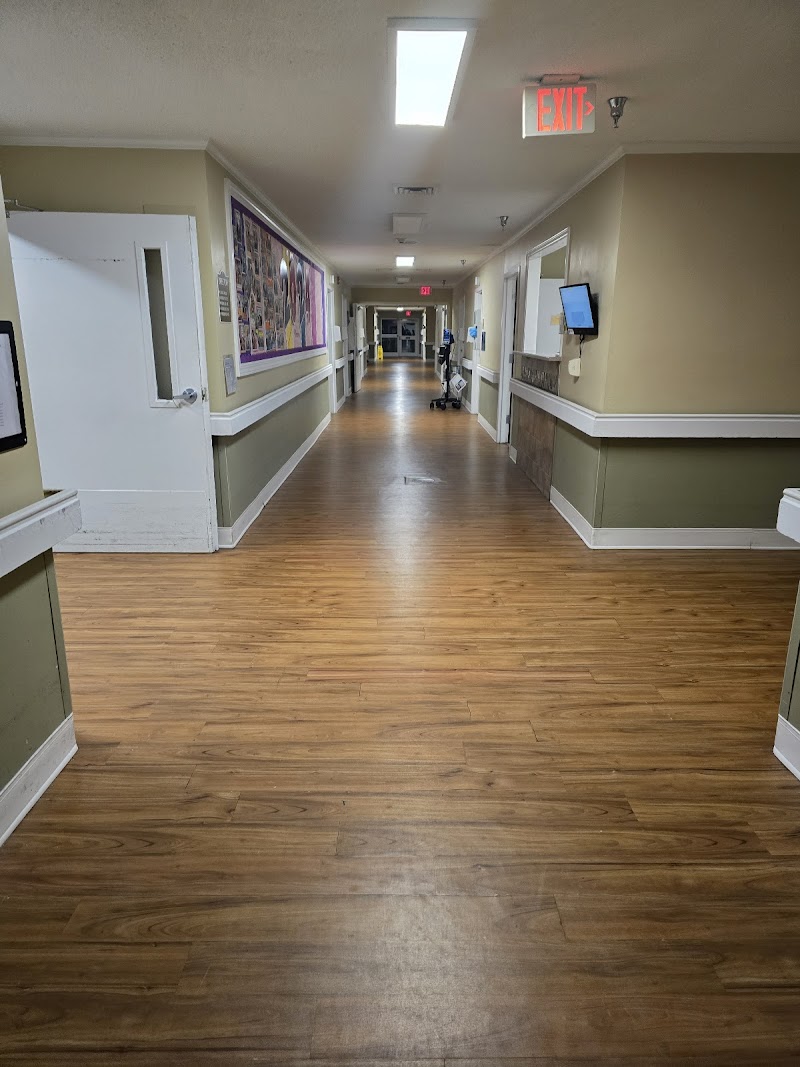
250 Bishop Lane, Concord, NC 28025 (704) 788-6400
For profit - Corporation 90 Beds CCH HEALTHCARE Data: November 2025 1 Immediate Jeopardy citation
Trust Grade
76/100
#59 of 417 in NC
Last Inspection: July 2025

Inspected within the last 6 months. Data reflects current conditions.

Overview

The Greens at Cabarrus has received a Trust Grade of B, indicating it is a good choice among nursing homes. It ranks #59 out of 417 facilities in North Carolina, placing it in the top half, and is the best option out of 7 in Cabarrus County. The facility is trending positively, having reduced issues from 4 in 2023 to 1 in 2025. However, while staffing has shown improvement, it currently holds a below-average rating of 2 out of 5 stars, with a turnover rate of 48%, which is just slightly below the state average. Despite some strengths, such as excellent quality measures and a solid overall rating, there are notable concerns. A critical incident involved a resident developing a maggot infestation in a foot ulcer, highlighting serious lapses in wound care management. Additionally, there were issues with proper medication handling, including failing to keep nutritional supplements cold and not dating opened medications, which poses risks to residents’ health. These findings suggest that while the facility has many strengths, families should carefully consider these weaknesses when making their decision.
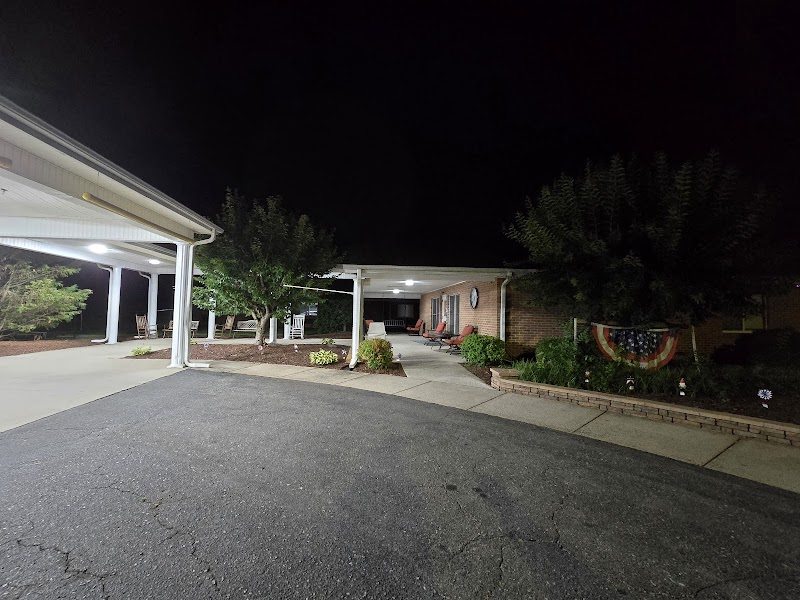
Trust Score
B
76/100
In North Carolina
#59/417
Top 14%
Safety Record
High Risk
Review needed
Inspections
Getting Better
4 → 1 violations
Staff Stability
⚠ Watch
48% turnover. Above average. Higher turnover means staff may not know residents' routines.
Penalties
○ Average
$15,269 in fines. Higher than 58% of North Carolina facilities. Some compliance issues.
Skilled Nurses
⚠ Watch
Each resident gets only 28 minutes of Registered Nurse (RN) attention daily — below average for North Carolina. Fewer RN minutes means fewer trained eyes watching for problems.
Violations
✓ Good
Only 5 deficiencies on record. Cleaner than most facilities. Minor issues only.
★★★★★
5.0
Overall Rating
★★☆☆☆
2.0
Staff Levels
★★★★★
5.0
Care Quality
★★★★☆
4.0
Inspection Score
Stable
2023: 4 issues
2025: 1 issues

The Good

  • 5-Star Quality Measures · Strong clinical quality outcomes
  • Full Sprinkler Coverage · Fire safety systems throughout facility
  • No fines on record

Facility shows strength in quality measures, fire safety.

The Bad

Staff Turnover: 48%

Near North Carolina avg (46%)

Higher turnover may affect care consistency

Federal Fines: $15,269

Below median ($33,413)

Minor penalties assessed

Chain: CCH HEALTHCARE

Part of a multi-facility chain

Ask about local staffing decisions and management

The Ugly 5 deficiencies on record

1 life-threatening
Jul 2025 1 deficiency
CONCERN (D)

Potential for Harm - no one hurt, but risky conditions existed

Deficiency F0698 (Tag F0698)

Could have caused harm · This affected 1 resident

**NOTE- TERMS IN BRACKETS HAVE BEEN EDITED TO PROTECT CONFIDENTIALITY** Based on record review, resident representative, staff, dialysis staff, and manager of the transport company interviews, the fac...

Read full inspector narrative →
**NOTE- TERMS IN BRACKETS HAVE BEEN EDITED TO PROTECT CONFIDENTIALITY** Based on record review, resident representative, staff, dialysis staff, and manager of the transport company interviews, the facility failed to send a lift pad with the resident causing the resident to miss their dialysis appointment for 1 of 3 resident reviewed for dialysis (Resident #32). Findings included:Resident #32 was admitted to the facility on [DATE] with diagnoses which included muscle weakness, diabetes, and dependence on renal dialysis.Review of Resident #32's initial nursing assessment dated [DATE] revealed Resident #34 was alert and oriented and required extensive assistance with one person staff for transfers.Review of Resident #32's Kardex (quick reference tool that summarizes essential patient information for nurses) dated 07/18/25 revealed the resident was supposed to have a lift pad under her on dialysis days Monday, Wednesday, and Fridays and was a lift transfer on dialysis days only. Review of Resident #32's physician orders dated 07/18/25 revealed the resident was ordered to have a lift pad under her on dialysis days Monday, Wednesday, and Friday.Observation and interview conducted with Resident #32 and Resident Representative (RR) on 07/21/25 at 2:40 PM revealed both the resident and RR were upset and frustrated due to the resident missing her dialysis appointment 07/21/25. The RR further revealed the facility failed to send Resident #32 with a lift pad which the dialysis center must have to transfer Resident #32 to receive her treatment. The RR stated Resident #32 would have to be sent out to the hospital to receive her dialysis treatment because the dialysis center was unable to schedule her back in. The RR and Resident #32 indicated this has happened multiple times and was an ongoing issue when she was a prior resident.A phone interview conducted with Resident #32's Dialysis Nurse #1 on 07/23/25 at 8:30 AM revealed she had cared for Resident #32 for a couple years at the dialysis center. Dialysis Nurse #1 indicated on 07/21/25 Resident #32 arrived at the dialysis center without a lift pad. Dialysis Nurse #1 stated she contacted the transporter that brought the resident, and they went back to the facility to retrieve the pad and brought it back to the dialysis center. The transporter returned and placed the lift pad on the back of Residents #32's wheelchair and failed to notify the dialysis employees. Dialysis Nurse #1 revealed by the time the pad arrived Resident #32 had missed majority of her sitting time and was unable to receive her treatment. It was further revealed the dialysis center expected for residents to have the lift pad under the resident when they arrived. Dialysis Nurse #1 indicated this had also happened on 03/24/25 and 05/19/25 when Resident #32 was a resident at the facility previously.A phone interview conducted with the manager of the transport company on 07/23/25 at 2:50 PM revealed a driver took Resident #32 to her dialysis appointment on 07/21/25 without a lift pad. The transporter drove back to the facility and retrieved the lift pad and once the driver arrived at the dialysis center the dialysis staff refused to transfer the resident onto the pad. The manager of the transport company indicated nursing staff from the facility needed to place the lift pad under the resident before arriving at the dialysis center. Resident #32 was unable to receive her dialysis treatment and was sent back to the facility. The interview further revealed the facility had sent Resident #32 without her lift pad to dialysis appointments before.An interview was conducted with Nurse Aide (NA) #1on 07/24/25 at 10:20 AM revealed she had assisted Resident #32 with getting ready for her dialysis appointment on 07/21/25. NA #1 indicated 7/21/25 was the first time she had cared for Resident #32 and was not aware she required a lift pad for her appointment and failed to put it under the resident on this date. NA #1 indicated Resident #32 was a sit-to-stand one person assist for transfers and was not aware she was a total lift at her dialysis appointment.An interview conducted with the Director of Nursing (DON) on 07/23/25 at 11:30 AM revealed she was aware Resident #32 went to her dialysis appointment on 7/21/25 and the lift pad was not sent. the DON indicated nursing staff was responsible for ensuring the resident's lift pad was under her when she went out to the appointment. The DON stated Resident #32 was unable to be re-scheduled at the dialysis center and was sent out to the hospital to receive her dialysis treatment. The DON revealed Resident #32 was not a total lift for transfers in the facility but was at dialysis appointments. The DON stated she expected nursing staff to get the residents to all appointments with all needed accessories.
Jul 2023 1 deficiency 1 IJ
CRITICAL (J) 📢 Someone Reported This

A family member, employee, or ombudsman was alarmed enough to file a formal complaint

Immediate Jeopardy (IJ) - the most serious Medicare violation

Quality of Care (Tag F0684)

Someone could have died · This affected 1 resident

**NOTE- TERMS IN BRACKETS HAVE BEEN EDITED TO PROTECT CONFIDENTIALITY** Based on observation, record review and staff, Wound Nurse Practitioner (WNP), Nurse Practitioner (NP), and Physician interviews...

Read full inspector narrative →
**NOTE- TERMS IN BRACKETS HAVE BEEN EDITED TO PROTECT CONFIDENTIALITY** Based on observation, record review and staff, Wound Nurse Practitioner (WNP), Nurse Practitioner (NP), and Physician interviews, the facility failed to prevent resident's gangrenous right foot ulcer from contracting a maggot infestation. The maggots were discovered on 7/10/23 by Nursing Aide #1 (NA#1) during the early morning rounds. The Nurse Practitioner was notified and saw a whitish worm-like movement in resident's right foot ulcer that resulted in Resident #1 being transported to the emergency room (ER) for evaluation and treatment. The surgeon removed the visible maggots crawling in and out on his right foot ulcer in the ER and ordered an antibiotic as prophylaxis for possible necrotizing fasciitis (an aggressive skin and soft tissue infection that causes dying of the muscle and tissues). On 7/11/23 the Physician and the Treatment Nurse removed 63 additional maggots. A reasonable person could have feelings of anger, distress, fear and/or anxiety knowing maggots were in their wound. This was for 1 of 3 residents (Resident #1) reviewed for ulcers (skin conditions). Findings included: Resident #1 was admitted to the facility on [DATE] with a diagnosis of critical limb ischemia (inadequate blood supply to body part) of both lower extremities, and Peripheral Vascular Disease (PVD). The Minimum Data Set (MDS) on 7/13/23 coded Resident #1 with severely impaired cognition. Resident #1 could communicate his needs to staff. He was coded to require extensive assistance with bed mobility, transfer, dressing, personal hygiene, and toilet use. Impaired Range of Motion (ROM) of the right lower extremity. Review of the vascular consult record on 4/28/23 revealed the resident developed a 2nd toe ulcer on the right foot and was diagnosed with critical right lower extremity ischemia with dry gangrene (a condition where a loss of body supply causes body tissues to die). The Vascular Surgeon suggested amputation and was discussed with the resident and family. The resident and his family member refused the amputation and wanted to treat it conservatively. The Vascular Surgeon ordered to clean the wound daily and paint with half strength povidone-iodine (an antiseptic). Record review of the physician treatment order dated 6/20/23 revealed to apply povidone-iodine generously and leave open to air every day to the right 2nd toe/foot. The Treatment Administration Record (TAR) for 7/1/23 through 7/20/23 reflected the physician order and was signed daily as completed by a nurse. Interview with Nurse #1 on 7/20/23 at 1:49 PM revealed that she did the treatment of the right foot ulcer on 7/9/23 and no maggots were observed. An SBAR (Situation Background Assessment Recommendation) note dated 7/10/23 at 8:21 AM completed by the Nurse Unit Manager revealed the ulcer on the top of Resident #1's right foot was noted with maggots and larvae. Nursing Aide #1 (NA#1) was interviewed on 7/20/23 at 10:27 AM and stated on 7/10/23 at 6:00 AM she saw some whitish movement in the resident's right foot during early morning care rounds. She immediately called Nurse#1 in the hall and reported the observation of the maggots. The NA also stated that the resident was bed bound and didn't get out to the chair or bed. She stated she had never seen flies in the room and the resident was always covered with a blanket. Interview with Nurse #1 on 7/20/23 at 10:40 AM revealed she was called by NA #1 to the Resident #1's room the morning of 7/10/23. She stated she saw a white worm-like substance in the resident's right foot ulcer indicative of maggots. She called the Nurse Unit Manager into the room. She stated she had never seen fly activity in Resident #1's room. Interview with the Nurse Unit Manager on 7/20/23 at 10:30 AM revealed Nurse #1 called her into Resident #1's room on morning of 7/10/23 and showed the resident's right foot wound and she saw whitish maggots in the residents' foot. She notified the Wound NP and Treatment Nurse right after she saw the maggots. Nurse Unit Manager stated she didn't see any fly activity in Resident #1's room. Interview with the Wound NP on 7/20/23 at 8:01 AM revealed she was called into the Resident #1's room early in the morning of 7/10/23 to check his right foot ulcer and she noticed maggots in the wound. She said the Treatment Nurse was in with her, and she let the Treatment Nurse notify Hospice. She recommended sending Resident #1 to hospital ER for evaluation. She said there were lots of maggots in the wound and needed immediate attention. She stated the ulcer had a small wet opening that probably attracted flies to lay eggs and became maggots. The Wound NP stated there were no visible flies when she was in the resident's room. Interview with the Treatment Nurse on 7/20/23 at 8:12 AM revealed during the early morning rounds with the Wound NP on 7/10/23, they were called in the Resident #1's room. She stated they saw several moving maggots in the right foot ulcer, and she called the Hospice Nurse about the maggots and expressed the recommendation of Wound NP to send the resident to hospital ER. The Treatment Nurse stated that they informed the family member about the ulcer with maggots and the immediate transport of resident to the hospital ER. Emergency Management Services (EMS) was contacted and transported the resident to the hospital. Review of the hospital records dated 7/10/23 revealed that Resident #1 arrived at 9:05 AM and was evaluated in the hospital ER. During the ER visit, they consulted general surgery to evaluate the right foot ulcer. The report from the surgeon revealed the visible maggots crawling in and out the right foot ulcer were removed, and an antibiotic treatment was ordered as prophylaxis for possible necrotizing fasciitis (an aggressive skin and soft tissue infection that causes dying of the muscle and tissues). A wound treatment instruction was ordered to irrigate with Sodium Hypochlorite Solution and pack with povidone-iodine-soaked gauze twice daily and resident was sent back to the facility on 7/10/23. Record review of the treatment orders transcribed on 7/10/23 revealed to irrigate the right foot ulcer with Sodium Hypochlorite Solution (skin disinfectant) and pack with povidone-iodine-soaked gauze twice daily. The Physician was interviewed by phone on 7/20/23 at 11:59 AM and stated that Resident #1 had PVD and there was no blood flow in his right foot. The resident developed gangrene on the right foot that started from the 2nd right toe. The foot lost blood supply and turned all toes on the right foot to black and wet gangrene was observed. He stated the wet gangrene had a foul odor like decaying meat and would attract flies. The Physician stated that the resident refused to amputate his foot and wanted to keep his body parts. He stated that the treatment with povidone-iodine-soaked gauze was implemented to maintain the ulcer. He said they consulted the vascular specialist and the Vascular Surgeon recommended amputation, but the resident refused the amputation. The Physician stated that when he visited the resident on 7/11/23, he ordered to soak the right foot ulcer with hydrogen peroxide, and they got a lot of maggots out. Interview with the Treatment Nurse on 7/20/23 at 8:12 AM revealed she was with the Physician on 7/11/23 when they soaked the resident's right foot ulcer with hydrogen-peroxide. She said there were 63 maggots removed and then she dressed the wound with gauze. She stated that she did the same treatment on 7/12/23 and she removed 2 more maggots. And on 7/13/23, she said there were no more maggots from the ulcer. Observation of Resident #1's right foot ulcer with the Treatment Nurse was done on 7/20/23 at 8:17 AM. The Treatment Nurse pulled back the sheet and a disposable bed pad was observed covering the right foot. The Treatment Nurse uncovered the right foot and revealed all toes were black and had necrotic (dead tissue). Some areas showed crusty black skin and there was some wetness on top of his right foot with no signs of infection. Several observations of Resident #1's room on 7/20/23 at 8:17 AM and 1:51 PM were made the day of the investigation and there was no fly activity observed in his room. Observations on 7/20/23 at 2:24 PM different halls, common areas of the facility, and other residents' rooms showed no fly activity. Several observations on 7/20/23 revealed the front door of the facility continuously had visitors and residents who were coming in and out to the patio in the front of the building. All residents sitting on a wheelchair going out the front door took longer to close while wheeling out. The door in the front entrance did not have a fly fan (a fan above the door to supply high velocity of air stream to keep insects from entering the building). There was no fly activity observed in the lobby. Interview with the Nurse Practitioner on 7/20/23 at 12:14 PM revealed at the beginning Resident #1's right foot ulcer was dry and then it became moist. She stated she smelled a rotten odor during her visit to Resident #1 from the previous weeks since June 2023. She said that one fly can lay 150 eggs and she was not surprised with the wound the resident could attract flies because of the rotten odor. She stated that it was an acute onset, and she believed the maggots were present no more than 24 hours. Interview with Nurse #2 on 7/20/23 at 11:35 AM revealed she had seen some flies on her hall (100), but they were not so much of an issue. Interview with the Maintenance Director on 7/20/23 revealed there were two main doors used to enter the facility. One in the hallway close to the kitchen in the back and one in the front. He stated the back door had a fly fan and the front door didn't have a fly fan. The Maintenance Director indicated he had not observed any fly activity in the facility and there was not a problem with flies. Review of the monthly pest control visit logs from March 2023 to July 2023 showed there were ants identified in April and May 2023. The ants were treated and no further reports of ants after. Fly activity was not identified as a problem during any of the visits. Interview with the Director of Nursing (DON) on 7/20/23 at 12:36 PM revealed the nurses and unit manager made her aware of the maggots on resident's right foot ulcer in the morning of 7/10/23 before the resident was sent out. She stated the room that Resident #1 resided in was warm all the time as the resident wanted it that way. She said they moved the resident into another room to make it cooler because a warm room could make the odor worse. The DON indicated the facility did not have a problem with flies. The DON stated that there was sporadic fly in the building. An interview with the Administrator and the Regional Nurse Consultant on 7/20/23 at 10:59 AM revealed that they don't know what happened with Resident #1 because they don't have any problems with flies. The Administrator stated that they acted quickly to send the resident to the hospital ER for treatment. She stated that the front door was the only entry for flies to get into the building when the visitors and residents were going in and out to the front patio. The Administrator was notified of the immediate jeopardy on 7/20/23 at 5:01 PM. The Administrator provided the following corrective action plan with a compliance date of 7/13/23. Corrective Action for Resident that was identified with wounds on 7/10/23. Nursing identified maggots and immediately reported to Wound Nurse who notified Wound Nurse Practitioner. Resident sent to ER for treatment and removal of maggots on 7/10/23. Resident returned with new treatment orders of Dakins/Sodium Hypochlorite to right foot topically and to apply betadine wrap for protective covering, every day and evening shift. On 7/11/23 the Medical Director removed numerous maggots. On 7/12/23 Wound Nurse removed 2 more and continued daily monitoring for any maggots and Wound Nurse Practitioner continued weekly monitoring of appropriate treatments. Facility worked with resident on his preference for a room change which promoted an improved temperature and a private room, residents room was changed 7/12/23. Any resident with open wound, gangrenous wound, tube feeding, stoma's and ostomies are at risk of being affected. An audit performed of these residents showed there were no other affected residents. Audit completed by Director of Nursing and nursing supervisors 7/11/23. On 7/11/23 The Administrator provided fly swatters to front receptionist, nurses stations and department managers. The Administrator provided the Activities Director with fly swatters to hand out to alert and oriented residents. The side door closer to dumpster has a blow back system to prevent flies/pests entering. Residents that enjoy going outside in the front area are being provided with increased assistance getting in/out of the door to avoid the door being open too long and adjusting timing of door as needed. On 7/11/23 the Wound Nurse informed the receptionist to assist residents going in and out of the front door to minimize the time the door is open and prevent flies from entering. The administrator, HR Coordinator and receptionist check on residents daily that are outside for hydration and discuss reminders regarding doors being opened for long periods can result in flies in the facility. The facility provides a full-time day and evening receptionist and a weekend receptionist from 8am-8pm. Wound Nurse and charge nurse monitor dressings daily for wounds, tube feedings, stoma's/ostomies to assure no issues with maggots and if there is an open wound or drainage that may attract flies, review/revise treatment to prevent/protect from flies. There have been no concerns noted with wounds and maggots since 7/12/23. Pest control is in the building monthly and for the past six months have not identified flies as being an issue nor any recommendations. Director of Nursing educated Wound Nurse on 7/11/23 to increase monitoring of any resident with wounds that are open to air or gangrenous and treatment changes as needed to prevent any maggot infestation. Wound Nurse will continue to work closely with charge nurses for monitoring wounds and any concerns with maggots. Wound Nurse and Charge Nurses dispose of dirty wound dressings in a double bag immediately after the dressing change to prevent flies and/or maggots. The double bag is then taken to the soiled utility room. This has been an ongoing practice at the facility. The Director of Nursing and Nursing Supervisors held a nursing staff meeting on 7/12/23 to update on importance of fly prevention and nurses' observation of wounds for any signs of maggots. Nurses and Nursing Assistants attended the meeting. The Director of Nursing and Nursing Supervisors verbally called any nursing staff not on the schedule to communicate highlights of the meeting which included awareness of flies and maggots. In addition, there is an education/communication binder at the nurse's station to promote continuous communication and education. The Director of Nursing and nursing supervisors document and update binder with in-services and communication for the nurses and nursing assistants to read. On 7/12/23- The Administrator and HR Coordinator placed visual reminders regarding being aware and mindful of flies in the facility. The visual reminders are located on the Bee Kind Board, by the time clock, in the breakroom and in the Administrator's office located by the refreshment area provided by the Administrator for all staff and families who visit almost daily. For ongoing prevention, on 7/11/23 Administrator and Director of Nursing reviewed deep clean schedule with Environmental Director and discussed any high-risk rooms. High Risk would include residents that are tube fed with a potential for leakage on the poles. Discussed that the leakage could attract flies. Environmental Director to ensure poles are cleaned daily. The facility has an ongoing program called (Caring Angels). The Department Heads and Managers are assigned a group of rooms with the goal of visiting them weekly on a regular basis. The Residents Caring Angel is posted on the resident's bulletin board in their room so that they know who the Angel is and their contact information. On 7/11/23 the Administrator advised the department managers/Angels to communicate to their residents the importance of prevention of flies. Communication included the following tips: Report spills to staff immediately, request for tray pickup timely, maintain personal food items in closed containers, encourage good hygiene, visual reminders were posted in resident's rooms. Facility reviewed concerns regarding residents with maggots during morning meeting on 7/11/23 as an AD HOC QAPI to monitor any resident with open wounds and potential for maggots. The Director of Nursing, Nurse Supervisors and Wound Nurse are monitoring Residents with wounds, that are tube fed, stomas and ostomies for any signs of drainage and maggots. Monitoring is 5 days a week for four weeks and then three days a week for four weeks. Findings will be reviewed at QAPI on 7/25/23 for any revisions or updates. On 7/25/23, the facility's credible allegation for immediate jeopardy was validated. Resident #1 was observed to be in a private room and wound was free of any maggots. During the tour of the facility residents were observed to be assisted in and out of the front door, and fly swatters were present through- out the facility. The in-services included information on managing an unexpected case of maggots, notification of administration for any changes to wound areas that are left open to air, increased monitoring of open wound areas, as well as fly prevention. Staff interviews confirmed education was received for fly prevention and daily monitoring of wounds, ostomies, and tube feed sites for the presence of maggots. The facility provided evidence of daily Quality Assurance auditing of all residents with wounds, ostomies, and tube feed for the presence of maggots beginning 7/10/23 and ongoing. The facility's corrective action plan was validated as 7/13/23.
Feb 2023 3 deficiencies
CONCERN (D) 📢 Someone Reported This

A family member, employee, or ombudsman was alarmed enough to file a formal complaint

Potential for Harm - no one hurt, but risky conditions existed

Tube Feeding (Tag F0693)

Could have caused harm · This affected 1 resident

**NOTE- TERMS IN BRACKETS HAVE BEEN EDITED TO PROTECT CONFIDENTIALITY** Based on observation, record review and staff interview the facility failed to store a tube feeding syringe with the plunger sep...

Read full inspector narrative →
**NOTE- TERMS IN BRACKETS HAVE BEEN EDITED TO PROTECT CONFIDENTIALITY** Based on observation, record review and staff interview the facility failed to store a tube feeding syringe with the plunger separated from the plunger for 1 of 2 residents (Resident #60) reviewed for enteral feeding management, which created a potential for bacterial growth. Findings included: Resident #60 was admitted to the facility on [DATE] with diagnoses of seizure disorder and heart disease. A Significant Change Minimum Data Set (MDS) assessment dated [DATE] indicated Resident #60 was severely cognitively impaired and she received enteral feedings for nutrition. During an observation of Resident #60 on 2/7/2023 at 4:43 pm she was in bed with enteral feeding being administered by an enteral feeding pump. The enteral feeding pump stand had an enteral feeding syringe hanging in a plastic bag. The enteral feeding syringe was stored with the plunger in the syringe and there was clear fluid in the tip of the plunger. During an observation and interview with Nurse #1 at 2/7/2023 at 6:01 pm Resident #60 continued to have an enteral feeding syringe with clear fluid in the tip of the plunger and the syringe continued to be in a clear plastic bag hanging from the enteral feed pump. Nurse #1 stated she gave Resident #60 her medication through her gastrostomy tube at 5:30 pm and the plunger was in the syringe when she gave the medication, and she left the plunger in the syringe after giving the medication. Nurse #1 stated she was not aware she should allow the syringe to dry and store the plunger out of the syringe so that liquid would not be trapped and cause a risk for bacteria growth. Nurse #1 stated she was an agency nurse and had not received education from the facility regarding how to store the syringe. An interview was conducted with the Assistant Director of Nursing (ADON) on 2/7/2023 at 6:04 pm and she stated the plunger and syringe for enteral feedings should be allowed to air dry and then stored separately in the storage bag. On 2/8/2023 at 4:14 pm an interview was conducted with the Director of Nursing (DON) and she stated the staff are trained to rinse the enteral feeding syringe after use and place it on a barrier to dry and when the syringe and plunger are dry they should store syringe with the plunger separate. The DON stated the agency nurses are given the same education as the nurses that work for the facility and Nurse #1 received the education. The DON stated Nurse #1 should have followed the facility's procedure.
CONCERN (D)

Potential for Harm - no one hurt, but risky conditions existed

QAPI Program (Tag F0867)

Could have caused harm · This affected 1 resident

Based on record review and staff interviews and observations, the facility's Quality Assurance and Performance committee (QAPI) failed to maintain implemented procedures and monitor the interventions ...

Read full inspector narrative →
Based on record review and staff interviews and observations, the facility's Quality Assurance and Performance committee (QAPI) failed to maintain implemented procedures and monitor the interventions put into place during a recertification survey dated 5/13/2021 (F693) and on the current recertification/ complaint survey on 2/9/2023. The continued failure of the facility during two federal surveys of record showed a pattern of the facility's inability to sustain an effective Quality Assurance and Performance Improvement Program. Findings included: This tag is cross referenced to: F693 - Based on observation, record review and staff interview the facility failed to store a tube feeding syringe with the plunger separated from the barrel for 1 of 2 residents (Resident #60) reviewed for enteral feeding management, which created a potential for bacterial growth. During the recertification survey of 5/13/2021,the facility failed to store a tube feeding syringe barrel and syringe plunger separately after use and rinsing which created the potential for bacterial growth. An interview was conducted with the Administrator on 2/9/2023 at 2:45 PM. The Administrator stated she had not been aware that syringes used for tube feeding medication administration were stored incorrectly. The Administrator stated she believed the audit process for the storage of tube feeding syringes after use and storage had been resolved by the previous Administrator.
CONCERN (E)

Potential for Harm - no one hurt, but risky conditions existed

Deficiency F0761 (Tag F0761)

Could have caused harm · This affected multiple residents

**NOTE- TERMS IN BRACKETS HAVE BEEN EDITED TO PROTECT CONFIDENTIALITY** Based on observations, record review and staff interviews, the facility failed to keep nutritional supplements cold that require...

Read full inspector narrative →
**NOTE- TERMS IN BRACKETS HAVE BEEN EDITED TO PROTECT CONFIDENTIALITY** Based on observations, record review and staff interviews, the facility failed to keep nutritional supplements cold that required refrigeration in accordance with the manufacturer's instructions for 2 of 2 supplements on 1 of 2 medication carts (300 hall). The facility also failed to date a multiple use medication bottle when opened or check the medication expiration date for 1 of 10 medication bottles on 1 of 2 medication carts (400 hall). In addition, the facility failed to date insulin pens when opened for 5 of 8 insulin pens on 2 of 2 medication carts (300 and 400 hall). Findings included: The medication cart for the 400 hall was checked with Nurse #2 on [DATE] at 3:05 PM. The following opened and undated medications were noted on the medication cart: -A 30-ounce bottle of a multiple patient use protein supplement used to promote wound healing was noted to be opened, without an open date and to have expired [DATE]. Manufacturer instructions were to date the bottle when opened and discard 3 months after opening. The bottle was verified with Nurse #2 as being half empty. -Glargine insulin pen100units (u)/milliliter (ml) with no opened date -Glargine insulin pen100u/ml with no opened date -Lispro insulin pen100u/ml with no opened date -Humalog insulin pen100u/ml with no opened date. 2. The Medication Cart for the 300 hall was checked with the Unit Manager (UM) on [DATE] at 2:55 PM. The following was identified: a. A cooler on top of the cart was noted to have a thawed ice pack that was warm, and contained 2 room temperature supplements. The temperature was verified by the UM. She noted the supplements were used for medications for residents. The supplements included: -an opened half empty 8-ounce bottle of chocolate nutritional shake with tape on top that indicated the bottle was opened on [DATE]. Manufacturer instructions on the bottle noted the medication was to be refrigerated and used within 48 hours after opened. -an unopened thawed sugar free vanilla 4-ounce. Manufacturer recommendations were to thaw under refrigeration at 40 degrees or below, then keep refrigerated and use within 14 days of thawing. No date was on the carton when the supplement was thawed. b. An opened Levemir Insulin pen 100 unit/ml with no opened date. c. Assure blood glucose test strip bottle- 50 count with approximately 30 strips left as verified by the UM that was undated when opened. The manufacturer instructions noted glucose test strips would expire 90 days from when the bottle was opened. Review of the manufacturer guidelines for Glargine, Lispro and Humalog insulin revealed the medication should only be used for 28 days upon opening. An interview was done with the UM on [DATE] at 2:58 PM. The Unit Manager said the nutritional supplement cartons were to be kept frozen and refrigerated when thawed. She noted the nurses were supposed to obtain fresh coolers and ice packs each shift, to keep the supplements cold. The Unit Manager stated the bottle of blood glucose test strips should have been dated when opened and the strips were used with all resident meters. An interview with Nurse #2 was conducted on [DATE] at 3:05 PM. She stated the multi-dose medication bottle and insulin pens should have been dated when opened. The nurse noted the multi-dose medication bottle was facility stock and should have been checked for the expiration date when administering medications and not used if expired. An interview was conducted on [DATE] at 4:14 PM with the Director of Nursing (DON). She was informed of the findings regarding medication storage which included opened insulin pens that were not dated on two medication carts, expired medication on a cart and nutritional supplements in coolers on top of medication cart that were at room temperature. The DON stated the staff should have checked the medication carts. She noted multi-dose medication including the insulin pens should be dated when opened, and medication expiration dates should be checked prior to being administered. The DON said night shift checked the medication carts and the pharmacy liaison. The Administrator was interviewed on [DATE] at 2:05 PM regarding medication storage. She stated the staff should ensure supplements were kept within the appropriate temperature range per manufacturer guidelines. The Administrator noted she would expect the staff to follow the policy regarding expiration date checks and manufacturer recommendations. The expired medication was to be discarded and the medication should be dated when opened.
Understanding Severity Codes (click to expand)
Life-Threatening (Immediate Jeopardy)
J - Isolated K - Pattern L - Widespread
Actual Harm
G - Isolated H - Pattern I - Widespread
Potential for Harm
D - Isolated E - Pattern F - Widespread
No Harm (Minor)
A - Isolated B - Pattern C - Widespread

Questions to Ask on Your Visit

  • "What changes have you made since the serious inspection findings?"
  • "Can I speak with families of current residents?"
  • "What's your RN coverage like on weekends and overnight?"

Our Honest Assessment

Strengths
  • • Licensed and certified facility. Meets minimum state requirements.
Concerns
  • • Multiple safety concerns identified: 1 life-threatening violation(s). Review inspection reports carefully.
  • • 5 deficiencies on record, including 1 critical (life-threatening) violation. These warrant careful review before choosing this facility.
  • • $15,269 in fines. Above average for North Carolina. Some compliance problems on record.
Bottom line: Generally positive indicators. Standard due diligence and a personal visit recommended.

About This Facility

What is The Greens At Cabarrus's CMS Rating?

CMS assigns The Greens at Cabarrus an overall rating of 5 out of 5 stars, which is considered much above average nationally. Within North Carolina, this rating places the facility higher than 99% of the state's 100 nursing homes. This rating reflects solid performance across the metrics CMS uses to evaluate nursing home quality.
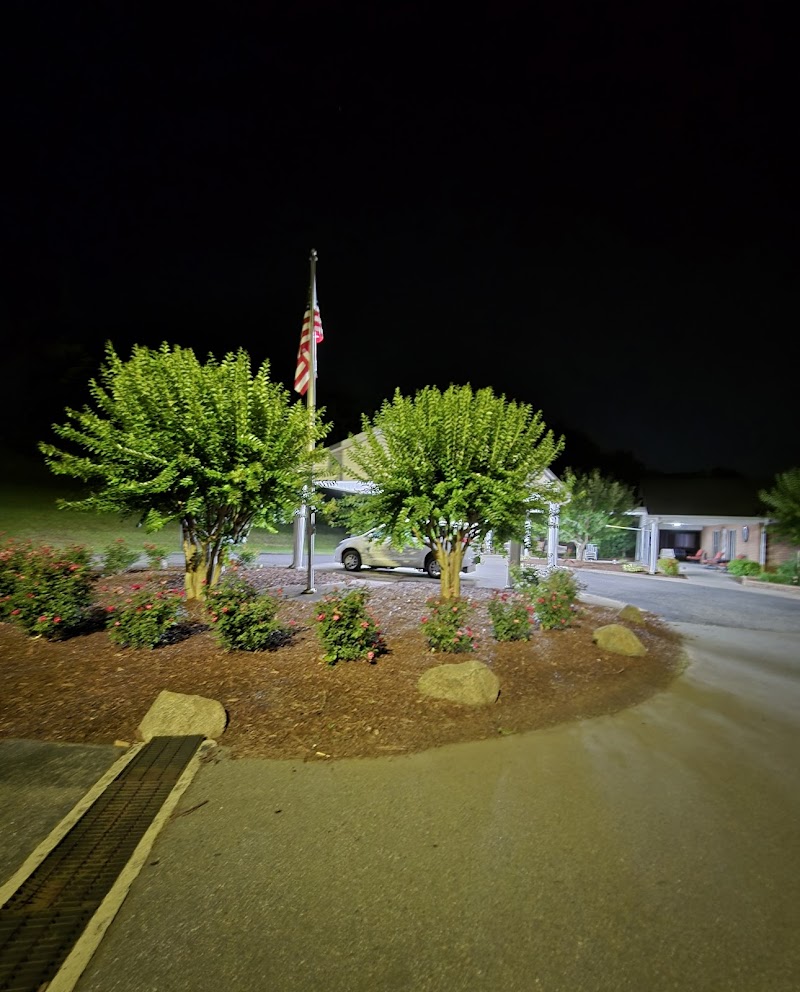
How is The Greens At Cabarrus Staffed?

CMS rates The Greens at Cabarrus's staffing level at 2 out of 5 stars, which is below average compared to other nursing homes. Staff turnover is 48%, compared to the North Carolina average of 46%.

What Have Inspectors Found at The Greens At Cabarrus?

State health inspectors documented 5 deficiencies at The Greens at Cabarrus during 2023 to 2025. These included: 1 Immediate Jeopardy (the most serious level, indicating potential for serious harm or death) and 4 with potential for harm. Immediate Jeopardy findings are rare and represent the most serious regulatory concerns. They require immediate corrective action.
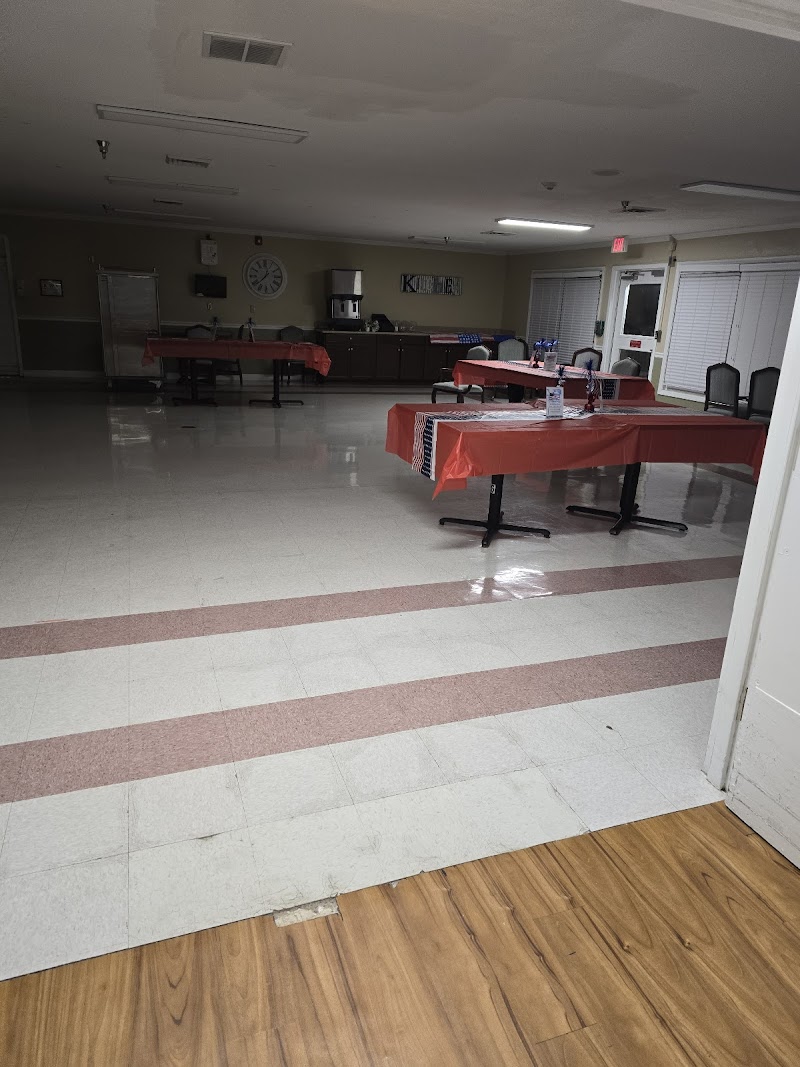
Who Owns and Operates The Greens At Cabarrus?

The Greens at Cabarrus is owned by a for-profit company. For-profit facilities operate as businesses with obligations to shareholders or private owners. The facility is operated by CCH HEALTHCARE, a chain that manages multiple nursing homes. With 90 certified beds and approximately 82 residents (about 91% occupancy), it is a smaller facility located in Concord, North Carolina.

How Does The Greens At Cabarrus Compare to Other North Carolina Nursing Homes?

Compared to the 100 nursing homes in North Carolina, The Greens at Cabarrus's overall rating (5 stars) is above the state average of 2.8, staff turnover (48%) is near the state average of 46%, and health inspection rating (4 stars) is above the national benchmark.

What Should Families Ask When Visiting The Greens At Cabarrus?

Based on this facility's data, families visiting should ask: "What changes have been made since the serious inspection findings, and how are you preventing similar issues?" "Can you walk me through typical staffing levels on day, evening, and night shifts?" "Can I visit during a mealtime to observe dining assistance and food quality?" "How do you handle medical emergencies, and what is your hospital transfer rate?" These questions are particularly relevant given the facility's Immediate Jeopardy citations and the below-average staffing rating.

Is The Greens At Cabarrus Safe?

Based on CMS inspection data, The Greens at Cabarrus has documented safety concerns. Inspectors have issued 1 Immediate Jeopardy citation (the most serious violation level indicating risk of serious injury or death). The facility has a 5-star overall rating and ranks #1 of 100 nursing homes in North Carolina. Families considering this facility should ask detailed questions about what corrective actions have been taken since these incidents.

Do Nurses at The Greens At Cabarrus Stick Around?

The Greens at Cabarrus has a staff turnover rate of 48%, which is about average for North Carolina nursing homes (state average: 46%). Moderate turnover is common in nursing homes, but families should still ask about staff tenure and how the facility maintains care continuity when employees leave.

Was The Greens At Cabarrus Ever Fined?

The Greens at Cabarrus has been fined $15,269 across 1 penalty action. This is below the North Carolina average of $33,232. While any fine indicates a compliance issue, fines under $50,000 are relatively common and typically reflect isolated problems that were subsequently corrected. Families should ask what specific issues led to these fines and confirm they've been resolved.

Is The Greens At Cabarrus on Any Federal Watch List?

The Greens at Cabarrus is not on any federal watch list. The most significant is the Special Focus Facility (SFF) program, which identifies the bottom 1% of nursing homes nationally based on persistent, serious quality problems. Not being on this list means the facility has avoided the pattern of deficiencies that triggers enhanced federal oversight. This is a positive indicator, though families should still review the facility's inspection history directly.