Carolina Rehab Center of Burke


3647 Miller Bridge Road, Connelly Spring, NC 28612 (828) 397-3144
For profit - Limited Liability company 90 Beds LIFEWORKS REHAB Data: November 2025 1 Immediate Jeopardy citation
Trust Grade
36/100
#241 of 417 in NC
Last Inspection: August 2025

Inspected within the last 6 months. Data reflects current conditions.

Overview

Carolina Rehab Center of Burke has a Trust Grade of F, indicating significant concerns and poor performance. It ranks #241 out of 417 facilities in North Carolina, placing it in the bottom half, and #4 out of 5 in Burke County, meaning only one local option is better. The facility is improving, having reduced its issues from 12 in 2024 to 4 in 2025. Staffing is average with a 2/5 rating and a turnover rate of 54%, which is slightly above the state average, but it offers better RN coverage than 75% of facilities, ensuring more professional oversight. However, it has faced serious issues, including a critical incident where a resident's advance directives were not communicated during a hospital transfer, leading to unintended intubation, and a medication error that resulted in an accidental drug overdose for another resident. While there are some positive aspects, families should be cautious given the serious deficiencies and the overall low trust grade.

Trust Score
F
36/100
In North Carolina
#241/417
Bottom 43%
Safety Record
High Risk
Review needed
Inspections
Getting Better
12 → 4 violations
Staff Stability
⚠ Watch
54% turnover. Above average. Higher turnover means staff may not know residents' routines.
Penalties
⚠ Watch
$17,242 in fines. Higher than 88% of North Carolina facilities, suggesting repeated compliance issues.
Skilled Nurses
○ Average
Each resident gets 39 minutes of Registered Nurse (RN) attention daily — about average for North Carolina. RNs are the most trained staff who monitor for health changes.
Violations
⚠ Watch
20 deficiencies on record. Higher than average. Multiple issues found across inspections.
★★☆☆☆
2.0
Overall Rating
★★☆☆☆
2.0
Staff Levels
★★★★☆
4.0
Care Quality
★★☆☆☆
2.0
Inspection Score
Stable
2024: 12 issues
2025: 4 issues

The Good

  • 4-Star Quality Measures · Strong clinical quality outcomes
  • Full Sprinkler Coverage · Fire safety systems throughout facility
  • No fines on record

Facility shows strength in quality measures, fire safety.

The Bad

2-Star Overall Rating

Below North Carolina average (2.8)

Below average - review inspection findings carefully

Staff Turnover: 54%

Near North Carolina avg (46%)

Higher turnover may affect care consistency

Federal Fines: $17,242

Below median ($33,413)

Minor penalties assessed

Chain: LIFEWORKS REHAB

Part of a multi-facility chain

Ask about local staffing decisions and management

The Ugly 20 deficiencies on record

1 life-threatening 1 actual harm
Aug 2025 4 deficiencies 1 IJ
CRITICAL (J) 📢 Someone Reported This

A family member, employee, or ombudsman was alarmed enough to file a formal complaint

Immediate Jeopardy (IJ) - the most serious Medicare violation

Deficiency F0628 (Tag F0628)

Someone could have died · This affected 1 resident

**NOTE- TERMS IN BRACKETS HAVE BEEN EDITED TO PROTECT CONFIDENTIALITY** Based on record reviews, and Responsible Person and staff interviews, the facility failed to ensure a resident's Do Not Resuscit...

Read full inspector narrative →
**NOTE- TERMS IN BRACKETS HAVE BEEN EDITED TO PROTECT CONFIDENTIALITY** Based on record reviews, and Responsible Person and staff interviews, the facility failed to ensure a resident's Do Not Resuscitate (DNR) goldenrod form (a portable physician's order printed on goldenrod colored paper that communicates an individual's wishes regarding resuscitation efforts for emergency responders) and Medical Orders for Scope of Treatment (MOST) form (outlines health care and end-of-life care instructions) stating DNR and Do Not Intubate (DNI) (intubation is a medical procedure where a tube is inserted into the airway to support breathing) were provided to Emergency Medical Services (EMS) upon emergent transfer to the hospital on Sunday 6/22/25. As a result of the resident having no advance directive information conveyed to the hospital, the resident was listed as a full code (all possible life saving measures), was intubated and placed on a mechanical ventilator (a machine that moves air in and out of the lungs) as part of his treatment. The resident's Responsible Person stated that Resident #101 was very specific about not wanting to be resuscitated or intubated and wished to have comfort measures only due to having to previously witnessed a family member intubated and not wanting that for himself. The facility later provided the hospital with resident's DNR and MOST form paperwork, he was extubated (medical procedure where the breathing tube is removed from the airway), and comfort measures were put into place as per his advance directive wishes. This deficient practice was evidenced for 1 of 3 residents reviewed for transfer and discharge (Resident #101).Findings included: Resident #101 was admitted to the facility on Friday 6/20/25 with diagnoses including dementia, history of falls, and muscle weakness. A physician order located in the electronic health record dated 6/20/25 revealed Resident #101's code status was DNR. A telephone interview conducted with the Director of Marketing on 8/19/25 at 9:10 PM revealed she reviewed Resident #101's completed and signed original portable DNR goldenrod form and MOST form showing he was a DNR and DNI inside the facility's medical records box on 6/22/25. A change in condition progress note written by Nurse #1 dated 6/22/25 revealed Resident #101 had a change in condition that included altered level of consciousness and a fall. Resident #101 was located on the floor at his bedside, lying face down with profuse bleeding from right forehead, pressure was applied to head, and Emergency Medical Services (EMS) was called to transport the resident to the hospital emergently. Attempted to contact Nurse #1 for interview and she was unable to be reached. The EMS record dated 6/22/25 revealed EMS was dispatched for emergency response related to a fall with possible head injury. EMS arrived on the scene to find Resident #101 lying face down on the floor with staff holding pressure to the resident's head with a towel. Facility staff advised that while they were passing trays to other residents outside Resident #101's room they heard him fall and went in to find him on the floor. Facility staff stated that when they first arrived Resident #101 was awake and speaking to them and as time progressed, he became less responsive to any stimuli. Resident #101 had equal and reactive pupils but were noted to be sluggish, he would open eyes to painful stimuli but had no other responses. Vital signs were obtained and were within normal limits. Facility staff handed the crew a packet of paperwork that had a face sheet and a medication list. EMS questioned the facility staff regarding code status of Resident #101 and any related paperwork. The facility staff on scene advised that Resident #101 was full code to the best of their knowledge as they had no other paperwork. EMS confirmed and facility staff advised they had not been told or given paperwork to suggest anything other than a full code status. Resident #101 was transferred to the stretcher and secured with assistance from facility staff on scene and without incident. The hospital was notified of incoming trauma patient and updates provided. Resident #101 was monitored throughout transport with no significant changes noted. Bleeding remained controlled with no changes noted. Vital signs were monitored throughout transport with no significant changes noted. Resident #101 was transferred into room with assistance from hospital staff on scene without incident. Report was given to hospital staff on scene and facility paperwork was copied by hospital registration for staff. Attempts to contact EMS for interviews were unsuccessful. Hospital records dated 6/22/25 revealed Resident #101 presented for evaluation after an unwitnessed fall at his rehabilitation living facility. Facility staff found Resident #101 unresponsive and not communicating. Upon EMS arrival, Resident #101 was responsive to pain only and had a large scalp laceration. On hospital arrival, Glasgow Coma Scale (clinical tool used to measure level of consciousness) was 4 (score of 8 or less indicates more severe injury) and Resident #101 was promptly intubated, placed on mechanical ventilation, and stabilized. However, later when the paperwork was brought from the facility it was realized that Resident #101 was a DNR and DNI. Resident #101 was extubated, family wishes were honored, and Resident #101 was made comfort care. A telephone interview was conducted with Resident #101's Responsible Person (RP) on 8/19/25 at 4:29 PM revealed Resident #101 was admitted to the facility on [DATE]. He stated on 6/22/25 he had just returned home from visiting with Resident #101 when he received a telephone call around 5:30 PM from Nurse #1 stating Resident #101 had fallen inside of his room, hit his head, and was bleeding from a cut on his head. He revealed Nurse #1 stated Resident #101 was being transported by EMS to the nearest hospital. The RP revealed that once he arrived at the hospital and was allowed back to see Resident #101, he observed the resident had been intubated and placed on a ventilator. He stated Resident #101 had completed his advance directives paperwork prior to being admitted to the facility and was very specific about not wanting to be resuscitated or intubated and wished to have comfort measures only due to having to watch a family member be intubated and not wanting that for himself. He (the RP) revealed they asked the hospital staff about Resident #101's DNR form and MOST form stating that he did not want to be resuscitated or intubated and the hospital staff stated they did not receive any paperwork from the facility regarding Resident #101's advance directives and as a result he was being treated as a full code (all life save measures). The RP was familiar with the Director of Marketing from the facility, so he called her (the Director of Marketing) to see if there was a way to have the facility to send over Resident #101's advance directive paperwork. The RP indicated the Director of Marketing went to the facility herself and picked up the original paperwork and brought it over to the hospital. He revealed once the hospital received the advance directive paperwork, they discussed with him (the RP) and his family if they still wanted to proceed with Resident #101's advance directive wishes. They all agreed to proceed as the resident wished, and Resident #101 was then extubated. The RP stated seeing anyone be intubated and then having to be extubated would be awful enough but having to watch his mother sit and cry while his father was being put through the procedure was something he would not wish for anyone. He revealed he did not understand why the facility did not send the advance directive paperwork for Resident # 101, especially since those had been completed prior to his admission to the facility and were his wishes. A telephone interview conducted with the facility Director of Marketing on 8/19/25 at 9:10 PM revealed she was familiar with Resident #101 and his family. She stated on the evening of 6/22/25 she had received a telephone call from Resident #101's RP stating the facility did not send the advance directive paperwork to the hospital that stated Resident #101 was a DNR and DNI and that because the hospital had not received the paperwork they had to treat Resident #101 as a full code, had intubated him, and placed him on a ventilator. She revealed Resident #101's RP stated he had tried to call the facility several times with no answer and asked if she could locate Resident #101's advance directives paperwork and have it sent to the hospital to show Resident #101's advance directive wishes. The Director of Marketing stated she attempted to call the facility with no answer, so she drove to the facility to locate Resident #101's advance directive paperwork and take it to the hospital herself. The Director of Marketing revealed when she arrived at the facility she did speak with Nurse #1 who stated she had sent the facility transfer paperwork with Resident #101 but did not include his advance directives paperwork as she was not able to locate them. The Director of Marketing stated after locating Resident #101's advance directives paperwork she was able to take the original forms to the hospital herself. She revealed once the hospital received the original advance directive forms, they were able to discuss Resident #101's wishes with his family and Resident #101 was extubated and placed on comfort care. The Director of Marketing revealed that to her knowledge original advance directive forms were to be placed inside of the advance directive books located at each nurse station and she did not know why the originals for Resident #101 had been placed inside of the medical record box. An interview conducted with the Administrator on 8/20/25 at 11:06 AM revealed she was familiar with Resident #101 and the incident that occurred on 6/22/25. She stated she believed Nurse #1 did send transfer paperwork with Resident #101 but was aware she did not include the advance directives. The Administrator stated Nurse #1 could not locate Resident #101's advance directives paperwork prior to him leaving for the hospital which caused Resident #101 to be treated as a full code until the facility was able to locate the paperwork and provide it to the hospital. She revealed typically when the facility had a new admission, and the advance directive was completed at the facility then the paperwork would be placed inside of the physician notebook to be signed. She stated once the advance directive paperwork was signed by the physician the paperwork was placed into the medical records box to be scanned into the resident's electronic health record, and the original was then placed inside of the advance directive notebook located at the nurse's desk. The Administrator revealed she believed Resident #101's advance directives were completed and signed prior to his admission to the facility and were placed into the medical records box to be scanned into Resident #101's electronic health record (EHR) instead of being placed inside the advance directive notebook. She stated she would expect advance directive forms to be placed inside of the advance directive notebook by the licensed nursing staff so they can be accessed. Licensed nursing staff should also make sure advance directives were sent with residents to appointments, transfers, or discharges. The Administrator stated Nurse #1 should have reviewed EHR to ensure Resident #101's code status and if she had any questions she should have contacted her supervisor. The facility was notified of immediate jeopardy on 8/20/25 at 7:04 PM. The facility provided the following corrective action plan: Address how corrective action will be accomplished for those residents found to have been affected by the deficient practice: The facility failed to ensure that Resident #101's Do Not Resuscitate (DNR) goldenrod and Medical Order of Scope of Treatment (MOST) form was sent with him upon emergent transfer to the hospital on 6-22-25 between 5:30pm and 6:00pm. He had a fall earlier in the day that resulted in a laceration to his head and had to be sent out to the hospital. The family was notified of the need to send Resident #101 to the hospital due to the fall, as well as the Medical Provider by Nurse #2. Nurse # 1 communicated to the Emergency Medical Service (EMS) staff he was a DNR but could not produce the actual DNR document for EMS staff, who then treated him as a full code. When he was treated at the hospital, initially he was treated as a full code and was intubated. The Director of Marketing later found the DNR/goldenrod and took it to the hospital around 11:30 pm when it was located. We were unable to determine who actually put the documents in the medical records box, however only licensed nursing staff receive and process the admission packet. The DNR had been put in the medical records box to scan into the record, but because of the patient being admitted around 6:15PM on Friday the 20th, it was not scanned into the medical record and then placed in the DNR binder at the nurses' station therefore at the time of the emergent need, it was not available. Address how the facility will identify other residents having the potential to be affected by the same deficient practice: All residents with a code status of Do No Resuscitate and Do Not Intubate were at risk with this deficient practice. All residents with code status were audited by reviewing the Physician's order for the patient's code status in the electronic medical record against the documents contained in the DNR book located at each nurses' station on 7-10-25. This was completed by the Director of Nursing (DON) to ensure that the DNR/goldenrod and MOST Form is available in the DNR book. No negative findings noted upon completion of the audit for code status. An Audit for advance directives including FULL CODE/ DNR and/or MOST forms was completed on 7-10-25 by the Director of Nursing and ongoing with any new admissions /readmissions/ significant changes. The audit was performed by checking the current patient charts in the facility for advance directive orders for FULL CODE/ DNR and MOST form. If it was indicated for the resident to have a DNR and/or MOST form, there was an audit of the original forms that are kept in DNR book to ensure that the orders and the DNR and/or MOST forms matched. No other discrepancies were found. All orders for DNR and/ or a MOST form matched with the resident order indicated. The DNR/MOST Book contains the DNR and/ or MOST form and are located at each nurses station. All Advance Directives are also scanned in the Medical Records under the Document Tab by the Medical Records Coordinator. Code status for each patient whether DNR or Full Code are in the electronic Physician orders and is visible under the information bar on the electronic Medication Administration Record (eMAR) and the electronic Kardex. The medical record box was checked and there were no DNRs and/ or MOST forms in the box waiting to be uploaded to the medical record by the Director of nursing on 6-23-25 and continues daily. The Director of Nursing or designee also checks this box on the weekends and after hours by coming in or calling the facility. All new admissions/readmissions/ significant changes after the 100% audit completed on 7-10-25 were audited for compliance by the DON from 7-11-25 onward and continues at this time. Director of Nursing also completed an audit of all admissions/re-admissions/significant changes from the last 30 days (6-11-25 to 7-10-25) to identify any issues with the DNR and/or MOST form not being available. Quality Assurance and Process Improvement (QAPI) determined that the root cause was placing the original copy of the DNR in the Medical Record Box instead of placing the original in the DNR/MOST book when reviewed on 6-26-25 during QAPI. Therefore, the new process of copying the original DNR and / or MOST form to put in the Medical Records Box instead of the original will alleviate not having the original readily available to be sent for any transfers.No other emergent transfers were affected as evidenced by no issues reported to the facility and documents in the eMAR. An audit of all emergent transfers to the hospital was completed for the last 30 days to validate there were no issues was also completed by the Director of Nursing on 7-10-25. Address what measures will be put into place or systemic changes made to ensure that the deficient practice will not recur. Education will be completed by 7-10-25 by Director of Nursing for all licensed nurses to ensure that if a patient comes in with a DNR/Goldenrod and /or a MOST form upon admission, it is immediately placed in the DNR book, and a copy is provided to medical records. If a patient transfers out of the facility for a medical need, the original Goldenrod and/or MOST form must accompany that patient to the hospital. The Director of Nursing used the following education based on nursing policy and procedure #303. The DON provided the following education to all licensed nurses: 1. If a resident admits with a signed DNR and /or MOST, a copy of the DNR is to be made and placed in the medical record box for uploading instead of the original form. 2. The ORIGINAL DOCUMENT is to then be placed in the DNR book immediately located at each nurse's station.3. If the patient is transferred out for any reason, the ORIGINAL DOCUMENT will be sent with the patient Based on #1 education listed above, the process of having a copy of the DNR and/ or MOST form to be placed in the medical record box for uploading will ensure having the DNR and/ or MOST form also noted in the medical record aside from the original being in the DNR book located at each nurses' station. Not putting the original copy in the medical record box for uploading will ensure that the original is not lost and is readily available in the DNR Book for any transfers. The code status will be placed on the 24- hour report sheet by the admitting licensed nurse upon admission/ readmission or any significant changes. The licensed nurse will verify the DNR and / or MOST status, then update the physician order in the medical record. The licensed nurse will then place the original copy in the DNR Book at the nurses' station and update the 24- hour report sheet that nurses utilize when giving shift reports. Licensed nursing staff were educated by the Director of Nursing began on 6-30-25 with completion by 7-10-25. The orders are reviewed by the nursing leadership team (consisting of the DON, SDC, Unit Manager #1 and Unit Manager #2) during the Monday to Friday clinical morning meeting and update the DNR Book and the report sheets at that time as needed. The Night Supervisor and Weekend Supervisor and On-call Nurse will review and report to DON as needed for any off hours and weekend admissions/readmissions / significant changes. The Regional Director Clinical services (RDCS) provided this education on 6-30-25. Licensed floor nursing staff, including any nurse manager or nurses assigned to a cart who has not received education by 07/10/25 will not be allowed to work until education is completed. Education will be provided by the Director of Nursing or designee. A roster of all licensed staff maintained by the Director of Nursing are checked off as they are educated. Any PRN (as needed by licensed staff) or agency licensed nurse working within the building must acknowledge understanding prior to working their shift as evidenced by being able to state the location of the DNR Binder and awareness of sending the DNR and /or MOST form with any transfers. The education will be completed by the Director of Nursing or designee prior to their first shift.New licensed floor nursing staff will receive education within the orientation process by the Staff Development Coordinator (SDC) or designee. The Director of Nursing informed the SDC of the need to include this in orientation class for any licensed nurse on 7-9-25 to start with the next orientation class. Any PRN (as needed licensed staff) and agency licensed nurse working within the building must acknowledge understanding before working. Each new licensed employee will be able to state their awareness of following process #1 to #3:1. If a resident admits with a signed DNR and /or MOST, a copy of the DNR is to be made and placed in the medical record box for uploading instead of the original form. 2. The ORIGINAL DOCUMENT is to then be placed in the DNR book immediately located at each nurse's station.3. If the patient is transferred out for any reason, the ORIGINAL DOCUMENT will be sent with the patient Indicate how the facility plans to monitor its performance to make sure that solutions are sustained: The Quality Assurance and Process Improvement (QAPI) meeting was held on 6-26-25 with the Interdisciplinary Team (IDT) that consists of the Administrator, Medical Director, Director of Nursing, Discharge Director, Medical Records Director, Dietary Manager, Director of Rehabilitation, Minimum Data Set (MDS) Nurse, Human Resource Manager, Activities Director). The IDT team determined that a Plan of Correction was needed and developed the Plan of Correction for approval to follow for QAPI to ensure monitoring and compliance. The IDT team decided to audit and monitor FULL CODE /DNR /MOST documents in the DNR/MOST book and in the Electronic Medical Record for all new admissions/readmission / significant changes daily for 4 weeks, then 5 times per week for 4 weeks, then 3 times per week for 4 weeks for 4 weeks to ensure ongoing compliance. The audit will be completed by matching the Physician order for all code status to the electronic medical record and the DNR/MOST book located at each nurse's station. The DON or designee will complete the required audits as outlined above. Results will be reviewed upon completion of audits with QAPI team monthly for the next 3 months minimum to determine success and potential need for continuation or until substantial compliance is achieved. Alleged Date of Immediate Jeopardy Removal and Compliance: 7/11/25 The facility's corrective action plan was validated on 8/25/25 by the following: Interviews with licensed nursing staff, admissions coordinator, Director of Marketing, Social Worker, and medical records revealed they had received education on resident advanced directives paperwork. They stated when a new admission arrived at the facility with completed advanced directive paperwork, a copy of the paperwork was to be placed inside the medical records box to be scanned into the resident's electronic health record (EHR) and the original was to be placed inside of the advanced directive notebook located at each nurse desk. They revealed if a resident completed their advanced directive paperwork upon their arrival to the facility or anytime during their stay at the facility the original paperwork was to be placed inside the physician notebook located at each nurse desk and then once signed by the physician the original would then be placed inside the advanced directive notebook and a copy of the paperwork placed inside the medical records box to be scanned into the resident's EHR. They stated the original advanced directive was to be sent as part of the facility packet anytime a resident was leaving the facility for an appointment, transfer to the hospital, or discharged from the facility. They were able to demonstrate the process, and observations were made of all residents original advanced directive forms located in the advanced directive notebook at each nurse desk and copies of advanced directives were located inside the medical records box waiting to be scanned into the resident's EHR. Review of facility orientation education for new hires and contract staff included education on advanced directive process. Reviewed the audit and monitoring tools with no issues noted. Interviews with the Administrator and the DON revealed they had received training from their corporate regarding the advanced directive process and making sure all original advanced directives were placed inside the advanced directive notebooks, copies were placed inside the medical records box for scanning, only advanced directives that needed a physician signature were placed inside the physician notebook, and original advanced directive was included with facility paperwork for any resident appointments, transfers, or discharges. The facility's immediate jeopardy removal date and compliance date of 7/11/25 was validated.
CONCERN (D)

Potential for Harm - no one hurt, but risky conditions existed

Deficiency F0578 (Tag F0578)

Could have caused harm · This affected 1 resident

**NOTE- TERMS IN BRACKETS HAVE BEEN EDITED TO PROTECT CONFIDENTIALITY** Based on record review, and physician assistant (PA) and staff interviews, the facility failed to maintain accurate advance dire...

Read full inspector narrative →
**NOTE- TERMS IN BRACKETS HAVE BEEN EDITED TO PROTECT CONFIDENTIALITY** Based on record review, and physician assistant (PA) and staff interviews, the facility failed to maintain accurate advance directives throughout the medical record for 1 of 5 residents reviewed for advance directives (Resident #46). Resident #46 was admitted to the facility on [DATE].Review of an admission progress note dated 8/7/2025 indicated Resident #46 was alert and oriented to person, place, time and situation. Review of Resident #46's Physician's orders, revealed an order dated 8/7/2025 that read code status (DNR). Review of a provider progress note dated 8/8/2025 indicated Resident #46 was seen by the Physician Assistant (PA) and the PA discussed advance directives with Resident #46 and verified Resident #46 wanted to be a Do Not Resuscitate (DNR) and that a MOST form and goldenrod (DNR form) was signed. Resident #46's advance directives care plan, initiated on 8/10/2025 specified the Resident was Full Code. Care plan goals listed as: Honor residents advance directive choices, referral to physician as needed for advanced directive changes, review advance directives with resident as needed. Review of the Code Book (a binder that contained paper copies of residents' advance directives and code status) revealed Resident #46's paper medical record contained a signed Medical Orders for Scope of Treatment (MOST) form that indicated Resident #46's preference for a Do Not Resuscitate (DNR) status in the event he had no pulse and was not breathing. The form was signed by Resident #46 and dated 8/8/2025. Review of the profile page of Resident #46's electronic health record revealed Resident #46's code status was listed as a DNR. During an interview on 8/18/2025 at 1:14 PM Nurse #4 stated a Resident's advance directives/code status was located on a resident's profile in the electronic medical record, or a paper copy in the Code Book at the nurse's station. Nurse #4 verified Resident #46 had DNR listed on his profile in his electronic medical record and had a MOST form and DNR form in the Code Book. During an interview on 8/19/2025 at 9:23 AM Nurse #6 stated when a resident was admitted if they don't have advance directives in place, they are a full code until advanced directives could be discussed with the resident or the residents Responsible Party (RP). Nurse #6 recalled when Resident #46 admitted , no advance directives arrived with the resident, the following day the PA had a discussion with Resident #46 and the MOST form and DNR form was completed and signed. Nurse #6 stated she thought the MDS nurses updated the advance directive care plan when a resident's code status changed. Nurse #6 stated she thought the Unit Managers passed on the change in code status. During an interview on 8/19/2025 at 10:15 AM Nurse #5 stated you could find residents' Code status in the Code Book or in their electronic medical record. Nurse #5 stated if a resident had a change in condition, the nurse was responsible for updating the new order in the computer so the resident's profile would be correct and stated it was reported at shift change. Nurse #5 stated she thought the unit managers would report the change in status. Nurse #5 stated she was not aware that an email needed to be sent to the Social Worker if a resident had a change in code status. During an interview on 8/19/2025 at 9:43 AM the MDS Nurse stated the Social Worker was responsible for updating advance directive care plans. During an interview on 8/19/2025 at 9:45 AM the Social Worker stated when a resident had a change in code status, she was normally notified by the unit manager and then updated the care plan. The Social Worker verified Resident #46's care plan read Full Code, but there was an order for DNR, and Resident #46's electronic medical record read DNR. The Social Worker stated she had not been notified of the change, but it would be corrected. During an interview on 8/19/2025 at 9:49 AM Unit Manager #1 stated an email should be sent to the Social Worker when a resident had a change in code status, so the care plan can be updated. The Unit Manager #1 stated any nurse or unit manager could send the email to the Social Worker. During an interview on 8/19/2025 at 11:13 AM the Physician Assistant (PA) stated she had a discussion with Resident #46 regarding his advance directives on 8/8/2025. The PA stated the MOST form was discussed with Resident #46 in detail and Resident #46 understood and wanted to be a DNR. The PA stated she expected a resident's code status to be correct and match throughout the entire paper and electronic medical record. During an interview on 8/19/2025 1:15 PM the Director of Nursing (DON) stated when a resident has a change in code status that typically the nurse will go in and change the order and make sure the paper forms are completed. The DON stated most of the time she was notified, and it would be discussed in the morning meeting, and the Social Worker could make needed changes to the care plan. The DON stated that any nurse or unit manager should let the Social Worker know and the nurse who changed the order was responsible. The DON stated a resident's code status should match throughout the entire medical record.During an interview on 8/19/2025 at 11:18 AM the Administrator stated she was not completely familiar with the process nursing followed for changes in resident code status, but she expected it to be correct and consistent throughout the entire medical record.
CONCERN (D)

Potential for Harm - no one hurt, but risky conditions existed

Deficiency F0761 (Tag F0761)

Could have caused harm · This affected 1 resident

Based on record review, observations and staff interviews, the facility failed to discard expired vials of influenza vaccine in 1 of 3 medication rooms (Jasmine medication room), failed to date an ope...

Read full inspector narrative →
Based on record review, observations and staff interviews, the facility failed to discard expired vials of influenza vaccine in 1 of 3 medication rooms (Jasmine medication room), failed to date an opened insulin pen and discard loose pills in 1 of 4 medication carts (Dogwood medication cart).The findings included:1.An observation of the [NAME] medication room with Unit Manager (UM) #1 on 8/19/25 at 1:50 PM revealed five unopened vials and two opened vials of influenza vaccine labeled with an expiration date of 6/30/25. These influenza vaccine vials were available for use in the medication room refrigerator.An interview with UM #1 on 8/19/25 at 1:58 PM revealed the Infection Preventionist or the third shift nurses were responsible for checking the medication room for expired medications. UM #1 stated she knew they had just ordered some influenza vaccine from the pharmacy for the upcoming flu season. During the interview, further observation of the pharmacy label on the bag which contained the expired influenza vaccine vials indicated the vials were delivered to the facility from the pharmacy on 11/7/24. UM #1 stated the expired vials should have been sent back to the pharmacy after they expired.An interview with the Infection Preventionist (IP) on 8/20/25 at 10:20 AM revealed she had just checked the medication rooms on 8/17/25 and she did not observe the expired influenza vials inside the [NAME] medication room refrigerator. The IP stated she checked the medication rooms for expired medications at least once a week or as needed whenever a resident was discharged . She stated that she would have gotten rid of the expired influenza vials if she had observed them during her weekly audits.An interview with the Director of Nursing (DON) on 8/20/25 at 10:30 AM revealed the IP cleaned out the medication rooms weekly and whenever there were discharges. The DON stated the IP normally looked for any expired medications and she would return them to the pharmacy or destroy them if they could not be returned. The DON further stated that she was surprised about hearing about the expired flu vials because the IP told her that she had just checked the [NAME] medication room, and they had not given a flu shot since May 2025 because it was not flu season. 2.An observation of the Dogwood medication cart with Nurse #1 on 8/19/25 at 1:59 PM revealed an undated opened Insulin lispro pen available for use in the top drawer.Review of the manufacturer's instruction for Insulin lispro indicated it expired 28 days after opening, whether it was in a vial, cartridge, or pen, as long as it was stored at room temperature. After 28 days, any remaining insulin should be discarded, even if it still looks and feels normal. Further observation of the Dogwood medication cart revealed a plastic cup with a handwritten resident name containing 18 loose pills stored inside the narcotic drawer.An interview with Nurse #1 on 8/19/25 at 2:00 PM revealed she didn't notice the undated open pen of Insulin lispro, but that it should have been dated when it was opened because it expired 28 days after opening. Nurse #1 stated she was not aware of the loose pills in the narcotic drawer and did not notice them whenever she counted the narcotics with the outgoing nurse. Nurse #1 stated the loose pills looked like morning medications for Resident #124 but denied that she placed the loose pills in the narcotic drawer and that she gave Resident #124 his morning medications.An interview with the Director of Nursing (DON) on 8/20/25 at 10:30 AM revealed the insulin pen should have been dated when it was opened because it was only good for 28 days after opening. The DON stated that the nurses were not supposed to keep loose pills in the medication carts, and that the nurses were supposed to be checking the medication carts daily.
MINOR (C)

Minor Issue - procedural, no safety impact

Staffing Information (Tag F0732)

Minor procedural issue · This affected most or all residents

Based on record review and staff interviews and observation, the facility failed to post census information for 322 of 323 days reviewed for daily nurse staffing (October 2024, November 2024, December...

Read full inspector narrative →
Based on record review and staff interviews and observation, the facility failed to post census information for 322 of 323 days reviewed for daily nurse staffing (October 2024, November 2024, December 2024, January 2025, February 2025, March 2025, April 2025, May 2025, June 2025, July 2025 and 8/1/2025-8/19/2025).Review of the daily nurse staffing sheets from 10/1/2024 through 8/18/2025 revealed there was no census information entered. Observation of the daily nurse staffing sheet dated 8/19/2025 revealed the census was entered. During an interview on 8/19/2025 at 11:30 AM the Scheduler stated she was responsible for completing and posting the daily nurse staffing sheet. The Scheduler stated she had been in her current position for about two years and was not aware until 8/19/2025 that the census needed to be completed on the daily nurse staffing sheet and the Director of Nursing (DON) had informed her this morning that the census needed to be completed on the daily nurse staffing sheet for all three shifts. The Scheduler stated she had completed the census section today and would continue to fill the form out completely. During an interview on 8/19/2025 at 1:00 PM the DON stated she was not aware the census had to be completed for all three shifts, or that it had not been completed on any daily nurse staffing sheets since 10/1/2025. The DON stated the Scheduler would enter the census on the daily nurse staffing sheets from now on. During an interview on 8/19/2925 at 1:15 PM the Administrator stated she was unaware the census had not been entered on the daily nurse staffing sheets. The Administrator stated she thought it was adjusted throughout the day as residents were admitted and discharged . The Administrator stated she expected the daily nurse staffing sheets to be filled out completely and correctly.
Aug 2024 8 deficiencies
CONCERN (D) 📢 Someone Reported This

A family member, employee, or ombudsman was alarmed enough to file a formal complaint

Potential for Harm - no one hurt, but risky conditions existed

Notification of Changes (Tag F0580)

Could have caused harm · This affected 1 resident

**NOTE- TERMS IN BRACKETS HAVE BEEN EDITED TO PROTECT CONFIDENTIALITY** Based on record review, family and staff interviews, the facility failed to immediately notify a resident's Responsible Party of...

Read full inspector narrative →
**NOTE- TERMS IN BRACKETS HAVE BEEN EDITED TO PROTECT CONFIDENTIALITY** Based on record review, family and staff interviews, the facility failed to immediately notify a resident's Responsible Party of a medication change for 1 of 1 sampled resident (Resident #23). Findings included: Resident #23 was admitted to the facility on [DATE] with diagnoses that included dementia. The admission Minimum Data Set (MDS) dated [DATE] assessed Resident #23 with severe impairment in cognition. Review of Resident #23's profile revealed his family member was listed as his Responsible Party (RP). A Physician Assistant (PA) progress note dated 07/24/24 revealed in part, staff administered Resident #23's as needed (PRN) Lorazepam at times which was reported to be generally effective. The plan was to change Resident #23's current order for PRN Lorazepam from every 8 hours to every 12 hours and start scheduled Lorazepam (medication used to treat anxiety) 0.25 milligrams (mg) once daily at 4:00 PM. The PA noted the medication change was discussed at length with Resident #23's private sitter. A physician order entered by the PA with a start date of 07/24/24 read, Lorazepam 0.5 milligram (mg) - give 0.5 (1/2) tablet by mouth one time a day for anxiety, note dose. A physician order entered by the PA with a start date of 07/24/24 read, Lorazepam 0.5 mg every 12 hours PRN anxiety for 14 days. During a telephone interview on 07/30/24 at 9:57 AM, Resident #23's RP revealed the private sitter was just a companion and not able to make decisions regarding Resident #23's care. The RP stated she had met with Unit Manager #1 and the Administrator on previous occasions and requested they send her weekly emails to provide updates on Resident #23's condition to include any medication changes. The RP stated she was not notified his Lorazepam medication had changed until she was contacted on Sunday morning (07/28/24) by facility staff to let her know that he had fallen. During an interview on 08/01/24 at 1:54 PM, the PA revealed she did not speak with Resident #23's RP on 07/24/24 when a scheduled dose of Lorazepam was added for Resident #23 but she had discussed the medication change with Resident #23's private sitter who was in agreement with the plan and had appeared to have been texting Resident #23's RP. During an interview on 08/01/24 at 4:53 PM, the Director of Nursing (DON) revealed they met with Resident #23's RP and agreed on weekly emails to communicate any updates. The DON stated she knew that Unit Manager #1 had communicated with Resident #23's RP via email but she was uncertain if or when Unit Manager #1 had informed the RP of the medication change and she would have to touch base with her (Unit Manager #1) when she returned from vacation. During an interview on 08/01/24 at 5:58 PM, the Administrator revealed Resident #23 had a private sitter that was very involved in his care and when staff discussed anything with the private sitter, she sent text messages to Resident #23's RP and they had assumed the private sitter was informing the RP. The Administrator stated she would expect for staff to have called Resident #23's RP to inform them of the medication change and not rely on the private sitter to inform them.
CONCERN (D) 📢 Someone Reported This

A family member, employee, or ombudsman was alarmed enough to file a formal complaint

Potential for Harm - no one hurt, but risky conditions existed

Deficiency F0646 (Tag F0646)

Could have caused harm · This affected 1 resident

**NOTE- TERMS IN BRACKETS HAVE BEEN EDITED TO PROTECT CONFIDENTIALITY** Based on record review and staff interviews, the facility failed to request a Preadmission Screening and Resident Review (PASRR)...

Read full inspector narrative →
**NOTE- TERMS IN BRACKETS HAVE BEEN EDITED TO PROTECT CONFIDENTIALITY** Based on record review and staff interviews, the facility failed to request a Preadmission Screening and Resident Review (PASRR) re-evaluation after a significant change in the physical or mental status for a resident with a serious mental health diagnosis for 1 of 1 resident reviewed for PASRR (Resident #6). Findings included: Resident #6 was admitted to the facility on [DATE] with diagnoses that included schizophrenia. A PASRR Level II determination notification letter dated 09/16/19 revealed Resident #6 had a Level II PASRR with no end date and no limitation unless there was a change in condition. The significant change Minimum Data Set (MDS) assessment dated [DATE] revealed Resident #6 was not currently considered by the state Level II PASRR process to have a serious mental illness and/or intellectual disability or a related condition. During an interview on 08/01/24 at 9:26 AM the Regional Social Worker confirmed there was no request made for a PASRR reevaluation when Resident #6 had a significant change of condition in April 2024. She revealed a request for PASRR should have been done by the previous Social Worker but at that time a change was made in her employment status. The Regional Social Worker confirmed there was no oversight in place to ensure a PASRR request was completed for Resident #6, and stated the new Social Worker was still in training and had just started her position. An interview was conducted on 08/01/24 at 5:10 PM with the Director of Nursing (DON). The DON stated PASRR was the responsibility of the Social Worker, and she was not knowledgeable in the process for requesting PASRR for residents. During an interview on 08/01/24 at 6:39 PM the Administrator revealed she expected PASRR requests for reevaluation to be completed and it was the responsibility of the Social Worker to complete.
CONCERN (D) 📢 Someone Reported This

A family member, employee, or ombudsman was alarmed enough to file a formal complaint

Potential for Harm - no one hurt, but risky conditions existed

Comprehensive Care Plan (Tag F0656)

Could have caused harm · This affected 1 resident

**NOTE- TERMS IN BRACKETS HAVE BEEN EDITED TO PROTECT CONFIDENTIALITY** Based on record review, resident and staff interviews, the facility failed to develop an individualized, person-centered Activit...

Read full inspector narrative →
**NOTE- TERMS IN BRACKETS HAVE BEEN EDITED TO PROTECT CONFIDENTIALITY** Based on record review, resident and staff interviews, the facility failed to develop an individualized, person-centered Activities of Daily Living (ADL) care plan that included how much staff assistance was needed to care for a resident who required assistance with ADL for 1 of 2 sampled residents reviewed for ADL (Resident #71). Findings included: Resident #71 was admitted to the facility on [DATE] with diagnoses that included displaced fracture of surgical neck of right humerus (upper arm bone) and displaced fracture of base of neck of right femur (upper bone of the leg). The admission Minimum Data Set (MDS) dated [DATE] revealed Resident #71 had intact cognition and required substantial to maximum assistance with toileting hygiene, personal hygiene, shower/bathing, upper/lower body dressing, putting on/taking off footwear, bed mobility, and transfers. Resident #71's comprehensive care plans, last revised on 07/16/24, included a plan that addressed her need for assistance with ADL. The only intervention listed was for Physical Therapy (PT), Occupational Therapy (OT) and Speech Therapy (ST) to evaluate and treat as needed. During an observation and interview on 07/29/24 at 11:16 AM, Resident #71 was lying in bed with bilateral bed rails in the upright position and a sling on her right arm. Resident #71 stated she had broken her arm and hip when she fell at home and was admitted to the facility to receive therapy before returning back home. Resident #71 stated she needed staff assistance with most ADL tasks but was able to hold onto the bed rails with her left hand to help as much as she could when staff were providing her care. During an interview on 07/31/24 at 9:20 AM, the MDS Assistant reviewed Resident #71's ADL care plan and confirmed the only intervention listed was for PT, OT, ST to evaluate and treat as needed. The MDS Assistant explained the care plan should include interventions relating to care needs, such as transfer status and use of bed rails, so that staff would know what level of care to provide. The MDS Assistant stated it was an oversight and Resident #71's ADL care plan should have reflected her care needs. During an interview on 07/31/24 at 9:25 AM, the MDS Coordinator verified Resident #71's ADL care plan did not include specific interventions that addressed her care needs and it was an oversight. During an interview on 08/01/24 at 5:58 PM, the Administrator stated she would expect for care plans to be developed to accurately reflect the resident's needs.
CONCERN (D) 📢 Someone Reported This

A family member, employee, or ombudsman was alarmed enough to file a formal complaint

Potential for Harm - no one hurt, but risky conditions existed

Deficiency F0657 (Tag F0657)

Could have caused harm · This affected 1 resident

**NOTE- TERMS IN BRACKETS HAVE BEEN EDITED TO PROTECT CONFIDENTIALITY** Based on record review and staff interviews the facility failed to revise an advance directive care plan for 1 of 20 residents w...

Read full inspector narrative →
**NOTE- TERMS IN BRACKETS HAVE BEEN EDITED TO PROTECT CONFIDENTIALITY** Based on record review and staff interviews the facility failed to revise an advance directive care plan for 1 of 20 residents whose care plans were reviewed for accuracy (Resident #38). Findings included: Resident #38 was admitted to the facility 08/24/22. The significant change in status Minimum Data Set (MDS) assessment dated [DATE] revealed Resident #38 was severely cognitively impaired. Review of the form Medical Orders for Scope of Treatment (MOST) dated 06/18/24 revealed Resident #38 had Do Not Resuscitate (DNR) Physician orders. Resident #38's electronic medical record revealed a Physician order dated 06/19/24 for Do Not Resuscitate/Do Not Intubate (place a breathing tube). Review of Resident #38's advance directive care plan last revised 07/16/24 revealed he had an advance directive of full code (providing life-saving measures). Interventions included honoring Resident #38's advance directive choices, referring him to the Physician as needed for advance directive changes, and reviewing advance directives with the resident as needed. An interview with the MDS Coordinator on 08/01/24 at 4:34 PM revealed Resident #38's advance directive care plan should have been updated on 06/18/24 to reflect he was a DNR, and she was not sure why his care plan had not been revised. An interview with the Administrator on 08/01/24 at 6:04 PM revealed she expected care plans to be revised to reflect an accurate picture of the resident.
CONCERN (E) 📢 Someone Reported This

A family member, employee, or ombudsman was alarmed enough to file a formal complaint

Potential for Harm - no one hurt, but risky conditions existed

Assessment Accuracy (Tag F0641)

Could have caused harm · This affected multiple residents

**NOTE- TERMS IN BRACKETS HAVE BEEN EDITED TO PROTECT CONFIDENTIALITY** 4. Resident #74 was admitted to the facility 07/13/24 with a diagnosis including diabetes. Review of Resident #74's physician or...

Read full inspector narrative →
**NOTE- TERMS IN BRACKETS HAVE BEEN EDITED TO PROTECT CONFIDENTIALITY** 4. Resident #74 was admitted to the facility 07/13/24 with a diagnosis including diabetes. Review of Resident #74's physician orders revealed an order dated 07/13/24 for insulin deglu[DATE] units per milliliter (ml) inject 30 units subcutaneously (under the skin) one time a day for diabetes. Resident #74 had a physician order dated 07/17/24 to discontinue insulin deglu[DATE] units once a day and begin insulin deglu[DATE] units subcutaneously at bedtime. Resident #74 had a physician order dated 07/18/24 to discontinue insulin deglu[DATE] units at bedtime and begin insulin deglu[DATE] units subcutaneously at bedtime. Resident #74 had an order dated 07/16/24 for insulin lispro 100 units per ml inject 4 units subcutaneously one time only for diabetes. Review of Resident #74's July 2024 Medication Administration Record (MAR) revealed he received insulin as ordered. Resident #74's admission Minimum Data Set (MDS) assessment dated [DATE] did not reflect he received hypoglycemic (medication to lower blood sugar) medication during the look-back period. An interview with the MDS Coordinator on 08/01/24 at 4:44 PM revealed Resident #74's admission MDS dated [DATE] should have been coded to indicate he received hypoglycemic medication during the past 7 days, and it was an oversight. An interview with the Administrator on 08/01/24 at 6:04 PM revealed she expected the MDS assessment to be coded to reflect an accurate picture of the resident. 5. Resident #38 was admitted to the facility 08/24/22 with diagnoses including malnutrition and adult failure to thrive (a syndrome of physical and cognitive decline in older adults). Review of Resident #38's medical record revealed he began receiving hospice services on 06/11/24. Review of a significant change in status Minimum Data Set (MDS) dated [DATE] revealed he was not coded as having a condition or chronic disease that may result in a life expectancy of less than 6 months or that he was receiving hospice services. An interview with the MDS Coordinator on 08/01/24 at 4:34 PM revealed Resident #38's significant change in status MDS dated [DATE] should have reflected he had a life expectancy of less than 6 months and was receiving hospice services, and it was probably an oversight. An interview with the Administrator on 08/01/24 at 6:04 PM revealed she expected the MDS assessment to be coded to reflect an accurate picture of the resident. 6. Resident #6 was admitted to the facility on [DATE] with diagnoses that included schizophrenia. Record review revealed a PASRR Level II determination notification letter dated 09/16/19 with no expiration date for Resident #6. The significant change in status Minimum Data Set (MDS) assessment dated [DATE] revealed Resident #6 was not currently considered by the state Level II PASRR process to have a serious mental illness and/or intellectual disability or a related condition. During an interview on 08/01/24 at 9:26 AM the Regional Social Worker confirmed Resident #6 had a Level II PASRR determination for the diagnosis of schizophrenia. During an interview on 08/01/24 at 5:58 PM the Administrator revealed she expected the MDS to be as accurate as possible to reflect an accurate picture of the resident. Based on record review and staff interviews, the facility failed to accurately code Minimum Data Set (MDS) assessments in the areas of oxygen therapy, functional limitation in range of motion, dialysis, hospice and prognosis, hypoglycemic medication (used to help reduce the amount of sugar in the blood), and Preadmission Screening and Resident Review (PASRR) for 6 of 20 sampled residents (Residents #23, #71, #130, #74, #38, and #6). Findings included: 1. Resident #23 was admitted to the facility on [DATE] with diagnoses that included pneumonia. A physician's order dated 06/04/24 for Resident #23 read, oxygen at 1-2 liters per minute (LPM) via nasal cannula. Review of the June 2024 Treatment Administration Record (TAR) for Resident #23 revealed oxygen at 1-2 LPM was initialed as administered twice daily per physician order. The admission Minimum Data Set (MDS) dated [DATE] for Resident #23 did not reflect he received oxygen therapy during the MDS assessment period. During an interview on 08/01/24 at 9:49 AM, the MDS Coordinator reviewed the June 2024 TAR for Resident #23 and confirmed the admission MDS assessment dated [DATE] did not accurately reflect that he received oxygen therapy during the MDS assessment period. She stated it was an oversight. During an interview on 08/01/24 at 5:58 PM, the Administrator stated she expected MDS assessments to be completed as accurately as possible to reflect an accurate picture of the resident. 2. Resident #71 was admitted to the facility on [DATE] with diagnoses that included displaced fracture of surgical neck of right humerus (upper arm bone). A physician order dated 06/27/24 for Resident #71 read, non-weight bearing to right upper extremity. A physician order dated 06/27/24 for Resident #71 read, ensure sling to right arm is in place every shift. Review of the July 2024 Treatment Administration Record (TAR) for Resident #71 revealed the right arm sling was initialed as in place per physician order. The admission Minimum Data Set (MDS) assessment dated [DATE] revealed Resident #71 had no impairment of her upper extremities. During an interview on 07/31/24 at 9:20 AM, the MDS Assistant revealed Resident #71 had impairment on the upper extremity due to a right arm fracture. The MDS Assistant stated it was an oversight that the admission MDS assessment dated [DATE] did not reflect Resident #71 had impairment on one side of the upper extremities. During an interview on 07/31/24 at 9:25 AM, the MDS Coordinator stated Resident #71's admission MDS assessment dated [DATE] should have reflected she had impairment on one side of the upper extremity and it was an oversight. During an interview on 08/01/24 at 5:58 PM, the Administrator stated she expected MDS assessments to be completed as accurately as possible to reflect an accurate picture of the resident. 3. Resident #130 was admitted to the facility on [DATE] with diagnoses that included end-stage renal disease and dependence on renal dialysis. A physician order dated 07/22/24 for Resident #130 read in part, dialysis three times a week on Tuesday, Thursday and Saturday. The admission Minimum Data Set (MDS) dated [DATE] revealed that Resident #130 received dialysis and hemodialysis upon admission but did not receive either while a resident. During an interview on 07/31/24 at 9:20 AM, the MDS Assistant stated it was an oversight that Resident #130's admission MDS assessment dated [DATE] did not accurately reflect she received dialysis while a resident. During an interview on 07/31/24 at 9:25 AM, the MDS Coordinator stated it was an oversight that Resident #130's admission MDS assessment dated [DATE] did not accurately reflect she received dialysis while a resident. During an interview on 08/01/24 at 5:58 PM, the Administrator stated she expected MDS assessments to be completed as accurately as possible to reflect an accurate picture of the resident.
CONCERN (E) 📢 Someone Reported This

A family member, employee, or ombudsman was alarmed enough to file a formal complaint

Potential for Harm - no one hurt, but risky conditions existed

Respiratory Care (Tag F0695)

Could have caused harm · This affected multiple residents

**NOTE- TERMS IN BRACKETS HAVE BEEN EDITED TO PROTECT CONFIDENTIALITY** Based on observations, record review, and staff interviews the facility failed to keep emergency tracheostomy (surgically create...

Read full inspector narrative →
**NOTE- TERMS IN BRACKETS HAVE BEEN EDITED TO PROTECT CONFIDENTIALITY** Based on observations, record review, and staff interviews the facility failed to keep emergency tracheostomy (surgically created airway in the front of the neck) supplies needed for an unplanned extubation (removal of airway tube) or emergency supplies for mechanical ventilation (ambu bag) at bedside and easily accessible for immediate use in an emergency (Resident #56). The facility also failed to post cautionary and safety signs that indicated the use of oxygen (Resident #39, Resident #71, and Resident #23). This affected 4 of 4 residents reviewed for respiratory services. Findings included: 1. Resident #56 was admitted to the facility 07/12/24 with diagnoses including respiratory failure with hypoxia (lack of oxygen), tracheostomy status, and pneumonia. The admission Minimum Data Set (MDS) assessment dated [DATE] revealed Resident #56 was cognitively intact and received tracheostomy care. An observation of Resident #56 on 07/30/24 at 2:15 PM revealed she was sitting in her wheelchair in her room. She was observed to have a tracheostomy in place with oxygen at six liters being delivered via a tracheostomy collar. No ambu bag or obturator (a curved tube which helps keep the tracheostomy open in the event of extubation) were observed in Resident #56's room. An observation of Resident #56 on 07/31/24 at 10:35 AM revealed she was resting quietly in bed with her tracheostomy in place and she was receiving six liters of oxygen through her tracheostomy collar. No ambu bag or obturator were observed in Resident #56's room. An observation of the Infection Prevention (IP) Nurse on 07/31/24 at 10:54 AM revealed she placed an ambu bag in Resident #56's room. An observation of Resident #56 on 07/31/24 at 11:14 AM revealed the area around her tracheostomy tube was cleaned and fresh gauze was applied by the Staff Development Coordinator (SDC) Nurse and IP Nurse. No obturator was observed in Resident #56's room. An interview with the IP Nurse on 07/31/24 at 11:33 AM revealed 2 spare inner cannulas were kept at Resident #56's bedside and she wasn't sure if an obturator was available in the facility. In a follow-up interview with the IP Nurse on 07/31/24 at 3:15 PM she stated she was able to locate an obturator in a tracheostomy kit and she placed the tracheostomy kit in the dresser beside Resident #56's bed. She stated she placed an ambu bag In Resident #56's room earlier on 07/31/24. The IP Nurse stated she was not sure how long an ambu bag and obturator had not been present in Resident #56's room. An interview with the SDC Nurse on 08/01/24 at 9:58 AM revealed she had been employed in the SDC role for approximately a year. She stated she provided education to nursing staff regarding how to clean tracheostomies, but she did not provide education regarding what to do in the event of an accidental extubation. The SDC Nurse stated she was unsure if an ambu bag or obturator needed to be present in a resident's room if they had a tracheostomy. An interview with the Director of Nursing (DON) on 08/01/24 at 5:24 PM revealed every resident with a tracheostomy should have an obturator and ambu bag readily accessible to them in the event of an emergency. She stated she considered storing an ambu bag on the crash cart as being readily accessible and obturators were available in tracheostomy kits that were kept in the supply room. The DON stated if a resident with a tracheostomy did not have a tracheostomy kit in their room, nursing staff had access to the supply room. 2. a. Resident #23 was admitted to the facility on [DATE]. A physician's order for Resident #23 dated 06/04/24 read, oxygen at 1-2 liters per minute (LPM) every shift. The admission Minimum Data Set (MDS) assessment dated [DATE] revealed Resident #23 had severe cognitive impairment and did not receive oxygen therapy during the MDS assessment period. Review of Resident #23's Treatment Administration Record (TAR) for June 2024 and July 2024 revealed he had received continuous oxygen at 1-2 LPM via nasal cannula each shift since 06/04/24. An observation conducted on 07/29/24 at 10:44 AM revealed Resident #23 lying in bed, sleeping soundly and receiving supplemental oxygen via nasal cannula at 1.5 LPM. There was no sign posted on the door or doorframe of Resident #23's room to indicate oxygen was in use. Subsequent observations conducted on 07/30/24 at 9:35 AM, 07/31/24 at 9:18 AM and 08/01/24 at 12:50 PM revealed Resident #23 sitting in his wheelchair in the room receiving supplemental oxygen via nasal cannula. There was no sign posted on the door or doorframe of Resident #23's room to indicate oxygen was in use. b. Resident #39 was admitted to the facility on [DATE]. A physician's order for Resident #39 dated 07/17/24 read, oxygen at 2 liters per minute (LPM) via nasal cannula every shift. The admission Minimum Data Set (MDS) assessment dated [DATE] revealed Resident #39 had intact cognition and received oxygen therapy during the MDS assessment period. Review of Resident #39's Treatment Administration Record (TAR) for July 2024 revealed she had received continuous oxygen at 2 LPM via nasal cannula each shift. An observation conducted on 07/29/24 at 10:50 AM revealed Resident #39 sitting in her wheelchair in the room receiving supplemental oxygen via nasal cannula at 2 LPM. There was no sign posted on the door or doorframe of Resident #39's room to indicate oxygen was in use. Subsequent observations conducted on 07/30/24 at 9:36 AM and 07/31/24 at 9:20 AM revealed Resident #39 in her room receiving supplemental oxygen at 2 LPM. There was no sign posted on the door or doorframe of Resident #39's room to indicate oxygen was in use. c. Resident #71 was admitted to the facility on [DATE]. A physician's order for Resident #71 dated 06/27/24 read, oxygen at 2 liters per minute (LPM) via nasal cannula every shift. The admission Minimum Data Set (MDS) assessment dated [DATE] revealed Resident #71 had intact cognition and received oxygen therapy during the MDS assessment period. Review of Resident #71's Treatment Administration Record (TAR) for July 2024 revealed she received continuous oxygen at 2 LPM via nasal cannula each shift. An observation conducted on 07/29/24 at 10:50 AM revealed Resident #71 lying in bed receiving supplemental oxygen via nasal cannula at 2 LPM. There was no sign posted on the door or doorframe of Resident #71's room to indicate oxygen was in use. Subsequent observations conducted on 07/30/24 at 9:36 AM and 07/31/24 at 9:20 AM revealed Resident #71 in her room receiving supplemental oxygen at 2 LPM. There was no sign posted on the door or doorframe of Resident #71's room to indicate oxygen was in use. During an interview on 08/01/24 at 9:59 AM, the Staff Development Coordinator stated for dignity reasons, they did not post oxygen cautionary signage on the doors of residents' rooms. During an interview on 08/01/24 at 2:37 PM, Nurse #2 revealed she had questioned using oxygen cautionary signage and was told that since it was a non-smoking facility, they did not have to post oxygen cautionary signage on the room doors or doorframes of residents receiving supplemental oxygen as long as the signage was posted on the door of the main entrance to the facility. During an interview on 08/01/24 at 4:53 PM, the Director of Nursing revealed the facility used to post oxygen cautionary signage on the doors of residents' rooms receiving supplemental oxygen but was told that since they were a non-smoking facility, oxygen cautionary signage only had to be posted on the facility's entrance and exit doors.
CONCERN (E) 📢 Someone Reported This

A family member, employee, or ombudsman was alarmed enough to file a formal complaint

Potential for Harm - no one hurt, but risky conditions existed

Deficiency F0726 (Tag F0726)

Could have caused harm · This affected multiple residents

Based on observations, record review, and interviews the facility failed to educate nursing staff to ensure emergency tracheostomy supplies were immediately available to provide respiratory care needs...

Read full inspector narrative →
Based on observations, record review, and interviews the facility failed to educate nursing staff to ensure emergency tracheostomy supplies were immediately available to provide respiratory care needs for 1 of 1 resident reviewed for tracheostomy (surgically created airway in the front of the neck) care. This was for 5 of 5 nurses (Staff Development Coordinator Nurse, Infection Preventionist Nurse, Nurse #1, Nurse #2, and Nurse #3) reviewed for competency. Findings included: Resident #56 was admitted to the facility 07/12/24 with diagnoses including respiratory failure with hypoxia (lack of oxygen), tracheostomy status, and pneumonia. Observations of Resident #56's room on 07/30/24 at 2:15 PM and 07/31/24 at 10:35 AM revealed no ambu bag (a device for mechanical ventilation) or obturator (a curved tube which helps keep the tracheostomy open in the event of dislodgement) were observed in her room. An interview with the Staff Development Coordinator (SDC) Nurse on 08/01/24 at 9:58 AM revealed she had been employed in her current role around a year and she was responsible for orienting and educating all new nursing staff and providing ongoing education to existing nursing staff. She explained new nursing staff received education regarding performing tracheostomy care and suctioning during orientation and she also provided education to existing nursing staff when a new resident with a tracheostomy was admitted to the facility. The SDC Nurse stated she usually contacted respiratory therapy personnel to provide additional education on tracheostomy care when a resident with a tracheostomy was admitted to the facility, but she had not had time to set up education with respiratory therapy since Resident #56 had been admitted . She stated she did not provide any education to nursing staff regarding emergency procedures in the event of a tracheostomy tube dislodgement because respiratory therapy personnel provided education on emergency tracheostomy care. The SDC Nurse stated she was not sure if an ambu bag and an obturator needed to be present or readily available in a resident room if the resident had a tracheostomy. Review of the facility's educational classes revealed respiratory therapy personnel last provided classes on tracheostomy care (how to clean a tracheostomy) and suctioning on 07/05/23, 07/06/23, and 07/07/23. There was no documentation that respiratory therapy personnel provided education on emergency procedures in the event of a tracheostomy tube dislodgement. An interview with the Infection Preventionist (IP) Nurse on 08/01/24 at 10:24 AM revealed she switched to the infection prevention role in March 2024. The IP Nurse stated she received education on cleaning and suctioning a tracheostomy but could not recall receiving any education since beginning employment on emergency procedures in the event of tracheostomy tube dislodgement. A telephone interview with the Respiratory Therapist (RT) on 08/01/24 at 11:35 AM revealed the facility usually notified him when they admitted a new resident with a tracheostomy and he or another respiratory therapist came to the facility and provided staff with additional education. He stated topics he reviewed with nursing staff included removing and replacing tracheostomy ties, removing the inner cannula (tube), cleaning the stoma (opening of the tracheostomy), suctioning, and the importance of always keeping an obturator and ambu bag at the bedside in the event of dislodgement. The RT stated he could not recall the exact date, but the last time he provided tracheostomy training for nursing staff was in July 2023. A telephone interview with Nurse #1 on 08/01/24 at 12:07 PM revealed she had been employed at the facility since 2021 and she had received periodic education regarding tracheostomy suctioning and cleaning of the tracheostomy, but she could not recall receiving education on the importance of having an obturator readily available in the event of tracheostomy becoming dislodged. She stated an ambu bag was available on the code cart, which was kept at the nursing station. An interview with Nurse #2 on 08/01/24 at 2:36 PM revealed she had been employed at the facility for 3 years. She stated from her previous employment at another facility she was used to residents with a tracheostomy always having an obturator and ambu bag at their bedside, but she had been informed at this facility as long as an ambu bag was available on the code cart that was fine. Nurse #2 stated she could not recall receiving any education from the facility regarding obturator use or storage. An interview with Nurse #3 on 08/01/24 at 3:14 PM revealed she worked prn (as needed) at the facility, and she could not recall receiving any training from the facility regarding the procedure for tracheostomy dislodgement, including what supplies needed to be readily available. She stated the only education she received from the facility for residents with a tracheostomy was to make sure suction was available and to provide tracheostomy care at least once a shift. An interview with the Director of Nursing (DON) on 08/01/24 at 5:24 PM revealed every resident with a tracheostomy should have an obturator and ambu bag readily accessible to them in the event of an emergency. She stated she considered storing an ambu bag on the crash cart as being readily accessible and obturators were available in tracheostomy kits that were kept in the supply room. The DON stated if a resident with a tracheostomy did not have a tracheostomy kit in their room, nursing staff had access to the supply room. She stated education regarding tracheostomy care was provided as part of the orientation process for nursing staff and periodically when a new resident with a tracheostomy tube was admitted . The DON stated inner cannulas were available in Resident #56's room instead of an obturator and further education would be provided to nursing staff.
CONCERN (E) 📢 Someone Reported This

A family member, employee, or ombudsman was alarmed enough to file a formal complaint

Potential for Harm - no one hurt, but risky conditions existed

Food Safety (Tag F0812)

Could have caused harm · This affected multiple residents

Based on observations and staff interviews the facility failed to date and cover an open food item and discard food with signs of spoilage in 1 of 1 walk-in cooler; date an open beverage item and date...

Read full inspector narrative →
Based on observations and staff interviews the facility failed to date and cover an open food item and discard food with signs of spoilage in 1 of 1 walk-in cooler; date an open beverage item and date milkshakes to identify their use-by date in 1 of 1 reach-in cooler; label and date open food items and discard expired beverages in 1 of 1 dry storage room; date an open food item in the food preparation area of 1 of 1 kitchen; and maintain clean refrigerators in 3 of 3 nourishment rooms (100/400 hall, 300 hall, and 200 hall). This failure had the potential to affect food served to residents. Findings included: 1. An initial tour of the walk-in cooler on 07/28/24 at 09:30 AM revealed the following: (a). a 3-pound bag of sliced ham that was undated and open to air (b). a box containing tomatoes with brown spots An interview with the Dietary Manager on 07/28/24 at 09:30 AM revealed all opened food items should be dated when they were opened and should be covered to prevent spoilage by the person placing the item in the cooler. She stated all dietary staff should be checking produce daily for spoilage and discard if needed. An interview with the Administrator on 08/01/24 at 06:00 PM revealed she expected dietary staff to follow their policy regarding dating food items, storing food, and discarding spoiled food items. 2. An observation of the reach-in cooler on 07/28/24 at 09:40 AM revealed the following: (a). an opened and undated 48-ounce bottle of prune juice (b). 9 fully thawed 4-ounce manufactured milkshakes with no label to indicate the date they were removed from the freezer or the expiration date An interview with the Dietary Manager on 07/28/24 at 09:40 AM revealed all opened beverage items should be dated when opened and manufactured milkshakes should have a date they were removed from the freezer. She stated staff who opened beverages were responsible for dating them at the time they were opened. The Dietary Manager stated staff who removed manufactured milkshakes from the freezer were responsible for dating the milkshakes and they were only good for 14 days after being thawed. An interview with the Administrator on 08/01/24 at 06:00 PM revealed she expected dietary staff to follow their policy regarding dating food items. 3. An observation of the dry storage room on 07/28/24 at 09:52 AM revealed the following: (a). 8 46-ounce boxes of honey thickened water with a use-by date of 07/18/24 (b). 1 46-ounce box of honey thickened apple juice with a use-by date of 07/03/24 (c). 2 46-ounce boxes of honey thickened apple juice with a use-by date of 05/30/24 (d). 1 46-ounce box of honey thickened tea with a use-by date of 07/05/24 (e). 1 opened and undated 10-pound bag of rice (f). 1 opened and undated 10-pound bag of elbow noodles An interview with the Dietary Manager on 07/28/24 at 09:52 AM revealed staff were responsible for dating items when they were opened and staff who stocked items in the dry storage room were responsible for checking for expired items and discarding them if needed. An interview with the Administrator on 08/01/24 at 06:00 PM revealed she expected dietary staff to follow their policy on dating items when opened and discarding expired items. 4. An observation of the food preparation area of the kitchen on 07/28/24 at 09:58 AM revealed an undated bin of sugar. An interview with the Dietary Manager on 07/28/24 at 09:58 AM revealed the bin of sugar should have an expiration date and she was not sure why it wasn't dated. An interview with the Administrator on 08/01/24 at 06:00 PM revealed she expected dietary staff to follow their policy on dating opened food items. 5. (a). An observation of the 100/400 hall nourishment room refrigerator on 08/01/24 at 12:40 PM revealed multiple dried stains to the shelves and drawers of the refrigerator. (b). An observation of the 300 hall nourishment room refrigerator on 08/01/24 at 12:45 PM revealed multiple dried brown stains to the shelves of the door. (c). An observation of the 200 hall nourishment room refrigerator on 08/01/24 at 12:55 PM revealed multiple dried yellow stains to the shelves and door of the refrigerator. An interview with the Dietary Manager on 08/01/24 at 04:26 PM revealed dietary staff who stock nourishment rooms should clean the refrigerators as needed daily. An interview with the Administrator on 08/01/24 at 06:00 PM revealed she expected nourishment room refrigerators to be clean.
Feb 2024 2 deficiencies
CONCERN (D) 📢 Someone Reported This

A family member, employee, or ombudsman was alarmed enough to file a formal complaint

Potential for Harm - no one hurt, but risky conditions existed

QAPI Program (Tag F0867)

Could have caused harm · This affected 1 resident

Based on observations, record review and staff interview, the facility's Quality Assessment and Assurance (QAA) Committee failed to maintain implemented procedures and monitor interventions the commit...

Read full inspector narrative →
Based on observations, record review and staff interview, the facility's Quality Assessment and Assurance (QAA) Committee failed to maintain implemented procedures and monitor interventions the committee put into place following the recertification and complaint investigation surveys conducted on 4/15/21 and 2/9/23. This was for a repeat deficiency in the area of infection control that was cited on 4/15/21 and 2/9/23 during the recertification and complaint investigation surveys, and subsequently recited during the complaint investigation survey completed on 2/17/24. The continued failure of the facility during three federal surveys of record shows a pattern of the facility's inability to sustain an effective QAA program. The findings included: This tag is cross-referenced to: F880 - Based on record review, observations and staff interviews, the facility failed to implement their infection control policy when Nurse #1 did not perform hand hygiene after incontinence care and before donning new gloves to cleanse a wound and change gloves and perform hand hygiene between different wounds for 3 of 3 wound care observations on 1 of 3 residents reviewed (Resident #6). During the recertification survey on 2/9/23, the facility failed to implement their infection control policies when a staff member failed to perform hand hygiene after doffing used gloves and donning clean gloves while providing incontinence care to a resident. During the recertification and complaint investigation survey conducted on 4/15/21, the facility failed to implement the Centers for Disease Control and Prevention (CDC) guidelines for the use of Personal Protective Equipment (PPE) when 2 of 2 staff members failed to discard their masks after providing care to 11 of 11 residents on the quarantine hall and went to care for 5 of 5 residents on a non-quarantine hall, failed to wear an N95 or higher respirator and failed to prevent 1 of 11 quarantined residents from leaving the quarantine hall, all reviewed for infection control practices. These observations occurred during a global pandemic. An interview with the Administrator on 2/17/24 at 2:58 PM revealed they continue to do rounds, watch their staff, and ensure that they were doing proper care. The Administrator shared that if they see any issues with hand hygiene, they continue to educate their staff, but they were focused on hand hygiene during incontinence care. The Administrator stated they were not focused on hand hygiene during wound care but even though the facility had a treatment nurse, the hall nurses were just as responsible for providing wound care and they should know about hand hygiene.
CONCERN (D) 📢 Someone Reported This

A family member, employee, or ombudsman was alarmed enough to file a formal complaint

Potential for Harm - no one hurt, but risky conditions existed

Infection Control (Tag F0880)

Could have caused harm · This affected 1 resident

Based on record review, observations and staff interviews, the facility failed to implement their infection control policy when Nurse #1 did not perform hand hygiene after incontinence care and before...

Read full inspector narrative →
Based on record review, observations and staff interviews, the facility failed to implement their infection control policy when Nurse #1 did not perform hand hygiene after incontinence care and before donning new gloves to cleanse a wound, and failed to change gloves and perform hand hygiene between different wounds for 3 of 3 wound care observations on 1 of 3 residents reviewed (Resident #6). The findings included: The facility's policy Handwashing Requirements with an effective date of 2/6/20 indicated the following list of some situations that require hand hygiene: j. Before and after changing a dressing m. Before and after assisting a patient with toileting (handwashing with soap and water) r. After removing gloves or aprons t. After any contact with potentially contaminated materials (used wound/treatment dressings) Listed under Gloves included the following information: Change gloves during patient care when moving from a contaminated body site to a clean body site. An observation of wound care by Nurse #1 on Resident #6 was made on 2/17/24 at 10:45 AM. After Nurse #1 unfastened Resident #6's brief to perform wound care on her right buttock, a moderate amount of brown stool was observed on Resident #6's brief. Resident #6's right buttock pressure ulcer dressings had already been removed prior to the observation. Nurse #1 wiped off the stool from Resident #6's buttocks with disposable wipes and changed Resident #6's brief. Nurse #1 removed her gloves and proceeded to put on new gloves without performing hand hygiene. She then sprayed wound cleanser onto a gauze and wiped one of the pressure ulcers on Resident #6's right buttock. She sprayed wound cleanser onto another gauze and wiped the other pressure ulcer on Resident #6's right buttock. She then applied calcium alginate (absorbent dressing) to one ulcer and honey-fiber dressing to the other ulcer and covered both ulcers with a foam dressing. Without removing her gloves and doing hand hygiene, Nurse #1 proceeded to perform wound care to Resident #6's right heel. Nurse #1 removed a dressing from Resident #6's right heel which had moderate amount of serosanguineous drainage. She sprayed wound cleanser on a gauze pad and wiped the ulcer on Resident #6's right heel. She then painted the right heel with a povidone-iodine swab. Nurse #1 stated to Resident #6 that she was going to let the povidone-iodine dry on the right heel before covering it with a dressing. Without removing her gloves and performing hand hygiene, Nurse #1 proceeded to perform wound care to Resident #6's left heel which did not have a dressing on. Nurse #1 sprayed wound cleanser on a gauze pad and wiped the ulcer on Resident #6's left heel. Nurse #1 then painted the left heel with a povidone-iodine swab. Without changing her gloves, Nurse #1 applied a dressing to cover Resident #6's right heel. She then applied a sock to Resident #6's left heel. Nurse #1 discarded all unused supplies, removed her gloves and applied hand sanitizer to both hands. An interview with Nurse #1 on 2/17/24 at 11:04 AM revealed she usually provided wound care to Resident #6 on the weekends when the treatment nurse was not working. Nurse #1 stated she knew she was supposed to perform hand hygiene after removing her gloves and after providing incontinence care to Resident #6, but it did not cross her mind during the wound care observation. Nurse #1 further stated that she had not been told that she was supposed to change gloves and perform hand hygiene when doing dressing changes on multiple wounds. She also stated that she was not aware that she was supposed to change gloves when working with different areas of the body. Nurse #1 explained that Resident #6 normally had her heels painted with povidone-iodine, but the right heel must have been draining which was why she had a dressing on to her right heel. An interview with the Director of Nursing (DON) on 2/17/24 at 11:29 AM revealed Nurse #1 should have changed her gloves and perform hand hygiene after doing incontinence care and while providing wound care to Resident #6. The DON stated Nurse #1 probably thought her gloves were clean and it was fine to wear the same gloves while painting Resident #6's heels with povidone-iodine. The DON further stated she was not sure about the dressing that was observed on Resident #6's right heel. She also shared that the facility had a treatment nurse who usually did Resident #6's dressings but they would need to do further education.
Jan 2024 2 deficiencies 1 Harm
SERIOUS (G) 📢 Someone Reported This

A family member, employee, or ombudsman was alarmed enough to file a formal complaint

Actual Harm - a resident was hurt due to facility failures

Deficiency F0760 (Tag F0760)

A resident was harmed · This affected 1 resident

**NOTE- TERMS IN BRACKETS HAVE BEEN EDITED TO PROTECT CONFIDENTIALITY** Based on record reviews and family member, staff, and Medical Director interviews, the facility failed to prevent significant me...

Read full inspector narrative →
**NOTE- TERMS IN BRACKETS HAVE BEEN EDITED TO PROTECT CONFIDENTIALITY** Based on record reviews and family member, staff, and Medical Director interviews, the facility failed to prevent significant medication errors when Medication Aide #1 administered medications prescribed for Resident #2 to Resident #1 which include Clonazepam (a medication to treat anxiety), Buspar (a medication to treat anxiety), Gabapentin (anticonvulsant medication), Seroquel (antipsychotic medication) and Trazodone (antidepressant) for which he had no diagnosis and all had the potential side effects of dizziness and drowsiness. Resident #1 was sent to the emergency department on 12/08/23 for further evaluation where it was determined he had an accidental drug overdose as evidenced by Resident #1 having altered mental status and drowsiness. Resident #1 was admitted into the hospital for observation after continued altered mentation and no return to normal baseline and was discharged on 12/12/23. This deficient practice affected 1 of 3 residents reviewed for significant medication errors (Resident #1). Findings included: Resident #1 was admitted to the facility on [DATE] with a diagnosis that included atrial fibrillation, cardiomyopathy, lung disease and pneumonia. The resident's admission Minimum Data Set (MDS) assessment dated [DATE] revealed Resident #1 was cognitively intact. The resident was not coded as receiving antidepressant, antipsychotic, or antianxiety medications. Review of the December 2023 physician orders for Resident #1 revealed the following medications: - Cefdinir (antibiotic) 300 milligrams (mg) 1 capsule by mouth every 12 hours for a urinary tract infection for 10 days - Eliquis (anticoagulant) 5 mg 1 capsule by mouth every 12 hours for deep vein thrombosis prevention - Sotalol (beta blocker) 80mg 1 capsule by mouth every 12 hours for atrial fibrillation. Resident #2 was admitted to the facility on [DATE]. Review of the December 2023 physician orders for Resident #1 revealed the following medications: - Clonazepam 0.5 milligram (mg) 1 tablet by mouth every 12 hours for bipolar disorder. - Buspar 30 mg 1 tablet by mouth every 12 hours for anxiety. - Gabapentin 400 mg 1 tablet by mouth four times a day for neuropathic pain - Remeron 15 mg 1 tablet by mouth at bedtime for bipolar disorder - Seroquel 100mg 2.5 tablets by mouth at bedtime for bipolar disorder - Trazodone100 mg 1 tablet by mouth at bedtime for insomnia An incident report dated 12/08/23 written by Nurse #1 revealed Resident #1 had received Resident #2's medication which included: Clonazepam 0.5 mg, Buspar 30 mg, Gabapentin 400 mg, Remeron 15 mg, Seroquel 100mg and Trazodone 100 mg. The report revealed Resident #1 did not receive his scheduled medication. The incident was reported to the on-call physician at 9:30 PM after the Medication Aide had immediately reported the medication error to Nurse #1. Nurse #1 assessed the resident; Resident #1 was noted to be in no acute distress. Resident #1 was noted to be alert and oriented when he left the facility. A follow up was conducted with Resident #1's family members regarding the medication error. The family members stated Resident #1 had some sedation in the hospital but otherwise was doing well following the incident. An interview conducted on 1/11/24 at 9:31 AM with Medication Aide (MA) #1 revealed on 12/8/2023 she was completing her medication pass at 9:30 PM with two residents left to medicate (Resident #1 and Resident #2). MA #1 stated she was in a hurry to complete the medication pass because the computer system was turning red indicating the medications were late. She stated she removed both residents' medication from the medication cart at the same time and had both cups of medication in her hand when walking down the hall into Resident #1's room. MA #1 stated she handed Resident #1 a cup of medications and as he was swallowing, she realized she had given Resident #1 Resident #2's medications. She stated she immediately realized the mistake and notified Nurse #1 she had given Resident #1 the incorrect medication. The interview revealed Nurse #1 told her to obtain vital signs on Resident #1 while she notified the on-call physician. She stated Resident #1's vital signs were within normal range, and he was alert after the incident. She stated Emergency Medical Services EMS) arrived to transport Resident #1 to the hospital for an evaluation. The interview revealed Resident #1 was alert and not drowsy prior to leaving the facility. Resident #1's documented vital signs dated 12/08/23 at 9:30 PM revealed the following: blood pressure 116/71 (normal range systolic (top number) less than 120 and diastolic (bottom number) less than 80), temperature 96.6 (normal range 97 to 99), pulse 77 beats per minute (normal range 60-100), respirations 16 breaths per minute (normal range 12-20), oxygen saturation 95% (normal range 92% or greater) on room air. An interview conducted on 1/11/24 at 9:41 AM with Nurse #1 revealed she was working on the night of 12/08/23 when Medication Aide #1 came to her and stated she had administered the wrong medication to Resident #1. The interview revealed she asked MA #1 to obtain vital signs on the resident while she called the on-call physician. She stated she did not recall the name of the on-call physician but that she was given orders to send Resident #1 to the hospital for an evaluation. Nurse #1 stated she then went into Resident #1's room to assess him and noted he had no change of condition and did not seem drowsy prior to EMS arrival. Hospital records dated 12/08/23 revealed Resident #1 was evaluated in the Emergency Department (ED) due to being given the wrong patient's medication at the nursing facility. Resident #1 was noted to be awake but drowsy upon arrival at the hospital. Resident #1 was treated with intravenous fluids in the ED and the physician noted Resident #1 to be oriented and to answer questions appropriately. In the ED Resident #1 denied any shortness of breath, chest pain, nausea, vomiting, diarrhea, or abdominal pain. Resident #1 was noted to be non-toxic in appearance, sleepy but arousable. Resident #1 was given a diagnosis of encephalopathy due to an accidental overdose. The ED conducted lab work, electrocardiogram, and imaging studies all of which were noted to be negative for abnormal findings. The resident was admitted into the hospital for observation. A toxicology lab report dated 12/09/23 at 12:55 AM revealed negative for benzodiazepines, amphetamines, barbiturates, and opiates in Resident #1's blood work. Resident #1 was discharged from the hospital on [DATE]. An interview conducted on 1/11/24 at 8:48 AM with Family Member #1 revealed she was contacted on 12/08/23 at 10:00 PM by Nurse #1. She stated Nurse #1 told her that a Medication Aide had administered the wrong medication to Resident #1 and that he had been sent to the hospital for an evaluation. The interview revealed Resident #1 had some drowsiness from the incident but no other symptoms. She stated she did not want the resident to go back to the facility, so he finished inpatient rehabilitation at the hospital and was discharged home with home health. An interview conducted on 1/11/23 at 11:17 AM with the facility Medical Director (MD) revealed on 12/8/23 Resident #1 received a number of medications prescribed for another resident. He stated Resident #1 had not received a toxic dose of any of the medications and had not experienced any extreme sedation or respiratory depression from the medication. The MD stated it was an unacceptable error made by the facility staff but Resident #1 did not have any significant adverse effects from receiving the medication other than drowsiness. The MD stated he had reviewed Resident #1's labs, his kidneys were in good condition and the medication he received would have been out of his system within 48 hours. He stated the hospital had given the resident a diagnosis of encephalopathy due to receiving several sedative medications that he normally did not take. He stated the diagnosis would have come from Resident #1 having an altered mental status upon his arrival to the hospital. An interview conducted on 1/11/24 at 1:47 PM with the Director of Nursing (DON) revealed on 12/08/23 she was notified by Nurse #1 that a medication error had occurred. The DON stated Nurse #1 had immediately contacted the on-call physician and obtained orders to send Resident #1 to the hospital for an evaluation. The interview revealed the nurses and medication aides in the facility should not be pre-pulling two residents' medication at the same time. The DON stated the error had occurred because the Medication Aide had pre-pulled the medication and removed both residents' medication at the same time creating the possibility for error. An interview conducted on 1/11/24 at 2:51 PM with the Administrator revealed the DON had notified her of the medication error. She stated Nurse #1 had immediately notified the physician, assessed the resident, and notified the resident's family member following the incident. The Administrator stated the staff did everything they should have after the incident occurred. She stated nursing staff should have provided the correct medication to the correct resident.
CONCERN (D) 📢 Someone Reported This

A family member, employee, or ombudsman was alarmed enough to file a formal complaint

Potential for Harm - no one hurt, but risky conditions existed

Respiratory Care (Tag F0695)

Could have caused harm · This affected 1 resident

**NOTE- TERMS IN BRACKETS HAVE BEEN EDITED TO PROTECT CONFIDENTIALITY** Based on record review and staff and resident interviews, the facility failed to have physician orders for tracheostomy (an open...

Read full inspector narrative →
**NOTE- TERMS IN BRACKETS HAVE BEEN EDITED TO PROTECT CONFIDENTIALITY** Based on record review and staff and resident interviews, the facility failed to have physician orders for tracheostomy (an opening surgically created through the neck into the trachea) care and provide nursing supervision of tracheostomy care as specified in the resident's plan of care for 1 of 1 resident reviewed for tracheostomy care (Resident #3). Findings included: Resident #3 was admitted to the facility on [DATE] with diagnoses including throat cancer with tracheostomy. Resident #3 care plan dated 12/29/23 revealed the resident prefers to provide trach care with supervision of nurse. The goal was that the resident will have their preferences honored if possible. Interventions is to review resident's preferences with them as needed. Review of Resident #3 care plan dated 10/10/23 and revealed at risk for complications secondary to a tracheostomy secondary to history of cancer care plan. The goal was for the resident not to have complications related to having a trach. Interventions were: change trach tie as ordered, humified oxygen as order, monitor skin integrity under trach collar, nebulizer treatments as ordered, observe for signs and symptoms of respiratory complication including infection and respiratory blockage, oxygen per orders, SLP referral as indication, suction as needed, tracheostomy care per orders, and trach tie changes. A review of physician orders revealed the following: - A physician order dated 12/21/23 for okay to lavage tracheostomy as needed. This order was discontinued on 1/08/24. - A physician order dated 11/1/23 to change inner cannula every night shift and as needed and tracheostomy care every shift. This order was discontinued on 1/08/24. - On 1/16/2024 a new order for humified oxygen at 4 Liters via tracheostomy mask. Review of medical records revealed that Resident #3 was sent to the emergency department for evaluation on 1/08/23 and returned to the facility the same day. An interview and observation were conducted with Resident #3 on 1/22/24 at 12:05 PM. She stated that she did her own tracheostomy care, and that staff did not assist her. The Resident reported staff assessed and suctioned her tracheostomy when she asked them to or was having trouble and needed to be suctioned. Resident #3 explained that [NAME] hospital taught her how to care for her tracheostomy before she was discharged . The Resident further stated that nursing staff did not watch her do tracheostomy care and a third shift nurse gave her supplies when she needed to change her tracheostomy. Resident #3 tracheostomy was clean and clear. No mucous was noted, tracheostomy straps were clean, and resident showed no signs of difficulty breathing. An interview with Nurse #2 on 1/22/24 at 12:55 PM. She stated she has taken care of resident #3 but has never provided tracheostomy care and has only suctioned Resident #3 a few times when the resident has asked for it to be done. Nurse #2 stateed she was not very comfortable taking care of the tracheostomy, but that the Resident #3 knew how to take care of it. An interview with Nurse #3 on 1/22/24 at 1:03 PM revealed Resident #3 was independent with caring for her tracheostomy, and they only suctioned as needed. She noticed they are having to suction more often, but she stated this was due to the resident's condition. Nurse #3 confirmed she had received tracheostomy care training from the facility and would be able to care for the resident if she had to when it came to tracheostomy. Interview with Respiratory Therapist (RT) on 1/22/24 at 2:06 PM revealed she worked with Resident #3 and provided education concerning her tracheostomy and the progression of her cancer. The RT stated she has changed and cleaned Resident #3's tracheostomy during visits, and with the new humified oxygen and resident letting staff suction her she had noticed some improvement with mucous plugs. An interview with the Medical Director (MD) at 1:11 PM revealed that Resident #3 was receiving humidified oxygen through her nasal cannula, but as her disease has progressed, she has been put on humified tracheostomy oxygen at 4 Liters on 1/16/24 and this seemed to be helping the resident with preventing the tracheostomy from clogging. The Medical Director was not aware that there were no orders for tracheostomy care on the resident's chart. The MD stated that the resident anxiety is very high when it comes to her tracheostomy and airway and would demand to go to the hospital to have it checked out. The MD further stated Resident #3 was not accepting of her prognosis and is seeking a second opinion, but there was nothing else that can be done for her metastatic cancer. Interview with the Director of Nursing (DON) on 1/22/24 at 1:30 PM revealed the DON was not aware there were no active orders for Resident #3's tracheostomy care. The DON stated she thought the resident was care planned as preferring to do her own tracheostomy care and was not aware the care plan stated with nursing supervision.
Feb 2023 4 deficiencies
CONCERN (D) 📢 Someone Reported This

A family member, employee, or ombudsman was alarmed enough to file a formal complaint

Potential for Harm - no one hurt, but risky conditions existed

ADL Care (Tag F0677)

Could have caused harm · This affected 1 resident

**NOTE- TERMS IN BRACKETS HAVE BEEN EDITED TO PROTECT CONFIDENTIALITY** Based on record review, observations, staff, and Speech Language Pathologist interviews the facility failed to assist a dependen...

Read full inspector narrative →
**NOTE- TERMS IN BRACKETS HAVE BEEN EDITED TO PROTECT CONFIDENTIALITY** Based on record review, observations, staff, and Speech Language Pathologist interviews the facility failed to assist a dependent resident with mealtime assistance for 1 of 5 residents reviewed for activities of daily living (Resident #46). Findings included: Resident #46 was admitted to the facility on [DATE]. Diagnoses included type 2 diabetes, dementia, and cognitive communication deficit. Review of admission minimum data set (MDS) dated [DATE] revealed Resident #46 was severely cognitively impaired and required supervision with set-up only for eating. Review of dining services communication sheet written by the Speech Language Pathologist dated 12/09/22 revealed an order for Resident #46 to have no straws, must be sitting upright in wheelchair during meals, and nursing staff to assist with feeding to ensure safety with meal intakes. Observation of Resident #46 on 02/07/23 at 1:32 PM revealed her sitting up in bed, lunch meal in a Styrofoam tray sitting on bedside table, the food was untouched, and the supplement was not opened. Observation of Resident #46 on 02/08/23 at 1:35 PM revealed her sitting up in bed with her lunch meal Styrofoam tray on bedside table, the supplement was sitting on top of food inside of the tray and had not been opened and Resident #46 was using her fingers to move food around but was not eating. An interview conducted with Nursing Assistant #2 (NA) on 02/09/23 at 3:44 PM revealed she was familiar with Resident #46 and had provided her with her lunch tray yesterday and today. She stated she only helped with set-up for Resident #46 and had no knowledge of her requiring assistance during mealtimes. She revealed she picked up Resident #46's tray after lunch and recorded her meal intake which was 0-25%. NA #2 stated nursing staff were supposed to inform them of changes with resident mealtime requirements. An interview conducted with the Speech Language Pathologist (SLP) on 02/08/23 at 2:32 PM revealed he was familiar with Resident #46 and had worked with her during therapy. He stated he had made recommendations for nursing staff to assist Resident #46 during mealtimes to increase her meal intakes. An interview conducted with the Unit Manger on 02/09/23 at 4:00 PM revealed she was vaguely familiar with Resident #46. She stated she would receive the dining communication sheet from speech therapy and would give a copy to dietary and she would keep a copy to update any new orders, make notes in the resident chart, and update resident task list before sending a copy to medical records. The Unit Manager reviewed recommendations from speech therapy on the dining communication sheet for Resident #46 and stated nursing staff should have been assisting Resident #46 during mealtimes to provide encouragement and cueing and observing meal intake so they could report to nursing supervisor any issues with Resident #46 and decrease in meal intakes and not taking supplements.
CONCERN (D)

Potential for Harm - no one hurt, but risky conditions existed

QAPI Program (Tag F0867)

Could have caused harm · This affected 1 resident

Based on observations, record reviews and staff interviews, the facility's Quality Assurance and Performance Improvement (QAPI) committee failed to maintain implemented procedures and monitor the inte...

Read full inspector narrative →
Based on observations, record reviews and staff interviews, the facility's Quality Assurance and Performance Improvement (QAPI) committee failed to maintain implemented procedures and monitor the interventions that the committee put into place following the recertification survey of 04/15/21. This was for one deficiency that was originally cited in April 2021 in the area of infection control and was subsequently recited on the current recertification survey of 02/09/23. The continued failure of the facility during two federal surveys of record shows a pattern of the facility's inability to sustain an effective Quality Assurance Program. The findings included: This tag is cross referred to: F880- Based on observation, record review, and staff interviews, the facility failed to implement their infection control policies when 1 of 1 staff member (Nurse Aide (NA) #1) failed to use alcohol-based hand sanitizer after doffing used gloves and donning clean gloves while providing incontinence care to a 1 of 3 residents (Resident #32). During the recertification and the complaint investigation survey completed on 04/15/21 the facility failed to implement the Centers for Disease Control and Prevention (CDC) guidelines for the use of Personal Protective Equipment (PPE) when 2 of 2 staff members failed to discard their masks after providing care to 11 of 11 residents on the quarantine hall and went to care for 5 of 5 residents on a non-quarantine hall, failed to wear an N95 or higher respirator and failed to prevent 1 of 11 quarantined residents from leaving the quarantine hall, all reviewed for infection control practices. An interview with the Administrator on 02/09/23 at 5:03 PM revealed the facility had just completed their process improvement plan for infection control. She stated she was not sure why the program had failed and stated infection control would be reimplemented into the facility's quality assurance program to stop the repeated deficiencies.
CONCERN (D)

Potential for Harm - no one hurt, but risky conditions existed

Infection Control (Tag F0880)

Could have caused harm · This affected 1 resident

Based on observation, record review, and staff interviews, the facility failed to implement their infection control policies when 1 of 1 staff member Nurse Aide (NA) #1 failed to perform hand hygiene ...

Read full inspector narrative →
Based on observation, record review, and staff interviews, the facility failed to implement their infection control policies when 1 of 1 staff member Nurse Aide (NA) #1 failed to perform hand hygiene after doffing used gloves and donning clean gloves while providing incontinence care to a 1 of 3 residents (Resident #32). The findings included: Review of the facility's Infection Prevention and Control Policies and Procedures Handwashing Requirements dated 02/06/20 read in part: 1. Hand hygiene can consist of handwashing with soap and water or use of an alcohol-based hand rub (ABHR). ABHR should be used instead of soap and water in all clinical situations except when hands are visibly soiled (e.g., blood, body fluids) or after caring for a patient with known or suspected infectious diarrhea, such as C. difficile or norovirus. In these circumstances, soap and water should be used. A. Hand Hygiene 1. The following is a list of some situations that require hand hygiene: r. After removing gloves or aprons Observation on 02/09/23 at 10:29 AM of incontinence care on Resident #32 by Nurse Aide (NA) #1 revealed the resident rolled onto her right side and being cleaned prior to her wound care. NA #1 cleaned the resident after a bowel movement. NA #1 finished cleaning the resident and placed her clean brief under her dirty one and removed her gloves. Without performing hand hygiene, NA #1 donned a clean pair of gloves and held the resident over while Unit Manager for Long Term Care changed her dressing. Once the dressing was completed, the resident was rolled onto her back and secured her brief on her and wrapped Resident #32 with her sheet. Interview on 02/09/23 at 2:22 PM with NA #1 revealed she thought about afterwards that she should have cleaned her hands with alcohol-based hand sanitizer after she doffed her gloves and before donning a clean pair of gloves. She stated she was nervous about being watched and just forgot to sanitize her hands after taking off her gloves and before putting on clean gloves. Interview on 02/09/23 at 4:24 PM with the Infection Preventionist (IP) revealed NA #1 should have cleaned her hands with soap and water or alcohol-based hand rub prior to donning clean gloves. The IP also stated NA #1 should not have gone into the resident's drawer with the dirty gloves on because they were considered dirty and the resident's drawer was considered clean. Interview on 02/09/23 at 4:42 PM with the Unit Manager of Long Term Care revealed NA #1 should have cleaned her hands with alcohol-based hand rub prior to donning new gloves and especially when going from dirty to clean procedures. Interview on 02/09/23 with the Director of Nursing (DON) and Administrator revealed they would have liked for her to have used hand sanitizer before donning clean gloves and when moving from a dirty to clean procedure. The DON stated she thought NA #1 just got nervous and forgot to clean her hands prior to putting on clean gloves.
CONCERN (E)

Potential for Harm - no one hurt, but risky conditions existed

Deficiency F0697 (Tag F0697)

Could have caused harm · This affected multiple residents

**NOTE- TERMS IN BRACKETS HAVE BEEN EDITED TO PROTECT CONFIDENTIALITY** Based on observations, record reviews, resident, staff and Nurse Practitioner interviews, the facility failed to administer pain...

Read full inspector narrative →
**NOTE- TERMS IN BRACKETS HAVE BEEN EDITED TO PROTECT CONFIDENTIALITY** Based on observations, record reviews, resident, staff and Nurse Practitioner interviews, the facility failed to administer pain medication as ordered and requested for 2 of 4 residents (Resident #329 and Resident #330) reviewed for management of pain. The findings included: 1. Resident #329 was admitted to the facility on [DATE] with diagnoses which included post partial traumatic amputation of left great toe, further amputation of bone of the left great toe and incision and drainage of second and third toes, cellulitis, osteomyelitis, chronic pain, and open wound left foot. Review of Resident #329's orders for pain medication dated 02/02/23 revealed the following: Lyrica oral capsule 100 milligrams (mg) - give 1 capsule by mouth three times a day for pain effective 02/02/23. Percocet oral tablet 10 mg - 325 mg (Oxycodone with Acetaminophen) - give 2 tablets by mouth every 8 hours as needed for pain effective 02/02/23 and discontinued on 02/04/23. Review of the nursing admission note dated 02/02/2023 revealed Resident #329 was alert and oriented to person, place, time, and situation. The assessment also revealed the resident was in frequent pain over the last 5 days which made it hard for her to sleep at night and had limited her day-to-day activities. At the time of the assessment, Resident #329 indicated her pain level was a 7 on a scale of 0 to 10 and her facial expressions during the assessment revealed she was in pain. Review of her Medication Administration Record (MAR) revealed Resident #329 was medicated for her pain level of 7 with Oxycodone with Acetaminophen 10-325 mg - 2 tablets at 9:30 PM on 02/02/23 and was recorded as effective. Review of her care plan dated 02/02/2023 revealed a focus area for being at risk of pain related to her surgical wound. The interventions included administer medications as ordered, administer pain medication as indicated, notify MD (medical doctor) as indicated, observe for physical indicators of pain and pain assessment as needed. Review of Resident #329's orders for pain medication dated 02/04/23 revealed the following: Oxycodone - Acetaminophen oral tablet 10-325 mg - give 2 tables every 6 hours as needed for pain for 2 days effective 02/04/23 and discontinued on 02/06/23. Review of a progress note written by the Nurse Practitioner (NP) on 02/06/23 revealed staff were asking about the resident's pain medication regimen because the resident's pain was not being controlled on the current regimen. Plan was to clarify the order for Percocet which was changed to 2 tablets by mouth scheduled every 8 hours instead of as needed (prn), Oxycodone was changed to 10 mg tablet by mouth every 4 hours as needed (prn) for pain for 10 days. Review of Resident #329's orders for pain medication dated 02/06/23 revealed the following: Oxycodone hydrochloride (HCl) oral tablet 10 mg - give 1 tablet by mouth every 4 hours as needed for pain for 10 days effective 02/06/23 with end date of 02/16/23. Percocet oral tablet 10 mg - 325 mg (Oxycodone with Acetaminophen) - give 2 tablets by mouth three times a day for pain effective 02/06/23. Scheduled to be given at 6:00 AM, 2:00 PM and 11:00 PM effective on 02/06/23 at 2:00 PM. Norco oral tablet 5 mg-325 mg (Hydrocodone-Acetaminophen - give 2 tablets by mouth one time only for 1 day effective 02/06/23 at 1:22 PM. Observation and interview on 02/07/22 at 8:49 AM revealed Resident #329 sitting in bed with her foot elevated on a pillow. The resident's bandage to her left foot was clean and intact. Resident #329 stated her pain medication had not been right since admission and her pain level had gone up to an 8 out of 10 on 02/06/2023 before she received her pain medication. She described her pain as achy stabbing pain in her foot and she was moving in her bed but did not have facial expressions of pain. Observation and interview on 02/09/23 at 8:39 AM with Resident #329 revealed she was having more pain this morning than on the morning of 02/08/23 and said she had not slept well all night due to pain in her joints, especially her shoulder and knee. She stated her pain was in both legs, knees and shoulder and said her right knee was especially painful. Resident #329 stated her Percocet had worked well at the hospital and she didn't understand why it was not working at the facility except that last evening and this morning she had only received one pill instead of 2. Resident #329 further stated she thought her pain medication had been changed on 02/07/23 and that she was supposed to get 2 Percocet instead of the 1 pill she had gotten on 02/08/23 at 11:00 PM and on 02/09/23 at 6:00 AM. She currently stated her pain level was at a 7 out of 10. She described her pain as aching and stabbing when she moved her foot. Review of the narcotic sheet on 02/09/23 at 8:59 AM for Resident #329's Percocet and her pill card revealed the resident had only received 1 tablet of Percocet 10-325 mg at 11:00 PM on the evening of 02/08/23 and 1 tablet of Percocet 10-325 mg on the morning of 02/09/23 at 6:00 AM instead of the 2 tablets that were ordered to be given. Review of the Medication Administration Record (MAR) for Resident #239 revealed she had requested and received Oxycodone HCl oral tablet 10 mg 1 tablet by mouth every 4 hours as needed for pain on 02/09/22 at 9:22 AM. Resident #239's pain medication was brought to the attention of the Unit Manager on 02/09/23 at 10:13 AM. The Unit Manager immediately notified the NP of the error. The NP wrote a one-time order for the resident to receive another dose of Percocet since she had only been given 1 pill for 2 consecutive times. Interview on 02/09/23 at 11:20 AM with Nurse #1 assigned to care for Resident #329 on 7:00 AM to 7:00 PM shift revealed she had given the resident a prn pain pill around 9:20 AM for complaints of pain at a level of 6 out of 10. Nurse #1 stated the resident had not brought to her attention that she had not received her pain medication as ordered last evening on 02/08/23 or earlier this morning on 02/09/23 at 6:00 AM but said she had asked for and received prn pain medication this morning. Nurse #1 did confirm that according to the narcotic sheet and pill card the resident had only received 1 pill instead of 2 on the evening of 02/08/23 and the morning of 02/09/23. Phone interview on 02/09/23 at 2:33 PM with Nurse #2 who cared for Resident #329 on 02/08/23 from 7:00 PM to 02/09/23 at 7:00 AM revealed she had only given Resident #329 one pill at 11:00 PM and 1 pill at 6:00 AM because she had not noticed the order read to give her 2 pills. Nurse #2 stated she was used to orders reading to give 1 pill for pain and had not read or noticed the resident's order called for her to have 2 pills. She further stated she gave 1 pill out of habit because that was what was usually ordered for residents. Interview on 02/09/23 at 3:31 PM with the Nurse Practitioner (NP) revealed she had worked with Resident #329 on trying to get her pain under control by adjusting her medication on 02/07/23. The NP stated the resident's pain seemed to be better controlled now and said it had been brought to her attention that she had not gotten her full dose of Percocet on 02/08/23 at 11:00 PM or 02/09/23 at 6:00 AM. The NP further stated the resident had however received a prn dose of her medication that was ordered for break through pain. The NP indicated her pain seemed to be better controlled since changing her pain medication on 02/07/23 and said she would have expected Nurse #2 to have administered her pain medication as ordered unless there had been a clinical reason not to and then the NP said she would have expected Nurse #2 to have notified her as to why the dosage was not given as ordered. Interview on 02/09/23 at 4:31 PM with the Unit Manager for Rehab revealed she had heard Nurse #2 who had worked 7:00 PM on 02/08/23 to 7:00 AM on 02/09/23 had not given Resident #329 her full dose of pain medication as ordered. The Unit Manager for Rehab stated Resident #329's pain medication should have been administered as ordered by the NP unless she was too sedated to receive the medication or the resident had refused the full dose of the medication. Interview on 02/09/23 at 4:55 PM with the Director of Nursing revealed she did not understand why the resident had not notified the nurse when she gave her the medication that she was supposed to have 2 pills instead of 1 pill; however, Nurse #2 should have given the resident the medication as it was ordered by the NP. 2. Resident #330 was readmitted to the facility on [DATE] with diagnoses which included right hip replacement, chronic pain, anemia, and history of pulmonary embolism. Review of her nursing admission note dated 02/04/23 revealed she was alert and oriented to person, place, time and situation. The assessment also revealed the resident was in occasional pain over the last 5 days and was complaining of moderate pain at a level of 8 out of 10 at the time of the assessment. The assessment also indicated the resident was on prn (as needed) pain medication. Review of her Medication Administration Record (MAR) revealed Resident #330 was medicated for her pain level of 8 with Oxycodone Hydrochloride (HCl) oral tablet 15 mg by mouth at 5:29 PM and was recorded as effective. Review of Resident #330's medications for pain effective 02/03/23 revealed the following: Oxycodone HCl oral tablet 15 mg - give 1 table by mouth every 6 hours as needed for pain effective 02/03/23. Fentanyl transdermal patch 72 hour 50 micrograms (mcg) per hour - apply 1 patch trans dermally one time a day every 3 days for pain and remove per schedule effective 02/03/23 and discontinue 02/07/23. Review of her care plan dated 02/04/23 revealed a focus area for being at risk of pain related to her surgical incision. The interventions included administer medications as ordered, administer pain medication as indicated, notify MD (medical doctor) as indicated, observe for physical indicators of pain, and pain assessment as needed. Review of a progress note written by the Nurse Practitioner (NP) on 02/06/23 revealed the resident had asked about her pain medication because her pain was not being controlled on the current regimen. Plan was to change her Oxycodone HCl oral tablet 15 mg to every 4 hours scheduled for 7 days and then transition to every 6 hours and continue her Oxycodone HCl every 6 hours as needed for pain. Review of Resident #330's medications for pain effective 02/06/23 revealed the following: Oxycodone HCl oral tablet 15 mg - give 1 tablet by mouth every 4 hours for pain for 7 days effective 02/06/23 until 02/13/23. Observation and interview with Resident #330 on 02/07/23 at 8:41 AM revealed her lying in bed watching TV and stated on 02/06/23 she had requested pain medication around 2:00 PM because she knew it was time, she could have it and didn't want her pain to get to a higher level before she received her medication. Resident #330 stated she didn't receive her medication until later in the evening around 10:00 PM and by that time her pain level had reached a 9 out of 10. She further stated she went from 8:41 AM to 10:00 PM without receiving another dose of her pain medication. Resident #330 described her pain as achy and stabbing when she turned certain ways in the bed. Review of her Medication Administration Record (MAR) on 02/07/23 revealed Resident #330 had a scheduled dose of pain medication at 6:00 PM that was blank on the MAR. She did receive her 11:00 PM scheduled dosage of pain medication. Review of the narcotic sheet on 02/07/23 at 11:34 AM for Resident #329's Oxycodone and her pill card revealed the resident had not received a dosage of medication at 2:00 PM as requested on 02/06/23 and had not received a scheduled dosage of her medication at 6:00 PM on 02/06/23. Review of Resident #330's medication orders for pain effective 02/07/23 revealed the following: Fentanyl transdermal patch 72 hour 50 micrograms (mcg) per hour - apply 1 patch transdermally one time a day every 3 days for pain and remove per schedule effective 02/07/23. Interview on 02/07/23 at 2:13 PM with Medication Aide (MA) #1 revealed she had taken care of Resident #330 on 02/06/23 from 11:00 AM to 7:00 PM. She stated she didn't recall the resident requesting pain medication at 2:00 PM and had not given her any pain medication on her shift. She stated she didn't recall why she had not given the scheduled pain medication on 02/06/23 at 6:00 PM unless the order had not been confirmed to show up on the MAR prior to her leaving her shift at 7:00 PM. Interview on 02/09/23 at 3:31 PM with the Nurse Practitioner (NP) revealed prior to her admission to the facility Resident #330 took a lot of pain medication. The NP stated she had worked with the resident on 02/06/23 on trying to get her pain under control by adjusting her pain medication and stated the resident seemed to be better controlled after the changes. The NP further stated she would expect the nurses to administer Resident #330's pain medication as ordered unless there was a clinical reason not to and then she said she would want the nurses to notify her as to why it was not given as ordered. Interview on 02/09/23 at 4:36 PM with the Unit Manager for Rehab revealed she was not sure why the scheduled dose of Oxycodone had not been administered to Resident #330 on 02/06/23 unless it had not been confirmed and shown up on the MAR to be given at that time. She stated she expected the MA to administer medications as requested and ordered to the residents unless they are over-sedated and then she would expect the MA to notify the supervising nurse so she could alert the NP. Interview on 02/09/23 at 4:59 PM with the Director of Nursing (DON) revealed she had spoken with Resident #330 and she had told her also that she had requested medication at 2:00 PM on 02/06/23 and had not received it. The DON also revealed she had spoken with MA #1 who had explained she did not recall the resident requesting pain medication at that time on 02/06/23. The DON stated it was difficult to determine what time the scheduled 6:00 PM dose of pain medication was confirmed for Resident #330 and said it may not have been in time for the MAR to alert her to give the 6:00 PM dosage but said she expected the MAs and nurses to administer pain medication as requested by the residents as ordered by the NP or MD (medical doctor).
Understanding Severity Codes (click to expand)
Life-Threatening (Immediate Jeopardy)
J - Isolated K - Pattern L - Widespread
Actual Harm
G - Isolated H - Pattern I - Widespread
Potential for Harm
D - Isolated E - Pattern F - Widespread
No Harm (Minor)
A - Isolated B - Pattern C - Widespread

Questions to Ask on Your Visit

  • "What changes have you made since the serious inspection findings?"
  • "Can I speak with families of current residents?"
  • "What's your RN coverage like on weekends and overnight?"

Our Honest Assessment

Strengths
  • • Licensed and certified facility. Meets minimum state requirements.
Concerns
  • • Multiple safety concerns identified: 1 life-threatening violation(s), 1 harm violation(s). Review inspection reports carefully.
  • • 20 deficiencies on record, including 1 critical (life-threatening) violation. These warrant careful review before choosing this facility.
  • • $17,242 in fines. Above average for North Carolina. Some compliance problems on record.
  • • Grade F (36/100). Below average facility with significant concerns.
Bottom line: Trust Score of 36/100 indicates significant concerns. Thoroughly evaluate alternatives.

About This Facility

What is Carolina Rehab Center Of Burke's CMS Rating?

CMS assigns Carolina Rehab Center of Burke an overall rating of 2 out of 5 stars, which is considered below average nationally. Within North Carolina, this rating places the facility higher than 0% of the state's 100 nursing homes. A rating at this level reflects concerns identified through health inspections, staffing assessments, or quality measures that families should carefully consider.
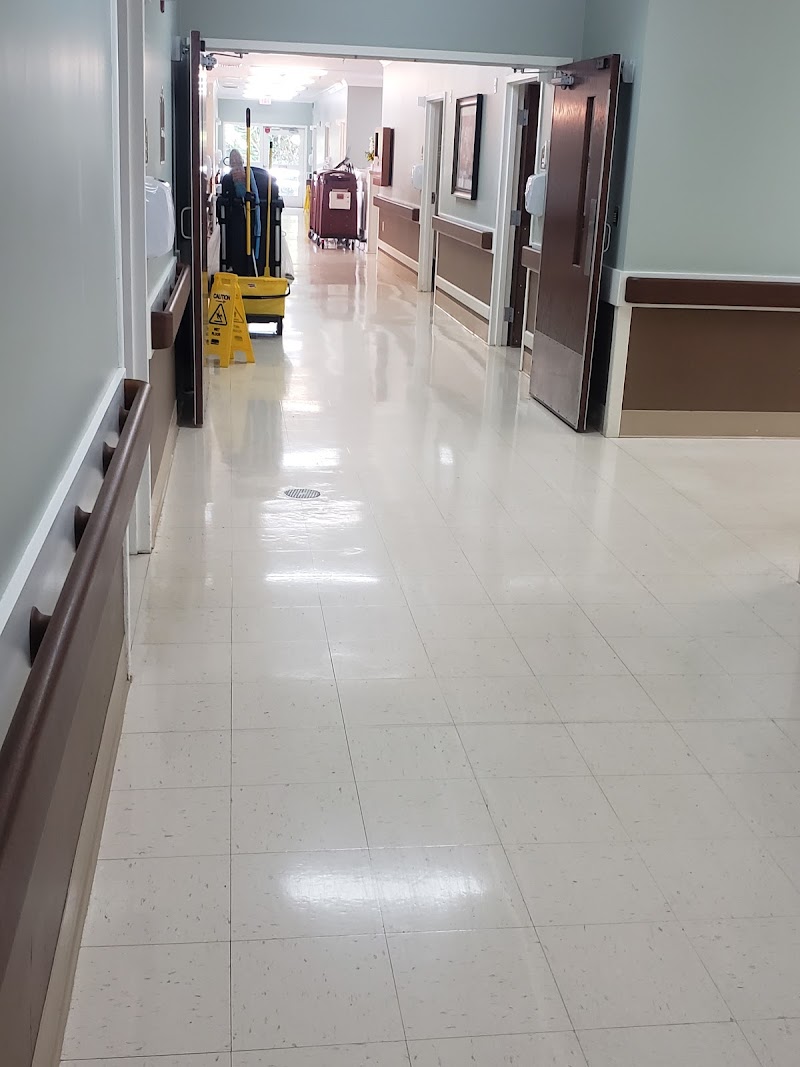
How is Carolina Rehab Center Of Burke Staffed?

CMS rates Carolina Rehab Center of Burke's staffing level at 2 out of 5 stars, which is below average compared to other nursing homes. Staff turnover is 54%, compared to the North Carolina average of 46%. RN turnover specifically is 56%, which is notably high. RNs provide skilled clinical oversight, so turnover in this role can affect medical care quality.

What Have Inspectors Found at Carolina Rehab Center Of Burke?

State health inspectors documented 20 deficiencies at Carolina Rehab Center of Burke during 2023 to 2025. These included: 1 Immediate Jeopardy (the most serious level, indicating potential for serious harm or death), 1 that caused actual resident harm, 17 with potential for harm, and 1 minor or isolated issues. Immediate Jeopardy findings are rare and represent the most serious regulatory concerns. They require immediate corrective action.

Who Owns and Operates Carolina Rehab Center Of Burke?

Carolina Rehab Center of Burke is owned by a for-profit company. For-profit facilities operate as businesses with obligations to shareholders or private owners. The facility is operated by LIFEWORKS REHAB, a chain that manages multiple nursing homes. With 90 certified beds and approximately 82 residents (about 91% occupancy), it is a smaller facility located in Connelly Spring, North Carolina.

How Does Carolina Rehab Center Of Burke Compare to Other North Carolina Nursing Homes?

Compared to the 100 nursing homes in North Carolina, Carolina Rehab Center of Burke's overall rating (2 stars) is below the state average of 2.8, staff turnover (54%) is near the state average of 46%, and health inspection rating (2 stars) is below the national benchmark.

What Should Families Ask When Visiting Carolina Rehab Center Of Burke?

Based on this facility's data, families visiting should ask: "What changes have been made since the serious inspection findings, and how are you preventing similar issues?" "Can you walk me through typical staffing levels on day, evening, and night shifts?" "Can I visit during a mealtime to observe dining assistance and food quality?" "How do you handle medical emergencies, and what is your hospital transfer rate?" These questions are particularly relevant given the facility's Immediate Jeopardy citations and the below-average staffing rating.

Is Carolina Rehab Center Of Burke Safe?

Based on CMS inspection data, Carolina Rehab Center of Burke has documented safety concerns. Inspectors have issued 1 Immediate Jeopardy citation (the most serious violation level indicating risk of serious injury or death). The facility has a 2-star overall rating and ranks #100 of 100 nursing homes in North Carolina. Families considering this facility should ask detailed questions about what corrective actions have been taken since these incidents.

Do Nurses at Carolina Rehab Center Of Burke Stick Around?

Carolina Rehab Center of Burke has a staff turnover rate of 54%, which is 8 percentage points above the North Carolina average of 46%. Moderate turnover is common in nursing homes, but families should still ask about staff tenure and how the facility maintains care continuity when employees leave.

Was Carolina Rehab Center Of Burke Ever Fined?

Carolina Rehab Center of Burke has been fined $17,242 across 4 penalty actions. This is below the North Carolina average of $33,251. While any fine indicates a compliance issue, fines under $50,000 are relatively common and typically reflect isolated problems that were subsequently corrected. Families should ask what specific issues led to these fines and confirm they've been resolved.

Is Carolina Rehab Center Of Burke on Any Federal Watch List?

Carolina Rehab Center of Burke is not on any federal watch list. The most significant is the Special Focus Facility (SFF) program, which identifies the bottom 1% of nursing homes nationally based on persistent, serious quality problems. Not being on this list means the facility has avoided the pattern of deficiencies that triggers enhanced federal oversight. This is a positive indicator, though families should still review the facility's inspection history directly.