Conover Nursing And Rehabilitation Center
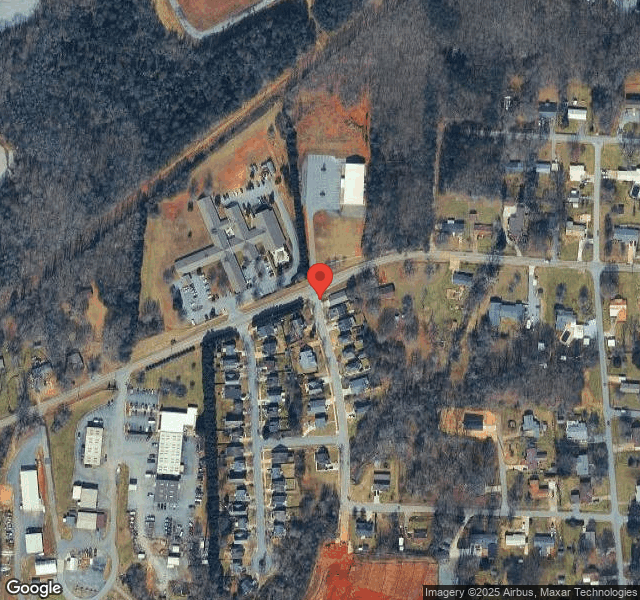

920 4th Street Southwest, Conover, NC 28613 (828) 695-8282
For profit - Corporation 90 Beds Independent Data: November 2025
Trust Grade
80/100
#92 of 417 in NC
Last Inspection: February 2025

Within standard 12-15 month inspection cycle. Federal law requires annual inspections.

Overview

Conover Nursing and Rehabilitation Center has a Trust Grade of B+, which means it is above average and recommended for families considering care options. It ranks #92 out of 417 nursing homes in North Carolina, placing it in the top half of facilities statewide, and #3 out of 6 in Catawba County, indicating only two local options are rated higher. The facility's trend is new, as this is their first inspection on record, so there is no historical data to indicate improvement or decline. Staffing levels are rated at 4/5 stars, which is a strength, but the turnover rate is average at 51%, meaning some staff may not stay long-term. Notably, there have been no fines recorded, which is a positive sign. However, there are some areas of concern. The inspector found four issues that could potentially harm residents, such as failing to accurately document a resident's dental status and not updating care plans for residents needing oxygen therapy. Additionally, one resident's oxygen concentrator was not properly maintained, which could impact their care. While the facility shows promise, families should weigh these strengths and weaknesses carefully when making their decision.

Trust Score
B+
80/100
In North Carolina
#92/417
Top 22%
Safety Record
Low Risk
No red flags
Inspections
Too New
0 → 4 violations
Staff Stability
⚠ Watch
51% turnover. Above average. Higher turnover means staff may not know residents' routines.
Penalties
✓ Good
No fines on record. Clean compliance history, better than most North Carolina facilities.
Skilled Nurses
○ Average
Each resident gets 40 minutes of Registered Nurse (RN) attention daily — about average for North Carolina. RNs are the most trained staff who monitor for health changes.
Violations
✓ Good
Only 4 deficiencies on record. Cleaner than most facilities. Minor issues only.
★★★★☆
4.0
Overall Rating
★★★★☆
4.0
Staff Levels
★★★☆☆
3.0
Care Quality
★★★★☆
4.0
Inspection Score
Stable
: 0 issues
2025: 4 issues

The Good

  • 4-Star Staffing Rating · Above-average nurse staffing levels
  • Full Sprinkler Coverage · Fire safety systems throughout facility
  • No fines on record

Facility shows strength in staffing levels, fire safety.

The Bad

Staff Turnover: 51%

Near North Carolina avg (46%)

Higher turnover may affect care consistency

The Ugly 4 deficiencies on record

Feb 2025 4 deficiencies
CONCERN (D)

Potential for Harm - no one hurt, but risky conditions existed

Assessment Accuracy (Tag F0641)

Could have caused harm · This affected 1 resident

**NOTE- TERMS IN BRACKETS HAVE BEEN EDITED TO PROTECT CONFIDENTIALITY** Based on observations, record review, and staff interviews, the facility failed to accurately code the Minimum Data Set (MDS) as...

Read full inspector narrative →
**NOTE- TERMS IN BRACKETS HAVE BEEN EDITED TO PROTECT CONFIDENTIALITY** Based on observations, record review, and staff interviews, the facility failed to accurately code the Minimum Data Set (MDS) assessment for oral/dental status (Resident #27) and the use of a hypoglycemic medication (a medication used to lower blood sugar in people diagnosed with diabetes) (Resident #71) for 2 of 20 residents whose MDS assessments were reviewed. Findings included: 1. Resident #27 was admitted to the facility 04/14/17. Review of a dentist's note dated 07/15/24 revealed Resident #27 had 6 teeth pulled and was now edentulous (lacking teeth). The annual MDS assessment dated [DATE] did not reflect Resident #27 was edentulous. Observations of Resident #27 on 02/18/25 at 11:25 AM, 02/19/25 at 8:17 AM, and 2/20/25 at 12:43 PM revealed she did not have any teeth. An interview with the MDS Coordinator on 02/20/25 at 4:49 PM revealed Resident #27's annual MDS assessment should have reflected that she was edentulous, and it was an oversight. An interview with the Director of Nursing on 02/21/25 at 11:26 AM revealed she expected the MDS assessment to be coded correctly. An interview with the Administrator on 02/21/25 at 12:38 PM revealed he expected the MDS assessment to be as accurate as possible. 2. Resident #71 was admitted to the facility 11/01/24 with a diagnosis including diabetes. Review of Resident #71's Physician orders revealed an order dated 11/02/24 for Insulin Glargine 5 units subcutaneously (under the skin) daily for diabetes. Review of Resident #71's November 2024, December 2024, and January 2025 Medication Administration Record revealed she received Insulin Glargine as ordered. Resident #71's quarterly MDS assessment dated [DATE] did not reflect that she received hypoglycemic medication. In an interview with the MDS Coordinator on 02/20/25 at 4:52 PM she confirmed Resident #71's quarterly MDS assessment should have reflected that she received hypoglycemic medication, and it was an oversight. An interview with the Director of Nursing on 02/21/25 at 11:26 AM revealed she expected the MDS assessment to be coded correctly. An interview with the Administrator on 02/21/25 at 12:38 PM revealed he expected the MDS assessment to be as accurate as possible.
CONCERN (D)

Potential for Harm - no one hurt, but risky conditions existed

Deficiency F0657 (Tag F0657)

Could have caused harm · This affected 1 resident

**NOTE- TERMS IN BRACKETS HAVE BEEN EDITED TO PROTECT CONFIDENTIALITY** Based on observations, record reviews and staff interviews, the facility failed to update the care plan to include oxygen therap...

Read full inspector narrative →
**NOTE- TERMS IN BRACKETS HAVE BEEN EDITED TO PROTECT CONFIDENTIALITY** Based on observations, record reviews and staff interviews, the facility failed to update the care plan to include oxygen therapy for 2 of 2 residents (Resident #16 and Resident #23) reviewed for respiratory therapy. The findings included: 1. Resident #16 was admitted to the facility on [DATE] with diagnoses that included hypoxemia (low levels of oxygen in the blood). A review of Resident #16's physician orders dated 06/28/24 indicated oxygen at 1-3 liters per minute via nasal cannula every shift as needed for hypoxia. Review of Resident #16's quarterly Minimum Data Set (MDS) assessment dated [DATE] revealed the Resident was cognitively intact and required supplemental oxygen. Review of Resident #16's revised care plan dated 12/30/24 revealed the Resident's oxygen use was not care planned. An interview was conducted with the MDS Coordinator on 02/20/25 at 5:33 PM. The MDS Coordinator explained that the purpose of the care plan was to guide the care of the residents and should be individualized for that resident. The MDS Coordinator stated that oxygen should be on Resident #16's care plan because she might have trouble breathing. The MDS Coordinator stated she was still fairly new and overlooked the oxygen care plan. During an interview with the Director of Nursing (DON) on 02/21/25 at 10:57 AM she explained that the care plan should identify the resident and guide the care of the resident. The DON stated her expectation was for oxygen to be on the care plan. On 02/21/25 at 11:50 AM an interview was conducted with the Administrator who indicated that oxygen needed to be on the care plan. 2. Resident #23 was admitted to the facility on [DATE] with diagnoses that included cerebral infarction (blood flow to the brain is interrupted). A review of Resident #23's physician orders dated 06/28/24 revealed oxygen 1-3 liters per minute via nasal cannula for comfort/hypoxia (low oxygen levels in the blood) every shift. Review of Resident #23's quarterly Minimum Data Set (MDS) assessment dated [DATE] revealed the Resident's cognition was severely impaired and she received supplemental oxygen therapy. Review of Resident #23's revised care plan dated 12/06/24 revealed there was no oxygen care plan. An interview was conducted with the MDS Coordinator on 02/20/25 at 5:33 PM. The MDS Coordinator explained that the purpose of the care plan was to guide the care of the residents and should be individualized for that resident. The MDS Coordinator stated that oxygen should be on Resident #23's care plan because she might have trouble breathing. The MDS Coordinator stated she was still fairly new and overlooked the oxygen care plan. During an interview with the Director of Nursing (DON) on 02/21/25 at 10:57 AM she explained that the care plan should identify the resident and guide the care of the resident. The DON stated her expectation was for oxygen to be on the care plan. On 02/21/25 at 11:50 AM an interview was conducted with the Administrator who indicated that oxygen needed to be on the care plan.
CONCERN (D)

Potential for Harm - no one hurt, but risky conditions existed

Respiratory Care (Tag F0695)

Could have caused harm · This affected 1 resident

**NOTE- TERMS IN BRACKETS HAVE BEEN EDITED TO PROTECT CONFIDENTIALITY** Based on observations, record reviews, and Resident and staff interviews, the facility failed to ensure an oxygen concentrator f...

Read full inspector narrative →
**NOTE- TERMS IN BRACKETS HAVE BEEN EDITED TO PROTECT CONFIDENTIALITY** Based on observations, record reviews, and Resident and staff interviews, the facility failed to ensure an oxygen concentrator filter was free of dust and failed to ensure a concentrator had an external filter for 1 of 2 residents (Resident #16) reviewed for respiratory care. The findings included: Resident #16 was admitted to the facility on [DATE] with diagnoses that included hypoxemia (low levels of oxygen in the blood). A review of Resident #16's physician orders dated 06/28/24 indicated oxygen at 1-3 liters per minute via nasal cannula as needed for hypoxia every shift and change oxygen tubing and clean filter every Thursday night. Review of Resident #16's quarterly Minimum Data Set assessment dated [DATE] revealed the Resident was cognitively intact and received supplemental oxygen. Review of Resident #16's revised care plan dated 12/30/24 revealed the Resident's oxygen was not care planned. A review of Resident #16's Medication Administration Record (MAR) for 02/2025 revealed oxygen at 1-3 liters per minute was delivered every day and every shift since 02/01/25. The MAR also indicated the oxygen filter had been cleaned on Thursday 02/13/25 by Nurse #2 On 02/18/25 at 10:40 AM an observation and interview were conducted with Resident #16 who was sitting in her wheelchair watching TV. The Resident indicated the staff took care of her oxygen. Upon inspection of the oxygen concentrator the filter on the left side was covered with light gray dust build up, that fell to the floor when touched. The vent located on the right side of the concentrator revealed the filter was missing. An observation was made on 02/19/25 at 9:10 AM revealed the oxygen concentrator filter remained covered with dust. During an interview with Nurse #1 on 02/19/25 at 9:17 AM the Nurse explained the oxygen filters were cleaned on third shift every Thursday night by the nurse. The Nurse indicated that nurses should check the filters every so often to make sure they were clean. An observation was conducted in conjunction with an interview with Nurse #1 on 02/19/25 at 9:22 AM. Nurse #1 stated she was assigned to Resident #16. The Nurse observed Resident #16's oxygen concentrator and when she inspected the filter on the left side of the concentrator she stated Oh, it's dirty, and removed the filter. As the Nurse held the dusty filter up, dust particles were observed to fall to the floor. The Nurse then looked at the vent with the missing filter on the right side of the machine and stated there was not a filter there while pointing at the vent where the filter should have been. The Nurse indicated if the dust buildup accumulated that thick in one week, then the filters should be checked and or cleaned more often. Nurse #1 stated she would get a replacement filter right away for the vent and clean the dirty filter. An interview was conducted with Nurse #2 on 02/20/25 at 10:10 AM who explained the oxygen filters were checked and cleaned with water once a week on Thursday nights by the Nurse and the filters should be checked often for dust buildup. Nurse #2 confirmed she was Resident #16's Nurse on the night of 02/13/25 and stated she checked and cleaned Resident #16's oxygen concentrator filter on 02/13/25 but could not remember if the filter was missing. The Nurse stated if the filter was missing, she would have notified maintenance to provide a replacement. The Nurse stated if the filter was extremely dusty then the filters should be cleaned more often that weekly. During an interview with the Director of Nursing (DON) on 02/21/25 at 10:57 AM the DON explained that she had someone auditing the oxygen concentrators other than the nurses and there was nothing on the audits about Resident #16's oxygen concentrator filters being dirty or missing. The DON stated she may need to increase the filter cleaning to twice weekly. An interview was conducted with the Administrator on 02/21/25 at 11:50 AM who indicated his expectation was for the oxygen filters to be clean and in place on the concentrator.
CONCERN (D)

Potential for Harm - no one hurt, but risky conditions existed

Deficiency F0761 (Tag F0761)

Could have caused harm · This affected 1 resident

**NOTE- TERMS IN BRACKETS HAVE BEEN EDITED TO PROTECT CONFIDENTIALITY** Based on observations, record reviews, and resident and staff interviews, the facility failed to secure opened tubes of medicate...

Read full inspector narrative →
**NOTE- TERMS IN BRACKETS HAVE BEEN EDITED TO PROTECT CONFIDENTIALITY** Based on observations, record reviews, and resident and staff interviews, the facility failed to secure opened tubes of medicated ointment/skin protectant observed in residents' rooms for 2 of 2 residents reviewed for medication storage (Resident #49 and Resident #27). Findings included: 1. Resident #49 was admitted to the facility 09/13/21 with a diagnosis including non-Alzheimer's dementia. The quarterly Minimum Data Set (MDS) assessment dated [DATE] revealed Resident #49 was moderately cognitively impaired. An observation of Resident #49's dresser on 02/18/25 at 11:12 AM revealed a 0.33-ounce tube of triple antibiotic ointment sitting on top. An interview with Resident #49 at the same date and time revealed Family Member #1 brought her the medication for some sores and Family Member #1 applied the medication, but she could not recall the last time the medication was used. Additional observations of Resident #49's dresser on 02/19/25 at 8:22 AM, 02/20/25 at 12:21 PM, and 02/21/25 at 9:40 AM revealed a 0.33-ounce tube of triple antibiotic ointment sitting on top. An interview with the Director of Nursing (DON) on 02/21/25 at 11:26 AM revealed no medication should be left at the bedside unless the resident had a physician order to leave the medication. The DON confirmed Resident #49 did not have a physician order to leave the triple antibiotic ointment in her room. 2. Resident #27 was admitted to the facility 04/14/17 with a diagnosis including Alzheimer's disease. The annual Minimum Data Set (MDS) assessment dated [DATE] revealed Resident #27 was moderately cognitively impaired. An observation of Resident #27's room on 02/19/25 at 12:47 PM revealed two 2-ounce tubes of skin protectant with an active ingredient of Zinc Oxide 20% in a bath basin sitting on top of her dresser. In an interview with Resident #27 at the same date and time she stated the staff applied the cream to her bottom sometimes, but she could not recall the last time the medication was used. Additional observations of Resident #27's room on 02/20/25 at 12:25 PM and 02/21/25 at 9:49 AM revealed two 2-ounce tubes of skin protectant with an active ingredient of Zinc Oxide 20% in a bath basin sitting on top of her dresser. An interview with the Director of Nursing (DON) on 02/21/25 at 11:26 AM revealed no medication should be left at the bedside unless the resident had a physician order to leave the medication. The DON confirmed Resident #27 did not have a physician order to leave the Zinc Oxide cream in her room.
Understanding Severity Codes (click to expand)
Life-Threatening (Immediate Jeopardy)
J - Isolated K - Pattern L - Widespread
Actual Harm
G - Isolated H - Pattern I - Widespread
Potential for Harm
D - Isolated E - Pattern F - Widespread
No Harm (Minor)
A - Isolated B - Pattern C - Widespread

Questions to Ask on Your Visit

  • "Can I speak with families of current residents?"
  • "What's your RN coverage like on weekends and overnight?"

Our Honest Assessment

Strengths
  • • Grade B+ (80/100). Above average facility, better than most options in North Carolina.
  • • No major safety red flags. No abuse findings, life-threatening violations, or SFF status.
  • • No fines on record. Clean compliance history, better than most North Carolina facilities.
  • • Only 4 deficiencies on record. Cleaner than most facilities. Minor issues only.
Concerns
  • • No significant concerns identified. This facility shows no red flags across CMS ratings, staff turnover, or federal penalties.
Bottom line: Generally positive indicators. Standard due diligence and a personal visit recommended.

About This Facility

What is Conover Nursing And Rehabilitation Center's CMS Rating?

CMS assigns Conover Nursing And Rehabilitation Center an overall rating of 4 out of 5 stars, which is considered above average nationally. Within North Carolina, this rating places the facility higher than 99% of the state's 100 nursing homes. This rating reflects solid performance across the metrics CMS uses to evaluate nursing home quality.

How is Conover Nursing And Rehabilitation Center Staffed?

CMS rates Conover Nursing And Rehabilitation Center's staffing level at 4 out of 5 stars, which is above average compared to other nursing homes. Staff turnover is 51%, compared to the North Carolina average of 46%.

What Have Inspectors Found at Conover Nursing And Rehabilitation Center?

State health inspectors documented 4 deficiencies at Conover Nursing And Rehabilitation Center during 2025. These included: 4 with potential for harm.

Who Owns and Operates Conover Nursing And Rehabilitation Center?

Conover Nursing And Rehabilitation Center is owned by a for-profit company. For-profit facilities operate as businesses with obligations to shareholders or private owners. The facility operates independently rather than as part of a larger chain. With 90 certified beds and approximately 75 residents (about 83% occupancy), it is a smaller facility located in Conover, North Carolina.

How Does Conover Nursing And Rehabilitation Center Compare to Other North Carolina Nursing Homes?

Compared to the 100 nursing homes in North Carolina, Conover Nursing And Rehabilitation Center's overall rating (4 stars) is above the state average of 2.8, staff turnover (51%) is near the state average of 46%, and health inspection rating (4 stars) is above the national benchmark.

What Should Families Ask When Visiting Conover Nursing And Rehabilitation Center?

Based on this facility's data, families visiting should ask: "Can I visit during a mealtime to observe dining assistance and food quality?" "How do you handle medical emergencies, and what is your hospital transfer rate?" "Can I speak with family members of current residents about their experience?"

Is Conover Nursing And Rehabilitation Center Safe?

Based on CMS inspection data, Conover Nursing And Rehabilitation Center has a clean safety record: no substantiated abuse findings (meaning no confirmed cases of resident harm), no Immediate Jeopardy citations (the most serious violation level indicating risk of serious injury or death), and is not on the Special Focus Facility watch list (a federal program monitoring the lowest-performing 1% of nursing homes). The facility has a 4-star overall rating and ranks #1 of 100 nursing homes in North Carolina. While no facility is perfect, families should still ask about staff-to-resident ratios and recent inspection results during their visit.

Do Nurses at Conover Nursing And Rehabilitation Center Stick Around?

Conover Nursing And Rehabilitation Center has a staff turnover rate of 51%, which is about average for North Carolina nursing homes (state average: 46%). Moderate turnover is common in nursing homes, but families should still ask about staff tenure and how the facility maintains care continuity when employees leave.

Was Conover Nursing And Rehabilitation Center Ever Fined?

Conover Nursing And Rehabilitation Center has no federal fines on record. CMS issues fines when nursing homes fail to meet care standards or don't correct problems found during inspections. The absence of fines suggests the facility has either maintained compliance or corrected any issues before penalties were assessed. This is a positive indicator, though families should still review recent inspection reports for the full picture.

Is Conover Nursing And Rehabilitation Center on Any Federal Watch List?

Conover Nursing And Rehabilitation Center is not on any federal watch list. The most significant is the Special Focus Facility (SFF) program, which identifies the bottom 1% of nursing homes nationally based on persistent, serious quality problems. Not being on this list means the facility has avoided the pattern of deficiencies that triggers enhanced federal oversight. This is a positive indicator, though families should still review the facility's inspection history directly.