Chowan River Nursing and Rehabilitation Center

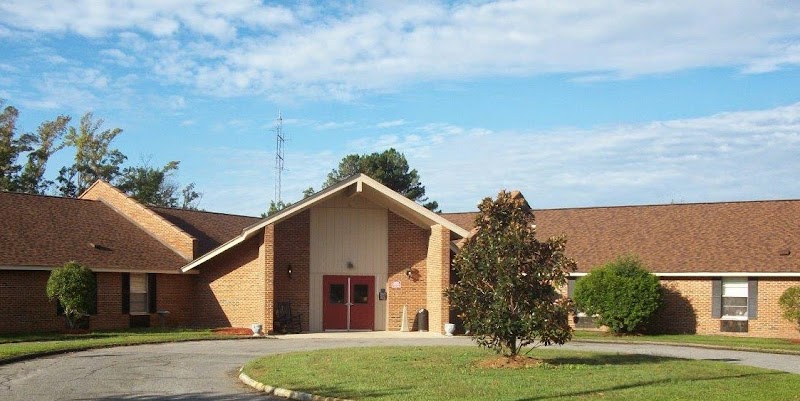
1341 Paradise Road, Edenton, NC 27932 (252) 482-7481
For profit - Limited Liability company 130 Beds PRINCIPLE LONG TERM CARE Data: November 2025
Trust Grade
78/100
#89 of 417 in NC
Last Inspection: April 2025

Within standard 12-15 month inspection cycle. Federal law requires annual inspections.

Overview

Chowan River Nursing and Rehabilitation Center has a Trust Grade of B, indicating it is a good choice among nursing homes, but not without areas for improvement. It ranks #89 out of 417 facilities in North Carolina, placing it in the top half, and is the only option in Chowan County. However, the facility is experiencing a trend of worsening conditions, with issues increasing from 3 to 5 in the past year. Staffing is a notable weakness, with a rating of 2 out of 5 and a turnover rate of 39%, which, while below the state average, still indicates instability. The facility has had some concerning incidents, including failing to restrict fluid intake for a resident with End Stage Renal Disease as ordered and not assessing a resident’s ability to self-administer medication, highlighting potential risks in care management.

Trust Score
B
78/100
In North Carolina
#89/417
Top 21%
Safety Record
Low Risk
No red flags
Inspections
Getting Worse
3 → 5 violations
Staff Stability
○ Average
39% turnover. Near North Carolina's 48% average. Typical for the industry.
Penalties
✓ Good
$9,750 in fines. Lower than most North Carolina facilities. Relatively clean record.
Skilled Nurses
⚠ Watch
Each resident gets only 22 minutes of Registered Nurse (RN) attention daily — below average for North Carolina. Fewer RN minutes means fewer trained eyes watching for problems.
Violations
○ Average
10 deficiencies on record. Average for a facility this size. Mostly minor or procedural issues.
★★★★☆
4.0
Overall Rating
★★☆☆☆
2.0
Staff Levels
★★★☆☆
3.0
Care Quality
★★★★☆
4.0
Inspection Score
Stable
2024: 3 issues
2025: 5 issues

The Good

  • Full Sprinkler Coverage · Fire safety systems throughout facility
  • No fines on record
  • Staff turnover below average (39%)

    9 points below North Carolina average of 48%

Facility shows strength in fire safety.

The Bad

Staff Turnover: 39%

Near North Carolina avg (46%)

Typical for the industry

Federal Fines: $9,750

Below median ($33,413)

Minor penalties assessed

Chain: PRINCIPLE LONG TERM CARE

Part of a multi-facility chain

Ask about local staffing decisions and management

The Ugly 10 deficiencies on record

Apr 2025 5 deficiencies
CONCERN (D)

Potential for Harm - no one hurt, but risky conditions existed

Deficiency F0554 (Tag F0554)

Could have caused harm · This affected 1 resident

**NOTE- TERMS IN BRACKETS HAVE BEEN EDITED TO PROTECT CONFIDENTIALITY** Based on observation, record review, and resident and staff interviews, the facility failed to assess a resident for self-admini...

Read full inspector narrative →
**NOTE- TERMS IN BRACKETS HAVE BEEN EDITED TO PROTECT CONFIDENTIALITY** Based on observation, record review, and resident and staff interviews, the facility failed to assess a resident for self-administration of medication for 1 of 3 residents reviewed for medication administration (Resident #10). The findings included: Resident #10 was admitted to the facility on [DATE] with diagnoses that included dementia without behavioral disturbances and chronic obstructive pulmonary disease. Resident #10's care plan last reviewed 1/22/25 did not include self-administration of medication. There was not an assessment of Resident #10 in the medical record to determine if it was safe for the resident to self-administer medications. Review of the annual Minimum Data Set (MDS) dated [DATE] revealed Resident #10 was cognitively intact. Review of the medical record revealed a physician order dated 3/1/24 for Fluticasone-Salmeterol 250-50 MCG/ACT (micrograms per actuation) Aerosol Powder (a medication used to relax the muscles in the airways to improve breathing). Breath activated 1 puff inhale orally two times a day for shortness of breath/wheezing. On 03/31/25 at 10:36 AM Resident #10 was observed with a Fluticasone-Salmeterol inhaler sitting on her bedside table. Resident #10 reported Nurse #3 left the inhaler there for her to take because she had asked to wait. Resident #10 stated she had administered the inhaler herself, and Nurse #10 would come back to pick up the inhaler An interview was conducted with Nurse #3 on 03/31/25 at10:43 AM. Nurse #3 stated she was supposed to make sure Resident #10 administered the inhaler and rinsed her mouth out after administration. Nurse #3 stated she was supposed to get the inhaler back after the medication was administered. Nurse #3 stated she was talking to other staff in the room and forgot to get the inhaler back. An interview was conducted with the Director of Nursing on 03/31/25 at 11:53 AM. The DON stated Nurse #3 should have stayed with Resident #10 and watched her take the medication. The DON further stated once Resident #10 told the nurse that she wanted to wait to take the medication Nurse #3 should have taken the medication out of the room and brought it back later. An interview was conducted with the Administrator on 04/02/25 at 05:11 PM. The Administrator stated she expected Resident #10 would have been assessed for self-administration and the medication placed in a secure location.
CONCERN (D)

Potential for Harm - no one hurt, but risky conditions existed

Comprehensive Care Plan (Tag F0656)

Could have caused harm · This affected 1 resident

**NOTE- TERMS IN BRACKETS HAVE BEEN EDITED TO PROTECT CONFIDENTIALITY** Based on record review and staff interview, the facility failed to update the care plan to reflect the change in smoking status ...

Read full inspector narrative →
**NOTE- TERMS IN BRACKETS HAVE BEEN EDITED TO PROTECT CONFIDENTIALITY** Based on record review and staff interview, the facility failed to update the care plan to reflect the change in smoking status for 1 of 1 sampled resident (Resident #33). The findings included: Resident #33 was admitted to the facility on [DATE] with diagnoses that included nicotine dependence. The quarterly Minimum Data Set (MDS) assessment dated [DATE] indicated Resident 33 was unable to answer questions to perform an adequate BIMS assessment. Resident #33 was coded as having impairment on one side to upper extremity and lower extremity. The comprehensive care plan for Resident #33 was last updated on 3/10/25. The care plan included in part the focus area of Resident #33 is a safe smoker. The interventions included to evaluate residents' continued ability to smoke safely on a consistent and regular basis. Review of Resident #33's most recent smoking evaluation dated 3/28/25 revealed the resident required supervised smoking due to his being an unsafe smoker and requires direct supervision whole smoking because he allows lit material to fall outside of the ashtray. This evaluation was completed by Nurse #4. Attempts to interview Nurse #4 by phone were unsuccessful. An interview was conducted with the MDS Coordinator on 4/1/25 at 1:05 PM. She indicated staff took turns going out with the residents on smoking duty. The MDS Coordinator stated she had observed Resident #33 on 3/28/25 and did not see any indication his smoking status had changed. She stated the interdisciplinary team reviews the 24-hour report in the standup meeting every morning and the stand down meeting in the evening. The MDS Coordinator stated the change in smoking status was supposed to be placed on the 24-hour report so it would be discussed in stand-up/stand down meeting and care plan updated at that time. MDS Coordinator stated the 24-hour report was part of the electronic medical record and it was populated by the information the nurses place on the report. The MDS Coordinator stated she must have overlooked Resident #33's smoking assessment on 3/28/25. The MDS Coordinator stated she was responsible for updating the care plan after the change in Resident #33's smoking status. An interview was conducted with the DON on 04/01/25 at 01:13 PM. The DON stated that the 24-hour report was reviewed every morning in the morning meeting. She stated the nurse was responsible for making sure the change to Resident #33's smoking status was communicated on the 24-hour report. The DON stated Nurse #4 should have updated the care plan to reflect the resident's status.
CONCERN (D)

Potential for Harm - no one hurt, but risky conditions existed

Deficiency F0694 (Tag F0694)

Could have caused harm · This affected 1 resident

**NOTE- TERMS IN BRACKETS HAVE BEEN EDITED TO PROTECT CONFIDENTIALITY** Based on observation, record review, and staff interviews, the facility failed to obtain a physician order for the management of...

Read full inspector narrative →
**NOTE- TERMS IN BRACKETS HAVE BEEN EDITED TO PROTECT CONFIDENTIALITY** Based on observation, record review, and staff interviews, the facility failed to obtain a physician order for the management of a peripherally inserted central catheter (PICC) for 1 of 2 residents reviewed for intravenous antibiotic use (Resident #41). The findings included: Resident #41 was admitted to the facility on [DATE] with diagnoses that included obstructive uropathy (disorder that occurs when urine flow is blocked in the urinary tract), urinary tract infection, and diabetes. Review of Resident #41's active March 2025 Physician Orders revealed an order dated 3/26/25 for Piperacillin-Sodium Tazobactam Solution (antibiotic), administer 4.5 grams intravenously every 12 hours for 10 days. There were no orders for a PICC line. An interview was completed on 4/1/25 at 2:32 pm with Nurse #2 who revealed she received the PICC line placement order and intravenous antibiotic order from the Physician on 3/26/25. Nurse #2 stated she entered the order for the intravenous antibiotic so the pharmacy would fill and send the medication as soon as possible. Nurse #2 revealed the Unit Nurse Coordinator normally followed up and entered the orders for the PICC line and the management of it. Nurse #2 stated she was unsure why the orders were not entered that day (3/26/25). Nurse #2 stated she knew from previous experience to flush the PICC line prior to medication administration and after medication administration. A nursing progress note dated 3/26/25 by Nurse #3 stated at 11:30 am vascular wellness placed a PICC line in the Resident #41's left upper arm per the Physician's order. The note revealed the antibiotic was administered to Resident #41 per Physician's order. Resident #41 had a care plan initiated 3/26/25 for a urinary tract infection requiring intravenous antibiotics with interventions that included medications as ordered by the Physician, enhanced barrier precautions, and monitor for redness or drainage around PICC line site. An observation on 4/1/25 at 12:49 pm with Resident #41 revealed a single lumen (1 port) PICC line (form of intravenous access that can be used for a prolonged period for the administration of medications) was located in the left upper arm with antibiotic medication infusing. An interview was completed on 4/1/25 at 1:03 pm with Nurse #1 who was assigned to administer Resident #41's antibiotic medication on 4/1/25. Nurse #1 stated she did notice that PICC line management orders were not entered, but she stated she flushed the PICC line before and after the antibiotic medication was administered. She stated she knew from previous experience that the PICC line required to be flushed prior to the antibiotic to make sure it was not clogged and after the medication was completed to make sure all the medication was administered. Nurse #1 stated she did not know if other orders were required for Resident #41's PICC line use and management. A telephone interview was completed on 4/1/25 at 3:05pm with the facility's Physician. The Physician revealed he recalled providing the verbal order for the PICC line placement and intravenous antibiotic for Resident #41. The Physician stated it was his expectation the facility entered the orders for the PICC line and its management in the Resident's electronic medical records. An interview was completed on 4/2/25 at 10:43 am with the Director of Nursing (DON). The DON stated the Unit Nurse Coordinator, and the (ADON) assisted floor nurses with entering resident treatment and medication orders. The DON stated the facility did not have standing orders for PICC line use and management. The DON revealed physician orders for the use and management of Resident #41's PICC line should have been entered when order for the intravenous antibiotic was entered. The DON was unable to state how the orders were missed for Resident #41's PICC line and the management of it. An interview was completed on 4/2/25 at 4:45 pm with the facility Administrator. The Administrator stated she felt it was a break in communication between nursing staff as to who was going to enter the orders for Resident #41.
CONCERN (E)

Potential for Harm - no one hurt, but risky conditions existed

Deficiency F0698 (Tag F0698)

Could have caused harm · This affected multiple residents

**NOTE- TERMS IN BRACKETS HAVE BEEN EDITED TO PROTECT CONFIDENTIALITY** Based on observations, record reviews and staff interviews, the facility failed to restrict the fluid intake for a resident with...

Read full inspector narrative →
**NOTE- TERMS IN BRACKETS HAVE BEEN EDITED TO PROTECT CONFIDENTIALITY** Based on observations, record reviews and staff interviews, the facility failed to restrict the fluid intake for a resident with End Stage Renal Disease (a condition in which the kidneys lose the ability to remove waste and balance fluids) as ordered by the physician for 1 of 1 sampled resident reviewed for dialysis (Resident #114). The findings included: Resident #114 was admitted to the facility on [DATE] with diagnoses that included chronic congestive heart failure, chronic pulmonary edema, and dependence on renal dialysis. Review of Resident #114's care plan initiated on 2/28/25 identified the resident was at risk for complications due to hemodialysis, End Stage Renal Disease (ESDR). Resident is on 1500 ml (milliliters)/day restriction. The interventions to this problem included providing diet as ordered and fluid restriction as ordered by the physician. Review of the medical record revealed a physician's order dated 3/4/25 for 1500 ml fluid restriction: Nurse to give 240ml per shift every day and night shift. Review of the admission Minimum Data Set (MDS) dated [DATE] revealed Resident #114 had severe cognitive impairment with no behaviors. Resident #114 was independent with eating and required staff assistance for setting up her tray. She was receiving hemodialysis. Review of the March 2025 medication administration record (MAR) revealed an order dated 3/4/25 for Fluid Restriction: Nurse to give 240 ml per shift every day and night shift. Nursing staff initialed as provided through 3/10/25 when Resident went to the hospital. The order was discontinued on 3/14/25 when Resident #114 reentered the facility after a hospital stay. Resident #114 was discharged to the hospital on 3/10/25 and readmitted to the facility on [DATE]. The hospital Discharge summary dated [DATE] specified under diet that Resident should not have more than 1400 ml of fluid per day. Review of Resident #114's physician orders revealed no order was entered on 3/14/25 for the 1400 ml per day fluid restriction. Resident #114 was discharged to the hospital on 3/23/25 and was readmitted to the facility on [DATE]. Review of the medical record revealed a physician order dated 3/28/25 for No Added Salt diet, Regular texture and thin consistency fluids. Resident #114 was ordered a 1200 ml a day fluid restriction. The order was received and processed by the Unit Nurse Coordinator. Review of the MAR from 3/14/25 to 4/2/25 revealed no entry for nursing staff to document fluid intake for Resident #114. An interview was conducted with the Unit Nurse Coordinator on 04/02/25 at 01:22 PM. The Unit Nurse Coordinator stated once she entered the fluid restriction order for Resident #114 on 3/28/25, she put the information on the dietary sheet and took it to the kitchen. The Unit Nurse Coordinator stated she did not have a discussion with the dietary department about the fluid distribution. The Unit Nurse Coordinator was unable to state why she did not consult with the dietary department about Resident #114's fluid distribution for nursing staff. She stated a breakdown of the fluid distribution for nursing should go on the MAR. The Unit Nurse Coordinator stated the nurse taking off the fluid restriction order was responsible for putting the fluid distribution on the MAR. An interview was conducted with Nurse #2 on 4/2/25 at 11:05 AM. Review of the electronic medical record with Nurse #2 revealed she was unaware of the change in Resident #114's fluid restriction volume. She stated once an order for fluid restriction was received it was the nurse's responsibility to complete the dietary notification slip and give it to the dietary staff. Nurse #2 stated Dietary had a chart that explained the amount of fluid the resident was to receive from dietary and nursing. Nurse #2 stated she had been giving Resident #114 240 milliliters (ml) of fluid every day and night shift. Nurse #2 stated it was the nurse's responsibility to enter the order for nursing fluid intake on the Medication Administration Record (MAR). Nurse #2 An interview was conducted with the Dietary Manager (DM) on 4/2/25 at 11:10 AM. The DM stated she was aware that Resident #114's fluid restriction had changed. The Dietary Manager stated she received a dietary notification slip on 3/28/25. The Dietary manager stated dietary had been putting 1,080 milliliters (ml) of fluid divided between breakfast, lunch and dinner. An observation of a discussion was conducted of Nurse #2 and the Dietary Manager on 4/2/25 at 11:13 AM. Nurse #2 and the Dietary Manager discussed the distribution of fluids for Resident #114 over 24 hours. Nurse #2 indicated to the Dietary Manager that Nursing would only be able to give the resident 120 ml of fluid if dietary was sending out 1,080 ml with meals. Nurse #2 stated that the amount of fluid was not sufficient for Resident #114's medication pass. The Dietary manager removed 240 ml from her dietary fluid distribution so that nursing would have enough fluids to administer with medications. An interview was conducted with the Director of Nursing on 4/2/25 at 11:20 AM. Resident #114's medical record was reviewed during the interview and revealed a physician order for 1500 ml fluid restriction prior to the resident going to the hospital on 3/10/25. Further review revealed Resident #114 did not have an order entered on the MAR for fluid restriction when she came back to the facility on 3/14/25. The DON stated the order must have fallen off the orders, because Resident #114 had a fluid restriction order with distribution for nursing staff prior to her going to the hospital. Continued review of the medical record revealed there was no order for fluid intake from nursing for Resident #114 for the 1200 ml fluid restriction entered on 3/28/25. The DON stated an order for fluid restrictions should have been entered by the nurse who received the order. She stated the nurse, and dietary would collaborate and discuss the amount of fluid from dietary and nursing. The DON stated an order was then entered on the MAR to reflect the amount of fluid to be provided by nursing staff. The DON stated the updated fluid restriction order had not been entered correctly by the Unit Nurse Coordinator on 3/28/25, so that information did not trigger on the 24-hour report. The DON further stated that the Unit Coordinator did not collaborate with the dietary department for Resident #114's fluid restriction breakdown so there was no nursing order for the amount of fluid to be provided by nursing staff. An interview was conducted with the Administrator on 04/02/25 at 05:10 PM. The Administrator stated she expected that dietary and nursing would communicate so that fluid restrictions would be validated.
MINOR (B)

Minor Issue - procedural, no safety impact

Transfer Notice (Tag F0623)

Minor procedural issue · This affected multiple residents

**NOTE- TERMS IN BRACKETS HAVE BEEN EDITED TO PROTECT CONFIDENTIALITY** Based on record reviews and staff interviews, the facility failed to provide written notice of discharge or transfer including t...

Read full inspector narrative →
**NOTE- TERMS IN BRACKETS HAVE BEEN EDITED TO PROTECT CONFIDENTIALITY** Based on record reviews and staff interviews, the facility failed to provide written notice of discharge or transfer including the reason for the hospital transfer to the resident and resident representative for 2 of 5 residents reviewed for hospitalization (Resident #44, Resident #114). The findings included: 1. Resident #44 was admitted to the facility on [DATE]. Review of an incident note dated 11/26/24 revealed Resident #44 was sent to the emergency department due to complaint of left hip pain. Resident #44 was readmitted to the facility on [DATE]. Review of the Significant Change Minimum Data Set (MDS) assessment dated [DATE] revealed Resident #44 had severe cognitive impairment. There was no evidence in the electronic medical record that written notification of discharge or transfer was provided to the resident or resident representative when the resident was transferred to the hospital. The Social Worker was not available for interview. An interview was conducted with the Administrator on 4/2/25 at 5:05PM. The Administrator stated the Social Worker was responsible for providing the written notice of discharge or transfer. The Administrator stated the Social Worker was new in the position and the facility had arranged for her to do onsite training at a sister facility to learn what forms and duties she was required to complete. The Administrator further stated the written notice of discharge or transfer should include the reason for the transfer and should be sent to the resident or resident representative anytime a resident is transferred to the hospital. 2. Resident #114 was admitted to the facility on [DATE]. Review of the health status note dated 3/11/25 revealed Resident #114 was in the hospital. Review of the admission Minimum Data Set (MDS) assessment dated [DATE] revealed Resident #114 had severe cognitive impairment. Resident #114 was readmitted to the facility on [DATE]. There was no evidence in the electronic medical record that written notification of discharge or transfer was provided to the resident or resident representative when the resident was transferred to the hospital. The Social Worker was not available for interview. An interview was conducted with the Administrator on 4/2/25 at 5:05PM. The Administrator stated the Social Worker was responsible for providing the written notice of discharge or transfer. The Administrator stated the Social Worker was new in the position and the facility had arranged for her to do onsite training at a sister facility to learn what forms and duties she was required to complete. The Administrator further stated the written notice of discharge or transfer should include the reason for the transfer and should be sent to the resident or resident representative anytime a resident is transferred to the hospital.
May 2024 2 deficiencies
CONCERN (D) 📢 Someone Reported This

A family member, employee, or ombudsman was alarmed enough to file a formal complaint

Potential for Harm - no one hurt, but risky conditions existed

Notification of Changes (Tag F0580)

Could have caused harm · This affected 1 resident

**NOTE- TERMS IN BRACKETS HAVE BEEN EDITED TO PROTECT CONFIDENTIALITY** Based on record review, family, staff, and physician interviews the facility failed to provide notification to the physician and...

Read full inspector narrative →
**NOTE- TERMS IN BRACKETS HAVE BEEN EDITED TO PROTECT CONFIDENTIALITY** Based on record review, family, staff, and physician interviews the facility failed to provide notification to the physician and responsible party upon initial observance of maggots in and on the dressing of a heel wound for one (Resident #1) of three residents reviewed for notification of a change in condition. Findings included: Resident #1 was admitted to the facility on [DATE] with multiple diagnoses some of which included Type 2 Diabetes Mellitus with diabetic peripheral neuropathy, chronic kidney disease, and diabetic foot ulcers. Nurse #2 was interviewed on 5/29/2024 at 12:39 PM and again at 2:33 PM. Nurse #2 revealed the following events as occurring and reconfirmed the events upon a second interview. Nurse #2 stated she worked the 7:00 AM to 7:00 PM shift and was assigned to care for Resident #1. Nurse #2 stated it was approximately 3:30 PM to 4:00 PM and she obtained the assistance of NA #2 to hold up the left lower limb of Resident #1 to perform wound care on a left heel wound. Nurse #2 stated she sprayed wound cleanser on the bandage to soak it and remove the bandage. Nurse #2 stated as she removed the bandage a maggot dropped onto the barrier pad underneath the heel. Nurse #2 stated a family member of Resident #1 walked into the room while wound care was being provided. Nurse #2 stated she did not say anything to NA #2 when the maggot dropped down but looked at NA #2 so as not to alert the family member in the room. Nurse #2 stated she observed ten but less than 20 maggots on the wound and dressing of Resident #1. Nurse #2 stated she cleaned out all the maggots and cleaned the wound well with the wound cleanser before completing the wound care orders and rewrapped the dressing. Nurse #2 stated after leaving the room, she approached NA #2 and told her she saw maggots in the wound of Resident #1 and for her to go and find the DON to tell her. Nurse #2 stated all of this occurred on 5/14/2024. Nurse #2 stated she did notify the DON who told her she, the DON, would take care of everything including talking to the family of Resident #1. Nurse #2 stated she went back to her nursing duties on 5/14/2024 and left the notification of the physician and the family to the DON. Nurse #2 stated the only error she made was in not documenting the notification of the DON of the maggots in the wound and dressing. Nurse #2 stated she recalled the date of 5/14/2024 because she recalled the date on the bandage prior to its removal. Nurse #2 indicated she spoke with the DON again on 5/16/2024 in the morning confirming with her she did perform the dressing change on 5/14/2024 and she did see maggots in the wound and dressing on that day. Nurse #2 stated she did not perform wound care on Resident #1 on 5/16/2024 but, she knew the dressing change and wound care orders were completed after Resident #1 took a shower. NA #2 was interviewed on 5/29/2024 at 2:50 PM. NA #2 confirmed on the 3:00 PM to 11:00 PM shift on 5/14/2024 she was assigned to care for Resident #1. NA #2 stated Nurse #2 requested her help in positioning Resident #1 for wound care. NA #2 revealed when she was holding the left leg of Resident #1, a maggot dropped down on the pad below the heel, but she did not know what it was at the time. NA #2 stated she did not look at the heel wound, nor did she see any other maggots. NA #2 reiterated it was her responsibility to hold the left leg and that was what she did. NA #2 confirmed a family member did enter the room during the wound care treatment on that day. NA #2 stated upon completion of the wound care she removed the trash from room. NA #2 revealed Nurse #2 approached her in the hallway and asked her if she knew what it was that dropped onto the pad below the heel. NA #2 told her she did not know, and Nurse #2 told her it was a maggot. NA #2 then revealed Nurse #2 told her to go find the DON and tell her about the maggot. NA #2 stated she looked for the DON, but the DON had already left for the day so, she returned to her nurse aide duties. NA #1 was interviewed on 5/29/2024 at 12:15 PM. NA #1 stated on her initial morning rounds for her 7:00 AM to 3:00 PM shift, as she was assisting Resident #1 with care, she observed a maggot in the bed near the left foot of Resident #1 and one maggot on the floor. NA #1 could not recall what day this occurred. NA #1 revealed she immediately reported this to the Unit Manager (Nurse #1) in the hallway. NA #1 stated Nurse #1 came into the room of Resident #1, saw the maggots, and went to notify the DON while NA #1 stripped the bed and threw the maggots in the garbage. NA #1 could not recall what day this occurred. Nurse #1 was interviewed on 5/29/2024 at 12:37 PM. Nurse #1 stated as soon as she clocked in for the day on 5/16/2024 she was notified by NA #1 of maggots in the room of Resident #1, and she went to the room of Resident #1 and observed a maggot on the bed. Nurse #1 confirmed she notified the DON and accompanied NA #1 to the shower room to assess the wounds of Resident #1 and administer wound care after the shower. The DON was interviewed on 5/29/2024 at 11:35 AM. The DON stated Resident #1 was reported to have a maggot observed on the bed and another one on the floor, but she herself never saw them. The DON explained on 5/16/2024 she was not in the building but was notified Certified Nursing Assistant (NA) #1 found the maggots in the room of Resident #1. The DON revealed she came to the building and was told by NA #1 she observed one maggot on the floor and one on the blanket in the bed on Resident #1 close to his left heel wound. NA #1 reported to the DON she had already thrown the maggots away in the garbage immediately. The DON stated she spoke with Nurse #2, the nurse assigned to care for Resident #1 from 7:00 AM to 7:00 PM on 5/16/2024 and was told she had already completed wound care for Resident #1, and she too had seen the maggots. The DON stated when the RP arrived at the facility, she spoke with him in her office and informed him of the maggot or maggots observed in the bed and on the floor as well as the steps that were being taken to prevent reoccurrence of maggots. The DON stated she then called the physician (MD #1) for Resident #1 to inform him of the maggot observations by the nursing staff. The DON was reinterviewed on 5/29/2024 at 1:50 PM. The DON was adamant she was only made aware of the one maggot on the bed and one on the floor observed by NA #1 on 5/16/2024. The DON stated when she spoke with Nurse #2 on 5/16/2024 she assumed she was talking about performing wound care for Resident #1on the morning of 5/16/2024 and observing a maggot at that time. An interview was conducted with the responsible party (RP) for Resident #1 on 5/29/2024 at 11:13 AM. The RP for Resident #1 revealed the following information. A couple of weeks ago the RP came to visit Resident #1 in the facility in the morning. When the RP arrived at the facility he was notified by the Director of Nursing (DON), a maggot had been observed by the nursing staff on the foot of Resident #1. The RP of Resident #1 asked the DON what the facility was going to do about it and what steps were going to be taken so that it does not happen again. The DON told the RP, Resident #1 was going to be taken to the shower and the room of Resident #1 was going to be deep cleaned to find the source of the maggot or maggots. The Administrator was interviewed on 5/29/2204 at 3:30 PM. The Administrator confirmed Nurse #2 should have called the Director of Nursing and the physician immediately upon visualizing the maggots on 5/14/2024. The Administrator also confirmed that the responsible party for Resident #1 should have notified as soon as possible as well. Documentation in a physician's follow up note dated 5/16/2024 revealed in part, Reviewed most recent wound care notes. Alerted this morning, a few hours ago, of the patient potentially having in his left heel some maggot formation. Since that time, the wound has been inspected and thoroughly cleansed and dressed. It is doing well. On my inspection this afternoon, there is no evidence of any maggot formation. The patient is not septic or toxic. He appears at baseline. He denies any pain. I do not think there is any significant decomposition in his sacral right heel or left heel wounds. MD #1, the physician for Resident #1, was interviewed on 5/30/2024 at 9:30 AM. MD #1 stated he would have wanted to be notified on 5/14/2024 if maggots were found in the left heel wound of Resident #1. MD #1 stated if he had been notified of 5/14/2024 he would have come to the facility to visualize the wound and to make sure the wound was cleaned appropriately. MD #1 stated he came to the facility on 5/16/2024 and observed the left heel wound for Resident #1. MD #1 stated all the wounds to include the left heel wound, looked good and did not appear to be infected. MD #1 stated although historically maggots had been used to debride wounds without causing harm, it was not currently good practice.
CONCERN (D) 📢 Someone Reported This

A family member, employee, or ombudsman was alarmed enough to file a formal complaint

Potential for Harm - no one hurt, but risky conditions existed

Quality of Care (Tag F0684)

Could have caused harm · This affected 1 resident

**NOTE- TERMS IN BRACKETS HAVE BEEN EDITED TO PROTECT CONFIDENTIALITY** Based on record review, family, staff, and physician interviews the facility failed to determine if a higher level of care was n...

Read full inspector narrative →
**NOTE- TERMS IN BRACKETS HAVE BEEN EDITED TO PROTECT CONFIDENTIALITY** Based on record review, family, staff, and physician interviews the facility failed to determine if a higher level of care was needed when maggots were observed in a heel wound for one (Resident #1) of three residents reviewed for professional standards of care for wounds. Findings included: Resident #1 was admitted to the facility on [DATE] with multiple diagnoses some of which included Type 2 Diabetes Mellitus with diabetic peripheral neuropathy, chronic kidney disease, and diabetic foot ulcers. Resident #1 had a physician's order initiated on 4/8/204 for the left heel ulcer to be cleaned with normal saline/dermal wound cleanser, application of Aquacel Ag to the wound bed, and cover with a dry dressing every other day and as needed. Aquacel Ag is a sterile, soft, non-woven dressing that contains ionic silver, a broad-spectrum antimicrobial agent. Documentation on a wound ulcer flow sheet dated as completed 5/10/2024 revealed Resident #1 had a Stage 4 left heel wound 6.2 inches in length, 7.8 inches in width, and an undefined depth. Documentation on the Treatment Administration Record (TAR) supplementary documentation dated 5/11/2024 at 11:13 PM for Resident #1 revealed wound care for both heels was administered by Nurse #4. Nurse #4 was interviewed on 5/30/2024 at 8:40 AM. Nurse #4 revealed she had worked in the facility on 5/11/2024 and 5/12/2024 for the 7:00 PM to 7:00 AM shift. Nurse #4 revealed she had been told in the report when she arrived at 7:00 PM on 5/11/2024 the facility was in between treatment nurses and there would not be a wound care nurse in the facility to perform wound care for Resident #1 on 5/12/2024 as scheduled. Nurse #4 confirmed she performed wound care for Resident #1 to include his left heel wound on 5/11/2024. Nurse #4 stated she did not see any maggots on the left heel wound and the wound looked good. Nurse #4 stated she did not see Resident #1 again until late on 5/12/2024 when he returned to the facility after a visit out with his family. Nurse #4 stated Resident #1 returned to the facility on 5/12/2024 with his dressing intact and she did not note any concerns. Nurse Aide (NA #1) was interviewed on 5/29/2024 at 5:04 PM. NA #1 revealed she was assigned to care for Resident #1 on 5/12/2024 for the 7:00 AM to 3:00 PM shift. NA #1 stated she assisted Resident #1 in getting dressed on 5/12/2024 prior to leaving with his family at approximately 8:00 AM and he did not return to the facility on her shift that day. NA #1 revealed both dressings were intact because she would have told the nurse if either dressing was not intact prior to Resident #1 leaving the facility on 5/12/2024. Documentation on the TAR dated 5/14/2024 and 5/16/2024 revealed Nurse #2 administered wound care for the left heel of Resident #1. Nurse #2 was interviewed on 5/29/2024 at 12:39 PM and again at 2:33 PM. Nurse #2 revealed the following events as occurring and reconfirmed the events upon a second interview. Nurse #2 stated she worked the 7:00 AM to 7:00 PM shift and was assigned to care for Resident #1. Nurse #2 stated it was approximately 3:30 PM to 4:00 PM and she obtained the assistance of NA #2 to hold up the left lower limb of Resident #1 to perform wound care on a left heel wound. Nurse #2 stated she sprayed wound cleanser on the bandage to soak it and remove the bandage. Nurse #2 stated as she removed the bandage a maggot dropped onto the barrier pad underneath the heel. Nurse #2 stated a family member of Resident #1 walked into the room while wound care was being provided. Nurse #2 stated she did not say anything to NA #2 when the maggot dropped down but looked at NA #2 so as not to alert the family member in the room. Nurse #2 stated she observed ten but less than 20 maggots on the wound and dressing of Resident #1. Nurse #2 stated she cleaned out all the maggots and cleaned the wound well with the wound cleanser before completing the wound care orders and rewrapped the dressing. Nurse #2 stated after leaving the room, she approached NA #2 and told her she saw maggots in the wound of Resident #1 and for her to go and find the DON to tell her. Nurse #2 stated all of this occurred on 5/14/2024. Nurse #2 stated she did notify the DON who told her she, the DON, would take care of everything including talking to the family of Resident #1. Nurse #2 stated she went back to her nursing duties on 5/14/2024 and left the notification of the physician and the family to the DON. Nurse #2 stated the only error she made was in not documenting the notification of the DON of the maggots in the wound and dressing. Nurse #2 stated she recalled the date of 5/14/2024 because she recalled the date on the bandage prior to its removal. Nurse #2 indicated she spoke with the DON again on 5/16/2024 in the morning confirming with her she did perform the dressing change on 5/14/2024 and she did see maggots in the wound and dressing on that day. Nurse #2 stated she did not perform wound care on Resident #1 on 5/16/2024 but, she knew the dressing change and wound care orders were completed after Resident #1 took a shower. Review of the nursing notes documentation on 5/14/2024 and 5/16/2024 did not reveal any documentation of the observance of maggots on or near the wounds for Resident #1. NA #2 was interviewed on 5/29/2024 at 2:50 PM. NA #2 confirmed on the 3:00 PM to 11:00 PM shift on 5/14/2024 she was assigned to care for Resident #1. NA #2 stated Nurse #2 requested her help in positioning Resident #1 for wound care. NA #2 revealed when she was holding the left leg of Resident #1, a maggot dropped down on the pad below the heel, but she did not know what it was at the time. NA #2 stated she did not look at the heel wound, nor did she see any other maggots. NA #2 reiterated it was her responsibility to hold the left leg and that was what she did. NA #2 confirmed a family member did enter the room during the wound care treatment on that day. NA #2 stated upon completion of the wound care she removed the trash from room. NA #2 revealed Nurse #2 approached her in the hallway and asked her if she knew what it was that dropped onto the pad below the heel. NA #2 told her she did not know, and Nurse #2 told her it was a maggot. NA #2 then revealed Nurse #2 told her to go find the DON and tell her about the maggot. NA #2 stated she looked for the DON, but the DON had already left for the day so, she returned to her nurse aide duties. NA #1 was interviewed on 5/29/2024 at 12:15 PM. NA #1 stated on her initial morning rounds for her 7:00 AM to 3:00 PM shift, as she was assisting Resident #1 with care, she observed a maggot in the bed near the left foot of Resident #1 and one maggot on the floor. NA #1 could not recall what day this occurred. NA #1 revealed she immediately reported this to the Unit Manager (Nurse #1) in the hallway. NA #1 stated Nurse #1 came into the room of Resident #1, saw the maggots, and went to notify the DON while NA #1 stripped the bed and threw the maggots in the garbage. NA #1 could not recall what day this occurred. Nurse #1 was interviewed on 5/29/2024 at 12:37 PM. Nurse #1 stated as soon as she clocked in for the day on 5/16/2024 she was notified by NA #1 of maggots in the room of Resident #1, and she went to the room of Resident #1 and observed a maggot on the bed. Nurse #1 confirmed she notified the DON and accompanied NA #1 to the shower room to assess the wounds of Resident #1 and administer wound care after the shower. The DON was interviewed on 5/29/2024 at 11:35 AM. The DON stated Resident #1 was reported to have a maggot observed on the bed and another one on the floor, but she herself never saw them. The DON explained on 5/16/2024 she was not in the building but was notified Certified Nursing Assistant (NA) #1 found the maggots in the room of Resident #1. The DON revealed she came to the building and was told by NA #1 she observed one maggot on the floor and one on the blanket in the bed on Resident #1 close to his left heel wound. NA #1 reported to the DON she had already thrown the maggots away in the garbage immediately. The DON stated she spoke with Nurse #2, the nurse assigned to care for Resident #1 from 7:00 AM to 7:00 PM on 5/16/2024 and was told she had already completed wound care for Resident #1, and she too had seen the maggots. The DON stated she immediately had Resident #1 taken to the shower room to have his entire body cleaned, his wounds assessed, and his wound care treatments redone. The DON stated she had the room of Resident #1 deep cleaned to include the floor, bed, curtains, blinds, and cabinets. The DON said any food or snacks that were open were discarded and any additional food was put in a covered plastic container. The DON stated that in addition, the soft padded boot Resident #1 wore was cleaned. The DON stated when the RP arrived at the facility, she spoke with him in her office and informed him of the maggot or maggots observed in the bed and on the floor as well as the steps that were being taken to prevent reoccurrence of maggots. The DON stated she then called the physician (MD #1) for Resident #1 to inform him of the maggot observations by the nursing staff. An interview was conducted with the responsible party (RP) for Resident #1 on 5/29/2024 at 11:13 AM. The RP for Resident #1 revealed the following information. A couple of weeks ago the RP came to visit Resident #1 in the facility in the morning. When the RP arrived at the facility he was notified by the Director of Nursing (DON), a maggot had been observed by the nursing staff on the foot of Resident #1. The RP of Resident #1 asked the DON what the facility was going to do about it and what steps were going to be taken so that it does not happen again. The DON told the RP, Resident #1 was going to be taken to the shower and the room of Resident #1 was going to be deep cleaned to find the source of the maggot or maggots. The RP requested Resident #1 be taken to the emergency room for assessment of the wound because he was greatly concerned there might be more maggots or wound care was not being done properly at the facility. Documentation in the nursing notes dated 5/16/2024 revealed Resident #1 was sent to the emergency room for an evaluation of his wounds at the request of his RP and returned to the facility with no new orders. The DON was interviewed on 6/30/2024 at 8:30 AM. The DON stated she spoke with Nurse #2 and confirmed Nurse #2 had told her she saw 10 but less than 20 maggots on the left heel wound of Resident #1 on 5/14/2024 during wound care. The DON denied Nurse #2 had contacted her to tell her about the maggots seen in the wound of Resident #1 on 5/14/2024 and that the first occurrence of her being notified was on the morning of 5/16/2024. The DON stated that the actions she took on the morning of 5/16/2024 to have the wound assessed by the physician and the deep cleaning of the room to find the source of the maggots would have been completed on 5/14/2024, had she known of the maggots. The DON stated when she spoke with Nurse #2 on 5/16/2024 she assumed Nurse #2 was talking about performing wound care for Resident #1on the morning of 5/16/2024. Documentation in a physician's follow up note dated 5/16/2024 revealed in part, Reviewed most recent wound care notes. Alerted this morning, a few hours ago, of the patient potentially having in his left heel some maggot formation. Since that time, the wound has been inspected and thoroughly cleansed and dressed. It is doing well. On my inspection this afternoon, there is no evidence of any maggot formation. The patient is not septic or toxic. He appears at baseline. He denies any pain. I do not think there is any significant decomposition in his sacral right heel or left heel wounds. MD #1, the physician for Resident #1, was interviewed on 5/30/2024 at 9:30 AM. MD #1 stated he would have wanted to be notified on 5/14/2024 if maggots were found in the left heel wound of Resident #1. MD #1 stated if he had been notified of 5/14/2024 he would have come to the facility to visualize the wound and to make sure the wound was cleaned appropriately. MD #1 stated he wished he had a picture or at least a written description on 5/14/2024 so that he could determine if the wound was cleaned appropriately and evaluate the treatment that was provided for the removal of the maggots in the left heel wound of Resident #1. MD #1 confirmed he came to the facility on 5/16/2024 and observed the left heel wound for Resident #1. MD #1 stated all the wounds to include the left heel wound, looked good and did not appear to be infected. MD #1 stated although historically maggots had been used to debride wounds without causing harm, it was not currently good practice. MD #1 stated after he evaluated the wounds of Resident #1 on 5/16/2024, the RP for Resident #1 requested Resident #1 be sent to the emergency room for wound evaluation confirming no more maggots or concerns were found.
Feb 2024 1 deficiency
CONCERN (D)

Potential for Harm - no one hurt, but risky conditions existed

Medical Records (Tag F0842)

Could have caused harm · This affected 1 resident

**NOTE- TERMS IN BRACKETS HAVE BEEN EDITED TO PROTECT CONFIDENTIALITY** Based on record review and staff interviews the facility failed to accurately code a Flowsheet of Non-ulcer Skin Conditions for ...

Read full inspector narrative →
**NOTE- TERMS IN BRACKETS HAVE BEEN EDITED TO PROTECT CONFIDENTIALITY** Based on record review and staff interviews the facility failed to accurately code a Flowsheet of Non-ulcer Skin Conditions for the use of a gastrostomy tube (a tube inserted into the stomach used to provide nutrition) for 1 of 18 residents (Resident #13) reviewed for accuracy of assessments. The findings included: Resident #13 was admitted to the facility on [DATE] with diagnoses that included a stroke resulting in left sided weakness, and dysphagia (difficulty swallowing). A quarterly Minimum Data Set (MDS) assessment dated [DATE] revealed Resident #13 had a gastrostomy tube and did not indicate they used an indwelling urinary catheter. The Flowsheets of Non-Ulcer Skin Conditions dated 1/31/2024. 2/7/2024, and 2/14/2024 indicated Resident #13 had an indwelling urinary catheter. The February 2024 Physician Order Summary revealed an order to infuse tube feeding solution at 65 milliliters per hour continuous via gastrostomy tube. The order summary did not reveal an order for the use of an indwelling urinary catheter for Resident #13. An observation completed of Resident #13 on 2/19/2024 at 2:00pm revealed the use of a gastrostomy tube for the delivery of nutrition but did not reveal the use of an indwelling urinary catheter. An interview was completed on 2/20/2024 at 1:17pm with the Assistant Director of Nursing (ADON). The ADON revealed Resident #13 did not have an indwelling urinary catheter but did have a gastrostomy tube. The ADON verified she completed the Flowsheet of Non-Ulcer Skin Conditions dated 2/7/2024, and 2/14/2024. She indicated the flowsheet should have been noted as the Resident having a gastrostomy tube and not a urinary catheter. The ADON stated she mistakenly checked the wrong box when completing the form. An interview was completed on 2/20/2024 at 2:00pm with the Wound Nurse. The Nurse revealed Resident #13 did not have an indwelling urinary catheter but did have a gastrostomy tube. The Wound Nurse verified he completed the Flowsheet of Non-Ulcer Skin Conditions dated 1/31/2024. He indicated the flowsheet should have been coded as the Resident having a gastrostomy tube and not a urinary catheter. The Nurse stated he mistakenly checked the wrong box when completing the form. An interview was completed on 2/22/24 at 9:06am with the Director of Nursing (DON) and the Clinical Director. The DON stated the flowsheet should have accurately reflected Resident #13's use of medical devices.
Dec 2022 2 deficiencies
CONCERN (D)

Potential for Harm - no one hurt, but risky conditions existed

QAPI Program (Tag F0867)

Could have caused harm · This affected 1 resident

Based on observations, staff interviews and record review, the facility's Quality Assessment and Assurance (QAA) Committee failed to maintain implemented procedures and monitor these interventions the...

Read full inspector narrative →
Based on observations, staff interviews and record review, the facility's Quality Assessment and Assurance (QAA) Committee failed to maintain implemented procedures and monitor these interventions the committee put into place following the 3/4/21 focused infection control survey and recertification and complaint survey on 4/30/21. This was for a recited deficiency on the current recertification survey in the area of infection control. The continued failure during three federal surveys shows a pattern of the facility's inability to sustain an effective QAA program. The findings included: This tag is cross referenced to: F880: Based on observation, staff interviews, record review, the facility failed to perform hand hygiene between glove changes and failed to change soiled gloves before placing a clean dressing on the pressure ulcer for 1 of 3 residents observed for pressure ulcer treatment (Resident #28). During the recertification and complaint survey on 4/30/21 the facility was cited for failing to implement their procedures for PPE and hand hygiene. During the focused infection control survey on 3/4/21 the facility was cited for failure to post transmission-based precaution signage on quarantined resident's doors. An interview was completed on 12/2/22 at 11:10am with the Administrator and Corporate Consultant. The Administrator indicated the QAA committee meets monthly to discuss the facility's ongoing performance improvement plans. The Corporate Consultant indicated it was her expectation the facility continued to follow the QAA process and monitor those issues within the facility so they would not receive a recited deficiency.
CONCERN (D)

Potential for Harm - no one hurt, but risky conditions existed

Infection Control (Tag F0880)

Could have caused harm · This affected 1 resident

Based on observation, staff interviews, record review, the facility failed to perform hand hygiene between glove changes and failed to change soiled gloves before placing a clean dressing on the press...

Read full inspector narrative →
Based on observation, staff interviews, record review, the facility failed to perform hand hygiene between glove changes and failed to change soiled gloves before placing a clean dressing on the pressure ulcer for 1 of 3 residents observed for pressure ulcer treatment (Resident #28). Findings included: Record review of the Facility Infection Prevention and Control Program (IPCP) Policy dated 3/10/20 revealed the facility was responsible to establish and maintain an effective program that provides a safe, sanitary, and comfortable environment and attempts to prevent the development and the transmission of diseases and infections. The IPCP objectives included to provide hand hygiene procedures to be followed by staff involved in direct resident contact. Record review of the Facility Wound Dressing Change Observation Audit Tool (no date) revealed gloves should be changed and hand hygiene performed when moving from dirty to clean wound care activities (e.g., after removal of soiled dressings, before handling clean supplies). During a continuous observation of a pressure ulcer treatment on 12/01/22 at 9:40 am through 9:55 am the Wound Nurse was observed to perform hand hygiene, don clean gloves, and remove the soiled dressing from Resident #28's sacral wound. She then removed the dirty gloves and donned clean gloves. No hand hygiene was completed prior to donning the clean gloves. She then cleaned the wound bed and surrounding skin with normal saline and patted dry with gauze pads. The Wound Nurse did not perform hand hygiene or change the dirty gloves and placed the clean dressing on the sacral wound bed with the dirty gloves. The Wound Nurse then removed the dirty gloves and donned clean gloves and completed the pressure ulcer treatment. No hand hygiene was completed prior to donning clean gloves. During an interview on 12/01/22 at 9:57 am the Wound Nurse revealed she was required to use hand sanitizer before donning gloves and should have changed the dirty gloves before touching the new dressing for Resident #28's pressure ulcer treatment. The Wound Nurse stated she normally performed hand hygiene and changed gloves when performing wound treatments but was unable to state why she did not complete it correctly during the observation. During an interview on 12/01/22 at 1:50 pm the Infection Preventionist revealed the Wound Nurse was required to use hand sanitizer or soap and water in between glove changes and she was to remove the dirty gloves, perform hand hygiene and don clean gloves between cleaning the wound and applying the new dressing. During an interview on 12/02/22 at 9:35 am the Director of Nursing (DON) revealed hand hygiene with either liquid hand sanitizer or soap and water was to be performed when gloves were removed. The DON stated the Wound Nurse had received education on hand hygiene and should have changed gloves and performed hand hygiene before touching the new wound dressing for Resident #28. During an interview on 12/02/22 at 9:44 am the Administrator revealed the Wound Nurse was expected to change gloves and perform hand hygiene as required during the pressure ulcer treatment for Resident #28.
Understanding Severity Codes (click to expand)
Life-Threatening (Immediate Jeopardy)
J - Isolated K - Pattern L - Widespread
Actual Harm
G - Isolated H - Pattern I - Widespread
Potential for Harm
D - Isolated E - Pattern F - Widespread
No Harm (Minor)
A - Isolated B - Pattern C - Widespread

Questions to Ask on Your Visit

  • "Can I speak with families of current residents?"
  • "What's your RN coverage like on weekends and overnight?"

Our Honest Assessment

Strengths
  • • No major safety red flags. No abuse findings, life-threatening violations, or SFF status.
  • • 39% turnover. Below North Carolina's 48% average. Good staff retention means consistent care.
Concerns
  • • No major red flags. Standard due diligence and a personal visit recommended.
Bottom line: Generally positive indicators. Standard due diligence and a personal visit recommended.

About This Facility

What is Chowan River Nursing And Rehabilitation Center's CMS Rating?

CMS assigns Chowan River Nursing and Rehabilitation Center an overall rating of 4 out of 5 stars, which is considered above average nationally. Within North Carolina, this rating places the facility higher than 99% of the state's 100 nursing homes. This rating reflects solid performance across the metrics CMS uses to evaluate nursing home quality.

How is Chowan River Nursing And Rehabilitation Center Staffed?

CMS rates Chowan River Nursing and Rehabilitation Center's staffing level at 2 out of 5 stars, which is below average compared to other nursing homes. Staff turnover is 39%, compared to the North Carolina average of 46%. This relatively stable workforce can support continuity of care.

What Have Inspectors Found at Chowan River Nursing And Rehabilitation Center?

State health inspectors documented 10 deficiencies at Chowan River Nursing and Rehabilitation Center during 2022 to 2025. These included: 9 with potential for harm and 1 minor or isolated issues.

Who Owns and Operates Chowan River Nursing And Rehabilitation Center?

Chowan River Nursing and Rehabilitation Center is owned by a for-profit company. For-profit facilities operate as businesses with obligations to shareholders or private owners. The facility is operated by PRINCIPLE LONG TERM CARE, a chain that manages multiple nursing homes. With 130 certified beds and approximately 69 residents (about 53% occupancy), it is a mid-sized facility located in Edenton, North Carolina.

How Does Chowan River Nursing And Rehabilitation Center Compare to Other North Carolina Nursing Homes?

Compared to the 100 nursing homes in North Carolina, Chowan River Nursing and Rehabilitation Center's overall rating (4 stars) is above the state average of 2.8, staff turnover (39%) is near the state average of 46%, and health inspection rating (4 stars) is above the national benchmark.

What Should Families Ask When Visiting Chowan River Nursing And Rehabilitation Center?

Based on this facility's data, families visiting should ask: "Can you walk me through typical staffing levels on day, evening, and night shifts?" "Can I visit during a mealtime to observe dining assistance and food quality?" "How do you handle medical emergencies, and what is your hospital transfer rate?" "Can I speak with family members of current residents about their experience?" These questions are particularly relevant given the below-average staffing rating.

Is Chowan River Nursing And Rehabilitation Center Safe?

Based on CMS inspection data, Chowan River Nursing and Rehabilitation Center has a clean safety record: no substantiated abuse findings (meaning no confirmed cases of resident harm), no Immediate Jeopardy citations (the most serious violation level indicating risk of serious injury or death), and is not on the Special Focus Facility watch list (a federal program monitoring the lowest-performing 1% of nursing homes). The facility has a 4-star overall rating and ranks #1 of 100 nursing homes in North Carolina. While no facility is perfect, families should still ask about staff-to-resident ratios and recent inspection results during their visit.

Do Nurses at Chowan River Nursing And Rehabilitation Center Stick Around?

Chowan River Nursing and Rehabilitation Center has a staff turnover rate of 39%, which is about average for North Carolina nursing homes (state average: 46%). Moderate turnover is common in nursing homes, but families should still ask about staff tenure and how the facility maintains care continuity when employees leave.

Was Chowan River Nursing And Rehabilitation Center Ever Fined?

Chowan River Nursing and Rehabilitation Center has been fined $9,750 across 1 penalty action. This is below the North Carolina average of $33,176. While any fine indicates a compliance issue, fines under $50,000 are relatively common and typically reflect isolated problems that were subsequently corrected. Families should ask what specific issues led to these fines and confirm they've been resolved.

Is Chowan River Nursing And Rehabilitation Center on Any Federal Watch List?

Chowan River Nursing and Rehabilitation Center is not on any federal watch list. The most significant is the Special Focus Facility (SFF) program, which identifies the bottom 1% of nursing homes nationally based on persistent, serious quality problems. Not being on this list means the facility has avoided the pattern of deficiencies that triggers enhanced federal oversight. This is a positive indicator, though families should still review the facility's inspection history directly.