Elizabeth City Health and Rehabilitation
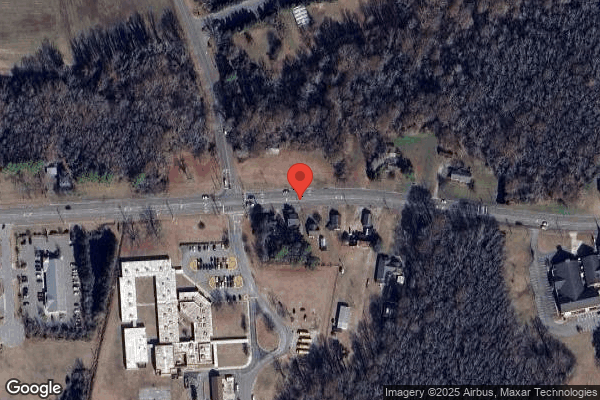
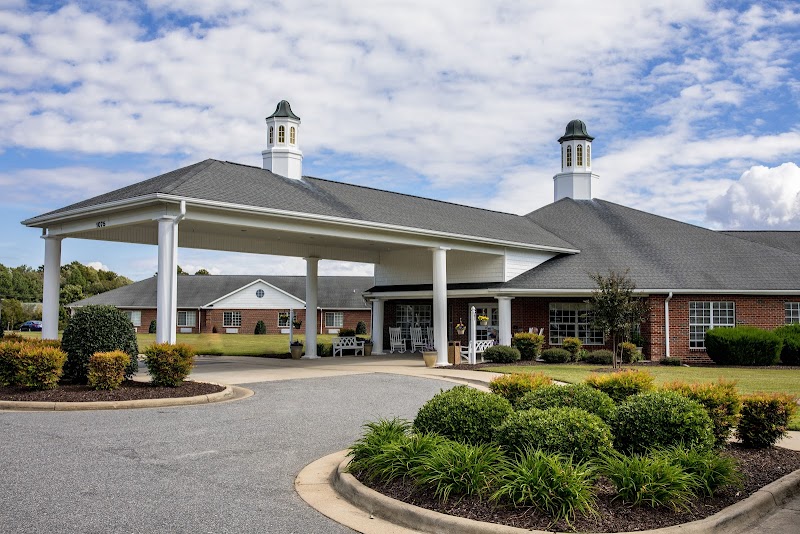
1075 US Highway 17 South, Elizabeth City, NC 27909 (252) 338-3975
For profit - Individual 170 Beds SANSTONE HEALTH & REHABILITATION Data: November 2025 3 Immediate Jeopardy citations
Trust Grade
0/100
#246 of 417 in NC
Last Inspection: June 2025

Inspected within the last 6 months. Data reflects current conditions.

Overview

Elizabeth City Health and Rehabilitation has received a Trust Grade of F, indicating significant concerns about the quality of care provided. Ranking #246 out of 417 facilities in North Carolina places it in the bottom half, and even though it is ranked #1 of 2 in Pasquotank County, the options are limited. While the facility is showing signs of improvement with issues decreasing from three to one over recent years, it still has a concerning number of fines amounting to $93,353, which is higher than 77% of similar facilities. Staffing is a relative strength, with a turnover rate of 31% that is below the state average, though RN coverage is lacking compared to 87% of facilities in the state. Specific incidents of concern include failures to properly monitor a resident's blood glucose levels, leading to critical emergencies, which raises serious questions about the competency in managing diabetic care. Overall, while there are some positive aspects, the significant deficiencies and critical incidents are alarming for families considering this facility for their loved ones.

Trust Score
F
0/100
In North Carolina
#246/417
Bottom 42%
Safety Record
High Risk
Review needed
Inspections
Getting Better
3 → 1 violations
Staff Stability
○ Average
31% turnover. Near North Carolina's 48% average. Typical for the industry.
Penalties
✓ Good
$93,353 in fines. Lower than most North Carolina facilities. Relatively clean record.
Skilled Nurses
⚠ Watch
Each resident gets only 19 minutes of Registered Nurse (RN) attention daily — below average for North Carolina. Fewer RN minutes means fewer trained eyes watching for problems.
Violations
⚠ Watch
22 deficiencies on record. Higher than average. Multiple issues found across inspections.
★★☆☆☆
2.0
Overall Rating
★★★☆☆
3.0
Staff Levels
★★★★☆
4.0
Care Quality
★★☆☆☆
2.0
Inspection Score
Stable
2024: 3 issues
2025: 1 issues

The Good

  • 4-Star Quality Measures · Strong clinical quality outcomes
  • Full Sprinkler Coverage · Fire safety systems throughout facility
  • No fines on record
  • Staff turnover below average (31%)

    17 points below North Carolina average of 48%

Facility shows strength in quality measures, fire safety.

The Bad

2-Star Overall Rating

Below North Carolina average (2.8)

Below average - review inspection findings carefully

Staff Turnover: 31%

15pts below North Carolina avg (46%)

Typical for the industry

Federal Fines: $93,353

Well above median ($33,413)

Moderate penalties - review what triggered them

Chain: SANSTONE HEALTH & REHABILITATION

Part of a multi-facility chain

Ask about local staffing decisions and management

The Ugly 22 deficiencies on record

3 life-threatening 2 actual harm
Jun 2025 1 deficiency
MINOR (B)

Minor Issue - procedural, no safety impact

Assessment Accuracy (Tag F0641)

Minor procedural issue · This affected multiple residents

**NOTE- TERMS IN BRACKETS HAVE BEEN EDITED TO PROTECT CONFIDENTIALITY** Based on record review and staff interviews, the facility failed to accurately code the Minimum Data Set Assessment (MDS) for 1 ...

Read full inspector narrative →
**NOTE- TERMS IN BRACKETS HAVE BEEN EDITED TO PROTECT CONFIDENTIALITY** Based on record review and staff interviews, the facility failed to accurately code the Minimum Data Set Assessment (MDS) for 1 of 31 sampled residents (Resident #42) reviewed for MDS accuracy. The findings included: Resident #42 was admitted to the facility on [DATE]. A nursing progress note dated 04/02/2025 revealed Resident #42 was admitted to the facility with a pressure wound located on her right ankle. The admission MDS assessment dated [DATE] coded Resident #42 as having 1 unhealed, unstageable pressure ulcer, not present on admission. An interview was completed on 06/18/2025 at 2:35 PM with the MDS Nurse. The MDS Nurse verified the admission MDS dated [DATE] was inaccurate and the pressure wound should have been coded as present upon admission/entry or reentry to the facility. An interview was completed on 06/19/2025 at 1:13 PM with the facility Administrator. The Administrator stated it was her expectation that the MDS assessment should have been coded correctly and accurately reflected the Resident upon their admission to the facility.
Apr 2024 3 deficiencies
CONCERN (E)

Potential for Harm - no one hurt, but risky conditions existed

Menu Adequacy (Tag F0803)

Could have caused harm · This affected multiple residents

Based on observations of the meal service tray line, record review, interviews with the Registered Dietitian and staff, the facility failed to ensure residents on the 900 hall received the correct por...

Read full inspector narrative →
Based on observations of the meal service tray line, record review, interviews with the Registered Dietitian and staff, the facility failed to ensure residents on the 900 hall received the correct portion sizes based on the menu. This failure had the potential to affect 1 out of 9 halls. The findings included: Review of the document, Census List dated 4/4/24 revealed diets and consistency of food textures served for 24 residents on the 900 hall. The report indicated 19 residents received textured foods of a regular consistency, and 5 residents received mechanically soft foods. Review of the weekly menu revealed on 4/4/24 items served for lunch included pulled pork, braised cabbage, and roasted sweet potatoes. Review of the kitchen measurement chart revealed the perforated spoodle was equivalent to half a cup or 4 to 5 ounces. Review of the document, Production Sheet dated 4/4/24 included the portion sizes of food items listed on the lunch menu. For mechanically soft and regular textured diets, the pulled pork portion size was 4 ounces. A continuous observation of lunch meal service being prepared for residents was conducted on 4/4/24 from 11:37 AM through 12:20 PM. When serving the pulled pork, the [NAME] used a perforated spoodle to plate the meat and filled the utensil half full or less. The portions varied from plate to plate. When asked why she was not serving a sufficient portion size of the pulled pork, the [NAME] stated she was shaking off the excess grease from the spoodle when scooping the meat. The Dietary Manager then took the perforated spoodle from the [NAME] and showed her a full portion size of the pulled pork. He then removed all of the regular/mechanical consistency meal trays from the 900 hall meal cart that were served insufficient pulled pork. The Dietary Manager asked the [NAME] to provide the correct portion size of 4 ounces. An interview with the Dietary Manager was conducted on 4/04/24 at 12:20 PM. He revealed that he thought the [NAME] was nervous and may have served an insufficient portion size of the pulled pork as a result. However, the Dietary Manager stated that the [NAME] should have given the full portion size of 4 ounces for the pulled pork. The Registered Dietitian was interviewed on 4/05/24 at 9:43 AM. She revealed the portion size guide was included on the production sheets. If insufficient portion sizes occurred consistently, residents could possibly experience unintentional weight loss. She stated the [NAME] should have provided 4 ounce portions of pulled pork for all designated diets. During an interview with the Administrator on 4/05/24 at 8:09 AM, she revealed the Dietary Manager trained the kitchen staff on correct portion sizes. He corrected it in the moment, so that no resident received insufficient portion of the pulled pork. The Administrator stated the Dietary Manager and Assistant Dietary Manager should be auditing the service of portion sizes while in the kitchen. She indicated that the [NAME] should have provided a full serving of 4 ounces for the pulled pork.
MINOR (B)

Minor Issue - procedural, no safety impact

Transfer Notice (Tag F0623)

Minor procedural issue · This affected multiple residents

**NOTE- TERMS IN BRACKETS HAVE BEEN EDITED TO PROTECT CONFIDENTIALITY** 3. Resident #349 was admitted to the facility on [DATE]. Resident #349 was discharged to the hospital on 3/10/2024 due to a chan...

Read full inspector narrative →
**NOTE- TERMS IN BRACKETS HAVE BEEN EDITED TO PROTECT CONFIDENTIALITY** 3. Resident #349 was admitted to the facility on [DATE]. Resident #349 was discharged to the hospital on 3/10/2024 due to a change in condition and did not return to the facility. Record review of the admission and discharge report sent to the Ombudsman for the month of March 2024 revealed Resident #349's name was omitted from the list of residents who transferred to the hospital. During an interview on 4/03/24 at 3:26 pm with Social Worker #1 she stated she was responsible for the Ombudsman and notification for all residents that were transferred to the hospital. She confirmed Resident #349 was not listed on the report received from the facility. Social Worker #1 was unable to explain why Resident #349 was omitted from the report. A telephone interview with the Ombudsman on 4/5/2024 at 9:19 a.m. revealed Resident #349's name did not appear on the admission and Discharge report she received via facsimile on 4/3/2024. The Ombudsman stated she received a list of discharges from the facility monthly. An interview on 4/05/24 at 9:32 a.m. with the Administrator revealed the information initially provided by the facility was not the correct information. The Administrator stated she was unable to explain why the updated report the facility provided did not match the list provided to the Ombudsman. She further revealed the Social Worker was responsible for transmitting the discharge list to the Ombudsman each month. 2. Resident #94 was admitted to the facility on [DATE]. The nursing progress note dated 3/11/24 at 12:30 pm revealed Resident #94 was transferred to the hospital. Resident #94 returned to the facility on 3/15/24. Record review on 4/03/24 of the Ombudsman Discharge Notice for the month of March 2024 revealed Resident #94's discharge was not included in the report that was sent to the Ombudsman. During an interview on 4/03/24 at 3:26 pm Social Worker #1 reported she was responsible for the Ombudsman Notification report for all residents that were transferred to the hospital, and the report was sent to the Ombudsman on a monthly basis. Social Worker #1 confirmed Resident #94 was not listed on the report received from the facility. The Social Worker #1 was unable to state why Resident #94 was omitted from the report. Record review on 4/05/2024 of the updated Ombudsman Discharge Notice for the month of March 2024 documentation provided by the facility, revealed Resident #94's transfer was included on the report. A telephone interview was conducted on 4/05/24 at 9:19 am with the Ombudsman who revealed Resident #94's hospital transfer on 3/11/24 was not included on the notice that was received from the facility via fax on 4/03/24. An interview on 4/05/24 at 12:24 pm with the Administrator revealed the information initially provided by the facility was not the correct information. The Administrator stated she was unable to explain why the updated report the facility provided did not match the list provided to the Ombudsman. Based on record review, staff interviews, and Ombudsman interview, the facility failed notify the Ombudsman in writing of the resident's transfer to the hospital for 3 of 4 residents reviewed for hospitalization (Resident #92, Resident #94, and Resident #349). The findings included: 1. Resident #92 was admitted to the facility on [DATE]. The quarterly Minimum Data Set assessment dated [DATE] revealed Resident #92 was severely cognitively impaired. Review of Resident #92's progress notes revealed the Resident was transferred to the hospital on 2/28/2024 and was readmitted to the facility on [DATE]. The review further revealed Resident #92 was transferred to the hospital on 3/19/2024, was readmitted to the facility on [DATE], and was again transferred to the hospital on 3/30/2024 and readmitted to the facility on [DATE]. Review of Resident #92's medical record on 4/3/2024 revealed no documentation in the medical record that the Ombudsman was notified of the transfers to the hospital. A review completed on 4/3/2024 of the admission and Discharge Report sent to the Regional Ombudsman for the months of February 2024 and March 2024 revealed Resident #92's name was not listed on the reports. A review completed of updated admission and Discharge Reports for February 2024 and March 2024 provided on 4/5/2024 by the facility revealed Resident #92's name was included on both reports. An interview completed on 4/5/2024 at 9:19am with the Ombudsman revealed Resident #92's name did not appear on the February 2024 admission and Discharge Report she received via fax on 3/6/2024. The Ombudsman stated Resident #92's name also did not appear on the March 2024 admission and Discharge Report she received via fax on 4/3/2024. An interview completed on 4/05/24 at 9:32 a.m. with the Administrator revealed the information initially provided by the facility was not the correct information. The Administrator stated she was unable to explain why the updated report the facility provided did not match the list provided to the Ombudsman. She further revealed the Social Worker was responsible for transmitting the discharge list to the Ombudsman each month.
MINOR (B)

Minor Issue - procedural, no safety impact

QAPI Program (Tag F0867)

Minor procedural issue · This affected multiple residents

Based on record review, staff interviews, and Ombudsman interview, the facility's Quality Assessment and Assurance (QAA) Committee failed to maintain implemented procedures and monitor the interventio...

Read full inspector narrative →
Based on record review, staff interviews, and Ombudsman interview, the facility's Quality Assessment and Assurance (QAA) Committee failed to maintain implemented procedures and monitor the interventions the committee put into place following the 1/27/23 recertification and complaint investigation survey. This was for two recited deficiencies on the current recertification and complaint investigation survey of 4/05/24 in the areas of Notice Requirements Before Transfer/Discharge (F623) and Accuracy of Assessments (F641). The continued failure during two federal surveys of record shows a pattern of the facility's inability to sustain an effective QAA program. The findings included: This tag is cross-referenced to: F623: Based on record review, staff interviews, and Ombudsman interview, the facility failed notify the Ombudsman in writing of the residents transfer to the hospital for 3 of 4 residents reviewed for hospitalization (Resident #92, Resident #94, and Resident #349). During the 1/27/23 recertification and complaint investigation survey the facility failed to notify the Ombudsman in writing for residents transferred to hospital. F641: Based on record review and staff interviews, the facility failed to accurately code the Minimum Data Set (MDS) assessment accurately in the area of discharge status for 1 of 29 resident assessments reviewed (Resident #148). During the 1/27/23 recertification and complaint investigation survey the facility failed to code the MDS assessment accurately for residents reviewed for nutrition. An interview was conducted on 4/05/24 at 12:24 pm with the Administrator who reported the previous administrative team completed the education and auditing and resolved the plan of corrections for the deficient practices and the facility had not identified any concerns prior to the current survey.
Nov 2023 5 deficiencies 3 IJ
CRITICAL (J) 📢 Someone Reported This

A family member, employee, or ombudsman was alarmed enough to file a formal complaint

Immediate Jeopardy (IJ) - the most serious Medicare violation

Notification of Changes (Tag F0580)

Someone could have died · This affected 1 resident

**NOTE- TERMS IN BRACKETS HAVE BEEN EDITED TO PROTECT CONFIDENTIALITY** Based on record review, staff interviews, and Medical Director interview the facility failed to notify the physician of administ...

Read full inspector narrative →
**NOTE- TERMS IN BRACKETS HAVE BEEN EDITED TO PROTECT CONFIDENTIALITY** Based on record review, staff interviews, and Medical Director interview the facility failed to notify the physician of administering long-acting insulin to Resident # 1 who had not consumed dinner and had a blood glucose level of 89 mg/dL (milligrams per deciliter). The facility failed to notify the physician after significant changes in condition for Resident #1 which included: obtaining a blood glucose level of 29 mg/dL (a normal blood glucose level range is 70 to 99 mg/dL) requiring the administration of glucagon (a manmade version of a hormone made by the pancreas that raises blood glucose levels); and obtaining a blood glucose level of 27 mg/dL, and the inability to administer glucagon to the Resident during a medical emergency. Resident #1 was one of one resident reviewed for notification of the physician. Emergency Medical Services (EMS) was contacted to take Resident #1 to the emergency room on [DATE] for hypoglycemia (low blood glucose). EMS treated Resident #1 with 1 mg glucagon intermuscular. Upon arrival at the hospital, a repeat glucose level of 24 mg/dL was taken, and 50 % Dextrose was intravenously administered along with a renal diet consumed orally. Immediate Jeopardy began on 11/12/2023 when the facility obtained Resident #1's blood glucose level of 29 mg/dL and administered glucagon without notifying the physician of the significant change. Immediate jeopardy was removed on 11/20/2023 when the facility provided and implemented an acceptable credible allegation of immediate jeopardy removal. The facility will remain out of compliance at a lower scope and severity level D to ensure education is completed and monitoring systems put in place are effective. Findings included: Resident #1 was admitted to the facility on [DATE] with cumulative diagnoses some which included Type 2 Diabetes Mellitus, and end stage renal disease. Resident #1 had a physician's order initiated on 11/8/2023 for Accu-checks twice a day at 6:00 AM and 9:00 PM to measure blood glucose levels. Resident #1 also had a physician's order initiated on 11/8/2023 for Levemir U-100 (insulin) to be administered subcutaneously in the amount of 20 units at 9:00 PM daily. Levemir is a long-acting insulin that starts to work several hours after injection and keeps working evenly for up to 24 hours. Documentation on a food consumption record revealed on 11/11/2023 Resident #1 did not consume any dinner. Documentation on the Medication Administration record (MAR) written by Nurse #6 revealed Resident #1 had a blood glucose level of 89 mg/dL on 11/11/2023 at 9:00 PM. Documentation on the MAR revealed Resident #1 was administered 20 units of insulin subcutaneously in the abdomen at 9:00 PM on 11/11/2023 by Nurse #6. Nurse #6 was interviewed on 11/17/2023 at 1:41 PM and relayed the following information. Nurse #6 worked in the facility on 11/11/2023 from 3:00 PM to 11:00 PM. Resident #1 was a new resident in the facility and Nurse #6 brought him the evening meal tray. Nurse #6 stated she set up the meal tray for Resident #1 and then left him to eat in his room after he expressed, he did not require assistance to eat. When Nurse #6 went back to pick up the tray she noted Resident #1 did not eat more than a few bites. Nurse #6 turned over the room assignment for Resident #1 to Nurse #3 at some point in the evening and conveyed to Nurse #3, Resident #1 had not eaten the evening meal. Nurse #6 had considered not giving the 9:00 PM dose of Levemir to Resident #1. Nurse #6 explained she decided she felt comfortable giving the long-acting insulin and she did not have an order to hold the insulin for a blood glucose level below a certain level. Documentation in the nursing notes for 11/12/2023 at 3:51 AM written by Nurse #3 revealed, Resident [#1] screaming out loud and thrashing around in the bed pushing back at staff trying to give him help. Resident [#1] was also sweating profusely. This nurse was able to check resident's blood [glucose] and the result was 29 [mg/dL]. Using standing orders for glucagon emergency kit for low blood [glucose] one single dose 1 [milliliter subcutaneously] was given. Will recheck blood [glucose] in 15 minutes. A note was left in the provider's communication book. Documentation in the nursing notes for 11/12/2023 at 4:26 AM written by Nurse #3 revealed, Blood [glucose] at this time is 102 [mg/dL] resident is calm and is not in distress, call bell within reach. Nurse #3 was interviewed on 11/16/2023 at 7:15 PM. Nurse #3 relayed the following information. Nurse #3 was called to the room of Resident #1 by Nurse Aide (NA) #1 who was attempting to provide care to Resident #1. Resident #1 was thrashing around in the bed and would not allow NA #1 to provide care. It occurred to Nurse #3 that Resident #1 was a diabetic and Resident #1 allowed her to check his blood glucose level. The blood glucose level was 29 (mg/dL). Nurse #3 obtained glucagon from the automated medication dispensing system and administered it to the resident. Twenty to thirty minutes later Nurse #3 checked the blood glucose level of Resident #1, and it was 102 (mg/dL). Nurse #3 stated, I was happy with that, and he was good. Nurse #3 did not think the physician needed to be called or notified immediately unless she was sending Resident #1 to the hospital. Documentation in the nursing notes for Resident #1 on 11/12/2023 at 7:49 AM written by Nurse #2 revealed, [Blood glucose] has dropped to 27 [mg/dL] [at] 7 AM unable to get [blood glucose] up tried to give apple sauce and was unable to swallow. No other attempts due to not swallowing. Called 911 to send to [emergency room]. Just left the [building] with [the] patient. [Responsible party] was made aware. Nurse #2 was interviewed on 11/16/2023 at 6:45 PM. Nurse #2 confirmed the 11/12/23 blood glucose of 27 (mg/dL) was an emergency and Resident #1 needed to be sent immediately to the hospital via emergency medical services (EMS). Nurse #2 stated she did not call or notify the physician Resident #1 was sent to the hospital, but she thought Nurse #4, who was assisting her in sending Resident #1 to the hospital, had sent the physician a text message. Nurse #4 was interviewed on 11/16/2023 at 7:41 PM. Nurse #4 stated she had never personally contacted the physician and did not send a text message to the physician on the morning of 11/12/2023 regarding Resident #1 going to the hospital. Nurse #4 explained that during the weekdays the facility had a nurse practitioner with whom she communicated information, or she would tell the supervisor of any concerns with the residents so the supervisor would contact the physician. Documentation on an EMS incident report dated 11/12/2023 for a call received at 7:26 AM revealed Resident #1 had a blood glucose reading of 27 mg/dL. The report also indicated the EMS staff administered 1 mg of glucagon in his left shoulder muscle and was placed on oxygen via a nasal cannula while in route to the hospital. Documentation on a hospital emergency Discharge summary dated [DATE] revealed the following information. A repeat blood glucose level, taken upon arrival of Resident #1 to the hospital, was 24 mg/dL. Resident #1 was administered 50% dextrose intravenously as well as a renal diet in the emergency room. Resident #1 became hypothermic with a temperature of 94.4 degrees Fahrenheit secondary to prolonged hypoglycemia, for which he received a warming blanket to return his temperature to 98.4 degrees Fahrenheit. Resident #1 was discharged back to the facility on [DATE] at 12:39 PM. The Director of Nursing (DON) was interviewed on 11/17/2023 at 12:45 PM. The DON stated that the physician should always be called if there was ever any doubt in a physician's order. The DON further explained that every diabetic had a different reaction or level of tolerance for insulin and hypoglycemia/hyperglycemia. The DON did not feel like the Physician needed to be contacted immediately after Nurse #3 administered glucagon to Resident #1 because Resident #1 normalized with a blood glucose of 102 mg/dL and breakfast was going to be served soon. The DON stated the facility did not have any policies and procedures for the treatment of hypoglycemia other than the standing orders. The DON confirmed the Physician should always be notified after a resident was sent to the hospital in an emergency. Documentation in the Facility Standing Orders, dated as last revised on 5/1/2023, revealed in part for treatment of hypoglycemia, If a resident is unresponsive with blood [glucose] below 60 [mg/dL], give glucagon 1 mg [intramuscularly] [immediately] and notify [Medical Doctor] after administering glucagon. The Medical Director was interviewed on 11/17/2023 at 12:57 PM. The Medical Director stated he would have expected Nurse #6 to seek clarification of the physician's order for the long-acting insulin Levemir with the knowledge Resident #1 did not eat the evening meal and had a blood glucose level of 89 mg/dL. The Medical Director stated it was his expectation that the long-acting insulin should be held if the blood glucose level of the resident was less than 130 mg/dL. The Medical Director further stated he should have been called by Nurse #6 and he would have ordered Nurse #6 not to give the long-acting insulin Levemir to Resident #1 at 9:00 PM on 11/11/2023. The Medical Director confirmed he was not contacted after Nurse #3 administered glucagon to Resident #1 for a blood glucose level of 29 mg/dL nor was he notified after Resident #1 was sent to the hospital for a blood glucose level of 27 mg/dL. The Medical Director stated he did not find out about the events of the morning of 11/12/2023 for Resident #1 until he arrived at the facility on 11/13/2023 to do an admission assessment for Resident #1. The Medical Director revealed on 11/13/2023 he ordered for the 9:00 PM dose of Levemir for Resident #1 to be held if his blood glucose level was less than 130 mg/dL and his blood glucose levels to be checked three times a day. The Medical Director also revealed the facility nursing staff always had access to telehealth physicians for notification or clarification purposes. The facility Administrator was informed of Immediate Jeopardy on 11/19/2023 at 10:55 AM. The facility provided the following credible allegation of immediate jeopardy removal: o Identify those recipients who have suffered, or are likely to suffer, a serious adverse outcome as a result of the noncompliance. On 11/12/23, the facility failed to notify the Physician of a change in condition when Resident #1 had a blood glucose level of 29 and glucagon was administered at 3:53 AM and failed to notify the physician of a change in Resident #1's condition when a blood glucose level of 27 was obtained at 7:00 AM and the inability to administer glucagon requiring Resident #1 to be sent to the emergency room. On 11/19/23 the Director of Nursing and the Unit Managers reviewed residents who have had a change of condition during the last 30 days using the 24-hour report. The 24-hour report was reviewed for indicators of a change such as not at baseline, not normal for resident, low blood sugars, lethargic, shortness of breath, new onset pain, etc. No new concerns found. o Specify the action the entity will take to alter the process or system failure to prevent a serious adverse outcome from occurring or recurring, and when the action will be complete. Beginning 11/19/23 The Director of Nursing, Assistant Director of Nursing and Nursing Leadership educated Licensed Nurses regarding the requirements for notification of the Physician following a change of condition and to seek clarification for insulin administrator when a resident isn't eating. The Director of Nursing, Assistant Director of Nursing and Nursing Leadership educated Nursing Assistants on identifying a change in resident condition and reporting to the Licensed Nurse immediately. Verbal education was given when a change of condition is noted or when a resident presents different than known baseline, lethargic, restless or short of breath, low blood sugars, and administering insulin when a resident doesn't eat to call the physician, even if during the night when there is a serious or life-threatening change of condition. Education was provided to the nurses regarding the medical director's parameters for all residents on long-acting insulin to hold for a blood sugar of less than 130. The nurse will transcribe the parameter orders to the medication administration record. Including in the education was notification of the physician for blood glucose levels that are outside the parameters. Guideline for treating hypoglycemia for residents that are alert, able to swallow and eat and residents that are unresponsive and/or not able to drink or eat. Guidelines include immediate notification of the physician regarding treatment of hypoglycemia that requires glucagon administration. The Director of Nursing will ensure no staff will work without receiving this education. Any new hires, including agency staff, will receive education prior to the start of their shift. It will be the responsibility of the Director of Nursing to ensure this is completed. The Administrator and Director of Nursing are responsible for the implementation and completion of the removal plan. Alleged Immediate Jeopardy removal date: 11/20/23. The credible allegation for immediate jeopardy removal was validated onsite on 11/22/23. Staff interviews and record review verified licensed nurses were educated on the facility policy regarding the requirements for notification of the Physician following a change of condition and to seek clarification for insulin administration when a resident wasn't eating. It included educating Nursing Assistants on identifying a change in resident condition and reporting to the Licensed Nurse immediately. Education was given when a change of condition is noted or when a resident presents different than known baseline, lethargic, restless, or short of breath, low blood sugars, and administering insulin when a resident doesn't eat to call the physician, even if during the night when there is a serious or life-threatening change of condition. Education was provided to the nurses regarding the Medical Director's parameters for all residents on long-acting insulin to hold for a blood sugar of less than 130 mg/dL. The immediate jeopardy removal date of 11/20/23 was validated.
CRITICAL (J) 📢 Someone Reported This

A family member, employee, or ombudsman was alarmed enough to file a formal complaint

Immediate Jeopardy (IJ) - the most serious Medicare violation

Quality of Care (Tag F0684)

Someone could have died · This affected 1 resident

**NOTE- TERMS IN BRACKETS HAVE BEEN EDITED TO PROTECT CONFIDENTIALITY** Based on record review, staff interviews, Pharmacy Nurse Consultant interview, Pharmacist interview, and Medical Director interv...

Read full inspector narrative →
**NOTE- TERMS IN BRACKETS HAVE BEEN EDITED TO PROTECT CONFIDENTIALITY** Based on record review, staff interviews, Pharmacy Nurse Consultant interview, Pharmacist interview, and Medical Director interview, the facility gave long-acting insulin to Resident #1 who had a blood sugar reading of 89 milligrams/deciliter (mg/dL) and had not eaten the dinner meal; failed to monitor the resident for any signs and symptoms of hypoglycemia (low blood glucose) after insulin administration; failed to monitor and complete ongoing thorough assessments by rechecking a blood glucose level as ordered after a hypoglycemic event requiring the intervention of glucagon (used to treat very low blood glucose); and failed to effectively respond to a medical emergency of hypoglycemia for one (Resident #1) of three residents reviewed for diabetes care. Emergency Medical Services (EMS) was contacted to take Resident #1 to the emergency room on [DATE] for hypoglycemia. EMS treated Resident #1 with 1 milligram glucagon intramuscularly. Upon arrival at the hospital, a repeat glucose level resulted in a blood glucose of 24 (mg/dL), and 50 % Dextrose was intravenously administered along with a renal diet consumed orally. (A normal blood glucose level range is 70 to 99 mg/dL.) Immediate Jeopardy began on 11/12/2023 when the facility failed to identify the seriousness of the symptoms of hypoglycemia and the need for ongoing assessments after obtaining Resident #1's blood glucose level of 29 mg/dL and failed to immediately initiate emergency medical services for a medical emergency. Immediate jeopardy was removed on 11/20/2023 when the facility provided and implemented an acceptable credible allegation of immediate jeopardy removal. The facility will remain out of compliance at a lower scope and severity level D to ensure education is completed and monitoring systems put in place are effective. Findings included: Resident #1 was admitted to the facility on [DATE] with cumulative diagnoses some which included Type 2 Diabetes Mellitus, and end stage renal disease. Resident #1 received dialysis services while he was a resident at the facility. Documentation on the admission nursing assessment dated [DATE] indicated Resident #1 was alert, verbal, and able to take his medication whole and by mouth. Resident #1 had a physician's order initiated on 11/8/2023 for Levemir U-100 (insulin) to be administered subcutaneously in the amount of 20 units at 9:00 PM daily. Levemir is a long-acting insulin that starts to work several hours after injection and keeps working evenly for up to 24 hours. Resident #1 had a physician's order initiated on 11/8/2023 for Accu-checks twice a day at 6:00 AM and 9:00 PM to measure blood glucose levels. There was no order for an evening snack for Resident #1 from 11/8/2023 to 11/12/2023. Documentation in the Facility Standing Orders, dated as last revised on 5/1/2023, revealed in part for treatment of hypoglycemia, If a resident is unresponsive with blood [glucose] below 60 (mg/dL), give glucagon 1 mg [intramuscularly] [immediately] and notify [Medical Doctor] after administering glucagon. Documentation on a food consumption record revealed on 11/11/2023 Resident #1 consumed 76-100% of his breakfast, 26-50% of his lunch, and did not consume any dinner. Documentation on the Medication Administration record (MAR) revealed Resident #1 had a blood glucose level of 89 milligrams/deciliter (mg/dL) on 11/11/2023 at 9:00 PM. Documentation on the MAR revealed Resident #1 was administered 20 units of insulin subcutaneously in the abdomen at 9:00 PM on 11/11/2023 by Nurse #6. Nurse #6 was interviewed on 11/17/2023 at 1:41 PM and relayed the following information. Nurse #6 worked in the facility on 11/11/2023 from 3:00 PM to 11:00 PM. Resident #1 was a new resident in the facility and Nurse #6 brought him the evening meal tray at approximately 5:30 PM. Nurse #6 stated she set up the meal tray for Resident #1 and then left him to eat in his room after he expressed, he did not require assistance to eat. When Nurse #6 went back to pick up the tray she noted Resident #1 did not eat more than a few bites. Nurse #6 turned over the room assignment for Resident #1 to Nurse #3 at some point in the evening and conveyed to Nurse #3, Resident #1 had not eaten the evening meal. Nurse #6 had considered not giving the 9:00 PM dose of Levemir to Resident #1 but, Nurse #6 explained she felt comfortable giving the long-acting insulin as she did not have an order to hold the insulin for a blood glucose level below a certain level. Documentation in the nursing notes written by Nurse #3 dated 11/12/2023 at 2:23 PM stated, Resident (#1) was combative with staff when attempting to give care. Resident was making a fist and shaking it at this nurse. This nurse asked if he wanted to beat me up and he stated no. This nurse asked resident if he wanted me to call his son or daughter and he calmed down and let staff give him care. Resident is calm and resting in bed with no signs of distress, call bell left within reach. NA #1 was interviewed on 11/16/2023 at 7:28 PM and provided the following information. NA #1 was assigned to care for Resident #1 from 7:00 PM on 11/11/2023 to 7:00 AM on 7/12/2023. NA #1 did not recall if Resident #1 had an evening snack on 11/11/2023. NA #1 went to check on Resident #1 at approximately 3:30 AM on 11/12/2023 and found he had scooted down to the end of the bed. NA #1 needed help to pull Resident #1 up in the bed because he was thrashing around in the bed. Resident #1 kept moving around and would not allow NA #1 to provide incontinent care. Nurse #3 came in the room to assist NA #1 to provide incontinent care because it took two people to provide incontinent care due to him moving around. Nurse #3 then told NA #1 she was going to check the blood glucose level of Resident #1. NA #1 stayed in the room while Nurse #3 obtained the blood glucose level and remained in the room while Nurse #3 went to get glucagon because Nurse #3 did not think Resident #1 should be left alone. When Nurse #3 returned to the room of Resident #1, NA #1 left the room and returned to caring for her other assigned residents. NA #1 checked on Resident #1 again at the end of her shift and recalled Resident #1 did not want to be bothered, pulling the sheet up telling her No. Documentation in the nursing notes for 11/12/2023 at 3:51 AM written by Nurse #3 revealed, Resident [#1] screaming out loud and thrashing around in the bed pushing back at staff trying to give him help. Resident [#1] was also sweating profusely. This nurse was able to check resident's blood [glucose] and the result was 29 [mg/dL]. Using standing orders for glucagon emergency kit for low blood [glucose] one single dose 1 [milliliter subcutaneously] was given. Will recheck blood [glucose] in 15 minutes. A note was left in the provider's communication book. Documentation in the nursing notes for 11/12/2023 at 4:26 AM written by Nurse #3 revealed, Blood [glucose] at this time is 102 [mg/dL] resident is calm and is not in distress, call bell within reach. Nurse #3 was interviewed on 11/16/2023 at 7:15 PM. Nurse #3 relayed the following information. Nurse #3 worked the nursing shift of 7:00 PM on 11/11/2023 to 7:00 AM on 11/12/2023. Nurse #3 revealed when she was first called to the room of Resident #1 at approximately 2:20 AM, he would not calm down. Nurse #3 was again called to the room of Resident #1 around 4:00 AM, by Nurse Aide (NA) #1 who was attempting to provide care to Resident #1. Resident #1 was thrashing around in the bed and would not allow NA #1 to provide care. It occurred to Nurse #3 that Resident #1 was a diabetic and Resident #1 allowed her to check his blood glucose level. The blood glucose level was 29 mg/dL. Nurse #3 obtained glucagon from the automated medication dispensing cabinet and administered it to Resident #1. Twenty to thirty minutes later Nurse #3 checked the blood glucose level of Resident #1, and it was 102 mg/dL. Nurse #3 stated, I was happy with that, and he was good. Nurse #3 revealed she offered Resident #1 the oatmeal cookie that was on his bedside table, but he declined before returning to sleep. Nurse #3 did note Resident #1 was sleeping comfortably and did not have any more behaviors before she left at 7:00 AM. Nurse #3 reiterated that Resident #1 was asleep when she looked into his room, and she did not disturb him prior to the end of her nursing shift. Nurse #3 did not think the physician needed to be called or notified immediately unless she was sending Resident #1 to the hospital. Documentation on the MAR by Nurse #3 revealed Resident #1 had a blood glucose level of 102 mg/dL on 11/12/2023 at 6:00 AM. Nurse #3 was interviewed again on 11/17/2023 at 4:45 PM. Nurse #3 revealed she did not check the blood glucose level of Resident #1 at 6:00 AM on 11/12/2023 as ordered, but used the blood glucose level she obtained at approximately 4:20 AM for her documentation on the MAR. Documentation in the nursing notes for Resident #1 on 11/12/2023 at 7:49 AM written by Nurse #2 revealed, [Blood glucose] has dropped to 27 [mg/dL at] 7 AM unable to get [blood glucose] up tried to give apple sauce and was unable to swallow. No other attempts due to not swallowing. Called 911 to send to [emergency room]. Just left the [building] with [the] patient. [Responsible party] was made aware. NA #4 was interviewed on 11/17/2023 at 10:13 AM. NA #4 described the following information. NA #4 stated that she worked the 7:00 AM to 7:00 PM shift on 11/12/2023 and was assigned to care for Resident #1. NA #4 revealed she heard in report from NA #1 that Resident #1 was moaning in pain all night. NA #4 indicated she went directly to the room of Resident #1 at the start of her shift. NA #4 described Resident #1 as moaning, moving all over the bed, in a cold nasty sweat, teeth clenched tight, foaming at the mouth, and with eyes that were looking right through her. NA #4 stated she hollered for Nurse #2 to come immediately. NA #4 stated Nurse #2 and Nurse #4 came to the room immediately. The nurses took the blood glucose of Resident #1, and it was 27 (mg/dL). Nurse #2 announced that around 4:00 AM the blood glucose of Resident #1 had dropped, and he had been given glucagon. One of the nurses tried to give Resident #1 some applesauce but his mouth was clenched tight, and he was moving all over the place. One nurse left the room and the other nurse stayed in the room. Nurse #5 was in and out of the room. NA #2 and NA #5 came to the room of Resident #1 to help keep him in bed. NA #4 stated, It seemed like nobody could get their hands on some glucagon. Finally, Nurse #4 announced Resident #1 was going to the emergency room. NA #4 revealed Nurse #2 checked his blood glucose again and it was 24 mg/dL. NA #4 explained she was just trying to keep Resident #1 from falling out of the bed and trying to keep him awake because he was fading in and out. The facility Pharmacist was interviewed on 11/17/2023 at 12:09 PM. The Pharmacist revealed that after glucagon was administered a repeat blood glucose level should be checked after 15 minutes and another dose of 1 mg glucagon could be administered if the blood glucose had not returned to normal. The Pharmacist confirmed 1 mg of glucagon should be administered if the blood glucose level was in the 20's and it was potentially life threatening if immediate action was not taken. The Pharmacist explained the supply of glucagon can change, and glucagon was available in various forms for administration. One form of glucagon was in a kit which contains a vial of glucagon along with a syringe for immediate administration. Another form of glucagon was a vial of sterile glucagon which needed to be reconstituted with a syringe and a vial of sterile diluent. The Pharmacist confirmed all the glucagon kits came with instructions. The Pharmacist also revealed the automated medication dispensing systems also contained an oral glucose gel that could be put underneath the lip. Nurse #2 was interviewed on 11/16/2023 at 6:45 PM. Nurse #2 described the following events as happening on the morning of 11/12/2023 after she arrived at the start of her shift at 7:00 AM. Nurse #2 received report and was counting of the medications on the medication cart with Nurse #3. During the receiving of the report, Nurse #3 explained to Nurse #2 that she had to give Resident #1 glucagon for a hypoglycemic episode that occurred at approximately 4:00 AM but that his blood glucose returned to normal. Nurse #2 asked Nurse #3 if Resident #1 had eaten anything or had anything to drink after receiving the glucagon and she was told he had not. Nurse #2 revealed she thought to herself she would have to check his blood glucose. Nurse #2 stated as soon as Nurse #3 left the facility, a nurse aide called out that Resident #1 needed help. Nurse #2 and Nurse #4 went to the room of Resident #1. Nurse #2 saw that Resident #1 was sweaty, shaking violently and moving his limbs all over the bed. Nurse #2 checked his blood glucose and saw that it was 27 mg/dL. Nurse #2 attempted to give Resident #1 some applesauce, but his mouth was clenched shut. Nurse #2 stayed with Resident #1 while Nurse #4 went to get the glucagon from the medication room. Nurse #5 came to the room of Resident #1 and Nurse #2 asked her to stay while she went to the medication room. At this point Nurse #5 and three nurse aides were in the room with Resident #1. Nurse #2 then went to the medication room and signed into the automated medication dispensing cabinet. The automated medication dispensing cabinet showed that there were two different options of glucagon kits or boxes, and Nurse #2 was selecting the second option. At that point, Nurse #4 entered the medication room and told Nurse #2 she was getting the wrong glucagon kit/box. Nurse #2 did not remove a glucagon kit/box and when she attempted to select another glucagon kit/box option, the machine told her the option she previously choose was no longer available. Nurse #2 and Nurse #4 ran to the other side of the building together to find the correct glucagon kit/box that would only require one step instead of several steps to prepare the glucagon. When Nurse #2 and Nurse #4 arrived at the automated medication dispensing cabinet on other side of the building in the medication room, Nurse #4 told Nurse #2 that the machine did not have the type of glucagon kit/box that was needed either. On the way back to the hallway on which Resident #1 resided, Nurse #4 called the Director of Nursing (DON) to tell her there was no glucagon in the building. The DON told Nurse #4 the resident needed to be sent to the emergency room. Nurse #4 called 911 while Nurse #2 returned to the room of Resident #1 to take vital signs. Nurse #4 was interviewed on 11/16/2023 at 7:41 PM. Nurse #4 related that the following events happened on the morning of 11/12/2023 when she was working the 7:00 AM to 7:00 PM shift. Nurse #4 stated she heard one of the nursing aides calling for help and for Nurse #2 to hurry up. Nurse #4 went to the room of Resident #1 to see if she could help. Nurse #4 described Resident #1 as jerking hard and diaphoretic. Nurse #2 grabbed a glucometer off the nursing cart and when she took the blood glucose of Resident #1 it registered as Lo. (The screen display on the glucometer will read Lo when a blood glucose test result is below 20 mg/dL.) Nurse #2 left the room and went to obtain glucagon from the medication room while Nurse #4 stayed in the room of Resident #1. It seemed to Nurse #4 that it was taking Nurse #2 a long time to get the glucagon, so she left the room to find Nurse #2. Before Nurse #4 went into the medication room, she asked Nurse #5 to go to the room of Resident #1 to check on him. When Nurse #4 arrived in the medication room the automated medication dispensing cabinet locked up on Nurse #2 and it was a screen she had never seen before. Nurse #4 and Nurse #2 then ran to the other side of the building to attempt to get glucagon from the other medication room and the other automated medication dispensing cabinet. Nurse #2 searched for the glucagon in the automated medication dispensing cabinet and it was telling her there was no glucagon in that cabinet either. Nurse #4 was adamant it was Nurse #2 who was searching in the electronic medication dispensing system for the glucagon because it was her resident. Nurse #4 stated she called her DON to tell her the facility did not have any glucagon and Resident #1 had to be sent out. Nurse #4 revealed she called 911 while Nurse #2 returned to Resident #1 to get vital signs to give to EMS. Nurse #4 explained she prepared the paperwork required by EMS and then left Nurse #2 to handle everything else while she returned to her assigned hall. Nurse #5 was interviewed on 11/17/2023 at 9:09 AM. Nurse #5 stated she was working on the 7:00 AM to 7:00 PM shift on 11/12/2023. Nurse #5 stated she heard NA #4 calling for help so she went to the room of Resident #1. Nurse #5 stated when she entered the room Resident #1 was shaking uncontrollably and foaming at the mouth. Both Nurse #2 and Nurse #4 were in the room trying to give Resident #1 applesauce, but his mouth was closed shut. Nurse #5 stated that Nurse #2 and Nurse #4 both left the room together to get glucagon from the medication room. Nurse #5 stated when Nurse #2 and Nurse #4 returned they stated they were calling 911 because the facility did not have any glucagon. Nurse #5 revealed the paramedics arrived very quicky and Resident #1 never lost consciousness. Documentation on an EMS incident report dated 11/12/2023 for a call received at 7:26 AM revealed Resident #1 was found being held down by staff with a blood glucose reading of 27 mg/dL. The report also indicated the EMS staff administered 1 mg of glucagon in his left shoulder muscle and was placed on oxygen via a nasal cannula while in route to the hospital. Documentation on a hospital emergency Discharge summary dated [DATE] revealed the following information. A repeat blood glucose level, taken upon arrival of Resident #1 to the hospital, was 24 mg/dL. Resident #1 was administered 50% dextrose intravenously as well as a renal diet in the emergency room. Resident #1 became hypothermic with a temperature of 94.4 degrees Fahrenheit secondary to prolonged hypoglycemia, for which he received a warming blanket to return his temperature to 98.4 degrees Fahrenheit. Resident #1 was discharged back to the facility on [DATE] at 12:39 PM. An interview was conducted with the DON on 11/16/2023 at 8:09 PM. The DON stated that the facility pharmacy kept track of the medications in the automated medication dispensing cabinet, sending more medication if the cabinet ran low. The DON revealed the facility had three automated medication dispensing cabinets in the building and each had multiple doses of glucagon. The DON further revealed she received an email from the pharmacy on 11/8/2023 informing her she had too many glucagon doses in the automated medication dispensing cabinet to which she responded that she would like to have too many doses of glucagon in each automated medication dispensing cabinet. The DON also confirmed Nurse #4 called her on the morning of 11/12/2023 to tell her the facility did not have any glucagon to which she responded the facility did have glucagon but to send Resident #1 to the hospital. The nurse consultant representing the pharmacy was interviewed on 11/17/2023 at 10:30 AM. The nurse consultant explained that a part of his services to the facility were to audit the automated medication dispensing cabinet to assure the facility had enough medications as a backup and in emergencies. The nurse consultant was able to tell through the electronic record when, by who, and what was removed from the automated medication dispensing cabinet on 11/12/2023. The nurse consultant revealed the following information. On 11/12/2023 at 3:46 AM, Nurse #3 removed a 1 mg glucagon emergency kit for Resident #1 from the automated medication dispensing cabinet. The nurse consultant confirmed Nurse #3 removed the only glucagon 1 mg emergency kit containing a diluent syringe and a glucagon vial. On 11/12/2023 at 7:21 AM the electronic record showed, Nurse #2 removed a glucagon box for Resident #1 from the automated medication dispensing cabinet. The nurse consultant confirmed Nurse #2 selected the glucagon box that contained a diluent and a glucagon vial requiring the extra step of having to locate a syringe to reconstitute the glucagon. On 11/12/2023 at 7:25 AM, Nurse #2 logged into another automated medication dispensing cabinet on another hall, did not remove any medication, and the machine logged Nurse #2 out at 7:30 AM. The nurse consultant was able to tell from audit records before and after 11/12/2023 that each of the three automated medication dispensing cabinets in the facility had multiple 1 mg doses of glucagon available to the nurses on the morning of 11/12/2023. The facility Medical Director was interviewed on 11/17/2023 at 12:57 PM. The Medical Director stated he would have expected Nurse #6 to seek clarification of the physician's order for the long-acting insulin Levemir with the knowledge Resident #1 did not eat the evening meal and had a blood glucose level of 89 mg/dL. The Medical Director stated it was his expectation that the long-acting insulin should be held if the blood glucose level of the resident was less than 130 mg/dL. The Medical Director further stated he should have been called by Nurse #6 and he would have ordered Nurse #6 not to give the long-acting insulin Levemir to Resident #1 at 9:00 PM on 11/11/2023. The Medical Director stated he did not find out about the events of the morning of 11/12/2023 for Resident #1 until he arrived at the facility on 11/13/2023 to do an admission assessment for Resident #1. The Medical Director indicated someone should have been able to get glucagon for Resident #1 and should not have been running from hall to hall before calling EMS. The Medical Director revealed on 11/13/2023 he ordered for the 9:00 PM dose of Levemir for Resident #1 to be held if his blood glucose level was less than 130 mg/dL and his blood glucose levels to be checked three times a day. The facility Administrator was informed of Immediate Jeopardy on 11/19/2023 at 10:55 AM. The facility provided the following credible allegation of immediate jeopardy removal: Identify those recipients who have suffered, or are likely to suffer, a serious adverse outcome as a result of the noncompliance. Resident #1 was a diabetic resident who received dialysis services while a resident of the facility. The facility failed to obtain parameters for insulin orders for Resident #1 upon admission for when to hold long-acting insulin. On 11/11/23 Resident #1 received his long-acting insulin with a blood glucose level of 89 and he had not eaten dinner. On 11/12/23 the facility failed to monitor and recheck a blood glucose level for Resident #1 at 6:00 AM as ordered and after a hypoglycemic event requiring the intervention of Glucagon at 3:51 AM. A blood sugar taken at 4:26 AM of 102 was entered on the MAR as taken at 6:00 AM. The facility failed to effectively respond to a medical emergency when Resident #1 had a blood glucose level of 27 and was observed to be thrashing, moaning, sweating, and foaming at the mouth. Resident #1 was sent to the ER via Emergency Medical Services (EMS) for treatment of a blood glucose level of 27 upon their arrival at the facility. EMS treated Resident #1 with 1 milligram (mg) Glucagon. Upon arrival at the hospital a repeat glucose level of 24 was taken and Dextrose was given intravenously along with a renal diet consumed orally. Resident #1 was discharged back to the facility with a blood glucose level of 149. All residents with orders for insulin were at risk for this deficient practice. Record review was conducted by the Director of Nursing/Assistant Director of Nursing and Unit Manager on 11/19/23 of residents with insulin orders to ensure there were parameters for insulin, records were reviewed for any treatment of low glucose levels that were unreported, documented incorrectly and not monitored. No other residents were identified. Specify the action the entity will take to alter the process or system failure to prevent a serious adverse outcome from occurring or recurring, and when the action will be complete. The Director of Nursing, Assistant Director of Nursing and Regional Nurse began education on 11/19/2023, for Licensed nurses on the following with a posttest required to ensure understanding: Education was provided to the nurses regarding the medical director's parameters for all residents on long-acting insulin to hold for a blood sugar of less than 130. The nurse will transcribe the parameter orders to the medication administration record. Including in the education was notification of the physician for blood glucose levels that are outside the parameters. Preventing hypoglycemia and recognizing mild, moderate, and severe symptoms. Mild symptoms: hunger, sweating, clammy, dizziness, feeling light-headed, nausea, increased heart rate, blurry vision, mood change, tingling or numbness around the mouth, lips or tongue. Moderate symptoms: confusion, poor judgement, behavior changes, weakness, irregular heartbeat and change in coordination. Severe Symptoms: A severe low blood glucose level is a medically emergency and can present as loss of consciousness, fainting, seizures, frothing at the mouth and death. Guideline for treating hypoglycemia for residents that are alert, able to swallow and eat and residents that are unresponsive and/or not able to drink or eat. Guidelines include immediate notification of the physician regarding treatment of hypoglycemia that requires glucagon administration. Treatment of hypoglycemia: 15/15 Rule If blood glucose level is less than 70 and resident is alert and able to swallow give 4oz of fruit juice and 15gm of carbs. (peanut butter crackers, 1 tube of glucose gel) recheck in 15 minutes if blood glucose level has come up repeat 4oz fruit juice and 15gm carbs. Recheck in 15 minutes. If the resident is unresponsive and/or not able to drink or eat administer 1 mg/IM Glucagon stat, notify 911 and immediately notify MD. Following physician orders for monitoring blood glucose levels as ordered and notification of the physician when outside parameters. Education provided related to residents on dialysis are at increased risk. Anyone not receiving education will not be allowed to work until education has been completed. Education will be added to the new hire orientation for Licensed Nurses conducted by the DON or ADON by 11/19/2023. The DON will keep a list of all staff trained to ensure no staff work until training is completed. Date of alleged Immediate Jeopardy removal: 11/20/2023 The credible allegation for immediate jeopardy removal was validated on 11/22/2023. The credible allegation for immediate jeopardy removal was validated onsite on 11/22/23. Record review verified an audit was completed of residents with insulin orders to ensure there were parameters for insulin, records were reviewed for any treatment of low glucose levels that were unreported, documented incorrectly and not monitored. Staff interviews and record review verified licensed nurses were educated with a posttest required to ensure understanding of: medical director's parameters for all residents on long-acting insulin to hold for a blood sugar of less than 130; transcribing parameters; notification of the physician for blood glucose levels outside the parameters; preventing hypoglycemia and recognizing mild, moderate, and severe symptoms; guidelines for treating hypoglycemia; guidelines for immediate notification of physician regarding treatment of hypoglycemia that requires glucagon administration; and 911 notification is the resident is unresponsive and/or not able to drink or eat administer 1 mg/IM Glucagon stat, immediately notify 911 followed by notifying the MD. Education was also provided related to residents on dialysis being at increased risk. The immediate jeopardy removal date of 11/20/23 was validated.
CRITICAL (J) 📢 Someone Reported This

A family member, employee, or ombudsman was alarmed enough to file a formal complaint

Immediate Jeopardy (IJ) - the most serious Medicare violation

Deficiency F0726 (Tag F0726)

Someone could have died · This affected 1 resident

**NOTE- TERMS IN BRACKETS HAVE BEEN EDITED TO PROTECT CONFIDENTIALITY** Based on record review, staff, Pharmacist, Pharmacy Nurse Consultant, and Medical Director interviews the facility failed to dem...

Read full inspector narrative →
**NOTE- TERMS IN BRACKETS HAVE BEEN EDITED TO PROTECT CONFIDENTIALITY** Based on record review, staff, Pharmacist, Pharmacy Nurse Consultant, and Medical Director interviews the facility failed to demonstrate competency knowing what effective immediate interventions needed to be implemented for treatment of hypoglycemia (low blood glucose) and competency in obtaining life-saving medication from an automated medication dispensing system for one (Resident #1) of one resident reviewed for nursing competency. Emergency Medical Services (EMS) was contacted to take Resident #1 to the emergency room on [DATE] for hypoglycemia. EMS treated Resident #1 with 1 mg glucagon intermuscular. (Glucagon is a manmade version of a hormone made by the pancreas that raises blood glucose levels.) Upon arrival at the hospital, a repeat glucose level of 24 mg/dL (a normal blood glucose level is 70 to 90 milligrams per deciliter) was taken, and 50 % Dextrose was intravenously administered along with a renal diet consumed orally. Immediate Jeopardy began on 11/12/2023 when nursing staff failed to demonstrate competency in treatment of hypoglycemia and obtaining glucagon for Resident #1 who had a blood glucose level of 27 mg/dL. Immediate jeopardy was removed on 11/20/2023 when the facility provided and implemented an acceptable credible allegation of Immediate Jeopardy removal. The facility will remain out of compliance at a lower scope and severity level D to ensure education is completed and monitoring systems put in place are effective. Findings included: Resident #1 was admitted to the facility on [DATE] with cumulative diagnoses some of which included diabetes mellitus and end stage renal disease. Resident #1 was receiving dialysis services while he was in the facility. Documentation in the nursing progress notes for Resident #1 dated 11/12/2023 at 7:49 AM written by Nurse #2 revealed, [Blood glucose] has dropped to 27 [mg/dL] [at] 7 AM unable to get [blood glucose] up tried to give apple sauce and was unable to swallow. No other attempts due to not swallowing. Called 911 to send [Resident #1] to [Emergency room]. Just left the [building] with the patient. [Responsible Party] made aware. NA (Nurse Aide) #4, who was working the 7:00 AM to 7:00 PM shift on 11/12/2023, was interviewed on 11/17/2023 at 10:13 AM. NA #4 revealed she entered the room of Resident #1 on the morning of 11/12/2023 at approximately 7:00 AM. NA #4 described Resident #1 as moaning, moving all over the bed, in a cold nasty sweat, teeth clenched tight, foaming at the mouth, and with eyes that were looking right through her. NA #4 stated she hollered for Nurse #2 immediately. Nurse #2 was interviewed on 11/16/2023 at 6:45 PM. Nurse #2 described the following events as happening on the morning of 11/12/2023 after she arrived at the start of her shift at 7:00 AM. Nurse #2 received report from Nurse #3 that she had to give Resident #1 glucagon for a hypoglycemic episode that occurred at approximately 4:00 AM but that his blood glucose level returned to normal. Nurse #2 indicated she thought to herself she would have to check his blood glucose level. Nurse #2 revealed from her nursing experience and training, after a resident was given glucagon, it was important to have them eat something or else it was likely the blood glucose would drop again. Nurse #2 heard a nurse aide call out that Resident #1 needed help. Nurse #2 and Nurse #4 went to the room of Resident #1. Nurse #2 saw that Resident #1 was sweaty, shaking violently and moving his limbs all over the bed. Nurse #2 checked his blood glucose level and saw that it was 27 mg/dL. Nurse #2 explained in her training the first step to treat hypoglycemia was to try to get the resident to eat something, knowing Resident #1 did not have anything to eat after glucagon administration at approximately 4:00 AM. Nurse #2 attempted to give Resident #1 some applesauce, but his mouth was clenched shut. Nurse #2 stayed with Resident #1 while Nurse #4 went to get the glucagon. Nurse #5 came to the room of Resident #1 and Nurse #2 asked her to stay while she went to the medication room. Nurse #2 then went to the medication room and signed into the automated medication dispensing cabinet. The automated medication dispensing cabinet showed that there were two different kinds of glucagon and Nurse #2 was selecting the second option. At that point, Nurse #4 entered the medication room and told Nurse #2 she was getting the wrong kind of glucagon. Nurse #2 and Nurse #4 ran to the other side of the building together to find the correct glucagon that would only require one step instead of three steps to prepare the glucagon. When Nurse #2 and Nurse #4 arrived at the automated medication dispensing cabinet on the other side of the building in the medication room, Nurse #4 told Nurse #2 that the machine did not have the type of glucagon that was needed either. Nurse #2 stated she was not aware glucagon came in a form that required two to three steps and was only familiar with the glucagon that was just one step to administer. Nurse #2 revealed she since then had been educated by the Director of Nursing (DON) on the multiple forms of glucagon and how to administer them. On the way back to the hallway on which Resident #1 resided, Nurse #4 called the DON to tell her the correct kind of glucagon was not in the building. The DON told Nurse #4 the resident needed to be sent to the emergency room. Nurse #4 called 911 while Nurse #2 returned to the room of Resident #1 to take vital signs. Nurse #4 was interviewed on 11/16/2023 at 7:41 PM. Nurse #4 related that the following events happened on the morning of 11/12/2023 when she was working the 7:00 AM to 7:00 PM shift. Nurse #4 stated she heard one of the nursing aides calling for help and for Nurse #2 to hurry up. Nurse #4 went to the room of Resident #1 to see if she could help. Nurse #4 described Resident #1 as jerking hard and diaphoretic (perspiring profusely). Nurse #2 grabbed a glucometer off the nursing cart and when she took the blood glucose level of Resident #1 it registered as Lo. (A screen display will read Lo when a blood glucose test result is below 20 mg/dL.) Nurse #2 left the room and went to obtain glucagon from the medication room while Nurse #4 stayed in the room of Resident #1. It seemed to Nurse #4 that it was taking Nurse #2 a long time to get the glucagon, so she left the room to find Nurse #2. Before Nurse #4 went into the medication room, she asked Nurse #5 to go to the room of Resident #1 to check on him. When Nurse #4 arrived in the medication room the automated medication dispensing cabinet locked up on Nurse #2 and it was a screen she had never seen before. Nurse #4 and Nurse #2 then ran to the other side of the building to attempt to get glucagon from the other medication room and the automated medication dispensing cabinet. After Nurse #2 searched for the medication in the automated medication dispensing cabinet and it was telling her there was no glucagon in that machine either. Nurse #4 was adamant it was Nurse #2 who was searching in the electronic medication dispensing system for the glucagon because it was her resident. Nurse #2 detailed the steps to remove medication from the automated medication dispensing cabinet but indicated she could not have removed glucagon from the cabinet because she did not know the personal information required for Resident #1 required for removing medication. Nurse #4 stated she called her DON to tell her the facility did not have any glucagon and Resident #1 had to be sent out. Nurse #4 revealed she called 911 while Nurse #2 returned to Resident #1 to get vital signs to give to EMS (emergency medical services). Nurse #4 explained she prepared the paperwork required by EMS and then left Nurse #2 to handle everything else while she returned to her assigned hall. Nurse #5 was interviewed on 11/17/2023 at 9:09 AM. Nurse #5 stated she was working on the 7:00 AM to 7:00 PM shift on 11/12/2023. Nurse #5 stated she heard NA #4 calling for help so she went to the room of Resident #1. Nurse #5 stated when she entered the room Resident #1 was shaking uncontrollably and foaming at the mouth. Both Nurse #2 and Nurse #4 were in the room trying to give Resident #1 applesauce, but his mouth was closed shut. Nurse #5 stated that Nurse #2 and Nurse #4 both left the room together to get glucagon from the medication room. Nurse #5 stated when Nurse #2 and Nurse #4 returned they stated they were calling 911 because the facility did not have any glucagon. Nurse #5 revealed the paramedics arrived very quicky and Resident #1 never lost consciousness. Documentation on an EMS incident report dated 11/12/2023 for a call received at 7:26 AM revealed Resident #1 was found being held down by staff with a blood glucose reading of 27 mg/dL. The report also indicated the EMS staff administered 1 mg of glucagon in his left shoulder muscle and was placed on oxygen via a nasal cannula while in route to the hospital. Documentation on a hospital emergency Discharge summary dated [DATE] revealed the following information. The repeat blood glucose level, taken upon arrival of Resident #1 to the hospital, was 24 mg/dL. Resident #1 was administered 50% dextrose intravenously as well as a renal diet in the emergency room. Resident #1 became hypothermic with a temperature of 94.4 degrees Fahrenheit secondary to prolonged hypoglycemia, for which he received a warming blanket to return his temperature to 98.4 degrees Fahrenheit. Resident #1 was discharged back to the facility on [DATE] at 12:39 PM. The Nurse Consultant representing the pharmacy was interviewed on 11/17/2023 at 10:30 AM. The Nurse Consultant explained that a part of his services to the facility were to audit the automated medication dispensing cabinet to assure the facility had enough medications as a backup and in emergencies. The nurse consultant was able to tell through the electronic record when, by who, and what was removed from the automated medication dispensing cabinet on 11/12/2023. The nurse consultant revealed the following information. On 11/12/2023 at 7:21 AM, Nurse #2 removed a glucagon kit for Resident #1 from the automated medication dispensing cabinet. On 11/12/2023 at 7:25 AM, Nurse #2 logged into another automated medication dispensing cabinet on another hall, did not remove any medication, and the machine logged Nurse #2 out at 7:30 AM. The facility Pharmacist was interviewed on 11/17/2023 at 12:09 PM. The Pharmacist confirmed 1 mg of glucagon should be administered if the blood glucose level was in the 20's and it was potentially life threatening if immediate action was not taken. The Pharmacist explained the supply of glucagon can change, and glucagon was available in various forms for administration. One form of glucagon was in a kit which contains a vial of glucagon along with a syringe for immediate administration. Another form of glucagon was a vial of sterile glucagon which needed to be reconstituted with a syringe and a vial of sterile diluent. The Pharmacist confirmed all the glucagon kits came with instructions. The Pharmacist also revealed the automated medication dispensing systems also contained an oral glucose gel that could be put underneath the lip. The Pharmacist confirmed all the nursing staff should know how and when to use the various types of glucagon. The Medical Director was interviewed on 11/17/2023 at 12:57 PM. The Medical Director confirmed the nursing staff needed to know how and when to use glucagon for hypoglycemia. The Medical Director indicated that one nursing staff member could obtain the glucagon while another nursing staff member could call emergency medical services instead of everybody running around. It was also confirmed by the Medical Director that the nursing staff need to know how to use the automated mediation dispensing system. An interview with the Administrator was conducted on 11/17/2023 at 3:36 PM. The Administrator provided the following information. It was identified that Nurse #2 was not able to locate the glucagon in the automated medication dispensing cabinet while Resident #1 was having a medical emergency with a low blood glucose requiring glucagon. The Director of Nursing conducted an audit of all three automated medication dispensing cabinets on 11/13/2023 and found there were 5 available glucagon doses in the building. The Director of Nursing reviewed with Nurse #2 how to use the automated medication dispensing cabinet as well as provided education on how to respond to a low blood glucose level on 11/15/2023. Nurse #2 knew exactly how to use the automated medication dispensing cabinet when she was asked to demonstrate its use on 11/15/2023. The facility investigation concluded Nurse #2 went to obtain the glucagon from the automated medication dispensing cabinet but, before she opened the drawer to remove the glucagon, she panicked, and hit done, making the machine think the glucagon drawer was empty. The Administrator revealed the facility had started educating and monitoring the nursing staff knowledge of what to do when a blood glucose level was low and how and where to find glucagon. The Administrator provided documentation that 4 nurses had been a part of this monitoring process since 11/15/2023 to include Nurse #4 and Nurse #2. The DON was interviewed on 11/17/2023 at 5:00 PM. The DON relayed the steps she expected the nurses to follow for treatment of hypoglycemia because the facility did not have a set protocol for treatment of hypoglycemia. The DON expected a nurse to check the blood glucose level of a diabetic resident if symptoms of an altered mental status are present. The DON expected the nursing staff to attempt to provide sugary food under the tongue to a resident who was alert and oriented with a low blood glucose level. If the nurse was unable to put sugary food in the resident's mouth, then the DON expected the nurse to obtain glucagon from the automated medication dispensing system and administer the glucagon. The DON stated that if it was a true emergency after obtaining the blood glucose level the nurse should send the resident to the emergency room and notify the physician. The facility Administrator was informed of Immediate Jeopardy on 11/19/2023 at 10:55 AM. The facility provided the following credible allegation of immediate jeopardy removal: Identify those recipients who have suffered, or are likely to suffer, a serious adverse outcome as a result of the noncompliance. The facility nursing staff failed to show competency in knowing immediate steps and measures to be taken when Resident #1 showed signs and symptoms of hypoglycemia, when Resident #1 received his long acting insulin when he did not eat dinner and staff did not communicate with the MD. Resident #1 had a blood glucose level of 29 obtained at approximately 3:53 AM with I milligram of Glucagon given and staff did not communicate with the Physician of a change in condition. At approximately 7:00 AM Resident #1 had a blood glucose level of 27 and Glucagon was unable to be obtained from the medication management system for Resident #1. 911 was not called immediately which caused a delay in Resident #1 being sent to the emergency room. The deficient practice could affect all residents. On 11/19/23 the Director of Nursing and the Unit Managers reviewed residents who had a change of condition or any medical emergency during the last 30 days using the 24-hour report. The 24-hour report was reviewed for indicators of low blood sugar, medications not being accessed from the medication management system, medical emergency, and not notifying the physician of a change in condition. No new concerns were found. Specify the action the entity will take to alter the process or system failure to prevent a serious adverse outcome from occurring or recurring, and when the action will be complete. On 11/19/23 the Director of Nursing/Assistant Director of Nursing and Regional Nurse provided the following education to Licensed Nurses: Licensed Nurses were provided education regarding the protocol for insulin parameters for resident's with long-acting insulin and notification of the physician when glucose readings are outside those parameters. Protocol as follows: Residents with orders for long-acting insulin will have a parameter of if blood glucose is less than 130, hold insulin and call physician for further orders. Education provided included treatment and care of the resident with signs and symptoms of hypoglycemia. A protocol for treatment was developed and approved by the medical director. The nurses were educated on said protocol which included: If blood glucose is less than 70 and resident is alert and able to swallow, give 4oz of fruit juice and 15 grams of carbs. (15/15 rule) recheck blood glucose in 15 minutes. If resident is unresponsive and/or unable to drink or eat do not try to place any type of food or drink in their mouth, give glucagon 1 mg. IM stat, call 911 immediately, and notify the physician after administering glucagon for any further orders. Recheck in 15 minutes. Included in the education for licensed and unlicensed staff was identification and notification of a change in condition to the unit nurse, or unit manager, ADON or DON followed by notifying the physician. Included was change from baseline, low blood sugar, change in behavior, poor appetite, and any change in condition. A review with the license nurse was completed regarding residents at risk for a hypoglycemic reaction which included dialysis, poor appetite, and certain specific medications. Education was provided for recognizing signs symptoms of mild, moderate and severe hypoglycemia which included: Mild symptoms: hunger, sweating, clammy, dizziness, feeling light-headed, nausea, increased heart rate, blurry vision, mood change, tingling or numbness around the mouth, lips or tongue. Moderate symptoms: confusion, poor judgement, behavior changes, weakness, irregular heartbeat and change in coordination. Severe Symptoms: loss of consciousness, fainting, seizures, foaming at the mouth, and death. The pharmacy provided a step-by-step guide to remove medication from the emergency medication machine. (Nexsys) machine including pictures of the glucagon screen shot. Nurses were to verbalize step by step to show accuracy to obtain medication via the Nexsys emergency medication machine. The licensed nurses completed a post education knowledge test to show competency to provide care and treatment for a resident showing signs and symptoms of hypoglycemia. The Director of Nursing will ensure no staff will work without receiving this education. Any new hires, including agency staff, will receive education prior to the start of their shift. It will be the responsibility of the Director of Nursing to ensure this is completed. The Administrator and Director of Nursing are responsible for the implementation and completion of the removal plan. Alleged immediate jeopardy removal date 11/20/23 The credible allegation for immediate jeopardy removal was validated on 11/22/2023. The credible allegation of immediate jeopardy removal was verified on 11/22/23 as evidenced by record review and staff interview. A change in condition audit using the 24-hour report was verified as complete. Education for licensed nurses was confirmed as completed on the protocol for insulin parameters for resident's with long-acting insulin and notification of the physician when glucose readings are outside those parameter; protocol for treatment and care of the resident with signs and symptoms of hypoglycemia; residents at risk for hypoglycemic reactions; recognizing mild, moderate, and severe symptoms of hypoglycemia; and how to obtain medication via the Nexsys emergency medication machine. Licensed nurses completed a post education knowledge test to show competency to provide care and treatment for a resident showing signs and symptoms of hypoglycemia. Education for licensed nurses and unlicensed staff was confirmed related to identification and notification of a change in condition to the unit nurse, or unit manager, ADON or DON followed by notifying the physician The immediate jeopardy removal date of 11/20/23 was validated.
CONCERN (D) 📢 Someone Reported This

A family member, employee, or ombudsman was alarmed enough to file a formal complaint

Potential for Harm - no one hurt, but risky conditions existed

Medical Records (Tag F0842)

Could have caused harm · This affected 1 resident

**NOTE- TERMS IN BRACKETS HAVE BEEN EDITED TO PROTECT CONFIDENTIALITY** Based on record review and staff interview, the facility failed to accurately document a blood glucose reading as ordered for on...

Read full inspector narrative →
**NOTE- TERMS IN BRACKETS HAVE BEEN EDITED TO PROTECT CONFIDENTIALITY** Based on record review and staff interview, the facility failed to accurately document a blood glucose reading as ordered for one (Resident #1) of one resident reviewed for accuracy of medical records. Findings included: Resident #1 was admitted to the facility on [DATE] with cumulative diagnoses some of which included Type 2 Diabetes Mellitus and end stage renal disease. Resident #1 had a physician's order initiated on 11/8/2023 for Accu-checks twice a day at 6:00 AM and 9:00 PM to measure blood glucose levels. Documentation in the nursing notes for 11/12/2023 at 3:51 AM written by Nurse #3 revealed, Resident (#1) screaming out loud and thrashing around in the bed pushing back at staff trying to give him help. Resident (#1) was also sweating profusely. This nurse was able to check resident's blood [glucose] and the result was 29 (mg/dL). Using standing orders for glucagon emergency kit for low blood [glucose] one single dose 1 [milliliter subcutaneously] was given. Will recheck blood [glucose] in 15 minutes. A note was left in the provider's communication book. Documentation in the nursing notes for 11/12/2023 at 4:26 AM written by Nurse #3 revealed, Blood [glucose] at this time is 102 (mg/dL) resident is calm and is not in distress, call bell within reach. Nurse #3 was interviewed on 11/16/2023 at 7:15 PM. Nurse #3 relayed the following information. Nurse #3 was called to the room of Resident #1 by Nurse Aide (NA) #1 who was attempting to provide care to Resident #1. Resident #1 was thrashing around in the bed and would not allow NA #1 to provide care. It occurred to Nurse #3 that Resident #1 was a diabetic and Resident #1 allowed her to check his blood glucose level. The blood glucose level was 29 mg/dL. Nurse #3 obtained glucagon from the automated medication dispensing cabinet and administered it to Resident #1. Twenty to thirty minutes later Nurse #3 checked the blood glucose level of Resident #1, and it was 102 mg/dL. Nurse #3 stated, I was happy with that, and he was good.
CONCERN (D) 📢 Someone Reported This

A family member, employee, or ombudsman was alarmed enough to file a formal complaint

Potential for Harm - no one hurt, but risky conditions existed

QAPI Program (Tag F0867)

Could have caused harm · This affected 1 resident

**NOTE- TERMS IN BRACKETS HAVE BEEN EDITED TO PROTECT CONFIDENTIALITY** Based on record review, and interviews with Medical Director, Pharmacy Nurse Consultant, Pharmacist, and staff, the facility's Q...

Read full inspector narrative →
**NOTE- TERMS IN BRACKETS HAVE BEEN EDITED TO PROTECT CONFIDENTIALITY** Based on record review, and interviews with Medical Director, Pharmacy Nurse Consultant, Pharmacist, and staff, the facility's Quality Assessment and Assurance (QAA) Committee failed to maintain implemented procedures and monitor the interventions the committee put into place following the focused infection control and complaint investigation survey of 1/19/21 and the recertification and complaint investigation survey of 1/27/23. This was for 3 deficiencies recited on the current complaint investigation survey of 11/22/23 in the areas of: Notification of Changes (F580), Quality of Care/Professional Standards (F684), and Complete and Accurate Medical Records (842). The continued failure during two federal surveys of record shows a pattern of the facility's inability to sustain an effective QAA program. The findings included: This tag is cross referenced to: F580: Based on record review, staff interviews, and Medical Director interview the facility failed to notify the physician of administering long-acting insulin to Resident # 1 who had not consumed dinner and had a blood glucose level of 89 mg/dL (milligrams per deciliter). The facility failed to notify the physician after significant changes in condition for Resident #1 which included: obtaining a blood glucose level of 29 mg/dL (a normal blood glucose level range is 70 to 99 mg/dL) requiring the administration of glucagon (a manmade version of a hormone made by the pancreas that raises blood glucose levels); and obtaining a blood glucose level of 27 mg/dL, and the inability to administer glucagon to the Resident during a medical emergency. Resident #1 was one of one resident reviewed for notification of the physician. Emergency Medical Services (EMS) was contacted to take Resident #1 to the emergency room on [DATE] for hypoglycemia (low blood glucose). EMS treated Resident #1 with 1 mg glucagon intermuscular. Upon arrival at the hospital, a repeat glucose level of 24 mg/dL was taken, and 50 % Dextrose was intravenously administered along with a renal diet consumed orally. During a focused infection control and complaint investigation survey of 1/19/21 the facility failed to notify a physician and the responsible party of a resident's change inability to swallow and eat. F684: Based on record review, staff interviews, Pharmacy Nurse Consultant interview, Pharmacist interview, and Medical Director interview, the facility gave long-acting insulin to Resident #1 who had a blood sugar reading of 89 milligrams/deciliter (mg/dL) and had not eaten the dinner meal; failed to monitor the resident for any signs and symptoms of hypoglycemia (low blood glucose) after insulin administration; failed to monitor and complete ongoing thorough assessments by rechecking a blood glucose level as ordered after a hypoglycemic event requiring the intervention of glucagon (used to treat very low blood glucose); and failed to effectively respond to a medical emergency of hypoglycemia for one (Resident #1) of three residents reviewed for diabetes care. Emergency Medical Services (EMS) was contacted to take Resident #1 to the emergency room on [DATE] for hypoglycemia. EMS treated Resident #1 with 1 milligram glucagon intramuscularly. Upon arrival at the hospital, a repeat glucose level resulted in a blood glucose of 24 (mg/dL), and 50 % Dextrose was intravenously administered along with a renal diet consumed orally. (A normal blood glucose level range is 70 to 99 mg/dL.) During a recertification and complaint investigation survey of 1/27/23 the facility failed to provide the care of ear wax removal as recommended by a physician. F842: Based on record review and staff interview, the facility failed to accurately document a blood glucose reading as ordered for one (Resident #1) of one resident reviewed for accuracy of medical records. During a focused infection control and complaint investigation survey of 1/19/21 the facility failed to ensure physician's orders and documentation regarding initiation of orders were entered into the medical record. An interview was completed on 11/22/23 at 2:10 P.M. with the Administrator. The Administrator indicated the QAA committee meets monthly to discuss the facility's ongoing performance improvement plans. The Administrator stated there was a current monitoring plan in place by the facility related to the identified F580, F684, F842 deficient practices. The Administrator explained the monitoring plan included regular audits and the appointed manager who will lead in monitoring the implementation and effectiveness of the action plan. The Administrator stated it was her expectation that the facility continued to follow the QAA process and monitor those issues within the facility so they would not receive a recited deficiency.
Oct 2023 2 deficiencies 1 Harm
SERIOUS (G) 📢 Someone Reported This

A family member, employee, or ombudsman was alarmed enough to file a formal complaint

Actual Harm - a resident was hurt due to facility failures

Free from Abuse/Neglect (Tag F0600)

A resident was harmed · This affected 1 resident

**NOTE- TERMS IN BRACKETS HAVE BEEN EDITED TO PROTECT CONFIDENTIALITY** Based on record review, observation, staff interview, resident interview, physician interview, physician assistant interview, an...

Read full inspector narrative →
**NOTE- TERMS IN BRACKETS HAVE BEEN EDITED TO PROTECT CONFIDENTIALITY** Based on record review, observation, staff interview, resident interview, physician interview, physician assistant interview, and family interview the facility failed to prevent intentional inappropriate touching for one of three residents reviewed for resident-to-resident abuse. Resident #1 was observed by Resident #3 touching the breasts of Resident #2 under her shirt after the conclusion of a planned activity event with a gathering of the residents. Resident #2 did not have the cognition to express an adverse outcome, inappropriate touching of their breasts would have traumatized a reasonable female person. A family member of Resident #2 confirmed Resident #2 would have been devastated, furious, and mad at being touched inappropriately by a man if she was not cognitively impaired. Findings included: Documentation in the electronic medical record revealed Resident #1 had cumulative diagnoses some of which included stroke, hemiplegia, and vascular dementia. Documentation on a care plan for Resident #1 dated as last reviewed on 9/1/2023 had a problem area stating, I will not show complications/behaviors [relative to diagnosis] of Vascular Dementia. The care plan had the following approaches under the problem area: Reinforce and focus on reality. Use Clear, concise terms; obtain a [psychological] consult/psychosocial therapy as ordered; medications as ordered; maintain a calm environment and approach with me; do not confront, argue against, or deny resident's thoughts; and begin short, concise interactions with resident, increase as suspicions decreases. Documentation on a quarterly Minimum Data Set (MDS) assessment dated [DATE] revealed Resident #1 had a BIMS (Brief Interview for Mental Status) score of 13 indicating he was cognitively intact. Documentation in the electronic medical record revealed Resident #2 had cumulative diagnoses some of which included Alzheimer's disease, anxiety, and depression. Documentation on a care plan for Resident #2 dated as last reviewed on 10/2/2023 had a problem area stating, Resident has impaired daily decision making [relative to diagnosis] of dementia and dysphagia. The care plan had the following approaches under the care plan: Give praise when resident makes an appropriate decision; in new situations, provide support and reassure; set expectations and limits for resident; respect resident's rights to make decision(s); calm resident if signs of distress develops during the decision making process; and provide the resident opportunities to make decisions. Documentation on a significant change MDS assessment dated [DATE] revealed Resident #2 had a BIMS score of 3 indicating she was severely cognitively impaired. Documentation on a quarterly MDS assessment dated [DATE] revealed Resident #3 had a BIMS score of 15 indicating she was cognitively intact. An interview was conducted with Resident #3 on 10/27/2023 at 1:04 PM. Resident #3 revealed that she saw Resident #1 picking at the shirt of Resident #2 as they were sitting in the dining room at the conclusion of an activity, last Saturday (10/21/2023). Resident #3 stated Resident #1 then put his hand underneath the shirt of Resident #2 and was playing with her breasts. Resident #3 further stated she went immediately to tell Activity Assistant #1 what Resident #1 was doing. Resident #3 reported Activity Assistant #1 went over to Resident #1 and Resident #2 and asked Resident #1 what he was doing to which he replied, What do you think I am doing. I am playing with them. Resident #3 stated she heard Activity Assistant #1 ask Resident #1 why he was doing that to which he replied, Because I can. They are available. Resident #3 confirmed Activity Assistant #1 separated Resident #1 from Resident #2 and took Resident #1 over to the desk in the room. An interview was conducted with Activity Assistant #1 on 10/27/2023 at 11:46 AM. Activity Assistant #1 related the following events as happening on 10/21/2023 at approximately 2:30 PM. Activity Assistant #1 was sitting at her desk in the dining room documenting who had attended the activity that had just concluded when Resident #3 came up to her reporting Resident #1 was playing with the breasts of Resident #2. Activity Assistant #1 went over to Resident #1 and Resident #2 and asked him what he was doing to which he replied, What do you think I am doing. I am playing with them. Activity Assistant #1 then asked him why and he replied, Because I can. They are available. Activity Assistant #1 confirmed that she saw Resident #1 with his hand underneath the shirt of Resident #2 playing with her breasts. Activity Assistant #1 removed Resident #1 away from Resident #2 taking him to the front table she has previously been sitting at. Very soon after Nurse #1 walked into the dining room and Activity Assistant #1 told Nurse #1, Resident #1 was observed playing with the breasts of Resident #2 underneath her shirt. Nurse #1 removed Resident #1 from the dining room. Activity Assistant #1 stated she had worked at the facility on 10/22/2023 but, she did not recall any concerns or problems in the activities with Resident #1 or Resident #2 the next day. Nurse #1 was interviewed on 10/27/2023 at 2:57 PM. Nurse #1 stated she was at her nursing cart on 10/21/2023 on the hallway when she overheard a couple of the nursing aides talking about Resident #1 touching the breasts of another resident in the dining room. Nurse #1 stated she then went to the dining room where she saw Activity Assistant #1 sitting at a desk with Resident #1. Nurse #1 revealed Activity Assistant #1 told her Resident #1 tried to feel the breasts of Resident #2 so the residents were separated. Nurse #1 stated she then brought Resident #1 back to his room and went to tell Nurse #4, the nursing supervisor, what Activity Assistant #1 told her. Nurse #1 revealed she had heard stories of Resident #1 trying to do this sort of thing before but she herself had never seen this behavior of Resident #1. Nurse #4, nursing supervisor, was interviewed on 10/27/2023 at 4:09 PM. Nurse #4 confirmed she was informed by Nurse #1 on 10/21/2023 Resident #1 was, attempting to touch the other resident's breast. Nurse #4 stated she was also knowledgeable Resident #1 and Resident #2 were separated and monitored the rest of the night. Nurse #4 stated she did not view what Resident #1 did as an assault because residents have instincts and urges. Nurse #4 further stated she had no reason to believe it was aggression and no reason to believe there was any danger. Nurse #4 stated, if it were abuse, she would have reported it to the Director of Nursing. Nurse Aide #1 (NA #1) was interviewed on 10/27/2023 at 11:07 AM. NA #1 related the following information. NA #1 routinely worked on the hallway Resident #1 resided and was assigned to be his nurse aide for the 7:00 AM to 7:00 PM shift. Resident #1 had over the past two weeks in October been saying and doing inappropriate things to NA #1. NA #1 had to provide total care for Resident #1 and when she had to roll him over to provide care, he would smack her bottom. On another occasion, after giving Resident #1 a shower she leaned over to help him pull up his pants and he told her she had nice breasts. NA #1 tried to change the subject or divert his attention and he stated, I guess you didn't hear me, I told you that you have nice breasts. NA #1 did not tell anyone about the inappropriate comments and actions of Resident #1 because she figured nothing could be done. NA #1 related that she had been working at the facility for 6 months and had noticed Resident #1 liked to hold hands with the female residents and rub their arms, so she knew she had to watch him. NA #1 confirmed she notified the unit manager each time she saw inappropriate or concerning interactions between Resident #1 and female residents. NA #1 overheard other nurse aides talking on 10/24/2023 about Resident #1. NA #1, after overhearing this discussion, went to the dining room to speak to Activity Assistant #1 to warn her that Resident #1 needed to be watched closely. Activity Assistant #1 told NA #1 she saw Resident #1 touching the breasts of Resident #2 under her shirt and how he told her he was doing it, because they were available. Activity Assistant #1 told NA #1 she had not told anybody what had happened to Resident #2, so NA #1 went immediately to the Unit Manager, Nurse #2, to report the incident. Nurse #2, the Unit Manager for the unit Resident #1 and Resident #2 resided, was interviewed on 10/27/2023 at 1:49 PM. Nurse #2 stated Resident #1 propels himself around the facility talking to other residents and routinely attends group activities. Nurse #2 confirmed NA #2 came to her on 10/24/2023 to report that Resident #1 had inappropriately touched the breasts of Resident #2 as reported by Activity Assistant #1. Nurse #2 stated she reported what NA #1 had told her regarding Resident #1 and Resident #2 to the Director of Nursing (DON) immediately on 10/24/2023. Documentation in the electronic medical record revealed a BIMS score of 9 for Resident #1 was obtained on 10/24/2023, indicating Resident #1 had moderately impaired cognition. Documentation in the electronic medical record revealed Resident #1 and Resident #2 were seen by a psychiatry nurse practitioner on 10/24/2023 with the plan to continue plan of care and notify if any changes. Documentation in the electronic medical record revealed Resident #1 and Resident #2 were seen by the Medical Director on 10/24/2023. The Medical Director was interviewed on 10/27/2023 at 12:21 PM. The Medical Director confirmed he saw both Resident #1 and Resident #2 on 10/24/2023. The Medical Director revealed on 10/24/2023 he had heard there were conflicting reports if Resident #1 had actually touched Resident #2. The Medical Director stated he was unsure if Resident #1 understood or remembered what he did to Resident #2. The Medical Director stated he was aware Resident #1 was on one-to-one monitoring, but he did not know when that was going to end. The Medical Director confirmed Resident #2 was completely unaware and was not cognitively capable of comprehending Resident #1 touching her inappropriately. Documentation in a psychiatry progress note dated 10/27/2023 written by Physician Assistant-Certified (PA-C #1) revealed Resident #1 was reassessed by a psychiatry professional. The documentation in the progress note stated in part Resident #1 did not recall the incident with Resident #2 on 10/21/2023, he was acting on impulse due to dementia, and the plan was to start him on the medication Zoloft to curb some of his sexual preoccupations. Documentation in a psychiatry progress note dated 10/27/2023 written by PA-C #1 revealed Resident #2 did not recall the incident when Resident #1 touched her breasts, had no change in her behavior, and did not seem anxious or agitated. PA-C #1, who wrote the psychiatry progress notes dated 10/27/2023 for Resident #1 and Resident #2, was interviewed on 10/27/2023 at 4:16 PM. PA-C #1 relayed the following information. Resident #1 knew he had feelings and acted on them. He did not have the capacity to know it was inappropriate or to have forethought the consequences. He did not realize what he was doing and denied doing it because he has no memory of doing it. PA-C #1 stated she did not feel like Resident #1 needed to have one-on-one monitoring anymore. PA-C #1 denied there had been any change or effects to Resident #2. Resident #1 was interviewed on 10/28/2023 at 8:15 AM. Resident #1 denied any memory of events that happened on Saturday 10/21/2023 and denied touching Resident #2. Resident #1 stated he remembered events in the past when he wanted to. Resident #1 stated he was able to propel himself in the facility anywhere he wanted to when he was in his wheelchair but did get assistance getting to the dining room. An observation and attempt to interview Resident #2 were made on 10/27/2023 at 1:04 PM. Resident #2 was observed to smile and nod her head but did not verbalize any information. An interview was conducted with a family member of Resident #2 on 10/28/2023 at 2:23 PM. The family member provided the following information. Resident #2 was currently cognitively unaware of herself but when she was younger, she was always well put together with her hair and make up done perfectly. Resident #2 was a retired medical professional who would have been devastated, furious, and mad if she knew a man had touched her inappropriately. The family member revealed she was surprised that even with the state Resident #2 was in that she would allow a man to touch her breasts like that. The facility Administrator was interviewed on 10/27/2023 at 3:45 PM. The Administrator confirmed she was made aware on 10/24/2023 of Resident #1 inappropriately touching Resident #2. The Administrator stated the facility still had an open investigation into the incident. The DON was interviewed on 10/28/2023 at 10:17 AM. The DON confirmed she was notified on 10/24/2023 of the inappropriate actions of Resident #1 which occurred on 10/21/2023. The DON also confirmed a new BIMS score was obtained for Resident #1 on 10/24/2023 as well as one-on-one monitoring for Resident #1 when he was out of bed. The DON stated she had no knowledge Resident #1 was saying or doing anything inappropriate to NA #1 and would expect the nurse aides to notify a supervisor if a resident was acting inappropriately towards them so interventions could be put in place. The DON stated the care planned intervention that was started for Resident #1 was the one-on-one monitoring while he was out of bed. The DON explained that the interdisciplinary team would reevaluate the one-on-one monitoring after starting Resident #1 on the medication Zoloft to see if there are any changes in his behavior. The DON further explained it was her expectation that the nursing staff contact her immediately if there was the possibility of an abuse situation so that an investigation could be initiated.
CONCERN (D) 📢 Someone Reported This

A family member, employee, or ombudsman was alarmed enough to file a formal complaint

Potential for Harm - no one hurt, but risky conditions existed

Abuse Prevention Policies (Tag F0607)

Could have caused harm · This affected 1 resident

**NOTE- TERMS IN BRACKETS HAVE BEEN EDITED TO PROTECT CONFIDENTIALITY** Based on record review and staff interview the facility failed to identify resident to resident abuse and failed to immediately ...

Read full inspector narrative →
**NOTE- TERMS IN BRACKETS HAVE BEEN EDITED TO PROTECT CONFIDENTIALITY** Based on record review and staff interview the facility failed to identify resident to resident abuse and failed to immediately report resident to resident abuse to the Administrator and Director of Nursing per facility policy for one of three abuse investigations reviewed. Findings included: Documentation in the abuse policies and procedures of the facility dated last reviewed on 10/2022 defined sexual abuse as, Nonconsensual sexual contact of any type with a resident or contact with any person incapable of giving consent. The same abuse policy and procedure revealed under section B. Intervention 1. Upon receiving reports of abuse, the supervisor, Administrator, and Director of Nursing are immediately notified. Documentation in the electronic medical record revealed Resident #1 had cumulative diagnoses some of which included stroke, hemiplegia, and vascular dementia. Documentation on a quarterly Minimum Data Set (MDS) assessment dated [DATE] revealed Resident #1 had a BIMS (Basic Interview for Mental Status) score of 13 indicating he was cognitively intact. Documentation in the electronic medical record revealed Resident #2 had cumulative diagnoses some of which included Alzheimer's disease, anxiety, and depression. Documentation on a significant change MDS assessment dated [DATE] revealed Resident #2 had a BIMS score of 3 indicating she was severely cognitively impaired. Documentation on a quarterly MDS assessment dated [DATE] revealed Resident #3 had a BIMS score of 15 indicating she was cognitively intact. An interview was conducted with Resident #3 on 10/27/2023 at 1:04 PM. Resident #3 related that she saw Resident #1 picking at the shirt of Resident #2 as they were sitting in the dining room at the conclusion of an activity, last Saturday (10/21/2023). Resident #3 stated Resident #1 then put his hand underneath the shirt of Resident #2 and was playing with her breasts. Resident #3 further stated she went immediately to tell Activity Assistant #1 what Resident #1 was doing. Resident #3 reported the Activity Assistant #1 went over to Resident #1 and Resident #2 and asked Resident #1 what he was doing to which he replied, What do you think I am doing. I am playing with them. Resident #3 stated she heard Activity Assistant #1 ask Resident #1 why he was doing that to which he replied, Because I can. They are available. Resident #3 confirmed Activity Assistant #1 separated Resident #1 from Resident #2 and took Resident #1 over to the desk in the room. An interview was conducted with Activity Assistant #1 on 10/27/2023 at 11:46 AM. Activity Assistant #1 related the following events as happening on 10/21/2023 at approximately 2:30 PM. Activity Assistant #1 was sitting at her desk in the dining room documenting who had attended the activity that had just concluded when Resident #3 came up to her reporting Resident #1 was playing with the breasts of Resident #2. Activity Assistant #1 confirmed that she saw Resident #1 with his hand underneath the shirt of Resident #2 playing with her breasts. Activity Assistant #1 removed Resident #1 away from Resident #2 taking him to the front table she had previously been sitting at. Very soon after Nurse #1 walked into the dining room and Activity Assistant #1 told Nurse #1, Resident #1 was observed playing with the breasts of Resident #2 underneath her shirt. Nurse #1 removed Resident #1 from the dining room. Nurse #1 was interviewed on 10/27/2023 at 2:57 PM. Nurse #1 stated she was at her nursing cart on 10/21/2023 on the hallway when she overheard a couple of the nursing aides talking about Resident #1 touching the breasts of another resident in the dining room. Nurse #1 stated she then went to the dining room where she saw Activity Assistant #1 sitting at a desk with Resident #1. Nurse #1 revealed Activity Assistant #1 told her Resident #1 tried to feel the breasts of Resident #2 so the residents were separated. Nurse #1 stated she then brought Resident #1 back to his room and went to tell Nurse #4, the nursing supervisor, what she was told by Activity Assistant #1. Nurse #4, nursing supervisor, was interviewed on 10/27/2023 at 4:09 PM. Nurse #4 confirmed she was informed by Nurse #1 on 10/21/2023 Resident #1 was, attempting to touch the other resident's breast. Nurse #4 stated she was also knowledgeable Resident #1 and Resident #2 were separated and monitored the rest of the night. Nurse #4 stated she did not view what Resident #1 did as an assault because residents have instincts and urges. Nurse #4 further stated she had no reason to believe it was aggression and no reason to believe there was any danger. Nurse #4 stated if it was abuse, she would have reported it to the Director of Nursing. Documentation in the facility Resident Activity Documentation revealed on 10/22/2023 Resident #1 and Resident #2 both attended a Social event designated by the same color code. Documentation in the facility Resident Activity Documentation revealed on 10/23/2023 both Resident #1 and Resident #2 attended a Parachute Fun activity at 10:30 AM and a Social activity designated by the same color code. Nurse Aide #1 (NA #1) was interviewed on 10/27/2023 at 11:07 AM. NA #1 overheard other nurse aides talking on 10/24/2023 about Resident #1. NA #1, after overhearing this discussion, went to the dining room to speak to Activity Assistant #1 to warn her that Resident #1 needed to be monitored closely. Activity Assistant #1 told NA #1 she saw Resident #1 touching the breasts of Resident #2 under her shirt and how he told her he was doing it, because they were available. Activity Assistant #1 told NA #1 she had not told anybody what had happened to Resident #2 so NA #1 went immediately to the Unit Manager, Nurse #2, to report the incident. Nurse #2, the Unit Manager for the unit Resident #1 and Resident #2 resided, was interviewed on 10/27/2023 at 1:49 PM. Nurse #2 confirmed NA #2 came to her on 10/24/2023 to report that Resident #1 had inappropriately touched the breasts of Resident #2 as reported by Activity Assistant #1. Nurse #2 stated she reported what NA #1 had told her regarding Resident #1 and Resident #2 to the Director of Nursing (DON) immediately on 10/24/2023. An interview was conducted with the facility Administrator on 10/27/2023 at 3:45 PM. The facility Administrator revealed she was notified of the inappropriate touching of Resident #1 on 10/24/2023 and the facility still had an open investigation at that point. The DON was interviewed on 10/28/2023 at 10:17 AM. The DON confirmed she was notified on 10/24/2023 of the inappropriate actions of Resident #1 which occurred on 10/21/2023. The DON revealed on 10/24/2023 at approximately 12:45 PM, Nurse #2 came to her office and related what Activity Assistant #1 had told NA #1 had occurred on 10/23/2023. The DON stated she immediately contacted the Assistant Administrator to notify her of the need for an investigation. The DON relayed the following events occurred in the following sequence. The Assistant Administrator went to interview Activity Assistant #1. The DON explained that the date and time of the inappropriate touching occurred was initially confused with the date 10/23/2023 and had to be clarified and confirmed by staff to be on 10/21/2023. The DON then went to interview Resident #1. Because Resident #1 did not provide any information or did not recall any information, the facility Social Worker was requested to update the BIMS score for Resident #1. The DON notified the Medical Director and placed Resident #1 on one-on-one monitoring. The police were notified and arrived at the facility to take statements. The facility Social Worker contacted Adult Protective Services and the Assistant Administrator sent a fax to the Division of Health Service Regulation. The DON explained the facility Administrator was away at the regional office and she was also notified at that time. The DON further explained it was her expectation the nursing staff contact her immediately if there was the possibility of an abuse situation so that an investigation can be initiated and proper notifications of can be made.
Jan 2023 11 deficiencies 1 Harm
SERIOUS (G) 📢 Someone Reported This

A family member, employee, or ombudsman was alarmed enough to file a formal complaint

Actual Harm - a resident was hurt due to facility failures

Accident Prevention (Tag F0689)

A resident was harmed · This affected 1 resident

**NOTE- TERMS IN BRACKETS HAVE BEEN EDITED TO PROTECT CONFIDENTIALITY** Based on record review and staff interviews, the facility failed to provide care safely when a resident (Resident #295) was prov...

Read full inspector narrative →
**NOTE- TERMS IN BRACKETS HAVE BEEN EDITED TO PROTECT CONFIDENTIALITY** Based on record review and staff interviews, the facility failed to provide care safely when a resident (Resident #295) was provided with incontinence care. Resident #295 fell from the bed during care and sustained a 2.5-centimeter (cm) laceration to her head with bleeding and she reported pain in her back and head post fall. Resident #295 was sent to the hospital and required 3 staples to close the laceration. This was for 1 of 8 residents reviewed for accidents (Resident #295). Findings included: Resident #295 was admitted to the facility on [DATE] with diagnoses which included Alzheimer's and contractures. The Minimum Data Set (MDS) Annual assessment dated [DATE] revealed Resident #295 had severely impaired cognition, was incontinent of bowel and bladder, and was dependent on 2 staff members for bed mobility. Record review of Resident Care Guide (no date) revealed Resident #295 was non-ambulatory, had contractures, and was dependent on staff for bathing and transfers by 2 staff members. Resident #295 was dependent upon staff for bed mobility but did not list how many staff members were needed for turning and positioning in bed. A Nursing Progress note dated 4/18/22 at 3:00 am by Nurse #5 revealed she was called to Resident #295's room and observed her to be on the floor between the wall and the bed, on her left side. Nurse #5 stated Nurse Aide (NA) #6 reported he provided care, and he turned on her right side and Resident #295 fell from the bed. Resident #295 was assessed and was noted to have a laceration to the left temple area which measured approximately 2.5 cm with blood present and reported pain to her head and back. Resident #295 was transferred to the hospital for further evaluation. A Nursing Progress note dated 4/18/23 at 7:09 am by Nurse #5 revealed Resident #295 returned to the facility with 3 staples to left side of head. During a telephone interview on 1/25/23 at 1:41 pm NA #5 revealed she was working with NA #6 at the time of the fall. She stated they entered Resident #295's room to provide care to her and the roommate. NA #5 reported she was bathing the roommate and NA #6 was bathing Resident #295 when she heard him call out and when she turned around, she saw Resident #295 on the floor. She stated Resident #295 was not able to assist with turning and repositioning because she had contractures and was very stiff. NA #5 reported the resident care guide had the information needed to provide care for residents and was located at the nursing station. Attempts to interview NA #6 on 1/25/23 at 2:27 pm and 1/26/23 at 9:20 am were unsuccessful. A telephone interview was conducted on 1/26/23 at 11:26 am with Nurse #5 who was assigned to Resident #295 at the time of the fall. Nurse #5 stated when she entered the room Resident #295 was on the floor and NA #6 reported he was providing care at the time of the fall. Nurse #5 stated that Resident #295 was not able to assist with turning and repositioning due to her severe contractures. During an interview on 1/27/23 at 10:36 am the MDS Nurse #1 revealed the coding of total dependence by two staff members for Resident #295's was based off the documentation by staff that reported two staff members were needed for her bed mobility. She stated the information was available for NAs on the resident care guide. During an interview on 1/27/23 at 12:38 pm the Director of Nursing (DON) revealed that staff were educated at orientation that a resident that was dependent for bed mobility required two staff members to turn and reposition during care. An interview on 1/27/23 at 1:24 pm the Administrator revealed the resident care guide was implemented upon admission and updated as needed. The Administrator was unable to state why the resident care guide was not completed to instruct staff how many staff members were required to positioning for Resident #295. The facility provided the following corrective action plan with a completion date of 6/09/22. 1. On 6/03/22 the Regional Operations Manager completed an audit of the past 30-day event reports and identified root cause analysis and resident care guides were not completed or updated. 2. All residents in the facility were identified to be at risk. 3. The Regional Operations Manager educated the Administrator and Director of Nursing (DON) on event reporting, root cause analysis, and resident care guide completion on 6/03/22. The DON was responsible to provide the education to nursing staff. The staff education began on 6/03/22 and was completed on 6/09/22 by the DON. Any staff that did not receive the education by 6/09/22, was educated prior to their next shift by the DON or designee. Resident care guide education will be included in orientation for newly hired staff beginning 6/03/22. 4. The Regional Operations Manager completed an audit of event reports for root cause analysis and the resident care guide for completion weekly for 4 weeks. The findings of the Regional Operations Manager's audits were provided to the Administrator and DON weekly for required follow-up. The Administrator and DON will continue the audits for event root cause analysis and resident care guide completion monthly for 3 months. The results of the monthly audits will be brought to the Quality Assurance and Performance Improvement (QAPI) meeting monthly for 3 months to monitor for effectiveness of the corrective action plan and determine the need for further monitoring as applicable. The facility had an alleged date of compliance 6/09/22. An observation of repositioning for Resident #87 was conducted on 1/24/23 at 8:30 am by 2 staff members. Review of the resident care guide revealed Resident #87 required 2 staff members for bed mobility. An observation of incontinence care and pressure ulcer treatment for Resident #45 was completed on 1/25/23 at 9:18 am by 1 staff member. Review of the resident care guide revealed Resident #45 was an extensive assist from 1 staff member for bed mobility. An observation of bathing for Resident #110 was completed on 1/25/23 at 10:30 am by 2 NA's. Review of the resident care guide revealed Resident #110 required extensive assistance from 2 staff members for bed mobility. The corrective action plan was verified through record review of the education logs, audit reports of the event reporting, root cause analysis, resident care guides audits, and resident care observations. Based on the observations and record review the facility's compliance date of 6/09/22 was verified.
CONCERN (D)

Potential for Harm - no one hurt, but risky conditions existed

Assessment Accuracy (Tag F0641)

Could have caused harm · This affected 1 resident

**NOTE- TERMS IN BRACKETS HAVE BEEN EDITED TO PROTECT CONFIDENTIALITY** Based on record review and staff interview the facility failed to code the Minimum Data Set assessment accurately for 1 of 5 sam...

Read full inspector narrative →
**NOTE- TERMS IN BRACKETS HAVE BEEN EDITED TO PROTECT CONFIDENTIALITY** Based on record review and staff interview the facility failed to code the Minimum Data Set assessment accurately for 1 of 5 sampled residents (Resident #51) reviewed for nutrition. The findings included: Resident #51 was admitted to the facility on [DATE] with multiple diagnoses that included chronic heart failure, chronic obstructive pulmonary disease, dysphagia and failure to thrive. The quarterly Minimum Data Set, dated [DATE] indicated Resident # 51 was on a physician- prescribed weight loss regimen. Review of the care plan dated 1/24/23 revealed Resident #51 had significant weight loss related to diuretics resolving fluid issues. Staff were to provide supplements as ordered. Review of the physicians' orders revealed Resident #51 was to receive a No added Salt, mechanical soft diet. An interview with MDS nurse #1 on 1/27/23 at 1:18 PM revealed the resident was not on a prescribed weight loss diet and was coded inaccurately on the current MDS assessment. An interview with the Dietary Manager on 1/27/23 at 1:30 PM revealed he looked at the resident's diuretic use and inadvertently chose the weight loss button. He stated Resident #51 was not on a physician-prescribed weight loss program.
CONCERN (D) 📢 Someone Reported This

A family member, employee, or ombudsman was alarmed enough to file a formal complaint

Potential for Harm - no one hurt, but risky conditions existed

ADL Care (Tag F0677)

Could have caused harm · This affected 1 resident

**NOTE- TERMS IN BRACKETS HAVE BEEN EDITED TO PROTECT CONFIDENTIALITY** Based on observations, record review, resident and staff interview the facility failed to provide Activities of Daily Living (AD...

Read full inspector narrative →
**NOTE- TERMS IN BRACKETS HAVE BEEN EDITED TO PROTECT CONFIDENTIALITY** Based on observations, record review, resident and staff interview the facility failed to provide Activities of Daily Living (ADL) care for 1 of 3 residents (Resident #30) who was dependent on facility staff for ADL care. The findings included: Resident #30 was admitted to the facility on [DATE] with diagnoses that included polyneuropathy (A condition the affects the nervous system and causes problems with sensation and coordination). A review of the Minimum Data Set (MDS) dated [DATE] revealed Resident #30 was cognitively intact and was totally dependent on staff for personal hygiene. Resident #30 ' s care plan last reviewed 11/7/22 revealed a goal that Activities of Daily Living/Personal Care would be provided by staff due to resident ' s impaired mobility. An observation and interview with Resident #30 on 1/24/23 at 9:30 AM revealed she had facial chin hair. Resident #30 stated that she liked to keep the hair on her chin shaved. She stated that staff usually shaved her chin when giving her a bath. An observation was conducted of Resident #30 on 1/24/23 at 4:37 PM. The chin hair was still visible on Resident #30. An observation and interview were conducted on 1/25/23 at 10:11 AM with Resident #30. Resident #30 stated that she had received her bath. She was observed to have chin hair approximately one-half inch long. An interview was conducted with Nursing Assistant #9 on 1/26/23 at 1:07 PM. NA #9 stated that she had not noticed that Resident #30 had facial chin hair. NA #9 stated she would take care of shaving Resident #30. An observation and interview were conducted on 1/26/23 at 1:18 PM with Nurse #7. Nurse #7 observed Resident #30 and agreed that she needed to be shaved. An interview was conducted with the Director of Nursing on 1/26/23 at 4:10 PM. The DON stated that she expected staff would provide ADL care as needed.
CONCERN (D) 📢 Someone Reported This

A family member, employee, or ombudsman was alarmed enough to file a formal complaint

Potential for Harm - no one hurt, but risky conditions existed

Quality of Care (Tag F0684)

Could have caused harm · This affected 1 resident

**NOTE- TERMS IN BRACKETS HAVE BEEN EDITED TO PROTECT CONFIDENTIALITY** Based on record review, resident interview, staff interviews, and physician interviews, the facility failed to provide the care ...

Read full inspector narrative →
**NOTE- TERMS IN BRACKETS HAVE BEEN EDITED TO PROTECT CONFIDENTIALITY** Based on record review, resident interview, staff interviews, and physician interviews, the facility failed to provide the care for ear wax removal as recommended by a physician for 1 of 1 resident reviewed for communication (Resident #123). Findings included: Resident #123 was admitted to the facility on [DATE]. Record review of the Minimum Data Set (MDS) Quarterly assessment dated [DATE] revealed Resident #123 was cognitively intact and had adequate hearing without a hearing aid or other device. Record review on the Physician Visit note dated 1/09/23 revealed Physician Assistant (PA) #1 assessed Resident #123's reported ear wax buildup and determined her to have wax impaction in both ears. PA #1's treatment recommendation was Debrox (ear wax removal drops) and irrigation. Record review of PA #1's email correspondence to in-house providers revealed no communication regarding Resident #123's ear wax buildup and recommendation for Debrox and irrigation. Record review of Resident #123's physician orders revealed no order for the Debrox drops or irrigation. During an interview on 1/23/23 at 2:01 pm Resident #123 revealed she had reported to the nurse a few weeks ago that her left ear had wax buildup that was interfering with her hearing. She stated she did not have any pain or discomfort just trouble hearing out of the left ear. During an interview on 1/25/23 at 12:36 pm Nurse #2 revealed she was notified by Resident #123 a few weeks ago about the ear wax. Nurse #2 stated she notified the Social Worker because the audiologist was at the facility that day and thought the Social Worker would be able to have her seen. Nurse #2 stated Resident #123 had not mentioned the ear wax buildup since the initial report, so she thought it was taken care of. During an interview on 1/25/23 at 12:41 the Social Worker stated she was notified of the ear wax buildup for Resident #123 on 1/09/23 and she notified PA #1 while she was at the facility. The Social Worker stated PA #1 saw Resident #123 that day but was not aware of the outcome. During an interview on 1/25/23 at 2:07 pm PA #1 revealed she assessed Resident #123 on 1/09/23 but she does not write orders. PA #1 stated she notified the in-house providers at the facility of her assessment and recommendation but was not sure who was responsible to enter the order after her recommendations were sent to the in-house providers. PA #1 stated she may have reported her findings in person to an in-house provider but was unable to state who she spoke to. A telephone interview was conducted on 1/25/23 at 3:31 pm with PA #2, an in-house provider, revealed she was not notified by PA #1 about her recommendation for Resident #123. PA #2 stated she was not aware of Resident #123's reported issue and was not notified by staff or the resident during her recent visit. A telephone interview was conducted on 1/25/23 at 3:39 pm with PA #3, an in-house provider, revealed she did not receive notification from staff or PA #1 regarding ear wax buildup for Resident #123. PA #3 stated she saw Resident #123 on 1/12/23 and she did not report a concern about ear wax at the time of her visit. During an interview on 1/24/23 at 1:59 pm the Medical Director revealed he was not aware of Resident #123's ear wax buildup. The Medical Director stated the normal protocol for treatment for Resident #123 would be Debrox drops and light irrigation or the ear. During an interview on 1/27/23 at 1:23 pm the Administrator reported PA #1 was responsible to communicate with the appropriate staff or medical provider to ensure the treatment recommendation was ordered for Resident #123.
CONCERN (E)

Potential for Harm - no one hurt, but risky conditions existed

Deficiency F0679 (Tag F0679)

Could have caused harm · This affected multiple residents

**NOTE- TERMS IN BRACKETS HAVE BEEN EDITED TO PROTECT CONFIDENTIALITY** Based on record review, staff interviews, and Responsible Party (RP) interview, the facility failed to provide an ongoing reside...

Read full inspector narrative →
**NOTE- TERMS IN BRACKETS HAVE BEEN EDITED TO PROTECT CONFIDENTIALITY** Based on record review, staff interviews, and Responsible Party (RP) interview, the facility failed to provide an ongoing resident centered activities program that include one on one (1:1) activities to meet the interests of a resident that did not participate in group activities for 1 of 2 residents reviewed for activities (Resident #110). Findings included: Resident #110 was admitted to the facility on [DATE] with a diagnosis of Parkinson's. Record review of the Activity Progress Note dated 10/14/22 at 12:32 pm revealed the Activities Director met with Resident #110 and she reported she enjoyed animals, playing games, keeping up with the news, listening to country music, and watching television. Activity staff were to encourage group and independent activities and monitor for resident's individual activity needs. The Minimum Data Set (MDS) admission assessment dated [DATE] revealed Resident #110 had moderate cognitive impairment. Resident #110 reported it was very important to her to listen to the music she liked, do the activities she liked, and to participate in religious services or programs. During an interview on 1/23/23 at 10:57 am Resident #110's Responsible Party (RP) revealed the family was present every day for extended periods of time and had not seen anyone from the activity department offer activities or engage in activities with Resident #110. During an interview on 1/25/23 at 9:08 am the Activity Director revealed that she was responsible to review group activity logs for those residents that did not participate, and she will set up for 1:1 in room visits. The Activity Director stated the 1:1 in room visits were scheduled 4 times per week, and stated she believed Resident #110 was on the list. Upon review of the 1:1 activity logs, the Activities Director reported that Resident #110 was not on the 1:1 activity log and had not received any in room visits since admission. The Activity Director stated she just missed adding her for 1:1 in room visits somehow, she just dropped the ball on Resident #110 but would add her to the list immediately. During an interview on 1/27/23 at 1:19 pm the Administrator revealed the Activity Department reports on which residents received 1:1 in room visits but she did not ask for who was actually scheduled for the day. She stated the Activity Department was responsible to provide Resident #110 with 1:1 in room activity visits.
CONCERN (E)

Potential for Harm - no one hurt, but risky conditions existed

Deficiency F0761 (Tag F0761)

Could have caused harm · This affected multiple residents

Based on observation and staff interviews, the facility failed to remove expired medications stored in 1 of 2 medication rooms observed (Sycamore Medication Room). Findings included: During an observ...

Read full inspector narrative →
Based on observation and staff interviews, the facility failed to remove expired medications stored in 1 of 2 medication rooms observed (Sycamore Medication Room). Findings included: During an observation on 1/26/23 at 12:10 pm of the Sycamore Medication Room with the Assistant Director of Nursing (ADON) the following expired medication were observed. The expiration dates were confirmed by the ADON prior to removal of the medications. 1 box with 60 Heparin lock flush solution syringes with expiration date of 9/2021. 1 box with 19 Heparin lock flush solution syringes with expiration date of 7/2022. 1 box with 60 Heparin lock flush solution syringes with expiration date of 9/2022. 1 box with 60 Heparin lock flush solution syringes with expiration date of 11/2022. 1 box with 30 Heparin lock flush solution syringes with expiration date of 11/2022. During an interview on 1/26/23 at 12:10 pm the ADON stated the Unit Manager was responsible to ensure the expired medication was returned to pharmacy. During an interview on 1/26/23 at 12:29 pm the Unit Manager stated the syringes were not supposed to be stored in the bottom cabinet so she did not see them in there. She stated she checked the room weekly for expired medications. The Unit Manager stated that when the nurse discharged the resident or when the medication was discontinued the items should have been returned to the pharmacy. An interview on 1/27/23 at 12:43 pm with the Director of Nursing (DON) stated the Unit Manager was responsible to ensure the medication rooms did not have any medication that was expired. During an interview on 1/27/23 at 1:29 pm the Administrator revealed the Unit Manager was required to check the medication room for expired medications.
CONCERN (E)

Potential for Harm - no one hurt, but risky conditions existed

QAPI Program (Tag F0867)

Could have caused harm · This affected multiple residents

Based on record review, staff, and the facility ' s Quality Assessment and Assurance (QAA) Committee failed to maintain implemented procedures and monitor interventions the committee put into place fo...

Read full inspector narrative →
Based on record review, staff, and the facility ' s Quality Assessment and Assurance (QAA) Committee failed to maintain implemented procedures and monitor interventions the committee put into place following the 1/19/21 focused infection control and complaint investigation survey and the 11/18/21 recertification survey. This was for 2 recited deficiencies on the current recertification and complaint investigation survey of 1/27/23 in the areas of infection control (F880) and label/store drugs and biologicals (F761). The continued failure during two or more federal surveys of record shows a pattern of facility ' s inability to sustain an effective QAA committee. The findings included: This tag was cross referenced to: a. F880: Based on observation, record review, and staff interviews, the facility failed to implement infection control policies and procedures (1) when Nurse Aide (NA) #1 failed to remove isolation gown and gloves and perform hand hygiene before exiting a COVID-19 isolation room, (2) Nurse #1 failed to replace oxygen tubing that was on floor before placing in residents' nose (Resident #87), and (3) failed to perform hand hygiene between 4 of 4 residents when passing meal trays (Resident #101, Resident #70, Resident #62, Resident #115). During the focused infection control and complaint investigation survey dated 1/19/21 the facility was cited at F880 for failing to implement interventions for a wandering resident during a COVID-19 outbreak to prevent the resident from wandering in and out of other resident room. During the recertification survey dated 11/18/21 the facility was cited at F880 for failing to implement its personal protective equipment policy. b.F761: Based on observation and staff interviews, the facility failed to remove expired medications stored in 1 of 2 medication rooms observed (Sycamore Medication Room). During the recertification survey dated 11/18/21 the facility was cited at F761 for failing to: secure prepared medications that were left on top of the medication cart, remove expired medications stored in medication storage rooms, and ensure the medication cart was secured while unattended. An interview was conducted with the Administrator and Corporate Nurse Consultant on 1/27/23 at 2:54 PM. The Administrator stated that the QAPI (Quality Assurance and Performance Improvement) Meeting was held monthly and consisted of herself, the Director of Nursing, Medical Director, Infection Preventionist, Minimum Data Set (MDS) Nurse, and Regional Operations Manager. She stated that morning huddles (meetings that review resident status changes and staffing challenges) were instituted from the QAPI meetings. The Administrator further stated that the QAPI initiatives were a large focus and the facility had involved staff to reach their goals. The Administrator stated that the Infection Preventionist was new to the facility and they were in the process of working on any improvement that were needed
CONCERN (E)

Potential for Harm - no one hurt, but risky conditions existed

Infection Control (Tag F0880)

Could have caused harm · This affected multiple residents

**NOTE- TERMS IN BRACKETS HAVE BEEN EDITED TO PROTECT CONFIDENTIALITY** Based on observation, record review, and staff interviews, the facility failed to implement infection control policies and proce...

Read full inspector narrative →
**NOTE- TERMS IN BRACKETS HAVE BEEN EDITED TO PROTECT CONFIDENTIALITY** Based on observation, record review, and staff interviews, the facility failed to implement infection control policies and procedures (1) when Nurse Aide (NA) #1 failed to remove isolation gown and gloves and perform hand hygiene before exiting a COVID-19 isolation room, (2) Nurse #1 failed to replace oxygen tubing that was on floor before placing in residents' nose (Resident #87), and (3) failed to perform hand hygiene between 4 of 4 residents when passing meal trays (Resident #101, Resident #70, Resident #62, Resident #115). Findings included: The facility was in COVID-19 outbreak status as of 1/12/23. Record review of the prior four-week period of COVID-19 facility testing revealed 4 staff and 13 residents had tested positive. The dates of the most recent staff and resident positive COVID-19 results were 1/11/23, 1/19/23, 1/20/23, and 1/21/23. Record review of the facility policy titled Policies and Practices Infection Control dated 10/2022 revealed the facility's infection control policies and practices were intended to facilitate maintaining a safe, sanitary, and comfortable environment and to help prevent and manage transmission of diseases and infections. 1. rooms [ROOM NUMBERS] had signage posted on the door that alerted staff that the residents were on special airborne contact precautions and required a staff to clean hands before entering and when leaving the room, wear a gown when entering the room and remove before leaving, and wear gloves when in room and they were to be removed prior to exiting the room. On 1/25/23 at 8:21 am an observation was made of Nurse Aide (NA) #1 exiting room [ROOM NUMBER] wearing an isolation gown and gloves on with two meal trays in her hands and continued to walk across the hall to place the meal trays in the meal cart outside room [ROOM NUMBER]. NA #1 then removed the isolation gown and gloves and placed in them in a trash can in room [ROOM NUMBER] and performed hand hygiene. During an immediate interview on 1/25/23 at 8:22 am NA #1 stated room [ROOM NUMBER] was on isolation for COVID-19 and she was supposed to remove the isolation gown and gloves and perform hand hygiene before she exited the room. NA #1 stated she should have had another staff member pick up the meal trays from the door so she could remove her gown and gloves and perform hand hygiene before she left the room. She stated she was not sure why she didn't follow the education she had been provided for residents on isolation for COVID-19. During an interview on 1/26/23 at 4:04 pm the Infection Preventionist revealed education had been provided to all staff regarding COVID-19 isolation requirements. She stated NA #1 was to remove her gown and gloves and then complete hand hygiene before she exited room [ROOM NUMBER]. During an interview on 1/27/23 at 12:40 pm the Director of Nursing (DON) revealed she expected staff to follow the guidelines and signage posted for those residents on isolation for COVID-19. An interview on 1/27/23 at 1:27 pm with the Administrator revealed the staff member was to remove the isolation gown and gloves and wash her hands before leaving the room. 2. During an observation on 1/23/23 at 1:05 pm Resident #87's oxygen tubing was on the floor with the nasal prongs touching the floor. Nurse # 1 was observed to pick up the oxygen tubing from the floor and place the oxygen tubing into Resident #87's nares. Nurse #1 did not clean the oxygen tubing prior to placing on Resident #87. During an interview on 1/23/23 at 1:06 pm Nurse #1 revealed she was assigned to care for Resident #87 and stated she should not have picked up the oxygen tubing from the floor and placed back in his nose. Nurse #1 stated she should have thrown the oxygen tubing in the trash and obtained new tubing for Resident #87. During an interview on 1/27/23 at 12:42 pm the Director of Nursing (DON) stated Nurse #1 should have obtained new oxygen tubing for Resident #87 when it was found on the floor. 3. On 1/23/23 at 12:45 PM Nursing Assistant (NA) #2 was observed to carry a meal tray into Resident # 101 ' s room. NA #2 prepared the resident ' s meal tray. She picked up the bed control off the floor and touched the footboard of bed A prior to exiting the room. NA #2 did not perform hand hygiene. On 1/23/23 at 12:48 PM NA #2 entered Resident #70 ' s room and positioned the resident ' s bedside table in front of her. She exited the room without performing hand hygiene. NA #2 walked to the meal tray cart to retrieve Resident #70 ' s tray. The NA setup the resident ' s meal and exited the room without performing hand hygiene. On 1/23/23 at 12:50 PM NA #2 retrieved Resident #62 ' s meal tray from the meal tray cart. She entered Resident #62 ' s room and set up her meal tray. NA #2 exited the room without performing hand hygiene. NA #2 entered Resident #70 ' s room to assist her with positioning the bedside table. NA #2 tapped Resident #70 ' s pant leg for her to lift her feet as she pushed the bedside table closer. NA #2 exited the room without performing hand hygiene. On 1/23/23 at 12:53 PM NA #3 retrieved Resident #115 ' s meal tray from the meal tray cart. She entered Resident #115 ' s room and set up the meal tray. NA #2 exited the room without performing hand hygiene. NA #2 returned back to meal tray cart and proceeded to push the cart up the hall. An interview was conducted with NA #2 on 1/23/23 at 12:59 PM. NA #2 stated that she should have performed hand hygiene between residents. An interview was conducted with Director of Nursing (DON) on 1/23/23 at 1:10 PM. The DON stated she expected that NA #2 would have performed hand hygiene between residents.
MINOR (C)

Minor Issue - procedural, no safety impact

Deficiency F0570 (Tag F0570)

Minor procedural issue · This affected most or all residents

**NOTE- TERMS IN BRACKETS HAVE BEEN EDITED TO PROTECT CONFIDENTIALITY** Based on record review and staff interview, the facility failed to provide a surety bond which named the residents of the facili...

Read full inspector narrative →
**NOTE- TERMS IN BRACKETS HAVE BEEN EDITED TO PROTECT CONFIDENTIALITY** Based on record review and staff interview, the facility failed to provide a surety bond which named the residents of the facility as the obligee for 43 of 43 residents who had personal funds accounts with the facility. The findings included: The facility surety bond dated 1/1/23 titled Patient Trust Funds Bond Surety Bond revealed the principal was listed as [NAME] City Health and Rehabilitation, LLC and the obligee was listed as State of North Carolina. An interview with the Administrator on 1/25/23 at 1:32 PM revealed she was not aware that the State of North Carolina was the obligee and she would be following up with corporate.
MINOR (C)

Minor Issue - procedural, no safety impact

Deficiency F0577 (Tag F0577)

Minor procedural issue · This affected most or all residents

Based on observations, resident and staff interviews, the facility failed to inform the residents of the location and availability of the facility's survey results. This failure affected all residents...

Read full inspector narrative →
Based on observations, resident and staff interviews, the facility failed to inform the residents of the location and availability of the facility's survey results. This failure affected all residents in the facility. The findings included: During an initial tour of the building on 1/23/2023 at 11:09am, survey results were unable to be located. No signage was observed posted regarding the availability and location of survey results. Resident council interview was conducted on 1/24/2023 at 2:30pm. During the meeting 7 of 7 residents, (Residents #19, 123, 108, 88, 24, 41, and 67) and Resident Council members stated they did not know where the survey results were located and had not seen any signage that directed residents to the location. Residents #19 and #24 stated they would wish to review the state survey results binder but did not know its location. During an interview with the Activities Director (AD) on 1/24/2023at 10:22am she stated she reviews with residents the location of the state survey results regularly. She stated she did not know where the state survey results were moved to from the main lobby. In an interview with the Director of Nursing on 1/24/2023 at 11:03am, she stated the survey binder was usually located at the main lobby on a desk but was not aware of its current location. During an interview and observation conducted with the Administrator on 1/24/2023 at 11:10am she stated survey inspection results binder was moved during the remodeling of the main lobby. She stated she was responsible for the binder. She stated she overlooked returning binder to where it was accessible by the residents and their families. She located the binder behind the reception desk.
MINOR (C)

Minor Issue - procedural, no safety impact

Transfer Notice (Tag F0623)

Minor procedural issue · This affected most or all residents

**NOTE- TERMS IN BRACKETS HAVE BEEN EDITED TO PROTECT CONFIDENTIALITY** Based on record review and staff interviews, the facility failed to notify the Ombudsman in writing when 6 of 6 residents (Resid...

Read full inspector narrative →
**NOTE- TERMS IN BRACKETS HAVE BEEN EDITED TO PROTECT CONFIDENTIALITY** Based on record review and staff interviews, the facility failed to notify the Ombudsman in writing when 6 of 6 residents (Residents #1, #143, #55, #110, #51, and #102) transferred to the hospital. The findings included: a. Resident #1 was admitted to the facility on [DATE]. Resident #1 was discharged to the hospital on 3/5/2022 and returned to the facility on 3/8/2022. Resident #1 was discharged to the hospital on [DATE] and returned to the facility on [DATE]. Resident #1 was discharged to the hospital on 1/17/2023 and returned to the facility on 1/17/2023. b. Resident #55 was admitted to the facility on [DATE]. Resident #55 Resident #55 was discharged to the hospital on [DATE] and returned to the facility on [DATE]. Resident #55 was discharged to the hospital on [DATE] and returned to the facility on [DATE]. Record review of the Nursing Progress Note dated 10/17/2022 at 2:32pm revealed Resident #55 was admitted for further evaluation for infection of the abdomen. Record review of the Nursing Progress Note dated 11/26/2022 at 9:12am revealed Resident #55 was having a fever and was admitted with a diagnosis of COVID and Septic. e. Resident #110 was admitted to the facility on [DATE]. Resident #110 was discharged to the hospital on [DATE] and returned to the facility on [DATE]. Record review of the Nursing Progress Note dated 11/21/22 at 10:32 am revealed Resident #110 was sent to the emergency room for further evaluation. c. Resident #143 was admitted to the facility 9/26/22. Resident #143 was discharged to the hospital on [DATE]. Review of the Nursing Home Notice for Transfer/Discharge revealed that Resident #143 was discharge to the hospital and transferred to an assisted living facility on 1/18/23. d. Resident #102 was admitted to the facility on [DATE]. Resident #102 was discharged to the hospital on [DATE] and readmitted to the facility on [DATE]. Review of a nursing progress note dated 10/24/22 revealed Resident #102 was transferred to the hospital after the results of a right hip Xray. Resident #102 was sent to the emergency department and later admitted . f. Resident #51 was admitted to the facility on [DATE] Resident #51 was discharged to the hospital on [DATE] and returned to the facility on [DATE]. Resident #51 was discharged to the hospital on [DATE] and returned to the facility on [DATE]. During an interview on 1/26/23 at 12:58 pm the Social Worker revealed she did not send discharge information to the Ombudsman office for those residents that were sent to the hospital. The Social Worker reported she was not aware she had to send the information for those residents sent to the hospital to the Ombudsman. During an interview on 1/26/23 at 1:10 pm the Regional Clinical Director of Operations revealed the Social Worker was not aware she needed to submit both the discharge return anticipated as well as the discharge return not anticipated to the Ombudsman. During an interview on 1/27/23 at 1:20 pm the Administrator revealed she was informed the Social Worker was not submitting the correct Ombudsman discharge report.
Understanding Severity Codes (click to expand)
Life-Threatening (Immediate Jeopardy)
J - Isolated K - Pattern L - Widespread
Actual Harm
G - Isolated H - Pattern I - Widespread
Potential for Harm
D - Isolated E - Pattern F - Widespread
No Harm (Minor)
A - Isolated B - Pattern C - Widespread

Questions to Ask on Your Visit

  • "What changes have you made since the serious inspection findings?"
  • "Can I speak with families of current residents?"
  • "What's your RN coverage like on weekends and overnight?"

Our Honest Assessment

Strengths
  • • 31% turnover. Below North Carolina's 48% average. Good staff retention means consistent care.
Concerns
  • • Multiple safety concerns identified: 3 life-threatening violation(s), 2 harm violation(s), $93,353 in fines, Payment denial on record. Review inspection reports carefully.
  • • 22 deficiencies on record, including 3 critical (life-threatening) violations. These warrant careful review before choosing this facility.
  • • $93,353 in fines. Extremely high, among the most fined facilities in North Carolina. Major compliance failures.
  • • Grade F (0/100). Below average facility with significant concerns.
Bottom line: This facility has 3 Immediate Jeopardy findings. Serious concerns require careful evaluation.

About This Facility

What is Elizabeth City Health And Rehabilitation's CMS Rating?

CMS assigns Elizabeth City Health and Rehabilitation an overall rating of 2 out of 5 stars, which is considered below average nationally. Within North Carolina, this rating places the facility higher than 0% of the state's 100 nursing homes. A rating at this level reflects concerns identified through health inspections, staffing assessments, or quality measures that families should carefully consider.

How is Elizabeth City Health And Rehabilitation Staffed?

CMS rates Elizabeth City Health and Rehabilitation's staffing level at 3 out of 5 stars, which is average compared to other nursing homes. Staff turnover is 31%, compared to the North Carolina average of 46%. This relatively stable workforce can support continuity of care.

What Have Inspectors Found at Elizabeth City Health And Rehabilitation?

State health inspectors documented 22 deficiencies at Elizabeth City Health and Rehabilitation during 2023 to 2025. These included: 3 Immediate Jeopardy (the most serious level, indicating potential for serious harm or death), 2 that caused actual resident harm, 11 with potential for harm, and 6 minor or isolated issues. Immediate Jeopardy findings are rare and represent the most serious regulatory concerns. They require immediate corrective action.
Who Owns and Operates Elizabeth City Health And Rehabilitation?

Elizabeth City Health and Rehabilitation is owned by a for-profit company. For-profit facilities operate as businesses with obligations to shareholders or private owners. The facility is operated by SANSTONE HEALTH & REHABILITATION, a chain that manages multiple nursing homes. With 170 certified beds and approximately 145 residents (about 85% occupancy), it is a mid-sized facility located in Elizabeth City, North Carolina.

How Does Elizabeth City Health And Rehabilitation Compare to Other North Carolina Nursing Homes?

Compared to the 100 nursing homes in North Carolina, Elizabeth City Health and Rehabilitation's overall rating (2 stars) is below the state average of 2.8, staff turnover (31%) is significantly lower than the state average of 46%, and health inspection rating (2 stars) is below the national benchmark.

What Should Families Ask When Visiting Elizabeth City Health And Rehabilitation?

Based on this facility's data, families visiting should ask: "What changes have been made since the serious inspection findings, and how are you preventing similar issues?" "Can I visit during a mealtime to observe dining assistance and food quality?" "How do you handle medical emergencies, and what is your hospital transfer rate?" "Can I speak with family members of current residents about their experience?" These questions are particularly relevant given the facility's Immediate Jeopardy citations.

Is Elizabeth City Health And Rehabilitation Safe?

Based on CMS inspection data, Elizabeth City Health and Rehabilitation has documented safety concerns. Inspectors have issued 3 Immediate Jeopardy citations (the most serious violation level indicating risk of serious injury or death). The facility has a 2-star overall rating and ranks #100 of 100 nursing homes in North Carolina. Families considering this facility should ask detailed questions about what corrective actions have been taken since these incidents.

Do Nurses at Elizabeth City Health And Rehabilitation Stick Around?

Elizabeth City Health and Rehabilitation has a staff turnover rate of 31%, which is about average for North Carolina nursing homes (state average: 46%). Moderate turnover is common in nursing homes, but families should still ask about staff tenure and how the facility maintains care continuity when employees leave.

Was Elizabeth City Health And Rehabilitation Ever Fined?

Elizabeth City Health and Rehabilitation has been fined $93,353 across 3 penalty actions. This is above the North Carolina average of $34,012. Fines in this range indicate compliance issues significant enough for CMS to impose meaningful financial consequences. Common causes include delayed correction of deficiencies, repeat violations, or care failures affecting resident safety. Families should ask facility leadership what changes have been made since these penalties.

Is Elizabeth City Health And Rehabilitation on Any Federal Watch List?

Elizabeth City Health and Rehabilitation is not on any federal watch list. The most significant is the Special Focus Facility (SFF) program, which identifies the bottom 1% of nursing homes nationally based on persistent, serious quality problems. Not being on this list means the facility has avoided the pattern of deficiencies that triggers enhanced federal oversight. This is a positive indicator, though families should still review the facility's inspection history directly.