Elizabethtown Healthcare & Rehab Center
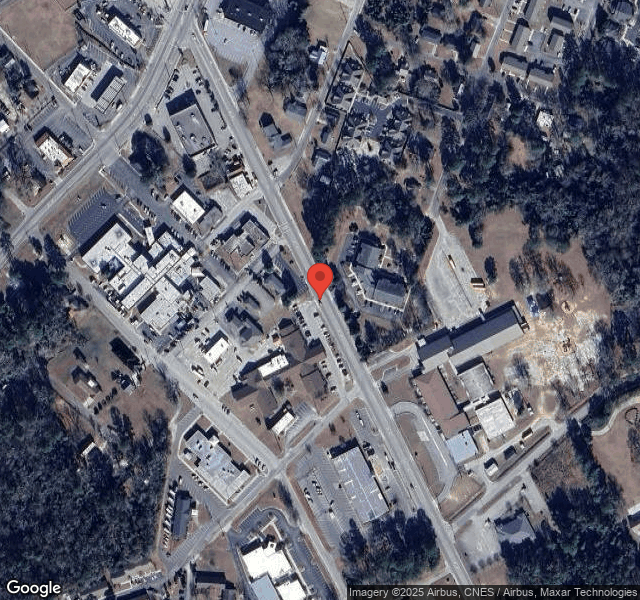
208 Mercer Mill Road, Elizabethtown, NC 28337 (910) 862-8181
For profit - Corporation 94 Beds LIBERTY SENIOR LIVING Data: November 2025
Trust Grade
65/100
#160 of 417 in NC
Last Inspection: September 2025

Inspected within the last 6 months. Data reflects current conditions.

Overview

Elizabethtown Healthcare & Rehab Center has a Trust Grade of C+, which means it is considered decent and slightly above average. It ranks #160 out of 417 nursing facilities in North Carolina, placing it in the top half of the state, but it is #2 out of 2 in Bladen County, indicating that only one other local option is better. Unfortunately, the facility's trend is worsening, with the number of reported issues increasing from 2 in 2024 to 4 in 2025. Staffing is average, rated at 3 out of 5 stars, with a turnover rate of 53%, which is close to the state average of 49%. The facility has no fines, which is a positive sign, and it offers more registered nurse (RN) coverage than many state facilities, ensuring better oversight of resident care. However, there are significant concerns. A serious incident occurred where a non-weight-bearing resident was improperly transferred, resulting in a fractured bone. Additionally, expired nutritional supplements were found in the kitchen, which could potentially impact residents' health. There were also concerns regarding infection control practices, as staff failed to adhere to proper protocols while providing care for a resident with a pressure ulcer. Overall, while there are strengths, such as no fines and decent RN coverage, the recent increase in issues and specific incidents raise important concerns for families considering this facility.

Trust Score
C+
65/100
In North Carolina
#160/417
Top 38%
Safety Record
Moderate
Needs review
Inspections
Getting Worse
2 → 4 violations
Staff Stability
⚠ Watch
53% turnover. Above average. Higher turnover means staff may not know residents' routines.
Penalties
✓ Good
No fines on record. Clean compliance history, better than most North Carolina facilities.
Skilled Nurses
⚠ Watch
Each resident gets only 28 minutes of Registered Nurse (RN) attention daily — below average for North Carolina. Fewer RN minutes means fewer trained eyes watching for problems.
Violations
○ Average
6 deficiencies on record. Average for a facility this size. Mostly minor or procedural issues.
★★★☆☆
3.0
Overall Rating
★★★☆☆
3.0
Staff Levels
★★★☆☆
3.0
Care Quality
★★★☆☆
3.0
Inspection Score
Stable
2024: 2 issues
2025: 4 issues

The Good

  • Full Sprinkler Coverage · Fire safety systems throughout facility
  • No fines on record

Facility shows strength in fire safety.

The Bad

3-Star Overall Rating

Near North Carolina average (2.8)

Meets federal standards, typical of most facilities

Staff Turnover: 53%

Near North Carolina avg (46%)

Higher turnover may affect care consistency

Chain: LIBERTY SENIOR LIVING

Part of a multi-facility chain

Ask about local staffing decisions and management

The Ugly 6 deficiencies on record

1 actual harm
Sept 2025 4 deficiencies 1 Harm
SERIOUS (G)

Actual Harm - a resident was hurt due to facility failures

Accident Prevention (Tag F0689)

A resident was harmed · This affected 1 resident

**NOTE- TERMS IN BRACKETS HAVE BEEN EDITED TO PROTECT CONFIDENTIALITY** Based on observations, record review, and staff, Nurse Practitioner and the Medical Director's interviews, the facility failed t...

Read full inspector narrative →
**NOTE- TERMS IN BRACKETS HAVE BEEN EDITED TO PROTECT CONFIDENTIALITY** Based on observations, record review, and staff, Nurse Practitioner and the Medical Director's interviews, the facility failed to use the mechanical lift to transfer a non-weight bearing resident from a chair to the bed and instead used the stand and pivot method for transferring (A technique for moving where a resident stands with assistance and pivots on their feet then sits. This technique requires the ability to bear most of their body weight.) which resulted in a comminuted (the bone is broken into multiple small pieces) mildly displaced (bone fragments are slightly out of alignment) fracture of the distal tibia (large bone of the lower leg near the ankle) and proximal fibula (upper section of smaller bone in the lower leg just below the knee). This occurred for 1 of 3 residents reviewed for accidents (Resident #77). Findings included: Resident #77 was admitted to the facility on [DATE]. Diagnoses included osteoarthritis of the knee (a breakdown of the protective cartilage that lines the bones and joints), osteopenia (a loss of bone density causing the bone to weaken and an increased risk of fractures) and dementia. The Minimum Data Set (MDS) quarterly assessment dated [DATE] revealed Resident #77 was severely cognitively impaired and required extensive two-person assistance with transfers, and activities of daily living (ADLs). Resident #77 had no falls, a weight of 127 pounds, and received blood thinning medication. She was on Hospice services. The care plan dated 6/15/25 revealed Resident #77 had an ADL self-care deficit related to weakness, poor endurance, and poor cognition. Interventions included in part; total dependence with transfers using the mechanical lift with two-person assistance. A progress note dated 8/4/25 at 10:30 AM documented by the Hospice nurse revealed in part; this writer received notification today from the Hospice aide that Resident #77's right lower leg was noted to be bruised, swollen, and painful to touch this morning. Upon arrival Resident #77 was resting in bed with her eyes closed and aroused easily with verbal and tactile stimuli. She was oriented to person and unable to make her needs known and appeared weak and frail. Her right lower leg was bruised, bluish purple in color, swollen, and painful to touch She yelled out it hurts, it hurts when the area was touched and randomly when the area was not touched. Resident #77 was unable to state what happened to her right leg. The facility staff nurse (Nurse #2) was made aware of the right leg status. Resident #77 was medicated with Tylenol 650 milligrams during this visit for pain. Nurse Practitioner #1 is making rounds at the facility today and was notified. Resident #77 requires total assistance with all activities of daily living. A progress note dated 8/4/25 at 3:19 PM documented by Nurse #2 revealed Resident #77's x-ray impression revealed an acute nondisplaced oblique fracture of the proximal fibula, and distal tibia. Nurse Practitioner #1 was made aware. A progress note dated 8/4/25 at 6:32 PM documented by Nurse Practitioner #1 revealed in part; Resident #77 currently received hospice care. Nursing staff reported the presence of bruising on her right leg. Upon assessment, the right lower extremity exhibited mild swelling, and bluish discoloration consistent with bruising, and tenderness upon palpation. There was no active bleeding. The x-ray findings revealed an acute nondisplaced oblique fracture of the proximal fibula, and distal tibia. An orthopedic consult was ordered along with Tramadol 50 milligrams every 12 hours for pain. On 8/5/25 at 3:45 PM Resident #77 was transported by emergency medical services (EMS) to the hospital. A hospital note dated 8/5/25 at 10:56 PM revealed Resident #77 was seen in the emergency department, and vital signs were stable. X-rays showed oblique comminuted mildly displaced fracture of the distal tibial and proximal fibula. Orthopedics was consulted and recommended admission for pain control, there is no anticipated surgical intervention. A hospital orthopedic note dated 8/7/25 at 1:17 PM revealed Resident #77 was evaluated for a mildly displaced fracture of the distal tibial diaphysis and proximal fibular diaphysis. Impressions revealed fracture and osteoarthritis of the knee and osteopenia. Resident #77's Responsible Party stated Resident #77 had been non-ambulatory for several years, using a wheelchair and a slide board. She developed a urinary tract infection six months ago and has been bed bound since that time. The plan of care was to keep the splint in place and remain non-weight bearing. No orthopedic intervention was warranted at this time. Resident #77 returned to the facility. A facility investigation report on 8/5/25 revealed interviews were conducted with Nurse Aide #9 and #10 and concluded that the improper transfer of Resident #77 resulted in the fracture of the tibia and fibula. The Kardex audits concluded that several of the Kardex's needed to be updated and were updated today 8/5/25 by the Director of Nursing and the MDS nurse. Both Nurse Aide #9 and #10 were suspended until the investigation was complete. The timeline of events revealed:On 8/3/25 Resident #77 was up in her Geri chair most of the day at the nurses station. At approximately 7:00 PM Nurse Aide #9 and #10 went in to transfer Resident #77 back to bed. The lift sling was not positioned properly. They tried to reposition the sling, but Resident #77 resisted. Nurse Aide #9 and #10 got on each side and stood Resident #77 up and pivoted her a few steps to the bed from the chair. On 8/3/25 through 8/4/25 the night shift nurse and nurse aides (7:00 PM through 7:00 AM) reported Resident #77 rested well during the night. On 8/4/25 approximately 8:30 AM the nurse aide found a bruise to the outer right leg (shin) and notified Nurse #2. Nurse #2 notified the Nurse Practitioner and an x-ray was ordered. The x-ray resulted with a non-displaced fracture of the right lower leg.The root cause analysis determined Nurse Aide #9 and #10 did not follow the policy, or Resident #77's Kardex on the proper transfer which led to Resident #77 sustaining the injury. During an interview on 09/05/25 at 3:08 PM Nurse Aide #9 stated she had been a nurse aide for many years and was distraught when she learned that Resident #77 had fractured her leg after she and Nurse Aide #10 transferred Resident #77 back to bed on Sunday evening (8/3/25). Nurse Aide #9 stated they initially tried to transfer Resident #77 from the chair back to her bed using the mechanical lift, but the lift sling was not positioned right and kept sliding up her back because Resident #77 was agitated and flailing her arms. They decided since there were two of them and Resident #77 was small enough that they could get on each side of her and have her stand and pivot over to the bed. Nurse Aide #9 stated she was not aware that Resident #77 was non weight bearing and it never occurred to her that having Resident #77 stand and pivot could cause a fracture. She stated Resident #77 did not have any signs of an injury and no symptoms of pain or discomfort after being put back to bed or during the night. Nurse Aide #9 stated she was not aware of any injury until the following day (8/4/25) when she talked with the DON. She received education on 8/4/25 and was suspended from work. Nurse Aide #9 stated Resident #77's transfer status was listed on the Kardex which was located in her electronic medical record. Nurse Aide #9 indicated she did not review the Kardex that evening before attempting to transfer Resident #77. She stated she knew how to use the sling but due to Resident #77 becoming agitated they decided to stand and pivot her to the bed. Nurse Aide #9 stated she had provided care to Resident #77 many times and thought she would be safe to stand and pivot with two-person assistance, but she should not have done that. During a phone interview on 9/5/25 at 3:45 PM Nurse Aide #10 stated she and Nurse Aide #9 attempted to transfer Resident #77 back to bed that evening (8/3/25) with the mechanical lift, but the lift sling moved out of position. Resident #77 was yelling and agitated, so they decided not to use the lift and instead have her stand and pivot to her bed and thought that would be safe. Nurse Aide #10 stated she did not observe any injuries on Resident #77 after the transfer, and Resident #77 was not complaining of pain or discomfort once they got her back in the bed. She stated she did not review the Kardex which was located in the electronic medical record prior to transferring Resident #77. Nurse Aide #10 stated she was educated the following day (8/4/25) on properly transferring residents and reviewing the Kardex and was suspended from work. During an interview on 09/04/25 at 12:40 PM Nurse #2 stated she was the assigned nurse on Sunday 8/3/25 from 7:00 AM through 7:00 PM. Resident #77 was at her baseline and was up in her Geri chair at the nurses station for a while. She had dementia but no pain, no distress, and was talkative. When she returned to work the next morning (8/4/25) a nurse aide whose name she could not recall, asked her to come check Resident #77 because she noticed discoloration on one side of her lower leg and the area was painful to touch. Upon assessment Resident #77 would say no don't touch it. The Nurse Practitioner was in the facility at the time and came in to evaluate her. An x-ray was ordered which showed a right lower leg fracture. Resident #77 was administered pain medication. Nurse #2 stated the night shift nurse did not report any concerns regarding Resident #77 having pain or discomfort during the night. Nurse #2 indicated she was not sure of what the final determination was that caused the fracture and that Resident #77 had been on Hospice care. She stated Resident #77 was dependent on staff for care and required the use of the mechanical lift for transfers currently and prior to her fracture. An observation on 9/2/25 at 12:45 PM revealed Resident #77 was sitting up in bed being fed lunch by a staff member. She was oriented to person only and was smiling and talkative but could not engage in meaningful dialogue. A splint was in place on her right lower leg. There were no visible indicators of pain or discomfort. During an interview on 9/4/25 at 1:00 PM the Director of Nursing (DON) indicated Resident #77 was observed by Nurse #2 to have pain, swelling, and discoloration on the morning of 8/4/25. An x-ray was ordered and showed a lower leg fracture. An investigation on 8/4/25 determined Resident #77 was transferred inappropriately by the two nurse aides (Nurse Aide #9 and Nurse Aide #10) who worked the evening shift the previous night (8/3/25). The DON stated the nurse aides transferred Resident #77 back to bed without using the mechanical lift and instead had her stand and pivot. She stated initially Nurse Aide #9 and #10 attempted to transfer Resident #77 using the mechanical lift but the lift sling was not positioned properly underneath her. The nurse aides tried to reposition her, but Resident #77 resisted. The nurse aides then decided to get on each side of Resident #77 and have her stand and pivot to get into the bed. The DON stated Resident #77 had been non weight bearing for a while and required the use of the mechanical lift. She stated Nurse Aide #9 and Nurse Aide #10 were educated on 8/4/25 on the importance of following the Kardex (a resident care guide that shows essential information including transfer status) and correctly transferring residents, then were suspended until the investigation was completed. A phone interview was conducted on 9/16/25 at 3:00 PM with Nurse Practitioner #1. She stated she was notified on 8/4/25 of the bruising and swelling on Resident #77's lower leg. Nurse Practitioner #1 stated she ordered an x-ray which showed a hairline nondisplaced fracture of the tibia and fibula. During her evaluation of Resident #77 on 8/4/25 there were no deformities of the leg observed, and Resident #77 was not complaining of pain during that time. The decision was then made for conservative management due to being on Hospice care, having multiple comorbidities, and not being a surgical candidate. She discussed this plan of care with the Hospice nurse and Resident #77's Responsible Party who were in agreement. Nurse Practitioner #1 stated the following day the family decided to go ahead and send her to the hospital so that she could be seen by orthopedics sooner and she wrote the order on 8/5/25 to send Resident #77 out to the hospital. During an interview on 9/4/25 at 2:30 PM the Medical Director indicated she was made aware on 8/4/25 that Resident #77 had fractured her lower leg during a transfer. She stated Resident #77 had been non weight bearing for months and required the mechanical lift for transfers and was on Hospice services prior to the incident. The Medical Director indicted Resident #77 was able to continue to get up into the Geri chair, and she had no significant decline following the injury. During an interview on 9/5/25 at 3:00 PM the Administrator along with the Director of Nursing, and the Corporate Compliance Nurse each stated an investigation was initiated on 8/4/25 following the transfer that occurred on 8/3/25 which resulted in the injury. The root cause analysis determined the injury resulted when the two nurse aides (Nurse Aide #9 and #10) did not follow the policy or the Kardex on the proper transfer which led to Resident #77 sustaining the tibia- fibula fracture. The DON stated in-service training started with Nurse Aide #9 and #10 on 8/4/25, and Kardex audits began on 8/5/25 to ensure each residents transfer status was correct. The Administrator stated they made the decision to monitor residents for safe transfers and put it in their Quality Assurance (QA) program. The facility provided the following corrective action plan: Address how corrective action will be accomplished for those residents found to have been affected by the deficient practice. On 8/4/25 at approximately 8:30 AM the nurse aide found a bruise to the outer right leg (shin) and notified Nurse #2. Nurse #2 notified the Nurse Practitioner and an x-ray was ordered. The x-ray resulted with a non-displaced fracture of the right lower leg. Resident #77 was assessed by Nurse Practitioner #1 on 8/4/25 and new orders were placed for an orthopedic consult and pain medications. On 8/4/25 the facility investigation of the injury revealed on 8/3/25 at approximately 7:00 PM Nurse Aide #9 and #10 went in to transfer Resident #77 back to bed. The lift sling was not positioned properly. They tried to reposition the sling, but Resident #77 resisted. Nurse Aide #9 and #10 stood Resident #77 up and pivoted her a few steps to the bed from the chair. On 8/4/25 Nurse Aide #9 and Nurse Aide #10 were given one-to-one education on the importance of following the Kardex and correctly transferring each resident to prevent injuries. The nurse aides were suspended until the investigation was completed. On 8/5/25 at 3:45 PM Resident #77 was sent to the emergency department per the family request for a quicker orthopedic consult. The Administrator and the DON completed a root cause analysis which determined Nurse Aide #9 and #10 did not follow the policy, or Resident #77's Kardex on the proper transfer which led to Resident #77 sustaining the injury. Address how the facility will identify other residents having the potential to be affected. On 8/5/25 the Director of Nursing along with the MDS nurse identified residents potentially impacted by the practice by completing Kardex audits on all current residents. The audit revealed 66 of 84 Kardex's had the correct transfer status. On 8/5/25 the Director of Nursing along with the MDS nurse interviewed the nurse aides and nurses on the halls for the correct transfer status of every resident and updated each Kardex. All Kardex's were updated by 8:00 PM on 8/5/25. Direct care staff were notified by the DON and the MDS nurse verbally in the facility on 8/5/25 and through in-service training conducted from 8/5/25 through 8/8/25 that the resident Kardex's had been updated and staff were to check the Kardex for all residents for accurate transfer status prior to transfers. On 8/5/25 the MDS nurse was informed she would be responsible for keeping the Kardex's updated to reflect the current transfer status of all residents. Address what measures will be put into place or systemic changes made to ensure that the deficient practice will not recur.On 8/5/25 the Director of Nursing along with the Staff Development Coordinator in-serviced all staff including agency personnel on transfer safety, following the Kardex, and the facility transfer policy.All in-service training will be completed by 8/8/25. Any staff who had not completed education by 8/8/25 would not be allowed to work until training was completed. Indicate how the facility plans to monitor its performance to make sure that solutions are sustained.On 8/5/25 the decision was made by the Administrator to monitor the plan to ensure safe resident transfers and will be presented to the Quality Assurance Performance Improvement (QAPI) committee to include the Administrator, the Director of Nursing, MDS coordinator, therapist, and dietary manager. The Director of Nursing will monitor safe resident transfers through observations conducted on all shifts, along with reviewing resident care plans and auditing Kardex accuracy to ensure they reflect the correct transfer status using the quality assurance tool. This will be completed weekly for 2 weeks and monthly for three months to ensure compliance. Quality Assurance (QA) monitoring will begin the week of 8/11/25. Reports will be presented in the monthly QA committee by the Administrator or the Director of Nursing. Compliance will be monitored and the ongoing auditing program reviewed at the monthly QA meetings.The monthly QA meeting was held on 8/25/25 where the results of the audits and ongoing monitoring were discussed. The facility's alleged compliance date of the corrective action plan was 8/9/25. The corrective action plan was validated on 9/5/25. The following documentation was reviewed along with staff interviews and observations:Validation included staff interviews regarding the incident and in-service training that was received to ensure understanding and knowledge of the training provided. All of the staff members interviewed stated they had received training. In-service training included safe resident transfers, and the importance of reviewing the residents Kardex. Inservice logs were verified, and the initial and ongoing audits were verified. A resident transfer using the mechanical lift was observed. There were no concerns identified. The compliance date of 8/9/25 was validated.
CONCERN (D)

Potential for Harm - no one hurt, but risky conditions existed

Food Safety (Tag F0812)

Could have caused harm · This affected 1 resident

Based on observations, and staff interviews the facility failed to discard expired nutritional supplements stored for use in 1 of 1 reach-in refrigerator in the kitchen. This practice had the potentia...

Read full inspector narrative →
Based on observations, and staff interviews the facility failed to discard expired nutritional supplements stored for use in 1 of 1 reach-in refrigerator in the kitchen. This practice had the potential to affect residents with physician ordered nutritional supplements. The findings included:An observation of the reach-in refrigerator in the kitchen was completed on 9/2/25 at 11:15 AM and revealed 10 bottles of a nutritional supplement with the expiration date 04/2025. The DM stated the nutritional supplement was expired and should not have been in the reach-in refrigerator. She further stated the staff must have just missed them when checking for expired food that morning. An interview was completed with the Administrator on 9/5/25 at 11:00 AM. The Administrator stated she was surprised to hear that there were expired nutritional supplements found in the reach-in refrigerator, because the dietary staff was very diligent about discarding expired and leftover food items. She further stated that the Registered Dietitian had just inspected the kitchen a couple of weeks ago and he had not found any expired food items. The Administrator indicated her expectation was that there be no expired food items in the kitchen or nourishment rooms.
CONCERN (D)

Potential for Harm - no one hurt, but risky conditions existed

Infection Control (Tag F0880)

Could have caused harm · This affected 1 resident

Based on observation, record review, and staff interviews, the facility failed to follow their infection control policy and procedures for Enhanced Barrier Precautions (EHB) during high contact care f...

Read full inspector narrative →
Based on observation, record review, and staff interviews, the facility failed to follow their infection control policy and procedures for Enhanced Barrier Precautions (EHB) during high contact care for a resident with a pressure ulcer, when a nurse and the Wound Aide were providing wound care without wearing gowns for 2 of 6 staff observed for infection control (Nurse #1 and the Wound Aide).The findings included:The facility policy titled, Enhanced Barriers dated 9/22 stated in part: EBP requires the use of gown and gloves when providing high contact care activities for residents identified as requiring EBP. High contact resident care activities were listed as: dressing, bathing, showering, transferring, changing linens, providing hygiene, changing briefs and assisting with toileting, device care or use, central lines, urinary catheter, feeding tube, tracheostomy and wound care, any skin opening requiring a dressing.An observation of the Wound Aide and Nurse #1 changing Resident #9's pressure wound dressing occurred on 9/4/25 at 9:48 AM in the presence of the Staff Development Coordinator (SDC). The observation revealed Nurse #1 and the Wound Aide were only wearing gloves and did not apply a gown prior to the dressing change or during the dressing change. An interview with the Wound Aide was completed on 9/4/25 at 10:00 AM. The Wound Aide stated she always puts a gown on when changing dressings, but she was just nervous and forgot.A telephone interview was completed with Nurse #1 on 9/5/25 at 9:43 AM. Nurse #1 stated she didn't think she had to wear a gown since the Wound Aide was the one changing the dressing and she was just assisting with helping position the resident on her side.An interview with the SDC was completed on 9/5/25/at 8:50 AM. The SDC stated he was just in the room to observe the dressing change but did not think about the staff wearing gowns until he turned around and saw the personal protection equipment (PPE) on the back of the door. He stated the Wound Aide and Nurse #1 should have been wearing protective gowns while changing the dressing.An interview with the Director of Nursing (DON) was conducted on 9/5/25 at 11:19 AM. The DON stated that Nurse #1 and the Wound Aide should have been wearing gowns during the dressing change. She further stated she would have expected the SDC to remind them if they forgot.
CONCERN (D)

Potential for Harm - no one hurt, but risky conditions existed

Deficiency F0919 (Tag F0919)

Could have caused harm · This affected 1 resident

**NOTE- TERMS IN BRACKETS HAVE BEEN EDITED TO PROTECT CONFIDENTIALITY** Based on observations, and resident and staff interviews, the facility failed to ensure the bedside call light system was functi...

Read full inspector narrative →
**NOTE- TERMS IN BRACKETS HAVE BEEN EDITED TO PROTECT CONFIDENTIALITY** Based on observations, and resident and staff interviews, the facility failed to ensure the bedside call light system was functioning and provide an alternate means of communicating with staff for 2 of 2 residents who were dependent on staff for assistance with activities of daily living (ADL) (Resident #59, and Resident #20). Findings included: Resident #20 was admitted to the facility on [DATE] with diagnoses including congestive heart failure. The Minimum Data Set (MDS) quarterly assessment dated [DATE] revealed Resident #20 was cognitively intact. He required limited one-person assistance with transfers and was wheelchair bound. Resident #59 was admitted to the facility on [DATE] with diagnoses including right lower leg fracture. The Minimum Data Set admission assessment dated [DATE] revealed Resident #59 was cognitively intact. He required extensive assistance with transfers and ADL and was wheelchair bound. Interviews and an observation were conducted on 9/2/25 at 12:00 PM with Resident #20 and Resident #59. Resident #20 and Resident #59 were roommates. Resident #20 stated the call light in their room did not work for three days from Friday 8/29/25 through Monday morning 9/1/25. Resident #20 stated when emergency medical services (EMS) brought his roommate (Resident #59) back from an outside appointment on Friday the call light cord got caught when Resident #59 was being transferred back to bed which caused the whole call light device system to be pulled away from the wall causing both call lights to not work. Resident #20 stated the call lights in the room were not repaired until Monday morning. He (Resident #20) indicated he and his roommate (Resident #59) both required staff assistance with transfers and care and were not provided another means or alternate device to alert staff if assistance was needed or in the event of an emergency. Resident #20 stated the nurses and aides did check on them during the time the call light was not working. Resident #59 indicated he was not provided an alternate device, but the nurses and nurse aides did come in and check on him during that time. During an observation on 9/2/25 at 12:05 PM the call light system in Resident #20 and Resident #59's room was observed to be working when the call light was activated. During an interview on 9/3/25 at 2:15 PM Nurse #1, the assigned nurse on 8/29/25 from 7:00 AM through 7:00 PM for Resident #20 and Resident #59 stated the call light in the resident's room was broken on 8/29/25 when EMS transferred Resident #59 either to or from his bed for an orthopedic appointment that morning. She stated the call light cords were pulled out of the wall and were not working and she verbally reported it to the Maintenance Director on Friday 8/29/25. Nurse #1 stated she checked on both residents at least every 2 hours during her shift. Nurse #1 stated when the call bells weren't functioning they had cow bells to put in the resident rooms for use, but she did not think to give a cow bell to Resident #20 or Resident #59. Nurse #1 stated she notified the assigned nurse aides that the call light was broken. Attempts were made on 9/3/25 at 3:40 PM and 9/5/25 at 1:05 PM to contact Nurse Aide #1 who was assigned to Resident #20 and Resident #59 on 8/29/25 from 7:00 AM through 7:00 PM. There was no response. During an interview on 9/3/25 at 2:30 PM the Maintenance Director stated he was not made aware that the call light system in the room Resident #20 and Resident #59 resided in was broken until Monday morning 9/1/25. He stated he was not notified on Friday, and he was at the facility until 5:30 PM on Friday 8/29/25. He stated if he had been notified on 8/29/25 he would have repaired the broken call light that day. He stated he was not in the facility over the weekend, but he could always be notified by phone on the weekends day or night if something needed to be repaired and he would have come in and repaired it. The Maintenance Director stated he was notified Monday morning (9/1/25) when he returned to work by the Director of Nursing and he fixed the call light right away. He stated it was an easy fix because he kept spare call lights on hand. He stated there was no system to notify Maintenance of needed repairs except through a phone call or finding him in the facility. He reported that he did not keep a record of when he was notified that something needed to be repaired or of what repairs were made. He stated cow bells were on hand and were kept at the nurses station to use if a call light issue occurred and stated the staff were aware that the cow bells were available for use. During an interview on 9/3/25 at 3:00 PM the Director of Nursing (DON) stated she was the assigned nurse for Resident #20 and Resident #59 on Friday night 8/29/25 from 7:00 PM through 7:00 AM. The DON stated the call light was not working and she emailed the Maintenance Director that night but stated she did not realize he could not check his emails outside of the facility and therefore he did not get the notification. She stated a cow bell was not offered but she checked on both residents every two hours throughout the night. During an interview on 9/4/25 at 12:30 PM Nurse #2 stated she was the assigned nurse for Resident #20 and Resident #59 on Saturday 8/30/25 and Sunday 9/1/25 from 7:00 AM through 7:00 PM. She was made aware in morning report that the call light in the room Resident #20 and Resident #59 resided in was not functioning. Nurse #2 stated she and the assigned nurse aide checked on both residents at least every two hours during her shift. She indicated she did not notify the Maintenance Director, and a cow bell was not offered to the residents. During a phone interview on 9/5/25 at 3:00 PM Nurse #3 stated she was the assigned nurse for Resident #20 and Resident #59 on Saturday 8/30/25 and Sunday 8/31/25 from 7:00 PM through 7:00 AM. She was aware the call light was not working in their room but stated she and the assigned nurse aide checked on the residents at least every two hours during the shift. She indicated a cow bell was not offered to the residents. During an interview on 9/3/25 at 3:15 PM Nurse Aide #2 stated she worked 3:00 PM until 11:00 PM on Sunday 8/31/25. She stated she was assigned to Resident #20 and Resident #59 and the call lights for both of the residents were not working because the call light was pulled away from the wall. Nurse Aide #2 stated she made rounds on both residents that day and the residents did not have a cow bell in their room during that time. During a phone interview on 09/05/25 at 1:10 PM Nurse Aide #3 stated she worked night shift 11:00 PM through 7:00 AM on Friday 8/29/25 and 11:00 PM through 7:00 AM on Sunday 8/31/25. She noticed early on the call light in the room Resident #20 and Resident #59 resided in was not working. Nurse Aide #3 stated she made frequent checks during the night, and the residents did not have a cow bell in their room during that time. During an interview on 9/5/25 at 10:00 AM the Administrator stated she was not made aware the call lights were not functioning in the room Resident #20 and Resident #59 resided in until they were repaired on Monday 9/1/25. She stated the Maintenance Director was in the facility on 8/29/25 the day it was broken, and he should have been notified at that time so that it could have been repaired sooner. The Administrator stated they kept the cow bells at the nurses station for use if the call lights were not functioning and the nurses were aware. She indicated the call light should have been repaired on Friday 8/29/25 since the Maintenance Director was available in the facility and had the supplies on hand to repair it. She stated Resident #20 and Resident #59 should have both been provided a cow bell to use to notify staff in case assistance was needed.
Sept 2024 2 deficiencies
CONCERN (D) 📢 Someone Reported This

A family member, employee, or ombudsman was alarmed enough to file a formal complaint

Potential for Harm - no one hurt, but risky conditions existed

Abuse Prevention Policies (Tag F0607)

Could have caused harm · This affected 1 resident

**NOTE- TERMS IN BRACKETS HAVE BEEN EDITED TO PROTECT CONFIDENTIALITY** Based on record review and staff interviews, the facility failed to implement their abuse policy for staff to promptly report an...

Read full inspector narrative →
**NOTE- TERMS IN BRACKETS HAVE BEEN EDITED TO PROTECT CONFIDENTIALITY** Based on record review and staff interviews, the facility failed to implement their abuse policy for staff to promptly report an allegation of staff to resident abuse to the facility management as soon as the allegation was communicated to the staff member. This occurred for 1 of 2 residents (Resident #21) reviewed for abuse. Findings included: The facility policy titled, Abuse Prohibition, last reviewed on 02/2024, indicated it was the responsibility of their employees, facility consultants, attending physicians, family members, visitors, etc. to promptly report any incident or suspected incident of neglect or resident abuse, including injuries of an unknown source and theft or misappropriation of resident property, to facility management. All reports of resident verbal, sexual, physical and mental abuse, corporal punishment, involuntary seclusion, neglect, or misappropriation of resident property shall be promptly and thoroughly investigated by facility management. A facility 24-Hour Initial Report dated 09/10/24 documented the following allegation description: On Monday 09/10/24 at 11:30 AM, Resident #21, with moderately impaired cognition, told the housekeeper, who reported to the Director of Nursing (DON), that the nurse aide swiped a rag across her face Saturday night and grabbed her mouth and tried to pour water in her mouth. The resident had a history of vascular dementia and was an unreliable source. She had a history of attention seeking behavior. The report was sent to the State Agency at [PHONE NUMBER] by the DON. A facility 5-Working Day Report dated 09/16/24 documented Resident #21 was not interviewable due to vascular dementia and alert only to self. Allegation details reiterated the description of the allegation described in the 24-Hour Initial Report and added body audits were done on all residents on that hallway and no issues were found. Interviews were conducted and no concerns were noted by any alert and oriented residents. Administration was not able to identify the staff person the resident described after multiple interviews with Resident #21. Local law enforcement and the Department of Social Services were notified of the allegation. The facility did not substantiate the allegation. The report was sent to the State Agency by the DON. Review of the undated summary of the investigation documented by the DON revealed the DON had spoken with a family member of Resident #21 on 09/09/24 who informed her that she (the family member) had reported the allegation of abuse to Nurse #1 on Sunday, 09/08/24. The DON interviewed Nurse #1 who stated that she had received the allegation on Sunday, 09/08/24 but didn't report it to administration because of the resident's repeated attention seeking behaviors. Nurse #1 was suspended for the rest of her shift on Monday, due to not reporting this shift, pending the rest of the investigation. An interview was conducted with Nurse #1 on 9/26/24 at 8:10 AM. She stated a family member came to the facility during her shift and told her that the night before a staff person had pinched Resident #21's facial cheeks together and popped her with a wet washcloth. Nurse #1 did not remember the date the family member reported the allegation to her. Nurse #1 could not remember why she did not report it to Administration but stated she had not. Nurse #1 recalled she had been suspended for the day and was re-educated regarding the abuse policy. She stated from now on she would report any allegations of abuse immediately. An interview was held with the DON on 9/25/24 at 3:39 PM. She stated the housekeeper came to her 09/09/24 and reported Resident #21 told her that the nurse aide swiped her across the face with a washcloth and tried to hold her mouth open to put water in it. She and the Staff Development Director interviewed Resident #21, and she reported the same allegation the housekeeper had reported. Resident #21 was asked to describe the nurse, and she described a blonde curly haired white girl. They talked to the roommate also and she said she didn't see anything and didn't want to talk about it. The roommate described the aide that night as having brown hair and being white. She called the family member on Monday, 09/09/24, who told her she had reported the incident to Nurse #1 on Sunday, 09/08/24. She interviewed Nurse #1 on 09/09/24 who said the allegation was told to her but thought it was attention seeking behavior and didn't report it. The DON stated she sent Nurse #1 home on suspension, pending the outcome of the investigation. The DON stated body audits were done on the 200-hall along with interviews with alert and oriented residents. Immediate abuse education was completed including the reporting of allegations. The DON reported she started audits to assess for any concerns or neglect x 5 residents and nonverbal residents x 6 weekly x 2 weeks then monthly x 3 months. The DON adjusted the care plan to advise staff to take someone into the room with them when providing care to Resident #21 as resident had attention seeking behavior by making false statements regarding accusations against the staff. She expected all staff to report any allegations of abuse immediately to either the supervisor or herself. The corrective action for the noncompliance dated 09/12/24 was as follows: 1. Immediately suspended Licensed Nurse #1 on 09/09/24 by the DON for not reporting the fact that a resident ' s family member reported to her that she stated that she was slapped in the face overnight with a washcloth, and her mouth was held open and the aide tried to pour water in it. She stated she did not report it to anyone because she thought the resident was just having more of her attention seeking behaviors. Immediately re-educated licensed Nurse #1, 09/09/24, by the DON on how to report abuse allegations, and how to report them in a timely manner. DON immediately assessed resident for signs and symptoms of abuse. 2. Re-education of all employees regarding timeliness of abuse reporting (i.e. immediately) to the abuse coordinator/Licensed Administrator, this re-education was completed by the Staff Development Director. All employees were re-educated on or before September 12, 2024. Alert and oriented residents were interviewed by the Staff Development Director regarding concerns associated with mistreatment by staff, this was completed on September 10, 2024, with no further skin findings of concern. All residents with a BIM ' s (Brief Interview for Mental Status) score of >12 were interviewed the DON and or the Staff Development Director on or before September 10, 2024 with no further findings of concern shared. 3. The DON and or the Administrator are ensuring through weekly monitoring that staff continue to be compliant with reporting any allegations of abuse (physical, sexual, and verbal), neglect, misappropriation of property to ensure compliance with immediately reporting. The monitoring was initiated the week of September 16, 2024 and is ongoing until the QAPI (Quality Assurance Process Improvement Committee) deem no longer necessary, however, for a minimum of 3 months and then ongoing based on results of the monitoring. The DON is responsible to ensure the results of the monitoring are brought to the monthly QAPI meeting. 4. The QAPI committee met on September 12, 2024 to review the concern and actions taken, along with the planned monitoring, this meeting was led by the Administrator and included the AQPI team members. The alleged date of compliance was 09/13/24. Validation of the corrective action plan was completed on 09/26/24. This included staff interviews and in-service training that was received to ensure understanding and knowledge of the training provided. Staff interviews revealed following in-service training they had a better understanding of the reporting requirement related to abuse allegations. The initial interviews were verified. Audits were documented and verified. There were no concerns identified. The last QAPI meeting was held on 09/12/24 where audit results were discussed. The corrective action plan was validated to be completed as of 09/13/24.
MINOR (B) 📢 Someone Reported This

A family member, employee, or ombudsman was alarmed enough to file a formal complaint

Minor Issue - procedural, no safety impact

Safe Environment (Tag F0584)

Minor procedural issue · This affected multiple residents

**NOTE- TERMS IN BRACKETS HAVE BEEN EDITED TO PROTECT CONFIDENTIALITY** Based on observations, resident and staff interviews the facility a. failed to repair broken floor linoleum in resident rooms (2...

Read full inspector narrative →
**NOTE- TERMS IN BRACKETS HAVE BEEN EDITED TO PROTECT CONFIDENTIALITY** Based on observations, resident and staff interviews the facility a. failed to repair broken floor linoleum in resident rooms (215), b. failed to remove the black substance and caulk commode bases in resident rooms (100, 104, 209, 212, 301, and 403), c. failed to repair a broken free standing clothes cabinet door or handles in resident rooms (107B, 211B, and 304) d. failed to replace broken or missing bathroom door threshold strip in resident rooms (104, 106, 111, 113, 201, 203, 207, 209, 211, 211, 215, 307, and 308), e. failed to replace broken metal bathroom shelf in resident room (412), f. failed to repair resident's overhead light covers in room (100B and 108A, B, C), g. failed to replace broken window blinds in resident rooms (105 and 212), h. failed to clean and replace residents window air conditioner vent in resident rooms (406B, and 412B), i. failed to repair broken floor shower tile in shower room [ROOM NUMBER] by floor drain, and j. failed to repair loose floor base boards in room/bathroom in rooms (100, 207, 213, and 405). These failures occurred on 4 of 4 hallways (100, 200, 300, and 400 Halls) observed for a safe, clean, homelike environment. Findings included: a. An observation on 09/22/24 at 12:40 PM revealed broken floor linoleum in resident rooms (215). b. An observation on 09/22/24 at 12:40 PM revealed black substance and missing caulking from commode bases in resident rooms (100, 104, 209, 212, 301, and 403). c. An observation on 09/22/24 at 12:40 PM revealed broken standing clothes cabinets, with one having 2 of 6 door hinges broken, and two had broken handles in resident rooms (107B, 211B, and 304). d. An observation on 09/22/24 at 12:40 PM revealed broken or missing bathroom door threshold strip in resident rooms (104, 106, 111, 113, 201, 203, 207, 209, 211, 211, 215, 307, and 308), which could potentially be a tripping hazards to residents and staff. e. An observation on 09/22/24 at 12:40 PM revealed a bent down broken metal bathroom shelf in resident room (412). f. An observation on 09/22/24 at 12:40 PM revealed missing overhead light covers in room (100B and 108A, B, C). g. An observation on 09/22/24 at 12:40 PM revealed broken window blinds in resident rooms (105 and 212). h. An observation on 09/22/24 at 12:40 PM revealed dirty vent areas with black colored debris and broken vent covers in resident rooms (406B, and 412B). i. An observation on 09/22/24 at 12:40 PM revealed broken floor shower tiles in shower room [ROOM NUMBER] by floor drain. j. An observation on 09/22/24 at 12:40 PM revealed loose floor base boards in room/bathroom in rooms (100, 207, 213, and 405). An interview and follow-up facility tour were conducted on 09/25/24 at 9:45 AM with the Maintenance Director. The Maintenance Director agreed during the tour that there were multiple areas and room items on the 100, 200, 300, and 400 halls that still needed to be addressed, repaired, or replaced. He stated he had one and a half assistants but was keeping up with facility repairs. He said maintenance was responsible for repairing or replacing items in the facility. During the tour with the Maintenance Director, the environmental areas identified on the previous list were pointed out to the Maintenance Director, who agreed the items observed needed to be addressed. The Maintenance Director stated he would correct all the environment issues observed by cleaning, repairing, or replacing the issues that were pointed out to him during the tour observation. A follow-up facility tour was conducted on 09/25/24 at 10:00 AM of the facility with the Administrator. The tour revealed: Black substance around the base of resident commodes, in rooms (100, 104, 209, 212, 301, and 403), and broken tile in number 2 shower room, missing or broken threshold strips, above bed lights without covers, broken bathroom metal shelving, broken resident clothing cabinet door and handles, and broken blinds. She stated the areas pointed out on the 100, 200, 300, and 400 halls would be addressed and fixed, and it was her expectation for all the residents to have a safe and homelike environment that was clean and in good repair.
Understanding Severity Codes (click to expand)
Life-Threatening (Immediate Jeopardy)
J - Isolated K - Pattern L - Widespread
Actual Harm
G - Isolated H - Pattern I - Widespread
Potential for Harm
D - Isolated E - Pattern F - Widespread
No Harm (Minor)
A - Isolated B - Pattern C - Widespread

Questions to Ask on Your Visit

  • "Can I speak with families of current residents?"
  • "What's your RN coverage like on weekends and overnight?"

Our Honest Assessment

Strengths
  • • No fines on record. Clean compliance history, better than most North Carolina facilities.
Concerns
  • • 6 deficiencies on record, including 1 serious (caused harm) violation. Ask about corrective actions taken.
Bottom line: Mixed indicators with Trust Score of 65/100. Visit in person and ask pointed questions.

About This Facility

What is Elizabethtown Healthcare & Rehab Center's CMS Rating?

CMS assigns Elizabethtown Healthcare & Rehab Center an overall rating of 3 out of 5 stars, which is considered average nationally. Within North Carolina, this rating places the facility higher than 99% of the state's 100 nursing homes. This mid-range rating indicates the facility meets federal standards but may have areas for improvement.

How is Elizabethtown Healthcare & Rehab Center Staffed?

CMS rates Elizabethtown Healthcare & Rehab Center's staffing level at 3 out of 5 stars, which is average compared to other nursing homes. Staff turnover is 53%, compared to the North Carolina average of 46%.

What Have Inspectors Found at Elizabethtown Healthcare & Rehab Center?

State health inspectors documented 6 deficiencies at Elizabethtown Healthcare & Rehab Center during 2024 to 2025. These included: 1 that caused actual resident harm, 4 with potential for harm, and 1 minor or isolated issues. Deficiencies causing actual harm indicate documented cases where residents experienced negative health consequences.

Who Owns and Operates Elizabethtown Healthcare & Rehab Center?

Elizabethtown Healthcare & Rehab Center is owned by a for-profit company. For-profit facilities operate as businesses with obligations to shareholders or private owners. The facility is operated by LIBERTY SENIOR LIVING, a chain that manages multiple nursing homes. With 94 certified beds and approximately 82 residents (about 87% occupancy), it is a smaller facility located in Elizabethtown, North Carolina.

How Does Elizabethtown Healthcare & Rehab Center Compare to Other North Carolina Nursing Homes?

Compared to the 100 nursing homes in North Carolina, Elizabethtown Healthcare & Rehab Center's overall rating (3 stars) is above the state average of 2.8, staff turnover (53%) is near the state average of 46%, and health inspection rating (3 stars) is at the national benchmark.

What Should Families Ask When Visiting Elizabethtown Healthcare & Rehab Center?

Based on this facility's data, families visiting should ask: "Can I visit during a mealtime to observe dining assistance and food quality?" "How do you handle medical emergencies, and what is your hospital transfer rate?" "Can I speak with family members of current residents about their experience?"

Is Elizabethtown Healthcare & Rehab Center Safe?

Based on CMS inspection data, Elizabethtown Healthcare & Rehab Center has a clean safety record: no substantiated abuse findings (meaning no confirmed cases of resident harm), no Immediate Jeopardy citations (the most serious violation level indicating risk of serious injury or death), and is not on the Special Focus Facility watch list (a federal program monitoring the lowest-performing 1% of nursing homes). The facility has a 3-star overall rating and ranks #1 of 100 nursing homes in North Carolina. While no facility is perfect, families should still ask about staff-to-resident ratios and recent inspection results during their visit.

Do Nurses at Elizabethtown Healthcare & Rehab Center Stick Around?

Elizabethtown Healthcare & Rehab Center has a staff turnover rate of 53%, which is 7 percentage points above the North Carolina average of 46%. Moderate turnover is common in nursing homes, but families should still ask about staff tenure and how the facility maintains care continuity when employees leave.

Was Elizabethtown Healthcare & Rehab Center Ever Fined?

Elizabethtown Healthcare & Rehab Center has no federal fines on record. CMS issues fines when nursing homes fail to meet care standards or don't correct problems found during inspections. The absence of fines suggests the facility has either maintained compliance or corrected any issues before penalties were assessed. This is a positive indicator, though families should still review recent inspection reports for the full picture.

Is Elizabethtown Healthcare & Rehab Center on Any Federal Watch List?

Elizabethtown Healthcare & Rehab Center is not on any federal watch list. The most significant is the Special Focus Facility (SFF) program, which identifies the bottom 1% of nursing homes nationally based on persistent, serious quality problems. Not being on this list means the facility has avoided the pattern of deficiencies that triggers enhanced federal oversight. This is a positive indicator, though families should still review the facility's inspection history directly.