Hendersonville Health and Rehabilitation
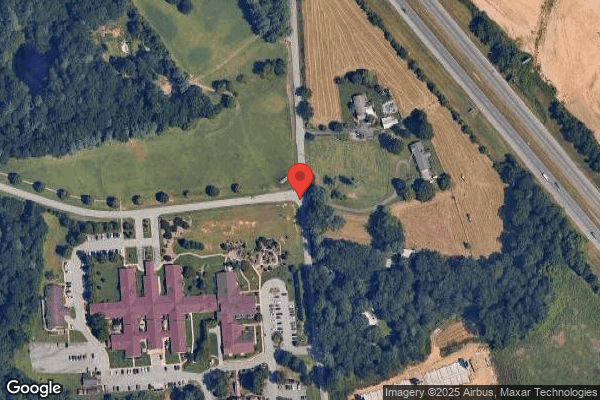
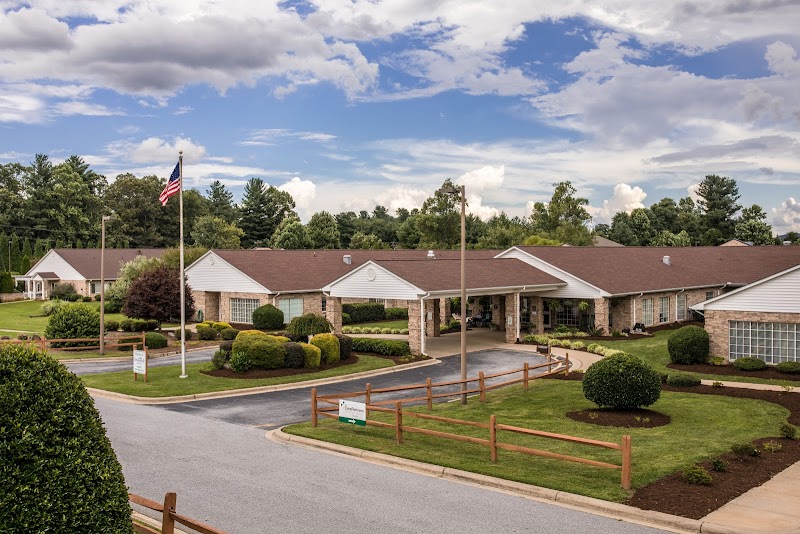
104 College Drive, Flat Rock, NC 28731 (828) 693-8600
For profit - Limited Liability company 130 Beds SANSTONE HEALTH & REHABILITATION Data: November 2025
Trust Grade
90/100
#36 of 417 in NC
Last Inspection: September 2025

Inspected within the last 6 months. Data reflects current conditions.

Overview

Hendersonville Health and Rehabilitation in Flat Rock, North Carolina, has earned a Trust Grade of A, indicating it is an excellent choice for care. It ranks #36 out of 417 facilities in the state, placing it in the top half, and #2 out of 9 in Henderson County, meaning there is only one local option that ranks higher. The facility is showing improvement, as it has reduced its number of issues from 3 in 2024 to none in 2025. While staffing is rated average with a turnover of 38%, which is better than the state average of 49%, the facility does provide more RN coverage than many others, ensuring that nurses can catch potential problems. However, there have been concerns, such as a failure to identify medication irregularities for a resident with diabetes, leading to unnecessary insulin administration, and another incident where a resident was not assessed for their ability to self-administer medication, highlighting areas that need attention. Overall, the facility has strengths in its ranking and improvement trend but must address specific care and medication management issues.
Trust Score
A
90/100
In North Carolina
#36/417
Top 8%
Safety Record
Low Risk
No red flags
Inspections
Getting Better
3 → 0 violations
Staff Stability
○ Average
38% turnover. Near North Carolina's 48% average. Typical for the industry.
Penalties
✓ Good
No fines on record. Clean compliance history, better than most North Carolina facilities.
Skilled Nurses
○ Average
Each resident gets 32 minutes of Registered Nurse (RN) attention daily — about average for North Carolina. RNs are the most trained staff who monitor for health changes.
Violations
⚠ Watch
11 deficiencies on record. Higher than average. Multiple issues found across inspections.
★★★★★
5.0
Overall Rating
★★★☆☆
3.0
Staff Levels
★★★★★
5.0
Care Quality
★★★★☆
4.0
Inspection Score
Stable
2024: 3 issues
2025: 0 issues

The Good

  • 5-Star Quality Measures · Strong clinical quality outcomes
  • Full Sprinkler Coverage · Fire safety systems throughout facility
  • No fines on record
  • Staff turnover below average (38%)

    10 points below North Carolina average of 48%

Facility shows strength in quality measures, fire safety.

The Bad

Staff Turnover: 38%

Near North Carolina avg (46%)

Typical for the industry

Chain: SANSTONE HEALTH & REHABILITATION

Part of a multi-facility chain

Ask about local staffing decisions and management

The Ugly 11 deficiencies on record

Sept 2024 3 deficiencies
CONCERN (D) 📢 Someone Reported This

A family member, employee, or ombudsman was alarmed enough to file a formal complaint

Potential for Harm - no one hurt, but risky conditions existed

Deficiency F0554 (Tag F0554)

Could have caused harm · This affected 1 resident

**NOTE- TERMS IN BRACKETS HAVE BEEN EDITED TO PROTECT CONFIDENTIALITY** Based on observations, record review, and staff interviews the facility failed to assess the ability of a resident to self-admin...

Read full inspector narrative →
**NOTE- TERMS IN BRACKETS HAVE BEEN EDITED TO PROTECT CONFIDENTIALITY** Based on observations, record review, and staff interviews the facility failed to assess the ability of a resident to self-administer medication for 1 of 1 resident with medication observed in the room (Resident #84). Findings included: Resident #84 was admitted to the facility 08/07/24. Review of the medical record revealed no documentation that Resident #84 was assessed for self-administration of medications. The admission Minimum Data Set (MDS) assessment dated [DATE] revealed Resident #84 was moderately cognitively impaired. Review of Resident #84's physician orders revealed no current order for the use of an anti-fungal medication. Observations of Resident #84's overbed table on 09/09/24 at 9:35 AM, 09/10/24 at 3:36 PM, and 09/11/24 at 11:20 AM revealed a 3 milliliter (ml) medication pen with the active ingredient tolnaftate (antifungal medication) 1% lying on top of the table. An interview with Resident #84 on 09/09/24 at 9:35 AM revealed he usually applied the anti-fungal medication daily to treat fingernail fungus. An observation of Resident #84's fingernails on both hands on 09/09/24 at 9:35 AM revealed his fingernails had a yellowish discoloration with a ripple-like texture. In an interview with the Director of Nursing (DON) on 09/11/24 at 1:05 PM she confirmed the anti-fungal medication pen would be considered a medication and should not be left on Resident #84's overbed table. She stated staff rounded on resident rooms daily to check for medications left in resident rooms and that it was overlooked. A follow-up interview with the DON on 09/11/24 at 2:20 PM revealed if a resident wanted to self-administer medication they had to be assessed as safe to self-administer medication, a physician order was obtained, and the medication would be stored in the locked top drawer of the resident's dresser. The DON confirmed Resident #84 had not been assessed to self-administer medication. An interview with the Administrator on 09/11/24 at 2:38 PM revealed medications should not be left in a resident's room without a physician order. He stated staff rounded on resident rooms daily to check for medications left in the room and he felt the anti-fungal pen was overlooked because it looked similar to a writing pen.
CONCERN (D) 📢 Someone Reported This

A family member, employee, or ombudsman was alarmed enough to file a formal complaint

Potential for Harm - no one hurt, but risky conditions existed

Food Safety (Tag F0812)

Could have caused harm · This affected 1 resident

Based on observations and interviews with staff, the facility failed discard expired leftover food ready for use in 1 of 1 walk-in cooler and failed to ensure the floor in the dry food storage area wa...

Read full inspector narrative →
Based on observations and interviews with staff, the facility failed discard expired leftover food ready for use in 1 of 1 walk-in cooler and failed to ensure the floor in the dry food storage area was clean in 1 of 1 kitchen. These practices had the potential to affect food served to residents. Findings included: a. During a walk-through observation of the kitchen and interview with the Assistant Dietary Manager (DM) on 9/8/24 at 8:52 AM through 9:45 AM revealed a 12-ounce package of sliced bologna with an expiration date of 4/16/24 being stored in the walk-in cooler ready for use with no resident name or or date on the package. The Assistant DM revealed she removed the bologna from freezer on 9/6/24 so it could thaw for a resident who had requested it and forgot to label and date the package when it was removed. b. An observation and interview conducted with the DM on 9/8/24 at 9:45 AM revealed the tile floor in the dry food storage area had crumb-like debris scattered underneath the metal shelving where food was being stored. A wrapped nutrition bar and can of soda was left on the floor underneath the shelving. The tile baseboard and floor underneath the metal shelving by the wall throughout the dry food storage area appeared dirty with thick black colored buildup of debris. The DM revealed the Dietary Aides swept and mopped the floors in the dry storage area daily. She observed the floors throughout the dry storage area underneath the metal shelving were dirty with a thick black colored buildup of debris and revealed Dietary Aide staff probably had a hard time reaching that area of the floor due to the metal shelving was attached to the wall making it difficult to reach. During an interview on 09/10/24 at 1:18 PM Dietary Aide #1 confirmed she worked and was the person who swept and mopped the floor in the dry food storage area by the end of her shift on 9/7/24. Dietary Aide #1 revealed she had scrubbed the area and was able to reach underneath the metal shelving and to her the floor appeared clean. She revealed she did not observe a thick buildup of black colored debris on the tile floor. During an interview on 09/11/24 at 2:32 PM the Administrator revealed the bologna was requested by one resident and not in use of all residents. The Administrator revealed he wanted Dietary staff to do their best to keep the kitchen clean.
CONCERN (D) 📢 Someone Reported This

A family member, employee, or ombudsman was alarmed enough to file a formal complaint

Potential for Harm - no one hurt, but risky conditions existed

Deficiency F0919 (Tag F0919)

Could have caused harm · This affected 1 resident

**NOTE- TERMS IN BRACKETS HAVE BEEN EDITED TO PROTECT CONFIDENTIALITY** Based on observation, staff interviews, and resident interview, the facility failed to ensure a call light was functioning prope...

Read full inspector narrative →
**NOTE- TERMS IN BRACKETS HAVE BEEN EDITED TO PROTECT CONFIDENTIALITY** Based on observation, staff interviews, and resident interview, the facility failed to ensure a call light was functioning properly for 1 of 1 resident who required staff assistance for activities of daily living (Resident #80). The findings included: Resident #80 was admitted to the facility on [DATE]. The annual Minimum Data Set assessment dated [DATE] revealed Resident #80 had intact cognition. An observation and interview was conducted with Resident #80 on 09/08/24 at 11:38 AM. Resident #80 was lying in bed trying to get a hold of the pancake call light (round and flat that activates when touched) that was attached to the bed sheet and was hanging off the right side of the bed. Resident #80 stated she was wanting to sit up on the side of the bed and needed staff assistance. When Resident #80 attempted to press the call light, the light on the wall panel in her room and the light over her doorway in the hall did not activate. Nurse Aide (NA) #1 was notified Resident #80 was needing staff assistance and proceeded into Resident #80's room. A subsequent observation of the call light in Resident #80's room was conducted on 09/08/24 at 3:15 PM. Resident #80 was lying in bed, sleeping soundly, with the call light on the bed directly beside her. When the call light was pressed, the light on the wall panel in her room and the light over her doorway in the hall did not activate. Also, the call light for the empty bed that was in Resident #80's room was checked and the light on the wall panel and over the doorway did not activate. During an interview on 09/10/24 at 9:56 AM, NA #1 confirmed she was assigned to provide care to Resident #80 during first shift on 09/08/24 and was not aware that Resident #80's call light was not functioning. NA #1 explained she was in and out of Resident #80's room frequently on 09/08/24 and Resident #80 had not voiced any concerns to her about the call light. NA #1 stated typically when a call light was malfunctioning, there was an indicator on the light above the doorway and maintenance would be notified but she had not noticed anything. An observation and interview was conducted with the Weekend Nurse Supervisor on 09/08/24 at 3:15 PM. The Weekend Nurse Supervisor confirmed the light on the wall panel in the room or over the doorway did not activate when Resident #80's call light or the call light for the empty bed in the room were pressed. She was unaware the call lights were not working in Resident #80's room. She stated Resident #80 could use her call light for assistance and if they had known her call light was not working, they could have given Resident #80 a hand bell to use until the call light was repaired. She stated the Maintenance Director was in the facility today and she would notify him of the issue. An observation and interview was conducted with the Maintenance Director on 09/08/24 at 3:25 PM. The Maintenance Director confirmed the light on the wall panel in the room or over the doorway did not activate when Resident #80's call light or the call light for the empty bed in the room were pressed. The Maintenance Director explained when repairs were needed, typically nursing staff would enter a work order in the computer system or notify him verbally. The Maintenance Director stated he was unaware the call lights were not working in Resident #80's room and he had not received any work order or verbal notification from nursing staff. During a follow-up observation and interview on 09/09/24 at 9:32 AM, Resident #80 stated using her call light was a joke because she would push the call light when assistance was needed but it would take staff over a half an hour to respond during the day time, if at all, and at night, no one would respond. An observation of Resident #80's call light revealed when the call light was pushed, the light on the wall panel in her room and the light over the doorway in the hall both activated. During a follow-up interview on 09/10/24 at 3:52 PM, the Maintenance Director revealed he had been in his current position for 3 months. He stated he made daily rounds of resident rooms to check the water temperature and also checked to see if the call lights were functioning properly. The Maintenance Director explained he did not document his daily rounds or the rooms he checked if there were no issues identified and only documented if repairs were made. He could not recall the last time Resident #80's call light was checked for functioning. During an interview on 09/10/24 at 3:58 PM, the Administrator stated administrative staff members had assigned rooms for them to make daily rounds. During the daily rounds, he explained they used a checklist to guide observations and note any identified concerns which included checking the call lights to ensure they were working but they did not keep the checklists of the daily rounds that were completed. The Administrator stated Resident #80 was someone who used her call light frequently and he would have assumed that nursing staff would have noticed her call light was not working on 09/08/24 and put a work order into the facility system for maintenance to repair.
Jun 2023 8 deficiencies
CONCERN (D) 📢 Someone Reported This

A family member, employee, or ombudsman was alarmed enough to file a formal complaint

Potential for Harm - no one hurt, but risky conditions existed

Resident Rights (Tag F0550)

Could have caused harm · This affected 1 resident

**NOTE- TERMS IN BRACKETS HAVE BEEN EDITED TO PROTECT CONFIDENTIALITY** Based on record review, staff and resident interview the facility failed to treat a resident in a dignified manner when Nurse Ai...

Read full inspector narrative →
**NOTE- TERMS IN BRACKETS HAVE BEEN EDITED TO PROTECT CONFIDENTIALITY** Based on record review, staff and resident interview the facility failed to treat a resident in a dignified manner when Nurse Aide #2 spoke to her in a manner that made her feel terrible for 1 of 5 residents (Resident #6) reviewed for dignity. The findings include: Resident #6 was admitted to the facility on [DATE]. The quarterly Minimum Data Set, dated [DATE] revealed Resident #6 was moderately cognitively impaired and had no behaviors or rejection of care. During an interview on 6/12/23 at 10:00 AM Resident #6 revealed that Nurse Aide #2 had called her a devil and witch during breakfast. An interview with Nurse Aide #2 on 6/13/23 at 2:16 PM revealed that she had taken Resident #6 her breakfast tray in the morning of 6/12/23 and Resident #6 had stated in a repetitive and increasing louder voice she's here!. Nurse Aide #2 stated that she had replied with yeah, the devil is here and Resident #6 stated you sure are. Nurse Aide #2 then stated to Resident #6, Why are you being a grumpy witch? Nurse Aide #2 indicated that she knew it wasn't appropriate to say that but she's only human and she should have just left the room. A follow up interview with Resident #6 on 6/14/23 at 8:55 AM revealed that the way Nurse Aide #2 spoke to her made her feel terrible but no other staff has spoken to her that way. She stated that she slept well last night and was looking forward to breakfast. An interview with the Director of Nursing and the Administrator on 6/13/23 at 4:42 PM revealed that Nurse Aide #2 informed them about the incident with the Resident #6 on 6/13/23 at 2:30 PM. The Administrator then did a grievance report. They sent Nurse Aide #2 home that afternoon pending further investigation. The Director of Nursing stated her expectation was that everyone be respectful to each other and Nurse Aide #2's response was not appropriate. An interview with the Director of Nursing and the Administrator on 6/14/23 at 10:43 AM revealed that Nurse Aide #2 would no longer work with Resident #6.
CONCERN (D) 📢 Someone Reported This

A family member, employee, or ombudsman was alarmed enough to file a formal complaint

Potential for Harm - no one hurt, but risky conditions existed

Deficiency F0558 (Tag F0558)

Could have caused harm · This affected 1 resident

**NOTE- TERMS IN BRACKETS HAVE BEEN EDITED TO PROTECT CONFIDENTIALITY** Based on observation, record review and interviews with the resident and staff, the facility failed to ensure a dependent reside...

Read full inspector narrative →
**NOTE- TERMS IN BRACKETS HAVE BEEN EDITED TO PROTECT CONFIDENTIALITY** Based on observation, record review and interviews with the resident and staff, the facility failed to ensure a dependent resident could access the light switch located behind the bed for 1 of 2 residents reviewed for accommodation of needs. (Resident #139) A. Resident #139 was admitted to the facility on [DATE]. The admission Minimum Data Set (MDS) dated [DATE] assessed Resident #139 with intact cognition. The MDS indicated walking between locations inside or outside the room, and locomotion off unit did not occur for Resident #139 during the assessment periods. Review of Resident #139's medical records revealed she had moved to her current room on 06/09/23. During an observation conducted on 06/12/23 at 8:37 AM, the switch for the light fixture behind Resident #139's bed was attached with a cord approximately 4 inches in length. The switch was located on the wall approximately 5 feet from the floor and around 4 feet from Resident #139's bed. Resident #139 was unable to reach the cord connected to the switch from the bed if needed. An interview was conducted with Resident #139 on 06/12/23 at 8:38 AM. She stated the access cord to the light switch behind the bed had been in disrepair since she moved to this room on 06/09/23. She indicated that she was bed bound and non-ambulatory. She did not have any control of the lights behind her bed as she could not reach the switch on the wall from her bed. She had to rely on nursing staff to control the light each time and it was very inconvenient to her. During a subsequent observation conducted on 06/13/23 at 2:44 PM, the access cord attached to the light switch behind Resident #139's bed remained in disrepair. During a joint observation was conducted with Nurse Aide (NA) #1 and Nurse #2 on 06/13/23 at 2:56 PM, the access cord for the light switch for the light behind the bed remained inaccessible from Resident #139's bed. A joint interview was conducted with NA #1 and Nurse #2 on 06/13/23 at 2:58 PM. Both nursing staff confirmed Resident #139 was bed bound and acknowledged that the switches on the wall were unreachable for Resident #139 from the bed. They had provided care for Resident #139 in the past 2 days but did not notice the access cord for the light switch behind the bed was broken. During an interview conducted with the Maintenance Manager on 06/13/23 at 3:24 PM, he stated he did a walk through for the whole building to identify repair needs at least once monthly. Other than that, he depended heavily on the staff to report repair/maintenance needs through the electronic work order reporting system. He acknowledged that the access cord to control the switches for the light fixture behind the bed was inaccessible from Resident #139's bed. An interview was conducted with the Director of Nursing (DON) on 06/15/23 at 11:39 AM. She stated it was her expectation for all the staff to be more attentive to the residents' home enviornment. All the residents should have accessibility and full control of their light fixture all the time. An interview was conducted on 06/15/23 at 12:20 PM with the Administrator. He expected nursing staff to pay more attention to residents' home and reported repair needs to Maintenance Manager in timely manner. It was his expectation for all the residents to have accessibility and full control of the light fixtures to accommodate their needs.
CONCERN (D) 📢 Someone Reported This

A family member, employee, or ombudsman was alarmed enough to file a formal complaint

Potential for Harm - no one hurt, but risky conditions existed

Deficiency F0583 (Tag F0583)

Could have caused harm · This affected 1 resident

**NOTE- TERMS IN BRACKETS HAVE BEEN EDITED TO PROTECT CONFIDENTIALITY** Based on observation and staff interviews, the facility failed to safeguard protected health information (PHI) for 1 of 5 medica...

Read full inspector narrative →
**NOTE- TERMS IN BRACKETS HAVE BEEN EDITED TO PROTECT CONFIDENTIALITY** Based on observation and staff interviews, the facility failed to safeguard protected health information (PHI) for 1 of 5 medication carts by leaving confidential PHI unattended and exposed in an area accessible to the public (Medication cart of 100 Hall). The findings included: 1.Resident #139 admitted to the facility on [DATE]. A continuous observation was made on 06/14/23 from 8:12 AM through 8:14 AM of an unattended medication cart on the 100 Hall. Nurse #3 left the medication cart with the Medication Administration Record (MAR) in the computer exposed when she was providing care for Resident #139 in the room. The computer screen showed the name, picture, and other PHI of Resident #139. Nurse #3 returned to the medication cart approximately 2 minutes later at 8:14 AM to close the computer partially to about a 30 degrees angle without turning on the privacy protection screen. Then, she returned to Resident #139's room. She returned to the medication cart again about 5 minutes later at 8:19 AM and turned on the privacy protection screen. During an interview conducted on 06/14/23 at 8:20 AM, Nurse #3 explained she was distracted by Resident #139 who asked for assistance when she was doing medication pass. She stated residents' PHI should not be exposed or left unattended and acknowledged that it was her oversight. She stated she had Health Insurance Portability and Accountability Act (HIPAA) training at least once yearly and the last training was completed a few months ago. An interview was conducted with Unit Manager #2 on 06/14/23 at 9:19 AM. She stated nursing staff should turn on the privacy protection screen when they were away from the medication cart to avoid exposing residents' PHI. It was her expectation for all the nursing staff to follow HIPAA guidelines when working in the facility. During an interview conducted on 06/15/23 at 11:39 AM, the Director of Nursing (DON) expected all the staff to safeguard residents' PHI and follow HIPAA guidelines all the time. During a phone interview conducted on 06/15/23 at 12:20 PM, the Administrator stated all residents' confidential PHI should be protected. It was his expectation for all the staff to follow HIPAA guidelines when working in the facility.
CONCERN (D) 📢 Someone Reported This

A family member, employee, or ombudsman was alarmed enough to file a formal complaint

Potential for Harm - no one hurt, but risky conditions existed

Safe Environment (Tag F0584)

Could have caused harm · This affected 1 resident

**NOTE- TERMS IN BRACKETS HAVE BEEN EDITED TO PROTECT CONFIDENTIALITY** Based on observations and staff interviews, the facility failed to maintain a door with splintered wood and exposed rough layer ...

Read full inspector narrative →
**NOTE- TERMS IN BRACKETS HAVE BEEN EDITED TO PROTECT CONFIDENTIALITY** Based on observations and staff interviews, the facility failed to maintain a door with splintered wood and exposed rough layer of wood in good repair for 1 of 11 sampled resident rooms (412). Findings included: On 6/12/23 at 10:08 AM an observation of room [ROOM NUMBER] revealed the door at the entrance of the room was scraped with an area on the edge of the door approximately wheelchair armrest height of 2 x 1 inches was missing the outer layer of the wood with visible splinters. The bottom corner edge of the door was observed with the outer layer of the wood peeled away from the door, exposing a rough, unfinished layer of the door. On 6/13/23 at 2:35 PM an observation for room [ROOM NUMBER] revealed the door was unchanged from the previous observation on 6/12/23. On 6/15/23 at 11:15 AM an observation of room [ROOM NUMBER] revealed the door was unchanged from the previous observation on 6/12/23 and 6/13/23. On 6/15/23 at 11:40 AM the Administrator and Maintenance Supervisor were shown the damaged door in room [ROOM NUMBER]. The Maintenance Supervisor stated he was not aware of the damaged door, and it had not been reported to him. He stated he completed monthly rounds of the rooms and had not observed the damage to the door in room [ROOM NUMBER]. The Administrator stated the Administrative Staff completed daily rounds and normally reported any concerns during their daily morning meetings and damage to the door in room [ROOM NUMBER] had not been reported. On 6/15/23 at 11:46 AM the Administrator stated that the door of room [ROOM NUMBER] should have been reported to Maintenance and repaired.
CONCERN (D) 📢 Someone Reported This

A family member, employee, or ombudsman was alarmed enough to file a formal complaint

Potential for Harm - no one hurt, but risky conditions existed

Deficiency F0761 (Tag F0761)

Could have caused harm · This affected 1 resident

**NOTE- TERMS IN BRACKETS HAVE BEEN EDITED TO PROTECT CONFIDENTIALITY** Based on observation, record reviews, and staff interviews, the facility failed to store an opened nasal spray in a safe and sec...

Read full inspector narrative →
**NOTE- TERMS IN BRACKETS HAVE BEEN EDITED TO PROTECT CONFIDENTIALITY** Based on observation, record reviews, and staff interviews, the facility failed to store an opened nasal spray in a safe and secure manner for 1 of 3 residents review for medication storage. (Resident #18) The findings included: Review of facility's medication storage policy and procedure dated 09/30/22 indicated all drugs and biologicals should be stored in a safe, secure, and orderly manner to prevent the possibility of mixing medications of several different residents. Resident #9 admitted to the facility on [DATE] with diagnosis included seasonal allergies. Resident #18 admitted to the facility on [DATE]. During an observation conducted on 06/12/23 at 11:12 AM for Resident #18, a bottle of opened fluticasone nasal spray was left unattended on top of the bed side table in the room. An interview was conducted with Resident #18 on 06/12/23 at 11:15 AM. She did not know a nasal spray was left unattended in her room and the length of time it had been sitting on her bed side table. She added the nasal spray was not for her and did not know why it was left in her room. During an interview conducted on 06/12/23 at 11:18 AM, Medication Aide #1 denied she had left the nasal spray in Resident #18's room. She stated did not notice the nasal spray was left unattended in Resident #18's room when she did medication pass that morning. She explained the nasal spray was not for Resident #18. It is for Resident #9 who stayed across the hall. She indicated the nasal spray was last used on the evening of 06/11/23 according to the Medication Administration Records (MARs). She reported it could have been left in Resident #18's room accidentally by the nurse who worked on 06/11/23 night. Review of MARs confirmed the fluticasone nasal sprays was prescribed for Resident #9. It was last administered by Nurse #1 on 06/11/23 at 9:00 PM. Phone interview with Nurse #1 was attempted but unsuccessful. He was unavailable to answer the call and did not return the call. An interview was conducted with the Unit Manager #1 on 06/12/23 at 11:34 AM. She stated nursing staff should not leave any medications unattended in resident's rooms. She confirmed the fluticasone nasal sprays was for Resident #9 and did not know why it was left in Resident #18's room. It was her expectation for the facility to remain free of unattended medication. During an interview conducted on 06/15/23 at 11:39 AM, the Director of Nursing (DON) expected nursing staff to follow the policy and procedure of medication storage and keep the facility free of unattended medications. An interview was conducted with the Administrator on 06/15/23 at 12:20 PM. He expected nursing staff to be more attentive to resident's home environment. It was his expectation for the facility to remain free of unattended medication.
CONCERN (D) 📢 Someone Reported This

A family member, employee, or ombudsman was alarmed enough to file a formal complaint

Potential for Harm - no one hurt, but risky conditions existed

QAPI Program (Tag F0867)

Could have caused harm · This affected 1 resident

Based on observations, record review and staff interviews, the facility's Quality Assessment and Assurance (QAA) Committee failed to maintain implemented procedures and monitor interventions previousl...

Read full inspector narrative →
Based on observations, record review and staff interviews, the facility's Quality Assessment and Assurance (QAA) Committee failed to maintain implemented procedures and monitor interventions previously put in place following the annual recertification survey conducted on 10/14/21. This was for one deficiency originally cited in October 2021 in the area of Safe/Clean/Comfortable/Homelike Environment and was subsequently recited on the current annual recertification survey of 06/16/23. The duplicate citation during two federal surveys of record shows a pattern of the facility's inability to sustain an effective QAA program. The findings included: This tag was cross referenced to: F584: During the annual recertification survey conducted on 06/16/23, the facility failed to repair a door with splintered wood and exposed rough layers of wood in good condition for 1 of 11 sampled resident rooms (412). During the annual recertification survey conducted on 10/14/21, the facility failed, to maintain the base of a toilet in sanitary condition, maintain a bedside commode in good condition, maintain doors in good condition and maintain wheelchair brakes in sanitary condition reviewed for a safe, clean, comfortable, and homelike environment. An interview was conducted on 06/16/23 at 1:57 PM with the Administrator. The Administrator revealed he started in his position in April 2023 and had met twice with the Quality Assurance Committee and they continue to meet monthly. The Administrator explained the facility reviewed the previous five 5 years of survey results and the concerns with the environment was ongoing. He revealed room rounds were done Monday through Friday to capture environment issues and included to check the doors in resident rooms for repair needs. He revealed him, the Maintenance Supervisor, and Environmental Services walk around once week to look for life safety concerns and check the condition of the building and look for damaged doors.
CONCERN (E) 📢 Someone Reported This

A family member, employee, or ombudsman was alarmed enough to file a formal complaint

Potential for Harm - no one hurt, but risky conditions existed

Drug Regimen Review (Tag F0756)

Could have caused harm · This affected multiple residents

**NOTE- TERMS IN BRACKETS HAVE BEEN EDITED TO PROTECT CONFIDENTIALITY** Based on record review and interviews with the resident, staff, Consultant Pharmacist, and Medical Director (MD), the Consultant...

Read full inspector narrative →
**NOTE- TERMS IN BRACKETS HAVE BEEN EDITED TO PROTECT CONFIDENTIALITY** Based on record review and interviews with the resident, staff, Consultant Pharmacist, and Medical Director (MD), the Consultant Pharmacist failed to identify drug irregularities and provide recommendations for 1 of 5 residents reviewed for unnecessary medications (Residents #34). The findings included: Resident #34 was admitted to the facility on [DATE] with diagnoses including diabetes mellitus. Review of the physician's orders dated 05/31/23 revealed Resident #34 had an order to receive 10 units of Basaglar insulin subcutaneously once daily at bedtime for diabetes. The order specified to hold the insulin when Resident #34's capillary blood glucose (CBG) was lower than 150 milligrams per deciliter (mg/dL). Review of medical records revealed the Consultant Pharmacist had conducted a new admission medication regimen review (MRR) for Resident #34 on 06/05/23 and a subsequent monthly MRR on 06/12/23. He did not identify any drug irregularities and did not make any specified recommendations to the physician or nursing staff. The admission Minimum Data Set (MDS) dated [DATE] assessed Resident #34 with intact cognition and indicated she had received insulin daily in the 7-day assessment periods. The diabetic care plan initiated on 06/08/23 for Resident #34 revealed she had the potential for complications related to diagnosis of diabetes. The goal was to remain free of signs of hypoglycemia (low blood sugar) or hyperglycemia (high blood sugar) through the next review period. Intervention included to administer medications as ordered. A review of medication administration record (MAR) for May 2023 through June 2023 indicated Resident #34 had received 10 units of Basaglar insulin subcutaneously at bedtime from 3 different nurses, 10 times within 15 days when her CBGs were less than 150 mg/dL prior to insulin administration on the following nights: - 05/31/23 when CBG = 135 mg/dL - 06/01/23 when CBG = 138 mg/dL - 06/02/23 when CBG = 127 mg/dL - 06/03/23 when CBG = 122 mg/dL - 06/07/23 when CBG = 100 mg/dL - 06/09/23 when CBG = 114 mg/dL - 06/10/23 when CBG = 92 mg/dL - 06/11/23 when CBG = 144 mg/dL - 06/12/23 when CBG = 120 mg/dL - 06/14/23 when CBG = 88 mg/dL During a phone interview conducted on 06/15/23 at 10:10 AM. Nurse #3 stated she worked second shift on 06/03/23 and 06/09/23 and confirmed she had administered Basaglar insulin for Resident #34 in both shifts. She explained she did not notice the perimeter set by the physician and acknowledged that the insulin should be held when Resident #34's CBG was less than 150 mg/dL. A phone interview was conducted with Nurse #4 on 06/15/23 at 10:24 AM. She stated she worked second shift on 06/02/23 and 06/12/23 and confirmed she had administered Basaglar insulin for Resident #34 in both shifts. She explained she did not notice the perimeter set by the doctor in the computer and acknowledged that the insulin should be held when Resident #34's CBG was less than 150 mg/dL, as ordered by the physician. During an interview conducted on 06/15/23 at 10:51 AM, Resident #34 stated she had received Basaglar insulin once every night since her admission on [DATE]. She denied having any episode of low blood sugar so far. A phone interview was conducted on 06/16/23 at 10:19 AM with the Consultant Pharmacist. He stated he had reviewed Resident #34's medication regimen twice since her admission. However, he did not make any recommendation to the physician or nursing so far. He noted Resident #34 was taking Basaglar insulin and her blood glucose levels were well controlled. He did not notice the perimeter set by the physician to hold insulin when the CBG was less than 150 mg/dL. During a phone interview conducted on 06/16/23 at 10:42 AM, the MD stated it was his expectation for the Consultant Pharmacist to identify all drug irregularities during MRRs and alert the physician and nursing staff in a timely manner. A phone interview was conducted with the Administrator on 06/16/23 at 10:47 AM. He expected the Consultant Pharmacist to identify and report all drug irregularities to the physician and nursing in timely manner. During a phone interview conducted on 06/16/23 at 11:04 AM, the Director of Nursing stated it was her expectation for the Consultant Pharmacist to identify and document all drug irregularities during MRRs and make recommendation to the physician and nursing staff in timely manner.
CONCERN (E) 📢 Someone Reported This

A family member, employee, or ombudsman was alarmed enough to file a formal complaint

Potential for Harm - no one hurt, but risky conditions existed

Deficiency F0760 (Tag F0760)

Could have caused harm · This affected multiple residents

**NOTE- TERMS IN BRACKETS HAVE BEEN EDITED TO PROTECT CONFIDENTIALITY** Based on record review and interviews with the resident, staff, Consultant Pharmacist, and Medical Director (MD), the facility f...

Read full inspector narrative →
**NOTE- TERMS IN BRACKETS HAVE BEEN EDITED TO PROTECT CONFIDENTIALITY** Based on record review and interviews with the resident, staff, Consultant Pharmacist, and Medical Director (MD), the facility failed to prevent a significant medication error when nurses failed to follow physician's parameter as ordered during insulin administration. As a result, Resident #34 received 10 doses of unnecessary Basaglar insulin within 15 days. This affected 1 of 5 residents reviewed for unnecessary medications (Resident #34). The findings included: Resident #34 was admitted to the facility on [DATE] with diagnoses including diabetes mellitus. Review of the physician's orders dated 05/31/23 revealed Resident #34 had an order to receive 10 units of Basaglar insulin subcutaneously once daily at bedtime for diabetes. The order specified to hold the insulin when Resident #34's capillary blood glucose (CBG) was lower than 150 milligrams per deciliter (mg/dL). The admission Minimum Data Set (MDS) dated [DATE] assessed Resident #34 with intact cognition and indicated she had received insulin daily in the 7-day assessment periods. The diabetic care plan initiated on 06/08/23 for Resident #34 revealed she had the potential for complications related to diagnosis of diabetes. The goal was to remain free of signs of hypoglycemia (low blood sugar) or hyperglycemia (high blood sugar) through the next review period. Intervention included to administer medications as ordered. A review of the medication administration records (MARs) for May 2023 through June 2023 revealed Resident #34 had received 10 units of Basaglar insulin subcutaneously at bedtime from 3 different nurses, 10 times within 15 days when her CBGs were less than 150 mg/dL prior to insulin administration on the following nights: - 05/31/23 when CBG = 135 mg/dL - 06/01/23 when CBG = 138 mg/dL - 06/02/23 when CBG = 127 mg/dL - 06/03/23 when CBG = 122 mg/dL - 06/07/23 when CBG = 100 mg/dL - 06/09/23 when CBG = 114 mg/dL - 06/10/23 when CBG = 92 mg/dL - 06/11/23 when CBG = 144 mg/dL - 06/12/23 when CBG = 120 mg/dL - 06/14/23 when CBG = 88 mg/dL Further review of MARs revealed Resident # 34's morning blood glucose levels were within the normal limits. It ranged from 94 mg/dL to 168 mg/dL. During a phone interview conducted on 06/15/23 at 10:10 AM. Nurse #3 stated she worked second shift on 06/03/23 and 06/09/23 and confirmed she had administered Basaglar insulin for Resident #34 in both shifts. She explained she did not notice the parameter set by the physician and acknowledged that the insulin should be held when Resident #34's CBG was less than 150 mg/dL. A phone interview was conducted with Nurse #4 on 06/15/23 at 10:24 AM. She stated she worked second shift on 06/02/23 and 06/12/23 and confirmed she had administered Basaglar insulin for Resident #34 in both shifts. She explained she did not notice the parameter set by the doctor in the computer and acknowledged that the insulin should be held when Resident #34's CBG was less than 150 mg/dL, as ordered by the physician. During an interview conducted on 06/15/23 at 10:51 AM, Resident #34 stated she had received Basaglar insulin once every night since her admission on [DATE]. She denied having any episode of low blood sugar so far. A phone interview was conducted with the MD on 06/15/23 at 11:15 AM. He explained Basaglar was a long-acting insulin, and it could affect blood glucose levels in the morning. He stated Resident #34's morning blood glucose levels were within the normal ranges in the past 15 days. He stated he did not understand why nurses would not follow the parameter attached to the order. It was his expectation for nurses to follow his order and parameter all the time. During an interview conducted on 06/15/23 at 11:39 AM, the Director of Nursing acknowledged that the incident was a medication error, and it could potentially be a significant medication error. It was her expectation for all the nursing staff to follow physician's order and parameter all the time. An interview was conducted on 06/15/23 at 12:20 PM. The Administrator stated the incident was a significant medication error as it could trigger hypoglycemia. He expected nursing staff to pay attention to the physician's order and ordered parameters when administering medications. It was his expectation for all the nursing staff to follow the physician's order all the time.
Understanding Severity Codes (click to expand)
Life-Threatening (Immediate Jeopardy)
J - Isolated K - Pattern L - Widespread
Actual Harm
G - Isolated H - Pattern I - Widespread
Potential for Harm
D - Isolated E - Pattern F - Widespread
No Harm (Minor)
A - Isolated B - Pattern C - Widespread

Questions to Ask on Your Visit

  • "Can I speak with families of current residents?"
  • "What's your RN coverage like on weekends and overnight?"

Our Honest Assessment

Strengths
  • • Grade A (90/100). Above average facility, better than most options in North Carolina.
  • • No major safety red flags. No abuse findings, life-threatening violations, or SFF status.
  • • No fines on record. Clean compliance history, better than most North Carolina facilities.
  • • 38% turnover. Below North Carolina's 48% average. Good staff retention means consistent care.
Concerns
  • • 11 deficiencies on record. Higher than average. Multiple issues found across inspections.
Bottom line: Generally positive indicators. Standard due diligence and a personal visit recommended.

About This Facility

What is Hendersonville Health And Rehabilitation's CMS Rating?

CMS assigns Hendersonville Health and Rehabilitation an overall rating of 5 out of 5 stars, which is considered much above average nationally. Within North Carolina, this rating places the facility higher than 99% of the state's 100 nursing homes. This rating reflects solid performance across the metrics CMS uses to evaluate nursing home quality.
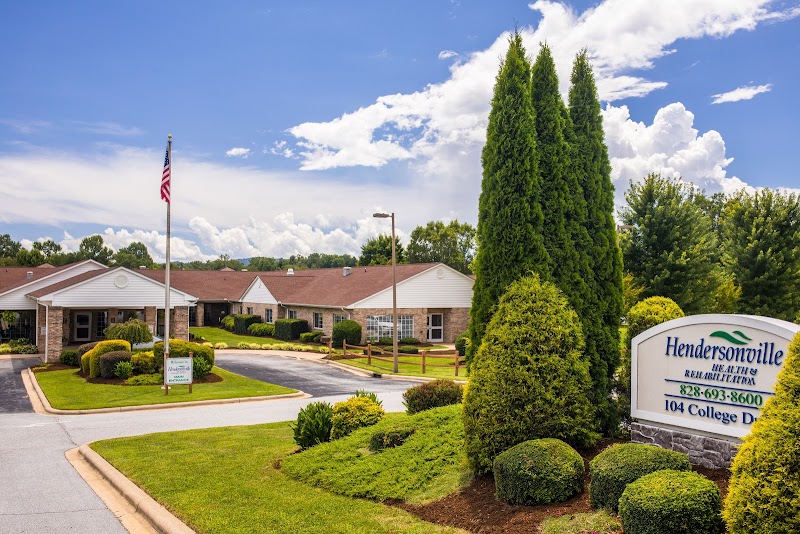
How is Hendersonville Health And Rehabilitation Staffed?

CMS rates Hendersonville Health and Rehabilitation's staffing level at 3 out of 5 stars, which is average compared to other nursing homes. Staff turnover is 38%, compared to the North Carolina average of 46%. This relatively stable workforce can support continuity of care.

What Have Inspectors Found at Hendersonville Health And Rehabilitation?

State health inspectors documented 11 deficiencies at Hendersonville Health and Rehabilitation during 2023 to 2024. These included: 11 with potential for harm.
Who Owns and Operates Hendersonville Health And Rehabilitation?

Hendersonville Health and Rehabilitation is owned by a for-profit company. For-profit facilities operate as businesses with obligations to shareholders or private owners. The facility is operated by SANSTONE HEALTH & REHABILITATION, a chain that manages multiple nursing homes. With 130 certified beds and approximately 93 residents (about 72% occupancy), it is a mid-sized facility located in Flat Rock, North Carolina.

How Does Hendersonville Health And Rehabilitation Compare to Other North Carolina Nursing Homes?

Compared to the 100 nursing homes in North Carolina, Hendersonville Health and Rehabilitation's overall rating (5 stars) is above the state average of 2.8, staff turnover (38%) is near the state average of 46%, and health inspection rating (4 stars) is above the national benchmark.

What Should Families Ask When Visiting Hendersonville Health And Rehabilitation?

Based on this facility's data, families visiting should ask: "Can I visit during a mealtime to observe dining assistance and food quality?" "How do you handle medical emergencies, and what is your hospital transfer rate?" "Can I speak with family members of current residents about their experience?"

Is Hendersonville Health And Rehabilitation Safe?

Based on CMS inspection data, Hendersonville Health and Rehabilitation has a clean safety record: no substantiated abuse findings (meaning no confirmed cases of resident harm), no Immediate Jeopardy citations (the most serious violation level indicating risk of serious injury or death), and is not on the Special Focus Facility watch list (a federal program monitoring the lowest-performing 1% of nursing homes). The facility has a 5-star overall rating and ranks #1 of 100 nursing homes in North Carolina. While no facility is perfect, families should still ask about staff-to-resident ratios and recent inspection results during their visit.

Do Nurses at Hendersonville Health And Rehabilitation Stick Around?

Hendersonville Health and Rehabilitation has a staff turnover rate of 38%, which is about average for North Carolina nursing homes (state average: 46%). Moderate turnover is common in nursing homes, but families should still ask about staff tenure and how the facility maintains care continuity when employees leave.

Was Hendersonville Health And Rehabilitation Ever Fined?

Hendersonville Health and Rehabilitation has no federal fines on record. CMS issues fines when nursing homes fail to meet care standards or don't correct problems found during inspections. The absence of fines suggests the facility has either maintained compliance or corrected any issues before penalties were assessed. This is a positive indicator, though families should still review recent inspection reports for the full picture.

Is Hendersonville Health And Rehabilitation on Any Federal Watch List?

Hendersonville Health and Rehabilitation is not on any federal watch list. The most significant is the Special Focus Facility (SFF) program, which identifies the bottom 1% of nursing homes nationally based on persistent, serious quality problems. Not being on this list means the facility has avoided the pattern of deficiencies that triggers enhanced federal oversight. This is a positive indicator, though families should still review the facility's inspection history directly.