Macon Valley Nursing and Rehabilitation Center
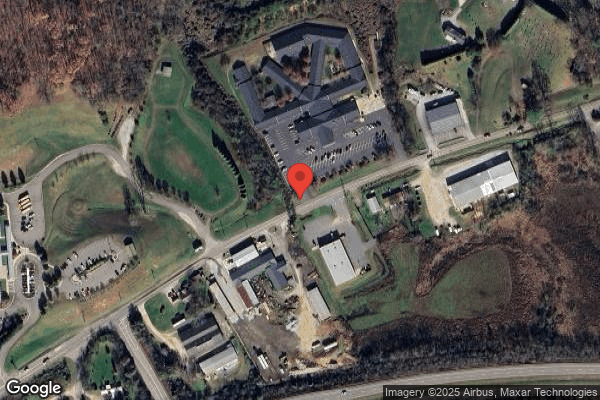
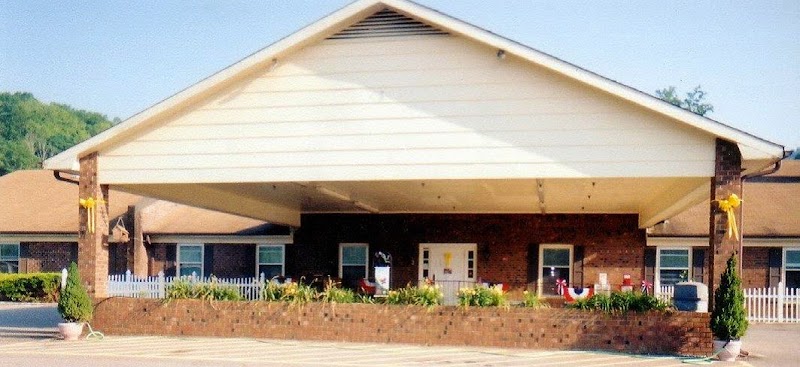
3195 Old Murphy Road, Franklin, NC 28734 (828) 524-7806
For profit - Corporation 200 Beds PRINCIPLE LONG TERM CARE Data: November 2025
Trust Grade
23/100
#264 of 417 in NC
Last Inspection: June 2025

Inspected within the last 6 months. Data reflects current conditions.

Overview

Macon Valley Nursing and Rehabilitation Center has received a Trust Grade of F, indicating significant concerns about the quality of care provided. Ranking #264 out of 417 facilities in North Carolina places it in the bottom half, and as the second of only two nursing homes in Macon County, there is limited local competition. While the facility is improving its situation, having reduced issues from 9 in 2024 to 3 in 2025, it still has a high staff turnover rate of 77%, which is concerning compared to the state average of 49%. Specific incidents include a resident missing pain medication, leading to severe discomfort, and failures in managing controlled substances, which raises red flags about the residents' safety and care. Overall, while there are some signs of improvement, the facility has substantial weaknesses that families should carefully consider.

Trust Score
F
23/100
In North Carolina
#264/417
Bottom 37%
Safety Record
High Risk
Review needed
Inspections
Getting Better
9 → 3 violations
Staff Stability
⚠ Watch
77% turnover. Very high, 29 points above average. Constant new faces learning your loved one's needs.
Penalties
✓ Good
$5,689 in fines. Lower than most North Carolina facilities. Relatively clean record.
Skilled Nurses
○ Average
Each resident gets 32 minutes of Registered Nurse (RN) attention daily — about average for North Carolina. RNs are the most trained staff who monitor for health changes.
Violations
⚠ Watch
14 deficiencies on record. Higher than average. Multiple issues found across inspections.
★★☆☆☆
2.0
Overall Rating
★★☆☆☆
2.0
Staff Levels
★★★☆☆
3.0
Care Quality
★★☆☆☆
2.0
Inspection Score
Stable
2024: 9 issues
2025: 3 issues

The Good

  • Full Sprinkler Coverage · Fire safety systems throughout facility
  • No fines on record

Facility shows strength in fire safety.

The Bad

2-Star Overall Rating

Below North Carolina average (2.8)

Below average - review inspection findings carefully

Staff Turnover: 77%

30pts above North Carolina avg (46%)

Frequent staff changes - ask about care continuity

Federal Fines: $5,689

Below median ($33,413)

Minor penalties assessed

Chain: PRINCIPLE LONG TERM CARE

Part of a multi-facility chain

Ask about local staffing decisions and management

Staff turnover is very high (77%)

29 points above North Carolina average of 48%

The Ugly 14 deficiencies on record

1 actual harm
Jun 2025 3 deficiencies 1 Harm
SERIOUS (G)

Actual Harm - a resident was hurt due to facility failures

Deficiency F0697 (Tag F0697)

A resident was harmed · This affected 1 resident

**NOTE- TERMS IN BRACKETS HAVE BEEN EDITED TO PROTECT CONFIDENTIALITY** Based on record review, staff, Nurse Practitioner (NP), and Medical Director interviews the facility failed to ensure a resident...

Read full inspector narrative →
**NOTE- TERMS IN BRACKETS HAVE BEEN EDITED TO PROTECT CONFIDENTIALITY** Based on record review, staff, Nurse Practitioner (NP), and Medical Director interviews the facility failed to ensure a resident ' s scheduled pain medication was administered as ordered for 1 of 1 resident reviewed for pain. Resident #523 stated the missed pain medication caused her pain level to be greater than a 10 on 5/31/2025 and caused her to cry and almost scream. The findings included: Resident #523 was admitted to the facility on [DATE] with diagnoses that included enterocolitis (inflammation in the small intestine and colon's inner lining) due to clostridium difficile (inflammation of the colon caused by bacteria), essential hypertension, osteoporosis, history of deep vein thrombosis (a blood clot in a deep vein), and pulmonary embolism (a serious medical condition involving a blockage in a lung artery), congestive heart failure, avascular necrosis of bilateral lower extremities (a condition where bone tissue dies due to insufficient blood supply) on chronic opiate therapy, lower quadrant pain. Resident #523 was admitted with physician's orders that included: A physician order dated 05/30/25 read, Oxycodone HCL (pain medication) 5 milligrams (mg) by mouth four times a day and every 6 hours as needed for pain. A physician order dated 05/30/25 read, Tramadol HCL (pain medication) 50mg give one tablet by mouth every 6 hours as needed for pain. A review of #523's Medication Administration Record (MAR) dated May 2025 revealed the following: Scheduled oxycodone HCL 5mg on 5/30/2025 at 9:00 PM was documented as administered by Nurse #2 with a pain level of 0. Pain scale every shift monitoring documented by Nurse #2 at a level of 0. During a telephone interview on 06/04/25 5:16 PM Nurse #2 stated she was assigned to Resident #523 when she was admitted to the facility and Resident #523 arrived at the facility at approximately 9:30 to 10:00 PM on 5/30/2025. Nurse #2 stated Resident #523 was alert and oriented. Nurse #2 stated the oxycodone HCL 5mg, for Resident #523 was obtained from the emergency medication kit. Nurse #2 stated when Resident #523 was admitted on [DATE] she did not appear to be in a lot of pain and reported a pain level of 0 when scheduled pain medication was administered. Review of Resident #523's MAR dated May 2025 revealed the following: Scheduled oxycodone HCL 5mg on 5/31/2025 at 9:00 am, 1:00 PM and 5:00 PM was documented by Nurse #1 as other see nurses notes. Review of Resident #523's medical record revealed: An electronic Medication Administration Record (eMAR) note dated 5/31/2025 at 11:34 AM written by Nurse #1 that read: oxycodone HCL oral tablet 5mg give 1 tablet by mouth four times a day for pain- waiting on pharmacy. An eMAR note dated 5/31/2025 at 3:02 PM written by Nurse #1 that read: oxycodone HCL oral tablet 5mg give 1 tablet by mouth four times a day for pain- waiting on pharmacy. An eMAR note dated 5/31/2025 at 5:41 PM written by Nurse #1 that read: oxycodone HCL oral tablet 5mg give 1 tablet by mouth four times a day for pain- pharmacy. Pain scale every shift monitoring documented by Nurse #1 at a level of 4. No as needed doses of Oxycodone were initialed as being administered. No as needed doses of Tramadol were initialed as being administered. During an interview on 6/4/2025 at 11:02 AM Nurse #1 was accompanied by the Assistant Director of Nursing (ADON). Nurse #1 stated she was an agency nurse and started at the facility the week prior. Nurse #1 verified she was assigned to Resident #523 on 5/31/2025 and 6/1/2025. Nurse #1 stated Resident #523 was alert and oriented. Nurse #1 stated Resident #523's medication had not been delivered from the pharmacy on 5/31/2025. Nurse #1 stated she had pulled some medications from the emergency medication kit for Resident #523 and that she initially did not know where the emergency controlled medications were located, because she had received her tour from maintenance and was only shown in passing where the emergency medication kit was located. Nurse #1 stated she later asked another nurse working about a backup for controlled medications and was told which nurse had the keys to the emergency-controlled medication kit. Nurse #1 stated she went with the nurse who had the key to pull the tramadol HCL for Resident #523, which is when Nurse #1 realized the emergency controlled medication kit was located next to the emergency medication kit. Nurse #1 stated she was not aware oxycodone HCL 5mg was in the emergency-controlled medication kit. Nurse #1 verified she had told Resident #523 the oxycodone HCL 5mg was not available from the pharmacy on 5/31/2025. Nurse #1 stated she did not call the pharmacy or the on-call provider regarding not having Resident #523's scheduled oxycodone. Nurse #1 stated she observed Resident #523 crying with no tears and holding her hands bending them towards her face shaking her hands, then talking with no problem when other staff entered the room, then crying again when staff left. During a follow up interview on 6/5/2025 at 1:00 PM Nurse #1 stated on 5/31/2025 she administered as needed Tramadol HCL to Resident #523 after obtaining it from the emergency medication kit, but forgot to document it on the MAR. Nurse #1 stated Resident #523 had a pain level of 8 when the as needed tramadol was administered on 5/31/2025 and quieted down after the medication was given so I figured her pain was at a zero. Nurse #1 stated she was very busy on 5/312025 and that is probably why she forgot to document that she administered tramadol HCL 50mg to Resident #523. Nurse #1 stated she did not call the provider because she was told they were to call the on-call provider. Nurse #1 stated she called and left a message for the on-call provider and did not hear back. Nurse #1 verified there was no documentation she had called the on-call provider. Nurse #1 stated she did not attempt to call the pharmacy, and did not ask any other nurses, and did not call the facilities on-call nurse regarding not having Resident #523's scheduled oxycodone HCL 5mg. During an interview on 6/5/2025 at 12:49 PM Nursing Assistant (NA) #1 stated she worked with Resident #523 on 5/30/2025 and 5/31/2025. NA #1 recalled Resident #523 stated she was hurting on 5/31/2025 but her pain medication had not come in. NA #1 stated Resident #523 said her legs were hurting her. NA #1 stated on 5/30/2025 she did not observe Resident #523 cry but did observe Resident #523 cry on 5/31/2025 and attempted to comfort Resident #523 and reported Resident #523's reports of pain to the nurse passing medications. NA #1 did not recall the name of the nurse passing meds, but stated she was new. Review of Resident #523's (MAR) dated May 2025 revealed the following: Scheduled oxycodone 5mg 5/31/2025 at 9:00 PM documented by Nurse #2 as administered with a pain level 5. Pain scale every shift monitoring documented by Nurse #2 at a level 0. During a telephone interview on 06/04/25 5:16 PM Nurse #2 stated on 5/31/2025 she noticed a big difference in Resident #523, Nurse #2 stated Resident #523 was crying and acting differently, and Resident #523 stated her pain level was a 5 when scheduled pain medication was administered on 5/31/2025. Nurse #2 stated on 6/1/2025 Resident #523 started to ask for tramadol HCL, instead of the scheduled oxycodone. Nurse #2 stated Resident #523 reported her primary care provider had tried to change the oxycodone prior to admission to the hospital. Nurse #2 stated she discussed with Resident #523 what medications were ordered for her at the facility. Nurse #2 told Resident #523 she would administer the tramadol, and if Resident #523 did not have relief, there was scheduled and as needed oxycodone ordered that could be administered. Review of Resident #523's MAR dated June 2025 revealed the following: Pain scale every shift monitoring documented by Nurse #2 at a level 0. PRN tramadol 50mg 6/1/2025 at 3:15 AM documented by Nurse #2 with a pain level of 4. Review of Resident #523's MAR dated June 2025 revealed the following: Scheduled oxycodone 5mg 6/1/2025 at 9:00 AM documented by Nurse #1 as other/see nurses notes. Scheduled oxycodone 5mg 6/1/2025 at 1:00 PM documented by Nurse #1 as other/see nurses notes. PRN tramadol 50mg 6/1/2025 at 12:25 PM documented by Nurse #1 with a pain level of 8. Scheduled oxycodone 5mg 6/1/2025 at 5:00 PM documented by Nurse #1 as refused. Review of Resident #523's medical record revealed: An eMAR note dated 6/1/2025 at 12:21 PM written by Nurse #1 that read: oxycodone HCL oral tablet 5mg give 1 tablet by mouth four times a day for pain- pharmacy. An eMAR note dated 6/1/2025 at 12:25 PM written by Nurse #1 that read: tramadol HCL 50mg give 1 tablet by mouth every 6 hours as needed for pain- Resident in pain and crying 8 out of 10. An eMAR note dated 6/1/2025 at 12:26 PM written by Nurse #1 that read: oxycodone HCL oral tablet 5mg give 1 tablet by mouth four times a day for pain- pharmacy. An eMAR note dated 6/1/2025 at 2:47 PM written by Nurse #1 that read in part PRN administration was: Effective- Follow up Pain Scale was : 1. An eMAR note dated 6/1/2025 at 3:55 PM written by Nurse #1 that read oxycodone HCL oral tablet 5mg give 1 tablet by mouth four times a day for pain- (Resident) States I want to talk to my doctor about staying on it, the hospital said it would hurt my liver but it helps with the pain. Pain scale every shift monitoring documented by Nurse #1 at a level of 2. A nursing progress note dated 6/1/2025 at 5:31 PM written by Nurse #1 that read: This resident has been crying due to pain. She has been given PRN medications throughout this day. At this time, she is resting in her bed with eyes closed, respirations even and non-labored. Staff will continue to monitor this resident throughout this shift and follow the current plan of care. During an interview on 6/4/2025 at 11:02 AM Nurse #1 was accompanied by the Assistant Director of Nursing (ADON). Nurse #1 stated on 6/1/2025 Resident #523 had stated the oxycodone worked better, but did not want to take the oxycodone until she talked to the doctor, because Resident #523 said her primary care provider had previously said she shouldn ' t take it. Nurse #1 stated that was why the 6/1/2025 5:00 PM oxycodone was documented as refused. Nurse #1 stated Resident #523 was quieter on 6/1/2025 and did not act out as much. Review of Resident #523's MAR dated June 2025 revealed the following PRN tramadol 50mg 6/1/2025 at 8:48 PM documented by Nurse #2 with a pain scale of 5. Scheduled oxycodone 5mg 6/1/2025 at 9:00 PM documented by Nurse #2 as refused with a pain level of 5. During an interview on 6/3/2025 at 8:30am Resident #523 stated she had not received some of her scheduled pain medication on 5/31/2025 or 6/1/2025, and the nurses told her it was because the medication had not been received from the pharmacy. Resident #523 stated the missed pain medication caused her pain level to be greater than a 10 on 5/31/2025 and caused her to cry and almost scream. Resident #523 stated she always experienced pain. Resident #523 stated she had sharp pain in both ankles and it increased when she moved. Resident #523 described her abdominal pain as strong and stated the pain would come and go. Resident #523 stated prior to her admission her primary care provider had tried to change her medications, but it didn't work, and the hospital had put her back on the medicine that helped. Resident #523 stated after she was admitted to the facility her pain was much worse during the weekend, and it was getting better since her medication had arrived on Sunday (6/1/2025) night. During a telephone interview on 06/04/25 at 4:30 PM Nurse #5 stated on 6/2/2025 Resident #523 appeared to have a pain level of 1 or 2. Nurse #5 stated Resident #523 had asked for pain medication but had to wait for the next time it was due. Nurse #5 stated Resident #523 did not mention missed pain meds over the weekend. Nurse #5 stated she pulled Resident #523's oxycodone from the emergency medication kit on 6/2/2025 and reported to the NP that a script was needed. Nurse #5 was not aware Resident #523 did not receive oxycodone as ordered on 5/31/2025 and 6/1/2025. Nurse #5 thought all scheduled doses had been pulled from the emergency controlled medication kit. Nurse #5 stated any nurse was able to call the on-call pharmacy, provider or the DON if there were any issues with a resident not having an ordered medication. A Nurse Practitioner (NP) note dated 6/2/2025 that read in part: needs hard script for her pain medication per Nurse and Pain is currently controlled . NP note lists a past medical history that included in part: chronic opiate therapy, multiple non-obstructing renal calculi, Left Lower Quadrant abdominal pain, acute on chronic pain. Patient is oriented to person place time and situation. During a telephone interview on 6/04/25 at 3:37 PM the Nurse Practitioner (NP) stated when she saw Resident #523 on 6/2/2025, Resident #523 was concerned about how she would get her meds at home, related to her primary care provider and being able to have blood work completed when she was at home. The NP stated Resident #523 did not mention she had not received pain medication over the weekend. The NP stated Nurse #5 reported Resident #523 had been given oxycodone from the backup emergency kit over the weekend and needed a script sent to the pharmacy. The NP was not aware Resident #523 had not received her oxycodone as scheduled on 5/31/2025 and 6/1/2025. The NP stated during her visit with Resident #523 she had not observed Resident #523 crying and Resident #523 appeared comfortable. The NP stated Resident #523's cognition was intact. The NP stated after 5:00 PM during the week and on the weekend, there are on-call providers that are part of their group. If a resident was admitted and the hospital did not send a script, the on-call provider could have been called to send in an electronic script if the resident needed the medication and it was not in the back up box. The NP stated she would expect residents to receive their ordered medication from the emergency controlled medication kit if it was available. A progress note from the Medical Director dated 6/3/2025 that read in part: pain in ankles under general review. Under physical exam the note read in part: No acute distress or pain, Patient is oriented to person place time and situation. During an interview on 6/3/2025 at 11:20 AM the Medical Director stated he had seen Resident #523 that morning, and she did not report missing pain medication over the weekend. The Medical Director stated Resident #523 was alert and oriented and did not appear to be in significant pain. The Medical Director stated he would expect medications to be administered as ordered and pulled from the emergency controlled medication kit when available. The Medical Director stated they have on-call providers available after 5:00 PM during the week and on weekends. An observation on 6/4/2025 at 3:30 PM of the facility's emergency-controlled medication kit revealed a list of medication that was contained in the kit, and the list included oxycodone 5mg and tramadol 50mg. During a joint interview with the Director of Nursing (DON), and Administrator on 6/5/2025 at 2:01 PM the DON stated she was in the facility on 5/31/2025 and no one had reported Resident #523 did not have her scheduled pain medication that was ordered. The DON stated she had reordered medications for the controlled emergency medication kit from the pharmacy on 5/30/2025 that would have the emergency-controlled medication kit completely full after the medication were delivered by the pharmacy the night of 5/30/2025. The DON verified the emergency medication kit would hold 14 doses of oxycodone 5mg when it was fully stocked. The DON stated she expected nurses to ask other nurses, call the on-call nurse, the on-call provider or the pharmacy if a resident was missing ordered medications. The DON stated she expected nurses to obtain and administer ordered medications from the emergency controlled medication kit if the medication was available. The Administrator stated she expected ordered medications to be administered as ordered, and for the emergency medication kit to be utilized when it contained the ordered medication.
CONCERN (D) 📢 Someone Reported This

A family member, employee, or ombudsman was alarmed enough to file a formal complaint

Potential for Harm - no one hurt, but risky conditions existed

Deficiency F0602 (Tag F0602)

Could have caused harm · This affected 1 resident

**NOTE- TERMS IN BRACKETS HAVE BEEN EDITED TO PROTECT CONFIDENTIALITY** Based on observations, record review, and staff and Pharmacy Consultant interviews, the facility failed to protect the resident'...

Read full inspector narrative →
**NOTE- TERMS IN BRACKETS HAVE BEEN EDITED TO PROTECT CONFIDENTIALITY** Based on observations, record review, and staff and Pharmacy Consultant interviews, the facility failed to protect the resident's right to be free from misappropriation of controlled medications for 1 of 3 residents reviewed (Resident #473). The findings included: Resident #473 was admitted to the facility on [DATE]. The resident was discharged from the facility on 08/15/2024. A physician order dated 07/18/2024 read Oxycodone HCL (controlled pain medication) oral tablet 5 milligrams (mg). Give 2 tablets by mouth every 6 hours as needed for pain. A packing slip from the pharmacy dated 08/03/24 revealed that 120 Oxycodone 5 mg tablets were delivered to the facility on [DATE] no time noted. Nurse #2 and Nurse #3 initialed the packing slip along with the courier from the pharmacy. The facility reported incident dated 08/07/2024 read in part, the Director of Nursing (DON) and Administrator were notified that a count of a resident's narcotic medication revealed a discrepancy. Facility verified that the resident still had an adequate supply of medication. All residents were safe and protected in the facility. This report was signed by the facility Administrator. The shift change controlled substance count check for the gray cart (cart where Resident #473's-controlled substances were stored) was counted by the following two nurses at the following dates and times: - Nurse #3 and Nurse #10 at 11:00 PM on 08/03/2024 and was correct. - Nurse #9 and Nurse #3 at 7:30 AM on 08/04/2024 and was correct. - Nurse #10 and Nurse #9 at 3:20 PM on 08/04/2024 and was correct. - Nurse #3 and Nurse #10 at 11:00 PM on 08/04/2024 and was correct. - Nurse #6 and Nurse #3 at 7:00 AM on 08/05/2024 and was correct. - Nurse #7 and Nurse #6 at 11:00 PM on 08/05/2024 and was correct. Nurse #6 was on duty when the discrepancy was noted. A written statement by the former Assistant Director of Nursing (ADON) was typed on 08/08/2024 and reported that on 08/05/2024 at approximately 3:30 PM, she completed a narcotic audit on all three facility medication carts. The ADON reported a medication error to the DON, because the electronic Medication Administration Record (eMAR) showed that a full dose of two (2) tablets was given to the resident, but only one (1) tablet was documented on the declination narcotic sheet. The ADON reported that the DON notified the ADON at 4:40 PM that the discrepancy was not a medication error and told the ADON to conduct a further investigation. It was the ADON's discovery at approximately 6:00 PM on 08/05/2024 that 1 of 4 declining count sheets and 1 card of medications (oxycodone 5 mg) were unable to be located after a thorough review of all medication carts and narcotic books. The ADON's statement did not reveal when the DON was notified about the missing medication. The ADON further wrote that a thorough search of all medication carts and narcotic books was conducted. The shift-to-shift count sheet was correct, showing 33 cards on the cart that matched the amount of declination sheets in the narcotic book. At 5:46 PM on 06/04/2025 an attempt was made to speak to the former ADON and was unsuccessful. The former DON's witness statement was dated 08/06/2024 and read, in part, that on 08/06/2024 she noticed that Resident #473's oxycodone was signed off card 2 of 4 on a new prescription set. She stated that she was informed that card 1 of 4 for the resident's oxycodone was not on the cart, and she instituted a full audit and investigation of all narcotics, the eMARs, medication carts, shift to shift count sheets, packing slips, and returned drugs. The DON stated that the investigation revealed that card 1 card of Oxycodone 5 mg 30 tablets that had been delivered to the facility on [DATE] and placed on the medication cart was missing. Her statement read that no other resident's medications were missing, and all counts were correct on all other carts in the facility. She wrote that she notified the Administrator and removed Nurse #6 from staffing. The statement read that on 08/07/2024 the Staff Development Coordinator (SDC) and ADON escorted Nurse #6 to the DON's office to inform her of the discrepancies. The DON stated that she informed Nurse #6 that all parties suspected would be suspended and be required to complete drug tests. The statement revealed that Nurse #6 refused and was escorted out of the building. An attempt to speak to the former DON was made on 06/04/25 at 4:08 PM and was unsuccessful. A written statement by Nurse #9 dated 08/06/2024 was reviewed and revealed that she was assigned to the gray hall cart on 08/03/2024 and 08/04/2024 beginning at 7:00 AM on both days. She wrote that on both days the narcotic cards and number of declining count sheets were correct. Nurse #9 was interviewed at 9:34 AM on 06/05/2025, and she stated that if the controlled substance count sheet was full, then it would be placed in the DON's box with the empty pill card matching it stapled together. When asked about the process, Nurse #9 stated that it was usual to place the pill blister pack cards in order (e.g. 1 of 2 and 2 of 2). A written statement given by Nurse #3 on 08/06/2024 read that she worked a shift on 08/02/2024 and was aware that Resident #473 only had about five to six (5-6) oxycodone pills remaining. The nurse reported being concerned that the pills would run out, so she arranged for the daytime nurse [Nurse #9] to call the pharmacy and verify that the refill was ordered. The oxycodone arrived at the facility by courier on 08/03/2024 and she counted the narcotics with a second nurse [Nurse #2], and she was at the nurses' station with the other nurse when they were adding the medications to their carts. She reported not physically going to the other nurses' [Nurse #2] cart to see her add them on her cart at that time. An interview with Nurse #3 was conducted at 9:10 AM on 06/05/2025 and revealed that she did not remember Resident #473. Nurse #3 stated that the process to receive medications from the pharmacy courier is that the carrier of the main keys will count and sign receipt of the medications. If narcotics were delivered from the pharmacy, then the pharmacy courier and two nurses will count the narcotics and sign the pharmacy packing slip. Nurse #3 stated that if she counted medications and sheets on a cart and signed it, then that meant it was correct. A witness statement written on 08/06/2024 by Nurse #2 revealed that medication came from the pharmacy on 08/03/2024 and that she counted the medications with another nurse (Nurse #3) and the pharmacy courier. She stated that she worked the orange hall, and the other nurse (Nurse #3 worked gray hall) and Nurse #2 did not physically watch Nurse #3 put the narcotics on her medication carts. On 06/04/2025 at 5:45 PM, Nurse #2 was interviewed by phone. She worked nightshift on the orange hall cart 08/03/2024 and 08/04/2024. Nurse #2 stated that she and Nurse #3 signed in the medications with the pharmacy courier on 08/03/2024. Nurse #2 did not watch Nurse #3 on Gray Hall put the narcotics in the cart. A witness statement given by Nurse #10 on 08/05/2024 revealed that when she administered a dose of oxycodone 10 mg to the resident on 08/04/2024, she had taken the last pill off of one card and then took one off the next card. She did not remember what the card number was or what order the cards were in. She stated she believed at the time there was at least 3 cards of Resident #473's oxycodone left on the medication cart. Nurse #10 was interviewed by phone at 12:06 PM on 06/05/2025, and she stated that the pill packs of oxycodone were signed out and given out of order. For instance, instead of using card 1 of 4, card 2 was started. She explained that when she counted the narcotic cards at the beginning of the shift, she would count like 13 of 13 in chronological order. Then she would count the pills card for card. Nurse #10 stated that if the count was off on either the sheets or the cards, then she would report it to the DON. She said that if a prescription number was added or subtracted, then she would look in the cart to see what was newly added and look for the prescription card and sheet of what was taken out. Nurse #10 stated that she would always check the prescription number on the card with the prescription number written on the count sheet and performed the count of cards and pills with another nurse. She stated that she never noticed a pill card or count sheet out of order for Resident #473. The witness statement given by the former Staff Development Coordinator (SDC) was dated 08/07/2025 and revealed that she walked Nurse #6 from the front door of building on 08/05/2024 to the DON office. The statement revealed that Nurse #6 was asked to write a statement and refused to write anything. Nurse #6 also refused to do a drug screen and stated that she no longer worked at the facility. The statement read that Nurse #6 was escorted out of the building. At 8:55 AM on 06/05/2025 an attempt to speak to the former SDC was unsuccessful. An attempt to speak to Nurse #6 was made at 10:46 AM on 06/04/2025 and was unsuccessful. A Pharmacy Consultant was interviewed via phone at 3:05 PM on 06/04/2025 and revealed that 120 Oxycodone 5 mg tablets (4 cards of 30) were delivered by the courier in the early hours of 08/03/2024. The packing slip was initialed by the pharmacy courier and was signed by two nurses at the facility. The receipt of medications is not time stamped by the nurses at the facility. The pharmacist stated that check marks beside each listed medication were verified before it left the facility and that 30 pills of oxycodone 5 mg per card were delivered for a total of 120 pills of oxycodone 5 mg. A phone interview was completed on 06/05/2025 at 2:18 PM with the former Administrator on duty on the date of the incident. He stated that he vaguely remembered the name of Resident #473. The former Administrator did not recall details of the misappropriation or the specific date. The facility provided the following corrective action plan: Address how corrective action will be accomplished for those residents found to have been affected by the deficient practice? - The DON and the ADON completed a 100% controlled substance audit of all carts and medication rooms on 08/06/2024. No additional discrepancies observed. - On 08/06/2024, the DON/ADON/Unit Manager inspected the narcotic blister pill packages for any tampering of medications. On 08/07/2024, the DON reported Nurse #6 to the Board of Nursing (BON). Address how the facility will identify other resident having the potential to be affected by the same deficient practice: - On 08/06/2024 the DON/ADON initiated assessment of all residents for pain. The DON/ADON will ensure that staff will initiate non-pharmacological interventions, pain medications and/or physician notification for any identified areas of concern during the audit. The audit will be completed by 08/08/2024. - On 08/06/2024, the ADON/DON/SDC initiated interviews with all alert and oriented residents regarding (1) Do you have any concerns with medication administration to include pain medication? A concern form will be completed for any identified area of concern. Completed on 08/07/2024. - On 08/08/2024, the DON/ADON completed an audit of the last 30 days of ordered narcotic medications to ensure the medications were in the medication cart, administered, or returned to pharmacy per protocol. They also will ensure that the numbers for any returns match the count sheet vs. the return sheet. The DON will initiate an investigation into any identified areas of concern. - On 08/08/2024, the DON/ADON completed a 100% audit of all residents' Controlled Substance Count sheets in comparison to the narcotic medication blister packs in the medication art to ensure there were no discrepancies in the count of the medications. Address what measures will be put into place or systemic changes made to ensure that the deficient practice will not recur: On 08/06/2025 the Administrator, DON, ADON, and SDC held a ad hoc Quality Assurance (QA) meeting and discussed the issue and implemented a plan to correct. - On 08/06/2024, the DON/ADON/SDC initiated an in-service with all nurse and medication aides regarding Controlled Substance Diversion to include: the definition, implications, and the process for returning narcotic medications, new shift-to-shift report, appropriately counting medications during shift change, signage of new shift change sheets to include number of sheets, two nurse signature when adding medications to the cart, procedure for what to do if discrepancy is discovered and to contact administration staff for guidance. All nursing staff will be assigned to education for medication administration process. - All in-services will be completed on 08/11/2024. After 08/11/2024, all nurses or medication aides that have not worked and received the in-service will complete upon their next scheduled shift. Indicate how the facility plans to monitor its performance to make sure that solutions are sustained: - 100% of all ordered narcotic medications will be reviewed by the DON/ADON/Unit Manager 5 times a week, for 8 weeks. They will compare the medication name, dose, number, card number and number of tablets during this audit. This will be compared to the Controlled Substance Count Sheets, medication administration record, and/or return of drug slips to ensure the narcotic medications are being administered or have been returned to the pharmacy as required per policy and there are no signs of drug diversion utilizing a Controlled Substance Audit tool. All areas of concern will be addressed during the audit including re-educating nurses. The DON will review all audits. - The Administrator or DON will present the findings of the Audit Tool to the Quality Assurance Performance Improvement (QAPI) Committee monthly for 3 months. The QAPI Committee will meet monthly for 2 months and review the Audit Tools to determine trends and/or issues that may need further interventions and the need for additional monitoring. Date of compliance: 08/12/2024 During the onsite validation on 06/05/2025 it was observed that staff were entering new narcotic entries correctly and documenting appropriately on the declining count sheets. Upon narcotic book reviews, it was noted that shift-to-shift counts were performed and documented with two signatures. A count of the number of narcotic sheets was documented at each count. A review of the narcotic count sheet audit by the DON was reviewed and found to be performed. An observation of the narcotic count sheets and actual narcotic cards in the art were found matching and in order. Staff interviews revealed that they had received education in the process of having two nurses sign in controlled substances on the packing slip with the courier and two nurses signing in on the medication count sheets. Upon observation, the DON was maintaining file folders with narcotic tracking information. The Administrator was interviewed and stated that the results of the narcotic count audits were discussed in each QAPI meeting. Meeting minutes supported that this was being done. The correction action's completion date of 8/12/2024 was validated.
CONCERN (D)

Potential for Harm - no one hurt, but risky conditions existed

Deficiency F0655 (Tag F0655)

Could have caused harm · This affected 1 resident

**NOTE- TERMS IN BRACKETS HAVE BEEN EDITED TO PROTECT CONFIDENTIALITY** Based on record review and staff interviews, the facility failed to develop a baseline care plan that addressed the resident's a...

Read full inspector narrative →
**NOTE- TERMS IN BRACKETS HAVE BEEN EDITED TO PROTECT CONFIDENTIALITY** Based on record review and staff interviews, the facility failed to develop a baseline care plan that addressed the resident's anticoagulant (blood thinner) therapy and pain medication for 1 of 5 residents reviewed for baseline care plan (Resident #523). The findings included: Resident #523 was admitted to the facility on [DATE] with diagnoses that included a history of deep vein thrombosis (a blood clot in a deep vein), and pulmonary embolism (a serious medical condition involving a blockage in a lung artery), avascular necrosis of bilateral lower extremities (a condition where bone tissue dies due to insufficient blood supply) on chronic opiate therapy, lower quadrant pain. Resident #523's baseline care plan dated 5/31/2025 did not include goals and interventions for the use of anticoagulant therapy or the use of narcotic/pain medication. Record review revealed Resident #523 had admission orders for: Xarelto 20 milligram (mg) give one tablet by mouth one time a day for blood thinner. Oxycodone HCL 5mg tablet give one by mouth four times daily for pain. Oxycodone HCL 5mg tablet give one by mouth every six hour as needed (PRN) for pain Tramadol HCL 50mg tablet give one by mouth every six hours as needed for pain A review of Resident #523's Medication Administration Record (MAR) for May and June of 2025 revealed: Resident #523 received Xarelto 20mg daily from 6/1/2025 through 6/4/2025. Resident #523 received doses of Oxycodone HCL on 5/30/2025 through 6/3/2025. Resident #523 received doses of Tramadol HCL on 6/1/2025 through 6/3/2025 During an interview on 06/04/25 5:16 PM Nurse #2 stated she was working when Resident #523 was admitted and Nurse #2 and Nurse #3 worked together on completing Resident #523's admission. Nurse #2 stated Nurse #3 worked on completing the assessments for Resident #523. During an interview on 6/5/2025 9:04 AM Nurse #3 stated she did complete some of the admission paperwork for Resident #523 to help Nurse #2. Nurse #3 stated she did not complete the baseline care plan, that it was normally completed by one of the Administration Nurses. During an interview on 6/5/2025 at 9:14 AM the Unit Manager #1 stated she normally completed the baseline care plan for new admissions. The Unit Manager #1 stated if a resident was admitted on Friday evening, the Baseline Care Plan would be completed on Monday unless she happened to be in the facility on the weekend. The Unit Manager #1 stated there was not anyone who completed baseline care plans on the weekend. The Unit Manager #1 verified Resident #523 was admitted on an anticoagulant therapy and scheduled and as needed pain medication on 5/30/2025 and the baseline care plan did not include goals or interventions for anticoagulant therapy, or pain/narcotic medication. The Unit Manager #1 stated she normally would have completed the baseline care plan on Monday morning, but their Annual Survey had started and it had not been completed. During a joint interview with the Director of Nursing (DON), Regional Assistant [NAME] President, and Administrator on 6/5/2025 at 2:01 PM the DON stated the Unit Manager #1 completed the baseline care plan for new admissions and if the resident was admitted on Friday evening the Unit Manager #1 would complete the baseline care plan Monday morning. The DON stated she expected if a resident had anticoagulant therapy and pain medication ordered, that it would be included on the baseline care plan. The Regional Assistant [NAME] President stated the baseline care plan should be completed within 48 hours of admission. The Regional Assistant [NAME] President also stated the facility had a new weekend supervisor that was not aware that baseline care plans needed to be completed on the weekend due to being new and still learning the position. The Administrator stated she expected the baseline care plan to be completed within 48 hours of admission and for anticoagulant therapy and pain medication to be included in the baseline care plan for residents that received anticoagulant therapy and pain medication.
Apr 2024 3 deficiencies
CONCERN (E) 📢 Someone Reported This

A family member, employee, or ombudsman was alarmed enough to file a formal complaint

Potential for Harm - no one hurt, but risky conditions existed

Deficiency F0602 (Tag F0602)

Could have caused harm · This affected multiple residents

**NOTE- TERMS IN BRACKETS HAVE BEEN EDITED TO PROTECT CONFIDENTIALITY** Based on record review and interviews with resident, staff, and the Medical Director (MD), the facility failed to protect reside...

Read full inspector narrative →
**NOTE- TERMS IN BRACKETS HAVE BEEN EDITED TO PROTECT CONFIDENTIALITY** Based on record review and interviews with resident, staff, and the Medical Director (MD), the facility failed to protect residents' rights to be free from misappropriation of controlled substances for 1 of 1 resident (Resident #1) reviewed for misappropriation of residents' property. The findings included: The facility's Abuse, Neglect, or Misappropriation of Resident property policy, last revised on September 11, 2017, revealed in part the facility would ensure all residents to remain free from abuse or misappropriation of their property. Resident #1 was admitted to the facility on [DATE] with diagnoses including osteoporosis and hip fractures. A review of the physician's order dated 02/10/24 revealed Resident #1 had an order to receive 1 tablet of oxycodone (a semi-synthetic narcotic analgesic for pain) 5 milligrams (mg) by mouth once every 3 hours as needed for pain. The admission Minimum Data Set (MDS) dated [DATE] coded Resident #1 with an intact cognition. A review of the medication administration records (MARs) revealed Resident #1 had received 1 tablet of oxycodone 5 mg as needed on 02/19/24 and 03/07/24. A review of the controlled substance count sheet for orange halls on 03/07/24 at 7:00 PM revealed when Nurse #1 took over the medication cart from Nurse #4, the total number of controlled substance cards in the cart was 50 cards according to the count, but it was documented as 48 cards on the count sheet. As Nurse #2 depleted one card during the shift, the balance became 49 cards before the shift transition on 03/08/24 at 7:00 AM. However, Nurse #2 did not update the balance and it remained unchanged at 48 cards. The initial allegation report dated 03/08/24 revealed the facility became aware of the misappropriation of residents' property on 03/08/24 at 7:30 AM when the Director of Nursing (DON) and Administrator were notified that a count of Resident #1's narcotic medication revealed discrepancy. The facility confirmed Resident #1 still had adequate supply of the prescribed narcotic medication and the missing narcotic medications were replaced by the facility. Investigation was initiated by DON immediately. The 5-day investigation report dated 03/13/24 revealed on 03/08/24, a blister card of 30 tablets of oxycodone 5 mg was noted missing from the medication cart for orange halls during shift transition. According to the investigation summary, Nurse #1 had a family emergency on 03/07/24 around 9 PM and needed to leave the facility immediately. She asked Nurse Aide (NA) #1 who happened to be in the parking lot at approximately 9:15 PM to hold the medication cart keys until Nurse #2 arrived to relieve her. Nurse #2 arrived at the facility around 9:45 PM and received the medication cart keys from NA#1 in the parking lot. She went ahead to start her shift without counting the medication cart with any nursing staff in the facility. On 03/08/24 at approximately 7:00 AM, Nurse #3 came on shift to relieve Nurse #2. She noted a blister card of 30 tablets of oxycodone 5 mg went missing when counting the medication cart with Nurse 2. Nurse #1 and Nurse #2 were drug screened with negative results and the allegation of misappropriation of residents' property was unsubstantiated. A phone interview was conducted with Nurse #4 on 04/01/24 at 3:40 PM. She recalled working the first shift on 03/07/24 and was relieved by Nurse #1 in the evening. She counted the controlled substances with Nurse #1 during the shift transition without noticing any discrepancy. She passed the medication cart keys to Nurse #1 after Nurse #1 had signed the controlled substance count sheet. During a phone interview conducted on 04/01/24 at 4:06 PM, Nurse #1 stated when she counted the controlled substances with Nurse #4 on 03/07/24 at around 7:00 PM, she checked the medication cards while Nurse #4 verified the controlled substance count sheets. She stated she should verify the actual numbers shown in the controlled substance count sheets, but it did not happen. The initial count indicated there were 48 cards of controlled substance in the medication cart. A recount confirmed the actual balance was 50 cards. She signed the controlled substance count sheet but had forgotten to update the total number of cards to 50. She stated she had a family emergency at approximately 9:00 PM that night and had to leave the facility immediately. She did not count the controlled substance in the medication cart with any nursing staff before leaving as she was having a nerve breaking family emergency. While she was talking to her family in the parking lot, she saw NA #1 in the car and decided to pass the medication cart keys to her so that she could leave as soon as possible. She told NA #1 that the controlled substance count was good before passing the keys to her. The DON tried to contact her in the morning on 03/08/24 regarding the incident. However, due to the nature of the family emergency, she was unable to talk to the DON. She contacted DON several days later and was drug screened with a negative result. She denied using any narcotic medication except taking Adderall with a prescription for many years. A phone interview was conducted with NA #1 on 04/01/24 at 2:15 PM. She stated she was a medication aide (MA) and had a habit of coming to the facility's parking lot early to take a nap before her shift. On 03/07/24 at around 9:20 PM, Nurse #1 told her that she had a family emergency and wanted her to hold the medication cart keys for orange halls until Nurse #2 arrived at the facility to relieve her. Nurse #1 told her that she had counted the controlled substances, and the count was good. At approximately 9:45 PM, Nurse #2 picked up the keys from her in the parking lot. However, Nurse #2 did not ask her to count the controlled substances in the medication cart together before started her shift. NA #1 stated she did not enter the facility until approximately 10:42 PM that night. The timecard dated 03/07/24 revealed NA#1 started her shift at 10:42 PM and clocked out on 03/08/24 at 7:05 AM. A phone interview was conducted with Nurse #2 on 04/01/24 at 2:47 PM. She stated when she arrived at the facility's parking lot on 03/07/24 at around 9:45 PM, she found that NA #1 was parked next to her car and told her that she had the medication cart keys for her. She asked NA #1 if she had counted the medication cart with Nurse #1 and was told it had not been done. NA #1 stated Nurse #1 told her that the medication cart was counted, and it was fine. As she assumed the medication cart was counted by Nurse #1 without any discrepancies, she stated she made a big mistake to start the shift without counting the controlled substances in the medication cart with any nursing staff. She denied seeing anything unusual with her medication cart during the shift and stated she had the medication cart keys throughout the shift. She completed a drug screening on 03/08/24, and the result was negative. She was later disciplined for not following the facility protocol to count the controlled substances during shift transition. During a phone interview conducted on 04/01/24 at 3:06 PM, Nurse #3 stated she noticed there were 49 controlled substance count sheets but only 48 controlled substance cards in the medication cart for orange halls during the shift transition on 03/08/24 at around 7:00 AM. After she had recounted the medication cart together with Nurse #2, she found that the missing controlled substance card belonged to Resident #1, and it consisted of 30 tablets of oxycodone 5 mg. Nurse #2 reported the incident to the DON immediately. An interview was conducted with DON on 04/01/24 at 12:15 PM. She stated she received a call from Nurse #1 on 03/07/24 night around 9:00 PM stating she had to leave the facility immediately due to family emergency. On 03/08/24 around 7:20 AM, Nurse #2 called to notify her about the narcotic medication loss. She called Nurse #1 immediately and realized that she was unable to talk at that point. On 03/08/24 at 10:30 AM, she received a text message from Nurse #1 stating that she had counted the medication cart with Nurse #4 before taking over the medication cart on 03/07/24 around 7:00 PM. The total number of controlled medications in the medication cart was 50 cards. However, Nurse #1 admitted she did not update the count and continued to document 48 cards on the controlled substance count Sheet. In addition, Nurse #1 did not count the medication cart with any nursing staff in the facility before leaving for family emergency on 03/07/24 night. Nurse #2 was drug screened immediately on 03/08/24 while Nurse #1 was tested on [DATE] due to the nature of her family emergency. Both Nurse #1 and Nurse #2 were tested negative. Nurse #2 told her that after she took the medication cart keys from NA #1, she started her shift without counting the controlled substances in the medication cart with any nursing staff. She stated Nurse #5 was working during the shift on 03/07/24 but none of the nurses had requested him to count the controlled substances together for orange halls that night. After she was made aware of the incident, she ordered Assistant Director of Nursing (ADON) to assist in the investigation immediately by assessing pain for all residents who used narcotic medications, notifying Resident #1's family and the Medical Director of the incident, and communicating with the pharmacy to determine if the missing narcotics were returned to the pharmacy accidentally. She reported the incident to the North Carolina Department of Health & Human Services (NC DHHS) and the local Sheriff's office. All the missing oxycodone was replaced and paid for by the facility after the incident. She concluded that the incident could be avoided if both Nurse #1 and Nurse #2 had updated the controlled substance count sheets in a timely manner and counted the controlled substances in the medication cart with another nurse during shift transition. During an interview conducted on 04/01/24 at 12:49 PM, Resident #1 stated she was notified of the incident and being assessed for pain on 03/08/24. She added all the missing pain medication were replaced by the facility and denied having any issues to receive her pain medication as needed in a timely manner so far. During a phone interview conducted on 04/01/24 at 2:32 PM, Nurse #5 could not recall any nurses had asked him to count the medication cart for orange halls together during his shift from 3 PM to 11 PM on 03/07/24. He denied seeing NA #1 entering the facility before 10:45 PM on 03/07/24. During a phone interview conducted on 04/02/24 at 10:35 AM, the MD stated he was notified of the incident on 03/08/24 and provided with the name of the resident affected. He stated Resident #1 was assessed immediately without any adverse consequences noted as the missing drugs were used as needed basis and the facility had adequate supply of the missing narcotic medication. He added all the missing medications were replaced and paid for by the facility later. It was his expectation for all the nursing staff to follow the facility's protocol to count the controlled substance in the medication cart during shift transition. A subsequent interview was conducted with DON on 04/02/24 at 11:33 AM. It was her expectation for all the nursing staff to follow the facility's protocol to complete controlled substance count and update the balance of cards in the controlled substance count sheets before taking over a medication cart during shift transition. During an interview conducted with the Administrator on 04/02/24 at 11:45 AM, he expected all the nursing staff to follow facility's policies and procedures to count all the controlled substances in the medication cart during shift transition to prevent misappropriation of residents' property.
CONCERN (E) 📢 Someone Reported This

A family member, employee, or ombudsman was alarmed enough to file a formal complaint

Potential for Harm - no one hurt, but risky conditions existed

Pharmacy Services (Tag F0755)

Could have caused harm · This affected multiple residents

**NOTE- TERMS IN BRACKETS HAVE BEEN EDITED TO PROTECT CONFIDENTIALITY** Based on record review and interviews with resident, staff, and the Medical Director (MD), the facility failed to keep an accura...

Read full inspector narrative →
**NOTE- TERMS IN BRACKETS HAVE BEEN EDITED TO PROTECT CONFIDENTIALITY** Based on record review and interviews with resident, staff, and the Medical Director (MD), the facility failed to keep an accurate accounting of controlled medications on the controlled substance count sheets and failed to conduct controlled substance counts in the medication cart with at least 2 nurses for verification of accuracy during shift transitions. As a result, a blister card of 30 tablets of a controlled substance was missing from a medication cart during shift transition for 1 of 1 resident reviewed for misappropriation of residents' property (Resident #1). The findings included: Resident #1 was admitted to the facility on [DATE] with diagnoses including osteoporosis and hip fractures. A review of the physician's order dated 02/10/24 revealed Resident #1 had an order to receive 1 tablet of oxycodone (a semi-synthetic narcotic analgesic for pain) 5 milligrams (mg) by mouth once every 3 hours as needed for pain. A review of the medication administration records (MARs) revealed Resident #1 had received 1 tablet of oxycodone 5 mg as needed on 02/19/24 and 03/07/24. A review of the controlled substance count sheet for orange halls on 03/07/24 at 7:00 PM revealed when Nurse #1 took over the medication cart from Nurse #4, the total number of controlled substance cards in the cart was 50 cards according to the count, but it was documented as 48 cards on the count sheet. As Nurse #2 depleted one card during the shift, the balance became 49 cards before the shift transition on 03/08/24 at 7:00 AM. However, Nurse #2 did not update the balance and it remained unchanged at 48 cards. A phone interview was conducted with Nurse #4 on 04/01/24 at 3:40 PM. She recalled working the first shift on 03/07/24 and was relieved by Nurse #1 in the evening. She counted the controlled substances with Nurse #1 during the shift transition without noticing any discrepancy. She passed the medication cart keys to Nurse #1 after Nurse #1 had signed the controlled substance count sheet. During a phone interview conducted on 04/01/24 at 4:06 PM, Nurse #1 stated when she counted the controlled substances with Nurse #4 on 03/07/24 at around 7:00 PM, she checked the medication cards while Nurse #4 verified the controlled substance count sheets. She stated she should verify the actual numbers shown in the controlled substance count sheets, but it did not happen. The initial count indicated there were 48 cards of controlled substance in the medication cart. A recounted confirmed the actual balance was 50 cards. She signed the controlled substance count sheet but had forgotten to update the total number of cards to 50. She stated she had a family emergency at approximately 9:00 PM that night and had to leave the facility immediately. She did not count the controlled substance in the medication cart with any nursing staff before leaving as she was having a nerve breaking family emergency. While she was talking to her family in the parking lot, she saw NA #1 in the car and decided to pass the medication cart keys to her so that she could leave as soon as possible. She told NA #1 that the controlled substance count was good before passing the keys to her. A phone interview was conducted with NA #1 on 04/01/24 at 2:15 PM. She stated she had a habit of coming to the facility's parking lot early to take a nap before her shift. On 03/07/24 at around 9:20 PM, Nurse #1 told her that she had a family emergency and wanted her to hold the medication cart keys for orange halls until Nurse #2 arrived at the facility to relieve her. Nurse #1 told her that she had counted the controlled substances, and the count was good. At approximately 9:45 PM, Nurse #2 picked up the keys from her in the parking lot. However, Nurse #2 did not ask her to count the controlled substances in the medication cart together before started her shift. NA #1 stated she did not enter the facility until approximately 10:42 PM that night. The timecard dated 03/07/24 revealed NA#1 started her shift at 10:42 PM and clocked out on 03/08/24 at 7:05 AM. A phone interview was conducted with Nurse #2 on 04/01/24 at 2:47 PM. She stated when she arrived at the facility's parking lot on 03/07/24 at around 9:45 PM, she found that NA #1 was parked next to her car and told her that she had the medication cart keys for her. She asked NA #1 if she had counted the medication cart with Nurse #1 and was told it had not been done. NA #1 stated Nurse #1 told her that the medication cart was counted, and it was fine. As she assumed the medication cart was counted by Nurse #1 without any discrepancies, she stated she made a big mistake and started the shift without counting the controlled substances in the medication cart with any nursing staff. She denied seeing anything unusual with her medication cart during the shift and stated she had the medication cart keys throughout the shift. Nurse #2 stated she was later disciplined for not following the facility protocol to count the controlled substances during shift transition. During a phone interview conducted on 04/01/24 at 2:32 PM, Nurse #5 could not recall any nurses had asked him to count the medication cart for orange halls together during his shift from 3 PM to 11 PM on 03/07/24. He denied seeing NA #1 entering the facility before 10:45 PM on 03/07/24. During a phone interview conducted on 04/01/24 at 3:06 PM, Nurse #3 stated she noticed there were 49 controlled substance count sheets but only 48 controlled substance cards in the medication cart for orange halls during the shift transition on 03/08/24 at around 7:00 AM. After she had recounted the medication cart together with Nurse #2, she found that the missing controlled substance card belonged to Resident #1, and it consisted of 30 tablets of oxycodone 5 mg. Nurse #2 reported the incident to the DON immediately. During a phone interview conducted on 04/02/24 at 10:35 AM, the MD stated it was his expectation for all the nursing staff to follow the facility's protocol to count the controlled substance in the medication cart during shift transition. An interview was conducted with DON on 04/01/24 at 12:15 PM. She stated she received a call from Nurse #1 on 03/07/24 night around 9:00 PM stating she had to leave the facility immediately due to family emergency. Nurse #1 asked Nurse Aide (NA) #1 who happened to be in the parking lot at approximately 9:15 PM to hold the medication cart keys until Nurse #2 arrived to relieve her. Nurse #2 arrived at the facility around 9:45 PM and received the medication cart keys from NA#1 in the parking lot. Nurse #2 went ahead to start her shift without counting the medication cart with any nursing staff in the facility. On 03/08/24 at approximately 7:00 AM, Nurse #3 came on shift to relieve Nurse #2. She noted a blister card of 30 tablets of oxycodone 5 mg went missing when counting the medication cart with Nurse 2. On 03/08/24 around 7:20 AM, Nurse #2 called to notify her about the narcotic medication loss. She called Nurse #1 immediately and realized that she was unable to talk at that point. On 03/08/24 at 10:30 AM, she received a text message from Nurse #1 stating that she had counted the medication cart with Nurse #4 before taking over the medication cart on 03/07/24 around 7:00 PM. The total number of controlled medications in the medication cart was 50 cards. However, Nurse #1 admitted she did not update the count and continued to document 48 cards on the controlled substance count Sheet. In addition, Nurse #1 stated she did not count the medication cart with any nursing staff in the facility before leaving for family emergency on 03/07/24 night. Nurse #2 told her that after she took the medication cart keys from NA #1, she started her shift without counting the controlled substances in the medication cart with any nursing staff. She stated Nurse #5 was working during the shift on 03/07/24 but none of the nurses had requested him to count the controlled substances together for orange halls that night. She concluded that the incident could be avoided if both Nurse #1 and Nurse #2 had updated the controlled substance count sheets in a timely manner and counted the controlled substances in the medication cart with another nurse during shift transition. A subsequent interview was conducted with DON on 04/02/24 at 11:33 AM. It was her expectation for all the nursing staff to follow the facility's protocol to complete controlled substance count and update the balance of cards in the controlled substance count sheets before taking over a medication cart during shift transition. During an interview conducted with the Administrator on 04/02/24 at 11:45 AM, he expected all the nursing staff to follow facility's policies and procedures to count all the controlled substances in the medication cart during shift transition to prevent misappropriation of residents' property.
CONCERN (E) 📢 Someone Reported This

A family member, employee, or ombudsman was alarmed enough to file a formal complaint

Potential for Harm - no one hurt, but risky conditions existed

QAPI Program (Tag F0867)

Could have caused harm · This affected multiple residents

Based on observations, record review and staff interview, the facility's Quality Assessment and Assurance (QAA) Committee failed to maintain implemented procedures and monitor interventions the commit...

Read full inspector narrative →
Based on observations, record review and staff interview, the facility's Quality Assessment and Assurance (QAA) Committee failed to maintain implemented procedures and monitor interventions the committee put into place following the recertification and complaint survey conducted on 02/16/24 and the complaint investigation survey conducted on 04/02/24. This was for a repeat deficiency in the area of misappropriation/exploitation of resident's property that was originally cited on 02/16/24 during the recertification and complaint survey, and subsequently recited during the complaint investigation survey completed on 04/02/24. The continued failure of the facility during two federal surveys of record shows a pattern of the facility's inability to sustain an effective QAA program. The findings included: This tag is cross referenced to: F 602 - Based on record review and interviews with resident, staff, and the Medical Director (MD), the facility failed to protect residents' rights to be free from misappropriation of controlled substances for 1 of 1 resident (Resident #1) reviewed for misappropriation of residents' property. During the recertification and complaint survey on 02/16/24, the facility failed to protect residents' rights to be free from misappropriation of controlled medications for 4 of 4 residents reviewed for misappropriation of residents' property. During an interview conducted with the Administrator on 04/02/24 at 11:45 AM, he stated the facility conducted QAA meeting at least once monthly to discuss areas of previously and/or newly identified concerns in the facility. It also included deficiencies from the surveys. The areas of concern were tracked from month to month for progression toward the goals. The Administrator attributed the failure of facility during the recent federal surveys to failure of nursing staff to follow the policies and procedures to count, verify, and confirm the quantity of controlled substances in the medication cart during shift transition. He stated the recited deficiency was different in nature from the previous citation and added all the plan of corrections were properly implemented and monitored as planned since the last survey.
Feb 2024 6 deficiencies
CONCERN (D) 📢 Someone Reported This

A family member, employee, or ombudsman was alarmed enough to file a formal complaint

Potential for Harm - no one hurt, but risky conditions existed

Deficiency F0645 (Tag F0645)

Could have caused harm · This affected 1 resident

**NOTE- TERMS IN BRACKETS HAVE BEEN EDITED TO PROTECT CONFIDENTIALITY** Based on record review and staff interview the facility failed to submit a request for an evaluation for an updated Preadmission...

Read full inspector narrative →
**NOTE- TERMS IN BRACKETS HAVE BEEN EDITED TO PROTECT CONFIDENTIALITY** Based on record review and staff interview the facility failed to submit a request for an evaluation for an updated Preadmission Screening and Resident Review (PASRR) determination for a resident who was admitted to the facility with mental health disorders and received a change in treatment (Resident #37) for 1 of 2 residents reviewed for PASRR. The findings included: Record review of the North Carolina Medicaid Uniform Screening Tool (NC MUST) inquiry document dated 05/08/21 revealed Resident #37 had a Level I PASRR effective 05/08/21. There were no requests for a Level II PASRR evaluation submitted or completed since 05/08/21. Resident #37 was admitted to the facility on [DATE] with diagnosis that included vascular dementia severe with mood disturbance, bipolar disorder, delusional disorders, psychological and behavioral factors associated with disorders or diseases classified elsewhere. Review of the admission Minimum Data Set (MDS) dated [DATE] revealed Resident #37 had not been evaluated by Level II PASRR and determined to have a serious mental illness, intellectual disability or other related condition. Resident #37 received antipsychotic medication on a routine and as needed basis. Record review of the physicians' orders for Resident #37 revealed in part an order dated 12/30/23 for RisperDAL Consta Intramuscular Suspension Reconstituted Extended Release (antipsychotic medication) 37.5 milligrams (MG) Injection intramuscularly one time a day every 14 day(s) for behavioral and psychological symptoms of dementia (BSPD). Record review of the medication administration records (MAR) from December 2023 to February 2024 revealed it was documented that Resident #37 was administered RisperDAL Consta Intramuscular Suspension Reconstituted Extended Release 37.5 milligrams (MG) Injection intramuscularly per the physician's order. An interview on 02/16/24 at 9:27 AM with the Admission/ Marketing Director/ Interim Social Services revealed that she received PASRR training from the Admissions Director at the time and corporate support person who is no longer with the company. She stated the former social worker would do monthly audits. MDS will notify her of significant changes which triggers her to request a level II PASRR as well as communication from nursing staff about significant changes. She stated that she attends the morning meeting but does not always stay for the clinical interdisciplinary team (IDT). She stated that if she did stay for the clinical IDT portion of the daily morning meeting it would help with her needing to know if residents should be considered for a level II evaluation. She feels that Resident #37 not receiving a level II evaluation after her change in treatment was just overlooked and that she would get it fixed. An interview on 02/16/24 at 1:38 PM with the Administrator revealed he expected the person responsible for monitoring Level II PASRRs to submit requests for evaluation when appropriate.
CONCERN (D) 📢 Someone Reported This

A family member, employee, or ombudsman was alarmed enough to file a formal complaint

Potential for Harm - no one hurt, but risky conditions existed

Deficiency F0700 (Tag F0700)

Could have caused harm · This affected 1 resident

**NOTE- TERMS IN BRACKETS HAVE BEEN EDITED TO PROTECT CONFIDENTIALITY** Based on observations, record review, interviews with the Responsible Party and staff the facility failed to assess the risk of ...

Read full inspector narrative →
**NOTE- TERMS IN BRACKETS HAVE BEEN EDITED TO PROTECT CONFIDENTIALITY** Based on observations, record review, interviews with the Responsible Party and staff the facility failed to assess the risk of entrapment after the placement of an alternating pressure air mattress for a cognitively impaired resident dependent on staff for bed mobility (Resident #27) and failed to complete the bed rail assessment and obtain informed consent from the Responsible Party (Resident #28) for 2 of 3 residents reviewed for bed rails. Findings included: 1. Resident #27 was admitted to the facility on [DATE] with diagnoses including dementia and chronic obstructive pulmonary disease. A physician's order with a start date of 03/28/22 with directions to validate the settings of the alternating pressure air mattress. Review of the alternating pressure air mattress operation manual for the type used on the bed of Resident #27 revealed no warnings or contraindications for use with bed rails. The care plan focus area for bed rails revised on 09/05/23 indicated Resident #27 required the use of bilateral bed rails to increase or maintain her current level of bed mobility for turning and repositioning. Interventions included reviewing the risks and benefits for the use of bed rails with the resident and/or resident's representative. The care plan focus area for skin breakdown revised on 09/07/23 was for the placement of a winged tipped air mattress on the bed of Resident #27 with interventions including to validate the pressure setting on the winged tipped air mattress. Review of the bed rail assessment dated [DATE] indicated alternatives tried prior to placing included rehab, positional devices, review of medications, and pain management. The benefits listed for the use were to promote dignity and prevent transfer without assistance. The assessment indicated there were no risks for the use of bed rails and an attempt to notify the Responsible Party (RP) of Resident #27 was made by leaving a voicemail to return the call. The quarterly Minimum Data Set assessment dated [DATE] indicated Resident #27's cognition was severely impaired and extensive assistance was needed for bed mobility. No falls had occurred since the previous MDS assessment and bed rails were not used as a restraint. Review of the bed rail assessment dated [DATE] revealed the questions including what alternatives were tried, what were the risk and benefits, and was the risk, benefits, and alternatives explained to the Responible Party (RP) of Resident #27 and the RP was notified were left blank. None of the questions were completed on the assessment for the use of bed rails. During an observation on 02/12/24 at 12:22 PM Resident #27 was in bed with bilateral quarter bed rails in the up position. A winged tipped alternating pressure air mattress was in place with the setting lights on to indicate it was functioning. There was a gap between the air mattress and bed rail of approximately 3 to 4 inches wide on one side of bed. An observation and interview were conducted on 02/15/24 at 9:46 AM with Resident #27. Resident #27 was in bed with bilateral bed rails in the up position with the alternating pressure air mattress functioning. Attempts to ask Resident #27 about her ability to use the bed rail were unsuccessful. Resident #27 stated she could hear the questions but did not understand what was being asked. During an interview on 02/15/24 at 9:56 AM Nurse Aide (NA) #2 stated Resident #27 required extensive 1-person assist with bed mobility and was able to grab hold of the bed rail and hold on during care. NA #2 was unsure if Resident #27 was able to use the bed rail to reposition when in bed without assistance from staff. An interview was conducted on 02/15/24 at 10:09 AM with the Maintenance Assistant. The Maintenance Assistant revealed the facility used a computer system that generated tasks to inspect bed rails, but he was not sure how frequently the safety inspections were done. He revealed Housekeeping was responsible for placing the air mattress on the bed and maintenance was responsible for bed rail safety inspections. He revealed bed rail safety inspections were done to ensure they properly attach to the bed frame and lock in place when moving up and down. He stated he did not officially check for gaps between the mattress and bed rails and was not made aware a safety check needed to be done when a mattress was replaced including an alternating pressure air mattress. During an interview on 02/15/24 at 11:42 AM the Maintenance Director stated nursing made the initial request to install bed rails and maintenance was responsible for installation and monthly safety checks. He revealed the facility used a computer maintenance system that generated a list of tasks to complete for bed rail safety checks that included proper function but did not specify to check for gaps between the mattress and bed rail or complete if the mattress was replaced including an alternating pressure air mattress. The Maintenance Director revealed the computer-generated bed rail safety check printed in way that made it difficult to read when the last bed rail safety check was done for Resident #27. An interview was conducted on 02/16/24 at 11:17 AM with Director of Nursing (DON). The DON stated bed rail assessments were done upon admission, quarterly, and when the resident had a change of condition. The DON stated Resident #27 used the bed rails to grab hold of when nursing staff were doing care, but she was unsure if caught against the bed rail Resident #27 was physically able to move away from it. The DON revealed the assessment dated [DATE] was not completed and Resident #27 was not assessed for the risk of entrapment. The DON stated she would expect the assessment on 01/17/24 to be completed and include information about alternatives tried, the risk and benefits, and that the risk, benefits, and alternatives were explained to the RP and consent was obtained. The DON revealed a bed rail assessment was not done when the alternating pressure air mattress was put on the bed of Resident #27, and she was not aware an assessment was needed to assess the risk of entrapment when the air mattress was placed. During an interview on 02/16/24 at 1:42 PM the Administrator stated bed rail assessments were done upon admission, quarterly, and if there was a change in the resident's condition. He stated it was the responsibility of the nurses to complete the bed rail assessments and was his expectation they were done. The Administrator revealed he was not aware an assessment should be completed for the risk of entrapment after the placement of an alternating pressure air mattress for a cognitively impaired resident. He revealed a tool could be utilized to check for gaps between the mattress and bed rail and he was checking on obtaining one to include on the safety inspections and the possibility of paper documentation for easier access of the inspections. 2. Resident #28 was admitted to the facility on [DATE] with diagnoses including Alzheimer's disease. The bed rail assessment completed on 10/05/22 indicated quarter rails were in place to enhance independence with bed mobility and assist with turning and repositioning and that the risk, benefits, and alternatives were explained to the RP. The most current bed rail assessment was completed on 03/17/23. The assessment indicated quarter rails were in place to enhance independence with bed mobility and assist with turning and repositioning. The assessment included information that the risk, benefits, and alternatives were explained to the RP. No other bed rail assessments were completed after 03/17/23. The care plan focus area for bed rails revised on 06/28/23 indicated Resident #28 required the use to increase or maintain the current level of bed mobility or ability to safely transfer. Interventions included evaluate the continued use for effectiveness and appropriateness, the use of bedrails to assist resident to turn and reposition when in bed and to increase the ability to enter and exit the bed independently or at the highest mobility level. The quarterly Minimum Data Set, dated [DATE] revealed Resident #28 cognition was severely impaired and extensive assistance was needed for bed mobility. No falls had occurred since the previous MDS assessment and bed rails were not used as a restraint. Observations on 02/13/24 at 9:45 AM and 02/15/24 at 9:43 AM revealed Resident #28 was not in her room. Bilateral bed rails were secured in place on the bed and locked in the up position. An interview was conducted with the RP of Resident #28 on 02/13/24 at 11:25 AM. The RP stated she did not recall being told about the risk or benefits for the use of bed rails. The RP stated Resident #28 was able to use the rails for bed mobility to reposition without the assistance of nursing staff. An interview was conducted on 02/16/24 at 10:53 AM with Nurse #4 who was assigned to provide care for Resident #28. Nurse #4 revealed Resident #28 used the bed rails for mobility and repositioning. She revealed Resident #28 was able to sit at the edge of the bed and stand up using the bed rail to assist and could safely use the rails. Nurse #4 stated the nurses were responsible for completing bed rail assessments and were done on admission, quarterly, and as needed if the resident had a significant change in condition or decline in their mobility. An interview was conducted on 02/16/24 at 11:17 AM with the DON. The DON stated bed rail assessments were done upon admission, quarterly, and when the resident had a change of condition. She confirmed the most recent two bed rail assessments for Resident #28 were completed on 10/05/22 and 03/17/23. The DON did not know why the bed rail assessments were not completed after 03/17/23. During an interview on 02/16/24 at 1:42 PM the Administrator stated bed rail assessments were done upon admission, quarterly, and if there was a change in the resident's condition. He stated it was the responsibility of the nurses to complete the bed rail assessments and was his expectation they were done.
CONCERN (E) 📢 Someone Reported This

A family member, employee, or ombudsman was alarmed enough to file a formal complaint

Potential for Harm - no one hurt, but risky conditions existed

Deficiency F0602 (Tag F0602)

Could have caused harm · This affected multiple residents

**NOTE- TERMS IN BRACKETS HAVE BEEN EDITED TO PROTECT CONFIDENTIALITY** Based on record review and interviews with residents, staff, and physician, the facility failed to protect residents' rights to ...

Read full inspector narrative →
**NOTE- TERMS IN BRACKETS HAVE BEEN EDITED TO PROTECT CONFIDENTIALITY** Based on record review and interviews with residents, staff, and physician, the facility failed to protect residents' rights to be free from misappropriation of controlled medications for 4 of 4 residents (Resident #16, #17, #35, and #116) reviewed for misappropriation of residents' property. The findings included: The facility's Abuse, Neglect, or Misappropriation of Resident property policy, last revised on [DATE], revealed in part the facility would ensure all residents to remain free from abuse or misappropriation of their property. A review of the initial allegation report dated [DATE] revealed the facility became aware of the misappropriation of residents' property on [DATE] at 6:35 AM when a total of 4 tablets of oxycodone (a semi-synthetic narcotic analgesic for pain) had potentially been diverted (1 tablet each for Resident #16, #17, #35, and #116) by Nurse #1. The 5-day investigation report dated [DATE] revealed on [DATE], 4 tablets of oxycodone 5 milligrams (mg) were signed out as given by Nurse #1. Interviews with all the 4 residents by the Assistant Director of Nursing (ADON) revealed that they did not ask for or receive any oxycodone that morning. Nurse #1 was asked to do a drug screening, but she refused to comply and became belligerent. The allegation of diversion of Residents' drugs was substantiated and Nurse #1 was terminated on [DATE]. An interview was conducted with the Director of Nursing (DON) on [DATE] at 2:27 PM. She stated the incident occurred on [DATE] morning. NA #1 noticed that she had difficulty finding Nurse #1 several times during the 7 PM through 7 AM shift on [DATE] night. NA#1 noted Nurse #1 had spent a lot of time in the restroom repeatedly that night. At one point, NA#1 went into the same bathroom immediately after Nurse #1 came out and saw some unknown white powders scattered on top of the sink in the bathroom. NA#1 took a picture and texted it to her around 4:30 AM that morning. She notified the on-call Administrator and corporate nurse consultant for further instructions. She called Nurse #2 who was the second nurse on duty that night around 5:30 AM and was told that Nurse #1 stayed in the bathroom repeatedly for long periods of time that night. She instructed Nurse #2 to begin the investigation immediately by reviewing the MARs and the controlled medication count sheets. Nurse #2 noted Nurse #1 had signed out oxycodone for 4 Residents within a short time frame of 30 minutes during that shift. DON stated these residents normally would not request pain medication during that time. She instructed the ADON at that time to go to the facility to start the on-site investigation immediately. Interviews with all 4 residents whose oxycodone was signed out by Nurse #1 by ADON revealed that they had not requested nor received any oxycodone from Nurse #1 that night. Nurse #1 was told later that she was suspected of drug diversion and instructed to submit urine specimen for a drug screening. However, Nurse #1 refused to comply. She was asked to surrender the medication cart key and being escorted out of the building by the ADON. Later, Nurse #2 claimed that Nurse #1 had attempted to get a urine specimen from her to be used for drug screening and was being rejected. She ordered ADON to assess all the affected residents immediately. Then, the ADON informed all the residents and families affected by the incident, notified the Medical Director (MD), reported to North Carolina Department of Health & Human Services (NC DHHS), the Board of Nursing (BON), and the local Sheriff's office. The ADON further investigated all other residents for potential drug diversion and determined that it affected 4 residents, and 4 tablets of oxycodone 5 mg were potentially diverted. All the missing drugs were replaced and paid for by the facility after the incident. She ordered ADON to start an in-service related to drug diversion, safeguarding of controlled medications and it was completed [DATE]. An attempt to conduct a phone interview with Nurse Aide (NA) #1 on [DATE] at 6:05 PM was unsuccessful. She did not return the call. An attempt to conduct a phone interview with Nurse #1 on [DATE] at 6:43 PM was unsuccessful. She did not return the call. An attempt to conduct a phone interview with the former Assistant Director of Nursing (ADON) on [DATE] at 6:06 PM was unsuccessful. He did not return the call. An attempt to conduct a phone interview with Nurse #2 on [DATE] at 6:11 PM was unsuccessful. She did not return the call. All the 4 Residents affected by the incident were in the facility when it occurred on [DATE]. Resident #35 and Resident #116 were not present in the facility at the time of the recertification and complaint investigation survey conducted from [DATE] through [DATE]. Resident #17 was admitted to the facility on [DATE] with diagnoses including polyneuropathy. The quarterly Minimum Data Set (MDS) dated [DATE] coded him with an intact cognition. Resident #35 was admitted to the facility on [DATE] with diagnoses including age-related osteoporosis. The quarterly MDS dated [DATE] coded her with a severely impaired cognition. She expired in the facility on [DATE]. Resident #16 was admitted to the facility on [DATE] with diagnoses including chronic pain. The quarterly MDS dated [DATE] coded her with a moderately impaired cognition. Resident #116 was admitted to the facility on [DATE] with diagnoses including osteoarthritis. The admission MDS dated [DATE] coded her with an intact cognition. She was discharged home on [DATE]. A review of the physician's order revealed 4 Residents affected by the incident had the following orders: - Resident #16 - oxycodone 5 mg, take 1 tablet by mouth once every 6 hours as needed for pain. Initiated [DATE]. - Resident #17 - oxycodone 5 mg, take 1 tablet by mouth once every 8 hours as needed for pain. Initiated [DATE]. - Resident #35 - oxycodone 5 mg, take 1 tablet by mouth once every 6 hours as needed for pain. Initiated [DATE]. - Resident #116 - oxycodone 5 mg, take 1 tablet by mouth once every 6 hours as needed for pain. Initiated [DATE]. A review of the controlled medication count sheets revealed 1 tablet of oxycodone 5 mg was signed out by Nurse #1 on [DATE] for Resident #116 at 4:30 AM, Resident #17 at 4:45 AM, Resident #16 at 4:50 AM, and Resident #35 at 5:00 AM. A review of medication administration records (MAR) revealed 1 tablet of oxycodone 5 mg was signed out by Nurse #1 on [DATE] for Resident #116 at 4:39 AM, Resident #17 at 4:43 AM, Resident #16 at 4:50 AM, and Resident #35 at 4:49 AM. An interview was conducted with Resident #17 on [DATE] at 9:35 AM. He recalled the incident related to drug diversion a few months ago. When a management staff interviewed him during the incident, he told him that he did not request the pain medication on [DATE] around 4:00 AM to 5:00 AM and it was not given by the nurse that morning. During an interview conducted on [DATE] at 3:22 PM, Resident #16 could not recall the incident related to diversion of her pain medication by Nurse #1 that occurred a few months ago. During a phone interview conducted on [DATE] at 4:21 PM, the MD stated he was notified of potential controlled medication diversion on [DATE] morning and provided with the list of residents affected. He stated all the affected residents were assessed immediately without any adverse consequences noted as the missing drugs were used as needed basis. He added all the missing medications were replaced and paid for by the facility later. The facility provided the following corrective action plan with a completion date of [DATE]: Problem Statement: On [DATE] at approximately 4:23 am, Nurse Aide #1, notified the Director of Nursing to report a suspicion of drug diversion. She reported that immediately after Nurse #1 came out of the restroom, she noted a white powdery substance on multiple areas of the bathroom sink. A phone interview was conducted with Nurse #2 who was present in the facility at approximately 5:30 am. Nurse #2 confirmed her suspicions of drug diversion as well. Nurse #2 stated that she observed Nurse #1 pull medications from the controlled drawer of her cart however did not see Nurse #1 give these medications. Nurse #2 looked at the Medication Administration Record and the Controlled substance log for the cart of Nurse #1 and observed Oxycodone 5mg signed out as given for the following residents: Resident #116, #16, #17, and #35. All oxycodone 5mg medication were ordered as needed and were signed out both in Point Click Care and in the Controlled Substance Count log as given. The timeframe ranged between 4:30 am and 5:00 am on [DATE]. The Assistant Director of Nursing entered the facility at approximately 6:00am on [DATE] and continued investigation. He interviewed Nurse #2 and Nurse Aide #1. He also interviewed resident # 116, #16, #17, and #35. During these interviews, the 4 residents identified in the investigation stated they had not asked nor received any pain medications after the identified time of approximately 4:00am. The nurse assessed these four residents for pain at this time and none of the 4 were noted to have pain at the time of their interview and had not requested pain medication at the time of the incident. At 6:35am, the Assistant Director of Nursing attempted to conduct an interview with Nurse #1 to discuss the incident and obtain a statement and a drug screen, however Nurse #1 refused. Nurse #1 was suspended at this time pending investigation and escorted from the facility with Nurse #2 as a witness. The Medical Director was informed of this concern at approximately 8:16 am with no further orders given. Resident representatives were also informed at this time as well. A report was made to the Department of Health and Human Services at approximately 8:40 am followed by a call to the [NAME] County Sheriff's Office at approximately 8:58am. Nurse #1 was terminated on [DATE]. The Director of Nursing filed a report alleging controlled substance diversion with the North Carolina Board of Nursing on [DATE] with additional documentation requested and sent on [DATE]. Address how the corrective action will be accomplished for those residents found to have been affected by the deficient practice: Interviews were conducted by the Assistant Director of Nursing on [DATE] with the 4 residents having been identified as having controlled medications signed out during the hours identified in the investigation to determine if the medications had been given. It was determined that these 4 residents were identified as having not received medications that were signed out by Nurse #1. Pain scales were performed for all residents identified by a licensed nurse on duty on [DATE] verbally at approximately 6:00am prior to the interview with Nurse #1. No complaints of pain were identified. Pain scales were also conducted again throughout day shift on this same day for these same residents. The Medical Director was made aware with no new orders given. The pharmacy was notified, and 1 oxycodone 5mg tablet was replaced for each resident identified in the investigation. Address how the facility will identify other residents having the potential to be affected by the same deficient practice: A medication count of all controlled drugs was conducted by the Assistant Director of Nursing and the Director of Nursing on [DATE] to ensure all controlled medications were accurate and available as ordered by the physician. Any medications that were diverted were replaced by the pharmacy as appropriate. No concerns were identified during this audit. All residents who received controlled pain medications were assessed for pain to include signs and symptoms of pain both verbal and non-verbal to ensure pain levels were being addressed appropriately. Any concerns were reported to the charge nurse, Director of Nursing or Assistant Director of Nursing and addressed immediately. The Medical Director was notified, and orders were given as appropriate. An in-service was initiated on [DATE] by the Staff Development Coordinator on Abuse Neglect, Misappropriation, Reporting, Reporting, Code of Ethics, and Diversion. An in-service was also initiated on [DATE] by the Director of Nursing/Assistant Director of Nursing/Staff Development Coordinator with all nurses and medication aides to include agency staff regarding Controlled Substance Diversion to include: the definition, implications, and the process for returning controlled medications. All education was completed by [DATE]. Any nurse or medication aide, to include agency staff that have not completed the education as stated above by the completion date will do so by their next scheduled shift. Any newly hired licensed nurse, medication aide or agency staff will receive the above stated in-service education during orientation prior to their first shift. Address what measures will be put into place or systemic changes made to ensure that the deficient practice will not recur: The pharmacy will conduct monthly cart and med-pass audits to ensure nurses and medication aides, including agency nurses, are following policy and procedures related to medication administration. All residents will be monitored daily and every shift for signs and symptoms of pain both verbal and non-verbal to ensure pain levels are being addressed appropriately. Any concerns are reported to the charge nurse, Director of Nursing or Assistant Director of Nursing and addressed immediately. Indicate how the facility plans to monitor its performance to make sure that solutions are sustained: 100% of all residents receiving controlled medications will be reviewed by the Assistant Director of Nursing/Director of Nursing once weekly x4 weeks and compared to the Controlled Substance Count Sheets, medication administration record, and/or return of drug slips to ensure the controlled medications are being administered or have been returned to pharmacy as required per policy as well as no signs of drug diversion utilizing a Controlled Substance Audit tool. All concerns will be addressed during the audit including re-education of all licensed nurses and medication aides to include agency nurses. Any newly hired/agency employees who are licensed nurses or medication aides will receive education during orientation prior to their first shift. Nursing Administrative staff to include Director of Nursing, Assistant Director of Nursing, Staff Development Coordinator, or Quality Improvement Nurse, will conduct pain assessments and interviews of 5 residents daily who have pain for 4 weeks. Any concerns will be addressed and investigated immediately. The Medical Director and Responsible Party will be notified of any concerns and care-plans/care-guides will be updated as appropriate. The Administrator or Director of Nursing will present the findings of the audit tools to the Quality Assurance Performance Improvement Committee monthly for 1 month. The Quality Assurance Performance Improvement Committee will meet monthly for 1 month and review the audit tools to determine trends and/or issues that may need further interventions and the need for additional monitoring. QAPI meetings were held on [DATE] and [DATE]. Date of Compliance: [DATE] The facility's corrective action plan with a correction date of [DATE] was validated onsite on [DATE] by record review, observations, and interviews with nursing staff and the DON. Medication Administration observations were conducted on [DATE] and it consisted of 25 medications, 3 different residents, and 3 Nurses. Controlled medication was pulled from the double-locked compartment in the medication cart during the medication pass observation. The nurse documented the retrieval of controlled medication in the controlled medication count sheet properly. Random samples of 3 controlled medications were pulled from each medication cart to verify accuracy and the controlled substance counts were consistent with the records in the count sheets. An observation was conducted during a shift transition. The arriving and the departing nurses started the process by counting the total number of blister cards containing controlled medication in the double-locked compartment in the medication cart to verify the recorded balance in the count sheet. Then, they counted each blister card of controlled medication to ensure the quantity listed in the count sheet was consistent with the actual counts. The departing nurse read out the number of pills for each blister card from the controlled medication count sheets and the arriving nurse pulled the blister card to verify the quantity. After all the counts were completed without any discrepancies, the arriving nurse signed the controlled medication count sheet before the departing nurse passed the medication cart key to her. Nursing staff confirmed during the interview that they had received in-service training on Abuse, neglect, misappropriation, reporting, code of ethics, and diversion and Definition, implications, and the process for returning narcotic medications. They were assigned to review the handouts related to the in-service prior to the training. The training was conducted in-person by DON, ADON, and the Staff Development Coordinator (SDC), and it included multiple examples and scenarios. A total of 79 staff completed the training and signed in the in-service records. The training was completed on [DATE]. Review of audit records revealed all residents receiving controlled medications were audited by the DON or ADON once per week for 4 weeks by comparing controlled substance count sheets, MAR, and the controlled medication return sheets. On the other hand, DON and ADON had conducted pain assessments and interviews with 5 residents who had pain once daily for 4 weeks to ensure all the pains were addressed and the facility was free of drug diversion. The Administrator or Director of Nursing presented the findings of the audit tools to the Quality Assurance Performance Improvement Committee (QAPI) on [DATE]. Interview with DON revealed she started the in-service immediately after the incident to re-educate all the licensed nurses and medication aides. She audited the medication cart at least once per week randomly for 4 weeks to ensure all controlled medication counts were conducted properly and the count sheets were documented properly. She stated the interventions were successful as the facility did not have any similar drug diversion issues since then. The compliance date of [DATE] was validated.
CONCERN (E) 📢 Someone Reported This

A family member, employee, or ombudsman was alarmed enough to file a formal complaint

Potential for Harm - no one hurt, but risky conditions existed

Drug Regimen Review (Tag F0756)

Could have caused harm · This affected multiple residents

**NOTE- TERMS IN BRACKETS HAVE BEEN EDITED TO PROTECT CONFIDENTIALITY** Based on record review and interviews with the staff, Consultant Pharmacist, and Medical Director (MD), the Consultant Pharmacis...

Read full inspector narrative →
**NOTE- TERMS IN BRACKETS HAVE BEEN EDITED TO PROTECT CONFIDENTIALITY** Based on record review and interviews with the staff, Consultant Pharmacist, and Medical Director (MD), the Consultant Pharmacist failed to identify drug irregularities and provide recommendations and cholesterol levels for 1 of 5 residents reviewed for unnecessary medications (Resident #25). Review of the lipid guidelines published in 2019 by the American College of Cardiology and American Heart Association indicated a lipid panel should be conducted at baseline for patient receiving statin (medications used to lower cholesterol) therapy, then 4 to 12 weeks after statin therapy was started or when dosage was adjusted. Afterwards, lipid panel test should be repeated once every 3 to 12 months as needed. Resident #25 was admitted to the facility on [DATE] with diagnoses including hyperlipidemia (high level of lipids/fats in the blood). Review of Resident #25's medical records revealed the most recent lipid panel was done on 12/22/22 when Resident #25 was in the hospital prior to being admitted to the facility. The hospital list of active medications included ezetimibe give 10 milligrams (mg) daily and atorvastatin give 40 mg at bedtime. There were no other lipid panels included in the medical records after 12/22/22. A review of the active physician orders included to administer atorvastatin 40 mg at bedtime for cholesterol started on 12/28/22 and ezetimibe 10 mg at bedtime for cholesterol started on 12/29/22. A review of the Medication Administration Records (MAR) from January 2023 through February 2024 revealed Resident #25 received atorvastatin 40 mg and ezetimibe 10 mg at bedtime as ordered. Review of the Monthly Medication Regimen (MRR) for Resident #20 revealed the Consultant Pharmacist reviews were completed on the following days: 1/12/23, 2/8/23, 3/9/23, 4/6/23, 5/5/23, 6/5/23, 7/10/23, 8/17/23, 9/20/23, 10/21/23, 1/26/24. There were no recommendations made by the Consultant Pharmacist related to monitoring the lipid panel for the use of the medication atorvastatin and ezetimibe. During an interview on 02/15/24 at 10:54 AM Nurse #6 checked the active physician orders for ezetimibe 10 mg and atorvastatin 40 mg and stated both were current orders administered nightly by the nurses. An interview was conducted with the Medical Records Coordinator on 02/15/24 at 1:33 PM. She confirmed she was responsible for scanning lab test results in the electronic medical record and was unable to find a lipid panel for Resident #25 after being admitted to the facility on [DATE]. An attempt to conduct a phone interview with the current Consultant Pharmacist on 02/15/24 at 3:54 PM was unsuccessful. He did not return the phone call. During a phone interview on 02/15/24 at 4:12 PM the MD stated a lipid panel was obtained every six months or annually for use of atorvastatin and ezetimibe. He revealed Resident #25 was taking both atorvastatin and ezetimibe to reduce cholesterol levels and would need a lipid panel for efficacy and to check liver function due to statin use can affect the liver. He revealed it was his expectation the Consultant Pharmacist alert him when labs needed to be done for the use of atorvastatin and ezetimibe. During a phone interview on 02/15/24 at 4:35 PM the Supervisor for the Consultant Pharmacist stated a lipid panel was a standard lab obtained when using statin medications. After he reviewed Resident #25's medical records, he stated the most recent lipid panel was obtained on 12/2022 by the hospital. After review of the Pharmacist Consultant MMR, he stated no recommendations were made to obtain a lipid panel. An interview was conducted on 02/16/24 01:30 PM with the Director of Nursing (DON). The DON stated the process was for the Consultant Pharmacist to make recommendations and the MD to follow up. She revealed labs were ordered by the MD as needed and there was no schedule in place for routine labs including a lipid panel but was something she would check on implementing. She was unsure why the lipid panel for Resident #25 was not ordered and stated it had been addressed. During an interview conducted on 02/16/24 at 1:38 PM the Administrator revealed he expected the Consultant Pharmacist provide the appropriate recommendations for labs for the use of medications that require monitoring.
CONCERN (E) 📢 Someone Reported This

A family member, employee, or ombudsman was alarmed enough to file a formal complaint

Potential for Harm - no one hurt, but risky conditions existed

Deficiency F0757 (Tag F0757)

Could have caused harm · This affected multiple residents

**NOTE- TERMS IN BRACKETS HAVE BEEN EDITED TO PROTECT CONFIDENTIALITY** 2. Review of the lipid guidelines published in 2019 by the American College of Cardiology and American Heart Association indicat...

Read full inspector narrative →
**NOTE- TERMS IN BRACKETS HAVE BEEN EDITED TO PROTECT CONFIDENTIALITY** 2. Review of the lipid guidelines published in 2019 by the American College of Cardiology and American Heart Association indicated a lipid panel should be conducted at baseline for patient receiving statin (medications used to lower cholesterol) therapy, then 4 to 12 weeks after statin therapy was started or when dosage was adjusted. Afterwards, lipid panel test should be repeated once every 3 to 12 months as needed. Resident #25 was admitted to the facility on [DATE] with diagnoses including hyperlipidemia (high level of lipids/fats in the blood). Review of Resident #25's medical records revealed the most recent lipid panel was done on 12/22/22 when Resident #25 was in the hospital prior to being admitted to the facility. The hospital list of active medications included ezetimibe give 10 milligrams (mg) daily and atorvastatin give 40 mg at bedtime. A review of the active physician orders included to administer atorvastatin 40 mg at bedtime for cholesterol started on 12/28/22 and ezetimibe 10 mg at bedtime for cholesterol started on 12/29/22. A review of the Medication Administration Records (MAR) from January 2023 through February 2024 revealed Resident #25 received atorvastatin 40 mg and ezetimibe 10 mg at bedtime as ordered. During an interview on 02/15/24 at 10:54 AM Nurse #6 checked the active physician orders for ezetimibe 10 mg and atorvastatin 40 mg and stated both were current orders administered nightly by the nurses. An interview conducted with the Medical Records Coordinator on 02/15/24 at 1:33 PM revealed she was responsible for scanning lab test results in the electronic medical record of residents. She revealed she was unable to find a lipid panel for Resident #25 after he was admitted to the facility on [DATE]. During a phone interview on 02/15/24 at 4:12 PM the MD stated a lipid panel was obtained every six months or annually for use of atorvastatin and ezetimibe. He revealed Resident #25 was taking both atorvastatin and ezetimibe to reduce cholesterol levels and would need a lipid panel for efficacy and to check liver function due to statin use can affect the liver and he was unsure how it was missed. During a phone interview on 02/15/24 at 4:35 PM the Supervisor for the Consultant Pharmacist stated a lipid panel was a standard lab obtained when using statin medications. He revealed the most recent lipid panel obtained for Resident #25 was on 12/2022 by the hospital. An interview was conducted on 02/16/24 01:30 PM with the Director of Nursing (DON). The DON revealed a lipid panel was a routine lab and she was unsure why it was not done for Resident #25. During an interview conducted on 02/16/24 at 1:38 PM the Administrator revealed he expected the appropriate labs were obtained for the use of medications that require monitoring. Based on record review and interviews with the resident, staff, Consultant Pharmacist, and Medical Director (MD), the facility failed to monitor thyroid stimulating hormone (TSH) (Resident #20) and cholesterol levels (Resident #25) for 2 of 5 residents reviewed for unnecessary medications. The findings included: 1.A review of the guidelines published in 2017 by American Thyroid Association indicated TSH level should be checked about 6-8 weeks after starting levothyroxine or having a change in the dosage. Then, it should be monitored at least once a year to ensure TSH level remained wiin the normal ranges of 0.4 to 4.0 milli-international units per milliliter ([NAME]/mL). Resident #20 was admitted to the facility on [DATE] with diagnoses including hypothyroidism (A condition occurred when the thyroid gland could not make enough thyroid hormone to keep the body functioning normally). A review of Resident #20's lab records revealed her most recent TSH lab was completed on 02/03/23 when she was in the hospital. No subsequent TSH labs had been documented in her medical records since then. A review of the physician's order dated 02/05/23 indicated Resident #20 had an order to receive 1 tablet of levothyroxine 50 micrograms (mcg) by mouth once daily in the morning for thyroid disease. This order was discontinued on 02/09/24. However, it was restarted with the same dosage and directions on 02/13/24. The quarterly Minimum Data Set (MDS) dated [DATE] coded Resident #20 with severe impairment in cognition. A review of the medication administration records (MAR) from February 2023 through February 2024 revealed Resident #20 had received 1 tablet of levothyroxine 50 mcg once daily as ordered since it was started on 02/05/23 until it was discontinued on 02/09/24. Resident #20 resumed receiving the same dosage of levothyroxine again when it was re-started on 02/13/24. An attempt to interview Resident #20 on 02/14/24 at 8:48 AM was unsuccessful. She was unable to engage in the interview. During an interview conducted on 02/14/24 at 4:08 PM, Nurse #3 stated she had administered levothyroxine to Resident #20 as ordered at times. She did not recall receiving any lab order to check Resident #20's TSH level in the past few months. An interview was conducted with the Medical Record Coordinator on 02/15/24 at 10:14 AM. She confirmed the most recent TSH lab for Resident #20 was conducted on 02/03/23. She could not find any TSH labs documented in the medical records for Resident #20 after 02/03/23. A phone interview was conducted with the MD on 02/15/24 at 4:21 PM. He stated residents receiving levothyroxine on regular basis without checking TSH levels could have an increased risk of under-treatment. It was his expectation for the facility to monitor TSH level as indicated for residents receiving levothyroxine. An attempt to conduct a phone interview with the current Consultant Pharmacist on 02/15/24 at 3:54 PM was unsuccessful. He did not return the phone call. During a phone interview conducted on 02/15/24 at 4:31 PM, the Supervisor for the Consultant Pharmacist stated TSH level should be monitored as indicated according to the published guidelines for residents receiving levothyroxine on regular basis. An interview was conducted with the Director of Nursing (DON) on 02/15/24 at 4:41 PM. She expected the facility to monitor TSH level as indicated for residents receiving levothyroxine on regular basis according to the published thyroid guidelines. During an interview conducted on 02/16/24 at 10:35 AM, the Administrator expected the facility to check TSH level for residents receiving levothyroxine as indicated to ensure all the labs were completed in a timely manner.
CONCERN (E) 📢 Someone Reported This

A family member, employee, or ombudsman was alarmed enough to file a formal complaint

Potential for Harm - no one hurt, but risky conditions existed

Food Safety (Tag F0812)

Could have caused harm · This affected multiple residents

**NOTE- TERMS IN BRACKETS HAVE BEEN EDITED TO PROTECT CONFIDENTIALITY** Based on observations and staff interviews the facility failed to indicate the expiration date of thawed milkshakes in 2 of 2 no...

Read full inspector narrative →
**NOTE- TERMS IN BRACKETS HAVE BEEN EDITED TO PROTECT CONFIDENTIALITY** Based on observations and staff interviews the facility failed to indicate the expiration date of thawed milkshakes in 2 of 2 nourishment rooms (Spark Unit and 100 Hall). This practice had the potential to affect beverage items served to residents. Findings included: 1. An observation of the Spark Unit nourishment room refrigerator on [DATE] at 3:43 PM revealed 8 thawed milkshakes sitting on a shelf. The manufacturer's instructions stamped on each carton of milkshake indicated the product was good for 14 days after being thawed. The milkshakes did not have a date indicating when they were placed in the refrigerator or when they expired. An interview with the Dietary Manager on [DATE] at 9:02 AM revealed dietary staff dated the milkshakes when they removed them from the walk-in freezer in the kitchen, and they were good for 14 days after being removed from the freezer. She explained the milkshakes were then placed in the nourishment room refrigerators by dietary staff. The Dietary Manager confirmed the milkshakes in the nourishment rooms had no date indicating when they were placed in the refrigerator to thaw or when they expired. An interview with the Administrator on [DATE] at 1:45 PM revealed he expected the milkshakes to have a pull date when they were placed in the walk-in cooler and be provided to residents as needed before the 14-day expiration date. 2. An observation of the 100 Hall nourishment room refrigerator on [DATE] at 3:09 PM revealed 8 thawed milkshakes sitting on a shelf. The manufacturer's instructions stamped on each carton of milkshake indicated the product was good for 14 days after being thawed. The milkshakes did not have a date indicating when they were placed in the refrigerator or when they expired. An interview with the Dietary Manager on [DATE] at 9:02 AM revealed dietary staff dated the milkshakes when they removed them from the walk-in freezer in the kitchen, and they were good for 14 days after being removed from the freezer. She explained the milkshakes were then placed in the nourishment room refrigerators by dietary staff. The Dietary Manager confirmed the milkshakes in the nourishment rooms had no date indicating when they were placed in the refrigerator to thaw or when they expired. An interview with the Administrator on [DATE] at 1:45 PM revealed he expected the milkshakes to have a pull date when they were placed in the walk-in cooler and be provided to residents as needed before the 14-day expiration date.
Jun 2022 2 deficiencies
CONCERN (D)

Potential for Harm - no one hurt, but risky conditions existed

Unnecessary Medications (Tag F0759)

Could have caused harm · This affected 1 resident

**NOTE- TERMS IN BRACKETS HAVE BEEN EDITED TO PROTECT CONFIDENTIALITY** Based on record review, observations, and staff interviews, the facility failed to maintain a medication error rate of less than...

Read full inspector narrative →
**NOTE- TERMS IN BRACKETS HAVE BEEN EDITED TO PROTECT CONFIDENTIALITY** Based on record review, observations, and staff interviews, the facility failed to maintain a medication error rate of less than 5% as evidenced by 1 medication given without a Physician's order and failure to administer 1 medication according to the Physician's order. These errors constituted 2 out of 26 opportunities, resulting in a medication error rate of 7.69% for 2 of 8 residents observed during medication administration pass (Resident #7 and Resident #28). The findings included: 1. Resident #7 was admitted to the facility on [DATE] with diagnoses which included Alzheimer's Disease. An observation was made on 6/15/2022 at 8:50 AM of Nurse #1 while she prepared and administered Resident #7's medications. Nurse #1 did look at the Medication Administration Record (MAR) while she prepared the medications which included Polyethylene Glycol powder 17 grams (medication used to relieve symptoms of constipation) that she pulled from the house stock and mixed in water. Nurse #1 administered the medications which included the Polyethylene Glycol powder to Resident #7. Resident #7's Physician's orders were reviewed and did not reveal an active order for Polyethylene Glycol powder. An interview along with an observation of Resident #7's MAR and Physician's orders with Nurse #1 on 6/15/2022 at 9:07 AM revealed Nurse #1 did not see an active order for the Polyethylene Glycol powder on Resident #7's MAR or in the Physician's orders. Nurse #1 stated she should not have given the Polyethylene Glycol powder to Resident #7 without an order. Nurse #1 further stated Resident #7 used to have an order for the Polyethylene Glycol powder and she had gotten used to administering it to Resident #7, but that was not an excuse for giving the medication without an order. An interview was conducted with the Director of Nursing (DON) on 6/15/2022 at 1:17 PM and revealed Nurse #1 should not have given Resident #7 Polyethylene Glycol powder without a Physician's order. The DON stated Nurse #1 should have obtained an order from the Physician prior to administration of the medication to Resident #7. An interview was conducted with the Medical Director (MD) on 6/15/2022 at 2:43 PM which revealed the Polyethylene Glycol powder should not have been administered to Resident #7 without an order. The MD stated he did not feel there would be any harm to Resident #7 from receiving the Polyethylene Glycol powder. 2. Resident #28 was admitted to the facility on [DATE] with diagnoses which included unspecified dementia without behavioral disturbance. Resident #28's Physician's orders were reviewed and revealed an order dated 11/15/2019 for Polyvinyl alcohol solution (eye drop used to treat symptoms for dry eyes)- instill 2 drops in both eyes three times a day for dry eyes. An observation was made on 6/15/2022 at 11:55 AM of Nurse #2 while she prepared and administered Resident #28's medications. Nurse #2 did look at the Medication Administration Record (MAR) while she prepared the medications which included polyvinyl alcohol solution. Nurse #2 was observed to instill 1 drop into both eyes of Resident #28. An interview was conducted with Nurse #2 on 6/15/2022 at 12:27 PM in which Nurse #2 stated she had only instilled 1 drop of the eye drop into Resident #28's eyes because she did not realize Resident #28 was supposed to get 2 drops in both eyes. Nurse #2 further stated she had not read the order very well and had assumed Resident #28 was only supposed to receive 1 drop in both eyes. An interview was conducted with the Director of Nursing (DON) on 6/15/2022 at 1:17 PM which revealed Nurse #2 should have read the orders on the MAR and given the eye drop according to the Physician's orders. An interview was conducted with the Medical Director (MD) on 6/15/2022 at 2:43 PM which revealed the MD did want the medications to be given as they have been ordered and Resident #28 probably should have received 2 drops of the eye drop in both eyes. The MD revealed staff should be checking the orders and looking at the details of the order when administering medications.
MINOR (B)

Minor Issue - procedural, no safety impact

Deficiency F0582 (Tag F0582)

Minor procedural issue · This affected multiple residents

**NOTE- TERMS IN BRACKETS HAVE BEEN EDITED TO PROTECT CONFIDENTIALITY** Based on record review and staff interviews, the facility failed to provide a CMS-10055 SNF ABN (Centers for Medicare and Medica...

Read full inspector narrative →
**NOTE- TERMS IN BRACKETS HAVE BEEN EDITED TO PROTECT CONFIDENTIALITY** Based on record review and staff interviews, the facility failed to provide a CMS-10055 SNF ABN (Centers for Medicare and Medicaid Services Skilled Nursing Facility Advanced Beneficiary Notice) prior to discharge from Medicare Part A skilled services to 2 of 3 residents reviewed for beneficiary protection notification review (Residents #16 and #52). Findings included: 1. Resident #16 was admitted to the facility on [DATE]. A review of the medical record revealed a CMS-10123 Notice of Medicare Non-Coverage letter (NOMNC) was discussed with Resident #16's Responsible Party (RP) on 6/1/22 which indicated Medicare Part A coverage for skilled services would end on 6/7/22. Resident #16 remained in the facility. A review of the medical record revealed a CMS-10055 SNF ABN was not provided to Resident #16 or her RP. An interview was conducted with the Business Office Manager on 6/14/22 at 2:38 PM. The Business Office Manager revealed he was not aware that the resident and/or their RP should be given a SNF ABN in conjunction with the NOMNC. The Business Office Manager confirmed Resident #16 nor her RP was issued a SNF ABN. An interview was conducted with the Administrator on 6/14/22 at 4:33 PM. The Administrator stated she expected whatever form that was required should be completed and she had just become aware the SNF ABN form should have been issued to the resident and/or their RP as of that day. 2. Resident #52 was admitted to the facility on [DATE]. A review of the medical record revealed a CMS-10123 Notice of Medicare Non-Coverage letter (NOMNC) was discussed with Resident #52 on 3/31/22 which indicated Medicare Part A coverage for skilled services would end on 4/4/22. Resident #52 remained in the facility. A review of the medical record revealed a CMS-10055 SNF ABN was not provided to Resident #52. An interview was conducted with the Business Office Manager on 6/14/22 at 2:38 PM. The Business Office Manager revealed he was not aware that the resident and/or their RP should be given a SNF ABN in conjunction with the NOMNC. The Business Office Manager confirmed Resident #52 was not issued a SNF ABN. An interview was conducted with the Administrator on 6/14/22 at 4:33 PM. The Administrator stated she expected whatever form that was required should be completed and she had just become aware the SNF ABN form should have been issued to the resident and/or their RP as of that day.
Understanding Severity Codes (click to expand)
Life-Threatening (Immediate Jeopardy)
J - Isolated K - Pattern L - Widespread
Actual Harm
G - Isolated H - Pattern I - Widespread
Potential for Harm
D - Isolated E - Pattern F - Widespread
No Harm (Minor)
A - Isolated B - Pattern C - Widespread

Questions to Ask on Your Visit

  • "What safeguards are in place to prevent abuse and neglect?"
  • "Why is there high staff turnover? How do you retain staff?"
  • "Can I speak with families of current residents?"
  • "What's your RN coverage like on weekends and overnight?"

Our Honest Assessment

Strengths
  • • Licensed and certified facility. Meets minimum state requirements.
Concerns
  • • Multiple safety concerns identified: Federal abuse finding, 1 harm violation(s). Review inspection reports carefully.
  • • 14 deficiencies on record, including 1 serious (caused harm) violation. Ask about corrective actions taken.
  • • Grade F (23/100). Below average facility with significant concerns.
  • • 77% turnover. Very high, 29 points above average. Constant new faces learning your loved one's needs.
Bottom line: This facility has a substantiated abuse finding. Extreme caution advised. Explore alternatives.

About This Facility

What is Macon Valley Nursing And Rehabilitation Center's CMS Rating?

CMS assigns Macon Valley Nursing and Rehabilitation Center an overall rating of 2 out of 5 stars, which is considered below average nationally. Within North Carolina, this rating places the facility higher than 0% of the state's 100 nursing homes. A rating at this level reflects concerns identified through health inspections, staffing assessments, or quality measures that families should carefully consider.

How is Macon Valley Nursing And Rehabilitation Center Staffed?

CMS rates Macon Valley Nursing and Rehabilitation Center's staffing level at 2 out of 5 stars, which is below average compared to other nursing homes. Staff turnover is 77%, which is 30 percentage points above the North Carolina average of 46%. High turnover can affect care consistency as new staff learn residents' individual needs. RN turnover specifically is 78%, which is notably high. RNs provide skilled clinical oversight, so turnover in this role can affect medical care quality.

What Have Inspectors Found at Macon Valley Nursing And Rehabilitation Center?

State health inspectors documented 14 deficiencies at Macon Valley Nursing and Rehabilitation Center during 2022 to 2025. These included: 1 that caused actual resident harm, 12 with potential for harm, and 1 minor or isolated issues. Deficiencies causing actual harm indicate documented cases where residents experienced negative health consequences.

Who Owns and Operates Macon Valley Nursing And Rehabilitation Center?

Macon Valley Nursing and Rehabilitation Center is owned by a for-profit company. For-profit facilities operate as businesses with obligations to shareholders or private owners. The facility is operated by PRINCIPLE LONG TERM CARE, a chain that manages multiple nursing homes. With 200 certified beds and approximately 72 residents (about 36% occupancy), it is a large facility located in Franklin, North Carolina.

How Does Macon Valley Nursing And Rehabilitation Center Compare to Other North Carolina Nursing Homes?

Compared to the 100 nursing homes in North Carolina, Macon Valley Nursing and Rehabilitation Center's overall rating (2 stars) is below the state average of 2.8, staff turnover (77%) is significantly higher than the state average of 46%, and health inspection rating (2 stars) is below the national benchmark.

What Should Families Ask When Visiting Macon Valley Nursing And Rehabilitation Center?

Based on this facility's data, families visiting should ask: "What safeguards and monitoring systems are in place to protect residents from abuse or neglect?" "How do you ensure continuity of care given staff turnover, and what is your staff retention strategy?" "Can you walk me through typical staffing levels on day, evening, and night shifts?" "Can I visit during a mealtime to observe dining assistance and food quality?" These questions are particularly relevant given the substantiated abuse finding on record, the facility's high staff turnover rate, and the below-average staffing rating.

Is Macon Valley Nursing And Rehabilitation Center Safe?

Based on CMS inspection data, Macon Valley Nursing and Rehabilitation Center has documented safety concerns. The facility has 1 substantiated abuse finding (meaning confirmed case of resident harm by staff or other residents). The facility has a 2-star overall rating and ranks #100 of 100 nursing homes in North Carolina. Families considering this facility should ask detailed questions about what corrective actions have been taken since these incidents.

Do Nurses at Macon Valley Nursing And Rehabilitation Center Stick Around?

Staff turnover at Macon Valley Nursing and Rehabilitation Center is high. At 77%, the facility is 30 percentage points above the North Carolina average of 46%. Registered Nurse turnover is particularly concerning at 78%. RNs handle complex medical decisions and coordinate care — frequent RN changes can directly impact care quality. High turnover means new staff may not know residents' individual needs, medications, or preferences. It can also be disorienting for residents, especially those with dementia who rely on familiar faces. Families should ask: What is causing the turnover? What retention programs are in place? How do you ensure care continuity during staff transitions?

Was Macon Valley Nursing And Rehabilitation Center Ever Fined?

Macon Valley Nursing and Rehabilitation Center has been fined $5,689 across 1 penalty action. This is below the North Carolina average of $33,136. While any fine indicates a compliance issue, fines under $50,000 are relatively common and typically reflect isolated problems that were subsequently corrected. Families should ask what specific issues led to these fines and confirm they've been resolved.

Is Macon Valley Nursing And Rehabilitation Center on Any Federal Watch List?

Macon Valley Nursing and Rehabilitation Center is not on any federal watch list. The most significant is the Special Focus Facility (SFF) program, which identifies the bottom 1% of nursing homes nationally based on persistent, serious quality problems. Not being on this list means the facility has avoided the pattern of deficiencies that triggers enhanced federal oversight. This is a positive indicator, though families should still review the facility's inspection history directly.