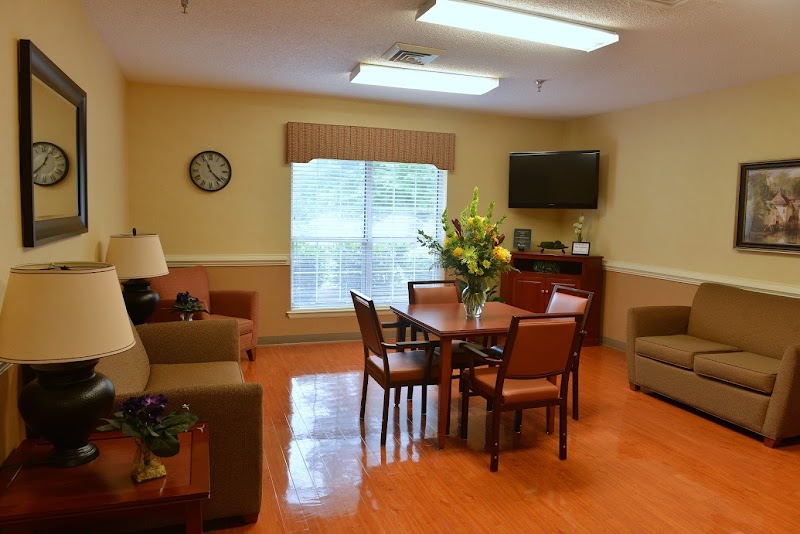
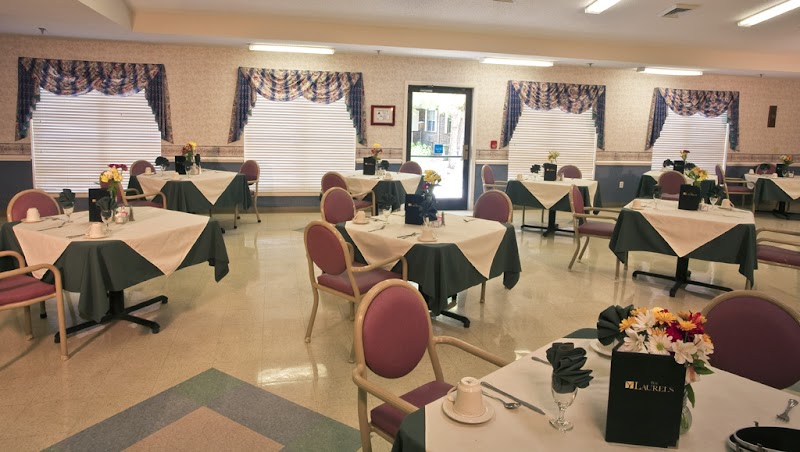
The Laurels of Forest Glenn

1101 Hartwell Street, Garner, NC 27529 (919) 772-8888
For profit - Limited Liability company 120 Beds CIENA HEALTHCARE/LAUREL HEALTH CARE Data: November 2025 6 Immediate Jeopardy citations
Trust Grade
0/100
#297 of 417 in NC
Last Inspection: May 2025

Inspected within the last 6 months. Data reflects current conditions.

Overview

The Laurels of Forest Glenn has received a Trust Grade of F, indicating poor performance and significant concerns regarding care quality. Ranking #297 out of 417 facilities in North Carolina places it in the bottom half, and #17 out of 20 in Wake County means only a few options are worse locally. While the facility is improving, with a decrease in reported issues from 7 to 3, they still face serious challenges, including $230,689 in fines, which is higher than 94% of North Carolina facilities, suggesting ongoing compliance problems. Staffing is somewhat stable with a 3/5 rating and a turnover of 35%, which is better than the state average. However, critical incidents have occurred, such as a resident falling from a wheelchair in a transportation van due to improper securement, and another resident died after being wedged between a bed and a wall without proper restraint assessment or consent. Overall, while there are some positives, the significant issues and incidents raise concerns for families considering this facility.

Trust Score
F
0/100
In North Carolina
#297/417
Bottom 29%
Safety Record
High Risk
Review needed
Inspections
Getting Better
7 → 3 violations
Staff Stability
○ Average
35% turnover. Near North Carolina's 48% average. Typical for the industry.
Penalties
○ Average
$230,689 in fines. Higher than 63% of North Carolina facilities. Some compliance issues.
Skilled Nurses
⚠ Watch
Each resident gets only 27 minutes of Registered Nurse (RN) attention daily — below average for North Carolina. Fewer RN minutes means fewer trained eyes watching for problems.
Violations
⚠ Watch
13 deficiencies on record. Higher than average. Multiple issues found across inspections.
★★☆☆☆
2.0
Overall Rating
★★★☆☆
3.0
Staff Levels
★★★★☆
4.0
Care Quality
★★☆☆☆
2.0
Inspection Score
Stable
2024: 7 issues
2025: 3 issues

The Good

  • 4-Star Quality Measures · Strong clinical quality outcomes
  • Full Sprinkler Coverage · Fire safety systems throughout facility
  • No fines on record
  • Staff turnover below average (35%)

    13 points below North Carolina average of 48%

Facility shows strength in quality measures, fire safety.

The Bad

2-Star Overall Rating

Below North Carolina average (2.8)

Below average - review inspection findings carefully

Staff Turnover: 35%

11pts below North Carolina avg (46%)

Typical for the industry

Federal Fines: $230,689

Well above median ($33,413)

Significant penalties indicating serious issues

Chain: CIENA HEALTHCARE/LAUREL HEALTH CARE

Part of a multi-facility chain

Ask about local staffing decisions and management

The Ugly 13 deficiencies on record

6 life-threatening 1 actual harm
May 2025 3 deficiencies 1 Harm
SERIOUS (G) 📢 Someone Reported This

A family member, employee, or ombudsman was alarmed enough to file a formal complaint

Actual Harm - a resident was hurt due to facility failures

Accident Prevention (Tag F0689)

A resident was harmed · This affected 1 resident

**NOTE- TERMS IN BRACKETS HAVE BEEN EDITED TO PROTECT CONFIDENTIALITY** Based on record review, and staff and Medical Director interviews, the facility failed to provide services in a safe manner when...

Read full inspector narrative →
**NOTE- TERMS IN BRACKETS HAVE BEEN EDITED TO PROTECT CONFIDENTIALITY** Based on record review, and staff and Medical Director interviews, the facility failed to provide services in a safe manner when the Certified Occupational Therapy Assistant (COTA) utilized a rollator (a four wheeled walker with a seat) during a therapy session which had been deemed unsafe for Resident #313. During a therapy session with COTA #1 on 11/9/24 Resident #313 stood up from the locked rollator, unlocked brakes, and while turning herself around to walk forward, she fell to her left against the counter/lower kitchen cabinets and slid down to the floor. Resident #313 was sent to the emergency department (ED) on 11/9/24 for evaluation after reporting pain in her left shoulder and hip. A computerized tomography (CT) scan of the pelvis revealed a nondisplaced left greater trochanter fracture (break at the top of the thigh bone near the hip). Orthopedics was consulted and recommended nonoperative management and Resident #313 was admitted for inpatient care for further evaluation and pain management due to uncontrolled pain. Resident #313 was discharged from the hospital back to the facility on [DATE] with orders that included weight bearing as tolerated, ambulation with rolling walker, scheduled Tylenol for pain, lidocaine patch to left hip topically one time a day for pain, oxycodone (opioid pain medication) every 6 hours as needed for pain and rehabilitation services at a skilled nursing facility. The deficient practice occurred for 1 of 3 residents reviewed for supervision to prevent accidents (Resident #313). The findings included: Resident #313 was admitted to the facility on [DATE]. Her diagnoses included diabetes, chronic obstructive pulmonary disease and generalized muscle weakness. An OT evaluation dated 10/30/24 included a section titled functional skills assessment - mobility during activities of daily living (ADLs) that indicated wheelchair mobility was stand by assist, wheelchair management was standby assist and other functional mobility during ADLs was moderate assistance. A review of Resident #313's medical records revealed a physical therapy treatment encounter note completed on 11/11/24 with a date of service of 10/31/24. The summary of skill section indicated skilled interventions focused on gait training using a rollator as per Resident's request during her meeting with Director of Rehabilitation. Resident #313 wanted therapist to train her to ambulate with a rollator so she could carry her oxygen tank in the basket as she was adamant about going home. Gait training with Rollator for 15 feet x 2 with minimum/moderate assist on level surface. Resident unable to keep up with rollator speed despite instructions to use rollator brakes. Resident also stated that she could stop and sit on the rollator seat if she gets tired. Therapist demonstrated safe transfer technique from ambulating to sitting (rollator seat). Resident lost her balance while in the process of turning in preparation to sit on her rollator (after she locked rollator brakes). Therapist explained safety concerns with her using a rollator. Resident verbalized understanding. A physical therapy treatment encounter note completed on 11/11/24 with a date of service of 11/1/24 included a summary of skills that indicated skilled intervention focused on gait training with Rollator for 10 feet + 16 feet with minimum/moderate assist on level surface. Resident #313 noted to lose balance after left foot catching on floor. Therapist explained safety concerns regarding use of rollator. Resident verbalized understanding. A physical therapy treatment encounter note dated 11/9/24 at 11:38 AM included a summary of skills that indicated gait training with a two-wheel walker and wheelchair follow for oxygen transport. 8 bouts of 20 to 30 feet gait training with contact guard assist with min verbal cues position to assistive device with fatigue and change in direction. With fatigue, increased distance from assistive device and increased instability. Cues for position to surface prior to turn to sit for appropriate targeting and to limit retro (backward)walking. Educated Resident and nursing staff related to ongoing falls risk and need for assist with standing and ambulation for falls prevention at this time. A physical therapy Discharge summary dated [DATE] included a summary since evaluation/start of care section that indicated Resident #313 progress and response to treatment was that Resident had made substantial functional gains in response to skilled interventions including ambulating with front wheel walker to minimum assistance/contact guard assist. Functional outcomes indicated the assistive device was a front wheeled walker. During an interview on 5/7/25 at 12:07 PM, the Director of Rehabilitation indicated she was a physical therapist (PT). The Director of Rehabilitation stated that Resident #313's level of function was a front wheel walker, and a wheelchair as indicated on Resident #313's physical therapy Discharge summary dated [DATE] as well as documented on the physical therapy treatment encounter note dated 11/9/24. The Director of Rehabilitation verbalized that she had informed Resident #313 on 10/30/24 during a meeting for potential discharge that the rollator with four wheels was not safe for her. She further stated that Resident #313 required standby assistance from sit to stand position and with functional transfers. The Director of Rehabilitation verbalized that she would not have told COTA #1 to train Resident #313 on the rollator because she was not her immediate supervisor. Resident #313's quarterly Minimum Data Set (MDS) assessment dated [DATE] coded the resident as cognitively intact and required partial to moderate assistance with rolling in bed, sitting to standing, transfers, walking 10 feet and walking 50 feet with two turns. Resident #313 was also coded for a walker and wheelchair for mobility devices. A review of Resident #313's medical records revealed an occupational therapy treatment encounter note dated 11/9/24 written by Certified Occupational Therapy Assistant (COTA) #1. The note indicated a plan was made with Resident #313 to address simple meal preparation in the therapy kitchen as Resident still reported intent to return home alone this week. Resident reported that she was told by a therapist that she would need to go home with oxygen and that she would be safest with a rolling walker (RW) and would be unsafe with a rollator, because it'll get away from me. Resident was asked what her revised plan would be, as Resident had repeatedly stated, her plan was to go home using a rollator in the home, despite having a RW, and that the size of her living area would not support a wheelchair (WC). Resident stated once again that she would still be using a rollator at home, despite therapist education, stating, Well that's their opinion. Resident asked therapist if she could demonstrate the way she intended to use her rollator at home in her kitchen. Resident was educated in management of rollator brakes, ambulating with standby assistance (SBA), then sitting on seat of therapy rollator, using it as a WC to propel around from kitchen cabinets to refrigerator to stove, removing items from bottom cabinet seated on rollator. Resident educated on proper use of rollator as a walking aid, not to be used as a WC due safety concerns. Resident then stood up from the locked rollator, unlocked brakes, while turning herself and rollator around to walk forward, she fell to her left against the counter/lower kitchen cabinets and slid down to the floor. Therapist provided Resident with a pillow for her head and alerted nursing staff who came to evaluate the Resident and lift the Resident from the floor into the WC. Resident then agreed that the use of a rollator for her was not a good option. Resident had a small skin tear and stated that she needed to go to the hospital due to pain in her left shoulder and hip. An interview was conducted with COTA #1 on 5/8/25 at 8:38 AM. She indicated that she was aware that Resident #313's safest level of function was a front wheel walker (FWW) also known as a rolling walker and a wheelchair (WC) and not a rollator which had 4 wheels. COTA #1 stated that Resident #313 had told her that when she discharged home, she was going to use a rollator and she informed the Resident that it was not safe, and the Resident stated that was the opinion of the therapist. COTA #1 verbalized she asked Resident #313 to show her how she intended to use the rollator when she went home. COTA #1 pushed Resident #313 from her room to the therapy room so that she could demonstrate how she would use the rollator. She stated that her intention was not to make the rollator use a full training session but to show Resident #313 that it was not safe for her. She stated that her goal was to get Resident #313 away from using the rollator and to agree to use the front wheel walker and WC which were safe for her and that Resident #313 realized that the rollator was not safe for her after she fell. COTA #1 stated she did not ask the OT or anyone else if she should train Resident #313 to use the rollator because she was not planning to make it a full training session. She stated that she did not realize that the Resident was going to use the rollator as a wheelchair. COTA #1 stated that after she wheeled Resident #313 to the therapy room she placed the rollator in front of the Resident. Resident #313 stood up from the wheelchair and walked to the rollator that was in front of her and she sat on the rollator and COTA #1 informed the Resident not to use the rollator as a wheelchair. COTA #1 stated she then turned to the cabinet and in that process Resident #313 stood up from the rollator, unlocked the rollator and was turning herself to move when she fell against the cabinet. She informed nursing staff who came to assess the Resident and transfer the Resident to the wheelchair. An interview was conducted on 5/8/25 at 9:38 AM with the facility Occupational Therapist (OT). The OT indicated she had evaluated Resident #313 on 10/30/24 and the short-term goals included toileting transfers, lower body bathing, and lower body dressing. The long-term goals included lower body dressing, bathing and toileting with modified independence and simple meal preparation with modified independence in order to return home safely. The OT explained that the OT completed the evaluation and came up with goals which the COTA implemented. She stated that she trusted the COTA's clinical judgement to determine what is safe for a resident and if the COTA wanted to try a device, she would expect the COTA to communicate with her. She stated COTA #1 did not communicate to her that she was going to train Resident #313 to use the rollator and that it was a weekend and she was not at the facility on that day. The OT verbalized that the recommended safety level for Resident #313 was the front wheel walker, and that she had not told COTA #1 at any point to train Resident #313 to use the rollator. The OT stated that the rollator was not safe for Resident #313 because the rollator had four wheels and could roll away faster than a front wheel walker which had only 2 wheels. She further stated physical therapy had determined that the rollator was not safe for Resident #313. A nursing note dated 11/9/24 indicated at around 1:30 pm Resident #313 fell on her stomach, while walking with the rollator in the therapy room witnessed by occupational therapy staff. Resident #313 complained of pain to the left hip and left shoulder. Tylenol was given as ordered, provider was made aware with new orders given for x-ray to left hip and left shoulder and Responsible Party (RP) was made aware. A nursing note dated 11/9/24 indicated Resident #313 was sent to the emergency department (ED) at around 3:55 PM for further evaluation. During an interview with Nurse #1 on 5/12/25 at 2:00 PM, she indicated she was assigned to care for Resident #313 on 11/9/25 on day shift. She stated that she was notified by a staff member that Resident #313 had fallen while working with therapy staff. She went to the therapy room and found Resident # 313 lying on the floor facing down and she was complaining of pain to her left side. Nurse #1 stated that they transferred Resident #313 with the assistance of 4 staff members to the wheelchair and she notified the provider who gave an order for x-rays, but the x-rays were not completed because Resident # 313 requested to be sent to the ED and Nurse # 1 notified the provider and the Resident was sent to the ED. Nurse #1 verbalized that nursing staff utilized the wheelchair for Resident #313 and she had treatment sessions with physical therapy where they were walking with her but she could not tell exactly what kind of walker she was using for ambulation when working with therapy. ED progress notes dated 11/9/24 indicated Resident #313 was seen at the ED after a fall while walking at a skilled nursing facility and complained of pain. A computerized tomography (CT) scan of the pelvis revealed a nondisplaced left greater trochanter fracture. Consultation with orthopedics recommended nonoperative management and Resident #313 was admitted for inpatient care for further evaluation and pain management due to uncontrolled pain. Prior to inpatient admission Resident #313 was started on as needed pain medicine Toradol and fentanyl at the ED. Upon admission for in patient care she was started on scheduled Tylenol, as need oxycodone, lidocaine patch to the left hip and as needed Robaxin (muscle relaxant). Resident #313 was discharged from the hospital back to the facility on [DATE] with orders that included weight bearing as tolerated, ambulation with rolling walker, scheduled Tylenol 500 milligram 4 times a day for pain, lidocaine patch to left hip topically one time a day for pain, oxycodone 5 mg every 6 hours as needed for pain and rehabilitation services at a skilled nursing facility. Her discharge diagnoses included closed trochanter fracture of the left femur with routine healing and hip pain. An interview was conducted on 5/9/25 at 10:42 PM with the facility Medical Director (MD). The MD stated that COTA #1 should not have used the rollator with Resident # 313 because it was not part of OT's treatment plan and it had been determined unsafe. He also stated that if it was for demonstrative purposes, then it should have been done in a safe manner. During an interview on 5/9/25 at 12:07 PM with the Director of Nursing (DON), she stated that COTA #1 should have verified with OT if she should use the rollator with Resident #313 if it had been deemed unsafe for the Resident. During an interview with the facility Administrator on 5/9/25 at 12:30 PM, he indicated that his expectation was for the COTA to work with the Resident at a safe functional level for the Resident.
CONCERN (D)

Potential for Harm - no one hurt, but risky conditions existed

Assessment Accuracy (Tag F0641)

Could have caused harm · This affected 1 resident

**NOTE- TERMS IN BRACKETS HAVE BEEN EDITED TO PROTECT CONFIDENTIALITY** Based on record review and staff interviews, the facility failed to accurately code the Minimum Data Set (MDS) assessment in the...

Read full inspector narrative →
**NOTE- TERMS IN BRACKETS HAVE BEEN EDITED TO PROTECT CONFIDENTIALITY** Based on record review and staff interviews, the facility failed to accurately code the Minimum Data Set (MDS) assessment in the area of hospice care for 2 of 21 residents reviewed for MDS accuracy (Resident #17 and Resident #87). Findings include: 1. Resident #17 was admitted to the facility on [DATE]. Her diagnoses included senile degeneration of the brain, chronic diastolic heart failure, and chronic respiratory failure with hypoxia. Resident #17's care plan had a care focus area created 9/2/24 that indicated Resident #17 was receiving hospice services. A physician order dated 8/26/24 indicated Resident #17 was a hospice recipient since 8/24/24. Resident #17's quarterly MDS dated [DATE] did not indicate Resident #17 was receiving hospice care. During an interview with the MDS Nurse on 5/9/25 at 9:08 AM, she stated that Resident #17 was receiving hospice services, and it should have been coded on the quarterly MDS. The MDS Nurse further stated that it was an oversight. An interview was conducted on 5/9/25 at 11:41 AM with the Director of Nursing (DON). The DON stated that Resident #17's MDS should have been coded correctly to reflect the Resident's status. She indicated Resident #17's quarterly MDS should have included hospice care since she was receiving hospice services. During an interview on 5/9/25 at 12:19 PM, the facility Administrator verbalized he expected Resident #17's MDS to be coded correctly to include hospice care. 2. Resident #87 was admitted to the facility on [DATE]. Her diagnoses included dementia, and hypertensive heart disease. Resident #87's care plan had a care focus area created 12/24/24 that indicated Resident #87 was receiving hospice services. A physician order dated 12/23/24 indicated Resident #87 was a hospice recipient since 12/21/24. Resident #87's quarterly MDS dated [DATE] did not indicate Resident #87 was receiving hospice care. During an interview with the MDS Nurse on 5/9/25 at 9:08 AM, she stated that Resident #87 was receiving hospice services, and it should have been coded on the quarterly MDS. The MDS Nurse further stated that it was an oversight. An interview was conducted on 5/9/25 at 11:41 AM with the Director of Nursing (DON). The DON stated that Resident #87's MDS should have been coded correctly to reflect the Resident's status. She indicated Resident #87's quarterly MDS should have included hospice care since she was receiving hospice services. During an interview on 5/9/25 at 12:19 PM, the facility Administrator verbalized he expected Resident #87's MDS to be coded correctly to include hospice care.
CONCERN (D)

Potential for Harm - no one hurt, but risky conditions existed

Food Safety (Tag F0812)

Could have caused harm · This affected 1 resident

Based on observations and staff interviews, the facility failed to discard an opened canned drink in 100-hall nourishment room refrigerator and label and date food items stored in the 200-hall nourish...

Read full inspector narrative →
Based on observations and staff interviews, the facility failed to discard an opened canned drink in 100-hall nourishment room refrigerator and label and date food items stored in the 200-hall nourishment room refrigerator for 2 of 2 nourishment room refrigerators (100-hall and 200-hall nourishment room refrigerators). Findings included: Observation of the nourishment room refrigerators with the facility's Dietary Manager (DM) on 5/8/25 revealed the following: a. An open energy drink can with some liquid in it and a straw was observed in the 100-hall nourishment refrigerator at 12:34 PM. The energy drink can was not labeled or dated. The DM discarded the energy drink. b. Two pizza boxes, one with 1/4 pizza and the other one with half a pizza were observed in the 200-hall nourishment refrigerator at 12:40 PM. The pizza boxes were not labeled or dated. The Dietary Manager, who was present during the observations, stated that nursing staff were supposed to ensure the food items were labeled and dated before being placed in the refrigerator. An interview was conducted on 5/8/25 at 12:42 PM with the Director of Nursing (DON) when she came into the 200-hallway nourishment room and placed the food items in the trash can. The DON stated that nursing staff should have labeled and dated the food items before placing them in the fridge. The DON further stated the energy drink should not have been placed in the refrigerator after it was opened. An interview was conducted with the facility Administrator on 5/9/25 at 12:29 PM. The Administrator stated that his expectation was for all foods to be labeled and dated before being placed in the nourishment room refrigerators and opened drinks should not have been placed in the refrigerator.
Jun 2024 3 deficiencies 3 IJ
CRITICAL (J) 📢 Someone Reported This

A family member, employee, or ombudsman was alarmed enough to file a formal complaint

Immediate Jeopardy (IJ) - the most serious Medicare violation

Deficiency F0604 (Tag F0604)

Someone could have died · This affected 1 resident

**NOTE- TERMS IN BRACKETS HAVE BEEN EDITED TO PROTECT CONFIDENTIALITY** Based on observations and staff, Responsible Party (RP), Medical Director (MD), Nurse Practitioner #1 (NP) and Paramedic #1 inte...

Read full inspector narrative →
**NOTE- TERMS IN BRACKETS HAVE BEEN EDITED TO PROTECT CONFIDENTIALITY** Based on observations and staff, Responsible Party (RP), Medical Director (MD), Nurse Practitioner #1 (NP) and Paramedic #1 interviews and record review, when the facility moved the resident's bed against the wall to prevent her from getting out of the bed, they failed to identify this as a restraint, failed to complete a restraint assessment, failed to obtain a physician order and failed to obtain the RP's consent for the use of a restraint. When the resident fell out of the bed she was wedged between the bed and the wall. Resident #1 was assessed by facility staff and found to not have a pulse or respirations. Cardiopulmonary Resuscitation (CPR) was started by the facility staff and assumed by paramedics. Resident #1 expired on [DATE]. This was for 1 of 3 residents reviewed for restraints (Resident #1). Immediate Jeopardy began on [DATE] when Resident #1 was found wedged between the bed and the wall after being restrained. Immediate Jeopardy was removed on [DATE] when the facility implemented a credible allegation for immediate jeopardy removal. The facility will remain out of compliance at a lower scope and severity of D (no actual harm with a potential for minimal harm that is not immediate jeopardy) to ensure monitoring systems put in place are effective. The findings included: Resident #1 was admitted on [DATE] with diagnoses including congestive heart failure, chronic obstructive pulmonary disease, anxiety, unspecified psychosis and dementia. The quarterly Minimum Data Set, dated [DATE] indicated Resident #1 was assessed for severe cognitive impairment, she exhibited no behaviors, required partial staff assistance rolling from side to side, no impairments to bilateral upper and lower extremities, a weight of 275 pounds, and no use of restraints. Resident #1 was care planned on [DATE] as a risk for falls related to her decreased range of motion and pain. The care plan included the intervention of assist bars (narrow type of side rail attached to the side of a resident's bed approximately at shoulder level that is used to assist a resident with getting out of the bed or repositioning more easily. Assist bars are made to also swing outward to assist with a transfer from the bed to another surface as well but are not full weight bearing. They are not capable of movement up or down and are stationary). The care plan did not include the new intervention of pushing her bed against the wall to prevent her from getting out of bed. Review of Resident #1's [DATE] Physician orders included an order dated [DATE] for Oxygen at 2 liters per minute as needed for shortness of breath, Risperdal (antipsychotic) 0.25 milligrams (mg) at bedtime for psychosis and an order dated [DATE] for bilateral assist bars up on both sides of the bed to increase bed mobility. There was also an order dated [DATE] for Hydroxyzine (antihistamine) 25 mg every 8 hours as needed for restlessness/anxiety. Review of a progress note written by Nurse #1 dated [DATE] at 2:41 AM, read Resident #1 was yelling, wanting to get out of bed, calling out to her roommate for help. This behavior went on for about 2 to 3 hours. When asked what she needed help for, she replied, I don't know, will continue to monitor. A telephone Interview was completed on [DATE] at 1:25 PM with Nurse #1. Nurse #1 stated he worked with Resident #1 from 7:00 PM on [DATE] through 7:00 AM on [DATE] when she was experiencing behaviors during the [DATE] night shift around 2:40 AM. He stated her behaviors were yelling out, calling her roommate's name keeping her awake, repeatedly trying to get up out of the bed and asking for her son. Nurse #1 stated the staff could not sit the rest of the 11:00 PM-7:00 AM shift with her so he decided to move Resident #1's bed from its regular position in the center of the room to having the right side of the bed up against the wall. He stated he did this to keep Resident #1 from getting out of the bed. Nurse #1 stated he did not obtain a physician order, complete a restraint assessment or get a consent from her RP. Nurse #1 stated he did not do the things associated with implementing a restraint because a bed against the wall was not a restraint. Nurse #1 confirmed that according to the [DATE] Medication Administration Record (MAR), on [DATE] second shift starting from when he came in at 7:00 PM and third shift on [DATE], he did not administer Resident #1's prescribed as needed Hydroxyzine (antihistamine) for anxiety and restlessness. He was unable to recall if the bed had bilateral assist bars, why he didn't administer her prescribed Hydroxyzine or call the Physician for an antianxiety medication. Nurse #1's only explanation was that he did not think of it. A telephone interview was completed on [DATE] at 3:10 PM with Nursing Assistant (NA) #8. He confirmed working on [DATE] and [DATE] on third shift with Resident #1 and Nurse #1. NA #8 stated in the middle of the night of the 11-7 shift of [DATE], Resident #1 was yelling, bothering her roommate, keeping other residents awake and repeatedly attempting to get out of her bed. He stated Nurse #1 decided to move Resident #1's bed from the center of her room up against the wall so the right side of her bed was blocked by the wall. NA #8 stated this was done to keep Resident #1 from trying to get up out of her bed because she tended to throw her legs off the bed to the right side in an effort to get up. He stated he was not aware that in doing that, Nurse #1 had restrained Resident #1 because he thought that it was ok to do that because the facility did it for other residents. NA #8 stated he thought Resident #1's bed did have bilateral assist bars that made her bed not flush against the wall but rather it stuck out maybe an inch. A telephone interview was completed on [DATE] at 3:02 PM with Nurse #4. She stated she worked 7:00 AM to 7:00 PM on [DATE] with Resident #1. Nurse #4 stated Nurse #1 reported to her that morning that Resident #1 was up most of the night, yelling out and trying to get out of the bed. She stated Nurse #1 reported he moved Resident #1's bed against the wall during his shift to keep her from falling out of the bed. Nurse #4 stated she was aware that for the use of a restraint, there had to be permission from the Director of Nursing (DON) and the RP and the care planned had to be revised. She stated she didn't think of Resident #1 bed position change as restraint at the time. Nurse #4 stated Medication Aide (MA) #1 worked with Resident #1 on first shift on [DATE]. An interview was completed on [DATE] at 244 PM with MA #1. He stated he was assigned Resident #1 on [DATE] and [DATE] on first shift. MA #1 stated Resident #1 was known to have anxiety, agitation and restlessness that was difficult to redirect and that her providers were aware. MA #1 stated Resident #1 would disrobe, attempt to get out of her bed unassisted and had fallen at the facility before. He stated Nurse #4 reported to him on [DATE] that her bed was moved on night shift to prevent her from trying to get up out of the bed and falling. He stated at other facilities he worked at, that would have been a restraint but he did not think it was considered a restraint at this facility. A telephone interview was completed on [DATE] at 1:57 PM with NA #9. She stated she worked [DATE] 7:00 AM to 7:00 PM with Resident #1. She stated she noticed Resident #1's bed had been moved up against the wall and that MA #1 told her that the weekend staff did it to keep her from getting out of the bed. NA #9 stated Resident #1 was anxious and she removed her oxygen on multiple occasions but this was not unusual. MA #1 recommended getting her up to the reclining chair which settled her down. NA #9 stated Resident #1 stayed up in her reclining chair from lunch time till right after dinner then she assisted her to bed. She stated at this time Resident #1 began yelling, screaming, swinging at her and her bed was still up against the wall. She stated the MA #1 gave her a Hydroxyzine at 4:45 PM and that he could not give her anything else because it was too early. NA #9 stated Resident #1 eventually settled down enough that she felt it was safe to leave the room. A telephone interview was completed on [DATE] at 7:25 PM with NA #10 who worked with Resident #1 on [DATE] from 7:00 PM to 11:00 PM. She stated she immediately noticed that her bed had been moved up against the wall and assumed it was because of her attempts to get up out of the bed. She recalled Resident #1 as being emotional and confused on her shift. NA #10 stated she was not aware that Resident #1's bed against the wall was considered a restraint since she could exit the other side of her bed if she wanted to. A telephone interview was completed on [DATE] at 2:14 PM with Nurse #3. She confirmed working with Resident #1 on [DATE] from 3:00 PM to 7:00 PM and on [DATE] from 7:00 AM to 7:00 PM. She stated MA #1 reported to her the Resident #1 had been experiencing anxiety of late and there were two occasions the week before when her RP was contacted and came to sit with her. Nurse #3 stated there had been communication left in the psychiatric providers notebook and in the Physician's notebook regarding her increased anxiety but so far only Hydroxyzine had been ordered as needed. She stated Resident #1 received psychiatric services and talk therapy but there had been no significant changes and that her confusion and behaviors seemed to worsen later in the afternoons. Nurse #3 stated she noticed that Resident #1's bed had been moved but it never occurred to her that it could be considered a restraint until Resident #1 fell in between the bed and the wall and ended up dying. Nurse #3 stated the bed against the wall created a dangerous situation for Resident #1 given her cognitive status with her increased anxiety and behaviors. A telephone interview was completed on [DATE] at 7:55 AM with NA #12. She stated she worked 11:00 PM on [DATE] to 7:00 AM on [DATE]. She stated she noticed Resident #1's bed had been moved. She stated Resident #1 was known to try to get out of the get, crawl out of the bed, disrobe, yell and strike at staff. NA #12 stated she was not aware that having her bed pushed up against the wall was considered a restraint. She confirmed restraint training but could not recall when she last received that training. A telephone interview was completed on [DATE] at 7:30 PM with NA #11. She stated she worked on [DATE] from 7:00 AM to 3:00 PM with Resident #1 and noticed that her bed had been moved up against the wall. She stated Resident #1 seemed to experience increased anxiety while in the bed and rested better in the reclining chair. NA #9 stated that was where she typically let Resident #1 nap on the days she was assigned to her. She stated that moving the bed against the wall was not considered a restraint as far as she knew. Review of psychiatric NP note dated [DATE] read the reason for her visit was due to staff request regarding anxiety, insomnia and psychosis. Staff reported the Resident #1 had been confused and yelling out to be put to bed or taken out of the bed. The note read Hydroxyzine was prescribed by the MD on [DATE]. A telephone interview was completed on [DATE] at 10:37 AM with the psychiatric NP. She stated when she saw Resident #1 on [DATE] it was because it was at the request of the staff. They documented the reason as anxiety and restlessness. She stated when she reviewed Resident #1's medical record, she noted that that the MD had already prescribed a medication for her anxiety (Hydroxyzine). The psychiatric NP stated she reviewed Resident #1's nursing notes and read that after the Hydroxyzine was administered, the nurses documented that it was effective. She stated this was why she did not to prescribe anything else for her anxiety or restlessness. When questioned if she interviewed any of the floor staff about Resident #1's anxiety or recent behaviors, she stated she only reviewed the electronic medical record. A telephone interview was completed on [DATE] at 7:00 PM with Nurse #5. She stated she worked on [DATE] from 7:00 PM to 7:00 AM with Resident #1. She recalled Resident #1 often yelling out help me' and she was difficult to redirect. Resident #1 would want to get up out of the bed then she would want to get back in the bed. She stated she assumed the bed was positioned against the wall because she often tried to get out of the bed unassisted. Nurse #5 stated Resident #1's bed was a bariatric bed that also had bilateral assist bars to help with bed mobility. A telephone interview was completed on [DATE] at 12:41 PM with NA #13. She confirmed she worked [DATE] from 3:00 PM to 11:00 PM with Resident #1. She stated Resident #1 seemed to rest better sitting up in her reclining chair and when she was placed in the bed, she would attempt to get out of the bed and exhibit more behaviors. NA #13 stated when she left at 11:00 PM, Resident #1 was sleeping in her reclining chair. She stated she noticed that Resident #1's bed had been moved against the wall with maybe one to two inches in between the wall and the bed due to assist bars. NA #13 stated the assist bars on her bed did not move up or down but were affixed to the bed frame. An interview was completed on [DATE] at 1:00 with NA #1. She recalled working first shift on [DATE] with Resident #1. NA #1 stated she asked NA #2 to assist her to put Resident #1 back to bed using the mechanical lift and assist with giving her a bath. She stated after the bath, Resident #1 was tired and stated she wanted to take a nap. An interview was completed on [DATE] at 1:16 PM with NA #2. She stated she helped NA #1 transfer Resident #1 using the mechanical lift into the bed on [DATE] at approximately 1:30 PM and they gave her a bath and completed her personal care. NA #2 stated Resident #1 was known to try to get out of the bed and she was unsafe to do so. She also said Resident #1 was known to display agitation and anxiety at times and was extremely difficult to redirect. NA #2 stated that also was the first day she had observed Resident #1's bed pushed up against the wall. She stated she did not consider that a restraint because Resident #1 could still get out of her bed on the other side. NA #2 stated Resident #1 was known to try to get out of the bed and she was unsafe to do so. She also said Resident #1 was known to display agitation and anxiety at times and was extremely difficult to redirect. NA #2 stated that also was the first day she had observed Resident #1's bed pushed up against the wall. She stated there were bilateral assist bars on Resident #1's bed that left about one to two inches of room between her bed and the wall. A review of an incident report dated [DATE] at 4:38 PM read Resident #1's RP opened her door and called out for assistance. An aide screamed out for additional staff assistance. Resident #1 was seen lying on her right side face down next to the right side of her bed on the floor. Resident #1 was turned over while her RP moved the bed and furniture out of the way. Resident #1's vital signs and blood sugar were requested along with a request for someone to call Emergency Medical Services (EMS) and to announce a code blue (full code for presumed cardiac arrest). CPR was started and taken over by EMS while the RP was present in the room. A telephone interview was completed on [DATE] at 2:11 PM with NA #3. She stated she was scheduled to work from 3:00 PM to 11:00 PM with Resident #1 on [DATE] but she was late for work and walked by her room around 3:20 PM and saw her sleeping in her bed. NA #3 stated she then gave another resident a shower and returned to check on Resident #1 sometime between 3:30 PM and 3:45 PM. It was at this time she observed Resident #1's door to her room closed so she assumed her RP was in the room visiting. NA #3 stated she was aware that Resident #1's bed had been pushed up against the wall so she could not get out of the bed on the right side because she tended to throw her legs over to the right side of the bed when trying to get up. NA #3 stated she would not have considered Resident #1's bed against the wall an accident hazard. A telephone interview was completed on [DATE] at 2:51 PM with MA #2. She stated she was working on [DATE] from 7:00 AM to 7:00 PM with Resident #1. She stated she heard NA #4 calling out for help saying Resident #1 was on the floor. She stated she responded to the room and saw her face down in between the bed and the wall. MA #2 stated the bed had been moved and UM #1 and Nurse #2 were working on her. She stated she had not questioned Resident #1's bed being up against the wall because she assumed the interdisciplinary team (IDT) team had put it in place as a fall intervention. A telephone interview was completed on [DATE] at 1:30 PM with Resident #1's RP. He stated he arrived on [DATE] at 4:03 PM and stopped at the nurses station to talk to UM #1 then proceeded down the hall to Resident #1's room. The RP stated when he observed the door to her room closed, he assumed staff were inside providing care and would be coming out shortly. He stated within a few minutes of standing in the hallway outside Resident #1's door, he thought heard her call out his name but he didn't think much of it since he assumed staff were in the room with her. He said he was chatting with a few other residents in the hallway when he decided he had waited too long for staff to be in the room assisting Resident #1.The RP stated it was around 4:15 PM when he decided to knock on the door and gently open the door to peek inside. He stated that was when he saw the bottom of Resident #1's right foot on top of her mattress and could not see the rest of her body. He stated he knew something was wrong so he stuck his head outside her room and asked staff to get help. He stated he then attempted to pull the bed away from the wall to see Resident #1. He said the bed must have been locked because it was difficult to move but he got the end of the bed pulled out and the head of the bed out slightly enough to see that Resident #1 was not responsive and her color didn't look right. The RP stated he called for help and then staff entered the room and took over. He stated they turned her over and started CPR until EMS arrived but they were unable to revive her. When asked approximately how much space did he think was between the bed and the wall when he found her, he stated just a few inches. The RP stated Resident #1's bed had never seen her bed up against the wall before and Resident #1 had bilateral assist bars on her bed. An interview was completed on [DATE] at 9:45 AM with UM #1. She stated Resident #1 had a history of throwing her feet over the side of the bed trying to get up unassisted. UM #1 stated it was reported to her Monday ([DATE]) by Nurse #2 that Resident #1 had experienced increased anxiety and behaviors over the weekend. Resident #1 was yelling, calling out for her roommate to assist her and trying to get up out of the bed unassisted. Nurse #2 stated that Nurse #1 reported to her that he moved her bed from the center of her room to be flush against the wall with the headboard against the wall near the hallway door. UM #1 stated she did not question the bed being moved nor did she consider the bed against the wall as a restraint. When questioned regarding the rationale for the bed being moved up against the wall, UM #1 stated it was to keep her from getting out of the bed and falling. When asked if that could be the definition of a restraint, UM #1 stated yes. UM #1 stated on [DATE] at approximately 4:15 PM, she heard NA #4 calling for help needed in Resident #1's room. NA #4 stated the RP found Resident #1 on the floor between the bed and the wall. She summoned Nurse #2 to assist and asked staff to retrieve the crash cart (a cart that contains all the supplies and equipment need in the event of a cardiopulmonary arrest) requiring CPR and call 911. UM #1 stated upon entry to the room, the RP was standing at the foot of the bed and had pulled to foot of the bed away from the wall to allow them to get between the bed and the wall and turn her over to assess. UM #1 stated Resident #1 was blue, warm to the touch, absent of any pulses or respirations so CPR was initiated. A telephone interview was completed on [DATE] at 1:10 PM with NA #4. She stated she was walking down the hallway when Resident #1's RP opened her door and stated he needed help because Resident #1 was on the floor. She stated she could not see Resident #1 from the doorway. She stated once she entered the room and walked over to the end of the bed, she could see Resident #1 lying on the floor in between the bed and the wall. She stated the RP had already pulled out the foot of the bed some but stated she assisted him in pulling out the bed more to allow for staff to roll her and perform CPR. NA #4 stated she did not know how much space was between the bed and the wall prior to her fall. She stated once CPR was initiated, she exited the room. An interview was completed on [DATE] at 2:30 PM with NA #6. She confirmed she was working second shift on [DATE] but was not assigned Resident #1. She stated Resident #1 was known to display agitation, disrobe and continuously trying to get out of her bed. NA #6 recalled Resident #1's door being closed thinking her RP was in the room for a visit. She stated she was not aware that he wasn't in the room until he found her on the floor between the bed and the wall. NA #6 stated since this incident with Resident #1, she understood better how putting a bed against a wall could be a restraint. She also confirmed that Resident#1's bed had bilateral assist bars. A telephone interview was completed on [DATE] at 3:00 with Nurse #2. She stated she worked [DATE] 7:00 AM to 7:00 PM on another cart but she responded to Resident #1's room with UM #1. Nurse #2 stated when she arrived in the room, Resident #1 was lying on the floor in between her bed and the wall. She stated the bed had already been pulled out enough so that she and UM #1 could roll her over and begin CPR. Nurse #2 stated Resident #1 was known to try to get out of the bed unassisted but she did not have the cognition nor the ability to walk and would end up falling. She stated she did not think she had assist bars on her bed at the time of the fall. A telephone interview was completed on [DATE] at 4:07 PM with NA #5. She stated she was working second shift on [DATE] and she was in another residents room when she heard the RP say outside Resident #1's door that she was on the floor. She stated she entered the room to see Resident #1 on the floor in between the right side of her bed and the wall and the RP was pulling the bed out some to allow for the staff to help Resident #1. That's when UM #1 and Nurse #2 entered and rolled Resident #1 over and we saw she was not breathing and blue so they began CPR then she exited the room. A telephone interview was completed on [DATE] at 12:59 PM with NP #1. She stated she was not notified that Resident #1's bed was being used as a restraint and would have not ordered it due to the risk associated with Resident #1's known behaviors of attempting get out of her bed unassisted and the risk of injuries and possible entrapment. On [DATE] at 3:40 PM, in the presence of the DON, ADON and the Regional Clinical Coordinator, UM #1 provided a description of what occurred on [DATE] involving Resident #1's fall. This description was done in an empty room with a non-bariatric bed that was placed against the wall in the same position as Resident #1's bed would have been in on [DATE]. UM #1 described entering the room and noting the foot of the bed had been pulled away from the wall approximately 18 to 20 inches at the foot and approximately 8 inches at the head when she observed Resident #1 with the right side of her body lying on the floor while the left side of her body lying against the base board of the floor slightly leaning into the wall. She described her as nonresponsive. UM #1 stated somebody moved the bed out of the way further and they rolled Resident #1 onto her back and noted she was not breathing and had no pulse. An interview was completed on [DATE] at 10:48 AM with the ADON. She stated she was not aware that Resident #1's bed had been repositioned against the wall on the 11:00 PM to 7:00 AM shift [DATE]. A telephone interview was completed on [DATE] at 2:12 PM with Paramedic #1 who responded to the code at the facility on Resident #1 on [DATE]. He recalled that when he arrived at Resident #1's room, the facility staff were in the process of performing CPR. He stated staff reported that Resident #1 was found on the right side of the bed near the wall but that she had not fallen off of the bed. He stated Resident #1 never regained a pulse and only a brief rhythm change was seen before asystole (no heart beat) again. He said the code was called at 5:00 PM. An interview was completed on [DATE] at 9:30 AM with the DON. She stated at approximately 4:05 PM on [DATE], the RP came to the facility for a visit but stopped at the nurses station to talk to Unit Manager (UM) #1 then he walked down the hall to Resident #1's room and noted the door closed. He stated he assumed staff were in the room providing personal care. The DON stated he was waiting in the hallway chatting with other residents until he eventually knocked on the door and stuck his head in. The DON stated that was when the RP reported seeing Resident #1 on the floor in between in the bed and the wall with her right foot still propped up on the bed. The DON stated he stuck his head out of the room and yelled for help. NA #4 was walking down the hallway and ran to get the nurses and NA #5 was in another room but responded to the room. The DON stated next UM #1 and Nurse #2 arrived in the room where the RP had pulled the foot end of the bed out to allow the nurses to roll Resident #1 over to assess her and initiate CPR. The DON stated EMS and the police were notified. She stated when EMS arrived, they assumed care of Resident #1 and pronounced her deceased at 5:00 PM. The DON stated she was not aware that Resident #1's bed had been moved up against the wall until [DATE]. The DON stated her investigation included staff statements at the time of the incident and review of the incident report. She stated at no time did the facility consider moving Resident #1's bed up against the wall as a restraint. The DON stated prior to any device being used to prevent a resident's movement in any manner, it had to be assessed for safety, a Physician order had to be obtained and a written consent obtained from the RP. A telephone interview was completed on [DATE] at 11:07 AM with the MD. He stated Resident #1 being found on the floor in between her bed and the wall, it would not mean that it caused her death. He stated she could have had a pulmonary embolism (a sudden blockage in the pulmonary arteries) or died due to her poor cardiac status. The MD stated her death was not likely the result of suffocation or strangulation in conjunction with her weight of 280 pounds. He stated Resident #1's bed being placed against the wall and subsequent fall did not result in her death because she could have easily gotten out of the bed on the left side as well. The Administrator was notified of Immediate Jeopardy on [DATE] at 11:55 AM. The facility provided the following credible allegation of immediate jeopardy removal with a competition date of [DATE]: Identify those recipients who have suffered, or are likely to suffer, a serious adverse outcome as a result of the noncompliance. The deficient practice resulted when the facility failed to have licensed nurses and nurse aides that were able to demonstrate competency in skills and techniques to address Resident # 1's behavior and attempts to get out of bed. Staff restrained Resident #1's movement by pushing the bed against the wall on [DATE]. This staff nor other staff who subsequently provided care for Resident #1 recognized the restraint of the resident's movements could create a life-threatening hazard. Resident #1 was found unconscious and wedged between the wall and the bed. Resident #1 expired on [DATE]. Based on the investigation and the root cause analysis completed by the Licensed Nursing Home Administrator (LNHA), DON, Regional Clinical Coordinator (RCC) for Laurel Health Care Company on [DATE], it was noted that the lack of staff education related to the restraint management policy, incidents and accidents policy and the abuse policy to include injuries of unknown origin is what led to the incident forementioned. Specify the action the entity will take to alter the process or system failure to prevent a serious adverse outcome from occurring or recurring, and when the action will be complete. The facility implemented the immediate actions to ensure that policies and systems were in place to investigate, implement effective interventions, document, ensure training and competencies for all nursing staff who would place a resident's bed against the wall to prevent future accidents and or injuries. No revisions to the restraint management policy were required. On [DATE] the LNHA, DON and the RCC for Laurel Health Care completed a root cause analysis of the incident related to Resident #1. The resulting interventions from the root cause analysis were: The LNHA and the DON received education from the RCC on [DATE] regarding the restraint management policy, incidents and accidents policy and the abuse policy to include injuries of unknown origin. The education was provided, in person, verbally with opportunity for discussion and /or clarification, and contained the definition of a restraint, the required evaluation prior to application of a restraint, identification of the risks of using the restraint, physician order for the bed against the wall prior to initiation of the restraint and that a bed placed against the wall as a behavior management intervention is considered a restraint with alternative behavior management interventions. The facility nursing staff (to include LPN, RN, Med Aides, and CNAs) currently working in the facility received education from the DON or the Assistant Director of Nursing verbally, in person, with opportunity for discussion and /or clarification, regarding the restraint management policy, incidents and accidents policy and the abuse policy, to include injuries of unknown origin, on [DATE] and contained the definition of a restraint, the required evaluation prior to application of a restraint, identification of the risks of using the restraint, physician order for the bed against the wall to be completed prior to initiation of the restraint, that a bed placed against the wall, as a behavior management intervention, is considered a restraint and alternative behavior management interventions that is not a restraint. The remaining facility nursing staff will receive this education from the DON prior to returning to work at the facility. This education will also be provided to new nursing staff during orientation. All staff currently working in the facility received education from the DON or the Assistant Director of Nursing verbally, in person, with opportunity for discussion and /or clarification, abuse policy, to include injuries of unknown origin, on [DATE]. The remaining facility staff will receive this education from the DON prior to returning to work at the facility. This education will also be provided to new facility staff during orientation. The DON or Assistant Director of Nursing (ADON) completed an audit of residents with their bed against the wall for a physician order, physical device evaluation, current signed consent and care plan on [DATE]. The DON completed an audit of residents with behaviors of attempting to get out of bed, to identify residents that have the bed placed against the wall as a behavior management intervention and none were observed on [DATE]. The facility alleges the immediate jeopardy was removed on [DATE]. An onsite validation of the immediate jeopardy removal plan was completed on [DATE]. Staff were i[TRUNCATED]
CRITICAL (J) 📢 Someone Reported This

A family member, employee, or ombudsman was alarmed enough to file a formal complaint

Immediate Jeopardy (IJ) - the most serious Medicare violation

Accident Prevention (Tag F0689)

Someone could have died · This affected 1 resident

**NOTE- TERMS IN BRACKETS HAVE BEEN EDITED TO PROTECT CONFIDENTIALITY** Based on record review, observations and interviews with staff, Responsible Party (RP), Bed Supplier Manager, Medical Director (...

Read full inspector narrative →
**NOTE- TERMS IN BRACKETS HAVE BEEN EDITED TO PROTECT CONFIDENTIALITY** Based on record review, observations and interviews with staff, Responsible Party (RP), Bed Supplier Manager, Medical Director (MD), Nurse Practitioner #1 (NP), Police Officer #1, Paramedic #1 and Medical Examiner (ME) #1 the facility failed to keep Resident #1 free from accident hazards by placing her bed against the wall and trying to restrict her from getting out of bed and implement fall interventions ensuring Resident #1's bed remained in the lowest position. Resident #1 fell out of the right side of her bed in between her bed and the wall where there was approximately two to three inches of space. Resident #1 was discovered by her RP in between the wall and the bed lying face down with the left side of her body slightly leaning against the base board on the wall keeping her from being completely flat on the floor. Resident #1 was assessed by facility staff and found not to have a pulse or respirations so cardiopulmonary resuscitation (CPR) was started by the facility staff and assumed by paramedics. Resident #1 expired on [DATE]. This deficient practice was for 1 of 3 residents reviewed for accidents (Resident #1). Immediate jeopardy began on [DATE] when Resident #1 was discovered wedged between the wall and the bed face down without pulse and respiration. Immediate jeopardy was removed on [DATE] when the facility implemented an acceptable credible allegation for immediate jeopardy removal. The facility will remain out of compliance at a scope and severity level grid of D (no actual harm with potential for more than minimal harm that is not immediate jeopardy) to ensure monitoring systems put in place are effective and all staff have been in-serviced. The findings included: Resident #1 was admitted on [DATE] with diagnoses including congestive heart failure, chronic obstructive pulmonary disease, psychosis and dementia. Resident #1 was care planned on [DATE] as a full code and for a risk for falls related to her decreased range of motion and pain. The care plan included the intervention of assist bars to her bed as of [DATE] and the intervention to keep her bed in the lowest position was added on [DATE]. Resident #1's [DATE] Physician orders included an order dated [DATE] for Oxygen at 2 liters per minute as needed for shortness of breath. Risperdal (antipsychotic medication) 0.25 milligrams (mg) at bedtime for psychosis and an order dated [DATE] for bilateral assist bars up on both sides of the bed to increase bed mobility. A Physical Device assessment dated [DATE] read Resident #1 was re-evaluated and approved for bilateral assist bars to increase her bed mobility on readmission. The quarterly Minimum Data Set, dated [DATE] indicated Resident #1 had severe cognitive impairment, required partial staff assistance rolling from side to side, a weight of 275 pounds, no restraints and coded. A progress note written by Nurse #1 dated [DATE] at 2:41 AM read, Resident #1 was yelling, wanting to get out of bed, calling out to her roommate for help. This behavior went on for about 2 to 3 hours. When asked what she needed help for, she replied, I don't know, will continue to monitor. A telephone Interview was completed on [DATE] at 1:25 PM with Nurse #1. Nurse #1 stated he was assigned Resident #1 on [DATE] from 7:00 PM to 7:00 AM on [DATE] when she was experiencing extreme behaviors that night. He stated her behaviors were yelling out, calling her roommate's name, keeping her awake, repeatedly trying to get up out of the bed and asking for her son. Nurse #1 stated the staff could not sit with her for the rest of the shift, so he decided to move Resident #1's bed from its regular position in the center of the room to the right side of the bed up against the wall. He stated he did this to keep Resident #1 from getting out of bed and he did not consider it as a potential accident hazard. Nurse #1 stated he could not recall if Resident #1 had an assist bar to the right side of her bed against the wall but recalled one assist bar to the left side of her bed. A telephone interview was completed on [DATE] at 3:10 PM with NA #8. He confirmed working on [DATE] and [DATE] on third shift with Resident #1. NA #8 stated on [DATE] night shift, Resident #1 was yelling, bothering her roommate, keeping other residents awake and repeatedly attempting to get out of her bed. He stated Nurse #1 decided to move Resident #1's bed from the center of her room to up against the wall so the right side of her bed was blocked by the wall. NA #8 stated this was done to keep Resident #1 from trying to get up out of her bed because she tended to throw her legs over the bed to the right side to get up. He stated he thought it was okay to do because the facility does it for other residents. NA #8 stated Resident #1 had bilateral assist bars to her bed. A telephone interview was completed on [DATE] at 3:02 PM with Nurse #4. She stated she worked 7:00 AM to 7:00 PM on [DATE] with Resident #1. Nurse #4 stated Nurse #1 reported to her that morning that Resident #1 was up most of the night, yelling out and trying to get out of the bed. She stated Nurse #1 reported he moved Resident #1's bed up against the wall during his shift to keep her from falling out of the bed and she did not consider it unusual since there were other residents with their beds against the wall. An interview was completed on [DATE] at 1:00 with NA #1. She recalled working first shift on [DATE] with Resident #1. She stated after lunch, Resident #1 was sitting up in her reclining chair in the hallway around 1:30 PM. NA #1 stated Resident #1 seemed to rest better in her reclining chair. NA #1 stated things were slow so she asked NA #2 to assist her to put Resident #1 back to bed using the mechanical lift and assist with giving her a bath. She stated after the bath, Resident #1 was tired and stated she wanted to take a nap. NA #1 stated she did not recall if she left the bed in the lowest position or not but did recall Resident #1's bed having bilateral assist bars attached to her bed. An interview was completed on [DATE] at 1:16 PM with NA #2. She stated she helped NA #1 transfer Resident #1 using the mechanical lift into the bed on [DATE] at approximately around 1:30 PM. NA #2 stated the head of her bed (HOB) was raised to approximately 30 degrees and Resident #1 was going to take a nap. NA #2 stated Resident #1 was known to try to get out of the bed and she was unsafe to do so. She also said Resident #1 was known to display agitation and anxiety at times and was extremely difficult to redirect. NA #2 stated that this was the first day she had observed Resident #1's bed pushed up against the wall. She stated Resident #1's bed was not left in the lowest position based on her recollection since it was raised to provide care and moved away from the wall while care was provided. NA #2 did recall placing the bed back against the wall and locking the brakes prior to leaving the room. She stated there were bilateral assist bars on Resident #1's bed that left about 1-2 inches of room between her bed and the wall and she did not consider the bed against the wall an accident hazard. A telephone interview was completed on [DATE] at 2:51 PM with MA #2. She stated she was working on [DATE] from 7:00 AM to 7:00 PM with Resident #1. She stated she heard NA #4 calling out for help saying Resident #1 was on the floor. She stated she responded to the room and saw her face down in between the bed and the wall. MA #2 stated UM #1 and Nurse #2 were working on her. MA #2 stated the bed was not in a low position when she was in the room earlier. She stated she did not question Resident #1's bed being up against the wall because she assumed the interdisciplinary team (IDT) team had put it in place as a fall intervention. A telephone interview was completed on [DATE] at 2:11 PM with NA #3. She stated she was scheduled to work from 3:00 PM to 11:00 PM with Resident #1 on [DATE] but she was late for work and walked by her room around 3:20 PM and saw her sleeping in her bed. She stated she did not think Resident #1's bed was in the lowest position. NA #3 stated she then gave another resident a shower and returned to check on Resident #1 sometime between 3:30 PM and 3:45 PM. It was at this time she observed Resident #1's door to her room closed so she assumed her RP was in the room visiting. NA #3 stated she was aware that Resident #1's bed had been pushed up against the wall so she could not get out of the bed on the right side because she tended to throw her legs over to the right side of the bed when trying to get up. NA #3 stated she would not have considered Resident #1's bed against the wall an accident hazard. A telephone interview was completed on [DATE] at 1:30 PM with Resident #1's RP. He stated he arrived on [DATE] at 4:03 PM and stopped at the nurse station to talk to UM #1 then proceeded down the hall to Resident #1's room. The RP stated when he observed the door to her room closed, he assumed staff were inside providing care and would be coming out shortly. He stated within a few minutes of standing in the hallway outside Resident #1's door, he thought he heard her call out his name, but he didn't think much of it since he assumed staff were in the room with her. He said he leaned against the handrail opposite Resident #1's door chatting with a few other residents when he decided he had waited too long for staff to be in the room assisting Resident #1. The RP stated it was around 4:15 PM when he decided to knock on the door and gently open the door to peek inside. He stated that when he saw the bottom of Resident #1's right foot on top of her mattress and could not see the rest of her body. He stated he knew something was wrong, so he stuck his head outside her room and asked staff to get help. He stated he then attempted to pull the bed away from the wall to see Resident #1. He said the wheels must have been locked because it was difficult to move but he got the end of the bed pulled out and the head of the bed out slightly enough to see that Resident #1 was not responsive and her color didn't look right. The RP stated staff entered the room and took over. He stated they turned her over and started CPR until EMS arrived, but they were unable to revive her. When asked approximately how much space did he think was between the bed and the wall when he found her, he stated just a few inches. The RP stated Resident #1's bed was not in the lowest position when he found her and that he had never seen her bed up against the wall before. He stated Resident #1 had bilateral assist bars on her bed. A telephone interview was completed on [DATE] at 1:10 PM with NA #4. She stated she was walking down the hallway when Resident #1's RP opened her door and stated he needed help because Resident #1 was on the floor. She stated she could not see Resident #1 from the doorway. She stated once she entered the room and walked over to the end of the bed, she could see Resident #1 lying on the floor in between the bed and the wall. She stated the RP had already pulled out the foot of the bed some, but she assisted him in pulling out the bed more to allow for staff to roll her and perform CPR. NA #4 stated she did not know how much space was between the bed and the wall prior to her fall but there was maybe three to four inches between the wall and the foot of the bed when she saw Resident #1 on the floor. She also recalled the bed was not in its lowest position. An interview was completed on [DATE] at 2:30 PM with NA #6. She confirmed she was working from 3:00 PM to 11:00 PM on [DATE] but was not assigned Resident #1. She stated Resident #1 was known to display agitation, disrobe and continuously tried to get out of her bed. She said her bed was supposed to be in the lowest position when she was in it. NA #6 recalled Resident #1's door being closed thinking her RP was in the room for a visit. She stated she was not aware that he wasn't in her room until he found her on the floor between the bed and the wall. An interview was completed on [DATE] at 9:45 AM with UM #1. She stated Resident #1 had a history of throwing her feet over the side of the bed trying to get up unassisted. UM #1 stated it was reported to her on [DATE] by Nurse #4 that Resident #1 had experienced increased anxiety on the previous night shift on [DATE] and that Resident #1 was yelling, calling out for her roommate to assist her and trying to get up out of the bed unassisted. Nurse #4 stated that Nurse #1 reported to her that he moved her bed from the center of her room to be flush against the wall with the headboard against the wall near the hallway door. UM #1 stated she did not question the bed being moved nor did she consider the bed against the wall as an accident hazard. When questioned as to the rationale for the bed being moved up against the wall, UM #1 stated it was to keep her from trying to get out of the bed and falling. UM #1 stated on [DATE] at approximately 4:15 PM, she heard NA #4 calling for help to Resident #1's room. NA #4 stated the RP found Resident #1 on the floor between the bed and the wall. She summoned Nurse #2 to retrieve the crash cart (a cart that contains all the supplies and equipment needed in the event of a cardiopulmonary arrest). UM #1 stated upon entry to the room, the RP was standing at the foot of the bed and had pulled the foot of the bed away from the wall to allow them to get between the bed and the wall and turn her over to assess Resident #1. She stated the bed was not in the lowest position at the time she entered the room, and she could not recall if there was an assist bar on the side of the bed (right) that was against the wall. UM #1 stated Resident #1 was blue, warm to the touch, absent of any pulses or respirations so CPR was initiated. A telephone interview was completed on [DATE] at 3:00 with Nurse #2. She stated she worked [DATE] from 7:00 AM to 7:00 PM on another cart but she responded to Resident #1's room with UM #1. Nurse #2 stated when she arrived in the room, Resident #1 was lying on the floor in between her bed and the wall. She stated the bed had already been pulled out enough so that she and UM #1 could roll her over and begin CPR. She stated the staff kept her bed in the lowest position, but it was the regular position at the time of this fall. A review of an incident report dated [DATE] at 4:38 PM read, Resident #1's Responsible Party (RP) opened her door and called out for assistance. An aide screamed out for additional staff assistance. Resident #1 was seen lying on her right-side face down next to the right side of her bed on the floor. Resident #1 was turned over while her RP moved the bed and furniture out of the way. Resident #1's vital signs and blood sugar were requested along with a request for someone to call emergency medical services (EMS) and to announce a code blue (full code for presumed cardiac arrest). Cardiopulmonary Resuscitation (CPR) started and taken over by EMS while the RP was present in the room the entire time. A telephone interview was completed on [DATE] at 2:23 PM with the Maintenance Director. He stated Resident #1's bariatric bed was a rental so he could not make any alterations or repairs to the bed and when it was picked up on [DATE], it had bilateral assist bars in place. A telephone interview was completed on [DATE] at 3:18 PM with the Bed Supplier Manager. He stated when Resident #1's bariatric bed was picked up on [DATE], the bed was received in good condition and returned with assist bars attached to the bed. On [DATE] at 3:40 PM, in the presence of the DON, ADON and the Regional Clinical Coordinator, UM #1 provided a description of what occurred on [DATE] involving Resident #1's fall. This description was done in an empty room with a non-bariatric bed that was placed against the wall in the same position as Resident #1's bed would have been in on [DATE]. UM #1 described entering the room and noting the foot of the bed had been pulled away from the wall approximately 18 to 20 inches at the foot and approximately 8 inches at the head when she observed Resident #1 with the right side of her body lying on the floor while the left side of her body lying against the base board of the floor slightly leaning into the wall. She described her as nonresponsive. UM #1 stated somebody moved the bed out of the way further and they rolled Resident #1 onto her back and noted she was not breathing and had no pulse. An interview was completed on [DATE] at 9:30 AM with the Director of Nursing (DON). She stated that NA #3 reported that after she completed the other resident's shower she went back to Resident #1's room and noticed her door was closed. NA #3 stated this was between 3:30 PM or 3:45 PM. The DON stated NA #3 assumed Resident #1's RP was in the room for a visit. The DON stated at approximately 4:05 PM, the RP came to the facility for a visit but stopped at the nurse's station to talk to Unit Manager (UM) #1 first. She stated he then walked down the hall to Resident #1's room and noted the door closed assuming staff were in the room providing personal care. The DON stated he was waiting in the hallway chatting with other residents until he eventually knocked on the door and stuck his head in. The DON stated that was when the RP reported seeing Resident #1 on the floor in between the bed and the wall with her right foot still propped up on the bed. The DON stated he stuck his head out of the room and yelled for help. NA #4 was walking down the hallway to get the nurses and NA #5 was in another room but responded to the room. The DON stated next UM #1 and Nurse #2 arrived in the room with the crash cart. The RP pulled the foot end of the bed out to allow the nurses to roll Resident #1 over to assess her and initiate CPR. The DON stated Emergency Medical Services (EMS) and the police were all notified. She stated when EMS arrived, they assumed care of Resident #1 and pronounced her deceased at 5:00 PM. She stated when Police Officer #1 arrived, he never entered the room but rather, once the code was over, Police Officer #1 spoke with the RP at that time. The DON stated she was not aware that Resident #1's bed had been moved up against the wall. The DON stated her investigation included staff statements at the time of the incident and review of the incident report. She stated that was the extent of the facility's investigation and at no time did the facility consider moving Resident #1's bed up against the wall as an accident hazard. The DON stated she did not investigate whether her assist bars were involved in the events surrounding Resident #1's fall and subsequent outcome. An interview was completed on [DATE] at 5:00 PM with Police Officer #1. He stated when he arrived at the facility, staff reported to him that Resident #1's RP discovered her on the floor face down with the right leg still partially on the mattress. Police Officer #1 stated after he spoke with the RP in the hallway after the code ended, he contacted Medical Examiner #1 and reported that there were no suspicious circumstances involved in Resident #1's death and he did not feel an autopsy was warranted. A telephone interview was completed on [DATE] at 2:35 PM with Medical Examiner #1. She recalled Police Officer #1 contacting her on [DATE] regarding Resident #1. She read from her report that Police Officer #1 stated to her that Resident #1 was found unresponsive in her bed and not on the floor. She read he reported there was nothing suspicious and her death appeared to be from natural causes. The Medical Examiner stated had she known about the actual details of how Resident #1 was found, it would have been up to the RP if he would have wanted an autopsy. A telephone interview was completed on [DATE] at 2:12 PM with Paramedic #1 who responded to the code at the facility on Resident #1 on [DATE]. He recalled that when he arrived at Resident #1's room, the facility staff were in the process of performing CPR. He stated staff reported that Resident #1 was found on the right side of the bed near the wall, but the facility staff did not report that she had fallen. He stated Resident #1 never regained a pulse and only a brief rhythm change was seen before asystole (no heart beats) again. He stated the code was called at 5:00 PM. A telephone interview was completed on [DATE] at 12:59 PM with NP #1. She stated she not aware that Resident #1's bed had been moved to up against the wall and likely would not have approved it because of fears of her known behaviors of attempting to get out of her bed unassisted along with the risk of injuries and possible entrapment. A telephone interview was completed on [DATE] at 11:07 AM with the MD. He stated Resident #1 being found on the floor in between her bed and the wall, it would not mean that it caused her death. He stated she could have had a pulmonary embolism (a sudden blockage in the pulmonary arteries) or due to her poor cardiac status. The MD stated her death was not likely the result of suffocation or strangulation. He stated Resident #1's bed being placed against the wall and subsequent fall did not result in her death because she could have easily gotten out of the bed on the left side as well. The Administrator was notified of the immediate jeopardy on [DATE] at 11:55 AM. The facility provided the following credible allegation of immediate jeopardy removal with a competition date of [DATE]: Identify those recipients who have suffered, or are likely to suffer, a serious adverse outcome as a result of the noncompliance. The deficient practice resulted when the facility failed to have licensed nurses and nurse aides that were able to demonstrate competency in skills and techniques to address Resident # 1's behavior and attempts to get out of bed. Staff restrained Resident #1's movement by pushing the bed against the wall on [DATE]. This staff nor other staff who subsequently provided care for Resident #1 recognized the restraint of the resident's movements could create a life-threatening hazard. Resident #1 was found unconscious and wedged between the wall and the bed. Resident #1 expired on [DATE]. An incident and accident report form was completed by the licensed nurse at the time of the incident. An investigation of the incident was initiated by the Director of Nursing on [DATE] Other residents that may be at risk for the same deficient practice include those residents with behaviors identified with attempts to get out of bed unsafely. The Director of Nursing (DON) and nurse managers evaluated like residents on 6.21.24, residents that are fall risk and attempting to get out of bed unassisted, to ensure no other beds were pushed against the wall, creating a safety hazard. There were no other residents with these behaviors that had beds pushed against the wall. Specify the action the entity will take to alter the process or system failure to prevent a serious adverse outcome from occurring or recurring, and when the action will be complete. Based on the investigation and the root cause analysis completed by the Licensed Nursing Home Administrator (LNHA), DON, Regional Clinical Coordinator (RCC) on [DATE], it was determined that the lack of staff knowledge related to the potential safety hazard contributed to the deficient practice, as well as the licensed nurse not using alternative methods of addressing the residents behavior of self exiting the bed unsafely. The Director of Nursing and Nurse Managers implemented education to licensed nurses and certified nurses assistants on the fall management, restraint management, and behavior management policies, with a focus on the potential creation of safety hazard of pushing a bed against the wall, and the potential of the bed against the wall being a restraint on 6.21.24. Additionally, there is a focus on Behavioral Interventions to utilize for residents displaying behaviors of attempts to self exit beds unsafely. Any nursing staff not educated will receive this education prior to their next scheduled shift and will be included in the orientation of new nursing staff. The LNHA and the DON received education from the RCC on [DATE]. The education was provided, in person, verbally with opportunity for discussion and /or clarification regarding the incident and accident management policy and procedure, general investigation guidelines for incident investigations, how to develop a root cause analysis, and the implementation of effective interventions for incidents. Additionally, the DON and LNHA received education from the RCC on the behavioral management policy with an emphasis on behavioral interventions at that time. The facility alleges the immediate jeopardy was removed on [DATE]. Onsite validation of the immediate jeopardy removal plan was completed on [DATE]. Staff were interviewed to validate in-services were completed on the fall management, restraint management and behavior management to include the potential safety hazard of pushing a bed against the wall. The in-service included a focus on behavioral interventions for residents displaying behaviors of attempting to self-exit the bed unsafely was confirmed to be completed. A review of the education completed by the Licensed Nursing Home Administrator (LNHA) and DON regarding the incident and accident management policy, general investigations and behavioral management policy were confirmed to be completed. The immediate jeopardy removal date of [DATE] was validated.
CRITICAL (J) 📢 Someone Reported This

A family member, employee, or ombudsman was alarmed enough to file a formal complaint

Immediate Jeopardy (IJ) - the most serious Medicare violation

Deficiency F0726 (Tag F0726)

Someone could have died · This affected 1 resident

**NOTE- TERMS IN BRACKETS HAVE BEEN EDITED TO PROTECT CONFIDENTIALITY** Based on record review, observations and interviews with staff, Responsible Party (RP), Medical Director (MD), Nurse Practitione...

Read full inspector narrative →
**NOTE- TERMS IN BRACKETS HAVE BEEN EDITED TO PROTECT CONFIDENTIALITY** Based on record review, observations and interviews with staff, Responsible Party (RP), Medical Director (MD), Nurse Practitioner #1 (NP), Police Officer #1, Paramedic #1 and Medical Examiner (ME) #1, psychiatric NP and the Bed Supplier Manager, the facility failed to demonstrate competency by not recognizing that putting the bed against the wall for a severely cognitively impaired resident with anxiety, agitation and restlessness was a restraint and an accident hazard. Nurse #1 positioned Resident #1's right side of her bed up against a wall to prevent her from getting out of the bed. Resident #1 fell out of the right side of her bed in between the bed and the wall where she was discovered by her RP on the floor with the left side of her body slightly leaning against the base board keeping her from being completely flat on the floor. She was found to not have a pulse or respirations. Cardiopulmonary Resuscitation (CPR) was started by the facility staff and assumed by paramedics. Resident #1 expired on [DATE]. This was for 1 (Resident #1) of 3 residents reviewed for restraints. Immediate Jeopardy began [DATE] when Resident # 1 was found on the floor wedged between the bed and the wall after being restrained and staff did not identify the position of the bed as a restraint or accident hazard. Immediate Jeopardy was removed on [DATE] when the facility implemented a credible allegation for immediate jeopardy removal. The facility will remain out of compliance at a lower scope and severity of D (no actual harm with a potential for minimal harm that is not immediate jeopardy) to ensure monitoring systems put in place are effective. The findings included: This tag is cross referenced to: F604: Based on observations, staff, Responsible Party (RP), Medical Director (MD), Nurse Practitioner #1 (NP) and Paramedic #1 interviews and record review, when the facility moved the resident's bed against the wall to prevent her from getting out of the bed, they failed to identify this as a restraint, failed to complete a restraint assessment, failed to obtain a physician order and failed to obtain the RP's consent for the use of a restraint. When the resident fell out of the bed she was wedged between the bed and the wall Resident #1 was assessed by facility staff and found to not have a pulse or respirations. Cardiopulmonary Resuscitation (CPR) was started by the facility staff and assumed by paramedics. Resident #1 expired on [DATE]. This was for 1 of 3 residents reviewed for restraints (Resident #1). F689: Based on record review, observations and interviews with staff, Responsible Party (RP), Bed Supplier Manager, Medical Director (MD), Nurse Practitioner #1 (NP), Police Officer #1, Paramedic #1 and Medical Examiner (ME) #1 the facility failed to keep Resident #1 free from accident hazards by placing her bed against the wall and trying to restrict her from getting out of bed and implement fall interventions ensuring Resident #1's bed remained in the lowest position. Resident #1 fell out of the right side of her bed in between her bed and the wall where there was approximately two to three inches of space. Resident #1 was discovered by her RP in between the wall and the bed lying face down with the left side of her body slightly leaning against the base board on the wall keeping her from being completely flat on the floor. Resident #1 was assessed by facility staff and found not to have a pulse or respirations so cardiopulmonary resuscitation (CPR) was started by the facility staff and assumed by paramedics. Resident #1 expired on [DATE]. This deficient practice was for 1 of 3 residents reviewed for accidents (Resident #1). Review of the facility's electronic training records indicated the most recent restraint training was on [DATE] for the following staff: Nurse #1, Nursing Assistant (NA) #8, Nurse #4, Medication Aide (MA) #1, NA #9, NA #10, Nurse #3, NA #12, Nurse #5, NA #13, NA #2, NA #3, MA #2, UM #1 and Nurse #2. NA #11 received her training on [DATE] and review of NA #1's New Employee Facility General Orientation Checklist dated [DATE] did not include any specific training on restraints. An interview was completed on [DATE] at 1:12 PM with the Director of Nursing (DON). She stated the facility did not currently have a Staff Development Coordinator (SDC) so she had been filling in with general orientation and ensuring certifications were not expired. She stated the facility utilized an electronic education system that was programmed for different training subjects to be due for the staff at certain times of the year and the previous restraint training was [DATE]. The DON stated the training included a review of the risk associated with implementing a restraint, the different types of restraints, the facility's effort to create a restraint free environment, alternatives to restraints and the risk associated with the use of side rails. She stated it was not up to the floor nurses to initiate restraints but rather to the nursing management team after an assessment, obtaining a Physician order and written consent from the resident's RP. She stated the annual training for 2024 was already set up. She stated it was clear that the staff needed re-education and clarification on the definition of restraints and accident hazards. She stated she had all the staff completed retraining on again on [DATE] but clearly, there was still work to be done. She stated NA #1 was a new hire on [DATE] and apparently the New Employee Facility General Orientation Checklist that was completed with NA #1 didn't have anything on it regarding restraints and she was unable to find any kind of orientation competency checklist. The Administrator was notified of Immediate Jeopardy on [DATE] at 11:55 AM. The facility provided the following credible allegation of immediate jeopardy removal with a date of [DATE]: Identify those recipients who have suffered, or are likely to suffer, a serious adverse outcome as a result of the noncompliance: The deficient practice resulted when the facility failed to have licensed nurses and nurse aides that were able to demonstrate competency in skills and techniques to address Resident # 1's behavior and attempts to get out of bed. Staff restrained Resident #1's movement by pushing the bed against the wall on [DATE]. This staff nor other staff who subsequently provided care for Resident #1 recognized the restraint of the resident's movements could create a life-threatening hazard. Resident #1 was found unconscious and wedged between the wall and the bed. Resident #1 expired on [DATE]. Other residents in the facility that have a behavior of trying to get out of bed were reviewed and there were no other residents noted that the staff had pushed the bed against the wall to keep the residents in bed. This was completed on [DATE] by the Director of Nursing. Specify the action the entity will take to alter the process or system failure to prevent a serious adverse outcome from occurring or recurring, and when the action will be complete. Nurse # 1 received 1:1 education on [DATE] by Director of Nursing on the restraint and abuse policy and procedure with a focus on a bed against the wall needing to be evaluated as well as options to address residents that are attempting to get out bed. On [DATE], the Director of Nursing was provided education on the restraint and abuse policy with a focus on a bed against the wall potentially being a restraint, as well as addressing resident's attempting to get out of bed and options to address this behavior, by the Regional Clinical Coordinator. The education was provided, in person, verbally with opportunity for discussion and/or clarification. On [DATE], the Director of Nursing and the Nurse Managers initiated education on the restraint, abuse, and behavioral policy for licensed nurses and aides with an emphasis on the potential of pushing a bed against the wall being a restraint. The education was provided, in person, verbally with opportunity for discussion and/or clarification. Licensed nurses and nursing assistants will continue to receive this education prior to their next scheduled shift until all have been educated. This education will also be provided to new nursing staff during orientation. The Director of Nursing, Assistant Director of Nursing and Nurse Managers have conducted observational audits of residents in bed, with a focus on whether the bed is pushed against the wall. This was completed on [DATE]. The Director of Nursing, Assistant Director of Nursing and Nurse Managers have conducted staff interviews of five current nursing employees for validation of ability to identify that placing the bed against the wall as a behavior management intervention is a restraint and the required actions to complete prior to initiation of placing a bed against the wall. This was completed on [DATE]. The facility alleges credible allegation of immediate jeopardy removal [DATE]. The LNHA is responsible to implement the plan. An onsite validation of the immediate jeopardy removal plan was completed on [DATE]. A review of Nurse #1's education on the restraint and abuse policy was confirmed to be completed. A review of the DON's education on the restraint and abuse policy and addressing resident's attempts to get out of bed was confirmed as completed. Staff were interviewed to validate in-services were completed on restraint, abuse and behavioral policy to include pushing a bed against the wall was a restraint. This education will also be provided to new nursing staff during orientation. A review of the audits of residents in bed with a bed against the wall were confirmed to be completed. The Immediate Jeopardy removal was validated as removed on [DATE].
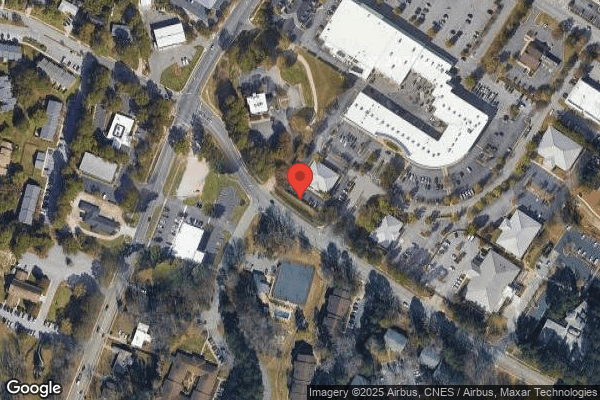
Apr 2024 2 deficiencies
CONCERN (D) 📢 Someone Reported This

A family member, employee, or ombudsman was alarmed enough to file a formal complaint

Potential for Harm - no one hurt, but risky conditions existed

Deficiency F0761 (Tag F0761)

Could have caused harm · This affected 1 resident

**NOTE- TERMS IN BRACKETS HAVE BEEN EDITED TO PROTECT CONFIDENTIALITY** Based on record review, observation, and staff interviews, the facility failed to ensure medications were not left unattended on...

Read full inspector narrative →
**NOTE- TERMS IN BRACKETS HAVE BEEN EDITED TO PROTECT CONFIDENTIALITY** Based on record review, observation, and staff interviews, the facility failed to ensure medications were not left unattended on top of the medication cart (100 Hall medication cart) and failed to dispose or discard out of date medications stored in 2 of 5 medication carts (100 Hall middle A/B medication cart). The findings included: 1a. On 4/03/24 a continuous observation from 9:50 AM through 9:55 AM was conducted during a medication pass. Nurse #2 was observed to have left 2 medicine cups of prepared medication unattended on top of the 100-hall medication cart. Nurse #2 was observed to have covered each medication cup with a plastic cup. Nurse #2 was then observed to have left the medication cart and proceeded down the 100 hallway toward the 100-hall nursing desk looking for a vital signs monitor to take a resident's blood pressure. Nurse #2 went to a resident's room, donned on personal protective equipment, then entered a resident room to check a resident's blood pressure. At 9:55 AM Nurse #2 returned to the medication cart. Two residents, one from room [ROOM NUMBER] and another from room [ROOM NUMBER], (semi-private rooms) were in the hall near the medication cart during the period when the nurse left the medication cups unattended. The two residents had cognitive loss and were up in their wheelchairs self-mobilizing around the hall. 1b. On 4/03/24 a continuous observation from 1:44 PM through 1:49 PM during a medication pass, Nurse #2 was observed to have left a medicine cup of prepared medication unattended on top of the 100-hall medication cart. Nurse #2 was observed to have covered the medication cup with a plastic cup. Nurse #2 went to the medication room and returned at 1:49 PM to the medication cart. Two residents, room [ROOM NUMBER] and room [ROOM NUMBER] were observed to have been in the hallway near the medication cart. The two residents had cognitive loss and were in their wheelchairs self-mobilizing around the hall. An interview with Nurse #2 on 4/3/24 at 1:56 PM revealed the nurse acknowledged she left the medications cups unattended on top of 100 hall medication cart during both observations. Nurse #2 stated she normally doesn't go that far away from the medications cart but explained she was in a rush. 2a. An observation was conducted on 4/4/24 at 2:43 PM of middle A/B medication cart with Nurse #3. A vial of multidose lidocaine hydrochloride injection 1% (used as a local injectable anesthetic) was found open in the medication cart and was not dated when opened. 2b. The manufacturer's recommendations for Ipratropium-albuterol stated to keep the medication in the container it came in, and to keep the packaging tightly closed. Keep the unused vials of nebulizer solution in the foil pouch until they were used. Once removed from the foil pouch, the individual vials should be used within one week. An observation was conducted on 4/4/24 at 2:43 PM of middle A/B medication cart. Ipratropium-albuterol 0.5-3 milligrams (mg)/3 (used for chronic obstructive pulmonary disease) vials were observed in the medication cart. The individual vials were found outside of the foil in two different boxes in the medication cart with no date. An interview with Nurse #3 on 4/4/24 at 2:45PM revealed nursing staff should be checking the medication cart and remove all non-dated medications. Nurse #3 also stated that the vial of multidose lidocaine hydrochloride and vials of Ipratropium-albuterol 0.5-3mg/3 should have been removed and returned to the pharmacy. An interview with the Nurse Supervisor on 4/4/24 at 2:48 PM revealed the vial of multidose lidocaine hydrochloride should have been dated and the vials of Ipratropium-albuterol 0.5-3mg/3 should have been inside of the foil packaging. An interview with the Director of Nursing (DON) on 4/4/24 at 3:20 PM revealed that all medication when pulled from the medication cart should be secured, and not left unattended. Nursing staff should check all medication rooms and medication carts for any expired medications on a weekly basis and remove multidose vials with no dates and remove Ipratropium-albuterol 0.5-3mg/3 when out of the foil packaging. Medication rooms and medication carts were inspected for proper medication storage monthly by the pharmacy staff.
CONCERN (D) 📢 Someone Reported This

A family member, employee, or ombudsman was alarmed enough to file a formal complaint

Potential for Harm - no one hurt, but risky conditions existed

QAPI Program (Tag F0867)

Could have caused harm · This affected 1 resident

Based on observations, record review and staff interview the facility's Quality Assessment and Assurance (QAA) Committee failed to maintain implemented procedures and monitor the interventions the com...

Read full inspector narrative →
Based on observations, record review and staff interview the facility's Quality Assessment and Assurance (QAA) Committee failed to maintain implemented procedures and monitor the interventions the committee put into place following the 6/21/21 recertification and complaint investigation. This was for 1 recited deficiency on the current recertification and complaint survey of 2/23/24 in the area of label/store drugs and biologicals (F761). The continued failure during two federal surveys of record shows a pattern of the facility's inability to sustain an effective QAA program. The findings included: This tag is cross-referenced to: F671- Label/store drugs and biologicals: Based on record review, observation and staff interviews, the facility failed to ensure that medication were securely stored in a locked medication cart and not left unattended that was inaccessible by residents and failed to dispose or discard out of date medications in 2 of 5 medication carts. During the 6/21/21 recertification and complaint investigation survey the facility failed to discard insulin medications in accordance with the manufacturer's instruction for 1 medication cart (100 hall) out of 4 medication carts observed for medication storage.
Feb 2024 2 deficiencies 1 IJ
CRITICAL (J) 📢 Someone Reported This

A family member, employee, or ombudsman was alarmed enough to file a formal complaint

Immediate Jeopardy (IJ) - the most serious Medicare violation

Accident Prevention (Tag F0689)

Someone could have died · This affected 1 resident

**NOTE- TERMS IN BRACKETS HAVE BEEN EDITED TO PROTECT CONFIDENTIALITY** Based on observations, record review, staff interviews, and Medical Director interview, the facility failed to provide care in a...

Read full inspector narrative →
**NOTE- TERMS IN BRACKETS HAVE BEEN EDITED TO PROTECT CONFIDENTIALITY** Based on observations, record review, staff interviews, and Medical Director interview, the facility failed to provide care in a safe manner for 1 of 3 residents reviewed for accidents (Resident #1). On 1/21/24 Resident #1 was positioned on her left side with the bed raised to waist height by Nurse Aide (NA) #1 to perform incontinence care and bathing. NA #1 left the resident unattended on her left side to obtain supplies on the other side of the bed, and Resident #1 fell from the bed onto her right side on the floor and sustained a laceration to her head and a skin tear to her right elbow. Resident #1 was transferred to the emergency room for evaluation where she received a computerized tomography (CT) head and cervical spine imaging which was notable for small hemorrhagic contusions (bleeding inside the brain) to bilateral temporal lobes (area of the brain behind the ears). No surgical intervention was recommended, and Resident #1 continued to decline despite fluids, nutrition, and supportive care measures. Resident #1 was placed on hospice care and according to the death certificate expired on 1/31/24 with the cause of death identified as blunt force trauma to the head related to a fall from bed. The findings included: Resident #1 was admitted to the facility on [DATE] with diagnoses which included stroke, hemiplegia (paralysis of one side of the body), and post-polio syndrome (viral infection on nervous system with decreased muscular function and acute weakness). A physician order dated 12/20/23 for aspirin 325 milligrams one time a day. Resident #1's care plan initiated on 12/19/23 revealed she was at risk for fall related injury and falls related to stroke with right sided weakness and altered cognition with interventions which included to keep the environment as safe as possible to and keep the bed in the appropriate position. Review of the Resident Care Guide (A nurse aide's guide for providing care to a resident) (no date) revealed Resident #1 required extensive assistance for bed mobility which included rolling from side to side. The Minimum Data Set (MDS) significant change assessment dated [DATE] revealed Resident #1 had severe cognitive impairment, she required substantial maximum assistance (staff does more than half of the effort, lifts and holds limbs) with turning and repositioning and she was dependent on staff for toileting and bathing. Resident #1 was coded for a feeding tube and antiplatelet medication use during the 7-day lookback period. During a telephone interview on 2/21/24 at 12:41 pm Nurse Aide (NA) #1 revealed she was assigned to Resident #1 on the morning of the fall. NA #1 stated she prepared Resident #1 for incontinence care and bathing, she had positioned Resident #1 on her left side slightly past center of the bed but not on the edge of the bed, and Resident #1 had both hands on her one-quarter side bed rail (a rail attached to the bed frame and used to assist resident with positioning) on the left side of the bed. NA #1 stated Resident #1 had weakness on one side of her body, but she was unable to remember which side. NA #1 reported she forgot to obtain the personal care wipes from the bedside table on the other side of the bed, so she left Resident #1 on her left side with the bed elevated at about waist height and walked around the foot of the bed to retrieve the personal care wipes. NA #1 stated when she walked back around the foot of the bed towards Resident #1, she witnessed Resident #1 start falling forward from the bed. NA #1 stated she tried to grab Resident #1's right hip in an attempt to stop the fall, but she was unable to stop Resident #1's fall from the bed. NA #1 stated she should have lowered Resident #1's bed before she walked around the bed to get the personal care wipes, but she was near the bed and did not think Resident #1 would fall. The fall incident report initiated on 1/21/24 at 6:08 am and completed by Nurse #1 revealed Resident #1 was observed on the floor with active bleeding from the right side of her head and a skin tear to her right elbow. Resident #1 was unable to report pain, pressure was applied by Nurse #1 to the right side of the head until emergency medical technicians (EMTs) arrived and transported Resident #1 to the emergency department. The physician and Resident #1's Responsible Party (RP) were notified of the fall and emergent transfer for evaluation. An interview was conducted on 2/21/24 at 1:13 pm with Nurse #1 who was assigned to Resident #1 at the time of the fall on 1/21/24. Nurse #1 stated she was notified by NA #1 that Resident #1 had rolled off the bed when she was in the room to provide care. Nurse #1 stated she entered the room and observed Resident #1 to be on the floor between the bed and the window with her feeding tube line wrapped around her waist. Nurse #1 stated Resident #1 had a large amount of blood from the right side of her head, but she was able to respond to her name. Nurse #1 stated she stayed with her, applied pressure to the wound and tried to keep Resident #1 comfortable until the EMTs arrived. Review of the hospital record dated 1/21/24 revealed Resident #1 presented as a trauma consultation status post fall from bed with nausea and vomiting, atrial fibrillation (irregular heart beat), and an abrasion and hematoma (localized bleeding outside the blood vessels) to right occipital lobe (very back of the skull) upon arrival to the emergency department. A computed tomography (CT) scan of the head was completed which revealed Resident #1 had a small hemorrhagic contusion (bleeding inside the brain) to the left and right temporal lobes (area of the brain behind the ears), a small left-sided subdural (pool of blood between the brain and the outermost covering) hemorrhage, and trace right-sided subdural hemorrhage. No surgical intervention was recommended. Resident #1 continued to decline despite fluids, nutrition, and supportive care measures. Resident #1 was placed on hospice services and expired on 1/31/24. The Certificate of Death revealed Resident #1 expired on 1/31/24 and the immediate cause of death was determined to be blunt force trauma to the head related to a fall from bed that occurred on 1/21/24. A telephone interview was conducted on 2/22/24 at 8:15 am with the Rehabilitation Director who revealed Resident #1 received therapy services which included physical, occupational, and speech at the facility. The Rehabilitation Director stated Resident #1 had right sided weakness with a score of 0 out of 5 on the manual muscle testing grading system which indicated no visible or palpable contraction (flaccidity) of the right upper extremity. The Rehabilitation Director stated Resident #1 had no significant functional improvement identified throughout her admission and remained dependent upon staff for activities of daily living. A telephone interview was conducted on 2/22/24 at 7:37 pm with the Medical Director who revealed Resident #1 had right sided weakness from her history of stroke and general muscle weakness from history of post-polio syndrome. He stated he was unable to recall if Resident #1 had purposeful function of her right upper extremity to perform tasks. He stated Resident #1 did participate in therapy services at the facility. The Medical Director stated he was notified of Resident #1's fall and transfer to the emergency department. An interview was conducted on 2/21/24 at 5:11 pm with the Director of Nursing (DON) who revealed NA #1 should have prepared all needed supplies prior to positioning Resident #1 on her side to provide care. The DON stated NA #1 failed to position Resident #1 in a safe position on the bed and place the bed in a low position before she walked to the other side to the bed to obtain the supplies. An interview was conducted with the Administrator on 2/22/24 at 2:45 pm who revealed NA #1 was responsible to follow the policies and procedures regarding positioning and turning of residents and performing a bed bath properly to ensure Resident safety. The Administrator was notified of immediate jeopardy on 2/21/24 at 2:27 pm. The facility provided the following corrective action plan with a completion date of 1/30/24: 1. How corrective action will be accomplished for resident(s) found to have been affected: On 1/23/24 the DON completed a root cause analysis and Nurse Aide (NA) #1 did not follow policy and procedure for transfer and bed bath. One on one education was provided to NA #1 by the DON on 1/23/24 which included turning and repositioning of residents, bed bath policy which included gather and prepare necessary equipment and supplies, turning resident toward staff or obtain coworker to be on other side of resident. 2. How corrective action will be accomplished for resident(s) having potential to be affected by the same issue needing to be addressed: A review of the facility incident reports for the past thirty (30) day period was conducted by the interdisciplinary team (IDT) on 1/23/24 to identify any similar situations that may have occurred, no findings were identified. All residents who must be turned and positioned could be affected. Residents were identified by the Unit Managers who utilized the Minimum Data Set (MDS) CMS-802 (a list of resident census and condition), and a review of resident care plans was completed on 1/23/24. A review of all falls for the past 30-day period was completed on 1/23/24 by the IDT, which consisted of the Social Worker, Unit Managers, MDS Coordinator, Assistant Director of Nursing, and the DON to identify any incident that resulted in a fall could have been caused by a transfer/bed bath provision of care. No findings were noted. A review of the grievances was completed by the Assistant Director of Nursing on 1/23/24 with no complaints of improper transfer and bed bath provision of care policy. 3. What measure will be put in place or systemic changes made to ensure that the identified issues does not occur in the future: All nursing staff were to be re-educated on turning and positioning in bed and bed bath. The education was completed on 1/26/24 by the Assistant Director of Nursing and the Director of Nursing. Policy and Procedures presented: Bed Bath, which included but not limited to, gather, and prepare the necessary equipment and supplies, always turn resident towards you or obtain a coworker to stay on the opposite side of the bed, and return the bed to original position after completing provision of care. Turning and positioning a resident in bed, which included but not limited to, obtain positioning devices as needed, have resident flex arms across their chest if able, flex the resident's knees and roll toward you utilizing a pillow or positioning wedge to maintain the resident in the side lying position, and support with pillows as needed. The facility does not utilize agency staff. All new staff will be educated by the Assistant Director of Nursing during orientation and prior to working on the floor for turning and positioning and bed bath education with a skill checkoff list to document the education was completed. The education is tracked by the Assistant Director of Nursing. 4. Indicate how the facility plans to monitor its performance to make sure the solutions are achieved and sustained: The Administrator and Director of Nursing met to complete an Ad Hoc meeting on deficient practice and steps to correct deficient practice on 1/29/24. Facility care audits will be completed on different shifts and different days of the week. The facility will observe 3 residents daily for 5 days, then 3 residents weekly for 4 weeks, then 3 residents monthly for 2 months. Audits will include bed bath procedure, turning and positioning procedures, including turning the resident towards staff member. Monthly reporting to the Quality Assurance Performance Improvement committee (QAPI) will occur to gauge the effectiveness of interventions and to determine when substantial compliance has been obtained and maintained. The audit process with stop at the time on the recommendation of the QAPI committee. The QAPI committee members include the Administrator, Director of Nursing, Assistant Director of Nursing, Social Worker, MDS Coordinator, Director of Maintenance, Director of Environmental Services, Food Services Director, Activities Director, and the Medical Director. The Director of Nursing is responsible for implementation and obtaining compliance for the plan. Alleged date of compliance: 1/30/24 Onsite validation was completed on 2/21/24 through record review, staff interviews, and observations of resident care including incontinence care and turning and repositioning. Staff were interviewed to validate the in-service was completed on turning and positioning residents in bed, proper procedure to perform resident bed bath with emphasis on resident safety and to have all supplies before care was started. A review was completed of the resident care audits, and of the 2/14/24 Quality Assurance and Performance Improvement (QAPI) meeting minutes. The facility's corrective action plan was validated to be completed as of 1/30/24.
CONCERN (D) 📢 Someone Reported This

A family member, employee, or ombudsman was alarmed enough to file a formal complaint

Potential for Harm - no one hurt, but risky conditions existed

QAPI Program (Tag F0867)

Could have caused harm · This affected 1 resident

**NOTE- TERMS IN BRACKETS HAVE BEEN EDITED TO PROTECT CONFIDENTIALITY** Based on observations, record review, staff interviews, and Medical Director interview, the facility's Quality Assessment and As...

Read full inspector narrative →
**NOTE- TERMS IN BRACKETS HAVE BEEN EDITED TO PROTECT CONFIDENTIALITY** Based on observations, record review, staff interviews, and Medical Director interview, the facility's Quality Assessment and Assurance (QAA) Committee failed to maintain implemented procedures and monitor the interventions the committee put into place following the [DATE] recertification and complaint investigation. This was for 1 recited deficiency on the current complaint investigation survey of [DATE] in the area of Provide Supervision to Prevent Accidents (F689). The continued failure during two federal surveys of record shows a pattern of the facility's inability to sustain an effective QAA program. The findings included: This tag is cross-referenced to: F689 Based on observations, record review, staff interviews, and Medical Director interview, the facility failed to provide care in a safe manner for 1 of 3 residents reviewed for accidents (Resident #1). On [DATE] Resident #1 was positioned on her left side with the bed raised to waist height by Nurse Aide (NA) #1 to perform incontinence care and bathing. NA #1 left the resident unattended on her left side to obtain supplies on the other side of the bed, and Resident #1 fell from the bed onto her right side on the floor and sustained a laceration to her head and a skin tear to her right elbow. Resident #1 was transferred to the emergency room for evaluation where she received a computerized tomography (CT) head and cervical spine imaging which was notable for small hemorrhagic contusions (bleeding inside the brain) to bilateral temporal lobes (area of the brain behind the ears). No surgical intervention was recommended, and Resident #1 continued to decline despite fluids, nutrition, and supportive care measures. Resident #1 was placed on hospice care and according to the death certificate expired on [DATE] with the cause of death identified as blunt force trauma to the head related to a fall from bed. During the [DATE] recertification and complaint investigation survey the facility failed to secure a resident's wheelchair to the transportation van securement system per manufacturer instructions and failed to apply a lap and shoulder restraint across a resident per manufacturer instructions which resulted in three falls on the transportation van. A telephone interview was conducted on [DATE] at 8:30 am with the Administrator who revealed the facility continued to monitor all incident events for root cause analysis for the residents of the facility from the previous recertification survey. The Administrator stated Resident #1's fall was determined to be an isolated incident based on the root cause analysis, auditing, and record review that was completed by the Director of Nursing and the nursing management team.
May 2023 1 deficiency
CONCERN (D) 📢 Someone Reported This

A family member, employee, or ombudsman was alarmed enough to file a formal complaint

Potential for Harm - no one hurt, but risky conditions existed

Incontinence Care (Tag F0690)

Could have caused harm · This affected 1 resident

Based on record review, staff interview, and physician interview the facility failed to obtain a urine specimen for analysis and culture/sensitivity. This was for one of one (Resident # 1) sampled res...

Read full inspector narrative →
Based on record review, staff interview, and physician interview the facility failed to obtain a urine specimen for analysis and culture/sensitivity. This was for one of one (Resident # 1) sampled resident identified to have urinary symptoms. The findings included: Resident # 1 resided at the facility from 3/14/23 to 4/19/23. Resident # 1's diagnoses in part included recent history of small bowel obstruction with lysis of adhesions, atrial fibrillation, sick sinus syndrome, severe protein malnutrition, and history of breast cancer. Resident # 1's admission Minimum Data Set assessment, dated 3/21/23, coded Resident # 1 as cognitively intact. The resident was assessed to be incontinent of bowel and bladder and needed extensive assistance with her hygiene needs. The resident was not assessed to have any behavioral problems. Resident # 1's care plan, dated 3/14/23, noted Resident # 1 was incontinent and directed staff to assess for any signs of a urinary tract infection. The care plan noted signs could include altered mental status, increased temperature and failure to eat. On 4/10/23 at 1:26 PM Physician # 1 noted she was seeing Resident # 1 for an acute visit due to increased confusion, being verbally aggressive, and displaying behaviors. Physician # 1 also noted Resident # 1 had increased urination and issues. The physician noted a UA C&S (urinalysis with culture and sensitivity) would be obtained. On 4/10/23 a physician's order was entered into Resident # 1's electronic record for a UA C&S and confirmed by Nurse # 1. The order was never discontinued prior to Resident # 1's discharge date of 4/19/23. There was never a urine lab result that corresponded to the 4/10/23 order. On 4/11/23 the psychiatric Nurse Practitioner (NP) saw Resident # 1 due to behaviors. The psychiatric NP noted the urine test, which had been ordered by the primary physician the previous day, was still pending. On 4/13/23 the primary care NP (NP # 1) saw Resident # 1 and noted she discussed discharge planning with the resident and the resident was alert and able to communicate that day. The resident had no complaints. The primary care NP made no mention of the pending urine specimen result. On 4/14/23 an order was entered into Resident # 1's electronic record for a stat (right away) UA C&S to rule out UTI (urinary tract infection). On 4/15/23 at 8:25 PM Nurse # 2 noted the following. Resident # 1 continued to be confused and combative with care at times. She was having a hard time following commands and participating in therapy. The urinalysis results showed the resident had 3 + bacteria in her urine. The culture and sensitivity were still pending. The resident's vitals were stable, and she was afebrile. The nurse further noted she spoke to NP # 1 and there were no new orders at that time. Review of the record revealed no culture and sensitivity results were ever obtained from the 4/14/23 specimen. Only the urinalysis was reported from the 4/14/23 specimen. On 4/17/23 orders were given to start Intravenous (IV) fluids for the resident. Nursing notes reflected the IV fluids were started on 4/17/23 at 1:55 PM. Additionally, another order was given for a urine culture and sensitivity to be done on 4/17/23. This was noted to be obtained on 4/17/23 at 1:55 PM. On 4/17/23 at 7:53 PM Nurse # 2 noted Resident # 1 was lethargic, difficult to arouse, and had poor oral intake. She had worsened over the week-end (4/15 and 4/16/23) and was having a low grade temperature. Nurse # 2 noted the urine culture was still pending. Nurse # 2 noted she informed Physician # 1 of Resident # 1's worsening status and an order was given for the antibiotic, Rocephin, intramuscularly for three days pending the results of the urine culture. According to Resident # 1's April 2023 Medication Administration Record, Resident # 1 received two doses of Rocephin prior to her discharge. These doses were administered on the evenings of 4/17/23 and 4/18/23. On 4/18/23 at 11:29 PM NP # 1 saw Resident # 1 and noted the following. Resident # 1 would give slow responses. She was not eating well, and the urine culture results were still pending. Physician # 1 had started Rocephin the previous day due to the urine lab results not being finalized. The NP noted she would continue IV fluids. On 4/19/23 at 11:16 PM NP # 1 noted Resident # 1 gave slow responses. She had been hydrated with IV fluids and an x-ray had ruled out pneumonia. The NP noted the urine culture and sensitivity were pending and the resident was on prophylactic antibiotic treatment while awaiting results. The NP also noted she talked to the family who requested that Resident # 1 be sent to the hospital. According to the facility record, Resident # 1 was transferred to the hospital on 4/19/23 at 12:05 PM. The urine specimen which had been collected on 4/17/23 had a result report date of 4/20/23 at 2:50 PM. The report noted the urine had grown greater than 100,000 colonies of Escherichia coli and the bacteria was sensitive to Rocephin (the antibiotic on which the resident had been started). Review of hospital records revealed the hospital continued treatment for Resident # 1's urinary tract infection upon hospital admission, and the resident's continued lethargy was found to be related to another medical issue other than the urinary tract infection. Nurse # 1 and the Director of Nursing were interviewed on 5/17/23 at 12:15 PM and reported the following. There was no result for the 4/10/23 UA C&S. When Physician # 1 had given the 4/10/23 order, Nurse # 1 had confirmed the lab in the computer system. The facility system was as follows so that follow up could be done to make sure the urine lab was obtained. When the order was obtained, it should have been entered under lab in the orders. That way it would populate on the MAR (medication administration record) so the nurses would know the lab was due. The order also had to be automatically entered into the lab computer system. At midnight, the night shift nurses would print off an expiring log lists of labs that would need to be drawn or picked up by the lab technician when the lab technician arrived at the facility every night around 4:00 AM. If a urine lab order was on the list and the specimen had not yet been obtained and placed in the refrigerator for pick up, then the night shift nurse knew they were supposed to obtain it. For some reason, this had not occurred for Resident # 1. Nurse # 1 stated she had also entered the orders for the 4/14/23 UA & C&S into the computer. She thought she had entered everything correctly for both the urinalysis and the culture, but she could not recall for sure, and the system showed only the UA had been ordered. Nurse # 4 was interviewed on 5/17/23 at 10:40 AM and reported the following. She (Nurse # 4) was told by Nurse # 1 to obtain a urine specimen from Resident # 1 on 4/14/23 because it had not been obtained prior to that. She performed an in and out catheterization to do so and the urine did not look like urine when it came out. It looked like a different substance. She had not been the one to put the order into to the lab system on 4/14/23, but later found out the culture had not been ordered in the system and therefore not done. Nurse # 3 was interviewed on 5/17/23 at 10:58 AM and reported the following. She had worked on 4/11/23 from 7 AM to 7 PM. She had been told in nurse's report on 4/11/23 that Resident # 1 had been combative and agitated the previous day. That was not Resident # 1's baseline. It had not been called to Nurse # 3's attention that a urine specimen still needed to be obtained on 4/11/23 or she could have easily gotten one that day because Resident # 1 seemed more at her baseline and was cooperative. On 4/11/23, Nurse # 3 had not noted anything alarming. In the last few days prior to Resident # 1's hospital discharge, Resident # 1 changed and was sleeping all the time. She recalled one day in report a night nurse mentioning Resident # 1's 4/14/23 urine specimen culture was still pending, and it seemed to her as if it should have been back. She looked in the computer system and found the culture had never been put in the lab system to be performed. Therefore, she catheterized Resident # 1 again on 4/17/23 to get the culture. Physician # 1 was interviewed on 5/17/23 at 4:40 PM revealing the following. It was her understanding that on the initial day of the urine specimen order (4/10/23), Resident # 1 had been noncooperative and combative and the specimen could not be obtained that day. It was her intent the nurses try to continue to get it. When it was not obtained and the resident seemed to worsen a broad- spectrum antibiotic was started, which worked for the urinary tract infection. The lack of obtaining the specimen as ordered had not contributed to Resident # 1's worsening or caused her any harm. Her continued lethargy had been found to be caused by another medical issue when she was hospitalized , and her urinary tract infection had already started to respond to the Rocephin started at the facility.
Dec 2022 2 deficiencies 2 IJ (2 affecting multiple)
CRITICAL (K)

Immediate Jeopardy (IJ) - the most serious Medicare violation

Accident Prevention (Tag F0689)

Someone could have died · This affected multiple residents

**NOTE- TERMS IN BRACKETS HAVE BEEN EDITED TO PROTECT CONFIDENTIALITY** Based on physician interview, resident interview, record review, observations, staff interviews, and Medical Director interview,...

Read full inspector narrative →
**NOTE- TERMS IN BRACKETS HAVE BEEN EDITED TO PROTECT CONFIDENTIALITY** Based on physician interview, resident interview, record review, observations, staff interviews, and Medical Director interview, the facility failed to secure a resident's wheelchair to the transportation van securement system per manufacturer instructions and failed to apply a lap and shoulder restraint across a resident per manufacturer instructions for 1 of 4 residents reviewed for accidents (Resident #26). Residents #26 had three falls on the transportation van. On March 31, 2022 the resident fell backwards in her wheelchair in the transportation van. The Resident had complaints of neck pain, back pain, and a skin tear on her left forearm. On June 30, 2022 the Resident fell from the wheelchair in the transportation van. On July 21, 2022 the Resident fell backwards in her wheelchair in the transportation van. An observation on 12/8/2022 revealed staff were unable to identify the recommended location per manufacturer's instructions, to apply retractors from a 4-point wheelchair securement system to a resident's wheelchair during transportation on the facility's van. The facility failed to complete a thorough investigation and implement interventions after Resident #26 had a fall while on the transportation van on March 31, 2022, June 30, 2022, and July 21, 2022. In addition, the facility failed to have a policy and procedure for the 4-point wheelchair securement system located inside the facility's transportation van or a policy and procedure for the application of a safety lap and shoulder belt for residents during transit on the facility transportation van. Immediate jeopardy began on 3/31/2022 when the facility failed to secure Resident #26's wheelchair to the floor securement system of the transportation van and the facility administration did not complete a root cause analysis so that effective interventions could be implemented to protect Resident # 26 and all residents during transport. This resulted in 2 additional avoidable accidents for Resident # 26. Immediate jeopardy was removed on 12/9/2022 when the facility implemented a credible allegation of immediate jeopardy removal. The facility remains out of compliance at a lower scope and severity of a E which is no actual harm with the potential for more than minimal harm that is not immediate jeopardy to complete staff education and ensure monitoring systems put in place are effective. Findings included: Review of a facility's policy titled Transportation dated 11/2016 did not include information about using the van's 4-point wheelchair securement system located inside the van to secure a resident's wheelchair when transporting residents to appointments away from the facility or address the application of a safety lap and shoulder belt. Review of 4-point wheelchair securement system's use and care manual dated 2014 found on the manufacture's website included the following information: * J-Hooks must be attached to a sold wheelchair frame (no spokes or moveable components * Compliant shoulder and pelvic belt restraint must go across occupant's shoulder and pelvis (lap). Resident #26 was admitted to the facility on [DATE] with cumulative diagnoses that included abnormal posture and bilateral amputation. Resident #26's care plan in place on 3/31/2022 included an area of focus Resident #26 was at risk for fall related injury, at risk for acute/chronic pain, and had a potential for fluctuations in mood related to depression, anxiety, and psychosis. Interventions included ensure the environments was as safe as possible, anticipate residents need for pain relief, notify doctor if interventions are unsuccessful, administer medications as ordered, observe for ineffectiveness, and notify physician, consult with behavioral health as needed. Resident #26's quarterly MDS dated [DATE] indicated resident was cognitively intact. Resident #26 required the assistance of one staff with transfers and was unable to walk. a. An incident report dated 3/31/2022 and completed by Nurse #1, read on 3/31/2022 at 11:40 A.M. Resident #26's wheelchair flipped back on the transportation van. The report indicated Resident #26 had a skin tear. The immediate interventions included Resident #26's appointment was rescheduled, and therapy was to check Resident #26 for wheelchair positioning. Nurse's progress note written by Nurse #1 dated 3/31/2022 showed Resident #26 flipped her wheelchair back while on transportation van. Resident #26 had complaints of neck pain, back pain, and a small skin tear noted to her left arm. Nurse Practitioner (NP) note dated 3/31/2022 showed Resident #26 was evaluated by the NP after she fell backwards while on the transportation bus and hit her back on the floor. Resident #26 had complaints of left forearm pain, neck pain, and back pain. The note indicated Resident #26 had a small bruise noted on her wrist and a skin tear on her arm. Physician order dated 3/31/2022 showed an xray ordered for the left forearm, cervical spine, and lumbar to sacral spine. Review of the xray results for the forearm and spine dated 3/31/2022 showed Resident #26 had no acute fractures. Review of a post fall evaluation report created by Nurse #1 dated 3/31/2022 showed environmental factors (circle or write in): fell backwards in wheelchair on transportation van was written in. The description of the position the resident was observed in at the time of the incident read unknown did not observe guest. The type of assistance resident received at the time of the fall was documented as buckled down on transportation van. The re-creation of fall read guest had multiple items in back of wheelchair. The report indicated the cause of the fall was environmental factors/items out of reach. New interventions included Resident #26 was scheduled to follow up with physical therapy for wheelchair positioning. An interview was conducted on 12/7/2022 at 2:00 P.M. with Nurse #1. Nurse #1 indicated she was familiar with Resident #26. Resident #26 was a double amputate and had a lot of anxiety. Nurse #1 indicated during one of her shifts, Resident #26 had a fall on the transportation van, but due to the length of time since the incident, Nurse #1 was unable to provide a month Resident #26's fall occurred. Nurse #1 indicated she was told by transportation staff, the van had pulled away from the facility and Resident #26's wheelchair had flipped backwards. Nurse #1 responded to the van to assess Resident #26. When Nurse #1 walked onto the van, the back of the wheelchair was laying on the van floor and Resident #26 was lying on her back in the wheelchair facing the van roof. During the interview, Nurse #1 indicated Resident #26 had retractors secured to the wheelchair and to the best of her knowledge Resident #26 had a seatbelt in place. Nurse #1 stated she did not recall any items under the wheelchair or around the back of the van. She further indicated she did not recall Resident#26 to voice any concerns of pain. Review of Resident #26's Medication Administration Records (MAR) for March 2022 showed Resident #26's received oxycodone tablet 5 milligram (mg) ordered for severe pain on 3/31/2022 at 4:13 P.M. for a pain level of 4 on a 0-10 pain scale where 0 is no pain and 10 is the highest pain level. Review of Resident #26's MAR for April 2022 showed Resident's #26 received oxycodone tablet 5mg for severe pain one time a day from 4/3/2022 - 4/15/2022 for a pain level that ranged from 3-9 on a pain level scale. Resident #26's received two doses of oxycodone on 4/3/2022 and 4/9/2022. Attempts were made to interview the Nurse Practitioner who assessed Resident #26 on 3/31/2022 were unsuccessful. An interview was conducted on 12/8/2022 at 12:48 P.M. with the Medical Director. During the interview, the Medical Director reviewed Resident #26's electronic medical record. The Medical Doctor indicated Resident #26 was evaluated by the Nurse Practitioner on 3/31/2022 after she had a fall in the transportation van. Resident #26 had complaints of back and neck pain. The NP ordered and reviewed xrays of Resident #26's arm, neck, and back. The xrays indicated Resident #26 had no fractures. The Medical Director indicated Resident #26 had degenerative changes to her back Review of a therapy evaluation and plan of treatment note dated 7/22/2022 showed Resident #24's last dates of therapy were 10/12021 - 1/8/2022. An interview was conducted on 12/7/2022 at 11:50 A.M. with the Director of Nursing (DON). During the interview, the DON indicated she did not recall this incident due to the length of time since the event happened. She indicated Resident #26 was a double amputee and maybe her positioning contributed to her fall. The DON indicated an investigation would have been completed after the fall. The DON was unable to provide additional written information related to this incident. An interview was conducted on 12/7/2022 at 11:36 A.M. with the Administrator. During the interview, the Administrator indicated she did not recall the details of Resident #26's fall on the transportation van on 3/31/2022. The Administrator reviewed the incident report and indicated it appeared Resident #26 was retrieving items from a bag on the back of her wheelchair and the wheelchair flipped backwards. During the interview, the Administrator indicated Resident #26 was a bilateral amputee, which caused her center of gravity to be different when she sat in the wheelchair. The Administrator indicated physical therapy had worked with Resident #26 on positioning while she was in the wheelchair. b. An incident report dated 6/30/2022 and completed by Nurse #2 showed on 6/30/2022 at 4:00 P.M., Resident #26 had a fall from a wheelchair on the transportation van. The report read Resident #26 had no injuries. The immediate interventions included range of motion, skin assessment, pain assessment, position secured in wheelchair, and make sure all seatbelts are fastened. Nurse's progress note written by Nurse #2 and dated 6/30/2022 read Resident #26 observed sitting on floor of transportation van. Van driver stated she didn't have all the seatbelts secured to Resident #26. Review of a post fall evaluated report created by Nurse #2 and dated 6/30/2022 showed Resident #26's seatbelt was not buckled securely, and resident slid to floor. Factors observed at the time of the fall had equipment malfunction and environmental factors checked. The description of the guest was described as sitting on buttocks in transportation van. New interventions included ensure safety device in van is secure while in transit. The report included signatures under the section titled IDT Signatures. One signature was the signature of the Director of Nursing. An interview was conducted on 12/8/2022 at 1:08 P.M. with Nurse #2. She indicated she was familiar with Resident #26 and to her knowledge Resident #26 only had falls when she was transported in the facility's transportation van. During the interview, Nurse #2 indicated she was only involved in one of Resident #26's falls. She heard a page overhead that stated Resident #26 had fallen while on the transportation van. Nurse #2 went out to the van to assess Resident #26. She observed Resident #26 sitting on the van floor and her wheelchair was still sitting up. During the interview, Nurse #2 indicated to the best of her knowledge, she was told Resident #26 fell forwards when the driver started to drive the van out of the facility's parking lot. Nurse #2 was unable to recall if Resident #26's wheelchair was secured with retractors to the van's floor. Nurse #2 indicated Resident #26 was not wearing a seatbelt. Attempts were made to interview Transportation Driver #2 who worked as the transportation driver from March 2022 through September 2022 were unsuccessful. An interview was conducted on 12/8/2022 at 9:45 A.M. with the DON. During the interview, the DON confirmed she did not recall this incident. c. An incident report dated 7/21/2022 created by Nurse #3 showed on 7/21/2022 at 9:30 A.M. Resident #26 had a witnessed fall on the transportation van during transportation. Resident #26 had no injuries during this fall. There were no immediate interventions listed on the report. Nurse's progress note written by Nurse #3 and dated 7/21/2022 read Resident #26 observed laying on her back still strapped to wheelchair inside transportation vehicle. Review of a post fall evaluation report dated 7/21/2022 listed no factors observed at the time of the fall. The description provided described Resident #26's as lying flat on her back and the fall was a witnessed fall to the floor. New interventions included add anti-roll back brakes on Resident #26's wheelchair and refer to physical therapy. An interview was conducted on 12/8/2022 at 10:13 A.M. with Nurse #3. Nurse #3 assessed Resident #26 after her fall on 7/21/2022. During the interview, Nurse #3 indicated it was reported to him when the van was leaving the parking lot and moving forwards when Resident #26's wheelchair rolled backwards and flipped. Nurse #3 indicated when he arrived on the van, he observed Resident #26 lying on her back, still in her wheelchair. The wheelchair appeared to have tipped over backwards and the back of the chair had come to rest on the floor of the van. Nurse #3 indicated he assisted additional staff to upright Resident #26's wheelchair. Resident #26 had no injuries and went to her scheduled appointment. Review of an occupational therapy note dated 7/22/2022 showed the reason Resident #26 was referred to therapy was due to a fall from wheelchair during transportation to appointment. The listed goals included demonstrate improvement in trunk control/sitting balance and demonstrate good upright midline posture in wheelchair for 1-2 hours with appropriate system including anti tippers. The evaluation report showed Resident #24's last dates of therapy were 10/12021 - 1/8/2022. An interview was conducted on 12/7/2022 at 12:21 P.M. with the Rehabilitation Service Director. During the interview, the Director indicated Resident had been referred to therapy after a fall a few months ago. The Director stated Resident #26 was a bilateral amputee and therapy worked with her to build her core strength and upper muscles. During the interview, the Director further indicated Resident #26 had a regular wheelchair and the therapy department had maintenance install anti tippers to her wheelchair. The Director indicated she was unable to recall the date of Resident #26's fall. An interview was conducted on 12/7/2022 at 9:12 with Resident #26. Resident #26 indicated she did not recall her wheelchair falling in the transportation van and was unable to provide any additional information. An interview was conducted on 12/7/2022 at 2:49 P.M. with the Transportation Driver #1, who was out on medical leave from March 2022 through September 2022. The Transportation Driver indicated when he was hired at the facility, he shadowed the previous transportation driver for thirty days and was showed by the previous driver how to secure residents into the transportation van for transportation to outside appointments. The Transportation Driver indicated the transportation van was equipment a 4-point wheelchair securement system that used retractors and this was the same system installed on the transportation van used during the time of each of Resident #26's falls. During the interview, Transportation Driver #1 indicated he had heard Resident #26 had a fall with Transportation Driver #2, but he was not at the facility during the times of the falls. An interview was conducted on 12/8/2022 at 11:46 A.M. with Nurse Aide (NA) #1. During the interview, NA #1 indicated she was present on the transportation van when Resident #26 had a fall. NA #1 was unable to recall the date of the incident. She indicated Transportation Driver #2 secured Resident #26's wheelchair in the facility van. When the van started to pull out of the parking lot, Resident #26 and her wheelchair tipped over backwards. Resident #26 had no observed injuries. During the interview, NA #1 indicated a staff showed Transportation Driver #2 where to clip the safety straps to Resident #26's wheelchair to prevent the wheelchair from tipping backwards and Resident #26 continued to her scheduled appointment. NA #1 stated she sat behind Resident #26's wheelchair as Transportation Driver #2 drove and Resident #26's wheelchair did not tip over a second time that day. NA #1 was unsure which staff assisted Transportation Driver #2 with repositioning Resident #26's wheelchair after she fell backwards. An interview was conducted on 12/8/2022 at 12:39 P.M. with NA #2. NA #2 indicated she was responsible to ride on the van and assisted as needed to secure residents into the transportation van when traveling to appointments away from the facility. During the interview, NA #2 stated she assisted with loading residents onto the transportation van when the residents had appointments away from the facility. She stated Transportation Driver #2 showed her where to hook the safety straps that attached from the van floor to the resident's wheelchair. NA #2 indicated she was told each of the straps were hooked on the outside wheel of the wheelchair. An observation was completed on 12/8/2022 at 12:52 P.M. with NA #2. NA #2 used a resident's wheelchair and pointed to the location on the wheelchair she hooked the safety straps to if she had secured the resident on the transportation van for transport. NA #2 pointed to the outside wheel and verbalized that is where she would place the safety strap An interview was conducted with the Director of Nursing (DON) on 12/9/2022 at 2:03 P.M. During the interview, the DON was made aware during an interview NA #2 was asked to demonstrate on a resident's wheelchair where the retractor straps would be attached if a resident needed to be secured on the transportation van in the transportation van. NA #2 indicated the J hooks would be clipped to the outside wheel on the wheelchair. The DON indicated the retractor straps were not to be clipped to the wheelchair wheel and further indicated the new policy created indicated the transportation drive was responsible for securing a resident in the transportation van. An interview was conducted on 12/8/2022 at 9:15 A.M. with a Physical Therapist (PT) #1. PT #1 indicated he had showed Transportation Driver #2 how to use the retractors to secure Resident #26 onto the transportation van after she had a fall. PT #1 was unable to provide an exact date of this incident. He did state it was about three months ago. During the interview, PT #1 indicated he was unsure how Resident #26's wheelchair fell backwards and further indicated he was unsure how Resident #26's wheelchair was secured when she fell backwards. He indicated Resident #26 was a double amputee and had a greater risk of falling forwards compared to falling backwards because there was no support in front of her body compared to the support of the back of the wheelchair. An interview was conducted on 12/8/2022 at 9:00 A.M. with the Assistant Director of Nursing (ADON). During the interview, the ADON indicated she was only aware Resident #26 had one fall and was unaware of additional falls. The ADON indicated when Resident #26 had a fall in the transportation van, PT #1 provided Transportation Driver #2 with training on how to secure a wheelchair for transportation on the facility transportation van. The ADON indicated PT #1 was responsible to train staff on the transportation van following an incident. During the interview, the ADON indicated she was present on the van with Transportation Driver #2 and PT #1 for the training on how to secure Resident #26's wheelchair on the transportation van. The ADON further indicated when the safety retractors were used on the transportation van, a resident should not fall, and she is unsure what caused Resident #26 to flip her wheelchair backwards. An interview was conducted on 12/7/2022 at 11:50 A.M. with the Director of Nursing (DON). During the interview, the DON indicated it was her responsibility to investigate each fall Resident #26 had in the transportation van. During the interview, the DON indicated she only recalled Resident #26 to have one fall in July. The DON indicated she was unsure how the wheelchair flipped over during transportation on the van and stated physical therapy was consulted to assess Resident #26. The DON further indicated physical therapy also provided Transportation Driver #2 with additional training on how to secure Resident #26's wheelchair in the transportation van when traveling to appointments. Review of the incident report dated 3/31/2022, 6/30/2022, and 7/21/2022 showed the DON's signature. The post fall evaluation dated 3/31/2022 and 6/30/2022 revealed the DON signed under IDT signatures. A follow-up interview on 12/8/2022 at 2:27 P.M. with the DON indicated a clinical meeting was held each business day after Resident #26's falls. During these meetings the fall incident was discussed, and the interdisciplinary team worked to implement appropriate interventions. During the interview, the DON indicated the lack of training for the transportation staff in securing Resident #26 in the transportation van was not identified. On 12/7/2022 at 5:49 P.M., the facility's Administrator and Director of Nursing were informed of the immediate jeopardy. The facility provided an acceptable credible allegation of Immediate Jeopardy removal on 12/9/2022. The allegation of immediate jeopardy removal indicated: Credible Allegation of IJ removal The Laurels of Forest [NAME] o Identify those recipients who have suffered, or are likely to suffer, a serious adverse outcome as a result of the noncompliance; and The alleged jeopardous deficient practice resulted when resident #26's wheelchair tipped backwards while in the facility transport van. Resident # 26 was assessed by practitioner on 04.01.22. Resident #26 had a skin tear as a result of the incident which is healed. X-rays of the left lateral forearm, cervical and lumbar spine and all were without acute fracture. An incident and accident report form was completed by licensed nurse at the time of the incident. An investigation of the incident was completed by the licensed nursing home administrator on 12.07.22 Resident #26 had an incident on 06.30.22 in which she slid from wheelchair while in transport van. She was evaluated by licensed nurse and was without injury noted. An incident and accident report form was completed at the time of the incident by the licensed nurse. The licensed nursing home administrator and the Director of Nursing were aware of the incident that occurred on 06.30.22 when the incident report was signed by both on 07.05.22. Investigation of this incident was completed 12.08.22 by licensed nursing home administrator when this alleged deficient practice was identified in the Immediate Jeopardy Citation. Resident # 26 had an incident when wheelchair tipped backward on transport van on 07.21.22 without any injury noted. She was seen 07.21.22 by practitioner with no new orders received and no injuries noted. An incident and accident report form was completed at the time of the incident by the licensed nurse. An investigation of this incident was completed on 12.08.22 by licensed nursing home administrator. The licensed nursing home administrator and the Director of Nursing were aware of the incident that occurred on 07.21.22 when the incident report was signed by the director of nursing on 07.22.22 and the licensed nursing administrator signed on 11.01.22. Investigation of this incident was completed 12.08.22 by licensed nursing home administrator when this alleged deficient practice was identified in the Immediate Jeopardy Citation. Care plan was reviewed 12.8.22 by the MDS nurse with interventions to ensure proper wheelchair positioning and securement while in the transport van. Resident remains at her baseline. The investigation of the incidents of 03.31.22, 06.30.22 and 07.21.22 have been completed using the Incident and Accident Investigation Form by the licensed nursing home administrator (LNHA) on 12.07.22 and 12.8.22. Identification of other residents in the facility that may be affected due to the alleged noncompliance was completed by the LNHA on 12.8.22 via review of the transportation log and Incident and Accident log and there have been no other residents that have been affected by the alleged noncompliance. Identified resident # 26 had two additional incidents in the transport van on 6.30.22 and 7.21.22 Resident did not have injuries related to the additional two incidents. Future residents requiring transportation with facility van have the potential to be affected by the alleged noncompliance and therefore the following has occurred to prevent this. o Specify the action the entity will take to alter the process or system failure to prevent a serious adverse outcome from occurring or recurring, and when the action will be complete. Action taken to alter the process to prevent recurrence (systemic corrective action): The facility LNHA and Director of Nursing received education on Root Cause Analysis and completion of facility incident and accident investigations by the Director of Clinical Service for Laurel Health Care Company on 12.07.22 The LNHA and DON are the only staff that are responsible for the completion of investigations of incidents and accidents. On September 15, 2022, the facility implemented the risk management incident and accident portion of the electronic medical record. The administrator and director of nursing log into the electronic medical record system and review the risk management console for any new incident and accident reports daily. The incident and accident reports are then reviewed by licensed nursing home administrator and the director of nursing during morning meeting. The facility administrator, the facility Director of Nursing, and the Director of Clinical Services (DCS) for Laurel Health Care, on 12.07.22, completed a root cause analysis (RCA) of the incident dated 03.31.22, 06.30.22 and 07.21.22 regarding resident #26. The RCA determined that lack of facility policy and procedure on the transport of residents in the facility van as well as lack of competency training of the van transport driver resulted in the incident occurring. The Root Cause Analysis included interventions to prevent further occurrences and have been implemented and completed on 12.08.22, including: A policy and procedure for transport of a resident in facility van was developed and approved on 12.8.22 by the LNHA and the Director of Clinical Services for Laurel Health Care. A job description with required training and competencies was developed by the LNHA and DCS on 12.7.22 and reviewed with the transport van driver. Additionally, the LNHA and DON developed a job description for the van transport driver, and he has reviewed and signed the job description which includes stated education and competency on 12.07.22. The only staff required to be educated on the policy and procedure for transport of resident in a facility van are the LNHA, DON and the van transport driver. All completed on 12.08.22. The facility has only one transport driver. The transport driver reviewed the Q'Straint QRT Max Training video on 12.07.22 The transport driver also received verbal education with return competency demonstration on the securing of wheelchair into the transport van by the Director of Rehab Services on 12.07.22. There is only one van transport driver. If he is not available for transport for any situation, the facility will utilize an outside transportation company for resident transports. The facility has a contract with an outside transportation company for transportation and the medical records clerk would schedule the transportation. If the transport van driver leaves the company for any reason, the newly hired transport van driver would receive the same education and competency evaluations as well as job description prior to starting. The licensed nursing home administrator or the Director of Nursing are responsible for ensuring the job description and training has been completed, and the therapy director is responsible to complete the competency. Date of IJ removal: 12/9/2022 The facility's credible allegation of Immediate Jeopardy removal was validated on 12/9/2022. The validation was evidenced by staff interviews, record reviews, and review of competency training logs. The interventions included creating a policy on transportation of a resident in facility van, a new job description for the transportation driver, verified the transportation drive watched the Qstraint (van's 4-point wheelchair securement system) video, verified the transportation driver completed a return demonstration with the physical therapy director on the steps to complete to secure a resident wheelchair to the floor of the van as well as properly securing the resident in the wheelchair, the facility provided a copy of a signed contract with an outside company for non-emergency transportation of residents, and an observation of the transportation driving securing a resident in the transportation van after he completed his competency training. The Administrator was notified the removal of the immediate jeopardy had a removal date of 12/9/2022 and was validated on 12/9/2022. The LNHA is responsible to implement the plan.
CRITICAL (K)

Immediate Jeopardy (IJ) - the most serious Medicare violation

Administration (Tag F0835)

Someone could have died · This affected multiple residents

**NOTE- TERMS IN BRACKETS HAVE BEEN EDITED TO PROTECT CONFIDENTIALITY** Based on record review and staff interviews, the facility's administration failed to provide effective leadership and oversight ...

Read full inspector narrative →
**NOTE- TERMS IN BRACKETS HAVE BEEN EDITED TO PROTECT CONFIDENTIALITY** Based on record review and staff interviews, the facility's administration failed to provide effective leadership and oversight of processes and procedures to ensure a policy was in effect per manufacturer's instructions on the securement of a resident in the facility transportation van who required the use of a 4-point wheelchair securement system. In addition, the facility failed to assure transportation drivers were competent to operate the 4-point wheelchair securement system in the transportation van for 3 of 3 staff members (Transportation Driver #1, Transportation Driver #2, and Nurse Aide (NA) #2) and 1 of 4 residents (Resident #26) The facility's failure resulted in Resident #26 to have falls in the transportation van on 3/31/22, 6/30/22, and 7/21/22. The facility failed to thoroughly investigate each fall or provide evidence of surveillance and oversight for the transportation system within the facility. This practice had the high likelihood for serious injury and adverse outcomes to all residents transported by the facility. Immediate jeopardy began on 3/31/22 when a resident fell in the facility transportation van as result of not being secured according to manufacturer's recommendations as a result of staff not being trained. Immediate jeopardy was removed on 12/9/22 when the facility provided an acceptable credible allegation of compliance. The facility remains out of compliance at a lower scope and severity of E (no harm with the potential for more than minimal harm that is not immediate jeopardy) to complete staff education and ensure monitoring systems put into place are effective. Findings included: This tag is crossed referenced to F689: F689 Based on physician interview, resident interview, record review, observations, staff interviews, and Medical Director interview, the facility failed to secure a resident's wheelchair to the transportation van securement system per manufacturer instructions and failed to apply a lap and shoulder restraint across a resident per manufacturer instructions for 1 of 4 residents reviewed for accidents (Resident #26). Residents #26 had three falls on the transportation van. On March 31, 2022 the resident fell backwards in her wheelchair in the transportation van. The Resident had complaints of neck pain, back pain, and a skin tear on her left forearm. On June 30, 2022 the Resident fell from the wheelchair in the transportation van. On July 21, 2022 the Resident fell backwards in her wheelchair in the transportation van. An observation on 12/8/22 revealed staff were unable to identify the recommended location per manufacturer's instructions, to apply retractors from a 4-point wheelchair securement system to a resident's wheelchair during transportation on the facility's van. The facility failed to complete a thorough investigation and implement interventions after Resident #26 had a fall while on the transportation van on 3/31/22, 6/30/22, and 7/21/22. In addition, the facility failed to have a policy and procedure for the 4-point wheelchair securement system located inside the facility's transportation van or a policy which addressed the application of a safety lap and shoulder belt for residents during transit on the facility transportation van. An interview was conducted on 12/8/2022 at 2:27 P.M. with the Director of Nursing (DON). During the interview, the DON indicated the clinical management team discussed resident accidents reported on a 24-hour report and put interventions into place. The DON indicated the root cause for Resident #26's falls on 3/31/22, 6/30/22, and 7/21/22 were not identified during the investigation and interventions to prevent additional falls were not put into place. The DON further indicated she was unaware a policy for the safe transportation of residents on the facility transportation van had not been created and staff had not completed training on the use of the 4-point wheelchair securement system prior to transporting residents. During the interview, the DON stated she was unaware a training program for the transportation drivers was not in place and further indicated she expected staff to be trained on how to transfer, transport, and make sure the residents were secured during transit on the transportation van. An interview was conducted on 12/9/2022 at 2:35 P.M. with the Administrator. During the interview the Administrator stated the incident and accident policy indicated it was her responsibility to complete a full investigation to include a general timeline of events, staff/resident interviews, summary of investigation, identify the root cause for the incident, and create interventions to prevent additional accidents. The Administrator offered no explanation why the van accidents had not been thoroughly investigated. On 12/8/22 at 4:35 P.M., the facility's Administrator and Director of Nursing were informed of the immediate jeopardy. The facility provided an acceptable credible allegation of Immediate Jeopardy removal on 12/9/22. The allegation of immediate jeopardy removal indicated: Credible Allegation of IJ removal The Laurels of Forest [NAME] F 835 o Identify those recipients who have suffered, or are likely to suffer, a serious adverse outcome as a result of the noncompliance; The alleged jeopardous deficient practice resulted when resident #26's wheelchair tipped backwards while in the facility transport van. Resident # 26 was assessed by practitioner on 4/1/22. Resident #26 had a skin tear as a result of the incident which is healed. X-rays of the left lateral forearm, cervical and lumbar spine and all were without acute fracture. An incident and accident report form was completed by licensed nurse at the time of the incident. An investigation of the incident was completed by the licensed nursing home administrator on 12/7/22. Resident #26 had an incident on 6/30/22 in which she slid from wheelchair while in transport van. She was evaluated by licensed nurse and was without injury noted. An incident and accident report form was completed at the time of the incident by the licensed nurse. The licensed nursing home administrator and the Director of Nursing were aware of the incident that occurred on 6/30/22 when the incident report was signed by both on 07/05/22. Investigation of this incident was completed 12/8/22 by licensed nursing home administrator when this alleged deficient practice was identified in the Immediate Jeopardy Citation. Resident # 26 had an incident when wheelchair tipped backward on transport van on 7/21/22 without any injury noted. She was seen 7/1/22 by practitioner with no new orders received and no injuries noted. An incident and accident report form was completed at the time of the incident by the licensed nurse. An investigation of this incident was completed on 12/8/22 by licensed nursing home administrator. The licensed nursing home administrator and the Director of Nursing were aware of the incident that occurred on 7/21/22 when the incident report was signed by the director of nursing on 7/22/22 and the licensed nursing administrator signed on 11/1/22. Investigation of this incident was completed 12/8/22 by licensed nursing home administrator when this alleged deficient practice was identified in the Immediate Jeopardy Citation. The investigation of the incidents of 3/31/22, 6/30/22, and 7/21/22 have been completed using the Incident and Accident Investigation Form by the licensed nursing home administrator (LNHA) on 12/7/22 and 12/8/22. Identification of other residents in the facility that may be affected due to the alleged noncompliance was completed by the LNHA on 12/8/22 via review of the transportation log and Incident and Accident log and there have been no other residents that have been affected by the alleged noncompliance. Identified resident # 26 had two additional incidents in the transport van on 6/30/22 and 7/21/22. Resident did not have injuries related to the additional two incidents. Future residents requiring transportation with facility van have the potential to be affected by the alleged noncompliance and therefore the following has occurred to prevent this. Based on the investigation and the root cause analysis completed by the LNHA, DON and Director of Clinical Resources (DCR) for Laurel Health Care Company on 12/7/22, it was determined that the lack of policies relative to resident transportation in facility van, lack of staff education and competency for the transport van driver is what led to each of the incidents forementioned. o Specify the action the entity will take to alter the process or system failure to prevent a serious adverse outcome from occurring or recurring, and when the action will be complete. The facility implemented the immediate actions to ensure policies and systems were in place to investigate, implement effective interventions, document, ensure training and competencies for all staff who provide resident with transportation to outside appointments to prevent future accidents/injuries. 1) On 12/7/22 the licensed nursing home administrator, the director of nursing, and the director of clinical services for Laurel Health Care completed a root cause analysis of the incidents related resident # 26's incidents. a.The resulting interventions from the root cause analysis were: i. The development of a policy and procedure for Resident Transportation with Facility Van was on 12/8/22 by the licensed nursing home administrator and the Director of Clinical Services. ii. A job description for the transportation van driver was developed on 12/7/22 by the licensed nursing home administrator and the director of clinical services, which included training requirements and competencies to be completed initially and annually thereafter. This was reviewed and signed by the transport driver and competency completed on 12/8/22. iii. Licensed nursing home administrator received education from the Director of Clinical Services on 12/7/22 regarding the incident and accident management policy and procedure, general investigation guidelines for incident investigations, how to develop a root cause analysis, and the implementation of effective interventions for incidents. iv. The licensed nursing home administrator or director of rehab services will provide surveillance of the securement of residents in the facility transport van weekly and as needed by direct observation. Date of IJ removal: 12/9/22 The facility's credible allegation of Immediate Jeopardy removal was validated on 12/9/22. The validation was evidenced by staff interviews, record reviews, and review of competency training logs. The interventions included creating a policy on transportation of a resident in facility van, a new job description for the transportation driver, verified the transportation drive watched the Qstraint (van's 4-point wheelchair securement system) video, verified the transportation driver completed a return demonstration with the physical therapy director on the steps to complete to secure a resident wheelchair to the floor of the van as well as properly securing the resident in the wheelchair, the facility provided a copy of a signed contract with an outside company for non-emergency transportation of residents, and an observation of the transportation driving securing a resident in the transportation van after he completed his competency training. An interview was conducted with the Administrator indicated she received education from the Director of Clinical Services on 12/7/22 about the incident and accident management policy and procedure.
Understanding Severity Codes (click to expand)
Life-Threatening (Immediate Jeopardy)
J - Isolated K - Pattern L - Widespread
Actual Harm
G - Isolated H - Pattern I - Widespread
Potential for Harm
D - Isolated E - Pattern F - Widespread
No Harm (Minor)
A - Isolated B - Pattern C - Widespread

Questions to Ask on Your Visit

  • "What changes have you made since the serious inspection findings?"
  • "Can I speak with families of current residents?"
  • "What's your RN coverage like on weekends and overnight?"

Our Honest Assessment

Strengths
  • • 35% turnover. Below North Carolina's 48% average. Good staff retention means consistent care.
Concerns
  • • Multiple safety concerns identified: 6 life-threatening violation(s), 1 harm violation(s), $230,689 in fines, Payment denial on record. Review inspection reports carefully.
  • • 13 deficiencies on record, including 6 critical (life-threatening) violations. These warrant careful review before choosing this facility.
  • • $230,689 in fines. Extremely high, among the most fined facilities in North Carolina. Major compliance failures.
  • • Grade F (0/100). Below average facility with significant concerns.
Bottom line: This facility has 6 Immediate Jeopardy findings. Serious concerns require careful evaluation.

About This Facility

What is The Laurels Of Forest Glenn's CMS Rating?

CMS assigns The Laurels of Forest Glenn an overall rating of 2 out of 5 stars, which is considered below average nationally. Within North Carolina, this rating places the facility higher than 0% of the state's 100 nursing homes. A rating at this level reflects concerns identified through health inspections, staffing assessments, or quality measures that families should carefully consider.

How is The Laurels Of Forest Glenn Staffed?

CMS rates The Laurels of Forest Glenn's staffing level at 3 out of 5 stars, which is average compared to other nursing homes. Staff turnover is 35%, compared to the North Carolina average of 46%. This relatively stable workforce can support continuity of care.

What Have Inspectors Found at The Laurels Of Forest Glenn?

State health inspectors documented 13 deficiencies at The Laurels of Forest Glenn during 2022 to 2025. These included: 6 Immediate Jeopardy (the most serious level, indicating potential for serious harm or death), 1 that caused actual resident harm, and 6 with potential for harm. Immediate Jeopardy findings are rare and represent the most serious regulatory concerns. They require immediate corrective action.

Who Owns and Operates The Laurels Of Forest Glenn?

The Laurels of Forest Glenn is owned by a for-profit company. For-profit facilities operate as businesses with obligations to shareholders or private owners. The facility is operated by CIENA HEALTHCARE/LAUREL HEALTH CARE, a chain that manages multiple nursing homes. With 120 certified beds and approximately 109 residents (about 91% occupancy), it is a mid-sized facility located in Garner, North Carolina.

How Does The Laurels Of Forest Glenn Compare to Other North Carolina Nursing Homes?

Compared to the 100 nursing homes in North Carolina, The Laurels of Forest Glenn's overall rating (2 stars) is below the state average of 2.8, staff turnover (35%) is significantly lower than the state average of 46%, and health inspection rating (2 stars) is below the national benchmark.

What Should Families Ask When Visiting The Laurels Of Forest Glenn?

Based on this facility's data, families visiting should ask: "What changes have been made since the serious inspection findings, and how are you preventing similar issues?" "Can I visit during a mealtime to observe dining assistance and food quality?" "How do you handle medical emergencies, and what is your hospital transfer rate?" "Can I speak with family members of current residents about their experience?" These questions are particularly relevant given the facility's Immediate Jeopardy citations.

Is The Laurels Of Forest Glenn Safe?

Based on CMS inspection data, The Laurels of Forest Glenn has documented safety concerns. Inspectors have issued 6 Immediate Jeopardy citations (the most serious violation level indicating risk of serious injury or death). The facility has a 2-star overall rating and ranks #100 of 100 nursing homes in North Carolina. Families considering this facility should ask detailed questions about what corrective actions have been taken since these incidents.

Do Nurses at The Laurels Of Forest Glenn Stick Around?

The Laurels of Forest Glenn has a staff turnover rate of 35%, which is about average for North Carolina nursing homes (state average: 46%). Moderate turnover is common in nursing homes, but families should still ask about staff tenure and how the facility maintains care continuity when employees leave.

Was The Laurels Of Forest Glenn Ever Fined?

The Laurels of Forest Glenn has been fined $230,689 across 4 penalty actions. This is 6.5x the North Carolina average of $35,386. Fines at this level are uncommon and typically indicate a pattern of serious deficiencies, repeated violations, or failure to correct problems promptly. CMS reserves penalties of this magnitude for facilities that pose significant, documented risk to resident health or safety. Families should request specific documentation of what issues led to these fines and what systemic changes have been implemented.

Is The Laurels Of Forest Glenn on Any Federal Watch List?

The Laurels of Forest Glenn is not on any federal watch list. The most significant is the Special Focus Facility (SFF) program, which identifies the bottom 1% of nursing homes nationally based on persistent, serious quality problems. Not being on this list means the facility has avoided the pattern of deficiencies that triggers enhanced federal oversight. This is a positive indicator, though families should still review the facility's inspection history directly.